Everyone’s Favorite Mother: Rosemary DeCamp

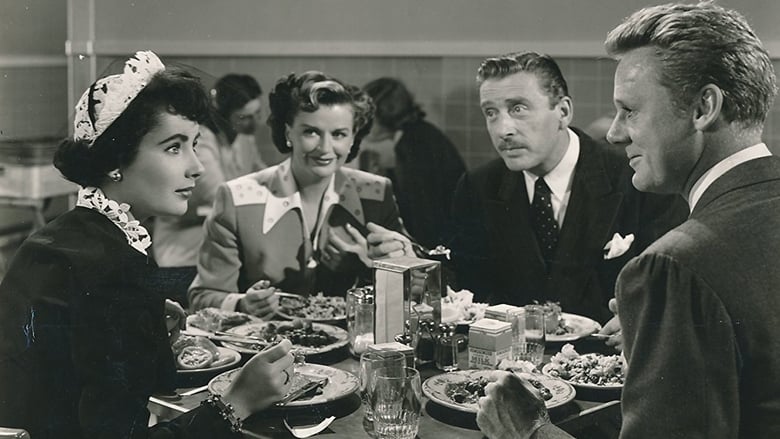
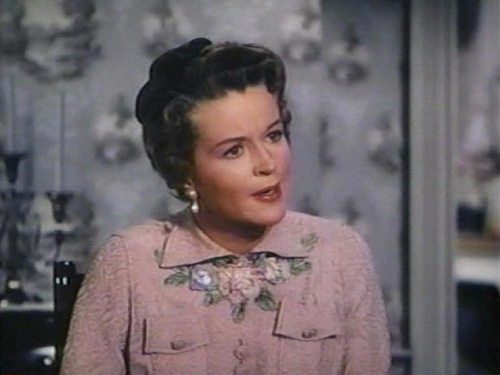
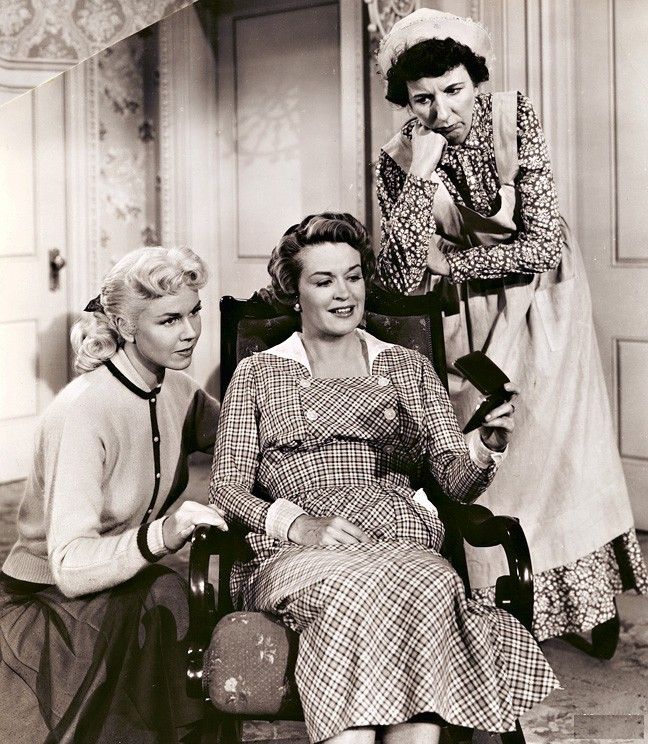
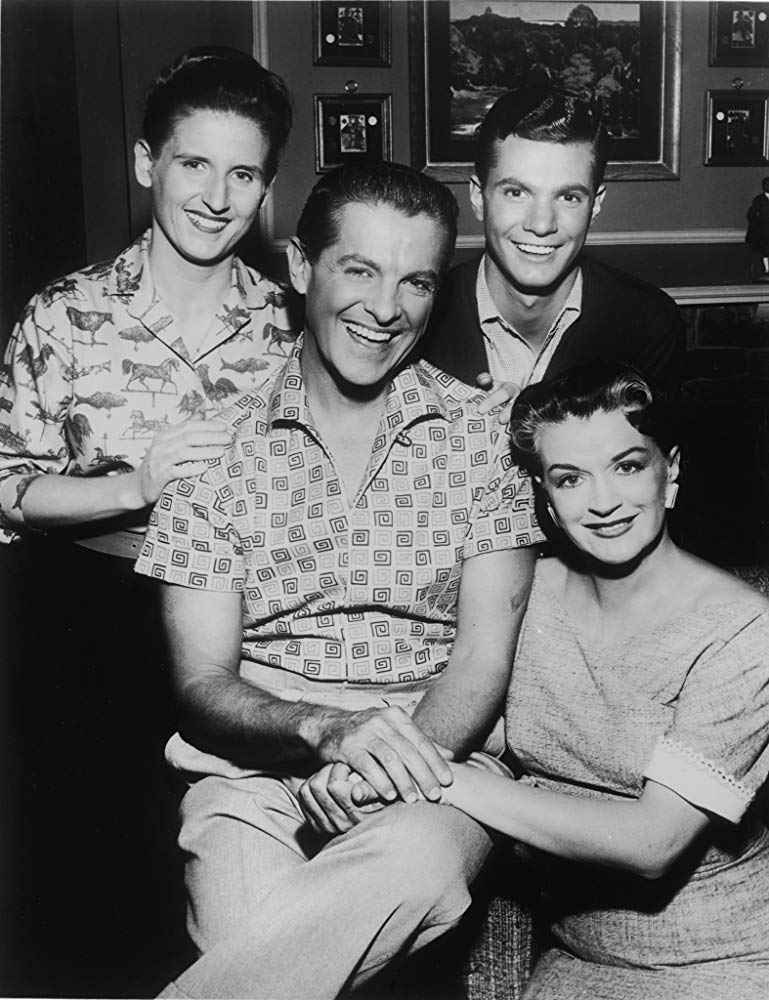
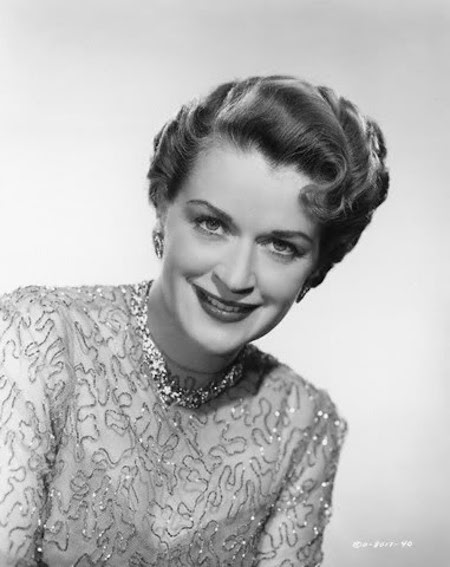
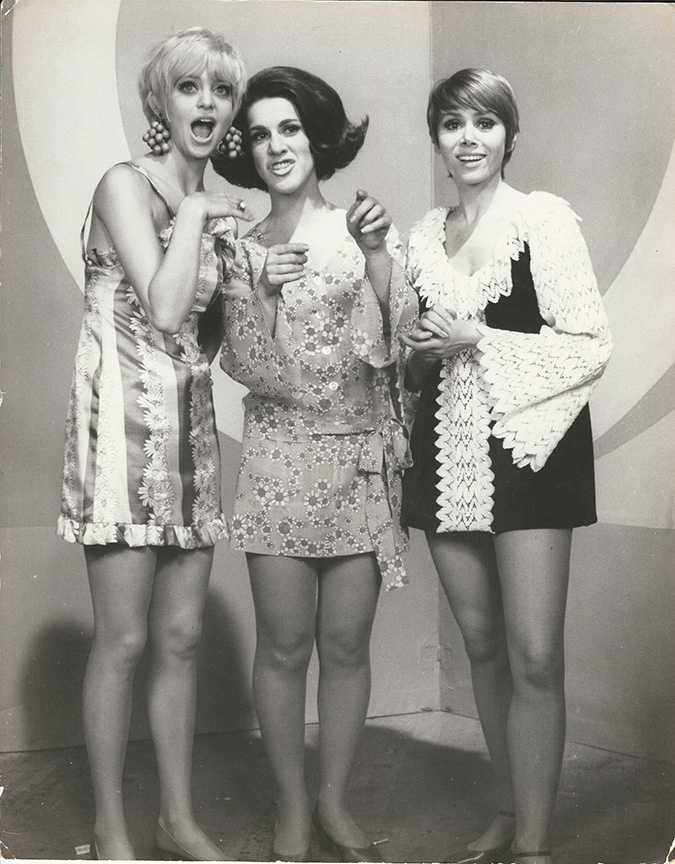
Rosemary DeCamp played the American mother in a variety of films and television series. I remember her as both Ann Marie and Shirley Partridge’s mother. She was born in November of 1910 in Arizona. Her father was a mining engineer and the family relocated often for his job. Her younger brother was 14 years younger than her, so they were both raised almost like only children.

rose1

Rosemary began her radio career in 1937 playing the role of Judy Price, a nurse to Dr. Christian on the long-running show, Dr. Christian. From 1939-1941, she appeared a syndicated soap opera, The Career of Alice Blair.

rose12


1941 was a memorable year for her for several reasons. It was also the year she married John Ashton Shidler, a local judge. The couple were married until his death in 1998, and they raised four daughters.

rose10


When that soap ended, she accepted her first film role in Cheers for Miss Bishop. She worked for a variety of studios. Many of her pictures were made by Warner Brothers. In 1942 she played the mother of George Cohan in Yankee Doodle Dandy. In 1943, she took the role of Ronald Reagan’s mother in This is the Army. In the early 1950s, she portrayed Doris Day’s mother in On Moonlight Bay and its sequel, By the Light of the Silvery Moon.


In July of 1946, she and her husband had a close call. They were in their Beverly Hills home when an aircraft crashed into the house next door. The wing cut into their roof and landed in their bedroom. The plane just happened to be an experimental one piloted by Howard Hughes. Hughes was rescued by a bystander before the plane exploded. He was very lucky, receiving only a few broken bones and cuts and abrasions. He paid for the repairs for all the homes involved, and luckily, no one else was hurt.

rose13


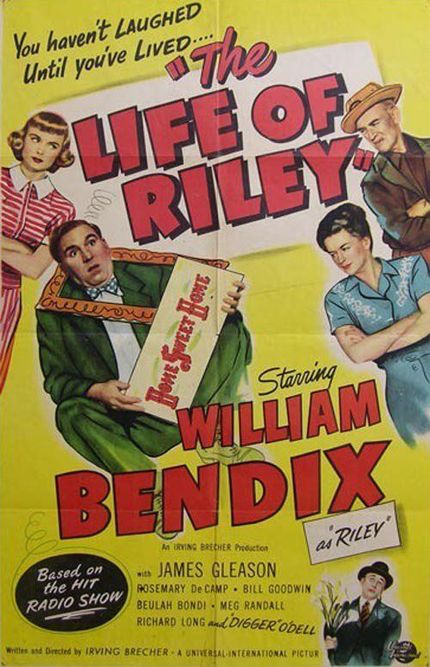
She appeared in 38 films during her career, including The Life of Riley with William Bendix as her spouse. In 1949, she again played Peg Riley, this time in a television show with Jackie Gleason. Her husband worked in an aircraft plant and they had two children. Of course, Riley was a bit of a bumbling father and husband, but she loved him and put up with his ineptness. His catchphrase was “What a revoltin’ development this is.”

rose5


She continued with her film work, mixed in with a few television show roles until 1955 when she played widow Margaret MacDonald on Love That Bob/The Bob Cummings Show. Her brother Bob was a photographer and play boy and she lived with him, raising her son Chuck and trying to get her brother to settle down.

rose3


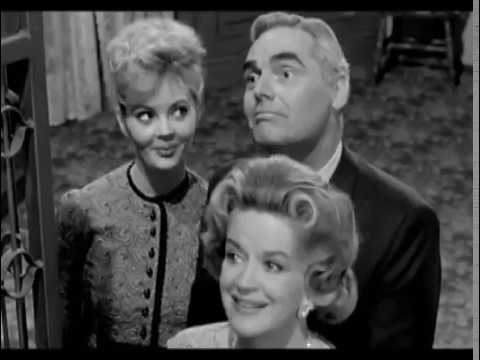
After her role as mother Peg in the 1940s and Margaret in the 1950s, from 1966-1970, she had a recurring role on That Girl as Ann Marie’s mother Helen. She was the voice of reason when her husband got upset about something, typically having to do with Ann’s boyfriend Donald or her living alone in New York.

rose6


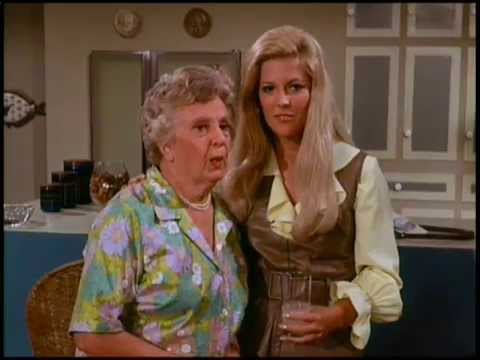
Coincidentally, in 1968 she also played the role of Helen on Petticoat Junction. She was not Helen Marie though, she was Kate’s sister who came to help take care of the girls when Bea Benardaret who played Kate was ill in real life.

rose9


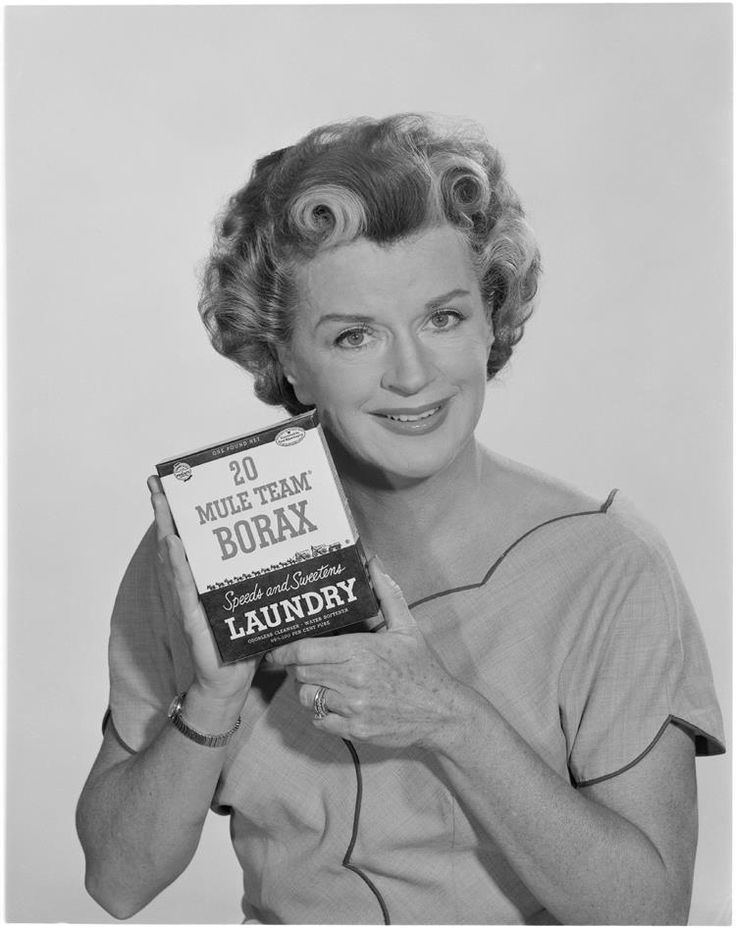
It was also in the 1960s that she was the spokesperson for 20 Mule Team Borax, a laundry detergent.

rose2


She continued accepting roles on a variety of television shows from crime dramas to westerns to Love American Style. Continuing her mother-a-decade role, in the 1970s, she showed up as Shirley Partridge’s mother on The Partridge Family. Again, she had to deal with a husband who usually needed some mediation with the family.

decamppartridge

DeCamp continued to take on miscellaneous television roles. In 1989, she filmed an episode of Murder She Wrote. After the taping, she suffered a stroke, and decided to retire from acting.

In 2000, she published her memoir, Tigers in My Lap. The following year she died after contracting pneumonia at the age of 90. I could not find any information about any of her hobbies or interests, but she was an active Democrat all her life.

decamp book


She will always be remembered as a caring mother. The Institute of Family Relations granted her its “Mother of Distinction Award,” because they felt she did “more to glorify American motherhood through her film portrayals than any other woman.”

rose11


Get Ready to Be Bowled Over: The Greatest Bowling Episodes

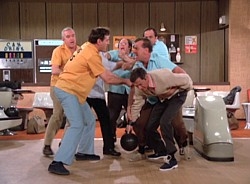
Along with Labor Day this year, September 3 is Bowling League Day. It’s also a good reason for me to put together a list of my favorite bowling episodes. Bowling has been a staple on television since shows first started airing. Let’s look at a few of the best ones.

bowl22


Tom and Jerry

One of the first programs to be set in a bowling alley was Tom and Jerry in “The Bowling Alley Cat” from 1942. It was originally seen in theaters and later debuted on television. A play on the phrase “alley cat,” the animated show is directed by William Hanna and Joseph Barbera.

bowl2

This is a fun setting to watch the duo’s antics. Jerry hides in a bowling ball and then skates down the alley. Tom slips trying to catch him. Eventually Jerry makes it to the end of the lane and waves from behind a pin. Tom tries to throw a ball to hit him as Jerry has to jump behind different pins to keep from getting hit. Jerry bats one of the balls back to Tom using the pin as a bat. Tom’s thumb gets stuck in a ball as he tries to release it and he is propelled all the way down the lane. Quickly acting, Jerry pulls the pin setter down and Tom looks like one of the pins. Tom drops a ball on his foot at one point trying to get Jerry out of one of the holes. These escapades continue until Tom is sent down the alley again knocking over all the pins. Jerry hops onto the desk and records a strike on his scorecard.

bowl1


Ozzie and Harriet

In 1953, in an episode titled “Bowling Alley,” the Nelsons are sitting around the living room. David and Ricky decide to go play basketball. Ozzie and Harriet are discussing how many people have colds. Harriet thinks Ozzie is coming down with one. He feels fine, but then her friend Mary stops by. The girls decide to go to the Emporium shopping. When Harriet asks Ozzie to drive them, honest Ozzie feigns a cold to get out of taking them. His neighbor Thorny stops by and convinces him to go bowling because the high scorer for the day gets a case of Ginger Ale. It’s not Thorny’s night, and Ozzie beats him four games in a row,  winning a whopping $.20. Just as the guys are changing their shoes, Thorny spies Harriet, and they make a quick get-away. Relieved, they get home before her and no one is the wiser. Of course, Ozzie is the high scorer and the next day when the pop is delivered to the Nelson home, Ozzie confesses. He calls everyone he knows to brag about his achievement.  Harriet doesn’t have the heart to tell him that the high score was her game.


The Flintstones

One of the most famous bowling scenes is from The Flintstones’ third season, “Bowling Ballet.”  Wilma has her work cut out for her getting Fred off to his job. When the lunch whistle blows, Fred meets Barney to practice bowling. Fred feels he is out of rhythm and his timing is off. After driving into a fence, dropping a rock on a truck at work, and having a bowling ball hit his toe, he decides he needs help. Mr. Slate tells him the employees are betting double that his team will win the bowling championship. That night Fred sees a commercial for the Bedrock Dance Studio airing the promise to help someone get their rhythm back. Fred signs up for classes. A few days later, Fred calls in sick.  The girls spy him ballet dancing in the basement. Wilma assumes he’s been seeing another woman since he’s been gone every night. Betty promises that Barney will follow him that night to make sure it’s not another woman. When Barney calls Wilma and Betty to say Fred is dancing, they assume he’s with another woman and go to check it out. Fred’s secret is out. The night of the big championship, the team faces the Rockland Rockets. Fred’s first ball is a gutter ball.  Barney puts on some music so Fred can bowl while dancing ballet, and he gets a strike. The Water Buffaloes take home the first prize.


That Girl

That Girl’s “This Little Piggy Had a Ball” episode aired in 1967. The show begins with a group throwing their friend Sharon a surprise party for an award she won.  However, Sharon has been called to Hollywood for an audition, so she chooses Ann to accept the award for her. Don and Ann are supposed to go bowling, so Don agrees to write an acceptance speech for her while they’re there. While Don is writing, Ann reads a bowling magazine and reads an article about a man who bowls with his feet. While demonstrating, she gets her big toe stuck in the ball. No matter what they try, the bowl stays stuck. The owner throws away the magazine because Ann is the fourth person to get a ball stuck on their foot that week. He puts axle grease on her toe but nothing he does helps her. Ann is sure the fire department can help her. The crew was at a fire, and the underwater diver who was at the station cannot find a way to help her either. Ann makes Don take her to the hospital emergency room. The doctor she sees is convinced that his doctor friend set him up and this is a prank.  When he is convinced that she is a real patient, he diagnoses her with an excited toe and gives her muscle relaxers to help her toe come loose. She is supposed to take one every half hour but her neighbor Leon, an obstrician,  realizes she took three in the first hour and he decides to cut off the bottom half of the ball so there is a flat surface and put a cast over the the rest of it, so she can walk, and they sober her up. Rob Reiner and Terri Garr show up at the banquet as acting friends and give Ann a hard time about her cast. Sharon wins the prize, and when Ann goes up to accept the award, the ball and cast fall off.


The Odd Couple

In 1974 the question was “To Bowl or Not to Bowl.” Felix and Oscar’s bowling team, the Bon Vivants, are battling the Kingpins for the championship game. This is the first time in five years the Bon Vivants have had an opportunity to be in the final game. The episode begins with Oscar telling everyone they need to practice every night and complaining to Murray and Vinnie about how bad they were. Felix hates the pressure and quits the team. Oscar makes it clear he’s mad at Felix, and Felix tries to get him to talk it over. When Felix still says he won’t bowl, Oscar refuses to discuss it. The other team sticks to the rule that a bowler cannot be replaced. The next night, the boys play poker. Oscar decides to play without competition to teach Felix a lesson. Felix wins the round but since there is no competition, the next round goes back to even and no one wins any money. The guys discuss the fact that Felix always has an ailment when a competition is on the line. They decide his real problem is psychological. Murray brings a healer to talk to Felix whose back is hurting. After the guys leave for the bowling alley, Felix decides to go and bowl with the team. The other team is also short a man because on of their players is getting married, so they decide each of them can substitute someone but they can’t agree on two people they can use. Part way into the game both Felix and the groom show up to finish bowling with their teams. They are down to the final frame. Felix can win with his final ball, but as he gets ready to let it go, his back goes out and the teams start arguing. Felix lectures everyone. He rolls the ball down the aisle while laying down. He wins and the team is so excited they all run off so the losing team can buy them a drink, but they forget about Felix who can’t move and has to crawl off the lane.

bowl11


Laverne and Shirley

In another season 1 episode, “Bowling for Razzberries,” the girls are in the championship game in 1976. Laverne dislikes Karen, who gives tours at the brewery and torments her. Shirley convinces her to get even with Karen by beating her team at the company bowling night. Laverne coaches the girls about their abilities during practice. Laverne doesn’t criticize Shirley because she always over reacts and takes it personally. Shirley convinces Laverne to give her some tips and when she does, Shirley quits. Shirley realizes Laverne is coming down with a cold and tries to convince her not to practice with her fever. Leonard shows up with a pink ball and his fingers were stuck in there.  He made a comment about Karen’s body, and she slammed the ball on his hand. On the day of the championship, Carmine stops by to tell them he, Lennie and Squiggy bet on their team to win. Shirley calls the doctor to stop by and see Laverne. The doctor is young and good-looking. Laverne puts on lipstick while he scrubs up. He gives her some cold medicine and tells her she needs bed rest till Monday.  To keep Laverne inside, Shirley hides all her clothes while Laverne is sleeping and joins the team again. A sergeant comes collecting clothes for the needy. Laverne tells her she has no clothes, and the sergeant gives her her clothing, keeping her cape and hat. The Hot Shotz are playing the Big Shotz. Shirley finds and old lady from the brewery to fill in for Laverne. In order to participate in the game, Laverne decides to take the medication which leaves her muscles jerky. She shows up at the bowling alley in the sergeant’s clothing. Laverne gets worse as the night goes on. In the last frame, she needs six pins to win. Squiggy, Carmine, and Lenny carry her in her chair to the lane. She wins the game for her team but is too tired to tell Karen what she thinks of her. She asks Shirley to do it and Shirley congratulates her, using good sportsmanship. The next day, Laverne tries to convince Shirley to go to Karen’s house and give her the “razzberry” Laverne wanted to the night before. Shirley calls her on the phone and does so, making Laverne proud. There are a lot of similarities between this episode and The Odd Couple episode discussed above. That’s not too surprising since Garry Marshall produced both shows.


Ellen

In “Bowl, Baby, Bowl” in 1996, the cast ends up at the bowling lane. Paige and Spencer decide to meet at the bookstore since it’s located half way between the hospital and her studio. Before Paige gets there, Spencer gets called back to the hospital. To reward the employees for their good work at the store, Ed decides to take everyone bowling. Ed is very competitive and names his bowling ball “Rolling Thunder.” The rest of them are just there to have fun, and they goof around more than bowl seriously. They attract a crowd and in the last frame, despite her lack of skills, Ellen wins. After Ellen beats him, Ed gets mad. He cancels Ellen’s day off. When she tries to talk to him, he challenges her to a game of pool at his house the next day. That morning, Paige shows up at Ellen’s to surprise Spencer with breakfast. Before they can eat, Paige has to go to the studio and Spencer gets a page from the hospital. At Ed’s house, Ellen trash talks while playing pool.  Ed wins, but Ellen is a bad loser. The next morning at the bookstore, Ellen challenges Ed to who can drink the hot coffee the quickest.  After burning their mouths, they decide on a final game of bowling to break the tie. Ed’s young daughter Emily asks to bowl for Ellen in the final frame. After saying no, Ellen gives in and hands her the ball, talking about the fact that winning is not the important thing, how you play is. Emily granny rolls the ball and wins for Ellen. Ed and Ellen call a truce but when Ed’s wife takes the girls to the arcade, the game is back on as those two run to the arcade to beat each other. The show ends with Spencer and Paige finally getting some time together.


Modern Family

In “Knock ‘Em Down” in 2015, Jay agrees to sub for Cam’s bowling team. Cam conveniently forgets to mention that it’s an all-gay league. Cam wants to beat his nemesis Martin Sherman. Gloria and Mitchell are bragging about how late they will stay out since they are going out on a night on the town with Haley. Cam and Jay bet them $10 that they’ll be home before they are. As Mitchell and Gloria begin dancing, Cam tells them they’re dancing to the Antique Roadshow theme. When Cam tells Jay everyone has to be gay on the team, Jay says no one will ever believe he is gay. Martin approaches Cam and tells him he’ll beat him again and hopes to see Cam try to throw a chair that is bolted down like last year which hurt his back. Jay dislikes Martin and agrees to bowl. Martin questions Jay’s being gay, so Cam tells him to “up his gay game.” Cam tells Martin Jay is acting a bit weird because he has a crush on Martin. Jay really plays up to Martin to throw him off his game. Near the last frame, Martin tries to ask Jay out and he turns him down which keeps Martin from bowling well. After they win the game, Jay talks to Martin and tells him he turned him down because he’s not gay.  Martin thanks him for revealing it and then has Cam’s team disqualified.

Meanwhile, Phil can’t sell a house in the neighborhood because the house across the street has an obscene statue in the front yard. All the neighbors hate it, including the new neighbors whom Phil and Claire dislike. That couple ask Phil and Claire to go out to dinner, and they can’t find a nice way to say no. Phil and Claire consider the couple a bit “low class.” Phil and Claire are embarrassed that the neighbors they don’t like brought their own wine. But when they wave the waiter over for glasses and he takes it out of the bag, it’s a very expensive bottle that the restaurant doesn’t have. Then they mention their son is going to Julliard for piano playing and composing.  The neighbors say they can tie rope around the statue and haul it away. Phil gets in the car and tries to stop them. As he pulls off, he doesn’t realize he’s in reverse and he backs over the statue. A policeman stops by to talk about the statue; luckily Phil knows him and they aren’t questioned.

Meanwhile, Haley tells Gloria and Mitch that they can’t go out for a few hours because no one goes out till 10 and the band sometimes doesn’t go on till midnight. As Mitchell and Gloria wait to go out they are already falling asleep. They start dancing to stay awake. When Haley comes back with wristbands they are sound asleep. They get up and go to the club with her but realize they can’t stay up any longer and leave.


These episodes are a handful of the shows that aired during the 75 years between 1942 and 2015, but they are my favorites. Other shows that featured fun bowling episodes are Happy Days, Looney TunesMike and Molly, Roseanne, The Big Bang Theory, and The Brady Bunch.

If you can’t find any of these great shows to watch today, gather a few of your friends together and get a game of bowling in. Have a ball! Just keep your toes out of it.

The Actor Who Always “Dressed” Up: Jamie Farr

farr3

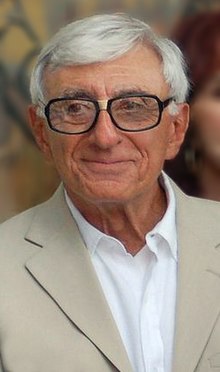
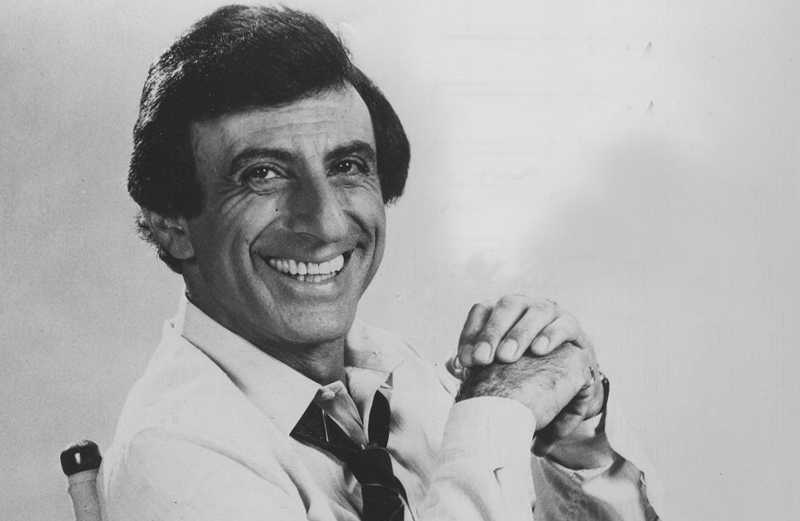
Jamie Farr was born Jameel Joseph Farah on July 1, 1934 in Toledo, Ohio. His mother was a seamstress and his father a grocer. They attended the St. George Antiochian Orthodox Church.

Farr’s first acting success occurred at age 11, when he won two dollars in a local acting contest.

He graduated from Woodward High School with honors and was named most outstanding student. In addition to writing and acting in two variety shows, he was a member of the Drama Society, class president for three years, feature editor of the school newspaper, president of the radio class, manager of the football and basketball teams and a member of the varsity tennis team.

Before becoming a successful actor, he worked for a lithograph company, a post office clerk, an army surplus store clerk, an airline reservations clerk, and at a chinchilla ranch.

farrblackboard

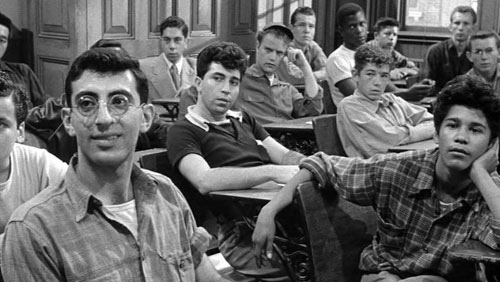
After graduation he attended the Pasadena Playhouse where a Metro-Goldwyn-Mayer talent scout discovered him, offering him a screen test for Blackboard Jungle. He won the role of the mentally challenged student, Santini. He was drafted by the United States Selective Service into the United States Army, undergoing his basic training with the 6th Infantry Division, Fort Ord, California, he served for two years, with service in Japan and Korea. The dog tags he wore on M*A*S*H were his own. (Alan Alda also served as a gunnery officer in Korea.)

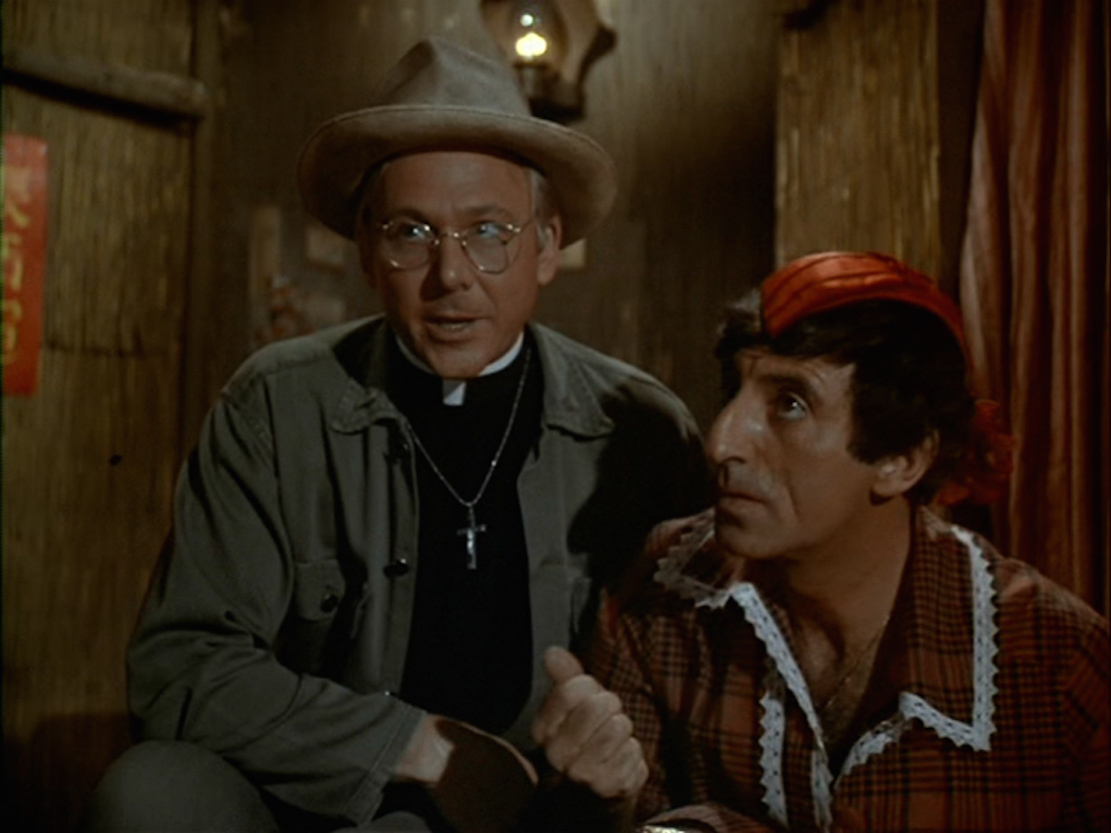
In 1958, Warner Brothers cast him as the co-pilot of a TB-25 in the Andy Griffith military comedy No Time for Sergeants, which also brought the young TV comic Don Knotts to motion pictures. Farr appeared as Thaddaeus in the 1965 film The Greatest Story Ever Told, along with minor roles in Who’s Minding the Mint? and with future costar William Christopher in With Six You Get Eggroll. He would also appear in Cannonball Run and Cannonball Run II.


In the late 1960s, he became a regular on the Red Skelton Show. He appeared in a variety of shows in the 1960s including Hazel, My Three Sons, Donna Reed, The Dick Van Dyke ShowI Dream of Jeannie, My Favorite Martian, Get Smart, Gomer Pyle, The Flying Nun, and Family Affair. Farr received roles in several commercials as well, including an ad for Wonder Bread where he says, “If it isn’t fresh, I’m outta business.”


During this decade, he also married Joy Ann Richards. They are still married and have two children.

He continued his television acting career through the 1970s appearing on a variety of shows including Room 222, Love American Style, Toma, Emergency, Barnaby Jones, and The Love Boat.


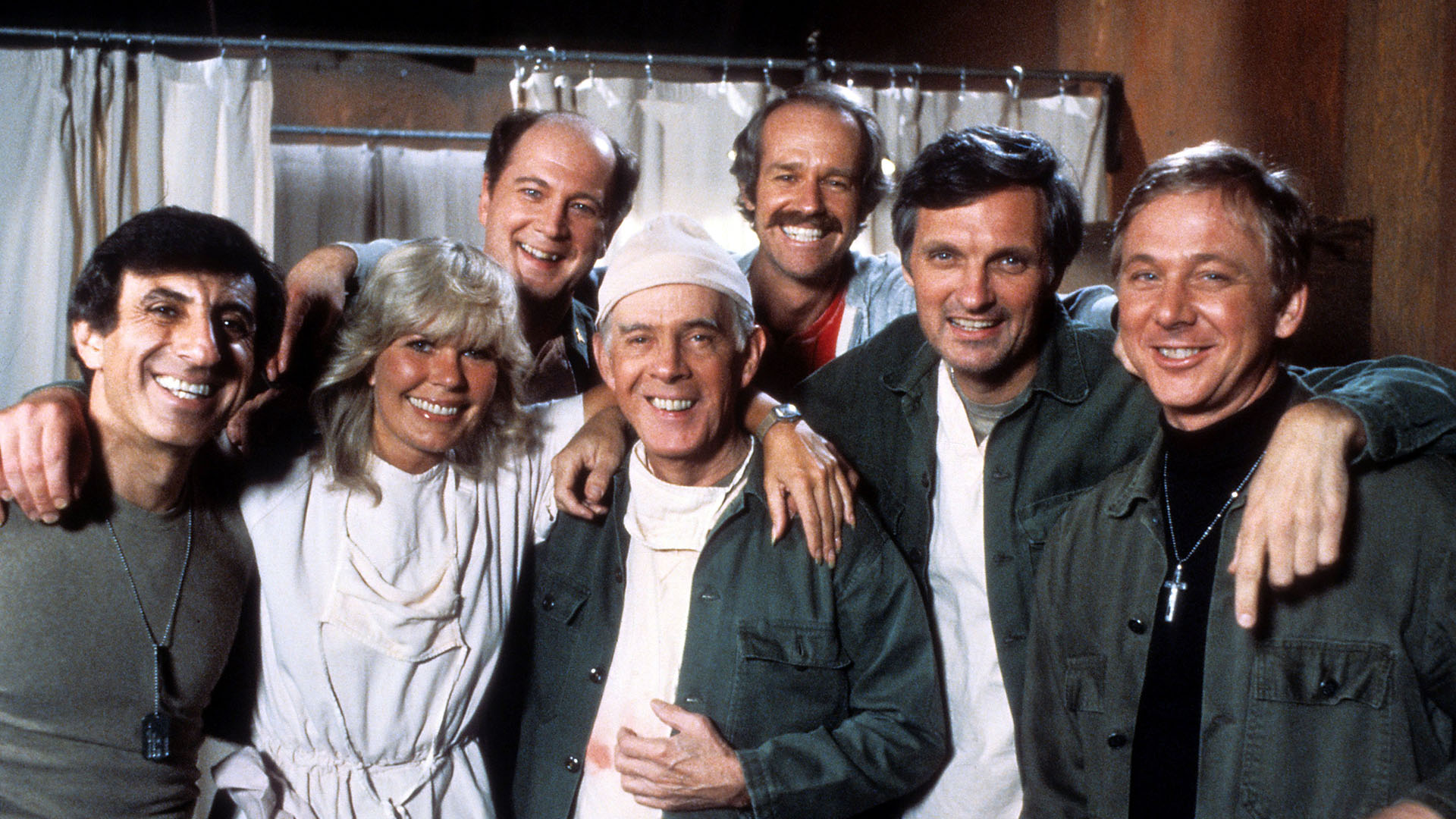
Image: Loretta Swit And Alan Alda William Christopher In 'M*A*S*H'

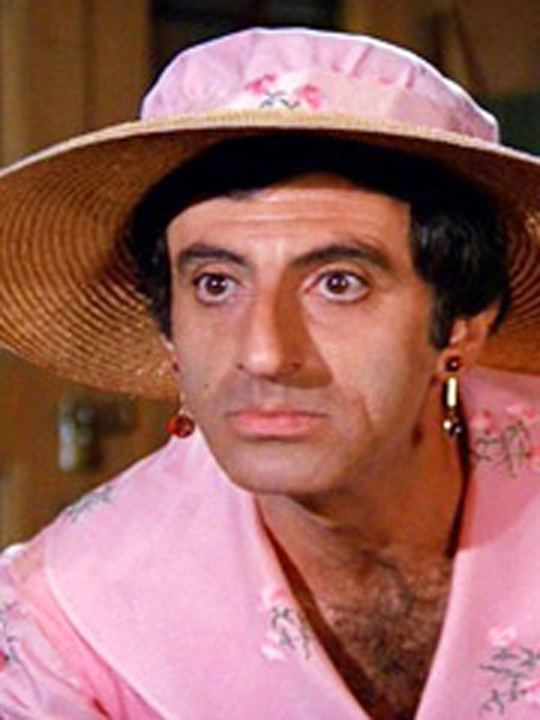
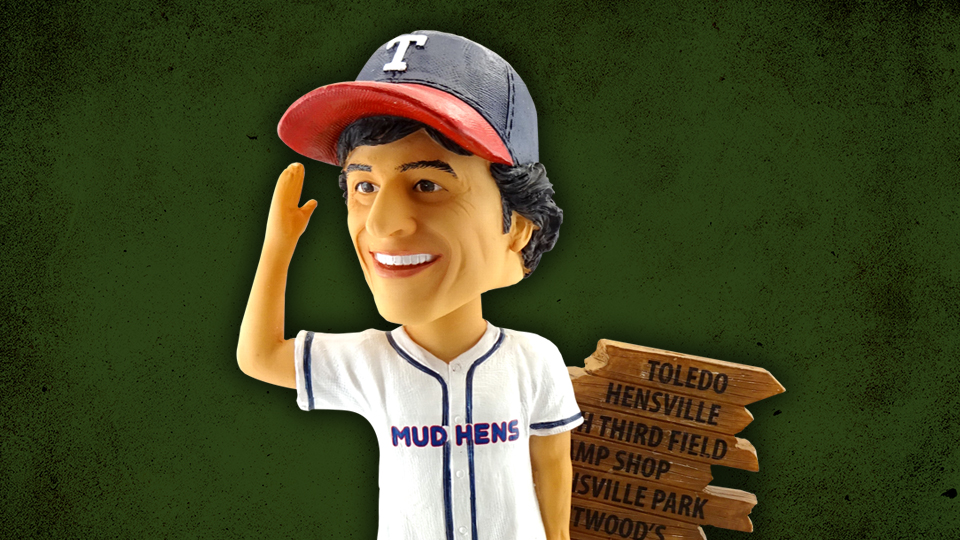
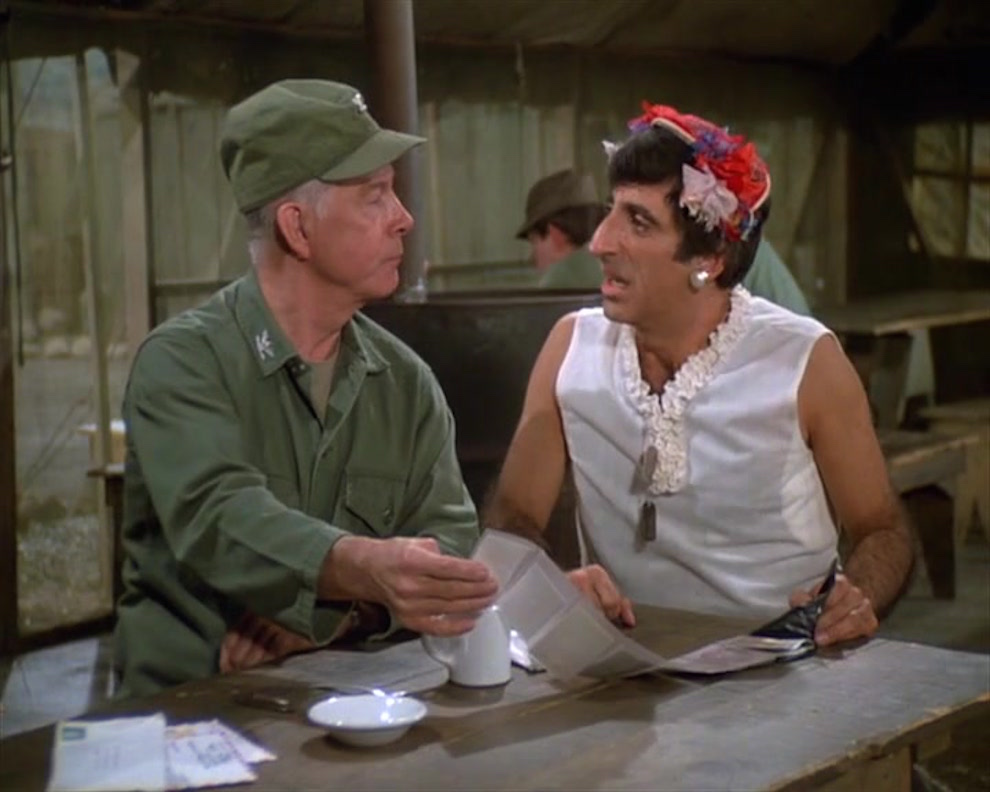
In October of 1972, he was hired to appear on one episode of M*A*S*H as Corporal Klinger. He wore women’s clothing, hoping to be discharged from the Army for a Section 8 discharge. He was asked back for the second season to appear in 12 episodes and became a regular cast member in the fourth season. When Radar left the show, and Klinger took over as Company Clerk, he stopped being fashionable and returned to uniforms. He said he did not want his kids to be made fun of because of his cross dressing. He was a resourceful and kind soldier. His character on the show was also from Toledo, and he often mentioned one of Farr’s favorite restaurants, Tony Packo’s Hot Dogs and talked about his love for the Toledo Mud Hens. (In 2017, he was inducted into the Mud Hens Hall of Fame.  A bobble head was given to the first 2000 fans to the game that night.) He continued with M*A*S*H until 1983 when it left the air.

farrbobble


Along with Harry Morgan and William Christopher, he appeared in After M*A*S*H for two years. The show never got the fan base the original show had and was cancelled after 30 episodes.


farr harry morgan

The cast of both M*A*S*H and After M*A*S*H were very close. On the death of Harry Morgan, Farr commented, “Harry was very special to all of us cast members. Not only was he a wonderful performer that made such a difference … he was a dear friend to every cast member. He was absolutely a pixie, a gremlin as mischievous as all get out. You couldn’t be around Harry for very long without wanting to embrace him and I think our Lord will feel the same way.”


farr wm christopher

He also commented on William Christopher’s passing: “We are all devastated by our beloved Bill’s passing. I have known him for over 50 years. During the 1960s we lived in the same neighborhood in Studio City. My Joy and I would see him and his wife Barbara going for walks as we were going for walks. Bill and I did the very last Doris Day movie together, With Six You Get Egg Roll. We were both cast in the tv series M*A*S*H at almost the same time. He was a gentle soul and, in my opinion, probably the most under rated actor of all of us on the show. He was wonderful. During between set ups for camera angles Bill would read his Homeric book in Homeric Greek. He was a real egg head. He and his Barbara traveled the world and he would try to learn the language of the countries they were going to visit. He went to Egypt one year and tried his Arabic on me. He was better than I was. We used to imitate Bill on the set using his high-pitched voice. One time he came down with hepatitis, and when he returned to the series we had his actor’s chair painted yellow. Bill and I did a National Tour of the play “The Odd Couple” with Bill portraying Felix and me doing Oscar, Bill was at one time on the Board of the Devereaux Foundation for Autistic Children. It was a real honor to have had him and Barbara as friends and a great honor to have shared the tv screen with this gracious, talented and charming soul. May his memory be eternal. Rest in Peace Father Mulcahy.”


farr11

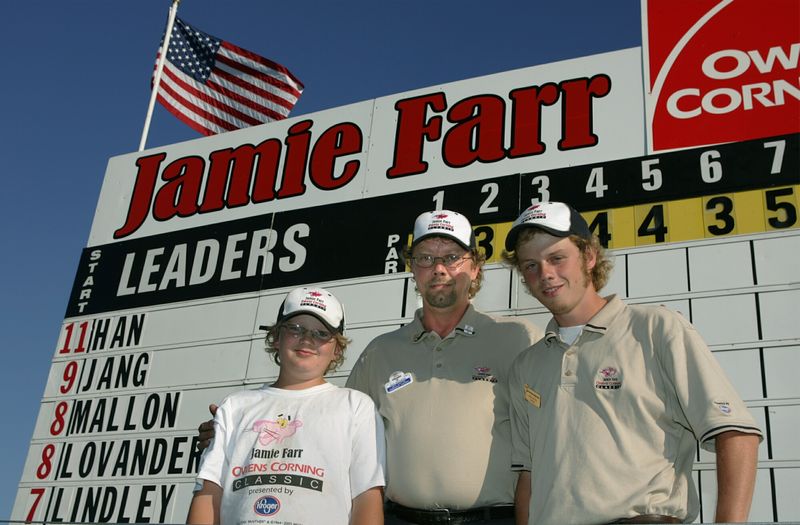
Like many celebrities who were typecast in a specific role, Farr realized there were advantages and disadvantages to his fame. He said that “the benefits from stardom as Klinger outweigh any setbacks. It’s a double-edged sword. What makes you famous is what interferes with getting other roles. But there are things that never would have happened without M*A*S*H. There certainly would be no Jamie Farr Kroger Golf Classic.”

SOC end09p 02.JPG

Farr has always been generous with his hometown. The golf classic he discussed above is now the Jamie Farr Owens Corning Classic. The tournament has raised more than $6 million dollars for local children’s charities.

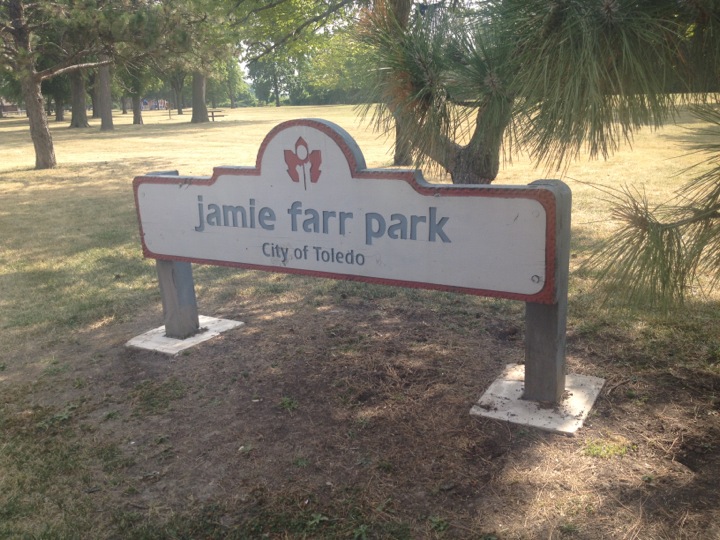
The city has shown its love for Farr as well. The park in Toledo where Farr used to hang out when he was younger was renamed “Jamie Farr Park” in his honor on July 5, 1998. About the park, he said, “I wanted to be an actor, a famous actor, and I wanted my hometown of Toledo, Ohio, to be proud of me.” Farr spoke to about four hundred admirers and was quoted in the New York Post: “Jamie Farr Park is certainly a highlight of my life and career.”

farrparksign

Farr also made a gift of his scripts to the University of Toledo. The scripts were from movies and television, including M*A*S*H, After M*A*S*H, The Blackboard Jungle, With Six You Get Eggroll, No Time for Sergeants, Who’s Minding the Mint, among others. He also donated call sheets with each script. Call sheets list the personnel and equipment needed for each day of productions, the scenes being filmed, shooting schedules, and the scenes to be filmed.

Farr has also appeared in plays during the second half of his career. In the 1990s, Farr  played the role of Nathan Detroit in a Broadway revival of “Guys and Dolls.” Farr is still active in regional theater and guest-stars occasionally on television.

farr1

In 1996–97 Farr went on a national tour with “The Odd Couple,” playing Oscar Madison, playing opposite his old friend William Christopher in the role of Felix Ungar.

Most recently he was in the national touring production of “Say Goodnight, Gracie,” a one-man show about longtime entertainer George Burns.

farrbook1


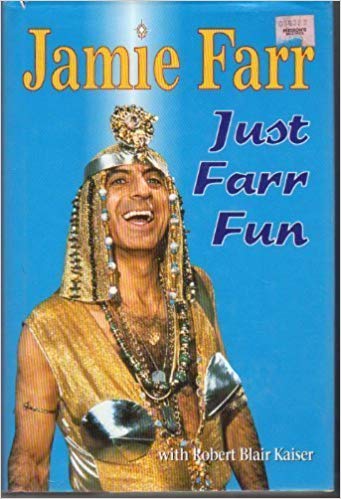
Farr has also tackled being an author. In 1994, he published his autobiography, Just Farr Fun. With his wife, he also wrote a children’s book, Hababy’s Christmas Eve, a Christmas book where the story is told from the view point of the animals.

farr4guideposts

Jamie Farr has had a successful and fun career. He has been a movie star, a television celebrity, an author, and a Broadway performer. He was not bitter about his role as Klinger but accepted the benefits that came with it and made the most of it. He has also been generous, raising money and publicizing Toledo. He truly sounds like a very nice man. It was fun to learn more about his life.

Mary Ann vs Ginger: Dawn Wells and Tina Louise

While all the girls loved David Cassidy growing up in the 1960s and 1970s, guys had a harder choice.  They were always asked to choose between Jeannie and Samantha and Mary Ann vs. Ginger. Ginger and Mary Ann didn’t seem to have much in common.  Unfortunately, that was also true of Dawn Wells and Tina Louise. Let’s look at their careers and their time as cast members on Gilligan’s Island.

Dawn Wells

Dawn Wells was born in October of 1938 in Reno, Nevada. Her father was a real estate developer and she seemed to have a happy childhood, gardening and horseback riding. Her parents divorced when she was young, but they shared custody. She was bright, an honor roll student. She was also on the debate team and her class treasurer. She won Miss Nevada. Originally, she wanted to be a doctor or a dancer, but bad knees reduced her choices and then she took drama at Stephens College. She was bit by the acting bug and transferred to the University of Washington, earning her degree in theatre.

wellsf

After school, Dawn moved to Hollywood and began working in both theater and movies. Her first film was Palm Springs Weekend in 1963. In the early 1960s, she appeared in about 20 shows, many of them westerns.

In 1964 she was offered the role of Mary Ann Summers on Gilligan’s Island. She enjoyed her time with the show. In a September 27, 2014 LA Times article by Susan King, she said, “Bob Denver, who played the bumblingly sweet Gilligan, was a comic genius. Alan Hale Jr., who embodied the teddy bearish Skipper, was a wonderful man. I never saw him angry.” She also adored Jim Backus and Natalie Schafer. Russell Johnson wrote the foreword for one of her books. The only member of the cast she hasn’t had contact with was Tina Louise.

wells3

In the original Gilligan’s Island theme song, Mary Ann and the Professor were not mentioned. They were referred to as “the rest” and then later the lyrics became “the Professor and Mary Ann.” Wells has mentioned in several articles that Bob Denver was the one that got the change made.

wells4

Wells embraces her character and people respond in a positive way. People who grew up watching the show see her as friendly and unassuming. Like Barbara Eden and others who suffered from typecasting, she sees her time as Mary Ann in a positive view: “Mary Ann has been such a big part of my life, it’s really impossible to get away from it. But why would I want to? Everywhere in the world that I go, I am greeted with love. . . I created a character that meant something to some people and it has lasted.”

wells2

However, Wells admits that most of the cast suffered from stereotyped views of their roles on the show. She worked hard to continue acting, performing in more than 66 theatrical productions, as well as countless voice-overs and commercials.

She had married Larry Rosen in 1962, but they divorced the same year her role as Mary Ann ended.

After the demise of Gilligan, she received other roles, appearing in 24 shows from 1967-2018, but in many of them she played Mary Ann, not a character like Mary Ann, but the actual Mary Ann from Gilligan’s Island.

wellsc

In 1998, she opened the Dawn Wells Film Actors Boot Camp in Idaho. She also designed a line of clothing for physically challenged people, “Wishing Wells Collections” and launched a beauty line, “Classic Beauty.” She also wrote two books, a cookbook from the show and A Guide to Life: What Would Mary Ann Do?

Dawn Wells has taken her role of Mary Ann and let it be part of her without limiting herself. She willingly accepts the character as part of herself, but she has continued to grow and expand her career. I think when Mary Ann was rescued from the island, she probably had a very similar career.

Tina Louise

Tina Louise was born in New York City in 1934. Like Wells, her parents also divorced when she was quite young. She first appeared on Broadway in “Li’l Abner” while a teenager. She was given good reviews and was offered a role in her first movie, God’s Little Acre in 1958. She then began studying with Lee Strasberg.

louiseb

During this time, she made one album, “It’s Time for Tina,” a collection of classics from composers such as George Gershwin, Jule Styne and Cole Porter.

louise3

After making several movies, she returned to Broadway, starring with Carol Burnett in “Fade In, Fade Out.” Like Dawn Wells, Louise accepted a number of roles on television in the early 1960s, also many westerns.

louise2

Tina left the Broadway show to take the part of Ginger Grant on Gilligan’s Island.  Surprisingly, she was not the first choice and replaced Kit Smythe who was cast in the pilot. Unlike Wells, she did not appear to enjoy her time with the show. Many articles have been written about her dissatisfaction with the fact that she thought she would be the star of the show instead of one of seven more equal cast members. The other cast members describe her as professional but unhappy. She distanced herself from the show as soon as it ended, not participating in future projects.

Also, like Wells, Tina married but divorced after five years.

Louise made quite a few movies after her time on Gilligan and continued to work in television, appearing on 27 different series including Bonanza, Love American Style, Kojak, Marcus Welby, and The Love Boat.

Again, like Dawn Wells, Tina Louise has expanded her acting career into other venues. In 2005 she got a lot of money for 80 lines of voice-over work for a gaming machine, MegaJackpots which were located in casinos across the country.

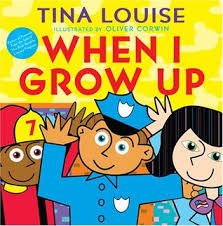
She also penned three books so far, Sunday: A Memoir in 1997 and two childrens’ books, When I Grow Up in 2007 and What Does a Bee Do? in 2009. She has also spent time volunteering in literacy projects and providing tutoring for school children.

louisef

Louise has also discovered a love of abstract painting and has exhibited her work around New York, recently at the Patterson Museum of Art.

wellsd

Unlike Dawn Wells, Tina Louise did not embody her character of Ginger but has instead refused to be associated with the show and her role. Both actresses went on to forge new careers for themselves and became successful in various fields. It’s too bad that they are the only remaining crew members left from the show and do not get along. As you can see from comparing their lives, they do have quite a bit in common, and their acting journeys have been similar. They have said they do not dislike each other; they just never formed a deep friendship.

I Know That Girl From Somewhere: The Career of Meredith MacRae

mac1

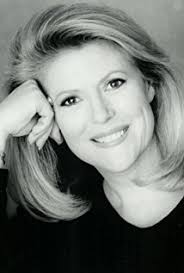
Meredith MacRae is one of those actresses almost everyone recognizes but are not always sure why they remember her. Perhaps it was one of her 14 movies. Then again it could be the two television shows she had a regular role on or one of the other 18 shows she appeared on. It might be from a game show where she was a a panelist or as a singer on a variety show or one of her many commercials. Some folks saw her talk show in LA. She also worked hard for a variety of charities and traveled around the country speaking on alcoholism. Viewers might not be exactly sure how they know her, but everyone realizes they liked her. She had that friendly and caring quality.

mac11parents

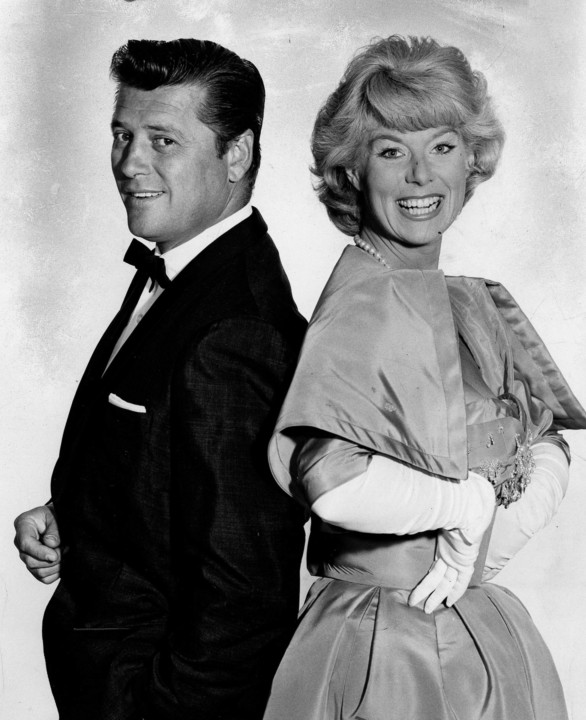
MacRae was born on May 30, 1944, in Houston, Texas on a military base where her father was stationed. Her father, Gordon MacRae was a big star, featured in Roger & Hammerstein’s Oklahoma and Carousel. Her mother, Sheila MacRae was an actress and comedienne, appearing as Jackie Gleason’s wife on The Honeymooners.

Meredith began her acting career at a young age, receiving a part in By the Light of the Silvery Moon in 1953, which starred her father. Her part was later cut.

Her father struggled with alcoholism, and her parents divorced when she was ten.  Meredith was always close with her siblings.

mac9norwood

She attended UCLA and obtained a Bachelor of Arts degree in English. She had roles in two of the ever-popular beach blanket movies—Beach Party in 1963 and Bikini Beach in 1964. That same year she married Richard Berger, former president of MGM. They divorced four years later.

mac4

Meredith would appear on the big screen ten more times, none of the movies being well remembered.

mac2

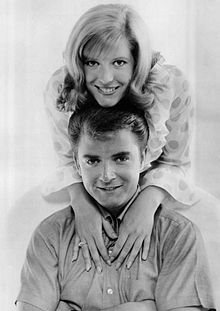
In 1963, Meredith was offered a role on My Three Sons. She played Sally, Mike’s girlfriend and later wife from 1963 until 1965. Although the show was on the air until 1972, Tim Considine who played Mike, left the show in 1965 and the story line was that he and Sally moved to Arizona.

mac8

MacRae was offered another sitcom role when her work on My Three Sons ended. She took the role of Billie Jo Bradley on Petticoat Junction, appearing in 114 episodes. She was the third star to play Billie Jo. In 1970 the show as cancelled.

greg

In 1969, Meredith married again, this time to actor Greg Mullavey (best known from his role on Mary Hartman, Mary Hartman). They divorced in 1972 but remained friends and had a daughter Allison. Meredith was extremely close to her daughter and she traveled with her often.

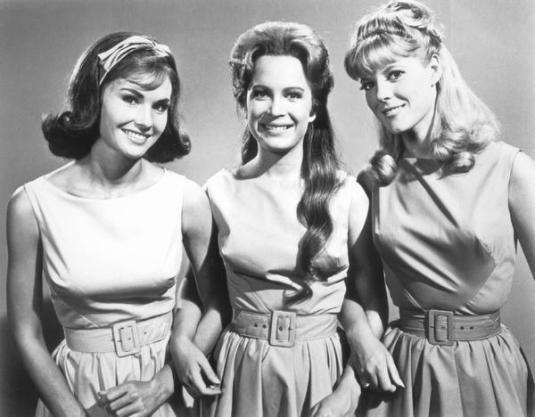
Meredith released two singles with Lori Saunders and Linda Kaye Henning, her sisters on Petticoat Junction. She also had two singles as a solo artist. She was also seen on many game shows including Match Game, Family Feud, and the $10,000 Pyramid.

mac6

Meredith would continue her television career throughout the 1970s and 1980s. She was seen in The Interns, The FBI, The Rockford Files, CHiPs, Fantasy Island, Webster, Magnum PI, and was on my favorite episode of Love American Style.

mac7

Eventually Meredith became a television producer and writer. She also made several PBS specials tackling women’s issues, medical problems, and the aging of America. She received her own talk show which was really an investigative show called “Mid-Morning Los Angeles” for which she won an Emmy.

During the late 1990s, MacRae complained about vertigo and a loss of short-term memory. She was misdiagnosed as having issues related to peri-menopause. In 1999, she struggled with severe headaches and was told it was muscle spasms.  When she went in for a second opinion, she discovered she had Stage 4 brain cancer. She had the tumor removed and then agreed to join an experimental cancer drug treatment group, but she had an allergic reaction which caused her brain to swell. She had more surgeries and then broke her hip.

Many people praised her for maintaining her dignity and sense of humor during this painful time.

Meredith had a way of making others feel important. She had a genuine warmth and was friendly, appearing sincerely interested in others. I read about a Ladies’ Fun Night which she held every month or two. She would invite her friends and a guest speaker. Typically, about 25 women were invited including her old friend Linda Henning.

Meredith always found time to travel to discuss the effects of alcoholism on families. She enjoyed seven years with her father when he was sober before he passed away, and he approved of her speaking engagements.  She also worked for many charities including the League of Women Voters, Women in Film, Committee for the Children’s Burn Foundation, and the United Cerebral Palsy Foundation (UCPF). Her parents had also supported UCPF, and Meredith was their telethon host for 20 years. After she passed away, the MacRae/Edelman Center, a place where adults with cerebral palsy can get help, was named for her.

mac5

When asked what helped her get through some of the tough times in her life, she replied “I believe in getting help from your friends. I don’t know what I would do without my women friends.” Many viewers who never met Meredith in person considered her a friend. She lived an incredibly meaningful life.


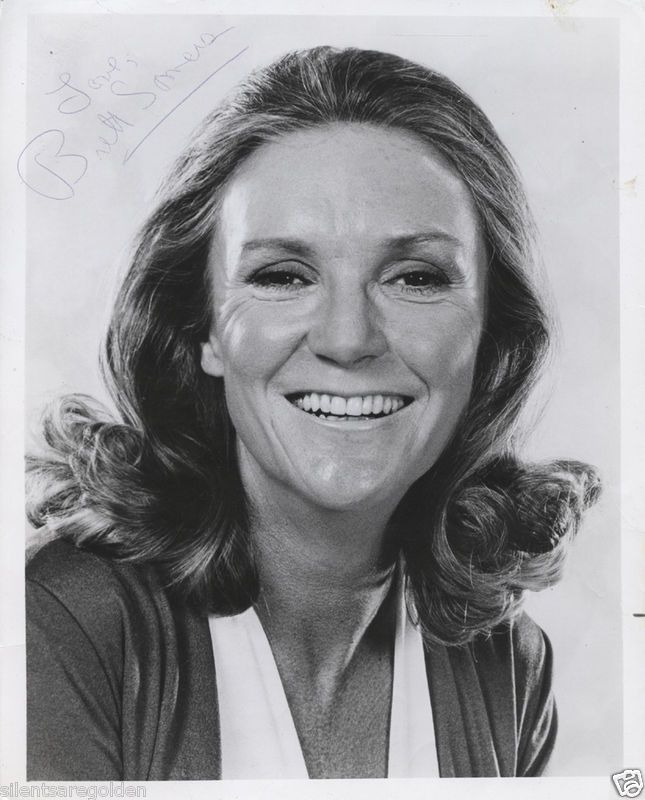
This Panelist Gets My “Blank” Endorsement: Brett Somers

I had so much fun learning about Fannie Flagg, that I decided to tackle getting to know some of the other regular Match Game panelists. Today we meet Brett Somers.  For someone who has fewer than ten acting credits for any given decade, Brett Somers became a well-known star. She became a household name after appearing on Match Game. Let’s learn a bit more about her life.

somers2

Brett was born in July of 1924, and her real name was Audrey Dawn Johnston. While she was born in Canada, she was raised in Maine and spent much of her life in New England. She left home at 18 to pursue an acting career. She chose her stage name for the character “Brett” in Hemingway’s The Sun Also Rises and her mother’s maiden name of “Somers.” She settled in Greenwich Village, married Robert Klein, and had a daughter. She was not married long before they divorced.

somers1

Brett joined the Actors Studio in 1952. She married Jack Klugman in 1953; they would have two sons. In the 1950s, Brett’s television appearances  were all on drama series such as Robert Montgomery Presents and The Kraft Theatre. In the 1960s she appeared primarily on westerns and legal dramas, including The New Breed, Have Gun Will Travel, and The Defenders. In the 1970s, she showed up on a lot of sitcoms. She was in Love American Style, The Mary Tyler Moore Show, and The Odd Couple with her husband Klugman to name a few. On The Odd Couple, she played the role of Blanche, Oscar’s ex-wife.

somers3

In addition to The Odd Couple, Brett had recurring roles on The New Perry Mason Show and Battlestar Gallactica.

Brett had her Broadway debut in Maybe Tuesday in 1957, which closed after five performances. She would appear onstage in Happy Ending, The Seven Year Itch, and The County Girl. She also appeared in three movies: Bus Riley’s Back in Town and A Rage to Live, both from 1965 and in Bone from 1972.

somers10

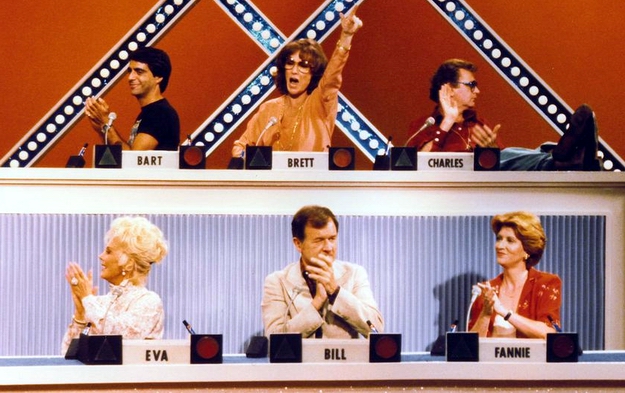
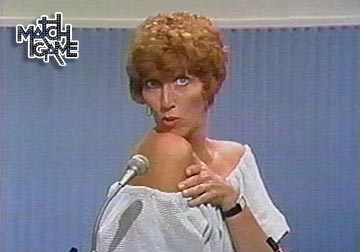
Despite her many television series appearancs, she is best known for her role as a panelist on the various versions of Match Game, amassing 1591 episodes overall. Some viewers compared the show to a cocktail party with money given away. What’s surprising, given her popularity on the show, is that she was not originally part of the cast. Klugman appeared on the first week of the show in 1973, and he suggested they try Somers. They did, and she never left. Her dry sense of humor and great wit provided her a job for nine years.

somers11

Match Game can be seen on The Game Show Network. The concept of the show was easy and fun. Two contestants were each given two questions with a blank in them, such as “The surgeon said, ‘The man I’m operating on must be a magician. When I reached in to pull out his appendix, I got a ___________ instead!’” Six celebrity panelists wrote down their answer to the question and then the contestant got a point for each person who matched their answer.

somers8

Brett and pal Charles Nelson Reilly, who often referred to her as “Susan,” kept each other in stitches and provided entertainment for the other panelists. In a September 12,  2012, Whitney McIntosh (in the blog ”This was Television”) referred to them as “rambunctious school children left to their own devices” which captures their relationship on the show perfectly. Their banter and quick quips kept viewers tuning in. For example, on one show, someone had mentioned that one of the younger panelists had a nice body. Charles turned to Brett remarking that her body was just as beautiful as the other woman’s.  The audience clapped, and Brett had just finished saying thank-you, when Charles added, “But you should take yours back because you’re putting a lot of wrinkles in it.” No one laughed harder than Brett.

In a Playbill interview in July of 2003, Andrews Gans asked Brett why she thought Match Game was still so popular. Somers paused and then answered, “Because of the fact that there was no structure to it. It was just six people having a good time and teasing one another. There was never any meanness. And people really sensed when Charles [Nelson Reilly] would jerk his head and go, ‘She seems a little odd today’ — they knew there was no meanness in it. And, Gene was the greatest straight man who ever lived. He would ask you the questions and would set it up for you. He was wonderful. And I think the relaxation of the atmosphere.”

somers4

After Brett died, Marcia Wallace, on of her best friends, discussed Brett’s career on Match Game. “She was my best friend. I made a lot of friends there. She and Charles were the heart and soul of the show. Their relationship just was magic. And then, of course, I think there was no better host in the world ever than Gene Rayburn. He was funny, he was sassy, he was naughty, he kept the game going, he made the contestants feel good, he set up the celebrities. He was perfect.”

somers9

Not long after Somers started with Match Game, she and Klugman separated. Three years later, in 1977, they divorced but remained friends. Although I read in many reports they never divorced, and many sites listed them as separated but never divorced. I believe California documents exist to show they did divorce a few years after their separation.

In 2003, Somers wrote, co-produced, and acted in a critically acclaimed one-woman cabaret show, An Evening with Brett Somers. Somers wrote the show with Mark Cherry, and he accompanied her on the piano and served as the director and arranger.

Brett shared her thoughts on doing a cabaret show–“It never occurred to me in a million years that I’d be doing a cabaret show. I was standing backstage, and I thought, ‘You’re an older person. You should be lying down somewhere in a nice cool bed watching TV!’ And I went out there, and I just had a great time.”

In 2004, Somers was diagnosed with stomach and colon cancer, but she continued to perform in the show. Brett had a period of remission but passed away in 2007 at her home in Connecticut.

In 2005, Somers reunited with Jack Klugman onstage in Danger, People at Large, three short comedies presented at Fairfield University. It was the first time in three decades that the former couple had performed together.

flagg

In my blog on Fannie Flagg a few weeks ago, I found her reflection on her friendship with Brett and Charles:

 Besides being hilarious, Brett and Charles were two of the smartest people I have ever known. On Match Game, they got such a big kick out of each other! They razzed one another and everybody else on the panel mercilessly, and they were particularly relentless on the people they really liked. It was never mean or hurtful, and they loved it when you razzed them back.

One of the happiest times in my life was in 1980 when I was doing “The Best Little Whorehouse in Texas” on Broadway, and Charles, Brett, and I were staying at the Wyndham Hotel at the same time. Every day at around 4 o’clock in the afternoon they would come to my room for cocktails. Many is the time I would come home from after the show and they would still be sitting there having a good time. The only thing that changed was the position of Charles’ toupee.
In the Gans interview, he asked Brett how she would like to be remembered. Her answer was “I would like them to think that I gave them pleasure and joy.”

I think we can all agree that is how we remember her!


Ruth Buzzi: Born to Be a Comedienne

As we continue our look at actors and actresses who made great character roles their own, our last meeting is with Ruth Buzzi.  While she was primarily known for her characters on Laugh-In, she has had a long and full career.

ruth2

Ruth was born in July of 1936 in Rhode Island. Her father was a famous sculptor who was born in Switzerland. He carved the marble eagles at Penn Station in New York City, the Leif Erikson Memorial in Providence, and several animals at the American Museum of Natural History in New York. For his family business, he created thousands of tombstones. In one article I read that he was asked to work on the Mount Rushmore presidents, but declined because he had a fear of heights.  I was not able to confirm that story however. She was raised in Connecticut. Her brother took over the family business and sold it a couple of years ago.

Ruth was head cheerleader in high school. At 17, she enrolled at the Pasadena Playhouse for the Performing Arts where she studied voice, dance, and acting, graduating with honors. Her classmates there included Dustin Hoffman and Gene Hackman.

ruth8

Her first job was while she was still in school, traveling with Rudy Vallee in a musical and comedy act. After graduation, she moved to New York City and appeared in revues throughout New England. She teamed up with Dom DeLuise in a skit where he was an incompetent magician and she was his assistant. Buzzi decided to name her character, who never spoke, Shakuntala. They appeared to a national audience when they were booked on The Garry Moore Show in 1958. In the late 1960s Buzzi received a role on The Steve Allen Show.

Buzzi married Bill Keko in 1965. They would divorce a decade later.

ruth13

During this time, Ruth was hired by Bob Fosse to perform in a Broadway show, “Sweet Charity.” She also had an appearance on The Monkees. While she was in the play, she auditioned for a role on Rowan & Martin’s Laugh-In in 1967.

ruth7

She received the role, and it was on that show that many of her funniest characters were created. Along with Dick Martin and Dan Rowan, she was the only person to appear in every episode of the show. (Gary Owens also appeared every series episode, but he was not in the Laugh-In special.) Buzzi was a versatile performer; her quirky characters included Busy-Buzzi, a Hollywood gossip columnist; a prostitute, Kim Hither; Doris Swizzle (sometimes Sidebottom), who ends up drinking too much with her husband; and one of two inconsiderate flight attendants.

ruth5

Her most beloved character was Gladys Ormphby, a spinster dressed in a hair net and drab clothing. She always carried a purse and would use it to hit people when she was frustrated. Gladys was often paired with Arte Johnson as Tyrone, a dirty old man who was hit many times. (I have read about a lot of strange cartoons in the 1970s and one of them was The Nitwits, a cartoon about Gladys and Tyrone. Johnson and Buzzi voiced their characters.) Her performances on Laugh-In earned her a Golden Globe Award and five Emmy nominations.

ruth1

While I remember Buzzi from Laugh-In, the role I knew her best in was Pete Peterson, Ann Marie’s friend on That Girl which she appeared on during her Laugh-In tenure.

Buzzi was one of the many starts who frequently appeared on Sesame Street. She was nominated for an Emmy on that show for her role of Ruthie, a store owner. She later appeared at the dedication of Jim Henson’s star on Hollywood Boulevard after his death.

ruth4

In the early 1970s, Buzzi would continue to appear on television series, including Walt Disney, Night Gallery, Here’s Lucy, Love American Style, Lotsa Luck, and Medical Center.

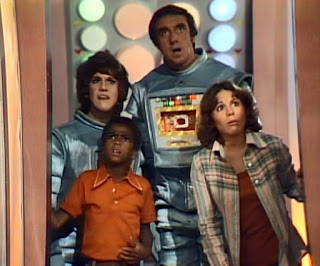
In 1975, she starred with Jim Nabors in The Lost Saucer. This was a Sid and Marty Krofft production, so you know it was a bit odd. The stars were time-traveling androids Fi and Fum. The show was cancelled after 16 episodes.

ruth6

During the 1970s, Ruth also was the spokesperson on a number of products, including Clorox 2, Clairol, Ban deodorant, the Santa Anita Raceway, and Sugar Crisp Cereal. In the Sugar Crisp ads, she was Granny Goodwitch, a role she created for a 1960s animation show, Linus! The Lion Hearted.

ruth11

In 1978, another important milestone occurred for Ruth when she married her husband, Kent Perkins.

Her television work continued into the 1980s when she appeared on CHiPs, Trapper John, and The Love Boat. She was Chloe, the never seen, but often mentioned wife of Henry Beesmeyer on Alice. She also made eight appearances on The Tonight Show with Johnny Carson. She was in 25 films during her career including The Apple Dumpling Gang Rides Again and Freaky Friday. She currently has two movies in post-production:  One Month Out with Barry Bostwick and John Schneider and Glen’s Gotta Go.

ruthfreakyfriday

Buzzi is also well known as a voice actress. Most of her roles since 1985 have been for animation series. She voiced characters in the series Pound Puppies, Mama Bear in The Berenstain Bears, Smurfs, Chip and Dale, Darkwing Duck, Rocket Power, and Angry Beavers.

She also had a nightclub act which toured the United States for a year. In addition, she was on most of the Dean Martin Roasts, typically playing Gladys.

Ruth currently lives with her husband in Texas on a 600-acre ranch. Her hobby is painting. The couple also collects antique automobiles, primarily post-war English cars. She also volunteers for a variety of charities.

ruthA

Like Fanny Flagg, Bill Daily, and Howard McNear, Buzzi can be described as delightful. I’m happy to celebrate such a full career for such a fun woman.


“Don’t give up before the miracle happens.” ― Fannie Flagg, I Still Dream About You

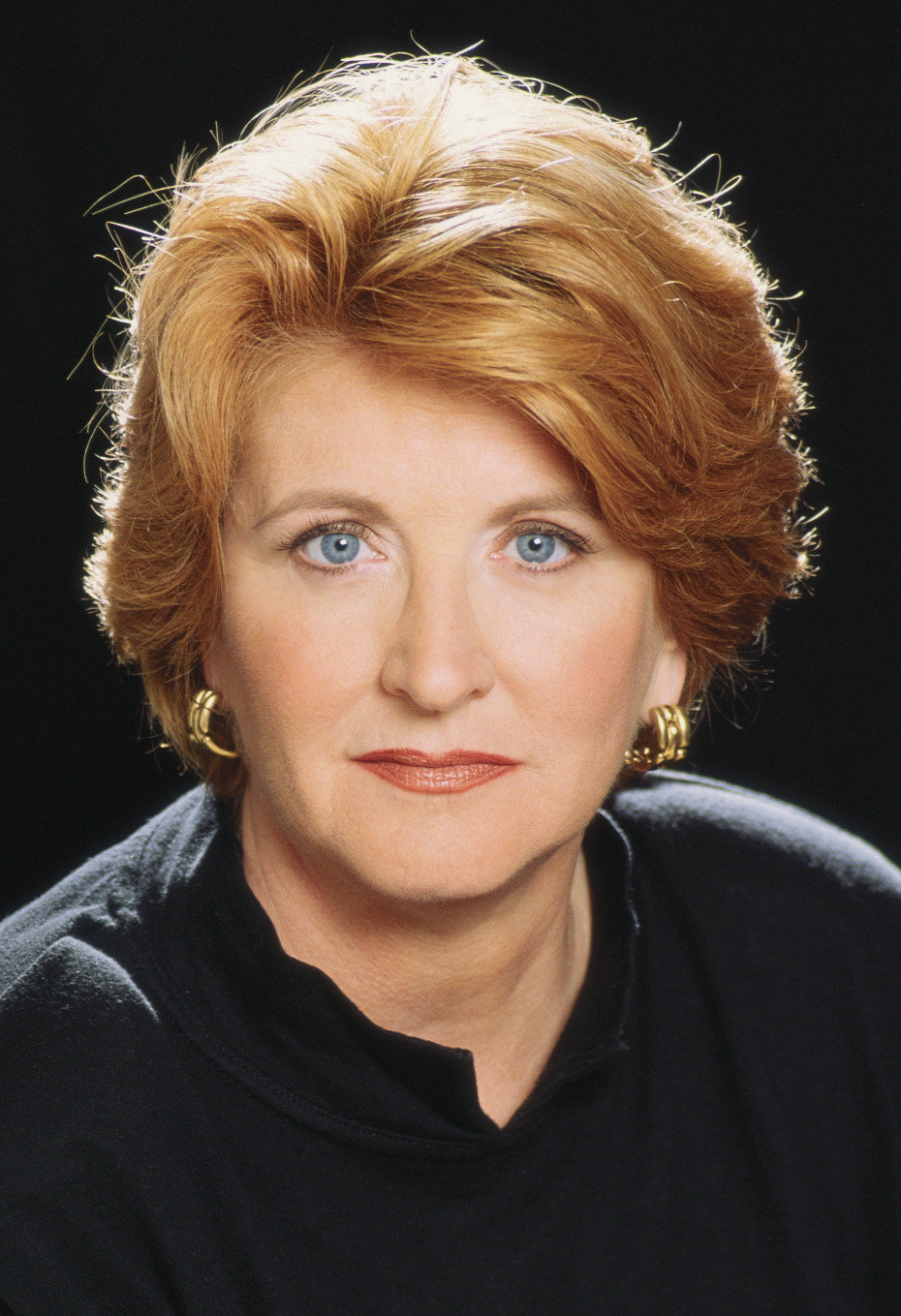
Fannie Flagg is one of those performers who I have seen all my life but know little about. I thought it would be fun to learn about her show business career. Like me, she started writing later in life as her second career.  I wanted to know how that whole dream fulfillment came about. Let’s get to know Fannie Flagg.

fannie5

She was born Patricia Neal in Alabama in 1944. Flagg, of Finnish ancestry, spent most of her childhood in the Birmingham area. It sounds like she had a “normal” childhood. Although she liked writing, she had problems because she was dyslexic which she did not realize until she was an adult. She was an archery champion at age 12. By age fifteen, she thought about entering a convent. Luckily for us she didn’t. In high school she was a cheerleader and a saxophone player in the band.

As a teen, she entered the Miss Alabama pageant, where she won a scholarship to the Pittsburgh Playhouse Theater Acting School. Acting might have been in her blood because both her father and her grandfather were motion picture machine operators. The summer she returned home, the woman who cohosted the Morning Show in Birmingham was leaving, so Fannie was able to replace her.

Who knows what direction Flagg’s career would have taken if the head of WBRC-TV were not so tight-fisted. Flagg asked for a raise and they denied it, so she quit her job and moved to New York City. She had to take on a new name since there was already a quite famous Patricia Neal in show business. Her grandfather suggested “Fannie” because so many comediennes used the name and a friend came up with “Flagg.”

fannie18

Her first television job was on CBS Repertoire Workshop in 1964. During this time, Fannie recorded two comedy albums with various skits that included parodies of famous women. She appeared on a variety of talk shows including The Joey Bishop Show, The Dick Cavett Show, The Merv Griffin Show, The Johnny Cash Show, Dinah!, and The Rosie O’Donnell Show.

fannie17

Flagg got her first film role in 1970 in Five Easy Pieces with Jack Nicholson. The next year she appeared in Some of My Best Friends Are.

five easy pieces

It was also in 1971 that she received an offer for her first series. Fannie says she stumbled into the role.  She had been doing concerts and performing with stock companies. She was on the west coast and stopped in at her agent’s California office to meet the staff.  A man came in and looked her up and down and then left. The next day she learned she was given the part of Dick Van Dyke’s sister on The New Dick Van Dyke Show. The man in the office the day before had been looking for someone who could pass for Dick’s sister in real life.

fannie2

The New Dick Van Dyke Show was on the air from 1971 till 1973. Carl Reiner created the series for Van Dyke. Van Dyke was Dick Preston, a local talk show host. Van Dyke was signed to a three-year contract and given permission to film in Arizona where he lived. Hope Lange was his wife Jenny, Angela Powell their daughter Annie, Flagg his sister Mike, David Doyle was his boss Ted, and Marty Brill and Nancy Dussault were their best friends Bernie and Carol Davis.

The show began its life on Saturday night with All in the Family, Funny Face, and The Mary Tyler Moore Show.  The series didn’t garner very high ratings, so the second season found the show on Sunday nights when ratings decreased drastically. Flagg was mentioned by several critics as being very funny in her role. Fannie credited Dick Van Dyke as her acting mentor, as well as one of her best friends.

Because Dick had a three-year contract, rather than cancel the show, CBS changed the structure. Dick gets a role on a soap opera, so he and his family move to Hollywood. They changed out most of the cast members so Flagg moved on. The show followed Here’s Lucy. The ratings improved significantly, but after the third year, Dick quit to go back to Arizona.

fannie12

Throughout the 1970s, Fannie continued to get both television and film offers. She appeared on Love American Style, The New Candid Camera, Wonder Woman, and Fernwood Tonight. She was also in several films including both Rabbit Test and Grease in 1978.

During the 1970s, Flagg was a fixture on game shows. She is best known for Match Game where she usually sat next to Richard Dawson.  With all the different versions of Match Game, she appeared in 529 episodes of the show. She is famous for wearing unusual tops on Match Game. It was while on the game show that Fannie received a note from a teacher who noticed a particular pattern in her misspellings on the show. She mentioned she might have dyslexia which is when Flagg first began to investigate and learn she did indeed suffer from the disease. When asked about two her costars on Match Game, namely Charles Nelson Reilly and Brett Somers, Flagg said, “Besides being hilarious, Brett and Charles were two of the smartest people I have ever known. On “Match Game,” they got such a big kick out of each other! They razzed one another and everybody else on the panel mercilessly, and they were particularly relentless on the people they really liked. It was never mean or hurtful, and they loved it when you razzed them back.”

She continued, One of the happiest times in my life was in 1980 when I was doing “The Best Little Whorehouse in Texas” on Broadway, and Charles, Brett and I were staying at the Wyndham Hotel at the same time. Every day at around 4 o’clock in the afternoon they would come to my room for cocktails. Many is the time I would come home from after the show and they would still be sitting there having a good time. The only thing that changed was the position of Charles’ toupee.”

In addition to “Best Little Whorehouse in Texas,” Flagg toured with Come Back to the Five and Dime, Jimmy Dean, Jimmy Dean.”

Fannie continued her acting career into the 1980s. From 1981-1982 she took a role as Cassie Bowman on Harper Valley PTA starring Barbara Eden. The show was based on the hit song, “Harper Valley PTA” by Jeannie Riley. Sherwood Schwartz produced the first eleven episodes.  The show moved around a bit from Thursdays at 8 to Saturdays at 8 to Saturdays at 8:30. Barbara played Stella, a mom who ignores Southern small-town standards by wearing mini skirts and speaking her mind. She reveals the hypocrisy of the other PTA members, making her a target of their comments. The show did not last long enough to accumulate enough episodes for syndication, but it occasionally shows up on independent networks.

Flagg was on The George Burns Comedy Week series and on The Love Boat three times. Her final films were done at the beginning and end of the 1990s. Her last movie was Crazy in Alabama in 1999 written by her friend Mark Childress.

fried-green-tomatoes with cafe -- horizontal

She also had a cameo in 1991 in Fried Green Tomatoes, a movie based on her novel, Fried Green Tomatoes at the Whistle Stop Café. She co-wrote the screenplay and received an Oscar nomination. The book is told in the past and the present by Ninnie Threadgoode and Evelyn Crouch who talk about the town of Whistle Stop, Alabama and the bonds the women forged in the 1920s and 1930s. The novel, published in 1987, was on the New York Times bestseller list for 36 weeks. This was her most famous novel, but it was not her first.

Flagg felt a pull toward writing as a child. She had written a play when she attended Catholic school. Because her father worked at the cinema, she had seen a lot of movies. She wrote a play about two career girls who lived in an apartment over the Copacabana nightclub in New York City. A man named Mr. Truman called and asked to come for tea. The girls assume it’s President Truman and go all out getting ready and inviting their friends. It turns out to be an insurance salesman. Her teacher phoned her mother to say the nuns were concerned because she used the word “martini” 16 times. Her mother had to explain that Fannie watched a lot of movies and the family was not sitting around drinking martinis every night.

She won first prize at the county fair for an essay titled, “Why I Want to Be Bald Headed.” She wrote it because she hated her mother braiding her hair so tightly every morning.

In the 1960s, Flagg wrote skits for a night club in New York—Upstairs at the Downstairs. She filled in for a sick actress one night when Allen Funt was in the audience. He invited her to become a staff writer on Candid Camera where she acted as well.

fannie9

Flagg decided to attend a conference in 1978 to see Eudora Welty. She had to write a short story for a contest based on the word “childhood.” As Flagg tells it,

“I went to the grocery store, and I bought one of those spiral notebooks. I wrote a story called Daisy Fay and the Miracle Man about something that had actually happened to me in childhood,” says Flagg. “I wrote it as an 11-year-old child, and I thought that if they saw any mistakes, they would think I did it on purpose.”

Flagg won the contest. “I couldn’t believe it. I was thrilled, but at the same time I felt like such a cheat and a liar,” says Flagg. An editor there said that he wanted to talk with her about her writing a fleshed-out novel based on her short story. Flagg burst into tears and said, “I’m so sorry, but I can’t write a book.” When he asked her why, she replied, “Because I can’t spell.” Flagg says the editor looked at her like she was crazy and said, “What do you think we have editors for?”

She’s been writing ever since.

Fannie Flagg has found her niche.  Since that first novel, she has continued to write, publishing ten books in all. Her most recent release was The Whole Town is Talking in 2016. In 2012 she won the Harper Lee Distinguished Alabama Author award and presented it to Fannie in person.

As an adult, Fannie collects lamps from the 1940s and 1950s. She loves going on cruise ships, which might explain her three appearances on The Love Boat.  If you were a Match Game fan, it will not surprise you to learn that she loves wearing stripes with polka dots.

Fannie just seems like a delightful and fun person to be around.  She is on my list of people to have dinner with. I have recently began reading her books and I love them.  She writes about quirky, not strange, characters who seem true to life. It’s been fun getting to know a bit more about her life and career.

fannie1


Hi Bob!

There are several actors I find delightful; no other word quite fits. So, for the rest of this month, I thought it would be fun to get to know more about a few of them. Today we start with Bill Daily.

bill1

Bill was born in Des Moines, Iowa in 1928. His childhood was not innocent and carefree.  His father was in prison, and Bill only saw him once. He died when Bill was very young. Life with his mother and step-father was not a walk in the park either. He rarely spent time with his mother, and he described his stepfather as a “terrible person.” He spent a lot of time in Kansas City with his aunt and uncle who were great role models for him.

When Bill was 12, his family moved to Chicago and he attended Lane Technical High School.  Daily struggled in school because he had dyslexia, but he learned to use humor to make it easier. It started a pattern of using humor to overcome obstacles.

After school he decided to earn his living as a musician. He had learned to play the bass at a young age. He played with jazz bands all over the Midwest. He was drafted into the army and was sent to Korea with an artillery unit, but he later was transferred to an entertainment division. During the war, he met actor/musician Dick Contino, and the two would travel to various units giving shows. Contino would sing and play the accordion and Daily, who was an accomplished musician, would play the stand-up bass. He also developed a stand-up comedy bit.

Returning to the entertainment industry after his military stint, Daily began performing stand-up comedy. In 1949 Daily married his first wife Patricia Anderson. They adopted two children and divorced in 1976.

He enrolled at the Goodman Theatre School and worked for a Chicago NBC station, WMAQ as an announcer and a floor manager. When he was preparing for a Chicago-area Emmy Award broadcast, he asked an acquaintance Bob Newhart to develop a routine about press agents. That routine turned into “Abe Lincoln vs. Madison Avenue.”  He described Bob as a shy man and a comic genius. He referred to him as “the nicest man that ever lived. The nicest man I ever met. Great father . . . great kids . . . great wife.”

Daily became a regular guest as a comedian on The Mike Douglas Show which was produced in Chicago. Steve Allen saw him and brought him on his show as a comedian and sidekick.

daily14bewitched

In the 1960s, Daily began his television career. He appeared on Bewitched, My Mother the Car, and The Farmer’s Daughter. Sidney Sheldon liked his work and offered him a role of Major Roger Healey in the pilot of I Dream of Jeannie.

daily5

The role of Major Healey turned into a regular costarring role. The show was on the air for five years from 1965-1970.  Daily even got to write one of the episodes: “Jeannie the Matchmaker.”

daily17

In 1972 he appeared in Getting Together, a spin-off from The Partridge Family. He also was in The Mary Tyler Moore Show, and two episodes of Love American Style. That same year, he got the role of Howard Borden on The Bob Newhart Show. Borden was a pilot, naïve and a bit excitable but a true friend. The show was on the air from 1972-1978. When it ended, he went back to guest starring on television series including The Love Boat, Trapper John MD, and CHiPs.

daily3

In the mid-1970s, he became a semi-regular on Match Game, filling in when Richard Dawson left, appearing on 85 episodes. Daily described Charles Nelson Reilly as “brilliant.” He spent summers at Gene Rayburn’s home in Hyannis Port.

daily6

In 1977 Daily married for a second time. He met Vivian when they were both traveling and performing in Lover’s Leap. They had a daughter and divorced in 1980.

In 1985, Bill was offered his own show called Small & Frye. Daily played a neurotic doctor; unfortunately, the show only lasted three months before it was canceled. He tried another show of his own in 1988 called Starting from Scratch which lasted one season before getting the axe.

daily13

That would be his last regular series although he made four appearances on ALF as Larry the psychiatrist. ALF claimed to have learned about psychiatry from watching the Bob Newhart Show. Jack Riley, Elliot Carlin on Bob’s show, appeared as a patient on the show. Riley and Daily were friends from Chicago days.

I Dream of Jeannie continued to keep Daily busy as well. Two made-for-tv movies were made as sequels: I Dream of Jeannie . . . Fifteen Years Later in 1985 and I Still Dream of Jeannie in 1990.

daily16

Daily tried marriage for a third time in 1993. He and Becky were married until her death in 2010. I found it funny that the couple had a dog named Hi Bob, named for the line that he said over and over on the Newhart show.

daily2

Daily retired to Albuquerque. He was a weekly guest host on a radio station there from 2006-2009. He has also appeared in plays at Albuquerque Little Theater where several other celebrities have performed over the years.

In 2016 Gary Levine, a writer for the Naples Herald interviewed Daily by phone. Here is part of that interview:

“Daily explained that while he was capable and proficient at reading music, he was hurried to inform me of his inability to read.  Bill indicated that he struggled with Dyslexia and was unable to read without assistance.

At this moment, you are likely wondering how an actor, unable to read, can adhere to a script.

“I memorized them, with my daughter.”  As he and his wife found themselves unable to have children, the couple adopted two children, Patrick and Kimberley.  Kimberley has since passed away, however, Daily credits her with assisting him to read and learn his lines.  Patrick and Bill appear to be extremely close and reside near one another.  Patrick works in the film industry doing camera work on various films and productions.

“The scripts were brilliant,” he remarked, “but I couldn’t read.”  Daily continued, “I was so grateful that I was working.”

 Expectedly, the dialogue quickly transitioned to Barbara Eden.  Daily’s first adjective: ‘brilliant.’  He indicated that massive lines would form, desperate to see her, wherever they travelled.  “It’s her!  No one else could have played Jeannie.  Don’t bother trying.  I’ve tried many times.  There’s no one.  She had the look, the charm…she was sophisticated.  There was no one like her…ever.”

bill2

Bill Daily just seems like a great guy who would get along with everybody. He has played two endearing characters in Roger Healey and Howard Borden. He seems to be enjoying retirement and working with a local theater in Albuquerque. His sense of humor is quite apparent in all of his interviews. Most impressive is how kind he seems to be, especially dealing with such an unhappy childhood.

daily1

Love and the Funny Show

ABCFriday_1972

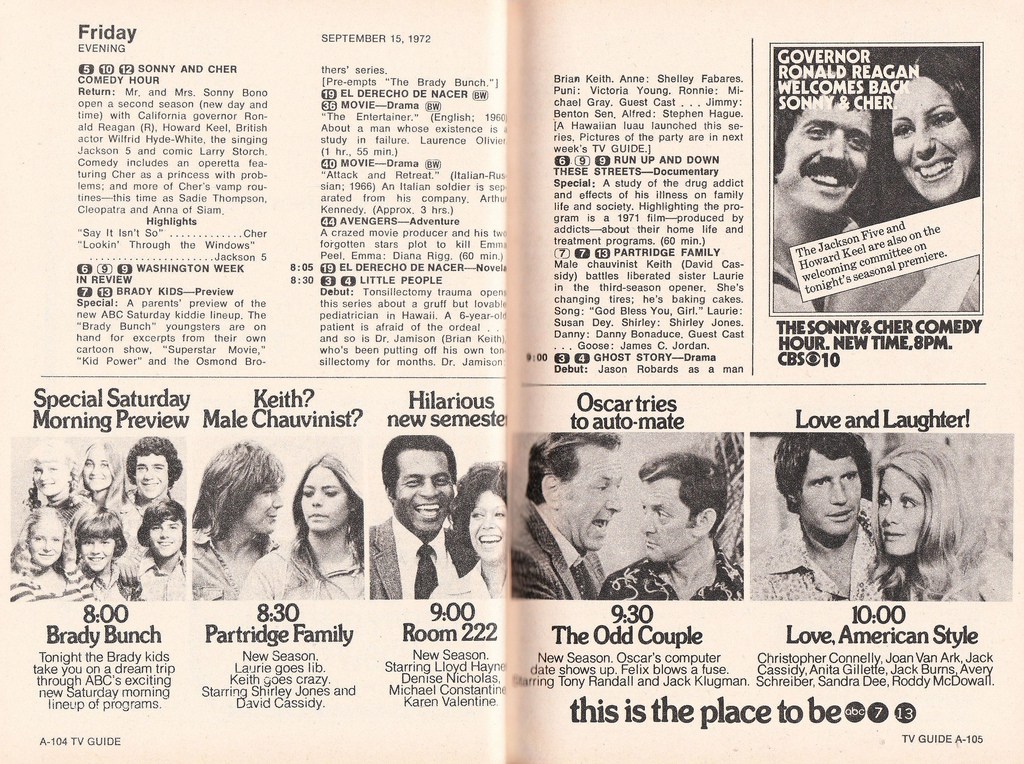
There was something magical about the Friday evening television schedule from 1971-1973.  Anyone who was born in the late 1950s or early 1960s can remember sitting down in front of the television at 7 pm (central time) for the Brady Bunch and staying put through The Partridge Family, Room 222, The Odd Couple, and Love, American Style.  Sitting through an entire evening of shows was almost unheard of back then, but we binge watched every Friday night. While the boys were divided between Marcia Brady and Laurie Partridge, every girl of that age had was in love with Keith Partridge.  Watching an episode of The Partridge Family today makes me feel 10 again. For the next five weeks, I’m taking a look at each of the shows that made this schedule so enjoyable.
las18

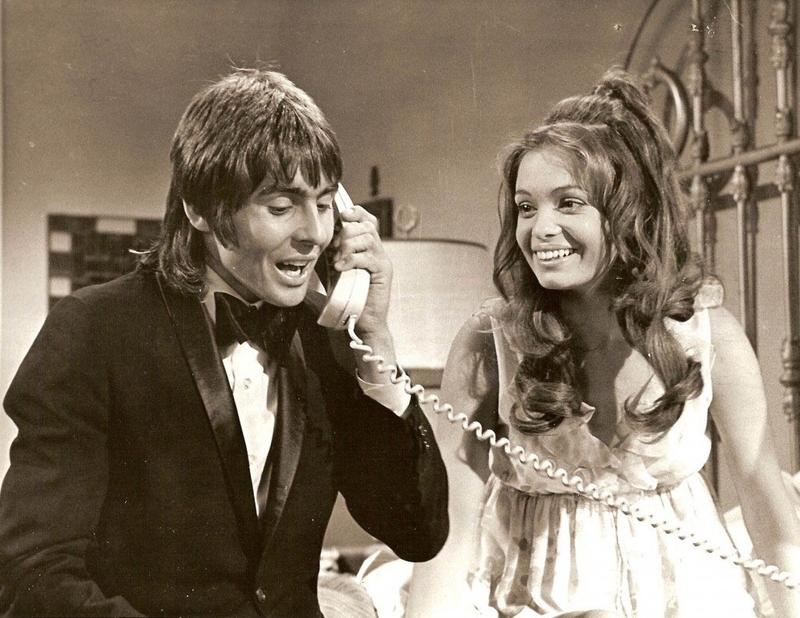
Today we begin with Love, American Style. This show was an iconic 1970s show. Like Laugh In, the clothing, furnishings, and vocabulary do not make it timeless. But it was a lot of fun. This fast-paced anthology show featured two to four mini episodes each week, and between them were quick skits, often featuring a brass bed. Each smaller episode is titled “Love and the _______.”

A troupe of players was featured on each show for the in-between skits. These regulars included William Callaway, Buzz Cooper, Phyllis Davis, Mary Grover, James Hampton, Stuart Margolin, Lynn Marta, Barbara Minkus, and Tracy Reed. Margolin went on to a regular role in The Rockford Files; Tracy Reed was featured in McCloud and Knot’s Landing; Phyllis Davis was part of the cast of Vega$ and Magnum PI, and James Hampton will be familiar if you watched The Doris Day Show or F-Troop. Both Reed and Davis were featured on Love Boat episodes which had a similar format to Love, American Style.

The show had a memorable and catchy theme song. Written by Arnold Margolin, the first year it was performed by The Cowsills.  You will see a lot of overlap between these five Friday night shows, and music is one of those cross-overs. The Partridge Family was based on the life of The Cowsills.

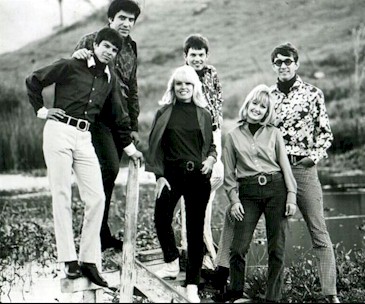
During the second and subsequent years that Love, American Style was on the air, the theme song was performed by the Ron Hicklin Group. The Ron Hicklin Group could be heard in a variety of motion pictures and commercials, and they also appeared on recordings with stars such as Paul Revere and the Raiders and Cher. John and Tom Bahler, brothers who sang under The Charles Fox Singers were also part of this group. The group provided television theme song recordings including Batman, That Girl, Happy Days, and Laverne and Shirley. They also did the singing for The Partridge Family theme and songs performed on the show as well as the Brady Bunch kids. Ron retired in the early 2000s, and Tom does a variety of things. He is also known for writing Bobby Sherman’s hit, “Julie Do You Love Me?”. John married Janet Lennon, one of the Lennon sisters who performed on The Lawrence Welk Show. He currently lives in Branson and conducts the “new” Lawrence Welk orchestra.
hicklin singers

The snappy melody was set to the following words:

Love, Love, Love

Love, American Style,
Truer than the Red, White and Blue.
Love, American Style,
That’s me and you.

And on a star-spangled night my love,

My love come to me.
You can rest you head on my shoulder.
Out by the dawn’s early light, my love
I will defend your right to try.

Love, American Style,
That’s me and you.

Paramount Television developed the show. The executive producer of the show was Arnold Margolin, Stuart’s brother. There were 53 different directors during the four-year run. The series received Emmy nominations for Outstanding Comedy Series in 1970 and 1971; Best Music Composition in 1971, 1972, and 1973, winning in 1973; and winning the Emmy in 1970 for Outstanding Original Music and Lyrics.
las8

Many people wrote for the show, but Garry Marshall and Jerry Belson received the most credits. One of the writers, Peggy Elliott, was interviewed by the Huffington Post in May of 2013, and she talked about her time writing for the show.

“But the show I loved writing the most, was Love, American Style. For every other show, I was writing for characters created out of someone else’s head. Sure, we could create the occasional guest-star role, and we had been told to make every role, no matter how small, a real person. ‘Think of the actor who’s playing that delivery boy,’ I can hear Billy Persky, the co-creator or That Girl, say: ‘This is a big break for him — it’s the biggest role he’s had so far. Give him something to work with.’

But with Love, American Style, every character was our very own; every situation came out of our heads. Each segment of the hour the show ran each week was a one-act play created entirely by us. Added to the attraction was the fact that we could say and do things that were taboo on every other TV show in the early ‘70s. Arnold Margolin, co-creator of the show with Jim Parker, told me recently that the creative side of the network wanted the show to be more daring, while the censors kept their red pencils ready. There was a full-time position on the show just to run interference.

We must have put both sides through the hoops with one episode we wrote: ‘Love and The Hand-Maiden.’ A young guy was dating a centerfold model. As their relationship developed, he discovered that she had no problem with shedding her clothes, but she always kept her hands covered — with artful poses in magazines, and with gloves in real life. He became obsessed with seeing her hands and came up with one ruse after another to get her to take off her gloves. We had a ball writing it, with one double-entendre after another.”

If you were a star of any kind in the early 1970s, you most likely were on Love, American Style.  The show produced 108 episodes, and those shows featured 1112 different actors. Some of the famous names showing up in the credits include Milton Berle, Sid Caesar, Phyllis Diller, Arte Johnson, Ozzie and Harriet Nelson, Regis Philbin, Burt Reynolds, Sonny and Cher, Flip Wilson, and Jo Anne Worley. Karen Valentine from Room 222, Ann B Davis and Robert Reed from The Brady Bunch, and both Jack Klugman and Tony Randall from The Odd Couple show up along the way.

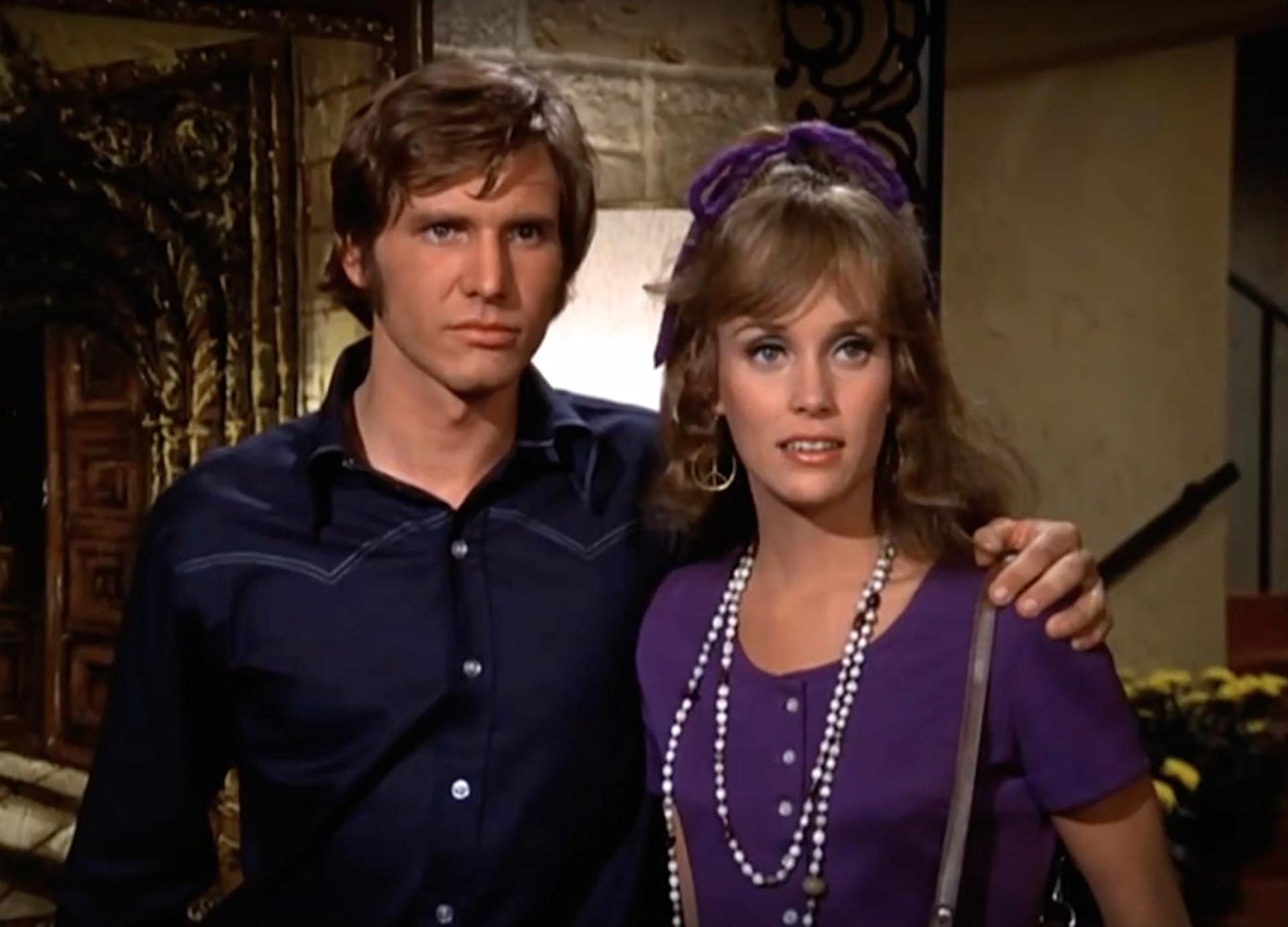
Brad Duke wrote a biography about Harrison Ford and he said Ford had fond memories of appearing on Love, American Style. “He recalled that he had been given little time to prepare his wardrobe for the role of a philosophical hippie in the November 1969 episode, “Love and the Former Marriage.” He appeared on set with long hair and a beard thinking they were appropriate for the role. He was surprised when he was told he needed a haircut and trim than given a navy blue dress shirt and vinyl burgundy jeans with a large belt. They even had a scarf with a little ring to put around my neck. And I thought, someone has made a mistake here. So, rather than argue with the wardrobe people, I put on the clothes and went to find the producer. I walked on the set and he was pointed out.  I tapped his shoulder and when he turned around he had on the same clothes I did. He was a hippie producer I guess. At least the check went through, and I got paid.”
harrison1love and the former marriage

The best way to get a good understanding of what the show was like is to look at a couple of the episodes.

January 23, 1970: Love and the Big Night

Starring Ann Elder, Buddy Lester, Frank Maxwell, Julie Newmar, and Tony Randall, this episode was often listed as a favorite. Randall is a married businessman who escorts his voluptuous secretary (Newmar) to her apartment after a late night at the office. Eager to get home to his wife, Randall hurriedly tries to open a stubborn jar of mayonnaise and winds up covered with mayo. Newmar cleans his suit, but while it’s drying, it’s stolen. After a series of amusing mishaps, Randall finally gets back to his own apartment and creeps into bed with his wife–only to find out she’s not there.

February 25, 1972: Love and the Television Set

It starred Harold Gould, Marion Ross, Ron Howard, and Anson Williams. Reading this list of names might give you a hint about what happened to this episode after it aired. Garry Marshall had written a pilot about a 1950s family that did not sell.  He turned it into an episode for Love, American Style. George Lucas caught the episode and was impressed with Ron Howard and offered him a role in his new movie American Graffiti about 1950s teens. The movie was so popular, that the network decided to put Marshall’s pilot in the fall line-up as Happy Days. Harold Gould’s role was given to Tom Bosley for the series. When Love, American Style went into syndication, this episode was retitled “Love and the Happy Days.”

October 22, 1970: Love and the Bashful Groom

This is the episode I recall when I think of the series. When I watched it originally, I was staying overnight at my grandparents’ house and my grandmother was shocked at the “vulgarity.” It really seems quite tame today, but back then it probably was unexpected. She would approve of Tom Bahler marrying Janet Lennon though because I watched Lawrence Welk with her and my grandfather whenever I was at their house.

In this episode, Paul Petersen, Christopher Stone, Meredith MacRae, Jeff Donnell, and Dick Wilson are featured. Harold (Petersen) and Linda (MacRae) are getting married. He learns that she grew up in a nudist colony and is not comfortable being naked for his wedding.  After a soul-searching talk with his best friend, and realizing he loves Linda enough to be uncomfortable, he decides to go through with the ceremony.  He gets to the church a bit late and walks in, only to see that everyone else is dressed in their Sunday best. His bride informs him that they always dress up for weddings. One of the congregation members says something like “Let’s not make him uncomfortable,” and they all begin to undress.  Of course, you see nothing improper, only clothes flying. This was probably not the best episode to “expose” my grandmother to as a first glimpse of the show.
The show lasted for four years and was cancelled in 1973. In 1985, a reboot was created, but it was on in the mornings and only lasted a few months.  The show was on at the same time as everyone’s favorite game show, The Price is Right. For the 1998 fall season, a pilot was created for prime time, but it was never ordered. While doing my research for this blog, I noticed that there was a Love, American Style project in production, so we may see it resurface again.  I’m not sure I would want to watch a 2019 or 2020 version of the show though. It was such a product of its time, and I fear what a current version would be like after seeing the reboot of Match Game which has been airing the past year or so.

Let’s all write to Antenna TV and Me TV to see if they will make the original 1971 television schedule happen, and we can watch these original shows again, reliving the excitement we experienced the first time around.

Next week we get to know The Odd Couple.