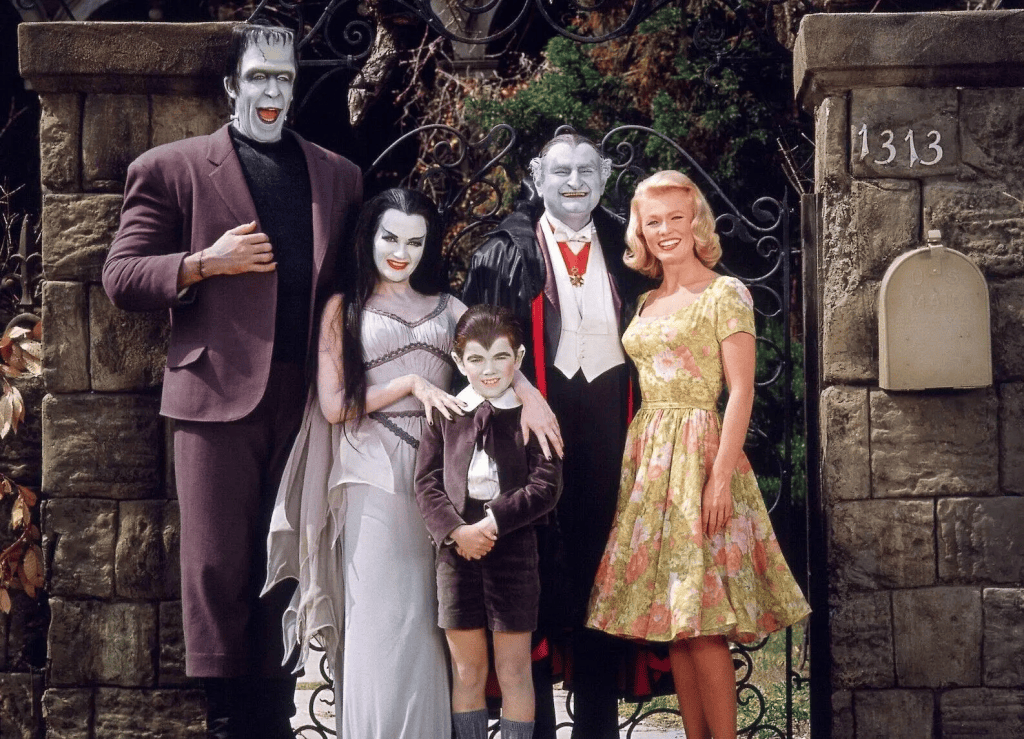
We are continuing to our series, “Behind the Scenes.” Today we are learning a bit about the career of a set designer. When we think of our favorite sitcoms from the past, many of us remember their houses as places we visited and know well. Think about The Brady Bunch and their seventies kitchen or Frasier’s apartment full of elegant things and then Martin’s old chair right in the middle of it.
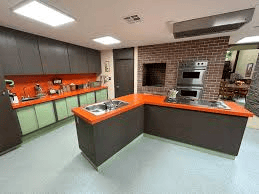
Set designers have similar jobs as costumers except that they are dressing and accessorizing the places where the characters live, work, and do life. They research specific time periods to get historical details right; they create detailed sketches, 3D models, and blueprints for home design and furniture placement; and they work hard to ensure that every home looks like the character who inhabits it. In addition, they oversee construction, painting and installation of sets, and manage the budget. They study architectural styles, the science of color, and develop an awareness of how rooms and homes flow both for movement of actors and allowing equipment like cameras to be set up.
I thought it was hard to find information about costumers and makeup artists, but set designers are no easier to learn about. Let’s meet a few of them.
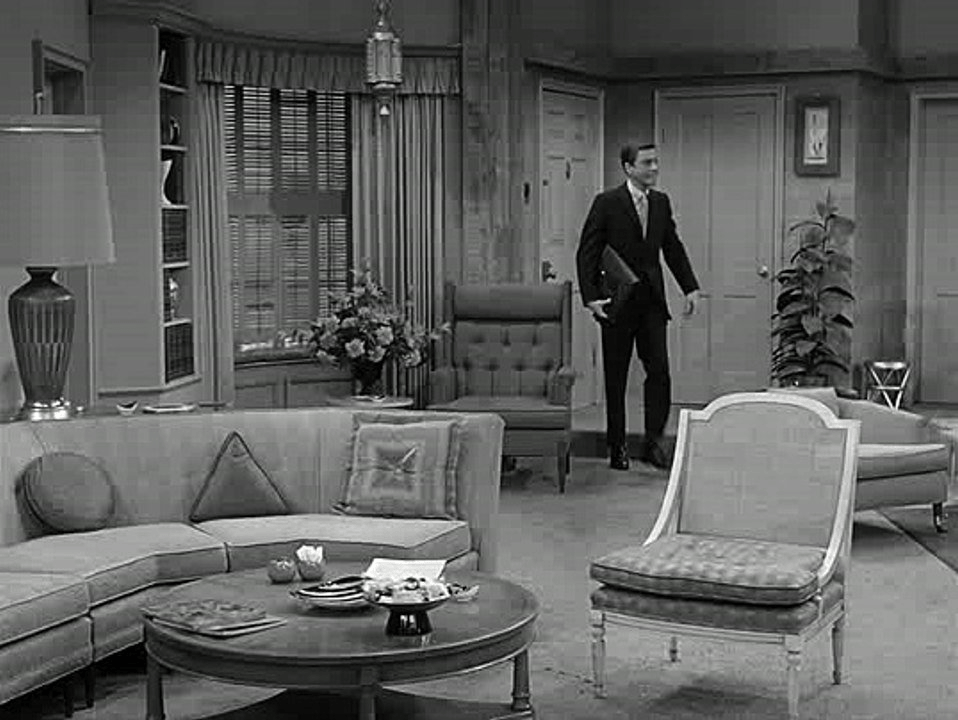
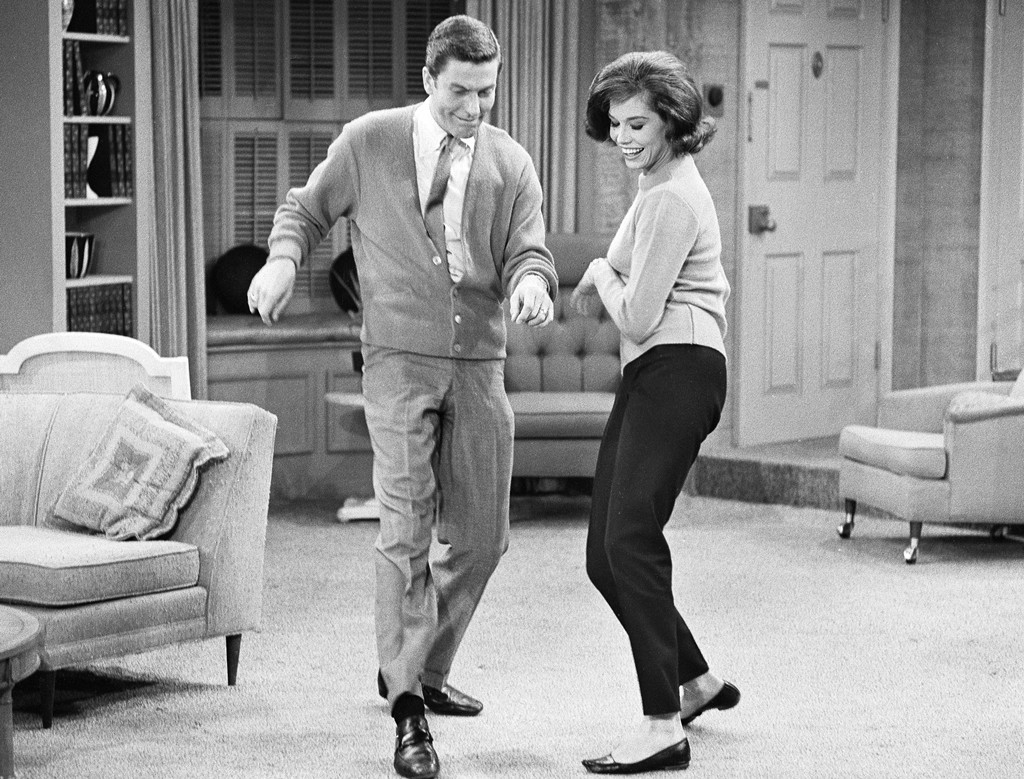
Ken Swartz was born in Oregon in 1913. He began his career in the 1940s working as a set decorator and he remained in film for a couple of decades, but television is where he made his mark. He took his film experience to the small screen working on many popular shows including The Dick Van Dyke Show, The Andy Griffith Show, The Danny Thomas Show, The Joey Bishop Show, and I Spy in the sixties. In the seventies he worked on The Rookies. I have talked about Sheldon Leonard many times over the years and what a professional he was and his high-quality standards. Swartz’s shows in the sixties were all Leonard shows, so he must have been very good at his job to keep getting hired show after show.
Swartz died in Los Angeles in 1973, putting an end to his career at age 60. The cause of his death was never disclosed. While his career was much shorter than we would have liked, he designed many iconic homes for some of our favorite characters like Rob and Laura Petrie’s suburban home; Aunt Bee, Andy, and Opie’s southern house; and the beauty and grandeur of the I Spy sets.
Audrey Blasdel-Goddard was born in California in 1930. After receiving a Master’s degree from UC Berkeley in 1954, she worked as a social worker for three years. During that time, she transitioned to work as a script supervisor for eight years before deciding she wanted to become a set decorator. From 1965-1988, she designed movie and television sets.
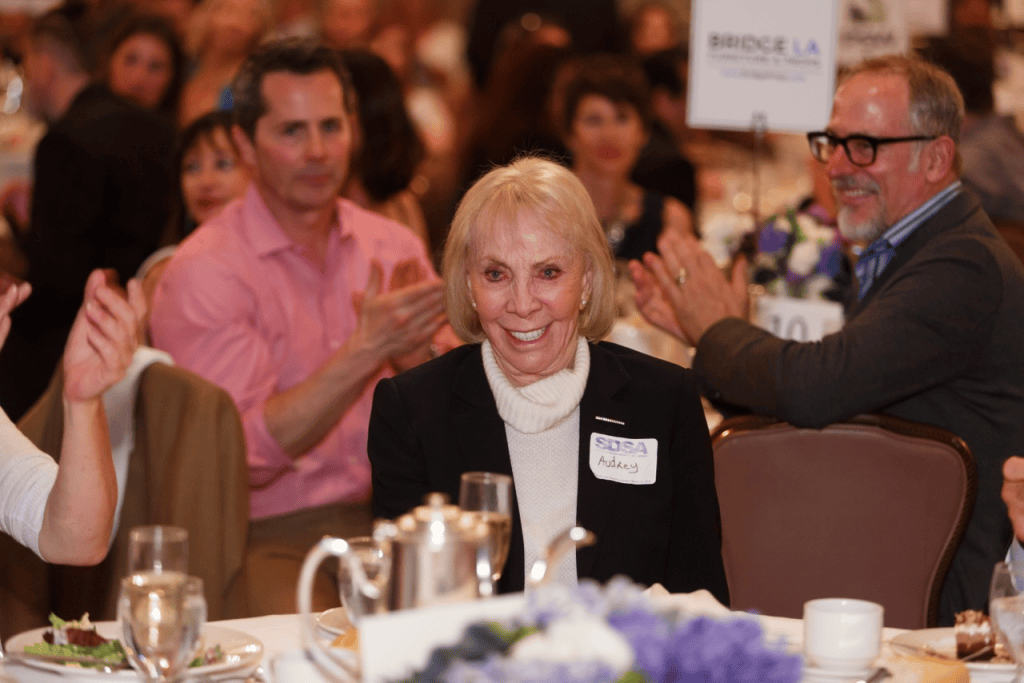
Blasdel-Goddard became a producer at Columbia TV from 1976-1982; however, from 1975 until 1991, she also worked at Columbia heading the TV Property Department. She was the first woman to head a major studio property department. Later in 1991 she moved to Sony Pictures for the final seventeen years of her career at which time she retired.
Audrey had an amazingly successful career in television and film, but it was not easy for her to get established. She spent two years working on the television show Sky King learning to be a set decorator. While working as a script supervisor during the day, she attended art school and interior design classes at night.
When she felt qualified, she applied for acceptance into the Union and was told by a business agent, Ed LeRoy, “We haven’t taken a woman into this union, except seamstresses, since it was called the IA.” When she shared her experiences with Universal Property Head John McCarthy and art director Frank Arrigo, they hired her for decorating jobs on shows like The Munsters. After the required thirty days on the job, she submitted her application and dues for membership. After four months of waiting, the Union called the studio and told them to fire her because they hadn’t received an application or payment. Luckily, she kept her receipt from her money order, and after producing it, her paperwork was suddenly “found.” A year and a half after starting her job as a set decorator, she finally got into the Union.
When Audrey worked at Sony, she was asked to run a prop house, so she built the inventory from scratch. She was also a partner in the Hollywood Central prop house.
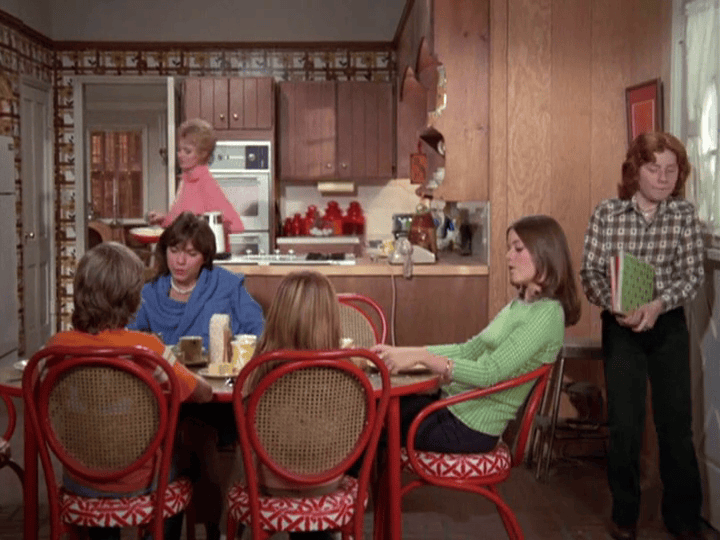
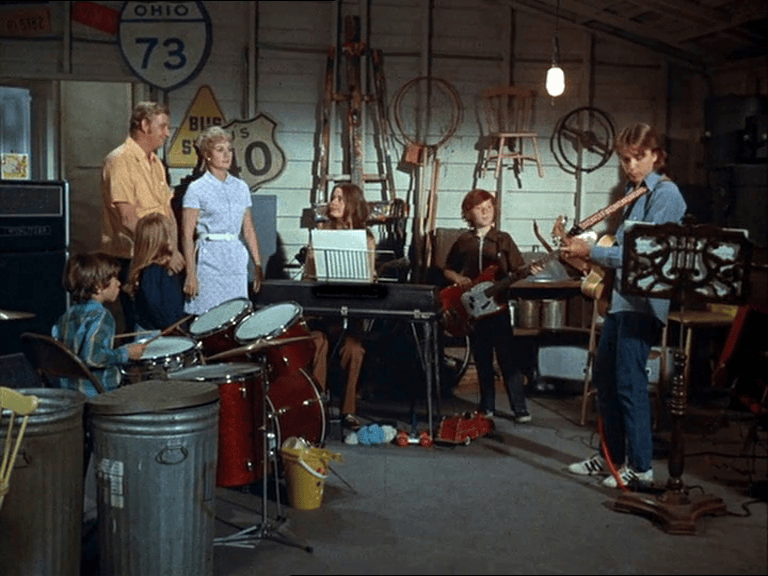
In addition to The Munsters, her television work includes Pistols ‘n Petticoats, The Partridge Family, Police Woman, Fantasy Island, Hart to Hart, Crazy Like a Fox, TJ Hooker, and Designing Women.
Blasdel-Goddard is now enjoying retirement, spending lots of time with her family, attending book clubs, doing charity work, and traveling.
I appreciated learning more about these hard-working professionals who help create the shows and characters we fall in love with during our lives. Special thanks to Audrey Blasdel-Goddard for persevering in a hard-to-overcome men’s world in set designing and property supervision. Any of their lives would make an exciting movie. Fun Fact: If you are reading this and thinking about some of your favorite television homes, check out Mark Bennett’s book, TV Sets: Fantasy Blueprints of Classic TV Homes.