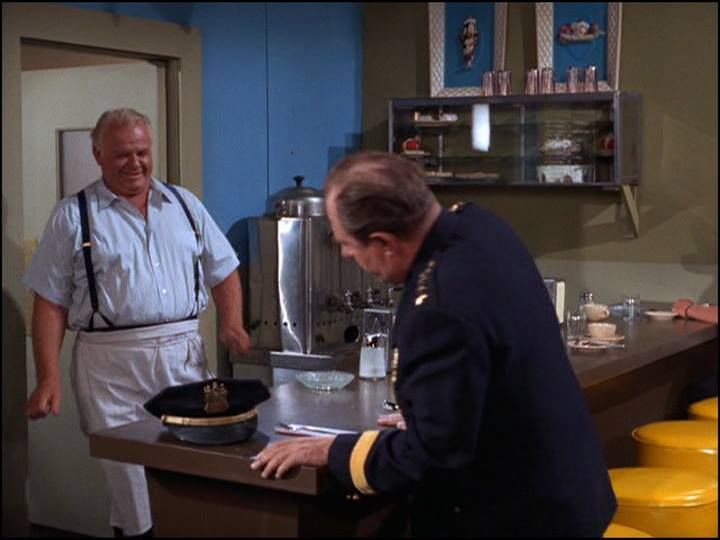
Just a Couple of Characters, Part 3: Henry Jones and Olan Soule

My series, “Just a Couple of Characters” continues with Part 3 today. This month, we learn more about actors we recognize but may not know much about. This week Henry Jones and Olan Soule are on the hot seat.

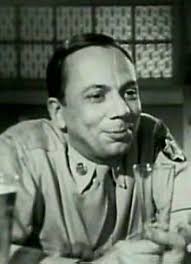
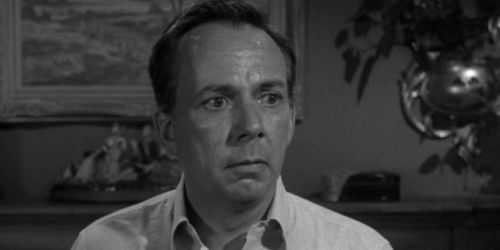
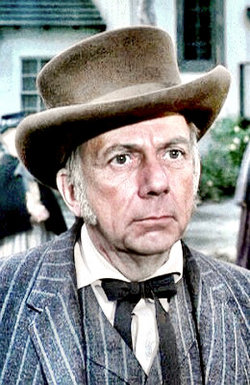
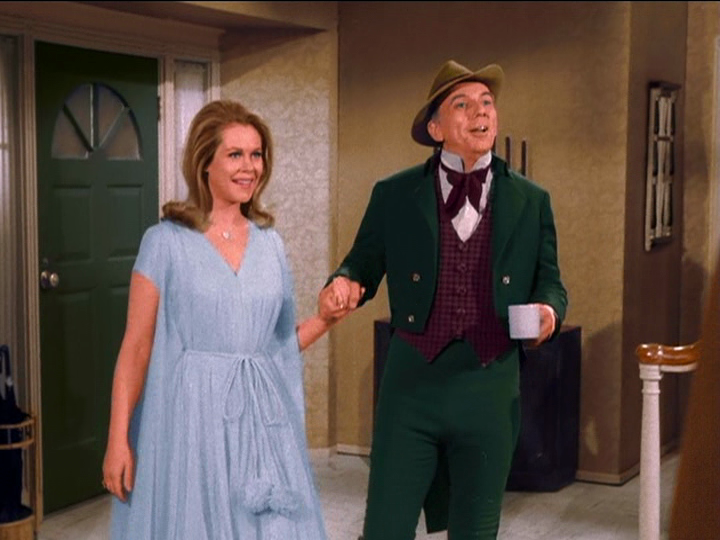
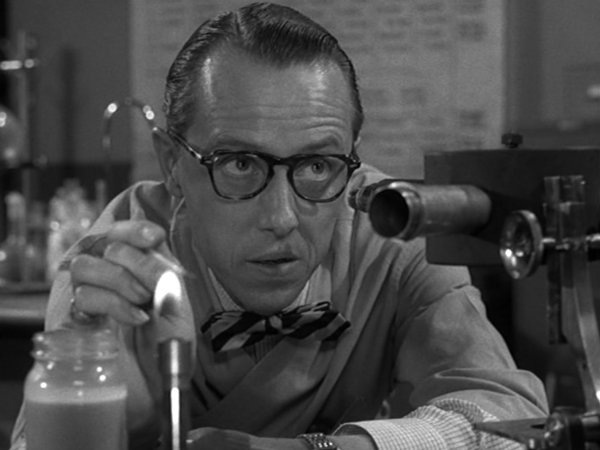
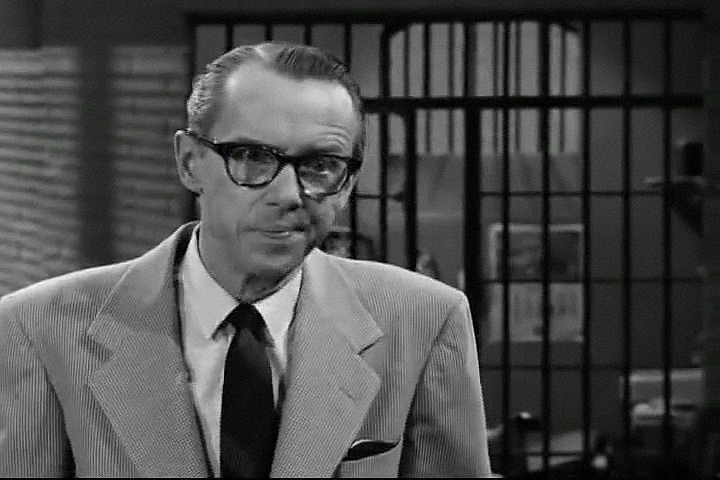
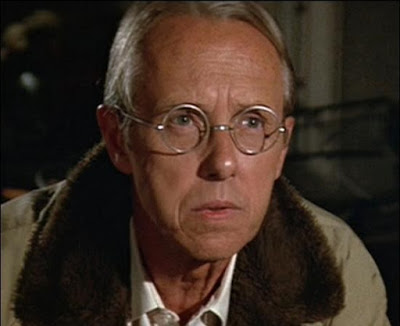
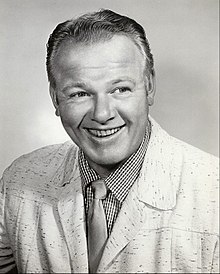
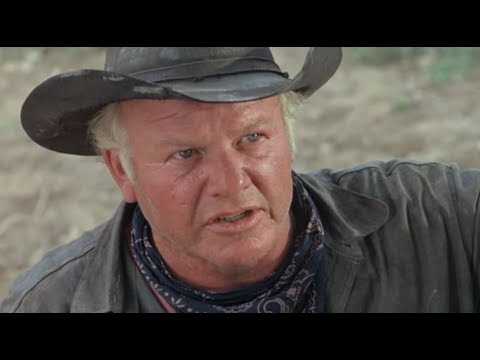
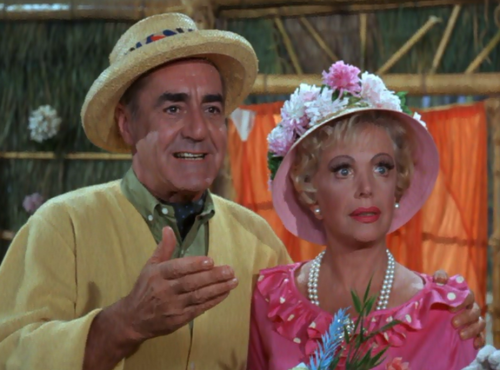
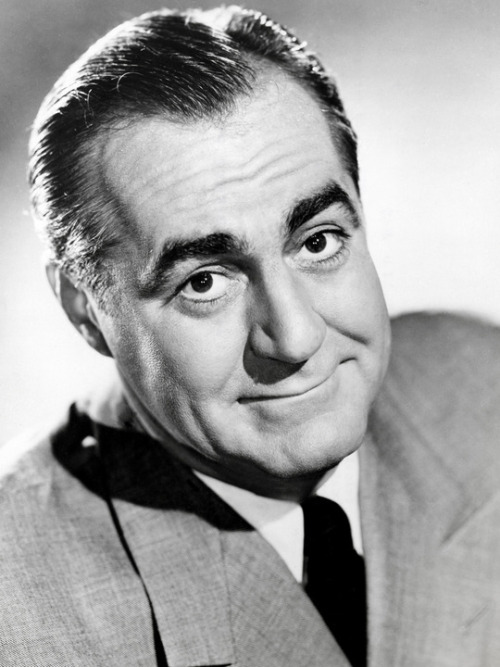
Henry Jones

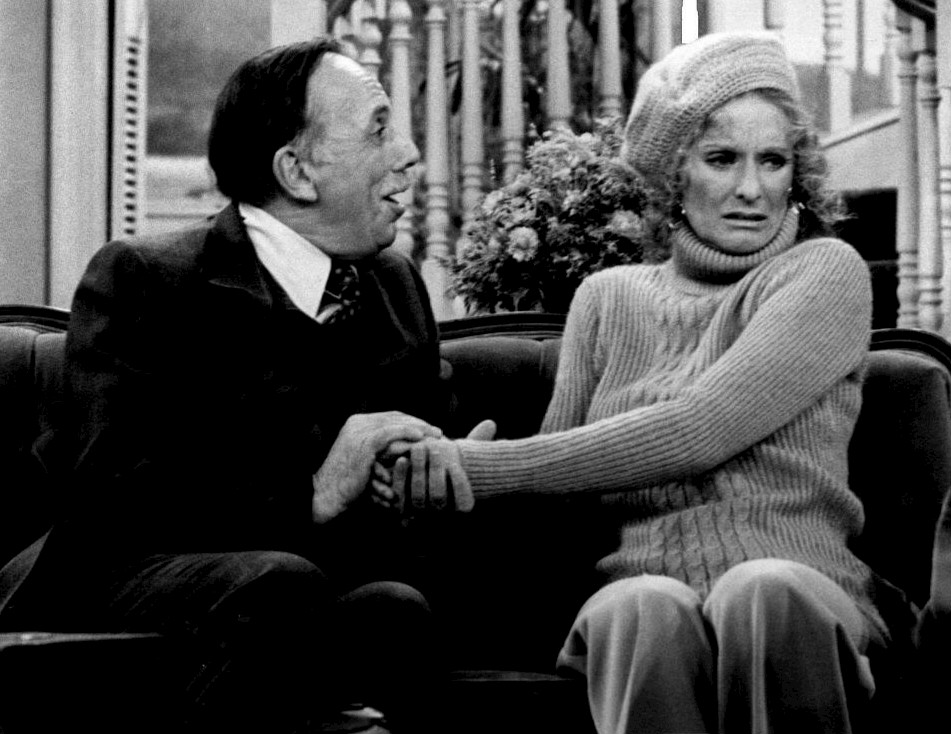
Photo: en.wikipedia.org

Born in New Jersey in 1912 and raised in Pennsylvania, his grandfather was a first-generation Prussian immigrant who became a Representative. Henry went to St. Joseph’s College, a Jesuit school. He landed his first Broadway show in 1938, playing Reynaldo and a grave digger in “ Hamlet. ” Like many of the actors in the late 30s and early 40s, Henry joined the Army for World War II. He was a private. During his service, he was cast as a singing soldier, Mr.  Brown, in Irving Berlin’s “This is the Army.”

When he came back to the US, he married Yvonne Sarah Bernhardt Buerger in 1942. Sadly she passed away at age 22. This information was supplied by a blog reader, and I appreciate receiving the updated information because several sources refer to his divorce which is not the case. Yvonne’s father was a renowned surgeon. One of his patients had been Sarah Bernhardt which is where Yvonne go her middle name from.

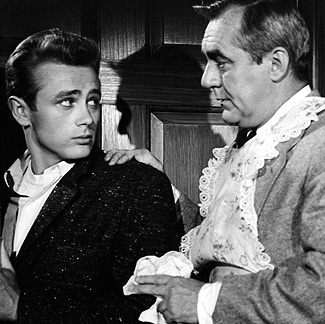
Jones continued his stage roles and began a movie career. He had bit parts in 35 films, including The Bad Seed, Will Success Spoil Rock Hunter?, Vertigo, and Butch Cassidy and the Sundance Kid. He won a Supporting Actor Tony in 1958 for his performance of Louis Howe in “Sunrise at Campobello.”

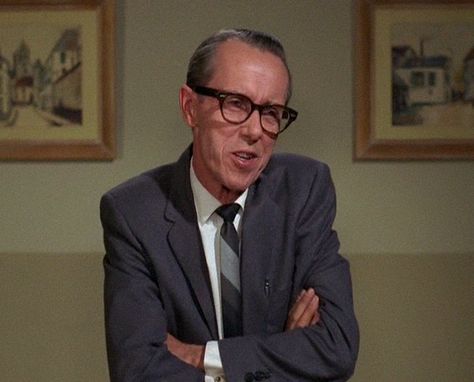
Photo: fanpix.famousfix.com

In 1948 he married Judith Johnson. They had two children (one is actress Jocelyn Jones) but divorced in 1961.

Bridging the gap of television and film, he starred in seventeen tv movies as well.

Although his movie career kept him somewhat busy, it was nothing compared to his television work. Jones was credited with 205 acting appearances, meaning he had roles in 153 different television series. Jones was able to tackle a wide range of roles, being believable as a judge, a janitor, a murderer, or a minister. Jones had no illusions about becoming a romantic lead. He once said that “casting directors didn’t know what to do with me. I was never tall enough or good looking enough to play juvenile leads.”

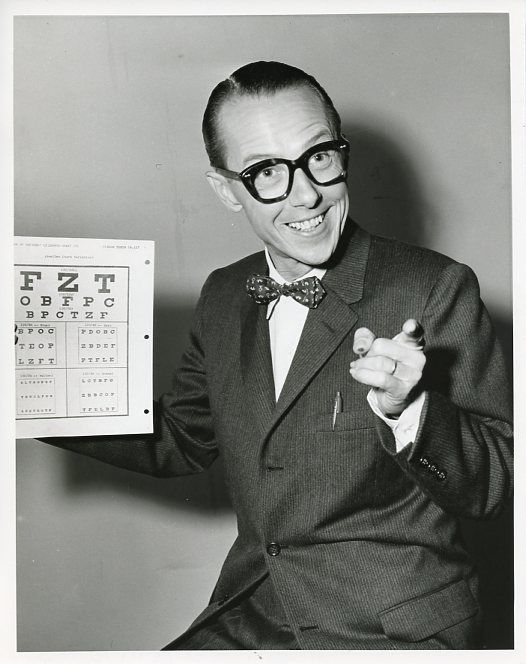
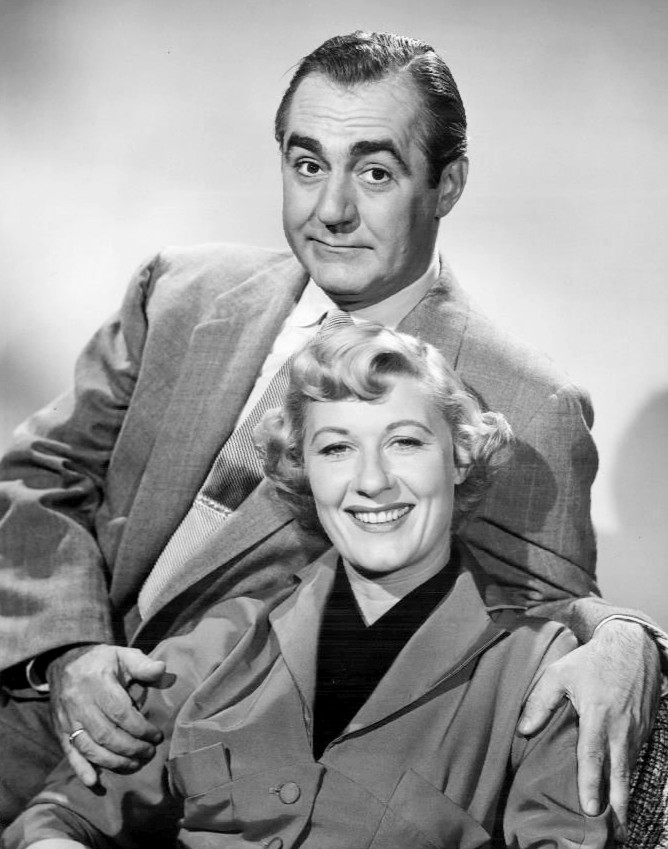
Photo: findagrave.com

His first television appearance was in drama series, Hands of Mystery, in 1949. His work in the 1950s was primarily in theater shows about dramas. He also appeared in the George Burns and Gracie Allen Show and Father Knows Best.

Photo: michaelstvtray.com

He continued his drama roles into the 1960s. He also appeared in 3 episodes of The Real McCoys and westerns including Wagon Train, The Big Valley, and Daniel Boone. He showed up on mysteries such as the Man from U.N.C.L.E. and The Name of the Game. He also found work on unique shows including Lost in Space, Route 66, and the Alfred Hitchcock Show. Hitchcock liked his work and used him five times. He also appeared in several comedies, Bewitched and That Girl. He starred in Channing in 1963-64.  Jones played Fred Baker, a dean who mentors Professor Joe Howe who teaches English at Channing College while he writes his memoir about the Korean War.

During the 1970s, he continued to work on a variety of genre shows. We see him on westerns, The Virginian, Gunsmoke, and Bonanza. We see him in thrillers like The Mod Squad; McMillan and Wife; Owen Marshall, Counselor at Law; and The Six Million Dollar Man, on which he had a recurring role as Dr. Jeffrey, a scientist who built robots. However, comedies continued to be his mainstay, and he appeared in many of them including Nanny and the Professor, the Mary Tyler Moore Show, The Paul Lynde Show, The Doris Day Show, the Partridge Family, and Barney Miller.

commons.wikimedia.org

In addition to all his guest spots, he was cast in three shows during this decade. In The Girl with Something Extra, he played Owen Metcalf in 1973. The role he was best remembered for was Judge Johnathan Dexter on Phyllis. He was Phyllis’s father-in-law from 1975-1977. As Josh Alden, he appeared on Mrs. Columbo for thirteen episodes.

Photo: totallykate.com

Recurring roles comprised most of his television appearances in the 1980s. He continued to accept guest roles on such shows as Quincy ME, Cagney and Lacey, Magnum PI, Murder She Wrote, The Love Boat, and Mr. Belvedere. He would make regular appearances on Gun Shy, Code Name: Foxfire, Falcon Crest, and I Married Dora.

Jones continued to appear in shows in the 1990s, including Coach and Empty Nest. In 1999, he passed away after suffering from complications from an injury from a fall.

Olan Soule

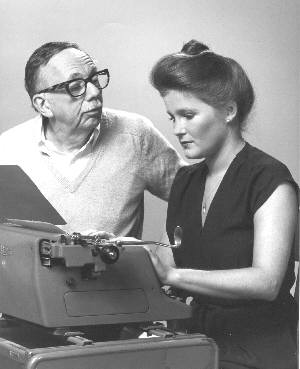
Photo: pinterest.com

Olan Soule’s timeline was similar to Jones. He was born in Illinois in 1909, growing up in Iowa, and he passed away in 1994. While Jones’ grandfather arrived in America, Soule’s ancestors included three Mayflower passengers. He began his acting career on the radio.

In 1929 he married Norma Miller. They would be married until her death in 1992 and they had two children.

For eleven years, he was part of the cast of the soap, “Bachelor’s Children.” His roles changed when he transitioned to television. On radio, he could play any role, but his 135-pound frame prohibited him from getting many roles he played on radio. He told the Los Angeles Times during an interview that “People can’t get over my skinny build when they meet me in person after hearing me play heroes and lovers on radio.”

Photo: tralfaz.blogspot.com

However, he certainly was not lacking in roles. Soule is credited with more than 7000 radio episodes and commercials, 60 films, and 200 television series.

The 1950s found him appearing in many sitcoms, including George Burns and Gracie Allen, I Married Joan, I Love Lucy, December Bride, the Ann Sothern Show, and Dennis the Menace.

Photo: complete-hitchcock.com

He would appear regularly in Dragnet from 1952-59 and in Captain Midnight from 1954-56.

Photo: riflemanconnors.com

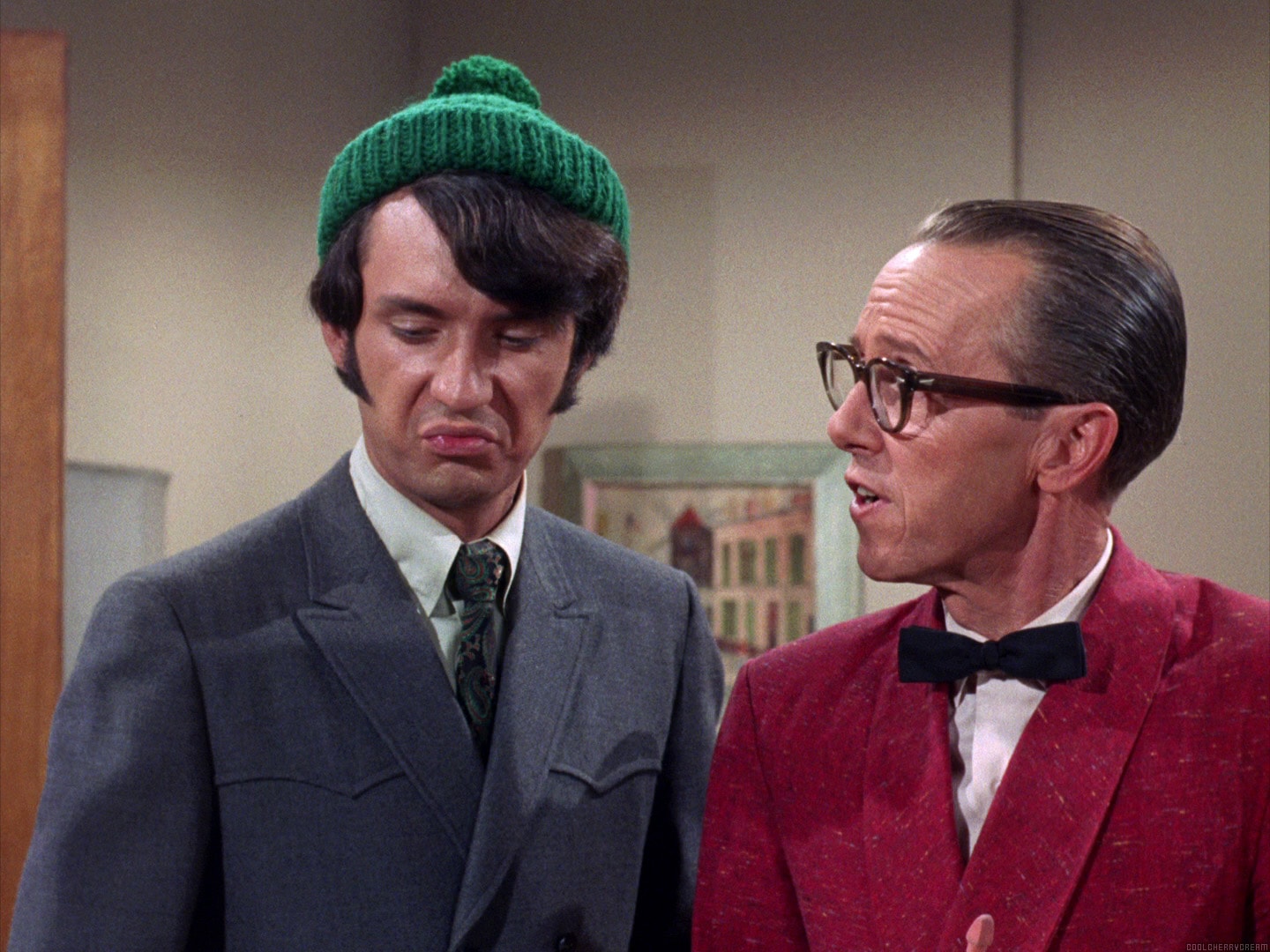
He got even busier in the 1960s, working nonstop. The only show he had a recurring role on was The Andy Griffith Show where he played choir director and hotel clerk John Masters. Other comedies he appeared on included The Jack Benny Show, Pete and Gladys, Bachelor Father, Make Room for Daddy, Mister Ed, My Favorite Martian, The Addams Family, The Monkees, Petticoat Junction, and That Girl. He also took on roles in suspense shows including One Step Beyond, the Alfred Hitchcock Show, and the Twilight Zone. He also specialized in westerns, including Maverick, Stage Coach West, Have Gun Will Travel, The Rifleman, Bonanza, Gunsmoke, and The Big Valley.

Photo: pinterest.com

He started the 1970s continuing to show up on series such as Family Affair, My Three Sons, McMillan and Wife, Cannon, Police Woman, and a recurring role on the comedy Arnie.

Photo: monkees.coolcherrycream.com

In the mid-1970s he began appearing on Battlestar Galactica and Project UFO. Most of his career in the decade was spent providing voiceovers for animated shows, primarily Batman.

The Towering Inferno Director: John Guillermin US Premiere: 10 December 1974 Copyright 1974 Twentieth Century Fox Film Corporation and Warner Bros. Inc.

In 1994, Soule died from lung cancer at age 84.

Both Soule and Jones were prolific actors who had long and successful careers. Neither one of them were the leading men type of actors, but they could tackle a wide range of roles. Soule once said, “Because of my build and glasses, I’ve mostly played lab technicians, newscasters, and railroad clerks.” Not a bad life for someone who loves acting. If you watch Antenna or Me Tv, chances are you will see these two characters pop up quite often.

Just a Couple of Characters, Part 2: Hope Summers and Madge Blake

Today we continue our series, Just A Couple of Characters, about character actors we recognize but might not know much about. Hope Summers and Madge Blake are two actresses you will recognize if you watched sitcoms in the 1960s or 1970s.

Hope Summers

Photo: en.wikipedia.org

Born Sarah Hope Summers in 1902 in Mattoon, Illinois, Hope Summers often played the friendly, but nosy, neighbor. She’s best recognized as Clara from The Andy Griffith Show.

Summers became interested in theater early in her life. She attended Northwestern, majoring in speech. After graduation she stayed at the University and taught speech and diction. She then moved to Peoria and headed the Speech Department at Bradley University. She joined a few community theaters, putting on one-woman shows. She also acted in a few dramatic radio shows.

She married Claude Witherell in 1927, and they were married until his death in 1967. The couple had two children.

In 1950, she transitioned to television. She appeared in an early comedy series, Hawkins Falls: A Television Novel. Like Edward Andrews, she was often cast in roles older than her actual age. She became a popular actress quickly. She continued to appear in a variety of shows throughout the 1950s including Bachelor Father, Private Secretary, Wagon Train, Dennis the Menace, and the Loretta Young Show.

Photo: cscottrollins.blogspot.com
On The Rifleman

From 1958-1960, she would appear in The Rifleman as Hattie Denton.

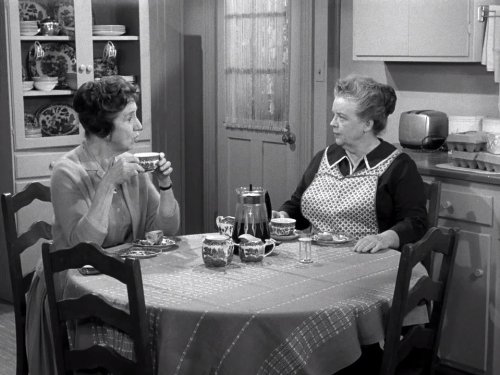
In 1961, she received the role she would become most famous for, Clara, Bee’s best friend on The Andy Griffith Show. When Andy Griffith left the show in 1968, Hope continued with Mayberry RFD in her role of Clara for five episodes. Clara was a lonely spinster who lived next door to Andy and his family. She and Bee had fun sharing bits of gossip and talking about current events. Clara had a good heart and though she and Bee could get upset with each other, they truly cared about each other.

Photo: sitcomsonline.com

While playing the role of Clara, she continued to guest in series throughout the 1960s. She appeared on many of the hit shows of that time such as Dr. Kildare, Gunsmoke, Make Room for Daddy, Hazel, My Three Sons, The Dick Van Dyke Show, Petticoat Junction, The Phyllis Diller Show, Marcus Welby, That Girl, and Bewitched.

Photo: mash.fandom.com

During the 1970s, Summers kept her career going strong, appearing in Hawaii Five-0, M*A*S*H, Little House on the Prairie, and Welcome Back Kotter.

Photo: peorian.com
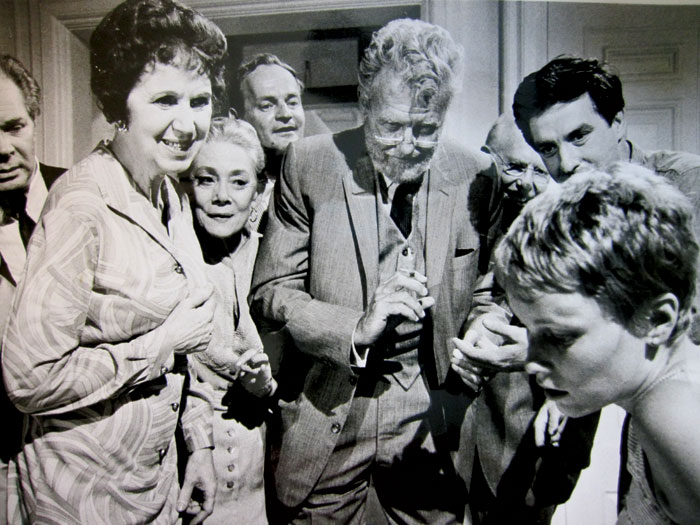
Playing a nice witch in Rosemary’s Baby

Although, Summers began her acting career during the second half of her life, she was also featured in several well-known movies. In 1960, she was in Inherit the Wind, The Shakiest Gun in the West, and Rosemary’s Baby in 1968, among others.

Photo: famousfix.com

Summers also was famous as the voice of Mrs. Butterworth in commercials.

In 1978 she was diagnosed with congestive heart failure and quit acting. She passed away from the disease in 1979.

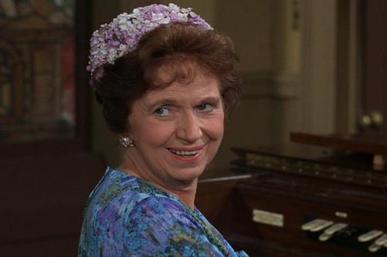
Madge Blake

Photo: listal.com

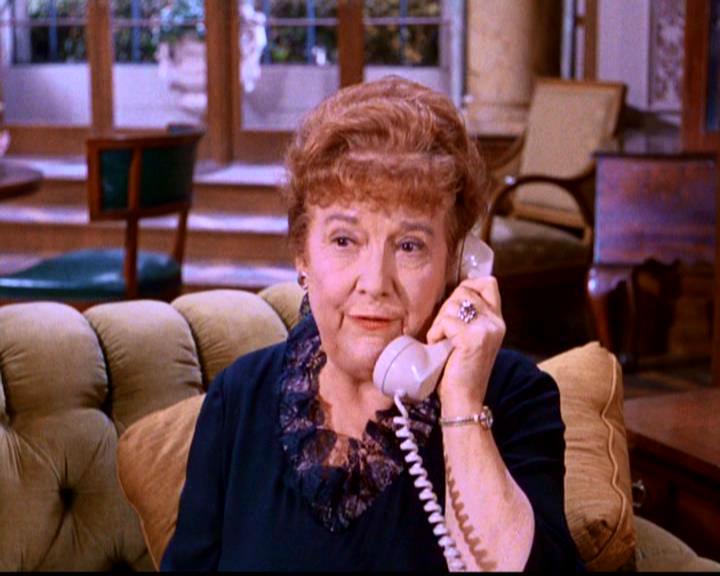
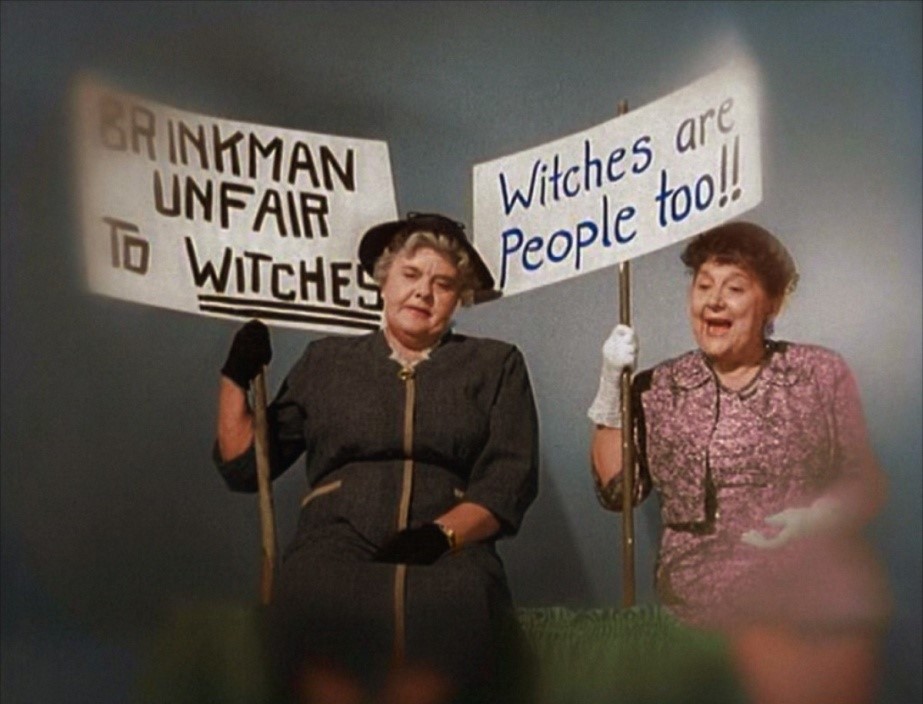
While Hope Summers was part of the cast of The Andy Griffith Show, Madge Blake was busy portraying Aunt Harriet on Batman.

Born Madge Cummings in 1899 in Kansas, she, like Hope Summers, became interested in acting at a young age. Her father was a Methodist minister and he refused to allow her to give it a try. Oddly enough, Madge’s maternal uncle was Milburn Stone, Doc on Gunsmoke.

Photo: imdb.com

Although they later divorced, Madge married James Blake and they had one child. She had a fascinating career. Both she and James worked for the government during the war. They had top secret clearance for their project working on the construction of the detonator for the atomic bomb in Utah. They also performed tests on equipment used in the Manhattan Project.

Photo: actorz.ru

Also, like Summers, Blake turned to acting at a later age. When she was 50, she enrolled at the Pasadena Playhouse to study acting. She only had twenty years in the business, yet she managed to achieve an impressive 124 acting credits.

Photo: icollectors.com
Singin’ in the Rain

Blake would appear in 47 films in smaller, but impressive, roles. Some of her movies included An American in Paris, Singin’ in the Rain, Brigadoon, The Tender Trap, Bells Are Ringing, Ain’t Misbehaving, and The Solid Gold Cadillac.

Photo: pinterest.com
Margaret Mondello

Beginning her television career in 1954, she racked up an impressive amount of guest star roles and several recurring roles. She played Tillie, the president of the Jack Benny fan club on The Jack Benny Show. She played Larry Mondello’s mother on Leave It to Beaver. An interesting aside is that she was asked to play Aunt Bee on The Andy Griffith Show where she would have worked with Hope Summers. Because she was locked into the role of Mrs. Mondello, she declined. She took the role of Mrs. Barnes, Joey’s mother, on The Joey Bishop Show. On the Real McCoys, she played Flora MacMichael, Grandpa McCoy’s love interest; Nurse Phipps on Dr. Kildare; and the role she became best known for, Aunt Harriet on Batman.  

Photo: channel.superhero.com

The network was worried about Batman and Robin living alone together on Batman, so the role of Aunt Harriet was added. The story line was that she raised Bruce Wayne in the family mansion. Their interaction with Aunt Harriet was also a reason for the dynamic duo to appear in their non-hero roles more often.

It would seem that coming into acting later in life and then appearing in so many movies and recurring television appearances would have kept her quite busy. But in addition to these appearances, she was cast in many of the most popular shows during her twenty years on television. During that time, you can find her on dramas like Public Defender, Lassie, The Restless Gun, and the Man from U.N.C.L.E.

Photo: tumblr.com
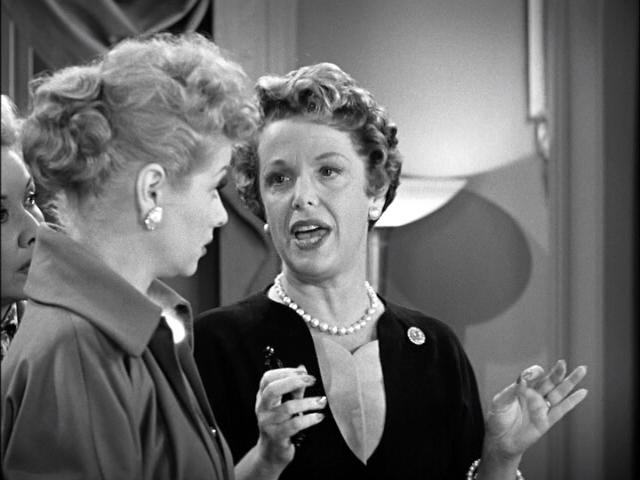
On I Love Lucy

Of course, she was meant to play comedy and she appeared on an incredible number of sitcoms. Just to name a few, there of them: George Burns and Gracie Allen Show, I Love Lucy, Private Secretary, Father Knows Best, Bachelor Father, The Adventures of Ozzie and Harriet, The Donna Reed Show, Make Room for Daddy, Bewitched, The Addams Family, My Favorite Martian, The Dick Van Dyke Show, Gomer Pyle, and The Doris Day Show. Pretty amazing.

Photo: vitabrevis.americanancestors.org
On Bewitched

I read over and over that one of her best performances was in the pilot for Dennis the Menace where she plays Dennis’s babysitter. I have not been able to watch that show, but I will definitely check that out.

Photo: allstarpics.famousfix.com
On Dennis the Menace

In 1969, Blake passed away from a heart attack after she broke her leg. She was only 70, or we might have had a much longer list of television series for her.

Hope Summers and Madge Blake had a lot in common. They both became interested in acting at an early age, they both had major careers before acting, they both began acting in the second half of their life, they both played neighborly types–Summers, nosier, and Blake, more ditzy. They also both had respectable film careers paralleling their television ones. Their television roles may have been smaller, but they were memorable, they are definitely two characters worth watching.

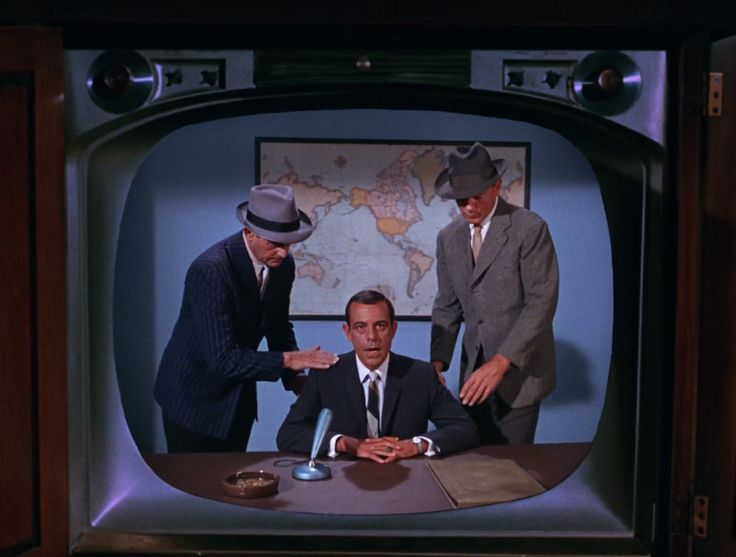
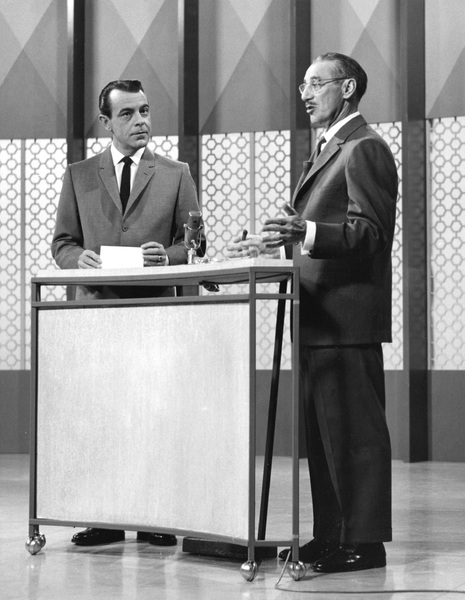
The Secret Word is George Fenneman

I am cheating just a bit with this post. During this Oddly Wonderful series, I think I can push the envelope enough. You Bet Your Life was a very different type of game show. If ever there was a person who personifies oddly wonderful it was Groucho. But I really wanted an excuse to write about George Fenneman.

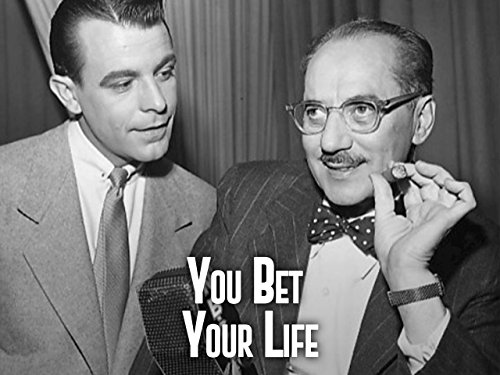
George Fenneman is best remembered for his role on Groucho Marx’s quiz show, You Bet Your Life which began on radio in 1947 and transitioned to television in 1950. The show went off the air in 1961, the year I was born. Obviously, I don’t remember the original show, but I saw it in reruns and always had a crush on George; I think it was his smile that always got me.

Photo: imdb.com

George was born in Beijing (then Peking), China in 1919. His father was in the importing/exporting business. When he was not quite one, his parents moved to San Francisco where he grew up. After high school, he attended San Francisco State College. He graduated in 1942 with a degree in speech and drama. He took a job with a local radio station KGO for a short time. He married his college sweetheart Peggy Clifford in 1943 and they would stay married until George died. The couple had two daughters and a son.

Photo: collectors.com

Poor eyesight and asthma prevented Fenneman from military action in World War II, but he was able to become a broadcast correspondent for the War of Information. In 1946 he was back in California, in the radio industry again. One of the shows he announced for was Gunsmoke. After the episode concluded, he would introduce Matt Dillon (William Conrad) to discuss the sponsor’s products which often was cigarettes such as L&M or Chesterfield.

Some of the other radio shows he announced for included The Orson Welles Show, The Eddie Albert Show, and the Hedda Hopper Show.

Photo: aveleyman.com

He and Peggy were neighbors of Christian Nyby. In 1951, Nyby was hired as director for the film, The Thing from Another World. George joined the cast as in the minor role of Dr. Redding who has an important scene at the end of the film. It took 27 takes for him to get the speech right, and he realized he was better suited for radio. However, he would appear in two additional films, the little-known Mystery Lake in 1953 and How to Succeed in Business Without Really Trying in 1967. While his voice was part of several other films, most notably in the original Ocean’s 11 as the man talking on the phone to Sheriff Wimmer.

Jack Webb had worked on broadcasts with George during the war. He hired Fenneman as announcer for his radio show, Pat Novak, For Hire. When Dragnet aired the same year, Jack took George with him. George, along with Hal Gibney took on the role of narrator for the show. They both continued with the show in 1951 when it moved to television. Dragnet was off the air for a number of years and returned to television in 1967. Fenneman was again hired as narrator with John Stephenson for that version. George was the one who was heard saying, “The story you are about to see is true. The names have been changed to protect the innocent.” Stephenson handled the closing narration. Fenneman was also cast as a news reporter in a variety of shows including Please Don’t Eat the Daisies, The Man from U.N.C.L.E., The Name of the Game, and on Batman in 1966 in the episode, “The Yegg Foes in Gotham.”

Photo: pinterest.at
On Batman

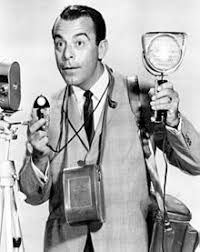
In addition to appearing on Groucho’s show on television, Fenneman was the host or announcer for several other shows. He emceed two games shows during his time with Groucho: Anybody Can Play in 1958 and Your Surprise Package in 1961. In 1963, He hosted a show on ABC titled Your Funny, Funny Films which was a cousin to the later Candid Camera and America’s Funniest Home Videos.

He was usually an unseen announcer on The Ed Sullivan Show, but in 1964, the night the Beatles were on the show for the second time, he did a spot on the air for Lipton Tea. From 1978-1982 he hosted a show on PBS, Talk About Pictures. In this show, Life magazine photographer Leigh Weiner and George interviewed respected photographers and looked at their best photos.

Photo: pinterest.com
With Leigh Weiner on PBS

He also was the voice for Home Savings & Loan commercials from the late 1960s until his death from emphysema in 1997. He also acted as announcer for shows such as Dean Martin and Jerry Lewis, Donny and Marie, The Jim Nabors Show, and The Life of Riley.

Photo: hollywoodphotographs.com
With Martin and Lewis

In 1993, The Simpsons aired an episode that spoofed Dragnet, and Fenneman can be heard on the show delivering his famous line about names being changed to protect the innocent.

Despite his large cannon of work as an announcer and emcee, Fenneman became a household celebrity when he went to work for Groucho on You Bet Your Life. One day George was standing on the corner of Hollywood and Vine. Robert Dwan, who had hired him at KGO Radio, came up and told him he was holding an audition for a new show for Groucho. Fenneman went up against thirty other announcers and won the job which paid $55 a week. He was hired just to do commercials. At some point, Groucho decided he should also be scorekeeper, as well as his straight man.

Photo: usawoopro.blogspot.com

When discussing Groucho, George said, “I have to say he was unique, and he was fearless. It was a great privilege to work with him for 15 years and to be his friend for 30.” After Fenneman’s death, Peggy did an interview for an article by Lawrence Van Gelder for the NY Times in June of 1997. She said that George was always a fan of Groucho and the Marx Brothers. She remembered them often going to the Golden Gate Theater when they were in college. They went to watch the Marx Brothers rehearse future movie scenes for comic timing. She remembered watching scenes from A Night at the Opera and A Day at the Races.

Groucho, known for his quick wit and acid tongue, found an agreeable and attractive man in Fenneman. When viewers queried George whether the show was scripted or ad-libbed, he always said yes. Actually, it was about 50/50.  Groucho was fed some lines from the interviews with the contestants, but he never met them ahead of time and was given the freedom to interject whatever comments he chose.

Photo: mptvimages.com

George often took the brunt of Groucho’s humor. One time he had to inhale helium, one day he came down from the ceiling when the secret word was said in place of the usual duck, or he would be questioned about something on the show. For example, one evening each of the contestants was a very attractive woman and Groucho made it seem that Fenneman had set that up on purpose. One contestant mistakenly referred to George as Mr. Fidderman, and Groucho called him out to discuss his double life.

Photo: popflock.com

George never knew what Groucho had in store for him. Often Marx would summon George from behind the curtain, and he always looked uncomfortable which was quite genuine. But Groucho had great affection and appreciation for him, calling him the perfect straight man.

At times on the show, George could also be quite funny, but he knew his main role was straight man, and he usually toed that line carefully.

George and Groucho remained friends long after the show was cancelled. They often got together before Groucho’s death in 1977 at age 87. Groucho never lost his sense of humor. At one of their last visits, Groucho was in very frail health. Helping Groucho get across the room, George lifted him out of his wheelchair and carried him. He had his arms around his torso and began to shimmy him across the floor. Groucho’s rasping voice said, “Fenneman, you always were a lousy dancer.”

Photo: en.wikipedia.org

Although the shows have never been released in a chronological DVD collection, they are available. The programs were recorded in full and then edited to the desired length. On MP3 discs, some of the unedited tapes are available which provide a very different perspective than the aired show.

There are a few announcers still well known in the business. I think of Rod Roddy, Johnny Gilbert or Johnny Olson who have game show fame, but it is a career that is being phased out. There is something charming about watching the former announcers for shows promoting products and interacting with the stars. Harry Von Zell from the Gracie Allen and George Burns Show comes to mind or Don Wilson from the Jack Benny Show. Like rotary phones, transistor radios, and Polaroid cameras, they are fondly remembered from a slower and less technological period in history.

With this series being Oddly Wonderful, I am stretching it a bit by focusing on George. In our definition of oddly wonderful, he was definitely the wonderful.

Is It A Western? A Spy Show? A Thriller? No, It’s The Wild Wild West

There was no specific category for the Wild Wild West when it first debuted in 1965.  Part western, part spy show, part thriller.  Now, it might be called steampunk. Westerns had been extremely popular through the 1950s and into the 1960s, but in the mid-1960s, the spy genre was gaining ground. Creator Michael Garrison combined the two. Secret Service agents Jim West (Robert Conrad) and Artemis Gordon (Ross Martin), work for President Ulysses Grant and travel the country by luxury train, the Wanderer.  Oh yeah, and they have a ton of technology to make the job more exciting. Artemis is a master of disguise.  Like James Bond, they had clever gadgets on hand, beautiful women in the wings, and delusional, but brilliant, enemies to fight against.

Photo: decades.com

The series debuted in 1965 and ran for four seasons, resulting in 104 episodes. Unfortunately, Garrison died a year into the show and didn’t live to see its completion. The show was filmed at CBS Studio Center. The 70-acre lot was used for Gunsmoke, Rawhide, and Gilligan’s Island as well.

The theme song was written by Richard Markowitz. The intro had an animated sequence that continued to be filled in throughout the show. This was quite unique to this program.

Conrad claimed to be the 17th actor to audition for the role of James West. Originally, Rory Calhoun was announced as the co-star. Conrad wore three-inch heels to hide that he was only 5’8”. Due to his height, the casting office was barred from hiring women over 5’6” for the show. The first few episodes used stuntmen, but Conrad felt that it slowed production down too much, so he volunteered to do his own stunts. During season three, he fell from a chandelier and hit a concrete floor, leaving him with a concussion and weeks of hospitalization for dizziness.

Photo: artworkproduction.ca

Ross played over 100 different characters during the run of the series. He sketched out the ideas for the characters himself and then worked with the make-up artists to get the right look. During the fourth season, Martin broke a leg when he dropped a rifle, stepped on it, and rolled his foot over it. When the shell ejected, it burned his eye. Ross also suffered from a heart attack in 1968. Several other agents “filled” in for Martin while he recuperated.

Photo: writeups.org

Considering the show was only on for four years, it featured a number of guest stars including Ed Asner, John Astin, Jim Backus, Ed Begley, Victor Buono, Jackie Coogan, Yvonne Craig, Sammy Davis Jr., Jack Elam, Norman Fell, Bernard Fox, Mary Frann, Beverly Garland, Alan Hale Jr., Boris Karloff, Richard Kiel, Ted Knight, Harvey Korman, Martin Landau, Sue Ane Langdon, Peter Lawford, Ida Lupino, Burgess Meredith, Agnes Moorehead, Phyllis Newman, Leslie Nielsen, Carroll O’Connor, Pat Paulsen, Suzanne Pleshette, Richard Pryor, Don Rickles, Pernell Roberts, Katherine Ross, William Schallert, Vito Scotti, Ray Walston, Jesse White, and Keenan Wynn.

The train was also a co-star of the show. The spies had two different trains. The first was used for season one when the shows were filmed in black and white. It was a Sierra Railroad No. 3 which was not built until 1891, a mere technicality I guess. The Rogers Locomotive and Machine Works built it in New Jersey. Footage was shot in Jamestown, California. This same train was the Cannonball in Petticoat Junction.

Photo: metv.com

The shows filmed in color featured a train decorated with green and gold and it was full of fun gadgets. This one was built in 1875 by the Baldwin Locomotive Works in Philadelphia. It was used in many films over the years.

Photo: tripadvisor.co.uk

Both these trains are on display at the Nevada State Railroad Museum. They were only featured in exterior shots. The interiors of the trains were designed by art director Albert Heschong with set decorator Raymond Molyneaux. It reportedly cost $35,000 in 1965. To put this in perspective, the average house in 1965 cost less than $4,000! The train was as resourceful as West and Gordon. A remote control under the table could immediately lock the door. A statue turned upside down unlocked a wall safe. A telegraph set was hidden in a book on the desk. Pistols could be fired by activating a fireplace switch. The pool table had exploding balls while cue sticks could fire bullets.

Photo: tvoftheabsurd.com

Many of the guest stars were villains in the show. The most famous villain was Dr. Miguelito Loveless played by Michael Dunn. He had a recurring role, appearing on ten episodes. He always managed to escape at the end of the show. West and Artemis never did catch him, and a TV movie filmed later relays that he died in 1880 from ulcers brought on by the stress of his plans always being foiled by West and Gordon.

Like Batman, Jim West always seems to have the right gadget at his disposal when he needs it. Some of his more fun props included a sleeve gun as well as a gun concealed in his heel. He also occasionally carried a blowtorch in his heel. Passkeys were stored under his lapel. He kept a variety of fuses sewn into hems in his clothes. To descend into a pit or be hoisted up on a roof, he had a hand-held motor-driven winch. Glass cutters which often are useful were available. Wires placed in his hat had many uses. Battery-powered drills helped the boys escape metal cages. His kit bag held a large balloon. A miniature player made villains think shot guns were being fired. Of course, every smart secret service man wears a bulletproof vest and is always equipped with tear gas or smoke bombs. They even had a cigar that would produce smoke when thrown on the ground and a coin that exploded when exposed to heat.

Photo: thegoldencloset.com

There typically were two fights in each episode choreographed by Whitey Hughes. Following the 1968 assassinations of Dr. Martin Luther King and Robert Kennedy, a National Commission on the Causes and Prevention of Violence was formed. Violence on television was listed as one of the problems, and The Wild Wild West was cited as a violent show. So, despite high ratings, the series was cancelled near the end of its fourth season as a concession to Congress over television violence.

Photo: antiquatednotions.typepad.com

However, the show was then released into syndication and at one time was listed on 99 different local channels, so the violence on television was not curbed by its cancellation.

Several books and comic books were created based on the show. In 1979, the two stars returned to television with a movie, The Wild Wild West Revisited. In 1980, they showed up again in More Wild Wild West. Rumors existed that the duo would do a reboot of the series, but Ross died in 1981 so it never came to fruition.

A movie was made in 1999 based on the original show, but it was not received well. Will Smith later expressed regret for his role in the film. The Golden Raspberry (Razzie) is awarded to the worst films. When the 1999 film was awarded five Razzies, Conrad accepted them on behalf of the movie to show his displeasure with the remake.

Photo: stupendouslyamazinglycoololdtv.blogspot.com

The show’s success primarily stemmed from the fact that Artemus and West trusted each other completely, and their banter and technological gadgets made the show a pleasure to watch. And did I mention, the boys loved women on and found a romance on every show. We’ll let the characters have the last word:

Artemus Gordon: “Naomi. ’My sweetness’. That’s what Naomi means in Hebrew, did you know that ?”

Naomi Buckley: “Really ? And what does Artemus mean ?”

James West: “It means ’He who wastes little time‘.”

Photo: filmscoremonthly.com

Artemus Gordon: “I didn’t know you liked toys.”

James West: “Toys, no. Dolls, yes.”

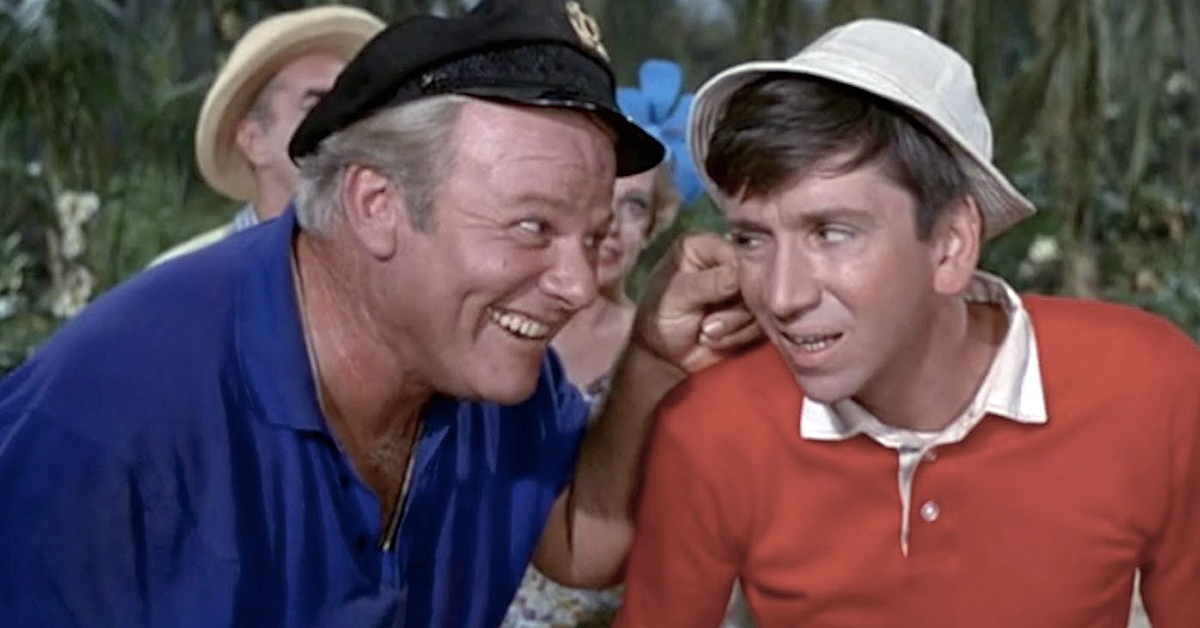
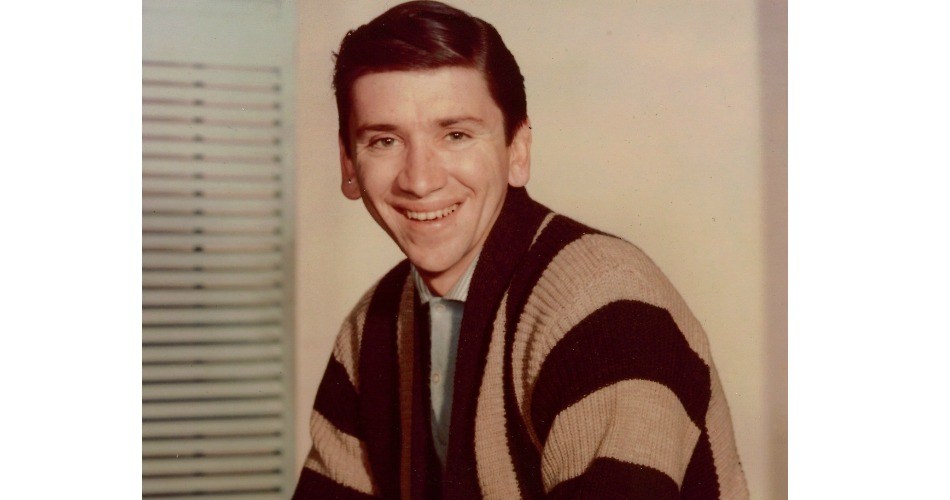
The Skipper and His Little Buddy: Alan Hale Jr. and Bob Denver

We continue our month-long exploration of the actors who appeared on Gilligan’s Island. Today we look at the two biggest stars: Alan Hale Jr. and Bob Denver.

Alan Hale Jr.

hale1

Alan Hale Jr. (Alan Hale Mackahan, Jr.) was born in 1921 in Los Angeles, California.  He looked exactly like his father, Alan Hale Sr. who was a well-known movie actor acting with legends like Douglas Fairbanks and Errol Flynn. His mother, Gretchen Hartman, was also a silent film star.

Hale’s first screen role was when he was 12 in Wild Boys of the Road.

hale3

He appeared in more movies and television series than any of the other Gilligan’s Island cast.  In all he would appear in 92 movies and 123 different tv shows.

In 1943 he married Bettina Reed Doerr. They would be married for twenty years and have four children. During World War II, Hale served in the US Coast Guard.

In the 1950s, he could be seen in many westerns as well as The Loretta Young Show and The Adventures of Ozzie and Harriet. He had regular roles on two sitcoms in that decade: Biff Baker USA and Casey Jones. Biff Baker is a businessman who becomes involved in espionage.  He and his wife travel around the world, working behind the scenes to solve problems. Although it was a serious show, there was some humor in the episodes also. As Casey Jones, Hale drove his train, The Cannonball Express, around the country.

hale4

The early 1960s was a prolific time for Alan Hale. The majority of his television credits came during this decade. You can see him in reruns of Jack Benny, The Lucy Show, Perry Mason, My Favorite Martian, and The Andy Griffith Show.

The year 1964 was a momentous one for Alan. He married Naomi and remained with her till his death. He also tackled the role he would become famous for.

hale5

Sherwood Schwartz said he was having trouble finding the right person to play Jonas Grumby. He auditioned a lot of people, including Carroll O’Connor. One night while having dinner at a local restaurant he saw Hale dressed in a Civil War costume and decided he might be the one. Although the Skipper often became frustrated with Gilligan, they had a father and son relationship. Hale and Denver managed to pull that off. They were close friends in their personal lives as well.

hale3

Unlike some of the cast who felt typecast after they left the show, Hale embraced the role he had played. He would later own and manage a popular restaurant in Los Angeles called “Alan Hale’s Lobster Barrel” and could be seen greeting guests as the Skipper. Both he and Jim Backus appeared on Bob Denver’s sitcom Good Guys in 1968.

hale4

After Gilligan, Hale’s career did not slow down. Until his death he would continue to appear in a variety of series including Batman, Green Acres, The Flying Nun, The Wild, Wild West, Here’s Lucy, Marcus Welby, The Doris Day Show, Gunsmoke, McMillan and Wife, Simon and Simon, Growing Pains, The Love Boat, and Magnum PI.

In addition to acting and his restaurant business, Alan enjoyed fishing, golfing, cooking, traveling, storytelling, spending time with his family, and philanthropy. In 1990, Hale died after suffering from thymus cancer at the young age of 68.

Alan Hale had a long and prosperous career.  From all accounts, he liked acting and enjoyed life. Perhaps we should leave the last word to his costars who knew him best.

hale2

Bob Denver said, “He was a big, lovable man who made everyone feel good. He had a great time with his life.”

Dawn Wells described him: “What a dear man . . . what a dear, dear man . . I never saw him disgruntled, having a temper tantrum or depressed. He was so jovial and so sweet and so strong. . . He was a nice man.”


Bob Denver

denver7

Bob Denver was born in New York in 1935. He went to college at Loyola University in Los Angeles, majoring in political science. He worked as a mailman and a teacher before deciding to go into acting full time.  His first appearance was on Silent Service in 1957.

While Alan Hale was in more shows and movies than any of the other crew members, Bob Denver was easily in the fewest.  While he appeared in seven movies, he was only in 21 television shows, and on six of them he had regular roles.

denver5

His sister suggested him for the part of Maynard G. Krebs on The Many Loves of Dobie Gillis. His role as Dobie Gillis’s best friend propelled him into stardom. Dobie Gillis was on the air for four years, producing 144 shows.

denver8

In the 1960s he would appear on Dr. Kildare, The Farmer’s Daughter, The Andy Griffith Show, Make Room for Daddy, and I Dream of Jeannie. In the mid-1960s, Bob was offered the role of Gilligan on a new show, Gilligan’s Island.  In 1966 he married Maggie Ryan. They would have two children during the six years before they divorced.

Schwartz wanted to cast Jerry Van Dyke in the role who turned it down to play Dave Crabtree in My Mother the Car. Denver was perfect in the role of the inept Gilligan who caused many mishaps on the island but was the center of affection of the rest of the castaways, especially the Skipper.

The same year Gilligan was cancelled, Denver remarried. Like many sitcoms, the relationship with Jean Webber lasted three years before the couple cancelled it.

denver2

Although Denver was given a lead role in three more sitcoms, most of his work after 1967 cashed in on his character of Gilligan. In 1968, he starred in Good Guys. He played the role of Rufus Butterworth who opens a diner with his best friend from childhood.  The show only lasted for 42 episodes. Like Gilligan’s Island, Sherwood Schwartz produced this show. In an interview in 1994 with Peter Anthony Holder on Montreal radio station CJAD 800 AM, Denver discussed Schwartz. “Oh yeah, sure. Sherwood, as a producer, he was one of the best writer producers. It’s amazing. That man was just amazing. We never knew there were any problems when we were shooting. He kept all the network craziness away from us. He was writing scripts literally four months in advance, so that special effects and props always got them in plenty of time. . . you just memorized your words and went down there and had a great time. It wasn’t until afterwards when I left that I realized that not everybody was in the same situation. So every time I had a chance to work with him I did.”

At this time, Bob was also involved with Broadway and dinner theater plays after 1970.

denver3

In 1972 Denver tried marriage a third time. He and Carole Abrahams made it three years and produced one child before divorcing. In 1973, he took the lead on Dusty’s Trail. As Dusty, he manages to get a wagon and stage separated from the rest of the wagon train heading west, and the lost group of travelers try to catch up with the rest of their party.  This one only lasted 26 shows.

In 1975, Denver appeared in his weirdest sitcom yet, Far Out Space Nuts. Lasting only 12 episodes, Denver played a maintenance man in a space company who is accidentally launched into space with a co-worker. Apparently, television producers decided Denver looked like someone who was always lost.

denver4

In 1979, Bob tried the marriage ride one more time. This time he would stay married to Dreama Perry until his death.  The couple would have a child, making a total of four children for him.

denver6

Like many of the other castaways, Denver published a book of memoirs.  It was called Gilligan, Maynard, & Me.

In 2005, Denver passed away from complications following throat cancer surgery, leaving Dawn Wells and Tina Louise as the only surviving actors from the show.

denver1

While Denver is obviously the most-recognized character from Gilligan’s Island, he also had the most difficult situation to work with in being typecast. He was never able to shake the traits that were part of Gilligan to explore other roles.  He mentioned he would have liked to be in Northern Exposure. I wonder if he would have been happier being a teacher or if he enjoyed his career.

hale7

Next week we will discover more about our last regular member of the show, Russell Johnson.

The Millionaire and His Wife: Jim Backus and Natalie Schafer

backus9

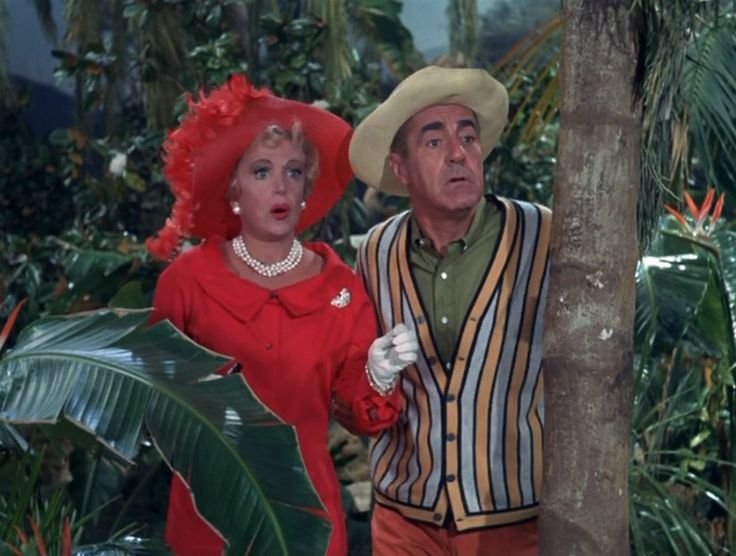
Today we continue our month-long series about the characters on Gilligan’s Island and the stars who portrayed them. We begin with the millionaire, Thurston Howell III, and his wife, Lovey. On the island, their money is worthless, but it doesn’t stop Mr. Howell from bribing other captives when it’s in his best interest.  He must have been a boy scout who learned the motto, “Be prepared,” because he and his wife took clothes on a three-hour tour to last a few years. In real life, Natalie Schafer was the millionaire. Both Backus and Schafer had very interesting careers.


Jim Backus

backus2

Jim Backus was born in Cleveland in February of 1913. He was one of those stars who seemed to excel in everything:  radio, Broadway, animation, big-screen movies, and television series. In an interesting aside, Margaret Hamilton who would go on to have a full career including the Wicked Witch of the West at the Wizard of Oz, was one of his grade school teachers. Jim grew up in a wealthy area, attending Shaw High School in East Cleveland. His father was a mechanical engineer. I could not find exact proof of this but several articles mention he was expelled from the Kentucky Military Institute for riding a horse in the mess hall. He later attended the American Academy of Dramatic Art.

In 1939 he married Betty Kean; they divorced in 1942. One of his famous quotes was “Many a man owes his success to his first wife and his second wife to his success.”

backus5

In the 1940s, Backus began appearing on radio as the “rich man,” which he often portrayed afterward on radio and television. He played the role of aviator Dexter Hayes on Society Girl on CBS Radio Network. He also appeared on the Mel Blanc Show as Hartley Benson, an arrogant character, and as Hubert Updike on The Alan Young Show. He also showed up regularly on The Jack Benny Program.

During his radio years, he married Henny Backus whom he was married to the rest of his life.

backus10

He began his big-screen cinema career in 1949 and would go on to appear in almost 100 movies, including Here Come the Nelsons, Pat and Mike, and Rebel Without a Cause (seen above). His most famous movie role was probably Tyler Fitzgerald in It’s a Mad Mad Mad Mad World. My favorite movie of his is Hello Down There with Tony Randall and Janet Leigh from 1969.

backus12

During the 1950s, he began auditioning for roles on television. He would go on to appear on 18 different series during that decade, including I Married Joan, on which he starred with Joan Davis. On the show, Backus played a respected judge and Davis was his scatterbrained wife. The show was very popular and lasted three seasons.

backus6

As if he wasn’t busy enough with acting in the 1950s, he also made a song recording with Phyllis Diller that hit the top 40 in 1958. It was called “Delicious,” and the two of them would take a sip of champagne throughout the song, saying “Delicious.” As the song continues, they get more drunk and a bit giddy, slurring their words and laughing hysterically.


His television career continued to be demanding in the 1960s. He appeared on 25 series, and four of them had regular starring sitcom roles. In 1960, The Jim Backus Show debuted. The program focuses on Backus in the role of Mike O’Toole, the editor/proprietor of a low rent wire service struggling to stay in business.

backus7


He had made movie shorts about Mr. Magoo in the 1950s and in 1960, he starred in 130 episodes of Mr. Magoo and would make 26 more episodes under the title The Famous Adventures of Mr. Magoo in 1964-1965. Mr. Magoo was an older nearsighted man who was very popular, appearing in ads and merchandise for years. The humor of the show was based on the difference between what Mr. Magoo thinks he sees and the reality of what was really there. Jim Backus liked to repeat a story about his famous character. He was in the movie, Don’t Bother to Knock, with Marilyn Monroe. She asked Jim to meet her in her dressing room later and his curiosity got the best of him, so he went, only to learn she wanted him to portray Mr. Magoo which he did.

backus11


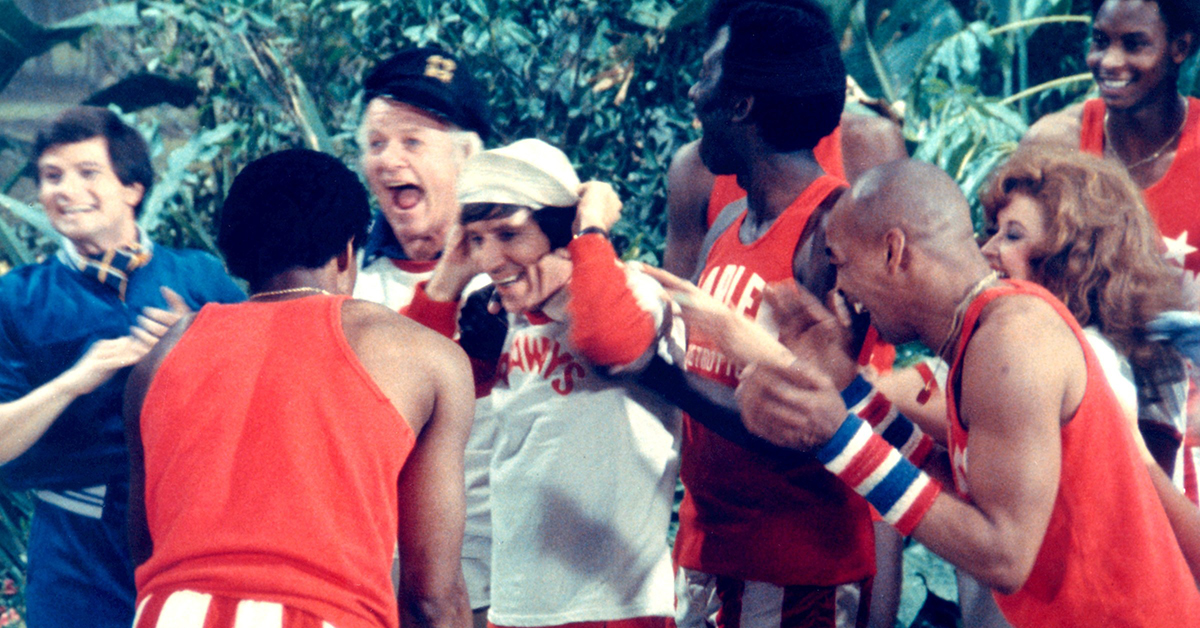
This was also the decade he was offered the role of Thurston Howell III on Gilligan’s Island in 1964. That same year he was asked to play the role of Abner Kravitz on a new show, Bewitched but turned it down because he was committed to Gilligan’s Island. Gilligan’s Island would run from 1964-1967 and he would go on to appear in several Gilligan revivals including the far-fetched The Harlem Globetrotters on Gilligan’s Island.

backus3


During 1968-1969, Backus took the role of Mr. Dithers in a revival of Blondie.

During the 1960s, he also appeared on 77 Sunset Strip, The Beverly Hillbillies, Daniel Boone, The Wild, Wild West, and I Spy, among others.

backusb


Backus continued his television work into the 1970s where he appeared on 31 shows. He appeared in a variety of genres including I Dream of Jeannie, Young Dr. Kildare, Medical Center, The Brady Bunch, Gunsmoke, Ellery Queen, Charlie’s Angels, Fantasy Island, and The Love Boat.

backusa


Backus also continued his commercial work in the 1970s and 1980s. He was the spokesperson for La-Z-Boy furniture and General Electric. He and Natalie Schafer appeared in an ad for Redenbacher’s popcorn. They played their characters from Gilligan’s Island but apparently had been rescued and were in a luxurious home. In a sweet ending, it was the last television appearance for either of them.

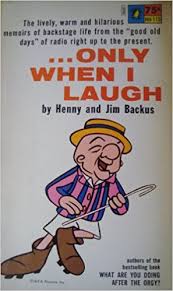
When Jim Backus had a little bit of free time between acting jobs, he loved to golf. He also tried his hand at writing a few books and film scripts, including his autobiography which he wrote with his wife, Only When I Laugh in 1965.

book


In July of 1989, Backus died from pneumonia, after suffering from Parkinson’s disease for many years.

He had a long and varied career and seemed to have many friends in the business.


Natalie Schafer

schafer5

A millionaire in real life, Natalie Schafer seemed like a very fun woman, a bit of a character. She was born in November of 1900 in New Jersey and raised in Manhattan. She was quite secretive about her age, often claiming she was born in 1912.

She began her career in Broadway, appearing in 17 plays. She married actor Louis Calhern in 1934 and they divorced in 1942. She moved to Los Angeles in 1941 to become a film actress and received parts in 34 movies. Incidentally, she and her ex remained friends and appeared together in the movie Forever Darling in 1956.

schafer2


Like Backus, Schafer typically played wealthy and sophisticated roles. She did not have the versatility her tv husband had but continued to stay busy acting on television.  While Gilligan’s Island was her only long-term role, she appeared on 21 shows in the 1950s (including I Love Lucy, Loretta Young, Phil Silvers, and Topper); 8 in the 1960s (including The Beverly Hillbillies, 77 Sunset Strip, and Route 66); 15 in the 1970s (including Mayberry RFD, The Brady Bunch, and McMillan and Wife); and an additional 8 shows in the 1980s before she passed away (including Three’s Company, The Love Boat, Trapper John, and Simon and Simon).

schafer3


Schafer made most of her money from investments, particularly in real estate.

Several sources revealed that much of her fortune was bequeathed to either her Gilligan’s Island co-star Dawn Wells or to care for her dogs; however, at least $1.5 million was donated to the Lillian Booth Actors’ Home to renovate their outpatient wing. I never saw any answers from Wells about inheriting money, but on Vicki Lawrence’s talk show, she did say that Schafer spent her last years living with her. Like many wealthy people, she was quite thrifty.  She often admitted that she accepted the role of Mrs. Howell because she got a free trip to Hawaii to film the pilot and didn’t expect it to get picked up.


schafer1


Everyone seemed to like her on the set. Dawn Wells said she especially adored Schafer and Backus. Schafer was a hard worker and liked to keep fit. In a Chicago Tribune article from October 25, 1965, she relayed her secrets for staying in shape. For one thing, she did her own stunts on the show. She also said she swam nude every morning and evening, doing 100 strong kicks at the side of the pool. She also invented an ice cream diet for herself. She claimed to eat a quart a day, saying she had a bowl of vanilla ice cream with her coffee, two bowls of varying flavors for both lunch and dinner, and another single bowl for an afternoon snack. She claimed that she would lose three pounds in five days.

In 1990, Schafer passed away from liver cancer. After her death, she wanted people to realize her true age, and many of her closest friends were quite surprised to learn she was 12 years older than she claimed.

backus

While Thurston Howell III and his wife Lovey were two interesting characters, I don’t think they can compete with the characters who were Jim Backus and Natalie Schafer. I had a lot of fun learning about them.

How Much Luggage Do You Need for a Three-Hour Trip? The Story of Gilligan’s Island

Today we begin a month-long look at Gilligan’s Island.  I admit I was never a big Gilligan fan, but there are so many dedicated viewers that I decided it was time to take a closer look.  Today we look at the series, and in the following weeks, we’ll look at the actors who appeared in the cast.

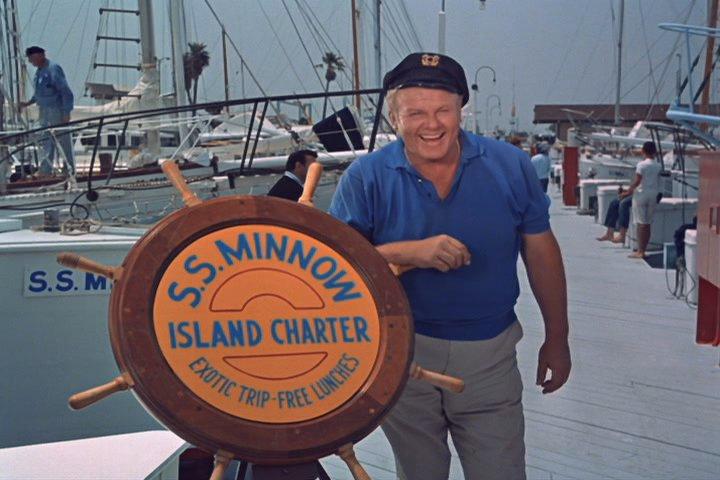
Gilligan's Island (US TV Series)

Gilligan’s Island was created by one of my favorite producers, Sherwood Schwartz. It aired from September 1964 till April of 1967, producing 98 episodes and a ton of other versions of the show which aired as new series or television movies, including the hard-to-believe Harlem Globetrotters on Gilligan’s Island.

THE HARLEM GLOBETROTTERS ON GILLIGAN'S ISLAND, Alan Hale, Jr., Bob Denver, Curly Neal, 1981. (c) Uni

The premise of the show was that on a three-hour tour, the SS Minnow became shipwrecked on a deserted island after a typhoon. Seven castaways now must make the island their home as they wait to be rescued. We have the captain of the ship, the Skipper (Alan Hale), his first-mate Gilligan (Bob Denver), millionaire Thurston Howell III (Jim Backus) and his wife Lovie (Natalie Schafer), movie star Ginger Grant (Tina Louise), the girl next door Mary Ann (Dawn Wells), and the Professor (Russell Johnson). All they have is a transistor radio and whatever they had on the ship.

gilligan8

CBS gave the okay for Schwarz to film the pilot. Schwartz wanted Jerry Van Dyke for Gilligan, but Van Dyke said it was “the worst thing” he ever read. He turned down the script and accepted the role of Dave Crabtree on My Mother the Car.

gilligan1

The pilot was titled “Marooned.” Seven characters were in the pilot, but only the Skipper, Gilligan and the Howells were going to be in the ongoing series. These were the only castaways mentioned in the pilot theme song. The final day of filming for the pilot was November 22, 1963, the day of Kennedy’s assassination. The staff was crowded around a radio between scenes trying to get the updated news. In the opening of the episodes in the first season, as the Minnow leaves the harbor, you can see an American flag flying at half staff as a tribute to Kennedy.

After seeing the pilot, several changes were requested. The first change was to the theme song. Originally it was written by the talented John Williams and sung by Schwartz and was a Calypso-sounding song. The lyrics were quite different from the song we recognize today. The background music and laugh track were the same for both the pilot and the ensuing shows. The three characters who were not part of the series at first were the same characters that later appeared . . . sort of. The Professor was a high school teacher played by John Gabriel, Ginger was an actress but also a secretary played by Kit Smythe, and Mary Ann was Bunny, a dumb blonde stereotype played by Nancy McCarthy.

Because so many changes happened between the pilot and the first episode, the pilot was not aired until 1992 when it was broadcast on TBS.

The first season was filmed in black and white but later colorized for syndication The second and third seasons were filmed in color.

While the pilot had been filmed in Hawaii,  the show was taped at a lagoon built at the CBS Radford Studios in Studio City, Los Angeles. The film was supposed to be shot in Malibu, but it was too foggy. The Ventura Freeway was nearby and when traffic was too loud, production had to halt. The lagoon would become a parking lot in 1995.

There were four boats that “played” the part of the SS Minnow. One was used in the opening credits which had been rented in Honolulu for the filming of the pilot. One was used in the opening credits for the final two years. One was shown in beach scenes and the fourth was built at the studio.

giligan5

The eventual theme song was called “The Ballad of Gilligan’s Isle,” and was written by Schwartz and George Wyle. There were two versions, one for the first season which referred to Mary Ann and the Professor as “the rest,” and another version for the last two seasons which specified “The Professor and Mary Ann.” Dawn Wells credits Bob Denver for going to bat for her and Johnson threatening to take his name out of the song if they were not added.

For the opening credits, the song was:

Just sit right back

And you’ll hear a tale

A tale of a fateful trip

That started from this tropic port

Aboard this tiny ship

The mate was a mighty sailing man

The skipper brave and sure

Five passengers set sail that day

For a 3-hour tour, a 3-hour tour

The weather started getting rough

The tiny ship was tossed

If not for the courage of the fearless crew

The Minnow would be lost, the Minnow would be lost

The ship set ground on the shore of this

Uncharted desert isle

With Gilligaaan

The Skipper too

A millionaire, and his wife

A movie star

The Proffessor and Mary Ann

Here on Gilligan’s Isle


For closing credits, the lyrics were:

So, this is the tale of our castaways

They’re here for a long long time

They’ll have to make the best of things

It’s an uphill climb

The first mate and his skipper too

Will do their very best

To make the others comfortable

In the tropic island nest

No phone, no lights, no motor cars

Not a single luxury

Like Robinson Crusoe

It’s primitive as can be

So, join us here each week my friends

You’ll sure to get a smile

From 7 stranded castaways

Here on Gilligan’s Isle!

gilligan9

Most of the episodes can be categorized into five themes. (1) One of the castaways make some useful object from local material. These could be anything from their bamboo huts to hot water pipes to a stethoscope to a pedal-powered car. They just could not produce anything that could get them off the island! (2) Visitors would often appear on the island. We’ll learn about some of the guest stars on the show in our last monthly blog. None of these visitors ever help the characters get rescued. Unbelievably, Ginger, Gilligan, and Mr. Howell all had look-alikes end up on the island, causing trouble for them. (3) Dreams occur a lot. When we see them, all the characters are part of the dream.  Apparently, the hot weather made them sleepy. (4) News from the outside world, usually heard on the radio, caused trouble on the island. (5) Strange objects showed up on the island from time to time like a WWII mine or radioactive vegetable seeds.

Despite many corny scripts and imagination-stretching storylines, the show received solid ratings all three years. When it went into syndication, it grew in popularity. Many of the stars from Gilligan play their characters from the show in other series’ television episodes in the 1970s and 1980s.

gilligan6

The last episode was called “Gilligan the Goddess.” Unfortunately, the castaways were not rescued. A fourth season was expected or perhaps Schwartz would have saved them. In season three, the show was on Monday nights competing with The Monkees.  Schwartz was assured it would be back because it had higher ratings than The Monkees. Gunsmoke, which aired Saturday nights, was given the potential ax. However, CBS president William Paley pressured the executives who then moved Gunsmoke to Monday night and cancelled Gilligan’s Island.

One funny fact I read about was how often the US Coast Guard received telegrams from citizens who were pleading for them to make an effort to rescue the cast from Gilligan’s Island. The Coast Guard sent these telegrams to Schwartz.

gilligan13

I can’t say that after learning more about the show, it made my favorites list, but there are definitely worse shows on television than Gilligan’s Island. If it was one of your favorites, you’ll enjoy hearing about the stars who played the castaways. I certainly learned they were just as interesting a group of people in real life as they were on the isle they called home for three years.

“Oh, he was a nice, nice man.”

With all the research I have done, I have discovered a lot of nice folks in the entertainment industry (as well as a few not so nice people), but I have never read about anyone more liked than Howard McNear.  Everyone went out of their way to say what a kind and caring man he was.

mcnear5

McNear was born in Los Angeles in 1905. He studied at the Oatman School of Theater and then joined a stock company in San Diego. During World War II, he enlisted as a private in the US Army Air Corps. He went on to a career in radio, films, and television. In the mid-1960s, he had a stroke and died from complications of pneumonia in 1969. Parley Baer, a life-long friend, delivered his eulogy. He was buried in Los Angeles, completing his California life cycle.

mcnear3radio

Howard began working in the radio industry in the 1930s. He was featured in many radio shows, including The Adventures of Bill Lance – a detective drama starring John McIntire as Lance. McNear played the part of Ulysses Higgins, a friend and assistant to Lance. He also filled the role of Clint Barlow on Speed Gibson of the International Secret Police. Some of the other shows he often appeared on included Suspense, Lux Radio Theater, Escape, CBS Radio Workshop, Family Theater, Let George Do It, The Adventures of Masie, Fort Laramie, Wild Bill Hickock, and Richard Diamond, Private Eye. He and Parley Baer were part of the cast of The Count of Monte Cristo, a drama. He continued to work often Baer they both voiced characters frequently on Yours Truly Johnny Dollar. He played congressmen, hotel managers, French detectives, and occasionally the villain.

mcnear6gunsmoke radio

He was still working with Baer when they both created their most famous radio characters—Baer as Chester and McNear as Doc Charles Adams—in Gunsmoke which was on the air from 1952-1956. Baer would later show up in Mayberry as the mayor.

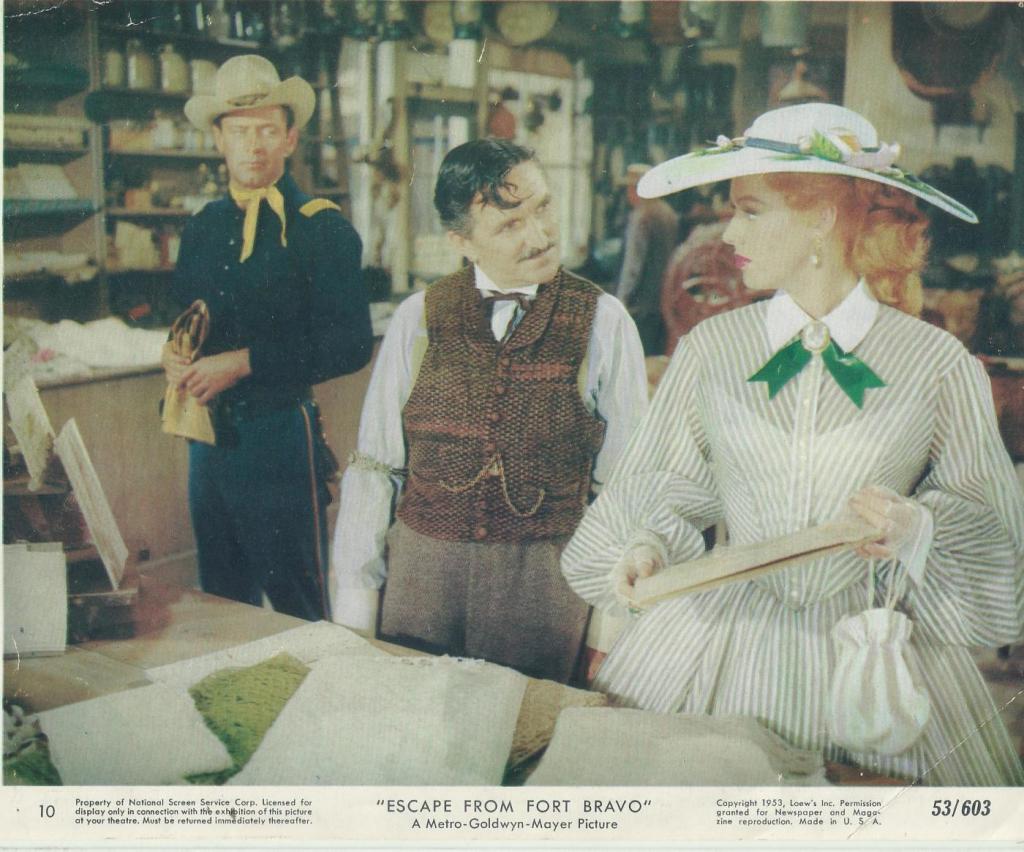
McNear made his film debut in the 1951 sci-fi film, The Day the Earth Stood Still. He followed that up with Escape from Fort Bravo. In 1959 he played Dr. Dompierre in Otto Preminger’s Anatomy of a Murder. Some of his most famous films were Voyage to the Bottom of the Sea and two Elvis flicks, Blue Hawaii and Follow That Dream. He was also featured in three Billy Wilder comedies: Irma La Douce, Kiss Me Stupid, and The Fortune Cookie.

mcnear7

Overall, he appeared in more than 100 films and television shows. He transitioned into television in the 1950s, appearing The Jack Benny Show and the Burns and Allen Show. He appeared in comedies such as I Love Lucy, Private Secretary, December Bride, The Donna Reed Show, Bachelor Father, and The Adventures of Ozzie and Harriet. He also showed up in dramas like The Thin Man, Playhouse 90, Richard Diamond, The Twilight Zone, The Zane Grey Show, Maverick, and Alfred Hitchcock. Ironically, he had a role as a barber in Leave It to Beaver.

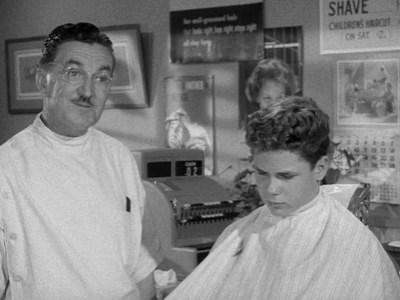
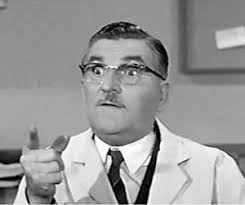
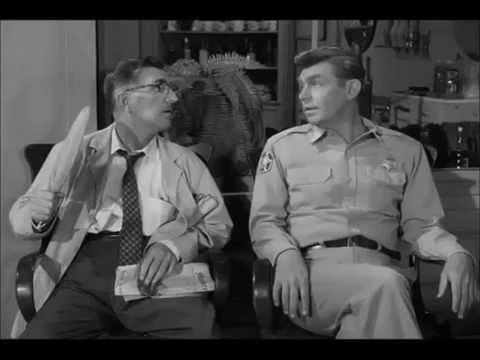
Although McNear had a long career on radio and in films, he will forever be remembered for his memorable and scene-stealing portrayal of chatty and naïve Floyd the Barber in the long-running The Andy Griffith Show (TAGS). Don Knotts once said that playing Floyd wasn’t much of a stretch for McNear, as his real personality was pretty much like Floyd to begin with.

baldwin

The first episode of TAGS to feature Floyd did not star McNear; Walter Baldwin was Floyd Lawson. After that episode, McNear took over and made the role his own. On his first appearance he was Floyd Colby, but the next time his name was mentioned it had become Floyd Lawson. Floyd’s shop was where the Mayberry men gathered to gossip and play checkers, and they occasionally got haircuts.

mcnear1

We usually see Floyd wearing his well-groomed mustache, thick glasses, and his white barber coat. We learned several things about Floyd during the course of the show. He is a widower. His wife was named Melva and they had two children, a son and a daughter. His son Norman plays the saxophone and baseball. When he retired he moved in with his daughter and her family. Floyd had a niece in town named Virginia Lee who entered the Miss Mayberry Pageant. He was also Warren Ferguson’s uncle; Ferguson would replace Barney as deputy when he moved from Mayberry to the big city.

Floyd often (incorrectly) attributed famous quotes to Calvin Coolidge. Floyd had a dog named Sam and raised pansies. He typically drank coffee but enjoyed a Nectarine Crush or a Huckleberry Smash soda now and then, and he thought Wally had the best pop in town.

mcnear8

Floyd liked to write. He wrote the song for the Miss Mayberry Pageant: “Hail to thee, Miss Mayberry; All hail to thee, all hail; Your loveliness, your majesty; Brings joy to every male; All hail, all hail, all hail; All hail, all hail, all hail.” He even tried to write a novel but had writer’s block after creating a brilliant first sentence: “The sun is dropping lazily down behind the purple hills in the western skies.”

floyd2

In the middle of the show’s run, McNear suffered a debilitating stroke, leaving half his body paralyzed. He took some time off to recover. Andy asked him to come back, and the production crew went to great lengths to make things comfortable for him. Although he could not walk or stand, he was seen sitting outside on a bench. There was a special platform built so he could cut hair looking like he was standing while sitting.  Often a he holds a prop with his left hand, using his right hand as he spoke his lines. In 1967, he left the series for good when he could not remember his lines.

floyd1

My two favorite Floyd episodes were “Floyd, the Gay Deceiver” and “Convicts At Large.”

In “Floyd, the Gay Deceiver,” Floyd has been corresponding with a wealthy pen pal, a widow. She wants to visit Mayberry which gets him frustrated. He wants to meet her, but he has painted himself as an equally wealthy man. Andy helps him maintain the ruse by using a mansion of a man who is out of town. Eventually, Floyd realizes that the widow was not the wealthy woman she made herself out to be either.

In “Convicts At Large,” the normally excitable Floyd displays a calm demeanor after he and Barney are taken hostage by three escapees from the women’s prison–Big Maude, Naomi, and Sally. When they go into town to buy food, Andy realizes that there is something fishy going on and recaptures the women.

floyd5

The cast members who worked with McNear can best describe the type of man he was. In Richard Kelly’s book, The Andy Griffith Show, Andy Griffith, Jack Dodson, and Richard Linke share their memories of Howard McNear. It seems fitting to let them have the last words of this blog.

Andy Griffith:

Howard, first of all, was a leading man in the San Diego theatre years ago. He never was in New York in his life. He developed this comic character, I believe, on The Jack Benny Show. Howard was a nervous man and he became that man, Floyd.

Then Howard had a stroke and was bad off for a long time. He was out of our show for about a year and three-quarters. We did a lot of soft shows, that is, those that were not hard on comedy — stories about the boy or the aunt. But we needed comedy scenes to break up things.

We were working on a script one day, and Aaron [Ruben] said, `Boy do I wish we had Howard.’ And one of us said, ‘Why don’t we see if we can get him.’ So right then we called up Howard’s house and we got his wife, Helen. ‘Oh,’ she said, `it would be a godsend.’

Well, we wrote him a little scene. He was paralyzed all down his left side and so we couldn’t show him walking. We had him sitting or we built a stand that supported him. He could then stand behind the barber chair and use one hand. Most of the time, however, we had him sitting. His mind was not affected at all. He was with us about two years after that before he died. Finally poor Howard died. I’m sorry because there was never anyone like him. Kind, kind man.

Jack Dodson:

Unfortunately, I didn’t know Howard before his stroke. Even after his stroke he was just a wonderful human being and a splendid actor. Sadly, it was during the playing of a scene with Howard that we realized he couldn’t go on anymore.

It was the segment where I wanted to raise the rent on the barbershop. The characters had a great falling out and then, at the end of the show, they were brought back together in the courthouse. Howard had a little difficulty with that segment. We had to change our shooting schedules a little so that his days were not quite so long as they had been. And then, finally, we had a very simple scene of reconciliation. He couldn’t remember it. He went over it and over it, frustrated with himself. Seeing his despair and anxiety was the most painful experience that I’ve ever had. And then he didn’t come back after that.

Richard Linke:

We went to the funeral, and I have to say that it was the only funeral I’ve ever been to where the laughs exceeded the tears. There were a couple of people who knew him well. They spoke in the form of a eulogy — I guess you could call it that. Oh, but it was funny. They related Howard McNear stories from the pulpit. It was something else. Really, it made a nice thing. I think Hal Smith, who played Otis, got up there. It was something else, those stories. And yet, it was all done with dignity. Oh, he was a nice man.


A Tribute to Rose Marie

rosemarie2

Rose Marie had one of the longest-running careers in the entertainment industry – more than 90 years in the business. During her career, she was in vaudeville, on the radio, in the movies, performed in live concerts around the country, did some Broadway, and became most famous for her television performances.


rosemarie6

Born in 1923 as Rose Marie Mazetta, she won a contest at 3 and began performing as Baby Rose Marie. On her official site, she mentions she was born the same day the Broadway show Rose Marie opened. In 1927 at the age of 4 she was featured in a Vitaphone short that opened with Al Jolson’s Jazz Singer.


rosemarie21

By age 5, she had her own national radio show. She worked in vaudeville with Edgar Bergen and Milton Berle. She made several records, and the first one released was with Fletcher Henderson’s orchestra. By 1933 at age 10, she was starring in her first film, International House. During these years, she performed at the White House three times—for Presidents Coolidge, Hoover, and Franklin Roosevelt.


Rose Marie

It was during her vaudeville stint that the doorman informed her and her father that a gentleman wanted to see them in the back alley.  The “gentleman” was Al Capone who called her father Happy Hank and told them that “the guys” wanted to meet Rose Marie. She was taken to Capone’s house the next day where she performed for about 24 guys.  Al gave her a ring with three diamonds which she still had when she passed away. He said they would always take care of her.  He was true to his word. Even after he was incarcerated, Rose Marie was met and protected by the mob for her entire career.  Decades after the most notorious gangsters were gone, men showed up at her shows checking on her just to make sure she was doing okay, getting work,  and not in need of anything. Later she learned that her father, who was an actor by trade, was Capone’s arsonist, the one who burned down buildings of men who disappointed the gangster. There is an article about her meeting with Capone on The Mob Museum’s website. (The Mob Museum is located in Las Vegas.)

rosemarie20


As a teenager, Rose Marie transitioned to clubs, touring the United States. In order to make her sets longer, she began to add comedy to her singing acts.


In 1946 she met Bobby Guy who as with the Kay Kyser Orchestra. They were engaged within a week, and he remained the love of her life until he passed away in 1964. They had one child, Georgianna. Guy would become the lead trumpeter on The Tonight Show.


It was also in 1946 that Rose Marie opened the Flamingo with Jimmy Durante. Jimmy Durante mentored her earlier in her career and she loved him. He was always mentioned as one of her favorite people.  At that time, the only other hotels in Vegas were the Last Frontier and El Rancho. Bugsy Siegel owned the Flamingo, and Rose Marie received work in clubs from her mob connections. She also had a 40-year friendship with Frank Sinatra that was also probably tied to some of their mob connections.


In 1951, Rose Marie tried her hand at Broadway, appearing in Top Banana with Phil Silvers. She knew Silvers from appearing on his radio show with Alice Faye. She played their daughter and Sheldon Leonard (who would hire her for The Dick Van Dyke Show) played their son.

rosemarie5

In 1954, Top Banana was made into a film. Once again Phil Silvers was in it. Rose Marie recorded her musical numbers. The producer tried to manipulate her to have sex with him. She said no in front of several people, and in retaliation he cut all her numbers from the film. In 2017 before her death, she shared the incident on Twitter to help support the women who have been exposing the sexual assault in Hollywood. She appeared in ten movies after that, most of them in the 1980s and 1990s, but she quickly became disillusioned with the film industry.

rosemarie14


Tired of the Hollywood politics, Rose Marie embraced the new television culture. She appeared in Gunsmoke in 1957 and would continue to receive roles in the new medium through 2011. During her career, she appeared on 48 different shows.

In the 1950s, she had a recurring role in The Bob Cummings Show as Martha Randolph and she appeared in The Many Loves of Dobie Gillis. The first sitcom she had a permanent role in was My Sister Eileen; she played the sisters’ friend Bertha. The show ran for 24 shows during 1960 and 1961.


rosemarie17

In 1961, Sheldon Leonard cast Rose Marie in the role of Sally Rogers on The Dick Van Dyke Show. She recommended Morey Amsterdam for the role of Buddy Sorrel whom she had known since age 9. The show was originally to star the office cast with the home life coming in second; however, as things changed, Mary Tyler Moore became the costar with the home life dominating the scripts and Sally and Buddy were featured less. The show produced 158 episodes and is undoubtedly one of the best written sitcoms ever produced. She and Morey received the same salary despite her being a woman. That sounds only fair today, but at the time it was not the normal practice. She loved working on The Dick Van Dyke Show. When asked about her time on the show, Rose Marie said, “We loved each other, we helped each other . . . We were really very close.”


After The Dick Van Dyke Show ended, Rose Marie took roles on several shows including The Monkees and My Three Sons. In 1969, she received a role as Myrna Gibbons on The Doris Day Show, playing Doris’s friend and coworker.


She showed up in many series during the 1980s and 1990s including The Love Boat, Mr. Belvedere, Suddenly Susan, Wings, and was a cast member in Hardball, about a struggling baseball team.


In the 1990s, Rose Marie would take on the role of Frank Fontana’s mother on Murphy Brown. Later she would appear in S.W.AT. as Hilda providing doughnuts and coffee, as well as comic relief, on the show.

rosemarie28

In the late 1990s and early 2000s, Rose Marie transitioned to voice overs for such shows as Hey Arnold and Garfield.

Rose Marie also liked game shows and was a regular on Hollywood Squares through all the different versions.


From 1977-1981, she performed across the country with Helen O’Connell, Rosemary Clooney, and Margaret Whiting. They called the show 4 Girls 4. Rosemary’s nephew, George drove their bus for them.  At some point they made enough money to afford airfare, and George Clooney went on to create a little career for himself.


Rose Marie received the 2184th star on the Hollywood Walk of Fame in 2000. Her baby shoes, along with 40 other items, have become artifacts in the Smithsonian’s American History Museum.

Her hobbies included cooking Italian meals, knitting, and reading; she especially loved Stephen King novels.


rosemariebook

When she first appeared as Baby Rose Marie, someone handed her a bouquet of roses, but she needed to take her bow, so she handed them off and said, “Hold the Roses.” That became the title of her autobiography that was published in 2002.


rosemarielaugh

She was the subject of a documentary Wait For Your Laugh in 2017. Dick Van Dyke said that was her catchphrase, and whenever they were anywhere something funny happened, even a waiter dropping a tray full of food, she always repeated the phrase.


rosemarie10

She accomplished so much in her career you wonder how she could have had any regrets, but she was denied two accomplishments.  She received three Emmy nominations for her role as Sally Rogers but never won an Emmy.  She also wanted to direct and never had an opportunity to do so.


rosemarie3

Sadly, Rose Marie passed away in December. Happily, she left an amazing legacy of performances in a variety of mediums for us to remember her by. While she was so much more than a television star, Sally Rogers will always be one of my favorite characters. Thank you Rose Marie for so many fond memories.

Do You Hear What I See?

As viewers transitioned from radio to television, there was a lot of conflict as advertisers volleyed between the two mediums. Many critics predicted an early death for radio which never came about.  Radio found its new niche, relying more on news and music. Now, you can actually watch radio on television shows like Mike & Mike on ESPN.

Television has also featured several shows about radio stations over the years.  Today we tune in to five of those.

Good Morning World (1967)

radio3

David Lewis (Joby Baker) and Larry Clarke (Ronnie Schell) are early morning DJs in LA with the Lewis and Clarke Show. Dave is happily married, while Larry considers himself a ladies’ man. Billy De Wolfe garnered a lot of attention as the best part of the show  portraying station manager Roland Hutton, a stuffy and humorless boss. Rounding out the cast are Dave’s wife Linda played by Julie Parrish and the debut of Goldie Hawn as their next-door-neighbor.

American actors Goldie Hawn (as Sandy Kramer) and Charlie Brill (as Milton Pervis) appear in an episode of the television show 'Good Morning Wold' called 'Knits To You, Sir,' June 20, 1967.

The show was created by an unbelievable group: Carl Reiner, Sheldon Leonard, Bill Persky, and Sam Denoff. They all were part of the creative force of the Dick Van Dyke Show.  Persky and Denoff were also the producers for That Girl. They based this show on their work as writers at WNEW-New York in the 1950s.

radio2

This photo made me laugh.  They could actually be stand-ins for Dick Van Dyke and Mary Tyler Moore. It might even be the same kitchen!

Filmed before a live audience at Desilu, the show was created to showcase Schell.  Ronnie had been a private on Gomer Pyle and this was to be his break-out show. Procter and Gamble sponsored the series which aired Tuesday nights. It should have done well during its slot, being up against NYPD and the Tuesday Night at the Movies.

The ratings were not great, and the network debated whether to cancel the show or bring it back for a second season.  The two deciding factors might have been that Baker had a lot of trouble memorizing his lines and Parrish was dealing with some health issues.  The network considered recasting both roles but ended up cancelling the series after 26 episodes.  Surprisingly, it was released on DVD.

Schell went back to Gomer Pyle, USMC where he was promoted to corporal.

radio1

The best episode is “No News Like Nude News.” The stars are invited to a Nude Ranch and go thinking they are on their way to a dude ranch.


WKRP in Cincinnati (1978)

radio23

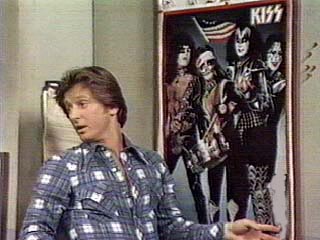
I consider WKRP the second-best radio sitcom. The premise for the show was that a new producer is brought in to help a struggling radio station in Cincinnati.  Changing the format from easy listening to rock brings new life to the station and a lot of chaos to the staff. Hugh Wilson created the format.  He can be seen as a police officer in the episode “Hold Up.”

Along with The Dick Van Dyke Show, The Mary Tyler Moore Show, Barney Miller, and The Office, this was one of the best ensemble casts in television. The characters included:
radio31

Andy Travis (Gary Sandy) is the producer who has a successful history of turning stations around.

Arthur Carlson (Gordon Jump) is the station manager whose mother owns the station. The Big Guy’s management style is a big part of why the station is not doing well.  Art is more interested in fishing than radio. Jump was a DJ in Dalton in his former life.

radio24

Jennifer Marlowe (Loni Anderson) is the smart receptionist who is the highest-paid staff member. Anderson refused to be cast as a dumb blonde.  Jennifer has a journalism degree and although she is only receptionist, she has the skills that keep Art Carlson out of the loop and everything running smoothly at the station. She is gorgeous and kind-hearted, but she refuses to type letters or make coffee.

Les Nessman (Richard Sanders) is the incompetent news reporter. He always wears bow ties and is best friends with Herb. Richard has a bandage on his head from a real-life injury in the pilot and he made that one of his trademarks.  He often shows up with bandages on various parts of his body and we later learn that he has a large dog.

Herb Tarlek (Frank Bonner) is a tasteless boor. He is married but is always coming on to Jennifer. Herb’s suits are even louder than he is.  In one episode, Venus says “Somewhere out there there’s a VW with no seats.” One of his suits actually was made from VW covers. Bonner grew up in Arkansas, and Herb always has a Razorback mug on his desk.

Bailey Quarters (Jan Smithers) originally took care of billing but is also a journalism major and shows she is a more competent on-air reporter than Les. She and Fever date off and on.

Venus Flytrap (Tim Reid) is the soulful, smooth-talking DJ.  Although he is on the air at night and Fever has the morning shift, they become best friends. His real name was Gordon Sims and he was a school teacher before his DJ career took off.

Dr. Johnny Fever (Howard Hesseman) is the burned-out DJ from LA.  He was fired for saying “booger” on the air at his last job.  He’s an insomniac and addicted to coffee.  His hippie lifestyle and cynicism do not mesh with Herb and Les. Originally Hesseman was asked to read for the part of Les Nessman but would only audition for Fever. David Cassidy turned down the role of Johnny Fever. The character of Fever was based on Atlanta’s Bobby Harper who was on the morning show on WQXL 790 AM.  The creator of the show, Hugh Wilson, had previously worked there.

In many of the scenes there were bulletin boards with bumper stickers plastered all over that had been sent in from radio DJs all over the country. As a tribute to John Lennon, his photo was displayed in the background after his assassination.

radio21

The show was videotaped because rock song rights were cheaper for taped shows than filmed shows. When the show went into syndication, almost all of the music had to be replaced.  When the DVD set was being created, the original music was put back in.  An agreement could not be reached until 2014.

Although it’s hard to believe, in 1980 Hugh Wilson collaborated with Hanna-Barbera to create an animated version of WKRP where all the characters are played by dogs.  The show never actually happened.

WKRP was on Monday nights against Welcome Back Kotter and Little House on the Prairie. After the first season, it was moved repeatedly. The show was cancelled after four seasons. It accumulated ten Emmy nominations including three for outstanding series. The show was much more successful in syndication.

radio12

The show was filmed in Los Angeles, but the opening and closing scenes as well as several episode scenes were filmed at the Enquirer Building in Cincinnati.  That building is currently a Hampton Inn/Homewood Suites at 615 Vine St. near Fountain Square.  The radio station said they were housed in the Osgood R. Flimm Building.

One of the most memorable parts of the show was the theme song:

“Baby, if you’ve ever wondered, wondered whatever became of me.  I’m living on the air in Cincinnati, Cincinnati WKRP. Got kind of tired of packin’ and unpackin’, town to town, up and down the dial. Maybe you and me were never meant to be, just maybe think of me once in a while. I’m at WKRP in Cincinnati.”
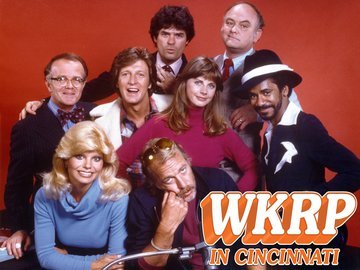
WKRP in Cincinnati

In 2015, a non-profit radio station in Raleigh, 101.9 was given the WKRP call letters. An independent television station, channel 25, in Cincinnati also received the WKRP designation in 1990.

The clever writing and memorable characters have gained this sitcom a great reputation in television history.

Hello Larry (1979)

radio6

McLean Stevenson was hoping to be the star of M*A*S*H.  Once he realized Alan Alda was firmly entrenched in that position, he opted out of his contract to star in his own show.

The result was Hello Larry about a man, Larry Alder, who is divorced and moves with his two teenage daughters to Portland to star in a call-in psychiatric radio show. Kim Richards played his daughter Ruthie and Krista Erickson played Diane. Lisa Whelchel auditioned for the role of Ruthie but lost out to Richards and ended up on Facts of Life which she was grateful for.

radio10

The other cast members included Joanna Gleason (Monty Hall’s daughter) as the radio producer, George Memmoli as Earl the engineer, and John Femia as Tommy Roscini. Larry also hung out with a familiar face – -Meadowlark Lemon, former Globetrotter, who owned a Portland sporting goods store.

The show was owned by the same company who created One Day at A Time and this was a mirror image of that show focusing on a single mom with two daughters.

radio8

The ratings were not good. The show was up against Charlie’s Angels and the Wednesday Night Movie. Several months into the season, to bolster ratings, the writers brought in the cast of Diff’rent Strokes which was a popular show that aired right before Hello Larry.  It was scripted that Larry and Phil Drummond had served together in Korea.  It did not help the ratings. The show went through a variety of scheduling changes all with the same result.  An issue that certainly didn’t help the show was the Iranian hostage crisis.  The show was often interrupted with special news breaks.

After 38 episodes, the show died a quiet death.  A TV Guide poll in 2002 listed Hello Larry as the 12th worse show of all time.  It was probably best remembered as the show that continually got made fun of by Johnny Carson for being so bad.
radio9

It’s hard to believe an actor would leave one of the most creative and popular shows of all time to move to one of the worst shows of all time.

Frasier (1993)
p183920_b_h9_ab

I think that Fraisier was the best radio show on television.  Frasier was on the air 12 years resulting in 263 episodes. The show averaged only 24 episodes a year. The hundredth episode was entirely filmed on the streets of Seattle. Leaving the cast of Cheers, Frasier Crane (Kelsey Grammer) moves back to Seattle to host a show as a radio psychiatrist.

radio32

After an injury, his father, a former policeman, moves in with Frasier. Fraiser provides advice on the airwaves while struggling in his personal relationships, especially with his cranky father and his pretentious brother. The producers did not want the show to resemble WKRP too much, so they came up with the concept of having Frasier live with his father, so family relationships became important.

radio43

John Mahoney plays Martin Crane, a grumpy, uncultured man who cannot understand his sons. Although Martin did not care about high-brow topics, John Mahoney taught Pierce a lot about wine and opera during the Frasier years.

radio35

David Hyde Pierce was Frasier’s brother Niles.  The role of Niles was written just for Pierce.  The brothers were extremely competitive, although they could count on each other when it mattered. Frasier went to Harvard and Oxford while Niles went to Yale and Cambridge. Their mom was a scientist and the boys were named after lab rats she worked with. Both brothers had expensive tastes, intellectual interests, and high opinions of themselves. Niles was married to Maris, but we never see her. In later seasons, after getting a divorce, Niles marries Daphne. The brothers often meet at Café Nervosa.
radio33

On an episode of Cheers, Frasier explained that his father had died in an accident and he had no siblings.  When Sam (Ten Danson) comes to visit on Frasier, the error is explained by having Frasier tell Sam that he made the story up because he was mad at his family. All but two characters from Cheers starred on Frasier.  Coach had passed away and  Kirstie Alley (Rebecca) was a scientologist who did not accept psychology.

radio42

Jane Leeves plays Daphne Moon, who was hired to be Martin’s therapist and caretaker.
radio38

Peri Gilpin (Roz Doyle) is Frasier’s radio producer and becomes one of his best friends. The role of Roz had been narrowed down to Gilpin or Lisa Kudrow. Kudrow was funnier but lacked the forcefulness she needed in the workplace, so Gilpin got the job.

radio37

Another important character was Martin’s dog Eddie.  John Mahoney said Eddie got more fan mail than anyone else on the show. To get Eddie to lick Mahoney’s face, liver pate was placed strategically on his face.

bebe

Bebe Neuwirth was offered a regular role on the show as Frasier’s ex-wife, but she wanted to return to Broadway, so she guest-starred from time to time. She appeared in 12 shows.

Frasier

Frasier’s apartment was almost another character on the show.  He lived in an ultra-modern apartment. A Dale Chihuly sculpture is seen near the fireplace. Above the fireplace is another artwork by Laddie John Dill, an LA sculptor.  A Coco Chanel sofa was recovered at a cost of $15,000 to add realism. In contrast, Martin brings his old, tattered recliner which clashes with the rest of the apartment – a symbol of the way he and Frasier clash. On the first episode, a deliveryman played by Cleto Augusto brings the chair in. On the final episode, the same actor came and took the chair away.  Martin explains to Frasier that he spent many important life moments in the chair such as watching the moon landing and specific sports events.  When he came home from work, he often fell asleep in the chair, and his wife would kiss him and send him to bed.  Frasier’s mother had passed away a few years earlier. Frasier finally understands the significance of the chair. On the last episode, Martin is marrying again, and he moves out. Wendie Malick plays his second wife.

Guest stars played callers on the radio show.  Often, they phoned in their lines. Callers included David Duchovny, Phil Donahue, Marlo Thomas, Linda Hamilton, Olympia Dukakis, Daryl Hannah, Chris Reeve, and Estelle Parsons.

Grammer made life a bit anxious for his guest stars. He used an acting method called requisite disrespect where he did not rehearse and learned his lines right before each scene.
radio40

The theme song was “Tossed Salad and Scrambled Eggs” by Darryl Phinnessee and Bruce Miller. Miller wanted Mel Torme to sing the theme for the show, but the producers wanted Kelsey Grammer who ended up recording it.

Critics had great respect for the show. The series holds the record for most sitcom Emmys – 37.  It had the record for most Emmys of any genre till Game of Thrones won its 38th recently. The five best episodes include “The Ski Lodge,” “The Doctor is Out,” “Wheels of Fortune,” and “Ham Radio.”

Grammer and James Arness are currently tied for the character who was on television the longest – 20 years.  Arness played Marshall Dillon on Gunsmoke for 20 years while Grammer played Frasier on Cheers and Frasier for a total of 20 years. The Simpsons have actually passed both of them if animated characters count.

Not only was Fraiser a great radio sitcom, but it is one of the best sitcoms on my top 15 list.

News Radio (1995)

news1

News Radio explores the office politics and interpersonal relationships among the staff of WNYX, New York’s #2 news radio station.
news4

Dave Nelson (Dave Foley) is the boss who tries his best to manage a quirky staff. He was raised in Wisconsin and some of his interests include tap dancing, a cappella singing, knife-throwing, and ventriloquism. He is polite and always in control.  He talks to his mother frequently and keeps a photo of her on his desk. He loves coffee and classic sitcoms, especially Mr. Ed and Green Acres.

news5

Bill McNeal (Phil Hartman) is an egotistical co-anchor. He is arrogant and insubordinate.  There are many gaps in his knowledge, but he does show flashes of concern for others. Near the end of the show’s run, Hartman was killed; tragitically, Hartman was shot by his wife.

news3

Catherine Duke (Khandi Alexander) is the other co-anchor. She and McNeal previously had an affair and they are rivals. In the fourth season, she takes a job in London.

news10

Jimmy James (Stephen Root) is an eccentric owner. He is a billionaire and feels the need to micromanage the station. He is always searching for a wife and loves to air his rivalries with other entrepreneurs such as Ted Turner and Bill Gates. In the finale, he buys a radio station and newspaper in New Hampshire and takes most of the staff with him.

news8

Lisa Miller (Maura Tierney) is an ambitious producer who is Nelson’s on-and-off-again girlfriend. She’s an overachiever who can do complex math problems and has a detailed life plan. In season five, she marries Jimmy’s archenemy Johnny Johnson (Patrick Warburton).

news11

Matthew Brock (Andy Dick) is a hapless reporter who is clumsy and always tripping or falling down. He idolizes McNeal.  He has a dental degree, loves sci fi, and has a crush on Lisa.

rogan

Joe Garrelli (Joe Rogan) is a handyman and electrician.  He is infatuated with Catherine and believes conspiracy theories, especially about extraterrestrials. Ray Romano was originally hired for this job, but his verbal comedy did not mesh well with the rest of the cast.

news12

Beth (Vicki Lewis) is the quirky secretary.  She typically wears inappropriate clothing, chews gum all the time, and likes to complain about her low salary. She was named Beth based on the Kiss song.
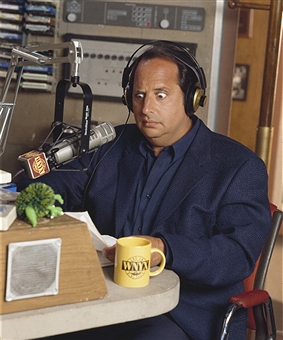
lovitz

Max Lewis (Jon Lovitz) was McNeal’s replacement after Hartman’s death. He was inept, eccentric, insecure, unprofessional and a former colleague of Bill’s.

The show was on the brink of cancellation every season. It never placed higher than 26th and changed time slots 11 times. It was briefly cancelled in 1998, but the network reversed its decision and ordered 22 more episodes and then it was cancelled for good.

news2

The show was fast paced and witty.  Sarcasm ruled the dialogue. Physical humor and sight gags also had a place in the humor. The show differed from the casts in The Office or the Mary Tyler Moore Show because they were a dysfunctional family without the affection and empathy of those characters. The cast was banned from SAG awards for bad behavior at the first ceremony.
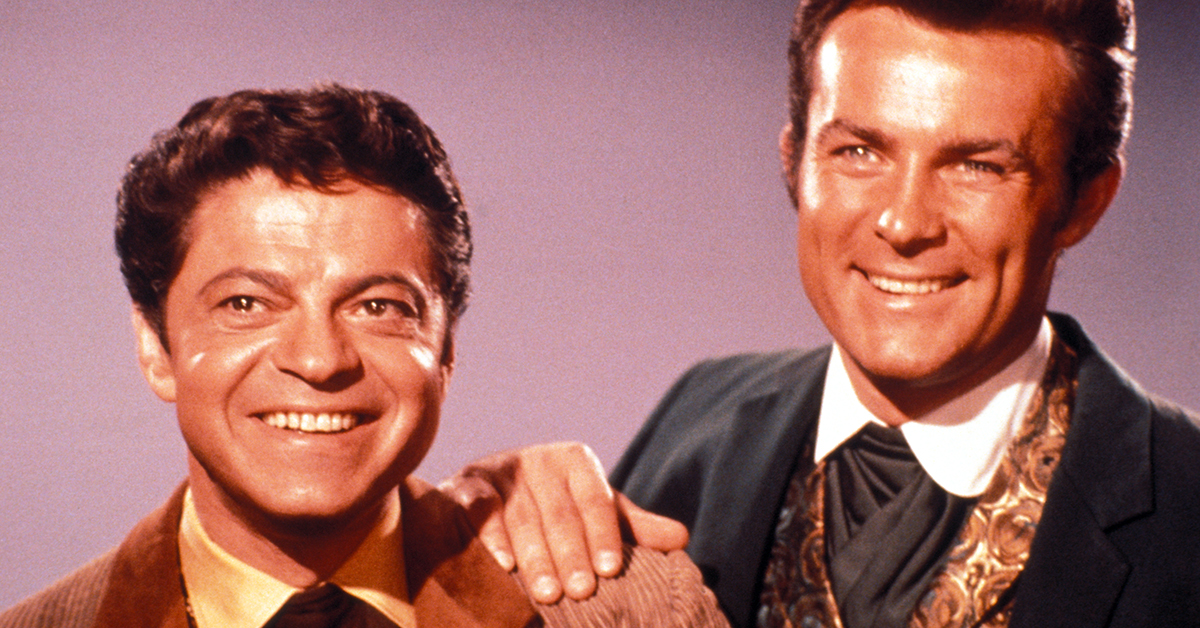
Shows featuring radio stations seem to be hit or miss.  Good Morning World and Hello Larry did not do well.  I think everyone can agree on WKRP in Cincinnati and Fraiser are well-written shows.  News Radio seems to fall somewhere in the middle.  Some people seem to love it while others thought it missed the mark.  I think the show is well written, but the characters are not endearing.  They don’t grow or change for the better.  We can grow to love a Herb Tarlek and a Ted Baxter, but there is nothing redeeming about the crew here.  I guess I would tune out.  There are too many good shows out there to watch a “maybe, maybe not” show.