Holmes and Yoyo: The Quality Was Not Up and Down, Just Down

We are right in the middle of our blog theme this month, “It Takes Two,” about crime-fighting duos. Today we are learning about Holmes & Yoyo.
📷imdb.com

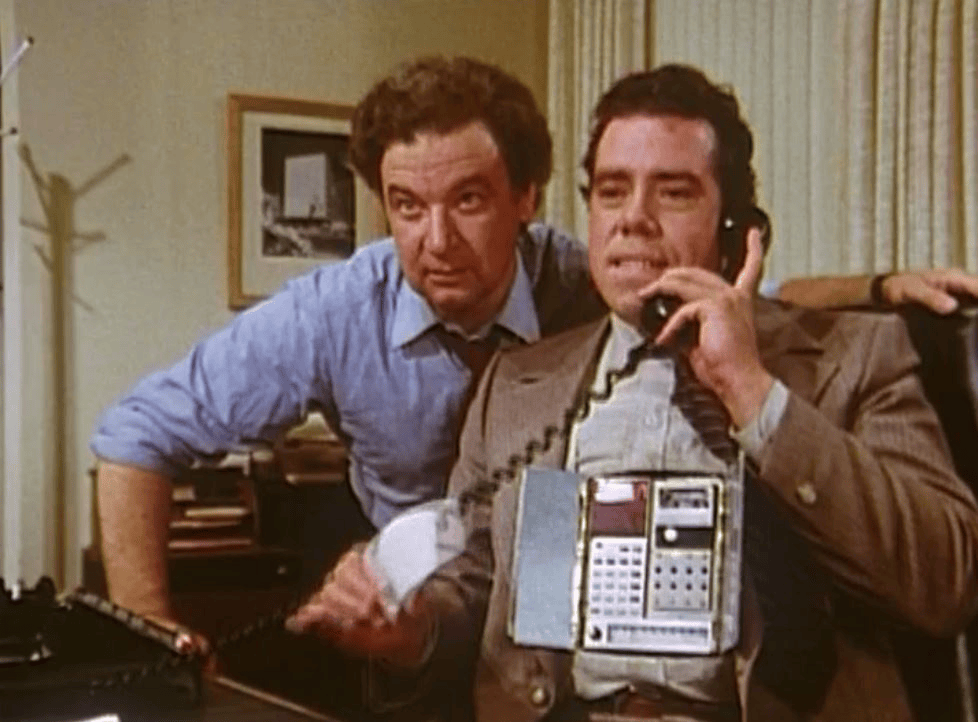
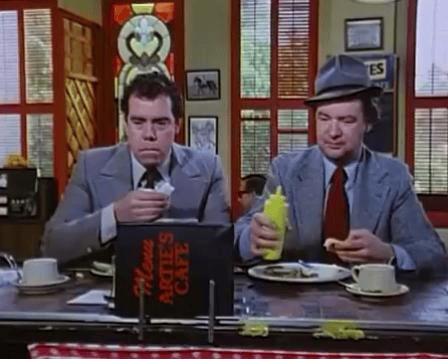
If you didn’t catch this show when it was on the air, don’t be surprised. It only lasted thirteen episodes. The show debuted on ABC in 1976 and starred police detective Alexander Holmes (Richard B. Shull) and an android partner Yoyo (John Schuck). When Yoyo is shot, Holmes discovers that he is not human but a secret weapon. Holmes is known for having partners who get severely injured. Holmes is busy keeping Yoyo’s secret from everyone else and trying to teach him how to be more human during their time together. Rounding out the cast were Andrea Howard and Bruce Kirby.

Leonard Stern was the executive producer of the show. Stern had been a writer and executive producer for Get Smart.

Yoyo’s super-human abilities include speed reading, super strength, and an amazing ability to analyze clues at the scene. Yoyo’s control panel was under his tie if Holmes needed access. He was also equipped with a camera which took a photo if he pressed his nose and printed it from his shirt pocket. He ran on batteries, and Holmes had to keep a close eye on whether they were being charged, because if they ran out, all his memories were erased.

There was some humor with teaching Yoyo to be more empathic and his malfunctions. For example, in one episode, when someone hit their garage remote, Yoyo would begin spinning. This concept had the capacity to be a huge hit or a huge bomb and bomb it was. The series never found its viewers and TV Guide listed it 33 on the worst 50 shows of all time. Many reviewers expressed surprise that the show somehow lasted for 13 episodes.
📷imdb.com

The show was placed on the Saturday night schedule competing against The Jeffersons and Emergency!

I’m not sure why this failed so miserably. Stern was a very successful producer working on many shows I truly liked including I’m Dickens, He’s Fenster; He and She; Get Smart; and McMillan and Wife. Schuck was a decent actor on McMillan and Wife. Holmes and Yoyo were based in part on Maxwell Smart and Hymie from Get Smart which were both amazing characters.

The concept could work, although we don’t see too many robots working with humans in shows that were successful. My Living Doll with Julie Newmar should have been a hit but never was, and Small Wonder about a family with a child who’s actually a robot didn’t last long either, although you do have the very popular character of Data in the Star Trek franchise. For whatever reason, the stars were totally out of alignment on this series, and it wasn’t just not great, it sounds like it was truly difficult to watch. As we all know, it’s not always easy to make everything work perfectly on a show to make it successful, but that’s why we have so much fun talking about our favorite shows that get it mostly right.

Camp Runamuck: Campers Loved It More than Viewers

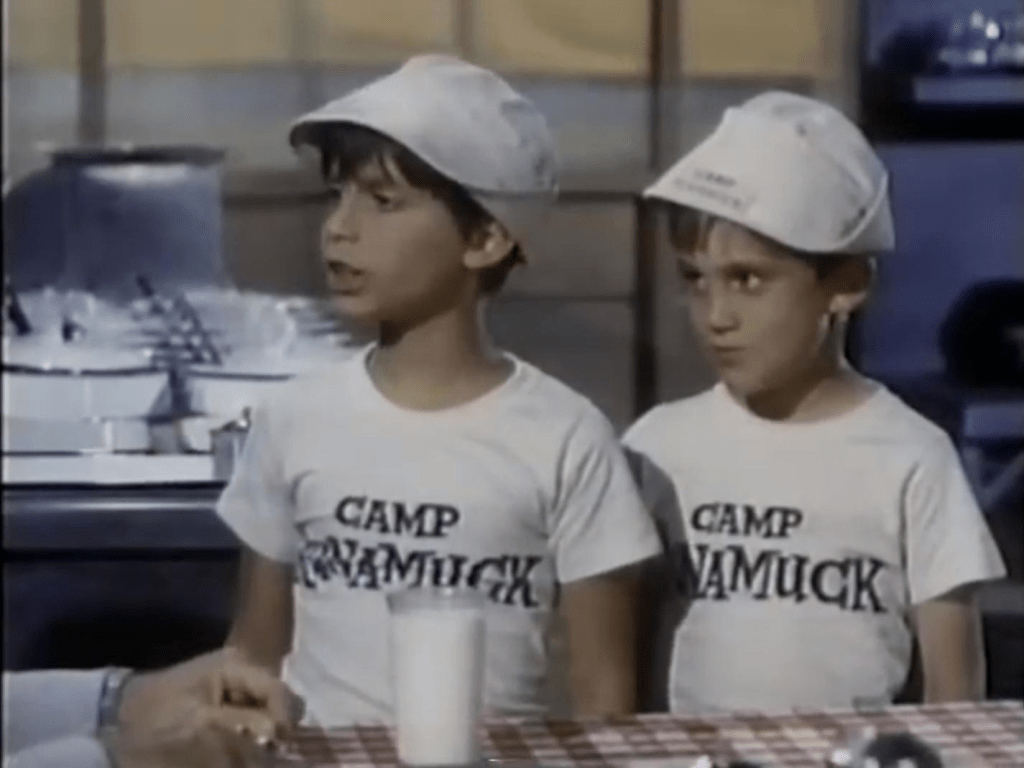
This month we are checking out a few sitcoms that are rarely remembered anymore. Today we are exploring the show Camp Runamuck. It debuted on NBC in 1965 and featured campers for 26 weeks before being cancelled.

📷imdb.com

Dave Madden was counselor Pruett; Commander Wivenhoe was played by Arch Johnson, and senior counselor Spiffy was played by David Ketchum. In the pilot, one of my favorites, Frank DeVol, played Doc Joslyn but illness forced him to hand over the part to Leonard Stone. Bobby Darrin sang the theme song.

If you are a fan of The Partridge Family, you will appreciate that this show was the introduction of actor Dave Madden, later Rueben who would manage the Partridges. Johnson began on television in the fifties, but this was his first cast role. Ketchum started his career a decade after Johnson and this was his second starring role after being in I’m Dickens, He’s Fenster in 1962. One camper who is featured in two of the 26 episodes is Maureen McCormick. This was the year she started her acting career, also appearing in Bewitched, The Farmer’s Daughter, and Honey West. Before becoming Marcia Brady, she would also show up in My Three Sons and I Dream of Jeannie.

Wivenhoe was an interesting camp leader. He didn’t like kids, didn’t like to part with his money, and didn’t appreciate the 6am morning wake-up song sung by the girls across the lake accompanied by a bugle. He did like playing golf and enjoying a quince for breakfast.

Across the lake was Camp Divine owned by Eulalia (Hermione Baddeley) who was helped by counselors Mahalia May (Alice Nunn) and Caprice Yeudleman (Nina Wayne).

The opening featured a peppy tune with fifes and you see the lake and hear the music before you see the camp counselors leading the campers (all in white; the poor laundry crew) marching down the road.

📷youtube.com

Most of the plots featured the counselors as opposed to the campers. Typical plots were the female campers being ordered to steal Wivenhoe’s bathtub so they could take a real bath and the boys getting it back. In another episode, the campers learn a civics lesson. They are given the task of electing a camp commander. However, the candidate who gets in becomes a dictator and tries to put everyone who had been in charge, namely the adults, in jail. This sounds vaguely familiar from the recent news.

In the credits I learned Cal Howard was in charge of visual gags. I never had seen that designation before in a sitcom. Howard, who was born in 1911 and passed away in 1993, had a long career as an actor and writer. He received 178 writing credits, mostly in animation. He worked for Walter Lanz and Walt Disney and wrote a few Bugs Bunny and Alvin and the Chipmunks episodes.

Just to add a sense of weirdness and whimsy to the series, two bears named Irving and Virginia would share their opinions of what was going on around the camp.

The series was up against The Wild Wild West and The Flintstones, pretty tough competition for the time. First of all it was on Friday nights when many viewers might be starting their weekend celebrations. The Flintstones was originally written for adults, but by 1965 families were watching the show together. The Wild Wild West was new, but immediately hit the top 30, and it was followed by another new CBS show, Hogan’s Heroes, and then Gomer Pyle, USMC, so most television fans were glued to that network Friday nights. Other new NBC shows included Get Smart, I Dream of Jeannie, and I Spy so competition was tough to retain a schedule spot. ABC didn’t have a lot of hits that year but they did debut three shows that I liked but all faded away within two seasons: Batman, Honey West, and Gidget.

Camp Runamuck might have gotten a second season if it didn’t have so much competition to deal with. If you loved camp as a kid, or hated camp as a kid, it might be worthwhile to watch a few shows and see what you think.