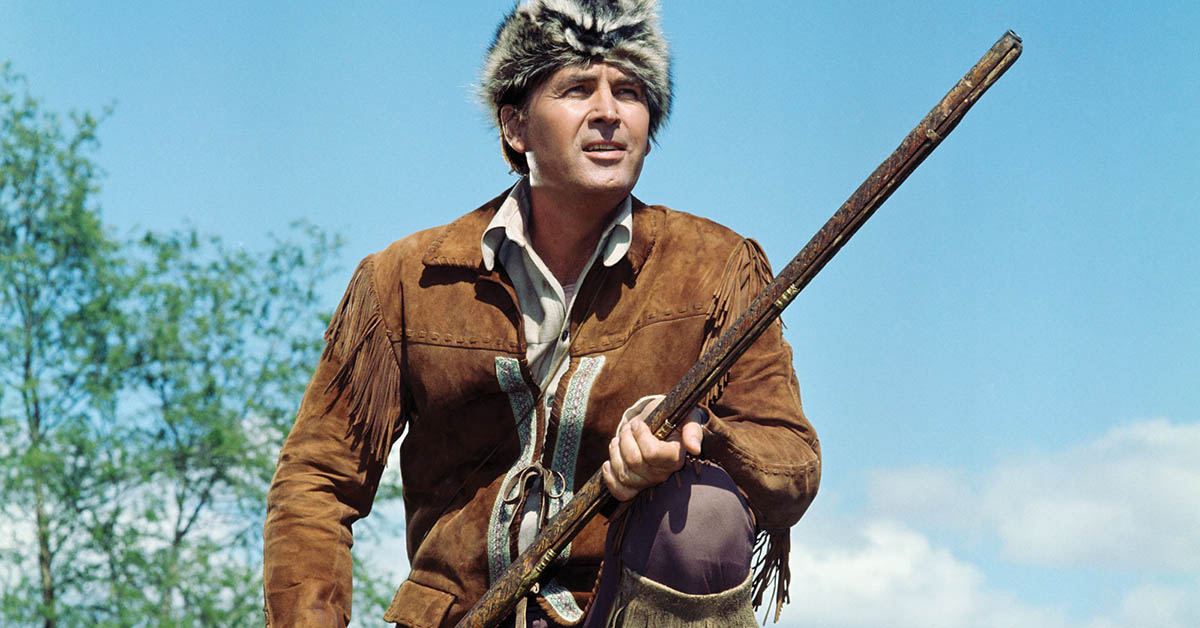
Burgess Meredith: America’s Favorite Villain

Bam! Pow! It’s Batman Villain Month. We will be looking at the career of an actor who played a Batman baddie every week this month. We are beginning with my favorite, The Penguin, played by Burgess Meredith.

📷pinterest.com

Oliver Burgess Meredith was born in Cleveland, Ohio in 1907. His father was a physician, and his mother was born into a family of Methodist revivalists. Burgess followed his Methodist faith for his entire life. After high school, he enrolled at Amherst College, until 1932 when he became a reporter for the Stamford Advocate. He worked in a variety of jobs while getting started in acting including retail, an editor, a merchant marine, and a runner on Wall Street.

He joined Eva Le Gallienne’s Civic Repertory Theatre in New York City. His Broadway debut was in this company’s “Romeo and Juliet” in 1930. His film debut came in 1935 in Winterset. Later in his career, he would return to Broadway as a director. He shared a Tony Award with James Thurber for their collaboration on “A Thurber Carnival” in 1960, and he earned a Tony nomination for his staging of “Ulysses in Nighttown” in 1974. In the late seventies, he directed Fionnula Flanagan’s one-woman play, “James Joyce’s Women” which toured for several years.

Meredith had more success in acting than marriage. Helen Derby Merrien Burgess was his wife from 1932-1935. His marriage to actress Margaret Perry only lasted two years, ending in 1938.

In 1942, Burgess enlisted in the US Army Air Forces for WWII, reaching the rank of captain. He was discharged in 1945. Meredith married another actress, Paulette Goddard, and they were together from 1944-1949. However, in 1951 he married Kaja Sundsten and they were together until his death.

Meredith would appear in 80 movies during his career, as well as a number of made-for-television movies. He might be best known in the past few decades for Grumpy Old Men and Grumpier Old Men in the 1990s.

However, it was television where he found the most acclaim. His first appearances came in 1949 on the Ford Theater Hour and The Silver Theater. Throughout the fifties he continued receiving offers for theatric roles on these types of programs. During the early sixties, he was everywhere. You could catch his appearances on dramas such as The Naked City, Ben Casey, The Twilight Zone, The Bold Ones, Room 222, Ironside, and Mannix. He rode onto many western sets including Wagon Train, Rawhide, The Wild, Wild West, Bonanza, Daniel Boone, and The Virginian. He found his way onto several comedies such as Please Don’t Eat the Daisies and The Monkees.

Given the astounding number of drama shows that he chose roles on, it is a bit surprising that one of his best-known roles was the campy, humorous 1960s series Batman. From 1966-1968, he made 21 appearances as the Penguin. When he appeared on The Monkees, it was also as the Penguin. Originally the producers wanted Spencer Tracy for the role of Penguin. Tracy said he would not accept the offer unless his character was allowed to kill Batman. So, Meredith got the role. The cast loved him, and the producers made sure there was always a Penguin script waiting so whenever Burgess was free, it could be filmed.

📷dcdatabase.com

He was perfect for the role with his raspy voice and that iconic Penguin laugh. The laugh came about because Burgess had given up smoking but had to smoke for his role on Batman. When he coughed, he covered it up with his trademark laugh. When asked why he did Batman, he replied that he did it “for two reasons, one of which was the salary. The other was that, after the first few episodes, Batman became the in-thing to do. Everybody would either play a villain or appear as himself in that cameo showcase where a celebrity would poke his head through the window of a building that Batman and Robin were climbing. Actually, we didn’t get as much money from the show as you might think, although we were paid decent money for the feature film version. The main impetus to continue appearing on Batman—beyond the desire to get some TV work—was that it was fashionable.”

Later in his career, Burgess continued appearing on the big screen and provided voice-over work and a bit of animation. Unfortunately, he was named as an unfriendly witness by the House Un-American Activities Commission which ended his studio work for several decades. Burgess also did commercial work and was known for his roles for Skippy Peanut Butter and United Air Lines.

📷imdb.com

Meredith was a life-long Democrat and was generous to the Democratic party. He was an environmentalist and tried to end pollution. He was also fascinated by intelligent animals, especially dolphins. One night he said he felt a dolphin needed help while staying at a friend’s beach house. He ran out to the beach and found a dolphin caught in a net under a dock and was able to save its life. He was nominated for two Academy Awards, both for Supporting Actor in Rocky and The Day of the Locust. A 21-acre park in Pomona, New York was named for him; he provided the funding to incorporate the village.

In 1997, Meredith died from complications of Alzheimer’s. His former Batman costar, Adam West, spoke at his memorial service.

While almost all of the bad guys on Batman were memorable, the Penguin and Cat Woman were by far my favorites. We will look at the career of Julie Newmar next week.

The Simpsons: No One Grow Up in Springfield Here

This month we are looking at several of our favorite TV families. Last week we talked about the Andersons from Springfield, and I can’t help comparing our show today to that one: The Simpsons are also from Springfield. They both have three children. While you could make some comparisons between Marge and Margaret, Homer and Jim would not have much in common.

📷wikipedia.com

Right off the bat, I want to admit that if you are looking for a comprehensive reflection on the show, this blog entry will not be that. I could write about this show for volumes and not cover it truly well. That said, I thought it was an important show in television history and family series that we should still talk about it, even if it is briefly. This show has been on the air so long it is hard to imagine: 2024 is the 37th year the show has been on the air. I got married the year it began, and I now have a teenage grandson. We are looking at almost 800 episodes.

So, let’s go back to the beginning. In 1987, Matt Groening developed an American animated series called The Simpsons to air on Fox Broadcasting Co. It was written as a satire of the Simpson family: Homer, Marge, Bart, Lisa, and Maggie. It was set in Springfield and has caricatured any and everything you can possibly think of.

📷thebounce.com James L. Brooks and Matt Groening

James L. Brooks, of The Mary Tyler Moore Show and Taxi fame, was the producer. The first animation shorts appeared on The Tracey Ullman Show and it eventually became its own series. It holds the record for longest-running American animated series and longest-running American sitcom. In 2007 The Simpsons Movie grossed over $527 million dollars. In 2023 it was renewed for its 35th and 36th seasons, ensuring it goes through 2025.

I will say that many fans consider the golden age of the show to be from 1989-1995 and feel that the quality has not held up as well; however, the show has won 35 Emmys.

The show is about the Simpson family. Homer, the father, works at the Springfield Nuclear Power Plant as a safety inspector. Marge, his wife, has beautiful blue hair. (The blue hair was a thing before having blue hair was a thing, and the characters have yellow skin colors, so it would catch the attention of viewers flashing through the channels for something to watch.) They have three children: Bart, a very mischievous ten-year-old; Lisa, a precocious eight-year-old; and baby Maggie. Grandpa Simpson lives nearby in the Springfield Retirement Home. Luckily, they never age, or Bart would be a 47-year-old mischievous son and grandpa would be well over 120. Santa’s Little Helper is their dog and Snowball II (after Snowball I died) is their cat.

📷wikipedia. Mayor Quimby

In addition to the family, we have met many community members during the three decades plus that the show has been on. Just to name a few, we have Homer’s coworkers Lenny and Carl; Seymour Skinner the school principal; teachers Edna Krabappel and Elizabeth Hoover; neighbor Ed Flanders; Mayor Quimby; reporter Kent Brockman; tycoon Charles Montgomery Burns; Burns’ executive assistant Waylon Smithers; and Krusty the Clown.

Throughout the entire run, Groening and Brooks remained executive producers. There have been oodles of writers on the show. Typically, they are a group of sixteen writers who propose ideas and then turn the best into scripts.
I bet none of the voice actors in the late eighties thought they would still be employed on this show in 2024. Dan Castellaneta is Homer, Grandpa, and Krusty the Clown. Julie Kavner is Marge. Nancy Cartwright is Bart and Maggie. Yeardley Smith is Lisa. It has been a lucrative career. Until 1998, they were paid $30,000 an episode. From 1998 until 2004, they earned $125,000 an episode. A strike ensued in 2004. and after negotiations, we know that they make somewhere between $250,000 to $360,000 an episode. It has been up and down since, but right now hovers around $300,000.

I did not have time to get into all the differences in the animation studios that have been part of the show, but Klasky Csupo, AKOM, Anivision, Rough Draft Studios, and USAnimation, and Toonzone Entertainment have all worked on the show.
📷cnet.com

As I mentioned, everything and anything is up for being satirized on the show: nuclear power plants, education, middle-class Americans, wealthy Americans, conservatives, liberals, religion, atheists, sexuality, homosexuality. If you can name a theme, you can find an episode to fit it.

The show tries to appeal to a variety of generations. I guess they need to, to keep their original viewers which may have switched from 20 somethings then to retired somethings now.

Whether they have ever seen the show or not, many Americans recognize the catchphrases from the show, including Bart’s “Ay caramba!,” “Eat my shorts,” and “Don’t have a cow, man.” Homer’s quip “D’oh” is another as is Mr. Burn’s “Excellent” and Krusty’s “I didn’t do it.”

📷abcnews.com

As you can imagine, critics of the show are legion and from every part of American life. At least they offend everyone. They even make fun of Fox TV.

And with more than three decades of episodes, the merchandising has been over the top; it currently is a billion-dollar industry. There are comic books, board games galore, figurines, t-shirts, etc., etc.

Almost every season is now available on DVD, just in case you have a decade to catch up.

Let’s end with a few fun facts. Several people are banned for life from the comic book store, including Bart, Milhouse Van Houten, Sideshow Bob Terwilliger, Nelson Muntz, George Lucas, and Matt Groening. The most-often parodied films are Citizen Kane, The Godfather, 2001: A Space Odyssey, The Shining, and A Clockwork Orange. Like Batman, celebrities are so eager to make a guest appearance they are willing to be bad guys. Jasper Johns was portrayed as a kleptomaniac, Gary Coleman was a pathetic has-been, and Tom Arnold was an obnoxious nontalent who gets fired for being a bad actor.

📷wikifandom.com george lucas

The fact that so many celebrities are enthusiastic to appear on the show probably sums up how popular and how embedded The Simpsons is in our culture. It’s hard to think of another show with such lasting appeal. There are a few Sunday news shows that might have been on the air as long, but their popularity is not comparable. Actually, because the show has been on the air for so many decades, it may have

📷artinthemovies.com Jasper Johns

curtailed its viewers somewhat. I have never been able to become a dedicated fan because I could not devote the weekly time for so many years to watch the show. I will say that whenever I watch an episode, I always find something valuable in it. Even if the show is not one of their better episodes, and with 800 episodes, you know there are a few “klinkers,” there are always some great one-liners.
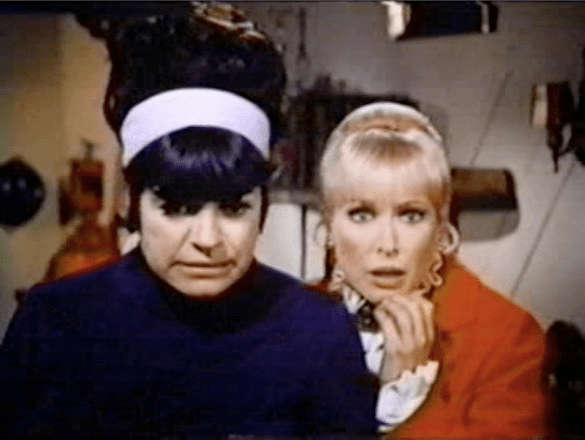
If you are one of those people who have lived under a rock or been a hermit without a television for more than 30 years, you might want to watch at least a few episodes to see what all the fuss is about. You won’t be disappointed.

Father Knows Best: We All Grew Up in Springfield

Our last two shows are both set in Springfield, and we might do a bit of comparison and contrast next week. This week we are checking out the Anderson family on Father Knows Best.

📷wikimedia.com

The show debuted on NBC radio in 1949. For five years it was sponsored primarily by General Foods. None of the television cast members were part of the radio show, but you would recognize the voice of Jean Vander Pyl from The Flintstones.

A couple of months before the show ended on radio, it made its move to television. This was not all that unusual in the early days of television, but the show began on CBS for a year, then it was picked up by NBC for three years, and then it returned to CBS for two years.

The pilot aired on an episode of The Ford Television Theatre and was called “Keep It in the Family.” While the show was picked up, only Robert Young was retained from the original cast. Joining him were Jane Wyatt as Margaret, Elinor Donahue as Betty, Bill Gray as Bud, and Lauren Chapin as Kathy.

📷evergreenarchives.com

I think we all have this stereotyped vision of the Anderson family in our memories. In fact, the US Department of the Treasury requested a 30-minute episode of the show that was never aired on television. It was distributed to schools, churches, and civic groups to promote the sale of savings bonds. However, when I watch the show today, I think it got some unfair criticism. There are several episodes when Margaret has just had it with cleaning and cooking for an ungrateful family. The kids are sometimes portrayed as thoughtless and self-absorbed. The three children often disappoint their parents and sometimes the parents are not good role models. I don’t say that in a negative way—it’s a realistic description of a lot of us as teenagers and parents at times.

📷imdb.com

Robert Young and his business partner Eugene B. Rodney developed the show with Screen Gems. Casting was not an easy task. One of the things they were trying to avoid was stereotyping. They wanted Bud to be absorbed but not flip. Young and Rodney mentioned that it was not easy to do the gags in the right tone, but they knew they had their Bud in Gray in a scene where Jim is worried about Betty getting too serious. Rodney relayed the following story: “As an example”, said Mr. Rodney, “when Jim, worried about Betty’s going steady, reads aloud a newspaper story about a girl eloping and taking $200 with which her aunt was to buy a TV set, our Bud had to be able to look up and ask seriously, ‘What size screen, dad?’ Billy Gray was the only actor that could do it the way we wanted.”

Kathy was a bit harder to cast for; seventy-eight girls auditioned for the role. Chapin had no acting experience before the show, but she seemed more like a regular kid. They wanted Betty to be attractive but not sophisticated. Donahue talked about her auditions in a Television Academy interview. She auditioned once and had to hop out of the tub and run to the audition with her hair a bit of a mess, and they told her she was too young for the part. Her agent got her hair cut, dressed her in a suit with heels and got another tryout for her, but they said she was too old. Her agent kept pestering them to give her one more shot and they did not want to, but finally Rodney agreed if her agent would quit calling him, so they brought her in again. She was all nerves and very anxious and Young tried to calm her down and she auditioned again and felt that she had embarrassed herself and that she had made a terrible impression. However, they called a month later to say that she had been hired.

📷wikimediacommons.com

Jane Wyatt was offered the role of Margaret and rejected it. She wanted to do a show in New York, but when they sent her the script and she read it, she loved it and agreed to the part.

The show began on Sunday nights. It seems a bit odd today that this wholesome family show on Sunday nights was sponsored by Lorillard’s Kent cigarettes. The show became popular with America, but the ratings were not high enough for Kent Cigarettes, and they decided not to extend the 26-episode contract. Fans sent letters, and television columnists got in on the action, encouraging fans to write the president of the CBS network. Kent canceled and Scott Paper then picked it up. Scott moved the show to NBC. By the second season, more than 19 million households watched the show on Wednesday evenings. In 1958 NBC decided to cancel the show, but CBS took it up again for two more years. In 1960 there was a writers’ strike and it lasted long enough that Robert Young decided he was ready to move on in his career. Jane Wyatt was also ready to retire and enjoy her family. The sad thing was that they were never able to say goodbye to each other or wind up the show.
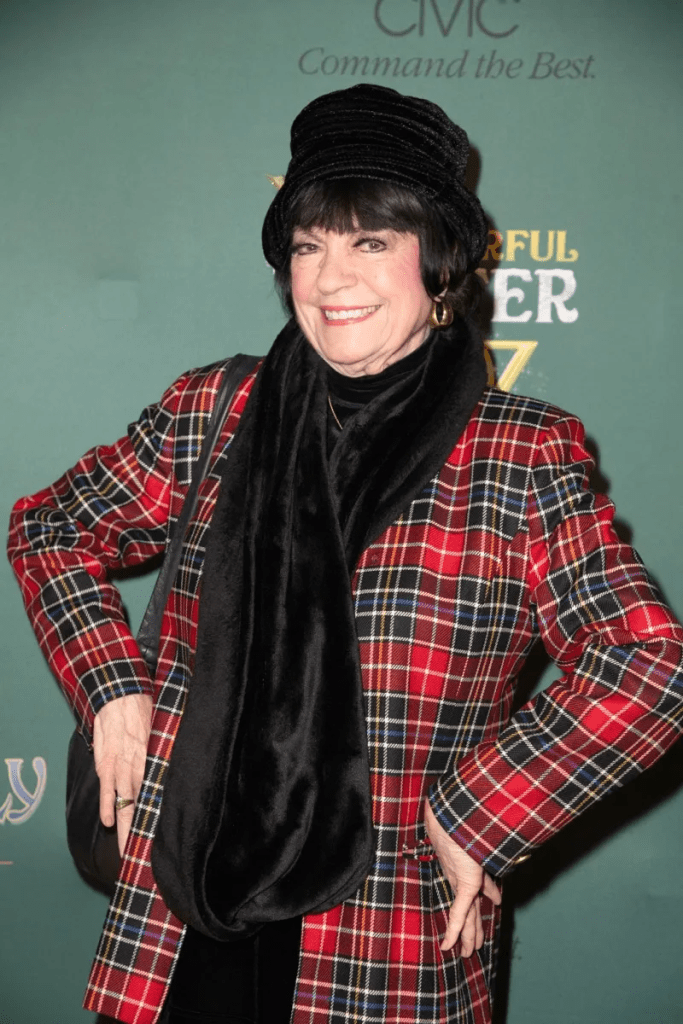
📷imdb.com

Good scripts were critical for both Rodney and Young. They wanted character motivation. Roswell Rogers and Paul West, the primary writers for the show, took a lot of their material from their own lives. The two writers had seven children between them and included moral lessons built in.

The two major directors were Peter Tewksbury and William D. Russell. As co-owner of the show, Rodney served as producer. He knew everything about the characters. Jane Wyatt related an incident when she asked Rodney what she could do to improve her characterization of Margaret. Rodney told her to love her children as much as her husband. Wyatt realized at that moment that she had been concentrating on the relationship between Jim and Margaret more than her motherly feelings.

📷pinterest.com

If you are a pop culture fan, you will recognize the house as the home of Mr. Wilson on Dennis the Menace and Major Nelson on I Dream of Jeannie. If you pay close attention, sometimes you can see the house in episodes of Bewitched, Hazel, The Monkees, and The Partridge Family. Gracie Allen would have approved of the show’s interior. She liked to do the activity that she was supposed to be doing on the show, and the Andersons had working appliances in their kitchen. While the bedrooms were interchangeable so they could film any of the characters’ rooms, the kitchen had red wallpaper, white cabinets, and blue countertops. Every morning, coffee and sweet rolls were served, and lunches were kept in the refrigerator.

The theme song was titled “Waiting.” It had lyrics but they were never used on the show. It was written by Don A. Ferris and Irving Friedman.

The show was nominated for an Emmy 20 times with 6 wins: Robert Young won for Best Actor in 1957 and 1958, Jane Wyatt won for Best Actress in 1958, 1959 and 1960, and the show received Best Direction for A Single Episode in 1959.

📷closerweekly.com

The Andersons had a special place in the heart of many kids growing up during the fifties and in 1977, two reunion movies were made: Father Knows Best Reunion in May and Father Knows Best: Home for Christmas in December. We learn that Betty is a widow with two daughters, Bud is married with one son, and Kathy is recently engaged to a doctor.

Despite the abrupt ending of the show, the cast kept in touch. Donahue said that she really loved Robert Young and considered him her father figure. She, Chapin, and Gray all were in families without a father, although Gray saw his occasionally, so Robert did become a father for them. She said he never had a cross word for any of them and if they were behaving unprofessionally or causing trouble, he would take off his glasses and look down and that was their cue to do better. Perhaps that is why the show rings true for so many people. On the set, their “father” truly did know best.

Little House on the Prairie: Drama On and Off the Set

This month we are visiting with some of our favorite families. I absolutely would have included The Waltons this month if we had not covered the show recently. However, another historic family, the Ingalls, is on the schedule. Little House on the Prairie was on the air for nine seasons. Many of us got to know the family through Laura Ingalls Wilder’s books.

📷lovemoney.com

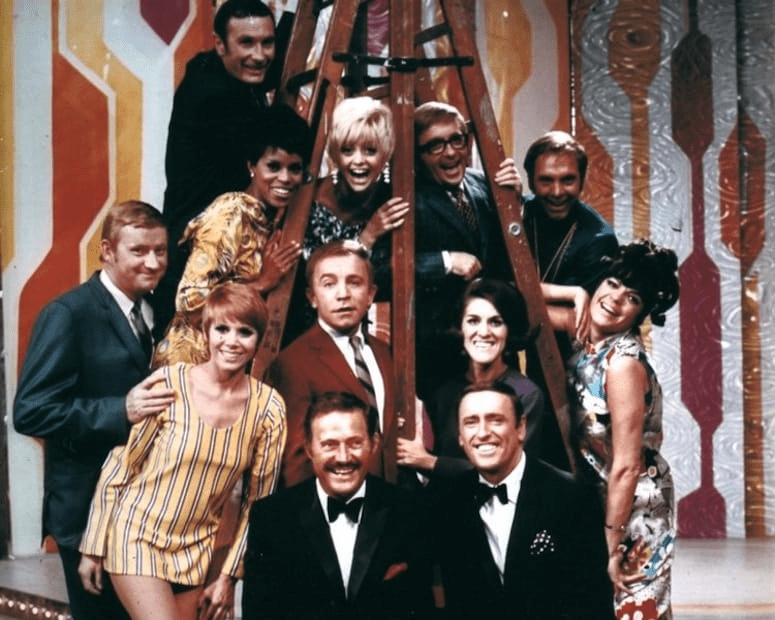
Television producer Ed Friendly acquired the film and television rights from the books. Oddly enough, the other show Friendly is known for as producer is Rowan and Martin’s Laugh In. He decided to make Little House a two-hour pilot and asked Michael Landon to direct it. Landon agreed to do so if he could also play Pa, Charles Ingalls. The pilot aired in March of 1974, and in September the series began.

Along with starring in the show, Landon continued to direct as well; he directed 87 of the 204 episodes. The other directors included William F. Claxton, Victor French, Maury Dexter, and Leo Penn.

Landon also got in on the writing of several episodes. He had written several scripts for Bonanza when he appeared on that show, and several of them were recycled for Little House.

📷showbizcheatsheet.com

Like The Waltons, while this series was often happy with comedic notes, it dealt with many serious issues as well, including alcoholism, drug addiction, poverty, racism, child abuse, and rape. The show focused on the struggles and joys of a pioneer family living in the late 1800s.

Along with Landon, Karen Grassle played Ma, Melissa Gilbert played Laura, Melissa Sue Anderson was Mary, with Lindsay and Sidney Greenbush alternating as Carrie. In addition to the Ingalls family, other town folk on the show included Nellie Oleson (Alison Arngrim), Nels Oleson (Richard Bull), Harriet Oleson (Katherine “Scottie” MacGregor, and Miss Beadle (Charlotte Stewart).

Some of the guest stars included Willie Aames, Anne Archer, Lew Ayres, Hermione Baddeley, Ken Berry, Ray Bolger, Ernest Borgnine, Johnny and June Carter Cash, Burl Ives, Charles Lane, Vera Miles, Sean Penn, and Ray Walston.

📷wikifandom.com

The theme song, “The Little House,” was written and conducted by David Rose. Rose won two Emmys for his work on the show.Although the pilot ranked #3 for the 1974 ratings, the first two seasons were much lower. Season 3 found the show on Monday nights where it remained one of the highest-ranking series through season 7. Season 8 had a significant decline and season 9, with the loss of most of the family members, never really caught on with viewers. However, season two is the only year the show was not in the top 30. The schedule was a bit crazy when you analyze it. Although, this show did have to compete with The Jeffersons and WKRP in Cincinnati, because they were half-hour shows and this was an hour show, many people probably continued watching the second half. For many of these years, there were up to six different shows in this time spot on CBS and many of them changed from year to year, so there were rarely shows in this spot against Little House for more than a month or two.

After eight seasons, both Michael Landon and Karen Grassle were ready to move on; however, Landon did stay on as a director and writer. The show focused on Laura Almanzo and the younger generation for the ninth and final season.

The show was loved by critics as well as viewers and received sixteen Emmy nominations. The series won four of them, all for music and cinematography. The only cast member nominated was Melissa Sue Anderson; she lost to Sada Thompson for Family.

📷littlehouseontheprairie.com

Viewers were not ready to leave the Ingalls for good. Three made-for-tv movies were written: Little House: Look Back to Yesterday in 1983, Little House: The Last Farewell and Little House: Bless All the Dear Children, both in 1984. In 2008 the Ingalls’ lives also became a musical at the Guthrie Theater.

One fun story is when the show moved from Paramount to MGM Studios in the late seventies, they were uncovering sets so they could build new ones and found the yellow brick road from the Wizard of Oz which delighted the kids in the cast; I’m guessing it delighted many of the adults as well.

Another fun story was learning what the cast ate on the show. Since beef stew was a popular meal in the 1800s, the family often had that for its meal and when they did, they were actually eating Dinty Moore Beef Stew. When they had chicken, it was KFC that appeared on their plates.

The kids must have been troopers because each episode took about seven days to shoot. They were on location at Big Sky Ranch for four days and in the studio for interior shots about three days. In addition, they were probably witnesses to off-air scenes that were not the best. Grassle and Landon were not close, probably because his role seemed much bigger than hers and he was directing as well. Unfortunately, both Grassle and Landon were alcoholics, and alcohol was part of their life on set. During season four, Grassle quit when she realized the seriousness of her problem. Landon was never able to kick his dependence and died from pancreatitis.

📷pinterest.com

Gilbert said that Michael Landon had interesting ways to inspire his kids to get emotional on the set. He worked himself up to become very emotional and with eyes full of tears would ask her “Do you know how much I love you?” which would bring tears to her eyes as well.

It might have been a way to get her to cry, but it was not a lie. Gilbert lost her own father when she was eleven, and Landon became a second father to her. He often had Gilbert at his house on the weekends. She said it was a huge house and the kids ran through the house at will. Often Landon would hide behind doorways and jump out and scare them. Gilbert said Landon provided her with a lot of great advice. The most memorable for her was that nothing is more of a priority than home and family, and no success is as important as loving your people and contributing to a community. And to have fun above all in your career.

That is sage fatherly advice for us all to remember.

We Never Really Left Leave It to Beaver

This month we are learning about America’s favorite families. Today we are spending some time with the Cleaver family. In the past we have talked quite a bit about The Brady Bunch, and in some ways, Leave It to Beaver is like that show. The Brady Bunch portrayed the 1970s and although they have been on the air since that first episode debuted, the show never cracked the top twenty. The Cleavers taught us about the 1950s. That show also never got into the top thirty during its six-season run but has been on the air most of the past 65 years.
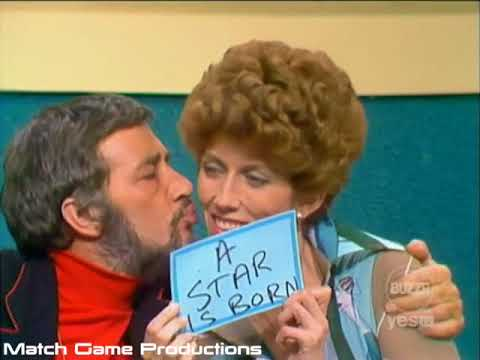
📷thetodayshow.com

The show was originally written to feature Theodore or Beaver played by Jerry Mathers. Beaver gets into a lot of mischief, but he is a good kid and always means well. He has an older brother Wally, played by Tony Dow. His parents are Ward (Hugh Beaumont) and June (Barbara Billingsley). I thought it was interesting that all four of the stars appeared in every single episode of the show, 234 of them.
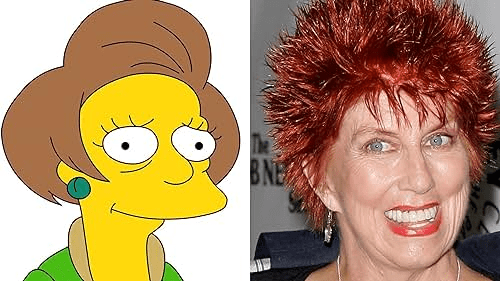
We also got to know some of the boys’ best friends as well. Beaver hangs out with Larry Mondello (Rusty Stevens) and Gilbert Bates (Stephen Talbot). He also spends time with Gus an old fireman played by Burt Mustin who seemed old even then. Wally is often with Clarence “Lumpy” Rutherford (Frank Bank) whose father is friends with Ward and Eddie Haskell (Ken Osmond). Eddie is overly polite to Ward and June who are never fooled by his manners; he often picks on Beaver.

Mathers said that when he went to the audition, he went in his Cub Scout uniform because he didn’t want to be late for the den meeting. He was so honest and innocent about wanting to get to his Scout meeting that the producers hired him.

📷imdb.com With Eddy Haskell

Tony Dow never planned on getting a part. He had been in one commercial but no television series. He was an athlete and a diving champion and great swimmer. He had been working out at the Hollywood athletic club and a lifeguard there asked Dow’s mom if Tony could go with him to the audition. Dow ended up getting the part. Mathers later corroborated the story in his blog, saying that the actor who was in the pilot grew five inches the following year and was as tall as Beaumont, so they decided to hire another kid for the role. They wanted someone who looked like an athlete, so they chose Dow.

Beaumont took some inspiration from his studies to be a wise and caring father. He held a Master of Theology degree from USC and was an ordained minister. In addition to acting, Beaumont wrote one entire episode, contributed to several others, and directed 23 episodes.

While Beaumont contributed to the scripts, the show was primarily created by Joe Connelly and Bob Mosher, and many of the plots were based on their children.

📷metacritic.com

CBS put Leave It to Beaver on the air Wednesday nights in 1957. I can see where the ratings might suffer because the show was on during the last half of both Wagon Train and Disneyland, so a lot of viewers were watching another show at the time.

The network decided to drop the show at the end of the year, but ABC picked it up and extended its run for five more years. The new network aired it Thursday nights up against repeats of I Love Lucy and a show I know nothing about called Jefferson Drum. The description is that a widowed father starts a newspaper in a western town. The next season the show appeared on Friday nights with another move the following year to Saturday nights. In its fifth season it stayed on Saturday nights but switched times and the sixth season found it on Thursday nights against Perry Mason and Dr. Kildare. At that point, Jerry Mathers wanted to have a normal high school life, and the show ended.

The theme of the show is probably one of the best-known television themes. It was “The Toy Parade” composed by David Kahn, Melvyn Leonard, and Mort Greene.

📷dvnet.com Still the Beaver

In 1983, “Still the Beaver” aired to catch us up on the Cleaver family. Beaumont had passed away, but the rest of the cast showed up for the reunion. It led to a reboot that ran for four years from 1985-89 called The New Leave It to Beaver. Beaver and Lumpy run Ward’s business. Beaver lives in their family home. June is still living there, taking care of Beaver’s two boys. Eddie Haskell is still in Mayfield with his son Freddie. Wally is now a lawyer living in town, married and expecting his first child.

Ward and June took a lot of heat for being stereotypical parents in the show. While there was definitely some unrealistic behavior, fans continued to flock to the show for decades and now, almost 70 years after the first airing, it is still on the air and gaining new generations of viewers. June gets made fun of for wearing pearls and high heels, but when she was asked about that, she admitted that she wore the pearls because she had an indentation on her neck that she thought did not look good on film and the pearls covered it up. She said she wore heels because she had to be taller than the boys.

📷latimes.com

Mathers is the only remaining primary cast member; the rest of the crew has passed away. He has admitted that the family on television was also close off the air. Mathers became good friends with Ken Osmond. When Dow passed away, Matters wrote, “It is with the utmost sadness I learned this morning of my costar and lifelong friend Tony Dow’s passing. He was not only my brother on tv but in many ways in life as well. Tony leaves an empty place in my heart that won’t be filled. He was always the kindest, most generous, gentle, loving, sincere, and humble man, that it was my honor and privilege to know. Of Beaumont, he said, “we had a good chemistry and . . . I was very glad that he was picked for the role and we had a wonderful friendship for his entire life until he passed away from a heart attack. Hugh and my dad had become friends and he occasionally came to our house to play cards with my father and his friends.” He also had fond words for Billingsley, that she was “a good friend and an even better mentor. . . I was lucky enough to work with her for six years and have a life-long relationship with her. She was a very kind woman and a generous philanthropist who supported many charities.”

Like some of the Brady kids, Mathers thought once he left the show, he left show business behind him. He attended Notre Dame High School in Sherman Oaks, California and had a typical teenage life. He enlisted in the US Air Force Reserves, attaining the rank of sergeant. He also was in a band called Beaver and the Trappers. After graduation, he worked as a loan officer at a bank and got involved in real estate. At the end of the 1970s, he decided to star with Dow in a stage production of “Boeing, Boeing” in Kansas City and afterward, the two of them toured in “So Long, Stanley” for 18 months. In 1981, Mathers began working as a DJ and, not long after, the reunion movie and reboot of the tv show was offered to him.

📷heraldweekly.com

I will admit that I have never been a huge fan of Leave It to Beaver. I never thought of it as a bad show, but I was just interested in other shows more. It is pretty incredible that it has been on the air for so many decades and still finds new viewers. I think I gravitate more to The Brady Bunch because it reflects the decade that I grew up in. It must be very strange for a person to live a role for six years, walk away at age 15 or so and then come back to it two decades later. From everything I read, both Mathers and Dow came away from their acting careers unscathed from so much of what you read other child actors had to endure. Along with Ron Howard, they seem to have been able to have a fairly normal life off the set. I think it’s great that Hugh Beaumont became friends with Mather’s father. They seem to have experienced the same great relationships with their tv parents that Patty Duke, Shelley Fabares, and Paul Petersen did. It’s always nice to hear that a show about a favorite American family in pop culture is also a great family away from the set.

The Life of Riley: A Series of Revoltin’ Developments

This month we are talking about classic television shows. Because it was early in the history of television, many of these shows began on the radio. Our series today was no different. It had a lot of lives. Like Ozzie and Harriet Nelson or Our Miss Brooks, it went from radio to television to film. However, in addition to those different genres, this show probably has the record for the first reboot. Today we learn all about The Life of Riley.

📷wikipedia.com

The Life of Riley began on the radio. Throughout the forties, you could tune in to hear Chester Riley, voiced by William Bendix, getting into a lot of different trouble while his long-suffering wife Peg (Paula Winslow), tried to help him. He had two kids, Babs (Barbara Eller) and Junior (Tommy Cook, Bobby Ellis, Scotty Beckett). His best friend Jim Gillis was often in the middle of the screw-ups with him. Another recurring character favorite was Riley’s friend Digby O’Dell, local undertaker, played by John Brown.

The family lived in California, and Riley was a blue-collar worker; he was a riveter at the Cunningham Aircraft plant.  Riley is stubborn and opinionated, and knows his way is the right way. His family and neighbors think otherwise.

The original radio concept was created to star Groucho Marx, but the sponsor could not see Marx in a sitcom role. Gummo Marx who had become an agent, worked with the original sponsors, The American Meat Institute, to develop the show. Later the show was sponsored by Proctor and Gamble and then by Pabst Blue Ribbon Beer.

In 1949 in a weird twist, there was a film version coming out as well as an ABC Blue Network television sitcom. Bendix had signed on for the film, so that prevented him from playing Riley on television. The film did well, earning $1.6 million.

📷iamachildoftelevision.com The Jackie Gleason Riley

Jackie Gleason took on that role with Rosemary DeCamp as Peg. Gloria Winters was Babs, Larru Reese was Junior, Sid Tomack was Gillis, and Brown continued to play O’Dell. It only was on the air from October 1949 to March 1950. I’m not sure why it disappeared from the schedule so quickly. Producer Irving Brecher and Pabst Brewing Co. could not agree on extending the series to a 39-episode season. Apparently, the ratings were not high enough for the sponsor to want to continue with the series. It competition was a Feature Theater on Dumont and Suspense on CBS. Suspense also began in 1949 and began as a radio show. It was an anthology series that often featured literature adapted for television. It was on the air until 1954, although the radio show was on the air from 1942-1962. However, it won the first Emmy Award for Best Film Made For and Shown on Television. Six shows were nominated, but the only other show remembered today was The Lone Ranger.

📷imdb.com

In 1953, a reboot was made for NBC. William Bendix was back as Riley and this series continued on the air for six seasons. In this second, better-known series, Marjorie Reynolds was Peg, Lugene Sanders was Babs, and Wesley Morgan was Junior. Gillis was played by Tom D’Andrea and his wife Honeybee was played by Gloria Blondell. Digger O’Dell was not mentioned. John Brown had been named on the Hollywood Blacklist during the McCarthy debacle years, so he was prevented from taking the role. Many people use Riley’s catch phrase, even if they are not sure where it was originally from: “What a revoltin’ development this is.” Riley made $59 a week, and money was often one of his concerns.

Four of the six seasons found the show in the top 30, and 217 episodes were produced. Oddly, season five was filmed and broadcast in color, while season six was back to black and white. The show was on Friday nights for its entire run. The first three seasons it faced its biggest competition against Topper for two years and Our Miss Brooks for season three.

Dell Comics featured the show in one of its comic books in 1958. It was included in the Four Color series. It has held its value with most editions going for about $200-$300 online.

While I have watched a fair number of episodes of The Life of Riley, I have to admit it was never one of my favorites. Shows from this era are very hit or miss with me. I do like all the versions of Our Miss Brooks, and I love Burns and Allen and Jack Benny, but I got quickly got tired of the circumstances Riley continually found himself in and his mispronunciation of words and his lack of knowledge which he never realized. I am also in the small, small minority of people who felt the same way about I Love Lucy. I can watch one or two episodes here and there but not on a regular basis, although the scripts and acting on I Love Lucy carried it much further than Life of Riley.

However, Life of Riley was popular in the fifties and is still well-known today, so it found its audience of fans. If you want to try it out, there are limited opportunities. Interestingly, there is a DVD of the Gleason episodes and there are several recordings available of the radio show. However, for the Bendix television series, I could only find one option and half the shows are Our Miss Brooks so it is not even an entire season, just two episodes. I could not find any networks currently streaming the show either.

The Thin Man, Minus the Witty Banter

This month we are discussing Classic TV Shows. Many of our series this month were adapted from books, movies, or radio. Today’s show is no exception. Join me as we learn about the television series, The Thin Man.

📷rogerebert.com The original Nick and Nora

The Thin Man was introduced in 1933 by Dashiell Hammett. It became a big-screen film feature in 1934 starring Myrna Loy and William Powell. In 1957, it showed up on television where it would air for two years on NBC. The show was a half-hour show scheduled on Friday nights, producing 72 episodes.

Peter Lawford took over Powell’s role of Nick Charles with Phyllis Kirk stepping in for Myrna Loy as Nora. (In the years after this show, Kirk only had five other acting credits; Lawford, on the other hand, was known for his friends, The Rat Pack and would go on to act in more than sixty additional shows during his career.) Their famous dog Asta was played by three different dogs during the run of the show.

📷wikipedia.com Lawford and Kirk

Rounding out the cast was Jack Albertson as Lt. Harry Evans of the NYPD, Patricia Donahue played the Charles’ neighbor Hazel, and Nita Talbot was Beatrice Dane, a criminal who often got Nick and Nora involved in awkward or criminal situations. Before he was Chief O’Hara on Batman, Stafford Repp showed up in NY as Lt. Ralph Raines.

Nick was a former private detective who got out of crime and became a mystery editor in Manhattan. He has an eye for the ladies, and the ladies definitely have an eye for him. Hazel and Beatrice both hit on Nick often much to Nora’s chagrin. Nora is heir to a family fortune. The couple seems to get pulled into crimes and can never resist solving the mystery. Both Raines and Evans agree to help the duo out. Unfortunately for Lawford and Kirk, the show just could not compete with the Powell-Loy banter and wit. After two seasons, the show was canceled.

One of the directors on this show was William Asher. Asher would go on to direct many shows, including I Love Lucy and Bewitched.

📷bryanRxm.com

By the early fifties, most of the movie studios had realized that television was here for good, and they began creating quality shows for the industry. However, MGM refused to believe that television would cause any threat to the film world. In order to prove that, they resisted getting into television until the very last minute. As television continued to grow, and big-screen films lost their domination in the entertainment business, the drowning company finally began searching for a life preserver. However, it was too little too late. By recycling a movie series that had been loved by millions and starred actors who were still alive, and then not putting the quality into the new series that would make it a hit, MGM almost guaranteed that the show would fail. However, the concept would be recycled several times during television history, most notably in Hart to Hart where the glamorous couple solved crimes that seemed to draw them like a magnet.

Apparently, the episodes have never been released on DVD, and I could not find out why. However, even if they existed, I would advise you to watch the Powell-Loy films instead. Most of our television recollections are about shows we love, but there are plenty of shows that did not work, and I like to reflect on those shows as well, and why they did not fare so well. Sometimes it’s just the timing of their introduction; other times, it was just because the shows lacked quality and that seems the case here.

The Gale Storm Show Cruising the World

This month we are celebrating Classic TV Shows. In the fifties, our show today was very popular under two different names: The Gale Storm Show and Oh, Susanna.  In 1956, Hal Roach Studios premiered The Gale Storm Show starring Gale Storm. The series would be on the air four years, producing 125 episodes. When it was sold for syndication it was retitled, Oh, Susanna.

Susanna Pomeroy (Storm) is a cruise director on a ship that traveled around the world. A fun fact, Gale had a daughter in 1956 who was named Susanna for this character. A regular group of characters called the ship home including Elvira Nugent (Zasu Pitts) often called Nugie, Captain Huxley (Roy Roberts), and Cedric (James Fairfax).

📷imdb.com

Zasu Pitts was under contract to Hal Roach Studios in the 1930s where she made about 16 comedy shorts. You might have more curiosity about how Pitts got her name Zasu which truly was her name. Her aunts Eliza and Susan both wanted her named for them, so her mother came up with Zasu for both. Pitts was nominated for supporting actress for the Emmys in 1959. She had some tough competition including Rosemary DeCamp for Love That Bob, Verna Felton for December Bride, Elinor Donahue for Father Knows Best, and Kathy Nolan for The Real McCoys; they all lost to Ann B. Davis for Love That Bob.

Like The Love Boat, which would air decades later, guest stars traveled the seas as well. These stars included Pat Boone, William Frawley, Lorne Greene, and Boris Karloff.

📷galestorm.com

The show started its life on CBS and ended it at ABC. Some of the plots include Nugey gives a boring passenger a glamour treatment and then spreads a rumor she is a countess to give her more excitement. However, two detectives hear this and assume she is an international jewel thief they have been searching for; Nugey finds herself the victim of some con men in Naples and Susanna has to recover her life savings from the bad guys; and Susanna tries to impress a passenger who was the friend of one of her former classmates, and she claims to be married to wealthy passenger Charles Martingale and then has to keep the mother from meeting Martingale.

Storm had a successful movie career, but it was almost nonexistent by the early 1950s. She was also a recording artist who had several top twenty hits. On this show, she sings on almost every episode.

The Gale Storm Show was one of the most popular sitcoms on television in the late fifties and set the stage for what was to come into the sixties.

Life with Luigi: To Be or Not To Be

As we take a look back at some Classic TV Shows this month, one of the shows I chose I hesitated about. As we all know, some shows included many stereotyped characters and oftentimes inappropriate portrayals. These shows include series like Amos n Andy, Beulah, and Lum and Abner which I just never write about.

📷wikipedia.com

I also think it is important to remember some of the shows from the past that make us wince or just turn off the dial now because it reminds us that we have a lot to learn but that we have made improvements in the current series on television. It’s a very complicated subject. If you read the differences of opinions Jimmie Walker had about his character JJ on Good Times compared to John Amos and Esther Rolle’s opinions of the character, you can see just how complex the issue is.

Life with Luigi could fall into this category for sure. However, it has a lot of fans and is still a big draw on Sirius Classic Radio. So, I decided to delve in and learn more about it. It was one of the earliest classic sitcoms transferred from the radio where it was aired from 1948-1953 to television. The show was created by Cy Howard who was the talent behind My Friend Irma. J. Carrol Naish voiced Luigi, and Alan Reed gave life to Pasquale in Life with Luigi.

Luigi Basco arrives in Chicago from Italy and has to make a new life for himself. He attends night school to learn English. His friend Pasquale is always trying to marry his daughter Rosa, played by Jody Gilbert, off to Luigi, who had no intention of being wed to her. Each episode began and ended with news in a letter to Luigi’s mom about his life in America.

📷alchetron.com

In 1952 CBS decided to air the show on television with Naish and Reed continuing their roles on the small screen. The program was sponsored by Instant Maxwell House Coffee. Norman Tokar was the director along with Mac Benoff who also wrote for the series with Lou Derman. Tokar would go on to direct many of the episodes of Leave It to Beaver and The Donna Reed Show. Benoff became a writer for The Danny Thomas Show while Derman wrote most of the Mister Ed scripts as well as writing for Here’s Lucy and All in the Family. The show followed I Love Lucy, so it had a great lead-in for a new show.

The series had good ratings, but the Italian American community was offended by the stereotyping of Italian immigrants even though (and perhaps more offensive) Naish was actually Irish. Because Luigi did not always understand English phrases, he took things too literally at times which I’m guessing was the problem for fellow Italians. CBS replaced the leads with Vito Scotti as Luigi, Thomas Gomez as Pasquale, and Murial Landers as Rosa. The revisions did not make anyone happy, and the show was finally canceled. The show ran its final episode in December of 1952.

Joseph Patrick Carrol Naish was a very versatile character actor who was born in New York City in 1896. He attended Catholic schools until he ran away from school at age 14 to become a song plugger. At 15 he enlisted in the Navy and after being asked to leave due to his age, re-enlisted during the war and was with the Army-Signals Corps in France. He learned eight languages during this time. He also spent some time in Paris singing and dancing with a group of performers.

📷radiospirits.com

While he was in California on the way to China, he was spotted by a Fox studio talent scout and landed a few roles. In 1929, he married another Irish actor, Gladys Heaney. With the dialects he had acquired in the Army, he easily portrayed Asians, Middle Easterners, Hispanics, Frenchmen, Germans, Native Americans, Italians, and East Indians. Time Magazine referred to him as “Hollywood’s one-man United Nations.” Ironically one of the parts he had a hard time obtaining was an Irishman because of his black hair and mustache.

In 1943, Batman was introduced in his first big-screen feature. The first evil villain he had to face was Naish as Prince Daka, a Japanese super spy. Daka had an atomic death ray, an alligator pit, and the ability to turn American scientists into zombies.

During his career, he would obtain almost 225 credits. In 1973, both Naish and his wife passed away. The couple had one child. When he was not acting, he spent time writing, singing, cooking, playing tennis, and playing golf.

Much of the late forties and early fifties were learning curves for television which led to the golden age. Life with Luigi was part of that learning curve. While many people felt the show was honest and well written, it offended a large part of the American population. It would not be the last show to do so. You might want to check out an episode or two for yourself and see how you feel about the show and its portrayals.

Give Me a Sarsaparilla: Hopalong Cassidy

We are celebrating Classic TV for the first month of 2024. Our first choice is a western many kids never missed: Hopalong Cassidy.

📷wideopencountry.com Bill Boyd with Topper

Hopalong Cassidy was introduced to the world by Clarence E. Mulford in 1904 in short stories, and a book was released in 1906. Originally the character had a wooden leg which resulted in his nickname. The first big-screen Hopalong Cassidy film aired in 1935. His nickname was now attributed to a gunshot wound. It starred Bill Boyd, a forty-year-old actor. Boyd’s Hopalong was quite different from the book character. This film Hopalong was a clean-cut hero who drank only sarsaparilla and never took the first shot. By 1948, 66 original movies had been made with ten different sidekicks. That seems like a lot, but from just 1950-1959, about 700 western films were made.

Producer Harry Sherman had become tired of the films. So Boyd invested all of this money buying the rights to the character from Mulford and the rights to the earlier films from Sherman.

In 1949, NBC began showing the older movies on television. Westerns were huge on television, in movies, and in literature in the fifties, and Hopalong became very popular again. Boyd received all the revenue from the merchandise being sold.

📷imdb.com Boyd with Buchanan

Boyd was offered another show in 1952. From 1952-1955, the show was on the air. There was a different format for the new show. Instead of the typical two companions from the films, Edgar Buchanan took on the role of Red Connors. It was Buchanan’s first television role, but it would not be his last. Boyd provided voiceover for the series. He was now a US Marshal instead of foreman of the Bar 20 ranch. Hopalong still fought crime riding his horse, Topper.

The new series was composed of 40 new episodes, along with 12 older theatrical features that were cut down to 30-minute episodes.

📷crackle.com

One of the reviewers on imdb discussed the show as “being a couple of notches above most of the contemporaries in quality.” He said outdoor scenes were actually filmed outside. He acknowledged that both Boyd and Buchanan were good actors, and Edgar provided both comic relief and dramatic support. The relationship the actors had, along with good writing, produced several really good episodes. He went on to provide information about three of his favorite shows:

“1. Grubstake–A terrific half-hour mystery. Prospector Percy Helton has struck gold. He was grubstaked by five partners. Two have been murdered. A third is Red. Who is the murderer? There is a slew of suspects in a movie-level cast–Christopher Dark, Michael Fox, Robert Paquin, and Timothy Carey(!). Gladys George steals the show as a flighty landlady engaged in a humorous romance with old codger Helton. The solution to the mystery is first rate.

2. The Feud–Two ranchers are bitter enemies. The son of one is murdered from ambush. Suspician naturally falls on his old enemy, B stalwart Steve Darrell, but foreman Hugh Beaumont, soon to become Beaver’s dad, is the culprit. He is having an affair with Darrell’s wife and hopes to get both her and the ranch when Darrell is lynched for the murder. There are some bitter scenes between the jealous Darrell and his unfaithful wife, and even a hot and heavy one between the woman and Beaumont. Perhaps not original, but certainly an adult slant compared to a typical Lone Ranger or Gene or Roy plot.

3. Lawless Legacy–An ordinary plot but given a big lift by Lone Ranger on vacation Clayton Moore as a vicious murderer.”

The series propelled Boyd back into stardom, and he became a famous celebrity, giving talks around the world. Although Hopalong is not as well known today as The Lone Ranger or the Cartwright Boys, his television show is still considered a classic. In 2009, the US Postal Service issued twenty postage stamps honoring early television programs. In this series, which included The Adventures of Ozzie and Harriet, Dragnet, I Love Lucy, Lassie, The Lone Ranger, Perry Mason, The George Burns and Gracie Allen Show, Boyd was pictured sitting on his horse Topper.

In addition to the films and television series, there were 104 radio shows and hundreds of comic books.

By 1955, Boyd was tired of his role and ready to retire. While he was ready to step out of the entertainment business, he wanted to ensure that his staff would continue to have jobs. CBS was getting ready to air a little show they thought might be successful, and his entire crew moved to that series, Gunsmoke, which continued to provide employment for another two decades.

Hopalong Cassidy’s films on television introduced westerns to an entirely new generation and kept westerns in the spotlight for the decade. By March of 1959, eight of the top ten shows were westerns and the television schedule featured thirty different western shows.

📷wordpress.com

I think Boyd was smart to purchase the rights and he was definitely in the right place at the right time to benefit during the fifties. And kudos to him for taking care of his cast and crew.