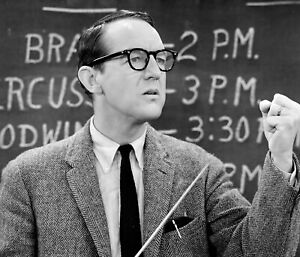
George Tobias: Following His Own Dream

As we learn about a few Bewitching characters this month, I had to include the Kravitzes, Abner and Gladys, a/k/a George Tobias and Alice Pearce. Today let’s take a closer look at the career of George Tobias.
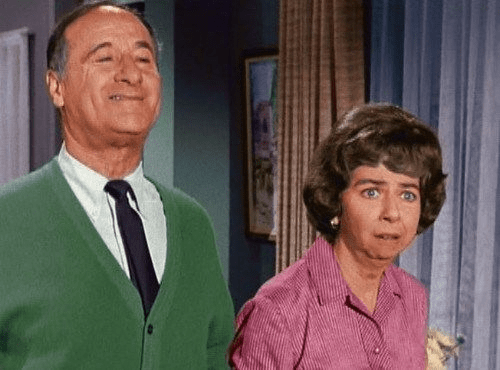
📷pinterest.com The Kravitzes

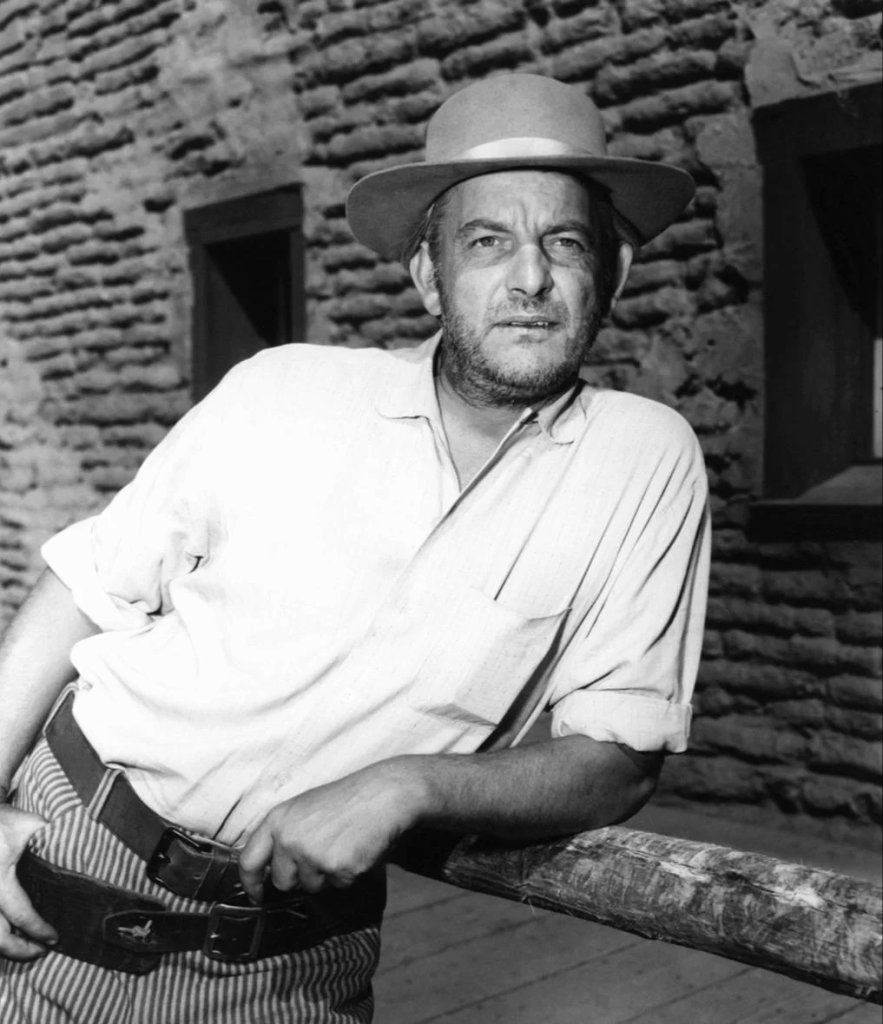
Tobias was born in New York in 1901. He was the son of Russian-Jewish immigrants, and his parents were active in the Yiddish theatre. After his older brother joined them, they tried to discourage George from following in their footsteps. In a St. Louis Post Dispatch interview in 1940, Tobias said “They made up their minds very definitely that I was not going to spend my life nearly starving as they did. They wanted me to be a doctor or lawyer, but I knew from a very early age that I would follow the same career as my mother, father and brother . . . so whenever I got an acting job in between other jobs, I had to keep it from my family.”

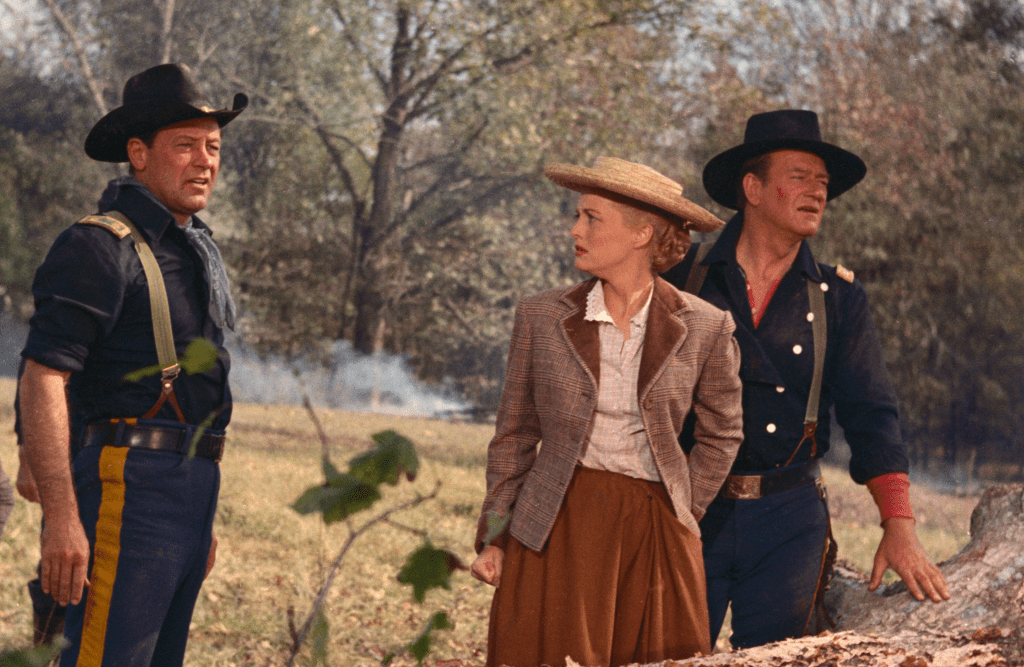
At age 15, Tobias was in local productions, making his Broadway debut at age 23. In 1939, Warner Brothers offered him a contract, and he appeared in 65 big-screen productions during his career, including parts in This is the Army and Marjorie Morningstar. Tobias appeared in four Oscar Best Picture nominees: Ninotchka (1939), Sergeant York (1941), Yankee Doodle Dandy (1942), and Mildred Pierce (1945).

Tobias’s television career began in 1954 in Our Miss Brooks. He would go on to earn 34 additional television credits before he retired in 1977.
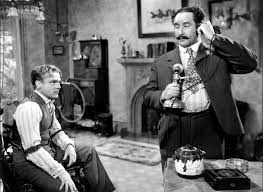
📷imdb.com With James Cagney in The Strawberry Blonde

His first cast role was in Hudson’s Bay playing Pierre Falcon in 1959. This show centered on Hudson’s Bay Company and its fur trade shortly after North America’s colonization. Trappers, explorers, Native Americans, and both the French and British navigate the territory, seeking fortune, fame, and adventure.

In 1960, he showed up as Penrose on season one of Adventures in Paradise in a show about the adventures of the Tiki III and crew as they sailed from island to island through the South Pacific, carrying cargo and the odd passenger from one drama to another.

From 1964-1971, Tobias was part of the Bewitched cast as Abner Kravitz. He put up with his wife Gladys despite thinking she was high strung, delusional, and just plain kookie.

In 1966, Doris Day’s movie The Glass Bottom Boat was released. Pearce and George Tobias were cast as next-door neighbors in the film. Although they weren’t named Gladys and Abner, the Fenimores were a carbon copy of the Kravitzes.
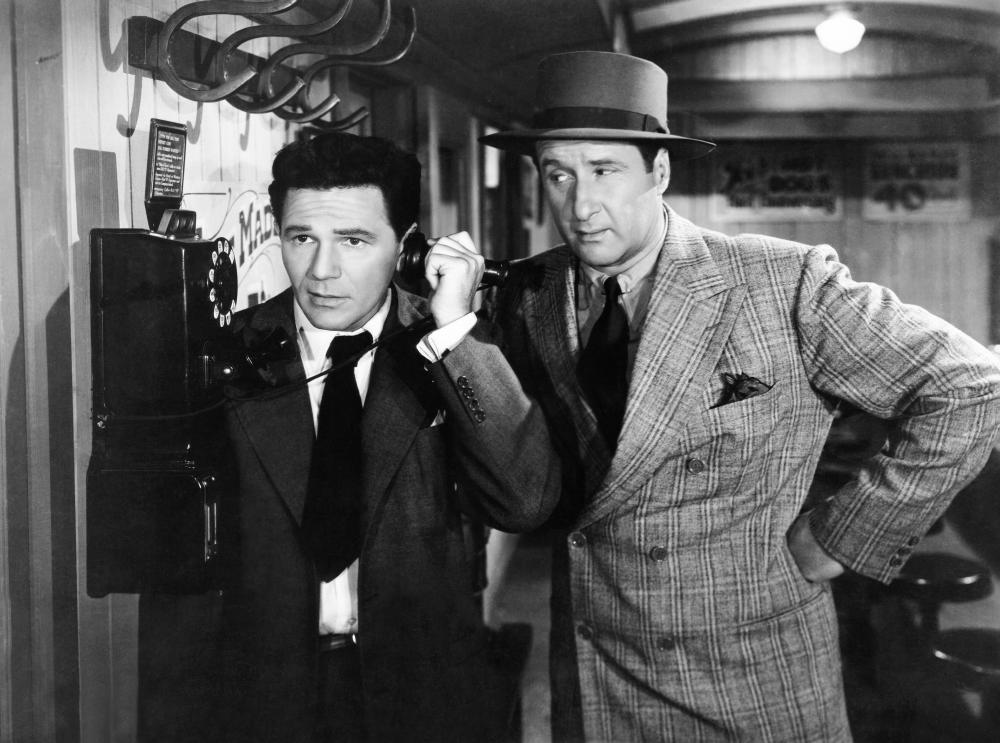
📷tvinsider.com 1946 Nobody Lives Forever

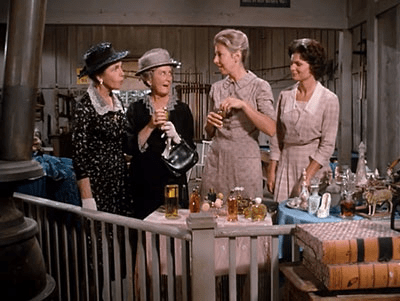
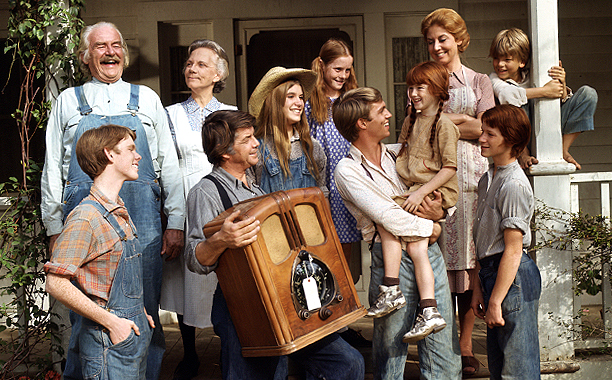
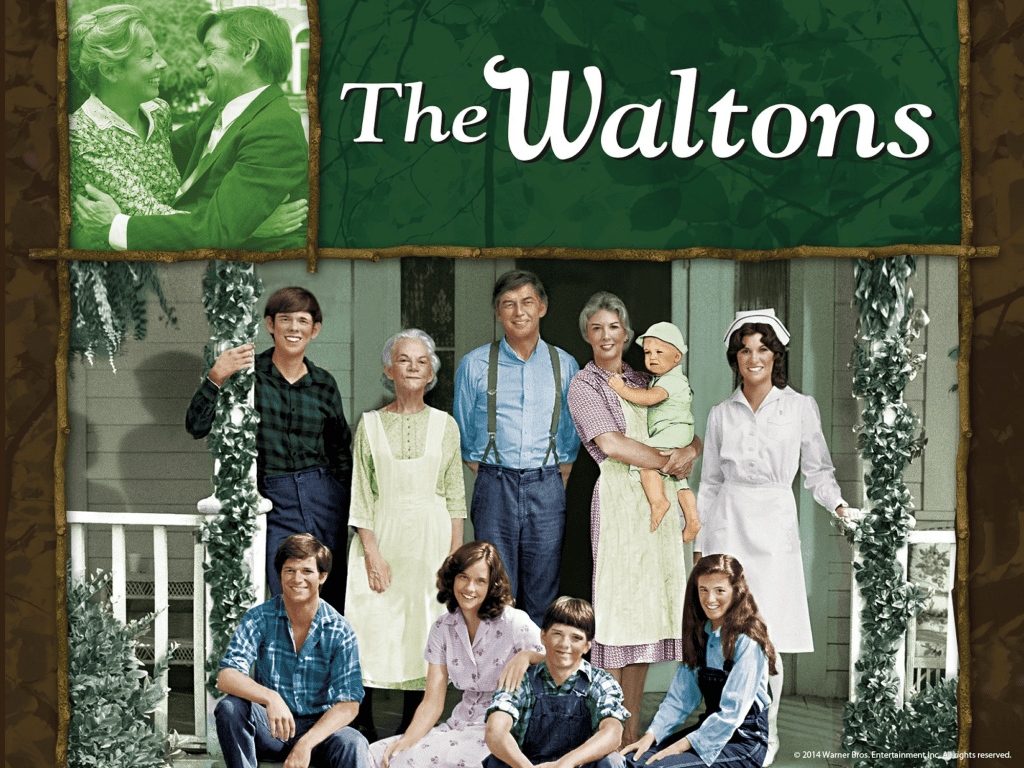
George’s last regular role was in The Waltons during seasons one and two when he played junkman Vernon Rutley.

While Tobias took on a few more roles before retiring, 1977 was his last year of acting, appearing on Tabitha when he reprised his role of Abner Kravitz. Tabitha was Darrin and Samantha’s daughter, now an adult.

Tobias passed away in 1980 from bladder cancer. He never married or had children, although he had a 40-year on-and-off relationship with actress Milicent Patrick. Patrick had an active career in entertainment from 1941-1961; she was also a commercial artist, fashion designer, and children’s book illustrator.

Even though Tobias was no longer living, he had one more adventure to journey through. The hearse with his body was stolen on its way to the mortuary. The car was in a fender-bender, and while the two drivers exchanged information, a carjacker made off with the hearse. The car and body were found shortly afterward.
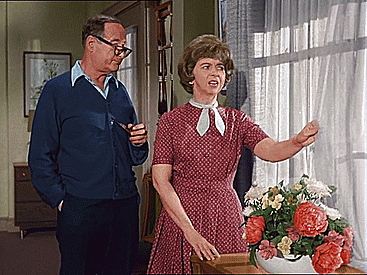
📷pinterest.com

In his book, Bewitched Forever, Herbie J. Pilato discusses how rugged and tough Tobias was in real life. He said he was “quite the equestrian. He owned and trained many horses, loved to play polo, and was a volunteer mounted policeman.” David White, who played Larry Tate, told Pilato that George “was a sheriff out in Peach Blossom, California, where he lived. He had a badge and everything.”

I always like Abner and Gladys Kravitz. I’m happy Tobias stuck to his guns and continued with his acting career, despite his parents’ worries. It sounds like he had a happy and successful life.
Dick Sargent: It Took Him Five Years to Become Darrin Stephens

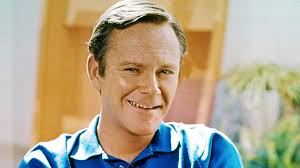
Welcome to February! This month we are learning about some Bewitching characters, four actors who appeared on the show Bewitched: Dick Sargent, Dick York, George Tobias, and Alice Pearce. We are beginning with Dick Sargent.

📷imdb.com Darrin #2

Richard Cox was born in California in 1930. He later changed his name to Dick Sargent for his career. Sargent’s mother, Ruth McNaughton, was an actress using the name Ruth Powell. His father was a manager for many famous Hollywood actors including Douglas Fairbanks and Erich von Stroheim.

Dick majored in drama at Stanford University, appearing in a couple of dozen plays with the Stanford Players. After graduation, he began his movie career with his first film, Prisoner of War in 1954 starring Ronald Reagan. He had small roles in 35 films during his career including Love Me Tender with Elvis Presley, Operation Petticoat with Cary Grant, and That Touch of Mink with Doris Day. 1954 was also the year he began his television career in I Married Joan. Sargent would go on to appear in another 78 series before his career ended.

In the sixties he had his first roles as a cast member. He was in One Happy Family in 1961, Broadside in 1964, and The Tammy Grimes Show in 1966.

📷imdb.com The Ghost and Mr. Chicken

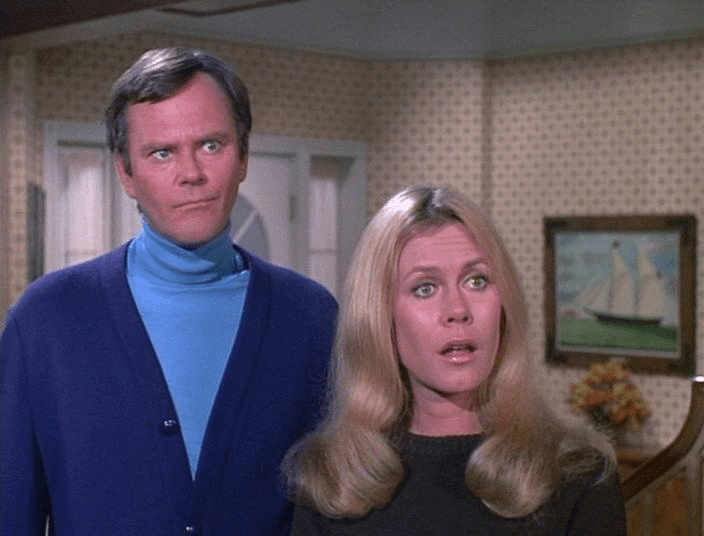
He was cast as Darrin Stephens in Bewitched from 1969-1972.

Sargent was originally asked to play Darrin in the pilot of Bewitched, but he was under contract with Universal, so he had to turn it down. I will admit, he had great credentials and a great career, and I appreciated his acting ability and admired him for his charitable work, but to be honest, I never liked him as Darrin, much preferring Dick York. I felt the same way about Sandra Gould who replaced Alice Pearce; she was a fine actress, but she just wasn’t Gladys.

It was more than the fact that they were both replacements. Dick York just seemed to have all the great traits of Darrin, and I understood why Samantha fell in love with him, even when he was being stubborn and unreasonable. However, with Sargent, he seemed to have a touch of arrogance and impatience. I also think York’s mannerisms gave more depth to the role and provided more humor. However, I do think the writing was much better in the early years, so if Sargent had been free to accept the role from the beginning, maybe his character would have been more likable.

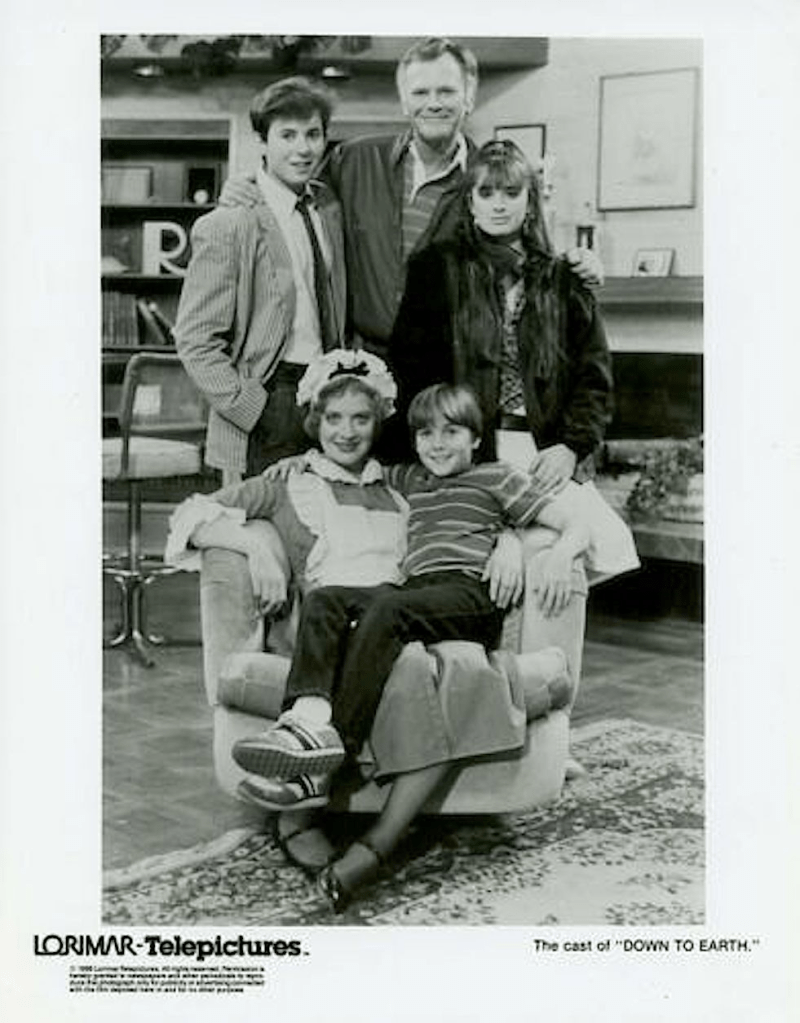
Sargent’s only other regular cast role came in 1984 in Down to Earth. There were a lot of weird plots on sitcoms in the eighties, and this was one of them. After being struck down by a trolley in 1925, Ethel MacDoogan, a flapper, waits in heaven for a chance to help a family and earn her wings. That chance arrives in the form of the Preston family with Sargent as the father.

In between 1972 and 1984 he continued his television roles appearing on I Dream of Jeannie, Here’s Lucy, Taxi, Alice, Fantasy Island, Charlie’s Angels, The Waltons, and Murder She Wrote.

Sargent was an advocate for many charities. He and Sally Struthers raised money for the Christian Children’s Fund. He also worked on behalf of Special Olympics, World Hunger, AIDS Project Los Angeles, and the American Foundation for AIDS Research.

Sargent was a closeted gay man for much of his career, but in 1991 on National Coming Out Day, he admitted that he was gay. He said he felt he had to open up because he was concerned about the high rate of suicide among young, gay men. Sargent said when he finally came out at age 61, “It was such a relief. I lived in fear of being found out. Now it’s given me a whole new mission in life.”

📷threads.com

In 1989, Sargent was diagnosed with prostate cancer and passed away five years later.

Despite my preference for Dick York as Darrin, Sargent had an amazing career. He was able to continue in both film and television until he passed away in 1989. He gave back to the community and tried to make the world better for children, which I greatly appreciate. Whether you prefer York or Sargent, they were both Bewitching characters who helped make the show a favorite for decades.

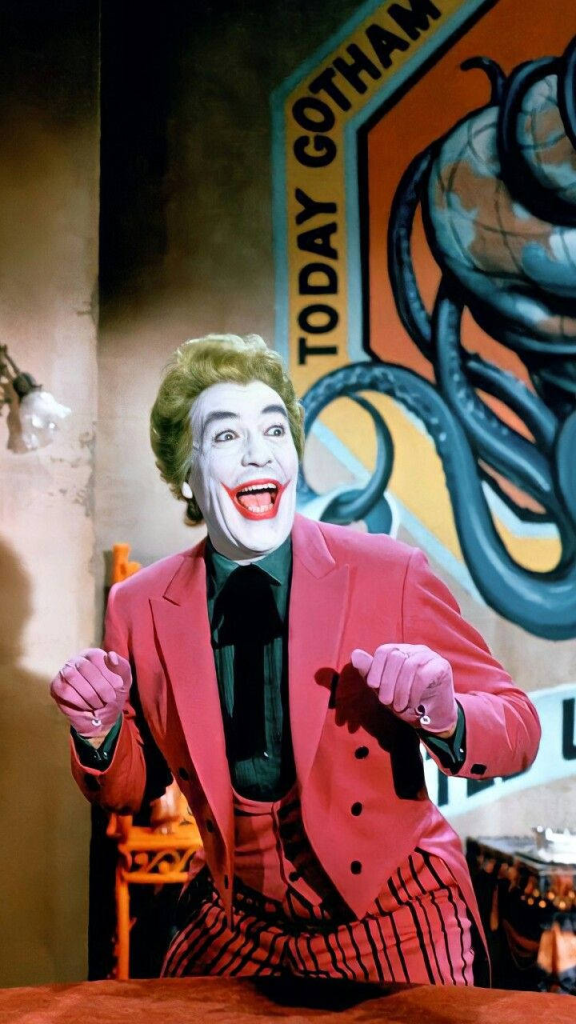
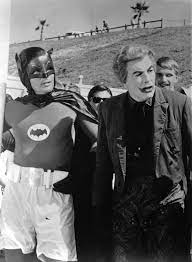
Cesar Romero: Batman’s Most Joy-Filled Villain

We are winding up our series: Bam! Pow! Batman Villains. Today it’s all about The Joker: Cesar Romero.

📷turnerclassicmovies.com

Romero was born in New York City in 1907. His father was an import/export merchant, and his mother was a concert singer. He grew up in Bradley Beach, New Jersey. His father lost most of his money during the 1929 Wall Street Crash.

Romero teamed up with dancer Lisbeth Higgins and they formed a professional dance partnership, appearing in nightclubs and theaters throughout New York City including the Ambassador Roof and the Montmartre Café. Although he had no professional training, he was often compared to Fred Astaire. He also was cast in several off-Broadway productions including “Stella Brady” and “Dinner at Eight.”

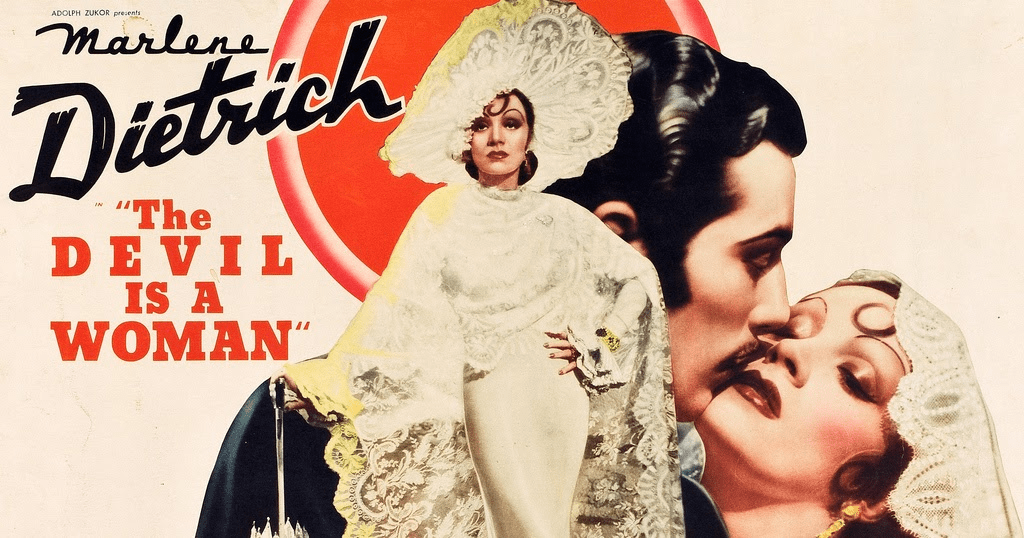
Later Romero would refer to himself as the Latin from Manhattan and he provided for his family members who followed him to Hollywood. He played the stereotypical Latin lover during the thirties and forties, including The Devil is a Woman with Marlene Dietrich in 1935. However, he also made westerns and did a bit of dancing during these decades on the big screen.

His friendship with Frank Sinatra brought him roles in Around the World in 80 Days, Pepe, Marriage on the Rocks, and Oceans’ 11.

📷imdb.com Wagon Train

In 1942, Cesar enlisted in the US Coast Guard, serving in the Pacific Theater of Operations. After his military career ended, Romero returned to his acting career.

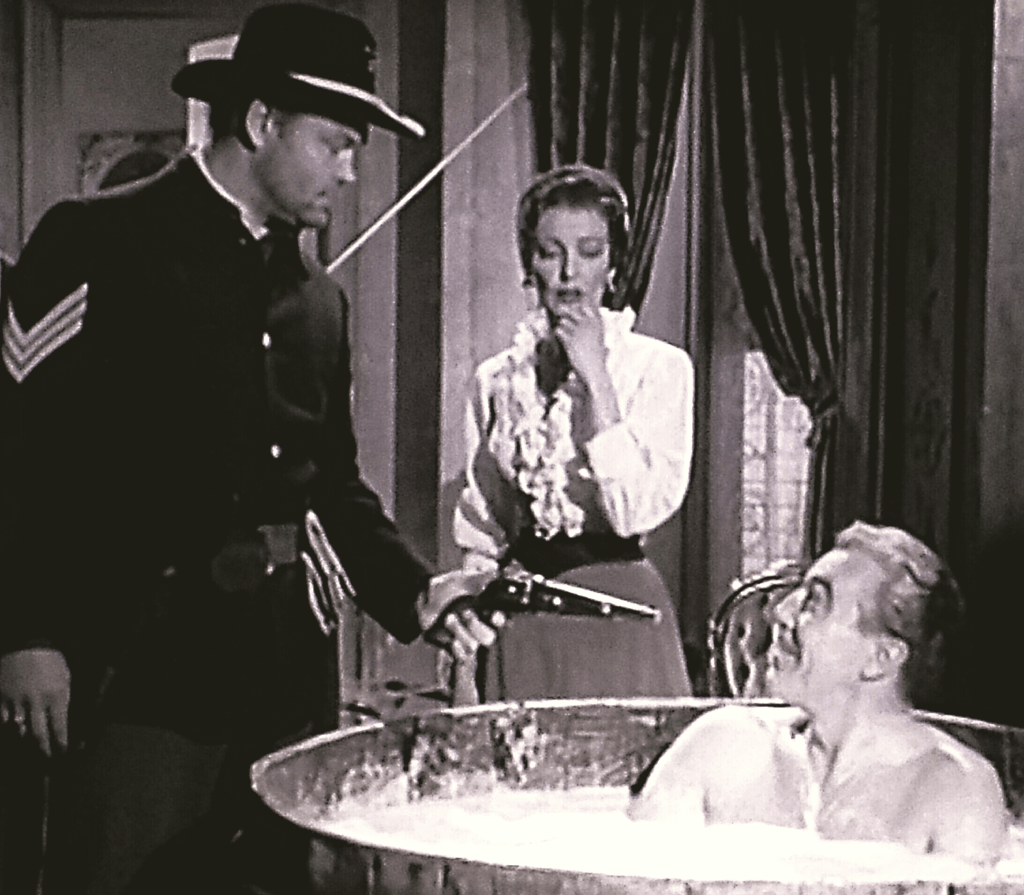
His television career began in 1948 in the show, Variety. During the fifties he was primarily appearing on dramas, but he did show up on Private Secretary with Ann Sothern and continued his western roles on Wagon Train, Zorro, and Death Valley Days.

The sixties kept him extremely busy on television. He kept people laughing on Pete and Gladys, The Ann Sothern Show, Get Smart, and Here’s Lucy. He rode the range on Stagecoach West, Bonanza, Rawhide, and Daniel Boone. He stayed dramatic on shows including 77 Sunset Strip, Dr. Kildare, and Ben Casey.

📷wallpaper.com

However, the show he was best known for in the sixties, is the show that made him part of my blog series this month, Batman. He had to endure a long time in the make-up chair. He refused to shave his mustache for the role, so white face makeup was smeared all over his face until it was hidden.

Romero admitted that this role reinvigorated his career. When he was offered the role of the Joker, he was 59 years old. Romero said the role was “the kind of part where you can do everything you’ve been told not to do as an actor. You can be as hammy as you want.”

He discussed how surprised he was when William Dozier called him about the show. He said Dozier told him that “the important characters were all villains. They had done the first two with the Riddler and the Penguin with Frank Gorshin and Burgess Meredith, and now they were ready to do the third, and the villain was the Joker. He said, ‘I would like you to play the part.’ So, I said I would like to read the script and know what it is all about. He said, ‘Come on over to the studio, and I will show you the film of the first episode.’ Of course, it was great. I said, ‘Let me read this Joker part, and if it is as good as the first one, hell yes, I will do it.’ So I read the script, and I thought it was a gas, and I said, ‘Sure, I’ll do it.’”

No serious villain, the Joker was cheerful and extroverted. He oozed goofiness and always appeared to be having a great time carrying out his nefarious activities. Dressed in his famous purple costume, he had his own automobile that could rival the Batmobile.

📷facebook.com

While most of the villains saw Batman and Robin as roadblocks in their evil schemes and problems to take care of, the Joker found great joy in taking down the superheroes. In one episode he says “Oh, but I must, I must! Why, outwitting Batman is my sole delight, my heaven on earth, my very paradise!”

You couldn’t miss him if you watched almost any television in the 1970s and 1980s. He appeared on a ton of shows, just a few of which included Bewitched, Nanny and the Professor, Love American Style, The Love Boat, Night Gallery, Mod Squad, Ironside, Medical Center, Charlie’s Angels, and Hart to Hart.

From 1985-88, he was a regular on Falcon Crest. Earl Hamner Jr., the creator of The Waltons, created this show featuring the Gioberti family, owners of Falcon Crest Winery. Romero played the love interest of matriarch Angela Channing, played by Jane Wyman.

He finished his career in the 1990s. He was in his eighties when he appeared on The Golden Girls, and Murder She Wrote, his last television role.

Romero also played a role in politics. As a registered Republican, he was very involved in many campaigns. He worked for Nixon-Lodge in 1960 and later supported Lodge in his run for President. When Lodge did not get the results that he hoped for, Romero turned his support to Barry Goldwater for the general election. He also worked for his friend George Murphy in his run in the California senate race. He later helped Ronald Reagan in his gubernatorial runs in California as well as his presidential campaigns.

It was reported in many articles that Romero had 30 tuxedos and more than 500 suits. That is not surprising because he had a clothing line, Cesar Romero Ltd. He was also a model and spokesperson for Petrocelli suits in the sixties.

Romero stopped acting in 1990. He remained busy though with several ventures including hosting classic movie programs on television. In 1994, Romero died from complications of a blood clot on New Year’s Day. He was being treated for bronchitis and pneumonia.

I enjoyed getting to know a bit more about Cesar Romero, but, I have to admit, that I don’t feel like I know him much better than I did before. He seemed to have been stereotyped as a Latin lover and then again as the Joker. I would like to go back and watch some of his appearances on westerns. It was hard to find much information about Romero beyond his career and political interests.

📷etsy.com

I know The Joker was not his most challenging role, but he will always have a place in America’s heart for the work he did on Batman as will these fun super villains we got to know this month.

Little House on the Prairie: Drama On and Off the Set

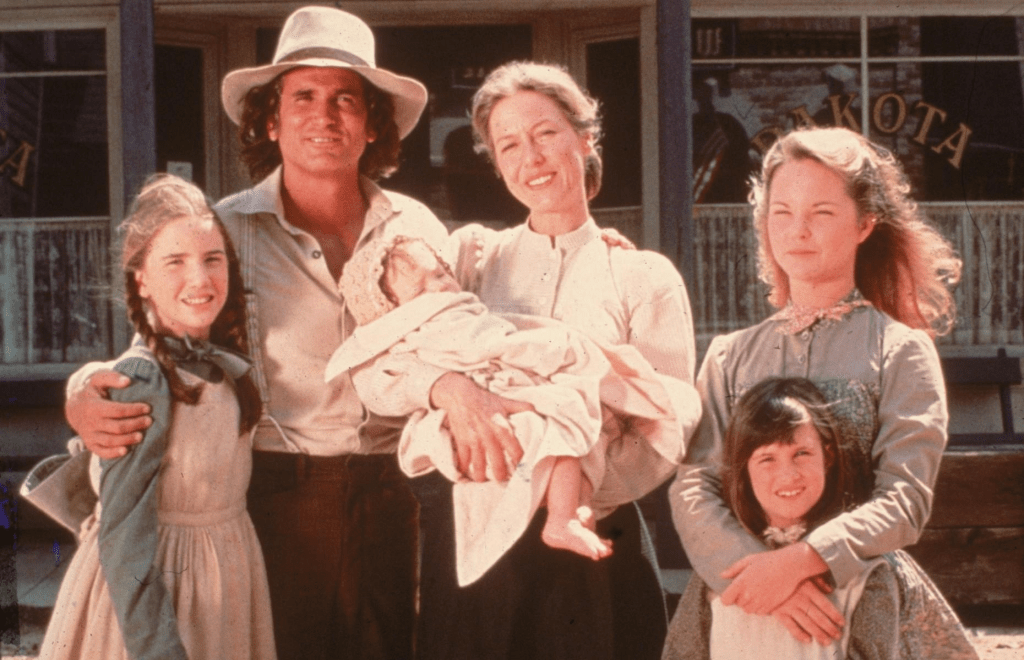
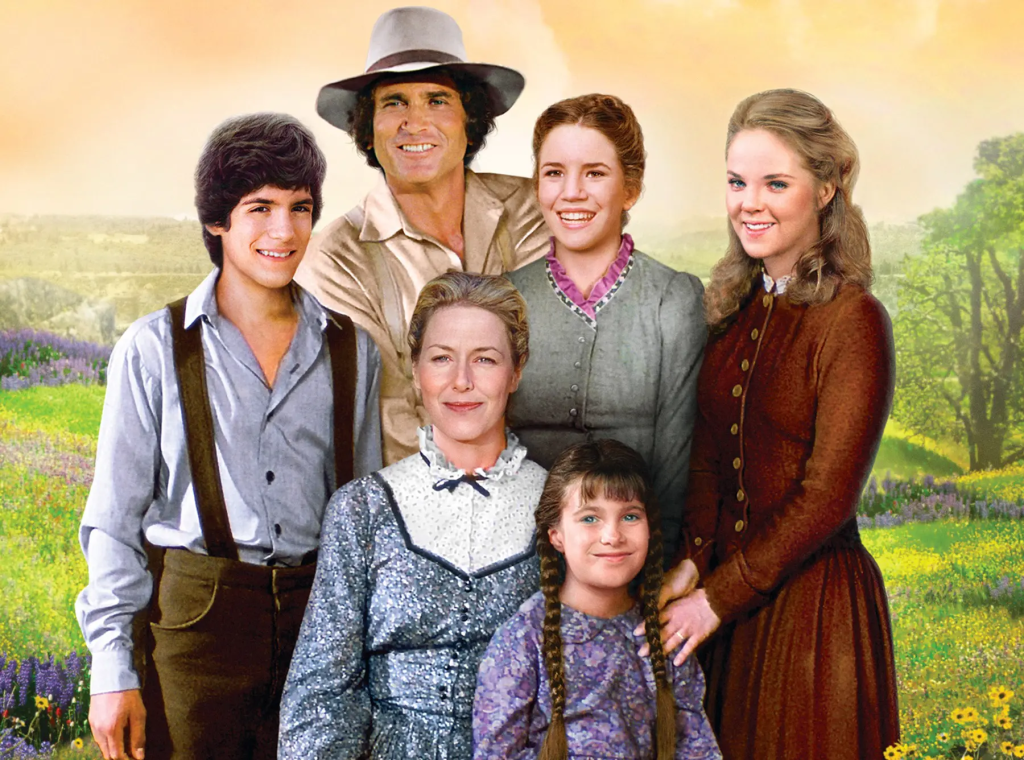
This month we are visiting with some of our favorite families. I absolutely would have included The Waltons this month if we had not covered the show recently. However, another historic family, the Ingalls, is on the schedule. Little House on the Prairie was on the air for nine seasons. Many of us got to know the family through Laura Ingalls Wilder’s books.

📷lovemoney.com

Television producer Ed Friendly acquired the film and television rights from the books. Oddly enough, the other show Friendly is known for as producer is Rowan and Martin’s Laugh In. He decided to make Little House a two-hour pilot and asked Michael Landon to direct it. Landon agreed to do so if he could also play Pa, Charles Ingalls. The pilot aired in March of 1974, and in September the series began.

Along with starring in the show, Landon continued to direct as well; he directed 87 of the 204 episodes. The other directors included William F. Claxton, Victor French, Maury Dexter, and Leo Penn.

Landon also got in on the writing of several episodes. He had written several scripts for Bonanza when he appeared on that show, and several of them were recycled for Little House.

📷showbizcheatsheet.com

Like The Waltons, while this series was often happy with comedic notes, it dealt with many serious issues as well, including alcoholism, drug addiction, poverty, racism, child abuse, and rape. The show focused on the struggles and joys of a pioneer family living in the late 1800s.

Along with Landon, Karen Grassle played Ma, Melissa Gilbert played Laura, Melissa Sue Anderson was Mary, with Lindsay and Sidney Greenbush alternating as Carrie. In addition to the Ingalls family, other town folk on the show included Nellie Oleson (Alison Arngrim), Nels Oleson (Richard Bull), Harriet Oleson (Katherine “Scottie” MacGregor, and Miss Beadle (Charlotte Stewart).

Some of the guest stars included Willie Aames, Anne Archer, Lew Ayres, Hermione Baddeley, Ken Berry, Ray Bolger, Ernest Borgnine, Johnny and June Carter Cash, Burl Ives, Charles Lane, Vera Miles, Sean Penn, and Ray Walston.

📷wikifandom.com

The theme song, “The Little House,” was written and conducted by David Rose. Rose won two Emmys for his work on the show.Although the pilot ranked #3 for the 1974 ratings, the first two seasons were much lower. Season 3 found the show on Monday nights where it remained one of the highest-ranking series through season 7. Season 8 had a significant decline and season 9, with the loss of most of the family members, never really caught on with viewers. However, season two is the only year the show was not in the top 30. The schedule was a bit crazy when you analyze it. Although, this show did have to compete with The Jeffersons and WKRP in Cincinnati, because they were half-hour shows and this was an hour show, many people probably continued watching the second half. For many of these years, there were up to six different shows in this time spot on CBS and many of them changed from year to year, so there were rarely shows in this spot against Little House for more than a month or two.

After eight seasons, both Michael Landon and Karen Grassle were ready to move on; however, Landon did stay on as a director and writer. The show focused on Laura Almanzo and the younger generation for the ninth and final season.

The show was loved by critics as well as viewers and received sixteen Emmy nominations. The series won four of them, all for music and cinematography. The only cast member nominated was Melissa Sue Anderson; she lost to Sada Thompson for Family.

📷littlehouseontheprairie.com

Viewers were not ready to leave the Ingalls for good. Three made-for-tv movies were written: Little House: Look Back to Yesterday in 1983, Little House: The Last Farewell and Little House: Bless All the Dear Children, both in 1984. In 2008 the Ingalls’ lives also became a musical at the Guthrie Theater.

One fun story is when the show moved from Paramount to MGM Studios in the late seventies, they were uncovering sets so they could build new ones and found the yellow brick road from the Wizard of Oz which delighted the kids in the cast; I’m guessing it delighted many of the adults as well.

Another fun story was learning what the cast ate on the show. Since beef stew was a popular meal in the 1800s, the family often had that for its meal and when they did, they were actually eating Dinty Moore Beef Stew. When they had chicken, it was KFC that appeared on their plates.

The kids must have been troopers because each episode took about seven days to shoot. They were on location at Big Sky Ranch for four days and in the studio for interior shots about three days. In addition, they were probably witnesses to off-air scenes that were not the best. Grassle and Landon were not close, probably because his role seemed much bigger than hers and he was directing as well. Unfortunately, both Grassle and Landon were alcoholics, and alcohol was part of their life on set. During season four, Grassle quit when she realized the seriousness of her problem. Landon was never able to kick his dependence and died from pancreatitis.

📷pinterest.com

Gilbert said that Michael Landon had interesting ways to inspire his kids to get emotional on the set. He worked himself up to become very emotional and with eyes full of tears would ask her “Do you know how much I love you?” which would bring tears to her eyes as well.

It might have been a way to get her to cry, but it was not a lie. Gilbert lost her own father when she was eleven, and Landon became a second father to her. He often had Gilbert at his house on the weekends. She said it was a huge house and the kids ran through the house at will. Often Landon would hide behind doorways and jump out and scare them. Gilbert said Landon provided her with a lot of great advice. The most memorable for her was that nothing is more of a priority than home and family, and no success is as important as loving your people and contributing to a community. And to have fun above all in your career.

That is sage fatherly advice for us all to remember.

Everyone is Welcome on The Waltons

As we celebrate some of our favorite families, The Walton family has to be on the list. Those of us who were kids in the seventies grew up with the Walton kids. Debuting in 1971, the show was canceled a decade later.

The Cast of The Waltons Photo: theguardian.com

The show was listed as a historical drama, but it had a lot of humor in it as well. Based on the book Spencer’s Mountain by Earl Hamner Jr. from 1961, the show was incredibly popular. In 1963 a movie was released based on the book. Hamner created the book from his childhood memories, and many of the plots and characters were based on real events and people. The ending of the episodes has often been parodied, and even if you never watched the show, you recognize the ending when the kids all said “Goodnight John Boy”, “Goodnight Ben”, “Goodnight Erin”, etc until they were told to go to sleep. Hamner said this was a regular activity in his home, and he did have six siblings.

In 1971 a made-for-tv movie called The Homecoming: A Christmas Story received great ratings, so the show was ordered by CBS for a new series. It was produced by Lorimar Productions and distributed by Warner Bros. Domestic Television Distribution in syndication. After the show went off the air, both CBS and NBC aired a total of six sequel movies.

The Waltons have a big family. John (Ralph Waite) and Olivia (Michael Learned) live with John’s parents Zebulon (Will Geer) and Esther (Ellen Corby). The couple has seven children: John Boy (Richard Thomas), Jason (Jon Walmsley), Mary Ellen (Judy Norton Taylor), Erin (Mary Elizabeth McDonough), Ben (Eric Scott), Jim Bob (David W. Harper), and Elizabeth (Kami Cotler).

The story was set in Virginia in Walton’s Mountain, a fictional town based on Spencer’s hometown of Schuyler. During the years that the show was on television, it covered 1933 to 1946. John runs a lumber mill, and the family does some farming. Halfway through the series, Grandma Walton has a stroke and Grandpa Walton passes away; in real life Corby did have a stroke and Geer died that year.

The Baldwin Sister Photo: thewaltons.com

During the run of the show, we get to know a lot of the community members including The Baldwin sisters, Emily and Mamie (Mary Jackson, Helen Kleeb), who sell Papa’s recipe, otherwise known as moonshine; Ike Godsey (Joe Conley) who runs the general store; Flossie Brimmer (Nora Marlow), a widow who owns a boarding house and communicates the town gossip; Yancy Tucker (Robert Donner), a local handyman; Sheriff Ep Bridges (John Crawford), and Reverend Fordwick (John Ritter).

Although the Depression is hard for the family to navigate, WWII caused even more hardship in their community. All four Walton boys serve in the military as does Mary Ellen’s husband. John Boy’s plane is shot down, and Curtis (Tom Bower), Mary Ellen’s husband, a physician, was sent to Pearl Harbor and believed to have died. However, years later Mary Ellen learns he has been alive the entire time, and she finds him living under an assumed name, depressed from his wounds. They divorce, and she later finds love and marries a second time. In later seasons, Olivia volunteers at the VA hospital and is not an active member of the series. She later is said to develop TB and moves to a sanitarium in Arizona. Her cousin Rose (Peggy Rea) moves into the house to help take care of the family, and a couple of years later, John moves to Arizona as well. The sequel movies took place in 1947, 1963, 1964, and 1969.

John Boy grows up to be a journalist and a novelist; he narrates the opening and closing of each episode, and the voice of the adult John Boy is Earl Hamner, the author. He is able to attend Boatwright University in a nearby town before moving to New York to begin his writing career. Jason is interested in music, and Mary Ellen becomes a nurse.

Walton’s Mountain was part of the Hollywood Hills range near the Warner studios in Burbank, and the town was built at the studio as well. Because the original set was destroyed when the show was canceled, later sequels had to recreate the home. That building is still being used and became the Dragonfly Inn on Gilmore Girls.

Photo: entertainment weekly.com

Although the network did not think the show would last, the show was very popular with both the viewers and critics. The networks had just done the “rural purge” where they canceled all shows with rural themes even those like Green Acres that were receiving high ratings. However, congressional hearings were held to discuss the moral compass of programming on television, and President Bush wanted more family shows, so the network gave it a go. I’m guessing they did not want the show to do well considering it was definitely a rural show, and they put it up against The Flip Wilson Show and Mod Squad. Ralph Waite did not want to be tied to a series long term but his agent told him not to worry about it, the show would never sell.

When Thomas was asked about the show’s popularity, he said, “It was kind of a miracle and a mystery. Certainly, the last thing any of us expected was that it would be embraced the way it was. I think our competition on Thursday night was Flip Wilson and Mod Squad, which were hugely popular and terrific shows for people. I think we premiered in 34th place and finished the season in first. It was just this steady climb. The critical community certainly came and went to bat for us.”

In 1973 the series won the Emmy for Outstanding Drama Series. That same year Richard Thomas won the Emmy for Lead Actor. Michael Learned received the Emmy in 1973, 1974, and 1976. Will Geer and Ellen Corby also were presented with awards: Corby won for Supporting Actress in 1973, 1975, and 1976 while Geer received the honor in 1975 as well.

The show’s ratings began declining in the late seventies. I’m not sure why Learned left the show; I do know she admits she suffered from alcoholism during those years. Waite was let go to save money for the series. The network wanted the show to concentrate on the younger viewers, but apparently, it was too late, or the show had come to the natural end of its life.

In the finale episode, the Walton family members and the Godseys attend a party at the Baldwin sisters’ mansion. If you look closely, you will see several unknown guests in the group–they included Hamner and other cast and crew members.

If you want to experience the life of this show, I have two suggestions for you. You can watch several seasons of the show on DVD, or you can check out John & Olivia’s Bed & Breakfast Inn which is located just behind the boyhood home of Hamner. It’s a five-bedroom, five-bathroom home inspired by the depression-era home of the Waltons.

Photo: amazon.com

It’s hard to explain the popularity that The Waltons had in the 1970s. I’m trying to come up with a show that was as critically acclaimed and was watched by the entire family for almost ten years. The only shows I can compare it to are Bonanza which aired for fourteen years and Little House on the Prairie which was on the air for nine years. Viewers embraced the characters and the values of the Walton’s Mountain community. We all felt we knew the family intimately and cared about what happened to them. It left a legacy, and I’m sure it influenced many people currently in the television industry. If you have never seen the show, you definitely want to watch a couple of seasons and if you grew up with it, you might want to revisit your old friends.

Denver Pyle: Oil Was Just His Side Business

This month we are getting up close and personal with some of our favorite television stars. Today we are getting to know one of the most prolific actors to appear on classic television: Denver Pyle. Denver amassed acting credits for 263 different television series and movies during a fifty-year career.

Photo: Facebook.com

Denver was born Denver Dell Pyle in 1920 in Colorado, but not in Denver, in Bethune. His father was a farmer. His brother Willis became an animator who worked at the Walt Disney Animation Studios and UPA. Also, an interesting note is that Ernie Pyle, the famous journalist and war correspondent, was his cousin.

Photo: reddit.com

After his high school graduation, Pyle enrolled at Colorado State University but dropped out to pursue a show business career. He was a drummer for a band and then bounced around in different jobs including working in the oil fields, working shrimp boats in Texas, and as an NBC page. When WWII began, he joined the Merchant Marine. He was injured in the battle of Guadalcanal and received a medical discharge. Following his stint in the war, Pyle worked as a riveter at a Los Angeles aircraft plant. While there, he was spotted by a talent scout in an amateur theater production. Pyle decided he wanted a career in the entertainment business and trained under Maria Ouspenskaya and Michael Chekhov.

His first movie roles occurred in 1947 in The Guilt of Janet Ames and Devil Ship. He would continue polishing his film career for the next fifty years, with his last big-screen feature being Maverick in 1994.

When he was filming The Alamo with John Wayne in 1960, Wayne realized Pyle had an eye for photography. He made arrangements with the PR office to hire Pyle as the official set photographer for the film.

Photo: ladylavinia’s1932blog.wordpress.com

He received his first television role in 1951 in The Cisco Kid. He gravitated toward westerns and in the fifties would appear in many of them including Roy Rogers, Gunsmoke, The Range Rider, Hopalong Cassidy, Annie Oakley, The Gene Autry Show, The Adventures of Kit Carson, The Lone Ranger, The Adventures of Jim Bowie, and The Tales of West Fargo.

In 1955, Pyle married Marilee Carpenter. They had two children and divorced in 1970.

The sixties still provided many roles in westerns (The Life and Legend of Wyatt Earp, Have Gun Will Travel, Bonanza, The Rifleman, Gunsmoke, and Death Valley Days among others), but he also began appearing on dramas and sitcoms: to name a few, Route 66, The Dick Van Dyke Show, Dr. Kildare, The Twilight Zone, Perry Mason, and Gomer Pyle USMC.

On Dick Van Dyke Photo: sitcomsonline.com

In many of these shows, he returned nine or ten times to guest star in episodes. During the run of Perry Mason, Pyle would play a victim, a defendant, and a murderer on the show.

He received the first recurring roles of his career during this era on sitcoms. On Tammy, he played Grandpa Tarleton in 1965-66, and from 1963-66, he portrayed Briscoe Darling on The Andy Griffith Show. He only appeared in Mayberry six times but left a lasting impression on fans.

After playing Briscoe, Pyle invested in oil, buying oil wells thought to be near the end of their production. In the eighties, technology allowed the wells to produce more oil; Pyle made much more from oil than he did acting. However, he continued his career because he said, “I look at it this way, acting provides the cash flow I need for oil speculation, and besides that, I like acting. It’s fun.”

Doris Day Show Photo: thrillingdaysofyesteryear.com

His career did not slow down too much throughout the seventies and eighties. In the seventies, you could watch him in The Waltons, Streets of San Francisco, Cannon, and Barnaby Jones. The eighties featured him in The Love Boat, Murder She Wrote, Dallas, and LA Law.

During this time, he also received three other regular cast roles. From 1968-1970, he played Doris Day’s father in The Doris Day Show. From 1977-78. He was Mad Jack in The Life and Times of Grizzly Adams, and in 1979-85, he took on Uncle Jesse in The Dukes of Hazard. In fact, his last acting credit was for a made-for-tv movie where he once again portrayed Jesse in The Dukes of Hazzard Reunion! in 1997.

Dukes of Hazzard Photo: twitter.com

In 1991, Pyle married a second time. He wed Tippie Johnston and they remained married until his death. The couple did a lot of fundraising for charity including Special Olympics and Denver Pyle’s Children’s Charities. In addition, Pyle sponsored Uncle Jesse’s Fishing Tournament in Texas. For the ten years, he ran it, it raised more than $160,000 to support children’s needs.

In 1997, Pyle died on Christmas from lung cancer.

If you watch reruns from any decade of classic television, you will be very familiar with Denver Pyle. Although he was part of the cast in five very popular shows, it would have been fun to see him get the starring role in a show. It’s amazing to realize how many shows he was a part of. Considering he was in the television business for forty years and for almost fifteen of those years, he was busy being part of the cast of a weekly show, that left 25 years to amass 250 other series that he found time to appear on; that is almost one a month for 25 years—very impressive.

Columbo: The Disheveled Detective

We are winding up the blog series, “One-Named Detectives,” and I think we saved the most interesting private eye for today: Columbo.

How Peter Falk made detective TV show 'Columbo' work - Click Americana
Photo: americana.com

Columbo was on the air from 1971-2003, the longest of the five detectives we looked at in this series (Cannon, Kojak, Mannix, Matlock, and Columbo), but oddly had the fewest episodes with 68 (Cannon had 120, Kojak had 117, Matlock with 181, and Mannix had the most with 194).

Richard Levinson and William Link created Columbo (they also were the force behind Mannix). Levinson and Link met in junior high and they were a writing team until 1987 when Levinson passed away. This show was a bit different; it actually had two pilot episodes in 1968 and 1971. It originally aired from 1971-1978 in The NBC Mystery Movie series. It alternated with McMillan and Wife, McCloud and Hec Ramsey.  ABC revived the show from 1989-2003, but it was not a weekly show then either. Falk didn’t want a weekly show, so the series was scheduled for one Wednesday a month. For season two, the series was moved to Sunday nights where it continued until 1978.

Columbo Hassan Salah
Falk with Hector Elizondo–Photo: columbophile.com

In the original concept for the show, Columbo was described as smooth-talking and cultured. The first choice for an actor to play the role was Bing Crosby who declined. When Falk showed up for his audition, he came in wrinkled clothing, aimlessly chattered, and seemed a bit scatter brained so the producers changed the character.

The show had some interesting directors. One of the directors on the show was Steven Spielberg who directed “Murder by the Book.” Falk himself directed the final episode of season one, “Blueprint for Murder.” Nicholas Colasanto who played Coach on Cheers directed two of the shows, “Etude in Black” and “Swan Song.” Patrick McGoohan directed five episodes (including three he guest starred in), as well as producing and writing two others. Falk’s friend actor Ben Gazzara directed “A Friend in Deed” and “Troubled Waters.”

On Columbo, we see the crime being committed long before we meet Lt Columbo (Peter Falk), so we know who committed the crime from the beginning. The fun of the episode is in watching Columbo investigate the crime and how he solves it. Columbo never introduces himself with his first name and no other character in the show uses it either. In season four, Colonel Rumford asks Columbo if he has a first name, and his response is “I do, but usually only my wife uses it.” Apparently, in one episode, a badge is scanned and lists his name as Frank, but William Link stated that Columbo was written without a first name.

Columbo | Columbo, Peter falk, Columbo peter falk
Photo: pinterest.com

Columbo was a very disheveled detective who always showed up in a rumpled raincoat, smoking a cigar and appearing as if he was not quite all there. Falk used his own wardrobe for the character. The infamous raincoat was one he bought for $15 in 1967 when he got caught in a New York City rainstorm.

However, behind the façade of an inept policeman was a brilliant mind. He asked a lot of seemingly non-essential questions and paid attention to every detail. After interviewing a suspect, he always said, “Just one more thing.” Falk improvised during filming. He might ask for a pencil, search for something or throw in an unscripted line and did it to create a genuine confusion on the part of the other actor so it appeared more realistic.

This was definitely a one-man show, but there were a few characters who had recurring roles: Mike Lally played a bartender in 25 episodes, John Finnegan was Barney on 13 shows, and Bruce Kirby as Sgt George Kramer was seen nine times.

Car history: The Peugeot and the TYV show "Columbo."
Photo: recordonline.com

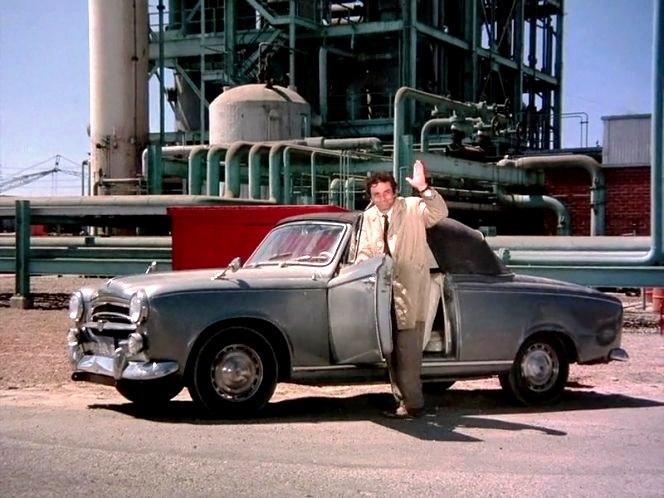
Columbo’s car is a 1959 Peugeot 403. Apparently, only 504 convertibles with two doors were made that year. When NBC cancelled the series, the car was sold. ABC had to locate a replacement when they picked the show up later. You can tell the difference because the license plate from NBC seasons was 044-APD and the plate from ABC shows was 448-DBZ.

Most of the suspects on the show were clever, wealthy people who think they have covered their tracks and have a solid alibi.

For only 68 episodes, there were a lot of famous guest stars on the show.  Some stars even portrayed two different criminals including Jack Cassidy, Robert Culp, George Hamilton, Patrick McGoohan, and William Shatner. Other guest stars showing up were Anne Baxter, Johnny Cash, Faye Dunaway, Jose Ferrer, Ruth Gordon, Lee Grant, Janet Leigh, Vera Miles, Ray Milland, Leonard Nimoy, Donald Pleasence, Dick Van Dyke, and Robert Vaughn.

Peter Falk Dick Van Dyke Color Poster Columbo Rare at Amazon's  Entertainment Collectibles Store
Falk with Dick Van Dyke–Photo: amazon.com

There was a variety of music written for each episode of the show. The Mystery Movie Theme was written by Henry Mancini and was used for the NBC shows. Both Quincy Jones and Mike Post also wrote versions of The Mystery Movie theme. One song uniquely belonging to Columbo was “This Old Man.” Falk can be heard humming or whistling it in various episodes after it was introduced in a 1973 show.

The show received thirteen Emmys during its run. Falk won the Emmy the first season and again in 1976. He was nominated in 1973, 1977 and 1978 but lost to Richard Thomas, James Garner and Ed Asner respectively. The series was nominated in 1972, 1973, 1976, 1977, and 1978 (winners were Elizabeth R Masterpiece Theater; The Waltons; Police Story; Upstairs, Downstairs; and The Rockford Files).

Columbo Wallpapers Wallpapers - All Superior Columbo Wallpapers Backgrounds  - WallpapersPlanet.net
Photo: wallpapersplanet.net

The show was very popular and was broadcast in 44 countries. There is a statue of Columbo in his coat in Budapest, Hungary on Falk Miksa Street. The story behind it is that according to then-mayor Antal Rogan, Falk is a relative of Falk Miksa who was a Hungarian writer and politician, but I could not verify if that was true or not.  What is true is that it was put up in 2014 at a cost of $63,000.

When he is questioning witnesses, Columbo often throws in random references to his wife and or something the couple liked to do, but we never see her in the series.  However, later a show was created, Mrs. Columbo starring Kate Mulgrew. Falk’s real-life wife Shera Danese was cast in six of the Columbo episodes, always appearing as a different character.

A group of novels was adapted from the Columbo tv series by MCA written by Alfred Lawrence, Henry Clements, and Lee Hays.

Columbo has been a popular show in syndication and can currently be seen on ME TV Sunday nights. The shows run from 70-98 minutes which probably makes syndication interesting. The entire set is available on DVD for about $50.

Unfortunately, Peter Falk was diagnosed with dementia in 2007, and by 2009 he could not recognize photos of himself and did not remember playing Columbo. He passed away in 2011.

Best 45+ Columbo Wallpaper on HipWallpaper | Columbo Wallpaper, Columbo TV  Wallpaper and Peter Falk Columbo Wallpaper
Columbo

It’s been fun looking at these five detectives for this series.  When I put this together, I chose five private eyes I thought would make good articles. What I didn’t realize, is that four of them were all from the same era.  In fact, in 1973, Columbo was on Sunday nights followed by Mannix and both were in the top twenty and on Wednesday nights Cannon was on followed by Kojak and both were in the top ten. The following year, Sunday nights featured Kojak before Mannix which was still in the top 20 and they were on at the same time as Columbo. Cannon eventually moved to Sunday night but also spent part of the year on Wednesdays where it was also in the top twenty. Matlock debuted in the late eighties, after the other shows except Columbo had all gone off the air.

Cannon, Kojak, Mannix, Matlock, and Columbo—five very different types of detectives who had one thing in common: good writing. Check them all out and I’d love to hear which one is your favorite.

Mannix: “The Old-Fashioned” Detective

We are three-quarters through our new blog series, “One-Named Detectives,” and today we are looking at a show that began in 1967 and aired until 1975, producing 194 episodes.

See the source image
Photo: blogspot.com

Created by Richard Levinson and William Link and produced by Bruce Geller, Mannix was one of the most violent television shows during the sixties. Private investigator Joe Mannix (Mike Connors) began working at Intertect which relied on computers and a large network of operatives to help them solve crimes.

CBS was planning on cancelling the show after its debut year, but somehow Lucille Ball convinced them to renew it for another season. (Desilu produced the show.) In season two, Mannix decides to leave and open his own agency. He prefers to solve crimes the old-fashioned way, with his own brain, or as he described it, “A private eye—in the classical tradition.” Peggy Fair (Gail Fisher), a widow whose policeman husband was killed in action, became his secretary. Joe was also a father figure for her son Toby. The role of Peggy was planned for Nichelle Nichols but she had to decline due to receiving her role on Star Trek.

See the source image
Photo: seasonsepisodes.watch–with Gail Fisher

The cast was rounded out by Lt Art Malcolm (Ward Wood), Sergeant Charley (Ron Nyman), and Lew Wickersham (Joseph Campanella), and police contact Tobias (Robert Reed). Every episode was filled with violent fistfights, car chases, and shoot-outs. During the course of the series, Mannix was knocked unconscious 55 times, drugged about 38 times, and shot 17 times. Connors actually broke his collar bone filming the pilot. The character of Mannix survived many of these situations because he was an expert fighter. He was said to have been a POW during the Korean war. Mannix was also a race car driver and a pilot. He sailed, skied, golfed and was an accomplished pool player. He was said to have grown up in Summer Grove where he excelled in football and basketball.

See the source image
Photo: metv.com with Robert Reed

Like Cannon, Joe Mannix relied on a car phone during his investigations. Many viewers felt the scripts were well written and the endings were not easy to predict. The plots relied more on crime-solving techniques but several tackled relevant social topics including compulsive gambling, racism, returning Vietnam War veterans issue, and professionals with physical disabilities such as deafness or blindness working to solve crimes.

The scripts were written by some of the best writers in the business. There were more than 85 writers credited with stories, one of them being Mel Tormé, yep that Mel Tormé.  Other writers were John Meredyth Lucas who wrote for fifty shows including Harry O, Kojak, Ben Casey, and Star Trek; Stephen Kandel who wrote for many shows including Hart to Hart, MacGyver, Hawaii Five-0, and Cannon; and Donn Mullally who also wrote for fifty shows including Ironside, The Virginian, Bonanza, and The Wild Wild West.

See the source image
Photo: pinterest.com

There were a lot of creative shows using visual effects in the sixties and Mannix was one of them. It employed many cutting-edge gimmicks to appeal to fans. Technical filming skills included zooms (moving in for a close-up or out to show something the viewer did not realize was in the scene), rack focuses (a rack focus is the filmmaking technique of changing the focus of the lens during a continuous shot. When a shot “racks,” it moves the focal plane from one object in the frame to another), lens flares (a lens flares adds a sense of drama and a touch of realism to a shot), Dutch angles (which produce a viewpoint of tilting one’s head to the side), both low and high angles, and cameras that could move 360 degrees during filming.

See the source image
Photo: rockauto.com

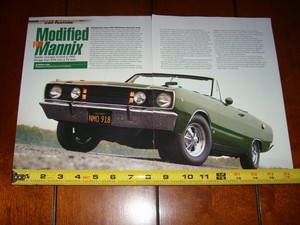
For you car afficiandos, Mannix had a lot of cool automobiles during the series. For season one, he primarily drove a 1967 Oldsmobile Toronado customized by George Barris who built the Batmobile. For season two, Barris worked on a 1968 Dodge Dart for him.

Season three found him driving another Barris car, a 1969 Dodge Dart. Seasons four through six he drove Plymouth Cudas (a 1970 for four, a 1971 for five, and a 1973 for six). For season seven, he was given a 1974 Dodge Challenger and for the final season, he drove a Chevrolet Camaro LT.

An interesting story about his season two car is that it was sold to a secretary at Paramount Studios and then disappeared for a few decades when it was located near a ranger station in California. It was restored to the Barris condition it had on the show. It was featured in Muscle Machines in December of 2009 and on the show Drive on Discovery HD Theater in 2010. The car is currently owned by C. Van Tune, former editor of Motor Trend magazine.

In addition to special cars in the shows, a lot of celebrities guest starred including Hugh Beaumont, Robert Conrad, Yvonne Craig, Sally Kellerman, Burgess Meredith, Lee Merriwether, Vera Miles, and Diana Muldaur. Some of the more unusual guest spots were filled by musicians Neil Diamond, Buffalo Springfield, and Lou Rawls; comedians Rich Little and Milton Berle; and journalists Art Buchwald, and Rona Barrett.

The theme song was composed by Lalo Schifrin.  Titled, “Mannix,” it was released as a single in 1969 with “End Game” on the B side.

See the source image
Photo: amazon.com

Connors was nominated for an Emmy four times, Fisher was nominated for four as well, and the series was nominated twice. In 1970, Connors was beat by Robert Young in Marcus Welby, in 1971 Hal Holbrook won for The Bold Ones, Peter Falk won for Columbo in 1972, and in 1973 Richard Thomas won for The Waltons. Fisher lost to Margaret Leighton for Hallmark Hall of Fame in 1971, Ellen Corby for The Waltons in 1973, and Jenny Agutter in The Snow Goose Hallmark Hall of Fame in 1972. The show lost out as best drama to Elizabeth R Masterpiece Theater in 1972 and The Waltons in 1973.

See the source image

I do remember watching and enjoying the show when I was in grade school.  I’m guessing I watched it because it was something my parents watched. I think the show has held up well and, considering it was in the midst of the sixties, is not too dated. It would definitely be fun to check out a season or two of the show to see if you can figure out just “who done it.”

William Schallert, Man of Many Talents

As we finish up our “Men of August” series, I think I’ve saved the best for last. Today we look at the career of a man who had more than 400 acting credits during six decades: William Schallert.

Image result for image of william schallert
Photo: comforttvblogspot.com

Schallert was born in Los Angeles, California. His father, Edwin, was a drama critic for the Los Angeles Times and his mother, Elza, was a magazine writer and radio host. She interviewed some of the most famous people in the entertainment industry. Being in LA, he went to high school with Alan Hale Jr., Nanette Fabray, and Micky Rooney.

Schallert was also a composer, pianist, and singer. His first love had been music, and he studied composition with Arnold Schoenberg. Unfortunately, he realized that some of the other students were more adept at hearing the music in their heads than he could and that would inhibit his making a living from composing.

William decided to be an actor and registered at the University of Southern California. He left school temporarily to join the Army Air Corps as a fighter pilot during WWII. Following the war, he returned to school, graduating in 1946. That same year he was one of the cofounders of the Circle Theater. Sydney Chaplin was one of his friends at the theater, and in 1948, his brother Charlie directed Schallert in a production of W. Somerset’s Maugham’s “Rain.”

Image result for image of william schallert mighty joe young

From 1947-1951, William appeared in 14 big-screen films, including Mighty Joe Young in 1949. He would go on to accept roles in seventy more films during this career, but for this blog, I’m going to concentrate on his television career, or we could be writing and reading for days.

Schallert married Leah Waggner in 1949. They were together for their entire lives, dying a year apart from each other. Waggner was also an actress and appeared with him in several episodes including The Patty Duke Show and The Dick Van Dyke Show.

Image result for image of william schallert leah waggner
With wife Leah Waggner on The Dick Van Dyke Show–Photo: facebook.com

During his career, he appeared in a lot of crime shows and westerns, but he could also do comedy as seen by his appearances on Burns and Allen, Father Knows Best, The Jack Benny Show, The Andy Griffith Show, The Dick Van Dyke Show, Bewitched, That Girl, The Partridge Family, and Love American Style. Some of these were his favorite appearances.

Image result for image of william schallert the partridge family
Photo: pinterest.com

On the Partridge Family, he was able to use some of his music skills as Red Woodloe, a folk singer. The episode of The Dick Van Dyke Show, “A Word a Day,” got a huge laugh for Schallert. It was similar to the episode when Rob is convinced that he and Laura got the wrong baby and Ritchie belongs to another family who he invites over and opens the door only to find Greg Morris, an African American. In this one, Ritchie begins using profanity and they assume it’s one of his new friends and invite the parents over to see what type of uncouth people they are and Rob opens the door to find William Schallert, a reverend.

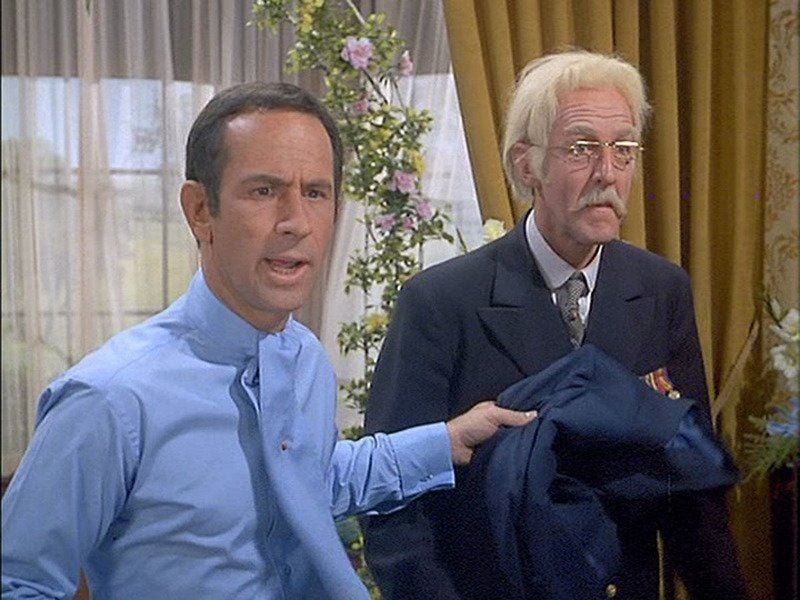
The admiral he played on Get Smart was one of his favorite all-time characters. William said, “The admiral was a charming character.”

Image result for image of william schallert get smart
Photo: greensburgdailynews.com

From 1979-1981, Schallert was the president of the Screen Actors Guild and was active in SAG issues and committees afterward.

During his six decades of acting, Schallert had recurring roles on eleven different series. The first was The Adventures of Jim Bowie in 1957. This show was set in the Louisiana Territory in 1830 and featured the people that Jim Bowie met there.

In 1958, William became part of the cast of Hey, Jeannie about Jeannie MacLennan, a Scottish woman, who has immigrated to New York and her adjustment to city life.

Image result for image of william schallert dobie gillis
Photo: ebay.com

1959 found him on Phillip Marlowe as Lt Manny Harris. The same year he also began portraying Leander Pomfrit, a teacher on The Many Lives of Dobie Gillis. That role lasted three years.

It was in 1963 that he received the role that made him a household name. As Martin Lane, Patty’s father and Kathy’s uncle, on The Patty Duke Show. The show was on the air for three seasons, producing 104 episodes. Martin was the patient, wise father who knew when to give advice and when to step back and watch a small failure for a learning experience.

Image result for image of william schallert patty duke show
Photo: washingtonpost.com

He and Patty became very close in real life. In an interview with the Closer Weekly, Schallert discussed their relationship. “When I think of her, she’s family as far as I’m concerned. We had a very close relationship. Whenever I saw her it was always like greeting one of my kids. She just had a wonderful quality and I got to know her over the years and she was admirable in a lot of ways. She really did her best to raise her own kids and she certainly had very little help in her own life to do that, but she was very mature and she did a lot of growing up very fast. People take that kind of thing for granted far too easily, and she doesn’t get the credit she deserves for that.”

When the Patty Duke Show ended, Schallert began doing voiceover work in commercials and with his warm and friendly manner, it was a lucrative career for him for two decades, including the voice of Milton the Toaster for Pop Tart commercials. He said it was wonderful, “All you had to do was go in there and do it, you didn’t’ have to put makeup on, you didn’t have to learn anything. I also had a knack for timing.”

Although he had a successful voiceover career, his acting career was far from over. He would show up as a regular cast member on five more series before his career ended: The Nancy Walker Show, The Hardy Boys/Nancy Drew Hour, The Waltons, The New Gidget Show, and The Torkelsons. I especially loved his casting in Nancy Drew.  When I read those books as a grade-school kid, he was exactly as I pictured Nancy’s dad Carson Drew in my mind.

Image result for image of william schallert nancy drew
Nancy Drew Hour–Photo: williamschallert.com

His last role was on Two Broke Girls in 2014. In that year, he announced he was suffering from peripheral neuropathy and had to wear leg braces some but also had to rely on a wheelchair most of the time. He passed away two years later from an undisclosed condition.

It sounds like Schallert had an amazing life.  Growing up in Los Angeles and learning from his parents about theater and radio must have been a lot of fun.  He said those connections led to a lot of opportunities like going to Shirley Temple’s birthday parties. Then he started a theater at a young age, worked in television from 1951-2014, appeared in more than eighty movies, had a successful voiceover career, raised four great kids and enjoyed a long-lasting marriage. What a legacy to leave behind.
Celebrating Nevada Day with Abby Dalton

This month is all about National Days for States. Today we are celebrating National Nevada Day which is March 29, 2021. Our star who was born in Nevada is Abby Dalton. Abby was born Gladys Marlene Wasden in 1932 in Las Vegas.

Photo: wikipedia.com

Dalton began working as a teen model and also appeared on several record album covers. In 1957 she was cast in several unmemorable and hard-to-watch movies including Rock All Night, Teenage Doll, Carnival Rock, and The Saga of the Viking Women and Their Voyage to the Waters of the Great Sea Serpent.

Photo: ebay.com

Abby started her television acting career by being cast in a variety of westerns, including Have Gun Will Travel, Rawhide, Maverick and The Rifleman.

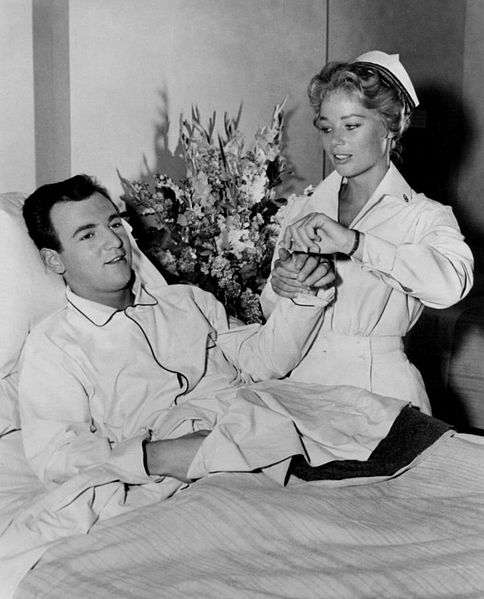
Dalton caring for Bobby Darin–Photo: wikimedia.com

In 1959, Abby received the role of Nurse Martha Hale on Hennesey. Jackie Cooper played US Navy physician Lt. Charles “Chick” Hennesey. The two medical professionals meet at a hospital where they work for the US Naval Stations in San Diego, CA. Both Dalton and Cooper received Emmy nominations for their roles on the series. The show continued on the air for three seasons before it was cancelled.

When the show ended, The Joey Bishop Show was beginning its second season. The series was going through an overhaul and season two debuted with Dalton married to Joey Bishop as Ellie Barnes.

Joey Bishop with Dalton–Photo: wikimedia.com

Dalton was married in real life to Jack Smith in 1960. When her character has a baby, her son on the show was played by her real-life son Matthew and her daughter Kathleen also appeared on the show. Unfortunately, her marriage ended in 1972. (Her first marriage to husband Joe Moudragon also ended in divorce in 1959.)

Ironically, the finale to Hennesey when she married Chick Hennesey was shown two days after The Joey Bishop Show’s show’s first airing of her character.

Dalton was cast in the pilot for Barney Miller as his wife, but the show was not picked up by any of the networks and later the role was given to Barbara Barrie.

This image has an empty alt attribute; its file name is listal-with-bob-crane.jpg
Dalton and Bob Crane–Photo: ABC – Love American Style

Abby was also a favorite in Love American Style and The Love Boat. She did make some appearances on several shows during the seventies on Nanny and the Professor, Police Story, Apple’s Way and The Waltons.

In later years, Dalton was known as a game show panelist, appearing on Match Game, Super Password, and Hollywood Squares. In the eighties, you could see her on Hardcastle and McCormick, Murder She Wrote, and Hotel.

This image has an empty alt attribute; its file name is etour-1.jpg
John Astin and George Furth with Dalton–Photo: ABC – Love American Style

During the 1980s Dalton accepted another permanent role as Julia Cumson on Falcon Crest. She is the daughter of Angela Channing (Jane Wyman) and a vintner. While she appeared as a decent woman, the season two finale clues us in that she was a murderess. Season three finds her navigating life in both a psychiatric ward and a prison. She escapes, planning on killing her mother. We believe her to have been killed at the end of the year, but in the fourth season, true to the soap opera formula, we realize she is alive, although maybe not well. She would make occasional appearances on seasons five and six but is not seen after that year.

Her daughter Kathleen Kinmont was married to her “son” on Falcon Crest, Lorenzo Lamas. Kinmont was also married to actor Jere Burns after her divorce to Lamas but that marriage also ended in divorce.

Dalton died in 2020 after suffering from a long illness.

Abby Dalton, 1982. (Photo by Getty Images)

Although Dalton’s career has to be labeled successful, I think with a break here or there, it could have been much more fulfilling. She seemed to be a good actress and could be very funny. Perhaps a sitcom rather than a tv drama might have catapulted her into a second wave of television acting roles. Despite, the fact that you feel like she never got that big break she deserved, she had permanent roles in three television series and entertained many people during her game show circuit era. Considering how many people never get a chance to star in a television show, she had a long career; thanks Abby Dalton for bringing us three decades of entertainment.