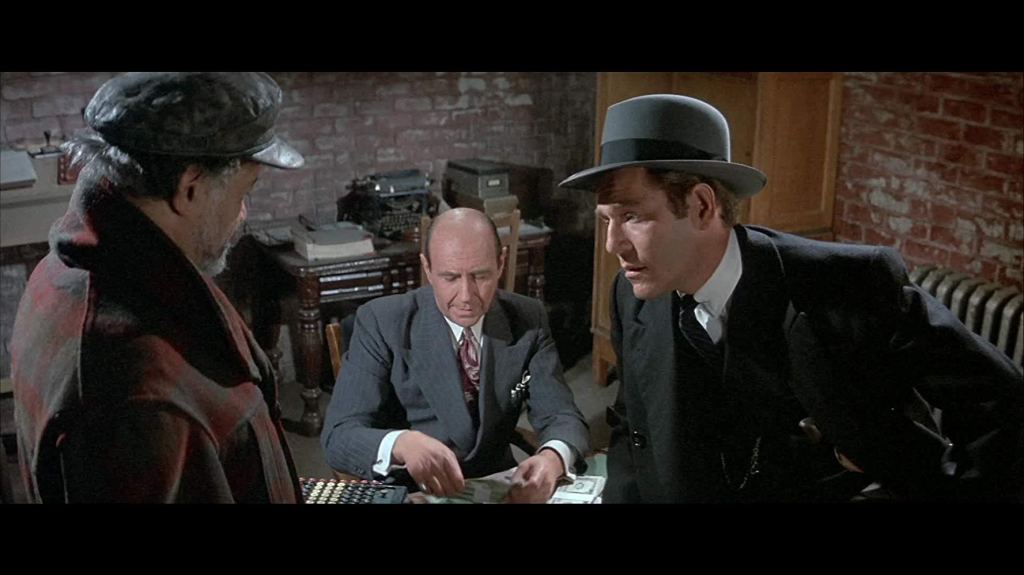
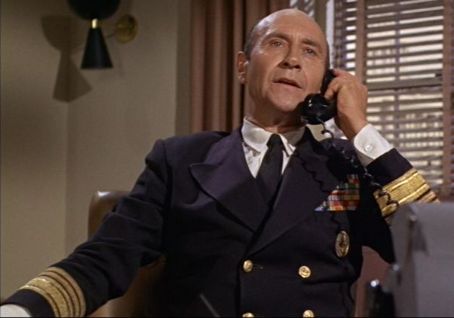
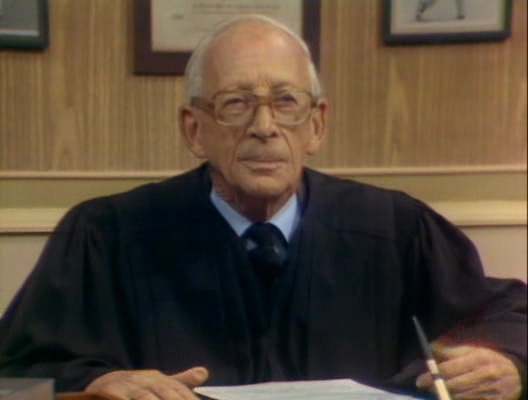
Ben Casey: The Bad Boy of Medicine

Medical series have been a staple since television started. This month we are checking out a few of the favorites in a blog series: “Examining Our Favorite Medical Shows.” First up is a show that was on in the sixties: Ben Casey.
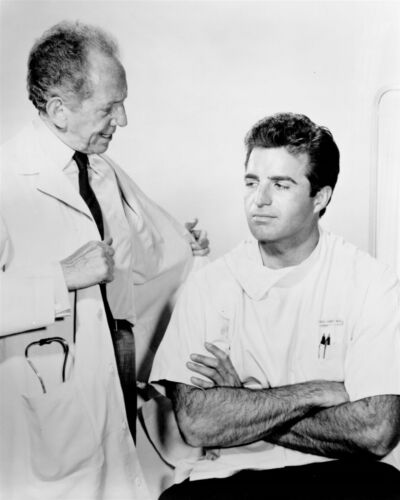
Jaffe and Edwards Photo: ebay.com

Ben Casey was on the air from 1961-66 on ABC. Created by James E. Moser, the character of Ben Casey was based on Dr. Allan Max Warner who was a neurosurgeon. Warner worked closely with the actors to show them how to handle instruments and patients. It was not a cheap show to produce. More than $50,000 of medical equipment was purchased for the show and each 60-minute episode had a budget of $115,000. Warner later changed to psychiatry because he said his association with the show prevented him from becoming board-certified. Dr. Joseph Ransohoff, another neurosurgeon, became the medical consultant.

The series followed Ben Casey (Vince Edwards), an idealistic neurosurgeon at County General. Dr. David Zorba is his mentor (Sam Jaffe). In the final season, Jaffe left and the new chief of neurosurgery was Dr. Daniel Niles Freeland (Franchot Tone). Rounding out the cast were Dr. Ted Hoffman (Harry Landers), Dr. Maggie Graham (Bettye Ackerman), orderly Nick Kanavaras (Nick Dennis), and Nurse Willis (Jeanne Bates). The show had a gritty edge to it and featured the life of doctors working in a city hospital and the tough physical and ethical situations they had to deal with.

Several sources said that Cliff Robertson and Jack Lord turned down the role of Ben Casey. Also, Russell Johnson said he auditioned for the role, but was rejected and his next audition was for the role of the Professor on Gilligan’s Island. However, I read several other sources that mentioned that Bing Crosby discovered Edwards and planned a television show to feature his find. Bettye Ackerman’s character was cast as an anesthesiologist who was supposed to be Casey’s love interest but they never developed any chemistry. In real life, Ackerman was married to Jaffe.

Photo: nostalgiacentral.com

Filmed at Desilu Studios, the series was produced by Bing Crosby Productions. The show had 33 directors including Sydney Pollack; Vince Edwards directed seven of the episodes. However, its writing staff was even bigger with about 80 different people penning scripts. I never understood how that worked so well. As a writer, I would want to get to know the characters I was writing for and then continue to learn about them, but during the sixties, there were a lot of people who only contributed one or two scripts to any given series.

The theme music was written by David Raksin and pianist Valjean made it a top-40 hit.

The show was on Monday nights for its first three seasons. Season four, it moved to Wednesdays and returned to Mondays for the final two seasons. The first season it ranked in the top 20 and moved into the top 10 for its second year. Once the network moved the show to Wednesdays where it had to compete with The Beverly Hillbillies and The Dick Van Dyke Show, it fell out of the top thirty and never returned to its former popularity. During the last season, several changes were made. Casey fell in love with Jane Hancock, a woman who came out of a 13-year-long coma. The episodes also began to continue from one to another instead of being stand-alone stories, encouraging viewers to find out what happens the next week.

Photo: pinterest.com

During the run of the show, four novels were written based on the series (1962-3), as well as a daily (1962-1966) and Sunday (1964-1966) newspaper comic strip by Jerry Capp and ten Dell Comic books (1962-64). There was even a board game created called Ben Casey MD. And even more surprising was a doll called Dr. Ben Casey’s Patient. Surely children were not exposed to the show.

Photo: pinterest.com

Another medical show, Dr. Kildare, aired the same year as Ben Casey. The shows were often confused, but they were really quite different. Dr. Kildare was an intern who respected his mentors and the doctors he served under. He was the handsome guy next door, friendly and always striving to help his patients. Casey was brash and had already served his learning time, so he more often bucked the system and was not as respectful to the doctors working with him. He was handsome but in a more wild, bad boy, appearance. However, both shows tackled some very interesting and controversial subjects from the medical field.

Ben Casey might have gone off the air, but he did not disappear. The show has been parodied on a variety of shows including The Flintstones. “Ben Casey” was used by American troops in Vietnam War as slang for a medic. In 1988, a made-for-tv-movie The Return of Ben Casey brought Edwards back to the small screen. It was a syndicated show, and aired with the hope that it would be a pilot for a new series, but none of the networks picked it up.
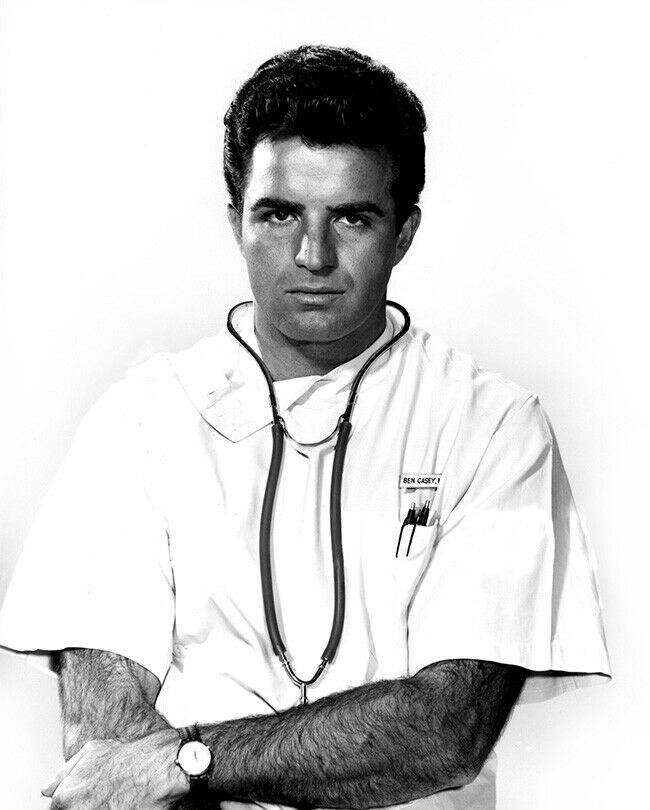
Photo: collectors.com

The cast was not holding hands and singing Kumbaya, but it did function amidst a lot of dysfunction. Director Mark Rydell discussed Edwards’ gambling problem which became the show’s gambling problem. Landers who played Dr. Hoffman said Edwards was constantly asking the cast and crew for money to take to the race track, and he would be gone for hours at a time. He often came in with $20-30 thousand dollars in his pocket, demanding that he leave filming by 11; other stars had to stand in for him to tape the rest of the show. Despite his unprofessional behavior, several stars liked Edwards. Jaffe, who had many conflicts with Edwards, was not one of them which is why he eventually left the show. Director Jerry Lewis and guest star Sammy Davis Jr. also had problems with Edwards. Landers also mentioned that when Tone took over Jaffe’s role, he was constantly drunk on the set. When Landers directed the show, he kept Tone sitting down so viewers would not see that he was swaying.

Considering all the issues the show had, the number of writers contributing scripts, the unprofessional behavior of several of the actors, and the movement of the show from Monday to Wednesday where it had stiff competition, the show actually did well and was popular with viewers for five years. It set the tone for many of the shows that would follow including Marcus Welby, Medical Center, and ER. Next week we will learn more about Dr. Kildare.
Gidget: The Craziest Kid on TV

As we are in the midst of our Teen Scene blog series, we go back a few decades today to 1965 to take a look at Gidget.

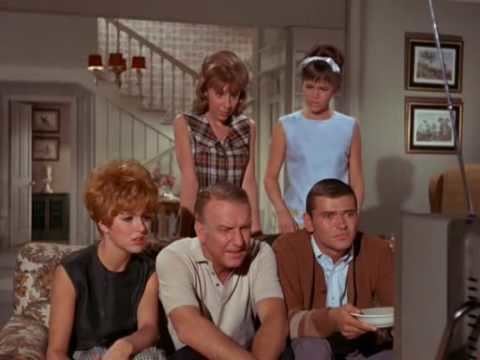
Winter, Field, Conner, Porter, Duel Photo: alchetron.com

Beginning in September of 1965, Gidget went on the air and was one of the first color programs on ABC. The show was adapted from a novel Gidget, the Little Girl with Big Ideas by Frederick Kohner, published in 1957. It became a movie in 1959 starring Sandra Dee. Kohner then served as a script consultant for the television show. The book, movie, and tv show each differ somewhat from each other.

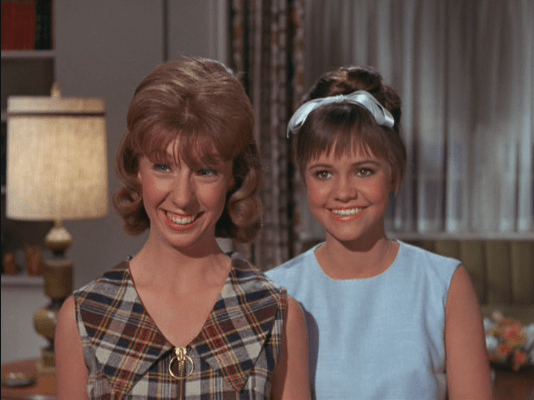
The television show features Gidget Lawrence (Sally Field), a typical, boy-crazy 15-year-old teen who lives with her widowed father Russell (Don Porter), a UCLA professor. Gidget’s older sister Anne (Betty Conner) is married to John Cooper (Peter Duel), a fun-loving psychology student. Anne often tries to mother Gidget while John tries to understand her psychologically. Gidget’s best friend Larue (Lynette Winter) is also part of the cast.

Gidget narrates each episode and directly addresses the audience somewhat like Modern Family. Field said she got to pick out her hairdos and clothing style. Her nickname (her real name is Frances) apparently was given her by her boyfriend, Jeff Matthews who goes by Moondoggie because she is petite and comes from combing “girl midget.” Jeff is going to school at Princeton by the time the show began but Gidget still wears his ring around her neck even though she is dating other boys including a young Martin Milner as Kahuna and a young Daniel J. Travanti as Tom.

Winter and Field Photo: pinterest.com

Seventy-five girls tried out for the role of Gidget. The plots were very similar to a lot of shows in the sixties and seventies: The kids’ favorite hangout, The Shaggy Dog, is in danger of being closed to build a new museum. Gidget and her dad find themselves on opposite sides of an issue; Gidget gets a job driving a floral delivery truck. There’s just one problem—she doesn’t have a driver’s license; and Gidget falls for surfer legend Kahuna and even convinces her father to invite him over. She soon finds out that Kahuna is, when not on the beach, not that interesting.

The series was filmed at the Columbia/Warner Bros. Ranch in Burbank, CA. As with most of the homes at that lot, you will notice that the Lawrence kitchen is the same one Hazel works in and the house next door is the Stephens house from Bewitched.

The theme song is a familiar one to people growing up in the sixties. It was called “Wait Till You See My Gidget” and was written by Howard Greenfield with music composed by Jack Keller. The Four Freshmen sang it in the pilot, but Johnny Tillotson did the vocals for season one.

Photo: pinterest.com

Gidget faced some tough competition. ABC put it on the schedule Wednesday nights against The Beverly Hillbillies which was a top ten show and The Virginian, a top thirty show. Halfway through the year, the network moved it to Thursdays but it faced Gilligan’s Island which was very popular at the time. ABC canceled the show. When it put it on as a rerun for summer, the ratings increased significantly, but by that time it was too late to bring it back for fall.

The show can be seen on several networks. Antenna TV sometimes airs it for special days. It’s also available on DVD.

Photo: nostalgiacentral.com

It sounds like the cast became fairly close during their year together. When the DVD was released, Field did an interview in which she stated that Don Porter and she had a father/daughter relationship off-screen too. Because she was new to the business, he often mentored her and helped her avoid embarrassing moments. In an interview reflecting on her time on the show, Sally said that she always loved working with Lynette Winter and looked forward to their time on the show together. Field also became friends in real life with Winter.

I do remember watching this show in reruns and I always liked it, but I think it was definitely a product of its time and probably spoke more to people who were teens in the early sixties. If nothing else, we can be thankful for this show because it launched the amazing career of Sally Field.

Jay Sommers Figured Out the Formula for Good Writing

I thought it might be fun to look at some unique aspects of writing for sitcoms in this blog series. This month we’ll take a look at a variety of writing subjects.

To begin this series, I wanted to learn a bit about a classic sitcom writer, and Jay Sommers came to mind immediately. He wrote more than 400 scripts.

Sommers was born in 1917 in New York City. Before veering into comedy, he attended the City College of New York and studied the not-so-funny topic of chemistry. Apparently, he had good chemistry with his girlfriend’s father who thought he was pretty funny. The dad was an executive with Bristol Myers and the company sponsored many radio shows.

Photo: rusc.com

In 1940 his relationship with his then girlfriend’s dad led to Sommers receiving an offer to write for Milton Berle’s radio show. Jay did not keep the girl, but he kept the career. He would go on to write for a variety of radio shows including The Alan Young Show, Eddie Cantor, Spike Jones, Lum and Abner, and Red Skelton.

In 1950 he became the producer, director, and writer for a show called Granby’s Green Acres. It only ran for two months, but it would inspire him to create Green Acres for television a decade later. The show was based on a book by S.J. Perelman titled Acres and Pains. The premise of the show was that a wealthy banker wants to become a farmer, so he and his wife move to the country. The banker was played by Gale Gordon and his wife was Bea Benardaret.

Gordon and Benardaret Photo: wikiwand.com

Sommers’ first job as a writer on television was for The Peter Lind Hayes Show in 1950; the episode starred Gloria Swanson. In 1951 he wrote for the Colgate Comedy Hour, along with an episode of the Buster Keaton Show.

1953 brought him recognition for an episode of Our Miss Brooks (“Clay City Chaperone”). He became busier in 1954 writing for My Friend Irma, The Red Skelton Hour, and The Great Gildersleeve.

In the late fifties, he contributed to Blondie, Bachelor Father, and The Donna Reed Show.

Sommers really came into his own as a writer in the sixties. Along with a few screenplays, he wrote for The Adventures of Ozzie and Harriet, The Jim Backus Show, Dennis the Menace, The Beverly Hillbillies, and Grindl.

Sommers enjoyed the most lucrative part of his career from 1964 to 1970, working on Petticoat Junction and Green Acres. Paul Henning had created The Beverly Hillbillies and Petticoat Junction for CBS. In 1965, the network asked Henning to come up with a new sitcom and said he did not have to film a pilot or give a pitch; they trusted him to develop whatever he wanted. Sommers suggested a television version of his old radio show, Granby’s Green Acres. With Gale Gordon and Bea Benardaret already committed to other shows, the hunt began for two new stars for Green Acres.

Tom Lester, last-surviving 'Green Acres' cast member, dies at 81 - National  | Globalnews.ca
Photo: globalnews.com Cast of Green Acres

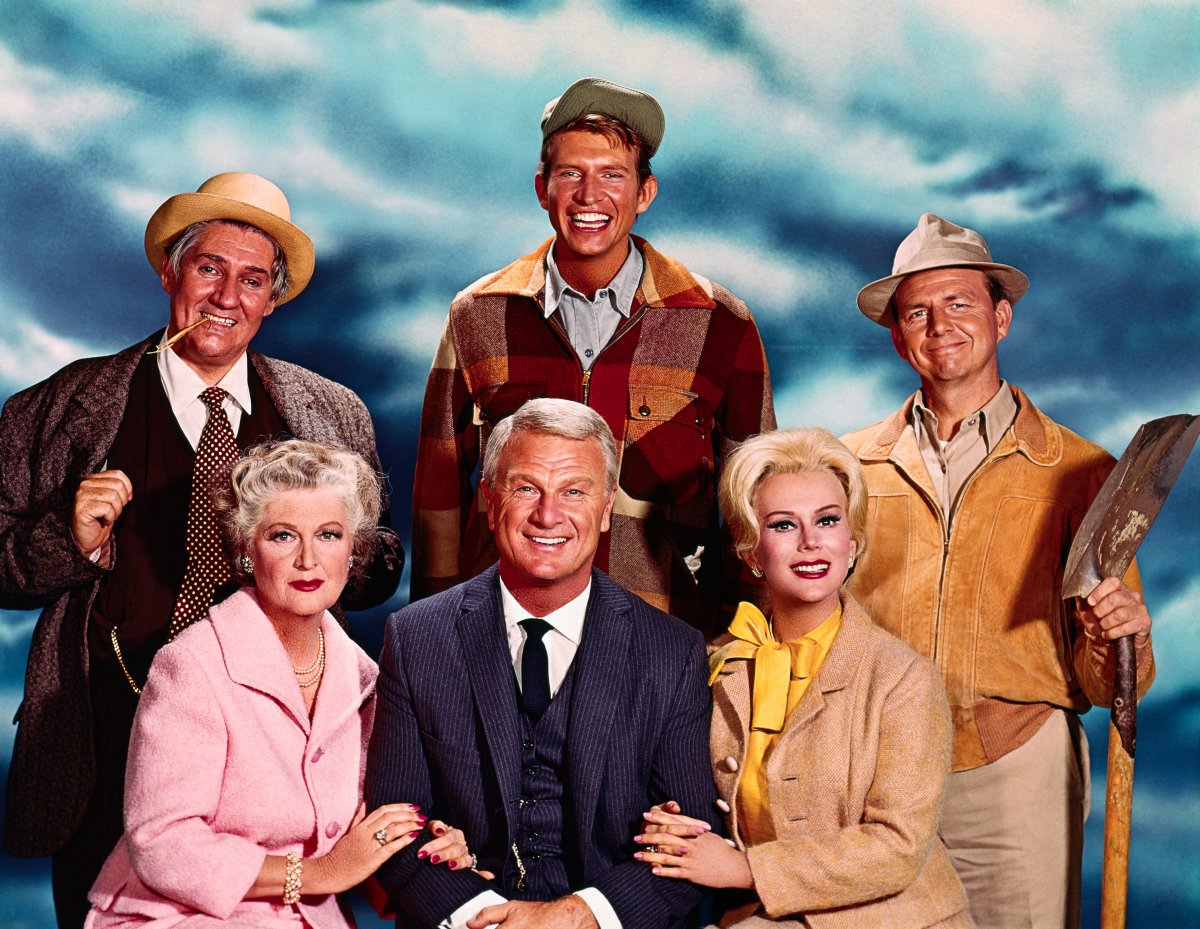
In the television show starring Eva Gabor and Eddie Albert, the banker is replaced by an attorney. Oliver Wendell Douglas and his wife Lisa leave glamorous Manhattan and move to a run-down farm in Hooterville. Lisa considers their handyman Eb their son and they bond with all the neighbors including Fred and Doris Ziffel and their pet pig Arnold, general store owner and postmaster Sam Drucker, and the folks from Petticoat Junction.

During an interview with the Television Academy, Paul Henning said his contribution was casting, and he let Jay do most of the writing and producing. The show resulted in 170 episodes and was canceled in 1971 when CBS decided to do a “rural purge” and get rid of any shows that fit that theme.

In another Television Academy interview with Richard L. Bare, who directed Green Acres, he said that he was the only director, Jay was the only producer, and that Jay and Dick Chevillat did all the writing. He said that the only other person on staff was a secretary. And, he said things worked out great. He said today there are way too many people on the set and it gets confusing. 

More Hooterville favorites Photo: sitcomsonline.com

Jay continued writing in the seventies, but he did not write a lot. His shows that decade included Hot L Baltimore, Good Times, Ball Four, Alice, and Hello Larry.

Jay passed away in 1985 in Los Angeles from a heart ailment. It was very hard to find much personal information about Jay and no photos. I do know that at some point he married Barbara and they had several children. So sad that we don’t know a lot about some of the people who contributed so much to the golden age of television.

Jay Sommers left us much too early. He came out of a chemistry background, proving you don’t have to teach someone to be funny. He wrote for some of my favorite shows including The Adventures of Ozzie and Harriet, The Donna Reed Show, and Bachelor Father.

Photo: findagrave.com

Sommers worked on three of the most iconic television sitcoms in the 1960s: The Beverly Hillbillies, Petticoat Junction, and Green Acres. If you have been with me for a while, you know I never really cared for The Beverly Hillbillies. I really enjoy Petticoat Junction and I think it’s well written, but I think Green Acres was one of the best-written sitcoms on television. It’s not easy to write about quirky characters without them seeming unbelievable, but Jay did it. He created characters we fell in love with and truly liked. He produced and wrote brilliant scripts week after week for more than five years. They were clever, witty, and sophisticated without being over the top. His grave marker sums it up, “WRITER.” Thank you, Jay Sommers for introducing us to the good folks in Hooterville.

Leon Ames: What a Character!

We are part way through our October blog series, “What a Character.” Today we look at someone we all remember from the golden days of television: Leon Ames. 

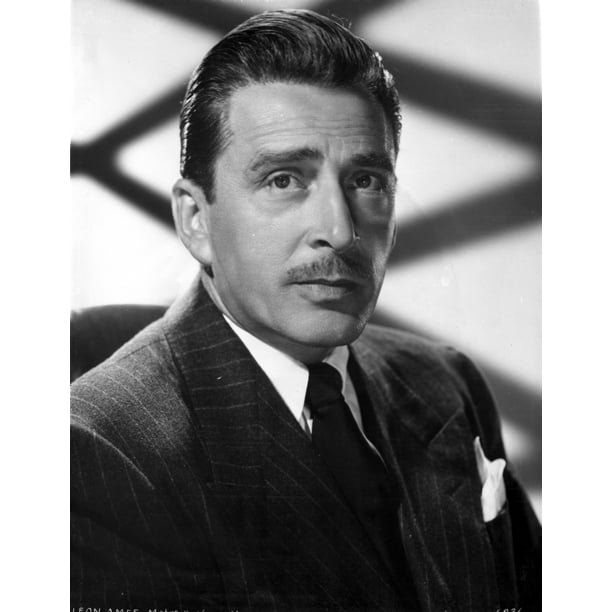
Leon Ames Photo Print (8 x 10) - Walmart.com - Walmart.com
Photo: walmart.com

Ames was born Harry Wycoff in Portland, Indiana and was raised on a farm. He said he changed his name because it was often misspelled which I can understand because some sources say “Wykoff,” and some say “Waycoff” in addition to “Wycoff.” Ames was his mother’s maiden name.

After graduation, he enrolled in Indiana University at Bloomington. He then served in the field artillery for WWI and later transferred to the flying corps.

After his discharge, at some point, he began working as the stage manager for the Charles K. Champlin Theatre Company. He had always wanted to be an actor and soon began acting with the group, eventually gettng the lead in a Los Angeles production of “Tomorrow and Tomorrow.” For three years he was with the Stuart Walker Stock Company in Cincinnati, Ohio. Broadway would be a big part of his early career as he debuted in 1933 in “It Pays to Sin” and went on to perform in another eleven shows.

In 1937, Ames decided to make the move to Hollywood. At that time, he met Christine Gossett, and the couple married in 1938. Leon and Christine appeared in several films together including Eighth Wife and Suez, but after having two children, Christine retired from acting to raise the children. The couple was together for the rest of Ames’ life.

Ames accumulated 158 acting credits; 125 of those were on the big screen. His debut came in 1931 in Quick Millions and his last role was as the grandfather in Peggy Sue Got Married in 1986.

Even though 5/6 of his career was spent in films, I am including him in our television character series because the 1/6 of his career in television made quite an impact. From 1951 until 1979, he would appear in 29 different shows, and five of those would be as a regular cast member.

Life With Father | Nostalgia Central
Life with Father cast–Photo: nostalgiacentral.com

Not surprisingly, given his depth of film work, he began his television career in a variety of drama shows such as Screen Directors Playhouse and Studio One. In 1953 he was cast as Clarence Day in Life with Father, adapted from the film. Unfortunately, the show only lasted for a limited number of episodes. I’m not sure how this show fit into the television schedule because it was on for three seasons; a few sources listed 8 episodes, imdb.com lists 10 episodes, and tvseriesfinale.com mentions 27 episodes; even then, it would mean 9/year which doesn’t seem to make a lot of sense. Fun fact, this was the first show in Hollywood to be filmed in color.

After the cancellation of Life with Father, he continued to guest in dramas, but was once again offered a recurring role in a comedy on Father of the Bride in 1950, another television show that was adapted from the big screen.

Pin on Mayberry
Ames with Aneta Corsaut on The Andy Griffith Show–Photo: pinterest.com

In the sixties, he gravitated toward sitcoms, showing up in The Lucy Show, Please Don’t Eat the Daisies, The Beverly Hillbillies, and The Andy Griffith Show.

DVD Talk
With Alan Young on Mister Ed–Photo: pinterest.com

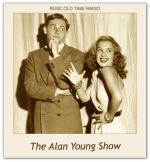
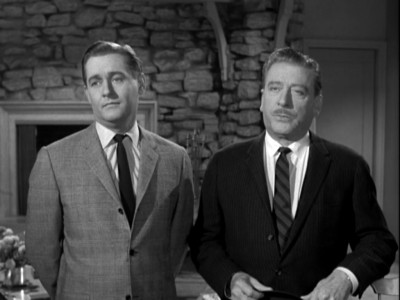
It was during this time, that Leon probably became best known to television fans.  From 1963-1965, he portrayed Gordon Kirkwood on Mister Ed. During the early seasons of the show Roger (Larry Keating) and Kay Addison (Edna Skinner) lived next to Wilbur Post (Alan Young) who owns Mister Ed. They become good friends with Wilber and his wife Carol (Connie Hines). Keating died in 1963 and Ames and his wife Winnie (Florence MacMichael) buy the Addison home. We also learn that Kirkwood was Wilbur’s former commanding officer when they were in the US Air Force.

In a frightening experience, in February of 1964, an intruder entered the Ames household and held Leon and Christine hostage, demanding $50,000. Ames phoned his business manager and asked him to go to the bank and then bring the money to the house. Once he got the money, the intruder left Ames tied up in the house and forced Christine to drive him in their car. Before leaving, he forced both the business manager and a guest at the home into the car trunk. Luckily, before Ames’ manager brought the money to the house, he had called police who eventually caught up with the car, surrounded it, and freed the hostages.

His next regular role was that of Dr. Roy Osborne on My Three Sons.  I enjoyed his performances on this show.  At first, Robbie thinks he is too old-fashioned to be Katie’s Ob/Gyn because he delivered her, but Robbie soon learns his caring ways and wealth of experience is invaluable.

Leon Ames — Life and Death of the Notable 'Mister Ed' Actor
Ames and Elizabeth Montgomery on Bewitched–Photo: amomama.com

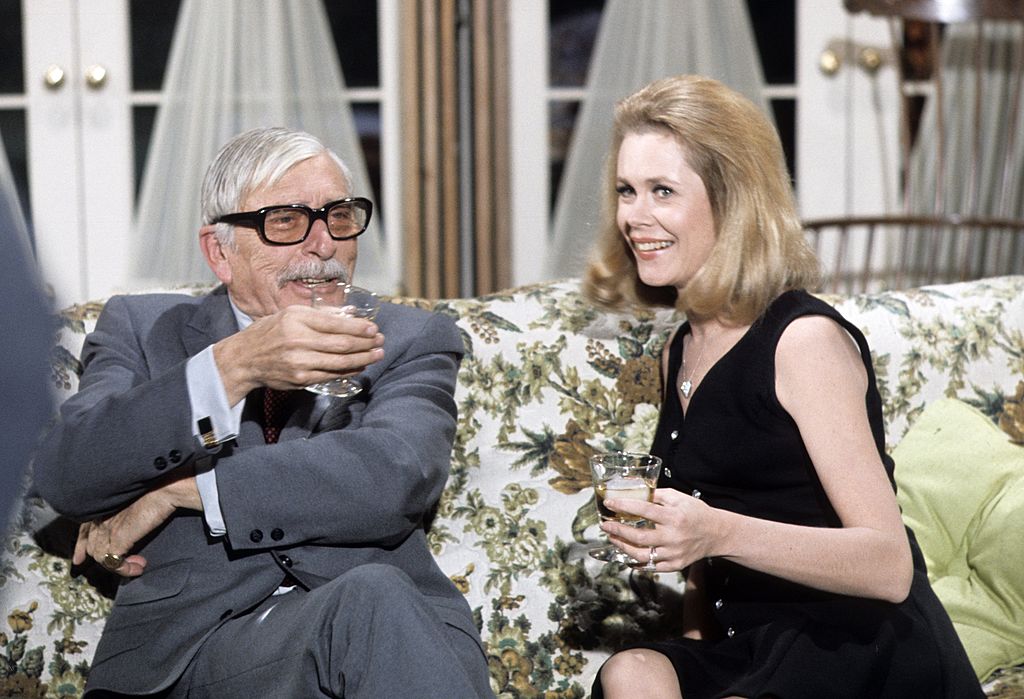
The remainder of his television career was spent in a variety of genres including Bewitched, The Virginian. Apple’s Way, and Emergency, among others.

Ames was one of the founders of the Screen Actors Guild in 1933 and became president of SAG in 1957. In 1980, Ames was the recipient of the Screen Actors Guild Life Achievement Award.

In addition to his acting duties, in the sixties, Ames opened several Ford dealerships in California.

Leon died in October of 1993 after having a stroke.

DREAMS ARE WHAT LE CINEMA IS FOR...: MEET ME IN ST. LOUIS 1944
Meet Me in St. Louis Photo: pinterest

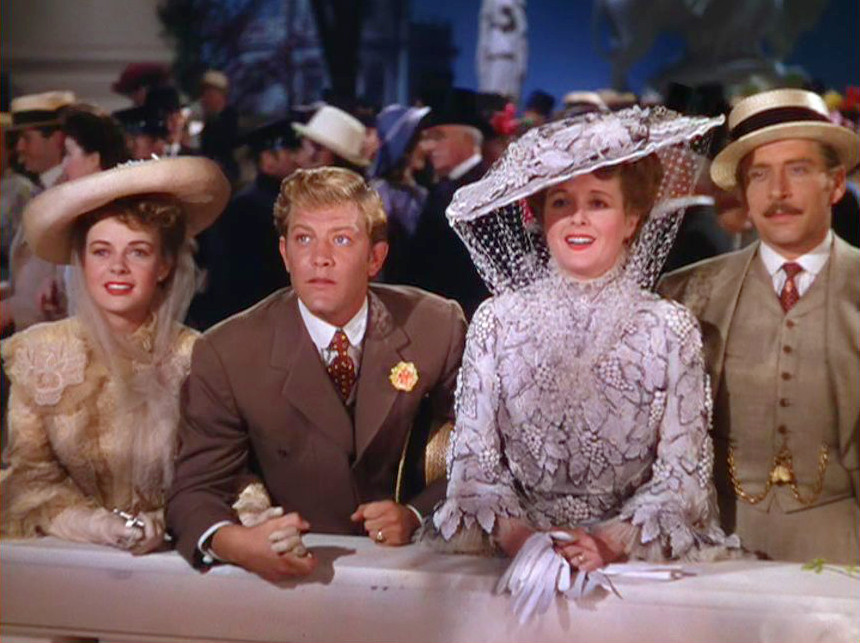
One of my favorite roles of Ames was as the father in Meet Me in St. Louis. He had that perfect gruffness for a paternalistic role but made it obvious that there was a giant teddy bear just below the surface. What a character he was.

June Lockhart Rocked the Acting Profession

As we check out some of my favorite actresses this month, this week we learn about one of the most prolific actresses on the small screen. With more than 170 credits between 1938 and 2004, June Lockhart had a very successful career.

See the source image
Photo: ebay.com

Perhaps destiny planned for June to become an actress. Both her parents, Canadian-born Gene and English-born Kathleen Lockhart, were actors and she traveled with them as a young child while they performed. Although she was born in New York City in 1925, she was brought up in Beverly Hills.

See the source image
June with her parents
Photo: mesquitelocalnews.com

She was only 8 when she took the role of Mimsey in “Peter Ibbetson” at the Metropolitan Opera.

In 1938, at age 13, June made her film debut in A Christmas Carol with her parents. She appeared in more than thirty movies, including Meet Me in St. Louis, Sergeant York, All This and Heaven Too, and The Yearling.

Meet Me in St. Louis, 1944 ~ June Lockhart, Judy Garland & Lucille Bremer |  Judy garland, Hollywood, Holiday movie
Photo: pinterest.com Meet Me in St. Louis

In 1948, she won a Tony for Outstanding Performance by a Newcomer for her role in “For Love or Money.”

Although her appearances in film and on Broadway would have been a lucrative career n themselves, it was in television that she found most of her fame. In 1949 she accepted a role on The Ford Theater Hour. During the 1950s she would make 56 appearances on drama theater shows. In addition, she was in Gunsmoke, Have Gun Will Travel, Rawhide, and Wagon Train.

In 1951 she married John Maloney. In 1959 they divorced and that same year, she married John Lindsay whom she was married to until 1970.

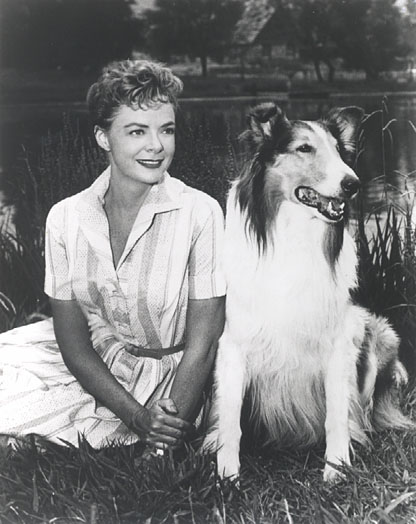
But it was in the television show, Lassie from 1958-1964 that she became a household name as Ruth Martin, Timmy’s (Jon Provost) mother. The show was about the Martin family’s life on the farm and the heroics of Timmy’s dog Lassie.

See the source image
Photo: pinterest.com

The 1960s continued to be very productive for her as an actress. She appeared in a variety of television shows, including the dramas Perry Mason, The Man from UNCLE, and The Alfred Hitchcock Hour and the comedies Bewitched, Family Affair, and The Beverly Hillbillies.

See the source image
Photo: thenewyorktimes.com

She also starred in two long-lasting sitcoms. From 1965-1968 she was Maureen Robinson on Lost in Space. On the show, a family with three children travel with Major Don West to colonize a new planet.  Dr. Zach Smith is a stowaway who tried to sabotage their mission by throwing their ship off course and ends up having to live with the people he thought were his enemies.

See the source image
With Bill Mumy
Photo: uncleoldiescollectible.com

In an interview with Bill Mumy who played her son Will on Lost in Space, he said that Lockhart always made time for the kids on the set. He said she kept them occupied between takes which she didn’t need to do. He said “she spent a lot of time nurturing Angela’s and my developing thought processes. Teaching us.”

See the source image
Photo: thedailyissue.com

In 1968 she was offered a role as Dr. Janet Craig for the final two seasons of Petticoat Junction. Bea Benaderet, the star, passed away in 1968, and Janet filled in as a “mother” to the girls.

Although she would not take on any additional regular roles for sitcoms, she continued to keep busy through the 1970s, 1980s, 1990s, and 2000s. During these decades , she could be seen on Love American Style, Marcus Welby, Adam-12, Police Story, Ellery Queen, Happy Days, Magnum PI, Falcon Crest, Quincy, Murder She Wrote, Full House, Roseanne, Drew Carey, Grey’s Anatomy, and in Beverly Hills 90210 where she had a recurring role, along with 33 other series.

See the source image
On Happy Days
Photo: sitcomsline.com

Her last acting role was an animation movie, Bongee Bear and the Kingdom of Rhythm, in 2016.

See the source image
Photo: famousbirthdays.com

Lockhart is an interesting person as well as a successful actress. She hosted the Tournament of Roses parade for eight years and the Macy Thanksgiving parade for five years.

During my research, I learned several surprising things about her. She was an Ambassador for the California State Parks system. She won the NASA award for Exceptional Public Achievement Medal for inspiring the public about space exploration in 2013. She served as a panelist with several White House correspondents on a quiz show Who Said That in the fifties. That job provided her with an open invitation to attend White House briefings which she did and said were fun.

See the source image
Photo: flickr.com

Her hobbies included gold mining, antique motorcars, lighter-than-air aircraft, and learning about the Old West. She kept medical texts near her bed for nighttime reading. She was a member of a kite-flying club. She also loved old steam engines.

See the source image
Photo: blogspot.com

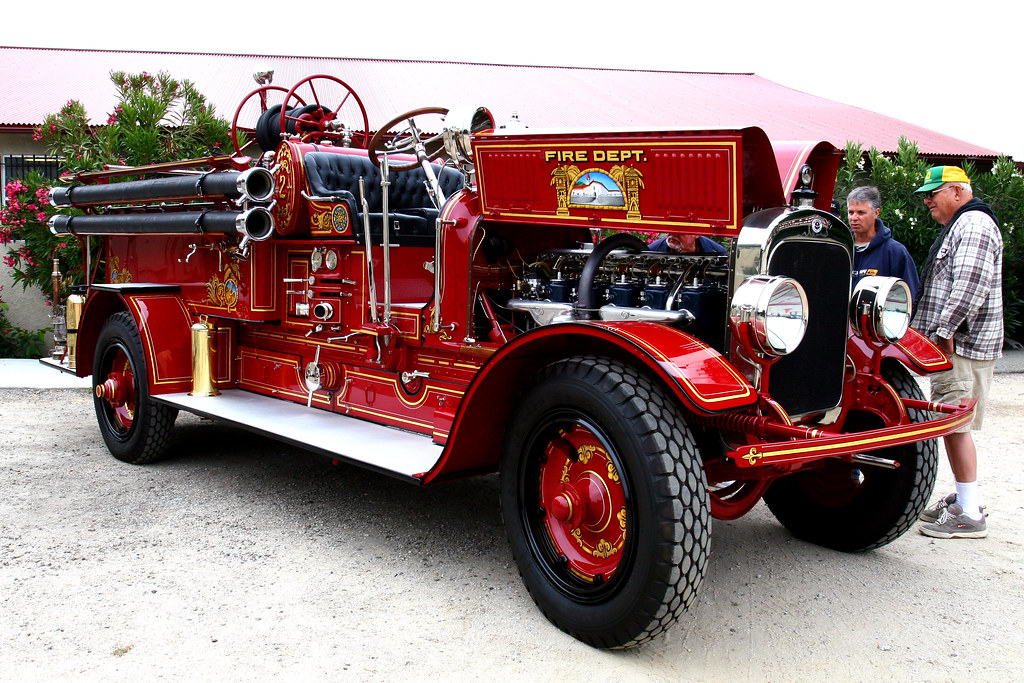
Her husband bought her a 1923 Seagrave pumper fire engine named “Cordelia Delilah Lindsay” which she drove around even though it got two miles to the gallon. She actually had the largest parking space at the studio.

If all those facts aren’t interesting enough, in an interview with Bill Mumy by the Archive of American Television, he relayed that she loved rock and roll. In 1967, she hired the Allman Brothers Band (then called Hour Glass) to play at her house. She took Angela Cartwright and Bill to the Whiskey-A-Go-Go. He also said that “in the 1980s she carried a picture of only one person in her wallet and it was David Bowie.”

See the source image
Photo: pinterest.com

I’m truly impressed that with as busy as she was as an actress, she made time for both her two daughters and her television children, and enjoyed a ton of hobbies as well. It seems she had a joy for learning about new things and continued to add interests to her life. She is a great role model for all of us.

.

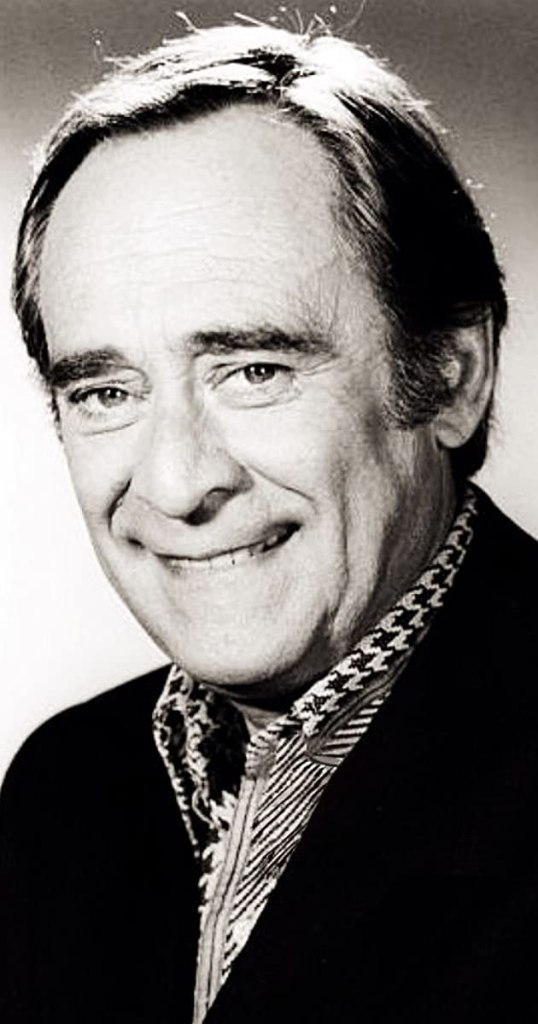
Heigh-Ho Louis Nye!

Finishing off our “Men of November” series is Louis Nye.  If you watched television in the sixties, you will recognize Louis, but you might not know why.

Photo:

Born Louis Neistat in Connecticut in 1917, he was the son of parents who emigrated to the US from the Russian Empire and became naturalized citizens in 1911. Louis wanted to get involved in acting but his grades weren’t good enough for him to participate in the drama club.  He opted for work on WTIC Radio instead. He also joined the Hartford Players.

The work on local radio led to his decision to move to New York City to work on the radio, often on soap operas. Nye married songwriter Anita Leonard in 1940. Unlike many Hollywood couples, they remained married until Nye’s death.

**FILE** Steve Allen, third from left, and some of the original cast members of the popular 1950’s television show, “Steve Allen Show,” gathered in Beverly Hills, Calif. in this Oct. 4, 1990 file photo to honor Allen and to celebrate the re-broadcast of 100 episodes of his show on HA! TV Comedy Channel. They are, from left: Tom Poston, Don Knotts, Allen, Louis Nye, Pat Harrington Jr., and Bill Dana. Nye died Sunday at his home in Los Angeles after a long battle with lung cancer, his son, Peter Nye, told The Associated Press on Monday. He was 92. (AP Photo/Kevork Djansezian, FILE)

World War II interrupted his career. He was assigned to run the recreation hall in Missouri. He would entertain troops and was able to meet Carl Reiner, who had a similar sense of humor, and who was also part of Special Services performing in shows across the Pacific.

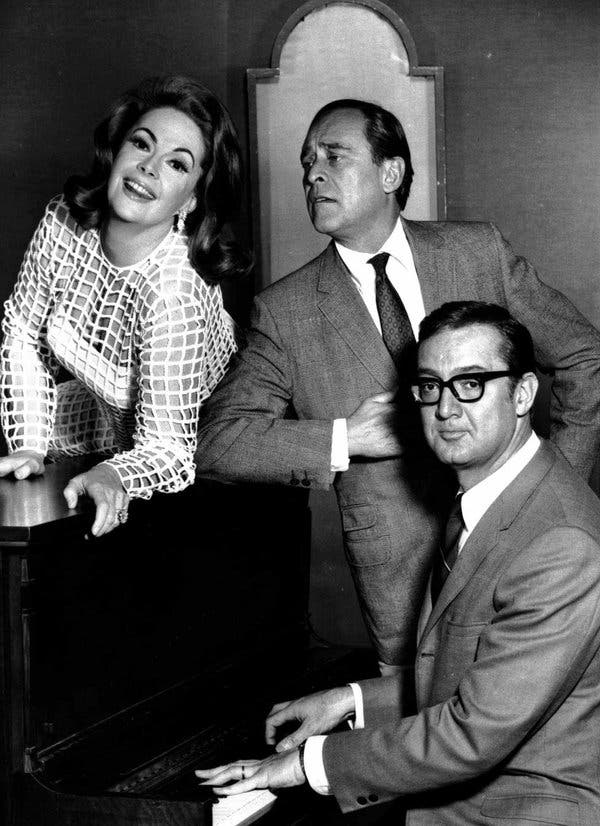
With Steve Allen and Jayne Meadows Photo: nytimes.com

After the war ended, he returned to New York, getting jobs on television and appearing on Broadway. His first tv role was on The Admiral Broadway Revue in 1949. He appeared on several shows during the fifties but was best known for his work on The Steve Allen Plymouth Show and the New Steve Allen Show. He became close to the entire cast which included Don Knotts, Tom Poston, Pat Harrington Jr., Dayton Allen, Gabriel Dell, and Bill Dana. Nye often portrayed wealthy citizens during the “Man on the Street” sketches. When he took on the role of Gordon Hathaway, the egotistical Country Club snob, saying “Hi-ho Steverino,” Allen often cracked up. When the show moved to Los Angeles, Nye went with it.

Photo: youtube.com

His first recurring role was that of dentist Delbert Gray on The Ann Sothern Show in 1960 and 1961. He was very busy during the sixties, appearing on a variety of shows including The Bob Hope Show, The Jack Benny Show, Mike Douglas, The Munsters, Jackie Gleason, and Phyllis Diller. From 1962-66, he would pop in on The Beverly Hillbillies as Sonny Drysdale, the spoiled stepson of banker Milburn Drysdale.

Photo: imdb.com

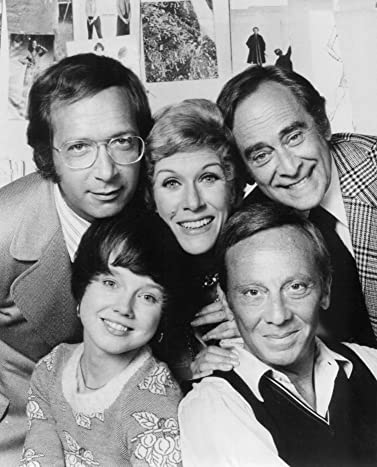
In the seventies, he could be seen on shows such as Laugh-In, Love American Style, Laverne and Shirley, Starsky and Hutch, and Fantasy Island. He was offered a permanent role on Needles and Pins in 1973. The show only lasted for 14 episodes. The series was about the garment industry. Women’s clothing manufacture Nathan Davidson (Norman Fell) works with a group of employees including characters played by Nye and Bernie Kopell.  It didn’t receive great reviews and many of the writers said it talked about the garment industry but showed very little and was set in one small spot, inhibiting what plots were even available.

During those decades Nye would also get offers on the big screen from time to time but most of the roles were smaller cameo parts. However, he appeared with a lot of celebrities in these epics including Bob Hope, Jack Lemmon, Lucille Ball, Dean Martin, Walter Matthau, and Jack Webb.

He also recorded several comedy albums using several of his characterizations. One of his most successful LPs was “Heigh-Ho Madison Avenue.” It parodied market research, advertising agencies and post-WWII society.  Some of the pieces on the album include “The Gray Flannel Blues,” “The Ten Commandments of Madison Avenue (Plus Big Bonus Commandments),” and “The Conspicuous Consumption Cantata.”

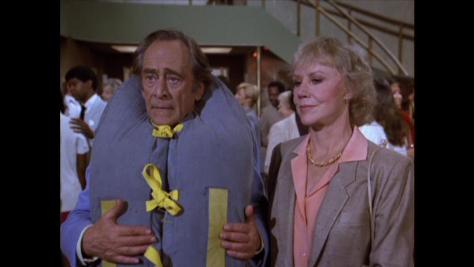
Asea on the Love Boat
Photo: drunk tv.com

He continued to keep busy in the eighties on a variety of shows including Here’s Boomer, Aloha Paradise, The Love Boat, The Cosby Show, and St. Elsewhere.

Curb Your Enthusiasm Photo: youtube.com

His last role was another recurring one where he played Jeff Garlin’s father on Curb Your Enthusiasm from 2000-2005. Nye passed away from lung cancer in 2005.

I’m not sure what to think about Nye’s career.  I think in the right role, he would have excelled in a television comedy or a big screen epic which he never had the opportunity to do. He was multi-talented and appeared on Broadway, in clubs, and on the radio, and he created comedy albums as well as appearing in movies and television. However, I often read quotes of his where he said he only wanted to be funny at parties and always considered himself a serious actor. He was so brilliant and funny with his 15 accents and wide range of characterizations that he seemed pigeon-holed as a comedy character actor early in his career. I wondered if he was sad that he never had the chance to appear in a classic drama, or if he accepted his successful career for what it was, just being thankful he was in the entertainment industry for his entire working life.

Photo: wikifandom.com

Since we cannot ask him directly, all we can do is tip our hats to him in appreciation for the decades of laughter and entertainment he provided for us. Thank you, Mr. Nye.

The Smothers Brothers Comedy Hour: Fifty Years After Getting the Pink Slip

The late 1960s and early 1970s might have contained the most diverse television shows than any other era. In 1968, there were the rural comedies like Green Acres and The Beverly Hillbillies; there were the standard sitcoms, My Three Sons, Get Smart, That Girl, Bewitched; there were the remains of a few westerns including The High Chaparral, The Virginian, and Gunsmoke; there were crime and thrillers such as Hawaii Five-0 and Mission Impossible; there was the crime/western in The Wild, Wild West, there were gameshows on at night including Let’s Make a Deal, The Dating Game, and The Newlywed Game; there were sci-fi shows like Star Trek and The Land of the Giants; family shows like Lassie; and even Lawrence Welk.

In addition, there were a couple of shows that were a bit edgier and introduced more  provocative concepts and themes. The Mod Squad featured three teens who were helping solve crimes in lieu of jail time, and then there was the almost-impossible-to-describe Laugh In.

Photo: neatorama.com

Similar to Laugh In was The Smothers Brothers Comedy Hour which also debuted in 1967 featuring Tom and Dick Smothers. It had more of a variety format to it but it had the same topical and satirical humor.

Photo: retrokimmer.com
The Who

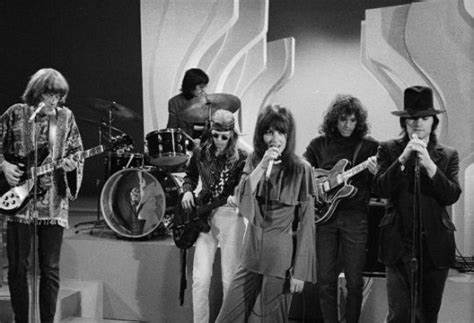
In addition to poking fun at politics, the war, religion, and current issues, you could tune in to the Smothers Brothers for some of the best and sometimes controversial music in the industry. Performers such as Jefferson Airplane, Steppenwolf, Simon and Garfunkel, The Who, Cream, Pete Seeger, and The Doors appeared on the show.

Photo: metro.com
Jefferson Airplane

The show aired Sunday nights against Bonanza on NBC; ABC aired The Sunday Night Movie in its first season and Hee Haw in its second season.

The series had some of the best writers on television: Alan Blye, Hal Goldman, Al Gordon, Steve Martin, Lorenzo Music, Don Novello, Rob Reiner, David Steinberg, and Mason Williams. Reiner and Martin both commented on the show in an interview by Marc Freeman in the Hollywood Reporter 11-25-2017 (“The Smothers Brothers Comedy Hour at 50: The Rise and Fall of a Ground-Breaking Variety Show”).  

Reiner relayed that “you had two cute boy-next-doors wearing red suits, one with the stand-up bass and the other with his guitar. They looked like the sweetest, most innocent kids. You got drawn to them, and then they hit you with the uppercut you didn’t see coming.”

Photo: tvbanter.net

Martin elaborated “When you have the power wrapped up in innocence, it’s more palatable. They were like little boys, but you also had Dickie there to reprimand Tommy when he would make an outrageous statement. It’s like the naughty ventriloquist dummy who can get away with murder as long as the ventriloquist is there to say ‘You can’t say that.’ It’s the perfect setup for getting a message across.”

Photo: pinterest.com
Jack Benny

In addition to the musical acts, hundreds of celebrities appeared on the show between 1967 and 1969, including Jack Benny, Carol Burnett, George Burns, Bette Davis, Jimmy Durante, Barbara Eden, Nanette Fabray, Eva Gabor, Shirley Jones, Don Knotts, Bob Newhart, Tony Randall, Ed Sullivan, Danny Thomas and Jonathan Winters, along with so many others.

Part of the show was the brothers’ ongoing sibling rivalry about whom their parents liked best. They also began to add political satire and ribald humor. Pat Paulsen delivered mock editorials about current topics such as the draft and gun control, and in 1968 he had a mock presidential campaign.

Photo: rollingstone.com
Pat Paulsen for president

Church sermon sketches poked fun at religion. The show lampooned many of the values older Americans valued, often delivering anti-establishment and pro-drug humor. No one was given an exception, and the show lambasted the military, the police, the religious right, and the government.

Battles over content were ongoing with the network. The network pulled Pete Seeger’s performance of his anti-Vietnam War song, “Waist Deep in the Big Muddy.” They nixed Harry Belafonte’s song, “Don’t Stop the Carnival” because it had a video collage behind him of the 1968 Democratic National Convention riots.

Younger viewers were tuning in, and despite the conflicts, the show was picked up for a second season. The network insisted they receive a copy of the show at least ten days in advance for editing. In April of 1969, William Paley canceled the show without notice. Some sources contend it was canceled by CBS president Robert Wood. Some sources cite the issue with unacceptable deadlines and others mention Tom Smothers lobbying the FCC and members of Congress over corporate censorship that brought about the firing. The brothers filed a breach of contract suit against the network and after four years of litigation, a federal court ruled in their favor, awarding them $776,300.

Photo: blogspot.com

Here’s a typical joke from the show that was not as controversial.

Tom: You can tell who’s running the country by how much clothes people wear, see?

Dick: Do you mean that some people can afford more clothes on, and some people have . . . less on? Is that what you mean?

Tom: That’s right.

Dick: I don’t understand.

Tom: See, the ordinary people, you’d say that the ordinary people are the less-ons.

Dick: So, who’s running the country?

Tom: The morons.

The Smothers Brothers elicited humor that was as topical, influential, and critical as anyone had ever heard before on television. Fifty years later, both the network and the brothers realized everyone over-reacted. If the Smothers Brothers had tried to play by the rules a bit, they would not have lost their platform to continue to help change what they saw as a messed-up culture.

Photo: Wikipedia.com

The CBS executives felt the program created too much controversy. In their defense, politicians, especially Lyndon Johnson and Richard Nixon, exerted a lot of pressure on the network. Remember this was a time of three networks and ads are what produced the profits to fund shows. The network received a boatload of hate mail daily about the program and, when viewers begin talking boycotting advertisers, executives sit up a bit straighter and listen.

The Smothers Brothers Show, a less controversial series, debuted in 1975. They had two specials on NBC later and another CBS series in 1988 but never regained the influence they had in the sixties. However, the show did help pave the way for a future that permitted, and later embraced, shows with controversy beginning with All in the Family, continuing with Saturday Night Live, and recently seen on shows such hosted by Jon Stewart and Stephen Colbert. Although the comedy spouted on the show would seem quite tame by today’s standards, the show had an important part in the history of television and the rights of free speech.

Photo: wvxu.com

I have seen some DVDs out there from this show, but they are pricey. Recently I saw season two going for $190. I do see Laugh In on Decades quite often, so perhaps The Smothers Brothers might show up somewhere too, although I’m not sure this show would hold up as well as Laugh In, but the musical performances would be fun to see.

The Phil Silvers Show: You May Never Get Rich, but You’ll Receive a Wealth of Humor

This month, we begin a new series, “We Salute You” and we will look at shows about the military. Our first series is The Phil Silvers Show a/k/a You’ll Never Get Rich.

Photo: nostalgiacentral.com

The sitcom debuted on CBS in 1955. The pilot was never aired, but the show was part of the television schedule until 1959, producing 143 episodes.

Nat Hiken created the series which ended up being nominated for Best Comedy Series every year it was on and winning that category in 1956, 1957, and 1958. In addition, Silvers won an Emmy for his performance, and Hiken won an Emmy for Best Director.

Photo: findagrave.com
Nat Hiken in the bowtie with Phil Silvers

In 1955, television was transitioning from New York to California. However, Hiken insisted on filming the series in New York. The earlier seasons were filmed at Dumont and later seasons moved to CBS studios in Chelsea, Manhattan.

The show was filmed like a play in front of a live audience. The cast members had to memorize the entire script. When Mike Todd guest starred in season two, he insisted that the show be filmed more like a movie. Takes were filmed out of sequence and multiple takes were allowed because there was no audience. The crew realized that this process was faster, cheaper, and easier for the actors, so the change was put in place permanently. The show was screened for the military though, and servicemen made responses that were used to make the show more realistic.

Photo: thetimes.com

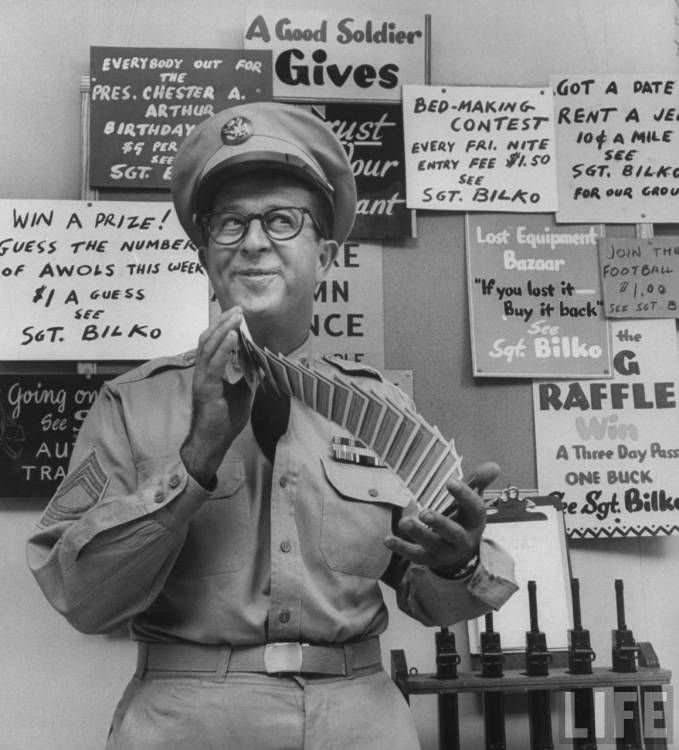
Sergeant Ernie Bilko (Phil Silvers) is a con man. He runs a motor pool at a small US Army Camp, Fort Baxter in Roseville, Kansas. Colonel Hall (Paul Ford), who doesn’t trust Bilko, tries to stay on top of his schemes. Bilko tries to make money any way he can and is not above using the landing craft for midnight cruises, “borrowing” tanks, setting up poker games, and conniving with a local service station for spare parts for Jeep tires for his get-rich quick scams. Bilko has pulled the wool over Col Hall’s wife’s (Hope Sansberry) eyes and flatters her every chance he gets. Silvers said Bilko was so successful because “inside everyone is a con man wiggling to sneak out.”

Photo: pinterest.com

Although his men knew he could not be truly trusted, they were usually loyal to him and while he occasionally used them in a scheme, he typically made sure they were taken care of. Some of the situations Bilko found himself in included starting a mink farm, entering his platoon in a singing contest, investing in an ailing race horse, stealing a French chef’s family recipe, buying swampland, thinking there was uranium beneath Hall’s living room, and getting a hot racing tip but not being able to get his bet in on time.

For the fourth season, the camp moved from Kansas to Camp Fremont in California. The move was explained that Bilko orchestrated the new location because he learned there was a gold deposit near the abandoned army post. The primary reason for the geographical change was so stars could guest on the show because the camp was now said to be close to Hollywood. Some of these celebrities included Dean Martin, Mickey Rooney, Bing Crosby, Dorothy McGuire, and Lucille Ball.

Photo: DVDtalk.com
Bing Crosby visits the base

In addition to the stars who were said to come from Hollywood, guest stars on the show included Charlotte Rae, Fred Gwynne, Dick Van Dyke, Paul Lynde, Tom Poston, Dina Merrill, Alan Alda, Bea Arthur, and Tina Louise.

Photo: tvtropes.com

I was surprised by the large cast that was featured on this show as opposed to Gomer Pyle, Hogan’s Heroes, or McHale’s Navy. Bilko’s comrades were Corporal Barbella (Harvey Lembeck) and Corporal Henshaw (Allan Melvin).

Photo: brittanica.com
Bilko with Barbella and Henshaw

The rest of the men included Corporal Sam Fender (Herbie Faye), Sergeant Grover (Jimmy Little), Privates Doberman (Maurice Gosfield), Zimmerman (Mickey Freeman), Kadowski (Karl Lukas), Gomez (Bernard Fein), Paparelli (Billy Sands), Mullen (Jack Healy), Fleischman (Maurice Brenner), Sugarman (Terry Carter) and Dillingham (Walter Cartier), as well as quartermaster Sergeant Pendelton (Ned Glass). Bilko even had a romantic interest in Sergeant Joan Hogan (Elisabeth Fraser).

Photo: losangelestimes.com

Because the series had so many secondary cast members, it became too expensive to maintain, and that was the primary reason it was canceled. I was surprised it did not affect the ratings because there were a lot of cast members to follow from week to week.

The show started out on Tuesday nights the first season. Its competition was The Legend of Wyatt Earp and Milton Berle.  The ratings at first were not good and Camel Cigarettes, the sponsor, considering withdrawing. The network moved the show so it didn’t need to compete with Berle’s second-half hour. The ratings skyrocketed. The second and third seasons, it continued on Tuesday nights but was up against Cheyenne both years and against The Big Surprise on the second season and The Eddie Fisher Show the third season. The Phil Silvers Show continued to be in the top 30 for season two but fell below those rankings in season three. Season four found the show on Friday nights up against Man with a Camera and M Squad.  I would have thought that season might have the weakest competition but the show never recovered its higher ratings. However, Friday nights many people were out, not home watching television.

Another downfall with such a large cast is the personality conflicts that might occur. Apparently, Phil Silvers did not get along with Maurice Gosfield. Gosfield had trouble remembering his lines which frustrated the other actors; however, he got the most fan mail which Silvers resented. In his memoir, Silvers discussed this issue and wrote that Gosfield “thought of himself as Cary Grant playing a short, plump man.”

Photo: pinterest.com
Gosfield as Doberman

Phil Silvers would play the same type of con man on many sitcoms later including The Beverly Hillbillies, Gilligan’s Island, The Lucy Show, and the movie It’s a Mad, Mad, Mad, Mad World.

Photo: pinterest.com

After its cancellation, CBS sold the show to NBC which was a great move on NBC’s part. The network made a ton of money on the show’s syndication because reruns were run for decades.

Photo: ebay.com

DC Comics published comic books based on the show as well. From 1957-1960 there were 16 issues of a Sergeant Bilko comic book and 11 issues of a Private Doberman comic book.

Photo: ebay.com

In 2009, the US Postal Service issued a set of stamps honoring early television programs. This show was commemorated with an image of Sergeant Bilko.

I remember the show being on the air a lot while I was growing up, but I rarely see it now. I am going to rely on a fellow blogger to sum up the show. In a recent blog on neatorama.com from February 14, 2019, the show was described as follows:

It is my opinion that THE PHIL SILVERS SHOW (aka YOU’LL NEVER GET RICH) remains the single most underrated sitcom in television history and that Phil Silvers remains the most underrated comedian in that medium. This is really saying something because the series has indeed received great acclaim over the years. Even so, Silvers is just not given his proper due for creating the Bilko character. But it is Phil Silvers, his facial expressions, his bugle-call barking of orders, his complete manipulation of everyone on the base, and his wild schemes to make money that never seem to get old no matter how much you watch the episodes on video. The show is a great testament to the talents of Phil Silvers. With its complex plotlines and quickfire dialogue it’s still a treat to watch Silvers’s monumental character. The most oft-said line in the series must be “but, Sarge! as Bilko launches into another diabolical and, ultimately, flawed scheme to make money and dodge work.”

Photo: philsilversshow.com

Bilko isn’t a bad guy; he’s just not trustworthy. As he himself likes to say, “All I ever wanted was an honest week’s pay for an honest day’s work.” Maybe in this politically correct world we live in, making fun of the military is a taboo. It’s too bad because all the critics loved this show. If you want to check it out for yourself, the series is on DVD, so it is available for a week-end of binge watching; you can purchase individual seasons or the complete series.

Milton Frome: What a Character!

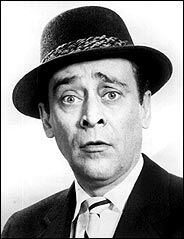
As we continue looking at some of our well-known character actors, today we consider the career of Milton Frome. Frome was born in Philadelphia in 1909. He began acting in his mid-20s.

Photo: watchviooz.com

His first major movie role was in Ride ‘em Cowgirl in 1939. Frome would go on to appear in 55 movies (including The Nutty Professor, Bye Bye Birdie, and With Six You Get Eggroll), as well as five made-for-TV movies. He also had a thriving television career beginning with Chevrolet Tele-Theatre in 1950.

Photo: amazon.com

Appearing in 34 different shows during the fifties, he performed in a variety of genres including dramas, comedies and westerns.

Photo: jimnolt.com
The Adventures of Superman

During that decade you would have seen him on I Love Lucy, Lassie, The Adventures of Superman, Playhouse Theater, The Thin Man, and The Gale Storm Show. He also worked with many comic legends on television, including Milton Berle, Red Skelton, and Dean Martin and Jerry Lewis.

Photo: tumblr.com
I Love Lucy

His career escalated in the sixties when he would accept roles in 48 programs. He showed up in dramas, including The Twilight Zone, 77 Sunset Strip, and Dr. Kildare. He also found his way into many westerns such as Bat Masterson, Death Valley Days, Gunslinger, Big Valley, Rawhide, and Wagon Train. However, he seemed to excel at comedies and during the 1950s you could have spied him in many sitcoms. He accepted parts in Bachelor Father, Pete and Gladys, The Jim Backus Show, The Dick Van Dyke Show, Mister Ed, The Joey Bishop Show, I Dream of Jeannie, My Favorite Martian, The Donna Reed Show, Gomer Pyle USMC, Bewitched, The Monkees, The Patty Duke Show, Petticoat Junction, and The Andy Griffith Show.

Photo: coolcherrycream.com
The Monkees

Frome was never offered a permanent role in a series, but he did have a recurring role in The Beverly Hillbillies, appearing eight times as Lawrence Chapman, who managed Jed Clampets Mammoth Studios.

Photo: imdb.com
St. Valentine’s Day Massacre

His television career slowed down a bit in the 1970s and became nonexistent by 1983, but he did make appearances in shows like Ironside, Columbo, Here’s Lucy, The Streets of San Francisco, Sanford and Son, and Trapper John MD. He also appeared in two Love American Style episodes in 1971 and 1973. In the 1973 episode, “Love and the Anniversary,” he played “The Man” and his son Michael played a bellhop.

Photo: sitcomsonline.coom
The Jerry Lewis Show

At some point, Frome married Marjorie Ann Widman, but I could not verify when they married. I also could not verify if Michael was their son, or his son from another relationship.*

Photo: batman.wikia.com
Batman

Frome passed away in 1989 from congestive heart failure.

While it is now easy to analyze and detail an actors professional career, it was very tough to find any information about Fromes personal life or his working relationships with other actors. It makes me sad that these hard-working actors who provided so much to our classic television-watching experiences are just not well known. Hopefully blogs like mine keep them in television viewers memories, and some day maybe I will have time to write a book about these unsung heroes of our pop culture history. Thanks for all you contributed to the golden age of television Milton Frome!

*In June of 2021, I heard from Jane Wallace Casey who provided some additional information for us: “I am Milton Frome’s niece. His first wife was Barbara Wallace with whom he had his son Michael.”
Charles Lane: What a Character!

My blog theme for this month is “What a Character!” I am looking at the careers of four successful and hard-working actors. With 372 acting credits, perhaps there was no more prolific character actor than the beloved Charles Lane. He perfected the grumpy sourpuss always ready and gleeful to make life more complicated for others. His bio on imdb.com captures his type perfectly as the “scrawny, scowling, beady-eyed, beak-nosed killjoy who usually could be found peering disdainfully over a pair of specs, brought out many a comic moment simply by dampening the spirit of his nemesis.”

Photo: pinterest.com

However, despite that, we always knew there was more to him, and that his real persona was being covered up by his crotchety outward characteristics. His character Herman Bedloe on Petticoat Junction portrayed this dual-personality perfectly. Bedloe was always trying to shut down the train, but we knew he actually liked the Bradley family, and occasionally you would get a glimpse of the lonely and soft-hearted side of him.

He was born Charles Gerstle Levison in San Francisco in 1905. His family survived the 1906 earthquake. His father was an insurance executive, and Charles would follow in his footsteps for his first career.

Photo: newsfromme.com
The Music Man

A friend, actor Irving Pichel, convinced Lane to try his hand at acting, and Lane joined the Pasadena Playhouse in the late 1920s. His first movie was City Girl in 1930, and his last was Acting on Impulse in 1993. During those six decades he had a successful career in both television and Hollywood. In 1933, Lane became one of the founding members of the Screen Actors Guild (SAG). In that year alone he made 23 films. There was an anecdote told about Lane that it was not uncommon for him to go to a movie, see himself on screen, and be surprised because he completely forgot he had been in the film. Starting out at $35 a day, by 1947 he was earning $750 a week.

His longest-running role was husband. In 1931 he married Ruth Covell; the couple had two children and were married until her death in 2002.

Photo: pinterest.com
It’s a Wonderful Life

Perhaps most people recognize Lane from his role of rent collector for Henry Potter in It’s a Wonderful Life. Capra signed Lane to roles in ten of his movies. Lane was a corrupt attorney in Mr. Deeds Goes to Town (1936), an IRS agent in You Can’t Take It with You (1938), a newsman in Mr. Smith Goes to Washington (1939), a reporter in Arsenic and Old Lace (1944), and Blink Moran in State of the Union (1948). Among his most-cherished possessions was a letter from Capra where he wrote “Well, Charlie, you’ve been my No. 1 crutch.” Other popular films he was in include The Ghost and Mr. Chicken; It’s a Mad, Mad, Mad, Mad World; and The Music Man.

Photo: blogspot.com
You Can’t Take It with You

During World War II, Lane joined the Coast Guard. When he returned to civilian life, his television career took off. His first role was on Burns and Allen in 1951. During the 1950s, he appeared in more than 30 shows including Topper, The Thin Man, Perry Mason, and The Ann Sothern Show. He was often seen on Lucille Ball shows. He and Lucy had become friends when they both worked for RKO, and he had a great respect for Desi Arnaz’s acting ability.

Photo: imdb2freeforums.net
I Love Lucy

During this decade he was cast on the show Dear Phoebe in 1954. Peter Lawford starred in the show as a former college professor who writes an advice column under the name Miss Phoebe Goodheart. Meanwhile, his romantic interest is Mickey Riley portrayed by Marcia Henderson, the paper’s sports writer. Lane took on the role of Mr. Fosdick, their boss.

Photo: blogspot.com
The Andy Griffith Show

The 1960s found him on almost every popular show of that decade. Tuning in to your favorite series, you would spy Lane on Bachelor Father, Pete and Gladys, Mister Ed, The Andy Griffith Show, The Joey Bishop Show, Get Smart, The Bing Crosby Show, The Man from UNCLE, The Donna Reed Show, Green Acres, Bewitched, and The Wild, Wild West, among many others.

Photo: sitcomsonline.com
Gomer Pyle USMC

Lane had recurring roles on five shows during the 1960s. On Dennis the Menace, he was the pharmacist Mr. Finch. He also could be seen on his friend’s series, The Lucy Show as Mr. Barnsdahl, a local banker. The Phyllis Diller Show had a cast that should have made it a hit and from 1966-67, Lane played Maxwell. Although many characters appeared on both The Beverly Hillbillies and Petticoat Junction, Lane had two different roles on the two series. He appeared in 24 episodes of Petticoat Junction between 1963-1968 as Homer Bedloe, a railroad executive who is always trying to find a reason to shut down the Cannonball. On the Beverly Hillbillies, he portrayed Foster Phinney.

Photo: filmstarfacts.com
Petticoat Junction

Lane continued with both his movie and television appearances throughout the 1970s, taking roles on The Doris Day Show, The Odd Couple, Family, Rhoda, Chico and the Man, and he continued his television appearances into the 1980s and 1990s with shows that included Mork and Mindy, St. Elsewhere, LA Law, and Dark Shadows.

Photo: pinterest.com
Bewitched

The decade of the seventies would find him cast in two additional series, Karen and Soap. Karen debuted in 1975, starring Karen Valentine as Karen Angelo. Karen works for an advocate group for the common American citizen, Open America, founded by Dale Busch, who was played by Lane. On Soap, Charles took on the role of Judge Petrillo who presided over Jessica Tate’s murder trial; however, because of Jessica’s husband, the judge lost $40,000 in a bad investment.

Photo: sitcomsonline.com
Soap

Charles Lane was honored in 2005 when he turned 100. SAG proclaimed January 30 “Charles Lane Day,” and TV Land honored him in March for his long career. After receiving his award, he let it be known “in case anyone’s interested, I’m still available!”

Photo: allmovie.com
TV Lands Award March 2005

Despite his being typecast in cranky roles, friends and family described him as funny, kind, and warm-hearted. Lane’s one vice was smoking. In 1990 he was rushed to the hospital when he was having problems breathing. When the doctor asked if he smoked, Lane informed him he had kicked the habit . . . 45 minutes earlier. He never smoked again and he lived another 12 years, dying peacefully in 2007.

Photo: blogspot.com
Homer Bedloe

Although it’s tough on actors to be typecast so early in their career, it’s a double-edged sword, because it also provides a lot of opportunities for roles. Lane was an enigma; while he always convinced us that he was just as mean as could be, we also knew if someone would give him a chance, he could be reformed like Scrooge; he just needed the opportunity. It always makes me smile to come across Charles Lane in a move or television episode. It’s like seeing an old friend, or perhaps the neighbor who yelled at you to get off his yard. However, if you looked closely, you would see him watching and wanting to be part of the action. As you watch your favorite older classic shows, keep an eye open for him.