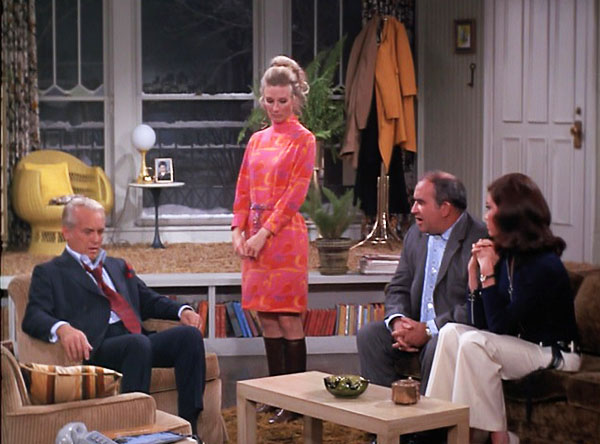
My Secret, Guilty Pleasure: The Feminist and The Fuzz

For those of you who have been with me on this blog journey, I have shared quite a bit with you during the two and a half years I’ve been writing. You have learned I can’t stand All in the Family or Good Times. You have learned I think that perhaps the best sitcoms ever written were The Dick Van Dyke Show and M*A*S*H. You know that I love the Doris Day comedies from the 1960s. I became vulnerable enough to share with you that Bachelor Father, My Three Sons, That Girl, and The Partridge Family are some of my favorite classic sitcoms. Today I’m catching a long breath and taking my confessions a step further.

Television movies have been a staple since the 1960s. Different networks came up with a show that was an incentive for viewers to stay home and watch movies. In 1961, NBC Saturday Night at the Movies debuted. A movie previously released in the theaters was shown. Since each network had their own version of the show, eventually there was a shortage of previous movies to air. At that time, networks decided to fill the gap by producing their own “made-for-tv” movies. The first was See How They Run which aired October 7, 1964 on NBC.

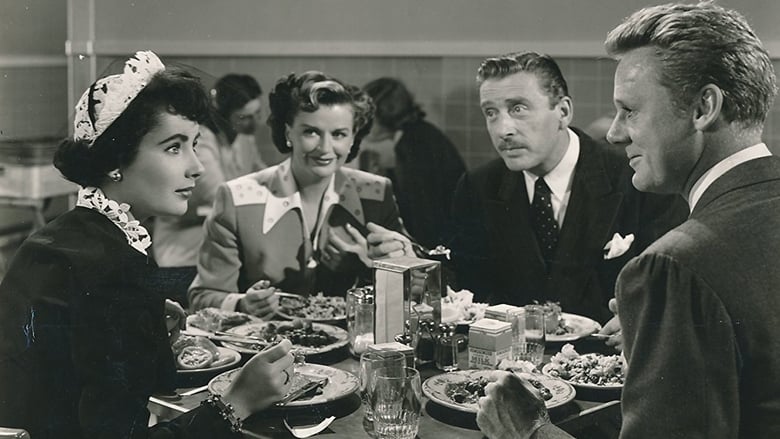
I’m sure I watched more than my share of these movies growing up, but most of them left no impression on me. However, there is one that I do remember. I’m not sure if it was the incredible cast or just the topic of women’s lib which I was just beginning to understand at age ten, but I loved this movie. I watched it live on television and never saw it again. It was The Feminist and The Fuzz. Although I’m sure it’s full of politically incorrect dialogue and actions, I decided to learn a bit more about this treasure that I have not seen in more than 40 years.

Photo: pinterest.com

Screen Gems made the movie for ABC. It aired on The ABC Movie of the Week on January 26, 1971. Barbara Eden and David Hartman were the stars of the show. The movie was written by James Henerson. He wrote eighteen television movies, as well as scripts for several sitcoms including I Dream of Jeannie and Bewitched. Jerry Paris, who was Jerry Helper, the Petries’ neighbor on The Dick Van Dyke Show, was the director. Claudio Guzman produced the movie, and Emil Oster was the cinematographer.

Photo: youtube.com

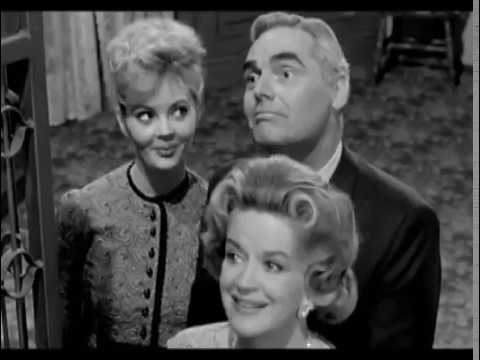
Jane Bowers (Eden) is a pediatrician. She is engaged to Wyatt Foley (Herb Edelman). Wyatt is a lawyer and a bit of a mother’s boy. Jane has recently been drawn into the women’s liberation movement. Apartments in San Francisco are few and far between. We learn she has been trying to find one for a while. As she arrives at the latest apartment in her hunt, she meets Jerry Frazer (Hartman), a cop who is also looking for an apartment. The landlord assumes they are a married couple as he shows them around.

When he leaves, they argue about who gets the apartment. Neither one of them is willing to give in, so they finally come to an understanding that they will share the apartment. They work opposite shifts, so they decide they will rarely be there together. Jerry is dating Kitty Murdock (Farrah Fawcett), a bunny at the Playboy Club.

Photo: pinterest.com

Jane explains what is going on to Wyatt, but Jerry does not want Kitty to find out he is living with Jane. Jerry is a bit of a ladies’ man but treats women respectfully. Jane refers to Jerry as a “cop-lawyer-sexual bigot-Boy Scout,” and she insists he treat her like he would another man.

Although the plan is that Jane and Jerry don’t spend any time together, of course they end up being thrown together. Despite their first impressions of each other and their intention to dislike each other, the viewers realize that they are falling in love.

Photo: modcinema.com

While Jane has been exploring the entire feminist movement, she has not bought into it as much as her friends. Her best friend is another doctor, Debby Inglefinger (Jo Anne Worley). Debbie is a hardcore protester and women’s libber. She decides her club, Women Against Men, or WAM is going to stage a protest at the Playboy Bunny Club.
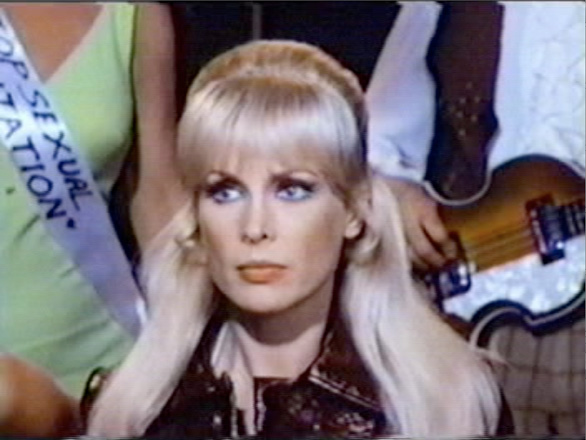
Photo: modcinema.com

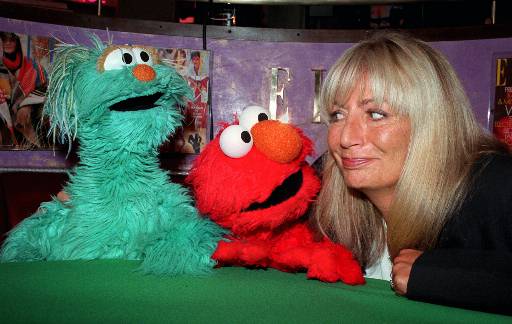
Jane joins her friends at the Club. The women are all wearing swimsuits and carrying signs; Jane’s says, “Men are Playboys, Women are Playthings.” WAM refuses to leave the premises, so the manager calls the police. Of course, Jerry is one of the officers who come to get things under control. While the other women are being arrested, Jerry picks up Jane, who is in a bikini, and carries her to a taxi, telling the driver to take her home. She is incensed that she is not going to jail with the other women. While this is going on, Kitty spots him and realizes he is protecting Jane. Some of the women who are arrested at the Club include Sheila James, Jill Choder, Merri Robinson, Penny Marshall, and Amanda Pepper.
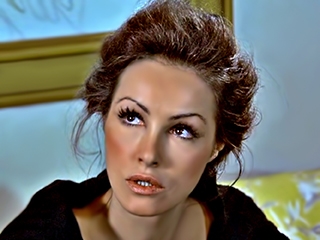
Photo: aveleyman.com

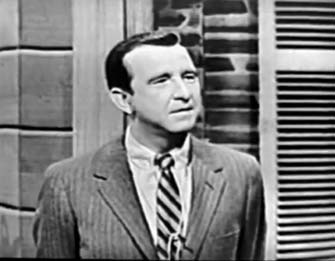
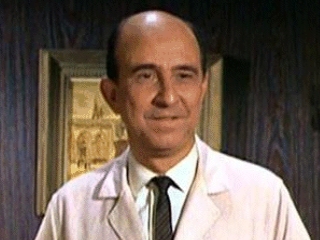
Jane calls her father, Horace (Harry Morgan) who is also a doctor. She has not admitted to him that she has a male roommate. He decides to drive into town to talk to her in person. In the meantime, Lilah (Julie Newmar), a kind-hearted prostitute asks Jerry to arrest her, so she has a place to sleep that night. He feels sorry for her and lets her stay in his room at the house that night because he will be at work. When Jane’s father arrives, he runs into Lilah who he assumes is Jane’s roommate. Jane is not there because she was still angry and got even madder when she thought Jerry is sleeping with Lilah. She leaves him a note that she is moving out.

Jerry tries to call Jane at work and when he finds out she left early, he rushes home. Of course, by this time Horace and Lilah have gotten to know each other well. Kitty also shows up at the apartment and sees Jane and recognizes her from the Club. Wyatt and Debbie also stop by.

Jerry finally admits he loves Jane. Jane is in a fluster and runs out of the apartment. Kitty gets mad and asks Debbie if she can join WAM. Wyatt finds Debby’s controlling nature attractive and they begin a relationship.

Jerry catches up with Jane in the middle of an intersection where he kisses her, stopping traffic. Horace is happy because never liked Wyatt but likes Jerry a lot.
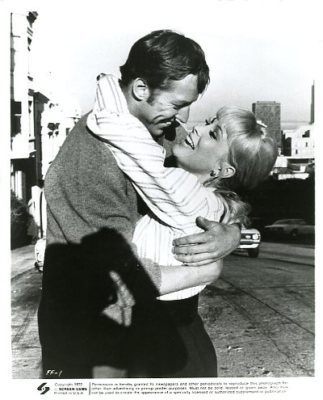
Photo: worthpoint.com

Like Laugh-In, With Six You Get Eggroll, or The Brady Bunch, this movie could only have come out of this era. Everything about the movie screams the seventies—the clothing, the interiors, the cars, the language—which is probably why I was drawn to it. Everyone in the cast is a well-known star, which also made it fun to watch.

There were a lot of impactful and important television movies made in the 1960s and 1970s, so I’m not sure why this movie, primarily fluff, is so memorable for me. I guess I was not alone because it was the second-highest ranked television movie when it aired. It is on my bucket-list of shows to watch again. What is the movie that you love but hate to admit how much you love it?

Earle Hagen Whistles a Happy Tune

We don’t often notice music in the background of our favorite shows, but it has a significant impact on our appreciation for a series. One of my favorite CDs in the 1980s was the music from thirtysomething. I admit I didn’t often pay attention to the music while watching the show, but I loved listening to the soundtrack.

hagen14

Photo: findagrave.com

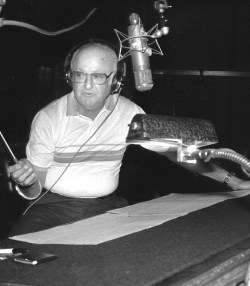
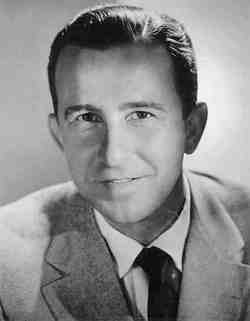
Today we get to spend some time learning about one of the most prolific songwriters in the television industry: Earle Hagen. Earle was born in the Midwest in 1919, in Chicago, but moved with his family to Los Angeles. He began playing the trombone in junior high school.

At age 16 he left home to play with some of the best big bands in the country: Tommy Dorsey, Benny Goodman, Ray Noble.

hagen2earlhagen.net

Photo: earlehagen.net

During his time with Noble, when he was only 20, Hagen composed the song “Harlem Nocturne” as a tribute to Duke Ellington and Johnny Hodges. It would be recorded by numerous musicians over the years and later was adopted as the theme for both Mickey Spillane’s Mike Hammer and The New Mike Hammer.

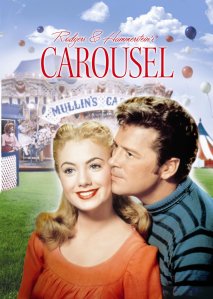
In 1940 Earle was hired by CBS as a staff musician. Like many of the composers we have been learning about, Hagen enlisted in the military for World War II. When he came home, he became an orchestrator and arrangement writer for 20th Century Fox. He worked on a variety of films including Gentlemen Prefer Blondes and Carousel.

In 1943 he married Lou Sidwell, a big band singer. They would remain married until she passed away in 2002 and produce two sons.

When Earle accepted the Irwin Kostal Tribute Award in 2000, he explained that “In 1953, the studios committed to large screen production and we went from 38 pictures a year to one. There were other pictures on the planning board but not immediate enough to support the huge studio staffs. So, along with 1199 other people, I migrated to television.”

The first show he worked on was a short-lived series, It’s Always Jan which was on the air from 1955-56.

Then Hagen met Sheldon Leonard. As he says, “There again my good fortune held. I teamed up with Danny Thomas and Sheldon Leonard at a time when they were starting a string of hits that lasted 17 years.” Earle wrote the theme for Make Room for Daddy.

Those 17 years were busy. Leonard initiated the practice of using original music for sitcoms, so a lot of background music was required. Hagen said that during that era, the composer was part of the creative team. His opinion was asked for and respected in pre-production, production, and post-production.

He loved working in television. He said that there was “something about the immediacy of TV that I enjoyed. It was hard work, with long hours and endless deadlines, but being able to write something one day and hear it a few days later appealed to me. I think a statistic of which I am most proud is that in the 33 years I spent in television I was associated with some three thousand shows. Every one of them was recorded in Los Angeles with a live orchestra.”

His work continued with Leonard, and he wrote the theme song for The Dick Van Dyke Show.

hagen6

Photo: brioux.tv

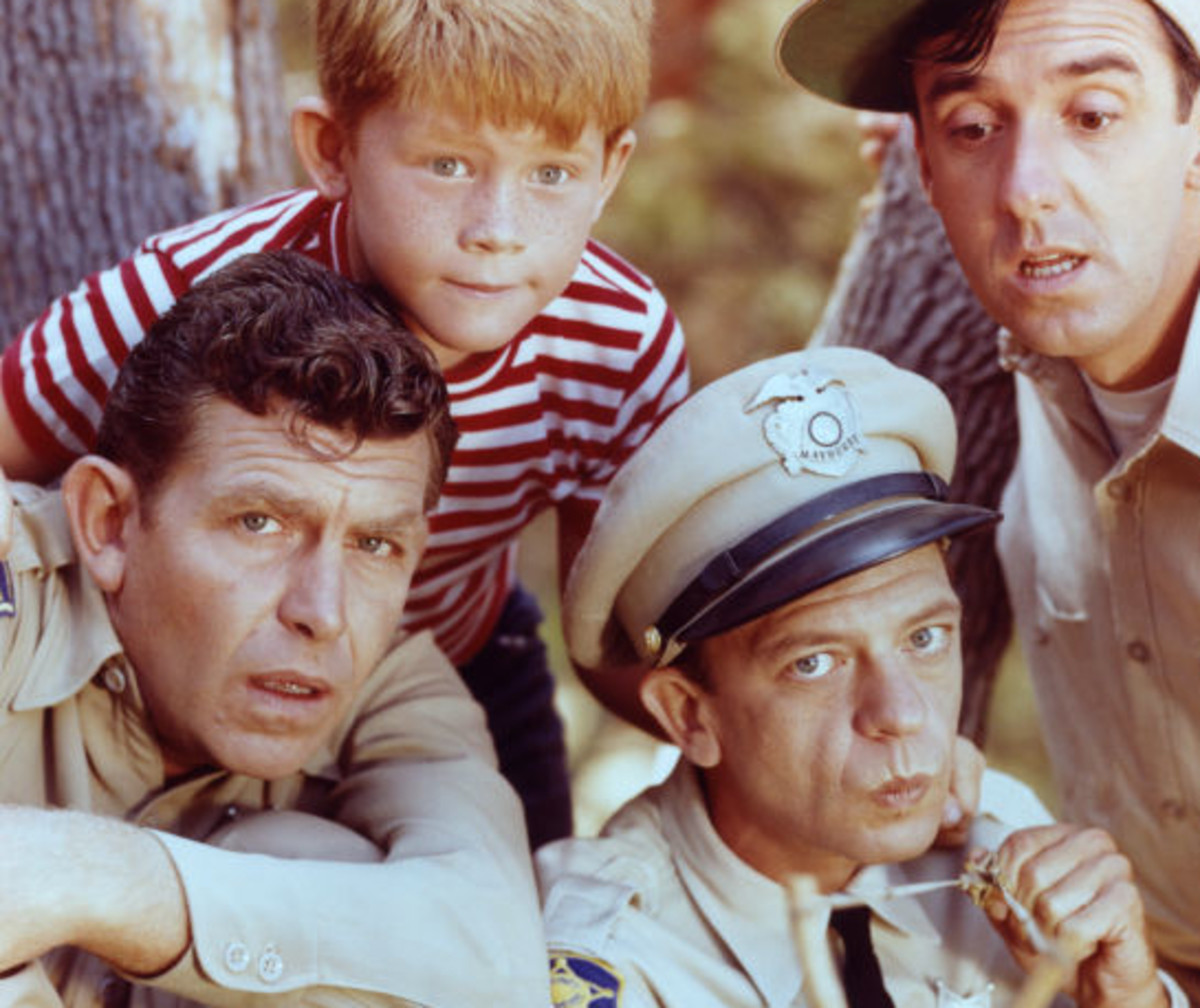
Then Sheldon asked him to come up with a theme for a show about some gentle town folks and their sheriff. Earle said he struggled a while trying to come up with the perfect theme. As he described the process: It’s like “peeling an onion. Half of coming up with something good is throwing away what’s not.” Finally, he had a brainstorm and “he simply whistled the catchy tune which entered his head.” It’s the whistling of Hagen we hear on The Andy Griffith Show when we hear “The Fishin’ Hole.” Despite the difficulty of coming up with the theme song, Hagen enjoyed his time with The Andy Griffith Show. He said, “I guess my favorite show . . . was The Andy Griffith Show. It covered the spectrum from warmth to complete zaniness. It also was easy to write. Worthwhile, when you are doing four or five different series a week.”

hagen5

Photo: mtairynews.com

He went on to work on several shows in the 1960s, including The Bill Dana Show, That Girl, Accidental Family, Gomer Pyle USMC, Mayberry RFD, and The Mod Squad. Hagen based the Mod Squad theme on Schoenberg’s 12-tone scale which added some tension to the scenes, along with a jazzy theme song.

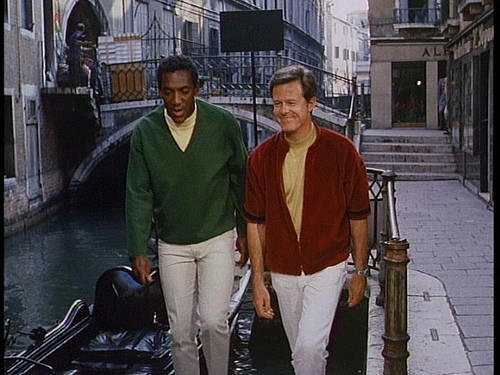
Hagen’s songs are some of the most recognizable ones in television. However, his most innovative and beautiful scores were done for a show that is not remembered much today, I Spy. Leonard wanted original soundtracks for each episode. This humorous spy show was filmed in locations all around the world, so the music had to vary as well.

hagen9

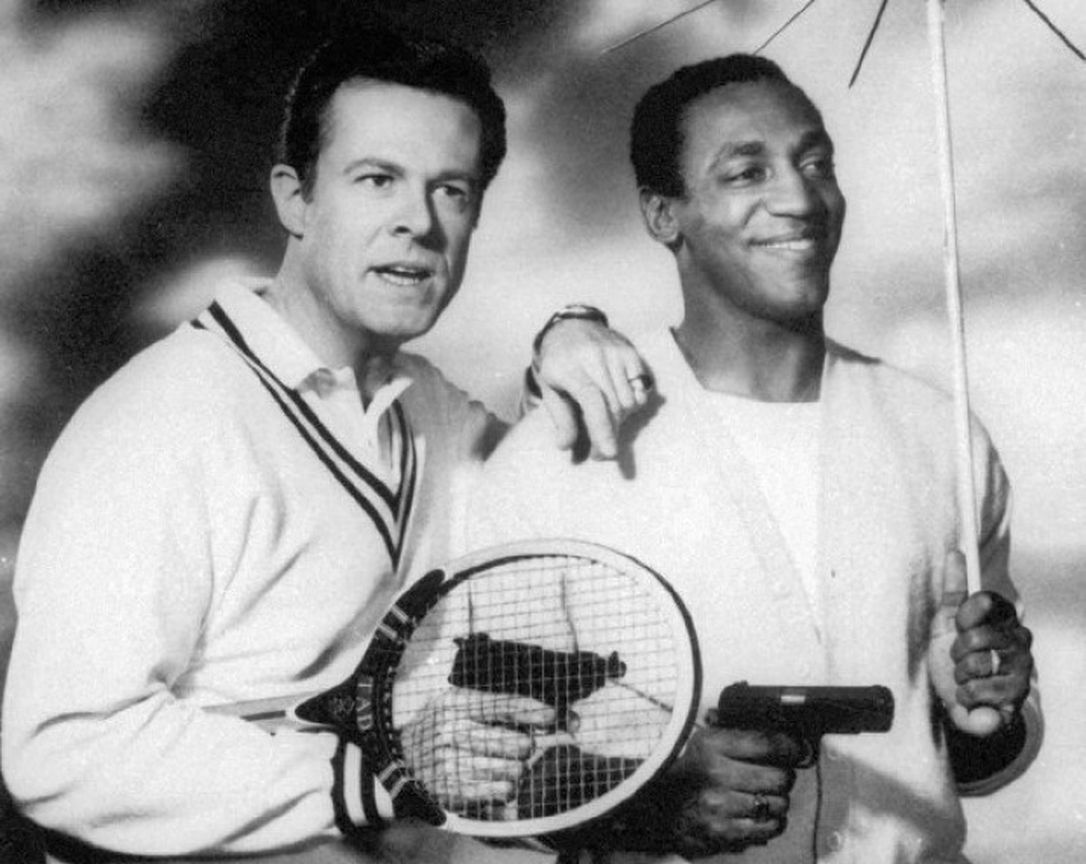
This was the first show to star an African American. Bill Cosby and Robert Culp were spies who took on assignments around the globe. I would like to say that the reason for the lack of the show being rerun is due to Bill Cosby and the poor personal choices he made which has resulted him being sentenced to jail and the shows he was involved with disappearing from television schedules. However, I rarely remember this show being available even before Cosby’s criminal trials, and I’m not sure why that is. In 2008, all three seasons of DVDs were released.

On the website earlehagen.net, we read that “During the run of the series he amassed one of the most comprehensive collections of ethnic music in existence at that time–some of it on commercial records bought in the countries he visited with the production team, but much of it taped live in situ with local musicians. These recordings containing priceless material of musical genres never before recorded, and in some cases, now extinct, were then mixed into the background music produced by the studio orchestra in Los Angeles.  The result was what has been deemed ‘the richest musical palette ever composed for any American television series.’ ”

hagen10

Photo: desertnews.com

Sheldon relied on Hagen to literally scout the world for filming locations. The couple visited Japan, Hong Kong, Bangkok, India, Israel, Greece, Italy, France, and New York. Hagen discussed this trip. “Before the show started, at Sheldon Leonard’s invitation, Lou (my wife of 58 years so far), and I were invited to go on a `round the world trip with the Leonard’s scouting locations for the upcoming series, I Spy. On that 52-day trip we traveled first class, stayed in first class accommodations and at every airport were met by a car, driver, and interpreter, who stayed with us as long as we were in the country.”

Earle wanted viewers to remember that these were US spies so he named his music “semi jazz,” which fused local world cultures with American jazz music.

Deborah Young-Groves discusses the variety of music Hagen used in her article, Creating the Perfect Vibes for “I Spy.”

“And who could forget the frantic–almost joyous–chase across the University of Mexico in ‘Bet Me A Dollar’–Spanish brass–almost Copeland-esque (remember ‘El Salon Mexico’?), too loud to ignore but erratic and happy. And yet, like Copeland, Hagen only scored where he deemed appropriate. In that very same episode the child, who urgently seeks help for Kelly, runs in utter silence.  We hear only his pounding feet and his sobbing gasps.

But the two best episodes for music are ‘Home to Judgment’ and ‘The Warlord,’ for equally fascinating reasons. ‘The Warlord’ borrows heavy oriental imagery for the action sequences (always punctuated by that American jazz – but it works) using snare drums and brass.  How Hagen can get a trumpet to sound Asian simply by a jagged sequence of notes is still a mystery to me!

Then he changes completely and takes a plangent delicate note for the love theme between Chuang Tzu and Katherine, caught between their separate worlds.  It is somber, powerful and almost painful – one of the saddest pieces of music I have ever heard.”

hagen11

Photo: thestar.com

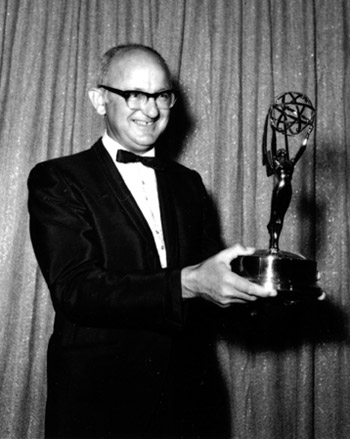
I Spy was on the schedule for three seasons. Hagen was nominated for an Emmy all three years for his work on the show, and he won it the last year the show aired. When asked about his favorite episodes, Hagen said, “Some of the shows of course stand out in memory: ‘Tatia,’ ‘Laya,’ ‘Home to Judgment’ ‘Warlord,’ and one of my favorites, ‘Mainly on The Plains.’ ”

hagen3

Photo: planetoftheapes.com

The music was so memorable on this show, that Hagen was able to record two albums from the series. The first album was recorded by Warner Brothers and the second was Capitol. He said he enjoyed the Capitol album more only because he was able to work on in the off season, so he had more time to devote to it.

hagen1

Earle would continue with his work on television throughout the 1970s, working on a variety of shows, including The New Perry Mason, Eight is Enough, and Mary Hartman, Mary Hartman. In the 1980s, he worked on Dukes of Hazard.

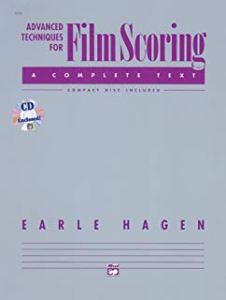
During the last decades of his life he taught and wrote books on scoring and music arrangements. He wrote the textbook, Scoring for Films: A Complete Text. In 2000, he published his autobiography, Memoirs of a Famous Composer Nobody Ever Heard Of.

In 2005, he married his second wife, Laura Roberts. Hagen died from natural causes in 2008.

In 2011, he was inducted into the Television Academy Hall of Fame.

Perhaps his website sums up his career best: “When one considers the vast range Earle Hagen’s career has covered, and just where he was at each stage in his life—playing trombone in the big bands during the 30s, writing arrangements for Frank Sinatra, working at 20th Century Fox during the reign of Alfred Newman, creating TV themes and scores for Sheldon Leonard shows, not to mention teaching brilliant young composers the art of scoring, and publishing the top texts in his field—it can truly be said that he lived through the best times in each of these worlds.”

hagen4

Photo: themusicsover.com

Earle Hagen was another one of the great pioneers in the golden age of television and he should be celebrated for his amazing career.

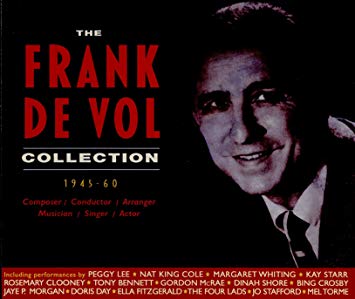
Who Writes The Songs?: Good Question–Lots of People Including Frank De Vol, Jay Livingston, and Ray Evans.

At this time of year, we tend to watch a lot of football bowl games. Most of the attention centers on the coaches, the quarterbacks, and a handful of other star players like running backs, wide receivers, and occasionally kickers. While these positions influence the games, there is an entire team behind them which determines whether they get a win or a loss. This year I will be trying to look at some of the behind-the-scenes players in the television industry.

Today we look at three composers who often influenced shows, even though many viewers never heard of the song writers.

devol1

Frank Denny De Vol was born in West Virginia in 1911. His family moved to Canton, Ohio where he grew up. His mother owned a sewing shop, and his father was in charge of the pit orchestra at a local movie theater. He graduated from McKinley High School in 1929 and started at Miami of Ohio University but quit after six weeks. His parents were hoping he would pursue his law degree, but he was set on a career in music.

This wasn’t surprising because he had become a member of the musicians’ union at age 14. He worked for his father at the theater and played the saxophone and violin.

Once he left college, he joined Emerson Gill’s orchestra and traveled around Ohio. Later he became a musician with Horace Heidt’s band, and Horace let him try his hand at arranging. He would then travel with Alvino Rey’s band which led to a long-life friendship with the King Family.

During his career as a traveling musician he married his wife, Grayce McGinty in 1935. The couple’s 54-year-long marriage would produce two daughters.

During the 1940s, he would write arrangements for many of the country’s top performers including Tony Bennett, Nat King Cole, Vic Damone, Doris Day, Ella Fitzgerald, Dinah Shore, and Sarah Vaughn. His version of “Nature Boy” for Nat King Cole went to number 1 in 1948.

In 1943 he moved to California and started his own band. He appeared on the radio on KHJ and accompanied many stars including Jack Carson.


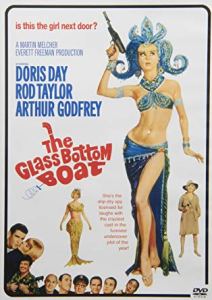
In the 1950s, he moved into movie composing and worked on more than 50 film scores including What Ever Happened to Baby Jane, The Glass Bottom Boat, The Dirty Dozen, and several Herbie movies. He received Academy Award nominations for his work on Pillow Talk (1959), Hush . . . Hush Sweet Charlotte (1964), Cat Ballou (1965), and Guess Who’s Coming to Dinner (1967).


During the 1950s, his orchestra also was frequently seen at the Hollywood Palladium as “Music of the Century.”

devol3


It seems natural that De Vol would ease into television work as well. He composed the jingle for Screen Gems’ “Dancing Sticks,” which appeared on all television series produced by Columbia Pictures.


devol26

Photo: pinterest.com

Frank became the musical director on Edgar Bergen’s game show Do You Trust Your Wife? His orchestra was featured on a variety of musical shows including The Lux Show Starring Rosemary Clooney.


devol21

Today De Vol might be best known for his work as a composer for television series. He wrote the music for My Three Sons, Family Affair, The Brady Bunch, and The Smith Family. My Three Sons theme song was a hit single in 1961 by Lawrence Welk, more musically complex than many sitcom themes of the time. He would continue his work for My Three Sons for all 380 episodes.


devol23

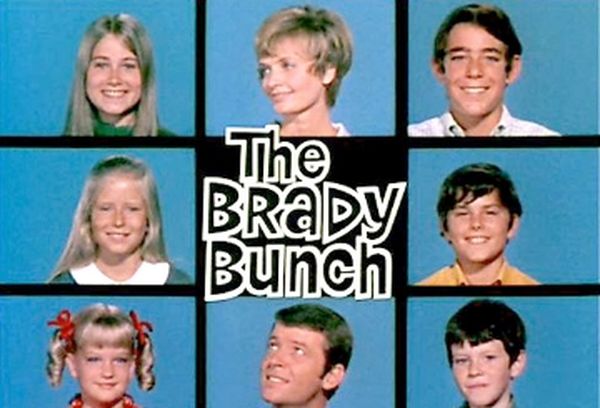
Sherwood Schwartz, the creator of The Brady Bunch, first turned to George Wyle to create the Brady theme. Wyle and Schwartz had composed the theme for Gilligan’s Island. With Wyle already committed to The Andy Williams Show, he approached De Vol. De Vol would provide music for 117 episodes of the original show, as well as music for The Brady Girls Get Married, The Brady Brides, The Bradys, and A Very Brady Sequel.

Frank was credited as composer for 37 movies and television series and listed as part of the music department for 87 total.


devol25

Photo: sitcomsonline.com

Not only was he musical composer for these shows, but you can see him acting in many of the shows he worked on as well. His first acting appearances were on Betty White’s Show, Life with Elizabeth where he played a variety of roles.


devol28

Photo: aveleyman.com

He then appeared on several television series including State Trooper, My Favorite Martian, The Farmer’s Daughter, Gidget, Please Don’t Eat the Daisies, Bonanza, Petticoat Junction, Get Smart, That Girl, and I Dream of Jeannie (37 different shows in all).

While composing on My Three Sons, he would actually portray a bandleader on the show and a father on The Brady Bunch.


devol2imagenesmy.coom

Photo: imagenesmy.com

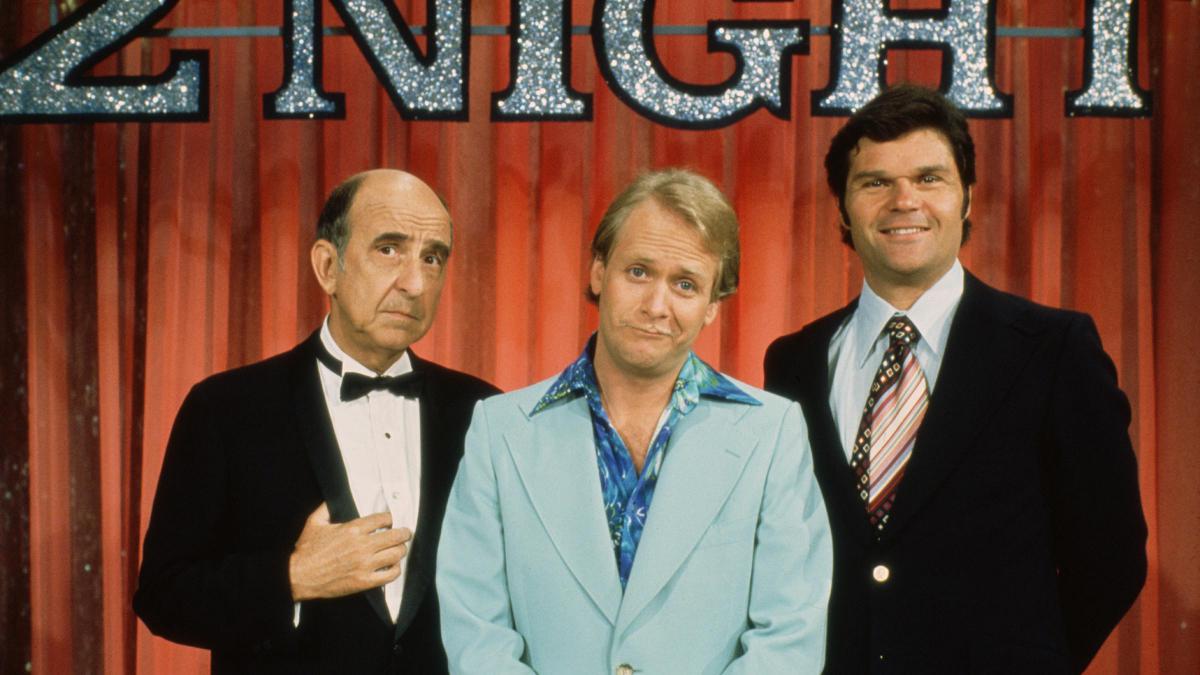
Many people will remember him as the dour-faced band leader Happy Kyne on Fernwood Tonight and America 2-Night, shows starring Martin Mull in the late 1970s.


One of my favorite roles of his was the head of the boys’ camp on the original Parent Trap.

devol27

Photo: tcm.com

His last acting role would be on Charles in Charge, the Scott Baio comedy from 1990.

When he was in his 80s, Frank was still active with the Big Band Academy of America. About this time, he married Helen O’Connell who had been a big band singer and actress. (His first wife passed away in 1989.)

Helen passed away in 1993, and Frank died from congestive heart failure in 1999.


devol24

Photo: pinterest.com

Like so many of these stars of the classic television era, he was a multi-talented guy. He could sing, he could play instruments, he could compose, he could arrange, and he could act. Sadly, when he does his job right, the music is so attuned to the shows that we almost don’t realize it’s there but try listening to a show with no background noise. Thank you Frank De Vol for not becoming an attorney.


We also take a look at a song-writing team of the golden age, Jay Livingston and Ray Evans.

living4


Livingston was born in McDonald, Pennsylvania in 1915. After studying piano with Harry Archer in Pittsburgh, he attended the University of Pennsylvania, majoring in journalism but also studying composition and orchestration.

Ray Evans was born in Salamanca, New York the same year. He also ended up at the University of Pennsylvania, receiving a degree in Economics.

Livingston organized a dance band at the University that played on campus as well as at local nightclubs and even cruise ships during their summer breaks.  One of those band mates was Ray Evans. Evans and Livingston became a partnership and they wrote some of the most iconic songs from film and television.


evans1

Photo: filmmusicsociety.org

After their graduation in 1937, the duo moved to New York City to work in Tin Pan Alley. They wrote for Broadway productions, including special material for Ole Olsen and Chic Johnson.


evans8

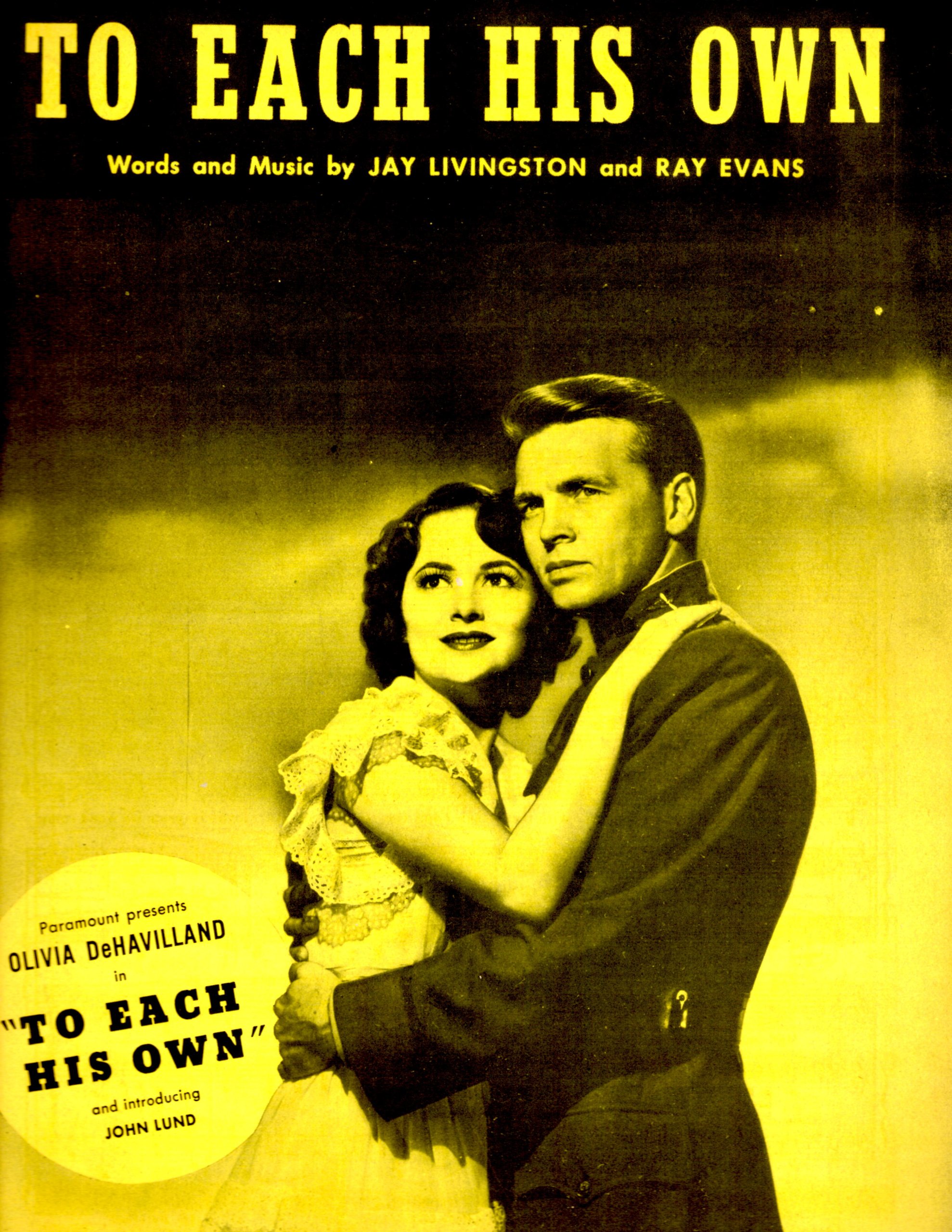
Livingston joined the Army when World War II began while Evans went to work for an aircraft company. When Jay came back home in 1945, he and Evans decided to try their luck in Hollywood. They received a contract from Paramount Pictures, and the team would stay with the company for a decade. Their first film was To Each His Own, starring Olivia DeHaviland, and they were nominated for an Academy Award.

During this time at Paramount, Livingston married Lynne Gordon. It must have been a happy marriage because they were married until 1991 when she passed away.

The exact same year, Evans married Wyn Ritchie. They were married until her death in 2003.

In 1947 the team began writing for Bob Hope for his personal appearances. Throughout the 1940s and 1950s, they would write many tunes that became jukebox favorites and popular songs. In Warren Craig’s book The Greatest Songwriters of Hollywood, he called them “the last of the great songwriters in Hollywood.”


evans2

Photo: pinterest.com

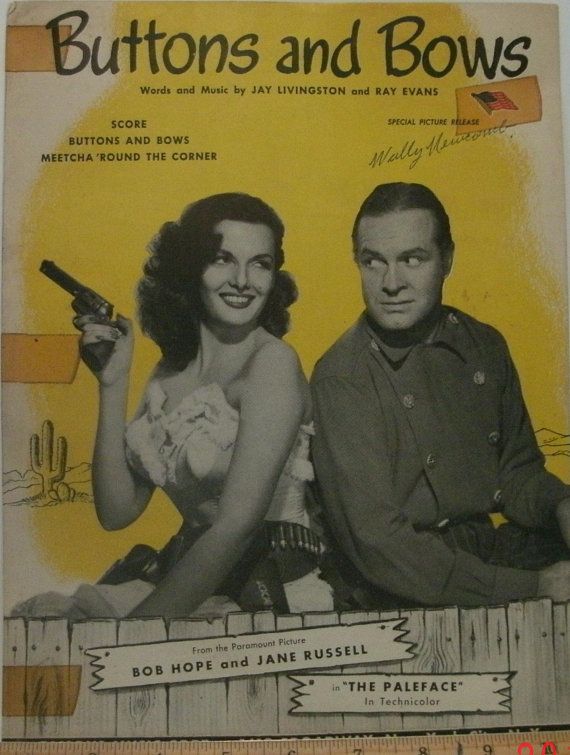
The year 1948 brought them their first Oscar win for “Buttons and Bows,” from Bob Hope’s western comedy, The Paleface. The jukebox version was recorded by Dinah Shore.


evans7

In 1950, they scored their second Academy Award for “Mona Lisa,” written for the movie Captain Carey, USA but made famous by Nat King Cole.


evans10

Photo: moviemovieblogblog.wordpress.com

Evans and Livingston would appear in Sunset Boulevard this same year at the New Year’s Eve party scene.


evans3

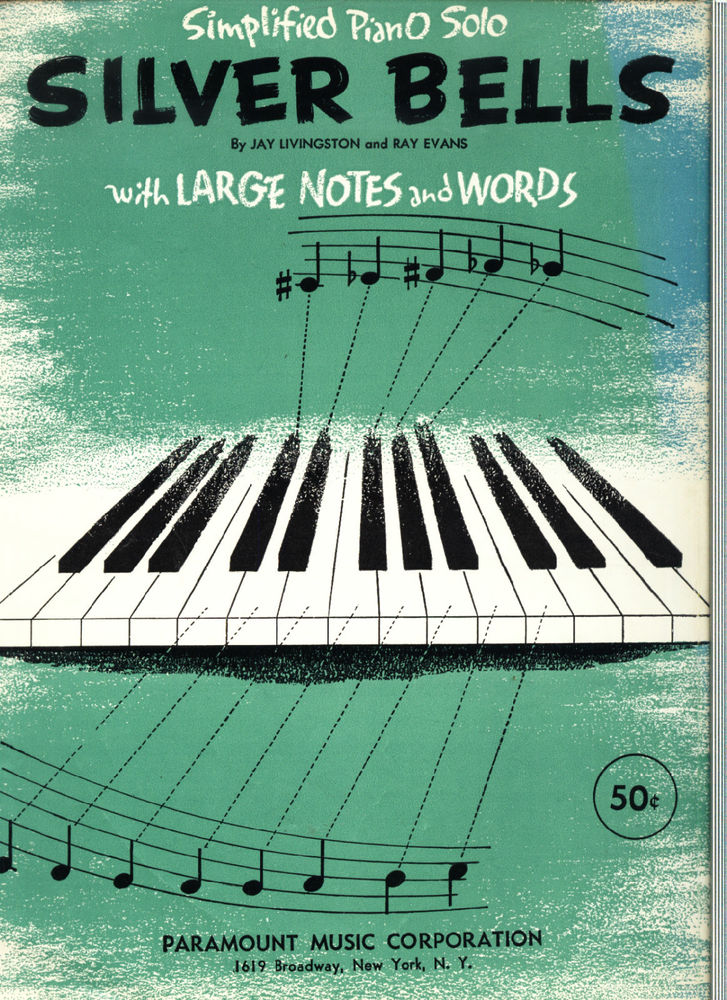
We can all smile and thing of Livingston and Evans each Christmas when we hear “Silver Bells.” The song, originally titled “Tinkle Bells” was written for The Lemon Drop Kid in 1951, also starring Bob Hope. Thankfully, they decided “tinkle” had other connotations and “Silver Bells” it became. (Some sources credits Jay’s wife Lynne with the name change.)

When their Paramount contract ended in 1955, they became free lancers and wrote both individual songs and complete scores for a variety of movies. They would receive ten additional Oscar nominations during their career.


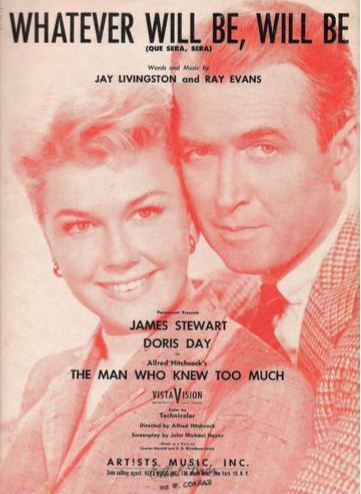
Doris Day had a huge hit in 1956 with “Que Sera, Sera” from The Man Who Knew Too Much with Jimmy Stewart and that hit would win them a third Oscar. The song would also become Doris’s theme song for her television show in 1968.

evans5


In 1957 they began writing the music for the Tammy movies that would be a staple of that era, beginning with Tammy and the Bachelor.

Jay and Ray would return to Broadway in 1958. They were nominated for a Tony for Oh, Captain! They also wrote songs for Let It Ride in 1961, a musical comedy adaptation of Three Men On a Horse, and Sugar Babies in 1979.


evans6

Photo: tidal.com

Though most of their work was in the film industry, the team is probably best known for their television compositions. In 1959, they were asked by Desi Arnaz to write a song for a Western show being developed. The show, thought likely to last a year, didn’t have money for a weekly salary, but he allowed them to keep the rights to the song. Luckily for them, that show, Bonanza, made them millions, and would be on television until 1973.

In 1960 they composed the theme song for The Bugs Bunny Show, “This is it.”


evans4

Photo: deezer.com

In 1961, Mister Ed debuted. Livingston and Evans not only wrote the well-known song, but Livingston is the one singing the line “I am Mister Ed.”

After Lynne’s passing, Jay would marry Shirley Mitchell in 1992.

Livingston and Evans were presented with a star on the Hollywood Boulevard Walk of Fame in 1995.

In 2001, at the age of 86, Jay Livingston died from pnuemonia. Ray Evans lived until 2007 when he passed away from heart failure.


evans9

Photo: rayevans.com

It’s fun to see a friendship and partnership span six decades and be so successful. Although they were born in the same year in the same area of the country and married the same year and their marriages would last decades until the death of a spouse, the two men were very different. In an interview with the Los Angeles Times in 1985, Evans said “I’m nuts about sports, play baseball and tennis every weekend. Jay couldn’t care less. He’s restrained and quiet. I’m more outward going. Jay is a marvelous musician. I have a tin ear. But our tastes are similar, and we both like good music and song.” The duo had 26 songs that sold more than a million records and their total record sales has exceeded 400 million dollars.

Michael Feinstein released an album in 2002 devoted to the team. He said, “they had a strong work ethic and they wrote a lot of plays that have wonderful and sophisticated songs that are quite different from movie songs.”

Like Frank De Vol, most viewers today have probably never heard of Jay Livingston and Ray Evans, although they recognize much of their work. It’s good to look behind the scenes of and dig deeper into the television industry to learn more about all the pioneers who made the era so great.


Sheldon Leonard: A True TV Pioneer

leonard4

The Depression changed the course of Sheldon Leonard’s life. He was born in Manhattan to Jewish parents. He went to Syracuse University on an athletic scholarship. While there, he was president of the dramatics club. His degree was in finance, and he landed a job at a prestigious brokerage firm. Then the Depression hit, and he was out of a job. He had to fall back on the only other skill he could think of which was acting.

In 1931 he married Frances Bober whom he was married until his death. They would have two children.

Acting was not quick money either though. It took five years until he landed his first major Broadway role in Hotel Alimony in 1934. It did not have a long run, but his next two shows were more successful: Having a Wonderful Time in 1937 and Kiss the Boys Goodbye in 1938.

leonard7

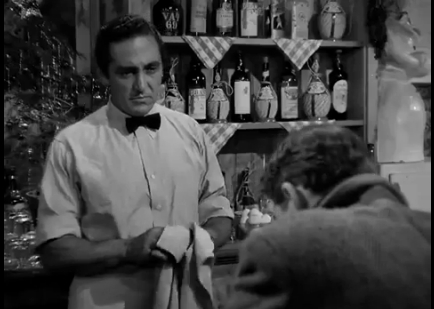
He then entered film work. He had several very small roles in a couple of movies and a couple of shorts, but in 1939 he was cast in Another Thin Man, the popular movie series with William Powell and Myrna Loy. That began his career as a heavy, often being cast as a gangster. He would appear in To Have and Have Not with Bogie and Bacall in 1944. In 1946 he was cast as the bartender in It’s a Wonderful Life with Jimmy Stewart and Donna Reed. Because it has become a Christmas staple, it has brought Sheldon a lot of recognition. Sheldon would appear in 74 movies during his career, 69 of them by 1952.

leonard2

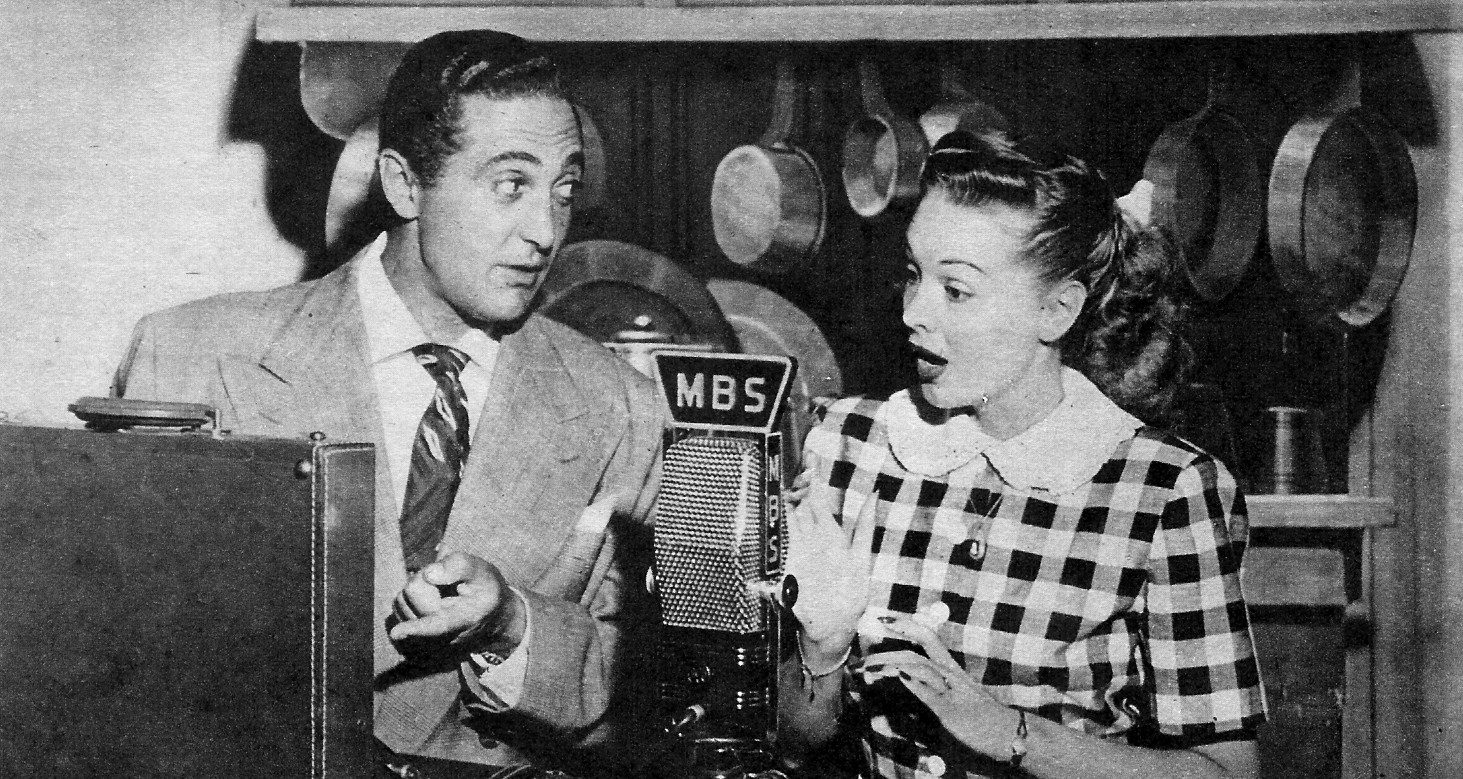
During this time, he also gave radio a try. He was working on both sides of the mic. He sold scripts to several shows including Broadway is My Beat. He also portrayed his stereotyped gangster role on many shows including as Grogan on The Phil Harris, Alice Faye Show. You could hear him on Jack Benny, Burns and Allen, Bob Hope, Duffy’s Tavern, the Halls of Ivy, and The Judy Canova Show, among others.

sheldon6

Photo: radiospirits.com

It was only a matter of time before Sheldon took his talents to television. He appeared in four episodes of Your Jeweler’s Showcase in 1952. In addition, he was listed as producer and director for several of these episodes. He appeared in I Love Lucy in 1953 as vacuum salesman Harry Martin and several I Married Joan episodes in 1952-53. One of my favorites was his role as Johnny Velvet on Burns and Allen when he kidnaps Gracie but takes her back because she drives him crazy. In 1954 he co-starred in The Duke which lasted 13 episodes.  This show featured an artistic boxer who leaves the ring to open a nightclub. Sheldon also directed the pilot as well as some early episodes of Lassie and The Real McCoys.

leonard14

However, the show that made him a household name was his director/producer role on Make Room for Daddy, Danny Thomas’s hit sitcom. The show was in the top ten, and Sheldon even found time to appear on the show 19 times. The show continued from 1953-1964. Leonard had found his sweet spot. During his career, he would direct and produce shows such as The Dick Van Dyke Show, The Andy Griffith Show, Gomer Pyle USMC, and I Spy.

sheldon4

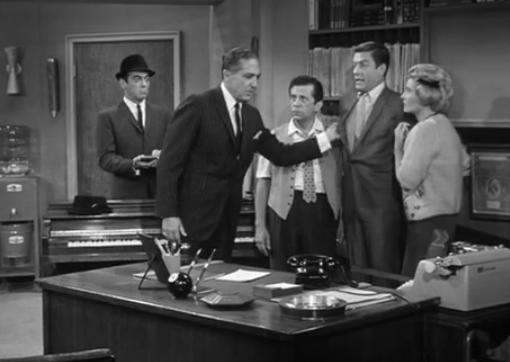
Sheldon convinced Carl Reiner to step back from acting as Rob Petrie and produce The Dick Van Dyke Show. That conversation resulted in Dick Van Dyke accepting the role, leading to 158 episodes. If you watch carefully, you will notice Sheldon appearing twice on the show in minor roles. The show was nominated for 25 Emmys and won 15.

leonard12

Sheldon also is credited with creating the spinoff. One of Danny Thomas’s episodes was set in North Carolina where he gets picked up for speeding in a rural town and has a run-in with Sheriff Andy Taylor. This episode turned into the long-running The Andy Griffith Show which was on the air from 1960-1968 netting 249 episodes. The show won 6 of the 9 Emmys it was nominated for.

sheldon3

The spinoff was so successful he did it again, moving Jim Nabors as Gomer Pyle from the gas station attendant on The Andy Griffith Show to his own show, Gomer Pyle USMC. That show was on the air for five years (150 episodes), and Sheldon would also make an appearance there as Norman Miles.

Thomas and Leonard as L&T Productions were also behind the The Joey Bishop Show and The Bill Dana Show. Thomas and Leonard’s shows were notable for emphasizing characters and relationships over slapstick or situation comedy. You cared about the characters even when they were a little kooky like Gomer Pyle or Barney Fife. They were committed to high-quality scripts. Many of the writers they employed went on to successful shows of their own including Danny Arnold for Barney Miller; Garry Marshall and Jerry Belson for The Odd Couple, Happy Days, and Laverne and Shirley, Mork and Mindy; and Bill Persky and Sam Denoff for That Girl and Kate and Allie. L&T Productions ended in 1965.

leonard9dga.org

Photo: dga.com

In the mid-1960s Sheldon produced I Spy. He cast Bill Cosby and Robert Culp as secret agents.  This was the first series to star a black actor in a lead role. In a March 7, 2016 Modern Times article, David Fantle and Tom Johnson discussed Sheldon Leonard and I Spy. Leonard said he knew what he was doing. “Race was very much an issue at that time,” he said. “I was intellectually conscious of it, but emotionally unaware of it. When I say emotionally unaware, I mean I was free to think of Cosby as the man to fill the slot I needed. Intellectually I knew the problems I’d have to face to get him on the air.” I Spy was a humorous suspense show and was known for its exotic locations, filming in countries such as Hong Kong, England, Morocco, France, and Greece among others. The critics rewarded Leonard. The show was nominated for Outstanding Dramatic Series Emmy every year of its three-year run and earned Leonard an Emmy nomination for directing in 1965.

sheldon7

Sheldon was also the producer behind Accidental Family and Good Morning World, both shows debuting in 1967 and ending in 1968 and My World and Welcome to It in 1969. Accidental Family was about a widower who is a stand-up comedian. He buys a California farm which is managed by Sue Kramer who is also his son’s governess and his love interest. Good Morning World was about morning disc jockeys in LA. One is happily married, and one is a ladies’ man. Goldie Hawn was the next-door neighbor and Billy De Wolfe was their boss. On My World and Welcome To It, John Monroe is a married man with a daughter. He frequently daydreams and fantasizes about life. This show was unusual in that it included some animation along with the live action.

sheldon9

In the Fantle and Johnson article referenced above, Leonard also talked about his favorite sitcom. He said his favorite might be the one that needed the most attention. “My favorite show was cancelled after the first year. My World and Welcome to It, based on the writings of James Thurber and starring William Windom. It won every award, and they cancelled . . . It was satire and above their (the network bosses’) heads. That show and I Spy are my favorites.”

In the early 1970s Sheldon would produce From a Bird’s Eye View and Shirley’s World. From a Bird’s Eye View was a sitcom about two stewardesses, Millie from England and Maggie from America. Millie was always getting into mischief and Maggie bailed her out. Shirley’s World starred Shirley MacLaine as a photographer who travels the world for her London-based magazine. The locales were similar to I Spy.

leonard3bigeddie

In 1975 Sheldon starred in a new sitcom, Big Eddy which only lasted for ten episodes. He was Eddie Smith was the owner of the Big E Sports Arena in New York. He was an ex-gambler fighting the impulse to get back into it. He has a bunch of eccentric people in his life including his ex-stripper wife Honey and their granddaughter Ginger.

In the 1980s, Sheldon would continue to show up on various television shows, appearing in Sanford and Son, The Cosby Show, Matlock, Murder She Wrote, and Cheers.

Along with author Mickey Spillane, Leonard was one of the first two people to become a Miller Lite spokesman. In his New York accent, he tells the audience, “I was at first reluctant to try Miller Lite, but then I was persuaded to do so by my friend, Large Louis.”

Sheldon Leonard passed away at the age of 89 in 1997. His wife Frances passed away in 1999.

leonard1

Sheldon Leonard is undoubtedly one of the greatest television producers. Most of his shows were consistently in the top ten. They are classic shows still on the air today.  Sheldon required scripts that brought characters to life. He created spinoffs when he believed in the characters. He was not afraid to take risks. Besides casting Bill Cosby, he cast Lois Nettleton as divorced Sue Kramer on Accidental Family. This was in the mid-1960s and yet when Mary Tyler Moore’s show aired in 1970, the network refused to allow her to be a divorced character.

In the Mercurie Blogspot from November 10, 2013, Carl Reiner discussed Leonard: “Sheldon has mentored more people in our business than anyone else I know. He knew how to teach what he knew, and what he knew was situation comedy with the three-camera technique. Sheldon was a producing genius who understood comedy. He had four or five shows going, but he would walk in and give his intelligence and his time to every script that was being read for the week. And we always came away with a better script because we would discuss and argue and come to a better situation.”

sheldon5

Garry Marshall was also quoted in this same article: “Sheldon was a sort of man’s man, yet he had all the creative sensitivity of the artist. No matter what story you were working on, he could help you fix it. He would never put down your idea. If I had to describe Sheldon in one word, it would be gentleman. He was a Renaissance man with a New York accent—and possibly a gun!”

The Herb Garden Germination

Photo: americanprofile.com

As a salute to Leonard, the writers of The Big Bang Theory, named their main characters Sheldon and Leonard in honor of Sheldon Leonard.

sheldon1

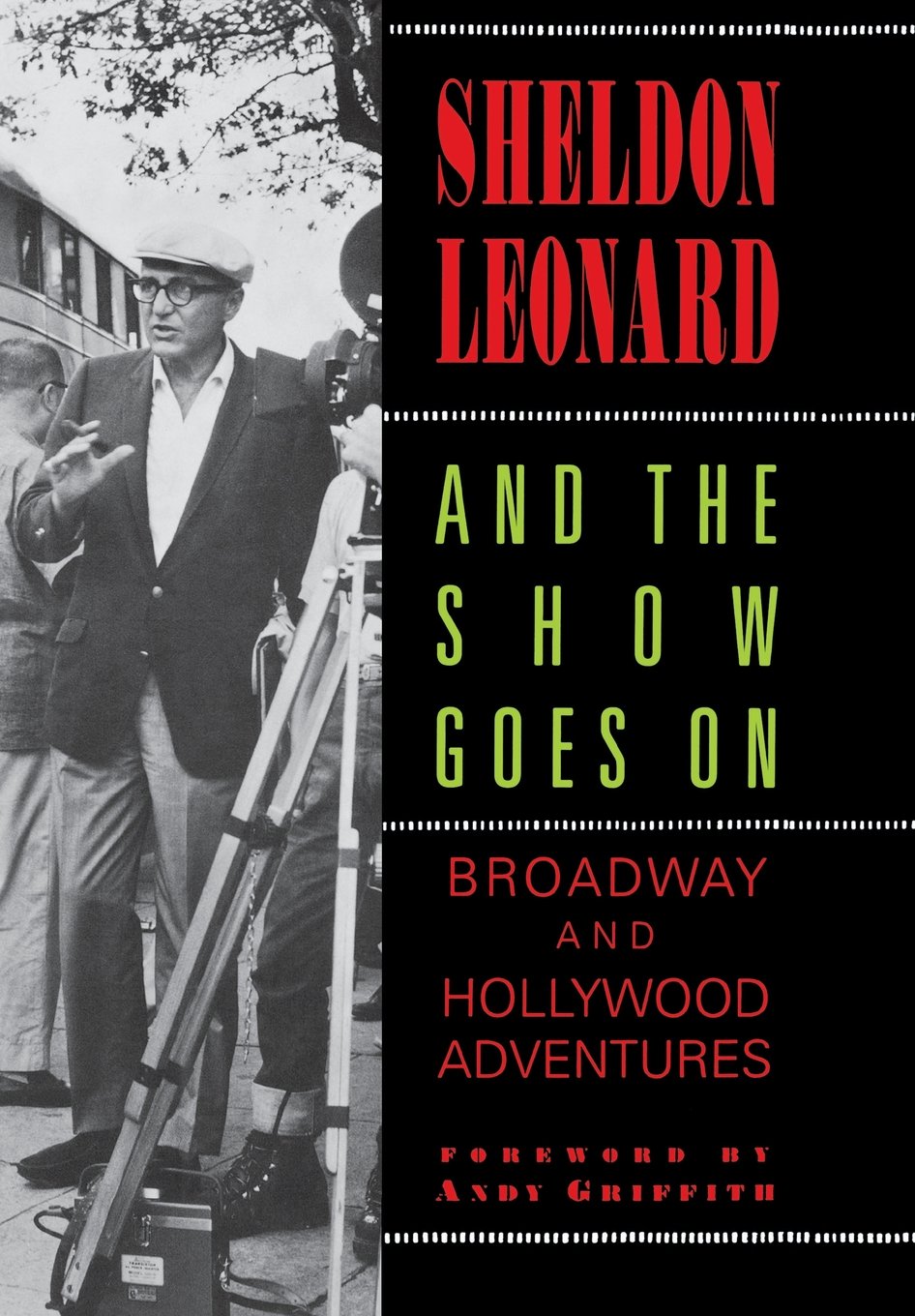
Sheldon himself seems to explain his success best. After working on his memoir in 1995, And the Show Goes On: Broadway and Holiday Adventures, he said “I was driven by an urge to survive and being very self-indulgent. I never did anything for very long that I didn’t like or enjoy. I would survive only on my own terms. I had to enjoy what I was doing, and I would have done what I did even if nobody paid me. That’s the secret of success in any business: do it well and enjoy doing it.”

leonard11

He did it all well, and we all enjoyed it.

Just A Girl From the Bronx: Penny Marshall

Today we look at the career of Penny Marshall. She comes across in most of her interviews as a “what you see is what you get” type of girl.

Penny Marshall was born Carole Penny Marshall in the Bronx in October of 1943. Her mother was a tap dancer and, according to Penny and her brother Garry, was quite a character. Her father was a film director for industrial films. Garry says Penny caused their mother the most problems of all the children. They knew it would be so when she walked on the ledge of the apartment building they lived in.

While attending the University of New Mexico, Penny became pregnant. She and her boyfriend, Michael Henry married in 1961 but divorced by 1963. Penny says she ended up there because her mother didn’t know geography and assumed New Mexico was close to New York, New Jersey, and New Hampshire.

marshall farrah

After working as a secretary, she dabbled in acting. One of her first jobs was a Head and Shoulders commercial with Farrah Fawcett.

marshall las

Her brother Garry cast her in the movie How Sweet It Is in 1968 with Debbie Reynolds and James Garner. Penny began getting roles on television shows including Love American Style, That Girl, and The Bob Newhart Show.

In 1971 she married Rob Reiner. That same year she began a recurring role on The Odd Couple as Myrna Turner, Oscar’s secretary. She appeared in 27 shows. penny3odd

Marshall had been considered for the role of Gloria Stivic on All in the Family, the television wife of her husband Rob.

Rob Reiner and Penny Marshall circa 1970s © 1978 Gary Lewis

In 1974 Garry was looking for a couple of girls to appear on an episode of Happy Days. Cindy Williams had previously dated Henry Winkler, and Garry cast Cindy and Penny as the “fast girls” dating the Fonz and innocent Richie Cunningham. The girls appeared in five different episodes.

penny4

They were such a hit that a spinoff was created for them in Laverne and Shirley. The show ran from 1976-1983, producing 178 episodes. Laverne and Shirley were best friends and roommates. They worked at the Shotz Brewery Company in Milwaukee and had a wacky group of friends. After several seasons, the girls move to California when automatic bottle cappers replaced them at the brewery. Laverne could be a bit brash and spontaneous, but she had a heart of gold, and Shirley tried her best to keep her in line.

penny5

One of my favorite books is My Happy Days in Hollywood by Garry Marshall. In a chapter about Laverne and Shirley he wrote that one of the producers on the show asked him to switch shows for a while because he had an urge to run Penny and Cindy over with his car. Garry said he switched but had to change back quickly because he understood that urge. He said they were terrible to work with. Rumors spread that they both had inflated egos and did not get along. Penny later admitted that she had not behaved the best and apologized to her brother. During the run of the series, Marshall and Reiner went through a rough divorce.

penny6

Penny had directed four Laverne and Shirley episodes. In the 1980s and 90s, she began directing movies as well. Her most famous movies were Jumpin’ Jack Flash (1986), Big (1988), Awakenings (1990), and A League of Their Own (1992). She was the first female director to get more than $100 million when she directed Big. Marshall also appeared in a variety of movies and television shows during this time.

In 2013 she accepted a role on Murder Police, playing Sylvia Goldenberg. This was an animation comedy about two policemen, one a good cop and his partner a tough, rule-breaking officer. The show was set to air on Fox, but the network didn’t like the show. The 13 episodes taped have never been seen in the US.

In 2012, Marshall published a memoir, My Mother Was Nuts. She talked into a tape recorder and had someone type it up. She had many memories of her childhood and the sarcastic one-liners her mother was famous for.

penny9

Marshall enjoyed needlepoint, putting together jigsaw puzzles and shopping for antiques.

penny2

She was an avid sports fan, especially baseball and basketball, and had a well-respected collection of sports memorabilia. A few years ago, announcements were made about a documentary Penny would be the executive producer of. It’s the true story of Effa Manley who managed the Negro League’s Newark Eagles during the 1930s and 1940s. I have not been able to find any current information about whether the film was made or not.

While Garry was instrumental in getting Penny her first roles, she proved that she was a great actress and a highly accomplished director. She has had an interesting and meaningful career which ended much too early for those of us who loved her work.

Everyone’s Favorite Mother: Rosemary DeCamp

Rosemary DeCamp played the American mother in a variety of films and television series. I remember her as both Ann Marie and Shirley Partridge’s mother. She was born in November of 1910 in Arizona. Her father was a mining engineer and the family relocated often for his job. Her younger brother was 14 years younger than her, so they were both raised almost like only children.

rose1

Rosemary began her radio career in 1937 playing the role of Judy Price, a nurse to Dr. Christian on the long-running show, Dr. Christian. From 1939-1941, she appeared a syndicated soap opera, The Career of Alice Blair.

rose12


1941 was a memorable year for her for several reasons. It was also the year she married John Ashton Shidler, a local judge. The couple were married until his death in 1998, and they raised four daughters.

rose10


When that soap ended, she accepted her first film role in Cheers for Miss Bishop. She worked for a variety of studios. Many of her pictures were made by Warner Brothers. In 1942 she played the mother of George Cohan in Yankee Doodle Dandy. In 1943, she took the role of Ronald Reagan’s mother in This is the Army. In the early 1950s, she portrayed Doris Day’s mother in On Moonlight Bay and its sequel, By the Light of the Silvery Moon.


In July of 1946, she and her husband had a close call. They were in their Beverly Hills home when an aircraft crashed into the house next door. The wing cut into their roof and landed in their bedroom. The plane just happened to be an experimental one piloted by Howard Hughes. Hughes was rescued by a bystander before the plane exploded. He was very lucky, receiving only a few broken bones and cuts and abrasions. He paid for the repairs for all the homes involved, and luckily, no one else was hurt.

rose13


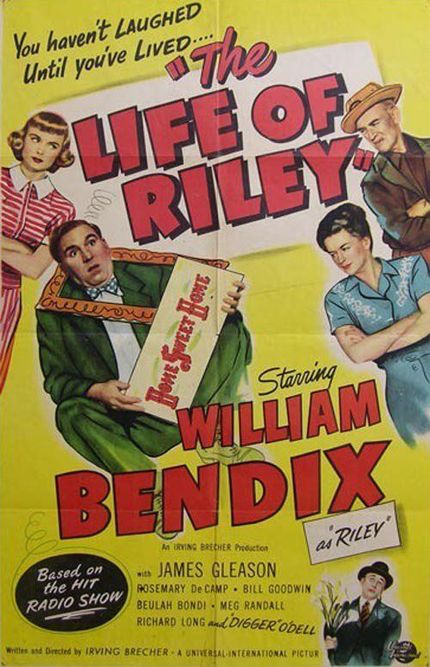
She appeared in 38 films during her career, including The Life of Riley with William Bendix as her spouse. In 1949, she again played Peg Riley, this time in a television show with Jackie Gleason. Her husband worked in an aircraft plant and they had two children. Of course, Riley was a bit of a bumbling father and husband, but she loved him and put up with his ineptness. His catchphrase was “What a revoltin’ development this is.”

rose5


She continued with her film work, mixed in with a few television show roles until 1955 when she played widow Margaret MacDonald on Love That Bob/The Bob Cummings Show. Her brother Bob was a photographer and play boy and she lived with him, raising her son Chuck and trying to get her brother to settle down.

rose3


After her role as mother Peg in the 1940s and Margaret in the 1950s, from 1966-1970, she had a recurring role on That Girl as Ann Marie’s mother Helen. She was the voice of reason when her husband got upset about something, typically having to do with Ann’s boyfriend Donald or her living alone in New York.

rose6


Coincidentally, in 1968 she also played the role of Helen on Petticoat Junction. She was not Helen Marie though, she was Kate’s sister who came to help take care of the girls when Bea Benardaret who played Kate was ill in real life.

rose9


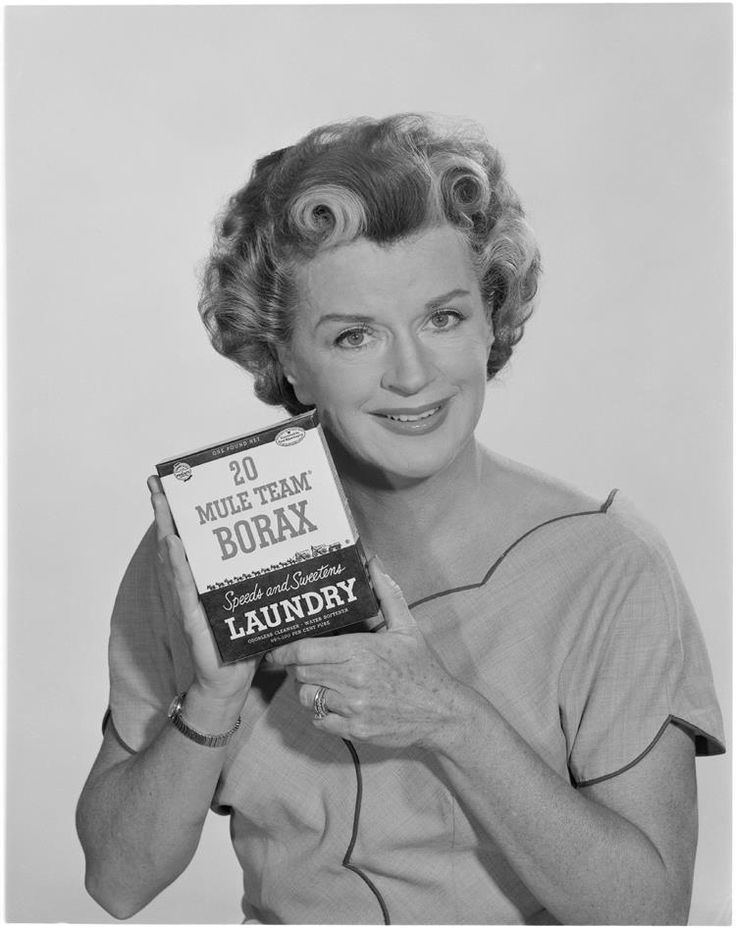
It was also in the 1960s that she was the spokesperson for 20 Mule Team Borax, a laundry detergent.

rose2


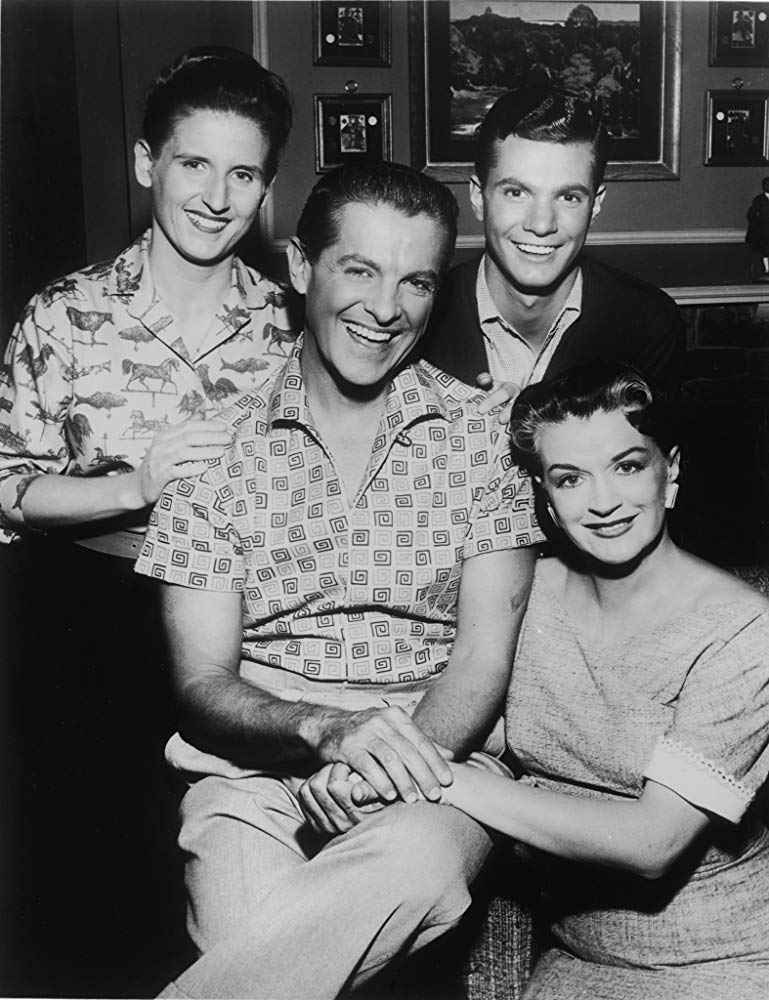
She continued accepting roles on a variety of television shows from crime dramas to westerns to Love American Style. Continuing her mother-a-decade role, in the 1970s, she showed up as Shirley Partridge’s mother on The Partridge Family. Again, she had to deal with a husband who usually needed some mediation with the family.

decamppartridge

DeCamp continued to take on miscellaneous television roles. In 1989, she filmed an episode of Murder She Wrote. After the taping, she suffered a stroke, and decided to retire from acting.

In 2000, she published her memoir, Tigers in My Lap. The following year she died after contracting pneumonia at the age of 90. I could not find any information about any of her hobbies or interests, but she was an active Democrat all her life.

decamp book


She will always be remembered as a caring mother. The Institute of Family Relations granted her its “Mother of Distinction Award,” because they felt she did “more to glorify American motherhood through her film portrayals than any other woman.”

rose11


A Cut Above the Rest: Television Hairstyle Awards

Happy National Hair Day.  I’m not sure why we need a National Hair Day, but it gives me a good reason to discuss hair styles on my blog.

Hair is pretty amazing. Black is the most common color, and red is the most rare color. About 90% of the hairs on your scalp are growing and 10% are resting. Each of these hairs has a lifespan of five years or so. And, if you decide to grow this hair out, it takes three years to reach your shoulders and seven to reach your waist.

Hairstyles are easy things to change compared to eye color, nose shape, or cheekbone structure. We also have a very personal feeling about our hair style. A bad hairstyle can make or break our day. Most of us can relate that if we think our hair looks sloppy, it can make us feel dowdy no matter how well dressed.

Hair, along with clothing styles, can easily date a look. Take a glance at the photos below. Most of us will be able to immediately recognize the time period they represent.


I thought it would be fun to give out some hair style awards to deserving tv celebrities. There are a ton of television stars who inspired us to change our looks. Before we get to the awards, I wanted to recognize some honorable mentions.  These people are stars, but they are not necessarily television stars; however, they have all appeared regularly on television.

Honorable Mention 1: Tiny Tim.  If you grew up in the 1960s, you probably remember Tiny Tim marrying Miss Vicki on the Tonight Show, playing his ukulele and singing “Tiptoe Through the Tulips.”

hair17


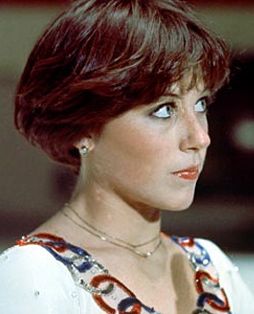
Honorable Mention 2: Dorothy Hamill. When Dorothy Hamill appeared in her new wedge haircut, it created a national sensation. I can’t tell you how many people rushed to their salon to mimic the look.

hairh


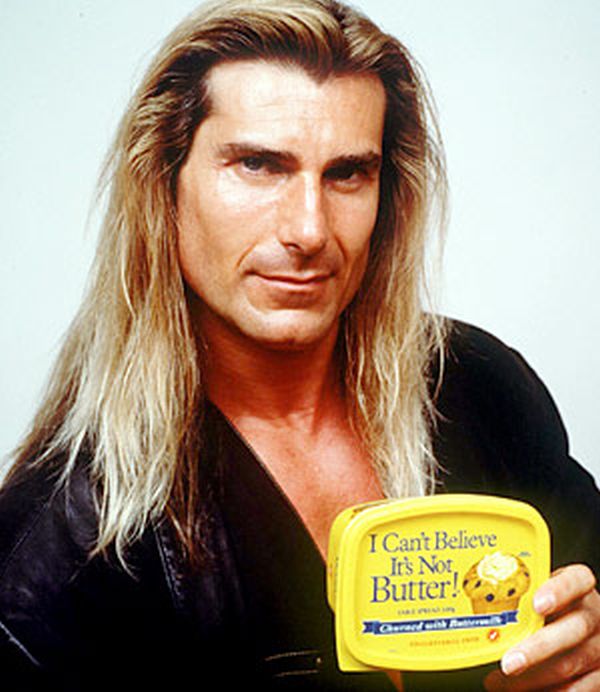
Honorable Mention 3: Fabio.  Parents were appalled when their sons grew their hair long in the 1960s, but by the 1990s when Fabio came along, it was considered sexy.

hairi


Honorable Mention 4: Clay Matthews. After Fabio, long hair began showing up on sports stars. One of the athletes who commanded a lot of attention for his hair was our own Green Bay Packers’ Clay Matthews.

hairclay


So, let’s get on with the awards.

Award 1: The Elegant But Fun Look – Carol Burnett. Carol always kept her red hair, and her style typically featured a shorter cut. I’m sure this worked well for her show, so she could easily don a wig to appear as different characters in skits. However, she always managed to look elegant no matter what type of pratfall she was taking to get a laugh.

hair19


Award 2: The Natural Look – Keri Russell. Keri inspired many copycats on her show, Felicity, with her curly locks.

hair5


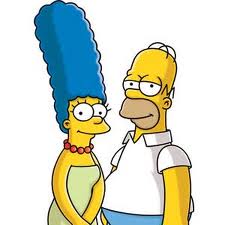
Award 3: The Most Recognized Cartoon Hairstyle – Marge Simpson. Her look truly is unique. I don’t know of anyone else sporting a bright blue beehive hairdo.

hairmarge and homer


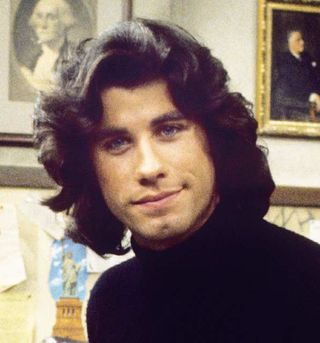
Award 4: Best Bad Boy Haircut – John Travolta. During his time as a sweathog, John Travolta as Vinnie Barbarino looked exceptionally handsome  . . . until he opened his mouth. Looks aren’t everything, but apparently, they are something, because he sold a lot of posters.

hair6


Award 5: Most Unique Hairdo Worn With Confidence – Katey Sagal. Ok, I admit, this one did not inspire a lot of look-a-likes, but Peg carried off her style with flair.

hair24


Award 6: Best Short Male Style – George Clooney.  There is a reason that George Clooney was chosen Sexiest Man of the Year numerous times. His haircut helped in that choice.

hairg


Most Recognizable Female Star’s Hairstyle: Whoopi Goldberg. Whether her hair was long or short, whether she was appearing in a movie, a television series, a talk show, or a commercial, Whoopi was always recognized by her hairdo. She varied it a bit, but was pretty loyal to her look.

hair18


The Character Whose Hair Continued to Evolve with the Role: Marlo Thomas. As That Girl, Marlo changed her hair style each season. You can see just by looking at the two photos, she started life on her sitcom a little naïve and expectant of great things and ended the show more sophisticated and wiser. She still expected great things, but she now understood she had to work hard to get them.

marlo

Marlo-Thomas-That-Girl-750x968


The Television Character Whose Hair Was the Talk of the Water Cooler: Jennifer Aniston. Jen, as Rachel Green on Friends, had a lot of cute hairstyles, but the famous “Jennifer cut” in this photo was discussed ad nauseum and copied by thousands.

hair1


The Television Character Whose Hair Created the Biggest “Buzz”: Kaley Cuoco. When Penny in The Big Bang Theory cut her long hair, everyone had an opinion. Some loved it; some hated it.

hairpenny2


The Television Cast With the Best Haircuts for Everyone: The Partridge Family. Yes, people loved Marcia Brady’s hair and lots of people wanted Laura Petrie’s style, but the entire Partridge family  had a cool haircut.


The Star Who Had the Most Different Styles: Oprah Winfrey. During the decades her talk show was on the air, Oprah featured many different looks. Here are a few of them.


The Cast With the Most Beautiful Hair of All Time: Charlie’s Angels. While Jaclyn Smith, Kate Jackson, and Cheryl Ladd all had beautiful hair, the addition of Farrah Fawcett to this cast, meant it is the runaway for best hair on any show. John Travolta may have sold a lot of posters, but his are not in the Smithsonian. Farrah had the best hair of anyone featured on television, no comparison.

farrah fawcett hair color 324476 Farrah Fawcett Hair

I realize there were a lot of stars left out of this blog, but I only have so much room. Share your thoughts on your favorites who did not make the “cut.”

One thing I realized putting this topic together was the lack of style occurring on television currently. I could not really find a star whose haircut stood out the way a Rachel Green or Jill Munroe did. Most decades seem to have that look that parents abhorred and kids loved, but I don’t see that style in the 2010s. Everyone seems to have similar hair. I’m still trying to decide if that is good or bad, but it is fun to look back at television history to see what was popular at different times.

ME on TV: A New Network for Your Viewing Pleasure

There is no shortage of television to watch these days. Apart from hundreds of channels on cable networks or satellite dishes, Netflix can provide you with even more options. With so much to choose from, it’s surprising that the classic TV networks are increasing in numbers. Even though most of these shows are available on DVD, viewers are still choosing to watch them during prime time. According to an Indie Wire article, “Most Watched Television Networks: Ranking 2017’s Winners and Losers” by Michael Schneider from December 28, 2017, “Me TV grew 4 percent last year.” That’s good news for those of us who love watching the shows we grew up with.

melogo

While I appreciate Antenna TV and Me TV, I decided to kick it up a notch. I’m debating starting my own network called Me on TV. Not only can I watch my all-time favorite shows, but I can star in them as well. My pitch is that I will write myself into the shows I love. Here are a few ideas I have ready and waiting when the writers or producers call me.

Burns and Allen. Gracie has hired me, Duree Benedict, as her interior designer. She has a plan that we meet at Blanche’s to draw up the design. Once Gracie approves it, she wants me to stop by each morning, replacing an old item with a new one. Her philosophy is that things will change so slowly, George will never realize everything in the living room has been replaced. George realizes what is happening and says nothing. After two weeks, things are entirely new, and Gracie is happy. However, after another two weeks goes by, she realizes all the old items are back in place. George admits he was having fun with her and hired the designer to bring back their old items one by one. Then he calls me and has me set up the room according to Gracie’s new plan. I think this would work right Gracie? George?

me5


Bachelor Father. As Giselle Lincoln, I hire Bentley Gregg to draw up a corporation for me. I am a documentary filmmaker. Bentley and I go on a couple of dates, knowing this is not going to turn into a relationship, because I am traveling all the time. On one of those dates, Kelly comes to dinner with us and is fascinated by the places I’ve been and where I am filming in the future. I offer her a job as an assistant producer. Bentley wants her to go to college first, but I say she can learn from experiences. After an argument or two, Bentley relents and says she can join my company. Later that night, Peter has an impromptu conversation with Kelly, and she realizes her uncle has her best interests at heart and turns down the offer. I think we could make this work don’t you two? Peter could you talk to them?

me8


The Dick Van Dyke Show. As Olive Harte, I play Buddy’s sister-in-law. After hearing about Pickles for so long, Rob and Sally expect the worst when I stop in the office saying I have written a skit for the Alan Brady Show. However, I am the total opposite of Pickles. Sally and I hit it off and while I’m in town, we spend a lot of time together. Buddy is moping because Sally is too busy to hang out with him. The skit is a hit. Rob offers me a job, but I say I’m leaving in two days. I’ve been offered a contract to write screenplays. After I leave, Buddy and Rob notice Sally is lonely, and they realize having two guy co-workers is not the same as a best friend and they’re nicer to her than usual. It would be a heart-warming episode. Can you two stop laughing long enough to seriously consider the idea?

medvd


My Three Sons. My role is that of a bookstore owner, Daphne Marvel. The entire episode is filmed in my store. Each member of the Douglas family comes in throughout the day looking for an item that is related to an issue they are having. Charlie is looking for a cookbook from Singapore because he has a friend he met in the war coming for dinner and wants to surprise him with some of the dishes they enjoyed when stationed there. Steve wants a how-to book for dealing with teenagers. Robbie is looking for a book about car maintenance. He is planning on buying a car that needs a lot of work and wants to be prepared for how much time it will take before he tells his dad. Chip sneaks in to look for a book about orchids. His girlfriend’s dad loves them but doesn’t like boys much. Chip wants to learn about them, so he has something to discuss with Mr. Boyle. Ernie is looking for a magazine on model airplanes. He broke one of Chip’s and wants to fix it before he sees it’s missing. Later that night, they all end up in the kitchen looking for a snack. While talking, they realize they all were at the store and share their reasons for going and help each other out with their “problems.” Don’t you think that sounds good guys?  Steve, you haven’t said much.

my-three-sons-274


That Girl. I play Veronica Jenkins, an author. My best seller was just bought for a movie by Columbia. I have decided Ann is the perfect star to take the lead role. The problem is that she would have to be in Europe for three months to film and she promised her mother she would move home for a month to help her recover from a back surgery. Her mother has put off the surgery for some time, so it could be planned around Ann’s schedule for shooting two commercials. Does she turn down a perfect opportunity or keep her promise to her mom? What do you think Marlo? It may need a bit of tweaking but it would work.

me1


Hogan’s Heroes. As Yvonne Coudret, I have been brought in to Stalag 13 to help intercept an art shipment. As an expert on European art, I need Colonel Hogan’s help to stop a shipment of masterpieces stolen from Belgium. I have been smuggled into the camp as a domestic servant, but I know nothing about cleaning and cooking, and  Hogan needs to get me out before the staff realizes I am a spy. I think this would be a fun episode. What about you Col Hogan?  Le Beau?  Any of you?

me3


Green Acres.  As Leslie Wilson, I am in Hooterville to see my uncle, Hank Kimble. I am traveling to Greece, Italy, and Mozambique to write a book about different cultures. As I spend the day with my uncle visiting the Lisa and Oliver Douglas; the Ziffels, especially Arnold; and Sam Drucker’s store, I realize that this should be the first chapter in my book because the culture is like nothing I have seen anywhere else in the United States. Lisa thinks this is a good idea; Oliver how about you?

me4


The Wild, Wild West. President Grant has sent me to Jim and Artemis. I am a  artist by the name of Emily Adams. My paintings are being used as clues in a case where citizens in Omaha are being murdered. Jim and Artemis need to find the next clue and keep anyone else from being killed. They approach the sheriff with information about the next crime scene only to learn he is the killer when he puts them in a cement room under the jail. You two like culture don’t you. Why are you looking so uncertain?

me


The Carol Burnett Show. I would love to star in an episode of this show, working with the gang. My idea is a parody of Pillow Talk called “Brillo Talk.” A young man tries to romance a woman, but all she is interested in is cleaning and continues to tidy up his apartment when she finds dust, dirty dishes, etc. Carol, Vicky, it’s not “Went with the Wind,” but it could be pretty funny.

mecarol


The Partridge Family. As Shirley’s best friend from grade school, Amy Harding, I visit the Partridges for a few days. Shirley and I have a lot of fun catching up. Spending a few days together, we are both jealous of the other person. Shirley briefly envies my freedom to come and go and my life as an architect designing buildings all over the world. When I tell her I would give up everything in a heartbeat to have a family, she realizes what she has is irreplaceable. After a few days of craziness with the kids, I realize we are both doing just what we were designed to do. We part, both appreciating our lifestyles. This sounds like a typical Partridge episode I think, right?

me10


The Odd Couple. As Suzanne Rogers, I am a female sportswriter. When Oscar reads my articles with the byline S. Rogers, he assumes I am a male. When he invites me to appear on his show, he is surprised to learn I am a woman. He finally gets beyond his stereotype of me as a sports writer and invites me home for dinner. He is then surprised when I bond more with Felix, and the two of us become friends. You two don’t look convinced. I think women would love this one.

me7


Rizzoli and Isles. As Erin Reid, I play an old friend of Maura’s. When I was a witness to a murder, Jane and Frankie decide to hide me at Vince’s tavern where their mom Angela works. Maura vetoes the idea and tries to convince them to send me to a safe house. Maura is afraid I will share some stories about her in middle school when she did some embarrassing things. She was so smart she didn’t have a lot of common sense. She keeps popping in the tavern to keep me busy, so I don’t blab to Jane or Angela. Jane is frustrated because Maura is not in the lab when she needs information. Finally, Maura confesses what she is worried about. Jane reminds her she’s an amazing person and she should quit worrying about her past. Maura agrees. That night when they all go to the tavern to eat and let me know the killer is in jail, Maura talks about some of her embarrassing situations. I am surprised because I didn’t know her well till high school and hadn’t connected those stories to her. Maura, this is an episode that helps you mentally grow because you can rise above your view of yourself as an inept teen. I think it would be fun, don’t you?

RIZZOLI & ISLES


I think this new network is a great idea, but based on the uncertain and unenthusiastic looks from my future coworkers, I may have some work to do.

I’m not sure why you two look so worried; I haven’t even mentioned the idea I have for my appearance on M*A*S*H yet.

memash

Celebrating the Single Life: From Ann Sothern to Mary Tyler Moore

Today marks the beginning of National Singles Week. So, we’re taking a closer look at two women who were single and okay with it.

ann6

In the 1950s, Ann Sothern starred in two sitcoms that were almost one and the same. From 1953-57, we watched her in Private Secretary. Susie McNamara was the assistant to Peter Sands at his theatrical agency. When it went off the air due to contract disputes, Susie moved to a New York hotel, and in 1958, she morphed into Katy O’Connor. The show ran until 1961, and Sothern brought three of her former cast members to the hotel with her with new identities.

mary3

In 1970, we met Mary Richards. Mary is an independent career woman. She’d like to meet the right guy, but till he shows up, she’d rather be alone than in an unfulfilling relationship. Like Susie and Katy, Mary’s workmates become part of her extended family.

ann3

Ann Sothern was one of the first, if not the first, single working woman to appear on a sitcom. Susie previously worked as an actress and was a WAC in World War II. Her best friend Vi (Ann Tyrrell) is the receptionist at the agency. Susie often meddled in her boss’s private affairs, especially his female relationships. She could be described as a bit ditzy, but she also ran the office and was very bright.

ann10

Sothern was praised for her acting ability. She was nominated for Emmys three years in a row, but lost to Loretta Young in 1955, Lucille Ball in 1956, and Nanette Fabray in 1957. Lucille Ball, one of her closest friends, called Ann “the best comedian in this business, bar none.”

ann8

To ensure she came across as a serious career woman, great care was taken with the set. It was a state-of-the-art office with the most up-to-date equipment. Connie Brooks, on Our Miss Brooks, was praised by teachers for her realistic portrayal of an educator. Similarly, Ann Sothern was a heroine to secretaries throughout the country. In real life, Sothern was a smart business woman. She invested her money well, owned a variety of companies and a large ranch. She produced Private Secretary and insisted it be preserved on film. As a result, it went into syndication where it was titled “Susie.” From 1987-1990, it aired on Nick at Nite, creating a new fan base for the show.

ann1

The show holds up well. The scripts are a bit predictable and stereotyped, but it reflected the time. Susie McNamara gave young women hope that there was more to life than getting married and raising a family, although that was still an important role for women.

When Sothern was helping to run a posh hotel, Laura Petrie was at home, running her household. She gave up her dancing career to do so, but she was much more than a wife and mom. She and her husband were co-parenting at that time, and they were friends. She and Rob entertained a lot. Laura supported Rob’s friendship with Sally Rogers, one of his co-writers on this television show. She was a career woman who was very funny and smart, albeit lonely.

laura2

Nine years later, The Mary Tyler Moore Show debuted. Laura Petrie had become Mary Richards, a single career woman making her way to Minneapolis. Mary lived alone, dated infrequently, and spent a lot of her time at work or with her new best friend who lived in the apartment above her.

mary10

While we got to know Susie at work, we just got to know Mary. We saw her at her best and her worst. We saw her joyful, depressed, frustrated, angry, and saw her uncertainty as she navigated life alone.

mary7

Mary’s coworkers became her family. Mary wasn’t ditzy, although she occasionally did a ditzy thing or two. She didn’t try to fix her boss’s problems; she had problems of her own, but she was always there for her WJM family.

mary4

Mary would have liked to find the right guy, but until he came along she was satisfied with her life the way it was. She spent her money any way she wanted. She could wear her pajamas all day on Saturday. She had a fun, modern wardrobe. Work gave her great delight, and it also could be extremely stressful.

mary12 - Copy

Murray was her best friend at work. He and Mary shared a lot of life. We knew part of Murray was in love with Mary, but we also knew neither of them would ever act on any of those possible feelings since he was married.

murray

Mary was smart and funny. She was an assistant producer for the daily news. Her office space was not as elaborate as Susie’s. There was never enough money at work or at home.

mary8

The times had allowed Mary to move to the city by herself and set up a home. However, even Mary Richards was not allowed to be a divorcé. The network vetoed the original script and converted Mary to a formerly engaged girl whose relationship fell apart. During the run of the show, her boss’s wife asked for a divorce, so the show still ended up featuring a divorced character.

mary11 - Copy

The Mary Tyler Moore Show was one of the best-written shows in television history. Like M*A*S*H and The Bob Newhart Show, the ensemble of characters drove the show and they were realistic and likeable. The show received 29 Emmys, including three years in a row for Best Comedy (1975-1977). The series tackled a lot of social issues during its run, including equal pay for women, marital infidelity, ethical behavior when Mary goes to jail to protect a news source,  dealing with death of a friend, and Mary’s sleeping pill addiction–real issues facing women at that time.

This was a sophisticated show. It was not predictable. Mary was nice, sometimes too nice for her own good. When everyone else called Mr. Grant Lou, Mary couldn’t bring herself to do it. We were always rooting for her. She had hopes, dreams, and ambitions, and a realistic attitude about life.

mary13 - Copy

It seems like a big leap between Susie McNamara and Mary Richards, but there were a lot of smaller steps in between. Marlo Thomas’s That Girl provided another smart, funny woman who chose to give up her teaching job to pursue an acting career in New York. Ann Marie was another link in the chain that helped move women forward. While she did have a boyfriend and became engaged during the run of the show, Marlo Thomas ended the show with their marriage up in the air.

Marlo-Thomas-That-Girl-750x968

Mary’s life was more realistic than Susie’s. When the Ann Sothern Show ended, Katy and her boss (still played by Don Porter) kiss, and you know that they will end up married, and Katy will no longer be running the office.

murphy-brown-1-e1532979112153

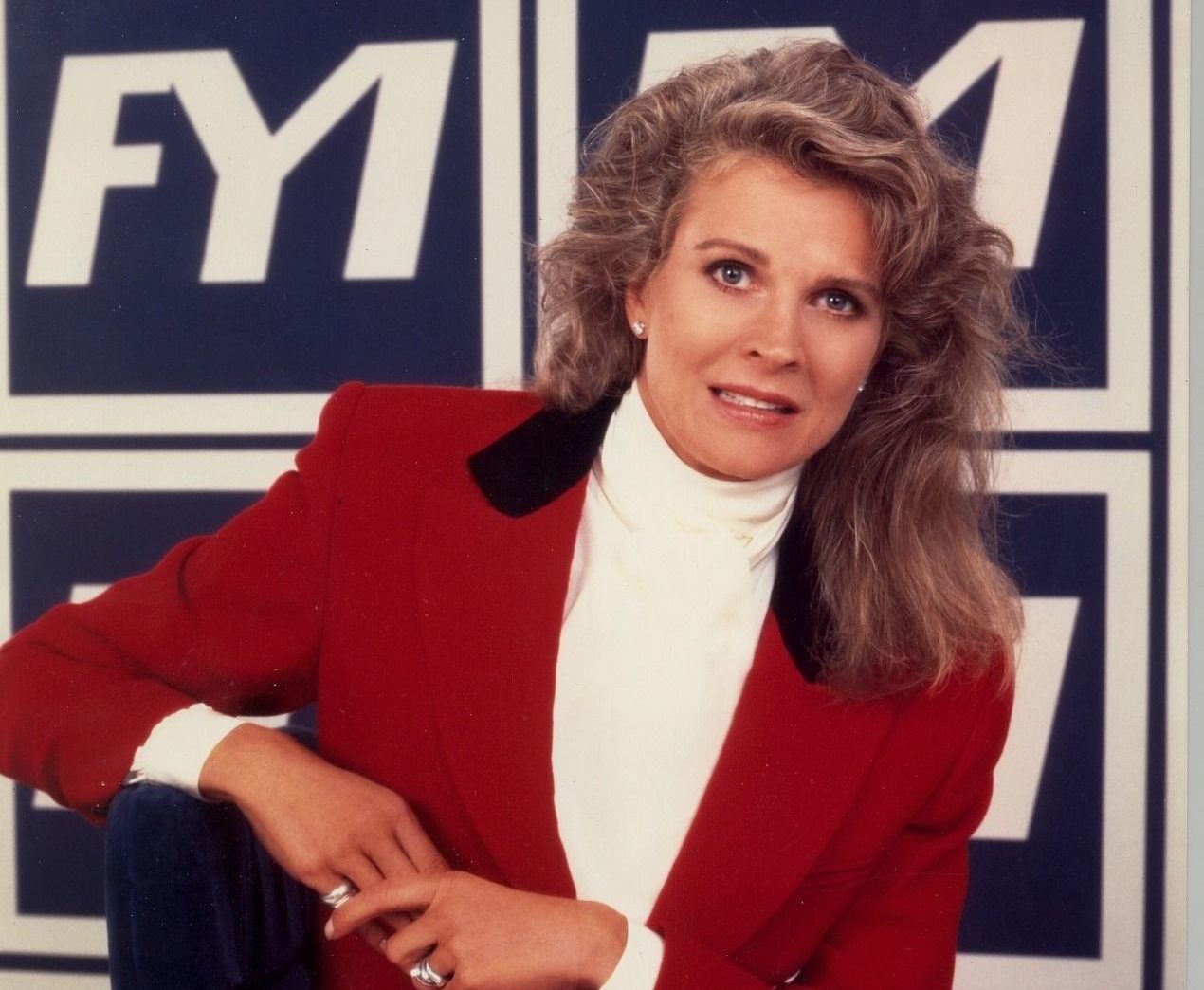
When Mary Tyler Moore’s show ended, everyone on the WJM staff was fired except the totally incompetent Ted Baxter. We don’t know what Mary will be doing, but she has choices. Perhaps she found another news job in a new city. I like to think she found a position in management at a local corporation. Maybe she fell in love with one of the employees she was supervising. I think when she retired and turned on the television, she was watching Murphy Brown’s FYI program, celebrating the leaps women were taking in the workforce.


Get Ready to Be Bowled Over: The Greatest Bowling Episodes

Along with Labor Day this year, September 3 is Bowling League Day. It’s also a good reason for me to put together a list of my favorite bowling episodes. Bowling has been a staple on television since shows first started airing. Let’s look at a few of the best ones.

bowl22


Tom and Jerry

One of the first programs to be set in a bowling alley was Tom and Jerry in “The Bowling Alley Cat” from 1942. It was originally seen in theaters and later debuted on television. A play on the phrase “alley cat,” the animated show is directed by William Hanna and Joseph Barbera.

bowl2

This is a fun setting to watch the duo’s antics. Jerry hides in a bowling ball and then skates down the alley. Tom slips trying to catch him. Eventually Jerry makes it to the end of the lane and waves from behind a pin. Tom tries to throw a ball to hit him as Jerry has to jump behind different pins to keep from getting hit. Jerry bats one of the balls back to Tom using the pin as a bat. Tom’s thumb gets stuck in a ball as he tries to release it and he is propelled all the way down the lane. Quickly acting, Jerry pulls the pin setter down and Tom looks like one of the pins. Tom drops a ball on his foot at one point trying to get Jerry out of one of the holes. These escapades continue until Tom is sent down the alley again knocking over all the pins. Jerry hops onto the desk and records a strike on his scorecard.

bowl1


Ozzie and Harriet

In 1953, in an episode titled “Bowling Alley,” the Nelsons are sitting around the living room. David and Ricky decide to go play basketball. Ozzie and Harriet are discussing how many people have colds. Harriet thinks Ozzie is coming down with one. He feels fine, but then her friend Mary stops by. The girls decide to go to the Emporium shopping. When Harriet asks Ozzie to drive them, honest Ozzie feigns a cold to get out of taking them. His neighbor Thorny stops by and convinces him to go bowling because the high scorer for the day gets a case of Ginger Ale. It’s not Thorny’s night, and Ozzie beats him four games in a row,  winning a whopping $.20. Just as the guys are changing their shoes, Thorny spies Harriet, and they make a quick get-away. Relieved, they get home before her and no one is the wiser. Of course, Ozzie is the high scorer and the next day when the pop is delivered to the Nelson home, Ozzie confesses. He calls everyone he knows to brag about his achievement.  Harriet doesn’t have the heart to tell him that the high score was her game.


The Flintstones

One of the most famous bowling scenes is from The Flintstones’ third season, “Bowling Ballet.”  Wilma has her work cut out for her getting Fred off to his job. When the lunch whistle blows, Fred meets Barney to practice bowling. Fred feels he is out of rhythm and his timing is off. After driving into a fence, dropping a rock on a truck at work, and having a bowling ball hit his toe, he decides he needs help. Mr. Slate tells him the employees are betting double that his team will win the bowling championship. That night Fred sees a commercial for the Bedrock Dance Studio airing the promise to help someone get their rhythm back. Fred signs up for classes. A few days later, Fred calls in sick.  The girls spy him ballet dancing in the basement. Wilma assumes he’s been seeing another woman since he’s been gone every night. Betty promises that Barney will follow him that night to make sure it’s not another woman. When Barney calls Wilma and Betty to say Fred is dancing, they assume he’s with another woman and go to check it out. Fred’s secret is out. The night of the big championship, the team faces the Rockland Rockets. Fred’s first ball is a gutter ball.  Barney puts on some music so Fred can bowl while dancing ballet, and he gets a strike. The Water Buffaloes take home the first prize.


That Girl

That Girl’s “This Little Piggy Had a Ball” episode aired in 1967. The show begins with a group throwing their friend Sharon a surprise party for an award she won.  However, Sharon has been called to Hollywood for an audition, so she chooses Ann to accept the award for her. Don and Ann are supposed to go bowling, so Don agrees to write an acceptance speech for her while they’re there. While Don is writing, Ann reads a bowling magazine and reads an article about a man who bowls with his feet. While demonstrating, she gets her big toe stuck in the ball. No matter what they try, the bowl stays stuck. The owner throws away the magazine because Ann is the fourth person to get a ball stuck on their foot that week. He puts axle grease on her toe but nothing he does helps her. Ann is sure the fire department can help her. The crew was at a fire, and the underwater diver who was at the station cannot find a way to help her either. Ann makes Don take her to the hospital emergency room. The doctor she sees is convinced that his doctor friend set him up and this is a prank.  When he is convinced that she is a real patient, he diagnoses her with an excited toe and gives her muscle relaxers to help her toe come loose. She is supposed to take one every half hour but her neighbor Leon, an obstrician,  realizes she took three in the first hour and he decides to cut off the bottom half of the ball so there is a flat surface and put a cast over the the rest of it, so she can walk, and they sober her up. Rob Reiner and Terri Garr show up at the banquet as acting friends and give Ann a hard time about her cast. Sharon wins the prize, and when Ann goes up to accept the award, the ball and cast fall off.


The Odd Couple

In 1974 the question was “To Bowl or Not to Bowl.” Felix and Oscar’s bowling team, the Bon Vivants, are battling the Kingpins for the championship game. This is the first time in five years the Bon Vivants have had an opportunity to be in the final game. The episode begins with Oscar telling everyone they need to practice every night and complaining to Murray and Vinnie about how bad they were. Felix hates the pressure and quits the team. Oscar makes it clear he’s mad at Felix, and Felix tries to get him to talk it over. When Felix still says he won’t bowl, Oscar refuses to discuss it. The other team sticks to the rule that a bowler cannot be replaced. The next night, the boys play poker. Oscar decides to play without competition to teach Felix a lesson. Felix wins the round but since there is no competition, the next round goes back to even and no one wins any money. The guys discuss the fact that Felix always has an ailment when a competition is on the line. They decide his real problem is psychological. Murray brings a healer to talk to Felix whose back is hurting. After the guys leave for the bowling alley, Felix decides to go and bowl with the team. The other team is also short a man because on of their players is getting married, so they decide each of them can substitute someone but they can’t agree on two people they can use. Part way into the game both Felix and the groom show up to finish bowling with their teams. They are down to the final frame. Felix can win with his final ball, but as he gets ready to let it go, his back goes out and the teams start arguing. Felix lectures everyone. He rolls the ball down the aisle while laying down. He wins and the team is so excited they all run off so the losing team can buy them a drink, but they forget about Felix who can’t move and has to crawl off the lane.

bowl11


Laverne and Shirley

In another season 1 episode, “Bowling for Razzberries,” the girls are in the championship game in 1976. Laverne dislikes Karen, who gives tours at the brewery and torments her. Shirley convinces her to get even with Karen by beating her team at the company bowling night. Laverne coaches the girls about their abilities during practice. Laverne doesn’t criticize Shirley because she always over reacts and takes it personally. Shirley convinces Laverne to give her some tips and when she does, Shirley quits. Shirley realizes Laverne is coming down with a cold and tries to convince her not to practice with her fever. Leonard shows up with a pink ball and his fingers were stuck in there.  He made a comment about Karen’s body, and she slammed the ball on his hand. On the day of the championship, Carmine stops by to tell them he, Lennie and Squiggy bet on their team to win. Shirley calls the doctor to stop by and see Laverne. The doctor is young and good-looking. Laverne puts on lipstick while he scrubs up. He gives her some cold medicine and tells her she needs bed rest till Monday.  To keep Laverne inside, Shirley hides all her clothes while Laverne is sleeping and joins the team again. A sergeant comes collecting clothes for the needy. Laverne tells her she has no clothes, and the sergeant gives her her clothing, keeping her cape and hat. The Hot Shotz are playing the Big Shotz. Shirley finds and old lady from the brewery to fill in for Laverne. In order to participate in the game, Laverne decides to take the medication which leaves her muscles jerky. She shows up at the bowling alley in the sergeant’s clothing. Laverne gets worse as the night goes on. In the last frame, she needs six pins to win. Squiggy, Carmine, and Lenny carry her in her chair to the lane. She wins the game for her team but is too tired to tell Karen what she thinks of her. She asks Shirley to do it and Shirley congratulates her, using good sportsmanship. The next day, Laverne tries to convince Shirley to go to Karen’s house and give her the “razzberry” Laverne wanted to the night before. Shirley calls her on the phone and does so, making Laverne proud. There are a lot of similarities between this episode and The Odd Couple episode discussed above. That’s not too surprising since Garry Marshall produced both shows.


Ellen

In “Bowl, Baby, Bowl” in 1996, the cast ends up at the bowling lane. Paige and Spencer decide to meet at the bookstore since it’s located half way between the hospital and her studio. Before Paige gets there, Spencer gets called back to the hospital. To reward the employees for their good work at the store, Ed decides to take everyone bowling. Ed is very competitive and names his bowling ball “Rolling Thunder.” The rest of them are just there to have fun, and they goof around more than bowl seriously. They attract a crowd and in the last frame, despite her lack of skills, Ellen wins. After Ellen beats him, Ed gets mad. He cancels Ellen’s day off. When she tries to talk to him, he challenges her to a game of pool at his house the next day. That morning, Paige shows up at Ellen’s to surprise Spencer with breakfast. Before they can eat, Paige has to go to the studio and Spencer gets a page from the hospital. At Ed’s house, Ellen trash talks while playing pool.  Ed wins, but Ellen is a bad loser. The next morning at the bookstore, Ellen challenges Ed to who can drink the hot coffee the quickest.  After burning their mouths, they decide on a final game of bowling to break the tie. Ed’s young daughter Emily asks to bowl for Ellen in the final frame. After saying no, Ellen gives in and hands her the ball, talking about the fact that winning is not the important thing, how you play is. Emily granny rolls the ball and wins for Ellen. Ed and Ellen call a truce but when Ed’s wife takes the girls to the arcade, the game is back on as those two run to the arcade to beat each other. The show ends with Spencer and Paige finally getting some time together.


Modern Family

In “Knock ‘Em Down” in 2015, Jay agrees to sub for Cam’s bowling team. Cam conveniently forgets to mention that it’s an all-gay league. Cam wants to beat his nemesis Martin Sherman. Gloria and Mitchell are bragging about how late they will stay out since they are going out on a night on the town with Haley. Cam and Jay bet them $10 that they’ll be home before they are. As Mitchell and Gloria begin dancing, Cam tells them they’re dancing to the Antique Roadshow theme. When Cam tells Jay everyone has to be gay on the team, Jay says no one will ever believe he is gay. Martin approaches Cam and tells him he’ll beat him again and hopes to see Cam try to throw a chair that is bolted down like last year which hurt his back. Jay dislikes Martin and agrees to bowl. Martin questions Jay’s being gay, so Cam tells him to “up his gay game.” Cam tells Martin Jay is acting a bit weird because he has a crush on Martin. Jay really plays up to Martin to throw him off his game. Near the last frame, Martin tries to ask Jay out and he turns him down which keeps Martin from bowling well. After they win the game, Jay talks to Martin and tells him he turned him down because he’s not gay.  Martin thanks him for revealing it and then has Cam’s team disqualified.

Meanwhile, Phil can’t sell a house in the neighborhood because the house across the street has an obscene statue in the front yard. All the neighbors hate it, including the new neighbors whom Phil and Claire dislike. That couple ask Phil and Claire to go out to dinner, and they can’t find a nice way to say no. Phil and Claire consider the couple a bit “low class.” Phil and Claire are embarrassed that the neighbors they don’t like brought their own wine. But when they wave the waiter over for glasses and he takes it out of the bag, it’s a very expensive bottle that the restaurant doesn’t have. Then they mention their son is going to Julliard for piano playing and composing.  The neighbors say they can tie rope around the statue and haul it away. Phil gets in the car and tries to stop them. As he pulls off, he doesn’t realize he’s in reverse and he backs over the statue. A policeman stops by to talk about the statue; luckily Phil knows him and they aren’t questioned.

Meanwhile, Haley tells Gloria and Mitch that they can’t go out for a few hours because no one goes out till 10 and the band sometimes doesn’t go on till midnight. As Mitchell and Gloria wait to go out they are already falling asleep. They start dancing to stay awake. When Haley comes back with wristbands they are sound asleep. They get up and go to the club with her but realize they can’t stay up any longer and leave.


These episodes are a handful of the shows that aired during the 75 years between 1942 and 2015, but they are my favorites. Other shows that featured fun bowling episodes are Happy Days, Looney TunesMike and Molly, Roseanne, The Big Bang Theory, and The Brady Bunch.

If you can’t find any of these great shows to watch today, gather a few of your friends together and get a game of bowling in. Have a ball! Just keep your toes out of it.