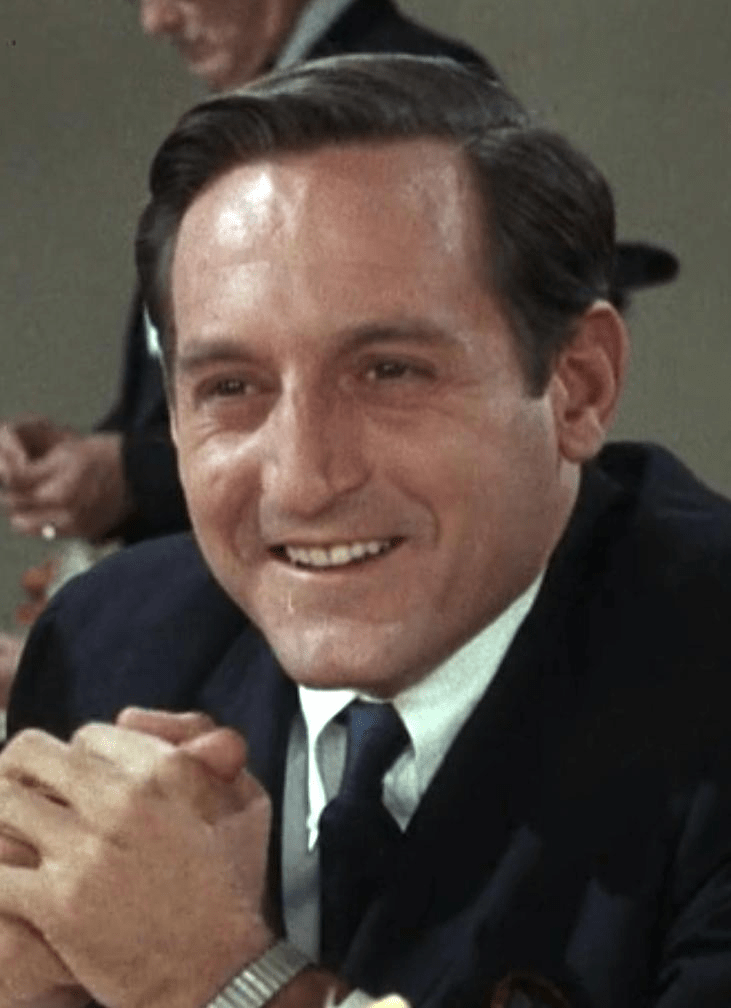
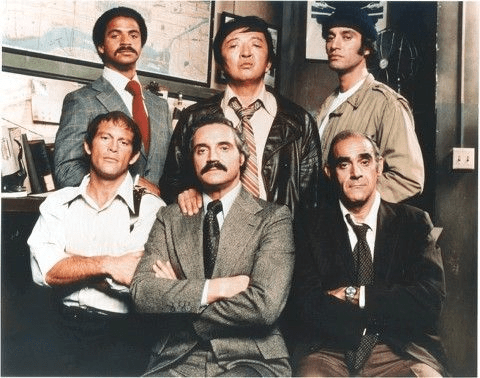
June’s blog theme is Funny Duos. Last week we learned about the Governor and J.J., a show created by Leonard Stern. Today it’s another show created and produced by Stern, I’m Dickens, He’s Fenster.
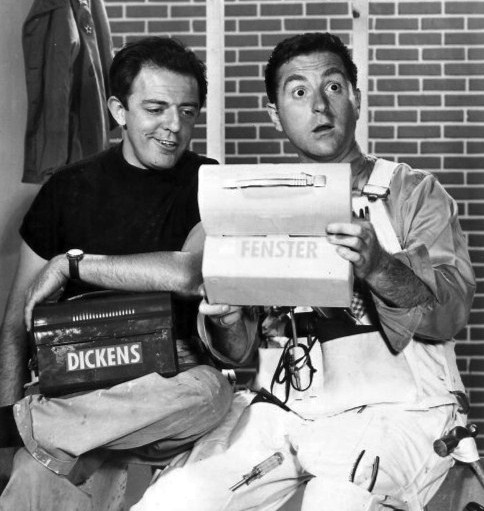
This show debuted on ABC in September 1962 and was canceled after one season. It starred John Astin and Marty Ingels.
The plot is that two carpenters are best friends. Harry Dickens (Astin) is married to Kate (Emmaline Henry) while Arch Fenster (Ingels) is a swinging bachelor whose lifestyle is not okay with Kate. The two often clash with their boss, Mr. Bannister (one of my favorites, Frank DeVol). Rounding out the cast are coworkers Mel (Dave Ketchum), Bob (Henry Beckman), and Bentley (Noam Pitlik). We also meet a few of Fenster’s girls including Yvonne Craig, Ellen Burstyn, and Lee Meriwether.
Stern talked about casting for the show in his interview with the Television Academy. He had Ingels hired and then Stern and his wife saw Astin in a play at UCLA, and he was added to the cast. Stern said he needed a director who liked comedy and could bond with the actors well and was innovative because Stern didn’t like the three-camera shot. He hired Arthur Hiller who fit all three qualifications.
The show, unusual for the time, was filmed in front of a live audience. The comedy combined witty comments with slapstick comedy.
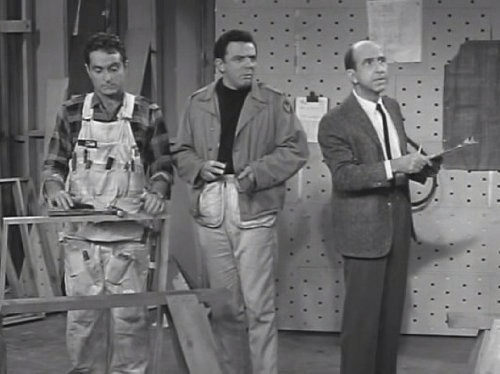
ABC placed it on Friday nights between The Flintstones, which was created for adult viewing, and 77 Sunset Strip. This should have provided a built-in audience, even though it was competing against Sing Along with Mitch and Route 66. At the end of the first season, it beat the competition in the ratings but was still canceled. One of the problems measuring viewership at this time was that a person watching was a person watching whether they were 6, 26, 56, or 106, so it was hard to tell which shows appealed to adults.
Astin discussed the reviews for this show during one of his interviews and said that “some of the critics said it’s the kind of humor that makes you laugh out loud in the living room, and that’s an accomplishment. How often do we really laugh out loud in the living room when we’re watching a television show? We’re lucky if we smile.”
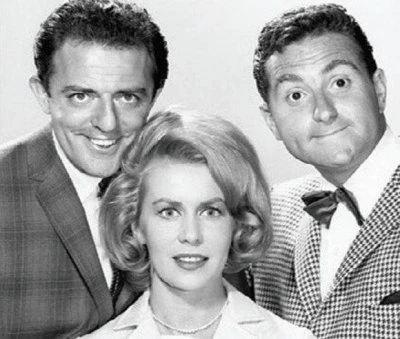
The idea for this show occurred when Stern had some work done at his home. On Christmas Eve 1961, the builders were in a hurry to finish work and get home to celebrate with their families. They were finishing a new fireplace with a built-in brick chimney. Unfortunately, one of the crew forgot to remove the ladder when they were finished in the chimney and they bricked up the hearth before realizing they had now lost their ladder. Stern thought the misadventures of a couple of construction workers might make a great sitcom.
In an interview with the Television Academy, Stern said he asked musician Irving Szathmary for a theme that evoked a Laurel and Hardy feeling. (Szathmary was also the composer behind the unforgettable Get Smart theme.) It must have worked because Stan Laurel said he thought this series was “one of the funniest and most highly imaginative comedies to have its thirty minutes of fame on television.”
One of the running gags on the show was just like the cobbler’s children have no shoes, Dickens’ house was always in a state of upheaval with paint samples on the wall and cabinet doors not working properly; it was in constant renovation. We see this immediately in the pilot as Fenster stops by to pick up Dickens and sees Kate trying to work with the various kitchen issues under construction.
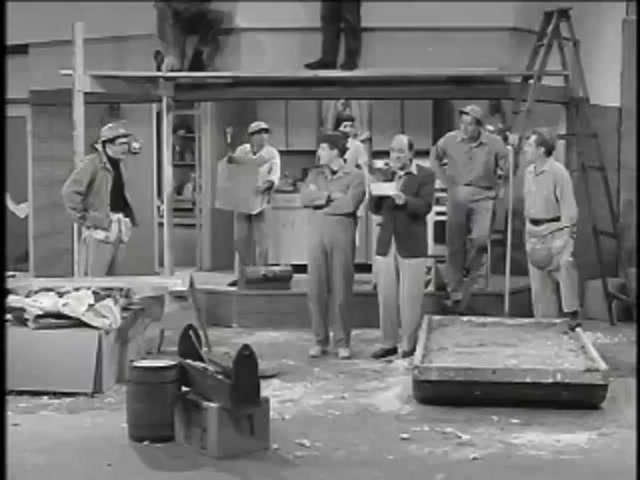
The pilot was a typical plot line for not only this show but most early sixties sitcoms. Dickens is up for a promotion to foreman and is afraid he won’t get the job. In the past, whenever Dickens is waiting for something special, he gets nervous and always ruins the opportunity. When the boss shows up at the project, he doesn’t seem to know Harry Dickens’ name, so the two friends decide to put it into his subconscious by whispering it here and there when they walk by him. That evening Fenster brings his girlfriend over. Harry doesn’t want to spend the evening with them, but once he meets the girlfriend, he falls all over himself being nice to her. Lorna mentions to Fenster that he should try for the foreman job himself.
The next morning, Fenster comes to get Dickens, and Harry is rude to him because he thinks he wants the foreman job. At the end of the day, Bannister calls Dickens into the office to give him the promotion and tells him that Fenster must be fired because he overheard a lot of bad things about him when the crew was talking. When Dickens talks to the other guys, they said that they never complained about Fenster, although they did repeat some of the funny things Dickens said about Fenster. Fenster tells Bannister that he just got fired by Dickens and then Dickens comes in to say it’s been a misunderstanding and Fenster should not be fired and would make a better foreman than Dickens. Bannister said he’ll let them know what decision has been made the next morning.
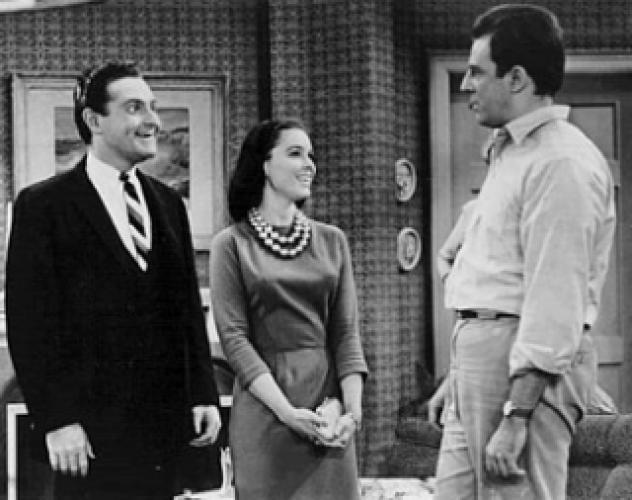
That night Fenster shows up with a different girlfriend who just happens to be Bannister’s daughter. There was a great mixture of slapstick and witty banter during the episode. Something did feel a bit off with the characters. I think the characters should have reversed roles; Aston seems more the playboy type, and Ingels seems more the married man for typical sixties sitcoms.
Astin would go on to star in The Addams Family while Henry would marry Dr. Bellows on I Dream of Jeannie. Unfortunately, with only 32 episodes, the show didn’t qualify for syndication. The first sixteen episodes are included on a DVD set released in 2012 if you want to check out the show. You can also find some of them online in different sites.
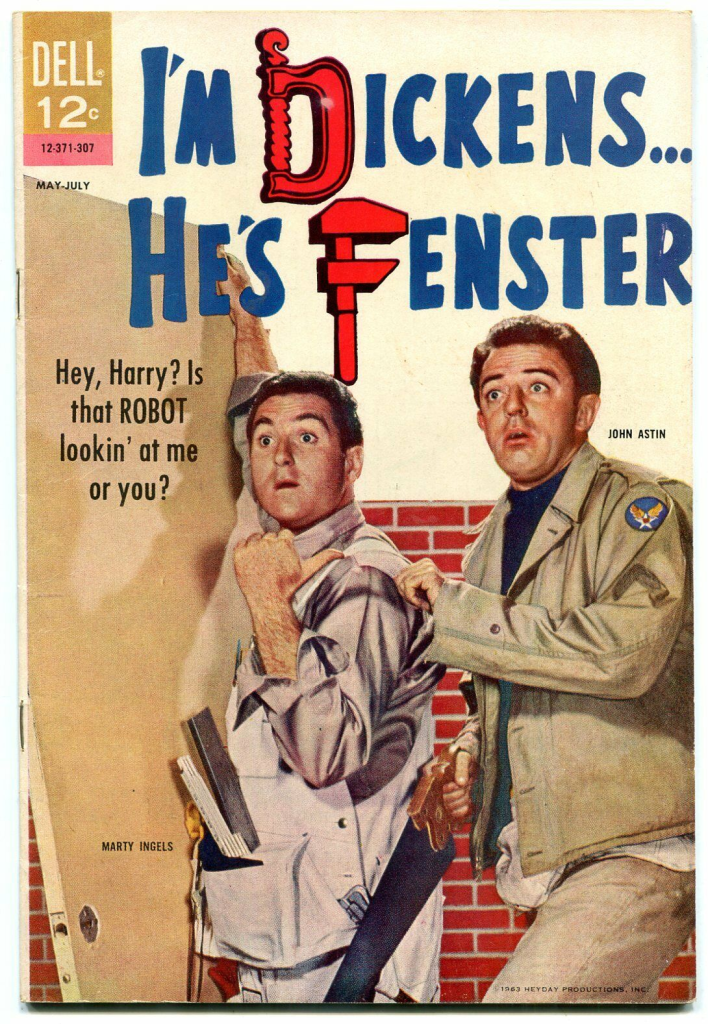
Like The Governor and J.J., this series also made it to Dell Comics; if you’re a collector of comic books about old television series, you can take a look.
I had heard a lot about this show but never watched it till now. It was different and funnier than I thought it would be.