As we start our July blogs, the theme is Military Upended. We’re taking a look at military sitcoms and up first is F Troop. This was a western sitcom set in the 1860s. It debuted on CBS in September of 1965 and ran for two seasons.
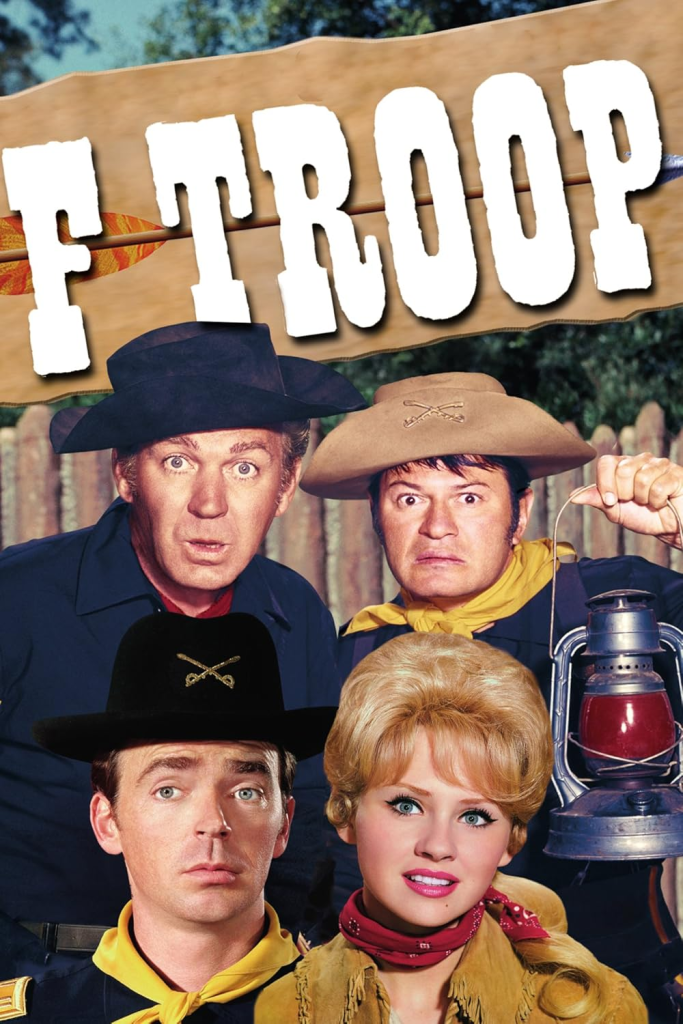
If you and your siblings argue about whether this show was in color or black and white, you’re both right. The first season was in black and white, and the second season was produced in color.
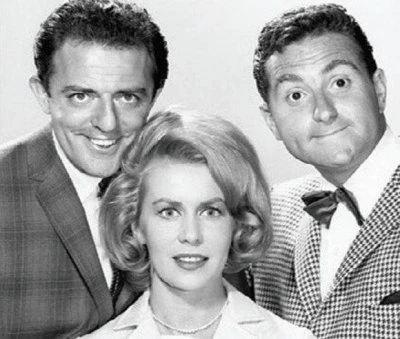
The characters lived at Fort Courage, an army outpost. Captain Wilton Parmenter (Ken Berry) runs, or tries to run, the fort. One of the running gags is that Parmenter comes from a long line of military heroes that stopped with him. However, he served during the Civil War. After being told to pick up the general’s laundry near Appomattox, he begins sneezing. Union soldiers think it’s a command to charge which turns the tide of the battle. Then while Parmenter’s father is pinning the Medal of Honor on him for this feat, he pricks his chest, drawing blood for which they gave him a Purple Heart.
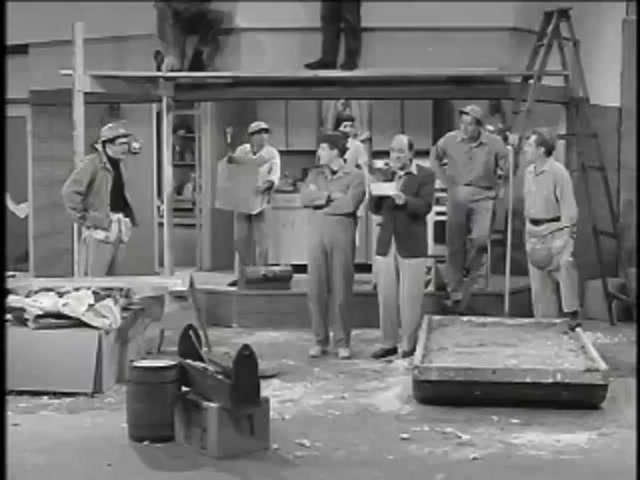
Parmenter is sent to Fort Courage where all the captains have failed. Two of the three commanders before him deserted, and one had a nervous breakdown there.
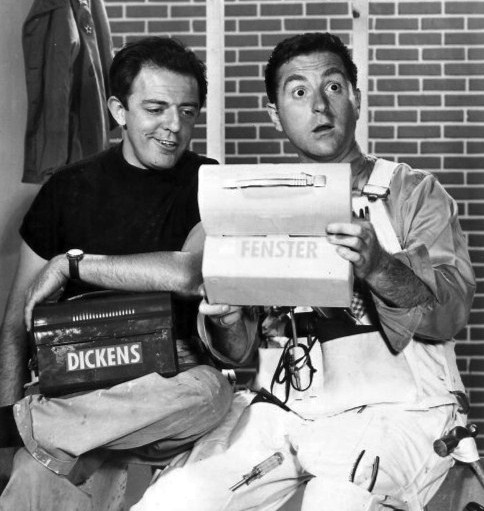
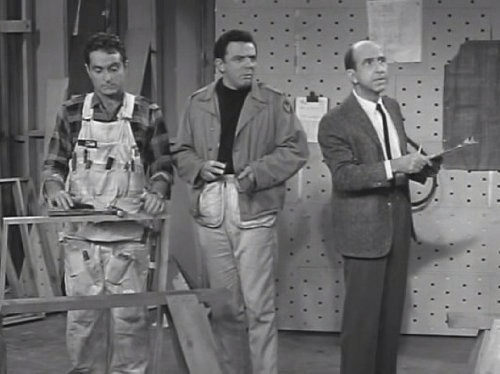
Parmenter is “aided” by Sergeant O’Rourke (Forrest Tucker) and Corporal Agarn (Larry Storch). However, these two are there just to make a quick buck however they can; they often work with Chief Wild Eagle (Frank de Kova) to find the next shady business deal. For example, the government thinks 30 men are at the fort; in reality, it’s 17 and the pay for the other 13 is put into a fund by the two men to fund their plans. However, the two men, while willing to take advantage of his gullibility, do like Parmenter and protect him. Parmenter is kind and well meaning.
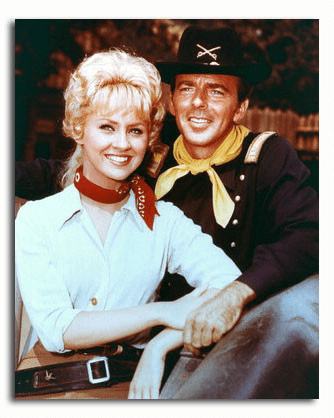
What Wil really needs protection from is marriage. The local store owner-postmistress Jane (Melody Patterson) has set her cap for him. She’s a beautiful tomboy who knows what she wants and usually gets it. She is also a telegrapher and is the best sharpshooter in the territory. She often rescues Wil with her good aim.
Patterson auditioned for this role at age 15, lying about her age. The show didn’t find about that till half-way through the first season. When the series started, she was 16 and Berry was 32. During the second season, when she turned 17, the producers allowed a more serious relationship between the two.
Rounding out the cast was Private Dobbs (James Hampton), a bugler who only knows two songs; Trooper Vanderbilt (Joe Brooks), the lookout who is almost blind; and Trooper Duffy (Bob Steele) the lone survivor of the Alamo who is too old to help much.
We also get to know several members of the Hekawis tribe headed by Chief Wild Eagle. They are 50/50 partners with O’Rourke and Agarn. They make souvenirs for sale and produce whiskey. They claim to be a peaceful nation because most of them are cowards like the men at the fort. The Chief has many wise sayings and often gives advice although when asked to explain some of them, he says he has no idea. His second in charge is Crazy Cat (Don Diamond).

Not surprisingly for the time, none of the tribal members are played by Native Americans. There is a lot of politically incorrect dialogue on the show. The Hekawe (pronounced “heck-ow-ee”) tell the story of how they got their name: Two indigenous people fell off a cliff and one asked “Where the heck are we?” which they chose for their name.
A lot of stereotypes exist not only about Native Americans but military heroes and the west in general. History is presented tongue in cheek with characters showing up who never would have been there and sly references to things that were happening in the sixties.
A number of guest stars somehow end up at Fort Courage. These include Jamie Farr, Bernard Fox, Zsa Zsa Gabor, Harvey Korman, Paul Lynde, Lee Meriwether, Julie Newmar, Vincent Price, and Don Rickles.
The popular theme music was composed by William Lava with lyrics by Irving Taylor. Lava had more than 500 television credits for composing. While he worked in animation a lot, he composed for Dr. Kildare, The Twilight Zone, Wagon Train, and 77 Sunset Strip. His collaborators included Henry Mancini and Sammy Kahn.
The series featured a lot of great writers including Stan Dreben who wrote for Green Acres, Seaman Jacobs and Howard Merrill from The Dick Van Dyke Show, and James B. Allardice who wrote for a lot of shows including My Three Sons and Hogan’s Heroes.
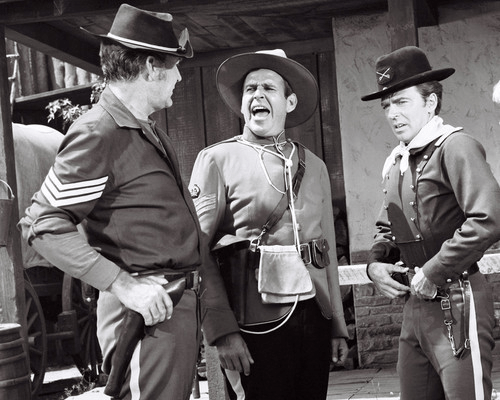
Storch was nominated for an Emmy Award for his role. His competition included Brian Keith for Family Affair, Bob Crane from Hogan’s Heroes, and Don Adams from Get Smart who won. I admit I was surprised to see his nomination given the classic television sitcoms that were on the air at the time.
ABC placed the show on Tuesday nights for season one which helped its ratings because there wasn’t a lot of competition. It was up against Red Skelton which was waning in its popularity, and it followed McHale’s Navy, and the same type of audience who enjoyed that show probably liked F-Troop as well.
After the second season, the show was ranked 40th out of 113 shows. According to Forrest Tucker, Warners Brothers was sold to Seven Arts, and they made the decision to cancel the show because they felt it used too much of the Warner Ranch for its setting and they weren’t thrilled about the added costs of producing this one in color.
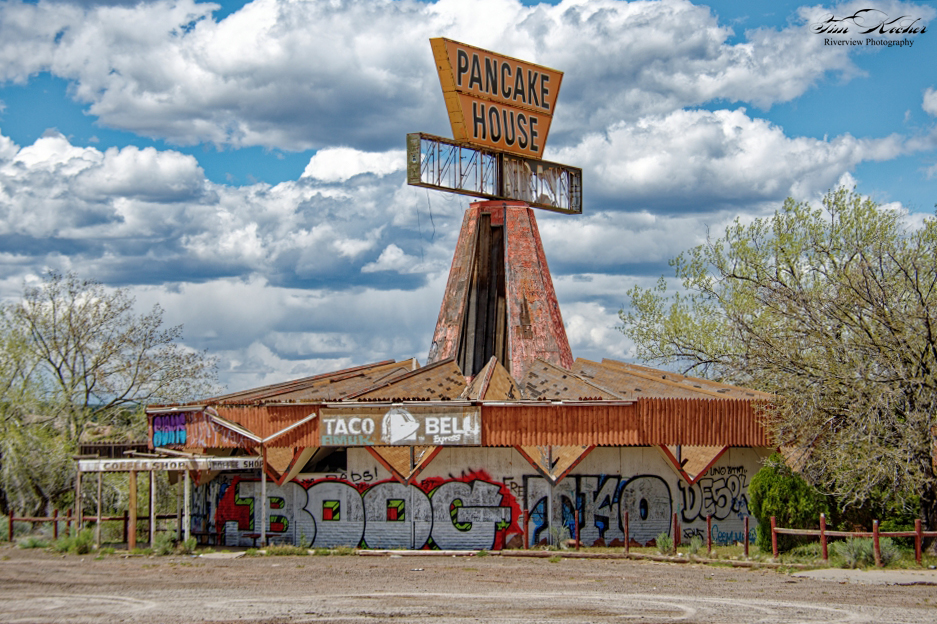
Fun fact, a replica of the fort was built in Houck, Arizona on Route 66. The Fort displayed F-Troop props, and they sold F-Troop merchandise. Among the amenities were a coffee shop, gas station, grocery store, pancake house, trading post, motel units, trailer park, and campground.
This show is a tougher one to evaluate now. Like so many shows from this era, Native Americans were not portrayed respectfully. However, truth be told, Natives were often portrayed as smarter than white men on this show. Like The Simpsons, everyone on this show was made fun of. It could be compared to The Phil Silvers Show or Hogan’s Heroes. It does have the military money-making schemes that Sergeant Bilko attempted but that was seen as a small part of a respectable military.
For me there was too much emphasis on slapstick humor apart from some of the uncomfortable dialogue. If you want to check it out and see what you think, which is what I always recommend, the series is available on DVD. It’s also on Prime and Roku.