During our blog journey this month, we have gone back in time to Sherwood Forest and then sped forward to the 1860 Wild West. Today, as we continue with “Living in the Past: Timeless Comedies,” we time travel 80 years ahead and land in Washington DC in 1942. When we arrive, we find ourselves in the midst of The Goodtime Girls, a show that debuted in 1980 and was created by Lenora Thuna in association with Garry Marshall’s Henderson Productions and Paramount Television.
Photo: episodate.com
The women, all familiar stereotypes, live together in a small attic apartment. There is dumb-blonde Loretta (Georgia Engel), girl-next-door Betty (Lorna Patterson), level-headed Edith (Annie Potts), and arrogant Camille (Francine Tacker). They must learn to depend on each other and navigate life working in jobs to help aid the war effort.
Rounding out the cast were their landlords, Mr. and Mrs. Coolidge (Marcia Lewis and Merwin Goldsmith), their buddy Frankie (Adrian Zmed) who’s a cab driver, and was rejected from military duty because of his flat feet, and his pal Benny (Peter Scolari). Frankie and Benny lived on another floor of the home.
Photo: sitcomsonline.com
Edith, Betty, and Loretta were living in the apartment and already feeling confined and crowded. Camille, a reporter, covering the plight of people dealing with a housing shortage in the capital, is then added by the landlords when she loses her apartment. Camille’s personality didn’t help her earn a warm welcome by the other women. Edith works for the Office of Price Admissions, Betty was at the US Secretary of War’s office, and Loretta worked for General Culpepper (Richard Stahl) at the Pentagon. I was not sure what the Office of Price Admissions was. After a little research, I learned that it began in 1941 and was set up to establish price controls on nonagricultural commodities and rationing essential consumer goods during WWII. One of the first products to receive their ruling on rationing was automobile tires. The Office was disbanded in May of 1947.
Photo: sitcomsonline.com
The shortage of consumer goods and men didn’t help the situation the women found themselves in either. Loretta was the only married tenant, but Edith is the one who tended to “mother” the other girls, doling out advice and wisdom. Frankie and Benny often joined the girls’ adventures.
This was one of the few Garry Marshall series that didn’t become a hit. Several guest stars appeared during the season including Happy Days’ Scott Baio as Edith’s brother and Laverne and Shirley’s Michael McKean as a bitter soldier confined to a wheelchair.
The mostly forgotten theme song, “When Everyone Cared” was written by Charles Fox and Norman Gimbel.
Photo: nostalgiacentral.com
The show never connected with viewers. It began life on ABC on Tuesday nights following Happy Days which should have ensured its success. It tested very well with audiences. Rather than a fall debut, the show began January 22, 1980. After the February sweeps (older viewers will fondly recall the exciting sweeps month followed by “nothing new in March”), the show went off the air. Its competition was the WhiteShadow and a show I don’t remember at all, California Fever. (The description on imdb was “Vince and Ross are suburban LA teenagers enjoying disco, surfing, cars, and the rest of the Southern California lifestyle. Musical Vince runs an underground radio station and mechanical Ross is into custom cars.” It only lasted ten episodes, so I guess I’m not the only one who doesn’t remember it.)
Goodtime Girls returned in April for three weeks on Saturday night and then was pulled again. Although the show was cancelled in May, five of the remaining episodes were aired in August on Friday nights. For some reason, episode 3, “Night and Day” was never shown.
Photo: imdb.com
I’m not sure why the show never caught on. It had a great cast but most viewers didn’t appreciate the comic aspects of the show. Laverne and Shirley and Mork and Mindy could get away with more slapstick routines than many shows airing in the eighties. At this time, M*A*S*H was still going strong, and if you were doing war humor, it would be a hard show to compete with. Maybe this show just seemed too banal and predictable. It was always discussed as being character driven; perhaps the characters were too typecast to be interesting.
As a noteworthy item of information, I don’t think Betty and Camille got along much better after the show ended. Robert Ginty who was married to Francine Tacker for three years later wed Lorna Patterson only fifty days after his divorce became final. However, their marriage only lasted six years.
Unfortunately, the audience was not having as good a time as the cast. I have never seen the show in reruns, and there is no mention of a DVD ever having been released. Learning about so many shows that didn’t make it helps us appreciate those series that became mega-hits. If nothing else, the demise of this show made it possible for Scolari to accept a role on Bosom Buddies.
Continuing our series about “Valerie,” today we look at a slice of American life from the 1970s. It’s hard to emphasize how much the movie Saturday Night Fever changed American culture. In the movie, a high school graduate played by John Travolta, escapes his hard life by dancing at the local disco. The hippie culture of the late 1960s and early ‘70s was shoved aside by the bold and brash disco era. It was hard to go anywhere without the background soundtrack of the movie being heard. Extravagant clothing and three-piece suits were back in style, along with platform shoes and blingy jewelry.
Photo: ebay.com Saturday Night Fever, the movie that started it all
A year after the movie debuted, a new show called Joe and Valerie appeared in April of 1978. Joe (Paul Regina) works at his father’s plumbing store. He meets Valerie (Char Fontane) at the disco and they get romantically involved. However, Joe’s roommates, Paulie (David Elliott), a hearse driver, and Frankie (Bill Beyers/Lloyd Alan), a spa worker and chauvinist, have their opinions on the romance as does Valerie’s divorced mother Stella (Arlene Golonka). Rounding out the cast were Robert Costanzo as Joe’s father Vincent and Rita/Thelma (Donna Ponterotto), Valerie’s best friend.
Photo: moviepictures.org
The series was produced by Bob Hope’s production company, Hope Enterprises, and his daughter Linda served as executive producer. Bill Persky, who had been one of the forces behind That Girl, directed the first episode.
The writers for the show included Howard Albrecht, Hal Dresner, Bernie Kahn, and Sol Weinstein. Kahn and Dresner also served as producer for an episode each. Art direction was credited to Bruce Ryan and shop coordinator to Edwin McCormick.
Photo:ebay.com The chic couple: Makes a person wonder doesn’t it
The series was divided into two parts; in 1978 the episodes show Joe and Valerie meeting, falling in love and planning their future. Jumping to January 1979, the episodes center around the couple beginning their married life. Four half-hour episodes aired in April and May of 1978. Four half-hour episodes were set to air in January, but only three did; the final episode never was played on the air.
Episode 1, “The Meeting” aired April 24, 1978. Joe and Valerie meet at the disco and fall in love when Joe bets his roommates that he can take Valerie away from her dancing partner.
Episode 2, “The Perfect Night” aired May 1, 1978. Valerie arranges dates for Frank and Paulie. She sets up Frank with her best friend Thelma and the date is a disaster. The woman she set Paulie up with ended up getting married the night before, so Valerie is frantically looking for a substitute. Albrecht and Weinstein were credited as writers.
Episode 3, “Valerie’s Wild Oat” aired May 3, 1978. Joe and Valerie’s romance hits a potential roadblock when Valerie finds out that her new boss at the store is her ex-boyfriend Ernie (Marcus Smythe).
Photo: backdrops.com.au The Village People, a big part in the disco fad
Episode 4, “The Commitment” aired May 10, 1978. When Valerie’s mother is unexpectedly called away for the weekend, Joe and Valerie face the prospect of spending their first night together. Joe loves Valerie too much to stay but worries how his roommates will react if he doesn’t.
Episode 5, “The Engagement” aired January 5, 1979. Joe and Valerie break the news to their parents that they are going to live together and looking for a place to live through a rental service which adds to the confusion.
Photo: blogspot.com Disco fashion
Episode 6, “The Wedding Guest” aired January 12, 1979. Joe and Valerie learn that a gangster’s funeral has been scheduled at the same time as their wedding at the church.
Episode 7, “The Wedding” aired January 19, 1979. The newly married couple look back at the events that occurred around their wedding. Some of the problems included Vince wanting Valerie to wear his wife’s old-fashioned wedding dress, Frank and Paulie fighting over who is best man, and Valerie’s mother threatening to stay away from the wedding if her ex-husband comes.
The final episode, “Paulie’s First Love,” was never aired.
This was a bad year for series’ debuts. A number of shows flopped during this year including Hizzoner, Sweepstakes, and Supertrain, none of them making it to more than nine episodes.
Photo: celebritybio.com Char Fontane
Char Fontane (also listed as Fontaine occasionally) was born in California in 1952. She passed away from breast cancer in 2007. Before being cast in Joe and Valerie, she appeared on a variety of tv series in the 1970s and a couple after: LoveAmerican Style (1972), The FBI (1973), Barnaby Jones (1979), Supertrain (1979), Sweepstakes (1979), The Love Boat (1979), and Nero Wolfe (1981). In the mid-1980s she took a role in a made-for-tv movie, The Night the Bridge Fell Down and two movie roles: Too Much (1987) and The Punisher (1989). She was not credited with any roles after the 1989 movie.
Photo: weebly.com Char Fontane in The Night the Bridge Fell Down
Paul Regina was born in Brooklyn in 1956 and passed away from liver cancer in 2006.
Photo: snipview.com
Before his role on Joe and Valerie, he had parts in The Hardy Boys/Nancy Drew Hour and Police Woman both in 1978. After the show ended, his career stayed fairly busy. Throughout the 1980s and 1990s, he could be seen on many popular television shows including Benson, Gimme a Break, TJ Hooker, Hunter, and EmptyNest. He would be cast in three series: Zorro and Son in 1983, Brothers from 1984-89, and The Untouchables in 1993-94. He also had a recurring role as a lawyer on LA Law between 1988-1992.
Photo: waytoofamous.com
Post 2000 before his death he was in Law and Order several times as well as two movies, The Blue Lizard and Eddie Monroe.
David Elliott had a successful career going when he received the role of Paulie. He began with several roles on tv including a mini-series, Pearl, that Char Fontane was also in. From 1972-1977, he had a role in The Doctors in 272 episodes. Before beginning Joe and Valerie, he had a role on Angie in 1979.
OLYMPUS DIGITAL CAMERA Photo: imdb.com
After the show ended, he continued showing up in television series including TJHooker, St. Elsewhere, Simon and Simon, and Murder She Wrote. He ended his credited acting career with seven movies in the 1990s.
He is an interesting guy. After dropping out of high school, he drove a cab in New York. He was a professional boxer, ran a PI business in Hollywood, received his pilot’s license, sat on the board of a major labor union, and traveled extensively through every continent except Africa and Antarctica. Recently he earned a certificate in both long and short fiction from the UCLA Writer’s program and has written a novel, The Star Shield, about a body guard trying to rescue a kidnapped movie star. Currently he is working on a collection of short stories.
The role of Frankie was played by two different actors, Bill Beyers in 1978 and Lloyd Alan in 1979.
Photo: headhuntersholo.com Bill Beyers
Bill Beyers was born in New York in 1955 and died in 1992 in Los Angeles. His first role was that of Frankie on Joe and Valerie. Following the end of that show he was cast in several series including Barnaby Jones, Quincy ME, The Incredible Hulk, CHiPs, Too Close for Comfort, and Murder She Wrote. He had a recurring role on Capitol, appearing in 24 episodes from 1982-1987.
Photo: ztams.com
Lloyd Alan was in 1952. He might have had the shortest career of the cast. Before being cast in Joe and Valerie, he was in an episode of Eight is Enough. After he appeared in The Love Boat, Knight Rider, and Baywatch. His last credited acting job was 1998. I was unable to locate a photo of Lloyd Alan.
The actors with the longest careers were Robert Costanzo who played Joe’s father Vince; Arlene Golonka who was Stella, Valerie’s mother; and Donna Ponterotto who played Rita/Thelma, Valerie’s best friend.
Donna Ponterotto had a successful career following the cancellation of Joe and Valerie. She came to the show having appeared on The Police Story, Happy Days, and Rhoda.
Photo: imdb.com
Following the show, she appeared on Trapper John MD, Laverne and Shirley, TheLove Boat, Who’s the Boss, Murder She Wrote, Night Court, Murphy Brown, ER, Mad About You, Third Rock from the Sun, and NYPD Blue among others. Her last film was Sharkskin in 2015.
Arlene Golonka grew up in Chicago where she was born in 1936. She began taking acting classes when she was quite young. At age 19, she headed for New York and began a career on Broadway. In the 1960s she relocated to Los Angeles. She continued to appear in movies and appeared in dozens of television programs during the next three decades. While she is probably best known as Millie on Mayberry R.F.D., she has appeared in many respected series.
Photo: blogspot.com
Golonka came into Joe and Valerie with a strong resume. She had made appearances in shows such as The Naked City, Car 54 Where Are You, The Flying Nun, Big Valley, Get Smart, I Spy, That Girl, M*A*S*H, All in the Family, Barnaby Jones, Alice, The Rockford Files, and Love American Style. She made five appearances on The Doctors with David Elliott.
Photo: pinterest.com
After Joe and Valerie, she continued to receive many roles including on FantasyIsland, The Love Boat, Simon and Simon, Benson, and Murder She Wrote. Her last appearance was on The King of Queens in 2005, and she is now retired.
Robert Costanzo was born in New York in 1942. He also came into the show with a very strong string of shows, having been in Rhoda, The Bob Newhart Show, and Lou Grant. He also was in several profitable movies including Dog Day Afternoon, The Goodbye Girl, and Saturday Night Fever.
Photo: pinterest.com
Following the end of Joe and Valerie, he would continue his successful career. Costanzo has been cast in recurring roles in ten shows: Last Resort, Checking In, The White Shadow, Hill Street Blues, LA Law, 1st Ten, Glory Days, NYPD Blue, Charlie and Grace, and Champions. He has continued to take roles on other series including Barney Miller, Alice, Who’s the Boss, Family Ties, St. Elsewhere, The Golden Girls, Friends, and Murder She Wrote.
His movie career has also been very successful, and he is remembered for his roles in Used Cars, Total Recall, Die Hard 2, and Air Bud.
Currently Costanzo is still acting and has several movies debuting in the next couple of years.
Photo: sitcomsonline.com
I have to admit I do not remember Joe and Valerie, and obviously I did not watch it, but I don’t think I missed much. It’s fun to learn about some of the more obscure shows that had a brief flicker in television history. There are many more shows that lasted for less than 20 episodes than there are the classics we remember today. If nothing else, the show captures a unique time in American history.
We’ve all experienced that moment we’re at the grocery store and see someone we know, but we can’t remember their name or how we know them. Maybe it was work or school, or their kids were friends with ours. Sometimes we even remember we spent a lot of time with them and like them, but the name and relationship is just not there.
This month we are meeting some of our television friends that we’ve gotten to know, even if we can’t remember their names or what we watched them on. We’ll learn more about eight different character actors. We start off the month learning about Edward Andrews and Herb Edelman.
Edward Andrews
Photo: findagrave.com
I remember
Edward Andrews from Doris Day and Disney comedies. Anyone who grew up in the
1960s or 1970s will remember this military man with a grandfatherly softness to
him.
Andrews was born in Georgia in 1914. His father was a minister and their family moved a lot; he lived in Pittsburgh; Cleveland; and Wheeling, West Virginia. He had a very small part in a James Gleason production at age 12. He attended college at the University of Virginia. In 1935, he got his first part in a Broadway production, “So Proudly We Hail.” He continued in Broadway for the next twenty years, including a touring production of “I Know My Love” with Lunt and Fontaine. During that time, he took a leave from his career to serve in WWII. He was a Captain and commanding officer of Battery C with the 751st Artillery Battalion of the Army.
Photo: movieactors.com
In 1955 he married Emily Barnes and they would have three children, remaining together until his death. About the same time, his movie career took off. Andrews looked older than his age which helped him get parts for older roles. He could play a grandfather, then turn around and handle a sleazy businessman or legalistic bureaucrat. He portrayed George Babbitt in Elmer Gantry in 1960. He worked for Disney playing the Defense Secretary in both The Absent-Minded Professor (1961) and Son of Flubber (1963). I remember him fondly in Doris Day’s movies, The Thrill of It All (1963), Send Me No Flowers (1964), and The Glass Bottom Boat (1966). One of his last roles was Grandpa Howard in Sixteen Candles in 1984. His movie credits totaled 46.
Photo: dorisday.com
Edward also kept busy with television appearances. One of the first actors to guest star on television, in 1950, Andrews was on Mama. As early as 1952, he began acting in the variety of drama shows on television. During the 1950s he would appear in eighteen of these shows including The US Steel Hour, Robert Montgomery Presents, Studio One in Hollywood, and Omnibus.
Photo: scsottrolling. blogspot.com On The Wild Wild West
He showed up in westerns including The Real McCoys, Bonanza, Gunsmoke, and Rawhide. We saw him on medical and legal dramas such as Ben Casey,The Defenders, The Bold Ones, Ironside, and Owen Marshall, Counselor at Law. Mysteries and crime thrillers also found a place for him. You might remember him from Naked City, The Wild Wild West, The Mod Squad, Hawaii Five-0, McMillan and Wife, and Quincy, ME.
Photo: pinterest.com
Like his films, he seemed to excel in comedy. Andrews played George Baxter in the pilot for Hazel, but unfortunately when the show went into production, the part was recast with Don DeFore. He would guest star in some of the most popular sitcoms, including The Phil Silvers Show, The Andy Griffith Show, I Dream of Jeannie, Bewitched, The Paul Lynde Show, Love American Style, The Bob Newhart Show, and Three’s Company.
Photo: pinterest.com
In 1964 he starred in Broadside. Commander Adrian (Edwards) is not happy when a group of Waves are posted to his station on the South Seas island Ranakai. His men no longer have focus, so he spends the series trying to get the women relocated.
In 1970 he had a recurring role on The Doris Day Show as Colonel Fairburn. He also starred as Harry Flood in the show Supertrain in 1979. Playing on the Love Boat and Hotel themes, the show was about a bullet train that had new passengers each episode.
Photo: imdb.com On Bewitched
Perhaps Andrews will be best remembered for his guest starring role on two Twilight Zone episodes, “Third From the Sun” (Andrews plays a company man who thinks a coworker William, a nuclear engineer, and his friend Jerry are going to steal a spaceship to leave Earth) and “You Drive” (Andrews hits a newspaper boy and then flees the scene, trying to hide the crime).
In all, he appeared on 118 different television series as well as made-for-television movies.
Photo: pinterest.com
Andrews enjoyed playing a character actor. He said it ensured more work and longevity in his career. He was quoted as saying, “What you get are people who speak to you. They know you from somewhere, but they don’t think of you as an actor. They stop and say, ‘Harry, how’s everything in Miami?’ I’ve learned by experience not to argue with them.”
In March of 1985, Andrews had a heart attack and passed away at age 70. With his white hair, and horn-rimmed glasses, Andrews was an adaptable character actor. Whether he was playing a lovable doctor, a nosy coworker, a fun-loving grandfather, or a despicable murderer, he was believable. He truly was a great character.
Herb Edelman
Herb Edelman, circa 1981 Photo: travsd.wordpress.com
Another fun actor
everyone will recognize is Herb Edelman. Herb was born in Brooklyn, New York in
1933 in the midst of the Depression. Tall, lanky, and prematurely bald, he
would go on to have a long career in movies and television.
Originally, Edelman wanted to be a veterinarian, and he went to school at Cornell but left after his first year. He served in the Army as an announcer for Armed Forces Radio. After he left the service, he started college again, this time studying acting at Brooklyn College. Once again, he dropped out. He made a living as a hotel manager and a cab driver.
Photo: cscottrollins.blogspot.com In Barefoot in the Park
In the mid-1960s he began both his film and television careers. Some of his best-known roles were in the movies. He played Harry Pepper, a wise-cracking telephone operator, in Barefoot in the Park and Murray the Cop in The Odd Couple, as well as Harry Michaels in California Suite.
Photo: movie-mine.com In The Odd Couple as Murray the cop
However, it was television where he received most of his work. In the 1960s, he began his career, appearing on a variety of shows, including That Girl, The Girl from U.N.C.L.E., and The Flying Nun. During these years he also dated and married Louise Sorel who he was wed to for six years.
Photo: en.wikipedia.com
In 1968, he accepted the role of Bert Gamus in The Good Guys. Bert and his friend Rufus (Bob Denver) open a diner, their dream. Bert’s wife Claudia (Joyce Van Patten) helped him serve customers.
In the 1970s, his career continued as he appeared in many shows every year. Some of the hit series we saw him on during this decade include Room 222, Bewitched, McMillan and Wife, The Partridge Family, Love AmericanStyle, Maude, Happy Days, Barney Miller, Kojak, and Charlie’s Angels.
Photo: sitcomsonline.com On Barney Miller
In 1976, he was again cast in a show, Big John Little John. Edelman was a middle school teacher who drank out of the fountain of youth on vacation. Afterward, he would randomly turn into a thirteen-year-old and worked to keep the secret from his friends and coworkers. The show was short-lived.
Photo: picclick.com
Edelman’s work schedule did not slow down in the 1980s. He would have roles in the cast of five television shows and spent time in between guest starring on other shows such as Trapper John, Highway to Heaven, The LoveBoat, and thirtysomething.
From 1980-81, he was cast as Reggie on Ladies’ Man, about a woman’s magazine with one male journalist. From 1981-82, he appeared as Commissioner Herb Klein on Strike Force. This show followed a strike force team that handles cases too difficult for the mainstream officers. The following year, he was Harry Nussbaum on Nine to Five, the show based on the movie about a group of office workers. From 1984-88, he was cast as Richard Clarendon on St. Elsewhere, a teaching hospital.
Photo: aveleyman.com On Murder She Wrote
Although his roles decreased in the 1990s, he had one of his most memorable roles during those years as Stanley Zbornak, Dorothy’s ex-husband, on Golden Girls; he was nominated twice for his role on the show.
In 1990, he played Sergeant Levine on Knot’s Landing. Knot’s Landing was a night-time soap about the lives of the wealthy who live in a coastal suburb of LA. His last recurring role was Lieutenant Artie Gelber on Murder She Wrote, about a mystery writer who helps solve crimes.
Photo: imdb.com On Golden Girls
Edelman died much too early in 1996 from emphysema at age 62.
Another character
who was unforgettable in his movie and television roles. Whether playing a repairman,
a cop, a teacher, or a ex-husband, he always came through as an authentic
actor.
Anyone who watched the Dick Van Dyke Show knows that the supporting cast was a big part of the show. While Sally and Buddy helped Rob come up with the perfect jokes at work, Millie and Laura were a great comedy team at home. Ann Guilbert continued to find other great supporting roles after the show ended. She was still fine-tuning those roles when she passed away in 2016. She was then playing a grandmother on Life in Pieces.
Ann Morgan Guilbert was born in Minneapolis, MN in 1928. She was an only child and her father worked for the Veterans’ Administration. He moved the family around for jobs quite often. Growing up, she lived in Tucson, AZ; Asheville, NC; Livermore, CA; and El Paso, TX. The family was in Milwaukee, WI during her high school years.
Until she was
14, Ann wanted to be a nurse, but from that time on, she knew she had the
acting bug.
When her father took a job in San Francisco, Ann decided to go with her parents and attended Stanford University where she majored in theater arts. Her first part there was as Topsy in “Uncle Tom’s Cabin.” She realized that she liked to make people laugh.
Photo: hollywoodreporter.com
While in school,
she met fellow major George Eckstein. They married in 1951. Although they majored
in theater arts, George went to law school and Ann worked as a legal secretary.
During the summer when George was off, they went to Ashland, Oregon for the
Shakespeare Festival where she specialized in playing “nutty” ladies. George
was drafted and sent to El Paso; Ann went with him. She was involved in the Little
Theater there.
When Ann
joined the Screen Actors Guild, there was an actress named Ann Gilbert, so Ann
was asked to change her name. She went with her real name, Ann Morgan Guilbert.
Morgan was her mother’s maiden name. (Her mother was related to Mayflower passenger
William Brewster.)
George
practiced law for a short time and decided he wanted to get back into the
entertainment business. He got a job producing The Billy Barnes Revue. Ann had
a part in the show and Carl Reiner saw her in that performance in two different
cities.
Before The Dick Van Dyke Show, Guilbert made
three appearances on television on My
Three Sons, Hennessey, and Alfred Hitchcock Presents.
Jerry Paris,
who played her husband on The Dick Van
Dyke Show, had been a friend of her and her husband for a long time. He
took Ann in to audition for the role of Millie, his wife. She was hired and was
on the show for the entire five years it was on the air. Millie was based on one
of Reiner’s neighbors from New York who would do things like take out the
garbage on the wrong day or paint herself into a corner of a room. She said she
wasn’t given a contract for the first two years. During the third season,
Reiner wanted to provide her with one, but she said things had been going along
well enough.
Photo: nytimes.com
Ann became pregnant early in the first season. She was afraid to tell Reiner, worrying she would be replaced because it was so early in the show’s life. However, he was very happy for her, and they hid her pregnancy behind large tops or props. That baby is actress Hallie Todd, who is best known as Lizzie’s mother on LizzieMcGuire. George and Ann would have another daughter Nora, an acting teacher and writer.
Ann’s favorite part of the show was Thursdays when the cast would sit around the table with the writers to look at the new script. Ann thought their writers were hysterical. Some of them included Reiner, Garry Marshall (who would go on to create The Odd Couple, Happy Days, Laverne and Shirley, and Mork and Mindy), as well as Bill Persky and Sam Denoff (who wrote for many shows, including That Girl.) Everyone had a say in the script and could throw out one-liners or make suggestions.
The Dick Van Dyke Show ended in 1966 and that same year George and Ann divorced. George was best known for being the writer and producer of The Fugitive.
Photo: weaversdepartmentstore.com
Guilbert said
she never watched the reruns much. She recalled, “When I do see them, it seems
like it never happened. I just can’t remember it at all.” Once the show ended,
Ann, like so many fellow actresses, was typecast as Millie. During the 1970s
and 1980s, she would guest star on some of the best sitcoms on the air
including The Andy Griffith Show, I Dream of Jeannie,Room 222, The Partridge
Family, Love American Style, Barney Miller, Cheers, and Newhart.
In 1969 Ann
married character actor Guy Raymond. About that time, she decided to give Broadway
a try. Her daughter said Ann loved performing on stage and that is when she
felt her career was most important. She appeared in “The Matchmaker,” “Arsenic
and Old Lace”, “Waiting for Godot”, “To Kill a Mockingbird”, “Harvey”, “Green Grow
the Lilacs”, among others. She won the Helen Hayes Award for Outstanding Lead
Actress in a Non-Resident Production in 1988 for her role of Alma in “The
Immigrant: A Hamilton County Album”.
She also
appeared in eight movies during her career including A Guide for the Married Man, Viva
Max!, and Grumpier Old Men.
Photo: imdb.com
But Guilbert didn’t give up on television. In 1990, she starred in The Fanelli Boys. Ann played Teresa Fanelli. She is a recent widow living in Brooklyn and heading for Florida to live when her adult boys all move back in. Frankie is a ladies’ man, Ronnie dropped out of school, Dom is a scammer, and Anthony runs the family business, a funeral home which is $25,000 is debt. Teresa’s brother Angelo is a priest who gives advice to the boys, but not always good advice.
Photo: syracuse.com
She made several guest appearances in the 1990s but had recurring roles on EmptyNest, Picket Fences, and Seinfeld.
Photo: today.com
The role many younger tv fans know her best is Yetta in The Nanny. She would join the cast, appearing in 56 shows between 1993 and 1999. She had fun doing the role. When she met with the wardrobe staff, they decided she would dress outrageously. She was able to wear sequined jackets, jazzy pants, and crazy tops. She also appreciated working with Ray Charles, who played her boyfriend.
During this
time, her second husband passed away in 1997.
Photo: express.co.uk
Ann would continue guesting on shows into the 2000s, including Grey’s Anatomy in 2015 and Modern Family in 2013. She also was cast in the show Getting On from 2013-2015. This was a dark comedy on HBO that took place in the geriatric wing of a financially failing hospital. Laurie Metcalf of Roseanne and The Big Bang also was part of the cast.
MODERN FAMILY – “ClosetCon ’13” – With some urging from Claire, Jay begrudgingly agrees to return to ClosetCon this year, and things get interesting when Jay is reunited with some old colleagues. Cam takes Mitch and Lily to the Tucker family farm for the first time and is excited to fold them into country life, that is until Grams pays an unexpected visit. And back at home, Phil, Gloria and the kids get into some mischief involving Jay’s very delicate Apollo 13 spacecraft model, on “Modern Family,” WEDNESDAY, NOVEMBER 20 (9:00-9:31 p.m., ET), on the ABC Television Network. (ABC/Ron Tom)
ANN GUILBERT
Her last series was Life in Pieces. She played Gigi, Joan’s mother. She was in two episodes before she passed away in 2016. One of the episodes, “Eyebrow Anonymous Trapped Gem” was dedicated to her memory. In a tribute to her, each of the four stories involve her character.
Photo: mashable.com Unfortunately, her Yetta character and Ann both refused to give up smoking.
Her doctor had been trying to convince her to give up her several-pack-a-day cigarette habit, but she refused and talked about it often. She died from cancer at age 87.
Cheers to a funny lady who kept us laughing for more than fifty years.
We all have those family members who seem to find fun catch phrases which get repeated by friends. Then there are those relatives who say something that drives us crazy and overuse expressions. That is what we’re talking about today: catchphrases from our favorite television shows. I prepared a list of twenty phrases that caught on with viewers. What seems strange to me are expressions that come from a series or movie that were never actually said. For example, “Play it again Sam,” from Casablanca is a well-known phrase. However, that line was never said in the actual movie. You often hear someone say, “Beam me up Scotty,” but once again, it was never said in Star Trek. The closest line was only used once, and it was, “Beam us up, Mr. Scott.”
I’ll list these memorable phrases by shows alphabetically and tell you how often they were used: none, one, fun, or overdone. I also rate them: green light means I like it, yellow if it was getting close to being overkill, and red for those expressions that never should have been used at all. Here we go.
Photo: thefamouspeople.com
The A Team – Pity the fool
Mr. T often says this on commercials, public appearances,and as a guest on other shows, but he never said it on The A-Team. Mr. T explained how this phrase came about on the Conan show one night, “When you pity someone, you’re showing them mercy. I didn’t start this pity stuff, it was in the bible. You’ll find pity so many times in the Bible and fool so many times, so I put ‘em together. Pity the fool,” Mr. T said. He added, “Lotta guys in the Bible [were] asking for pity. And then a lot of them were saying, I did a foolish act. So, I put ‘em together.”
Not only has he trademarked the phrase, but he actually had a series developed around the phrase which was the title of the show. It aired in October of 2006 and was off the air by November 6, so I pity the fool who stuck money into it.
Rating: None, Green– I can’t really give it a light because it was never used but it was a good expression at the time.
Photo: throwbacks.com
Alf – I kill me
The Tanner family members weren’t often amused by Alf’s jokes. When no one responded or someone shook their head at him, he was often heard to say, “I kill me.”
The phrase was so popular, a poster and a t-shirt were sold featuring it.
Rating: Fun, Green – I also thought Alf was pretty funny, even when the Tanners were not as impressed.
Photo: pinterest.com
Alice – Kiss my grits
While Flo was a warm-hearted person who would do anything to help a friend, or Mel, she didn’t take any sass from anyone. Whenever someone did something to irritate her, she responded, “Kiss my grits.”
Rating: Overdone, Yellow– Only Flo could get away with using the phrase so often, but it did become a bit too much.
Photo: youtube.com
The Andy Griffith Show – Nip it in the
bud
Barney liked being on top of situations and being in charge.When something happened whether it was questionable behavior by Opie or a dangerous criminal activity being plotted, he was heard to say, “Just nip it, nip it in the bud.”
Rating: Fun, Green –Barney Fife was just a great character.
Photo: nme.com
Big Bang Theory – Bazinga
Sheldon learned about sarcasm during season 2 of the show. Whenever he said something sarcastic or something that proved others wrong in a humorous way, he would utter, “Bazinga.” The first time he used it, it was not actually in the script, but he added it and it stuck.
Rating: Fun-ish, Green– I added the “ish” because it can be overdone some shows
Photo: imdb.com
The Brady Bunch – Marcia, Marcia, Marcia
Jan didn’t like being the middle child. While Cindy was the cute younger one and Marcia the pretty older one, Jan often felt left out. When she was upset Marcia was getting attention or doing something she wanted to do, she would pout, “Marcia, Marcia, Marcia.”
In the Season 3 episode, “Her Sister’s Shadow,” Jan said, “all I hear all day long at school is how great Marcia is at this or how wonderful Marcia did that. Marcia, Marcia, Marcia!” Jan did not say the phrase much, but viewers sure did.
Rating: One, Green – I think every middle child understood what Jan meant. Apparently, viewers loved it, because it is an iconic quote for being only said one time. Actually, I always thought Jan was the cool one.
Photo: tvseriesfinales.com
Columbo – Just one more thing
When the bad guy thought he had gotten away with a crime, Columbo would often turn around and say, “Just one more thing,” and that “thing” was usually the evidence he needed to arrest someone.
Rating: Fun, Green – Even when we knew it was coming, it was fun to see how the villain of the week realizes he has been found out.
Photo: imgflip.com
Diff’rent Strokes – What you talkin’
bout Willis?
Arnold was the “cute” kid in the Drummond family and often made others laugh. Whenever Willis said something Arnold didn’t want to do or thought should not happen, he would look at his brother and say, “What you talkin’ ‘bout Willis?”
Rating: Overdone, Red– Ok, I know I have a bias because this was one of those Norman Lear shows my readers know I don’t care for, but I do remember at the time, it was used a bit too often on the show. There is a fine line between defining a character and stereotyping a character.
Photo: tenor.com
Friends – How you doin’?
Joey was definitely the ladies’ man on Friends. He was always searching for his next social conquest. When he met a girl he wanted to get to know better, he often drawled, “How you doin?” It was a basic pick-up line, but he was so good looking, it almost always worked. While it became his catchphrase, it was not used for the first time until Season 4.
Rating: Fun, Yellow – It was a fun expression that is still used today but it was getting close to being overused.
Photo: bustle.com
Full House – Have mercy
Typically, it was Uncle Jesse who said, “Have mercy,” but occasionally another character would use it. He says Garry Marshall always told him he needed a catch phrase. He took on “Have mercy,” and it was probably one of the most-used phrases ever during the run of the show.
Rating: Fun, Green– I can still hear the exact tone of his voice whenever he used the line.
Photo: bondsuits.com
Get Smart – Missed it by that much
Maxwell Smart often messed up a spy mission, and 99 always saved the day. Often when the bad guys were put away and he was analyzing what had gone wrong, he would say, “Missed it by that much” which usually meant he was nowhere near to taking care of business.
Rating: Fun, Green– Everything on this show was fun and there were enough catch phrases that none of them took over.
Photo: tvparty.com
Good Times – Dy-no-mite!
The Evans were a close-knit family who lived in the projects. JJ was an artist and the class clown. His favorite expression was “Dy-no-mite!”
He revived his catch phrase in several Panasonic commercials in the mid-1970s.
Rating: Overdone, Yellow– Sorry, it’s my Norman Lear bias again, but I feel like not only did JJ Evans overuse this phrase, but you heard it from viewers everywhere you went. I agree that imitation is the sincerest from of flattery, so it worked, and people liked it, but I thought it was overdone.
Photo: people.com
Happy Days – Sit on it
I think every cast member used the phrase “Sit on it” at one point or another. It was said when someone said something or insinuated something a character didn’t like.
Rating: Overdone, Yellow– This was a fun phrase when it started but it was overused and overused by everyone on the show.
Photo: memorabletv.com
Hawaii Five-O – Book ‘em Danno
The original Hawaii Five-O would end each arrest with Steve saying “Book ‘em Danno.” They did not resurrect the phrase for the current Hawaii Five-0. However, if you were watching the November 30th episode in 2018, you saw the conclusion of an older cold case homicide and a comic book created the ending to the mystery and in the book, McGarrett did say, “Book ’em Danno.”
Rating: Overdone, Green– It was over used although it did not occur on each episode, but I gave it green because it worked and fit the situation when it was used.
Photo: theherald.com.au
Hogan’s Heroes – I know nothing
Sargent Schultz began saying “I know nothing” when he didn’t want to answer questions Hogan asked him. He realized Hogan could always get him to talk by offering him food of some type. Later, the prisoners were not afraid of telling Schultz things they were doing or planning to foil the Nazis’ plans, and whenever he heard them talking about an upcoming mission, he also emphatically said, “I know nothing.”
Rating: Fun, Green– Schultz said it a lot but that was fitting for his character.
Photo: cbsnews.com
The Honeymooners – Bang, zoom, to the moon, Alice
This particular phrase is quoted a lot. Actually, Ralph Kramden had many similar expressions such as Bang, zoom” or “To the moon Alice,” but they all had similar wording and inferred that he was threatening her. The phrase would not go over well in a show today. However, Alice was never worried. She knew Ralph loved her and was all bark and no bite. Of course, one of the expressions he also used in a lot of shows was “Baby, you’re the greatest.”
Rating: One, Red – I only saw one episode that used the exact wording that has become a quote of the show. While I know it was innocent fun back then, I can’t say I was ever fond of the expression.
Photo: dga.org
I Love Lucy – Lucy, you got some ‘splaining to do
Lucy always had some type of scheme in the works to get something she wanted. Often, it was something her husband had forbidden her to do. When he found out what she was up to, he often said, “Lucy, you got some ‘splaining to do” in his Cuban accent. Like Ralph Kramden, he rarely said this exact phrase; instead, he would tell her to “splain what happened” or “try to splain why you are here” or something along those lines. Viewers picked up on the exact wording that gets repeated still.
Rating: One, Green – Desi used similar words but not this exact phrase. However, when he used it, it was always an appropriate use because Lucy had done something that did need to be explained.
Photo: wvxu.org
Laugh In – Sock it to me
Because so many people on the show say, “Sock it to me” started by Judy Carne, it has become a famous line. Of course, the celebrity who got the most attention saying it was Richard Nixon.
Rating: Fun, Yellow– It was still fun because it was used in different situations and with different celebrities but if the show had continued, it might have been overdone.
Even kids who never heard of Lost in Space, quote “Danger Will Robinson” when they want to warn someone about an issue. The funny thing is it was only said one time on the show, but like The Brady Bunch, viewers have made it their own and it is now part of our lexicon.
Rating: One, Green– Although it was only said once, viewers have made it into a well-loved expression.
Photo: purpleclover.com
Welcome Back Kotter – Up your nose with a rubber hose
This was probably one of the most unusual catch phrases. The Sweathogs gave the image that they would not put up with nonsense and they made the rules. One of Vinnie Barbarino’s favorite insults was “Up your nose with a rubber hose.”
Rating: Fun, Green– I was not a huge fan of Welcome Back Kotter, but the phrase fit Barbarino, and he had enough other expressions, it was not overused.
I hope you had fun looking back at some of the expressions we grew up with in the 1960s, 1970s, and 1980s. It’s interesting to think about what current shows will produce catch phrases that kids will still be using in 2050.
The Depression changed the course of Sheldon Leonard’s life. He was born in Manhattan to Jewish parents. He went to Syracuse University on an athletic scholarship. While there, he was president of the dramatics club. His degree was in finance, and he landed a job at a prestigious brokerage firm. Then the Depression hit, and he was out of a job. He had to fall back on the only other skill he could think of which was acting.
In 1931 he married Frances Bober whom he was married until his death. They would have two children.
Acting was not quick money either though. It took five years until he landed his first major Broadway role in Hotel Alimony in 1934. It did not have a long run, but his next two shows were more successful: Having a Wonderful Time in 1937 and Kiss the Boys Goodbye in 1938.
He then entered film work. He had several very small roles in a couple of movies and a couple of shorts, but in 1939 he was cast in Another Thin Man, the popular movie series with William Powell and Myrna Loy. That began his career as a heavy, often being cast as a gangster. He would appear in To Have and Have Not with Bogie and Bacall in 1944. In 1946 he was cast as the bartender in It’s a Wonderful Life with Jimmy Stewart and Donna Reed. Because it has become a Christmas staple, it has brought Sheldon a lot of recognition. Sheldon would appear in 74 movies during his career, 69 of them by 1952.
During this time, he also gave radio a try. He was working on both sides of the mic. He sold scripts to several shows including Broadway is My Beat. He also portrayed his stereotyped gangster role on many shows including as Grogan on The Phil Harris, Alice Faye Show. You could hear him on Jack Benny, Burns and Allen, Bob Hope, Duffy’s Tavern, the Halls of Ivy, and The Judy Canova Show, among others.
Photo: radiospirits.com
It was only a matter of time before Sheldon took his talents to television. He appeared in four episodes of Your Jeweler’s Showcase in 1952. In addition, he was listed as producer and director for several of these episodes. He appeared in I Love Lucy in 1953 as vacuum salesman Harry Martin and several I Married Joan episodes in 1952-53. One of my favorites was his role as Johnny Velvet on Burns and Allen when he kidnaps Gracie but takes her back because she drives him crazy. In 1954 he co-starred in The Duke which lasted 13 episodes. This show featured an artistic boxer who leaves the ring to open a nightclub. Sheldon also directed the pilot as well as some early episodes of Lassie and The RealMcCoys.
However, the show that made him a household name was his director/producer role on Make Room for Daddy, Danny Thomas’s hit sitcom. The show was in the top ten, and Sheldon even found time to appear on the show 19 times. The show continued from 1953-1964. Leonard had found his sweet spot. During his career, he would direct and produce shows such as The Dick Van Dyke Show, The Andy Griffith Show, Gomer Pyle USMC, and I Spy.
Sheldon convinced Carl Reiner to step back from acting as Rob Petrie and produce The DickVan Dyke Show. That conversation resulted in Dick Van Dyke accepting the role, leading to 158 episodes. If you watch carefully, you will notice Sheldon appearing twice on the show in minor roles. The show was nominated for 25 Emmys and won 15.
Sheldon also is credited with creating the spinoff. One of Danny Thomas’s episodes was set in North Carolina where he gets picked up for speeding in a rural town and has a run-in with Sheriff Andy Taylor. This episode turned into the long-running The Andy Griffith Show which was on the air from 1960-1968 netting 249 episodes. The show won 6 of the 9 Emmys it was nominated for.
The spinoff was so successful he did it again, moving Jim Nabors as Gomer Pyle from the gas station attendant on The Andy Griffith Show to his own show, Gomer Pyle USMC. That show was on the air for five years (150 episodes), and Sheldon would also make an appearance there as Norman Miles.
Thomas and Leonard as L&T Productions were also behind the The Joey Bishop Show and The Bill Dana Show. Thomas and Leonard’s shows were notable for emphasizing characters and relationships over slapstick or situation comedy. You cared about the characters even when they were a little kooky like Gomer Pyle or Barney Fife. They were committed to high-quality scripts. Many of the writers they employed went on to successful shows of their own including Danny Arnold for Barney Miller; Garry Marshall and Jerry Belson for The Odd Couple, Happy Days, and Laverne and Shirley, Mork and Mindy; and Bill Persky and Sam Denoff for That Girl and Kate and Allie. L&T Productions ended in 1965.
Photo: dga.com
In the mid-1960s Sheldon produced I Spy. He cast Bill Cosby and Robert Culp as secret agents. This was the first series to star a black actor in a lead role. In a March 7, 2016 Modern Times article, David Fantle and Tom Johnson discussed Sheldon Leonard and ISpy. Leonard said he knew what he was doing. “Race was very much an issue at that time,” he said. “I was intellectually conscious of it, but emotionally unaware of it. When I say emotionally unaware, I mean I was free to think of Cosby as the man to fill the slot I needed. Intellectually I knew the problems I’d have to face to get him on the air.” I Spy was a humorous suspense show and was known for its exotic locations, filming in countries such as Hong Kong, England, Morocco, France, and Greece among others. The critics rewarded Leonard. The show was nominated for Outstanding Dramatic Series Emmy every year of its three-year run and earned Leonard an Emmy nomination for directing in 1965.
Sheldon was also the producer behind Accidental Family and Good Morning World, both shows debuting in 1967 and ending in 1968 and My World and Welcome to It in 1969. Accidental Family was about a widower who is a stand-up comedian. He buys a California farm which is managed by Sue Kramer who is also his son’s governess and his love interest. Good Morning World was about morning disc jockeys in LA. One is happily married, and one is a ladies’ man. Goldie Hawn was the next-door neighbor and Billy De Wolfe was their boss. On My World and Welcome To It, John Monroe is a married man with a daughter. He frequently daydreams and fantasizes about life. This show was unusual in that it included some animation along with the live action.
In the Fantle and Johnson article referenced above, Leonard also talked about his favorite sitcom. He said his favorite might be the one that needed the most attention. “My favorite show was cancelled after the first year. My World and Welcome toIt, based on the writings of James Thurber and starring William Windom. It won every award, and they cancelled . . . It was satire and above their (the network bosses’) heads. That show and I Spy are my favorites.”
In the early 1970s Sheldon would produce From a Bird’s Eye View and Shirley’s World. From a Bird’s Eye View was a sitcom about two stewardesses, Millie from England and Maggie from America. Millie was always getting into mischief and Maggie bailed her out. Shirley’s World starred Shirley MacLaine as a photographer who travels the world for her London-based magazine. The locales were similar to I Spy.
In 1975 Sheldon starred in a new sitcom, Big Eddy which only lasted for ten episodes. He was Eddie Smith was the owner of the Big E Sports Arena in New York. He was an ex-gambler fighting the impulse to get back into it. He has a bunch of eccentric people in his life including his ex-stripper wife Honey and their granddaughter Ginger.
In the 1980s, Sheldon would continue to show up on various television shows, appearing in Sanford and Son, The Cosby Show, Matlock, Murder She Wrote, and Cheers.
Along with author Mickey Spillane, Leonard was one of the first two people to become a Miller Lite spokesman. In his New York accent, he tells the audience, “I was at first reluctant to try Miller Lite, but then I was persuaded to do so by my friend, Large Louis.”
Sheldon Leonard passed away at the age of 89 in 1997. His wife Frances passed away in 1999.
Sheldon Leonard is undoubtedly one of the greatest television producers. Most of his shows were consistently in the top ten. They are classic shows still on the air today. Sheldon required scripts that brought characters to life. He created spinoffs when he believed in the characters. He was not afraid to take risks. Besides casting Bill Cosby, he cast Lois Nettleton as divorced Sue Kramer on Accidental Family. This was in the mid-1960s and yet when Mary Tyler Moore’s show aired in 1970, the network refused to allow her to be a divorced character.
In the Mercurie Blogspot from November 10, 2013, Carl Reiner discussed Leonard: “Sheldon has mentored more people in our business than anyone else I know. He knew how to teach what he knew, and what he knew was situation comedy with the three-camera technique. Sheldon was a producing genius who understood comedy. He had four or five shows going, but he would walk in and give his intelligence and his time to every script that was being read for the week. And we always came away with a better script because we would discuss and argue and come to a better situation.”
Garry Marshall was also quoted in this same article: “Sheldon was a sort of man’s man, yet he had all the creative sensitivity of the artist. No matter what story you were working on, he could help you fix it. He would never put down your idea. If I had to describe Sheldon in one word, it would be gentleman. He was a Renaissance man with a New York accent—and possibly a gun!”
Photo: americanprofile.com
As a salute to Leonard, the writers of The Big Bang Theory, named their main characters Sheldon and Leonard in honor of Sheldon Leonard.
Sheldon himself seems to explain his success best. After working on his memoir in 1995, And the Show Goes On: Broadway and Holiday Adventures, he said “I was driven by an urge to survive and being very self-indulgent. I never did anything for very long that I didn’t like or enjoy. I would survive only on my own terms. I had to enjoy what I was doing, and I would have done what I did even if nobody paid me. That’s the secret of success in any business: do it well and enjoy doing it.”
Today we look at the career of Penny Marshall. She comes across in most of her interviews as a “what you see is what you get” type of girl.
Penny Marshall was born Carole Penny Marshall in the Bronx in October of 1943. Her mother was a tap dancer and, according to Penny and her brother Garry, was quite a character. Her father was a film director for industrial films. Garry says Penny caused their mother the most problems of all the children. They knew it would be so when she walked on the ledge of the apartment building they lived in.
While attending the University of New Mexico, Penny became pregnant. She and her boyfriend, Michael Henry married in 1961 but divorced by 1963. Penny says she ended up there because her mother didn’t know geography and assumed New Mexico was close to New York, New Jersey, and New Hampshire.
After working as a secretary, she dabbled in acting. One of her first jobs was a Head and Shoulders commercial with Farrah Fawcett.
Her brother Garry cast her in the movie How Sweet It Is in 1968 with Debbie Reynolds and James Garner. Penny began getting roles on television shows including Love American Style, That Girl, and The Bob Newhart Show.
In 1971 she married Rob Reiner. That same year she began a recurring role on TheOdd Couple as Myrna Turner, Oscar’s secretary. She appeared in 27 shows.
Marshall had been considered for the role of Gloria Stivic on All in the Family, the television wife of her husband Rob.
In 1974 Garry was looking for a couple of girls to appear on an episode of HappyDays. Cindy Williams had previously dated Henry Winkler, and Garry cast Cindy and Penny as the “fast girls” dating the Fonz and innocent Richie Cunningham. The girls appeared in five different episodes.
They were such a hit that a spinoff was created for them in Laverne and Shirley. The show ran from 1976-1983, producing 178 episodes. Laverne and Shirley were best friends and roommates. They worked at the Shotz Brewery Company in Milwaukee and had a wacky group of friends. After several seasons, the girls move to California when automatic bottle cappers replaced them at the brewery. Laverne could be a bit brash and spontaneous, but she had a heart of gold, and Shirley tried her best to keep her in line.
One of my favorite books is My Happy Days in Hollywood by Garry Marshall. In a chapter about Laverne and Shirley he wrote that one of the producers on the show asked him to switch shows for a while because he had an urge to run Penny and Cindy over with his car. Garry said he switched but had to change back quickly because he understood that urge. He said they were terrible to work with. Rumors spread that they both had inflated egos and did not get along. Penny later admitted that she had not behaved the best and apologized to her brother. During the run of the series, Marshall and Reiner went through a rough divorce.
Penny had directed four Laverne and Shirley episodes. In the 1980s and 90s, she began directing movies as well. Her most famous movies were Jumpin’ Jack Flash (1986), Big (1988), Awakenings (1990), and A League of Their Own (1992). She was the first female director to get more than $100 million when she directed Big. Marshall also appeared in a variety of movies and television shows during this time.
In 2013 she accepted a role on Murder Police, playing Sylvia Goldenberg. This was an animation comedy about two policemen, one a good cop and his partner a tough, rule-breaking officer. The show was set to air on Fox, but the network didn’t like the show. The 13 episodes taped have never been seen in the US.
In 2012, Marshall published a memoir, My Mother Was Nuts. She talked into a tape recorder and had someone type it up. She had many memories of her childhood and the sarcastic one-liners her mother was famous for.
Marshall enjoyed needlepoint, putting together jigsaw puzzles and shopping for antiques.
She was an avid sports fan, especially baseball and basketball, and had a well-respected collection of sports memorabilia. A few years ago, announcements were made about a documentary Penny would be the executive producer of. It’s the true story of Effa Manley who managed the Negro League’s Newark Eagles during the 1930s and 1940s. I have not been able to find any current information about whether the film was made or not.
While Garry was instrumental in getting Penny her first roles, she proved that she was a great actress and a highly accomplished director. She has had an interesting and meaningful career which ended much too early for those of us who loved her work.
Along with Labor Day this year, September 3 is Bowling League Day. It’s also a good reason for me to put together a list of my favorite bowling episodes. Bowling has been a staple on television since shows first started airing. Let’s look at a few of the best ones.
Tom and Jerry
One of the first programs to be set in a bowling alley was Tom and Jerry in “The Bowling Alley Cat” from 1942. It was originally seen in theaters and later debuted on television. A play on the phrase “alley cat,” the animated show is directed by William Hanna and Joseph Barbera.
This is a fun setting to watch the duo’s antics. Jerry hides in a bowling ball and then skates down the alley. Tom slips trying to catch him. Eventually Jerry makes it to the end of the lane and waves from behind a pin. Tom tries to throw a ball to hit him as Jerry has to jump behind different pins to keep from getting hit. Jerry bats one of the balls back to Tom using the pin as a bat. Tom’s thumb gets stuck in a ball as he tries to release it and he is propelled all the way down the lane. Quickly acting, Jerry pulls the pin setter down and Tom looks like one of the pins. Tom drops a ball on his foot at one point trying to get Jerry out of one of the holes. These escapades continue until Tom is sent down the alley again knocking over all the pins. Jerry hops onto the desk and records a strike on his scorecard.
Ozzie and Harriet
In 1953, in an episode titled “Bowling Alley,” the Nelsons are sitting around the living room. David and Ricky decide to go play basketball. Ozzie and Harriet are discussing how many people have colds. Harriet thinks Ozzie is coming down with one. He feels fine, but then her friend Mary stops by. The girls decide to go to the Emporium shopping. When Harriet asks Ozzie to drive them, honest Ozzie feigns a cold to get out of taking them. His neighbor Thorny stops by and convinces him to go bowling because the high scorer for the day gets a case of Ginger Ale. It’s not Thorny’s night, and Ozzie beats him four games in a row, winning a whopping $.20. Just as the guys are changing their shoes, Thorny spies Harriet, and they make a quick get-away. Relieved, they get home before her and no one is the wiser. Of course, Ozzie is the high scorer and the next day when the pop is delivered to the Nelson home, Ozzie confesses. He calls everyone he knows to brag about his achievement. Harriet doesn’t have the heart to tell him that the high score was her game.
The Flintstones
One of the most famous bowling scenes is from The Flintstones’ third season, “Bowling Ballet.” Wilma has her work cut out for her getting Fred off to his job. When the lunch whistle blows, Fred meets Barney to practice bowling. Fred feels he is out of rhythm and his timing is off. After driving into a fence, dropping a rock on a truck at work, and having a bowling ball hit his toe, he decides he needs help. Mr. Slate tells him the employees are betting double that his team will win the bowling championship. That night Fred sees a commercial for the Bedrock Dance Studio airing the promise to help someone get their rhythm back. Fred signs up for classes. A few days later, Fred calls in sick. The girls spy him ballet dancing in the basement. Wilma assumes he’s been seeing another woman since he’s been gone every night. Betty promises that Barney will follow him that night to make sure it’s not another woman. When Barney calls Wilma and Betty to say Fred is dancing, they assume he’s with another woman and go to check it out. Fred’s secret is out. The night of the big championship, the team faces the Rockland Rockets. Fred’s first ball is a gutter ball. Barney puts on some music so Fred can bowl while dancing ballet, and he gets a strike. The Water Buffaloes take home the first prize.
That Girl
That Girl’s “This Little Piggy Had a Ball” episode aired in 1967. The show begins with a group throwing their friend Sharon a surprise party for an award she won. However, Sharon has been called to Hollywood for an audition, so she chooses Ann to accept the award for her. Don and Ann are supposed to go bowling, so Don agrees to write an acceptance speech for her while they’re there. While Don is writing, Ann reads a bowling magazine and reads an article about a man who bowls with his feet. While demonstrating, she gets her big toe stuck in the ball. No matter what they try, the bowl stays stuck. The owner throws away the magazine because Ann is the fourth person to get a ball stuck on their foot that week. He puts axle grease on her toe but nothing he does helps her. Ann is sure the fire department can help her. The crew was at a fire, and the underwater diver who was at the station cannot find a way to help her either. Ann makes Don take her to the hospital emergency room. The doctor she sees is convinced that his doctor friend set him up and this is a prank. When he is convinced that she is a real patient, he diagnoses her with an excited toe and gives her muscle relaxers to help her toe come loose. She is supposed to take one every half hour but her neighbor Leon, an obstrician, realizes she took three in the first hour and he decides to cut off the bottom half of the ball so there is a flat surface and put a cast over the the rest of it, so she can walk, and they sober her up. Rob Reiner and Terri Garr show up at the banquet as acting friends and give Ann a hard time about her cast. Sharon wins the prize, and when Ann goes up to accept the award, the ball and cast fall off.
The Odd Couple
In 1974 the question was “To Bowl or Not to Bowl.” Felix and Oscar’s bowling team, the Bon Vivants, are battling the Kingpins for the championship game. This is the first time in five years the Bon Vivants have had an opportunity to be in the final game. The episode begins with Oscar telling everyone they need to practice every night and complaining to Murray and Vinnie about how bad they were. Felix hates the pressure and quits the team. Oscar makes it clear he’s mad at Felix, and Felix tries to get him to talk it over. When Felix still says he won’t bowl, Oscar refuses to discuss it. The other team sticks to the rule that a bowler cannot be replaced. The next night, the boys play poker. Oscar decides to play without competition to teach Felix a lesson. Felix wins the round but since there is no competition, the next round goes back to even and no one wins any money. The guys discuss the fact that Felix always has an ailment when a competition is on the line. They decide his real problem is psychological. Murray brings a healer to talk to Felix whose back is hurting. After the guys leave for the bowling alley, Felix decides to go and bowl with the team. The other team is also short a man because on of their players is getting married, so they decide each of them can substitute someone but they can’t agree on two people they can use. Part way into the game both Felix and the groom show up to finish bowling with their teams. They are down to the final frame. Felix can win with his final ball, but as he gets ready to let it go, his back goes out and the teams start arguing. Felix lectures everyone. He rolls the ball down the aisle while laying down. He wins and the team is so excited they all run off so the losing team can buy them a drink, but they forget about Felix who can’t move and has to crawl off the lane.
Laverne and Shirley
In another season 1 episode, “Bowling for Razzberries,” the girls are in the championship game in 1976. Laverne dislikes Karen, who gives tours at the brewery and torments her. Shirley convinces her to get even with Karen by beating her team at the company bowling night. Laverne coaches the girls about their abilities during practice. Laverne doesn’t criticize Shirley because she always over reacts and takes it personally. Shirley convinces Laverne to give her some tips and when she does, Shirley quits. Shirley realizes Laverne is coming down with a cold and tries to convince her not to practice with her fever. Leonard shows up with a pink ball and his fingers were stuck in there. He made a comment about Karen’s body, and she slammed the ball on his hand. On the day of the championship, Carmine stops by to tell them he, Lennie and Squiggy bet on their team to win. Shirley calls the doctor to stop by and see Laverne. The doctor is young and good-looking. Laverne puts on lipstick while he scrubs up. He gives her some cold medicine and tells her she needs bed rest till Monday. To keep Laverne inside, Shirley hides all her clothes while Laverne is sleeping and joins the team again. A sergeant comes collecting clothes for the needy. Laverne tells her she has no clothes, and the sergeant gives her her clothing, keeping her cape and hat. The Hot Shotz are playing the Big Shotz. Shirley finds and old lady from the brewery to fill in for Laverne. In order to participate in the game, Laverne decides to take the medication which leaves her muscles jerky. She shows up at the bowling alley in the sergeant’s clothing. Laverne gets worse as the night goes on. In the last frame, she needs six pins to win. Squiggy, Carmine, and Lenny carry her in her chair to the lane. She wins the game for her team but is too tired to tell Karen what she thinks of her. She asks Shirley to do it and Shirley congratulates her, using good sportsmanship. The next day, Laverne tries to convince Shirley to go to Karen’s house and give her the “razzberry” Laverne wanted to the night before. Shirley calls her on the phone and does so, making Laverne proud. There are a lot of similarities between this episode and TheOdd Couple episode discussed above. That’s not too surprising since Garry Marshall produced both shows.
Ellen
In “Bowl, Baby, Bowl” in 1996, the cast ends up at the bowling lane. Paige and Spencer decide to meet at the bookstore since it’s located half way between the hospital and her studio. Before Paige gets there, Spencer gets called back to the hospital. To reward the employees for their good work at the store, Ed decides to take everyone bowling. Ed is very competitive and names his bowling ball “Rolling Thunder.” The rest of them are just there to have fun, and they goof around more than bowl seriously. They attract a crowd and in the last frame, despite her lack of skills, Ellen wins. After Ellen beats him, Ed gets mad. He cancels Ellen’s day off. When she tries to talk to him, he challenges her to a game of pool at his house the next day. That morning, Paige shows up at Ellen’s to surprise Spencer with breakfast. Before they can eat, Paige has to go to the studio and Spencer gets a page from the hospital. At Ed’s house, Ellen trash talks while playing pool. Ed wins, but Ellen is a bad loser. The next morning at the bookstore, Ellen challenges Ed to who can drink the hot coffee the quickest. After burning their mouths, they decide on a final game of bowling to break the tie. Ed’s young daughter Emily asks to bowl for Ellen in the final frame. After saying no, Ellen gives in and hands her the ball, talking about the fact that winning is not the important thing, how you play is. Emily granny rolls the ball and wins for Ellen. Ed and Ellen call a truce but when Ed’s wife takes the girls to the arcade, the game is back on as those two run to the arcade to beat each other. The show ends with Spencer and Paige finally getting some time together.
Modern Family
In “Knock ‘Em Down” in 2015, Jay agrees to sub for Cam’s bowling team. Cam conveniently forgets to mention that it’s an all-gay league. Cam wants to beat his nemesis Martin Sherman. Gloria and Mitchell are bragging about how late they will stay out since they are going out on a night on the town with Haley. Cam and Jay bet them $10 that they’ll be home before they are. As Mitchell and Gloria begin dancing, Cam tells them they’re dancing to the Antique Roadshow theme. When Cam tells Jay everyone has to be gay on the team, Jay says no one will ever believe he is gay. Martin approaches Cam and tells him he’ll beat him again and hopes to see Cam try to throw a chair that is bolted down like last year which hurt his back. Jay dislikes Martin and agrees to bowl. Martin questions Jay’s being gay, so Cam tells him to “up his gay game.” Cam tells Martin Jay is acting a bit weird because he has a crush on Martin. Jay really plays up to Martin to throw him off his game. Near the last frame, Martin tries to ask Jay out and he turns him down which keeps Martin from bowling well. After they win the game, Jay talks to Martin and tells him he turned him down because he’s not gay. Martin thanks him for revealing it and then has Cam’s team disqualified.
MODERN FAMILY – Series 6, Episode 20 “Knock ’em Down”
Meanwhile, Phil can’t sell a house in the neighborhood because the house across the street has an obscene statue in the front yard. All the neighbors hate it, including the new neighbors whom Phil and Claire dislike. That couple ask Phil and Claire to go out to dinner, and they can’t find a nice way to say no. Phil and Claire consider the couple a bit “low class.” Phil and Claire are embarrassed that the neighbors they don’t like brought their own wine. But when they wave the waiter over for glasses and he takes it out of the bag, it’s a very expensive bottle that the restaurant doesn’t have. Then they mention their son is going to Julliard for piano playing and composing. The neighbors say they can tie rope around the statue and haul it away. Phil gets in the car and tries to stop them. As he pulls off, he doesn’t realize he’s in reverse and he backs over the statue. A policeman stops by to talk about the statue; luckily Phil knows him and they aren’t questioned.
Meanwhile, Haley tells Gloria and Mitch that they can’t go out for a few hours because no one goes out till 10 and the band sometimes doesn’t go on till midnight. As Mitchell and Gloria wait to go out they are already falling asleep. They start dancing to stay awake. When Haley comes back with wristbands they are sound asleep. They get up and go to the club with her but realize they can’t stay up any longer and leave.
These episodes are a handful of the shows that aired during the 75 years between 1942 and 2015, but they are my favorites. Other shows that featured fun bowling episodes are Happy Days,Looney Tunes, Mike and Molly, Roseanne, The Big Bang Theory, and TheBrady Bunch.
If you can’t find any of these great shows to watch today, gather a few of your friends together and get a game of bowling in. Have a ball! Just keep your toes out of it.
There was something magical about the Friday evening television schedule from 1971-1973. Anyone who was born in the late 1950s or early 1960s can remember sitting down in front of the television at 7 pm (central time) for the Brady Bunch and staying put through The PartridgeFamily, Room 222, The Odd Couple, and Love, American Style. Sitting through an entire evening of shows was almost unheard of back then, but we binge watched every Friday night. While the boys were divided between Marcia Brady and Laurie Partridge, every girl of that age had was in love with Keith Partridge. Watching an episode of The Partridge Family today makes me feel 10 again. For the next five weeks, I’m taking a look at each of the shows that made this schedule so enjoyable.
Today we begin with Love, American Style. This show was an iconic 1970s show. Like Laugh In, the clothing, furnishings, and vocabulary do not make it timeless. But it was a lot of fun. This fast-paced anthology show featured two to four mini episodes each week, and between them were quick skits, often featuring a brass bed. Each smaller episode is titled “Love and the _______.”
A troupe of players was featured on each show for the in-between skits. These regulars included William Callaway, Buzz Cooper, Phyllis Davis, Mary Grover, James Hampton, Stuart Margolin, Lynn Marta, Barbara Minkus, and Tracy Reed. Margolin went on to a regular role in TheRockford Files; Tracy Reed was featured in McCloud and Knot’s Landing; Phyllis Davis was part of the cast of Vega$ and Magnum PI, and James Hampton will be familiar if you watched The Doris Day Show or F-Troop. Both Reed and Davis were featured on Love Boat episodes which had a similar format to Love, American Style.
The show had a memorable and catchy theme song. Written by Arnold Margolin, the first year it was performed by The Cowsills. You will see a lot of overlap between these five Friday night shows, and music is one of those cross-overs. The Partridge Family was based on the life of The Cowsills.
During the second and subsequent years that Love, American Style was on the air, the theme song was performed by the Ron Hicklin Group. The Ron Hicklin Group could be heard in a variety of motion pictures and commercials, and they also appeared on recordings with stars such as Paul Revere and the Raiders and Cher. John and Tom Bahler, brothers who sang under The Charles Fox Singers were also part of this group. The group provided television theme song recordings including Batman, That Girl, Happy Days, and Laverne and Shirley. They also did the singing for The Partridge Family theme and songs performed on the show as well as the Brady Bunch kids. Ron retired in the early 2000s, and Tom does a variety of things. He is also known for writing Bobby Sherman’s hit, “Julie Do You Love Me?”. John married Janet Lennon, one of the Lennon sisters who performed on The Lawrence Welk Show. He currently lives in Branson and conducts the “new” Lawrence Welk orchestra.
The snappy melody was set to the following words:
Love, Love, Love
Love, American Style,
Truer than the Red, White and Blue.
Love, American Style,
That’s me and you.
And on a star-spangled night my love,
My love come to me.
You can rest you head on my shoulder.
Out by the dawn’s early light, my love
I will defend your right to try.
Love, American Style,
That’s me and you.
Paramount Television developed the show. The executive producer of the show was Arnold Margolin, Stuart’s brother. There were 53 different directors during the four-year run. The series received Emmy nominations for Outstanding Comedy Series in 1970 and 1971; Best Music Composition in 1971, 1972, and 1973, winning in 1973; and winning the Emmy in 1970 for Outstanding Original Music and Lyrics.
Many people wrote for the show, but Garry Marshall and Jerry Belson received the most credits. One of the writers, Peggy Elliott, was interviewed by the Huffington Post in May of 2013, and she talked about her time writing for the show.
“But the show I loved writing the most, was Love, American Style. For every other show, I was writing for characters created out of someone else’s head. Sure, we could create the occasional guest-star role, and we had been told to make every role, no matter how small, a real person. ‘Think of the actor who’s playing that delivery boy,’ I can hear Billy Persky, the co-creator or That Girl, say: ‘This is a big break for him — it’s the biggest role he’s had so far. Give him something to work with.’
But with Love, American Style, every character was our very own; every situation came out of our heads. Each segment of the hour the show ran each week was a one-act play created entirely by us. Added to the attraction was the fact that we could say and do things that were taboo on every other TV show in the early ‘70s. Arnold Margolin, co-creator of the show with Jim Parker, told me recently that the creative side of the network wanted the show to be more daring, while the censors kept their red pencils ready. There was a full-time position on the show just to run interference.
We must have put both sides through the hoops with one episode we wrote: ‘Love and The Hand-Maiden.’ A young guy was dating a centerfold model. As their relationship developed, he discovered that she had no problem with shedding her clothes, but she always kept her hands covered — with artful poses in magazines, and with gloves in real life. He became obsessed with seeing her hands and came up with one ruse after another to get her to take off her gloves. We had a ball writing it, with one double-entendre after another.”
If you were a star of any kind in the early 1970s, you most likely were on Love, American Style. The show produced 108 episodes, and those shows featured 1112 different actors. Some of the famous names showing up in the credits include Milton Berle, Sid Caesar, Phyllis Diller, Arte Johnson, Ozzie and Harriet Nelson, Regis Philbin, Burt Reynolds, Sonny and Cher, Flip Wilson, and Jo Anne Worley. Karen Valentine from Room 222, Ann B Davis and Robert Reed from The Brady Bunch, and both Jack Klugman and Tony Randall from The Odd Couple show up along the way.
Brad Duke wrote a biography about Harrison Ford and he said Ford had fond memories of appearing on Love, American Style. “He recalled that he had been given little time to prepare his wardrobe for the role of a philosophical hippie in the November 1969 episode, “Love and the Former Marriage.” He appeared on set with long hair and a beard thinking they were appropriate for the role. He was surprised when he was told he needed a haircut and trim than given a navy blue dress shirt and vinyl burgundy jeans with a large belt. They even had a scarf with a little ring to put around my neck. And I thought, someone has made a mistake here. So, rather than argue with the wardrobe people, I put on the clothes and went to find the producer. I walked on the set and he was pointed out. I tapped his shoulder and when he turned around he had on the same clothes I did. He was a hippie producer I guess. At least the check went through, and I got paid.”
The best way to get a good understanding of what the show was like is to look at a couple of the episodes.
January 23, 1970: Love and the Big Night
Starring Ann Elder, Buddy Lester, Frank Maxwell, Julie Newmar, and Tony Randall, this episode was often listed as a favorite. Randall is a married businessman who escorts his voluptuous secretary (Newmar) to her apartment after a late night at the office. Eager to get home to his wife, Randall hurriedly tries to open a stubborn jar of mayonnaise and winds up covered with mayo. Newmar cleans his suit, but while it’s drying, it’s stolen. After a series of amusing mishaps, Randall finally gets back to his own apartment and creeps into bed with his wife–only to find out she’s not there.
February 25, 1972: Love and the Television Set
It starred Harold Gould, Marion Ross, Ron Howard, and Anson Williams. Reading this list of names might give you a hint about what happened to this episode after it aired. Garry Marshall had written a pilot about a 1950s family that did not sell. He turned it into an episode for Love, American Style. George Lucas caught the episode and was impressed with Ron Howard and offered him a role in his new movie American Graffiti about 1950s teens. The movie was so popular, that the network decided to put Marshall’s pilot in the fall line-up as Happy Days. Harold Gould’s role was given to Tom Bosley for the series. When Love, American Style went into syndication, this episode was retitled “Love and the Happy Days.”
October 22, 1970: Love and the Bashful Groom
This is the episode I recall when I think of the series. When I watched it originally, I was staying overnight at my grandparents’ house and my grandmother was shocked at the “vulgarity.” It really seems quite tame today, but back then it probably was unexpected. She would approve of Tom Bahler marrying Janet Lennon though because I watched Lawrence Welk with her and my grandfather whenever I was at their house.
In this episode, Paul Petersen, Christopher Stone, Meredith MacRae, Jeff Donnell, and Dick Wilson are featured. Harold (Petersen) and Linda (MacRae) are getting married. He learns that she grew up in a nudist colony and is not comfortable being naked for his wedding. After a soul-searching talk with his best friend, and realizing he loves Linda enough to be uncomfortable, he decides to go through with the ceremony. He gets to the church a bit late and walks in, only to see that everyone else is dressed in their Sunday best. His bride informs him that they always dress up for weddings. One of the congregation members says something like “Let’s not make him uncomfortable,” and they all begin to undress. Of course, you see nothing improper, only clothes flying. This was probably not the best episode to “expose” my grandmother to as a first glimpse of the show.
The show lasted for four years and was cancelled in 1973. In 1985, a reboot was created, but it was on in the mornings and only lasted a few months. The show was on at the same time as everyone’s favorite game show, The Price is Right. For the 1998 fall season, a pilot was created for prime time, but it was never ordered. While doing my research for this blog, I noticed that there was a Love, American Style project in production, so we may see it resurface again. I’m not sure I would want to watch a 2019 or 2020 version of the show though. It was such a product of its time, and I fear what a current version would be like after seeing the reboot of Match Game which has been airing the past year or so.
Let’s all write to Antenna TV and Me TV to see if they will make the original 1971 television schedule happen, and we can watch these original shows again, reliving the excitement we experienced the first time around.
For the last two weeks of 2017 we are going to spend some time with the Nelson family. Ozzie, Harriet, David, and Ricky visited our home every week from 1952-1966. America watched the boys grow from young boys to adult men. Let’s see how the show developed.
Oswald George Nelson was born in New Jersey in 1906. He attended Rutgers and graduated with a law degree, but in the 1920s he put a band together to see if he could make a living from music. A new vocalist named Peggy Lou Snyder joined his band in 1932. Her parents were actors and she grew up on the stage. She had married a comedian Roy Sedley, but he was not funny at home; he was abusive, and she had their marriage annulled. When she joined Ozzie’s band, she changed her name to Harriet Hilliard, and she changed it again in 1935 when she married Ozzie.
They did a few radio shows, eventually ending up on the Red Skelton Show. In 1944, they received their own radio show and they called it The Adventures of Ozzie and Harriet. Their boys were played by actors until 1949 when Ozzie and Harriet felt they were old enough to join the cast. Later Ozzie would be criticized for putting his boys on the show and destroying their childhood, but David said his parents tried hard to give the boys a normal upbringing.
In 1952, Ozzie and his brother wrote a movie called Here Come the Nelsons which was shown on the big screen. It functioned as a pilot for a television show they began that same year. Decades before Seinfeld, these two put together a how about nothing — and everything. It was about their life and what was happening at home. Unfortunately, the downside of portraying yourself on television was the pressure of trying to appear the perfect family when everyone realizes there is no such thing. Growing up before the cameras put a lot of stress on the boys especially to always be “acting.” David once was quoted as saying, “It’s an awfully big load to carry, to be everyone’s fantasy family.”
The Nelsons lived at 822 Sycamore Rd, but the exterior shots were that of their real home at 1822 Camino Palmero St., Hollywood, LA, California. The interior shots, built to resemble their own home, were filmed at Selzick International Studios in Culver City.
Hotpoint was one of their first sponsors, and viewers would have watched a young Mary Tyler Moore as Happy Hotpoint, a dancing pixie. Actors often addressed the audience directly, drawing them into their life.
Other characters who showed up regularly were their next-door neighbor Thorny played by Don DeFore; Don’s son said in real life he was much like Thorny.
Ozzie and Harriet’s friends Clara and Joe Randolph (Mary Jane Croft and Lyle Talbot) and Doc Williams (Frank Cady) were on the show regularly. Ricky’s friend Wally (Skip Young), and Jack (Jack Wagner) who worked at the malt shop also appeared regularly. On several episodes you can see a young Barry and Stan Livingston before they were Steve Douglas’s sons.
The show produced 436 episodes, all written in part by Ozzie, produced by Ozzie, directed by Ozzie, and even set buildings were supervised by Ozzie who was considered a workaholic and quite different from the stammering, hesitant, and slightly absent-minded father he played on the small screen.
When Ricky decided he wanted a rock and roll career, it was written into the show, and his popularity is what kept the show going for a good part of the 1960s.
When David married June Blair, she was written into the show, and when Ricky married Kris Harmon (sister of Mark Harmon and mom of actress Tracy Harmon and the Nelson twins who had the band Nelson), she was written in as well.
A lot of the shows centered around the boys. Many of the situations were taken from real life. When they’re younger, we see them learning life lessons; as they became teenagers, we watched them go through dating issues; and when they became adults, we followed their marriages, parenting choices, and careers.
In 1966, the show began to be considered old-fashioned even though Ozzie tried to update the scripts. When the show was cancelled that year, it was replaced by a new show starring Adam West called Batman.
Ozzie and Harriet tried television again in 1973 with Ozzie’s Girls where Ozzie and Harriet rent out the boys’ rooms to two college students, but the show failed after a year.
Ozzie would go on to appear on the Mothers-In-Law, Adam-12, Night Gallery, BridgetLoves Bernie and three episodes of Love American Style. He passed away in 1975 from liver cancer.
Harriet appeared in a variety of shows also including Bridget Loves Bernie, LoveAmerican Style, The Love Boat, Fantasy Island, Aloha Paradise, and Happy Days but after Ozzie died, she became a bit of a recluse. The last show she appeared on was her granddaughter Tracy’s show, Father Dowling’s Mysteries. She died in 1994 from emphysema and congenital heart disease.
Ricky had a variety of movie and television performances. His music career continued successfully, although his drug abuse ruined his marriage and stalled his career. He was killed in 1985 in a plane crash on his way to a performance.
David appeared in quite a few movies when the show was over and got into directing and producing. He and June divorced in 1975, and he married Yvonne O’Connor Huston. He passed away in 2011 from colon cancer.
I cannot imagine living your growing-up years under the microscope of the entire American public. We have all experienced living near neighbors when they hear something we prefer they didn’t, or we hear something we prefer we didn’t. This family had millions of people watching them, seeing if they lived up to their perfect image.
It’s hard to discuss the show without discussing the repercussions it had on the Nelson clan, but the show itself was a chance to watch a family we admired and hoped to be more like when we became parents. I have learned that you need to love characters for who they are — period. Because, often the real humans behind them will let you down and make you sad. It was hard for me to adjust to watching some of my favorite characters after learning disappointing things about the actors or actresses who portrayed them; often they were not such nice people. So I made a determined effort to keep characters I love separate from any real life issues.
That said, I think Ozzie and Harriet did the best they could to raise their children under the spotlight with as much normalcy as possible. They had to deal with real-life issues at home and then come together and play America’s favorite family. I give them credit just for being able to do that for fourteen years.
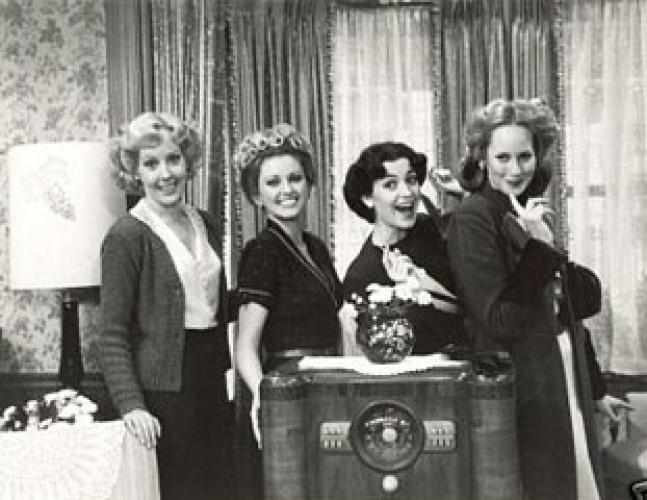


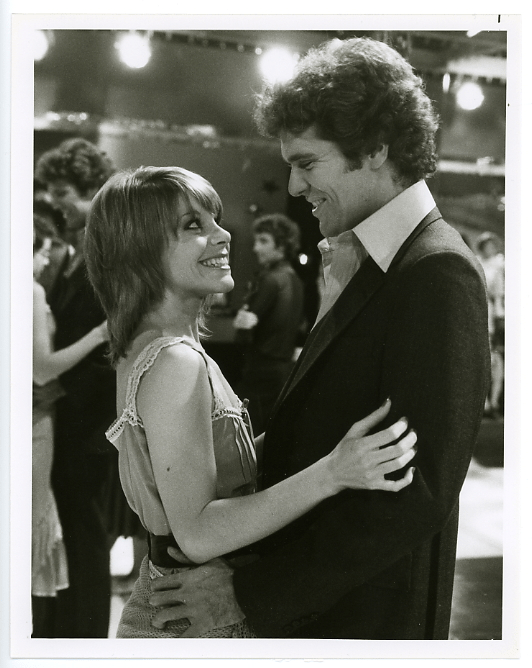
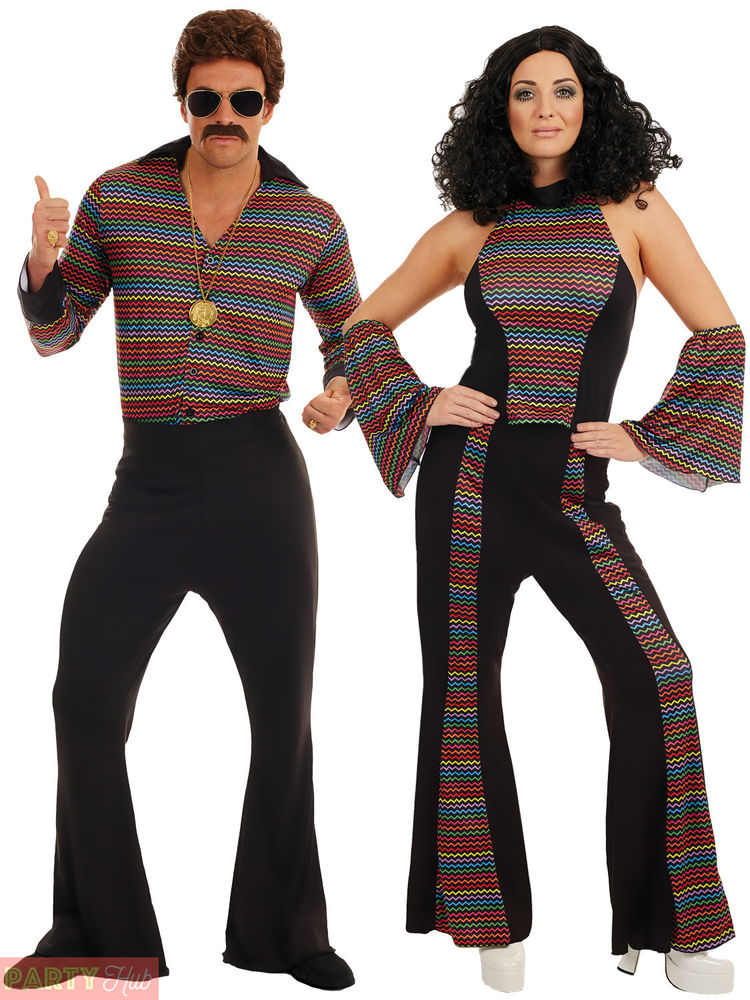


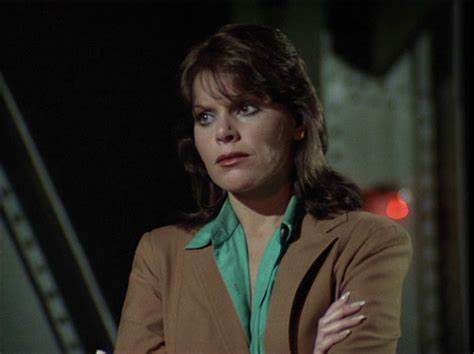

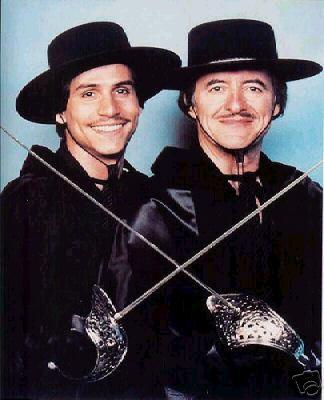



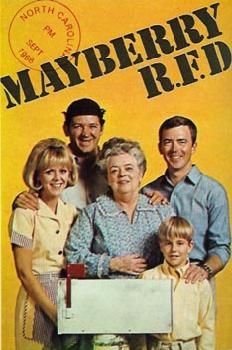


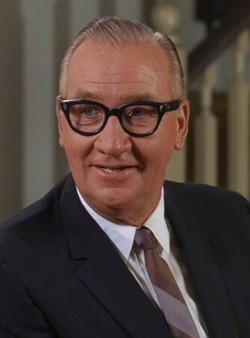
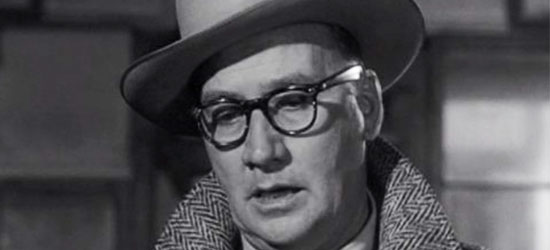
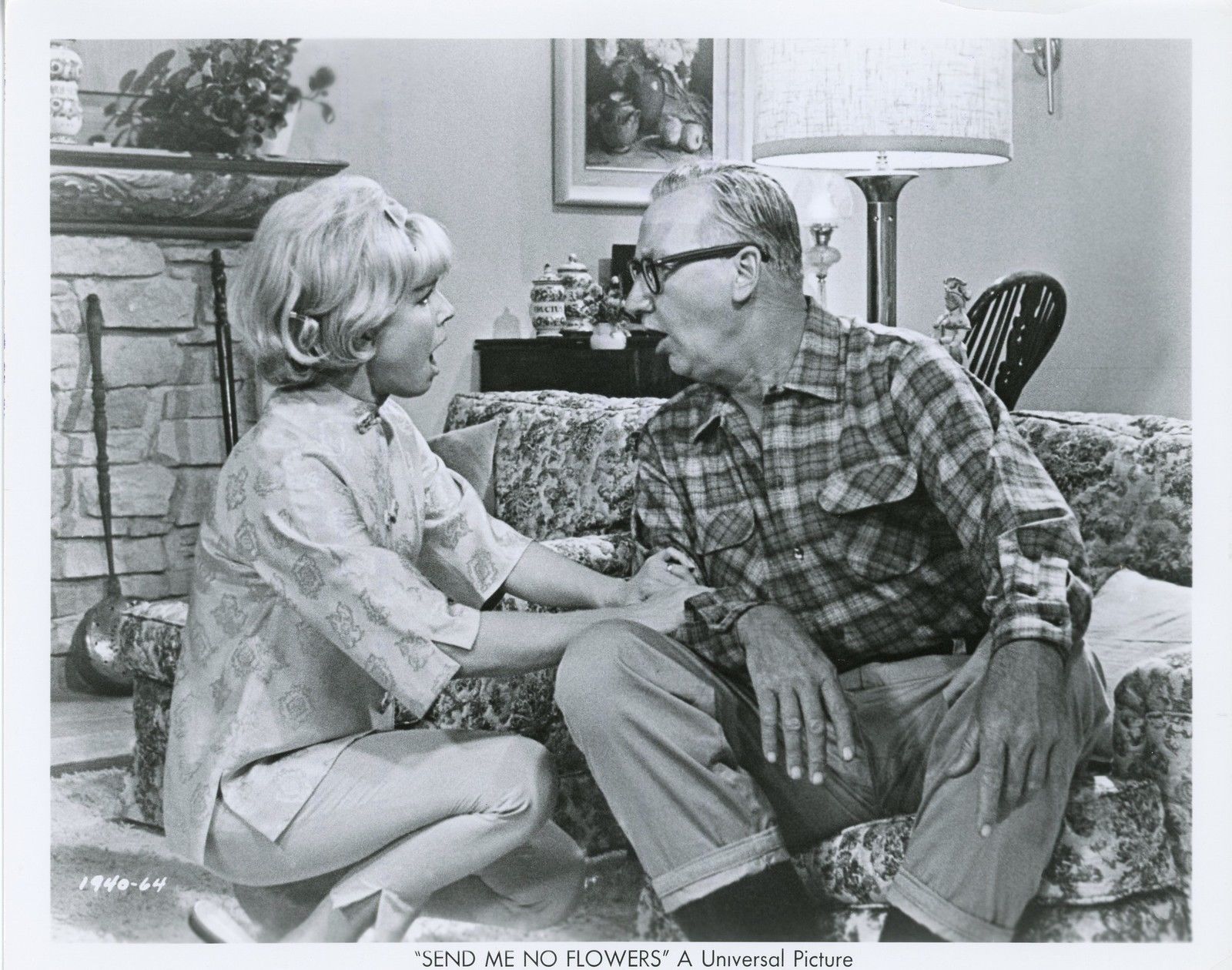
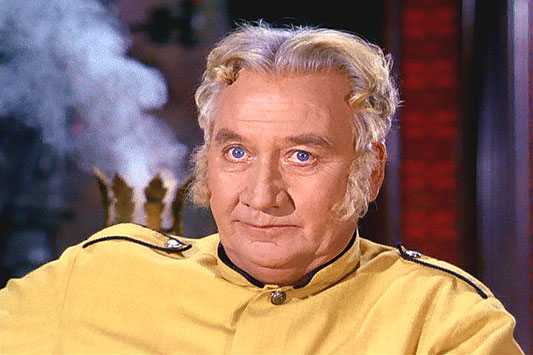




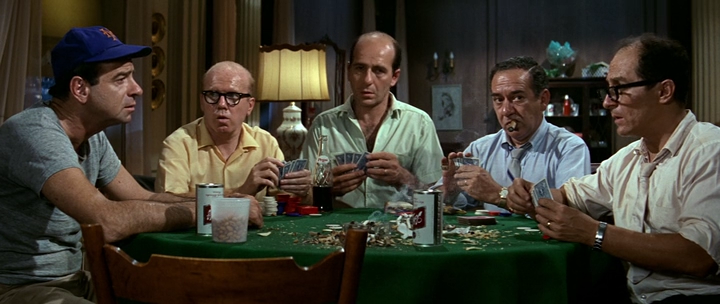


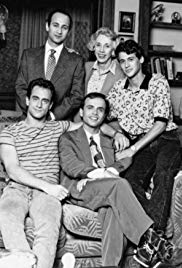


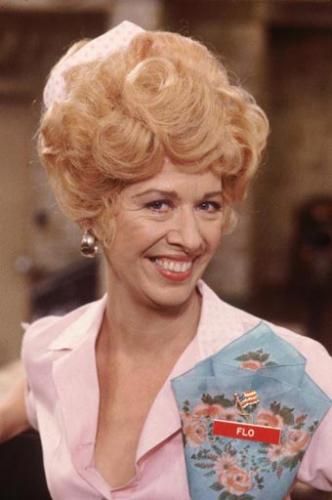
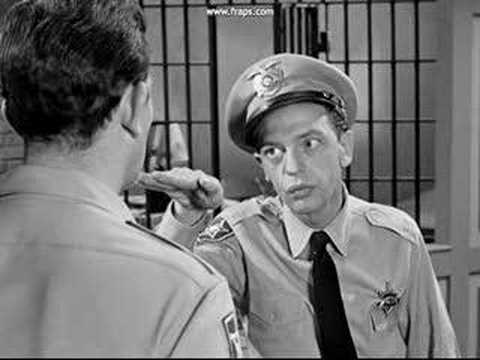


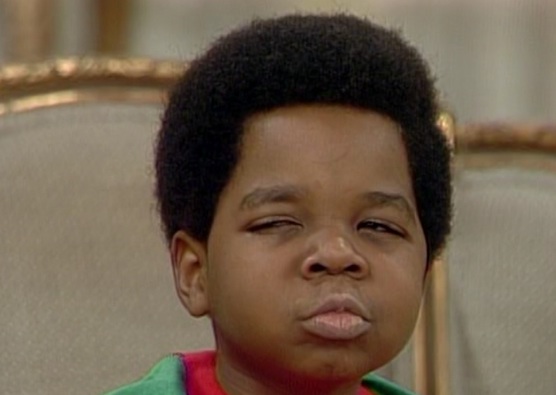


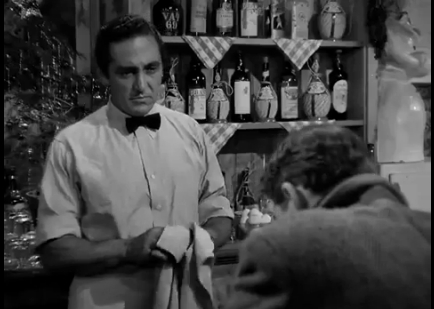






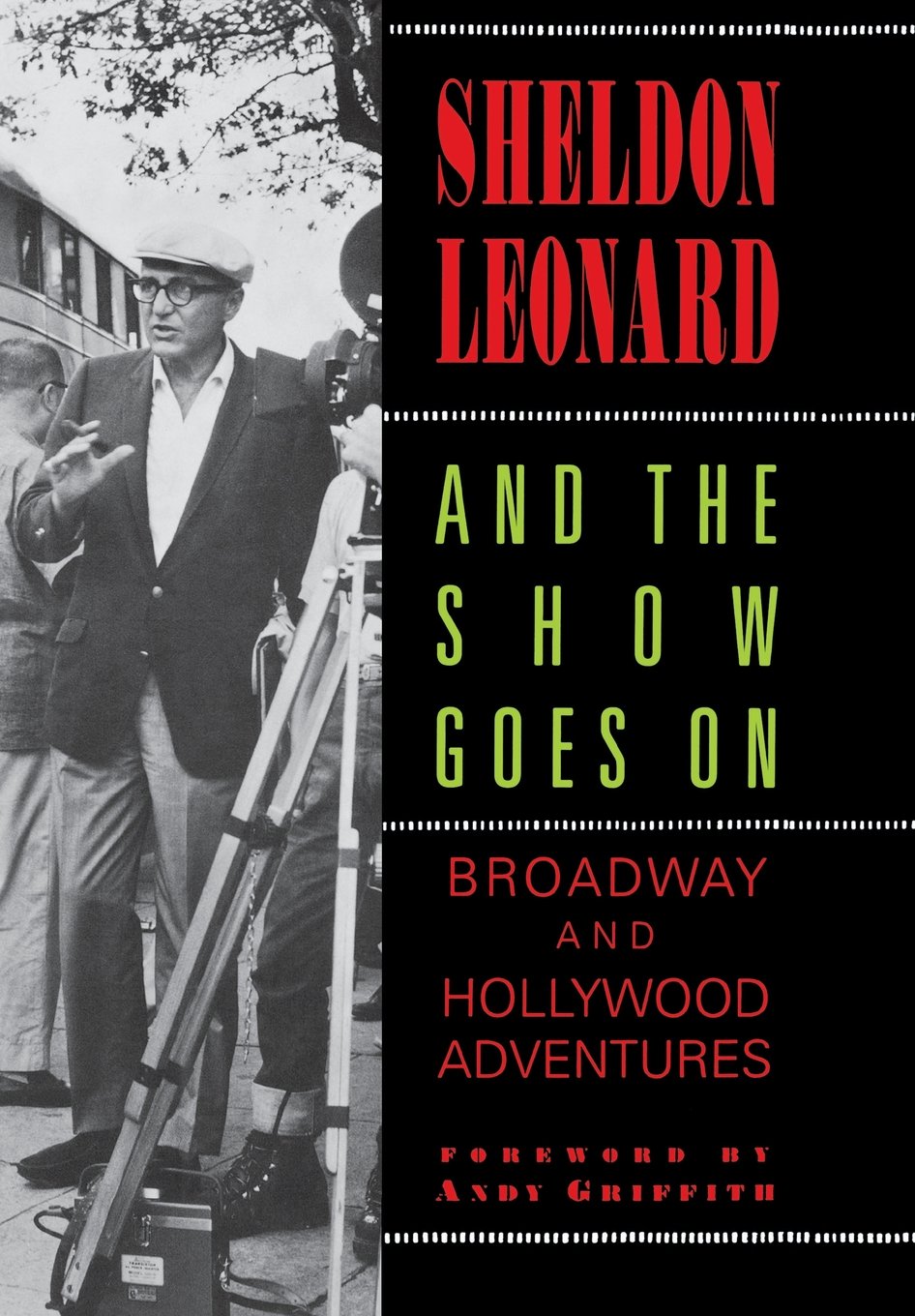


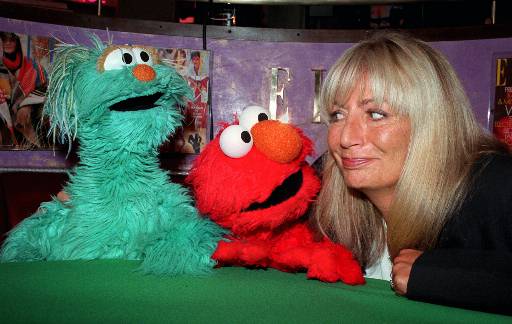


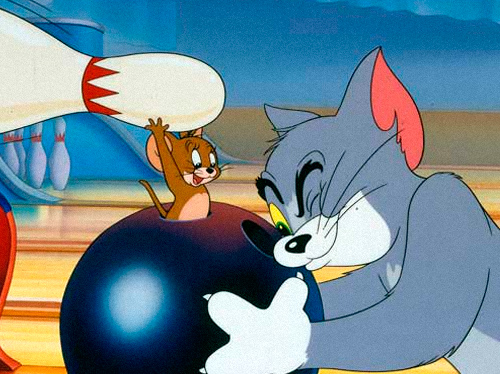




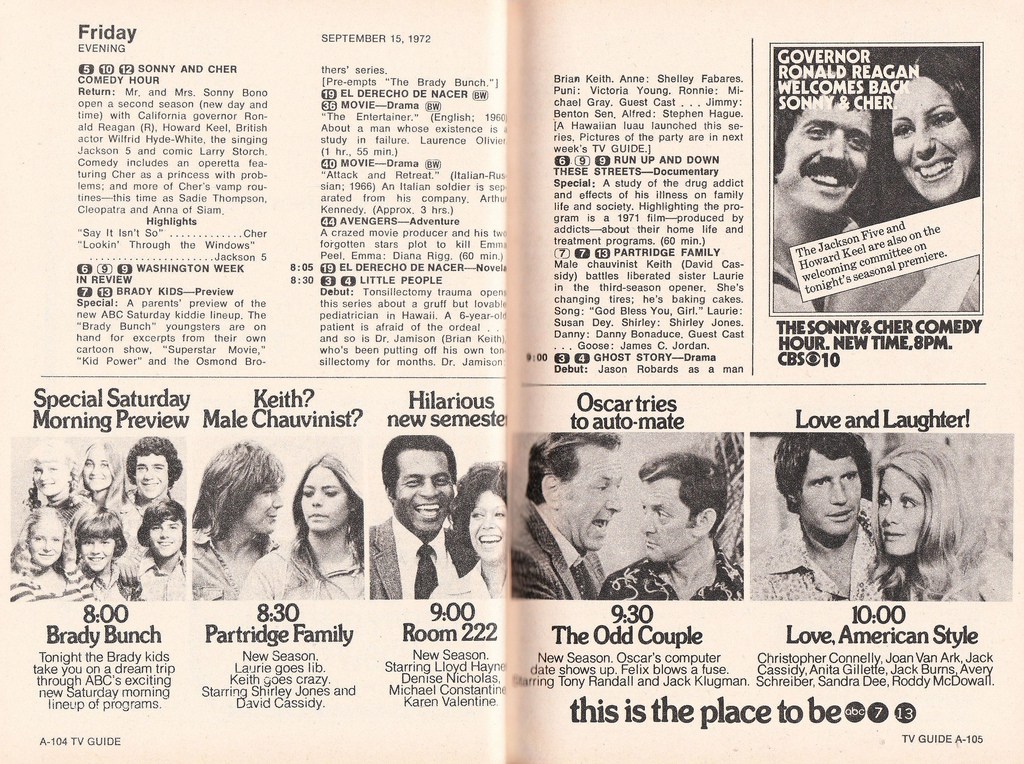
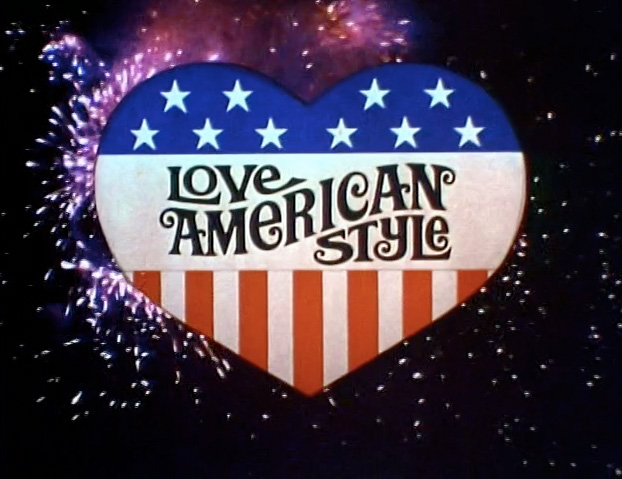


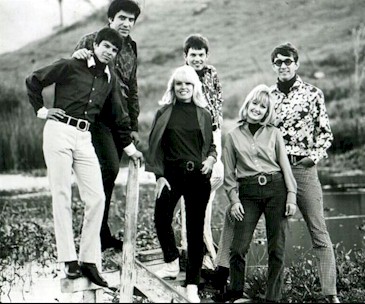


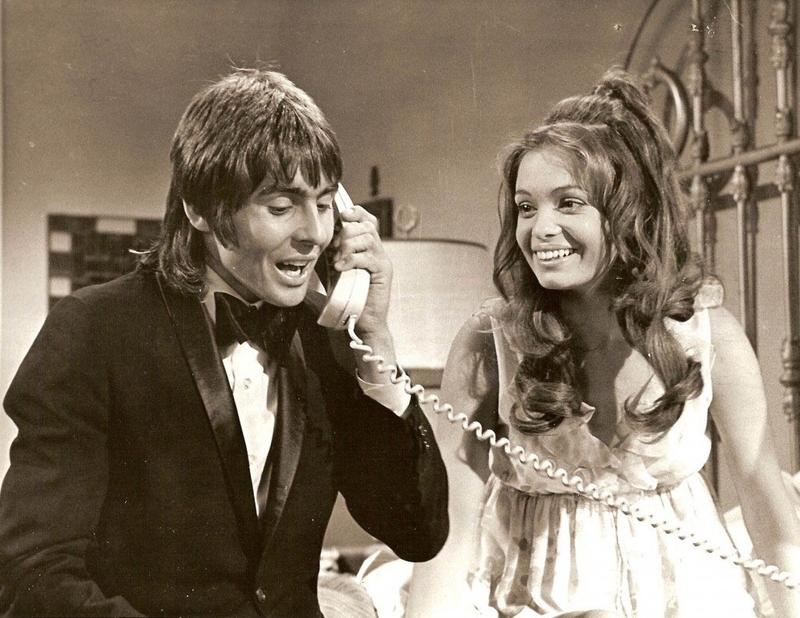


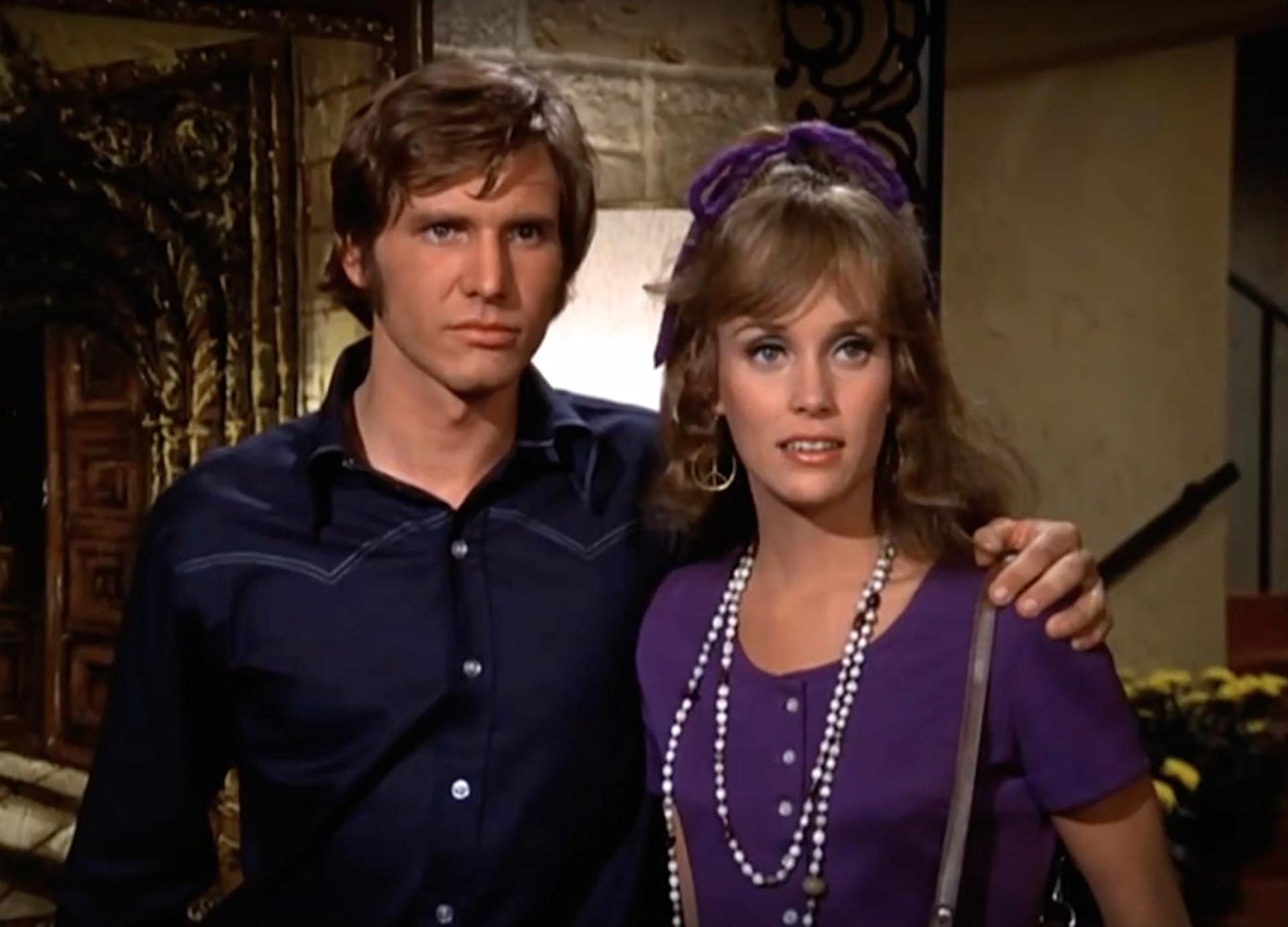


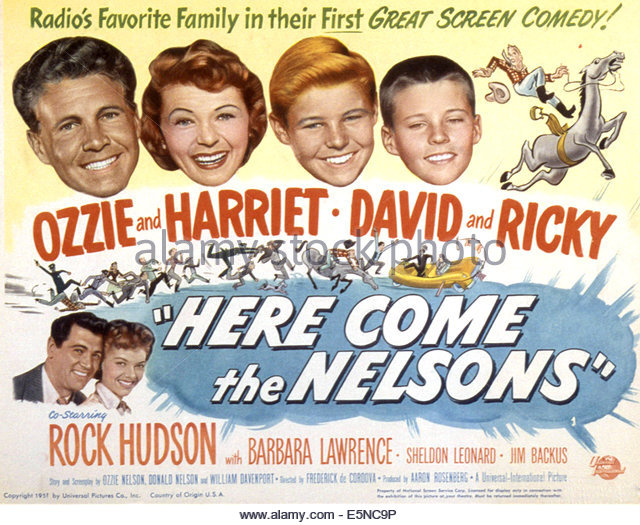


 thewritelife61