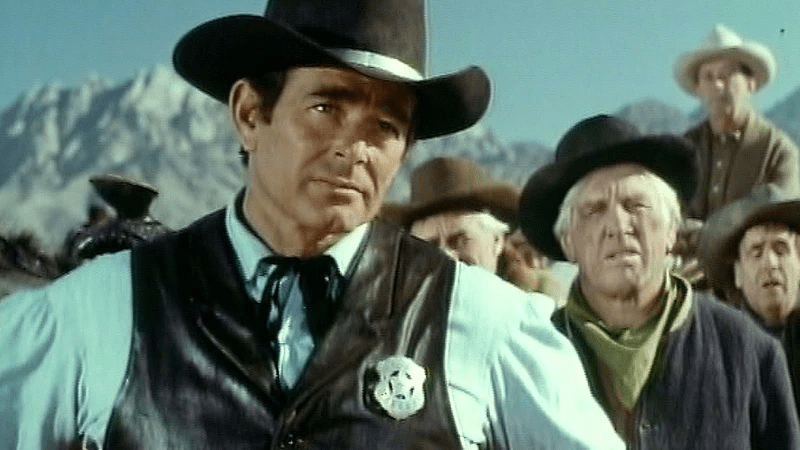
As we wind up our “Go West Young Man” blog series, we turn our attention to CimarronStrip for the last blog of the series. This show was only on the air for one season, from 1967-68. It was produced by the creators of Gunsmoke, America’s most beloved western. Like The Virginian, it was a 90-minute show.
📷mubi.com
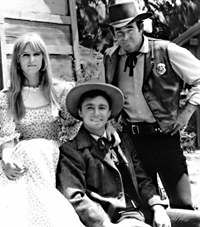
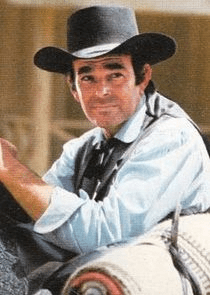
Set in the Oklahoma in 1890, the series occurred in a geographical region called No Man’s Land, an ungoverned area for several decades. Marshal Jim Crown (Stuart Whitman) tries to bring law and order there. Crown arrives only to learn that the sheriff has resigned, and it’s up to him to bring peace to the area with no Army support. We get to know Dulcey Coopersmith (Jill Townsend) who comes to live with her father, but upon her arrival, she discovers he is dead. Her father’s partner MacGregor (Percy Herbert) has let their Wayfarer’s Inn become a bit dilapidated, but Dulcey is determined to bring it back. Marshal Crown stayed there when he was in Cimarron City. Francis Wilde (Randy Boone) often served as Crown’s deputy.
📷pinterest.com
Rounding out the cast is the bartender at the Inn, Fabrizio (Jack Braddock); Major Covington at a nearby Army fort (Andrew Duggan); a Dr. Kihlgren (Karl Swenson); and Hardy Miller (Robert J. Wilke).
The show was on Thursday nights, up against Batman, The Flying Nun, and Bewitched on ABC. It faced Daniel Boone and Ironside on NBC. Definitely some tough competition.
The theme song was composed by Maurice Jarre, who was the scorer for the films Lawrence of Arabia and Doctor Zhivago for which he won two Oscars.
The show never attained the ratings numbers it needed to keep its place on the schedule. From what I have been able to find out, it was well written and well cast. Guest stars kept it interesting, and the scenery was beautifully filmed.
📷tvmaze.com
I’m guessing the main reason the show didn’t make it was just viewer fatigue with the western genre. There were already shows like Bonanza and Gunsmoke which were hugely popular. One more western might just have been one too many, no matter how good it was. In addition to the western series, some of the shows that were on the air when Cimarron Strip debuted included That Girl, Hogan’s Heroes, Mannix, Batman, Lost in Space, Get Smart, and Rowan and Martin’s Laugh In—very different choices than westerns. I do remember Arnold the pig on Green Acres always wanting to watch westerns on television. We still fall prey to this on the major three networks. After ER became popular, the next season featured ten new medical shows. And then most of them get cancelled, not necessarily because they’re bad but because it’s just an overload of medical shows.
Most people don’t want the same supper every night even if it’s steak or lasagna. That said, this seemed to be a steak kind of show, so just because it couldn’t survive the mass onslaught of westerns in the sixties doesn’t mean it’s not worth watching. If you check it out, let me know what you think.
This month our blog series is titled “All About The Bill Dana Show.” The first week in March we learned about the show and now we have been spending time with some of the cast. We end our series with Don Adams.
Adams was born Donald James Yarmy in Manhattan in 1923. Don was a blend of cultures, Hungarian Jewish on his dad’s side and Irish-American on his mom’s. Don was raised Catholic while his brother Dick was raised Jewish. I could not find out what their sister decided to do. She later became a writer under the name Gloria Burton and wrote a script for Get Smart. His brother was also an actor. Dick has about 50 acting credits and appeared in many of the most popular sitcoms during the sixties and seventies, including three appearances on Get Smart.
Adams dropped out of high school and went to work as a theater usher. In 1941 he joined the US Marine Corp. At one point he was injured during a Japanese assault on Tulagi. He was the only survivor from his platoon. While recovering, he came down with blackwater fever, a side effect from malaria and was evacuated to New Zealand. He was not expected to recover, but when he did, he was sent back to the US as a Marine drill instructor.
After his discharge, he moved to Florida to work as a comedian. He refused to do material he considered “blue” and was fired.
In 1947 he married Adelaide Efantis, and her stage name was Adelaide Adams. Don decided to take the name Adams as well for his stage name. He worked as a commercial artist and cashier to support their family.
In 1954, Don was the winner of Arthur Godfrey’s Talent Scouts with a comedy act written by Bill Dana. He began making appearances on The Steve Allen Show, where Dana was a writer. In 1961 he became a regular on the Perry Como Show.
About this time, Don and Adelaide divorced, and Adams married Dorothy Bracken, another actress. They split up in 1977 when he married Judy Luciano, also an actress but that marriage also ended in divorce. (I could only find one credit for his last two wives; Bracken was on Get Smart, while Luciano appeared on The Love Boat.)
While discussing his marriages, Don said “I’m no longer independently wealthy. I guess it’s the result of too many wives, too many kids and too much alimony. I’ve been paying alimony since I was 14 and child support since 15. That’s a joke, but not by much. . . I like getting married, but I don’t like being married.”
In 1963 Adams was offered the role of Byron Glick, hotel detective on The Bill Dana Show. As we’ve discussed this month, the show was on the air for a season and a half. While working on the show, Don was also the voice of cartoon Tennessee Tuxedo which he continued doing until 1973.
During those years he also made an appearance on The Danny Thomas Show and on Pat Paulsen’s Comedy Hour.
In 1965 he was offered the role of Maxwell Smart in a new spy satire, Get Smart.
The sixties saw westerns being overtaken by spy shows such as The Man From U.N.C.L.E., I Spy, The Pink Panther, and The Avengers. Mel Brooks and Buck Henry decided to try their hand at writing a campy sitcom and Get Smart was born.
The role of Smart was created for Tom Poston, but ABC turned it down, and NBC said yes. They had Adams under contract, so he got the part. Rounding out the cast was Edward Platt as the Chief and Barbara Feldon as Agent 99.
Smart and 99 had great chemistry and married in a later season. Feldon and Adams remained life-long friends.
One of the most memorable parts of the show was all the catch phrases Adams created on the show including “Sorry about that Chief,” “Would you believe,” and “Missed it by that much.”
In addition to acting, Adams worked as a producer and director on the show. He was nominated for an Emmy from 1966-1969. He won three of those, losing to William Windom for the little-remembered one-season show, My World and Welcome to It. Lloyd Haynes from Room 222 and Bill Cosby for The Bill Cosby Show were also nominated that year.
The show moved to CBS for the final season, but the ratings never recovered, and the show was canceled after that year.
Like so many of our successful actors with unusual characters, Adams suffered from typecasting after the show ended. He did become part of two additional sitcom casts during his career.
In 1971 he was on The Partners. According to imdb.com, the plot is that “Lennie Crooke and George Robinson are inept detectives teamed up to solve crimes. Captain Andrews is their exasperated boss, Sgt. Higgenbottom is a smarmy co-worker, and Freddy confesses to most of the neighborhood crimes.” Adams played Crooke, but the show only produced 20 episodes.
In 1985, Adams tried a sitcom again on Check it Out. This one was about a grocery store and its employees. Adams played Howard Bannister. The show lasted three seasons, ending in 1988. The show was not very popular in the US but was a hit in Canada.
In between those two shows, Adams appeared in a handful of series including Fantasy Island, The Fall Guy, The Love Boat, Empty Nest, and Nick Freno: Licensed Teacher. He made most of his salary appearing in nightclubs. He also had his Smart character resurrected in several big screen films and television series.
Because of the typecasting, he returned to animation and found a lot of success, especially with Inspector Gadget which he voiced from 1983-1999.
He also tried his hand at a game show. Called Don Adams’ Screen Test, it had an interesting concept. The show was filmed in two 15-minute parts; Adams would randomly select an audience member to recreate a scene from a Hollywood movie such as From Here to Eternity with Adams as director. It ended after 26 episodes.
In his spare time, it sounds like he visited the racetracks, betting on horses. He also spent a night a week at the Playboy Mansion playing cards with Caan and Rickles. He loved history and studied Abraham Lincoln and Adolf Hitler in depth. He also wrote poetry and painted.
Don passed away in 2005 from a lung infection and lymphoma. The eulogists at his funeral included James Caan, Bill Dana, Barbara Feldon, and Don Rickles.
It’s hard to know what to make of Adams’ career. Obviously, he was hard working, an excellent Marine, and a man of many interests. He was fired for not performing blue material but then put horse racing and gambling above the needs of his family, according to several of his friends. He created the amazing role of Maxwell Smart, one of the best characters in television history, but that feat kept him from achieving other great roles in the following decades due to typecasting. It sounds like Check It Out was very popular in Canada, so maybe if he had been given a few chances to create characters different from Smart in a couple other sitcoms, it would have helped.
I feel bad for those actors who are so successful in the characters they help create that they are barred from future jobs, but then again, those characters are some of the best actors in television: George Reeves as Superman, Ray Walston as My Favorite Martian, Henry Winkler from HappyDays, Frank Cady from Green Acres, and Jack Klugman from The Odd Couple. I guess you trade being warmly remembered for fewer quality roles.
Apart from Get Smart, I knew little about Adams before writing this blog, so it was fun to get to know him a bit.
This month it’s all about The Bill Dana Show. After learning more about the show, we are taking a look at some of the cast members who were part of the series. Today we meet Maggie Peterson.
📷tvinsider.com
Maggie Peterson was born in Greeley, Colorado in 1941. Her father was a doctor, and her mom was a stay-at-home mom. She grew up in a musical family and always claimed some of her earliest memories included music. Peterson joined her brother Jim and two friends in the Ja-Da Quartet, and they would ride around in the back of a pickup truck singing.
When Dick Linke heard Peterson singing at a Capital Records convention in 1954, he encouraged her to come to New York after graduating, so in 1958 she did, and she brought the quartet with her. They were on the Perry Como and Pat Boone shows. In 1959 they released their only album, “It’s the Most Happy Sound.” Not longer after it came out, the band broke up.
For several years after that, Peterson joined The Ernie Mariani Trio (later known as Margaret Ann and Ernie Mariani Trio). They played in Las Vega, Lake Tahoe, and Reno. Bob Sweeny and Aaron Ruben, the director and producer for The Andy Griffith Show, spotted here there.
📷tagsrwc.com Charlene Darling
Originally, Peterson was brought in to read for the role of Ellie Walker, a love interest for Andy, but Elinor Donahue received that role. Then Maggie was offered the role of Charlene Darling.
Like her birth family, The Darlings were a musical group; however, Roscoe Darling and Maggie’s father were nothing alike. Because she had recurring roles on Andy Griffith, she also was cast on The Bill Dana Show and Gomer Pyle USMC during the same years.
Maggie kept busy in 1969, appearing in an episode of The Queen and I and in three big-screen movies. In 1970, she showed up on Love American Style, Green Acres, and Mayberry RFD. The seventies found her on an episode of Karen and The Odd Couple. During the eighties, she only did a few made-for-tv movies, including Return to Mayberry. Her last acting credit was in The Magical World of Disney in 1987.
In 1968, Peterson opened for Griffith at Lake Tahoe. While there, she met jazz musician Ronald Bernard Mancuso (Gus), and he and Maggie married ten years later. Gus was a well-known musician. He won Playboy Jazz Poll New Artist of the Year in the late fifties. He toured the world with Sarah Vaughn and Billie Eckstine. He also backed a lot of performers in Las Vegas.
📷facebook
The couple lived in Los Angeles for a bit before moving to Las Vegas where Maggie became a film and television location scout. At that time, Gus was working with Quincy Jones. Eventually the couple landed back in Las Vegas and Gus taught at the University of Nevada there.
Gus passed away from Alzheimers in 2021, and Maggie died in her sleep a year after her husband.
I wonder why Maggie switched from acting to location scout. I could not find that out. It seems like music was her real love and she got into acting to help pay bills. I’m glad music came back as a big part of her life with Gus. She seemed to have a fun career. It was interesting to learn a bit more about her since I only knew her as Charlene Darling before this blog.
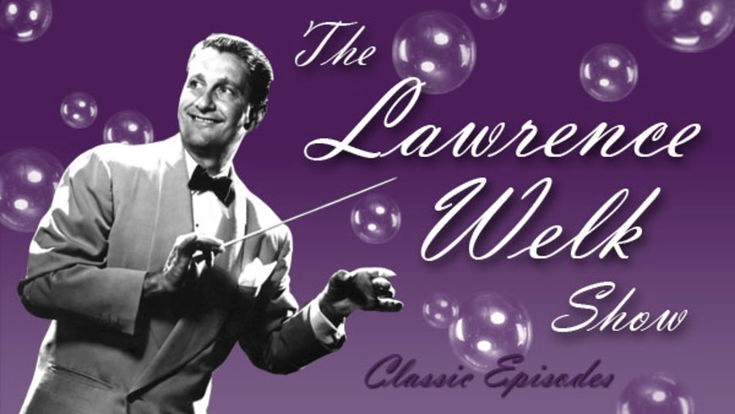
When I started thinking about icons from the 1950s, Lawrence Welk was the first person who came to mind. I was very lucky in having grandmothers that were about 11 years apart in age, and I received different knowledge and experiences from each of them. I always remember one weekend when I was at my maternal grandmother’s house and we watched Ike and Tina Turner in Central Park. Later at my paternal grandmother’s house, we watched The Lawrence Welk Show.
Let’s learn a bit about Lawrence and then take a closer look at his television show. Welk was born in 1903 in North Dakota. His parents settled there after leaving Odessa, part of the Russian Empire, now Ukraine.
The house where Welk grew up is now a tourist attraction. Their life there was not easy. Their first winter was spent living in an upturned wagon covered in sod. Welk quit school in the fourth grade to work on the family farm. The community spoke Russian, and Welk did not learn English very well until he was 21.
Somehow, when he was 17, Lawrence convinced his father to buy him an accordion for $400 (about $5500 today). He later said that he “wanted a good accordion because the reeds kept breaking on those cheap accordions all the time. And I told my father if he would buy me the real good accordion, the best accordion that’s available, I would stay on the farm until I was 21 years of age.”
📷mobituaries.com
After turning 21, Welk performed with a variety of bands in North and South Dakota. In 1927, Welk graduated from the MacPhail School of Music in Minneapolis. He formed an orchestra which became the band for WNAX in Yankton, South Dakota. From 1927-1936, they were on a daily radio show which led to a lot of engagements throughout the Midwest. During the thirties, Welk had a big band that specialized in dance music playing “sweet” music, unlike Benny Goodman who played more rhythmic big bands.
When the band was playing at the William Penn Hotel in Pittsburgh, a dancer referred to their music as “light and bubbly as champagne.” Welk took on the phrase to describe his music for the rest of his career.
In 1931 Welk married Fern Renner; they would remain married until his death.
In the forties, Welk’s band began a ten-year commitment at the Trianon Ballroom in Chicago. It was not unusual to have thousands of people come to watch them play.
In 1941, Decca Records signed Welk. He would later record for Mercury Records and Coral Records before moving to Dot Records in 1959. In 1967, Welk bought back all his masters from Dot and Coral and joined Randy Wood in a new venture, Ranwood Records. In 1979, Welk bought out Wood.
📷pinterest.com
Welk moved to Los Angeles in 1951, so his family could have a stable home life. He produced a show called “The Lawrence Welk Show” on KTLA there which was broadcast from the Aragon Ballroom in Venice Beach. Four years later, ABC moved it to television. For the television show, the crew created a bubble machine to produce large bubbles that floated across the stage. It went through several variations until the soapy film did not land on instruments. Eventually, the machine was just used in the opening and closing of the show.
To appeal to a wider audience, Welk featured current songs as well as big band standards. Welk had a cast of performers who were on the show every week. Myron Floren played the accordion, Dick Kesner played the violin, Buddy Merrill was on guitar, and Pete Fountain took up the clarinet.
📷womensinternationalmusicnetwork.com The Lennon Sisters
There were a lot of regulars on the show. The Lennon Sisters auditioned at Welk’s home. Kathy Lennon remembered that “Mrs. Welk was there . . . Mr. Welk came out and he indeed was sick. He had on a maroon, satin smoking jacket and velvet slippers. I mean it was like out of a movie somewhere. And he came, sat down on the couch, looked at us, and said, ‘Sing,’ just like that. So, we went over and hit the key on the piano and we sang . . . And he said, ‘Wow. Would you be on my Christmas show?’ And we were on every Saturday night after that for thirteen years.”
Bobby Burgess was one of the original Mouseketeers. He joined the troupe as a dancer in 1961. His dance partners included Barbara Boylan, Elaine Balden, and the one I remember, Cissy King. Burgess said that now he can enjoy watching the show. “I just love to watch the show now, because I was so focused on my dance routines that I never really got to sit down and enjoy it. Now I can turn on the reruns and enjoy Norma Zimmer or [husband and wife] Guy [Hovis] and Ralna [English].”
Ralna English said that “it was all beautiful music, beautiful sets, beautiful costumes and if you didn’t like something, wait a second.”
📷showbizdavid.com Bobby and Cissy
Other well-known performers included Jo Ann Castle, Gail Farrell, Joe Feeney, Larry Hooper, Sandy Griffiths, Mary Lou Metzger, Jimmy Roberts, and Tanya Falan Welk, Lawrence’s daughter-in-law. Norma Zimmer, mentioned above, was the Champagne Lady.
From 1955-1982, the show aired on Saturday nights. Until 1971 it was on ABC, and then the network canceled the show in the famous “rural purge” that got rid of Green Acres and Petticoat Junction, as well as a handful of other shows. Welk put his show into syndication for the next eleven years until his retirement. The show increased in viewership during that decade.
Welk took care of his money and expanded his business career. His company, Teleklew, Inc. invested in music publishing, recordings, and real estate. After the show ended, the corporation was renamed The Welk Group and included the Welk Music Group and the Welk Resort Group.
Lawrence also received four patents, including a musically themed restaurant menu, an accordion tray for serving food, and an accordion ashtray.
In 1992, Welk passed away from pneumonia.
As I mentioned, on Saturday nights, you can still tune in to PBS to catch a glimpse of what this show was all about, and maybe it will bring back some memories of your grandparents.
We are learning about some of our favorite female character actresses. Today we are learning more about the life of Virginia Sale.
📷champaigncounty history museum.com
Virginia was born in 1899 in Illinois. Her father Frank was a dentist, and her mother Lillie Belle was a poet and truant officer for the Urbana Illinois School District. After graduation, she attended the University of Illinois for two years and then transferred to the American Academy of Dramatic Arts in New York where she graduated in the early twenties. Her brother Charles was a vaudeville comic, and he persuaded her to go to Hollywood to pursue a film career.
She began her career in Hollywood as an extra. In 1931, she did an interview for the Kansas City Star where she said “I had known an assistant director [named Ned] when I lived in New York. He introduced me to King Vidor, then casting for The Crowd. He gave me quite a good bit in the picture, although it lasted only five days. When asked how much salary I wanted, Ned told me to say $350 a week. ‘Well, I think you ought to work for us for $25 a day’ the casting director said. ‘That’s an awful comedown I protested,’ trembling in my boots. ‘All right then, let’s compromise on $35 a day,’ he said. I was awfully glad to get it.” That would be almost $600 a day currently.
📷x.com
During her first two years in Hollywood, Virginia lived at the Hollywood Studio Club. She appeared in 54 films between 1930 and 1935.
The Hollywood Studio Club was created as a safe place for starlets to live. Mary Pickford, along with several other women, was trying to raise money to construct a new building to house actresses. Will Hays gave $20,000 and soon after the studios contributed. Julia Morgan was hired as the architect. She designed an Italian Renaissance Revival style building that opened in 1926. The first floor had a spacious lobby, a library, writing rooms, a dining room, and a stage. The upper stories were single, double, and triple rooms. Men were only allowed to be on the first floor. You had to be between 18-35 years old, be seeking work as an actress, and could stay a maximum of three years. A hundred women lived there, paying $10-15 a week for room and board.
📷mayberrywikifandom.com
Barbara Hale, Donna Reed, Dorothy Malone, Ann B. Davis, Barbara Eden, Sharon Tate, and Sally Struthers were just a few of the women who lived there. The most famous resident was Marilyn Monroe. After the culture shift in the sixties and seventies, the residents decreased until the Club could no longer financially exist. In 1975 the doors were closed, and the contents were auctioned off.
In Hollywood Sale was often cast as an older woman, even though she was still in her twenties. She entered the movie entertainment business just as silent films were ending. Her first role was in Legionnaires in Paris in 1927. During her film work, she met actor and studio executive Sam Wren, and they married in 1935. In 1936 they had twins named Virginia and Christopher.
In the thirties, Virginia developed a one-woman show based on her life growing up in Illinois which she called “American Sketches.” She performed the piece more than 6000 times throughout the thirties, forties, and fifties, even touring Europe during WWII. This sounds like it would have been a fun show to see. Some of the different pieces of the performance included: “Traveling on the Illinois Central” where she portrays a mother trying to keep her son under control after a visit with relatives; “Life of the Party” where she is a giggling, talkative woman who annoys a young man she is trying to impress; “Mealtime in Indiana” where she impersonates a housewife trying to get ready for the Ladies Guild while preparing supper for her family; “Three O’Clock in the Morning” as a weary hostess trying to get her guests to go home, and “I Remember Abraham Lincoln” where she is Grandma Willoughby reminiscing about her encounters with Lincoln.
📷rottentomatoes.com
She also received some radio work, including a serial, For Those We Love, playing Martha the maid every Sunday for eight years.
Her film career continued to develop during those decades and she appeared in Topper, When Tomorrow Comes, They Died with Their Boots On, and Night and Day.
Sam served in WWII as part of the Air Corps. When he returned home, he had a six-year position as executive secretary for the Actor’s Equity. He was an executive at both Warner Brothers and Columbia studios.
📷imdb.com Topper
In 1949 as television was developing, she and Sam created a sitcom, Wren’s Nest which featured the life of the Wrens starring Virginia, Sam, and the twins. The show aired three times a week. Virginia took over writing duties on the show. Many of her scripts were based on real events that happened to the family. The series contained 47 episodes.
During the fifties, Sale took a break from the big screen, focusing on television shows and commercials. She appeared in several series in the fifties, but she hit her stride during the sixties. If you watch a lot of television from that decade, you can catch her in a variety of shows including The Many Lives of Dobie Gillis, Ben Casey, The BeverlyHillbillies, Wild Wild West, The Andy Griffith Show, Green Acres, and I Spy. She had a recurring role on Petticoat Junction where she played several characters. Her final television role was in Police Woman in 1975.
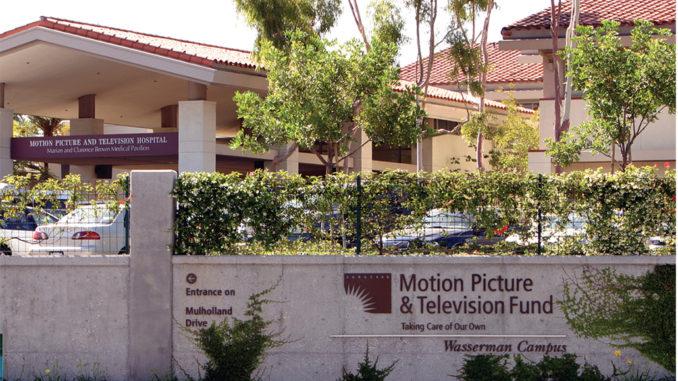
Sam passed away in 1962, and Virginia lived another thirty years, dying in 1992 from heart failure. Both Sam and Virginia are buried in Arlington National Cemetery. She spent her final years at the Motion Picture and Television Country Hospital in Woodland Hills, California.
📷
Sale could thank Mary Pickford for her home once again. Pickford was part of the Motion Picture Relief Fund which she founded with Joseph Schenck and Reverend Neal Dodd. When several former Hollywood stars died destitute in the thirties, 48 acres were purchased in the San Fernando Valley to build a Motion Picture Country House. In 1948, the Motion Picture Hospital was dedicated on the grounds. Later television actors were invited to live there as well. By that time, the site included a retirement community with individual cottages, administrative offices, and a hospital. Fees are based on the ability to pay. Actors, artists, backlot men, cameramen, directors, extras, producers and security guards are all eligible to live there. To live there, residents must be at least 70 and have worked in the entertainment industry for at least 20 years.
It was fun to learn not only about Virginia Sales but also the places she lived at the beginning and the end of her career.
This month we are looking at some of our favorite classic television actors. If you are a big fan of Oklahoma or Green Acres, you will be well acquainted with our star today, Eddie Albert. Let’s learn a bit more about his life and career.
Photo: imdb.com
Eddie was born Edward Albert Heimberger in 1906 in Illinois. When he was one, his family moved to Minneapolis. When he was six, he became a paper boy. He and his schoolmate, Harriet Lake, were in the drama club. Harriet would later change her name to Ann Sothern. After graduating in 1926, Albert enrolled at the University of Minnesota to major in business.
He began his career in earnest, but the stock market crash derailed his job search. He worked a variety of jobs including singer, trapeze artist, and insurance salesman.
Photo: closerweekly.com
In 1933 he moved to New York City and cohosted a radio show called “The Honeymooners-Grace and Eddie Show,” with costar Grace Bradt. He was on the show three years and then Warner Brothers offered him a contract.
Albert also had an early career on Broadway with lead roles in “Room Service” and “The Boys From Syracuse.” He also began working on television. In 1936, NBC hosted a play of his “The Love Nest” on their experimental television station W2XBS, now WNBC.
His first movie role occurred in 1938 in Brother Rat. He would make 25 additional films during the next decade and then another 50 big-screen movies before his career ended, with his last one being the Narrator in Death Valley Days in 1995.
During his odd-job era, Albert had toured Mexico as a clown and trapeze artist with the Escalante Brother Circus while working for the US Army intelligence, photographing German boats in Mexican harbors. In 1942, he enlisted in the US Coast Guard. In 1943, he resigned in order to accept an offer as a lieutenant in the US Naval Reserve. He rescued 47 marines under heavy enemy fire in 1943 and was awarded a Bronze Star.
Eddie and Margo Photo: facebook.com
After returning from the War, Albert married Mexican actress, Margo. Their son also became an actor and their daughter took on the role of Eddie’s business manager. His son had more than 130 credits, the first being in 1963. You probably saw him on many of your favorite shows. Unfortunately, he passed away from lung cancer only a year after his father died.
During the late forties to the early sixties, Albert returned to Broadway for roles in “Miss Liberty,” “The Seven-Year Itch,” and “The Music Man.”
Albert had a long and active television career. During the fifty years that he was working in the industry, he appeared in almost 100 different shows. His first appearance was in the Ford Theater Hour in 1948.
Throughout the fifties, Eddie showed up in many of the early drama series on television. The sixties found him, along with most other actors of that decade, showing up on a variety of westerns, including Laramie, Tales of West Fargo, The Virginian, and Wagon Train. He was offered roles in several dramas as well, including Dr. Kildare, The Outer Limits, and The Man From U.N.C.L.E.
Photo: cinemacats.com
In 1965 he received the starring role of Oliver Douglas in Green Acres. For six seasons, he extolled the virtues of farming over the big city rat race. While Oliver had a harder time fitting into Hooterville life, his elegant wife Lisa was accepted immediately. If you have been reading my blog for a while, you know I love this show. I am more impressed with it now, fifty years later. There is so much sophisticated humor and wit in the show and I love getting to know the quirky characters who live in the Hooterville community. As Oliver Douglas, Albert was also on The Beverly Hillbillies and Petticoat Junction. The show was purged with the other rural comedies, even though the ratings were still quite high.
The seventies and eighties kept Albert busy on television and in films. He appeared on many shows including Columbo, McCloud, Here’s Lucy, Simon & Simon, Hotel, Murder She Wrote, and thirtysomething.
He opted to star in one more television series in Switch from 1975-78. He starred as ex-cop Frank McBride who started a detective agency with ex-con Pete Ryan (Robert Wagner).
Much of Eddie’s life was spent as an activist for social and environmental causes. He participated in the first Earth Day. He founded the Eddie Albert World Trees Foundation and was national chairman for the Boys Scouts of America’s conservation program. From 1985-1993, he was the spokesperson for the National Arbor Day Foundation. He was a trustee of the National Recreation and Park Association and became a member of the U.S. Department of Energy’s advisory board.
In addition, he was involved with Meals for Millions and was a consultant for the World Hunger Conference. Meals for Millions was a project that created nutritional meals for three cents each! They were sent to 129 different countries and added up to more than 6.5 million pounds of food. He and Albert Schweitzer participated in a documentary about malnutrition in Africa, and he often campaigned against DDT. He was also a director for the U.S. Council on Refugees and promoted organic gardening. Albert was also the founder of City Children’s Farms, a program to get inner-city kids involved in gardening.
I’m not sure when he had any other time for leisure and recreation, but he loved jogging, swimming, golfing, traveling, sculpting, beekeeping, sailing, reading, making wine, gardening, and playing guitar.
Photo: classicmoviehub.com
He 1995, Albert was diagnosed with Alzheimer’s disease. His son temporarily retired from acting to care for his father. In 2005, Eddie passed away from pneumonia.
When Albert passed away, we lost much more than an actor, although we did lose a great actor. I was so impressed with how much he did for the economy. He told a great story about his former costar Eva Gabor. She loved her fashion. They were great friends and like any couple, married or not, they had their differences. She never understood his passion for wildlife conservation. She asked him, “Every time you hear about a sick fish, you make a speech, vy?” And he patiently explained that we needed to preserve nature and save wild animals. A few days later she showed up in a gown made of feathers. He told her she should not be wearing it, and she said it was so chic. Albert told her that she was a role model, and when other women saw her gown, they would want one and many birds would die just to supply the feathers. Lisa just laughed and seriously said, “But Eddie, feathers don’t come from birds.” So he asked her where they did come from and she said, “Dahlink, Pillows! Feathers come from pillows.” In addition to being a great actor and an amazing activist, he was also a good and patient friend.
This month we continue with our “Kinda Creepy” blog series. Last week we talked about a show that debuted in fall of 1964 and was canceled in the spring of 1966, The Munsters. You can use the exact dates for our show today, The Addams Family.
ABC aired The Addams Family for two years, ending up with 64 episodes. Like The Munsters, this show was filmed in black and white. The Munsters was based on the typical suburban family while this series was created by David Levy and was based on Charles Addams’ New Yorker cartoons.
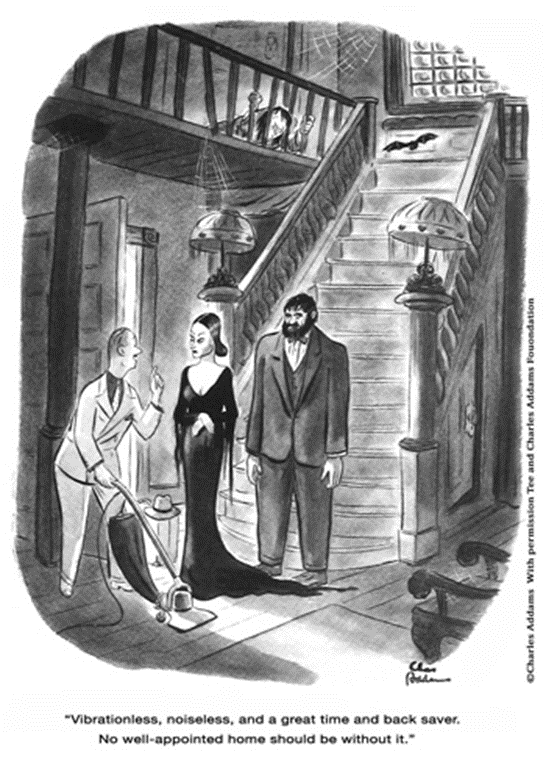
The first Addams Family cartoon was published in The New Yorker in 1938. The first illustration was titled “Vacuum Cleaner,” and it shows a salesman convincing “Morticia” to buy an appliance. The joke was that this was a house full of dirt and cobwebs, probably haunted. Addams was paid $85 for it. Addams did not intend for it to be a series, but New Yorker editor Harold Ross asked for more of them. Later, Gomez and the children were added. During the forties and fifties, 58 cartoons appeared in the publication.
In an interview before the show’s debut, Levy said that Addams was “a social commentator and a great wit.” It was produced by head writer Nat Perrin for Filmways, Inc. Perrin was a friend of Groucho Marx and had written for the Marx Brothers movies.
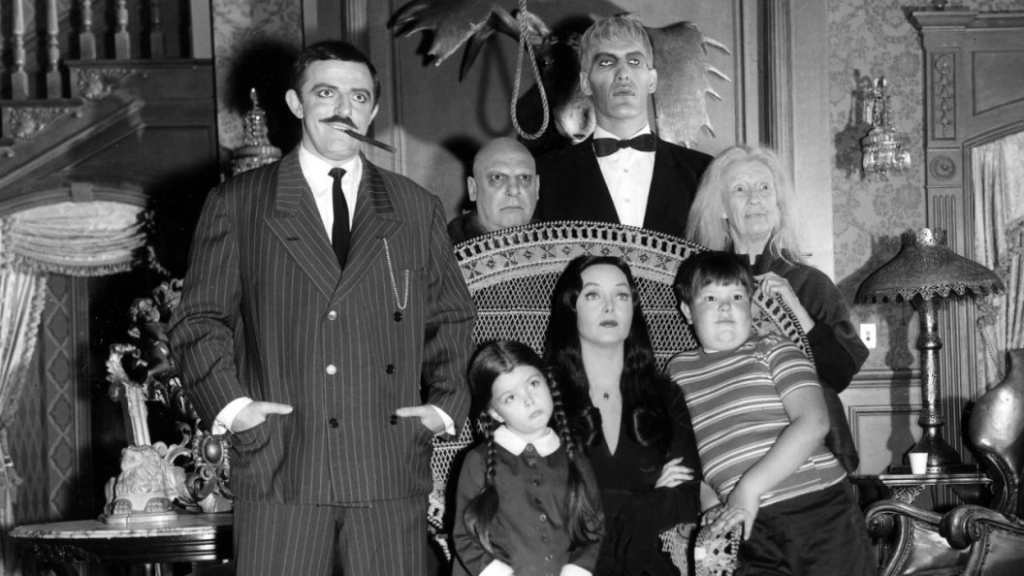
Like the Munsters family members, everyone in the Addams family is a bit off in some way. Wealthy former attorney Gomez Addams (John Astin) still is in love with his wife Morticia (Carolyn Jones) whom he often speaks to in French and refers to her as Cara Mia at times. Originally Carolyn turned down the offer to play Morticia because she was focusing on her movie career. She was persuaded to accept the role by her then-husband Aaron Spelling; the couple divorced not long after. Carolyn Jones had to endure sitting in the makeup chair for two hours every day. She worked with Nolan Miller to create a unique costume. Miller said that Morticia’s outfit was the most difficult one he had ever designed. The dress was very tight, especially around her feet. Gomez’s hobby is crashing model railroad trains. The prop department had to line Gomez’s pockets with asbestos because he put his lit cigars into his pockets.
The couple has two children: daughter Wednesday (Lisa Loring) and son Pugsley (Ken Weatherwax). They are polite children but Wednesday has a pet black widow spider and a headless doll named Marie Antoinette while Pugsley has a pet Octopus named Aristotle. Wednesday is named for the poem, which included “Wednesday’s child is full of woe.”
Photo: pinterest.com
In addition, Uncles Fester (Jackie Coogan), Grandmama (Blossom Rock), and the butler Lurch (Ted Cassidy) all live in the house. Fester enjoys playing with dynamite, Grandmama is always experimenting with potions and has a crystal ball, and Lurch always replies to his summons with “You rang?” Coogan was rejected for Uncle Fester. He went back home, shaved his head, and did his own makeup and costuming. Then he went back and got the part. Ted Cassidy got a lot of fan mail from teenage girls who thought he was so cute.
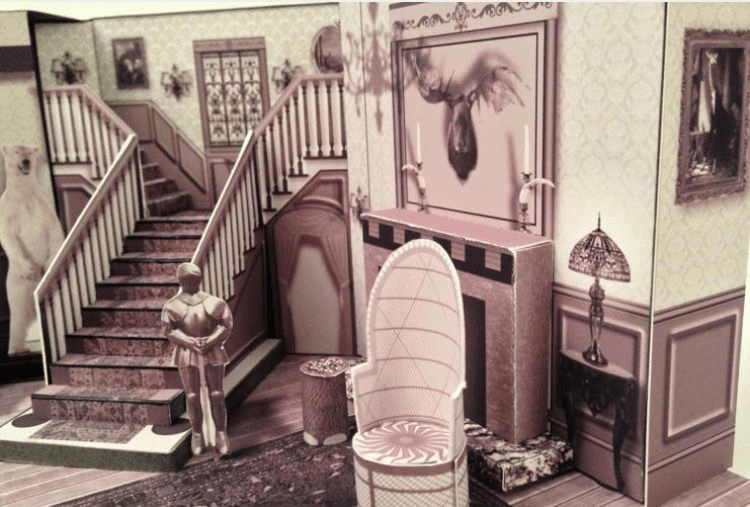
Their house décor is rather dark including a Venus flytrap, an art piece where a human leg protrudes from a swordfish’s mouth, and a taxidermied two-headed tortoise. The interior of the house was inspired by the apartment in Manhattan where Charles Addams lived. It contained suits of armor, an antique crossbow collection, and other oddities.
Cousin Itt Photo: costumerealm.com
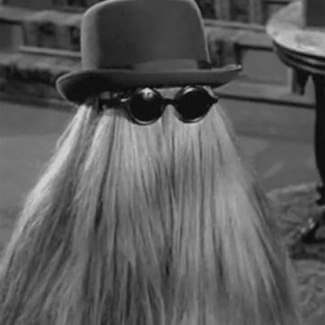
Thing is a gloved hand which shows up in places around the house. Cousin Itt (Felix Silla), who is all hair except for a hat and sunglasses, visits from time to time as does Ophelia, Morticia’s sister. Gomez was supposed to marry Ophelia in an arranged marriage but when he saw Morticia, he could not go through with it. Ophelia is an expert in judo.
The family considers itself quite sophisticated and cultured and they don’t understand the general public’s reaction to their home and actions.
The theme was composed and sung by Vic Mizzy. He also snaps his fingers through the song. You could hear Ted Cassidy say “neat,” “sweet,” and “petite” during the lyrics. Mizzy would also write the memorable theme for Green Acres.
In the early seventies, there was a Saturday morning cartoon with the actors voicing their characters. In 1977, a reunion made-for-television film, Halloween with the New Addams Family, was filmed with all the original actors except Rock who was quite ill at the time.
Like so many shows of the sixties, a lot of memorabilia was released for this series. You can choose from trading cards, comic books, board games, lunch boxes, and a ton of action figures.
Photo: strongmuseumofplay.com
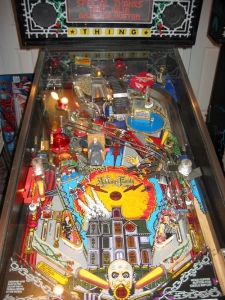
A major film, The Addams Family, was released in 1991 starring Raul Julia as Gomez, Angelica Huston as Morticia, and Christopher Lloyd as Uncle Fester. A sequel aired in 1993, Addams Family Values. In 1998 a reboot, The New Addams Family debuted on Fox and ran for two years just like the original. I honestly never saw either of the big-screen movies or any of the television reboots, so I cannot speak to whether they did the original show justice or not. The movie also spawned a popular pinball machine, which became the biggest-selling pinball machine of all time with more than 20,000 units sold since 1992.
Considering that both The Munsters and The Addams Family were only on the air for two years, and did not even rack up the typical number of shows needed for syndication, it is truly amazing that more than fifty years after the original shows aired, they are still very popular. I think like the Bewitched vs Jeannie debate, there are arguments for which family was more fun; my vote would have to go to The Addams Family, but if you have never watched either of the series, you should at least check a couple of episodes out. They probably would not work out so well to binge watch, because I think they would get boring quickly, but that is only one humble opinion.
This month is our blog series is “Potpourri Month” and we have a sub-theme every day; today’s is Propourri” for the pro who handles props. When you think of your favorite shows, there are props included in those great memories: the couch at Central Perk, Fonzie’s leather jacket, or the cereal boxes on Seinfeld’s refrigerator. First let’s learn a little about the Props Master and then we’ll take a look at some of our most-loved props.
The Fonz’s jacket Photo: ebay.com
The Prop Master heads up the Props Department. They are charged with acquiring, organizing, and safely handling the props for the shows.
Each episode has a list of props that will be needed for the show. The props master reviews the scripts and has meetings with various department heads to ensure everything that is needed is on the list.
Sometimes the props master does research to see what would be appropriate for a specific era or place. Cars were quite different in the fifties than the eighties. A grocery store does not look the same in China as it does in Atlanta.
During filming, the props master has to keep track of props and make sure everything is put back in its place.
So, what are some of the props that have become synonymous with our favorite series? Let’s put together a prop list that includes props from our favorite shows.
Living rooms have a lot of cool furniture. When you think of comfortable places to sit, you have to think of Modern Family’s couch, Archie’s chair from All in the Family, Chandler and Joey’s Barcaloungers from Friends, and Martin Crane’s duct-taped, worn chair on Frasier.
The Bunkers’ Chairs Photo: comparativemediastudies.com
Many of the Modern Family characters are interviewed on their couch which sits in front of their stairs to the second floor right as you enter the front door. The walls are Benjamin Moore’s Labrador Blue. The couch itself is from Sofu-U-Love and the primary-colored striped pillows are from Pottery Barn just in case you want an interview sofa of your own.
Archie Bunker’s chair is from the 1940s. It’s covered in an orange and yellow woven fabric. The props master purchased the chair from a thrift store in Southern California. Whenever anyone but Archie sits in the chair, it is made obvious to them that they need to find another seat.
The barcaloungers Joey and Chandler use were originally made in Buffalo New York, named after the company that made them. They have moving parts to allow for footrests and reclining. Joey’s Barcalounger is brown leather and he calls it “Rosita.”
Martin Crane’s chair is in the same color family as Archie Bunker’s. The prop department made it, so it’s a one-of-a-kind piece. It’s striped and quite unattractive looking especially with Frasier’s expensive tastes echoing in the rest of the room, but Martin loves it and Frasier loves Martin so it stays. In the first episode, a guy carries in the chair when Martin and his dog Eddie move in with Frasier. On the last episode, the same guy carries the chair out when Martin gets married and moves out. The chair is really almost a character during the run of the series.
Jeannie in her bottle Photo: blazenfluff.com
There are a lot of fun accessories from our favorite living rooms. Just a couple include Jeanne’s bottle from I Dream of Jeanne, the “M” that was on the wall in Mary Richard’s apartment on The Mary Tyler Moore Show, and the Chihuly sculpture from Frasier. Who can remember The Dick Van Dyke Show without thinking about the ottoman Rob Petrie might trip over?
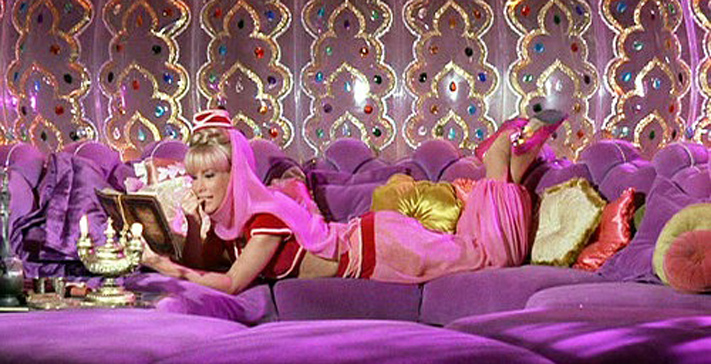
Jeannie uses her Arabian glass bottle to sleep in and to hide in when someone other than Tony and Roger is in the house. The bottle has a long, purple couch with her blankets and pillows. She also has an Arabian candle, a photo of Tony, a mirror, and her book about genies.
Mary’s “M” stood for so much more than her first name. We knew that an independent, smart woman lived in that apartment. Everyone wanted to grow up and be able to put their own initial on the wall just like the brass one Mary had. When she moved to her newer, more modern apartment, the M went with her.
Martin’s chair on Frasier Photo: jacksonville.com
In contrast to Martin’s puke-colored chair on Fraiser, Frasier had so many expensive items scattered around his home. One of them was Dale Chiuly’s Macchia. This blown-glass vase was green and brown. It was worth $30,000 at the time, and the props master locked it up after filming each episode.
We all recall the opening of The Dick Van Dyke Show. Will he or won’t he? I think most of us remember him falling over the ottoman, but do you know sometimes he walked around it? Reiner wanted a clever opening for the show and while talking with John Rich, the director, they decide Rob will fall. But then Reiner suggested a variation, so they filmed him not tripping. No one ever knew from episode to episode if he would fall or not.
Burns and Allen have their closet adjoining the living room. While Fibber McGee and Molly have a ton of items in their closet, whenever Gracie opens hers, we see a collection of hats that men have left when they are in a hurry to get out of the Burns house after dealing with Gracie’s logic.
When I think of some of my favorite kitchen items, I think about Jerry Seinfeld’s refrigerator with its revolving display of cereals. I know if I visited My Three Sons, I would get to sit around the kitchen table where all the action happens on the show. And Gracie would definitely take me into her kitchen to have some coffee from the pot she almost always kept full for her and Blanche to talk over.
Jerry always has cereal in his cupboard. Some sources say he had up to seventeen at a time. Knowing that cereal doesn’t last all that long, he ate a lot of cereal. I’m hoping Fruit Loops was one of those choices.
My Three Sons’ table Photo: pinterest.com
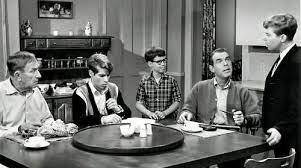
While as viewers we love that the kitchen was the heart of the Douglas home. From the first episode when Steve got Chip to help him with the dishes to talk to him about “love,” to the grown boys gulping down orange juice at the table to leave early for their busy day, we spent a lot of time in that room. Uncle Charlie’s bedroom was just off the area, so he could come and talk with someone getting warm milk in the middle of the night. The actors might not have had the same warm, fuzzy feelings. Barry Livingston discussed their filming schedule because Fred MacMurray did all his filming in two short groups of days. He said sometimes, “you would sit at the kitchen table all day long and they would do close-ups. You would be sitting in the same place at the same table and you would do a close-up from 12-15 different episodes. All you would do was change your shirt because they couldn’t see anything below.”
Burns and Allen Photo: pinterest.com
Gracie and Blanche always made time to have coffee to talk over things. Whether it was 7 am, 1 pm, or 7 pm, the coffee pot was always on. Burns and Allen also did coffee ads for Maxwell House, so I am assuming that it was Maxwell House the friends drank daily on Burns and Allen.
I know if I explained every item to you in detail, we would still be on this blog next week, so I’ll just some up the rest of the categories.
Bedrooms: Beds are definitely the focal point. We have the Petries’ twin beds that are not convenient for a married couple. Lisa and Oliver Douglas had a very large bed on Green Acres; unfortunately, it was open to the outside where anyone could come in or out. Oscar Madison had a bed on The Odd Couple, but no one knew it because his room was so messy. We definitely remember Bob and Emily Hartley’s bed because not only was it important in The Bob Newhart Show but it was in the finale of Newhart. It is also hard not to recall Alex Keaton’s Ronald Regan poster that took up one of his bedroom walls on Family Ties.
Batman with bust and phone Photo: batnews.com
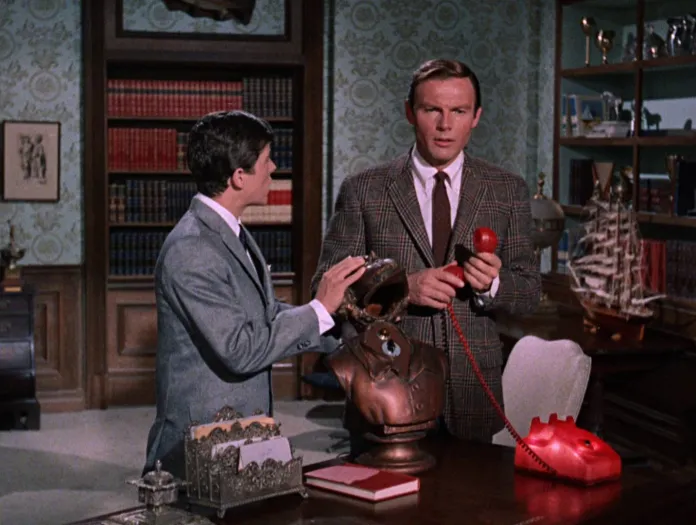
Libraries and Dens. Three specific rooms come to mind. On Batman, we had the Shakespeare bust that hid the bat phone in their library. We had George Burn’s television on Burns and Allen where he could watch was going on during the show without the other characters knowing he was listening in. Finally, we think back to The Brady Bunch where the six kids fought over what to watch on television and did their homework after school.
Garages: The Jetsons they kept their flying car in the garage, Last Man Standing where Tim kept his antique car, and The Adventures of Ozzie and Harriet, where they kept everything but the car. Ozzie was always out there looking for something.
Workplace: When characters go to work, we get a whole new scene full of fun props. Who would visit Dunder Mifflin without stopping by to see Pam at the front reception desk? Rob Petrie had a couch where the writers worked their magic. Central Perk featured the orange couch everyone remembers from Friends. The sofa was so beloved that replicas of it went on a world tour in 2019 for the shows’s 25th anniversary. The actual sofa used on the set was sold at auction in 2011 and it went for about $5000. Of course, Cheers would not have been the same without the stools for Norm and Cliff. Get Smart had so many fun props, it’s hard to choose; the Cone of Silence was certainly fun for everyone who could hear what was said inside by characters who thought they were speaking where no one could hear them. And Hogan’s Heroes also had a lot of fun items including the coffee pot that could relay anything said in Colonel Klink’s office.
Laverne Photo: pinterest.com
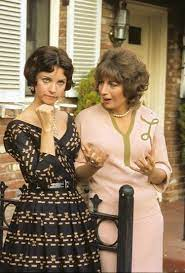
Clothing: While I love almost everything they wore on Burns and Allen, The Brady Bunch, and The Partridge Family, there are a few other pieces that really stand out. Who would not want to wear Fonzie’s leather jacket? Columbo’s coat might be a bit rumpled but it had been around to solve a lot of mysteries. Sally on McMillan and Wife had the San Francisco jersey that she wore to bed. And talk about special clothing, Laverne’s wardrobe with her iconic “L” on everything was a big part of Laverne and Shirley.
Unusual Items: Last, but definitely not least, we have those special objects that belong to specific characters. When you think about Radar on M*A*S*H, don’t you also think about his teddy bear? Barney Fife would never leave the house without his silver bullet. Half the plots would disappear if Gilligan’s Island did not have a radio for the Professor to try to repair and hear about the world outside the island. Buffy’s Mrs. Beasley on Family Affair was very popular; the doll was sold for decades after the show went off the air. Kojak’s lollipops had to be on the list. Also, if you are talking about “things,” how could we not include the “Thing” from The Addams Family?
I hope you enjoyed getting to know something about some of our favorite furniture and recalling special props from well-loved shows. If you want to see a couple of these items, visit The Smithsonian Museum in Washington D.C. where you can see Archie’s chair and Fonzie’s leather jacket. I’d love to hear your favorites.
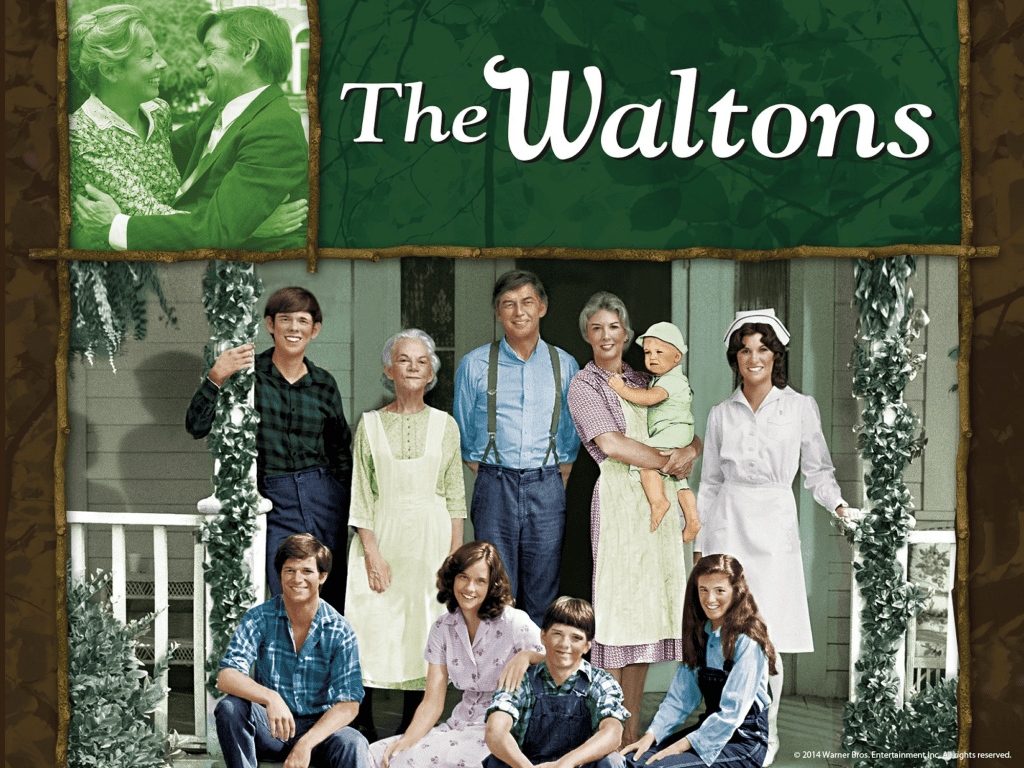
As we celebrate some of our favorite families, The Walton family has to be on the list. Those of us who were kids in the seventies grew up with the Walton kids. Debuting in 1971, the show was canceled a decade later.
The Cast of The Waltons Photo: theguardian.com
The show was listed as a historical drama, but it had a lot of humor in it as well. Based on the book Spencer’s Mountain by Earl Hamner Jr. from 1961, the show was incredibly popular. In 1963 a movie was released based on the book. Hamner created the book from his childhood memories, and many of the plots and characters were based on real events and people. The ending of the episodes has often been parodied, and even if you never watched the show, you recognize the ending when the kids all said “Goodnight John Boy”, “Goodnight Ben”, “Goodnight Erin”, etc until they were told to go to sleep. Hamner said this was a regular activity in his home, and he did have six siblings.
In 1971 a made-for-tv movie called The Homecoming: A Christmas Story received great ratings, so the show was ordered by CBS for a new series. It was produced by Lorimar Productions and distributed by Warner Bros. Domestic Television Distribution in syndication. After the show went off the air, both CBS and NBC aired a total of six sequel movies.
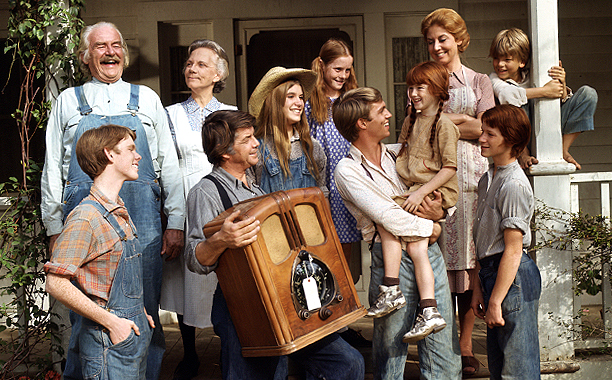
The Waltons have a big family. John (Ralph Waite) and Olivia (Michael Learned) live with John’s parents Zebulon (Will Geer) and Esther (Ellen Corby). The couple has seven children: John Boy (Richard Thomas), Jason (Jon Walmsley), Mary Ellen (Judy Norton Taylor), Erin (Mary Elizabeth McDonough), Ben (Eric Scott), Jim Bob (David W. Harper), and Elizabeth (Kami Cotler).
The story was set in Virginia in Walton’s Mountain, a fictional town based on Spencer’s hometown of Schuyler. During the years that the show was on television, it covered 1933 to 1946. John runs a lumber mill, and the family does some farming. Halfway through the series, Grandma Walton has a stroke and Grandpa Walton passes away; in real life Corby did have a stroke and Geer died that year.
The Baldwin Sister Photo: thewaltons.com
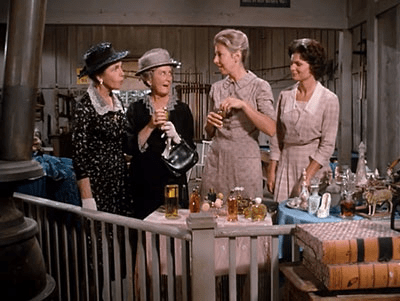
During the run of the show, we get to know a lot of the community members including The Baldwin sisters, Emily and Mamie (Mary Jackson, Helen Kleeb), who sell Papa’s recipe, otherwise known as moonshine; Ike Godsey (Joe Conley) who runs the general store; Flossie Brimmer (Nora Marlow), a widow who owns a boarding house and communicates the town gossip; Yancy Tucker (Robert Donner), a local handyman; Sheriff Ep Bridges (John Crawford), and Reverend Fordwick (John Ritter).
Although the Depression is hard for the family to navigate, WWII caused even more hardship in their community. All four Walton boys serve in the military as does Mary Ellen’s husband. John Boy’s plane is shot down, and Curtis (Tom Bower), Mary Ellen’s husband, a physician, was sent to Pearl Harbor and believed to have died. However, years later Mary Ellen learns he has been alive the entire time, and she finds him living under an assumed name, depressed from his wounds. They divorce, and she later finds love and marries a second time. In later seasons, Olivia volunteers at the VA hospital and is not an active member of the series. She later is said to develop TB and moves to a sanitarium in Arizona. Her cousin Rose (Peggy Rea) moves into the house to help take care of the family, and a couple of years later, John moves to Arizona as well. The sequel movies took place in 1947, 1963, 1964, and 1969.
John Boy grows up to be a journalist and a novelist; he narrates the opening and closing of each episode, and the voice of the adult John Boy is Earl Hamner, the author. He is able to attend Boatwright University in a nearby town before moving to New York to begin his writing career. Jason is interested in music, and Mary Ellen becomes a nurse.
Walton’s Mountain was part of the Hollywood Hills range near the Warner studios in Burbank, and the town was built at the studio as well. Because the original set was destroyed when the show was canceled, later sequels had to recreate the home. That building is still being used and became the Dragonfly Inn on Gilmore Girls.
Photo: entertainment weekly.com
Although the network did not think the show would last, the show was very popular with both the viewers and critics. The networks had just done the “rural purge” where they canceled all shows with rural themes even those like Green Acres that were receiving high ratings. However, congressional hearings were held to discuss the moral compass of programming on television, and President Bush wanted more family shows, so the network gave it a go. I’m guessing they did not want the show to do well considering it was definitely a rural show, and they put it up against The Flip Wilson Show and Mod Squad. Ralph Waite did not want to be tied to a series long term but his agent told him not to worry about it, the show would never sell.
When Thomas was asked about the show’s popularity, he said, “It was kind of a miracle and a mystery. Certainly, the last thing any of us expected was that it would be embraced the way it was. I think our competition on Thursday night was Flip Wilson and Mod Squad, which were hugely popular and terrific shows for people. I think we premiered in 34th place and finished the season in first. It was just this steady climb. The critical community certainly came and went to bat for us.”
In 1973 the series won the Emmy for Outstanding Drama Series. That same year Richard Thomas won the Emmy for Lead Actor. Michael Learned received the Emmy in 1973, 1974, and 1976. Will Geer and Ellen Corby also were presented with awards: Corby won for Supporting Actress in 1973, 1975, and 1976 while Geer received the honor in 1975 as well.
The show’s ratings began declining in the late seventies. I’m not sure why Learned left the show; I do know she admits she suffered from alcoholism during those years. Waite was let go to save money for the series. The network wanted the show to concentrate on the younger viewers, but apparently, it was too late, or the show had come to the natural end of its life.
In the finale episode, the Walton family members and the Godseys attend a party at the Baldwin sisters’ mansion. If you look closely, you will see several unknown guests in the group–they included Hamner and other cast and crew members.
If you want to experience the life of this show, I have two suggestions for you. You can watch several seasons of the show on DVD, or you can check out John & Olivia’s Bed & Breakfast Inn which is located just behind the boyhood home of Hamner. It’s a five-bedroom, five-bathroom home inspired by the depression-era home of the Waltons.
Photo: amazon.com
It’s hard to explain the popularity that The Waltons had in the 1970s. I’m trying to come up with a show that was as critically acclaimed and was watched by the entire family for almost ten years. The only shows I can compare it to are Bonanza which aired for fourteen years and Little House on the Prairie which was on the air for nine years. Viewers embraced the characters and the values of the Walton’s Mountain community. We all felt we knew the family intimately and cared about what happened to them. It left a legacy, and I’m sure it influenced many people currently in the television industry. If you have never seen the show, you definitely want to watch a couple of seasons and if you grew up with it, you might want to revisit your old friends.
I thought it might be fun to look at some unique aspects of writing for sitcoms in this blog series. This month we’ll take a look at a variety of writing subjects.
To begin this series, I wanted to learn a bit about a classic sitcom writer, and Jay Sommers came to mind immediately. He wrote more than 400 scripts.
Sommers was born in 1917 in New York City. Before veering into comedy, he attended the City College of New York and studied the not-so-funny topic of chemistry. Apparently, he had good chemistry with his girlfriend’s father who thought he was pretty funny. The dad was an executive with Bristol Myers and the company sponsored many radio shows.
Photo: rusc.com
In 1940 his relationship with his then girlfriend’s dad led to Sommers receiving an offer to write for Milton Berle’s radio show. Jay did not keep the girl, but he kept the career. He would go on to write for a variety of radio shows including The Alan Young Show, Eddie Cantor, Spike Jones, Lum and Abner, and Red Skelton.
In 1950 he became the producer, director, and writer for a show called Granby’s Green Acres. It only ran for two months, but it would inspire him to create Green Acres for television a decade later. The show was based on a book by S.J. Perelman titled Acres and Pains. The premise of the show was that a wealthy banker wants to become a farmer, so he and his wife move to the country. The banker was played by Gale Gordon and his wife was Bea Benardaret.
Gordon and Benardaret Photo: wikiwand.com
Sommers’ first job as a writer on television was for The Peter Lind Hayes Show in 1950; the episode starred Gloria Swanson. In 1951 he wrote for the Colgate Comedy Hour, along with an episode of the Buster Keaton Show.
1953 brought him recognition for an episode of Our Miss Brooks (“Clay City Chaperone”). He became busier in 1954 writing for My Friend Irma, The Red Skelton Hour, and The Great Gildersleeve.
In the late fifties, he contributed to Blondie, Bachelor Father, and The Donna Reed Show.
Sommers really came into his own as a writer in the sixties. Along with a few screenplays, he wrote for The Adventures of Ozzie and Harriet, The Jim Backus Show, Dennis the Menace, The Beverly Hillbillies, and Grindl.
Sommers enjoyed the most lucrative part of his career from 1964 to 1970, working on Petticoat Junction and Green Acres. Paul Henning had created The Beverly Hillbillies and Petticoat Junction for CBS. In 1965, the network asked Henning to come up with a new sitcom and said he did not have to film a pilot or give a pitch; they trusted him to develop whatever he wanted. Sommers suggested a television version of his old radio show, Granby’s Green Acres. With Gale Gordon and Bea Benardaret already committed to other shows, the hunt began for two new stars for Green Acres.
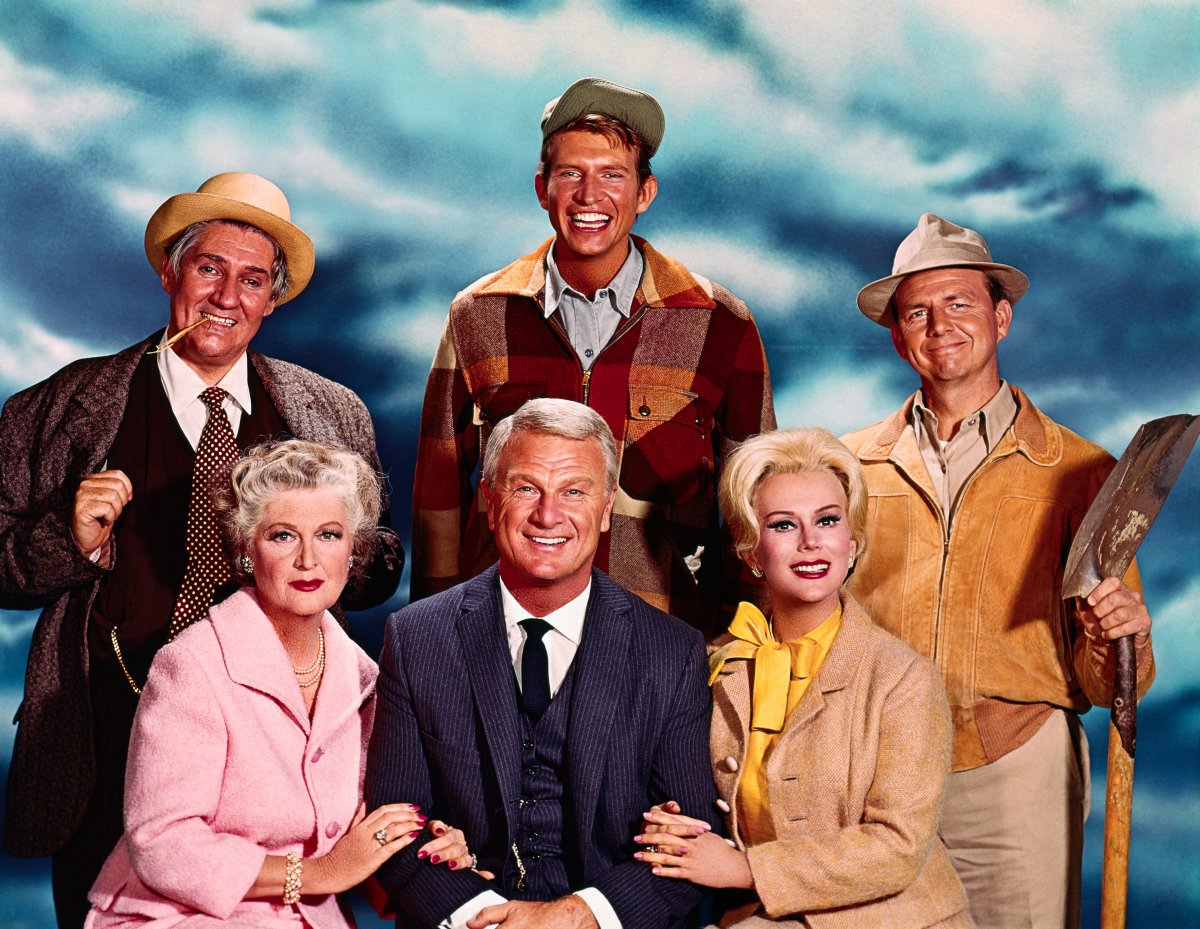
Photo: globalnews.com Cast of Green Acres
In the television show starring Eva Gabor and Eddie Albert, the banker is replaced by an attorney. Oliver Wendell Douglas and his wife Lisa leave glamorous Manhattan and move to a run-down farm in Hooterville. Lisa considers their handyman Eb their son and they bond with all the neighbors including Fred and Doris Ziffel and their pet pig Arnold, general store owner and postmaster Sam Drucker, and the folks from Petticoat Junction.
During an interview with the Television Academy, Paul Henning said his contribution was casting, and he let Jay do most of the writing and producing. The show resulted in 170 episodes and was canceled in 1971 when CBS decided to do a “rural purge” and get rid of any shows that fit that theme.
In another Television Academy interview with Richard L. Bare, who directed Green Acres, he said that he was the only director, Jay was the only producer, and that Jay and Dick Chevillat did all the writing. He said that the only other person on staff was a secretary. And, he said things worked out great. He said today there are way too many people on the set and it gets confusing.
More Hooterville favorites Photo: sitcomsonline.com
Jay continued writing in the seventies, but he did not write a lot. His shows that decade included Hot L Baltimore, Good Times, Ball Four, Alice, and Hello Larry.
Jay passed away in 1985 in Los Angeles from a heart ailment. It was very hard to find much personal information about Jay and no photos. I do know that at some point he married Barbara and they had several children. So sad that we don’t know a lot about some of the people who contributed so much to the golden age of television.
Jay Sommers left us much too early. He came out of a chemistry background, proving you don’t have to teach someone to be funny. He wrote for some of my favorite shows including The Adventures of Ozzie and Harriet, The Donna Reed Show, and Bachelor Father.
Photo: findagrave.com
Sommers worked on three of the most iconic television sitcoms in the 1960s: The Beverly Hillbillies, Petticoat Junction, and Green Acres. If you have been with me for a while, you know I never really cared for The Beverly Hillbillies. I really enjoy Petticoat Junction and I think it’s well written, but I think Green Acres was one of the best-written sitcoms on television. It’s not easy to write about quirky characters without them seeming unbelievable, but Jay did it. He created characters we fell in love with and truly liked. He produced and wrote brilliant scripts week after week for more than five years. They were clever, witty, and sophisticated without being over the top. His grave marker sums it up, “WRITER.” Thank you, Jay Sommers for introducing us to the good folks in Hooterville.