The Virginian: Where Nobody Knows Your Name

As we get ready to “Go West Young Man,”  today our blog series is getting to know the The Virginian (which is sometimes confusing because it was renamed The Men from Shiloh later for part of the series). This series debuted on NBC in 1962. It produced 249 episodes, running until 1971, making it the third longest-running western (Gunsmoke and Bonanza were the top two).
📷wikipedia.com

Lew Wasserman was involved with Universal, and they produced Wagon Train which was on NBC. Universal sold the series to ABC in 1962 after it had been on the air for three years, and NBC was not happy, but Wasserman told them that he had a new show for them, The Virginian.

It was also the first 90-minute western. Like Stagecoach West, it was set in the Wyoming Territory. While the pilot was black and white, the rest of the series was filmed in color.

The series was based on an Owen Wister novel, The Virginian: Horseman of the Plains which was published in 1902.

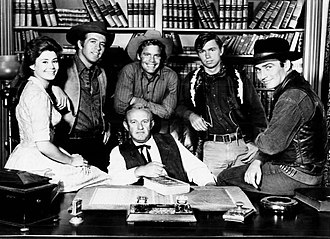
The series featured a foreman at the Shiloh Ranch near Medicine Bow played by James Drury. The foreman was never referred to by his name. Drury once said, “Nobody knows the name of my character, not even me.” His sidekick was Trampas (Doug McClure). Sheriff Abbott (Ross Elliott) also shows up on and off throughout the nine seasons. For the first four seasons, the ranch owner, Judge Henry Garth (Lee J. Cobb) and his daughter Betsy (Roberta Shore) also live there. The cast changed fairly often throughout the series, but Drury and McClure were along for the entire ride.

📷ebay.com

The plots of the show often revolve around themes of prejudice, injustice, being a responsible and hard worker, and standing up for the right thing.

During the final season, the show changed its title, and the series changed quite a bit. There was a new theme song, and it took on more of the character of the popular spaghetti westerns. Stewart Granger and Lee Majors joined the cast. While the ratings increased, the network was intent on cancelling the show, along with the rural purge that happened at that time.

Later when the show was no longer on the air, Drury discussed two of his castmates, one he admired and considered a friend and one he did not! About Grainger who joined the show for the last year, Drury said, “He was a disaster, and I couldn’t stand him. He wanted everything changed to make him the star of the show.  . . . He also fired the whole camera crew and hired a new crew for his episodes.” However, on reflecting about his co-star Doug McClure, Drury recalled “off-screen Doug was quite like his character, and you couldn’t help but smile when he walked into a room because he was full of good humor and good spirits all the time. He could cheer anybody up. He became my best friend, and I still miss him terribly—you couldn’t ask for a better co-star.”

As you can imagine, being on the air for nine years meant a lot of guest stars showed up on the series, including Eddie Albert, Charles Bronson, Robert Culp, Joan Crawford, Bette Davis, Patty Duke, Robert Duvall, Harrison Ford, Jack Lord, Lee Marvin, Vera Miles, Leonard Nimoy, Ryan O’Neal, Robert Redford, George C. Scott, William Shatner and Franchot Tone.

📷facebook.com

The Virginian was on Wednesday nights for its entire run. When it began, it was up against Wagon Train on ABC while CBS ran CBS Reports and The Many Loves of Dobie Gillis. Both The Virginian and Wagon Train managed to hit the top thirty that year. The next year, its biggest competition was The Adventures of Ozzie and Harriet followed by The Patty Duke Show. The Nelsons hit the top thirty and The Virginian and The Patty Duke Show were in the top twenty. The show continued to be in the top twenty or top thirty for the rest of its run, hitting the top ten in 1966, despite being on at the same time as many popular sitcoms during those years, including Batman, The Beverly Hillbillies, The Courtship of Eddie’s Father, Gomer Pyle USMC, Lost in Space, Mister Ed, and My Living Doll. It was still in the top twenty when it was canceled.

This show is fondly remembered by viewers who tuned it at the time. It’s been in syndication for decades, racking up new generations of fans. In one of his later interviews, Drury talked about the appeal of the show. He said, “People now tell me about their grandkids who discover the show on cable and start watching it. It’s a wonderful feeling to know the show is still viable after all these years.” That alone is reason to be proud of working on this show.
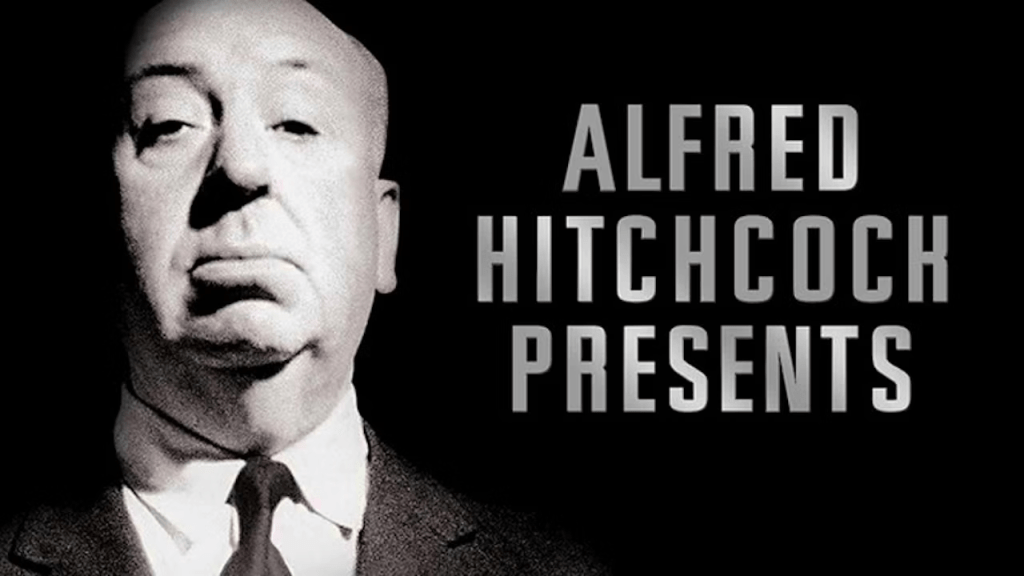
Good Evening Alfred Hitchcock

📷noizetv.com

In October, we are tackling a blog series on Eerie Shows. It would be almost impossible to not include Alfred Hitchcock Presents which was on television for a decade.

The show premiered in 1955. Hitchcock had been directing films for more than three decades at that time. The series experienced several changes. It began as Alfred Hitchcock Presents on CBS but would switch both nights and networks during its run. In 1962 it became an hour-long show and was called The Alfred Hitchcock Hour.

Many fans recall the opening. There is a line-drawing of Hitchcock’s profile with the “Funeral March of a Marionette” playing in the background. Hitchcock appears at the edge of the screen and walks to the center where he fades into the caricature line drawing. Then he said, “Good evening.” The silhouette was one that Alfred drew. He began his entertainment career illustrating title cards for silent movies.

📷peacock.com

Hitchcock himself directed 17 of the episodes of the series. Two of those were nominated for Emmy awards: “The Case of Mr. Pelham” in 1955 with Tom Ewell and “Lamb to the Slaughter” in 1958 with Barbara Bel Geddes.

Hitchcock’s job during this series was to introduce the story and then to wrap it up at the end. Both the openings and closings were written by James B. Allardice. Allardice wrote for 38 different shows, many of them very popular series in the fifties and sixties. Norman Lloyd, who produced the show and appeared in five episodes, said Hitchcock respected Allardice so much that he never even changed a comma that he wrote.

The network demanded that if a character got away with murder during the show, then Hitchcock would let them know during the closing that he was eventually brought to justice; in the TV Guide, Hitch described this as “a necessary gesture to morality.” Lloyd gave an example of this in a Television Academy interview. In one episode, a woman kills her husband with a frozen lamb’s leg and gets away with it. At the end of the show, Alfred explains that she later remarried and tried the same trick again but when she took out the leg and hit her husband with it, it was not frozen enough, so he caught her in the act and turned her in.

📷genresnaps.com

The episodes were not your average thriller shows. They included drama, suspense, and humor. Audiences never knew just “who done it” till the end.

The show debuted on CBS on Sunday nights for five years, up against drama anthologies for two years and then competing with The Dinah Shore Show for three years. For the next two seasons it moved to NBC on Tuesday nights. It aired against The Many Loves of Dobie Gillis on CBS those years and against Wyatt Earp on ABC. For three months it went back to CBS on Thursdays before moving to Fridays on CBS the next season with The Price is Right and 77 Sunset Strip. The ninth year found it on CBS on Fridays with little competition and the final year it showed up on NBC’s schedule on Mondays against Ben Casey. I could never find the reason for cancelling the show. I’m assuming ratings began to decline but if anyone knows, I’d love to hear it.
NBC chose not to air a 1962 episode called “The Sorcerer’s Apprentice” because the sponsor felt the ending was too gruesome. In the episode, a magician’s helper is supposed to help in a trick where he “sawed” a woman in half, but he doesn’t realize he truly saws her in half.

📷thecompletehitchcock.com

As you might guess, with a new story every week, many celebrities appeared on the show including Charles Bronson, Bette Davis, Bruce Dern, Robert Duvall, Clint Eastwood, Peter Falk, Joan Fontaine, Peter Lorre, Walter Matthau, Steve McQueen, Vera Miles, Claude Rains, Robert Redford, Burt Reynolds, Thelma Ritter, George Segal, and Jessica Tandy.

In addition to the Hitchcock-directed episodes, the show received Emmy nominations for Best Series four times. In 1956 it was up for Best Action or Adventure Series, but it lost to Disneyland. The following year found the show in the Best Series – Half Hour or Less category, but it lost to The Phil Silvers Show. 1958 found it in the category of Best Dramatic Anthology Series. You would think that would be a no-brainer win for this show, but it lost to Playhouse 90. It had its fourth category nomination in 1959 as Best Dramatic Series – Less Than One Hour and lost to Alcoa Theatre. I guess the Emmy committee had a hard time determining categories for a few years.

In a different twist, NBC tried to air the show again in 1985. Hitchcock had passed away five years earlier from renal failure. A made-for-TV-movie combined new stories with colorized segments from the original show. It lasted a year before NBC canceled it. USA picked it up for three more seasons.
📷screentunes.com

The original show can still be seen on a few different networks including MeTV.

With Hitchcock’s popularity in 1955, it’s no wonder that this show was a successful series for a decade. The episodes were well written, and they had a wonderful cast of actors. Many people probably tuned in just to see Hitchcock, and his personality was larger than life, even if his behavior was a bit despicable at times. One of Alfred’s quotes about the show was that “television has brought murder back into the home – where it belongs.”

Vera Miles: What a Character

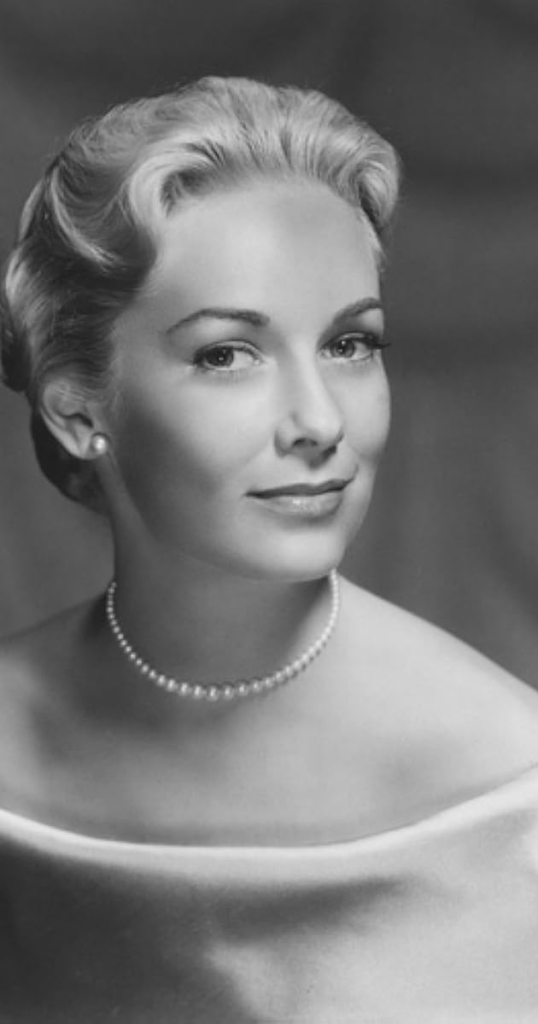
During this month of Supportive Women, I am excited to learn more about Vera Miles. For four decades, Miles appeared in our homes as well as on the big screen. With 162 credits, she may have visited your living room more than most of your family members.

📷facts.net

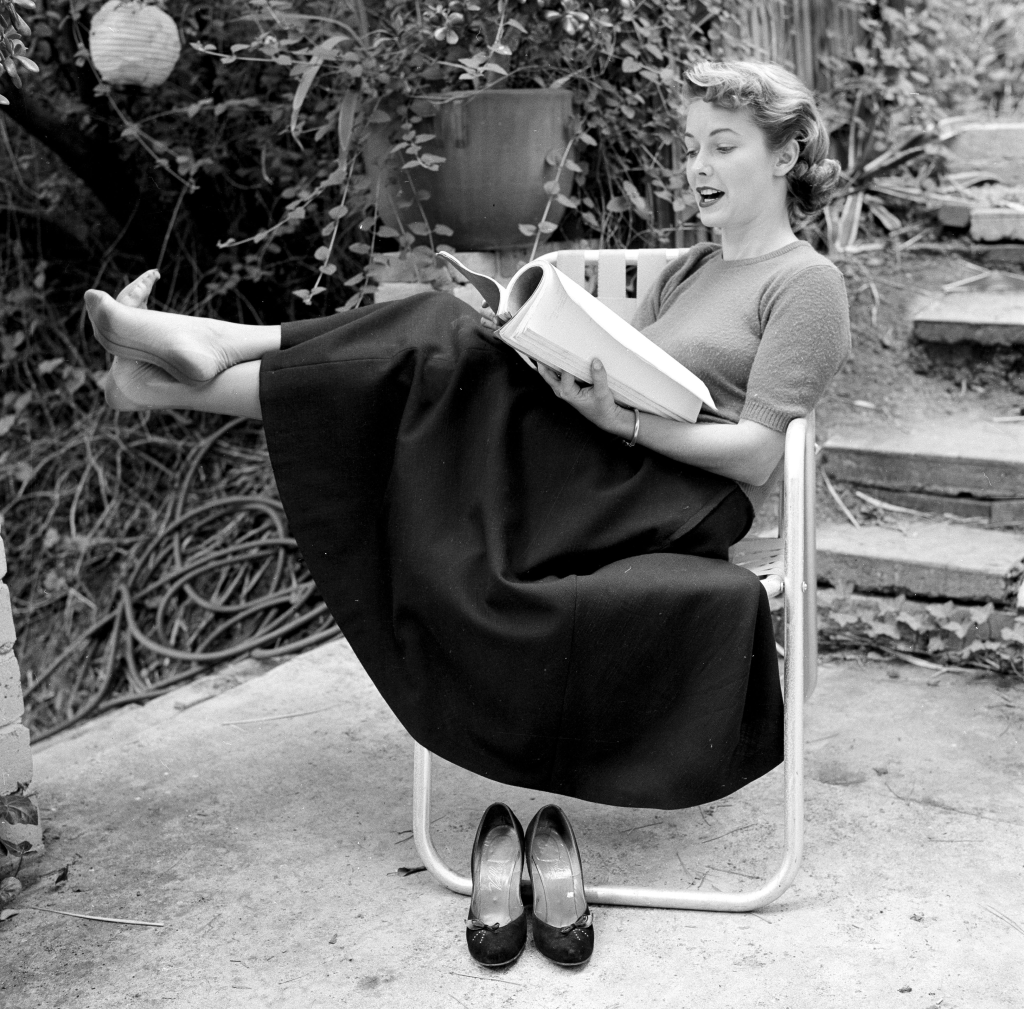
Vera Ralston was born in Boise City, Oklahoma in 1929. She grew up in Pratt, Kansas, and later she moved to Wichita where she graduated from high school and worked nights as a Western Union operator-typist. In 1948 she won the Miss Kansas pageant and was third runner-up in the Miss America contest that year. Miss Minnesota won the crown.

A year later she moved to Los Angeles to pursue a career in television and movies. Not long after arriving in Hollywood, Vera married photographer and stuntman Bob Miles. One source said that she enrolled at UCLA, hoping to become a teacher.

Bob Miles has 13 acting credits and 14 stuntman credits. The cast of Bonanza must have liked him because he appeared as a stuntman 99 times and as an actor on the show 76 times.

📷photos.com

After the birth of her children, she began doing some modeling and taking on a few roles to help provide income. Vera used her husband’s last name because there was already a Vera Ralston in the industry.

She appeared as a contestant in a 1951 episode of You Bet Your Life with Groucho Marx. Along with her partner, she won $8 in the quiz portion of the show but gave the wrong response to the De Soto-Plymouth question which was “Who was the first Chief Justice of the Supreme Court?” When Groucho asked her what titles she had held as a beauty contestant, in addition to Miss Kansas, she mentioned that she was Miss Chamber of Commerce, Miss Wichita, Miss Texas Grapefruit, and Miss New Maid Margarine.

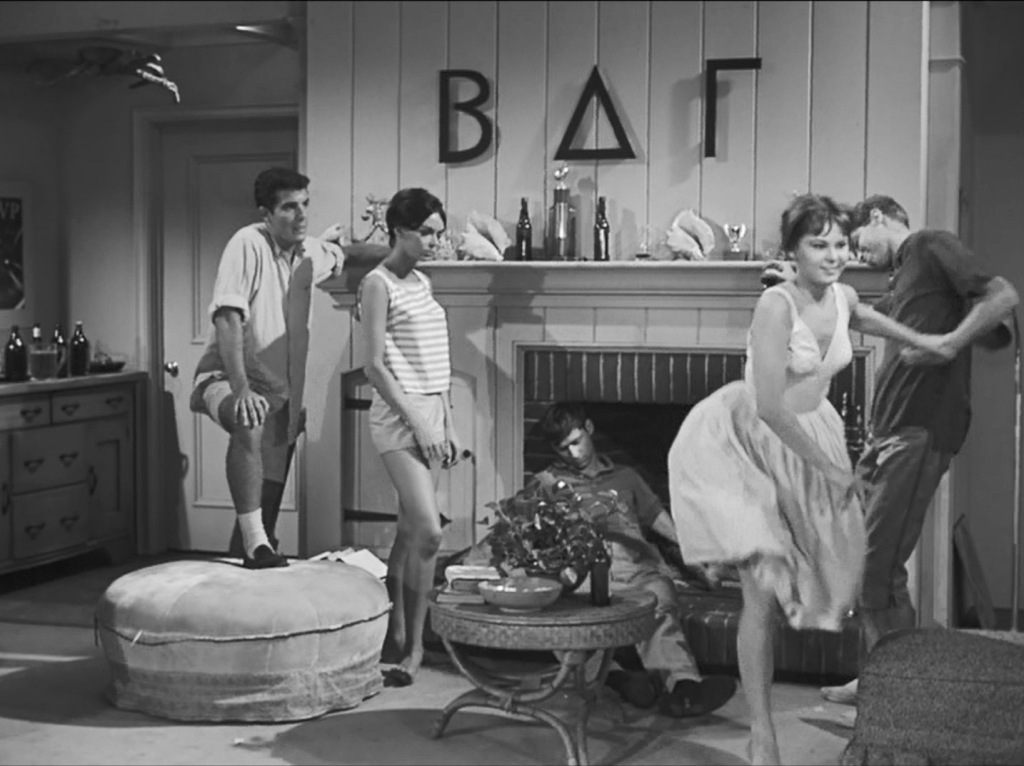
She received her first movie role in 1950 and her first credit in 1952. In The Rose Bowl Story, a romantic comedy, she played a Tournament of Roses Queen. She would appear in about 40 additional movies during her career and quite a few made-for-television movies as well. She often worked with Alfred Hitchcock and was cast in Psycho.

In 1951 she appeared on Fireside Theater, her first television role. While she had more than 100 credits performing on television, surprisingly she never starred in a series. The only recurring character she had was Ernestine Coulter on My Three Sons.

📷fotogrammas.com

In 1956 she married Gordon Scott after divorcing Miles in 1954. They also divorced in 1960. Scott appeared to only work in Hollywood for a five-year period according to imdb.com. From 1960-1971 she tried marriage again with Keith Larsen, but their marriage also ended in divorce. Since the third time was not the charm, for two years in the mid-seventies, she wed Robert Jones but that ended in divorce as well.

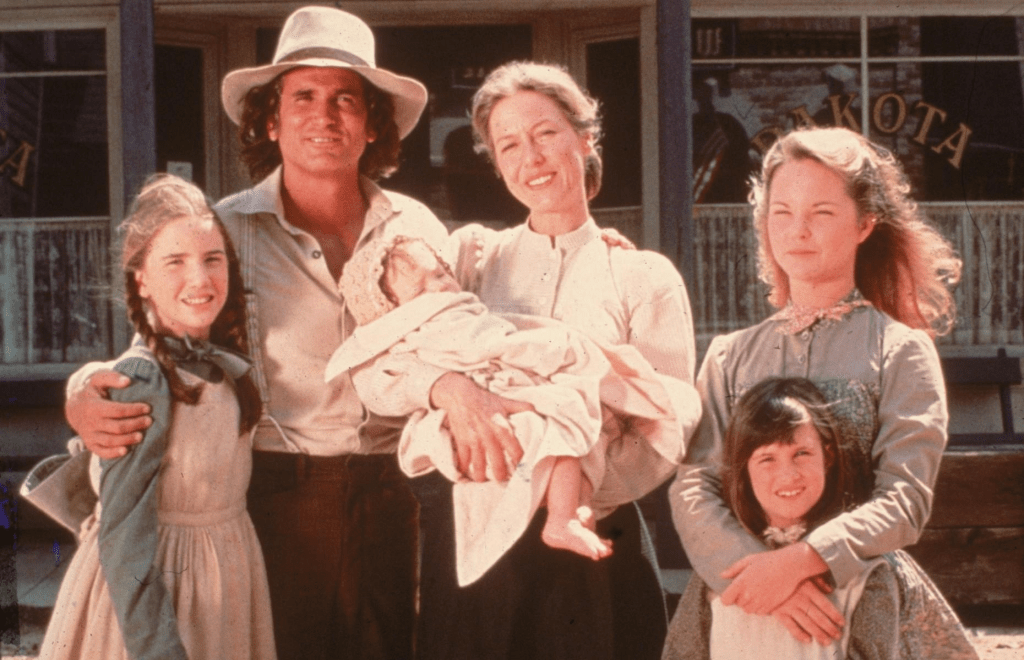
During the fifties, she fit roles around her movie appearances, and you can see her in episodes of dramatic theater shows. In the sixties, she had no trouble finding work and she showed up on The Twilight Zone, Route 66, Wagon Train, I Spy, The Man from UNCLE, The FBI, and Mannix. Work did not slow down in the seventies, and you can spot her in a variety of shows including Gunsmoke, Hawaii 5-O, Bonanza, Cannon, Columbo, and Barnaby Jones. She might have taken thing a bit easier in the eighties, but she still worked on four or five shows a year, including Magnum, PI; Little House on the Prairie; The Love Boat; Hotel; and Murder She Wrote. Her last credit was for a movie titled Separate Lives in 1995.

📷imdb.com

Miles was a member of the Church of Jesus Christ of Latter-Day Saints and visited Salt Lake City quite often.

Early in her career, Miles appeared to be almost a clone of Grace Kelly but that never materialized into a movie star career. Hitchcock hired her for Vertigo with Jimmy Stewart, but her pregnancy caused her to back out of the movie, and Kim Novak received the starring role. Perhaps, that movie would have changed the trajectory of her film career. I’m surprised that she was never given an opportunity to star in a television show. With 162 credits, she had a prolific and busy career. I will definitely try to spot her when I watch some of my favorite classic shows.

..

Little House on the Prairie: Drama On and Off the Set

This month we are visiting with some of our favorite families. I absolutely would have included The Waltons this month if we had not covered the show recently. However, another historic family, the Ingalls, is on the schedule. Little House on the Prairie was on the air for nine seasons. Many of us got to know the family through Laura Ingalls Wilder’s books.

📷lovemoney.com

Television producer Ed Friendly acquired the film and television rights from the books. Oddly enough, the other show Friendly is known for as producer is Rowan and Martin’s Laugh In. He decided to make Little House a two-hour pilot and asked Michael Landon to direct it. Landon agreed to do so if he could also play Pa, Charles Ingalls. The pilot aired in March of 1974, and in September the series began.

Along with starring in the show, Landon continued to direct as well; he directed 87 of the 204 episodes. The other directors included William F. Claxton, Victor French, Maury Dexter, and Leo Penn.

Landon also got in on the writing of several episodes. He had written several scripts for Bonanza when he appeared on that show, and several of them were recycled for Little House.

📷showbizcheatsheet.com

Like The Waltons, while this series was often happy with comedic notes, it dealt with many serious issues as well, including alcoholism, drug addiction, poverty, racism, child abuse, and rape. The show focused on the struggles and joys of a pioneer family living in the late 1800s.

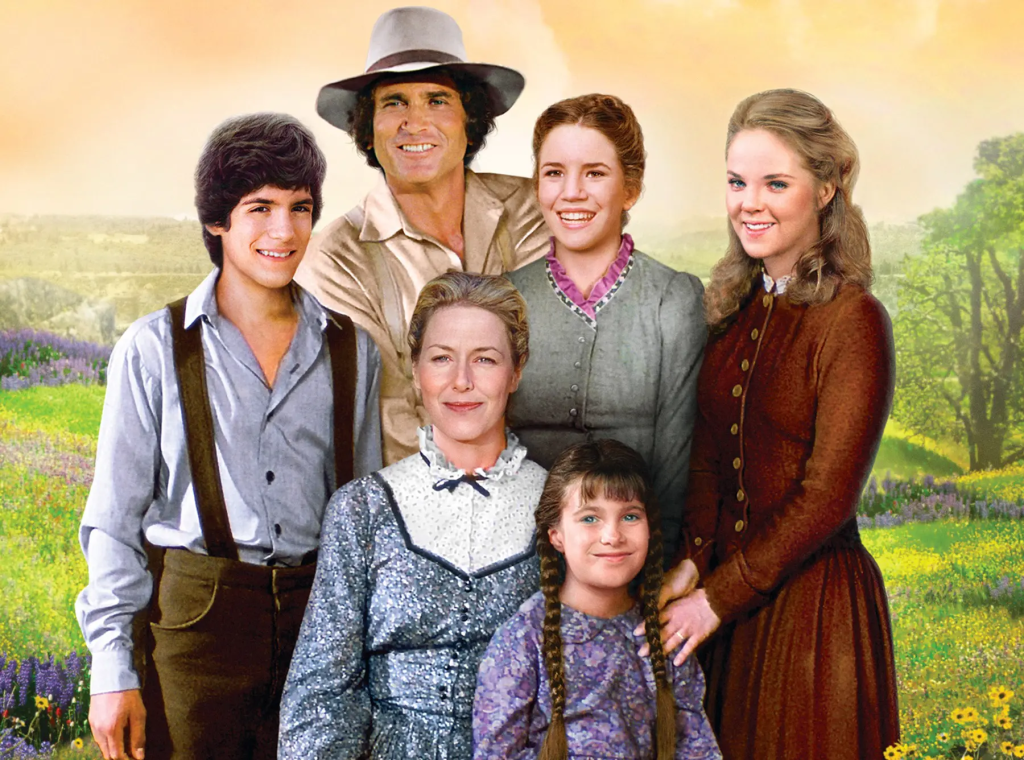
Along with Landon, Karen Grassle played Ma, Melissa Gilbert played Laura, Melissa Sue Anderson was Mary, with Lindsay and Sidney Greenbush alternating as Carrie. In addition to the Ingalls family, other town folk on the show included Nellie Oleson (Alison Arngrim), Nels Oleson (Richard Bull), Harriet Oleson (Katherine “Scottie” MacGregor, and Miss Beadle (Charlotte Stewart).

Some of the guest stars included Willie Aames, Anne Archer, Lew Ayres, Hermione Baddeley, Ken Berry, Ray Bolger, Ernest Borgnine, Johnny and June Carter Cash, Burl Ives, Charles Lane, Vera Miles, Sean Penn, and Ray Walston.

📷wikifandom.com

The theme song, “The Little House,” was written and conducted by David Rose. Rose won two Emmys for his work on the show.Although the pilot ranked #3 for the 1974 ratings, the first two seasons were much lower. Season 3 found the show on Monday nights where it remained one of the highest-ranking series through season 7. Season 8 had a significant decline and season 9, with the loss of most of the family members, never really caught on with viewers. However, season two is the only year the show was not in the top 30. The schedule was a bit crazy when you analyze it. Although, this show did have to compete with The Jeffersons and WKRP in Cincinnati, because they were half-hour shows and this was an hour show, many people probably continued watching the second half. For many of these years, there were up to six different shows in this time spot on CBS and many of them changed from year to year, so there were rarely shows in this spot against Little House for more than a month or two.

After eight seasons, both Michael Landon and Karen Grassle were ready to move on; however, Landon did stay on as a director and writer. The show focused on Laura Almanzo and the younger generation for the ninth and final season.

The show was loved by critics as well as viewers and received sixteen Emmy nominations. The series won four of them, all for music and cinematography. The only cast member nominated was Melissa Sue Anderson; she lost to Sada Thompson for Family.

📷littlehouseontheprairie.com

Viewers were not ready to leave the Ingalls for good. Three made-for-tv movies were written: Little House: Look Back to Yesterday in 1983, Little House: The Last Farewell and Little House: Bless All the Dear Children, both in 1984. In 2008 the Ingalls’ lives also became a musical at the Guthrie Theater.

One fun story is when the show moved from Paramount to MGM Studios in the late seventies, they were uncovering sets so they could build new ones and found the yellow brick road from the Wizard of Oz which delighted the kids in the cast; I’m guessing it delighted many of the adults as well.

Another fun story was learning what the cast ate on the show. Since beef stew was a popular meal in the 1800s, the family often had that for its meal and when they did, they were actually eating Dinty Moore Beef Stew. When they had chicken, it was KFC that appeared on their plates.
The kids must have been troopers because each episode took about seven days to shoot. They were on location at Big Sky Ranch for four days and in the studio for interior shots about three days. In addition, they were probably witnesses to off-air scenes that were not the best. Grassle and Landon were not close, probably because his role seemed much bigger than hers and he was directing as well. Unfortunately, both Grassle and Landon were alcoholics, and alcohol was part of their life on set. During season four, Grassle quit when she realized the seriousness of her problem. Landon was never able to kick his dependence and died from pancreatitis.

📷pinterest.com

Gilbert said that Michael Landon had interesting ways to inspire his kids to get emotional on the set. He worked himself up to become very emotional and with eyes full of tears would ask her “Do you know how much I love you?” which would bring tears to her eyes as well.

It might have been a way to get her to cry, but it was not a lie. Gilbert lost her own father when she was eleven, and Landon became a second father to her. He often had Gilbert at his house on the weekends. She said it was a huge house and the kids ran through the house at will. Often Landon would hide behind doorways and jump out and scare them. Gilbert said Landon provided her with a lot of great advice. The most memorable for her was that nothing is more of a priority than home and family, and no success is as important as loving your people and contributing to a community. And to have fun above all in your career.

That is sage fatherly advice for us all to remember.

Buck Rogers Is Not for This Century

I am calling this month’s blog series, “I Robot.”  We are taking a look at some popular shows that featured robots. I did not include Lost in Space in this group because I did devote a blog to the show that discussed that robot in some detail.

Cast of Buck Rogers Photo: pinterest.com

Today we start with a show that was a fan favorite in the 1980s, although full disclosure, I had never seen this show until I wrote this blog: Buck Rogers in the 25th Century.

Because Star Wars was so popular, Universal decided to develop a television show about space. Glen Larson was the primary face behind the creation. The original plan was to make a series of Buck Rogers made-for-tv movies for NBC. Larson was also behind the show Battlestar Galactica.

Universal changed plans and filmed a big-screen movie about Buck Rogers. It had good reviews, netting $21 million. After the success of the film, NBC asked for a weekly series. Buck Rogers was not a new concept; he was created in 1928 by Philip Francis Nowlan and had been featured in a variety of media including comic strips, books, and radio. The original movie was edited for television, and it became the first two episodes of the series.

The concept of the show was that Captain William “Buck” Rogers (Gil Gerard) was a NASA pilot commanding Ranger 3 which was launched into outer space in 1987. Because of a part malfunction, Buck is frozen for 504 years and his spacecraft is found in 2491. At this time, he learns the Earth was recovering from a nuclear war.

Photo: buckrogersguide.blogspot.com

Buck has to try to assimilate into the 25th-century culture. Because he was previously a pilot, he is placed in the Earth Defense department. Buck is often undercover. He works with Colonel Wilma Deering (Erin Gray), a starfighter pilot. Stargates were artificially created portals in space to help travel between stars. If you watch the episodes closely, you will notice a subtle shift in Wilma’s hair color. Gray was required to dye her hair blonde for the first season. As the season progresses, the color begins to fade and she was allowed to do that, so by the second season, she has brunette hair.

Another coworker is Twiki, a small robot (Felix Silla and voiced by Mel Blanc). Twiki provided much of the humor on the show. Also helping the trio was Dr. Theopolis (voiced by Eri Server), a small computer disk who understood Twiki and was part of the Computer Council. In the first season, the group received its orders from Dr. Elias Huer (Tim O’Connor).

It was a bit kitschy a la Batman. Several villains are involved in plots. In the first season, the “bad guy” was Princess Ardala (Pamela Hensley) who tried to conquer Earth. Most of the population resided in New Chicago and the rest of the planet was being explored again, and new cities were popping up like New Detroit, New Manhattan, New Phoenix, etc.

In the original story, Buck awakes after 500 years to learn that America was overrun by Mongol invaders and in ruins. Wilma and Dr. Huer are both part of that story, as are Killer Kane and Ardala Valmar.

The Villians Photo: moriareviews.com

For a show that did not produce very many episodes, a lot of celebrities were featured on the show including Gary Coleman, Jamie Lee Curtis, Peter Graves, Jack Palance, Markie Post, Dorothy Stratten, and Vera Miles. A few of the stars who played Batman’s foes show up on Buck Rogers including Cesar Romero, Frank Gorshin, Roddy McDowall, and Julie Newmar.

The opening theme music for the show was composed by Stu Phillips and arranged by Johnny Harris. Harris added a 45-second audio clip when Rogers is spinning and then begins with the main theme.

The show debuted in September of 1979. It was popular with viewers, but critics were not on board with the show. Gerard did not like the direction his character was taking. He was in favor of more series stories and felt like his character was just used to make continual jokes and not taken seriously. At times he even rewrote scripts to favor his character over other roles. There was a lot of tension on the set. Two of the writers and script editors left in the middle of the year. Gerard was reprimanded by the network, and he said he hoped that the series would not be picked up for a second season.

Photo: denofgeeks.com

James Van Hise said the show’s scripts “never took advantage of what they had at hand.” And he said Larson exploited a well-loved character in popular culture. John Javna in his book The Best of Science Fiction TV described the show as the worst science fiction show of all time. Bill Lengeman said the acting was wooden and specified that the episode “Space Rockers” was the worst episode of TV science fiction he had ever seen. Many critics were not happy with the way the women were treated in the second season. Ardala was dismissed, and Wilma lost her respectful position, almost becoming an inconsequential sidekick to Buck.

An actors’ strike delayed filming for season two. A new set of producers was brought in and the format was tweaked. Buck, Wilma, and Twiki were now on a spaceship called the Searcher with a mission to look for lost groups of humanity. Many of the previous characters were no longer part of the series, including Theopolis, Ardala, and Dr. Huer. The Starfighter on the series was created by Ralph McQuarrie and had been one of his designs for Battlestar Galactica.

Taking on more of a Star Trek aura, the new characters included Admiral Efram Asimov, a distant relative of Isaac Asimov (Jay Garner) who commands the Searcher; Hawk (Thom Christopher) an alien who represents the Bird people, now almost extinct; like Spock, he remained straight-faced while others are enjoying emotional moments; Dr. Goodfellow (Wilfrid Hyde-White) an elderly scientist; and Crichton (voiced by Jeff David) a robot built by Goodfellow who disdains humans.

The storylines became more serious and an underlying romance was hinted at between Buck and Wilma. Although the changes were what he asked for, Gerard later complained again about the show. Larson might have been second-guessing himself for casting Gerard. His first choice for the role was Kurt Russell. However, he was concentrating on his movie career and had no interest in coming back to television. Interestingly, Russell had been passed over for the role of Han Solo in Star Wars, losing to Harrison Ford. Ratings dropped in the second season. After only producing 21 episodes for season one, NBC canceled the show after 11 episodes in season two.

Despite the small number of shows produced, Universal released the show on DVD in 2004, but the first two episodes were replaced with the original big-screen movie. The series can also be streamed on NBC’s app.

New books and comic books were produced in the eighties. There were also several sets of action figures released by Mego. Milton Bradley debuted a Buck Rogers board game. You could also purchase jigsaw puzzles, model kits of space ships, die-cast toys, trading cards, and a lunch box.

Although the show garnered no Emmys for acting which is not surprising, it did receive five nominations. In season one, Bruce Broughton won for Outstanding Achievement in Music Composition for a Series. Other nominations included Outstanding Cinematography for a Series in season one, Outstanding Art Direction for a Series in season two, and Outstanding Costume Design for a Series in both seasons. The miniature sets for the landing bays and launch tubes were built with Styrofoam. Although they were inexpensive, combined with clever lighting, they appeared as complex architectural sets.

The show was beloved by its fan base. It’s hard to say why it had such a short life. There seem to be many reasons it didn’t last. With the success of Star Wars, everyone jumped on the outer space bandwagon, and the viewers could only watch so many of them. Gerard certainly did not help the ratings with his complaints and dissatisfaction with the show. Getting rid of Princess Ardala and reducing the role of Wilma to a minor character did not help retain female viewers. The show never seemed to be able to figure out what it was. Was it a Star Wars? Was it Batman? Was it Star Trek? It just seemed to not be very well planned or developed.

Twiki Photo: imdb.com

If you enjoy science fiction, it might be worth watching. After all, there are only 32 episodes, and if nothing else, you might want to watch to see if in the decades since it debuted, it still makes that list of worst science fiction shows. I’d be interested in hearing what you decide. As for this blog series on robots. I can happily relay that Twiki won the TV Land Awards in 2008 for Most Awesome Robot!

Mannix: “The Old-Fashioned” Detective

We are three-quarters through our new blog series, “One-Named Detectives,” and today we are looking at a show that began in 1967 and aired until 1975, producing 194 episodes.

See the source image
Photo: blogspot.com

Created by Richard Levinson and William Link and produced by Bruce Geller, Mannix was one of the most violent television shows during the sixties. Private investigator Joe Mannix (Mike Connors) began working at Intertect which relied on computers and a large network of operatives to help them solve crimes.

CBS was planning on cancelling the show after its debut year, but somehow Lucille Ball convinced them to renew it for another season. (Desilu produced the show.) In season two, Mannix decides to leave and open his own agency. He prefers to solve crimes the old-fashioned way, with his own brain, or as he described it, “A private eye—in the classical tradition.” Peggy Fair (Gail Fisher), a widow whose policeman husband was killed in action, became his secretary. Joe was also a father figure for her son Toby. The role of Peggy was planned for Nichelle Nichols but she had to decline due to receiving her role on Star Trek.

See the source image
Photo: seasonsepisodes.watch–with Gail Fisher

The cast was rounded out by Lt Art Malcolm (Ward Wood), Sergeant Charley (Ron Nyman), and Lew Wickersham (Joseph Campanella), and police contact Tobias (Robert Reed). Every episode was filled with violent fistfights, car chases, and shoot-outs. During the course of the series, Mannix was knocked unconscious 55 times, drugged about 38 times, and shot 17 times. Connors actually broke his collar bone filming the pilot. The character of Mannix survived many of these situations because he was an expert fighter. He was said to have been a POW during the Korean war. Mannix was also a race car driver and a pilot. He sailed, skied, golfed and was an accomplished pool player. He was said to have grown up in Summer Grove where he excelled in football and basketball.

See the source image
Photo: metv.com with Robert Reed

Like Cannon, Joe Mannix relied on a car phone during his investigations. Many viewers felt the scripts were well written and the endings were not easy to predict. The plots relied more on crime-solving techniques but several tackled relevant social topics including compulsive gambling, racism, returning Vietnam War veterans issue, and professionals with physical disabilities such as deafness or blindness working to solve crimes.

The scripts were written by some of the best writers in the business. There were more than 85 writers credited with stories, one of them being Mel Tormé, yep that Mel Tormé.  Other writers were John Meredyth Lucas who wrote for fifty shows including Harry O, Kojak, Ben Casey, and Star Trek; Stephen Kandel who wrote for many shows including Hart to Hart, MacGyver, Hawaii Five-0, and Cannon; and Donn Mullally who also wrote for fifty shows including Ironside, The Virginian, Bonanza, and The Wild Wild West.

See the source image
Photo: pinterest.com

There were a lot of creative shows using visual effects in the sixties and Mannix was one of them. It employed many cutting-edge gimmicks to appeal to fans. Technical filming skills included zooms (moving in for a close-up or out to show something the viewer did not realize was in the scene), rack focuses (a rack focus is the filmmaking technique of changing the focus of the lens during a continuous shot. When a shot “racks,” it moves the focal plane from one object in the frame to another), lens flares (a lens flares adds a sense of drama and a touch of realism to a shot), Dutch angles (which produce a viewpoint of tilting one’s head to the side), both low and high angles, and cameras that could move 360 degrees during filming.

See the source image
Photo: rockauto.com

For you car afficiandos, Mannix had a lot of cool automobiles during the series. For season one, he primarily drove a 1967 Oldsmobile Toronado customized by George Barris who built the Batmobile. For season two, Barris worked on a 1968 Dodge Dart for him.

Season three found him driving another Barris car, a 1969 Dodge Dart. Seasons four through six he drove Plymouth Cudas (a 1970 for four, a 1971 for five, and a 1973 for six). For season seven, he was given a 1974 Dodge Challenger and for the final season, he drove a Chevrolet Camaro LT.

An interesting story about his season two car is that it was sold to a secretary at Paramount Studios and then disappeared for a few decades when it was located near a ranger station in California. It was restored to the Barris condition it had on the show. It was featured in Muscle Machines in December of 2009 and on the show Drive on Discovery HD Theater in 2010. The car is currently owned by C. Van Tune, former editor of Motor Trend magazine.

In addition to special cars in the shows, a lot of celebrities guest starred including Hugh Beaumont, Robert Conrad, Yvonne Craig, Sally Kellerman, Burgess Meredith, Lee Merriwether, Vera Miles, and Diana Muldaur. Some of the more unusual guest spots were filled by musicians Neil Diamond, Buffalo Springfield, and Lou Rawls; comedians Rich Little and Milton Berle; and journalists Art Buchwald, and Rona Barrett.

The theme song was composed by Lalo Schifrin.  Titled, “Mannix,” it was released as a single in 1969 with “End Game” on the B side.

See the source image
Photo: amazon.com

Connors was nominated for an Emmy four times, Fisher was nominated for four as well, and the series was nominated twice. In 1970, Connors was beat by Robert Young in Marcus Welby, in 1971 Hal Holbrook won for The Bold Ones, Peter Falk won for Columbo in 1972, and in 1973 Richard Thomas won for The Waltons. Fisher lost to Margaret Leighton for Hallmark Hall of Fame in 1971, Ellen Corby for The Waltons in 1973, and Jenny Agutter in The Snow Goose Hallmark Hall of Fame in 1972. The show lost out as best drama to Elizabeth R Masterpiece Theater in 1972 and The Waltons in 1973.

See the source image

I do remember watching and enjoying the show when I was in grade school.  I’m guessing I watched it because it was something my parents watched. I think the show has held up well and, considering it was in the midst of the sixties, is not too dated. It would definitely be fun to check out a season or two of the show to see if you can figure out just “who done it.”

Cannon: The Cultured Detective

This month we have a new series, “One-Name Detectives.” Today we are looking at a show that was on for five years in the early seventies: Cannon.

Cannon (TV series) - Alchetron, The Free Social Encyclopedia
Photo: alchetron.com

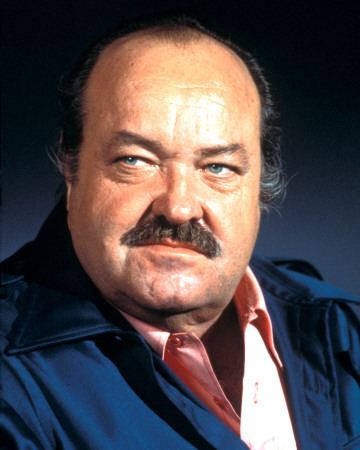
Cannon was produced by Quinn Martin and aired from 1971-1976 on CBS. Edward Hume developed the show and was also known for his creation of Barnaby Jones, The Streets of San Francisco, and Toma. Unlike most detective shows, Frank Cannon (William Conrad) was the only member of the cast. There were a few recurring characters including policeman Jerry Warton (Martin Sheen), Lt Paul Tarcher (Charles Bateman), and Officer Bill Murray (Arthur Adams).

Cannon is a detective in Los Angeles.  His backstory is that he was a veteran of the Korean War and a former policeman for the Los Angeles Police Department. He quit the force after his wife and young son were killed in a bomb attack meant for him. He was a man of many talents.  Not only was he street-smart, but he had at least one other college degree, knew several languages and studied science, art, and history. 

random thoughts for thursday november 10th, 2011 – COUNTRY LEGENDS JUKEBOX
Photo: wordpress.com

Cannon was overweight and often made jokes about his size, but when he couldn’t get out of a bad situation with his quick wit, he could hold his own fighting the bad guys. Cannon was also a gourmet cook and wine expert and often entertained friends.

Most of the plots involved Cannon solving crimes for private clients, insurance companies or former police colleagues. Cannon was known for his mobile phone in his Lincoln Continental. Car phones were not very common then, but I do remember an episode of That Girl from the early seventies that also featured a Motorola car phone. Cannon usually asked an operator to dial his call while he was driving.

The show debuted in a two-hour movie. The series was picked up and placed on the Tuesday night schedule, following Hawaii Five-0. Season two found the show on Wednesday nights at 10 ET and then at 9 ET for season three where it remained. The first three seasons the show was in the top 20 but in season five, it came in at 39 and was canceled.

Season one featured a short scene before the opening credits giving a preview of the show. For the remaining seasons, the preview was not included.

A lot of famous people stopped by Cannon’s office during this five-year people.  Guest stars included Willie Aames, Whitney Blake, Johnny Cash, Micky Dolenz, Shelley Duvall, Mike Farrell, Joan Fontaine, Dabbs Greer, Mark Hamill, Kim Hunter, David Janssen, Tina Louise, Robert Mandan, Vera Miles, Donna Mills, Leslie Nielsen, Nick Nolte, Stefanie Powers, Denver Pyle, Wayne Rogers, Roy Scheider, Peter Strauss, Vic Tayback, Jessica Walter, Cindy Williams, and William Windom.

The show received three Emmy nominations. The show was nominated in 1973 and Conrad was nominated in 1973 and 1974 (losing to Richard Thomas for The Waltons in 1973 and Telly Savala for Kojak in 1974).

William Conrad Cannon 24x36 Poster on Sailboat Smoking Pipe - Walmart.com -  Walmart.com
Photo: walmart.com

Nine novels were published based on the show in the 1970s, the first being Murder by Gemini by Richard Gallagher and the last one being Shoot-Out! by Douglas Enefe.

The show is out on DVD and very reasonable.  The entire five-season set can be bought for $32 on amazon. Definitely worth the time to watch a season or two on a week-end.

I Spy: With My Little Eye A Very Sophisticated Show

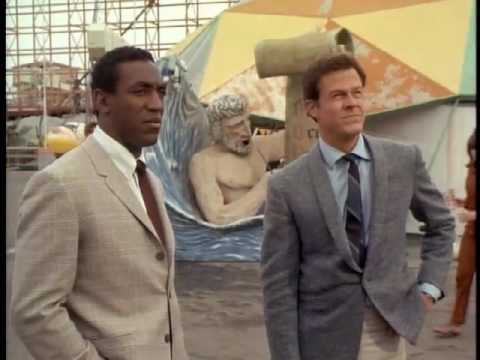
As we continue our crime-solving duos series, today we learn about I Spy featuring Robert Culp and Bill Cosby. They were a pair of spies who traveled the world posing as tennis pro, Kelly Robinson, and his coach, Alexander “Scotty” Scott. They work for the Special Services Agency which was part of the Pentagon. The show aired on NBC from 1965-1968.

Photo: pinterest.com

David Friedkin and Morton Fine, writers, and Fouad Said, cinematographer, formed Triple F Productions. The show was filmed at Desilu Productions. Fine and Friedkin took on co-producing the show. Friedkin also appeared as a guest actor in two of the episodes. Continuing the job-sharing duties was was Sheldon Leonard. Leonard was the executive producer. He also directed one of the episodes and guest starred on the show.

The theme music was written by Earle Hagen. (For more on Hagen and his composition of music from the series, see my blog dated)He also wrote specific music for each of the countries the team visited. He received Emmy nominations all three years, winning in 1968.

Photo: pinterest.com

Cosby’s character was written as an older mentor to Robinson, but Sheldon Leonard changed the role once he saw Cosby perform. Culp said Cosby was not very interested in the series and insulted the producers during his audition. Culp acted as a mediator and Cosby was hired.

Photo: youtube.com

Like future shows such as Miami Vice, The X-Files, or Castle, the partners had great chemistry. They had witty and clever dialogue and often improvised much of their banter. Friendship was the main theme of the show, not the crimes. The actors developed a close friendship that lasted long after the show did. The characters were also very different. Culp was the athlete who lived by his wits. Cosby was the intellectual who didn’t drink or smoke.

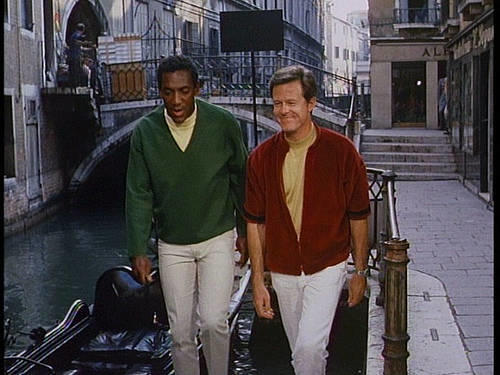
This was the first TV drama to feature a black actor in a lead role. Some of the NBC affiliates in the south refused to air the series. Truly a color-blind series, the two spies did not encounter racial issues. It also made history– being one of the first shows to be filmed in exotic locations around the world. The pair visited Acapulco, Athens, Florence, Hong Kong, Madrid, Morocco, Paris, Tokyo, and Venice.

Photo: desertnews.com

Like the western genre in the 1950s, spy shows were popular in the 1960s. Unlike Get Smart or the Man From UNCLE, I Spy was more realistic. The duo didn’t rely on unbelievable gadgets or campy villains.

Some of the episodes had more comedy than others. “Chrysanthemum” was inspired by The Pink Panther. The episode, “Mainly on the Plains” starring Boris Karloff, was about an eccentric scientist who thinks he’s Don Quixote. However, many shows took on more serious and contemporary themes. “The Tiger” was set in Vietnam.

Photo: imdb.com

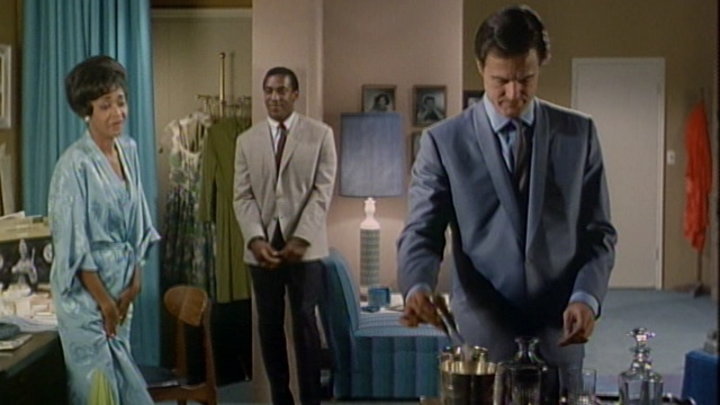
During the three seasons the show aired, an incredible number of guest stars chose to work on the show. Some of these talented celebrities included Jim Backus, Victor Buono, Wally Cox, Delores Del Rio, Will Geer, Gene Hackman, Joey Heatherton, Ron Howard, Boris Karloff, Sally Kellerman, Eartha Kitt, Martin Landau, Peter Lawford, Julie London, Vera Miles, Carroll O’Connor, Don Rickles, George Takei, Cicely Tyson, Leslie Uggams, and Mary Wickes.

Photo: 007bondproxy.ml

Both Culp and Cosby were nominated all three years for Emmy for Outstanding Lead Actor in a Drama Series, with Cosby winning all three years.

While the series was extremely popular, it was always over budget due to the high costs of filming. During the third season, ratings began to decline. The show was moved from Wednesdays to Mondays. It was on against The Carol Burnett Show. Unfortunately, the network refused to move the show back to its original night. They offered Sheldon the choice of renewing the show in the current time slot or the chance at creating a new series. Leonard realized that Culp and Cosby were tired of the show and ready to move on. In all, 82 episodes were filmed. 

Photo: pinterest.com

The show holds up well today.  The dialogue is timeless, and scripts are sophisticated and well written. The plots are realistic, but they are secondary to the relationship of Robinson and Scott. The exotic locations add a romance and intrigue to the show as well. The complete series is available on DVD and well worth watching.

Photo: moviestore.com

Of course, it’s hard to talk about a Cosby show without acknowledging the effect his legal issues have had on his work.  While I don’t condone his behavior and am sad that someone so talented (and preachy about character) would resort to such offensive actions, what makes me even sadder is that both I Spy and The Cosby Show were wonderful shows that featured talented casts. That so many people have to suffer because one person’s actions were unethical and selfish seems unfair.

One thing I’ve had to learn doing my research on all these classic shows is sometimes you have to separate the character from the actor. It’s possible to love a character even when the actor or actress who portrays them is a crummy human being. Of course, there are more of the other scenarios. Fred MacMurray was every bit as nice as Steve Douglas and Howard McNear was even nicer than Floyd.

Hopefully these shows get their due and their reputation for their well-written scripts overcomes the stain Cosby saddled the shows with.