If It’s Friday Night, It’s Time for the Adults to Gather Round and Watch . . . Cartoons?

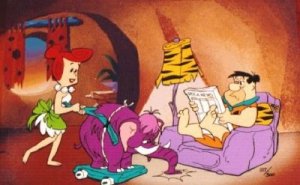
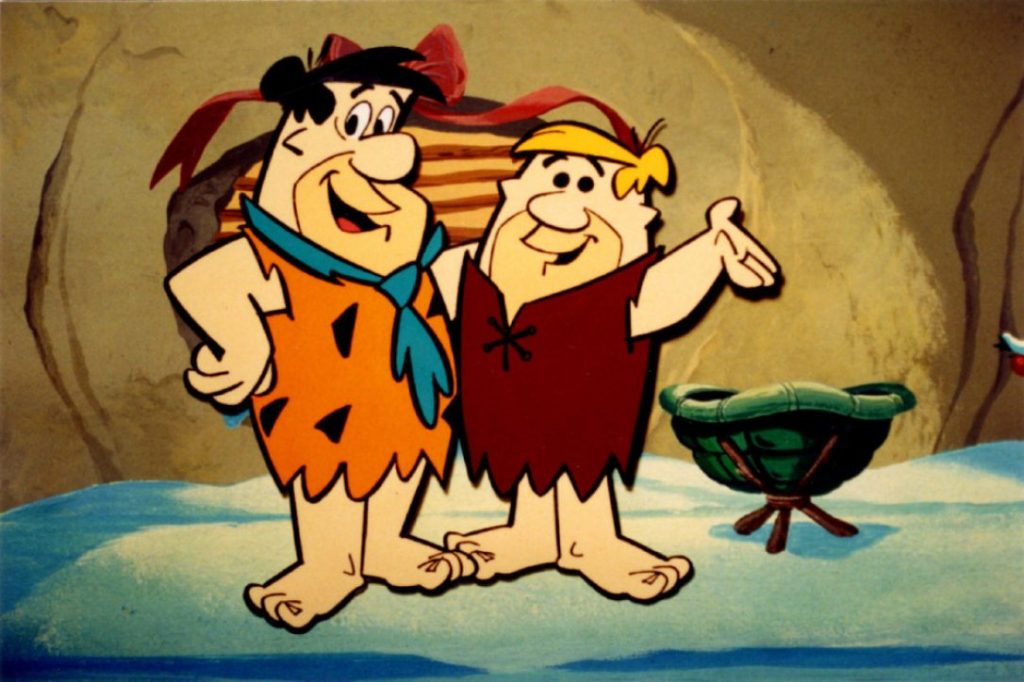
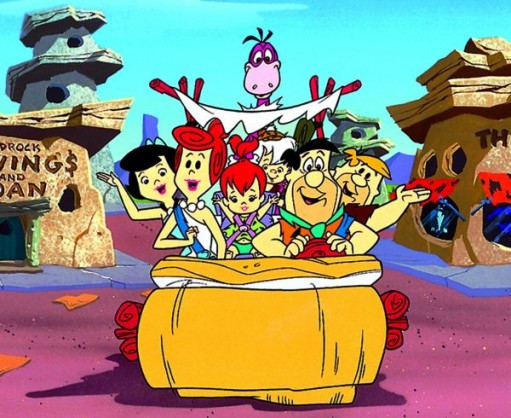
In September 1960 several iconic shows had their debut including My Three Sons and The Andy Griffith Show. On Friday nights at 8:30 eastern time, a very unusual show also began on ABC that fall:  The Flintstones.  Many viewers don’t realize that The Flintstones began life as a prime-time animated show aimed at adults. Created by Hanna-Barbera (H-B), it continued to run at night until April of 1966, a total of 166 episodes.

H-B went to New York for 8 weeks to pitch the show. After being turned down by every ntework, ABC decided to take a chance on it.  It was the most financially successful animated show for 30 years until The Simpsons was created. Variety described its premier as “a pen and ink disaster,” but the show was nominated for Outstanding Comedy, losing to The Jack Benny Show.

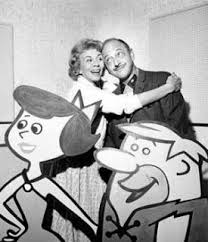
flint1

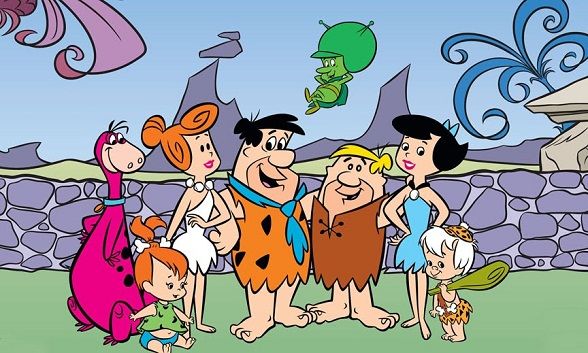
Set in Bedrock, population 2500, the Flintstones and the Rubbles were neighbors and best friends.  The show’s success had a lot to do with the fact that these Stone Age families participated in the same modern-day activities that families did in the 1960s. They relied on the same technology; it’s just that their technology was powered primarily by animals and rocks.

H-B considered other historical eras for the show.  They researched hillbillies, the Roman Empire, and American Indians before settling on Stone Age characters. The original title was The Flagstones.  It was then changed to The Gladstones, and, finally, The Flintstones. In the first creation, Fred and Wilma had a son — Fred Jr. H-B decided that they wanted both couples to be childless, so Fred Jr. was written out.  A Golden Book which came out in 1960 was released before the show changed its concept, and it features Fred Jr.

flint8

Let’s review the regular characters.

Fred Flintstone works at Slate Rock and Gravel Co. He had a quick temper but was a loving father and husband.  He is tall and broad with black hair. He was on a bowling team and belonged to the Loyal Order of Buffaloes, Lodge No. 26. Alan Reed was the voice of Fred. In one episode, Fred was supposed to yell “Yahoo.” Reed asked if he could say “Yabba Dabba Doo” which he based on a Brylcreem jingle his mother used to say, “A little dab’ll do ya.” That became his catchphrase.  In 1977, when the show was in syndication, Henry Corden took over after Reed passed away. Fred was based on Ralph Kramden. In a 1986 , article Jackie Gleason revealed that his attorney told him he could have easily won a lawsuit and stopped The Flintstones, but he advised against it or Gleason would have been known as the man who destroyed The Flintstones.

fred


flinta

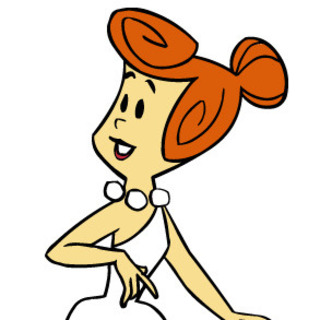
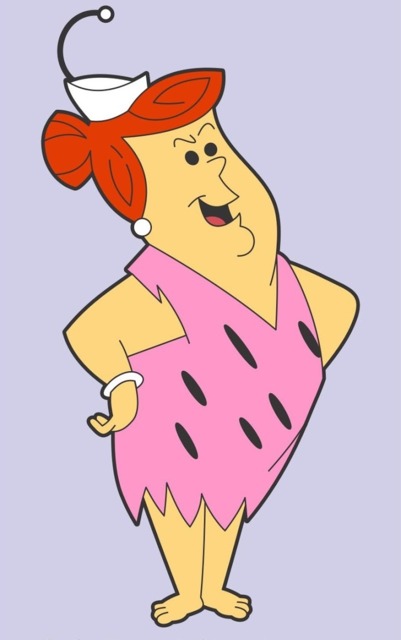
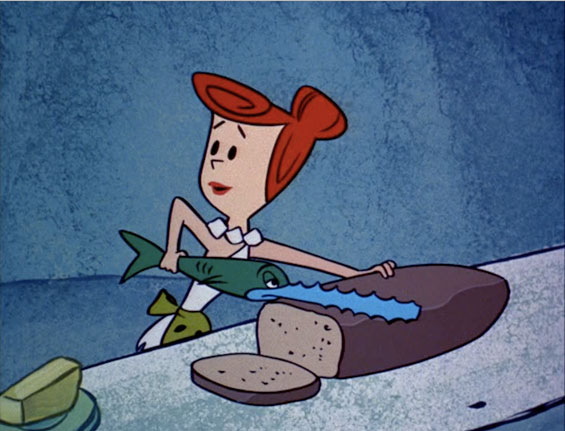
Wilma Flintstone is a practical and level-headed wife. She is a true redhead and loves to shop. She often has to get Fred out of bad situations or is forced to convince him to apologize to Barney or Mr. Slate. Jean Vander Pyl was the voice of Wilma.

wilma

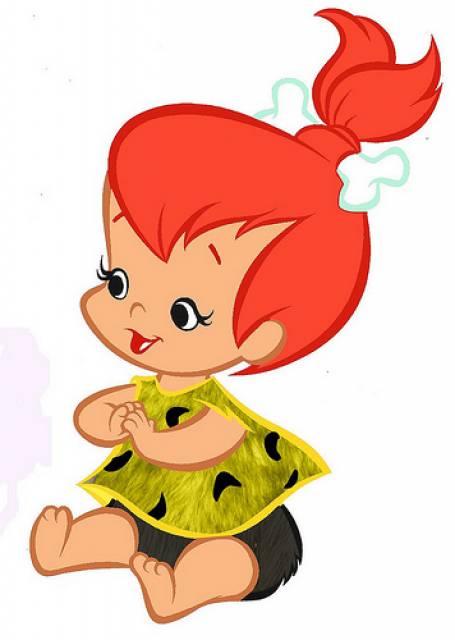
Pebbles Flintstone was born at the end of Season 3.  She wore bones in her hair for bows and was a happy little girl. Vander Pyl also played Pebbles.

pebbles

Dino is their purple pet.  He barks and often acts like a dog, but he is officially a prosauropod. The incredible Mel Blanc was the voice of Dino.

dino

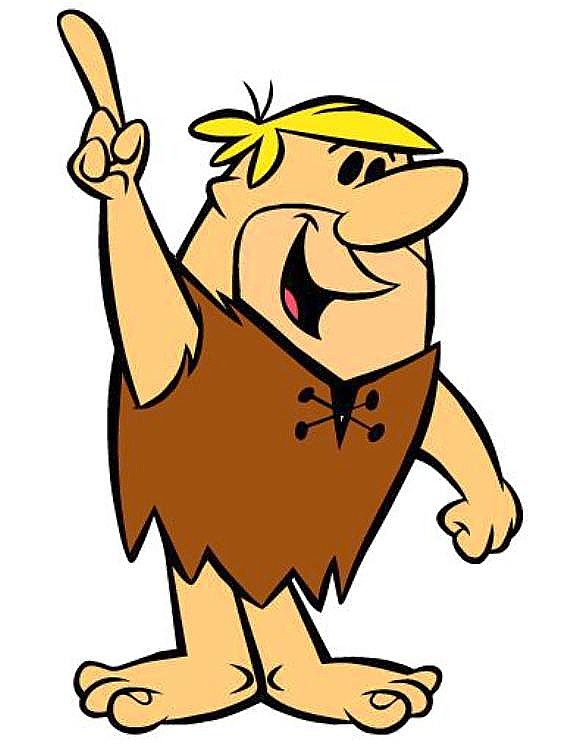
Barney Rubble is Fred’s best friend and next-door neighbor. He and Fred get into spats regularly. Barney is shorter than Fred, easy going, and friendly.  Barney was on Fred’s bowling team and part of the Water Buffaloes. Barney was also voiced by Mel Blanc. After Blanc’s death, several actors played Barney.

barnet

flintb

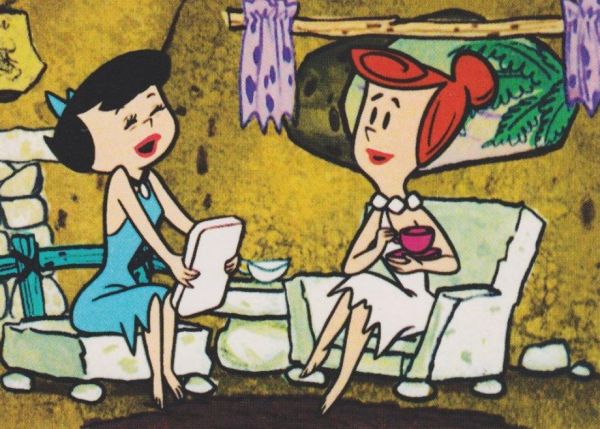
Betty Rubble is Wilma’s best friend.  They often conspire to get their husbands to mend their friendship.  Betty is a brunette. Bea Benaderet was the voice of Betty for seasons 1-4.  After her death, Gerry Johnson took over for seasons 5 and 6.

betty

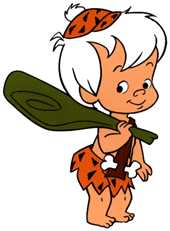
Bamm-Bamm is the Rubbles’ adopted son.  He is absurdly strong and says “Bamm-Bamm” a lot. Don Messick was the voice of both Bamm-Bamm and the Rubbles’ pet.

bamm bamm

Hoppy is Rubbles’ pet hopparoo (a cross between a kangaroo and a dinosaur).  He doesn’t appear until Season 5.

hoppy

More than 100 “guest” characters appear on the show, but several are better known and appear more often, including:

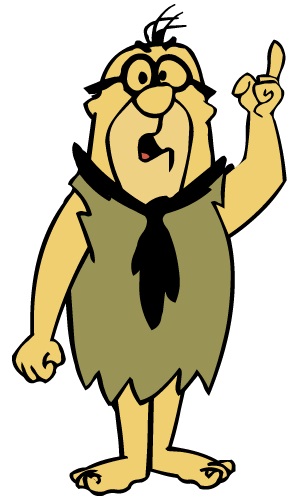
Mr. Slate owns the company where Fred works.  Sometimes Barney works there as well but it doesn’t seem to be consistent. Mr. Slate fires Fred a lot but always takes him back. John Stephenson voiced Mr. Slate.

mr slate

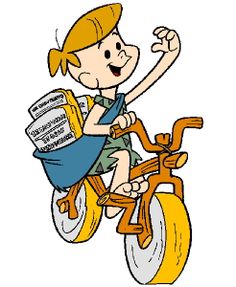
Arnold is the Rubbles’ and Flintstones’ paperboy. Fred doesn’t like him because Arnold can outsmart him. Don Messick played Arnold.

arnold

Joe Rockhead is a friend of Fred and Barney’s. He is mentioned in one show as being the chief of the Bedrock Volunteer Fire Department. Irwin Keyes played Joe.

joe

Pearl Slaghoople is Wilma’s mother.  She is hard to please and has always disapproved of Fred. Verna Felton and Janet Waldo played Pearl.

flint13

Gazoo is an alien who helps Fred and Barney.  He can only be seen by those two, small children, and pets. Harvey Korman was the voice of Gazoo. He appeared during the final season as a way to boost viewership. The show had begun to try to capture younger viewers during the final two seasons.

flint19


flint14

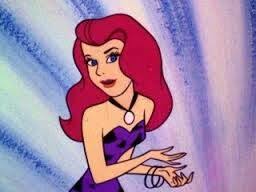
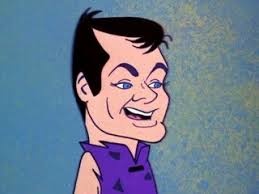
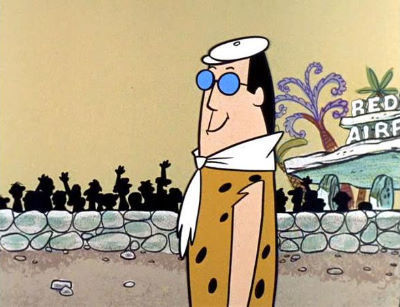
Many famous people also showed up on the show. The 6th episode of the 6th season featured Darrin and Samantha Stephenson from Bewitched. H-B produced the animated opening of Bewitched, so there was a tie-in. Other stars included Stony Curtis (Tony Curtis), Ann Margrock (Ann Margaret), and Cary Granite (Cary Grant) as well as the Green Bay Pachyderms.

One strange thing about the show was that the Flintstones home and furniture placement was not consistent.  You can see changes in almost every episode. Their address also changed. It was given as 345 Cave Stone Rd., 1313 Cobblestone Way, and 222 Rocky Way.

flint12

A theme song, “Rise and Shine” was created for the show and used in seasons 1 and 2. The tune was similar to Bugs Bunny’s theme, and in season 3 it was changed to “Meet the Flintstones.” A 22-piece jazz band and a 5-person singing group, the Skip Jacks, recorded it. When the show went into syndication, “Rise and Shine” was replaced with “Meet the Flintstones” for the first two seasons as well. Hoyt Curtin was in charge of the underscores for seasons 1-5 and Ted Nichols took over for season 6.

flintc

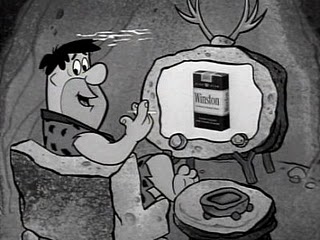
Believe it or not, the first two seasons were sponsored by Winston Cigarettes, and there were ads featuring Fred and Barney smoking. These seasons were aired in black and white. Seasons 3-6 would be in color. In season 3, Welch’s became the sponsor for the last four years. They created jelly jars which could be re-used as drinking glasses. At this point, it was decided that the Flintstones would have a baby. A boy was written into the script. A marketing director suggested they change it to a girl because girl dolls sold better. Based on his recommendation, they created Pebbles. Apparently, he was right because during the first few months, they sold 3 million of them. In season 4, Bamm-Bamm was adopted.

flint9

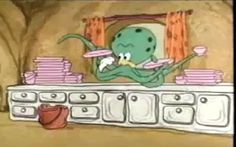
Some of the clever products included an alarm clock that is a bird, a bird car horn, a dinosaur crane, an octopus dishwasher, a pelican garbage can, a porcupine hairbrush, and a swordfish knife. Several famous brands were seen in the stone age such as Stoneway Pianos and Polarrock cameras.

The show was offered in syndication till 1997. Ted Turner purchased H-B in 1992, and The Flintstones ran on TBS, TNT, and the Cartoon Network. In 2000, Boomerang began airing the show where it continued until 2016. Now it’s only available on Boomerang’s subscription video-on-demand service.

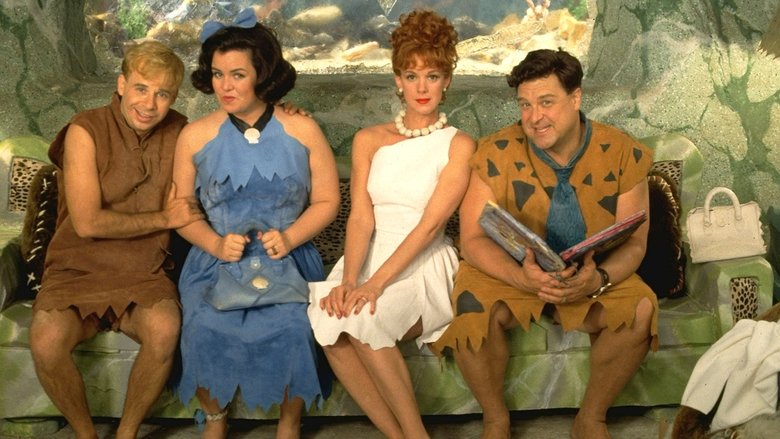
The Flintstones had 12 different television series versions and 13 tv specials produced. In addition, there have been 5 tv movies, 6 educational filmstrips and 2 big-screen films.

flint6

Two theme parks exist: Bedrock City in Custer, SD and Valle, AZ. A stage production took place in Universal Studios in Hollywood from 1994-1997. DC Comics produced a 2016 Flintstones comic book. Flintstones collectibles have been produced for almost 60 years.

flint7

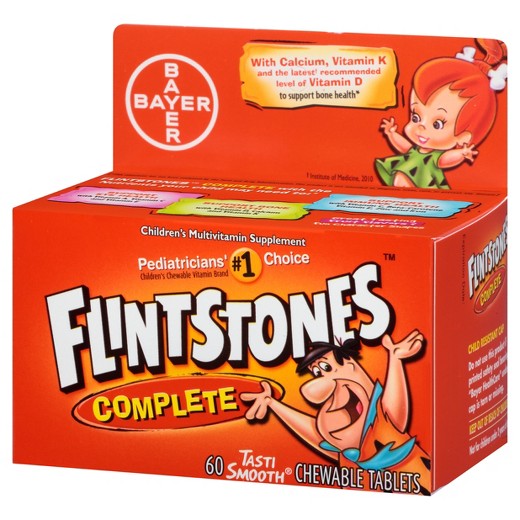
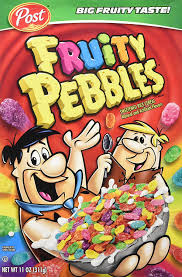
Fifty-eight years after the debut of the show, Bedrock characters are still promoting products.  One-a-Day vitamins features Flintstones Chewables and Fruity and Cocoa Pebbles are made by Post.


A typical conversation between Fred and Barney is:

Fred: How can you be so stupid?

Barney: Hey, that’s not very nice. Say you’re sorry.

Fred: I’m sorry you’re stupid.

flintw

For the remainder of January, we will continue to look at prime-time animation series.

Dear Santa

Dear Santa,

I have checked everything off from my to-do list, and as I am sitting down to enjoy some Christmas music and bask in the glow of the Christmas lights and the smell of hot chocolate made from scratch, I wanted to send you my list.  You know I have been very really  fairly  kind of good this past year. These are things no one can buy for me.


A charm bracelet, but no ordinary one. I would love to have charms that are sitcom logos that express my passion for my favorite shows.  You can decide which ones to include–shows like My Three Sons, That Girl, The Partridge Family; you know the ones with the fun symbols.


I wish to host a dinner party with some of my favorite television characters or stars. I think parties work best with an equal number of men and women. Please send invitations to Gracie Allen (Burns and Allen Show),  Carol Burnett (Carol Burnett Show), Steve Douglas (My Three Sons), Bentley Gregg (Bachelor Father), Rhoda Morganstern (Mary Tyler Moore Show), Blanche Morton (Burns and Allen Show), Alice Nelson (The Brady Bunch),  Bob Newhart (Bob Newhart Show), Rob Petrie (Dick Van Dyke Show), Hawkeye Pierce (M*A*S*H), Sally Rogers (Dick Van Dyke Show), Buddy Sorrel (Dick Van Dyke Show), Donna Stone (Donna Reed Show), and Uncle Arthur (Bewitched). I would like to start out with a spinach salad with walnuts and warm brown butter dressing, followed by French onion soup, then lemon-thyme lamb chops with roasted carrots, and finally, a maple crème brulee (catered of course!)


Could you arrange for me to be written into one of my favorite sitcoms? Perhaps I could be Ann Marie’s cousin who has been studying in Europe or one of Laurie Partridge’s friends who Keith has asked for a date. I’d happily take a ride on the Cannonball Express to stay at the Shady Rest for a few days while getting to know the Bradley family. I could play a new neighbor in town who gets to have coffee with Gracie and Blanche. Playing a part in a skit with Carol, Harvey, Vicki, and Tim would be amazing. I would be willing to learn some nursing skills to serve under Major Houlihan. I think I’m a pretty good nose twitcher, so I could be one of Samantha’s relatives who schemes with Uncle Arthur to play a practical joke on Darrin. These are just a few ideas – I’m sure you have several good ones of your own.


So many people buy their clothes at Target, Kohl’s, and other places where they all look similar. I would love to wear some of the outfits my favorite characters wear. Gracie Allen always looked classy in her dress designs. Of course, everything Ann Marie wore was cute and fashionable. One of Bob Mackie’s creations for Carol Burnett would make a nice addition to my closet.  Lisa Douglas had some beautiful sheath dresses that I would like. Phoebe Buffay had some pretty cool outfits on Friends. If you’re having a hard time deciding, I’m sure Mrs. Claus would have some great input.


Finally, Santa, I am happy with the DVDs I have been collecting from my favorite shows. Do you think that you could find me some extra time to actually sit down and watch them?

Thanks Santa.  Don’t miss the milk and cookies on the table for you.  Enjoy December 26.


Love, Diana

Why Pop Culture Makes Me Grateful

With Thanksgiving quickly approaching, I have been reflecting on what I am thankful for this year.  Of course, I am most thankful for my faith, family, friends, and good health like most people.  But I have been looking deeper, exploring gifts I don’t always appreciate.

Kids today are growing up in a digital society, and social media has always been part of their lives – that will shape them and the way they learn and interact.  When I grew up in the 1960s and 1970s, our technology was television. I have been thinking about the way that shaped who I am, and I have been meditating on what I have learned from being a pop culture kid.

Here are some of the things I am thankful for that I have learned from sitcoms.

  1. Gracie Allen and Blanche Morton taught me having a best friend you can sit down and talk with over coffee is important. On Burns and Allen, every good or bad thing that occurred in their lives was shared and analyzed over a cup of quality roast coffee. Most of the time, these two women shared laughter, but your closest friends understand when it’s the time for tears as well. Having someone to navigate life with who totally gets you and never judges you (but can pull you back to reality with a loving reprimand when necessary) makes the journey much easier.


  1. Ann Marie taught me fashion is fun, and you can develop your own fashion sense. The last seasons of That Girl coincided with my middle grade school years when clothes were beginning to take on new importance. Before that, we basically had Sunday clothes, school clothes, and play clothes and didn’t give much thought to what was in our closet. During these years I was lucky to have a grandmother who bought me beautiful Sunday dresses and a friend who passed her clothes down to me. I remember that one of my Sunday best was a pink and white gingham skirt (with suspenders!) and a matching blazer. It came from Sak’s Fifth Avenue, and made me feel like a model when I wore it.  I didn’t understand the cost of expensive clothing, but I did know that Sak’s Fifth Avenue and Tiffany boxes were very desirable.  Thank you Lisa Spahr.  School clothes were always a dress or skirt with high knee socks until fourth grade.  That was the year that forced us to think more about our daily outfits because, for the first time, we were allowed to wear pants to school.  Not any pants, however; it had to be a pantsuit.  For Christmas that year I received a navy combination with red trim around the collar – a bit of a naval theme. Play clothes also began to change that year because our play changed.  No longer were we only running through the neighborhood; we were going to the movies, the Y, and other places where we might run into certain people – people like boys. My favorite outfit that year was a pair of ecru bell bottoms that had navy and maroon flowers splashed across them, paired with a navy blouse with a very straight collar and three buttons on the cuff.  I was convinced if I ran into Keith Partridge or Bobby Sherman in that outfit, they would notice me for sure. I also remember hot pants coming into fashion, and I had a pair of striped brown, tan, and orange ones that I wore with an orange tank with a zipper.  Be still my heart.  But my most special purchase was a black maxi coat that made me feel just like Ann Marie. Yes, she was a great fashion coach. I still love to watch the show to see what she is wearing.


  1. The Collins family helped me develop several interests. Dark Shadows came on not long after we arrived home from school, and we never wanted to miss it. As a neighborhood clan, we often played Dark Shadows, and all the girls wanted to be Daphne or Laura. I have not remained an avid Dark Shadows fan, but it did spark two passions for me.  No, not vampires and ghosts but mysteries and Maine. Mysteries were my favorite books to read during grade school and junior high. My first memory of the Bookmobile coming to our school was seeing several Nancy Drew books on the library carts. I checked them out, and I was hooked. I read through many series after that – The Dana Girls, Ginny Gordon, and Donna Parker – and then I moved on to reading adult authors that our local librarian had to approve for me to take out.  I especially loved Phyllis Whitney. I must have loved books more than clothing, because one year I received a pair of jeans for Christmas that I didn’t really like.  I was allowed to take them to Leitzinger’s Department Store myself to exchange them.  Exchange them I did for 8 Trixie Belden books  That was not my mother’s expectation, but I thought it was a much better deal.  Dark Shadows also gave me a fondness for Maine. I’ve only been there once, but I am looking forward to returning to New England next fall. I loved the large, old homes, the rocky beaches, and the quaint little towns. Something about that area spoke to my soul and drew me in.


  1. Steve Douglas provided me with sage advice and security. My dad and I had a great relationship when I was very little and later when I was an adult and a parent myself, but those years in between were a bit unpleasant at times, due to some personal demons he was dealing with. My Three Sons began the year before I was born and continued on the air until I was 12. After that, it was on television in reruns for most of my school life. In his sweater and holding a pipe, Steve Douglas became a surrogate father for me. I felt like I was a member of the Douglas family. Steve always had time to listen and had great wisdom.  He also understood kids would be kids and you had to pick your battles. He was kind and gentle. When I was dealing with a difficult issue, I would often consider what advice he might give me. When I was pregnant with our first child, a boy it turns out, I gave Dan a Steve Douglas cardigan to announce it. I think it was fitting that I ended up with three children – all boys.  Spending time with the Douglas family while growing up helped me understand what it was like to raise three boys. This show has always tugged at my heart.  On our first date, the show just happened to be on when we got back to my apartment.  Then we had three boys. Our youngest was named Seth for several reasons, one of them being that Seth Bryant had founded the town of Bryant Park where the Douglas clan lived. Somehow, I think I always knew I would have my own three sons.


  1. Hawkeye Pierce and BJ Hunnicutt taught me laughter is an essential part of life. During my formative tween years, especially in dealing with my father, I began to realize that life wasn’t always sunshine and rainbows. I learned that life held some highs and some lows, but most of life is lived on the bridges between the mountains and the valleys.  M*A*S*H taught me the importance of joy and laughter during these times. Humor became an important life skill which helped in making friends and getting through bumpy times.  We moved a lot between 8th and 11th grades – I was basically in five different high schools in three different cities and having a sense of humor helped me develop friends in each new place. My closest friends and my family understand that being able to laugh at ourselves and find humor in the mundane keeps life fun.  Our family conversations often sound like a M*A*S*H script. Life without humor would be very unpleasant.


  1. Rob Petrie, Mary Richards, and Michael Scott taught me that work would be much smoother if you accepted everyone and made the best of situations rather than dwelling on the negatives. From Rob Petrie, I learned that developing close relationships at work helped you be more creative and reduced stress. He probably also influenced me to love comedy and writing. Mary Richards taught me that for every Murray Slaughter you bonded with at work, there would be a Ted Baxter you had to put up with, and hopefully you would develop some affection for them by doing so.  Michael Scott taught me that we all have our quirks, and if we accept others, they will usually accept us.  If we wait for the perfect friend or coworker, we will be waiting a long time. The work has to get done, so stay positive. We all have professional gifts and talents, but our people skills are often what make us a success or a failure at our jobs.


  1. Shirley Partridge and Bentley Gregg taught me it was okay to love a show simply because you love it, without trying to reason why. There were a lot of shows on when I was growing up that I watched and thought were okay, but they didn’t capture my heart – shows like Gilligan’s Island, Hazel, or The Flying Nun.  There were also shows I thoroughly disliked for whatever reason – shows like All in The Family, Good Times, and The Beverly Hillbillies. However, some shows like The Partridge Family and Bachelor Father drew me in and became life-long love interests.  Okay, it might have something to do with the fact that I was secretly in love with Keith Partridge and Bentley Gregg.  There was just something about the series that would cause me to get up two hours early or stay up three hours later just to watch reruns when I could.  And I learned that was okay.  I don’t have to analyze why they have become important in my life; I just accept that they are.

Many people criticize sitcoms as fluffy and say that they don’t portray the reality of life.  I disagree.  Don’t get me wrong.  There are plenty of mediocre and just plain awful shows out there.  There always have been.  But there are those shows that touch our lives in some way.  We learn from them.  We laugh with them.  We develop an appreciation for people that we otherwise would never come to know. So, I am grateful for the lessons I have learned watching sitcoms.  I am also thankful for the passion I developed in sharing these shows with other people. After all, that is what this blog is all about.  And I am thankful to you for reading it and keeping these shows alive for another generation. Have a blessed Thanksgiving.


Stars Who Jump From the Big Screen to the Small Screen Don’t Always Land on Their Feet

While it is not uncommon for stars to transition from television to movies–think about Robin Williams, Sally Field, Melissa McCarthy, and Tom Hanks–it is less likely to see stars move from the big screen to the small screen.  Jane Fonda has transitioned to television in Frankie and Grace and Fred MacMurray did it with My Three Sons.  For most stars, the move has not worked out very well. Let’s look at a few stars who tried to make the conversion.

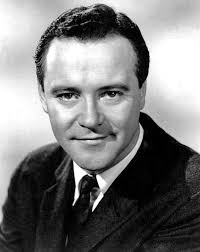
That Wonderful Guy – Jack Lemmon (1949)

Neil Hamilton (best known as Commissioner Gordon on Batman) plays Franklin Westbrook, a conceited drama critic who dislikes almost everything. Jack Lemmon plays Harold, a Midwesterner who thinks working for Westbrook will help him become worldly and give a boost to his acting career. His girlfriend is played by his real wife Cynthia Stone. The episodes revolved around his romantic and business adventures in New York City.  Perhaps Westbrook panned the show because it was cancelled after three episodes.

movielemmon1


Heaven for Betsy – Jack Lemmon (1952)

Three years later, Lemmon gave it another try. In this show, Lemmon plays Peter Bell, a toy store buyer. His wife Cynthia again played his wife Betsy. The series was based on a sketch “The Couple Next Door” that Lemmon and his wife played regularly on the Frances Langford/Don Ameche Show. Each episode lasted 15 minutes, and it told about the newlyweds’ struggles in New York City. Instead of three episodes, this series lasted three months.

movieslemmon2


Honestly Celeste – Celeste Holm (1954)

After playing Ado Annie in Oklahoma, Holm tried her hand at television. She plays Celeste Anders, a Minnesota college professor living in Manhattan, who is getting journalism experience working for the NY Express. Celeste wrote stories ranging from modern art to underprivileged families. She also dated the publisher’s son Bob Wallace, played by Scott McKay. After three months, she was sent back to school in Minnesota. What was most surprising about this failure was that Norman Lear (who would go on to create dozens of shows) and Larry Gelbart (who later created M*A*S*H) were both part of the writing staff.


Going My Way – Gene Kelly (1962)

Bridging television and movies, Gene Kelly redid Bing Crosby’s movie from 1944 for the small screen. Kelly is Father Chuck O’Malley, a progressive priest assigned to the slums of New York. Father Fitzgibbon played by Leo G. Carroll is a cantankerous, old priest. Dick York was his boyhood pal Tom Colwell who ran the community center. Mrs. Featherstone (Nydia Westman) played the rectory housekeeper. The list of guest stars on the show was very impressive, but after a year, the network told Kelly to keep going and cancelled the show.


The Bing Crosby Show – Bing Crosby (1964)

I guess Bing decided if Gene Kelly could enter television with his old movie, he might also give it a try. He plays Bing Collins a former singer. He is now an electrical engineer married to Ellie (Beverly Garland) with two daughters Janice (Carol Faylen), 15, and boy crazy and Joyce (Diane Sherry), 10, who had a high IQ. It lasted one season. Not surprisingly, this series also attracted a lot of big-name guest stars including Frankie Avalon, Jack Benny, Dennis Day, Joan Fontaine, and George Gobel. Apparently, Garland had a thing for engineers because she would marry aeronautical engineer Steve Douglas on My Three Sons.


Mickey – Mickey Rooney (1964)

Mickey plays Mickey Grady who leaves the Coast Guard to manage a posh hotel, Newport Arms in California, with his wife Nora (Emmaline Henry) and two young boys. His real son plays one of his sons on the show. Sammee Tong plays the hotel’s manager. The former supervisor has left a lot of problems for Mickey. The show was cancelled in January airing only 17 episodes.


One of the Boys – Mickey Rooney (1982)

After vowing never to work on television again, Rooney tried it again 18 years later. Now he plays 66-year-old Oliver Nugent, rescued from a nursing home by his grandson Adam Shields (Dana Carvey). Adam is a college student who takes him in. Adam’s roommate, Jonathan Burns (Nathan Lane) is not so happy about the situation. Oliver looks for a job and lands one singing in a restaurant. Also appearing in the cast was Scatman Crothers who sang with Oliver and had also left the nursing home.  A young Meg Ryan played Adam’s girlfriend Jane. The show debuted at 18th place in the ratings but by within a month it had dropped to 68th. Even with this cast, the show was cancelled after an unlucky 13 episodes.

movies10


Jimmy Stewart Show – Jimmy Stewart (1971)

Jimmy Stewart jumped to the small screen with great anticipation and excitement by viewers. He  played anthropology professor Jim Howard. Howard teaches at Josiah Kessel College, started by his grandfather.  His house is full with his wife, his son Peter, Peter’s wife Wendy, and his grandson Jake. He also has a young son Teddy, who happens to be the same age as his grandson. His friend Luther Quince often stops by to eat and give advice. Jim talks to the audience during the show and wishes them love, peace, and laughter at the end of each episode. Even beloved Jimmy Stewart was unable to save this show which was cancelled after one season.


The Doris Day Show – Doris Day (1968)

Doris Day was the most successful actor moving from film to television. However, I think the reason she managed to keep her show on the air for five seasons was because she changed the format so often that CBS did not realize it was the same show.  In 1968, Day is Doris Martin, a widow with two kids. She moves from the city to Mill Valley, CA to live on her father’s ranch.

The second season she commutes to San Francisco after accepting a job as an executive secretary to Michael Nicholson (MacLean Stevenson), the editor of Today’s Magazine. Rose Marie was Myrna Gibbons and Denver Pyle again played her father Buck Webb.

In 1970, Doris and the kids move to an apartment over an Italian restaurant run by Kaye Ballard and Bernie Kopell. Billy De Wolfe was her neighbor. Now Doris is writing feature stories for the magazine.

When the show returned the next fall, Doris was single and a reporter for a magazine. Her new boss was Cy Bennett (John Dehner) and she had a boyfriend Peter Lawford but later her boyfriend turned into Patrick O’Neal. There was no restaurant.

By 1973, the network caught up with all the changes and cancelled the show.


It was interesting that so many actors failed in television when they were such celebrated movie stars. The radio stars seemed to have better luck making the transition. Jack Benny and Burns and Allen had long-lasting and popular shows. It’s hard to imagine actors like Ryan Gosling, Amy Adams, Julia Roberts, or Ben Affleck bombing on a television series today.

I think for now I will continue to choose to watch Pillow Talk, Move Over Darling, Harvey, The Philadelphia Story, Some Like It Hot, Singing in the Rain, and Hope and Crosby’s Road movies and set aside the television DVDs these stars appeared in.

The Amazing, But Much Too Short, Career of Richard Deacon

Richard Deacon, 1960s

Richard Deacon was born in Philadelphia, Pennsylvania in 1921, but most of his adolescence was spent in Binghamton, New York. When he was only 11, he contracted polio. He took up dancing to build up his leg muscles.

Deacon’s first career choice was to become a doctor.  He was working as an orderly at the Binghamton Hospital when World War II began. He tried to join the Navy; they suggested he try the Army.  He did and joined the medical corps.

After the war, he studied medicine at Ithaca College but soon switched to acting. He studied drama for a couple of years and was the actor in residence at Bennington College.  After spending some time in New York, he headed to California to look for work.  After paying his dues as a bartender, he finally got a break and was offered a role in a film, Invaders From Mars.

When he first began his career, Helen Hayes advised him to become a character actor as opposed to a leading man.  It was great advice, and he was one of the most beloved and prolific actors during the golden age of television. During his career, he appeared in 66 movies on the big screen, guest starred on 92 different television shows, and starred in six series.

In the 1950s, he appeared in 48 television shows including Burns and Allen, The Life of Riley, Bachelor Father, and the Gale Storm Show.  He had regular roles in two sitcoms.

The Charles Farrell Show debuted in 1956. Farrell played himself as the manager of the Palm Springs Racquet Club, a resort he actually owned and operated. It was a summer replacement for I Love Lucy and only lasted 12 episodes. Richard played Sherman Hall.

deacon8

In 1957, he got another chance at being a regular in a sitcom, Date with the Angels starring Betty White. Deacon played Roger Finley.  This show lasted one year.

Richard continued his productive acting career, appearing in 43 shows in the 1960s.  He could be seen in a wide range of shows including Bonanza, The Rifleman, My Three Sons, Make Room for Daddy, Perry Mason, The Donna Reed Show, The Twilight Zone, Mr. Ed, I Dream of Jeannie, Get Smart, The Munsters, and The Addams Family. He was also appearing in a number of films during this decade. He appeared in four sitcoms on a regular basis during the ’60s.

Leave It to Beaver aired from 1957-1963. Deacon played Fred Rutherford, father of Clarence, or Lumpy, Rutherford, Wally’s friend. During the 6 seasons it was on the air, Fred was in 63 episodes.

Part way through the series, he was offered another regular role, that of Mel Cooley on The Dick Van Dyke Show.  From 1961-1966, he brightened the screen in 82 shows, putting up with his brother-in-law’s bullying and Buddy Sorrel’s belittling. Deacon had high praise for everyone connected with The Dick Van Dyke Show.

One day Morey Amsterdam was goofing around with Richard and said he didn’t think his hair had fallen out, he thought it had imploded and fallen into his brain, clouding his thinking.  Carl Reiner came running on the set and said to add that dialogue to the show.  From then on, there was an insult fest between Buddy Sorrell and Mel Cooley. When the writers were trying to come up with a comeback from Mel to Buddy, Reiner asked Deacon how he would respond to someone who continued to torment him.  Deacon replied, “Yeecchh!” and his trademark phrase was invented.

deacon9

Bud Molin, Dick Van Dyke Show film editor described Deacon as “the funniest human being on the face of the earth.” Carl Reiner said it was a joy to have him around and everyone on the show loved him.

Deacon, Leonard, Reiner, Paris

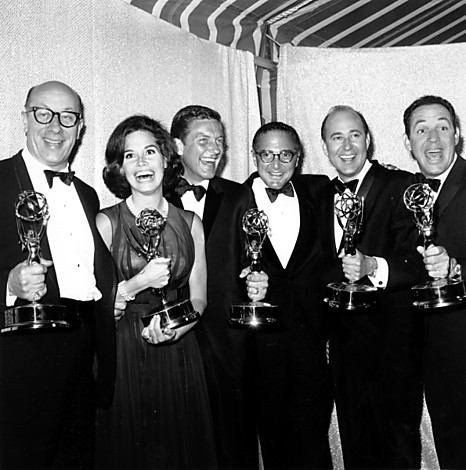
The Dick Van Dyke Show was one of the best shows ever written. It won the Outstanding Comedy Emmy in 1963, 1964, and 1966. After the cast of the Dick Van Dyke Show decided to end the show on its own terms, leaving the air with its quality reputation intact, Deacon was offered another sixties role.

Phyllis Diller had a fantastic cast on her show, The Pruitts of South Hampton, or The Phyllis Diller Show as it became known in syndication. This was about a formerly wealthy family who found out they owed $10,000,000 in back taxes.  They try to appear that they still have their wealth, while living in very reduced circumstances.  The cast included Louis Nye, John Astin, Reginald Gardiner, Paul Lynde, Gypsy Rose Lee, Billy De Wolfe, John McGiver, and Marty Ingels in addition to Diller and Deacon.  I don’t know how this show did not succeed, but it was taken off the air after only one year. Diller and Deacon continued to work together both on an episode of Love, American Style and in the production of Hello Dolly in the 1969-1970 season.

deacon14

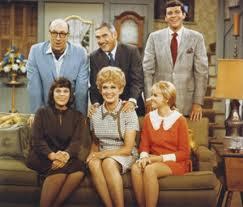
Once the Diller show was canceled, Deacon was offered a role on The Mothers-In-Law starring Kaye Ballard and Eve Arden. Deacon took over the role of Roger Buell mid-way through the series. The concept was two families who didn’t necessarily get along were neighbors whose children  married so they had to find ways to get along and keep the peace.

deacon4

After the show was cancelled, he continued to stay busy with his acting career.  He also appeared in 17 episodes of Match Game and several Family Feud episodes.

deacon7

Deacon was a life-long bachelor.  He was a closeted gay man who had to keep his sexual orientation secret to keep his options open to work for companies like Disney. He was also a gourmet chef.  In the 1980s, he hosted a Canadian cooking show about microwave cooking, writing a book that sold almost two million copies. He spent a lot of his spare time working with SYNANON, an agency that helped teenage drug addicts.

On the night of August 8, 1984, he was suffered a heart attack in his Beverly Hills home. He was rushed to Cedars Sinai Hospital, where he died later that night. He was 63 years old.

deacon15 - Copy

Everything I read about Richard Deacon painted him as a gracious, friendly, very funny man who was caring and kind.  He had an amazing career, with 180 acting credits within a 30-year period.  The legacy he left was a rich and full acting life. Pretty good for a guy who chose to be a character actor and was humble enough to turn down two offers to star in his own show.

Why I Love My Three Sons and My 3 Sons


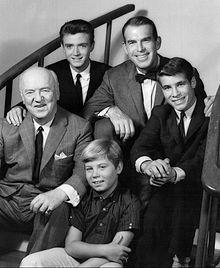
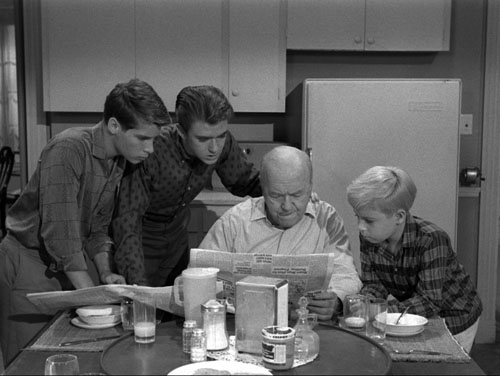
Happy Birthday to me! Since it is my birthday today, I decided my gift to myself was to write about my favorite television show, My Three Sons.  The show was on the air from 1960-1972, for a total of 382 episodes. It debuted on ABC, and in 1965 it moved to CBS. The show was based on a widower, Steve Douglas, who is an aeronautical engineer trying to raise three boys after his wife’s death.  Her father, Bub, moves in to take over the housekeeping duties.
mts1

Although Don Fedderson often gets credit for developing My Three Sons, the show was created by George Tibbles and produced by Don Fedderson Productions. When the series moved to CBS in 1965, the latter network assumed full production responsibilities (in association with Fedderson Productions) until the end of the series in 1972. CBS now holds the series’ copyright.

George Tibbles wrote for a variety of shows and penned the Woody Woodpecker Song, recorded by Kay Kyser. Some of the episodes he wrote for My Three Sons include “Chip Off the Old Block” (1960), “Bob in the Ointment” (1960), “Countdown” (1960), “Birds and Bees” (1961), “Tramp the Hero” (1961), “Mike in Charge” (1961), “Bud Gets a Job” (1962), “Stage Door Bub” (1964), “Charley and the Kid” (1965), “Brother Ernie” (1965), “Moving Day” (1967), “Robbie Loves Katie” (1967), “Inspection of the Groom” (1967), “The Great Pregnancy” (1968), and “Instant Co-Worker” (1969).
mts4

Peter Tewksbury directed the first season. These early episodes held to no specific generic type, so that any episode from one week to the next might be either comedic or dramatic. Tewksbury’s episodes are also unusual for their use of cross-talk (a way of having the voices of off-screen characters heard in the background of the soundtrack, just under the voices of the main characters). Using this clever directorial twist, Tewksbury realistically portrayed the chaotic, fast-paced, and ever-changing sequence of events that was the daily routine of living in the Douglas household.

An example of Tewksbury’s use of cross-talk is the fourth episode, “Countdown,” which chronicles the Douglas family’s attempts to wake up, prepare for the day, have breakfast, and get out of the house by a common, agreed-upon time, all carefully synchronized to a televised rocket launch countdown – to comical and often ironic effect. Once the entire family was ready, they realized it was not a week-day and they had been running around like crazy for nothing. Tewksbury returned to directing feature films after concluding the season because the producers could not handle his perfectionist attitude, which was costing thousands of dollars in lost time and reshoots.
mts8

The succeeding director, Richard Whorf, took over the reins for one season and was in turn followed by former actor-turned-director Gene Reynolds from 1962 to 1964. James V. Kern, an experienced Hollywood television director who had previously helmed the “Hollywood” and “Europe” episodes of I Love Lucy, continued in this role for two years until his untimely death in late 1966. Director James Sheldon was also contracted to finish episodes that had been partly completed by Kern to complete that season. Fred De Cordova was the show’s longest and most consistent director of the series (108 episodes) until he left in 1971 to produce The Tonight Show Starring Johnny Carson. Earl Bellamy rounded out the series as director of the show’s final year.

When the show was first created, potential writers were told to emphasize the following elements: originality, simplicity, honesty, legitimacy, natural comedy, seriousness of premise, scope and character development.

I love the first episode – it not only established the family relationships, but set the direction the comedy would take. This was a family who might tease each other unmercifully but also knew they could always count on each other no matter what the situation was. The family members were far from perfect but they were realistic.
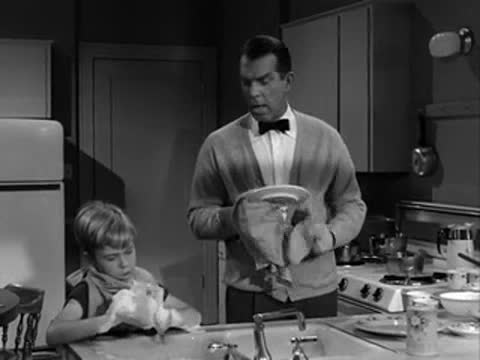
mts13

One of the most memorable parts of the show was the theme song. Lawrence Welk’s version of the instrumental theme song, written by Frank De Vol, peaked at No. 55 on the Billboard Hot 100 in 1961.

In 1960, Fred MacMurray was one of the most respected and highest-paid actors in Hollywood.  It was almost inconceivable that he would star in a television show. The role was originally offered to Eddie Albert who turned down not only this role, but Wilbur Post on Mr. Ed as well. MacMurray took on the role when he was guaranteed that he would only have to spend 65 days a year filming the show. What was referred to as the MacMurray Method was 65 days of consecutive taping with the rest of the cast having to film around these scenes later. He was also given a 50% ownership in Don Fedderson Productions.
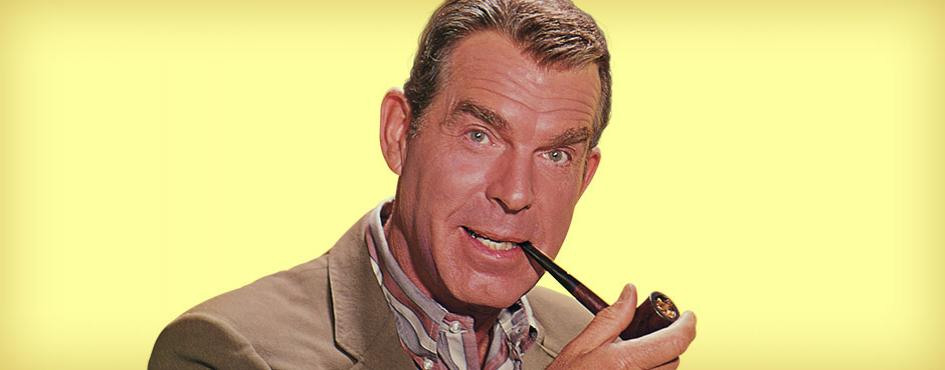
mts14

MacMurray was a very down-to-earth guy.  His grandfather immigrated from Scotland.  He was born in Illinois in 1908 and grew up in Beaver Dam, Wisconsin. He worked in a canning factory and for an American Legion band, went to Carroll College, and earned money playing in a band there. After his first wife, Lillian Lamont died, he married June Haver, a former actress who left a convent to marry him.  They adopted twin daughters. They had a 200-acre ranch on the Russian River and his interests included his workshop, building picture frames, painting water colors, golfing, watching some television, and cooking. Hedda Hopper’s description of him was, “He’s as down to earth as applesauce or the boy next door.”

When Barry Livingston was asked about him, he said, “He was basically a guy from the Midwest, Midwest sensibilities, and even though he was super, super wealthy, just really had modest taste and just really wanted to be accepted as your average Joe.  I mean, he drove a Pontiac station wagon that happened to be our sponsor. . . his wife would pack a brown-paper-bag lunch.”

Steve Douglas was known for his cardigan sweaters. Steve was always ready with guidance, gentle words, and loving wisdom.
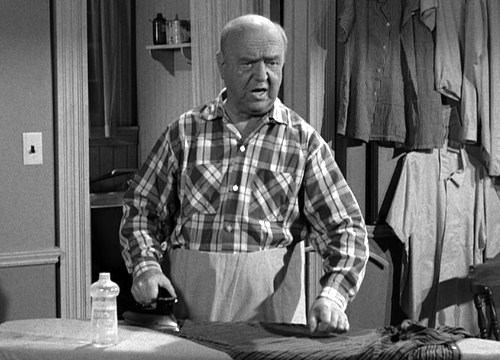
bub

William Frawley, best known as Fred Mertz on I Love Lucy, accepted the role of Bub. He was an expert on barbershop quartets. In 1958, he made an album, “Bill Frawley Sings the Old Ones.” He was 68 in 1961 and had spent 28 years in Hollywood, 46 as a performer.  He grew up in Burlington, IA where his father sold real estate.  At 21 he landed a job in a musical chorus in Chicago. He married in 1916, divorcing Louise in 1927 and never married again. In 1933, he moved to Hollywood with a long-term Paramount contract. His old friends include Joe DiMaggio and Johnny Gallaudet.
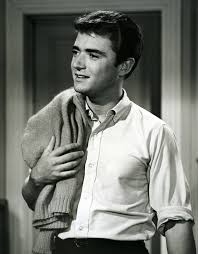
mike

Timothy Considine played Mike, the oldest son on the show. He was a former child actor and young adult actor of the late 1950s and early 1960s. He later became a writer, photographer, and automotive historian. Considine’s most noted acting roles were in the 1955–1957 Disney TV serials Spin and Marty (he played Spin) and The Hardy Boys (he played older brother Frank opposite Tommy Kirk as Joe), both of which appeared in 15-minute segments on the Mickey Mouse Club; and in the Disney motion picture The Shaggy Dog. Considine is an automobile historian, photographer, and writer who specializes in motor sports. He is the author of The Photographic Dictionary of Soccer, The Language of Sport, and American Grand Prix Racing: A Century of Drivers and Cars. He has also filled in for the late William Safire as writer of the “On Language” column in The New York Times Magazine.

Tim Considine quit the show after arguing with Don Fedderson.
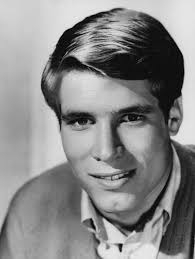
rob

Don Grady, who played middle son Robbie and was the brother of actress Lani O’Grady, got 8 times the fan-mail the other boys did, mostly from young girls. Grady was born Don Louis Agrati in San Diego, California, the son of Mary B. (née Castellino), a talent agent, and Lou Anthony Agrati, a sausage maker. He grew up in Lafayette, California before being signed by Walt Disney and leaving the area. He graduated from Burbank High School in 1962.

Grady appeared on 20 different tv series before 1972, including two episodes of Love American Style. During production of My Three Sons, Grady appeared with his own band The Greefs on the series, writing two original songs for the show.

After My Three Sons ended in 1972, Grady pursued a musical career. His works included music for the Blake Edwards comedy film Switch, the theme song for The Phil Donahue Show and for EFX, a Las Vegas multimedia stage show which starred Michael Crawford, David Cassidy, Tommy Tune, and Rick Springfield. As a stage performer, he starred in the national tour of Pippin and had roles in Godspell and Damn Yankees.

He passed away in 2012 from cancer.
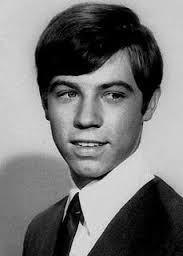
chip

Stanley Livingston took on the role of Chip (Richard), originally the youngest son. He was named for the scientist Stanley Livingston. His parents moved from Baltimore to LA to open a furniture store. He was one of the kids riding trikes and fire engines on “You Asked for It.” In 1957, he was recommended as a double for Jon Provost on Lassie by Mrs. Loven, who taught him to swim. Tina Hill was his first agent, and Lois Auer was his first drama coach. He and Barry were neighbor kids on Ozzie and Harriet.

By age 11, he earned $20,000 a year. He shared that, “The food on My Three Sons is lousy. The prop man cooks it. The eggs are sticky and the potatoes are lumpy.  It’s so bad we try to get eating scenes on the first take.”

John Stevens was a production/coordinator in 1961. In TV Guide in 1962, he was quoted, “Because of the way we shoot around MacMurray, filming My Three Sons is a jigsaw puzzle for an adult. We once shot all the scenes in the upstairs hall and bedroom from 21 scripts, one after the other. In one, Stanley would have to be happy over something in a comedy, and five minutes later, said in a melodrama. I never once saw him rattled, confused or upset.”

In 1965, the fourth season, Frawley retired due to poor health, dying a year later. Wm Demarest, Bub’s brother, the boys’ uncle and a former sailor took his place. To explain Considine’s absence, Mike married his long-time girlfriend and accepted a job as a college professor. Ernie entered the family and was officially adopted.
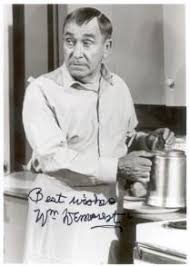
charley

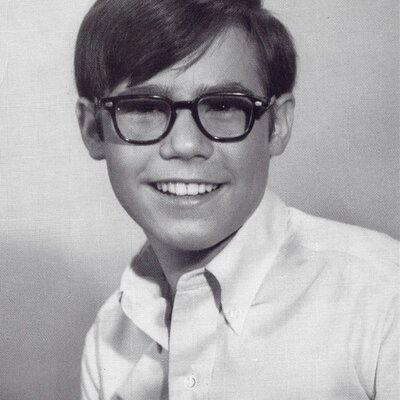
William Demarest started in show business at age 9. He was involved with vaudeville, Broadway, movies (150) and television. In 1899, he and his brothers were musicians. He played the cello, wearing velvet suits, Rubinstein played the piano, and George the violin. He was born in St. Paul in February 1892 and then moved to New Jersey where his parents separated. Later in life he went to LA and entered the army during WWI, eventually becoming a sergeant. In 1927, he was a Warner’s New Comedy Find. In his first picture, Finger Prints, a silent, he was a gangster. He appeared in 24 movies in two years. He appeared in The Jazz Singer and was nominated for an Academy Award for his role in The Jolson Story. In 1930, he headlined a bill with an orchestra, the CA Collegians who had a sax player named Fred MacMurray. In 1933, he went back to Hollywood and stayed. He was a talent agent before appearing in Preston Sturges’ The Great McGinty and The Miracle of Morgan’s Creek. He can’t remember how many movies he did, but his 100th was Pardon My Past with MacMurray. They were also in Hands Across the Table. His retirement plans were to move to a home he and his wife Lucille had on the 12th fairway at Canyon Country Club in Palm Springs.
mts19

Barry Livingston debuted on the show as Chip’s friend Ernie, an orphan. Barry began his career as a child actor in the late 1950s. He considers his film debut a role he won as one of the sons of Paul Newman in the film Rally ‘Round the Flag, Boys! (1958) with his older brother Stanley who by this time was already working as a child actor. He was let go from the film when he was told that he needed to get glasses to successfully correct his astigmatism. His first professional onscreen appearance was in a small, uncredited role in the 1961 film The Errand Boy, followed by roles in The Adventures of Ozzie & Harriet, on The Dick Van Dyke Show and (as “Arnold Mooney,” son of banker Theodore J. Mooney portrayed by Gale Gordon) on The Lucy Show. In 1965, he joined the cast of the ABC sitcom My Three Sons as next door neighbor Ernie Thompson.

His older brother, Stanley Livingston, was already a series regular as Chip Douglas. Livingston joined the cast permanently (his character was adopted into the family, keeping the show’s title intact) and remained with the series until its end in 1972.

After the series run of My Three Sons ended in 1972, Livingston continued his acting career with 142 acting credits.  Most recently he appeared as a jury member in Trial and Error.

In October 2011, Barry Livingston released his anecdote-filled autobiography, The Importance of Being Ernie (Citadel Press) — detailing his career from My Three Sons to Mad Men and beyond.
mts23

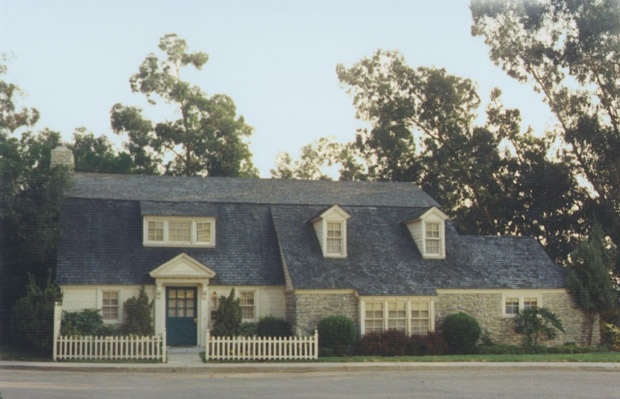
To boost ratings, the family moved to Hollywood, CA in 1967. The family’s home in California was previously featured as the farm in Gene Autry’s 1940 musical Melody Ranch. Located on the Republic Pictures backlot, the barn was given a suburban facade in the 1950s. It wasn’t that far from Gilligan’s lagoon, which was also on the lot.
mts5

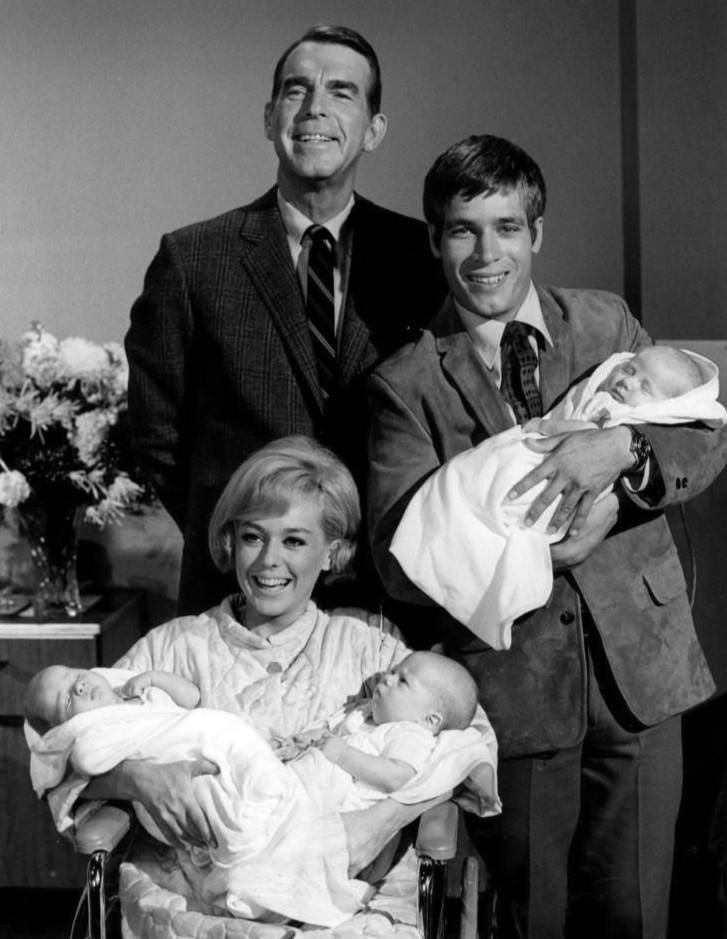
Robbie meets his future wife in California, and they eventually marry and have triplets. The triplets posed some issues.  They had to find two sets of twins so three could be on camera and one on reserve.  They had to be born between June 17 and 24, have light hair, blue eyes, and be California residents.  They could only be on the set for 2 hours a day, in front of the camera only 20 min and each exposure could not last more than 30 seconds due to the bright lights.
mts18

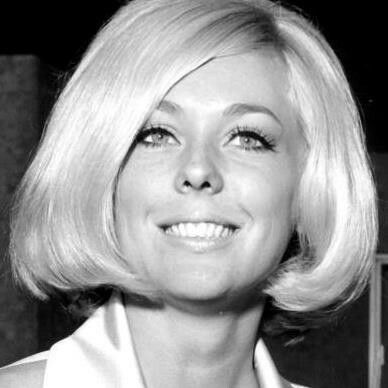
Tina Cole played Katie but she was not a rookie on the show. She previously appeared on three other episodes as three different characters before taking the role of Katie Miller Douglas. She was also a member of the Four King Cousins, a subgroup of the King Family Singers. In 1963 she played the minor (uncredited) role of Ruth Stewart in Palm Springs Weekend, a spring break party film set in Palm Springs, California. After leaving television, Cole was the director of the Sacramento Children’s Theatre. She was an acting coach at the John Robert Powers acting schools in Roseville and Elk Grove, California and in 2013 returned to on screen acting. She has several movies coming out in 2017.
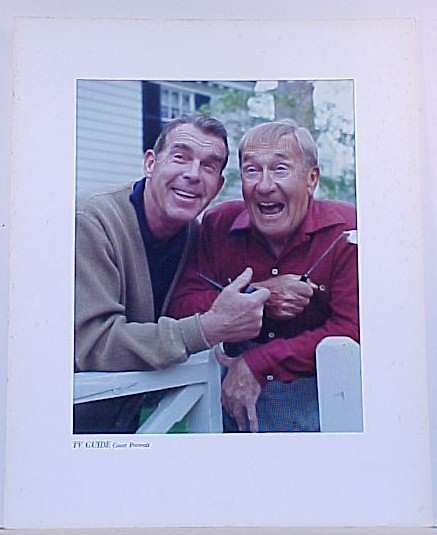
mts22

In 1970, another change occurred in the family. Steve goes to school to talk with the substitute teacher about Ernie.  After being gone hours, with Ernie extremely worried, Steve comes home only to realize they never even brought up Ernie’s behavior and they had another date scheduled. They ended up marrying, and Barbara’s daughter Dodie moves into the house.
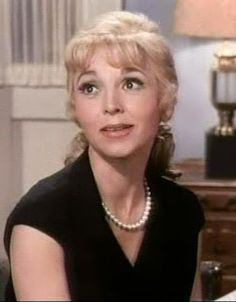
mts20

Beverly Garland had a long acting resume when she accepted the part of Barbara. Her hobbies were flower beading and crewel work. She starred in her first show Decoy in 1958 in New York where she played a tough police woman. Born Beverly Fessenden in Santa Cruz, CA in 1930, she was an only child. She took violin lessons. At 18 she married Bob Campbell, 20 in Vegas. They divorced 4 months later. She worked odd jobs, summer stock, and commercials. She married Richard Garland but they divorced in 1953. In that same year, she won an Emmy for Medic. She appeared in a variety of shows – Gunsmoke, Rawhide, Dr. Kildare, and The Farmer’s Daughter. She married Fillmore Pajeau Crank, a widower with two kids in 1960, and the couple had two more children.
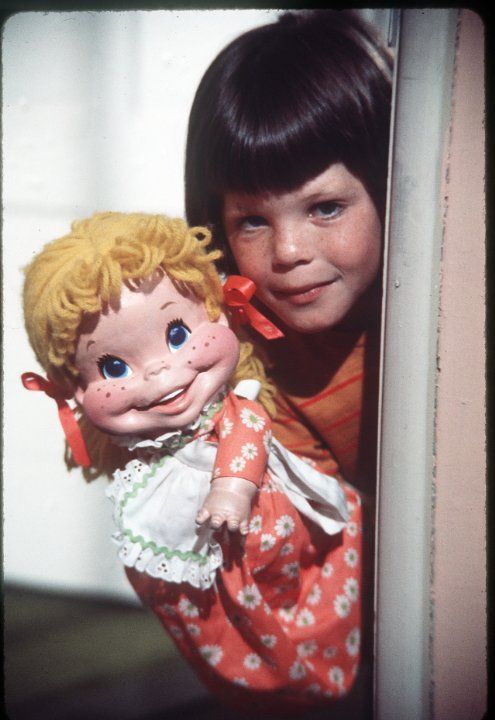
mts21

Dodie was played by Dawn Lyn, the real-life sister of 80s pop idol Leif Garrett. Dawn Lyn made her acting debut at the age of four. She was the original Prudence in the pilot for Nanny and the Professor. By the time the pilot sold, Dawn had been released from her contract and cast as Dodie in My Three Sons. The Nanny producers sued unsuccessfully to get her back. She worked steadily to financially support her family until her mid-teens. She says at that time her petite stature began to work against her.

Dawn decided to branch out of acting and has done many things over the years, including owning a boutique on Pier 39 in San Francisco. Though she has not actively pursued acting, she has not totally closed the door on the idea either.

Later in the season, Chip elopes with his girlfriend Polly Williams.
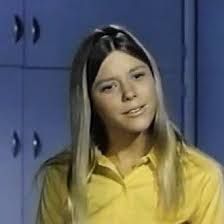
mts17

In 1964, Ronne Troup, who played Polly, was working as a television background extra appearing (uncredited) in some fourth season black-and-white episodes of My Three Sons in classroom scenes featuring co-star Don Grady. She also worked as an uncredited extra in classroom scenes on Gidget. She appeared, uncredited, as a teen party guest in the Bob Hope film I’ll Take Sweden in 1965. In 1966, she made her film debut as part of the all-girl ensemble in Columbia Films’ The Trouble with Angels, where she is prominent in the graduation scene. In December 1966 (at age 21), she was cast as Sister Bertrille and had begun filming the pilot for Columbia/Screen Gems’ The Flying Nun when she was dropped after the studio’s first choice Sally Field finally agreed to accept the role.

In 1968, she played the role of Leslie Hayden in Danger Island, the cliffhanger serial that was featured on the Banana Splits Adventure Hour children’s program on Saturday mornings.

She appeared on Family Affair in 1970 in the episode “Desert Isle: Manhattan Style.” She was subsequently offered the role of Polly Williams Douglas, wife of Chip Douglas on My Three Sons, a role she played for two years (1970–72). In the Season 4 episode of The Partridge Family entitled “Hate Thy Neighbor” (1973), she appeared as Donna Stevens, the daughter of the new family who move in next door to the Partridges.

She continued acting through the 1990s.
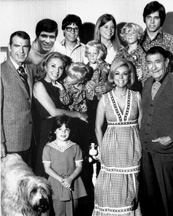
mts7

I have always felt that My Three Sons doesn’t get the respect it deserves. It consistently focused on character development. Problems do occur in the Douglas household – the boys fight and call each other names.  Real problems come up. The show ran for 12 seasons. The issues were the ones we all faced growing up – not often major but important to young people.

The show survived cast and location changes without sacrificing quality. Bub left and Charley came on board. Mike got married and moved away so Ernie took his place. The family moved from New York to California.  Robbie met Katie, went to college, and had a family of his own. Chip married and moved out of the house. Steve eventually remarried also, gaining a daughter.
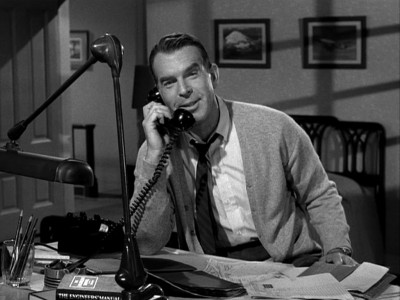
mts16

I grew up with the Douglas family and appreciated what I learned from the show.  Many critics of the show complain about it, along with many of the 1960s sitcoms, being too warm and fuzzy. I do understand that some kids in the 1960s and 1970s were exposed to awful home situations with abuse or addiction, but that was not reality for most kids.  I too experienced living with alcoholism and the strain it caused on my parents’ marriage, but most of the issues I had to deal with were the same ones as the kids on the show:  why the boy I liked didn’t know I existed, that I told a white lie to get out of doing something I didn’t want to do, or that a friend had said something to hurt my feelings.  That was reality for me and my siblings.

The characters were fully developed and became friends and people we chose to spend time with every week. This show was on when I was born and continued on the air until I was in 7th grade – that covers a lot of nurturing lessons during those needy years. The writers did a lot of fun quirks I don’t see on other shows.  On one show I remember, Charley playing Solitaire and almost every time someone walked in the room, they pointed out a move.  It was not addressed, but continued to happen just like in real life.  In one episode, Ernie was trying to do something in the background; I forget what the actual detail was, but he was struggling to accomplish it as the other characters interacted.  His issue was never referred to; it was just there. I also appreciate in this era of shows where it isn’t unusual to spend thousands and thousands of dollars each episode on costumes, My Three Sons was more realistic.  The cast got a wardrobe for the season.  You would see them wearing the same clothing over and over just like we did.
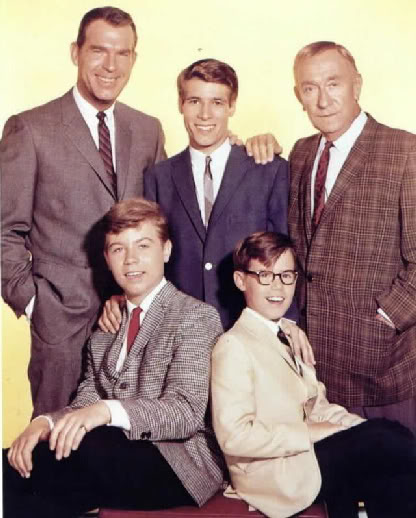
mts2

After I grew up, the show continued to resonate with me, although I later identified more with Katie and Robbie and later with Steve. Steve Douglas was always a father figure in my life. On our first date, Dan and I went back to my place and watched My Three Sons which TV Land aired later at night. When I became pregnant with our first child, I gave him a Steve Douglas cardigan to announce the event. I began to collect My Three Sons memorabilia, including a radio that sat in the Douglas kitchen, even though we only had two boys.  Nine years after our first son was born, we found out we were unexpectedly pregnant, and I did end up with three sons.  Our youngest was named Seth, for a variety of reasons:  Seth was the third son of Adam and Eve, but also because Seth Bryant was the founder of Bryant Park where the Douglas boys grew up. My Three Sons will always have a special place in my heart, and it’s one of the shows I can watch episodes over and over and find something new each time.
mts3


Crazy Little Thing Called Love

Love is definitely in the air; whether you think it smells rancid or fragrant depends on your current relationship status.  Remember those days when everything hinged on what type of valentine your current crush gave you at the school party?  Love seemed to be the answer to all questions.  We’re going to look at some classic (and not so classic) television shows that promoted that kind of love.  Sorry, I can’t tell you if that pain you’re feeling is cupid’s arrow as it hit you or heartburn, but I can share some information with you as we learn about shows with “Love” in the title.

Love That Bob (1955). Bob Cummings played ladies’ man and photographer Bob Collins.  His widowed sister, Rosemary Decamp, and nephew (Dwayne Hickman) also lived with him. Before she moved in with the Bradys, Ann B. Davis was Schultzy, Charmaine Schultz, Bob’s assistant, who was in love with him.  Every show opened with Bob holding a camera and saying, “Hold it! I think you’re going to like this picture.” The beautiful Joi Lansing was another model who also was in love with Bob, but he was having too much fun playing the field.  When he never accepted Joi, we knew deep down in his heart, he realized that Schultzy was the one for him. While Bob couldn’t decide on only one woman, the networks couldn’t decide on only one channel for the show either.  It was on NBC Jan-May of 1955, moved to CBS for two seasons, moved back to NBC, and then finished up the last year and a half on ABC. I guess no one could remember where the show was supposed to end up after 1959, so it was cancelled. Bob was one of the first stars to play two characters in one show. Bob played himself and his grandfather Josh Collins. A decade later, Fred MacMurray would play Uncle Ferguson in addition to Steve Douglas in My Three Sons.

Love That Jill (1957). Rival managers of modeling agencies are played by real life couple Anne Jeffreys and Robert Sterling who had played the married ghosts on Topper.  I guess they spooked the network because they disappeared after three months.

loveandmarriagefeb13

Love and Marriage (1959). Now we know what Uncle Charlie really did before he moved in with My Three Sons.  He owned a music publishing company that was close to bankruptcy.  William Demerest plays a business owner who brings his daughter into the company as a partner.  She and her lawyer husband also move into his house.  She loves rock and roll; her father hates it, but it might save his company. The network shut down the agency after four months to promote family harmony.

The Many Loves of Dobie Gillis (1959). This show was based on a 1953 book and it was the first television series to feature teenagers as the main characters. I guess when Dwayne Hickman lived with Bob Collins, he picked up a lot of tips for the ladies, and as high schooler Dobie, he spent most of his time trying to find a girl to go out with and some money to pay for the date. Since his family owned a small grocery store, he was on his own for finances. Once he graduated, the show had to come up with new situations, so Dobie was in college for a couple of years as well as the army for a year. Dobie would go to the Rodin’s Thinker in the park and talk to us and himself about his love life. His best friend was beatnik and bongo player Maynard G. Krebs.  Bob Denver played this role before he went on to star in Gilligan’s Island.  He had never acted before this show; he had been a grade school teacher, and his sister, who worked for the casting department, included his name in the auditions. Super smart Zelda Gilroy was in love with Dobie.  We knew he would eventually end up with her, his own Schultzy.  She always wrinkled her nose at him and before he could stop himself he always did it back. In later years when they did two reunion movies, Dobie and Zelda were in fact married.  Sheila James, who played Zelda, became a California senator.

During the first season, Dobie thought he was in love with Thalia Meninger played by Tuesday Weld.  Thalia only liked Dobie when he had money which was not often. In real life they did not get along, and she left after the first season. Another character who disappeared after the first season was his brother Davey Gillis who was played by Hickman’s real brother, Darryl. Dobie also suffered through Milton Armitage played by Warren Beatty and then Chatsworth Osborne Jr. (Steve Franken) who were his arrogant, wealthy competition. Some of Dobie’s many girlfriends included Marlo Thomas (who became That Girl), Sally Kellerman (who was Hot Lips in the M*A*S*H movie), Ellen Burstyn (starred in many movies), Barbara Bain (who would be in Mission Impossible), and Yvonne Craig (before she was Bat Girl). Two interesting things I learned about this show was that DC Comics created a comic book series of 26 issues about the kids from 1960-1964. Also this show inspired the Scooby Doo Gang in 1969. Fred was based on Dobie, Velma on Zelda, Daphne on Thalia, and Shaggy on Maynard. Garry Marshall also reported that this was one of his main influences for his creation of the show Happy Days. After four years, I guess these kids were too innocent to handle all the crazy situations coming in the sixties and the show ended but has appeared in reruns often since it left the air.

Peter Loves Mary (1960). This couple, played by Peter Lind Hayes and Mary Healy, were married in real life. They play a show business couple who moved to Connecticut.  Luckily they have a housekeeper played by one of my all-time favorites Bea Benaderet who takes care of the house and children. Opposite the Green Acres viewpoint, Mary wants life in suburbia while Peter loves the city. The network didn’t want to weigh in on the argument so they took the show off the air after the first season.

Love On a Rooftop (1966). Judy Carne (pre Laugh-In days) and Peter Duel are a young married couple, living in San Francisco. He is an apprentice architect and she’s an art student, who gave up her dad’s money for love. Rich Little played their neighbor who designed restaurant menus, among other jobs. It was cancelled after one season.  Oddly, in the summer of 1971 it aired as a rerun show but never aired again.

To Rome with Love (1969). John Forsythe tries his hand in another sitcom.  In this one, he plays a widower who has accepted a job at an international school in Rome, and he heads for Europe with his three daughters.  His sister comes along the first season, mainly to try to talk them into going back home to Iowa.  For the second season, they gave her a one-way ticket home and brought Walter Brennan in as Forsythe’s father-in-law. The family lives in Mama Vitale’s boarding house.  After the second season, they all got air fare home and the show was done. Don Fedderson produced this show, and in the second season they had two cross-over episodes, one with the cast of Family Affair and one with Uncle Charlie, Robbie and Katie from My Three Sons.

Bridget Loves Bernie (1972). Bridget, played by Meredith Baxter, marries Bernie, played by David Birney.  The only problem is that she’s Catholic and he’s Jewish.  This would not even be noticed in today’s world, but in 1972 it caused quite a commotion. Her parents were wealthy and Irish.  His parents owned a deli and the couple lived above it. The ratings were very good–the fifth highest rated show, but they were cancelled after the first season anyway. It was the highest rated show to ever be cancelled, and the network finally caved into the pressure of public protests for having an inter-religious marriage. One fun fact is the Meredith Baxter and David Birney married in real life after this show was over.  However, that was before she came out of the closet, which created another mixed marriage . . .

loveneighborfeb13

Love Thy Neighbor (1973). This show was a summer replacement in the days of All in the Family.  Charlie Wilson, a shop steward at Turner Electronics, lives in LA. When new neighbors move in, not only are they black, but the new guy is hired as an efficiency expert at Turner.  The show explored how two couples of different races become friends.  The white couple was played by Ron Masak and Joyce Bulifant.  The black couple was played by Janet MacLachlan and Harrison Page.  The network didn’t love any of them because they sent them packing after 11 episodes.

Loves Me, Loves Me Not (1976). Jane, played by Susan Dey, fresh from the Partridge Family, is a teacher.  Dick (Kip Gilman) is a reporter.  They have a couple of dates with mixed results and aren’t sure if they like each other or not or should continue dating.  Dick’s boss and his wife are also characters on the show.  Apparently CBS decided it loved them not because they were cancelled after one month.

Love, Sidney (1981). If the network thought they had problems when Bridget loved Bernie, they really stirred up a hornet’s nest with this show.  Based on a movie, Sidney Shore, Tony Randall was the first person to play an openly gay character.  Sidney is an adman and lives with a young woman and her daughter, played by Swoosie Kurtz and Kalena Kiff. There were some heart-warming stories including two different episodes when both Sidney and Kurtz’s character had to make peace with less-than-perfect parents. Once again, the network gave into public dissatisfaction and cancelled the show midway through season 2.

Joanie Loves Chachi (1981). This show was a mid-season replacement.  Chachi (Scott Baio) left Milwaukee and Happy Days and moved with his parents (Ellen Travolta and Al Molinaro who had owned Arnolds’s malt shop) to Chicago.  He sang in a restaurant his family owned.  Because Joanie (Erin Moran) loved Chachi, she convinced her parents to let her go to Northwestern to be a nurse, but she spent more time singing with Chachi. Most of the shows involved one of them being jealous of the other and ending the fight with a song. In the first season this new show followed Happy Days and was a huge success. The second season it moved to Thursday and bombed in the ratings. The network sent both Joanie and Chachi back to Milwaukee after the second season where they continued on Happy Days until it went off the air in 1984.

Everybody Loves Raymond (1996). Ray Romano played sports columnist Ray Barrone.  He lived with his wife (Patricia Heaton) and kids, right across the street from his overbearing mother (Doris Roberts), cynical father (Peter Boyle), and jealous older brother (Brad Garrett). No one had any privacy on this street, but there were a lot of poignant episodes. We all knew everybody loved Raymond, but they also loved each other.  In 2004 after 9 seasons, the network decided not everybody loved Raymond, just most people, and they cancelled their sports subscription.

Image result for image of love

If you’re not crazy about love right now, apparently you’re in good company because the majority of these shows were cancelled within a year.  If you’re a hopeless romantic, you’re probably watching Everybody Loves Raymond on Nickelodeon. Happy Valentine’s Day, or not.

1917 Was A Very Good Year

This week I was inspired by the blog “Once upon a screen . . .” to take a look at television pioneers who were born in 1917. (For some great articles on pop culture, movies, and television, check out her blog at aurorasginjoint.com.) Let’s get to know 17 of the stars who helped shape the direction of television during the golden age.

Herbert Anderson. Best known for his role as Henry Mitchell on Dennis the Menace, Anderson began his career making movies.  He transitioned to television in 1953, appearing on 61 shows over the years.  He appeared in episodes on such shows as Gunsmoke, Petticoat Junction, Batman, I Dream of Jeannie, Man from U.N.C.L.E., My Three Sons, Bewitched, and The Waltons.  One of my favorites is the first season of The Brady Bunch.  The kids are sick and both parents call a doctor.  The girls were used to a woman played by Marion Ross while the boys always had a man, Anderson.  After weighing factors to pick one of them, the family decides to keep both doctors. He died from a heart attack in 1994.

Carl Ballantine. Ballantine began his career as a magician and inspired many famous magicians since.  He began working in Las Vegas and on television as a magician.  Eventually he transferred to movie roles and after appearing in McHale’s Navy on the big screen, took on the same role of Lester Gruber on the television series. He went on to appear on 33 additional tv shows including That Girl, Laverne and Shirley, Trapper John MD, and Night Court. He passed away at his home in 2009.

bellamy1

Earl Bellamy. Earl Bellamy directed episodes for 101 different television shows.  He is best known for The Lone Ranger and The Tales of Wells Fargo.  He directed 82 episodes for Bachelor Father, one of my all-time favorite sitcoms.  In the 1960s he specialized in sitcoms including That Girl, The Brady Bunch, The Partridge Family, and My Three Sons while the 1970s saw him transition to dramas including Marcus Welby MD, The FBI, Medical Center, and Eight is Enough. In 2003 he passed away from a heart attack.

Ernest Borgnine.  Best known of his Oscar-winning role of Marty in 1955, Ernest enlisted in the Navy in 1935 until 1941.  In 1942 he re-enlisted and served until 1945.  After doing some factory work, he decided to go to school to study acting and began his career on Broadway.  He was also in the movie McHale’s Navy and went on to tackle the role in the television series.  He loved working with Tim Conway and in later years they did the voices for Mermaid Man and Barnacle Boy in SpongeBob SquarePants. He appeared in 47 different shows over the years, including the series Airwolf which he starred in. Borgnine appeared in the final episode of ER which he won an Emmy for. He was married five times, including a 32-day marriage to Ethel Merman.  His last marriage to Tova lasted 39 years. He died of kidney failure in 2012.

Raymond Burr. Best known as Perry Mason, Burr started his career on Broadway in the 1940s and then appeared in 50 films from 1946-1957. In 1956 he auditioned for the role of Hamilton Burger, the DA in Perry Mason.  He was told he could have the starring role if he lost about 60 pounds which he accomplished. He later starred in Ironside, another crime drama and appeared on a variety of other shows.  Burr had many interests including raising and cross-breeding orchids; collecting wine, art, stamps and sea shells; reading; and breeding dogs.  He was extremely generous, giving away much of his money over the years.  He passed away from cancer in 1993.

Phyllis Diller. Known for her wild hair and clothing, Diller was one of the pioneering stand-up female comedians.  She appeared in films in the 1940s, worked in radio in the 1950s, and began her stand-up career in 1955. Her first television appearance was in You Bet Your Life.  She appeared in 40 shows including Batman, CHIPs, Full House, and The Drew Carey Show.  She had her own show titled The Pruitts of Southampton, and in reruns The Phyllis Diller Show that ran from 1966-67.  She recorded comedy albums in the 1960s, wrote several books during her career, was an accomplished pianist, performing with symphony orchestras across the US and taught herself painting which she continued throughout the 1960s and 70s. Her husband Fang was not real, but she used him in her comedy routines.  She died of natural causes in 2012. My first memory of Diller was in the movie Boy Did I Dial a Wrong Number with Bob Hope which my parents took me to at the drive in.

Ross Elliott. A prolific actor on stage, film, and television, Elliott appeared in 184 different shows from sitcoms to westerns to medial dramas, all between 1951 and 1983. He passed away from cancer in 1999.

June Foray.  One of the greatest voice actors ever, Foray has been active in the industry since she had her own radio show.  She did off-air voices for many sitcoms including I Love Lucy, Father Knows Best, Jack Benny, Rawhide, Get Smart, Lost In Space, and Bewitched.  She also appeared in more than 76 animated series.  She is perhaps best known as Rocky in Rocky and Bullwinkle and as Cindy Lou Who in How the Grinch Stole Christmas and Karen and other voices in Frosty the Snowman. Foray is still alive today.

Zsa Zsa Gabor.  Unlike her sister Eva who became known as Lisa Douglas on Green Acres, Zsa Zsa seemed to make a career out of playing herself.  Of the 80 appearances she made in film and television, 20 of them were as herself. She was a true celebrity.  Crowned Miss Hungary in 1936, she came to the US in 1941 and began her career.  She was known for her extravagant lifestyle and many marriages: 9 with 7 divorces (including one to Conrad Hilton) and 1 annulment.

Sid Melton.  Known to most viewers today as handyman Alf Monroe on Green Acres, Melton began as a film star and went on to appear in 71 shows including Topper, Bachelor Father, Make Room for Daddy, That Girl, Petticoat Junction, I Dream of Jeannie, and Empty Nest. He died from pneumonia in 2011.

Alice Pearce. Although her career was cut short due to illness, I included Alice Pearce because her role as Gladys Kravitz in so memorable.  After spending her childhood in Europe, Pearce started on Broadway and after appearing in On the Town, she was brought to Hollywood to reprise her role in the movie version. She began specializing in comedy in the 1940s. In 1964 she turned down the role of Grandmama in The Addams Family and shortly after was offered the role of Gladys in Bewitched. She was already diagnosed with ovarian cancer when she began her role but didn’t tell anyone and was able to act for two seasons before she passed away from the disease. She received an Emmy for her work on Bewitched.

Gene Rayburn. One of the kings of game shows, Rayburn began his career as an actor, taking over for Dick Van Dyke in Bye Bye Birdie when Van Dyke began his television show. While he was on numerous game shows as a panelist or host over the years, Rayburn is best known for Match Game which first ran from 1962-69. It was revived again in 1973 and took several formats in the following years.  He died from heart failure in 1999.

Isabel Sanford. Best known as Louise Jefferson, she grew up in Harlem and performed in amateur nights at the Apollo Theatre. Her Broadway debut was in 1965.  After appearing as a maid in Guess Who’s Coming to Dinner, she was cast by Norman Lear in All in the Family which led to the series The Jeffersons.  When the show ended in 1985, she appeared in a variety of other shows until 2002.  She passed away from natural causes in 2004.

Sidney Sheldon.  A writer and producer, Sheldon created The Patty Duke Show, I Dream of Jeannie, and Hart to Hart, writing many of the scripts for all three series. After he turned 50, he began a career writing romantic suspense novels.  He died from pneumonia in 2007.

Robert Sterling. A clothing salesman before getting into acting, Sterling was best known for his role as George Kerby in Topper from 1953-55.  His wife, Anne Jeffreys played his wife in the show. From 1943-49 he was married to Ann Sothern. He appeared in 36 shows between 1951 and 1986. He passed away from natural causes in 2006.

Jesse White.  While White was a hard-working character actor, he is best known for his commercials as the Maytag repairman from 1967-88. After appearing in films for many years, he transitioned to television in the 1950s.  His daughter Carole Ita White also became an actress best known for Laverne and Shirley. White appeared in 113 shows, never receiving a regular series.

Jane Wyman. Wyman began working at Warner Brothers at age 16, claiming to be 19. Although she was a successful film star and began in television in 1955 with her own show, Jane Wyman Presents Fireside Theater, she is probably best known for her role on Falcon’s Crest from 1981-90 and her marriage to Ronald Reagan. She died in her sleep from natural causes in 2007.

These are just a handful of television mavericks that influenced television as we know it today.  I was amazed at the variety of different talents each of these stars displayed.  In comparing their television appearances, it’s surprising how many of them overlap and worked on the same shows.  What I found most surprising was that Ballantine, Diller, Melton, Sanford, Sterling, White and White’s daughter all appeared on Love American Style while Bellamy, Borgnine, Burr, Diller, Gabor, Rayburn, Sanford, White, and Wyman all guest starred on The Love Boat.  During my research, I ran across many shows that will become future blog topics.

Another fun fact about celebrating stars born in 1917 is that this week we are traveling to Pennsylvania to celebrate my grandmother’s 100th birthday who was also born in 1917.  Happy Birthday Mamie.

When First You Don’t Succeed, Just Redo an Old Show

If you have been watching television the past few years, you’ve noticed a trend of rebooting old shows and giving them a new spin or writing a sequel.  While this has happened before in the history of television—think After M*A*S*H and Trapper John MD or Dragnet—there has now been an influx of remade shows.  Just the past few years we have two that seem to have done well in Fuller House and Hawaii 50.  However, some didn’t last as long such as The Muppets, which I happened to enjoy.  How many of you remember watching the reboots of Ironside, Charlie’s Angels, Get Smart, Dallas, or Wonder Woman?  And for extra credit, who can name all the sequels of Star Trek over the past few decades?  I’m not sure if this fad is playing on the nostalgia of the baby boomers or just a lack of creativity in Hollywood.

I thought it might be fun to consider what the sequel or reboot of some of my favorite shows from the past might look like.

thirtysomething—In this sequel, sixtysomething, Janie, Leo, Brittany, and Ethan try to deal with their parents who still act like they are 30.   Ellen has had to fight for her job due to city cuts, Melissa is now the wealthiest friend after getting into photography for the internet, Elliott and Nancy are separated, again, and she is an artist while he is doing advertising for the Philadelphia Eagles and trying to date the cheerleaders.  Hope and Michael are still married.  Michael has replaced Miles Drentell upon retirement, and Hope is still trying to figure out what she wants to do with her life.

reboot1


That Girl – In the reboot, That Guy, Ann Marie would be Donald’s boss, a high powered CEO, and he is the reporter trying to get the scoop and stand up for his important stories like global warming when the magazine wants him to write about famous stars and the latest catfights.

reboot2


My Three Sons—In the sequel, My Twelve Granddaughters, Steve has become a reality star talking about life with 12 granddaughters in the house and the lack of bathrooms and privacy.

reboot3


Happy Days—the sequel, Hippy Days, explores the life of Richie and Lori Beth’s kids as they grow up in the late sixties and early seventies.

reboot4


Gray’s Anatomy—the reboot, Gray’s Monotony looks at the life of a hospital where the nurses spend 75% of their time updating computer files and doctors rush around seeing patients and work part-time jobs to pay for their malpractice insurance.  No one has time for affairs or personal relationships.

reboot5


The Brady Bunch—the sequel combines The Brady Bunch and Alice and stars Ann B. Davis who became a restaurant owner once the Brady kids grew up.  They and their kids still stop in to get advice from Alice.  Alice is single but engaged to Sam the Butcher.

reboot6


The Andy Griffith Show—the network started making new episodes of the iconic series but realized that life in small town America has not really changed so, part way through the year, they begin showing reruns and no one notices.

reboot7

Take some time and think about what your favorite shows might look like.  And if you see any of the above shows in the next few years, remember you read about them here first.

Decorate With Style

With the Christmas shopping season fully in swing, I thought it would be fun to look at ways to decorate with movie and television collectibles. If you are looking for a unique gift for someone on your list or trying to come up with ideas to share with others, think about personalizing home décor with items that showcase pop culture favorites.

Whether you want to sprinkle a few items in around your house or devote an entire room to a theme, there are a lot of fun ideas to display your passions.

If you are shopping for children, think about purchasing a movie poster from the first movie they ever went to.  Our oldest son’s first movie at 3 was supposed to be an animated Christmas feature, but they had a problem with the film and showed Home Alone instead.  I thought he would be bored (or scared), but he loved it, and we commemorated that memory with a framed movie poster for his room. Maybe your child is older but has a movie she watches over and over.

collection1

Our middle son collected old board games.  We still have a lot of those and play them a lot. You can find games about shows from the 1950s up through the present. Here are just a few of the ones I’ve seen out there:  The Lone Ranger, Happy Days, McHales’s Navy, The Partridge Family, The Patty Duke Show, The Big Bang Theory, Modern Family, The Honeymooners, The Office, and hundreds more.

If you have an avid sports fan to buy for, think about decorating with movies and tv shows about sports. How about the lobby cards for Remember the Titans, a basketball signed by Gene Hackman from Hoosiers, or a Happy Gilmore script signed by the entire cast.

Decorating with western items can also be a fun theme. Consider redoing your guest room with a western flare.  What would you put in it?  How about Clint Eastwood’s hat from The Good, The Bad, and The Ugly.  I’ve seen a Roy Rogers bedspread, a John Wayne figurine, a Lone Ranger poster for the wall, and on the night stand place a couple of Bonanza tin cups for morning coffee and a CD player with a collection of Old West radio episodes.
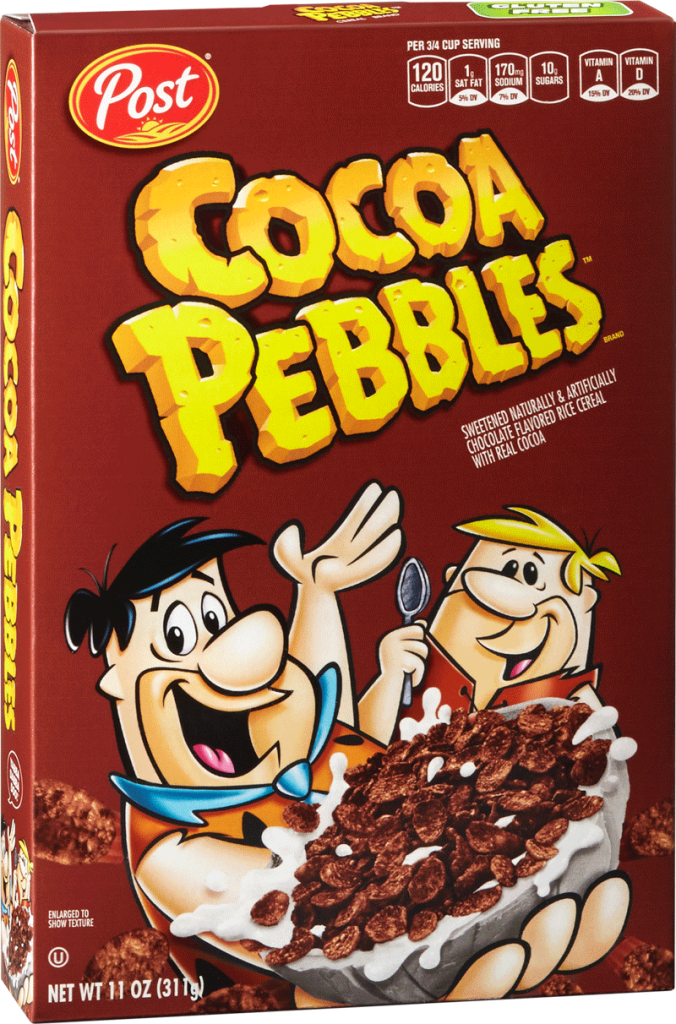
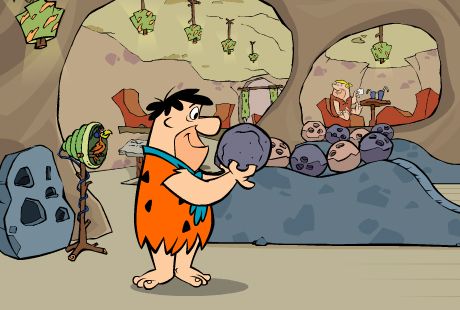
collection4

Maybe you have a family member who loves Christmas.  You can find a variety of Christmas photos from classic television shows.  Or buy a small fake Christmas tree and decorate it with Hallmark ornaments from pop culture.

collection5

Perhaps you have someone who loves fashion.  There are a variety of items you can search for in that category. Many movies had photos taken when they tested their costumes. You can also find clothing, accessories, and jewelry worn on television shows or movies to wear or frame. I have a thirtysomething jacket that was made for the crew and cast and it’s a fun item to hang on the wall.

Someone who likes old advertising can use a variety of collectibles scattered throughout the house.  You can find stars promoting everything from cold cream to coffee.  We have an ad of Ozzie and Harriet Nelson in our laundry room for a Hot Point washing machine.

Do you have a doll collector on your list ?  There are hundreds of dolls out there from television series. I’ve seen I Love Lucy, George Burns, Maxwell Smart from Get Smart, That Girl, and Laverne and Shirley. In movie collectibles, you can find Gone with the Wind dolls, Wizard of Oz figures, and even Rock Hudson and Doris Day from Pillow Talk.

Coffee bars are becoming common in new homes.  If you have someone who loves entertaining that way, you’re in luck.  You can find coffee mugs, serving bowls, and tea sets to display.

Last, but not least, if you know someone who has one show they are drawn to use that as your theme.   The iconic show is The Andy Griffith Show.  You can find blankets, villages, cups, signs, clocks, and even canned food and muffin packages. However, any show whether it be The Donna Reed Show from the 1950s or Last Man Standing currently on television will have a lot of items to choose from. If you are looking for single show themes, consider advertising items–My Three Sons had a wood block invitation made for the press; props –a typewriter used on Will and Grace; tv guides; music boxes; paper dolls and coloring books; lunch boxes; or even light switch plates.

If you can’t find exactly what you’re looking for, make your own.  For example, you could enlarge the sheet music from the theme song and frame it. Or make a shadow box with a few treasured items. You can even make pillows or magnets.

With a little imagination, you can come up with that perfect gift for everyone on your list.  The bonus?  You get to stay cozy and warm inside when the winds are blowing and the snow is falling and watch your favorite shows while you shop for everyone on your gift list.