Having a “Bawl” with I Love Lucy

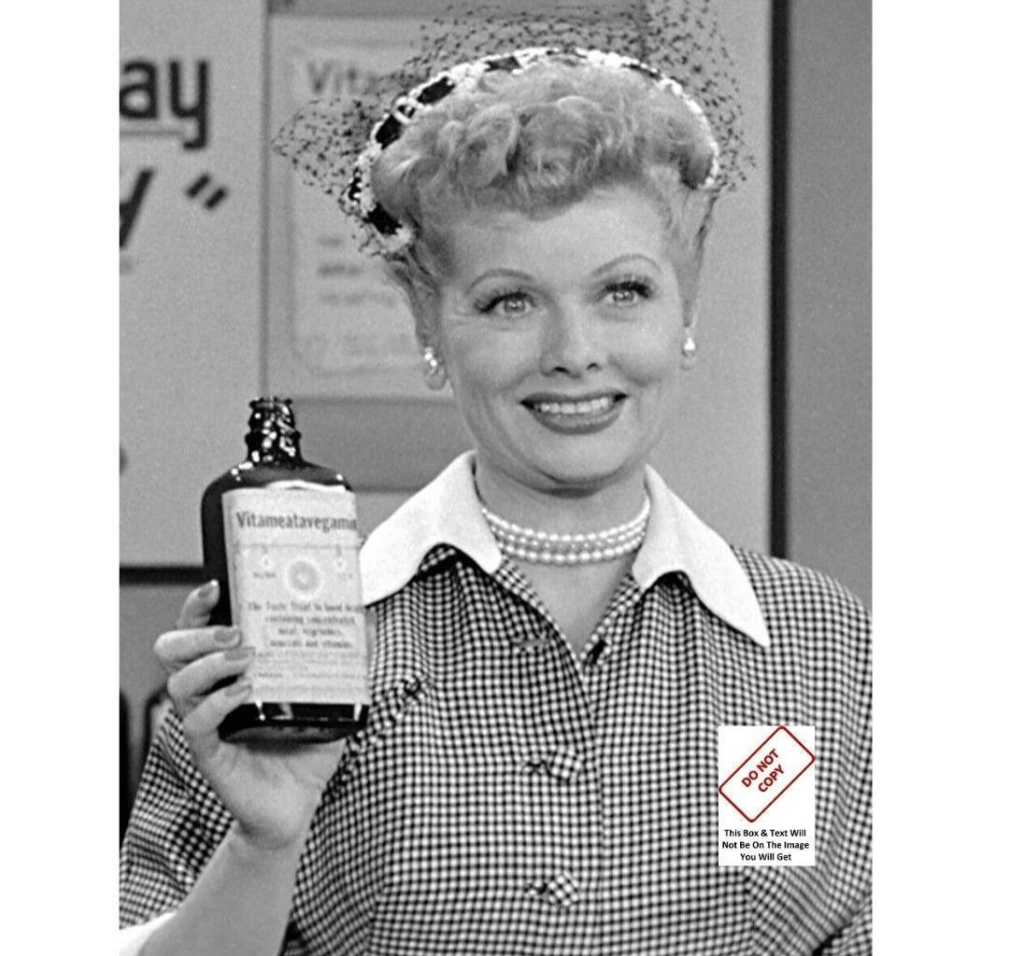
This month we are learning to love Lucy. We have looked at the career of Lucille Ball, and today we are taking a peek back at the well-loved sitcom, I Love Lucy.

đź“·pinpage.com

The show starred Lucille Ball, Desi Arnaz, Vivian Vance, and William Frawley. The series featured a young housewife, Lucy Ricardo, who lived with her husband Ricky, a nightclub bandleader. Their landlords, Fred and Ethel Mertz, were also their best friends. Lucy and Ethel get involved in a variety of schemes to get into show business. Lucy relies on Ethel and Fred who were in vaudeville earlier in their career. Eventually Lucy and Ricky have a son which coincided with the birth of their son Desi Jr. Lucy and Ethel try Desi’s patience often with their antics. When he gets upset, he starts speaking Spanish. Fred doesn’t have much time for the women’s plots either. After living through the Depression, he is considered cheap and doesn’t tolerate nonsense. In season six, the quartet move to Connecticut.

In 2012, ABC News and People did a joint survey, listing I Love Lucy as the Best TV Show of All Time.

The theme music was composed by Eliot Daniel with lyrics by Harold Adamson.

The show had three directors: Marc Daniels was director from 1951-53; William Asher, who would later produce Bewitched among other shows, was director from 1952-57, and James V. Kern directed 39 episodes from 1955-57.

Jess Oppenheimer was producer for the first 153 episodes; Desi Arnaz was executive producer for the first 124 episodes and producer for the final 26.

Oppenheimer was credited with writing for seasons 1-5, Madelyn Pugh Davis and Bob Carroll Jr. assisted him.

đź“·đź“·wikipedia.com Best Friends

Lucille Ball had been starring in “My Favorite Husband” on the radio and in 1950, CBS wanted her to transition to television. Richard Denning had been her costar on the radio, but now she wanted to do a series with her real-life husband, Desi Arnaz. CBS did not think visitors would buy in to Lucy, the all-American girl, married to a Cuban musician. To prove them wrong, Lucy and Desi created a vaudeville act written by Carroll and Pugh that they performed with Arnaz’s orchestra in New York. The act was a big hit, so Harry Ackerman approved the couple doing the show.

The pilot was ordered in 1951. Oppenheimer, Pugh, and Carroll also made the move from radio to television. Philip Morris decided to sponsor the show. Ball wanted to continue her film career along with television show which was set to air biweekly. Philip Morris wanted the show to air weekly, and they wanted it filmed in New York. Because Lucy and Desi were expecting their first child, they wanted to stay in Hollywood. The couple agreed to reduce their pay by a $1000 a week in order to stay in California and cover the additional expenses of filming. They asked for 80% ownership in the films, with the remaining 20% going to Oppenheimer who shared 5% with Pugh and 5% with Carroll. Desilu (combining Desi and Lucy) became their production company.

The couple hired Carl Freund, who had worked on many big-screen movies, to film the show. He uniformly lit the set so all three cameras would pick up the same quality of the image. He also pioneered “flat lighting,” which lit everything with bright lights to get rid of shadows. The three-camera method became the standard sitcom technique.

đź“·rottentomatoes.com

A live audience produced a more authentic laugh than the canned laughter some shows used. Both Desi and Lucy’s mothers’ laughter can be detected in these early episodes.

When Lucy needed some rest after having her baby, the company could not finish their 39-episode commitment, so Oppenheimer and Desi decided to rebroadcast some of their favorite episodes instead. This out-of-the-box thinking proved to be so popular that it eventually led to the syndicated market.

When Lucy decided to transition her show from radio to television, Gale Gordon and Bea Benaderet were offered the roles of Fred and Ethel. However, both of them were already transitioning from radio to other televisions series. Gordon had already committed to Our Miss Brooks and Benaderet had agreed to star in The George Burns and Grace Allen Show.

The role of Ethel was then offered to Barbara Pepper, who was a good friend of Lucy’s. However, she was known to have a drinking problem; Wiliam Frawley also was a heavy drinker, so the production staff did not feel comfortable having two cast members with alcoholic issues, so the offer to Pepper was rescinded. Pepper would appear quite often in I Love Lucy and eventually she settled in Hooterville, married to Fred Ziffel.

đź“·pinterest.com

Frawley never appeared drunk during filming or caused any problem on the show. I did think it was funny though that he had a clause in his contract that he did not have to film when and if the New York Yankees were in the World Series. They made it to the big show every year the series ran except for 1954.

Mary Wickes was then offered the role, but she was afraid working with Lucy would harm their friendship. Director Marc Daniels suggested Vivian Vance who was performing in “The Voice of the Turtle.” Oppenheimer and Arnaz went to watch her performance and hired her on the spot. Lucy was not thrilled with the idea of Vance. She thought she was prettier than her vision of what Ethel would look like. Vance was only two years older than Ball, but the producers agreed to dress her in frumpier clothing. Eventually Ball and Vance became good friends. Vance was the first actress to win an Emmy for Outstanding Supporting Actress. When I Love Lucy ended, Ball asked Vance to star in her new series, The Lucy Show.

Unfortunately, Vance and Frawley never warmed to each other the way she and Lucy did. They barely tolerated each other, although they were both always professional on the set.

Lucy and Desi had several miscarriages and when they were able to sustain a pregnancy which resulted in daughter Lucie, they filmed Lucy without ever mentioning that she was pregnant. The sponsors thought it would be in poor tasted to talk about pregnancy. However, in the second season, they were pregnant once again, and the pregnancy was written into the show. They had to use the word “expecting” when talking about the baby. The episode “Lucy Goes to the Hospital” in 1953 was watched by almost 72% of families with televisions, the highest rating for quite some time. It was surpassed by Elvis Presley’s first appearance on The Ed Sullivan Show.

The show was on for from 1951-1957 on CBS, resulting in 180 episodes.

I Love Lucy aired on Mondays for its first run. In 1967 the network began offering the show in syndication and it has never been off the air.
đź“·pinterest.com

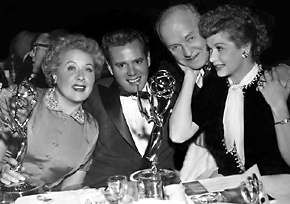
I Love Lucy was nominated for Best Comedy/Sitcom in 1952, 1953, 1954, and 1955, winning in 1953. Ball was nominated for Best Comedienne in 1953-1958, winning in 1953 and 1956. Vance was nominated for Best Supporting Actress in 1954, 1955, 1957 and 1958, winning in 1954. Frawley was also nominated for his role in 1954-1958. He never won but he lost to some great actors including Art Carney and Carl Reiner. Only Arnaz was denied a nomination for his comedy skills.

In 1957, Lucille Ball decided to end the show. She and Desi created a new show that wasn’t really new. It took the four main characters from I Love Lucy and moved them to Connecticut. Arnaz changed the format and length of the show, now an hour long, because he said he wanted to change it up before people got tired of the characters. He said this format kept the cast intact but also allowed for a celebrity guest star for Lucy to meet in every episode. In 1960 the show ended, the same year the couple’s real life marriage ended.

Unfortunately, the couple’s marriage dissolved in 1960, and in 1962, Lucy bought Desi’s shares of Desilu becoming the sole owner. She sold the company to Gulf+Western who owned Paramount Pictures.

We all remember the merchandising that accompanies shows in the sixties and seventies like dolls, board games, lunch boxes, etc, but I Love Lucy had more than its share of memorabilia. In 1952 a baby doll was released. Believe it or not, you could purchase an I Love Lucy bedroom set for $199 in the fifties, as well as I Love Lucy his and her pajamas.

The way it ended, I Love Lucy never had a proper finale. I wish I had the time to devote to how much this show changed the course of television, but a weekly blog just can’t contain as much history as there is to tell. I’m sure Lucy would be amazed if she knew that more than seventy years after the show began, we are still watching it and talking about it. Legacy doesn’t get any better than that.
Lucille Ball: A Force To Be Reckoned With

This month we are learning why We All Love Lucy. We’ll delve into her sitcoms and get to know Jess Oppenheimer and hear about his role in her television life. But today, we are starting with the woman herself, Lucille Ball.

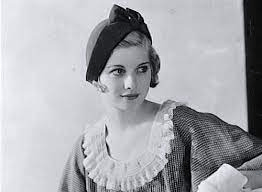
đź“·facebook. A young Lucille Ball

Lucille Desiree Ball was born August 6, 1911, in Jamestown, New York. She was the only daughter of Henry Durrell Ball, a lineman for Bell Telephone, and Desiree Evelyn Hunt Ball. They lived at 60 Stewart Avenue. The family belonged to the Baptist Church there, and many of her relatives were among some of the first European settlers in Massachusetts.

The family moved frequently for her father’s career, but Jamestown always had a claim on Lucy, and they celebrate her in many ways there. The family lived in Montana, New Jersey, and Michigan before her father passed away from typhoid fever at age 27 in 1914.

Her mother returned to New York, living in Celoron, a summer resort on Chautauqua Lake. The road she grew up on is now named Lucy Lane. Celoron had an amusement park with a boardwalk, the Pier Ballroom, a roller coaster, a bandstand, and a stage.

đź“·Good Housekeeping

Lucy’s mother remarried four years later. It was her stepfather who encouraged Lucy to audition for his Shriner’s chorus line, which gave her the first taste of what it would be like to be in show business. When she was 16 the family returned to Jamestown.

When Lucy was only 14, she was dating a 21-year-old hoodlum. Her mother was devastated by the situation and finally enrolled Lucy in the John Murra Anderson School for Dramatic Arts in New York City to encourage her in her theater career. Ball did not love the school, and her instructors told her she would not be successful in the entertainment business. Luckily, Lucy did not take their comments to heart. She later said that “one of the things I learned the hard way was that it doesn’t pay to get discouraged. Keeping busy and making optimism a way of life can restore faith in yourself.”

In an attempt to prove the school wrong, Lucy began working as an in-house model for Hattie Carnegie. This was where she first changed her hair. Being a brunette, Carnegie taught Ball to bleach her hair blonde. Her modeling was interrupted for two years when she dealt with the effects of rheumatic fever.

At the ripe old age of 21, Ball returned to New York City to pursue an acting career. She went back to the Carnegie agency and became the Chesterfield Cigarette Girl.

đź“·Brittanica

In 1933 she was in Roman Scandals as a Goldwyn Girl; while playing a slave girl, she had to have her eyebrows entirely shaved off, and they never grew back. Some of the things an actor goes through for roles is crazy. After that movie she moved to Hollywood to try a film career. After becoming a contract player for RKO Radio Pictures, she received a decent amount of work. At this time, she met the Marx Brothers, appearing in Room Service. She also worked with Fred Astaire and Ginger Rogers in several musicals.

When she registered to vote in 1936, both she, her brother, and her mother registered as Communists. During that year she signed a document as a Communist supporting Emil Freed for assembly and was appointed delegate to the State Central Committee of the Communist Party of California.

Ball later claimed she never had a strong political affiliation. In 1944, Lucy can be seen in a newsreel fund raising for Franklin Roosevelt. She also mentioned that she voted for Eisenhower in 1952 when he was on the Republican docket. In 1953 Ball met with HUAC and gave a sealed testimony. She said that she voted Communist at her grandfather’s insistence and did not know she had been appointed a delegate. Before filming episode 68 of their show, her husband and co-star Desi addressed the audience and said Lucy was not a Communist; she was just influenced by her grandfather. He joked that “the only thing red about Lucy is her hair, and even that is not legitimate.”

đź“·pinterest

In the late thirties, she dabbled in radio to earn some additional money. She was a regular on “The Phil Baker Show” and on “The Wonder Show” where she met announcer Gale Gordon.

In 1940 Lucy met Desi Arnaz when they both appeared in the movie Too Many Girls. They fell in love immediately, and before the year was out, they eloped. Arnaz was drafted in 1942, but a knee injury kept him from active service, and he was placed in Hollywood organizing and performing USO shows for wounded GIs.

Lucy finally got her big break in 1943. Arthur Freed was making a movie based on the play “DuBarry Was a Lady”; he bought it for Ann Sothern, but when she turned it down, she recommended her best friend, Lucille Ball.

In 1944, Ball filed for divorce, but the couple reconciled before it went through. Lucy and Desi had Lucie in 1951 when Lucy was almost 40, and son Desi was born during the series and written into the scripts in 1953. Mom and son appeared on the first cover of TV Guide which came out in 1953.

đź“·HollywoodHistoricPhotos.com

Ball continued to make movies throughout the forties and kept a foot in radio. In 1948 she was cast as Liz Cooper on the radio show, “My Favorite Husband” on CBS.

When CBS wanted to transition the show to television, Lucy wanted Desi to be her television husband. CBS said no, so the couple went on the road with an act to prove the popularity of the them working together and CBS backed down.

The show was incredibly successful. (If you want to learn more details about the series and all the history that it produced, keep an eye out for my blog which will post January 13, 2025.) The couple created their own production company and had many “firsts” with technology producing their show. During filming breaks of the show, Lucy and Desi made two movies: The Long, Long Trailer in 1954 and Forever, Darling in 1956.

After years of turmoil and ups and downs in their marriage, the couple divorced. However, they continued to remain in each other’s lives through their children and their relationship. Later in life, Lucy said “Desi was the great love of my life. I will miss him until the day I die.”

đź“·closerweekly.com Ball and Vance

Lucy bought Desi’s share in the production company which produced a variety of shows including Mission: Impossible, Star Trek, and The Untouchables. In 1967 Lucy sold her shares to Gulf+Western, owned by Paramount, for $17 million, which would translate into $138 million today.

Lucy married Gary Morton in 1961. At the time, Morton was a comedian 13 years younger than Lucy. He said he had never seen an episode of I Love Lucy. Ball hired Morton for her production company, teaching him the television business.

For the next decade, Lucy worked on a number of television specials. She also tried sitcom life again. She starred in The Lucy Show from 1962-68 and in Here’s Lucy from 1968-1974. We’ll discuss these shows the last week of January. Many of Lucy’s friends appeared on these shows. Her close friends included Mary Jane Croft, Judy Garland, Ethel Merman, Barbara Pepper, Ginger Rogers, Ann Sothern, Vivian Vance, and Mary Wickes.

đź“·ebay.com

Ball kept busy acting during the early 1980s. Desi Arnaz passed away in 1986. In 1988 Lucy had a mild heart attack. She appeared at the 1989 Academy Awards show and she and co-presenter Bob Hope were given standing ovations. She died a month later. Lucy had been a heavy smoker, and her cause of death was abdominal aortic aneurysm which is seen more in smokers.

Lucy always sent flowers to Carol Burnett on her birthday. The day before she died, she ordered them, and they were delivered a few hours after Carol learned of her death.

Lucy was cremated and her ashes were interred in Forest Lawn Cemetery with her mother’s remains. In 2002, both women’s remains were moved to the Hunt family plot in Jamestown. In Jamestown you can find the Lucille Ball Desi Arnaz Museum & Center for Comedy and the Lucille Ball Little Theater.

In 2009 a statue of Lucy was erected in Celoron. Many people called it “scary,” and it became known as “Scary Lucy,” which I totally endorse. In 2016, a more lifelike statue was created to replace Scary, but the scary statue had become so popular, it was left on display with the new one as its neighbor.

đź“·youtube.com The different sides of Lucy

Those two statues symbolize my relationship with the show. I appreciate the show and everything it did to create the classic age of television. Whether it’s technical filming strategies, the writing, the way the business was run, everything was important in this show. However, I have to admit, it’s not a show I choose to watch. It changed the entire course of television in similar ways that All in the Family would do a few decades later, but I honestly don’t enjoy watching either of these series. That might be a fault in my genes, but I also have to be honest.

However, Lucy Ricardo, while we may think of her as naĂŻve and sophisticated, traditional and unconventional, submissive and disobedient, was an important icon in the way that women thought about themselves in the fifties.

Women had been brought in to work and gain independence while so many men were overseas fighting, and then they were asked to give it all up and go back to a domestic and tranquil life. Leslie Feldman, a political scientist and author of The Political Theory of I Love Lucy, writes that Lucy was “a transitional figure—she’s on the cutting edge.  . . Are [women] going to stay home and be wives and mothers? Are they going to go to work? Or are they going to do both? And what if they really do better and earn more money than their husbands? What about that? That’s an element of Lucy too.”

đź“·biography.com

Lucy was a force in show business. While she was not alone in taking control of her own career—Donna Reed, Betty White, and Ann Sothern were also powerhouses in establishing their own companies and running them—Lucy did it with the nation watching her. Even the choices she made about whether to divorce Desi or not were all done in the public eye and were sending messages whether people chose to receive them or not.

Lucille Ball was an amazing actress and an amazing business person. Apart from whether I enjoy watching the show or not, it changed the history of television and the way sitcoms were written, cast, and remembered. Thank you, Lucille Ball, for not listening when your instructors told you that you would never make it in show business. You not only made it in television, you truly made television what it is today.

The Jimmy Stewart Show: Past Its Prime Before It Started

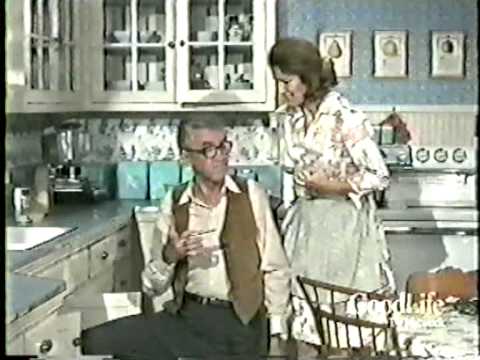
For this blog series, “It’s My Show,” we are looking at stars who had shows named for them.  This blog takes a look at The Jimmy Stewart Show which aired in 1971.

The Jimmy Stewart Show - Where to Watch Every Episode Streaming Online |  Reelgood
Photo: reelgood.com

At the beginning of the golden age of television, several stars decided to plunge into the small screen, but most stars kept their distance, not trusting that television would ever go anywhere. Stars like Jack Benny, Burns and Allen, and Lucille Ball created successful shows that continued for years. Once Hollywood realized that television was here to stay, they were okay with their stars dipping their feet into the series life.

In the 1970s another round of stars decided to try their luck at their own show. Jimmy Stewart was one of those screen stars, and he had a huge fan base. Viewers were greatly anticipating watching his show.

The Jimmy Stewart Show - Complete - 1971 - 7 DVDS – TV Museum DVDs
Photo: tvmuseum.com

Hal Kanter was the creator, writer, and sometimes director for the series which showed viewers the frequently chaotic home and work life of Professor Jim Howard. Kantor developed the show Julia and would later create Chico and the Man. Howard teaches anthropology at the Josiah Kessel College in Easy Valley, California which happened to be founded by his grandfather. Also living in the house are his wife Martha (Julie Adams), his son Peter (Jonathan Daly), daughter-in-law Wendy (Ellen Geer, daughter of Will Geer) and grandson Jake (Kirby Furlong). Martha and Jim also have a younger son, Teddy (Dennis Larson) who is almost the same age as Jim’s grandson. Peter’s family is living there temporarily after their house burns down. In a twist I didn’t see coming, Jim was babysitting and fell asleep with a cigar which is what caused both the house to burn down and his son to be unhappy with him for the first few episodes.

Howard’s best friend, Luther Quince (John McGiver), a local bachelor and professor, often stops by for meals and to discuss life with Jim.

When Jimmy Stewart Had His Own Sitcom – (Travalanche)
Photo: travalanche@wordpress.com

Rounding out the cast were a few recurring characters including Jo Bullard (Mary Wickes), president of the Women’s Action Group; Agatha Dwiggins (Jeff Donnell), a scatterbrained busybody, Dimitri Karpopolis (Richard Annis), college football hero; local businessman Fred Shimmel (Rickie Layne), chatty milkman Woodrow Yamada (Jack Soo), and students Janice Morton (Kate Jackson), Norman Lansworth (Lou Manor) and Ida Levin (Melissa Newman).

I read that except for Stewart, the casting for the family seemed to be off and never engendered any warmth for viewers. Jimmy wanted his real wife Gloria to play Martha, but after she was tested, the network said they wanted someone more experienced. More than fifty women were considered for the role, and twenty of them were brought in to read with Stewart.

However, John McGiver received a lot of praise for his character. Luther and Jim were quite different. Jim rode his bike to school while Luther drove a Rolls Royce.

The show really didn’t speak to viewers, and ratings, which weren’t great, got worse. The series was cancelled after 24 episodes. Stewart was not sad about the cancellation. Apparently, he was given the option to do the same type of work schedule Fred MacMurray had arranged for My Three Sons where he only filmed a small part of the year and everyone else filmed around him, but he declined. However, Stewart said he later regretted not trying that because he didn’t enjoy the long hours filming this show.

THE JIMMY STEWART SHOW Guest Star KATE JACKSON 1971 VERY RARE - YouTube
Photo: youtube.com

The show debuted in the fall of 1971 on Sunday nights. It was sandwiched between The Wonderful World of Disney and Bonanza, both big hits.

Like George Burns, James Stewart talked directly to the television audience during the opening and closing when he says “And, as always, my family and I wish you peace and love—and laughter.” During some episodes he makes an aside to the camera, and the rest of the cast thinks he’s just mumbling to himself.

This was one of the few shows during this time period that didn’t use a laugh track. Maybe that’s for the best because it doesn’t sound like there was much to laugh about in this show. It definitely shows its age today with Stewart making remarks about student protests, women’s lib, and industrial development. It obviously pandered to an older, conservative audience.

The show was filmed on a few sets and backlots. The building used for the university was known as “Hank’s School” because it first was used on a show from the sixties called Hank. It was also Boatwright University on The Waltons.

The Jimmy Stewart Show (TV Series 1971–1972) - IMDb
Photo: imdb.com

Sometimes there is a downside to blog writing about the past and our favorite stars. Jimmy Stewart has always been someone I admired and respected. A couple of his movies like The Philadelphia Story and Harvey are some of my of all-time favorites. When doing research, sometimes you learn things you wish you didn’t know.

Apparently, Stewart had gotten a reputation during the filming of The Man Who Shot Liberty Valence as a racist, but no one ever talked about it, and there didn’t seem to be any other controversy in his films.  However, during the production of this show, he had actor Hal Williams fired. I read several accounts that all supported that view that Stewart told Kanter that he didn’t think it would be appropriate for a black person to be ordering him around on television. His words, often quoted were, “Blacks are bossing white people all over the country, and now we’re going to have the same damn thing on prime-time television? A black is going to be lecturing me with millions of people watching? No way. I get casting approval and Williams is out.” I never read how Kantor reacted or how it affected their relationship; however, after casting Diahann Carroll as the first black actor to star in a series, it must have been disheartening to hear this from Stewart.

I understand those were different times and many people were raised as racists. We could debate the causes of people being prejudiced for hours.  However, this makes me very sad and I can’t look at Jimmy Stewart the way I did before. It doesn’t help to realize that there are still somehow a lot of Jimmy Stewarts out there sixty years later.

Comfort TV: Peace, Love, and Laughter: The Jimmy Stewart Show
Photo: comforttv.com

As far as his show goes, I think it was just not where fans were at in that time period. Some of the other series on at the time included The Partridge Family, The Doris Day Show, Love American Style, Room 222, The Mary Tyler Moore Show, and All in the Family. By comparison, Jimmy’s show seems out of touch and old fashioned. Its competition was the F.B.I and Sunday Night at the Movies, both shows that started during The Wonderful World of Disney. If a show didn’t succeed following Disney and leading into Bonanza, it must have greatly disillusioned viewers. Jimmy was not alone as a star who couldn’t make the successful leap to television. Other stars who bombed with their shows include Jack Lemmon, Celeste Holm, Gene Kelly, Bing Crosby, Mickey Rooney, and Henry Fonda.

Although this show is available on DVD, my suggestion is to bypass it and read a good book instead.

The Phyllis Diller Show: So Much Potential

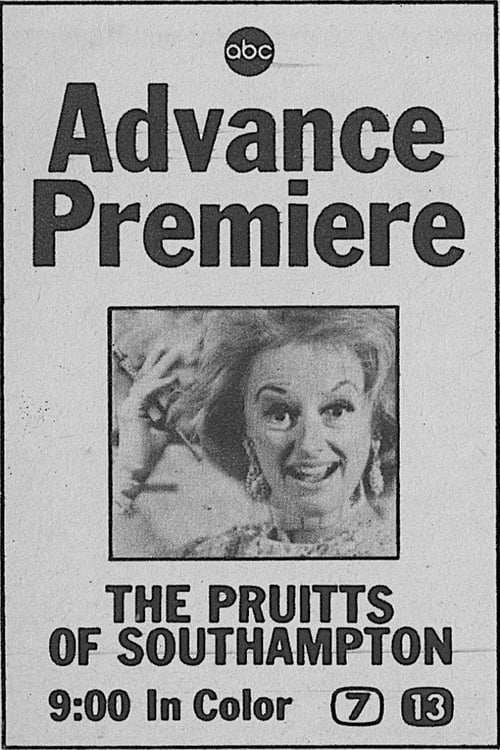
This month’s blog series is “It’s My Show.” Today we are beginning with a show I’ve discussed a few times over the years that had the perfect cast and concept, but it was cancelled after only one season: The Phyllis Diller Show which also went by The Pruitts of Southampton.

Image result for images of the pruitts of southampton
Photo: pinterest.com

The show was created by David Levy in 1967 and was loosely based on the book House Party by Patrick Dennis.  Levy was also the creator/producer for The Addams Family which aired from 1964-1966. The shows also shared composer Vic Mizzy who wrote the themes for both series. Mizzy also wrote the catchy tune from Green Acres. The opening theme song had Phyllis Diller dancing, skipping, and singing through the mansion, and the lyrics were:

PD: Howcha do howcha do, howcha do my dear
What a LOVELY surprise, nice to see you here.

RG: All the bills have been long overdue my dear.

PD: File them under I.O.U…
Howcha do, howcha do, Well HELLO, it’s you!
Like my beads, like my dress?
Aren’t they marvy-poo?
They belong to the internal revenue.
And they got us eating stew.

CHORUS: The Pruitts of Southampton,

Image result for images of the pruitts of southampton


Live like the richest folk,
But what the folk don’t know is that
The Pruitts are flat broke!

PD: Howcha do, howcha do, howcha do, my dear

RG: We are out of champagne, and I’m stuck, my dear.

PD: Ask the butler to lend you a buck, my dear.
Howcha do, howcha do, howcha do…

The Pruitts, an incredibly wealthy family, live in the Hamptons. After going through an IRS audit, the family realizes they owe so much in back taxes, $10,000,000 in fact, that they were now broke. The IRS agrees to let them continue living in their mansion because they think exposing such a wealthy family’s poverty would cause a lot of repercussions.

Image result for images of the phyllis diller show
Photo: pinterest.com

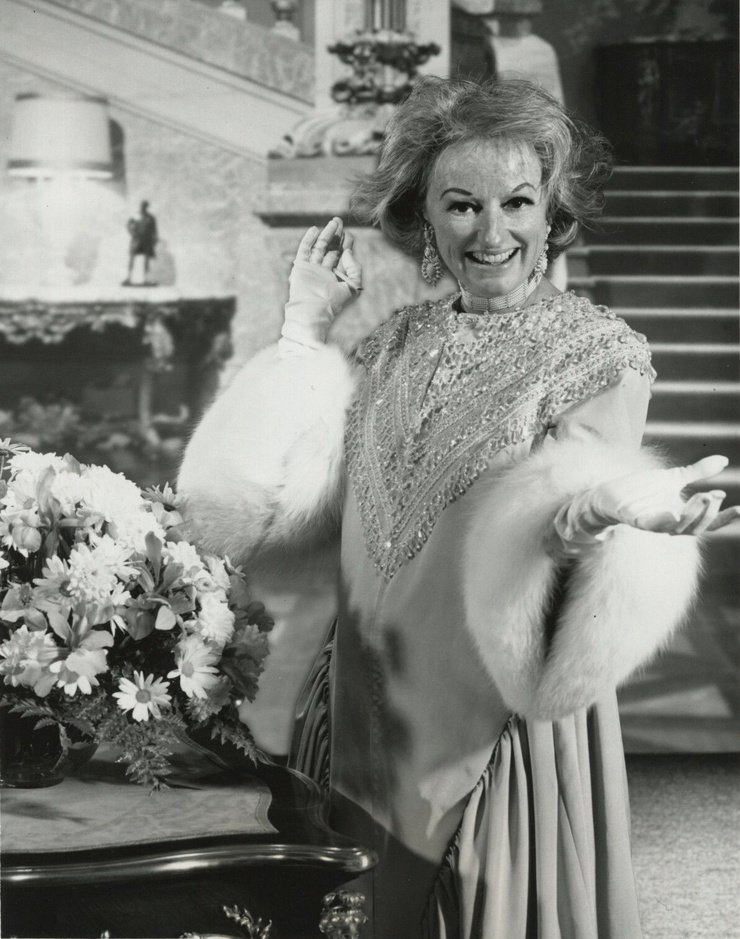
Phyllis Diller starred as Phyllis Pruitt. Phyllis lives with her uncle Ned (Reginald Gardiner), her brother Harvey (Paul Lynde), her daughter Stephanie (Pam Freeman), brother-in-law (John Astin), and their butler (Grady Sutton). Midseason, the show was revamped and the family brings in boarders to raise money, including Norman Krump (Marty Ingels) and Vernon Bradley (Billy De Wolfe). They should have been able to raise a bit of money with 68 bedrooms in the house. Other characters included Regina Wentworth (Gypsy Rose Lee), their nosy neighbor and Baldwin (Richard Deacon), the IRS agent. The incredible Charles Lane plays Max.

In addition, there were a lot of guest stars during that single season including Ann B Davis, Bob Hope, Arte Johnson, John McGiver, Louie Nye, Hope Summers, and Mary Wickes.

The shots of the family home were filmed at the Vanderbilt mansion, Biltmore.

The show began on Tuesday nights. At the time, The Red Skelton Hour was one of the most popular shows on television and was tough competition. When the show was revamped, it moved to Friday nights where it was up against Friday Night at the Movies and T.H.E. Cat.  If you don’t remember that show, don’t feel bad, you probably remembered very few of the new series that debuted that year.

Image result for images of the pruitts of southampton
Photo: nostalgiacentral.com

1967 was not a very profitable year for sitcoms specifically. Besides Phyllis Diller’s show, the season aired Run Buddy Run, Mr. Terrific, The Jean Arthur Show, Occasional Wife, and Pistols and Petticoats. That Girl was one of the few shows to return the following season.

Even though it was named as one of the worst sitcoms ever in several TV Guide listings, critics at the time praised the show. Phyllis Diller was nominated for a Golden Globe for Best Actress in 1967. Marlo Thomas won, but there was some great competition including Elizabeth Montgomery, Barbara Eden, and Barbara Stanwyck.

Image result for images of the pruitts of southampton
Photo: listal.com

One reviewer on imdb.com titled their review “The worst thing I have ever seen in my life” and followed up with a review that said, “Just kidding, this show is amazing and hilarious and that is why I gave it a 10/10.”

When Vic Mizzy discussed the show in a Televison Academy interview, he said the director was not any good, the scripts weren’t as funny as they could have been and sometimes Phyllis didn’t know her part. He thought those were the reasons the show failed. He thought it could have been unbelievabley funny.
One day Vic got a large check from England and it turns out the show was a hit there decades after it was aired in the United States.

I watched a couple of the episodes on youtube for this blog. Phyllis Diller was in rare form. Her hair is crazy like always and slapstick was part of her performance. The laugh track was annoying, but the show was funny at times. Pam Freeman was a breath of fresh air. In one of the episodes, Phyllis and her brother-in-law were trying to finance a pizza-making machine. They had to work around the fact that Baldwin from the IRS put a pay phone in the home to keep them from making so many long-distance calls.  One of the funniest scenes was when Phyllis and her brother-in-law climb up one of the phone poles to tap into the line to talk to Baldwin pretending to be other people in order to get Baldwin to approve their financing. Phyllis had to come up with a variety of different voices during the calls. You could definitely hear a bit of Green Acres influence in the background music for this show. This was a show that only could have been produced in the sixties.

One of the best parts of watching the show was seeing the old commercials.  I had forgotten the one about Joy dish soap when the dinner guests could see themselves in the plates. It just reminded me it was joyful to see these old shows in their entirety.

It was a fun show to learn about with an outstanding cast and should have been much more successful than it was. Whether the failure came from the director, the scripts, or some other behind-the-scenes issue, I’m not sure. It’s worth watching an episode or two just to see the wackiness that was associated with some sixties shows, but if I have to watch ten episodes of a show, I’ll take That Girl every time.


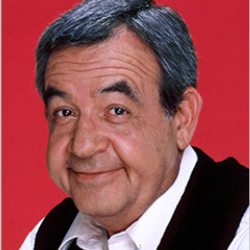
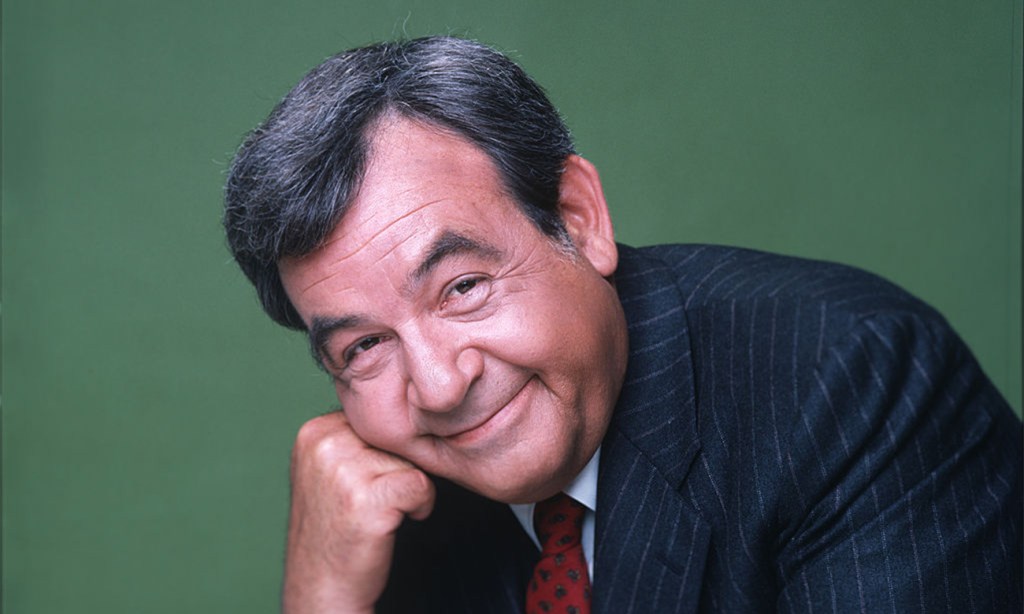
Tom Bosley Scores a Home Run on Any Team

Since January was all about female sitcom actresses, this month we give the men their fair due.  We begin this series, “The Men of August,” with Tom Bosley.  Anyone who was a Happy Days fan knows why Bosley is part of this line-up.

Image result for images of tom bosley
Photo: quotetab.com

Bosley was born in Chicago in 1927. His father was in real estate and his mother was a concert pianist. After graduating from high school, he served in the Navy during WWII. His father was in WWI and then served again in WWII, building army bases on the coast.

Following the war, he attended DePaul University in Chicago, declaring his major as Pre-Law. He had to take night classes because the day classes were full, and after getting tired of teachers not showing up, he switched to a radio school, hoping to be an announcer because he loved baseball, but acting eventually tugged at his heart.” In 1949 and 1950 he performed at the Woodstock Opera House in Woodstock, Illinois with Paul Newman. He was in the first live television show ever done in Chicago which was a production of Macbeth, about 1948 (on WBKB).

In the early fifties, he moved to New York and held a variety of jobs, including coat checker at Lindy’s restaurant, doorman at Tavern on the Green, and Wall Street bookkeeper. He continued to audition for his big break. During the fifties while he was looking for work, he shared rent with another Chicago actor trying to make it in the entertainment business: Harvey Korman.

Image result for images of tom bosley
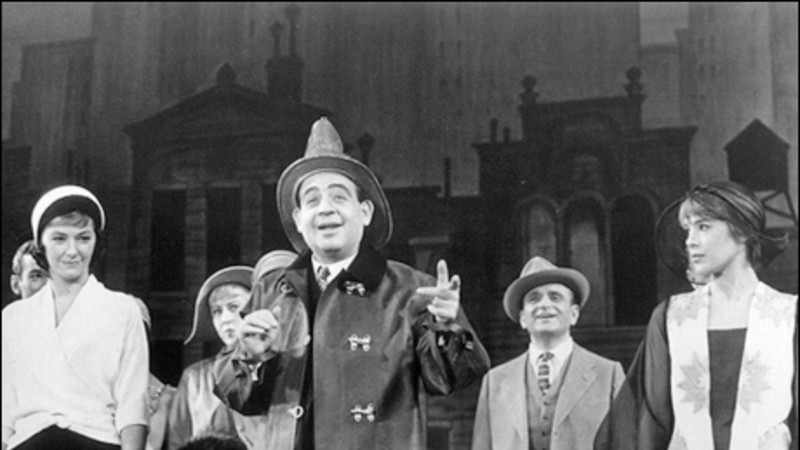
Bosley as Fiorello–Photo: markrobsinsonwrites.com

With one foot in Broadway and one in television, Bosley took on a variety of roles in his early career. In 1955 he appeared in a television production of “Alice in Wonderland” as the Knave of Hearts. In 1959, he won a lot of acclaim as New York mayor Fiorello H. La Guardia in the Broadway musical “Fiorello!” and won a Tony award. Bosley would later return to Broadway in the 1990s taking on the roles of Maurice in “Beauty and the Beast” and as Cap’n Andy in “Show Boat.”

In the 1960s he explored motion pictures and landed his first role as a suitor of Natalie Wood in Love with the Proper Stranger.

Although he continued to appear in the big screen, the little screen took up most of his time in the sixties and early seventies. In 1962 he played opposite Tony Randall and Boris Karloff in “Arsenic & Old Lace.” His face became a familiar one showing up in Car 54, Where Are You?, Bonanza, Get Smart, Route 66, Dr. Kildare, The Mod Squad, The Streets of San Francisco, Bewitched, McMillan and Wife, and Marcus Welby, among others.

It was also during this decade he married Jean Eliot. They were married until she passed away in 1978.

Image result for images of tom bosley
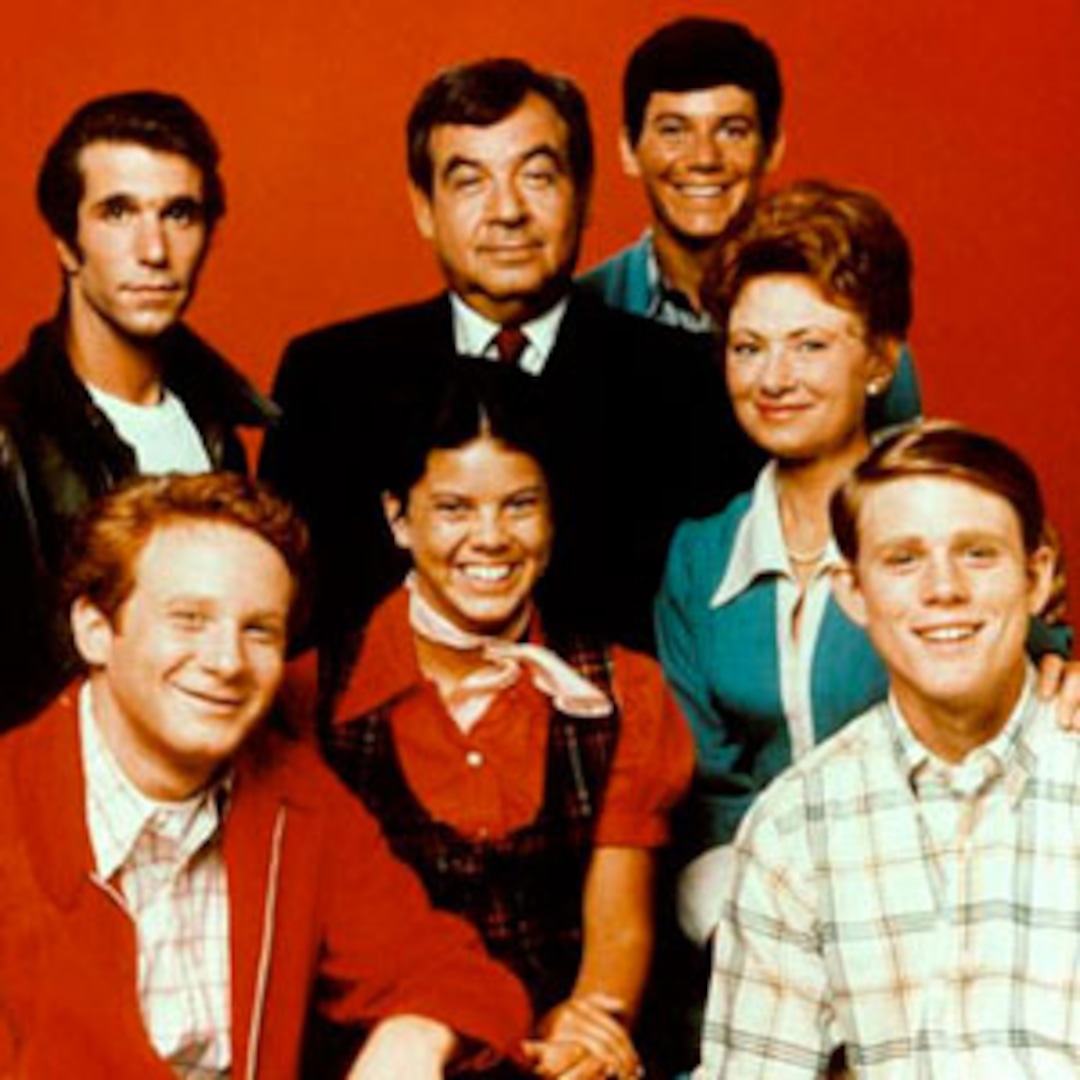
The Cast of Happy Days Photo: E!online.com

In 1974 he accepted the role that would make him a household name. “Love and the Television Set” was one of the four skits appearing on an episode of Love American Style, and I actually remember watching it. Garry Marshall developed it as a pilot, but the network wasn’t interested in turning the pilot into a show when it first came up. However, once George Lucas released American Graffiti in 1973, also starring Ron Howard, ABC took another look at the period show. The first two seasons, the show focused more on Richie Cunningham as he interacted with his friends and family. Jerry Paris (Jerry Helper on The Dick Van Dyke Show) directed 237 of the episodes. Happy Days was described as relentlessly ordinary. The plots revolved around the same types of problems most teens experienced in the fifties: dating, wanting to be popular, peer pressure, and similar issues.

Bosley originally turned down the role but reconsidered after reading the script more thoroughly; he was drawn to a scene between Howard and Richie that moved him. Bosley said he also was looking for some security. His wife was sick at the time, and they thought she might have epilepsy, which was later determined to be a brain tumor; he wanted an easier schedule in order to care for his wife and help raise his daughter.

Image result for images of tom bosley
With Henry Winkler Photo: brooklynvegan.com

He captured the sometimes cranky, but lovable, Howard Cunningham perfectly. He might not agree with his children, but he was always there for them, and he was apparently always there for his castmates who all remembered him as a kind, fatherly figure.

For a decade, Bosley developed the role of Howard into a much-loved sitcom father. Bosley said none of the characters were well defined in the early scripts. The cast developed their characters as relationships developed.  He described the actors as a baseball team that never made errors; they just clicked and had a wonderful rapport.

During the run of the show, his wife passed away from her tumor, and in 1980 he married actress Patricia Carr whom he stayed married to until his death.

Image result for images of tom bosley
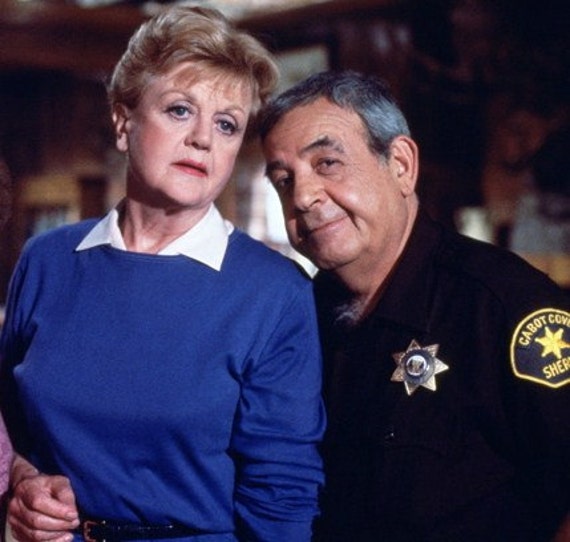
With Angela Lansbury Photo: etsy.com

When the show ended, Bosley was immediately offered another role. Although he appeared in a variety of shows in the early eighties, including five episodes of Love Boat, he moved from Milwaukee to Maine to help Jessica Fletcher solve mysteries on Murder, She Wrote. Bosley said the role of Jessica was written for Jean Stapleton, but then she did not want to do it so it was offered to Angela Lansbury. He and Angela had worked together in the past, so he did the pilot. It was supposed to be a one-time role, but they brought him back nineteen times without a contract.  As Sheriff Amos Tupper, he spent four years trying to figure out why so many murders took place in peaceful Cabot Cove. He then retired from the police force and moved to live with his sister. 

Image result for images of tom bosley father dowling
James Stephens, Tracy Nelson, Bosley, Mary Wickes Photo: pinterest.com

He actually did work with a sister in his next role on Father Dowling Mysteries. As Father Frank Dowling by day, he moonlighted, solving mysteries with his assistant Sister Stephanie Oskowski (played by Tracy Nelson, Rick Nelson’s daughter and granddaughter of Ozzie and Harriet).

Bosley described Father Dowling as being a lot like himself: calm, quiet, and caring. While murders occurred on the show, there was no violence. When they were casting the part for the housekeeper, they described the character as a Mary Wickes type, and Bosley told them to just get Mary Wickes, and he loved working with her.  He enjoyed that show more than any of the other shows he worked on. The cast was totally caught off guard when it was cancelled.  The network wanted to do a show with James Earl Jones and Richard Crenna.  They gave Crenna’s agent a short-time period to agree to the show and he agreed before the limit ended, so the network was forced to delete a show from the current schedule to make room for this new show and they chose Father Dowling; the James Earl Jones show, Pros and Cons, also about several private detectives, and was dropped after 12 episodes.

When the show ended in 1991, his career definitely did not. When asked if he was going to retire, he replied, “Don’t be silly—actors spend half of their careers in retirement.” He continued appearing in a variety of shows (39 in all) until his death in 2010 from a staph infection.

Photo: outsider.com

There are several actors I get confused by at times because of their similarities. One is Ray Walston from My Favorite Martian with Jonathan Harris from Lost in Space. The other is Tom Bosley with David Doyle from Charlie’s Angels.  At least I felt better about my mental error after doing research on Bosley.  Apparently, David Doyle was named “Bosley” on the show because people confused the two actors so often. 

I’m sure Tom Bosley would have made an excellent attorney or announcer, but I’m happy that he followed his acting passion, and I’m thankful for the five decades he was willing to entertain us with his special gift.

I Spy: With My Little Eye A Very Sophisticated Show

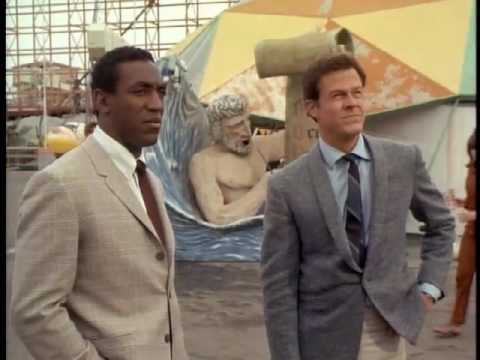
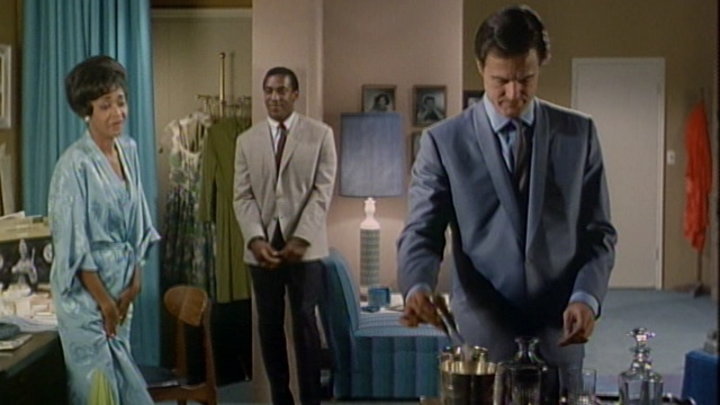
As we continue our crime-solving duos series, today we learn about I Spy featuring Robert Culp and Bill Cosby. They were a pair of spies who traveled the world posing as tennis pro, Kelly Robinson, and his coach, Alexander “Scotty” Scott. They work for the Special Services Agency which was part of the Pentagon. The show aired on NBC from 1965-1968.

Photo: pinterest.com

David Friedkin and Morton Fine, writers, and Fouad Said, cinematographer, formed Triple F Productions. The show was filmed at Desilu Productions. Fine and Friedkin took on co-producing the show. Friedkin also appeared as a guest actor in two of the episodes. Continuing the job-sharing duties was was Sheldon Leonard. Leonard was the executive producer. He also directed one of the episodes and guest starred on the show.

The theme music was written by Earle Hagen. (For more on Hagen and his composition of music from the series, see my blog dated)He also wrote specific music for each of the countries the team visited. He received Emmy nominations all three years, winning in 1968.

Photo: pinterest.com

Cosby’s character was written as an older mentor to Robinson, but Sheldon Leonard changed the role once he saw Cosby perform. Culp said Cosby was not very interested in the series and insulted the producers during his audition. Culp acted as a mediator and Cosby was hired.

Photo: youtube.com

Like future shows such as Miami Vice, The X-Files, or Castle, the partners had great chemistry. They had witty and clever dialogue and often improvised much of their banter. Friendship was the main theme of the show, not the crimes. The actors developed a close friendship that lasted long after the show did. The characters were also very different. Culp was the athlete who lived by his wits. Cosby was the intellectual who didn’t drink or smoke.

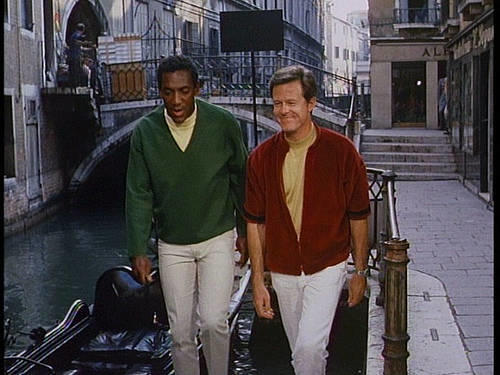
This was the first TV drama to feature a black actor in a lead role. Some of the NBC affiliates in the south refused to air the series. Truly a color-blind series, the two spies did not encounter racial issues. It also made history– being one of the first shows to be filmed in exotic locations around the world. The pair visited Acapulco, Athens, Florence, Hong Kong, Madrid, Morocco, Paris, Tokyo, and Venice.

Photo: desertnews.com

Like the western genre in the 1950s, spy shows were popular in the 1960s. Unlike Get Smart or the Man From UNCLE, I Spy was more realistic. The duo didn’t rely on unbelievable gadgets or campy villains.

Some of the episodes had more comedy than others. “Chrysanthemum” was inspired by The Pink Panther. The episode, “Mainly on the Plains” starring Boris Karloff, was about an eccentric scientist who thinks he’s Don Quixote. However, many shows took on more serious and contemporary themes. “The Tiger” was set in Vietnam.

Photo: imdb.com

During the three seasons the show aired, an incredible number of guest stars chose to work on the show. Some of these talented celebrities included Jim Backus, Victor Buono, Wally Cox, Delores Del Rio, Will Geer, Gene Hackman, Joey Heatherton, Ron Howard, Boris Karloff, Sally Kellerman, Eartha Kitt, Martin Landau, Peter Lawford, Julie London, Vera Miles, Carroll O’Connor, Don Rickles, George Takei, Cicely Tyson, Leslie Uggams, and Mary Wickes.

Photo: 007bondproxy.ml

Both Culp and Cosby were nominated all three years for Emmy for Outstanding Lead Actor in a Drama Series, with Cosby winning all three years.

While the series was extremely popular, it was always over budget due to the high costs of filming. During the third season, ratings began to decline. The show was moved from Wednesdays to Mondays. It was on against The Carol Burnett Show. Unfortunately, the network refused to move the show back to its original night. They offered Sheldon the choice of renewing the show in the current time slot or the chance at creating a new series. Leonard realized that Culp and Cosby were tired of the show and ready to move on. In all, 82 episodes were filmed. 

Photo: pinterest.com

The show holds up well today.  The dialogue is timeless, and scripts are sophisticated and well written. The plots are realistic, but they are secondary to the relationship of Robinson and Scott. The exotic locations add a romance and intrigue to the show as well. The complete series is available on DVD and well worth watching.

Photo: moviestore.com

Of course, it’s hard to talk about a Cosby show without acknowledging the effect his legal issues have had on his work.  While I don’t condone his behavior and am sad that someone so talented (and preachy about character) would resort to such offensive actions, what makes me even sadder is that both I Spy and The Cosby Show were wonderful shows that featured talented casts. That so many people have to suffer because one person’s actions were unethical and selfish seems unfair.

One thing I’ve had to learn doing my research on all these classic shows is sometimes you have to separate the character from the actor. It’s possible to love a character even when the actor or actress who portrays them is a crummy human being. Of course, there are more of the other scenarios. Fred MacMurray was every bit as nice as Steve Douglas and Howard McNear was even nicer than Floyd.

Hopefully these shows get their due and their reputation for their well-written scripts overcomes the stain Cosby saddled the shows with.

Make Room for Daddy: The Show That Persevered

As we wind up our salute to fathers during Father’s Day month, we finish with Make Room for Daddy. This iconic show doesn’t get the respect that I Love Lucy did, but it is one of the first iconic family sitcoms. This sitcom had to survive cast changes, network moves, and ratings fluctuations.

Photo: famousfix.com

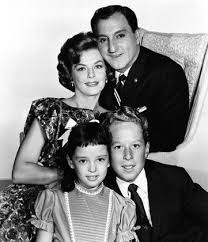
The show debuted on ABC in 1953. In 1957, it moved to CBS until 1964 when it went off the air. Danny Williams (Danny Thomas), a nightclub singer and comedian, tries to balance his work life with his family life. Danny obviously loves his children but is not an overly affectionate dad and is just as likely to tell his son Rusty, “I love you, you little jerk.”

In March of 1953, Thomas singed a contract for the show and picked Desilu Studios for filming because of their three-camera method. Several of the working titles for the show were “The Children’s Hour” and “Here Comes Daddy.”

The title of the show was from a Thomas family joke. Whenever Danny was away for work, his children had the run of the house. They slept in the master bedroom with their mother, even putting clothes in the dresser there, so when he came home from a tour or a filming, he told them it was time to spread out and “make room for daddy.”

Danny has three children (two in seasons 1-4 and three in seasons 5 and after): Terry (Sherry Jackson and later Penney Parker), Linda (Lelani Sorenson, then Angela Cartwright), and Rusty (Rusty Hamer). The first three seasons his wife Margaret was played by Jean Hagen. They had Terry and Rusty. Louise (Louise Beavers) was their maid. When Beavers passed away, Amanda Randolph took over the role. Terry was later played by Penney Parker. Mary Tyler Moore auditioned for the role, but Danny felt Mary’s nose did not match his as well as Parker’s.

Photo: en.wikipedia.org

The show was filmed live before 300 people, so there was a lot of pressure on the younger kids to know their lines. All three children continued in successful acting careers after the show. (Unfortunately, Hamer had a harder time finding good roles as an adult and committed suicide at 42. Cartwright left acting to focus on a career as a photographer.  Jackson continued acting.)

Photo: pureflix.com

With Danny Thomas’s connections, you can imagine the quality of guest stars this show was able to feature. Some of the bigger names include Lucille Ball, Milton Berle, Sammy Davis Jr., Jimmy Durante, Shirley Jones, and Dinah Shore. If you looked at a Who’s Who in Comedy Sitcoms, you would find a huge percentage of them on this show.

Like many shows from this era, the original sponsor was The American Tobacco Company, advertising its brands like Lucky Strike, Pall Mall, and Tareyton.

While the theme song went through variations during the run of the show, it was always a version of “Danny Boy.”

Photo: youtube.com

The show was popular and did well in the ratings but had not made the top 30 after three years. Jean Hagen decided to leave the show.

At the beginning of the fourth season, the title changed to The Danny Thomas Show. Thomas and producer Sheldon Leonard were trying to decide how to explain Hagen’s absence. Divorce was not acceptable and filling the same role with another actress didn’t seem like a good option either. They decided to have her die between seasons.

The emphasis of the show now switched to Danny being a widower. The family moved from their home to an apartment. Danny dated occasionally and almost got engaged to singer before learning she didn’t like children. The ratings were declining with the new format, so it was decided to have Danny marry again.

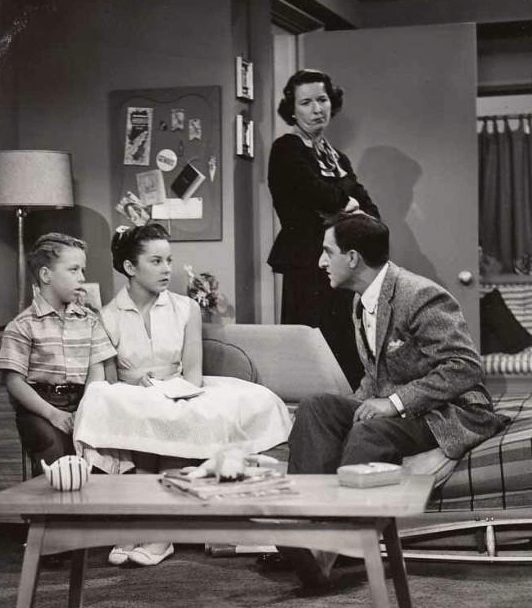
Mary Wickes played the role of Liz O’Neal, Danny’s press agent from 1955-1957.

Photo: jacksonupperco.com
Mary Wickes in the background

At the end of the 1957 season, Rusty becomes ill, and Danny hires Kathy O’Hara (Marjorie Lord) as his nurse. Kathy was a widow with a young girl (Lelani Sorenson). Danny and the kids both fall in love with her and they become engaged in the season finale. ABC cancelled the show, but CBS* was looking for a show to take over the spot of I Love Lucy which was ending its production, so they took it over and put it on the schedule for the fall of 1957.

The first episode of the fifth season “Lose Me in Las Vegas” centered on Danny and Kathy who had married an were on their honeymoon. Angela Cartwright took over the role of Kathy’s daughter from Sorenson. Danny adopted Linda. The family moved into a larger apartment. The ratings skyrocketed, and it was the number 2 show by the end of the season.

Photo: peoplequiz.com

Sherry Jackson decided to leave the show during season six, and her absence was explained by her going to a school in Paris. Jackson had a five-year contract which she honored. She and Hagen had been very close, and Jackson wanted to leave when Hagen did, but Hagen only had a three-year contract.

In season seven, Terry comes back, now played by Penney Parker. During the season she gets engaged and eventually marries Pat (Pat Harrington Jr.), a friend of Danny’s. Terry and Pat move to California and are rarely mentioned afterward.

Photo:closerweekly.com

Make Room for Daddy might have had the first spinoff of a character not in the cast. In one of the episodes from 1960, “Danny Meets Andy Griffith,” Danny is pulled over in Mayberry and is detained in the jail. Sheriff Andy Taylor is featured in the show, and The Andy Griffith Show was created.

“The Danny Thomas Show” (aka “Make Room for Daddy”) Pat Carroll, Sid Melton circa 1950s Photo by Gabi Rona

For the final two seasons, Danny and Kathy traveled for much of the series. They toured Europe while Rusty and Linda stayed home with Danny’s manager Charlie (Sid Melton) and his wife Bunny (Pat Carroll). Thomas decided to retire from the show in 1964. The show ended on a high note, still ranking number nine.

Photo: pinterest.com

Although the show ended in 1964, NBC brought back the main cast of Thomas, Lord, Cartwright, Hamer, Jackson, Randolph, and Hans Conried, Uncle Tonoose, to star in a two-hour reunion special, The Danny Thomas TV Family Reunion.  Having a reunion show was another first accomplished by this sitcom.

Photo: en.wikipedia.org

In 1969, CBS created their own reunion special, titled Make Room for Grandaddy. It had such high ratings that CBS put it on the schedule, but Thomas didn’t like the time slot and pulled the show.

In 1970, ABC tried again. Sherry Jackson again was Terry, but her husband now was Bill; what happened to Pat? Terry had a six-year-old son Michael (Michael Hughes) whom Terry left with Danny and Kathy (still played by Thomas and Lord) to join Bill, a soldier stationed overseas. The show only lasted one year. One of the reasons given was that Sheldon Leonard was no longer controlling the scripts and actors, and the show was moved from Wednesdays to Thursdays during the season.

The show was so popular with kids that a comic book series was developed.

Photo: pinterest.com

As I mentioned, this show does not get the credit it deserves. While Danny tended to be short-tempered and Kathy was the voice of reason, the scripts for the entire series were well written and realistic. It had an extremely talented cast. Unlike some series, the children really carried the show. The children acted like children, not mature adults, in most ways, but they created great characters and were very funny. Rusty always had a viewpoint on any given situation. Their moments are the ones that make this show so memorable. Many of the episodes center around the kids. A typical example is “Casanova Junior ” : Rusty hasn’t asked a girl to the school dance because he has no confidence. Danny gives him some pointers and now the girls are falling all over themselves to go out with Rusty. The only problem is Rusty, he’s gone from no confidence to treating the girls badly and Danny is not happy about it.

Photo: facebook.com

The show ended in the top ten. It created the first sitcom spinoff of a non-cast member and the first reunion movie. I specify “non-cast” member because December Bride included Pete Porter in its cast, and he talked about his wife Gladys. Later the show Pete and Gladys was created.

Despite the challenges it faced with cast members coming and going, the change from ABC to NBC, and the characters growing up on the show with changed the dynamics of the series, the show continued to garner great ratings and was given a second life in a new series in Make Room for Grandaddy. Along with The Donna Reed Show, it was one of the trend-setting family sitcoms from the 1950s and ’60s.

*Thanks to reader Howard Ian Stern for letting me know I originally had the wrong network listed.

Just a Couple of Characters, Part 4: Mary Wickes and Susan Oliver

We wrap up our series Just a Couple of Characters this week with Mary Wickes and Susan Oliver. Mary and Susan are very different character actors, but you will immediately recognize them. Let’s learn a bit more.

Mary Wickes

Photo: imdb.com

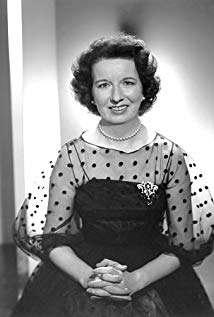
It’s not surprising that Mary shortened her last name to “Wickes” after being born Mary Wickenhauser in 1910 in St. Louis. Her father was a banker, and the family had plenty of money. After high school, Mary attended Washington University in St. Louis, majoring in political science, planning a career in law. One of her professors suggested she try theater, and she dipped her toe into it doing summer theater in Stockbridge, Massachusetts.

Photo: flickr.com

After deciding a career in acting was for her, she moved to New York. She quickly found a role in “The Farmer Takes a Wife” on Broadway in 1934. In this show, which starred Henry Fonda, Mary was Margaret Hamilton’s understudy. Mary had a chance to perform during the run and received excellent reviews.

Photo: tcm.com
The Man Who Came to Dinner

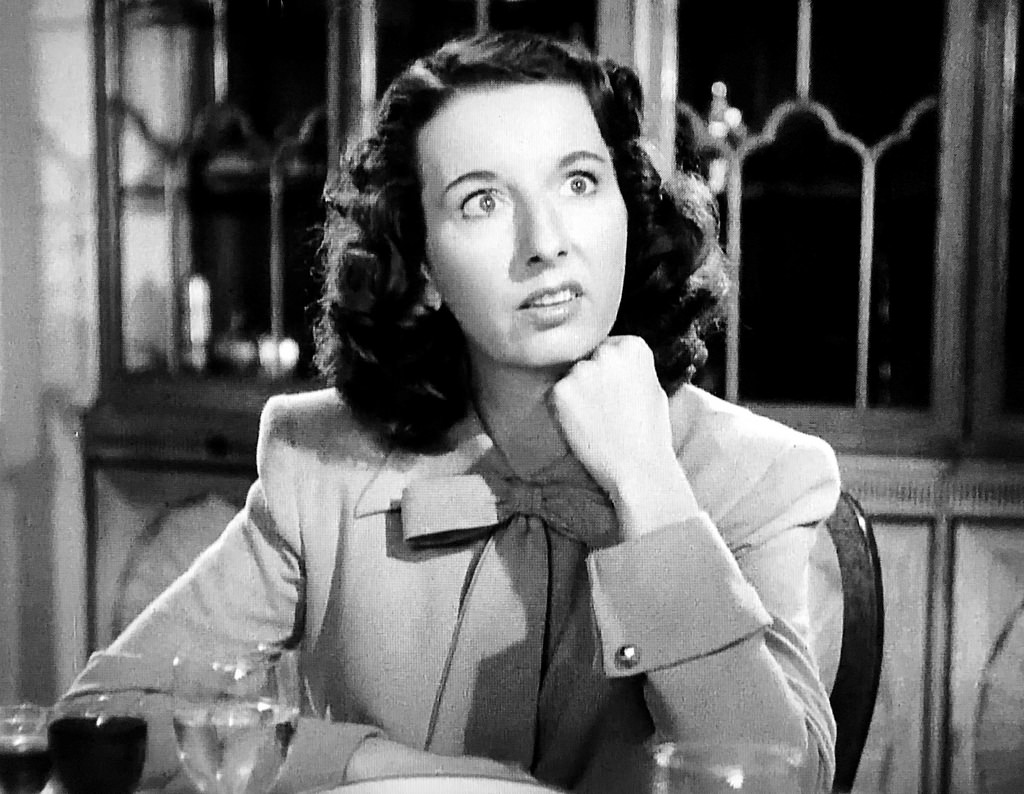
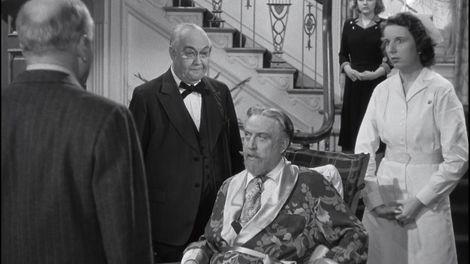
Mary understood that comedy was the field she needed to pursue. She was lucky enough to continue getting roles on Broadway, appearing in several shows throughout the 1930s, including “Stage Door” in 1936 and “Hitch Your Wagon” in 1937. She also was cast in “The Man Who Came to Dinner” as Nurse Preen with Monty Woolley. She continued to receive encouraging reviews. When Warner Brothers decide to turn the play into a movie, both Mary and Woolley were part of the cast. Mary became known for being a bit sarcastic and witty. She was given roles in the film, Now Voyager with Bette Davis, again playing a nurse.

Photo: viennasclassichollywood.com
By the Light of the Silvery Moon

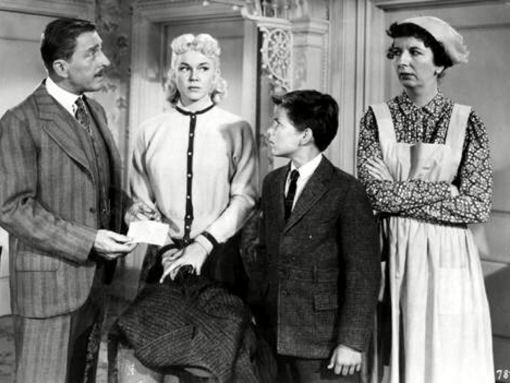
Mary flip flopped from Broadway to Hollywood, taking roles that interested her. She would appear in both Moonlight Bay (1951) and By the Light of the Silvery Moon (1953) with Doris Day; White Christmas (1954), and The Music Man (1962).

Mary had cornered the market in roles of smart-alecky teachers, nurses, and housekeepers in film. When she transitioned to television, she often continued in these roles. Her first two recurring roles were housekeepers named Alice on Halls of Ivy from 1954-55 and Katie on Annette in 1958. From 1956-1958, she played Liz O’Neill, Danny Thomas’s press agent on Make Room for Daddy. Throughout the 1950s she also appeared on numerous shows including Zorro.

Photo: pinterest.com

One of my favorite episodes with Mary was the 1952 episode “The Ballet” on I Love Lucy where Wickes played Madame Lamond, a formidable ballet teacher who taught Lucy. Wickes and Lucy would remain life-long friends. After Mary’s death, Lucie Arnez talked about her relationship with their family: “For my brother and me, Mary was just like one of the family. If any of us were sick or even in bed with a cold, Mary would show up at the backdoor with a kettle of chicken soup. She could be loud and boisterous and as demanding as any of the characters she played, but she was also very loving and giving. What a lady.” Mary would appear on numerous episodes of Lucille Ball’s other shows in the 1960s and 1970s.

Photo: aurorasginjoint.com

In the 1960s, Mary continued to show up on a variety of shows. We see her on My Three Sons, Bonanza, F-Troop, The Doris Day Show, The Donna Reed Show, and I Spy. She also had recurring roles on three shows during the decade: The Gertrude Berg Show, Dennis the Menace, and Temple Houston. In the Gertrude Berg Show, Mary was landlady, Winona Maxfield. She was hilarious on Dennis the Menace, playing Miss Cathcart, an older neighbor looking for a man. On Temple Houston, she played Ida Goff. Temple was Sam Houston’s real son who was a circuit-riding lawyer.  

Photo: en.wikipedia.org
The cast of Doc

As Mary aged, she progressed to the cranky relative or nosy neighbor type of character. In the 1970s she was a regular on Julia, Doc, and The Jimmy Stewart Show. On Julia, she was Dr. Chegley’s wife, Melba. She went back to her role as a nurse on Doc. On the Jimmy Stewart Show, she is Mrs. Bullard. Two of my favorite episodes of her from the 1970s were her roles on Columbo and M*A*S*H. On Columbo, Mary plays a landlady of a victim who’s been murdered. She and Columbo have a priceless conversation during the show, “Suitable for Framing” in 1971. On M*A*S*H, Mary played Colonel Reese who is observing Margaret and the nurses.

Photo: aurorasginjoint.com

In the 1980s, Mary’s schedule slowed down a bit. She did revive her role as a maid on The Love Boat in 1981. From 1989-1991, she took another regular role as housekeeper Marie Murkin on Father Dowling Mysteries.

Photo: hometheaterforum.com

In the 1990s, Mary was doing more voice overs. She taped five episodes of Life with Louie which aired from 1995-1997 and was Laverne in The Hunchback of Notre Dame in 1996. Unfortunately, she would not live to see them on the big screen. In 1995, she passed away after having respiratory problems. While a patient in the hospital, she fell and broke her hip. She died of complications caused by the surgery.

Mary never married or had children and as part of her legacy, she left a $2 million donation in memory of her parents to the Television, Film and Theater Arts at Washington University.

Susan Oliver

Photo: amazon.com

More than twenty years younger than Wickes, Susan Oliver was born in 1932 in New York City. Her real name as Charlotte Gercke. Her father was a political reporter for the New York World. Her parents divorced when she was quite young, and she grew up in boarding schools. She traveled with her father to Japan when he took a post there. She studied at the Tokyo International College, studying American pop culture. While Wickes was the wise-cracking comedic foil, Oliver was often the leading lady character with blue eyes, blonde hair and heart-shaped face.

Photo: trekdivos79.blogspot.com
on The Wild Wild West

In 1949, she traveled to LA to see her mother who had found her niche as “astrologer to the stars.” Susan then enrolled at Swarthmore College. After graduation, she continued acting courses at New York City’s Neighborhood Playhouse.

Her first Broadway part came in 1957 as the daughter or a Revolutionary veteran, “Small War on Murray Hill.”

Photo: manfuncle2014.blogspot.com
The Man from U.N.C.L.E.

Returning to LA, she started a film career. Though she would appear in 15 big-screen movies, television is where she spent most of her time. She put in her due diligence in the 1950s and 1960s. Her first job was on The Goodyear Playhouse in 1955. She continued with a lot of drama and theater for the first few years of her career. She took roles in a variety of shows including: Father Knows Best, Suspicion, The David Niven Show, Bonanza, The Twilight Zone, The Adventures of Ozzie and Harriet, The Alfred Hitchcock Hour, Wagon Train, Route 66, The Fugitive, The Andy Griffith Show, Ben Casey, Mannix, Dr. Kildare, The Man from UNCLE, I Spy, Gomer Pyle, My Three Sons, and the Wild, Wild West.

Photo: imdb.com

I read several times that she turned down lead roles in series to retain her independence, but I never read any specific roles she turned down. In 1966 she accepted a recurring role of Ann Howard in Peyton Place. She had signed a contract for a year, but after five months, her character was killed on the show. She made a pilot for a show titled, “Apartment in Rome” that did not sell.

Photo: en.wikipedia.com
on Peyton Place

Oliver never did get another show of her own, but she continued to guest on shows throughout the 1970s and 1980s, including Love American Style, Gunsmoke, The FBI, Streets of San Francisco, The Love Boat, Magnum PI, Murder She Wrote, and Simon and Simon.

Photo: flickr.com
on Murder She Wrote

One of the reasons, she didn’t want to be tied down was her interest in flying. In 1959, a Boeing 707 she was a passenger on plummeted 30,000 feet for the Atlantic Ocean before leveling out. After that scare, she decided to learn to become a pilot. In 1964, she started flying single-engine planes. Bill Lear brought her on board to become the first woman to train on his new Lear Jet. She would star in a movie about Amelia Earhart. She also later wrote about her flying experiences in an autobiography, Odyssey: A Daring Transatlantic Journey in 1983.

Photo: imdb.com

In the mid-1970s, she stopped accepting most acting roles and quit flying. She enrolled at the 1974 AFI Directing Workshop for Women with peers Lily Tomlin, Margot Kidder, Kathleen Nolan, and Maya Angelou. During the final season of M*A*S*H she directed an episode of the show. She would later direct an episode of Trapper John, MD.

At age 58, Oliver was diagnosed with colorectal, and eventually lung, cancer. She died in 1990.

Oliver was an interesting actress. Apparently, she loved acting, but never wanted to be tied down. She not only was a aviator and director but a writer. She was a practicing Buddhist and a baseball expert as well.

Wickes and Oliver were very different women with very different interests and acting roles. They both remained single and devoted themselves to their careers. But they were both women who were always in demand for their acting ability.