We Still Love Lucy

We have been learning a lot about Lucille Ball this month. We delved into I Love Lucy and why it was so important to American culture. We got to know Lucy as a person. And we discussed Jess Oppenheimer and the influence he had on her. Today we are finishing up the month by checking out three shows she starred in after I Love Lucy went off the air: they all debuted in the sixties.

The first show, the Lucy-Desi Comedy Hour, was an extension of I Love Lucy. It spun out thirteen one-hour specials that aired between 1957 and 1960. Five of them debuted during the 1957-58 season of I Love Lucy. The other eight were shown on the Westinghouse Desilu Playhouse and they featured the same cast as I Love Lucy.

Desi tried to talk the network into doing these specials the first year just to keep some freshness in the series, but he was denied the chance. By the last season, they agreed it might work.

During the final season of the series, both the Mertzes and the Ricardos move to the Connecticut suburbs. Apparently, the two couples were running an egg farm to make their living and Fred was Ricky’s manager.

Despite their move out of the City, many of these episodes feature Lucy’s meetings with famous guest stars. For example, in “Lucy Takes a Cruise to Havana,” Lucy meets Hedda Hopper. Production costs were estimated to be $350,000 but with the guest stars, these costs increased and rather than do ten episodes the first year, Arnaz was forced to spread them out over three years.

Ratings were good in the beginning but with the news of Lucy and Desi’s marriage in trouble, both this series and I Love Lucy started to lose viewership. By the time the last episode was filmed, the couple could not even talk without a fight erupting and they communicated by messages. The day after filming, Ball filed for divorce.

The theme song of the series was used with a bit of updating. That symbolizes all ten episodes. It was the same series, but it wasn’t. Had this type of programming happened throughout the original series it might have been more popular but coming on the heels of the ending of the show and the fans being aware that “Ethel and Fred” could barely tolerate each other in real life and then learning “Lucy and Ricky” were ready for divorce took a lot of the fun out of watching the show.

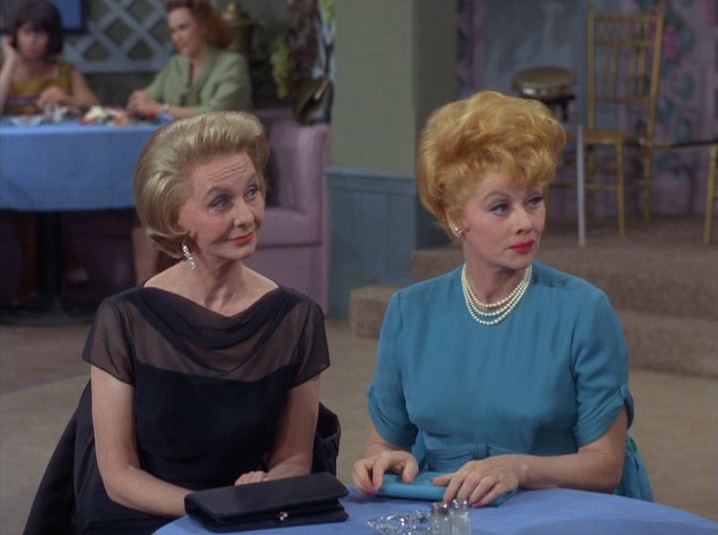
From 1962-68, Lucy attempted another sitcom. While Vivian Vance was no longer Ethel, she was a co-star for the first three seasons of the show. Gale Gordon who had been Lucy’s first choice for Fred Mertz in the early fifties was no longer under contract in 1962 and appeared in this series beginning in season two.

While Arnaz and Ball had divorced two years before this series debuted, they were still in business together. Their company, Desilu Productions, was struggling with the end of I Love Lucy. In 1961 four of their shows were canceled. By spring of 1962, only The Untouchables was still on the air.

Desi approached Lucy about returning to a weekly sitcom. She agreed if it could take the time slot on Mondays that I Love Lucy had, and if Vivian Vance was part of the cast, and the I Love Lucy writers were brought back. The new show, The Lucy Show, debuted Monday, October 1, 1962.

Lucy Carmichael lives with her two kids (Candy Moore and Jimmy Garrett) and Vivian Bagley (Vivian Vance), a divorced friend, and her son (Ralph Hart). Vivian was the first woman to be divorced on television. Her husband had left her a trust fund, so Lucy had to approach the bank often for funding for some of her harebrained projects and purchases. In season two, Gale Gordon took on the role of banker Mr. Mooney. The show had decent ratings and continued in its format until 1965. Lucy moves from New York to Los Angeles when her daughter goes to college in California. Vivian remarries and stays in New York. Lucy meets a new best friend, Mary Jane Lewis (Mary Jane Croft). When Lucy learns that Mr. Mooney is being transferred to the LA bank, their relationship continues, and eventually she works for him.

At the end of the second season, a dispute occurred between Lucy and the writers over a script Ball felt was not up to their standard, and the writers left. In 1964 Desi had resigned as head of Desilu, so Ball took over as president. Most specials, sports shows, and cartoons on CBS were now in color, but they refused to broadcast most of their series in color. Ann Sothern began appearing on the show as a countess to fill in the gaps of Vance being absent.

For the 1966 season, the show dropped all references to Lucy’s children, her trust fund and her life in New York. I don’t know why shows think viewers will just go along with these strange format revamps. Doris Day did the same on her show when her former life and children just disappeared one day and were never mentioned again. Because the show was set in California, a lot of guest stars were featured on the show, many of them bank customers.

During the last season of the show, Gary Morton, Ball’s second husband, was named executive producer of the show. He actually seemed to do well in this role. For this year, Ball was nominated and won an Emmy for the star of the show, the show was nominated for Emmys for best comedy show (but lost to Get Smart) and for the writing and for Gale Gordon as supporting comedy actor (who lost to Werner Klemperer of Hogan’s Heroes). The show was #2 in the ratings.

Surprisingly, this is when Lucy decided to end the show and put it into syndication. Even odder is the fact that she began a new show with a similar plotline that same year. Lucy and her real-life kids, Lucie and Desi Jr. joined the cast which included Croft, and Gordon with Vance making appearances during the run of the show. This show, like the other two, was on the air for six seasons.

Ball as Lucy Hinkley Carter is living in LA, a widow with two children Kim and Craig, played by her own two kids. She works for her brother-in-law Harry Carter, played by Gale Gordon but now they are at an unemployment agency. Vance made six guest appearances on the show.

Again in this show, a number of famous guest stars showed up including Ann-Margret, Milton Berle, Carol Burnett, George Burns, Liberace, Eva Gabor, Helen Hayes, Dean Martin, Vincent Price, Ginger Rogers, Dinah Shore, Danny Thomas, Lawrence Welk, and Flip Wilson.

In 1973 the show fell out of the top ten, the first Lucille Ball show to ever do so. Lucy did a sixth season and then ended the show.

Lucille Ball deserved a break after this show ended. She had been on the air for 23 years. Little Ricky, or little Desi, had been born early in I Love Lucy history and now he was off on his own acting career. After 1974 when this show went off the air until her death in 1989, most of her projects were connected with I Love Lucy, although she was listed as executive producer for several shows including Mission Impossible and Mannix.

None of these post-I Love Lucy shows were much different from each other, but it proved that America still wanted to watch Lucy on the air. Television looked very different in 1974 than it did in 1951, and Lucille Ball influenced and inspired much of that change. I wonder if Lucy would be surprised to learn that fifty years after her final show ended its production, she is just as popular as ever and Lucy merchandise is unending. It says a lot about just how true it was that everyone loves Lucy.
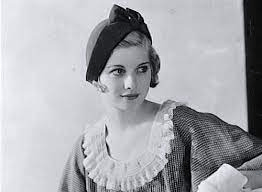
Lucille Ball: A Force To Be Reckoned With

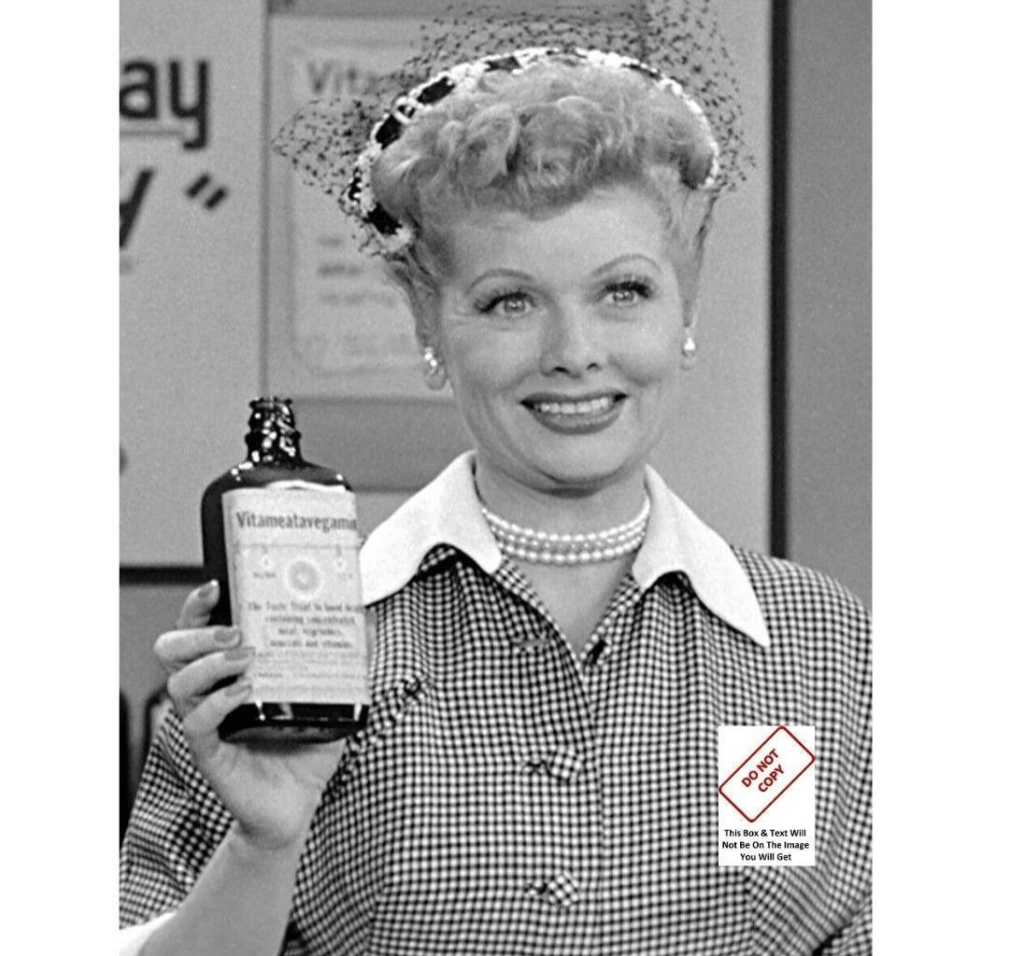
This month we are learning why We All Love Lucy. We’ll delve into her sitcoms and get to know Jess Oppenheimer and hear about his role in her television life. But today, we are starting with the woman herself, Lucille Ball.

📷facebook. A young Lucille Ball

Lucille Desiree Ball was born August 6, 1911, in Jamestown, New York. She was the only daughter of Henry Durrell Ball, a lineman for Bell Telephone, and Desiree Evelyn Hunt Ball. They lived at 60 Stewart Avenue. The family belonged to the Baptist Church there, and many of her relatives were among some of the first European settlers in Massachusetts.

The family moved frequently for her father’s career, but Jamestown always had a claim on Lucy, and they celebrate her in many ways there. The family lived in Montana, New Jersey, and Michigan before her father passed away from typhoid fever at age 27 in 1914.

Her mother returned to New York, living in Celoron, a summer resort on Chautauqua Lake. The road she grew up on is now named Lucy Lane. Celoron had an amusement park with a boardwalk, the Pier Ballroom, a roller coaster, a bandstand, and a stage.

📷Good Housekeeping

Lucy’s mother remarried four years later. It was her stepfather who encouraged Lucy to audition for his Shriner’s chorus line, which gave her the first taste of what it would be like to be in show business. When she was 16 the family returned to Jamestown.

When Lucy was only 14, she was dating a 21-year-old hoodlum. Her mother was devastated by the situation and finally enrolled Lucy in the John Murra Anderson School for Dramatic Arts in New York City to encourage her in her theater career. Ball did not love the school, and her instructors told her she would not be successful in the entertainment business. Luckily, Lucy did not take their comments to heart. She later said that “one of the things I learned the hard way was that it doesn’t pay to get discouraged. Keeping busy and making optimism a way of life can restore faith in yourself.”

In an attempt to prove the school wrong, Lucy began working as an in-house model for Hattie Carnegie. This was where she first changed her hair. Being a brunette, Carnegie taught Ball to bleach her hair blonde. Her modeling was interrupted for two years when she dealt with the effects of rheumatic fever.

At the ripe old age of 21, Ball returned to New York City to pursue an acting career. She went back to the Carnegie agency and became the Chesterfield Cigarette Girl.

📷Brittanica

In 1933 she was in Roman Scandals as a Goldwyn Girl; while playing a slave girl, she had to have her eyebrows entirely shaved off, and they never grew back. Some of the things an actor goes through for roles is crazy. After that movie she moved to Hollywood to try a film career. After becoming a contract player for RKO Radio Pictures, she received a decent amount of work. At this time, she met the Marx Brothers, appearing in Room Service. She also worked with Fred Astaire and Ginger Rogers in several musicals.

When she registered to vote in 1936, both she, her brother, and her mother registered as Communists. During that year she signed a document as a Communist supporting Emil Freed for assembly and was appointed delegate to the State Central Committee of the Communist Party of California.

Ball later claimed she never had a strong political affiliation. In 1944, Lucy can be seen in a newsreel fund raising for Franklin Roosevelt. She also mentioned that she voted for Eisenhower in 1952 when he was on the Republican docket. In 1953 Ball met with HUAC and gave a sealed testimony. She said that she voted Communist at her grandfather’s insistence and did not know she had been appointed a delegate. Before filming episode 68 of their show, her husband and co-star Desi addressed the audience and said Lucy was not a Communist; she was just influenced by her grandfather. He joked that “the only thing red about Lucy is her hair, and even that is not legitimate.”

📷pinterest

In the late thirties, she dabbled in radio to earn some additional money. She was a regular on “The Phil Baker Show” and on “The Wonder Show” where she met announcer Gale Gordon.

In 1940 Lucy met Desi Arnaz when they both appeared in the movie Too Many Girls. They fell in love immediately, and before the year was out, they eloped. Arnaz was drafted in 1942, but a knee injury kept him from active service, and he was placed in Hollywood organizing and performing USO shows for wounded GIs.

Lucy finally got her big break in 1943. Arthur Freed was making a movie based on the play “DuBarry Was a Lady”; he bought it for Ann Sothern, but when she turned it down, she recommended her best friend, Lucille Ball.

In 1944, Ball filed for divorce, but the couple reconciled before it went through. Lucy and Desi had Lucie in 1951 when Lucy was almost 40, and son Desi was born during the series and written into the scripts in 1953. Mom and son appeared on the first cover of TV Guide which came out in 1953.

📷HollywoodHistoricPhotos.com

Ball continued to make movies throughout the forties and kept a foot in radio. In 1948 she was cast as Liz Cooper on the radio show, “My Favorite Husband” on CBS.

When CBS wanted to transition the show to television, Lucy wanted Desi to be her television husband. CBS said no, so the couple went on the road with an act to prove the popularity of the them working together and CBS backed down.

The show was incredibly successful. (If you want to learn more details about the series and all the history that it produced, keep an eye out for my blog which will post January 13, 2025.) The couple created their own production company and had many “firsts” with technology producing their show. During filming breaks of the show, Lucy and Desi made two movies: The Long, Long Trailer in 1954 and Forever, Darling in 1956.

After years of turmoil and ups and downs in their marriage, the couple divorced. However, they continued to remain in each other’s lives through their children and their relationship. Later in life, Lucy said “Desi was the great love of my life. I will miss him until the day I die.”

📷closerweekly.com Ball and Vance

Lucy bought Desi’s share in the production company which produced a variety of shows including Mission: Impossible, Star Trek, and The Untouchables. In 1967 Lucy sold her shares to Gulf+Western, owned by Paramount, for $17 million, which would translate into $138 million today.

Lucy married Gary Morton in 1961. At the time, Morton was a comedian 13 years younger than Lucy. He said he had never seen an episode of I Love Lucy. Ball hired Morton for her production company, teaching him the television business.

For the next decade, Lucy worked on a number of television specials. She also tried sitcom life again. She starred in The Lucy Show from 1962-68 and in Here’s Lucy from 1968-1974. We’ll discuss these shows the last week of January. Many of Lucy’s friends appeared on these shows. Her close friends included Mary Jane Croft, Judy Garland, Ethel Merman, Barbara Pepper, Ginger Rogers, Ann Sothern, Vivian Vance, and Mary Wickes.

📷ebay.com

Ball kept busy acting during the early 1980s. Desi Arnaz passed away in 1986. In 1988 Lucy had a mild heart attack. She appeared at the 1989 Academy Awards show and she and co-presenter Bob Hope were given standing ovations. She died a month later. Lucy had been a heavy smoker, and her cause of death was abdominal aortic aneurysm which is seen more in smokers.

Lucy always sent flowers to Carol Burnett on her birthday. The day before she died, she ordered them, and they were delivered a few hours after Carol learned of her death.

Lucy was cremated and her ashes were interred in Forest Lawn Cemetery with her mother’s remains. In 2002, both women’s remains were moved to the Hunt family plot in Jamestown. In Jamestown you can find the Lucille Ball Desi Arnaz Museum & Center for Comedy and the Lucille Ball Little Theater.

In 2009 a statue of Lucy was erected in Celoron. Many people called it “scary,” and it became known as “Scary Lucy,” which I totally endorse. In 2016, a more lifelike statue was created to replace Scary, but the scary statue had become so popular, it was left on display with the new one as its neighbor.

📷youtube.com The different sides of Lucy

Those two statues symbolize my relationship with the show. I appreciate the show and everything it did to create the classic age of television. Whether it’s technical filming strategies, the writing, the way the business was run, everything was important in this show. However, I have to admit, it’s not a show I choose to watch. It changed the entire course of television in similar ways that All in the Family would do a few decades later, but I honestly don’t enjoy watching either of these series. That might be a fault in my genes, but I also have to be honest.

However, Lucy Ricardo, while we may think of her as naïve and sophisticated, traditional and unconventional, submissive and disobedient, was an important icon in the way that women thought about themselves in the fifties.

Women had been brought in to work and gain independence while so many men were overseas fighting, and then they were asked to give it all up and go back to a domestic and tranquil life. Leslie Feldman, a political scientist and author of The Political Theory of I Love Lucy, writes that Lucy was “a transitional figure—she’s on the cutting edge.  . . Are [women] going to stay home and be wives and mothers? Are they going to go to work? Or are they going to do both? And what if they really do better and earn more money than their husbands? What about that? That’s an element of Lucy too.”

📷biography.com

Lucy was a force in show business. While she was not alone in taking control of her own career—Donna Reed, Betty White, and Ann Sothern were also powerhouses in establishing their own companies and running them—Lucy did it with the nation watching her. Even the choices she made about whether to divorce Desi or not were all done in the public eye and were sending messages whether people chose to receive them or not.

Lucille Ball was an amazing actress and an amazing business person. Apart from whether I enjoy watching the show or not, it changed the history of television and the way sitcoms were written, cast, and remembered. Thank you, Lucille Ball, for not listening when your instructors told you that you would never make it in show business. You not only made it in television, you truly made television what it is today.

Mary Jane Croft: What a Character!

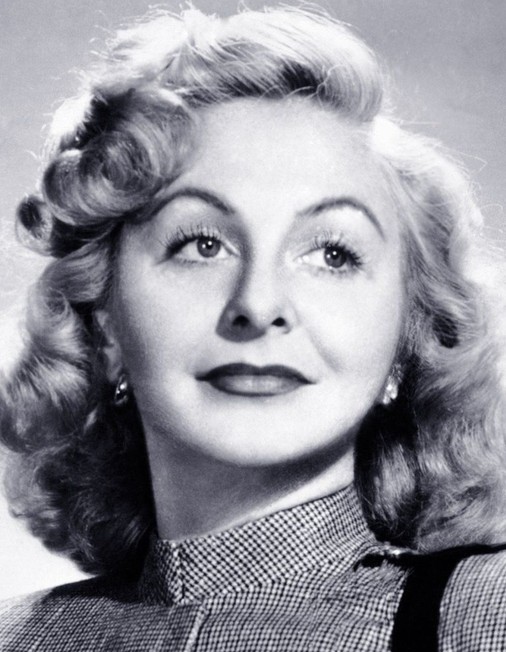
In October we are having fun with the “What a Character” series. Although this actress spent less than two decades on television, she had a memorable career. Today let’s learn more about Mary Jane Croft.

Mary Jane Croft - Rotten Tomatoes
Photo: rottentomatoes.com

Mary Jane Croft was born in 1916 in Muncie, Indiana. She described herself as a “stage-struck 17-year-old just out of high school,” when she began working at the Muncie Civic Theatre. Moving on to the Guild Theatre Company in Cincinnati led her to radio station work at WLW.

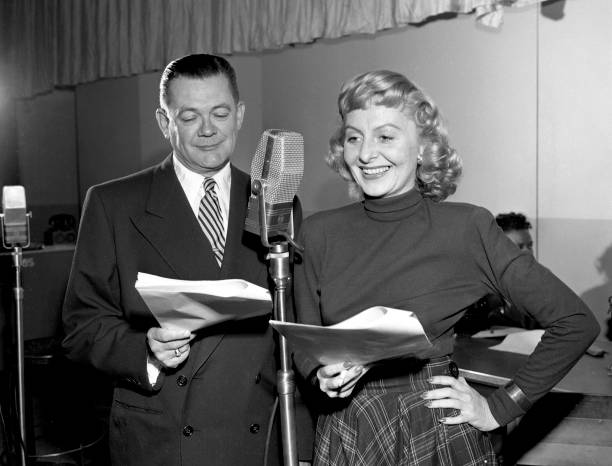
In the thirties, she received a lot of experience and she described her work there: “from 1935-1939, I played parts with every kind of voice and accent: children, babies, old women, society belles, main street floozies—everything.” She appeared in Life with Luigi, Blondie, The Adventures of Sam Spade, The Mel Blanc Show, and Our Miss Brooks, among other shows. She was a frequent guest star on My Favorite Husband, Lucille Ball’s radio show which would become very important to her television career.

Croft had married Jack Zoller, another actor earlier in her life. The marriage did not last long but produced a son, Eric. After her divorce, she moved to Hollywood in 1939.

I Love Lucy' Star Mary Jane Croft: Lucille Ball's Frequent TV Sidekick
On the radio Photo: closerweekly.com

While Croft appeared in three big-screen films, most of her professional career was spent on television. Her first role was in Eve Arden’s show, Our Miss Brooks from 1953-1955 once it moved from radio to television. She portrayed Daisy Enright whom she had also voiced on the radio show. Daisy and Connie Brooks competed for the head English teacher position and for the attention of Mr. Boynton. During that time, she also was cast in The Lineup, The Life of Riley, I Married Joan, and Dragnet.

From 1954-1957, she was on I Love Lucy seven times. She and Lucy continued both their professional and personal relationships. In the final season of Lucy’s show, she played Betty Ramsey, a neighbor of the Ricardos and Mertzs when they moved to Connecticut.

In the mid-fifties, she showed up on A Date with Angels, The Eve Arden Show, and The Court of Last Resort.

In 1959, she married Elliott Lewis and they were married until he died in 1990. She met Lewis while appearing on Lucy’s show; he was the producer. Sadly, her son Eric was killed in action in Vietnam.

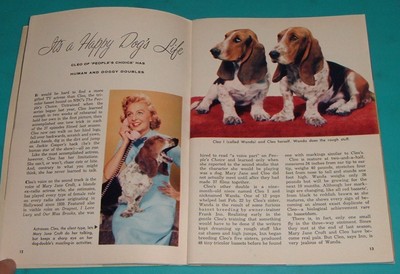
1956 TV ARTICLE~CLEO WANDA BASSET HOUND PEOPLES CHOICE MARY JANE CROFT  HOUND DOG | eBay
Photo: ebay.com

From 1955-1958 she was the voice of Cleo on The People’s Choice for 99 episodes. This is another one of those quirky shows from the fifties. The premise is that Socrates Miller, known as “Sock,” joins the city council and clashes with the mayor, John Peoples. Sock then dates and marries John’s daughter Mandy. Sock has a basset hound named Cleo, and Cleo shares her thoughts with the audience about what is going on.

Pin on Classic TV
Croft with Lyle Talbot and the Randolphs on Ozzie and Harriet–Photo: pinterest.com

From 1955-1966 she appeared as Clara Randolph on the Ozzie and Harriet Show for a total of 75 episodes. Joe and Clara Randolph were the Nelsons’ neighbors and good friends.

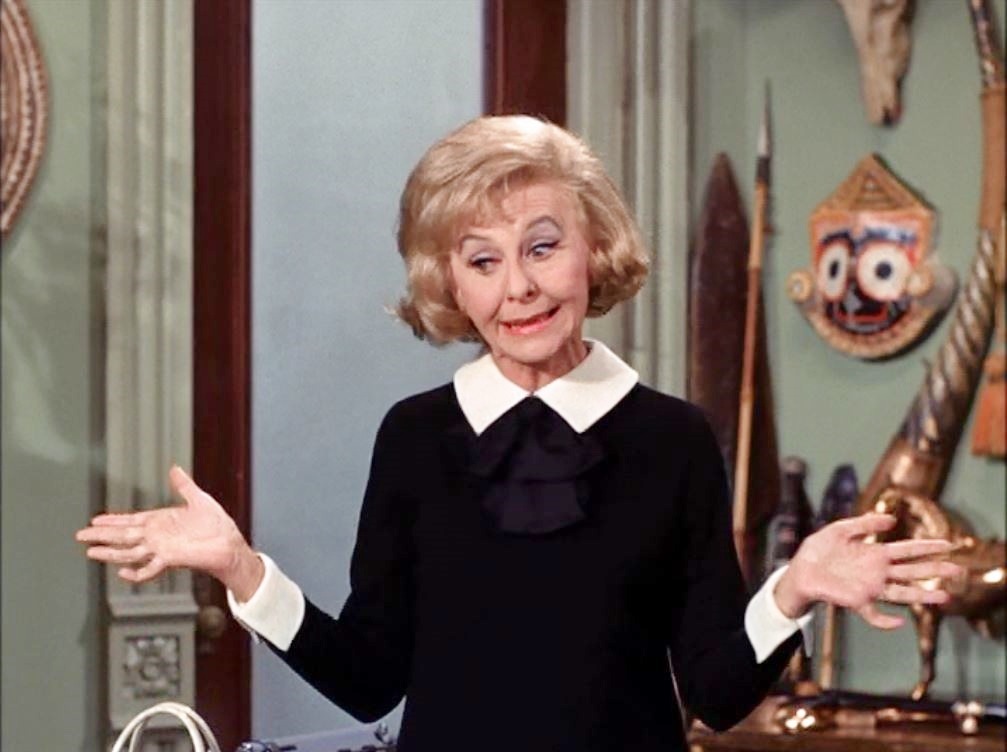
Although Croft did accept roles on Vacation Playhouse in 1966 and The Mothers-in-Law (another Arden show) in 1969, her career from 1962-1974 was with Lucille Ball. She was on The Lucy Show from 1962-1968 as Mary Jane Lewis when Lucy’s original sidekick Vivian Vance left the show. She continued that same role into Here’s Lucy from 1969-1974 for an additional 34 episodes.

Her last acting credit was a TV Movie with Lucille Ball titled Lucy Calls the President.

I Love Lucy' Star Mary Jane Croft: Lucille Ball's Frequent TV Sidekick
Croft with Lucille Ball–Photo: closerweekly.com

Croft died of natural causes in 1999.

I Love Lucy' Star Mary Jane Croft: Lucille Ball's Frequent TV Sidekick
Ball and Croft–Photo: closerweekly.com

Geoffrey Mark who wrote The Lucy Book: A Complete Guide to Her Five Decades on Television, got to spend time with Croft. He said she was “nothing like the characters she played,” in an exclusive interview with Closer Weekly. “She was intelligent, thoughtful in her speech and prettier than you would think. I found her to be very honest in that there was no nonsense about what she said. If she said it, she meant it. She was aware that she had become this icon mostly because of her association with Lucille Ball, but also because of other things that she did.”

When he asked her how she was able to assume so many character voices, she said that she thought about what the backstory of the character might be and invented a voice that would serve that character. It was something she learned when she worked in radio.

Papermoon Loves Lucy — MARY JANE CROFT
Photo: tumblr.com

Although Croft only appeared on 26 different shows, she had a busy and lucrative career. She is remembered for three major roles: Daisy Enright on Our Miss Brooks, Clara Randolph on Ozzie and Harriet, and Mary Jane Lewis on The Lucy Show and Here’s Lucy. And even if her television career was not long, she was in the entertainment business for her entire life after graduation. She created many memorable radio voices as well. With her numerous roles, she truly was quite a character.
The Teacher We All Wished We’d Had: Our Miss Brooks

We kicked off the month looking at the successful transition of Burns and Allen from radio to television.  There were many shows that couldn’t make the leap to the small screen, and several that did very well like The Jack Benny Show and I Love Lucy. Our Miss Brooks not only had a successful radio show, but when their television show debuted, the radio show kept going. Many of the cast members starred in both mediums. In addition, they made it to the big screen with a movie and a comic book.

brooks6


So, what enabled Our Miss Brooks to do what many shows could not?  Let’s look a little closer at the series and the behind-the-scenes work that kept the show on the air for four seasons, producing 130 episodes.

brooks8

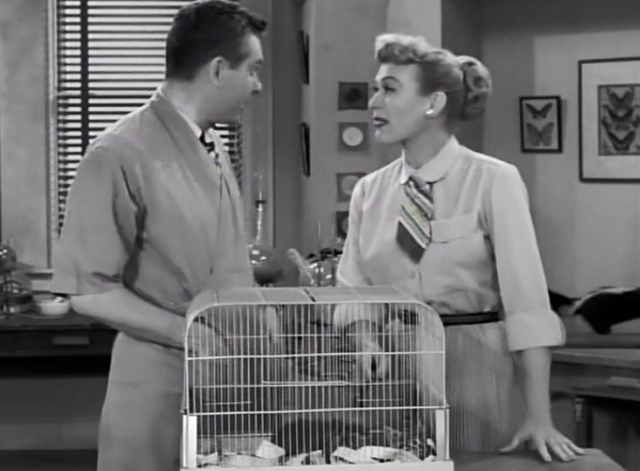
Connie Brooks (Eve Arden) is an English teacher at Madison High. She and her principal, Mr. Conklin (Gale Gordon), do not always see eye to eye, but she is close to his daughter Harriet and Harriet’s boyfriend Walter (Richard Crenna) who gives Miss Brooks a ride to school. She wants to be close to Mr. Boynton (Robert Rockwell), the science teacher, but he is oblivious to her charms. She rents a room from Mrs. Davis (Jane Morgan) where she lives with Mrs. Davis’s cat, Minerva.

brooks5


We also get to know Fabian “Stretch” Snodgrass (Leonard Smith), basically a “dumb jock” who is Walter’s best friend and Daisy Enright (Mary Jane Croft), another English teacher who is Connie’s love rival for Mr. Boynton.

The show debuted July 19, 1948 on the radio. The show program was sponsored by Colgate-Palmolive-Peet for its entire run which ended in 1957. The first choice for Miss Brooks was Shirley Booth, and the show was titled “Our Miss Booth.” In Gerald Nachman’s book Raised on Radio, he states Booth concentrated too much on the disadvantages of being a school teacher to be funny. There is an audition with her from April of 1948 and while she sounds pleasant, she doesn’t have the sarcastic wit of Arden. The television show began in 1953 and was sponsored by General Foods.


brooks12

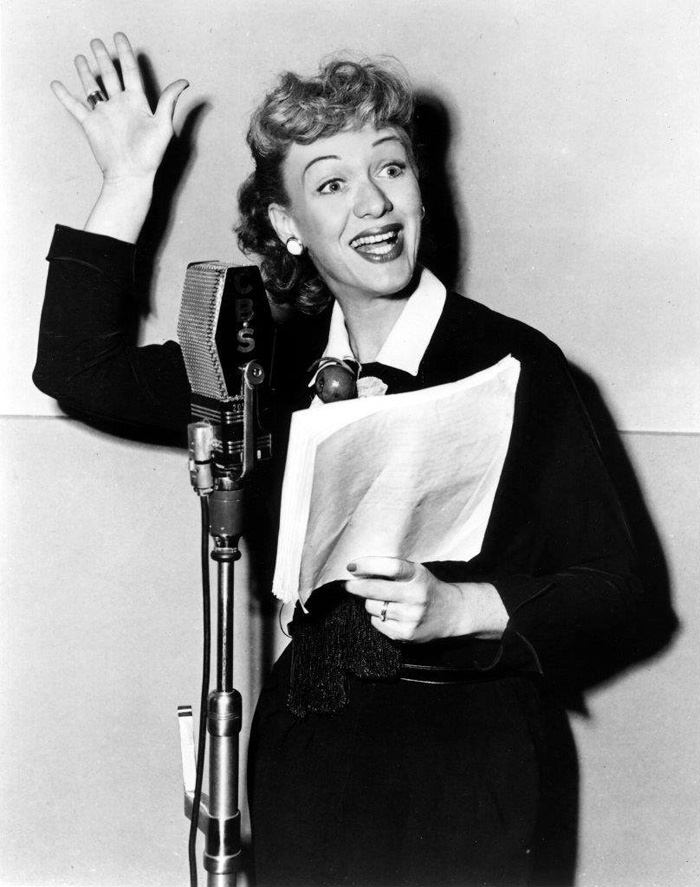
Our Miss Brooks was a ground-breaking show featuring a single woman (teachers were usually single, and marriage might have ended her career). She was not a scatterbrained female like Lucy or Joan in I Married Joan, and she was not a housewife like June Cleaver or Donna Reed. She was a bright, attractive working woman. Eve remembered her third-grade teacher fondly and tried to give Miss Brooks some of her qualities. Eve was known for her sassy movie roles; one of the things she appreciated about the character of Connie Brooks was that it allowed her to be a warm, fun-loving person who had a self-deprecating side.

brooksa

The show was a Desilu Production, so they shared equipment and crews with I Love Lucy, as well as a director (William Asher) at times, to save money.

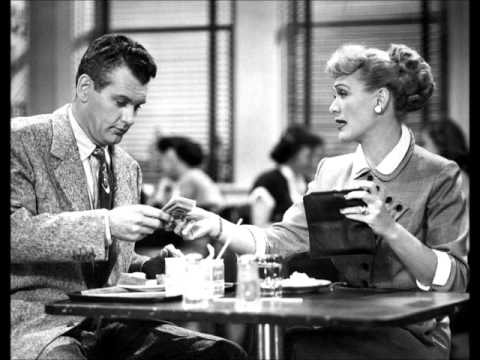
The show was funny because it is based on believable characters. Connie Brooks has a great sense of humor. Many of the plots involve misunderstandings or her trying to keep Walter out of trouble with Mr. Conklin. Here are a few episode summaries.

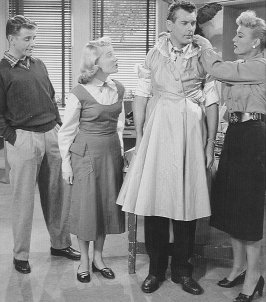
Miss Davis unknowingly uses school funds to buy Connie a new dress. Now Connie must sell the dress to return the money. Mr. Boynton even models the dress for the kids.

brooks7


Mr. Boynton asks Connie to play the role of Mrs. Boynton. She is thrilled,  imagining what it could lead to, until she realizes he meant his mother, not his wife.

Walter is listening to his home-made radio. Storm warnings come over the air for Bombay. Miss Brooks mistakenly thinks it is for their area and takes precautions to evacuate the school and prepare for a hurricane.

Mr. Conklin is furious when his bike is taken at the grocery store, and he wants the thief punished. Miss Brooks finds out that a poor boy borrowed it for his birthday and then returned it to the store. She goes to great lengths to protect the youngster.

brooks4


Radio Mirror magazine nominated Eve Arden as the top-ranking comedienne two years in a row for her characterization of Miss Brooks. The National Education Association recognized her for her sympathetic portrayal of teachers.

brooks3


Eve Arden was nominated for an Emmy for Best Actress Starring in a Regular Series in 1954, 1955, and 1956—winning in 1954. Gale Gordon was nominated for Best Supporting Actor in 1955, and the show was nominated Best Situation Comedy in 1954 and 1955.

Image result for images of our miss brooks


Eve Arden had to fight the same battle many celebrities do when they have a hit show. She handled her fame of being known as Miss Brooks with grace and practicality. As she explained it: “I originally loved the theater. I still do. And I had always wanted to have a hit on Broadway that was created by me. You know, kind of like Judy Holliday and Born Yesterday. I griped about it a little, and someone said to me, ‘Do you realize that if you had a hit on Broadway, probably 100 or 200,000 people might have seen you in it, if you’d stayed in it long enough. And this way, you’ve been in Miss Brooks, everybody loves you, and you’ve been seen by millions.’ So, I figured I’d better shut up while I was ahead.”


brooks13

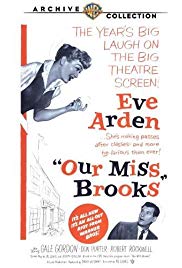
While the TV series never resolved the Boynton-Brooks romance, the 1956 film did. It was directed by Al Lewis, who directed many of the television episodes. In the movie, Miss Brooks is unaware that Mr. Boynton is saving money, so he can ask her to marry him. He is hoping to get a promotion to head of the department. In a subplot, Connie is having issues with a student who is failing her class. He has no friends because he is very arrogant. When she meets his wealthy father, she understands why he has no friends and she tries to help him.  Also, Mr. Conklin is running for Coordinator of Education, primarily to stop the other nominee, Superintendent Stone, who has threatened to fire Conklin. Miss Brooks decides to be Conklin’s campaign manager despite her butting heads with him most of the time. If Conklin wins, Mr. Boynton might be promoted to principal. In the end, Boynton finally proposes, only to have a chimpanzee steal away the ring.


Our Miss Brooks comic. (1956)

The movie was a box-office failure. After the movie, Dell Comics released a comic book titled “Our Miss Brooks.” In past decades, it sold for hundreds of dollars in mint condition. Today it can be found on ebay for under $50.

A fun fact I learned was that Eve Arden was born Eunice Quedens. When she was encouraged to take a different stage name, she looked over her cosmetic jar labels. She picked “Eve” from “Evening in Paris” and “Arden” from “Elizabeth Arden.”

brooks1

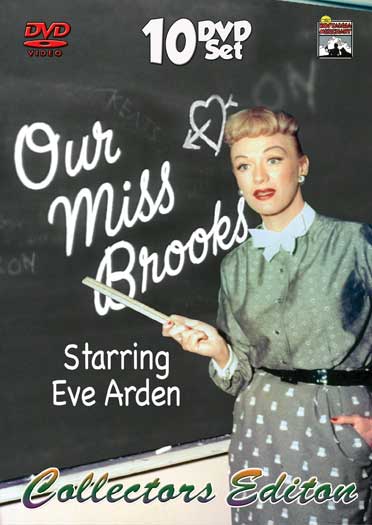
While many of the plots for Our Miss Brooks are predictable and not overly creative, it was a innovative sitcom. The scripts were well written, and the humor still works today. I could not find any channels currently broadcasting Our Miss Brooks, but it does appear on Me TV from time to time. The radio shows can be heard on Sirius Radio, channel 148. Of course, there are a variety of DVDs featuring the show. Add it to your list to understand why Eve Arden was so popular with women in the 1950s.

brooks14

America’s Favorite Family

nelson34

For the last two weeks of 2017 we are going to spend some time with the Nelson family. Ozzie, Harriet, David, and Ricky visited our home every week from 1952-1966. America watched the boys grow from young boys to adult men. Let’s see how the show developed.

nelson5

Oswald George Nelson was born in New Jersey in 1906. He attended Rutgers and graduated with a law degree, but in the 1920s he put a band together to see if he could make a living from music.  A new vocalist named Peggy Lou Snyder joined his band in 1932. Her parents were actors and she grew up on the stage. She had married a comedian Roy Sedley, but he was not funny at home; he was abusive, and she had their marriage annulled. When she joined Ozzie’s band, she changed her name to Harriet Hilliard, and she changed it again in 1935 when she married Ozzie.


nelson10

They did a few radio shows, eventually ending up on the Red Skelton Show. In 1944, they received their own radio show and they called it The Adventures of Ozzie and Harriet. Their boys were played by actors until 1949 when Ozzie and Harriet felt they were old enough to join the cast. Later Ozzie would be criticized for putting his boys on the show and destroying their childhood, but David said his parents tried hard to give the boys a normal upbringing.


nelson11

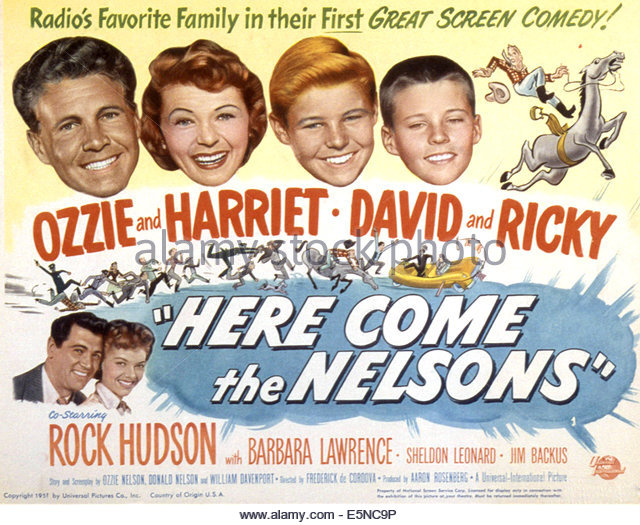
In 1952, Ozzie and his brother wrote a movie called Here Come the Nelsons which was shown on the big screen.  It functioned as a pilot for a television show they began that same year.  Decades before Seinfeld, these two put together a how about nothing — and everything.  It was about their life and what was happening at home.  Unfortunately, the downside of portraying yourself on television was the pressure of trying to appear the perfect family when everyone realizes there is no such thing.   Growing up before the cameras put a lot of stress on the boys especially to always be “acting.”  David once was quoted as saying, “It’s an awfully big load to carry, to be everyone’s fantasy family.”


nelson2

The Nelsons lived at 822 Sycamore Rd, but the exterior shots were that of their real home at 1822 Camino Palmero St., Hollywood, LA, California.  The interior shots, built to resemble their own home, were filmed at Selzick International Studios in Culver City.


Hotpoint was one of their first sponsors, and viewers would have watched a young Mary Tyler Moore as Happy Hotpoint, a dancing pixie. Actors often addressed the audience directly, drawing them into their life.


Other characters who showed up regularly were their next-door neighbor Thorny played by Don DeFore; Don’s son said in real life he was much like Thorny.


Ozzie and Harriet’s friends Clara and Joe Randolph (Mary Jane Croft and Lyle Talbot) and Doc Williams (Frank Cady) were on the show regularly. Ricky’s friend Wally (Skip Young), and Jack (Jack Wagner) who worked at the malt shop also appeared regularly.  On several episodes you can see a young Barry and Stan Livingston before they were Steve Douglas’s sons.


The show produced 436 episodes, all written in part by Ozzie, produced by Ozzie, directed by Ozzie, and even set buildings were supervised by Ozzie who was considered a workaholic and quite different from the stammering, hesitant, and slightly absent-minded father he played on the small screen.


When Ricky decided he wanted a rock and roll career, it was written into the show, and his popularity is what kept the show going for a good part of the 1960s.


When David married June Blair, she was written into the show, and when Ricky married Kris Harmon (sister of Mark Harmon and mom of actress Tracy Harmon and the Nelson twins who had the band Nelson), she was written in as well.

A lot of the shows centered around the boys. Many of the situations were taken from real life.  When they’re younger, we see them learning life lessons; as they became teenagers, we watched them go through dating issues; and when they became adults, we followed their marriages, parenting choices, and careers.

nelson

In 1966, the show began to be considered old-fashioned even though Ozzie tried to update the scripts. When the show was cancelled that year, it was replaced by a new show starring Adam West called Batman.


img0155A

Ozzie and Harriet tried television again in 1973 with Ozzie’s Girls where Ozzie and Harriet rent out the boys’ rooms to two college students, but the show failed after a year.


nelson23

Ozzie would go on to appear on the Mothers-In-Law, Adam-12, Night Gallery, Bridget Loves Bernie and three episodes of Love American Style. He passed away in 1975 from liver cancer.


nelson27

Harriet appeared in a variety of shows also including Bridget Loves Bernie, Love American Style, The Love Boat, Fantasy Island, Aloha Paradise,  and Happy Days but after Ozzie died, she became a bit of a recluse. The last show she appeared on was her granddaughter Tracy’s show, Father Dowling’s Mysteries. She died in 1994 from emphysema and congenital heart disease.


nelson19

Ricky had a variety of movie and television performances.  His music career continued successfully, although his drug abuse ruined his marriage and stalled his career.  He was killed in 1985 in a plane crash on his way to a performance.


img0517A

David appeared in quite a few movies when the show was over and got into directing and producing.  He and June divorced in 1975, and he married Yvonne O’Connor Huston. He passed away in 2011 from colon cancer.

I cannot imagine living your growing-up years under the microscope of the entire American public.  We have all experienced living near neighbors when they hear something we prefer they didn’t, or we hear something we prefer we didn’t.  This family had millions of people watching them, seeing if they lived up to their perfect image.

nelson4

It’s hard to discuss the show without discussing the repercussions it had on the Nelson clan, but the show itself was a chance to watch a family we admired and hoped to be more like when we became parents.  I have learned that you need to love characters for who they are — period.  Because, often the real humans behind them will let you down and make you sad.  It was hard for me to adjust to watching some of my favorite characters after learning disappointing things about the actors or actresses who portrayed them; often they were not such nice people.  So I made a determined effort to keep characters I love separate from any real life issues.

That said, I think Ozzie and Harriet did the best they could to raise their children under the spotlight with as much normalcy as possible.  They had to deal with real-life issues at home and then come together and play America’s favorite family.  I give them credit just for being able to do that for fourteen years.