Henry Winkler: Simply Amazing

Today we are learning about the career of Henry Winkler. Although he was typecast for many years following Happy Days, he managed to continue his career with a variety of roles.
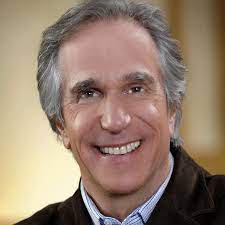
Photo: wikifandom.com

His parents were German Jews who lived in Berlin during the occupation of Nazi Germany. His father knew they would not be safe there and left in 1939. Winkler described what happened in an interview with Terry Gross on NPR in 2019: “My father knew that it was time. He got a six-week visa from Germany to come and do work in New York but was expected to come right back. I have told this story–that he took his mother’s jewelry, bought a box of chocolate, melted the chocolate down, put the pieces of jewelry in the chocolate box, melted–poured the chocolate over the jewelry, put the box under his arm, so when he was stopped by the Nazis and they said, are you taking anything of value out of Germany, he said, no, you can open every bag; we’ve got nothing. And the jewelry that he encased in chocolate, he sold when he came out of Ellis Island into New York and was able to start a new life here, slowly but surely. I have the actual letters from the government each time my father requested to stay a little longer, and they would say yes. And I was born.”

Photo: goodhousekeeping.com

Although his family did not keep kosher, Henry and his sister Beatrice were raised with the traditions of Conservative Judaism.

Winkler struggled with his studies but he was popular and very funny. His parents were frustrated by his inability to learn. Apparently, his father spoke eleven languages and could easily do math in his head. Henry’s self-esteem began to suffer during these years. Because his grades weren’t better, he was banned from most theater productions, which was what he was most interested in. He was able to appear in “Billy Budd” in eighth grade and in “Of Thee I Sing” in high school.

Henry Winkler - IMDb
Photo: imdb.com

When Winkler gave a talk at the Yale Center for Dyslexia and Creativity, he tried to describe what it had been like for him in school: “You want so badly to be able to do it and you can’t. And no matter how hard you try, it’s not working . . . I would study my words.  I would know them cold. I would know them backwards and forwards. I would go to class. I would pray that I had retained them. Then I would get the test and spend a lot of time thinking about where the hell those words went. I knew them. They must have fallen out of my head. Did I lose them on the street? Did I lose them in the stairwell? Did I lose them walking through the classroom doorway? I didn’t have the slightest idea of how to spell the words that I knew a block and a half away in my apartment the night before.”
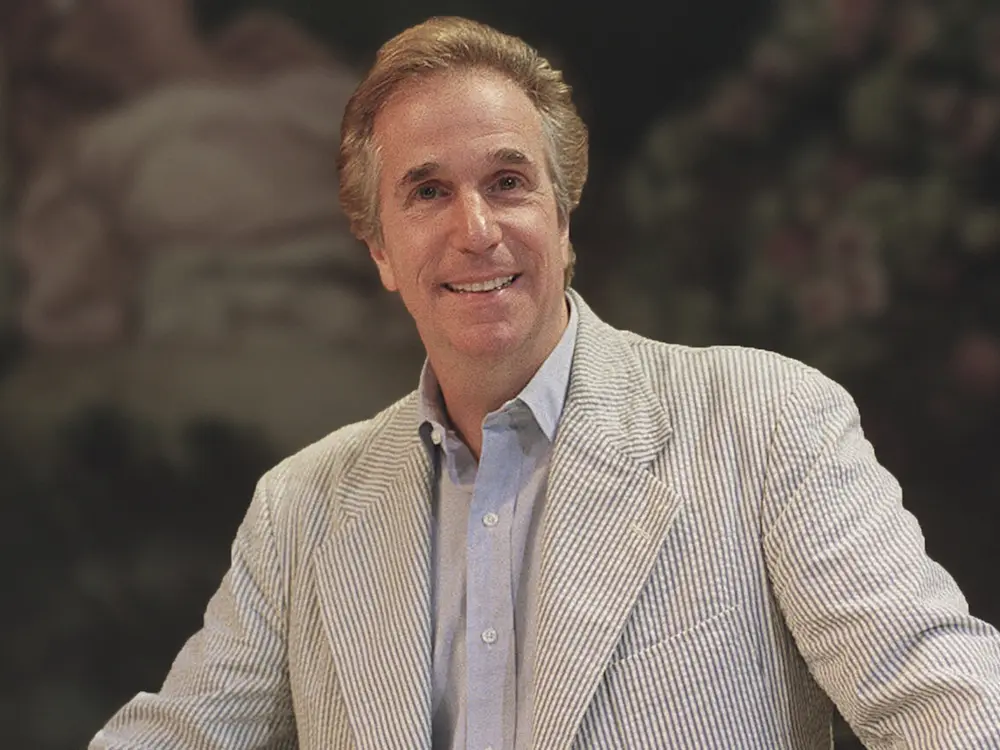
Henry Winkler Talks About His Dyslexia in CBS Interview | Understood - For  learning and thinking differences
Photo: understood.org

After high school, he attended Emerson College to study theater. He applied to 28 colleges but his grades kept him from being accepted at 26 of them. He majored in theater and minored in child psychology. During his time there he was a member of the Alph Pi Theta fraternity. He had a role in “Peer Gynt” as Peer Gynt. Although he also struggled with college courses, he stayed the course for four years and graduated in 1967. He was admitted to the Yale School of Drama in 1967. He appeared in a number of productions there. He received his MFA in 1970. Twenty-six years later he spoke at Graduation Day at Yale.

He began doing commercials in New York after graduation and starred in The Lords of Flatbush and Crazy Joe, two independent films. He appeared one day on Broadway; the show opened and closed on the same day. He also performed with an improv group, Off the Wall in New York.

Bomber Happy Days Fonzie Jacket - Jackets Creator
Photo: usajacket.com

In 1973 he moved to California. His first role there was on The Mary Tyler Moore Show. Although he paid his dues in New York, he was hired as Arthur Fonzarelli on Happy Days his second week in Hollywood. He would portray the Fonz for a decade. The part was originally written a minor role on the show. Winkler did not want to portray the character as a stereotyped role which is probably why he became so popular. He was allowed to wear a black leather jacket only on his motorcycle the first year. Winkler never drove the cycle because the first time he tried, he crashed. His motorcycle on the show was the same one Steve McQueen used in the last scene of The Great Escape in 1963.

During his time on the show, he was diagnosed with dyslexia, explaining his tough time at school.

During the middle of season two, his character became a regular cast member. Many fans attribute to his performance in the episode “Guess Who’s Coming to Christmas.” By season three, he was considered one of the leads in the show.

Both Ron Howard who played Richie and Winkler told writer Stephanie Nolasco of Fox News how they felt about each other and their time on Happy Days. Winkler had a hard time dealing with his sudden fame, and Howard was able to provide some grounding for him. Winkler described this time, “It’s unnatural—the human condition does not prepare you for stardom. That’s just the way it is. So, you have to hold on to yourself and then you’ve got friends like Ron who doesn’t take it all seriously. I learned from him; he was my teacher. And Garry Marshall never took bad behavior from anybody. He was a father figure. He was very funny and very idiosyncratic, and then he was very strict.”

With Ron Howard Photo: decider.com

Winkler also discussed his friendship with Howard. “I think people gravitate to the Fonzie/Richie relationship because Ron and I are ten years apart. He was 19 and I was 27. We had a connection that you cannot describe in real life, and it was similar off-camera. He gave me my first mitt; I’d never played baseball before. He’s my brother.”

Howard echoed the sentiments. “We were fast friends from the beginning. It continues all these years later. It was exciting for me to work with Henry because he was really a trained actor who attended Yale Drama School; just a trained New York actor. And, I’d grown up sort of through the Hollywood television system, so for me to work with this guy who was so thoughtful, so creative, and yet so hilarious, was really an opportunity for me to learn and grow and we just clicked, you know.”
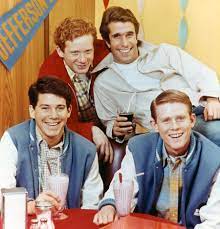
Happy Days Photo: ew.com

The sudden fame for Fonzie might have damaged the friendship Winkler had with Ron Howard, but they were both professionals and never had their egos inflated. They honestly discussed what was happening and while Howard had a harder transition with the show, he understood that Fonz had become a national icon. Even now decades after the show ended, people recognize his “Ayyy” and “correctamundo” catch phrases and his thumb’s up gesture.

After the show was canceled, his leather jacket was acquired by the Smithsonian Institution for the National Museum of American History. A bronze statue of the Fonz was erected in Milwaukee in 2008 along the Milwaukee Riverwalk.

Photo: ew.com

Fonzie was adored by many kids, especially kids who needed some extra help or attention. Marshall was asked if the show could do something to help kids realize how important reading was. In one of the episodes, The Fonz went to the library and checked out a book, saying “Everybody is allowed to read.” That week, library card registrations increased by 500%. In another situation, one day a call came to Paramount Studios. It was from a teenage boy who was contemplating suicide. He wanted to talk to Fonzie. Winkler picked up the call and gave the boy hope, convincing him not to take his life.

Tom Bosley and Marion Ross Photo: ebay.com

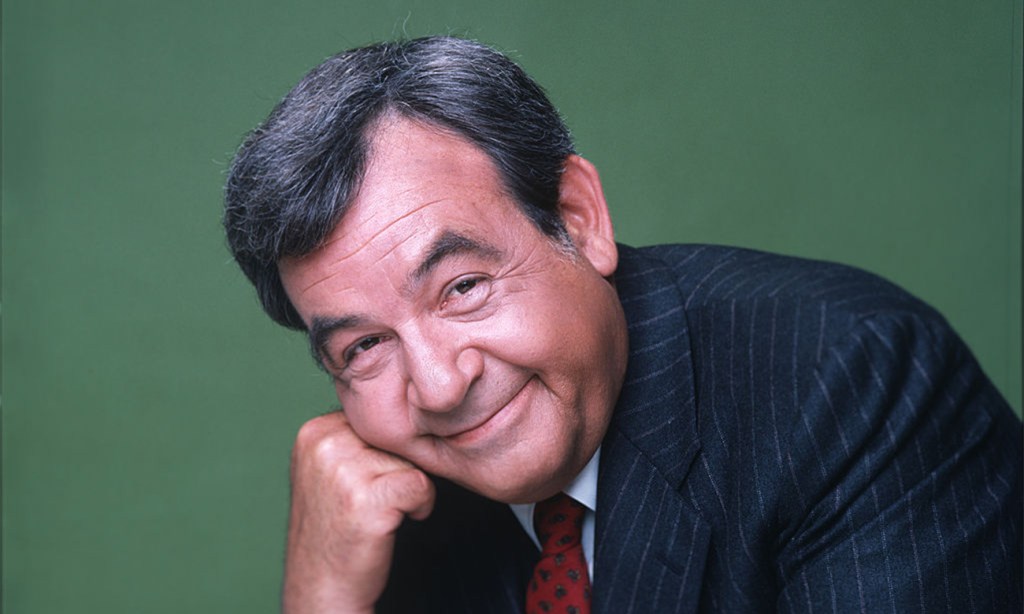
He received 50,000 letters a week. He also received $50,000 an episode. Winkler described The Fonz as his alter ego; he said that Fonz was everything he had always wanted to be: in charge, confident, and adored by others. Winkler credits Marion Ross and Tom Bosley, Mr. and Mrs. Cunningham on Happy Days, with being his acting mentors. He loved them for what they taught him and for being great people. When Bosley died, Winkler said “Tom was a family member, both on and off the sound stage. We acted together, traveled together, and played charades together. He was a loving husband, a doting father, and a fantastic grandfather.”

During his years on Happy Days, Winkler was able to tackle several other roles in the off season. He was a Vietnam War vet with PTDS in Heroes for which he received a Golden Globe nomination. He was in Carl Reiner’s The One and Only and in Ron Howard’s Night Shift.

Stacey Weitzman + Henry Winkler: Inside the Fonz's Real Life Love Story
Henry and Stacey Photo: wideopencountry.com

He also tackled the role of husband, when he married Stacey in 1978. After two years of dating, they married in the same synagogue where Winkler had his bar mitzvah. Together they raised three children, and they have been involved with a variety of children’s charities including the Children’s Action Network, the Annual Cerebal Palsy Telethon, the Epilepsy Foundation of America, the Toys for Tots, the National Committee for Arts for the Handicapped, and Special Olympics.

Even with these roles and several other television appearances under his belt, when Happy Days ended, Winkler was typecast and could not get quality roles. Winkler went the route of producer and director. He was one of the developers of MacGyver and produced and directed Sabrina the Teenage Witch. He worked on two movies: Memories of Me with Billy Crystal and Cop and a Half with Burt Reynolds. He also had appearances in Scream in 1996 and The Waterboy in 1998 and on television in The Practice in 1997 and Arrested Development in 2003.
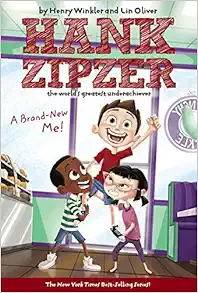
In 2003, he added writer to his resume, creating a new series of children’s books, Hank Zipzer about a dyslexic boy, with co-author Lin Oliver. The BBC televised the series, and Winkler appeared as Mr. Rock in the show. Winkler and Oliver went on to create Here’s Hank, the Ghost Buddy series and the Alien Superstar series. Queen Elizabeth appointed him Honorary Officer of the Order of the British Empire in 2011, and he was named one of the United Kingdom’s Top Ten Literary Heroes in 2013. In 2019, he was awarded the Bill Rosendahl Public Service Award for Contributions to the Public Good for his book series. In 2016, the award was renamed after Bill Rosendahl, a progressive political leader, Los Angeles’ first openly gay City Council member, an educator, a Vietnam veteran, an award-winning host of thousands of public affairs programs, and president of the Los Angeles Press Club.

In 2016 he joined the ranks of actors participating in reality shows on Better Late Than Never. During season two, Winkler traveled to Berlin and shared his family’s story. This was a quirky 12-episode reality show. NBC described it as: “This hilarious fish-out-of-water comedy/reality show follows cultural icons Henry Winkler, William Shatner, Terry Bradshaw and George Foreman on their greatest adventure yet. Deciding it’s Better Late Than Never, these four national treasures embark on the journey of a lifetime, traveling across Asia on their own with no schedule and no itinerary. The only “help” will come from Jeff Dye, a young, strong, tech-savvy comedian with an agenda of his own – who isn’t above leading the men off track. Each stop is packed with hilarious cultural experiences, heartwarming spectacles and unexpected twists as our legends take on this unforgettable adventure.”

Better Late Than Never art features Henry Winkler, William Shatner, Terry  Bradshaw, George Foreman | EW.com
Photo: entertainmentweekly.com
Photo: vanityfair.com

In 2018, Winkler starred in the show Barry and won his first Outstanding Supporting Actor in a Comedy Series Emmy. The plot features a hit man from the Midwest who moves to Los Angeles and becomes fascinated with the city’s theater life.

The show was on HBO for two seasons and Bill Hader, one of the creators and star of the show, wanted Henry for the part of acting teacher Gene Cousineau. Winkler mentioned he was 27 when he got the regular role on Happy Days and 72 when he got the role on Barry. Stage 19 of Paramount was where Barry was filmed; it was also the same sound stage used for Happy Days. Hader wrote Cousineau as a dark, cold character and while he could humiliate his students, Winkler brought some warmth to the character as well.

Winkler is a loyal Democrat and has campaigned for, and financially supported, Jimmy Carter, Bill Clinton, Al Gore, John Kerry, and Barack Obama.

Happy Days': Henry Winkler Revealed How He and John Ritter Met
With Friend John Ritter Photo: outsider.com

In addition to being lifelong friends with Ron Howard, Winkler was a close friend of John Ritter. They met at an ABC party in 1978 and became close friends. Winkler was actually on the set of John’s show when he collapsed and had to be taken to the hospital shortly before his death.

I do like to add some personal stories to my blogs when possible. I found a fun article in New York Magazine that looked at what famous people like to buy. One of the pieces was about Henry Winkler from October 2021. So, what did the famous Mr. Winkler purchase?:

Gotham_5lb_bag_Brooklyn-Blend.jpg

Penn Ultra-Blue racquetballs to play with his dog Sadie. ($4); A Sony Alpha a6000 Mirrorless Camera ($650); Landmark Theatre Gift Cards ($5); Katz’s Pastrami and Rye food boxes ($155), a reminder of his youth; Munster Cheese from The Cheese Store of Beverly Hills ($15); Winston Boron fly fishing rod ($825); Knudsen’s heavy whipping cream ($4); Gotham Coffee Roasters Brooklyn Blend Coffee ($18) which needs the above cream, no half ‘n half for Henry; and Lavley I’d Rather Be Fly Fishing socks ($12), because no one likes the socks where the elastic stops working after two wash cycles. A bit of fun trivia about an icon’s shopping list.

Perhaps one of the best stories that displays the importance of Henry Winkler comes from journalist Anderson Cooper. Cooper is also dyslexic and said that one of the books that influenced his life was The Fonz: The Henry Winkler Story. He keeps it in his office at CNN. He also mentioned that in meeting Winkler in person as an adult, he realized what a kind and gracious person he is. That is something I read over and over; everyone described Winkler as kind, level-headed, grounded, unbelievably nice, and many other similar sentiments.
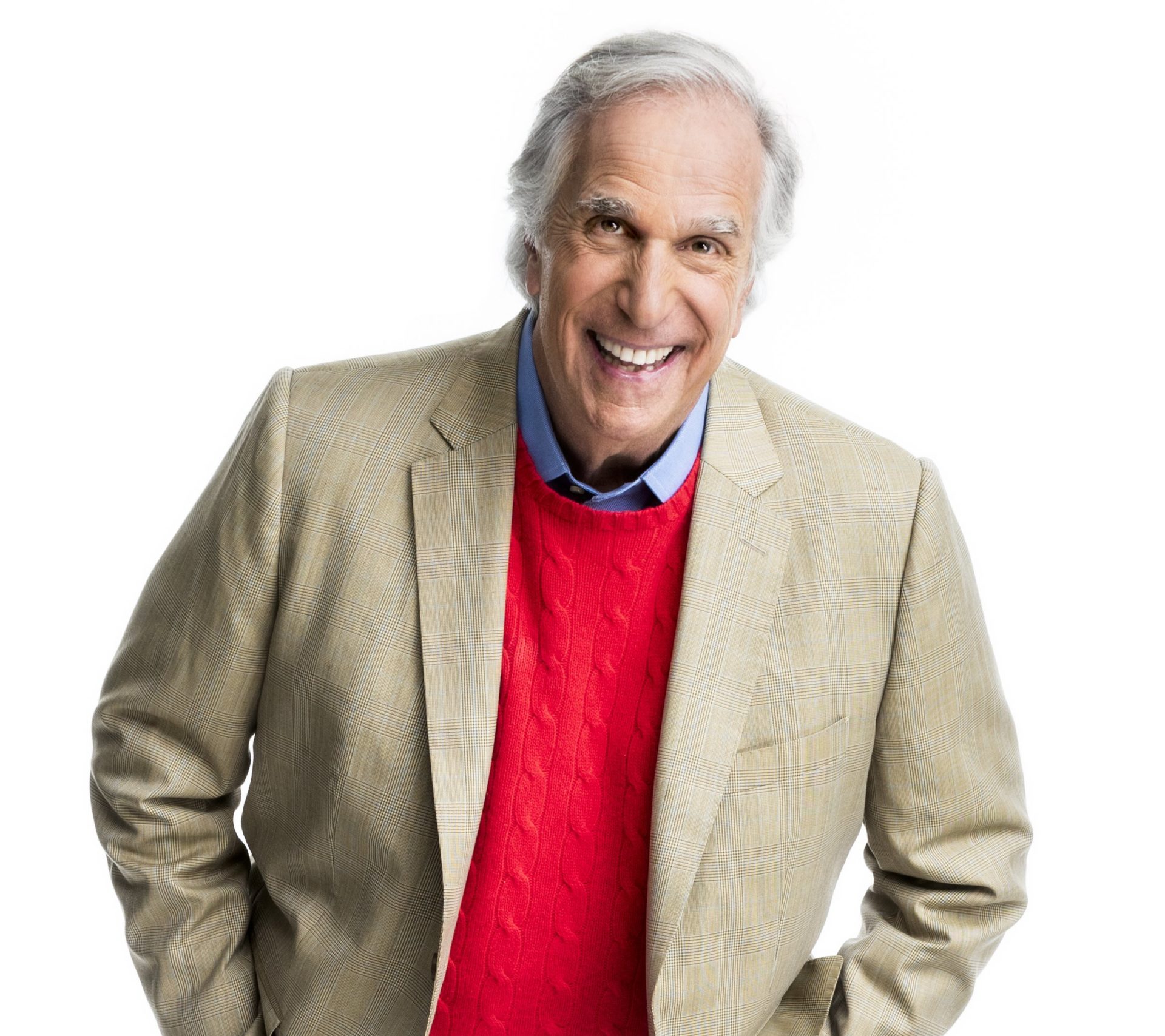
Henry Winkler Shares Insights at Vital Ayyy-ging Conference | News | San  Diego County News Center
Photo: sandiegocountynews.com

Henry Winkler would be amazing just based on what he did with the character of The Fonz. He would be amazing just based on what he has done for his children’s charity work. He would be amazing just based on how seriously he takes his roles as husband and father. He would be amazing just based on his directing and producing work. He would be amazing just based on his later roles on Arrested Development and Barry. He would be amazing just based on his friendships with coworkers including Ron Howard, Marion Ross, Tom Bosley, Adam Sandler, and John Ritter. He would be amazing just based on his book series as an author. And he would be amazing just based on the work he has done to help others understand dyslexia. Put them all together and add the fact that no one can talk about him without describing what a genuine and kind person he is, and he is well, just simply amazing. Thank you, Henry Winkler, for all the ways you have amazed us over the decades.
Good Times Doesn’t Always Mean Good Show

Last week we looked at shows that debuted in 1973, fifty years ago in our “Potpourri” blog series. Today we are concentrating on one of the successful shows of that 1973 class (and there were not a lot of them): Good Times and I’m am considering this blog “Flopourri” for Florida Evans.

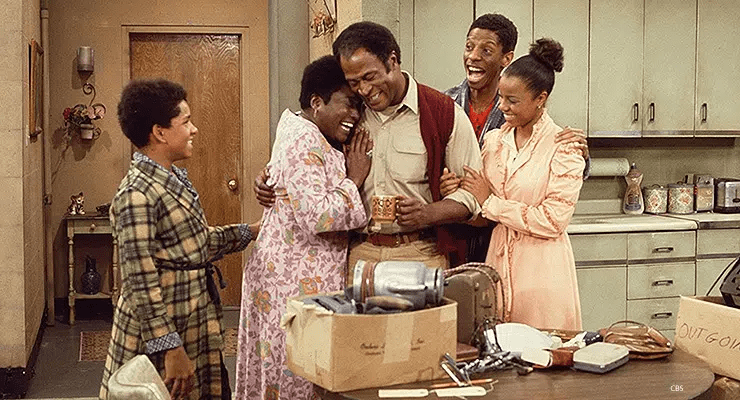
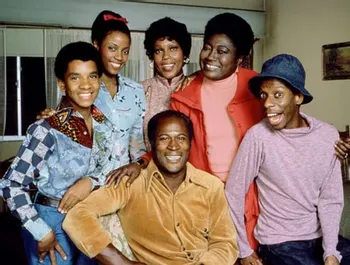
Cast of Good Times Photo: tvtropes.com

For those of you who have been with me for the past six and a half years. You may be surprised to find me featuring a Norman Lear show. I readily admit that I have a Norman Lear bias. It’s nothing personal with Norman, but I just did not enjoy most of his shows: All in the Family, The Jeffersons, Maude, Diff’rent Strokes, Sanford and Son, and Carter Country, among others. I did think that Mary Hartman, Mary Hartman was an interesting concept, just too hard to sustain, and I admit that I liked Fernwood Tonight. I still bypass these shows on MeTV and Antenna TV when they are on the schedule. However, I will be the first to say that they were important historical shows in the evolution of television. They were relevant shows that changed the way sitcoms were written and presented a lot of important topics for people to debate.

So, whether I enjoyed watching Good Times or not, and it was not, it was an important show that gained a devoted following and was on for six seasons, producing 133 episodes. The show was produced by Lear and created by Eric Monte and Mike Evans. Evans played Lionel Jefferson on The Jeffersons. He left the show to work on this series and when Good Times was canceled, he returned to The Jeffersons.
Florida Evans (Esther Rolle) was Maude’s maid. Maude was a spinoff from All in the Family and Good Times was a spinoff from Maude, so this was the first show to be created from a spinoff.

Photo: showbizzcheatsheets.com

The Evans family lives in the Chicago projects. The area is not named but the opening and closing credits show photos of Cabrini-Green. The family consisted of Florida, her husband James (John Amos), their kids JJ, 17 (Jimmie Walker), Thelma, 16 (BerNadette Stanis), and Michael, 13 (Ralph Carter). The show also featured Florida’s best friend Willona (Ja’Net DuBois) and Nathan Bookman (Johnny Brown), the building superintendent. The family never has enough money. James is often out of work, but he also works two jobs when he gets a chance to bring in money for their family. He is a proud man and does not believe in handouts.

Many of the shows deal with gang warfare, financial issues, muggings, unemployment, rent parties, racism, and evictions. It was one of the first shows to have an almost all-black cast. Florida and James are good parents who try to teach their children values and ethical behavior. Michael was an especially interesting character who was intelligent, an advocate who loved African American history, and tried his best to make the world a better and more fair place to live.

Photo: JacksonUpperco.com

Other recurring characters include Ned the Wino (Raymond Allen), who often can be seen in their building. In one episode, JJ, an artist, paints Ned as Jesus and, in another, well-meaning Michael tries to reform him by letting him stay at their house but it does not work out. Carl Dixon (Moses Gunn) is a shop owner in the area. After James’ death, Florida begins dating him and eventually they marry and move to Arizona. Esther tells Willona in a later season that Carl died from lung cancer. Pimp Marion Williams (Theodore Wilson) is a neighbor who is known for his flashy clothing and jewelry. Lenny (Dap Sugar Willie) is the neighborhood hustler who sells stolen items. Wanda (Helen Martin) runs a women’s support group in their building. Alderman Fred C. Davis (Albert Reed Jr.) is a politician with a shady past.

A lot of celebrities appeared on the show during its run including Debbie Allen, Sorrell Booke, Rosalind Cash, William Christopher, Gary Coleman, Alice Ghostley, Ron Glass, Robert Guillaume, Gordon Jump, Jay Leno, Charlotte Rae, Philip Michael Thomas, and Carl Weathers.

The theme, a gospel-sounding song with a choir in the background, was composed by Dave Grusin and the lyrics were written by Alan and Marilyn Bergman. It talked about the hard living conditions the family had to endure which was not thought of as “Good Times.” Performed by Jim Gilstrap and Blinky Williams, the lyrics were:

Good Times.
Any time you meet a payment. – Good Times.
Any time you need a friend. – Good Times.
Any time you’re out from under.
Not getting hassled, not getting hustled.
Keepin’ your head above water,
Making a wave when you can.

Temporary lay offs. – Good Times.
Easy credit rip offs. – Good Times.
Scratchin’ and surviving. – Good Times.
Hangin in a chow line – Good Times.
Ain’t we lucky we got ’em – Good Times.

Photo: thatsentertainment.com

One of my favorite things about the show was the use of nicknames, maybe because my family is fond of nicknames as well. James called Thelma “Baby Girl” and referred to Michael as the “Militant Midget” for his activism. Willona’s name for Michael was “Gramps,” while JJ called him “Miguel.” The other residents also got their own monikers including Willona as “The Rona Barrett of the Projects” and Wanda as “Weeping Wanda.”

Good Times was created as a show that focused on Rolle and Amos. Both stars expected the show to deal with serious topics even though it was a comedy. They also wanted the characters to be positive role models.

JJ began to be featured in more of the episodes. “Dynomite” became his catchphrase and he said it at least once in every episode. As the writers focused more on his character and the way he behaved, important topics were put on the back burner sometimes.

Both Rolle and Amos felt that the character of JJ and the way he was being developed as more of a foolish and unintelligent person was creating a negative role model. Both stars became disillusioned with the direction of the show and voiced their criticism, Amos more often. They thought the uneducated, slacker type of behavior that JJ expressed was harmful to young viewers. Lear finally fired Amos at the end of the third season because of his negative opinions. The cast had no idea that he had been fired until they read the script where he passed away. Rolle quit at the end of season four.

Walker didn’t see it the same way. He said in an interview that he does not remember saying one word to Amos or Rolle that was not part of the script. He defended his character saying that he didn’t commit overly criminal acts on the show and compared his character to the Fonz on Happy Days. He does have a point. He was deeply hurt that Amos and Rolle, along with many black community members, considered his character a “perpetuation of negative stereotypes.”

Photo: showbizcheatsheet.com

Perhaps part of the controversy came from Walker’s own personality. He considered himself a comedian, not an actor. He said he was never comfortable with the dramatic storylines. Lear wanted Jimmie to take acting classes but he refused. Rolle, Amos, and Carter were dramatic actors and took their roles more seriously. When Rolle died in 1998, Walker was the only cast member who did not attend her funeral.

In season five, Janet Jackson joined the cast as Penny, an abused girl abandoned by her mother, adopted by Willona. Ratings began to decline. With Rolle’s absence, the essence of the show was gone.

Producers asked Rolle to come back even as a guest role. Rolle rejoined the cast for season six after she was promised higher-quality scripts. She also wanted the character of Carl Dixon written out of the show. She felt Florida would not have remarried so quickly, but that was how writers depicted her absence from the show when she left.

However, it was too late and the show continued to decline in ratings. The continual moving of the show on the schedule also didn’t help things. The show began on Friday nights for season one; moved to Tuesdays for seasons two and three; had two different time slots on Wednesdays for seasons four and five; and ended up moving three different times for season six: Saturday at 8 for episode one, Saturday at 8:30 for episodes 2-10, and Wednesdays at 8:30 for episodes 11-22.

Photo: pinterest.com

The series finale in 1979 gave each character a happy-ever-after. JJ becomes a comic book artist. Michael begins college and moves into the dorms. Thelma and her husband move to the Gold Coast when he gets an offer from the Chicago Bears. Thelma is pregnant and they ask Florida to move with them to help care for the baby. Coincidentally, Willona becomes head buyer for her boutique and moves into the same luxury apartments with Penny.

Unfortunately, the show is remembered now more for its controversy than anything else. Amos talked about his “early departure from the show, I felt that with two younger children—one of whom aspired to become a Supreme Court Justice . . . and the other a surgeon . . . there was too much emphasis being put on J.J. and his chicken hat saying ‘Dynomite!” every third page when just as much emphasis and mileage could have been gotten out of my other two children and the concomitant jokes and humor that could have come out of that.” He later said in an interview with VladTV that the scripts on the show led to “an inaccurate portrayal of African-Americans. Their perception or their idea of what a Black family would be and what a Black father would be was totally different from mine, and mine was steeped in reality.”

He did have good things to say about Rolle and her character: “Florida was the glue that kept the family together. It showed a Black family that had the same trials and tribulations as the rest of America, especially those who were financially challenged . . . it told the story of who we were on a comedic basis. And I’ve always contended, as some of my mentors taught me, the best way to get a message across to people is through humor.”

Photo: urbanhollywood411.com

Rolle concurred as she told Ebony in 1975 about JJ: “He’s eighteen and he doesn’t work. . . He can’t read or write. He doesn’t think. The show didn’t start out to be that. Michael’s role of a bright, thinking child has been reduced.”

Walker was interviewed at age 70 by Rebeka Knott and still disagrees with his costars. In that interview, he said that his co-stars, “killed the goose that laid the golden egg. These people, anytime you said anything, they get crazy, they get upset. They don’t get it man.”

So, what are we to make of the show and its success or failure? It still remains an important program in television history. It featured a black cast and focused on a family that struggles with many issues both white and black low-income families could identify with. If Michael had appeared in a reality show as an adult, perhaps it would have been The Cosby Show. A lot of families, black and white, could identify with the issues of that show as well. And, hopefully, they understood where the success of that second generation came from–parents who worked hard and taught their children important values and emphasized hard work and goals that allowed the next generation to have more success than the previous one.

Norman Lear Photo: vibe.com

It’s actually what any good television show does. Regardless of the setting and the characters, it teaches us about how other people live and provides plots many of us can identify with or teaches us about other characters whom we can appreciate and learn more about their individual struggles and journeys whether they follow the same path we do or take a different fork in the road.

It would be interesting to talk with Rolle and Amos today to get their perspective. They were right to ask for better scripts and to showcase their other children who had bigger dreams and hopes. But perhaps Walker is also not that far off. He did portray a different type of character– one that obviously many people identified with or enjoyed spending time with. Don’t most families have a combination of good and not-so-good role models? Hopefully, we learn as much from the characters in our lives who make poorer decisions as we do from those who choose wisely. I’ll leave it up to you whether you think the tv show is worth watching today or not.

Shows That Debuted in Fall of 1973: Don’t Get Too Attached

This month our blog series is “Potpourri,” and today specifically is “Showpourri.” I thought it would be fun to look at the shows that debuted in 1973, fifty years ago. There were a lot of them. More than 30 shows were new in the fall of 1973; however, only about ten of them were still around the next fall.

Quite a few of these shows were variety shows: Dick Clark, The Dean Martin Comedy Show, Bobby Gentry, The Hudson Brothers, Tony Orlando and Dawn, Mac Davis, and Music Country. We also had several Movies of the Week.

Let’s take a closer look at the other shows that debuted in 1973.

Adam’s Rib Photo: imdb.com

Adam’s Rib: In this half-hour sitcom, assistant district attorney Adam Bonner (Ken Howard) is married to Amanda (Blythe Danner) who is a partner in a law firm. They often face each other in the courtroom which sometimes extends to their personal life. Amanda is also an advocate for women’s rights.

Apple’s Way: Created by The Waltons writer Earl Hamner Jr., this show has a family relocating from Los Angeles to a small town in Iowa where dad grew up. It captures the issues faced from moving from the past-faced city to the rural place where their ancestors grew up.

Bob & Carol & Ted & Alice: Definitely a seventies sitcom. Bob (Robert Urich) and Carol (Anne Archer) are a young couple who are part of the swinging seventies; they are good friends with an older couple, Ted (David Spielberg) and Alice (Anita Gillette), who definitely are not.

Calucci’s Department: Joe Calucci (James Coco) is an office supervisor at the New York State Unemployment Department. He has to deal with red tape, unemployed people truly in need or trying to bilk the system and keep his girlfriend (Candice Azzara) happy.

Chopper One Photo: epguides.com

Chopper One: This one was a bit like CHiPs in the air. Two California policemen (Jim McMullan and Dirk Benedict) fight crime from their helicopter.

The Cowboys: An unusual concept for this decade. The series focuses on a group of seven boys who work on a cattle ranch in the Old West.

Diana: Diana Smythe (Diana Rigg), recently divorced, leaves London and moves to New York City to become a fashion coordinator at a Fifth Avenue Department Store. She learns about life in America from her new friends, copywriter Howard (Richard B. Schull), neighbor Holly (Carole Androsky), window decorator Marshall (Robert Moore), and friend Jeff (Richard Mulligan).

Dirty Sally: imdb’s description of this show was that “crotchety old lady Sally Fergus (Jeanette Nolan) roams the Old West with young companion Cyrus (Dack Rambo).” The major character looks more like she should be on The Addams Family than in the old west.

Doc Elliot Photo: ebay.com

Doc Elliot: Dr. Benjamin Elliot (James Franciscus) leaves Bellevue Hospital in New York to retreat to Colorado. He made house calls by plane and truck and is the only doctor in the area so he deals with a variety of cases.

Faraday & Co: Frank Faraday has been jailed 25 years for murdering his partner, but he did not do it. When he gets to go home, he learns his secretary gave birth to his son Steve who is also a private eye and the two men go into business together and solve mysteries.

Good Times: In this spinoff from Maude, the focus is Florida Evans, Maude’s housekeeper and her family who live in the Chicago housing projects.

Happy Days: Almost everyone knows about this show and the Cunninghams. The focus of the show is on Richie and Joanie growing up in the fifties with the help of The Fonz.

Hawkins: After his first show was canceled, Jimmy Stewart takes on the role of West Virginia attorney Billy Jim Hawkins.

Kojak: Telly Savalas becomes Theo Kojak a bald, lollipop loving police detective who is tough on criminals but a bit of a teddy bear off I job.

Lotsa Luck Photo: tvtango.com

Lotsa Luck: Dom DeLuise stars as Stanley, the manager for a lost and found department at the bus company. He lives with his mother, his sister Olive and brother-in-law Arthur. His best friend is a bus driver he works with and they try to work out Stanley’s life problems. One issue they could not resolve was the fact that the viewers did not like the show.

NBC Follies: I’m not sure who came up with this concept. Vaudeville was dead, but this show resurrected it. It was based on vaudeville with a mixture of comedic skits and musical performances and no host. And no viewers.

Needles and Pins: This show had a great cast including Louis Nye, Norman Fell, and Bernie Kopell. Nye was Nathan Davidson, a women’s clothing manufacturer and this show centered on the employees who work there including new designer Wendy, who was a bit naïve, jumping from Nebraska to New York City.

Toma Photo: pinterest.com

Roll Out: This sitcom was based on the movie Red Ball Express; an African American staff at the Red Ball Express in WWII deal with being far from friends and family who bond with each other. The Red Ball Express was a real trucking convoy that supplied Allied forces in Europe after D-Day. The trucks were allowed to travel on routes closed to civilian traffic and had priority on other roads. It just never found the balance of humor and heartbreak of M*A*S*H or the wacky entanglements of Bilko. This show probably would have made a great drama if it had been done right.

Toma: Toma was a real New Jersey Detective David Toma (Tony Musante). He was a master of disguise and did undercover work. Like Alfred Hitchcock, you can glimpse the real David Toma in many episodes.

The Girl with Something Extra: John Davidson and Sally Field team up as newlyweds beginning their married life together with all the problems typical couples have and one extra, she had ESP and that causes no end of problems for them. Too bad she didn’t tell the network this show would not survive an entire season.

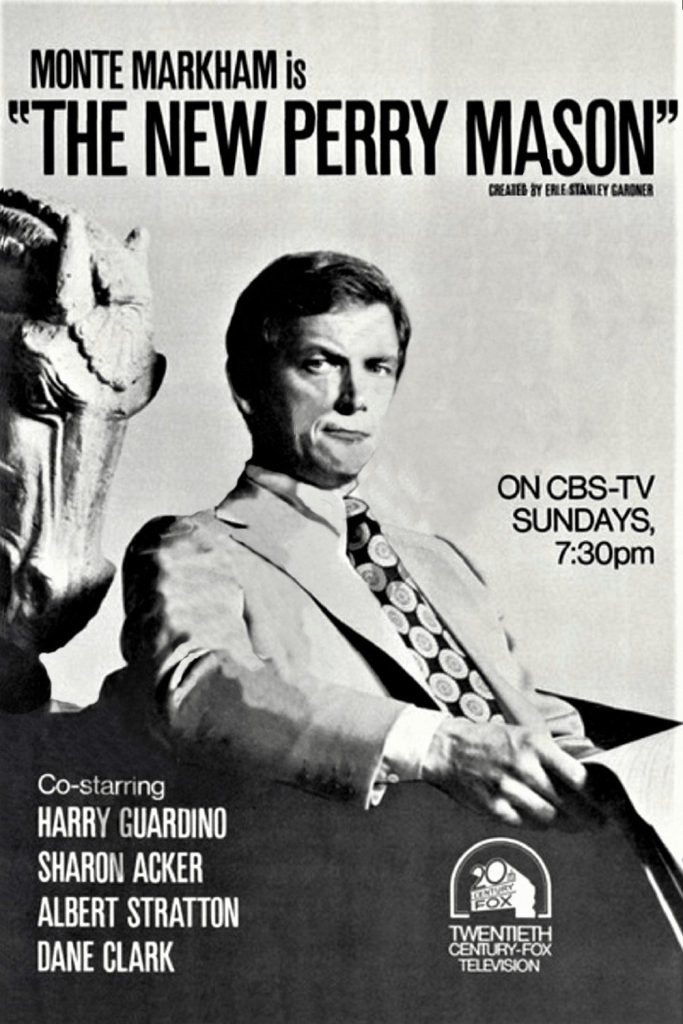
The New Perry Mason Show Photo: imdb.com

The New Perry Mason Show: Monte Markham and Sharon Acker became Perry Mason and Della Street. Impossible roles to fill with anyone but Raymond Burr and Barbara Hale.

When the fall schedule came out in 1975, the only shows remaining on the air were Good Times, Happy Days, and Kojak. Since I have already done extensive blogs on Happy Days and Kojak, next week, we’ll take a closer look at Good Times.

Morgan Fairchild: Queen of the Soap Operas

This week we are finishing up our “Supportive Women” blog series. If you watched a lot of television in the sixties and seventies, you will remember today’s blog star very well: Morgan Fairchild.

Photo: dallasfandom.com

Morgan Fairchild was born Patsy Ann McClenny in 1950 in Dallas, Texas. In grade school, she was too shy to read her book report in class, so her mother, an English teacher, signed her up for drama lessons. At age ten, she began performing in dinner theater and stock productions in Dallas which led to several local commercials.

In 1967 she married Jack Calmes; they would divorce in 1973.

In 1967, a young Morgan was hired as a double for Faye Dunaway in Bonnie and Clyde. At age 20 she was cast in her first movie where we could see her face, A Bullet for a Pretty Boy. She would receive roles for another 35 big-screen features during her career.

However, most of her work was on the small screen. Her first role was Jennifer Pace on Search for Tomorrow. She stayed with that show for four years but she would come back to soap operas on and off throughout her acting time and could be seen on The Bold and The Beautiful, Days of Our Lives, General Hospital, and most recently as Sydney Chase in The City in 1996. Most of her roles were the stereotype of an elegant and wealthy woman who will do whatever it takes to get what she wants.

In between work on soap operas, Morgan showed up on many of the most popular shows as a guest star or regular cast member. In 1976 she was on Kojak. After her time on Search for Tomorrow, during the 1970s she appeared on other dramas including Police Woman, Barnaby Jones, and Dallas and on sitcoms like The Bob Newhart Show, Happy Days, and Mork and Mindy.

Flamingo Road Photo: nbcwikifandom.com

During the 1980s she did make a few guest appearances on The Love Boat, Simon and Simon, Magnum PI, and Hotel. Morgan received an Emmy nomination for her appearance on Murphy Brown in 1989. However, it was during this decade that Fairchild was a regular cast member on three different shows: Flamingo Road, Paper Dolls, and Falcon Crest (attorney Jordan Roberts), all night-time soap operas.

Flamingo Road was based on a novel written in 1949. It features the small town of Truro, Florida. The wealthy citizens live on Flamingo Road in their mansions, while the lower classes do what they have to do to make that street their address. Morgan played a woman with one of the longest names on television: Constance Weldon Semple Carlyle. After two years, the show was done.

Photo: IthinkthereforeIreview.com

Paper Dolls was about the modeling world. Fairchild played Racine, an agent, and the show is about the jobs that her models take on including a perfume company that uses her models exclusively. The series only lasted for thirteen episodes.

Morgan played Jordan Roberts, an attorney, on Falcon Crest. This long-running drama from 1981-90 featured the Gioberti family who operates the Falcon Crest Winery in California.

In the nineties, she appeared on a variety of shows including Roseanne, Empty Nest, Murder She Wrote, Diagnosis Murder, Cybill, and Home Improvement.

Her career continued during the 2000s where you could see her on Dharma and Greg and Hot in Cleveland, as well as five appearances on Friends as Chandler Bing’s mother Nora. She also had another series, Fashion House, in 2006 as Sophia Blakely. The concept of the show was another fashion-themed one where a ruthless executive played by Bo Derek defends her company against a hostile takeover.

Friends Photo:netflixlife.com

With so many movie channels, we forget today that for a few decades we could not watch movies on television. The networks came up with a solution: made-for-tv movies, and Morgan was a queen of the genre with thirty movies and six miniseries.

Morgan has continued to stay busy. She has two finished productions listed on imdb that have not been released yet.

Fairchild has used her platform as a celebrity to advocate for AIDS research, the pro-choice movement, and many environmental issues. She collects movie memorabilia, especially Marilyn Monroe items, and antique clothing. She seems to have had a long-lasting career. It would have been fun to see her star in a sitcom instead of just playing ruthless women who just care about fame and money.

Reta Shaw: Housekeeper Extraordinaire

I devoted this month to some of our favorite actresses from the golden age of television. This list would not be complete without Reta Shaw who popped up in almost every popular program during the fifties and sixties.

Reta Shaw - IMDb
Photo: imdb.com

Shaw was born in Maine in 1912. She was born into the entertainment business; her father was an orchestra leader and her younger sister Marguerite also became an actress (I could only find one credit for her; it was a 1959 movie titled The Ballad of Louie the Louse.) After graduation, Reta attended the Leland Powers School of the Theater in Boston.

She then headed for the bright lights of Broadway and in 1947 was cast in “It Takes Two.” In 1954 she was Mabel in “The Pajama Game” and later appeared in “Gentlemen Prefer Blondes”, “Picnic”, and “Annie Get Your Gun.”

QUITE A CHARACTER: In Celebration of RETA SHAW | THAT'S ENTERTAINMENT!
Photo: jacksonupperco.com

Her motion picture career overlapped with her television career. She had feature roles in several big-screen successes including Picnic; The Pajama Game; Pollyanna; The Ghost and Mr. Chicken; Escape to Witch Mountain; one of my favorites as a kid, Bachelor in Paradise with Bob Hope; and most famously, the cook in Mary Poppins, as well as a maid in Meet Me in St. Louis.

In 1952 she married William Forester, another actor. William appeared in Mister Peepers and The Pajama Game movie with his wife. He was very busy with television appearances during the early sixties. They were married a decade but divorced in 1962; the couple had a daughter.

She appeared in many of the same shows as the other actresses we learned about this month. Her first television role was on Armstrong Circle Theater. Her second role was as a regular cast member of a little-remembered show, Johnny Jupiter in 1953. It was a quirky show about a store clerk named Ernest P. Duckweather who invented an interplanetary television set and developed a friendship with a puppet named Johnny Jupiter.

Papermoon Loves Lucy — RETA SHAW
Photo: papermoon loves lucy

From 1953-1955 she would appear with Marion Lorne on Mister Peepers as Aunt Lil. She continued receiving both movie and television roles throughout the fifties. In 1958 she received another recurring role on The Ann Sothern Show as Flora Macauley.

She began the sixties with another permanent job on The Tab Hunter Show. This show as about comic strip author Paul Morgan. His comic strip was “Bachelor at Large” and he wrote about his own amorous adventures.  Shaw, as Thelma his housekeeper, had a very different view of that life than Paul’s best friend Peter did. When that show went off the air, she was given another spot on Oh! Those Bells. The Wiere brothers, well-known comedians, portrayed the Bell Brothers who worked for Henry Slocum in a Hollywood prop shop. The brothers managed to create a disaster out of the most minor matters. The show only lasted two months.

Throughout the sixties she could be seen on a variety of series; although she certainly excelled at comedy she was just as accomplished in dramas such as Wagon Train, I Spy, The Man From UNCLE, and FBI. Reta also made more than a dozen movies during this time.

133 Reta Shaw ideas | the andy griffith show, character actress, don knotts
Photo: pinterest.com

However, her sitcom career flourished, and she was kept very busy during the sixties with roles on The Many Loves of Dobie Gillis, Father of the Bride, Lost in Space, The Dick Van Dyke Show, The Cara Williams Show, My Three Sons, The Farmer’s Daughter, The Lucy Show, The Patty Duke Show, The Adventures of Ozzie and Harriet, The Monkees, That Girl, Please Don’t Eat the Daisies, and I Dream of Jeannie.  She had a recurring role on Bewitched as Aunt Hagatha/Bertha. She was featured in The Andy Griffith Show twice, but one of them is one of my all-time favorite episodes, “Convicts at Large” when she plays Big Maud Tyler who enjoys dancing with Barney.

The Ten Best THE ANDY GRIFFITH SHOW Episodes of Season Three | THAT'S  ENTERTAINMENT!
Photo: jacksonupperco.com

The end of the decade brought her another recurring role as housekeeper on The Ghost and Mrs. Muir. On May 1, 2014, Madman Entertainment interviewed Kellie Flanagan who played one of the kids on the show. It must have been a fun show to work on.  When she recalled her time with the cast, she said “The set was a very happy set, with parties every Friday night, and I remember that all the ladies were swooning over Mulhare and always disappointed to find out the beard had to be applied every day. His real beard was red, was the reason I remember, and they needed that salt-and-pepper thing. Hope was extremely sweet and kind to us, though I do remember there was a period where we were not supposed to bother her – I think she may have been going through a divorce – I believe she had a daughter about my age. Hope was lovely and her voice is fabulous. Reta Shaw was a delight and Charles Nelson Reilly was hilarious. The dog annoyed me!”

The Scott Rollins Film and TV Trivia Blog: Reta Shaw: Familiar Character  Face of TV's THE GHOST AND MRS. MUIR and Films Like MARY POPPINS, THE  PAJAMA GAME, POLLYANNA & PICNIC
Photo: scottrollinsfilmandtvtriviablog.com

Shaw continued to take on roles during the early seventies and could be seen on The New Dick Van Dyke Show, Here’s Lucy, The Odd Couple, Cannon, Happy Days, and The Brian Keith Show. Her career culminated with her role on Escape to Witch Mountain in 1975.

Shaw lived another seven years and died in 1982 from emphysema.

An interesting note is that Shaw grew up in a family who practiced spiritualism and said she had been “brought up on a Ouija board.” However, I’m not sure if she believed in it as well.

Shaw certainly had a very interesting and successful career as an actress. Although she often took on the housekeeper role, she was not stereotyped into just that slot. She appeared in both television and movies and she took on dramas as well as comedy.  It would have been fun to see what she would have been able to do if she had been given a series of her own. 

Whenever I see Reta Shaw in an old show, I know I am in for a treat.

Al Molinaro: Just a Guy From Kenosha

We are in the midst of our “Men of August” series and today we to learn about another Wisconsin resident, Al Molinaro. Last week we delved into the career of Tom Bosley; Molinaro and Bosley were castmates on Happy Days but made their way there on very different paths.

Photo: itvhub.com

Al’s parents immigrated from Italy. His father had a true success story. He began his life in America at age 15 working as a water boy with a railroad crew heading west. He met and married his wife in Kenosha, Wisconsin where they settled down to raise their family of ten children. Al was born in 1919.

Al’s father, Raffaele, owned a restaurant/hotel and sponsored hundreds of Italians so they could make their way to the United States. Al’s brother Joseph became the district attorney for Kenosha County, and his brother George served thirty years in the Wisconsin State Assembly.  

After high school, Al became a union leader at the Vincent-McCall Furniture Spring Factory. A year later, he later took a position with the City of Kenosha as assistant to the city manager. A friend of his had relocated to California to work in the aircraft industry and encouraged Al to give it a try.

Image result for image of kenosha wi 1940s
Where Al watched movies in Kenosha dreaming of being an actor–Photo:cinematreasures.com

In 1940, Al left Wisconsin for a career in California. Although Al would never live in Kenosha again, it held a special place in his heart and later in his life, he said that “I love that town; I love it. If it wasn’t that I left it for show business, I’d still be there today.”

His first job in Los Angeles was with Reginald Denny’s Hobby Shop. He began working odd jobs in the television industry such as a live action animator at George Pal’s studios.  He then worked for a bill collecting company until he had saved enough money to open his own collection agency. Although he moved on to another career, he held onto the collection agency until he retired. During this time, he also got involved in real estate. One of his properties was purchased for a huge retail mall which gave Molinaro the funds he needed to pursue an acting career.

During this time, he met his wife, Helen Martin, and they married in 1948, eventually divorcing in 1980.

Image result for images of al molinaro bewitched
On Bewitched–Photo: sitcomsonline.com

Al began receiving television roles in 1969. He first appearance was on Green Acres. Lisa opens a box of cereal only to find real gemstones in her box of Crickly Wickly. It turns out jewel thieves hid their stolen goods in the box in a Chicago factory. You know this will be a fun episode right from the beginning when the credits show up graffitied on a wall behind the crooks. Al was one of those crooks, and he would show up in two other Green Acres episodes. He also appeared on Bewitched, Get Smart, That Girl, and Love American Style.

Image result for images of al molinaro playing poker on odd couple
Photo: DVDtalk.com

He took an improv class where he met Penny Marshall. In 1970, Penny introduced Al to her brother Garry which would change his acting journey. When The Odd Couple was casting for roles, Al wanted an audition for the role of Murray Greshler, the police officer who played poker with Oscar and Felix. Garry didn’t think he was right for the role, so he resisted, but Al was so persistent, he finally brought him in and ended up offering him the job.

After the show ended, Garry offered Al the role of Al Delvecchio, replacing Pat Morita who was leaving Happy Days as the owner of Arnold’s. Happy Days was set in Milwaukee, a city Al was very familiar with. While on the show, Molinaro suggested that Robin Williams be cast in a role John Byner declined which led to a new career for Williams.

Image result for images of al molinaro arnold's
Photo: nytimes.com

In 1981, Al married Betty Farrell. About this same time, he was one of the cast members who made the transition from Happy Days to the show’s spinoff, Joanie Loves Chachi.

After portraying a restaurant owner on the air for many years, Al became one in real life when he and Anson Williams (Potsie on Happy Days) opened a chain of diners called Big Al’s.

Molinaro continued to receive acting offers from Garry for some of his movies, but he felt he had to turn them down. He couldn’t reconcile his role with the language in movies that he felt was offensive. As he said, “I can’t work in movies with Garry because I’m so square that I won’t be in a movie that has four-letter words in it. . . . You gotta live with yourself.”

Image result for images of al molinaro on-cor foods
Photo: pinterest.com

Molinaro retired from acting in the early nineties but continued to appear in commercials for another decade. His commercial career included being the spokesperson for Cortaid Hydrocortisone Cream, Mr. Big Paper Products, and 42 spots for On-Cor Frozen Foods.

Al was diagnosed with Alzheimer’s in the mid-90s. He died from complications from an infected gallbladder in 2015.

Image result for images of al molinaro
Photo: pinterest.com

Considering Al was only an actor for 22 years or so, he created several of our favorite characters. He seemed to have a full life and stayed very humble. Happy Days would not be the same without Al, and he added a lot of humor to The Odd Couple’s weekly poker nights. A true success story; I’m glad he provided us with so many memorable moments without sacrificing his personal moral standards.

Tom Bosley Scores a Home Run on Any Team

Since January was all about female sitcom actresses, this month we give the men their fair due.  We begin this series, “The Men of August,” with Tom Bosley.  Anyone who was a Happy Days fan knows why Bosley is part of this line-up.

Image result for images of tom bosley
Photo: quotetab.com

Bosley was born in Chicago in 1927. His father was in real estate and his mother was a concert pianist. After graduating from high school, he served in the Navy during WWII. His father was in WWI and then served again in WWII, building army bases on the coast.

Following the war, he attended DePaul University in Chicago, declaring his major as Pre-Law. He had to take night classes because the day classes were full, and after getting tired of teachers not showing up, he switched to a radio school, hoping to be an announcer because he loved baseball, but acting eventually tugged at his heart.” In 1949 and 1950 he performed at the Woodstock Opera House in Woodstock, Illinois with Paul Newman. He was in the first live television show ever done in Chicago which was a production of Macbeth, about 1948 (on WBKB).

In the early fifties, he moved to New York and held a variety of jobs, including coat checker at Lindy’s restaurant, doorman at Tavern on the Green, and Wall Street bookkeeper. He continued to audition for his big break. During the fifties while he was looking for work, he shared rent with another Chicago actor trying to make it in the entertainment business: Harvey Korman.

Image result for images of tom bosley
Bosley as Fiorello–Photo: markrobsinsonwrites.com

With one foot in Broadway and one in television, Bosley took on a variety of roles in his early career. In 1955 he appeared in a television production of “Alice in Wonderland” as the Knave of Hearts. In 1959, he won a lot of acclaim as New York mayor Fiorello H. La Guardia in the Broadway musical “Fiorello!” and won a Tony award. Bosley would later return to Broadway in the 1990s taking on the roles of Maurice in “Beauty and the Beast” and as Cap’n Andy in “Show Boat.”

In the 1960s he explored motion pictures and landed his first role as a suitor of Natalie Wood in Love with the Proper Stranger.

Although he continued to appear in the big screen, the little screen took up most of his time in the sixties and early seventies. In 1962 he played opposite Tony Randall and Boris Karloff in “Arsenic & Old Lace.” His face became a familiar one showing up in Car 54, Where Are You?, Bonanza, Get Smart, Route 66, Dr. Kildare, The Mod Squad, The Streets of San Francisco, Bewitched, McMillan and Wife, and Marcus Welby, among others.

It was also during this decade he married Jean Eliot. They were married until she passed away in 1978.

Image result for images of tom bosley
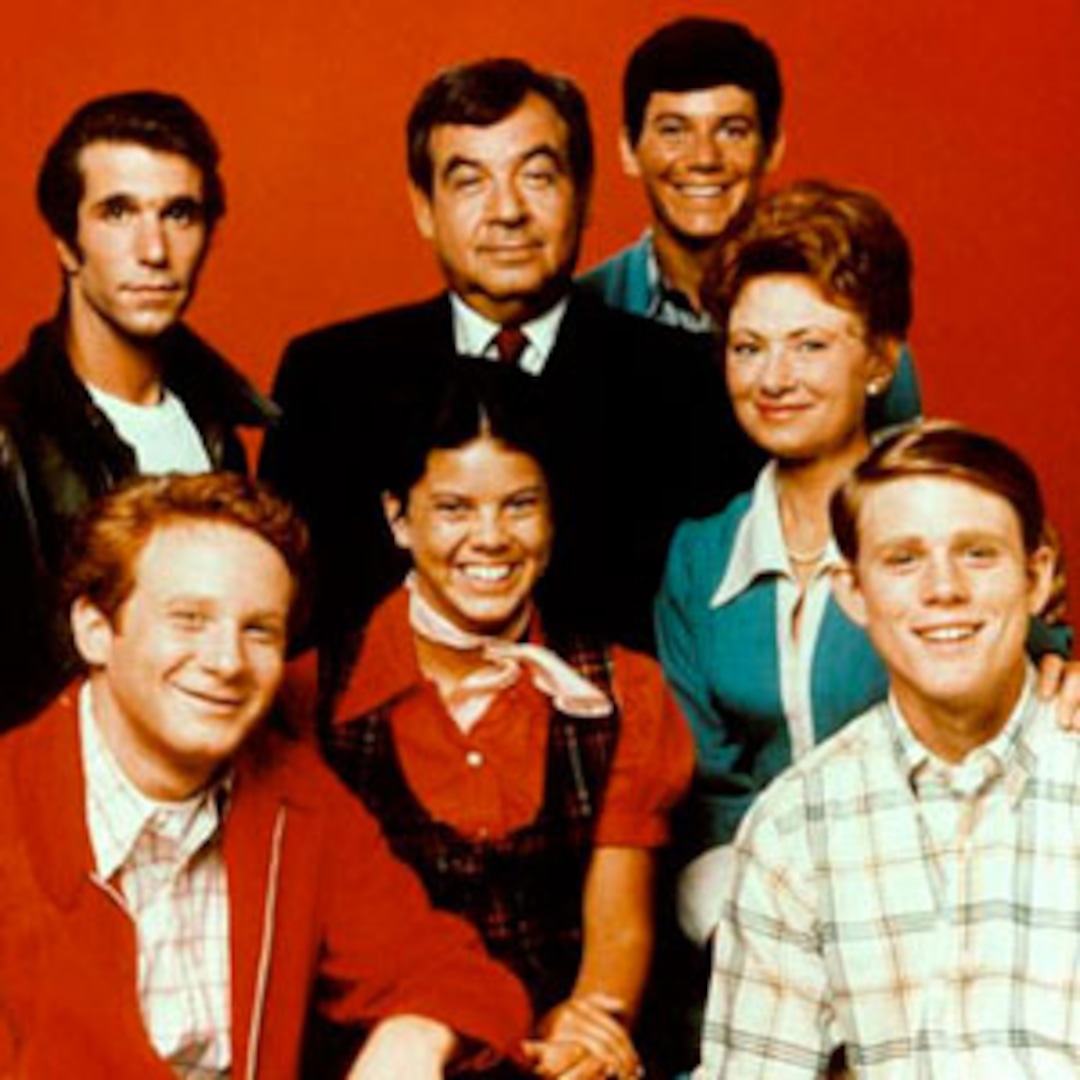
The Cast of Happy Days Photo: E!online.com

In 1974 he accepted the role that would make him a household name. “Love and the Television Set” was one of the four skits appearing on an episode of Love American Style, and I actually remember watching it. Garry Marshall developed it as a pilot, but the network wasn’t interested in turning the pilot into a show when it first came up. However, once George Lucas released American Graffiti in 1973, also starring Ron Howard, ABC took another look at the period show. The first two seasons, the show focused more on Richie Cunningham as he interacted with his friends and family. Jerry Paris (Jerry Helper on The Dick Van Dyke Show) directed 237 of the episodes. Happy Days was described as relentlessly ordinary. The plots revolved around the same types of problems most teens experienced in the fifties: dating, wanting to be popular, peer pressure, and similar issues.

Bosley originally turned down the role but reconsidered after reading the script more thoroughly; he was drawn to a scene between Howard and Richie that moved him. Bosley said he also was looking for some security. His wife was sick at the time, and they thought she might have epilepsy, which was later determined to be a brain tumor; he wanted an easier schedule in order to care for his wife and help raise his daughter.

Image result for images of tom bosley
With Henry Winkler Photo: brooklynvegan.com

He captured the sometimes cranky, but lovable, Howard Cunningham perfectly. He might not agree with his children, but he was always there for them, and he was apparently always there for his castmates who all remembered him as a kind, fatherly figure.

For a decade, Bosley developed the role of Howard into a much-loved sitcom father. Bosley said none of the characters were well defined in the early scripts. The cast developed their characters as relationships developed.  He described the actors as a baseball team that never made errors; they just clicked and had a wonderful rapport.

During the run of the show, his wife passed away from her tumor, and in 1980 he married actress Patricia Carr whom he stayed married to until his death.

Image result for images of tom bosley
With Angela Lansbury Photo: etsy.com

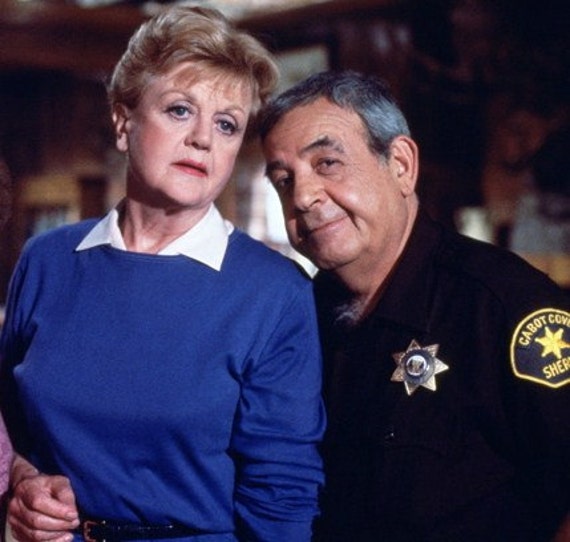
When the show ended, Bosley was immediately offered another role. Although he appeared in a variety of shows in the early eighties, including five episodes of Love Boat, he moved from Milwaukee to Maine to help Jessica Fletcher solve mysteries on Murder, She Wrote. Bosley said the role of Jessica was written for Jean Stapleton, but then she did not want to do it so it was offered to Angela Lansbury. He and Angela had worked together in the past, so he did the pilot. It was supposed to be a one-time role, but they brought him back nineteen times without a contract.  As Sheriff Amos Tupper, he spent four years trying to figure out why so many murders took place in peaceful Cabot Cove. He then retired from the police force and moved to live with his sister. 

Image result for images of tom bosley father dowling
James Stephens, Tracy Nelson, Bosley, Mary Wickes Photo: pinterest.com

He actually did work with a sister in his next role on Father Dowling Mysteries. As Father Frank Dowling by day, he moonlighted, solving mysteries with his assistant Sister Stephanie Oskowski (played by Tracy Nelson, Rick Nelson’s daughter and granddaughter of Ozzie and Harriet).

Bosley described Father Dowling as being a lot like himself: calm, quiet, and caring. While murders occurred on the show, there was no violence. When they were casting the part for the housekeeper, they described the character as a Mary Wickes type, and Bosley told them to just get Mary Wickes, and he loved working with her.  He enjoyed that show more than any of the other shows he worked on. The cast was totally caught off guard when it was cancelled.  The network wanted to do a show with James Earl Jones and Richard Crenna.  They gave Crenna’s agent a short-time period to agree to the show and he agreed before the limit ended, so the network was forced to delete a show from the current schedule to make room for this new show and they chose Father Dowling; the James Earl Jones show, Pros and Cons, also about several private detectives, and was dropped after 12 episodes.

When the show ended in 1991, his career definitely did not. When asked if he was going to retire, he replied, “Don’t be silly—actors spend half of their careers in retirement.” He continued appearing in a variety of shows (39 in all) until his death in 2010 from a staph infection.

Photo: outsider.com

There are several actors I get confused by at times because of their similarities. One is Ray Walston from My Favorite Martian with Jonathan Harris from Lost in Space. The other is Tom Bosley with David Doyle from Charlie’s Angels.  At least I felt better about my mental error after doing research on Bosley.  Apparently, David Doyle was named “Bosley” on the show because people confused the two actors so often. 

I’m sure Tom Bosley would have made an excellent attorney or announcer, but I’m happy that he followed his acting passion, and I’m thankful for the five decades he was willing to entertain us with his special gift.

Celebrating National Minnesota Day with Marion Ross

For those of you who are big fans of the “National Day of” calendars, you know that there are celebrations for National State Days. In my blog this month, we are learning about celebrities from those National State Days. We begin with National Minnesota Day and one of the stars born there is Marion Ross.

Marion was born in Watertown, MN in 1928. She moved from Waconia to Wilmar and then to Albert Lea. She must have always had stars in her eyes because at age 13 she changed the spelling of her name from Marian to Marion because she thought it would look better on a marquee. After her sophomore year in high school, she enrolled at the MacPhail Center for Music in Minneapolis. A year later, her family moved to California where she graduated from Point Loma High School.

Photo: ihearthollywood.com

Ross was named Most Outstanding Actress at San Diego State University; however, her major was archeology. After graduating in 1950, she did some summer theater in California and then began auditioning for films. The year she graduated, she eloped with Freeman Morse. They were married for 18 years.

Marion was successful in her movie career. Her first film was Forever Female with Ginger Rogers and William Holden in 1953. She would appear in 26 movies including The Glenn Miller Story and Sabrina. Ross recalled her time in Hollywood. She says it was a great time to be an actor. “All the stars ate in the studio’s dining room. Marlene Dietrich would come swooping into the room, and a hush would fall over the place. Those early days in Hollywood were just so thrilling, almost more than I could bear.”

Ironically, her first television role on Calvacade of America also took place in 1953. She would go on to have an amazing television career with more than 140 different roles on the small screen. While most of her appearances in the fifties were on the drama shows or westerns, she did show up on Life with Father as an Irish maid from 1953-55. She also was a teacher on The Donna Reed Show.

Photo: metv.com

Ross on Perry Mason

The sixties found her primarily on dramas such as Outer Limits, Dr. Kildare, and The Fugitive. However, she also received recurring roles on three series: The Gertrude Berg Show, Mr. Novak, and Paradise Bay. She was Mary Morgan on Paradise Bay, a soap opera set in California. Although the show was only on for a year, she appeared on 158 episodes before it ended.

See the source image
Photo: metv.com

Her last role of that decade landed her on The Brady Bunch. When the kids get sick, Mike calls the boys’ male doctor and Carol calls the girls’ female doctor.  Instead of choosing one, they decide to keep seeing their same patients.

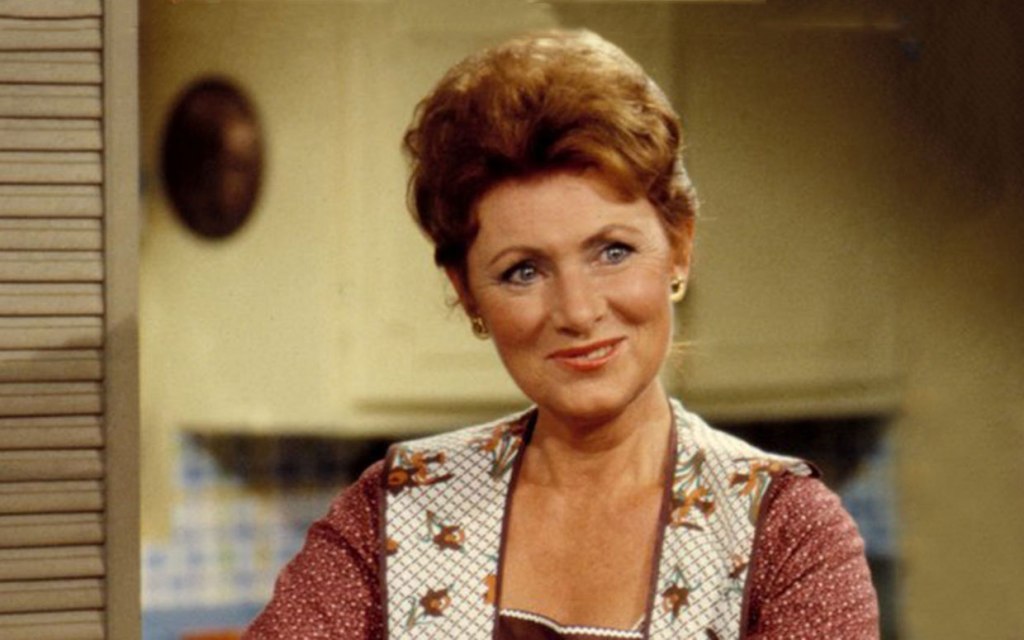
The early seventies kept Ross busy on shows such as Hawaii Five-0, Love American Style, and Marcus Welby. In 1974 that Love American Style skit led to the show Happy Days where Marion reprised her role as Marion Cunningham. She continued her role as biological mother to Richie and Joanie (and poor Chuck occasionally) and as a surrogate mother to Fonzie for eleven years.

Photo: pinterest.com

In May of 2020, Ross did an interview on TVLine.com with Matt Webb Mitovich. He asked if she had a favorite episode from the show. She said there were two that were definitely favorites. One was when Marion gets mad at the family because they expect so much. She stood up for herself, told Howard he could have his food and took it out uncooked and put it in front of them, then storms out the door and went to work at Arnold’s. Her other favorite was the scene when she did the tango with Fonzie. She said Henry Winkler caught on right away but she had to work with a coach for a week to get it down right.

Photo: parademagazine.com

She also discussed the softball team Garry Marshall put together to keep everyone out of trouble in the off season. She said they played all over the US and continued, “And then at one point, we were invited to go to Europe. We went to Germany and played softball with the US infantry which was incredible. And then once our show was totally over, after we did our last show at Paramount, we all got on a plane at the crack of dawn and flew to Okinawa and played softball with the US infantry there.” She played rover but said she could hit. Her strategy was to hit the ball and then run with her arms raised up.  Everyone was so afraid of hitting “the old lady” she would make it on first base.

Photo: yahoo.com

After the demise of Happy Days, Marion wasn’t content to sit back and enjoy life. She continued her television appearances and from 1984-2018 you could catch her on a variety of shows including Night Court, MacGyver,Grey’s Anatomy, and Hot in Cleveland. She had recurring roles on another six series. She played several different women named Emily on The Love Boat, as the iron-willed Jewish matriarch on Brooklyn Bridge, mean Grandmother Forman on That Seventies Show, Drew’s mother on The Drew Carey Show, Marilyn Gilmore on The Gilmore Girls, and Ida Holden on Brothers and Sisters.

Marion was also able to get back on the stage. She took roles in “Arsenic and Old Lace”, “Steel Magnolias”, “Long Day’s Journey into Night”, “The Glass Menagerie”, “Pippin”, and “Barefoot in the Park.” She also toured the country in a one-woman show as poet Edna St. Vincent Millay in “A Lovely Light.”

Photo: albertleatribune.com

In 2008 the Albert Lea Civic Theater in Albert Lea, Minnesota changed the name of its venue to the Marion Ross Performing Arts Center. Marion retired in 2018. She could then concentrate on some of her hobbies which include gardening, reading, spending time with family, watching movies, listening to the radio, praying, and singing. Marion’s two children are also in the entertainment business, Jim as an actor and Ellen Kreamer as a writer/producer on many shows including Friends and one of my recent favorites, Trial & Error.

In 2018 Ross published her memoir, My Days, Happy & Otherwise. The book is described as “funny, poignant, and revealing.” It features Garry Marshall’s final interview, a foreword from Ron Howard, conversations with her own children, and her entire story.

Photo: parademagazine.com

With the Covid pandemic continuing, Ross is happy to be spending her time at her California home being in her garden and spending time with family. As she put it, “It is such a wonderful time to bond and connect with family even if we are not together. I also have been calling friends to see how they are and have a little chat.”  Some good motherly advice for all of us.

June Lockhart Rocked the Acting Profession

As we check out some of my favorite actresses this month, this week we learn about one of the most prolific actresses on the small screen. With more than 170 credits between 1938 and 2004, June Lockhart had a very successful career.

See the source image
Photo: ebay.com

Perhaps destiny planned for June to become an actress. Both her parents, Canadian-born Gene and English-born Kathleen Lockhart, were actors and she traveled with them as a young child while they performed. Although she was born in New York City in 1925, she was brought up in Beverly Hills.

See the source image
June with her parents
Photo: mesquitelocalnews.com

She was only 8 when she took the role of Mimsey in “Peter Ibbetson” at the Metropolitan Opera.

In 1938, at age 13, June made her film debut in A Christmas Carol with her parents. She appeared in more than thirty movies, including Meet Me in St. Louis, Sergeant York, All This and Heaven Too, and The Yearling.

Meet Me in St. Louis, 1944 ~ June Lockhart, Judy Garland & Lucille Bremer |  Judy garland, Hollywood, Holiday movie
Photo: pinterest.com Meet Me in St. Louis

In 1948, she won a Tony for Outstanding Performance by a Newcomer for her role in “For Love or Money.”

Although her appearances in film and on Broadway would have been a lucrative career n themselves, it was in television that she found most of her fame. In 1949 she accepted a role on The Ford Theater Hour. During the 1950s she would make 56 appearances on drama theater shows. In addition, she was in Gunsmoke, Have Gun Will Travel, Rawhide, and Wagon Train.

In 1951 she married John Maloney. In 1959 they divorced and that same year, she married John Lindsay whom she was married to until 1970.

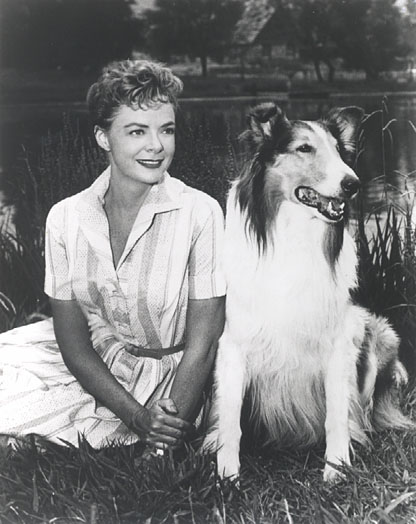
But it was in the television show, Lassie from 1958-1964 that she became a household name as Ruth Martin, Timmy’s (Jon Provost) mother. The show was about the Martin family’s life on the farm and the heroics of Timmy’s dog Lassie.

See the source image
Photo: pinterest.com

The 1960s continued to be very productive for her as an actress. She appeared in a variety of television shows, including the dramas Perry Mason, The Man from UNCLE, and The Alfred Hitchcock Hour and the comedies Bewitched, Family Affair, and The Beverly Hillbillies.

See the source image
Photo: thenewyorktimes.com

She also starred in two long-lasting sitcoms. From 1965-1968 she was Maureen Robinson on Lost in Space. On the show, a family with three children travel with Major Don West to colonize a new planet.  Dr. Zach Smith is a stowaway who tried to sabotage their mission by throwing their ship off course and ends up having to live with the people he thought were his enemies.

See the source image
With Bill Mumy
Photo: uncleoldiescollectible.com

In an interview with Bill Mumy who played her son Will on Lost in Space, he said that Lockhart always made time for the kids on the set. He said she kept them occupied between takes which she didn’t need to do. He said “she spent a lot of time nurturing Angela’s and my developing thought processes. Teaching us.”

See the source image
Photo: thedailyissue.com

In 1968 she was offered a role as Dr. Janet Craig for the final two seasons of Petticoat Junction. Bea Benaderet, the star, passed away in 1968, and Janet filled in as a “mother” to the girls.

Although she would not take on any additional regular roles for sitcoms, she continued to keep busy through the 1970s, 1980s, 1990s, and 2000s. During these decades , she could be seen on Love American Style, Marcus Welby, Adam-12, Police Story, Ellery Queen, Happy Days, Magnum PI, Falcon Crest, Quincy, Murder She Wrote, Full House, Roseanne, Drew Carey, Grey’s Anatomy, and in Beverly Hills 90210 where she had a recurring role, along with 33 other series.

See the source image
On Happy Days
Photo: sitcomsline.com

Her last acting role was an animation movie, Bongee Bear and the Kingdom of Rhythm, in 2016.

See the source image
Photo: famousbirthdays.com

Lockhart is an interesting person as well as a successful actress. She hosted the Tournament of Roses parade for eight years and the Macy Thanksgiving parade for five years.

During my research, I learned several surprising things about her. She was an Ambassador for the California State Parks system. She won the NASA award for Exceptional Public Achievement Medal for inspiring the public about space exploration in 2013. She served as a panelist with several White House correspondents on a quiz show Who Said That in the fifties. That job provided her with an open invitation to attend White House briefings which she did and said were fun.

See the source image
Photo: flickr.com

Her hobbies included gold mining, antique motorcars, lighter-than-air aircraft, and learning about the Old West. She kept medical texts near her bed for nighttime reading. She was a member of a kite-flying club. She also loved old steam engines.

See the source image
Photo: blogspot.com

Her husband bought her a 1923 Seagrave pumper fire engine named “Cordelia Delilah Lindsay” which she drove around even though it got two miles to the gallon. She actually had the largest parking space at the studio.

If all those facts aren’t interesting enough, in an interview with Bill Mumy by the Archive of American Television, he relayed that she loved rock and roll. In 1967, she hired the Allman Brothers Band (then called Hour Glass) to play at her house. She took Angela Cartwright and Bill to the Whiskey-A-Go-Go. He also said that “in the 1980s she carried a picture of only one person in her wallet and it was David Bowie.”

See the source image
Photo: pinterest.com

I’m truly impressed that with as busy as she was as an actress, she made time for both her two daughters and her television children, and enjoyed a ton of hobbies as well. It seems she had a joy for learning about new things and continued to add interests to her life. She is a great role model for all of us.

.

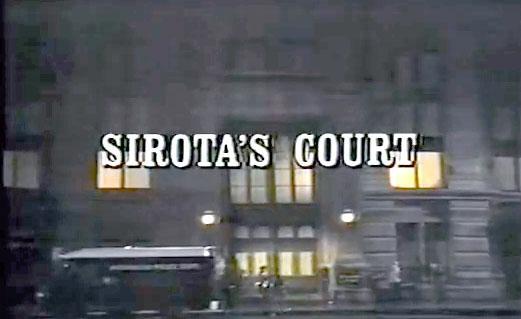
Sirota’s Court: It Never Got a Fair Trial

We are in the middle of my “Don’t Judge Me” blogs. Today I am picking up my gavel to make a ruling on Sirota’s Court.

Photo: filmaffinity.com

This sitcom made its debut December of 1976. By April of 1977, it had disappeared from the airwaves. It was produced by Peter Engel Productions and Universal Television.

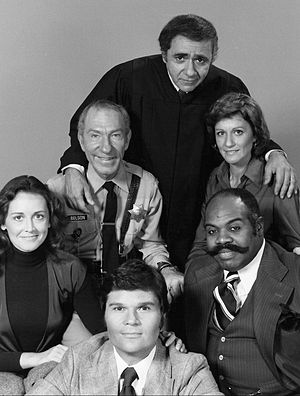
The show followed Judge Matthew Sirota (Michael Constantine) who sits on the bench for the night court. He works with, and has an off-again, on-again romantic relationship with, court clerk Maureen O’Conner (Cynthia Harris). The liberal public defender is Gail Goodman (Kathleen Miller) who battles with private attorney Sawyer Dabney (Ted Ross) and assistant district attorney Bud Nugent (Fred Willard). Bailiff John Belson (Owen Bush) has the judge’s back. Like the Mary Tyler Moore Show, the series devotes time to Judge Sirota’s professional and private lives.

Photo: ptwikipedia.com

If that concept sounds eerily familiar, it should. Seven years after Sirota’s Court left the air, Night Court appeared. Maybe Sirota’s Court was ahead of its time or could not survive the scheduled competition, but it’s hard not to see Night Court as an almost identical clone of this show. The newer judicial comedy featuring Harry Anderson would last nine seasons and produce 193 episodes.

In the original version, the Honorable Sirota incorporates a sense of humor and a boatload of common sense into his courtroom. Being in a large metropolitan city, Sirota is a surprisingly compassionate judge, considering the bizarre cases, the odd clients, and the eccentric court comrades he has to deal with. He often had to take on the role of referee between public defender Goodman who was trying to make the world a better place however she could, attorney Dabney who only cared about making a buck, and totally inept assistant district attorney Nugent.

The show employed a lot of different writers for only thirteen episodes. Twelve different writers were credited on the series. Some of the plots included Judge Sirota trying to prevent being named one of the ten worst judges in America, dealing with dentists who were using laughing gas on election night, or the night a full moon brings in an even more ridiculous roster of bizarre situations to rule on.

Photo: sitcomsonline.com

The show was on Wednesday nights. There was no way this series was going to obtain satisfactory ratings going up against All in the Family and Baretta. All in the Family was in the seventh year of its nine-year reign and still was in the top twenty. Baretta, which was in its third year, had a solid following and was in the top ten. In addition, the show took a lot of heat for one of its episodes, “Court Fear,” when the judge performed a same-sex wedding. It’s creator, Peter Engel, mentioned several times that the show “never got cancelled, it just sort of faded away.” Another factor may have been too many writers. Considering Jack Winter wrote 4 of the 13 episodes, that left 11 writers covering the other 9 shows. Perhaps there was not enough time to fully develop the characters with so many different perspectives.

Photo: tvtango.com

Considering there were only 13 episodes, it’s impressive that Sirota’s Court was nominated for an Emmy for Outstanding Art Direction or Scenic Design for a Comedy Series and for a Golden Globe for Constantine for Best Performance by an Actor in a Television Series, Musical or Comedy. Constantine was up against Tony Randall for The Tony Randall Show, Freddie Prinze for Chico and the Man, Alan Alda for MASH, and winner Henry Winkler for Happy Days.

Photo: pinterest.com

Unfortunately, I could not find DVDs for this show anywhere, even the rare and hard-to-find DVD sites. It would be interesting to compare it with Night Court and see how similar the two shows actually were. My ruling is that the show was competent to stand trial, but the powers that be were too quick to negotiate a settlement.