This month we are taking a look at some of the biggest shows and personalities from the 1950s. We are beginning with Dinah Shore, a household name in the fifties.
📷smithsonianinstitution.com
Frances Rose Shore was born in 1916 in Tennessee. Her parents were Russian-Jewish shopkeepers. At eighteen months old, she was diagnosed with polio. The only treatment at the time was bed rest. She recovered under her mother’s nursing but retained a deformed foot and a limp. She loved to sing and often performed for customers at her parents’ store. Despite her limp, Dinah became active in athletics and was a cheerleader in high school.
She enrolled at Vanderbilt University, graduating in 1938 with a degree in sociology. Singing was still her passion, and she visited the Grand Ole Opry, making her radio debut on WSM, a Nashville station. She moved to New York, auditioning for many roles. She often sang the song “Dinah,” and when DJ Martin Block couldn’t remember her name, he asked for the Dinah girl and Dinah became her stage name. She sang with Frank Sinatra at WNEW in New York and performed with the Xavier Cugat orchestra in 1940. That year she also became a regular on “Time to Smile,” Eddie Cantor’s radio show. He taught her to develop comedic timing and how to connect with an audience.
📷thepophistorydig.com
In 1948 she was offered her own radio show, “Call for Music.” She also performed for the troops during WWII.
Shore married actor Robert Montgomery in 1943, and they were married almost twenty years. Sinatra’s valet claimed Shore and Sinatra had a long-term affair throughout the 1950s but I could never verify that.
During the fifties, Shore signed on with RCA Victor to record her music. “Love and Marriage” and “Whatever Lola Wants” were top 20 hits in 1955. In 1959 she went to Capitol Records for three years.
“The Dinah Shore Show” aired on radio on NBC in 1950. She was a very popular singer and entertainer throughout the fifties and sixties. The seventies transitioned her to television where she hosted Dinah’s Place from 1970-74, Dinah and Friends in syndication from 1974-1980. She talked with celebrities and interviewed experts about wellness, exercise, and home décor. Frank Sinatra shared his famous spaghetti sauce recipe, and Ginger Rogers showed her how to throw a clay pot. Tina Turner, David Bowie, and Iggy Pop all performed on her show. Shore won six Emmys for her television work.
📷closerweekly.com
During the sixties, Shore was romantically involved with Dick Martin, Eddie Fisher, and Rod Taylor and had a short marriage with Maurice Smith, a tennis player. She and Burt Reynolds had a well-known relationship for four years during the early seventies.
From 1989-1992 she hosted one additional show, A Conversation with Dinah on cable TNN.
In later years she was also able to spend more time on her hobbies of painting and cooking.
Shore was diagnosed with ovarian cancer in 1993 and passed away in 1994 from the disease. Her Palm Springs mid-century modern home was purchased by Leonard DeCaprio in 2014.
While Shore was seen on television more in the seventies, in the fifties she was beloved for her singing career and that’s when she became a household name.
In October, we are tackling a blog series on Eerie Shows. It would be almost impossible to not include Alfred Hitchcock Presents which was on television for a decade.
The show premiered in 1955. Hitchcock had been directing films for more than three decades at that time. The series experienced several changes. It began as Alfred Hitchcock Presents on CBS but would switch both nights and networks during its run. In 1962 it became an hour-long show and was called The Alfred Hitchcock Hour.
Many fans recall the opening. There is a line-drawing of Hitchcock’s profile with the “Funeral March of a Marionette” playing in the background. Hitchcock appears at the edge of the screen and walks to the center where he fades into the caricature line drawing. Then he said, “Good evening.” The silhouette was one that Alfred drew. He began his entertainment career illustrating title cards for silent movies.
📷peacock.com
Hitchcock himself directed 17 of the episodes of the series. Two of those were nominated for Emmy awards: “The Case of Mr. Pelham” in 1955 with Tom Ewell and “Lamb to the Slaughter” in 1958 with Barbara Bel Geddes.
Hitchcock’s job during this series was to introduce the story and then to wrap it up at the end. Both the openings and closings were written by James B. Allardice. Allardice wrote for 38 different shows, many of them very popular series in the fifties and sixties. Norman Lloyd, who produced the show and appeared in five episodes, said Hitchcock respected Allardice so much that he never even changed a comma that he wrote.
The network demanded that if a character got away with murder during the show, then Hitchcock would let them know during the closing that he was eventually brought to justice; in the TV Guide, Hitch described this as “a necessary gesture to morality.” Lloyd gave an example of this in a Television Academy interview. In one episode, a woman kills her husband with a frozen lamb’s leg and gets away with it. At the end of the show, Alfred explains that she later remarried and tried the same trick again but when she took out the leg and hit her husband with it, it was not frozen enough, so he caught her in the act and turned her in.
📷genresnaps.com
The episodes were not your average thriller shows. They included drama, suspense, and humor. Audiences never knew just “who done it” till the end.
The show debuted on CBS on Sunday nights for five years, up against drama anthologies for two years and then competing with The Dinah Shore Show for three years. For the next two seasons it moved to NBC on Tuesday nights. It aired against The Many Loves of Dobie Gillis on CBS those years and against Wyatt Earp on ABC. For three months it went back to CBS on Thursdays before moving to Fridays on CBS the next season with The Price is Right and 77 Sunset Strip. The ninth year found it on CBS on Fridays with little competition and the final year it showed up on NBC’s schedule on Mondays against Ben Casey. I could never find the reason for cancelling the show. I’m assuming ratings began to decline but if anyone knows, I’d love to hear it.
NBC chose not to air a 1962 episode called “The Sorcerer’s Apprentice” because the sponsor felt the ending was too gruesome. In the episode, a magician’s helper is supposed to help in a trick where he “sawed” a woman in half, but he doesn’t realize he truly saws her in half.
📷thecompletehitchcock.com
As you might guess, with a new story every week, many celebrities appeared on the show including Charles Bronson, Bette Davis, Bruce Dern, Robert Duvall, Clint Eastwood, Peter Falk, Joan Fontaine, Peter Lorre, Walter Matthau, Steve McQueen, Vera Miles, Claude Rains, Robert Redford, Burt Reynolds, Thelma Ritter, George Segal, and Jessica Tandy.
In addition to the Hitchcock-directed episodes, the show received Emmy nominations for Best Series four times. In 1956 it was up for Best Action or Adventure Series, but it lost to Disneyland. The following year found the show in the Best Series – Half Hour or Less category, but it lost to The Phil Silvers Show. 1958 found it in the category of Best Dramatic Anthology Series. You would think that would be a no-brainer win for this show, but it lost to Playhouse 90. It had its fourth category nomination in 1959 as Best Dramatic Series – Less Than One Hour and lost to Alcoa Theatre. I guess the Emmy committee had a hard time determining categories for a few years.
In a different twist, NBC tried to air the show again in 1985. Hitchcock had passed away five years earlier from renal failure. A made-for-TV-movie combined new stories with colorized segments from the original show. It lasted a year before NBC canceled it. USA picked it up for three more seasons.
📷screentunes.com
The original show can still be seen on a few different networks including MeTV.
With Hitchcock’s popularity in 1955, it’s no wonder that this show was a successful series for a decade. The episodes were well written, and they had a wonderful cast of actors. Many people probably tuned in just to see Hitchcock, and his personality was larger than life, even if his behavior was a bit despicable at times. One of Alfred’s quotes about the show was that “television has brought murder back into the home – where it belongs.”
This month we are starting a new blog series, Casting Celebrities. We’re going to take a look at four shows that featured a group of celebrities every week. We’ll learn more about Love, American Style; Fantasy Island; The Love Boat, and Supertrain. When we discuss Supertrain, we’ll also look at the small number of stars who appeared on all four shows.
Today we begin with Love, American Style. This show was an iconic 1970s show. Like Laugh In, the clothing, furnishings, and vocabulary do not make it timeless. But it was a lot of fun. This fast-paced anthology series featured two to four mini episodes each week, and between them were quick skits, often featuring a brass bed. Each smaller episode is titled “Love and the _______.”
📷gms.com The regular cast
A troupe of players was featured on each show for the in-between skits. These regulars included William Callaway, Buzz Cooper, Phyllis Davis, Mary Grover, James Hampton, Stuart Margolin, Lynn Marta, Barbara Minkus, and Tracy Reed. Margolin went on to a regular role in TheRockford Files; Tracy Reed was featured in McCloud and Knot’s Landing; Phyllis Davis was part of the cast of Vega$ and Magnum PI, and James Hampton will be familiar if you watched The Doris Day Show or F-Troop.
The show had a memorable and catchy theme song. Written by Arnold Margolin, the first year it was performed by The Cowsills. The snappy melody was set to the following words:
Love, Love, Love
Love, American Style, Truer than the Red, White and Blue. Love, American Style, That’s me and you.
And on a star-spangled night my love,
My love come to me. You can rest you head on my shoulder. Out by the dawn’s early light, my love I will defend your right to try.
Love, American Style, That’s me and you.
📷imdb.com
During the second and subsequent years that Love, American Style was on the air, the theme song was performed by the Ron Hicklin Group. The Ron Hicklin Group could be heard in a variety of motion pictures and commercials, and they also appeared on recordings with stars such as Paul Revere and the Raiders and Cher. John and Tom Bahler, brothers who sang under The Charles Fox Singers were also part of this group. The band provided television theme song recordings including Batman, That Girl, Happy Days, and Laverne and Shirley. They also did the singing for The Partridge Family theme and songs performed on the show as well as the Brady Bunch Kids. Ron retired in the early 2000s, and Tom does a variety of things. He is also known for writing Bobby Sherman’s hit, “Julie Do You Love Me?”. John married Janet Lennon, one of the Lennon sisters who performed on The Lawrence Welk Show. He currently lives in Branson and conducts the “new” Lawrence Welk orchestra.
Paramount Television developed the show. The executive producer of the show was Arnold Margolin, Stuart’s brother. There were 53 different directors during the four-year run. The series received Emmy nominations for Outstanding Comedy Series in 1970 and 1971; Best Music Composition in 1971, 1972, and 1973, winning in 1973; and winning the Emmy in 1970 for Outstanding Original Music and Lyrics.
📷rewatchclassictv.com
Many people wrote for the show, but Garry Marshall and Jerry Belson received the most credits. One of the writers, Peggy Elliott, was interviewed by the Huffington Post in May of 2013, and she talked about her time writing for the show.
“But the show I loved writing the most, was Love, American Style. For every other show, I was writing for characters created out of someone else’s head. Sure, we could create the occasional guest-star role, and we had been told to make every role, no matter how small, a real person. ‘Think of the actor who’s playing that delivery boy,’ I can hear Billy Persky, the co-creator or That Girl, say: ‘This is a big break for him — it’s the biggest role he’s had so far. Give him something to work with.’
But with Love, American Style, every character was our very own; every situation came out of our heads. Each segment of the hour the show ran each week was a one-act play created entirely by us. Added to the attraction was the fact that we could say and do things that were taboo on every other TV show in the early ‘70s. Arnold Margolin, co-creator of the show with Jim Parker, told me recently that the creative side of the network wanted the show to be more daring, while the censors kept their red pencils ready. There was a full-time position on the show just to run interference.
We must have put both sides through the hoops with one episode we wrote: ‘Love and The Hand-Maiden.’ A young guy was dating a centerfold model. As their relationship developed, he discovered that she had no problem with shedding her clothes, but she always kept her hands covered — with artful poses in magazines, and with gloves in real life. He became obsessed with seeing her hands and came up with one ruse after another to get her to take off her gloves. We had a ball writing it, with one double-entendre after another.”
📷imdb.com
If you were a star of any kind in the early 1970s, you most likely were on Love, American Style. The show produced 108 episodes, and those shows featured 1112 different actors. Some of the famous names showing up in the credits include Milton Berle, Sid Caesar, Phyllis Diller, Arte Johnson, Ozzie and Harriet Nelson, Regis Philbin, Burt Reynolds, Sonny and Cher, Flip Wilson, and Jo Anne Worley.
Brad Duke wrote a biography about Harrison Ford, and he said Ford had fond memories of appearing on Love, American Style. “He recalled that he had been given little time to prepare his wardrobe for the role of a philosophical hippie in the November 1969 episode, “Love and the Former Marriage.” He appeared on set with long hair and a beard thinking they were appropriate for the role. He was surprised when he was told he needed a haircut and trim and then was given a navy blue dress shirt and vinyl burgundy jeans with a large belt. They even had a scarf with a little ring to put around my neck. And I thought, someone has made a mistake here. So, rather than argue with the wardrobe people, I put on the clothes and went to find the producer. I walked on the set and he was pointed out. I tapped his shoulder and when he turned around he had on the same clothes I did. He was a hippie producer I guess. At least the check went through, and I got paid.”
The best way to get a good understanding of what the show was like is to look at a couple of the episodes.
January 23, 1970: Love and the Big Night
📷facebook.com
Starring Ann Elder, Buddy Lester, Frank Maxwell, Julie Newmar, and Tony Randall, this episode is often listed as a favorite of viewers. Randall is a married businessman who escorts his voluptuous secretary (Newmar) to her apartment after a late night at the office. Eager to get home to his wife, Randall hurriedly tries to open a stubborn jar of mayonnaise and winds up covered with mayo. Newmar cleans his suit, but while it’s drying, it’s stolen. After a series of amusing mishaps, Randall finally gets back to his own apartment and creeps into bed with his wife–only to find out she’s not there.
February 25, 1972: Love and the Television Set
📷that’s entertainment.com
It starred Harold Gould, Marion Ross, Ron Howard, and Anson Williams. Reading this list of names might give you a hint about what happened to this episode after it aired. Garry Marshall had written a pilot about a 1950s family that did not sell. He turned it into an episode for Love, American Style. George Lucas caught the episode and was impressed with Ron Howard and offered him a role in his new movie American Graffiti about 1950s teens. The movie was so popular that the network decided to put Marshall’s pilot in the fall line-up as Happy Days. Harold Gould’s role was given to Tom Bosley for the series. When Love, American Style went into syndication, this episode was retitled “Love and the Happy Days.”
October 22, 1970: Love and the Bashful Groom
📷listral.com
This is the episode I recall when I think of the series. When I watched it originally, I was staying overnight at my grandparents’ house and my grandmother was shocked at the “vulgarity.” It really seems quite tame today, but back then it probably was unexpected. She would approve of Tom Bahler marrying Janet Lennon though because I watched Lawrence Welk with her and my grandfather whenever I was at their house.
In this episode, Paul Petersen, Christopher Stone, Meredith MacRae, Jeff Donnell, and Dick Wilson are featured. Harold (Petersen) and Linda (MacRae) are getting married. He learns that she grew up in a nudist colony and is not comfortable being naked for his wedding. After a soul-searching talk with his best friend, and realizing he loves Linda enough to be uncomfortable, he decides to go through with the ceremony. He gets to the church a bit late and walks in, only to see that everyone else is dressed in their Sunday best. His bride informs him that they always dress up for weddings. One of the congregation members says something like “Let’s not make him uncomfortable,” and they all begin to undress. Of course, you see nothing improper, no naked bodies, only clothes flying. This was probably not the best episode to “expose” my grandmother to as a first glimpse of the show.
The show lasted for four years and was cancelled in 1973. In 1985, a reboot was created, but it was on in the mornings and only lasted a few months. The show was on at the same time as everyone’s favorite game show, The Price is Right. For the 1998 fall season, a pilot was created for prime time, but it was never ordered. While doing my research for this blog, I noticed that there was a Love, American Style project in production, so we may see it resurface again. I’m not sure I would want to watch a contemporary version of the show though. It was such a product of its time, and I fear what a current version would be like after seeing the reboot of Match Game which has been airing the past few years.
This month we are looking at sitcoms dealing with careers in our “Work It Out” series. Today I also am learning a lot about a show that I thought was okay but had a big following and was quite popular for seven seasons: Empty Nest.
Cast Photo: omigods.com
This show was produced by Witt/Thomas/Harris Productions, the same team that produced Benson which we learned about last week. It was a spin-off of The Golden Girls which also was produced by the group. However, it is a stretch to connect the original episode and this series. In 1987 George (Paul Dooley) and Renee (Rita Moreno) were a couple who lived next to the Girls. They were suffering from Empty Nest Syndrome after their daughter (Jane Hamick) left for college and their son (Geoffrey Lewis) lived on his own. They had a neighbor Oliver (David Leisure).
Rita did not think the show was very well written. She said Susan Harris was ill at the time. The Corliss house and neighbor was about the only thing that was included in the new show.
On Empty Nest, Dr. Harry Weston (Richard Mulligan) is a widowed pediatrician. His two adult daughters Barbara (Kristy McNichol) and Carol (Dinah Manoff) move back in with him. Rounding out the cast was neighbor Charley (David Leisure) and Weston’s nurse Laverne (Park Overall). Carol is the oldest and had gone through a bad divorce. Barbara was the middle child and was a tough, undercover cop. Their youngest sister Emily was off at college and never seen in the first three seasons. When McNichol left the show early in the fifth season, Emily (Lisa Rieffel) moved back home but she left after that year, and for the final two seasons, only Carol remained at home, although McNichol did return for the finale. Charley bonded with Harry and considered him a surrogate father figure. Their dog Dreyfuss (Bear) also lived with the crew.
Photo: sitcomsonline.com
Bear’s father was a Golden Retriever mix and his mother was a St. Bernard. Bear’s entire family was in show business. His father was in Father Murphy and Summer Rental with John Candy. His brother was in both Steel Magnolias and The Bodyguard. His children continued the tradition taking roles in several movies including Homeward Bound II. Mulligan and Bear were close. Richard would greet him every morning and give him a treat.
The cast was well aware of each other before working together. McNichol had worked with Manoff who played her friend on Family earlier in the 80s. Mulligan had played Manoff’s father on Soap. Mulligan and McNichol worked together on The Love Boat. And, McNichol and Leisure were in the movie You Can’t Hurry Love in 1988.
Photo: mattbrowningbooks.com
The reason this show is considered in this month’s blog is that a lot of the show revolved around Harry’s medical practice. He worked at a hospital for the first five seasons with his nurse Laverne. The two are good friends. For the final two seasons, Harry retires and then decides to help out an inner city clinic run by Dr. Maxine Douglas (Marsha Warfield). When Laverne is fired by Harry’s replacement, he hires her at the clinic.
Photo: imdb.com
Some notable guest stars who showed up along the way included Don Adams, Diana Muldaur, Loni Anderson, Mayim Bialik, Angie Dickinson, Zsa Zsa Gabor, Shirley Jones, Audrey Meadows, and Doris Roberts.
The theme song was “Life Goes On,” written by John Bettis and George Tipton; it was performed by Billy Vera.
Critics liked the show. In 1988, TV Guide said “it’s a simple premise, but it’s vintage Harris and like everything else she does, Empty Nest has been meticulously thought out and superbly cast. Each of the regulars is carefully drawn, consistently realized . . . as for Empty Nest, it’s warm and entertaining comedy . . if you like the humor in Golden Girls, you’ll enjoy Empty Nest. And even if you don’t like Golden Girls, sample Empty Nest anyway. Trust us.” In 1992, TV Guide still liked the show and said, “Harry Weston is delicious and Dreyfuss the dog is delightful. Empty Nest is home to an experienced ensemble that knows its way around a sitcom.”
Mulligan was nominated for an Emmy for Outstanding Actor in a Comedy in 1989, 1990, and 1991, winning in 1989. He was beat out by Ted Danson for Cheers in 1990 and Burt Reynolds for Evening Shade in 1991.
Photo: sunny107.9.com
Most viewers loved the show the first four seasons, but after McNichol left and Harry retired, the quality seemed to wane. The show was in the top for seasons one through three. However, after that, it slowly declined, coming in #23 for season four, #45 for season five, #62 for season six, and #118 for season seven, so there was no surprise when it was canceled.
Grace Zabriskie appeared in the very first and very last episode of the series. In episode one, she was a woman who dated Harry, and in the finale, she played Laverne’s mother.
One of the typical plots that a lot of people mentioned as one of their favorites was episode 22 from season 1 where we watch Dr. Weston visit five different patients during one episode. At the end of the show, we realize that we have been following Billy from a newborn to 18 years of age, and we understand how much influence a family doctor can have on one patient.
Rue McClanahan talked about how Park Overall would spend her breaks roller skating in the parking lot. However, during season five, she broke her leg doing so and had to miss several episodes and spend several more with crutches in a cast.
Mayim Bialik Photo: wordpress.com
I have read a few times in the past few years doing research that Bea Arthur could be very difficult to work with. She was not the favorite on The Golden Girls set and, apparently, she caused an issue on Empty Nest as well. She despised gum chewing and would make the crew spit out their gum. When she guest starred on Empty Nest, she saw Manoff chewing gum and told her to get rid of it. When Manoff declined, Arthur stormed off the set. Speaking of Manoff, she was able to direct seven episodes of the series during the last three seasons. She directed five other shows including an episode of Sabrina, the Teen-Aged Witch. She was also credited with writing two of the Empty Nest episodes.
I do remember watching the early seasons of this show and thinking it was a decent show. I did not remember that McNichol had to leave for mental health reasons, so I’m guessing I stopped watching it before she quit. However, being in the top ten for three years is, or at least was at the time, a good indication of quality and then you add in TV Guide liking the show and Mulligan’s nominations for Emmy awards, and it presents good evidence of a well-rounded show. I did read that Overall could be a bit difficult on the set, and one of those comments came directly from her.
Photo: collectors.com
Marty Pollio, guest starred in season six when things weren’t so great and still had good things to say about the cast. He said that “it was an honor to be doing scenes with Richard Mulligan, he was talented beyond belief, and a great guy too. I never realized what a good actress Dinah Manoff was until I watched her work on this particular episode . . . nice person as well. The set was pretty relaxed and friendly. . . I had a really good time on this one.” It would probably have been better for the quality of the show to be a four-season show than a seven-season show.
I agree with TV Guide. If you were a fan of Golden Girls, you definitely should check out the first three seasons of Empty Nest. And even if you are in that small group of people who did not like Golden Girls, you should watch a few episodes and see what you think. However, that is easier said than done. There is no official DVD set; however, there are bootlegs on several places. I also could not find any streaming channels showing it. YouTube does have at least the first episode. Perhaps with all the classic tv channels out there, this show will make a comeback.
Today we are learning about the career of Henry Winkler. Although he was typecast for many years following Happy Days, he managed to continue his career with a variety of roles.
Photo: wikifandom.com
His parents were German Jews who lived in Berlin during the occupation of Nazi Germany. His father knew they would not be safe there and left in 1939. Winkler described what happened in an interview with Terry Gross on NPR in 2019: “My father knew that it was time. He got a six-week visa from Germany to come and do work in New York but was expected to come right back. I have told this story–that he took his mother’s jewelry, bought a box of chocolate, melted the chocolate down, put the pieces of jewelry in the chocolate box, melted–poured the chocolate over the jewelry, put the box under his arm, so when he was stopped by the Nazis and they said, are you taking anything of value out of Germany, he said, no, you can open every bag; we’ve got nothing. And the jewelry that he encased in chocolate, he sold when he came out of Ellis Island into New York and was able to start a new life here, slowly but surely. I have the actual letters from the government each time my father requested to stay a little longer, and they would say yes. And I was born.”
Photo: goodhousekeeping.com
Although his family did not keep kosher, Henry and his sister Beatrice were raised with the traditions of Conservative Judaism.
Winkler struggled with his studies but he was popular and very funny. His parents were frustrated by his inability to learn. Apparently, his father spoke eleven languages and could easily do math in his head. Henry’s self-esteem began to suffer during these years. Because his grades weren’t better, he was banned from most theater productions, which was what he was most interested in. He was able to appear in “Billy Budd” in eighth grade and in “Of Thee I Sing” in high school.
Photo: imdb.com
When Winkler gave a talk at the Yale Center for Dyslexia and Creativity, he tried to describe what it had been like for him in school: “You want so badly to be able to do it and you can’t. And no matter how hard you try, it’s not working . . . I would study my words. I would know them cold. I would know them backwards and forwards. I would go to class. I would pray that I had retained them. Then I would get the test and spend a lot of time thinking about where the hell those words went. I knew them. They must have fallen out of my head. Did I lose them on the street? Did I lose them in the stairwell? Did I lose them walking through the classroom doorway? I didn’t have the slightest idea of how to spell the words that I knew a block and a half away in my apartment the night before.”
Photo: understood.org
After high school, he attended Emerson College to study theater. He applied to 28 colleges but his grades kept him from being accepted at 26 of them. He majored in theater and minored in child psychology. During his time there he was a member of the Alph Pi Theta fraternity. He had a role in “Peer Gynt” as Peer Gynt. Although he also struggled with college courses, he stayed the course for four years and graduated in 1967. He was admitted to the Yale School of Drama in 1967. He appeared in a number of productions there. He received his MFA in 1970. Twenty-six years later he spoke at Graduation Day at Yale.
He began doing commercials in New York after graduation and starred in TheLords of Flatbush and Crazy Joe, two independent films. He appeared one day on Broadway; the show opened and closed on the same day. He also performed with an improv group, Off the Wall in New York.
Photo: usajacket.com
In 1973 he moved to California. His first role there was on The Mary Tyler Moore Show. Although he paid his dues in New York, he was hired as Arthur Fonzarelli on Happy Days his second week in Hollywood. He would portray the Fonz for a decade. The part was originally written a minor role on the show. Winkler did not want to portray the character as a stereotyped role which is probably why he became so popular. He was allowed to wear a black leather jacket only on his motorcycle the first year. Winkler never drove the cycle because the first time he tried, he crashed. His motorcycle on the show was the same one Steve McQueen used in the last scene of The Great Escape in 1963.
During his time on the show, he was diagnosed with dyslexia, explaining his tough time at school.
During the middle of season two, his character became a regular cast member. Many fans attribute to his performance in the episode “Guess Who’s Coming to Christmas.” By season three, he was considered one of the leads in the show.
Both Ron Howard who played Richie and Winkler told writer Stephanie Nolasco of Fox News how they felt about each other and their time on Happy Days. Winkler had a hard time dealing with his sudden fame, and Howard was able to provide some grounding for him. Winkler described this time, “It’s unnatural—the human condition does not prepare you for stardom. That’s just the way it is. So, you have to hold on to yourself and then you’ve got friends like Ron who doesn’t take it all seriously. I learned from him; he was my teacher. And Garry Marshall never took bad behavior from anybody. He was a father figure. He was very funny and very idiosyncratic, and then he was very strict.”
With Ron Howard Photo: decider.com
Winkler also discussed his friendship with Howard. “I think people gravitate to the Fonzie/Richie relationship because Ron and I are ten years apart. He was 19 and I was 27. We had a connection that you cannot describe in real life, and it was similar off-camera. He gave me my first mitt; I’d never played baseball before. He’s my brother.”
Howard echoed the sentiments. “We were fast friends from the beginning. It continues all these years later. It was exciting for me to work with Henry because he was really a trained actor who attended Yale Drama School; just a trained New York actor. And, I’d grown up sort of through the Hollywood television system, so for me to work with this guy who was so thoughtful, so creative, and yet so hilarious, was really an opportunity for me to learn and grow and we just clicked, you know.”
Happy Days Photo: ew.com
The sudden fame for Fonzie might have damaged the friendship Winkler had with Ron Howard, but they were both professionals and never had their egos inflated. They honestly discussed what was happening and while Howard had a harder transition with the show, he understood that Fonz had become a national icon. Even now decades after the show ended, people recognize his “Ayyy” and “correctamundo” catch phrases and his thumb’s up gesture.
After the show was canceled, his leather jacket was acquired by the Smithsonian Institution for the National Museum of American History. A bronze statue of the Fonz was erected in Milwaukee in 2008 along the Milwaukee Riverwalk.
Photo: ew.com
Fonzie was adored by many kids, especially kids who needed some extra help or attention. Marshall was asked if the show could do something to help kids realize how important reading was. In one of the episodes, The Fonz went to the library and checked out a book, saying “Everybody is allowed to read.” That week, library card registrations increased by 500%. In another situation, one day a call came to Paramount Studios. It was from a teenage boy who was contemplating suicide. He wanted to talk to Fonzie. Winkler picked up the call and gave the boy hope, convincing him not to take his life.
Tom Bosley and Marion Ross Photo: ebay.com
He received 50,000 letters a week. He also received $50,000 an episode. Winkler described The Fonz as his alter ego; he said that Fonz was everything he had always wanted to be: in charge, confident, and adored by others. Winkler credits Marion Ross and Tom Bosley, Mr. and Mrs. Cunningham on Happy Days, with being his acting mentors. He loved them for what they taught him and for being great people. When Bosley died, Winkler said “Tom was a family member, both on and off the sound stage. We acted together, traveled together, and played charades together. He was a loving husband, a doting father, and a fantastic grandfather.”
During his years on Happy Days, Winkler was able to tackle several other roles in the off season. He was a Vietnam War vet with PTDS in Heroes for which he received a Golden Globe nomination. He was in Carl Reiner’s The One and Only and in Ron Howard’s Night Shift.
Henry and Stacey Photo: wideopencountry.com
He also tackled the role of husband, when he married Stacey in 1978. After two years of dating, they married in the same synagogue where Winkler had his bar mitzvah. Together they raised three children, and they have been involved with a variety of children’s charities including the Children’s Action Network, the Annual Cerebal Palsy Telethon, the Epilepsy Foundation of America, the Toys for Tots, the National Committee for Arts for the Handicapped, and Special Olympics.
Even with these roles and several other television appearances under his belt, when Happy Days ended, Winkler was typecast and could not get quality roles. Winkler went the route of producer and director. He was one of the developers of MacGyver and produced and directed Sabrina the Teenage Witch. He worked on two movies: Memories of Me with Billy Crystal and Cop and a Half with Burt Reynolds. He also had appearances in Scream in 1996 and The Waterboy in 1998 and on television in The Practice in 1997 and Arrested Development in 2003.
In 2003, he added writer to his resume, creating a new series of children’s books, Hank Zipzer about a dyslexic boy, with co-author Lin Oliver. The BBC televised the series, and Winkler appeared as Mr. Rock in the show. Winkler and Oliver went on to create Here’s Hank, the Ghost Buddy series and the Alien Superstar series. Queen Elizabeth appointed him Honorary Officer of the Order of the British Empire in 2011, and he was named one of the United Kingdom’s Top Ten Literary Heroes in 2013. In 2019, he was awarded the Bill Rosendahl Public Service Award for Contributions to the Public Good for his book series. In 2016, the award was renamed after Bill Rosendahl, a progressive political leader, Los Angeles’ first openly gay City Council member, an educator, a Vietnam veteran, an award-winning host of thousands of public affairs programs, and president of the Los Angeles Press Club.
In 2016 he joined the ranks of actors participating in reality shows on Better Late Than Never. During season two, Winkler traveled to Berlin and shared his family’s story. This was a quirky 12-episode reality show. NBC described it as: “This hilarious fish-out-of-water comedy/reality show follows cultural icons Henry Winkler, William Shatner, Terry Bradshaw and George Foreman on their greatest adventure yet. Deciding it’s Better Late Than Never, these four national treasures embark on the journey of a lifetime, traveling across Asia on their own with no schedule and no itinerary. The only “help” will come from Jeff Dye, a young, strong, tech-savvy comedian with an agenda of his own – who isn’t above leading the men off track. Each stop is packed with hilarious cultural experiences, heartwarming spectacles and unexpected twists as our legends take on this unforgettable adventure.”
Photo: entertainmentweekly.com
Photo: vanityfair.com
In 2018, Winkler starred in the show Barry and won his first Outstanding Supporting Actor in a Comedy Series Emmy. The plot features a hit man from the Midwest who moves to Los Angeles and becomes fascinated with the city’s theater life.
The show was on HBO for two seasons and Bill Hader, one of the creators and star of the show, wanted Henry for the part of acting teacher Gene Cousineau. Winkler mentioned he was 27 when he got the regular role on Happy Days and 72 when he got the role on Barry. Stage 19 of Paramount was where Barry was filmed; it was also the same sound stage used for Happy Days. Hader wrote Cousineau as a dark, cold character and while he could humiliate his students, Winkler brought some warmth to the character as well.
Winkler is a loyal Democrat and has campaigned for, and financially supported, Jimmy Carter, Bill Clinton, Al Gore, John Kerry, and Barack Obama.
With Friend John Ritter Photo: outsider.com
In addition to being lifelong friends with Ron Howard, Winkler was a close friend of John Ritter. They met at an ABC party in 1978 and became close friends. Winkler was actually on the set of John’s show when he collapsed and had to be taken to the hospital shortly before his death.
I do like to add some personal stories to my blogs when possible. I found a fun article in New York Magazine that looked at what famous people like to buy. One of the pieces was about Henry Winkler from October 2021. So, what did the famous Mr. Winkler purchase?:
Penn Ultra-Blue racquetballs to play with his dog Sadie. ($4); A Sony Alpha a6000 Mirrorless Camera ($650); Landmark Theatre Gift Cards ($5); Katz’s Pastrami and Rye food boxes ($155), a reminder of his youth; Munster Cheese from The Cheese Store of Beverly Hills ($15); Winston Boron fly fishing rod ($825); Knudsen’s heavy whipping cream ($4); Gotham Coffee Roasters Brooklyn Blend Coffee ($18) which needs the above cream, no half ‘n half for Henry; and Lavley I’d Rather Be Fly Fishing socks ($12), because no one likes the socks where the elastic stops working after two wash cycles. A bit of fun trivia about an icon’s shopping list.
Perhaps one of the best stories that displays the importance of Henry Winkler comes from journalist Anderson Cooper. Cooper is also dyslexic and said that one of the books that influenced his life was The Fonz: The Henry Winkler Story. He keeps it in his office at CNN. He also mentioned that in meeting Winkler in person as an adult, he realized what a kind and gracious person he is. That is something I read over and over; everyone described Winkler as kind, level-headed, grounded, unbelievably nice, and many other similar sentiments.
Photo: sandiegocountynews.com
Henry Winkler would be amazing just based on what he did with the character of The Fonz. He would be amazing just based on what he has done for his children’s charity work. He would be amazing just based on how seriously he takes his roles as husband and father. He would be amazing just based on his directing and producing work. He would be amazing just based on his later roles on Arrested Development and Barry. He would be amazing just based on his friendships with coworkers including Ron Howard, Marion Ross, Tom Bosley, Adam Sandler, and John Ritter. He would be amazing just based on his book series as an author. And he would be amazing just based on the work he has done to help others understand dyslexia. Put them all together and add the fact that no one can talk about him without describing what a genuine and kind person he is, and he is well, just simply amazing. Thank you, Henry Winkler, for all the ways you have amazed us over the decades.
Since this month is a Potpourri Month, I thought it might be fun to look at the career of stuntmen on television. I’m calling this one “Propourri” because you have to be well trained to do these types of stunts.
Left to right: stuntmen Bob Miles, Bob Herron, Whitey Hughes, actor Michael Dunn, stuntman John Hudkins, Bill Shannon, and actor Quintin Sondergaard. Photo: famousfix.com
A stuntman or stuntwoman is a person who performs dangerous action sequences in a movie or television show. They have usually had extensive training to do these perilous moves safely. Sometimes they are hired as a team with a stunt crew, rigging coordinator, and special effects coordinator.
Stuntmen like Evel Knievel are daredevils who perform for a live audience. If someone fills in for a specific actor all the time, they are stunt doubles. So, what type of stunts do these professionals perform? Sometimes it’s car crashes, explosions, fights, or falls.
The first stuntmen to entertain audiences were performers who traveled around, often in circuses. Later these types of performers worked with Buffalo Bill and in shows that celebrated the Old West.
Today we are going to concentrate on television performers. Currently, stunt professionals must be certified to obtain the insurance producers need to obtain.
The Academy of Television Arts and Sciences now awards Emmys for stunt coordinators but there is no Oscar for this work.
Life-threatening injuries are not uncommon in this work and sadly, deaths do still occur. While most of my research found stuntmen killed in movies, I only found one relating to television. In 1985, Reid Rondell was killed in a helicopter explosion filming Airwolf.
I thought it would be fun to look at the careers of a few stuntmen from the golden age of television. Most of these men made their money in films, but all three of them had successful careers working on television shows as well.
Whitey Hughes
Photo: findagrave.com
Whitey Hughes was born in 1920 in Arkoma, Oklahoma. He grew up on a farm, so in addition to working with plows and horse teams, he learned to break horses with his father. When he was sixteen, the family moved to Los Angeles. After graduating from high school, Whitey became a Screen Actors Guild member in 1947.
Whitey began his movie career in 1946. During the fifties, he worked on a lot of western films. Hughes said that in the early part of his career, he often had to be a double for the leading lady. (We’ll come back to this subject later in the blog.) He did stunt work for a variety of actresses including Anne Baxter, Rita Hayworth, Barbara Hershey, Virginia Mayo, Stephanie Powers, and Lana Turner.
Photo: westernclippings.com
Speaking of women, one of the roles, Whitey loved best was being the husband of Dotti; they were married for seventy years.
During the fifties, Whitey worked on a lot of westerns including Cheyenne. In the sixties, you would see him on Rawhide or as Kurt Russell’s double on The Magical World of Disney. If you want to see him in action, the best show to watch would be The Wild Wild West; his crew did some amazing things on that show and Whitey coordinated the stunt work for 1965-1968.
The eighties found him in Fantasy Island, Wonder Woman, and BJ and the Bear while in the nineties he was part of Little House on the Prairie and The Fall Guy. His last work was in a movie in 1998. In 2009, Whitey died in his sleep. It is good he died peacefully; I can’t imagine the toll that this type of work took on his body for fifty years.
Hal Needham
Photo: themoviedatabase.com
Hal Needham was born in 1931 in Memphis, Tennessee. He served as a paratrooper in the US Army during the Korean War. After the war, he worked as an arborist doing tree-topping services. He was also the billboard model for Viceroy Cigarettes while he was trying to establish his career in Hollywood.
Hal’s first big job was the stunt double for Richard Boone on Have Gun, Will Travel. From 1957-63 he was in 225 episodes. During the sixties, he would show up in many television series including Laramie, Wagon Train, Laredo, The Wild, Wild West, Star Trek, Gunsmoke, Big Valley, and Mannix.
Hal was the highest-paid stuntman in the world. That seems fitting because during his career he broke 56 bones, broke his back twice, punctured a lung, and lost a few teeth.
Needham was responsible for wrecking hundreds of cars, fell from many buildings, was dragged by horses, perfected boat stunts and was the first human to test the car airbag.
He revolutionized the work of stuntmen and worked to get his craft recognized and appreciated. He mentored up-and-coming professionals.
With Burt Reynolds Photo: youtube.com
His career transitioned from a stuntman to a stunt coordinator to a second unit director to a director. In all, he would work on 4500 television episodes and in 310 films, according to imdb.com. He made his directing debut on a movie he wrote called Smokey and the Bandit with Burt Reynolds and would go on to direct Hooper and The Cannonball Run for Reynolds among other series and films.
In 1977 Gabriel Toys debuted the Hal Needham Western Movie Stunt Set with a cardboard saloon movie set, lights, props, a movie camera, and an action figure that could break through a balcony railing, break a table and crash through the window. They have become highly collectible.
Photo: pinterest.com
Needham owned a NASCAR race team. He also set a Guinness World Record as the financier and owner of the Budweiser Rocket Car which is now on display at the Smithsonian’s National Air and Space Museum.
He also managed to win both an Emmy and an Oscar. Reynolds and Needham were close friends; Needham lived in Reynold’s guest house for 12 years and their relationship was used as the basis for the plot in Once Upon a Time in Hollywood.
Bob Herron
Bob Herron was born in 1924 in California. When his parents divorced, he moved to Hawaii with his father. The swimming and high diving he did there was a boost to his stunt career. His mother married Ace Hudkins who was a supplier of horses to the movie industry. Herron helped his stepfather in this business before enlisting in the Navy.
Photo: imdb.com
In 1950 he began doing stunt work. His first job was on Rocky Mountain with Errol Flynn and he was shot off horses. This would be a piece of cake compared to his role in Oklahoma Crude where he fell 55 feet from the top of an oil derrick into a stack of boxes.
In the sixties, he began his stunt work on television. He was in Gunsmoke, I Spy, I Dream of Jeannie, The Man from UNCLE, The Girl from UNCLE, Star Trek, Mission Impossible, Get Smart, and Bonanza. He doubled for Ross Martin in The Wild, Wild West. During the seventies, he appeared on Petrocelli, Little House on the Prairie, Marcus Welby, The Mary Tyler MooreShow, The Rockford Files, Kojak, and Charlie’s Angels among other shows. He was still going in the eighties doing his stunts on Hart to Hart, Magnum PI, Remington Steele, the Dukes of Hazzard, Matt Houston, Airwolf, The A-Team, and MacGyver. Despite being almost seventy, he continued in the nineties on shows like Father Dowling’s Murder Mysteries, The Wonder Years, and Murder She Wrote.
I did smile a bit to see shows like I Dream of Jeannie and The Mary Tyler Moore Show on this list. The Jeannie episode is one where she brings her great-grandfather to Cocoa Beach to show Tony how to desalinate water and the Mary episode is one where Sue Anne falls in love with someone who doesn’t return the feelings. I guess it proves you never know where a stunt person will show up.
I don’t know how he managed to survive sixty years performing dangerous stunts but he must have been in amazing physical shape.
I did promise to come back to men having to double for women in the forties and fifties. Thankfully, that is no longer the case, and women’s numbers are increasing among the 3400 stunt performers in SAG.
Former gymnast Shauna Duggins did the hard fighting work in Jennifer Garner’s show Alias. Because pay is determined by union contracts, stuntwomen do not suffer from the pay discrimination that sometimes shows up in the industry. Stunt performers are paid a minimum of $1005 for one day of work and they can negotiate higher pay based on their experience.
Shauna Duggins and Jennifer Garner Photo: broadwayworld.com
Duggins was at the University of California Davis when she first thought about being a stuntwoman. She learned more about martial arts and spent hours working out in gyms after graduation. In 2000 she auditioned for stunt work in The X Files as Krista Allen’s double and got the job. Then she was in Charlie’s Angels for Kelly Lynch and Cameron Diaz.
It was after that movie that she got the role on Alias where she worked for five years. To protect these women, SAG has a 24/7 hotline for performers to phone if they feel they have been the victim of sexual abuse.
In 2018 Duggins won an Emmy after twenty years in the business. Her advice to young women who decide to make this their career: “train as much as you can in various skills. Go to different gyms with stunt performers, train with all of them and just learn from each other.”
I’m glad we took some time to learn about the tough and dangerous job these performers do. It was so interesting to learn a little bit about some of these industry stars.
This month we are taking a look back at some of the game shows on television in the fifties and sixties. If you grew up in that era you will definitely remember The Dating Game. Airing in December of 1965, it was created by Chuck Barris who would create many game shows and might be known best for The Gong Show.
Photo: latimes.com
The original host was Jim Lange. The show was revived several times, a trend we continue to see with Match Game and the 100,000 Pyramid among other shows that have appeared in different decades. The original series was on the air until 1973. Jim Lange continued to host for the syndicated version in 1973 which only lasted a year and again in 1978 without the participation of Barris. Johnny Jacobs was the announcer with Lange. In 1986 the show was rebooted with Elaine Joyce as host, followed by Jeff MacGregor for 1987 and 1988. The show popped up again in 1996 with Brad Sherwood hosting, again followed by Chuck Woolery for two years.
The Newlywed Game, which we’ll discuss next week, was often packaged with The Dating Game for an hour of programming beginning in 1966.
Photo: throwback.com
If you are not familiar with the show, three bachelors would sit on stools behind a wall and a bachelorette on the other side asked the three men questions. Every once in a while, things would reverse with the man asking questions to three women. She referred to them as Bachelor No. 1, 2, and 3. At the end of the question-and-answer period, the bachelorette would choose one of the three and the pair would go on a date with the show paying the expenses. The dates began as expensive dinners, but when the show went to primetime in 1966 exotic locations like Paris or Hawaii were the destinations, and the couples were chaperoned.
That chaperone would have been very important in the case of Rodney Alcala, one of the bachelors chosen for a date in 1978. Jim Lange introduced him as a successful photographer. At that time, there was no technology available to conduct background checks which would have already flagged him as potentially dangerous. Cheryl Bradshaw, the bachelorette, found him creepy and refused to go on the date. It was later learned that by the time he made his appearance on the show, he had killed at least two women in California and two in New York. After the episode aired, he continued his serial killing career and killed between 8-120 women in a nine-year time span. He was on death row at San Quentin Prison and is currently serving his time at the Corcoran State Prison with his execution postponed due to a moratorium on the death penalty in the state.
Bradshaw was not the only contestant who refused to go on the date. Many contestants chose to skip that once they met in person.
Photo: thewisdomdaily.com
Barris had a problem with the show in that so many of the responses were not appropriate to put on the air. Often, they were crude or had sexual connotations. Finally, he came up with a creative solution. He hired an actor to dress like an enforcement official. He appeared in the dressing room before the bachelors were sent to the set. He told them any profanity or sexual references would be a violation of the FCC policy which was a federal offense, and it could lead to jail time. This was not true, but the bachelors did not know that, and Barris said the threat took care of his problem.
Suzanne Somers Photo: groovyhistory.com
While I do remember seeing Mel Harris as a contestant on Pyramid reruns, and I’m sure that happens sometimes on game shows, this show really hit the jackpot with contestants who later became celebrities including Yvonne Craig, Farrah Fawcett, Leif Garrett, Phil Hartman, Don Johnson, Andy Kaufman, Steve Martin, Lee Majors, Burt Reynolds, Michael Richards, John Ritter, Tom Selleck, Suzanne Somers, and Lindsay Wagner.
Photo: pinterest.com
The set screamed 1960s with colorful daisy-like shapes on the wall designed by Art Director George Smith. The flowers were vivid sixties colors. The show ended with the winning contestants and Lange blowing kisses to the audience.
The music was also easily identifiable with the show. Herb Alpert and the Tijuana Brass songs were used in the three different parts of the show. “Spanish Flea” before introducing the bachelor, “Whipped Cream” when introducing the bachelorette, and “Lollipops and Roses” when the couple first meets.
The show was a hit from the beginning. Airing during the day in 1965, in 1966 it switched to primetime.
If watching the show was not enough excitement, you could play at home. Hasbro released three different games based on the show. In 1968, an album was recorded called The Dating Game Party Pak. Jim Lange narrated the album and packaged with it were invitations, name tags, and scorecards.
As for “happy ever afters,” I could only find two mentions of potential marriage from the show, and I could not verify either one of them. Barris said the network told him he needed to have at least one couple end up together; one couple discussed marriage and the network was involved with it but they called it off right beforehand; the other was a reporter who Barris knew would not give the show favorable publicity, so he apparently had three call girls as contestants and asked the reporter to be on the show. The reporter and one of the prostitutes went on their date, hit it off, and apparently, married. Happy ever after? Who knows?
Like Laugh In, this was a show that could only have come out of the late sixties and early seventies. While I do remember watching the show often, I think it was probably because my parents were watching it. I’ll take Jeopardy, Concentration, or Sale of the Century any day.
From 1952-1961, you could tune into Gunsmoke on your local radio to hear the adventures of the folks in Dodge City, Kansas created by Norman Macdonnell and John Meston. The primary characters were Marshal Matt Dillon (William Conrad), Doc Charles Adams (Howard McNear), Miss Kitty Russell (Georgia Ellis) and Chester Wesley Proudfoot (Parley Baer). Three years after its debut, the series shifted to television as well, running on CBS from 1955-1975, producing an incredible 635 episodes. For television, Macdonnell took over the reins as producer with Meston the head writer.
James Arness was offered the role of Dillon on television. The network wanted John Wayne who turned it down. He did, however, introduce the first episode. Both Raymond Burr and Denver Pyle were also considered for the role. Matt Dillon spent his youth in foster care, knew the Bible well, and at some point was mentored by a caring lawman. He also talks about his time in the Army in some episodes.
Photo: allposters.com
The role of Chester, with a new last name of Goode now, was played by Dennis Weaver. Chester was not only a loyal employee to Marshal Dillon, but he brewed a mean pot of coffee. He had a noticeable limp which apparently resulted from an injury in the Civil War. Weaver later said if he realized how hard it would be to film that long with a fake limp, he would have not used it. Other sidekicks to the Marshal included Ken Curtis as Festus Haggen, Burt Reynolds as Quint Asper (1962-65), Roger Ewing as Thad Greenwood (1966-68), and Buck Taylor as Newly O’Brien (1967-75).
Photo: pinterest.com
Doc was now Galen Adams and played by Milburn Stone. Doc was an interesting guy. He apparently was educated in Philadelphia and spent some time as a ship doctor on gambling boats on the Mississippi River where he met Mark Twain. His young wife died from typhus two months after their marriage. He finally settled in Dodge City after wandering a bit.
Photo: ebay.com
Miss Kitty was portrayed by Amanda Blake. Perhaps the closest bond she had with Dillon was that she also grew up in foster care in New Orleans. She was in more than 500 of the television episodes. In addition to her role as “entertaining men” in Dodge City, she is half owner of the Long Branch Saloon. Kitty and Matt obviously are attracted to each other and are very close. Kitty was a successful business owner and had a cold demeanor about professional matters but had a soft heart in other matters. Blake was ready to leave the show in 1974, and her storyline was that she finally returned to New Orleans.
Photo: wikipedia.com
During its twenty-year stint, the show had some notable guest stars. Just a few celebrities who graced the set include Jack Albertson, Ed Asner, James Backus, Beau Bridges, Charles Bronson, Bette Davis, Angie Dickinson, Richard Dreyfuss, Buddy Ebsen, Barbara Eden, Jodie Foster, Mariette Hartley, Ron Howard, June Lockhart, Jack Lord, Rose Marie, Howard McNear, Harry Morgan, Leonard Nimoy, Carroll O’Connor, Denver Pyle, Wayne Rogers, William Shatner, Cicely Tyson, and Adam West.
While the show portrayed the hard life in the West, it was also a warm and humorous celebration of a group of people making a new life together.
The opening of the show is a gunfight between Matt and a “bad guy.” It was shot on the same Main Street set used in High Noon, the Grace Kelly/Gary Cooper classic. The scene was dropped in the 1970s when a nonviolence emphasis was placed on television shows and the opening was Matt riding his horse.
Photo: marksmannet.com
The show began its life on Saturday nights at 10 pm ET. In 1961 when the radio show left the air, the television show switched from half an hour to an hour. For season 13, it moved to Monday nights at 7:30 for four years, and then at 8 pm for four years. By season two it was a top ten hit, rising to number one where it remained until 1971.
The first seven seasons were sponsored by L&M cigarettes and Remington shavers.
The well-known theme from the show and radio was “Old Trails” composed by Rex Koury. Lyrics were later recorded by Tex Ritter in 1955 but not used in either radio or tv. Although I could not confirm it, I read several mentions that Koury was so busy, he actually penned the song while using the bathroom. William Lava composed original theme music for television; other composers who contributed music during the twenty years were Elmer Bernstein, Jerry Goldsmith, Bernard Herrmann, Jerome Moross, and Franz Waxman.
Photo: amazon.com
Surprisingly, the show was only nominated for fifteen Emmys during its reign. Of those, there were only three wins: one for best dramatic show in 1957, one for Dennis Weaver as supporting actor in 1958, and one for Milburn Stone in 1967.
After surviving the rural purge Paley conducted, the cast thought they were not in jeopardy and were all stunned by the cancellation in 1975. CBS had not prepared them that they were debating ending the show. They assumed the show was continuing till it had 700 episodes and many of the stars read about the cancellation in the trade magazines.
The show has appeared in syndication in three different versions. One package is half-hour episodes from 1955-1961, one package contains hour-long black and white episodes from 1961-1966, and the final package contains one-hour color episodes from 1966-1975. Me TV currently airs the one-hour color shows.
Photo: wichitaeagle.com
Arness would appear in five made-for-television movies after the show went off the air. In 1987, Gunsmoke: Return to Dodge featured Blake as Miss Kitty and Taylor as O’Brien. Stone had passed away in 1980, so his role was not part of the new film. Gunsmoke: The Last Apache premiered in 1990 without Blake who had died in 1989. In 1992-1994, Gunsmoke: To the Last Man, Gunsmoke: The Long Ride, and Gunsmoke: One Man’s Justice would appear before the series rode off into the sunset for good.
After being on television so long, it’s not surprising that there were a lot of merchandising opportunities for the show. In addition to typical items like lunch boxes, there was Gunsmoke cottage cheese. A Matt Dillon figurine was available with his Horse Buck.
There were also board games, puzzles and a variety of books including numerous paperbacks and comic books from Dell and Gold Key.
Fans had an affinity for the show. During its time on the air more than thirty westerns came and went, but Gunsmoke continued, in the top ten for most of its two decades. Few series have their own museum, but you can visit Boot Hill Museum in Dodge City to learn all about the show. Furniture from the series is included, as well as signed photos from the cast and other memorabilia including one of Miss Kitty’s dresses.
When you hear someone say “Get outta Dodge,” you can fondly remember Gunsmoke which is where this phrase began. Perhaps being cancelled was a blessing in disguise. After two decades, maybe it was time to get outta Dodge, maintaining the high standards and high ratings that made the show such a long-running success.
This blog takes a look at a show that is beginning to fade from viewers’ memories. The Farmer’s Daughter debuted in the fall of 1963, starring Inger Stevens as Katy Holstrum and William Windom as Glen Morley.
The show was based on the 1947 movie of the same name starring Loretta Young and Joseph Cotten in the lead roles.
Katy was a student who needed to earn some money and became a governess/housekeeper for Morley’s boys, Steve (Mickey Sholdar), age 14 and Danny (Rory O’Brien), age 8. Morley is a congressman. While Morley is sophisticated and refined, Katy is a no-nonsense type of girl from Minnesota. Morley’s mother Agatha (Cathleen Nesbitt) also lives with the family. The cast is rounded out by Philip Coolidge as Cooper, the family’s butler. In the early seasons, it is obvious that Glen and Katy are falling for each other, and many of the plots are one of them being jealous of the other. In the movie, Katy runs for Congress, but she is not as involved in politics in the television show.
Photo: worthpoint.com
Screen Gems produced the show which aired on ABC. The show was sponsored by Lark Cigarettes and Clairol. The two stars often promoted the products at the end of the episode. In season one, the show was on Friday nights against Burke’s Law on CBS and The Fight of the Week on NBC. Season two found the show opposite The Flintstones and The Addams Family. The show moved to Tuesday nights for season three against A Man Called Shenandoah and Ben Casey. The show was never in the top 25 but, it had respectable ratings. The critics liked the show, and it was nominated for an Emmy for outstanding comedy in 1964 but lost to Mary Tyler Moore for The Dick Van Dyke Show. It was also nominated for Emmys for writing, directing, and best actress. Stevens won the Golden Globe for best female tv star. TV Guide conducted a popularity poll, and she won the female performer of the year with David Janssen of The Fugitive, winning male performer.
At the end of season two, Katy and Glen become engaged. The third season brought full-color episodes. Early in the third season, they marry. After that ratings fell significantly, and the show was not renewed for a fourth season. In the finale, Katy adopts Danny and Steve. The chemistry between Glen and Katie and waiting to see if they got together or not kept viewers tuning in. Once they married, viewers were not as invested.
Photo: en.wikipedia.org
In 1957, Inger was signed to a seven-picture contract with Paramount. In 1959, she survived after swallowing an overdose of pills and she seemed to recover with a renewed zeal to work on her career and life situation.
Stevens became a favorite actress of many viewers after The Farmer’s Daughter. The cast and crew liked her very much and she was easy to work with. She never got upset when filming ran long or had complications. She and Windom often played practical jokes on each other to bring fun to the workplace. She recalled eating an onion sandwich one day right before they filmed a kissing scene.
After the show was cancelled, she was cast in the movie, A Guide for the Married Man in1967. She then starred in films with Jimmy Stewart, Dean Martin, and Clint Eastwood. She appeared in the made-for-tv film, Run Simon Run with Burt Reynolds in 1970. After seeing the film, Aaron Spelling cast her in an upcoming series, Zig Zag to air in the fall. The show was about a trio who work on hard-to-solve murders. When the show went on the air in 1970, Yvette Mimieux had to take over Inger’s role.
Photo: commons.wikimedia.org
Unfortunately, the sunny disposition Stevens portrayed to the world hid a sad and tragic life and she committed suicide before the show aired. Her housekeeper found her in April; she was semi-conscious and died on the way to the hospital. The cause of death was determined to be acute barbiturate intoxication. The public was saddened and surprised to learn how unhappy she was.
In 2000, William Patterson published the book, The Farmer’s Daughter Remembered. He dove into her life and tried to determine whether she meant to commit suicide or not.
Photo: pinterest.com
Windom also starred in the series, My World and Welcometo It as cartoonist John Monroe and as Dr. Seth Hazzlett on Murder She Wrote in 1985. His first movie role was in ToKill a Mockingbird in 1962. In addition to other films and Broadway, he traveled performing one-man shows of both James Thurber and Ernie Pyle. He passed away of congestive heart failure in 2012 at 88.
Cathleen Nesbitt would continue appearing in television series until 1982 when she passed away at age 93. Although she had appeared in many films, The Farmer’s Daughter was the only series she was featured in regularly.
Photo: en.wikipedia.org Cathleen Nesbitt
Mickey Sholdar only appeared in five other shows after The Farmer’s Daughter. His last acting appearance was in the movie Babe. I could not verify how he spent his life up to now.
Photo: sitcomsonline.com Mickey Sholdar and Rory O’Brien
Rory O’Brien, like Sholdar, only appeared in a few shows after the series ended. He was also in one film afterward, Little Big Man. O’Brien left the acting profession in the early 1970s. I could not find any other information on him either.
Photo: famousfix.com Phillip Coolidge
Philip Coolidge was in many acclaimed movies before he took the role on The Farmer’s Daughter. Like most of his cast mates, he only appeared in a few shows in the mid-1960s, and he passed away in 1967.
Photo: pinterest.com
The show was aired in syndication on CBN, but I cannot find any other channels that carried it, and I cannot find any evidence that it was ever released on DVD. It’s too bad because the show featured a couple with great chemistry and the quick pace of the story and well-written dialogue that made the show memorable will be lost if no one is able to see the show in the future.
There was something magical about the Friday evening television schedule from 1971-1973. Anyone who was born in the late 1950s or early 1960s can remember sitting down in front of the television at 7 pm (central time) for the Brady Bunch and staying put through The PartridgeFamily, Room 222, The Odd Couple, and Love, American Style. Sitting through an entire evening of shows was almost unheard of back then, but we binge watched every Friday night. While the boys were divided between Marcia Brady and Laurie Partridge, every girl of that age had was in love with Keith Partridge. Watching an episode of The Partridge Family today makes me feel 10 again. For the next five weeks, I’m taking a look at each of the shows that made this schedule so enjoyable.
Today we begin with Love, American Style. This show was an iconic 1970s show. Like Laugh In, the clothing, furnishings, and vocabulary do not make it timeless. But it was a lot of fun. This fast-paced anthology show featured two to four mini episodes each week, and between them were quick skits, often featuring a brass bed. Each smaller episode is titled “Love and the _______.”
A troupe of players was featured on each show for the in-between skits. These regulars included William Callaway, Buzz Cooper, Phyllis Davis, Mary Grover, James Hampton, Stuart Margolin, Lynn Marta, Barbara Minkus, and Tracy Reed. Margolin went on to a regular role in TheRockford Files; Tracy Reed was featured in McCloud and Knot’s Landing; Phyllis Davis was part of the cast of Vega$ and Magnum PI, and James Hampton will be familiar if you watched The Doris Day Show or F-Troop. Both Reed and Davis were featured on Love Boat episodes which had a similar format to Love, American Style.
The show had a memorable and catchy theme song. Written by Arnold Margolin, the first year it was performed by The Cowsills. You will see a lot of overlap between these five Friday night shows, and music is one of those cross-overs. The Partridge Family was based on the life of The Cowsills.
During the second and subsequent years that Love, American Style was on the air, the theme song was performed by the Ron Hicklin Group. The Ron Hicklin Group could be heard in a variety of motion pictures and commercials, and they also appeared on recordings with stars such as Paul Revere and the Raiders and Cher. John and Tom Bahler, brothers who sang under The Charles Fox Singers were also part of this group. The group provided television theme song recordings including Batman, That Girl, Happy Days, and Laverne and Shirley. They also did the singing for The Partridge Family theme and songs performed on the show as well as the Brady Bunch kids. Ron retired in the early 2000s, and Tom does a variety of things. He is also known for writing Bobby Sherman’s hit, “Julie Do You Love Me?”. John married Janet Lennon, one of the Lennon sisters who performed on The Lawrence Welk Show. He currently lives in Branson and conducts the “new” Lawrence Welk orchestra.
The snappy melody was set to the following words:
Love, Love, Love
Love, American Style,
Truer than the Red, White and Blue.
Love, American Style,
That’s me and you.
And on a star-spangled night my love,
My love come to me.
You can rest you head on my shoulder.
Out by the dawn’s early light, my love
I will defend your right to try.
Love, American Style,
That’s me and you.
Paramount Television developed the show. The executive producer of the show was Arnold Margolin, Stuart’s brother. There were 53 different directors during the four-year run. The series received Emmy nominations for Outstanding Comedy Series in 1970 and 1971; Best Music Composition in 1971, 1972, and 1973, winning in 1973; and winning the Emmy in 1970 for Outstanding Original Music and Lyrics.
Many people wrote for the show, but Garry Marshall and Jerry Belson received the most credits. One of the writers, Peggy Elliott, was interviewed by the Huffington Post in May of 2013, and she talked about her time writing for the show.
“But the show I loved writing the most, was Love, American Style. For every other show, I was writing for characters created out of someone else’s head. Sure, we could create the occasional guest-star role, and we had been told to make every role, no matter how small, a real person. ‘Think of the actor who’s playing that delivery boy,’ I can hear Billy Persky, the co-creator or That Girl, say: ‘This is a big break for him — it’s the biggest role he’s had so far. Give him something to work with.’
But with Love, American Style, every character was our very own; every situation came out of our heads. Each segment of the hour the show ran each week was a one-act play created entirely by us. Added to the attraction was the fact that we could say and do things that were taboo on every other TV show in the early ‘70s. Arnold Margolin, co-creator of the show with Jim Parker, told me recently that the creative side of the network wanted the show to be more daring, while the censors kept their red pencils ready. There was a full-time position on the show just to run interference.
We must have put both sides through the hoops with one episode we wrote: ‘Love and The Hand-Maiden.’ A young guy was dating a centerfold model. As their relationship developed, he discovered that she had no problem with shedding her clothes, but she always kept her hands covered — with artful poses in magazines, and with gloves in real life. He became obsessed with seeing her hands and came up with one ruse after another to get her to take off her gloves. We had a ball writing it, with one double-entendre after another.”
If you were a star of any kind in the early 1970s, you most likely were on Love, American Style. The show produced 108 episodes, and those shows featured 1112 different actors. Some of the famous names showing up in the credits include Milton Berle, Sid Caesar, Phyllis Diller, Arte Johnson, Ozzie and Harriet Nelson, Regis Philbin, Burt Reynolds, Sonny and Cher, Flip Wilson, and Jo Anne Worley. Karen Valentine from Room 222, Ann B Davis and Robert Reed from The Brady Bunch, and both Jack Klugman and Tony Randall from The Odd Couple show up along the way.
Brad Duke wrote a biography about Harrison Ford and he said Ford had fond memories of appearing on Love, American Style. “He recalled that he had been given little time to prepare his wardrobe for the role of a philosophical hippie in the November 1969 episode, “Love and the Former Marriage.” He appeared on set with long hair and a beard thinking they were appropriate for the role. He was surprised when he was told he needed a haircut and trim than given a navy blue dress shirt and vinyl burgundy jeans with a large belt. They even had a scarf with a little ring to put around my neck. And I thought, someone has made a mistake here. So, rather than argue with the wardrobe people, I put on the clothes and went to find the producer. I walked on the set and he was pointed out. I tapped his shoulder and when he turned around he had on the same clothes I did. He was a hippie producer I guess. At least the check went through, and I got paid.”
The best way to get a good understanding of what the show was like is to look at a couple of the episodes.
January 23, 1970: Love and the Big Night
Starring Ann Elder, Buddy Lester, Frank Maxwell, Julie Newmar, and Tony Randall, this episode was often listed as a favorite. Randall is a married businessman who escorts his voluptuous secretary (Newmar) to her apartment after a late night at the office. Eager to get home to his wife, Randall hurriedly tries to open a stubborn jar of mayonnaise and winds up covered with mayo. Newmar cleans his suit, but while it’s drying, it’s stolen. After a series of amusing mishaps, Randall finally gets back to his own apartment and creeps into bed with his wife–only to find out she’s not there.
February 25, 1972: Love and the Television Set
It starred Harold Gould, Marion Ross, Ron Howard, and Anson Williams. Reading this list of names might give you a hint about what happened to this episode after it aired. Garry Marshall had written a pilot about a 1950s family that did not sell. He turned it into an episode for Love, American Style. George Lucas caught the episode and was impressed with Ron Howard and offered him a role in his new movie American Graffiti about 1950s teens. The movie was so popular, that the network decided to put Marshall’s pilot in the fall line-up as Happy Days. Harold Gould’s role was given to Tom Bosley for the series. When Love, American Style went into syndication, this episode was retitled “Love and the Happy Days.”
October 22, 1970: Love and the Bashful Groom
This is the episode I recall when I think of the series. When I watched it originally, I was staying overnight at my grandparents’ house and my grandmother was shocked at the “vulgarity.” It really seems quite tame today, but back then it probably was unexpected. She would approve of Tom Bahler marrying Janet Lennon though because I watched Lawrence Welk with her and my grandfather whenever I was at their house.
In this episode, Paul Petersen, Christopher Stone, Meredith MacRae, Jeff Donnell, and Dick Wilson are featured. Harold (Petersen) and Linda (MacRae) are getting married. He learns that she grew up in a nudist colony and is not comfortable being naked for his wedding. After a soul-searching talk with his best friend, and realizing he loves Linda enough to be uncomfortable, he decides to go through with the ceremony. He gets to the church a bit late and walks in, only to see that everyone else is dressed in their Sunday best. His bride informs him that they always dress up for weddings. One of the congregation members says something like “Let’s not make him uncomfortable,” and they all begin to undress. Of course, you see nothing improper, only clothes flying. This was probably not the best episode to “expose” my grandmother to as a first glimpse of the show.
The show lasted for four years and was cancelled in 1973. In 1985, a reboot was created, but it was on in the mornings and only lasted a few months. The show was on at the same time as everyone’s favorite game show, The Price is Right. For the 1998 fall season, a pilot was created for prime time, but it was never ordered. While doing my research for this blog, I noticed that there was a Love, American Style project in production, so we may see it resurface again. I’m not sure I would want to watch a 2019 or 2020 version of the show though. It was such a product of its time, and I fear what a current version would be like after seeing the reboot of Match Game which has been airing the past year or so.
Let’s all write to Antenna TV and Me TV to see if they will make the original 1971 television schedule happen, and we can watch these original shows again, reliving the excitement we experienced the first time around.
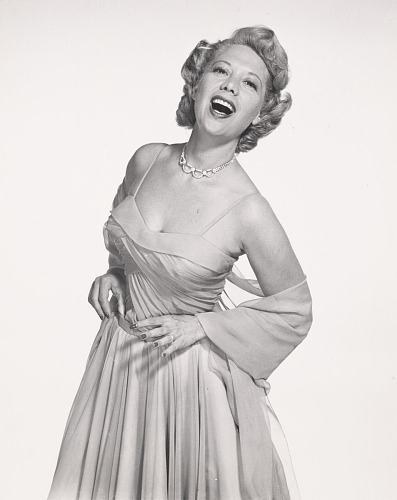

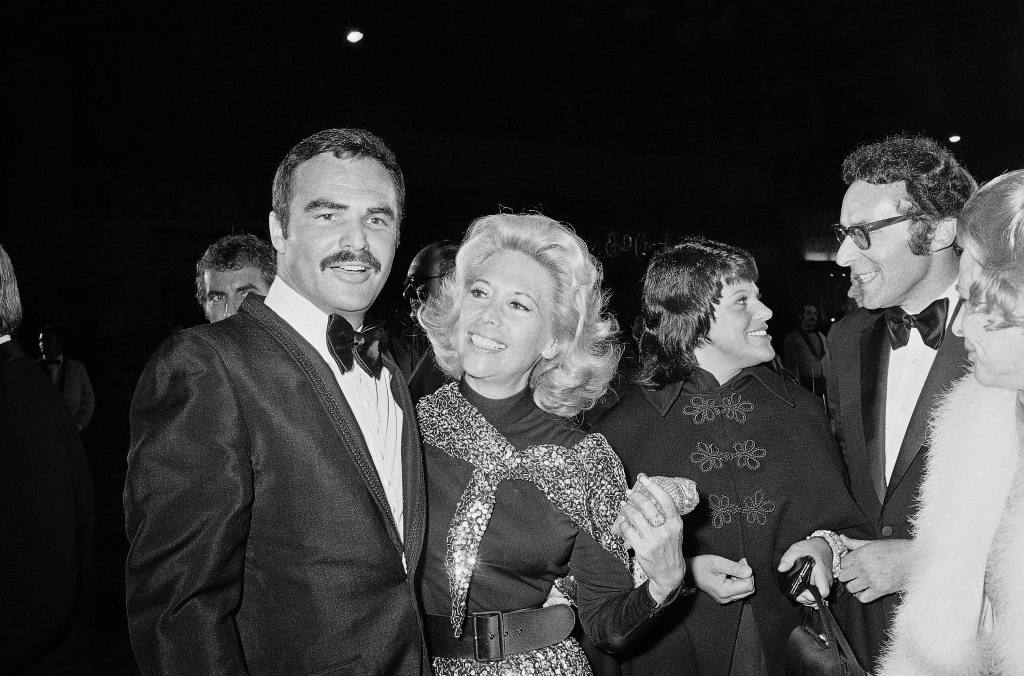
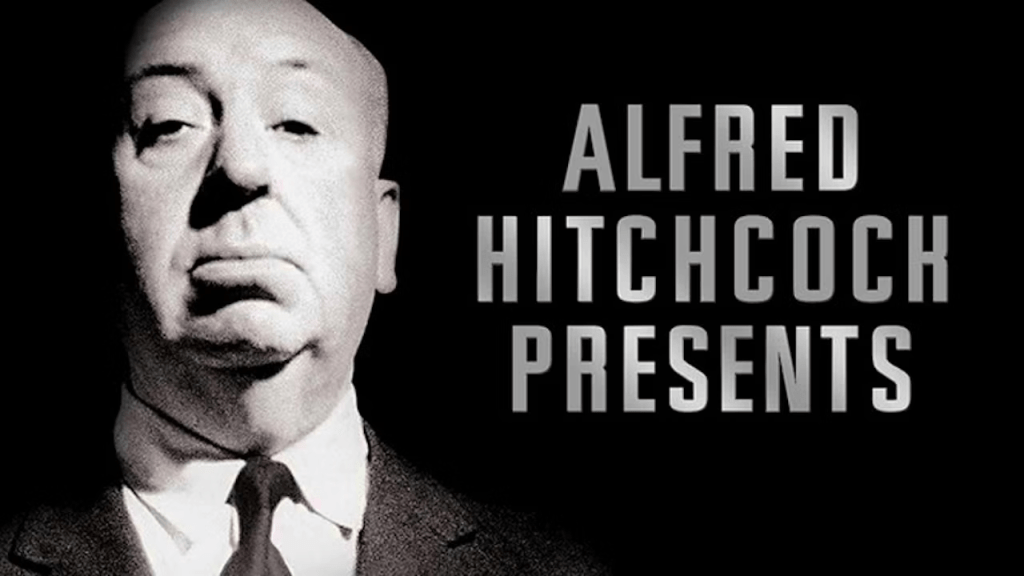


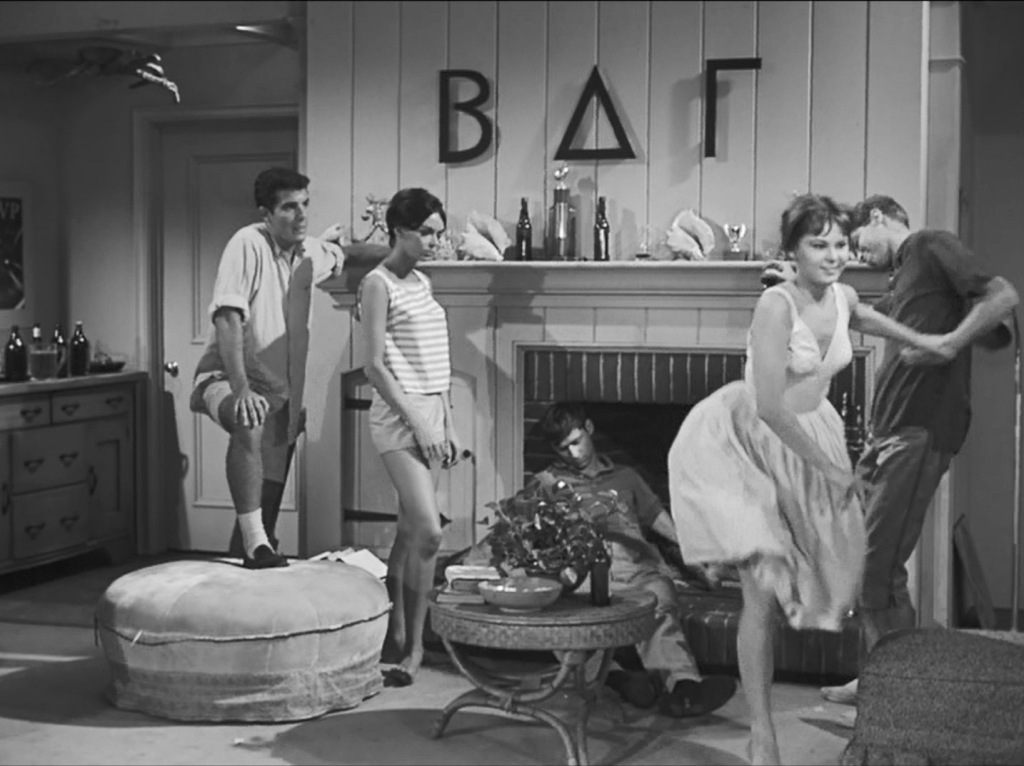


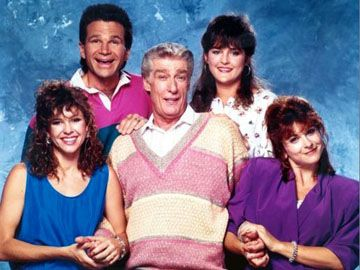


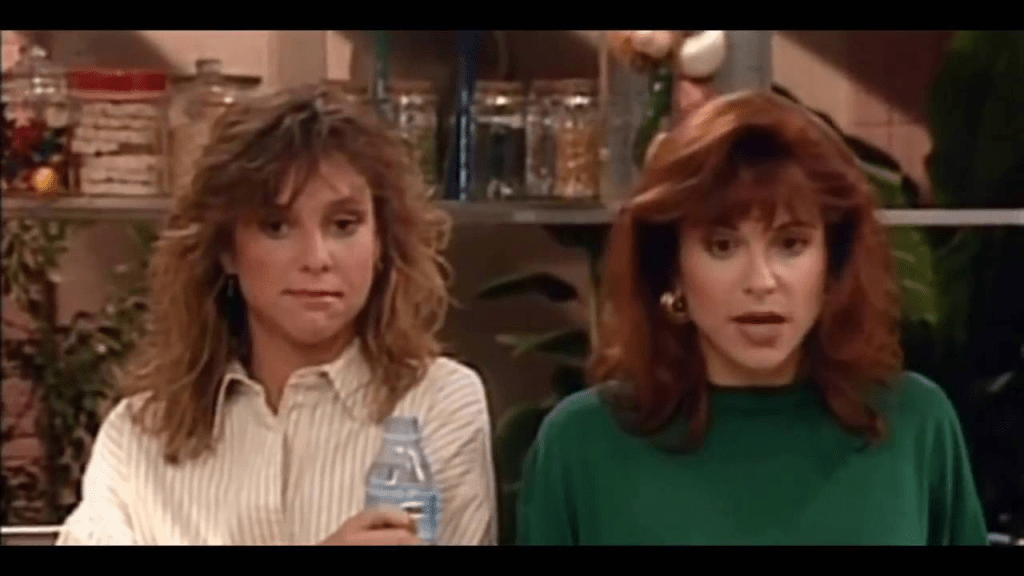

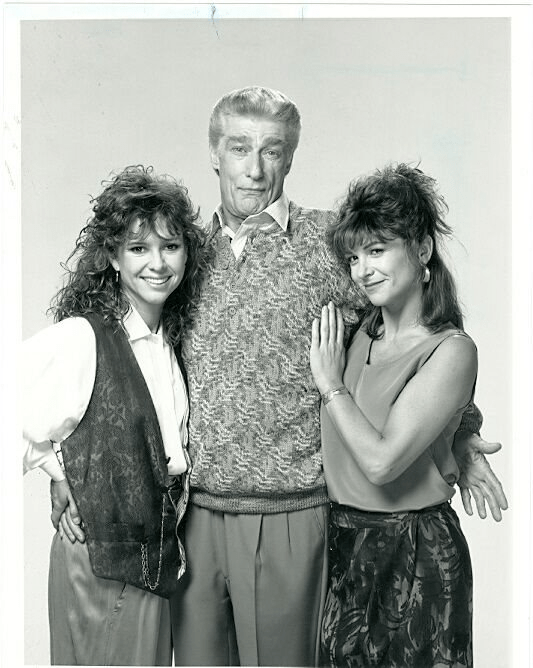
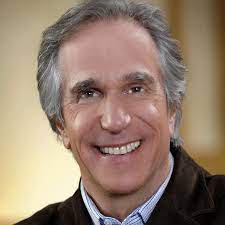


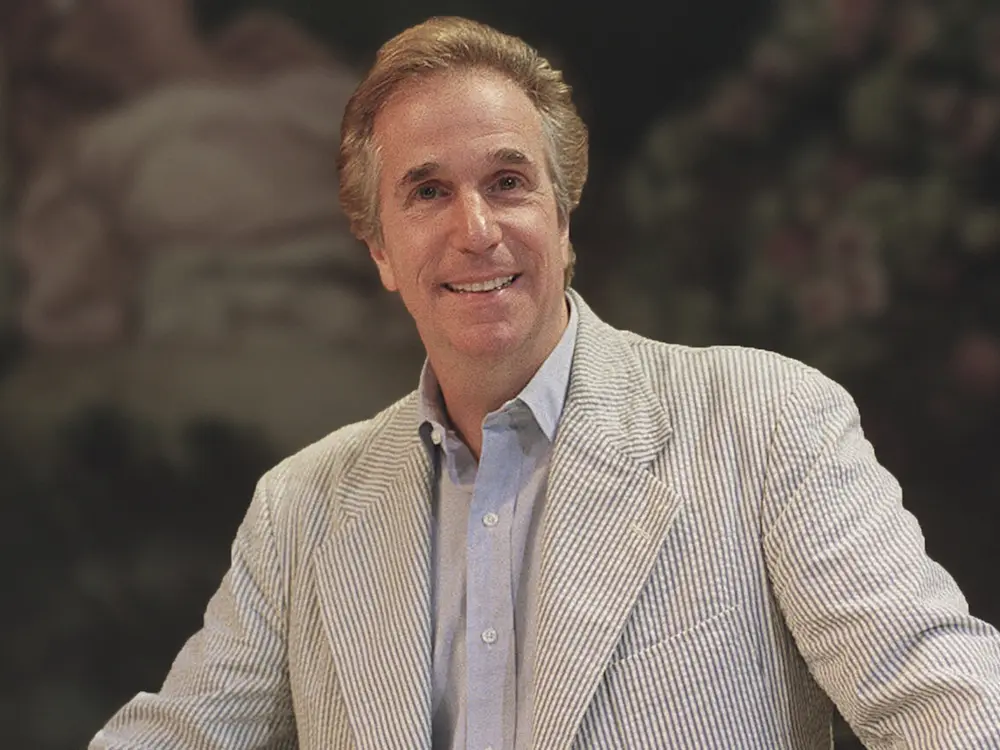


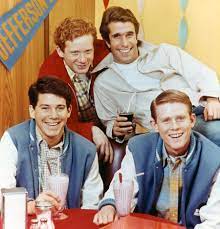


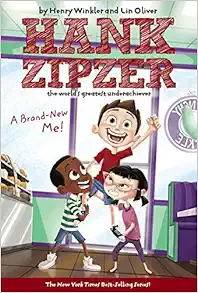

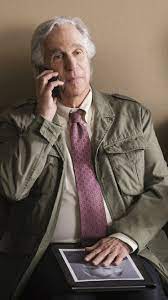

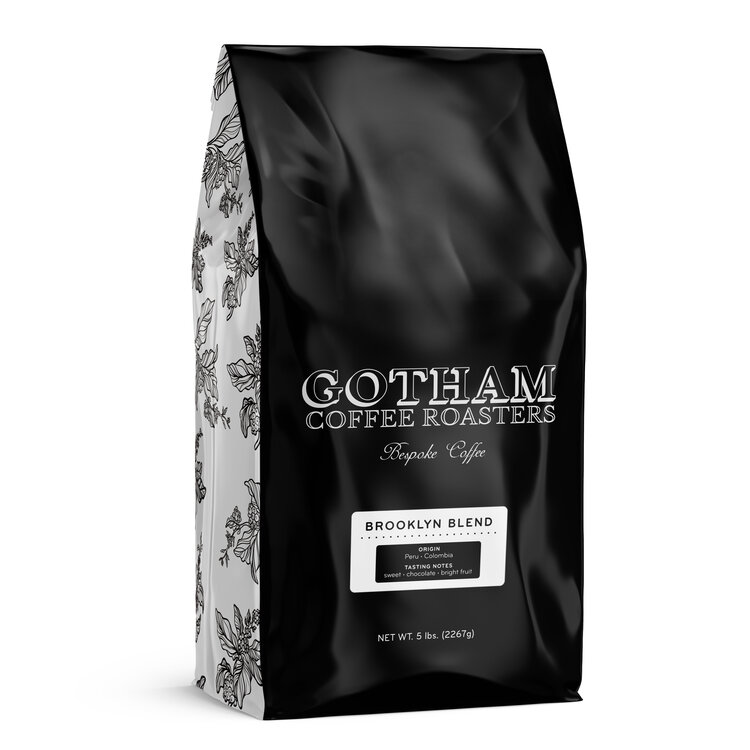
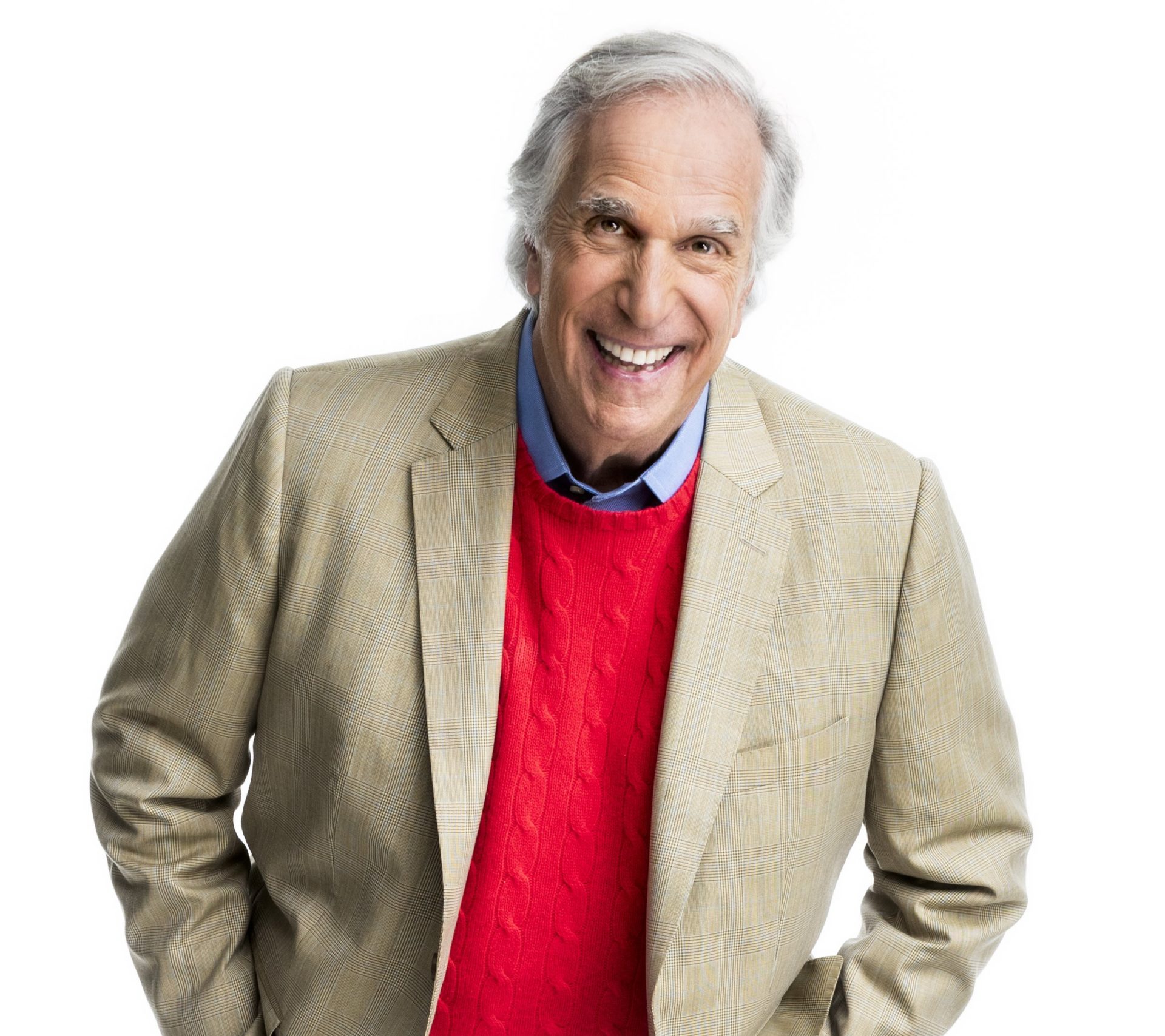


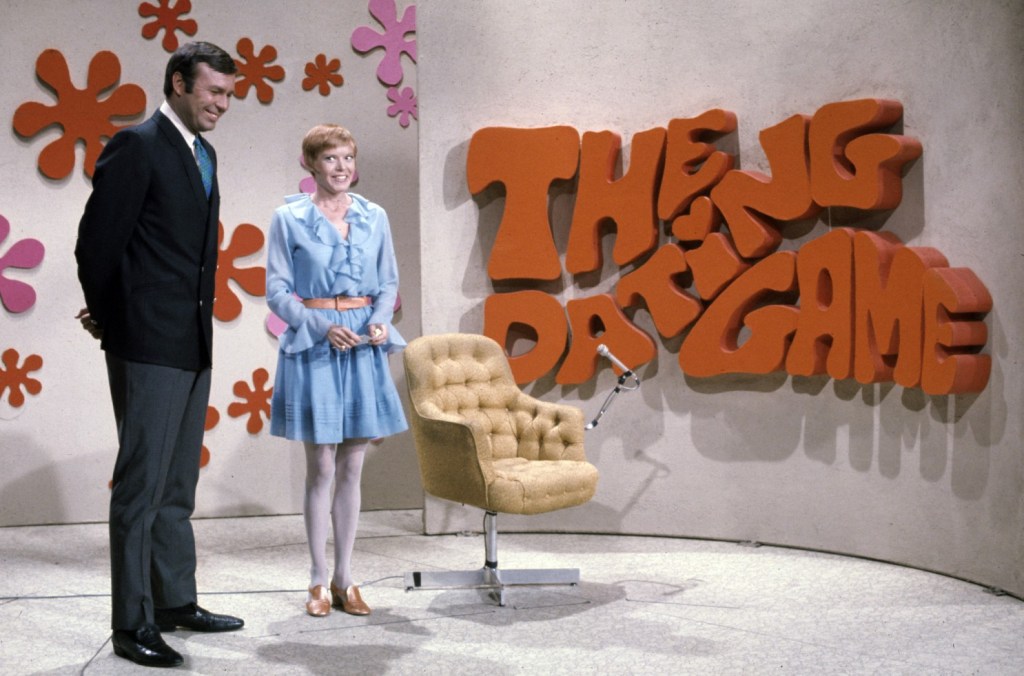
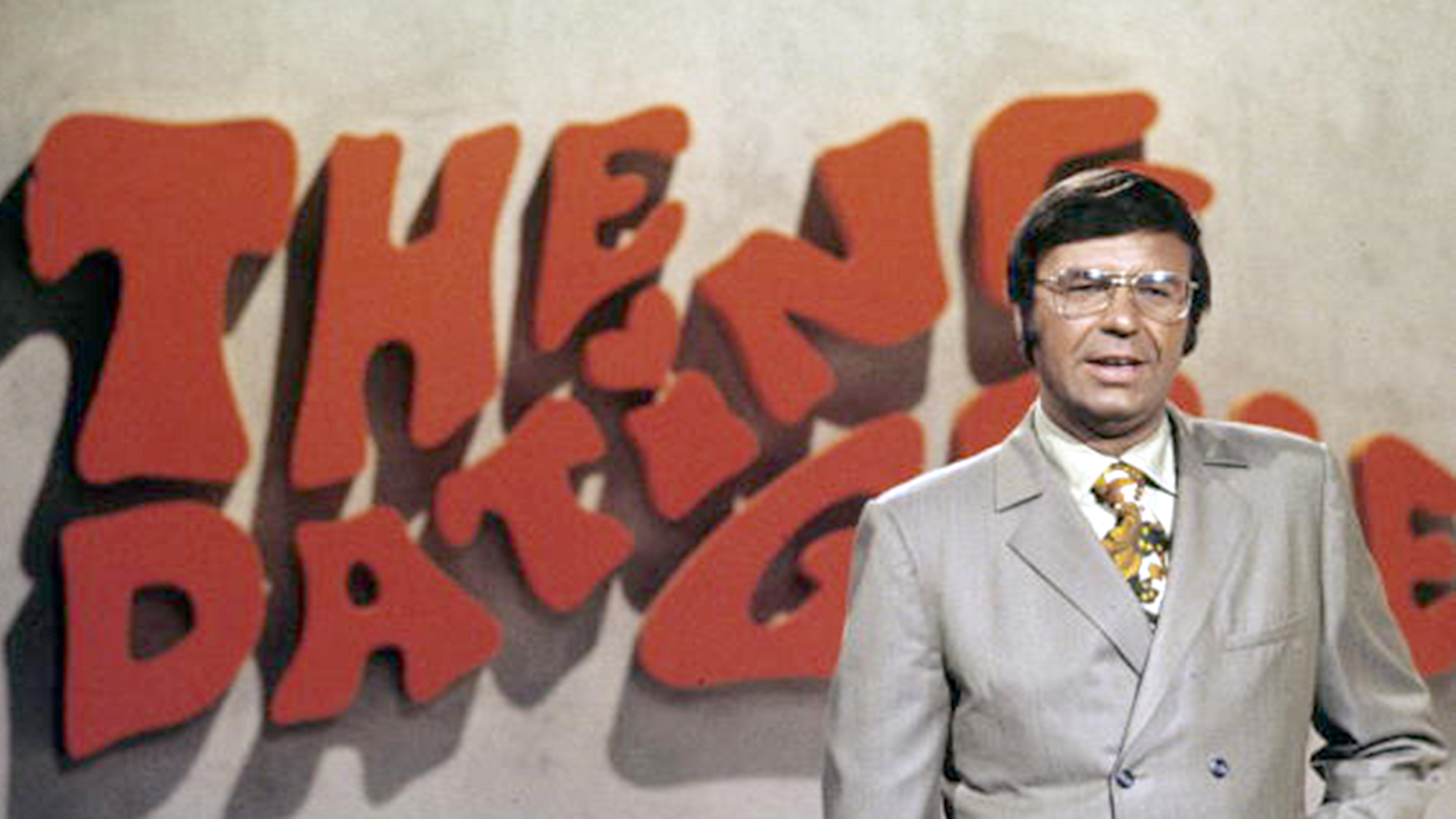
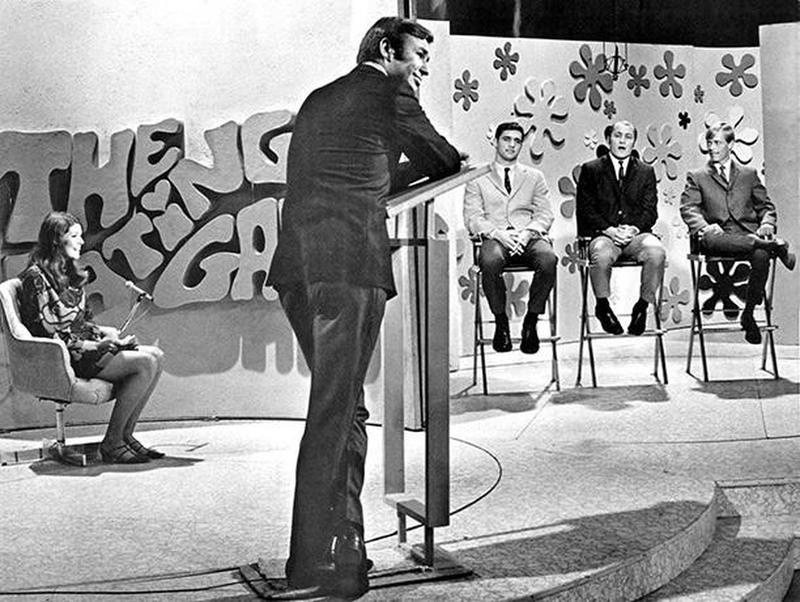

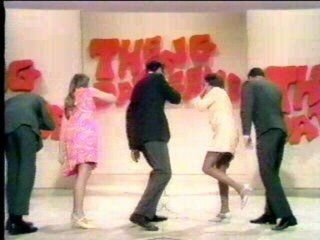

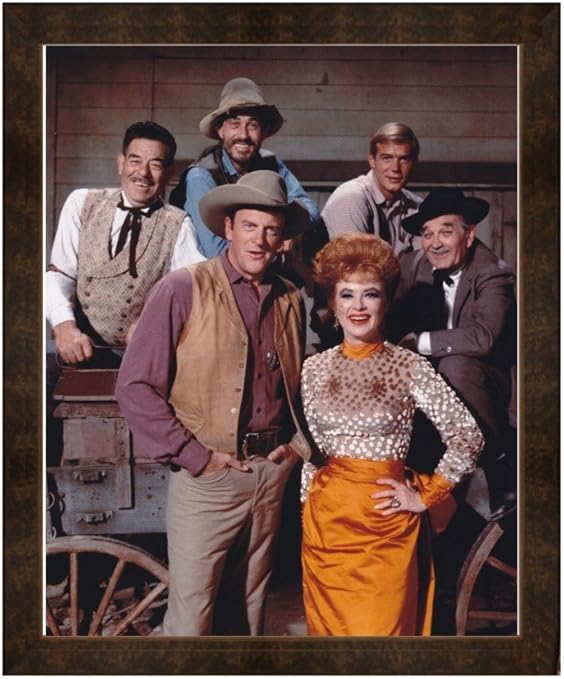


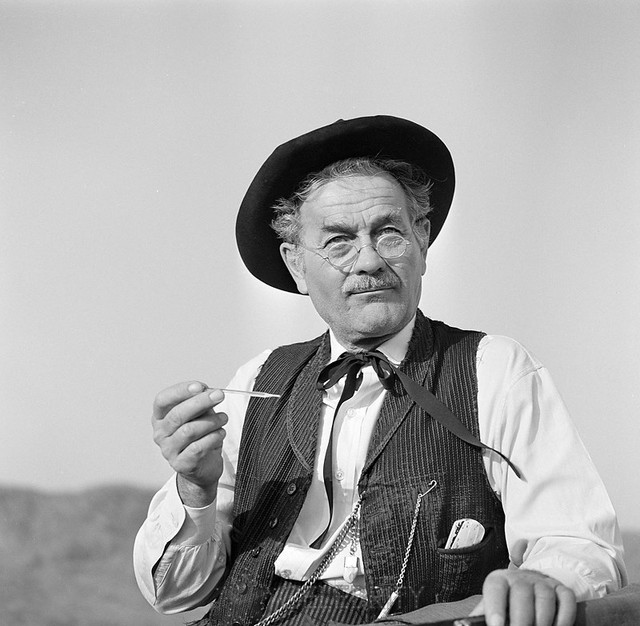
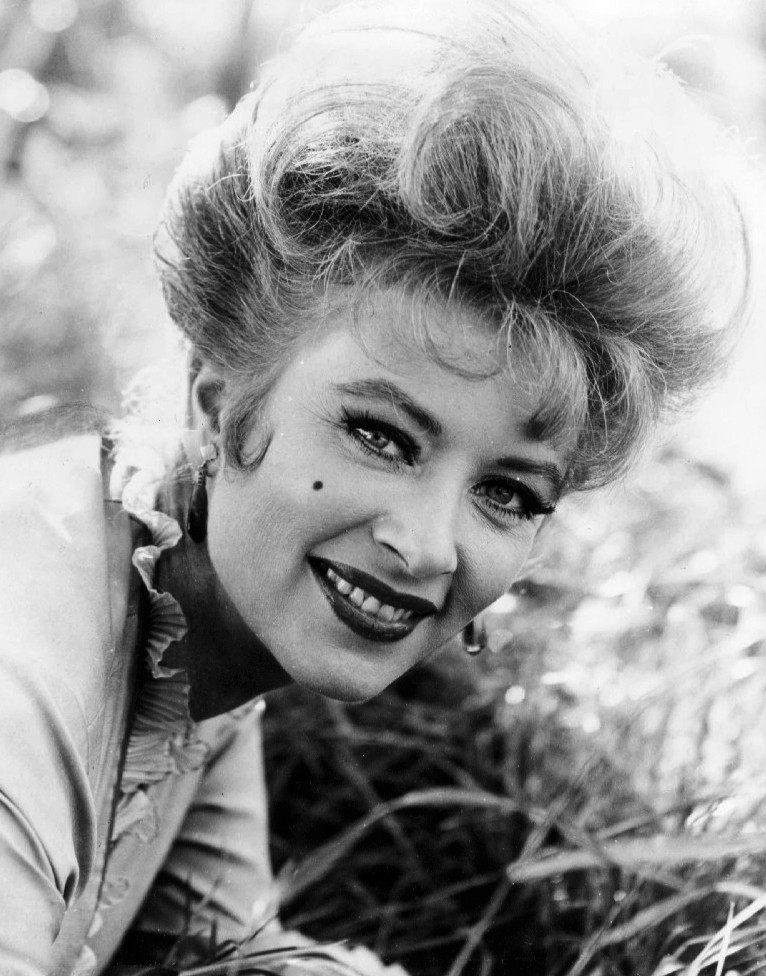
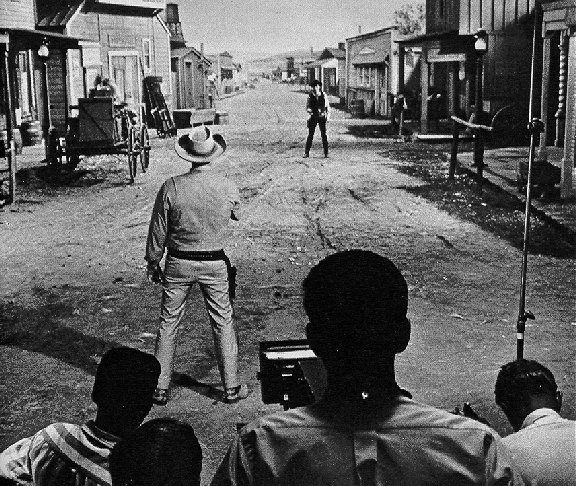
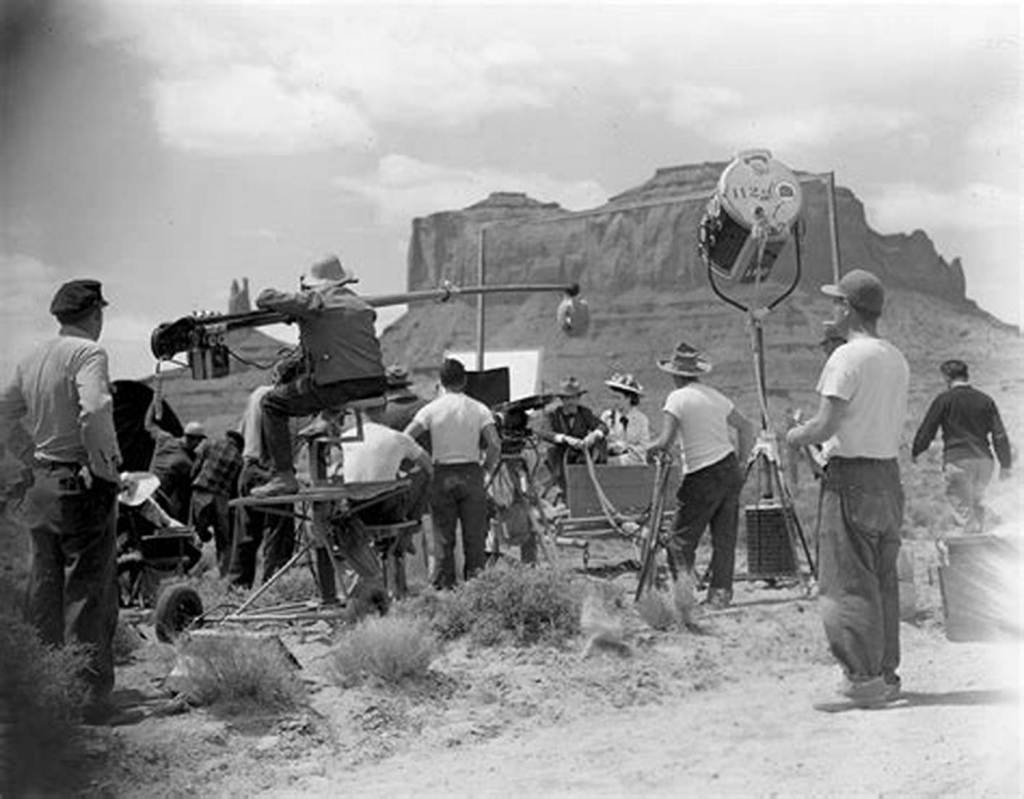
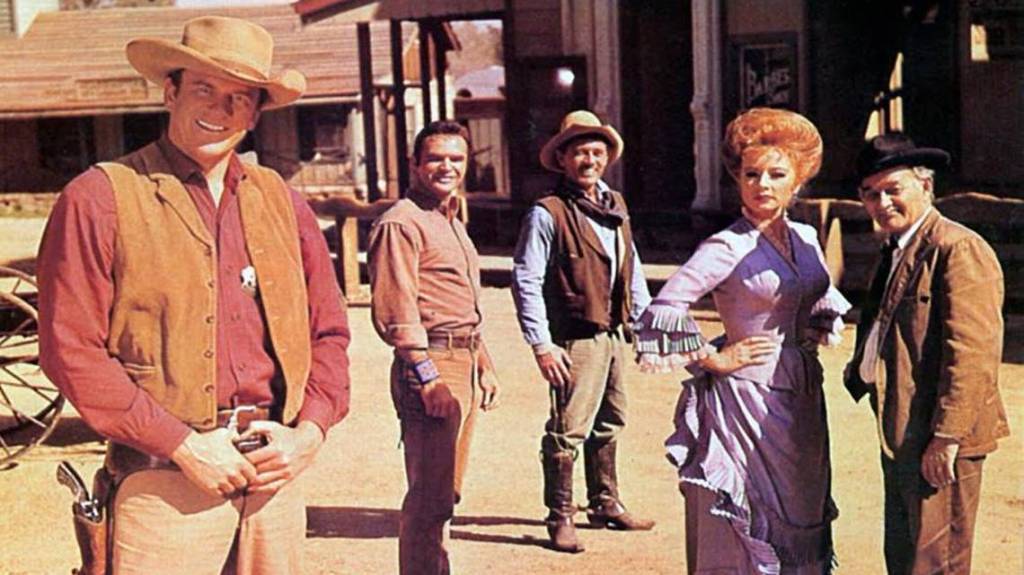
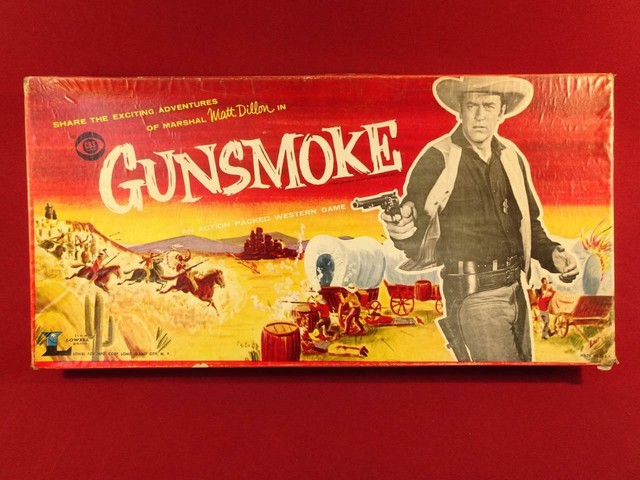


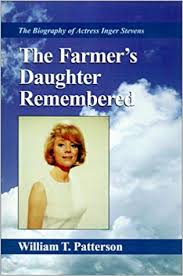

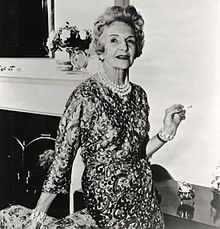


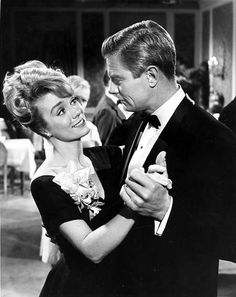
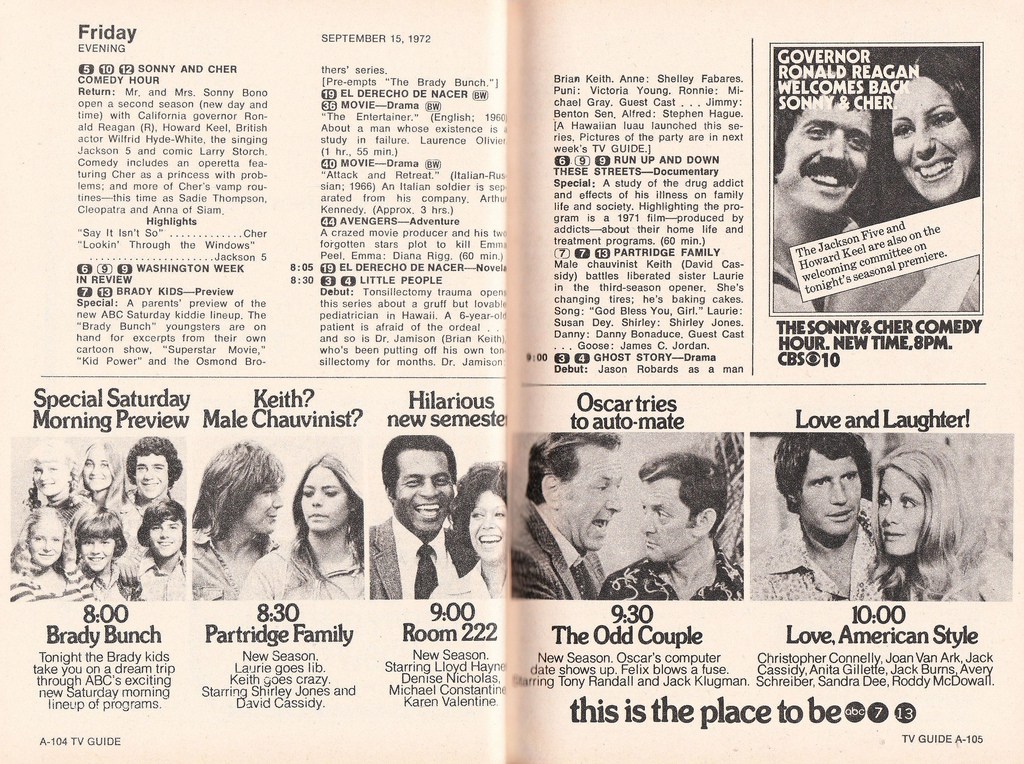
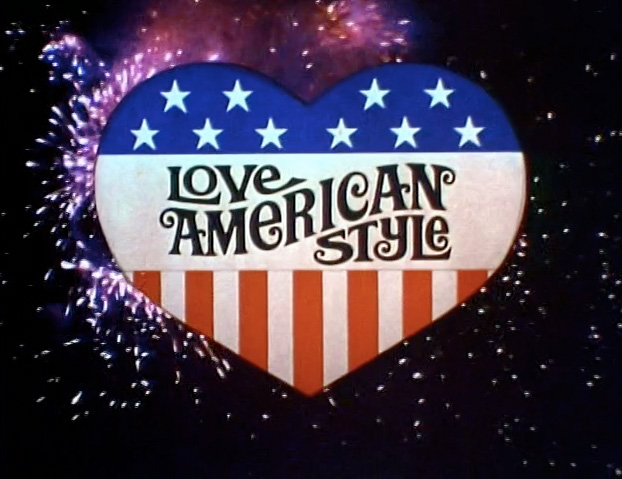


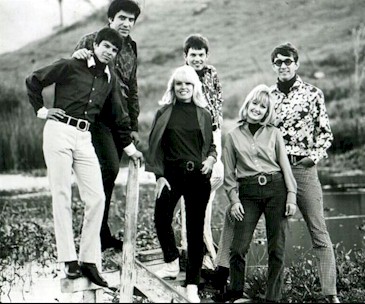


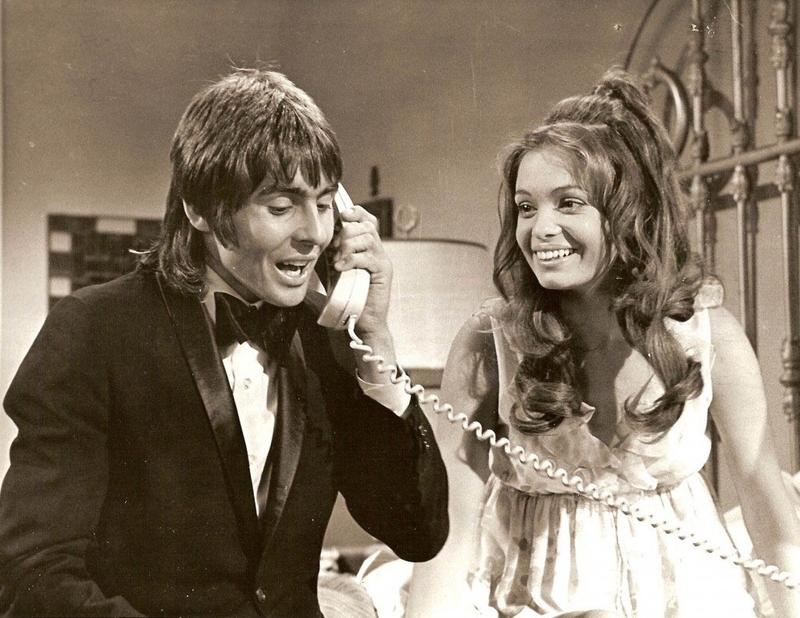


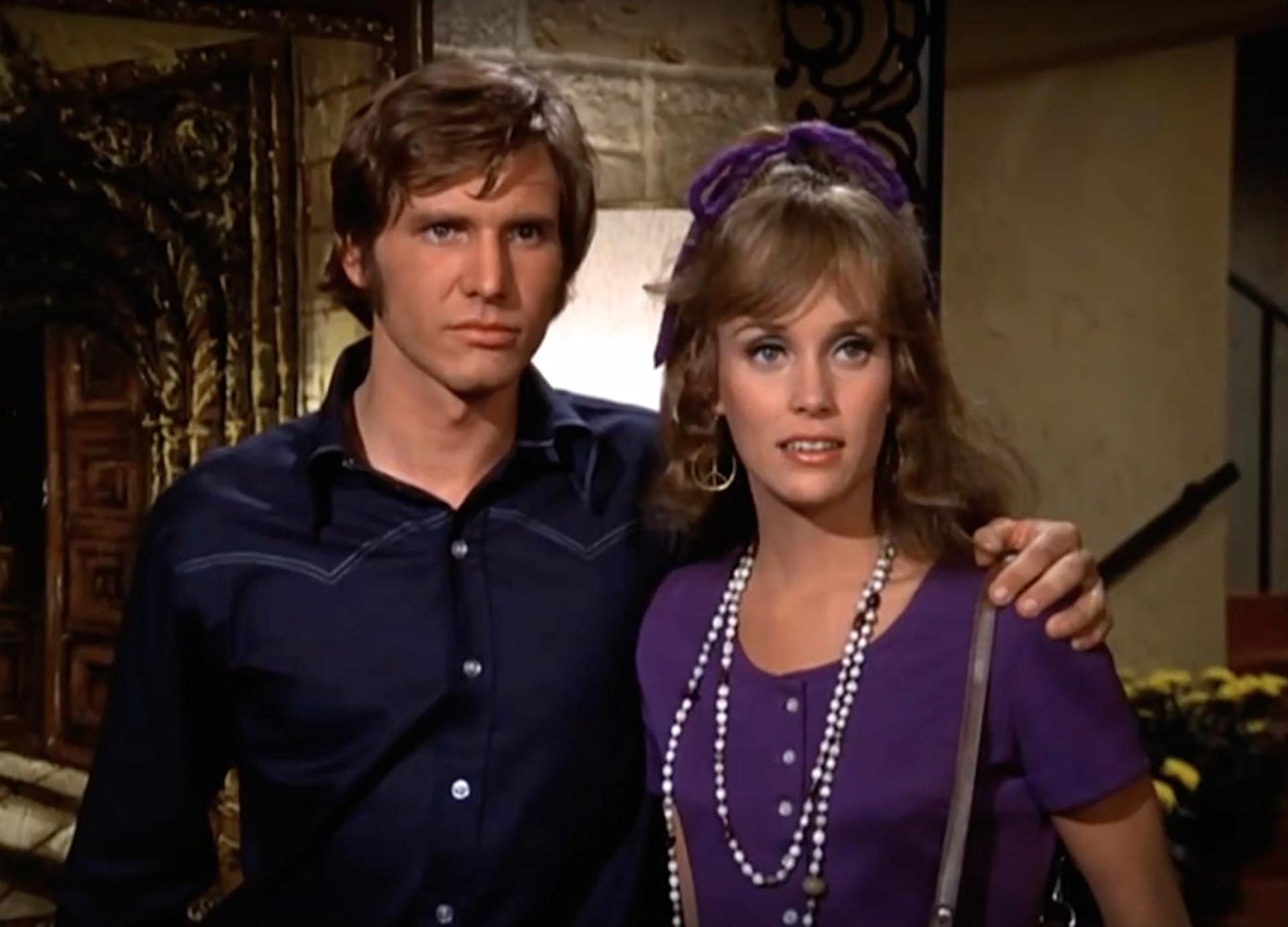


 thewritelife61