Celebrating Fifty Years of The Odd Couple

Photo: wondersinthedark.wordpress.com

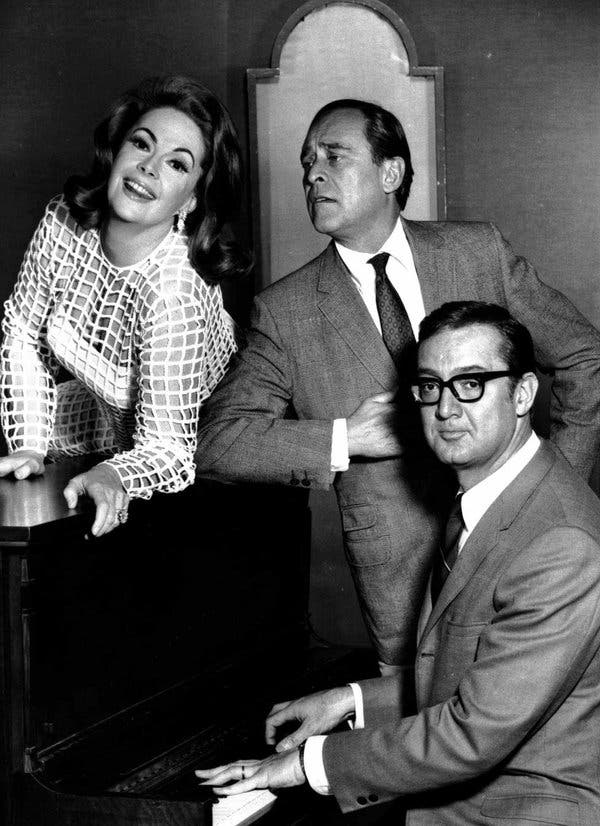
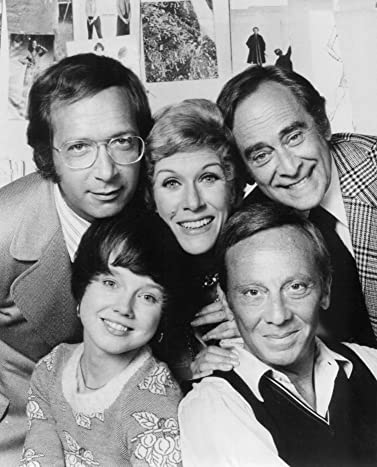
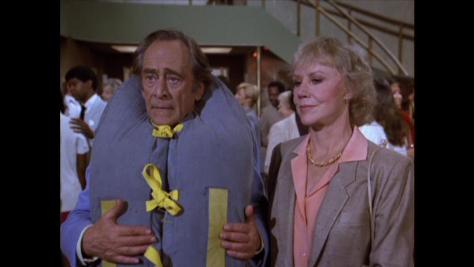
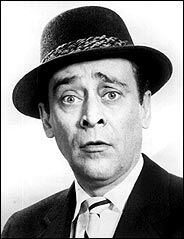
The Odd Couple debuted in 1970. Today we are celebrating its fiftieth anniversary with fifty fun facts.

Fifty Fun Facts

  • 1. Although the show was based on The Odd Couple, a movie written by Neil Simon, Simon did not want his name associated with the television show. However, once he began watching it and realized the quality of the show, he changed his mind and made an appearance during the fifth season in “Two on the Aisle.”
  • 2. The Odd Couple was based on Simon’s brother and a friend of his who were living together and having some conflict. While watching their interactions, he decided it would be a great idea for a play.
  • 3. The Odd Couple had many lives: it began as a play, was made into a movie starring Walter Matthau and Jack Lemmon in 1968, a tv show in 1970, a revised play about women, another tv show starring Matthew Perry and Thomas Lennon in 2015 which was on the air three years.
  • 4. In 1982, an African American version of the show was created starring Ron Glass and Demond Wilson. Called The New Odd Couple, it wasn’t new because it used the original eight scripts from the Klugman-Randall series. It was canceled part way through the season.
  • 5. The show was developed by Garry Marshall and Jerry Belson.
  • 6. The Odd Couple first aired on Friday, the 13th (November 13, 1970).
  • 7. Garry Marshall appears in four different episodes: the one mentioned in fact #3 and as a drummer and as Man 1 and Man 2.
  • 8. Garry’s sister Penny Marshall played Oscar’s secretary Myrna Turner. On her last appearance, she marries a man named “Sheldn” (the “o” had been eliminated from his birth certificate. Sheldn was played by Rob Reiner, Penny’s husband at the time. Garry and his sister Ronnie played Myrna’s siblings Werner and Verna in the same episode.
  • 9. Oscar’s ex-wife Blanche was played by his real wife, Brett Somers. During the show Brett Somers and Jack Klugman got a divorce in real life.
  • 10. The Odd Couple ran on Broadway for 964 performances.
  • 11. In 1985, Simon rewrote the play with female leads, Olive and Florence. Rita Moreno and Sally Struthers were the leads.
  • 12. Originally Dean Martin and Art Carney were considered for the part of Felix.
  • 13. Both Mickey Rooney and Martin Balsam were considered for the role of Oscar.
  • 14. Actor Richard Stahl appears in nine different episodes as nine different characters.
  • 15. Jerry Paris, Jerry Helper from The Dick Van Dyke Show, directed 18 of The Odd Couple episodes.
Photo: pokerlistings.com
  • 16. Oscar plays poker regularly with a group of guys including Murray, Roy, Speed, and Vinnie. Sometimes Felix is allowed to play with them.
  • 17. Murray’s wife who is often talked about but seen in only one episode is Mimi.
  • 18. A cartoon was created for Saturday mornings called “The Oddball Couple.” Spiffy and Fleabag, a cat and dog, are based on Oscar and Felix.
  • 19. The first season was filmed in the same apartment as the 1968 move with one camera and a laugh track. Randall hated that set-up and the next year they began using three cameras and filmed in front of a live audience.
  • 20. Oscar and Felix were said to live at 1049 Park Avenue in New York which was a real address. The actual building was used during the opening credits and exterior shots. Usually a 1966 Ford four-door station wagon or a red VW Beatle are often seen outside the building. The actual tenants got mail for Oscar and Felix.
Photo: movieforum.com
  • 21. One problem the producers had was how to show Oscar was a slob and Felix a neatnik. They couldn’t have the kitchen or living room messy because obviously Felix would keep it clean. Finally, they decided to create Oscar’s bedroom and it was always a mess.
  • 22. During the first season of the show, the guys date two English sisters, the Pigeon sisters, who live in the same apartment building.
  • 23. The Odd Couple was not a ratings success and every season, it was up for cancellation. The summer rerun ratings saved it each year.
  • 24. For some reason, there were inconsistent stories on the show about how Felix and Oscar met. One episode said they were childhood friends. Several references talk about how they met in the army. One episode told the story of how they met while serving on jury duty together.
Photo: youtube.com
  • 25. Howard Cosell was brought onto the show to help boost ratings. That was a bit of a gamble since Cosell was voted most loved and most hated sportscaster.
  • 26. Tony’s middle name is Leonard and his sister’s name is Edna. Those were the names given to Felix’s two children on the show.
  • 27. Monty Hall showed up twice on the show. He and Oscar had been college roommates.
  • 28. Oscar’s favorite meal is lasagna with French fries and Boston cream pie is his favorite dessert.
  • 29. Don’t let Oscar order pizza. When he orders one with the works, it includes a fried egg on top.
  • 30. Felix and Murray played in a band that featured 1930s music called The Sophisticatos. In one episode they had to play country music and changed their name to Red River Unger and his Saddle Sores.
  • 31. Oscar’s middle name is Trevor.
  • 32. When Elinor Donahue was hired to play Miriam, Felix’s girlfriend, her last name was Welby. Donahue worked on Father Knows Best with Robert Young who later went on to star in Marcus Welby MD.
  • 33. Klugman and Randall recorded an album “The Odd Couple Sings” for London Records.
  • 34. ABC always wanted guest stars on the show to boost the ratings, so the writers started including guest stars that would not boost the ratings, opera singers and ballet dancers for instance, which drove the network crazy.
  • 35. In one episode, singer Richard Fredericks is injured playing in one of Oscar’s soft ball games so Oscar has to stand in for Fredericks in Rigoletto, an opera that Felix was producing.
  • 36. Like Harvey Korman and Tim Conway, Jack and Tony used to crack each other up. On one episode they dress as a horse to appear on Let’s Make a Deal. Klugman had to hide himself because he was laughing so hard.
Photo: pinterest.com
  • 37. Klugman’s favorite episode was when the two friends made an appearance on Password with Allen Ludden and Betty White. Felix, who had always wanted to be on the game show, caused a lot of problems on the show and eventually they threw him off the show. His adlib when that happened was “Oh, boy, what a gyp.” Klugman said that was how he felt when Tony died.
  • 38. You can always tell when Felix is really upset because he begins honking.
  • 39. In one episode, Dick Clark plays himself as a radio DJ. He calls Oscar to let him know he has won a new car.
  • 40. Both Willie Aames and Leif Garrett play Leonard, Felix’s son. They would both go on to successful careers and they would both act in the same show again when they appeared on Family.
  • 41. When Oscar tries a dating service, he uses the fake name of Andre La Plume and ends up on a date with Felix’s ex-wife.
  • 42. When Oscar saves Felix’s life, Felix attempts to play “Home on the Range” on his saxophone to thank him.
  • 43. On one episode, the train breaks down in a tunnel. Felix decides to entertain the passengers with an improvised hand puppet he calls Harvey Hankie.
  • 44. Jack Klugman and Tony Randall promoted several products together. They did commercials for the game Yahtzee and their photo was on the box for years. They also did a promotion for Eagle Snacks and Yoplait yogurt.
  • 45. Klugman believed in syndication of the show. He convinced Randall to give up part of his salary for the syndication rights. It was the right move, and they made a lot of money after the show was cancelled.
  • 46. Both Klugman and Randall were up for Emmys every year the show was on. Jack won in 1971 and 1973. When Randall won in 1975, the show had been cancelled and he mentioned during his acceptance speech that he wished he had a job.
  • 47. The final episode had two planned endings. Felix and his ex-wife are getting remarried and Oscar is getting his home back. If the series didn’t get picked up, the marriage took place. If the series did get picked up, the wedding was cancelled by Gloria because Felix was so picky about the wedding details.
  • 48. In 1993, Randall and Klugman worked together filming a television movie called The Odd Couple: Together Again. Klugman had gone through throat cancer treatments and this was written into the movie script. The plot of the movie is Felix helping Oscar recover and becoming overly involved in his daughter’s wedding.
  • 49. Although Klugman didn’t appreciate what the show meant to people when it first began, later in life, he said “he would have people come up and tell him, ‘I grew up with you. I sat on the couch with my mother or my father, and we laughed with you.’ And suddenly the people have faces, and names, and feelings. It’s been invigorating! You know, you don’t count on that; you don’t know that you’re really entertaining people or having an effect on people’s lives. I had a guy from Sports Illustrated who did an interview with me say he became a sportswriter because I was a sportswriter on The Odd Couple. Yeah, it’s like wow, you’re kidding. Now I’m getting this in person, and I really love it.”
  • 50. Randall and Klugman became life-long friends while working on the series. They developed a close bond. Because they both had a lot of character, they became close and helped take care of each other in old age.

Blowing the Whistle on Monday Night Football: Illegal Formation

Monday Night Football is celebrating its 50th anniversary this month. On September 21, 1970, the ABC broadcasting team took the booth at Cleveland’s Municipal Stadium. A crowd of 85,703 attended the game in person, but millions watched on television. The Cleveland Browns beat the Jets 31-21. ABC doubled the number of cameras per game. Close-ups were used often. The broadcast booth was not like any other that had been on television. The weekly sports show pioneered a variety of technological innovations including slow-motion replays and computerized graphics.

Photo: pinterest.com

In addition to the play-by-play announcer Keith Jackson and color analyst Don Meredith, a third chair was added to the booth. Howard Cosell was added to give a bit of controversy to the broadcast. A TV Guide viewer poll in 1978 named Cosell the most loved — and hated — analyst at the same time. With no sports network on 24 hours a day, Cosell provided recaps of the weekly games during half time.

Photo: espnmediazone.com

The first sponsors were Marlboro Cigarettes, Ford Motor Company, and Goodyear Tires. The show would make history as one of the longest-running prime time television series and one of the highest-rated shows among male viewers.

In season two, Frank Gifford took over for Jackson and that trio would continue broadcasting till 1983. In 1975 and 1976, Alex Karras took over for Meredith. From 1979-1983, Fran Tarkenton joined the other three in the booth. Al Michaels and Frank Gifford manned the spot from 1987-1997. A variety of sportscasters joined them in the booth or took over for them until 2005 including O.J. Simpson, Dan Dierdorf, Lynn Swan, Leslie Visser, Boomer Esiason, Dan Fouts, Dennis Miller, Melissa Stark, Eric Dickerson, John Madden, Lisa Guerrero, and Michelle Tafoya.

DENVERus – NOVEMBER 11: (NO ARCHIVING, NO RESALE) In this handout photo provided by ABC, John Madden (R) broadcasts with Al Michaels during the 500th telecast of Monday Night Football in a game between the Denver Broncos and Oakland Raiders November 11, 2002 at Invesco Field at Mile High Stadium in Denver, Colorado. Madden announced his retirement from broadcasting on April 16. (Photo by Craig Sjodin/ABC via Getty Images) ORG XMIT: 85970668 GTY ID: 20D_0206

Hank Williams Jr. redid his song, “All My Rowdy Friends Are Coming Over Tonight” for the theme. When the last show aired on ABC, the song was switched to “Turn Out the Lights, the Party’s Over.”

Photo: thepoliticalinsider.com

In addition to the sportscasters who man the booth, many special guests have appeared on the show. Vice President Spiro Agnew, President Bill Clinton, California governor Ronald Reagan, Placido Domingo, John Lennon, and Kermit the Frog are a few of them.

When ABC first acquired the rights to air MNF in 1970, it did not include any playoff games. The network was eventually allowed into the rotation of channels airing the Super Bowl, starting with Super Bowl XIX in January 1985. When the league expanded the playoffs from a 10-team to a 12-team tournament in 1990, ABC was then given the rights to air the first two Wild Card Playoff games. Originally, ABC’s college football crews would call the first Wild Card Game.

The show would air on Monday nights on ABC until 2005. In 2006, the series moved to ESPN. The show has not been as successful as its earlier days.

In the past fourteen years, there has been a bit of a revolving door to the booth. Showing up on Monday nights we saw Mike Tirico, Tony Kornheiser, Joe Theismann, Suzy Kolber, Michele Tafoya, Ron Jaworski, Jon Gruden, Lisa Salters, Sean McDonough, Joe Tessitore, Jason Witten, and Booger McFarland come and go.

In an article titled “Monday Night Football’s Mid-Life Crisis: From Monopoly to Monotony” by Michael McCarthy in December of 2018, he laid out the current problems.  “As it nears its 50th season, ESPN’s venerable Monday Night Football is struggling with a mid-life crisis. Yes, Monday Night Football changed the face of television. Yes, it can still dominate the sports conversation when it has great games like Rams vs. Chiefs. But Monday Night Football is bad. Too often, the game match-ups are not marquee. The football is not as exciting. The new announce team—featuring three Monday night rookies in Jason Witten, Joe Tessitore, and Booger McFarland—is a work in progress at best, a train wreck at worst. The most famous broadcast booth in sports no longer boasts legendary announcers like Howard Cosell, Dandy Don Meredith, Frank Gifford, John Madden, or Al Michaels. Instead, this season’s crew of Witten, Tessitore, McFarland and Lisa Salters has been roasted by fans and critics.”

Photo: espnpressroom.com

I could not find any announcement of who will be in the booth when football returns. (Note: This came out right before I published my blog this week: A three-man booth of play-by-play man Steve Levy and color commentators Brian Griese and Louis Riddick — who all called the back half of the 2019 Week 1 MNF doubleheader — have been upgraded to the top team for 2020. They replace Joe Tessitore and Booger McFarland. Lisa Salters remains the sideline reporter, a role she has had since joining Mike Tirico and Jon Gruden in 2012. Retired official John Parry returns for a second season as the rules analyst.)

Now ESPN has the added pressure of the Covid-19 virus.  No one knows if there will be a football season or what it will look like if there is. You would think if a show like Monday Night Football lasts for fifty years, they would have it made.  Never take anything for granted. At least ESPN has some extra time to try to figure out a better crew for the next season.

On a lighter note, here are some fun facts about the series. The most Monday night appearances belong to the Miami Dolphins with more than 80. The San Francisco 49ers are the most winning team with 49 wins. The Broncos have played the Raiders 19 times as of 2019 and The Cowboys have faced off against the Redskins 17 times. Candlestick Park in San Francisco, no longer used for the team, hosted the most wins, coming in at 36 including its final Monday night game in December of 2013. The highest-rated Monday Night Football telecast on ABC was the Miami Dolphins’ victory over the previously undefeated Chicago Bears on December 2, 1985, which drew a national Nielsen rating of 29.6 and a share of 46. ABC’s lowest-rated MNF game was the St. Louis Rams’ defeat of the Tampa Bay Buccaneers on October 18, 2004, which drew a 7.7 rating. Regardless of the technical difficulties, watching Monday Night Football is always a win if you’re a fan of the sport.

TV Guide “Covers” Our Viewing History

I love September. The beginning of fall conjures images of fall leaves, trips to the apple orchard, the sound of football games, and returning to a welcomed routine. One of my favorite autumn memories as a child and teenager was studying the Fall Preview of the TV Guide, so I could decide which shows were “do-not-miss” series.

TV Guide is still available, but there was something special in being able to peruse the upcoming episodes, read the articles, and do the crossword puzzle. Don’t get me wrong, I’m not advocating going back to only three channels plus Public TV, but there was something comforting in knowing what would be on every day on every channel and knowing that all your friends were watching the same thing, and you could discuss it at school. That nostalgic feeling disappears when you are trying to look at 200 channels, not to mention Apple TV, Netflix, Amazon, and the many other options out there.

As much as I enjoyed TV Guide, I knew little about it, so I thought it would be fun to learn some of the history behind this almost-seventy-year-old publication.

In 1948, Lee Wagner printed the New York City area television listings in The TeleVision Guide which was sold on newsstands. Gloria Swanson who starred in The Gloria Swanson Hour appeared on the first cover. With the success of that magazine, Wagner went on to publish issues for both the New England and Baltimore-Washington, DC areas. In 1953, Walter Annenberg bought the series of publications and incorporated them into his Triangle Publications. Wagner would remain a consultant for that business until 1963.

The first magazine titled TV Guide was issued April 3, 1953. It was sold in ten cities and boasted a circulation of 1,560,000. The cover featured a photo of Lucille Ball’s newborn son Desi Arnaz Jr. with the headline, “Lucy’s $50,000,000 Baby.” It cost 15 cents. For the first 52 years of its existence, it was digest size. Triangle Publications, headquartered in Radnor, PA, continued to buy local magazine listings, creating a national publication. Their contemporary building featured a large logo at the entrance, a vast computer system to save data on every television show and movie, and housed editors, production personnel and subscription processors.

In September of 1953, the magazine released its first Fall Preview edition and circulation increased steadily from then on. The guide was available by subscription or at grocery stores. Eventually a color section was added featuring television-related stories, articles about stars, and weekly columns. One of the columns was “Close-Up” which looked at different types of programs. “Cheers and Jeers” was a critique page for specific programs, “Hits and Misses” rated shows from 0 to 10. In addition, certain years included horoscopes, recaps of soap operas, lists of sporting events and crossword puzzles. Next to each television show was a number corresponding to the local channel. A brief description of the program was given. Networks often ran ads for various shows.

Beginning in the late fifties, “color” was set in a rectangular box for those shows that were broadcast in color. By 1972, the majority of programs were full-color, so the abbreviation “BW” was used for shows not in color. Until cable television entered the entertainment business, listings began about 5 am and went until midnight. By August of 1982, the magazine began expanding its coverage of cable programming with “CablePay Section” and “Cable and Pay-TV Movie Guide.”

In August of 1988, Triangle Publications was sold to the News American Corporation for $3 billion. It was one of the largest and the most expensive acquisitions at the time.

In March of 1996, TV Guide launched iGuide, a web portal. In June of 1998, News Corporation sold TV Guide to United Video Satellite Group for $800 million and 60 million shares of stock worth $1.2 billion. “The Robins Report” a review column was added, “Family Page” showcased family-oriented programs, and “Don’t Miss” which was select programs to watch during the week.

In 1999, TV Guide hosted a new award show, TV Guide Awards, telecast on Fox. Winners were chosen by TV Guide subscribers.

In 2002, to commemorate the 50th anniversary of the magazine, six special issues were created: “TV We’ll Always Remember: Our Favorite Stars Share Fifty Years of Memories, Moments, and Magic”; “50 Greatest Shows of All Time”; “Our 50 Greatest Covers of All Time”; “50 Worst Shows of All Time”; “50 Greatest Cartoon Characters of All Time”; and “50 Sexiest Stars of All Time.”

As more cable channels were added, space became a premium and the magazine had to decide which ones to include. In September of 2006, TV Guide launched an updated website with expanded editorial and user-generated content not included in the print edition.

With more channels, less detail was available about shows, and by 2007, circulation had decreased from its peak of twenty million in 1970 to less than three million. The weekly publication went through several other sales. In 2014, it underwent a major redesign. Fourteen pages of listings were eliminated, and programming information was only provided for top-rated broadcast and cable networks and included several new sections including the “Roush Review” where Matt Roush selected the top ten picks from the upcoming week. The size was then reduced to 7” x 10”.

In 2015, it was sold once again to NTVB Media.

Two spinoff magazines were produced by TV Guide: TV Guide Crosswords and TV Guide’s Parents’ Guide to Children’s Entertainment.

With over 3000 covers, almost every star and television show you can think of has been featured on the publication. The original 1953 cover of Desi remains the most expensive, valued at $3000. Another early cover of George Reeves as Superman runs a close second.

Lucille Ball has appeared on the most covers, with 39 total. Johnny Carson comes in second with 28 covers and Mary Tyler Moore and Michael Landon are tied for third place with 27 each.

In addition to photographers’ covers, TV Guide has featured a variety of artists over the years including 37 Al Hirschfield pieces, two Charles Addams, one each by Norman Rockwell, Peter Max, Andy Warhol, and Dali.

I guess I’ll have to pick up a TV Guide next time I’m at the grocery store just to see how it compares to my fond memories. I’m guessing I will have to shell out more than $.15. Considering all the changes that have taken place in the television industry since the late 1940s, the magazine has been impressive keeping up with all the transformations and still providing a guide for our viewing.

Family Ties Bind Us Together

Last week’s blog was about Meredith Baxter.  Today we are taking a more in-depth look at one of the shows she is best known for, Family Ties.

Photo: throwbacks.com

Steven (Michael Gross) and Elyse Keaton (Meredith Baxter) are liberal ex-hippies with three children when the show starts out: super conservative son Alex (Michael J. Fox), shopping maven, boy-crazy daughter Mallory (Justine Bateman), and easy-going Jennifer (Tina Yothers). Later they have a baby and Andrew (Brian Bonsall) is added to the family. The name Keaton was a tribute to Diane Keaton. (One fun fact is that Both Baxter and Gross had the same birthday, being born June 21, 1947.)

The concept was based on the life of Gary David Goldberg and his wife Diane when they transitioned from flower children to suburban family. Goldberg explained that “It really was just an observation of what was going on in my own life with my own friends. We were these old, kind of radical people, and all of a sudden, you’re in the mainstream . . . now you’ve got these kids and you’ve empowered them, and they’re super intelligent, and they’re definitely to the right of where you are. They don’t understand what’s wrong with having money and moving forward.”

Debuting in 1982, the show was on for seven years, producing 172 episodes.

Photo: architecturaldigest.com

Originally Ed O’Neill was considered for the role of Steven, and Matthew Broderick was slated to play Alex. When Broderick’s father became ill, he had to decline. (Broderick’s father played Baxter’s father on the show Family in the 1970s.) Another source simply stated that Broderick decided he didn’t want to move to LA. Fox made the role his own and won three Emmys. Despite his disdain of his parents’ ethics and lack of materialism, Alex was a likable character. When Goldberg explained why he liked Alex but not Alex’s philosophy, he said, “With Alex, I did not think I was creating a sympathetic character. Those were not traits that I aspired to and didn’t want my kids to aspire to, actually . . . But at the end of Family Ties, when we went off the air, then The New York Times had done a piece and they said, ‘Greed with the face of an angel.’ And I think that’s true . . . [Michael J. Fox] would make things work, and the audience would simply not access the darker side of what he’s actually saying.”

Photo: YouTube.com

Steven and Elyse went to school in Berkeley; he is now the manager of a public radio station in Columbus, Ohio and Elyse majored in architecture.  Although she has been a stay-at-home mom, during the run of the show, she is now ready to return to work.

Photo: architecturaldigest.com
Fox with Scott Valentine, Mallory’s boyfriend Nick

Rounding out the cast was Alex’s friend Skippy (Marc Price), Mallory’s boyfriend Nick (Scott Valentine), and Ellen (Tracy Pollan) who was Fox’s girlfriend and later wife in real life.

Photo: enews.com

The theme song is a memorable one. “Without Us” was written by Jeff Barry and Tom Scott. For the first season, it was performed by Dennis Tufano and Mindy Sterling, and for some reason, it switched to Johnny Mathis and Deniece Williams for the rest of the show’s run.

Photo: today.com

Freddie J. Rymond was the set decorator for the show. In an article “The Set Design of Family Ties” by Cathy Whitlock in 2012, we catch a glimpse of the thought process of Rymond’s creation.

“Rymond explains, ’Most sitcoms evolved around the living room in those days, and they all pretty much had the same furnishings. Rymond received numerous requests from viewers regarding the kitchen set’s appliances; of particular interest was the Wolf commercial-style range, an item that was gaining popularity in the consumer-driven ’80s. Executive producer Gary David Goldberg, who was very specific about the set’s decor, had a Wolf range in his home in Los Angeles. The kitchen was the epicenter of the Keaton family’s activity and one of the multi-camera sitcom’s three primary sets. . . At its best, set decor defines and supports a character—here, hanging above the bed of Alex P. Keaton is a poster of conservative icon William F. Buckley, Jr., rather than, say, Farrah Fawcett, who was probably the more popular poster subject of the time. The bedside WKS lamp comes from the local public television station where father Steven Keaton works. Rymond used what he called a ‘conglomeration’ of accessories to decorate youngest daughter and resident tomboy Jennifer’s bedroom. A pop-cultural mélange consisting of a Cleveland Browns pennant, a white iron–and-brass bed, and a world-globe throw pillow round out the set. Mom and dad Elyse and Steven’s master bedroom was reminiscent of so many interiors of the ’80s—shelves filled with clutter and white porcelain figurines, tchotchkes and knickknacks from a lifetime of family vacations.

Photo: architecturaldigest.com

Although the show was a comedy, it tackled some dark subjects including alcoholism, incest, and death. In one of the earliest episodes, Mallory is scared and confused when “Uncle Arthur, a close friend of the family and her father’s co-worker at the television station, makes a pass at her. Meanwhile, Steven prepares a farewell tribute to Arthur to air during the station’s pledge drive. In season five, Alex works with a renowned professor on an economics paper. Reviewing the final content, he finds the hypothesis is incorrect, but the professor wants to submit it with false data. During the final season, the Keatons are delighted by a surprise visit from Elyse’s Aunt Rosemary. The family starts to notice a difference in her actions, and Rosemary finally admits she is becoming forgetful. A doctor diagnoses the onset of Alzheimer’s disease.

The finale was a very emotional time for the entire cast. In an article “Cutting the ‘Family Ties’” by Daniel Cerone on May 2, 1989, some of the stars discuss what the week was like. In the final episode, Alex gets his dream job on Wall Street and is moving to New York City.

Photo: pinterest.com

The article interviewed the cast. “‘We taped the last episode in front of an audience of family and friends,’ said 27-year-old Michael J. Fox, who joined the show in 1982 as an unknown Canadian-born actor and parlayed his role as the conservative, wise-cracking Alex Keaton into a flourishing film career. ‘I was fine until the curtain call, then I started weeping. I felt like an idiot, until I looked around and realized I had company.’ Baxter also commented on the end of the show, ‘This week has been so much more grueling than anyone expected,’ said Meredith Baxter Birney, who plays Alex’s mother, Elyse Keaton. ‘Everyone involved thought the show would just sort of take care of itself. No one was prepared for what we went through. It was awful.’”

Goldberg also discussed the finale, “‘Last night was extraordinarily emotional,’ agreed 44-year-old Gary David Goldberg, whose UBU Productions produces ‘Family Ties’ in association with Paramount Network Television. ‘It was a very surreal feeling. We started a half-hour late because everyone was crying and we had to redo their makeup. The sadness is overwhelming. It’s like raising a great kid who you love to have around, and then he has to leave you and go to college.’”

Photo: tvseriesfinale.com

Although the show was based on the differences between the generations, it was not their differences that made the show one of the most-watched sitcoms of the decade. Despite their range of values, the kids loved and respected their parents. The parents truly liked their kids. While the show was very funny, it was also heart-warming. There was unconditional love in the family. Alex could be very sarcastic to Mallory, but then we would see them having an intimate conversation in the kitchen late at night. While the elements that separated the characters is what drew us to the show, it was the qualities and love that they shared that kept us coming back.

Meredith Baxter: Her Long and Successful Career

If you’ve been following my blog for a while, you know I am a big fan of the show Family starring James Broderick and Sada Thompson.  Along with Gary Frank and Kristy McNichol, Meredith Baxter played one of their children on the show. As Nancy, she got divorced and moved into a garage apartment with her son Timmy. She went to law school to follow in her father’s footsteps. Today we will learn a bit more about the life Meredith Baxter had off the show.

Photo: wordpress.com

Baxter was born in 1947 in California. Her mother was Whitney Blake who played Dorothy Baxter on Hazel. Her father was a radio announcer. Her parents divorced when she was 6. She lived with her brothers and her mother who eventually remarried; Meredith’s stepfather was sitcom writer Allan Manings. Manings wrote for a variety of shows, including McHale’s Navy, Laugh-In, Good Times, and both the original and reboot of One Day at a Time.

Baxter went to Hollywood High. She briefly transferred to Interlochen Center for the Arts as a voice major, but returned to Hollywood High to graduate. Shortly afterward she married Robert Lewis Bush and they had two children. They divorced in 1971.

Photo: youtube.com

For the next few years, Meredith appeared on a variety of television shows and in several big-screen movies, including The Doris Day Show and The Partridge Family.

Image #: 2088657 David Birney (as Bernie Steinberg) and Meredith Baxter (as Bridget Fitzgerald Steinberg) in the CBS comedy series “Bridget Loves Bernie.” 1972 – – Picture by Landov / Retna Pictures – Job: 79439 Ref: LAN / CBS – UK Rights Only *Unbylined uses will incur an additional discretionary fee!*

The following year, Meredith got her first major acting role: Bridget Loves Bernie. She starred with David Birney. The premise behind this sitcom is that wealthy, Catholic Bridget Fitzgerald marries lower-class, Jewish Bernie Steinberg who drives a cab. Both sets of parents are uncomfortable with their children’s mates.

Although the show only lasted one season, she and Birney lasted a little longer. They married in 1974 and had twins. In 1989 they divorced and don’t have very good things to say about one another.

Photo: sitcomsonline.com
Asea on The Love Boat

In the mid-seventies, television kept Meredith very busy with 11 appearances on shows such as Medical Center and McMillan and Wife and 10 made-for-tv movies.

She appeared on the big screen in All the President’s Men in 1976 before taking the role of Nancy Maitland on Family that same year.  Family featured the Lawrences. Kate is a stay-at-home mom and a bit distant but obviously loves her children. Warm, friendly Doug is a lawyer and judge. Nancy is in her twenties but much more mature than her brother Willie who can’t decide what to do with his life. Buddy, a tweener, is the youngest in the family.

Photo: nostalgiacentral.com

Critics as well as viewers were devoted to the show. Baxter was nominated for an Emmy for Outstanding Continuing Performance by a Supporting Actress in a Drama Series in both 1977 and 1978. She was beat by her “sister” McNichol in 1977 (McNichol was nominated every year the show was on) and by Nancy Marchand for Lou Grant in 1978.  For both years, Family was nominated as best show and Sada Thompson as lead actress which she won in 1978 (Thompson was also nominated every year). Gary Frank as Willie won in 1977. James Broderick also received a nomination during those years.

After Family ended, she went back to making made-for-tv movies with 7 during the 1980s and 21 in the 1990s.

Photo: tvseriesfinale.com

The following year, she would land the role that made her the most famous, Elyse Keaton on Family Ties. In this much-beloved show, Elyse and Steven, former hippies, raise their four children who have different values than they did. Alex, the oldest is a conservative interested primarily in money, Mallory cares more about shopping and boys than anything else, Jennifer has a dry sense of humor and is trying to find her spot in the family and the birth of baby Andy doesn’t help her figure that out. The show was on the air for seven seasons.

In 1995, Baxter married actor and screenwriter Michael Blodgett, but their married only lasted five years. (Blodgett wrote for a variety of television shows and several movies.) Shortly before her divorce, she was diagnosed with breast cancer. She made a full recovery and has become a spokesperson for treatment and research and developed a skin cream (Signature). A portion of the proceeds is donated for breast cancer prevention.

THE FACULTY — Meredith Baxter stars in the new comedy series, THE FACULTY, which airs on the ABC Television Network.

In 1996, she again attempted a television series, The Faculty. The show wasn’t renewed for a second season. Baxter played the role of a principal who is divorced and a single mother, and features the choices she has to make to balance her busy life. While the critics praised Baxter’s performance, they didn’t find much else to like about the show, and it was cancelled after 13 episodes.

Photo: wm.com/cold case

She made several television appearances on various shows or movies but her only recurring role was as Lilly Rush on Cold Case in 2007.

In 2011, Meredith published her memoir, Untied. She talks frankly about her unhappy marriages, including the abusive one with Birney. She also discloses that she was a recovering alcoholic and that she was gay. After coming out, she met Nancy Locke whom she married in 2013.

In 2014 Baxter accepted a role as Maureen, Nicky’s friend, on The Young and the Restless which began and ended that year. Since that time, she has appeared on a variety of television shows and in several movies. She has a couple of movies coming out soon.

Photo: tvguide.com
With Melody Thomas Scott on The Young and the Restless

Baxter has also done a variety stage work including the two-character play, “Kissing Place” with David Ogden Stiers. Most recently she has appeared in “Women Beyond Borders,” “Angels in America” and “Love Letters.”

Photo: pinterest.com

Although Meredith has definitely had some trauma and sadness in her life, she has had a varied and long-lasting career. Being cast in three successful television shows is not something that happens for most actors. She seems to have come to a place in her life where she is happy and content and that is something all of us strive for. Join me next week as we look more closely at the show that made her a household name: Family Ties.

The Scarecrow and Mrs. King: You’re Not in Kansas Anymore

In a recent blog (August 10, 2020), we learned a bit about Kate Jackson and some of the successful series she was a part of.  One of those shows was The Scarecrow and Mrs. King. No, it’s not a dream sequence where Mrs. King travels around Oz with her best friend. In this case, Scarecrow (Bruce Boxleitner) was a spy. Amanda King (Kate Jackson) was an ordinary divorced housewife and the mother of two young boys. They worked together in covert operations.

Photo: moviedatabase.com

Created by Brad Buckner and Eugenie Ross-Leming, The Scarecrow and Mrs. King ran for four seasons, producing 89 episodes. Rounding out the cast was Dorothy West (Beverly Garland), Amanda’s mother whom she lives with; Francine Desmond (Martha Smith), another secret agent; Billy Melrose (Mel Stewart), Scarecrow’s boss; and Amanda’s boys Jamie (Greg Morton) and Philip (Paul Stout).

Photo: statesidestills.com
With Beverly Garland

The way they begin working together was a bit unlikely, but that is the way most spy shows go. The show is set in the Cold War era and is full of James Bond components and witty repartee. Scarecrow a/k/a Lee Stetson in real life, hands Amanda a package at the train station and tells her to give it to the man in the red hat. Unfortunately, at the time, there are a bunch of men wearing red fezzes there so she is unable to deliver it. Scarecrow later tracks her down to recover the package. When he is taken by bad guys, she solves the secret about the package and rescues Stetson before they can kill him.

Photo: pinterest.com

At the time they met, Amanda was unemployed and looking for a job. She majored in photojournalism. She had a boyfriend named Dean, and she volunteered at the local hospital as a Bedside Bluebell. She liked to read romance novels and was allergic to horses.

Photo: dvdtalk.com

Amanda becomes more involved with the agency and eventually becomes a trained agent, considered a seasonal employee. The team travels around the world, often posing as other people. Of course, Scarecrow and Amanda fall in love. Her ex-husband Joe is still around and they are good friends. Sam Melville played Joe; he had some experience because he played her husband Mike in The Rookies.

Photo: allposters.com

Amanda already has to keep her spy career a secret from her mother and boys. When Scarecrow and Amanda get married, they must keep the marriage a secret from their friends, families, and coworkers as well.

The show aired on CBS. For season one, it was up against That’s Incredible on ABC and Boone early in the year with TV Bloopers later in the year on NBC. Season two found it competing with Hardcastle and McCormick on ABC and TV Bloopers again on NBC. It finished in the top twenty for its first two seasons. Season three it dropped to 28th. Hardcastle and McCormick was still its competition on ABC. On NBC it started against TV Bloopers which was replaced by You Again? and Valerie. Both You Again? and Valerie were in the top 30 as well.

Photo: pinterest.com

Season four the show was moved to Friday nights. Even coming on the heels of Dallas which was the only top 30 show airing Fridays, the ratings were not great. It had some tough competition with Webster and Mr. Belvedere on ABC and The A-Team on NBC.

In addition to the move to Fridays, during season four, Kate was diagnosed with breast cancer and her treatments required her to have limited shooting time. The show was cancelled without the series’ ability to film a finale that would have wrapped up the storylines. In hindsight, the network should have let it finish out because they replaced the show with two mundane sitcoms: Nothing is Easy, a Dee Wallace show in which she and her husband adopt a daughter and then are asked to adopt an Asian boy and an African American girl; later her husband is killed in a car accident and she is a single mother. The Popcorn Kid was about a wannabe movie star who works in a theater.

Photo: pinterest.com
With Martha Smith, fellow agent

In addition to viewers enjoying the show, critics also liked it. The show won and Emmy for Outstanding Achievement in Music Composition for a Series in 1986. It was also nominated for three other Emmys: Outstanding Cinematography for a Series in 1985 and Outstanding Costuming for a Series for both 1985 and 1986. Jim Lapidus and Molly Harris Campbell were nominated in 1985, and Andrea Weaver and Lapidus were nominated in 1986. Weaver would go on to do costuming for movies. Lapidus did costuming for movies after the show including Witches of Eastwick and Jerry Maguire and became a costume designer for shows such as 24, Dexter, and Hawaii Five-O. Harris continued her career as a wardrobe designer for Remington Steele, Night Court, and LA Law before becoming a designer on Beverly Hills 90210, Charmed, The X-Files, and She Spies.

Photo: pinterest.com

In the era of couples working as a team to solve crimes, a la Hart to Hart and Moonlighting, this was a decent show. It featured humor, romance, drama, clever dialogue, intrigue, and a great chemistry between its co-stars. The characters go through a bit of growth during the four seasons. Scarecrow morphs from a risk-taking, arrogant, lady’s man to a more thoughtful person and a smarter agent. Amanda becomes more confident and capable as an agent and a working woman.

Photo: fanpop.com

The entire series was out on DVD by March of 2010. If you’ve never watched it, give it a try. You won’t be bored solving crimes with The Scarecrow and Mrs. King.

Kate Jackson: She Teaches Us to Listen with Our Ears but To Hear with Our Heart.

In my blog last week, we learned a bit about the unique show, Dark Shadows. One of the young, unknown actresses who received a role in the show was Kate Jackson. She was born Lucy Kate Jackson in Birmingham, Alabama in 1948.

Photo: themoviestore.com

Jackson started her post-high school education at the University of Mississippi as a history major but then transferred to the Birmingham Southern College, choosing classes in speech and the history of the theater. After an apprenticeship at the Stowe Playhouse in Vermont, Jackson moved to New York City to study at the American Academy of Dramatic Arts. Jackson found work as an NBC page and tour guide. In 1970, she accepted the role of Daphne on Dark Shadows.

Photo: fanpop.com
Daphne on Dark Shadows

She would go on to star in several television series during her career. She has also tried her hand at producing and directing.

Photo: fanpop.com
Kate on Bonanza

Kate appeared in several shows in the early seventies including The Jimmy Stewart Show and Bonanza. In 1972, she was offered the role of Jill Danko in The Rookies. Jill was married to Mike Danko (Sam Melville), one of three Southern California policemen featured in the show.

Photo: moviedatabase.com

Her appearance in James at 16 brought her the first Emmy nomination.

In 1976 she was offered the role that made her most famous: Sabrina Duncan on Charlie’s Angels. Jackson was credited with naming the show as well. Originally called “Alley Cats,” Leonard Goldberg told her the title had to be changed and she pointed at a photo of three female angels on the wall. Another change was characters. Jackson was offered the role of Kelly Garrett but felt Sabrina Duncan suited her better.

Photo: pinterest.com

She stuck with the show until the end of the third season. During that time, scheduling conflicts forced her to turn down the offer to star in Kramer vs Kramer which Meryl Streep won an Oscar for. Fawcett had left the show after season one.

Jackson was nominated twice for Outstanding Lead Actress in a Drama Series for her role of Sabrina Duncan. I understand her loss in 1978 to Sada Thompson for Family, but I’m not sure I can agree with 1977’s loss to Lindsay Wagner for the Bionic Woman, especially since Sada Thompson was again in the running, as was Michael Learned for The Waltons.

It sounds like they had a lot of fun filming Charlie’s Angels, but it was a grueling schedule. Jackson mentioned that the three women did a lot of ad-libbing on camera. She discussed one scene where Smith was sitting on the couch, Jackson was sitting on the arm and Farrah was standing behind them. Farrah’s character was supposed to turn and walk out the door, but as she did so, she tapped Jackson on the shoulder knowing she would lose her balance and fall on the floor. Kate told her she couldn’t believe she did that. She said “Farrah was walking out the door and looked back at me and laughed. It was actually in the show. I saw it in the show that week. They left it in. They left in a lot of the stuff we did.”

One thing Kate took with her from the show was her close friendships with Farrah Fawcett and Jaclyn Smith. After Fawcett’s death, Jackson was quoted as saying “When the first year of Charlie’s Angels ended, our friendship didn’t. It just grew stronger and closer through the years. I don’t know what the connection that the three of us have is, but it is there, and it is something extremely special. I think that is the reason the show worked. I think it’s even better than the movies because we truly cared about each other and still do. It was a pleasure and a privilege.”

Photo: tumblr.com

During her time on Charlie’s Angels, Kate married her first husband, Andrew Stevens. They divorced in less than two years. Unfortunately, Jackson’s love life would continue in this pattern when she married David Greenwald and divorced in less than two years followed by Tom Hart whom she divorced within two years.

In 1983, Kate returned to the small screen on the Scarecrow and Mrs. King. The show lasted until 1987 with 89 episodes. In this one-hour drama, she played Amanda King, a housewife and mother. Bruce Boxleitner was a spy code-named Scarecrow and the two worked together to help save the country. Amanda had to keep her role a secret. Kate’s partner in The Rookies, Sam Melville, appeared in Scarecrow as Joe King, Amanda’s ex-husband.

Photo: themoviedatabase.com
Scarecrow and Mrs. King

During her time as Amanda, Jackson was diagnosed with a malignant tumor and underwent a procedure and radiation treatments.

Photo: sitcomsonline.com
Baby Boom

After Scarecrow’s cancellation, Jackson decided to try one more series in 1988-89, Baby Boom, based on a successful movie starring Diane Keaton. The show did not get the desired ratings, and it was cancelled within the first year. That probably was good for Jackson because in 1989 her doctors found cancer that the previous operation had missed. She endured a partial mastectomy and reconstructive surgery. Jaclyn Smith waited at the hospital while her friend was in surgery. Jackson had publicly said “the range of emotions you go through is amazing . . . but I made a conscious decision to be positive.” Smith and Jackson were given great news afterward: the lymph nodes were clean.
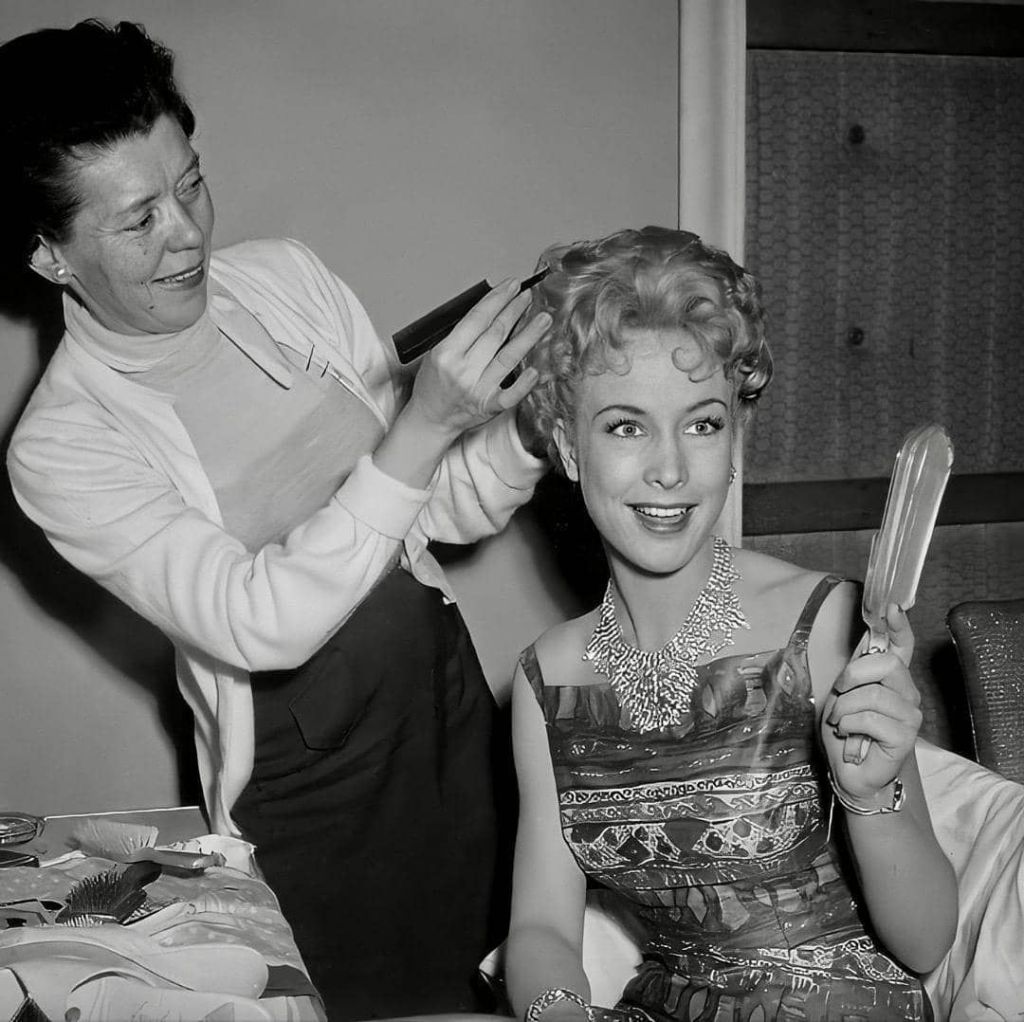

In 1995, Kate found herself back in the hospital for surgery to correct an atrial septal defect, a tiny hole in her heart. During this same year, Jackson adopted a son.

Photo: fanpop.com
Sabrina the Teen-aged Witch

Throughout her time starring in various series, she continued to show up in television shows like Sabrina, the Teen-aged Witch and Criminal Minds. She also managed to find time to appear in seven big-screen and 23 made-for-television movies.

Photo: pinterest.com

Since 2007, she has been out of the public eye most of the time. With her health back on track and a child to raise, I’m hoping she found a happy place to relax and enjoy life. One thing she shared while she was going through her health issues was good advice that inspired me: “Listen with your ears, but hear with your heart. It’s one of the most important things I’ve ever learned. It’s true in art, in life—in everything.” I couldn’t agree more.

Dark Shadows: Blending Past and Present

Dark Shadows was a unique concept. It was billed as a soap opera. From June of 1966 until April of 1971, it aired daily on ABC. I remember hurrying home from school to catch up on the lives of the Collins family, past and present, in their beautiful, but creepy, mansion in Collinsport, Maine. The show morphed back and forth into different eras and many actors played roles in different time periods.

Photo: obitoftheday.com

Barnabas Collins and Dr. Julia Hoffman are probably the two characters most associated with the series. What is surprising is that they weren’t part of the original cast. The vampire came on close to the end of the first year.

I have read about a lot of different ways producers came up with ideas for shows, but this one is one of the most unusual. Dan Curtis had a dream in 1965 about a mysterious woman on a train. He pitched the idea to ABC who gave it a green light. Art Wallace was brought on board to turn the dream into a pilot. The show was originally called “Shadows on the Wall.”  Other titles considered were “The House on Widows’ Hill” and “Terror at Collinwood.” Curtis took over as creator and executive producer. Directors Lela Swift, John Sedwick, and Henry Kaplan were hired. Robert Cobert developed the musical score. Sy Tomashoff designed the eerie set.

Photo:

The dream became the story of a governess Victoria Winters who arrives at Collinwood for a new job but is also looking for the answers to her mysterious past.

Photo: pinterest.com

The show was one of 18 soap operas on the air in the late sixties. The ratings were not great. In December the show came in 13th of 18. When a third of the shows were cancelled, Dark Shadows’ ratings looked even worse—13th of 13. The show was given an ultimatum—26 weeks to increase viewership or it was done. So, Barnabas Collins was added to the show. Bert Convy was considered for the role of Barnabas before Jonathan Frid got the part. During the second year, the show began to be filmed in color which also helped.

During an interview with Ron Sproat, he said that he and fellow writer Gordon Russell had just met with Curtis and they were told a vampire would be added to the show. Leaving on the elevator, they decided right there that Barnabas would be a reluctant vampire with a conscious.

Twenty-eight characters were in at least seventy shows. Most of the actors who played them were unknown at the time, but some of the well-known stars now include Jonathan Frid (Barnabas Collins), Grayson Hall (Dr. Julia Hoffman), Alexandra Isles (Victoria Winters), Joan Bennett (Elizabeth Collins Stoddard), David Selby (Quentin Collins), Kathryn Leigh Scott (Maggie Collins), Lara Parker (Angelique), Roger Davis (Jeff Clark), and Kate Jackson (Daphne Harridge).

Photo: quizly.com

The music is very memorable for those of us who watched the show. The original soundtrack was in the top 20 US Billboard albums in 1969. The song, “Quentin’s Theme” earned Cobert an Emmy nomination and it peaked at 13 on the Billboard 100.

It definitely took a while for the show to hit its stride. Variety’s review of the first show was not favorable: “Writer Art Wallace took so much time getting into his story that the first episode of the Neo Gothic soaper added up to one big yawn.” It wasn’t until episode 52 that evidence of a real ghost appeared.

Photo: pinterest.com

A basic guide to the episodes is (1) Contemporary Era – Episodes 1-365, (2) The 1795 Era – Episodes 366-460, (3) Contemporary Era – Episodes 461-699. (4) The 1897 Era – Episodes 700-883, (5) The Contemporary Era – Episodes 884-1060, (6) The Future Era – Episodes 1061-1070, (7) The Ghosts of Gerard Stiles and Daphne Harridge Haunting Collinwood/The 1840 Era – Episodes 1071-1186, and (8) The Parallel Time of Contemporary and 1841 – Episodes 1187-1245. (These are not exact because there is some paralleling in different times; also even though 1225 episodes were produced, because of various numbering discrepancies, the final episode was listed as #1245.)

Photo: pinterest.com

As the stories were developed, we learn that the Collins were a wealthy family who had been in Maine for generations. Elizabeth Collins Stoddard and her daughter Carolyn live on the estate. Mr. Stoddard has been missing for twenty years. Elizabeth’s brother Roger Collins and his son David also live there. Roger’s wife had died in a fire. This is the family Victoria Winters works for. When Barnabas came on the show, he said he was a distant cousin of the family but is really a vampire who is not a cousin but was the original Barnabas who lived in the house in the 1700s.

Photo: pinterest.com

Parallel times revealed how Barnabas became a vampire, the relationship he had with a witch Angelique, and we meet Barnabas’ true love Josette Dupres. During the show, Roger brings home a new bride who turns out to be the real Angelique.

Photo: tumblr.com
Angelique

Barnabas meets a young woman named Maggie who reminds him of Josette. Along the way he kidnaps her. Dr. Julia Hoffman wants to transform Barnabas from a vampire back to a man. They are close friends and she is the only one who knows who he truly is; it is obvious that she is in love with him.

Joan Bennett and Louis Edmonds were the only characters to appear in both the first and last episodes.

DARK SHADOWS – Show Coverage – June 12, 1966. (Photo by ABC Photo Archives/ABC via Getty Images)LOUIS EDMONDS;JOAN BENNETT

Although the show was set in Maine, the show’s exteriors were filmed in Essex, Connecticut. The Griswold Inn was used for the Collinsport Inn; the post office was the Collinsport Police Station, and The Carey Mansion in Newport, Rhode Island was the Collinswood mansion. All the interiors were filmed on sound stages in Manhattan.

Photo: youtube.com

Portraits were inexpensive, but useful, props for the show. There is a portrait of Barnabas which was painted in the 1700s. However, Frid did not pose for it because he had not been hired yet, so Robert Costello, the line producer stepped in and the face was added later. Quentin Collins’ portrait aged and whenever an injury occurred to him, he was fine but the portrait showed the harm. Angelique also had a portrait of herself. This artwork had powers too; when anything happened to her, the portrait cracked and faded; it was not restored until her health was.

Photo: pinterest.com

The weekly budget for creating five episodes was only $70,000. There was little money for decorating and props. Barnabas’ black onyx ring came from Woolworth’s. The prop department painted a green gem black.

The special effects were pretty impressive for where technology was at the time of the show’s existence. Often shows featured ghostly apparitions or other supernatural occurrences. One camera operator realized he could use plastic wrap or Vaseline around the edges of the lens for dream sequences.

Photo: tvbanter.net

It was shot with live-to-tape format which meant each scene was done in one take. Because of this the show is famous for its goofs: crew members visible in a scene, props didn’t work, equipment above actors’ heads, or people calling each other by the wrong names. During one shooting, Kate Jackson’s dress caught on fire because she was surrounded by candles. The camera crew had to keep filming while the fire was put out. At that time, the thought was that the show would only ever be seen once.

Photo: pinterest.com

By 1969 the show had peaked, and many kids were tuning in to watch a storyline set in 1897 with 7-9 million viewers watching daily. When the 1897 plot was over, the writers were trying to come up with another popular story. They decided on “The Leviathans” which proved to not be very popular.

When an economic recession hit in 1971, the networks were forced to cut costs. To make matters worse, cigarette advertising was banned from television which slashed networks’ profits even more. Since Dark Shadows was primarily watched by a younger demographic who were not necessarily purchasing household goods, the show was cancelled. Creator Curtis said he was actually relieved. He said “I was just hoping it was going to end. I couldn’t squeeze my brain any harder to come up with just one more story. I just wanted to move on and out.”

Some episodes have been in a syndication package since 1975. However, the Sci-Fi Channel was granted permission to run all 1225 episodes and they aired in reruns between 1992 and 2003.

Photo: darkshadowseveryday.com

With all the reboots, this show had a different twist. In 2003, the original cast gathered together for a reunion play. It was recorded for MPI and in 2006 audio dramas for a company called Big Finish began, allowing new generations of fans to listen to the show.

With this large of a cast, you would expect to hear about some personality conflicts. However, no rumors of this have surfaced. One of the cast members said that the time the crew spent together daily rehearsing lines and filming made them a close-knit bunch.

Photo: headhuntershorrorhouse.com

A lot of shows that were not in the top ten when they originally aired like The Brady Bunch or Gilligan’s Island have become fan favorites. Dark Shadows might not be known by as many viewers, but those who love it are extremely loyal. It has become a cult classic with an annual convention similar to The Andy Griffith Show. Held annually since 1983, the official Dark Shadows Convention is typically in New York or Los Angeles. Many cast and crew members are there, question-and-answer sessions are held, autographs can be obtained, dinner with the stars is on the menu, and plenty of merchandise is for sale.

There are fan clubs to join and even Dark Shadows cruises where you can meet and mingle with the original cast.

Photo: pinterest.com

If you are more of a homebody, you can buy the complete series. At a price of $599, Amazon features it for only $349. It’s a big, scary price but with 1225 episodes, that is a lot of binge watching. You’ll enjoy more than 612 hours of eerie fun. You could watch an hour and a half a day and it would take a little over a year to finish.

Personally, I am not willing to invest that much money or time into the show, but I have fond memories watching it. I read the books that were published and had a Barnabas Collins jigsaw puzzle. On rainy days the girls in our neighborhood gathered in a basement and often played Dark Shadows.

There was always a fight over who got to be Angelique or Daphne. My favorite episodes back then involved a dollhouse that came to life.

With so many wonderful memories associated with the show, I’m not sure I’m willing to risk watching the original episodes again, but I understand why so many people continue to revisit them.

The Tony Randall Show: It May Have Been Judged Too Quickly

As we wind up our “Don’t Judge Me” blog series, today we’ve been sent to the bench to sit along side Judge Walter Franklin (Tony Randall) on The Tony Randall Show. Judge Franklin is a middle-aged, single-parent, widower living in Philadelphia. His extremely bright kids–teenage daughter Roberta (Devon Scott) and preteen son Oliver (Brad Savage) live with the judge, along with daffy housekeeper Bonnie (Rachel Roberts). At work we get to know his severe secretary “Miss” Janet Reubner (Allyn Ann McLerie), court reporter Jack Terwilliger (Barney Martin), and Mario Lanza (Zane Lasky), no not THAT Mario Lanza, but an overbearing assistant the judge does not care for. Judge Eleanor Cooper (Diana Muldaur) plays his co-worker and “lady friend.”

Photo: wikipedia.com

In the second season, Penny Peyser took over the role of Roberta, and Hans Conried joined the cast as Walter’s father. A lot of famous guest stars found themselves in front of the judge during the two years it was on the air. A handful of stars who appeared around Judge Franklin included Victor Buono, Beverly Garland, Michael Keaton, Hal Smith, David Ogden Stiers, and Dick Van Patten.

If this sounds a little bit like the concept of The Mary Tyler Moore Show where we see a professional at work and at home, that’s because The Tony Randall Show was produced by MTM Enterprises and created by Tom Patchett and Jay Tarses. This was the duo that produced The Bob Newhart Show a few years earlier.

Photo: tvdads.com

The Tony Randall Show debuted on ABC in 1976. When ABC cancelled the show, it was picked up by CBS for a second season. Surprisingly, the show was not cancelled by ABC for low ratings. The show was holding its own going up against Hawaii Five-0 and Best Sellers on Thursday nights. Apparently, Patchett and Tarses did not get along with Tony Randall.  Unfortunately, they did not get along with each other either, and on top of that, they refused to take calls from ABC president Fred Silverman. Tiring of the drama, Silverman ended the show. On CBS, the show moved to Saturday nights and was on at the same time as Operation Petticoat and The Bionic Woman. When CBS cancelled the show, it was done for good.

Photo: jacksonupperco.com

Reflecting on the show, Grant Tinker remembered “Tony was born to work in front of a live audience, and the writing was largely first rate. Ultimately, however, three strong egos could not live together. Since Tony was obviously essential, Tom and Jay retreated to their office and oversaw from a distance, giving two of MTM’s younger writers, Hugh Wilson and Gary David Goldberg their first chance to produce.” (Wilson would go on to create WKRP in Cincinnati and Goldberg would create Family Ties and Brooklyn Bridge.)

Photo: wikipedia.com

At least this turmoil produced some good results. Goldberg said from his time on The Tony Randall Show, he learned you need to hire good people and let them do their job, and that if you have to remind people you are the producer, you’re probably not a very good one.

Ken Levine discussed working with Randall in his blog from June of 2007 (kenlevine.blogspot.com/2007/06/working-with-tony-randall.html). According to Levine, Randall “was the consummate professional. Not only did he know all of his lines, he knew everyone else’s too. . . . I loved working with Tony Randall. Of course, it helped that he thought I was funny and that I didn’t smoke.”

Photo: imdb.com

Everyone seemed to enjoy working with Randall. In a Television Academy interview, Asaad Kelada, one of the directors for the show, described Randall as a “fascinating, erudite, funny man.” He talked about the way he warmed up an audience before the show with his stories. It must have been a fun set sometimes because Kelada said he used to wear a sweater over his shoulders, and it became his trademark. One day he said there was a bit of extra energy on the set, and he suddenly realized absolutely everyone on set from the cameramen to gophers to stars were wearing sweaters, blankets, or towels around their shoulders. The Television Academy also did interviews with Abby Singer, production manager for the show, and Hugh Wilson about his writing and producing. Singer said Randall was “a good guy.” When asked if the rumors that Randall was particular were true, he said “Yes, he was so particular it was unbelievable. You couldn’t even whisper when he was on the set, but he was a sweet guy.” Wilson backed their comments up, saying “It was super to work with Tony Randall. He was a vast library of show business information and very nice.”

Despite all the problems on the set, Randall was nominated for a Golden Globe for his role of Judge Franklin. He lost to Henry Winkler for Happy Days.

Photo: youtube.com

I could not find any official DVDs for The Tony Randall Show, but some of the episodes can be found online. It sounds like the show had all the right ingredients but either did not have enough time to find its true voice or appeared a bit too late in the 1970s at a time when things were changing in television programming. Anytime you can watch Tony Randall on the small screen (or the big screen for that matter) is a special opportunity.

Sirota’s Court: It Never Got a Fair Trial

We are in the middle of my “Don’t Judge Me” blogs. Today I am picking up my gavel to make a ruling on Sirota’s Court.

Photo: filmaffinity.com

This sitcom made its debut December of 1976. By April of 1977, it had disappeared from the airwaves. It was produced by Peter Engel Productions and Universal Television.

The show followed Judge Matthew Sirota (Michael Constantine) who sits on the bench for the night court. He works with, and has an off-again, on-again romantic relationship with, court clerk Maureen O’Conner (Cynthia Harris). The liberal public defender is Gail Goodman (Kathleen Miller) who battles with private attorney Sawyer Dabney (Ted Ross) and assistant district attorney Bud Nugent (Fred Willard). Bailiff John Belson (Owen Bush) has the judge’s back. Like the Mary Tyler Moore Show, the series devotes time to Judge Sirota’s professional and private lives.

Photo: ptwikipedia.com

If that concept sounds eerily familiar, it should. Seven years after Sirota’s Court left the air, Night Court appeared. Maybe Sirota’s Court was ahead of its time or could not survive the scheduled competition, but it’s hard not to see Night Court as an almost identical clone of this show. The newer judicial comedy featuring Harry Anderson would last nine seasons and produce 193 episodes.

In the original version, the Honorable Sirota incorporates a sense of humor and a boatload of common sense into his courtroom. Being in a large metropolitan city, Sirota is a surprisingly compassionate judge, considering the bizarre cases, the odd clients, and the eccentric court comrades he has to deal with. He often had to take on the role of referee between public defender Goodman who was trying to make the world a better place however she could, attorney Dabney who only cared about making a buck, and totally inept assistant district attorney Nugent.

The show employed a lot of different writers for only thirteen episodes. Twelve different writers were credited on the series. Some of the plots included Judge Sirota trying to prevent being named one of the ten worst judges in America, dealing with dentists who were using laughing gas on election night, or the night a full moon brings in an even more ridiculous roster of bizarre situations to rule on.

Photo: sitcomsonline.com

The show was on Wednesday nights. There was no way this series was going to obtain satisfactory ratings going up against All in the Family and Baretta. All in the Family was in the seventh year of its nine-year reign and still was in the top twenty. Baretta, which was in its third year, had a solid following and was in the top ten. In addition, the show took a lot of heat for one of its episodes, “Court Fear,” when the judge performed a same-sex wedding. It’s creator, Peter Engel, mentioned several times that the show “never got cancelled, it just sort of faded away.” Another factor may have been too many writers. Considering Jack Winter wrote 4 of the 13 episodes, that left 11 writers covering the other 9 shows. Perhaps there was not enough time to fully develop the characters with so many different perspectives.

Photo: tvtango.com

Considering there were only 13 episodes, it’s impressive that Sirota’s Court was nominated for an Emmy for Outstanding Art Direction or Scenic Design for a Comedy Series and for a Golden Globe for Constantine for Best Performance by an Actor in a Television Series, Musical or Comedy. Constantine was up against Tony Randall for The Tony Randall Show, Freddie Prinze for Chico and the Man, Alan Alda for MASH, and winner Henry Winkler for Happy Days.

Photo: pinterest.com

Unfortunately, I could not find DVDs for this show anywhere, even the rare and hard-to-find DVD sites. It would be interesting to compare it with Night Court and see how similar the two shows actually were. My ruling is that the show was competent to stand trial, but the powers that be were too quick to negotiate a settlement.