The Jim Backus Show: It Was Hot Off the Wire

This month we are in a blog series, “It’s Their Show.” Today we are taking a closer look at The Jim Backus Show. Most people know Backus today as Mr. Howell on Gilligan’s Island. While he did show up on several television series, cartoons, and made-for-tv movies for Gilligan’s Island, Backus had a long and successful career without any Gilligan appearances. He started in the movies in 1948 and wound up his career with an amazing 253 credits.
📷thrillingdaysofyesteryear.com

In addition to being the voice of Mr. Magoo, Backus starred in several other series including I Married Joan and Blondie.

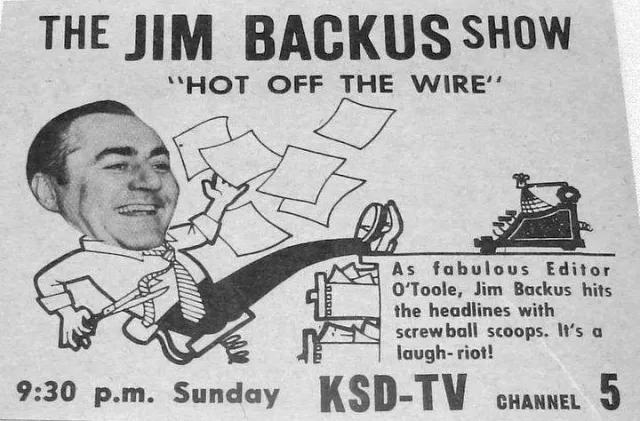
In 1960, The Jim Backus Show debuted.  It was one of the first syndicated shows, so it’s hard to gauge how it did against its competition. However, I will say what I can tell you is that there were still 13 westerns on the air during the week, so while the influence of the Plains was waning, it was still very popular. It was also a year that lots of stars had made the plunge to dip their toe into the television industry. There were 11 stars with their own shows that year in addition to Backus, including Jack Benny, Ann Sothern, Danny Thomas, Andy Griffith, and Donna Reed. 

The series had a great cast. They had several good directors, including Gene Reynolds who produced MASH and Lou Grant and a lot of good writers, including Jay Somers who would go on to create and write Green Acres. However, they had 14 directors and more than 40 writers to produce those 39 episodes. They also had a great line up of guest stars including Ken Berry, Charles Lane, Jayne Meadows, Zasu Pitts, Tom Poston, and Bill Quinn.
📷youtube.com

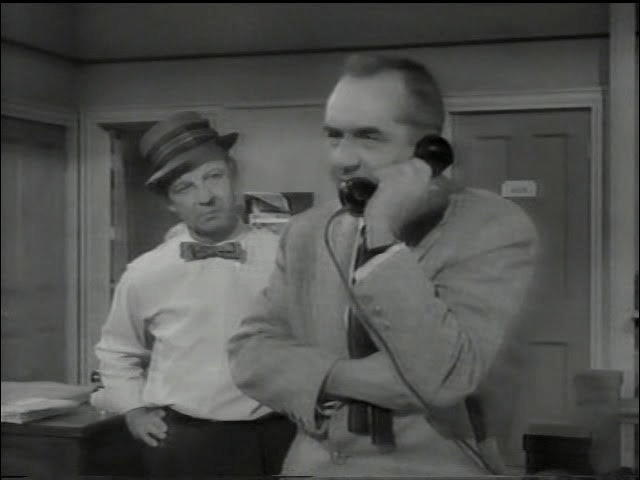
Backus is Mike O’Toole, the editor and owner of a news service struggling to make a go of it. He often doesn’t have the money to pay his rent or his staff’s salaries. Working with O’Toole are reporters Dora (Nita Talbot) and Dave (Bill McLean) as well as Sidney (Bobs Watson), their office boy. When they weren’t working, they spent some time at Heartless Harry’s, a bar downstairs that was popular with newspaper people. He truly was heartless, because he wouldn’t let anyone from Mike’s company in the bar unless they put down a $10 deposit.

One of the episodes I watched for this blog was #5, “No Help Wanted.” The opening pans the big city before moving down to the office of the wire service with Mike in the window joined by Dora.

The episode begins with Mike and Dora’s car breaking down in the middle of nowhere. There’s a large estate in the distance, but Mike won’t let Dora ask them for help until he’s tried to fix the problem himself.
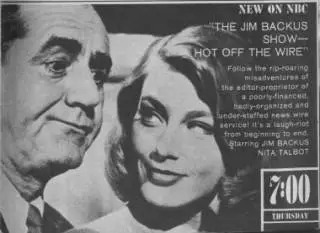
Directed by Gene Reynolds and written by Dick Chevillat and Jay Sommers, the plot is that a retired stage actress, Catherine Lyden (Linda Watkins), has lots of money and loves living a normal life. Her former agent keeps trying to lure her back into show business. She decides to clean the maid’s house so she can hire someone, but when Dora and Mike meet her, they recognize her, and they think she is destitute and try to help her. After they get back to the office, they buy her some groceries and clothes. She tries to tell them that she has plenty of things and she doesn’t need their help. O’Toole writes a story about her having to work as a maid to make ends meet and puts a photo in the paper with her holding a pail and looking disheveled. When the article appears, several people contact her to try to help her out. When Mike and Dora get her contract from the playwright who is trying to hire her, they tell her that it’s a form to get a retraction from the paper.

After she signs it,  they tell her the truth, that it’s a five-year contract and she begins to cry. Surprisingly they never do find out she wasn’t down and out. They think she is crying from gratitude, and they leave.

📷internetarchive.com

There were some fun bits of dialogue especially between Dora and Mike, and the filming was very different from most sitcoms, but I was drawn in by it. One of the things that I found most interesting about this episode is the soundtrack. There is some laughter in the background, but you hear birds, the office machinery running, and the sounds of the city. It’s like you’re right in the location with the cast and hear what they would hear.

This was a tough episode for me though. First of all, I kept waiting for Lyden to be touched by the fact that they were trying to help her and maybe that made her realize the public missed her. However, she never cared that they were spending their hard-earned money on her. She truly was upset when they tricked her, and I found it tough to watch because they never learn she was not destitute and truly was happy and they have now made her miserable for five years. It just didn’t have that feel-good ambiance we expect our sitcoms to feature.
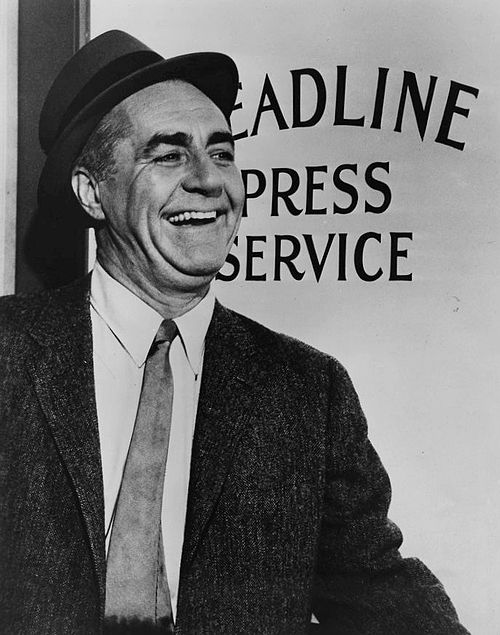
📷wikipedia.com

The series produced 39 episodes before being canceled. I’m guessing the fact that it didn’t make it had something to do with the fact that it was on different nights and times across the country.

Sometimes these shows are hard to find. They all had two names. The Tom Ewell Show was known as The Trouble with Tom, The Phyllis Diller Show was known as The Pruitts of South Hampton, and The Jim Backus Show went by Hot Off the Wire.  With so much competition from other stars trying to vie for their spot on the schedule and being a syndicated show, I’m guessing it was hard to lure enough fans to make it worthwhile to produce a second season of the show.
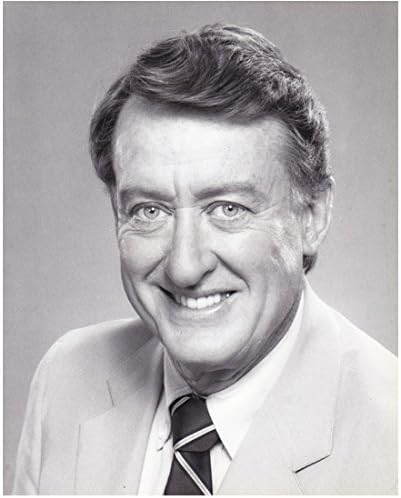
Don Adams: Always Smart

This month our blog series is titled “All About The Bill Dana Show.” The first week in March we learned about the show and now we have been spending time with some of the cast. We end our series with Don Adams.

Adams was born Donald James Yarmy in Manhattan in 1923. Don was a blend of cultures, Hungarian Jewish on his dad’s side and Irish-American on his mom’s. Don was raised Catholic while his brother Dick was raised Jewish. I could not find out what their sister decided to do. She later became a writer under the name Gloria Burton and wrote a script for Get Smart. His brother was also an actor. Dick has about 50 acting credits and appeared in many of the most popular sitcoms during the sixties and seventies, including three appearances on Get Smart.

Adams dropped out of high school and went to work as a theater usher. In 1941 he joined the US Marine Corp. At one point he was injured during a Japanese assault on Tulagi. He was the only survivor from his platoon. While recovering, he came down with blackwater fever, a side effect from malaria and was evacuated to New Zealand. He was not expected to recover, but when he did, he was sent back to the US as a Marine drill instructor.

After his discharge, he moved to Florida to work as a comedian. He refused to do material he considered “blue” and was fired.

In 1947 he married Adelaide Efantis, and her stage name was Adelaide Adams. Don decided to take the name Adams as well for his stage name. He worked as a commercial artist and cashier to support their family.

In 1954, Don was the winner of Arthur Godfrey’s Talent Scouts with a comedy act written by Bill Dana. He began making appearances on The Steve Allen Show, where Dana was a writer. In 1961 he became a regular on the Perry Como Show.

About this time, Don and Adelaide divorced, and Adams married Dorothy Bracken, another actress. They split up in 1977 when he married Judy Luciano, also an actress but that marriage also ended in divorce. (I could only find one credit for his last two wives; Bracken was on Get Smart, while Luciano appeared on The Love Boat.)

While discussing his marriages, Don said “I’m no longer independently wealthy. I guess it’s the result of too many wives, too many kids and too much alimony. I’ve been paying alimony since I was 14 and child support since 15. That’s a joke, but not by much. . . I like getting married, but I don’t like being married.”

In 1963 Adams was offered the role of Byron Glick, hotel detective on The Bill Dana Show. As we’ve discussed this month, the show was on the air for a season and a half. While working on the show, Don was also the voice of cartoon Tennessee Tuxedo which he continued doing until 1973.

During those years he also made an appearance on The Danny Thomas Show and on Pat Paulsen’s Comedy Hour.

In 1965 he was offered the role of Maxwell Smart in a new spy satire, Get Smart.

The sixties saw westerns being overtaken by spy shows such as The Man From U.N.C.L.E., I Spy, The Pink Panther, and The Avengers. Mel Brooks and Buck Henry decided to try their hand at writing a campy sitcom and Get Smart was born.

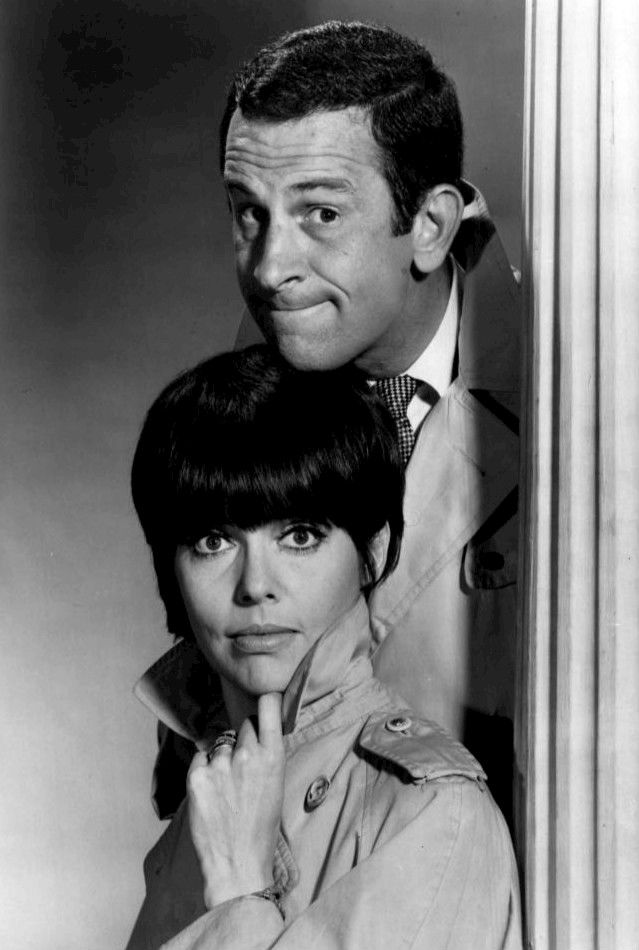
The role of Smart was created for Tom Poston, but ABC turned it down, and NBC said yes. They had Adams under contract, so he got the part. Rounding out the cast was Edward Platt as the Chief and Barbara Feldon as Agent 99.

Smart and 99 had great chemistry and married in a later season. Feldon and Adams remained life-long friends.

One of the most memorable parts of the show was all the catch phrases Adams created on the show including “Sorry about that Chief,” “Would you believe,” and “Missed it by that much.”

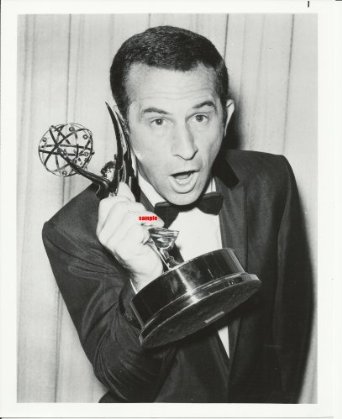
In addition to acting, Adams worked as a producer and director on the show. He was nominated for an Emmy from 1966-1969. He won three of those, losing to William Windom for the little-remembered one-season show, My World and Welcome to It. Lloyd Haynes from Room 222 and Bill Cosby for The Bill Cosby Show were also nominated that year.

The show moved to CBS for the final season, but the ratings never recovered, and the show was canceled after that year.

Like so many of our successful actors with unusual characters, Adams suffered from typecasting after the show ended. He did become part of two additional sitcom casts during his career.

In 1971 he was on The Partners. According to imdb.com, the plot is that “Lennie Crooke and George Robinson are inept detectives teamed up to solve crimes. Captain Andrews is their exasperated boss, Sgt. Higgenbottom is a smarmy co-worker, and Freddy confesses to most of the neighborhood crimes.” Adams played Crooke, but the show only produced 20 episodes.

In 1985, Adams tried a sitcom again on Check it Out. This one was about a grocery store and its employees. Adams played Howard Bannister. The show lasted three seasons, ending in 1988. The show was not very popular in the US but was a hit in Canada.

In between those two shows, Adams appeared in a handful of series including Fantasy Island, The Fall Guy, The Love Boat, Empty Nest, and Nick Freno: Licensed Teacher. He made most of his salary appearing in nightclubs. He also had his Smart character resurrected in several big screen films and television series.

Because of the typecasting, he returned to animation and found a lot of success, especially with Inspector Gadget which he voiced from 1983-1999.

He also tried his hand at a game show. Called Don Adams’ Screen Test, it had an interesting concept. The show was filmed in two 15-minute parts; Adams would randomly select an audience member to recreate a scene from a Hollywood movie such as From Here to Eternity with Adams as director. It ended after 26 episodes.

In his spare time, it sounds like he visited the racetracks, betting on horses. He also spent a night a week at the Playboy Mansion playing cards with Caan and Rickles. He loved history and studied Abraham Lincoln and Adolf Hitler in depth. He also wrote poetry and painted.

Don passed away in 2005 from a lung infection and lymphoma. The eulogists at his funeral included James Caan, Bill Dana, Barbara Feldon, and Don Rickles.

It’s hard to know what to make of Adams’ career. Obviously, he was hard working, an excellent Marine, and a man of many interests. He was fired for not performing blue material but then put horse racing and gambling above the needs of his family, according to several of his friends. He created the amazing role of Maxwell Smart, one of the best characters in television history, but that feat kept him from achieving other great roles in the following decades due to typecasting. It sounds like Check It Out was very popular in Canada, so maybe if he had been given a few chances to create characters different from Smart in a couple other sitcoms, it would have helped.

I feel bad for those actors who are so successful in the characters they help create that they are barred from future jobs, but then again, those characters are some of the best actors in television: George Reeves as Superman, Ray Walston as My Favorite Martian, Henry Winkler from Happy Days, Frank Cady from Green Acres, and Jack Klugman from The Odd Couple. I guess you trade being warmly remembered for fewer quality roles.

Apart from Get Smart, I knew little about Adams before writing this blog, so it was fun to get to know him a bit.

Laughing Every Day with Beverly Archer

As we continue looking at some of our favorite actresses, today we get to spend some time with Beverly Archer. Beverly was born in Oak Park, Illinois in 1948 but grew up in California.

See the source image
Photo: behindthevoiceactors.com

Beverly knew she wanted to enter the acting profession and studied at both San Francisco State University and UC Santa Barbara where she majored in drama. But once she graduated, she decided acting wasn’t for her. She worked for Wells Fargo for two weeks and then accepted a job with Abbey Rents in Los Angeles where she worked for three years. She says she was lonely and not having fun, so she started taking acting classes again and working with theater groups.

Unlike a lot of actors who have to spend decades before nabbing their first series, the first two television roles Beverly received were regulars. However, Beverly paid her dues working in commercials before appearing on a series. She said they gave her confidence that she could make a living acting, so she was able to quit her job.

See the source image
The Nancy Walker Show
Photo: memorabletv.com

In 1976, she appeared on The Nancy Walker Show. She played Nancy’s daughter,  Lorraine. In a recent interview with Sitcoms Online, Beverly said she ran into a guy she had done some theater with who had become an agent. He signed her and got her the audition for the show. Archer was reading the script with several other actresses but apparently, she was the only one who found the scene very funny. Nancy then read with her and the producers felt they could be family. She says she was in the right place at the right time.

See the source image
With Oliver Clark on We’ve Got Each Other
Photo: sitcomsonline.

Unfortunately, the show only lasted one season, but in 1977, Beverly was offered the role on We’ve Got Each Other. The plot for this show was that Stuart Hibbard (Oliver Clark) worked at home, cleaning and cooking while his wife Judy (Archer) worked in LA for photographer Damon Jerome (Tom Poston). Stuart had to deal with domestic situations and his next-door neighbor Ken (Martin Kove) while Judy dealt with work situations and secretary Donna (Renn Woods). Like her first show, this sitcom only lasted one season as sell.

In 1976 she accepted another permanent role as Mrs. Robert Bernard. She met her husband through an acting teacher. He was also an actor, doing a lot of voice-over work.

During the 1980s, she would receive offers to play recurring characters on four shows.

See the source image
Photo: tumblr.com

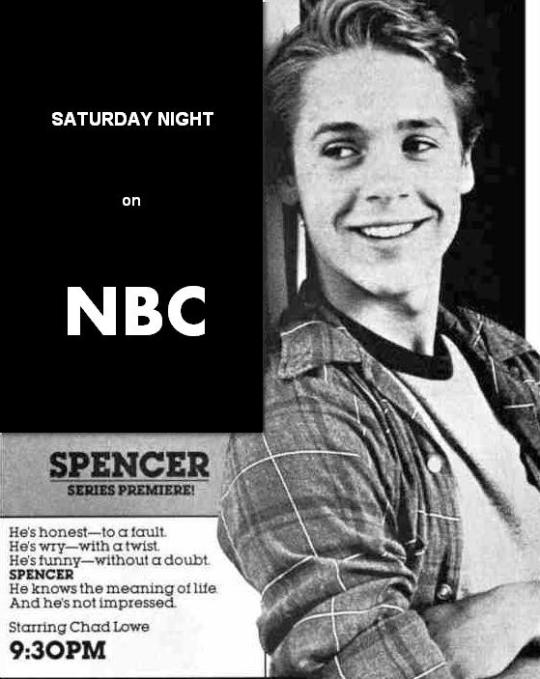
On Spencer, she played Miss Spier, a divorced friend of Spencer’s mother. Most episodes show Spencer, played by a very young Chad Lowe, humorously dealing with the drama of high school.

In 1985 she was on ten episodes of Washingtoon. This is a little-remembered show that aired on Showtime. The plots centered around a senator who wasn’t too bright and Archer was his secretary on the show.

In 1988, she appeared on ALF as neighbor Mrs. Byrd.

See the source image
Photo: sitcomsonline.com

One of her best-known roles occurred on Mama’s Family. Beverly portrayed Iola Boylen from 1986-1990. In the Sitcoms Online interview, Archer talked about being on Mama’s Family. She explained that the network version was cancelled, and Joe Hamilton decided to recreate it in syndication. At that time, no one really did syndication shows. Archer says he was a pioneer in the field. Betty White and Rue McClanahan moved over to Golden Girls, so there was a gap for a new character and Archer was hired for the syndicated show. She says some of her favorite moments on the show were working with Ken Berry. She described him as the funniest person on the planet.

See the source image
Photo: tumblr.com

Beverly tried her hand at writing and received credits for scripts for Mama’s Family, Working Girl and ALF.

In addition to these regular roles, she guest starred on a variety of shows, including It Takes Two, Family Ties, The Fall Guy, and My Sister Sam.

See the source image
Photo: allstarpics.famousfix.com

During the decade of the nineties, Beverly was again lucky enough to gain a recurring role on five additional shows: Married . . . with Children, Aahh Real Monsters, Jumanji, The Young and the Restless, and Major Dad. On Married . . . with Children, she was a sexually repressed librarian who falls in love with Bud.

On Major Dad, she played the role of Alva Bricker, gunnery sergeant. During an interview with Jerry Buck in 1992, Archer says she used John Wayne for her role model for Alva because he was the only Marine she could remember. Describing her character on the show, Archer says “She’s the best Marine on the base. I think the driving force behind the characters is that she’s the best. But the personal stuff is fun to play. She has a wild sex life, but the crux is that she’s incredibly efficient as administrative chief of the commanding general’s office.”

See the source image
Photo: ebay.com

After portraying so many school-marm types of characters, she was happy to have a different sort of character to work with. Beverly says Gunny has a macho-style to her femininity. She treated relationships the way men typically did. She didn’t want to be tied down to one man.

Beverly joined the cast in season two. Once again, she benefitted from the fact that several characters from the first season were let go. The show was produced by Rick Hawkins who also worked with her on Mama’s Family. Archer loved the fact that Gunny was so different from Iola on that show.

She also guest starred on nine shows, including Full House, Love and War, and Grace Under Fire throughout the 1990s.

See the source image
Photo: avelyman.com

In 1995 she was part of the fun, satire, The Brady Bunch Movie, playing a teacher who gets caught stealing.

Beverly accepted that she was typecast in many of her roles. As she described it, “Nobody’s going to let me play a normal human being, certainly not a lead. Certainly not a normal next-door neighbor. I’m there to add a character twist. That’s my living and with this mug, what do you expect?”

See the source image

Beverly retired in 2002. Beverly may have retired, but she was not sitting around the house twiddling her thumbs. She opened an antique shop in the Catskills in upper New York which she ran for about eight years, spending half the year in New York and half in California. She finally moved the shop to California to eliminate the bicoastal living.

Photo: Xiem Gallery

She also wanted to do a lot of traveling. Now she is sculpting with clay and getting to travel. She studied her craft in Italy. In 2008, Beverly had an exhibit at the Xiem Gallery in Pasadena, CA, entitled “2008: A Year of the Pig: A Beginner’s Journal.” The exhibit included some of her thoughts on her art:

“There was so much to learn.
Despite the fact that I began with 365 pigs I never thought back then that I would be able to count on two hands the number of pieces I have made that are not critters. I cannot seem to divorce myself from them. Nor do I want to.
Our relationship to other animals is quite a complex one, of course. We tend to imbue them with attributes and feelings we admire. We find our domestic companions delightful, amusing, courageous and intelligent…..all attributes we would like to see in ourselves. We even find the critters we eat to be companionable as well as useful.
Perhaps I will branch out eventually. Perhaps to wild animals. We think them fascinating, noble and mysterious. And yet, we threaten them, hunt them or ignore them and fail them constantly.
One can’t know for certain but I imagine that in years hence I will still be working on the animal form.
There is so just much to learn.”

While I’m sad, her retirement took her out of our living rooms, she seems to have found a wonderful new career. Since writing my blog, and writing in general, has become my almost-retirement career, I understand the passion and satisfaction she is experiencing in her new art life.

See the source image
Photo: famousbirthdays.com

When asked about the type of roles she wanted to play or would like to have if she had not retired, Beverly responded that “I loved doing comedy, and there is no greater gift than coming to work laughing every day.” I hope she is still laughing every day, and I thank her for the many days of laughter she provided for us.

The Phil Silvers Show: You May Never Get Rich, but You’ll Receive a Wealth of Humor

This month, we begin a new series, “We Salute You” and we will look at shows about the military. Our first series is The Phil Silvers Show a/k/a You’ll Never Get Rich.

Photo: nostalgiacentral.com

The sitcom debuted on CBS in 1955. The pilot was never aired, but the show was part of the television schedule until 1959, producing 143 episodes.

Nat Hiken created the series which ended up being nominated for Best Comedy Series every year it was on and winning that category in 1956, 1957, and 1958. In addition, Silvers won an Emmy for his performance, and Hiken won an Emmy for Best Director.

Photo: findagrave.com
Nat Hiken in the bowtie with Phil Silvers

In 1955, television was transitioning from New York to California. However, Hiken insisted on filming the series in New York. The earlier seasons were filmed at Dumont and later seasons moved to CBS studios in Chelsea, Manhattan.

The show was filmed like a play in front of a live audience. The cast members had to memorize the entire script. When Mike Todd guest starred in season two, he insisted that the show be filmed more like a movie. Takes were filmed out of sequence and multiple takes were allowed because there was no audience. The crew realized that this process was faster, cheaper, and easier for the actors, so the change was put in place permanently. The show was screened for the military though, and servicemen made responses that were used to make the show more realistic.

Photo: thetimes.com

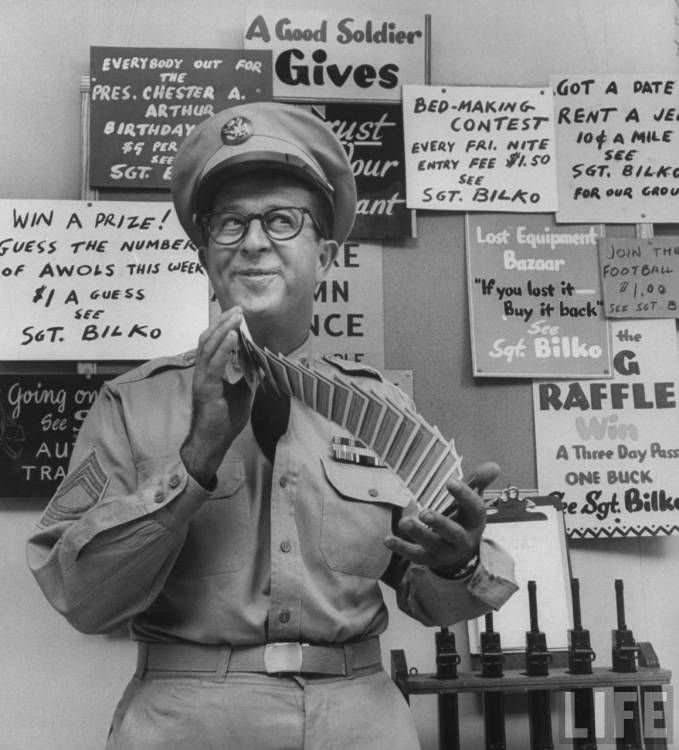
Sergeant Ernie Bilko (Phil Silvers) is a con man. He runs a motor pool at a small US Army Camp, Fort Baxter in Roseville, Kansas. Colonel Hall (Paul Ford), who doesn’t trust Bilko, tries to stay on top of his schemes. Bilko tries to make money any way he can and is not above using the landing craft for midnight cruises, “borrowing” tanks, setting up poker games, and conniving with a local service station for spare parts for Jeep tires for his get-rich quick scams. Bilko has pulled the wool over Col Hall’s wife’s (Hope Sansberry) eyes and flatters her every chance he gets. Silvers said Bilko was so successful because “inside everyone is a con man wiggling to sneak out.”

Photo: pinterest.com

Although his men knew he could not be truly trusted, they were usually loyal to him and while he occasionally used them in a scheme, he typically made sure they were taken care of. Some of the situations Bilko found himself in included starting a mink farm, entering his platoon in a singing contest, investing in an ailing race horse, stealing a French chef’s family recipe, buying swampland, thinking there was uranium beneath Hall’s living room, and getting a hot racing tip but not being able to get his bet in on time.

For the fourth season, the camp moved from Kansas to Camp Fremont in California. The move was explained that Bilko orchestrated the new location because he learned there was a gold deposit near the abandoned army post. The primary reason for the geographical change was so stars could guest on the show because the camp was now said to be close to Hollywood. Some of these celebrities included Dean Martin, Mickey Rooney, Bing Crosby, Dorothy McGuire, and Lucille Ball.

Photo: DVDtalk.com
Bing Crosby visits the base

In addition to the stars who were said to come from Hollywood, guest stars on the show included Charlotte Rae, Fred Gwynne, Dick Van Dyke, Paul Lynde, Tom Poston, Dina Merrill, Alan Alda, Bea Arthur, and Tina Louise.

Photo: tvtropes.com

I was surprised by the large cast that was featured on this show as opposed to Gomer Pyle, Hogan’s Heroes, or McHale’s Navy. Bilko’s comrades were Corporal Barbella (Harvey Lembeck) and Corporal Henshaw (Allan Melvin).

Photo: brittanica.com
Bilko with Barbella and Henshaw

The rest of the men included Corporal Sam Fender (Herbie Faye), Sergeant Grover (Jimmy Little), Privates Doberman (Maurice Gosfield), Zimmerman (Mickey Freeman), Kadowski (Karl Lukas), Gomez (Bernard Fein), Paparelli (Billy Sands), Mullen (Jack Healy), Fleischman (Maurice Brenner), Sugarman (Terry Carter) and Dillingham (Walter Cartier), as well as quartermaster Sergeant Pendelton (Ned Glass). Bilko even had a romantic interest in Sergeant Joan Hogan (Elisabeth Fraser).

Photo: losangelestimes.com

Because the series had so many secondary cast members, it became too expensive to maintain, and that was the primary reason it was canceled. I was surprised it did not affect the ratings because there were a lot of cast members to follow from week to week.

The show started out on Tuesday nights the first season. Its competition was The Legend of Wyatt Earp and Milton Berle.  The ratings at first were not good and Camel Cigarettes, the sponsor, considering withdrawing. The network moved the show so it didn’t need to compete with Berle’s second-half hour. The ratings skyrocketed. The second and third seasons, it continued on Tuesday nights but was up against Cheyenne both years and against The Big Surprise on the second season and The Eddie Fisher Show the third season. The Phil Silvers Show continued to be in the top 30 for season two but fell below those rankings in season three. Season four found the show on Friday nights up against Man with a Camera and M Squad.  I would have thought that season might have the weakest competition but the show never recovered its higher ratings. However, Friday nights many people were out, not home watching television.

Another downfall with such a large cast is the personality conflicts that might occur. Apparently, Phil Silvers did not get along with Maurice Gosfield. Gosfield had trouble remembering his lines which frustrated the other actors; however, he got the most fan mail which Silvers resented. In his memoir, Silvers discussed this issue and wrote that Gosfield “thought of himself as Cary Grant playing a short, plump man.”

Photo: pinterest.com
Gosfield as Doberman

Phil Silvers would play the same type of con man on many sitcoms later including The Beverly Hillbillies, Gilligan’s Island, The Lucy Show, and the movie It’s a Mad, Mad, Mad, Mad World.

Photo: pinterest.com

After its cancellation, CBS sold the show to NBC which was a great move on NBC’s part. The network made a ton of money on the show’s syndication because reruns were run for decades.

Photo: ebay.com

DC Comics published comic books based on the show as well. From 1957-1960 there were 16 issues of a Sergeant Bilko comic book and 11 issues of a Private Doberman comic book.

Photo: ebay.com

In 2009, the US Postal Service issued a set of stamps honoring early television programs. This show was commemorated with an image of Sergeant Bilko.

I remember the show being on the air a lot while I was growing up, but I rarely see it now. I am going to rely on a fellow blogger to sum up the show. In a recent blog on neatorama.com from February 14, 2019, the show was described as follows:

It is my opinion that THE PHIL SILVERS SHOW (aka YOU’LL NEVER GET RICH) remains the single most underrated sitcom in television history and that Phil Silvers remains the most underrated comedian in that medium. This is really saying something because the series has indeed received great acclaim over the years. Even so, Silvers is just not given his proper due for creating the Bilko character. But it is Phil Silvers, his facial expressions, his bugle-call barking of orders, his complete manipulation of everyone on the base, and his wild schemes to make money that never seem to get old no matter how much you watch the episodes on video. The show is a great testament to the talents of Phil Silvers. With its complex plotlines and quickfire dialogue it’s still a treat to watch Silvers’s monumental character. The most oft-said line in the series must be “but, Sarge! as Bilko launches into another diabolical and, ultimately, flawed scheme to make money and dodge work.”

Photo: philsilversshow.com

Bilko isn’t a bad guy; he’s just not trustworthy. As he himself likes to say, “All I ever wanted was an honest week’s pay for an honest day’s work.” Maybe in this politically correct world we live in, making fun of the military is a taboo. It’s too bad because all the critics loved this show. If you want to check it out for yourself, the series is on DVD, so it is available for a week-end of binge watching; you can purchase individual seasons or the complete series.

It Only Takes One Episode to Get Smart

In the mid-1960s, spy shows were all the rage.  James Bond drew large audiences to theaters:  Dr. No in 1962, From Russia with Love in 1963, Goldfinger in 1964, and Thunderball in 1965. Inspector Clouseau was big at the box office too appearing in The Pink Panther in 1963 and A Shot in the Dark in 1964. If you were checking out books at the library, you probably would have read Len Deighton’s The IPCRESS File (1962), The Spy Who Came in From the Cold (1963), or Harriet the Spy (1964). On the small screen, The Avengers was ahead of the curve, premiering in 1961, but in the mid-1960s, we would see some of the classic television shows debut: Mission Impossible began in 1966, The Man from UNCLE showed up in 1964 and in 1965, The Wild, Wild West and I Spy got network approval.

smart7

Another show came on the air in 1965 as well – on September 18, 1965, Get Smart was seen for the first time. Dan Melnick, a partner in Talent Associates thought a spy satire might be a good fit for their upcoming schedule. He recruited Buck Henry and Mel Brooks to write the show. The team took the show to ABC. ABC bought it but they wanted a few changes.  They wanted Tom Poston to take the role of Maxwell Smart. They wanted a dog on the show to add “heart.” Finally, they wanted Smart’s mother to be a major role and envisioned Smart coming home at the end of the episode to explain the case to his mother. Henry and Brooks said no to the mother, so ABC rejected the show and sold it back to Talent Associates.
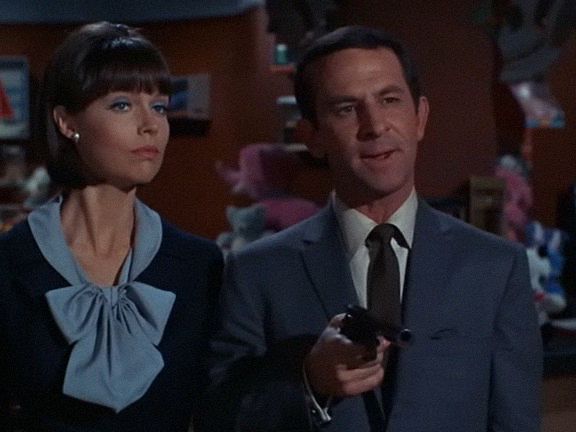
Grant Tinker from NBC agreed to buy the show with the caveat that Don Adams star in place of Tom Poston.  And so, the creative talent of Brooks and Henry brought Maxwell Smart (Don Adams), Agent 99 (Barbara Feldon), and the Chief (Edward Platt) to life. The show would stay on the air for five seasons, producing 138 episodes.

The first four seasons were filmed at Sunset Bronson Studios.  In 1970, the show moved to CBS and the last season was filmed at CBS Studio Center.

Mel Brooks left the show after the first year, but Buck Henry stayed through 1967 as the story editor.

smartgun

Most of the administrative cast stayed with the show for its run. Leonard B. Stern was the executive producer for all the shows. Irving Szathmary was the music and theme composer, as well as conductor, for all five seasons. Gerald C. Gardner and Dee Caruso were the head writers for the series. Don Adams would get to direct 13 episodes and write 2 of them.

The show centered around the three main characters. Maxwell Smart is Agent 86.  He works for CONTROL, a US government counter-intelligence agency in Washington DC. Max is resourceful.  He is a adept marksman, has hand-to-hand combat skills and is extremely lucky. He uses several cover identities, but the one he uses most often is greeting card salesman. He insists in going by the book and this, along with his clumsy nature, cause problems for him.

smartsmart

He and his partner Agent 99 take on world threats. We never learn Agent 99’s real name, although we think we have in one episode.  In “99 Loses CONTROL”, she says her name is Susan Hilton but at the end of the episode, we learn she was lying. Agent 99 is smart and competent.  Her father was apparently a spy as well.  (In real life, Barbara Feldon was also smart; she won on The $64,000 Question with the category of Shakespeare.) If you look closely, you will often see Agent 99 slouching, sitting, or leaning on something to conceal the fact that she was a bit taller than Adams.

smart15

Their boss, Chief, whose real name is Thaddeus, is sarcastic and grouchy but also serious, sensible, and smart. He began his career as Agent Q and his cover name is often Harold Clark. Other CONTROL agents we meet during the series are Agents 8, 13, and 14, as well as Larrabee, the Chief’s highly inefficient and bumbling assistant.

smart10

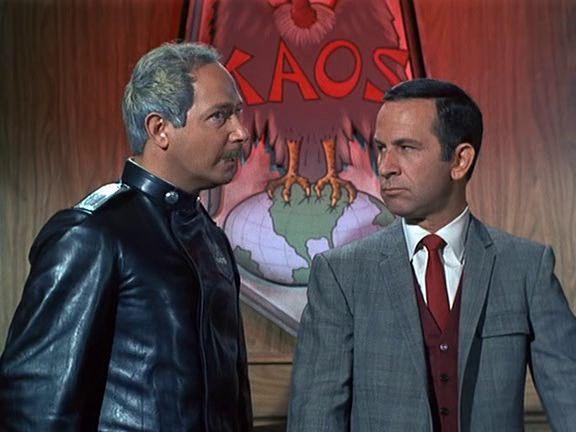
Their primary enemy is KAOS, an international organization of evil founded in Romania in 1904 (a Delaware corporation for tax purposes!). The two KAOS employees we see most often are Conrad Siegfried (Bernie Kopell), the VP for Public Relations and Terror and his assistant Shtarker (King Moody), whose personality can change from sadistic to childlike. While Siegfried and Smart are mortal enemies, they respect each other.  Sometimes they begin talking like old friends.  In one episode, they are discussing the flavor of cyanide pills each side has that month.  CONTROL is giving out raspberry, and Smart tries to give one to Siegfried.  Like CONTROL, KAOS has a bowling team to build rapport and fellowship among their employees.

smart13

Another KAOS agent is Hymie the Robot played by Dick Gautier. Dr. Ratton of KAOS built Hymie for evil, but Smart manages to turn the robot into a CONTROL agent. Hymie is faster and stronger than any human.  He also has the ability to swallow any poison and then identify it. He has emotions and a need to maintain neatness.  Unfortunately, he takes commands literally; if Smart says “Get ahold of yourself,” he literally wraps his arms around himself.

smart8

The opening sequence of the show is one of the most spoofed openings in television.  Smart walks through doors that continue to other doors. It was ranked as the number 2 opening out of the top ten by TV Guide viewers in 2010.

The show is still known for its catch phrases that became part of the American vocabulary including “Would you believe?”, “Sorry about that Chief,” “And loving it,” and “I asked you not to tell me that.”

The series is identified with its James Bond-like gadgets.  Telephones could be concealed in neckties, combs, and watches, but most often it is in Smart’s shoe which he had to take off to answer. Agent 99 has a compact phone and a fingernail phone which forces her to look like she is nervously biting her nails to talk on it.

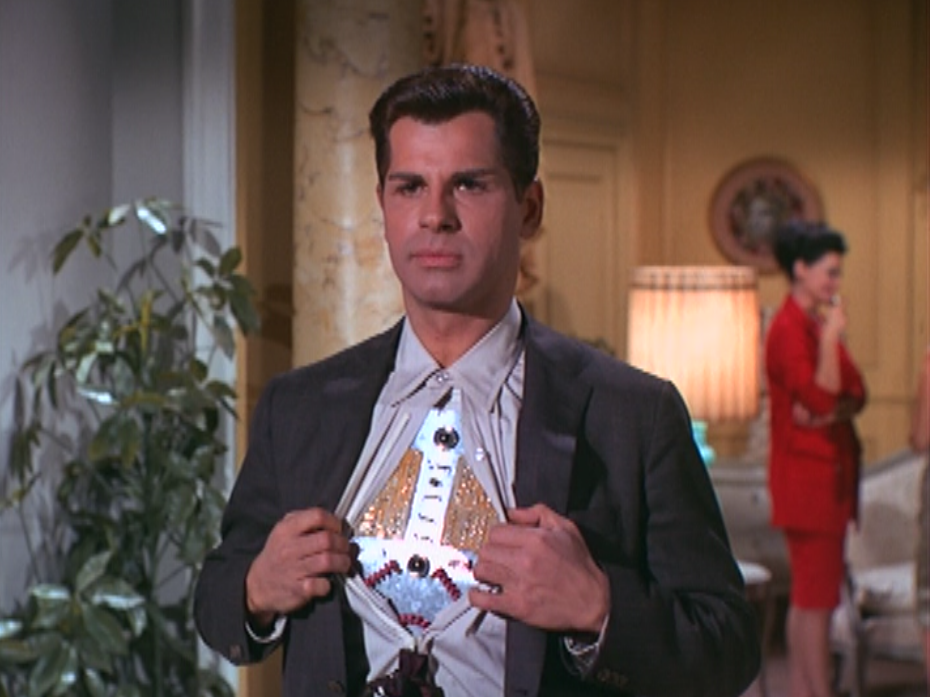
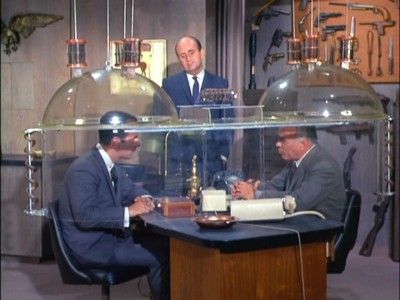
The show features a bullet-proof invisible wall in Smart’s apartment which lowers from the ceiling; he often forgets to put it back up and runs into it. Cameras can be in a bowl of soup.  A laser weapon was concealed in a suit jacket button, the blazer laser. The Cone of Silence are two glass domes that cover Smart and the Chief when they talk about a case.  Smart insists on using it because it’s  regulation; however, they can hardly hear each other, but anyone on the outside can hear their conversation clearly and often reports what the other person said.

smart3

Other weapons and aids for the spies included a parking meter telegraph, a perfume bottle radio transmitter, invisible icing, and a pencil listening device. Guns were hidden in a charm on a charm bracelet, in a pool cue, as a hairbrush, as a flashlight, and in a crutch. CONTROL even had gloves with fingerprints already on them – the fingerprints were KAOS agents so they would get the blame for a break-in.

Blowing up stuff is always good on a spy show and Get Smart had explosive rice; toothpaste that is really a fuse; an exploding wallet, ping pong ball and golf ball; and a horoscope book or lipstick case that contained knock-out gas.

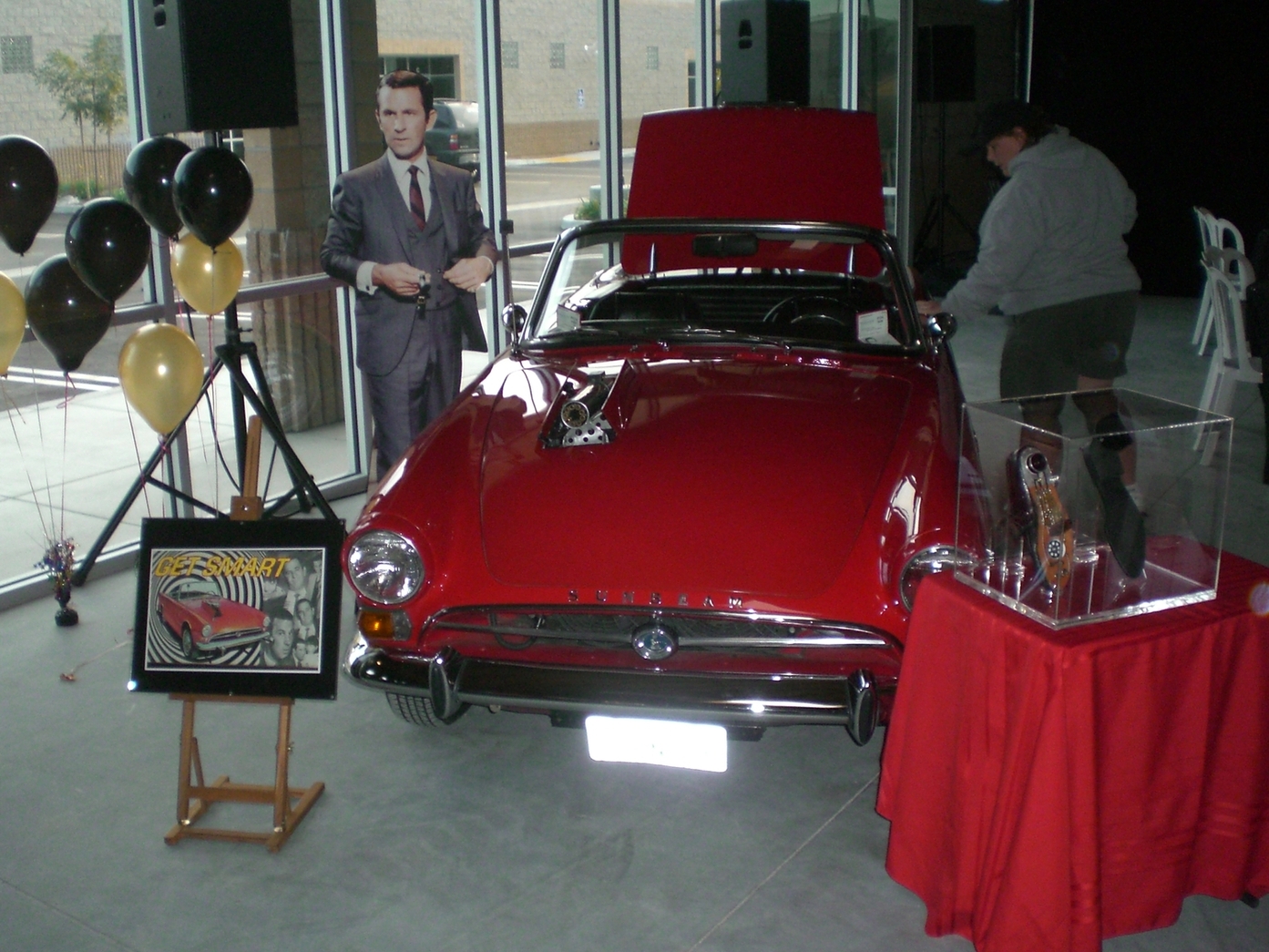
Smart had several cars but his most famous was a red 1965 Sunbeam Tiger.  The two-seat roadster had a machine gun built in, a smoke screen, a radar tracker, and an ejection seat.  When the series went off the air, Don Adams received the car and continued to drive it for ten years.

smart14

Get Smart probably had some of the most famous guest stars of any show.  Just a few of these celebrities include Steve Allen, Barbara Bain, Milton Berle, Ernest Borgnine, Carol Burnett, James Caan, Johnny Carson, Wally Cox, Robert Culp, Phyllis Diller, Jamie Farr, Jack Guilford, Bob Hope, Martin Landau, Julie Newmar, Pat Paulson, Tom Poston, Leonard Nimoy, Vincent Price, Don Rickles, and Fred Willard.
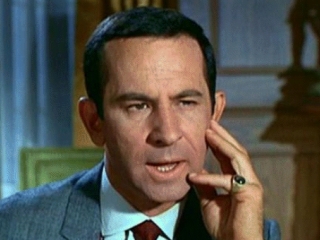
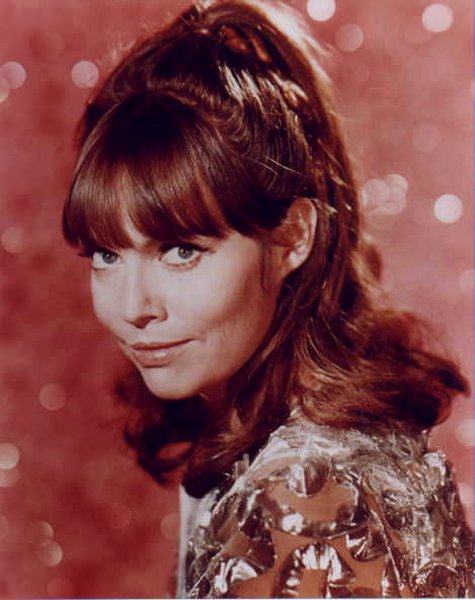
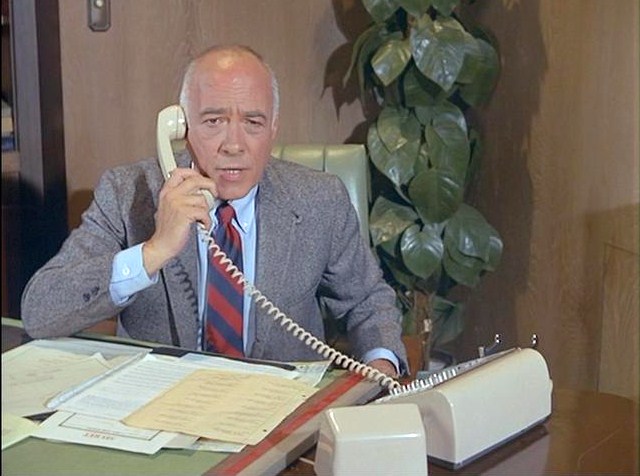
The show stayed true to its character through its entire run.  In Season 1, Hymie is introduced and the dog, Fang, disappears. In Season 2, we meet Siegfried. Smart and Agent 99 get engaged and marry in Season 4.  NBC demanded the change to boost ratings. In Season 5, they have twins.  Agent 99 continues working and is one of the first, if not the first, mother to be viewed as a working woman.  When the ratings did not increase, the show was cancelled. It went into syndication where it was very successful. Unfortunately, the DVD set was held up in legal battles and only came out weeks before Adams died.

Get Smart was one of the most clever and creative sitcoms ever airing on television.  It had `21 Emmy nominations including two for Feldon and won 7 of those awards.  Don Adams won best actor on a comedy three times and the show won best comedy twice.

smartemmy

William Johnston came out with 9 paperbacks based on the series in the late 1960s and Dell Comics issued 8 comic books in 1966 and 1967. For the March 5-11, 1966 TV Guide, Andy Warhol designed a pop art piece using Barbara Feldon. Numerous collectibles were created:  board games, lunch boxes, dolls, and model cars.

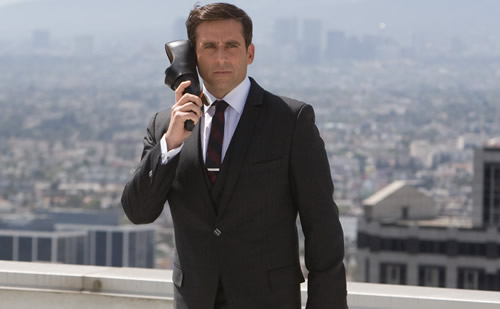
The show produced many spin-off projects. The Nude Bomb was a theatre release in 1980 with Feldon and Smart reprising their roles. Get Smart Again debuted in 1989 as an ABC TV movie.  After its release, a show appeared on FOX starring Feldon and Smart again called Get Smart in 1995.  In 2008 a movie was made starring Steve Carell and Anne Hathaway. Don Adams was known to later generations as the voice of Inspector Gadget.

carell

Of course, everyone has their favorite episodes, but after reviewing several polls and interviews with Nick at Nite and other 50th anniversary celebrations, I have come up with these top five.  Take a rainy fall day and give them a peek. However, if we are looking just at titles, I have to give a shout out to “Spy, Spy Birdie”, “Bronzefinger”, “Impossible Mission”, and “Tequila Mockingbird”.

  1. A Spy for a Spy
  2. The Not-So-Great Escape
  3. Ship of Spies
  4. The Amazing Harry Hoo
  5. The Little Black Book


smarttrench

Unfortunately, this is one of those shows that doesn’t get as much recognition and respect as it deserves.  Considering how much technology has developed in the last 50 years, the show is still up to date. The dialogue is witty; the characters are likable, even when they’re mortal enemies; and the show is just plain fun.


Developing A Negative Perspective

We can all name a ton of shows featuring lawyers, doctors, and teachers.  Once you begin looking at other careers, it’s not easy to find more than one or two successful shows about each profession. Let’s look at a few series about photographers and see what develops.


Love That Bob – 1955-1959

Bob Collins (Bob Cummings) is a bachelor and a professional photographer. He lives with his sister Margaret McDonald (Rosemary DeCamp), a widow, and his nephew Chuck (Dwayne Hickman). Bob spends his time trying to get dates with his models while his sister spends her time trying to get him to settle down. Although he was not aware of it yet, we all knew the real love of his life was his assistant Schultzy (Ann B. Davis) who was obviously in love with him.

Not only did Bob get around, but his show followed suit. This show debuted on NBC for a half season and then moved to CBS for two years. Then it went back to NBC for two years and finally finished its life on ABC.

The opening of every show was Bob and his camera; he said “Hold It.  I think you’re going to like this picture.” Though Bob tried hard to be a playboy, he was so insecure we liked him in spite of himself and because of Schultzy.

Among the beautiful bevy of models on the show, we also got to know his best pal Harvey Helm (King Donovan) and his next-door neighbor Pamela Livingston (Nancy Kulp), an avid bird watcher.

The writers had a great perspective for the series because the show lasted five seasons for a total of 157 episodes.

The Box Brothers – 1956-1957

The Box brothers lived in San Francisco. They badly needed money and were offered a chance to buy a photography studio.  They developed more trouble than photographs. The brothers were total opposites. Mild-mannered Gilmore (Bob Sweeney) dated quiet Marilee Dorf (Nancy Hadley) while strong-willed Harvey (Gale Gordon) dated the self-assured Dr. Margaret Kleeb (Ann Morriss).

The show was one of the first series to feature a character who was heard off camera but never seen. Andy worked in the darkroom, so we never saw him in person.  The show also featured Howard McNear soon to run a barber shop in Mayberry and Barbara Billingsley who would dress in pearls and parent the Beaver.

After 26 episodes, the network had a flash of inspiration to cancel the whole thing.

Shirley’s World – 1971-1972

Shirley Logan (Shirley MacLaine) is a mod, young photographer who works for World Illustrated magazine based in London for editor Dennis Croft (John Gregson). She travels the world taking pictures, and the shows were filmed in England, Scotland, Japan, and Hong Kong, among other spots. She usually becomes involved in the lives of the subjects she is sent to photograph.

The show was a collaboration between British ITC and Sheldon Leonard.  It was expensive to film due to the traveling costs for shooting around the world and MacLaine’s salary which was reported as $47,500 per episode. This salary would be the equivalent of about $275,000 per episode today.

After 17 episodes, the network either ran out of money or changed its focus to cheaper production methods because this series was cancelled.

All’s Fair — 1976-1977

In 1976, Norman Lear created this sitcom about 49-year-old Richard Barrington (Richard Crenna) involved with 23-year old Charlotte Drake (Bernadette Peters).  He was a political columnist and she was a photographer, and they both lived in Washington DC.  That was about all they had in common.  He was conservative, lived in a luxurious townhouse, and was a gourmet cook.  She was liberal, lived cheaply, and was a vegetarian.  Most of the series centered around their generation gap and their political differences.

Jack Dodson, no longer living in Mayberry, played Senator Joplin, Barrington’s friend and Michael Keaton played President Carter’s aide.

The dialogue was fast-paced. One reviewer described it as “the best new comedy of the year” and the New York Times said, “casting is first rate and the finger-snapping pace of the show leaves just about everything looking easy and undemanding.”

Peters was nominated for a Golden Globe.  The only other well-known show to debut in 1976 was Alice.  I’m not sure if the writing quality was uneven or if the jokes just got tired and predictable, but after 24 episodes, the network decided it had been overexposed and moved on.

We’ve Got Each Other – 1977-1978

Mary Tyler Moore’s company produced this sitcom.  Stuart Hibbard (Oliver Clark) was a copywriter who worked from home and took care of the house and cooked the meals.  His wife Judy (Beverly Archer) commuted to Los Angeles for her career as a famous photographer’s assistant. Tom Poston played Damon Jerome the photographer.  He was great with a camera but a terrible businessman, so he relied on Judy for everything.

Stuart had to deal with their nutty neighbor Ken Redford (Martin Kove), and Judy had to put up with a self-centered model DeeDee Baldwin (Joan Van Ark). Damon’s secretary Donna (Red Woods) tried to keep peace between the women at work.

Thirteen was an unlucky number for this show which was cancelled after that many episodes. I guess Damon was a underexposed photographer whose contract was not renewed.

Whitney – 2011

We started with star Bob Cummings in this blog and we end with Whitney Cummings, no relation.  Whitney created and starred in this show about a photographer and her friends, a group of 20 somethings, who live in Chicago. Her boyfriend Alex Miller is played by Chris D’Elia.

Beverly D’Angelo from the Vacation movies played her mom in the original pilot, but was replaced by Jane Kaczmarek with all the scenes re-shot. The show did not garner great reviews.  The debut was watched by 6.8 million viewers in September, but by December only 4 million of them were still watching.

After 38 episodes, the network thought too large a time lapse had happened and ended the show.  Cummings also was the co-creator of 2 Broke Girls the same year.  That show had better luck, lasting five years, being cancelled this past May.
Obviously shows about photographers did not do too well over the television decades.  But if anyone can handle it, it’s these characters – after all they deal with negatives all day long.

Do We Have Reservations? Yes We Do.

February has finally arrived.   Some of us are getting a bit tired of winter, so this is a popular month for travel to a warmer destination.  If you aren’t able to physically get away, stay home and watch the February Sweeps, the only time you’re guaranteed new episodes of your favorite show for a month straight.  This week I decided to look at sitcoms set in hotels or resorts.  I did not discuss Fantasy Island or The Love Boat because I thought we could talk about them another time.

resort

Based on the length of many of these shows, the hotel business is a tough one to be successful in. Let’s look at a bunch of shows that didn’t last too long.

buddyfeb6

Stanley was a show starring Buddy Hackett and his girlfriend played by Carol Burnett that aired in 1956. Stanley ran a newsstand in the lobby of a New York City hotel. The hotel owner was played by Paul Lynde.  The show was cancelled in March of 1957, supporting the philosophy that no news is good news.

happyfeb62

Happy starred George and Gracie’s son, Ronnie Burns. Ronnie was married to a woman played by Yvonne Lime and they were co-owners and managers of the Desert Palm, a ritzy resort. Included in the cast was their Uncle Charlie and the co-owner played by Doris Packer.  Happy was their son who commented on what was going on, sort of like Family Guy’s Stewie.  It was a summer entry in 1960, but 9 months later it gave birth to a cancellation which made the cast not Happy.  I don’t know why, but apparently viewers could accept a talking horse or a talking car, but not a talking baby.

Another show that began as a summer replacement was Holiday Lodge in 1961. Johnny Wayne and Frank Shuster, two comedians from Canada, played social directors at a New York state hotel. They tried to provide entertainment but always ran into trouble, including being taken off the air after a few episodes.

The Bill Dana Show was interestingly based on the character Jose Jiminez developed by Dana for the Steve Allen Show and later brought to the Danny Thomas Show.  In 1963 The Bill Dana Show portrayed Jiminez as a bellhop at the New York City Park Central Hotel and the show centered on him trying to get used to life outside Mexico. Often his dream sequences took him into bizarre situations.  The most interesting fact about this show might be that the house detective was played by Don Adams who went on to star in Get Smart. Jimeniz’s dream became a nightmare when the show was cancelled after 42 episodes.
hotlbaltimorefeb6

One of the most controversial shows to air on television in the 1970s was Hot L Baltimore debuting in the fall of 1975.  Many stations refused to air the show because it was lewd and racy.  Norman Lear, the producer behind All in the Family, Maude, and The Jeffersons developed the concept based on a play. The cast was made up of a desk clerk, his girlfriend, the manager, a hooker, an unemployed waitress, a dying man, a gay couple, and an eccentric woman. After four months, the waitress was not the only one unemployed because the show was done.

The Last Resort was developed by MTM in 1979, the company that created The Mary Tyler Moore Show, Rhoda, and Phyllis. The resort, set in the Catskills in upper New York, included a bunch of college students working their way through school. It featured a stereotyped crew including the brilliant premed student, a bookworm, a snob, an overweight clumsy guy, the pastry chef who left her wealthy husband to pursue her career, a Japanese chef, and a maitre’d who ran the place like a drill sergeant. It was cancelled after three episodes. Retooled, it came back in December only to be finished for good in March when the last resort of The Last Resort was no more.

Checking In must be in the running for the shortest show to appear on television. In 1980, Marla Gibbs, playing Florence the maid on The Jeffersons, got her own show, transferring to a hotel in New York City where she was the head housekeeper. She answered to a snobby manager played by Larry Linville who would later become Frank Burns on M*A*S*H. The rest of the cast included an assistant, a house detective, a maintenance supervisor, and a bellboy. After several weeks, the hotel was shut down and Florence went back to working for The Jeffersons.

goldenpalacefeb6

The Golden Girls was one of the most beloved shows in television, but I’m guessing few people remember The Golden Palace which debuted in 1992.  After Dorothy got married, the other three characters decide to invest in a hotel in Miami. Only two employees are left at the hotel:  a manager and a chef. After 24 shows, no one was left at the hotel.

In 1999 Payne, a remake of the British show Fawlty Towers hit the air.  Set in a California inn, Whispering Pines, the hotel was owned by Royal Payne and his wife Constance.  It went on the air in March.  At the end of April, the network ended its Payne by taking two aspirins and cancelling the show.

whoopifeb62

Compared to some of the shows, Whoopi! might have seemed successful, lasting an entire season.  Set in the Lamont Hotel in New York City, a one-hit wonder musician played by Whoopi Goldberg decides to put her money into a hotel and run it the way she sees fit.  She has an assistant from Iran, a brother who is a conservative Republican, and his girlfriend who is white but acts more African American than the black members of the hotel. Of course, these three characters give her much controversy to deal with.  The network, acting as referee, blew the whistle and cancelled the entire thing after one year.

In 2008 Do Not Disturb debuted.  If you missed it, don’t feel bad.  It debuted on Fox and featured The Inn, a hip Manhattan hotel.  The staff is not as competent as they appear to their guests. The manger is arrogant, the head of human resources is loud and tactless, the front desk clerk is an aging model who does not want to be a desk clerk or older, the reservations clerk is a famous musician wannbe, and the head of housekeeping has problems at home. The network, not wanting to disturb the viewing public, pulled the plug after three shows. Larry, played by Jesse Tyler Ferguson, would go on to star in Modern Family in 2009.

Before you begin to think shows about hotels are doomed, let’s check in with four successful shows that knew how to make a profit.

From 1996-2001 The Jamie Foxx Show on WB featured Jamie Foxx as a musician who moves to California to work at his aunt and uncle’s (played by Ellia English and Garett Morris) hotel, King’s Tower.  He has two co-workers played by Christopher B. Duncan and “Fancy” played by Garcelle Beauvais. He is interested in Fancy, but she doesn’t feel the same until the final two seasons when they become engaged. The show aired 100 episodes before the network finally got reservations.

Disney’s Suite Life of Zach and Cody set in the Tipton Hotel ran from 2005-2008. The twins lived in the hotel because their mother was the lounge singer.  Somewhat like Eloise at the Plaza, the boys got into mischief and interacted with other employees including the wealthy heiress London Tipton, the candy counter salesgirl Maddie Fitzpatrick, and the manger Marion Moseby.  In 2008 the show sailed off, literally, and became Suite Life on Deck running until 2011.

With 184 episodes, Newhart debuted in 1982. With its quirky cast of characters, it became a big hit. Set in Vermont, Dick Loudon (Bob Newhart) is a writer who buys the hotel and runs it with his wife Joanna (Mary Frann). Their handyman George Utley (Tom Poston) and their maid Stephanie Vanderkellen (Julia Duffy) make life both easier and more difficult at the inn. Later Dick becomes a local television celebrity working with Michael Harris (Peter Scolari) who marries Stephanie.  Larry, (William Sanderson) his brother Darryl (Tony Papenfuss) and his other brother Darryl (John Voldstad) are memorable characters.  Darryl and Darryl never speak until the final episode.  That finale has the best ending ever in a television series when Bob Newhart wakes up in bed, tells his wife he had a really weird dream, and we see the wife is Suzanne Pleshette, his wife Emily from The Bob Newhart Show in which he played a psychiatrist from 1972-78. This series delightfully captured the life in a small New England town until 1990.

While Newhart is hard to top, my favorite hotel sitcom is Petticoat Junction which featured the Bradley Girls from 1963-1970. Kate (Bea Benaderet) ran the hotel with her three daughters Billie Jo, (Jeannine Riley till 1965, Gunilla Hutton until 1966, and Meredith MacRae until 1970), Bobby Jo (Pat Woodell until 1965 and Lori Saunders through 1970, and Betty Jo (Linda Henning), along with her Uncle Joe (Edgar Buchanan). The Shady Rest is near Hooterville, so we get to know a variety of town folk including Sam Drucker who runs the general store; Floyd and Charley, who run the Cannonball train; and Steve Elliott, crop duster, who is Billie Jo’s boyfriend first but later marries Betty Jo; and we run into the Ziffels and the Douglases from the show Green Acres. It’s a charming and heart-warming show loaded with loveable but zany characters. It ran for 222 episodes, even surviving the death of Bea Benaderet, who was replaced by Janet Craig (June Lockhart), a woman doctor who moves into the hotel. The amazing Charles Lane shows up throughout the series as Homer Bedloe, a railroad employee whose sole mission is shutting down the Cannonball.

If you can’t physically travel this month, take some time and watch a season or two of Newhart or Petticoat Junction, and you can still get away and experience life in a small-town hotel.