George Tobias: Following His Own Dream

As we learn about a few Bewitching characters this month, I had to include the Kravitzes, Abner and Gladys, a/k/a George Tobias and Alice Pearce. Today let’s take a closer look at the career of George Tobias.
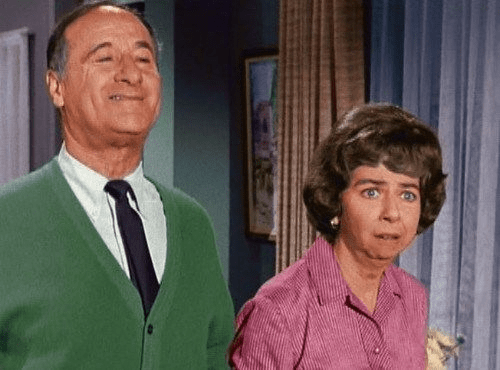
đź“·pinterest.com The Kravitzes

Tobias was born in New York in 1901. He was the son of Russian-Jewish immigrants, and his parents were active in the Yiddish theatre. After his older brother joined them, they tried to discourage George from following in their footsteps. In a St. Louis Post Dispatch interview in 1940, Tobias said “They made up their minds very definitely that I was not going to spend my life nearly starving as they did. They wanted me to be a doctor or lawyer, but I knew from a very early age that I would follow the same career as my mother, father and brother . . . so whenever I got an acting job in between other jobs, I had to keep it from my family.”

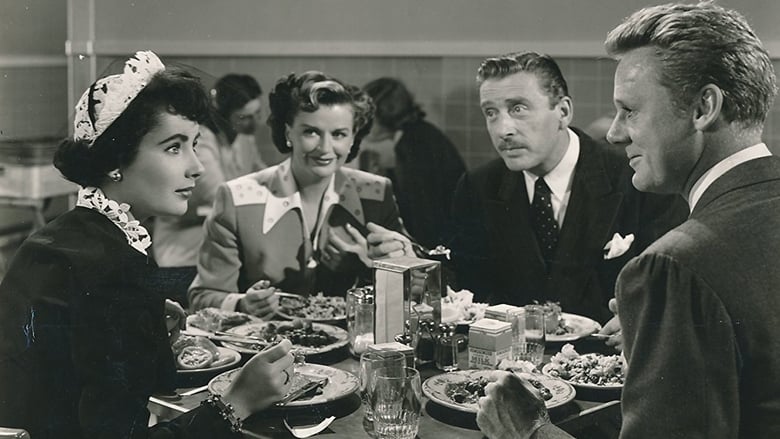
At age 15, Tobias was in local productions, making his Broadway debut at age 23. In 1939, Warner Brothers offered him a contract, and he appeared in 65 big-screen productions during his career, including parts in This is the Army and Marjorie Morningstar. Tobias appeared in four Oscar Best Picture nominees: Ninotchka (1939), Sergeant York (1941), Yankee Doodle Dandy (1942), and Mildred Pierce (1945).

Tobias’s television career began in 1954 in Our Miss Brooks. He would go on to earn 34 additional television credits before he retired in 1977.
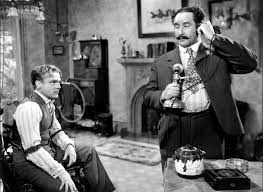
đź“·imdb.com With James Cagney in The Strawberry Blonde

His first cast role was in Hudson’s Bay playing Pierre Falcon in 1959. This show centered on Hudson’s Bay Company and its fur trade shortly after North America’s colonization. Trappers, explorers, Native Americans, and both the French and British navigate the territory, seeking fortune, fame, and adventure.

In 1960, he showed up as Penrose on season one of Adventures in Paradise in a show about the adventures of the Tiki III and crew as they sailed from island to island through the South Pacific, carrying cargo and the odd passenger from one drama to another.

From 1964-1971, Tobias was part of the Bewitched cast as Abner Kravitz. He put up with his wife Gladys despite thinking she was high strung, delusional, and just plain kookie.

In 1966, Doris Day’s movie The Glass Bottom Boat was released. Pearce and George Tobias were cast as next-door neighbors in the film. Although they weren’t named Gladys and Abner, the Fenimores were a carbon copy of the Kravitzes.
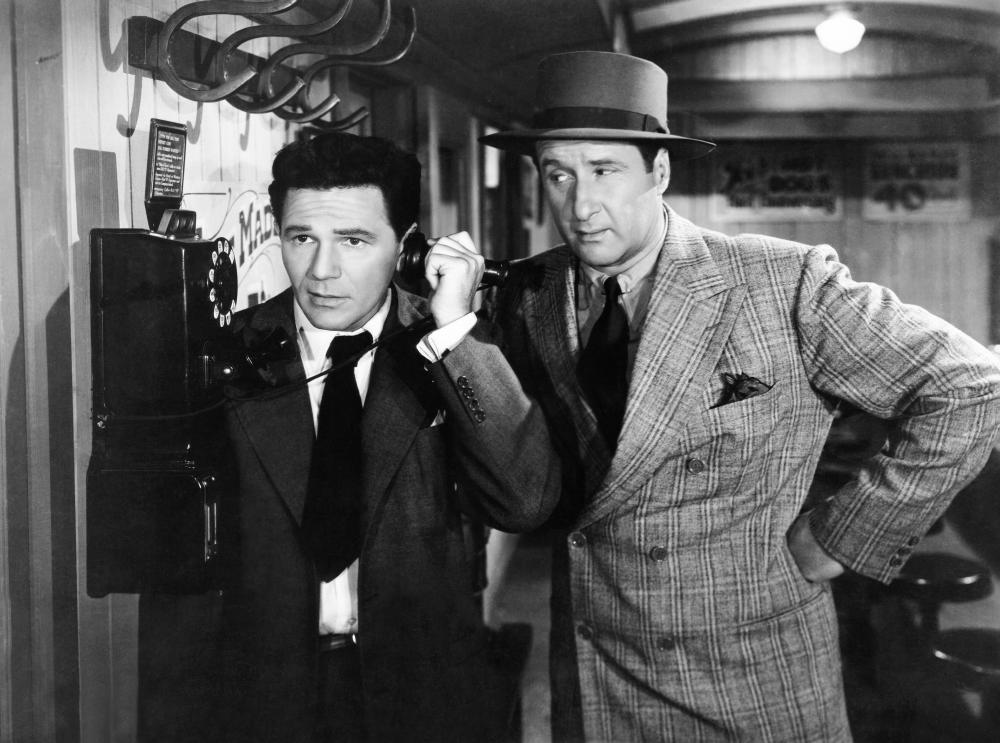
đź“·tvinsider.com 1946 Nobody Lives Forever

George’s last regular role was in The Waltons during seasons one and two when he played junkman Vernon Rutley.

While Tobias took on a few more roles before retiring, 1977 was his last year of acting, appearing on Tabitha when he reprised his role of Abner Kravitz. Tabitha was Darrin and Samantha’s daughter, now an adult.

Tobias passed away in 1980 from bladder cancer. He never married or had children, although he had a 40-year on-and-off relationship with actress Milicent Patrick. Patrick had an active career in entertainment from 1941-1961; she was also a commercial artist, fashion designer, and children’s book illustrator.

Even though Tobias was no longer living, he had one more adventure to journey through. The hearse with his body was stolen on its way to the mortuary. The car was in a fender-bender, and while the two drivers exchanged information, a carjacker made off with the hearse. The car and body were found shortly afterward.
đź“·pinterest.com

In his book, Bewitched Forever, Herbie J. Pilato discusses how rugged and tough Tobias was in real life. He said he was “quite the equestrian. He owned and trained many horses, loved to play polo, and was a volunteer mounted policeman.” David White, who played Larry Tate, told Pilato that George “was a sheriff out in Peach Blossom, California, where he lived. He had a badge and everything.”

I always like Abner and Gladys Kravitz. I’m happy Tobias stuck to his guns and continued with his acting career, despite his parents’ worries. It sounds like he had a happy and successful life.

Everyone’s Favorite Mother: Rosemary DeCamp

Rosemary DeCamp played the American mother in a variety of films and television series. I remember her as both Ann Marie and Shirley Partridge’s mother. She was born in November of 1910 in Arizona. Her father was a mining engineer and the family relocated often for his job. Her younger brother was 14 years younger than her, so they were both raised almost like only children.

rose1

Rosemary began her radio career in 1937 playing the role of Judy Price, a nurse to Dr. Christian on the long-running show, Dr. Christian. From 1939-1941, she appeared a syndicated soap opera, The Career of Alice Blair.

rose12


1941 was a memorable year for her for several reasons. It was also the year she married John Ashton Shidler, a local judge. The couple were married until his death in 1998, and they raised four daughters.

rose10


When that soap ended, she accepted her first film role in Cheers for Miss Bishop. She worked for a variety of studios. Many of her pictures were made by Warner Brothers. In 1942 she played the mother of George Cohan in Yankee Doodle Dandy. In 1943, she took the role of Ronald Reagan’s mother in This is the Army. In the early 1950s, she portrayed Doris Day’s mother in On Moonlight Bay and its sequel, By the Light of the Silvery Moon.


In July of 1946, she and her husband had a close call. They were in their Beverly Hills home when an aircraft crashed into the house next door. The wing cut into their roof and landed in their bedroom. The plane just happened to be an experimental one piloted by Howard Hughes. Hughes was rescued by a bystander before the plane exploded. He was very lucky, receiving only a few broken bones and cuts and abrasions. He paid for the repairs for all the homes involved, and luckily, no one else was hurt.

rose13


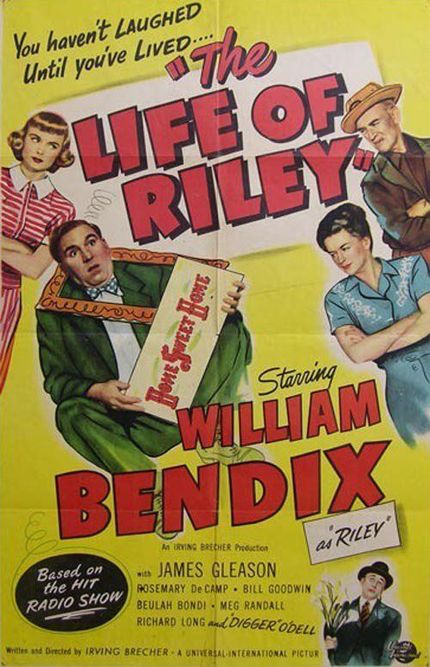
She appeared in 38 films during her career, including The Life of Riley with William Bendix as her spouse. In 1949, she again played Peg Riley, this time in a television show with Jackie Gleason. Her husband worked in an aircraft plant and they had two children. Of course, Riley was a bit of a bumbling father and husband, but she loved him and put up with his ineptness. His catchphrase was “What a revoltin’ development this is.”

rose5


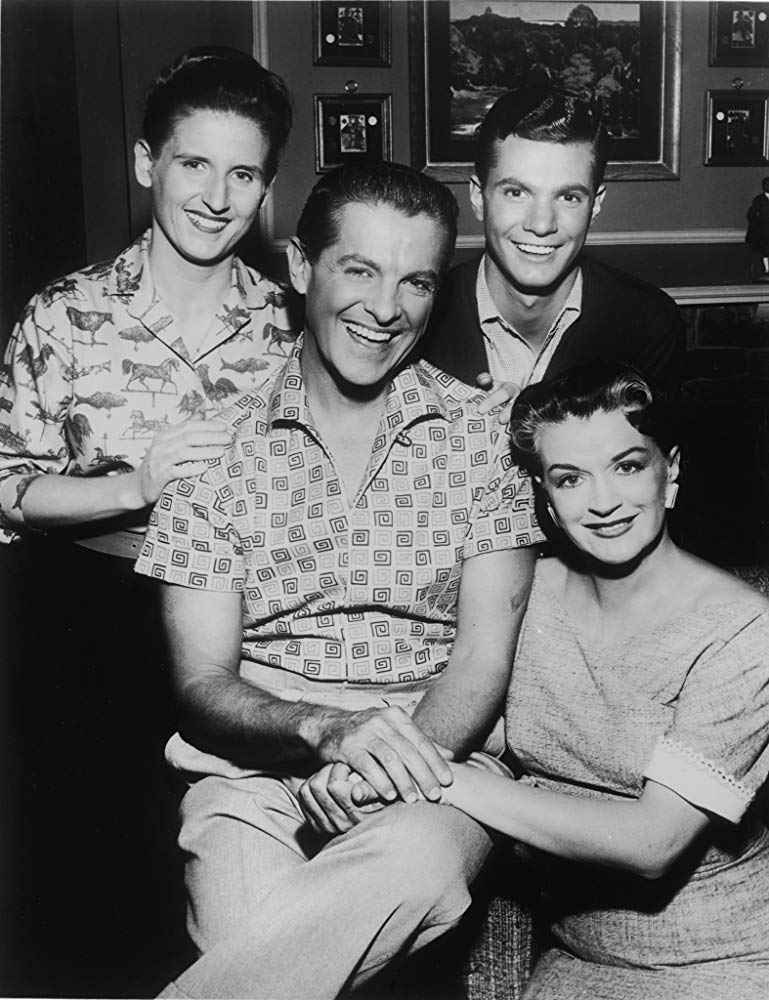
She continued with her film work, mixed in with a few television show roles until 1955 when she played widow Margaret MacDonald on Love That Bob/The Bob Cummings Show. Her brother Bob was a photographer and play boy and she lived with him, raising her son Chuck and trying to get her brother to settle down.

rose3


After her role as mother Peg in the 1940s and Margaret in the 1950s, from 1966-1970, she had a recurring role on That Girl as Ann Marie’s mother Helen. She was the voice of reason when her husband got upset about something, typically having to do with Ann’s boyfriend Donald or her living alone in New York.

rose6


Coincidentally, in 1968 she also played the role of Helen on Petticoat Junction. She was not Helen Marie though, she was Kate’s sister who came to help take care of the girls when Bea Benardaret who played Kate was ill in real life.

rose9


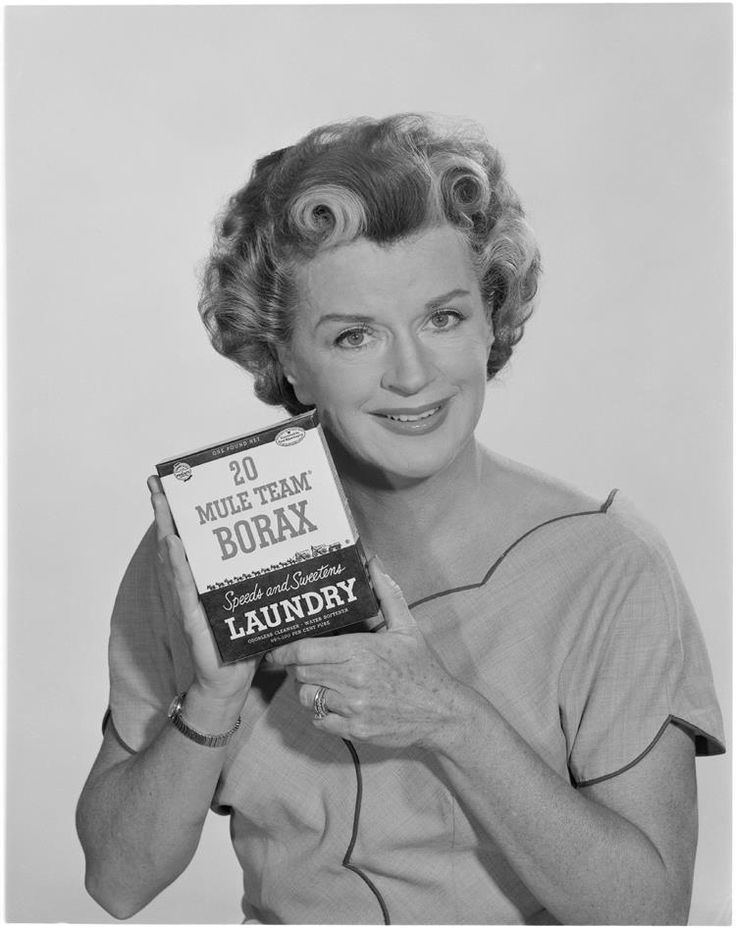
It was also in the 1960s that she was the spokesperson for 20 Mule Team Borax, a laundry detergent.

rose2


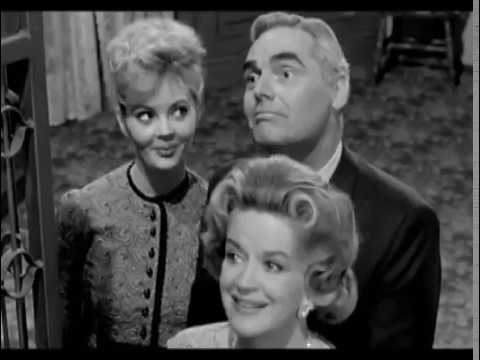
She continued accepting roles on a variety of television shows from crime dramas to westerns to Love American Style. Continuing her mother-a-decade role, in the 1970s, she showed up as Shirley Partridge’s mother on The Partridge Family. Again, she had to deal with a husband who usually needed some mediation with the family.

decamppartridge

DeCamp continued to take on miscellaneous television roles. In 1989, she filmed an episode of Murder She Wrote. After the taping, she suffered a stroke, and decided to retire from acting.

In 2000, she published her memoir, Tigers in My Lap. The following year she died after contracting pneumonia at the age of 90. I could not find any information about any of her hobbies or interests, but she was an active Democrat all her life.

decamp book


She will always be remembered as a caring mother. The Institute of Family Relations granted her its “Mother of Distinction Award,” because they felt she did “more to glorify American motherhood through her film portrayals than any other woman.”

rose11