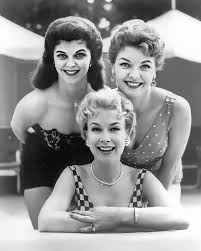
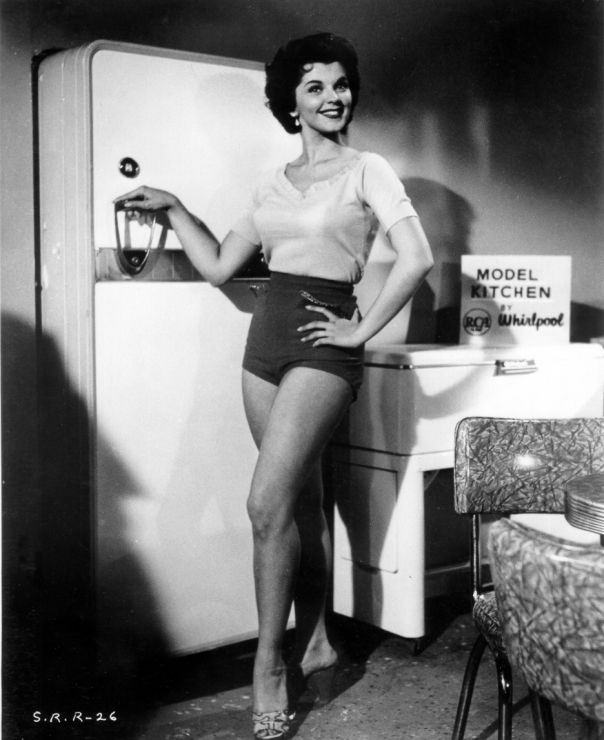
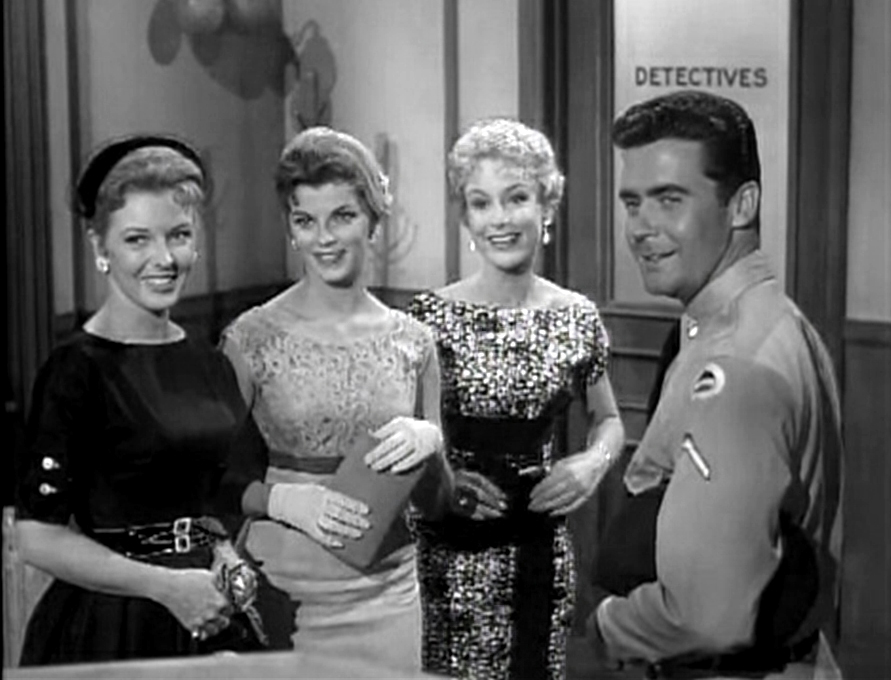
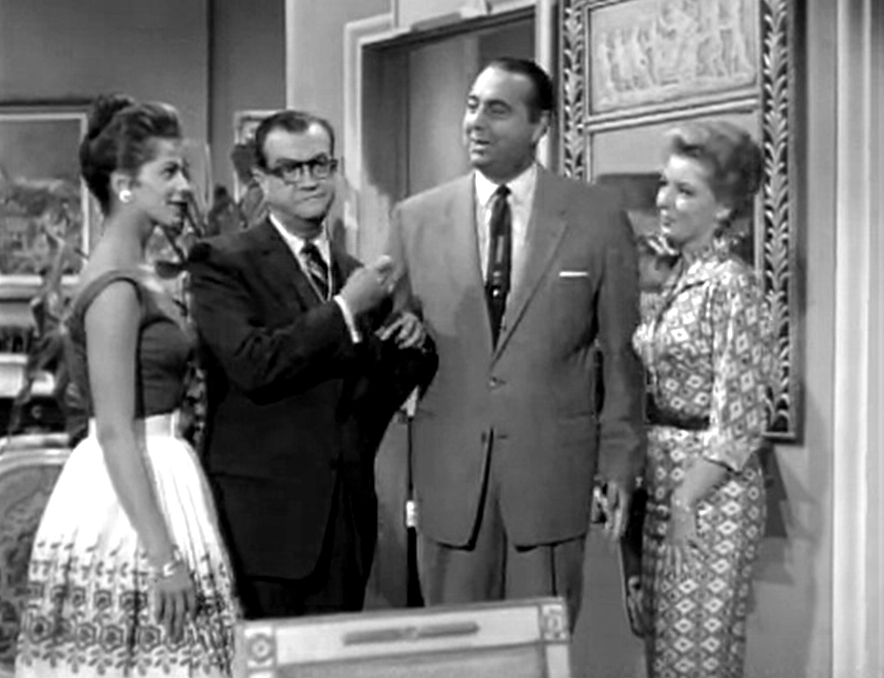
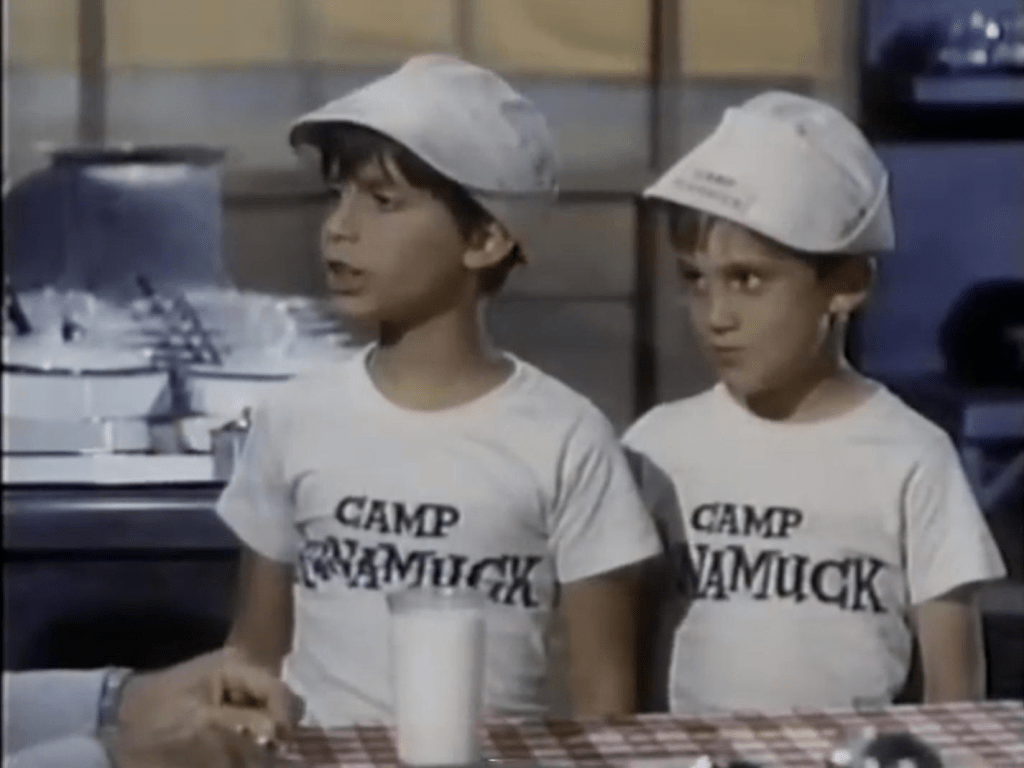
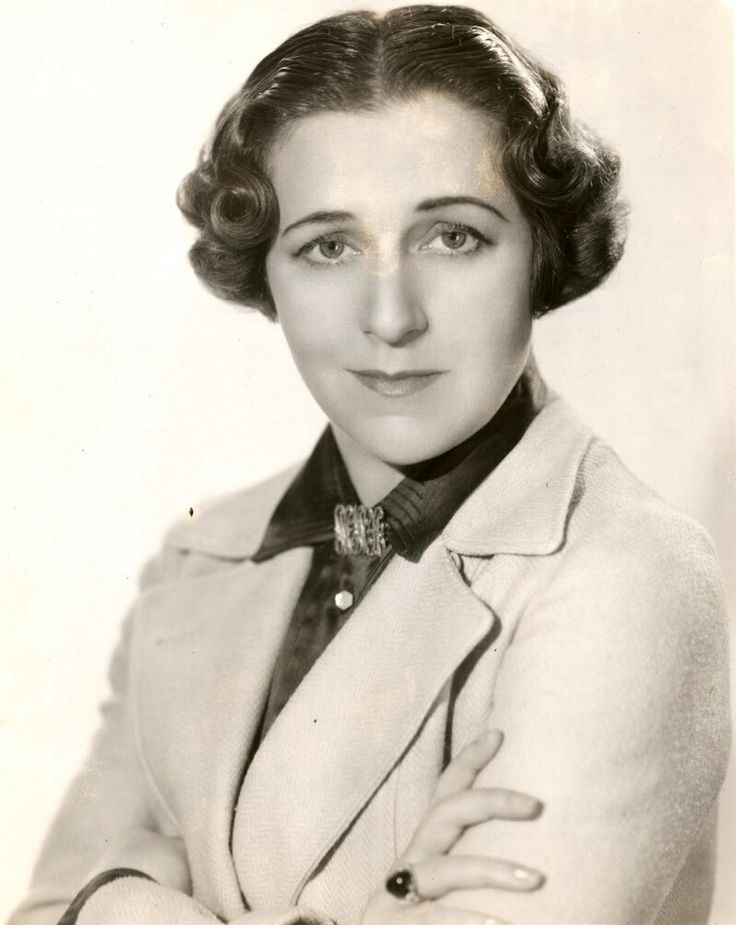
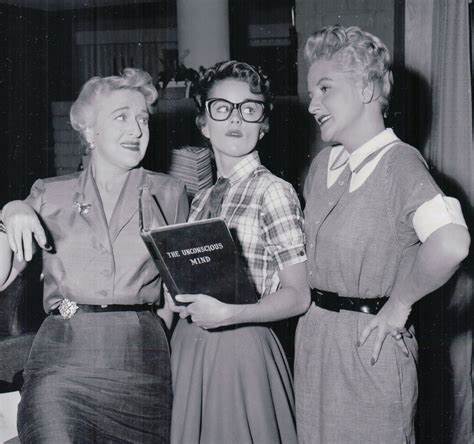
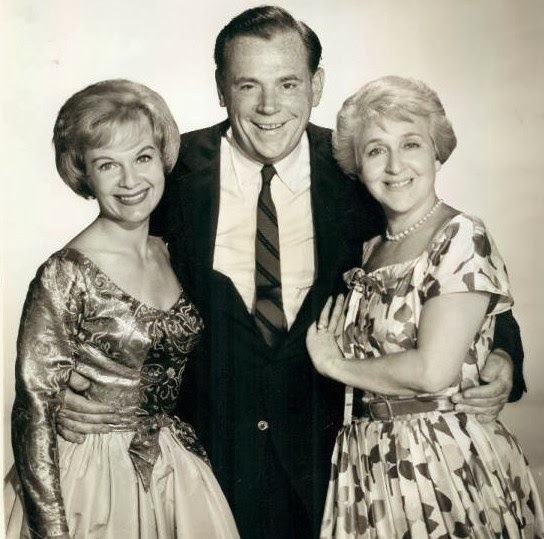
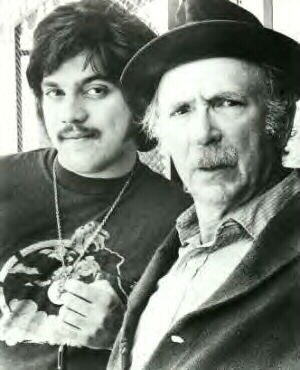
This month we are checking out a few sitcoms that are rarely remembered anymore. Today we are exploring the show Camp Runamuck. It debuted on NBC in 1965 and featured campers for 26 weeks before being cancelled.
📷imdb.com
Dave Madden was counselor Pruett; Commander Wivenhoe was played by Arch Johnson, and senior counselor Spiffy was played by David Ketchum. In the pilot, one of my favorites, Frank DeVol, played Doc Joslyn but illness forced him to hand over the part to Leonard Stone. Bobby Darrin sang the theme song.
If you are a fan of The Partridge Family, you will appreciate that this show was the introduction of actor Dave Madden, later Rueben who would manage the Partridges. Johnson began on television in the fifties, but this was his first cast role. Ketchum started his career a decade after Johnson and this was his second starring role after being in I’m Dickens, He’s Fenster in 1962. One camper who is featured in two of the 26 episodes is Maureen McCormick. This was the year she started her acting career, also appearing in Bewitched, The Farmer’s Daughter, and Honey West. Before becoming Marcia Brady, she would also show up in My Three Sons and I Dream of Jeannie.
Wivenhoe was an interesting camp leader. He didn’t like kids, didn’t like to part with his money, and didn’t appreciate the 6am morning wake-up song sung by the girls across the lake accompanied by a bugle. He did like playing golf and enjoying a quince for breakfast.
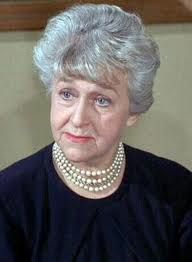
Across the lake was Camp Divine owned by Eulalia (Hermione Baddeley) who was helped by counselors Mahalia May (Alice Nunn) and Caprice Yeudleman (Nina Wayne).
The opening featured a peppy tune with fifes and you see the lake and hear the music before you see the camp counselors leading the campers (all in white; the poor laundry crew) marching down the road.
📷youtube.com
Most of the plots featured the counselors as opposed to the campers. Typical plots were the female campers being ordered to steal Wivenhoe’s bathtub so they could take a real bath and the boys getting it back. In another episode, the campers learn a civics lesson. They are given the task of electing a camp commander. However, the candidate who gets in becomes a dictator and tries to put everyone who had been in charge, namely the adults, in jail. This sounds vaguely familiar from the recent news.
In the credits I learned Cal Howard was in charge of visual gags. I never had seen that designation before in a sitcom. Howard, who was born in 1911 and passed away in 1993, had a long career as an actor and writer. He received 178 writing credits, mostly in animation. He worked for Walter Lanz and Walt Disney and wrote a few Bugs Bunny and Alvin and the Chipmunks episodes.
Just to add a sense of weirdness and whimsy to the series, two bears named Irving and Virginia would share their opinions of what was going on around the camp.
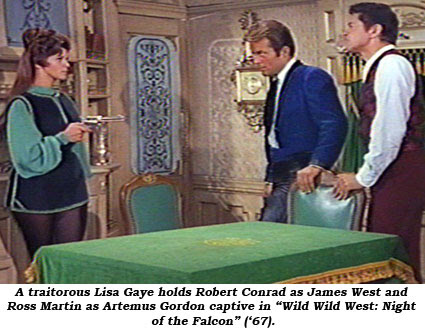
The series was up against The Wild Wild West and The Flintstones, pretty tough competition for the time. First of all it was on Friday nights when many viewers might be starting their weekend celebrations. The Flintstones was originally written for adults, but by 1965 families were watching the show together. The Wild Wild West was new, but immediately hit the top 30, and it was followed by another new CBS show, Hogan’s Heroes, and then Gomer Pyle, USMC, so most television fans were glued to that network Friday nights. Other new NBC shows included Get Smart, I Dream of Jeannie, and I Spy so competition was tough to retain a schedule spot. ABC didn’t have a lot of hits that year but they did debut three shows that I liked but all faded away within two seasons: Batman, Honey West, and Gidget.
Camp Runamuck might have gotten a second season if it didn’t have so much competition to deal with. If you loved camp as a kid, or hated camp as a kid, it might be worthwhile to watch a few shows and see what you think.
In this last blog in our series of Supportive Men, today’s actor might not be someone most people expect to see when talking about television. When most people think about Leslie Nielsen, they think of Airplane! and some of his other movies. While he did have a prolific movie career, he also has a well-deserved place in television. This guy amassed 259 (150 in television) acting credits during his six-decade long career.
📷tmdb.com
Nielsen was born in Saskatchewan, Canada in 1926. His mother was from Wales, and his father was a Royal Canadian Mounted Policeman. His older brother served in politics, being a Canadian Member of Parliament, a cabinet minister, and a Deputy Prime Minister of Canada. I read several sources that said his father was abusive, and Leslie wanted to move out as soon as possible.
Leslie enlisted in the Royal Canadian Air Force, serving until the end of WWII. He was legally deaf, wearing hearing aids most of his life, but he was able to train as an aerial gunner.
After the war, he worked as a disc jockey in Calgary, Alberta before enrolling at the Lorne Greene Academy of Radio Arts in Toronto. He was offered a scholarship at the Neighborhood Playhouse in New York.
📷wikipedia.com Bonanza
He made five television appearances in 1950 with the first being on The Actor’s Studio. He continued working in television, primarily on dramatic theater series, through the 1950s. In 1956, he had his first big-screen roles, appearing in four movies that year including Ransom, Forbidden Planet,The Vagabond King, (Nielsen later referred to this film as the “Vagabond Turkey”) and The Opposite Sex.
Leslie discussed his role in Forbidden Planet: “Supposedly a science fiction version of Shakespeare’s The Tempest . . . The Trekkies today regard it as the forerunner of StarTrek. I just had to wear a tight uniform and make eyes at Anne Francis. I was pretty thin back then.”
He became an American citizen in 1958 but continued to be proud of his Canadian citizenship as well.
While most of his credits for the late fifties were movies, he jumped back into television in the sixties, appearing in forty different shows. Many of them were dramatic theater roles, but you can spot him in Alfred Hitchcock Presents, Route 66, Wagon Train, DanielBoone, The Wild Wild West, Dr. Kildare, Bonanza, The Man From U.N.C.L.E., and Gunsmoke. His only recurring role during this decade was on Peyton Place where he played Kenneth and Vincent Markham in 18 episodes.
📷pinterest.com on M*A*S*H
The seventies were almost a repeat of the sixties. His recurring role was on The Bold Ones. He also appeared in Medical Center, Mod Squad, M*A*S*H, Barnaby Jones, Hawaii Five-0, Kojak, Columbo, and The Love Boat.
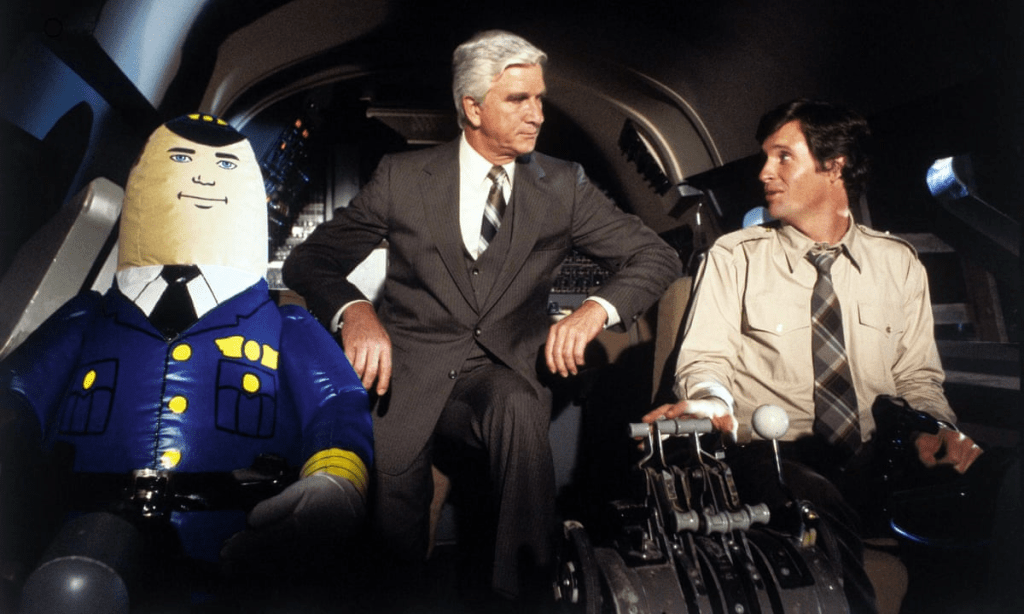
1980 brought him the role of Dr. Rumack on Airplane!. Nelson’s deadpan delivery of lines in that movie is what most fans today remember about his career. Of course, his response to the line of “Surely you can’t be serious?” of “I am serious. And don’t call me Shirley” is still repeated today. Leslie said, “he was pleased and honored that he had a chance to deliver that line.” Film critic Roger Ebert once called him “the Laurence Olivier of spoofs.”
📷themoviebuff.com Airplane!
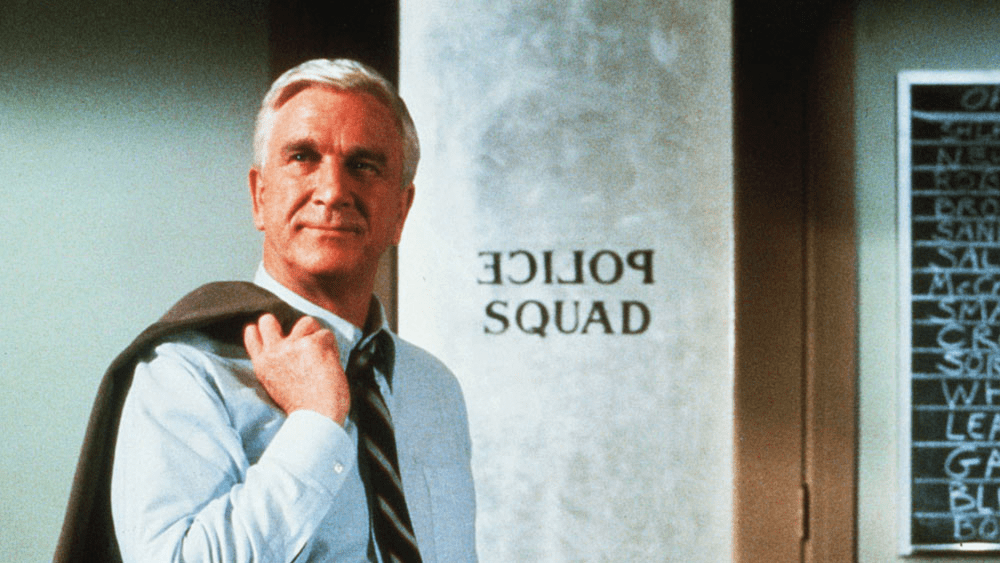
He continued in these types of roles in Police Squad and Naked Gun and the sequels. His movie roles increased in the eighties and nineties, but he continued to accept television roles off and on. You can catch him on Murder She Wrote, Highway to Heaven, Who’sthe Boss, The Golden Girls, and Evening Shade.
His roles continued throughout the 2000s until his death, but the last decade included fewer memorable shows, although he worked less overall. When reflecting on this, Neilsen said that “I’m afraid if I don’t keep moving, they’re going to catch me . . . I am 81 years old, and I want to see what’s around the corner, and I don’t see any reason in the world not to keep working. But I am starting to value my down time a great deal because I am realizing there might be other things to do that I am overlooking.”
📷npr.org Police Squad
While Nielsen was very successful in his career, he was not as successful with his marriages. From 1950-56, he was married to Monica Boyar. His longest relationship was with wife Alisande Ullman from 1958-1973. He then married Brooks Oliver for two years from 1981-83 and then Barbaree Earl from 2001-2010.
One of his hobbies was golfing, and he later did some humorous instruction videos about the sport. He once said, “I have no goals or ambition. I do, however, wish to work enough to maintain whatever celebrity status I have so that they will continue to invite me to golf tournaments.”
Nielsen died in his sleep in 2010 from pneumonia.
He received two Walk of Fame stars: one in Hollywood in 1988 and one in Toronto in 2001. Nielsen was known for his flatulence gags, especially on movie sets, and his tombstone says “Let ‘er Rip.”
While Nielsen’s career is impressive, what I loved most about him is that he seemed to thoroughly enjoy life. That’s a great reminder for us all. Our best role should be enjoying life to the best of our ability.
Bam! Pow! It’s Batman Villain Month. We will be looking at the career of an actor who played a Batman baddie every week this month. We are beginning with my favorite, The Penguin, played by Burgess Meredith.
📷pinterest.com
Oliver Burgess Meredith was born in Cleveland, Ohio in 1907. His father was a physician, and his mother was born into a family of Methodist revivalists. Burgess followed his Methodist faith for his entire life. After high school, he enrolled at Amherst College, until 1932 when he became a reporter for the Stamford Advocate. He worked in a variety of jobs while getting started in acting including retail, an editor, a merchant marine, and a runner on Wall Street.
He joined Eva Le Gallienne’s Civic Repertory Theatre in New York City. His Broadway debut was in this company’s “Romeo and Juliet” in 1930. His film debut came in 1935 in Winterset. Later in his career, he would return to Broadway as a director. He shared a Tony Award with James Thurber for their collaboration on “A Thurber Carnival” in 1960, and he earned a Tony nomination for his staging of “Ulysses in Nighttown” in 1974. In the late seventies, he directed Fionnula Flanagan’s one-woman play, “James Joyce’s Women” which toured for several years.
Meredith had more success in acting than marriage. Helen Derby Merrien Burgess was his wife from 1932-1935. His marriage to actress Margaret Perry only lasted two years, ending in 1938.
In 1942, Burgess enlisted in the US Army Air Forces for WWII, reaching the rank of captain. He was discharged in 1945. Meredith married another actress, Paulette Goddard, and they were together from 1944-1949. However, in 1951 he married Kaja Sundsten and they were together until his death.
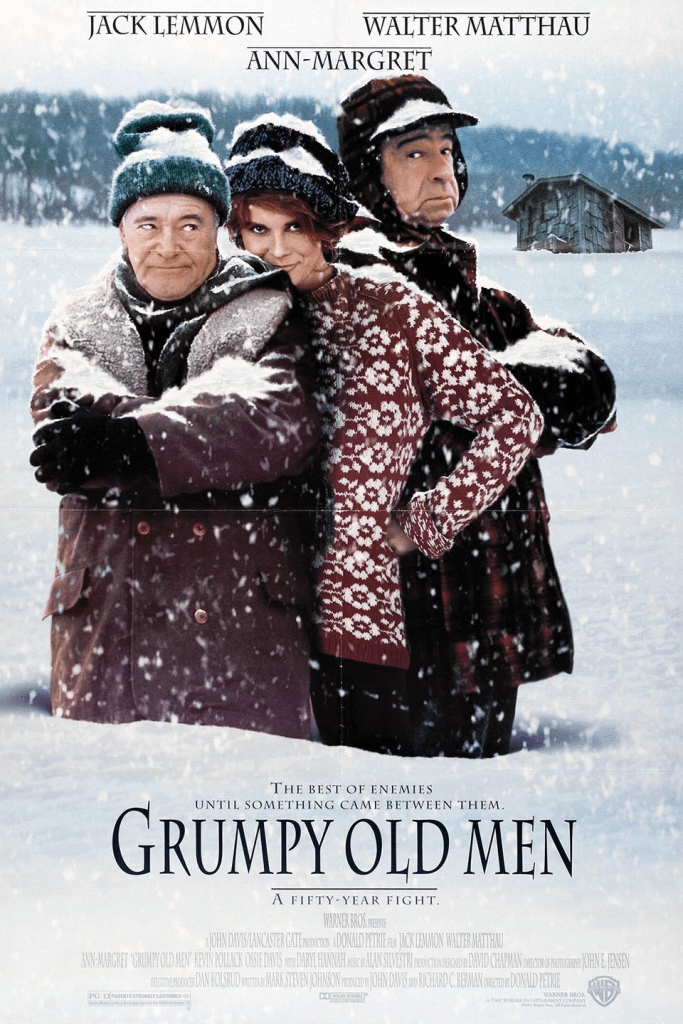
Meredith would appear in 80 movies during his career, as well as a number of made-for-television movies. He might be best known in the past few decades for Grumpy Old Men and Grumpier Old Men in the 1990s.
However, it was television where he found the most acclaim. His first appearances came in 1949 on the Ford Theater Hour and The Silver Theater. Throughout the fifties he continued receiving offers for theatric roles on these types of programs. During the early sixties, he was everywhere. You could catch his appearances on dramas such as The Naked City, Ben Casey, The Twilight Zone, The Bold Ones, Room 222, Ironside, and Mannix. He rode onto many western sets including Wagon Train, Rawhide, The Wild, Wild West, Bonanza, Daniel Boone, and The Virginian. He found his way onto several comedies such as Please Don’t Eat the Daisies and The Monkees.
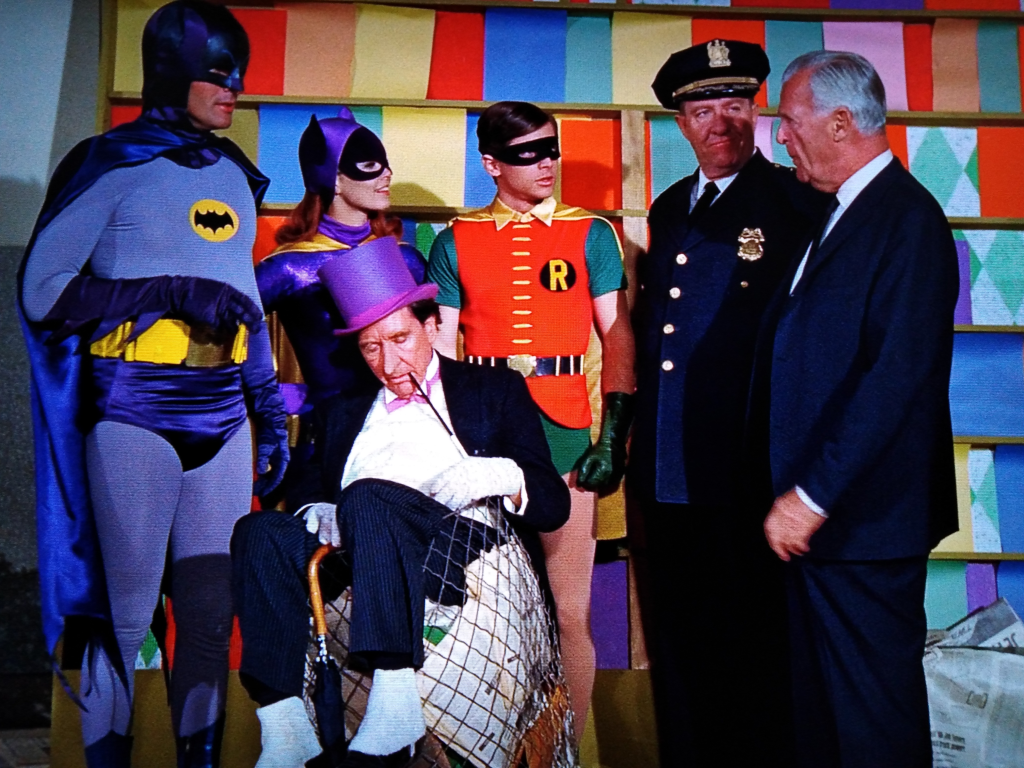
Given the astounding number of drama shows that he chose roles on, it is a bit surprising that one of his best-known roles was the campy, humorous 1960s series Batman. From 1966-1968, he made 21 appearances as the Penguin. When he appeared on The Monkees, it was also as the Penguin. Originally the producers wanted Spencer Tracy for the role of Penguin. Tracy said he would not accept the offer unless his character was allowed to kill Batman. So, Meredith got the role. The cast loved him, and the producers made sure there was always a Penguin script waiting so whenever Burgess was free, it could be filmed.
📷dcdatabase.com
He was perfect for the role with his raspy voice and that iconic Penguin laugh. The laugh came about because Burgess had given up smoking but had to smoke for his role on Batman. When he coughed, he covered it up with his trademark laugh. When asked why he did Batman, he replied that he did it “for two reasons, one of which was the salary. The other was that, after the first few episodes, Batman became the in-thing to do. Everybody would either play a villain or appear as himself in that cameo showcase where a celebrity would poke his head through the window of a building that Batman and Robin were climbing. Actually, we didn’t get as much money from the show as you might think, although we were paid decent money for the feature film version. The main impetus to continue appearing on Batman—beyond the desire to get some TV work—was that it was fashionable.”
Later in his career, Burgess continued appearing on the big screen and provided voice-over work and a bit of animation. Unfortunately, he was named as an unfriendly witness by the House Un-American Activities Commission which ended his studio work for several decades. Burgess also did commercial work and was known for his roles for Skippy Peanut Butter and United Air Lines.
📷imdb.com
Meredith was a life-long Democrat and was generous to the Democratic party. He was an environmentalist and tried to end pollution. He was also fascinated by intelligent animals, especially dolphins. One night he said he felt a dolphin needed help while staying at a friend’s beach house. He ran out to the beach and found a dolphin caught in a net under a dock and was able to save its life. He was nominated for two Academy Awards, both for Supporting Actor in Rocky and The Day of the Locust. A 21-acre park in Pomona, New York was named for him; he provided the funding to incorporate the village.
In 1997, Meredith died from complications of Alzheimer’s. His former Batman costar, Adam West, spoke at his memorial service.
While almost all of the bad guys on Batman were memorable, the Penguin and Cat Woman were by far my favorites. We will look at the career of Julie Newmar next week.
Since this month is a Potpourri Month, I thought it might be fun to look at the career of stuntmen on television. I’m calling this one “Propourri” because you have to be well trained to do these types of stunts.
Left to right: stuntmen Bob Miles, Bob Herron, Whitey Hughes, actor Michael Dunn, stuntman John Hudkins, Bill Shannon, and actor Quintin Sondergaard. Photo: famousfix.com
A stuntman or stuntwoman is a person who performs dangerous action sequences in a movie or television show. They have usually had extensive training to do these perilous moves safely. Sometimes they are hired as a team with a stunt crew, rigging coordinator, and special effects coordinator.
Stuntmen like Evel Knievel are daredevils who perform for a live audience. If someone fills in for a specific actor all the time, they are stunt doubles. So, what type of stunts do these professionals perform? Sometimes it’s car crashes, explosions, fights, or falls.
The first stuntmen to entertain audiences were performers who traveled around, often in circuses. Later these types of performers worked with Buffalo Bill and in shows that celebrated the Old West.
Today we are going to concentrate on television performers. Currently, stunt professionals must be certified to obtain the insurance producers need to obtain.
The Academy of Television Arts and Sciences now awards Emmys for stunt coordinators but there is no Oscar for this work.
Life-threatening injuries are not uncommon in this work and sadly, deaths do still occur. While most of my research found stuntmen killed in movies, I only found one relating to television. In 1985, Reid Rondell was killed in a helicopter explosion filming Airwolf.
I thought it would be fun to look at the careers of a few stuntmen from the golden age of television. Most of these men made their money in films, but all three of them had successful careers working on television shows as well.
Whitey Hughes
Photo: findagrave.com
Whitey Hughes was born in 1920 in Arkoma, Oklahoma. He grew up on a farm, so in addition to working with plows and horse teams, he learned to break horses with his father. When he was sixteen, the family moved to Los Angeles. After graduating from high school, Whitey became a Screen Actors Guild member in 1947.
Whitey began his movie career in 1946. During the fifties, he worked on a lot of western films. Hughes said that in the early part of his career, he often had to be a double for the leading lady. (We’ll come back to this subject later in the blog.) He did stunt work for a variety of actresses including Anne Baxter, Rita Hayworth, Barbara Hershey, Virginia Mayo, Stephanie Powers, and Lana Turner.
Photo: westernclippings.com
Speaking of women, one of the roles, Whitey loved best was being the husband of Dotti; they were married for seventy years.
During the fifties, Whitey worked on a lot of westerns including Cheyenne. In the sixties, you would see him on Rawhide or as Kurt Russell’s double on The Magical World of Disney. If you want to see him in action, the best show to watch would be The Wild Wild West; his crew did some amazing things on that show and Whitey coordinated the stunt work for 1965-1968.
The eighties found him in Fantasy Island, Wonder Woman, and BJ and the Bear while in the nineties he was part of Little House on the Prairie and The Fall Guy. His last work was in a movie in 1998. In 2009, Whitey died in his sleep. It is good he died peacefully; I can’t imagine the toll that this type of work took on his body for fifty years.
Hal Needham
Photo: themoviedatabase.com
Hal Needham was born in 1931 in Memphis, Tennessee. He served as a paratrooper in the US Army during the Korean War. After the war, he worked as an arborist doing tree-topping services. He was also the billboard model for Viceroy Cigarettes while he was trying to establish his career in Hollywood.
Hal’s first big job was the stunt double for Richard Boone on Have Gun, Will Travel. From 1957-63 he was in 225 episodes. During the sixties, he would show up in many television series including Laramie, Wagon Train, Laredo, The Wild, Wild West, Star Trek, Gunsmoke, Big Valley, and Mannix.
Hal was the highest-paid stuntman in the world. That seems fitting because during his career he broke 56 bones, broke his back twice, punctured a lung, and lost a few teeth.
Needham was responsible for wrecking hundreds of cars, fell from many buildings, was dragged by horses, perfected boat stunts and was the first human to test the car airbag.
He revolutionized the work of stuntmen and worked to get his craft recognized and appreciated. He mentored up-and-coming professionals.
With Burt Reynolds Photo: youtube.com
His career transitioned from a stuntman to a stunt coordinator to a second unit director to a director. In all, he would work on 4500 television episodes and in 310 films, according to imdb.com. He made his directing debut on a movie he wrote called Smokey and the Bandit with Burt Reynolds and would go on to direct Hooper and The Cannonball Run for Reynolds among other series and films.
In 1977 Gabriel Toys debuted the Hal Needham Western Movie Stunt Set with a cardboard saloon movie set, lights, props, a movie camera, and an action figure that could break through a balcony railing, break a table and crash through the window. They have become highly collectible.
Photo: pinterest.com
Needham owned a NASCAR race team. He also set a Guinness World Record as the financier and owner of the Budweiser Rocket Car which is now on display at the Smithsonian’s National Air and Space Museum.
He also managed to win both an Emmy and an Oscar. Reynolds and Needham were close friends; Needham lived in Reynold’s guest house for 12 years and their relationship was used as the basis for the plot in Once Upon a Time in Hollywood.
Bob Herron
Bob Herron was born in 1924 in California. When his parents divorced, he moved to Hawaii with his father. The swimming and high diving he did there was a boost to his stunt career. His mother married Ace Hudkins who was a supplier of horses to the movie industry. Herron helped his stepfather in this business before enlisting in the Navy.
Photo: imdb.com
In 1950 he began doing stunt work. His first job was on Rocky Mountain with Errol Flynn and he was shot off horses. This would be a piece of cake compared to his role in Oklahoma Crude where he fell 55 feet from the top of an oil derrick into a stack of boxes.
In the sixties, he began his stunt work on television. He was in Gunsmoke, I Spy, I Dream of Jeannie, The Man from UNCLE, The Girl from UNCLE, Star Trek, Mission Impossible, Get Smart, and Bonanza. He doubled for Ross Martin in The Wild, Wild West. During the seventies, he appeared on Petrocelli, Little House on the Prairie, Marcus Welby, The Mary Tyler MooreShow, The Rockford Files, Kojak, and Charlie’s Angels among other shows. He was still going in the eighties doing his stunts on Hart to Hart, Magnum PI, Remington Steele, the Dukes of Hazzard, Matt Houston, Airwolf, The A-Team, and MacGyver. Despite being almost seventy, he continued in the nineties on shows like Father Dowling’s Murder Mysteries, The Wonder Years, and Murder She Wrote.
I did smile a bit to see shows like I Dream of Jeannie and The Mary Tyler Moore Show on this list. The Jeannie episode is one where she brings her great-grandfather to Cocoa Beach to show Tony how to desalinate water and the Mary episode is one where Sue Anne falls in love with someone who doesn’t return the feelings. I guess it proves you never know where a stunt person will show up.
I don’t know how he managed to survive sixty years performing dangerous stunts but he must have been in amazing physical shape.
I did promise to come back to men having to double for women in the forties and fifties. Thankfully, that is no longer the case, and women’s numbers are increasing among the 3400 stunt performers in SAG.
Former gymnast Shauna Duggins did the hard fighting work in Jennifer Garner’s show Alias. Because pay is determined by union contracts, stuntwomen do not suffer from the pay discrimination that sometimes shows up in the industry. Stunt performers are paid a minimum of $1005 for one day of work and they can negotiate higher pay based on their experience.
Shauna Duggins and Jennifer Garner Photo: broadwayworld.com
Duggins was at the University of California Davis when she first thought about being a stuntwoman. She learned more about martial arts and spent hours working out in gyms after graduation. In 2000 she auditioned for stunt work in The X Files as Krista Allen’s double and got the job. Then she was in Charlie’s Angels for Kelly Lynch and Cameron Diaz.
It was after that movie that she got the role on Alias where she worked for five years. To protect these women, SAG has a 24/7 hotline for performers to phone if they feel they have been the victim of sexual abuse.
In 2018 Duggins won an Emmy after twenty years in the business. Her advice to young women who decide to make this their career: “train as much as you can in various skills. Go to different gyms with stunt performers, train with all of them and just learn from each other.”
I’m glad we took some time to learn about the tough and dangerous job these performers do. It was so interesting to learn a little bit about some of these industry stars.
We are in the middle of our “What A Character” blog series. No overview of television character actors during the golden age would be complete without Bernard Fox.
As a young tyke, you still expect him to say, “Come along old chap.” Photo: tagswrc.com
Fox was meant to be an actor. He was born to Queenie and Gerald Lawson in Glamorgan, Wales. Both his parents were actors. Fox had his first film role at the age of 18 months. By 14 he was an apprentice assistant manager of a theater.
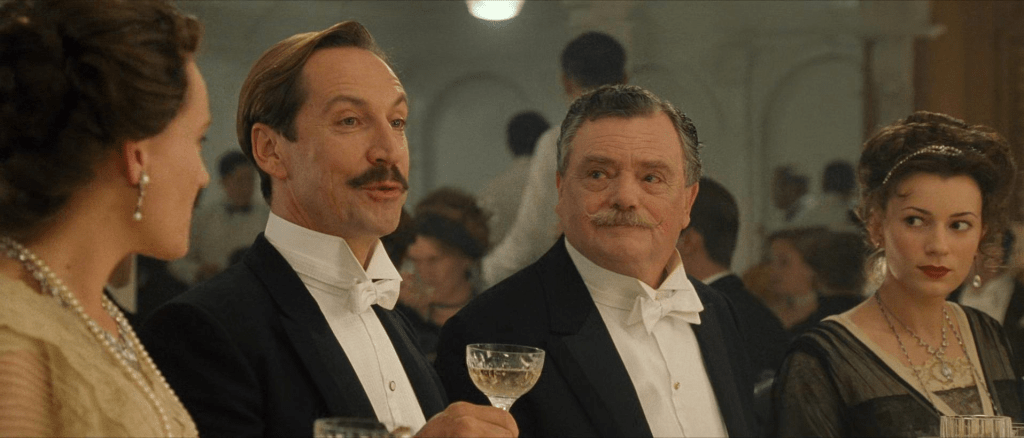
Bernard served with the Royal Navy during WWII as a minesweeper and then in the Korean War. From 1956-2004 he made more than 30 films. Ironically, he was in two different Titanic movies. In 1958 at the beginning of his career, he was in A Night to Remember and in 1997, at the end of his career, he was in the Oscar-nominated Titanic. He liked to say that he was the only person to survive the Titanic twice.
He began his television career in 1955 when he received a recurring role on the United Kingdom show Sixpenny Corner as Tom Norton. The show was centered around Bill and Sally Norton, a young married couple who ran a garage together. Fox played Bill’s youngest brother.
Titanic 1997 Photo: imdb.com
Eventually, he made his way to the United States. His first US show was in Wire Service in 1957, a show filmed at the Desilu studio. His next seven shows were filmed in the United Kingdom.
Fox mentioned that being a character actor was a mental strain. Early in his career, he had to worry about when the next job would be coming. He did post office work, logging, and other interesting jobs to get by. Once he got to America, he was able to rely on his acting career and didn’t have to moonlight anymore.
In 1962, he married his wife Jacqueline. They had two daughters. The same year he was back on US television with a regular role on The Danny Thomas Show. He played Danny’s English friend, Alfie Wingate. In 1963 he appeared on Ensign O’Toole, The Great Adventure, and General Hospital. The mid-sixties showed him in a variety of shows including McHale’s Navy, Perry Mason, The Dick Van Dyke Show, F-Troop, I Spy, I Dream of Jeannie, The Man From U.N.C.L.E., and The Farmer’s Daughter.
Hello Constable Photo: pinterest.com
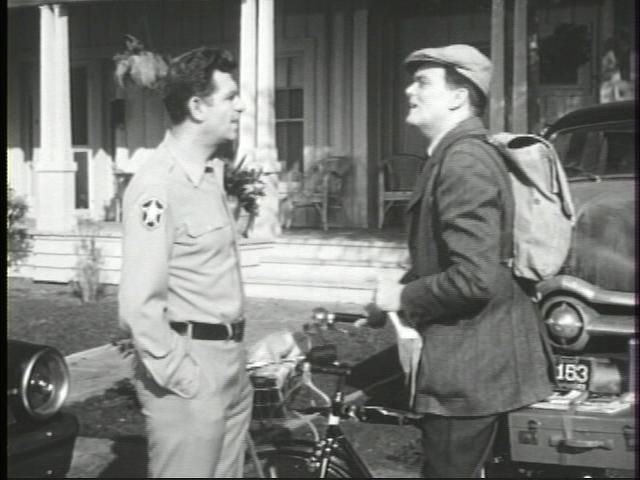
He had another recurring role during this era on The Andy Griffith Show as Andy’s friend/valet Malcolm Merriweather. Fox appeared on the show in season three. We see him pedaling his bike next to Andy’s squad car at Andy’s house and says, “Excuse me, Constable.” When Andy understands what he is saying, he explains that he is the sheriff. With all the quirky characters in Mayberry, Malcolm fit right in and it’s a charming scene.
He continued receiving regular work in the late sixties for The Monkees; The Wild, Wild West; Here Come the Brides; and Daniel Boone.
Monkeeing Around Photo: sunshinefactory.com
Bernard did not enjoy his time on The Monkees set. He called them “an amateur bunch of rabble rousers . . . a bunch of unprofessional idiots.” He said that “they’d have cans of chocolates or something in the cupboards and in between shots, they’d be cramming chocolates in their mouths.” Fox was amazed, he said he got used to it but “professionally speaking, I expected a bit more.”
It was in the late sixties that he received the role he may be best known for: Dr. Bombay on Bewitched.
In an interview on bewitched.net, Fox was asked about his popular character, Dr. Bombay. He said that the spin he put on the doctor made him more interesting, saying, “If I’d just gone for an ordinary doctor, you wouldn’t have heard any more about it. But because I made him such a colorful character, that’s why they wanted him back.” He said the character was “easy to write for” and the writers had him being summoned from all over the world. He showed up in a variety of costumes including a wet suit, a football uniform, a toga, a towel, and a matador costume among others.
On Bewitched Photo: closerweekly.com
Bernard discussed the stars on Bewitched. He said Marion Lorne was a “dear lady.” When asked about Agnes Moorhead, he said she was a “thoroughly professional lady” and that praise from her was a thrilling thing to get. He said that he “liked Dick very much, a fine actor. He was a darling man.” And about Elizabeth, he said, “she was always very sweet and knew her lines.” She liked to bet on horses and whenever she won, she treated the cast to a party on the set. He also said once she found out he had a vegetable garden, she got him a subscription to Gourmet Magazine which she renewed every year.
He fondly recalled one episode where he was supposed to be squeezing a lemon into clam dip. When he squeezed it, it went in Elizabeth’s eye. The director yelled, “cut” and re-filmed it, but it happened again. The director said, “Bet you can’t do it a third time,” but he did, so they left it in the show.
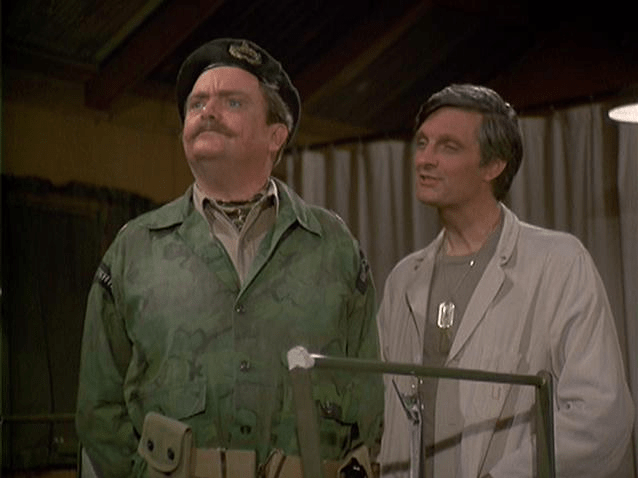
Visiting MASH Photo: imdb.com
His career did not slow down in the seventies where you could watch him on The Partridge Family, Night Gallery, Love American Style, Columbo, Cannon, Soap, and MASH. When asked about his appearance on The Partridge Family, Fox said, “Oh, I loved Shirley, she’s a doll, she’s a really nice lady.”
Following the pattern, he also had a recurring role in this decade as Colonel Crittendon on Hogan’s Heroes. As Crittendon, he was incompetent and dense and drove Colonel Hogan crazy with his ineptness.
Colonel Crittendon Photo: pinterest.com
In his bewitched.net interview, Fox also discussed his role on Hogan’s Heroes a bit. He said that in one episode he had hidden some maps in a corn bin. When he lifted the lid, it came down on his head. He just put the lid up and carried on with the script. When the director asked about reshooting, Fox said it was fine, and they left it in the film. He did say when he was playing a role on Hogan’s Heroes and Bewitched at the same time, it could get a bit confusing. They typically worked it out. For example, he said one time the studios agreed that Fox would be on the Bewitched set Tuesday and Wednesday and on Hogan’s Heroes Thursday and Friday.
Offers did slow down a bit in the eighties and nineties, and he ventured into animation work during those two decades. However, he still accepted offers for Fantasy Island, Lou Grant, The Love Boat, Hart to Hart, The Jeffersons, Simon and Simon, and Murder She Wrote among others.
His last acting credit occurred in 2001 for Dharma and Greg.
Not only was Fox an actor but he was an expert in history of the theater. For fun, he enjoyed gardening, painting landscapes, and performing magic.
Photo: walmart.com
In 2016, Fox died from heart failure.
I’m so glad he was able to find a successful career on television in the United States. After learning in a previous blog what a legend Marion Lorne was in England where she lived much of her life, I like to think about Aunt Clara and Dr. Bombay sharing some time talking about the delightful English ways that they missed. Hopefully they served tea on the set once in a while.
We are three-quarters through our new blog series, “One-Named Detectives,” and today we are looking at a show that began in 1967 and aired until 1975, producing 194 episodes.
Photo: blogspot.com
Created by Richard Levinson and William Link and produced by Bruce Geller, Mannix was one of the most violent television shows during the sixties. Private investigator Joe Mannix (Mike Connors) began working at Intertect which relied on computers and a large network of operatives to help them solve crimes.
CBS was planning on cancelling the show after its debut year, but somehow Lucille Ball convinced them to renew it for another season. (Desilu produced the show.) In season two, Mannix decides to leave and open his own agency. He prefers to solve crimes the old-fashioned way, with his own brain, or as he described it, “A private eye—in the classical tradition.” Peggy Fair (Gail Fisher), a widow whose policeman husband was killed in action, became his secretary. Joe was also a father figure for her son Toby. The role of Peggy was planned for Nichelle Nichols but she had to decline due to receiving her role on Star Trek.
Photo: seasonsepisodes.watch–with Gail Fisher
The cast was rounded out by Lt Art Malcolm (Ward Wood), Sergeant Charley (Ron Nyman), and Lew Wickersham (Joseph Campanella), and police contact Tobias (Robert Reed). Every episode was filled with violent fistfights, car chases, and shoot-outs. During the course of the series, Mannix was knocked unconscious 55 times, drugged about 38 times, and shot 17 times. Connors actually broke his collar bone filming the pilot. The character of Mannix survived many of these situations because he was an expert fighter. He was said to have been a POW during the Korean war. Mannix was also a race car driver and a pilot. He sailed, skied, golfed and was an accomplished pool player. He was said to have grown up in Summer Grove where he excelled in football and basketball.
Photo: metv.com with Robert Reed
Like Cannon, Joe Mannix relied on a car phone during his investigations. Many viewers felt the scripts were well written and the endings were not easy to predict. The plots relied more on crime-solving techniques but several tackled relevant social topics including compulsive gambling, racism, returning Vietnam War veterans issue, and professionals with physical disabilities such as deafness or blindness working to solve crimes.
The scripts were written by some of the best writers in the business. There were more than 85 writers credited with stories, one of them being Mel Tormé, yep that Mel Tormé. Other writers were John Meredyth Lucas who wrote for fifty shows including Harry O, Kojak, Ben Casey, and Star Trek; Stephen Kandel who wrote for many shows including Hart to Hart, MacGyver, Hawaii Five-0, and Cannon; and Donn Mullally who also wrote for fifty shows including Ironside, The Virginian, Bonanza, and The Wild Wild West.
Photo: pinterest.com
There were a lot of creative shows using visual effects in the sixties and Mannix was one of them. It employed many cutting-edge gimmicks to appeal to fans. Technical filming skills included zooms (moving in for a close-up or out to show something the viewer did not realize was in the scene), rack focuses (a rack focus is the filmmaking technique of changing the focus of the lens during a continuous shot. When a shot “racks,” it moves the focal plane from one object in the frame to another), lens flares (a lens flares adds a sense of drama and a touch of realism to a shot), Dutch angles (which produce a viewpoint of tilting one’s head to the side), both low and high angles, and cameras that could move 360 degrees during filming.
Photo: rockauto.com
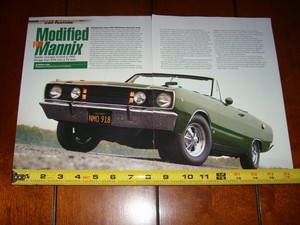
For you car afficiandos, Mannix had a lot of cool automobiles during the series. For season one, he primarily drove a 1967 Oldsmobile Toronado customized by George Barris who built the Batmobile. For season two, Barris worked on a 1968 Dodge Dart for him.
Season three found him driving another Barris car, a 1969 Dodge Dart. Seasons four through six he drove Plymouth Cudas (a 1970 for four, a 1971 for five, and a 1973 for six). For season seven, he was given a 1974 Dodge Challenger and for the final season, he drove a Chevrolet Camaro LT.
An interesting story about his season two car is that it was sold to a secretary at Paramount Studios and then disappeared for a few decades when it was located near a ranger station in California. It was restored to the Barris condition it had on the show. It was featured in Muscle Machines in December of 2009 and on the show Drive on Discovery HD Theater in 2010. The car is currently owned by C. Van Tune, former editor of Motor Trend magazine.
In addition to special cars in the shows, a lot of celebrities guest starred including Hugh Beaumont, Robert Conrad, Yvonne Craig, Sally Kellerman, Burgess Meredith, Lee Merriwether, Vera Miles, and Diana Muldaur. Some of the more unusual guest spots were filled by musicians Neil Diamond, Buffalo Springfield, and Lou Rawls; comedians Rich Little and Milton Berle; and journalists Art Buchwald, and Rona Barrett.
The theme song was composed by Lalo Schifrin. Titled, “Mannix,” it was released as a single in 1969 with “End Game” on the B side.
Photo: amazon.com
Connors was nominated for an Emmy four times, Fisher was nominated for four as well, and the series was nominated twice. In 1970, Connors was beat by Robert Young in Marcus Welby, in 1971 Hal Holbrook won for The Bold Ones, Peter Falk won for Columbo in 1972, and in 1973 Richard Thomas won for The Waltons. Fisher lost to Margaret Leighton for Hallmark Hall of Fame in 1971, Ellen Corby for The Waltons in 1973, and Jenny Agutter in The Snow Goose Hallmark Hall of Fame in 1972. The show lost out as best drama to Elizabeth R Masterpiece Theater in 1972 and The Waltons in 1973.
I do remember watching and enjoying the show when I was in grade school. I’m guessing I watched it because it was something my parents watched. I think the show has held up well and, considering it was in the midst of the sixties, is not too dated. It would definitely be fun to check out a season or two of the show to see if you can figure out just “who done it.”
We are in the midst of our western series, and today we turn our attention to a show that was on ABC for four years, from 1965-1969: The Big Valley. Created by A. I. Bezzerides and Louis F. Edelman and produced by Levy-Gardner-Laven (a trio of Jules V. Levy, Arthur Gardner, and Arnold Laven).
Photo: amazon.com
The series is set on the Barkley Ranch in the 1870s, home of the Barkleys, one of the wealthiest families in the area. The ranch is based on the 30-acre Hill Ranch which existed from 1855-1931. Lawson Hill was murdered in 1861 ad then his wife Euphemia ran it. They also had three sons and one daughter. Today the ranch is covered by Camanche Reservoir waters. The exterior shot of the house used in the show was also Tara in Gone with the Wind.
Photo: pinterest.com
On Big Valley, Victoria Barkley (Barbara Stanwyck) runs the ranch with the help of her sons Jarrod (Richard Long), Heath (Lee Majors), and Nick (Peter Breck) and daughter Audra (Linda Evans).
Barbara Stanwyck Photo: pinterest.com
Heath was her husband’s illegitimate son, but she considered him her own child. He never met his father who had never been told of his existence; Heath learned it from his mother on her deathbed.
The boys of Big Valley Photo: tapatalk.com
Jarrod was an attorney and was refined and well educated. He was briefly married but his wife was killed shortly after by a bullet meant for him. Nick was the younger, hot-tempered son who helped his mother run the ranch. He was a soldier in the Union Army during the Civil War. He had a great sense of humor and was very loyal to his family.
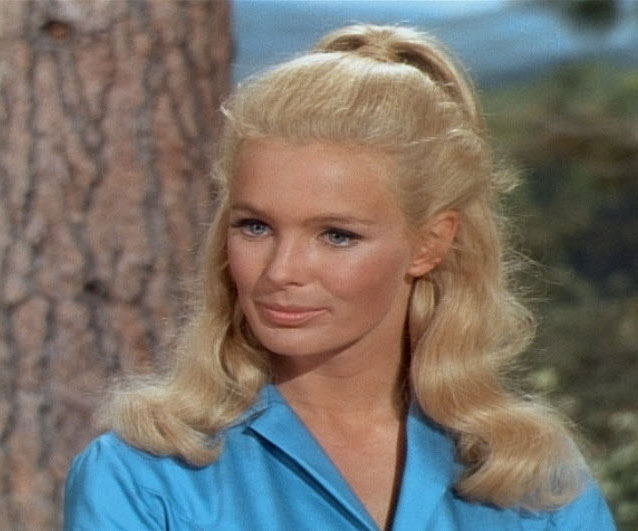
Linda Evans Photo: insp.com
Audra was rather bold for the times. She was a tomboy but had a soft heart and tended to children at the local orphanage.
There was another younger Barkley, Eugene (Charles Briles), who was a medical student at Berkeley. He was seen off and on through season one, then drafted into the army and never really mentioned again.
Considering that the show was only on the air four years, a lot of stars appeared. A small sample includes Jack Albertson, Lew Ayres, Anne Baxter, Milton Berle, Charles Bronson, John Carradine, Yvonne Craig, Yvonne DeCarlo, Richard Dreyfuss, Robert Goulet, Julie Harris, Ron Howard, Cloris Leachman, Gavin MacLeod, Leslie Nielsen, Regis Philbin, Lou Rawls, Pernell Roberts, Wayne Rogers, Katharine Ross, William Shatner, and Adam West.
Lou Rawls guest star Photo: imdb.com
The Big Valley was a western but with a few twists and never predictable. It was the first time a woman would have the lead in a western. The Barkleys may have been wealthy, but they were raised right. They were hardworking and fought for the underdog, making sure justice prevailed. However, it was not a cliché; no one could be trusted and nothing was exactly as it looked. Characters who appeared angelic ended up being truly evil.
Photo: hulu.com
Unfortunately for the show, it was coming in at the end of the western’s popularity and was never in the top 30 during its time on the air. The other new shows that began when it did included Get Smart, I Dream of Jeannie, Hogan’s Heroes, Lost in Space, F Troop, and The Wild Wild West.
However, it received good reviews, and in 1966, Stanwyck was nominated and won the Emmy for drama series. She would also be nominated in 1967 and 1968, losing to Barbara Bain from Mission Impossible both years.
The theme was composed by George Duning. In 1966, a soundtrack from the show was released in mono and stereo versions. During his career Duning would work on more than 300 movie and television scores.
Like many television shows in the fifties and sixties, Dell Comics published six comic books based on the show. For some reason, I did not see much in the way of merchandising for this show compared to other westerns or shows from the sixties.
Photo: pinterest.com
The cast got along well. Evans and Stanwyck were exceptionally close and rehearsed at Barbara’s house every Saturday. When Arthur Gardner was interviewed on the Television Academy, he said that Stanwyck mentored the younger cast members. He said “he could not praise her enough” for the work she did.
Photo: pinterest.com
It’s too bad the show didn’t begin earlier in the decade; it might have been able to stay on the air a bit longer. It was a unique concept with a powerful woman as the star. You can currently see it on Me TV on Saturdays as well as a few other networks.
The late 1960s and early 1970s might have contained the most diverse television shows than any other era. In 1968, there were the rural comedies like Green Acres and The Beverly Hillbillies; there were the standard sitcoms, My Three Sons, Get Smart, That Girl, Bewitched; there were the remains of a few westerns including The High Chaparral, The Virginian, and Gunsmoke; there were crime and thrillers such as Hawaii Five-0 and Mission Impossible; there was the crime/western in The Wild, Wild West, there were gameshows on at night including Let’s Make a Deal, The Dating Game, and The Newlywed Game; there were sci-fi shows like Star Trek and The Land of the Giants; family shows like Lassie; and even Lawrence Welk.
In addition, there were a couple of shows that were a bit edgier and introduced more provocative concepts and themes. The Mod Squad featured three teens who were helping solve crimes in lieu of jail time, and then there was the almost-impossible-to-describe Laugh In.
Photo: neatorama.com
Similar to Laugh In was The Smothers Brothers Comedy Hour which also debuted in 1967 featuring Tom and Dick Smothers. It had more of a variety format to it but it had the same topical and satirical humor.
Photo: retrokimmer.com The Who
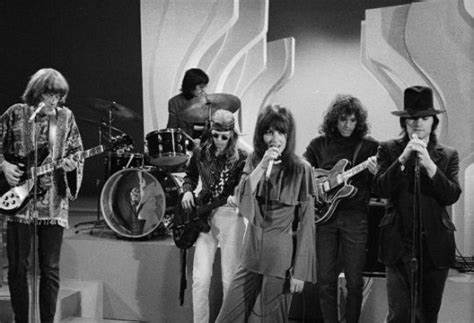
In addition to poking fun at politics, the war, religion, and current issues, you could tune in to the Smothers Brothers for some of the best and sometimes controversial music in the industry. Performers such as Jefferson Airplane, Steppenwolf, Simon and Garfunkel, The Who, Cream, Pete Seeger, and The Doors appeared on the show.
Photo: metro.com Jefferson Airplane
The show aired Sunday nights against Bonanza on NBC; ABC aired The Sunday Night Movie in its first season and Hee Haw in its second season.
The series had some of the best writers on television: Alan Blye, Hal Goldman, Al Gordon, Steve Martin, Lorenzo Music, Don Novello, Rob Reiner, David Steinberg, and Mason Williams. Reiner and Martin both commented on the show in an interview by Marc Freeman in the Hollywood Reporter 11-25-2017 (“The Smothers Brothers Comedy Hour at 50: The Rise and Fall of a Ground-Breaking Variety Show”).
Reiner relayed that “you had two cute boy-next-doors wearing red suits, one with the stand-up bass and the other with his guitar. They looked like the sweetest, most innocent kids. You got drawn to them, and then they hit you with the uppercut you didn’t see coming.”
Photo: tvbanter.net
Martin elaborated “When you have the power wrapped up in innocence, it’s more palatable. They were like little boys, but you also had Dickie there to reprimand Tommy when he would make an outrageous statement. It’s like the naughty ventriloquist dummy who can get away with murder as long as the ventriloquist is there to say ‘You can’t say that.’ It’s the perfect setup for getting a message across.”
Photo: pinterest.com Jack Benny
In addition to the musical acts, hundreds of celebrities appeared on the show between 1967 and 1969, including Jack Benny, Carol Burnett, George Burns, Bette Davis, Jimmy Durante, Barbara Eden, Nanette Fabray, Eva Gabor, Shirley Jones, Don Knotts, Bob Newhart, Tony Randall, Ed Sullivan, Danny Thomas and Jonathan Winters, along with so many others.
Part of the show was the brothers’ ongoing sibling rivalry about whom their parents liked best. They also began to add political satire and ribald humor. Pat Paulsen delivered mock editorials about current topics such as the draft and gun control, and in 1968 he had a mock presidential campaign.
Photo: rollingstone.com Pat Paulsen for president
Church sermon sketches poked fun at religion. The show lampooned many of the values older Americans valued, often delivering anti-establishment and pro-drug humor. No one was given an exception, and the show lambasted the military, the police, the religious right, and the government.
Battles over content were ongoing with the network. The network pulled Pete Seeger’s performance of his anti-Vietnam War song, “Waist Deep in the Big Muddy.” They nixed Harry Belafonte’s song, “Don’t Stop the Carnival” because it had a video collage behind him of the 1968 Democratic National Convention riots.
Younger viewers were tuning in, and despite the conflicts, the show was picked up for a second season. The network insisted they receive a copy of the show at least ten days in advance for editing. In April of 1969, William Paley canceled the show without notice. Some sources contend it was canceled by CBS president Robert Wood. Some sources cite the issue with unacceptable deadlines and others mention Tom Smothers lobbying the FCC and members of Congress over corporate censorship that brought about the firing. The brothers filed a breach of contract suit against the network and after four years of litigation, a federal court ruled in their favor, awarding them $776,300.
Photo: blogspot.com
Here’s a typical joke from the show that was not as controversial.
Tom: You can tell who’s running the country by how much clothes people wear, see?
Dick: Do you mean that some people can afford more clothes on, and some people have . . . less on? Is that what you mean?
Tom: That’s right.
Dick: I don’t understand.
Tom: See, the ordinary people, you’d say that the ordinary people are the less-ons.
Dick: So, who’s running the country?
Tom: The morons.
The Smothers Brothers elicited humor that was as topical, influential, and critical as anyone had ever heard before on television. Fifty years later, both the network and the brothers realized everyone over-reacted. If the Smothers Brothers had tried to play by the rules a bit, they would not have lost their platform to continue to help change what they saw as a messed-up culture.
Photo: Wikipedia.com
The CBS executives felt the program created too much controversy. In their defense, politicians, especially Lyndon Johnson and Richard Nixon, exerted a lot of pressure on the network. Remember this was a time of three networks and ads are what produced the profits to fund shows. The network received a boatload of hate mail daily about the program and, when viewers begin talking boycotting advertisers, executives sit up a bit straighter and listen.
The Smothers Brothers Show, a less controversial series, debuted in 1975. They had two specials on NBC later and another CBS series in 1988 but never regained the influence they had in the sixties. However, the show did help pave the way for a future that permitted, and later embraced, shows with controversy beginning with All in the Family, continuing with Saturday Night Live, and recently seen on shows such hosted by Jon Stewart and Stephen Colbert. Although the comedy spouted on the show would seem quite tame by today’s standards, the show had an important part in the history of television and the rights of free speech.
Photo: wvxu.com
I have seen some DVDs out there from this show, but they are pricey. Recently I saw season two going for $190. I do see Laugh In on Decades quite often, so perhaps The Smothers Brothers might show up somewhere too, although I’m not sure this show would hold up as well as Laugh In, but the musical performances would be fun to see.
As we wind up our What a Character series, it seemed fitting to end with Mabel Albertson, perhaps the most recognizable of our character actors. She is often remembered for playing the mother of well-known characters. Mabel was born in Massachusetts in 1901. Her mother, who was a stock actress, helped support the family by working in a shoe factory. Mabel’s brother Jack would also become a famous actor.
Photo: pinterest.com
Mabel knew she wanted to get involved in the entertainment business at a young age. When she was 13, she played the piano for $5 a performance. She graduated from the New England School of Speech and Expression.
Albertson began working in stock, vaudeville, and night clubs and appeared with Jimmy Durante. Eventually she moved to California where she became involved with the Pasadena Playhouse where Charles Lane got his start.
Photo: youtube.com
Mabel married Austin Ripley, and they had a son in 1926, but their marriage soon dissolved. Mabel decided to pursue a career in film. Although she would have credits for 27 movies during her career, her film career was not what she hoped for. So, she switched gears and tried out radio. During the 1930s, she co-starred with Phil Baker on The Armour Hour and from 1936-37, she was in Dress Rehearsal with Pinky Lee. She also did some writing for the show.
photo: imdb.com All The Fine Young Cannibals
In 1937 Mabel married writer Ken Englund who adopted her son George. He began writing for Paramount Pictures and later would be hired by RKO, Columbia Studios, 20th Century Fox, and The Samuel Goldwyn Company.
Photo: pinterest.com Burns and Allen
Although her husband’s career was made on the big screen, her career really took off when television made its appearance. Her first role on the small screen was on the Chevron Theater in 1952. During the 1950s, she appeared in 21 different shows. Although many of her roles were on the playhouse and theater shows, she also showed up on Burns and Allen, Topper, December Bride, Bachelor Father, JackBenny, and Have Gun Will Travel. In 1955, she was offered a role in Those Whiting Girls. She played the girls’ mother. The show was on the air until 1957.
Photo: sitcomsonline.com Those Whiting Girls
Mabel became the “face” of television sitcom mothers. She played Phyllis Stephens, Darrin’s mother on Bewitched and often said “Frank, take me home, I’m getting a sick headache.” Her husband wrote several Bewitched episodes (season 1, episodes 25 and 30).
Photo: pinterest.com Bewitched
She played Mabel, Paul Lynde’s mother-in-law on The Paul Lynde Show; she was the mother of Marilyn’s boyfriend on The Munsters, as well as Alice’s mother on Bob & Carol & Ted & Alice. Fans of That Girl will remember her as Don Hollister’s mother, and she was seen on The Andy Griffith Show as Howard Sprague’s mother. Her last mother role was on the New Dick Van Dyke Show as his mom.
Photo: jacksonupperco.com That Girl
Her most successful years were the 1960s when she appeared in 39 television shows, including Perry Mason; Ben Casey; My Three Sons; Hazel; Ozzie and Harriet; The Wild, Wild West; Daniel Boone; Gomer Pyle USMC; Love American Style; and Gunsmoke. A review for her performance on Gunsmoke is posted by jlthornb5110 on imdb.
The review states that her role of Kate Heller is one “of the standout episodes of the series with Miss Mabel Albertson giving what is nothing less than the performance of a lifetime. Beautifully written by Kate Hite, this is a powerful presentation and one in which Albertson truly shines. The climax is absolutely soul shattering and among the most dramatically emotional ever filmed for television. Miss Albertson plays it with a sensitivity and an incredible insight you will never forget. The character of Kate Heller is heartbreaking but quietly strong, a survivor of the psychological brutality of loneliness in the old west and the violence that was part of existence. Mabel Albertson gives the character everything she has within her, brings her to life, and makes her one of the most unforgettable personalities to ever appear on Gunsmoke or any other television series in history.”
Photo: cscottrollins.blogspot.com The Tom Ewell Show
She was offered a role as a permanent cast member in The Tom Ewell Show in 1960. The premise of the show is that real estate agent Tom Potter played by Ewell must learn to live in a household of females including his wife, his three girls and his mother-in-law Irene played by Albertson. Even their dog, Mitzi, was a girl. Although Mabel’s brother Jack would be best remembered for his role on Chico and the Man, he appeared on this series with his sister in 1960. The series aired 32 episodes before it was canceled.
Photo: findagrave.com Jack Albertson
I’m not sure where she found time for Broadway during this decade, but she was in The Egg in 1962 and Xmas in Las Vegas in 1965.
While her career began to slow down in the seventies, she was still quite busy, appearing in The Doris Day Show, Ironside, Marcus Welby, and The Mary Tyler Moore Show, among others. She appeared in an episode of Arnie with her brother in 1970. She also worked with her daughter-in-law, Cloris Leachman, in the movie Pete and Tillie in 1974.
Photo: pinterest.com Frank, I feel a headache coming on
Her family continued to attract talented actors. Her granddaughter-in-law was actress Sharon Stone.
In 1975, Mabel was forced to retire. Her memory was beginning to fail, and she was later diagnosed with Alzheimer’s Disease. She passed away from the illness in 1982.
Photo: pinterest.com
Like Milton Frome, I was both sad and disappointed to learn how little information there was about Mabel Albertson. I thought I would learn more about her working relationships considering she had a fifty-year career and played iconic mother roles on so many well-loved shows.
As we wrap of this edition of What a Character! series, my hope is that you recognize and acknowledge these actors when you see them when tuning in to your favorite classic shows and remember how much they contributed to our television history. Personally, to keep Mabel’s memory alive, I think any time we are having a family situation, I will turn to my husband and whisper, “Frank, take me home, I’m getting a sick headache.”
We are in the midst of our Murder, Mystery, and Mayhem series this month. In the mid-1960s, westerns were still the most popular show on television with rural sitcoms coming on the scene. Crime shows still had their fair share of air time, but spy shows were non-existent. With the end of the Cold War, Bond movies, and books like The Spy Who Came in From the Cold, these types of thrillers were bound to hit the small screen. From 1964-1968, The Man from UNCLE took us behind the scenes to observe the dangerous life of special agents.
Photo: booktrib.com
Beginning on Tuesday nights on NBC, the show was produced by Metro Goldwyn Mayer. The creator, Norman Felton, asked Ian Fleming to act as a consultant. (Some sources list Felton as the sole creator; some credit Sam Rolfe as a co-creator.) The book The James Bond Films mentions that Fleming suggested two characters: Napoleon Solo and April Dancer. Napoleon Solo became one of the main characters on The Man from UNCLE, and we will learn more about April Dancer later. Solo was also a villain in the movie Goldfinger. Originally titled “Solo,image of ” the popularity of the film led to a title change in the television show to The Man from Uncle.
Photo: filmandfurniture.com
Solo (Robert Vaughn), being an American, was set up in a partnership with a Russian, Illya Kuryakin (David McCallum). The duo would take on multinational secret intelligence work under UNCLE, The United Network Command for Law and Enforcement. They sometimes worked with Alexander Waverly (Leo G. Carroll) who headed up an English organization. They frequently went up against THRUSH. We never learned who was part of THRUSH or what their goals were, apart from taking over the world of, course.
Photo: ebay.com David McCallum
Solo was
supposed to be the typical ladies’ man, with Kuryakin being the intelligent,
funny, and loyal partner, but McCallum turned into an instant celebrity.
Hysterical fans attended promotional appearances and magazines gave he and his
wife Jill Ireland little peace and quiet. One article I read discussed an
incident in Baton Rouge, LA when McCallum was locked in a bathroom so the
police could clear out the screaming women. When he was supposed to do a spot
in a Macy’s store in New York, police had to disperse 15,000 screaming women
who made it too dangerous for him to appear and did “a colossal amount of
damage” to the store.
Solo and Kuryakin accessed their secret headquarters through a tailor’s shop, Del Floria’s.
Photo: filmandfurniture.com
In an
interesting twist, the creators decided to feature an “innocent character,”–a
Joe Doe or Jane Smith who the viewers could identify with—in every episode.
The theme
music was created by Jerry Goldsmith, changing slightly each season as new
composers came on board, eight in all.
Photo: imdb.com
With the exception of one show, the episodes were titled “The ______ Affair.” Every year at least one two-part show was aired. The pair of shows became theatrical films released in Europe. Additional footage was added to the movies. Some of these films were later seen on American television and include To Trap a Spy (1964), The Spy with My Face (1965), One Spy Too Many (1966), The Spy in the Green Hat (1967), and How to Steal the World (1968), among others.
Photo: imdb.com
Although stuntmen were hired for the two leads, they also did their own stunts. Typically, the actor and stuntman did each stunt, and the final version combined the best of them. However, McCallum tried to avoid heights, and Vaughn disliked water scenes.
Like Get Smart, the recurring characters were a small group, and guest stars were necessary for each episode. Both high-profile and up-and-coming actors were eager to appear on the show. William Shatner and Leonard Nimoy can be seen together in “The Project Strigas Affair” two years before they starred on Star Trek. Other actors who appeared include Judy Carne, Joan Collins, Yvonne Craig, Broderick Crawford, Robert Culp, Chad Everett, Barbara Feldon, Anne Francis, Werner Klemperer, Janet Leigh, June Lockhart, Jack Lord, Ricardo Montalban, Leslie Nielsen, Carroll O’Connor, Vincent Price, Cesar Romero, Kurt Russell, Sonny and Cher, and Telly Savalas.
Photo: theunclefiles.com
Of course,
spies need technological gadgets to get a leg up on the competition. Some of
their communication devices included a security badge and a business card. They
could also communicate with a portable satellite disguised as a cigarette case
or fountain pen.
Like all good crime fighters, the duo needed a car, and theirs was a Piranha Coupe, based on the Chevrolet Corvair.
Photo: tvguide.com
Weapons were
also a necessity in their line of work. The UNCLE Special was a semi-automatic
weapon which was useful except at night when THRUSH had access to a
“sniperscope” which allowed the villains to shoot in total darkness.
The gadgets,
props, and clothing for the show were so popular that they are exhibited in the
Ronald Reagan Presidential Library. The CIA also exhibits some of the show’s
items.
Season 1 was a great success even though partway through the season, the show moved from Tuesdays to Mondays. With season 2 came more “tongue-in-cheek” dialogue, and the series switched from black and white to full color. Athough the show was moved to Friday nights, its popularity continued.
Photo: mtv.com
Season 3
added a campy element, a la the Batman
and The Monkees craze, against the
stars’ wishes. The ratings decreased and the show never attained the same
quality and ratings again. It was renewed for a fourth season but cancelled
partway through when there was no increase in viewership.
Although the show was only extremely popular for two years, it garnered eight Emmy nominations and five Golden Globe nominations, including a win for David McCallum as best star in 1966.
Photo: filmandfurniture.com
Of course,
like all popular shows from the 1960s, a tv movie was made a few years later
and a big-screen remake came decades later.
The Return of the Man from UNCLE: The
Fifteen Years Later Affair
was seen on CBS, not NBC, in 1983 with both Vaughn and McCallum reprising their
roles. At the beginning of the movie, we learn that although THRUSH was
obliterated with the arrest of its leader, he has now escaped from prison.
Rather than stick with the chemistry of the two leads, the tv movie pairs each
lead with a younger agent.
In 2015, Guy Ritchie’s big-screen The Man from UNCLE was set in the 1960s featuring Solo (Henry Cavill), Kuryakin (Armie Hammer), and Gaby Teller (Alicia Vikander). The trio must work together in a joint mission to stop an evil organization from using Gaby’s father’s expertise in science to build a nuclear bomb. All the while, they don’t totally trust each other, and secretly put their own country’s agendas first. As far as reboots go, the film was actually a good rendition of the original show.
Photo: worthpoint.com
Of course, there was no limit to the merchandising in connection with the show. Several comic books based on the series were published, as well as two dozen novels. In addition to membership cards, viewers could show their love
for the show with board games, action figures, model kits, lunch boxes, and toy guns.
I did promise to get back to April Dancer. Halfway through The Man from UNCLE series, the network released a spin-off, The Girl from UNCLE starring Stefanie Powers as April Dancer. Not as popular as the original, it was cancelled after one season.
Photo: sixtiescity.net
Dancer works with British agent Mark Slate (Noel Harrison). Leo G. Carroll appeared as Mr. Waverly in this series also. Luckily Powers was fluent in several languages, because Dancer often went undercover with a foreign accent.
Photo: business.facebook.com
Unfortunately, Dancer reeled in the bad guys, but Slate was the one who got to kill them. However, April did get some cool gadgets such as a perfume atomizer that sprayed gas and exploding jewelry.
This show
also used Goldsmith’s theme music in an arrangement by Dave Grusin.
Both The Girl from UNCLE and The Man from UNCLE are available on DVD.
Although The Man from UNCLE was only hugely popular for two years and The Girlfrom UNCLE never attained a fan base, the shows ’ concept spawned a huge pop culture obsession. At one point, more than 10,000 letters a week were delivered to the network. The show sparked an interest in spy shows that would pave the way for future shows such as Mission Impossible; The Wild, Wild West; I Spy; and Get Smart. Like The Man from UNCLE, each of these shows would result in reboot big-screen movies in later decades, as well as a large output of memorabilia.
Photo: oldies.com
It’s interesting
that this show feels dated now with the current technology, yet GetSmart
continues to be a hit. I think the humor and campiness of Get Smart keeps it relevant which is ironic, because that is what
basically brought about the end of TheMan from UNCLE. Despite its current non-relevancy,
it was an important part of pop culture and deserves to be celebrated for its
cult status in the mid-sixties and the realistic portrayal of spies to
generations of viewers.