As we continue our Murder, Mystery, and Mayhem series, we move from Maine where senior citizen Jessica Fletcher solved mysteries to the streets of Los Angeles, where a hip trio infiltrates the counterculture to solve crimes.
Photo: pinterest.com
Airing from
1968 till 1973, The Mod Squad was a
unique concept. Created by Buddy Ruskin, a Los Angeles police officer, the show
took eight years to become a reality. Ruskin based the concept on his time as a
squad leader for an undercover narcotic division in the 1950s.
Aaron
Spelling was the executive producer. Spelling worked on a number of projects
from 1960 onward, but his biggest hit shows were still in his future when he
took the helm of The Mod Squad.
As soon as the jazzy theme song by Earl Hagen began, we knew this was a different type of show. The sixties hippie culture and counterculture drug scene had not been explored in depth on television before.
Photo: pinterest.com
In order to
get the necessary evidence, three young team members were trained to go
undercover to solve cases. Michael Cole was Pete Cochran, a wealthy kid who was
arrested for stealing a car; Peggy Lipton was Julie Barnes, who had run away
from a bad home situation; and Clarence Wlliams II was Linc Hayes, who was
arrested during the Watts riots. Captain Adam Greer (Tige Andrews) supervised
the trio. He mentored them and provided “parently” advice and wisdom. He
hand-picked them for his team. (Similarly, Spelling’s Charlie’s Angel’s would also feature a father figure hand picking
three non-traditional members for his crime-solving team.)
None of these kids were innocent, and their records were eliminated when they chose to work with the LA police. But they soon realized they had the ability most cops did not to inconspicuously fit in to help stop criminals from killing or hurting other young adults.
Photo: pinterest.com
Similar to Room 222, which aired almost the same
time, The Mod Squad covered a lot of
socially relevant topics: abortion, domestic violence, drug addiction, child
abuse, police brutality, illegal immigration, and racism. Though the pilot was
written sixty years ago, these issues are still on the front page today.
The writers, including Tony Barrett, Harve Bennett, Sammy Hess, and Buddy Ruskin, created realistic characters. These three outcasts were a bit rebellious; they lived in the gray instead of black or white. They understood good people sometimes did bad things, and racism and domestic violence were not to be tolerated. Their speech and clothing marked them as quintessentially 1960s. Linc often said “Solid” or “Keep the faith.” You would probably hear “groovy” at least once an episode.
Photo: tvinsider.com
The team traveled in an old green 1950 Mercury wood-paneled station wagon that they affectionately referred to as “Woody.” Unfortunately, it was burned in an accident at the end of the second season.
Photo: pinterest.com
The show was definitely controversial. It aired at a time when westerns, rural sitcoms, and Lawrence Welk were popular. The episodes pushed the envelope a bit on topics that had been taboo on television in the past. The team was like a family and on one episode, Linc gave Julie a brotherly kiss on the cheek which had the network up in arms, but not one complaint came in. Their relationship with Captain Greer helped America see how the generation gap could be bridged.
Photo: davidcassidy.com Stars David Cassidy and Marion Ross
Despite the
controversy, the show attracted a lot of famous guest stars. Some of the actors
who can be spotted during the show’s run include Ed Asner, Jim Backus, Tom
Bosley, David Cassidy, Tyne Daley, Sammy Davis Jr., Tony Dow, Andy Griffith,
Carolyn Jones, Leslie Nielsen, Stefanie Powers, Vincent Price, Robert Reed,
Marian Ross, Sugar Ray Robinson, Martin Sheen, Bobby Sherman, Danny Thomas,
Daniel Travanti, and Billy Dee Williams.
Each episode ended with the squad walking away from the camera.
Photo: gettyimages.ca
The show was
extremely popular given its uniqueness. It was the 28th most popular
show its first year and number 11 in its third season. The show received seven
Emmy and four Golden Globe nominations. In 1970, it was nominated for
Outstanding Series. During its final year, it only ranked 54 and the “hipness”
of the show was starting to age a bit, so it was cancelled.
It did have
an afterlife. In 1979, a tv movie, The
Return of the Mod Squad, aired on ABC with the original cat. In 1999, a
big-screen film was released starring Giovanni Ribisi, Omar Epps, Claire Danes,
and Dennis Farina. Don’t feel bad if you don’t remember it; not many people do.
Photo: pinterest.com
The Mod Squad could be seen on MeTV in 2014 and 2015. Apart from that, it has not fared well in syndication. Like Room 222, the show can feel dated quickly due to its language and fashion.
Photo: eaumg.com
The show is still celebrated for its ground-breaking scripts, and in 1997, TV Guide included an episode, “Mother of Sorrow” as 95th of the greatest 100 episodes of all time.
Photo: nndb.com
While you probably won’t find it on television, it is available on DVD. Although the show may not be known by many people today, it was one of the first shows to break the barriers of going where television had not been before. In many ways, it paved the way for the creation of shows such as All in the Family, The Mary Tyler Moore Show, and Miami Vice. What more could you ask for: relevant topics, well-rounded characters, and exciting plots. Although its language and fashions date it, it captures a unique time in our history and is worth exploring.
As I finish 1980s Rewind today, I chose a heart-warming show that followed the typical formula by standing it on its head, Who’s the Boss. The show was created by Martin Cohan and Blake Hunter. Cohan was a producer and writer for The Bob Newhart Show and wrote for many other shows including The Mary Tyler Moore Show. Hunter wrote and produced episodes of WKRP in Cincinnati.
Photo: cbsnews.com
Instead of the successful senator who hires a housekeeper like The Farmer’s Daughter, on this show Angela Bower (Judith Light), an advertising executive, hires Tony Micelli (Tony Danza), a former baseball player (St. Louis Cardinals) to be her housekeeper. Instead of Uncle Charlie like My Three Sons, the show has Mona (Katherine Helmond), Angela’s mother giving wise advice and sarcastic comments. Tony has a daughter Samantha (Alyssa Milano) and Angela has a son Jonathan (Danny Pintauro). All together they form one typical family unit. The show was on ABC for eight years from 1984-1992, so viewers literally watched the kids grow up. Tony is laid back and flexible, while Angela is a bit more uptight and organized. Angela and Tony functioned as parents on the show, but they also had the possibility of a romance between them.
Photo: imdb.com
After a shoulder injury, Tony is forced to change careers. He wants his daughter to experience a better life. The Bowers live in Connecticut in an upscale neighborhood. Originally, the show was titled “You’re the Boss,” but it was changed to plant a question of who really ran the house. However, viewers all realized that the kids were really the bosses.
WHO’S THE BOSS? – “Angela Gets Fired: Part II” – Airdate: September 30, 1986. (Photo by ABC Photo Archives/ABC via Getty Images)ALYSSA MILANO;DANNY PINTAURO;KATHERINE HELMOND
The cast jelled very well together. They had their differences of opinion, but they grew close and experienced the normal family ups and downs when five very different people spend so much time together. Mona’s wit and targeted observations kept things light and funny.
Photo: sonypicturesmuseum.com
Photo: pinterest.com
During most of the series, Tony and Angela try to avoid the romance developing between them. They both date other people. They also become best friends, relying on each other as a husband and wife would. They often discuss issues the kids are having. They both “parent” each of the kids. They both grow and change during the course of the series. Angela becomes less tense and risks opening her own firm. Tony enrolls in college. Producers always seem to waiver “between should they get together or not.” Shows like Castle, That Girl, and Friends struggled with keeping the magic alive and keeping the show realistic. Somehow the producers and writers for Who’s the Boss kept the tension and potential romance alive for seven years. During the last season, they realize they are in love with each other.
Photo: mentalfloss.com
There were many stars who appeared on the show during the years including Frank Sinatra, Ray Charles, Mike Tyson, and Leslie Nielsen. One of the episodes was when Robert Mandan appeared on a few episodes as Mona’s love interest. Mandan had played her husband on the show Soap.
Photo: eonline.com
The theme song lyrics were written by creators Cohan and Hunter. Titled “Brand New Life,” the music was composed by Larry Carlton and Robert Kraft. Three different versions were used over the years: Larry Weiss sang it from 1984-1986; Steve Wariner from 1986-1989; and Jonathan Wolff from 1989-1992.
WHO’S THE BOSS? – “Samantha’s Growing Up” – Season One – Airdate: January 8, 1985. (American Broadcasting Companies, Inc.)
ALYSSA MILANO, JUDITH LIGHT, KATHERINE HELMOND, TONY DANZA
Early reviews were lukewarm. Critics liked it but they were a bit dismissive of it being a real hit. Viewers didn’t agree. They loved the show. During its tenure, the show was nominated for more than forty awards, including ten Primetime Emmys and five Golden Globes. From 1985-1989, it ranked in the top ten.
Photo: fatsaloon.com
Photo: eonline.com
The show aired on Tuesday nights for the first seven years. In the fall of 1991, the network moved the show to Saturday nights against The Golden Girls. The ratings went down after the move and the network decided to cancel the show. There was a great debate about whether Tony and Angela should marry in the finale. Sam had married earlier in the season and Tony and Angela admitted they were in love. However, Danza was opposed to the marriage and there was a concern that if a wedding took place, it might affect the syndication options. Instead of a wedding, Tony and Angela break up. But in the last scene, Tony is at Angela’s house applying for the job of housekeeper, very similar to the very first episode of the show.
The show created a spinoff but in a far-reaching definition of spinoff. In one episode, Leah Remini was a friend of Sam’s, a homeless model. Beginning and ending in 1989, the show Living Dolls starred Remini, Michael Learned, and Halle Berry.
Photo: cbsnews.com
While Tony went back to school during the series, Danza emulated him in real life. He graduated with an education degree. He wrote a book, I’d Like to Apologize to Every Teacher I Ever Had: My Year as a Rookie Teacher at Northeast High. He taught English at a school in Philadelphia.
Photo: celebritynooz.com
Photo: etcanada.com
The cast of Who’s the Boss was a close-knit one, and they still keep in touch almost twenty years later. Light commented that they are all still close and she said she probably kept in touch with Tony the most. “He checks in all the time just to see how the kids are doing, he’s very sweet.” Danza once discussed how emotional it was for him to give Milano away as a bride on the show. “She was like my little girl, you know. She started on this show when she was 10. Now she’s 19, we married her off. I mean, it’s easy to get emotional, it really is.”
Photo: people.com
Photo: imdb.com
Milano was also very close to Light. A couple of years ago, the two stars ran into each other for an event, and Milano tweeted, “Nothing makes me happier than seeing Judith Light. Nothing.”
Photo: pinterest.com
They were all saddened by the death of Katherine Helmond in March of 2019. Danza also discussed Helmond in an interview. “Katherine Helmond was a remarkable human being and an extraordinary artist; generous, gracious, charming and profoundly funny.” After her death, he commented that “She was such an influence on me. No matter what problem I had, I could go to her. Very few people could match her. She was a consummate professional. She never made a mistake and she always got the laugh. She was the sexy older lady who could keep up with the young people. She just had a way about her.”
Editorial use only. No book cover usage.
Mandatory Credit: Photo by Moviestore/REX/Shutterstock (1646629a)
Who’s The Boss , Katherine Helmond, Tony Danza
Film and Television
Light also discussed Helmond. “She taught me so much about life and inspired me indelibly by watching her work. Katherine was a gift to our business and to the world and will be deeply missed.”
Photo: spm.com
Her television grandchildren also remembered her fondly. Milano paid the following tribute to her: “My beautiful, kind, funny, gracious, compassionate rock. You were an instrumental part of my life. You taught me to hold my head above the marsh! You taught me to do anything for a laugh! What an example you were!” Pintauro said she was “the best TV grandmother a boy could ask for. Even still, I’m just as devastated as I was when I lost my real grandma. A beautiful soul has left us for the next chapter, may you make them laugh Katherine!”
Photo: youtube.com
This is another one of those undervalued shows. Although there were some really great shows on television during the mid and late 1980s, some of the top-rated shows on in this decade included Knot’s Landing, Charles in Charge, Diff’rent Strokes, Silver Spoons, and Facts of Life. Who’s the Boss was a much better written and acted show than any of these. The show combined the best elements of sitcoms and created a fresh approach to a family comedy.
In our quest to go behind the scenes during this month of blog posts, today we learn a bit about set decoration. There are several job positions available on the set of a television show. The set decorator is responsible for buying or renting the set items, the storage of items, placement and monitoring the budgets. The assistant set decorator reports to the set decorator. They often do research before planning for the various sets. The set buyer also reports to the set decorator. They take care of purchasing or renting the individual items needed for the set. Buyers create relationships with stores and antique vendors. The lead dresser carries out tasks assigned by the set decorator. The onset dresser takes care of props, cleans items, places items in relationship to the camera lens.
Beth
Kushnick, the set decorator for The Good
Wife shares some advice for set design: do your research, create a
decorating workbook, choose an item that sets the tone of the room, carry a
tape measure with you at all times, try out different furniture placement, and consider
using unusual paint colors.
Maggie Masetti wrote an article in 2012 about chatting with Ann Shea, set decorator for The Big Bang Theory. Ann says “she is the set decorator, and so usually once I get the plans and the walls are built is when I start my work of providing the furniture and the plants and the artwork and all the cool objects, the floor coverings and the practical lights.” She has a variety of sources she uses to shop including prop houses, online shops, and retail stores. She said once the sets are developed, she continues to be busy. Sets are put up and taken down over and over and they have to be just right. Also, if a show is on for an extended time period, subtle changes are necessary just like our homes.
Ann said once she determined the set for the comic book store, she was happy, but then a producer said that it had to change every episode like a real store with inventory in and out—as viewers we don’t think about all the work that goes into sometimes more minor settings. I’m thinking about how much a set designer would have to learn to create an astrophysicist’s office/lab. A couple of her favorite items that show up on the show include the DNA sculpture, the WMAP beach ball, and the periodic table shower curtain.
Photo: spotern.com
One of the
things I hadn’t considered was that designers have to fill closets and drawers
in the main sets, so everything is realistic.
I thought it would be fun to consider some of the sets from shows that are a bit more unique and then look at shows that had to be more realistic. Let’s take a look at a few shows that had unusual sets: The Munsters, Gilligan’s Island, and Green Acres. Then we’ll compare some apartments of some of our favorite television characters including Mary Richards, Bob and Emily Hartley, and Frasier Crane.
Photo: gilliganfandom.com The girls’ hut which you can tell by the flower box in the window.
Photo: gilliganfandom.com The Howells’ hut with its orange door
Gilligan’s Island sounds like an easy set to create. Just throw a few huts up on amid trees and jungle greenery, right? However, you have to personalize each hut with basic items to give each one its own personality. There is also that fine line that is often crossed on the show about how much stuff the castaways actually have with them. I am not surprised they had an accident and were wrecked; I don’t think the storm had anything to do with it, I think it was the thousands of pounds of luggage they apparently took on board.
Photo: gilligan’sisland.org
First, we have the Howell’s hut. Flowered red curtains frame the window. There are a number of knick-knacks setting about including Mr. Howell’s polo stick. There are twin beds with elaborate headboards, several wicker chairs, a writing desk, several tables, and a bamboo hutch. Of course, Mr. Howell installed a hidden safe for his valuables and money. A second room was built to store their luggage and clothing.
Photo: youtube.com
Gilligan and the Skipper share a hut with hammocks. There is a window for each of them at the front entrance. A bamboo telescope resides under one of the windows. Decorations are minimal but include a photo of the Skipper, several shells, a couple of candles, a small table and chair and a crate for Gilligan’s personal items. Gilligan and the Skipper don’t appear to have any other clothes than their uniforms.
Photo: youtube.com
Mary Ann and Ginger also share a hut. A heavy wooden door and one window face the front. A flower box hangs on that. Flowery curtains make it look more “girly.” Each girl has her own cot and here are two tables, one for writing and one for make-up.
I’m assuming the Professor stays in the supply hut. This hut stores supplies, food, water, items salvaged from the SS Minnow and the Professor’s crudely designed laboratory. Like the girls’ hut, it has a heavy door and window out front and includes a smaller window as well. Boxes and crates are placed here and there as is the Professor’s equipment.
Photo: mentalfloss.com
The huts help define the characters who live there. In addition, we learn a lot about them by their clothing with the Howells appearing in designer clothing, Ginger in gowns, Mary Ann in informal rural outfits, the Professor in plain shirts and slacks, and Gilligan and the Skipper in their nautical attire.
Photo: pinterest.com
From the airy, tropical setting, let’s flip to the dark and dingy interior of The Munsters. The Munsters are said to live in an average neighborhood, but their home is anything but average. Located in Universal City, the house was rumored to cost a million dollars to outfit in 1963.
Although Herman works at the local undertakers and Eddie goes to school with the other kids, when friends come over, it is definitely not one of the cookie cutter homes in the neighborhood. There are cobwebs all over the house, and the windows are covered in curtains that let very little light in.
Photo: pinterest.com
Lily’s bedroom looks more like a setting for a horror movie than a family sitcom, but she and Herman are quite comfortable in their master bedroom.
Photo: pinterest.com
Although it appears to have been abandoned for quite some time, this is where the family gathers nightly. The furniture is heavy, dark and very Victorian. There is little in the way of knick-knacks.
Photo: pinterest.com
After open and sunny and then closed and dreary, let’s combine the two and look at the Douglas home on Green Acres. In New York City, Lisa and Oliver were wealthy and lived in a penthouse apartment with expensive furnishings. Their house in Hooterville is anything but exclusive.
Photo: hobbydo.com
The walls are falling down, the wallpaper is peeling off the walls, and one of their bedroom walls is open to the outside elements which makes it easy for them to climb the telephone pole when they need to make a phone call.
Photo: pinterest.com
Although they are in a rural setting, Lisa continues to wear her designer gowns and negligees and brought all her expensive items from her apartment.
Lisa and Oliver brought all their expensive artwork and furniture with them from their New York penthouse. Somehow it does not seem out of place for the Douglases. Lisa even uses her fine china and crystal daily.
While it’s fun to see some unique designs that set the stage for some of our favorite characters, now we switch gears to analyze three apartments that had more realistic designs. Often, we watch sitcoms and somehow in the middle of a city like New York, someone has a large apartment that we all realize they could not afford. In order to be more believable, set designers must rely on what a character could afford for their home and interior items on their salary.
Let’s take a look at three apartments and see how they change as we increase the salaries the characters have. The one thing all three have in common is a great terrace with a view.
Photo: chicagotribune.com
Mary Richards’ apartment on The Mary Tyler Moore Show is an iconic one. Growing up, most girls dream of having an apartment just like this one. Located in a classic Victorian home in Minneapolis, her home was affordable but cute and practical.
Photo: pinterest.com
Mary paid
$130 a month for her home. Mary often complains about having enough but not any
extra money, so she needs to be a bit frugal with her funds. This is a studio
apartment so her living room and bedroom share the same space. Usually this is
not an issue, but it’s tough to have company stay with her. One night after Mary
has settled down for the night, Rhoda and her date stop by and we see Mary
quickly trying to fold her bed back into the couch, so they don’t have to sit
on her bed and realize they woke her up.
Her rooms are outfitted with great storage options. In her sunken living room, there are shelves running around part of the room where she stores books and knick-knacks. A cozy little area with a chair and table is in front of her terrace window—a fun space where she can read or have coffee with a great view.
Photo: pinterest.com
A little
wood-burning fireplace sets off the kitchen, making the room cozy.
She has a functional but little kitchen. A decorative shade allows Mary to open up the area between the kitchen and living room or close it off if she doesn’t want people to see a mess in the sink.
Photo: imdb.com
To the left of the living room is a door. When it’s open, we see Mary’s closet and we know that if you keep going, you’ll find her bathroom. I don’t recall ever seeing the bathroom during the series, however.
Photo: hookedonhouses.com
While the
furniture is nice, it probably is not new, and Mary may have picked the items
up at used furniture stores or antique shops. Her larger pieces include her sofa
bed, a wicker coffee table, an armoire, and a table and chairs. Her personal
items strewn around the apartment tell us a bit about Mary. Most people
remember the large “M” that hangs on her wall. She has a Ben Shahn poster on
her wall in the first season and a Toulouse-Lautrec poster, Jane Avril, in
other years. A Laurel lamp is near the reading chair, a pop of sixties
modernism that Mary might have had in school in her room. We see her Samsonite
luggage that is good quality and probably was a present from her parents. The
pumpkin cookie jar adds a bit of color to the kitchen. These items tell us Mary
was sentimental, educated about art but could not afford the real thing, and was
an individual, learning her style now that she was living alone for the first
time.
From Minneapolis, we travel down the interstate to Chicago where we find Bob and Emily Hartley’s apartment on The Bob Newhart Show. Bob and Emily are doing well, but we learn from their furnishings that they don’t care about things much. Bob is a psychologist but seems content to keep a small practice. Emily is a teacher and she and Bob debate about whether she should work or if she should work, so her salary is not necessary to their lifestyle.
Photo: xiguamovies.cf
They have a
beautiful apartment with a terrace and a view of Lake Michigan. It’s close to
the Thorndale station.
Like Mary, they have a sunken living room with the kitchen located off of it. The kitchen is bigger than Mary’s but still small. Much of the time they eat out or have something easy. Neither Bob nor Emily are gourmet cooks, but Bob grills on the terrace often.
Photo: dailymotion.com
A table between the two rooms is where they take their meals unless they are eating in front of the television. The television is on wheels and Bob can move it back and forth between the living room and the bedroom.
Photo: Ithinkthereforeireview.com
To the left of the living room is their large bedroom and bathroom. To the right is Bob’s den and another bathroom that does not have a tub or shower.
Photo: sitcomsonline.com
Like Mary, Bob and Emily enjoy art and have several pieces on their living room walls. They switch out their furniture a lot and we see three different sofas in their home: brown, white and royal blue.
Photo: dailymotion.com
My guess is
that they save a lot of their money and what they spend, they spend on travel,
books, and eating out.
Heading 32
hours west of Chicago, we arrive in Seattle, the home of Frasier Crane. Frasier
is also a psychologist like Bob. He is a well-known doctor and has his own
radio show, garnering him more money than Bob.
Frasier lives in Elliott Bay Towers and doesn’t have a view; he has “the” view. The backdrop for the terrace shows the Space Needle which cannot be seen in reality from these apartments. The cost for the backdrop was about $55,000 to construct. It seems very expensive for a prop, but it goes back to making sure everything about the apartment was the best Frasier could obtain.
Photo: thrillist.com
This was a very expensive set to design. According to the book, Frasier: A Cultural History, by siblings Kate and Joseph Darowki, the architecture and set building cost $250,000 and the total overall for the furnishings and other items came in at about a million dollars. A security guard was on site during shooting.
Photo: pinterest.com
According to Thrillist.com,
Frasier’s apartment today would cost about three million dollars. We realize
pretty quickly that Frasier is all about the good life and the image he wants
people to have of him as a successful, wealthy person.
Like the other two apartments, he has a small kitchen, but it is well equipped and stylish. Set designer Roy Christopher outdid himself by capturing Frasier’s personality in his home.
Photo: pinterest.com
There are quite a few bedrooms in the apartment. Frasier has a large one with an expansive master bath, that features a sauna and a whirlpool. His father and Daphne both have their own bedrooms and bathrooms as well.
Frasier’s apartment is ultra-modern and is filled with expensive, high-end furniture and collectibles. His furniture is a replica, although shorter version, of Coco Chanel’s sofa. He has Eames and Wassily chairs and often throws around the designer labels he enjoys. The rooms are filled with decorative architectural details and expensive finishes. Much was made of the artwork scattered around the apartment.
Photo: pinterest.com
The Dale Chihuly glass bowl on a table near the fireplace was made specifically for the show and reproduced for an exhibit. A Mark Rothko painting was in Frasier’s master bath. Some of the other art included a Nick Berman floating ball, a Pastoe curved sideboard, Le Corbusier lamp, a Steinway grand piano, a Rauschenberg painting in the hall, and a variety of Pre-Columbian and African art.
Photo: pinterest.com
While Bob and
Emily didn’t care much about their furniture as long as it was comfortable; Frasier
cares dearly about every item in his apartment, except for his father’s Barcalounger
which is a reminder of the design element he does not want in his apartment. It
becomes the centerpiece of the apartment. The prop department did not think it
was “hideous” enough when they located it, so they added some dirt smudges and
duct tape to it. It’s a brilliant juxtaposition. We understand that despite the
expensive items surrounding him, Martin is quite comfortable in Frasier’s
house. His easy-going, but gruff, personality is not off-put by the sophisticated
design nor is he impressed by the expensive art. During the course of the show,
Frasier must learn to be as comfortable in his home as his father is.
It’s been fun
to view some of the spaces our television friends inhabited and take a closer
look at what helped reflect more about the characters as we take an in-depth analysis
of the items they chose to surround themselves with. Take a look around your own
space and see what it says about you to others and how it would help define you
as a sitcom character.
We continue our series with a salute to fathers looking at one of my favorite actors, John Forsythe in a little-remembered show, To Rome with Love.
Photo: en.wikipedia.org
The show debuted on CBS in September of 1969 and aired until spring of 1971. In 1967 Forsythe had starred in The John Forsythe Show and in the successful sitcom, BachelorFather, seven years before that.
Photo: pinterest.com The John Forsythe Show
After the acclaim of Bachelor Father, The John Forsythe Show was a big disappointment. The premise of the show was that Forsythe as retired US Air Force Major John Foster inherits a private girls’ school in San Francisco. A buddy of his and former sergeant helps him run the school and they have conflicts with the principal Miss Culver. Forsythe once commented on it, saying “I choose to froget about that one. It was a disaster from the start. I hope the world forgets it too, especially the name.”
To Rome with Love also had a school setting. Forsythe played Michael Endicott, a widow with three daughters. He accepts a teaching position at an American school in Rome and relocates his family there from Iowa. His sister Harriet (Kay Medford) comes with the family for season one to help out. Endicott’s father-in-law, Andy Pruitt (Walter Brennan), comes to Rome to visit and ends up moving there during the second season.
Photo: nndb.com
The oldest daughter is Alison (Joyce Menges), the middle is tomboy Penny (Susan Neher) and the youngest is Mary Jane, nicknamed Pokey (Melanie Fullterton). None of the girls continued in television past 1974. Menges had been a former tv and magazine model. She appeared in two films, one before (1967) and one after (1972) the show. Fullerton made an appearance on High Chaparral before this show and appeared in two movies (1972 and 1974). Neher had the most productive acting career. She was cast on Accidental Family before appearing on To Rome with Love. After the show, she would guest star on Young Lawyers, Getting Together, Love American Style, The Partridge Family, with her last appearance was on Paul Sand in Friends and Lovers in 1974.
Photo: allstarpic.famousfix.com
Photo: famousfix.com
Photo: famousfix.com
Photo: pinterest.com
Rounding out the cast was Vito Scotti who played Mr. Mancini and Peggy Mondo who was Mama Vitale in Rome.
Photo: tvmaze.com
Photo: tvmaze.com
The show was on Sunday nights at 7:30 for the first year. It was up against Land of the Giants and The Wonderful World of Disney. The second year it switched to Tuesdays at 9:30 for the first half of the year on against movies of the week and then was moved to Wednesdays at 8:30 for the rest of the season. On Wednesdays it was up against The Smith Family and the Men from Shiloh. They were one-hour shows and To Rome with Love was on during the second half of both shows. The show never received the ratings the network had hoped for.
Photo: metv.com
Jack Gould reviewed the show before its debut. His comment was “the personable John Forsythe is the main asset of the series, but it is doubtful if he alone can overcome the handicap of imposing Hollywood nonsense on a city rich in drama and laughter and yet to be explored with understanding by TV. For the viewer, one solution is to turn off the sound and settle for incidental scenic background.” Donald Freeman from the San Diego Union called the show “all stereotyped and unfailingly pleasant.” Terrence O’Flaherty of the San Francisco Chronicle described it as a “giant pizza which appears to be filled with every situation comedy cliché in TV history and every Italian character actor south of San Luis Obispo. Dwight Newton of the San Francisco Examiner said it was “another little innocuous comedy drama series.” Apparently, viewers agreed with their opinions.
The combination of bad reviews and going up against Disney before moving to two different nights almost guaranteed its failure.
Photo: incredibleinman.com
Don Fedderson and Edmond Hartman produced the show. They were also the creative forces behind My Three Sons and Family Affair. An interesting concept was the cross-over episode. In season two, Anissa Jones and Johnnie Whitaker from Family Affair appear on the show on episode 4, “Roman Affair.” Episode 6 featured William Demarest, Don Grady, and Tina Cole from My Three Sons in “Rome is Where You Find It.”
After the show ended, Forsythe commented that his “fate is to be surrounded by ladies at home and at work which is not at all painful. I have a wife and two daughters at home. But on the television, I’ve always been unmarried. We might have started the single-parent trend with ‘Bachelor Father.’ Now the air is filed with widows and widowers raising children alone. There’s a reason for it. One unqualified parent dealing with children is more amusing because of the difficulty it presents.”
This sounded a bit exaggerated to me, so I went back to take a closer look at the shows that were on during the 1960s, and he was right. I always think of the typical sitcom as a nuclear family like the Donna Reed Show or Leave It To Beaver, but during this decade many shows were about adults. Think of Get Smart, The Joey Bishop Show, That Girl, The Odd Couple, The Mary Tyler Moore Show, or The Flying Nun. When shows were about families, the norm was almost to have a single parent. In addition to Bachelor Father, My Three Sons, and Family Affair, we had The Farmer’s Daughter, The Ghost and Mrs. Muir, The Doris Day Show,The Andy Griffith Show, Petticoat Junction, Gidget, and Julia. It wasn’t confined to sitcoms either; consider The Rifleman, Bonanza, and The Big Valley. The genre would continue into future decades as well. Some of the most popular shows featured single parents: The Partridge Family,The Courtship of Eddie’s Father, Nanny and the Professor,Diff’rent Strokes, One Day at a Time, Eight is Enough, and Alice.
Photo: dailymail.co.uk
Fortunately for viewers, Forsythe did not throw in the towel and retire into obscurity. Forsythe would go on to star as Blake Carrington on Dynasty.
My series, “Just a Couple of Characters” continues with Part 3 today. This month, we learn more about actors we recognize but may not know much about. This week Henry Jones and Olan Soule are on the hot seat.
Henry Jones
Photo: en.wikipedia.org
Born in New Jersey in 1912 and raised in Pennsylvania, his grandfather was a first-generation Prussian immigrant who became a Representative. Henry went to St. Joseph’s College, a Jesuit school. He landed his first Broadway show in 1938, playing Reynaldo and a grave digger in “ Hamlet. ” Like many of the actors in the late 30s and early 40s, Henry joined the Army for World War II. He was a private. During his service, he was cast as a singing soldier, Mr. Brown, in Irving Berlin’s “This is the Army.”
When he came back to the US, he married Yvonne Sarah Bernhardt Buerger in 1942. Sadly she passed away at age 22. This information was supplied by a blog reader, and I appreciate receiving the updated information because several sources refer to his divorce which is not the case. Yvonne’s father was a renowned surgeon. One of his patients had been Sarah Bernhardt which is where Yvonne go her middle name from.
Jones continued his stage roles and began a movie career. He had bit parts in 35 films, including The Bad Seed, Will Success Spoil Rock Hunter?, Vertigo, and Butch Cassidy and the Sundance Kid. He won a Supporting Actor Tony in 1958 for his performance of Louis Howe in “Sunrise at Campobello.”
Photo: fanpix.famousfix.com
In 1948 he
married Judith Johnson. They had two children (one is actress Jocelyn Jones) but
divorced in 1961.
Bridging the
gap of television and film, he starred in seventeen tv movies as well.
Although his movie career kept him somewhat busy, it was nothing compared to his television work. Jones was credited with 205 acting appearances, meaning he had roles in 153 different television series. Jones was able to tackle a wide range of roles, being believable as a judge, a janitor, a murderer, or a minister. Jones had no illusions about becoming a romantic lead. He once said that “casting directors didn’t know what to do with me. I was never tall enough or good looking enough to play juvenile leads.”
Photo: findagrave.com
His first television appearance was in drama series, Hands of Mystery, in 1949. His work in the 1950s was primarily in theater shows about dramas. He also appeared in the George Burns and Gracie Allen Show and Father Knows Best.
Photo: michaelstvtray.com
He continued his drama roles into the 1960s. He also appeared in 3 episodes of The Real McCoys and westerns including Wagon Train, The Big Valley, and Daniel Boone. He showed up on mysteries such as the Man from U.N.C.L.E. and The Name of the Game. He also found work on unique shows including Lost in Space, Route 66, and the Alfred Hitchcock Show. Hitchcock liked his work and used him five times. He also appeared in several comedies, Bewitched and That Girl. He starred in Channing in 1963-64. Jones played Fred Baker, a dean who mentors Professor Joe Howe who teaches English at Channing College while he writes his memoir about the Korean War.
During the 1970s, he continued to work on a variety of genre shows. We see him on westerns, The Virginian, Gunsmoke, and Bonanza. We see him in thrillers like The Mod Squad; McMillan and Wife; Owen Marshall, Counselor at Law; and The Six Million Dollar Man, on which he had a recurring role as Dr. Jeffrey, a scientist who built robots. However, comedies continued to be his mainstay, and he appeared in many of them including Nanny and the Professor, the Mary Tyler Moore Show, The Paul Lynde Show, The Doris Day Show, the Partridge Family, and Barney Miller.
commons.wikimedia.org
In addition to all his guest spots, he was cast in three shows during this decade. In The Girl with Something Extra, he played Owen Metcalf in 1973. The role he was best remembered for was Judge Johnathan Dexter on Phyllis. He was Phyllis’s father-in-law from 1975-1977. As Josh Alden, he appeared on Mrs. Columbo for thirteen episodes.
Photo: totallykate.com
Recurring roles comprised most of his television appearances in the 1980s. He continued to accept guest roles on such shows as Quincy ME, Cagney and Lacey, Magnum PI, Murder She Wrote, The Love Boat, and Mr. Belvedere. He would make regular appearances on Gun Shy, Code Name: Foxfire, Falcon Crest, and I Married Dora.
Jones continued to appear in shows in the 1990s, including Coach and Empty Nest. In 1999, he passed away after suffering from complications from an injury from a fall.
Olan Soule
Photo: pinterest.com
Olan Soule’s timeline
was similar to Jones. He was born in Illinois in 1909, growing up in Iowa, and
he passed away in 1994. While Jones’ grandfather arrived in America, Soule’s ancestors
included three Mayflower passengers. He began his acting career on the radio.
In 1929 he
married Norma Miller. They would be married until her death in 1992 and they
had two children.
For eleven years, he was part of the cast of the soap, “Bachelor’s Children.” His roles changed when he transitioned to television. On radio, he could play any role, but his 135-pound frame prohibited him from getting many roles he played on radio. He told the Los Angeles Times during an interview that “People can’t get over my skinny build when they meet me in person after hearing me play heroes and lovers on radio.”
Photo: tralfaz.blogspot.com
However, he
certainly was not lacking in roles. Soule is credited with more than 7000 radio
episodes and commercials, 60 films, and 200 television series.
The 1950s found him appearing in many sitcoms, including George Burns and Gracie Allen, I Married Joan, I Love Lucy, December Bride, the Ann Sothern Show, and Dennis the Menace.
Photo: complete-hitchcock.com
He would appear regularly in Dragnet from 1952-59 and in Captain Midnight from 1954-56.
Photo: riflemanconnors.com
He got even busier in the 1960s, working nonstop. The only show he had a recurring role on was The Andy Griffith Show where he played choir director and hotel clerk John Masters. Other comedies he appeared on included The Jack Benny Show, Pete and Gladys, Bachelor Father, Make Room for Daddy, Mister Ed, My Favorite Martian, The Addams Family, The Monkees, Petticoat Junction, and That Girl. He also took on roles in suspense shows including One Step Beyond, the Alfred Hitchcock Show, and the Twilight Zone. He also specialized in westerns, including Maverick, Stage Coach West, Have Gun Will Travel, The Rifleman, Bonanza, Gunsmoke, and The Big Valley.
Photo: pinterest.com
He started the 1970s continuing to show up on series such as Family Affair, My Three Sons, McMillan and Wife, Cannon, Police Woman, and a recurring role on the comedy Arnie.
Photo: monkees.coolcherrycream.com
In the mid-1970s he began appearing on Battlestar Galactica and Project UFO. Most of his career in the decade was spent providing voiceovers for animated shows, primarily Batman.
The Towering Inferno
Director: John Guillermin
US Premiere: 10 December 1974
Copyright 1974 Twentieth Century Fox Film Corporation and Warner Bros. Inc.
In 1994,
Soule died from lung cancer at age 84.
Both Soule and Jones were prolific actors who had long and successful careers. Neither one of them were the leading men type of actors, but they could tackle a wide range of roles. Soule once said, “Because of my build and glasses, I’ve mostly played lab technicians, newscasters, and railroad clerks.” Not a bad life for someone who loves acting. If you watch Antenna or Me Tv, chances are you will see these two characters pop up quite often.
I remember
watching Ellen when it first aired. I
don’t recall many details, but I remember it being funny and the characters
rang true to me. I recently watched the episode about bowling for another blog
(see September 3, 2018), and it prompted me to take a closer look at the show.
Photo: celebrities-galore.com
Ellen DeGeneres was born in Metairie, Louisiana into a middle-class family. When she was sixteen, her parents divorced and later when her mother remarried, she moved to Atlanta, Texas with her new husband and children. Ellen started college but decided it wasn’t for her and made her living in various jobs before trying stand-up comedy. Only four years after graduating from high school, she was touring the nation with her comedy. In 1986 she would appear on the Tonight Show Starring Johnny Carson.
From 1989-1990,
Ellen starred as Margo Van Meter in Open
House. Open House was about a
real estate company. Ellen played the man-hungry secretary. In 1992 she gave sitcoms
another try, portraying Nancy MacIntyre on Laurie
Hill. This time the show was about the medical profession, and Ellen was a nurse
with a great sense of humor.
Ellen
appeared in a handful of shows and movies and then received her own show, Ellen, not to be confused with The Ellen Show which debuted in 2001 or The Ellen DeGeneres Show which aired in 2003
and is still going strong. Ellen ran
on ABC from 1994-1998. The show was created at an interesting time in her
career. Now a household name, Ellen had established herself as a respected
comedian but was not the typical star who carried a self-named sitcom. Think of
The Doris Day Show, The Jimmy Stewart Show, or The JoeyBishop Show, all well-established stars.
Photo: pressfrom.info
Ellen was created by Carol Black, Neal Marlens, and David S. Rosenthal. (Black and Marlens had created Growing Pains and The Wonder Years as well. Rosenthal would go on to produce many successful series.) Originally titled “These Friends of Mine”, the show is centered around Ellen Morgan, a bookstore employee and her friends and coworkers, whose lives become intertwined. Like Seinfeld, the show was primarily about Ellen’s relationship with her quirky friends and dealing with day-to-day life and issues. Ellen works at “Buy the Book” bookstore. She lives in an apartment with Adam (Arye Gross), a college friend. Adam just can’t find the right woman and gets dumped often.
Recurring characters throughout the series were Ellen’s parents, Harold (Steven Gilborn) and Lois (Alice Hirson). Her dad is a bit naïve. Her mom spends a lot of time interfering in Ellen’s life. At one point, they plan on getting divorced but later reconcile.
Photo: imdb.com Clea Lewis
Ellen’s friend Holly (Holly Fulgar) is only seen in season one. She is very shy and introverted but would like to be an extrovert. Anita is another first-season friend who is not seen in subsequent years. Joe (David Anthony Higgins) is a sarcastic Canadian and the coffee barista at the bookstore café. He becomes closer to Ellen as the series continues. Audrey (Clea Lewis) began as Ellen’s neighbor and eventually becomes a coworker as well. Audrey has a high voice and is extremely perky and cheerful and she loves pink. She was born into a wealthy family but has put her money aside for a job at the bookstore.
Photo: sitcomsonline.com
During season two, Joely Fisher joined the cast as Ellen’s friend Paige. She works for a movie studio and is a little arrogant. Paige had previously dated Spence (Jeremy Pivens), Ellen’s cousin, and she leaves her fiancé at the altar to resume the relationship.
The show always
did well in the ratings but because some of the characters were more appealing
than others, most of the main cast was dropped for the third season.
The theme
song from season three on was an altered version of “So-Called Friend” by a
Scottish band, Texas. A running gag on the show centered around the altered
lyrics which changed from time to time. The lyrics resulted in different
opening sequences as Ellen searched for the perfect opening.
During season
three, Adam moves out when his character takes a job in England. and Ellen
lives alone. Eventually her cousin Spence moves in. Spence has been going to medical
school but wrestles with a career decision, going to law school for a bit
before returning to the medical profession.
Photo: visiontv.ca
During the fourth season, Ellen buys her first house. Paige is still having a hard time adjusting to Ellen’s being out of the closet but accepts it at the end of the fourth year. Another change during season four is the arrival of Ed who manages the bookstore. He often disagreed with Ellen on how to run the business.
Of course, you can’t discuss the show without talking about a 1997 episode, “The Puppy Episode” that made television history. DeGeneres revealed that she was gay in real life which the writers and producers decided to carry over into the sitcom, making Ellen Morgan the first openly gay sitcom character who was the star of a show. Other gay characters appeared on shows; e.g., Billy Crystal as Jodie was a gay character in Soap, but he wasn’t the star. Ellen’s therapist on the show was Oprah Winfrey. The revelation caused a lot of controversy and media exposure.
Photo: tvguide.com
While the show made it easier for gay characters on television in the future, it didn’t help Ellen. Ellen DeGeneres not only was chastised by members of society who didn’t approve of gay characters, she also was criticized by the LGBT community as well. They were unhappy when she said she never wanted to be a role model for LGBT. “I was looked at as the new leader, and I didn’t want to be a leader and I didn’t want to be political . . . I just wanted to be free from a secret and that’s all I wanted.” She was portrayed as not gay enough for some groups and too gay by others, a no-win situation.
Photo: imdb.com
With so much controversy, I think the powers that be on the show could not make the announcement and then ignore it but to put too much emphasis on it detracted from the relationship all the characters were involved in. Most of the subsequent episodes focused too much on the gay issues, destroying the camaraderie of the group by focusing more on one character. Rather than shows being about the group or even Ellen, it was about being gay. Ratings declined and the show was cancelled, but it had an impact, making way for gay characters in the television community. Despite all the backlash the show received for featuring a gay character, Will and Grace debuted the same year Ellen was cancelled and became a huge hit.
Of course,
Ellen DeGeneres would go on to become a superstar with an award-winning talk
show and a producer extraordinaire of eclectic shows. She does games shows, she
has a line of home goods and shoes on QVC, and she has hosted a design competition
on HGTV. Like Oprah, she has the avenues open now to explore whatever types of shows
capture her interest. I have not seen Ellen
on syndication in years, but episodes exist on YouTube. The DVDs were released
from 2004-2006.
It’s too bad the show could not return to its original premise. Like Friends, Seinfeld, Will and Grace, and The Mary Tyler Moore Show, it had a cast of interesting personalities that had a special bond. Ellen DeGeneres received Golden Globe nominations for best comedy actress for the show three of its seasons. Joely Fisher received best supporting actress in 1998. Ellen also received the Emmy nomination for best comedy actress every year from 1994-1998. The show was also nominated for Emmys for directing, writing, and guest stars. It was a hilarious show, and it would have been amazing to see how long it could have lasted if it had not been forced off the air for non-creative reasons.
Photo: memorabletv.com
As I mentioned, I recently watched the bowling episode which brought out Ellen’s competitive streak. I remembered how funny the show was and what an amazing ensemble cast the show featured. I will definitely watch more episodes.
Today marks the beginning of National Singles Week. So, we’re taking a closer look at two women who were single and okay with it.
In the 1950s, Ann Sothern starred in two sitcoms that were almost one and the same. From 1953-57, we watched her in Private Secretary. Susie McNamara was the assistant to Peter Sands at his theatrical agency. When it went off the air due to contract disputes, Susie moved to a New York hotel, and in 1958, she morphed into Katy O’Connor. The show ran until 1961, and Sothern brought three of her former cast members to the hotel with her with new identities.
In 1970, we met Mary Richards. Mary is an independent career woman. She’d like to meet the right guy, but till he shows up, she’d rather be alone than in an unfulfilling relationship. Like Susie and Katy, Mary’s workmates become part of her extended family.
Ann Sothern was one of the first, if not the first, single working woman to appear on a sitcom. Susie previously worked as an actress and was a WAC in World War II. Her best friend Vi (Ann Tyrrell) is the receptionist at the agency. Susie often meddled in her boss’s private affairs, especially his female relationships. She could be described as a bit ditzy, but she also ran the office and was very bright.
Sothern was praised for her acting ability. She was nominated for Emmys three years in a row, but lost to Loretta Young in 1955, Lucille Ball in 1956, and Nanette Fabray in 1957. Lucille Ball, one of her closest friends, called Ann “the best comedian in this business, bar none.”
To ensure she came across as a serious career woman, great care was taken with the set. It was a state-of-the-art office with the most up-to-date equipment. Connie Brooks, on Our Miss Brooks, was praised by teachers for her realistic portrayal of an educator. Similarly, Ann Sothern was a heroine to secretaries throughout the country. In real life, Sothern was a smart business woman. She invested her money well, owned a variety of companies and a large ranch. She produced PrivateSecretary and insisted it be preserved on film. As a result, it went into syndication where it was titled “Susie.” From 1987-1990, it aired on Nick at Nite, creating a new fan base for the show.
The show holds up well. The scripts are a bit predictable and stereotyped, but it reflected the time. Susie McNamara gave young women hope that there was more to life than getting married and raising a family, although that was still an important role for women.
When Sothern was helping to run a posh hotel, Laura Petrie was at home, running her household. She gave up her dancing career to do so, but she was much more than a wife and mom. She and her husband were co-parenting at that time, and they were friends. She and Rob entertained a lot. Laura supported Rob’s friendship with Sally Rogers, one of his co-writers on this television show. She was a career woman who was very funny and smart, albeit lonely.
Nine years later, The Mary Tyler Moore Show debuted. Laura Petrie had become Mary Richards, a single career woman making her way to Minneapolis. Mary lived alone, dated infrequently, and spent a lot of her time at work or with her new best friend who lived in the apartment above her.
While we got to know Susie at work, we just got to know Mary. We saw her at her best and her worst. We saw her joyful, depressed, frustrated, angry, and saw her uncertainty as she navigated life alone.
Mary’s coworkers became her family. Mary wasn’t ditzy, although she occasionally did a ditzy thing or two. She didn’t try to fix her boss’s problems; she had problems of her own, but she was always there for her WJM family.
Mary would have liked to find the right guy, but until he came along she was satisfied with her life the way it was. She spent her money any way she wanted. She could wear her pajamas all day on Saturday. She had a fun, modern wardrobe. Work gave her great delight, and it also could be extremely stressful.
Murray was her best friend at work. He and Mary shared a lot of life. We knew part of Murray was in love with Mary, but we also knew neither of them would ever act on any of those possible feelings since he was married.
Mary was smart and funny. She was an assistant producer for the daily news. Her office space was not as elaborate as Susie’s. There was never enough money at work or at home.
The times had allowed Mary to move to the city by herself and set up a home. However, even Mary Richards was not allowed to be a divorcé. The network vetoed the original script and converted Mary to a formerly engaged girl whose relationship fell apart. During the run of the show, her boss’s wife asked for a divorce, so the show still ended up featuring a divorced character.
The Mary Tyler Moore Show was one of the best-written shows in television history. Like M*A*S*H and The Bob Newhart Show, the ensemble of characters drove the show and they were realistic and likeable. The show received 29 Emmys, including three years in a row for Best Comedy (1975-1977). The series tackled a lot of social issues during its run, including equal pay for women, marital infidelity, ethical behavior when Mary goes to jail to protect a news source, dealing with death of a friend, and Mary’s sleeping pill addiction–real issues facing women at that time.
This was a sophisticated show. It was not predictable. Mary was nice, sometimes too nice for her own good. When everyone else called Mr. Grant Lou, Mary couldn’t bring herself to do it. We were always rooting for her. She had hopes, dreams, and ambitions, and a realistic attitude about life.
It seems like a big leap between Susie McNamara and Mary Richards, but there were a lot of smaller steps in between. Marlo Thomas’s That Girl provided another smart, funny woman who chose to give up her teaching job to pursue an acting career in New York. Ann Marie was another link in the chain that helped move women forward. While she did have a boyfriend and became engaged during the run of the show, Marlo Thomas ended the show with their marriage up in the air.
Mary’s life was more realistic than Susie’s. When the Ann Sothern Show ended, Katy and her boss (still played by Don Porter) kiss, and you know that they will end up married, and Katy will no longer be running the office.
When Mary Tyler Moore’s show ended, everyone on the WJM staff was fired except the totally incompetent Ted Baxter. We don’t know what Mary will be doing, but she has choices. Perhaps she found another news job in a new city. I like to think she found a position in management at a local corporation. Maybe she fell in love with one of the employees she was supervising. I think when she retired and turned on the television, she was watching Murphy Brown’s FYI program, celebrating the leaps women were taking in the workforce.
Fannie Flagg is one of those performers who I have seen all my life but know little about. I thought it would be fun to learn about her show business career. Like me, she started writing later in life as her second career. I wanted to know how that whole dream fulfillment came about. Let’s get to know Fannie Flagg.
She was born Patricia Neal in Alabama in 1944. Flagg, of Finnish ancestry, spent most of her childhood in the Birmingham area. It sounds like she had a “normal” childhood. Although she liked writing, she had problems because she was dyslexic which she did not realize until she was an adult. She was an archery champion at age 12. By age fifteen, she thought about entering a convent. Luckily for us she didn’t. In high school she was a cheerleader and a saxophone player in the band.
As a teen, she entered the Miss Alabama pageant, where she won a scholarship to the Pittsburgh Playhouse Theater Acting School. Acting might have been in her blood because both her father and her grandfather were motion picture machine operators. The summer she returned home, the woman who cohosted the Morning Show in Birmingham was leaving, so Fannie was able to replace her.
Who knows what direction Flagg’s career would have taken if the head of WBRC-TV were not so tight-fisted. Flagg asked for a raise and they denied it, so she quit her job and moved to New York City. She had to take on a new name since there was already a quite famous Patricia Neal in show business. Her grandfather suggested “Fannie” because so many comediennes used the name and a friend came up with “Flagg.”
Her first television job was on CBS Repertoire Workshop in 1964. During this time, Fannie recorded two comedy albums with various skits that included parodies of famous women. She appeared on a variety of talk shows including The Joey Bishop Show, The Dick Cavett Show, The Merv Griffin Show, The Johnny Cash Show, Dinah!, and The Rosie O’Donnell Show.
Flagg got her first film role in 1970 in Five Easy Pieces with Jack Nicholson. The next year she appeared in Some of My Best Friends Are.
It was also in 1971 that she received an offer for her first series. Fannie says she stumbled into the role. She had been doing concerts and performing with stock companies. She was on the west coast and stopped in at her agent’s California office to meet the staff. A man came in and looked her up and down and then left. The next day she learned she was given the part of Dick Van Dyke’s sister on The New Dick VanDyke Show. The man in the office the day before had been looking for someone who could pass for Dick’s sister in real life.
The New Dick Van Dyke Show was on the air from 1971 till 1973. Carl Reiner created the series for Van Dyke. Van Dyke was Dick Preston, a local talk show host. Van Dyke was signed to a three-year contract and given permission to film in Arizona where he lived. Hope Lange was his wife Jenny, Angela Powell their daughter Annie, Flagg his sister Mike, David Doyle was his boss Ted, and Marty Brill and Nancy Dussault were their best friends Bernie and Carol Davis.
The show began its life on Saturday night with All in the Family, Funny Face, and TheMary Tyler Moore Show. The series didn’t garner very high ratings, so the second season found the show on Sunday nights when ratings decreased drastically. Flagg was mentioned by several critics as being very funny in her role. Fannie credited Dick Van Dyke as her acting mentor, as well as one of her best friends.
Because Dick had a three-year contract, rather than cancel the show, CBS changed the structure. Dick gets a role on a soap opera, so he and his family move to Hollywood. They changed out most of the cast members so Flagg moved on. The show followed Here’s Lucy. The ratings improved significantly, but after the third year, Dick quit to go back to Arizona.
Throughout the 1970s, Fannie continued to get both television and film offers. She appeared on Love American Style, The New Candid Camera, Wonder Woman, and Fernwood Tonight. She was also in several films including both Rabbit Test and Grease in 1978.
During the 1970s, Flagg was a fixture on game shows. She is best known for MatchGame where she usually sat next to Richard Dawson. With all the different versions of Match Game, she appeared in 529 episodes of the show. She is famous for wearing unusual tops on Match Game. It was while on the game show that Fannie received a note from a teacher who noticed a particular pattern in her misspellings on the show. She mentioned she might have dyslexia which is when Flagg first began to investigate and learn she did indeed suffer from the disease. When asked about two her costars on Match Game, namely Charles Nelson Reilly and Brett Somers, Flagg said, “Besides being hilarious, Brett and Charles were two of the smartest people I have ever known. On “Match Game,” they got such a big kick out of each other! They razzed one another and everybody else on the panel mercilessly, and they were particularly relentless on the people they really liked. It was never mean or hurtful, and they loved it when you razzed them back.”
She continued, “One of the happiest times in my life was in 1980 when I was doing “The Best Little Whorehouse in Texas” on Broadway, and Charles, Brett and I were staying at the Wyndham Hotel at the same time. Every day at around 4 o’clock in the afternoon they would come to my room for cocktails. Many is the time I would come home from after the show and they would still be sitting there having a good time. The only thing that changed was the position of Charles’ toupee.”
In addition to “Best Little Whorehouse in Texas,” Flagg toured with Come Back to the Five and Dime, Jimmy Dean, Jimmy Dean.”
Fannie continued her acting career into the 1980s. From 1981-1982 she took a role as Cassie Bowman on Harper Valley PTA starring Barbara Eden. The show was based on the hit song, “Harper Valley PTA” by Jeannie Riley. Sherwood Schwartz produced the first eleven episodes. The show moved around a bit from Thursdays at 8 to Saturdays at 8 to Saturdays at 8:30. Barbara played Stella, a mom who ignores Southern small-town standards by wearing mini skirts and speaking her mind. She reveals the hypocrisy of the other PTA members, making her a target of their comments. The show did not last long enough to accumulate enough episodes for syndication, but it occasionally shows up on independent networks.
Flagg was on The George Burns Comedy Week series and on The Love Boat three times. Her final films were done at the beginning and end of the 1990s. Her last movie was Crazy in Alabama in 1999 written by her friend Mark Childress.
She also had a cameo in 1991 in Fried Green Tomatoes, a movie based on her novel, Fried Green Tomatoes at the Whistle Stop Café. She co-wrote the screenplay and received an Oscar nomination. The book is told in the past and the present by Ninnie Threadgoode and Evelyn Crouch who talk about the town of Whistle Stop, Alabama and the bonds the women forged in the 1920s and 1930s. The novel, published in 1987, was on the New York Times bestseller list for 36 weeks. This was her most famous novel, but it was not her first.
Flagg felt a pull toward writing as a child. She had written a play when she attended Catholic school. Because her father worked at the cinema, she had seen a lot of movies. She wrote a play about two career girls who lived in an apartment over the Copacabana nightclub in New York City. A man named Mr. Truman called and asked to come for tea. The girls assume it’s President Truman and go all out getting ready and inviting their friends. It turns out to be an insurance salesman. Her teacher phoned her mother to say the nuns were concerned because she used the word “martini” 16 times. Her mother had to explain that Fannie watched a lot of movies and the family was not sitting around drinking martinis every night.
She won first prize at the county fair for an essay titled, “Why I Want to Be Bald Headed.” She wrote it because she hated her mother braiding her hair so tightly every morning.
In the 1960s, Flagg wrote skits for a night club in New York—Upstairs at the Downstairs. She filled in for a sick actress one night when Allen Funt was in the audience. He invited her to become a staff writer on Candid Camera where she acted as well.
Flagg decided to attend a conference in 1978 to see Eudora Welty. She had to write a short story for a contest based on the word “childhood.” As Flagg tells it,
“I went to the grocery store, and I bought one of those spiral notebooks. I wrote a story called Daisy Fay and the Miracle Man about something that had actually happened to me in childhood,” says Flagg. “I wrote it as an 11-year-old child, and I thought that if they saw any mistakes, they would think I did it on purpose.”
Flagg won the contest. “I couldn’t believe it. I was thrilled, but at the same time I felt like such a cheat and a liar,” says Flagg. An editor there said that he wanted to talk with her about her writing a fleshed-out novel based on her short story. Flagg burst into tears and said, “I’m so sorry, but I can’t write a book.” When he asked her why, she replied, “Because I can’t spell.” Flagg says the editor looked at her like she was crazy and said, “What do you think we have editors for?”
She’s been writing ever since.
Fannie Flagg has found her niche. Since that first novel, she has continued to write, publishing ten books in all. Her most recent release was The Whole Town is Talking in 2016. In 2012 she won the Harper Lee Distinguished Alabama Author award and presented it to Fannie in person.
As an adult, Fannie collects lamps from the 1940s and 1950s. She loves going on cruise ships, which might explain her three appearances on The Love Boat. If you were a Match Game fan, it will not surprise you to learn that she loves wearing stripes with polka dots.
Fannie just seems like a delightful and fun person to be around. She is on my list of people to have dinner with. I have recently began reading her books and I love them. She writes about quirky, not strange, characters who seem true to life. It’s been fun getting to know a bit more about her life and career.
There are several actors I find delightful; no other word quite fits. So, for the rest of this month, I thought it would be fun to get to know more about a few of them. Today we start with Bill Daily.
Bill was born in Des Moines, Iowa in 1928. His childhood was not innocent and carefree. His father was in prison, and Bill only saw him once. He died when Bill was very young. Life with his mother and step-father was not a walk in the park either. He rarely spent time with his mother, and he described his stepfather as a “terrible person.” He spent a lot of time in Kansas City with his aunt and uncle who were great role models for him.
When Bill was 12, his family moved to Chicago and he attended Lane Technical High School. Daily struggled in school because he had dyslexia, but he learned to use humor to make it easier. It started a pattern of using humor to overcome obstacles.
After school he decided to earn his living as a musician. He had learned to play the bass at a young age. He played with jazz bands all over the Midwest. He was drafted into the army and was sent to Korea with an artillery unit, but he later was transferred to an entertainment division. During the war, he met actor/musician Dick Contino, and the two would travel to various units giving shows. Contino would sing and play the accordion and Daily, who was an accomplished musician, would play the stand-up bass. He also developed a stand-up comedy bit.
Returning to the entertainment industry after his military stint, Daily began performing stand-up comedy. In 1949 Daily married his first wife Patricia Anderson. They adopted two children and divorced in 1976.
He enrolled at the Goodman Theatre School and worked for a Chicago NBC station, WMAQ as an announcer and a floor manager. When he was preparing for a Chicago-area Emmy Award broadcast, he asked an acquaintance Bob Newhart to develop a routine about press agents. That routine turned into “Abe Lincoln vs. Madison Avenue.” He described Bob as a shy man and a comic genius. He referred to him as “the nicest man that ever lived. The nicest man I ever met. Great father . . . great kids . . . great wife.”
Daily became a regular guest as a comedian on The Mike Douglas Show which was produced in Chicago. Steve Allen saw him and brought him on his show as a comedian and sidekick.
In the 1960s, Daily began his television career. He appeared on Bewitched, My Mother the Car, and TheFarmer’s Daughter. Sidney Sheldon liked his work and offered him a role of Major Roger Healey in the pilot of IDream of Jeannie.
The role of Major Healey turned into a regular costarring role. The show was on the air for five years from 1965-1970. Daily even got to write one of the episodes: “Jeannie the Matchmaker.”
In 1972 he appeared in Getting Together, a spin-off from The Partridge Family. He also was in The Mary TylerMoore Show, and two episodes of Love American Style. That same year, he got the role of Howard Borden on The Bob Newhart Show. Borden was a pilot, naïve and a bit excitable but a true friend. The show was on the air from 1972-1978. When it ended, he went back to guest starring on television series including TheLove Boat, Trapper John MD, and CHiPs.
In the mid-1970s, he became a semi-regular on Match Game, filling in when Richard Dawson left, appearing on 85 episodes. Daily described Charles Nelson Reilly as “brilliant.” He spent summers at Gene Rayburn’s home in Hyannis Port.
In 1977 Daily married for a second time. He met Vivian when they were both traveling and performing in Lover’s Leap. They had a daughter and divorced in 1980.
In 1985, Bill was offered his own show called Small & Frye. Daily played a neurotic doctor; unfortunately, the show only lasted three months before it was canceled. He tried another show of his own in 1988 called Startingfrom Scratch which lasted one season before getting the axe.
That would be his last regular series although he made four appearances on ALF as Larry the psychiatrist. ALF claimed to have learned about psychiatry from watching the Bob Newhart Show. Jack Riley, Elliot Carlin on Bob’s show, appeared as a patient on the show. Riley and Daily were friends from Chicago days.
I Dream of Jeannie continued to keep Daily busy as well. Two made-for-tv movies were made as sequels: I Dream of Jeannie . . . Fifteen Years Later in 1985 and I Still Dream of Jeannie in 1990.
Daily tried marriage for a third time in 1993. He and Becky were married until her death in 2010. I found it funny that the couple had a dog named Hi Bob, named for the line that he said over and over on the Newhart show.
Daily retired to Albuquerque. He was a weekly guest host on a radio station there from 2006-2009. He has also appeared in plays at Albuquerque Little Theater where several other celebrities have performed over the years.
In 2016 Gary Levine, a writer for the Naples Herald interviewed Daily by phone. Here is part of that interview:
“Daily explained that while he was capable and proficient at reading music, he was hurried to inform me of his inability to read. Bill indicated that he struggled with Dyslexia and was unable to read without assistance.
At this moment, you are likely wondering how an actor, unable to read, can adhere to a script.
“I memorized them, with my daughter.” As he and his wife found themselves unable to have children, the couple adopted two children, Patrick and Kimberley. Kimberley has since passed away, however, Daily credits her with assisting him to read and learn his lines. Patrick and Bill appear to be extremely close and reside near one another. Patrick works in the film industry doing camera work on various films and productions.
“The scripts were brilliant,” he remarked, “but I couldn’t read.” Daily continued, “I was so grateful that I was working.”
Expectedly, the dialogue quickly transitioned to Barbara Eden. Daily’s first adjective: ‘brilliant.’ He indicated that massive lines would form, desperate to see her, wherever they travelled. “It’s her! No one else could have played Jeannie. Don’t bother trying. I’ve tried many times. There’s no one. She had the look, the charm…she was sophisticated. There was no one like her…ever.”
Bill Daily just seems like a great guy who would get along with everybody. He has played two endearing characters in Roger Healey and Howard Borden. He seems to be enjoying retirement and working with a local theater in Albuquerque. His sense of humor is quite apparent in all of his interviews. Most impressive is how kind he seems to be, especially dealing with such an unhappy childhood.
Last week we continued to paid homage to the Friday night schedule of shows airing in 1970 and 1971, learning about The Odd Couple. Today we continue that theme as we meet the cast of Room 222.
Debuting in 1969, Room 222 produced 113 episodes by 1974 when it was cancelled for low ratings. The show, one of the first dramedies, was a more serious counterpart to the later-seen Welcome Back Kotter.
The series was created by James Brooks who wrote for That Girl and The Andy GriffithShow and would go on to create Taxi, The Mary Tyler Moore Show, Rhoda and LouGrant. What all these shows have in common is a group of characters who have a depth and sophisticated writing that captures the realistic language and behavior of individuals in their settings.
The show featured Seymour Kaufman (Michael Constantine), the principal of Walt Whitman High School, a racially mixed school in Los Angeles; American history teacher Pete Dixon (Lloyd Haines); the guidance counselor (and Pete’s girlfriend) Liz McIntyre (Denise Nicholas); and student teacher Alice Johnson (Karen Valentine). The four staff members were friends, but they did not always agree. They debated issues and solutions but always with respect. Kaufman displayed a dry humor and could make Dixon laugh. Dixon was the easy-going, wise, and insightful thinker in the bunch. Liz was compassionate while Alice was enthusiastic and idealistic, but a bit naïve. The staff members invest in the students, acting as surrogate parents teaching them important life lessons. The other staff member we get to know is Miss Hogarth (Patsy Garrett), Mr. Kaufman’s secretary.
We also spend a lot of time with several students who interacted with staff members in the classroom and occasionally outside of school. There was Richie Lane the Brain (Howard Rice); Jason Allen, tough guy (Heshimu Cumbuka); Pamela, Miss Popular (Ta-Tanisha); Helen Loomis, shy but thoughtful (Judy Strangis); and Bernie, the sports jock and class clown (David Joliffe). Although students were a large part of the show, many episodes focused on the teachers and administrators.
Room 222 is Dixon’s classroom where the students are given free range to discuss topics from a variety of viewpoints. Some of the issues were topical such as the Vietnam war, women’s lib, and Watergate; however, most of the debates could be pulled from today’s headlines: race relations, shoplifting, drug use, illiteracy, police presence in schools, dress codes, guns in schools, and teen pregnancy. Dixon lets the students lead many discussions, but he preaches tolerance and the ability to see things from others’ shoes. He is respected and liked by his students.
Imdb.com summarized the pilot episode as: Pete Dixon teaches history in Room 222 at Walt Whitman High School. Principal Seymour Kaufman introduces Pete to Alice Johnson, a perky but painfully insecure student teacher. Pete’s most enthusiastic student is Richie Lane, who goes so far as to dress a lot like Pete and even takes roll in his absence. But Guidance Counselor Liz McIntire has discovered some disturbing news about Richie — the home address he submitted is fake, suggesting that he may not live in the school district, and therefore might be ineligible to keep attending Whitman.
Many guest stars showed up at Walt Whitman High including Ed Begley Jr., Richard Dreyfuss, Jamie Farr, Teri Garr, Mark Hamill, Bernie Kopell, Donny Most, Chuck Norris, Rob Reiner, Kurt Russell, and Cindy Williams.
The show was originally on Wednesday nights, and the ratings weren’t great. The network was planning on cancelling the series, but then the show won the Emmy for Outstanding New Series, Michael Constantine won for Outstanding Supporting Actor in a Comedy Series, and Karen Valentine won for Outstanding Supporting Actress in a Comedy Series. The show was moved to the Friday night line up between The PartridgeFamily and The Odd Couple where its ratings soared.
The first season used a laugh track which was not used for subsequent seasons, helping to add drama to the show.
The theme song was written by Jerry Goldsmith. He would go on to be nominated for seven Academy Awards for music, winning for The Omen. A series of novels was created based on the show by William Johnston in the early 1970s, and Dell Comics published four issues about Room 222 in 1970-1971.
The show propelled Valentine to star status. Mark Voger interviewed her online for New Jersey Advance Media for NJ.com on October 25, 1970. Part of his article is quoted below:
“I had gone in to meet the casting person for ‘Room 222,'” the Santa Rosa, Calif., native told me during a telephone interview some years back.
He took down the color of my eyes and the color of my hair, and I was dismissed. Nothing happened for a number of months.
Then I was called in again to meet with (series producer) Gene Reynolds. When you talk about naivete — the character of Alice Johnson was a bit of a bumbler and very naive and just wet behind the ears.
When I read for Gene, everything imaginable went wrong. I mean, I went to put my purse down, and I had sunglasses on my head; they fell off. I went to pick those up, the pages went all over the floor. I had to pick those up.
I looked up at him and I said, ‘I don’t know what’s going on. I’m really rather chic, you know. This is so strange.’ And he said, ‘Don’t change a thing.'”
Valentine believes she’d hit upon the essence of the character that Reynolds sought.
She continued: “After I read, I was leaving the office. He said, ‘Don’t get hit by a car.’ And I thought, ‘Boy, this is a good sign. It’s the first time anyone cared whether I was dead or alive in this town.'” . . .
“It was a real forerunner for integrated shows,” Valentine said. “It was the first show, I think, that showed blacks and whites interacting so well together, and role models in teachers and counselors. It was so well accepted that in certain parts of the country, ‘Room 222’ was required viewing by some of the teachers and principals and administrative staffs around different schools.”
While the hair-do’s and clothing tie the show to the early 1970s, the scripts could easily be part of current television shows. I’m not sure if that is positive because the show was so well written or if it’s negative because we are dealing with these issues almost 50 years later without much progress. Either way, taking some time to watch the show will be time well spent.
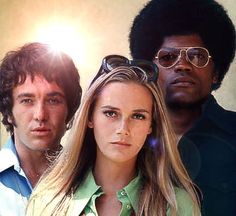





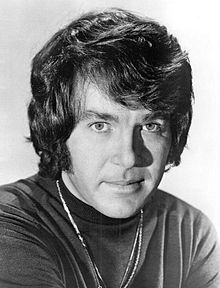


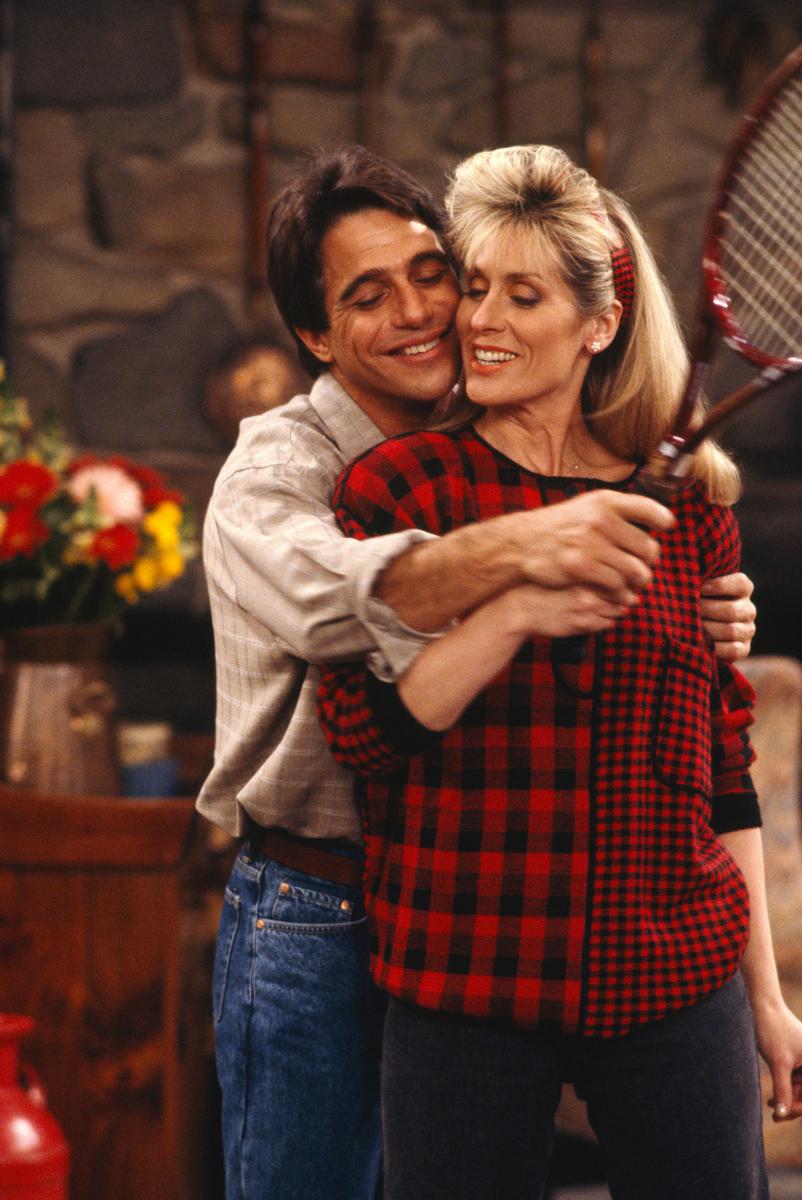
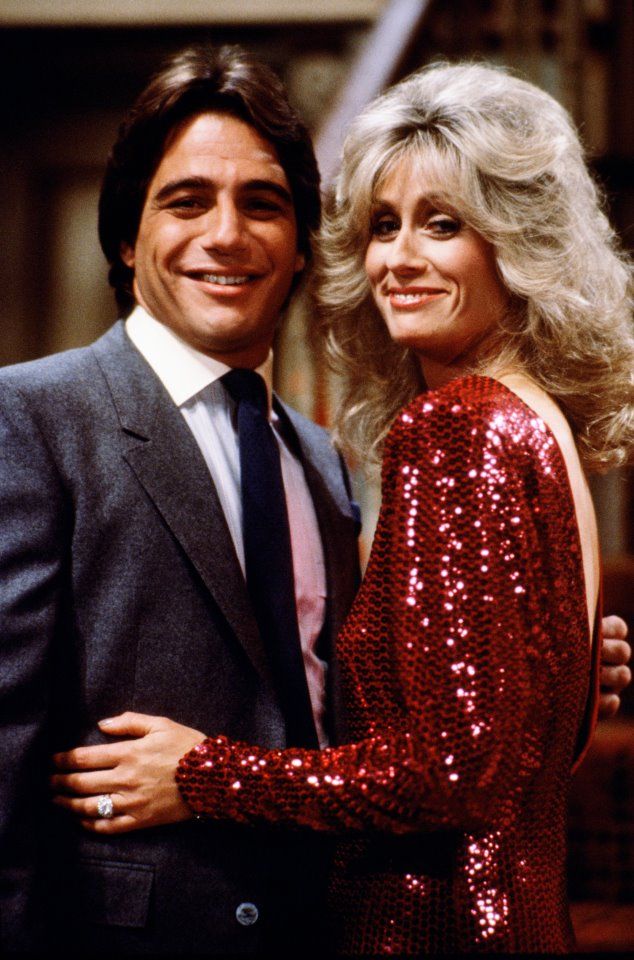



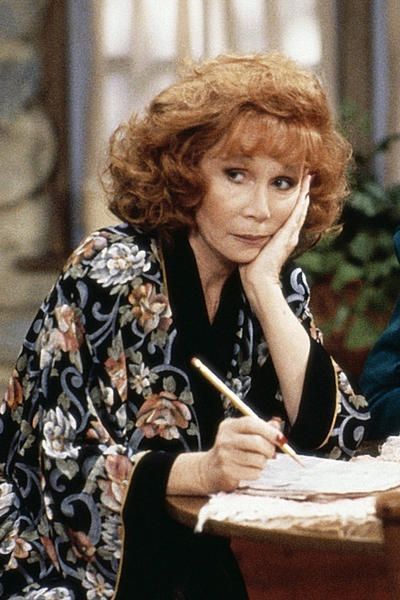

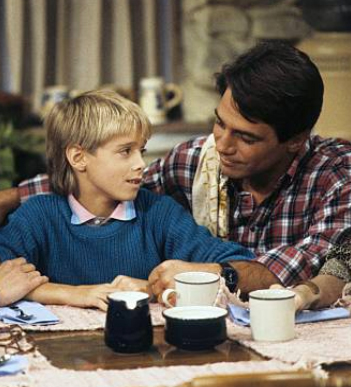


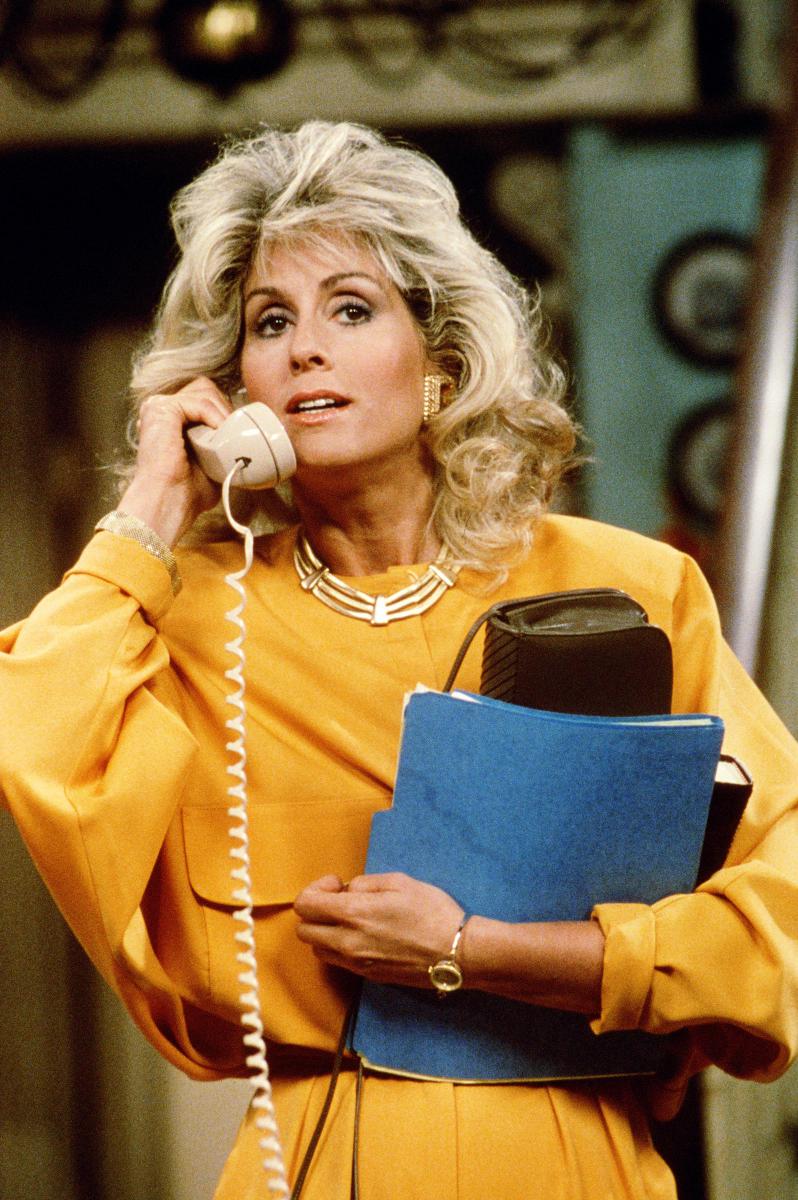

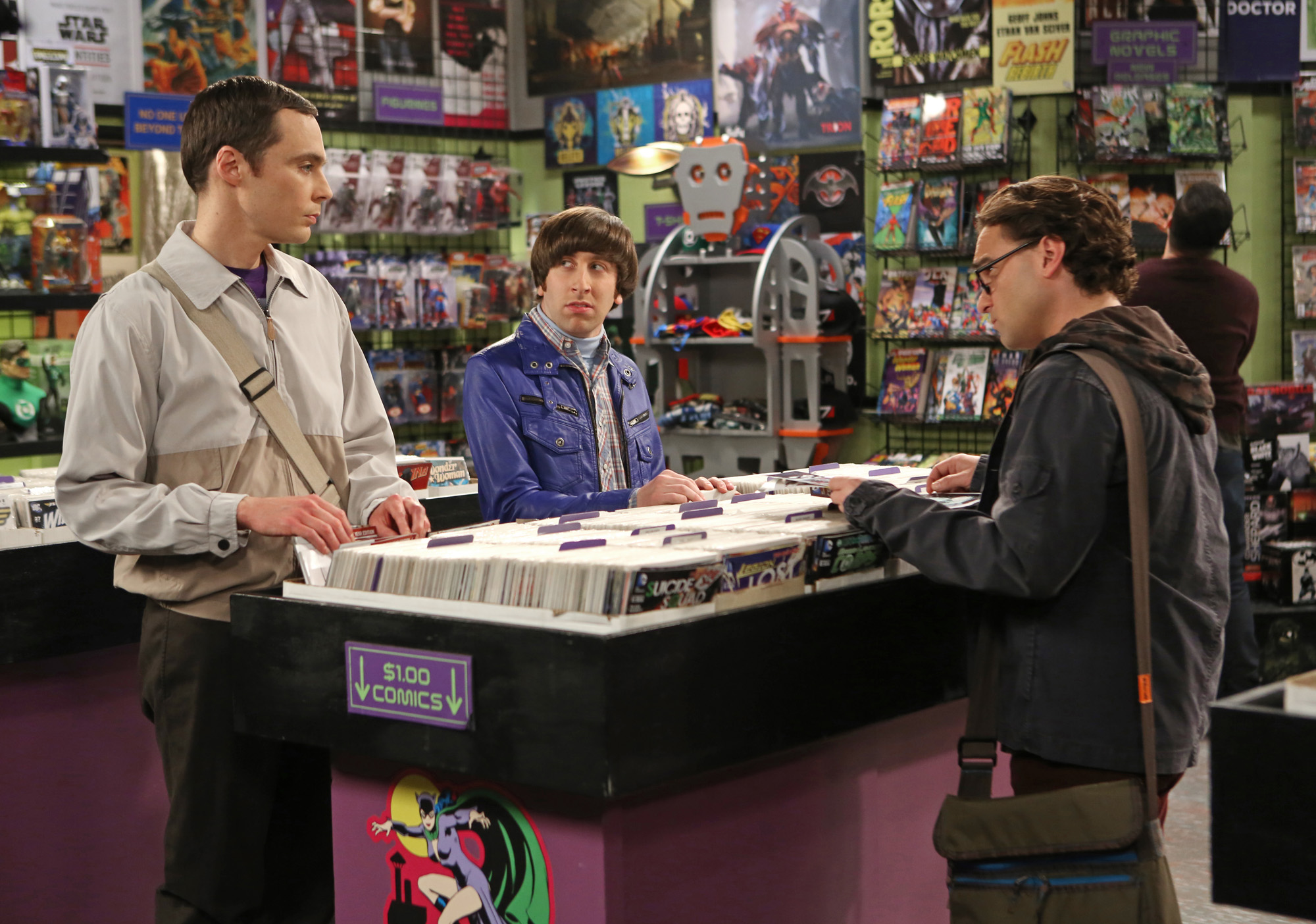

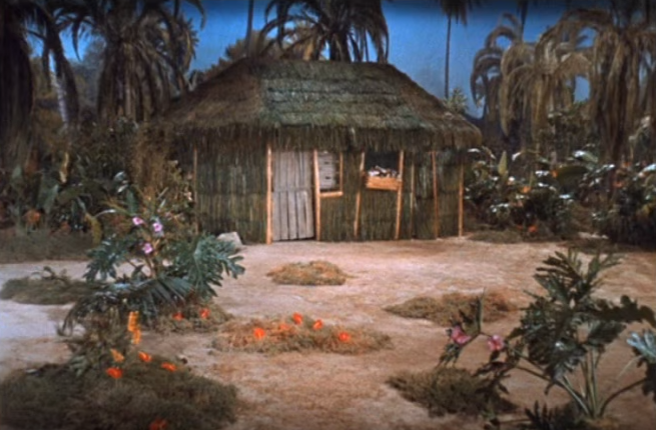
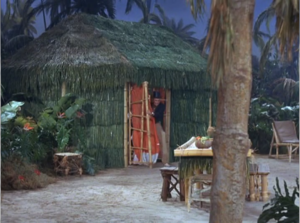

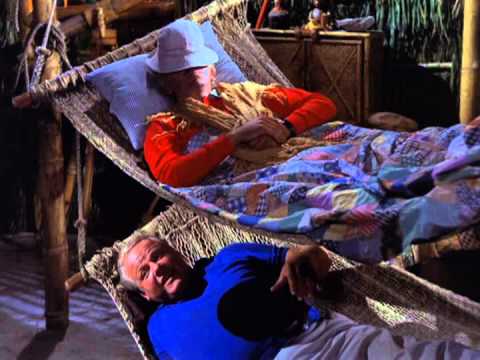
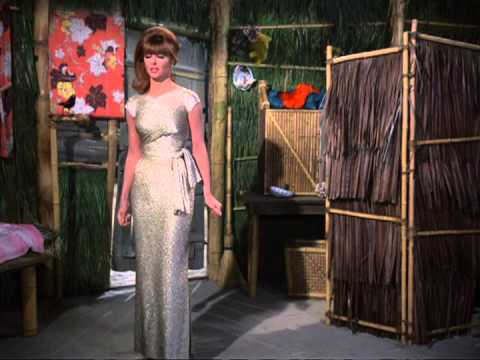
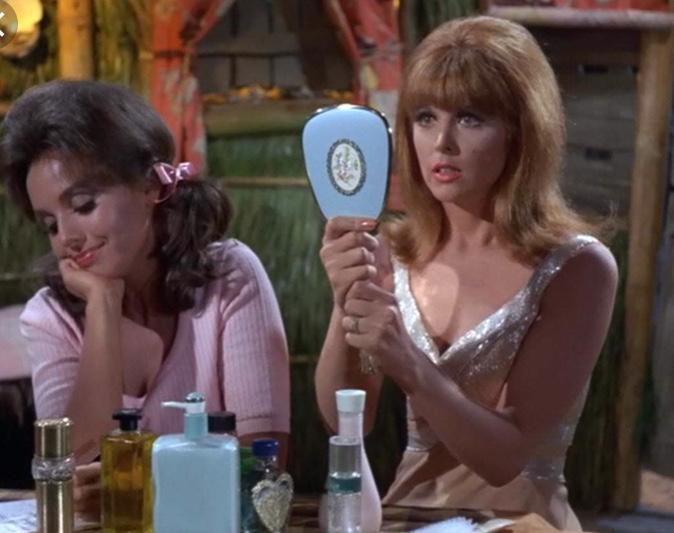

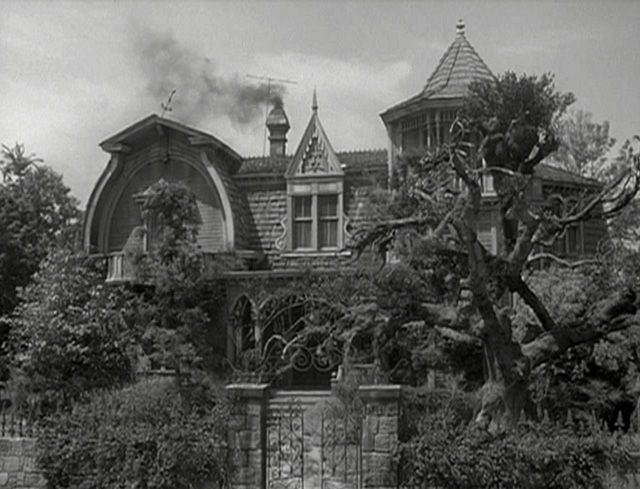
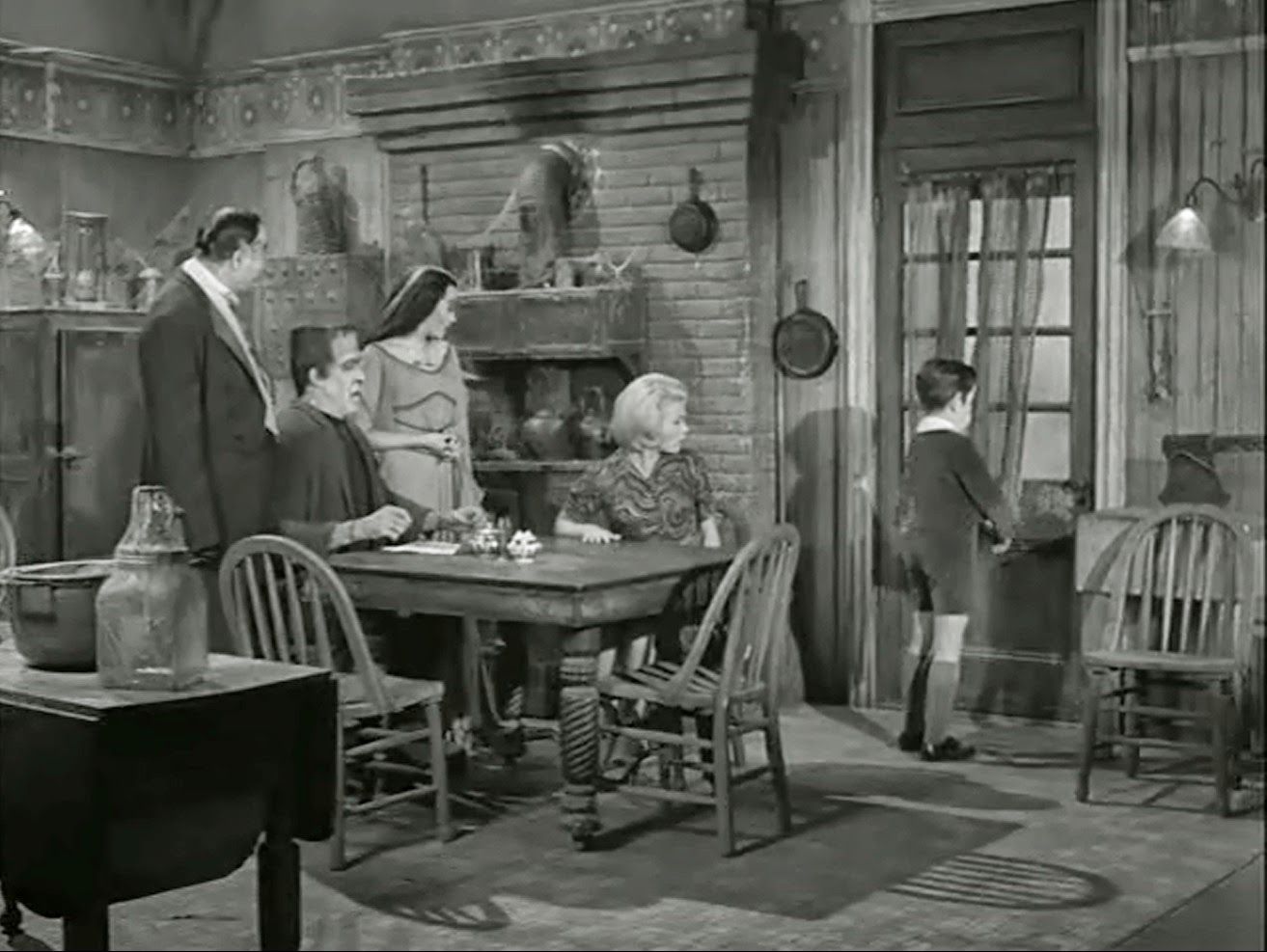
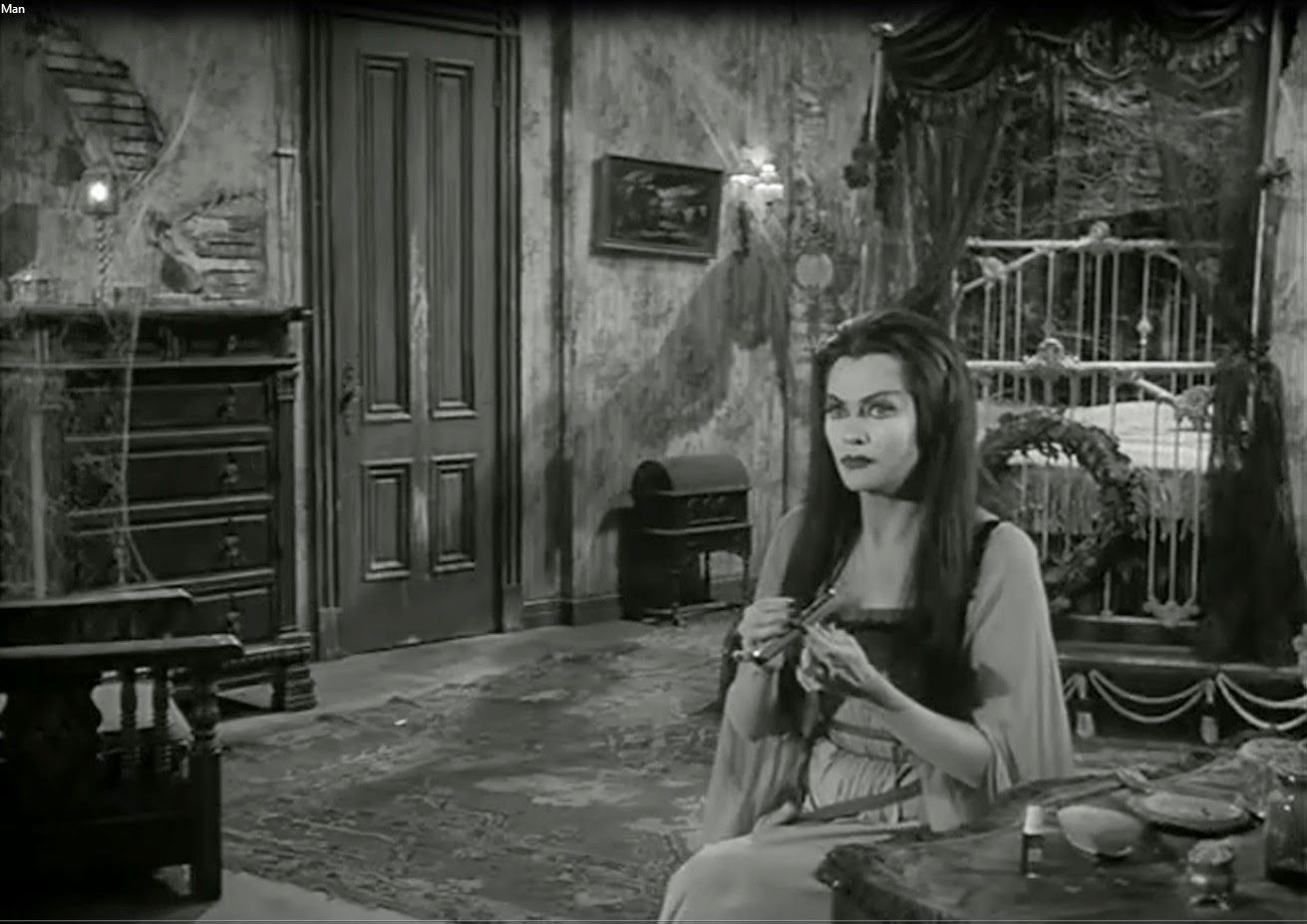
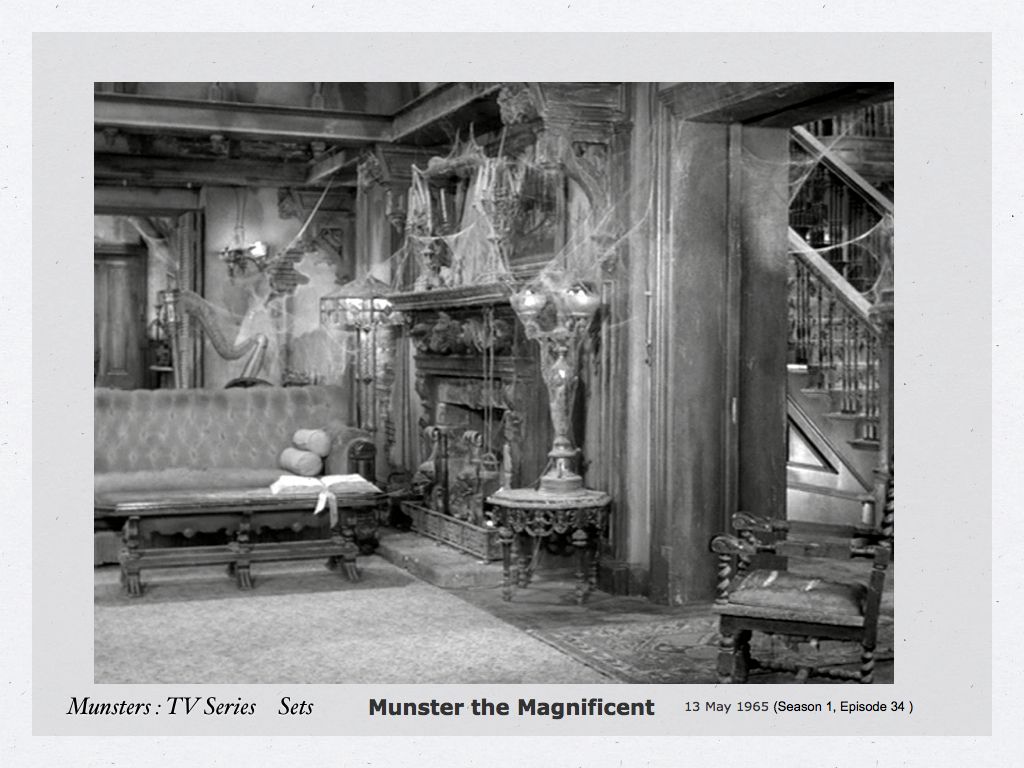




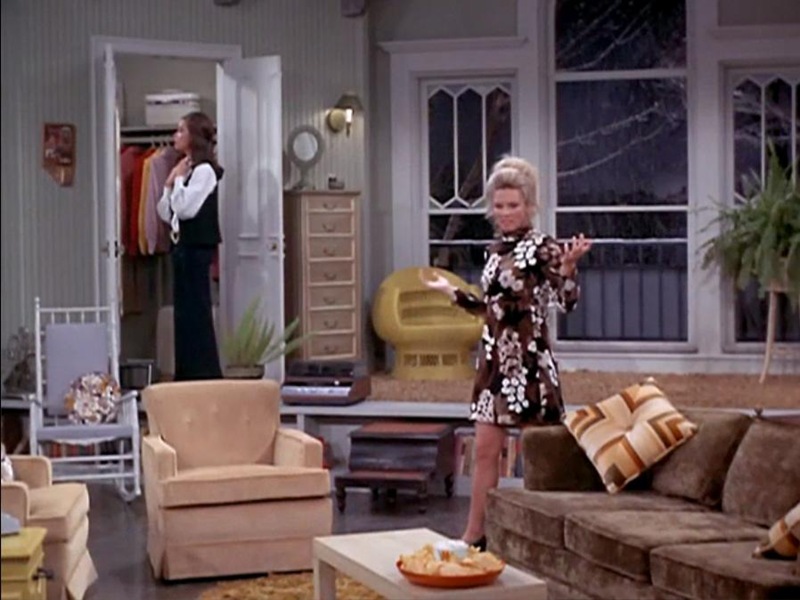
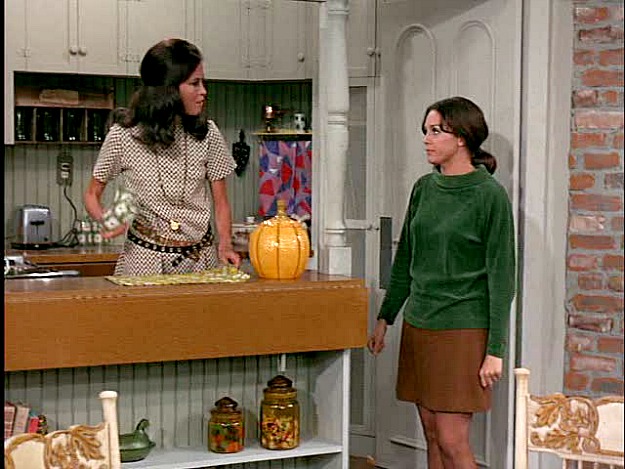

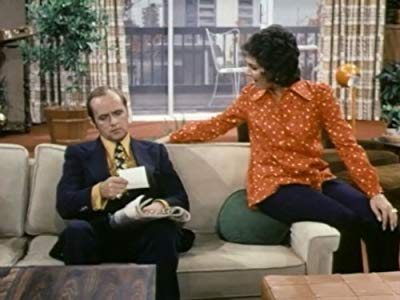



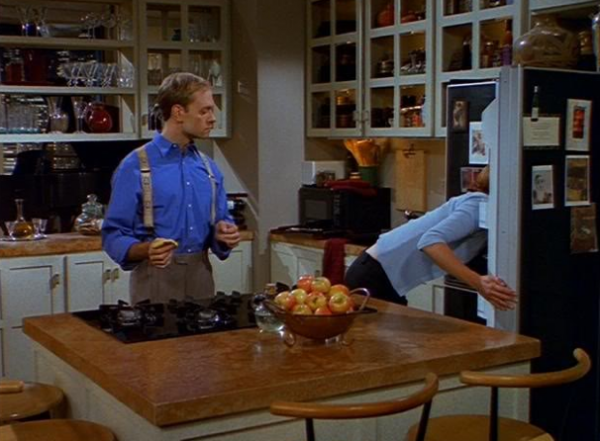

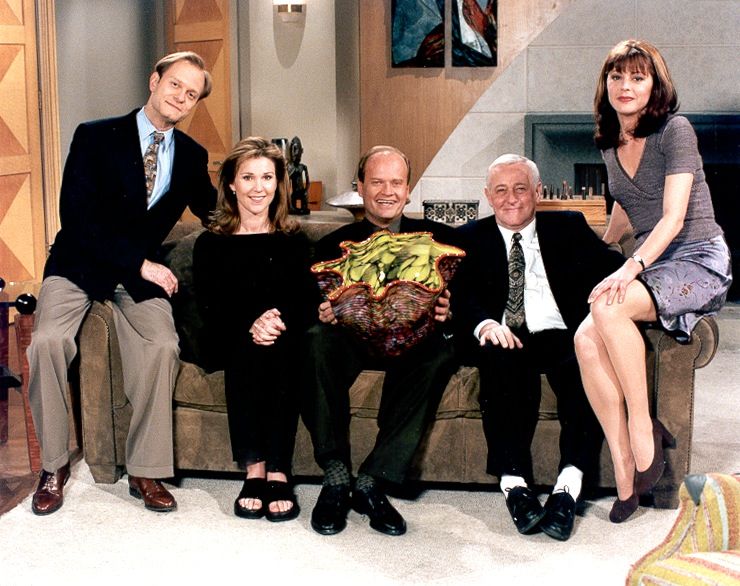

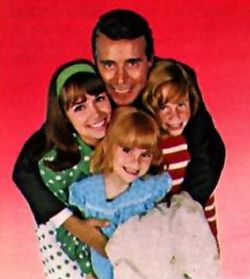
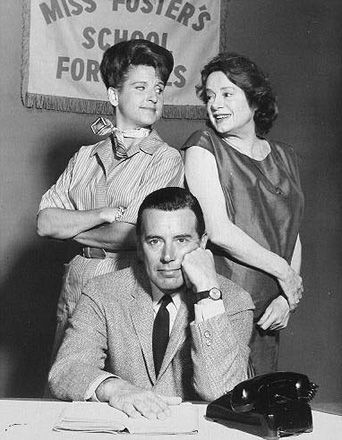
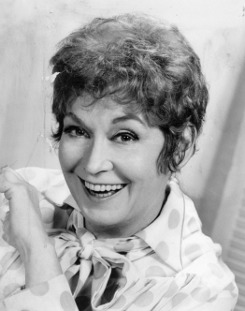
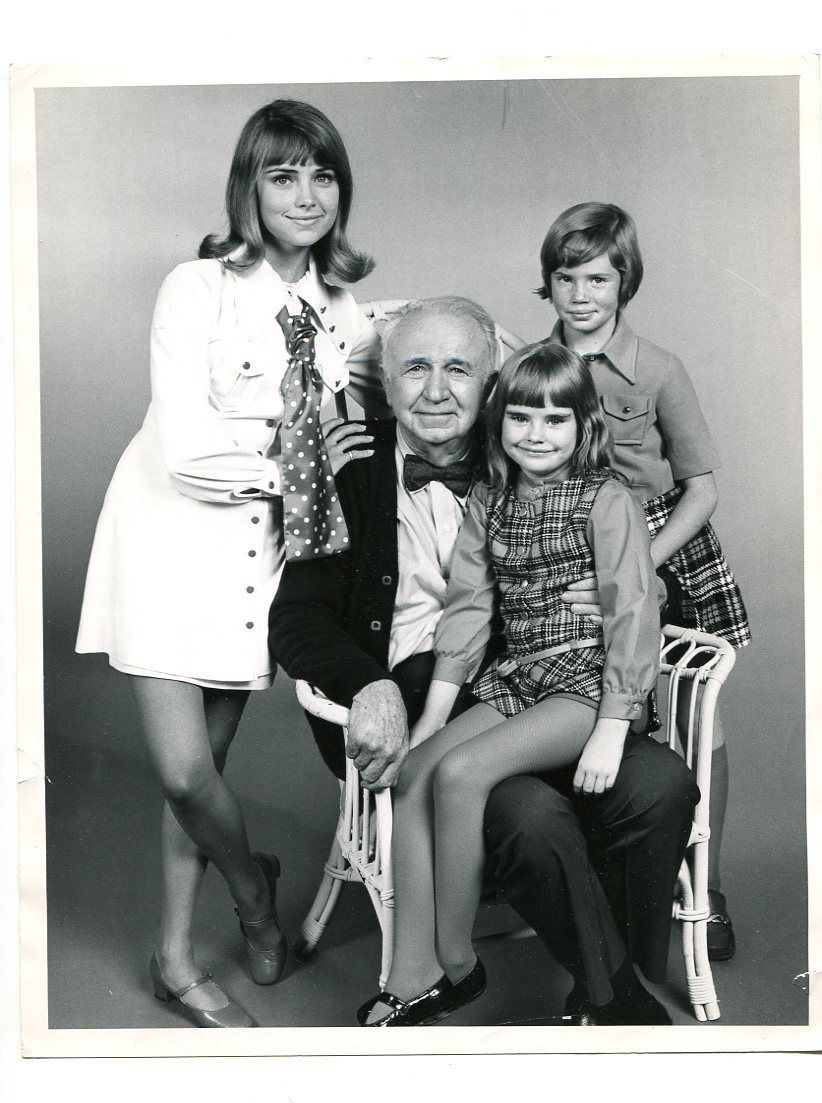
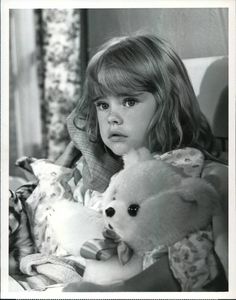
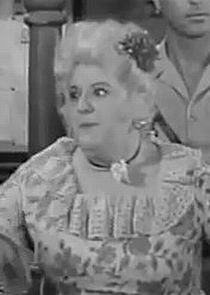
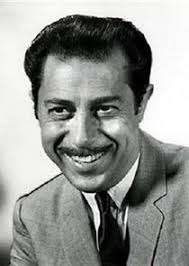
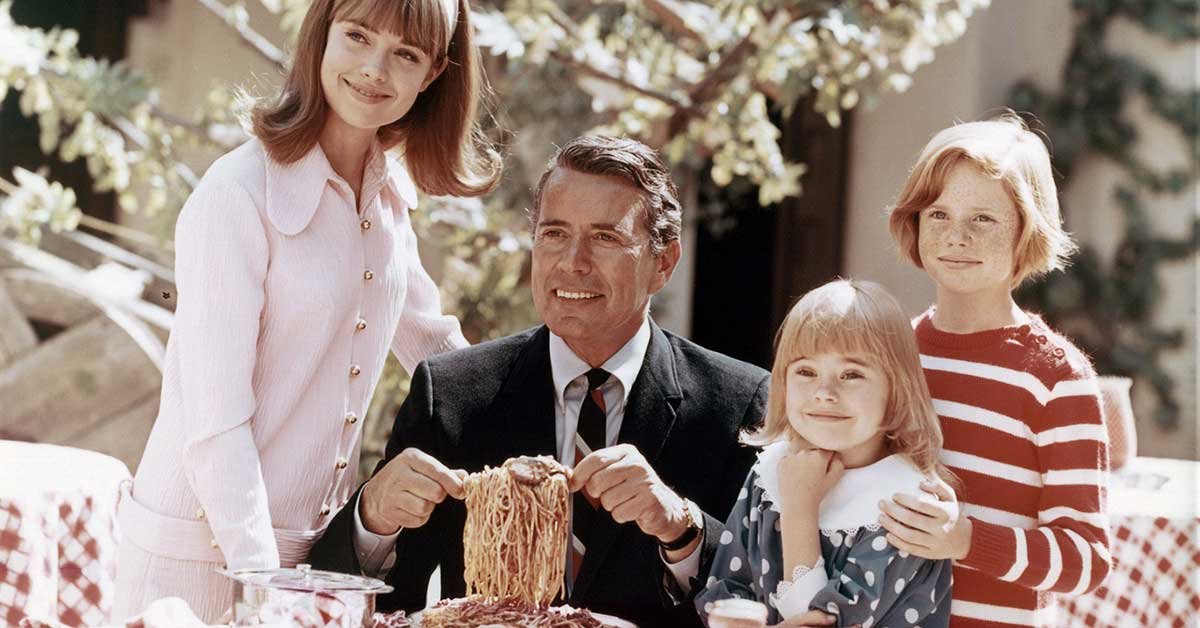
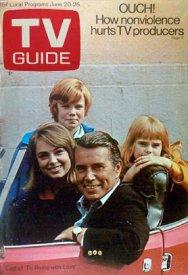
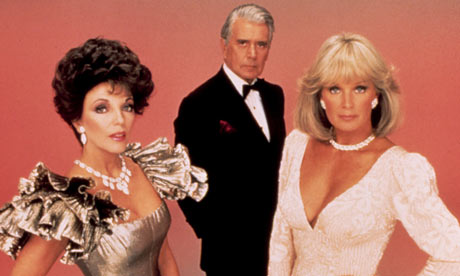
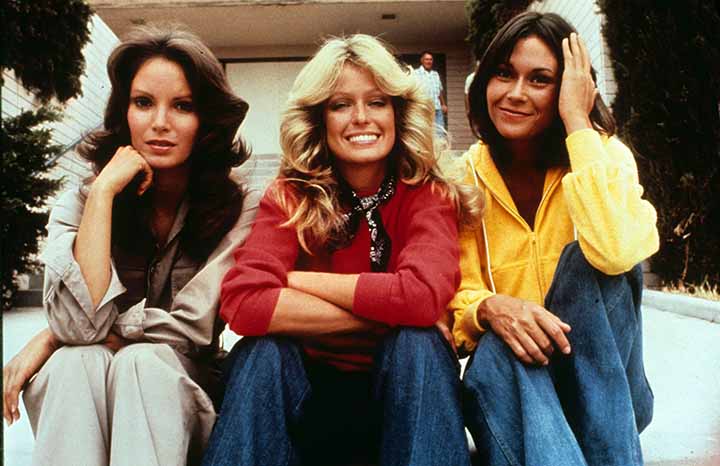
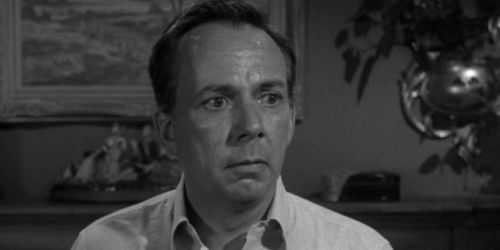
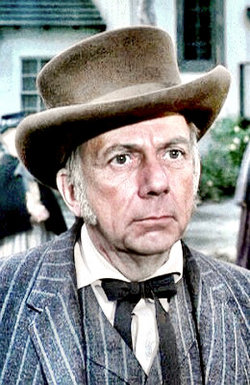
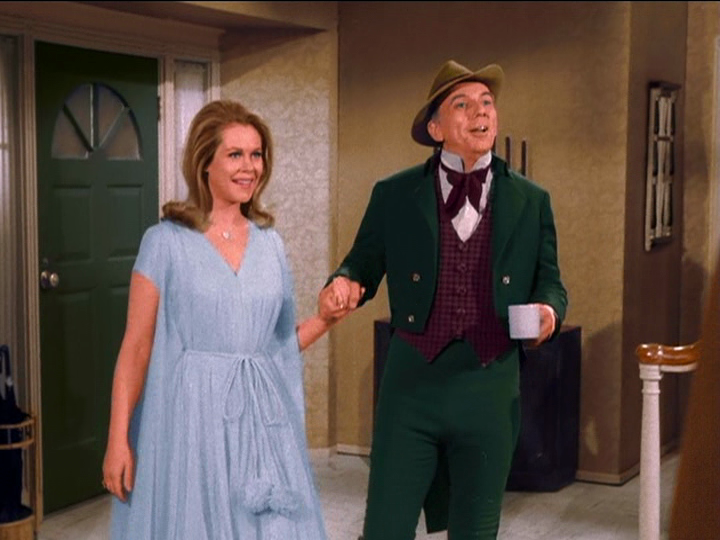
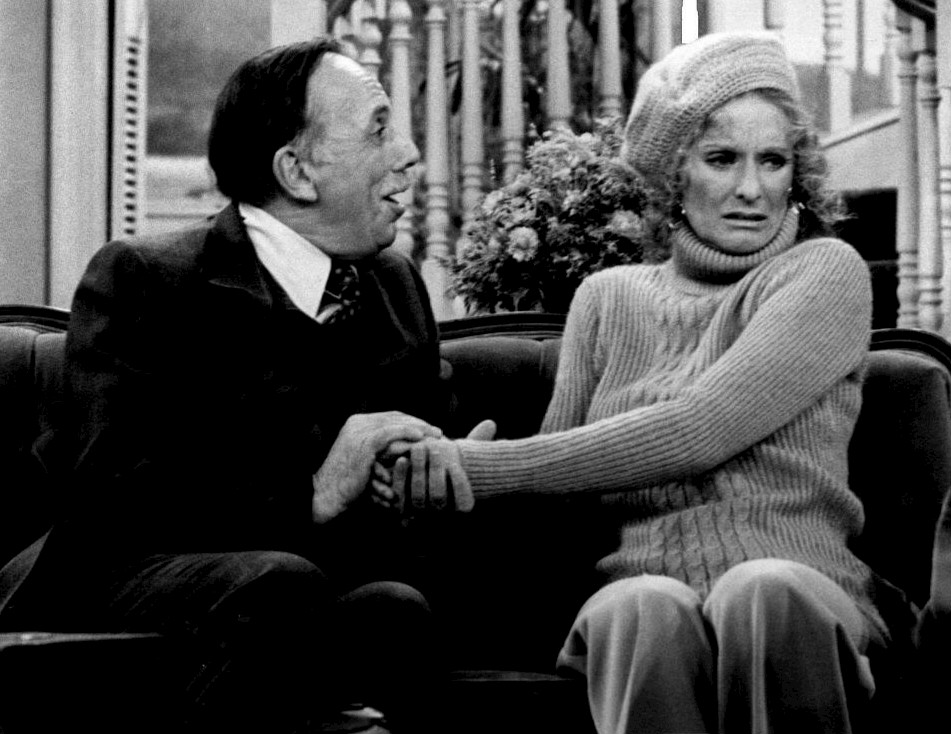
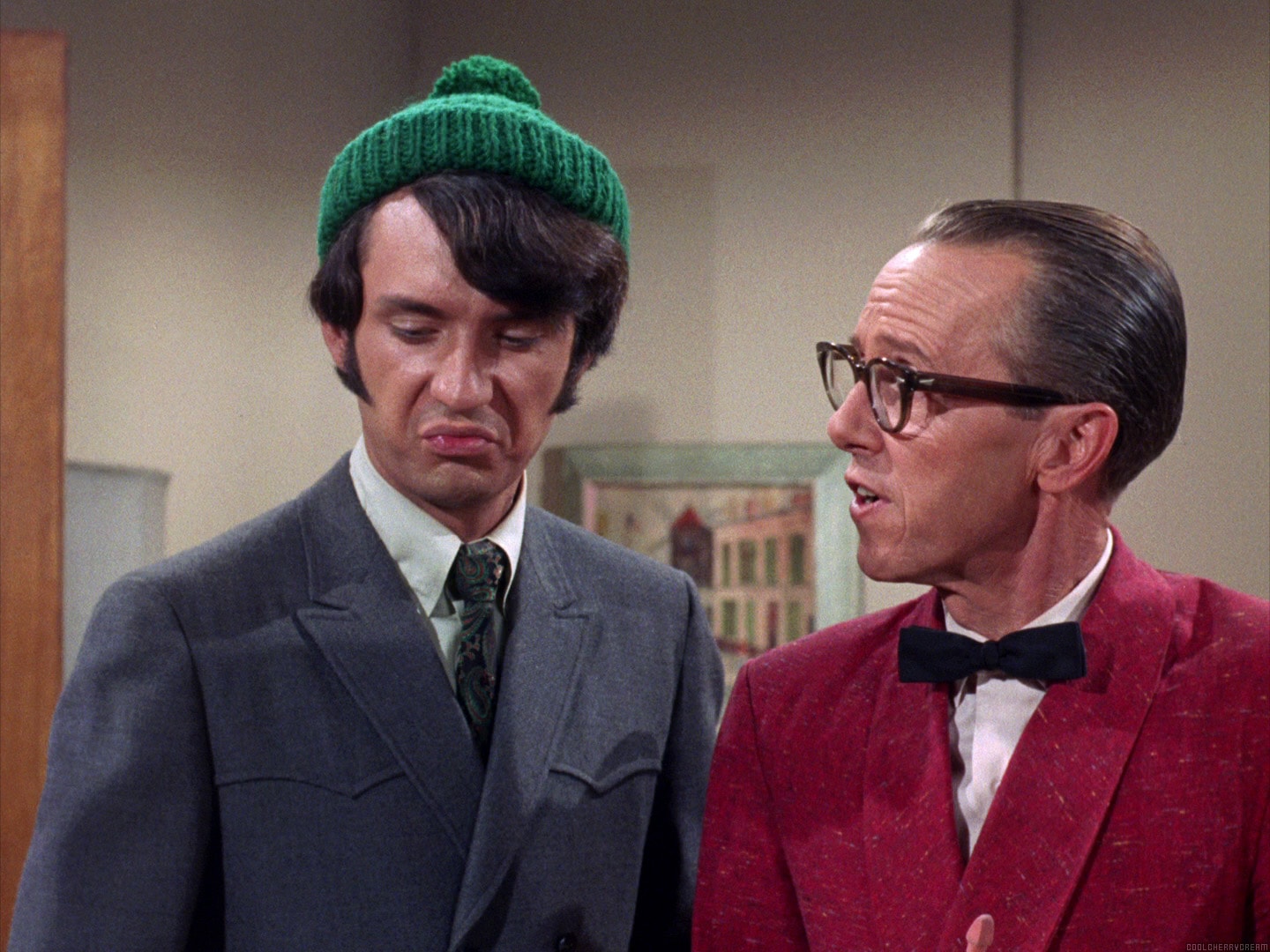


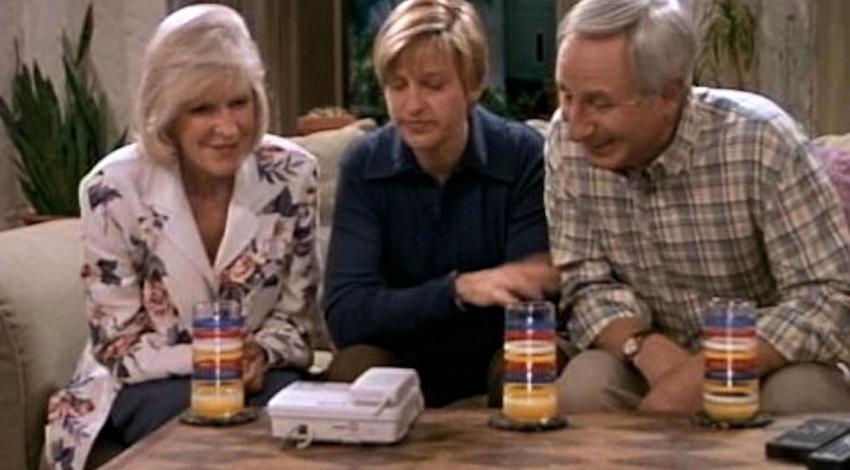
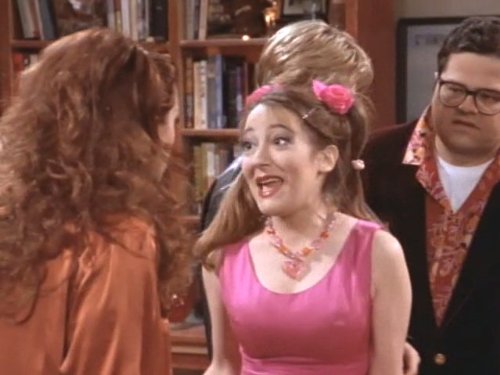


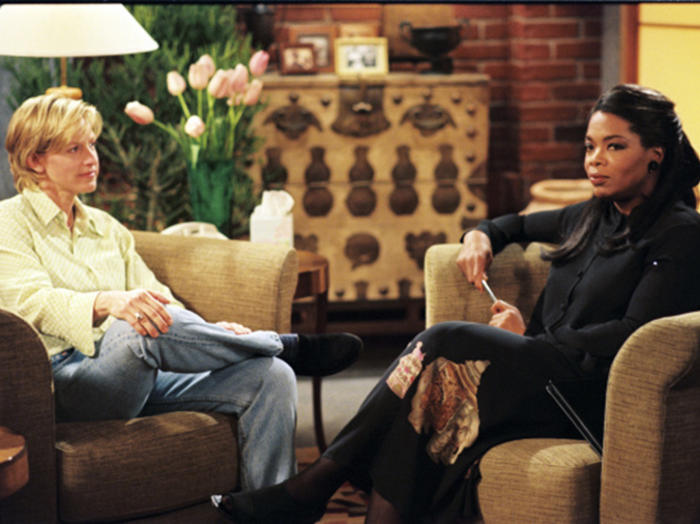


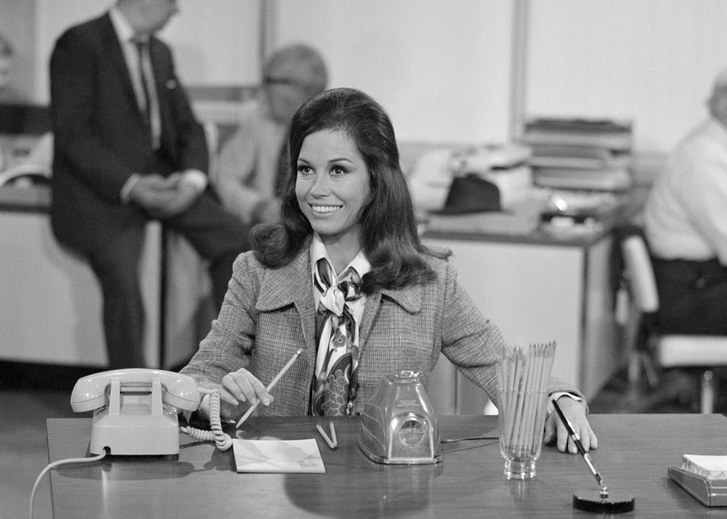


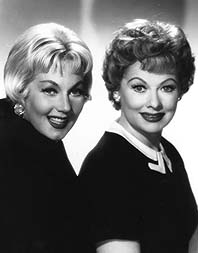

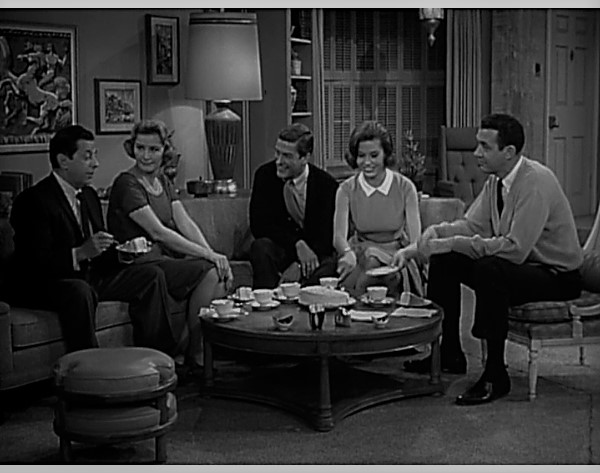
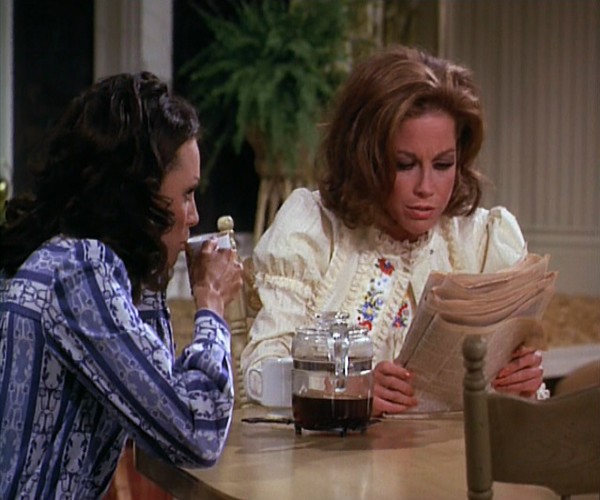


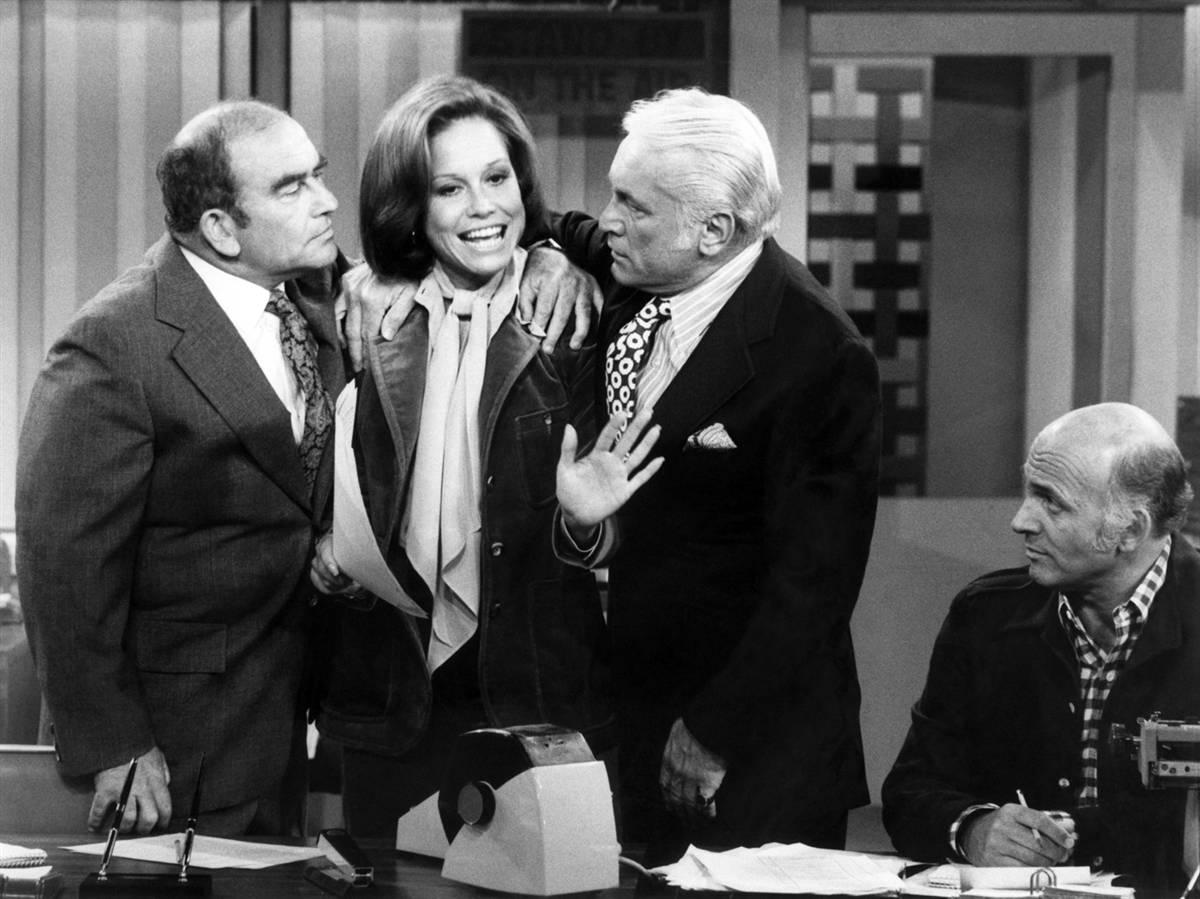
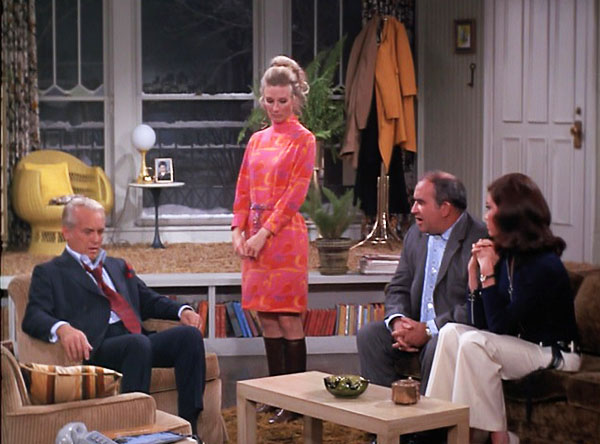


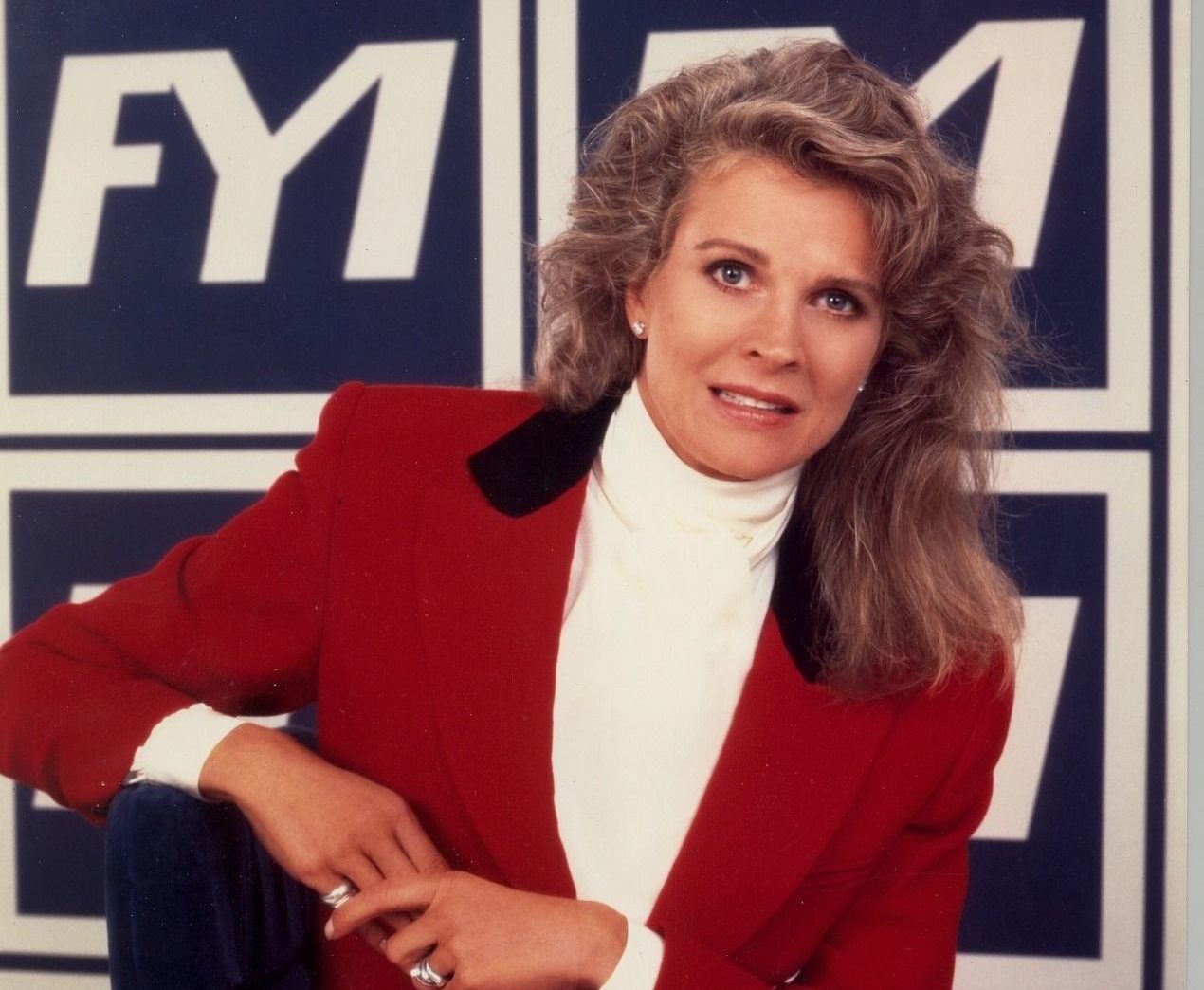
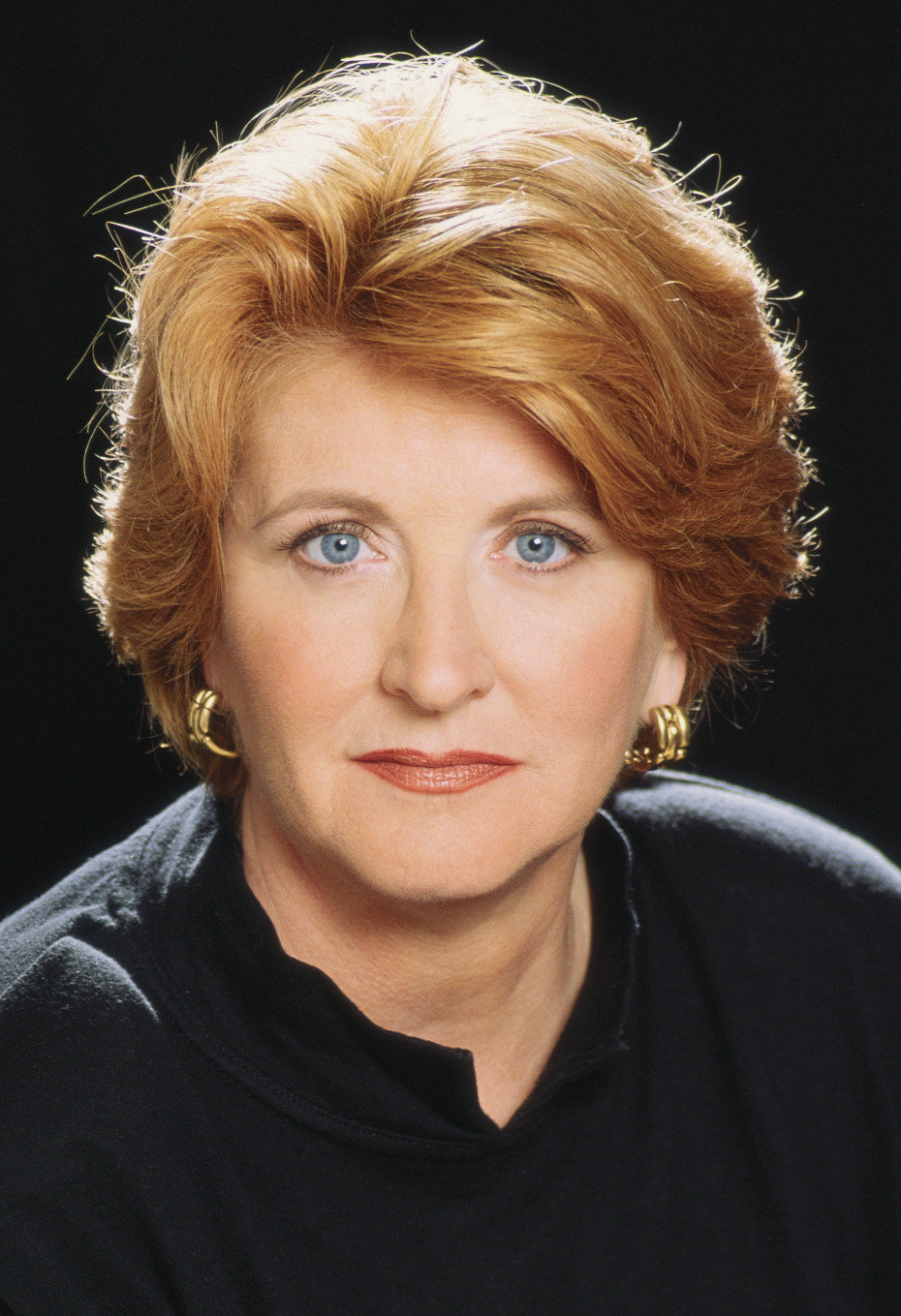


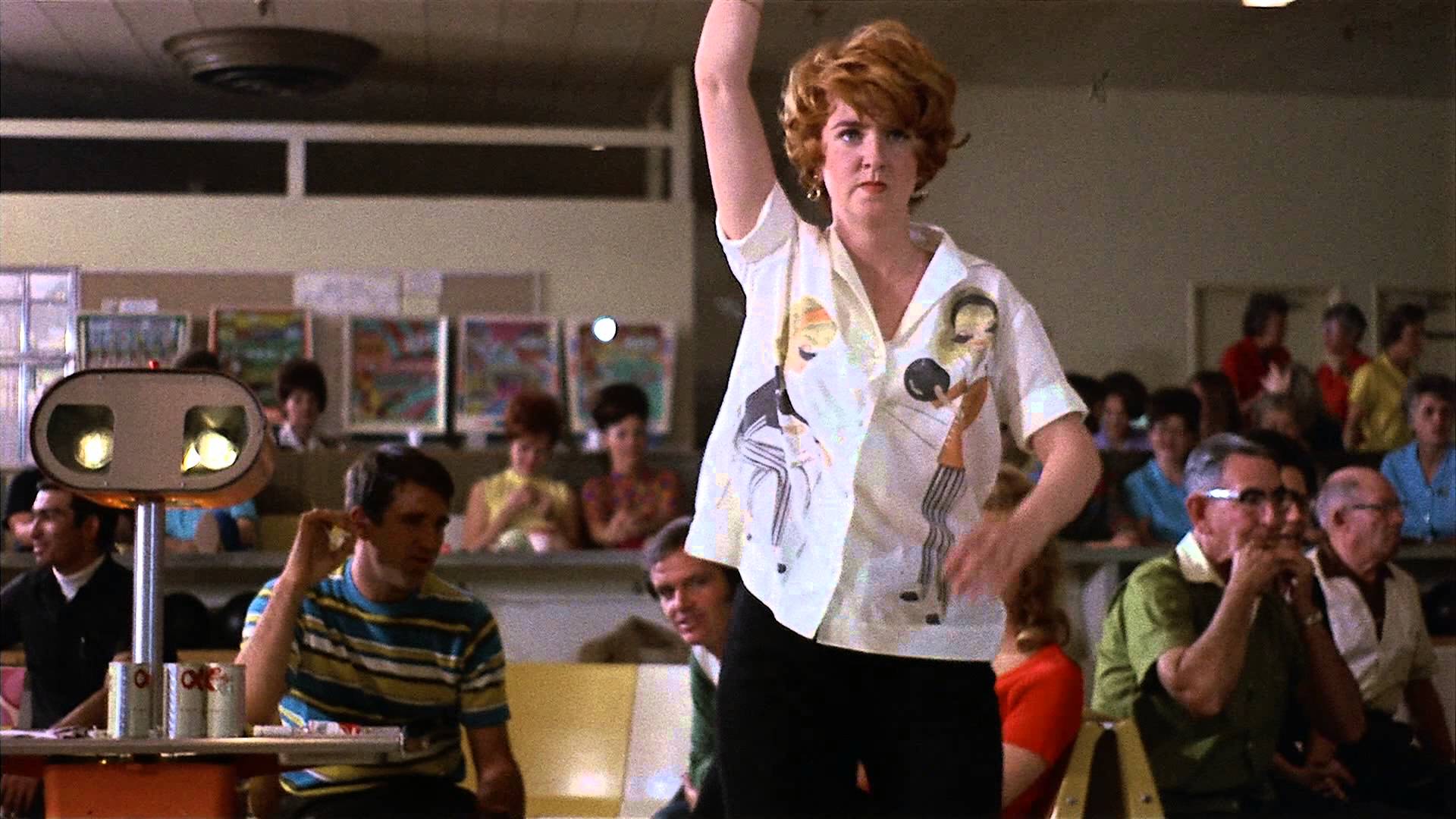



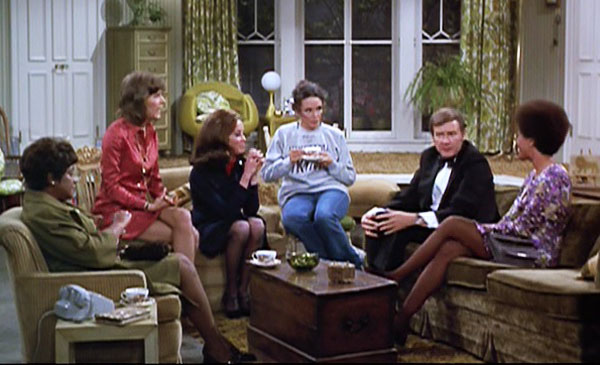


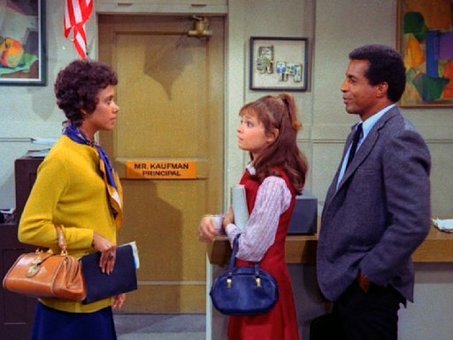


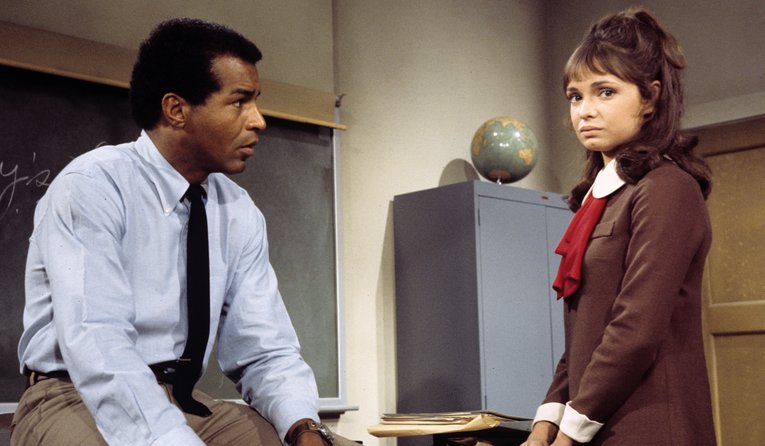


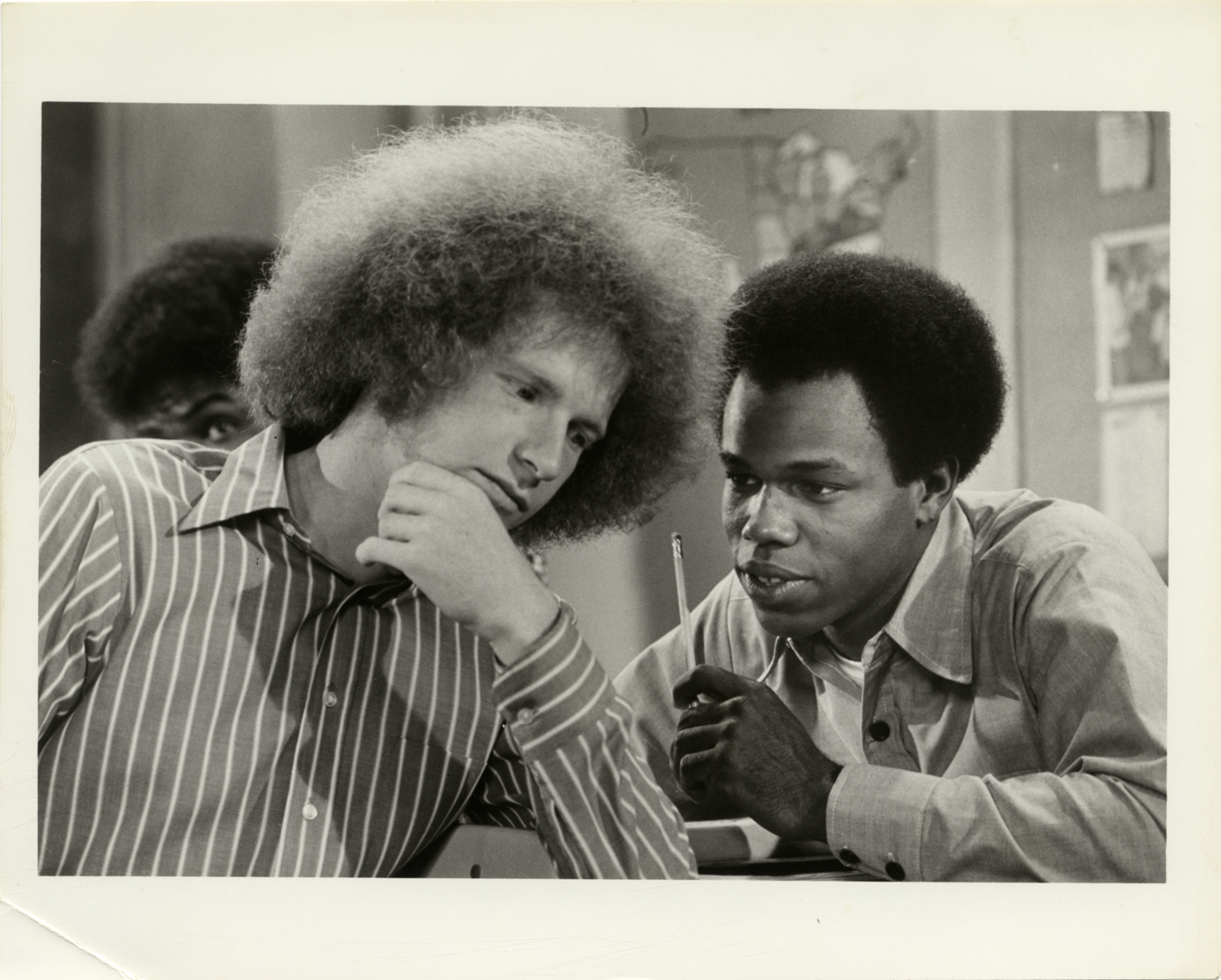


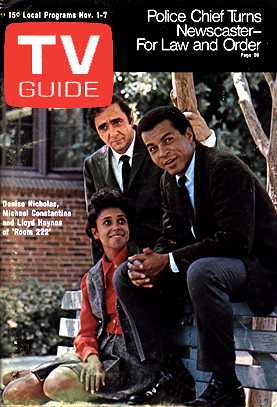

 thewritelife61