Father Knows Best: We All Grew Up in Springfield

Our last two shows are both set in Springfield, and we might do a bit of comparison and contrast next week. This week we are checking out the Anderson family on Father Knows Best.
📷wikimedia.com

The show debuted on NBC radio in 1949. For five years it was sponsored primarily by General Foods. None of the television cast members were part of the radio show, but you would recognize the voice of Jean Vander Pyl from The Flintstones.

A couple of months before the show ended on radio, it made its move to television. This was not all that unusual in the early days of television, but the show began on CBS for a year, then it was picked up by NBC for three years, and then it returned to CBS for two years.

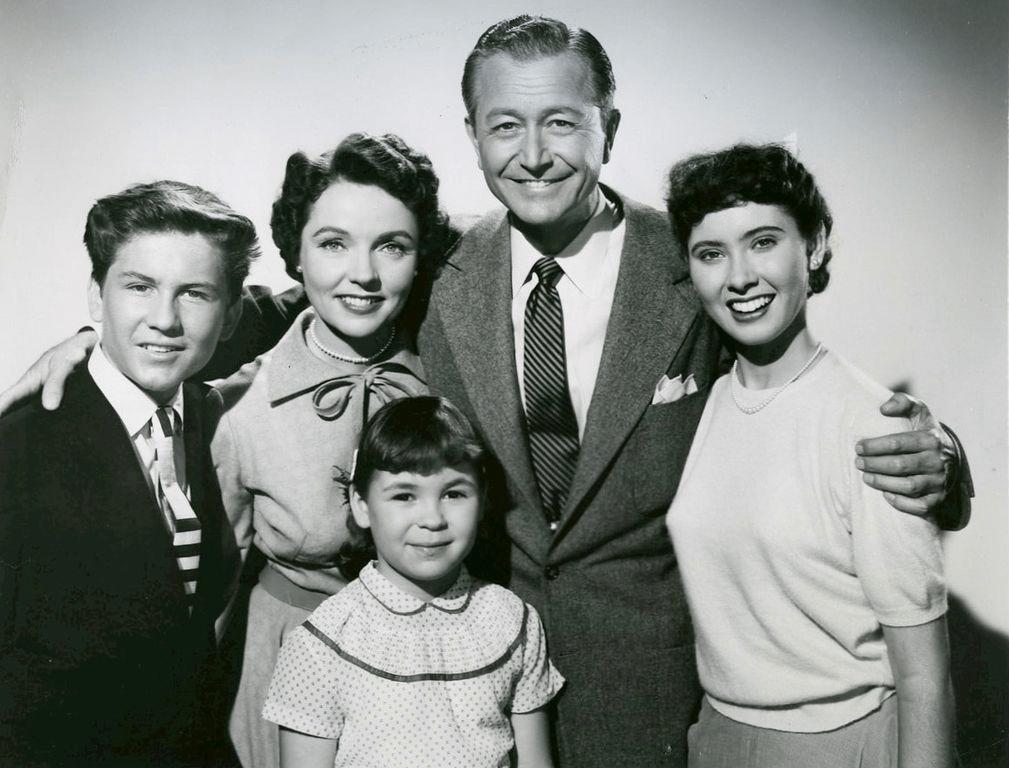
The pilot aired on an episode of The Ford Television Theatre and was called “Keep It in the Family.” While the show was picked up, only Robert Young was retained from the original cast. Joining him were Jane Wyatt as Margaret, Elinor Donahue as Betty, Bill Gray as Bud, and Lauren Chapin as Kathy.

📷evergreenarchives.com

I think we all have this stereotyped vision of the Anderson family in our memories. In fact, the US Department of the Treasury requested a 30-minute episode of the show that was never aired on television. It was distributed to schools, churches, and civic groups to promote the sale of savings bonds. However, when I watch the show today, I think it got some unfair criticism. There are several episodes when Margaret has just had it with cleaning and cooking for an ungrateful family. The kids are sometimes portrayed as thoughtless and self-absorbed. The three children often disappoint their parents and sometimes the parents are not good role models. I don’t say that in a negative way—it’s a realistic description of a lot of us as teenagers and parents at times.
📷imdb.com

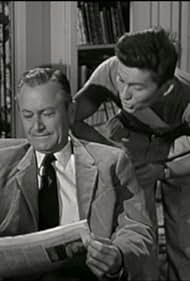
Robert Young and his business partner Eugene B. Rodney developed the show with Screen Gems. Casting was not an easy task. One of the things they were trying to avoid was stereotyping. They wanted Bud to be absorbed but not flip. Young and Rodney mentioned that it was not easy to do the gags in the right tone, but they knew they had their Bud in Gray in a scene where Jim is worried about Betty getting too serious. Rodney relayed the following story: “As an example”, said Mr. Rodney, “when Jim, worried about Betty’s going steady, reads aloud a newspaper story about a girl eloping and taking $200 with which her aunt was to buy a TV set, our Bud had to be able to look up and ask seriously, ‘What size screen, dad?’ Billy Gray was the only actor that could do it the way we wanted.”

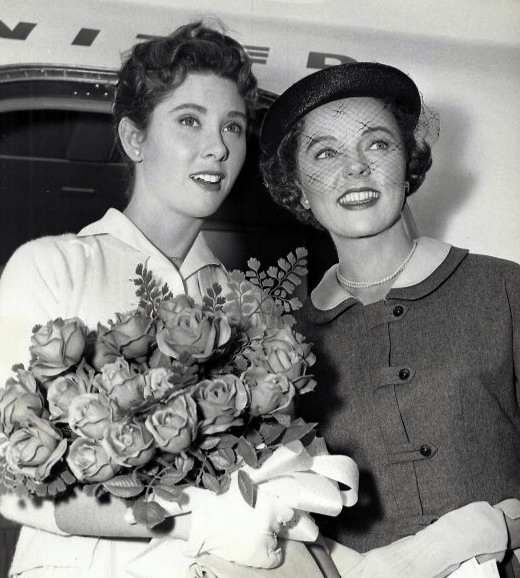
Kathy was a bit harder to cast for; seventy-eight girls auditioned for the role. Chapin had no acting experience before the show, but she seemed more like a regular kid. They wanted Betty to be attractive but not sophisticated. Donahue talked about her auditions in a Television Academy interview. She auditioned once and had to hop out of the tub and run to the audition with her hair a bit of a mess, and they told her she was too young for the part. Her agent got her hair cut, dressed her in a suit with heels and got another tryout for her, but they said she was too old. Her agent kept pestering them to give her one more shot and they did not want to, but finally Rodney agreed if her agent would quit calling him, so they brought her in again. She was all nerves and very anxious and Young tried to calm her down and she auditioned again and felt that she had embarrassed herself and that she had made a terrible impression. However, they called a month later to say that she had been hired.
📷wikimediacommons.com

Jane Wyatt was offered the role of Margaret and rejected it. She wanted to do a show in New York, but when they sent her the script and she read it, she loved it and agreed to the part.

The show began on Sunday nights. It seems a bit odd today that this wholesome family show on Sunday nights was sponsored by Lorillard’s Kent cigarettes. The show became popular with America, but the ratings were not high enough for Kent Cigarettes, and they decided not to extend the 26-episode contract. Fans sent letters, and television columnists got in on the action, encouraging fans to write the president of the CBS network. Kent canceled and Scott Paper then picked it up. Scott moved the show to NBC. By the second season, more than 19 million households watched the show on Wednesday evenings. In 1958 NBC decided to cancel the show, but CBS took it up again for two more years. In 1960 there was a writers’ strike and it lasted long enough that Robert Young decided he was ready to move on in his career. Jane Wyatt was also ready to retire and enjoy her family. The sad thing was that they were never able to say goodbye to each other or wind up the show.

📷imdb.com

Good scripts were critical for both Rodney and Young. They wanted character motivation. Roswell Rogers and Paul West, the primary writers for the show, took a lot of their material from their own lives. The two writers had seven children between them and included moral lessons built in.

The two major directors were Peter Tewksbury and William D. Russell. As co-owner of the show, Rodney served as producer. He knew everything about the characters. Jane Wyatt related an incident when she asked Rodney what she could do to improve her characterization of Margaret. Rodney told her to love her children as much as her husband. Wyatt realized at that moment that she had been concentrating on the relationship between Jim and Margaret more than her motherly feelings.

📷pinterest.com

If you are a pop culture fan, you will recognize the house as the home of Mr. Wilson on Dennis the Menace and Major Nelson on I Dream of Jeannie. If you pay close attention, sometimes you can see the house in episodes of Bewitched, Hazel, The Monkees, and The Partridge Family. Gracie Allen would have approved of the show’s interior. She liked to do the activity that she was supposed to be doing on the show, and the Andersons had working appliances in their kitchen. While the bedrooms were interchangeable so they could film any of the characters’ rooms, the kitchen had red wallpaper, white cabinets, and blue countertops. Every morning, coffee and sweet rolls were served, and lunches were kept in the refrigerator.

The theme song was titled “Waiting.” It had lyrics but they were never used on the show. It was written by Don A. Ferris and Irving Friedman.

The show was nominated for an Emmy 20 times with 6 wins: Robert Young won for Best Actor in 1957 and 1958, Jane Wyatt won for Best Actress in 1958, 1959 and 1960, and the show received Best Direction for A Single Episode in 1959.

📷closerweekly.com

The Andersons had a special place in the heart of many kids growing up during the fifties and in 1977, two reunion movies were made: Father Knows Best Reunion in May and Father Knows Best: Home for Christmas in December. We learn that Betty is a widow with two daughters, Bud is married with one son, and Kathy is recently engaged to a doctor.

Despite the abrupt ending of the show, the cast kept in touch. Donahue said that she really loved Robert Young and considered him her father figure. She, Chapin, and Gray all were in families without a father, although Gray saw his occasionally, so Robert did become a father for them. She said he never had a cross word for any of them and if they were behaving unprofessionally or causing trouble, he would take off his glasses and look down and that was their cue to do better. Perhaps that is why the show rings true for so many people. On the set, their “father” truly did know best.

Marcus Welby, MD: Every Family’s Doctor

The Cast Photo: tvtropes.com

This month we are “Examining Our Favorite Medical Series.” Beginning in 1969 and staying on the air for seven seasons, this show was a show that the entire family could agree to watch. In fact, on The Partridge Family, there is at least one episode where the Partridges are watching Marcus Welby, MD.

Marcus Welby (Robert Young) is a family doctor who truly likes and knows his patients. Sometimes he even made house calls. Dr. Steven Kiley (James Brolin) is his business partner and they both rely on Nurse/Office Manager Consuelo Lopez (Elena Verdugo).

Produced by David Victor and David J. O’Connell, the show aired on Thursday nights. Victor also produced episodes of Dr. Kildare as well as The Man from U.N.C.L.E., Owen Marshall, Counselor at Law, and Lucas Tanner, among others. O’Connell produced episodes from several series but he was kept busy in the Editorial Department for a slew of shows, including Tales of West Fargo, Bachelor Father, Leave It to Beaver, The Jack Benny Show, Wagon Train, McHale’s Navy, and The Munsters. (In the future, I will definitely look into a show about editors for a blog.)

Welby and Kiley were very different. Kiley rode a motorcycle to work while Welby drove a sedan. Welby was a widower; he started his career as a doctor in the US Navy during the war. He enjoyed sailing on the ocean. Welby often wanted to use more radical treatments than his younger partner who was more conservative in his patient care. A lot of ailments were tackled on the series including impotence, depression, brain damage, breast cancer, epilepsy, Alzheimer’s, rape, and abortion.

Photo: WorthPoint.com

The two doctors had a private practice with operating privileges at Lang Memorial Hospital. Both doctors had girlfriends, Myra (Anne Baxter) and Janet (Pamela Hensley). Welby’s daughter (Christine Belford) and grandson (Gavin Brendan) were often on the set as was Kathleen Faverty (Sharon Gless), an assistant program director.

In season two the show made it to number one for ABC. Both Young and Brolin won Emmys and the show won an Emmy for Outstanding Dramatic Series.

After seven seasons of medical storylines, the show’s viewership began to wane. Many of the medical series were running out of steam at that time. Once ratings continued on the decline, the show was canceled.

Photo: decider.com

However, eight years later, The Return of Marcus Welby, MD aired. Young and Verdugo continued their roles although Brolin was no longer available. It must have done well, because a second movie was filmed in 1988–Marcus Welby, MD – A Holiday Affair. This would be the last acting role Young would accept.

I have many fond memories of watching this show when I was young with my family. Marcus Welby reminded me of our family doctors; he was kind, gentle, smart, and had a great bedside manner. And he made house calls! Don’t get me wrong, there are still many doctors with his characteristics and they kind of make house calls now over the computer but it’s not the same. Thanks, Dr. Welby, for caring for all of us for seven years.

Dr. Kildare: The “Perfect” Doctor

Photo: collectors.com

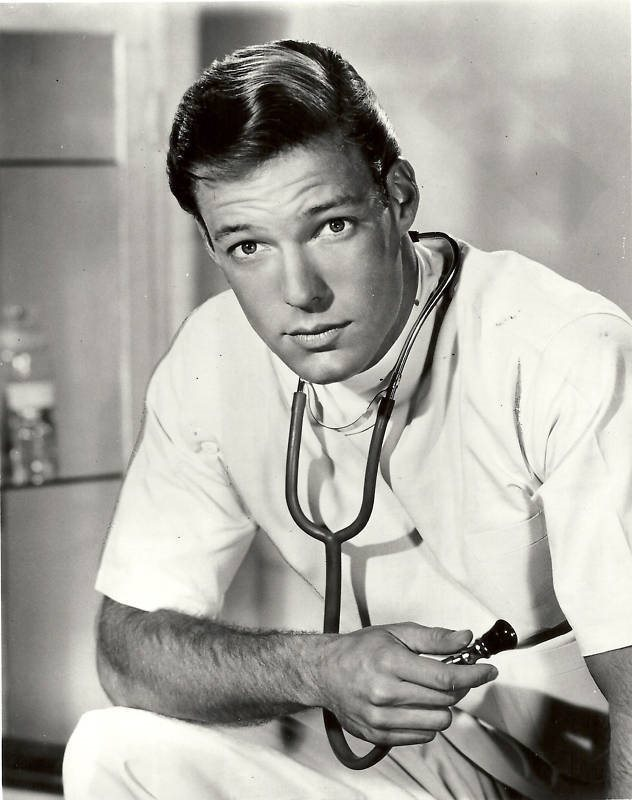
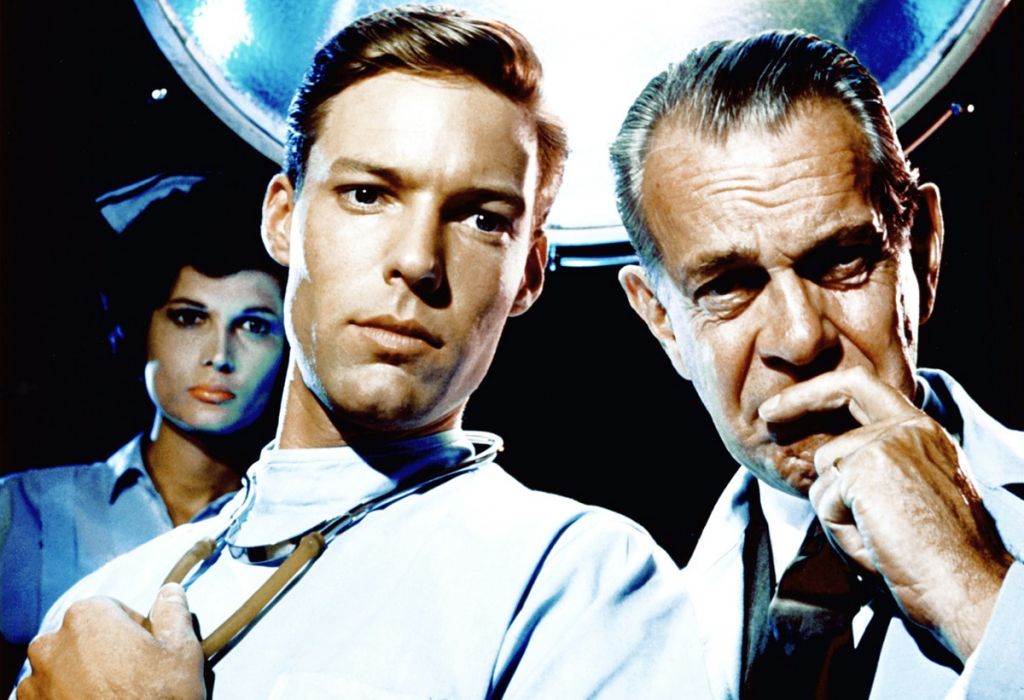
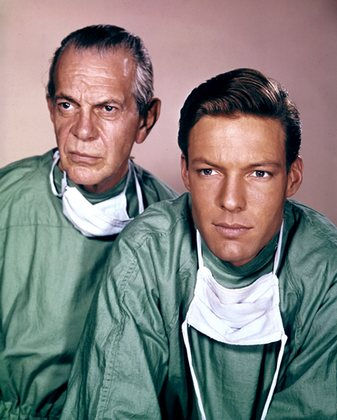
This month we are checking out a few favorites in a blog series: “Examining Our Favorite Medical Shows.” Last week we learned a bit about Ben Casey. Today we are looking at a similar show to Ben Casey, although in many ways it was very different: Dr. Kildare.  Dr. Kildare was also on the air from 1961-66. MGM produced this show created by Max Brand in the 1930s. The show had previously been a movie and a radio series. Unlike Ben Casey who seemed to argue with everyone, Dr. Kildare (Richard Chamberlain) was a respectful intern at Blair General Hospital. He wants to help his patients and listens to his mentor, Dr. Leonard Gillespie (Raymond Massey). In season three, Kildare became a resident, and the episodes focused more on the stories about the patients.

In 1960 a pilot was filmed with Joseph Cronin in the Kildare role and Lew Ayres as Gillespie which did not sell. The role of Kildare was offered to William Shatner and James Franciscus who both turned it down. In 1961, a new pilot was produced with Chamberlin and Massey. One of the reasons Massey accepted the role is because he was certain the show would only last one season, and he wanted to continue with his movie career. The popularity of the show put his film career on hold for five years.

Photo: medium.com

Other cast members who appeared on the show included Dr. John Kapish (Ken Berry), Nurse Fain (Jean Inness), Dr. Agurski (Eddie Ryder), Dr. Gerson (Jud Taylor), Dr. Lowry (Steve Bell) Nurse Conant (Jo Helton), and Nurse Lawton (Lee Kurty).

The guest stars on this show were amazing. I feel like this should be read in auctioneer mode but here goes: Eddie Albert, Jack Albertson, Fred Astaire, Ed Asner, Lauren Bacall, Ed Begley, Joan Blondell, Tom Bosley, Beau Bridges, Charles Bronson, James Caan, Robert Culp, Ossie Davis, Ruby Dee, Angie Dickinson, Olympia Dukakis, Barbara Eden, Linda Evans, Douglas Fairbanks Jr., Peter Falk, Beverly Garland, Ron Howard, Kim Hunter, Celeste Holm, Carolyn Jones, James Earl Jones, Brian Keith, Ted Knight, Harvey Korman, Cloris Leachman, Jack Lord, Walter Matthau, Gavin McLeod, Ricardo Montalban, Harry Morgan, Jack Nicholson, Leonard Nimoy, Carroll O’Connor, Suzanne Pleshette, Basil Rathbone, Robert Redford, Robert Reed, Cesar Romero, Gena Rowlands, William Shatner, Jean Stapleton, Gloria Swanson, Rip Torn, Sam Waterston, Dennis Weaver, and Robert Young. For a show that was only on five years, it was an impressive guest cast.

Photo: imdb.com

To add more realism to the show, writer E. Jack Neuman spent several months working with interns in a large hospital. Technical advice was provided by the American Medical Association.

The show was realistic in portraying all the drama that is truly found in a city hospital. The plots involved a lot of medical and social issues including smallpox, physician competency, drug addiction, malpractice, and euthanasia. Neuman definitely captured what life in a large, city hospital was like. Kildare makes about $60 a month, or $500 in today’s terms, works long hours, rotates through the various medical departments and has senior physicians overrule his diagnoses.

Just like Ben Casey, the first seasons produced stand-alone episodes and after the success of Peyton Place, storylines carried over from one show to another to entice the audience to tune in again the next week.

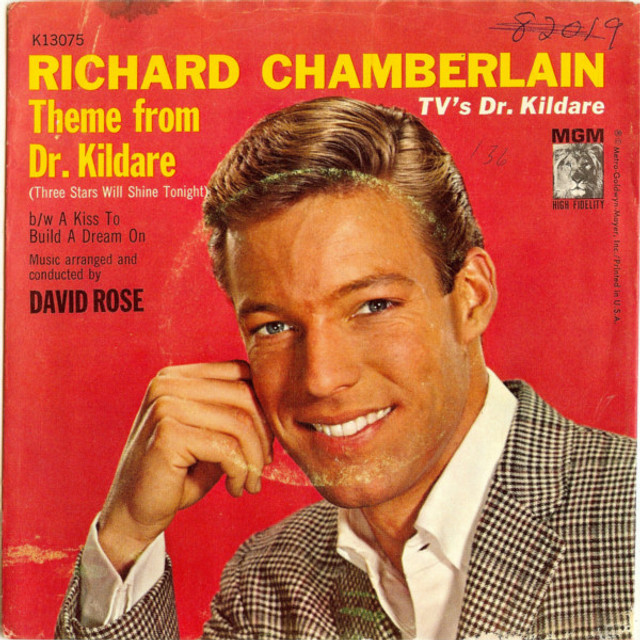
The theme music for the series was composed by Jerry Goldsmith. A CD set was released in 2009 which included the theme, the original music from the 1960 pilot, Richard Chamberlain’s recording of “Three Stars Will Shine Tonight,” and musical scores from the five seasons by Hurr Sukman, Richard Markowitz, Morton Stevens, Lalo Schifrin, John Green, and Burt Bacharach.

Airing on Thursday nights, the show was in the top ten during season one and the top twenty for seasons two and three. The show received about 12000 fan letters weekly, and, in addition, Chamberlain received letters personally asking for medical advice.

The network moved the show to Tuesday nights against Red Skelton and McHale’s Navy for season five and the viewers did not follow. The ratings declined, and the show was canceled.

This show really changed Chamberlain’s career. He had always been a small-role guy before this show, but he suddenly became a teen idol. He received more than 35,000 fan letters a month. Onscreen the idealistic Kildare and the wise, sometimes cantankerous, Gillespie don’t always agree but they had great chemistry on the set and apparently off the set as well. Unlike Ben Casey, the cast on this show did get along and Chamberlain mentioned that he always enjoyed working with Massey.

Richard said he grew up in a family where they all pretended to be perfect. So, he went through life trying to be perfect too. He said that philosophy did not work well for his life, but it did work well for Dr. Kildare.

Following the show he would take a turn on Broadway, in big-screen movies, and back on television where he specialized in mini-series like Shogun and The Thorn Birds, both in the 1980s.

One fact I found interesting was that the DVD release of the show included a never-aired pilot from a different medical show, The Eleventh Hour in 1962. The episode originally was written for Dr. Kildare. Drs. Kildare and Gillespie assist Dr. Bassett (Wendell Corey), a psychiatrist diagnosing one of his patients Ann (Vera Miles). Instead of airing on Dr. Kildare, Chamberlain and Massey were cut out of the film and it was submitted as a pilot for the show, with the title “Ann Costigan: a Duel on a Field of White.”

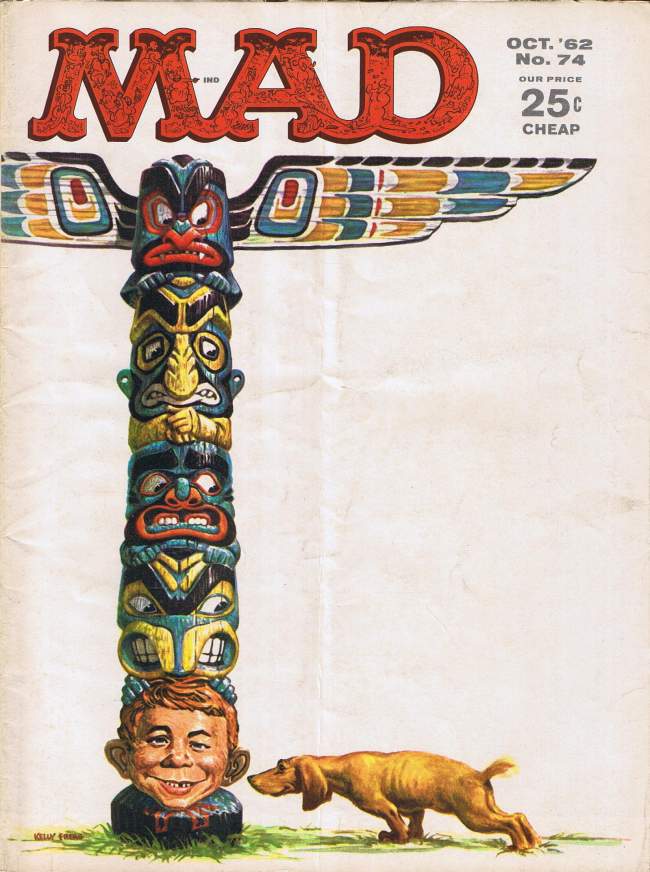
Even Mad Magazine got on the Kildare bandwagon. The 1962, #74 issue, featured “Dr. Killjoy,” a parody of the show.

Everyone seemed to like this show. Then again, what is not to like? You have a handsome doctor, exhilarating drama, a fun guest star every week, and realistic stories. The show would go on to inspire the talents behind a variety of medical series including Marcus Welby MD, ER, House, and Grey’s Anatomy.

Mannix: “The Old-Fashioned” Detective

We are three-quarters through our new blog series, “One-Named Detectives,” and today we are looking at a show that began in 1967 and aired until 1975, producing 194 episodes.

See the source image
Photo: blogspot.com

Created by Richard Levinson and William Link and produced by Bruce Geller, Mannix was one of the most violent television shows during the sixties. Private investigator Joe Mannix (Mike Connors) began working at Intertect which relied on computers and a large network of operatives to help them solve crimes.

CBS was planning on cancelling the show after its debut year, but somehow Lucille Ball convinced them to renew it for another season. (Desilu produced the show.) In season two, Mannix decides to leave and open his own agency. He prefers to solve crimes the old-fashioned way, with his own brain, or as he described it, “A private eye—in the classical tradition.” Peggy Fair (Gail Fisher), a widow whose policeman husband was killed in action, became his secretary. Joe was also a father figure for her son Toby. The role of Peggy was planned for Nichelle Nichols but she had to decline due to receiving her role on Star Trek.

See the source image
Photo: seasonsepisodes.watch–with Gail Fisher

The cast was rounded out by Lt Art Malcolm (Ward Wood), Sergeant Charley (Ron Nyman), and Lew Wickersham (Joseph Campanella), and police contact Tobias (Robert Reed). Every episode was filled with violent fistfights, car chases, and shoot-outs. During the course of the series, Mannix was knocked unconscious 55 times, drugged about 38 times, and shot 17 times. Connors actually broke his collar bone filming the pilot. The character of Mannix survived many of these situations because he was an expert fighter. He was said to have been a POW during the Korean war. Mannix was also a race car driver and a pilot. He sailed, skied, golfed and was an accomplished pool player. He was said to have grown up in Summer Grove where he excelled in football and basketball.

See the source image
Photo: metv.com with Robert Reed

Like Cannon, Joe Mannix relied on a car phone during his investigations. Many viewers felt the scripts were well written and the endings were not easy to predict. The plots relied more on crime-solving techniques but several tackled relevant social topics including compulsive gambling, racism, returning Vietnam War veterans issue, and professionals with physical disabilities such as deafness or blindness working to solve crimes.

The scripts were written by some of the best writers in the business. There were more than 85 writers credited with stories, one of them being Mel TormÊ, yep that Mel TormÊ.  Other writers were John Meredyth Lucas who wrote for fifty shows including Harry O, Kojak, Ben Casey, and Star Trek; Stephen Kandel who wrote for many shows including Hart to Hart, MacGyver, Hawaii Five-0, and Cannon; and Donn Mullally who also wrote for fifty shows including Ironside, The Virginian, Bonanza, and The Wild Wild West.

See the source image
Photo: pinterest.com

There were a lot of creative shows using visual effects in the sixties and Mannix was one of them. It employed many cutting-edge gimmicks to appeal to fans. Technical filming skills included zooms (moving in for a close-up or out to show something the viewer did not realize was in the scene), rack focuses (a rack focus is the filmmaking technique of changing the focus of the lens during a continuous shot. When a shot “racks,” it moves the focal plane from one object in the frame to another), lens flares (a lens flares adds a sense of drama and a touch of realism to a shot), Dutch angles (which produce a viewpoint of tilting one’s head to the side), both low and high angles, and cameras that could move 360 degrees during filming.

See the source image
Photo: rockauto.com

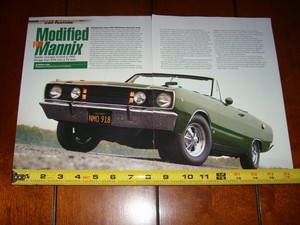
For you car afficiandos, Mannix had a lot of cool automobiles during the series. For season one, he primarily drove a 1967 Oldsmobile Toronado customized by George Barris who built the Batmobile. For season two, Barris worked on a 1968 Dodge Dart for him.

Season three found him driving another Barris car, a 1969 Dodge Dart. Seasons four through six he drove Plymouth Cudas (a 1970 for four, a 1971 for five, and a 1973 for six). For season seven, he was given a 1974 Dodge Challenger and for the final season, he drove a Chevrolet Camaro LT.

An interesting story about his season two car is that it was sold to a secretary at Paramount Studios and then disappeared for a few decades when it was located near a ranger station in California. It was restored to the Barris condition it had on the show. It was featured in Muscle Machines in December of 2009 and on the show Drive on Discovery HD Theater in 2010. The car is currently owned by C. Van Tune, former editor of Motor Trend magazine.

In addition to special cars in the shows, a lot of celebrities guest starred including Hugh Beaumont, Robert Conrad, Yvonne Craig, Sally Kellerman, Burgess Meredith, Lee Merriwether, Vera Miles, and Diana Muldaur. Some of the more unusual guest spots were filled by musicians Neil Diamond, Buffalo Springfield, and Lou Rawls; comedians Rich Little and Milton Berle; and journalists Art Buchwald, and Rona Barrett.

The theme song was composed by Lalo Schifrin.  Titled, “Mannix,” it was released as a single in 1969 with “End Game” on the B side.

See the source image
Photo: amazon.com

Connors was nominated for an Emmy four times, Fisher was nominated for four as well, and the series was nominated twice. In 1970, Connors was beat by Robert Young in Marcus Welby, in 1971 Hal Holbrook won for The Bold Ones, Peter Falk won for Columbo in 1972, and in 1973 Richard Thomas won for The Waltons. Fisher lost to Margaret Leighton for Hallmark Hall of Fame in 1971, Ellen Corby for The Waltons in 1973, and Jenny Agutter in The Snow Goose Hallmark Hall of Fame in 1972. The show lost out as best drama to Elizabeth R Masterpiece Theater in 1972 and The Waltons in 1973.

See the source image

I do remember watching and enjoying the show when I was in grade school.  I’m guessing I watched it because it was something my parents watched. I think the show has held up well and, considering it was in the midst of the sixties, is not too dated. It would definitely be fun to check out a season or two of the show to see if you can figure out just “who done it.”

Celebrating Fifty Years of The Odd Couple

Photo: wondersinthedark.wordpress.com

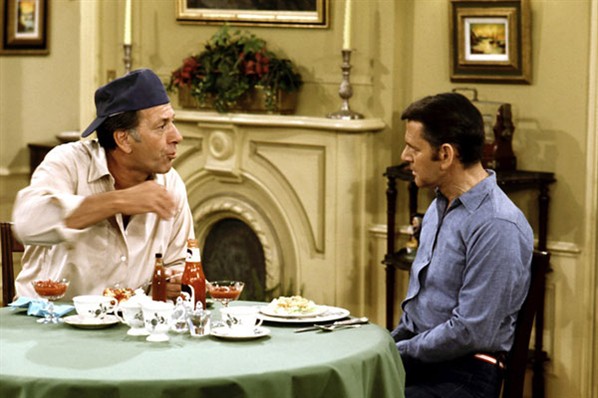
The Odd Couple debuted in 1970. Today we are celebrating its fiftieth anniversary with fifty fun facts.

Fifty Fun Facts

  • 1. Although the show was based on The Odd Couple, a movie written by Neil Simon, Simon did not want his name associated with the television show. However, once he began watching it and realized the quality of the show, he changed his mind and made an appearance during the fifth season in “Two on the Aisle.”
  • 2. The Odd Couple was based on Simon’s brother and a friend of his who were living together and having some conflict. While watching their interactions, he decided it would be a great idea for a play.
  • 3. The Odd Couple had many lives: it began as a play, was made into a movie starring Walter Matthau and Jack Lemmon in 1968, a tv show in 1970, a revised play about women, another tv show starring Matthew Perry and Thomas Lennon in 2015 which was on the air three years.
  • 4. In 1982, an African American version of the show was created starring Ron Glass and Demond Wilson. Called The New Odd Couple, it wasn’t new because it used the original eight scripts from the Klugman-Randall series. It was canceled part way through the season.
  • 5. The show was developed by Garry Marshall and Jerry Belson.
  • 6. The Odd Couple first aired on Friday, the 13th (November 13, 1970).
  • 7. Garry Marshall appears in four different episodes: the one mentioned in fact #3 and as a drummer and as Man 1 and Man 2.
  • 8. Garry’s sister Penny Marshall played Oscar’s secretary Myrna Turner. On her last appearance, she marries a man named “Sheldn” (the “o” had been eliminated from his birth certificate. Sheldn was played by Rob Reiner, Penny’s husband at the time. Garry and his sister Ronnie played Myrna’s siblings Werner and Verna in the same episode.
  • 9. Oscar’s ex-wife Blanche was played by his real wife, Brett Somers. During the show Brett Somers and Jack Klugman got a divorce in real life.
  • 10. The Odd Couple ran on Broadway for 964 performances.
  • 11. In 1985, Simon rewrote the play with female leads, Olive and Florence. Rita Moreno and Sally Struthers were the leads.
  • 12. Originally Dean Martin and Art Carney were considered for the part of Felix.
  • 13. Both Mickey Rooney and Martin Balsam were considered for the role of Oscar.
  • 14. Actor Richard Stahl appears in nine different episodes as nine different characters.
  • 15. Jerry Paris, Jerry Helper from The Dick Van Dyke Show, directed 18 of The Odd Couple episodes.
Photo: pokerlistings.com
  • 16. Oscar plays poker regularly with a group of guys including Murray, Roy, Speed, and Vinnie. Sometimes Felix is allowed to play with them.
  • 17. Murray’s wife who is often talked about but seen in only one episode is Mimi.
  • 18. A cartoon was created for Saturday mornings called “The Oddball Couple.” Spiffy and Fleabag, a cat and dog, are based on Oscar and Felix.
  • 19. The first season was filmed in the same apartment as the 1968 move with one camera and a laugh track. Randall hated that set-up and the next year they began using three cameras and filmed in front of a live audience.
  • 20. Oscar and Felix were said to live at 1049 Park Avenue in New York which was a real address. The actual building was used during the opening credits and exterior shots. Usually a 1966 Ford four-door station wagon or a red VW Beatle are often seen outside the building. The actual tenants got mail for Oscar and Felix.
Photo: movieforum.com
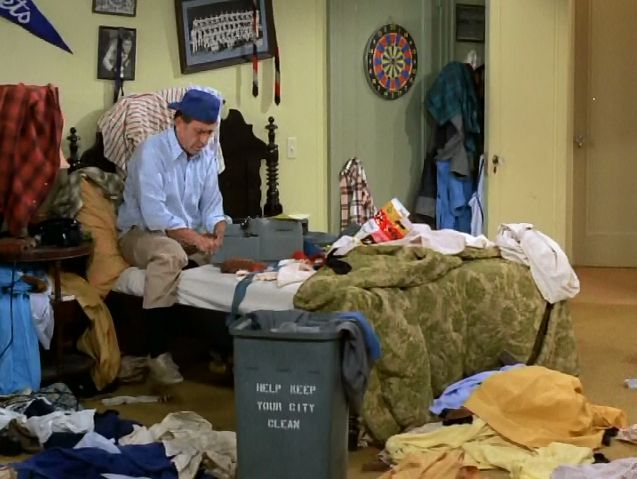
  • 21. One problem the producers had was how to show Oscar was a slob and Felix a neatnik. They couldn’t have the kitchen or living room messy because obviously Felix would keep it clean. Finally, they decided to create Oscar’s bedroom and it was always a mess.
  • 22. During the first season of the show, the guys date two English sisters, the Pigeon sisters, who live in the same apartment building.
  • 23. The Odd Couple was not a ratings success and every season, it was up for cancellation. The summer rerun ratings saved it each year.
  • 24. For some reason, there were inconsistent stories on the show about how Felix and Oscar met. One episode said they were childhood friends. Several references talk about how they met in the army. One episode told the story of how they met while serving on jury duty together.
Photo: youtube.com
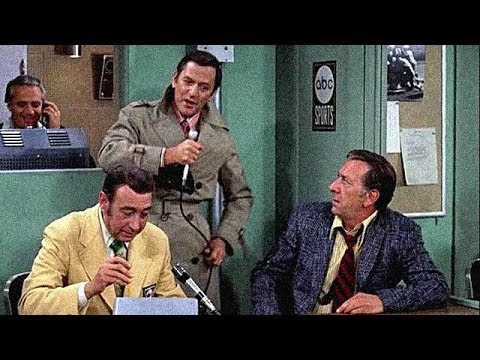
  • 25. Howard Cosell was brought onto the show to help boost ratings. That was a bit of a gamble since Cosell was voted most loved and most hated sportscaster.
  • 26. Tony’s middle name is Leonard and his sister’s name is Edna. Those were the names given to Felix’s two children on the show.
  • 27. Monty Hall showed up twice on the show. He and Oscar had been college roommates.
  • 28. Oscar’s favorite meal is lasagna with French fries and Boston cream pie is his favorite dessert.
  • 29. Don’t let Oscar order pizza. When he orders one with the works, it includes a fried egg on top.
  • 30. Felix and Murray played in a band that featured 1930s music called The Sophisticatos. In one episode they had to play country music and changed their name to Red River Unger and his Saddle Sores.
  • 31. Oscar’s middle name is Trevor.
  • 32. When Elinor Donahue was hired to play Miriam, Felix’s girlfriend, her last name was Welby. Donahue worked on Father Knows Best with Robert Young who later went on to star in Marcus Welby MD.
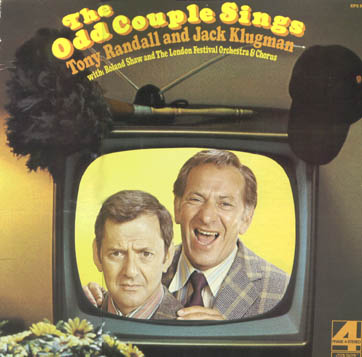
  • 33. Klugman and Randall recorded an album “The Odd Couple Sings” for London Records.
  • 34. ABC always wanted guest stars on the show to boost the ratings, so the writers started including guest stars that would not boost the ratings, opera singers and ballet dancers for instance, which drove the network crazy.
  • 35. In one episode, singer Richard Fredericks is injured playing in one of Oscar’s soft ball games so Oscar has to stand in for Fredericks in Rigoletto, an opera that Felix was producing.
  • 36. Like Harvey Korman and Tim Conway, Jack and Tony used to crack each other up. On one episode they dress as a horse to appear on Let’s Make a Deal. Klugman had to hide himself because he was laughing so hard.
Photo: pinterest.com
  • 37. Klugman’s favorite episode was when the two friends made an appearance on Password with Allen Ludden and Betty White. Felix, who had always wanted to be on the game show, caused a lot of problems on the show and eventually they threw him off the show. His adlib when that happened was “Oh, boy, what a gyp.” Klugman said that was how he felt when Tony died.
  • 38. You can always tell when Felix is really upset because he begins honking.
  • 39. In one episode, Dick Clark plays himself as a radio DJ. He calls Oscar to let him know he has won a new car.
  • 40. Both Willie Aames and Leif Garrett play Leonard, Felix’s son. They would both go on to successful careers and they would both act in the same show again when they appeared on Family.
  • 41. When Oscar tries a dating service, he uses the fake name of Andre La Plume and ends up on a date with Felix’s ex-wife.
  • 42. When Oscar saves Felix’s life, Felix attempts to play “Home on the Range” on his saxophone to thank him.
  • 43. On one episode, the train breaks down in a tunnel. Felix decides to entertain the passengers with an improvised hand puppet he calls Harvey Hankie.
  • 44. Jack Klugman and Tony Randall promoted several products together. They did commercials for the game Yahtzee and their photo was on the box for years. They also did a promotion for Eagle Snacks and Yoplait yogurt.
  • 45. Klugman believed in syndication of the show. He convinced Randall to give up part of his salary for the syndication rights. It was the right move, and they made a lot of money after the show was cancelled.
  • 46. Both Klugman and Randall were up for Emmys every year the show was on. Jack won in 1971 and 1973. When Randall won in 1975, the show had been cancelled and he mentioned during his acceptance speech that he wished he had a job.
  • 47. The final episode had two planned endings. Felix and his ex-wife are getting remarried and Oscar is getting his home back. If the series didn’t get picked up, the marriage took place. If the series did get picked up, the wedding was cancelled by Gloria because Felix was so picky about the wedding details.
  • 48. In 1993, Randall and Klugman worked together filming a television movie called The Odd Couple: Together Again. Klugman had gone through throat cancer treatments and this was written into the movie script. The plot of the movie is Felix helping Oscar recover and becoming overly involved in his daughter’s wedding.
  • 49. Although Klugman didn’t appreciate what the show meant to people when it first began, later in life, he said “he would have people come up and tell him, ‘I grew up with you. I sat on the couch with my mother or my father, and we laughed with you.’ And suddenly the people have faces, and names, and feelings. It’s been invigorating! You know, you don’t count on that; you don’t know that you’re really entertaining people or having an effect on people’s lives. I had a guy from Sports Illustrated who did an interview with me say he became a sportswriter because I was a sportswriter on The Odd Couple. Yeah, it’s like wow, you’re kidding. Now I’m getting this in person, and I really love it.”
  • 50. Randall and Klugman became life-long friends while working on the series. They developed a close bond. Because they both had a lot of character, they became close and helped take care of each other in old age.

Write On!

Happy Monday.  It’s National Encourage a Young Writer Day.  I love to encourage writers of all ages.  If you’re a writer, you know the two golden rules of writing.  (1) Write what you know and (2) Be original.  With those two qualifiers, one would think there would be a myriad of great shows out there about writers.  Not so.  It took a lot of exploring on my part to come up with 12 shows about writers in the past 70 years!

If writers are writing what they know, it seems writers know much more about incompetent parents, complex medical surgeries, and dating bachelors than they do about writing and writers.

Don’t get me started on being original. Unfortunately, any viewer knows that when one genre show succeeds, the next year will feature ten more just like it;  hence, the number of medical and police dramas currently on the schedule.  This doesn’t hold true anywhere else in life.  No grocer says avocados are so popular, let’s replace the oranges and apples with them.  No radio station decides to play the top five songs to the exclusion of the other songs.  That being said, I’ll jump off my soapbox before ranting about how the shows on today’s schedule are either amazingly written or not worth the time it takes to turn on the television. So, let’s look at shows about writers.

Apartment 3-C. In 1949 John and Barbara Gay played themselves.  Living in New York City, he was a writer.  The 15-minute show went off the air after one season. They moved to California where they raised their family and spent 66 years together. As far as I can tell, neither of them acted again, but John went on to be a prolific scriptwriter.

bethel leslie

Young and Gay/The Girls. Debuting in 1950 as Young and Gay, this series was based on an autobiographical novel written by Cornelia Otis Skinner and Emily Kimbrough. CBS bought the rights. After the first two episodes, the name was changed to The Girls.  The premise of the show was that two Bryn Mawr graduates come to Greenwich Village after spending time in Europe, trying to develop careers as an actress and a writer.  After a few more episodes, their acting career ended when the show was cancelled.

Dear Phoebe. In 1954, ex-college professor Bill Hastings, played by Peter Lawford, decided he wanted to try his hand at journalism.  The option he receives is becoming Phoebe Goodman, providing advice to the lovelorn. Ironically, his girlfriend, Mickey (Marcia Henderson), is the paper’s sports writer. After one season, they both received advice to seek new work when the show was cancelled.

mysistereileen1

My Sister Eileen. It would take half a decade before another show about a writer was produced. In 1960, My Sister Eileen aired.  The concept will sound vaguely familiar.  It’s based on a book and two movies about two sisters from Ohio who move to Greenwich Village wanting to be an actress and a writer. The sisters were played by Elaine Stritch and Shirley Boone. The only memorable thing about the show was the pairing of Rose Marie and Richard Deacon who went on to try their hand at another show a year later called The Dick Van Dyke Show.

The Dick Van Dyke Show. Hands down, this was the best comedy to debut about a writer.  It was also the longest running show, going off the air five years because the cast wanted to quit while the show was still successful. Rob Petrie (Dick Van Dyke) is the head writer of the Alan Brady Show, creating scripts with Sally (Rose Marie) and Buddy (Morey Amsterdam). Mel (Richard Deacon) is the long-suffering producer. This is one of the first shows to concentrate on work life. We get to see what goes on behind the scenes of a comedy/variety show. While Rob, Sally, and Buddy have lives outside the office, they are somewhat married to their work. Sally is always hunting for Mr. Right.  Buddy deals with more comedy at home because of his not-so-bright wife Pickles, although it’s obvious he is in love with Sally. Rob and Laura (Mary Tyler Moore) are both confident and intelligent adults and insecure parents, raising their son Richie (Larry Mathews) in New Rochelle. The show won an Emmy its first year and never left the top 20, producing 157 of the best-written sitcom episodes ever created.

Window on Main Street. Mention the name Robert Young, and most viewers fondly recall Father Knows Best or Marcus Welby.  In this 1961 show, Robert Young plays Cameron Garrett Brooks, an author.  After his son and wife pass away, he returns to his small home town of Millsburg to write about the town’s citizens. It must have been a very small town with few people to write about, because the series was cancelled after one year.

The New Loretta Young Show. Loretta Young starred in several shows using her name so it gets a bit confusing, but in this 1962 version, she plays Christine Massey, a children’s author and widow with 7 children. Living in Connecticut, she decides to get a job with Manhattan Magazine.  However, after meeting the editor she falls in love and marries him. Perhaps the network had a policy banning inter-company marriages, because the show was cancelled after six months.

writersblog2

Glynis. In 1963 Glynis Granville (played by Glynis Johns) moved to town. She is an amateur sleuth who solves crimes to have something to write about. Her husband Keith (Keith Andes) is an attorney.  She consults with a former policeman Chick Rogers (George Mathews). The show only lasted three months.  Jess Oppenheimer, the producer of I Love Lucy, apparently forgot this was a different show, airing episodes that were very Lucy-esque.

Please Don’t Eat the Daisies. In 1968, Please Don’t Eat the Daisies came to the small screen.  Based on Jean Kerr’s book, it was also a movie starring Doris Day about the Nash family.  James (Mark Miller) is a college professor and his wife Joan (Patricia Crowley) is a free-lance writer. The show featured their four sons, two of whom were twins, their large dog, and their housekeeper Martha (Ellen Corby). Faring better than most of our shows, this one lasted two years.

The Ghost and Mrs. Muir. This show about a writer, a widow Carolyn Muir (Hope Lange) who moves into an old house in Schooner Bay in New England, appeared in 1968. The house turns out to be haunted by Captain Daniel Gregg (Edward Mulhaney), a captain who built the house in the 1800s. This show was also based on a movie. Captain Gregg is annoyed with the interruption and noise of the new family, but ultimately falls in love with Carolyn. Charles Nelson Reilly plays the Captain’s nephew Claymore Gregg. Dabbs Greer is Noorie Coolidge, the owner of a local lobster restaurant, and Reta Shaw is their housekeeper Martha. The show was on NBC for one year then moved to ABC for one year.  Apparently, CBS declined its turn, so the show was cancelled.

The Debbie Reynolds Show. In 1969, another show produced by Jess Oppenheimer eerily reminiscent of I Love Lucy was on the fall schedule. Jim Thompson (Don Chastain) is a sports writer. His wife Debbie (Debbie Reynolds) is a stay-at-home wife who wants to be a feature writer. Jim discourages her, wanting her to stay home.  Instead of Ethel and Fred, we have her sister Charlotte (Patricia Smith) and her brother-in-law Bob (Tom Bosley).  After one season, the network decided they did not care if  Debbie worked or stayed home and sent the crew packing.

Suddenly Susan. Jump almost thirty years to 1996 and we have another show about a writer, Suddenly Susan, starring Brooke Shields. Susan leaves her husband-to-be at the altar and is forced to ask her ex brother-in-law (Judd Nelson) to hire her back at his magazine.  Most of the show is set in the workplace.  Luis Rivera (Nestor Carbonell), Vicki Groener (Kathy Griffith), and Nana (Barbara Barrie) round out the cast and appear on all the episodes.  (The photo above also includes Andrea Bendewald [the blonde] and David Strickland [laying down] who were in about half the episodes.) The show continued until 2000.

I should mention that because I focused on comedies I did not include Murder She Wrote or Castle, both having long runs of 12 and 8 years respectively. I did not include Everybody Loves Raymond because that show concentrated on his family life, and rarely revealed his writing profession.

I wish I had more encouraging words for writers who wanted to get involved in television.  About the only thing I can tell you, is if you want to develop a successful show around a writer, make it a drama for job security.