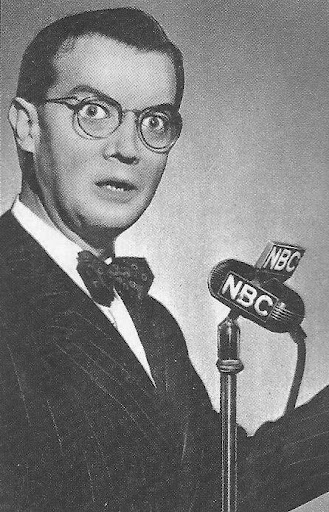
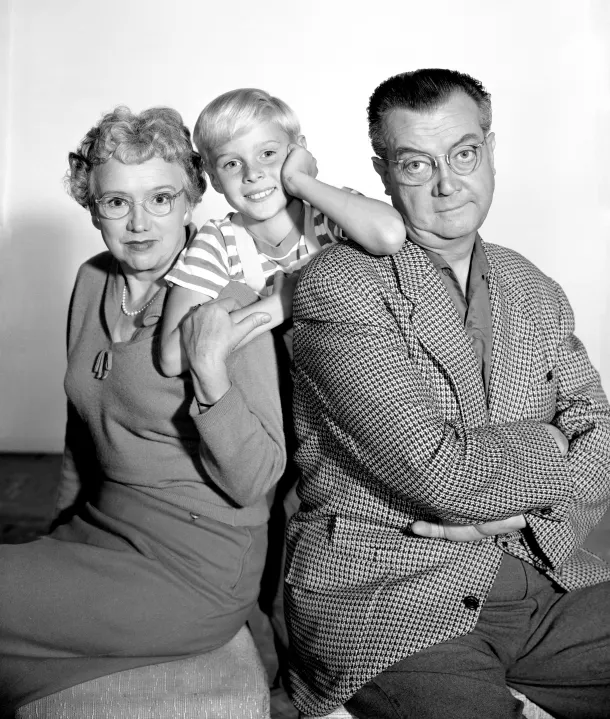
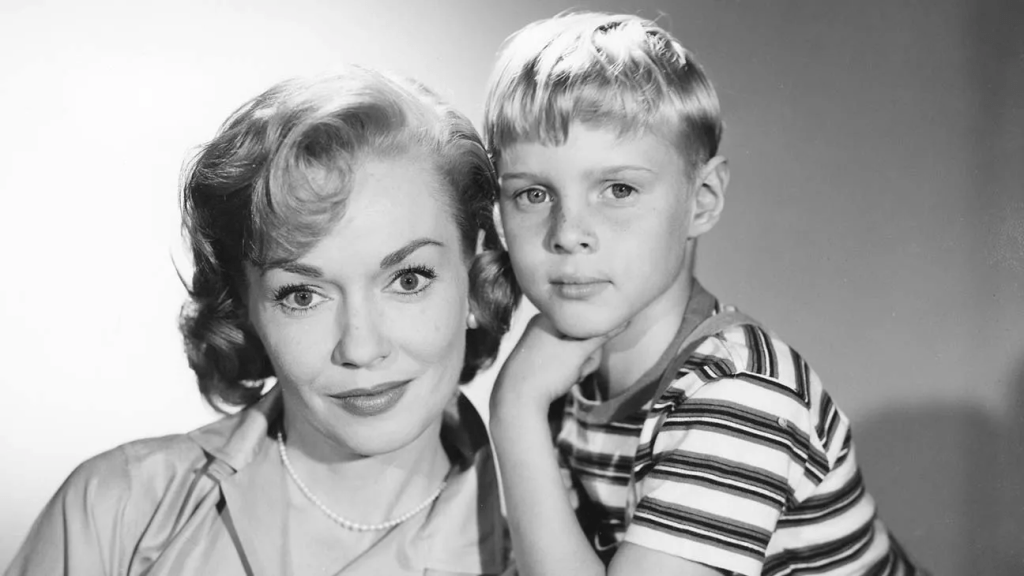
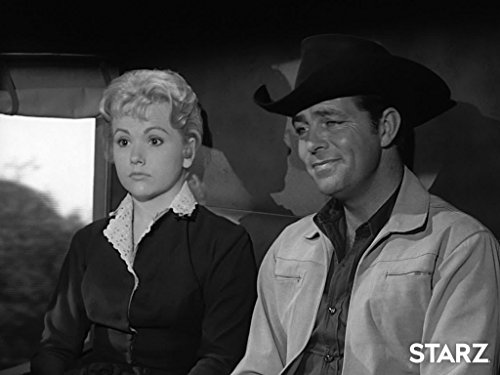
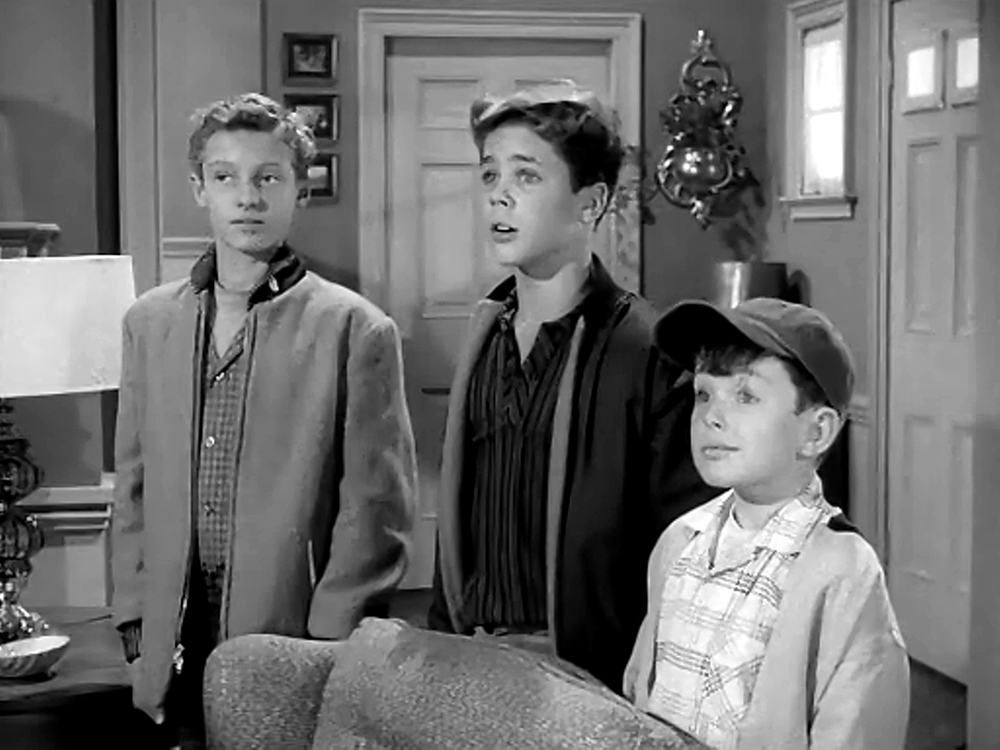
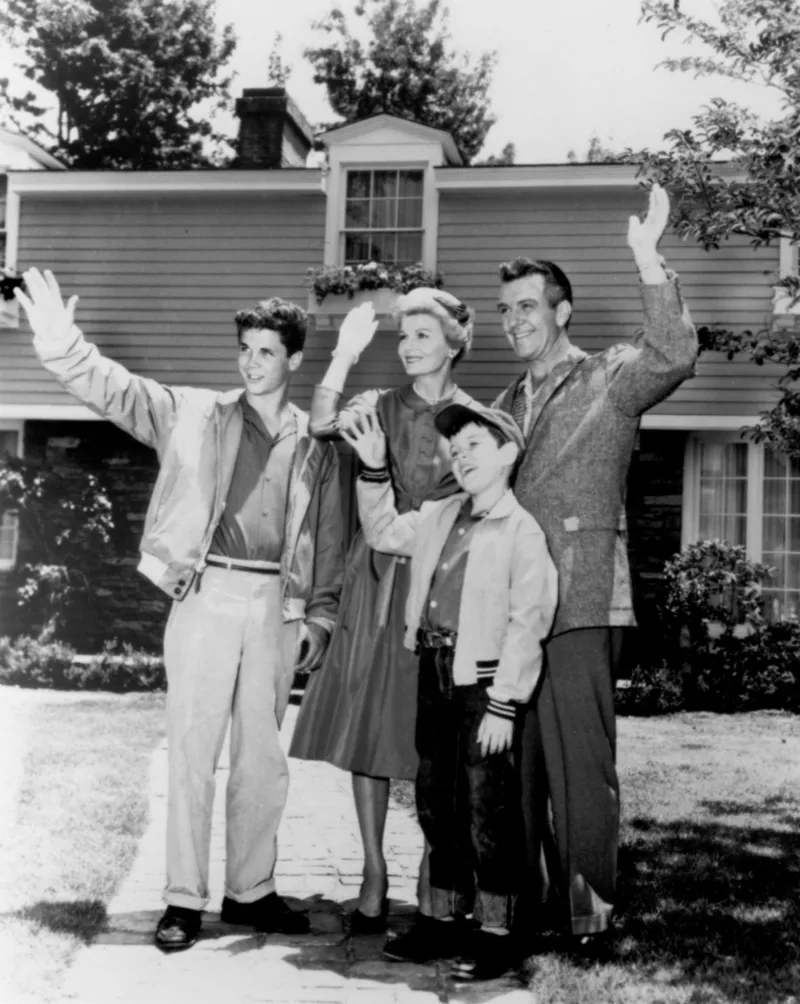
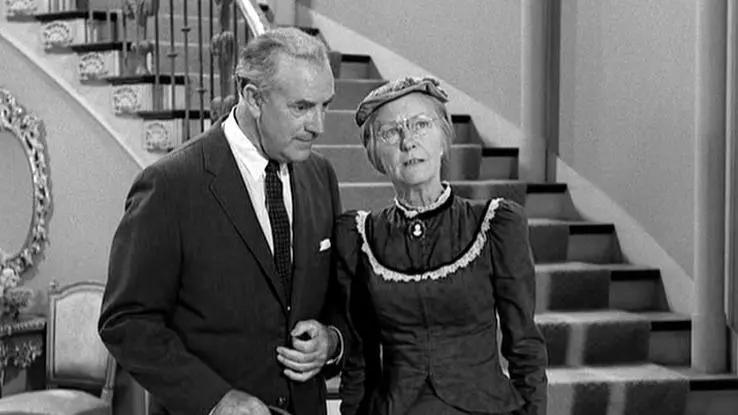
Today’s blog is the last in our theme “They Are a Menace.” We are getting to know the cast from Dennis the Menace. Joseph Kearns is our subject today.
Kearns was born in Salt Lake City, Utah in 1907, an only child. His father was a wool buyer, and his mother was a concert pianist. When Kearns was 9, he joined a vaudeville troupe, The Rising Generation, and toured with them for fourteen months.
📷radiospirits.com
After high school, he attended the University of Utah, teaching a course in theatrical makeup to pay his education expenses. He joined his father in the wool buying business for a year. However, while traveling as a representative of Howell, Jones, and Donnell of Boston, he bought five boxcars of black wool for $8,000. Since black wool could not be dyed, no one knew what to do with it, and this error in his judgement ended his career.
Kearns then tried his hand at radio on KSL in Salt Lake City beginning in 1930. He was there for six years. After his father died, Kearns who was 29, decided to take his mother and move to California. He continued his radio career in Los Angeles, appearing on many shows including “Burns and Allen,” “The Whistler,” and “Suspense.”
Joseph’s mother taught him to play the pipe organ, and Kearns played for a Los Angeles theater. From that time on, Kearns always had an organ in his residence. In the forties, he acquired one that had been designed for Warner Brothers in 1929 that was headed for the scrap pile and often played it for his guests. He built the organ pipes into his living room walls. In 1985 new owners of the home decided to part with the organ and sold it to a Renaissance Theater in Mansfield, Ohio.
In 1951 he was offered a chance to be on the big screen. He was the voice of the doorknob in Disney’s Alice in Wonderland.
That same year, Kearns appeared on television when Burns and Allen shifted from radio to television. Throughout the fifties, he showed up on many popular shows including The Jack Benny Program, The Adventures of Ozzie and Harriet, I Love Lucy, Perry Mason, December Bride, Leave It to Beaver, The Donna Reed Show, and Gunsmoke.
📷KFORtv.com
In 1959 he was offered the recurring role of George Wilson in Dennis the Menace. George had the perfect blend of annoyance with Dennis and his antics while also letting us realize how much he cared about his young neighbor. During the third season, Kearns passed away from a cerebral hemorrhage. Gale Gordon was brought in as his brother who bought the house from George and his wife and became Dennis’s mentor and the target of his mishaps. One of the last episodes airing before his death was George making out his will and telling Dennis he would inherit his gold watch when he died.
Kearns did an interview with TV Guide in July of 1961. He said that “he lived in mortal fear that the inmates of a nursery school will find out that Mr. Wilson lives right across the street.”
He also discussed his contract for Dennis the Menace. He said he was signed to a five-year deal, and his character was guaranteed to work in seven of every thirteen episodes. However, he was left out of three episodes in season one and the producers “discovered there was nobody else in the cast for Dennis to menace. As a result, Mr. Wilson has been in every episode filmed since.” Kearns didn’t get a new contract however, and said, “Yes, and if I’d known it, I could have got more money. Every time I think about that contract, I feel as if I’d bought five more carloads of black wool.”
Kearns always described himself as a night owl. He enjoyed cooking, reading, writing, traveling, going to the movies, and playing cards.
With fifty credits amassed before his death, you have to wonder how much more work he would have accomplished if he had lived another two or three decades. I have to say Mr. Wilson is my favorite character on the television show. Kearns managed to be a cantankerous, grumpy old man who we all would like to spend time with. That is not an easy feat to accomplish.
This month we are learning about the careers of the cast of Dennis the Menace in our theme “They Are a Menace.” Today it’s Herbert Anderson’s turn; he played Dennis’s father Henry on the show.
📷famousfix.com
Anderson was born in California in 1917. His parents immigrated to Oakland from Norway, and his father was the city treasurer while he was growing up. After high school, Anderson attended the University of California, Berkeley.
Anderson was focused on being an actor and began working for Warner Brothers; his first role was in 1939 as a reporter. In 1941 he was cast in Navy Blues with Martha Raye and Ann Sheriden followed by The Male Animal with Henry Fonda and Olivia de Havilland. In Navy Blues, he replaced Eddie Albert who was no longer available. Anderson had done some national defense shots in uniform and seeing those photos is what got him the job. According to the Oakland Tribune, he sent for his grandmother who traveled by train to see her grandson in action in Hollywood.
He continued acting throughout the forties and after he established himself in television, he would occasionally take on a big-screen offer including My Man Godfrey, The Caine Mutiny, and The Benny Goodman Story.
During these years he met and married Mary Palmer and they were together until his death.
📷imdb.com
In 1949, he jumped to the small screen to appear on Your Show Time. By the mid-fifties, he was working primarily on television, appearing in many popular shows in the fifties and sixties, including Father Knows Best and Perry Mason.
In 1959 he was offered the role of Henry Mitchell on Dennis the Menace. For the next four years, he was busy trying to stay a step ahead of Dennis and the situations he got the entire neighborhood into. During the third season, Joseph Kearns, George Wilson on the show, passed away and the show declined in ratings and was cancelled the next year.
Anderson kept busy in television and didn’t seem to be pigeonholed into father roles the way his onscreen wife, Gloria Henry, was. He would appear on another 34 shows during the decade after Dennis ended. You can catch him on episodes of Gunsmoke, Petticoat Junction, I Dream of Jeannie, Batman, My Three Sons, Bewitched, Green Acres, The Brady Bunch, and his last appearance in 1975 was on The Waltons.
📷imdb.com with Marion Ross
I always enjoyed his Brady Bunch role. When the kids get sick, their parents decide they should call the doctor, back when doctors still made house calls. They are both surprised when two doctors show up. Of course, Carol called the girls pediatrician played by Marion Ross and Mike called the boys’ doctor played by Anderson. Both doctors assure them that whichever one they choose to be the family doctor is fine with them, but when all is said and done, they retain both doctors.
In 1982, Anderson underwent heart surgery and decided to retire. He passed away in 1994 from complications after a stroke.
Like so many of these actors it was hard to find much information on the private life of Anderson. I couldn’t find out if he was happy with his career or if he had wanted to stay in films longer. I appreciate getting to know him as Henry Mitchell in the Dennis the Menace episodes.
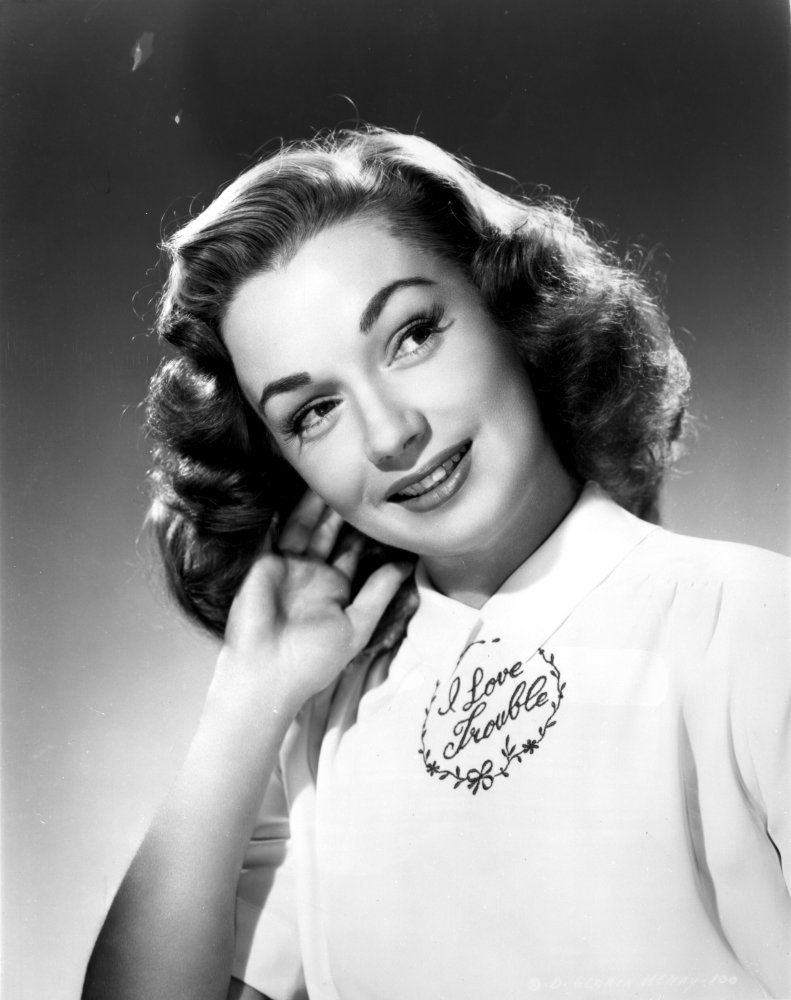
This month’s blog theme is “They Are a Menace” about the cast of Dennis the Menace. Today we are going to learn more about Dennis’s mom Alice, played by Gloria Henry.
📷amazon.com
Gloria was born in 1923 in New Orleans. She was sent to the Worcester Art Museum School in Massachusetts for her high school years. In her late teens she moved to Los Angeles, working on radio shows, appearing in theater productions, and taping commercials.
She married Robert Lamb in 1943, but they divorced in 1948.
In 1946, she was signed by Columbia Studios and made her big-screen debut in Sport of Kings in 1947.
She was in 23 films before 1950. During the fifties, she bounced back and forth between films and television series. Her first television role was on Fireside Theater in 1952.
The same year she received her first recurring role on 16 episodes of The Files of Jeffrey Jones. This little-remembered show was about a law school student working as a private investigator. He gets a lot of his life and professional advice from a local bartender named Joe. Henry played his girlfriend Michelle.
She tried marriage again in 1949 with Craig Ellwood. They were married for almost thirty years. During her time on the show, she became pregnant and was written out of the series.
She continued working after the birth of her son and accepted roles on television shows throughout the fifties including Mr. and Mrs.North, Father Knows Best, Perry Mason, The Life of Riley, and The Thin Man.
📷hollywoodreporter.com
In 1959, she got her big break, earning the role of Alice Mitchell in Dennis the Menace. No one was more surprised than Henry that she got the role. During an interview in 2011 with KTLA-TV, Gloria said that she clashed with Harry Cohn who ran Columbia. Cohn once told Henry, “You may get somewhere at this studio, but it’ll be over my dead body.” He was absolutely right. Columbia Pictures produced Dennis the Menace, so even though Henry auditioned, she assumed Cohn would never approve her getting the part. However, in February, Cohn died from a heart attack, and two days later she was offered the role of Alice.
For four seasons, she guided Dennis through his mishaps. Henry brought the right amount of patience and frustration while raising Dennis. During season three, Joseph Kearns, who played George Wilson, passed away. The writers wrote his brother and wife who bought the Wilson house into the scripts, but it was too hard to overcome the loss of Kearns. Also, Jay North was now 12 and the antics of an eight-year-old are very different than a preteen boy, and he was ready to move on.
When the show was canceled in 1963, Gloria had a hard time finding roles she wanted to do. She felt she was being typecast as a mother. After appearing on Hazel and The Farmer’s Daughter in the sixties, she didn’t work again until the mid-eighties. While she never had another cast role, you can catch her in episodes of Simon and Simon, Newhart, Our House, Dallas, and Doogie Howser MD, among others. Her only roles after 1992 were a movie in 2005 and an episode of Parks and Recreation in 2012.
📷imdb.com
She retired and passed away at home in 2021.
I’m not sure how Henry felt about her acting career from the sixties to the nineties. Being typecast is never easy to work around in the entertainment business, but we have seen actresses like Jane Wyatt from Father Knows Best and Barbara Billingsley as June Cleaver on Leave it to Beaver go on to have longer careers, although not the careers they had hoped for. Alice Mitchell is a memorable character but probably not what Henry wanted her entire legacy to be. Jay North considered her a friend for life and always named her as his acting mentor. I wish I knew more about her life off the screen. Ninety percent of the articles I could find were obituaries.
I hope she appreciated her time as Alice Mitchell, was proud of her film work, and enjoyed her private life.
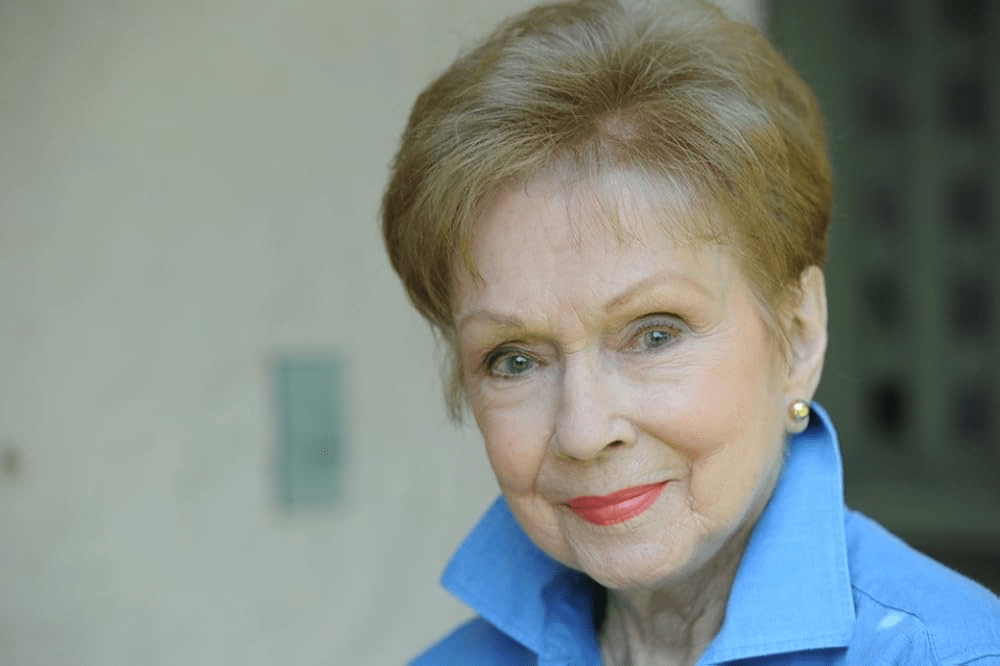
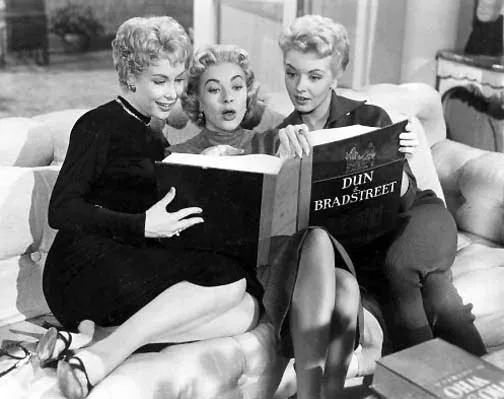
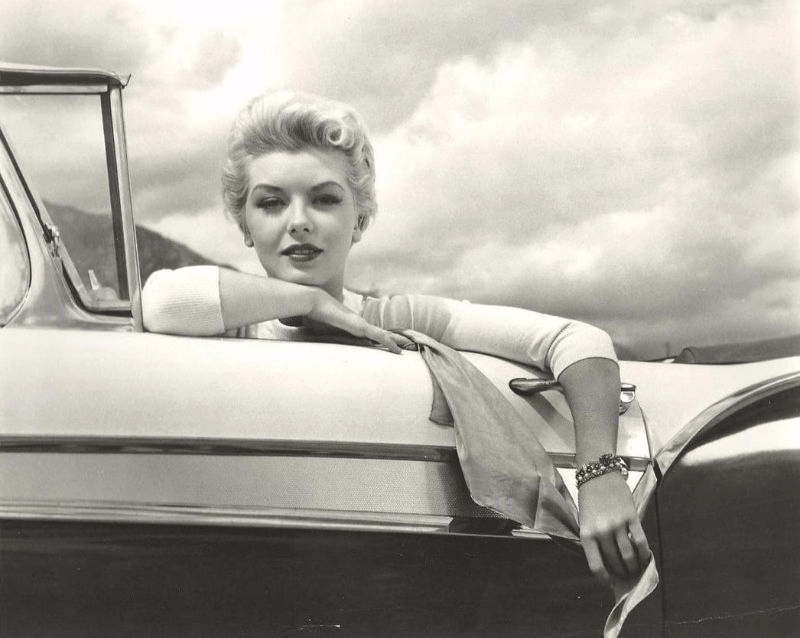
We started the year off with “Worth a Million,” learning about the careers of several of the cast members from How to Marry a Millionaire. This show debuted in 1957 and aired for two years. Today we focus on Merry Anders.
📷pinterest.com
According to imdb.com, the plot of the show is “Motherly Mike, ditzy but sexy Loco, and sensible Greta move to the big city to find themselves wealthy men to turn into husbands. After the first year Greta gets married with Gwen the new roommate in this syndicated series.”
Merry Anders, who played Mike, also had a small part as a model in the 1953 Marilyn Monroe movie that the series was based on.
Anders was born Merry Anders in Chicago in 1934. When she was 15, she and her mother visited Los Angeles for two weeks and never left. Former actress Rita Leroy encouraged her to begin a modeling career, and Anders studied acting at the Ben Bard Playhouse. A talent scout spotted her there, signing her to a film contract for 20th Century Fox in 1951.
📷vintageeveryday.com
Her first film was Golden Girl that same year. She continued with small roles on the big screen and various offers on television before being offered a cast role in It’s Always Jan in 1955. When it was canceled, she took the part of Mike on How to Marry a Millionaire. Her next cast role came a decade later on Dragnet.
Anders was married to John Stephens, a producer, but they separated after four months. He was abusive, and when she found out she was pregnant, she divorced him.
By 1968 it was clear that her career was in a rut, and she accepted a job as a receptionist at Litton Industries. Her last role was a two-part Gunsmoke story which aired in 1971. In 1972, she officially retired from acting. She became a customer relations coordinator at Litton where she remained for another twenty years.
📷wikipedia.com On Gunsmoke
She shared that she had a couple of years where she only grossed about three thousand dollars, and she couldn’t make a living. She said, “her dad wrote her a letter and said, ‘Get out of that movie business, get yourself a decent job, girl!’ I was divorced and it’s hard to raise a child, have a nice home, put up the appearance of success, drive a car in perfect running shape and everything when you’re on unemployment.”
In 1986 Anders married again, this time to engineer Richard Benedict and they were together until his death in 1999. Anders passed away in 2012, but no cause was shared. Before her retirement, she was in 45 big-screen films including Three Coins in theFountain, Desk Set, and Airport. Add another 46 television shows including The Ann Sothern Show; Richard Diamond, Private Detective; Bonanza; Perry Mason; and Get Smart. Overall, she racked up 91 credits in two decades which is impressive. I hope she enjoyed her life after acting and was able to share lots of great stories with her family and friends.
This month we are taking a look at some of our favorite “Crime Solvers of the Past.” Today we wrap up the blog series with The Felony Squad which ran three seasons, debuting on ABC in 1966.
📷blu-ray.com
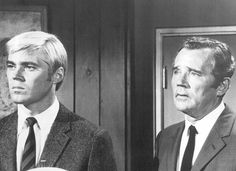
Originally titled “Men Against Evil,” the show was going to be more of a soap opera feel which was broadcast twice a week. However, by the time the show aired, most of the personal relationships had been taken out of the plot. The series focused on Sergeant Sam Stone (Howard Duff) and Rookie Detective Jim Briggs (Dennis Cole). Rounding out the cast was Desk Sergeant Dan Briggs (Ben Alexander), also known as Dad to Jim and District Attorney Adam Fisher (Len Wayland). The first seasons included Captain Frank Nye (Barney Phillips) while later seasons featured Captain Ed Franks (Robert DoQui).
The show was known for having some big names in directing, writing, and guest stars. Many of the directors racked up more than 75 credits each and included George McCowan who worked on The Mod Squad and Cannon, Allen Reisner known for Hawaii Five-0, Lee Katzin who directed Mission Impossible, Laslo Benedek known for work on Perry Mason, and Vincent McEveety who directed stars in Murder She Wrote,Heat of the Night, and Simon & Simon. Howard Duff jumped behind the camera in season two to direct “Deadly Abductors” after directing seven episodes of Camp Runamuck a couple of years earlier.
Crafting scripts for the show were writers such as Richard Murphy who was the creator of this show, Don Brinkley who worked on Trapper John and Medical Center, Jack Turley who wrote for Cannon and The Man from UNCLE, and John Kneubuhl who also wrote for the Wild Wild West.
📷pinterest.com
A handful of the guest stars included Ed Asner, Richard Dreyfuss, Robert Duvall, Roddy McDowell, Ricardo Montalban, George Takei, Vic Tayback, and Cicely Tyson.
The Felony Squad theme was composed by Pete Rugolo. Rugolo had 83 credits in the business including writing music for a wide variety of television genres including Leave It to Beaver, The Fugitive, and Family. This theme was an instrumental and very reminiscent of a sixties action movie.
I couldn’t find a lot of reviews, but the New York Times’ Jack Gould described it as “a very old-fashioned and conventional yarn about tight-lipped detectives doing a day’s work.”
The series was on Monday nights until 1968 when it was moved to Fridays. The first two seasons the show was up against The Andy Griffith Show which was in the top ten. For the final season, the show moved to the weekend where it was up against an Andy Griffith Show spinoff, Gomer Pyle USMC, which was also a top ten.
The show obviously did well to stay on the air three years when it faced such tough competition. I wonder if being a 30-minute show as opposed to an hour was part of its downfall. No matter how great the writers are, it’s tough to get sophisticated and detailed enough with a plot to wrap up in half an hour. The show certainly found talented directors, writers, cast members, and guest stars. The show was shot in color and had a different feel to it, more realistic. The action is right in your face like you’re on set instead of watching from far off. Considering it maintained decent ratings before it was moved, it would have been interesting to see what would have happened if this show had been the competition with a newer show to see how it fared. Fans loved it, so if you want to see something different, check out a few episodes. I’m not sure why this series isn’t seen more, but YouTube is your best bet to find the most available episodes. Also, as a fun aside, if you want to see Stone, check out Batman’s second season episode, “The Impractical Joker,” when Duff as Stone peers out the window while watching the Dynamic Duo climb the wall.
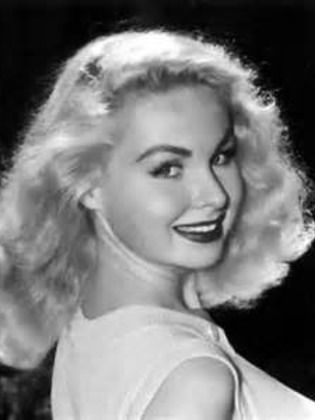
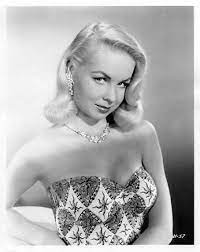
We are winding down our What a Character blog, about character actors in classic television shows. Today we are learning about Joyce Renee Brown, better known as Joi Lansing.
Lansing was born in Utah in 1929. Her father was a shoe salesman and orchestra musician, and her mom was a housewife.
Her parents divorced when she was young, and her stepfather Vernon Loveland adopted her. In 1940, the family moved to Los Angeles. Joi began modeling at 14 and was signed to an MGM contract, attending school at the studio.
Lansing began her film career in 1947, appearing in When a Girl’s Beautiful and Linda Be Good. She had uncredited roles in Easter Parade and Singing in the Rain, among others. Almost half of her 106 acting credits were for shorts and big-screen films.
📷rottentomatoes.com
Her first three marriages lasted less than some of her films. At 17 she was married for less than a year. In 1950 her marriage to Jerome Safron was annulled after four months, and her marriage to Lance Fuller in 1951 ended in divorce in 1953.
Her first television role came in 1952 in Racket Squad. This was a show I had not run across before, but it was on the air for three years. It had a Dragnet-like feel to it with the main character Captain Braddock explaining “What you are about to see is a real-life story, taken from the files of the police racket and bunco squads, business protective associations and similar sources around the country. It is intended to expose the confidence game – the carefully worked-out frauds by which confidence men take more money each year from the American public than all the bank robbers and thugs with their violence.
📷tumblr.com
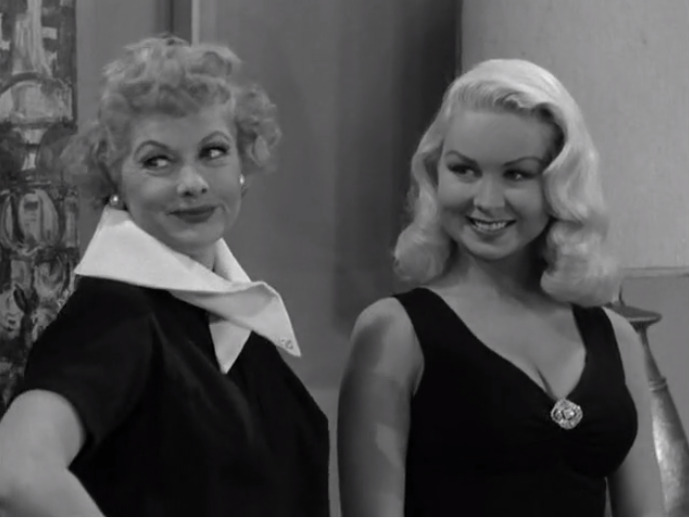
The early fifties kept her busy in drama series. In the the mid-to-late fifties, she appeared on I Love Lucy, The Gale Storm Show, December Bride, Perry Mason, Maverick, TheJack Benny Show, and Richard Diamond, Private Eye.
From 1955-59 she had a recurring role on The Bob Cummings Show with 24 appearances as Shirley, a model. While she was attending UCLA, a writer for the show spotted her. After being cast as pinup girls and stereotyped as a beautiful bombshell, this series proved Lansing had acting abilities, and it propelled her to receiving offers for better scripts.
In 1960, Lansing married Stan Todd and they remained married until her death. However, they had been separated for years.
Lansing was also a recording star. In the early sixties, she performed with Xavier Cugat and Les Paul. She recorded several songs during the sixties.
📷wikiwand.com Klondike
The sixties were split between film and television work. She accepted roles on ten shows including Klondike (7 episodes as Goldie), The Untouchables, The Joey Bishop Show, The Adventures of Ozzie and Harriet (12 episodes as various characters), Petticoat Junction, and The Beverly Hillbillies (6 episodes as Gladys Flatt, wife of musician Lester Flatt).
Lansing was in her last movie, Bigfoot, and last television role, The Governor and JJ, in 1970. While on the set of Bigfoot, she met Alexis Hunter who was playing a monkey in the film. Obviously, this was not a film to highlight on the resume. According to Hunter, the two fell in love and were together for three years until Joi’s death. Same-sex relationships were forbidden in Hollywood at the time, so they told people they were sisters. They had similar looks, so they got away with it.
Joi died from breast cancer in 1972 at only 43 years of age. Joi had been diagnosed with both breast and ovarian cancer in 1970 but went into remission. As a disclaimer, Bigfoot was the only acting role Hunter was credited with, and the revelation of her relationship with Lansing was only known from a book that Hunter wrote in 2015. I could not find any other documentation to back up her claim.
📷facebook.com
I am torn about Lansing’s career. She certainly had a successful career on paper, but she never got the break she deserved with the right acting role. Considering that she had 106 credits and passed away at only 43, one has to wonder how many more credits she could have amassed if she had worked for another two decades. I know there is a fine line of Hollywood actresses who might have the looks but not the talent, but for those who have both, Hollywood is not often fair, stereotyping them into “dumb blonde” or “pinup” roles. I had only been familiar with Lansing from The Bob Cummings Show, so it was interesting to learn more about her and her career.
This month we are Riding the Range, exploring some of the westerns from the fifties and sixties. One of those shows that was on the air from 1957-1962 was Tales of Wells Fargo.
The show was produced by Revue Productions and set in the 1870s and 1880s. Gene Reynolds was one of the creators of the show, along with Frank Gruber and James Brooks. Reynolds would go on to great success as a director, producer and writer, and my favorite of his was M*A*S*H. Although this show was set in the same time as Daniel Boone, it was better at getting history correct. The show featured special agent Jim Hardie (Dale Robertson) with his horse Jubilee. It was loosely based on the life of real detective Fred J. Dodge. Sometimes Hardie ran into characters from history including Jesse James and Belle Starr.
📷pinterest.com Fred J. Dodge
Fred Dodge was born in California in 1854. He went to work as an undercover agent for Wells Fargo, working in California, Nevada, and Arizona. In 1979 he was in Tombstone and recommended hiring Wyatt Earp as guard for the stage line. He became great friends with Earp. Later Dodge became constable of Tombstone while working undercover. In 1890 he left his undercover work and became a known employee of Wells Fargo in Texas. He purchased a 2,000-acre ranch near Boerne, Texas and when he retired in 1917, he lived there with his family. Dodge was described as an intelligent and successful investigator. He wrote 27 journals during his career, noting his activities and travels in them. Some of these were used for Tales of West Fargo.
I had always assumed this show was about stagecoach travel, but it was not, although stage coaches played a part. In the mid-1800s, the Wells Fargo stage line was the primary connection between the East and West coasts. Wells Fargo did not operate a stage coach line, but they did use that form of transportation for money, gold and other valuables to be delivered. Trains are involved in many of the plots. One of the trains used in the show would eventually travel to Hooterville and be renamed the Cannonball.
📷imdb.com
The first five seasons were black and white half-hour shows, while the final season switched to a color, hour-long show. During the last season, Hardie settles on a ranch near San Francisco and several recurring characters (Jack Ging, William Demarest, Virginia Christine, Lory Patrick, and Mary Jayne Saunders) were added to the series. Earle Lyon replaced Nat Holt as producer in 1960.
The theme song was written by Stanley Wilson and Mort Greene. Wilson was a prolific composer, amassing 147 credits for composing and 278 for music department credit on television and in movies. Mort Greene was best known as a writer for The Red Skelton Show and for his musical role for Leave it to Beaver.
The number of well-known actors who appeared on the show was surprising. Here are just a few of the huge number: Claude Akins, Eddie Albert, Hugh Beaumont, Dan Blocker, Charles Bronson, Edgar Buchanan, Harry Carey Jr., Chuck Connors, Buddy Ebsen, Beverly Garland, George Kennedy, Tina Louise, Steve McQueen, Jack Nicholson, Leonard Nimoy, Denver Pyle, Jason Robards, Vito Scotti, Dawn Wells, and Adam West.
📷mysteryfile.com
It was an NBC show. The pilot premiered on Schlitz Playhouse of Stars. Its biggest competition was Father Knows Best in seasons two and three. It was very popular with the viewers. The show was in the top ten during seasons one through four. For the sixth season, with an entire new cast, new theme song, and color, it was almost like a new show. NBC moved it to Saturday nights against Perry Mason and ratings declined drastically, costs went up significantly, and it was canceled.
Robertson thought the key to the popularity of the show was because it was not geared specifically to adults or kids. It was a family show. When Robertson first read the script, it was terrible, but he owed Nat Holt a favor, so he accepted the role, assuming that it would never make it. Robertson received a 50% ownership in the show, so he said of course it made him want the show to be better and he convinced them to replace most of the original script. He said that he enjoyed his time on the show a lot and that the crew was close and professional. They never went over schedule or over budget during the entire run.
📷thehollywoodreporter.com
The first two seasons were released on DVD in 2011 if you want to check them out. It sounds like this was a solid show. The network supported them, the cast was close, the production team was on top of things, and they all enjoyed their time with the show. That is a rare thing to hear in the television business. They took a gamble in the last season, and it didn’t work out, but perhaps it was for the best. It sounds like the actual show ended the season before because the last season things changed so much it was a completely new production. I would like to read more about Fred Dodge. His life sounds fascinating.
This month we are learning about America’s favorite families. Today we are spending some time with the Cleaver family. In the past we have talked quite a bit about The Brady Bunch, and in some ways, Leave It to Beaver is like that show. The Brady Bunch portrayed the 1970s and although they have been on the air since that first episode debuted, the show never cracked the top twenty. The Cleavers taught us about the 1950s. That show also never got into the top thirty during its six-season run but has been on the air most of the past 65 years.
📷thetodayshow.com
The show was originally written to feature Theodore or Beaver played by Jerry Mathers. Beaver gets into a lot of mischief, but he is a good kid and always means well. He has an older brother Wally, played by Tony Dow. His parents are Ward (Hugh Beaumont) and June (Barbara Billingsley). I thought it was interesting that all four of the stars appeared in every single episode of the show, 234 of them.
We also got to know some of the boys’ best friends as well. Beaver hangs out with Larry Mondello (Rusty Stevens) and Gilbert Bates (Stephen Talbot). He also spends time with Gus an old fireman played by Burt Mustin who seemed old even then. Wally is often with Clarence “Lumpy” Rutherford (Frank Bank) whose father is friends with Ward and Eddie Haskell (Ken Osmond). Eddie is overly polite to Ward and June who are never fooled by his manners; he often picks on Beaver.
Mathers said that when he went to the audition, he went in his Cub Scout uniform because he didn’t want to be late for the den meeting. He was so honest and innocent about wanting to get to his Scout meeting that the producers hired him.
📷imdb.com With Eddy Haskell
Tony Dow never planned on getting a part. He had been in one commercial but no television series. He was an athlete and a diving champion and great swimmer. He had been working out at the Hollywood athletic club and a lifeguard there asked Dow’s mom if Tony could go with him to the audition. Dow ended up getting the part. Mathers later corroborated the story in his blog, saying that the actor who was in the pilot grew five inches the following year and was as tall as Beaumont, so they decided to hire another kid for the role. They wanted someone who looked like an athlete, so they chose Dow.
Beaumont took some inspiration from his studies to be a wise and caring father. He held a Master of Theology degree from USC and was an ordained minister. In addition to acting, Beaumont wrote one entire episode, contributed to several others, and directed 23 episodes.
While Beaumont contributed to the scripts, the show was primarily created by Joe Connelly and Bob Mosher, and many of the plots were based on their children.
📷metacritic.com
CBS put Leave It to Beaver on the air Wednesday nights in 1957. I can see where the ratings might suffer because the show was on during the last half of both Wagon Train and Disneyland, so a lot of viewers were watching another show at the time.
The network decided to drop the show at the end of the year, but ABC picked it up and extended its run for five more years. The new network aired it Thursday nights up against repeats of I Love Lucy and a show I know nothing about called JeffersonDrum. The description is that a widowed father starts a newspaper in a western town. The next season the show appeared on Friday nights with another move the following year to Saturday nights. In its fifth season it stayed on Saturday nights but switched times and the sixth season found it on Thursday nights against PerryMason and Dr. Kildare. At that point, Jerry Mathers wanted to have a normal high school life, and the show ended.
The theme of the show is probably one of the best-known television themes. It was “The Toy Parade” composed by David Kahn, Melvyn Leonard, and Mort Greene.
📷dvnet.com Still the Beaver
In 1983, “Still the Beaver” aired to catch us up on the Cleaver family. Beaumont had passed away, but the rest of the cast showed up for the reunion. It led to a reboot that ran for four years from 1985-89 called The New Leave It to Beaver. Beaver and Lumpy run Ward’s business. Beaver lives in their family home. June is still living there, taking care of Beaver’s two boys. Eddie Haskell is still in Mayfield with his son Freddie. Wally is now a lawyer living in town, married and expecting his first child.
Ward and June took a lot of heat for being stereotypical parents in the show. While there was definitely some unrealistic behavior, fans continued to flock to the show for decades and now, almost 70 years after the first airing, it is still on the air and gaining new generations of viewers. June gets made fun of for wearing pearls and high heels, but when she was asked about that, she admitted that she wore the pearls because she had an indentation on her neck that she thought did not look good on film and the pearls covered it up. She said she wore heels because she had to be taller than the boys.
📷latimes.com
Mathers is the only remaining primary cast member; the rest of the crew has passed away. He has admitted that the family on television was also close off the air. Mathers became good friends with Ken Osmond. When Dow passed away, Matters wrote, “It is with the utmost sadness I learned this morning of my costar and lifelong friend Tony Dow’s passing. He was not only my brother on tv but in many ways in life as well. Tony leaves an empty place in my heart that won’t be filled. He was always the kindest, most generous, gentle, loving, sincere, and humble man, that it was my honor and privilege to know. Of Beaumont, he said, “we had a good chemistry and . . . I was very glad that he was picked for the role and we had a wonderful friendship for his entire life until he passed away from a heart attack. Hugh and my dad had become friends and he occasionally came to our house to play cards with my father and his friends.” He also had fond words for Billingsley, that she was “a good friend and an even better mentor. . . I was lucky enough to work with her for six years and have a life-long relationship with her. She was a very kind woman and a generous philanthropist who supported many charities.”
Like some of the Brady kids, Mathers thought once he left the show, he left show business behind him. He attended Notre Dame High School in Sherman Oaks, California and had a typical teenage life. He enlisted in the US Air Force Reserves, attaining the rank of sergeant. He also was in a band called Beaver and the Trappers. After graduation, he worked as a loan officer at a bank and got involved in real estate. At the end of the 1970s, he decided to star with Dow in a stage production of “Boeing, Boeing” in Kansas City and afterward, the two of them toured in “So Long, Stanley” for 18 months. In 1981, Mathers began working as a DJ and, not long after, the reunion movie and reboot of the tv show was offered to him.
📷heraldweekly.com
I will admit that I have never been a huge fan of Leave It to Beaver. I never thought of it as a bad show, but I was just interested in other shows more. It is pretty incredible that it has been on the air for so many decades and still finds new viewers. I think I gravitate more to The Brady Bunch because it reflects the decade that I grew up in. It must be very strange for a person to live a role for six years, walk away at age 15 or so and then come back to it two decades later. From everything I read, both Mathers and Dow came away from their acting careers unscathed from so much of what you read other child actors had to endure. Along with Ron Howard, they seem to have been able to have a fairly normal life off the set. I think it’s great that Hugh Beaumont became friends with Mather’s father. They seem to have experienced the same great relationships with their tv parents that Patty Duke, Shelley Fabares, and Paul Petersen did. It’s always nice to hear that a show about a favorite American family in pop culture is also a great family away from the set.
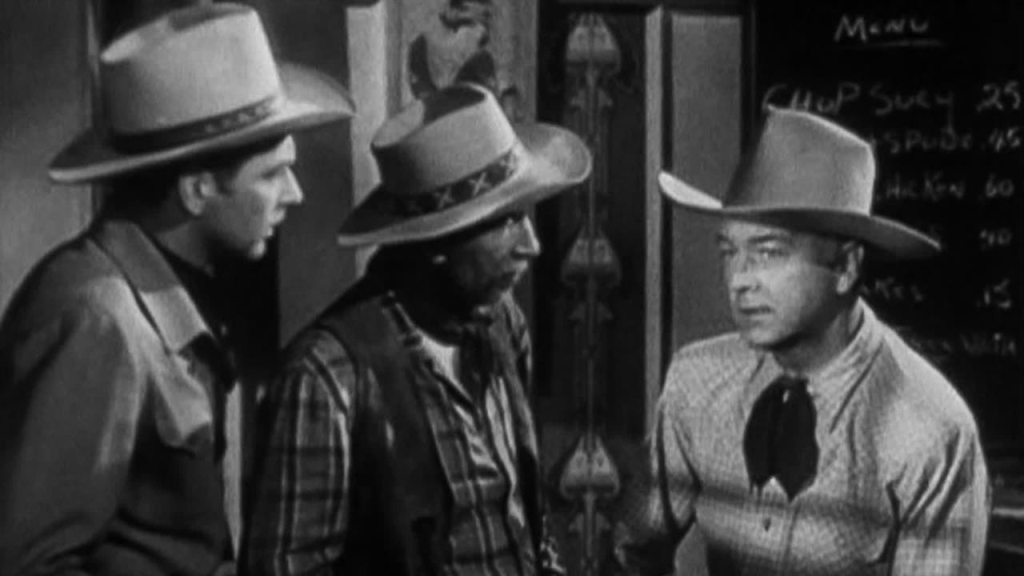
We are celebrating Classic TV for the first month of 2024. Our first choice is a western many kids never missed: Hopalong Cassidy.
📷wideopencountry.com Bill Boyd with Topper
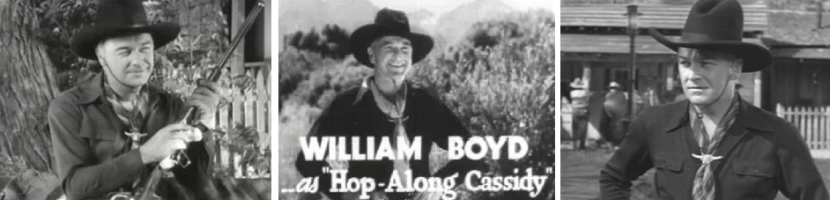
Hopalong Cassidy was introduced to the world by Clarence E. Mulford in 1904 in short stories, and a book was released in 1906. Originally the character had a wooden leg which resulted in his nickname. The first big-screen Hopalong Cassidy film aired in 1935. His nickname was now attributed to a gunshot wound. It starred Bill Boyd, a forty-year-old actor. Boyd’s Hopalong was quite different from the book character. This film Hopalong was a clean-cut hero who drank only sarsaparilla and never took the first shot. By 1948, 66 original movies had been made with ten different sidekicks. That seems like a lot, but from just 1950-1959, about 700 western films were made.
Producer Harry Sherman had become tired of the films. So Boyd invested all of this money buying the rights to the character from Mulford and the rights to the earlier films from Sherman.
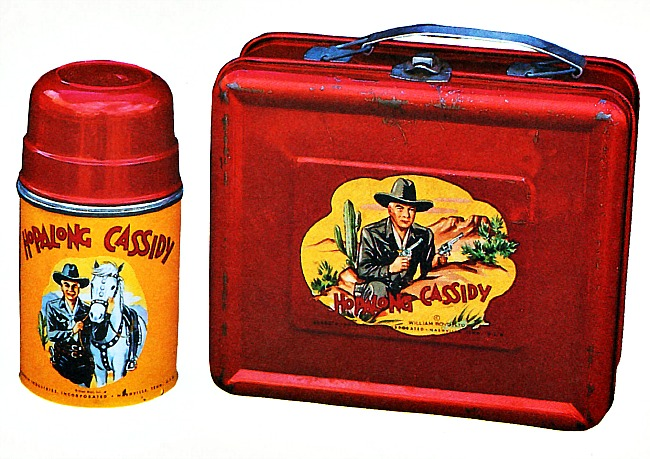
In 1949, NBC began showing the older movies on television. Westerns were huge on television, in movies, and in literature in the fifties, and Hopalong became very popular again. Boyd received all the revenue from the merchandise being sold.
📷imdb.com Boyd with Buchanan
Boyd was offered another show in 1952. From 1952-1955, the show was on the air. There was a different format for the new show. Instead of the typical two companions from the films, Edgar Buchanan took on the role of Red Connors. It was Buchanan’s first television role, but it would not be his last. Boyd provided voiceover for the series. He was now a US Marshal instead of foreman of the Bar 20 ranch. Hopalong still fought crime riding his horse, Topper.
The new series was composed of 40 new episodes, along with 12 older theatrical features that were cut down to 30-minute episodes.
📷crackle.com
One of the reviewers on imdb discussed the show as “being a couple of notches above most of the contemporaries in quality.” He said outdoor scenes were actually filmed outside. He acknowledged that both Boyd and Buchanan were good actors, and Edgar provided both comic relief and dramatic support. The relationship the actors had, along with good writing, produced several really good episodes. He went on to provide information about three of his favorite shows:
“1. Grubstake–A terrific half-hour mystery. Prospector Percy Helton has struck gold. He was grubstaked by five partners. Two have been murdered. A third is Red. Who is the murderer? There is a slew of suspects in a movie-level cast–Christopher Dark, Michael Fox, Robert Paquin, and Timothy Carey(!). Gladys George steals the show as a flighty landlady engaged in a humorous romance with old codger Helton. The solution to the mystery is first rate.
2. The Feud–Two ranchers are bitter enemies. The son of one is murdered from ambush. Suspician naturally falls on his old enemy, B stalwart Steve Darrell, but foreman Hugh Beaumont, soon to become Beaver’s dad, is the culprit. He is having an affair with Darrell’s wife and hopes to get both her and the ranch when Darrell is lynched for the murder. There are some bitter scenes between the jealous Darrell and his unfaithful wife, and even a hot and heavy one between the woman and Beaumont. Perhaps not original, but certainly an adult slant compared to a typical Lone Ranger or Gene or Roy plot.
3. Lawless Legacy–An ordinary plot but given a big lift by Lone Ranger on vacation Clayton Moore as a vicious murderer.”
The series propelled Boyd back into stardom, and he became a famous celebrity, giving talks around the world. Although Hopalong is not as well known today as The Lone Ranger or the Cartwright Boys, his television show is still considered a classic. In 2009, the US Postal Service issued twenty postage stamps honoring early television programs. In this series, which included The Adventures of Ozzie and Harriet, Dragnet, I Love Lucy, Lassie, The Lone Ranger, Perry Mason, The George Burns and Gracie Allen Show, Boyd was pictured sitting on his horse Topper.
In addition to the films and television series, there were 104 radio shows and hundreds of comic books.
By 1955, Boyd was tired of his role and ready to retire. While he was ready to step out of the entertainment business, he wanted to ensure that his staff would continue to have jobs. CBS was getting ready to air a little show they thought might be successful, and his entire crew moved to that series, Gunsmoke, which continued to provide employment for another two decades.
Hopalong Cassidy’s films on television introduced westerns to an entirely new generation and kept westerns in the spotlight for the decade. By March of 1959, eight of the top ten shows were westerns and the television schedule featured thirty different western shows.
📷wordpress.com
I think Boyd was smart to purchase the rights and he was definitely in the right place at the right time to benefit during the fifties. And kudos to him for taking care of his cast and crew.
This month’s blog series is “Time for Some Texas Tea.” We are learning about some of the stars of The Beverly Hillbillies. Today we are banking on getting to know Milburn Drysdale, also known as Raymond Bailey.
Bailey was born Raymond Thomas Bailey in 1934 in San Francisco, California. When he was only a teenager he made the trek to Hollywood to try his hand at acting. He had a tougher time breaking into the business and worked a lot of odd jobs including day laborer in a silent movie theater where he was fired after sneaking into a mob scene which I found pretty funny and creative. He also worked as a stockbroker and a banker which would come in handy later in his career.
Photo: thenationalwwiimuseum.com
When things did not seem to be working out, he moved to New York City. He had no better luck on the east coast than on the west coast, so he joined the crew as a merchant seaman and toured the world, including China, Japan, the Philippines, the Mediterranean, and Hawaii. While in Hawaii, he also worked on a pineapple plantation, acted in the community theater, and sang for a local radio station.
He decided to give Hollywood a second chance in 1938, and he actually began getting some small movie parts. His first credited role was in SOS Tidal Wave. He was Mr. West in The Green Hornet in 1940. He appeared in 30 movies before Pearl Harbor was struck. When the US entered WWII, he joined the US Merchant Marine. After his time was up, he returned to Hollywood.
In 1951, Bailey married Gaby George and they would remain married until his death. I could not learn much about Gaby, but she was born in another country, and they were married in Manhattan. I’m not sure if she came here earlier in her life or met Bailey while he was traveling the world. She would have been 37 when they married, and I believe she received naturalization papers when she was 55.
The Alfred Hitchcock Show “Breakdown” Photo: completehitchcock.com
Raymond continued receiving big-screen roles, and in 1952 he had his first television appearance in Tales of Tomorrow as Congressman Burns. He appeared in forty-six additional series during the decade of the fifties, including The Donna Reed Show, Jack Benny, Burns and Allen, Gunsmoke, and Private Secretary. His movie career continued with roles in 26 films including Sabrina, Picnic, King Creole, and Vertigo. In the mid-fifties, he also explored Broadway with roles in four plays.
While Bailey didn’t abandon his film career, the sixties found him on the small screen the majority of the time. In the early sixties, he could be seen on a variety of shows including Lassie, The Ann Sothern Show, BachelorFather, Perry Mason, Bonanza, My Three Sons, and Mister Ed. In 1961, he was offered his first regular role as Mr. Beaumont on My Sister Eileen. He appeared in 25 of the 27 episodes of the show.
Photo: ask.com
In 1962 he was offered the role he would become a household name for: Milton Drysdale on The Beverly Hillbillies. His time as a banker helped him manage millions of dollars in the Clampett accounts. Much to his wife’s chagrin, Drysdale talks the Clampetts into buying the mansion right next to his so he can keep a better eye on them and their money. He was their mentor as they adjusted from country life to city life as much as they could adjust.
Unfortunately, Bailey developed Alzheimer’s, and the symptoms began just as the show was ending. The Beverly Hillbillies was canceled during the “Rural Purge” when all country-related shows were ended by the network in 1971. After the series was canceled, Ray only had two acting credits; they were both in Disney movies that came out in the mid-seventies: Herbie Rides Again and The Strongest Man in the World.
With Nancy Kulp Photo: imdb.com
Baily then became a bit of a recluse until his death in 1980 from a heart attack. It sounds like the only non-family member he kept in touch with was Nancy Kulp who played his secretary Jane on The Beverly Hillbillies.
It was fun to learn more about the career of Raymond Bailey. He certainly defined the word “perseverance.” I’m glad he was able to do what he had a passion for. It would have been interesting to see how he would have done in another comedy series. His Alzheimer’s diagnosis probably ended his career twenty years earlier than it would have. It sounds like he found love and a fulfilling career and that is certainly a success no matter what your profession is.