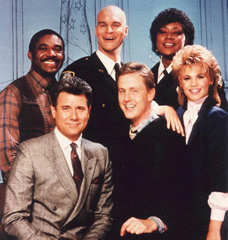
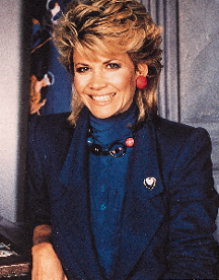
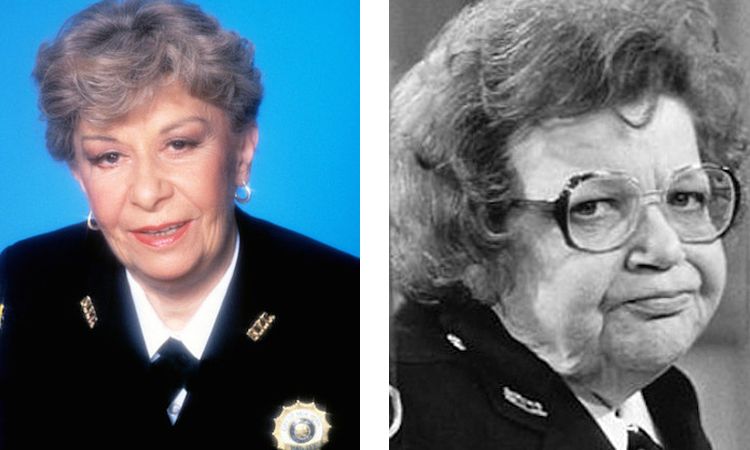
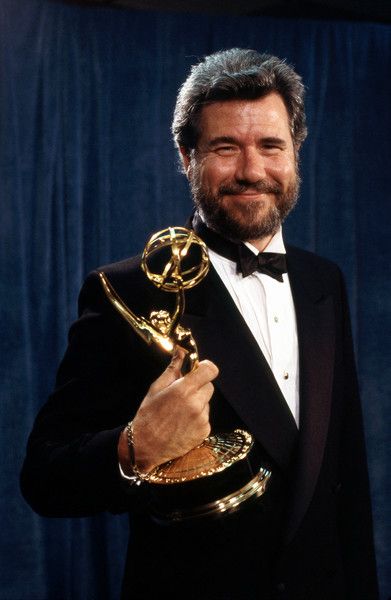
Marcia Wallace: What a Character

📷matchgamewikifandom.com

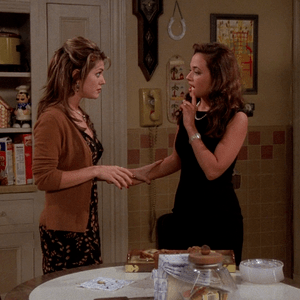
When trying to decide who to include in our Supportive Women blog series this month, Marcia Wallace was a no-brainer. Carol was one of my favorite characters on television on The Bob Newhart Show, and I love the fact that her role carried over into an episode of Murphy Brown.

Marcia Wallace was born in 1942 in Iowa. Her father owned a general store where she and her siblings often worked. After performing in a school play, one of her teachers encouraged her to pursue an acting career. After graduation, Marcia enrolled in Parsons College in Fairfield, Iowa where she received a full scholarship. She majored in English and Theater.

Upon her college graduation, Marcia decided to move to New York. The country gal had $148 in her savings. When she arrived in the Big Apple, she took on a variety of part-time jobs including typing scripts and substitute teaching. She joined a summer stock company and did a few commercials. She worked in a Greenwich Village nightclub for a year before creating an improv group, The Fourth Wall, with several friends. While she kept the friends, she lost 100 pounds.

Eventually, Wallace was offered a job with The Merv Griffin Show. When Merv decided to move to LA, he asked Wallace to move with them. She was able to obtain a few roles in series after moving to California. During the sixties and early seventies, she was on Bewitched, The Brady Bunch, Columbo, and Love American Style.

📷tvinsider.com

After Bill Paley had seen her on Merv Griffin, Grant Tinker (producer) called her to offer her a role on a new sitcom, The Bob Newhart Show. The role of Carol was written specifically for her.

Marcia loved her time on the sitcom. She said Bob was the Fred Astaire of comedy, making it look so easy. She also praised Bob for being a treasure. Because of the way the scripts were written, the show doesn’t date itself. It was about human relationships and people struggling to make them work and make life better.

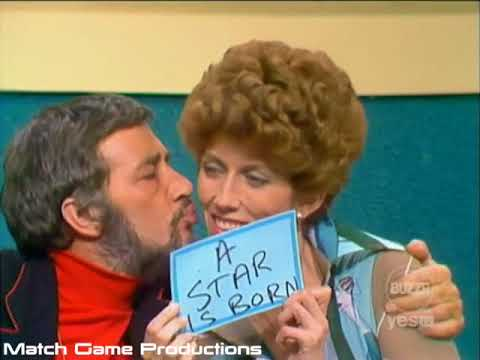
When The Bob Newhart Show went off the air six years later, Marcia jumped on the game show circuit. Shecould be seen on Password Plus; Super Password; Hollywood Squares; Crosswits; Hot Potato; The $25,000 Pyramid; Win, Lose, or Draw; Tattletales; To Tell the Truth; Family Feud; Card Sharks; and my favorite, Match Game.
📷youtube.com

Like so many actresses and actors who perform their role so well, Marcia was typecast after the show ended. In an interview, she said that “I have heard ‘You’re too recognizable for this part.’ I remember once, I desperately wanted to be on the series Nine to Five and they just weren’t going to see me because of that. Every once in a while, something would break my heart.”

Wallace also made appearances on The Love Boat and Fantasy Island in the seventies. During the eighties she would show up on CHiPs, Magnum PI, Taxi, Murder She Wrote, Night Court, and ALF, among other shows.

One of my favorite appearances of Wallace’s occurred in the mid-nineties on Murphy Brown. If you were a fan of that show, you know Murphy could not keep a secretary. There was even a support group that started of her former secretaries. However, when Carol Kester came to work for her, she was overjoyed. Carol was the role Wallace played on The Bob Newhart Show. Unfortunately for Murphy, at one point during the show, Bob Newhart shows up and convinces Carol to return to work for him and Jerry and Murphy lost her perfect assistant.

Most of Wallace’s work after 2000 was for voice work with one exception. In 2009, she had a recurring role on The Young and the Restless as Annie Wilkes for 14 episodes.

In 1985 Marcia was diagnosed with breast cancer. She survived it and became an activist and lecturer on the topic. In 2007, she won the Gilda Radner Courage Award for her work in this area.

In 1986 Marcia married Dennis Hawley in a Buddhist ceremony. Dennis renovated and managed hotels. The couple adopted a little boy, but Dennis passed away three years later.
📷imdb.com

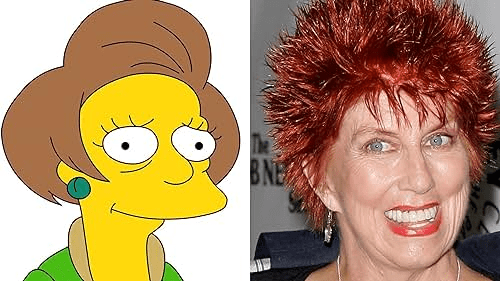
In 1989, a new type of show debuted called The Simpsons. Marcia was asked to provide the voice of Edna Krabappel, school teacher. She probably did not realize she would be associated with that role for another 24 years. Her role as Edna did not end until her passing.

In addition to her television work, Wallace performed on stage. She produced and starred in “An Almost Perfect Person,” a female version of “The Odd Couple,” “Same Time, Next Year” and many others.

In 2004, Wallace published an autobiography, Don’t Look Back, We’re Not Going That Way. She honestly discussed her breast cancer, the loss of her husband, her nervous breakdown, being a single mother, and the ups and downs of her career.

Marcia died from pneumonia and sepsis in 2013. Her coworkers commented on her passing. Yeardley Smith, who voices Lisa on The Simpsons, said “Heaven is now a much funnier place because of you, Marcia.” Bob Newhart said that “Marcia’s death came as quite a shock, she left us too early. She was a talented actress and dear friend.”

📷onceuponascreen.com

I’m so sad that Marcia was typecast and unable to get the roles that she wanted. The networks were very shortsighted during those decades. They didn’t give television fans enough credit for being resilient enough to love the character of Carol while being able to love another character played by Wallace. You saw the same things happen to Adam West, Alan Alda, and Henry Winkler. If that perspective had continued, we never would have had Mary Richards on The Mary Tyler Moore Show or Jay Pritchett from Modern Family. If someone could be a hit as Al Bundy and then go on to star in another show, anyone can get beyond being stereotyped. Marcia Wallace proved that anyone could survive life’s disappointments with determination and a sense of humor, and perhaps that was her greatest role for us.

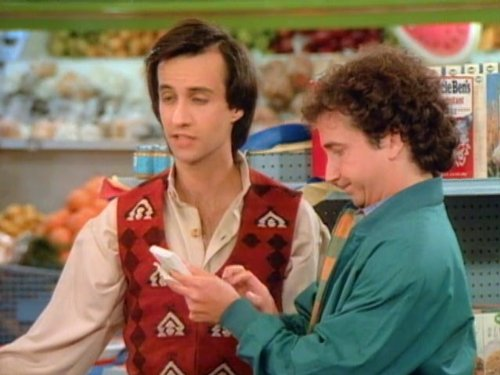
We Love Spending Time with “Perfect Strangers”

Linn -Baker and Pinchot Photo: tvfinales.com

We are talking about our favorite duos from the eighties and nineties in our blog August series. Although most of these shows feature husband and wife teams, today we are turning the dial back to a show about two cousins: Perfect Strangers. I am always envious of my husband because they have a group of first cousins who are very close and grew up together. While I have scads of second cousins, once removed and such, I have no first cousins and always missed those relationships. Perfect Strangers is about two cousins who develop that type of relationship.
Perfect Strangers is another one of those shows that was quite popular when it was on the air, and it was for eight years, but it doesn’t get much recognition any longer.

The series was created by Dale McRaven for ABC; McRaven was also the creative force behind Mork and Mindy. Bronson Pinchot had appeared in Beverly Hills Cop as Serge, a gay art gallery employee who had a foreign accent. ABC signed on to the project based on Pinchot starring. However, in the meantime, Pinchot had signed on to Geena Davis’s sitcom, Sara. Sara was quickly canceled and Bronson became available, so a pilot was made with Louie Anderson in the role of the American cousin. It was obvious that this was not the best pairing, and eventually the role was offered to Mark Linn-Baker after an appearance he made on Moonlighting. He and Pinchot had great chemistry and the show was placed between Who’s the Boss and Moonlighting, very popular shows, on Tuesday nights.

Photo: imdb.com

The short first season of six episodes debuted in March of 1986. The show was about Larry Appleton (Linn-Baker), a Wisconsin boy, who moved to Chicago and was enjoying life on his own after growing up in a large family. His utopia is shattered when his cousin Balki Bartokomous (Pinchot), arrives from Mypos, a Mediterranean island, intending to move in with him. Balki’s name was originally Vev, but Pinchot suggested Balki based on his sister’s nickname for her dog. Larry Appleton got his name because Lawrence University is in Appleton, Wisconsin, where I graduated from high school. Neither actor went to Lawrence, but both of them are Yale alumni. Both Linn-Baker and Pinchot got not only their BA degree from Yale but also both received their Masters of Fine Arts in drama.

Larry tells Balki he needs to live somewhere else. Balki had been a shepherd, and most of his impressions of what America was like were taken from pop culture, television shows, and commercials. Larry, a photographer, relents and invites Balki to live there, thinking of himself as more worldly and able to teach Balki the truth about American life. Ironically, it is often Larry who is more inept and gets the pair into some interesting situations.

Photo: pinterest.com

Season two found the show on Wednesday nights. The cousins begin dating flight attendants–Jennifer (Melanie Wilson) dates Larry and Mary Anne (Rebeca Arthur) dates Balki. They meet the girls at the gym and realize that they live in the same building.

In season three, Balki is able to stop sleeping on the living room sofa and gets his own room when the pair moves into a much larger apartment. Somehow Jennifer and Mary Anne still live in their building but no one ever talks about moving. Larry is hired as a reporter for the Chicago Chronicle, and Balki is hired for the mail room. For some reason, halfway through the season the show was moved from its successful spot on Wednesdays to Fridays.

During season five, Harriette (Jo Marie Payton-France), the elevator operator, was given a new show, Family Matters which was also on Friday nights. That show, which for better or worse, introduced America to Steve Urkel, was on the air for nine years. Larry and Jennifer are still going strong while Balki and Mary Anne are lukewarm. Larry proposes to Jennifer during season six.

Season seven finds Jennifer and Larry in a large Victorian house. Of course, they realize they need renters to afford the expensive Chicago mortgage and who moves in but Balki and Mary Anne. Balki becomes an animator with his own comic strip at the newspaper. Eventually, Mary Anne moves out but in the finale, they reconcile, marry, and travel to Mypos for their honeymoon. The show retained its viewers but then it was moved to Saturday nights in February of 1992 before returning to Fridays. The TGIF campaign for ABC’s Friday night shows was very successful, and the network was trying to do something similar for Saturday nights.

Season eight, ironically also a six-episode season, picks up several months after the wedding, and we realize that both Jennifer and Mary Anne are noticeably pregnant. In the finale of the series, babies Robespierre and Tucker join the show.

Photo: pinterest.com

The first six seasons found the show consistently in the top forty. Given its placement between two popular shows in its debut year, five of the first six episodes landed in the top ten. After the show was moved to Saturdays, it experienced a drastic decline in viewers. When the show was moved back to Fridays, it found its audience again. The show’s final season was supposed to be thirteen episodes but it was shortened to six. It was in the top twenty for the final season, and 15 million households watched the finale.

The theme song for the show, “Nothing’s Gonna Stop Me Now,” was written by Jess Frederick and Bennett Salvay. They composed the themes for Full House, Step-by-Step, and Family Matters as well.

We have talked about a lot of shows who have some famous fans and this show was no exception. Bronson Pinchot said Nelson Mandela was a fan of the show. Pinchot was invited to a banquet in South Africa where President Mandela was in attendance. One of the President’s assistants gave Bronson a note that read, “I’m dying to meet you, but if I go to your table, I have to go to everyone’s table. But I wanted you to know that I know my cousin is here.” Later that evening Bronson met Winnie Mandela.

Photo: pinterest.com

The Emmys also recognized the show. In 1987 Bronson Pinchot was nominated for a Lead Actor in a Comedy Series. He did not win, but had some tough competition with Ted Danson for Cheers, Harry Anderson for Night Court, Bob Newhart for Newhart, and, winner, Michael J. Fox for Family Ties. Two years later, Doris Roberts was nominated for Outstanding Guest Actress in a Comedy and lost to Colleen Dewhurst for Murphy Brown. Other nominees included Diahann Carroll for A Different World, Eileen Brennan for Newhart, and Maxine Stewart for The Wonder Years.

I’m sure that Perfect Strangers is in syndication somewhere, but I cannot remember the last time I saw it listed on television. There is a DVD set out for the entire series. I do remember watching this show most weeks and enjoying it, although it was not in my Top Ten. Yes, it had some too-typical and obvious plotlines like the girls living in the same building and both Balki and Mary Anne moving into the Appletons’ new house. However, the writing was pretty good and the characters were fully developed. The twist of naïve Balki often being wiser than native Larry is also a fun influence. It’s definitely a show that deserves more recognition than it has received in the past three decades. I’d love to know if you take some time to watch the DVDs, find it on the air somewhere, or just have fond memories of watching it in the past.

Doogie Howser MD: The Smartest Kid on TV

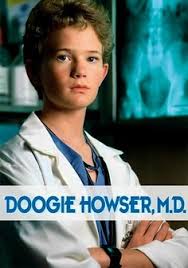
We are in the midst of our Teen Scene blog series this month. Today we learn about a true teen genius, Doogie Howser, MD.

Picture
Photo: sitcomanddramas.weebly.com

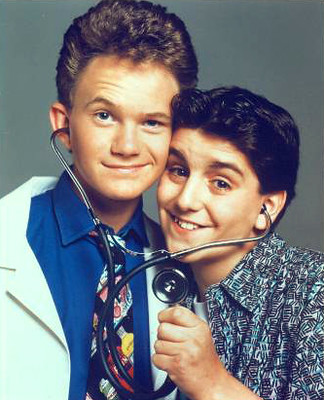
This half-hour sitcom was created for the fall of 1989 by Steven Bochco who created Hill Street Blues and LA Law and would go on to develop NYPD Blue. He asked David E. Kelley for help writing the pilot. Kelley, who also wrote for Hill Street Blues, would go on to write for Picket Fences, Ally McBeal, The Practice, Boston Public, and Boston Legal. Bochco and Co felt Neil Patrick Harris was the perfect kid to play a teenage doctor. ABC did not like the casting and was not fond of the show in general or the pilot. However, Bochco’s contract required that if the network canceled his project, they had to pay a penalty. They ended up putting the show on the air because test screenings ranked so well. The show ended up being on the air for four seasons, creating 97 episodes. It was one of the first sitcoms not to have a live audience or a laugh track.

While Doogie had to deal with professional medical problems at work, in his personal career, he was still a teenager dealing with the same issues all teenagers do. His best friend Vinnie (Max Casella) had been in his life since kindergarten. Vinnie wanted to pursue film school, but his dad wanted him to join the family business. Doogie’s family business was medicine; his dad, Dr. David Howser (James B. Sikking) had a family practice, and his mother Katherine (Belinda Montgomery) became a patient advocate at the hospital.

Sikking, Harris, and Montgomery Photo: showbizjunkies.com

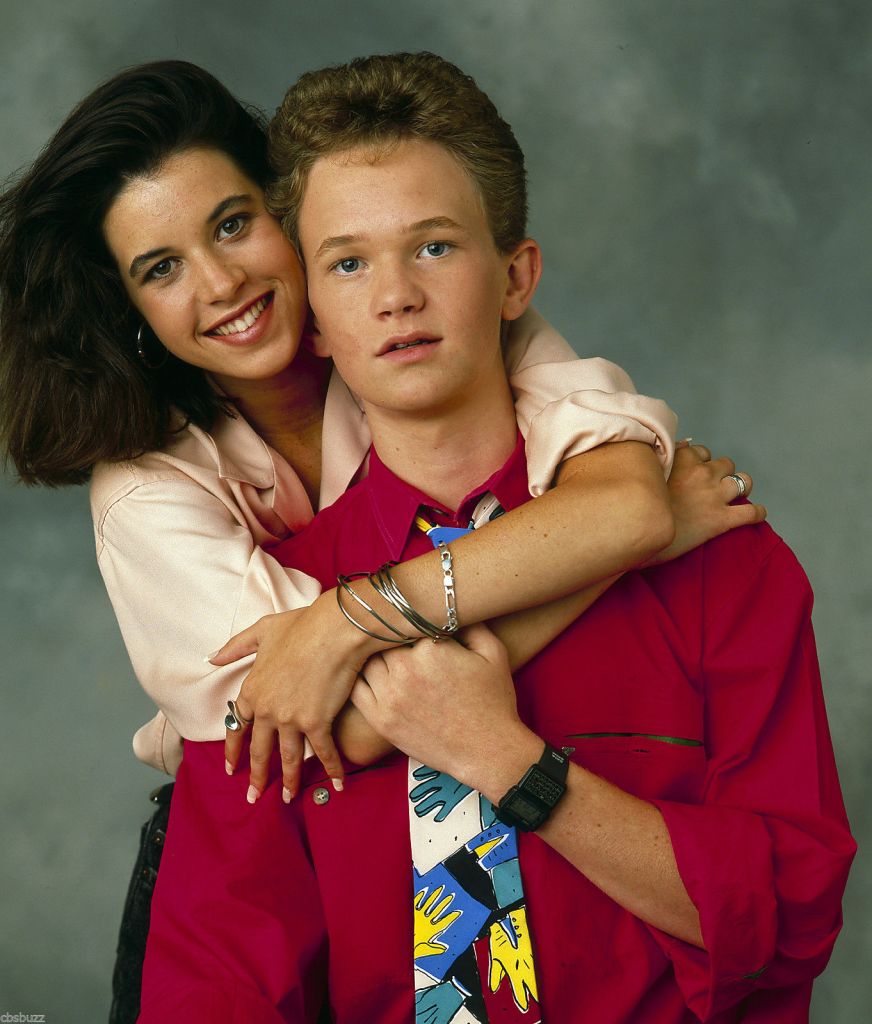
Doogie and Vinnie dated best friends. Wanda (Lisa Dean Ryan) was Doogie’s girlfriend but before the end of the show, she left to attend the Art Institute of Chicago and they broke up. Vinnie’s girlfriend Janine (Lucy Boyer) drops out of college to become a department store buyer.

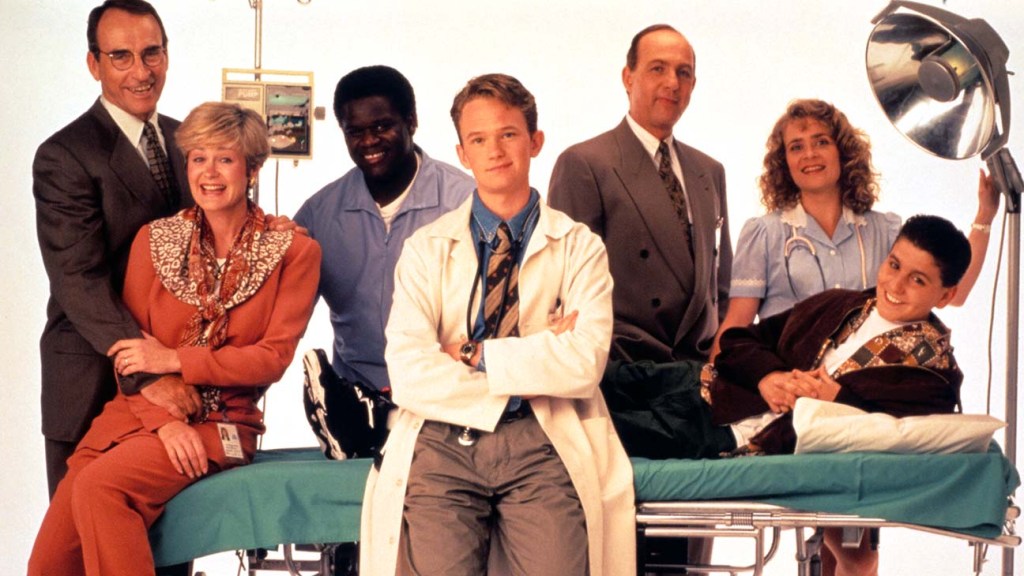
Doogie’s professional colleagues include Dr. Benjamin Canfield (Lawrence Pressman), head of the hospital and friend of Doogie’s father; Dr. Jack McGuire (Mitchell Anderson), a resident who eventually moves overseas to help third-world countries; Mary Margaret Spaulding (Kathryn Layng) a nurse who ironically dates McGuire, Canfield, and Doogie; and Raymond (Markus Redmond), an orderly who Doogie got hired after he left gang life. In seasons 2-4, Barry Livingston (Ernie from My Three Sons), plays Dr. Bob Rickett, a fellow doctor at the hospital.

Doogie Howser, M.D. (ABC-TV, 1989-93) Shown (l. to r.): James B. Sikking (as Dr. David Howser), Belinda Montgomery (as Katherine Howser), Markus Redmond (as Raymond), Neil Patrick Harris (as Doogie Howser), Lawrence Pressman (as Dr. Canfield), Kathryn Layng (as Nurse Curly Spaulding), Max Casella (as Vinnie)

Doogie’s (Douglas) story is that he was a two-time survivor of early-stage pediatric leukemia which gave him a desire to become a doctor. He was labeled a genius in school and had an eidetic memory and earned a perfect SAT score at the age of six, graduating from high school in only nine weeks at which time he entered Princeton at age 10. By 14, he had finished medical school and was beginning his career. A couple of sources I read said Bochco based the character of Doogie somewhat on his own father who was a violin prodigy.

Harris, Cassella Photo: flickr.com

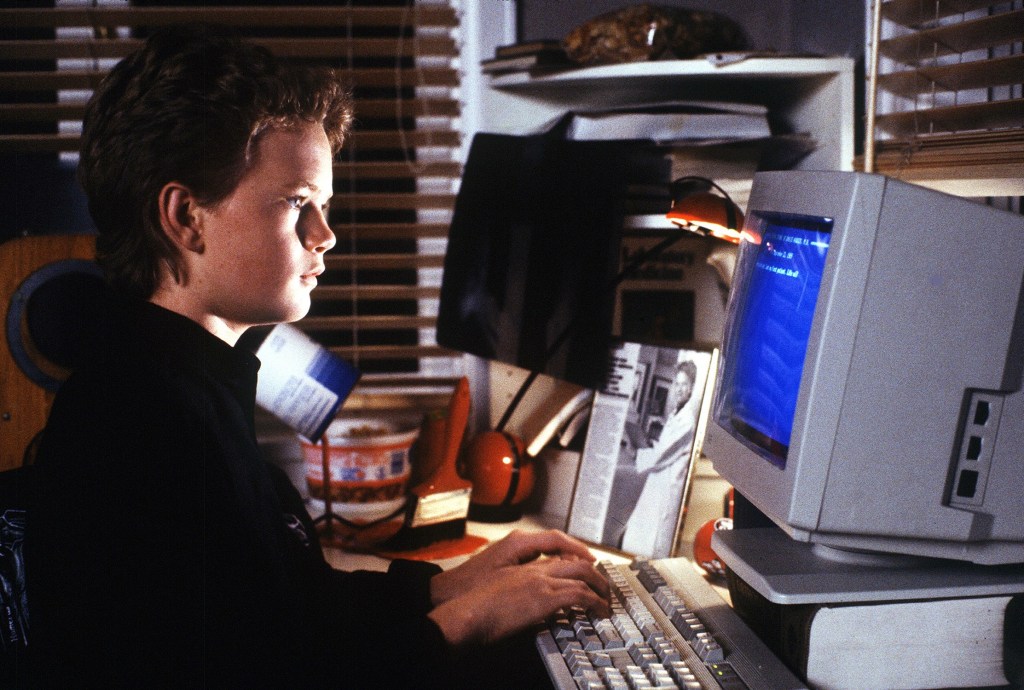
We meet him at 16 when he is a second-year resident surgeon at Eastman Medical Center in LA. He lives at home with his parents, and he keeps a digital diary which he typically ends the show with, writing as he makes observations about what he has learned during the episode.

The show dealt with some heavier topics including AIDS awareness, racism, homophobia, and gang violence, but most of the shows also involve Doogie’s personal life and his social issues being a teen in an adult world. By the time the show ends, Doogie has moved into his own apartment. Howser then resigns from the hospital to take a trip to Europe. If the show had come back for a fifth season, the creators planned to have Doogie explore a writing career.

While audiences responded enthusiastically to the show, critics were not on board. Marvin Kitman of Newsday rated the first season 40/100 and said sarcastically, “What a wasted childhood my kids have had, I got to thinking while watching this otherwise normal Doogie Howser. It makes you look at your kids differently. What lazy bums they must be still in high school at 16.” Christopher Smith of the Bangor Daily News gave it a C and said, “No classic, this series.”

Harris, Dean Ryan Photo: sitcomsonline.com

However, fans continued to tune in, and a review by c l lance on imdb.com, in 2005, said “Doogie Houser [Howser], MD. Just the name brings a smile of remembrance to me. In the tradition of such television classics as L.A. LAW, NYPD Blue and Hill Street Blues, Doogie Houser, MD was wonderfully funny with a touch of life. As a 30-something adult when I first watched Doogie in late-night reruns, I was hooked by its humor and wit while watching this “kid” with an adult mind, yet the hormones and maturity of a teenager, grow into independence. Memorable episodes include his first day, the late-night skinny dip (as mentioned by another viewer), the practical joke he played on other hospital staff only to have it ruthlessly reciprocated, and the apartment with his best friend Vinny. There is some risquĂŠ humor but it is nothing when compared to today’s standards. I always enjoyed seeing the relationship he had with his dad and mom. I had the entire series recorded but sacrificed them for NFL games. BIG mistake!! Doogie Houser, MD will long be cherished by this now 40 something dad and his now 20 something daughters. I look forward to seeing Doogie’s journal again.”

A lot of us knew Harris better from his role of Barney Stinson on How I Met Your Mother. During one episode, “The Bracket,” Barney writes in his computerized diary while the theme song for Doogie Howser plays in the background.

UNITED STATES – SEPTEMBER 19: DOOGIE HOWSER, M.D. – Season One – Pilot – 9/19/89, Neil Patrick Harris played 16-year-old child prodigy Douglas “Doogie” Howser, a second-year resident at Eastman Medical Center who zipped through high school in two months, graduated from Princeton at 10, and medical school at 14. At the end of each episode, Doogie entered his experiences in his electronic diary, on his computer. , (Photo by Walt Disney Television via Getty Images Photo Archives/Walt Disney Television via Getty Images)

On September 19, 2019, USA Today did an interview with Harris on the 30th anniversary of the show and mentioned that upon the death of Steven Bochco, Harris reflected about his time on the show: “I look back on that with fondness. That was a very remarkably wonderful chapter for somebody who had never really been in the entertainment business before.” Doogie might have missed his chance to become an author, but Harris has written a series of kids’ books, The Magic Misfits, as well as an autobiography.

I do remember watching the show during prime time. If I was home, I watched it but it was not a must-see show for me. It was an interesting concept though and seemed realistic enough given the few people who would experience this type of life. I think the bigger issue for me was that the first three years it was on against Night Court, so I probably watched more of the fourth season when it was sandwiched between The Wonder Years and Home Improvement.

Photo: pinterest.com

Mel TormĂŠ Jazzed Up a Few TV Scripts

76 Mel torme ideas | music, great american songbook, jazz
Photo: pinterest.com

We are in the midst of our blog series about unique television writers. If I mention the name Mel Tormé to you, you probably think exceptional musician, composer, and singer. You might specifically mention “The Christmas Song” which he composed the music and cowrote the lyrics for. (His cowriter was Bob Wells.)

If I say think writing, you might be able to recall that he wrote several musical biographies including Traps- The Drum Wonder: The Life of Buddy Rich, The Other Side of the Rainbow: Behind the Scenes on the Judy Garland Television Series, or My Singing Teachers. You might have even read his autobiography It Wasn’t All Velvet or Wynner, a novel he wrote in 1978.

However, I’m guessing most of you don’t realize that he also tried his hand at writing scripts for television.

Melvin Tormé was born in Chicago in 1925. He was a child prodigy and first performed professionally at age 4 with the Coon Sanders Orchestra, singing “You’re Driving Me Crazy,” at a local restaurant.

He played drums in the drum and bugle corps of his grade school, Shakespeare Elementary. From 1933-1941 he had roles in several radio programs including “The Romance of Helen Trent” and “Jack Armstrong, All American Boy.” He wrote his first song at age 13. At age 16, his song, “Lament to Love” was a hit for Harry James.

Mel Torme & The Mel-Tones at Singers.com - Vocal Harmony A Cappella Group
The Mel-Tones Photo: singers.com

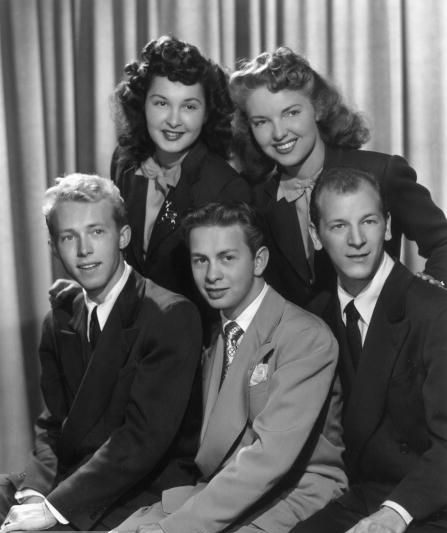
TormĂŠ graduated from Hyde Park High School. Shortly after, he was a singer and drummer with a band led by Chico Marx from 1942-1943. In 1944, he formed Mel TormĂŠ and His Mel-Tones.

Tormé took his stint in the Army, and when he was discharged in 1946, he returned to the entertainment business. He was nicknamed “The Velvet Frog” by DJ Fred Robbins when he sang at the Copacabana. He always hated the nickname.

During the fifties, he had a radio program, “Mel Tormé Time,” and he recorded a variety of albums. He primarily performed jazz but he loved classical music as well, preferring Delius and Grainger. He wrote more than 250 songs. In the sixties, he strayed into pop music.

Mel had his first television appearance as an actor in 1960 on Dan Raven. He showed up on a few different series including The Lucy Show. In the 1980s, he made nine appearances on Night Court and found a new generation of fans.

Mel Torme & Harry Anderson, Night Court (1991) | Movie stars, Harry  anderson, Singer
On Night Court Photo: pinterest.com

During his career, he tried marriage four times, but the first three ended in divorce. In 1996 he suffered from a stroke that ended his musical career. Three years later, he passed away.

No doubt, he had a full and successful career. He had a multitude of skills he experimented with during his professional life. I would like to spend some time looking at part of his career that is not well known. He did help with the writing for a brief time when The Judy Garland Show was on the air. In the late sixties he continued writing for the small screen.

In 1967, Mel wrote his first television script. His first successful episode was for the 1967 show Run for Your Life. It’s not a well-remembered show, but it aired from 1965-1968. It was about a successful lawyer Paul Bryan (Ben Gazzara) who learns he is terminally ill with two years to live. He decides to accomplish everything on his bucket list, and each week he talks about the people he meets and the places he visits.

The Frozen Image
The Frozen Image Photo: run4.us

Mel not only wrote the script for “The Frozen Image,” but he starred in the episode as well. The premise is that a married Las Vegas singer (Diana Burke) who doesn’t want to get old, hires Paul as her manager.

He must have enjoyed it because the next year, he wrote a script for The Virginian called “The Handy Man.” The long-running show was on the air from 1962-1971 and was set in Wyoming in the late 1800s.

In this episode, a legal fight over a strip of land between the Shiloh and Bowden ranch turns nasty. The Bowdens think Shiloh has hired a gunfighter who turns out to be a handyman.

The Virginian" The Handy Man (TV Episode 1968) - IMDb
The Handyman Photo: imdb.com

In 1974, Tormé scripted another story, this time for Mannix. From 1967-1975, Mannix solved a variety of cases. Originally working for a company, he starts his own business with secretary/friend Peggy Fair, whose husband, a policeman, had been killed. They also work with a police department contact, Tobias. Mel’s story, “Portrait in Blues,” features a couple of musicians, one of whom is almost electrocuted while performing.

Mannix" Portrait in Blues (TV Episode 1974) - IMDb
Portrait in Blues Photo: imdb.com

The last television project Mel worked on as a writer was a made-for-television movie called The Christmas Songs in 1979. With cowriter Thomas V. Grasso, Mel penned the script and starred in the movie with Richard Basehart, Billy Davis, Jr., Jo Ann Greer, Les Brown and His Band of Renown, Rich Little, Marilyn McCoo, Maureen McGovern, Sons of the Pioneers, Roy Rogers, and George Shearing. I could not find much about this movie, so if anyone remembers watching it or knows anything more about it, please let me know.

With all the success that he had in the music industry, I was amazed to learn Mel wrote for television. I stumbled across it by accident when I was researching Mannix and decided to learn a little more about his writing career. I could not find any other information about his writing career. I did reach out to his son Steve March-TormĂŠ . He said that he had not realized that his father wrote television scripts but said, “I’m not surprised. He tried his hand at a lot of areas of the business and was almost always very successful at them. Very bright guy.” Steve’s stepfather, Hal March, was another celebrated television writer and star. (For more about Steve March-TormĂŠ , see his website, stevemarchtorme.com.)

It’s been a lot of fun to learn more about Mel TormĂŠ’s television writing career. As someone who only knew him for his musical skills, it was fun to see another side of the performer. As someone who has always thought it would be fun to write for a sitcom, kudos to him for trying something new and succeeding. Hopefully, he is an inspiration to some of us who think we have to settle for the space we are in now to reach out and try something entirely different–and to remember that the success is in the trying.

The True Crime of Trial and Error Was Cancelling It Too Early

Those of you who have been with me for a while know I have a bit of a different definition for “classic tv.” My view of “classic” is a show that was a great show and is no longer on the air. Typically, I am writing and researching shows from 40-70 years ago, but every once in a while, I sneak in a more recent series.

Photo: imdb.com

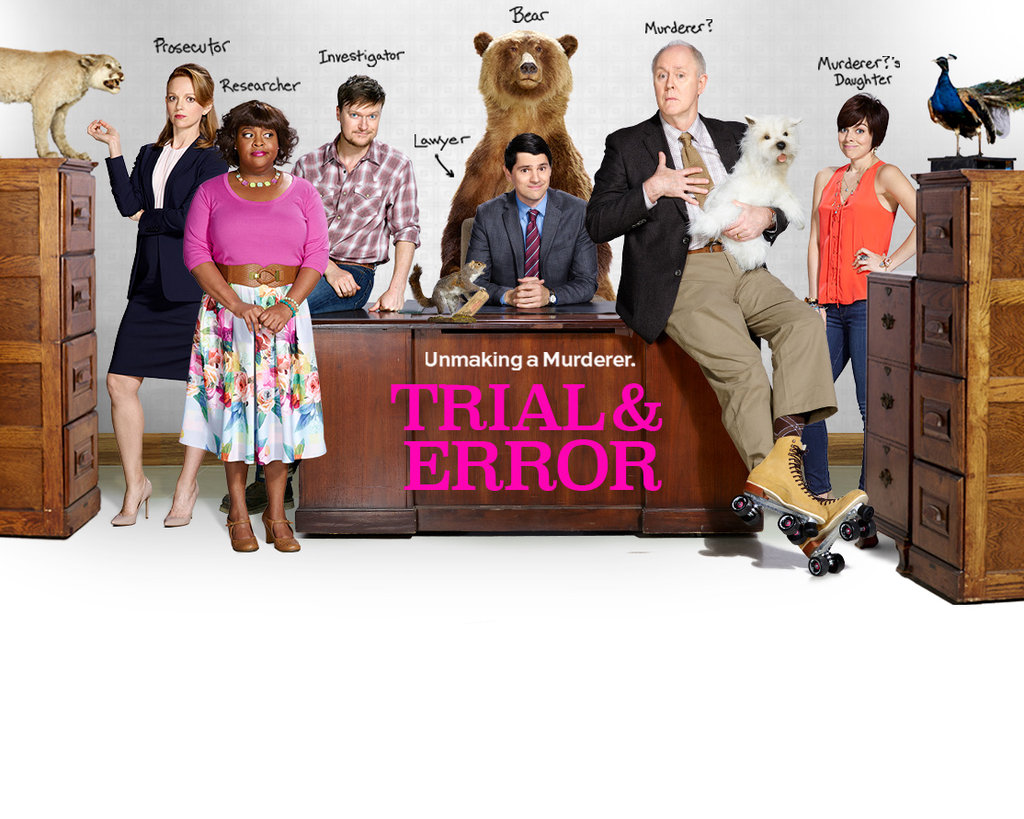
That’s the case today. In 2017 a very different type of show aired called Trial & Error. For those of you who didn’t watch it, it was a spoof of documentaries and reality legal shows. Its humor is hard to describe. Created by Jeff Astrof (he was producer for a variety of shows including The New Adventures of Old Christine and Veronica’s Closet) and Matt Miller (supervising producer for Las Vegas) for NBC, the show was produced by Warner Brothers Television.

Astrof discussed how he got the idea for Trial & Error. He was watching The Staircase, a show documenting the trial of Michael Peterson, accused of murdering his wife. He thought he could turn it into a comedy/mockumentary. Peterson is a novelist who lives in North Carolina and was accused of pushing both his wife and a family friend down staircases.

Photo: imdb.com

I know that doesn’t sound like an idea for a funny show, but that’s what happened. I’m not one for the Dumb and Dumber type movies, so this is not that. It was based on character and the little town where the action takes place.

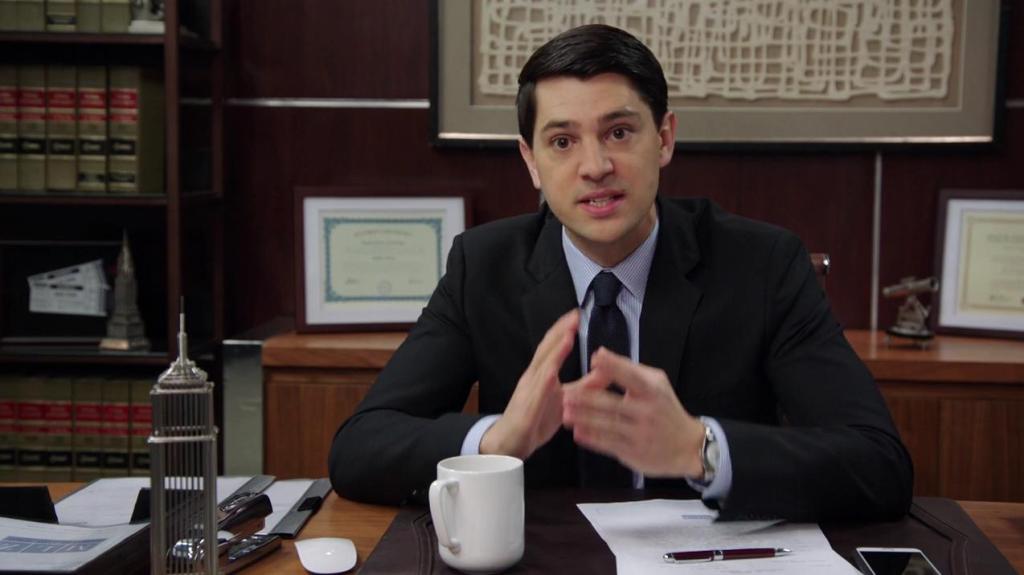
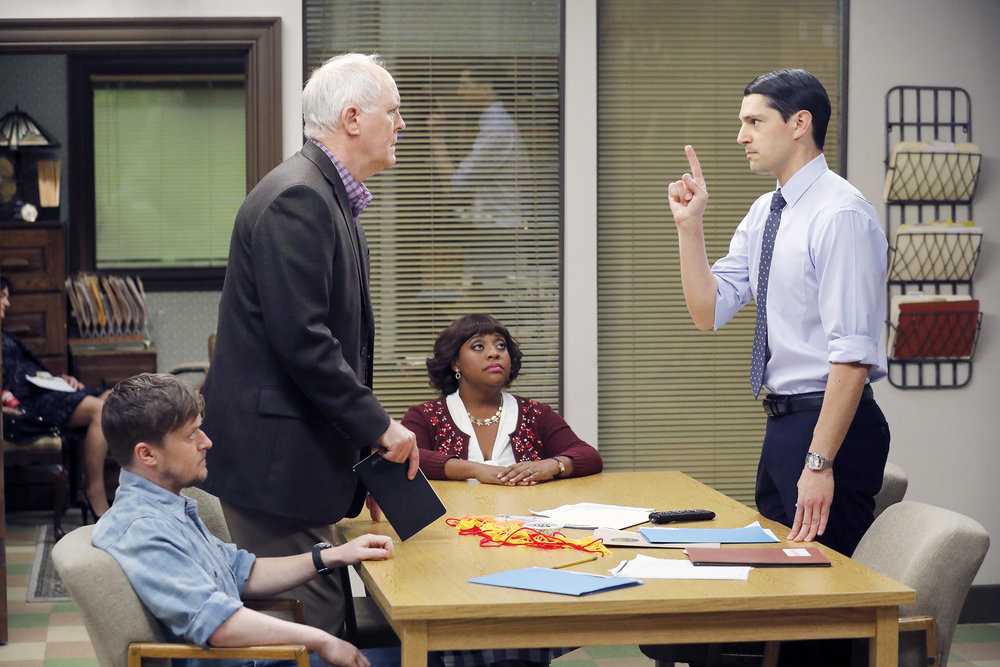
Trial & Error followed New York attorney Josh Segal (Nicholas D’Agosto) when his firm sends him to the small town of East Peck in South Carolina to represent Larry Henderson (John Lithgow) who is accused of murdering his wife. Henderson is a poet who lives in South Carolina and was accused of pushing both his wives through windows.

Photo: imdb.com

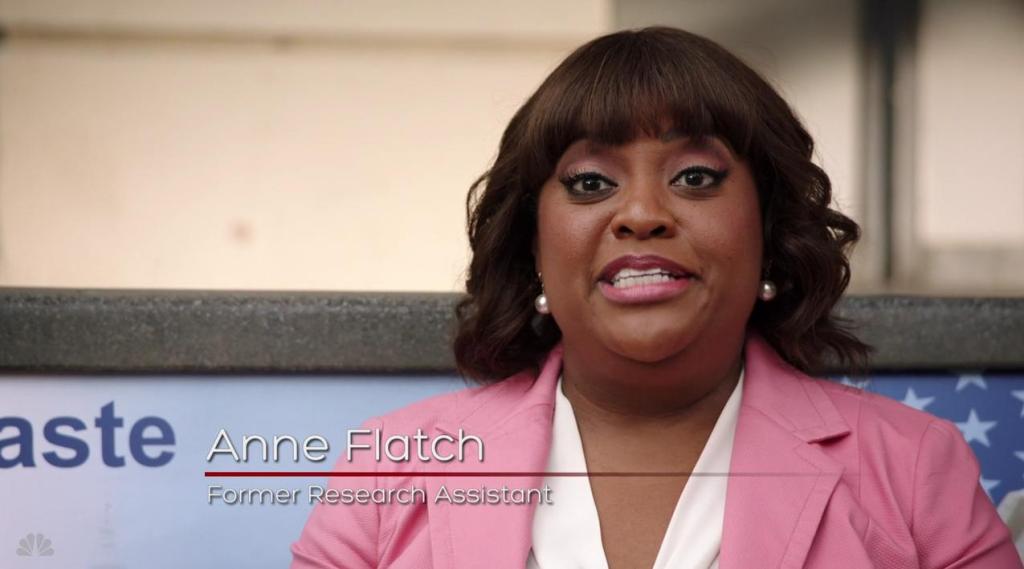
The first season introduced us to Josh’s “legal” team of Anne Flatch (Sherri Shepherd) and Dwayne Reed (Steven Boyer).

Reed is a fumbling former police officer and the lead investigator. Flatch is the researcher and assistant. She is very smart and often solves many mysteries, but she is plagued with dozens of syndromes which affect her health, sometimes at the worst times for trials. Some of her disorders include prosoapamnesia, dyslexia, involuntary emotional expression disorder, Stendhal syndrome (this causes her to faint when witnessing great beauty), foreign accent syndrome, nocturnal lagophthalmos, backwards cheerleader syndrome, and a strange condition where her left hand operates independently of her wishes. She also suffers from face blindness and she can’t see who the person is talking to her and when she is upset, she laughs hysterically.

Photo: imdb.com

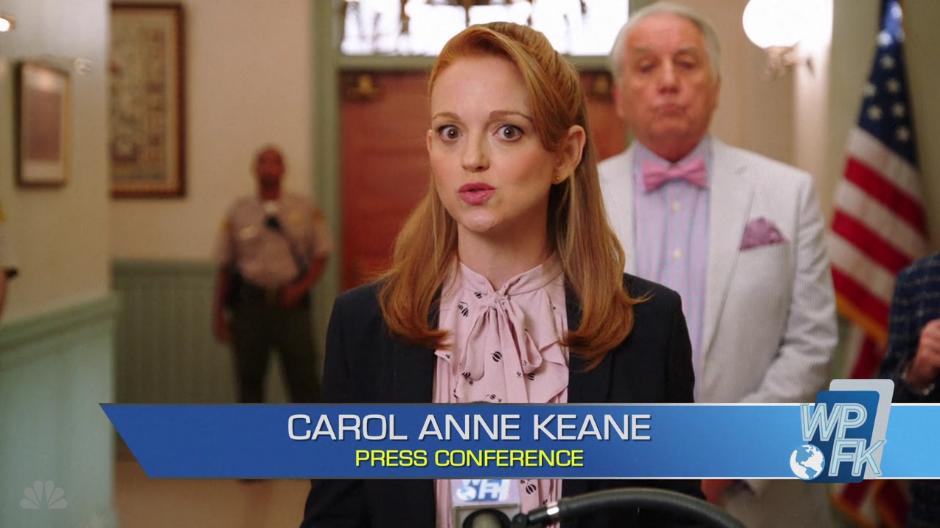
The eccentric poetry professor Henderson is portrayed by the amazing John Lithgow and his daughter Summer by Krysta Rodriguez. Josh and Assistant District Attorney Carol Ann Keane (Jayma Mays) butt heads and eventually succumb to the attraction that surrounds them when they get together.

Photo: imdb.com

No matter had hard Josh works, Larry always does or says something to make himself look guilty. Every time Josh figures out one mystery, it leads to another problem for his client. There is also a lot of subtle humor such as when Larry walks out of a room, we realize he is wearing an OJ Simpson jersey.

Photo: commonsensemedia.com

Not only does Josh have a pair of eccentric coworkers, but his office is part of the local taxidermy shop.

Spoiler Alert: If you haven’t watched the show and plan to, ignore this paragraph. Both the original Peterson case and the fictional Henderson case involved birds as a defense to murder. In Peterson’s case, his legal team was not willing to put their client’s life on the line with that defense. In Henderson’s case, Josh tells Dwayne and Anne to say the first thing that pops into their heads, and Dwayne says, “Bird. Birds fly into windows all the time.” The finale reveals that Margaret was killed by an owl.

Photo: wikipedia.com

Season two finds Josh let go by his firm and living in East Peck. He is hired by Lavinia Peck-Foster (Kristin Chenoweth) when she is also accused of murder. Lavinia, one of the town’s most beloved citizens, finds her husband’s body stuffed into a suitcase in her car. If you haven’t seen the series, the following description might give you a better indication of Lavinia; Chenoweth says she based the character on Lisa Vanderpump, Carol Burnett, Madeline Kahn, Julie Andrews, Dolly Parton, and Hannibal Lecter.

TRIAL & ERROR — “A Wrench in the Case” Episode 102 — Pictured: (l-r) Jayma Mays as Carol Anne, Nicholas D’Agosto as Josh — (Photo by: Evans Vestal Ward/NBC)

In season two, we see Carol Ann obviously pregnant. We assume Josh is the father, but you can’t assume anything in East Peck, because just when you think you have things figured out, a new twist appears. We also are introduced to Nina Rudolph (Amanda Payton) in season 2. She is a podcast host who also relocates from New York to East Peck to follow Lavinia’s trial. She ends up in a romantic triangle with Josh and Carol, with Josh is uncertain where his heart is being pulled.

A variety of other characters show up in seasons one and two who live in East Peck and have definite opinions on the guilt or innocence of the accused. In Larry’s case, it’s revealed the newspaper thinks Henderson is the fourth leading cause of death in East Peck; the third is cannonballs which are fired off at 5 am and 5 pm daily. The town itself has a lot of funny traditions and laws. For example, waterskiing with a cat is only a misdemeanor. Sometimes the coroner lists the cause of death as “just because.” Astrof described East Peck as a town of 600 residents where 400 of them are not quite right. One of the things that hit me as funny and should not be is that the town has a law that any woman driver must be preceded by a man on foot waving flags, yelling “Woman driver!”

Photo: youtube.com

Spoiler Alert 2: Unlike Larry, Josh realizes that Lavinia is actually the killer. However, we have an understanding of her and realize she is a victim too. She was molded into the golden debutante of East Peck and brought up to do whatever she wanted, and it was always fixed and okay. She is a sympathetic murderer.  Her last speech is “At the end of the day, life is just a journey. If you’re lucky, you don’t have to take that journey alone. If you’re one of the blessed few, you take that journey with someone you love and you hold them forever. And we can take comfort in knowing all our journeys end in the same place: a hold in the ground.” It’s not the speech or series ending you anticipate, and much of the show is not what you anticipate. We also learn in the last episode that Josh is not the father of Carol’s baby but he still is with her when she is giving birth because he’s Josh.

Although the show received a lot of praise from critics, NBC declined to renew it for a third season, and there were no other networks willing to take it on. Rotten Tomatoes gave the first season an 86% rating based on 35 reviews. The second season jumped to 91% with 11 reviews.

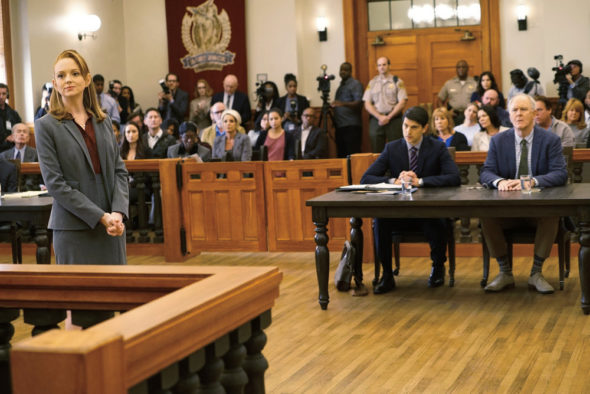
TRIAL & ERROR — “A Hostile Jury” Episode 110 — Pictured: (l-r) Jayma Mays as Carol Anne, Nicholas D’Agosto as Josh, John Lithgow as Larry — (Photo by: Greg Gayne/NBC)

I was on the fence when I heard that this show was on the fall schedule, but it was truly funny. It was created with great attention to detail and consistency. Like I mentioned last week about Night Court, you have to have the perfect cast for a show like this. It could so easily be over the top and stereotypical. Even Anne with all her syndromes is believable and likable. That’s one of the great things about the show. Josh is able to put aside his New York judgments of the people and the town. Their craziness becomes normal for him, and you can tell he truly likes his coworkers and his clients.

TRIAL & ERROR — “Secrets & Lies” Episode 106 — Pictured: (l-r) Steven Boyer as Dwayne, John Lithgow as Larry, Sherri Shepherd as Anne, Nicholas D’Agosto as Josh — (Photo by: Trae Patton/Warner Bros/NBC)

Astrof was interviewed for undertheradarmag.com by Steve King on January 29, 2019. In that article, Astrof discussed the actors in the cast.  Astrof said “Nick was the glue that holds the show together.” He said Nick was able to project a goofiness without putting his legal ability in jeopardy. He continued saying, “Without him, everything would fall apart, because you need someone who can not only do the slow burn, but generate comedy and likeability and sexiness but in a goofy way. I have nothing but positive things to say about Nick.”

Astrof revealed his appreciation of the entire cast: “I’m so blessed to work with this group. You’ve never seen anything like it. You’ve never seen a nicer cast.” Of Lithgow, he said, “Nobody could have played Larry with the same pathos that John has, and the comedy.” He said of Boyer, “Well Steven is just a genius and when he auditioned, we had never even heard of him.” About Shepherd, “We just fell in love with her. Anne was written to be a bit of a hangdog, and when Sherri came in, we were like, ‘You can give this character any affliction and she’s going to be upbeat.’”

Photo: tvguide.com

There are so many rapid-fire puns and great lines that it’s hard to catch them all. While most viewers found season two their favorite, there is something charming about Lithgow’s performance as Larry that makes season one my favorite, but not by a huge margin.  This show was so unlike anything else on television. Its writing was so great, and its characters so likable and quirky. It made my brain think differently while watching. 

Just so you don’t have to take my word on the show, I’ll end with a review from labman-40649 that was written on imdb March 26, 2017: The title was “Hilarious” and the review states: “This is the funniest television show I have seen in the last 25 years. My family and I laugh the entire length of the show until we are crying!!! Keep up the awesome work. You are the true Kings and Queens of Comedy!!!! The entire cast is beyond brilliant!!!! I truly hope this show will be on as long as Gunsmoke was.”

Unfortunately, in an era of so many shows that are underwhelming and unbearable with bad writing, this creative, unbelievably funny and well-written show couldn’t get the green light for a third season. Thankfully, the first two seasons are available on DVD, so you can check it out for yourself. They are definitely on my “must-buy to watch and re-watch” list.

Let the Record Show That Night Court Was a Hit

In July we learned about Sirota’s Court which Night Court seemed to be a clone of. Debuting on NBC in January of 1984, Night Court ran for nine seasons until May of 1992. The series was supposed to begin in fall of 1983, but the executives at NBC were concerned about Harry Anderson’s lack of experience as an actor. They delayed the show; every show that debuted in fall of 1983 was cancelled, so Night Court was put on the schedule mid-season.

Photo: tvseriesfinale.com

Thursday nights on NBC were part of “Must See Thursday.” The schedule featured The Cosby Show, Family Ties, and Cheers followed by Night Court.

An unconventional judge, Harry Stone (Harry Anderson) presided over a Manhattan night court overseeing petty crime and dealing with a lot of wacky clients, odd coworkers, and bizarre situations. The role of Judge Stone was originally offered to Robert Klein, but he could not come to an agreement on the salary with NBC.

The main characters include Judge Stone, a public defender, a prosecutor, a couple bailiffs, and a clerk of court.

No Merchandising. Editorial Use Only. No Book Cover Usage. Mandatory Credit: Photo by NBC-TV/Kobal/REX/Shutterstock (5882810g) Harry Anderson Night Court – 1984-1992 NBC-TV TV Portrait

Harry Stone is a humorous judge (and magician). Although he was young, he was appointed because when the outgoing mayor called prospective judges, Harry was the only one who answered the phone. Stone likes old movies, Jean Harlow and adores Mel Tormè. The show’s creator Reinhold Weege discusses Stone’s admiration for Tormè on the DVD commentary. He said Tormè said he began to notice a younger audience at his concerts which he attributed to the Night Court references and happily appeared on an episode of the show.

Photo: wikia.com

The public defender role went through several changes during the course of the show. Gail Strickland was Sheila Gardner in the pilot. Paula Kelly was Liz Williams during the first season. Ellen Foley was brought on board for season 2 as a possible romantic interest for Judge Stone. Markie Post showed up for season 3 as Christine Sullivan and stuck around for the next seven seasons. Post was the first choice for the role in 1984 but was committed to The Fall Guy. When that show was cancelled, she was hired. Christine  was a bit naĂŻve and committed to helping others. She was a fan of the royal family and collected Princess Diana memorabilia as well as porcelain thimbles.

Photo: pinterest.com

The prosecutor was Dan Fielding (John Larroquette). He was a sex-obsessed, somewhat witty, egotistical and greedy man. However, at times he could display compassion for others but not for long. He was always trying to get Christine to go out with him, but there was always a romantic tension between her and Stone.

Photo: pinterest.com

Nostradamus “Bull” Shannon (Richard Moll) was on the show for its entire run.  He came off as a bit dim-witted but was patient, kind, and devoted to Judge Stone.

Photo: amazon.com

For the first two seasons, he worked with Selma Hacker (Selma Diamond), a chain-smoking older bailiff who had been married six times. Diamond was diagnosed with cancer after season 2 and passed away shortly after. Florence Kleiner (Florence Halop) came on for season 3. Older like Selma, they had similar personalities. “Flo” loved motorcycles and heavy metal music. Halop also was diagnosed with and died from cancer after season 3. Rosalind Russell (Marsha Warfield) began in season four and stayed for the duration of the show. She was a practical, no-nonsense woman.

Roz Russell Photo: ebay.com

Clerk Lana Wagner (Karen Austin), was asked to leave the show after only ten episodes. I could not substantiate it, but she claims it was her diagnosis of Bell’s palsy that ended in her being asked to resign. Macintosh “Mac” Robinson (Charles Robinson) would take over in season two for the rest of the series. A Vietnam veteran, he was easy going and funny and always wore a cardigan, plaid shirt and knit tie.

Photo: lastagetimes.com

Weege also mentioned in a DVD commentary that he named a lot of the pimps and hookers on the show after friends of his.

Although there were a lot of great crooks on the show, one of the most interesting episodes featured Seinfeld’s Kramer, Michael Richards. He appeared as a burglar who thought he was invisible and showed up naked in court. He was one of the funniest criminals on the show.

Photo: screenrant.com

Like many of the 1980s shows, Night Court had a jazz instrumental theme song. This one was written by Jack Elliott and featured Ernie Watts on saxophone.

Critics loved the show. It was nominated for Outstanding Comedy Series in the Emmy awards in 1985, 1987, and 1989. In 1985, the show was up against Kate and Allie and the rest of the shows that was part of the Must-See Thursday with The Cosby Show winning. In 1987 it was up against the same slate except Kate and Allie was replaced with The Golden Girls which won. In 1989 it lost to The Wonder Years. Larroquette, who was the most popular character in the show, won the Emmy for Best Supporting Actor four years in a row and then asked that his name be taken out of consideration. Overall, the show was nominated for 31 Emmys and won 7 of those. In an aside, Larroquette was offered his own spin-off show, but he turned down the offer.

Photo: pinterest.com

Anderson received credit for writing five of the episodes and Anderson, as well as Larroquette and Robinson directed several episodes of the series.

After season seven, the show began losing its audience. The cast members were getting tired of their characters, and the writers had a hard time coming up with new plots. Season eight was supposed to be the last one. Among other character wrap-ups, Harry and Christine would get married and Dan would become a priest. However, at the last minute, NBC renewed the show for another season, so the marriage did not take place and Dan ended up with Christine in the finale. The cast was offered more money to return for a tenth season, but they declined.

Mel Torme on Night Court Photo: wikia.com

In doing a bit of research, I learned that New York’s real night court operates from 5 pm to 1 am. Because of the crazy goings on that happen there, it has become a tourist attraction. It’s the only place where courts operate during these hours. One reporter wrote that “At 12:30 am on a freezing Wednesday morning, it’s not just New York City’s famously 24/7 bar and club scene that’s a hive of activity. Deep in the heart of Manhattan, a man in handcuffs is standing in front of a judge, listening to a string of firearm and assault charges as a crowd of lawyers hum around him and solemn family members watch from the benches. This is night court, an operation that has become a strange kind of tourist attraction for visitors in New York looking for something a little out of the ordinary.”

This show was based on characters rather than plots, and the wrong actors would have made the show a disaster. This cast was able to pull it off. They were quirky but still allowed the audience to get to know them and like them. The fact that the show was set in the same setting for most of the nine seasons and did not seem to be repeating plots over and over again is pretty impressive. I don’t think they should have done a season 9 but hindsight is always 20/20 as they say. The show holds up well after almost four decades. It’s worth watching just to see how the main characters interact and grow during the run of the show.

The Scarecrow and Mrs. King: You’re Not in Kansas Anymore

In a recent blog (August 10, 2020), we learned a bit about Kate Jackson and some of the successful series she was a part of.  One of those shows was The Scarecrow and Mrs. King. No, it’s not a dream sequence where Mrs. King travels around Oz with her best friend. In this case, Scarecrow (Bruce Boxleitner) was a spy. Amanda King (Kate Jackson) was an ordinary divorced housewife and the mother of two young boys. They worked together in covert operations.

Photo: moviedatabase.com

Created by Brad Buckner and Eugenie Ross-Leming, The Scarecrow and Mrs. King ran for four seasons, producing 89 episodes. Rounding out the cast was Dorothy West (Beverly Garland), Amanda’s mother whom she lives with; Francine Desmond (Martha Smith), another secret agent; Billy Melrose (Mel Stewart), Scarecrow’s boss; and Amanda’s boys Jamie (Greg Morton) and Philip (Paul Stout).

Photo: statesidestills.com
With Beverly Garland

The way they begin working together was a bit unlikely, but that is the way most spy shows go. The show is set in the Cold War era and is full of James Bond components and witty repartee. Scarecrow a/k/a Lee Stetson in real life, hands Amanda a package at the train station and tells her to give it to the man in the red hat. Unfortunately, at the time, there are a bunch of men wearing red fezzes there so she is unable to deliver it. Scarecrow later tracks her down to recover the package. When he is taken by bad guys, she solves the secret about the package and rescues Stetson before they can kill him.

Photo: pinterest.com

At the time they met, Amanda was unemployed and looking for a job. She majored in photojournalism. She had a boyfriend named Dean, and she volunteered at the local hospital as a Bedside Bluebell. She liked to read romance novels and was allergic to horses.

Photo: dvdtalk.com

Amanda becomes more involved with the agency and eventually becomes a trained agent, considered a seasonal employee. The team travels around the world, often posing as other people. Of course, Scarecrow and Amanda fall in love. Her ex-husband Joe is still around and they are good friends. Sam Melville played Joe; he had some experience because he played her husband Mike in The Rookies.

Photo: allposters.com

Amanda already has to keep her spy career a secret from her mother and boys. When Scarecrow and Amanda get married, they must keep the marriage a secret from their friends, families, and coworkers as well.

The show aired on CBS. For season one, it was up against That’s Incredible on ABC and Boone early in the year with TV Bloopers later in the year on NBC. Season two found it competing with Hardcastle and McCormick on ABC and TV Bloopers again on NBC. It finished in the top twenty for its first two seasons. Season three it dropped to 28th. Hardcastle and McCormick was still its competition on ABC. On NBC it started against TV Bloopers which was replaced by You Again? and Valerie. Both You Again? and Valerie were in the top 30 as well.

Photo: pinterest.com

Season four the show was moved to Friday nights. Even coming on the heels of Dallas which was the only top 30 show airing Fridays, the ratings were not great. It had some tough competition with Webster and Mr. Belvedere on ABC and The A-Team on NBC.

In addition to the move to Fridays, during season four, Kate was diagnosed with breast cancer and her treatments required her to have limited shooting time. The show was cancelled without the series’ ability to film a finale that would have wrapped up the storylines. In hindsight, the network should have let it finish out because they replaced the show with two mundane sitcoms: Nothing is Easy, a Dee Wallace show in which she and her husband adopt a daughter and then are asked to adopt an Asian boy and an African American girl; later her husband is killed in a car accident and she is a single mother. The Popcorn Kid was about a wannabe movie star who works in a theater.

Photo: pinterest.com
With Martha Smith, fellow agent

In addition to viewers enjoying the show, critics also liked it. The show won and Emmy for Outstanding Achievement in Music Composition for a Series in 1986. It was also nominated for three other Emmys: Outstanding Cinematography for a Series in 1985 and Outstanding Costuming for a Series for both 1985 and 1986. Jim Lapidus and Molly Harris Campbell were nominated in 1985, and Andrea Weaver and Lapidus were nominated in 1986. Weaver would go on to do costuming for movies. Lapidus did costuming for movies after the show including Witches of Eastwick and Jerry Maguire and became a costume designer for shows such as 24, Dexter, and Hawaii Five-O. Harris continued her career as a wardrobe designer for Remington Steele, Night Court, and LA Law before becoming a designer on Beverly Hills 90210, Charmed, The X-Files, and She Spies.

Photo: pinterest.com

In the era of couples working as a team to solve crimes, a la Hart to Hart and Moonlighting, this was a decent show. It featured humor, romance, drama, clever dialogue, intrigue, and a great chemistry between its co-stars. The characters go through a bit of growth during the four seasons. Scarecrow morphs from a risk-taking, arrogant, lady’s man to a more thoughtful person and a smarter agent. Amanda becomes more confident and capable as an agent and a working woman.

Photo: fanpop.com

The entire series was out on DVD by March of 2010. If you’ve never watched it, give it a try. You won’t be bored solving crimes with The Scarecrow and Mrs. King.

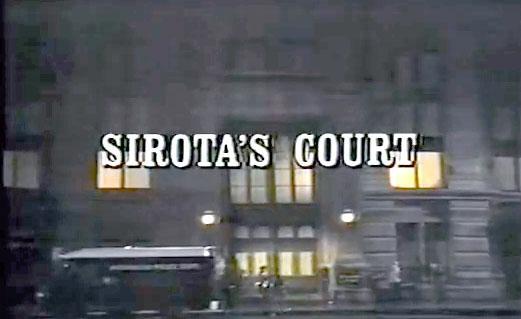
Sirota’s Court: It Never Got a Fair Trial

We are in the middle of my “Don’t Judge Me” blogs. Today I am picking up my gavel to make a ruling on Sirota’s Court.

Photo: filmaffinity.com

This sitcom made its debut December of 1976. By April of 1977, it had disappeared from the airwaves. It was produced by Peter Engel Productions and Universal Television.

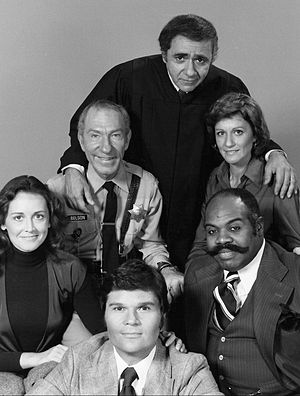
The show followed Judge Matthew Sirota (Michael Constantine) who sits on the bench for the night court. He works with, and has an off-again, on-again romantic relationship with, court clerk Maureen O’Conner (Cynthia Harris). The liberal public defender is Gail Goodman (Kathleen Miller) who battles with private attorney Sawyer Dabney (Ted Ross) and assistant district attorney Bud Nugent (Fred Willard). Bailiff John Belson (Owen Bush) has the judge’s back. Like the Mary Tyler Moore Show, the series devotes time to Judge Sirota’s professional and private lives.

Photo: ptwikipedia.com

If that concept sounds eerily familiar, it should. Seven years after Sirota’s Court left the air, Night Court appeared. Maybe Sirota’s Court was ahead of its time or could not survive the scheduled competition, but it’s hard not to see Night Court as an almost identical clone of this show. The newer judicial comedy featuring Harry Anderson would last nine seasons and produce 193 episodes.

In the original version, the Honorable Sirota incorporates a sense of humor and a boatload of common sense into his courtroom. Being in a large metropolitan city, Sirota is a surprisingly compassionate judge, considering the bizarre cases, the odd clients, and the eccentric court comrades he has to deal with. He often had to take on the role of referee between public defender Goodman who was trying to make the world a better place however she could, attorney Dabney who only cared about making a buck, and totally inept assistant district attorney Nugent.

The show employed a lot of different writers for only thirteen episodes. Twelve different writers were credited on the series. Some of the plots included Judge Sirota trying to prevent being named one of the ten worst judges in America, dealing with dentists who were using laughing gas on election night, or the night a full moon brings in an even more ridiculous roster of bizarre situations to rule on.

Photo: sitcomsonline.com

The show was on Wednesday nights. There was no way this series was going to obtain satisfactory ratings going up against All in the Family and Baretta. All in the Family was in the seventh year of its nine-year reign and still was in the top twenty. Baretta, which was in its third year, had a solid following and was in the top ten. In addition, the show took a lot of heat for one of its episodes, “Court Fear,” when the judge performed a same-sex wedding. It’s creator, Peter Engel, mentioned several times that the show “never got cancelled, it just sort of faded away.” Another factor may have been too many writers. Considering Jack Winter wrote 4 of the 13 episodes, that left 11 writers covering the other 9 shows. Perhaps there was not enough time to fully develop the characters with so many different perspectives.

Photo: tvtango.com

Considering there were only 13 episodes, it’s impressive that Sirota’s Court was nominated for an Emmy for Outstanding Art Direction or Scenic Design for a Comedy Series and for a Golden Globe for Constantine for Best Performance by an Actor in a Television Series, Musical or Comedy. Constantine was up against Tony Randall for The Tony Randall Show, Freddie Prinze for Chico and the Man, Alan Alda for MASH, and winner Henry Winkler for Happy Days.

Photo: pinterest.com

Unfortunately, I could not find DVDs for this show anywhere, even the rare and hard-to-find DVD sites. It would be interesting to compare it with Night Court and see how similar the two shows actually were. My ruling is that the show was competent to stand trial, but the powers that be were too quick to negotiate a settlement.

Where Did They Go? Television Characters Who Simply Vanished

It’s the Case of the Missing Character. While it sounds like a Perry Mason episode, it’s not unusual for television shows to suddenly have a cast member simply disappear without a trace, and no one seems to notice. Let’s look at some of our favorite shows where a character simply vanished.

The Brady Bunch

When it comes to disappearing characters, Oliver is often mentioned on The Brady Bunch. Oliver is a cousin who came to live with the Bradys during the final season while his parents were in South America. While it was weird that Oliver was around for a few episodes and then he was gone, someone could easily assume he went back home. However, I thought a bigger vanishing act was their dog Tiger. Tiger was involved in many plots during the first two seasons. When the show returned for the third season, no Tiger. In real life, the dog who portrayed Tiger was hit by a car; it seems as though we could have gotten an explanation about why the family suddenly lost their beloved pet.

Photo: imdb.com
Bonding with Tiger

The Doris Day Show

I have talked about the plot variations in The Doris Day Show several times in my blogs. The original concept in 1968 was that widow Doris Martin and her two sons left the city to move back to her dad’s ranch. In the second season, Doris drives back and forth from San Francisco to the ranch after getting a job as a secretary at Today’s World magazine. Rose Marie plays Myrna Gibbons her friend at work. In season three, the family moves into an apartment in San Francisco that is rented from the Palluccis who own a restaurant on the ground floor. Billy de Wolfe played their neighbor, a cranky bachelor who doesn’t like noise, especially made by children. However, he has a soft spot and becomes close to the family. In the fourth and fifth seasons, there is no mention of the father, the kids, Myrna, or the Palluccis! Doris is now a single person and is a staff writer for Today’s World.

Photo: sitcomsonline.com
Say goodbye Dad, boys, and Myrna

Family Matters

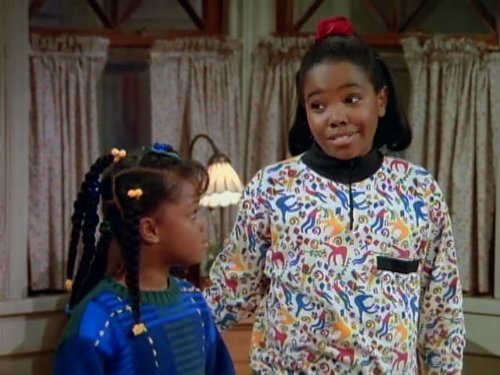
Family Matters featured the Winslows, a working-class family who lived next door to an annoying kid named Steve Urkel, and it aired for nine years. For the first four seasons, the Winslows have three children: two daughters and a son. During season five, Judy disappears. One source said that Judy asked for more money, and the network called her bluff and wrote her off the show. The Winslows talked about their two children; perhaps they had amnesia and just forgot they ever had a third child.

Photo: imdb.com
When there were two Winslow girls

Friends

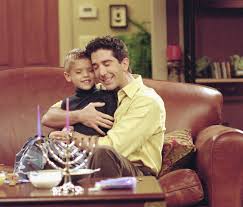
Ben was Ross’ son from his first marriage on Friends. He was very precocious and cute. During the first season, Ross talks about him all the time, and Ben spends time with both Ross and his ex-wife Carol, living close to Ross. By season two Ross rarely saw him, and did not really seem to spend much time worrying about that. Ben was so neglected on the show that when Ross and Rachel had a daughter, Ben never even met his own stepsister. His last appearance was in season 8. Apparently, Ross’s dad forgot about him too. He mentions Emma being his first grandchild. The character of Ben appears in only 18 of the 236 episodes.

Photo: thesun.co.uk
Before Emma

Happy Days

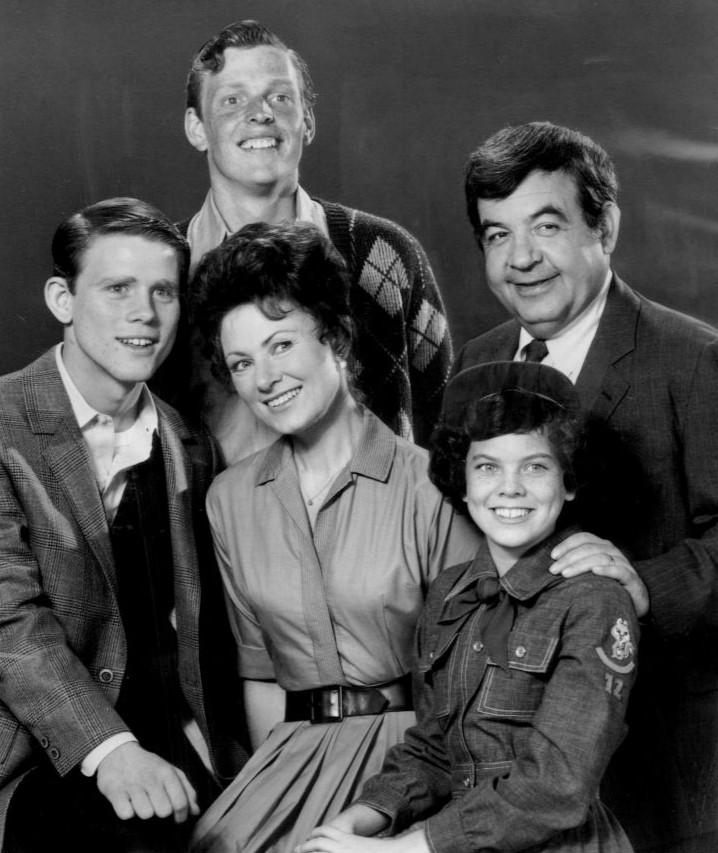
I remember watching “Love and the Happy Days” (a/k/a Love and the Television Set) when it aired on Love American Style in 1972. That episode became the pilot for the television series which began airing in 1974. Several characters were played by different actors in the pilot. Harold Gould played Howard Cunningham and Susan Neher played Joanie. Tom Bosley would take over the role of Howard and Erin Moran would play Joanie in 1974. Marion Ross as Marion, Ron Howard as Richie, and Anson Williams as Richie’s friend Potsie carried over to the new show.

Photo: wikipedia.com
With Chuck unless he photoshopped himself into the picture

What people might not remember is that in the pilot, Joanie and Richie had an older brother Chuck played by Ric Carrott. When the show began airing in 1974, Chuck was still around until he wasn’t. Gavan O’Herlihy played Chuck originally and was replaced by Randolph Roberts. After 11 episodes he just never showed up again, and none of the Cunninghams ever talked about him. At least on My Three Sons when Mike got married and moved away, the other characters mentioned him from time to time. Like the Winslows, whenever Mr. and Mrs. C mentioned their kids, they only had two.

King of Queens

Although this show was about a married couple, Doug and Carrie Heffernan, Carrie’s sister Sara (Lisa Rieffel) lives with them when the show begins. She is an aspiring actress, but by the sixth episode, she was just not around. Did she get a role in an off-Broadway play? Decide to go to Hollywood? We don’t know, but her father later talked about Carrie being an only child. Apparently, the writers couldn’t decide how to develop her character, so they just didn’t.

Photo: wiki-fandom.com
Taking sibling to new heights.

MASH

We fondly recall many spats in the Swamp between Pierce and Winchester. We also remember both Hunnicutt and Trapper, but do you remember Oliver Harmon Jones? Timothy Brown played Spearchucker Jones, a neurosurgeon who lived with Trapper, Hawkeye and Frank Burns during the first season. But then he just disappears with no explanation after six episodes.

In discussing the sudden disappearance of Jones on an online posting, Larry Gelbart replied “There were no black surgeons attached to MASH units in Korea.” However, research has indicated that there were at least two black surgeons in MASH units during the Korean war. Other reasons given for his removal was that budgetary cuts mandated getting rid of characters, and one source mentioned that the network did not want to deal with his nickname which could be taken as a racial slur. Spearchucker Jones was in both the original novel MASH and the movie which the television series was based on.  

Photo: pinterest.com
What did they do to Frank?

Again, this is a show about war; surely, the writers could have found a creative solution for his being gone. Other characters who left the show were involved in crashes or just simply went home.

Mission Impossible

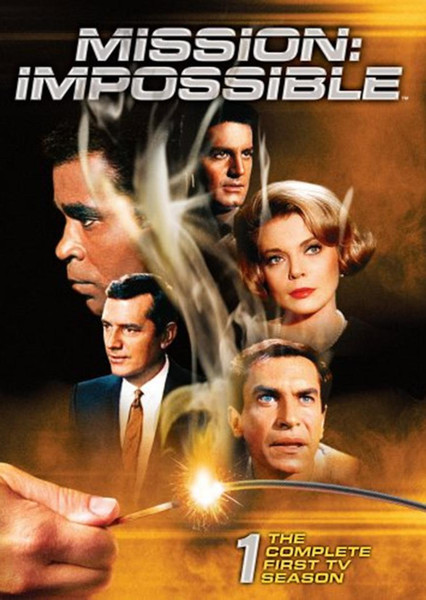
During the 1960s Mission Impossible was quite popular with its “your mission should you decide to accept it” plots. Dan Briggs played by Steven Hill led the team. Hill didn’t come back for the second season. He was an orthodox Jew and unable to work during the Jewish Sabbath which was making life difficult for the rest of the crew. Suddenly in season two, Jim Phelps is leading the team, but no one talks about what happened to Dan. Come on – this was a spy show; could we not have learned about a mission gone wrong which explained his disappearance. Actually, Briggs resurfaced on Law and Order thirty years later, so perhaps he was just hiding out for a few decades to protect his cover.

Photo: mycast.io
Life before Peter Graves

Night Court

Night Court had a tough time finding a public defender who could hold their own against Dan Fielding, played by John Larroquette. Ellen Foley played Billie Young for season one and most of season two. When the third season aired, the public defender was suddenly played by Markie Post. Post had been the first choice for the role originally, but she had a conflict with her contract in The Fall Guy. When that show was cancelled and she became available, Foley was simply replaced with no explanation as to why.

Photo: imdb.com
Perhaps Harry thinks if he can’t see Billie, he won’t know she was replaced.

Star Trek

If you watched the earliest Star Trek episodes, you’ll see Janice Rand, Captain Kirk’s secretary. Grace Lee Whitney was hired to play Janice. She was supposed to be a romantic interest for Kirk. She was a popular character during the first season, but in season two she just didn’t exist anymore.

Photo: youtube.com
Janice Rand

There were a couple of reasons for her disappearance. First of all, the network didn’t want Kirk tied down; they wanted him to be free to get involved with a variety of characters the crew met from week to week. Also, the show was too expensive and was forced to make some budget cuts, so she was let go. I understand the reasons why they let her go, but of all shows, couldn’t Star Trek come up with some interesting plot twist to explain her disappearance. Maybe she asked Scotty to beam her up but he waited too long and she’s just floating around somewhere in outer space.

Teachers Only

In its first incarnation (April to June 1982), the setting of this show was Millard Fillmore High School in Los Angeles. Diana Swanson played by Lynn Redgrave is an English teacher. Ben Cooper is the school principal, Michael Dreyfuss and Gwen Edwards are fellow teachers, Mr. Brody is the assistant principal, and Mr. Pafko is the janitor. Most of the scenes occurred in the faculty lunchroom and lounge from which students were excluded. When the show returned in February, the school was now Woodrow Wilson High School in Los Angeles with a new cast. Samantha Keating and Michael Horne are teachers, Spud Le Boone is the gym teacher and Shari is the principal’s secretary. What was even weirder is that Diana is now a guidance counselor, but the principal is still Mr. Cooper played by Norman Fell. I would give the writers a big, red “D” because they forgot to include a transition paragraph in their work.

Photo: wikipedia.com
Don’t put it in the yearbook–it could change before then!

For whatever reasons, sometimes producers think they are perfectly justified in simply eliminating characters without any type of explanation. In never seems like it was a great idea and, in the age of syndication, it makes even less sense. Let me know if you can think of other characters who just disappeared from the airwaves.