The Life of a Makeup Artist: All Made Up and Somewhere To Go

Welcome to our blog theme for the month, “Behind the Scenes.” We are going behind the camera to check out careers of those people working behind the camera to bring our favorite characters to life. Last week we learned a bit about costumer designers, and today we are heading to the makeup counter.

So, what do makeup artists do?  Obviously, they apply cosmetic products to enhance the appearance of the stars, but they do so much more. Artists also fit prosthetics and create the effects of blood, wounds, burns, and general aging; adjust colors and textures to work with high-definition cameras and bright lights; assure consistency for multiple-day filming; manage sweating; and sometimes choose and fit wigs for characters. Let’s look at a few of the best in the field to learn more about their life and careers.
📷vintagestardust.wordpress.com

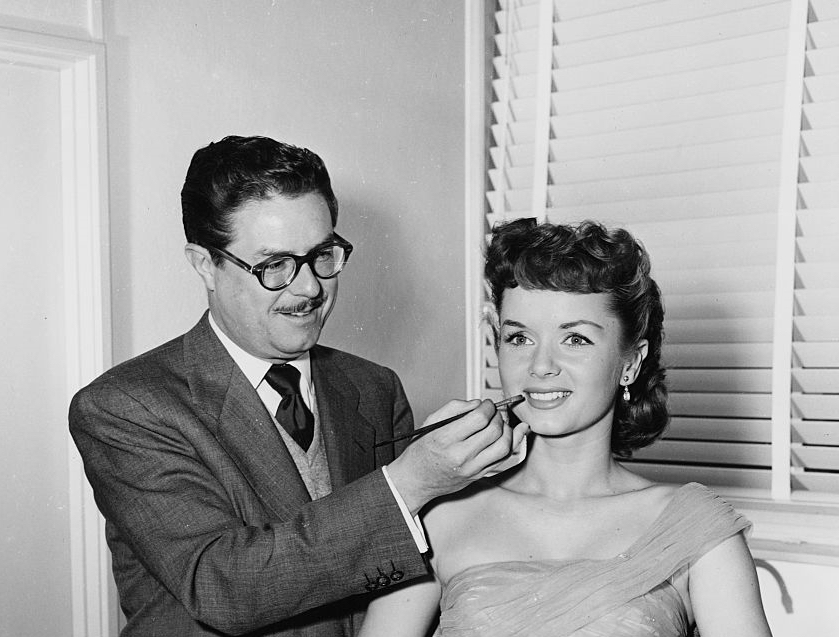
William Tuttle

William Tuttle was the first makeup artist to win an Academy Award. He created many innovative techniques and trained generations of makeup artists.

He was born in Florida in 1912. After dropping out of school early to support his mother and younger brother, he held a variety of jobs including forming his own band. In 1930, he moved to Los Angeles, enrolling in an art school and working as a page at Fox Studios. That younger brother, Thomas Tuttle, would also become a makeup artist working on The Dick Van Dyke Show, The Joey Bishop Show, Gomer Pyle USMC, and That Girl among others.

Tuttle was hired at Twentieth Century Pictures to work under Jack Dawn. In 1934, Dawn took a job at Metro-Goldwyn-Mayer and Tuttle moved with him. Tuttle was still working under Dawn but began taking on more responsibilities. He supervised the makeup in many popular movies including The Wizard of Oz and Father of the Bride. Eventually, he became the head of the makeup department.
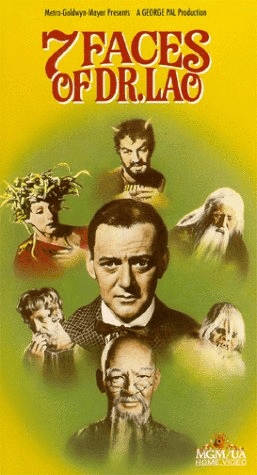
He received a special Oscar for his work on 7 Faces of Dr. Lao in 1965. In this film, Tuttle transformed Tony Randall into seven different characters including Dr. Lao; an aged, bearded Merlin the Magician; and a Medusa with a feminine appearance. Randall said “he shaved my head and eyebrows . . . gave me an unborn look. But professionally it was a masterstroke.” He went on to say that “all my preconceived notions on how I would play the characters vanished. As soon as Tuttle applied his makeup magic, I felt myself actually become these strange people.”

The Oscar category of makeup artist would not become an official category until 1982. That year Rick Baker won the first Oscar for makeup. He would go on to win another five and he credited Tuttle: “His work greatly influenced me.” He said as a young boy, he often tried to re-create the makeup techniques Tuttle used in The Twilight Zone.
📷reddit.com

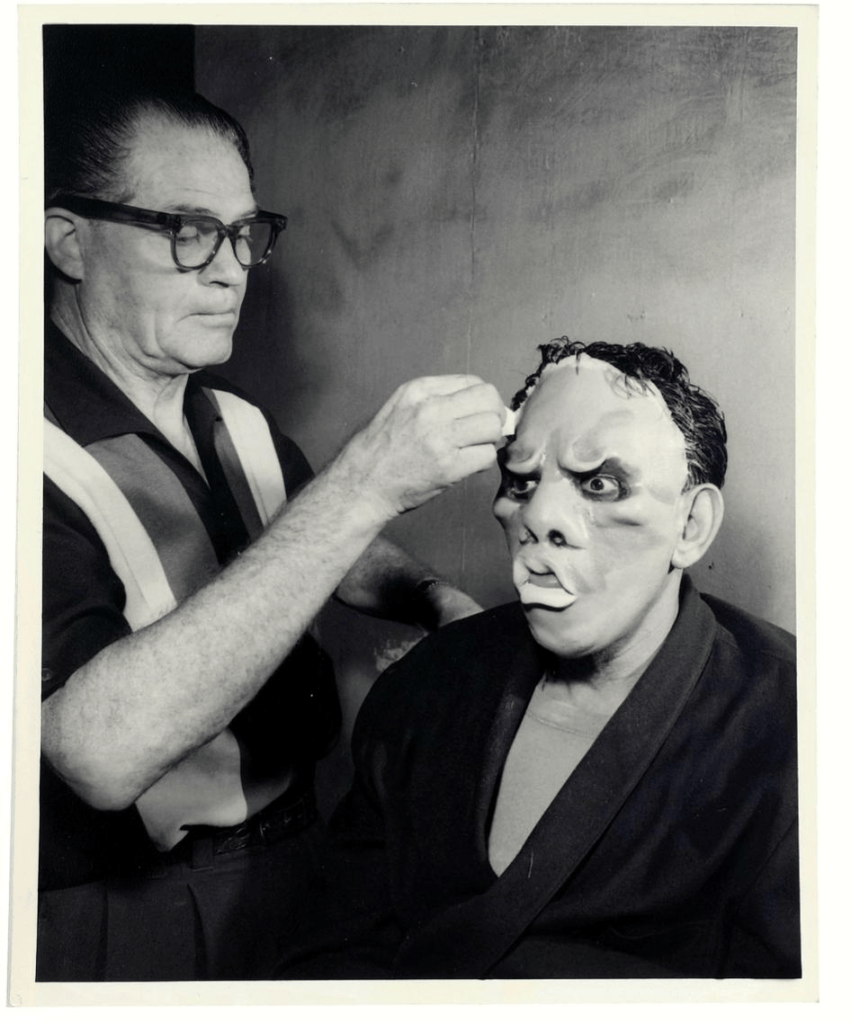
Tuttle was the artist behind one of my favorite Twilight Zone episodes, “Eye of the Beholder.” When the episode begins, doctors and nurses are working with a bandaged patient who just wants to look like everyone else. After some time, the bandages are slowly peeled away. We see the beautiful face of Donna Douglas. As she picks up the mirror to look at her new face, she screams, cries and covers her face. Then the camera pulls away and we see all the people Tuttle did makeup on – doctors and nurses with deformed faces and pig snouts.

With 393 credits, most of Tuttle’s work was in the movies, but he contributed to television as well. From 1960-62 he provided all the makeup for National Velvet. He also spent time on Mr. Novak, My Favorite Martian, The Man from U.N.C.L.E. as well as The Girl from U.N.C.L.E., The Phyllis Diller Show, and The Courtship of Eddie’s Father, among others.

Later in his career, Tuttle created his own line of makeup, Custom Color Cosmetics. Naimie Ojeil, owner of a beauty supply store in Hollywood said his brand was “the most popular makeup among Hollywood professionals for at least two decades.”

Tuttle would create molds of actors he worked on which allowed him to create their looks beforehand. He donated them to the University of Southern California where he taught from 1970-1995. Herbert Farmer, a USC archivist said Tuttle “was interested in passing on all he could to the students. He had a real following.”

Gene Hibbs

Gene Hibbs was born in Normal, Illinois in 1912.
📷imdb.com

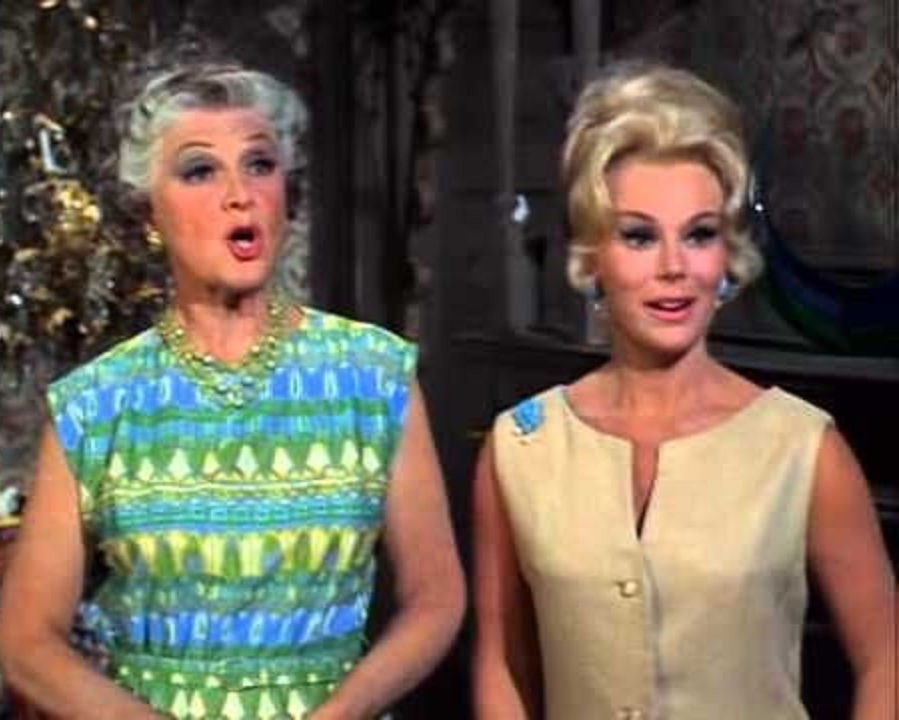
I couldn’t find a lot of information about him. I did read several times that he was often hired because he had a unique talent for making older actresses look younger than they were with a technique he called “painting.”

His first television series was The Lone Ranger from 1954-1955. He worked on many television shows following that including with Ann Sothern on Private Secretary and The Ann Sothern Show, The Judy Garland Show, Here’s Lucy, and Green Acres.

He was working on Green Acres when Judy Garland passed away. She had stipulated in her will that Hibbs was supposed to do her makeup one last time. Her daughter Liza Minelli phoned Hibbs and he agreed to do that. When the network said no, Eva Gabor said she would not work unless he was allowed to leave for a few days. The producer pleaded with the network, but they held firm and said they would lose $30,000 of time and he could not leave the set.

Ben Lane
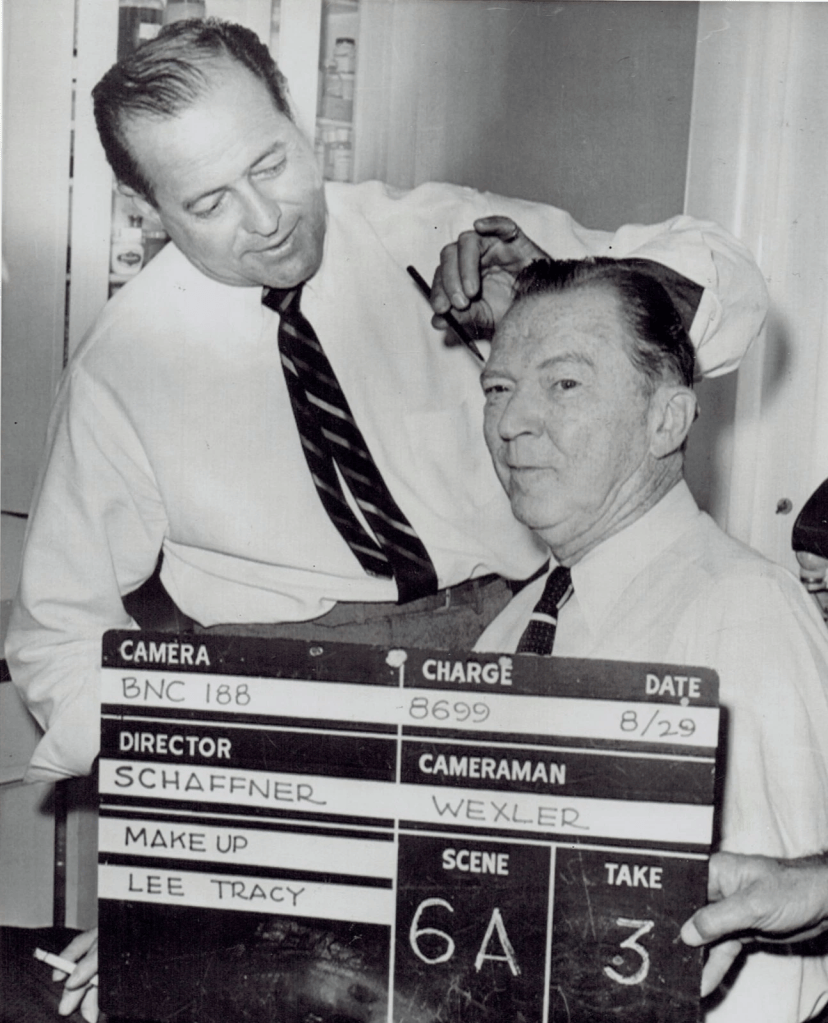
📷ebay.com Ben Lane on the set

Ben Lane was born in 1912 in Chicago, Illinois, the same year as both Gene Hibbs and William Tuttle. Lane was one of the founding members of the Motion Picture Guild, but many of his 236 credits were spent in television.

Lane’s first television series was in 1957 for Sergeant Preston of the Yukon. His career would continue with many popular shows. Get ready to take a long breath because this sample is far from a comprehensive listing of his work. Ready? He was part of the cast for The Lone Ranger, Dennis the Menace, The Farmer’s Daughter, Hazel, Gidget, The Monkees, Bewitched, The Flying Nun, I Dream of Jeannie, Bridget Loves Bernie, The Partridge Family, Police Woman, and Fantasy Island.

In addition to keeping busy with his career, he was involved in several charities: City of Hope and Shriner’s circus. He became a nationwide clown advisor. He also was a consultant for the Los Angeles Police Department, the US Department of Justice, and the FBI for disguises.

Bud Westmore
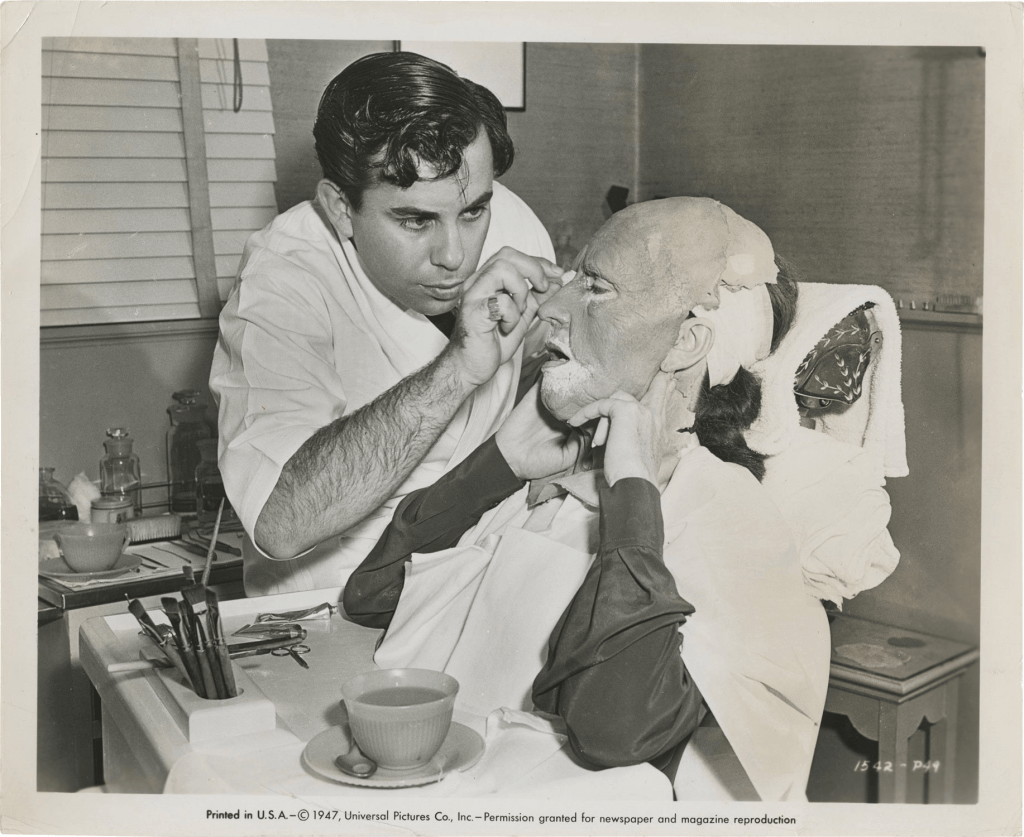
📷abebooks.com Westmore working on the film The Lost Moment

Born in 1918 in New Orleans, Westmore and his brothers—Ern, Frank, Monte, Perc, and Wally–were all makeup artists in the entertainment business. At one time, there was a Westmore heading up almost every studio makeup department.

After school, Bud was an apprentice under Perc at Warner Brothers to learn hair design and makeup before taking a job at Twentieth Century Fox. He left to serve three years with the Coast Guard. When he returned to Hollywood, he worked for the Eagle Lion before he was hired as the head of the Universal Studios makeup department in 1947. The largest building on the Universal studio back lot is named for Bud.

His marriages and divorces also kept him busy. He was married to actress Martha Raye for four months in 1937. A few years later he married Rosemary Lane, another actress, and they were together for fourteen years. His divorce to Lane was on March 31, 1955, and on April 1, 1955, he married Jeanne Shores, a former Miss California in 1952. They would remain together until his death from a heart attack in 1973.
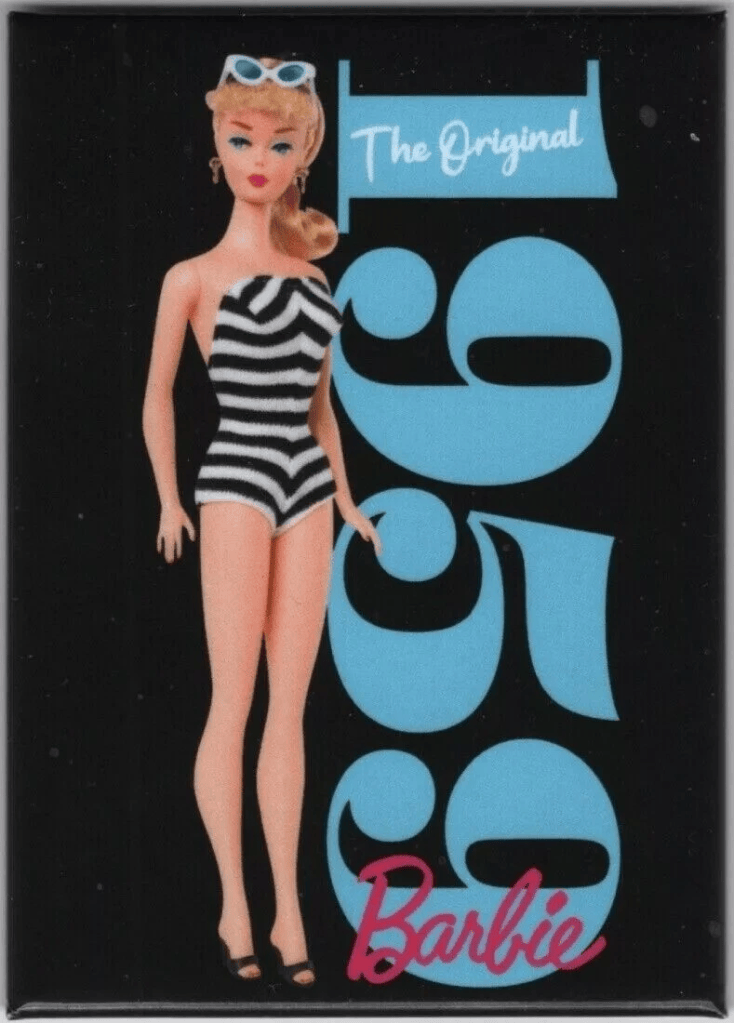
In 1957 Bud was asked to create makeup for a new doll that was coming on the market. In 1959 Barbie debuted. Bud had based her on a German doll Mattel found named Lili. He modified “the bee-stung lips, heavy eyelashes, and widow’s peak to give her an All-American Girl look” and he rooted her hair.

With more than 600 credits on both the big screen and the small screen, Bud’s first television project was Playhouse 90 in 1957. During the sixties he was involved in quite a few shows including The Jack Benny Program, McHale’s Navy, The Munsters, It Takes a Thief, Ironside, Marcus Welby MD, and The Virginian.

It was fun to learn a little bit about these make-up professionals and the shows they worked on to help create some of our favorite television land characters.
Costumers: Bringing Characters to Life

This month we are going “Behind the Scenes” to learn more about the people who work to make television shows great off the screen. Today we get to learn about costume designers.

Costume designers visually define characters. They break down scripts, research time periods, manage budgets, and collaborate with directors and producers to ensure visual consistency. They also oversee fittings, tailor garments, and supervise the wardrobe department on the set.

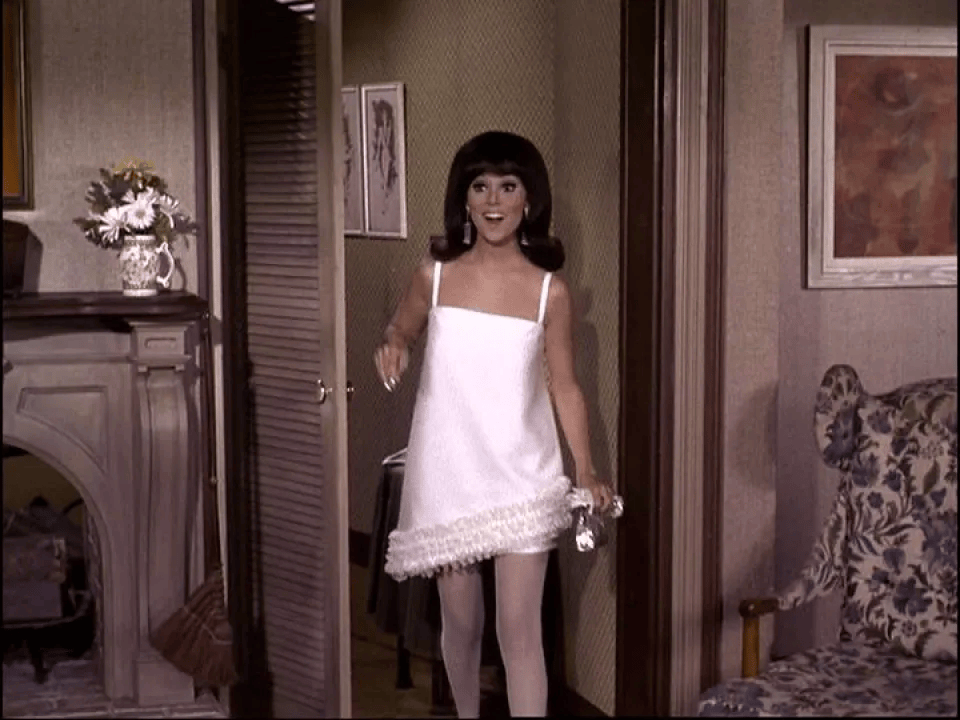
📷faintlyfamiliar.com That Girl

Characters’ wardrobes have changed during the years. If you watch shows from the fifties to the early seventies, you will notice that the characters have a clothes inventory for the season. You will see characters wearing these clothes over and over during the year. Gracie Allen used to do her own shopping for the dresses she wore on the set.

Costumer designers can design and create clothing for a character, or they can purchase the wardrobes. Sometimes costumers work with big-name designers like Nolan Miller who design clothes for a television character. On That Girl, Ann Marie wore a lot of clothing designed by Marilyn Lewis. On Green Acres, Lisa Douglas’s negligees were purchased from Lucie Ann.

Starting in the late seventies and eighties, it became more common for characters to have new clothing for each episode. If you watch Dynasty or Charlie’s Angels, you probably never see an outfit a second time.

📷lapresse.ca

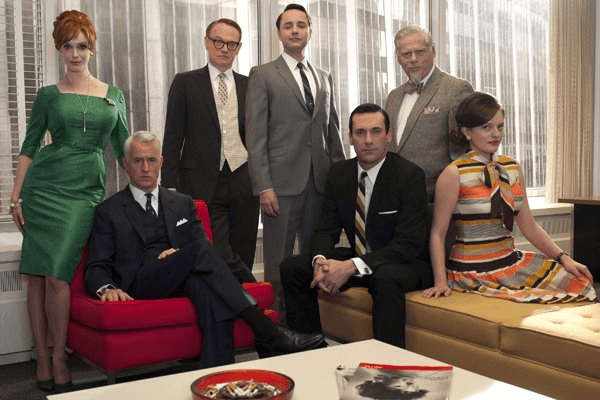
Costumer designers ensure historical accuracy by doing research into time periods and geographical locations. This is reflected in shows like Mad Men or That Seventies Show.

Designing for specific characters includes knowing their personality, creating color schemes that convey emotions, patterns that reflect a personal style, choosing shapes and forms that express a character’s message or social class. Think about a show like Golden Girls where each character has a very different look.

Additionally, designers must consider the set and background colors to make sure the characters are wearing complementary shades or sometimes wearing a clashing color to stand out.

Let’s meet a few television costume designers.

Harald Johnson

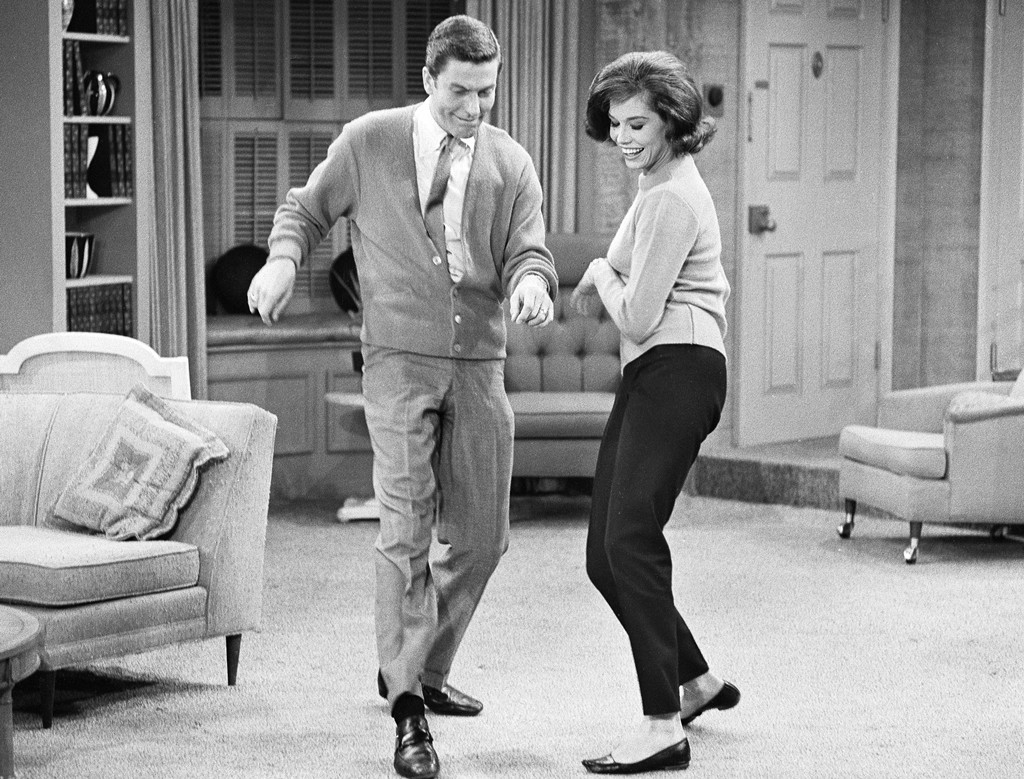
Harald Johnson’s work can be seen on The Dick Van Dyke Show, I Spy, and The Mod Squad. He was a member of the motion picture costumers for more than forty years.

📷facebook.com

In a 2023 online article by Matt Spaiser (https://www.bondsuits.com/the-stylish-beverly-hills-suits-of-the-dick-van-dyke-show/), he shares the following:

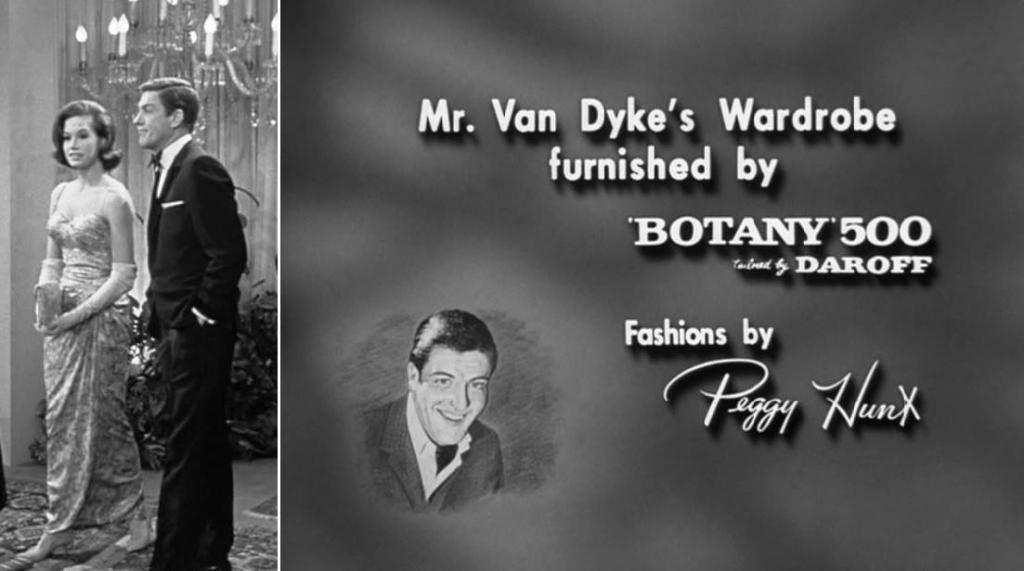
“As Rob Petrie, Van Dyke dressed in bespoke suits, which were known simply as ‘custom’ in America. Though the credits read, ‘Mr. Van Dyke’s Wardrobe furnished by “Botany” 500, Tailored by Daroff’, this was not the case literally. Van Dyke used a Beverly Hills tailor named Harry Cherry for his suits. Harry Cherry was the designer of the clothes and the shop proprietor with his name on the door, but he had cutters and tailors working for him.

The famous wardrobe credit was not entirely truthful. This is from the The Dick Van Dyke Show episode ‘My Neighbor’s Husband’s Other Life’.

Botany 500, an average-quality American clothier, paid for their name in the credits and, according to Vince Waldon’s book The Official Dick Van Dyke Show Book, also paid for Van Dyke’s wardrobe. The credit is cleverly and deceptively worded to mean that Daroff tailored clothes for Botany 500, not for Van Dyke. Botany 500 ‘furnished’ Van Dyke’s suits, in the form of paying his tailor. Van Dyke also appeared in advertisements for Botany 500.

📷ivystyle.com

In Waldron’s book, the show’s head of costuming Harald Johnson is quoted, ‘Dick was very, very particular about his clothes … He never wore off-the-rack suits. The only things he ever wore that were not custom-made were sportswear items.’ Johnson also said that the deal with Botany 500 provided the show’s producers Sheldon Leonard and Carl Reiner with suits from the same tailor who dressed Van Dyke.

Botany 500 paid a large sum for the Harry Cherry suits, jackets, and trousers. In a series of advertisements in the Los Angeles Times in 1958 promoting a clearance sale of his ready-to-wear clothes—he was shifting to selling only custom clothes—his ready-to-wear suits originally cost from $125 to $225 and were made of ‘Italian and English imported fabrics in 100% cashmere, cashmere-silk and wool, Italian silks, mohairs, lightweight worsted, silk and mohair, etc.’ “

The clothes worn by Mary Tyler Moore and Rose Marie were provided by various suppliers, most of them based in Los Angeles. In Vince Waldron’s book, The Official Dick Van Dyke Show Book, Harald Johnson “negotiated deals with a variety of California-based women’s clothing designers, most of whom were only too happy to loan samples of their latest fashion lines to the show’s female stars in exchange for the exposure and – of course – a prominent plug in the show’s closing credits.” 

Mary refused to wear the typical and unrealistic clothing other housewives were wearing on television. In a 2021 online article https://www.cnn.com/style/article/mary-tyler-moore-capri-pants), she was quoted, “I said, I’ve seen all the other actresses, and they’re always running the vacuum in these little flowered frocks with high heels on, and I don’t do that,” she recalled to NPR. “And I don’t know any of my friends who do that. So why don’t we try to make this real? And I’ll dress on the show the way I do in real life. … Within a few weeks, we were sneaking (pants) into a few other scenes in every episode.

Vincent Dee

Born in Pennsylvania in 1915, Vincent Dee passed away in 2006. With almost 100 credits, he was a prolific designer. According to BackstageAudition.com, his “contributions as a costume supervisor are nothing short of extraordinary. His passion for storytelling, coupled with his unparalleled skill in costume design, has brought characters to life in a way that captivates audiences worldwide. Dee’s legacy as a master of his craft will undoubtedly continue to inspire future generations of costumer designers and enthusiasts alike.”

📷facebook.com

Dee began as a costumer designer on television from 1954 to 1978. He was part of the cast for many popular series including Tales of West Fargo, Bachelor Father, Alfred Hitchcock Presents, Leave It to Beaver, Wagon Train, McHale’s Navy, The Munsters, and The Virginian.

Bachelor Father is one of my favorites and the characters’ wardrobes are spot on. Bentley Gregg is clad in the tailored suits a wealthy attorney would wear. His teen niece Kelly wears typical high school fashion with a polished, upscale vibe. And Peter switches his clothing from white shirt when working at the house to more casual, informal clothing when he’s out and about.

Then you have Leave It to Beaver. June is often made fun of for her flowing dresses and pearls. Barbara Billingsley often told the story about why she wore pearls. She had a large hollow in her neck which became more obvious on screen, so the pearls covered up that stark look. Ward, the businessman is usually in suits or casual attire for golfing. Beaver and Wally wear the typical clothing for boys their age: jeans, flannel shirts, sweaters. The Cleavers are the poster family for a wholesome, clean-cut, conservative family of that time.

📷that’sentertainment.com

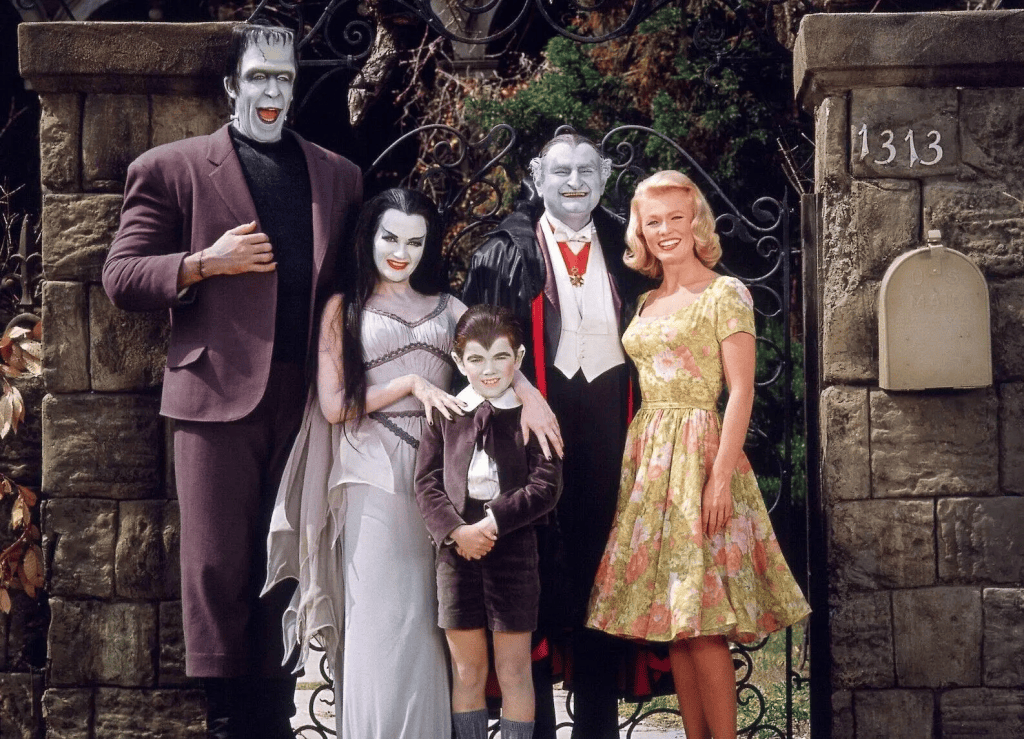
The Munsters were a satire of the typical sixties’ family. However, Eddie Munster dressed nothing like Beaver. He wore the same outfit in every show: a velvet suit with short pants and a shite collar with a jacket and gray knee socks. Poor Fred wore heavy looking clothing as a mortician. He was given build-up shoes to expand his 5”6” frame to 7’. His clothing weighed about 50 pounds so there were fans and lemonade and water for him between takes. Lily gives a nod to The Bride of Frankenstein from 1935 with her black and white hair and long, flowing gown.

An interesting story about Dee concerned Edith Head, an amazing designer who often found herself involved in scandals and unethical behavior toward other designers. In a 7-29-2024 online article (https://www.okcmoa.com/edith-heads-controversies) by Kristen Pignuolo, we learn that Head was responsible for promoting The Sting and making sure the actors were happy with their costumes. However, she did no design work for the film. That fell to Peter Saldutti and Vincent Dee who worked with Paul Newman and Robert Redford and Andrea Weaver who was the women’s costumer. The Sting won Best Costume Design. Head received the Oscar and during her acceptance speech failed to even mention Saldutti, Dee, or Weaver.

I think the world of costuming is fascinating. You have all the creative license, scandal, and intrigue of any television plot. I wish we knew more about these hard-working, creative individuals who made our characters so real for us.

McKeever and the Colonel: I Tried To Like It

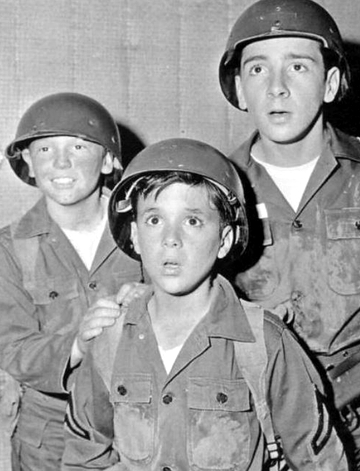
As we wind up our Military Upended posts, we take a look at a show that debuted in fall of 1962 and was canceled after one season. This was a different concept of a military show. McKeever and the Colonel is the kid version of McHale’s Navy. Instead of the crew causing problems for Captain Binghamton, this one is set in a school where cadet Gary McKeever causes headaches for Colonel Blackwell.

📷imdb.com

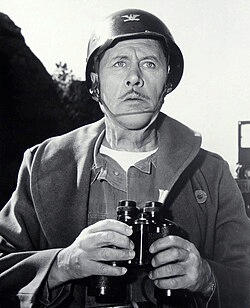
McKeever (Scott Lane), the son of an Air Force officer, is a mischievous kid, but we often root for him because Colonel Blackwell (Allyn Joslyn) is an arrogant guy. Other characters included Sergeant Barnes (Jackie Coogan) who sympathized with the cadet, Nurse Warner (Elisabeth Fraser), and fellow cadets Monk (John Eimen) and Tubby (Keith Taylor).

While they make life difficult for the Colonel, he is fond of the boys and most of their pranks are innocent enough.

The show was on ABC on Sunday nights, which tended to be a family viewing night. It was on at 6 pm before another new military sitcom, Ensign O’Toole. Ensign O’Toole was up against Lassie, which was in the top twenty that year.

I think there were two main issues working against this show. Harvey Bullock talked about his time working on this show during his Television Academy interview. He said that he was one of the creators who developed the show. When NBC picked it up, they said they didn’t need the original writers because they had their own. After ten episodes, they called Bullock and the other writers and asked them to please come back because the show was failing miserably. Bullock said they did return, but things had gone too far, and the ratings were too bad to come back from.

📷wikipedia.com

In combination with the writing problems, on Sunday nights most families tended to tune in to watch Lassie, Dennis the Menace, and The Ed Sullivan Show, another top twenty series. Considering that and the fact that this show was not in the prime-time lineup may have kept it from finding the viewership it needed. Ensign O’Toole was also canceled, but ABC replayed the episodes a year later to replace another canceled show. When the fall of 1963 schedule appeared, 49 shows had been canceled from the previous year, so McKeever had plenty of company.

I wanted to like this show, but it didn’t do much for me. The episode I watched was “The Celestial Bells.” The cadets weren’t happy because a new course was added, and it was ballroom dancing. They get the idea that they can go to the infirmary and try to catch a disease from an older boy but then learn that he has a sprained ankle. When that fails, they go to the malt shop to gorge themselves on ice cream treats until they get caught by the colonel. The jokes seemed a bit flat. For example, one guy asked another cadet if he knew anything about girls, and he replied he had three sisters and they were all girls. Sergeant Barnes comes in to give the guys a pep talk about girls just as they are thinking about going AWOL. The colonel then arrives with a asst colonel who is there to make sure they change and show up at class. Of course, McKeever tries to escape into the equipment locker at the dance, but when he opens it, all the equipment falls out. Just as he’s ready to be punished, Miss Dixon, the instructor, says he will stay and dance with her and after a few minutes of dancing, he falls in love. Like I said, I really tried to like it, but given the shows on the air in 1965, this is not one I would have watched a second episode of.

📷boardgamegeek.com

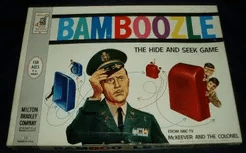
The show inspired merchandise during its short time on the air. Three Dell comic books were published; Milton Bradley introduced a board game, Bamboozle; and Halco Toys issued a set that consisted of a belt with a canteen, pistol, holster, and hand grenade.

It’s not a show you hear about often anymore. The series occasionally shows up a streaming service but is not part of Netflix or Hulu. Your best bet is to watch a few episodes on YouTube.


Sandra Gould: What a Character

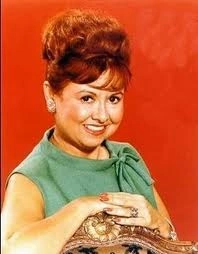
We are winding up our blog series “What a Character” with Sandra Gould. I have to be honest, I had an unfair bias against Sandra Gould.  I didn’t know a lot about her career, I just knew that she replaced Alice Pearce as Gladys Kravitz, and it was a bad replacement. It wasn’t Sandra’s fault—I blame the show’s producers.

📷pinterest.com

Some actors truly are irreplaceable. Eartha Kitt, while a great Cat Woman, just wasn’t Julie Newmar. Imagine trying to replace Henry Winkler as the Fonz halfway into the show. Can you picture tuning into MASH and finding Hawkeye was now played by someone other than Alan Alda?  Pearce was perfect in that role and, despite her being nosy and annoying, she was likable and that is hard to do. Gould’s Gladys was loud and brash, and I felt like I heard fingernails on a chalkboard whenever she was in a scene.

As long as I’m oversharing, I never cared for Dick Sargent either. While he was able to replace Dick York in some ways, York was just Darrin. Okay, I’m done and ready to talk about the good aspects of Sandra Gould and her long career.

Gould was born in Brooklyn in 1916. She entered the entertainment business early becoming a kid dancer in the Cat Skills by age 13.

📷threads.com

Gould found a lot of success on radio, appearing on “My Friend Irma” and “Duffy’s Tavern.” Her first radio job came along when she was only 9 on “The Danny Thomas Show.” Gould was with Jack Benny for almost fifteen years.

In 1938 she married Larry Berns, a broadcasting executive. They were married until his death in 1965. Berns joined CBS in 1942 writing and producing radio and TV series including Our Miss Brooks. He later worked on McHale’s Navy and Broadside.

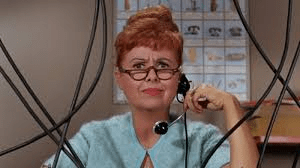
Sandra’s first role was in the big screen T-Men in 1947. Most of her roles were inept or gabby women, typically a telephone operator, nurse, receptionist, landlady, or saleswoman. Gould once mentioned that she played an operator more than any other actress. I did notice 10-15% of her roles mentioned switchboard operators.

📷facebook.com

While she continued to appear in movies, most of her acting credits came on television. She appeared in Oboler Comedy Theater in 1949. In the early days of television, many of the series were drama or comedy reenactments of movies or plays. Sometimes, new stories were written for these episodes. Gould continued with these roles into the mid-fifties.

From 1952-55 she appeared as Mildred on I Married Joan. This series starred Joan Davis and Jim Backus. He was a judge, and she was another “Lucy Ricardo” always getting into mischief or causing hardships for her husband.

📷tumblr.com

Gould was kept very busy with offers during the end of the fifties and throughout the sixties. She could be seen doing comedy on Our Miss Brooks, I Love Lucy, The Jack Benny Program, My Three Sons, The Brady Bunch, and I Dream of Jeannie among others. She also tried western life on Wagon Train. Her drama performances included Hawaiian Eye and I Spy. She even dipped her toe into animation on The Flintstones.

At the end of the sixties, she was given the Glady Kravitz role. Pearce and Gould split the character’s appearances: Pearce had 27 episodes with Gould having 29.

Gould had stepped away from acting for a time. She published two books for girls: Always Say Maybe and Sexpots and Pans. They both seem quite dated today in their advice to girls to get the right type of husband. At the time she accepted the role of Gladys she said she had gone through a very rough year. Her husband died. Then her writing partner Peter Barry died. Then Alice Pearce, who was a good friend of hers. She had no desire to take over the role, but George Tobias who played Abner and was also a friend, called her to come in for an audition.

📷imdb.com

I could not find any information about she and Barry collaborating. One article specifically mentioned that they wrote scripts for Honey West, Tammy, and The John Forsythe Show, but I don’t see either of their names as writers for these shows. Barry is listed as a writer for 23 shows in the late fifties and early sixties, and he was a radio scriptwriter. Perhaps they had written some scripts that were never filmed.

I guess I am in the minority on the Bewitched issue because most sites I visited described her role similarly, usually something like Hollywood Spotlight’s description: “her over-the-top performance and shrill voice were popular with viewers, and she succeeded ultimately in making the character her own.” She also reprised her role as Gladys in the sitcom Tabitha in 1977 which was about Darrin and Samantha’s daughter as an adult.

Some time during her stint on Bewitched, she got married again to Hollingsworth Morse, and they were together until his death in 1988. Hollingsworth was a director and assistant director on almost 90 programs and movies including McHale’s Navy, Dukes of Hazzard, and Mork and Mindy.

The seventies and eighties found her primarily in drama roles, although she could be spotted in a handful of sitcoms. You can catch her on Columbo, Marcus Welby MD, Ironside, Crazy Like a Fox, and MacGyver. During the nineties, she took on roles that were described as “old lady” on Friends and on her last appearance which was Boy Meets World in 1999.

📷bewitched wiki.com

Not long after filming this episode, Gould passed away from a stroke following heart surgery.

Gould had a long and successful career and certainly made the nosy, gabby character her own. I’m glad the job on Bewitched helped her get through a very sad and difficult time in her life. However, I still am claiming she was not right for Gladys who should have been written off the show and just replaced with a new neighbor. But I respect Gould and the characters she made her own on the big and little screens.

The Bill Dana Show: Really It Was The Jose Jimenez Show

This month our blog is devoted to The Bill Dana Show which was on the air for two seasons in the early sixties.

📷dvdplanetstore.com

Bill Dana is not a name remembered much anymore but, in the sixties, he was a huge celebrity. There is some tough talk about why he was so famous. During the late fifties and early sixties, especially as so many radio shows transitioned to television, there were some politically incorrect shows. This one teetered on the edge of it, in the same ways the show Life with Luigi did.

Bill Dana’s alter ego, Jose Jimenez, debuted on The Steve Allen Show in the late fifties. Jimenez was a Mexican immigrant. He saw the United States through a different lens than people who grew up here. He often was amused by what he saw going on around him. However, he was not the lazy stereotype Mexican. Jimenez was hard working and wise in many ways. He was not offensive in the way Amos and Andy were. Dana was a Hungarian Jewish man playing a Hispanic man so that was not well received either.

While I still love so many programs from the fifties and sixties that hold up well today and have delightful characters, many programs from this time make us cringe and we are embarrassed for the television industry at that time.

There are also many performers that may have bordered on sexual and ethnic political incorrectness, many of their characterizations may not be offensive, but I sure don’t find any humor in them.

📷 Jose Jimenez televisoinacademyawards.com

Remember this was during the Civil Rights Movement era, so things were beginning to get examined more closely in pop culture. Even if Jose was a good guy, his exaggerated accent set him up more of a caricature than a character.

While there was some blowback from the Latino community, many fans adored Jimenez. Danny Thomas and Sheldon Leonard decided to give Jose his own show after he made a few appearances on The Danny Thomas Show. NBC put the show on its schedule without even seeing a pilot because he was so popular.

While the quick sketches with Jose were in your face humor, putting the character in his own television series gave the writers time to develop him more and make him more dimensional. Leonard made this a workplace sitcom which was different for him since so many of their shows—The Dick Van Dyke Show, The Danny Thomas Show, That Girl, Good Morning World—were all balancing personal and work life. Earl Hagen, who wrote so many great tunes for the Leonard group, wrote this one as well.

The show aired September 22, 1963, and ran for a season and a half, ending January of 1965.

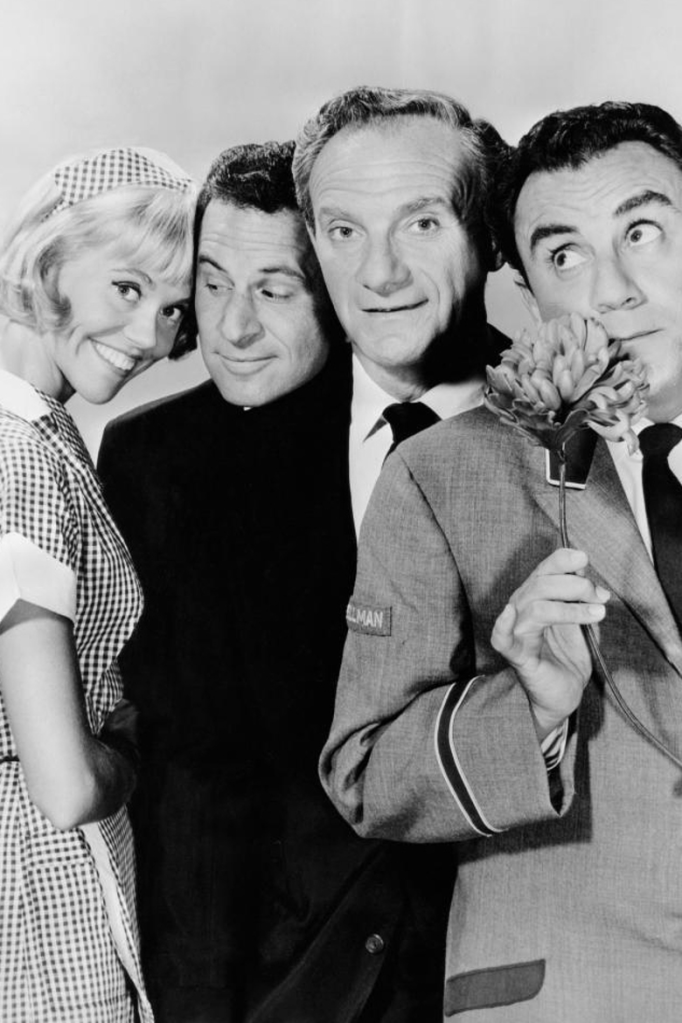
Jimenez is a bellhop at a luxury New York hotel. He lives in a special staff apartment, eats in the hotel kitchen, and interacts with most of the guests. He is surrounded by a great cast which we’ll get to know in more detail this month. Don Adams was Byron Glick, house detective. Jonathan Harris took on the role of Mr. Phillips, the hotel manager. Fellow bellhop Eddie (Gary Crosby) is always trying to get Jose to lose his rose-colored view of life. For season 2. Maggie Peterson plays waitress Susie.

The ratings were not great. Perhaps viewers had a harder time connecting this Jose to the caricature Jose. Certainly, more criticism came from the Latino community as the show went on. In addition to Jose, there was feedback on other shows that used stereotypical Mexican characters and in commercials like the Frito Bandito.

📷washingtonpost.com

Jose had one cameo role in Batman when he meets the duo and introduces himself as “My name—Jose Jimenez” in 1966. That was the final appearance of the character and a few years afterward, Dana read an obituary that he wrote for Jose at a Latino civil rights meeting in Los Angeles, and he became an activist for the Latino community, so there was some good coming out of the situation.

The show was canceled partway through season two. Another factor in the show’s ratings was the fact that it was on Sunday nights up against Lassie, a family favorite. However, the show did somehow receive an Emmy nomination for outstanding sitcom. No surprise it didn’t win. Despite being a mediocre show with some nugget of greatness here and there, it was up against McHale’s Navy, The Farmer’s Daughter, and the show that won, The Dick Van Dyke Show.

If The Bill Dana Show had just been a show about “a guy” who arrives from Mexico to work in a posh hotel, and we saw life through his eyes, good and bad in America, the concept could have been fun and more accepted. It appears that the writing was pretty good and it had a great cast. Jose was just not the character to build the show around.

Ernest Borgnine: Loved By Many as Mermaid Man

This month we are learning about the careers of some of our favorite classic television actors. This prolific actor has 211 acting credits. He began his small-screen career in 1950 and made his last television appearance in 2012. In between, he did made movies and appeared on Broadway. Today we are talking about the amazing career of Ernest Borgnine.

Photo: navymemorial.com

Borgnine was born Ermes Effron Borgnino in 1917 in Connecticut. Both his parents grew up in Italy. They separated when he was only two and then he and his mother returned to Italy. In 1923, his parents reconciled, changed their name to Borgnine, and moved back to Connecticut. While Ernest participated in a lot of sports in school, especially boxing, acting was not on his list of interests.

In 1935, Ernest joined the US Navy. He served on the USS Lamberton, a minesweeper. He returned home in 1941, but he re-enlisted in 1942 after Pearl Harbor was attacked. During WWII, he was aboard an antisubmarine warfare ship and returned home in 1945. He received several medals for his service.

Ernest moved back into his parents’ home and eventually took a job in a factory. One day his mother said, “You always like getting in front of people and making a fool of yourself, why don’t you give it a try?” His father was not as enthusiastic.

He enrolled in the Randall School of Drama in Hartford, Connecticut and then moved to the Barter Theater in Virginia. His first stage role was in “State of the Union” and his second was a small part in “The Glass Menagerie.”

In 1949, he had his Broadway debut as a nurse in “Harvey.”

Wagon Train Photo: televisionsnewfrontier.com

In 1950 he tried his hand at television, appearing in Rocky King, Detective. The following year he moved to Los Angeles and had his first big-screen role in China Corsair. Throughout the fifties, Ernest was kept busy in both mediums. He would appear in 25 movies, including From Here to Eternity and Marty. He won an Oscar for the role of Marty. He also accepted 11 roles in television shows, including The Danny Thomas Show, Wagon Train, and On the Waterfront.

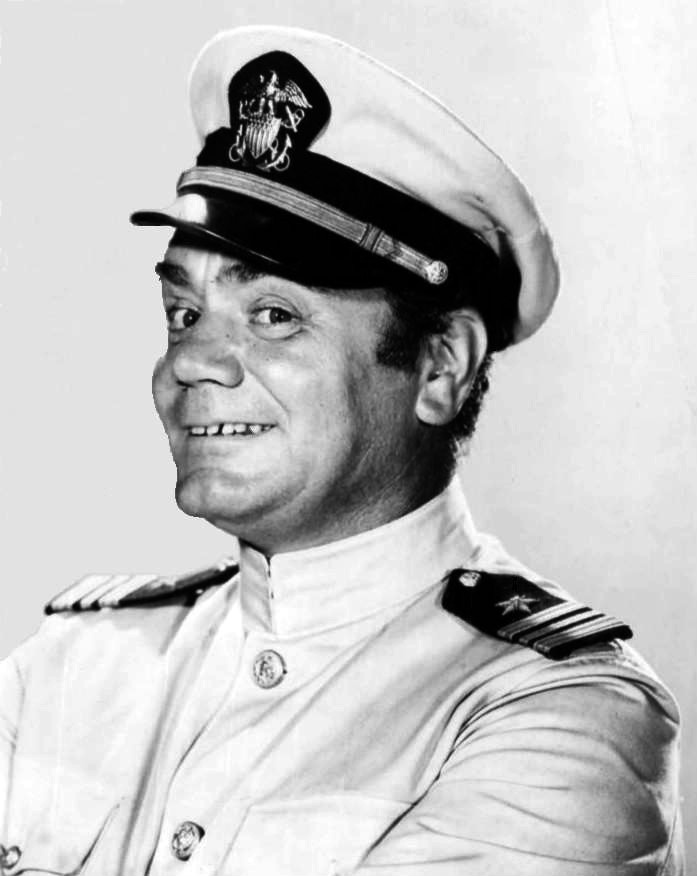
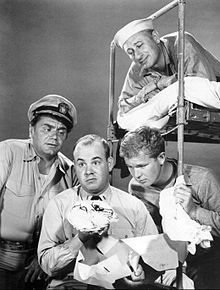
In 1961, Borgnine accepted the role of Quinton McHale on McHale’s Navy. He would appear in 138 episodes of the series for four years. McHale had a gruff voice and a mischievous grin. The show, featuring Joe Flynn and Tim Conway along with a cast of characters, became an instant hit and went to the top thirty the first year. Borgnine was nominated for Outstanding Lead Actor in a Comedy Series in season two.

Photo: pinterest.com

Tim Conway and Ernest became life-long friends. Conway said the show was definitely male-oriented: “You know, we were all guys, it was about the war, and about men, so there weren’t many women working on the show, so we can spit, talk, swear, and everything.” Borgnine also talked about the show and said, “It’s not exactly the Navy I remember. I don’t think we could have won the war if we’d had one like this. But it’s a lot more laughs.”

Throughout the sixties and seventies, he continued accepting roles on the silver screen and on television. In 1984 he took on another regular role on Airwolf. Starring opposite Jan-Michael Vincent, he played Dominic Santini, a helicopter pilot.

A decade later, he tried it again with The Single Guy where he played Manny Cordoba for two seasons.

With Conway Photo: facebook.com

He won an Emmy for his role on ER as Paul Manning. Manning’s wife was critically ill , and she died in the final episode of the series.

Mermaid Man and Barnacle Boy Photo: twitter.com

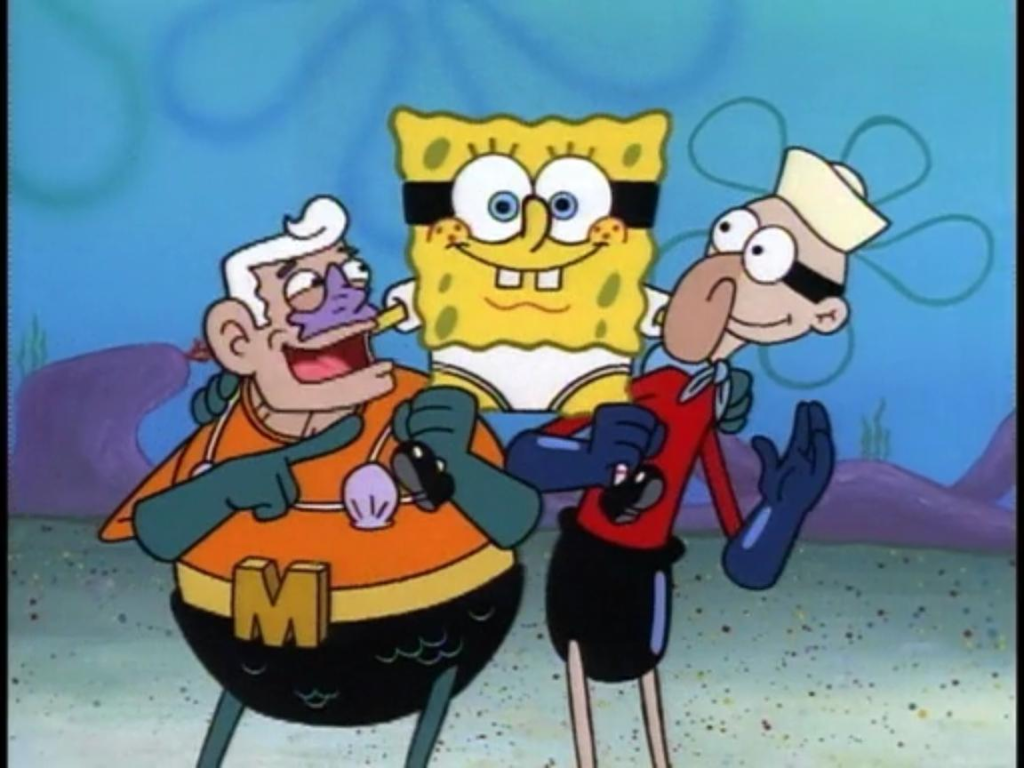
In the 2000s, he finished his career as Mermaid Man on SpongeBob SquarePants. He was paired with Tim Conway as Barnacle Boy.

Borgnine released his autobiography, Ernie, in 2008.

While Ernie tried many forms of entertainment, he also tried many forms of marriage. He married Rhoda Kemins in 1949 whom he met in the Navy. They divorced in 1958 and he married Katy Jurado from 1959-63.

His shortest matrimony journey was with Ethel Merman; they were married for 42 days! Conway also had an opinion on this marriage. He said “Ernie is volatile, I mean, there’s no question about that; and Ethel was a very strong lady. So you put two bombs in a room, something is going to explode, and I guess it probably did.”

In 1965 Ernie married Donna Rancourt but they also divorced by 1972. His final marriage was to Tova Traesnaes; they were married in 1973 until his death from kidney failure in 2012.

Photo: netogram.com

I didn’t read a lot about his hobbies, probably because he was too busy working for 62 years, but he did love stamp collecting. He began as a boy and had an extensive collection of Russian and Cuban stamps that he collected during the Cold War. He even was involved with one or two national stamp-collecting groups.

It was so refreshing to read about Ernie. Despite his volatile temper, everyone seemed to have loved him. I did not read one negative thing about him except what Ethel Merman shared. Knowing what I know about Ethel, despite her great acting skills, I am amazed they lasted forty-two days.

It was a lot of fun to learn more about him; I always associated him with McHale’s Navy and Marty so it was interesting to learn more about his television career.

His Honor Homer Bell: Was It a Comedy? A Western? A Legal Drama? It Was a Mystery.

As we continue our “Don’t Judge Me” series, we check out a show full of mystery: His Honor, Homer Bell.

Photo: sitcomsonline.com

This show seemed to be unsure what genre it wanted to be. Was it a drama? A comedy? A western? Some shows were written by Si Rose who wrote for Bachelor Father and McHale’s Navy, but other writers included Michael Cramroy, a Dragnet writer and Jerome Coopersmith who wrote for Hawaii Five-0.

It also didn’t have a definite home. The show was made to go directly into syndication by NBC Films and taped in Brooklyn. There are different statistics about how many episodes were made of the show. Imdb lists only one episode. Some other sites indicate 38 episodes were made. To the best of my research ability, I believe there were 39 episodes including the pilot. It had a budget of one million dollars and episodes were listed in TV Guide.

Those TV Guide descriptions lead to another mystery. The show talks about being in the West but it must be a more contemporary west. In one episode, Judge Bell tries to acquire tickets for a sold-out football game and in another one he delivers a speech to the town traffic commission.

Photo: sitcomsonline.com

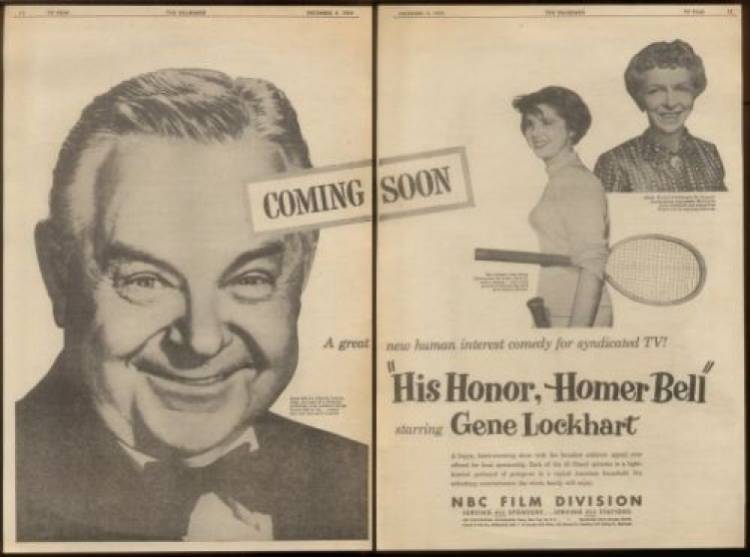
What we do know for sure is that the show debuted in 1955. The show followed the ups and downs of Homer Bell (Gene Lockhart) who was a respected and much-loved justice of the peace living in a small western town of Spring City. Bell was a widower who lived with Casey (Mary Lee Dearing) and their housekeeper Maude (Jane Moultrie).

Adding to the mystery is whether Casey was his daughter or an orphaned niece he was raising. I found several descriptions listing both cases. However, Casey was a tomboy, and her antics often caused problems for the judge. He was a caring man who went to great lengths to help others. He relied more on good old common sense than legal technicalities to make his decisions. The show was produced by Hy Brown and directed by Derwin Abbe.

Photo: sitcomsonline.com

Gene Lockhart, father of actress June Lockhart, transitioned from the big screen to the small screen for this series.

He was born in Ontario, Canada in 1891. His father was musical, and when a band he played with went overseas on tour, he took his family along with him. During most of that time, Gene went to school in London. When the family returned to Canada, Gene’s mother encouraged him to try out for a Broadway play. He moved to New York and received his first offer in 1917 as part of the cast in “The Riviera Girl.” He also began to write for the stage. One of his projects, “The Pierrot Players” toured Canada.

In 1924, Gene married Kathleen Arthur, an English actress and musician. Gene stayed busy. He continued to appear on the stage, he could be heard on radio, he became a writer for theatrical magazines, and he lectured on drama techniques at the Julliard School of Music.

Photo: imdb.com

In 1933, he was offered the role of Uncle Sid in “Ah, Wilderness.” His great reviews in the play led to a contract with RKO Pictures. While he occasionally returned to Broadway, notably in 1949 as Willy Loman in “Death of a Salesman,” he found his true calling as a Hollywood actor. He appeared in more than 125 films and was nominated for an Oscar for his work in Algiers in 1938. With 146 acting credits, he had about ten appearances on theater shows in the fifties on television.

Lockhart suffered a heart attack in his sleep in 1957.

Mary Lee Dearing (another mystery was her last name; most places credit her as “Dearing” but I’ve seen “Dearring” and “Deering”) was born in 1939 in New York City. She only has eight acting credits in addition to Homer Bell. She began her career on several theater dramas in the fifties, was on The Dick Van Dyke Show, The Danny Thomas Show, and The Brian Keith Show. I could find very little about her; most of her fame stems from appearing on the episode of Dick Van Dyke as a babysitter when Rob talks Laura into going to a party, leaving a sick Richie with the sitter.

Photo: sitcomsonline.com
Mary Lee Dearing as Janie on The Dick Van Dyke Show

Very little is known about Mary Moultrie as well. She was born in 1903 in Los Angeles. Her only other acting credits occurred in the fifties in several theater drama shows and on Mister Peepers and The Goldbergs.

By this time, you might be asking yourself—If there is more unknown than known about this show, why even write about it? We are losing so much information about the classic age of television. My philosophy is that if we keep the shows in the conversation, they won’t become totally lost. If anyone has any of the answers to the many questions about this show, I would love to hear from you. Besides, what television fan doesn’t love a mystery?

Note: In January of 2021, I received this information in an email from Diane Dearring and wanted to share it with you for an update on Mary:

I found the info on your site about Mary Lee Dearring (https://thewritelife61.com/tag/mary-lee-dearing/).  Mary Lee was my dad’s first cousin.  You mentioned on your site that you couldn’t find much info about her, so I thought I would share what I have with you.
Her maiden name was indeed Dearring.  However the spelling was originally Doering.  Her ancestors came to the US from Germany in 1853 and settled in Ohio,  Her father, my grandfather’s brother, was Ernest “Ernie” Dearring and her mother was Lene (Belisario) Dearring.  They owned a dance studio in NYC.  I haven’t been able to find out any information on the dance studio, but would dearly love to know more.
Mary Lee married Wallace Foster Tracy in 1966.  They had no children.

McHale’s Navy: Set Adrift in a Sea of Comedy

Ahoy matey. We are currently in the middle of the “We Salute You!” blog series. Today we go behind the scenes of one of the most popular military sitcoms: McHale’s Navy.

Photo: blogspot.com

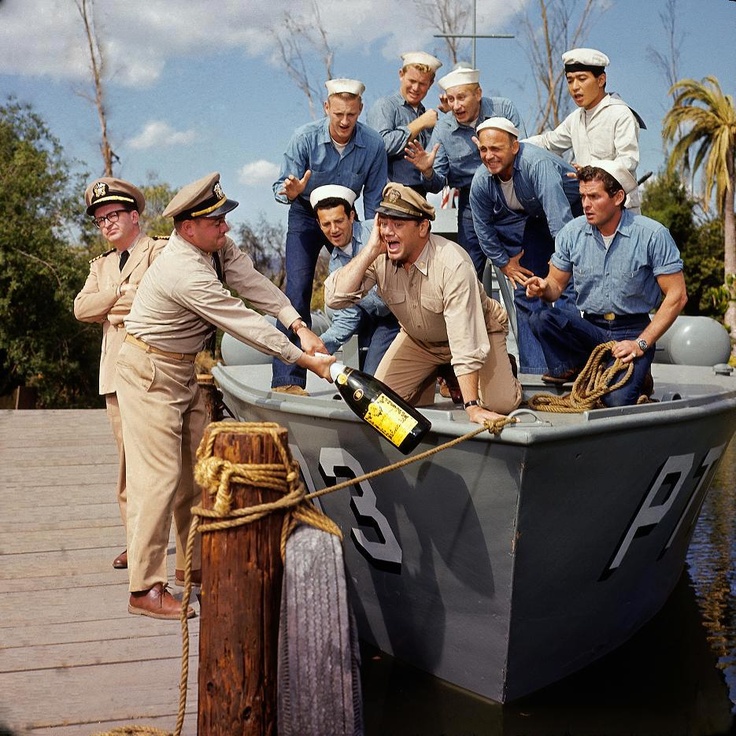
The series is centered around the adventures of a US Navy crew aboard the PT boat PT-73 during WWII. One of the best crews in the Navy, they often try to outwit Captain Binghamton (Joe Flynn) and his aide Lt. Carpenter (Bob Hastings). Stationed in the South Pacific, the crew often is involved in antics to make life more enjoyable during wartime. Quinton McHale (Ernest Borgnine) is fun-loving but sometimes has to reign his crew in when they go too far.

Debuting on ABC in 1962, the show sailed on for four seasons, producing 138 episodes. In April of 1962, a drama on Alcoa Premiere a/k/a Fred Astaire’s Premier Theatre aired that was titled Seven Against the Sea with Borgnine as the lead. It became the pilot for what would become McHale’s Navy.

Photo: thehollywoodreporter.com

Edward Montagne who was the producer of the new show had worked on The Phil Silvers Show. Montagne decided to turn the dramatic Seven Against the Sea into a “Bilko in the Navy” type of show. He recruited some of the actors and writers who had appeared on the prior series.

The basic plot of the show is that while these are respected, hard-working men when necessary, they have a lot of wacky schemes involving women, making money, and having fun. Captain Binghamton’s goal is to get rid of the entire bunch. The crew is said to live on an island across the bay from Taratupa, the fictional base. The geographic distance gives them extra time and more freedom to get into and out of their complicated situations.

Similar to The Phil Silvers Show, this sitcom also had a very large cast compared to most other shows.

Photo: wikiwand.com

McHale is a strong, competent leader and goes to great pains to protect his crew. He likes to wear Hawaiian type clothing when off duty. Sometimes the crew uses the PT boat to go deep-sea fishing or water skiing. When the crew has laundry, they put the clothes into a barrel with holes, add soap and drag it behind the boat. McHale speaks Japanese, Italian, and some of the local island dialects.

Photo: pauldavisoncrime.com

Ensign Charles Parker (Tim Conway) is McHale’s goofy second-in command. McHale calls him “Chuck.” Conway captured the lovable, naïve, bungler perfectly. He often refers to his home town Chagrin Falls, Ohio which was Conway’s hometown. Parker says he worked for the Chagrin Falls Gazette. Parker is too dizzy to get much respect, and his resume is full of errors and ineptitude. For example, it’s mentioned that he crashed a destroyer escort into a dock, and he called a naval airstrike on a gasoline dump. He has all the naval regulations memorized but can’t remember his serial number. From time to time, Parker is asked by the crew to impersonate President Roosevelt when calling Binghamton.

In the first episode, Parker is assigned to the crew. We learn that they have gone through several men already who could not put up with their insubordinate behavior and one of them even had a nervous breakdown. The men like Parker and treat him better than their previous ensigns.

Conway later stated that he and Ernest Borgnine had a wonderful working relationship both on and off the set. In the late 1990s, they would voice Mermaid Man and Barnacle Boy on  SpongeBob SquarePants.

Photo: pinterest.com

Captain Wallace Binghamton, who the crew calls “Old Leadbottom” because he once took a bullet in the butt, previously managed a yacht club, although at times it’s mentioned he was the editor of a yachting magazine. He is gruff and grumpy and dreams about being promoted. He spends much of his time trying to catch McHale and the boys in one of their schemes. He is blind without his glasses, so sometimes the crew knocks them off to prevent him from seeing something incriminating. One of his most-uttered lines is “Why me? Why is it always me?”

Photo: pinterest.com

A typical interaction between Binghamton and McHale follows:

Binghamton: Commander, how would you and your men like two weeks with nothing to do but play gin rummy, go surfing, have luaus with steel drum bands, dancing girls, hmm?

McHale: Two whole weeks? Woo hoo, oh that’d be a wonderful change sir. Yes sir.

Binghamton: Knock it off McHale. That’s what you do every week.

Photo: thewrap.com

Binghamton’s aide is Lt. Elroy Carpenter who is also inept. He talks too much and is clumsy. He often gets the brunt of Binghamton’s tirades.

Photo: pinterest.com

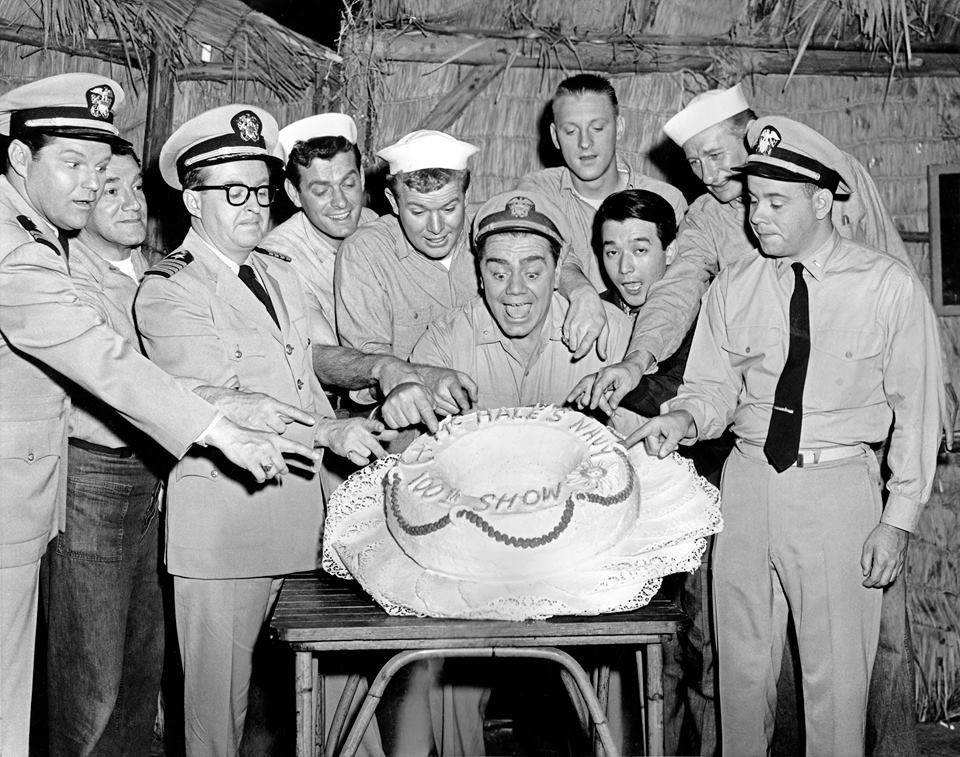
McHale’s crew is composed of Quartermaster George Christopher (Gary Vinson), Radioman Willy Moss (John Wright), Torpedoman’s Mate Lester Gruber (Carl Ballantine), Motor Machinist Mate Harrison Bell (Billy Sands), Gunner’s Mate Virgil Edwards (Edson Stroll), and Seaman Joseph Haines (Gavin MacLeod). Houseboy Fuji (Yoshido Yoda) was often found cavorting with the crew. He is boyish, fun loving, and loyal to McHale. Fuji was a deserter from the Japanese Navy, but the captain knows nothing about his existence. In exchange for not living in a POW section, he acts as houseboy for the crew.

Photo: groovyhistory.com

Although the crew is always chasing women and trying to throw parties that they can invite them to, McHale has several romantic relationships during the show. Nurse Molly Turner (Jane Dulo) from New Jersey is always trying to trap him in a serious relationship. Two other love interests are Kate O’Hara (Joyce Jameson) and Maggie Monohan (Jean Willes).

Photo: tumblr.com
The great Don Knotts

A lot of guest stars dropped anchor on the show including Jerry Colonna, Bernard Fox, Pat Harrington Jr., Arte Johnson, Ted Knight, George Kennedy, Don Knotts, Bernie Kopell, Sue Ane Langdon, Marlo Thomas, and Raquel Welch.

Photo: lingerandlook.com

The PT-73 is almost like a character on the show. It was a 72-foot type II Vosper motor torpedo boat. The war ended before the boat (PT-694) could be sent to Russia, and it was then purchased by Howard Hughes. He loaned or sold it to Universal Pictures.

Photo: Wikipedia.com

The set of the Pacific Ocean naval base was built on the back lot of Universal Studios.  After the show went off the air, it became an attraction on the studio tour.

In one episode, McHale replaces Binghamton temporarily during an inspection and learns what a hard job he actually has. While that gives him some respect for the captain, they still don’t see eye to eye. Sometimes Binghamton tries to get them legitimately transferred for a scheme and other times he is not above inventing a story such as the time he tried to get them sent away by telling a psychiatrist that they are suffering from combat fatigue.

Photo: pinterest.com

For the final season, the crew, including Fuji, is transferred to Italy to the coastal town of Voltafiore. Many plot twists come about from the crooked Mayor Lugatto and the quirky residents. The move probably came about to be able to add some additional plot lines but it was perhaps too far-fetched for viewers, and the show was cancelled.

The show had a consistent schedule for most of its run. The first season it was on Thursday night up against The Twilight Zone and Hazel. The second and remaining seasons it was on Tuesday nights against Red Skelton on CBS and a variety of shows on NBC, including the forgettable Redigo and You Don’t Say, as well as The Man from UNCLE, Hullabaloo, and Dr. Kildare.

Photo: moviepostershop.com

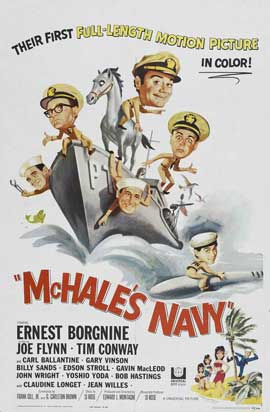
During the run of the show, two big-screen movies were made based on the series: McHale’s Navy in 1964 and McHale’s Navy Joins the Air Force in 1965. Borgnine was unavailable for the second film due to a schedule conflict. The first film brought in a respectable $2,250,000 and the second netted $1,500,000.

Photo: ebay.com

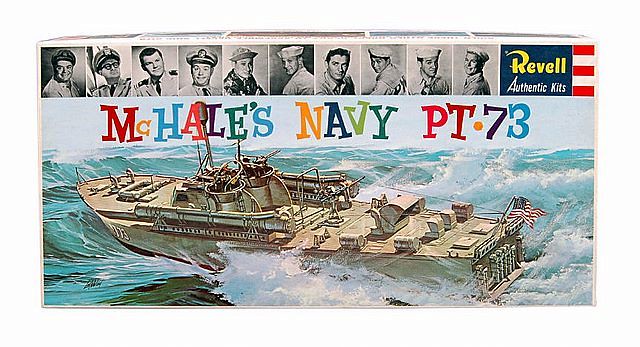
McHale’s Navy was a popular show both in the 1960s and in syndication. It may have been one of the first shows to produce related merchandise. Trading cards, comic books, a board game, 3-ring binders, and a model of the PT-73 were some of the items available to its fans. The show was well-written and the characters were fun and quirky. Unfortunately, a show like this can only sustain so many similar plots before it begins to feel like you’re watching repeats.

Photo: flickr.com
Revell :: McHale’s Navy :: PT 73 Boat

The show is currently on Antenna TV Saturdays from 7-8 pm eastern time. It is also available on DVD. Take some time and enjoy getting to know McHale and his PT-73 crew.

Operation Petticoat: The Submarine Was Pink, But the Cast Was Feeling Blue

As we continue our series, “We Salute You,” today we take a closer look at a show that might not be remembered by a lot of people, but it had a memorable cast.

Photo: tvtropes.com
The original

In 1959, Operation Petticoat hit the big screen. Directed by Blake Edwards, it starred Cary Grant and Tony Curtis. This WWII comedy centered around a US submarine, the USS Sea Tiger, that reluctantly must bring a group of female nurses aboard. The film also included Marion Ross, Dick Sargent, and Gavin MacLeod, who would go on to become part of McHale’s Navy and captain The Love Boat later in his career.

Photo: imdb.com
The original cast

Jump ahead a couple of decades and ABC airs a sitcom, Operation Petticoat, based on the movie. It would be on the air till 1979, producing 33 episodes. In the television series, John Astin takes on the Cary Grant role and Richard Gilliland has Curtis’s original role. In the new series, Jamie Lee Curtis, Tony’s daughter, played the role of Lieutenant Duran who was played by Dina Merrill in the movie.

Photo: fotogramas.com
The original group of women

For only 33 episodes, this show went through a lot of changes. It was supposed to be a one-hour series. A two-hour pilot was filmed, and several scripts were written. After viewing them, ABC decided it would be better as a thirty-minute show. The written scripts were revised to cover two shows each.

The show had a cast of 18 members, including five nurses. In addition to the nurses being aboard, the other continuing plot line was that the submarine was barely functional. It had been sunk earlier in the war and only somewhat restored, so it was a constant struggle to keep it working. Golf clubs operated the valves, a jeep wheel was used for a part, a girdle helped pump in the engine room, and what was most embarrassing to the men was its color of bubble gum pink, the only paint available when it needed to be painted. However, all this changed after the first 23 episodes.

Photo: simkl.com

When the show came back in season two, 15 of the 18 actors were gone, including the three main characters. The writers and producers from season one were also set adrift. For the second season, the entire plot line changed, making it a totally different show. Now the submarine was a lifeguard vessel helping pilots and sailors, and the nurses were part of the Navy and assigned to the ship.
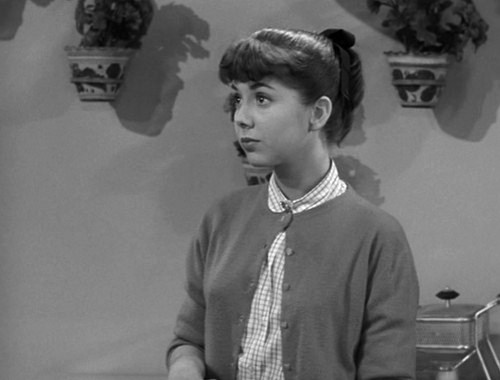
Photo: cscottrollins.blogspot.com
Season 2 Nurses

During the 1977-78 season it was on Saturday nights. It was up against The Bionic Woman on NBC while CBS aired three different shows during the season in that time slot, We’ve Got Each Other, The Tony Randall Show, and The Ted Knight Show. For season two, it was moved to Friday nights where it went up against Different Strokes on NBC and The Incredible Hulk on CBS.

This show aired in an era where the networks struggled a lot with new shows. It’s amazing how many shows in the mid to late seventies lasted two to five episodes. There just seemed to be constant chaos, so this show lasted much longer than most of its competition. However, in this time of television turmoil, the fact that ABC would take a show that must have been somewhat successful and turn it upside down, replacing almost the entire cast, the writers and the producers amazes me.

You would not think a show set on a submarine would have many other actors in it, but during the year or so it was on, more than 80 additional actors appeared on the show, including JoAnn Pflug and Adam West.

While John Astin had a long television career, Jamie Lee Curtis undoubtedly has had the most successful career from this cast. In a recent interview in The New Yorker, “Jamie Lee Curtis Has Never Worked Hard a Day in Her Life” by Rachel Syme (December 1, 2019), Jamie discussed her time on Operation Petticoat. She said: “The show did not do well. And I was fired, along with eleven of the thirteen actors. (sic) I was devastated. I thought my life was over. I thought my career was over. I thought I would lose my contract. And two weeks later the audition for Halloween came up . . . It’s one of those good stories for people who’ve just been let go from their job.”

Photo: sitcomsonline.com

I think it’s important to look at some of those shows in television history that haven’t become classics; in this case, however, I think I’d skip the television show and buy the DVD from the original movie if you want to learn a bit more about life aboard the Sea Tiger.

Photo: tvguide.co.uk
Operation Petticoat – 1959

When She Tugged on Her Ear, She Tugged At Our Hearts

Today’s topic had me thinking about how much better things are in a group.  Roses are beautiful on their own but pair them with some complementary-colored blooms and everything comes alive.  Juicy watermelon is perfect on a hot, summer day, but combine it with berries, kiwi, and peaches, and all the tastes meld together. One book is a treasure on its own, but put ten together, and you have a library. There’s never a bad choice when deciding between vanilla, chocolate, or strawberry ice cream, but someone invented Neapolitan so you could get all three.

This works for our show this week as well.  Look at the work of Carol Burnett, Harvey Korman, Tim Conway, Vicki Lawrence, and Lyle Waggoner and you will find gems, but put them together and you have a sparkling jewelry box full of wonderful things.

cast

These performers came together between 1967 and 1978 working on The Carol Burnett Show. Let’s see how that came to be.

Carol Burnett – Carol is a truly versatile performer; she acts, sings, does comedy, dances, has been on the stage, and has appeared on the big screen as well as the small screen. America has always had a love affair with her.

carol1

She was born in Texas and moved to Hollywood with her grandmother. One of her first jobs was working as an usherette.  She received an anonymous gift of money that covered a year at UCLA where she majored in journalism. At one point she decided to switch her major to theater arts and English and planned to be a playwright. She gained some experience performing in several college productions. Her good luck continued when she received another gift – a $100 interest-free loan to move to New York City to try her hand at musical comedy.  She worked as a hat girl and began her acting career.  She married Don Saroyan in 1955. In 1959 she got her first big break, appearing in the Broadway show, Once Upon a Mattress for which she received a Tony nomination. Around this time, she became friends with Jim Nabors; he would be a life-long friend and her daughter’s godfather. When the Carol Burnett Show started, he became the first guest every season and was her good luck charm.

Soon after she began appearing on television and won her first Emmy in 1962 for her work on The Paul Winchell Show. This was also the year she and Don divorced. In 1963, she married Joe Hamilton, and they had three children. Lucille Ball had become a mentor to her, and they also remained friends for life.  Lucy sent her flowers every birthday.  On her birthday in 1989, Carol awoke to the news that Lucy had died.  She received her flowers later that day.

carol9

She did several specials with Julie Andrews, Dolly Parton, and Beverly Sills. Carol had a clause that she could decide to do a permanent variety show which would expire in 1967. Carol decided to take advantage of the clause and do the variety show.  The network tried to talk her out of it because they said variety shows tended to be men’s territory.  They offered her a sitcom of her own, but luckily for us, she stuck to her guns.

In 1974, she went back to the stage to star with Rock Hudson in I Do I Do. In 1984 she and Joe divorced.  She would win her second Emmy for her work on Mad About You.

In 1995, she returned to Broadway to appear in Moon Over Buffalo which gained her a second Tony nomination.

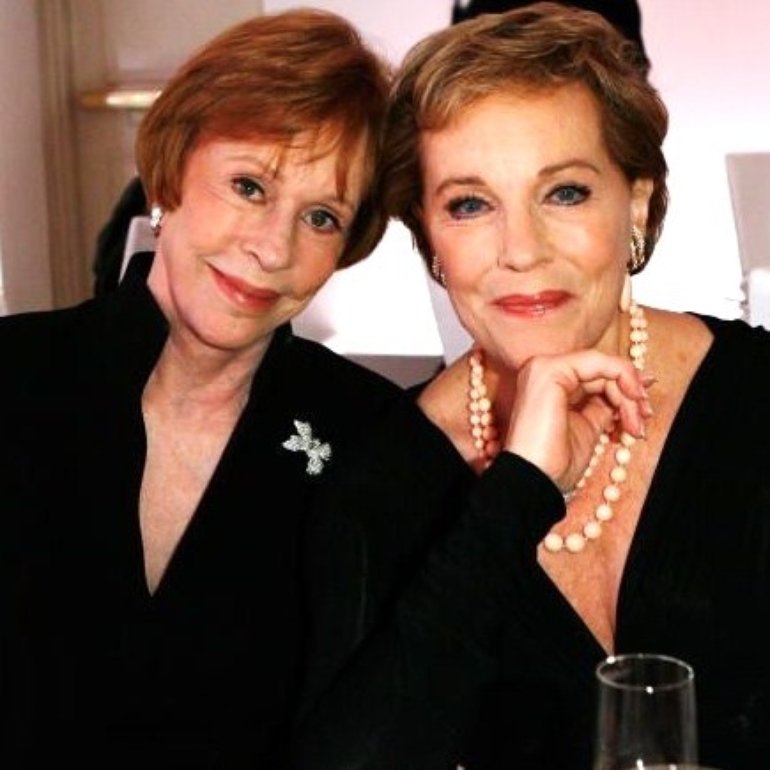
Carol was the Grand Marshal for the 109th Rose Bowl Parade. She has written five books. She has remained close friends with many of her costars including her show cast, Jim Nabors, Betty White, Beverly Sills, Julie Andrews.

Not only did she help a young Vicki Lawrence, but other stars looked to her for help as well. Jim Carrey sent her his resume at age 10.

In 2001, Carol married again. Her current husband Brian Miller is a drummer for the Hollywood Bowl Orchestra. Most recently she guest starred on several episodes of Hawaii Five-0.

Harvey Korman – Born in Chicago, Korman served in the US Navy during World War II. After the war, he studied at the Goodman School of Drama.  He attended classes at DePaul University and the Chicago Art Institute. During 1950, 1957, and 1958 he was part of the Peninsula Players in Fish Creek, Door County, Wisconsin.

carol19

His first television role was on the Donna Reed Show in 1960. He also married that year and they had two children. He continued to act on television on such shows as Dr. Kildare, Perry Mason, Route 66, Jack Benny, Hazel, Here’s Lucy, and Gidget – 30 shows in all; he also appeared in many movies. You might recognize his voice if you watch The Flintstones; he played the role of the Great Gazoo. His first big break was on The Danny Kaye Show in 1963. With his expressive voice, he played a wide assortment of characters. In was due to his work on Danny Kaye, that Carol recruited him for her show in 1967.

In 1977, he made the tough decision to leave The Carol Burnett Show and star in his own vehicle, The Harvey Korman Show.  The show was about an out-of-work actor Harvey Kavanaugh who lived with his daughter. The critics thought Korman was wonderful in the show, but the show got very low ratings and was cancelled after six episodes. Then he was an out-of-work actor in real life. Dick Van Dyke had taken his place on the Carol Burnett Show so he could not return.

carol20

After his show fizzled out, he went back to movies. In 1977 he divorced his first wife. In 1982 he remarried and had two more children.  Korman continued to make tv appearances on a variety of shows such as the Love Boat, Ellen, and ER. He also made movies. He is probably best known for two of his movies: Blazing Saddles and High Anxiety.  In 1983-84, he appeared in Mama’s Family with Carol Burnett and Vicki Lawrence. In 2008, he passed away from a ruptured abdominal aortic aneurysm that was diagnosed four months prior.

Tim Conway – Conway was born in Ohio and joined the Army, serving at a radio station. After the war, he studied at Bowling Green State University, majoring in tv and radio. He married in 1961 and they had 6 children.

tim

He was discovered by Rose Marie and became a regular on The Steve Allen Show. He earned even more fame when he joined the cast of McHale’s Navy in 1962. McHale’s Navy had two different formats.  I was surprised to learn that Joseph Heller (author of Catch-22) wrote one episode but removed himself from the credits when he had an argument with the producer. Conway became very close to Ernest Borgnine and considered him his mentor. Later the two of them would work together in SpongeBob Square Pants as old superheroes.

After McHale’s Navy, he was cast in Rango. A comedy/western, Conway played Rango. He was an inept Ranger, but his father was the head of the Texas Rangers, so he was moved to a very quiet post.  Unfortunately, a crime wave broke out after his arrival. The show lasted for 17 episodes.

Conway got his own show in 1970, but it never really worked and was cancelled after 12 episodes. He played an airline pilot who was not very good at flying. He and his partner owned a decrepit airplane and they were always fighting creditors, barely making a living.

He was on Carol Burnett throughout the years of her show, and in 1975 he became a regular. When the show ended, he kept busy with television shows, appearing in more than 50 shows including Newhart, Larry Sanders, Drew Carey, Ellen, Yes Dear, Hot in Cleveland, Laverne and Shirley, The Love Boat, Roseanne, and Ally McBeal. He also performed around the country with Harvey Korman and began making his Dorf videos. In 1984 he married his current wife.


Vicki Lawrence –  Vicki grew up in California. When Vicki Lawrence was 17, she wrote Carol a fan letter.  She was entered in a Miss Fireball contest, and someone told her she resembled Carol. She asked for some advice about her performance. Carol not only gave her advice – she drove all the way to watch the contest.  She told her they would talk about her career. A short time later, while Vicki was singing with the Young Americans, Carol offered the inexperienced girl a regular role on her show.

vicki

Vicki was mentored by both Harvey Korman and Carol Burnett, and her talent blossomed during her years on the variety show. In 1974, she recorded the hit song “The Night the Lights Went Out in Georgia.”

In 1983, she was offered her own show based on one of the Carol Burnett skits, Mama’s Family.

She hosted Win, Lose, or Draw and has appeared in stage performances. She spends most of her time now giving speeches for women’s groups and charities.

Lyle Waggoner – Born in Kansas City, Kansas, Waggoner was the heart throb of the show. He sold encyclopedias door to door. To jump start his career, he appeared in summer stock. He received roles in a lot of bad sci fi and beach party films. His career might have been different because he was in consideration for Batman, but the part went to Adam West. He was hired as the emcee of Carol’s show but progressed to being a part of the ensemble playing in a variety of skits. He left The Carol Burnett Show in 1973. He was offered a role in Wonder Woman in 1975. His career never picked up after that. He now runs a rental trailer company which is the largest one in Hollywood. He has been married more than fifty years, and he and his wife have two sons.

carol27

The Carol Burnett Show

The show was the best and the last variety show to be on television. Carol wanted to develop her own cast. She handpicked her costars. She hired The Ernie Flatt Dancers to do all the choreography. The head male dancer for the run was Don Crichton.

Artie Malvin was the musical writer. Carol used a live 28-piece orchestra conducted by Harry Zimmerman for the first three years and Peter Matz for the final eight years. She had a guest star on every week, often a singer.  Some of the performers included Ella Fitzgerald, Bing Crosby, Mel Torme, Perry Como, Lena Horne, The Carpenters, Sammy Davis Jr., and Ray Charles.  Steve Lawrence was on 25 times and Eydie Gorme performed 13. Unfortunately, when the show went into syndication, it became a half-hour show, and the musical numbers were cut.
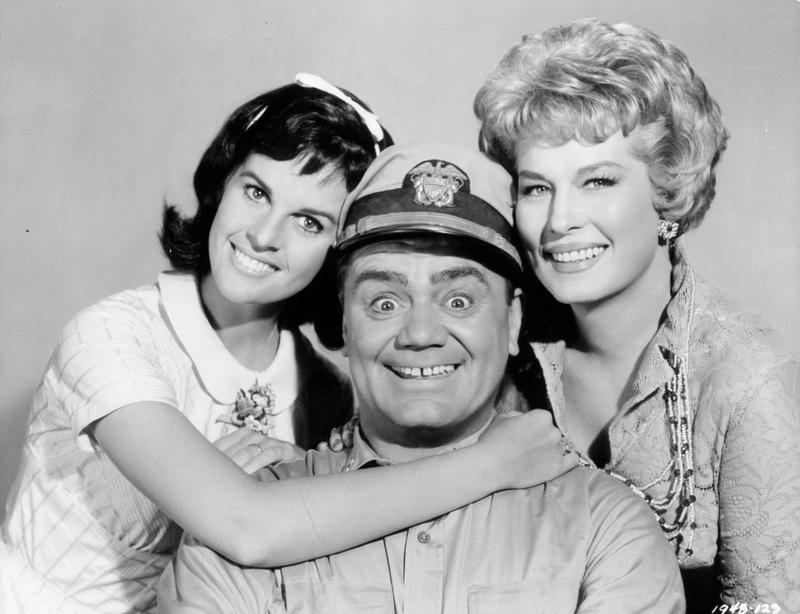
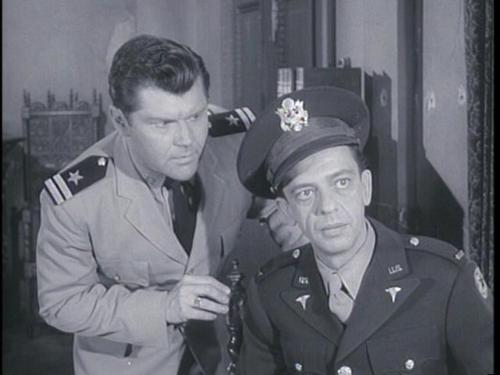
Sonny and Cher taped next door and Carol often popped in on their taping and Sonny and Cher visited her show.

Some of Carol’s favorite guests included Bernadette Peters, Alan Alda, Roddy McDowell, Paul Lynde, Bob Newhart, Rita Hayworth, James Stewart, Gloria Swanson, Vincent Price, the Smothers Brothers, Donald O’Connor, Lucille Ball, Rock Hudson, Mickey Rooney, Betty White, and Nanette Fabray. The only guest star Carol was not able to book was Bette Davis.  She demanded too much money.

The Carol Burnett Show received 22 Emmy Awards during the 11 seasons it was on the air. Harvey Korman was nominated for six of those and won four. Lawrence also received five Emmy nominations and one win.

Bob Mackie was her favorite designer, and he designed all the costumes for The Carol Burnett Show. Typically, he had to design 60-70 outfits per week, adding up to 18,000 over the course of the show.

For the first 3-4 minutes of each show, Carol appeared in a Bob Mackie creation and took questions from the audience. Some of these are the funniest parts of the show.

The cast would rehearse every day, and they did two tapings on Friday.  If the first taping went fine and they got what they needed, they would let Tim Conway improvise on the second taping and many of his unrehearsed moments made it into the show.

The show aired on Monday nights up against Big Valley and I Spy. In Season 5, they were moved to Wednesday nights up against Adam-12 on one network and Bewitched and The Courtship of Eddie’s Father on the other. In 1972, they made their final move to Saturday nights. The final year they faced some stiff competition against The Love Boat.

Some of her favorite regular skits were Stella Toddler where Burnett played an older character who always seemed to get tripped, whacked by something, or knocked down; Mrs. Wiggins who was an inappropriately dressed and incompetent secretary to Mr. Tudball; a woman who watched commercials on tv —  a cast member showed an item each week that drove the woman crazy; Marion from Canoga Falls in “As the Stomach Turns”; Chiquita, Burnett’s imitation of Charo; Nora Desmond, a has-been silent film star and her butler Max; The Old Folks where Burnett and Korman talked on the porch reminiscing; and Shirley Dimple, based on Shirley Temple.

Carol loved the parodies they did of old movies.  Some of the original stars loved them, and some were quite unhappy with the comedies. Her favorite was “Went with the Wind” with Starlett O’Hara, Rat Butler, and Mr. Brashley. The curtain rod in the dress was conceived by Bob Mackie. Coming down the stairs, Starlett replies to Rat’s compliment on the dress, “Thank you.  I saw it in the window and couldn’t resist.” The dress is now at the Smithsonian Museum. She also liked “Pillow Squawk”, a Doris Day parody.

She was always complimentary about her entire cast. One of her quotes was “When you play tennis, it’s important to play with a better player because it makes your game better.  Well, Harvey made my game better. I miss him dreadfully. And Tim Conway, God bless him, is just genius when it comes to improvising, coming up with stuff that we never rehearsed.”

These compliments were returned by her costars. Harvey Korman was quoted as saying, “We were an ensemble, and Carol had the most incredible attitude. I’ve never worked with a star of that magnitude who was willing to give so much away.”

carol18

Of course, everyone watches to see how Tim Conway makes Harvey Korman laugh during their skits.  Apparently, Tim had a knack for improving the scripts and throwing in lines and action that Korman didn’t anticipate. Here’s Tim Conway on Harvey Korman: “He was one of the brightest people I’ve ever met, but the man could not tie his own shoes . . .  I would put him on constantly . . . We were on an airplane and we refueled in Arizona. Taxing on the next runway, I said, ‘Harvey, I don’t know if the guy put the gas cap back on. It was on the wing and now it’s not.’ Harvey got worried. So, he got up and went to the pilot and said, ‘Your gas cap’s not on.’ The pilot just looked at him.  There is no gas cap.”

One of the memorable parts of the show is the opening and closing theme song.  She always ended the show with “I’m so glad we had this time together, just to have a laugh or sing a song. Seems we just get started, and before you know it, comes the time we have to say so long.” Then she tugged her ear. She would tug on her left ear which was a message to her grandmother that things were going well, and she missed her.

No matter how many years go by, the show remains a timeless comedy.  It has a balance of silliness and savvy. It’s hard to believe that the generations growing up in the 1980s and 1990s have never seen a variety show.  I love to catch reruns of this show.  I laugh out loud through the show.  Thank you, Carol for spending time with us. The show currently can be shown on Me TV at 10:00 pm with Mama’s Family airing at 8:00 pm.