Lee Majors: Still Acting

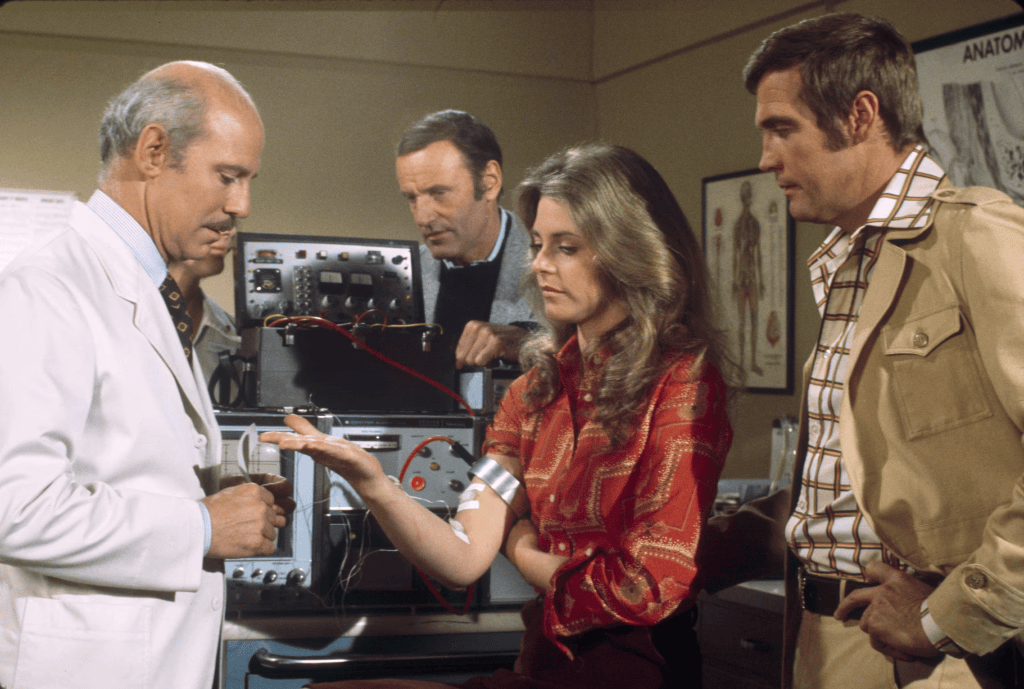
As we wind up my blog theme “Expensive Parts,” we finish by taking a look at the career of Lee Majors, who starred in The Six Million Dollar Man.
📷facebook.com

Known then as Harvey Yeary, Majors was born in Michigan in 1939. Sadly, both his parents died in separate car accidents before he reached two years of age. He was then adopted by his aunt and uncle who moved him to Kentucky.

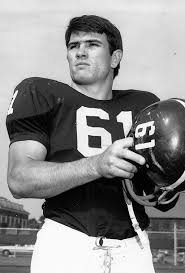
Majors was a big sports guy, playing football and running with the track team. He received a scholarship to Indiana University. He transferred to Eastern Kentucky University to play football. Unfortunately, a back injury left him paralyzed for two weeks, putting an end to his football career. He then turned to acting but graduated with a degree in history and physical education with plans to be a football coach.

After graduation, he moved to Los Angeles to be the recreation director for North Hollywood Park. During his time there he met Dick Clayton who had been James Dean’s agent. Clayton convinced Lee to go to acting school, and after a year, Clayton felt he was ready to look for work in the entertainment business. He took on the name Lee Majors in honor of Johnny Majors who was a player and coach at the University of Tennessee. He said many people in Hollywood had trouble pronouncing his real last name, so he took on a new one.

During this time, he took his first stab at marriage. He and Kathy Robinson were wed in 1961 but divorced in 1964. His marriages were not as successful as his career.

In 1964 he received his first big-screen offer for Strait-Jacket. A year later he showed up on the small screen on Gunsmoke. He would continue to flip back and forth between the two genres his entire career.

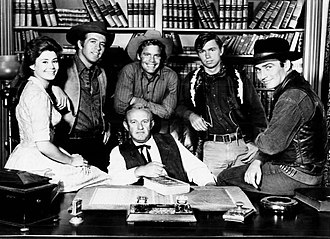
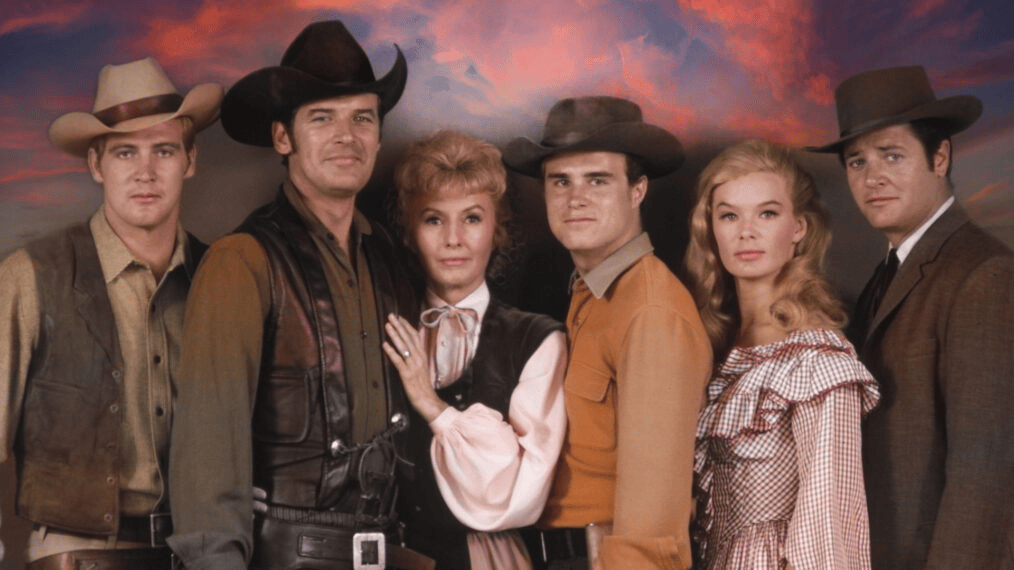
1965 was also the year he got his first recurring role. Chosen from more than 400 actors, including Burt Reynolds, he was given the role of Heath Barkley on The Big Valley. This was the decade of the westerns and Big Valley was a big hit. The show was on the air till 1969 at which time Majors signed with Universal Studios.
📷bigfanboy.com

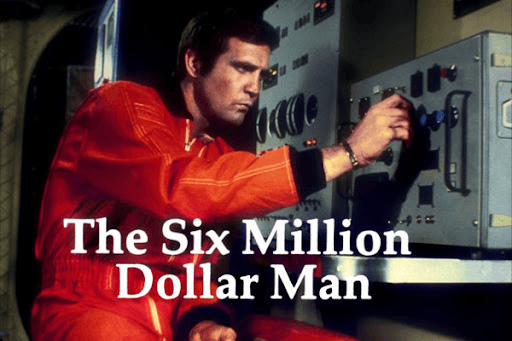
From 1971-1974, he was part of the cast of Owen Marshall Counselor at Law on ABC. In 1974, ABC decided to transfer a movie plot of The Six Million Dollar Man into a series and Majors got the job. The show was an immediate success. In 1977, Majors announced he wanted to renegotiate his contract with the show which had not ended. Some insiders said he wanted more money; Majors always claimed that he was asking that his production company, Fawcett Majors Productions, become an independent producer with Universal. The producers filed a lawsuit to report to work since his contract was still ongoing, but Majors refused and eventually the executives agreed to his demands. However, that might have put the nail in the coffin of the show. A spinoff, The Bionic Woman had slid in the ratings and was picked up by a different network and then The Six Million Dollar Man lost viewers as well, so both shows were cancelled the following year. However, the series continued in three made-for-tv movies during the eighties.

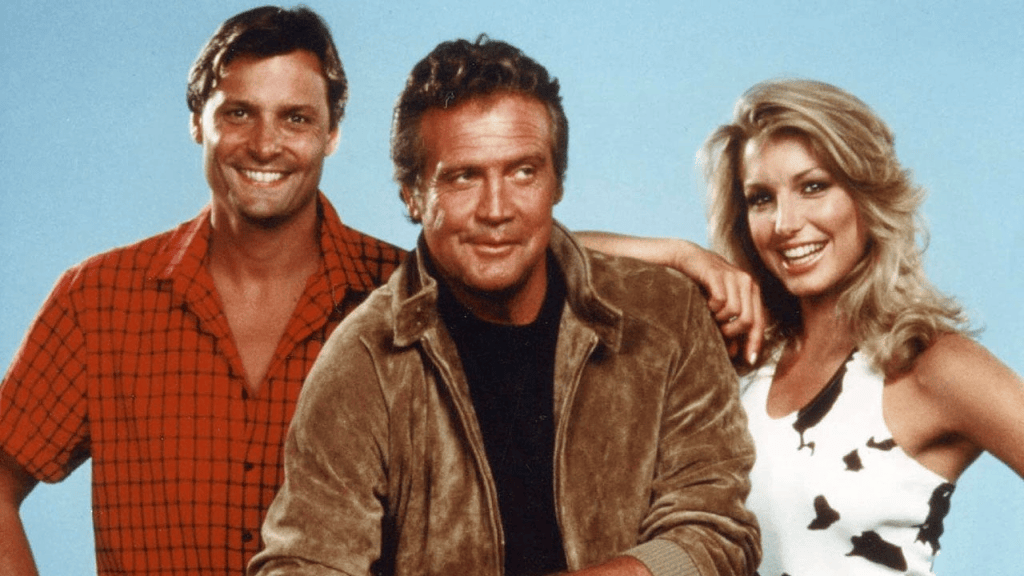
During the beginning of The Six Million Dollar Man, Majors married Farrah Fawcett; they divorced in 1979. He tried to get her the part of The Bionic Woman, but it went to Lindsay Wagner. Fawcett guest-starred on the show three times before getting her own series, Charlie’s Angels.
📷igw.com

Majors spent the rest of the seventies primarily doing movies. In 1981 he received another starring offer for The Fall Guy. Majors played Colt Seavers, a stuntman who worked part time as a bounty hunter. This series was on the air for five seasons before ending in 1986.

In 1988, marriage three happened when he wed Karen Velez, but after six years, they too divorced. In 2002, he walked down the aisle one last time, marrying Faith Noelle Cross, and they are still together.

He did have smaller recurring roles in the 1990s and 2000s but they were on little-known shows: Tour of Duty, Raven, Too Much Sun, Son of the Beach, The Game, and Ash versus Evil Dead. He had heart bypass surgery in 2003, but it didn’t keep him down long.

He was in three episodes of the well-known show, Weeds in 2008. He made appearances on several popular shows during this time including Will and Grace, Cold Case, According to Jim, Grey’s Anatomy, and Magnum PI. He still continues to work off and on as of 2026.  

It’s amazing that Majors has continued to work so long in the business. After five decades, he is still doing what he loves. He has said that he was “never into my looks. What’s important to me is my health and family.” He also was fine not being a leading man forever as he said, “A lot of guys think they can be leading men forever. And believe me, we all can’t be.”
📷remindmagazine.com

I was surprised to learn that despite the fact that so many kids looked up to Steve Austin, Majors did not love his time on the series. He said it “was so hard and so boring for me. Ironically that was the most popular. It was total work. You’re there 16-17 hours a day.” His favorite role? Heath Barkley. He considered Barbara Stanwyck his mentor. He said it “was the most fun at the time because it was my first and I love Westerns. All the action, horseback riding. I really loved it.” Linda Evans, his sister Audra on the show, also has mentioned how much she loved doing the show and how much she respected Stanwyck.

I’m not sure if he ever regretted choosing acting over football coaching because he mentions the importance of football coaches and the inspiration he received from his often. But he had a very successful career. He was never stereotyped in his roles moving from The Big Valley to Owen Marshall Counselor at Law to The Six Million Dollar Man and ending with The Fall Guy, all very different roles and highly rated shows. He also found the perfect partner for him and his children, a blended family from several of his marriages. And at 87, is still acting when he wants to.

In an interview with Terry Pace on http://www.leemajors.us/films/leeinterview.htm, Majors discussed his acting philosophy. He said, “Acting is a tough business, and the percentage of people who make it is very low — it’s about 1 percent. I’ve had disappointments and heartbreaks and setbacks and roles I didn’t get, but something always came along that either made me better or was an even better role.” That’s a great way to look at the ups and downs of the entertainment business. We should all learn from him.
The Six Million Dollar Man: A $37,000,000 Man in 2026

We are right in the middle of our “Expensive Parts” blog theme, learning about The Bionic Woman, The Six Million Dollar Man, and the stars who played them. Up today is The Six Million Dollar Man.

📷imdb.com

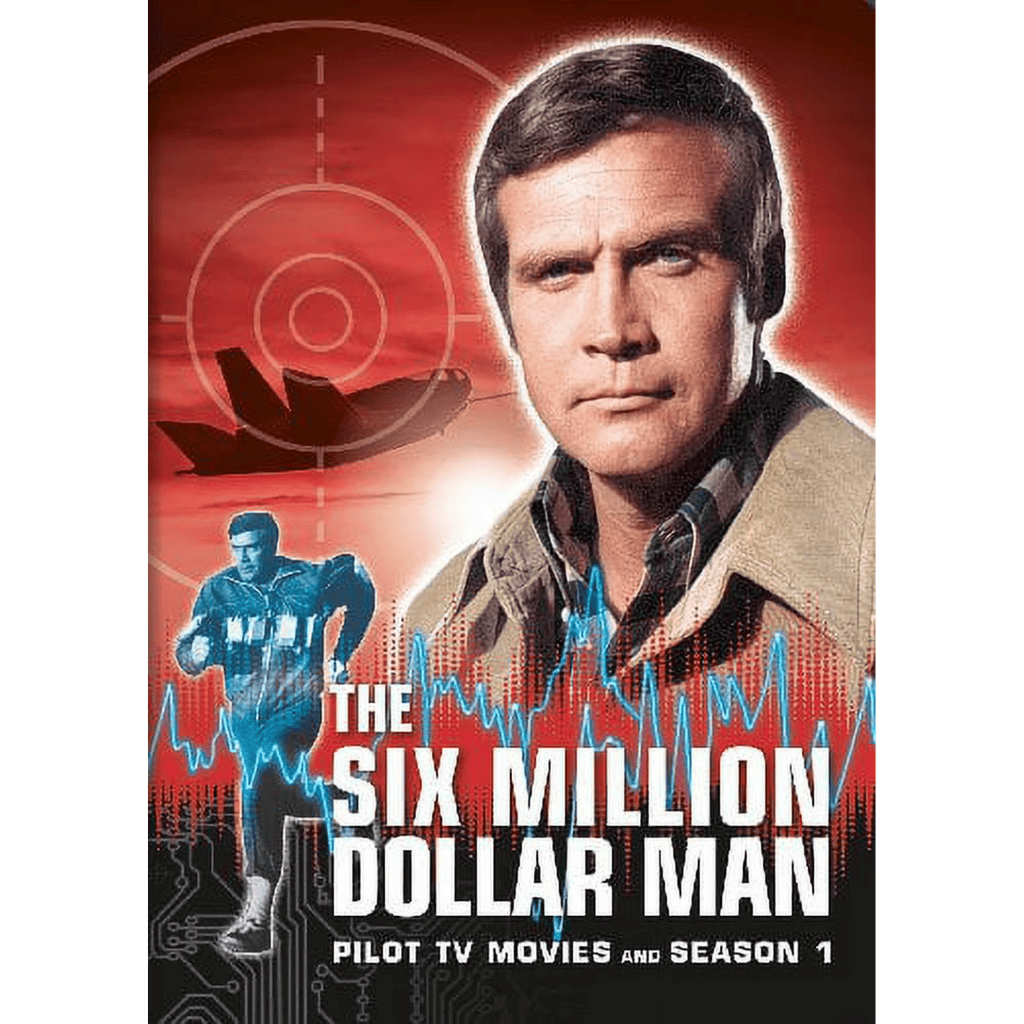
This science fiction show debuted in 1973. Steve Austin is a former astronaut played by Lee Majors. Majors always maintained that he did 90% of his stunts on the show. After an accident, he is rebuilt with superhuman strength, speed, and vision. Austin is transferred to OSI and takes on secret missions for the government. If the show was rebooted today, it would need to be titled “The Thirty-Seven Million Dollar Man.” The show was based on a book from 1972 called Cyborg written by Martin Caidin, an expert on aviation and aerospace technology.

Monte Markham was the first choice of both Caidin and the producers, but he was committed to another show so Majors got the part. Markham did appear on the show several times though.

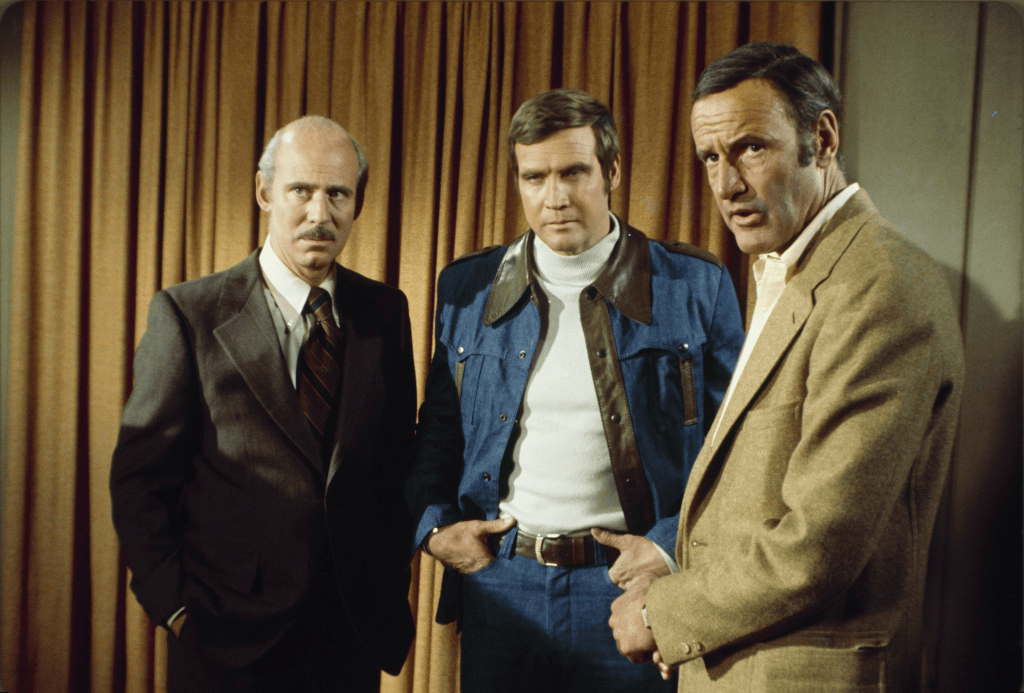
Rounding out the cast were Oscar Goldman (Richard Anderson), director of OSI; Rudy Wells (Alan Oppenheimer/Martin E. Brooks), Austin’s doctor; and Peggy Callhan (Jennifer Darling), Goldman’s secretary.

Two weeks ago, we learned the backstory behind The Bionic Woman, a spinoff of this show. When the spinoff was created, Majors tried to get the part for his wife Farrah Fawcett, but she lost out to Lindsay Wagner. However, Fawcett appeared on the show as three different characters during the run of the series and in 1976 she became an Angel.

Oliver Nelson composed the theme music, but it was replaced with the narration about building Austin, “Gentlemen, we can rebuild him, we have the technology.” The accident in the beginning was a real crash by a pilot who survived the tragedy walking away.

Majors was an accomplished musician who learned to play the piano at age 6. He also worked on It Takes A Thief, Night Gallery, Columbo, and Ironside, among other shows.

The show’s executive producer was Harve Bennett (who had recently produced The Mod Squad). Producer Kenneth Johnson created very specific limits of what Austin could and could not do right away so the show never seemed unbelievable. He was fitted with a bionic eye, a bionic arm, and bionic legs. However, these set limits seemed to expand after season two. The two producers would go on to other science fiction successes. Bennett produced Star Trek films II and III, and Johnson created several shows including The Incredible Hulk and Alien Nation.

The first season scripts included a few episodes where Austin had to kill a villain. Once the network realized kids were tuning in as fans, the violence level of the show decreased.

Austin had new contract demands in 1977 and refused to tape any episodes until they were met. At one point the producers considered hiring a new actor for the role. Gil Gerard, Bruce Jenner, and Harrison Ford were all discussed as replacements. Eventually, the demands were met, but he was still out of a job the next year. A fun fact is that Ford was rejected quickly because the producers didn’t think he was a hero type. Indiana Jones anyone?

📷pinterest.com

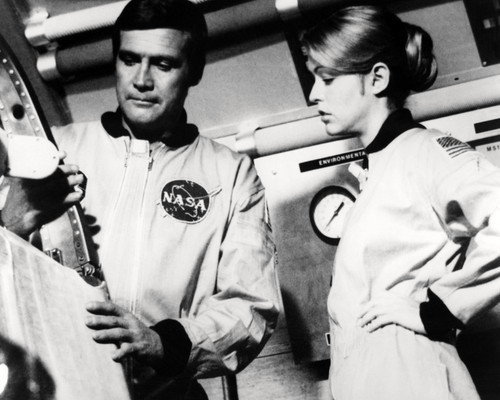
Dorothy Fontana, a writer for the show, discussed the series in her Television Academy interview. She wrote about an air force nurse who became an astronaut. While in outer space, the woman’s partner suffers from appendicitis, she has to drive the spaceship home and Austin goes to help her. She said NASA was in an era where it wanted good publicity and she was given a lot of NASA footage to use for the show. This episode was one of the ones that featured Farrah Fawcett. Most of Fontana’s 50 writing credits were for science fiction scripts.

When the show began it was on ABC Friday nights before Kolchak. Midway through the year it was moved to Sunday nights and The Bionic Woman debuted on Wednesdays. The Six Million Dollar Man had no competition that year, but The Bionic Woman was up against Little House on the Prairie. Despite that, both shows were in the top ten. Schedules stayed the same for the next season. While The Six Million Dollar Man was still in the top ten, The Bionic Woman had slipped into the top twenty. ABC canceled the show which was then picked up by NBC who moved it to Saturday nights. Both shows had slipped out of the top thirty by that point, and they were both cancelled. However, the networks weren’t finished with the couple. They would return for three made-for-tv movies in the eighties.

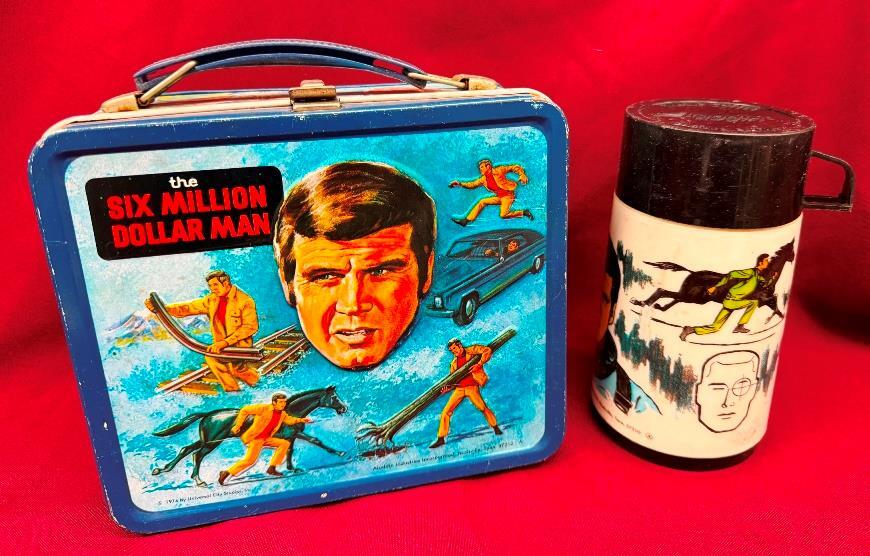
Six Million Dollar Man merchandise was everywhere. There were board games, comic books, and lunch boxes. One of the most successful tie-ins were Steve Austin and friends action figures. Extra bionic limbs could be swapped out on the figures for specific activities and there were vehicles and other accessories.

The Six Million Dollar Man was very different from any shows that had appeared before and it was popular for several seasons. I’m guessing that the kids who grew up with the show got older and busy and it didn’t have the same appeal to preteens and teens that it had in the past. The producers did create a pilot for “The Bionic Boy” in 1978 to appeal to younger viewers but the screenings didn’t produce a lot of positive comments, and it was shelved, probably for the best.

For the time, the special effects were amazing, but it doesn’t hold up today with all the changes that have come along with technology. I feel the same way about Wonder Woman which was also on the schedule with these two shows. I’m guessing the thing that is most memorable about the show is the sound effects that always were heard when Steve used his bionic parts and the slow motion of Austin in action.

If this was a favorite of yours, I’d love to hear if you still enjoy it or if it lost some of its watchability over the years.

The Bionic Woman: Serving Up a New Career

This month our blog theme is “Expensive Parts.” We are taking a look at The Bionic Woman and The Six Milion Dollar Man and the stars who were behind the characters.

📷msn.com

We are beginning with The Bionic Woman. This show was a science fiction adventure series that debuted in 1976. Created by Kenneth Johnson, it was based on a 1972 novel, Cyborg by Martin Caldin.

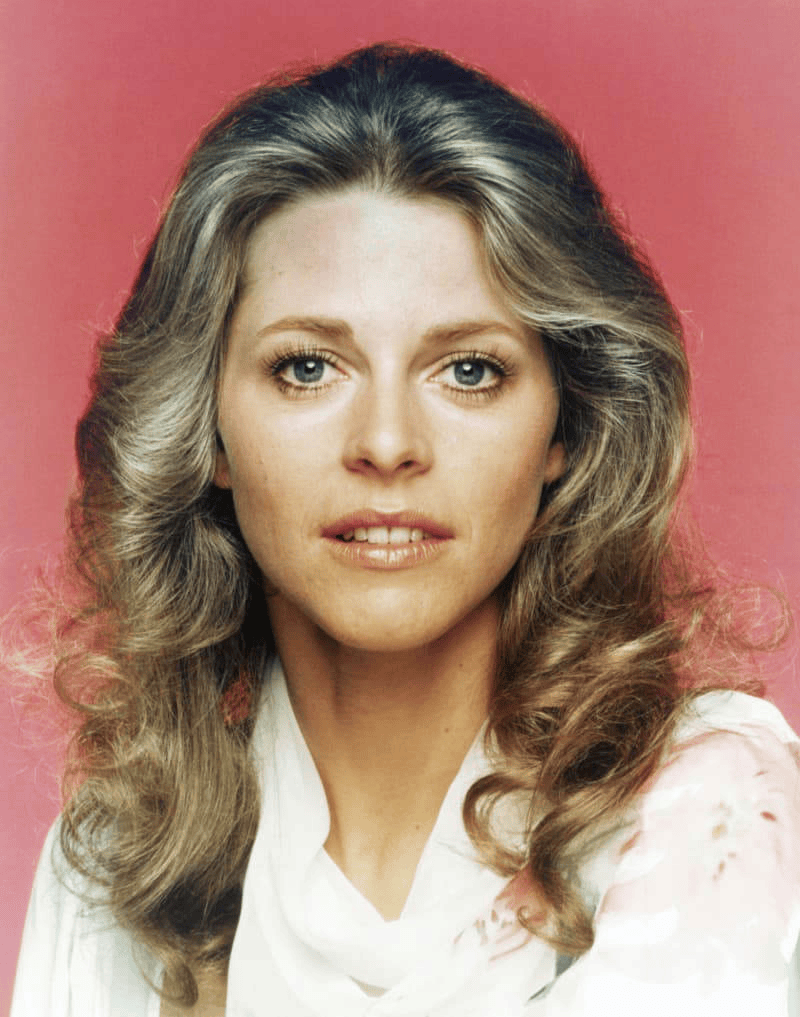
Lindsay Wagner starred in the show as Jaime Sommers. Sommers has superhuman bionic powers and uses them to help the government on secret missions.  Both Sally Field and Stefanie Powers were considered for the role. Field was bypassed because she was too identified with Gidget and The Flying Nun. I have a hard time picturing Field in the role, but I can see Powers.

The backstory was that Sommers was a tennis player who was injured while sky diving. Two doctors manage to save her life with bionic surgical implants. After the surgery, Sommers had a bionic ear that allowed her to hear low volumes over long distances. She also has extraordinary strength in her right arm and both legs which allow her to jump great distances and run at high speed (60 mph).

The Bionic Woman was a spinoff of The Six Million Dollar Man. Steve Austin (Lee Majors) travels to his hometown and reconnects with Sommers, his high school sweetheart. When she has her accident, he advocates for her with his boss who agrees to save her life if she also becomes a government operative. Steve tries to talk them out of using her in high-risk missions after her surgery; however, she agrees to do it and during her first mission, she gets sick when her body rejects her parts and Steve thinks she is dead.

📷facebook.com

The character was so popular that The Bionic Woman became a series of its own. Eventually Steve finds out she is alive and realizes she has lost her memories of their relationship and her accident, so they start over as friends. In the series, Jaime quits tennis and teaches at an Air Force base in Ojai, living in an apartment on the ranch owned by Steve’s parents who are clued in to the fact that Steve and Jaime have bionic parts and do special work for the government. On this show, Jaime comes into contact with a bionic dog named Max and when he survives, he becomes her pet and helps her with some of her adventures. The original plot was to spin Max off on his own series which seems a bit too over the top for me.

It was important to creator Ken Johnson that limits be set on what Jaime could do. He said, “When you’re dealing with the area of fantasy, if you say ‘Well, they’re bionic so they can do whatever they want,’ then it gets out of hand, so you’ve got to have really, really tight rules. . . . They can jump three stories, but they can’t jump four . . . Jaime can’t turn over a truck, but she can turn over a car.”

The types of missions she was involved with were less realistic than Scorpion episodes and more science fiction. She fights Fembots, powerful female robots in several episodes. She also stymies a scientist’s plan to destroy all life on Earth with a nuclear weapon. Some of them remind me of plots that could have been on The Wild Wild West.

The series began in January of 1976 with fourteen episodes airing that season. It was the number five show that year, ahead of The Six Million Dollar Man. The second season, it was down to fourteenth. Even though it was still very popular and Wagner won an Emmy for her work on the show, ABC decided not to renew it because it felt it wasn’t getting the demographics that the network was hoping for. NBC picked it up for a third season. Because it could no longer “work” with The Six Million Dollar Man, a new character named Chris (Christopher Stone) was developed as a love interest for Jaime.

📷parade.com

In 1978 both The Bionic Woman and The Six Million Dollar Man were cancelled. However, that was not the end of the characters. Three made-for-tv movies were produced between 1989 and 1994, and in the final one, the couple marries.

Jaime Sommers’ stunts were performed by Rita Egleston. She also performed as a stunt double for Connie Sellecca and Farrah Fawcett, as well as performing in Tron and Blade Runner.

Jerry Fielding was the composer for the series. He wrote the opening and closing themes as well. During season two, his friend Joe Harnell took over the regular music duties and wrote a new opening and closing. When Field mentioned he felt bad his music was no longer being used, the network compromised by using Fielding’s opening and Harnell’s closing.

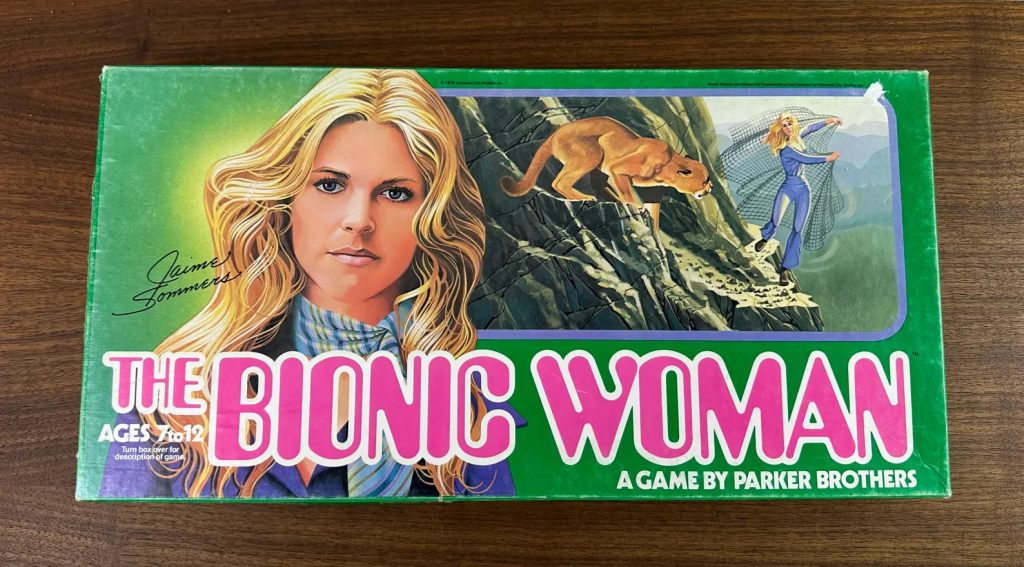
As you might imagine, this show produced a lot of merchandise during the three years it was on the air. Kenner produced a Bionic Woman doll as well as stickers and tattoos. A lunchbox was available as was a board game by Parker Brothers. In addition, several comic books were published some featuring a partnership between The Bionic Woman and Lynda Carter’s Wonder Woman and one with Charlie’s Angels.

Like so many older shows, a reboot for this one was planned for 2002 that never got off the ground. It was released in 2006 starring Michelle Ryan but was a much darker version of the character and only lasted for nine episodes.

I admit, I never got into this show or The Six Million Dollar Man, perhaps because I was in high school at the time and busy with a lot of other things. Many people remember it fondly and it was notable for the first time that a woman was the science fiction star of a television series.

The Virginian: Where Nobody Knows Your Name

As we get ready to “Go West Young Man,”  today our blog series is getting to know the The Virginian (which is sometimes confusing because it was renamed The Men from Shiloh later for part of the series). This series debuted on NBC in 1962. It produced 249 episodes, running until 1971, making it the third longest-running western (Gunsmoke and Bonanza were the top two).

📷wikipedia.com

Lew Wasserman was involved with Universal, and they produced Wagon Train which was on NBC. Universal sold the series to ABC in 1962 after it had been on the air for three years, and NBC was not happy, but Wasserman told them that he had a new show for them, The Virginian.

It was also the first 90-minute western. Like Stagecoach West, it was set in the Wyoming Territory. While the pilot was black and white, the rest of the series was filmed in color.

The series was based on an Owen Wister novel, The Virginian: Horseman of the Plains which was published in 1902.

The series featured a foreman at the Shiloh Ranch near Medicine Bow played by James Drury. The foreman was never referred to by his name. Drury once said, “Nobody knows the name of my character, not even me.” His sidekick was Trampas (Doug McClure). Sheriff Abbott (Ross Elliott) also shows up on and off throughout the nine seasons. For the first four seasons, the ranch owner, Judge Henry Garth (Lee J. Cobb) and his daughter Betsy (Roberta Shore) also live there. The cast changed fairly often throughout the series, but Drury and McClure were along for the entire ride.

📷ebay.com

The plots of the show often revolve around themes of prejudice, injustice, being a responsible and hard worker, and standing up for the right thing.

During the final season, the show changed its title, and the series changed quite a bit. There was a new theme song, and it took on more of the character of the popular spaghetti westerns. Stewart Granger and Lee Majors joined the cast. While the ratings increased, the network was intent on cancelling the show, along with the rural purge that happened at that time.

Later when the show was no longer on the air, Drury discussed two of his castmates, one he admired and considered a friend and one he did not! About Grainger who joined the show for the last year, Drury said, “He was a disaster, and I couldn’t stand him. He wanted everything changed to make him the star of the show.  . . . He also fired the whole camera crew and hired a new crew for his episodes.” However, on reflecting about his co-star Doug McClure, Drury recalled “off-screen Doug was quite like his character, and you couldn’t help but smile when he walked into a room because he was full of good humor and good spirits all the time. He could cheer anybody up. He became my best friend, and I still miss him terribly—you couldn’t ask for a better co-star.”

As you can imagine, being on the air for nine years meant a lot of guest stars showed up on the series, including Eddie Albert, Charles Bronson, Robert Culp, Joan Crawford, Bette Davis, Patty Duke, Robert Duvall, Harrison Ford, Jack Lord, Lee Marvin, Vera Miles, Leonard Nimoy, Ryan O’Neal, Robert Redford, George C. Scott, William Shatner and Franchot Tone.

📷facebook.com

The Virginian was on Wednesday nights for its entire run. When it began, it was up against Wagon Train on ABC while CBS ran CBS Reports and The Many Loves of Dobie Gillis. Both The Virginian and Wagon Train managed to hit the top thirty that year. The next year, its biggest competition was The Adventures of Ozzie and Harriet followed by The Patty Duke Show. The Nelsons hit the top thirty and The Virginian and The Patty Duke Show were in the top twenty. The show continued to be in the top twenty or top thirty for the rest of its run, hitting the top ten in 1966, despite being on at the same time as many popular sitcoms during those years, including Batman, The Beverly Hillbillies, The Courtship of Eddie’s Father, Gomer Pyle USMC, Lost in Space, Mister Ed, and My Living Doll. It was still in the top twenty when it was canceled.

This show is fondly remembered by viewers who tuned it at the time. It’s been in syndication for decades, racking up new generations of fans. In one of his later interviews, Drury talked about the appeal of the show. He said, “People now tell me about their grandkids who discover the show on cable and start watching it. It’s a wonderful feeling to know the show is still viable after all these years.” That alone is reason to be proud of working on this show.

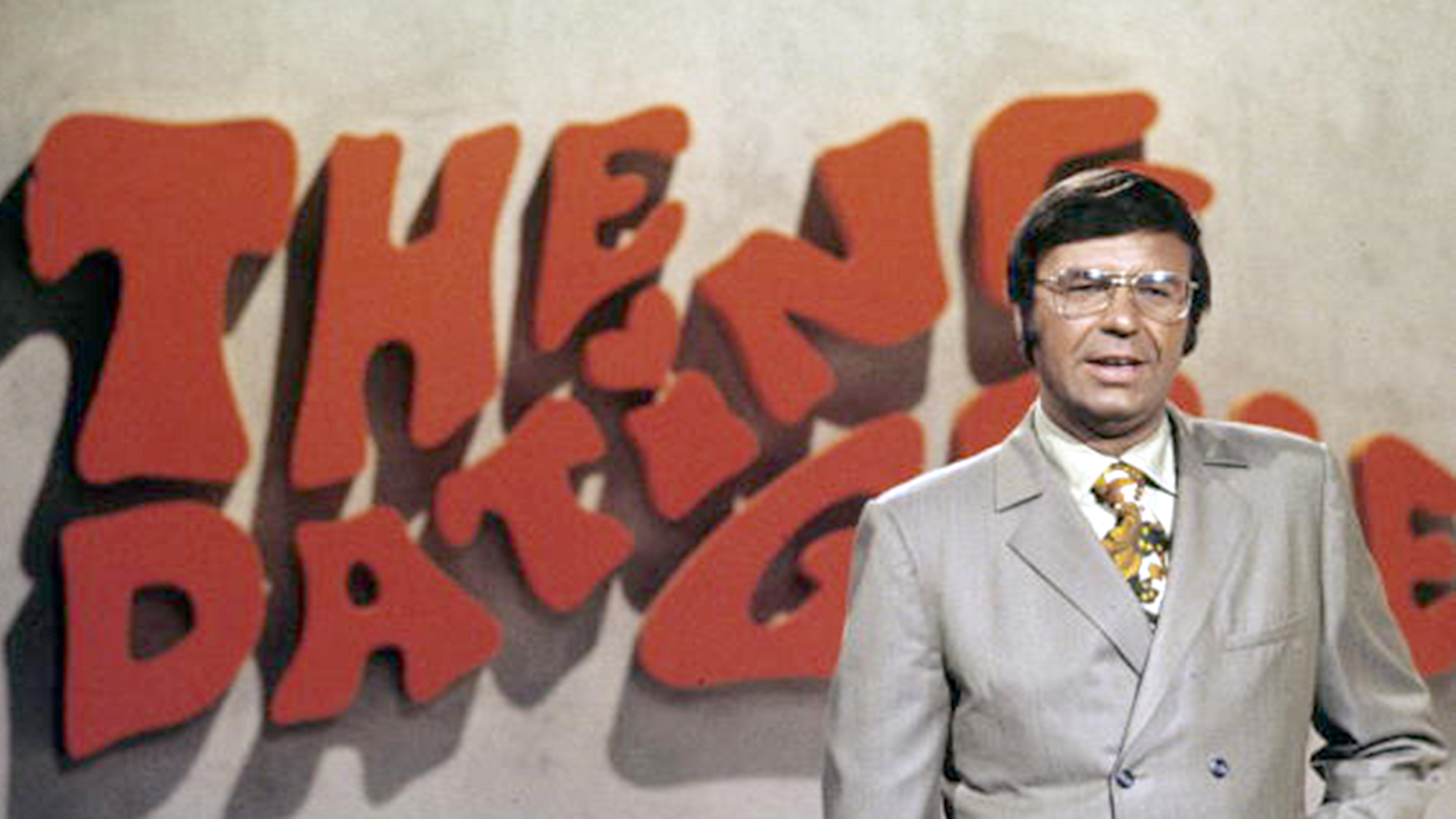
The Dating Game: I’ll Take Bachelor Number 4

This month we are taking a look back at some of the game shows on television in the fifties and sixties. If you grew up in that era you will definitely remember The Dating Game. Airing in December of 1965, it was created by Chuck Barris who would create many game shows and might be known best for The Gong Show.

Photo: latimes.com

The original host was Jim Lange. The show was revived several times, a trend we continue to see with Match Game and the 100,000 Pyramid among other shows that have appeared in different decades. The original series was on the air until 1973. Jim Lange continued to host for the syndicated version in 1973 which only lasted a year and again in 1978 without the participation of Barris. Johnny Jacobs was the announcer with Lange. In 1986 the show was rebooted with Elaine Joyce as host, followed by Jeff MacGregor for 1987 and 1988. The show popped up again in 1996 with Brad Sherwood hosting, again followed by Chuck Woolery for two years.

The Newlywed Game, which we’ll discuss next week, was often packaged with The Dating Game for an hour of programming beginning in 1966.

9 Actors Who Appeared On 'The Dating Game' Before They Were Famous
Photo: throwback.com

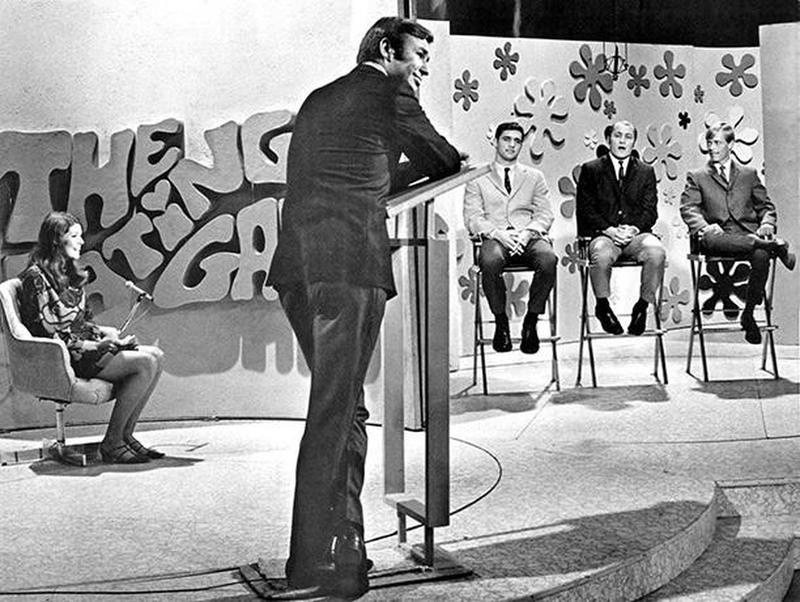
If you are not familiar with the show, three bachelors would sit on stools behind a wall and a bachelorette on the other side asked the three men questions. Every once in a while, things would reverse with the man asking questions to three women. She referred to them as Bachelor No. 1, 2, and 3. At the end of the question-and-answer period, the bachelorette would choose one of the three and the pair would go on a date with the show paying the expenses. The dates began as expensive dinners, but when the show went to primetime in 1966 exotic locations like Paris or Hawaii were the destinations, and the couples were chaperoned.

That chaperone would have been very important in the case of Rodney Alcala, one of the bachelors chosen for a date in 1978. Jim Lange introduced him as a successful photographer. At that time, there was no technology available to conduct background checks which would have already flagged him as potentially dangerous. Cheryl Bradshaw, the bachelorette, found him creepy and refused to go on the date. It was later learned that by the time he made his appearance on the show, he had killed at least two women in California and two in New York. After the episode aired, he continued his serial killing career and killed between 8-120 women in a nine-year time span. He was on death row at San Quentin Prison and is currently serving his time at the Corcoran State Prison with his execution postponed due to a moratorium on the death penalty in the state.

Bradshaw was not the only contestant who refused to go on the date. Many contestants chose to skip that once they met in person.

How to Make a Decision. - Thin. Rich. Happy.
Photo: thewisdomdaily.com

Barris had a problem with the show in that so many of the responses were not appropriate to put on the air. Often, they were crude or had sexual connotations. Finally, he came up with a creative solution. He hired an actor to dress like an enforcement official. He appeared in the dressing room before the bachelors were sent to the set. He told them any profanity or sexual references would be a violation of the FCC policy which was a federal offense, and it could lead to jail time. This was not true, but the bachelors did not know that, and Barris said the threat took care of his problem.

Suzanne Somers Photo: groovyhistory.com

While I do remember seeing Mel Harris as a contestant on Pyramid reruns, and I’m sure that happens sometimes on game shows, this show really hit the jackpot with contestants who later became celebrities including Yvonne Craig, Farrah Fawcett, Leif Garrett, Phil Hartman, Don Johnson, Andy Kaufman, Steve Martin, Lee Majors, Burt Reynolds, Michael Richards, John Ritter, Tom Selleck, Suzanne Somers, and Lindsay Wagner.

Photo: pinterest.com

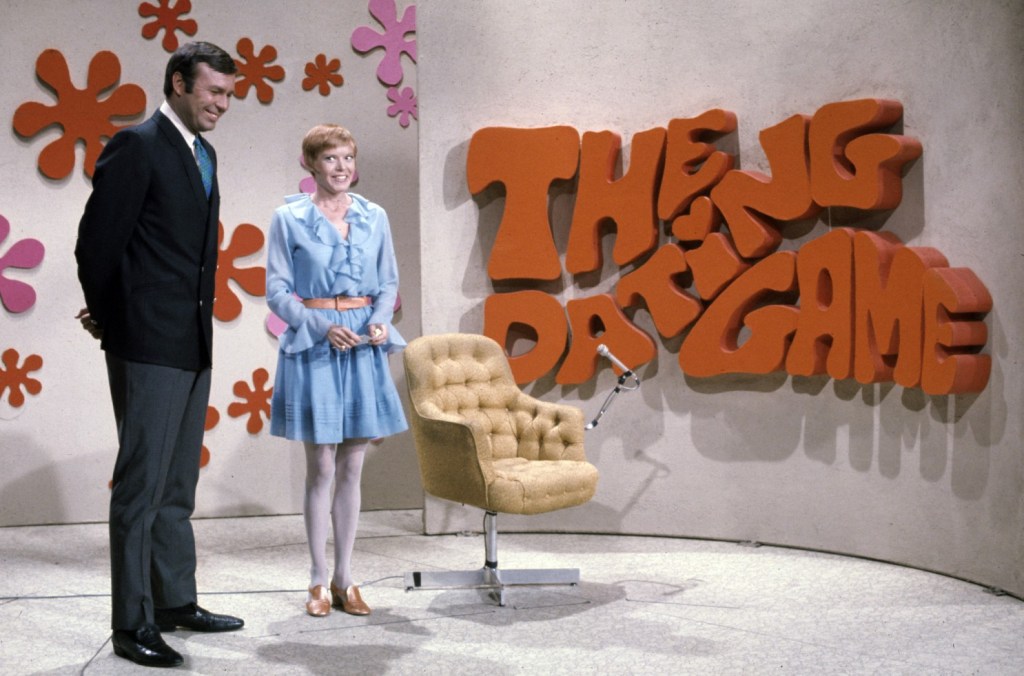
The set screamed 1960s with colorful daisy-like shapes on the wall designed by Art Director George Smith. The flowers were vivid sixties colors. The show ended with the winning contestants and Lange blowing kisses to the audience.

The music was also easily identifiable with the show. Herb Alpert and the Tijuana Brass songs were used in the three different parts of the show. “Spanish Flea” before introducing the bachelor, “Whipped Cream” when introducing the bachelorette, and “Lollipops and Roses” when the couple first meets.

The show was a hit from the beginning. Airing during the day in 1965, in 1966 it switched to primetime.

If watching the show was not enough excitement, you could play at home. Hasbro released three different games based on the show. In 1968, an album was recorded called The Dating Game Party Pak. Jim Lange narrated the album and packaged with it were invitations, name tags, and scorecards.

As for “happy ever afters,” I could only find two mentions of potential marriage from the show, and I could not verify either one of them. Barris said the network told him he needed to have at least one couple end up together; one couple discussed marriage and the network was involved with it but they called it off right beforehand; the other was a reporter who Barris knew would not give the show favorable publicity, so he apparently had three call girls as contestants and asked the reporter to be on the show. The reporter and one of the prostitutes went on their date, hit it off, and apparently, married. Happy ever after?  Who knows?

Like Laugh In, this was a show that could only have come out of the late sixties and early seventies. While I do remember watching the show often, I think it was probably because my parents were watching it. I’ll take Jeopardy, Concentration, or Sale of the Century any day.

Big Valley: Home of the Barkleys

We are in the midst of our western series, and today we turn our attention to a show that was on ABC for four years, from 1965-1969: The Big Valley. Created by A. I. Bezzerides and Louis F. Edelman and produced by Levy-Gardner-Laven (a trio of Jules V. Levy, Arthur Gardner, and Arnold Laven).

Photo: amazon.com

The series is set on the Barkley Ranch in the 1870s, home of the Barkleys, one of the wealthiest families in the area. The ranch is based on the 30-acre Hill Ranch which existed from 1855-1931. Lawson Hill was murdered in 1861 ad then his wife Euphemia ran it. They also had three sons and one daughter. Today the ranch is covered by Camanche Reservoir waters. The exterior shot of the house used in the show was also Tara in Gone with the Wind.

Photo: pinterest.com

On Big Valley, Victoria Barkley (Barbara Stanwyck) runs the ranch with the help of her sons Jarrod (Richard Long), Heath (Lee Majors), and Nick (Peter Breck) and daughter Audra (Linda Evans).

Barbara Stanwyck in The Big Valley by Silver Screen | Barbara stanwyck,  Actresses, Silver screen
Barbara Stanwyck Photo: pinterest.com

Heath was her husband’s illegitimate son, but she considered him her own child. He never met his father who had never been told of his existence; Heath learned it from his mother on her deathbed.

Three Great Stories in the Barkley Library - The Big Valley Writing Desk
The boys of Big Valley Photo: tapatalk.com

Jarrod was an attorney and was refined and well educated. He was briefly married but his wife was killed shortly after by a bullet meant for him. Nick was the younger, hot-tempered son who helped his mother run the ranch. He was a soldier in the Union Army during the Civil War. He had a great sense of humor and was very loyal to his family.
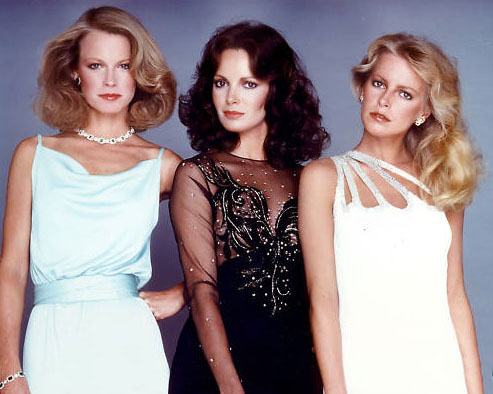
15 Things You Don't Know About Linda Evans - INSP TV | TV Shows and Movies
Linda Evans Photo: insp.com

Audra was rather bold for the times. She was a tomboy but had a soft heart and tended to children at the local orphanage.

There was another younger Barkley, Eugene (Charles Briles), who was a medical student at Berkeley. He was seen off and on through season one, then drafted into the army and never really mentioned again.

Considering that the show was only on the air four years, a lot of stars appeared. A small sample includes Jack Albertson, Lew Ayres, Anne Baxter, Milton Berle, Charles Bronson, John Carradine, Yvonne Craig, Yvonne DeCarlo, Richard Dreyfuss, Robert Goulet, Julie Harris, Ron Howard, Cloris Leachman, Gavin MacLeod, Leslie Nielsen, Regis Philbin, Lou Rawls, Pernell Roberts, Wayne Rogers, Katharine Ross, William Shatner, and Adam West.

The Big Valley" Joshua Watson (TV Episode 1969) - IMDb
Lou Rawls guest star Photo: imdb.com

The Big Valley was a western but with a few twists and never predictable. It was the first time a woman would have the lead in a western.  The Barkleys may have been wealthy, but they were raised right. They were hardworking and fought for the underdog, making sure justice prevailed. However, it was not a cliché; no one could be trusted and nothing was exactly as it looked. Characters who appeared angelic ended up being truly evil.

Photo: hulu.com

Unfortunately for the show, it was coming in at the end of the western’s popularity and was never in the top 30 during its time on the air. The other new shows that began when it did included Get Smart, I Dream of Jeannie, Hogan’s Heroes, Lost in Space, F Troop, and The Wild Wild West.

However, it received good reviews, and in 1966, Stanwyck was nominated and won the Emmy for drama series. She would also be nominated in 1967 and 1968, losing to Barbara Bain from Mission Impossible both years.

The theme was composed by George Duning. In 1966, a soundtrack from the show was released in mono and stereo versions. During his career Duning would work on more than 300 movie and television scores.

Like many television shows in the fifties and sixties, Dell Comics published six comic books based on the show. For some reason, I did not see much in the way of merchandising for this show compared to other westerns or shows from the sixties.

A warmhearted retrospective with 'Big Valley' cowgirl Linda Evans | Medium
Photo: pinterest.com

The cast got along well. Evans and Stanwyck were exceptionally close and rehearsed at Barbara’s house every Saturday. When Arthur Gardner was interviewed on the Television Academy, he said that Stanwyck mentored the younger cast members. He said “he could not praise her enough” for the work she did.

52 The Big Valley ideas | tv westerns, barbara stanwyck, linda evans
Photo: pinterest.com

It’s too bad the show didn’t begin earlier in the decade; it might have been able to stay on the air a bit longer. It was a unique concept with a powerful woman as the star. You can currently see it on Me TV on Saturdays as well as a few other networks.       

How a Cat Becomes An Angel

charlies2

Today we look at one of the most popular shows on television forty years ago: Charlie’s Angels.  The show propelled the entire cast into national superstars.  Viewing the show today might cause someone to question what the big deal was about the show, but in 1976-77, it was a new twist on contemporary crime shows.

Forty years later, the show still has maintained its spot in pop culture history, primarily due to reruns, the movie remakes from 2000 and 2003, and an updated show from 2011.

charlies7

Aaron Spelling developed the series.  Although he had a successful track record, ABC did not feel that this show had potential. The original script called for a blonde, a brunette, and a redhead.  It was titled “Alley Cats” and the three crime solvers—Alison, Catherine and Lee—apparently hung out in alleys and carried whips and chains which they used to subdue criminals.  I can certainly understand the network thinking Spelling was losing his touch.

Kate Jackson, a brunette, was hired and cast as Kelly Garrett; the characters were now renamed Kelly Garrett, Sabrina Duncan, and Jill Munroe.  Jackson felt more affinity with the Sabrina Duncan character, so the producers moved her into that role and gave her semi control of the series development.

Spelling then hired Farrah Fawcett, a blonde, based on her role in Logan’s Run, a film from 1976.

Hundreds of actresses auditioned for the role of Kelly Garrett.  Eventually the producers set aside their wish for a redhead and hired Jaclyn Smith, based on her onscreen chemistry with Jackson and Fawcett.

Jackson disliked the concept of the whips and chains aspect of the show (thank you Kate Jackson!!!), so the girls became graduates of the police academy.  The head of the agency was a wealthy man who is never seen by his detectives. The three girls excelled at the police academy where they went to school but were forced into gender-based careers of a meter maid, an office worker, and a crossing guard, so he hires them to solve crimes for him.
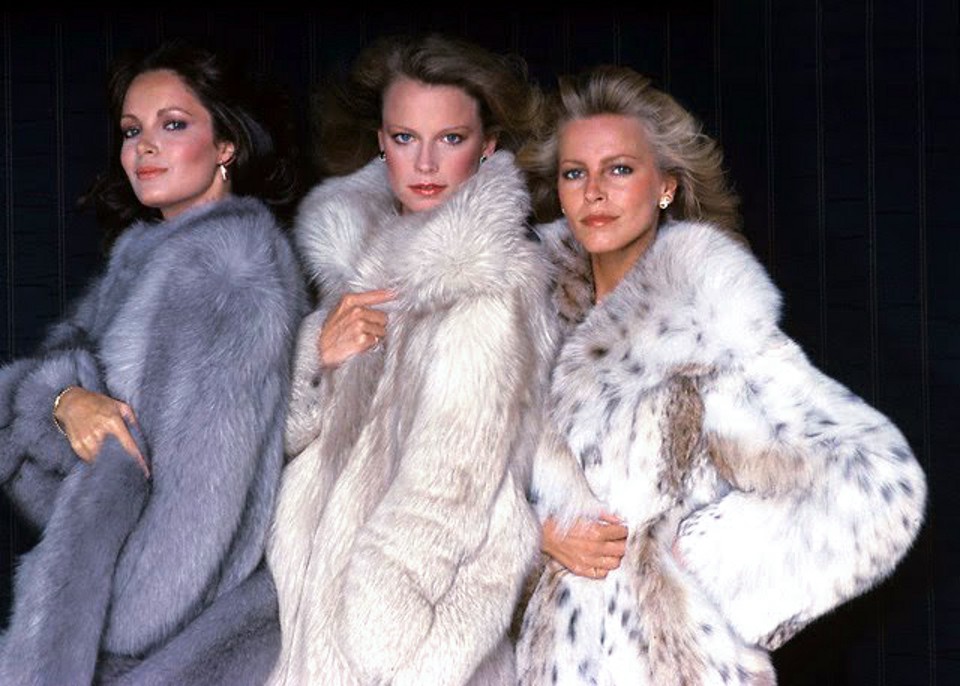
One day, Jackson noticed a picture of three angels in Spelling’s office, and she suggested the name Harry’s Angels. The network thought Harry’s Angels might get confused with one of their other shows, Harry O, so it then became Charlie’s Angels.

Gig Young was brought in to read for the role of Charlie, but showed up too intoxicated, so Spelling went to ask his friend, John Forsythe to take the role.

David Doyle was then hired as John Bosley, Charlie’s assistant and office manager.  Bosley is the only one of the cast who ever sees Charlie in person. I always wondered why they named him Bosley, given that David Doyle and Tom Bosley look a lot alike and this might have contributed to the confusion.

charlies1

The pilot received enormous ratings, but ABC wanted it tested again.  Still thinking that this was one of the worst concepts for a show they had ever heard, the network wanted to double check the numbers. It still scored high, so on the air it went.

Each show began with the girls surrounding the speaker phone to get the case details from Charlie.  They then went on to solve the case and ended the show back in the office getting congratulated by Charlie.

charlies31

Before Season 2, Fawcett decided she wanted to leave the show to pursue a film career.  One issue stopping her was the fact that all three stars had signed five-year contracts. After much negotiation, the network allowed her to leave, with the concession that she return for three appearances in season 3 and three appearances in season 4. Cheryl Ladd was approached to take her place but she declined the role. When asked to reconsider, she changed her mind and accepted the role of Kris Munroe, Jill’s sister.

charlies3

In season 4, Kate Jackson also left. The year before she was offered the lead role in Kramer vs Kramer.  The network would not allow her time off to do the film.  The role then went to Meryl Streep who won an Oscar. Jackson refused to come back for season 4.

charlies20

Many actresses were considered including Barbara Bach, Connie Sellaca, Shari Belafonte, and Michelle Pfeiffer. The network opted for Shelly Hack who came on board as Tiffany Wells, a Boston police graduate. In November of Season 1, more than half the available viewers were tuned in to Charlie’s Angels, but Season 4 saw a 40% decline in its audience. Hack was fired, and season 5 welcomed Tanya Roberts to the cast as Julie Rogers, a prior model and private investigator. However, the ratings continued to decline, and the show was then cancelled.

charlies34

Why the show was so successful the first two years has been hotly debated.  Was it just a case of “Jiggle TV” as it was often labeled?  Several critics at the time, commented that despite the sexy apparel of the female detectives, the characters were still intelligent women successfully working in a predominantly man’s world. (There was $20,000 allocated per episode for wardrobe, the equivalent of $90,000 today.  Most characters averaged 8 changes per show.) This was one of the first times an all-female cast appeared in a work situation typically reserved for men’s roles.  The original cast was very close and had a chemistry never matched by their replacements.  The three women continued to be friends, each enduring a battle with cancer which Fawcett lost in 2006.

So, which Angel was the most successful?

Kate Jackson. Born in Alabama in 1948, Jackson started attending The University of Mississippi, but then transferred to the American Academy of Dramatic Arts in New York City. She worked as a page at Rockefeller Center and appeared in summer stock plays in Vermont.  Her first break was being cast as Daphne in Dark Shadows.  In the 1970s, she accepted the role of Jill Danko on The Rookies. That led to Spelling offering her the Charlie’s Angel job. She later went on to star in two other series, Scarecrow and Mrs. King and Baby Boom.  She appeared in 9 films, 5 series, 15 episodes of other shows, and 29 made-for-tv movies.

Farrah Fawcett. Born in Texas in 1947, Fawcett attended the University of Texas at Austin, majoring in art.  After her junior year, her parents gave their permission for her to move to California to try a modeling and acting career. She received a contract with Screen Gems and began appearing in commercials including Noxzema, Max Factor, and Beautyrest.  She began appearing on a variety of series including The Flying Nun, I Dream of Jeannie, The Partridge Family, and Marcus Welby.  She was married to Lee Majors from 1973-1982 and involved with Ryan O’Neal from 1979-1997.

charlies8

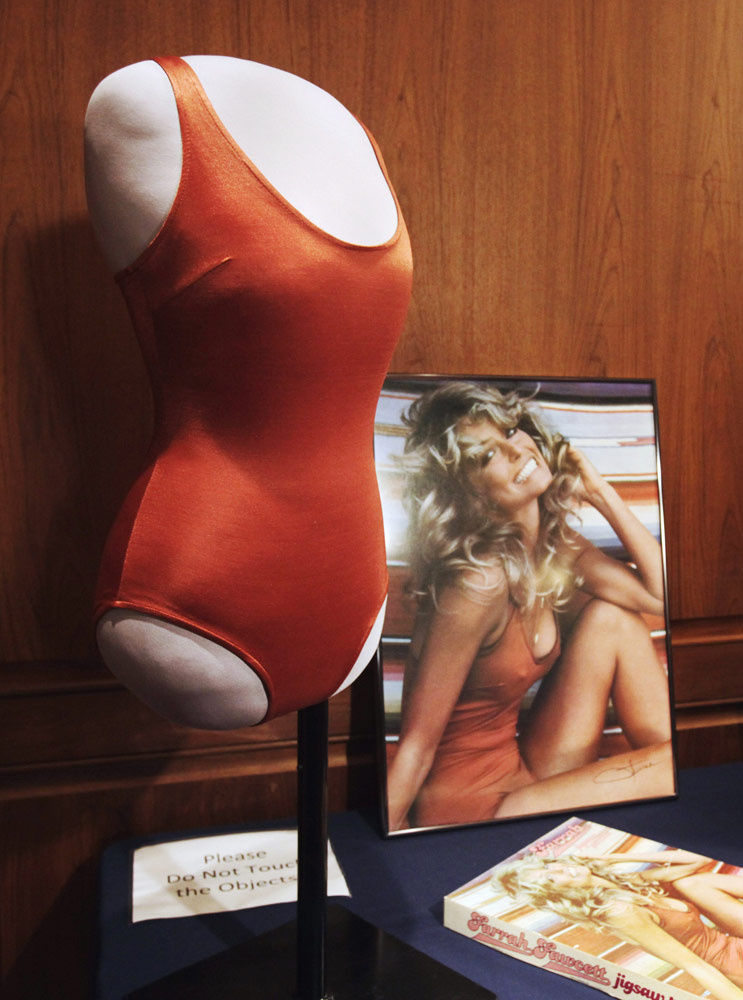
Her iconic poster was photographed in 1976.  Many cites indicate the poster company reached out to Farrah and that led to her Logan’s Run role.  However, the photographer Bruce McBloom, who was a family friend, gave his account differently. He says ABC approached all three stars of Charlie’s Angels and offered to shoot posters for each one, with the stars getting a percentage of the sales.  Smith and Jackson declined, but Fawcett agreed. She didn’t like the original shots and asked for McBloom. She was supposed to be shot in a bikini but that was not working, so McBloom asked her what else she had in her closet because they were shooting at her home. (She did her own hair and makeup). She came out in the red one-piece and they both felt it was the one.  Fawcett picked out the photos she liked best, and more than 12 million posters were sold. The suit now resides in the Smithsonian, along with Fonzie’s leather jacket and Archie Bunker’s chair.

farrahsuit

Farrah ended up appearing on 21 tv shows, two of which she co-starred in. (She went on to appear in Good Sports with her then-boyfriend Ryan O’Neal.) She was in 16 films, including Logan’s Run and Cannonball Run. Like her co-stars, she also made 22 made-for-tv movies.

Jaclyn Smith.  Born in 1945 in Texas, she wanted to be a ballerina. In 1973, she received national notice as a Breck Shampoo girl and accepted the Charlie’s Angel role in 1976. Before Charlie’s Angels, Smith appeared in 6 tv shows and had small roles in 3 movies.  She appeared in 9 shows after Charlie’s Angels and 4 films.  Like Jackson, she spent most of her time in made-for-tv-movies, 30 in all.

Cheryl Ladd. Born in South Dakota in 1951, Ladd worked as a carhop during high school. Her intentions were to attempt a music career, and in 1970 she was hired to sing for “Melody” on the animated series, Josie and the Pussycats. She began accepting tv roles, appearing in The Rookies, Harry O, and The Partridge Family, among others. She was considered for the role of Nancy on Family which eventually went to Meredith Baxter. She was married to David Ladd from 1973-1980, and has been married to Brian Russell since 1981.

Ladd appeared in 31 tv series, co-starring in 5 of them.  She was in 15 films and made 30 made-for-tv films.  Still working, she appears in a new film this year, Unforgettable.

Shelly Hack. Born in 1947, Hack became a model at 16 and is well known as the Revlon Charlie Perfume girl before she was the Charlie’s Angel girl. She took a bit part in Annie Hall in 1977 and was cast as an Angel in 1979. She continued to accept tv roles after Charlie’s Angels, appearing in 11 total, co-starring in two. She was in 10 films, most of them in the 1980s, and as the trend seen by her co-stars, made 12 made-for-tv movies.

In the late 1990s, Hack left acting for a political career.  She became a voting registrar and polling station supervisor in Bosnia-Herzegovina. She produced several foreign political debates and became a media consultant for pre-and post-conflict countries, primarily in Eastern Europe. She has been married to Harry Winer since 1990.

Tanya Roberts. The youngest of the Angels, Roberts was born in 1955 and dropped out of school at 15. She studied acting while earning a living as a model and Arthur Murray instructor. She briefly married but that was annulled.  In 1974, she married Barry Roberts who passed away in 2006.

After Charlie’s Angels was cancelled, she appeared in 13 other shows, co-starring in Hot Line and That Seventies Show.  She appeared in 19 movies, the most famous being A View to a Kill in 1985 and also made 4 made-for-tv movies.

John Forsythe. It’s hard to compare any of these stars to John Forsythe.  As Charlie’s Angels debuted, he was at the end of a long and full career, while his co-stars were entering the prime of their careers.   I have shared much of his career in prior blogs.  After Charlie’s Angels, he would go on to star in Dynasty from 1981-89 and in Powers That Be from 1992-3. Overall, he appeared in 48 television series, co-starring in 6. He made 23 films and 27 made-for-tv movies.

David Doyle. Born in 1929 in Nebraska, David was the third-generation family member to become a lawyer.  Wisconsin can claim him because he graduated from Prairie du Chien high school. He went to college with Johnny Carson who remained a friend.  He gave up his law career to try his hand at acting and received his first movie role in 1956. In 1956, he married his wife Rachel and she passed away due to a fall in 1968. In 1969, he married Ann and their marriage continued until his death. He made 26 films, 18 made-for-tv movies and appeared in 62 tv shows, co-starring in Charlie’s Angels and Bridget Loves Bernie, along with several animation series.  Younger viewers might remember him as the voice of Grandfather Lou Pickles in Rug Rats. He passed away in 1997 from a heart attack.

So, which Angel was the most successful?  I’ll let you make that determination, but I might lean toward the non-female cast member David Doyle  (removing John Forsythe from the equation). It’s hard to deny any of the cast members’ success when looking at the popularity of the show.