Add Some Color to Your Life with Reading Rainbow

Reading Rainbow was an American 30-minute children’s series that was broadcast on PBS. The show began in 1983. Producing 155 episodes, the series aired new episodes until 2006 and then showed reruns until 2009.
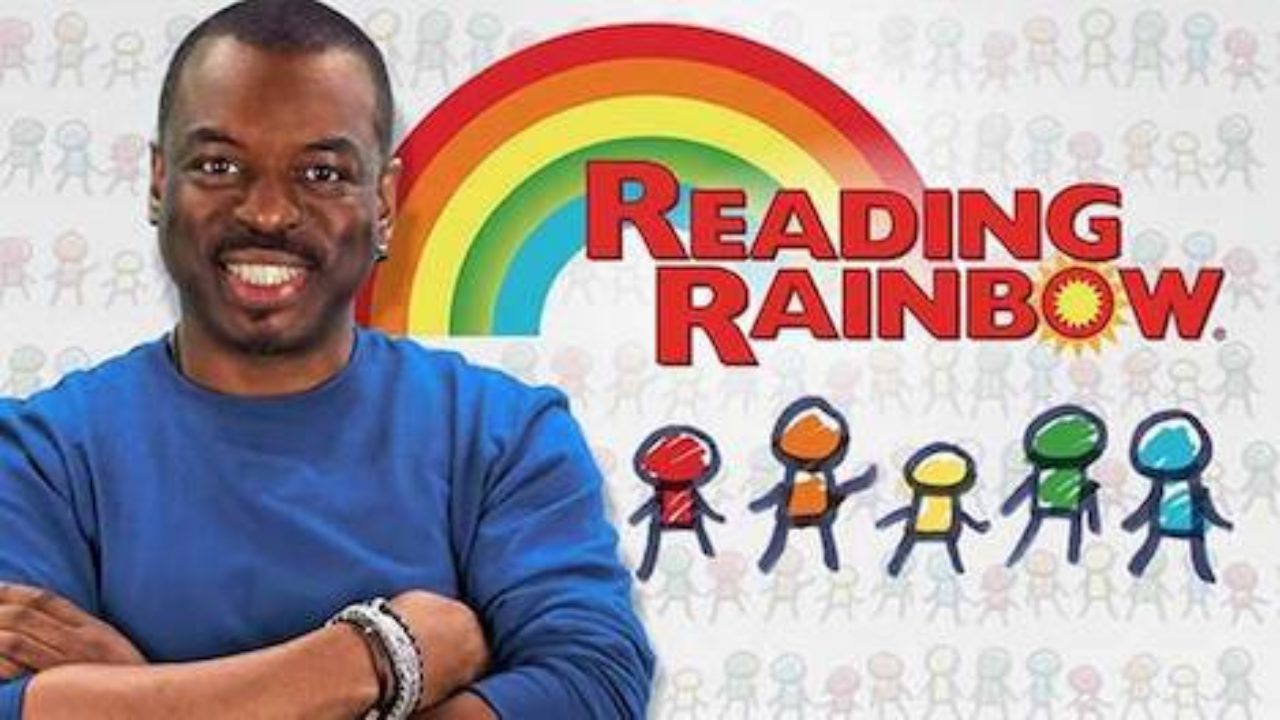
How Reading Rainbow Inspired Me
Photo: bookriot.com

The show was developed to encourage children to read. Twila Liggett created the show with Cecily Truett Lancit and Larry Lancit of Lancit Media Productions. Lynne Ganek, Tony Buttino, and host LeVar Burton were also part of the creative team. The group met with Fred Rogers, Joan Ganz Cooney, and The Electric Company crew to explore ways to make television more engaging to fans. During an interview in 2003, Burton said “I think reading is part of the birthright of the human being. It’s just such an integral part of the human experience—that connection with the written word.”

Many educators found that during the summer, children lost a lot of their reading abilities because they were watching “uneducational” television and not reading. The producers of the show wanted to air a new program during the summer months that would keep kids excited about reading even when they weren’t in school. It was a great goal, but the show was often threatened with cancellation due to a lack of funding.

The show received more than 200 awards including a Peabody Award. Ten of its twenty-six Emmys were for Outstanding Children’s Series. It was the third-longest children’s show on the air right after, you guessed it, Mister Rogers and Sesame St.
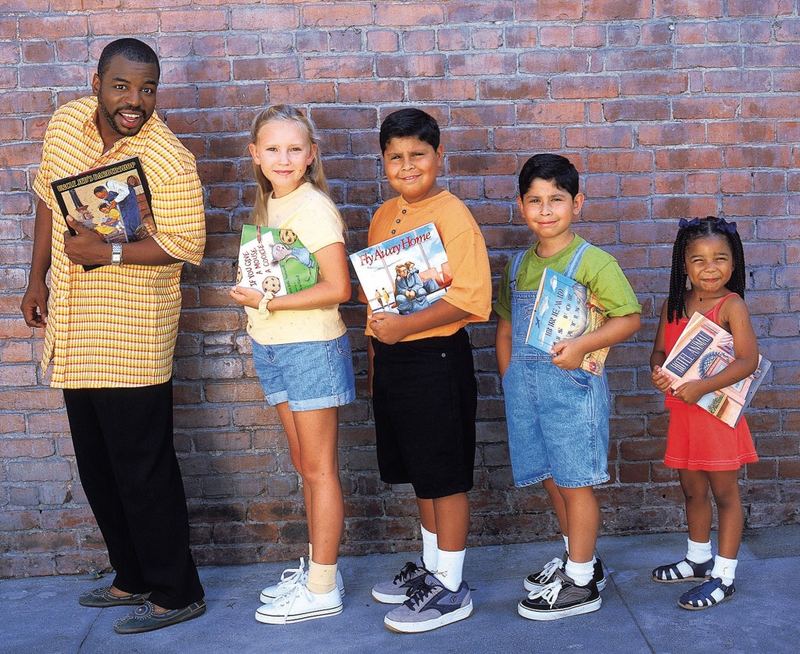
LeVar Burton Asks Fans to Help Bring Back 'Reading Rainbow' | The Takeaway  | WNYC Studios
Photo: WNYC Studio.com

A topic was introduced in each episode and then a featured children’s book was read, often narrated by a celebrity. After the story, Burton visited places relating to the theme of the day. The show ended with book suggestions for kids to read. In an Esquire interview in 2019, Burton discussed why listening to books is so important: “It gives you the opportunity to, without the mechanism of reading, engage immediately in your imagination. When you’re reading, you’re multitasking. You’re reading and making the movie in your head. When you’re listening to storytelling, there’s no activity, there’s no multitasking—you’re indeed in your imagination as you’re engaged with the content of the story. It’s a shortcut for visualization.”

Steve Horelick was the composer of the theme song with Dennis Neil Kleinman and Janet Weir writing lyrics. The show had three versions of the song with the third version sung by Chaka Khan.

There are a lot of great stars who showed up to read to kids, including Ruth Buzzy, Julia Child, Ossie Davis, Ruby Dee, Kermit the Frog, Peter Falk, Jane Goodall, and Run D-M-C.

Margret Aldrich in wrote an article in 2014, and she chose the top ten books from the series. It’s a great place to start if you want to find a couple of books to read to your child.
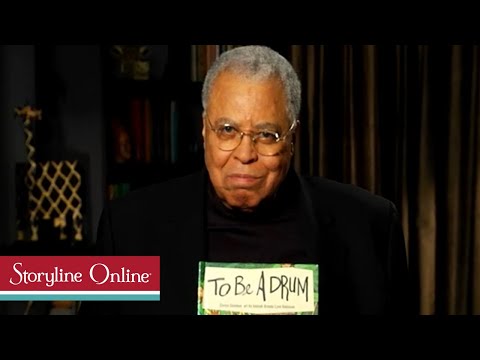
To Be A Drum read by James Earl Jones - YouTube
James Earl Jones Photo: youtube.com
  1. All the Colors of the Race by Arnold Adoff, read by Maya Angelou.
  2. Sunken Treasure by Gail Gibbons, read by Robert Morse
  3. On the Day You Were Born by Debra Frasier, read by Patrick Stewart.
  4. Amazing Grace by Mary Hoffman, read by Tyne Daly.
  5. Animal Café by John Stadler, read by Martin Short.
  6. The Magic Schoolbus Inside the Earth by Joanna Cole, read by Keshia Knight Pulliam.
  7. Paul Bunyan by Steven Kellogg, read by Buddy Ebsen
  8. Arthur’s Eyes by Marc Brown, read by Bill Cosby.
  9. Bringing the Rain to Kapiti Plain by Verna Aardema, read by James Earl Jones.
  10. Abiyoyo by Pete Seeger and Michael Hays, read by Pete Seeger.

So, why was the show canceled? According to John Grant, who is in charge of content at WNED Buffalo, the show’s home station, “The show’s run is ending because no one—not the station, not PBS, not the Corporation for Public Broadcasting—will put up the several hundred thousand dollars needed to renew the show’s broadcast rights.” And, just like that, the last chapter was closed for good.
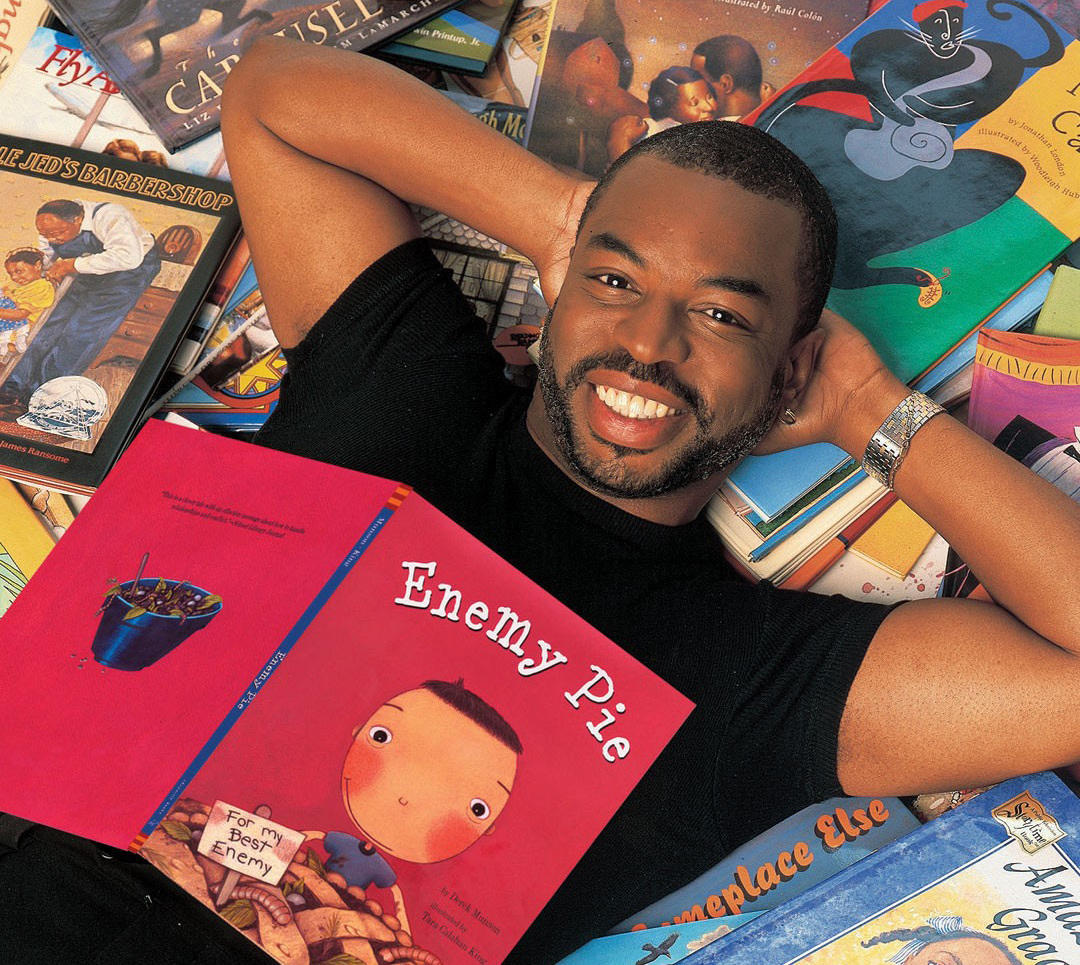
Burton Calls On 'Star Trek' Fans To Bring 'Reading Rainbow' To The Next  Generation | KRWG
Photo: npr.org

Reading Rainbow was an essential motivation for kids to read. However, adults have to realize that they also have to make time for reading. Let’s allow Levar to have the last word. In that Esquire interview, he also talked about why all of us need to read:

“You need to make the time. You have time to eat; you have time to sleep; you have time to love. I think reading for pleasure is an act of self-care, genuinely. I really do, especially in today’s world. You’ve gotta turn off the news; you’ve got to create some escape time in your imagination. You have to feed yourself, people! Otherwise, we have a tendency to get locked into the circumstances of life, and less engaged in the solution aspect of ourselves. It’s really critical for us to read for pleasure. One of the miracles of the modern era is that on my iPad, and consequently, because of the Cloud, on my phone, I carry a library of reading material. I mean, literally a library. It’s so available. We just have to shift our awareness a degree in that direction.”

Blowing the Whistle on Monday Night Football: Illegal Formation

Monday Night Football is celebrating its 50th anniversary this month. On September 21, 1970, the ABC broadcasting team took the booth at Cleveland’s Municipal Stadium. A crowd of 85,703 attended the game in person, but millions watched on television. The Cleveland Browns beat the Jets 31-21. ABC doubled the number of cameras per game. Close-ups were used often. The broadcast booth was not like any other that had been on television. The weekly sports show pioneered a variety of technological innovations including slow-motion replays and computerized graphics.

Photo: pinterest.com

In addition to the play-by-play announcer Keith Jackson and color analyst Don Meredith, a third chair was added to the booth. Howard Cosell was added to give a bit of controversy to the broadcast. A TV Guide viewer poll in 1978 named Cosell the most loved — and hated — analyst at the same time. With no sports network on 24 hours a day, Cosell provided recaps of the weekly games during half time.

Photo: espnmediazone.com

The first sponsors were Marlboro Cigarettes, Ford Motor Company, and Goodyear Tires. The show would make history as one of the longest-running prime time television series and one of the highest-rated shows among male viewers.

In season two, Frank Gifford took over for Jackson and that trio would continue broadcasting till 1983. In 1975 and 1976, Alex Karras took over for Meredith. From 1979-1983, Fran Tarkenton joined the other three in the booth. Al Michaels and Frank Gifford manned the spot from 1987-1997. A variety of sportscasters joined them in the booth or took over for them until 2005 including O.J. Simpson, Dan Dierdorf, Lynn Swan, Leslie Visser, Boomer Esiason, Dan Fouts, Dennis Miller, Melissa Stark, Eric Dickerson, John Madden, Lisa Guerrero, and Michelle Tafoya.

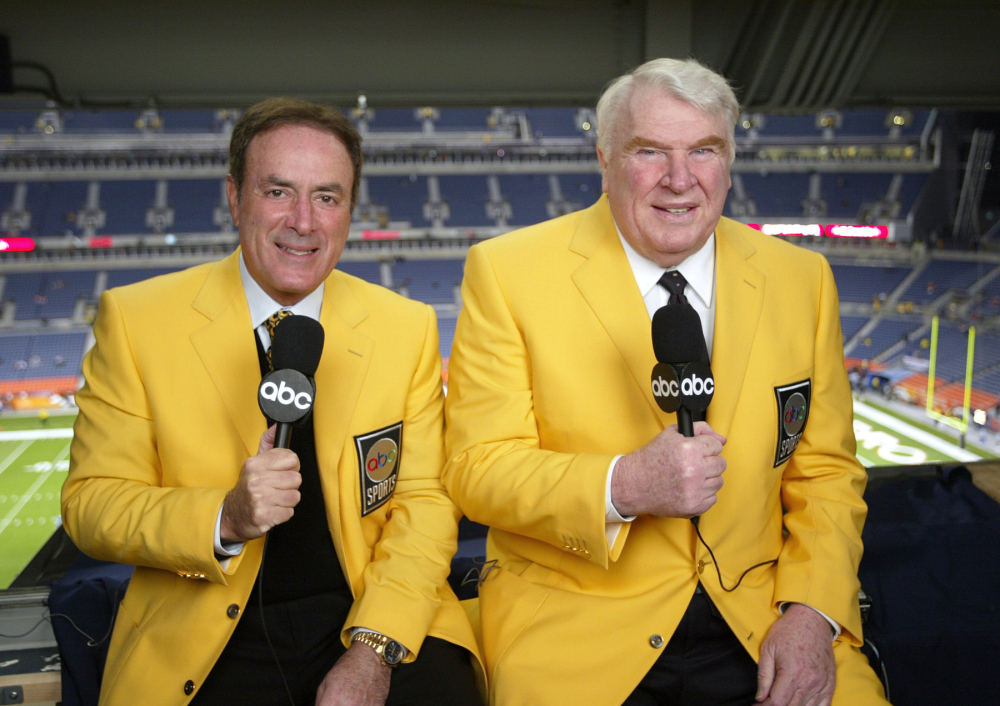
DENVERus – NOVEMBER 11: (NO ARCHIVING, NO RESALE) In this handout photo provided by ABC, John Madden (R) broadcasts with Al Michaels during the 500th telecast of Monday Night Football in a game between the Denver Broncos and Oakland Raiders November 11, 2002 at Invesco Field at Mile High Stadium in Denver, Colorado. Madden announced his retirement from broadcasting on April 16. (Photo by Craig Sjodin/ABC via Getty Images) ORG XMIT: 85970668 GTY ID: 20D_0206

Hank Williams Jr. redid his song, “All My Rowdy Friends Are Coming Over Tonight” for the theme. When the last show aired on ABC, the song was switched to “Turn Out the Lights, the Party’s Over.”

Photo: thepoliticalinsider.com

In addition to the sportscasters who man the booth, many special guests have appeared on the show. Vice President Spiro Agnew, President Bill Clinton, California governor Ronald Reagan, Placido Domingo, John Lennon, and Kermit the Frog are a few of them.

When ABC first acquired the rights to air MNF in 1970, it did not include any playoff games. The network was eventually allowed into the rotation of channels airing the Super Bowl, starting with Super Bowl XIX in January 1985. When the league expanded the playoffs from a 10-team to a 12-team tournament in 1990, ABC was then given the rights to air the first two Wild Card Playoff games. Originally, ABC’s college football crews would call the first Wild Card Game.

The show would air on Monday nights on ABC until 2005. In 2006, the series moved to ESPN. The show has not been as successful as its earlier days.

In the past fourteen years, there has been a bit of a revolving door to the booth. Showing up on Monday nights we saw Mike Tirico, Tony Kornheiser, Joe Theismann, Suzy Kolber, Michele Tafoya, Ron Jaworski, Jon Gruden, Lisa Salters, Sean McDonough, Joe Tessitore, Jason Witten, and Booger McFarland come and go.

In an article titled “Monday Night Football’s Mid-Life Crisis: From Monopoly to Monotony” by Michael McCarthy in December of 2018, he laid out the current problems.  “As it nears its 50th season, ESPN’s venerable Monday Night Football is struggling with a mid-life crisis. Yes, Monday Night Football changed the face of television. Yes, it can still dominate the sports conversation when it has great games like Rams vs. Chiefs. But Monday Night Football is bad. Too often, the game match-ups are not marquee. The football is not as exciting. The new announce team—featuring three Monday night rookies in Jason Witten, Joe Tessitore, and Booger McFarland—is a work in progress at best, a train wreck at worst. The most famous broadcast booth in sports no longer boasts legendary announcers like Howard Cosell, Dandy Don Meredith, Frank Gifford, John Madden, or Al Michaels. Instead, this season’s crew of Witten, Tessitore, McFarland and Lisa Salters has been roasted by fans and critics.”

Photo: espnpressroom.com

I could not find any announcement of who will be in the booth when football returns. (Note: This came out right before I published my blog this week: A three-man booth of play-by-play man Steve Levy and color commentators Brian Griese and Louis Riddick — who all called the back half of the 2019 Week 1 MNF doubleheader — have been upgraded to the top team for 2020. They replace Joe Tessitore and Booger McFarland. Lisa Salters remains the sideline reporter, a role she has had since joining Mike Tirico and Jon Gruden in 2012. Retired official John Parry returns for a second season as the rules analyst.)

Now ESPN has the added pressure of the Covid-19 virus.  No one knows if there will be a football season or what it will look like if there is. You would think if a show like Monday Night Football lasts for fifty years, they would have it made.  Never take anything for granted. At least ESPN has some extra time to try to figure out a better crew for the next season.

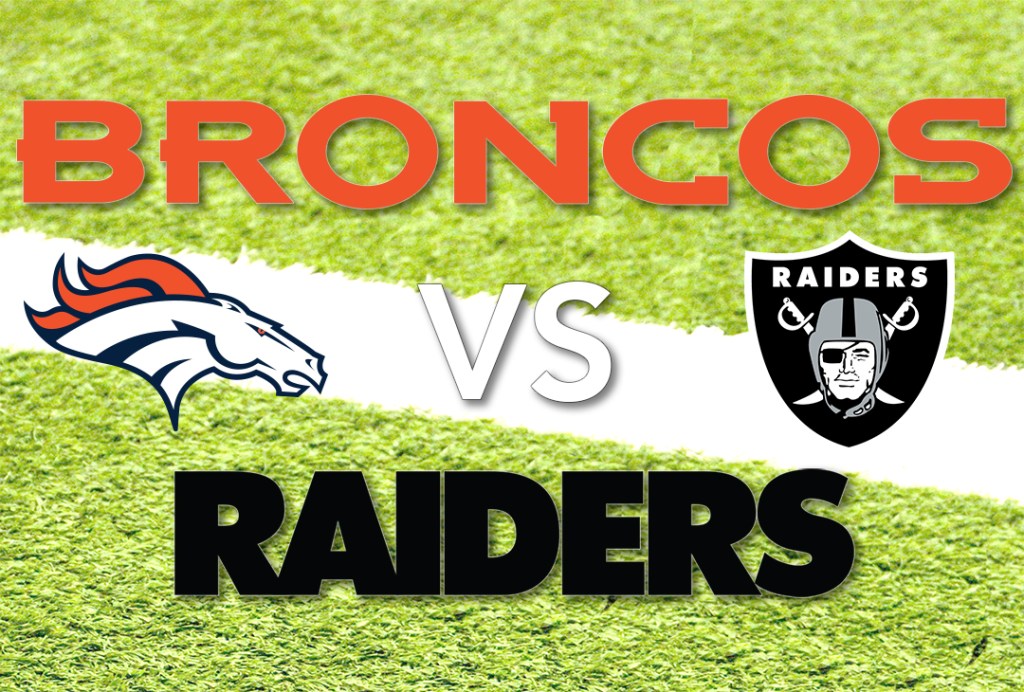
On a lighter note, here are some fun facts about the series. The most Monday night appearances belong to the Miami Dolphins with more than 80. The San Francisco 49ers are the most winning team with 49 wins. The Broncos have played the Raiders 19 times as of 2019 and The Cowboys have faced off against the Redskins 17 times. Candlestick Park in San Francisco, no longer used for the team, hosted the most wins, coming in at 36 including its final Monday night game in December of 2013. The highest-rated Monday Night Football telecast on ABC was the Miami Dolphins’ victory over the previously undefeated Chicago Bears on December 2, 1985, which drew a national Nielsen rating of 29.6 and a share of 46. ABC’s lowest-rated MNF game was the St. Louis Rams’ defeat of the Tampa Bay Buccaneers on October 18, 2004, which drew a 7.7 rating. Regardless of the technical difficulties, watching Monday Night Football is always a win if you’re a fan of the sport.