The Elegance of What’s My Line

This month, we are looking at popular fifties stars and shows. While the show we are talking about today outlasted the fifties by almost another decade, it gained its popularity during the 1950s. Today we are learning about What’s My Line.
📷wikipedia.com

This panel game show was on CBS. It debuted in 1950 and ran until 1967. The show was produced by Mark Goodson and Bill Todman, and the working title was Occupation Unknown. Perhaps the title should have been What’s My Schedule. The show began on Thursday nights as a live show. Later in season one, it switched to every other Wednesday and then moved to every other Thursday. In October of 1950, it landed on Sunday nights where it would remain throughout the rest of its life.

The original series, which was usually broadcast live, debuted on Thursday, February 2, 1950, at 8:00 p.m. ET. After airing alternate Wednesdays, then alternate Thursdays, finally on October 1, 1950, it had settled into its weekly Sunday 10:30 p.m. ET slot where it would remain until the end of its network run on September 3, 1967.
📷imdb.com

Celebrity panelists ask contestants questions to figure out their occupation. While most of the contestants were not famous, there was a “mystery guest” segment. The panelists were blindfolded for this segment and asked questions to determine the celebrity. People enjoyed watching the panelists banter with each other and the sophisticated humor they shared with us.

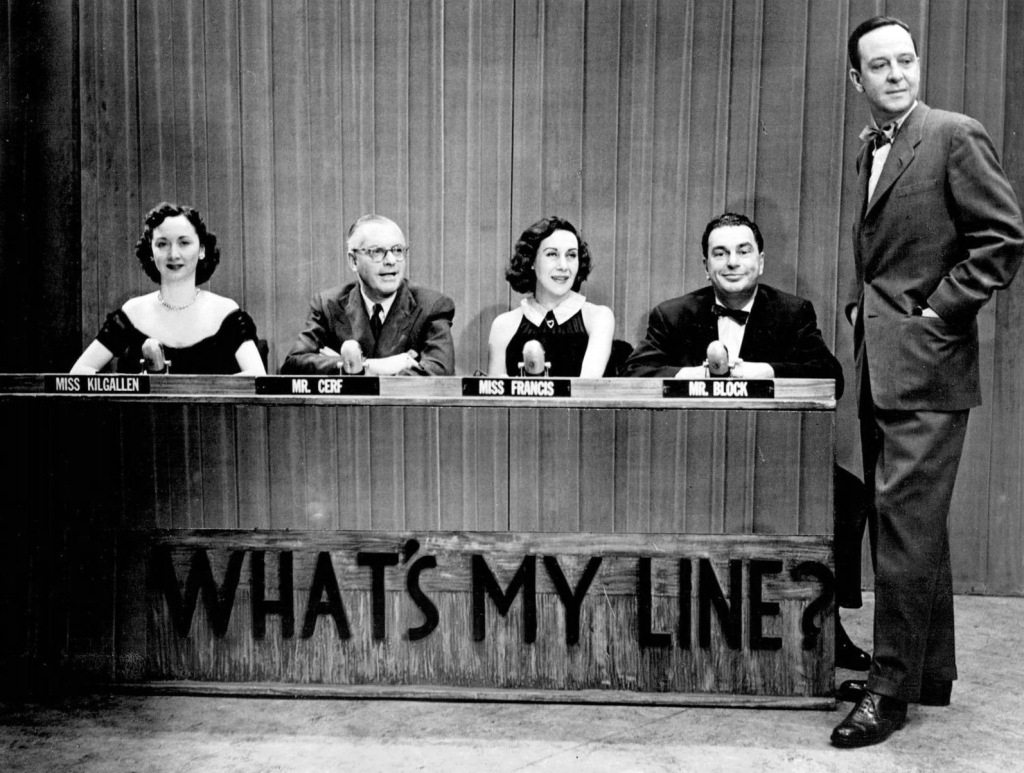
Each episode had four panelists. The most famous panelists were Dorothy Kilgallen, Arlene Francis, and Bennett Cerf. John Daly was the moderator. The first show in the series featured New Jersey governor Harold Hoffman, Kilgallen, poet Louis Untermeyer, and psychiatrist Richard Hoffman. Later in season one, Arlene Francis came  on board with Kilgallen, Untermeyer and writer Hal Block. In season two, Cerf replaced Untermeyer and Steve Allen took over for Block in season three. When Steve Allen left to host The Tonight Show, comedian Fred Allen was part of the panel from 1954 until his death in 1956. Kilgallen was killed in 1965 and her replacement varied for two years. Her death is a mystery itself and well worth reading about. Many people think she was killed because of her investigation into JF Kennedy’s assassination.

📷facebook.com

The panelists started the series wearing business clothing, but by 1953 they shifted to formal attire with the men showing up in suits and ties and women in formal gowns and gloves. Unfortunately, we never got to see the beautiful colors of these clothes. Until 1966 everything was filmed in black and white. In the final season, the show was broadcast in color, but the kinescopes were saved in black and white.

Both critics and television viewers liked the show, and it won an Emmy for Best Quiz or Audience Participation Show in 1952, 1953, and 1958.

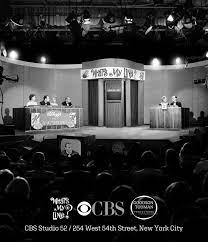
Because it was a game show, most of the 700 episodes were on kinescope, 16 mm filming. Because many original shows in that era were recorded via kinescope onto silver nitrate film, many networks destroyed recordings to recover the silver. After learning that the network was not keeping the recordings, Goodson and Todman offered to pay for the broadcast and retained the recordings from season three on, however many of those were also lost along the way. A variety of the episodes are stored at different archive centers around the country. My home state houses one from 1951 at the University of Wisconsin Center for Film and Theater Research in Madison.
📷facebook.com

The remaining kinescopes which have been digitized have been seen on television on the Game Show Network and 757 of them exist on YouTube.

Many of us remember the reruns and seeing the contestant come on stage and write their name on a chalkboard as Daily said “Will you enter and sign in please.” The very first contestant was Pat Finch who was a hat check girl at the Stork Club.

The first mystery guest was New York Yankees shortstop Phil Ruzzuto. Many of these guests used fake voices to answer questions. Some of the mystery guests who appeared on the show included Julie Andrews, Louis Armstrong, Lucille Ball, Jack Benny, James Cagney, Gary Cooper, Joan Crawford, Salvador Dali, Sammy Davis Jr., Doris Day, Aretha Franklin, Ava Gardner, Judy Garland, Jackie Gleason, Alfred Hitchcock, Bob Hope, Ginger Rogers, Roy Rogers, Eleanor Roosevelt, James Stewart, Elizabeth Taylor, and John Wayne.
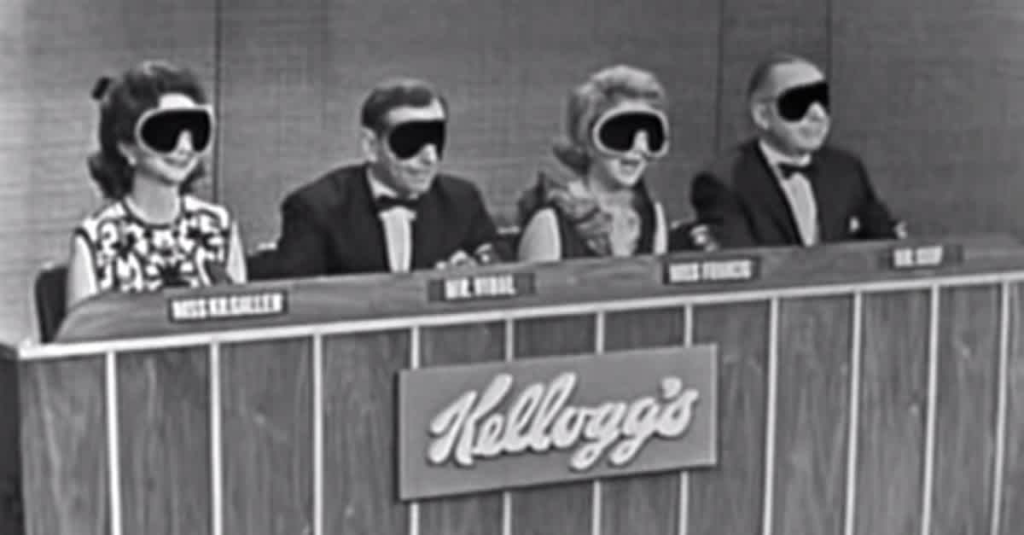
📷littlethings.com Blindfolds come out for a mystery guest

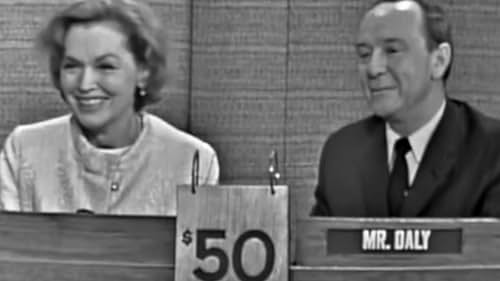
The emcee would choose a panelist who could ask yes or no questions. If the answer was yes, they could continue until they got a no response and then the next panelist would be able to pose questions. If the contestants answered no, Daily flipped a card; when the contestant had ten cards, they won $50.

If you have heard of or even used the term “Is it bigger than a breadbox?,” you might want to know that it came from the show. Steve Allen asked the question in 1953, and it became a standard question after that night. In fact, on one episode, the guest was a breadbox maker, and when Daly could not help laughing at the question, Allen figured it out.
In 1967 The New York Times broke a story that CBS was canceling many of their game shows. None of the panelists had been told that the show was not renewed. Despite the fact that the low costs of the game shows made them profitable, the low ratings led the network to conclude that game shows were no longer suitable for prime-time schedules.

After the show was canceled in 1967, it did go into syndication five days a week. Soupy Sales joined Francis and Cerf on the panel of the reboot. A variety of other panelists took the fourth seat including Joyce Brothers, Jack Cassidy, Bert Convy, Joel Grey, Meredith MacRae, Henry Morgan, Gene Rayburn, and Nipsey Russell. The show ended in 1974. Cerf died during the run of the syndicated series.

It’s hard to believe, but Colonel Harland Sanders was on the show as founder of Kentucky Fried Chicken, although he was not easily recognized at the time, so he was not a mystery guest. While no president ever appeared while in office, Ford, Carter, and Reagan all appeared on the show.

📷youtube.com We switched to a first-name basis in the 70s

It would be fun to see this show on television today, but I’m afraid it would not be the same. In the way that Dick Cavett had a manner of interacting with guests to ask amazing questions with his humor and intelligence, this game show had that same atmosphere. Today, I think the banter would border more on crudeness than wit. There is something charming about a panel of very intelligent people talking with each other, trying to determine the identities of the people they were interviewing while being dressed to the nines that was fun to sit in on and be a part of. I guess that’s why this show is in our series where we are saluting the fifties because that was the era where it could shine.

Frank Gorshin: Batman’s Most Puzzling Villain

This month, our theme is Bam! Pow! Batman Villains. We have learned a bit about the careers of the Joker and Cat Woman, and today we are spending some time with the Riddler, portrayed by Frank Gorshin.

📷imdb.com

Gorshin started out as an impressionist and comedian before transitioning into acting.

Frank was born in Pittsburgh in 1933 into a blue-collar, middle-class family. His mom was a seamstress, and his father was a railroad worker. His paternal grandparents arrived in the US from Slovenia and his mother was born in Slovenia, coming to the Pittsburgh area as a young girl; his parents were very involved in the Slovenian community, both singing with the Preseren, a Slovenian singing society.

When he was 15, Gorshin got a part-time job as an usher at the Sheridan Square Theatre. He studied the mannerisms of the actors he watched in those movies and developed an impressionist act. Some of his favorite actors to mimic included James Cagney, Cary Grant, Al Jolson, and Edward Robinson. After entering a talent contest in 1951, he won a week-long engagement at the Carousel nightclub in New York.

Sadly, Gorshin’s older brother was hit by a car two days before and died. His parents convinced him to keep his performance schedule and sent him to New York.

After high school, Gorshin enrolled at the Carnegie Tech School of Drama (now Carnegie Mellon University).

📷imdb.com

At age 20, Frank was drafted into the US Army and sent to Germany. He was an entertainer in Special Services for a year and a half. When Gorshin left the Army, he began his acting career, appearing in four movies and on television in Alfred Hitchcock Presents.

I can’t imagine the horror Gorshin’s parents felt when getting a call in 1957 that their son had fallen asleep while driving from Pittsburgh to Hollywood, a 39-hour trip for a screen test. With their other son passing away from a car crash six years earlier, now they had to deal with the fact that their other son was in a coma with a fractured skull. Luckily, he made a full recovery.

Another big event occurring in 1957 was his marriage to Christina Randazzo. They had a son and separated later in life, but they never did divorce as far as I could tell.

Until his death, Gorshin would appear in more than sixty big-screen films. During the fifties, he only appeared in a handful of television series, but that would change in the 1960s. Some of the most memorable shows included The Defenders, The Munsters, Star Trek, and The High Chapparal. With his comedy act, he visited The Ed Sullivan Show four times. The first time he did his impressionist act on the series, he would be scheduled with this new band called The Beatles.

📷metv.com

The sixties also found him on Batman, his reason for being in this month’s blog series. He said that he developed a fiendish laugh at Hollywood parties. “I listened to myself laugh and discovered that the funniest jokes brought out the high-pitched giggle that I use on the show. With further study, I came to realize that it wasn’t so much how I laughed as what I laughed at that created the sense of the menace.”

He did not love the unitards that many of the comic book villains wore, so he asked for a green business suit and bowler hat, covered with question marks since he always left riddles for Batman and Robin to solve. He often said “Riddle me this, Batman” which became a catchphrase of the mid-sixties.

Gorshin said “When I was first approached to play the Riddler, I thought it was a joke. Then I discovered the show had a good script and agreed to do the role. Now I am in love with the character.”

📷imdb.com

Gorshin was the only villain to be nominated for an Emmy. He got the nod in 1966 for the episode “Hi Diddle Riddle.” He had some tough competition, going against Werner Klemperer as Colonel Klink on Hogan’s Heroes, Morey Amsterdam on The Dick Van Dyke Show, and winner Don Knotts on The Andy Griffith Show.

Gorshin was in ten episodes of the show, but after appearing numerous times, he was unavailable, and the producers replaced him with John Astin. I realized hindsight is 20/20 as they say, so the producers were never considering the effect the show would have on pop culture and the decades it would be a fan favorite, but that switch seems extreme. However, they did it with Julie Newmar and Eartha Kitt as well, so maybe they figured if you have to replace a villain, let’s replace them with someone very different from the original. Gorshin, however, was not a fan of being replaced but did get over it enough to accept his tenth episode role in season three and appeared as Riddler in the 1979 made-for-television movie Legends of the Superheroes.

Frank made his Broadway debut in 1969 in the musical biography, “Jimmy” which was about the controversial life of New York mayor Jimmy Walker.

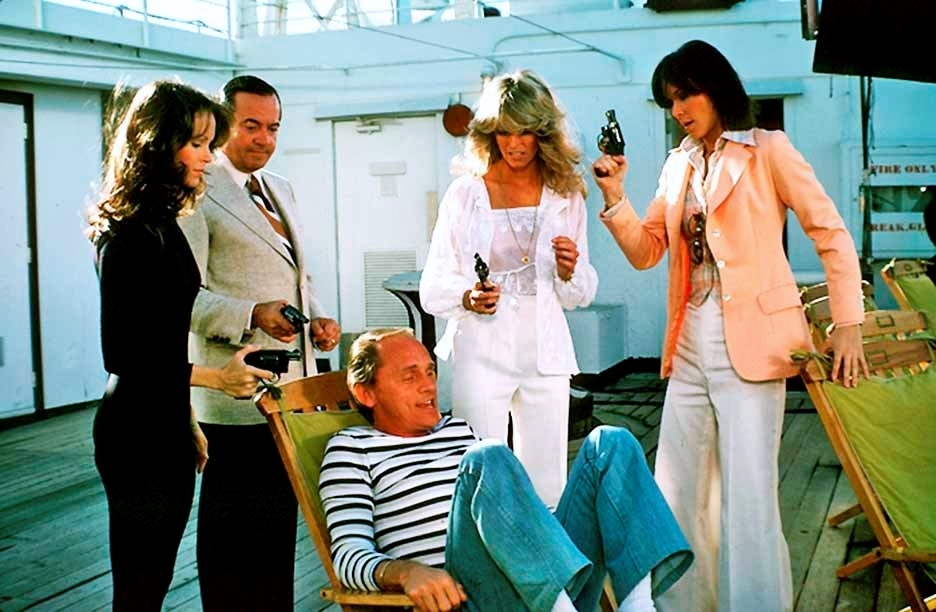
Gorshin was very busy in the seventies and eighties. Among the twenty plus shows he appeared on were The Virginian, Martin and Rowan’s Laugh In, Ironside, Hawaii Five-0, Charlie’s Angels, and Murder She Wrote.

In the last three decades of his life, he spent more time making big-screen films. One thing I found surprising is that Gorshin appeared in three soap operas, all at different times in his career: General Hospital in 1963, The Edge of Night in 1982, and The Bold and the Beautiful in 1999.

In the early 2000s, Gorshin did a one-man Broadway show, portraying George Burns. He was reunited with his Batman cast in a made-for-tv movie, Return to the Batcave: The Misadventures of Adam and Burt. His last appearance was on CSI: Crime Scene Investigation on “Grave Danger” on which he played himself. The episode was directed by Quentin Tarantino and was dedicated to Gorshin.

📷discogs.com

Unfortunately, Gorshin was a heavy smoker throughout his life. Adam West once said that “Frank could reduce a cigarette to ash with one draw” and his nightclub performances warned patrons they would be exposed to a lot of second-hand smoke if they attended. Not surprisingly, he died from lung cancer, complicated by emphysema and pneumonia.

I enjoyed getting to know Frank Gorshin in this blog. While I was much more familiar with the careers of Burgess Meredith and Julie Newmar, Gorshin and Cesar Romero are actors I knew very little about. I hope you are also enjoying getting to know these fun “villains.”

Everyone’s Favorite Mother: Rosemary DeCamp

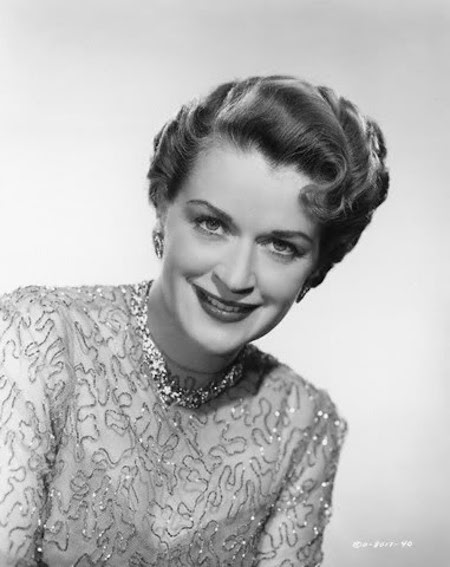
Rosemary DeCamp played the American mother in a variety of films and television series. I remember her as both Ann Marie and Shirley Partridge’s mother. She was born in November of 1910 in Arizona. Her father was a mining engineer and the family relocated often for his job. Her younger brother was 14 years younger than her, so they were both raised almost like only children.

rose1

Rosemary began her radio career in 1937 playing the role of Judy Price, a nurse to Dr. Christian on the long-running show, Dr. Christian. From 1939-1941, she appeared a syndicated soap opera, The Career of Alice Blair.

rose12


1941 was a memorable year for her for several reasons. It was also the year she married John Ashton Shidler, a local judge. The couple were married until his death in 1998, and they raised four daughters.

rose10


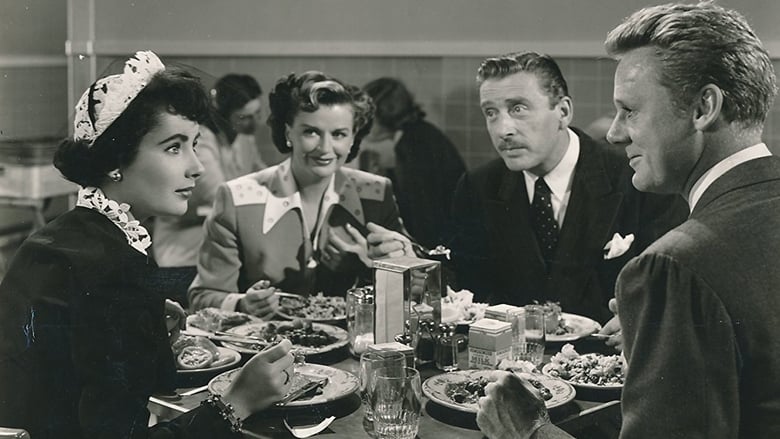
When that soap ended, she accepted her first film role in Cheers for Miss Bishop. She worked for a variety of studios. Many of her pictures were made by Warner Brothers. In 1942 she played the mother of George Cohan in Yankee Doodle Dandy. In 1943, she took the role of Ronald Reagan’s mother in This is the Army. In the early 1950s, she portrayed Doris Day’s mother in On Moonlight Bay and its sequel, By the Light of the Silvery Moon.


In July of 1946, she and her husband had a close call. They were in their Beverly Hills home when an aircraft crashed into the house next door. The wing cut into their roof and landed in their bedroom. The plane just happened to be an experimental one piloted by Howard Hughes. Hughes was rescued by a bystander before the plane exploded. He was very lucky, receiving only a few broken bones and cuts and abrasions. He paid for the repairs for all the homes involved, and luckily, no one else was hurt.

rose13


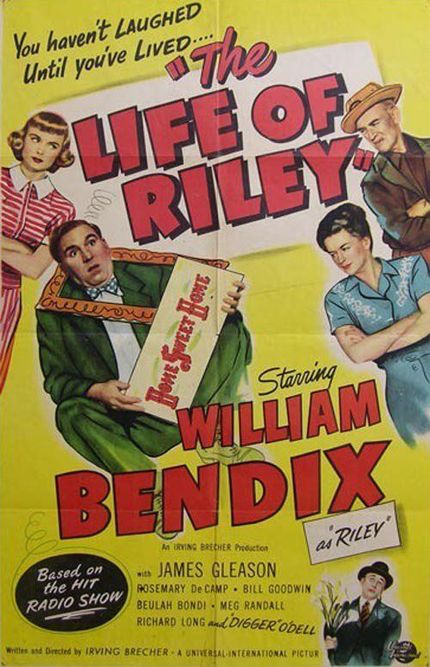
She appeared in 38 films during her career, including The Life of Riley with William Bendix as her spouse. In 1949, she again played Peg Riley, this time in a television show with Jackie Gleason. Her husband worked in an aircraft plant and they had two children. Of course, Riley was a bit of a bumbling father and husband, but she loved him and put up with his ineptness. His catchphrase was “What a revoltin’ development this is.”

rose5


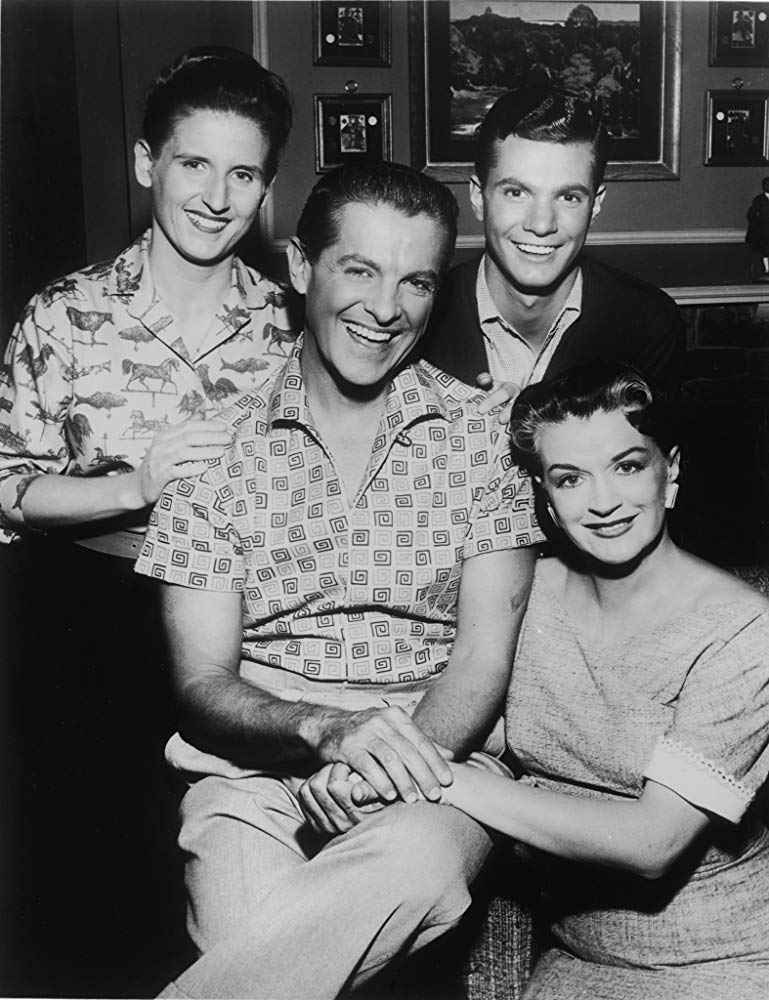
She continued with her film work, mixed in with a few television show roles until 1955 when she played widow Margaret MacDonald on Love That Bob/The Bob Cummings Show. Her brother Bob was a photographer and play boy and she lived with him, raising her son Chuck and trying to get her brother to settle down.

rose3


After her role as mother Peg in the 1940s and Margaret in the 1950s, from 1966-1970, she had a recurring role on That Girl as Ann Marie’s mother Helen. She was the voice of reason when her husband got upset about something, typically having to do with Ann’s boyfriend Donald or her living alone in New York.

rose6


Coincidentally, in 1968 she also played the role of Helen on Petticoat Junction. She was not Helen Marie though, she was Kate’s sister who came to help take care of the girls when Bea Benardaret who played Kate was ill in real life.

rose9


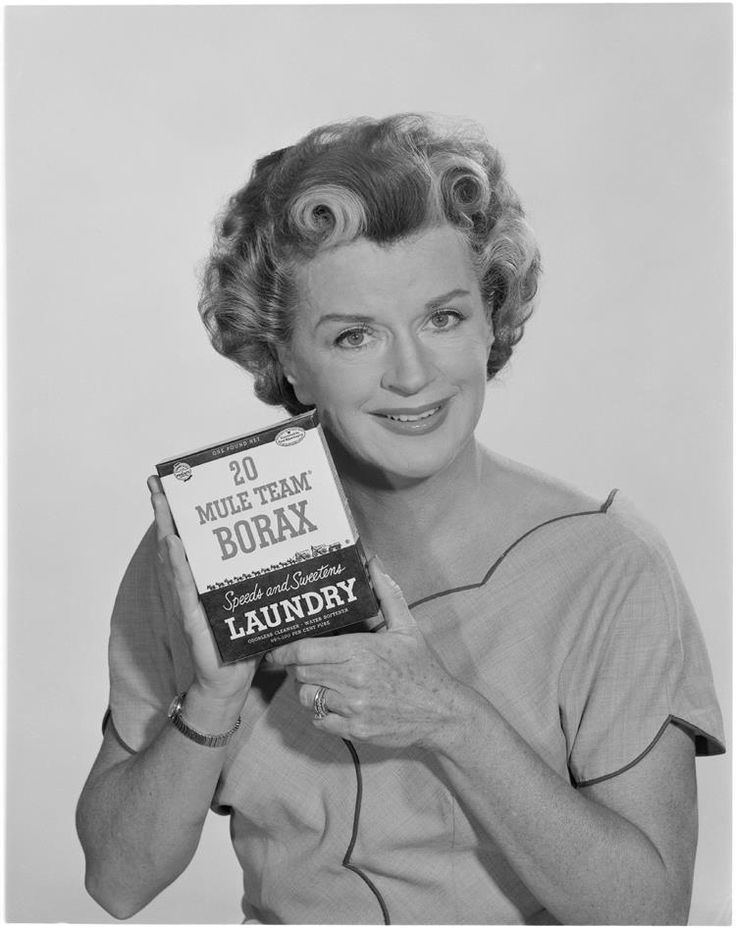
It was also in the 1960s that she was the spokesperson for 20 Mule Team Borax, a laundry detergent.

rose2


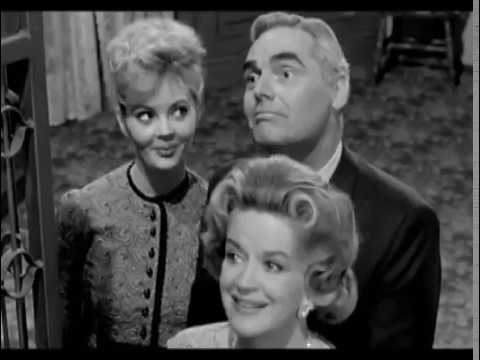
She continued accepting roles on a variety of television shows from crime dramas to westerns to Love American Style. Continuing her mother-a-decade role, in the 1970s, she showed up as Shirley Partridge’s mother on The Partridge Family. Again, she had to deal with a husband who usually needed some mediation with the family.

decamppartridge

DeCamp continued to take on miscellaneous television roles. In 1989, she filmed an episode of Murder She Wrote. After the taping, she suffered a stroke, and decided to retire from acting.

In 2000, she published her memoir, Tigers in My Lap. The following year she died after contracting pneumonia at the age of 90. I could not find any information about any of her hobbies or interests, but she was an active Democrat all her life.

decamp book


She will always be remembered as a caring mother. The Institute of Family Relations granted her its “Mother of Distinction Award,” because they felt she did “more to glorify American motherhood through her film portrayals than any other woman.”

rose11


An Actress With “Street” Smarts

Much of the entertainment news media has been focused on the death of Mary Tyler Moore this past week, and rightly so.  However, with the passing of two other television icons in Barbara Hale and Mike Connors, I decided to celebrate the life and career of Barbara Hale in this week’s blog.

bh14

Like William Christopher, whom we looked at a couple weeks ago, Barbara Hale seems to have had a successful and fulfilling career.  She comes across the decades as a very nice person and a hard-working actress. She was married for more than 46 years to the same man and they had three children.  A lot of her career was based on acting with her husband, her son, and her close friend Raymond Burr.

Born in April of 1922 in DeKalb, Illinois, she moved to nearby Rockford shortly after her birth.  She and her sister had a nice life, growing up in a middle class family.  Always interested in the arts, she attended The Chicago Academy of Fine Arts.  She continued to have an interest in art the rest of her life, often sketching while waiting for taping to resume. She worked as a model during part of her school years for a comic strip Ramblin’ Bill.  She was also featured as a Dr. Pepper girl in the Dr. Pepper calendars in the 1940s and 1950s.

bh5

Continuing her modeling career after graduation, it was through that avenue she was given a contract with RKO in 1943.  While at RKO she met her husband-to-be Bill Williams and they married in 1946.  Their wedding took place in the Old Stone Church in Rockton, Il and their reception was at the Wagon Wheel in Rockton, north of Rockford. During her RKO-tenure she also met Raymond Burr.

Her first movie was Gildersleeve’s Bad Day in 1943.  Her contract with RKO continued until 1949 at which point she signed a seven-year contract with Columbia.  During her career she appeared in 42 movies and 34 television movies, 31 of which were Perry Mason films. Some of her costars included Frank Sinatra, James Cagney, and Jimmy Stewart.

Between 1953 and 1956 she appeared in 14 drama/anthology series on television including Schlitz Playhouse, Studio 57, The Loretta Young Show, Damon Runyon Theater and Playhouse 90. She also appeared in many print ads during these years promoting products such as Lux Soap Flakes, Sunnybrook Margarine, and Chesterfield Cigarettes.

Debating whether or not she should retire and stay home to raise her three children (born in 1947, 1951, and 1953), she was offered the role of Della Street for the upcoming Perry Mason series.  She declined it at first, but when she realized her old friend Raymond Burr was starring in the show, she opted to take the part.  From 1957-1966, she appeared in 263 of the 271 shows. In the midst of the series’ run in 1960, she received a marker on the Hollywood Walk of Fame in 1960.  In 1959 she won the Emmy for best actress in a drama and was nominated again in 1961.

When the series ended, she appeared in only a handful of shows including Lassie, Adam-12, The Doris Day Show, Marcus Welby, and Walt Disney’s Wide World of Color. She was in her dear friend Raymond Burr’s show Ironside and acted with her son William Katt, the star of The Greatest American Hero, playing his mother on the show. She was also in the movie Big Wednesday in 1978 with her son, playing his mother. During this time, she also appeared in several commercials and was a spokesperson for Amana Radarange microwave ovens. In 1970 she was one of the celebrities appearing in the movie Airport.

In the mid-1980s, Raymond Burr was approached to make several Perry Mason television movies.  He agreed only if Barbara Hale was cast as Della Street again.  Hale’s son William Katt appeared in some of the movies as Paul Drake Jr. From 1986-1995 Hale and Burr made 31 Perry Mason movies. Sadly, her husband passed away from cancer in 1992 and Burr died in 1993. She was one of the friends to deliver a eulogy at Burr’s funeral.  He cultivated orchids and named one for Barbara Hale.

In her later years, Hale battled colon, ovarian, and bladder cancer.  With a remarkable attitude and her belief in God, she defeated the disease each time.  She died from natural causes this month at 94.

One of the most charming stories I read about Hale was one she told a few years ago when she had returned to Rockford, which she did often, to attend a theater renovation celebration.  She talked about after-football parties they had in high school.  The kids would drive to the Spring Creek Road subdivision.  Roads had been constructed for the housing development, but no homes had been built yet.   The kids would park their cars in a circle, turn their headlights on, tune their radios to the same channel, and get out and dance. It was a heart-warming story about a more innocent time.  After hearing so many sad stories about the issues actors often face in the industry, it was refreshing to hear about someone who was a nice person who appeared to have a normal and happy career with a great life balance of work and family.

A lot of her movies and the Perry Mason shows  are available on Amazon.  Take an upcoming week-end and watch a few seasons and keep track of how many cases Perry loses. Here is some dialogue to listen for while you watch.

Perry Mason: The Case of the Spurious Sister – 1959

Perry:  Della, how would you like to get a divorce?

Della: I thought you were supposed to be married first.

Perry Mason: The Case of the Surplus Suitor – 1963

Hamilton Burger: Well, Miss Street, having you here just as a witness for the prosecution is a rare experience for both of us.

Della: I’ll try not to be hostile, Mr. Burger

Hamilton Burger: Well, that’ll be a rare experience too.

Perry Mason: The Case of the Angry Mourner – 1957

Bell Adrian: Mr. Mason, were you surprised when you found I didn’t do it?

Perry:  Of course not, Mrs. Adrian. I knew all along. You just weren’t the type.

Paul Drake: And who is the type pray tell?

Della: Oh, that’s easy, Paul. Anyone who is not represented by Perry Mason.

Thank you Barbara Hale for providing us with so much drama over the years, but only on the television episodes!