Sandra Gould: What a Character

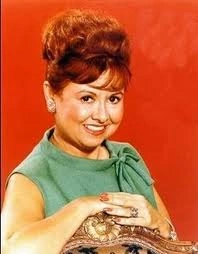
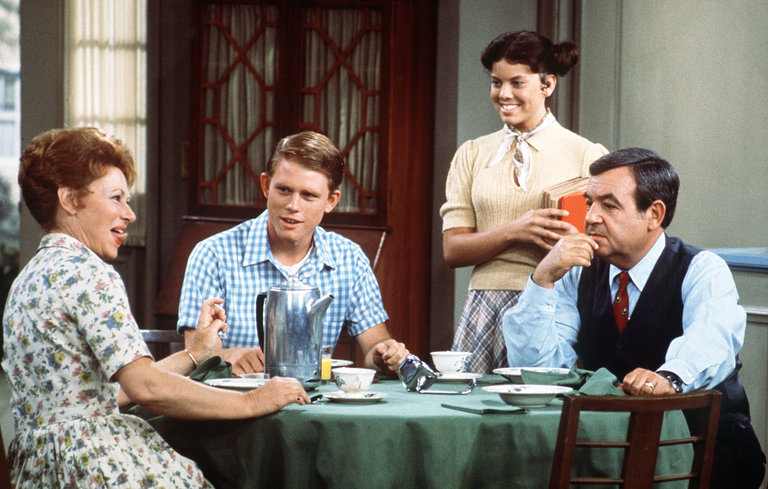
We are winding up our blog series “What a Character” with Sandra Gould. I have to be honest, I had an unfair bias against Sandra Gould.  I didn’t know a lot about her career, I just knew that she replaced Alice Pearce as Gladys Kravitz, and it was a bad replacement. It wasn’t Sandra’s fault—I blame the show’s producers.

📷pinterest.com

Some actors truly are irreplaceable. Eartha Kitt, while a great Cat Woman, just wasn’t Julie Newmar. Imagine trying to replace Henry Winkler as the Fonz halfway into the show. Can you picture tuning into MASH and finding Hawkeye was now played by someone other than Alan Alda?  Pearce was perfect in that role and, despite her being nosy and annoying, she was likable and that is hard to do. Gould’s Gladys was loud and brash, and I felt like I heard fingernails on a chalkboard whenever she was in a scene.

As long as I’m oversharing, I never cared for Dick Sargent either. While he was able to replace Dick York in some ways, York was just Darrin. Okay, I’m done and ready to talk about the good aspects of Sandra Gould and her long career.

Gould was born in Brooklyn in 1916. She entered the entertainment business early becoming a kid dancer in the Cat Skills by age 13.

📷threads.com

Gould found a lot of success on radio, appearing on “My Friend Irma” and “Duffy’s Tavern.” Her first radio job came along when she was only 9 on “The Danny Thomas Show.” Gould was with Jack Benny for almost fifteen years.

In 1938 she married Larry Berns, a broadcasting executive. They were married until his death in 1965. Berns joined CBS in 1942 writing and producing radio and TV series including Our Miss Brooks. He later worked on McHale’s Navy and Broadside.

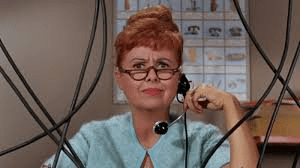
Sandra’s first role was in the big screen T-Men in 1947. Most of her roles were inept or gabby women, typically a telephone operator, nurse, receptionist, landlady, or saleswoman. Gould once mentioned that she played an operator more than any other actress. I did notice 10-15% of her roles mentioned switchboard operators.

📷facebook.com

While she continued to appear in movies, most of her acting credits came on television. She appeared in Oboler Comedy Theater in 1949. In the early days of television, many of the series were drama or comedy reenactments of movies or plays. Sometimes, new stories were written for these episodes. Gould continued with these roles into the mid-fifties.

From 1952-55 she appeared as Mildred on I Married Joan. This series starred Joan Davis and Jim Backus. He was a judge, and she was another “Lucy Ricardo” always getting into mischief or causing hardships for her husband.

📷tumblr.com

Gould was kept very busy with offers during the end of the fifties and throughout the sixties. She could be seen doing comedy on Our Miss Brooks, I Love Lucy, The Jack Benny Program, My Three Sons, The Brady Bunch, and I Dream of Jeannie among others. She also tried western life on Wagon Train. Her drama performances included Hawaiian Eye and I Spy. She even dipped her toe into animation on The Flintstones.

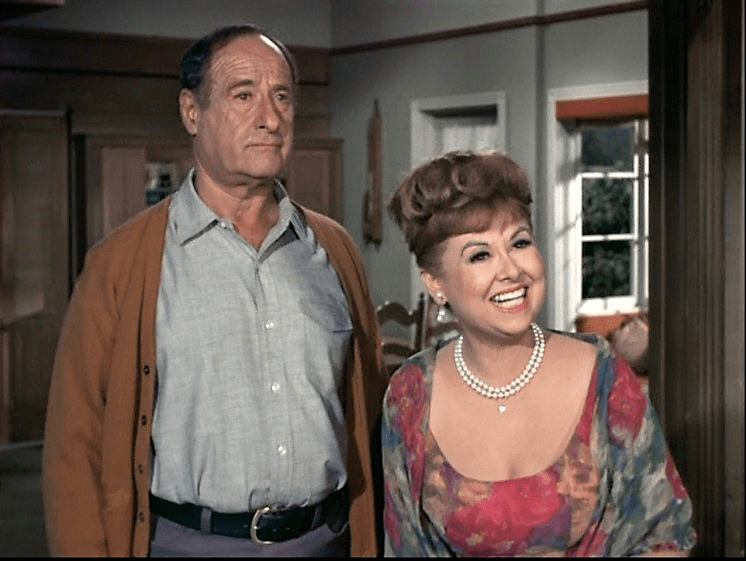
At the end of the sixties, she was given the Glady Kravitz role. Pearce and Gould split the character’s appearances: Pearce had 27 episodes with Gould having 29.

Gould had stepped away from acting for a time. She published two books for girls: Always Say Maybe and Sexpots and Pans. They both seem quite dated today in their advice to girls to get the right type of husband. At the time she accepted the role of Gladys she said she had gone through a very rough year. Her husband died. Then her writing partner Peter Barry died. Then Alice Pearce, who was a good friend of hers. She had no desire to take over the role, but George Tobias who played Abner and was also a friend, called her to come in for an audition.

📷imdb.com

I could not find any information about she and Barry collaborating. One article specifically mentioned that they wrote scripts for Honey West, Tammy, and The John Forsythe Show, but I don’t see either of their names as writers for these shows. Barry is listed as a writer for 23 shows in the late fifties and early sixties, and he was a radio scriptwriter. Perhaps they had written some scripts that were never filmed.

I guess I am in the minority on the Bewitched issue because most sites I visited described her role similarly, usually something like Hollywood Spotlight’s description: “her over-the-top performance and shrill voice were popular with viewers, and she succeeded ultimately in making the character her own.” She also reprised her role as Gladys in the sitcom Tabitha in 1977 which was about Darrin and Samantha’s daughter as an adult.

Some time during her stint on Bewitched, she got married again to Hollingsworth Morse, and they were together until his death in 1988. Hollingsworth was a director and assistant director on almost 90 programs and movies including McHale’s Navy, Dukes of Hazzard, and Mork and Mindy.

The seventies and eighties found her primarily in drama roles, although she could be spotted in a handful of sitcoms. You can catch her on Columbo, Marcus Welby MD, Ironside, Crazy Like a Fox, and MacGyver. During the nineties, she took on roles that were described as “old lady” on Friends and on her last appearance which was Boy Meets World in 1999.

📷bewitched wiki.com

Not long after filming this episode, Gould passed away from a stroke following heart surgery.

Gould had a long and successful career and certainly made the nosy, gabby character her own. I’m glad the job on Bewitched helped her get through a very sad and difficult time in her life. However, I still am claiming she was not right for Gladys who should have been written off the show and just replaced with a new neighbor. But I respect Gould and the characters she made her own on the big and little screens.

Don Adams: Always Smart

This month our blog series is titled “All About The Bill Dana Show.” The first week in March we learned about the show and now we have been spending time with some of the cast. We end our series with Don Adams.

Adams was born Donald James Yarmy in Manhattan in 1923. Don was a blend of cultures, Hungarian Jewish on his dad’s side and Irish-American on his mom’s. Don was raised Catholic while his brother Dick was raised Jewish. I could not find out what their sister decided to do. She later became a writer under the name Gloria Burton and wrote a script for Get Smart. His brother was also an actor. Dick has about 50 acting credits and appeared in many of the most popular sitcoms during the sixties and seventies, including three appearances on Get Smart.

Adams dropped out of high school and went to work as a theater usher. In 1941 he joined the US Marine Corp. At one point he was injured during a Japanese assault on Tulagi. He was the only survivor from his platoon. While recovering, he came down with blackwater fever, a side effect from malaria and was evacuated to New Zealand. He was not expected to recover, but when he did, he was sent back to the US as a Marine drill instructor.

After his discharge, he moved to Florida to work as a comedian. He refused to do material he considered “blue” and was fired.

In 1947 he married Adelaide Efantis, and her stage name was Adelaide Adams. Don decided to take the name Adams as well for his stage name. He worked as a commercial artist and cashier to support their family.

In 1954, Don was the winner of Arthur Godfrey’s Talent Scouts with a comedy act written by Bill Dana. He began making appearances on The Steve Allen Show, where Dana was a writer. In 1961 he became a regular on the Perry Como Show.

About this time, Don and Adelaide divorced, and Adams married Dorothy Bracken, another actress. They split up in 1977 when he married Judy Luciano, also an actress but that marriage also ended in divorce. (I could only find one credit for his last two wives; Bracken was on Get Smart, while Luciano appeared on The Love Boat.)

While discussing his marriages, Don said “I’m no longer independently wealthy. I guess it’s the result of too many wives, too many kids and too much alimony. I’ve been paying alimony since I was 14 and child support since 15. That’s a joke, but not by much. . . I like getting married, but I don’t like being married.”

In 1963 Adams was offered the role of Byron Glick, hotel detective on The Bill Dana Show. As we’ve discussed this month, the show was on the air for a season and a half. While working on the show, Don was also the voice of cartoon Tennessee Tuxedo which he continued doing until 1973.

During those years he also made an appearance on The Danny Thomas Show and on Pat Paulsen’s Comedy Hour.

In 1965 he was offered the role of Maxwell Smart in a new spy satire, Get Smart.

The sixties saw westerns being overtaken by spy shows such as The Man From U.N.C.L.E., I Spy, The Pink Panther, and The Avengers. Mel Brooks and Buck Henry decided to try their hand at writing a campy sitcom and Get Smart was born.

The role of Smart was created for Tom Poston, but ABC turned it down, and NBC said yes. They had Adams under contract, so he got the part. Rounding out the cast was Edward Platt as the Chief and Barbara Feldon as Agent 99.

Smart and 99 had great chemistry and married in a later season. Feldon and Adams remained life-long friends.

One of the most memorable parts of the show was all the catch phrases Adams created on the show including “Sorry about that Chief,” “Would you believe,” and “Missed it by that much.”

In addition to acting, Adams worked as a producer and director on the show. He was nominated for an Emmy from 1966-1969. He won three of those, losing to William Windom for the little-remembered one-season show, My World and Welcome to It. Lloyd Haynes from Room 222 and Bill Cosby for The Bill Cosby Show were also nominated that year.

The show moved to CBS for the final season, but the ratings never recovered, and the show was canceled after that year.

Like so many of our successful actors with unusual characters, Adams suffered from typecasting after the show ended. He did become part of two additional sitcom casts during his career.

In 1971 he was on The Partners. According to imdb.com, the plot is that “Lennie Crooke and George Robinson are inept detectives teamed up to solve crimes. Captain Andrews is their exasperated boss, Sgt. Higgenbottom is a smarmy co-worker, and Freddy confesses to most of the neighborhood crimes.” Adams played Crooke, but the show only produced 20 episodes.

In 1985, Adams tried a sitcom again on Check it Out. This one was about a grocery store and its employees. Adams played Howard Bannister. The show lasted three seasons, ending in 1988. The show was not very popular in the US but was a hit in Canada.

In between those two shows, Adams appeared in a handful of series including Fantasy Island, The Fall Guy, The Love Boat, Empty Nest, and Nick Freno: Licensed Teacher. He made most of his salary appearing in nightclubs. He also had his Smart character resurrected in several big screen films and television series.

Because of the typecasting, he returned to animation and found a lot of success, especially with Inspector Gadget which he voiced from 1983-1999.

He also tried his hand at a game show. Called Don Adams’ Screen Test, it had an interesting concept. The show was filmed in two 15-minute parts; Adams would randomly select an audience member to recreate a scene from a Hollywood movie such as From Here to Eternity with Adams as director. It ended after 26 episodes.

In his spare time, it sounds like he visited the racetracks, betting on horses. He also spent a night a week at the Playboy Mansion playing cards with Caan and Rickles. He loved history and studied Abraham Lincoln and Adolf Hitler in depth. He also wrote poetry and painted.

Don passed away in 2005 from a lung infection and lymphoma. The eulogists at his funeral included James Caan, Bill Dana, Barbara Feldon, and Don Rickles.

It’s hard to know what to make of Adams’ career. Obviously, he was hard working, an excellent Marine, and a man of many interests. He was fired for not performing blue material but then put horse racing and gambling above the needs of his family, according to several of his friends. He created the amazing role of Maxwell Smart, one of the best characters in television history, but that feat kept him from achieving other great roles in the following decades due to typecasting. It sounds like Check It Out was very popular in Canada, so maybe if he had been given a few chances to create characters different from Smart in a couple other sitcoms, it would have helped.

I feel bad for those actors who are so successful in the characters they help create that they are barred from future jobs, but then again, those characters are some of the best actors in television: George Reeves as Superman, Ray Walston as My Favorite Martian, Henry Winkler from Happy Days, Frank Cady from Green Acres, and Jack Klugman from The Odd Couple. I guess you trade being warmly remembered for fewer quality roles.

Apart from Get Smart, I knew little about Adams before writing this blog, so it was fun to get to know him a bit.

MacGyver: Noun or Verb?

Before I get into our topic today, I just want to thank all of you who have been supporting my blog. Today marks the first blog of my ninth year. Not sure where the time went, but it has been so much fun and I have learned an incredible amount of television knowledge. I spent some time this summer putting together new schedules, so I’m committed to 2030 for more fun and learning.

This month we are Rebooting. Almost every month I mention some reboot or another about a show that was on in the fifties, sixties, seventies, or eighties. Many of them have been on and off the air in a blink. Some of them stuck around for a season or two. Others rivaled the original in the quality of the scripts and characters in the reboot. Those more popular shows are the shows we are zeroing in on this month.

📷pinterest.com

Today is all about MacGyver. The original show was on ABC from 1985-1992. Created by Lee David Zlotoff, this show starred Richard Dean Anderson. Henry Winkler and John Rich were the executive producers.

Angus MacGyver (Anderson) was a secret agent. MacGyver works for the Phoenix Foundation in LA.  He is an agent for the Department of External Services, a made-up agency. He had been a bomb team technician in the US Army Special Forces in Vietnam and was a scientist majoring in Physics at Western Tech. The show started out with moderate success and gained a loyal following. MacGyver creates things from ordinary objects to solve complex problems. These creations were vetted by scientists before being integrated into the plots.

Arsenio Hall mentioned in 1989 that he heard “MacGyver” used as a verb meaning “to do the impossible.” In 2015, the term did become part of the Oxford Dictionaries to mean “make or repair an object in an improvised or inventive way, making use of whatever items are at hand.”

MacGyver prefers not to carry any firearms due to an accident in his childhood which resulted in the death of a friend. Instead, he packs a Swiss army knife and a roll of duct tape.

MacGyver lives on a houseboat which was credited to Winkler. His favorite sport is hockey, and he often sports a Calgary Flames hat. He also enjoys racecar driving, chemistry, and baccarat. What he does not like are heights.

📷reddit.com

Joining MacGyver was Pete Thornton (Dana Elcar), his boss and best friend. When Thornton was made director of operations at the Phoenix Foundation, he brought MacGyver into the program. His other friend is Jack Dalton (Bruce McGill).

In a weird meeting of the minds, Rich was working on a sitcom called Mr.  Sunshine for ABC, Winkler was finishing his run as the Fonz on Happy Days, and Zlotoff was producer for Remington Steele on NBC. The three got together to propose MacGyver, and ABC found room in its schedule for the series.

Winkler convinced Anderson to audition for the role of MacGyver after seeing him on The Love Boat.

During its second season, MacGyver became a bigger hit.

📷theconversation.com

So, what are some of the fun inventions MacGyver came up with: using jumper cables, a generator, and 2 quarters, he invented a welder. With satellite parts and a plastic shield, he made a hang glider. A blood pressure pump and alarm clock became a lie detector test. A bazooka was made from a muffler, gear shift knob, seat cushion stuffing and a cigarette lighter. And sunglasses with nail polish remover and a lamp equal a spectroscope.

From 2016-2021, a reboot series debuted on CBS which owns the rights to both series after acquiring the original series from Paramount Television. In 2015, Winkler signed on to produce the reboot with James Wan and R. Scott Gemmill for CBS. The reboot was canceled in 2021. In this version, Lucas Till became MacGyver.

📷dashboardonfire.com

Anderson was asked if he had seen the reboot in 2019. His response was that “I have, and I’m not real crazy about it, I’ll be honest. They approached me early on. They’d done a test for the show and found it wasn’t as attractive as they wanted it to be, so they called and asked if I wanted anything to do with it, and I said no. It’s a business, but . . . I don’t think they’ve been fair or true to the series. They’re shooting up everybody and there’s so much going on that you don’t see the thought process that we prided ourselves on. You know, MacGyver sees the problem, he sees the solutions to the problem, you see him gathering the solution, and then solving the problem. In this new one, its boom-boom-boom, and it happens so fast.”

Perhaps this lack of letting viewers in on the process and adding more violence hurt the reboot. The series was never a huge hit. I read several reviews from fans of the original show that referred to some of the issues. One said that George Eads isn’t the same free spirit that Jack was on the original. Making MacGyver part of a team instead of a maverick agent was also mentioned. A couple reviewers said that the original not only explained the scientific processes but there was a moral embedded into most episodes about the use of technology or social behavior.

While these are all valid viewpoints, other factors that might have had more to do with the series ending was the decline in numbers and the dysfunction on the set. From season four to five, the series lost 20% of its audience which is quite a bit.

📷tvseriesfinale.com

After learning about the show’s cancellation, Till wrote on his Instagram account that “the past five years have been what I will look on later as the most formative years of my life. Lots of tough, lots of love. I made lifelong friends, actually no, family. I learned to push myself to new limits, breaking through and through and through. Was nervous to take up the mantle of an icon and you guys allowed me into your homes and accepted me. I’m like the Roger Moore of MacGyvers now thanks to your support.” While he dwells on the positive things that came out of the show, the “tough” things he was referring to was probably the toxic work environment created by executive producer Peter M. Lenkov. I read many articles that discussed the difficulties he created in filming before he was fired in 2020.

Given the difficulties of the show and the differences between the original and the reboot version, it’s probably not surprising it was cancelled, but I think the fact that it went five years before being cancelled is a win for the cast.

Marcia Wallace: What a Character

📷matchgamewikifandom.com

When trying to decide who to include in our Supportive Women blog series this month, Marcia Wallace was a no-brainer. Carol was one of my favorite characters on television on The Bob Newhart Show, and I love the fact that her role carried over into an episode of Murphy Brown.

Marcia Wallace was born in 1942 in Iowa. Her father owned a general store where she and her siblings often worked. After performing in a school play, one of her teachers encouraged her to pursue an acting career. After graduation, Marcia enrolled in Parsons College in Fairfield, Iowa where she received a full scholarship. She majored in English and Theater.

Upon her college graduation, Marcia decided to move to New York. The country gal had $148 in her savings. When she arrived in the Big Apple, she took on a variety of part-time jobs including typing scripts and substitute teaching. She joined a summer stock company and did a few commercials. She worked in a Greenwich Village nightclub for a year before creating an improv group, The Fourth Wall, with several friends. While she kept the friends, she lost 100 pounds.

Eventually, Wallace was offered a job with The Merv Griffin Show. When Merv decided to move to LA, he asked Wallace to move with them. She was able to obtain a few roles in series after moving to California. During the sixties and early seventies, she was on Bewitched, The Brady Bunch, Columbo, and Love American Style.

📷tvinsider.com

After Bill Paley had seen her on Merv Griffin, Grant Tinker (producer) called her to offer her a role on a new sitcom, The Bob Newhart Show. The role of Carol was written specifically for her.

Marcia loved her time on the sitcom. She said Bob was the Fred Astaire of comedy, making it look so easy. She also praised Bob for being a treasure. Because of the way the scripts were written, the show doesn’t date itself. It was about human relationships and people struggling to make them work and make life better.

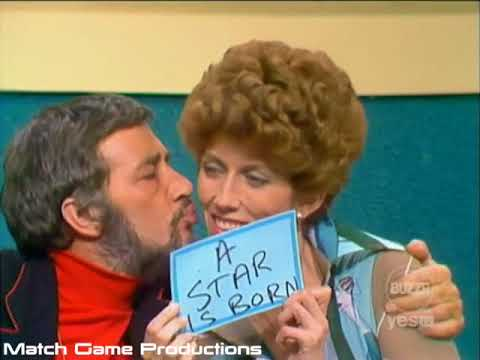
When The Bob Newhart Show went off the air six years later, Marcia jumped on the game show circuit. Shecould be seen on Password Plus; Super Password; Hollywood Squares; Crosswits; Hot Potato; The $25,000 Pyramid; Win, Lose, or Draw; Tattletales; To Tell the Truth; Family Feud; Card Sharks; and my favorite, Match Game.

📷youtube.com

Like so many actresses and actors who perform their role so well, Marcia was typecast after the show ended. In an interview, she said that “I have heard ‘You’re too recognizable for this part.’ I remember once, I desperately wanted to be on the series Nine to Five and they just weren’t going to see me because of that. Every once in a while, something would break my heart.”

Wallace also made appearances on The Love Boat and Fantasy Island in the seventies. During the eighties she would show up on CHiPs, Magnum PI, Taxi, Murder She Wrote, Night Court, and ALF, among other shows.

One of my favorite appearances of Wallace’s occurred in the mid-nineties on Murphy Brown. If you were a fan of that show, you know Murphy could not keep a secretary. There was even a support group that started of her former secretaries. However, when Carol Kester came to work for her, she was overjoyed. Carol was the role Wallace played on The Bob Newhart Show. Unfortunately for Murphy, at one point during the show, Bob Newhart shows up and convinces Carol to return to work for him and Jerry and Murphy lost her perfect assistant.

Most of Wallace’s work after 2000 was for voice work with one exception. In 2009, she had a recurring role on The Young and the Restless as Annie Wilkes for 14 episodes.

In 1985 Marcia was diagnosed with breast cancer. She survived it and became an activist and lecturer on the topic. In 2007, she won the Gilda Radner Courage Award for her work in this area.

In 1986 Marcia married Dennis Hawley in a Buddhist ceremony. Dennis renovated and managed hotels. The couple adopted a little boy, but Dennis passed away three years later.

📷imdb.com

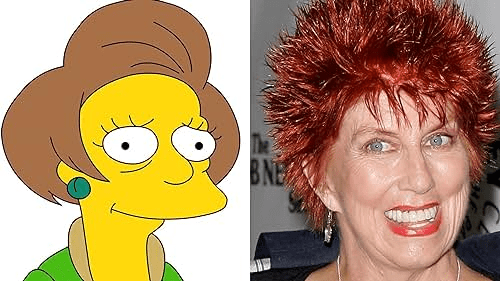
In 1989, a new type of show debuted called The Simpsons. Marcia was asked to provide the voice of Edna Krabappel, school teacher. She probably did not realize she would be associated with that role for another 24 years. Her role as Edna did not end until her passing.

In addition to her television work, Wallace performed on stage. She produced and starred in “An Almost Perfect Person,” a female version of “The Odd Couple,” “Same Time, Next Year” and many others.

In 2004, Wallace published an autobiography, Don’t Look Back, We’re Not Going That Way. She honestly discussed her breast cancer, the loss of her husband, her nervous breakdown, being a single mother, and the ups and downs of her career.

Marcia died from pneumonia and sepsis in 2013. Her coworkers commented on her passing. Yeardley Smith, who voices Lisa on The Simpsons, said “Heaven is now a much funnier place because of you, Marcia.” Bob Newhart said that “Marcia’s death came as quite a shock, she left us too early. She was a talented actress and dear friend.”

📷onceuponascreen.com

I’m so sad that Marcia was typecast and unable to get the roles that she wanted. The networks were very shortsighted during those decades. They didn’t give television fans enough credit for being resilient enough to love the character of Carol while being able to love another character played by Wallace. You saw the same things happen to Adam West, Alan Alda, and Henry Winkler. If that perspective had continued, we never would have had Mary Richards on The Mary Tyler Moore Show or Jay Pritchett from Modern Family. If someone could be a hit as Al Bundy and then go on to star in another show, anyone can get beyond being stereotyped. Marcia Wallace proved that anyone could survive life’s disappointments with determination and a sense of humor, and perhaps that was her greatest role for us.

Ted McGinley: A Model Actor

This month we are discussing Supportive Men, and I thought it was time to look at the career of Ted McGinley. He’s never been the star of a show, so he often sneaks under the radar, but he is someone we all recognize and appreciate.

📷decider.com

McGinley was born in Newport Beach, California in 1958. He could definitely pull off the California Surfer boy image, so it’s no surprise that he was into athletics, especially swimming, in high school. He worked as a lifeguard at the beach in the summer. USC gave him a scholarship for water polo, and he majored in urban planning and real estate.

Even though he was the MVP of his team, his scholarship was not renewed. He had been doing some modeling work on the side and with the lack of a scholarship, he decided to move to New York for more opportunities.

📷happydays.com

His modeling career spurred his acting career when he was spotted in GQ and cast as Roger Phillips, a Cunningham nephew from 1980-1984 on Happy Days. After winning the nationwide talent search, he had to face a steep learning curve with no acting experience at all. He doesn’t watch his early work on Happy Days because he hates to be reminded of his awkward performances. He said he “had to work on his lines at home and concentrate on the set before my cues. It was all so new. I’m bumbling away, and I hear stories of Ronny Howard, who forgot his lines just twice in seven-and-a-half- years.”

He studied his costars Henry Winkler, Marion Ross, and Tom Bosley. He also joined an improv class. He learned timing and great tips for developing acting skills.

He also spent four years on The Love Boat as Purser Ace Covington Evans from 1983-1987.

📷metv.com On The Love Boat

This was the decade his movie career began when he was cast in Revenge of the Nerds as Stanley Gable; McGinley reprised his role in the third and fourth Nerd movie franchise hits as well.

After The Love Boat ended, he made the rounds, appearing on shows that were popular including Dynasty, Hotel, and Perfect Strangers. He also took on several movie roles every year.

📷greginhollywood.com

In 1989, he joined the cast of Married  . . . with Children as Al Bundy’s best friend Jefferson D’Arcy, which he called a great, great gig.” It was during this time, Ted married Gigi Rice.

McGinley kept busy for the rest of the 1990s and early 2000s, never going long in between movies or television appearances; he had recurring roles on several shows including Sports Night, The West Wing, and Charlie Lawrence. Many people don’t recall the last show, because it was only around for a short time in 2003. It starred Nathan Lane as a freshman congressman from New Mexico who lives near Graydon Ford, played by McGinley, a neighbor from the opposing political party.

He got another break from 2003-2005 when he starred on Hope & Faith.

📷tvseriesfinale.com Hope & Faith

McGinley has continued his busy streak since 2005, although he has not been part of a cast during the past two decades.  He’s amassed 96 acting credits since 1982. In 2008, he took a stab at Dancing with the Stars, paired with pro dancer Inna Brayer. Unfortunately, he was the second contestant to be eliminated.

Considering McGinley got his first job without any acting experience and had to learn this skill thrown into the fire, he has developed a very successful career. His years on The Love Boat get lost because he is not part of the original crew. I have to admit, when I think of McGinley, I think of Jefferson D’Arcy. No surprise to those of you who have gotten to know me during these past eight years, Married . . . with Children was not a favorite of mine, but I appreciate the place it has in television history. I know a lot of people remember it fondly. I do remember McGinley fondly though for his supporting roles over the years.

Henry Winkler: Simply Amazing

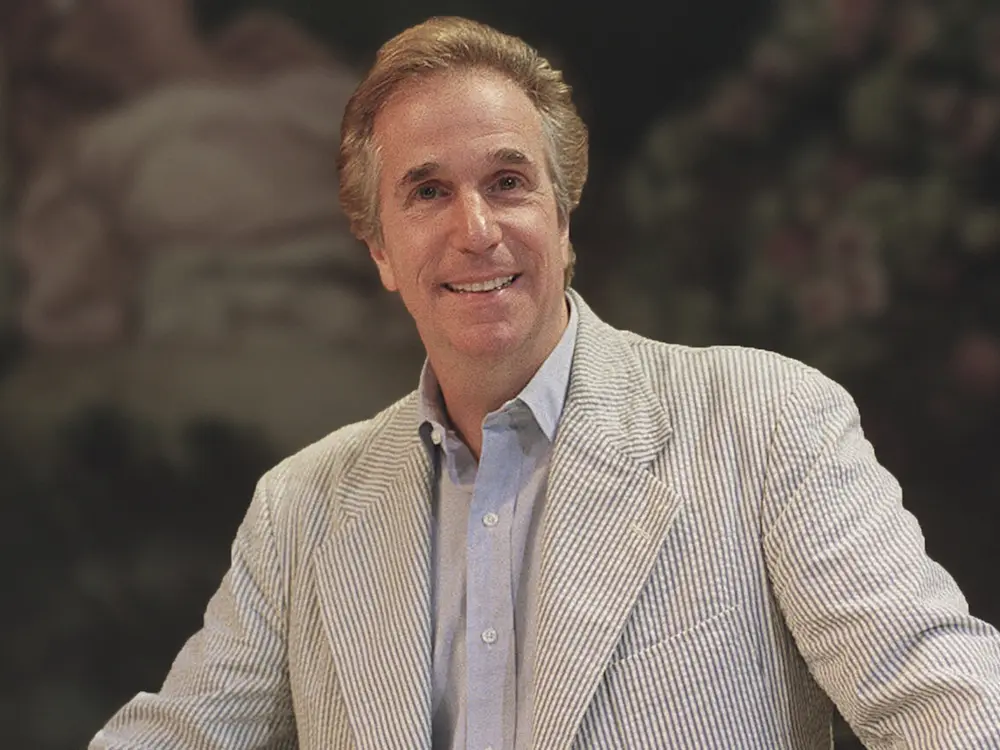
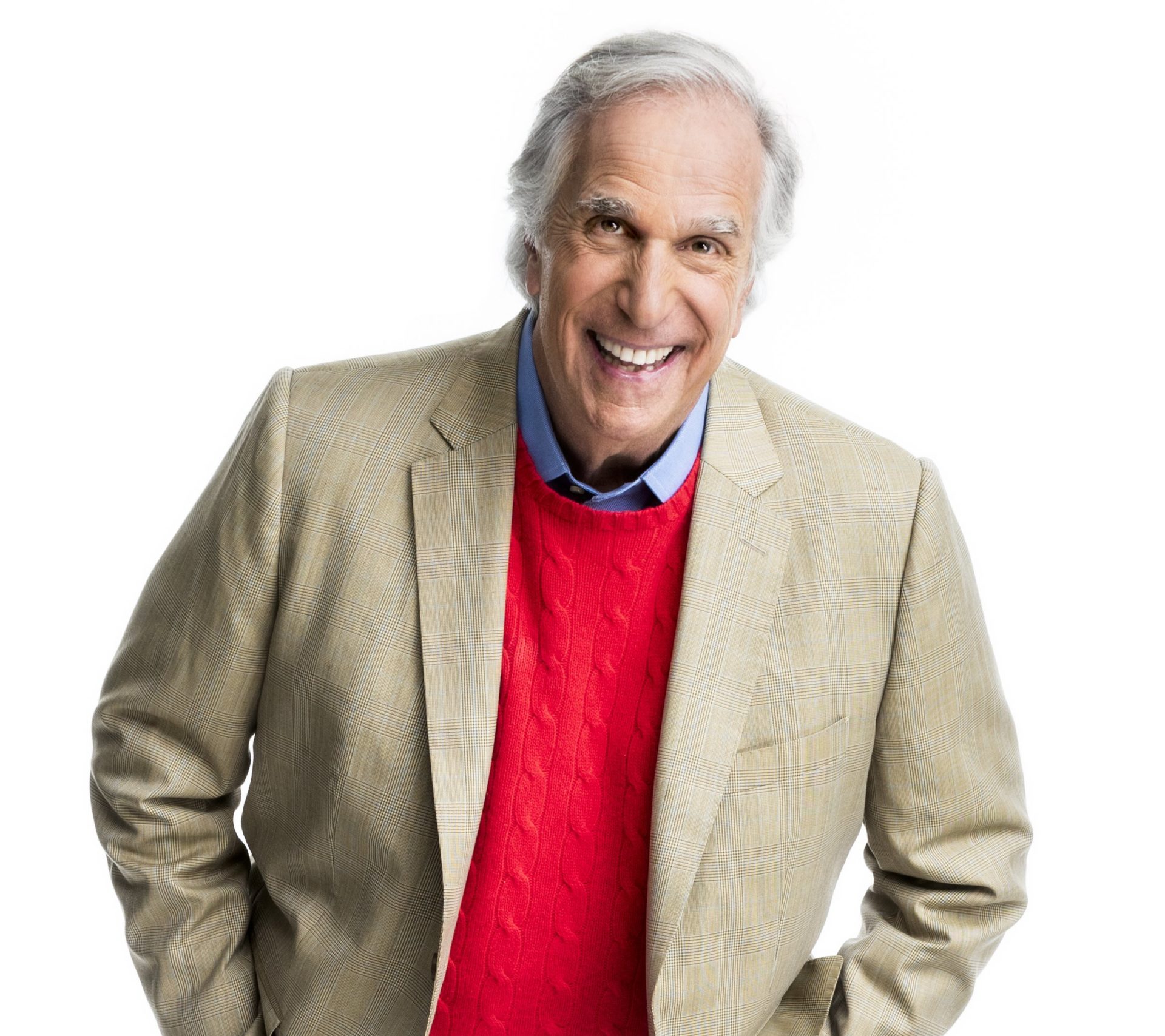
Today we are learning about the career of Henry Winkler. Although he was typecast for many years following Happy Days, he managed to continue his career with a variety of roles.

Photo: wikifandom.com

His parents were German Jews who lived in Berlin during the occupation of Nazi Germany. His father knew they would not be safe there and left in 1939. Winkler described what happened in an interview with Terry Gross on NPR in 2019: “My father knew that it was time. He got a six-week visa from Germany to come and do work in New York but was expected to come right back. I have told this story–that he took his mother’s jewelry, bought a box of chocolate, melted the chocolate down, put the pieces of jewelry in the chocolate box, melted–poured the chocolate over the jewelry, put the box under his arm, so when he was stopped by the Nazis and they said, are you taking anything of value out of Germany, he said, no, you can open every bag; we’ve got nothing. And the jewelry that he encased in chocolate, he sold when he came out of Ellis Island into New York and was able to start a new life here, slowly but surely. I have the actual letters from the government each time my father requested to stay a little longer, and they would say yes. And I was born.”

Photo: goodhousekeeping.com

Although his family did not keep kosher, Henry and his sister Beatrice were raised with the traditions of Conservative Judaism.

Winkler struggled with his studies but he was popular and very funny. His parents were frustrated by his inability to learn. Apparently, his father spoke eleven languages and could easily do math in his head. Henry’s self-esteem began to suffer during these years. Because his grades weren’t better, he was banned from most theater productions, which was what he was most interested in. He was able to appear in “Billy Budd” in eighth grade and in “Of Thee I Sing” in high school.

Henry Winkler - IMDb
Photo: imdb.com

When Winkler gave a talk at the Yale Center for Dyslexia and Creativity, he tried to describe what it had been like for him in school: “You want so badly to be able to do it and you can’t. And no matter how hard you try, it’s not working . . . I would study my words.  I would know them cold. I would know them backwards and forwards. I would go to class. I would pray that I had retained them. Then I would get the test and spend a lot of time thinking about where the hell those words went. I knew them. They must have fallen out of my head. Did I lose them on the street? Did I lose them in the stairwell? Did I lose them walking through the classroom doorway? I didn’t have the slightest idea of how to spell the words that I knew a block and a half away in my apartment the night before.”

Henry Winkler Talks About His Dyslexia in CBS Interview | Understood - For  learning and thinking differences
Photo: understood.org

After high school, he attended Emerson College to study theater. He applied to 28 colleges but his grades kept him from being accepted at 26 of them. He majored in theater and minored in child psychology. During his time there he was a member of the Alph Pi Theta fraternity. He had a role in “Peer Gynt” as Peer Gynt. Although he also struggled with college courses, he stayed the course for four years and graduated in 1967. He was admitted to the Yale School of Drama in 1967. He appeared in a number of productions there. He received his MFA in 1970. Twenty-six years later he spoke at Graduation Day at Yale.

He began doing commercials in New York after graduation and starred in The Lords of Flatbush and Crazy Joe, two independent films. He appeared one day on Broadway; the show opened and closed on the same day. He also performed with an improv group, Off the Wall in New York.

Bomber Happy Days Fonzie Jacket - Jackets Creator
Photo: usajacket.com

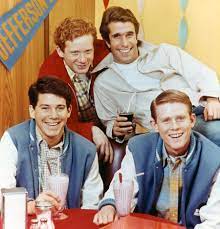
In 1973 he moved to California. His first role there was on The Mary Tyler Moore Show. Although he paid his dues in New York, he was hired as Arthur Fonzarelli on Happy Days his second week in Hollywood. He would portray the Fonz for a decade. The part was originally written a minor role on the show. Winkler did not want to portray the character as a stereotyped role which is probably why he became so popular. He was allowed to wear a black leather jacket only on his motorcycle the first year. Winkler never drove the cycle because the first time he tried, he crashed. His motorcycle on the show was the same one Steve McQueen used in the last scene of The Great Escape in 1963.

During his time on the show, he was diagnosed with dyslexia, explaining his tough time at school.

During the middle of season two, his character became a regular cast member. Many fans attribute to his performance in the episode “Guess Who’s Coming to Christmas.” By season three, he was considered one of the leads in the show.

Both Ron Howard who played Richie and Winkler told writer Stephanie Nolasco of Fox News how they felt about each other and their time on Happy Days. Winkler had a hard time dealing with his sudden fame, and Howard was able to provide some grounding for him. Winkler described this time, “It’s unnatural—the human condition does not prepare you for stardom. That’s just the way it is. So, you have to hold on to yourself and then you’ve got friends like Ron who doesn’t take it all seriously. I learned from him; he was my teacher. And Garry Marshall never took bad behavior from anybody. He was a father figure. He was very funny and very idiosyncratic, and then he was very strict.”

With Ron Howard Photo: decider.com

Winkler also discussed his friendship with Howard. “I think people gravitate to the Fonzie/Richie relationship because Ron and I are ten years apart. He was 19 and I was 27. We had a connection that you cannot describe in real life, and it was similar off-camera. He gave me my first mitt; I’d never played baseball before. He’s my brother.”

Howard echoed the sentiments. “We were fast friends from the beginning. It continues all these years later. It was exciting for me to work with Henry because he was really a trained actor who attended Yale Drama School; just a trained New York actor. And, I’d grown up sort of through the Hollywood television system, so for me to work with this guy who was so thoughtful, so creative, and yet so hilarious, was really an opportunity for me to learn and grow and we just clicked, you know.”

Happy Days Photo: ew.com

The sudden fame for Fonzie might have damaged the friendship Winkler had with Ron Howard, but they were both professionals and never had their egos inflated. They honestly discussed what was happening and while Howard had a harder transition with the show, he understood that Fonz had become a national icon. Even now decades after the show ended, people recognize his “Ayyy” and “correctamundo” catch phrases and his thumb’s up gesture.

After the show was canceled, his leather jacket was acquired by the Smithsonian Institution for the National Museum of American History. A bronze statue of the Fonz was erected in Milwaukee in 2008 along the Milwaukee Riverwalk.

Photo: ew.com

Fonzie was adored by many kids, especially kids who needed some extra help or attention. Marshall was asked if the show could do something to help kids realize how important reading was. In one of the episodes, The Fonz went to the library and checked out a book, saying “Everybody is allowed to read.” That week, library card registrations increased by 500%. In another situation, one day a call came to Paramount Studios. It was from a teenage boy who was contemplating suicide. He wanted to talk to Fonzie. Winkler picked up the call and gave the boy hope, convincing him not to take his life.

Tom Bosley and Marion Ross Photo: ebay.com

He received 50,000 letters a week. He also received $50,000 an episode. Winkler described The Fonz as his alter ego; he said that Fonz was everything he had always wanted to be: in charge, confident, and adored by others. Winkler credits Marion Ross and Tom Bosley, Mr. and Mrs. Cunningham on Happy Days, with being his acting mentors. He loved them for what they taught him and for being great people. When Bosley died, Winkler said “Tom was a family member, both on and off the sound stage. We acted together, traveled together, and played charades together. He was a loving husband, a doting father, and a fantastic grandfather.”

During his years on Happy Days, Winkler was able to tackle several other roles in the off season. He was a Vietnam War vet with PTDS in Heroes for which he received a Golden Globe nomination. He was in Carl Reiner’s The One and Only and in Ron Howard’s Night Shift.

Stacey Weitzman + Henry Winkler: Inside the Fonz's Real Life Love Story
Henry and Stacey Photo: wideopencountry.com

He also tackled the role of husband, when he married Stacey in 1978. After two years of dating, they married in the same synagogue where Winkler had his bar mitzvah. Together they raised three children, and they have been involved with a variety of children’s charities including the Children’s Action Network, the Annual Cerebal Palsy Telethon, the Epilepsy Foundation of America, the Toys for Tots, the National Committee for Arts for the Handicapped, and Special Olympics.

Even with these roles and several other television appearances under his belt, when Happy Days ended, Winkler was typecast and could not get quality roles. Winkler went the route of producer and director. He was one of the developers of MacGyver and produced and directed Sabrina the Teenage Witch. He worked on two movies: Memories of Me with Billy Crystal and Cop and a Half with Burt Reynolds. He also had appearances in Scream in 1996 and The Waterboy in 1998 and on television in The Practice in 1997 and Arrested Development in 2003.

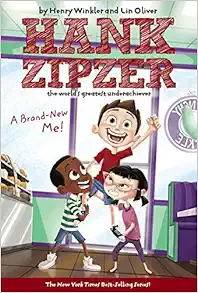
In 2003, he added writer to his resume, creating a new series of children’s books, Hank Zipzer about a dyslexic boy, with co-author Lin Oliver. The BBC televised the series, and Winkler appeared as Mr. Rock in the show. Winkler and Oliver went on to create Here’s Hank, the Ghost Buddy series and the Alien Superstar series. Queen Elizabeth appointed him Honorary Officer of the Order of the British Empire in 2011, and he was named one of the United Kingdom’s Top Ten Literary Heroes in 2013. In 2019, he was awarded the Bill Rosendahl Public Service Award for Contributions to the Public Good for his book series. In 2016, the award was renamed after Bill Rosendahl, a progressive political leader, Los Angeles’ first openly gay City Council member, an educator, a Vietnam veteran, an award-winning host of thousands of public affairs programs, and president of the Los Angeles Press Club.

In 2016 he joined the ranks of actors participating in reality shows on Better Late Than Never. During season two, Winkler traveled to Berlin and shared his family’s story. This was a quirky 12-episode reality show. NBC described it as: “This hilarious fish-out-of-water comedy/reality show follows cultural icons Henry Winkler, William Shatner, Terry Bradshaw and George Foreman on their greatest adventure yet. Deciding it’s Better Late Than Never, these four national treasures embark on the journey of a lifetime, traveling across Asia on their own with no schedule and no itinerary. The only “help” will come from Jeff Dye, a young, strong, tech-savvy comedian with an agenda of his own – who isn’t above leading the men off track. Each stop is packed with hilarious cultural experiences, heartwarming spectacles and unexpected twists as our legends take on this unforgettable adventure.”

Better Late Than Never art features Henry Winkler, William Shatner, Terry  Bradshaw, George Foreman | EW.com
Photo: entertainmentweekly.com
Photo: vanityfair.com

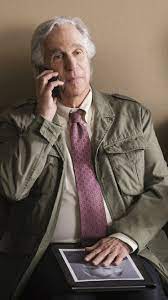
In 2018, Winkler starred in the show Barry and won his first Outstanding Supporting Actor in a Comedy Series Emmy. The plot features a hit man from the Midwest who moves to Los Angeles and becomes fascinated with the city’s theater life.

The show was on HBO for two seasons and Bill Hader, one of the creators and star of the show, wanted Henry for the part of acting teacher Gene Cousineau. Winkler mentioned he was 27 when he got the regular role on Happy Days and 72 when he got the role on Barry. Stage 19 of Paramount was where Barry was filmed; it was also the same sound stage used for Happy Days. Hader wrote Cousineau as a dark, cold character and while he could humiliate his students, Winkler brought some warmth to the character as well.

Winkler is a loyal Democrat and has campaigned for, and financially supported, Jimmy Carter, Bill Clinton, Al Gore, John Kerry, and Barack Obama.

Happy Days': Henry Winkler Revealed How He and John Ritter Met
With Friend John Ritter Photo: outsider.com

In addition to being lifelong friends with Ron Howard, Winkler was a close friend of John Ritter. They met at an ABC party in 1978 and became close friends. Winkler was actually on the set of John’s show when he collapsed and had to be taken to the hospital shortly before his death.

I do like to add some personal stories to my blogs when possible. I found a fun article in New York Magazine that looked at what famous people like to buy. One of the pieces was about Henry Winkler from October 2021. So, what did the famous Mr. Winkler purchase?:

Gotham_5lb_bag_Brooklyn-Blend.jpg

Penn Ultra-Blue racquetballs to play with his dog Sadie. ($4); A Sony Alpha a6000 Mirrorless Camera ($650); Landmark Theatre Gift Cards ($5); Katz’s Pastrami and Rye food boxes ($155), a reminder of his youth; Munster Cheese from The Cheese Store of Beverly Hills ($15); Winston Boron fly fishing rod ($825); Knudsen’s heavy whipping cream ($4); Gotham Coffee Roasters Brooklyn Blend Coffee ($18) which needs the above cream, no half ‘n half for Henry; and Lavley I’d Rather Be Fly Fishing socks ($12), because no one likes the socks where the elastic stops working after two wash cycles. A bit of fun trivia about an icon’s shopping list.

Perhaps one of the best stories that displays the importance of Henry Winkler comes from journalist Anderson Cooper. Cooper is also dyslexic and said that one of the books that influenced his life was The Fonz: The Henry Winkler Story. He keeps it in his office at CNN. He also mentioned that in meeting Winkler in person as an adult, he realized what a kind and gracious person he is. That is something I read over and over; everyone described Winkler as kind, level-headed, grounded, unbelievably nice, and many other similar sentiments.

Henry Winkler Shares Insights at Vital Ayyy-ging Conference | News | San  Diego County News Center
Photo: sandiegocountynews.com

Henry Winkler would be amazing just based on what he did with the character of The Fonz. He would be amazing just based on what he has done for his children’s charity work. He would be amazing just based on how seriously he takes his roles as husband and father. He would be amazing just based on his directing and producing work. He would be amazing just based on his later roles on Arrested Development and Barry. He would be amazing just based on his friendships with coworkers including Ron Howard, Marion Ross, Tom Bosley, Adam Sandler, and John Ritter. He would be amazing just based on his book series as an author. And he would be amazing just based on the work he has done to help others understand dyslexia. Put them all together and add the fact that no one can talk about him without describing what a genuine and kind person he is, and he is well, just simply amazing. Thank you, Henry Winkler, for all the ways you have amazed us over the decades.

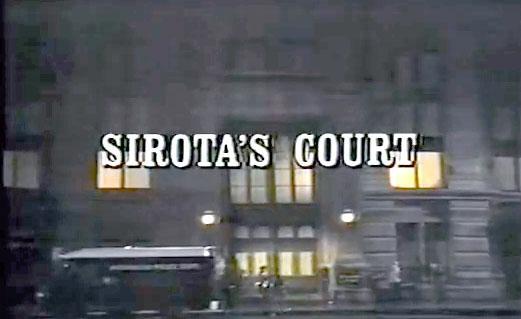
Sirota’s Court: It Never Got a Fair Trial

We are in the middle of my “Don’t Judge Me” blogs. Today I am picking up my gavel to make a ruling on Sirota’s Court.

Photo: filmaffinity.com

This sitcom made its debut December of 1976. By April of 1977, it had disappeared from the airwaves. It was produced by Peter Engel Productions and Universal Television.

The show followed Judge Matthew Sirota (Michael Constantine) who sits on the bench for the night court. He works with, and has an off-again, on-again romantic relationship with, court clerk Maureen O’Conner (Cynthia Harris). The liberal public defender is Gail Goodman (Kathleen Miller) who battles with private attorney Sawyer Dabney (Ted Ross) and assistant district attorney Bud Nugent (Fred Willard). Bailiff John Belson (Owen Bush) has the judge’s back. Like the Mary Tyler Moore Show, the series devotes time to Judge Sirota’s professional and private lives.

Photo: ptwikipedia.com

If that concept sounds eerily familiar, it should. Seven years after Sirota’s Court left the air, Night Court appeared. Maybe Sirota’s Court was ahead of its time or could not survive the scheduled competition, but it’s hard not to see Night Court as an almost identical clone of this show. The newer judicial comedy featuring Harry Anderson would last nine seasons and produce 193 episodes.

In the original version, the Honorable Sirota incorporates a sense of humor and a boatload of common sense into his courtroom. Being in a large metropolitan city, Sirota is a surprisingly compassionate judge, considering the bizarre cases, the odd clients, and the eccentric court comrades he has to deal with. He often had to take on the role of referee between public defender Goodman who was trying to make the world a better place however she could, attorney Dabney who only cared about making a buck, and totally inept assistant district attorney Nugent.

The show employed a lot of different writers for only thirteen episodes. Twelve different writers were credited on the series. Some of the plots included Judge Sirota trying to prevent being named one of the ten worst judges in America, dealing with dentists who were using laughing gas on election night, or the night a full moon brings in an even more ridiculous roster of bizarre situations to rule on.

Photo: sitcomsonline.com

The show was on Wednesday nights. There was no way this series was going to obtain satisfactory ratings going up against All in the Family and Baretta. All in the Family was in the seventh year of its nine-year reign and still was in the top twenty. Baretta, which was in its third year, had a solid following and was in the top ten. In addition, the show took a lot of heat for one of its episodes, “Court Fear,” when the judge performed a same-sex wedding. It’s creator, Peter Engel, mentioned several times that the show “never got cancelled, it just sort of faded away.” Another factor may have been too many writers. Considering Jack Winter wrote 4 of the 13 episodes, that left 11 writers covering the other 9 shows. Perhaps there was not enough time to fully develop the characters with so many different perspectives.

Photo: tvtango.com

Considering there were only 13 episodes, it’s impressive that Sirota’s Court was nominated for an Emmy for Outstanding Art Direction or Scenic Design for a Comedy Series and for a Golden Globe for Constantine for Best Performance by an Actor in a Television Series, Musical or Comedy. Constantine was up against Tony Randall for The Tony Randall Show, Freddie Prinze for Chico and the Man, Alan Alda for MASH, and winner Henry Winkler for Happy Days.

Photo: pinterest.com

Unfortunately, I could not find DVDs for this show anywhere, even the rare and hard-to-find DVD sites. It would be interesting to compare it with Night Court and see how similar the two shows actually were. My ruling is that the show was competent to stand trial, but the powers that be were too quick to negotiate a settlement.

Any Time Spent with the Cunninghams Are Happy Days

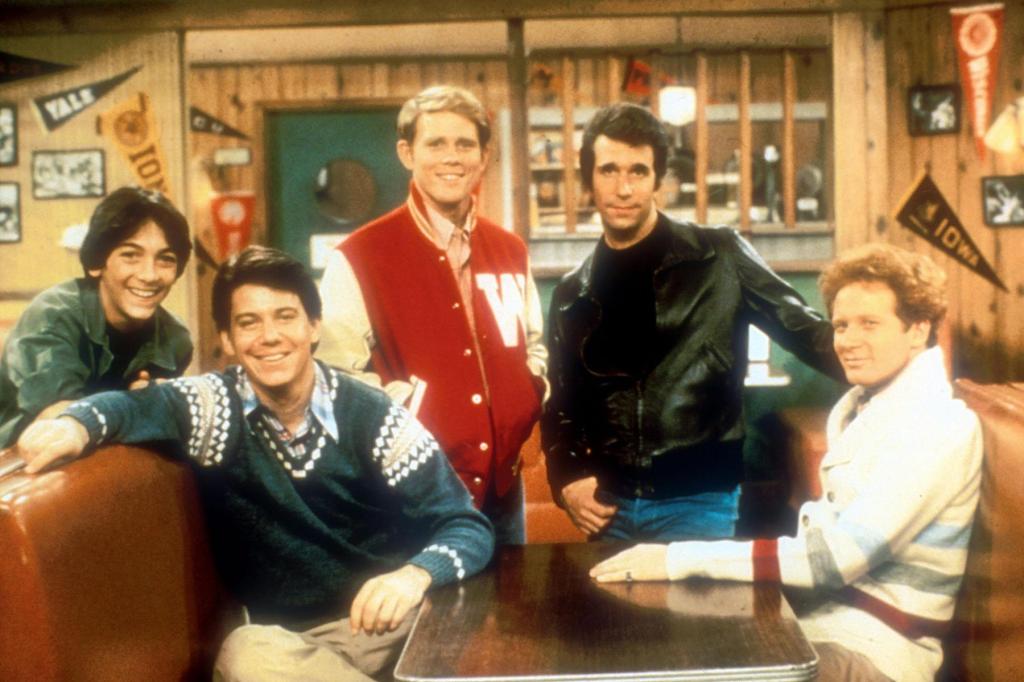
Continuing the theme “Living in the Past: Timeless Comedies,” we find ourselves transported to Milwaukee, WI in the 1950s getting to know the Cunninghams. Beginning September of 1984, Happy Days entertained fans for more than a decade, producing 255 episodes. When the show began, it was set in 1955, and when it went off the air eleven seasons later, it was 1965.

Photo: aceshowbiz.com

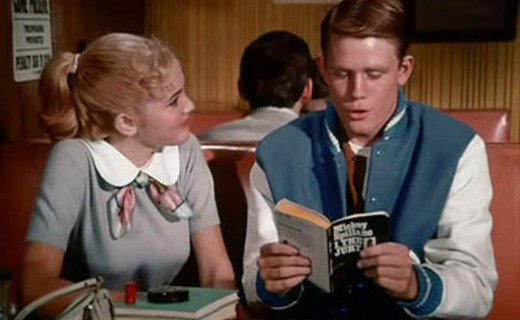
Garry Marshall developed the pilot which first aired on Love American Style in 1972 as “Love and the Television Set.” The network wasn’t interested in turning the pilot into a show when it first came up. However, once George Lucas released American Graffiti in 1973, also starring Ron Howard, ABC took another look at the period show. The first two seasons, the show focused more on Richie Cunningham as he interacted with his friends and family. Jerry Paris (Jerry Helper on The Dick Van Dyke Show) directed 237 of the episodes. Happy Days was described as relentlessly ordinary. The plots revolved around the same types of problems most teens experienced in the fifties: dating, wanting to be popular, peer pressure, and similar experiences.

Richie’s family includes his father Howard (Tom Bosley) who owns a hardware store, and his mother Marion (Marion Ross). Howard is a family man and is also loyal to his lodge. Marion is content to stay at home, except for a brief stint when she gets a job as a waitress at Arnold’s. The cast also includes his younger sister Joanie (Erin Moran) and an older brother Chuck.

Photo: parade.com

Chuck would not be around long. At the end of the series, Tom Bosley says “he had the joy of raising two wonderful kids and watching them and their friends grow up into wonderful adults.” Poor Chuck. His existence wasn’t even acknowledged in the finale. When a character just disappears without an explanation, it is often referred to as the “Chuck Cunningham Syndrome.”

Photo: sharetv.com

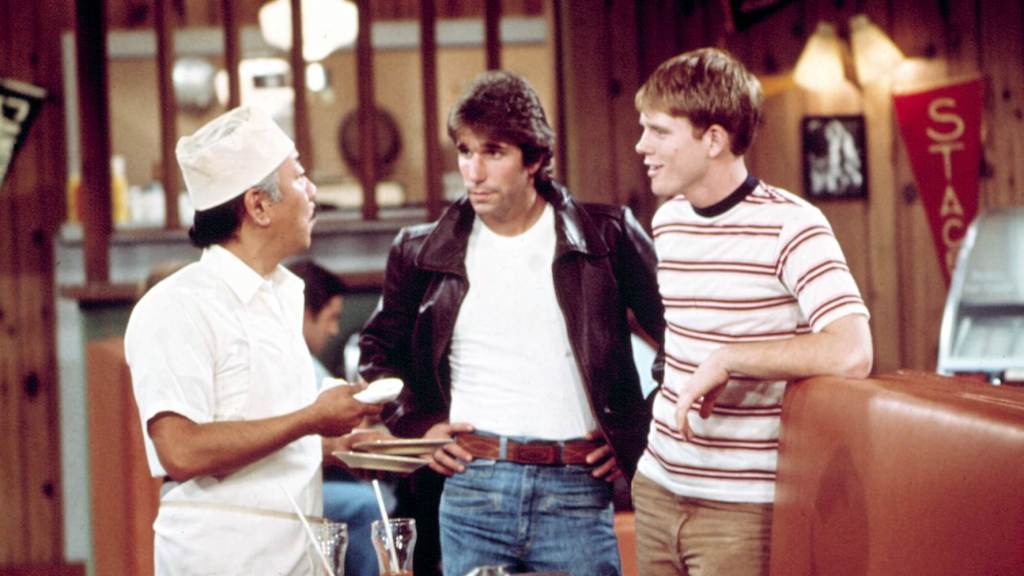
Richie’s friends include Potsie Weber (Anson Williams) and Ralph Malph (Donny Most). Potsie, whose real name is Warren, was a singer. When Richie went into the Army so did Ralph. A famous catchphrase from the show was Ralph’s uttering “I still got it!” after he told a joke. Richie’s girlfriend is Lori Beth Allen (Lynda Goodfriend). She and Richie marry later in the series. The friends hung out at Arnold’s and got to know Arnold (Pat Morita) well. They listen to a lot of music at the restaurant; Richie’s favorite song was “Blueberry Hill” by Fats Domino. One fun fact about the drive-in was that the restrooms were labeled “Guys and Dolls.” Eventually, Arnold sells the restaurant to Al (Al Molinaro).

Photo: nbcnews.com

The pilot included Ross, Howard, and Williams in their later roles. Harold Gould played the part of Howard and Susan Neher was Joanie. When the show got the go-ahead, Gould was involved in a play abroad and declined, so the role was given to Bosley.

Photo: businessinsider.com

Robby Benson and Donny Most were both under consideration for the role of Richie. They had appeared in a commercial for Reese’s Peanut Butter Cups together. When Howard was given the role, the role of Ralph was created for Most.

There are several references during the show made about Ron Howard’s past acting roles. One of these occurred when the family is leaving a theater where they watched The Music Man in 1962. Marion comments that she thought the little boy in the movie looked just like Richie when he was little. Howard did in fact play the role of Winthrop Paroo in The Music Man in 1962 when he was eight years old.

Photo: neatorama.com

There were two primary sets for the show: The Cunningham residence and Arnold’s Drive-In. The real exterior of the house was in Los Angeles. However, Arnold’s found its inspiration in The Milky Way Drive-In located on Port Washington Road in Glendale, WI, more recently Kopp’s Frozen Custard.

Photo: hollywood.com

The ratings began to decline during the second season, so Garry Marshall made Fonzie (Henry Winkler) more involved in the show. Fonzie moved into the apartment above the Cunninghams’ garage. Eventually he and Richie become best friends, and Fonzie is a basically a member of the family. Marion is the only person who is allowed to call him Arthur. Fonzie was also fond of Joanie and nicknamed her “Shortcake.” His best-known catchphrase was “Heyyyy!” By 1976 the show was number one.

Photo: sidereel.com

In season four, Arnold sells his restaurant to Al (Al Molinaro). That same year, Fonzie’s cousin Chachi (Scott Baio) comes to town. He would eventually fall in love with Joanie. After season nine, Ron Howard left the show, and Howard’s nephew Roger (Ted McGinley) joins the cast as the new phy-ed teacher at the high school.

In season ten, Joanie and Chachi also leave the show; Moran and Baio starred in the spinoff Joanie Loves Chachi, but when the new show failed, both characters returned to Happy Days. Richie’s leaving was explained by him joining the Army. In season 11 he returns briefly to learn his parents have obtained an interview for him with the Milwaukee Journal. Not wanting to hurt their feelings, he eventually admits his wish is to go to California and try his hand at screenwriting.

Photo: happydays.wikia.com

Some of the best-known guest stars include sports star Hank Aaron, singer Frankie Avalon, western star Lorne Greene, Brady kids Maureen McCormick and Christopher Knight, legends Tom Hanks and Danny Thomas, and blonde beauties Morgan Fairchild, Charlene Tilton, and Cheryl Ladd.

The show’s theme song was a new version of an old standard, “Rock Around the Clock” by Bill Haley & His Comets. The theme was so popular it reached #39 in 1974; in real life, in 1955, the song had been a number one hit.  Beginning in season three, a newer song, “Happy Days” was featured at the beginning of the show.

Photo: fanarttv.com

Amazingly, the show would be the source for a variety of spinoffs including Laverne & Shirley, Mork and Mindy, Joanie Loves Chachi, Blansky’s Beauties, and Out of the Blue.

Once so many of the main characters began leaving the show, the writing was on the wall. “Jumping the shark” is an expression that was coined when The Fonz actually jumped a shark. It’s a symbol for when a show grasps at straws to increase the ratings. Rarely is that type of exaggeration successful and it was not for Happy Days.

The show was so popular it never left its Tuesday night line-up. It aired at 8 pm EST for the first ten seasons and switched to 8:30 for its final season. However, the show had lost its magic, and the cancellation was inevitable. In fact, the show probably should have ended a season earlier. In addition to actors wanting to move on to new projects, the sixties were a very different time period than the fifties. The warm and fuzzy family themes that carried the show through the fifties and early sixties could not continue as the series had to survive the hippy era and the Vietnam War.

Photo: theweeklings.com

Although the show was a team effort, there is no denying that Winkler’s portrayal of the Fonz was the most popular character of the decade and one of the most iconic in television history. After the show was cancelled, his leather jacket was acquired by the Smithsonian Institution for the National Museum of American History. A bronze statue of the Fonz was erected in Milwaukee in 2008 along the Milwaukee Riverwalk.

This character warrants a closer look. One of the people who auditioned for the role of Fonzie was Micky Dolenz from The Monkees. He was a lot taller than the other cast members, so he was bypassed while they looked for a shorter actor which ended in Winkler’s hiring. Fonzie’s real name is Arthur Herbert Fonzarelli. His grandmother raised him and his nickname was Skippy. His hero is The Lone Ranger, and he carries a picture of him in his wallet.

Photo: realtor.com

Winkler said he based some of Fonzie’s movements and speech after Sylvester Stallone whom he had worked with in The Lords of Flatbush. The Fonz loved motorcycles, but Winkler decidedly did not, so most scenes were shot with the bike attached to a platform which was pulled by a truck, so Winkler never had to ride it. The cycle was the same model Steve McQueen rode in The Great Escape in 1963.

Photo: commonsensemedia.com

This show had a slew of catchphrases, and one of them came from The Fonz whenever he was trying to get someone to answer a question correctly.  When they said the right answer, his response was “correctamundo.”

Fonzie was adored by many kids, especially kids who needed some extra help or attention. Marshall was asked if the show could do something to help kids realize how important reading was. On one of the episodes, The Fonz went to the library and checked out a book, saying “Everybody is allowed to read.” That week, library card registrations increased by 500%. During one day of filming, a call came to Paramount Studios. It was from a teenage boy who was contemplating suicide. He wanted to talk to Fonzie. Winkler picked up the call and gave the boy hope, convincing him not to take his life.

The only negative thing about Fonzie was the result he had on Winkler’s future acting career.  It took a long time before he could shake that image and be considered for other types of acting roles.

Photo: happydays.wikia.com

In 2019, the cast reunited to celebrate the life of Garry Marshall who passed away in 2016. In an article by Gina Vivinetto in Today on November 14, 2019, Donny Most discussed the cast. “We were so good at what we did because we respected each other and loved each other.” He went on to say “we made it look easy and it wasn’t.”

In another article during that same event written by Zach Seemayer November 17, 2019], Williams and Howard both talked about the mentoring they received from Marshall. Williams said, “He really cared about us. More than as actors. He really inspired us to learn because he said [we might] wanna wear many hats.” Howard also learned from his mentor, saying “Garry was a natural teacher and he loved collecting theories and axioms about life but also making a show. They were all hilarious but they all rang true and they were great lessons.”

Both Howard and Winkler told writer Stephanie Nolasco of Fox News how they felt about each other and their time on Happy Days. Winkler had a hard time dealing with his sudden fame, and Howard was able to provide some grounding for him. Winkler described this time, “It’s unnatural—the human condition does not prepare you for stardom. That’s just the way it is. So, you have to hold on to yourself and then you’ve got friends like Ron who doesn’t take it all seriously. I learned from him; he was my teacher. And Garry Marshall never took bad behavior from anybody. He was a father figure. He was very funny and very idiosyncratic, and then he was very strict.”

UNITED STATES – JULY 10: HAPPY DAYS – Gallery – Season Two – 7/10/75 Fonzie (Henry Winkler) Richie (Ron Howard) Potsie (Anson WIlliams) and Ralph (Donny Most) (Photo by ABC Photo Archives/ABC via Getty Images)

Winkler also discussed his friendship with Howard. “I think people gravitate to the Fonzie/Richie relationship because Ron and I are ten years apart. He was 19 and I was 27. We had a connection that you cannot describe in real life, and it was similar off-camera. He gave me my first mitt; I’d never played baseball before. He’s my brother.”

Howard echoed the sentiments. “We were fast friends from the beginning. It continues all these years later. It was exciting for me to work with Henry because he was really a trained actor who attended Yale Drama School; just a trained New York actor. And, I’d grown up sort of through the Hollywood television system, so for me to work with this guy who was so thoughtful, so creative, and yet so hilarious, was really an opportunity for me to learn and grow and we just clicked, you know.”

UNITED STATES – AUGUST 11: HAPPY DAYS – “Get a Job” 2/25/75 Ron Howard, Henry Winkler (Photo by ABC Photo Archives/ABC via Getty Images)

The entire cast spent a lot of time together and participated in softball events. Marshall put the league together with casts from other television shows partly to help keep actors out of trouble and away from drugs. Winkler described the cast being “very much like a family. I love them, I talk to them, I email them, and I see them.”

Photo: thenewyorktimes.com

For eleven years Happy Days provided all of us with lovely memories of the Cunningham family and their friends. It is one of the best sitcoms of the 1970s and has held up beautifully in syndication. Life in the fifties was a fun and heart-warming time (at least on television), but all good things must come to an end, and Happy Days was no exception. The good news is we can get immersed back into the Cunninghams’ lives whenever we want to. Eleven seasons provides for a lot of binge watching. Better make some extra popcorn.

Just A Girl From the Bronx: Penny Marshall

Today we look at the career of Penny Marshall. She comes across in most of her interviews as a “what you see is what you get” type of girl.

Penny Marshall was born Carole Penny Marshall in the Bronx in October of 1943. Her mother was a tap dancer and, according to Penny and her brother Garry, was quite a character. Her father was a film director for industrial films. Garry says Penny caused their mother the most problems of all the children. They knew it would be so when she walked on the ledge of the apartment building they lived in.

While attending the University of New Mexico, Penny became pregnant. She and her boyfriend, Michael Henry married in 1961 but divorced by 1963. Penny says she ended up there because her mother didn’t know geography and assumed New Mexico was close to New York, New Jersey, and New Hampshire.

marshall farrah

After working as a secretary, she dabbled in acting. One of her first jobs was a Head and Shoulders commercial with Farrah Fawcett.

marshall las

Her brother Garry cast her in the movie How Sweet It Is in 1968 with Debbie Reynolds and James Garner. Penny began getting roles on television shows including Love American Style, That Girl, and The Bob Newhart Show.

In 1971 she married Rob Reiner. That same year she began a recurring role on The Odd Couple as Myrna Turner, Oscar’s secretary. She appeared in 27 shows. penny3odd

Marshall had been considered for the role of Gloria Stivic on All in the Family, the television wife of her husband Rob.

Rob Reiner and Penny Marshall circa 1970s © 1978 Gary Lewis

In 1974 Garry was looking for a couple of girls to appear on an episode of Happy Days. Cindy Williams had previously dated Henry Winkler, and Garry cast Cindy and Penny as the “fast girls” dating the Fonz and innocent Richie Cunningham. The girls appeared in five different episodes.

penny4

They were such a hit that a spinoff was created for them in Laverne and Shirley. The show ran from 1976-1983, producing 178 episodes. Laverne and Shirley were best friends and roommates. They worked at the Shotz Brewery Company in Milwaukee and had a wacky group of friends. After several seasons, the girls move to California when automatic bottle cappers replaced them at the brewery. Laverne could be a bit brash and spontaneous, but she had a heart of gold, and Shirley tried her best to keep her in line.

penny5

One of my favorite books is My Happy Days in Hollywood by Garry Marshall. In a chapter about Laverne and Shirley he wrote that one of the producers on the show asked him to switch shows for a while because he had an urge to run Penny and Cindy over with his car. Garry said he switched but had to change back quickly because he understood that urge. He said they were terrible to work with. Rumors spread that they both had inflated egos and did not get along. Penny later admitted that she had not behaved the best and apologized to her brother. During the run of the series, Marshall and Reiner went through a rough divorce.

penny6

Penny had directed four Laverne and Shirley episodes. In the 1980s and 90s, she began directing movies as well. Her most famous movies were Jumpin’ Jack Flash (1986), Big (1988), Awakenings (1990), and A League of Their Own (1992). She was the first female director to get more than $100 million when she directed Big. Marshall also appeared in a variety of movies and television shows during this time.

In 2013 she accepted a role on Murder Police, playing Sylvia Goldenberg. This was an animation comedy about two policemen, one a good cop and his partner a tough, rule-breaking officer. The show was set to air on Fox, but the network didn’t like the show. The 13 episodes taped have never been seen in the US.

In 2012, Marshall published a memoir, My Mother Was Nuts. She talked into a tape recorder and had someone type it up. She had many memories of her childhood and the sarcastic one-liners her mother was famous for.

penny9

Marshall enjoyed needlepoint, putting together jigsaw puzzles and shopping for antiques.

penny2

She was an avid sports fan, especially baseball and basketball, and had a well-respected collection of sports memorabilia. A few years ago, announcements were made about a documentary Penny would be the executive producer of. It’s the true story of Effa Manley who managed the Negro League’s Newark Eagles during the 1930s and 1940s. I have not been able to find any current information about whether the film was made or not.

While Garry was instrumental in getting Penny her first roles, she proved that she was a great actress and a highly accomplished director. She has had an interesting and meaningful career which ended much too early for those of us who loved her work.

Garry Marshall: A Tribute To The Man Who Created So Many Happy Days For All Of Us

Today we get to honor one of my all-time favorites in the celebrity world – Garry Marshall.  By all accounts, whatever you read, he was hilarious, humble, and hard-working.  He was known as a family man, always putting them first. Let’s learn a little bit about his life.

garry1

His Early Life

Garry Kent Marshall was born in The Bronx, New York on November 13, 1934, the son of Anthony Wallace Marshall, a director and producer of industrial films, and Marjorie Irene, a  teacher who ran a tap dance school. His father changed his last name from Masciarelli to Marshall before Garry was born.

Marshall had a typical childhood which included “the usual bruised knees, runny nose, dead frogs and stolen bases.” But he said his formative years were primarily devoted to discovering girls, making people laugh, and learning to play drums. “When I was growing up, there were three drummers I admired: Gene Krupa, Max Roach, and this little girl drummer in my school who used to blow in my ear after practice.”

His brother is Ronny Marshall Hallin, a television producer; his sister is Penny Marshall, actress and director; and his brother-in-law for ten years was Rob Reiner, actor and director.

garry14

Garry decided to attend Northwestern University to major in journalism.  After graduation, he was drafted into the Army and sent to Korea as part of the Special Services.  He was able to write and produce shows which set him on a new career path once he returned to the United States. Discussing his service, he said, “The lowest musical experience of my life came when I was in the Army. I was a solo marching snare drummer and kept cadence for my battalion. One day while my battalion was marching, I was playing so badly that the Captain shot a hole through my drum with a .45 revolver.”

Garry moved to New York after the Army and met Fred Freeman.  The two of them began writing together.  To support himself while his writing career got underway, Garry supplemented his income playing drums and writing for the Daily News sports department.

His TV Production Career

Marshall began his career as a joke writer for comedians and became a writer for The Tonight Show with Jack Paar. He eventually secured a staff writing position on The Joey Bishop Show. There he met Jerry Belson in 1961, with whom he would go on to write two feature films, a Broadway play, and episodes for a variety of TV series including The Dick Van Dyke Show, The Lucy Show, and I Spy.

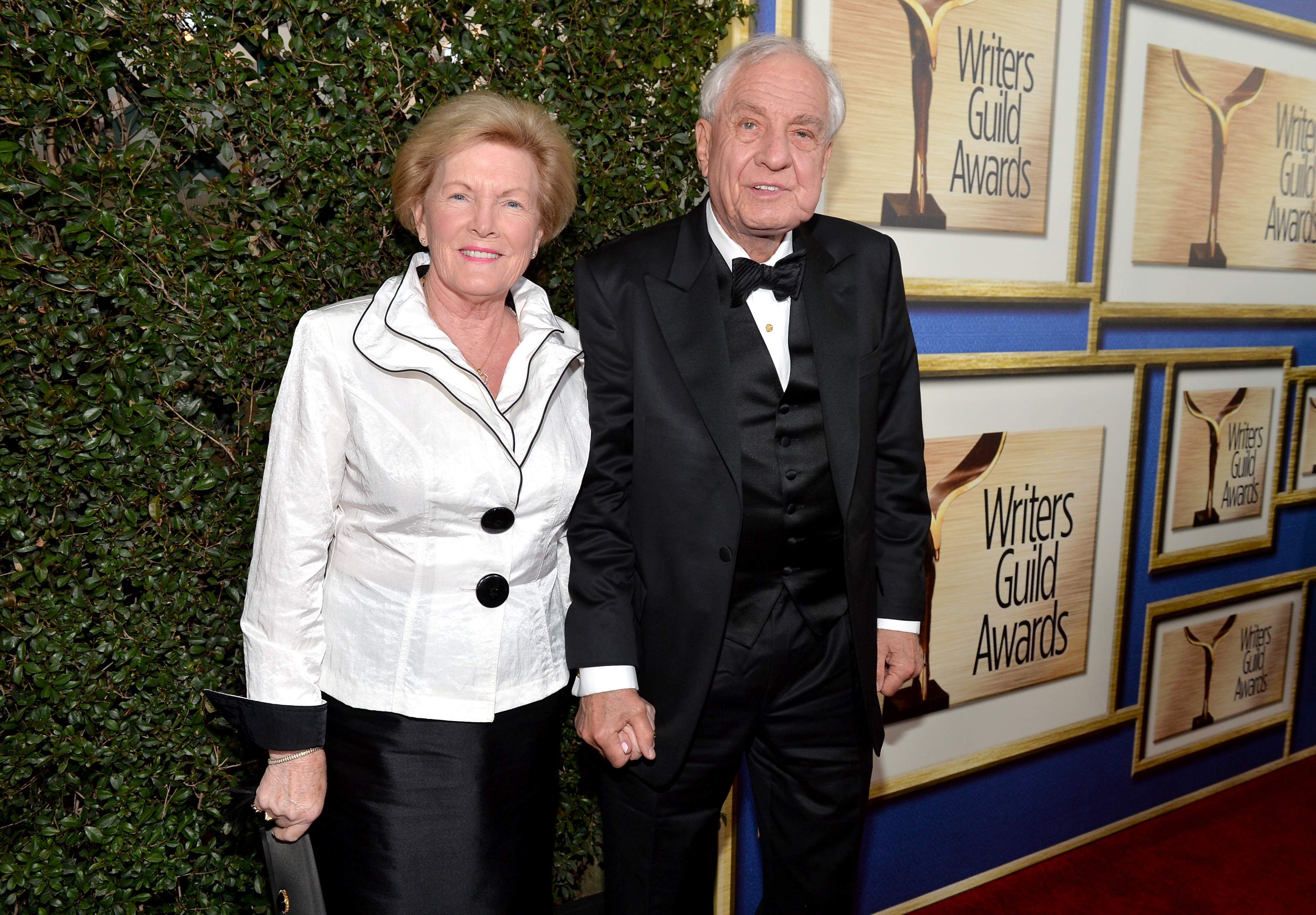
In 1963, he married Barbara; they would have three children.
garry16

Marshall and Belson’s first television series as creator-producers was Hey, Landlord, which lasted one season (1966–67).

Their next series was more successful. They adapted Neil Simon’s play The Odd Couple for television. Felix Unger and Oscar Madison are total opposites but best friends.  Garry’s sister Penny would play Myrna in the show.

T4DODCO EC002

Marshall continued to borrow from The Odd Couple throughout his career. Over and over again he employed the comic device of coupling two distinctly different characters: the hip and the square on Happy Days, the earthling and the Orkan on Mork and Mindy, the rich and the poor on Angie, and, later, the businessman and the prostitute in the movie Pretty Woman.

Most of his hit television series were created and executive produced by him. Rather than forming his own independent production company, which had become standard procedure for producers at the time, Marshall remained at Paramount to make a succession of hit situation comedies for ABC. By the end of the 1978-79 season, four of the five highest-rated shows of the year were Marshall’s.

garry13

In the Norman Lear era, when series like All in the Family tackled social issues, Marshall focused on younger viewers with lighter, more escapist fare, most of it set in the supposedly simpler past. In an interview reprinted in American Television Genres (1985), Marshall recalled that, after producing the adult-oriented Odd Couple, he had been anxious to make shows “that both kids and their parents could watch.”

His philosophy to get younger viewers: “You have to do something silly to get their attention. Then I like to knock them off their chairs with laughter. I go for the gut. I want them to laugh hard.  I don’t want them quietly staring at a bright, witty show.”

Happy Days debuted as a series in January of 1974, and by the 1976-77 season it was the most popular show on TV. Most people don’t realize this, but the show began as a skit on Love American Style, and I remember watching it when it aired the first time. The show was set in Milwaukee in the 1950s, focusing on a group of high school friends; the Cunningham family; and Fonzie, the cool guy in town.

garry5

Regarding Fonzie, Marshall said, “I knew that if I could get him over the garage, I could get him into the kitchen; he could become a member of the family.”

He worked with a variety of his family members throughout his career. His mother appeared in the Happy Days episode, Happy Days: Beauty Contest as “Mrs. Weiss,” the piano player.

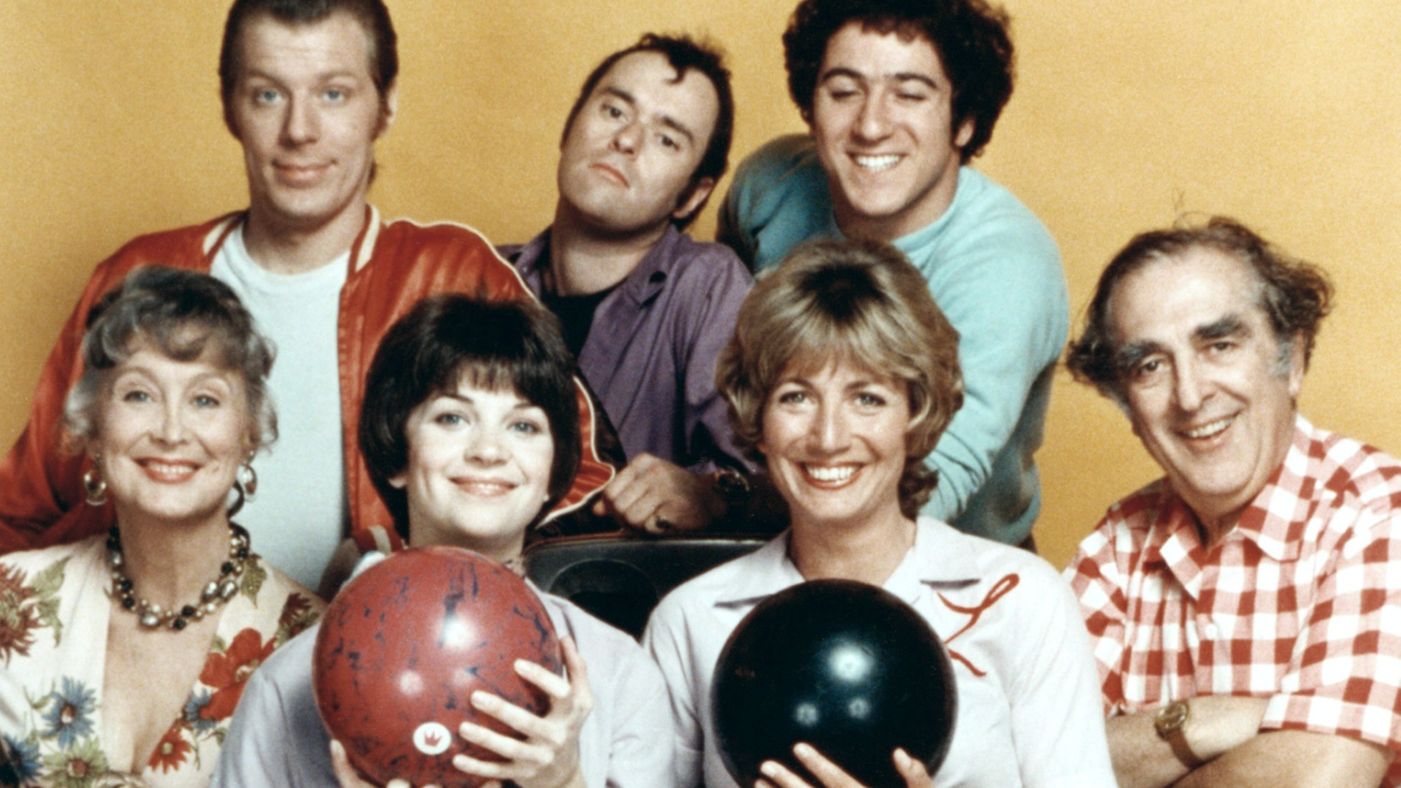
Laverne and Shirley was a spin-off of Happy Days.  Two friends, Brewery workers, get involved in various kinds of trouble.  Marshall explained his idea for the show: “No one else on TV is doing early Lucy.  The other ladies on sitcoms are classy – they’re well off, smart, and they dress well. Laverne and Shirley are definitely not classy. They’re blue collar workers who went to work right after high school.  They’re decent people.”
garry6

Happy Days would produce two more shows in Joanie Loves Chachi that explored the life of Joannie Cunningham and Fonz’s nephew Chachi after high school as they tried to figure out their relationship and Mork and Mindy, a show starring Robin Williams and Pam Dawber about an alien living in Colorado.

His Acting Career

A la Hitchcock, Marshall turns up as an uncredited actor in the background, occasionally appearing in cameos on his own hit TV shows.

garrya

On Dick Van Dyke, he appeared as referee in a 1965 episode and a bartender in a 1966 episode. If you look closely, you will see him as a random man in three Odd Couple episodes. He showed up as a drummer in two Laverne and Shirley shows and on a Happy Days episode.

He had a small re-occurring part on Murphy Brown and provided the voice for two Simpsons shows (“Eight Misbehavin’” and “Homer the Father”).

In 2014, Marshall appeared in a guest star role in a Two and a Half Men.

He continued to show up in comedies until his death, the last one being Brooklyn Nine-Nine.

When he made the switch to movies, he continued to find small roles for himself. He plays a first baseman in  Runaway Bride, an audition director in Beaches, and a bum in Pretty Woman. It seems there was no part too small. He also played his real-life sister’s husband in Hocus Pocus in 1993.

His Directing Career

His career as a film director was just as impressive, yielding several gems and cult classics, from Pretty Woman to Runaway Bride to The Princess Diaries.

In the early 1980s, he met Héctor Elizondo while playing basketball and they became great friends. Marshall was known for his obsession with basketball: his contract often obligated studios to provide a basketball court on his film locations.

garry3

Elizondo appeared in every film that Marshall directed, beginning with his first feature film Young Doctors in Love. Elizondo once noted that he is written into all of Marshall’s contracts whether he wanted to do the film or not.

In the opening credits of Exit to Eden (their eighth film together), Elizondo is credited “As Usual … Hector Elizondo.” In 1984, Marshall had a film hit as the writer and director of The Flamingo Kid. He later produced Nothing in Common with Tom Hanks and Jackie Gleason and Overboard with Goldie Hawn and Kurt Russell.

In 1988, he directed the legendary weepie Beaches, starring Barbara Hershey and Bette Midler.

Although he was original choice to direct Sleepless in Seattle, Nora Ephron ended up with the job. His most famous movie as director also won him an Oscar nomination for Pretty Woman in 1990.

garry10

Pretty Woman star Richard Gere said of Marshall in Variety: “He was a mentor and a cheerleader and one of the funniest men who ever lived. He had a heart of the purest gold and a soul full of mischief.”

Some people might be surprised to find out that Garry was the director for The Princess Diaries and The Princess Diaries 2 starring Anne Hathaway and Julie Andrews.  Garry considers Julie Andrews one of his favorite actresses because “she could act, she can sing, she’s a lady who can curse with perfect diction.”
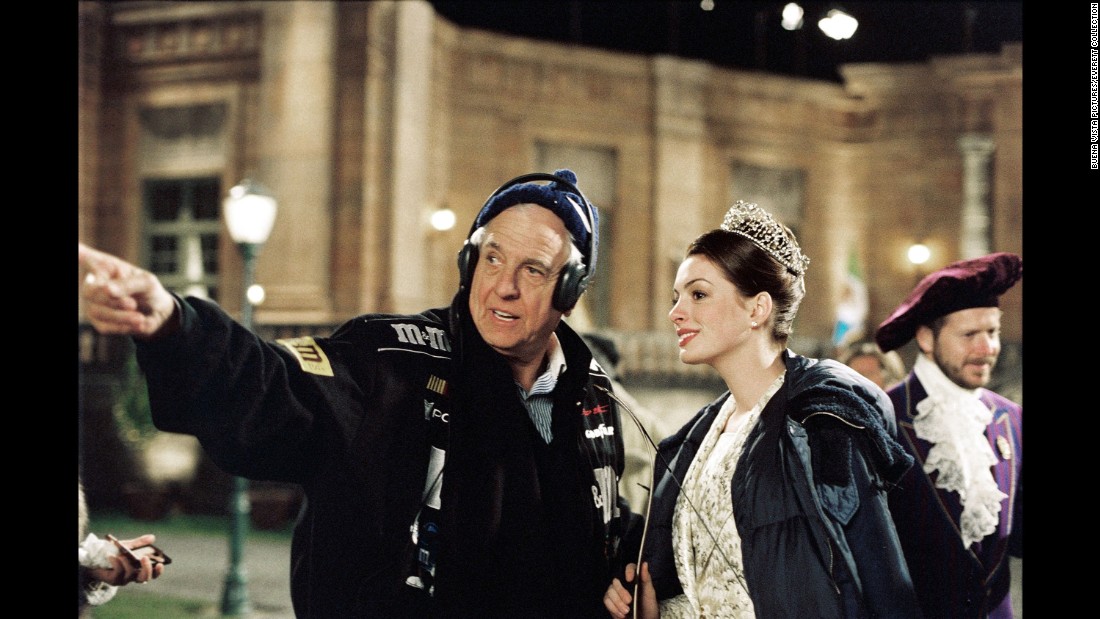
garry17

He seemed to be surrounded by family whether at home or work.  In his last movie, Mother’s Day, he re-united with Julia Roberts, Kate Hudson, and, of course, Hector Elizondo. His sister Penny provided narration; his son Scott helped direct; and his wife, Barbara, a nurse, played a nurse in the film. (“She has her own costume,” Marshall joked.) There were also a few grandchildren  included in certain scenes.

garry11

Awards

When he gave a speech upon accepting the Lifetime Achievement Prize given at the American Comedy Awards in 1990, Marshall said, “If television is the education of the American people, then I am recess.”

In addition, he received the Valentine Davies Award (1995), the Women in Film Lucy Award in recognition of excellence and innovation in creative works that have enhanced the perception of women through the medium of television, the Television Hall of Fame for his contributions to the field of television in 1997, the National Association of Broadcasters’ Broadcasting Hall of Fame in 2012, the Laurel Award for TV Writing Achievement in 2014, as well as a star on the Hollywood Walk of Fame.
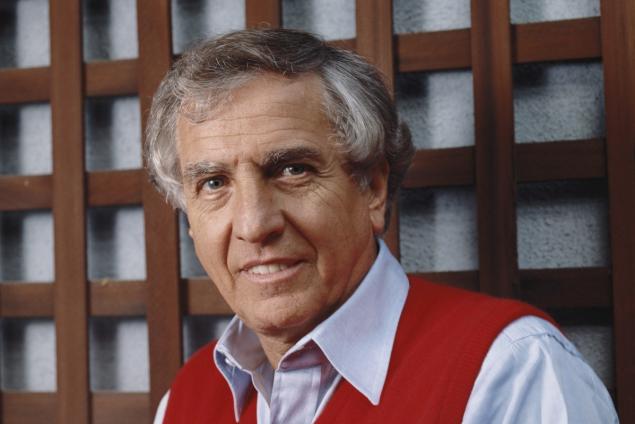
garry12

Conclusion

On the morning of July 19, 2016, Marshall died at a hospital in Burbank, California at the age of 81 due to complications of pneumonia after suffering a stroke.

Robin Williams’s daughter Zelda wrote, “RIP Garry. You forever changed my father’s life, and thus, mine. Thank you for capturing so much joy on film, over and over.”

Henry Winkler tweeted, “Larger than life, funnier than most, wise and the definition of a friend.”

“How could one individual work parts of seven decades in the entertainment industry and make zero enemies?” Ron Howard asked, “Garry achieved that, and it was the result of his absolute integrity as a man and as an artist.”

Garry Marshall was an amazing and talented man.  He was a family man above all else.  He was an actor with 84 credits, a writer with 40 credits, a producer with 31 credits, and a director with 30 credits.  He was a drummer and a journalist.  His career covered more than six decades and his star was shining bright when he left show business.

He will be remembered for creating television shows that touched viewers and drew them into the world their characters inhabited.  We rooted for all of them and looked forward to spending time with them each week.  He created some of the most memorable characters on television. He also provided many lovable movies for our DVD collections with Pretty Woman at the top of the list.
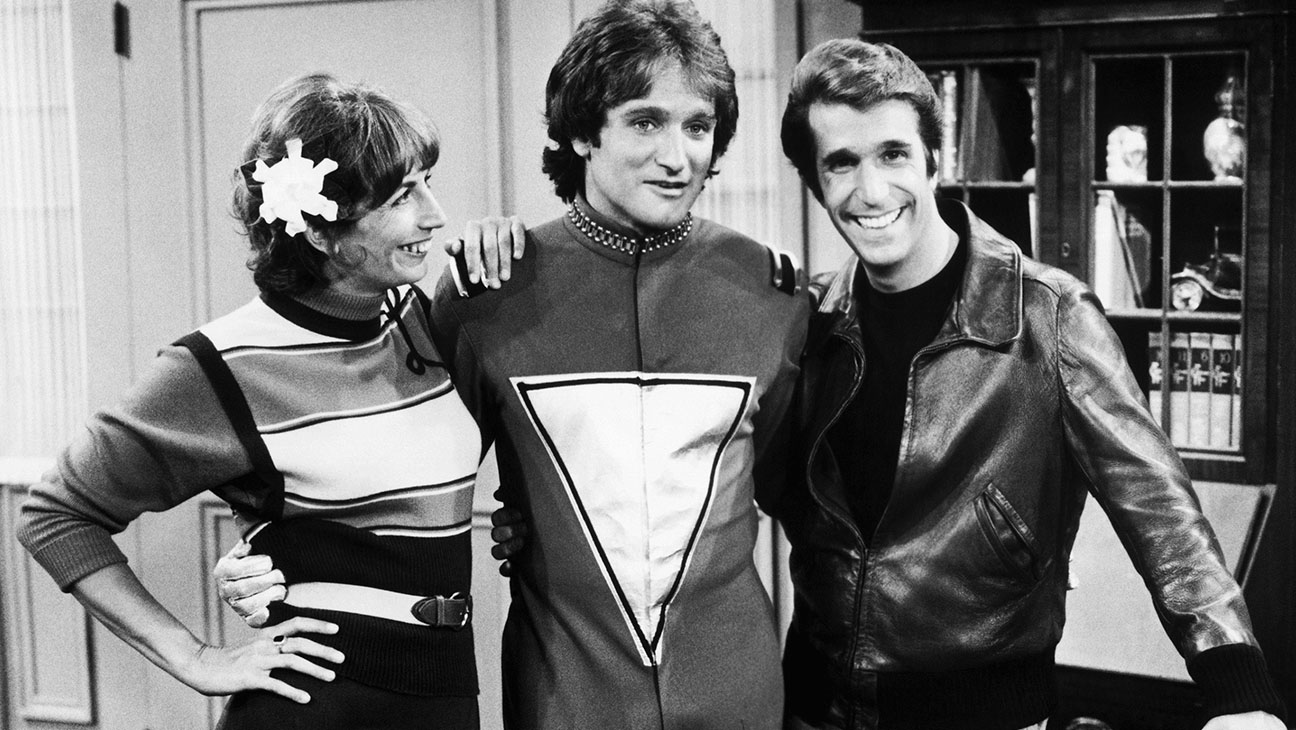
HAPPY DAYS, from left: Penny Marshall, Robin Williams, Henry Winkler, 1974-84.

He wrote My Happy Days in Hollywood in 2012.  This is one of my all-time favorite classic television era autobiographies.  He not only discusses his successes but admits to all his screw ups and mistakes as well.  It’s a refreshingly honest account by a down-to-earth and humble man.  It’s one of the best ways to get to know this fascinating guy and is a wonderful tribute to a man who quietly influenced generations of actors and actresses. Let’s end by hearing how his book was perceived by some of those people who knew him best.

book
“Garry Marshall is walking entertainment. He is smart, insightful, funny…and so is his book.” ―Henry Winkler

“Even though he speaks slowly with a distinctive New Yorkese Bronx accent, he has managed to quickly create, write, and produce a raft of beloved television series that speak ‘American’. I am happy that he gifted us with a witty memoir (about his Happy Days in Hollywood).” ―Carl Reiner

“Thanks to my brother I have a life.  I’m sorry I almost ruined his during Laverne & Shirley.” ―Penny Marshall

“I never thought my fairy godmother would look―or sound―like Garry. He is a gift of a human being, and this book is wicked sweet.” ―Anne Hathaway
 
“Garry Marshall is one of the most beloved and talented people I know…and maybe the most normal guy in the business. This wonderful biography will allow readers to discover for themselves the decent and kind man who writes and directs with such a huge heart—all grounded from humble beginnings in The Bronx. This is a must-read book.” —Julie Andrews
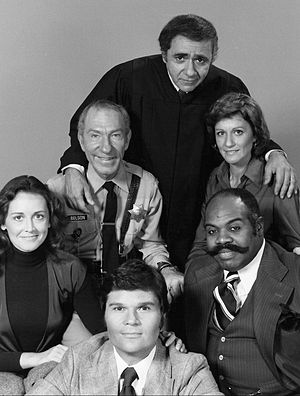
 
“Garry Marshall is quite simply one of my favorite people. He is loving, loyal, and hilarious! Having made movies with Garry when I was 20, 30, and 40…I guess you could say Garry and Barbara have raised me! In a time where people have lost touch with things to laugh about, this book is sure to be a cure.” —Julia Roberts