As we take a look back at some Classic TV Shows this month, one of the shows I chose I hesitated about. As we all know, some shows included many stereotyped characters and oftentimes inappropriate portrayals. These shows include series like Amos n Andy, Beulah, and Lum and Abner which I just never write about.
📷wikipedia.com
I also think it is important to remember some of the shows from the past that make us wince or just turn off the dial now because it reminds us that we have a lot to learn but that we have made improvements in the current series on television. It’s a very complicated subject. If you read the differences of opinions Jimmie Walker had about his character JJ on Good Times compared to John Amos and Esther Rolle’s opinions of the character, you can see just how complex the issue is.
Life with Luigi could fall into this category for sure. However, it has a lot of fans and is still a big draw on Sirius Classic Radio. So, I decided to delve in and learn more about it. It was one of the earliest classic sitcoms transferred from the radio where it was aired from 1948-1953 to television. The show was created by Cy Howard who was the talent behind My Friend Irma. J. Carrol Naish voiced Luigi, and Alan Reed gave life to Pasquale in Life with Luigi.
Luigi Basco arrives in Chicago from Italy and has to make a new life for himself. He attends night school to learn English. His friend Pasquale is always trying to marry his daughter Rosa, played by Jody Gilbert, off to Luigi, who had no intention of being wed to her. Each episode began and ended with news in a letter to Luigi’s mom about his life in America.
📷alchetron.com
In 1952 CBS decided to air the show on television with Naish and Reed continuing their roles on the small screen. The program was sponsored by Instant Maxwell House Coffee. Norman Tokar was the director along with Mac Benoff who also wrote for the series with Lou Derman. Tokar would go on to direct many of the episodes of Leave It to Beaver and The Donna Reed Show. Benoff became a writer for The Danny Thomas Show while Derman wrote most of the Mister Ed scripts as well as writing for Here’s Lucy and All in the Family. The show followed I Love Lucy, so it had a great lead-in for a new show.
The series had good ratings, but the Italian American community was offended by the stereotyping of Italian immigrants even though (and perhaps more offensive) Naish was actually Irish. Because Luigi did not always understand English phrases, he took things too literally at times which I’m guessing was the problem for fellow Italians. CBS replaced the leads with Vito Scotti as Luigi, Thomas Gomez as Pasquale, and Murial Landers as Rosa. The revisions did not make anyone happy, and the show was finally canceled. The show ran its final episode in December of 1952.
Joseph Patrick Carrol Naish was a very versatile character actor who was born in New York City in 1896. He attended Catholic schools until he ran away from school at age 14 to become a song plugger. At 15 he enlisted in the Navy and after being asked to leave due to his age, re-enlisted during the war and was with the Army-Signals Corps in France. He learned eight languages during this time. He also spent some time in Paris singing and dancing with a group of performers.
📷radiospirits.com
While he was in California on the way to China, he was spotted by a Fox studio talent scout and landed a few roles. In 1929, he married another Irish actor, Gladys Heaney. With the dialects he had acquired in the Army, he easily portrayed Asians, Middle Easterners, Hispanics, Frenchmen, Germans, Native Americans, Italians, and East Indians. Time Magazine referred to him as “Hollywood’s one-man United Nations.” Ironically one of the parts he had a hard time obtaining was an Irishman because of his black hair and mustache.
In 1943, Batman was introduced in his first big-screen feature. The first evil villain he had to face was Naish as Prince Daka, a Japanese super spy. Daka had an atomic death ray, an alligator pit, and the ability to turn American scientists into zombies.
During his career, he would obtain almost 225 credits. In 1973, both Naish and his wife passed away. The couple had one child. When he was not acting, he spent time writing, singing, cooking, playing tennis, and playing golf.
Much of the late forties and early fifties were learning curves for television which led to the golden age. Life with Luigi was part of that learning curve. While many people felt the show was honest and well written, it offended a large part of the American population. It would not be the last show to do so. You might want to check out an episode or two for yourself and see how you feel about the show and its portrayals.
Today we are winding up our blog series, “Examining Some of Our Favorite Medical Shows.” Six years seems to be the magic number of seasons for many medical shows and it was no different for our series today: St. Elsewhere.
Photo: starstills.com
St. Elsewhere was created by Joshua Rand and John Falsey. It aired on NBC from 1982-88. It was produced by MTM Enterprises, Mary Tyler Moore’s company that also produced Hill Street Blues; both shows had large casts, realistic plots, and continuing storylines.
The show was talked about a lot, but I was surprised to learn that it never ranked higher than 47th in the Nielsen ratings, and that was in the final season. The reason it stayed on the air so long despite lower ratings was that it did very well with the 18-49 year age group with the networks were trying to appeal to. It did win 13 Emmys for writing, acting, and directing. (Overall the show won 13 Emmys out of 62 nominations.)
St. Elsewhere was set in St. Eligius Hospital, a rundown Boston teaching hospital. Its elevators don’t work and they still use an ancient tube system to send messages from one floor to another. Apparently “St. Elsewhere” was a slang term that referred to not well-equipped hospitals that served patients who were turned away from more well-respected institutions. The building that served as the hospital façade was the Franklin House on East Newton Street in Boston, which was originally a hotel for women. Young working women lived there including Faye Dunaway after she graduated from Boston University.
The show intertwined the professional and private lives of the medical staff and patients. It dealt with many cutting-edge social issues including heart transplants, artificial hearts, AIDS, religious conflicts, suicide, and gender identities.
Photo: people.com
Surgeon Dr. Mark Craig (William Daniels) informs the staff that their hospital was considered a “dumping ground.” Craig helped train the interns along with Dr. Donald Westphall (Ed Flanders) and Dr. Auschlander (Norman Lloyd). Flanders was a popular character and the role was originally offered to Hal Linden who turned it down. Other members of the stellar cast included Ed Begley Jr. (playing Dr. Ehrlich), David Birney (playing Dr. Samuels), Mark Harmon (playing Dr. Caldwell), Ronnie Cox (playing Gideon), Helen Hunt (playing Clancy Williams), Howie Mandel (playing Dr. Fiscus), Christina Pickles (playing Nurse Rosenthal), and Denzel Washington (playing Dr. Chandler). This was a fitting role for Denzel who was a pre-med student in college.
Daniels was sent five scripts. He thought the writing was wonderful and having so many scripts displayed how the ensemble cast would be used. He might have a large part one week and then three weeks with small parts. He said Dr. Craig was like him in many ways. He ran the gamut from angry to nice in minutes. It fit his temperament and was wonderful to play him.
Daniels met a surgeon and followed him around the hospital, including in the operating room for an open-heart surgery procedure. He said he used some of the medical information, but he did not like the surgeon as a person and did not model Dr. Craig on him. He said using so much medical jargon was difficult and he had to learn about it before he went in to rehearse. He said that Dr. Craig had some funny lines in the show. He said he did not have any input with the writers on his character; in fact, they never really saw the writers.
Photo: ebay.com
Among the many guest stars were James Coco and Doris Roberts who both picked up Emmys as a mentally challenged boyfriend and a bag lady. It was an interesting storyline where two couples are followed through their medical care. One couple is upper middle class and the other has no money. Nothing is said; there are only observations of the action. The wealthier woman leaves the hospital with no cure but a high hospital bill for many tests. The bag lady, Cora, learns she needs to have both feet amputated because of gangrene, but she needs to take care of Arnie, her mentally challenged boyfriend, so she refused the surgery.
Roberts was asked about her role on the show in a Television Academy interview. She said Coco had received the script and called her to say she needed to audition for the role of his girlfriend. When Doris reached out, they declined, so she reached out to Bruce Paltrow, who was a producer and writer for the show, and she was hired. She did a lot of research watching homeless people. She realized that most people squatted because they did not want to lie down because they were worried about having things stolen. This is how her character got gangrene. When asked about what she thought happened to the character she said she thinks she died shortly after. Roberts got emotional discussing the role and said it still makes her cry. She said it was the best dramatic role she ever played.
Doris said one funny moment came at the Emmy Awards. When they called her name, she did not know what to do with her purse, so she handed it to Jimmy Coco. The next name called was his so he came on stage with the purse and mentioned he didn’t use one often but it came from Doris. Then a few nights later he was on the Tonight Show, and when he came on stage he had her purse and in it was a cigar, a half-eaten sandwich, and a few other items.
Photo: ebay.com
The show was classified as a drama, but it included comedy, as well as inspiring moments of interaction and care. One of these scenes is when Jack, a resident, has to deal with his wife’s death. She is an organ donor, and her heart is given to a female patient. Jack sneaks into the patient’s room when she is sleeping so he can listen to his wife’s heart.
Jazz musician Dave Grusin composed the theme. Grusin won twelve Grammys. He won an Academy Award for his score of The Milagro Beanfield War in 1988. He also scored some popular films including The Graduate, On Golden Pond, The Fabulous Baker Boys, and Tootsie. Before writing the theme for St. Elsewhere, he cowrote the themes for Good Times and Baretta.
One of the most interesting things about the writing on St. Elsewhere was the number of allusions to other television shows and movies and several cross-overs. There are many of these but some of the most fun ones for me included (1) the public loudspeakers often page characters from other television shows, (2) one of the characters on The White Shadow, Warren Coolidge, becomes an orderly and sometimes wears Carver high school shirts, (3) a psychiatric patient who watches The Mary Tyler Moore Show believes that he is Mary Richards and has an encounter with Betty White, and she says she is not Sue Anne Nivens, (4) Dr. Craig once mentions serving in Korea with B.J. Hunnicutt, and (5) the teaching doctors are seen at the bar at Cheers in one episode.
Photo: imdb.com
The hour-long show started on Tuesday nights. The show was canceled after the first year. Then Grant Tinker changed his mind and they were back on the air. For the second season, it was moved to Wednesdays where it remained until it was canceled.
The finale of this show gets talked about almost as much as Newhart. However, while fans loved the Newhart ending, there was a lot of controversy over the ending of St. Elsewhere.
Warning: This is a spoiler alert if you haven’t seen the show and want to watch it. After wrapping up several storylines, the final scene is a much younger Dr. Westphal and his son Tommy (Chad Allen) who has autism. Westphal is obviously a construction worker. Dr. Auschlander appears to be Westphal’s father. Tommy is playing with a snow globe and the two “doctors” discuss the fact that Tommy spends much of his day staring at the snow globe. They set the globe down and when the camera goes in close, we see St. Eligius inside.
We are left to assume that the entire series had been Tommy’s imagination. In other words, the show was fiction but the fiction was also fiction inside someone’s mind. Viewers understandably were confused and upset.
Photo: paleymatters.com
Later the cast did a special on Entertainment Weekly and was asked to share their thoughts about the finale. Here are a few of the comments. Chad Allen said, “From the mind of a young person whose fantasies were coming to life before him, it was neat.” William Daniels said he was “shocked, actually. I had no idea of their plans to do that. . . it was a provocative ending. A surprise to everybody.” Ed Begley Jr. felt that “it was quite fitting for what they had done the previous six years. They always tried to be out there, beyond the limits of what was being done before. They tried to think outside the box. . . . It was bold and shocking and upset some people. . . . It was highly unpredictable, just like every episode.” Howie Mandel knew it would offend half the viewers and appeal to the other half, but he described it as “ahead of its time, pretty ingenious, and creative and not like anything else.” Mark Harmon had been killed off earlier in the series, but said, “It made me smile when I heard about what they did because it was so them. They made a choice. and the choice is interesting.” Noman Lloyd said he “never bought it. I said at the time we were shooting, ‘This is a cheat.’ For me, it was a cheat.”
I will admit this was not a show I regularly watched. I find the entire philosophy of the ending fascinating. Many felt they had been cheated by getting pulled into the lives of characters for six years that never existed. However, if they are on a television series, did they ever exist? It shows how real characters become to us when we invest in a show and invite these people into our homes every week.
If you didn’t watch the show in the eighties, you can find it on Hulu and make your own decision about the finale. I do admit that I never look at snow globes the same way anymore.
Last week we looked at shows that debuted in 1973, fifty years ago in our “Potpourri” blog series. Today we are concentrating on one of the successful shows of that 1973 class (and there were not a lot of them): Good Times and I’m am considering this blog “Flopourri” for Florida Evans.
Cast of Good Times Photo: tvtropes.com
For those of you who have been with me for the past six and a half years. You may be surprised to find me featuring a Norman Lear show. I readily admit that I have a Norman Lear bias. It’s nothing personal with Norman, but I just did not enjoy most of his shows: All in the Family, The Jeffersons, Maude, Diff’rent Strokes, Sanford and Son, and Carter Country, among others. I did think that Mary Hartman, Mary Hartman was an interesting concept, just too hard to sustain, and I admit that I liked Fernwood Tonight. I still bypass these shows on MeTV and Antenna TV when they are on the schedule. However, I will be the first to say that they were important historical shows in the evolution of television. They were relevant shows that changed the way sitcoms were written and presented a lot of important topics for people to debate.
So, whether I enjoyed watching Good Times or not, and it was not, it was an important show that gained a devoted following and was on for six seasons, producing 133 episodes. The show was produced by Lear and created by Eric Monte and Mike Evans. Evans played Lionel Jefferson on The Jeffersons. He left the show to work on this series and when Good Times was canceled, he returned to The Jeffersons.
Florida Evans (Esther Rolle) was Maude’s maid. Maude was a spinoff from All in the Family and Good Times was a spinoff from Maude, so this was the first show to be created from a spinoff.
Photo: showbizzcheatsheets.com
The Evans family lives in the Chicago projects. The area is not named but the opening and closing credits show photos of Cabrini-Green. The family consisted of Florida, her husband James (John Amos), their kids JJ, 17 (Jimmie Walker), Thelma, 16 (BerNadette Stanis), and Michael, 13 (Ralph Carter). The show also featured Florida’s best friend Willona (Ja’Net DuBois) and Nathan Bookman (Johnny Brown), the building superintendent. The family never has enough money. James is often out of work, but he also works two jobs when he gets a chance to bring in money for their family. He is a proud man and does not believe in handouts.
Many of the shows deal with gang warfare, financial issues, muggings, unemployment, rent parties, racism, and evictions. It was one of the first shows to have an almost all-black cast. Florida and James are good parents who try to teach their children values and ethical behavior. Michael was an especially interesting character who was intelligent, an advocate who loved African American history, and tried his best to make the world a better and more fair place to live.
Photo: JacksonUpperco.com
Other recurring characters include Ned the Wino (Raymond Allen), who often can be seen in their building. In one episode, JJ, an artist, paints Ned as Jesus and, in another, well-meaning Michael tries to reform him by letting him stay at their house but it does not work out. Carl Dixon (Moses Gunn) is a shop owner in the area. After James’ death, Florida begins dating him and eventually they marry and move to Arizona. Esther tells Willona in a later season that Carl died from lung cancer. Pimp Marion Williams (Theodore Wilson) is a neighbor who is known for his flashy clothing and jewelry. Lenny (Dap Sugar Willie) is the neighborhood hustler who sells stolen items. Wanda (Helen Martin) runs a women’s support group in their building. Alderman Fred C. Davis (Albert Reed Jr.) is a politician with a shady past.
A lot of celebrities appeared on the show during its run including Debbie Allen, Sorrell Booke, Rosalind Cash, William Christopher, Gary Coleman, Alice Ghostley, Ron Glass, Robert Guillaume, Gordon Jump, Jay Leno, Charlotte Rae, Philip Michael Thomas, and Carl Weathers.
The theme, a gospel-sounding song with a choir in the background, was composed by Dave Grusin and the lyrics were written by Alan and Marilyn Bergman. It talked about the hard living conditions the family had to endure which was not thought of as “Good Times.” Performed by Jim Gilstrap and Blinky Williams, the lyrics were:
Good Times. Any time you meet a payment. – Good Times. Any time you need a friend. – Good Times. Any time you’re out from under. Not getting hassled, not getting hustled. Keepin’ your head above water, Making a wave when you can.
Temporary lay offs. – Good Times. Easy credit rip offs. – Good Times. Scratchin’ and surviving. – Good Times. Hangin in a chow line – Good Times. Ain’t we lucky we got ’em – Good Times.
Photo: thatsentertainment.com
One of my favorite things about the show was the use of nicknames, maybe because my family is fond of nicknames as well. James called Thelma “Baby Girl” and referred to Michael as the “Militant Midget” for his activism. Willona’s name for Michael was “Gramps,” while JJ called him “Miguel.” The other residents also got their own monikers including Willona as “The Rona Barrett of the Projects” and Wanda as “Weeping Wanda.”
Good Times was created as a show that focused on Rolle and Amos. Both stars expected the show to deal with serious topics even though it was a comedy. They also wanted the characters to be positive role models.
JJ began to be featured in more of the episodes. “Dynomite” became his catchphrase and he said it at least once in every episode. As the writers focused more on his character and the way he behaved, important topics were put on the back burner sometimes.
Both Rolle and Amos felt that the character of JJ and the way he was being developed as more of a foolish and unintelligent person was creating a negative role model. Both stars became disillusioned with the direction of the show and voiced their criticism, Amos more often. They thought the uneducated, slacker type of behavior that JJ expressed was harmful to young viewers. Lear finally fired Amos at the end of the third season because of his negative opinions. The cast had no idea that he had been fired until they read the script where he passed away. Rolle quit at the end of season four.
Walker didn’t see it the same way. He said in an interview that he does not remember saying one word to Amos or Rolle that was not part of the script. He defended his character saying that he didn’t commit overly criminal acts on the show and compared his character to the Fonz on Happy Days. He does have a point. He was deeply hurt that Amos and Rolle, along with many black community members, considered his character a “perpetuation of negative stereotypes.”
Photo: showbizcheatsheet.com
Perhaps part of the controversy came from Walker’s own personality. He considered himself a comedian, not an actor. He said he was never comfortable with the dramatic storylines. Lear wanted Jimmie to take acting classes but he refused. Rolle, Amos, and Carter were dramatic actors and took their roles more seriously. When Rolle died in 1998, Walker was the only cast member who did not attend her funeral.
In season five, Janet Jackson joined the cast as Penny, an abused girl abandoned by her mother, adopted by Willona. Ratings began to decline. With Rolle’s absence, the essence of the show was gone.
Producers asked Rolle to come back even as a guest role. Rolle rejoined the cast for season six after she was promised higher-quality scripts. She also wanted the character of Carl Dixon written out of the show. She felt Florida would not have remarried so quickly, but that was how writers depicted her absence from the show when she left.
However, it was too late and the show continued to decline in ratings. The continual moving of the show on the schedule also didn’t help things. The show began on Friday nights for season one; moved to Tuesdays for seasons two and three; had two different time slots on Wednesdays for seasons four and five; and ended up moving three different times for season six: Saturday at 8 for episode one, Saturday at 8:30 for episodes 2-10, and Wednesdays at 8:30 for episodes 11-22.
Photo: pinterest.com
The series finale in 1979 gave each character a happy-ever-after. JJ becomes a comic book artist. Michael begins college and moves into the dorms. Thelma and her husband move to the Gold Coast when he gets an offer from the Chicago Bears. Thelma is pregnant and they ask Florida to move with them to help care for the baby. Coincidentally, Willona becomes head buyer for her boutique and moves into the same luxury apartments with Penny.
Unfortunately, the show is remembered now more for its controversy than anything else. Amos talked about his “early departure from the show, I felt that with two younger children—one of whom aspired to become a Supreme Court Justice . . . and the other a surgeon . . . there was too much emphasis being put on J.J. and his chicken hat saying ‘Dynomite!” every third page when just as much emphasis and mileage could have been gotten out of my other two children and the concomitant jokes and humor that could have come out of that.” He later said in an interview with VladTV that the scripts on the show led to “an inaccurate portrayal of African-Americans. Their perception or their idea of what a Black family would be and what a Black father would be was totally different from mine, and mine was steeped in reality.”
He did have good things to say about Rolle and her character: “Florida was the glue that kept the family together. It showed a Black family that had the same trials and tribulations as the rest of America, especially those who were financially challenged . . . it told the story of who we were on a comedic basis. And I’ve always contended, as some of my mentors taught me, the best way to get a message across to people is through humor.”
Photo: urbanhollywood411.com
Rolle concurred as she told Ebony in 1975 about JJ: “He’s eighteen and he doesn’t work. . . He can’t read or write. He doesn’t think. The show didn’t start out to be that. Michael’s role of a bright, thinking child has been reduced.”
Walker was interviewed at age 70 by Rebeka Knott and still disagrees with his costars. In that interview, he said that his co-stars, “killed the goose that laid the golden egg. These people, anytime you said anything, they get crazy, they get upset. They don’t get it man.”
So, what are we to make of the show and its success or failure? It still remains an important program in television history. It featured a black cast and focused on a family that struggles with many issues both white and black low-income families could identify with. If Michael had appeared in a reality show as an adult, perhaps it would have been The Cosby Show. A lot of families, black and white, could identify with the issues of that show as well. And, hopefully, they understood where the success of that second generation came from–parents who worked hard and taught their children important values and emphasized hard work and goals that allowed the next generation to have more success than the previous one.
Norman Lear Photo: vibe.com
It’s actually what any good television show does. Regardless of the setting and the characters, it teaches us about how other people live and provides plots many of us can identify with or teaches us about other characters whom we can appreciate and learn more about their individual struggles and journeys whether they follow the same path we do or take a different fork in the road.
It would be interesting to talk with Rolle and Amos today to get their perspective. They were right to ask for better scripts and to showcase their other children who had bigger dreams and hopes. But perhaps Walker is also not that far off. He did portray a different type of character– one that obviously many people identified with or enjoyed spending time with. Don’t most families have a combination of good and not-so-good role models? Hopefully, we learn as much from the characters in our lives who make poorer decisions as we do from those who choose wisely. I’ll leave it up to you whether you think the tv show is worth watching today or not.
This week we are winding up our series of favorite female actors with Charlotte Rae. If you remember last week we learned about June Lockhart. Charlotte was born a year after June and died a year before her, and their careers were very similar. Both were actresses for more than six decades, appeared in Broadway, movies, and television.
Rae was born in Milwaukee, WI in 1926. Her parents were Russian Jewish immigrants. Her mother Esther had been friends with Golda Meir since childhood. For her first ten years, the family lived above her father’s tire business. In 1936 they moved to a home in Shorewood. At age 16, she became an apprentice with the Port Players, a professional theater company that came to Milwaukee for the summer. After graduation, Charlotte did some radio work and did some performing with the Wauwatosa Children’s Theatre.
Photo: legacy.com
Although she never completed her degree, Rae attended Northwestern University. She and Cloris Leachman became friends there. She also met Agnes Nixon, Charlton Heston, Paul Lynde, and Claude Akins. In later years she would always recommend wanna-be actors get a degree first.
Photo: thejewishnews.com
In 1948, she moved to New York City where she performed in theater and nightclubs. She worked at a variety of clubs including the Village Vanguard and the Blue Angel. During her early days, a radio star told her that her last name of “Lubotsky” would not work well, and she replaced it with her middle name of Rae.
In 1951 she received her first television job on Once Upon a Tune. She would appear on ten other drama theater shows during the fifties. In an interview with Milwaukee Talks in 2016 she said, “When I started out, I wanted to be a serious actor, I never thought I’d get into comedy.”
The same year, Rae married composer John Strauss. They had two sons, but in the mid seventies he came out as a bisexual. Rae was not interested in an open marriage, so the couple decided to divorce in 1976.
Charlotte also loved singing, and she released an album in 1955, Songs I Taught My Mother. Rae also loved being on the stage. In the seventies, Vanguard Records went out of business, and Rae was able to buy back the album for $5000.
She would have stage roles in “Three Wishes for Jamie” in 1952, “The Threepenny Opera” in 1954, “Li’l Abner” in 1956, and “Pickwick” in 1965 among others. Later in her career she would also appear in several off-Broadway shows.
Photo: amazon.com
In 1958, she got a break with a guest spot on The Phil Silvers Show which led to her getting the part of Sylvia Schnauzer, the wife of Leo Schnauzer (Al Lewis) on Car 54 Where Are You when it debuted in 1961. Her husband John did the music for the show. Apart from that role, most of the other television work she did in the sixties was in drama series.
Photo: pinterest.com
Rae also appeared in 14 big-screen movies. Can I take a shameless plug and say that one of my favorite Charlotte Rae roles is in Hello Down There? This movie from 1969 screams IT’S THE SIXTIES from the moment it starts until it ends, but it’s a great sit-back-and-just watch movie. If nothing else, it has an amazing cast including Tony Randall, Janet Leigh, Ken Berry, Jim Backus, Merv Griffin, and Richard Dreyfuss among others.
Photo: muppet wiki fandom.com
The seventies were her busiest decade of work. She started with a recurring role on Sesame Street as Molly the Mail Lady. During the early seventies you could see her on The Partridge Family, McMillan and Wife, Love American Style, and The Paul Lynde Show. I always appreciated her character on The Partridge Family. When Danny is thinking about quitting school to get on with life, she plays his very smart and creative guidance counselor.
In 1974 Rae moved to Los Angeles. She did guest spots on All in the Family and Good Times, both Norman Lear shows. In 1975, she became a regular on Lear’s show, Hot l Baltimore. She played Mrs. Bellotti, whose son lived at the hotel. The show was a bit controversial and was cancelled after the first season.
During the remainder of the seventies, Rae kept busy working for a variety of genres. You could have seen her on The Flying Nun, Barney Miller, The Rich Little Show, All’s Fair, CPO Sharkey, Family, The Eddie Capra Mysteries, and on her friend Cloris Leachman’s show Phyllis.
In 1978 Norman Lear was working on Diff’rent Strokes about a single father who adopts two brothers whom he raises along with his daughter with help from his housekeeper. Lear signed Rae on as the housekeeper. Charlotte wanted to do the series, but as she related in a Television Academy interview, she was under contract at CBS when NBC made the offer. She had a few weeks left on her CBS option. The network offered her the role of a lady sheriff on a new western but it didn’t ring true to her, and she didn’t want to do it. While she was filming an Eddie Capra Mystery episode, she drove over to explain her predicament to Lear. He said that Bud Grant owed him a favor and he did indeed get her out of the contract.
One episode on the first season was “The Girls’ School” when Edna Garrett is asked to help out at Kim’s private school called East Lake. She does but at the end of the episode decides she’d rather be working in the Drummond home.
Photo: imdb.com
In an interview with the Television Academy, Rae said she thought she was going to be fired from Diff’rent Strokes. She noticed her lines getting fewer and fewer and when she was called into talk with the producer, she thought that was it. However, they proposed a spinoff show for her based on “The Girls’ School” episode called The Facts of Life. They wanted Edna to become housemother for the boarding students at the school. It was a prestigious private school now called Eastland. The writers were focusing on issues affecting high school age girls including weight gain, dieting, depression, drug and alcohol use, dating, mental illness, and other subjects that kids that age deal with. Rae said the show was about growing up, family, love, and working out problems. “I had a lot of input with issues like suicide, divorce, death. I’m really very proud.”
Charlotte was a single mother and afraid to lose her Diff’rent Strokes income on a possibility that might not pan out. The producers wrote into her contract that if the show was cancelled, she could return to Diff’rent Strokes, so she agreed.
Photo: redbook.com
The first season gained some fans, but ratings were so-so. For the second season, some cast changes were made and the show was moved from Fridays to Wednesdays. The show finished in the top thirty that year, and Rae became a household name. In 1982, Rae received an Emmy nomination. (She lost to Carol Kane from Taxi.) During the 1984 and 1985 seasons, Rae asked to be used less. She felt that the girls were older and would rely more on each other than a housemother for discussions about life issues.
When discussing the character of Edna, Rae explained “I want to bring in as much humanity as possible, as well as humor. I’ve tried to make her a human being with dimensions. The way they write her now is with a great deal of sensitivity and understanding. But I don’t want her to be Polly Perfect, because she must have human failings and make mistakes. She’s also a surrogate mother to the girls. I told them I wanted to be firm with the girls because I know it’s important. Parents must lay down ground rules for their children to help them grow up and to learn responsibility for their actions. They must learn to stand on their own two feet.”
No doubt that this show took place in the 1980s Photo: pinterest.com
Rae wanted to do more theater and she wanted to travel. When she decided to leave the series, Cloris Leachman replaced her in the role. The two-part finale of the eighth season had Edna Garrett marrying and moving to Africa with her husband to work for the Peace Corps. Her sister Beverly (Rae’s real sister’s name) comes for the wedding and then decides to stay with the girls at school. Cloris Leachman was signed on for two seasons. At the end of her time, she was willing to continue for another season, but cast members Nancy McKeon and Mindy Cohn were ready to end the show and take on new projects. It was not the end of the show, however. In 2001 a television reunion movie aired with much of the original cast. In 2007 the entire cast was invited to the TV Land Awards where they sang their old theme song.
Murder She Wrote Photo: backofthecerealbox.com
Charlotte took on several other roles after leaving the show. During the eighties and nineties, she appeared on The Love Boat, St. Elsewhere, Murder She Wrote, Sisters, and Alex Mack among others.
She was busy until she passed away, and continued to act throughout the 2000s, including an appearance on King of Queens, and a recurring role on ER. Her last acting credit on television was in 2014’s Girl Meets World.
In 2015, Rae wrote her memoirs with her son Larry. At many of her book signings, adults came to purchase the book and told her over and over that they had been latch-key kids and saw Edna as a second mother to them. A description from Amazon sums up the book: “Charlotte Rae’s career spans more than seventy years, from the golden age of television to Shakespeare in the Park, the New York Cabaret scene of the late 1940s and 50s to her hit series, The Facts of Life and well beyond. Off stage and screen, Charlotte’s life has been one of joy and challenge, raising an autistic son, coming to terms with alcoholism, the heartache of a broken marriage, the revelation of a gay husband and the sudden challenge of facing middle-age with financial and emotional uncertainties–a crisis she ultimately turned into the determination that brought her stardom. The Facts of My Life is the first opportunity for Charlotte’s fans to explore the fascinating story of her extraordinary life: poignant and hilarious, a story of courage and triumph, one that speaks for a generation of women breaking barriers, taking on challenges, overcoming personal tragedy, and paving the way for others.”
Rae suffered from several health issues. In the early seventies, she joined Alcoholics Anonymous which was a critical part of the rest of her life. In 1982, she had a pacemaker implanted. It worked well for thirty years, but then stopped, requiring surgery for another smaller device. She also had open heart surgery to replace her mitral valve. Pancreatic cancer ran in her family, so she was screened often and when she was diagnosed with cancer, it was early so she had six months of chemotherapy and was then declared cancer free. In 2017, she was diagnosed with bone cancer. She died at her home in 2018. Todd Bridges from Diff’rent Strokes, tweeted, “You were loved by everyone on our show.”
Photo: doyouremember.com
Charlotte said she never minded fans coming up to her because she realized that in being a television actor you were in people’s homes. “It was an intimate relationship.”
She said she wanted to be remembered as someone who took people out of themselves into a different world and allowed them to laugh or cry, and that would make her happy because we need as many laughs as we can get.
Thank you, Charlotte for making us cry a little and laugh a lot.
If you’ve been following my blog for a while, you know I am a big fan of the show Family starring James Broderick and Sada Thompson. Along with Gary Frank and Kristy McNichol, Meredith Baxter played one of their children on the show. As Nancy, she got divorced and moved into a garage apartment with her son Timmy. She went to law school to follow in her father’s footsteps. Today we will learn a bit more about the life Meredith Baxter had off the show.
Photo: wordpress.com
Baxter was born in 1947 in California. Her mother was Whitney Blake who played Dorothy Baxter on Hazel. Her father was a radio announcer. Her parents divorced when she was 6. She lived with her brothers and her mother who eventually remarried; Meredith’s stepfather was sitcom writer Allan Manings. Manings wrote for a variety of shows, including McHale’s Navy, Laugh-In, Good Times, and both the original and reboot of One Day at a Time.
Baxter went to Hollywood High. She briefly transferred to Interlochen Center for the Arts as a voice major, but returned to Hollywood High to graduate. Shortly afterward she married Robert Lewis Bush and they had two children. They divorced in 1971.
Photo: youtube.com
For the next few years, Meredith appeared on a variety of television shows and in several big-screen movies, including The Doris Day Show and The Partridge Family.
Image #: 2088657 David Birney (as Bernie Steinberg) and Meredith Baxter (as Bridget Fitzgerald Steinberg) in the CBS comedy series “Bridget Loves Bernie.” 1972 – – Picture by Landov / Retna Pictures – Job: 79439 Ref: LAN / CBS – UK Rights Only *Unbylined uses will incur an additional discretionary fee!*
The following year, Meredith got her first major acting role: Bridget Loves Bernie. She starred with David Birney. The premise behind this sitcom is that wealthy, Catholic Bridget Fitzgerald marries lower-class, Jewish Bernie Steinberg who drives a cab. Both sets of parents are uncomfortable with their children’s mates.
Although the show only lasted one season, she and Birney lasted a little longer. They married in 1974 and had twins. In 1989 they divorced and don’t have very good things to say about one another.
Photo: sitcomsonline.com Asea on The Love Boat
In the mid-seventies, television kept Meredith very busy with 11 appearances on shows such as Medical Center and McMillan and Wife and 10 made-for-tv movies.
She appeared on the big screen in All the President’s Men in 1976 before taking the role of Nancy Maitland on Family that same year. Family featured the Lawrences. Kate is a stay-at-home mom and a bit distant but obviously loves her children. Warm, friendly Doug is a lawyer and judge. Nancy is in her twenties but much more mature than her brother Willie who can’t decide what to do with his life. Buddy, a tweener, is the youngest in the family.
Photo: nostalgiacentral.com
Critics as well as viewers were devoted to the show. Baxter was nominated for an Emmy for Outstanding Continuing Performance by a Supporting Actress in a Drama Series in both 1977 and 1978. She was beat by her “sister” McNichol in 1977 (McNichol was nominated every year the show was on) and by Nancy Marchand for Lou Grant in 1978. For both years, Family was nominated as best show and Sada Thompson as lead actress which she won in 1978 (Thompson was also nominated every year). Gary Frank as Willie won in 1977. James Broderick also received a nomination during those years.
After Family ended, she went back to making made-for-tv movies with 7 during the 1980s and 21 in the 1990s.
Photo: tvseriesfinale.com
The following year, she would land the role that made her the most famous, Elyse Keaton on Family Ties. In this much-beloved show, Elyse and Steven, former hippies, raise their four children who have different values than they did. Alex, the oldest is a conservative interested primarily in money, Mallory cares more about shopping and boys than anything else, Jennifer has a dry sense of humor and is trying to find her spot in the family and the birth of baby Andy doesn’t help her figure that out. The show was on the air for seven seasons.
In 1995, Baxter married actor and screenwriter Michael Blodgett, but their married only lasted five years. (Blodgett wrote for a variety of television shows and several movies.) Shortly before her divorce, she was diagnosed with breast cancer. She made a full recovery and has become a spokesperson for treatment and research and developed a skin cream (Signature). A portion of the proceeds is donated for breast cancer prevention.
THE FACULTY — Meredith Baxter stars in the new comedy series, THE FACULTY, which airs on the ABC Television Network.
In 1996, she again attempted a television series, The Faculty. The show wasn’t renewed for a second season. Baxter played the role of a principal who is divorced and a single mother, and features the choices she has to make to balance her busy life. While the critics praised Baxter’s performance, they didn’t find much else to like about the show, and it was cancelled after 13 episodes.
Photo: wm.com/cold case
She made several television appearances on various shows or movies but her only recurring role was as Lilly Rush on Cold Case in 2007.
In 2011, Meredith published her memoir, Untied. She talks frankly about her unhappy marriages, including the abusive one with Birney. She also discloses that she was a recovering alcoholic and that she was gay. After coming out, she met Nancy Locke whom she married in 2013.
In 2014 Baxter accepted a role as Maureen, Nicky’s friend, on The Young and the Restless which began and ended that year. Since that time, she has appeared on a variety of television shows and in several movies. She has a couple of movies coming out soon.
Photo: tvguide.com With Melody Thomas Scott on The Young and the Restless
Baxter has also done a variety stage work including the two-character play, “Kissing Place” with David Ogden Stiers. Most recently she has appeared in “Women Beyond Borders,” “Angels in America” and “Love Letters.”
Photo: pinterest.com
Although Meredith has definitely had some trauma and sadness in her life, she has had a varied and long-lasting career. Being cast in three successful television shows is not something that happens for most actors. She seems to have come to a place in her life where she is happy and content and that is something all of us strive for. Join me next week as we look more closely at the show that made her a household name: Family Ties.
For those of you who have been with me on this blog journey, I have shared quite a bit with you during the two and a half years I’ve been writing. You have learned I can’t stand All in the Family or Good Times. You have learned I think that perhaps the best sitcoms ever written were The Dick Van Dyke Show and M*A*S*H. You know that I love the Doris Day comedies from the 1960s. I became vulnerable enough to share with you that Bachelor Father, My Three Sons, ThatGirl, and The Partridge Family are some of my favorite classic sitcoms. Today I’m catching a long breath and taking my confessions a step further.
Television movies have been a staple since the 1960s. Different networks came up with a show that was an incentive for viewers to stay home and watch movies. In 1961, NBC Saturday Night at the Movies debuted. A movie previously released in the theaters was shown. Since each network had their own version of the show, eventually there was a shortage of previous movies to air. At that time, networks decided to fill the gap by producing their own “made-for-tv” movies. The first was See How They Run which aired October 7, 1964 on NBC.
I’m sure I
watched more than my share of these movies growing up, but most of them left no
impression on me. However, there is one that I do remember. I’m not sure if it
was the incredible cast or just the topic of women’s lib which I was just
beginning to understand at age ten, but I loved this movie. I watched it live
on television and never saw it again. It was The Feminist and The Fuzz. Although I’m sure it’s full of politically
incorrect dialogue and actions, I decided to learn a bit more about this treasure
that I have not seen in more than 40 years.
Photo: pinterest.com
Screen Gems made the movie for ABC. It aired on The ABC Movie of the Week on January 26, 1971. Barbara Eden and David Hartman were the stars of the show. The movie was written by James Henerson. He wrote eighteen television movies, as well as scripts for several sitcoms including I Dream of Jeannie and Bewitched. Jerry Paris, who was Jerry Helper, the Petries’ neighbor on The Dick Van Dyke Show, was the director. Claudio Guzman produced the movie, and Emil Oster was the cinematographer.
Photo: youtube.com
Jane Bowers (Eden) is a pediatrician. She is engaged to Wyatt Foley (Herb Edelman). Wyatt is a lawyer and a bit of a mother’s boy. Jane has recently been drawn into the women’s liberation movement. Apartments in San Francisco are few and far between. We learn she has been trying to find one for a while. As she arrives at the latest apartment in her hunt, she meets Jerry Frazer (Hartman), a cop who is also looking for an apartment. The landlord assumes they are a married couple as he shows them around.
When he leaves, they argue about who gets the apartment. Neither one of them is willing to give in, so they finally come to an understanding that they will share the apartment. They work opposite shifts, so they decide they will rarely be there together. Jerry is dating Kitty Murdock (Farrah Fawcett), a bunny at the Playboy Club.
Photo: pinterest.com
Jane explains
what is going on to Wyatt, but Jerry does not want Kitty to find out he is
living with Jane. Jerry is a bit of a ladies’ man but treats women respectfully.
Jane refers to Jerry as a “cop-lawyer-sexual bigot-Boy Scout,” and she insists
he treat her like he would another man.
Although the plan is that Jane and Jerry don’t spend any time together, of course they end up being thrown together. Despite their first impressions of each other and their intention to dislike each other, the viewers realize that they are falling in love.
Photo: modcinema.com
While Jane has been exploring the entire feminist movement, she has not bought into it as much as her friends. Her best friend is another doctor, Debby Inglefinger (Jo Anne Worley). Debbie is a hardcore protester and women’s libber. She decides her club, Women Against Men, or WAM is going to stage a protest at the Playboy Bunny Club.
Photo: modcinema.com
Jane joins
her friends at the Club. The women are all wearing swimsuits and carrying signs;
Jane’s says, “Men are Playboys, Women are Playthings.” WAM refuses to leave the
premises, so the manager calls the police. Of course, Jerry is one of the
officers who come to get things under control. While the other women are being
arrested, Jerry picks up Jane, who is in a bikini, and carries her to a taxi, telling
the driver to take her home. She is incensed that she is not going to jail with
the other women. While this is going on, Kitty spots him and realizes he is
protecting Jane. Some of the women who are arrested at the Club include Sheila
James, Jill Choder, Merri Robinson, Penny Marshall, and Amanda Pepper.
Photo: aveleyman.com
Jane calls her father, Horace (Harry Morgan) who is also a doctor. She has not admitted to him that she has a male roommate. He decides to drive into town to talk to her in person. In the meantime, Lilah (Julie Newmar), a kind-hearted prostitute asks Jerry to arrest her, so she has a place to sleep that night. He feels sorry for her and lets her stay in his room at the house that night because he will be at work. When Jane’s father arrives, he runs into Lilah who he assumes is Jane’s roommate. Jane is not there because she was still angry and got even madder when she thought Jerry is sleeping with Lilah. She leaves him a note that she is moving out.
Jerry tries
to call Jane at work and when he finds out she left early, he rushes home. Of
course, by this time Horace and Lilah have gotten to know each other well.
Kitty also shows up at the apartment and sees Jane and recognizes her from the Club.
Wyatt and Debbie also stop by.
Jerry finally
admits he loves Jane. Jane is in a fluster and runs out of the apartment. Kitty
gets mad and asks Debbie if she can join WAM. Wyatt finds Debby’s controlling
nature attractive and they begin a relationship.
Jerry catches up with Jane in the middle of an intersection where he kisses her, stopping traffic. Horace is happy because never liked Wyatt but likes Jerry a lot.
Photo: worthpoint.com
Like Laugh-In, With Six You Get Eggroll, or The
Brady Bunch, this movie could only have come out of this era. Everything
about the movie screams the seventies—the clothing, the interiors, the cars,
the language—which is probably why I was drawn to it. Everyone in the cast is a
well-known star, which also made it fun to watch.
There were a lot of impactful and important television movies made in the 1960s and 1970s, so I’m not sure why this movie, primarily fluff, is so memorable for me. I guess I was not alone because it was the second-highest ranked television movie when it aired. It is on my bucket-list of shows to watch again. What is the movie that you love but hate to admit how much you love it?
We all have those family members who seem to find fun catch phrases which get repeated by friends. Then there are those relatives who say something that drives us crazy and overuse expressions. That is what we’re talking about today: catchphrases from our favorite television shows. I prepared a list of twenty phrases that caught on with viewers. What seems strange to me are expressions that come from a series or movie that were never actually said. For example, “Play it again Sam,” from Casablanca is a well-known phrase. However, that line was never said in the actual movie. You often hear someone say, “Beam me up Scotty,” but once again, it was never said in Star Trek. The closest line was only used once, and it was, “Beam us up, Mr. Scott.”
I’ll list these memorable phrases by shows alphabetically and tell you how often they were used: none, one, fun, or overdone. I also rate them: green light means I like it, yellow if it was getting close to being overkill, and red for those expressions that never should have been used at all. Here we go.
Photo: thefamouspeople.com
The A Team – Pity the fool
Mr. T often says this on commercials, public appearances,and as a guest on other shows, but he never said it on The A-Team. Mr. T explained how this phrase came about on the Conan show one night, “When you pity someone, you’re showing them mercy. I didn’t start this pity stuff, it was in the bible. You’ll find pity so many times in the Bible and fool so many times, so I put ‘em together. Pity the fool,” Mr. T said. He added, “Lotta guys in the Bible [were] asking for pity. And then a lot of them were saying, I did a foolish act. So, I put ‘em together.”
Not only has he trademarked the phrase, but he actually had a series developed around the phrase which was the title of the show. It aired in October of 2006 and was off the air by November 6, so I pity the fool who stuck money into it.
Rating: None, Green– I can’t really give it a light because it was never used but it was a good expression at the time.
Photo: throwbacks.com
Alf – I kill me
The Tanner family members weren’t often amused by Alf’s jokes. When no one responded or someone shook their head at him, he was often heard to say, “I kill me.”
The phrase was so popular, a poster and a t-shirt were sold featuring it.
Rating: Fun, Green – I also thought Alf was pretty funny, even when the Tanners were not as impressed.
Photo: pinterest.com
Alice – Kiss my grits
While Flo was a warm-hearted person who would do anything to help a friend, or Mel, she didn’t take any sass from anyone. Whenever someone did something to irritate her, she responded, “Kiss my grits.”
Rating: Overdone, Yellow– Only Flo could get away with using the phrase so often, but it did become a bit too much.
Photo: youtube.com
The Andy Griffith Show – Nip it in the
bud
Barney liked being on top of situations and being in charge.When something happened whether it was questionable behavior by Opie or a dangerous criminal activity being plotted, he was heard to say, “Just nip it, nip it in the bud.”
Rating: Fun, Green –Barney Fife was just a great character.
Photo: nme.com
Big Bang Theory – Bazinga
Sheldon learned about sarcasm during season 2 of the show. Whenever he said something sarcastic or something that proved others wrong in a humorous way, he would utter, “Bazinga.” The first time he used it, it was not actually in the script, but he added it and it stuck.
Rating: Fun-ish, Green– I added the “ish” because it can be overdone some shows
Photo: imdb.com
The Brady Bunch – Marcia, Marcia, Marcia
Jan didn’t like being the middle child. While Cindy was the cute younger one and Marcia the pretty older one, Jan often felt left out. When she was upset Marcia was getting attention or doing something she wanted to do, she would pout, “Marcia, Marcia, Marcia.”
In the Season 3 episode, “Her Sister’s Shadow,” Jan said, “all I hear all day long at school is how great Marcia is at this or how wonderful Marcia did that. Marcia, Marcia, Marcia!” Jan did not say the phrase much, but viewers sure did.
Rating: One, Green – I think every middle child understood what Jan meant. Apparently, viewers loved it, because it is an iconic quote for being only said one time. Actually, I always thought Jan was the cool one.
Photo: tvseriesfinales.com
Columbo – Just one more thing
When the bad guy thought he had gotten away with a crime, Columbo would often turn around and say, “Just one more thing,” and that “thing” was usually the evidence he needed to arrest someone.
Rating: Fun, Green – Even when we knew it was coming, it was fun to see how the villain of the week realizes he has been found out.
Photo: imgflip.com
Diff’rent Strokes – What you talkin’
bout Willis?
Arnold was the “cute” kid in the Drummond family and often made others laugh. Whenever Willis said something Arnold didn’t want to do or thought should not happen, he would look at his brother and say, “What you talkin’ ‘bout Willis?”
Rating: Overdone, Red– Ok, I know I have a bias because this was one of those Norman Lear shows my readers know I don’t care for, but I do remember at the time, it was used a bit too often on the show. There is a fine line between defining a character and stereotyping a character.
Photo: tenor.com
Friends – How you doin’?
Joey was definitely the ladies’ man on Friends. He was always searching for his next social conquest. When he met a girl he wanted to get to know better, he often drawled, “How you doin?” It was a basic pick-up line, but he was so good looking, it almost always worked. While it became his catchphrase, it was not used for the first time until Season 4.
Rating: Fun, Yellow – It was a fun expression that is still used today but it was getting close to being overused.
Photo: bustle.com
Full House – Have mercy
Typically, it was Uncle Jesse who said, “Have mercy,” but occasionally another character would use it. He says Garry Marshall always told him he needed a catch phrase. He took on “Have mercy,” and it was probably one of the most-used phrases ever during the run of the show.
Rating: Fun, Green– I can still hear the exact tone of his voice whenever he used the line.
Photo: bondsuits.com
Get Smart – Missed it by that much
Maxwell Smart often messed up a spy mission, and 99 always saved the day. Often when the bad guys were put away and he was analyzing what had gone wrong, he would say, “Missed it by that much” which usually meant he was nowhere near to taking care of business.
Rating: Fun, Green– Everything on this show was fun and there were enough catch phrases that none of them took over.
Photo: tvparty.com
Good Times – Dy-no-mite!
The Evans were a close-knit family who lived in the projects. JJ was an artist and the class clown. His favorite expression was “Dy-no-mite!”
He revived his catch phrase in several Panasonic commercials in the mid-1970s.
Rating: Overdone, Yellow– Sorry, it’s my Norman Lear bias again, but I feel like not only did JJ Evans overuse this phrase, but you heard it from viewers everywhere you went. I agree that imitation is the sincerest from of flattery, so it worked, and people liked it, but I thought it was overdone.
Photo: people.com
Happy Days – Sit on it
I think every cast member used the phrase “Sit on it” at one point or another. It was said when someone said something or insinuated something a character didn’t like.
Rating: Overdone, Yellow– This was a fun phrase when it started but it was overused and overused by everyone on the show.
Photo: memorabletv.com
Hawaii Five-O – Book ‘em Danno
The original Hawaii Five-O would end each arrest with Steve saying “Book ‘em Danno.” They did not resurrect the phrase for the current Hawaii Five-0. However, if you were watching the November 30th episode in 2018, you saw the conclusion of an older cold case homicide and a comic book created the ending to the mystery and in the book, McGarrett did say, “Book ’em Danno.”
Rating: Overdone, Green– It was over used although it did not occur on each episode, but I gave it green because it worked and fit the situation when it was used.
Photo: theherald.com.au
Hogan’s Heroes – I know nothing
Sargent Schultz began saying “I know nothing” when he didn’t want to answer questions Hogan asked him. He realized Hogan could always get him to talk by offering him food of some type. Later, the prisoners were not afraid of telling Schultz things they were doing or planning to foil the Nazis’ plans, and whenever he heard them talking about an upcoming mission, he also emphatically said, “I know nothing.”
Rating: Fun, Green– Schultz said it a lot but that was fitting for his character.
Photo: cbsnews.com
The Honeymooners – Bang, zoom, to the moon, Alice
This particular phrase is quoted a lot. Actually, Ralph Kramden had many similar expressions such as Bang, zoom” or “To the moon Alice,” but they all had similar wording and inferred that he was threatening her. The phrase would not go over well in a show today. However, Alice was never worried. She knew Ralph loved her and was all bark and no bite. Of course, one of the expressions he also used in a lot of shows was “Baby, you’re the greatest.”
Rating: One, Red – I only saw one episode that used the exact wording that has become a quote of the show. While I know it was innocent fun back then, I can’t say I was ever fond of the expression.
Photo: dga.org
I Love Lucy – Lucy, you got some ‘splaining to do
Lucy always had some type of scheme in the works to get something she wanted. Often, it was something her husband had forbidden her to do. When he found out what she was up to, he often said, “Lucy, you got some ‘splaining to do” in his Cuban accent. Like Ralph Kramden, he rarely said this exact phrase; instead, he would tell her to “splain what happened” or “try to splain why you are here” or something along those lines. Viewers picked up on the exact wording that gets repeated still.
Rating: One, Green – Desi used similar words but not this exact phrase. However, when he used it, it was always an appropriate use because Lucy had done something that did need to be explained.
Photo: wvxu.org
Laugh In – Sock it to me
Because so many people on the show say, “Sock it to me” started by Judy Carne, it has become a famous line. Of course, the celebrity who got the most attention saying it was Richard Nixon.
Rating: Fun, Yellow– It was still fun because it was used in different situations and with different celebrities but if the show had continued, it might have been overdone.
Even kids who never heard of Lost in Space, quote “Danger Will Robinson” when they want to warn someone about an issue. The funny thing is it was only said one time on the show, but like The Brady Bunch, viewers have made it their own and it is now part of our lexicon.
Rating: One, Green– Although it was only said once, viewers have made it into a well-loved expression.
Photo: purpleclover.com
Welcome Back Kotter – Up your nose with a rubber hose
This was probably one of the most unusual catch phrases. The Sweathogs gave the image that they would not put up with nonsense and they made the rules. One of Vinnie Barbarino’s favorite insults was “Up your nose with a rubber hose.”
Rating: Fun, Green– I was not a huge fan of Welcome Back Kotter, but the phrase fit Barbarino, and he had enough other expressions, it was not overused.
I hope you had fun looking back at some of the expressions we grew up with in the 1960s, 1970s, and 1980s. It’s interesting to think about what current shows will produce catch phrases that kids will still be using in 2050.
During my research for one of my blogs, I encountered a reference about Webster. I was surprised to learn that Webster was on the air for six years. It was a show I had watched a bit in the 1980s but have rarely seen since then.
Webster chronicles how life changes for three people when a young boy is adopted by his godfather, a former NFL player, and his new wife. Webster has lost his parents, and George was his father’s best friend. The show ran for 6 seasons, resulting in 150 episodes.
Set in Chicago, Webster’s (Emmanuel Lewis) parents are killed in a car accident. George Papadopolis (Alex Karras) is retired and recently married to Katherine (Susan Clark), who comes from a wealthy family and has few domestic skills. Katherine is a consumer advocate in the first season but later works as a family psychologist. George is now a sportscaster at a local television station. Karras and Clark were married in real life also. Both of them had acting roles in movie and television series before they starred in Webster. Karras was also a favorite Tonight Show guest. Everyone seemed to like him. Former teammate Greg Barton described his humor: “He is one of the funniest men I have ever been around.”
After living in a high-rise apartment that was burned down during one of Webster’s science experiments, the family moved to a large Victorian house which is on Chicago’s Gold Coast. In 2016 the Chicago home was for sale for 9.5 million dollars.
Webster called his “dad” George and his “mom” Ma’am. When she asked Webster why he was so formal with her, he explained that the name was as close as he could get to Mom without replacing his birth mother.
In addition to these three characters, the show featured Katherine’s secretary and confidante Jerry (Henry Polic II) and Webster’s uncle Phillip (Ben Vereen), who doesn’t approve of Webster’s adoption by a white couple.
We also got to know many of Webster’s classmates. During the second season, George’s father, George Sr. (Jack Kruschn) appears. He would make more regular appearances in 1985.
After Karras and Clark married, they started a production company called Georgian Bay Ltd. ABC wanted to create a romantic comedy series for them. After signing the couple, ABC’s programming chief Lew Erlicht saw a Burger King commercial featuring Emmanuel Lewis and wanted to develop a show for him as well.
With the fall schedule quickly filling up, it was decided to combine the two shows into a new one, Then Came You. In September 1983 when the show premiered, the title had become Webster. After much infighting among the creators, the show focused both on the romantic angle of George and Katherine as well as Webster’s plots.
The show was often compared to Diff’rent Strokes, where a white family adopted two black brothers. Personally, I found Diff’rent Strokes grating and predictable. I did not enjoy many of the shows or the spinoffs developed during this time, including All in The Family, The Jeffersons, Maude, Good Times, and Facts of Life. I think Webster was well written and the dialogue was more sophisticated. Webster was a little boy, but he was very intelligent, and the writers gave him credit for that.
Karras became a surrogate father to Lewis. The relationships between the major cast members were very close. When Karras passed away, Lewis said “He was a giant of a man with a big heart, a great sense of humor, and very grounded outlook on life. He might have towered over you . . . but he had a knack of being able to get down to your level without being small about it.”
The show sustained high ratings the first three years, but in season four, they dropped significantly. After landing in the top 30, it plummeted to 46. ABC made the decision to drop the show. Webster would continue two more years in syndication but never achieved the ratings of those first three years. In 1989, Emmanuel was outgrowing the show and he was beginning to get bored playing a younger child while in real life he had already graduated from high school.
One fun fact about Webster is that Jerry Seinfeld was employed as a writer for exactly one week. None of his material made it to the air.
Webster seems to be one of those forgotten shows from the 1980s. While it appeared in reruns for a short time, I don’t hear much about the show anymore. It was heart-warming and tackled both social issues occurring at the time and private family issues that adoptive parents would face. George and Katherine had a great relationship, but it was different from most parents on television. They were equals in every way. Webster assumed an equal footing with them, even though he was their child. George was a nurturing and caring father, while Katherine often provided the practicality that Webster needed to learn life lessons. You can currently watch Webster Sunday mornings on Antenna TV.
With Thanksgiving quickly approaching, I have been reflecting on what I am thankful for this year. Of course, I am most thankful for my faith, family, friends, and good health like most people. But I have been looking deeper, exploring gifts I don’t always appreciate.
Kids today are growing up in a digital society, and social media has always been part of their lives – that will shape them and the way they learn and interact. When I grew up in the 1960s and 1970s, our technology was television. I have been thinking about the way that shaped who I am, and I have been meditating on what I have learned from being a pop culture kid.
Here are some of the things I am thankful for that I have learned from sitcoms.
Gracie Allen and Blanche Morton taught me having a best friend you can sit down and talk with over coffee is important. On Burns and Allen, every good or bad thing that occurred in their lives was shared and analyzed over a cup of quality roast coffee. Most of the time, these two women shared laughter, but your closest friends understand when it’s the time for tears as well. Having someone to navigate life with who totally gets you and never judges you (but can pull you back to reality with a loving reprimand when necessary) makes the journey much easier.
Ann Marie taught me fashion is fun, and you can develop your own fashion sense. The last seasons of That Girl coincided with my middle grade school years when clothes were beginning to take on new importance. Before that, we basically had Sunday clothes, school clothes, and play clothes and didn’t give much thought to what was in our closet. During these years I was lucky to have a grandmother who bought me beautiful Sunday dresses and a friend who passed her clothes down to me. I remember that one of my Sunday best was a pink and white gingham skirt (with suspenders!) and a matching blazer. It came from Sak’s Fifth Avenue, and made me feel like a model when I wore it. I didn’t understand the cost of expensive clothing, but I did know that Sak’s Fifth Avenue and Tiffany boxes were very desirable. Thank you Lisa Spahr. School clothes were always a dress or skirt with high knee socks until fourth grade. That was the year that forced us to think more about our daily outfits because, for the first time, we were allowed to wear pants to school. Not any pants, however; it had to be a pantsuit. For Christmas that year I received a navy combination with red trim around the collar – a bit of a naval theme. Play clothes also began to change that year because our play changed. No longer were we only running through the neighborhood; we were going to the movies, the Y, and other places where we might run into certain people – people like boys. My favorite outfit that year was a pair of ecru bell bottoms that had navy and maroon flowers splashed across them, paired with a navy blouse with a very straight collar and three buttons on the cuff. I was convinced if I ran into Keith Partridge or Bobby Sherman in that outfit, they would notice me for sure. I also remember hot pants coming into fashion, and I had a pair of striped brown, tan, and orange ones that I wore with an orange tank with a zipper. Be still my heart. But my most special purchase was a black maxi coat that made me feel just like Ann Marie. Yes, she was a great fashion coach. I still love to watch the show to see what she is wearing.
The Collins family helped me develop several interests.Dark Shadows came on not long after we arrived home from school, and we never wanted to miss it. As a neighborhood clan, we often played Dark Shadows, and all the girls wanted to be Daphne or Laura. I have not remained an avid Dark Shadows fan, but it did spark two passions for me. No, not vampires and ghosts but mysteries and Maine. Mysteries were my favorite books to read during grade school and junior high. My first memory of the Bookmobile coming to our school was seeing several Nancy Drew books on the library carts. I checked them out, and I was hooked. I read through many series after that – The Dana Girls, Ginny Gordon, and Donna Parker – and then I moved on to reading adult authors that our local librarian had to approve for me to take out. I especially loved Phyllis Whitney. I must have loved books more than clothing, because one year I received a pair of jeans for Christmas that I didn’t really like. I was allowed to take them to Leitzinger’s Department Store myself to exchange them. Exchange them I did for 8 Trixie Belden books. That was not my mother’s expectation, but I thought it was a much better deal. Dark Shadows also gave me a fondness for Maine. I’ve only been there once, but I am looking forward to returning to New England next fall. I loved the large, old homes, the rocky beaches, and the quaint little towns. Something about that area spoke to my soul and drew me in.
MY THREE SONS – Gallery – Season 5 – 1965 Fred MacMurray (right) stars as widowed aeronautical engineer Steve Douglas, raising his three sons with the help of William Demarest (left) as Uncle Charley. Don Grady (as Robbie Douglas-top center),Barry Livingstone (as Ernie Thompson Douglas -bottom left) and Stanley Livingstone (as Chip Douglas). CREDIT: ABC
Steve Douglas provided me with sage advice and security. My dad and I had a great relationship when I was very little and later when I was an adult and a parent myself, but those years in between were a bit unpleasant at times, due to some personal demons he was dealing with. My Three Sons began the year before I was born and continued on the air until I was 12. After that, it was on television in reruns for most of my school life. In his sweater and holding a pipe, Steve Douglas became a surrogate father for me. I felt like I was a member of the Douglas family. Steve always had time to listen and had great wisdom. He also understood kids would be kids and you had to pick your battles. He was kind and gentle. When I was dealing with a difficult issue, I would often consider what advice he might give me. When I was pregnant with our first child, a boy it turns out, I gave Dan a Steve Douglas cardigan to announce it. I think it was fitting that I ended up with three children – all boys. Spending time with the Douglas family while growing up helped me understand what it was like to raise three boys. This show has always tugged at my heart. On our first date, the show just happened to be on when we got back to my apartment. Then we had three boys. Our youngest was named Seth for several reasons, one of them being that Seth Bryant had founded the town of Bryant Park where the Douglas clan lived. Somehow, I think I always knew I would have my own three sons.
Hawkeye Pierce and BJ Hunnicutt taught me laughter is an essential part of life. During my formative tween years, especially in dealing with my father, I began to realize that life wasn’t always sunshine and rainbows. I learned that life held some highs and some lows, but most of life is lived on the bridges between the mountains and the valleys. M*A*S*H taught me the importance of joy and laughter during these times. Humor became an important life skill which helped in making friends and getting through bumpy times. We moved a lot between 8th and 11th grades – I was basically in five different high schools in three different cities and having a sense of humor helped me develop friends in each new place. My closest friends and my family understand that being able to laugh at ourselves and find humor in the mundane keeps life fun. Our family conversations often sound like a M*A*S*H script. Life without humor would be very unpleasant.
Rob Petrie, Mary Richards, and Michael Scott taught me that work would be much smoother if you accepted everyone and made the best of situations rather than dwelling on the negatives. From Rob Petrie, I learned that developing close relationships at work helped you be more creative and reduced stress. He probably also influenced me to love comedy and writing. Mary Richards taught me that for every Murray Slaughter you bonded with at work, there would be a Ted Baxter you had to put up with, and hopefully you would develop some affection for them by doing so. Michael Scott taught me that we all have our quirks, and if we accept others, they will usually accept us. If we wait for the perfect friend or coworker, we will be waiting a long time. The work has to get done, so stay positive. We all have professional gifts and talents, but our people skills are often what make us a success or a failure at our jobs.
Shirley Partridge and Bentley Gregg taught me it was okay to love a show simply because you love it, without trying to reason why. There were a lot of shows on when I was growing up that I watched and thought were okay, but they didn’t capture my heart – shows like Gilligan’s Island, Hazel, or The Flying Nun. There were also shows I thoroughly disliked for whatever reason – shows like All in TheFamily, Good Times, and The Beverly Hillbillies. However, some shows like ThePartridge Family and Bachelor Father drew me in and became life-long love interests. Okay, it might have something to do with the fact that I was secretly in love with Keith Partridge and Bentley Gregg. There was just something about the series that would cause me to get up two hours early or stay up three hours later just to watch reruns when I could. And I learned that was okay. I don’t have to analyze why they have become important in my life; I just accept that they are.
Many people criticize sitcoms as fluffy and say that they don’t portray the reality of life. I disagree. Don’t get me wrong. There are plenty of mediocre and just plain awful shows out there. There always have been. But there are those shows that touch our lives in some way. We learn from them. We laugh with them. We develop an appreciation for people that we otherwise would never come to know. So, I am grateful for the lessons I have learned watching sitcoms. I am also thankful for the passion I developed in sharing these shows with other people. After all, that is what this blog is all about. And I am thankful to you for reading it and keeping these shows alive for another generation. Have a blessed Thanksgiving.
As Black History Month comes to an end, I wanted to look at the early years of television featuring African American characters. I don’t know if young people today realize how much culture has changed in the past fifty years. While there are a lot of negative changes that have occurred in the movie and television industry, there have been a lot of positive changes as well.
It’s hard for young adults to realize today how different things are. When I was growing up in the sixties, married couples on television had twin beds; you could not say “pregnant” on the air; black people and white people were not friends, and certainly did not date or marry; the “jobs wanted” ads in the newspaper were divided into jobs for men and jobs for women; and if a married woman wanted to join the armed forces, her husband or father had to sign a letter giving his approval.
Sometimes we get so caught up in how far we are from the journey’s end, we forget to appreciate how far we have traveled. Looking at the current television schedule we see a variety of shows about capable women. While certainly racism and gender discrimination exist, most people don’t think twice about whether a lead character is a man or a woman; is black, white, or Asian; or single or married.
Just a quick review of shows on the air reveal complex, intelligent characters who are African American. We see this in Black-ish, This Is Us, Empire, Scandal, House of Lies, Last Man Standing, and Gray’sAnatomy, just to name a few. This was far from the reality of early television.
We often think of that era as the golden age of television, but honestly, it was the white age of television.
In 1950, two shows debuted with main characters who were black: Amos ‘N Andy and Beulah. A radio transplant, Amos ‘N Andy dealt mostly with Kingfish’s schemes to gain wealth, often at the expense of his friends. Beulah also got its start on radio where she was a character in Fibber McGee and Molly. She worked for a well-to-do middle class white couple with one son. Both of these shows were demeaning and stereotypical. In 1953, they were both yanked from the air due to NAACP protests.
Unfortunately, it would take almost 20 years before another show would feature a black character as a star. In 1968, Julia debuted. Julia, played by Diahann Carroll, was a black woman with a young son Corey (Marc Copage). Her husband is killed in Vietnam and she moves to LA to start a new life in her nursing career. Like Tom Corbett on The Courtship of Eddie’s Father, she is raising a son; like Doris Day she is a working mother; and like Ann Marie on That Girl, she has a fabulous wardrobe. She is hired at Astrospace Industries, an industrial-health office where she works with Dr. Chegley (Lloyd Nolan). Her life is normal. She goes to work, takes care of her son, and goes on a few dates, but the concept of an African American, or a woman, starring in a show as the sole breadwinner, intelligent and fashionable, was not normal for the times. The show was on for three seasons until 1971.
Julia was a controversial show at the time, but it scored high in the ratings and became a popular series. I think it gets a lot of unfair criticism today. The show gets complaints because during the time of the Watts riots, sit-ins, and so much racial unrest, it portrayed Julia living a fairly normal life. I think people forget how groundbreaking it was to have a working woman or a black character star in a show. I think the fact that she was able to live a “normal” life gives even more credit to not bowing to stereotypes of the late sixties. It’s like criticizing someone who is just learning to walk for not running and doing handstands. They might be small steps, but they are steps going forward. I am one of those people who actually prefer not to see too much “real life” in sitcoms. Honestly, I watch them to escape real life.
I also wanted to mention a few other shows that were featuring black characters in their cast during the time Julia was on the air: Hogan’s Heroes, The Mary Tyler Moore Show, and Barney Miller.
Hogan’s Heroes had a diverse cast, including Ivan Dixon as Sgt. James Kinchloe, striving to stay one step ahead of the Nazis. The Mary Tyler Moore Show included a quirky news staff including weatherman Gordy Howard played by John Amos. Barney Miller centered around a police department made up of personnel who each had their own dysfunctions. One of those members was Lt. Ron Harris played by Ron Glass. Each of these shows quietly featured black characters. The races of any of the characters could easily have been switched during an episode and the character would not change. It was just real people living real lives and some of them happened to be white and some black. After these creative and well-written shows, I prefer to ignore the Norman Lear era of shows. They may have their merits, but I couldn’t stand All in the Family, Sanford and Son, Maude, or Good Times. The Jeffersons was tolerable, but I would not choose to watch it either. In the mid-1980s, television began to get more diverse.
Don’t get me wrong. Things are far from perfect in the world of television and movies, but we have made a lot of progress. We have a lot of work to do, but just think how many choices Diahann Carroll would have today if she wanted to develop a television series. She could pick any career she wanted, including the military without anyone’s else’s approval; she could marry a white man and not sleep in twin beds; she could announce on the air she was pregnant—small steps but 5280 small steps turn into a mile. So, let’s devote one day to appreciate the hundreds of miles we have come before getting too caught up despairing about the hundred we still have to go.
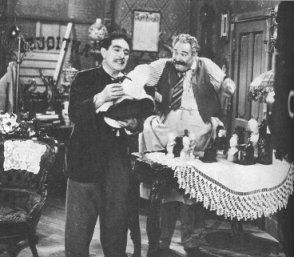
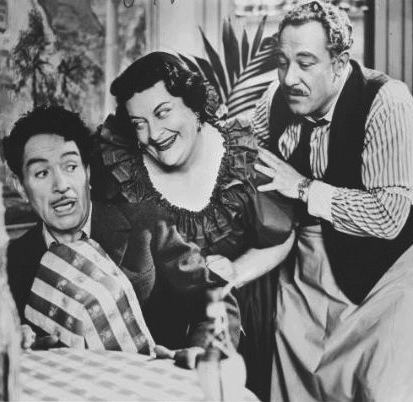


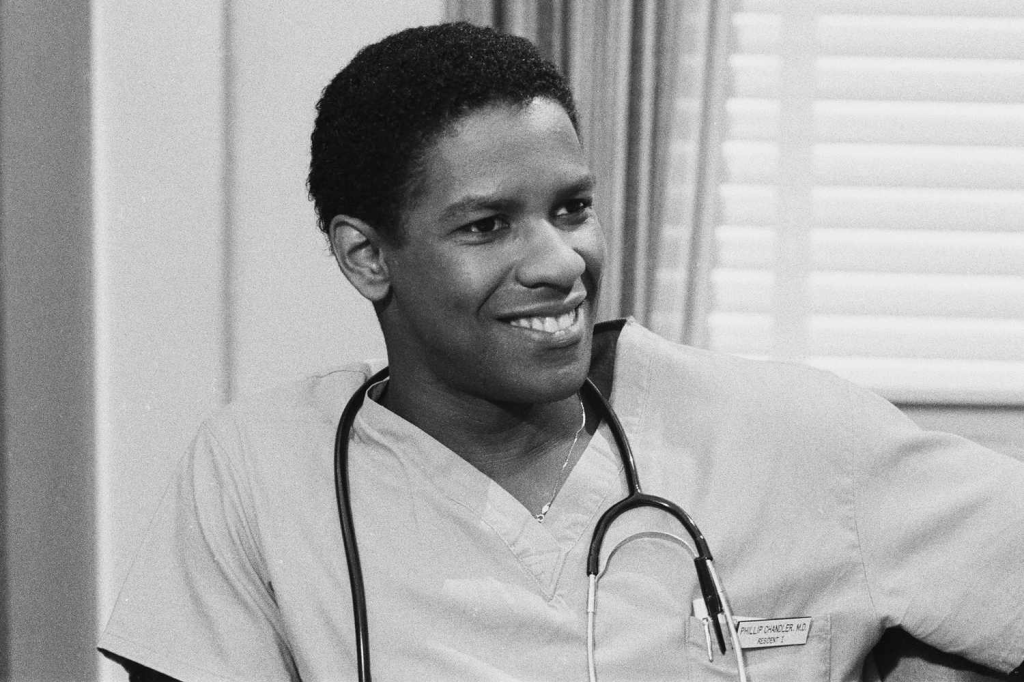


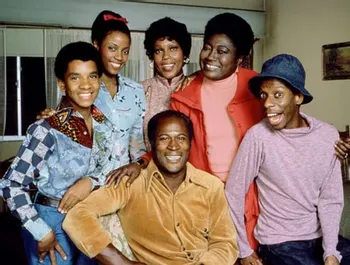

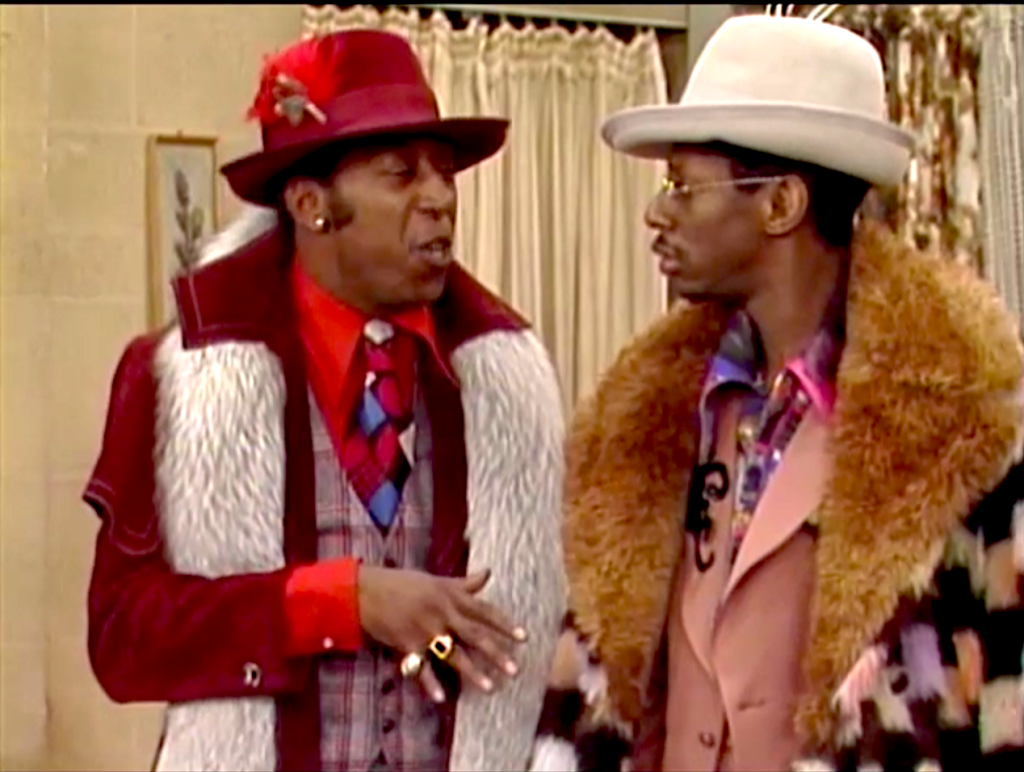


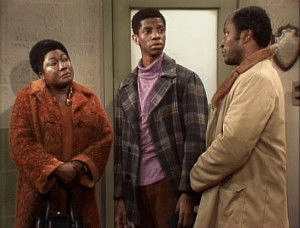
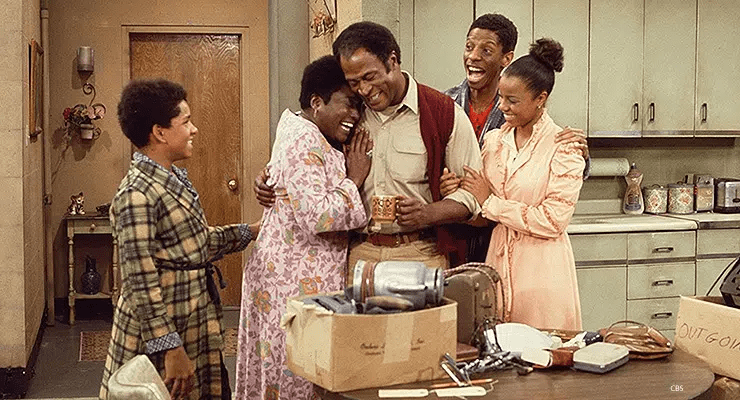

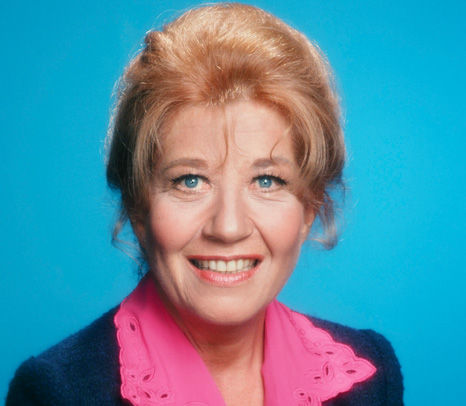


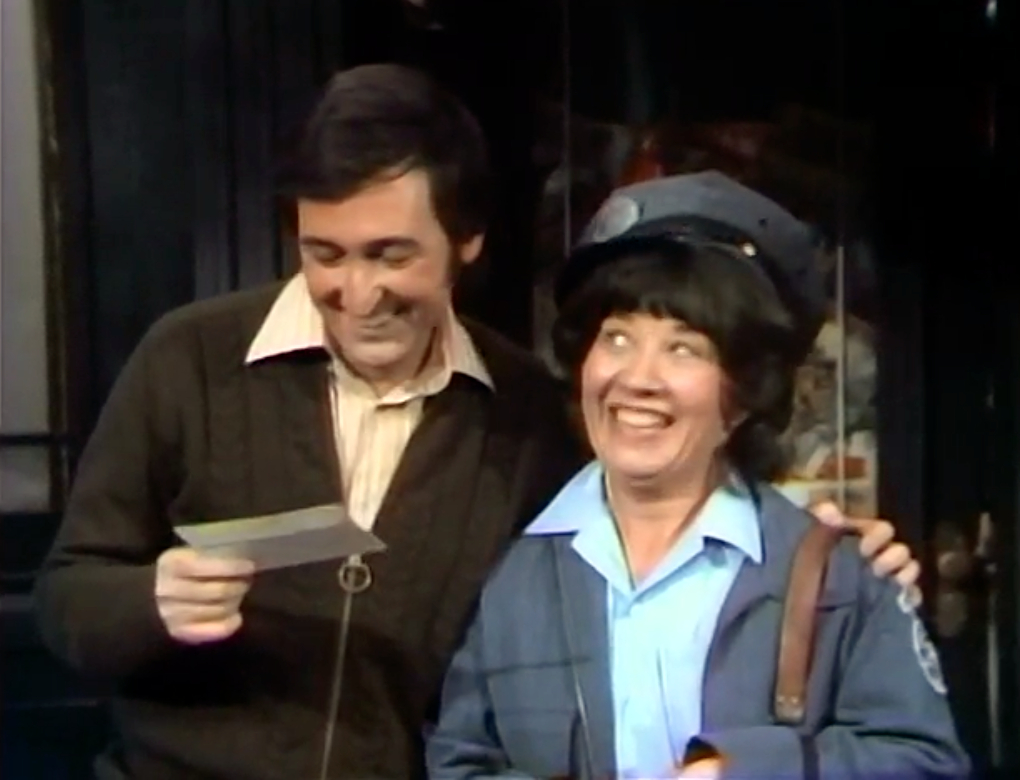


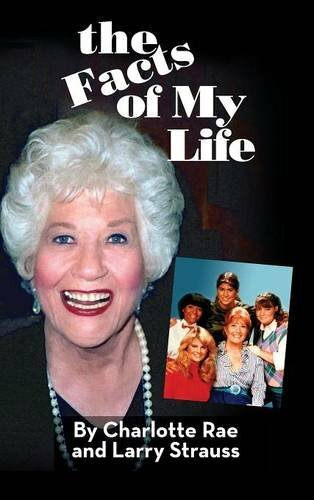

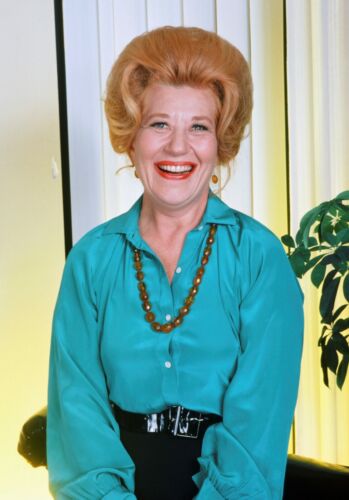

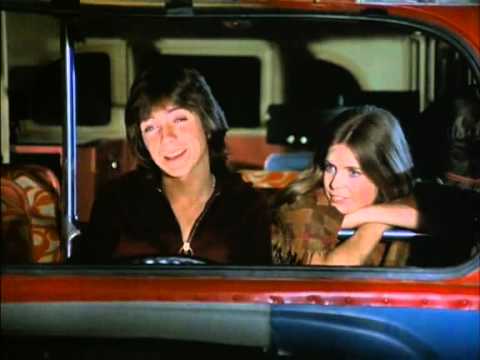


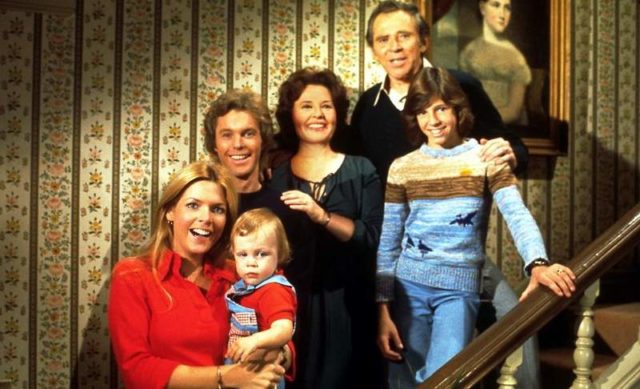

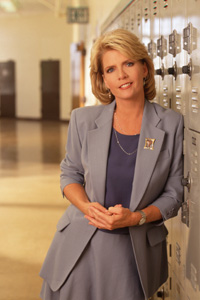


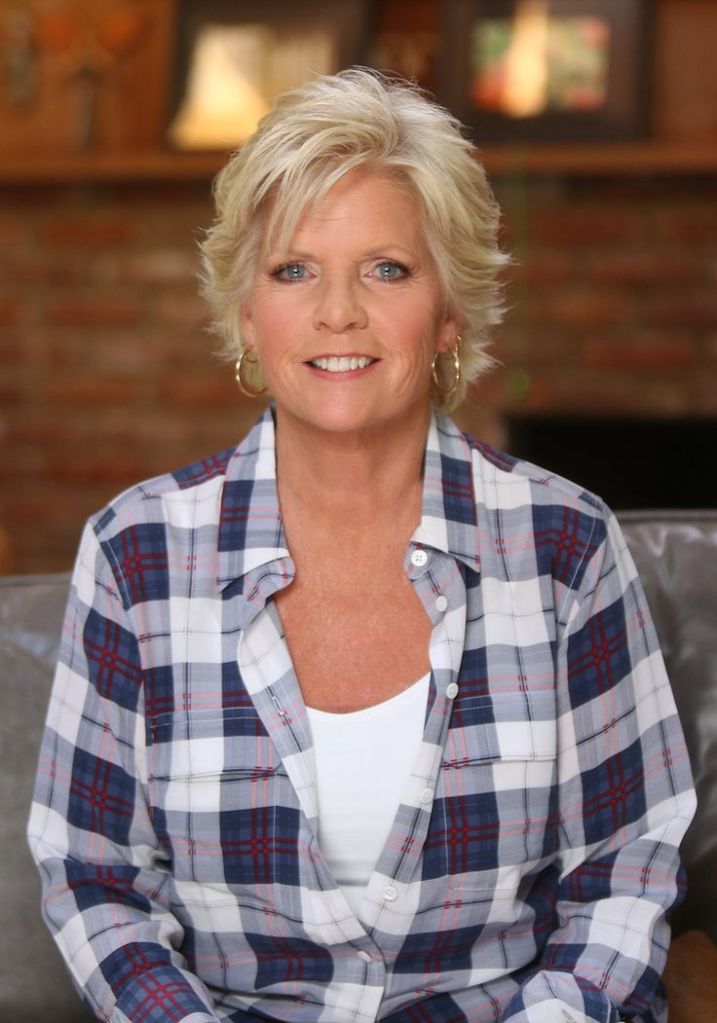


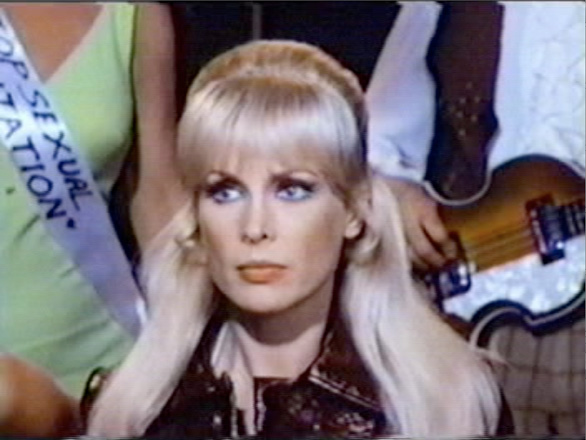
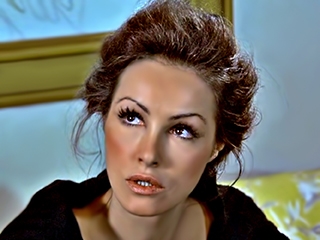
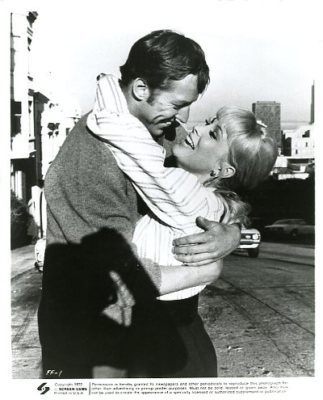


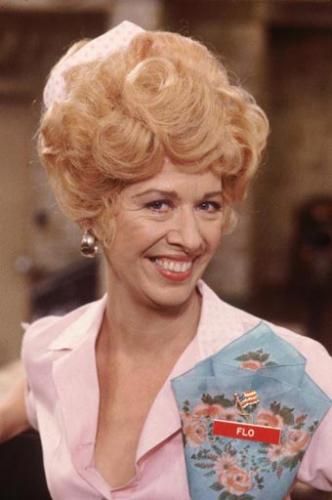
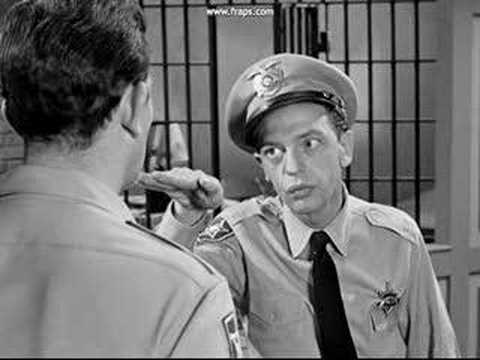


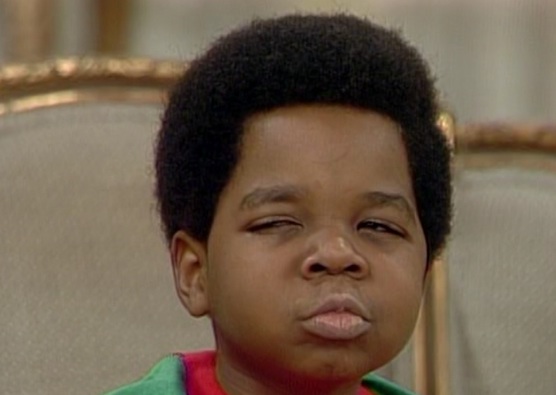




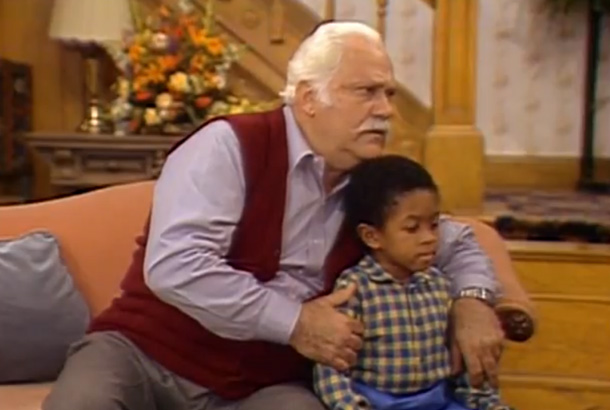


 thewritelife61