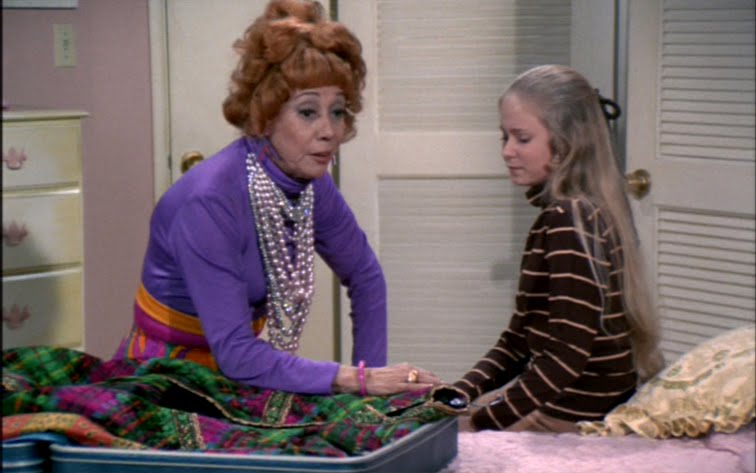
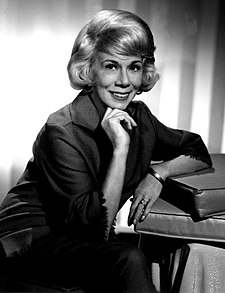
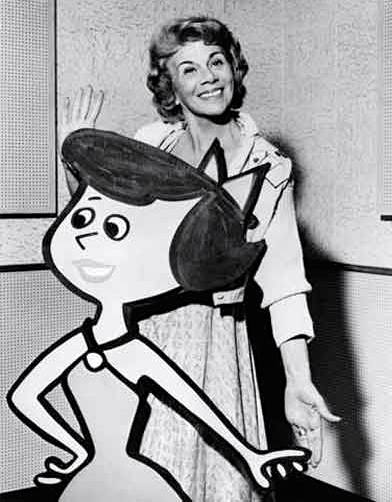
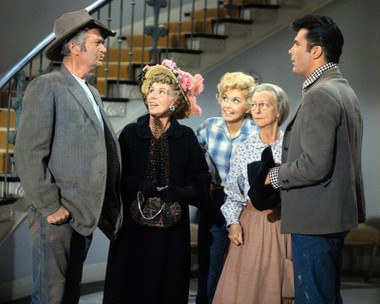
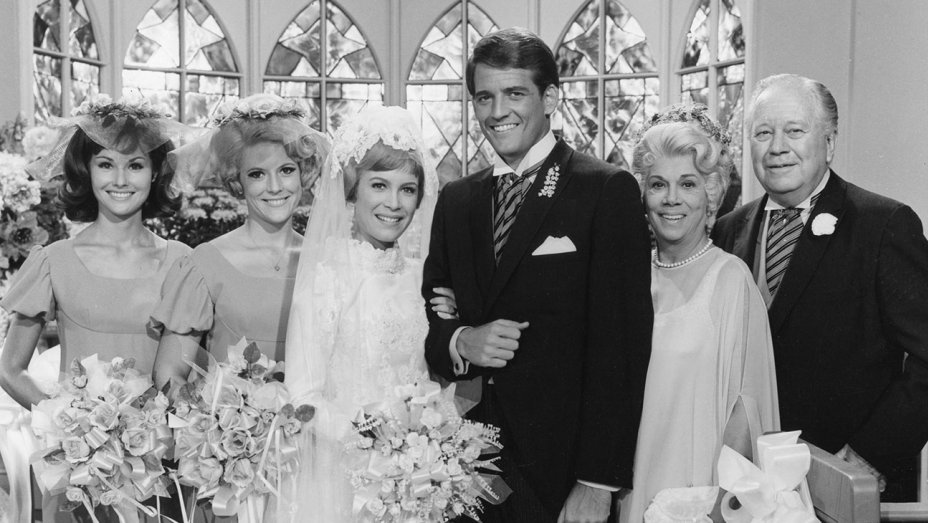
The Debbie Reynolds Show: Her Sponsorship Went Up in Smoke

Before we get into our topic of the week I’m celebrating today. This is my 475th post! Thank you to everyone who has joined me in my journey.
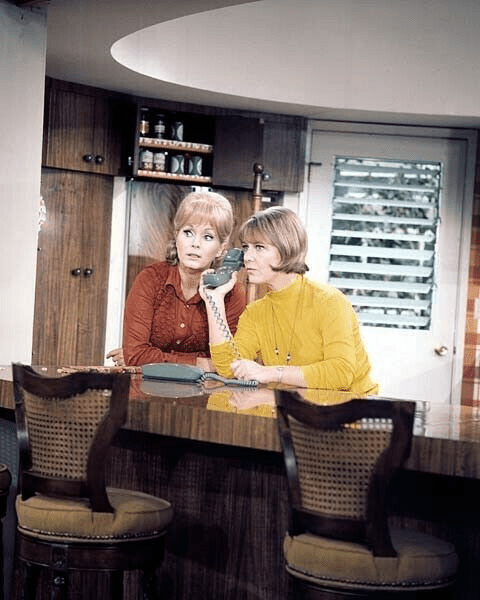
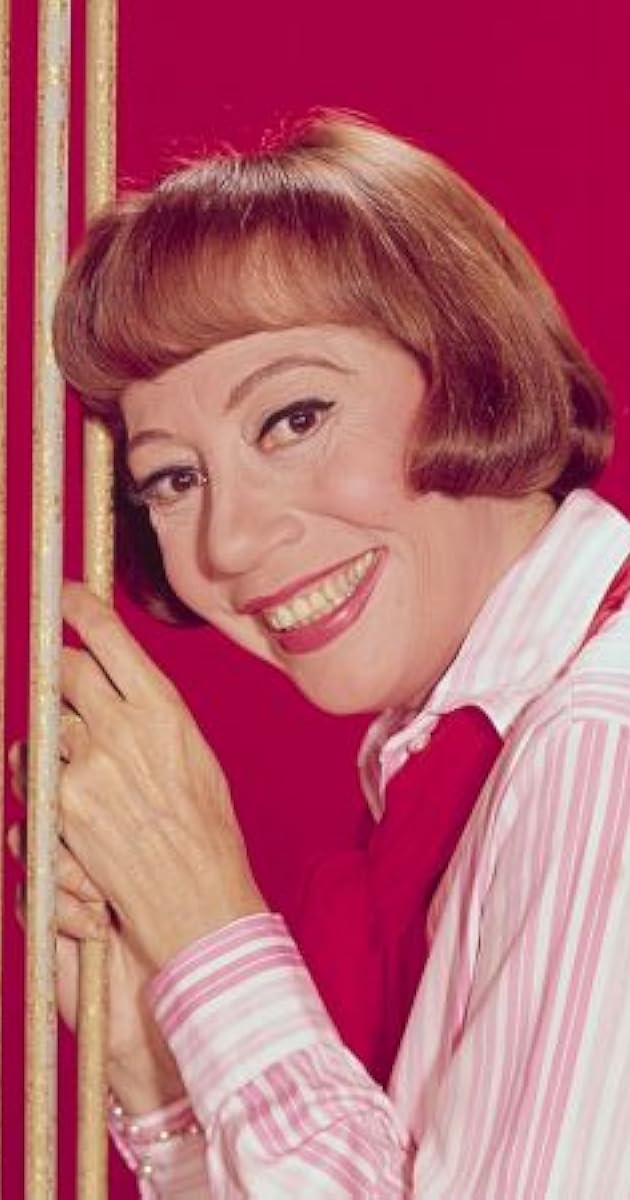
We are in the final week of our blog series this month, “It’s Their Show.” We are winding down with The Debbie Reynolds Show. While most of the shows we learned about this month were on air in the late fifties and early sixties, The Debbie Reynolds Show appeared in 1969 on NBC.

The show was created by Jess Oppenheimer who Lucille Ball called “the brain” behind creating I Love Lucy. This month we learned a bit about Bob Carroll Jr. and Madelyn Pugh Davis who created and wrote for I Love Lucy and The Tom Ewell Show, and they are back to write for this sitcom as well.

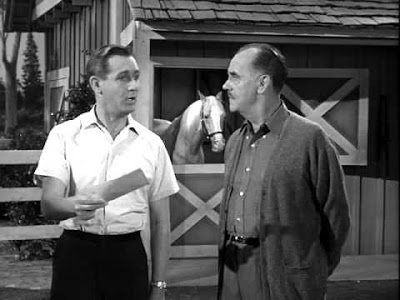
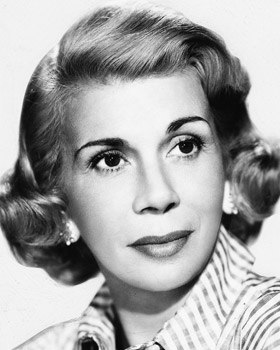
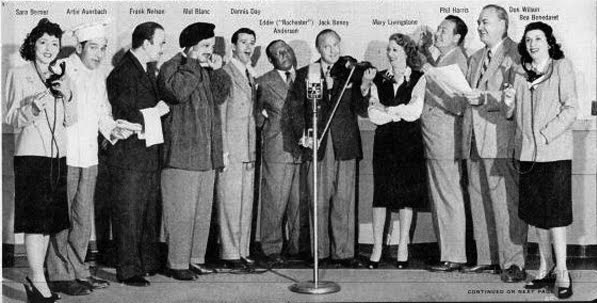
The show didn’t get off to a great start because Reynolds was clear that she wanted no cigarette commercials on her show. However, NBC was courting American Tobacco as the sponsor and Debbie threw a fit. When the tobacco company learned Reynolds was threatening to quit, they pulled their funding. Reynolds assured NBC that she would agree to forego NBC’s promise of a second year of the series, and she gave up her ownership in an NBC film What’s the Matter with Helen?, although she was able to star in the film.

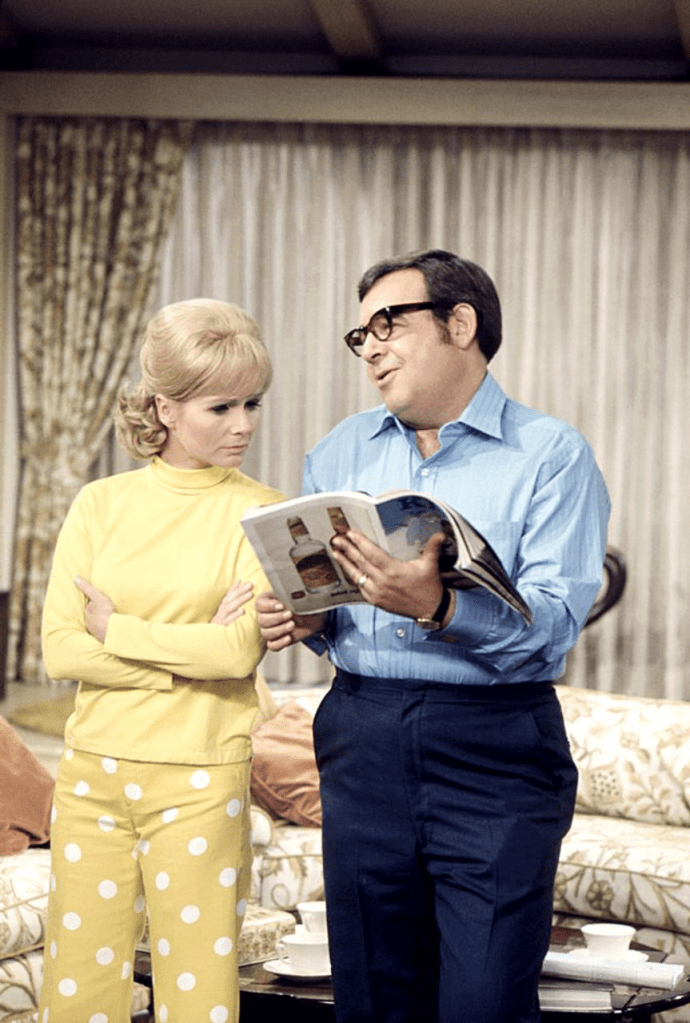
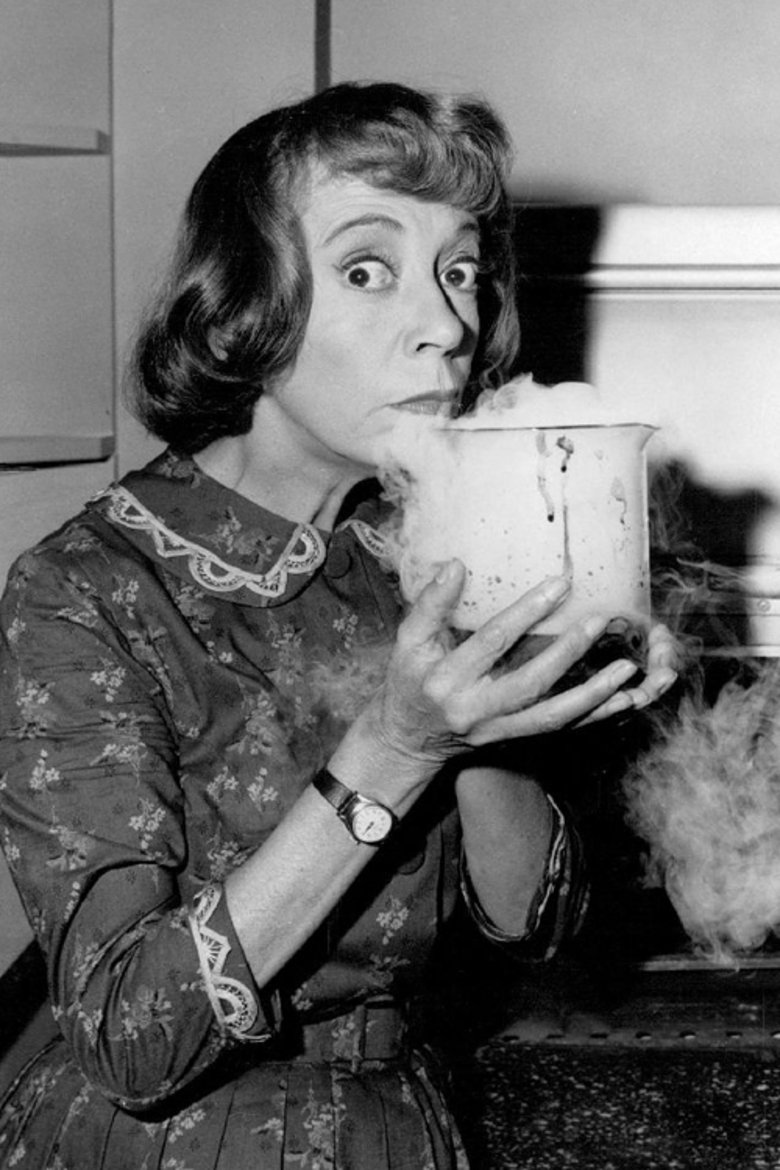
The plot of this show was that Reynolds was married to Jim (Don Chastain), a sportswriter for the Los Angeles Sun. Like Lucy always trying to get into show business, Debbie Thompson wants to be a reporter, and she comes up with various schemes to get her that job. Jim just wants her to be a stay-at-home wife.

📷📷pinterest.com

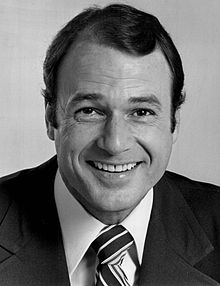
Rounding out the cast were Debbie’s sister Charlotte (Patricia Smith), Charlotte’s husband Bob (Tom Bosley) and Bruce (Bobby Riha), Debbie’s son. Like George Burns had done in his show, Debbie often addresses the audience directly.

Debbie Reynolds did double duty in this one, singing the theme for the show, “With a Little Love.”

Sadly, Reynolds was not in the same financial situation that many screen stars were when they agreed to try a television series. When the show was canceled after one season, she lived in her car for a while and her career never got back on track. For 35 years after this sitcom was canceled, Reynolds played bit parts, appeared as herself, or did animation. It must have been hard to tolerate after being a big star on the silver screen.

Tom Bosley talked about appearing in this sitcom in his interview with The Television Academy. He said the network allowed the cast to make seventeen episodes, but from the beginning they knew the show would be canceled because of the stunt Debbie and her PR rep pulled regarding the sponsorship.

📷moviemarket.com

Bosley thought Oppenheimer was a genius, but Bosley said even without the issue Reynolds had with the network, the show needed reworking for it to remain on the air. Bosley said Reynolds was very energetic, but she was bitter about her husband leaving her for Elizabeth Taylor, and her second husband was a gambler who left her with half a million dollars of debt to pay off.

To make ends meet, she went to Las Vegas to perform and started a costume museum to preserve the artifacts.

Unfortunately, this show was doomed from the start. While I admire Reynolds for standing up for what she believed in, the way she went about it was not helpful. It should have been written into her contract or handled in a nonpublic discussion. If Reynolds had let the network take care of sponsorships, things would have been okay. A few months after this show debuted, Congress took their anti-smoking initiative one step further and passed the Public Health Cigarette Smoking Act, banning the advertising of cigarettes on television and radio starting in 1971, so many shows walked away from tobacco companies in 1970. However, when Reynolds dug her heels in and threatened to quit, she not only lost her two-year minimum deal and her upcoming movie profits, but the studio was just biding its time because it had already decided to cancel the series because of her behavior.  

📷posterazzi.com

Even though Oppenheimer was described by everyone as an amazing creator and producer, this show felt like another I Love Lucy with a different occupation, and I’m guessing viewers felt that way too. It was similar to Sherwood Schwartz who kept revising The Brady Bunch for decades and kept writing sitcoms with the main characters somehow “lost” that were all duplicates of his Gilligan’s Island.

By 1969, it was time to move away from the hard-to-restrain wife in the sixties concept. In addition to being a copycat of I Love Lucy, I have to be honest. While I found something fun and charming about the other series we learned about this month, the episodes I tried to watch for this blog were painful. The characters were not likable, the writing was not witty or even easy to listen to, and considering what a great cast they had, the show just fell flat. Sadly, I recommend avoiding this one unless you are trying to put yourself to sleep some night.

We Still Love Lucy

We have been learning a lot about Lucille Ball this month. We delved into I Love Lucy and why it was so important to American culture. We got to know Lucy as a person. And we discussed Jess Oppenheimer and the influence he had on her. Today we are finishing up the month by checking out three shows she starred in after I Love Lucy went off the air: they all debuted in the sixties.

The first show, the Lucy-Desi Comedy Hour, was an extension of I Love Lucy. It spun out thirteen one-hour specials that aired between 1957 and 1960. Five of them debuted during the 1957-58 season of I Love Lucy. The other eight were shown on the Westinghouse Desilu Playhouse and they featured the same cast as I Love Lucy.

Desi tried to talk the network into doing these specials the first year just to keep some freshness in the series, but he was denied the chance. By the last season, they agreed it might work.

During the final season of the series, both the Mertzes and the Ricardos move to the Connecticut suburbs. Apparently, the two couples were running an egg farm to make their living and Fred was Ricky’s manager.

Despite their move out of the City, many of these episodes feature Lucy’s meetings with famous guest stars. For example, in “Lucy Takes a Cruise to Havana,” Lucy meets Hedda Hopper. Production costs were estimated to be $350,000 but with the guest stars, these costs increased and rather than do ten episodes the first year, Arnaz was forced to spread them out over three years.

Ratings were good in the beginning but with the news of Lucy and Desi’s marriage in trouble, both this series and I Love Lucy started to lose viewership. By the time the last episode was filmed, the couple could not even talk without a fight erupting and they communicated by messages. The day after filming, Ball filed for divorce.

The theme song of the series was used with a bit of updating. That symbolizes all ten episodes. It was the same series, but it wasn’t. Had this type of programming happened throughout the original series it might have been more popular but coming on the heels of the ending of the show and the fans being aware that “Ethel and Fred” could barely tolerate each other in real life and then learning “Lucy and Ricky” were ready for divorce took a lot of the fun out of watching the show.

From 1962-68, Lucy attempted another sitcom. While Vivian Vance was no longer Ethel, she was a co-star for the first three seasons of the show. Gale Gordon who had been Lucy’s first choice for Fred Mertz in the early fifties was no longer under contract in 1962 and appeared in this series beginning in season two.

While Arnaz and Ball had divorced two years before this series debuted, they were still in business together. Their company, Desilu Productions, was struggling with the end of I Love Lucy. In 1961 four of their shows were canceled. By spring of 1962, only The Untouchables was still on the air.

Desi approached Lucy about returning to a weekly sitcom. She agreed if it could take the time slot on Mondays that I Love Lucy had, and if Vivian Vance was part of the cast, and the I Love Lucy writers were brought back. The new show, The Lucy Show, debuted Monday, October 1, 1962.

Lucy Carmichael lives with her two kids (Candy Moore and Jimmy Garrett) and Vivian Bagley (Vivian Vance), a divorced friend, and her son (Ralph Hart). Vivian was the first woman to be divorced on television. Her husband had left her a trust fund, so Lucy had to approach the bank often for funding for some of her harebrained projects and purchases. In season two, Gale Gordon took on the role of banker Mr. Mooney. The show had decent ratings and continued in its format until 1965. Lucy moves from New York to Los Angeles when her daughter goes to college in California. Vivian remarries and stays in New York. Lucy meets a new best friend, Mary Jane Lewis (Mary Jane Croft). When Lucy learns that Mr. Mooney is being transferred to the LA bank, their relationship continues, and eventually she works for him.

At the end of the second season, a dispute occurred between Lucy and the writers over a script Ball felt was not up to their standard, and the writers left. In 1964 Desi had resigned as head of Desilu, so Ball took over as president. Most specials, sports shows, and cartoons on CBS were now in color, but they refused to broadcast most of their series in color. Ann Sothern began appearing on the show as a countess to fill in the gaps of Vance being absent.

For the 1966 season, the show dropped all references to Lucy’s children, her trust fund and her life in New York. I don’t know why shows think viewers will just go along with these strange format revamps. Doris Day did the same on her show when her former life and children just disappeared one day and were never mentioned again. Because the show was set in California, a lot of guest stars were featured on the show, many of them bank customers.

During the last season of the show, Gary Morton, Ball’s second husband, was named executive producer of the show. He actually seemed to do well in this role. For this year, Ball was nominated and won an Emmy for the star of the show, the show was nominated for Emmys for best comedy show (but lost to Get Smart) and for the writing and for Gale Gordon as supporting comedy actor (who lost to Werner Klemperer of Hogan’s Heroes). The show was #2 in the ratings.

Surprisingly, this is when Lucy decided to end the show and put it into syndication. Even odder is the fact that she began a new show with a similar plotline that same year. Lucy and her real-life kids, Lucie and Desi Jr. joined the cast which included Croft, and Gordon with Vance making appearances during the run of the show. This show, like the other two, was on the air for six seasons.

Ball as Lucy Hinkley Carter is living in LA, a widow with two children Kim and Craig, played by her own two kids. She works for her brother-in-law Harry Carter, played by Gale Gordon but now they are at an unemployment agency. Vance made six guest appearances on the show.

Again in this show, a number of famous guest stars showed up including Ann-Margret, Milton Berle, Carol Burnett, George Burns, Liberace, Eva Gabor, Helen Hayes, Dean Martin, Vincent Price, Ginger Rogers, Dinah Shore, Danny Thomas, Lawrence Welk, and Flip Wilson.

In 1973 the show fell out of the top ten, the first Lucille Ball show to ever do so. Lucy did a sixth season and then ended the show.

Lucille Ball deserved a break after this show ended. She had been on the air for 23 years. Little Ricky, or little Desi, had been born early in I Love Lucy history and now he was off on his own acting career. After 1974 when this show went off the air until her death in 1989, most of her projects were connected with I Love Lucy, although she was listed as executive producer for several shows including Mission Impossible and Mannix.

None of these post-I Love Lucy shows were much different from each other, but it proved that America still wanted to watch Lucy on the air. Television looked very different in 1974 than it did in 1951, and Lucille Ball influenced and inspired much of that change. I wonder if Lucy would be surprised to learn that fifty years after her final show ended its production, she is just as popular as ever and Lucy merchandise is unending. It says a lot about just how true it was that everyone loves Lucy.

Jess Oppenheimer: The Brains Behind I Love Lucy

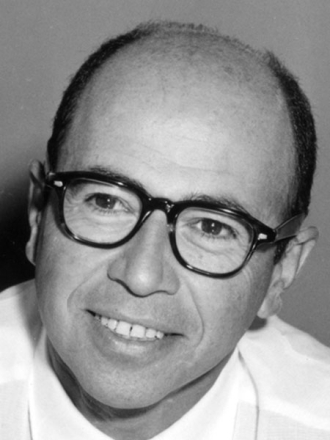
As we are learning all about Lucille Ball and her shows this first month of 2025, the month would not be complete without getting to know Jess Oppenheimer, the man Lucy called “the brains” behind I Love Lucy. He was also the producer and head writer of the show. Director William Asher said “he was the field general. Jess presided over all the meetings and ran the whole show. He was very sharp.”

📷televisionacademy.com

Oppenheimer was born in San Francisco in 1913. He took part in a study of gifted children in Stanford Professor Lewis Terman’s project. Ironically, one of Terman’s quotes about Jess was that he “could detect no signs of a sense of humor.” Jess’s father James owned the largest luggage store in San Francisco, but he died in an accident when Jess was 16.

Oppenheimer went on to attend Stanford in the 1930s. He started to spend a lot of his free time at radio station KFRC and performed in a comedy sketch he wrote for the show “Blue Monday Jamboree.”

In 1936 he moved to Hollywood and was hired as a writer on Fred Astaire’s radio show. He later went to work for Jack Benny as well as Edgar Bergen and Charlie McCarthy, George Burns and Gracie Allen, Bing Crosby, Marlene Dietrich, Judy Garland, Bob Hope, and Ginger Rogers.

When World War II began, Oppenheimer joined the US Coast Guard where he met Jack Dempsey and Cesar Romero. While he was there, he was diagnosed with double vision which had bothered him his entire life but had never been addressed.

Agent Ray Stark was Fanny Brice’s son-in-law and later Stark recruited him to write for her Baby Snooks Show based on his reputation in the Coast Guard.

In 1942, Oppenheimer met Estelle Weiss, an employee of Wallichs Music City. They married in 1947 and were together for the rest of his life.

📷wikipedia.com

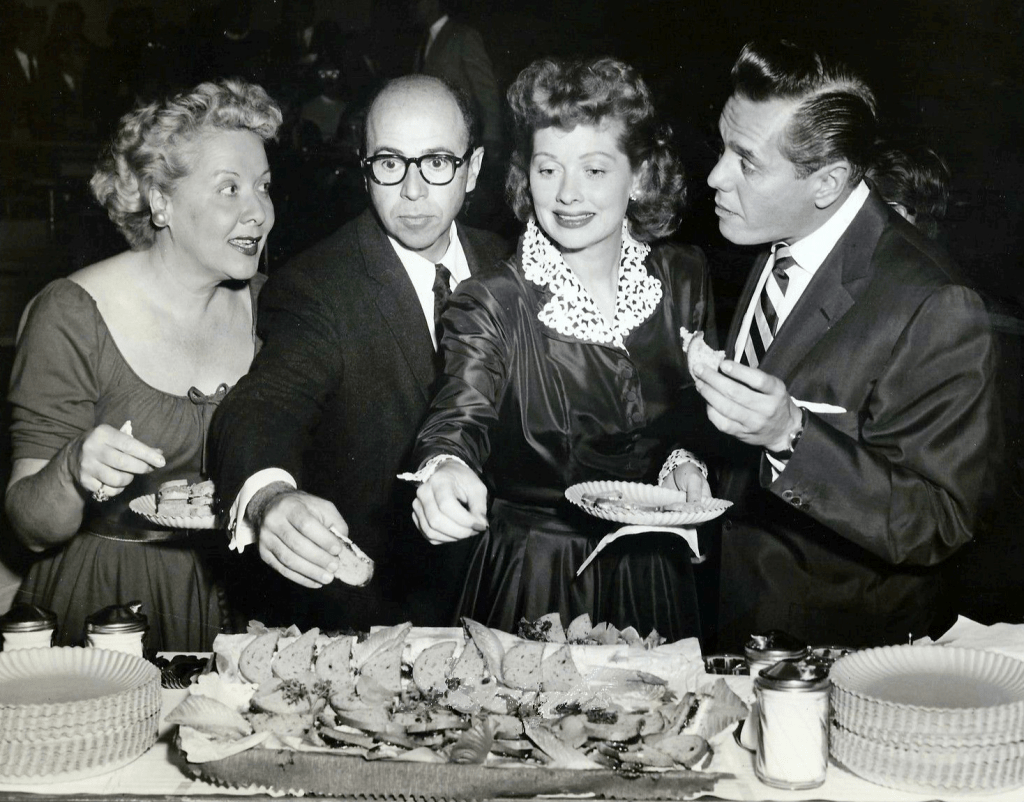
In 1948, CBS hired Oppenheimer to write a script for a new radio show, “My Favorite Husband.” Several of the scripts portrayed the wife, played by Lucille Ball, as a sophisticated socialite. When Jess added slapstick comedy and transitioned her to a childlike, impulsive, naïve wife, the show was a big success.

In 1950, CBS moved the show to television to star Lucy and her real-life husband Desi Arnaz. Lucy demanded that Oppenheimer stay in charge. Jess suggested doing a show “about a middle-class working stiff who works very hard at his job as a bandleader and likes nothing better than to come home at night and relax with this wife who doesn’t like staying home and is dying to get into show business.” He suggested the title “I Love Lucy.”

For the first five seasons, Oppenheimer was the producer and head writer, with help from Madelyn Pugh and Bob Carroll Jr. as other writers. As part of his contract, Oppenheimer received 20% of the ownership in the show. He gave Pugh and Carroll each 5% of that amount.

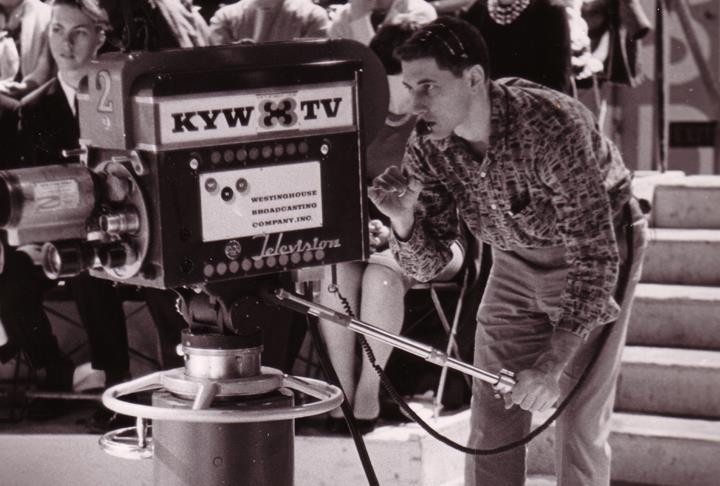
A wannabe actor, Oppenheimer appeared on I Love Lucy in two episodes. In #6, “The Audition,” he was one of three TV executives who audition Desi and in #127, “The Tour,” he walks in front of the bus before Ethel and Lucy board it. In one of the more famous episodes, #30, “Lucy Does a TV Commercial,” Jess is the voice that tells Lucy to go ahead and begin her commercial.

📷

In 1956, Oppenheimer moved to NBC where he became a producer of special shows.

During the sixties, Oppenheimer created and produced three other sitcoms. In 1960 he worked with Annie Farge and Marshall Thompson on Angel; in 1963 with Glynis Johns on Glynis, and with Debbie Reynolds on The Debbie Reynolds Show. He also was listed as writer, producer, and director for the 1967 season of Get Smart.

Oppenheimer received two Emmys and seven nominations. His Emmys were for Producer for Best Situation Comedy, I Love Lucy, in 1953 and 1954. He was also nominated for Producer for Best Situation Comedy, I Love Lucy, in 1952 and 1955; for Best Comedy Writer, I Love Lucy, in 1955 and 1956; for Best Single Program of the Year, General Motors 50th Anniversary Show in 1958; Program of the Year, The Danny Kaye Show with Lucille Ball in 1963; and Outstanding Program Achievement in Humor, The Danny Kaye Show with Lucille Ball in 1963.

He was also an inventor with 18 patents. One of his inventions was an in-the-lens teleprompter.

In 1962, Lucille Ball brought a new sitcom to television; however, Oppenheimer sued the show, claiming that Lucy Carmichael was Lucy Ricardo, his character, He received a financial settlement, and the character was changed, but unfortunately, it ruined the friendship between Oppenheimer and Ball.

The Oppenheimer family lived on Burlingame Avenue in Los Angeles. In a funny twist, Jess bought the house from MGM hairstylist Sydney Guilaroff; he was the person who turned Ball into a redhead for the 1943 movie, DuBarry was a Lady.

📷instagram

Jess’s best friends were Mel Blanc, Hans Conried, and Jerry Hausner, who had played Ricky’s agent on I Love Lucy.

In 1988, Oppenheimer had an intestinal surgery; he died shortly after from heart failure. At his death, Lucille Ball said he was “a true genius” and said that “she owed so much to his creativity and his friendship.”

I love hearing stories about people like Jess Oppenheimer and Sheldon Leonard who are creative geniuses and are the influence and inspiration for so many of the classic television shows.

Imogene Coca: Born to Perform

After learning about Your Show of Shows last week, we are going to take a closer look at some of the forces behind the award-winning show. We begin with Imogene Coca.

Imogene Coca - IMDb
Photo: imdb.com

Imogene Coca was born Emogeane Coca in 1908. Her father was a violinist and vaudeville orchestra conductor, and her mother was a dancer and magician’s assistant.

Emogeane Fernández Coca (1908 - 2001) - Genealogy
Photo: geni.com

She began appearing in vaudeville as a child acrobat. She also took piano, dance, and voice lessons as a child. She was drawn to dance and studied ballet and moved from Philadelphia to New York to become a dancer while still a teenager. Her first job was in the chorus of a Broadway musical, “When You Smile.” For a few decades, she appeared in stage musical revues, cabaret, summer stock, and movies.

In 1935, Coca married Bob Burton. They were married until 1955 when he passed away.

Coca discussed her early career: “I never thought of myself in comedy at all. I loved going to the theater and seeing people wearing beautiful clothes come down the staircase and start to dance. I wanted to play St. Joan.”

In her forties, Coca decided to add comedian to her slate of talents, and she was a natural. In 1948 she appeared on Buzzy Wuzzy on television. If you have never heard of it, don’t feel bad. I thought it might be a kid’s show. ABC was trying to develop its network, with all of its five stations. Jerry Bergen a comedian wanted to try a variety series. This 15-minute-long show lasted only four weeks.

She might not have had an illustrious beginning, but tv was good to Imogene. For fifty years, she would appear on tv, including six shows as a regular cast member.

The Sid Caesar, Imogene Coca, Carl Reiner, Howard Morris Special (TV  Special 1967) - IMDb
Photo: imdb.com with Caesar, Reiner and Morris

In 1950 she joined the cast of Your Show of Shows, becoming a household name. She was nominated for five Emmys on the show. She won the award in 1952 and lost the other years to Gertrude Berg, Lucille Ball, Red Skelton, and Eve Arden. When discussing the chemistry that she and Caesar had, Imogene said “Two people couldn’t be less alike than Sid and myself. But we kind of know what the other one’s going to do. We pick up each other’s vibes.”

A born comedian, Life magazine described her as taking “people or situations suspended in their own precarious balance between dignity and absurdity, and pushing them over the cliff with one single, pointed gesture.” A critic at the time, said she was not the typical, loud, brash comedian and was “a timid woman who, when aroused, can beat a tiger to death with a feather.”

Pin on Imogene
Photo: imdb.com Cast members

Your Show of Shows was a great success and everyone tuned in Saturday nights to catch the latest show. Fans loved the ongoing skits such as Coca and Caesar playing the bickering couple, the Hickenloopers or a Bavarian town clock that had real life figures and broke down whenever it chimed the hour.

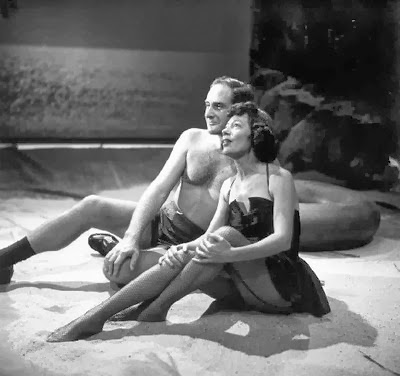
Many viewers mentioned the parodies the show did of movies. These were similar to the ones the Carol Burnett Show also did so well. Two of the scenes that came up often in viewers’ memories were the scene spoofing On the Waterfront when Marlon Brando tells his brother “I could have been a contender” and the parody of From Here to Eternity when Deborah Kerr and Burt Lancaster have a romantic moment on the beach. In Your Show of Shows version, the couple is continually hit with waves until they almost drown.

Comedy Legend Imogene Coca: I'm Cuckoo for Coca | The Scott Rollins Film  and TV Trivia Blog
From Here to Obscurity parody Photo: scottrollinsfilmandtvtriviablog

When the network chose to break up the Caesar-Coca team and give them their own shows, Coca had her own show, but it only lasted a year. For the rest of the fifties, she appeared primarily on drama shows which often aired plays.

In 1960, Imogene tried marriage a second time. She wed King Donovan and they would be together until his death in 1987.

From 1963-64, she joined the cast of Grindl which also lasted only one season. Coca played Grindl. She was an employee of the Foster Temporary Service, and she worked for Anson Foster (Jim Millhollin). Grindl accepts and completes a variety of jobs including babysitter, bank teller, and theater ticket taker. Most of the assignments get her involved in some type of crime or mystery. The show was on Sunday nights between Walt Disney’s Wonderful World of Color and Bonanza which was a great spot, but it also competed with the popular Ed Sullivan Show.

Grindl - DVD PLANET STORE
Grindl Photo: dvdplanetstore.com

In 1966-1967, she jumped into another new sitcom, It’s About Time. This wacky show was created by Sherwood Schwartz and also starred Jim Millhollin. The premise is that two astronauts who were traveling faster than light end up in prehistoric Earth time and when they are unable to return, make friends with the locals living there. This show preceded The Ed Sullivan Show but then ended up competing with Walt Disney’s Wonderful World of Color.

1966-67 Television Season 50th Anniversary: It's About Time (part 3 of 3) -  YouTube
It’s About Time Photo: youtube.com

During the seventies, she appeared on many shows, including Bewitched, Night Gallery, The Brady Bunch, and Love American Style.

Her busy career didn’t flounder in the eighties. She continued to guest star on shows including Trapper John, MD and Mama’s Family. She appeared in an episode of Moonlighting which produced her sixth Emmy nomination. She would lose to Shirley Knight for thirtysomething.

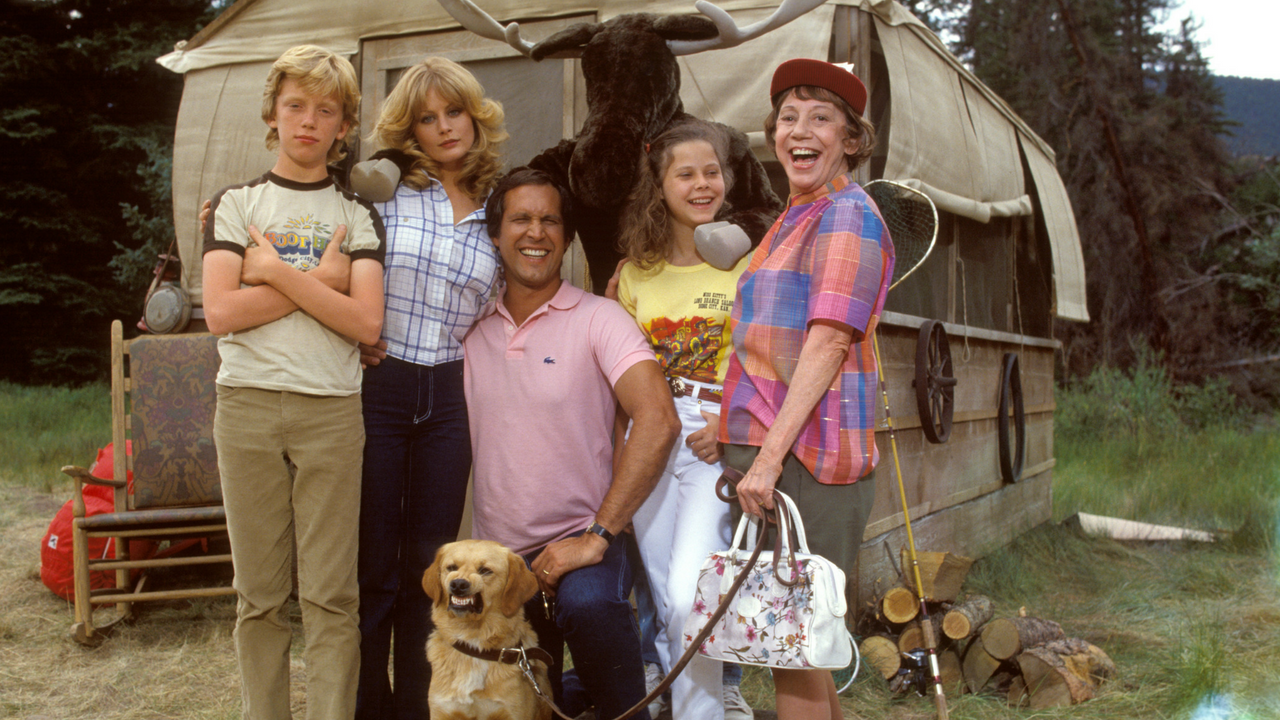
She was in movies off and on through the decades and perhaps is best known for her role of Aunt Edna in National Lampoon’s Vacation.

National Lampoon's Vacation – IFC Center
Aunt Edna in National Lampoon’s Vacation Photo: ifccenter.com

Of course, during these decades she also continued to appear on many variety and game shows. You will spot her in reruns of The Carol Burnett Show, The George Gobel Show, and Bob Hope and Dean Martin specials among other shows. She also did not ignore her early love of Broadway. She received a Tony Award nomination for “On the Twentieth Century.”

The Brady Bunch: Jan's Aunt Jenny | The Very Special Blog
On the Brady Bunch Photo: theveryspecialblog.com

In 1988 at age 80, Coca received the Lifetime Achievement Award in Comedy; her male counterpart receiving the award that year was George Burns. She was also honored in 1995 with the Women in Film Lucy Award, named for Lucille Ball.

Coca finished her career voicing characters for children’s programming. Sadly, she suffered from Alzheimer’s disease. She passed away at home in 2001. When he heard of her passing, Sid Caesar said, “All the wonderful times we shared together meant the world to me.”

Greatest Women in Comedy - Legacy.com
Photo: legacy.com

Imogene Coca was truly a special person. She had several different careers rolled into one. It’s hard to imagine that she did not begin comedy until her forties because she was one of the best. I’m sad that at the end of her life she was not able to retain the beautiful memories she gave us during her professional life. Thank you for creating a lifetime of special moments that you left for us.

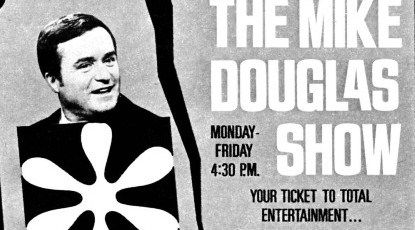
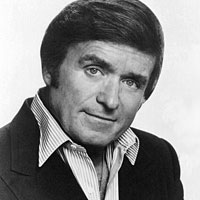
Mr. Hospitality: Mike Douglas Hosted 30,000 Guests

For the month of July we are taking a look at some of the innovative talk shows of the past. With only three channels to choose from in the sixties, almost everyone tuned into The Tonight Show Starring Johnny Carson.  However, talk shows were also popular during the day.

The Mike Douglas Show began in Cleveland, Ohio in 1961. It had light banter with guests and featured musical performers daily, although more serious interviews were also conducted from time to time.  In 1963, the show was expanded to Pittsburgh, Boston, Baltimore, and San Francisco.

In 1965, the show moved to Philadelphia and went into national syndication that same year. One final move was made in 1978 when it relocated to Hollywood. For 1980, Douglas handed the show over to John Davidson to host. It went through some changes and replaced about one-third of the staff, but the ratings continued to plummet and it was officially cancelled in November of 1981 with more than 6000 shows and 30,000 guests.

Douglas was born in Chicago in 1925 and became a teenage singer, entertaining on the radio and in supper clubs. He sang a lot of big band numbers and became the staff singer at WKY in Oklahoma City before joining the Navy in WWII. He had two hits in the fifties, “Old Lamplighter” and “Ole Buttermilk Sky,” but his career was not going anywhere, so he decided to turn to television.

Photo: eyesofageneration.com

Douglas had a different celebrity co-host every week, and they interviewed a variety of entertainers. The show was very popular and had high ratings.  Douglas had a fun personality .  In 1976, Match Game received higher ratings, so Douglas made an unscheduled appearance on the game show to congratulate Gene Rayburn on having the number 1 daytime show on the air.

Photo: muppetwikifandom.com

I could literally fill pages with the guest stars and musical performers who appeared on the show. Some of the more interesting ones included two-year-old Tiger Woods who showed off his golf swing for Bob Hope and James Stewart.

Image result for images of mike douglas and tiger woods
Jimmy Stewart, Bob Hope and a very young Tiger Woods Photo: pinterest.com

A Who’s Who listing of guests also included Fred Astaire, Lucille Ball, George Burns, Sid Caesar, Angela Davis, Bette Davis, Judy Garland, Alfred Hitchcock, Malcom X, Mother Teresa, the Muppets, Ralph Nader, Richard Nixon, Vincent Price, and John Wayne.

The “Supreme” music guests Photo: pinterest.com

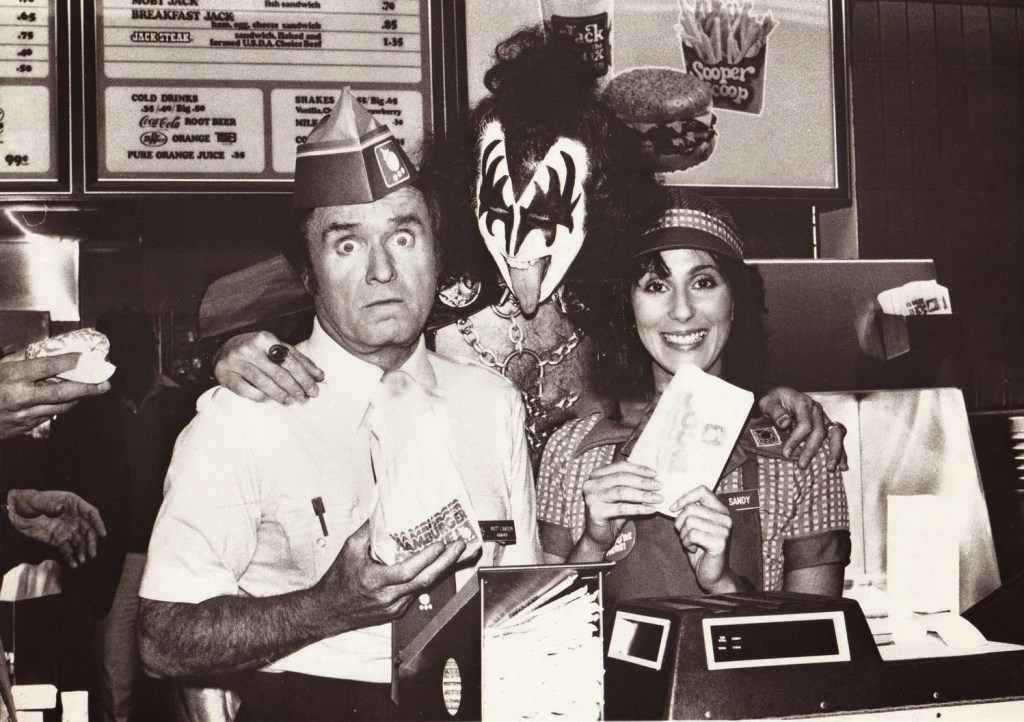
A variety of musical genres were represented with performers including ABBA, The Beach Boys, The Bee Gees, James Brown, Ray Charles, Cher, Sam Cooke, Electric Light Orchestra, Marvin Gaye, Genesis, The Jacksons, Jefferson Airplane, Elton John, John Lennon with Yoko Ono, The Mills Brothers, The Rolling Stones, Sly and the Family Stone, The Supremes, and Frank Zappa.

With Gene Simmons and Cher Photo: vintage.com

Critics also liked the show. It received its first Emmy in 1967 and would go on to win four more.

Tom Kelly, who co-authored with Douglas on his memoir, revealed why he thought Mike was so successful: “One big key to his great success was he had his ego in check. He always let the guest have the limelight. He was a fine performer. He could sing, he could do comedy, he did it all, but he always gave the guest the spotlight.”

Photo: wikipedia.com

I can remember my mother watching Mike Douglas most days while I played with my toys.  Here we are sixty years later and afternoon talk shows like Ellen DeGeneres and Kelly Clarkson are still going strong thanks to pioneers like Mike Douglas who showed us the classy way to be a host.

The Smothers Brothers Comedy Hour: Fifty Years After Getting the Pink Slip

The late 1960s and early 1970s might have contained the most diverse television shows than any other era. In 1968, there were the rural comedies like Green Acres and The Beverly Hillbillies; there were the standard sitcoms, My Three Sons, Get Smart, That Girl, Bewitched; there were the remains of a few westerns including The High Chaparral, The Virginian, and Gunsmoke; there were crime and thrillers such as Hawaii Five-0 and Mission Impossible; there was the crime/western in The Wild, Wild West, there were gameshows on at night including Let’s Make a Deal, The Dating Game, and The Newlywed Game; there were sci-fi shows like Star Trek and The Land of the Giants; family shows like Lassie; and even Lawrence Welk.

In addition, there were a couple of shows that were a bit edgier and introduced more  provocative concepts and themes. The Mod Squad featured three teens who were helping solve crimes in lieu of jail time, and then there was the almost-impossible-to-describe Laugh In.

Photo: neatorama.com

Similar to Laugh In was The Smothers Brothers Comedy Hour which also debuted in 1967 featuring Tom and Dick Smothers. It had more of a variety format to it but it had the same topical and satirical humor.

Photo: retrokimmer.com
The Who

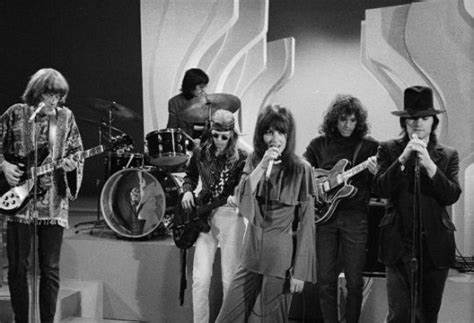
In addition to poking fun at politics, the war, religion, and current issues, you could tune in to the Smothers Brothers for some of the best and sometimes controversial music in the industry. Performers such as Jefferson Airplane, Steppenwolf, Simon and Garfunkel, The Who, Cream, Pete Seeger, and The Doors appeared on the show.

Photo: metro.com
Jefferson Airplane

The show aired Sunday nights against Bonanza on NBC; ABC aired The Sunday Night Movie in its first season and Hee Haw in its second season.

The series had some of the best writers on television: Alan Blye, Hal Goldman, Al Gordon, Steve Martin, Lorenzo Music, Don Novello, Rob Reiner, David Steinberg, and Mason Williams. Reiner and Martin both commented on the show in an interview by Marc Freeman in the Hollywood Reporter 11-25-2017 (“The Smothers Brothers Comedy Hour at 50: The Rise and Fall of a Ground-Breaking Variety Show”).  

Reiner relayed that “you had two cute boy-next-doors wearing red suits, one with the stand-up bass and the other with his guitar. They looked like the sweetest, most innocent kids. You got drawn to them, and then they hit you with the uppercut you didn’t see coming.”

Photo: tvbanter.net

Martin elaborated “When you have the power wrapped up in innocence, it’s more palatable. They were like little boys, but you also had Dickie there to reprimand Tommy when he would make an outrageous statement. It’s like the naughty ventriloquist dummy who can get away with murder as long as the ventriloquist is there to say ‘You can’t say that.’ It’s the perfect setup for getting a message across.”

Photo: pinterest.com
Jack Benny

In addition to the musical acts, hundreds of celebrities appeared on the show between 1967 and 1969, including Jack Benny, Carol Burnett, George Burns, Bette Davis, Jimmy Durante, Barbara Eden, Nanette Fabray, Eva Gabor, Shirley Jones, Don Knotts, Bob Newhart, Tony Randall, Ed Sullivan, Danny Thomas and Jonathan Winters, along with so many others.

Part of the show was the brothers’ ongoing sibling rivalry about whom their parents liked best. They also began to add political satire and ribald humor. Pat Paulsen delivered mock editorials about current topics such as the draft and gun control, and in 1968 he had a mock presidential campaign.

Photo: rollingstone.com
Pat Paulsen for president

Church sermon sketches poked fun at religion. The show lampooned many of the values older Americans valued, often delivering anti-establishment and pro-drug humor. No one was given an exception, and the show lambasted the military, the police, the religious right, and the government.

Battles over content were ongoing with the network. The network pulled Pete Seeger’s performance of his anti-Vietnam War song, “Waist Deep in the Big Muddy.” They nixed Harry Belafonte’s song, “Don’t Stop the Carnival” because it had a video collage behind him of the 1968 Democratic National Convention riots.

Younger viewers were tuning in, and despite the conflicts, the show was picked up for a second season. The network insisted they receive a copy of the show at least ten days in advance for editing. In April of 1969, William Paley canceled the show without notice. Some sources contend it was canceled by CBS president Robert Wood. Some sources cite the issue with unacceptable deadlines and others mention Tom Smothers lobbying the FCC and members of Congress over corporate censorship that brought about the firing. The brothers filed a breach of contract suit against the network and after four years of litigation, a federal court ruled in their favor, awarding them $776,300.

Photo: blogspot.com

Here’s a typical joke from the show that was not as controversial.

Tom: You can tell who’s running the country by how much clothes people wear, see?

Dick: Do you mean that some people can afford more clothes on, and some people have . . . less on? Is that what you mean?

Tom: That’s right.

Dick: I don’t understand.

Tom: See, the ordinary people, you’d say that the ordinary people are the less-ons.

Dick: So, who’s running the country?

Tom: The morons.

The Smothers Brothers elicited humor that was as topical, influential, and critical as anyone had ever heard before on television. Fifty years later, both the network and the brothers realized everyone over-reacted. If the Smothers Brothers had tried to play by the rules a bit, they would not have lost their platform to continue to help change what they saw as a messed-up culture.

Photo: Wikipedia.com

The CBS executives felt the program created too much controversy. In their defense, politicians, especially Lyndon Johnson and Richard Nixon, exerted a lot of pressure on the network. Remember this was a time of three networks and ads are what produced the profits to fund shows. The network received a boatload of hate mail daily about the program and, when viewers begin talking boycotting advertisers, executives sit up a bit straighter and listen.

The Smothers Brothers Show, a less controversial series, debuted in 1975. They had two specials on NBC later and another CBS series in 1988 but never regained the influence they had in the sixties. However, the show did help pave the way for a future that permitted, and later embraced, shows with controversy beginning with All in the Family, continuing with Saturday Night Live, and recently seen on shows such hosted by Jon Stewart and Stephen Colbert. Although the comedy spouted on the show would seem quite tame by today’s standards, the show had an important part in the history of television and the rights of free speech.

Photo: wvxu.com

I have seen some DVDs out there from this show, but they are pricey. Recently I saw season two going for $190. I do see Laugh In on Decades quite often, so perhaps The Smothers Brothers might show up somewhere too, although I’m not sure this show would hold up as well as Laugh In, but the musical performances would be fun to see.

Jack Benny: Perhaps the Nicest Guy in Television

Photo: cinema.ucla.edu

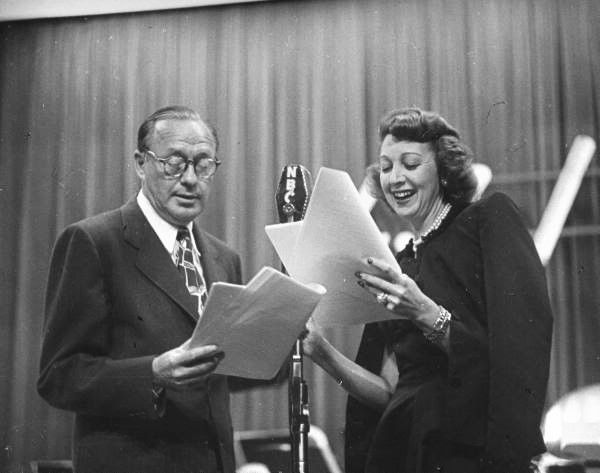
We kick off this new year getting to know one of my favorite entertainers, Jack Benny. While many radio stars had a hard time transitioning to television, Jack, along with his best friend George Burns, made it look easy. Jack’s radio show started in 1932. In 1950 he decided to make the leap to tv, and his show would be on the air until 1965 when he decided it was time to quit.

The series produced 258 episodes. Jack tested the water first, appearing randomly on television before settling into a weekly schedule ten years after the first show debuted (From 1955-1960 he was on every other week). George Balzer and Sam Perrin would write for the show for the entire run, given credit for 255 episodes. Ralph Levy, who helped George and Gracie get their show underway, came on board in 1951 and left in 1962. The well-respected Fred De Cordova directed the most episodes, 75.

Photo: thisdaybenny.com 

Jack’s first shows were filmed at Burns’ McCadden Productions studio and later at Universal Television. His opening and closing monologues were done in front of a live audience but a laugh track was inserted for consistency. Jack brought his quirky radio crew with him: Don Wilson, Eddie “Rochester” Anderson, Dennis Day, Mary Livingstone, and Mel Blanc. Benny’s wife was Sadie Marks. He met her at age 14 in 1919, and they didn’t exactly hit it off. However, in 1927 they realized they were in love and married that year. Benny asked his wife to fill in for a live comedy show to play “Mary Livingstone.” Sadie did and showed her comic persona. She began to appear regularly and later legally changed her name to Mary Livingstone.

Photo: pinterest.com

Benny understood the radio show was so successful because listeners bonded with the characters and considered them friends. Television just added another dimension for viewers to be able to see the characters.

Jack always underplayed his character, often giving the best lines to his cast. He had great timing, knowing when to tell a joke and when to say nothing. It was often said that he did not say funny things, but he said things funny. His catchphrases, “Well” (with a long pause) and “Now, cut that out” are still part of pop culture today.

In the classic age of comedy, sponsors were the key to survival, and Jack was always able to obtain some of the most well-known companies. During his run, he was sponsored by Lucky Strike, Lever Brothers Lux, State Farm Insurance, Lipton Tea, Miles Laboratories, and most memorably, General Foods’ Jell-O. The sponsors never minded that he often made fun of them or their ads. Often, they were some of the funniest moments in the show.

The first show aired in October of 1950. Benny’s first line on that live Sunday night telecast was, “I’d give a million dollars to know what I look like!”

The show’s format didn’t vary much from week to week. Typically, it began with a monologue. The orchestra might play a song or Jack and announcer Don Wilson might have a discussion such as:

DonWilson: I don’t think you know how much it means to me to do the commercial. After all I’m not a funny man. I can’t sing or dance. I don’t lead a band. What are you paying me for?

Jack: Don, you’re hanging yourself.

Photo: oldtimeradiodownloads.com

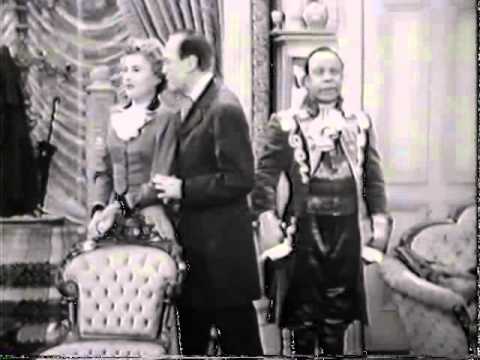
The cast would discuss a current situation, often referring to Benny’s age or frugality, or Mary would read a letter from her mother. Dennis Day would then sing a song followed by a skit, a mini-play, or a satire of a movie. Before Carol Burnett’s incredible movie satires, Jack Benny’s writers created some humorous shows. One example was a 1952 show. It was based on Gaslight from 1944. Called “Autolight,” it starred Barbara Stanwyck.

Photo: youtube.com

Jack continued to feature special guest stars, was a penny pincher, refused to admit he was over 39 years old, and continued to drive his old Maxwell. Here he is with Marilyn Monroe discussing his age:

Marilyn Monroe: What about the difference in our ages?

Jack: Oh, it’s not that big a difference. You’re twenty-five and I’m thirty-nine.

Marilyn Monroe: I know, Jack. But what about twenty-five years from now when I’m fifty and you’re thirty-nine?

Jack: Gee, I never thought of that.

Photo: worthpoint.com

Jack’s view on saving money: “Any man who would walk five miles through the snow, barefoot, just to return a library book so he could save three cents – that’s my kind of guy.”

Photo: imdb.com

Mel Blanc not only “played” the Maxwell but portrayed a variety of characters. Once Benny made the comment, “There’s only five real people in Hollywood.  Everyone else is Mel Blanc.”

Viewers today criticize the way Rochester was treated on the show, but when comparing Benny’s show to Amos ‘n Andy and other shows during the time period, a stark difference can be seen. Rochester was the first black actor to have a recurring role on a radio show. He called Jack, “Jack” or“Mr. Benny” and quite often got the best of him by outwitting him or pointing out one of his deficiencies.

Here’s a typical conversation between Jack and Rochester:

Jack: What do you think of this card I wrote for Don? “To Don from Jacky, Oh golly, oh shucks. I hope that you like it, it cost forty bucks.”

Rochester: It would’ve been hard to rhyme a dollar ninety-eight.

Jack Benny: We’re a little late, so good night, folks.

Photo: americacomesalive.com

The character interactions and the great skits are what made the show so popular. In Jim Bishop’s book about President John F. Kennedy, A Day in the Life of President Kennedy, he wrote that JFK was too busy to watch television, but he always made time for The Jack Benny Show.

Photo: tvnewfrontier.blogspot.com

Jack passed away in 1974. In real life, he was the opposite of the character he played, very generous and a gifted violin player.

His papers, including television archives of his series and special broadcasts and more than 296 television scripts were given to UCLA.

The Jack Benny Program can currently be seen early mornings Sunday through Thursday on Antenna TV.

Mister Ed:

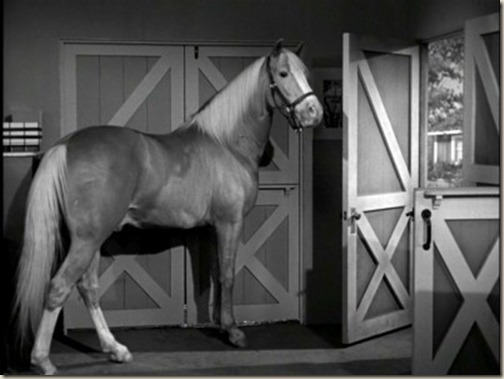
In the 1960s we had some crazy sitcom situations: a wife who was a witch, a genie who was found in a bottle, a dead mother who inhabited a car, and the Munsters who tried to adjust to a normal human world.  One show that was not that incredible was Mister Ed. If someone said they were writing a show about a talking horse, it should sound a bit far-fetched, but when you watched the show, it all seemed quite plausible. Let’s take a look at what made Mister Ed a fairly well-written and enjoyable series.

mred8


Mister Ed was developed by Arthur Lubin, a producer and director. Lubin had worked on the Francis the talking mule movies. He wanted to make a similar show for television. He was unable to gain the rights to Francis, but then he heard about children’s author Walter R. Brooks. Brooks had a series of short stories about a talking horse. His stories were published by Bantam, but since he passed away in 1958, he was never able to see the television show his work inspired.

mred1


The pilot was financed by George Burns and filmed at his McCadden Studio. It was titled “Wilbur Pope and Mister Ed.” Scott McKay played Wilbur Pope, Sandra White played his wife, and Mr. Ed was played by a chestnut gelding that was temperamental and difficult to work with.


mred5

Lubin was not able to sell the show to one of the major networks, so he financed it as a syndication sitcom. The cast was switched up a bit. Bamboo Harvester, a golden Palamino, was brought in as Ed and his voice was kept secret at the time but was Rocky Lane, an older Western star.

Allan Young came on board as the now named Wilbur Post, and Connie Hines played his wife Carol. Young was actually a blonde but in the black and white version, his hair blended into the horse’s, so Connie Hines’ hairdresser would dye Young’s hair brunette. Originally Lubin discussed naming it The Alan Young Show, but Alan did not want to do that in case it bombed. He did, however, buy into the show, which resulted in his earning a lot of money later.

Ed’s singing voice was provided by Sheldon Allman. However, the line “I am Mister Ed” at the end of the theme song was done by the song’s composer, Jay Livingston.

Jay Livingston and Ray Evans wrote the theme song. An instrumental version was used for the first seven episodes, and then lyrics were added. The lyrics are:

A horse is a horse, of course, of course.

And no one can talk to a horse, of course.

That is, of course, unless the horse is the famous Mister Ed.

Go right to the source and ask the horse.

He’ll give you the answer that you’ll endorse.

He’s always on a steady course.

Talk to Mister Ed.

People yakkity-yak a streak and waste your time of day,

But Mister Ed will never speak unless he has something to say.

A horse is a horse, of course, of course.

And this one’ll talk ’til his voice is hoarse.

You never heard of a talking horse?

Well listen to this: I am Mister Ed.


ed7


The first 26 episodes were so popular, CBS picked it up. It aired on CBS from October 1961 until February 1966. During the sixth season, CBS moved the show from the prime time schedule and broadcast it on later on Sunday afternoon. There are 143 episodes in all, and they were all filmed in black and white.


lark

Photo: Hooniverse.com

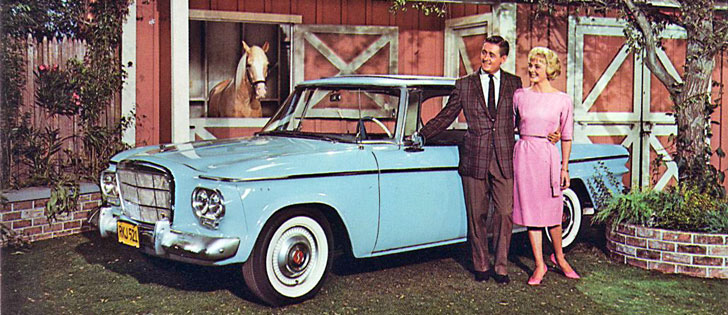
Lubin got Studebaker Packard Corporation to sponsor the show in syndication which it continued to sponsor once CBS picked it up. The Posts own a 1962 Lark convertible. Studebaker’s sales plummeted in the early 1960s, and production stopped in 1963. From then on, Ford provided the cars seen on the show.

Ed also had a double named Pumpkin, a quarterhorse, which was his stunt double. Later Pumpkin was featured in a pudding commercial and went on to appear in another Filmways Presentation show, Green Acres.

The Posts live in Los Angeles. Wilbur was an architect.

mred7

Photo: youtube.com

The Posts’ neighbors and friends were Roger and Kay Addison played by Larry Keating and Edna Skinner.  Keating died in the middle of the series, and Edna continued on the show. Later Wilbur’s former commanding officer, Col. Gordon Kirkwood (Leon Ames) and his wife Winnie (Florence MacMichael) moved into the Addisons’ home.

guest2

Both the Addisons and the Kirkwoods think Wilbur is a bit nuts. They often hear him talking to himself and, to cover for Ed, he gets involved in a lot of awkward situations. Wilbur is also a bit accident prone.

Wilbur’s wife resented the time Wilbur liked to spend with his horse instead of her. Her father, Mr. Higgins (Jack Albertson), thought she should leave Wilbur and considered him a “kook.”

mred9

Mr. Ed only talks to Wilbur. The only reason given for Ed refusing to talk to anyone else is that he thought Wilbur was the only person worth talking to. It worked because Ed was not treated as an unbelievable horse who could talk. He appeared as an equal character. Ed was also quite intelligent. He could read and play chess. He was able to use the phone to get information.  Bamboo Harvester really could answer the phone; he just could not have a conversation. He was also able to open the barn door. Ed would also pout at times when he didn’t get his way and threatened to run away a lot.

mred6

Photo: itschess.blogspot

In an online article, “The World of Mr. Ed-What You Didn’t Know About the Talking Horse,” written by Ed Gross on April 24, 2018, he quoted Ben Starr who wrote 42 of the episodes. He explained that the reason the show worked was because he and producer Lou Derman “really knew how to do that show because we figured out how to make it work for kids and grownups. You had to take care of the grownups, and that was our secret.”

Mister Ed featured a lot of famous guest stars including Mae West, Clint Eastwood, George Burns, Zsa Zsa Gabor, Leo Durocher, Jon Provost, Sebastian Cabot, Donna Douglas, Irene Ryan, Alan Hale Jr., Neil Hamilton, William Bendix, Sharon Tate, and Jack LaLanne.


ed2

Bamboo Harvester was trained by Les Hilton.  At a time when trainers could be considered somewhat cruel, Hilton was always respectful of his animals and never used force or abuse on them. Hilton had to be on the set whenever the horse was. To make Ed appear to be talking, Hilton originally used a nylon thread to open his mouth. Bamboo Harvester was quite smart though and learned to talk on cue whenever Hilton touched his hoof. A story made the rounds that Ed was made to talk by applying peanut butter to the horse’s mouth, but later Young admitted he made that up because it was more interesting than the real story.


ed5

Bamboo Harvester appeared to be a professional. He usually only needed one take to complete his action. Hilton had to teach him to play a variety of sports including riding a skateboard. However, when he got tired of working for the day, he just walked off the set. He received twenty pounds of hay and a gallon of sweet tea daily.

Apparently Young and the horse became close. Young had a great respect for his co-star and after the show ended, he would make trips to see Bamboo Harvester in his retirement.

ed4


I could not find a definite date of death for the horse. There are a lot of conflicting stories about it. Young claimed that the horse was in a stable in California where he lived on Hilton’s property. One version is that one day when Hilton was out of town, Bamboo Harvester was given a tranquilizer because he was having trouble getting up and he died hours later. Another story I read was that the horse was euthanized in 1970 in Oklahoma. He was reported to be suffering from arthritis and kidney problems.

One story I did confirm is that a horse did die in February of 1979 in Oklahoma, but it was not Bamboo Harvester, but a horse that posed for still pictures for the show which led to false reports of his being Mr Ed when he died.

Apparently, a reboot was planned for the Fox network in 2004, starring Sherman Hemsley as the voice of Mr. Ed, David Alan Basche as Wilbur, and Sherilyn Fenn as Carol. I could not find any information whether a pilot was ever filmed or not.

Another movie version was discussed in 2012 when Waterman Entertainment announced they were developing a new feature film based on the television show. Once again, I could not find any further information on the movie.


Mister Ed was popular during its run. A lot of collectible products were created in the 1960s including comic books and board games.

Mister Ed was not a show on my “must-watch” list, and I don’t watch a lot of the reruns. However, when I do catch one, I never feel like I wasted my time. The show worked and felt believable. Currently, it is not on either Me TV or Antenna TV, but it is available on DVD.

We All Love Gracie: The Burns and Allen Show

I am excited that today is my 100th blog, and I have saved a very special show for the occasion. Today you learn everything you ever wanted to know about the George Burns and Gracie Allen Show, one of my all-time favorites.

ba5

The George Burns and Gracie Allen Show, which premiered on 12 October 1950, was one of the first comedy series to make the successful transition from radio to television. When George and Gracie started in show business, Gracie was the “straight man,” but George figured out quickly that the audience responded to her immediately. They switched roles and they never veered from the formula again. The Burns and Allen Show was the first domestic comedy set in a real couple’s home and the first television series to depict the home life of a working show business couple.

ba19

CBS was lucky enough to have Burns and Allen on their radio and television networks. In 1930, an NBC executive told them the public would not accept them and Gracie’s voice was too squeaky! William Paley was a huge fan of their comedy and wanted them to try this new medium. The television show was very similar to their radio show. One of the first tag lines for the show was “You’ve HEARD them on radio, now SEE them on television.”

ba7

Ralph Levy was the first producer/director. Previously he had worked on variety shows and sports events. When he and George first met, it was not a great first impression. He thought it was the craziest concept he had ever heard for a show. George considered him a bit of a young punk. They put aside their differences and not only became close friends but greatly respected each other’s business decisions. Ralph would leave in 1953 to work for Jack Benny. When Jack did not have weekly shows, Ralph was working for both comedians, but the jobs became too much for one person.

ba10levy

Ralph Levy with George and Gracie

The show was broadcast on Thursdays from October of 1950 until March of 1953. From March of 1953 until September of 1958 when it went off the air, it was on Monday nights. Originally, it was staged live and broadcast every other week. In the fall of 1952, they decided on a weekly format. Shows debuting in New York were considered better commercial successes, so the first six episodes were set in the Mansfield Theatre in New York. The West Coast would not see the show until two weeks after the East Coast did. A kinescope was filmed with a 16 mm camera. Duplicates were made, and these shows were sent on kinescopes across the country. In December of 1950, the cast was allowed to go back home to California to film the rest of the series.

In 1951, George would broadcast all over the US with the placement of coaxial cables. George realized filming the episodes would allow for syndication of the show. The show continued for eight years, producing 239 filmed episodes.

Burns and Allen started McCadden Productions. It was named for the street where George’s brother Willy, one of the writers of the show, lived on. Willy was also their manager. They employed more than 300 people and would go on to produce many shows including Mister Ed and the Bob Cummings Show. George truly valued everyone’s opinion and anyone, even the janitor, could make comments and suggestions for improvements.
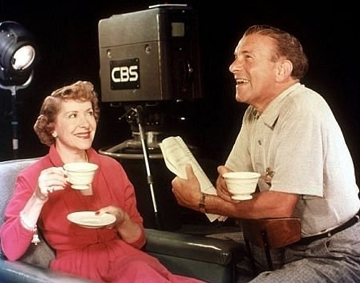
ba31

It was a grueling schedule to stick to for eight years. George and the writers met Monday morning. Gracie had wardrobe fittings and studied the newest script. They had rehearsals on Tuesdays, and Wednesdays were typically 12-hour days with filming beginning after another rehearsal. Thursday was Gracie’s only day off. The writers met Thursday as well as all day Friday. On Friday Gracie went shopping for her next show’s wardrobe. George devoted Saturday to narrowing down the script to fit the shooting time. On Sunday George and Gracie met with the director at 10 am to go over the script. Sunday afternoon and evening (as well as other scattered times during the week) Gracie studied and memorized the script.

Carnation Milk became a sponsor immediately and would stay with the show for all eight years. Carnation was like another character on the series. Actors were pitchmen for the products and commercial breaks were often part of the show. Gracie had their milk in full view in her kitchen. Their prop man who helped with this for all eight years was Nat Thurman.

George took his writers off to Palm Springs to work on the new show. The head writer was Paul Henning who would later go on to write, produce, and direct many classic sitcoms including The Beverly Hillbillies, Green Acres, and Petticoat Junction. The other writers were Sid Dorfman, Harvey Helm, Willy Burns and George. The writers were truly funny.  One day Jack Benny sent George a telegram from London.  It just read “What’s new?” George and his writers took an entire afternoon to answer it. They told Jack everything that was new including restaurant menus.
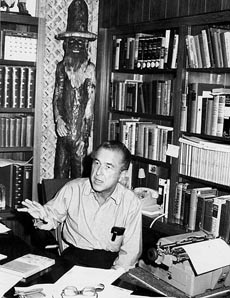
photo posted on post-gazette.com

Paul Henning

The show would often begin with George doing a monologue with his trusty cigar that would explain the beginning of the plot to the viewers. George frequently spoke to the audience during the show. In later years, he would retire to his study to watch the show on his television, therefore knowing what was going on in his absence. The rest of the cast was oblivious to the fact he could do so.

The first show had a very simple plot which was the key to many of their episodes. Gracie and Blanche want to go to the movies. The boys want to go to the fights. George makes up a complicated card game that doesn’t really make sense. He thought the nonsense rules would confuse the girls who would get mad and quit. Instead, Gracie thought the rules made perfect sense and she won the game, dragging the boys to the movies.

ba30

The Burns lived at 312 Maple Drive in Beverly Hills and their best friends and next-door neighbors, Blanche and Harry Morton, lived at 320 Maple Dr. The sets were copied from the Burns’ actual home. A shot of their real home was used on the show for exterior scenes. George continued to live in the house even when they became quite wealthy and George was still living there when he passed away at age 100.The house still exists today. They were not arrogant people. Gracie continued to wear the same $20 engagement ring George bought for her when they had no money.
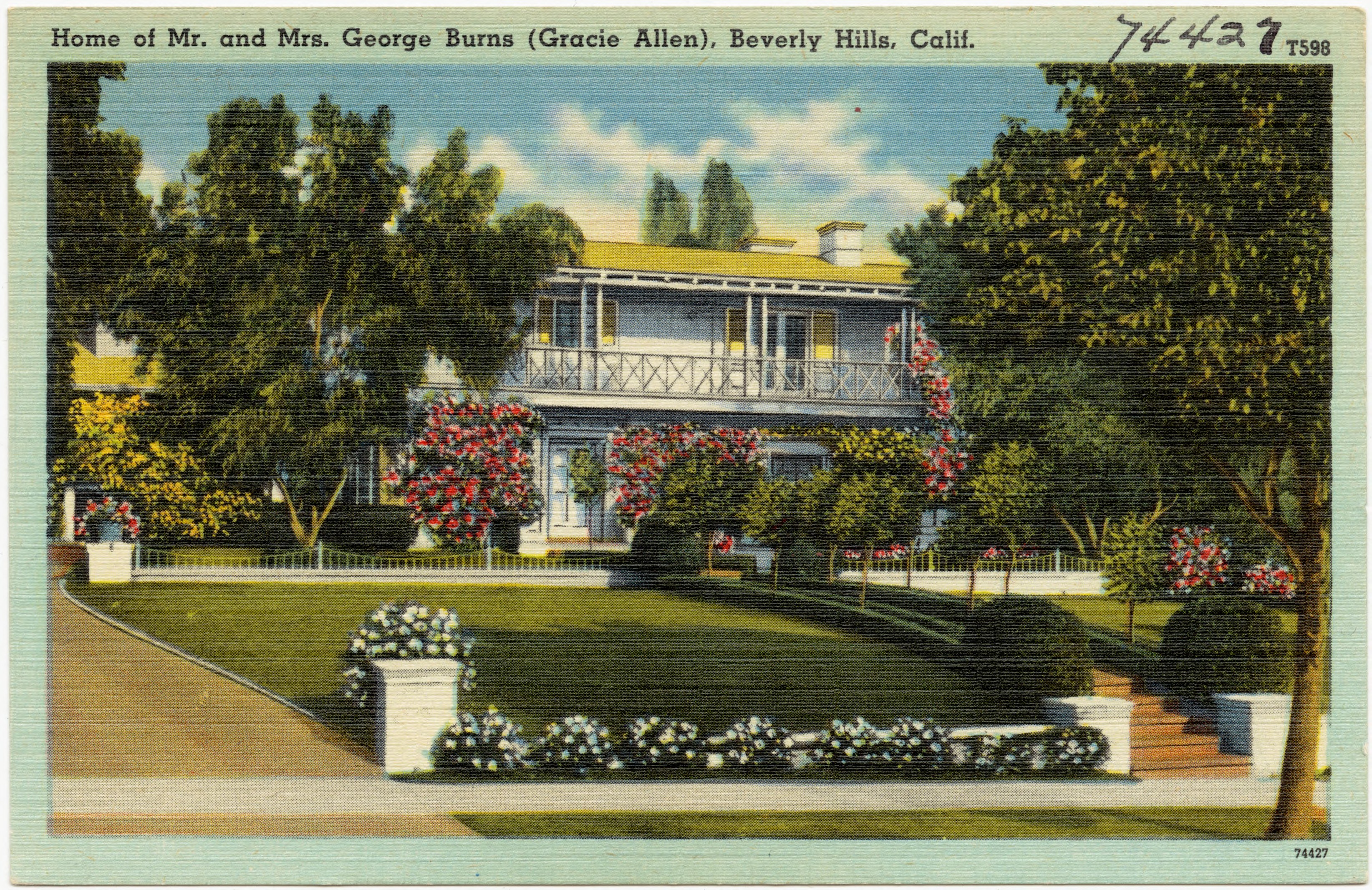
ba21

The edge of the Burns’ swimming pool which was sometimes seen in the live episodes was an eighteen-inch tank of water which was designed to be quickly rolled on and off the stage. Lighting tricks were employed to create the illusion that the shallow tank had depth. George used the pool in his asides to the audience. One time he was supposed to have fallen in, and he showed up dry and made a comment about how quick things happen on television. Later he has to go into the pool again. He once again is seen completely dry, but this time he says nothing and he wrings a bunch of water out of his cigar.

Starting in the fall of 1955, Burns and Allen would often reappear after the end of the episode, before a curtain decorated with the names and locations of the various theaters where they headlined in their vaudeville days. They would perform one of their routines, often discussing Gracie’s relatives.
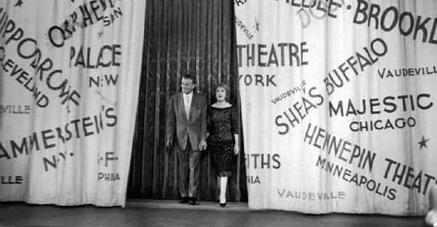
ba14

The theme music was “Love Nest,” composed by Otto Harbach and Louis Hirsch. It was written for a musical comedy show, “Mary.” There are lyrics, but only the instrumental version was used on the Burns and Allen Show.

Bill Goodwin and Harry Von Zell

Several staff members transitioned from radio with George and Gracie. Bill Goodwin continued to play himself, providing announcing duties. When he left in the second season to host his own show, Harry Von Zell took over the announcing duties. In real-life, Harry Von Zell had written several episodes of Wagon Train in 1957. The writers incorporated it into the show by having Harry pitch George ideas for western-themed shows. That year, George dressed like a cowboy from time to time and would say things like, “Meanwhile, back at the ranch.”

Bea Benaderet and Larry Keating

Bea Benaderet also moved from radio to television. She was Blanche Morton for the run of the show, but she went through several husbands (Hal March, John Brown, Fred Clark, and Larry Keating). George was extremely creative in his interaction with the audience. Hal March did the first seven shows; John Brown took over the for the next ten months; and Fred Clark was Harry through 1953 for 74 episodes. In a program “Morton Buys Iron Deer/Gracie Thinks George Needs Glasses,” Blanche is holding a catalog ready to hit Harry who spent $200 on an iron deer. George walks on stage and stops the action. He introduces Larry Keating and tells Bea that he is her new husband. They have a small chat about each other’s work. George stops them and says if they are that nice to each other, no one will believe they are married. He gives a cue, Blanche resumes her position, and hits Harry when he re-enters the scene.

Fred Clark, Hal March and John Brown

Bea and Gracie were close friends. Blanche truly loved Gracie and was extremely loyal to her. They laughed continuously. Bea also loved Gracie in their personal lives.

ba24

George and Gracie’s daughter Sandra and son Ronnie also appeared in the show. In later years, Ronnie would become a regular. Ronnie became very popular; he and Gracie often covered for each other with George, and Ronnie was often busy trying to get her out of a bad situation. When he joined in 1955, the show moved back to New York. Harry Morton gets a temporary job there, so the Burns family went too. This change called for new sets, including the hotel where they all were living and Rumpelmayer’s sandwich and ice cream shop.
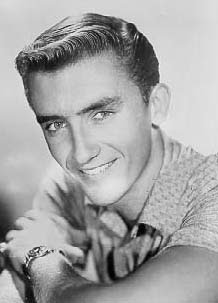
ba3

Ronnie Burns

In the seventh year, the cast went back to Los Angeles. Fred de Cordova, who had taken over for Ralph Levy, left after three years to direct movies. Rod Amateau was brought on for the final two years.  In many ways, the seventh season was their most creative—this is when the “magic” TV screen appeared.

While the ensemble around them was incredible, the heart of the show was Gracie. Gracie always said that her character believed she was the smart one and everyone else was a little off. There was always a touch of reality in her logic. Gracie played her that way and the audience felt protective of her.
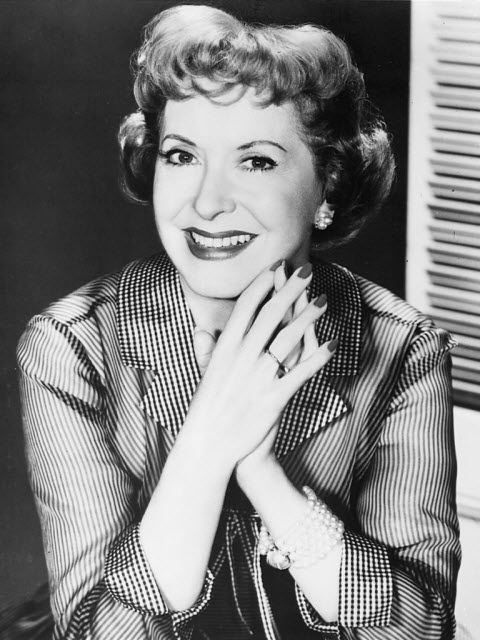
ba1

Gracie was a bit of a perfectionist, but no one worked harder than she did. If she had to perform a task on the show, she did it. In a New York Times article, she commented, “It makes me furious to see an actor go through the motion of writing an address on a piece of paper. They scribble it off in a second and you know they couldn’t have written anything.” Whenever Allen performed a task on the show, whether it was writing a name, sewing a handkerchief, or chopping up vegetables, she meticulously performed the duty while reciting her dialogue.

Everyone around her said she never blew her lines and was in almost every scene. George described her work ethic in his book I Love Her That’s Why: “On the set she gives absolutely no trouble and makes no demands. She arrives on time, does the job, jokes with the crew, and in general behaves less like a star than any actress I know.”

During the eight years that the show was on the air, Gracie Allen never appeared in the same outfit twice, and she had three costume changes in some episodes. Gracie Allen chose her own wardrobe. Jane Vogt was the wardrobe mistress for the rest of the cast. Bertha French was the show’s hair stylist and Gene Roemer did make-up. Gracie trusted Gene so much she typically slept while he got her ready.

The writers knew there were a few rules for writing for Gracie. Cheryl Blythe and Susan Sackett sum them up in their book Say Goodnight Gracie!: “(1) She thinks she is smart. (2) Keep her reactions consistent from week to week. (3) Her logic was illogical and her illogic was logical and then her reasoning worked.” Examples of her logic are: “Shorter cars use so much more gas. With a short car, you have to travel further to go the same distance.”  When the delivery boy tells Gracie he’s in a hurry because Mrs. Vanderlip is waiting for a chicken to make sandwiches, Gracie tells him she’ll wait a long time because it took her 2 years to teach their canary to sing.  Gracie keeps her clocks unplugged to save electricity. When she wants to know the time, she plugs it in.  Or take the time she froze a bunch of water; it will save her time when she needs it because she just has to defrost it.
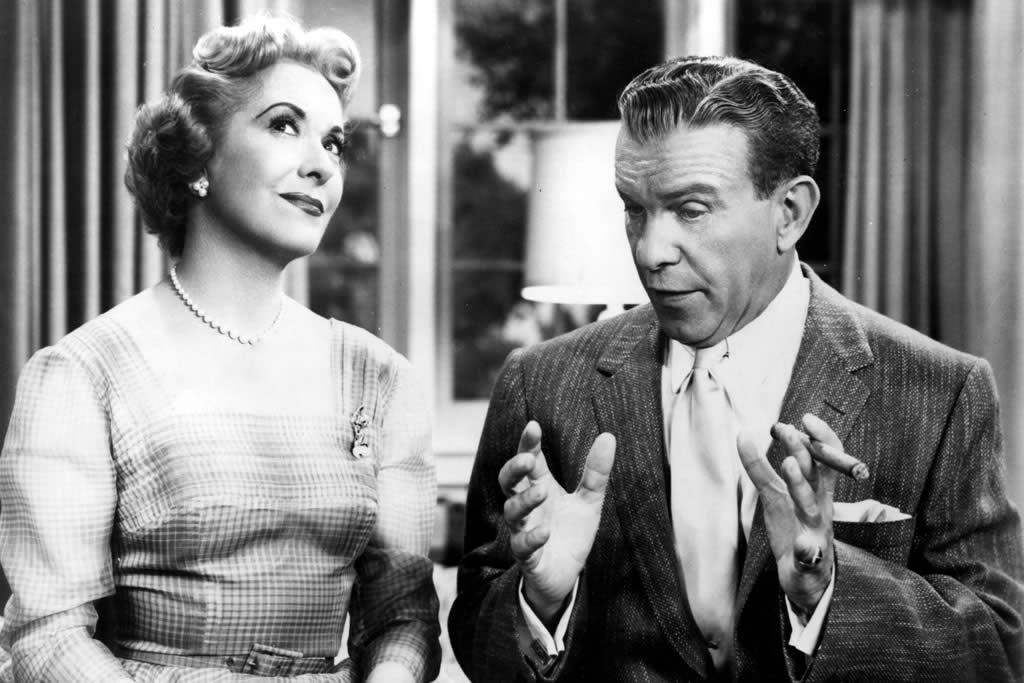
ba2

George gave Gracie most of the credit. Once he commented “You see, to be a straight man you have to have a talent, you have to develop this talent, then you gotta marry her like I did.” The audience liked George because they intuitively realized he adored Gracie.

George was the calm in the middle of the storm around him. Because he always knew what was going on, he remained relaxed when everyone else was confused. And the audience loved the fact that he shared information with them, so they were in on the fun.

Allen announced her retirement on February 17, 1958—effective at the end of the current season. Burns and Allen filmed their last show June 4, 1958.  The plot of the final program was Ronnie fearing he was going to lose his girlfriend to an exchange student. The filming was an emotional experience, although nothing was said about it being Allen’s last performance in the show itself. At the wrap party, Allen took a token sip of champagne from a paper cup, hugged her friend and co-star Bea, and said “Okay, that’s it.” After a brief last look around the set, she said, “And thank you very much, everyone.”

ba23

“She deserved a rest,” Burns said. He explained that she had been working all her life and her lines were the hardest to learn. She had to memorize every word because some lines didn’t make sense.

Although Burns and Allen was never among the top-rated series, it maintained consistently high ratings throughout its eight seasons. The show received a total of twelve Emmy nominations: four for best comedy series, six for Allen as best actress and comedienne, and two for Bea Benaderet as best supporting actress.
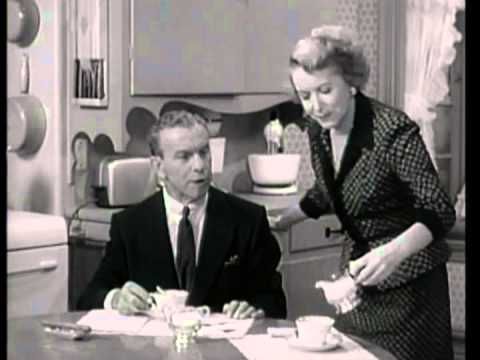
ba15

Inspired writing complemented the comic performances, making Burns and Allen an all-time classic. The show holds up remarkably well. The writers purposely kept topical and political humor out of the scripts. They also made sure there were no specific references to the 1950s, so the show did not sound dated in reruns. Their words can say it much better than I ever could, so here are some examples of their creative scripts.

Ralph Hanley: I’m here to help you with your income taxes.

Gracie: Oh, we’re glad, we got tired of paying them all ourselves.

Ralph: For medical you put down a full-length mirror, $50.

Gracie: That’s right, I got it for my father, so he won’t get pneumonia.

Ralph: How’s that?

Gracie: Well, you see, before he only had a half-length mirror, so when he went outside he forgot his pants.

ba13

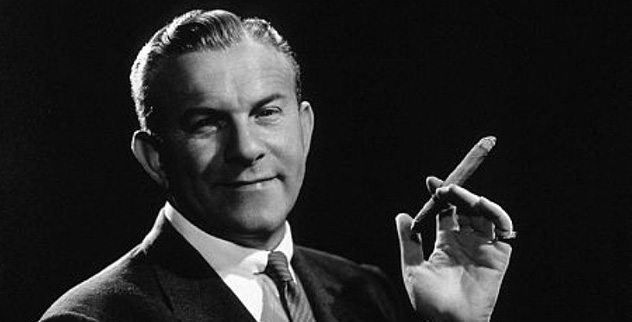
George: Would you ever think that such a beautiful mink coat would come from such an unattractive little thing that looks like a weasel?

Gracie: Oh, George, you’re just fishing—you know I think you’re handsome.
ba6

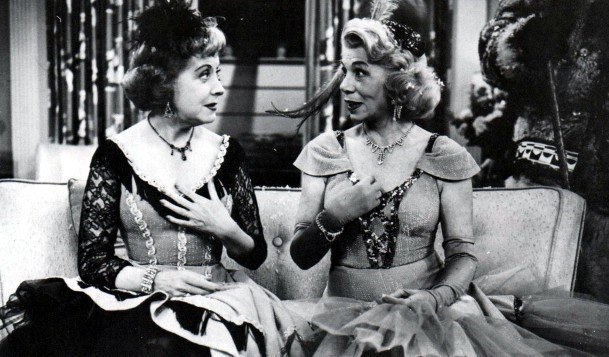
Blanche: I just got a phone call from Lucille Vanderlip and she told me Margie Bates got a beautiful diamond bracelet from her husband.

Gracie: I can’t believe it.

Blanche: Why not?

Gracie: If Lucille’s husband gave another woman a diamond bracelet, you’d think she’d be the last one to mention it.

Blanche: Er . . . Gracie . . . you misunderstood me.
ba22

Gracie: The night before last, George came home from the office feeling terrible.

Blanche: Probably flu.

Gracie: No, he drove the car.

My top ten favorite shows are:

#13, March 15, 1951: The Vanderlips are having a party. Gracie was hoping they would invite the Mortons but there is no room, so she and George decide not to go so they can spend time with Blanche and Harry. Once Burns and Allen decline, the Vanderlips call the Mortons because they now have room, so the Mortons happily attend.

#17, February 12,1953: On the train home from San Francisco, Gracie thinks one of the passengers is planning on murdering his wife. She reports it and confuses the cops who believe Harry Morton has killed Blanche who is missing. Blanche actually is off on a shopping trip.

#38, August 3, 1953: Gracie is a witness to a bank heist. Johnny Velvet, the gangster behind the crime (played by one of my favorites, Sheldon Leonard), kidnaps Gracie so she cannot testify in court. After a couple hours, he takes her back because she is driving him crazy. He decides to kidnap George instead, but his men keep nabbing the wrong guy.

#40, August 17, 1953: Gracie is shopping in a department store when she trips. The store wants to settle quickly before it turns into a big lawsuit. Gracie thinks they are trying to sue her for putting a hole in the carpet. The adjustor meets her and assumes the store is in bigger trouble because she now has a head injury.

#79, April 5, 1954: Gracie, known for denting the car, explains the new ding when she tells him an elephant sat on the car. No one believes her. When the circus owner comes to the house to bring her a check for damages, George thinks it’s a prank to convince him, so he tears up the check. George finally realizes an elephant did indeed sit on the car.

#90, August 2, 1954: George and Gracie decide they want to see a movie with some friends. They are having a tough time coming up with a movie that someone in the group has not already seen. They finally find one everyone can agree on, but then someone else stops by to go with the group and they have seen it.

#118, January 3, 1955: Gracie is talking with a woman in the post office. She wants to retrieve a letter she mailed asking her husband for a divorce. She wrote it when he refused to let her mother come visit. Harry Von Zell overhears part of the discussion and assumes Gracie is divorcing George because he won’t let her mother come. He finally convinces George to invite Gracie’s mother. When George learns the actual story, he fires Harry again.

#192, June 4, 1956: George has given his coat to Harry Von Zell to use because he’s taking a date to the Stork Club. George gets locked into the steam room at the club and can’t get out till morning. He tells Gracie why he didn’t come home, but someone returns his coat from the Stork Club, so she thinks he is lying. He has to bring over everyone who had been involved in getting him out of the steam room to convince her he is telling the truth.

#213, October 29, 1956: Gracie misunderstands a conversation, thinking that the Mortons are moving to Pasadena. Gracie decides she and George will move too and tries to sell their house. As a subplot, Ronnie’s fraternity initiation requires him to say the exact opposite of what people expect to hear for a day. Having Gracie and Ronnie there all day truly confuses George.

#219, Ronnie is dating a girl he met at the store where he works. He leaves his coat at her house and her mother drops it off for him. Gracie assumes the mother is Ronnie’s girlfriend. She decides to get Ronnie fired from his job so he is no longer working with the older woman. She also mentions his seeing an older woman to his real girlfriend, not knowing who she is. Luckily, George sees this on his study television, so he is able to straighten out the mess.

If you have never seen the show, you might want to check out some of these on YouTube. There are also numerous DVD collections from their show specifically to sets of golden age classics variety packs. You can also catch their show on Antenna TV from 5-6 am every weekday, 4-5 am Saturday and Sunday mornings, as well as 9 pm Saturday night and 11 pm Sunday night.

Today, I Get to Introduce You to One of My Very Favorite People, Blanche Morton, via Bea Benadaret

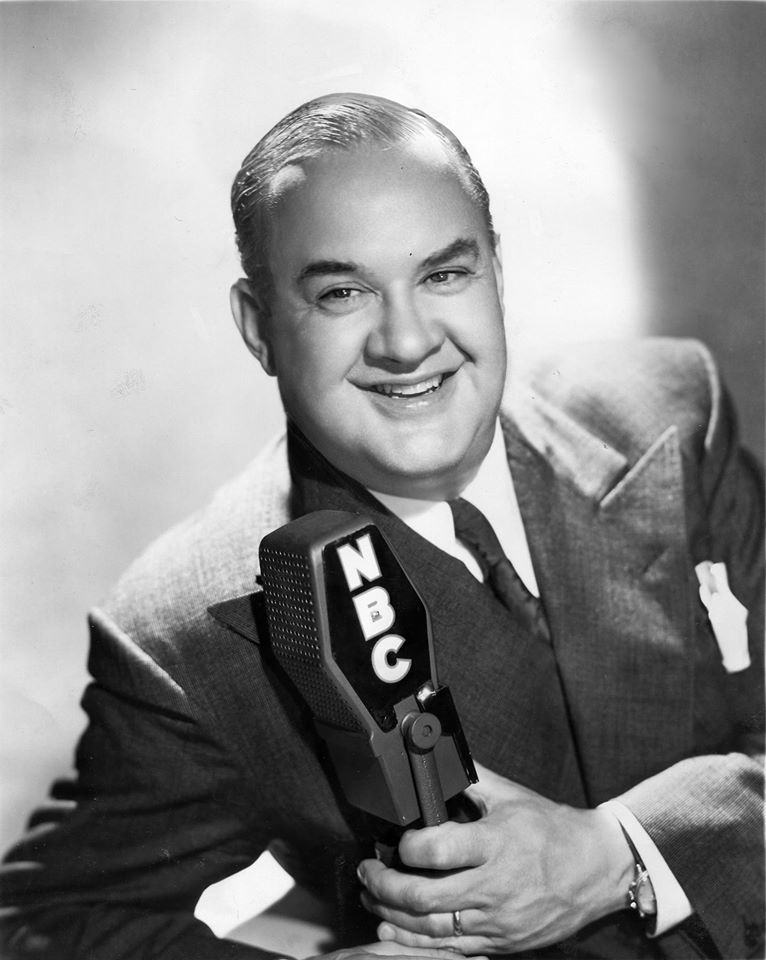
This week I’m excited to learn more about one of my favorite entertainers—Bea Benardaret. Bea had a long and successful career in radio and television, as well films. Nick-named Busy Bea, she would get credit for making more than 1000 radio and television appearances.
bea2

Born in 1906 in New York City, she was raised in San Francisco. Her first radio appearance occurred when she was 12 years old in Beggar’s Opera.  While still in high school, Bea went to work for radio station KFRC where she acted, sang, wrote, produced, and announced. She went on to the Reginald Travis School of Acting.

bea15

She married Jim Bannon in 1938. Their marriage would last until 1950 and produce two children, Maggie and Jack. She later married Gene Twombly in 1958 and remained married until her death.  Jack tells a story about when his mother was very pregnant with his sister. While exiting a cab, she fell and broke her pelvis.  It was so traumatic that her brunette locks turned white. At that time, she began dyeing her hair the blonde color we would all recognize once she transitioned to television.

Bea’s son Jack became an actor who has 91 credits for television and movie work. He appeared on Petticoat Junction 15 times, but was best known for his role of Art Donovan on Lou Grant. He was married to Ellen Travolta and passed away in the fall of 2017.

bea21

Bea could probably win the award of most-often misspelled name. You can find her name spelled Benardaret correctly or Benederet or Benadaret. On several episodes of Burns and Allen, you can even find credits spelling her first name “Bee.”

bea20

After graduation, she entered the radio business full time. She moved to Hollywood in 1936 and found work on The Jack Benny Show and shortly after with Orson Welles’ Mercury Theater in 1937. She was featured in 36 different radio shows with her most famous roles being Gertrude Gearshift on The Jack Benny Show, Eve Goodwin on The Great Gildersleeve, Millicent Carstairs on Fibber McGee and Molly, Gloria the maid on The Adventures of Ozzie and Harriet, and Iris Atterbury on My Favorite Husband. She received a starring role in Granby’s Green Acres, the forerunner of the Green Acres Show.

bea5

In 1943, she became one of the primary voices of Warner Brothers Merrie Melodies and Looney Toons cartoons. She met Mel Blanc during this time and they remained friends for life.

bea1

Bea also received roles in six films including a government clerk in Notorious (1946), one of two women Gene Kelley and Frank Sinatra encounter on the subway in On the Town (1949), and Tender is the Night (1962).

Bea’s first television role was my favorite character—Blanche Morton on the George Burns and Gracie Allen Show. Bea had appeared on their radio show and when the duo transitioned into television, she made the move with them. From 1950-1958 she was Gracie’s best friend and long-suffering wife of Harry Morton. Bea credited George Burns for teaching her about comedy. Bea was awarded two Emmy nominations for her portrayal of Blanche.

Not long after she was obligated to play Blanche, Lucille Ball offered her the role of Ethel Mertz on her new show I Love Lucy. Bea had to decline, but she did make an appearance on the show in 1952. Her “husband” on My Favorite Husband and Granby’s Green Acres was Gale Gordon.  He, too, was approached to play Fred Mertz; however, similarly to Bea’s situation, he had already agreed to transition from radio to television on Our Miss Brooks. He too would costar on the show and later he was able to work with Lucille Ball again on her other television shows.

bea3

In 1960 Bea accepted the role of the housekeeper on Peter Loves Mary. That same year she agreed to provide the voice for Betty Rubble when The Flintstones debuted on Friday nights. She would provide voices on The Flintstones for 112 episodes.

bea11

Paul Henning was one of the writers for Burns and Allen. He and Bea became friends in the 1940s, and in 1962 he created a show called The Beverly Hillbillies. He brought in Bea for the role of Granny, but when Bea saw Irene Ryan’s audition, she told Paul he had definitely found his Granny. He then created the role of Pearl Bodine for Bea. She would appear in 22 episodes. Donna Douglas, who played Elly May, said that “watching her timing is like watching a ballerina. She’s so effortless.”

When Henning created a spin-off in Petticoat Junction, the role of Kate Bradley was written specifically for Bea. She appeared in 179 of the episodes of the show that aired from 1963-1969. Henning’s wife’s family ran the Burris Hotel in Eldon, Missouri that catered to salesmen traveling by railroad, and those stories became the basis for Petticoat Junction. Kate, a widow, runs the hotel with help of her Uncle Joe who is often busier trying to avoid work than helping out. She has three daughters Billie Jo, Bobby Jo, and Betty Jo. (During the show’s run, there would be three Billie Jo’s, and two Bobby Jo’s but only one Betty Jo, who was portrayed by Linda Kay Henning, Paul’s daughter.)

bea13

Charley Pratt and Floyd Smoot run the Cannonball, a train that enables the Bradleys to travel to Pixley and Hooterville. Cut off from the main railroad twenty years earlier in a trestle demolition, the train caters to local residents, often stopping to move cows or let someone visit a neighbor between official stops. Sam Drucker runs the general store in Hooterville and is always the center of local society. Though it was never made too obvious, Kate and Sam had a special relationship, and we always assumed that once the girls were grown and gone, and Sam was ready for retirement, he and Bea would end up together. The old-fashioned hotel offers home cooking and a nostalgic feel. Other titles considered were Ozark Widow, Dern Tootin’, and Whistle Stop. When Steve Elliott, the crop duster, came to town, he dated Billie Jo. They made a glamorous couple, but a season or two later, he realized he truly loved Betty Jo, the youngest and the tomboy who helped in repair his plane. They married and had a daughter, Kathy Jo.

bea23

In 1967 Smiley Burnette (Charley) passed away. In 1968 Bea became ill and died that year from lung cancer and pneumonia. Bea’s second husband, Gene Twombly, passed away four days later from a heart attack. June Lockhart was brought on to the show as Dr. Janet Craig to help be a mother figure to the girls. Ratings declined in season 6 with the loss of Bea; however, the network renewed the show for another year so there would be five years of colored episodes for syndication. Ratings increased during the last year, but in 1969 when the new administration cancelled all the rural shows, Petticoat Junction received its walking papers too.

bea12

There were always rumors that there would be a reunion from the show, but that never happened, although the cast did take on both the Brady Bunch and Leave it to Beaver crews on Family Feud in 1983.

bea22

Bea was known for her laugh. By all accounts, she was a kind woman and extremely professional in all her roles. While I enjoy Petticoat Junction, I adore Gracie Allen, and am always happy to indulge myself watching Burns and Allen Show episodes. Bea holds her own on the show and makes a wonderful practical counterpart to Gracie’s illogical logic. If I had a time machine, one of the first visits I would make would be back to 1950 to enjoy a cup of coffee with Gracie and Blanche.

bea16