In 1996, one of my all-time favorite kids’ shows debuted. I admit I could only take so much Sesame Street, Caillou made me want to cover my ears with a blanket after 10 minutes, and don’t get me started on Teletubbies; I could not even make it through the theme song. However, one show I never get tired of is Arthur. I may or may not have been known to watch it even when I am the only one home.
Arthur was a 30-minute show, which consisted of two 11-minute stories with a live-action segment in between. The series was based on the books authored by Marc Brown. The series was developed by Kathy Waugh for PBS, and it’s produced by WGBH. Each show began with Arthur talking to the audience about a situation which is then explored in the story. We get to know Arthur, his family, and his friends intimately.
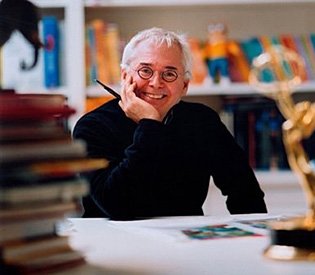
In a Scholastic interview, Brown said the character Arthur was born when his son Tolon asked for a bedtime story about a weird animal. He started going through the alphabet and an aardvark was the first animal that popped into his head. Tolon is now a producer on the show.
Photo: pinterest.com
The themes are the same ones that kids have to deal with in real life, some big and some small. During the 25 years that it has been on television, the show has covered bed wetting, dyslexia, cancer, autism, sibling rivalry, cheating in school, watching scary movies, divorce, fear of the dark, getting sick, and so many others. In a 2019 episode, Mr. Ratburn, Arthur’s teacher, marries a same-sex partner and Alabama Public Television declined to show the episode.
The series is fun to watch and presents issues kids deal with in a realistic, yet humorous light. Kids and parents can relate to the stories and characters. When Marc Brown described Arthur, he elaborated that “He is an eight-year-old aardvark who is navigating the mud puddles of life. You know, as we all are really. We all have obstacles and it’s how we handle them, and if Arthur can show kids that you can get through problems, solve problems, that’s really a good message for kids, it gives them confidence.” He added, “It’s a good message Arthur has, right, believe in yourself.”
Photo: howtodiscuss.com
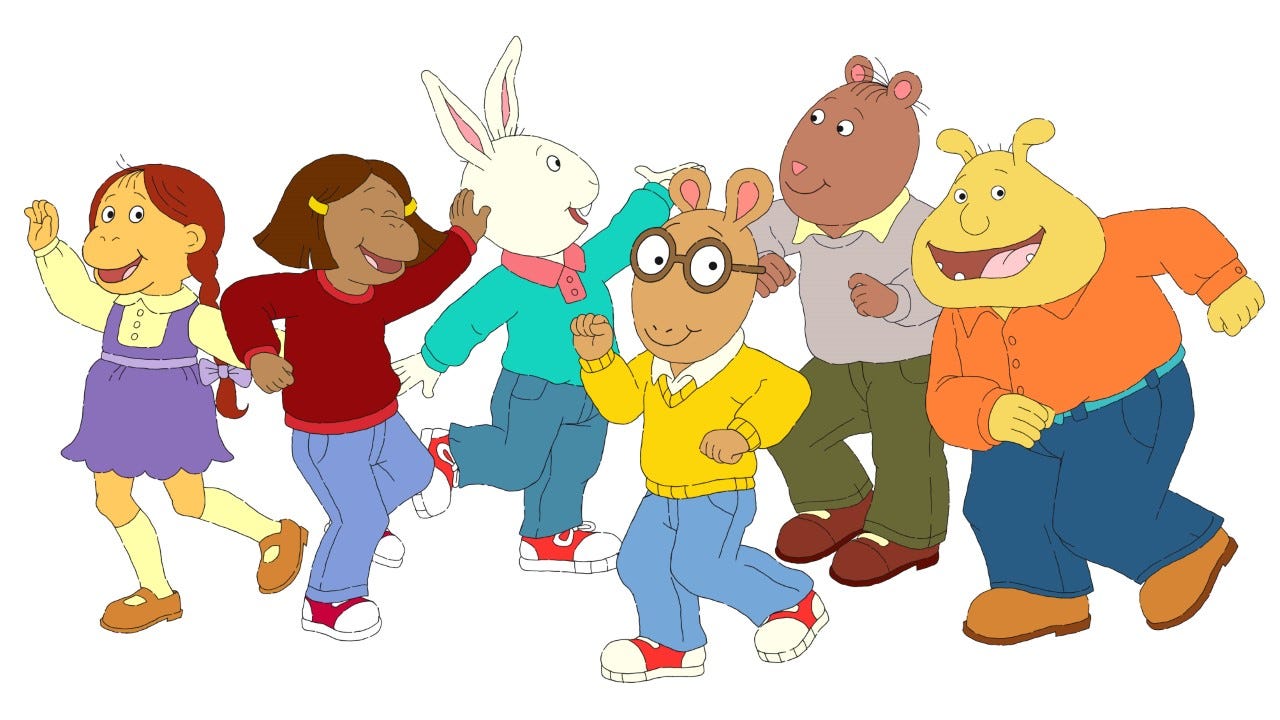
Arthur Read, age 8, lives with his mother Jane, father David, younger sister DW (Doris Winifred), and his baby sister Kate. His Grandma Thora is also around a lot as is his dog Pal. (Except for one episode, DW always wears a pink dress.)
His best friend is Buster. Some of his other friends include Francine, Muffy, Binky Barnes, Prunella, Sue Ellen, and The Brain. Even though the characters are all animals, they live in human homes and live life like most humans do. They live in Elmwood, which is a suburb of Pittsburgh. Brown grew up in Erie, PA and based many of the stories on his grade school life.
Photo: usatoday.com
I won’t get into the actors who provide voices for the various characters because there were many; some characters had more than five people playing them over the years. One interesting fact about that though is that DW was always voiced by a male.
I am not sure why but the first season of Arthur cost $12 million to create which is astounding to me. I tried to find more details about the reasons behind the big price tag, but I came up empty.
Photo: medium.com
One of the most memorable things about the show is the catchy theme song. Written by Judy Henderson and Jerry de Villiers Jr., “Believe In Yourself” was originally recorded by Ziggy Marley and the Melody Makers for the show.
The show featured a lot of guest stars over the years. Some of the more fun episodes included Fred Rogers as himself visiting Elwood City, Art Garfunkel as a singing moose, Yo-Yo Ma as a music rival, Alex Trebek as Alex Lebek, game show host, Michelle Kwan teaching Francine to skate, Larry King interviewing Arthur, and The Backstreet Boys in concert.
Photo: imdb.com
I truly just picked four of my favorite PBS kids’ shows to learn about this month, but it turns out they were all the longest-running shows on the network. Arthur is the longest-running animated series for kids and is second in animation overall to The Simpsons. The show received a Peabody Award and four Emmy Awards for Outstanding Children’s Animated Program.
Photo: theguardian.com
Last month the last episode of Arthur aired. While I’m sad to see it end, it surely had a great run. My boys read Arthur books and watched the show, my grandkids are reading the books and watching the show, and I’m hoping that my great-grandkids will enjoy the books and reruns of the show.
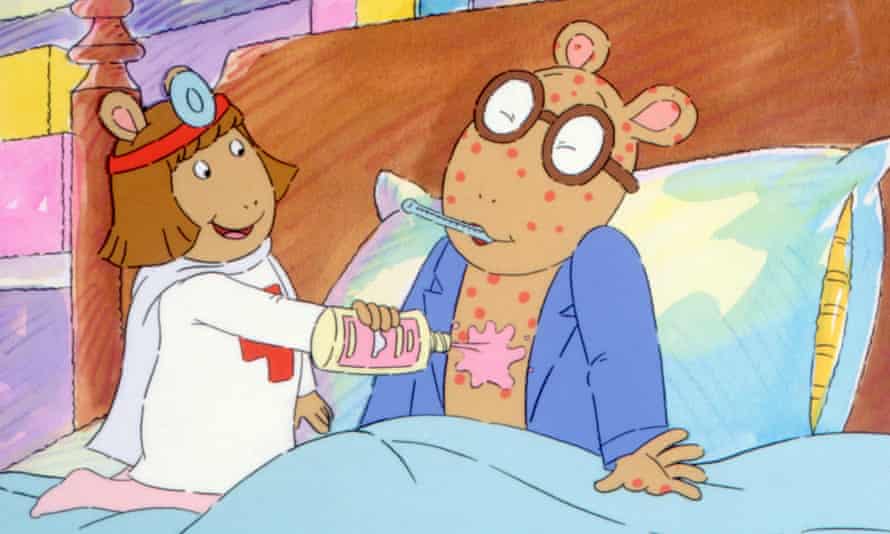
One of my favorite Arthur books and episodes was aired during Season 1 and is “Arthur’s Chicken Pox.” I think it’s one of my favorites because it is truly an ordinary but delightful look at an everyday event. I remember getting chicken pox at about Arthur’s age.
Thank you Marc Brown for creating such an eclectic group of characters and so many enjoyable stories and moments, and thank you PBS for recognizing what a great series it could be and funding it for two and a half decades.
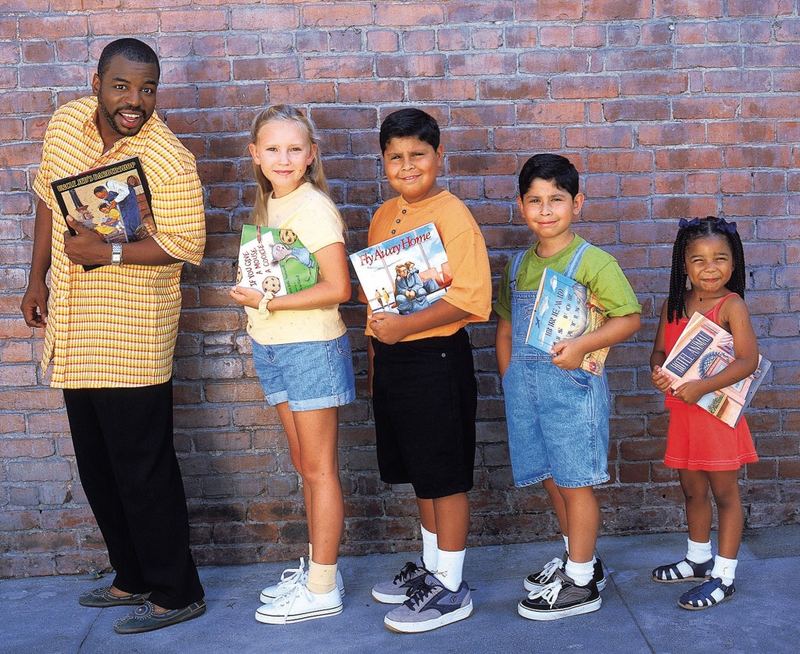
Reading Rainbow was an American 30-minute children’s series that was broadcast on PBS. The show began in 1983. Producing 155 episodes, the series aired new episodes until 2006 and then showed reruns until 2009.
Photo: bookriot.com
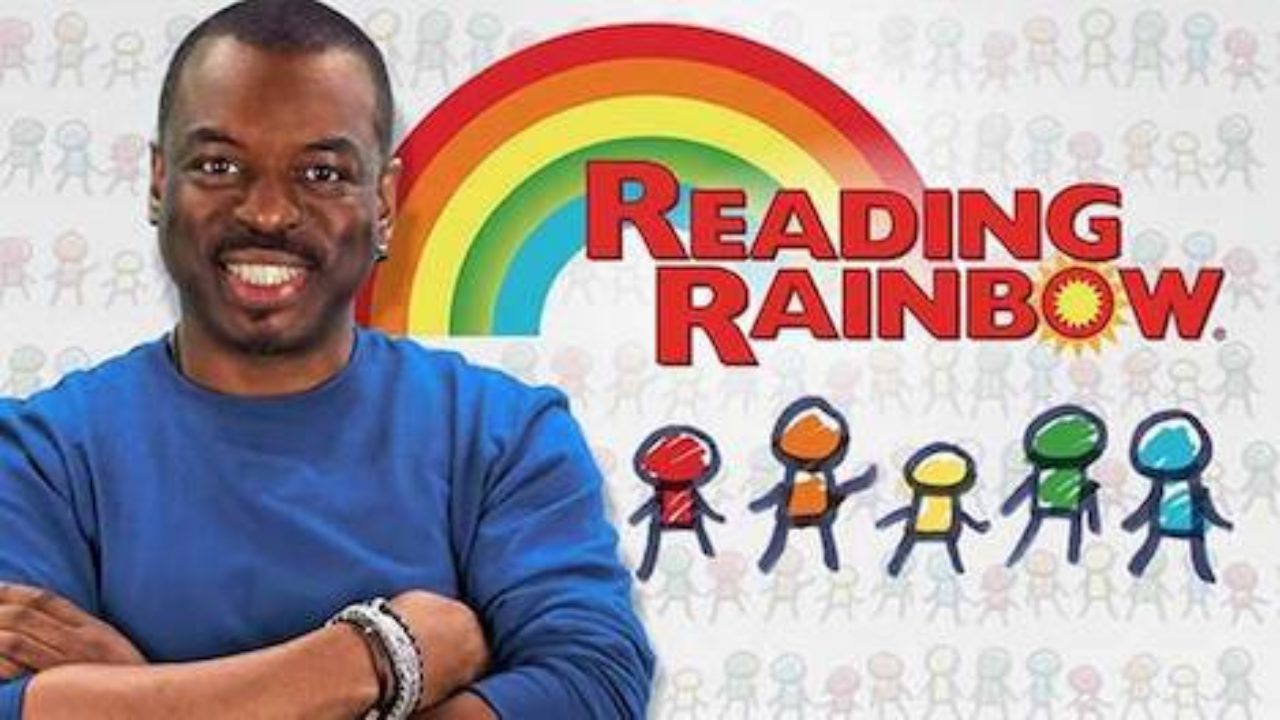
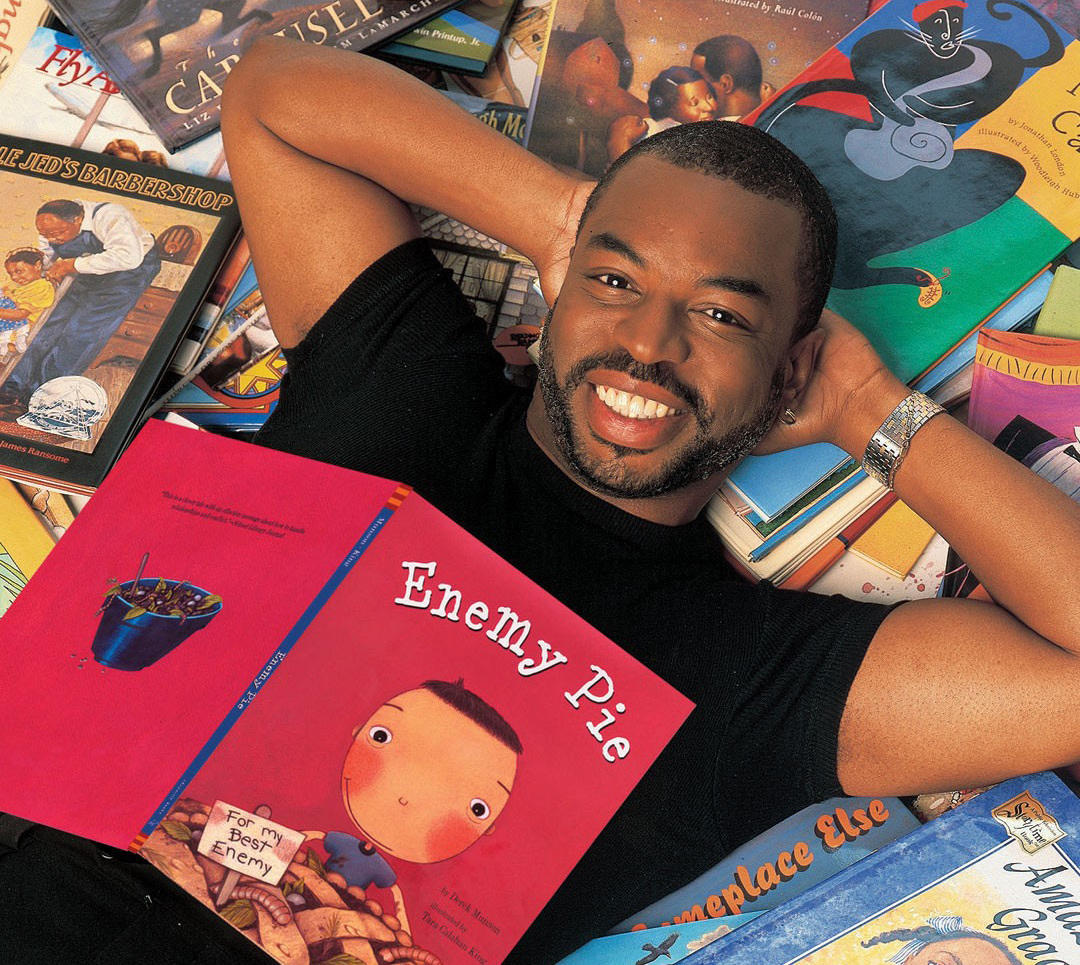
The show was developed to encourage children to read. Twila Liggett created the show with Cecily Truett Lancit and Larry Lancit of Lancit Media Productions. Lynne Ganek, Tony Buttino, and host LeVar Burton were also part of the creative team. The group met with Fred Rogers, Joan Ganz Cooney, and The Electric Company crew to explore ways to make television more engaging to fans. During an interview in 2003, Burton said “I think reading is part of the birthright of the human being. It’s just such an integral part of the human experience—that connection with the written word.”
Many educators found that during the summer, children lost a lot of their reading abilities because they were watching “uneducational” television and not reading. The producers of the show wanted to air a new program during the summer months that would keep kids excited about reading even when they weren’t in school. It was a great goal, but the show was often threatened with cancellation due to a lack of funding.
The show received more than 200 awards including a Peabody Award. Ten of its twenty-six Emmys were for Outstanding Children’s Series. It was the third-longest children’s show on the air right after, you guessed it, Mister Rogers and Sesame St.
Photo: WNYC Studio.com
A topic was introduced in each episode and then a featured children’s book was read, often narrated by a celebrity. After the story, Burton visited places relating to the theme of the day. The show ended with book suggestions for kids to read. In an Esquire interview in 2019, Burton discussed why listening to books is so important: “It gives you the opportunity to, without the mechanism of reading, engage immediately in your imagination. When you’re reading, you’re multitasking. You’re reading and making the movie in your head. When you’re listening to storytelling, there’s no activity, there’s no multitasking—you’re indeed in your imagination as you’re engaged with the content of the story. It’s a shortcut for visualization.”
Steve Horelick was the composer of the theme song with Dennis Neil Kleinman and Janet Weir writing lyrics. The show had three versions of the song with the third version sung by Chaka Khan.
There are a lot of great stars who showed up to read to kids, including Ruth Buzzy, Julia Child, Ossie Davis, Ruby Dee, Kermit the Frog, Peter Falk, Jane Goodall, and Run D-M-C.
Margret Aldrich in wrote an article in 2014, and she chose the top ten books from the series. It’s a great place to start if you want to find a couple of books to read to your child.
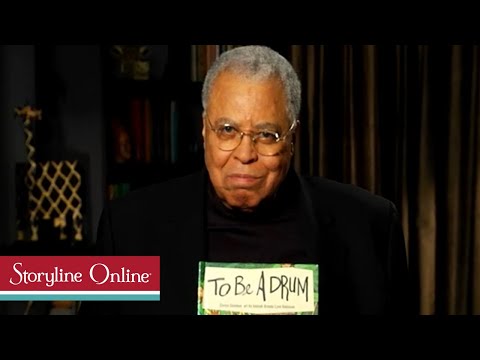
James Earl Jones Photo: youtube.com
All the Colors of the Race by Arnold Adoff, read by Maya Angelou.
Sunken Treasure by Gail Gibbons, read by Robert Morse
On the Day You Were Born by Debra Frasier, read by Patrick Stewart.
Amazing Grace by Mary Hoffman, read by Tyne Daly.
Animal Café by John Stadler, read by Martin Short.
The Magic Schoolbus Inside the Earth by Joanna Cole, read by Keshia Knight Pulliam.
Paul Bunyan by Steven Kellogg, read by Buddy Ebsen
Arthur’s Eyes by Marc Brown, read by Bill Cosby.
Bringing the Rain to Kapiti Plain by Verna Aardema, read by James Earl Jones.
Abiyoyo by Pete Seeger and Michael Hays, read by Pete Seeger.
So, why was the show canceled? According to John Grant, who is in charge of content at WNED Buffalo, the show’s home station, “The show’s run is ending because no one—not the station, not PBS, not the Corporation for Public Broadcasting—will put up the several hundred thousand dollars needed to renew the show’s broadcast rights.” And, just like that, the last chapter was closed for good.
Photo: npr.org
Reading Rainbow was an essential motivation for kids to read. However, adults have to realize that they also have to make time for reading. Let’s allow Levar to have the last word. In that Esquire interview, he also talked about why all of us need to read:
“You need to make the time. You have time to eat; you have time to sleep; you have time to love. I think reading for pleasure is an act of self-care, genuinely. I really do, especially in today’s world. You’ve gotta turn off the news; you’ve got to create some escape time in your imagination. You have to feed yourself, people! Otherwise, we have a tendency to get locked into the circumstances of life, and less engaged in the solution aspect of ourselves. It’s really critical for us to read for pleasure. One of the miracles of the modern era is that on my iPad, and consequently, because of the Cloud, on my phone, I carry a library of reading material. I mean, literally a library. It’s so available. We just have to shift our awareness a degree in that direction.”




 thewritelife61