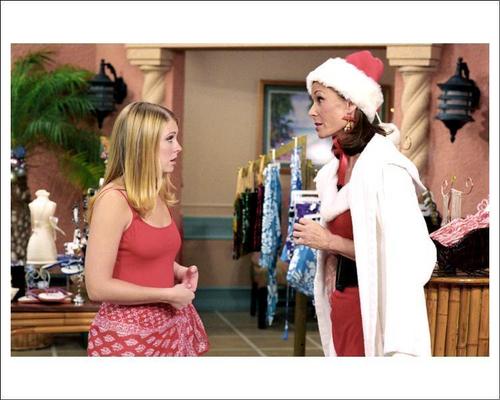
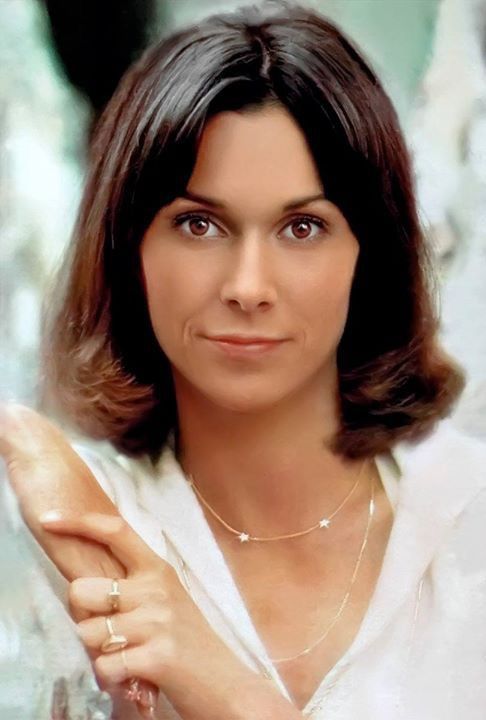
Cosmo Sardo: A Cut Above the Rest

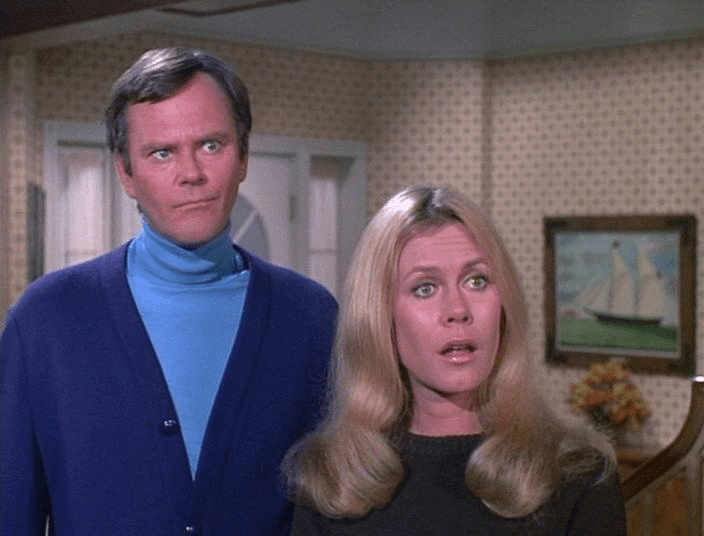
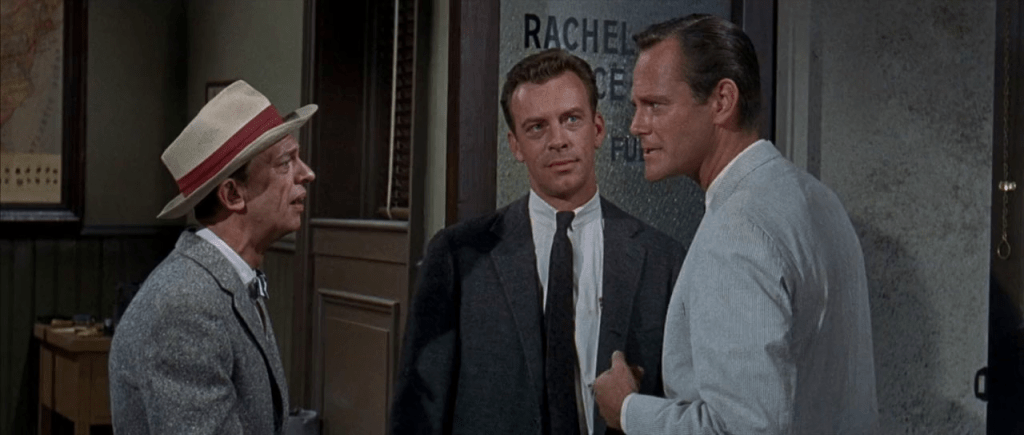
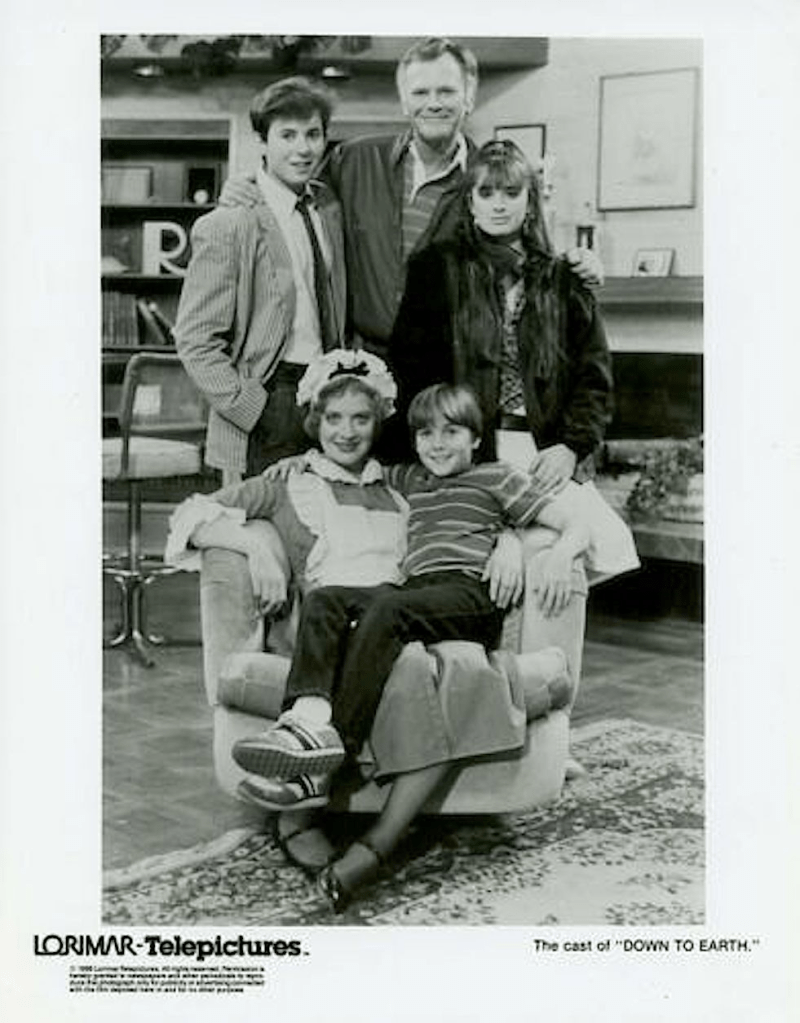
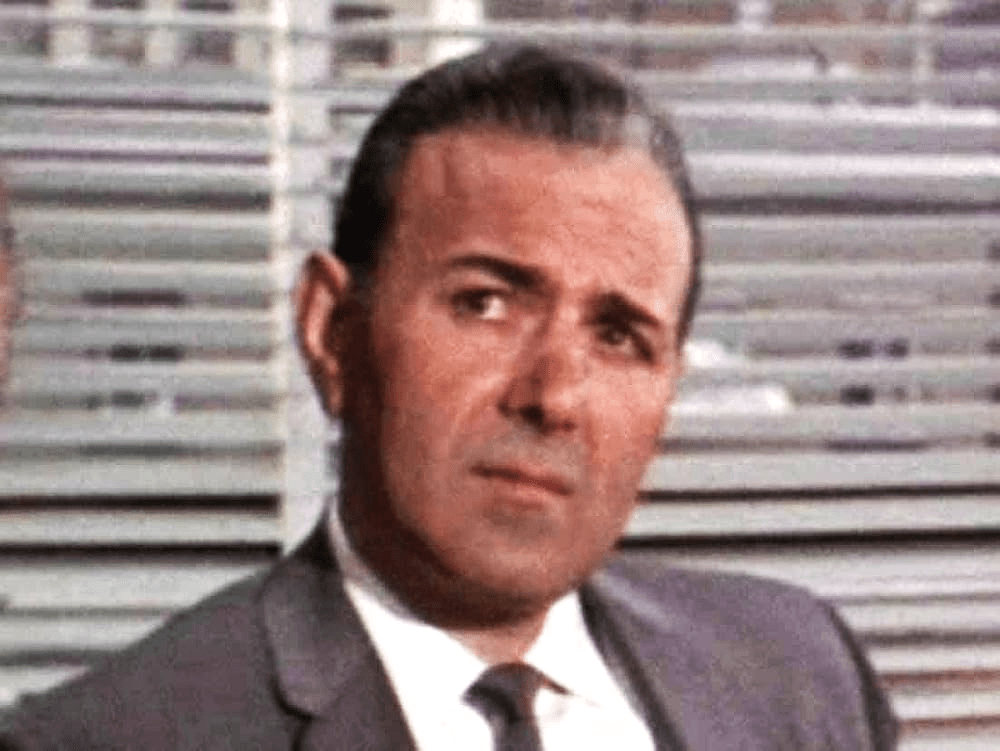
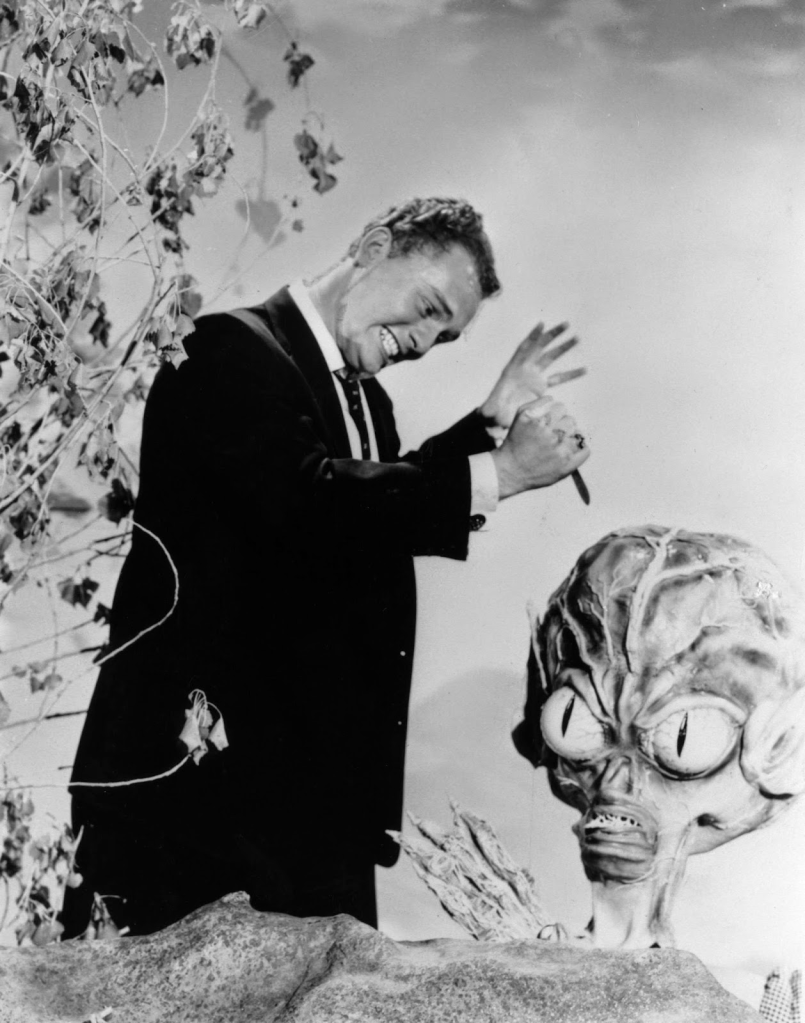
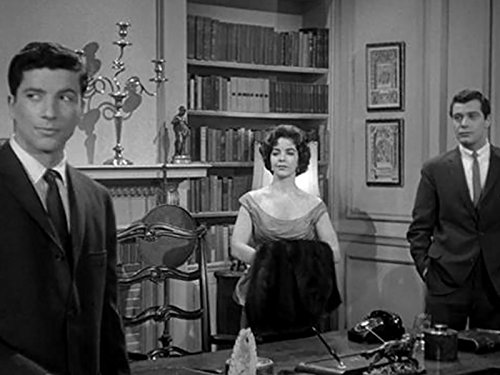
It’s November and it’s time for one of my favorite blog series, “What a Character.” Up today is Cosmo Sardo. Born in 1909 in Boston, he was lucky to keep his foot after an accident at age 14 when a car hit his bike and ran over his foot.  After high school he majored in theatrical arts at the University of Massachusetts. Sardo began his career as a model in print ads for many companies including Sears Roebuck, Eddie Bauer, and Pepsi Cola.

📷imdb.com

Sardo made a reputation for himself in Boston theatrical circles before being cast in Oscar Wilde’s “The Importance of Being Earnest” in a downtown Los Angeles Theater in 1934.

In 1939 he made his way to Hollywood where he began a career in the film industry. If you can think of a profession, he probably played it: bartenders, retail clerks, postmen, bankers, waiters, detectives, reporters, businessmen, con artists, butlers, tailors, military men, cosmetologists, and barbers, which he perfected in real life. He even played a corpse in The Corpse Came COD.

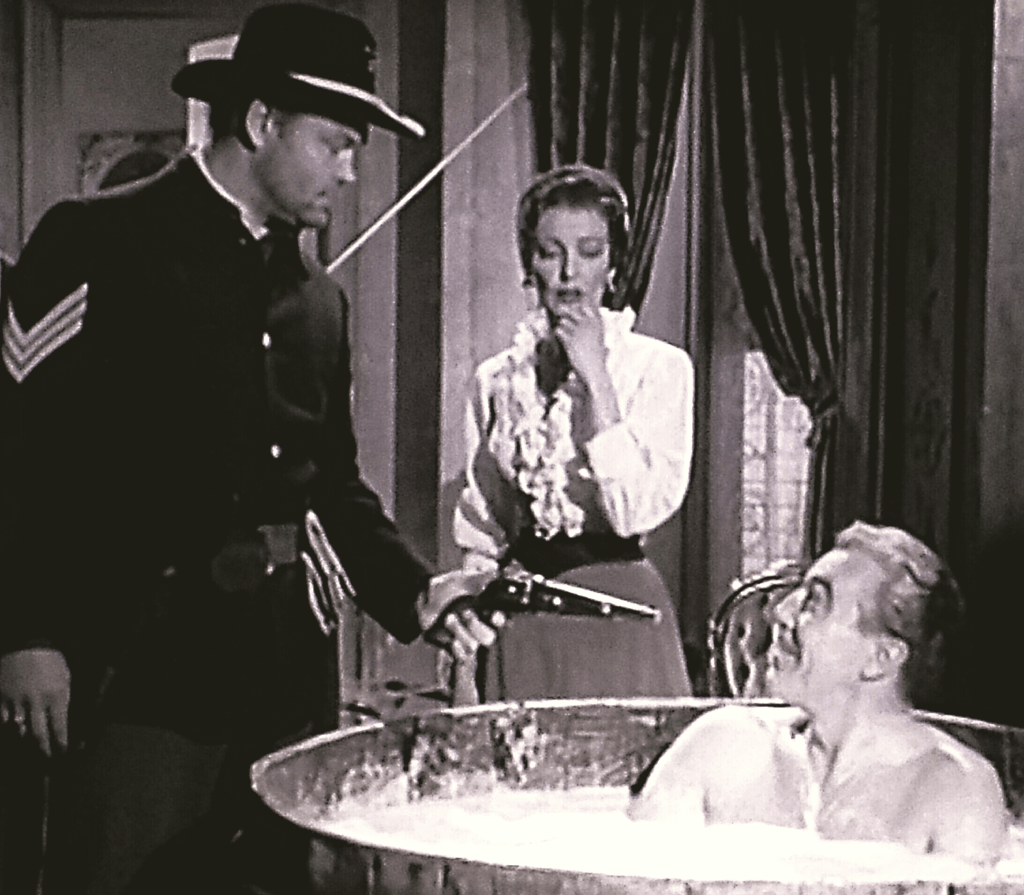
Sardo’s father told him if he moved to Hollywood, he had to have a trade to fall back on. He got a job at John’s Barbershop which just happened to be located under Central Casting. And one day it paid off when he was offered a job. Sardo had always wanted to be an actor, so he left his barbershop to take acting classes. He said that his wife thought he was crazy and left him, but I could never find any source showing his marriage. I’m guessing this is one of those articles publicists made up. He signed with Warner Brothers in 1946 to play a barber in Humoresque because they knew he had owned a barber shop.

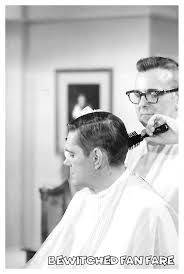
📷facebook.com Cosmo cutting Dick York’s hair

Later, he opened Cosmo’s Hairstyling Salon of Hollywood where so many famous clients were taken good care of. It was around the corner from Schwab’s Drugstore, the famous spot where so many careers were apparently launched. He would cut hair between his acting assignments. In an interview in the sixties, he said that most actors “usually don’t want their hair cut. They want it trimmed. I can make a man look like he never had a haircut at all.” Sardo also offered massage, face contouring, and mud packs.

This guy had an amazing 578 acting credits. His first job was the big-screen film Brother Orchard in 1940. His last was as a priest in Hill Street Blues in 1984.

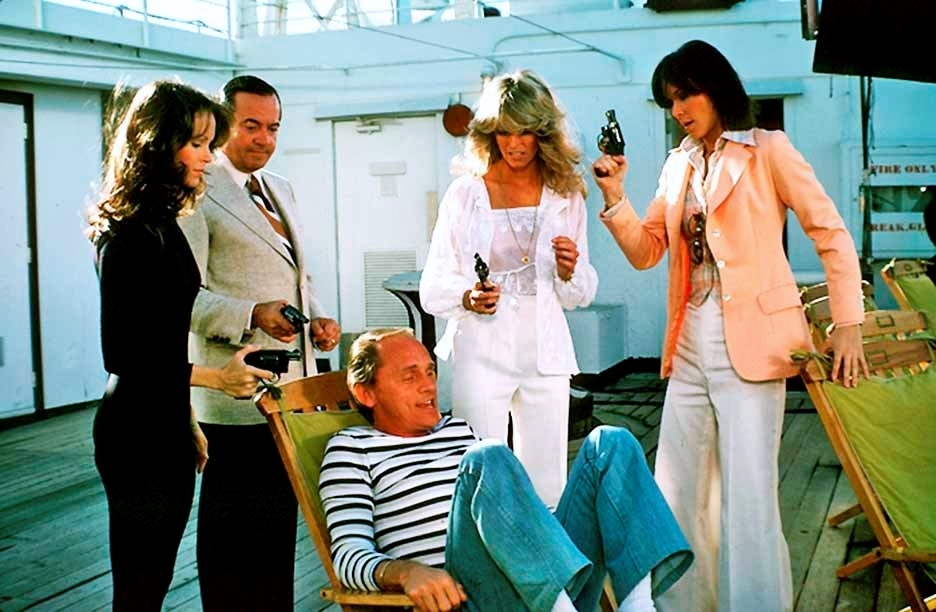
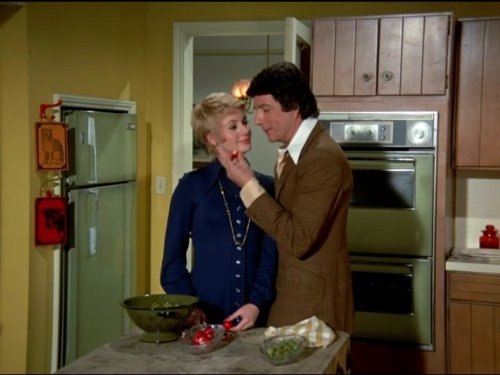
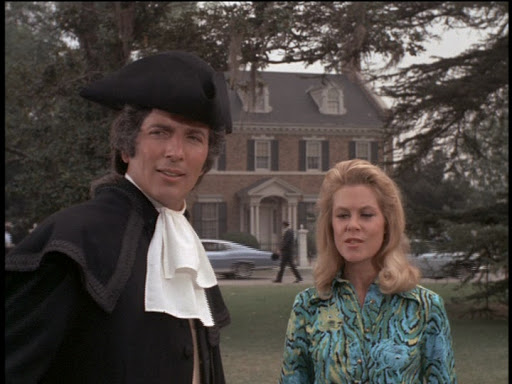
His first television appearance was in 1952 in The Adventures of Superman. He would go on to make tons of appearances on shows. He never was a regular cast member for a show, but he often starred as many different characters on many episodes for the most popular shows. For example, he appeared on Charlie’s Angels 6 times, Columbo 7 times, The Love Boat 10 times, Bewitched 13 times, Batman and Man from UNCLE 14 times, The Untouchables and Have Gun Will Travel 15 times, and a whopping 81 Bonanza appearances where he often portrayed a bartender.

📷wikipedia.com

When he wasn’t cutting hair or making movies or television episodes, he could be found instructing at the Pasadena Playhouse, worshiping at his Catholic church, working for the Democratic party, and dining or golfing at the Los Angeles Country Club.

After his death, his biography said that he never married, so he devoted his retirement to help charitable and religious organizations. He passed away in 1989.

It is frustrating trying to tell the stories of these great character actors. There is almost no personal information about them apart from their birth, their death, and their career. As a barber, I’m sure Cosmo had a lot of great stories he could share.

I don’t know how many haircuts he gave, but with 578 acting credits which translated into 878 individual appearances, this was one busy man. How fun that he had a trade and attained his dream job and kept doing both successfully until his retirement.

Supertrain: The Show That Derailed Before It Got Going

📷letsgetoutofhere.com

We are winding up our series, Casting Celebrities. This month we have looked at several shows that relied on stars for their characters every week. We’ve checked out Love American Style, Fantasy Island, and The Love Boat. If you don’t remember today’s show, don’t beat yourself up about it. It was on the air for less than three months. That said, they still had a lot of stars show up. While Love American Style had 109 episodes, Fantasy Island claims 154, and The Love Boat includes 250, this show had 9!

Supertrain debuted on NBC in February of 1979. Here is part of the problem: it was described as a science fiction-adventure-drama. Sounds like a show that isn’t sure what it is.

📷imdb.com

Instead of an exotic island or a cruise ship, this show takes place aboard a nuclear-powered high-speed super train. However, it might as well have been a cruise ship. You could swim in the pool, go to the gym, or the library. There was plenty of shopping and nightlife including a discotheque. It ran between New York City and Los Angeles, with stops in Chicago, Denver, and for some strange reason, a fictional town of Desert Junction in Texas.

Problem number two for the show: it was the most expensive series to be produced at that time. NBC paid $10 million for three trains. There was a full-size train with passenger cars and two model trains for exterior shots.

Ned Parsons was brought on as art director to build the train. Parsons moved from his home in Newport Beach to the MGM studio lot for three months. He was on call 24 hours a day, supervising 200 construction workers who covered three shifts. The costs to do this averaged $60,000 a day for building materials. The lumber used for the set could have built 22 homes.

📷thehollywoodreporter.com

Before the show even aired, it was reported that the network had spent $12 million dollars. And despite the high cost of the train, there were a lot of complaints about it being unattractive and unrealistic. It was described as dark and dingy; one article said it was more of a superbus than a supertrain. Although they publicized this train as a high-speed one, viewers asked if it goes 200 mph, why does it take so long to go from New York to Los Angeles?

Problem number three: it was heavily advertised but received poor reviews and low ratings. More people tuned in to watch a 2-hour episode of Charlie’s Angels than the 2-hour debut of this show.

Problem number four: to help the quality and ratings, the producer was replaced, the cast was cut in half and some of them switched jobs, and it became more of a sitcom , and it was moved from Wednesdays to Saturdays. What? Remember this show only lasted nine episodes.

Once the cast shake up took place, five remaining characters were left. Dr. Dan Lewis (Robert Alda), nurse Rose Casey (Nita Talbot), conductor Harry Flood (Edward Andrews), relations officer Dave Noonan (Patrick Collins), and chief porter George Boone (Harrison Page).  Seems like an experienced and quality cast, so I don’t think any of the blame falls on them.

The BBC bought the show for $25,000 an episode before it was shown on American television. Their plan was to begin airing the show in the fall of 1979, but remember by May of 1979 the show was off the network so BBC never aired any of the episodes.
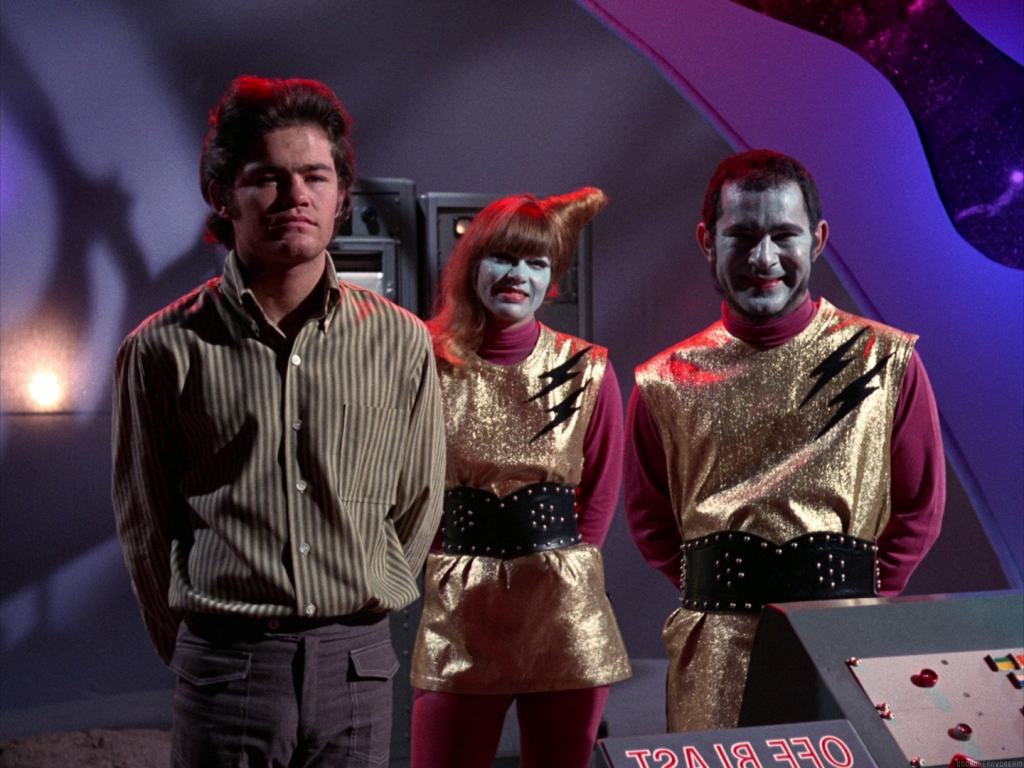
One bright spot coming through the tunnel for the show was the music, with the exception of the second theme song which was listed as blah. Bob Cobert provided the primarily disco music. Cobert won an Emmy for his music in War and Remembrance.

Supertrain has been called one of the greatest television flops ever and that’s not an exaggeration. Here are a few of the reactions critics had to the show in 1979. A Variety review said “it’s a Love Boat on wheels which has yet to get on track.”

📷imdb.com

TV Guide reviewer Robert MacKenzie said that “in the long two-hour premiere, Steve Lawrence was a talent agent and gambling addict in debt to a gangster named Big Ed. Aboard the Supertrain, someone kept trying to put Lawrence away by planting a suitcase bomb in his room, dumping him into a pool when he was unconscious, and locking him in a steam room with friend Don Meredith. Our attention was called to several suspects . . . sometime in the second hour I wanted to get off and catch a bus home.”

Telefilm Review shared that “NBC’s highly promoted show Supertrain features a slick new train of tomorrow, with a script from yesterday . . . it seeks to overwhelm but underwhelms instead.”

Nothing I read gives me any reason to contradict any of these reviews. One fun story I could take away from this debacle was building the train and then what happened to such a behemoth and the model trains? We know one of the model trains crashed and was ruined during the show’s production. Were the others scrapped to recoup at least a small cost? Nope.

📷theherald-mail.com

According to a Herald-Mail article from July of 2018, Ben Thoburn went to Hagerstown to pick up a jukebox he purchased and saw an old train in the guy’s barn. It was much bigger than a typical model railroad set. Plexiglass served as windows and it had a futuristic design.

Thoburn bought the train and then set about researching it. Jack Morrissey was a LA film producer who bought the train from Thoburn.  According to Thoburn, NBC sold the model train to a manufacturer in Philadelphia. When the company went bankrupt (maybe the train is cursed), the train was left in its headquarters. A cabinet maker eventually bought the building and sold the train to the man Thorburn bought it from. Because some other items were stacked on some of the cars, there was a little bit of damage. Morissey didn’t have specific plans for the train; he just wanted a piece of television history. At least something good was salvaged from this otherwise not-good show.

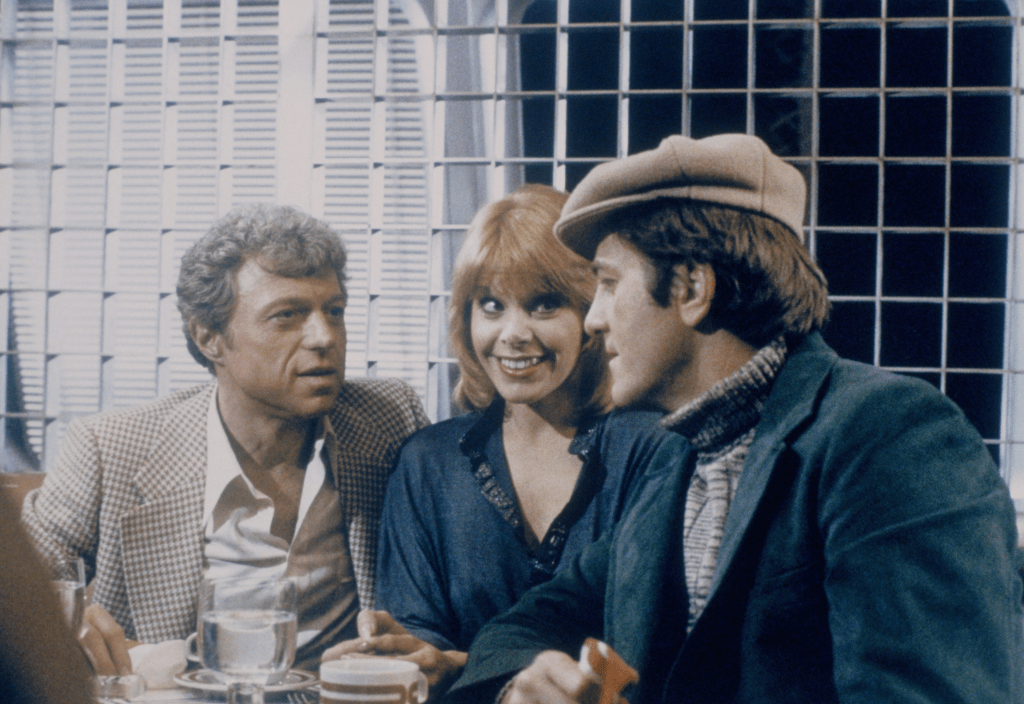
📷losangelestimes.com bill barty

While we are finished with our exploration of the four shows that featured stars in their casts, I did promise to provide one more fun fact. There are a lot of stars who were on Fantasy Island and The Love Boat. When you add in Love American Style, that number is still quite high. However, remember Supertrain was only one the air for nine episodes. So what stars appeared on all four of these series? Let’s find out.

elaine joyce

That roster includes eleven stars. None of the crew or staff appeared on all four shows. Regular cast members Edward Andrews and Nita Talbot both appeared on all four shows. Henry Jones shows up on all of them, but I do have a disclaimer that he was on The New Love American Style, a reboot that happened in 1985. We are left with Billy Barty, Hans Conried, Steve Franken, Elaine Joyce, Bernie Kopell, Roddy McDowell, Abe Vigoda, and Keenan Wynn as the remaining stars who can be found on all four shows. Equally as fascinating was the fact that Ron Delaney, Al Hansen, Disco Flo, Michael Minor, Chris Moriana, Bob Shaw, and Annie Starr only appeared on Supertrain and they have no other acting credits at all. Was their affiliation with the show so bad they quit acting? Who knows without a lot more research.

I hope you enjoyed learning more about these celebrity shows and learning which stars managed to get jobs on all four of these shows.

Cesar Romero: Batman’s Most Joy-Filled Villain

We are winding up our series: Bam! Pow! Batman Villains. Today it’s all about The Joker: Cesar Romero.

📷turnerclassicmovies.com

Romero was born in New York City in 1907. His father was an import/export merchant, and his mother was a concert singer. He grew up in Bradley Beach, New Jersey. His father lost most of his money during the 1929 Wall Street Crash.

Romero teamed up with dancer Lisbeth Higgins and they formed a professional dance partnership, appearing in nightclubs and theaters throughout New York City including the Ambassador Roof and the Montmartre Café. Although he had no professional training, he was often compared to Fred Astaire. He also was cast in several off-Broadway productions including “Stella Brady” and “Dinner at Eight.”

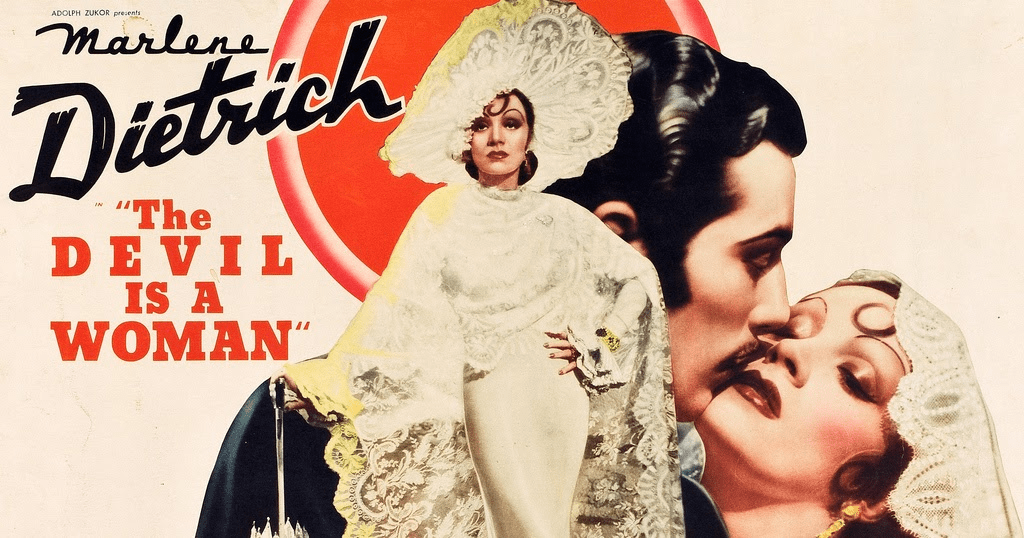
Later Romero would refer to himself as the Latin from Manhattan and he provided for his family members who followed him to Hollywood. He played the stereotypical Latin lover during the thirties and forties, including The Devil is a Woman with Marlene Dietrich in 1935. However, he also made westerns and did a bit of dancing during these decades on the big screen.

His friendship with Frank Sinatra brought him roles in Around the World in 80 Days, Pepe, Marriage on the Rocks, and Oceans’ 11.

📷imdb.com Wagon Train

In 1942, Cesar enlisted in the US Coast Guard, serving in the Pacific Theater of Operations. After his military career ended, Romero returned to his acting career.

His television career began in 1948 in the show, Variety. During the fifties he was primarily appearing on dramas, but he did show up on Private Secretary with Ann Sothern and continued his western roles on Wagon Train, Zorro, and Death Valley Days.

The sixties kept him extremely busy on television. He kept people laughing on Pete and Gladys, The Ann Sothern Show, Get Smart, and Here’s Lucy. He rode the range on Stagecoach West, Bonanza, Rawhide, and Daniel Boone. He stayed dramatic on shows including 77 Sunset Strip, Dr. Kildare, and Ben Casey.

📷wallpaper.com

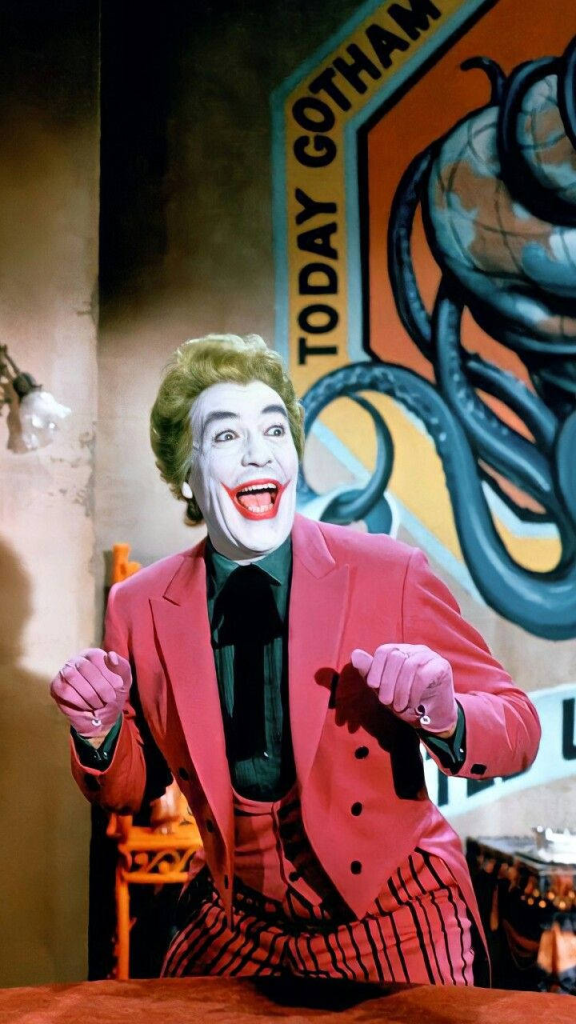
However, the show he was best known for in the sixties, is the show that made him part of my blog series this month, Batman. He had to endure a long time in the make-up chair. He refused to shave his mustache for the role, so white face makeup was smeared all over his face until it was hidden.

Romero admitted that this role reinvigorated his career. When he was offered the role of the Joker, he was 59 years old. Romero said the role was “the kind of part where you can do everything you’ve been told not to do as an actor. You can be as hammy as you want.”

He discussed how surprised he was when William Dozier called him about the show. He said Dozier told him that “the important characters were all villains. They had done the first two with the Riddler and the Penguin with Frank Gorshin and Burgess Meredith, and now they were ready to do the third, and the villain was the Joker. He said, ‘I would like you to play the part.’ So, I said I would like to read the script and know what it is all about. He said, ‘Come on over to the studio, and I will show you the film of the first episode.’ Of course, it was great. I said, ‘Let me read this Joker part, and if it is as good as the first one, hell yes, I will do it.’ So I read the script, and I thought it was a gas, and I said, ‘Sure, I’ll do it.’”

No serious villain, the Joker was cheerful and extroverted. He oozed goofiness and always appeared to be having a great time carrying out his nefarious activities. Dressed in his famous purple costume, he had his own automobile that could rival the Batmobile.

📷facebook.com

While most of the villains saw Batman and Robin as roadblocks in their evil schemes and problems to take care of, the Joker found great joy in taking down the superheroes. In one episode he says “Oh, but I must, I must! Why, outwitting Batman is my sole delight, my heaven on earth, my very paradise!”

You couldn’t miss him if you watched almost any television in the 1970s and 1980s. He appeared on a ton of shows, just a few of which included Bewitched, Nanny and the Professor, Love American Style, The Love Boat, Night Gallery, Mod Squad, Ironside, Medical Center, Charlie’s Angels, and Hart to Hart.

From 1985-88, he was a regular on Falcon Crest. Earl Hamner Jr., the creator of The Waltons, created this show featuring the Gioberti family, owners of Falcon Crest Winery. Romero played the love interest of matriarch Angela Channing, played by Jane Wyman.

He finished his career in the 1990s. He was in his eighties when he appeared on The Golden Girls, and Murder She Wrote, his last television role.

Romero also played a role in politics. As a registered Republican, he was very involved in many campaigns. He worked for Nixon-Lodge in 1960 and later supported Lodge in his run for President. When Lodge did not get the results that he hoped for, Romero turned his support to Barry Goldwater for the general election. He also worked for his friend George Murphy in his run in the California senate race. He later helped Ronald Reagan in his gubernatorial runs in California as well as his presidential campaigns.

It was reported in many articles that Romero had 30 tuxedos and more than 500 suits. That is not surprising because he had a clothing line, Cesar Romero Ltd. He was also a model and spokesperson for Petrocelli suits in the sixties.

Romero stopped acting in 1990. He remained busy though with several ventures including hosting classic movie programs on television. In 1994, Romero died from complications of a blood clot on New Year’s Day. He was being treated for bronchitis and pneumonia.

I enjoyed getting to know a bit more about Cesar Romero, but, I have to admit, that I don’t feel like I know him much better than I did before. He seemed to have been stereotyped as a Latin lover and then again as the Joker. I would like to go back and watch some of his appearances on westerns. It was hard to find much information about Romero beyond his career and political interests.

📷etsy.com

I know The Joker was not his most challenging role, but he will always have a place in America’s heart for the work he did on Batman as will these fun super villains we got to know this month.

Frank Gorshin: Batman’s Most Puzzling Villain

This month, our theme is Bam! Pow! Batman Villains. We have learned a bit about the careers of the Joker and Cat Woman, and today we are spending some time with the Riddler, portrayed by Frank Gorshin.

📷imdb.com

Gorshin started out as an impressionist and comedian before transitioning into acting.

Frank was born in Pittsburgh in 1933 into a blue-collar, middle-class family. His mom was a seamstress, and his father was a railroad worker. His paternal grandparents arrived in the US from Slovenia and his mother was born in Slovenia, coming to the Pittsburgh area as a young girl; his parents were very involved in the Slovenian community, both singing with the Preseren, a Slovenian singing society.

When he was 15, Gorshin got a part-time job as an usher at the Sheridan Square Theatre. He studied the mannerisms of the actors he watched in those movies and developed an impressionist act. Some of his favorite actors to mimic included James Cagney, Cary Grant, Al Jolson, and Edward Robinson. After entering a talent contest in 1951, he won a week-long engagement at the Carousel nightclub in New York.

Sadly, Gorshin’s older brother was hit by a car two days before and died. His parents convinced him to keep his performance schedule and sent him to New York.

After high school, Gorshin enrolled at the Carnegie Tech School of Drama (now Carnegie Mellon University).

📷imdb.com

At age 20, Frank was drafted into the US Army and sent to Germany. He was an entertainer in Special Services for a year and a half. When Gorshin left the Army, he began his acting career, appearing in four movies and on television in Alfred Hitchcock Presents.

I can’t imagine the horror Gorshin’s parents felt when getting a call in 1957 that their son had fallen asleep while driving from Pittsburgh to Hollywood, a 39-hour trip for a screen test. With their other son passing away from a car crash six years earlier, now they had to deal with the fact that their other son was in a coma with a fractured skull. Luckily, he made a full recovery.

Another big event occurring in 1957 was his marriage to Christina Randazzo. They had a son and separated later in life, but they never did divorce as far as I could tell.

Until his death, Gorshin would appear in more than sixty big-screen films. During the fifties, he only appeared in a handful of television series, but that would change in the 1960s. Some of the most memorable shows included The Defenders, The Munsters, Star Trek, and The High Chapparal. With his comedy act, he visited The Ed Sullivan Show four times. The first time he did his impressionist act on the series, he would be scheduled with this new band called The Beatles.

📷metv.com

The sixties also found him on Batman, his reason for being in this month’s blog series. He said that he developed a fiendish laugh at Hollywood parties. “I listened to myself laugh and discovered that the funniest jokes brought out the high-pitched giggle that I use on the show. With further study, I came to realize that it wasn’t so much how I laughed as what I laughed at that created the sense of the menace.”

He did not love the unitards that many of the comic book villains wore, so he asked for a green business suit and bowler hat, covered with question marks since he always left riddles for Batman and Robin to solve. He often said “Riddle me this, Batman” which became a catchphrase of the mid-sixties.

Gorshin said “When I was first approached to play the Riddler, I thought it was a joke. Then I discovered the show had a good script and agreed to do the role. Now I am in love with the character.”

📷imdb.com

Gorshin was the only villain to be nominated for an Emmy. He got the nod in 1966 for the episode “Hi Diddle Riddle.” He had some tough competition, going against Werner Klemperer as Colonel Klink on Hogan’s Heroes, Morey Amsterdam on The Dick Van Dyke Show, and winner Don Knotts on The Andy Griffith Show.

Gorshin was in ten episodes of the show, but after appearing numerous times, he was unavailable, and the producers replaced him with John Astin. I realized hindsight is 20/20 as they say, so the producers were never considering the effect the show would have on pop culture and the decades it would be a fan favorite, but that switch seems extreme. However, they did it with Julie Newmar and Eartha Kitt as well, so maybe they figured if you have to replace a villain, let’s replace them with someone very different from the original. Gorshin, however, was not a fan of being replaced but did get over it enough to accept his tenth episode role in season three and appeared as Riddler in the 1979 made-for-television movie Legends of the Superheroes.

Frank made his Broadway debut in 1969 in the musical biography, “Jimmy” which was about the controversial life of New York mayor Jimmy Walker.

Gorshin was very busy in the seventies and eighties. Among the twenty plus shows he appeared on were The Virginian, Martin and Rowan’s Laugh In, Ironside, Hawaii Five-0, Charlie’s Angels, and Murder She Wrote.

In the last three decades of his life, he spent more time making big-screen films. One thing I found surprising is that Gorshin appeared in three soap operas, all at different times in his career: General Hospital in 1963, The Edge of Night in 1982, and The Bold and the Beautiful in 1999.

In the early 2000s, Gorshin did a one-man Broadway show, portraying George Burns. He was reunited with his Batman cast in a made-for-tv movie, Return to the Batcave: The Misadventures of Adam and Burt. His last appearance was on CSI: Crime Scene Investigation on “Grave Danger” on which he played himself. The episode was directed by Quentin Tarantino and was dedicated to Gorshin.

📷discogs.com

Unfortunately, Gorshin was a heavy smoker throughout his life. Adam West once said that “Frank could reduce a cigarette to ash with one draw” and his nightclub performances warned patrons they would be exposed to a lot of second-hand smoke if they attended. Not surprisingly, he died from lung cancer, complicated by emphysema and pneumonia.

I enjoyed getting to know Frank Gorshin in this blog. While I was much more familiar with the careers of Burgess Meredith and Julie Newmar, Gorshin and Cesar Romero are actors I knew very little about. I hope you are also enjoying getting to know these fun “villains.”

Tom Bosley Scores a Home Run on Any Team

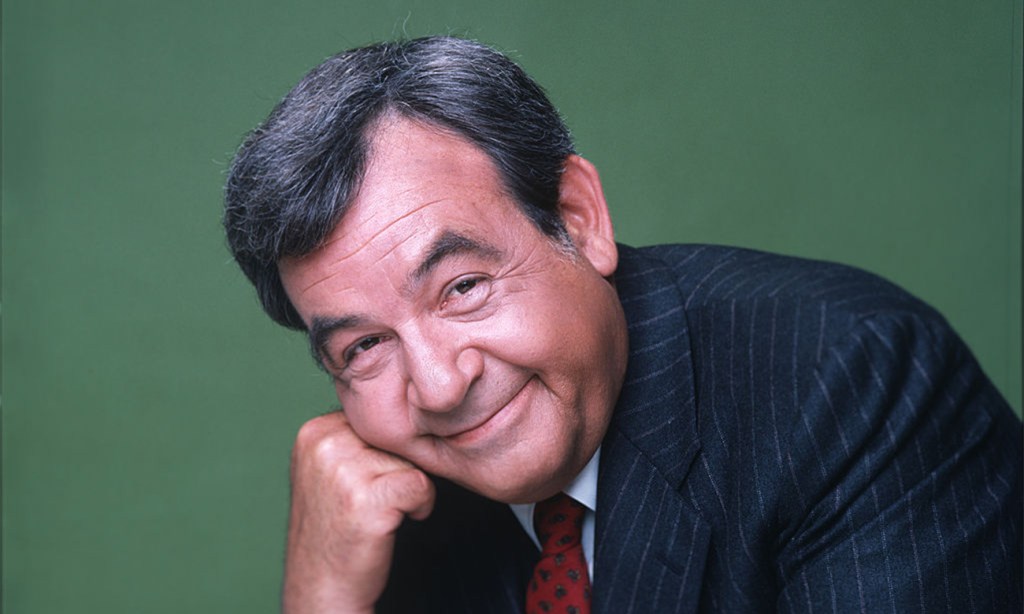
Since January was all about female sitcom actresses, this month we give the men their fair due.  We begin this series, “The Men of August,” with Tom Bosley.  Anyone who was a Happy Days fan knows why Bosley is part of this line-up.

Image result for images of tom bosley
Photo: quotetab.com

Bosley was born in Chicago in 1927. His father was in real estate and his mother was a concert pianist. After graduating from high school, he served in the Navy during WWII. His father was in WWI and then served again in WWII, building army bases on the coast.

Following the war, he attended DePaul University in Chicago, declaring his major as Pre-Law. He had to take night classes because the day classes were full, and after getting tired of teachers not showing up, he switched to a radio school, hoping to be an announcer because he loved baseball, but acting eventually tugged at his heart.” In 1949 and 1950 he performed at the Woodstock Opera House in Woodstock, Illinois with Paul Newman. He was in the first live television show ever done in Chicago which was a production of Macbeth, about 1948 (on WBKB).

In the early fifties, he moved to New York and held a variety of jobs, including coat checker at Lindy’s restaurant, doorman at Tavern on the Green, and Wall Street bookkeeper. He continued to audition for his big break. During the fifties while he was looking for work, he shared rent with another Chicago actor trying to make it in the entertainment business: Harvey Korman.

Image result for images of tom bosley
Bosley as Fiorello–Photo: markrobsinsonwrites.com

With one foot in Broadway and one in television, Bosley took on a variety of roles in his early career. In 1955 he appeared in a television production of “Alice in Wonderland” as the Knave of Hearts. In 1959, he won a lot of acclaim as New York mayor Fiorello H. La Guardia in the Broadway musical “Fiorello!” and won a Tony award. Bosley would later return to Broadway in the 1990s taking on the roles of Maurice in “Beauty and the Beast” and as Cap’n Andy in “Show Boat.”

In the 1960s he explored motion pictures and landed his first role as a suitor of Natalie Wood in Love with the Proper Stranger.

Although he continued to appear in the big screen, the little screen took up most of his time in the sixties and early seventies. In 1962 he played opposite Tony Randall and Boris Karloff in “Arsenic & Old Lace.” His face became a familiar one showing up in Car 54, Where Are You?, Bonanza, Get Smart, Route 66, Dr. Kildare, The Mod Squad, The Streets of San Francisco, Bewitched, McMillan and Wife, and Marcus Welby, among others.

It was also during this decade he married Jean Eliot. They were married until she passed away in 1978.

Image result for images of tom bosley
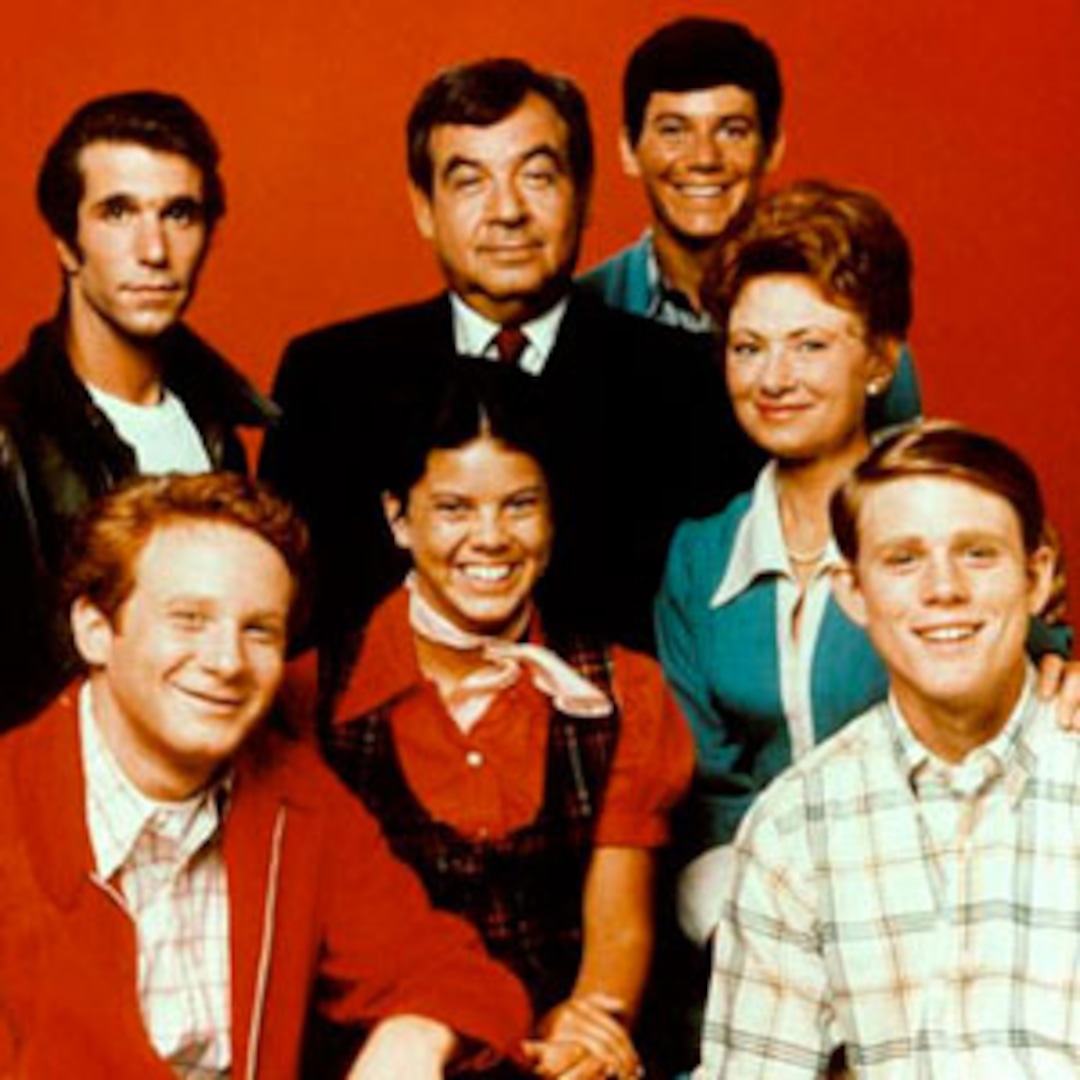
The Cast of Happy Days Photo: E!online.com

In 1974 he accepted the role that would make him a household name. “Love and the Television Set” was one of the four skits appearing on an episode of Love American Style, and I actually remember watching it. Garry Marshall developed it as a pilot, but the network wasn’t interested in turning the pilot into a show when it first came up. However, once George Lucas released American Graffiti in 1973, also starring Ron Howard, ABC took another look at the period show. The first two seasons, the show focused more on Richie Cunningham as he interacted with his friends and family. Jerry Paris (Jerry Helper on The Dick Van Dyke Show) directed 237 of the episodes. Happy Days was described as relentlessly ordinary. The plots revolved around the same types of problems most teens experienced in the fifties: dating, wanting to be popular, peer pressure, and similar issues.

Bosley originally turned down the role but reconsidered after reading the script more thoroughly; he was drawn to a scene between Howard and Richie that moved him. Bosley said he also was looking for some security. His wife was sick at the time, and they thought she might have epilepsy, which was later determined to be a brain tumor; he wanted an easier schedule in order to care for his wife and help raise his daughter.

Image result for images of tom bosley
With Henry Winkler Photo: brooklynvegan.com

He captured the sometimes cranky, but lovable, Howard Cunningham perfectly. He might not agree with his children, but he was always there for them, and he was apparently always there for his castmates who all remembered him as a kind, fatherly figure.

For a decade, Bosley developed the role of Howard into a much-loved sitcom father. Bosley said none of the characters were well defined in the early scripts. The cast developed their characters as relationships developed.  He described the actors as a baseball team that never made errors; they just clicked and had a wonderful rapport.

During the run of the show, his wife passed away from her tumor, and in 1980 he married actress Patricia Carr whom he stayed married to until his death.

Image result for images of tom bosley
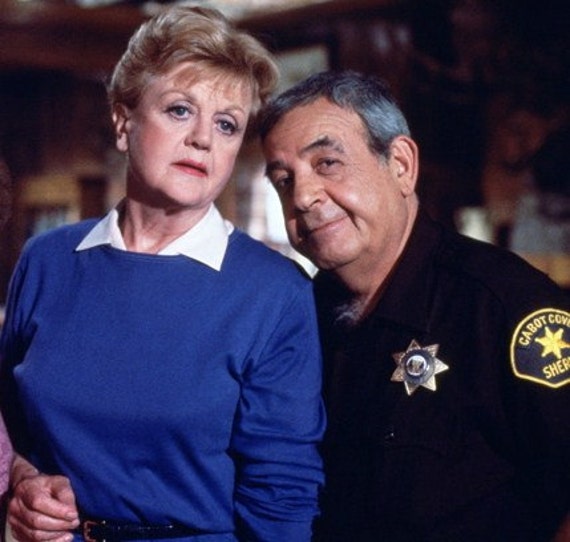
With Angela Lansbury Photo: etsy.com

When the show ended, Bosley was immediately offered another role. Although he appeared in a variety of shows in the early eighties, including five episodes of Love Boat, he moved from Milwaukee to Maine to help Jessica Fletcher solve mysteries on Murder, She Wrote. Bosley said the role of Jessica was written for Jean Stapleton, but then she did not want to do it so it was offered to Angela Lansbury. He and Angela had worked together in the past, so he did the pilot. It was supposed to be a one-time role, but they brought him back nineteen times without a contract.  As Sheriff Amos Tupper, he spent four years trying to figure out why so many murders took place in peaceful Cabot Cove. He then retired from the police force and moved to live with his sister. 

Image result for images of tom bosley father dowling
James Stephens, Tracy Nelson, Bosley, Mary Wickes Photo: pinterest.com

He actually did work with a sister in his next role on Father Dowling Mysteries. As Father Frank Dowling by day, he moonlighted, solving mysteries with his assistant Sister Stephanie Oskowski (played by Tracy Nelson, Rick Nelson’s daughter and granddaughter of Ozzie and Harriet).

Bosley described Father Dowling as being a lot like himself: calm, quiet, and caring. While murders occurred on the show, there was no violence. When they were casting the part for the housekeeper, they described the character as a Mary Wickes type, and Bosley told them to just get Mary Wickes, and he loved working with her.  He enjoyed that show more than any of the other shows he worked on. The cast was totally caught off guard when it was cancelled.  The network wanted to do a show with James Earl Jones and Richard Crenna.  They gave Crenna’s agent a short-time period to agree to the show and he agreed before the limit ended, so the network was forced to delete a show from the current schedule to make room for this new show and they chose Father Dowling; the James Earl Jones show, Pros and Cons, also about several private detectives, and was dropped after 12 episodes.

When the show ended in 1991, his career definitely did not. When asked if he was going to retire, he replied, “Don’t be silly—actors spend half of their careers in retirement.” He continued appearing in a variety of shows (39 in all) until his death in 2010 from a staph infection.

Photo: outsider.com

There are several actors I get confused by at times because of their similarities. One is Ray Walston from My Favorite Martian with Jonathan Harris from Lost in Space. The other is Tom Bosley with David Doyle from Charlie’s Angels.  At least I felt better about my mental error after doing research on Bosley.  Apparently, David Doyle was named “Bosley” on the show because people confused the two actors so often. 

I’m sure Tom Bosley would have made an excellent attorney or announcer, but I’m happy that he followed his acting passion, and I’m thankful for the five decades he was willing to entertain us with his special gift.

Celebrating National Oregon Day with David Ogden Stiers

We are celebrating National State days this month.  This week we are celebrating Oregon. I’m sure a lot of stars grew up in Oregon, but my choice is David Ogden Stiers. Although Stiers was born in Illinois on Halloween in 1942, his family moved to Eugene, Oregon when he was in high school.  Based on his life, I think Oregon has the better claim to him. After graduation, Stiers enrolled in the University of Oregon.

See the source image
Photo: ebay.com

Early in his career, Stiers moved to San Francisco, performing with the California Shakespeare Theater, the San Francisco Actors Workshop, and the improv group, The Committee. I would like to learn more about The Committee whose members included Rob Reiner, Howard Hesseman, and Peter Bonerz.

In the 1960s, Stiers moved to New York to study at Juilliard for a couple of years and was able to appear in numerous Broadway productions. At Juilliard, Stiers was mentored by John Houseman.

Stiers was a prolific actor, appearing in 38 big screen movies, 39 made-for-tv movies, and more than 90 different television series.

See the source image
Stiers with Mary Tyler Moore–Photo: amazon.com

In the 1970s, he showed up on Kojak, Charlie’s Angels, Phyllis, The Mary Tyler Moore Show, Rhoda, The Tony Randall Show, and Paper Chase.

Most of us got to know him as Major Charles Emerson Winchester III on M*A*S*H. He became part of the cast in 1977 and continued with the show until it ended in 1983. As Winchester, Stiers would receive two Emmy nominations in 1981 and 1982. Both years he got beat by a Taxi alumni, Danny DeVito in 81 and Christopher Lloyd in 82.

See the source image
Stiers with Harry Morgan and William Christopher–Photo: thenewyorktimes.com

Winchester replaced Frank Burns whom Hawkeye and Hunnicutt made fun of for his inept medical skills. Charles was a brilliant surgeon but was an aristocrat from Boston and never let anyone forget it. However, as with all M*A*S*H characters, Winchester continues to evolve, and we learn more about his past and how that affected his personality.

See the source image
Stiers with Morgan and Loretta Swit–Photo: enews.com

Stiers always described Harry Morgan as his acting mentor, but he loved the entire cast. Although Stiers could come off a bit like Winchester at first meeting, once he got to know you, his castmates said “the walls came down and you saw a sweet, tender man.” Kellye Nakahara (Nurse Kellye) shared that she used to jump into Stier’s arms every morning so he could twirl her around like a princess at a ball.” Loretta Swit said “he was very much his own person, but he loved and adored us as we did him.” Executive producer Burt Metcalfe reported that “I have always felt that one of the reasons for the show’s success was that the audience sensed that the characters loved another and they loved the characters. And that love goes down to the actors.” All his coworkers described Stiers as a prankster on the set.

His life after M*A*S*H included roles on a variety of shows, including Alf, Wings, Star Trek, Murder She Wrote, Dr. Quinn, Ally McBeal, The Outer Limits, Touched by An Angel, and Frasier.

He would also receive recurring roles in four additional series during his career. In Two Guys, A Girl and A Pizza Place, he played Mr. Bauer.

See the source image
Stiers with Swoosie Kurtz, Paget Brewster, and Brian Van Holt Photo: pinterest.com

I never watched Love & Money, but Stiers played the wealthy Nicholas Conklin; the show is described as “The penthouse-residing Conklin family of scholars and the basement-dwelling McBride family of maintenance men find themselves unhappily linked when the heiress daughter and blue-collar son fall in love.”  

I also never watched the Dead Zone, but Stiers played Reverend Purdy in the show where “Johnny had the perfect life until he was in a coma for six years When he awoke, he found his fiancé married to another man, his son doesn’t know him, and everything had changed including Johnny because he can now ‘see’ things.”

Rizzoli & Isles 6x09 - Love Taps - Recap - Pop City Life
Stiers with Sasha Alexander–Photo: popcitylife.com

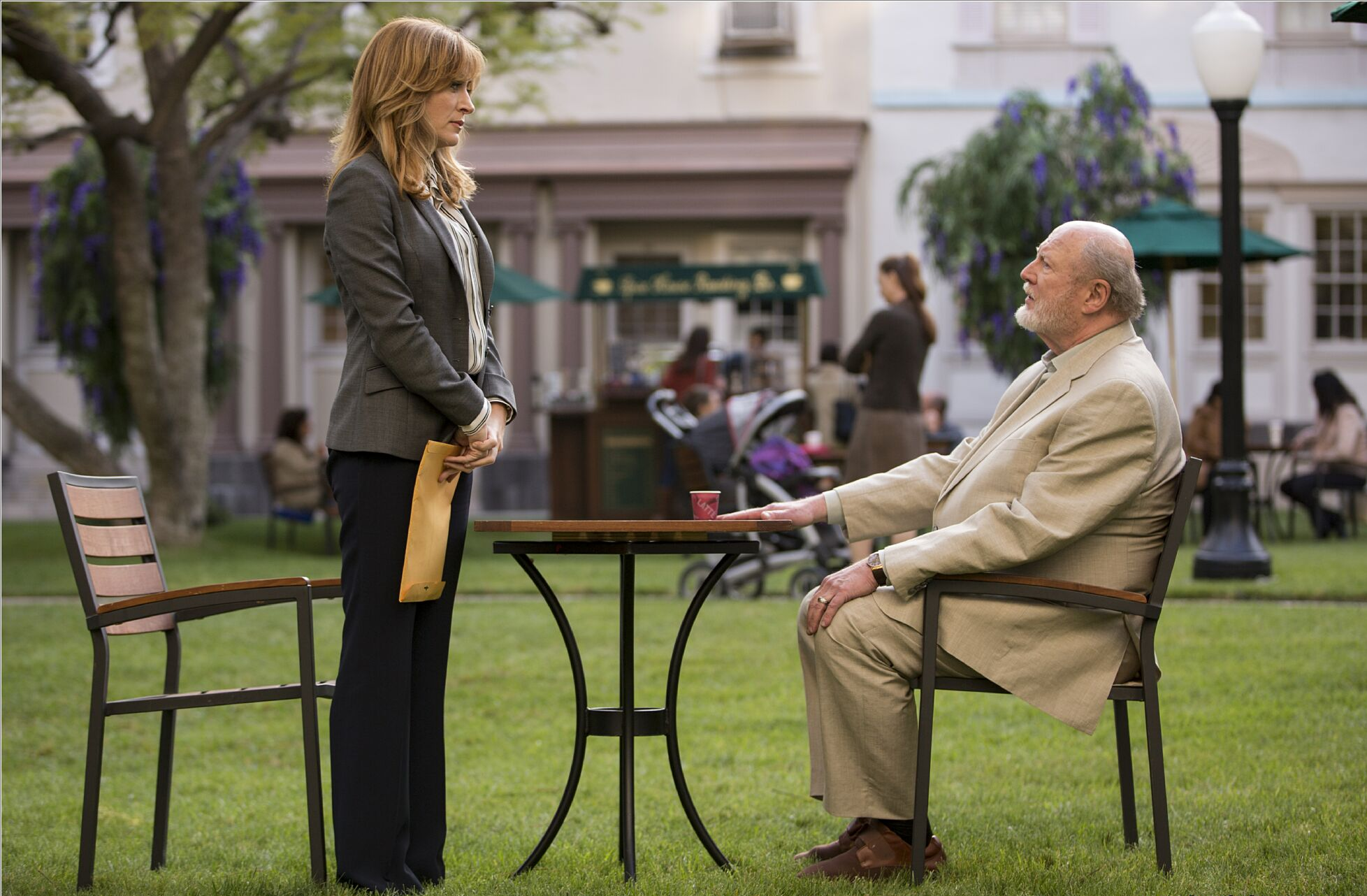
He also played Arthur Isles in Rizzoli & Isles, one of my favorite shows from the past few years.

You could also hear Stiers in a number of animation films including Beauty and the Beast, Pocahontas, and the Lilo and Stitch movies. He narrated many audiobooks as well.

See the source image
Photo: OregonCoastDailyNews

One of the reasons Oregon can lay claim to Stiers is because he continued to live in Newport and spent his later years as a conductor for the Newport Symphony Orchestra. As a fan of classical music, Stiers was able to be a guest conductor in more than 70 orchestras around the world. Newport seems to be a quirky, but fun, place with a population of only about 10,000. It is definitely on my list of places to visit.

In 2018, Stiers passed away from bladder cancer. He generously bequeathed funding for a variety of cultural groups including the Newport Symphony, the Newport Public Library, and the Oregon Coast Council for the Arts.

See the source image
Photo: amazon.com

I appreciate that Stiers loved and celebrated the arts. One of his thoughts about experiencing culture was: “The thing I love about the arts—music, theater, museums, galleries—is that everybody wins. You are touched and hopefully moved, and it is unique to each person. Even though you may have listened to the same performance, what you heard could be vastly different from what anyone else heard.” I’m happy that he was able to spend the last years of his life doing something he enjoyed so much after a life of giving to others through his acting performances—something we can all aspire to.

Bert Convy: A Multi-Talented Star

I’m calling this series “The Men of November.”  We are taking a look at five actors who contributed to television during the classic decades of the 1940s-1980s. I’ve decided to take them in alphabetical order so we are starting with Bert Convy.

Photo: findagrave.com

Born in St. Louis in 1933, Convy’s family moved to Los Angeles when he was seven.  His focus was athletics, not acting, in school. When he was 17, the Philadelphia Phillies gave him a contract to play in their minor league system which he did from 1951-1952. In 1951 he played for the Klamath Falls Gems (Oregon), and in 1952 he split his time with the Salina Blue Jays (Kansas) and the Miami Eagles (Oklahoma).

Once he realized baseball was not going to be his career, he joined The Cheers, who released a top ten hit called “Black Denim Trousers and Motorcycle Boots” in 1955. Convy opted to enroll at the UCLA School of Theater, Film and Television, earning a BA.

Photo: amazon.com

Like Ken Berry, he was a performer in the Billy Barnes Revues which was popular in the fifties and sixties. In 1956, he was an usher on Art Linkletter’s popular show House Party. He appeared in several early television series throughout the late fifties, including Those Whiting Girls.

In 1959 he married Anne Anderson. They had three children and were divorced in 1991.

Perry Mason
Photo: imdb.com

He showed up on the small screen a lot during the sixties, primarily in detective shows including Perry Mason in 1960. His first feature role was in the big screen drama Susan Slade starring Troy Donahue and Connie Stevens in 1961. He also spent a part of this decade on Broadway in ten different productions.

Photo: imdb.com

The decade of the seventies found him balancing roles in both detective (Mission Impossible, McMillan and Wife, Police Story and Charlie’s Angels among many others) and comedy shows (including Bewitched, Love American Style, and Karen). He appeared on The Partridge Family as a politician who dates Shirley. You get the distinct impression that they ended up together once the kids were out on their own. He also portrayed one of Mary’s boyfriends on The Mary Tyler Moore Show.

As Paul Revere on Bewitched
Photo: fanpop.com

He received his first recurring role in 1974, playing Lt. Steve Ostrowski on The Snoop Sisters. The show starred Helen Hayes and Mildred Natwick as two sisters, one widowed and one never married, who are mystery writers that also get involved in real murders.

Silver Scenes - A Blog for Classic Film Lovers: The Snoop Sisters ...
Photo: silverscenes.com

Two years later he starred in a short-lived variety show with the convoluted title of The Late Summer Early Fall Bert Convy Show. The title alone probably doubled the advertising budget. When I say short-lived, I mean I could only find one episode of the show which featured Don Knots.

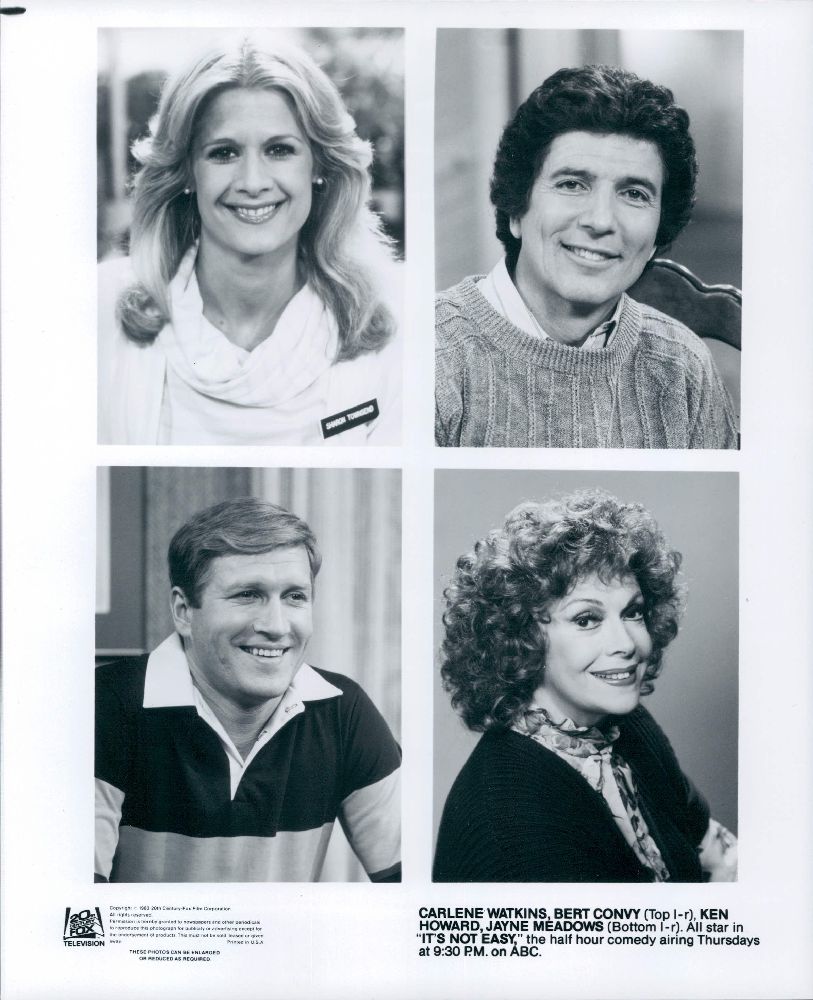
He was offered another permanent role in 1983 on It’s Not Easy. Originally Larry Breeding was given the role and made the pilot, but he passed away after a car accident. This show only lasted for 11 episodes. The plot is that Jack and Sharon have divorced. Sharon has remarried and she and her husband Neal (Convy) have decided to live across the street from Jack so it’s easier for the kids. Jack and Neal do not like each other.

Photo: sitcomsonline.com

He appeared in a few series during the eighties including Aloha Paradise, Fantasy Island, Murder She Wrote, Hotel, The Love Boat and The People Next Door.  

Cannonball Run Poster
Photo: moviemarket.com

While he would make ten big screen and fifteen made-for-television movies, two of them involved his buddy Burt Reynolds. Convy appeared in Semi-Tough in 1977 and Cannonball Run in 1981. The two friends developed a production company, Burt and Bert Productions.

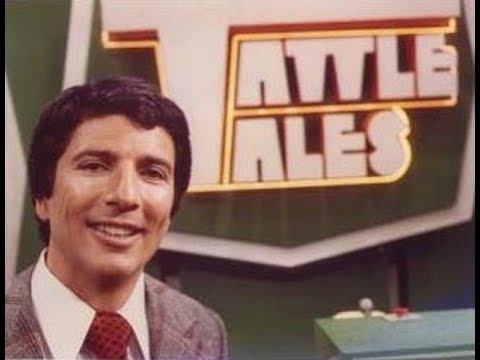
Convy was probably best known for his game show work. He was a panelist during the sixties and seventies on a variety of shows including What’s My Line, To Tell the Truth, Match Game, and Password. He hosted Tattletales, Super Password and Win, Lose or Draw. His emceeing of Tattletales resulted in an Emmy for Best Game Show Host in 1977.

Photo: youtube.com

In April of 1990, Convy collapsed and was diagnosed with cancer. The brain tumor was inoperable, forcing his retirement. His last credit was as himself on It’s Garry Shandling’s Show in 1990. He married his second wife Catherine Hills during the winter of 1991, and he passed away in July of 1991.

Sadly, Convy was never offered that perfect role that made him an icon, but he certainly had a full career. He had a lot of talents: acting, singing, and the personality to host game shows. I think it was his smile that always made him a favorite with me.

Kate Jackson: She Teaches Us to Listen with Our Ears but To Hear with Our Heart.

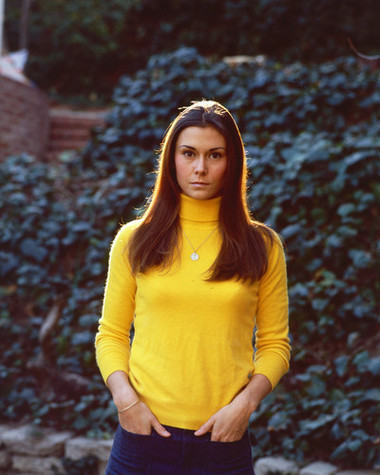
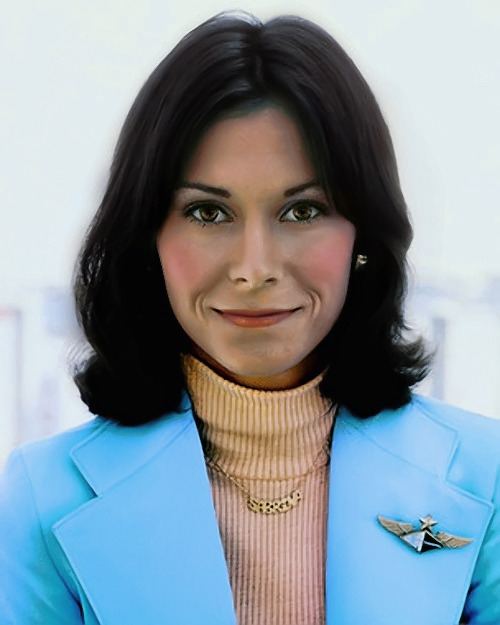
In my blog last week, we learned a bit about the unique show, Dark Shadows. One of the young, unknown actresses who received a role in the show was Kate Jackson. She was born Lucy Kate Jackson in Birmingham, Alabama in 1948.

Photo: themoviestore.com

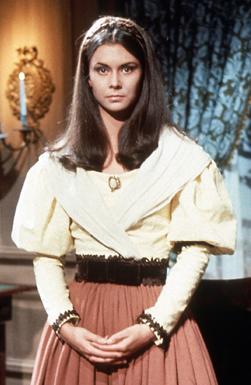
Jackson started her post-high school education at the University of Mississippi as a history major but then transferred to the Birmingham Southern College, choosing classes in speech and the history of the theater. After an apprenticeship at the Stowe Playhouse in Vermont, Jackson moved to New York City to study at the American Academy of Dramatic Arts. Jackson found work as an NBC page and tour guide. In 1970, she accepted the role of Daphne on Dark Shadows.

Photo: fanpop.com
Daphne on Dark Shadows

She would go on to star in several television series during her career. She has also tried her hand at producing and directing.

Photo: fanpop.com
Kate on Bonanza

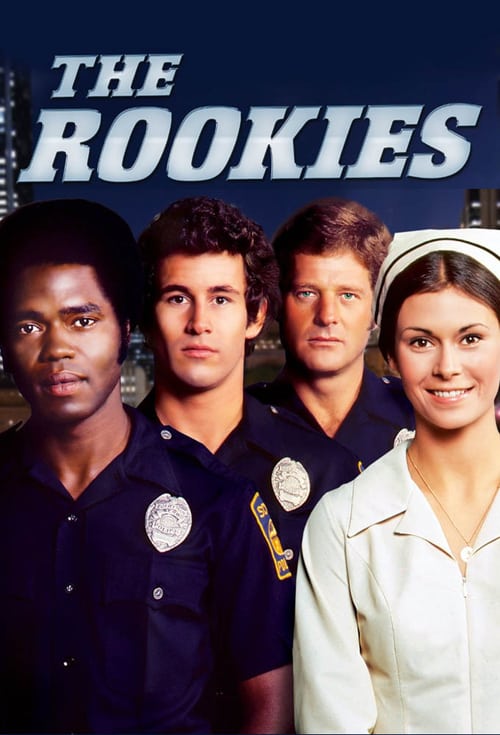
Kate appeared in several shows in the early seventies including The Jimmy Stewart Show and Bonanza. In 1972, she was offered the role of Jill Danko in The Rookies. Jill was married to Mike Danko (Sam Melville), one of three Southern California policemen featured in the show.

Photo: moviedatabase.com

Her appearance in James at 16 brought her the first Emmy nomination.

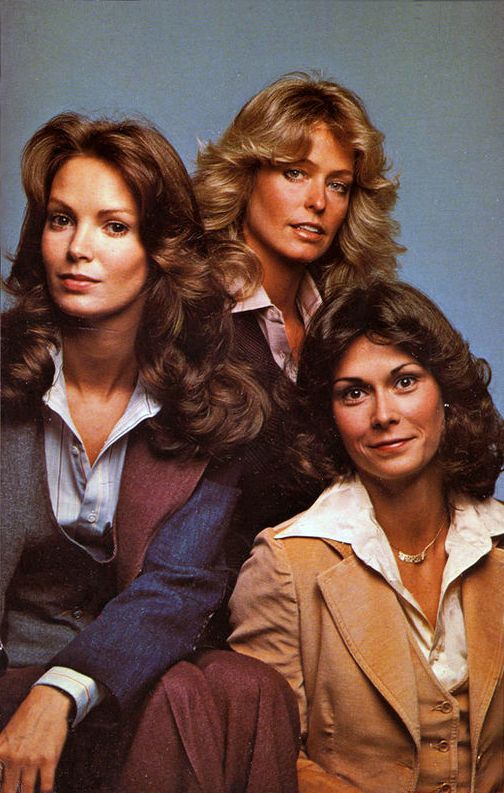
In 1976 she was offered the role that made her most famous: Sabrina Duncan on Charlie’s Angels. Jackson was credited with naming the show as well. Originally called “Alley Cats,” Leonard Goldberg told her the title had to be changed and she pointed at a photo of three female angels on the wall. Another change was characters. Jackson was offered the role of Kelly Garrett but felt Sabrina Duncan suited her better.

Photo: pinterest.com

She stuck with the show until the end of the third season. During that time, scheduling conflicts forced her to turn down the offer to star in Kramer vs Kramer which Meryl Streep won an Oscar for. Fawcett had left the show after season one.

Jackson was nominated twice for Outstanding Lead Actress in a Drama Series for her role of Sabrina Duncan. I understand her loss in 1978 to Sada Thompson for Family, but I’m not sure I can agree with 1977’s loss to Lindsay Wagner for the Bionic Woman, especially since Sada Thompson was again in the running, as was Michael Learned for The Waltons.

It sounds like they had a lot of fun filming Charlie’s Angels, but it was a grueling schedule. Jackson mentioned that the three women did a lot of ad-libbing on camera. She discussed one scene where Smith was sitting on the couch, Jackson was sitting on the arm and Farrah was standing behind them. Farrah’s character was supposed to turn and walk out the door, but as she did so, she tapped Jackson on the shoulder knowing she would lose her balance and fall on the floor. Kate told her she couldn’t believe she did that. She said “Farrah was walking out the door and looked back at me and laughed. It was actually in the show. I saw it in the show that week. They left it in. They left in a lot of the stuff we did.”

One thing Kate took with her from the show was her close friendships with Farrah Fawcett and Jaclyn Smith. After Fawcett’s death, Jackson was quoted as saying “When the first year of Charlie’s Angels ended, our friendship didn’t. It just grew stronger and closer through the years. I don’t know what the connection that the three of us have is, but it is there, and it is something extremely special. I think that is the reason the show worked. I think it’s even better than the movies because we truly cared about each other and still do. It was a pleasure and a privilege.”

Photo: tumblr.com

During her time on Charlie’s Angels, Kate married her first husband, Andrew Stevens. They divorced in less than two years. Unfortunately, Jackson’s love life would continue in this pattern when she married David Greenwald and divorced in less than two years followed by Tom Hart whom she divorced within two years.

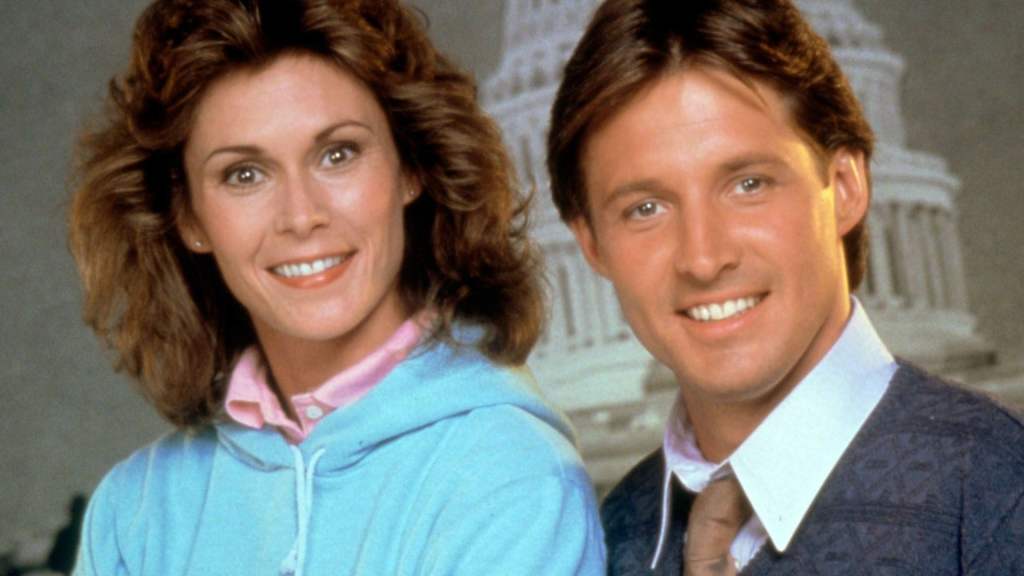
In 1983, Kate returned to the small screen on the Scarecrow and Mrs. King. The show lasted until 1987 with 89 episodes. In this one-hour drama, she played Amanda King, a housewife and mother. Bruce Boxleitner was a spy code-named Scarecrow and the two worked together to help save the country. Amanda had to keep her role a secret. Kate’s partner in The Rookies, Sam Melville, appeared in Scarecrow as Joe King, Amanda’s ex-husband.

Photo: themoviedatabase.com
Scarecrow and Mrs. King

During her time as Amanda, Jackson was diagnosed with a malignant tumor and underwent a procedure and radiation treatments.

Photo: sitcomsonline.com
Baby Boom

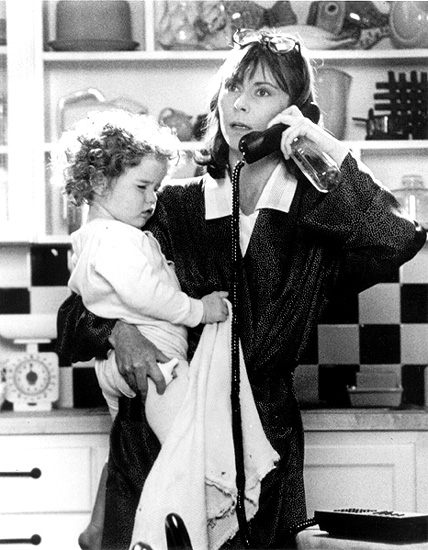
After Scarecrow’s cancellation, Jackson decided to try one more series in 1988-89, Baby Boom, based on a successful movie starring Diane Keaton. The show did not get the desired ratings, and it was cancelled within the first year. That probably was good for Jackson because in 1989 her doctors found cancer that the previous operation had missed. She endured a partial mastectomy and reconstructive surgery. Jaclyn Smith waited at the hospital while her friend was in surgery. Jackson had publicly said “the range of emotions you go through is amazing . . . but I made a conscious decision to be positive.” Smith and Jackson were given great news afterward: the lymph nodes were clean.

In 1995, Kate found herself back in the hospital for surgery to correct an atrial septal defect, a tiny hole in her heart. During this same year, Jackson adopted a son.

Photo: fanpop.com
Sabrina the Teen-aged Witch

Throughout her time starring in various series, she continued to show up in television shows like Sabrina, the Teen-aged Witch and Criminal Minds. She also managed to find time to appear in seven big-screen and 23 made-for-television movies.

Photo: pinterest.com

Since 2007, she has been out of the public eye most of the time. With her health back on track and a child to raise, I’m hoping she found a happy place to relax and enjoy life. One thing she shared while she was going through her health issues was good advice that inspired me: “Listen with your ears, but hear with your heart. It’s one of the most important things I’ve ever learned. It’s true in art, in life—in everything.” I couldn’t agree more.

Nita Talbot: What A Character!

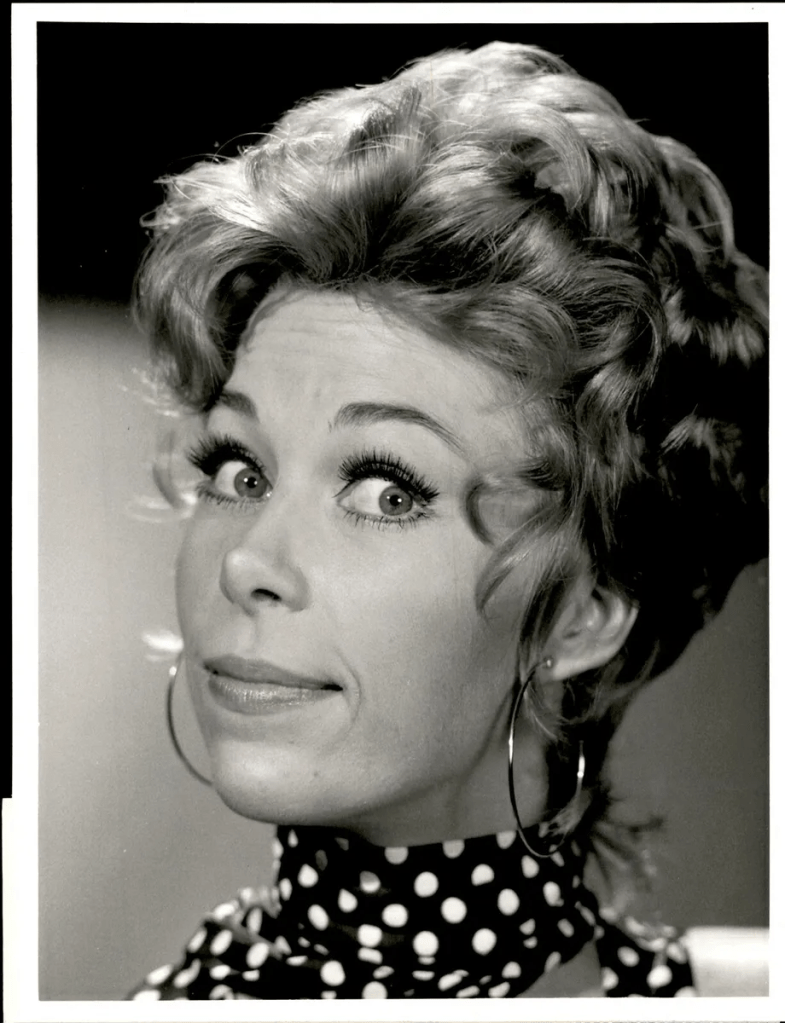
Continuing the “What a Character” series, today we look at the career of Nita Talbot. Born in 1930 in New York as Anita Sokol, Talbot had an almost fifty-year-long career. She began appearing in films in 1949 with It’s a Great Feeling (and would go on to make another 30), but it was in television that she had her greatest success. It’s a Great Feeling starred Doris Day and Jack Carson in a parody of what goes on behind the scenes of the making of a Hollywood movie.

Photo: pinterest.com

She was married to Don Gordon from 1954-1958 and to Thomas Geas from 1961 until sometime in the 1970s.  I could not narrow it down to any specific year. Both of her husbands were also actors. Her sister Gloria was the wife of Carl Betz who co-starred as Alex Stone on The Donna Reed Show.

Photo: pinterest.com
Joe and Mabel

Talbot began her television career in 1950 on Repertory Theater. Appearing in 32 different shows throughout the fifties, many of her appearances were in dramas, primarily shows with different plays weekly. Talbot had a recurring role on Man Against Crime starring Ralph Bellamy, appearing in 9 of the 123 episodes. Later in the decade she was cast in Joe and Mabel in 1956. Nita played the role of Mabel, a manicurist who was dating cab driver Joe. The show only lasted four episodes. At the end of the decade, she would have a recurring role on The Thin Man as Beatrice/Blondie Dane a con artist.

Photo: pinterest.com
Gomer Pyle

Nita would take on roles in 29 different shows in the sixties. This decade was her “western” season. She did appear in Gomer Pyle and The Monkees, but most of her roles were in westerns, including Gunsmoke, Maverick, The Man from Blackhawk, Rawhide, The Virginian, Daniel Boone, and Bonanza.

Photo: pinterest.com

During this ten-year period, she would be cast in three shows, one drama, and two comedies. In 1960, she could be seen in Bourbon Street Beat about a New Orleans detective agency where she played Lusti Weather. She co-starred in one sitcom this decade with Jim Backus in The Jim Backus Show. Backus plays Mike O’Toole, who struggles to keep his news service business afloat. Talbot played the role of Dora, one of O’Toole’s reporters. The show only lasted for one season.

At the end of the decade, Talbot was offered the role that she would become best known for. Although she only appeared in seven episodes of Hogan’s Heroes, she earned an Emmy nomination for Best Supporting Actress in a Comedy Series in 1967-68 season for her role of Marya, a Russian spy.

Photo: pinterest.com
Hogan’s Heroes

One of her taglines was “Hogahn darlink.” While Hogan could charm most women, he never was certain when he could or couldn’t trust Marya, but he was often coerced to join forces with her against the Germans.

She continued her thriving television career during the seventies with another 26 shows; four of those would be permanent or recurring roles; however, none of them lasted very long.

In 1971, she was offered the role of Maggie Prescott in Funny Face starring Sandy Duncan. Duncan played a college student who worked part time as an actress and Talbot was her agent. When CBS picked up the pilot, they made several changes which resulted in Talbot’s role being dropped.

Photo: blogspot.com
Here We Go Again

1973 found her as part of the cast of Here We Go Again. The show portrayed life after divorce for two couples. It should have been renamed, There We Went because the show only lasted for 13 episodes before being canceled.

Photo: rebeatmag.com
The Monkees

In 1977 she joined the cast of Soap, playing Sheila Fine, who has an affair with Burt Campbell’s son Peter.

In 1979, Supertrain debuted. It was supposedly the most expensive show ever made. It was a “Love Boat” on the rails.  The supertrain traveled across the country and every week passengers found love and solved life problems on their journeys. The show was derailed after nine episodes.

In between these roles, she tended to appear primarily in crime shows in the 1970s such as Mannix, McCloud, Columbo, Police Story, The Rockford Files, Charlie’s Angels, and Police Woman.

Photo: pinterest.com
The Partridge Family

Her roles diminished a bit in the eighties with 13 appearances and 9 in the 1990s. She would be cast in one additional sitcom in 1988, Starting from Scratch. This show starred Bill Daily and Connie Stevens as a divorced couple. Stevens leaves her second husband to come back to her ex-spouse and two sons. Talbot played Rose. The show seemed to get good ratings and currently people are rating them 4.5-4.8 out of 5.0, so I’m not sure why it was canceled after a year.

Photo: pinterest.com

Talbot retired in the late 1990s and is hopefully enjoying a less-busy life. She had a long and successful career and certainly was a character!

The Mod Squad: The Show That Oozed Hip, Groovy, and Cool

As we continue our Murder, Mystery, and Mayhem series, we move from Maine where senior citizen Jessica Fletcher solved mysteries to the streets of Los Angeles, where a hip trio infiltrates the counterculture to solve crimes.

Photo: pinterest.com

Airing from 1968 till 1973, The Mod Squad was a unique concept. Created by Buddy Ruskin, a Los Angeles police officer, the show took eight years to become a reality. Ruskin based the concept on his time as a squad leader for an undercover narcotic division in the 1950s.

Aaron Spelling was the executive producer. Spelling worked on a number of projects from 1960 onward, but his biggest hit shows were still in his future when he took the helm of The Mod Squad.

As soon as the jazzy theme song by Earl Hagen began, we knew this was a different type of show. The sixties hippie culture and counterculture drug scene had not been explored in depth on television before.

Photo: pinterest.com

In order to get the necessary evidence, three young team members were trained to go undercover to solve cases. Michael Cole was Pete Cochran, a wealthy kid who was arrested for stealing a car; Peggy Lipton was Julie Barnes, who had run away from a bad home situation; and Clarence Wlliams II was Linc Hayes, who was arrested during the Watts riots. Captain Adam Greer (Tige Andrews) supervised the trio. He mentored them and provided “parently” advice and wisdom. He hand-picked them for his team. (Similarly, Spelling’s Charlie’s Angel’s would also feature a father figure hand picking three non-traditional members for his crime-solving team.)

None of these kids were innocent, and their records were eliminated when they chose to work with the LA police. But they soon realized they had the ability most cops did not to inconspicuously fit in to help stop criminals from killing or hurting other young adults.

Photo: pinterest.com

Similar to Room 222, which aired almost the same time, The Mod Squad covered a lot of socially relevant topics: abortion, domestic violence, drug addiction, child abuse, police brutality, illegal immigration, and racism. Though the pilot was written sixty years ago, these issues are still on the front page today.

The writers, including Tony Barrett, Harve Bennett, Sammy Hess, and Buddy Ruskin, created realistic characters. These three outcasts were a bit rebellious; they lived in the gray instead of black or white. They understood good people sometimes did bad things, and racism and domestic violence were not to be tolerated. Their speech and clothing marked them as quintessentially 1960s. Linc often said “Solid” or “Keep the faith.” You would probably hear “groovy” at least once an episode.

Photo: tvinsider.com

The team traveled in an old green 1950 Mercury wood-paneled station wagon that they affectionately referred to as “Woody.” Unfortunately, it was burned in an accident at the end of the second season.

Photo: pinterest.com

The show was definitely controversial. It aired at a time when westerns, rural sitcoms, and Lawrence Welk were popular. The episodes pushed the envelope a bit on topics that had been taboo on television in the past. The team was like a family and on one episode, Linc gave Julie a brotherly kiss on the cheek which had the network up in arms, but not one complaint came in. Their relationship with Captain Greer helped America see how the generation gap could be bridged.

Photo: davidcassidy.com
Stars David Cassidy and Marion Ross

Despite the controversy, the show attracted a lot of famous guest stars. Some of the actors who can be spotted during the show’s run include Ed Asner, Jim Backus, Tom Bosley, David Cassidy, Tyne Daley, Sammy Davis Jr., Tony Dow, Andy Griffith, Carolyn Jones, Leslie Nielsen, Stefanie Powers, Vincent Price, Robert Reed, Marian Ross, Sugar Ray Robinson, Martin Sheen, Bobby Sherman, Danny Thomas, Daniel Travanti, and Billy Dee Williams.

Each episode ended with the squad walking away from the camera.

Photo: gettyimages.ca

The show was extremely popular given its uniqueness. It was the 28th most popular show its first year and number 11 in its third season. The show received seven Emmy and four Golden Globe nominations. In 1970, it was nominated for Outstanding Series. During its final year, it only ranked 54 and the “hipness” of the show was starting to age a bit, so it was cancelled.

It did have an afterlife. In 1979, a tv movie, The Return of the Mod Squad, aired on ABC with the original cat. In 1999, a big-screen film was released starring Giovanni Ribisi, Omar Epps, Claire Danes, and Dennis Farina. Don’t feel bad if you don’t remember it; not many people do.

Photo: pinterest.com

The Mod Squad could be seen on MeTV in 2014 and 2015. Apart from that, it has not fared well in syndication. Like Room 222, the show can feel dated quickly due to its language and fashion.

Photo: eaumg.com

The show is still celebrated for its ground-breaking scripts, and in 1997, TV Guide included an episode, “Mother of Sorrow” as 95th of the greatest 100 episodes of all time.

Photo: nndb.com

While you probably won’t find it on television, it is available on DVD. Although the show may not be known by many people today, it was one of the first shows to break the barriers of going where television had not been before. In many ways, it paved the way for the creation of shows such as All in the Family, The Mary Tyler Moore Show, and Miami Vice. What more could you ask for: relevant topics, well-rounded characters, and exciting plots. Although its language and fashions date it, it captures a unique time in our history and is worth exploring.