Richard Diamond, Private Detective: Living His Best Life

This month we are discovering some of our favorite “Crime Solvers of the Past.” Up today is a show I listen to on old-time radio quite often: Richard Diamond, Private Detective.

Dick Powell stared on the radio series which began in 1949, and the show ended its run four years later in 1953.
📷wikimedia.org

The television show went on the air in the summer of 1957. CBS aired the show through fall of 1959 when it moved to NBC for its final season. It was much more common in the fifties and sixties for shows to shift networks.

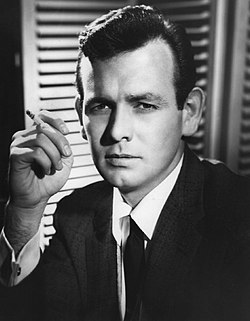
David Janssen starred as Diamond, a former cop in the New York Police Department. The television show kept the film noir atmosphere. It also kept the New York City location and showcased Diamond’s wit and charm with the ladies. Rounding out the cast was Diamond’s former superior Lt. Dennis McGough (Regis Toomey).

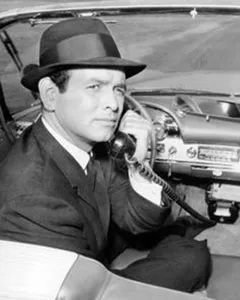
The third season moved Diamond to Los Angeles, and everything took on a new look. His life became more glamorous, and he lived in the Hollywood Hills and had a swimming pool. Apparently, private eyes earned a much bigger fee in Los Angeles. After taxis in New York, Diamond drove a new convertible which included a car phone, a high-tech feature for that time period. Lt. McGough remained in New York, and the LA police weren’t so fond of Diamond and his interference with their cases.
📷thrillingdetectives.com

Diamond’s phone calls are collected by Sam.  Often she passes the messages on to Diamond on his phone car. Car phones were pretty cool in this era. We don’t see her face, but we do see her legs on a regular basis. I’ll take their word for it that Sam was played by Mary Tyler Moore for part of season three and Roxane Brooks filled out the rest of year three and season four. No one knew who Sam was until Mary Tyler Moore modeled hosiery in the TV Guide and let the cat out of the bag. She was immediately fired and replaced with Brooks. I also read a version that Moore asked for a raise and was denied it and fired, which prompted her to talk about her identity as Sam on the show.

The theme also took on a contemporary jazz score that was now used for the theme song.

📷famousfixx.com

Apparently, NBC demoted Diamond because for the final season, he lost his ranch house with the fireplace and sunken living room. He lived in an apartment and worked from a typical, small office. The show lost a lot of its elegance, and fans probably missed Diamond’s former life after getting used to him in year three. Lt. Pete Kile (Russ Conway) has now found mutual respect with Diamond and the two of them work together on many of his cases. He also has an understanding with Karen (Barbara Bain), his new girlfriend.

Guest stars were plentiful on the show. Some of the appearances included Claude Akins, Ed Begley, Joey Bishop, Whitney Blake, Charles Bronson, Jack Cassidy, Jack Elam, Charles Lane, and Ruta Lee.

📷posterazzi.com

ABC aired the show on Thursday nights up against Zorro and You Bet Your Life, both shows in the top thirty. The next season it moved to Sunday nights and took on The Loretta Young Show. NBC moved the show to an earlier time slot on Mondays against The Kate Smith Show and the popular western Cheyenne. I’m guessing most families tuned in to one of its competitor’s series that early in the evening.

Maxwell House sponsored season one and Kent Cigarettes took over for season two. It seems that in the fifties coffee and cigarettes are what kept most detectives going.

From what I’ve concluded, the show didn’t age as well as the radio show. It lost some of its comedy and playful dialogue and became more somber and serious. The fact that Richard’s living conditions changed three times, along with the spot on the tv schedule where the show lived, probably didn’t help viewers stay tuned.

Let me qualify that I read many people’s views of the show who thought some of the seasons as high quality as you could get. However, I am just going to keep listening to the radio show and take a pass on watching Diamond’s more stressed-out, serious side on television.
The Virginian: Where Nobody Knows Your Name

As we get ready to “Go West Young Man,”  today our blog series is getting to know the The Virginian (which is sometimes confusing because it was renamed The Men from Shiloh later for part of the series). This series debuted on NBC in 1962. It produced 249 episodes, running until 1971, making it the third longest-running western (Gunsmoke and Bonanza were the top two).

📷wikipedia.com

Lew Wasserman was involved with Universal, and they produced Wagon Train which was on NBC. Universal sold the series to ABC in 1962 after it had been on the air for three years, and NBC was not happy, but Wasserman told them that he had a new show for them, The Virginian.

It was also the first 90-minute western. Like Stagecoach West, it was set in the Wyoming Territory. While the pilot was black and white, the rest of the series was filmed in color.

The series was based on an Owen Wister novel, The Virginian: Horseman of the Plains which was published in 1902.

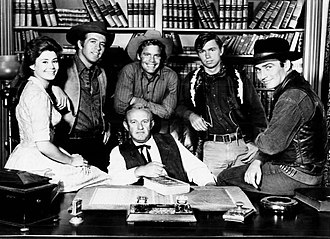
The series featured a foreman at the Shiloh Ranch near Medicine Bow played by James Drury. The foreman was never referred to by his name. Drury once said, “Nobody knows the name of my character, not even me.” His sidekick was Trampas (Doug McClure). Sheriff Abbott (Ross Elliott) also shows up on and off throughout the nine seasons. For the first four seasons, the ranch owner, Judge Henry Garth (Lee J. Cobb) and his daughter Betsy (Roberta Shore) also live there. The cast changed fairly often throughout the series, but Drury and McClure were along for the entire ride.

📷ebay.com

The plots of the show often revolve around themes of prejudice, injustice, being a responsible and hard worker, and standing up for the right thing.

During the final season, the show changed its title, and the series changed quite a bit. There was a new theme song, and it took on more of the character of the popular spaghetti westerns. Stewart Granger and Lee Majors joined the cast. While the ratings increased, the network was intent on cancelling the show, along with the rural purge that happened at that time.

Later when the show was no longer on the air, Drury discussed two of his castmates, one he admired and considered a friend and one he did not! About Grainger who joined the show for the last year, Drury said, “He was a disaster, and I couldn’t stand him. He wanted everything changed to make him the star of the show.  . . . He also fired the whole camera crew and hired a new crew for his episodes.” However, on reflecting about his co-star Doug McClure, Drury recalled “off-screen Doug was quite like his character, and you couldn’t help but smile when he walked into a room because he was full of good humor and good spirits all the time. He could cheer anybody up. He became my best friend, and I still miss him terribly—you couldn’t ask for a better co-star.”

As you can imagine, being on the air for nine years meant a lot of guest stars showed up on the series, including Eddie Albert, Charles Bronson, Robert Culp, Joan Crawford, Bette Davis, Patty Duke, Robert Duvall, Harrison Ford, Jack Lord, Lee Marvin, Vera Miles, Leonard Nimoy, Ryan O’Neal, Robert Redford, George C. Scott, William Shatner and Franchot Tone.

📷facebook.com

The Virginian was on Wednesday nights for its entire run. When it began, it was up against Wagon Train on ABC while CBS ran CBS Reports and The Many Loves of Dobie Gillis. Both The Virginian and Wagon Train managed to hit the top thirty that year. The next year, its biggest competition was The Adventures of Ozzie and Harriet followed by The Patty Duke Show. The Nelsons hit the top thirty and The Virginian and The Patty Duke Show were in the top twenty. The show continued to be in the top twenty or top thirty for the rest of its run, hitting the top ten in 1966, despite being on at the same time as many popular sitcoms during those years, including Batman, The Beverly Hillbillies, The Courtship of Eddie’s Father, Gomer Pyle USMC, Lost in Space, Mister Ed, and My Living Doll. It was still in the top twenty when it was canceled.

This show is fondly remembered by viewers who tuned it at the time. It’s been in syndication for decades, racking up new generations of fans. In one of his later interviews, Drury talked about the appeal of the show. He said, “People now tell me about their grandkids who discover the show on cable and start watching it. It’s a wonderful feeling to know the show is still viable after all these years.” That alone is reason to be proud of working on this show.

Good Evening Alfred Hitchcock

📷noizetv.com

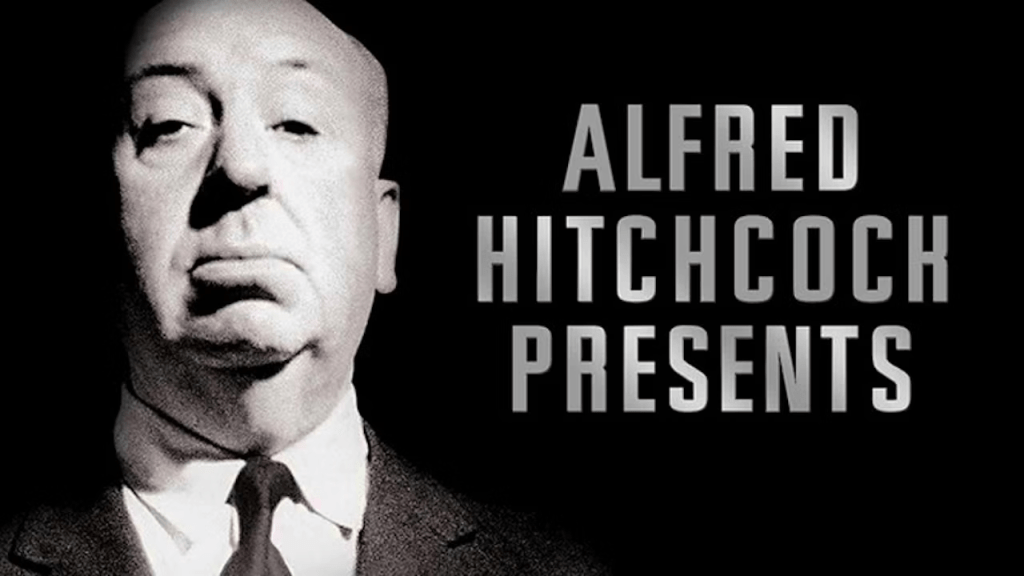
In October, we are tackling a blog series on Eerie Shows. It would be almost impossible to not include Alfred Hitchcock Presents which was on television for a decade.

The show premiered in 1955. Hitchcock had been directing films for more than three decades at that time. The series experienced several changes. It began as Alfred Hitchcock Presents on CBS but would switch both nights and networks during its run. In 1962 it became an hour-long show and was called The Alfred Hitchcock Hour.

Many fans recall the opening. There is a line-drawing of Hitchcock’s profile with the “Funeral March of a Marionette” playing in the background. Hitchcock appears at the edge of the screen and walks to the center where he fades into the caricature line drawing. Then he said, “Good evening.” The silhouette was one that Alfred drew. He began his entertainment career illustrating title cards for silent movies.

📷peacock.com

Hitchcock himself directed 17 of the episodes of the series. Two of those were nominated for Emmy awards: “The Case of Mr. Pelham” in 1955 with Tom Ewell and “Lamb to the Slaughter” in 1958 with Barbara Bel Geddes.

Hitchcock’s job during this series was to introduce the story and then to wrap it up at the end. Both the openings and closings were written by James B. Allardice. Allardice wrote for 38 different shows, many of them very popular series in the fifties and sixties. Norman Lloyd, who produced the show and appeared in five episodes, said Hitchcock respected Allardice so much that he never even changed a comma that he wrote.

The network demanded that if a character got away with murder during the show, then Hitchcock would let them know during the closing that he was eventually brought to justice; in the TV Guide, Hitch described this as “a necessary gesture to morality.” Lloyd gave an example of this in a Television Academy interview. In one episode, a woman kills her husband with a frozen lamb’s leg and gets away with it. At the end of the show, Alfred explains that she later remarried and tried the same trick again but when she took out the leg and hit her husband with it, it was not frozen enough, so he caught her in the act and turned her in.

📷genresnaps.com

The episodes were not your average thriller shows. They included drama, suspense, and humor. Audiences never knew just “who done it” till the end.

The show debuted on CBS on Sunday nights for five years, up against drama anthologies for two years and then competing with The Dinah Shore Show for three years. For the next two seasons it moved to NBC on Tuesday nights. It aired against The Many Loves of Dobie Gillis on CBS those years and against Wyatt Earp on ABC. For three months it went back to CBS on Thursdays before moving to Fridays on CBS the next season with The Price is Right and 77 Sunset Strip. The ninth year found it on CBS on Fridays with little competition and the final year it showed up on NBC’s schedule on Mondays against Ben Casey. I could never find the reason for cancelling the show. I’m assuming ratings began to decline but if anyone knows, I’d love to hear it.

NBC chose not to air a 1962 episode called “The Sorcerer’s Apprentice” because the sponsor felt the ending was too gruesome. In the episode, a magician’s helper is supposed to help in a trick where he “sawed” a woman in half, but he doesn’t realize he truly saws her in half.

📷thecompletehitchcock.com

As you might guess, with a new story every week, many celebrities appeared on the show including Charles Bronson, Bette Davis, Bruce Dern, Robert Duvall, Clint Eastwood, Peter Falk, Joan Fontaine, Peter Lorre, Walter Matthau, Steve McQueen, Vera Miles, Claude Rains, Robert Redford, Burt Reynolds, Thelma Ritter, George Segal, and Jessica Tandy.

In addition to the Hitchcock-directed episodes, the show received Emmy nominations for Best Series four times. In 1956 it was up for Best Action or Adventure Series, but it lost to Disneyland. The following year found the show in the Best Series – Half Hour or Less category, but it lost to The Phil Silvers Show. 1958 found it in the category of Best Dramatic Anthology Series. You would think that would be a no-brainer win for this show, but it lost to Playhouse 90. It had its fourth category nomination in 1959 as Best Dramatic Series – Less Than One Hour and lost to Alcoa Theatre. I guess the Emmy committee had a hard time determining categories for a few years.

In a different twist, NBC tried to air the show again in 1985. Hitchcock had passed away five years earlier from renal failure. A made-for-TV-movie combined new stories with colorized segments from the original show. It lasted a year before NBC canceled it. USA picked it up for three more seasons.

📷screentunes.com

The original show can still be seen on a few different networks including MeTV.

With Hitchcock’s popularity in 1955, it’s no wonder that this show was a successful series for a decade. The episodes were well written, and they had a wonderful cast of actors. Many people probably tuned in just to see Hitchcock, and his personality was larger than life, even if his behavior was a bit despicable at times. One of Alfred’s quotes about the show was that “television has brought murder back into the home – where it belongs.”

Gather Round: It’s Time for Tales of Wells Fargo

📷pinterest.com

This month we are Riding the Range, exploring some of the westerns from the fifties and sixties. One of those shows that was on the air from 1957-1962 was Tales of Wells Fargo.

The show was produced by Revue Productions and set in the 1870s and 1880s. Gene Reynolds was one of the creators of the show, along with Frank Gruber and James Brooks. Reynolds would go on to great success as a director, producer and writer, and my favorite of his was M*A*S*H. Although this show was set in the same time as Daniel Boone, it was better at getting history correct. The show featured special agent Jim Hardie (Dale Robertson) with his horse Jubilee. It was loosely based on the life of real detective Fred J. Dodge. Sometimes Hardie ran into characters from history including Jesse James and Belle Starr.

📷pinterest.com Fred J. Dodge

Fred Dodge was born in California in 1854. He went to work as an undercover agent for Wells Fargo, working in California, Nevada, and Arizona. In 1979 he was in Tombstone and recommended hiring Wyatt Earp as guard for the stage line. He became great friends with Earp. Later Dodge became constable of Tombstone while working undercover. In 1890 he left his undercover work and became a known employee of Wells Fargo in Texas. He purchased a 2,000-acre ranch near Boerne, Texas and when he retired in 1917, he lived there with his family. Dodge was described as an intelligent and successful investigator. He wrote 27 journals during his career, noting his activities and travels in them. Some of these were used for Tales of West Fargo.

I had always assumed this show was about stagecoach travel, but it was not, although stage coaches played a part. In the mid-1800s, the Wells Fargo stage line was the primary connection between the East and West coasts. Wells Fargo did not operate a stage coach line, but they did use that form of transportation for money, gold and other valuables to be delivered. Trains are involved in many of the plots. One of the trains used in the show would eventually travel to Hooterville and be renamed the Cannonball.

📷imdb.com

The first five seasons were black and white half-hour shows, while the final season switched to a color, hour-long show. During the last season, Hardie settles on a ranch near San Francisco and several recurring characters (Jack Ging, William Demarest, Virginia Christine, Lory Patrick, and Mary Jayne Saunders) were added to the series. Earle Lyon replaced Nat Holt as producer in 1960.

The theme song was written by Stanley Wilson and Mort Greene. Wilson was a prolific composer, amassing 147 credits for composing and 278 for music department credit on television and in movies. Mort Greene was best known as a writer for The Red Skelton Show and for his musical role for Leave it to Beaver.

The number of well-known actors who appeared on the show was surprising. Here are just a few of the huge number: Claude Akins, Eddie Albert, Hugh Beaumont, Dan Blocker, Charles Bronson, Edgar Buchanan, Harry Carey Jr., Chuck Connors, Buddy Ebsen, Beverly Garland, George Kennedy, Tina Louise, Steve McQueen, Jack Nicholson, Leonard Nimoy, Denver Pyle, Jason Robards, Vito Scotti, Dawn Wells, and Adam West.

📷mysteryfile.com

It was an NBC show. The pilot premiered on Schlitz Playhouse of Stars. Its biggest competition was Father Knows Best in seasons two and three. It was very popular with the viewers. The show was in the top ten during seasons one through four. For the sixth season, with an entire new cast, new theme song, and color, it was almost like a new show. NBC moved it to Saturday nights against Perry Mason and ratings declined drastically, costs went up significantly, and it was canceled.

Robertson thought the key to the popularity of the show was because it was not geared specifically to adults or kids. It was a family show. When Robertson first read the script, it was terrible, but he owed Nat Holt a favor, so he accepted the role, assuming that it would never make it. Robertson received a 50% ownership in the show, so he said of course it made him want the show to be better and he convinced them to replace most of the original script. He said that he enjoyed his time on the show a lot and that the crew was close and professional. They never went over schedule or over budget during the entire run.

📷thehollywoodreporter.com

The first two seasons were released on DVD in 2011 if you want to check them out. It sounds like this was a solid show. The network supported them, the cast was close, the production team was on top of things, and they all enjoyed their time with the show. That is a rare thing to hear in the television business. They took a gamble in the last season, and it didn’t work out, but perhaps it was for the best. It sounds like the actual show ended the season before because the last season things changed so much it was a completely new production. I would like to read more about Fred Dodge. His life sounds fascinating.

Dr. Kildare: The “Perfect” Doctor

Photo: collectors.com

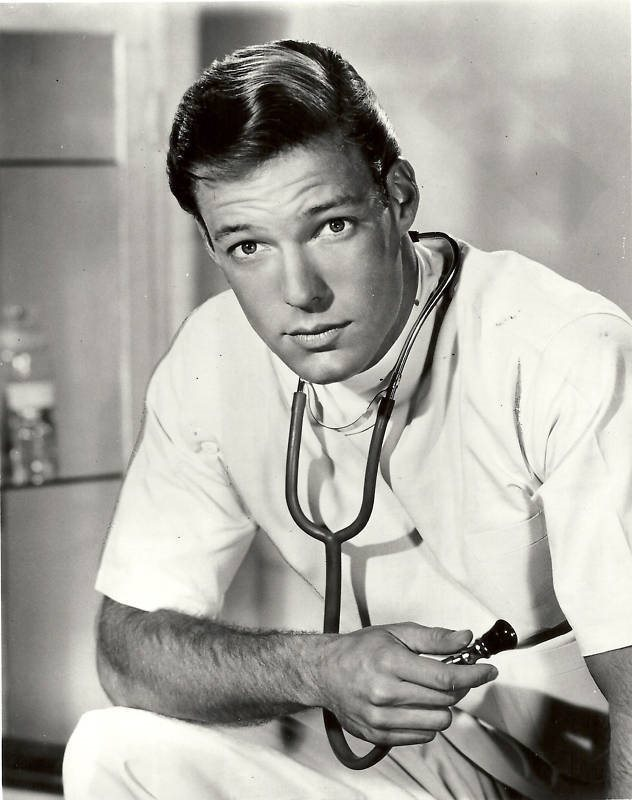
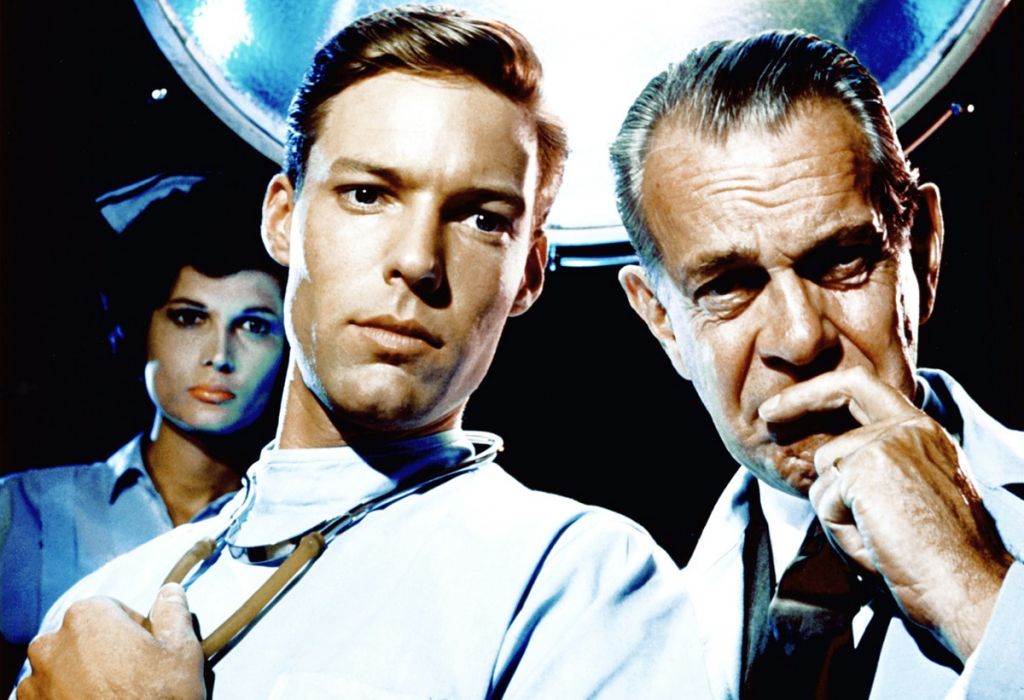
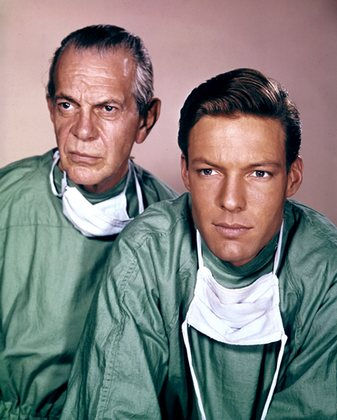
This month we are checking out a few favorites in a blog series: “Examining Our Favorite Medical Shows.” Last week we learned a bit about Ben Casey. Today we are looking at a similar show to Ben Casey, although in many ways it was very different: Dr. Kildare.  Dr. Kildare was also on the air from 1961-66. MGM produced this show created by Max Brand in the 1930s. The show had previously been a movie and a radio series. Unlike Ben Casey who seemed to argue with everyone, Dr. Kildare (Richard Chamberlain) was a respectful intern at Blair General Hospital. He wants to help his patients and listens to his mentor, Dr. Leonard Gillespie (Raymond Massey). In season three, Kildare became a resident, and the episodes focused more on the stories about the patients.

In 1960 a pilot was filmed with Joseph Cronin in the Kildare role and Lew Ayres as Gillespie which did not sell. The role of Kildare was offered to William Shatner and James Franciscus who both turned it down. In 1961, a new pilot was produced with Chamberlin and Massey. One of the reasons Massey accepted the role is because he was certain the show would only last one season, and he wanted to continue with his movie career. The popularity of the show put his film career on hold for five years.

Photo: medium.com

Other cast members who appeared on the show included Dr. John Kapish (Ken Berry), Nurse Fain (Jean Inness), Dr. Agurski (Eddie Ryder), Dr. Gerson (Jud Taylor), Dr. Lowry (Steve Bell) Nurse Conant (Jo Helton), and Nurse Lawton (Lee Kurty).

The guest stars on this show were amazing. I feel like this should be read in auctioneer mode but here goes: Eddie Albert, Jack Albertson, Fred Astaire, Ed Asner, Lauren Bacall, Ed Begley, Joan Blondell, Tom Bosley, Beau Bridges, Charles Bronson, James Caan, Robert Culp, Ossie Davis, Ruby Dee, Angie Dickinson, Olympia Dukakis, Barbara Eden, Linda Evans, Douglas Fairbanks Jr., Peter Falk, Beverly Garland, Ron Howard, Kim Hunter, Celeste Holm, Carolyn Jones, James Earl Jones, Brian Keith, Ted Knight, Harvey Korman, Cloris Leachman, Jack Lord, Walter Matthau, Gavin McLeod, Ricardo Montalban, Harry Morgan, Jack Nicholson, Leonard Nimoy, Carroll O’Connor, Suzanne Pleshette, Basil Rathbone, Robert Redford, Robert Reed, Cesar Romero, Gena Rowlands, William Shatner, Jean Stapleton, Gloria Swanson, Rip Torn, Sam Waterston, Dennis Weaver, and Robert Young. For a show that was only on five years, it was an impressive guest cast.

Photo: imdb.com

To add more realism to the show, writer E. Jack Neuman spent several months working with interns in a large hospital. Technical advice was provided by the American Medical Association.

The show was realistic in portraying all the drama that is truly found in a city hospital. The plots involved a lot of medical and social issues including smallpox, physician competency, drug addiction, malpractice, and euthanasia. Neuman definitely captured what life in a large, city hospital was like. Kildare makes about $60 a month, or $500 in today’s terms, works long hours, rotates through the various medical departments and has senior physicians overrule his diagnoses.

Just like Ben Casey, the first seasons produced stand-alone episodes and after the success of Peyton Place, storylines carried over from one show to another to entice the audience to tune in again the next week.

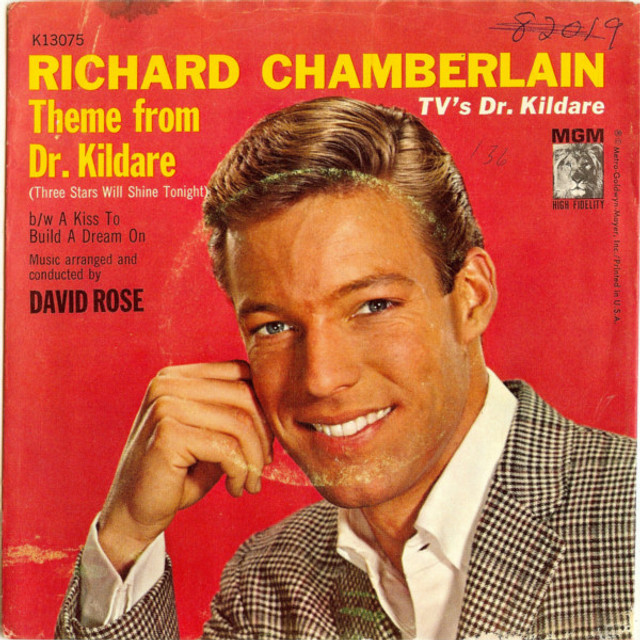
The theme music for the series was composed by Jerry Goldsmith. A CD set was released in 2009 which included the theme, the original music from the 1960 pilot, Richard Chamberlain’s recording of “Three Stars Will Shine Tonight,” and musical scores from the five seasons by Hurr Sukman, Richard Markowitz, Morton Stevens, Lalo Schifrin, John Green, and Burt Bacharach.

Airing on Thursday nights, the show was in the top ten during season one and the top twenty for seasons two and three. The show received about 12000 fan letters weekly, and, in addition, Chamberlain received letters personally asking for medical advice.

The network moved the show to Tuesday nights against Red Skelton and McHale’s Navy for season five and the viewers did not follow. The ratings declined, and the show was canceled.

This show really changed Chamberlain’s career. He had always been a small-role guy before this show, but he suddenly became a teen idol. He received more than 35,000 fan letters a month. Onscreen the idealistic Kildare and the wise, sometimes cantankerous, Gillespie don’t always agree but they had great chemistry on the set and apparently off the set as well. Unlike Ben Casey, the cast on this show did get along and Chamberlain mentioned that he always enjoyed working with Massey.

Richard said he grew up in a family where they all pretended to be perfect. So, he went through life trying to be perfect too. He said that philosophy did not work well for his life, but it did work well for Dr. Kildare.

Following the show he would take a turn on Broadway, in big-screen movies, and back on television where he specialized in mini-series like Shogun and The Thorn Birds, both in the 1980s.

One fact I found interesting was that the DVD release of the show included a never-aired pilot from a different medical show, The Eleventh Hour in 1962. The episode originally was written for Dr. Kildare. Drs. Kildare and Gillespie assist Dr. Bassett (Wendell Corey), a psychiatrist diagnosing one of his patients Ann (Vera Miles). Instead of airing on Dr. Kildare, Chamberlain and Massey were cut out of the film and it was submitted as a pilot for the show, with the title “Ann Costigan: a Duel on a Field of White.”

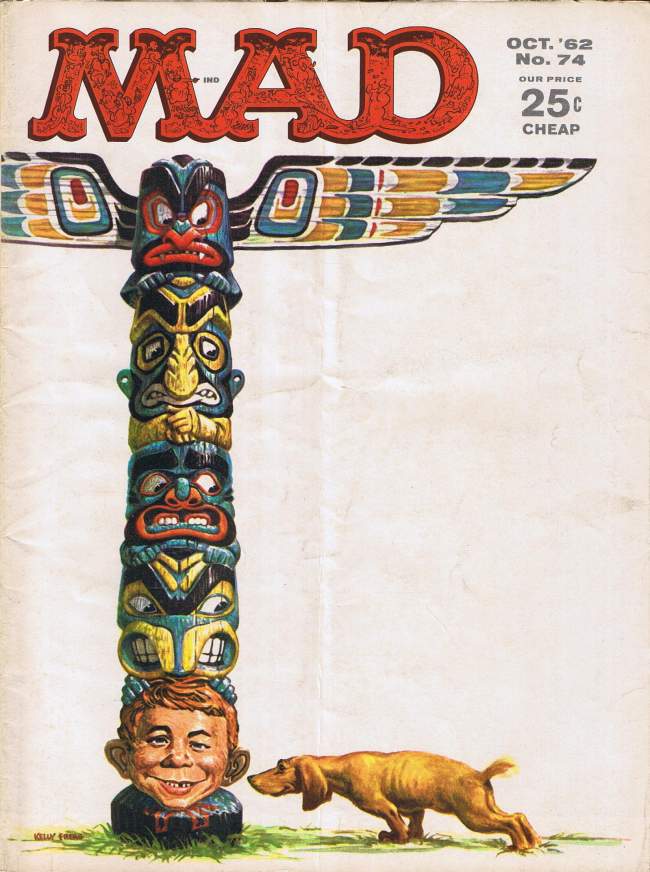
Even Mad Magazine got on the Kildare bandwagon. The 1962, #74 issue, featured “Dr. Killjoy,” a parody of the show.

Everyone seemed to like this show. Then again, what is not to like? You have a handsome doctor, exhilarating drama, a fun guest star every week, and realistic stories. The show would go on to inspire the talents behind a variety of medical series including Marcus Welby MD, ER, House, and Grey’s Anatomy.

Big Valley: Home of the Barkleys

We are in the midst of our western series, and today we turn our attention to a show that was on ABC for four years, from 1965-1969: The Big Valley. Created by A. I. Bezzerides and Louis F. Edelman and produced by Levy-Gardner-Laven (a trio of Jules V. Levy, Arthur Gardner, and Arnold Laven).

Photo: amazon.com

The series is set on the Barkley Ranch in the 1870s, home of the Barkleys, one of the wealthiest families in the area. The ranch is based on the 30-acre Hill Ranch which existed from 1855-1931. Lawson Hill was murdered in 1861 ad then his wife Euphemia ran it. They also had three sons and one daughter. Today the ranch is covered by Camanche Reservoir waters. The exterior shot of the house used in the show was also Tara in Gone with the Wind.

Photo: pinterest.com

On Big Valley, Victoria Barkley (Barbara Stanwyck) runs the ranch with the help of her sons Jarrod (Richard Long), Heath (Lee Majors), and Nick (Peter Breck) and daughter Audra (Linda Evans).

Barbara Stanwyck in The Big Valley by Silver Screen | Barbara stanwyck,  Actresses, Silver screen
Barbara Stanwyck Photo: pinterest.com

Heath was her husband’s illegitimate son, but she considered him her own child. He never met his father who had never been told of his existence; Heath learned it from his mother on her deathbed.

Three Great Stories in the Barkley Library - The Big Valley Writing Desk
The boys of Big Valley Photo: tapatalk.com

Jarrod was an attorney and was refined and well educated. He was briefly married but his wife was killed shortly after by a bullet meant for him. Nick was the younger, hot-tempered son who helped his mother run the ranch. He was a soldier in the Union Army during the Civil War. He had a great sense of humor and was very loyal to his family.

15 Things You Don't Know About Linda Evans - INSP TV | TV Shows and Movies
Linda Evans Photo: insp.com

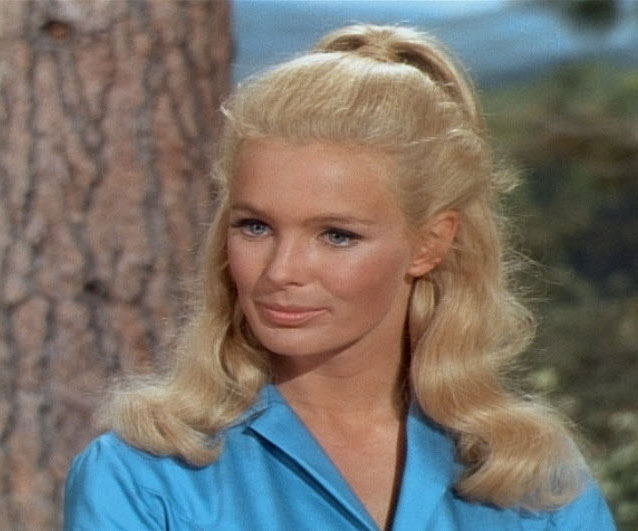
Audra was rather bold for the times. She was a tomboy but had a soft heart and tended to children at the local orphanage.

There was another younger Barkley, Eugene (Charles Briles), who was a medical student at Berkeley. He was seen off and on through season one, then drafted into the army and never really mentioned again.

Considering that the show was only on the air four years, a lot of stars appeared. A small sample includes Jack Albertson, Lew Ayres, Anne Baxter, Milton Berle, Charles Bronson, John Carradine, Yvonne Craig, Yvonne DeCarlo, Richard Dreyfuss, Robert Goulet, Julie Harris, Ron Howard, Cloris Leachman, Gavin MacLeod, Leslie Nielsen, Regis Philbin, Lou Rawls, Pernell Roberts, Wayne Rogers, Katharine Ross, William Shatner, and Adam West.

The Big Valley" Joshua Watson (TV Episode 1969) - IMDb
Lou Rawls guest star Photo: imdb.com

The Big Valley was a western but with a few twists and never predictable. It was the first time a woman would have the lead in a western.  The Barkleys may have been wealthy, but they were raised right. They were hardworking and fought for the underdog, making sure justice prevailed. However, it was not a cliché; no one could be trusted and nothing was exactly as it looked. Characters who appeared angelic ended up being truly evil.

Photo: hulu.com

Unfortunately for the show, it was coming in at the end of the western’s popularity and was never in the top 30 during its time on the air. The other new shows that began when it did included Get Smart, I Dream of Jeannie, Hogan’s Heroes, Lost in Space, F Troop, and The Wild Wild West.

However, it received good reviews, and in 1966, Stanwyck was nominated and won the Emmy for drama series. She would also be nominated in 1967 and 1968, losing to Barbara Bain from Mission Impossible both years.

The theme was composed by George Duning. In 1966, a soundtrack from the show was released in mono and stereo versions. During his career Duning would work on more than 300 movie and television scores.

Like many television shows in the fifties and sixties, Dell Comics published six comic books based on the show. For some reason, I did not see much in the way of merchandising for this show compared to other westerns or shows from the sixties.

A warmhearted retrospective with 'Big Valley' cowgirl Linda Evans | Medium
Photo: pinterest.com

The cast got along well. Evans and Stanwyck were exceptionally close and rehearsed at Barbara’s house every Saturday. When Arthur Gardner was interviewed on the Television Academy, he said that Stanwyck mentored the younger cast members. He said “he could not praise her enough” for the work she did.

52 The Big Valley ideas | tv westerns, barbara stanwyck, linda evans
Photo: pinterest.com

It’s too bad the show didn’t begin earlier in the decade; it might have been able to stay on the air a bit longer. It was a unique concept with a powerful woman as the star. You can currently see it on Me TV on Saturdays as well as a few other networks.       

Gunsmoke Took 20 Years to Get Outta Dodge

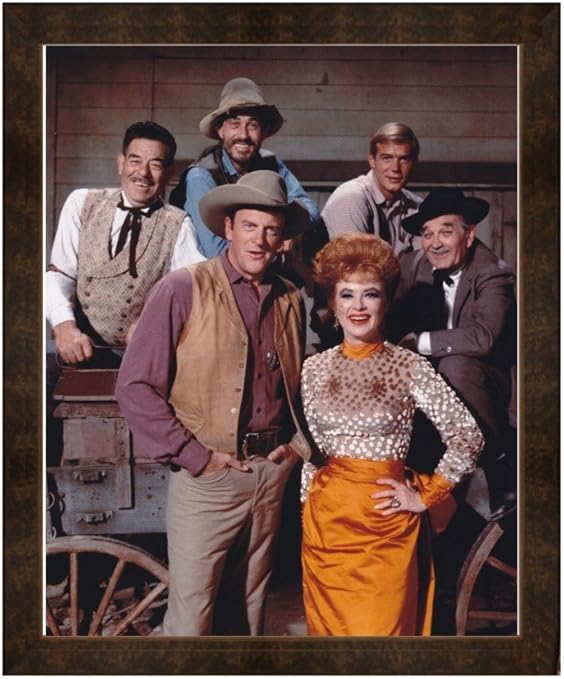
From 1952-1961, you could tune into Gunsmoke on your local radio to hear the adventures of the folks in Dodge City, Kansas created by Norman Macdonnell and John Meston. The primary characters were Marshal Matt Dillon (William Conrad), Doc Charles Adams (Howard McNear), Miss Kitty Russell (Georgia Ellis) and Chester Wesley Proudfoot (Parley Baer). Three years after its debut, the series shifted to television as well, running on CBS from 1955-1975, producing an incredible 635 episodes. For television, Macdonnell took over the reins as producer with Meston the head writer.

Amazon.com: Gatsbe Exchange Framed Print Gunsmoke Cast Marshal Dillon Kitty  Fester and Doc: Posters & Prints

James Arness was offered the role of Dillon on television. The network wanted John Wayne who turned it down. He did, however, introduce the first episode. Both Raymond Burr and Denver Pyle were also considered for the role. Matt Dillon spent his youth in foster care, knew the Bible well, and at some point was mentored by a caring lawman. He also talks about his time in the Army in some episodes.

Gunsmoke Cast Matt Dillon 8x10 Photograph – Vintage Poster Plaza
Photo: allposters.com

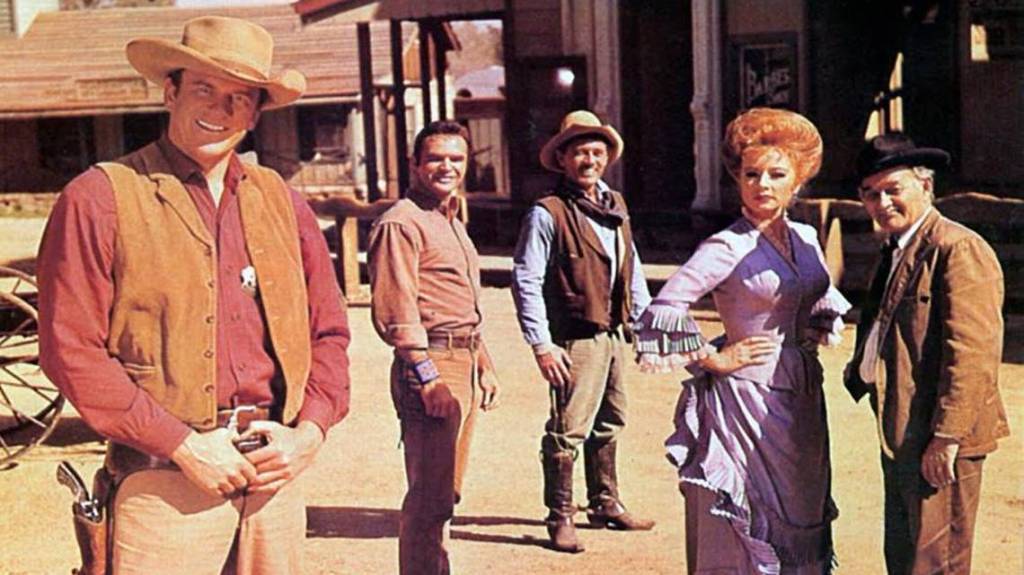
The role of Chester, with a new last name of Goode now, was played by Dennis Weaver. Chester was not only a loyal employee to Marshal Dillon, but he brewed a mean pot of coffee. He had a noticeable limp which apparently resulted from an injury in the Civil War. Weaver later said if he realized how hard it would be to film that long with a fake limp, he would have not used it. Other sidekicks to the Marshal included Ken Curtis as Festus Haggen, Burt Reynolds as Quint Asper (1962-65), Roger Ewing as Thad Greenwood (1966-68), and Buck Taylor as Newly O’Brien (1967-75).

Chester Good....Dennis Weaver Gunsmoke I've always loved that hat | Movie  stars, Actors, Tv westerns
Photo: pinterest.com

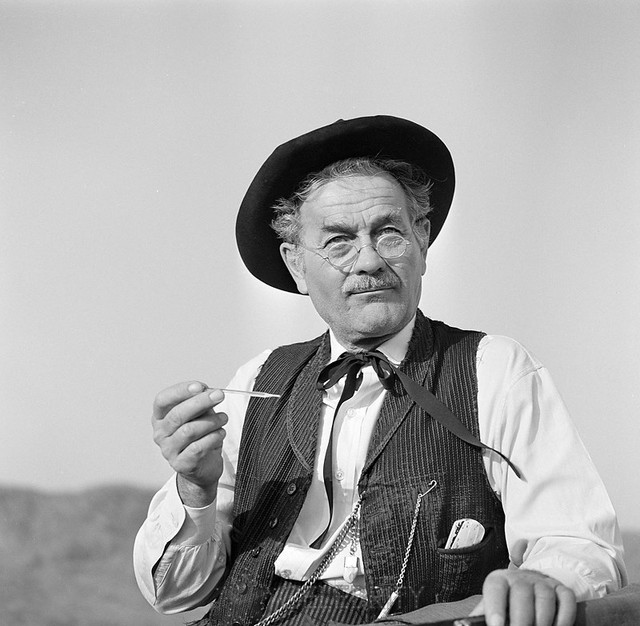
Doc was now Galen Adams and played by Milburn Stone. Doc was an interesting guy. He apparently was educated in Philadelphia and spent some time as a ship doctor on gambling boats on the Mississippi River where he met Mark Twain. His young wife died from typhus two months after their marriage. He finally settled in Dodge City after wandering a bit.

Gunsmoke photo 197 Milburn Stone
Photo: ebay.com

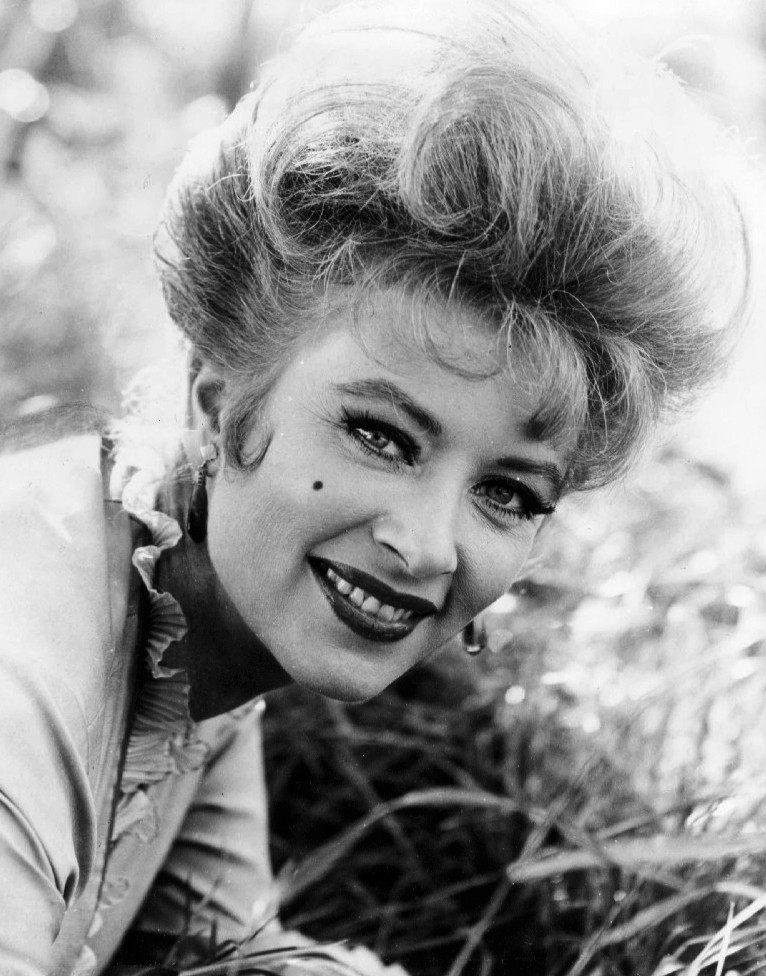
Miss Kitty was portrayed by Amanda Blake. Perhaps the closest bond she had with Dillon was that she also grew up in foster care in New Orleans. She was in more than 500 of the television episodes. In addition to her role as “entertaining men” in Dodge City, she is half owner of the Long Branch Saloon. Kitty and Matt obviously are attracted to each other and are very close. Kitty was a successful business owner and had a cold demeanor about professional matters but had a soft heart in other matters. Blake was ready to leave the show in 1974, and her storyline was that she finally returned to New Orleans.

Amanda Blake - Wikipedia
Photo: wikipedia.com

During its twenty-year stint, the show had some notable guest stars.  Just a few celebrities who graced the set include Jack Albertson, Ed Asner, James Backus, Beau Bridges, Charles Bronson, Bette Davis, Angie Dickinson, Richard Dreyfuss, Buddy Ebsen, Barbara Eden, Jodie Foster, Mariette Hartley, Ron Howard, June Lockhart, Jack Lord, Rose Marie, Howard McNear, Harry Morgan, Leonard Nimoy, Carroll O’Connor, Denver Pyle, Wayne Rogers, William Shatner, Cicely Tyson, and Adam West.

While the show portrayed the hard life in the West, it was also a warm and humorous celebration of a group of people making a new life together.

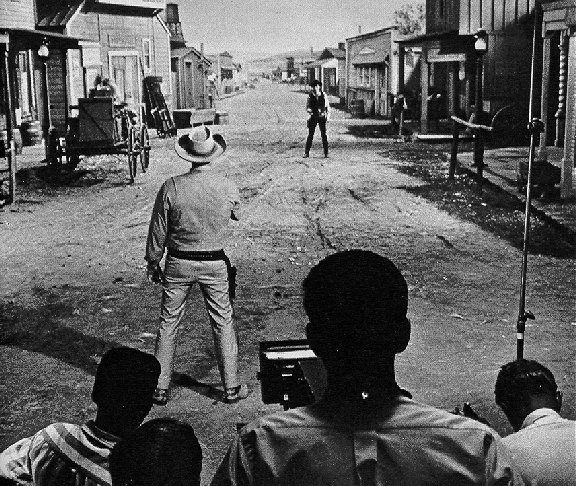
The opening of the show is a gunfight between Matt and a “bad guy.” It was shot on the same Main Street set used in High Noon, the Grace Kelly/Gary Cooper classic. The scene was dropped in the 1970s when a nonviolence emphasis was placed on television shows and the opening was Matt riding his horse.

Gunsmoke, The Great American Western
Photo: marksmannet.com

The show began its life on Saturday nights at 10 pm ET. In 1961 when the radio show left the air, the television show switched from half an hour to an hour. For season 13, it moved to Monday nights at 7:30 for four years, and then at 8 pm for four years. By season two it was a top ten hit, rising to number one where it remained until 1971.

The first seven seasons were sponsored by L&M cigarettes and Remington shavers.

The well-known theme from the show and radio was “Old Trails” composed by Rex Koury. Lyrics were later recorded by Tex Ritter in 1955 but not used in either radio or tv. Although I could not confirm it, I read several mentions that Koury was so busy, he actually penned the song while using the bathroom. William Lava composed original theme music for television; other composers who contributed music during the twenty years were Elmer Bernstein, Jerry Goldsmith, Bernard Herrmann, Jerome Moross, and Franz Waxman.

Photo: amazon.com

Surprisingly, the show was only nominated for fifteen Emmys during its reign. Of those, there were only three wins: one for best dramatic show in 1957, one for Dennis Weaver as supporting actor in 1958, and one for Milburn Stone in 1967.

After surviving the rural purge Paley conducted, the cast thought they were not in jeopardy and were all stunned by the cancellation in 1975. CBS had not prepared them that they were debating ending the show. They assumed the show was continuing till it had 700 episodes and many of the stars read about the cancellation in the trade magazines.

The show has appeared in syndication in three different versions. One package is half-hour episodes from 1955-1961, one package contains hour-long black and white episodes from 1961-1966, and the final package contains one-hour color episodes from 1966-1975. Me TV currently airs the one-hour color shows.

Photo: wichitaeagle.com

Arness would appear in five made-for-television movies after the show went off the air. In 1987, Gunsmoke: Return to Dodge featured Blake as Miss Kitty and Taylor as O’Brien. Stone had passed away in 1980, so his role was not part of the new film. Gunsmoke: The Last Apache premiered in 1990 without Blake who had died in 1989. In 1992-1994, Gunsmoke: To the Last Man, Gunsmoke: The Long Ride, and Gunsmoke: One Man’s Justice would appear before the series rode off into the sunset for good.

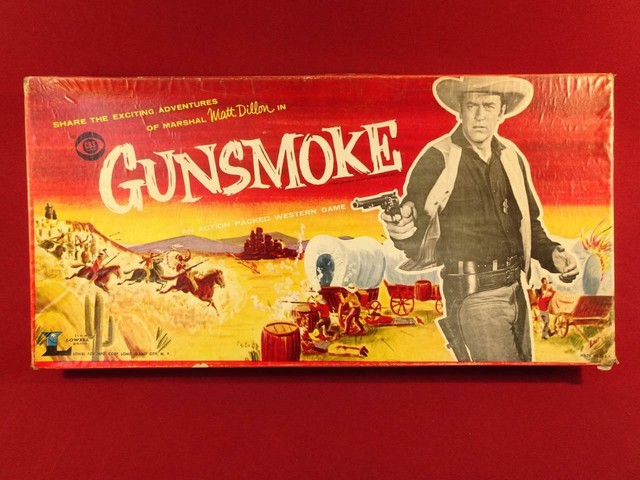
After being on television so long, it’s not surprising that there were a lot of merchandising opportunities for the show. In addition to typical items like lunch boxes, there was Gunsmoke cottage cheese. A Matt Dillon figurine was available with his Horse Buck.

Picture 2 of 8

There were also board games, puzzles and a variety of books including numerous paperbacks and comic books from Dell and Gold Key.

1950s Gunsmoke lunch box with thermos. Vintage Gunsmoke Matt Dillon U.S.  Marshall metal lunchbox with thermos. Lunchbox depicts James Arness as Matt  Dillon draw…

Fans had an affinity for the show. During its time on the air more than thirty westerns came and went, but Gunsmoke continued, in the top ten for most of its two decades. Few series have their own museum, but you can visit Boot Hill Museum in Dodge City to learn all about the show. Furniture from the series is included, as well as signed photos from the cast and other memorabilia including one of Miss Kitty’s dresses.

When you hear someone say “Get outta Dodge,” you can fondly remember Gunsmoke which is where this phrase began. Perhaps being cancelled was a blessing in disguise. After two decades, maybe it was time to get outta Dodge, maintaining the high standards and high ratings that made the show such a long-running success.