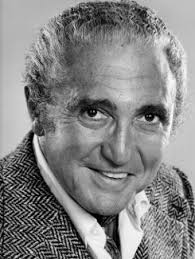
Sheldon Leonard: A True TV Pioneer

leonard4

The Depression changed the course of Sheldon Leonard’s life. He was born in Manhattan to Jewish parents. He went to Syracuse University on an athletic scholarship. While there, he was president of the dramatics club. His degree was in finance, and he landed a job at a prestigious brokerage firm. Then the Depression hit, and he was out of a job. He had to fall back on the only other skill he could think of which was acting.

In 1931 he married Frances Bober whom he was married until his death. They would have two children.

Acting was not quick money either though. It took five years until he landed his first major Broadway role in Hotel Alimony in 1934. It did not have a long run, but his next two shows were more successful: Having a Wonderful Time in 1937 and Kiss the Boys Goodbye in 1938.
leonard7

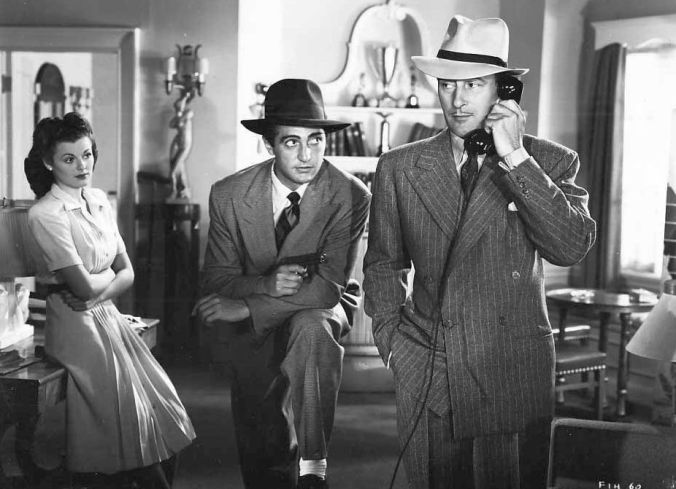
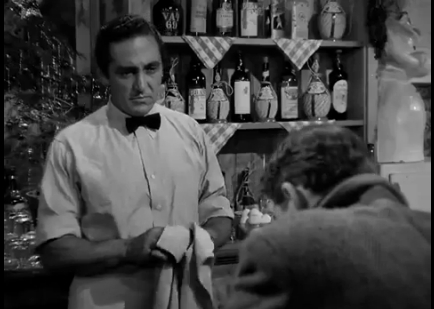
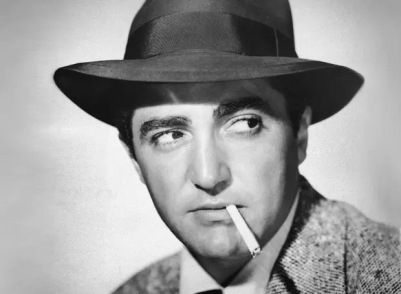
He then entered film work. He had several very small roles in a couple of movies and a couple of shorts, but in 1939 he was cast in Another Thin Man, the popular movie series with William Powell and Myrna Loy. That began his career as a heavy, often being cast as a gangster. He would appear in To Have and Have Not with Bogie and Bacall in 1944. In 1946 he was cast as the bartender in It’s a Wonderful Life with Jimmy Stewart and Donna Reed. Because it has become a Christmas staple, it has brought Sheldon a lot of recognition. Sheldon would appear in 74 movies during his career, 69 of them by 1952.
leonard2

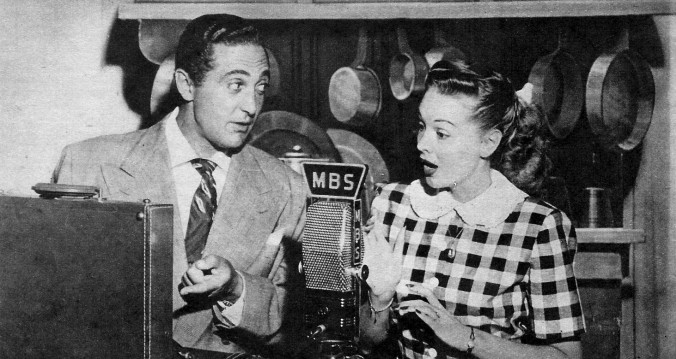
During this time, he also gave radio a try. He was working on both sides of the mic. He sold scripts to several shows including Broadway is My Beat. He also portrayed his stereotyped gangster role on many shows including as Grogan on The Phil Harris, Alice Faye Show. You could hear him on Jack Benny, Burns and Allen, Bob Hope, Duffy’s Tavern, the Halls of Ivy, and The Judy Canova Show, among others.
sheldon6

Photo: radiospirits.com

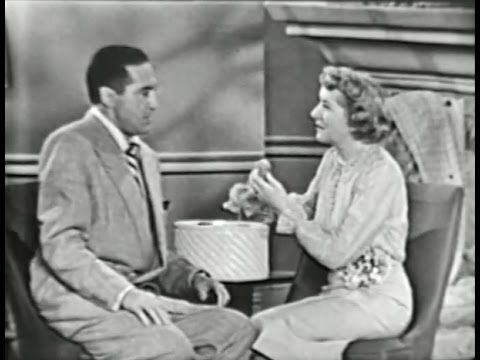
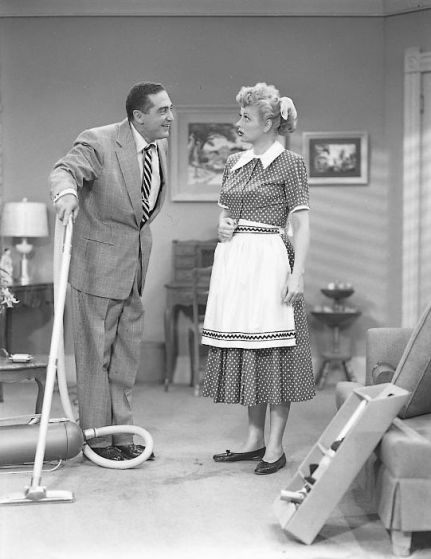
It was only a matter of time before Sheldon took his talents to television. He appeared in four episodes of Your Jeweler’s Showcase in 1952. In addition, he was listed as producer and director for several of these episodes. He appeared in I Love Lucy in 1953 as vacuum salesman Harry Martin and several I Married Joan episodes in 1952-53. One of my favorites was his role as Johnny Velvet on Burns and Allen when he kidnaps Gracie but takes her back because she drives him crazy. In 1954 he co-starred in The Duke which lasted 13 episodes.  This show featured an artistic boxer who leaves the ring to open a nightclub. Sheldon also directed the pilot as well as some early episodes of Lassie and The Real McCoys.
leonard14

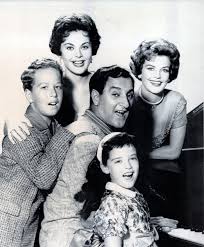
However, the show that made him a household name was his director/producer role on Make Room for Daddy, Danny Thomas’s hit sitcom. The show was in the top ten, and Sheldon even found time to appear on the show 19 times. The show continued from 1953-1964. Leonard had found his sweet spot. During his career, he would direct and produce shows such as The Dick Van Dyke Show, The Andy Griffith Show, Gomer Pyle USMC, and I Spy.
sheldon4

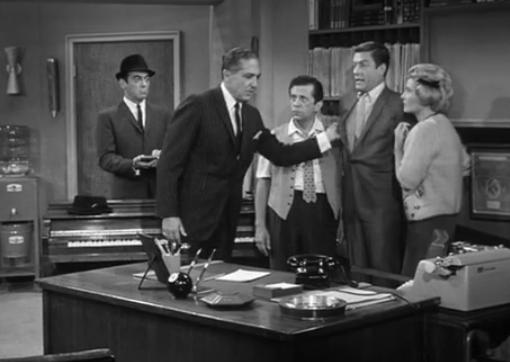
Sheldon convinced Carl Reiner to step back from acting as Rob Petrie and produce The Dick Van Dyke Show. That conversation resulted in Dick Van Dyke accepting the role, leading to 158 episodes. If you watch carefully, you will notice Sheldon appearing twice on the show in minor roles. The show was nominated for 25 Emmys and won 15.
leonard12

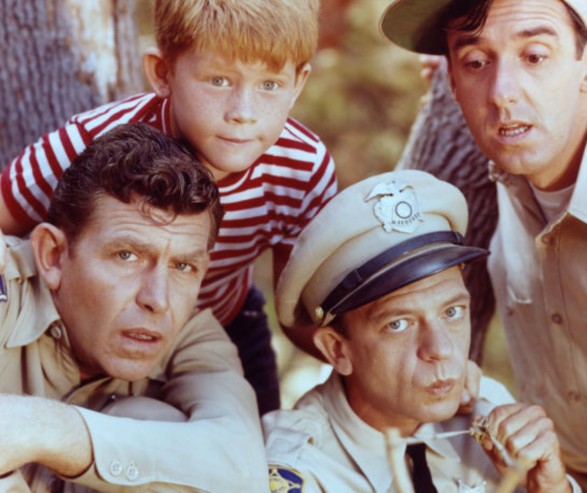
Sheldon also is credited with creating the spinoff. One of Danny Thomas’s episodes was set in North Carolina where he gets picked up for speeding in a rural town and has a run-in with Sheriff Andy Taylor. This episode turned into the long-running The Andy Griffith Show which was on the air from 1960-1968 netting 249 episodes. The show won 6 of the 9 Emmys it was nominated for.
sheldon3

The spinoff was so successful he did it again, moving Jim Nabors as Gomer Pyle from the gas station attendant on The Andy Griffith Show to his own show, Gomer Pyle USMC. That show was on the air for five years (150 episodes), and Sheldon would also make an appearance there as Norman Miles.

Thomas and Leonard as L&T Productions were also behind the The Joey Bishop Show and The Bill Dana Show. Thomas and Leonard’s shows were notable for emphasizing characters and relationships over slapstick or situation comedy. You cared about the characters even when they were a little kooky like Gomer Pyle or Barney Fife. They were committed to high-quality scripts. Many of the writers they employed went on to successful shows of their own including Danny Arnold for Barney Miller; Garry Marshall and Jerry Belson for The Odd Couple, Happy Days, and Laverne and Shirley, Mork and Mindy; and Bill Persky and Sam Denoff for That Girl and Kate and Allie. L&T Productions ended in 1965.
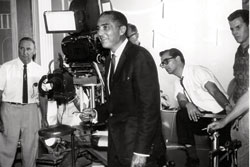
leonard9dga.org

Photo: dga.com

In the mid-1960s Sheldon produced I Spy. He cast Bill Cosby and Robert Culp as secret agents.  This was the first series to star a black actor in a lead role. In a March 7, 2016 Modern Times article, David Fantle and Tom Johnson discussed Sheldon Leonard and I Spy. Leonard said he knew what he was doing. “Race was very much an issue at that time,” he said. “I was intellectually conscious of it, but emotionally unaware of it. When I say emotionally unaware, I mean I was free to think of Cosby as the man to fill the slot I needed. Intellectually I knew the problems I’d have to face to get him on the air.” I Spy was a humorous suspense show and was known for its exotic locations, filming in countries such as Hong Kong, England, Morocco, France, and Greece among others. The critics rewarded Leonard. The show was nominated for Outstanding Dramatic Series Emmy every year of its three-year run and earned Leonard an Emmy nomination for directing in 1965.
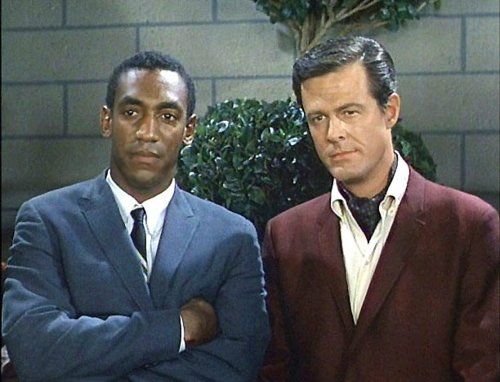
sheldon7

Sheldon was also the producer behind Accidental Family and Good Morning World, both shows debuting in 1967 and ending in 1968 and My World and Welcome to It in 1969. Accidental Family was about a widower who is a stand-up comedian. He buys a California farm which is managed by Sue Kramer who is also his son’s governess and his love interest. Good Morning World was about morning disc jockeys in LA. One is happily married, and one is a ladies’ man. Goldie Hawn was the next-door neighbor and Billy De Wolfe was their boss. On My World and Welcome To It, John Monroe is a married man with a daughter. He frequently daydreams and fantasizes about life. This show was unusual in that it included some animation along with the live action.
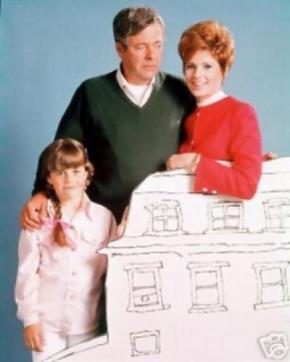
sheldon9

In the Fantle and Johnson article referenced above, Leonard also talked about his favorite sitcom. He said his favorite might be the one that needed the most attention. “My favorite show was cancelled after the first year. My World and Welcome to It, based on the writings of James Thurber and starring William Windom. It won every award, and they cancelled . . . It was satire and above their (the network bosses’) heads. That show and I Spy are my favorites.”

In the early 1970s Sheldon would produce From a Bird’s Eye View and Shirley’s World. From a Bird’s Eye View was a sitcom about two stewardesses, Millie from England and Maggie from America. Millie was always getting into mischief and Maggie bailed her out. Shirley’s World starred Shirley MacLaine as a photographer who travels the world for her London-based magazine. The locales were similar to I Spy.
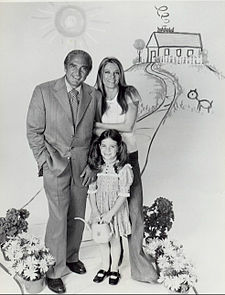
leonard3bigeddie

In 1975 Sheldon starred in a new sitcom, Big Eddy which only lasted for ten episodes. He was Eddie Smith was the owner of the Big E Sports Arena in New York. He was an ex-gambler fighting the impulse to get back into it. He has a bunch of eccentric people in his life including his ex-stripper wife Honey and their granddaughter Ginger.

In the 1980s, Sheldon would continue to show up on various television shows, appearing in Sanford and Son, The Cosby Show, Matlock, Murder She Wrote, and Cheers.

Along with author Mickey Spillane, Leonard was one of the first two people to become a Miller Lite spokesman. In his New York accent, he tells the audience, “I was at first reluctant to try Miller Lite, but then I was persuaded to do so by my friend, Large Louis.”

Sheldon Leonard passed away at the age of 89 in 1997. His wife Frances passed away in 1999.
leonard1

Sheldon Leonard is undoubtedly one of the greatest television producers. Most of his shows were consistently in the top ten. They are classic shows still on the air today.  Sheldon required scripts that brought characters to life. He created spinoffs when he believed in the characters. He was not afraid to take risks. Besides casting Bill Cosby, he cast Lois Nettleton as divorced Sue Kramer on Accidental Family. This was in the mid-1960s and yet when Mary Tyler Moore’s show aired in 1970, the network refused to allow her to be a divorced character.

In the Mercurie Blogspot from November 10, 2013, Carl Reiner discussed Leonard: “Sheldon has mentored more people in our business than anyone else I know. He knew how to teach what he knew, and what he knew was situation comedy with the three-camera technique. Sheldon was a producing genius who understood comedy. He had four or five shows going, but he would walk in and give his intelligence and his time to every script that was being read for the week. And we always came away with a better script because we would discuss and argue and come to a better situation.”
sheldon5

Garry Marshall was also quoted in this same article: “Sheldon was a sort of man’s man, yet he had all the creative sensitivity of the artist. No matter what story you were working on, he could help you fix it. He would never put down your idea. If I had to describe Sheldon in one word, it would be gentleman. He was a Renaissance man with a New York accent—and possibly a gun!”
The Herb Garden Germination

Photo: americanprofile.com

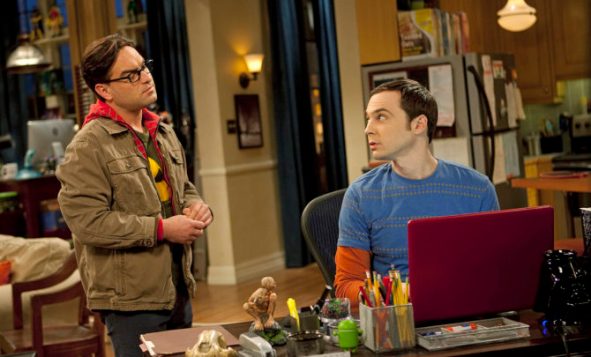
As a salute to Leonard, the writers of The Big Bang Theory, named their main characters Sheldon and Leonard in honor of Sheldon Leonard.
sheldon1

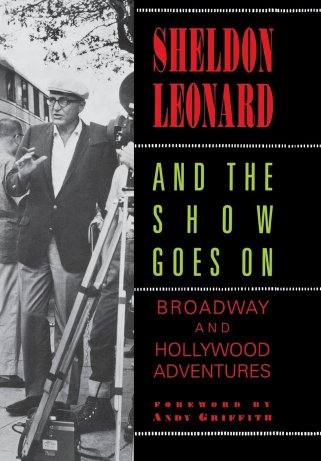
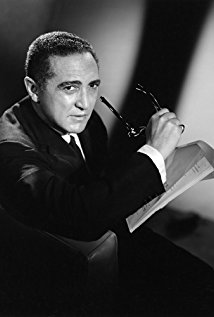
Sheldon himself seems to explain his success best. After working on his memoir in 1995, And the Show Goes On: Broadway and Holiday Adventures, he said “I was driven by an urge to survive and being very self-indulgent. I never did anything for very long that I didn’t like or enjoy. I would survive only on my own terms. I had to enjoy what I was doing, and I would have done what I did even if nobody paid me. That’s the secret of success in any business: do it well and enjoy doing it.”
leonard11

He did it all well, and we all enjoyed it.

It Only Takes One Episode to Get Smart

In the mid-1960s, spy shows were all the rage.  James Bond drew large audiences to theaters:  Dr. No in 1962, From Russia with Love in 1963, Goldfinger in 1964, and Thunderball in 1965. Inspector Clouseau was big at the box office too appearing in The Pink Panther in 1963 and A Shot in the Dark in 1964. If you were checking out books at the library, you probably would have read Len Deighton’s The IPCRESS File (1962), The Spy Who Came in From the Cold (1963), or Harriet the Spy (1964). On the small screen, The Avengers was ahead of the curve, premiering in 1961, but in the mid-1960s, we would see some of the classic television shows debut: Mission Impossible began in 1966, The Man from UNCLE showed up in 1964 and in 1965, The Wild, Wild West and I Spy got network approval.

smart7

Another show came on the air in 1965 as well – on September 18, 1965, Get Smart was seen for the first time. Dan Melnick, a partner in Talent Associates thought a spy satire might be a good fit for their upcoming schedule. He recruited Buck Henry and Mel Brooks to write the show. The team took the show to ABC. ABC bought it but they wanted a few changes.  They wanted Tom Poston to take the role of Maxwell Smart. They wanted a dog on the show to add “heart.” Finally, they wanted Smart’s mother to be a major role and envisioned Smart coming home at the end of the episode to explain the case to his mother. Henry and Brooks said no to the mother, so ABC rejected the show and sold it back to Talent Associates.

Grant Tinker from NBC agreed to buy the show with the caveat that Don Adams star in place of Tom Poston.  And so, the creative talent of Brooks and Henry brought Maxwell Smart (Don Adams), Agent 99 (Barbara Feldon), and the Chief (Edward Platt) to life. The show would stay on the air for five seasons, producing 138 episodes.

The first four seasons were filmed at Sunset Bronson Studios.  In 1970, the show moved to CBS and the last season was filmed at CBS Studio Center.

Mel Brooks left the show after the first year, but Buck Henry stayed through 1967 as the story editor.

smartgun

Most of the administrative cast stayed with the show for its run. Leonard B. Stern was the executive producer for all the shows. Irving Szathmary was the music and theme composer, as well as conductor, for all five seasons. Gerald C. Gardner and Dee Caruso were the head writers for the series. Don Adams would get to direct 13 episodes and write 2 of them.

The show centered around the three main characters. Maxwell Smart is Agent 86.  He works for CONTROL, a US government counter-intelligence agency in Washington DC. Max is resourceful.  He is a adept marksman, has hand-to-hand combat skills and is extremely lucky. He uses several cover identities, but the one he uses most often is greeting card salesman. He insists in going by the book and this, along with his clumsy nature, cause problems for him.

smartsmart

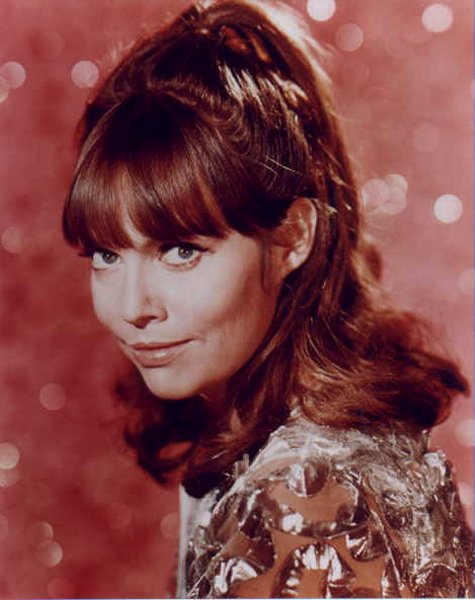
He and his partner Agent 99 take on world threats. We never learn Agent 99’s real name, although we think we have in one episode.  In “99 Loses CONTROL”, she says her name is Susan Hilton but at the end of the episode, we learn she was lying. Agent 99 is smart and competent.  Her father was apparently a spy as well.  (In real life, Barbara Feldon was also smart; she won on The $64,000 Question with the category of Shakespeare.) If you look closely, you will often see Agent 99 slouching, sitting, or leaning on something to conceal the fact that she was a bit taller than Adams.

smart15

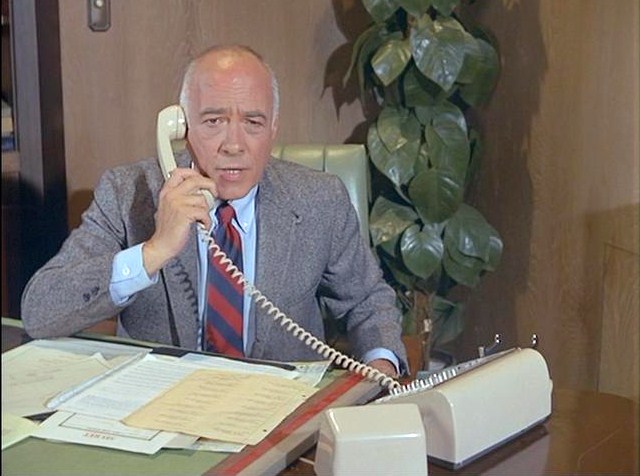
Their boss, Chief, whose real name is Thaddeus, is sarcastic and grouchy but also serious, sensible, and smart. He began his career as Agent Q and his cover name is often Harold Clark. Other CONTROL agents we meet during the series are Agents 8, 13, and 14, as well as Larrabee, the Chief’s highly inefficient and bumbling assistant.

smart10

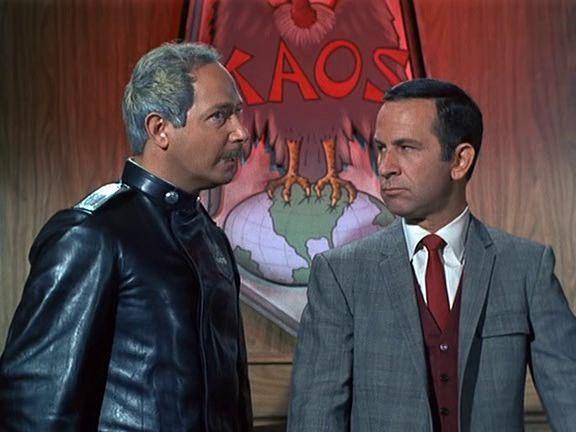
Their primary enemy is KAOS, an international organization of evil founded in Romania in 1904 (a Delaware corporation for tax purposes!). The two KAOS employees we see most often are Conrad Siegfried (Bernie Kopell), the VP for Public Relations and Terror and his assistant Shtarker (King Moody), whose personality can change from sadistic to childlike. While Siegfried and Smart are mortal enemies, they respect each other.  Sometimes they begin talking like old friends.  In one episode, they are discussing the flavor of cyanide pills each side has that month.  CONTROL is giving out raspberry, and Smart tries to give one to Siegfried.  Like CONTROL, KAOS has a bowling team to build rapport and fellowship among their employees.

smart13

Another KAOS agent is Hymie the Robot played by Dick Gautier. Dr. Ratton of KAOS built Hymie for evil, but Smart manages to turn the robot into a CONTROL agent. Hymie is faster and stronger than any human.  He also has the ability to swallow any poison and then identify it. He has emotions and a need to maintain neatness.  Unfortunately, he takes commands literally; if Smart says “Get ahold of yourself,” he literally wraps his arms around himself.
smart8

The opening sequence of the show is one of the most spoofed openings in television.  Smart walks through doors that continue to other doors. It was ranked as the number 2 opening out of the top ten by TV Guide viewers in 2010.

The show is still known for its catch phrases that became part of the American vocabulary including “Would you believe?”, “Sorry about that Chief,” “And loving it,” and “I asked you not to tell me that.”

The series is identified with its James Bond-like gadgets.  Telephones could be concealed in neckties, combs, and watches, but most often it is in Smart’s shoe which he had to take off to answer. Agent 99 has a compact phone and a fingernail phone which forces her to look like she is nervously biting her nails to talk on it.
The show features a bullet-proof invisible wall in Smart’s apartment which lowers from the ceiling; he often forgets to put it back up and runs into it. Cameras can be in a bowl of soup.  A laser weapon was concealed in a suit jacket button, the blazer laser. The Cone of Silence are two glass domes that cover Smart and the Chief when they talk about a case.  Smart insists on using it because it’s  regulation; however, they can hardly hear each other, but anyone on the outside can hear their conversation clearly and often reports what the other person said.

smart3

Other weapons and aids for the spies included a parking meter telegraph, a perfume bottle radio transmitter, invisible icing, and a pencil listening device. Guns were hidden in a charm on a charm bracelet, in a pool cue, as a hairbrush, as a flashlight, and in a crutch. CONTROL even had gloves with fingerprints already on them – the fingerprints were KAOS agents so they would get the blame for a break-in.

Blowing up stuff is always good on a spy show and Get Smart had explosive rice; toothpaste that is really a fuse; an exploding wallet, ping pong ball and golf ball; and a horoscope book or lipstick case that contained knock-out gas.

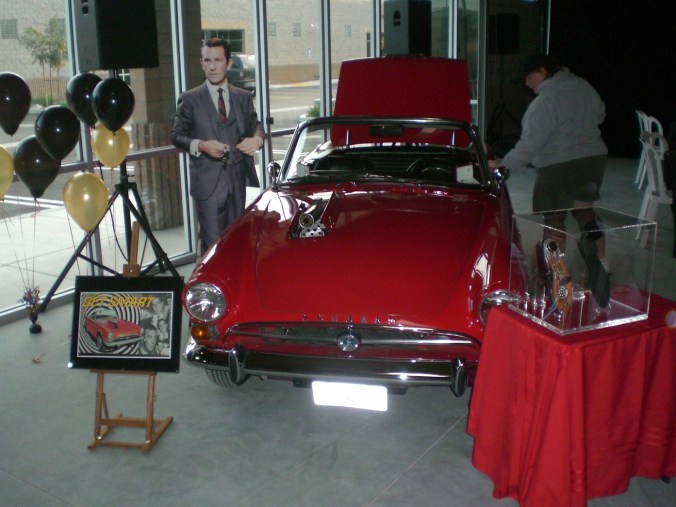
Smart had several cars but his most famous was a red 1965 Sunbeam Tiger.  The two-seat roadster had a machine gun built in, a smoke screen, a radar tracker, and an ejection seat.  When the series went off the air, Don Adams received the car and continued to drive it for ten years.

smart14

Get Smart probably had some of the most famous guest stars of any show.  Just a few of these celebrities include Steve Allen, Barbara Bain, Milton Berle, Ernest Borgnine, Carol Burnett, James Caan, Johnny Carson, Wally Cox, Robert Culp, Phyllis Diller, Jamie Farr, Jack Guilford, Bob Hope, Martin Landau, Julie Newmar, Pat Paulson, Tom Poston, Leonard Nimoy, Vincent Price, Don Rickles, and Fred Willard.

The show stayed true to its character through its entire run.  In Season 1, Hymie is introduced and the dog, Fang, disappears. In Season 2, we meet Siegfried. Smart and Agent 99 get engaged and marry in Season 4.  NBC demanded the change to boost ratings. In Season 5, they have twins.  Agent 99 continues working and is one of the first, if not the first, mother to be viewed as a working woman.  When the ratings did not increase, the show was cancelled. It went into syndication where it was very successful. Unfortunately, the DVD set was held up in legal battles and only came out weeks before Adams died.

Get Smart was one of the most clever and creative sitcoms ever airing on television.  It had `21 Emmy nominations including two for Feldon and won 7 of those awards.  Don Adams won best actor on a comedy three times and the show won best comedy twice.

smartemmy

William Johnston came out with 9 paperbacks based on the series in the late 1960s and Dell Comics issued 8 comic books in 1966 and 1967. For the March 5-11, 1966 TV Guide, Andy Warhol designed a pop art piece using Barbara Feldon. Numerous collectibles were created:  board games, lunch boxes, dolls, and model cars.

The show produced many spin-off projects. The Nude Bomb was a theatre release in 1980 with Feldon and Smart reprising their roles. Get Smart Again debuted in 1989 as an ABC TV movie.  After its release, a show appeared on FOX starring Feldon and Smart again called Get Smart in 1995.  In 2008 a movie was made starring Steve Carell and Anne Hathaway. Don Adams was known to later generations as the voice of Inspector Gadget.

carell

Of course, everyone has their favorite episodes, but after reviewing several polls and interviews with Nick at Nite and other 50th anniversary celebrations, I have come up with these top five.  Take a rainy fall day and give them a peek. However, if we are looking just at titles, I have to give a shout out to “Spy, Spy Birdie”, “Bronzefinger”, “Impossible Mission”, and “Tequila Mockingbird”.

  1. A Spy for a Spy
  2. The Not-So-Great Escape
  3. Ship of Spies
  4. The Amazing Harry Hoo
  5. The Little Black Book


smarttrench

Unfortunately, this is one of those shows that doesn’t get as much recognition and respect as it deserves.  Considering how much technology has developed in the last 50 years, the show is still up to date. The dialogue is witty; the characters are likable, even when they’re mortal enemies; and the show is just plain fun.


Verrry Interrresting!

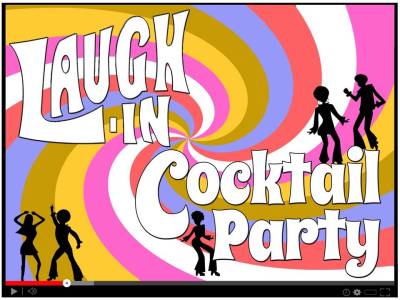
Occasionally, a show is so entrenched in the time and culture it debuts in, it becomes almost impossible to describe or understand away from its original setting. Dan Rowan and Dick Martin were nightclub comics who co-hosted a special called Laugh-In in 1967.  The name was a play on words based on the love-in’s and sit-in’s happening in the 1960s.  The special was so popular it was turned into a weekly series. I think of Laugh-In as Sesame Street for adults.  Both shows debuted in the late 60s and had a rapid-fire approach, continually moving on to the next segment so the viewer would not get bored. The show captured the counterculture movement and the lime green, turquoise, fuschia, deep orange, bright yellow, and paisley flowers kept our eyes moving as quickly as the jokes did. The show lasted six seasons.

laughin1

Regular cast members who went on to other careers included Ruth Buzzi, Gary Owens, Alan Sues, Arte Johnson, Henry Gibson, Lily Tomlin, Richard Dawson, Jo Anne Worley, Goldie Hawn, Judy Carne, Dave Madden, and Flip Wilson.

Numerous celebrities flocked to the show.  Movie stars that were reeled in included John Wayne, Jack Benny, Peter Lawford, Zsa Zsa Gabor, Charles Nelson Reilly, Debbie Reynolds, Rock Hudson, Jack Lemmon, Edward G. Robinson, Sally Field, Orson Welles, and Rita Hayworth.  Noted musicians included Sammy Davis Jr., Dinah Shore, Johnny Cash, Perry Como, Liberace, Bing Crosby, Cher, Rosemary Clooney, and Liza Minelli. Sports stars tackled the chore including Joe Namath, Wilt Chamberlin, Sugar Ray Robinson, and Howard Cosell.  Comedians who laughed their way on the show included Rich Little, Don Rickles, Bob Hope, Bob Newhart, Paul Lynde, and Carol Burnett. Classic tv stars who accepted starring roles were Tim Conway, Carl Reiner, Steve Allen, Jim Backus, Ernest Borgnine, Eve Arden, Andy Griffith, Desi Arnaz, and Wally Cox.

The format rarely changed from week to week.  Rowan and Martin opened each show with a dialogue; Rowan acted as the straight man, and Martin took on the gullible role. Then the regular cast, along with celebrities, danced against a psychedelic background, firing off one-liners and short gags. Comedy bits, taped segments, and sketches filled in the rest of the hour and always ended with Rowan telling Martin to “Say goodnight, Dick” and Dick replying, “Goodnight Dick.”

Some of the regular features were:

laughinn

The Cocktail Party where the cast stood around spouting politically and sexually suggestive jokes.

Letters to Laugh-In where the cast read letters.

ROWAN AND MARTIN'S LAUGH-IN,  Teresa Graves, Pamela Rodgers, 1969-1970.

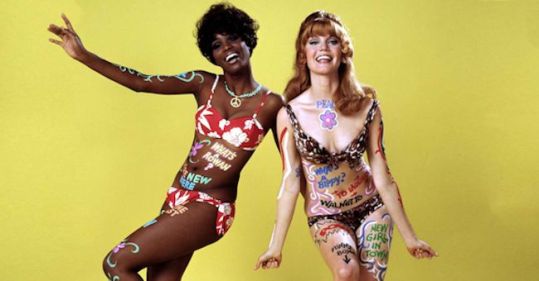
It’s a Mod, Mod World where go-go dancers danced in bikinis with puns and word play phrases painted on their bodies.

farkel

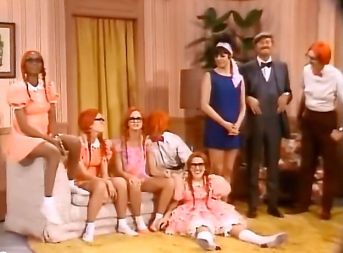
The Farkel Family about a group of red-headed, freckled family members.

fickle

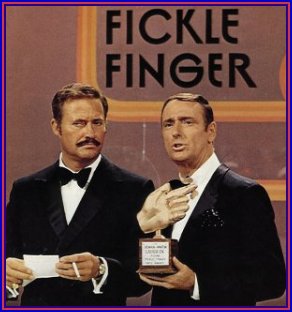
The Flying Fickel Finger of Fate Award where dubious achievements were celebrated.

Laugh-In Looks as the News was comparable to the Saturday Night Live news sketches of today.

New Talent Time showing various weird skills.

Many of the regular cast members had their own skits that were repeated during the series’ run:

carne

Judy Carne was always tricked into saying “Sock it to Me” which then caused her to get doused with water, fall through a trap door, or endure some other indignity. Sometimes celebrities ended up being the ones to say “Sock it to me,” the most famous being Richard Nixon when he was campaigning for president.

buzzi

Arte Johnson played Tyrone, an inappropriate senior citizen who tries to seduce geriatric Ruth Buzzi as Gladys, forcing her to eventually hit him with her purse.

laughinc

Henry Gibson came on stage holding an oversized paper flower, reciting poetry.

Lily Tomlin performed skits as Ernestine, a telephone operator or Edith Ann, a young girl sitting in a rocking chair. (Personal note:  When I was in 4th grade, I performed an Ernestine and an Edith Ann skit for our talent show.  Why a 9-year-old was watching Laugh-In and the school approved the skits, I can’t say, but I remember getting a lot of compliments.  And Lily Tomlin didn’t sue me for stealing her material!)

sues

Alan Sues portrayed Uncle Al, a children’s show host, who was short tempered and often in bad shape from his late partying nights.

laughinh

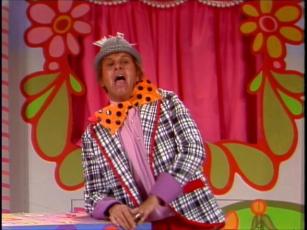
Flip Wilson was Geraldine.

laughin6

Jo Anne Worley would say “Bor-ing” in the midst of jokes.

laughing

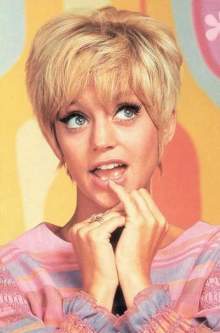
Goldie Hawn as the ditzy blonde.

The series also became known for some of its catch phrases including “Look that up in your Funk & Wagnalls,” “You bet your sweet bippie,” “Beautiful downtown Burbank,” “Is that a chicken joke?,” “Sock it to me,” “Here come de judge,” and “Verrrry Interesting.”

The show was one of the highest rated shows in the late 1960s. It was in the top 4 of the top 40 shows for its entire run. It won Emmy and Golden Globe awards. The Nielsen polling determined it was the most-watched show in seasons 1 and 2.

The show had its own magazine for a year.  Trading cards were sold with catch phrases and images from the show. Several records were produced capturing the humor of the time.  There was even a set of View-master reels made, as well as lunch boxes and other memorabilia.

laughinrev

Laugh-In debuted fifty years ago, but still feels new and edgy. Because the show has not been syndicated in re-runs, it is hard for the current generation to imagine how very different this show was from anything else that appeared on television before it.  The closest show to capturing any of its essence since then is Saturday Night Live.  This was a time when everything was changing: civil rights, Vietnam, women’s lib, the hippie lifestyle, psychoactive drugs, anti-authoritarianism, freedom of speech and assembly, and environmental concerns, especially littering and pollution.

The Generation Gap was a real concept in the 1960s but this show might have come as close as anything else to bridge that gap. Families sat down together to watch the show. Many of the phrases still have a life of their own decades later even thought decades of kids have never seen the show.  Plan your own little sit-in when you check out a couple of the you-tube videos to get a flavor of what the series was like.

1917 Was A Very Good Year

This week I was inspired by the blog “Once upon a screen . . .” to take a look at television pioneers who were born in 1917. (For some great articles on pop culture, movies, and television, check out her blog at aurorasginjoint.com.) Let’s get to know 17 of the stars who helped shape the direction of television during the golden age.

Herbert Anderson. Best known for his role as Henry Mitchell on Dennis the Menace, Anderson began his career making movies.  He transitioned to television in 1953, appearing on 61 shows over the years.  He appeared in episodes on such shows as Gunsmoke, Petticoat Junction, Batman, I Dream of Jeannie, Man from U.N.C.L.E., My Three Sons, Bewitched, and The Waltons.  One of my favorites is the first season of The Brady Bunch.  The kids are sick and both parents call a doctor.  The girls were used to a woman played by Marion Ross while the boys always had a man, Anderson.  After weighing factors to pick one of them, the family decides to keep both doctors. He died from a heart attack in 1994.

Carl Ballantine. Ballantine began his career as a magician and inspired many famous magicians since.  He began working in Las Vegas and on television as a magician.  Eventually he transferred to movie roles and after appearing in McHale’s Navy on the big screen, took on the same role of Lester Gruber on the television series. He went on to appear on 33 additional tv shows including That Girl, Laverne and Shirley, Trapper John MD, and Night Court. He passed away at his home in 2009.

bellamy1

Earl Bellamy. Earl Bellamy directed episodes for 101 different television shows.  He is best known for The Lone Ranger and The Tales of Wells Fargo.  He directed 82 episodes for Bachelor Father, one of my all-time favorite sitcoms.  In the 1960s he specialized in sitcoms including That Girl, The Brady Bunch, The Partridge Family, and My Three Sons while the 1970s saw him transition to dramas including Marcus Welby MD, The FBI, Medical Center, and Eight is Enough. In 2003 he passed away from a heart attack.

Ernest Borgnine.  Best known of his Oscar-winning role of Marty in 1955, Ernest enlisted in the Navy in 1935 until 1941.  In 1942 he re-enlisted and served until 1945.  After doing some factory work, he decided to go to school to study acting and began his career on Broadway.  He was also in the movie McHale’s Navy and went on to tackle the role in the television series.  He loved working with Tim Conway and in later years they did the voices for Mermaid Man and Barnacle Boy in SpongeBob SquarePants. He appeared in 47 different shows over the years, including the series Airwolf which he starred in. Borgnine appeared in the final episode of ER which he won an Emmy for. He was married five times, including a 32-day marriage to Ethel Merman.  His last marriage to Tova lasted 39 years. He died of kidney failure in 2012.

Raymond Burr. Best known as Perry Mason, Burr started his career on Broadway in the 1940s and then appeared in 50 films from 1946-1957. In 1956 he auditioned for the role of Hamilton Burger, the DA in Perry Mason.  He was told he could have the starring role if he lost about 60 pounds which he accomplished. He later starred in Ironside, another crime drama and appeared on a variety of other shows.  Burr had many interests including raising and cross-breeding orchids; collecting wine, art, stamps and sea shells; reading; and breeding dogs.  He was extremely generous, giving away much of his money over the years.  He passed away from cancer in 1993.

Phyllis Diller. Known for her wild hair and clothing, Diller was one of the pioneering stand-up female comedians.  She appeared in films in the 1940s, worked in radio in the 1950s, and began her stand-up career in 1955. Her first television appearance was in You Bet Your Life.  She appeared in 40 shows including Batman, CHIPs, Full House, and The Drew Carey Show.  She had her own show titled The Pruitts of Southampton, and in reruns The Phyllis Diller Show that ran from 1966-67.  She recorded comedy albums in the 1960s, wrote several books during her career, was an accomplished pianist, performing with symphony orchestras across the US and taught herself painting which she continued throughout the 1960s and 70s. Her husband Fang was not real, but she used him in her comedy routines.  She died of natural causes in 2012. My first memory of Diller was in the movie Boy Did I Dial a Wrong Number with Bob Hope which my parents took me to at the drive in.

Ross Elliott. A prolific actor on stage, film, and television, Elliott appeared in 184 different shows from sitcoms to westerns to medial dramas, all between 1951 and 1983. He passed away from cancer in 1999.

June Foray.  One of the greatest voice actors ever, Foray has been active in the industry since she had her own radio show.  She did off-air voices for many sitcoms including I Love Lucy, Father Knows Best, Jack Benny, Rawhide, Get Smart, Lost In Space, and Bewitched.  She also appeared in more than 76 animated series.  She is perhaps best known as Rocky in Rocky and Bullwinkle and as Cindy Lou Who in How the Grinch Stole Christmas and Karen and other voices in Frosty the Snowman. Foray is still alive today.

Zsa Zsa Gabor.  Unlike her sister Eva who became known as Lisa Douglas on Green Acres, Zsa Zsa seemed to make a career out of playing herself.  Of the 80 appearances she made in film and television, 20 of them were as herself. She was a true celebrity.  Crowned Miss Hungary in 1936, she came to the US in 1941 and began her career.  She was known for her extravagant lifestyle and many marriages: 9 with 7 divorces (including one to Conrad Hilton) and 1 annulment.

Sid Melton.  Known to most viewers today as handyman Alf Monroe on Green Acres, Melton began as a film star and went on to appear in 71 shows including Topper, Bachelor Father, Make Room for Daddy, That Girl, Petticoat Junction, I Dream of Jeannie, and Empty Nest. He died from pneumonia in 2011.

Alice Pearce. Although her career was cut short due to illness, I included Alice Pearce because her role as Gladys Kravitz in so memorable.  After spending her childhood in Europe, Pearce started on Broadway and after appearing in On the Town, she was brought to Hollywood to reprise her role in the movie version. She began specializing in comedy in the 1940s. In 1964 she turned down the role of Grandmama in The Addams Family and shortly after was offered the role of Gladys in Bewitched. She was already diagnosed with ovarian cancer when she began her role but didn’t tell anyone and was able to act for two seasons before she passed away from the disease. She received an Emmy for her work on Bewitched.

Gene Rayburn. One of the kings of game shows, Rayburn began his career as an actor, taking over for Dick Van Dyke in Bye Bye Birdie when Van Dyke began his television show. While he was on numerous game shows as a panelist or host over the years, Rayburn is best known for Match Game which first ran from 1962-69. It was revived again in 1973 and took several formats in the following years.  He died from heart failure in 1999.

Isabel Sanford. Best known as Louise Jefferson, she grew up in Harlem and performed in amateur nights at the Apollo Theatre. Her Broadway debut was in 1965.  After appearing as a maid in Guess Who’s Coming to Dinner, she was cast by Norman Lear in All in the Family which led to the series The Jeffersons.  When the show ended in 1985, she appeared in a variety of other shows until 2002.  She passed away from natural causes in 2004.

Sidney Sheldon.  A writer and producer, Sheldon created The Patty Duke Show, I Dream of Jeannie, and Hart to Hart, writing many of the scripts for all three series. After he turned 50, he began a career writing romantic suspense novels.  He died from pneumonia in 2007.

Robert Sterling. A clothing salesman before getting into acting, Sterling was best known for his role as George Kerby in Topper from 1953-55.  His wife, Anne Jeffreys played his wife in the show. From 1943-49 he was married to Ann Sothern. He appeared in 36 shows between 1951 and 1986. He passed away from natural causes in 2006.

Jesse White.  While White was a hard-working character actor, he is best known for his commercials as the Maytag repairman from 1967-88. After appearing in films for many years, he transitioned to television in the 1950s.  His daughter Carole Ita White also became an actress best known for Laverne and Shirley. White appeared in 113 shows, never receiving a regular series.

Jane Wyman. Wyman began working at Warner Brothers at age 16, claiming to be 19. Although she was a successful film star and began in television in 1955 with her own show, Jane Wyman Presents Fireside Theater, she is probably best known for her role on Falcon’s Crest from 1981-90 and her marriage to Ronald Reagan. She died in her sleep from natural causes in 2007.

These are just a handful of television mavericks that influenced television as we know it today.  I was amazed at the variety of different talents each of these stars displayed.  In comparing their television appearances, it’s surprising how many of them overlap and worked on the same shows.  What I found most surprising was that Ballantine, Diller, Melton, Sanford, Sterling, White and White’s daughter all appeared on Love American Style while Bellamy, Borgnine, Burr, Diller, Gabor, Rayburn, Sanford, White, and Wyman all guest starred on The Love Boat.  During my research, I ran across many shows that will become future blog topics.

Another fun fact about celebrating stars born in 1917 is that this week we are traveling to Pennsylvania to celebrate my grandmother’s 100th birthday who was also born in 1917.  Happy Birthday Mamie.