77 Sunset Strip: A Bit Kookie

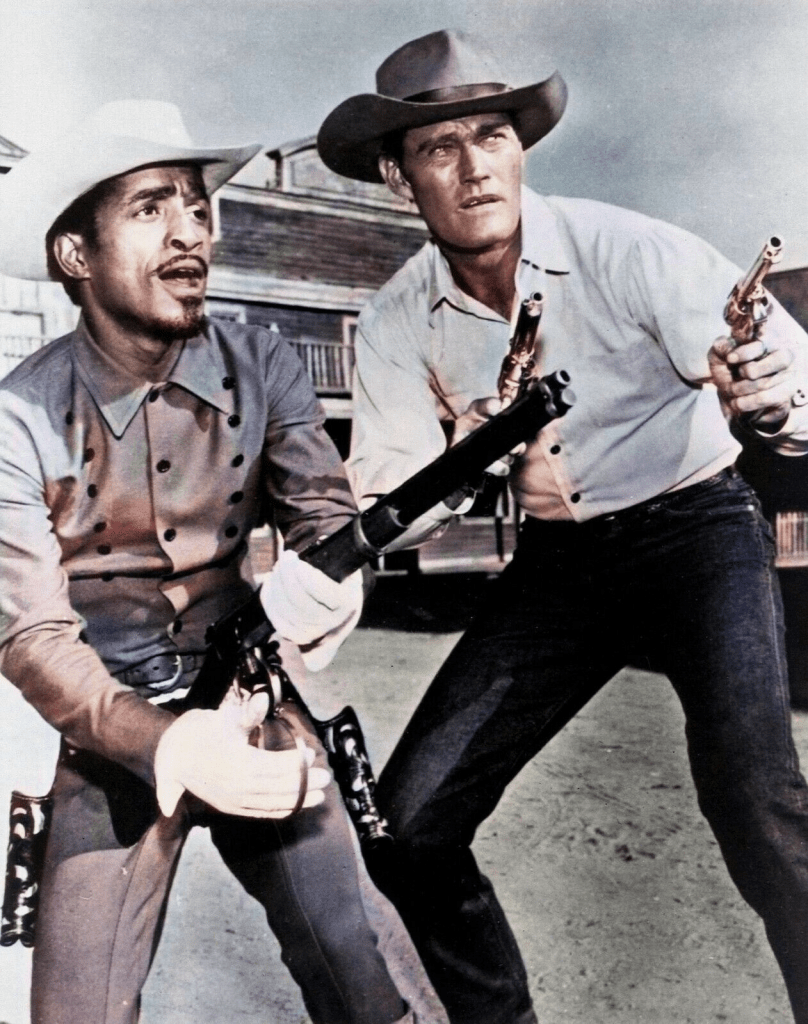
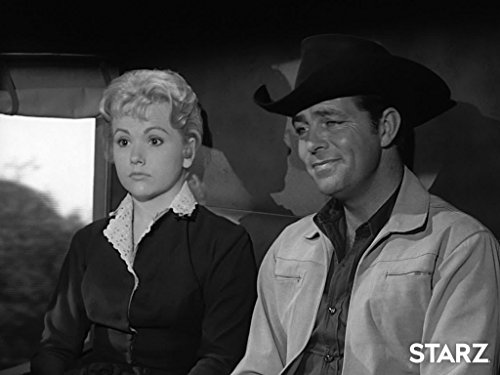
As we continue with our “Favorite Crime Solvers of the Past,” we turn to 77 Sunset Strip. Even if you never watched the show, you might be familiar with the theme song where they snapped and kept repeating “77 Sunset Strip.”

📷facebook.com

Created by Roy Huggins, the show debuted on ABC in 1958 and ran until spring of 1964. This was the third appearance by Detective Stuart Bailey. In 1946, Huggins’ novel, The Double Take, was published. In 1948, Bailey stepped into the big screen, starring in I Love Trouble played by Franchot Tone. A decade later he showed up on television played by Efrem Zimbalist Jr.

Bailey, a former WWII secret agent and foreign languages professor, works with former government agent Jeff Spencer (Roger Smith). Their office is at 77 Sunset Strip, Suites 101 and 102. Suite 103 is occupied by Suzanne Fabry (Jacqueline Beer), a French switchboard operator who handles phones for several clients including Bailey and Spencer. Occasionally she helps them solve a crime.

Other characters come and go from the offices including Roscoe (Louis Quinn), who gives out horse-racing tips when he’s not at the track; he often is an operative for the duo.

📷allposters.com

Gerald “Kookie” Kookson (Ed Byrnes) is a bit of a kook. He loves rock and roll, is witty, appreciates looking good, and works as a valet at the club next door. But he wants to be a private detective and makes full partner during the show. Kookie provides some comedy with his slang like “ginchiest” for coolest or “piling up Zs” for sleeping. During season 2, Byrnes asked for more money with his character expanding his role, but the answer was a firm no, so he left the show. Warner Brothers eventually settled with him, and he returned in May of that year.

Other occasional visitors include Lt. Roy Gilmore (Byron Keith) and the Frank Ortega Trio (played by themselves), a jazz band, who perform next door. They recorded for Warner Brothers who was also behind the television show.

The show had a fun, witty edge to it making it interesting to watch the interactions of the characters in addition to the crime solving. Bailey and Spencer were updated versions of forties’ noir detectives. Some of the shows had very different plots, something like the shows Moonlighting would feature a few decades later. “The Silent Caper” had no dialogue and, in another one, Bailey finds himself in a ghost town and he’s the only main character in the episode. During the last season in “The Target,” roles were played by crew members who were usually behind the camera including director William Conrad, associate producer James Lydon, and writer Tony Barrett.

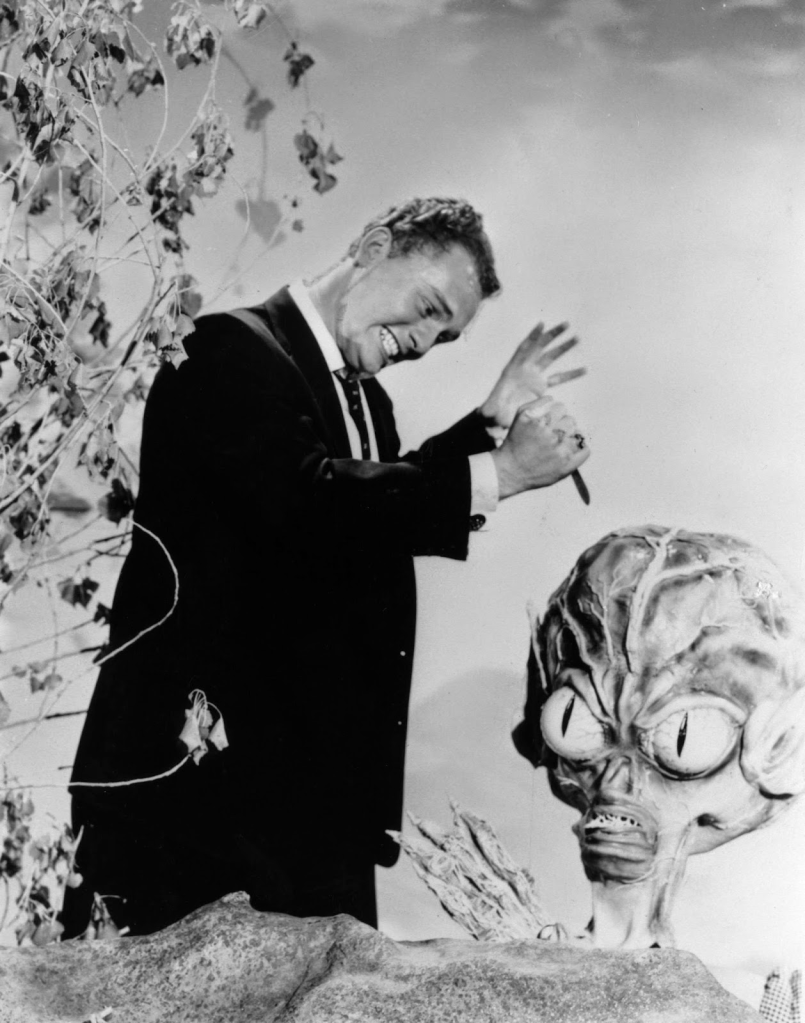
Guest stars were plentiful and included Robert Conrad, Dyan Cannon, Cloris Leachman, Shirley MacLaine, Elizabeth Montgomery, Mary Tyler Moore, Roger Moore, William Shatner, Marlo Thomas, Robert Vaughn, and Adam West.

📷starstills.com

Mack David and Jerry Livingston wrote the famous theme which became a top 10 hit on the Billboard chart. The duo worked on several other Warner Brothers crime shows including Surfside Six, Bourbon Street Beat, and Hawaiian Eye, all based on the 77 Sunset Strip formula and exotic location.

By 1963, ratings were declining and the show revamped. If you read my blog often, you realize this is one of my pet peeves. If they want to change the casts, I understand that. However, in this one, like so often, Bailey is suddenly working alone and there is no mention made of any of the other characters, just as if they never existed. They did this on Happy Days, The Doris Day Show, and several other popular series.

In addition to booting the cast, Jack Webb was brought in as executive producer and William Conrad as director. And if the name William Conrad sounds familiar, yes, it is the same person as the man who starred on Cannon. During the fifties and sixties, Conrad racked up 32 directing credits.

Bailey is now a solo investigator. The title didn’t change, but the old office is no longer there nor the club nor the theme song. A new one written by Bob Thompson was used, and the show took on a darker, more serious nature. Bailey gets a secretary named Hannah who we rarely see.

📷ebay.com

The show was on Fridays for its entire run, just switching time slots now and then. By season two it was in the top ten. In seasons three through five, it got its biggest competition from Route 66, which it beat in the ratings. The final season, the show got moved to a later slot, going up against The Alfred Hitchcock Hour but, neither of them were in the top thirty.

Big surprise, viewers weren’t fans of the changes or the more serious tone of the show, and they drifted away. The show was cancelled in February. Efrem Zimbalist Jr. moved over to the FBI. Roy Huggins had a hugely successful career. He would write for and create more top shows including Run for Your Life, Maverick, Alias Smith and Jones, The Rockford Files, and The Fugitive. Viewers at least got the satisfaction of knowing that making such drastic changes to the show caused the end of that story. Stream a few of the early seasons on Philo, Roku, or Pluto TV and let me know what you think.

The Rifleman: Spinning Through Life

As we wind up our Riding the Range blog series, we end with another show set in the 1880s: The Rifleman.

📷boomermagazine.com

The series was set in the New Mexico Territory and starred Chuck Connors as Lucas McCain and Johnny Crawford as his son Mark.  The show was on ABC from 1958 through April 1963. Lucas McCain was one of the first single parents on television.

The show was created by Arnold Laven and developed by Sam Peckinpah. Peckinpah would go on to direct many famous westerns. The pilot episode was written by Peckinpah and Dennis Hopper starred in it. It was aired on Dick Powell’s Zane Grey Theatre. Some famous people worked behind the scenes. Connors would write several of the episodes and Robert Culp, who would become the co-star of I Spy, wrote a two-part episode. Ida Lupino directed “The Assault” in 1961.

McCain was a Union soldier in the American Civil War. His wife died from smallpox when their son was six, and McCain and Mark move from Oklahoma to New Mexico where Lucas buys a ranch outside North Fork. McCain is not a perfect father; he is often stubborn and opinionated. Sometimes he seems overprotective of his son. He tries to teach Mark life lessons. In one episode, he tells him “A man doesn’t run from a fight, Mark, but that doesn’t mean you go looking to run to one.”

📷remmetsweeney.com

Chuck Connors was offered the role of McCain but turned it down because he thought the salary was too low. Several other actors were tested but no one had the same chemistry with the young boy that Connors did, so they made him another offer with a higher salary.

There are some North Fork folk who show up on many of the shows including bartender Marshal Micha Torrance (Paul Fix), Frank (Bill Quinn), hotel owner Lou (Patricia Blair), blacksmith Nels (Joe Higgins), banker John (Harlan Warde), general store owners Milly (Joan Taylor) and Hattie (Hope Summers), and hotel clerk Eddie (John Harmon). Bill Quinn was Bob Newhart’s father-in-law. Patricia Blair left in 1963 to star in Daniel Boone. Hope Summers moved to Mayberry after the show ended and became Aunt Bee’s best friend. Joan Taylor only did a few shows after The Rifleman, but she came into the show with quite a few television appearances. Higgins, Warde, and Harmon were prolific actors who had very successful careers.

📷amazon.com

Quite a few well-known stars make their appearance during the run of the show. Some of them include Harry Carey Jr., John Carradine, Lon Chaney Jr., Ellen Corby, Robert Culp, Sammy Davis Jr., Jack Elam, Dabbs Greer, Buddy Hackett, Michael Landon, Agnes Moorehead, Denver Pyle, Pernell Roberts, Robert Vaughn, and Adam West.

There were so many westerns on the air during the fifties and sixties that most of them needed a hook to set them apart. McCain was called The Rifleman because he used a modified Winchester Model 1892 rifle with a large ring lever. The lever design allowed him to cock the rifle by spinning it in his hand and it was rigged to rapid fire which we saw demonstrated in the opening of every show. I guess no one was bothered by the fact that McCain used a rifle that would not be invented until ten years later than the time the show was set in.

The show was on Tuesday nights for the first three seasons. For season four, it moved to Mondays. After the fifth season, the show was canceled due to low ratings. However, Connors and Crawford remained life-long friends. Connors admired Crawford’s work on the set and said he always respected the cast and crew.

📷ebay.com

Crawford began his career as a Mouseketeer, one of the original 24. After the show ended, he became a pop singer with five hits. “Cindy’s Birthday” was his most famous and it was No. 8 on the Billboard 100 in 1962. Crawford came into the show with thirty acting credits, and he would go on to have thirty more after the show ended, but he never starred in another series.

Fun fact, The Rifleman was one of the few American shows that was allowed to be shown on Russian television. Apparently Breshnev loved the show. Later he met Chuck Connors when he came to the US. The actor made several trips to Russia.

I have seen this show on MeTV, and it is okay. I’m guessing that the reason it was on five seasons, and the reason it was canceled after five seasons, is because it was another western. Almost every western seemed to be successful in the fifties and sixties, but five years seems to be about the length of most of them with the exception of Gunsmoke, Bonanza and a handful of others. I have to admit that I am not drawn to McCain as a character, although I didn’t dislike him either. If you like westerns and have not seen it, it might be worth checking out.

Gather Round: It’s Time for Tales of Wells Fargo

📷pinterest.com

This month we are Riding the Range, exploring some of the westerns from the fifties and sixties. One of those shows that was on the air from 1957-1962 was Tales of Wells Fargo.

The show was produced by Revue Productions and set in the 1870s and 1880s. Gene Reynolds was one of the creators of the show, along with Frank Gruber and James Brooks. Reynolds would go on to great success as a director, producer and writer, and my favorite of his was M*A*S*H. Although this show was set in the same time as Daniel Boone, it was better at getting history correct. The show featured special agent Jim Hardie (Dale Robertson) with his horse Jubilee. It was loosely based on the life of real detective Fred J. Dodge. Sometimes Hardie ran into characters from history including Jesse James and Belle Starr.

📷pinterest.com Fred J. Dodge

Fred Dodge was born in California in 1854. He went to work as an undercover agent for Wells Fargo, working in California, Nevada, and Arizona. In 1979 he was in Tombstone and recommended hiring Wyatt Earp as guard for the stage line. He became great friends with Earp. Later Dodge became constable of Tombstone while working undercover. In 1890 he left his undercover work and became a known employee of Wells Fargo in Texas. He purchased a 2,000-acre ranch near Boerne, Texas and when he retired in 1917, he lived there with his family. Dodge was described as an intelligent and successful investigator. He wrote 27 journals during his career, noting his activities and travels in them. Some of these were used for Tales of West Fargo.

I had always assumed this show was about stagecoach travel, but it was not, although stage coaches played a part. In the mid-1800s, the Wells Fargo stage line was the primary connection between the East and West coasts. Wells Fargo did not operate a stage coach line, but they did use that form of transportation for money, gold and other valuables to be delivered. Trains are involved in many of the plots. One of the trains used in the show would eventually travel to Hooterville and be renamed the Cannonball.

📷imdb.com

The first five seasons were black and white half-hour shows, while the final season switched to a color, hour-long show. During the last season, Hardie settles on a ranch near San Francisco and several recurring characters (Jack Ging, William Demarest, Virginia Christine, Lory Patrick, and Mary Jayne Saunders) were added to the series. Earle Lyon replaced Nat Holt as producer in 1960.

The theme song was written by Stanley Wilson and Mort Greene. Wilson was a prolific composer, amassing 147 credits for composing and 278 for music department credit on television and in movies. Mort Greene was best known as a writer for The Red Skelton Show and for his musical role for Leave it to Beaver.

The number of well-known actors who appeared on the show was surprising. Here are just a few of the huge number: Claude Akins, Eddie Albert, Hugh Beaumont, Dan Blocker, Charles Bronson, Edgar Buchanan, Harry Carey Jr., Chuck Connors, Buddy Ebsen, Beverly Garland, George Kennedy, Tina Louise, Steve McQueen, Jack Nicholson, Leonard Nimoy, Denver Pyle, Jason Robards, Vito Scotti, Dawn Wells, and Adam West.

📷mysteryfile.com

It was an NBC show. The pilot premiered on Schlitz Playhouse of Stars. Its biggest competition was Father Knows Best in seasons two and three. It was very popular with the viewers. The show was in the top ten during seasons one through four. For the sixth season, with an entire new cast, new theme song, and color, it was almost like a new show. NBC moved it to Saturday nights against Perry Mason and ratings declined drastically, costs went up significantly, and it was canceled.

Robertson thought the key to the popularity of the show was because it was not geared specifically to adults or kids. It was a family show. When Robertson first read the script, it was terrible, but he owed Nat Holt a favor, so he accepted the role, assuming that it would never make it. Robertson received a 50% ownership in the show, so he said of course it made him want the show to be better and he convinced them to replace most of the original script. He said that he enjoyed his time on the show a lot and that the crew was close and professional. They never went over schedule or over budget during the entire run.

📷thehollywoodreporter.com

The first two seasons were released on DVD in 2011 if you want to check them out. It sounds like this was a solid show. The network supported them, the cast was close, the production team was on top of things, and they all enjoyed their time with the show. That is a rare thing to hear in the television business. They took a gamble in the last season, and it didn’t work out, but perhaps it was for the best. It sounds like the actual show ended the season before because the last season things changed so much it was a completely new production. I would like to read more about Fred Dodge. His life sounds fascinating.

Marcia Wallace: What a Character

📷matchgamewikifandom.com

When trying to decide who to include in our Supportive Women blog series this month, Marcia Wallace was a no-brainer. Carol was one of my favorite characters on television on The Bob Newhart Show, and I love the fact that her role carried over into an episode of Murphy Brown.

Marcia Wallace was born in 1942 in Iowa. Her father owned a general store where she and her siblings often worked. After performing in a school play, one of her teachers encouraged her to pursue an acting career. After graduation, Marcia enrolled in Parsons College in Fairfield, Iowa where she received a full scholarship. She majored in English and Theater.

Upon her college graduation, Marcia decided to move to New York. The country gal had $148 in her savings. When she arrived in the Big Apple, she took on a variety of part-time jobs including typing scripts and substitute teaching. She joined a summer stock company and did a few commercials. She worked in a Greenwich Village nightclub for a year before creating an improv group, The Fourth Wall, with several friends. While she kept the friends, she lost 100 pounds.

Eventually, Wallace was offered a job with The Merv Griffin Show. When Merv decided to move to LA, he asked Wallace to move with them. She was able to obtain a few roles in series after moving to California. During the sixties and early seventies, she was on Bewitched, The Brady Bunch, Columbo, and Love American Style.

📷tvinsider.com

After Bill Paley had seen her on Merv Griffin, Grant Tinker (producer) called her to offer her a role on a new sitcom, The Bob Newhart Show. The role of Carol was written specifically for her.

Marcia loved her time on the sitcom. She said Bob was the Fred Astaire of comedy, making it look so easy. She also praised Bob for being a treasure. Because of the way the scripts were written, the show doesn’t date itself. It was about human relationships and people struggling to make them work and make life better.

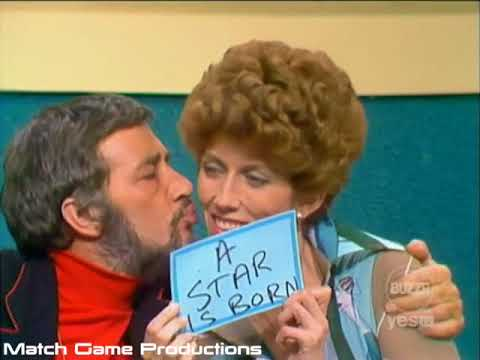
When The Bob Newhart Show went off the air six years later, Marcia jumped on the game show circuit. Shecould be seen on Password Plus; Super Password; Hollywood Squares; Crosswits; Hot Potato; The $25,000 Pyramid; Win, Lose, or Draw; Tattletales; To Tell the Truth; Family Feud; Card Sharks; and my favorite, Match Game.

📷youtube.com

Like so many actresses and actors who perform their role so well, Marcia was typecast after the show ended. In an interview, she said that “I have heard ‘You’re too recognizable for this part.’ I remember once, I desperately wanted to be on the series Nine to Five and they just weren’t going to see me because of that. Every once in a while, something would break my heart.”

Wallace also made appearances on The Love Boat and Fantasy Island in the seventies. During the eighties she would show up on CHiPs, Magnum PI, Taxi, Murder She Wrote, Night Court, and ALF, among other shows.

One of my favorite appearances of Wallace’s occurred in the mid-nineties on Murphy Brown. If you were a fan of that show, you know Murphy could not keep a secretary. There was even a support group that started of her former secretaries. However, when Carol Kester came to work for her, she was overjoyed. Carol was the role Wallace played on The Bob Newhart Show. Unfortunately for Murphy, at one point during the show, Bob Newhart shows up and convinces Carol to return to work for him and Jerry and Murphy lost her perfect assistant.

Most of Wallace’s work after 2000 was for voice work with one exception. In 2009, she had a recurring role on The Young and the Restless as Annie Wilkes for 14 episodes.

In 1985 Marcia was diagnosed with breast cancer. She survived it and became an activist and lecturer on the topic. In 2007, she won the Gilda Radner Courage Award for her work in this area.

In 1986 Marcia married Dennis Hawley in a Buddhist ceremony. Dennis renovated and managed hotels. The couple adopted a little boy, but Dennis passed away three years later.

📷imdb.com

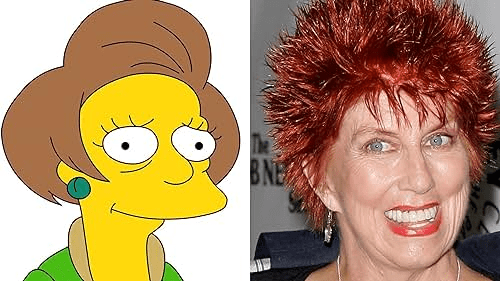
In 1989, a new type of show debuted called The Simpsons. Marcia was asked to provide the voice of Edna Krabappel, school teacher. She probably did not realize she would be associated with that role for another 24 years. Her role as Edna did not end until her passing.

In addition to her television work, Wallace performed on stage. She produced and starred in “An Almost Perfect Person,” a female version of “The Odd Couple,” “Same Time, Next Year” and many others.

In 2004, Wallace published an autobiography, Don’t Look Back, We’re Not Going That Way. She honestly discussed her breast cancer, the loss of her husband, her nervous breakdown, being a single mother, and the ups and downs of her career.

Marcia died from pneumonia and sepsis in 2013. Her coworkers commented on her passing. Yeardley Smith, who voices Lisa on The Simpsons, said “Heaven is now a much funnier place because of you, Marcia.” Bob Newhart said that “Marcia’s death came as quite a shock, she left us too early. She was a talented actress and dear friend.”

📷onceuponascreen.com

I’m so sad that Marcia was typecast and unable to get the roles that she wanted. The networks were very shortsighted during those decades. They didn’t give television fans enough credit for being resilient enough to love the character of Carol while being able to love another character played by Wallace. You saw the same things happen to Adam West, Alan Alda, and Henry Winkler. If that perspective had continued, we never would have had Mary Richards on The Mary Tyler Moore Show or Jay Pritchett from Modern Family. If someone could be a hit as Al Bundy and then go on to star in another show, anyone can get beyond being stereotyped. Marcia Wallace proved that anyone could survive life’s disappointments with determination and a sense of humor, and perhaps that was her greatest role for us.

Frank Gorshin: Batman’s Most Puzzling Villain

This month, our theme is Bam! Pow! Batman Villains. We have learned a bit about the careers of the Joker and Cat Woman, and today we are spending some time with the Riddler, portrayed by Frank Gorshin.

📷imdb.com

Gorshin started out as an impressionist and comedian before transitioning into acting.

Frank was born in Pittsburgh in 1933 into a blue-collar, middle-class family. His mom was a seamstress, and his father was a railroad worker. His paternal grandparents arrived in the US from Slovenia and his mother was born in Slovenia, coming to the Pittsburgh area as a young girl; his parents were very involved in the Slovenian community, both singing with the Preseren, a Slovenian singing society.

When he was 15, Gorshin got a part-time job as an usher at the Sheridan Square Theatre. He studied the mannerisms of the actors he watched in those movies and developed an impressionist act. Some of his favorite actors to mimic included James Cagney, Cary Grant, Al Jolson, and Edward Robinson. After entering a talent contest in 1951, he won a week-long engagement at the Carousel nightclub in New York.

Sadly, Gorshin’s older brother was hit by a car two days before and died. His parents convinced him to keep his performance schedule and sent him to New York.

After high school, Gorshin enrolled at the Carnegie Tech School of Drama (now Carnegie Mellon University).

📷imdb.com

At age 20, Frank was drafted into the US Army and sent to Germany. He was an entertainer in Special Services for a year and a half. When Gorshin left the Army, he began his acting career, appearing in four movies and on television in Alfred Hitchcock Presents.

I can’t imagine the horror Gorshin’s parents felt when getting a call in 1957 that their son had fallen asleep while driving from Pittsburgh to Hollywood, a 39-hour trip for a screen test. With their other son passing away from a car crash six years earlier, now they had to deal with the fact that their other son was in a coma with a fractured skull. Luckily, he made a full recovery.

Another big event occurring in 1957 was his marriage to Christina Randazzo. They had a son and separated later in life, but they never did divorce as far as I could tell.

Until his death, Gorshin would appear in more than sixty big-screen films. During the fifties, he only appeared in a handful of television series, but that would change in the 1960s. Some of the most memorable shows included The Defenders, The Munsters, Star Trek, and The High Chapparal. With his comedy act, he visited The Ed Sullivan Show four times. The first time he did his impressionist act on the series, he would be scheduled with this new band called The Beatles.

📷metv.com

The sixties also found him on Batman, his reason for being in this month’s blog series. He said that he developed a fiendish laugh at Hollywood parties. “I listened to myself laugh and discovered that the funniest jokes brought out the high-pitched giggle that I use on the show. With further study, I came to realize that it wasn’t so much how I laughed as what I laughed at that created the sense of the menace.”

He did not love the unitards that many of the comic book villains wore, so he asked for a green business suit and bowler hat, covered with question marks since he always left riddles for Batman and Robin to solve. He often said “Riddle me this, Batman” which became a catchphrase of the mid-sixties.

Gorshin said “When I was first approached to play the Riddler, I thought it was a joke. Then I discovered the show had a good script and agreed to do the role. Now I am in love with the character.”

📷imdb.com

Gorshin was the only villain to be nominated for an Emmy. He got the nod in 1966 for the episode “Hi Diddle Riddle.” He had some tough competition, going against Werner Klemperer as Colonel Klink on Hogan’s Heroes, Morey Amsterdam on The Dick Van Dyke Show, and winner Don Knotts on The Andy Griffith Show.

Gorshin was in ten episodes of the show, but after appearing numerous times, he was unavailable, and the producers replaced him with John Astin. I realized hindsight is 20/20 as they say, so the producers were never considering the effect the show would have on pop culture and the decades it would be a fan favorite, but that switch seems extreme. However, they did it with Julie Newmar and Eartha Kitt as well, so maybe they figured if you have to replace a villain, let’s replace them with someone very different from the original. Gorshin, however, was not a fan of being replaced but did get over it enough to accept his tenth episode role in season three and appeared as Riddler in the 1979 made-for-television movie Legends of the Superheroes.

Frank made his Broadway debut in 1969 in the musical biography, “Jimmy” which was about the controversial life of New York mayor Jimmy Walker.

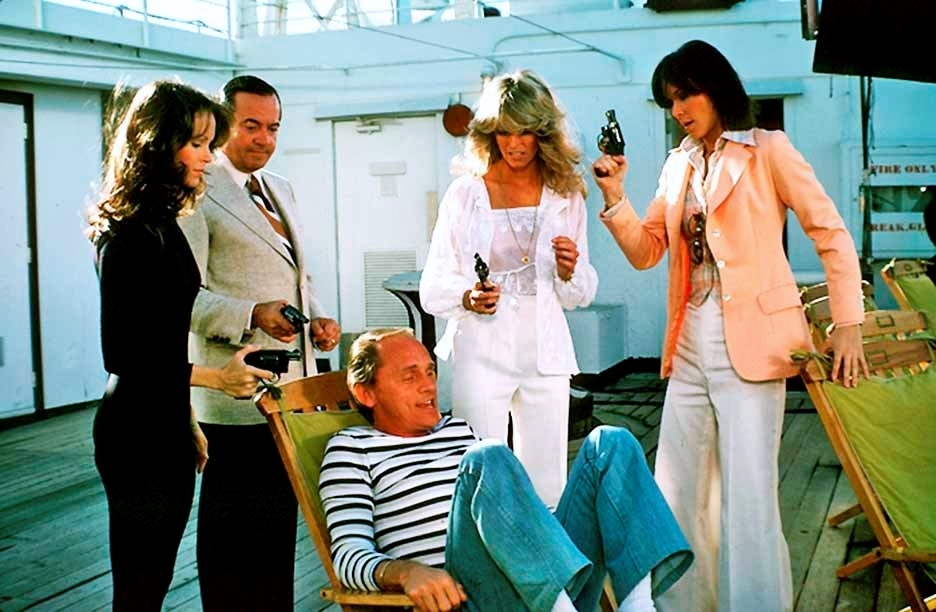
Gorshin was very busy in the seventies and eighties. Among the twenty plus shows he appeared on were The Virginian, Martin and Rowan’s Laugh In, Ironside, Hawaii Five-0, Charlie’s Angels, and Murder She Wrote.

In the last three decades of his life, he spent more time making big-screen films. One thing I found surprising is that Gorshin appeared in three soap operas, all at different times in his career: General Hospital in 1963, The Edge of Night in 1982, and The Bold and the Beautiful in 1999.

In the early 2000s, Gorshin did a one-man Broadway show, portraying George Burns. He was reunited with his Batman cast in a made-for-tv movie, Return to the Batcave: The Misadventures of Adam and Burt. His last appearance was on CSI: Crime Scene Investigation on “Grave Danger” on which he played himself. The episode was directed by Quentin Tarantino and was dedicated to Gorshin.

📷discogs.com

Unfortunately, Gorshin was a heavy smoker throughout his life. Adam West once said that “Frank could reduce a cigarette to ash with one draw” and his nightclub performances warned patrons they would be exposed to a lot of second-hand smoke if they attended. Not surprisingly, he died from lung cancer, complicated by emphysema and pneumonia.

I enjoyed getting to know Frank Gorshin in this blog. While I was much more familiar with the careers of Burgess Meredith and Julie Newmar, Gorshin and Cesar Romero are actors I knew very little about. I hope you are also enjoying getting to know these fun “villains.”

Burgess Meredith: America’s Favorite Villain

Bam! Pow! It’s Batman Villain Month. We will be looking at the career of an actor who played a Batman baddie every week this month. We are beginning with my favorite, The Penguin, played by Burgess Meredith.

📷pinterest.com

Oliver Burgess Meredith was born in Cleveland, Ohio in 1907. His father was a physician, and his mother was born into a family of Methodist revivalists. Burgess followed his Methodist faith for his entire life. After high school, he enrolled at Amherst College, until 1932 when he became a reporter for the Stamford Advocate. He worked in a variety of jobs while getting started in acting including retail, an editor, a merchant marine, and a runner on Wall Street.

He joined Eva Le Gallienne’s Civic Repertory Theatre in New York City. His Broadway debut was in this company’s “Romeo and Juliet” in 1930. His film debut came in 1935 in Winterset. Later in his career, he would return to Broadway as a director. He shared a Tony Award with James Thurber for their collaboration on “A Thurber Carnival” in 1960, and he earned a Tony nomination for his staging of “Ulysses in Nighttown” in 1974. In the late seventies, he directed Fionnula Flanagan’s one-woman play, “James Joyce’s Women” which toured for several years.

Meredith had more success in acting than marriage. Helen Derby Merrien Burgess was his wife from 1932-1935. His marriage to actress Margaret Perry only lasted two years, ending in 1938.

In 1942, Burgess enlisted in the US Army Air Forces for WWII, reaching the rank of captain. He was discharged in 1945. Meredith married another actress, Paulette Goddard, and they were together from 1944-1949. However, in 1951 he married Kaja Sundsten and they were together until his death.

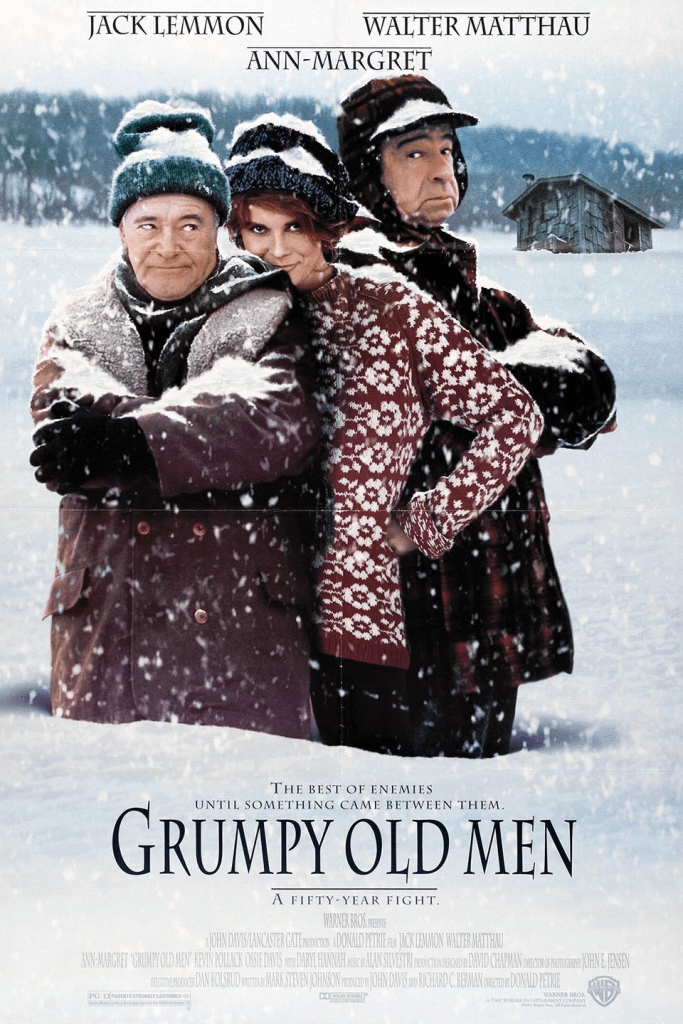
Meredith would appear in 80 movies during his career, as well as a number of made-for-television movies. He might be best known in the past few decades for Grumpy Old Men and Grumpier Old Men in the 1990s.

However, it was television where he found the most acclaim. His first appearances came in 1949 on the Ford Theater Hour and The Silver Theater. Throughout the fifties he continued receiving offers for theatric roles on these types of programs. During the early sixties, he was everywhere. You could catch his appearances on dramas such as The Naked City, Ben Casey, The Twilight Zone, The Bold Ones, Room 222, Ironside, and Mannix. He rode onto many western sets including Wagon Train, Rawhide, The Wild, Wild West, Bonanza, Daniel Boone, and The Virginian. He found his way onto several comedies such as Please Don’t Eat the Daisies and The Monkees.

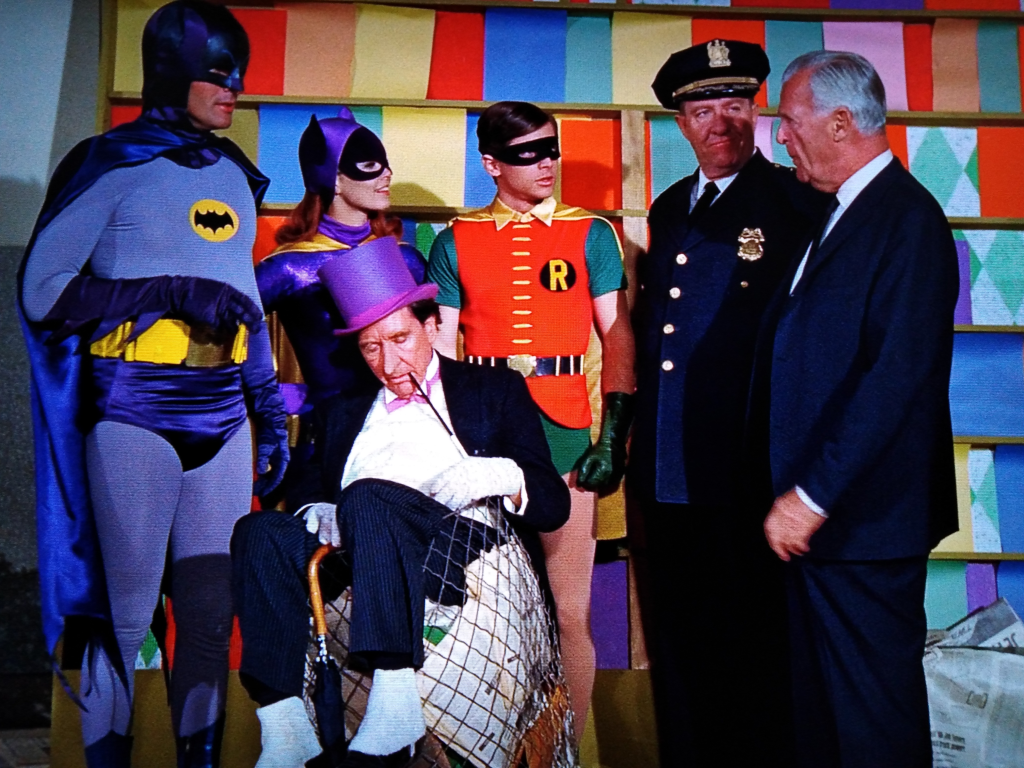
Given the astounding number of drama shows that he chose roles on, it is a bit surprising that one of his best-known roles was the campy, humorous 1960s series Batman. From 1966-1968, he made 21 appearances as the Penguin. When he appeared on The Monkees, it was also as the Penguin. Originally the producers wanted Spencer Tracy for the role of Penguin. Tracy said he would not accept the offer unless his character was allowed to kill Batman. So, Meredith got the role. The cast loved him, and the producers made sure there was always a Penguin script waiting so whenever Burgess was free, it could be filmed.

📷dcdatabase.com

He was perfect for the role with his raspy voice and that iconic Penguin laugh. The laugh came about because Burgess had given up smoking but had to smoke for his role on Batman. When he coughed, he covered it up with his trademark laugh. When asked why he did Batman, he replied that he did it “for two reasons, one of which was the salary. The other was that, after the first few episodes, Batman became the in-thing to do. Everybody would either play a villain or appear as himself in that cameo showcase where a celebrity would poke his head through the window of a building that Batman and Robin were climbing. Actually, we didn’t get as much money from the show as you might think, although we were paid decent money for the feature film version. The main impetus to continue appearing on Batman—beyond the desire to get some TV work—was that it was fashionable.”

Later in his career, Burgess continued appearing on the big screen and provided voice-over work and a bit of animation. Unfortunately, he was named as an unfriendly witness by the House Un-American Activities Commission which ended his studio work for several decades. Burgess also did commercial work and was known for his roles for Skippy Peanut Butter and United Air Lines.

📷imdb.com

Meredith was a life-long Democrat and was generous to the Democratic party. He was an environmentalist and tried to end pollution. He was also fascinated by intelligent animals, especially dolphins. One night he said he felt a dolphin needed help while staying at a friend’s beach house. He ran out to the beach and found a dolphin caught in a net under a dock and was able to save its life. He was nominated for two Academy Awards, both for Supporting Actor in Rocky and The Day of the Locust. A 21-acre park in Pomona, New York was named for him; he provided the funding to incorporate the village.

In 1997, Meredith died from complications of Alzheimer’s. His former Batman costar, Adam West, spoke at his memorial service.

While almost all of the bad guys on Batman were memorable, the Penguin and Cat Woman were by far my favorites. We will look at the career of Julie Newmar next week.

Big Valley: Home of the Barkleys

We are in the midst of our western series, and today we turn our attention to a show that was on ABC for four years, from 1965-1969: The Big Valley. Created by A. I. Bezzerides and Louis F. Edelman and produced by Levy-Gardner-Laven (a trio of Jules V. Levy, Arthur Gardner, and Arnold Laven).

Photo: amazon.com

The series is set on the Barkley Ranch in the 1870s, home of the Barkleys, one of the wealthiest families in the area. The ranch is based on the 30-acre Hill Ranch which existed from 1855-1931. Lawson Hill was murdered in 1861 ad then his wife Euphemia ran it. They also had three sons and one daughter. Today the ranch is covered by Camanche Reservoir waters. The exterior shot of the house used in the show was also Tara in Gone with the Wind.

Photo: pinterest.com

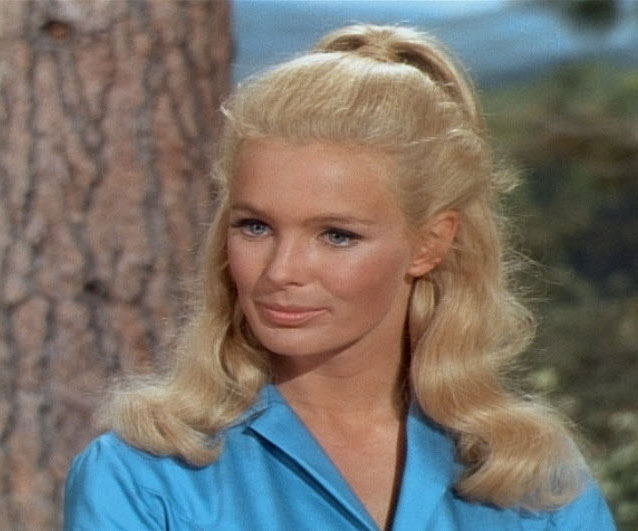
On Big Valley, Victoria Barkley (Barbara Stanwyck) runs the ranch with the help of her sons Jarrod (Richard Long), Heath (Lee Majors), and Nick (Peter Breck) and daughter Audra (Linda Evans).

Barbara Stanwyck in The Big Valley by Silver Screen | Barbara stanwyck,  Actresses, Silver screen
Barbara Stanwyck Photo: pinterest.com

Heath was her husband’s illegitimate son, but she considered him her own child. He never met his father who had never been told of his existence; Heath learned it from his mother on her deathbed.

Three Great Stories in the Barkley Library - The Big Valley Writing Desk
The boys of Big Valley Photo: tapatalk.com

Jarrod was an attorney and was refined and well educated. He was briefly married but his wife was killed shortly after by a bullet meant for him. Nick was the younger, hot-tempered son who helped his mother run the ranch. He was a soldier in the Union Army during the Civil War. He had a great sense of humor and was very loyal to his family.

15 Things You Don't Know About Linda Evans - INSP TV | TV Shows and Movies
Linda Evans Photo: insp.com

Audra was rather bold for the times. She was a tomboy but had a soft heart and tended to children at the local orphanage.

There was another younger Barkley, Eugene (Charles Briles), who was a medical student at Berkeley. He was seen off and on through season one, then drafted into the army and never really mentioned again.

Considering that the show was only on the air four years, a lot of stars appeared. A small sample includes Jack Albertson, Lew Ayres, Anne Baxter, Milton Berle, Charles Bronson, John Carradine, Yvonne Craig, Yvonne DeCarlo, Richard Dreyfuss, Robert Goulet, Julie Harris, Ron Howard, Cloris Leachman, Gavin MacLeod, Leslie Nielsen, Regis Philbin, Lou Rawls, Pernell Roberts, Wayne Rogers, Katharine Ross, William Shatner, and Adam West.

The Big Valley" Joshua Watson (TV Episode 1969) - IMDb
Lou Rawls guest star Photo: imdb.com

The Big Valley was a western but with a few twists and never predictable. It was the first time a woman would have the lead in a western.  The Barkleys may have been wealthy, but they were raised right. They were hardworking and fought for the underdog, making sure justice prevailed. However, it was not a cliché; no one could be trusted and nothing was exactly as it looked. Characters who appeared angelic ended up being truly evil.

Photo: hulu.com

Unfortunately for the show, it was coming in at the end of the western’s popularity and was never in the top 30 during its time on the air. The other new shows that began when it did included Get Smart, I Dream of Jeannie, Hogan’s Heroes, Lost in Space, F Troop, and The Wild Wild West.

However, it received good reviews, and in 1966, Stanwyck was nominated and won the Emmy for drama series. She would also be nominated in 1967 and 1968, losing to Barbara Bain from Mission Impossible both years.

The theme was composed by George Duning. In 1966, a soundtrack from the show was released in mono and stereo versions. During his career Duning would work on more than 300 movie and television scores.

Like many television shows in the fifties and sixties, Dell Comics published six comic books based on the show. For some reason, I did not see much in the way of merchandising for this show compared to other westerns or shows from the sixties.

A warmhearted retrospective with 'Big Valley' cowgirl Linda Evans | Medium
Photo: pinterest.com

The cast got along well. Evans and Stanwyck were exceptionally close and rehearsed at Barbara’s house every Saturday. When Arthur Gardner was interviewed on the Television Academy, he said that Stanwyck mentored the younger cast members. He said “he could not praise her enough” for the work she did.

52 The Big Valley ideas | tv westerns, barbara stanwyck, linda evans
Photo: pinterest.com

It’s too bad the show didn’t begin earlier in the decade; it might have been able to stay on the air a bit longer. It was a unique concept with a powerful woman as the star. You can currently see it on Me TV on Saturdays as well as a few other networks.       

Gunsmoke Took 20 Years to Get Outta Dodge

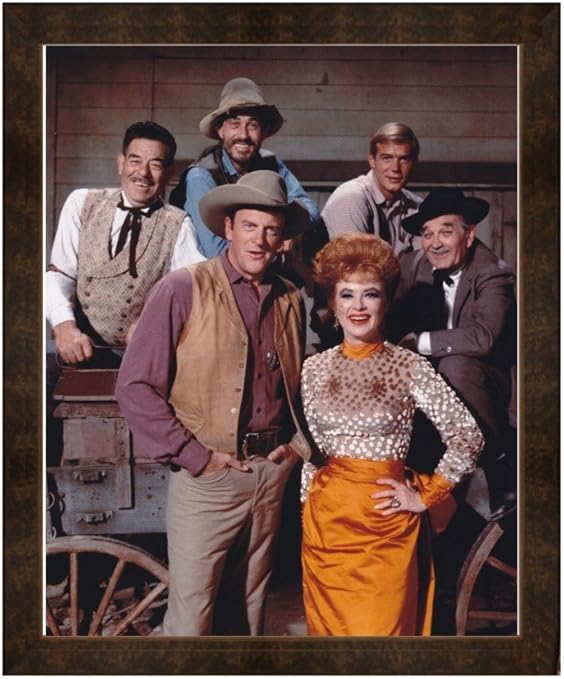
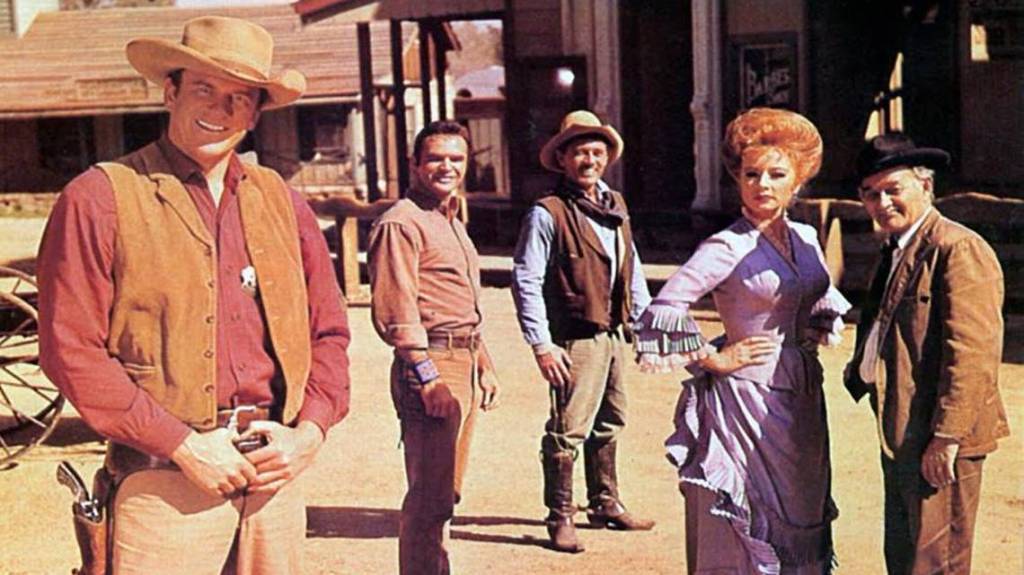
From 1952-1961, you could tune into Gunsmoke on your local radio to hear the adventures of the folks in Dodge City, Kansas created by Norman Macdonnell and John Meston. The primary characters were Marshal Matt Dillon (William Conrad), Doc Charles Adams (Howard McNear), Miss Kitty Russell (Georgia Ellis) and Chester Wesley Proudfoot (Parley Baer). Three years after its debut, the series shifted to television as well, running on CBS from 1955-1975, producing an incredible 635 episodes. For television, Macdonnell took over the reins as producer with Meston the head writer.

Amazon.com: Gatsbe Exchange Framed Print Gunsmoke Cast Marshal Dillon Kitty  Fester and Doc: Posters & Prints

James Arness was offered the role of Dillon on television. The network wanted John Wayne who turned it down. He did, however, introduce the first episode. Both Raymond Burr and Denver Pyle were also considered for the role. Matt Dillon spent his youth in foster care, knew the Bible well, and at some point was mentored by a caring lawman. He also talks about his time in the Army in some episodes.

Gunsmoke Cast Matt Dillon 8x10 Photograph – Vintage Poster Plaza
Photo: allposters.com

The role of Chester, with a new last name of Goode now, was played by Dennis Weaver. Chester was not only a loyal employee to Marshal Dillon, but he brewed a mean pot of coffee. He had a noticeable limp which apparently resulted from an injury in the Civil War. Weaver later said if he realized how hard it would be to film that long with a fake limp, he would have not used it. Other sidekicks to the Marshal included Ken Curtis as Festus Haggen, Burt Reynolds as Quint Asper (1962-65), Roger Ewing as Thad Greenwood (1966-68), and Buck Taylor as Newly O’Brien (1967-75).

Chester Good....Dennis Weaver Gunsmoke I've always loved that hat | Movie  stars, Actors, Tv westerns
Photo: pinterest.com

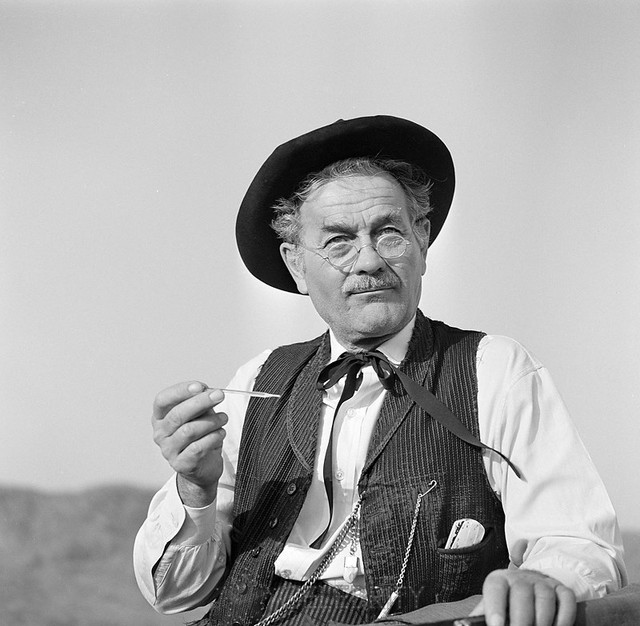
Doc was now Galen Adams and played by Milburn Stone. Doc was an interesting guy. He apparently was educated in Philadelphia and spent some time as a ship doctor on gambling boats on the Mississippi River where he met Mark Twain. His young wife died from typhus two months after their marriage. He finally settled in Dodge City after wandering a bit.

Gunsmoke photo 197 Milburn Stone
Photo: ebay.com

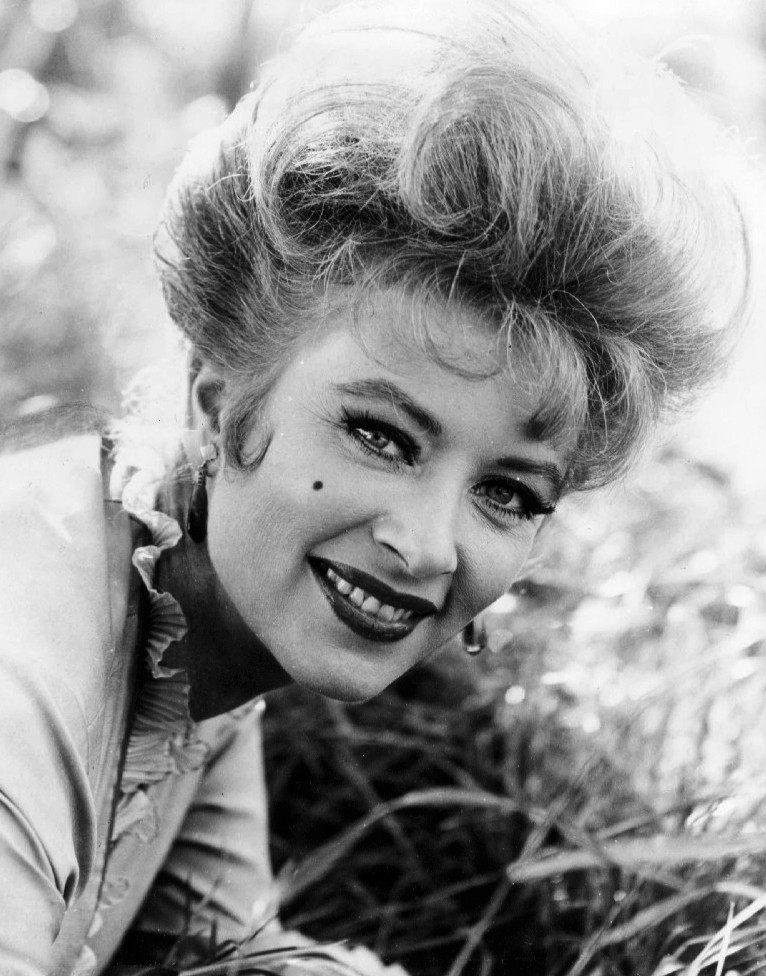
Miss Kitty was portrayed by Amanda Blake. Perhaps the closest bond she had with Dillon was that she also grew up in foster care in New Orleans. She was in more than 500 of the television episodes. In addition to her role as “entertaining men” in Dodge City, she is half owner of the Long Branch Saloon. Kitty and Matt obviously are attracted to each other and are very close. Kitty was a successful business owner and had a cold demeanor about professional matters but had a soft heart in other matters. Blake was ready to leave the show in 1974, and her storyline was that she finally returned to New Orleans.

Amanda Blake - Wikipedia
Photo: wikipedia.com

During its twenty-year stint, the show had some notable guest stars.  Just a few celebrities who graced the set include Jack Albertson, Ed Asner, James Backus, Beau Bridges, Charles Bronson, Bette Davis, Angie Dickinson, Richard Dreyfuss, Buddy Ebsen, Barbara Eden, Jodie Foster, Mariette Hartley, Ron Howard, June Lockhart, Jack Lord, Rose Marie, Howard McNear, Harry Morgan, Leonard Nimoy, Carroll O’Connor, Denver Pyle, Wayne Rogers, William Shatner, Cicely Tyson, and Adam West.

While the show portrayed the hard life in the West, it was also a warm and humorous celebration of a group of people making a new life together.

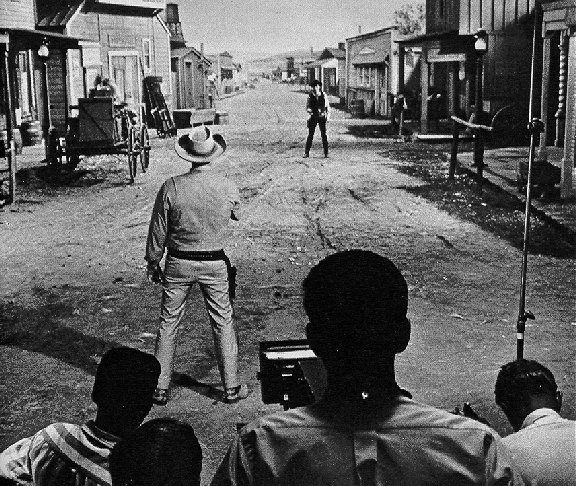
The opening of the show is a gunfight between Matt and a “bad guy.” It was shot on the same Main Street set used in High Noon, the Grace Kelly/Gary Cooper classic. The scene was dropped in the 1970s when a nonviolence emphasis was placed on television shows and the opening was Matt riding his horse.

Gunsmoke, The Great American Western
Photo: marksmannet.com

The show began its life on Saturday nights at 10 pm ET. In 1961 when the radio show left the air, the television show switched from half an hour to an hour. For season 13, it moved to Monday nights at 7:30 for four years, and then at 8 pm for four years. By season two it was a top ten hit, rising to number one where it remained until 1971.

The first seven seasons were sponsored by L&M cigarettes and Remington shavers.

The well-known theme from the show and radio was “Old Trails” composed by Rex Koury. Lyrics were later recorded by Tex Ritter in 1955 but not used in either radio or tv. Although I could not confirm it, I read several mentions that Koury was so busy, he actually penned the song while using the bathroom. William Lava composed original theme music for television; other composers who contributed music during the twenty years were Elmer Bernstein, Jerry Goldsmith, Bernard Herrmann, Jerome Moross, and Franz Waxman.

Photo: amazon.com

Surprisingly, the show was only nominated for fifteen Emmys during its reign. Of those, there were only three wins: one for best dramatic show in 1957, one for Dennis Weaver as supporting actor in 1958, and one for Milburn Stone in 1967.

After surviving the rural purge Paley conducted, the cast thought they were not in jeopardy and were all stunned by the cancellation in 1975. CBS had not prepared them that they were debating ending the show. They assumed the show was continuing till it had 700 episodes and many of the stars read about the cancellation in the trade magazines.

The show has appeared in syndication in three different versions. One package is half-hour episodes from 1955-1961, one package contains hour-long black and white episodes from 1961-1966, and the final package contains one-hour color episodes from 1966-1975. Me TV currently airs the one-hour color shows.

Photo: wichitaeagle.com

Arness would appear in five made-for-television movies after the show went off the air. In 1987, Gunsmoke: Return to Dodge featured Blake as Miss Kitty and Taylor as O’Brien. Stone had passed away in 1980, so his role was not part of the new film. Gunsmoke: The Last Apache premiered in 1990 without Blake who had died in 1989. In 1992-1994, Gunsmoke: To the Last Man, Gunsmoke: The Long Ride, and Gunsmoke: One Man’s Justice would appear before the series rode off into the sunset for good.

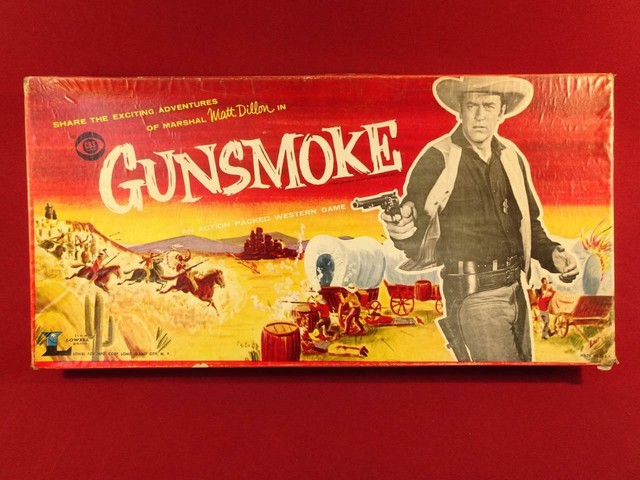
After being on television so long, it’s not surprising that there were a lot of merchandising opportunities for the show. In addition to typical items like lunch boxes, there was Gunsmoke cottage cheese. A Matt Dillon figurine was available with his Horse Buck.

Picture 2 of 8

There were also board games, puzzles and a variety of books including numerous paperbacks and comic books from Dell and Gold Key.

1950s Gunsmoke lunch box with thermos. Vintage Gunsmoke Matt Dillon U.S.  Marshall metal lunchbox with thermos. Lunchbox depicts James Arness as Matt  Dillon draw…

Fans had an affinity for the show. During its time on the air more than thirty westerns came and went, but Gunsmoke continued, in the top ten for most of its two decades. Few series have their own museum, but you can visit Boot Hill Museum in Dodge City to learn all about the show. Furniture from the series is included, as well as signed photos from the cast and other memorabilia including one of Miss Kitty’s dresses.

When you hear someone say “Get outta Dodge,” you can fondly remember Gunsmoke which is where this phrase began. Perhaps being cancelled was a blessing in disguise. After two decades, maybe it was time to get outta Dodge, maintaining the high standards and high ratings that made the show such a long-running success.

Operation Petticoat: The Submarine Was Pink, But the Cast Was Feeling Blue

As we continue our series, “We Salute You,” today we take a closer look at a show that might not be remembered by a lot of people, but it had a memorable cast.

Photo: tvtropes.com
The original

In 1959, Operation Petticoat hit the big screen. Directed by Blake Edwards, it starred Cary Grant and Tony Curtis. This WWII comedy centered around a US submarine, the USS Sea Tiger, that reluctantly must bring a group of female nurses aboard. The film also included Marion Ross, Dick Sargent, and Gavin MacLeod, who would go on to become part of McHale’s Navy and captain The Love Boat later in his career.

Photo: imdb.com
The original cast

Jump ahead a couple of decades and ABC airs a sitcom, Operation Petticoat, based on the movie. It would be on the air till 1979, producing 33 episodes. In the television series, John Astin takes on the Cary Grant role and Richard Gilliland has Curtis’s original role. In the new series, Jamie Lee Curtis, Tony’s daughter, played the role of Lieutenant Duran who was played by Dina Merrill in the movie.

Photo: fotogramas.com
The original group of women

For only 33 episodes, this show went through a lot of changes. It was supposed to be a one-hour series. A two-hour pilot was filmed, and several scripts were written. After viewing them, ABC decided it would be better as a thirty-minute show. The written scripts were revised to cover two shows each.

The show had a cast of 18 members, including five nurses. In addition to the nurses being aboard, the other continuing plot line was that the submarine was barely functional. It had been sunk earlier in the war and only somewhat restored, so it was a constant struggle to keep it working. Golf clubs operated the valves, a jeep wheel was used for a part, a girdle helped pump in the engine room, and what was most embarrassing to the men was its color of bubble gum pink, the only paint available when it needed to be painted. However, all this changed after the first 23 episodes.

Photo: simkl.com

When the show came back in season two, 15 of the 18 actors were gone, including the three main characters. The writers and producers from season one were also set adrift. For the second season, the entire plot line changed, making it a totally different show. Now the submarine was a lifeguard vessel helping pilots and sailors, and the nurses were part of the Navy and assigned to the ship.

Photo: cscottrollins.blogspot.com
Season 2 Nurses

During the 1977-78 season it was on Saturday nights. It was up against The Bionic Woman on NBC while CBS aired three different shows during the season in that time slot, We’ve Got Each Other, The Tony Randall Show, and The Ted Knight Show. For season two, it was moved to Friday nights where it went up against Different Strokes on NBC and The Incredible Hulk on CBS.

This show aired in an era where the networks struggled a lot with new shows. It’s amazing how many shows in the mid to late seventies lasted two to five episodes. There just seemed to be constant chaos, so this show lasted much longer than most of its competition. However, in this time of television turmoil, the fact that ABC would take a show that must have been somewhat successful and turn it upside down, replacing almost the entire cast, the writers and the producers amazes me.

You would not think a show set on a submarine would have many other actors in it, but during the year or so it was on, more than 80 additional actors appeared on the show, including JoAnn Pflug and Adam West.

While John Astin had a long television career, Jamie Lee Curtis undoubtedly has had the most successful career from this cast. In a recent interview in The New Yorker, “Jamie Lee Curtis Has Never Worked Hard a Day in Her Life” by Rachel Syme (December 1, 2019), Jamie discussed her time on Operation Petticoat. She said: “The show did not do well. And I was fired, along with eleven of the thirteen actors. (sic) I was devastated. I thought my life was over. I thought my career was over. I thought I would lose my contract. And two weeks later the audition for Halloween came up . . . It’s one of those good stories for people who’ve just been let go from their job.”

Photo: sitcomsonline.com

I think it’s important to look at some of those shows in television history that haven’t become classics; in this case, however, I think I’d skip the television show and buy the DVD from the original movie if you want to learn a bit more about life aboard the Sea Tiger.

Photo: tvguide.co.uk
Operation Petticoat – 1959

In Memory of Adam West

west1

Adam West was born William West Anderson on September 19, 1928 in Walla Walla, Washington.  He just passed away this summer on June 9. His father farmed and his mother gave up her career as an opera singer and concert pianist.  Like all kids, he had a collection of comic books including Batman. When his parents divorced, he moved to Seattle with his mother. He attended Whitman College in Washington and graduated with a BS in literature. He was drafted into the Army and became an announcer on the American Forces Network television.

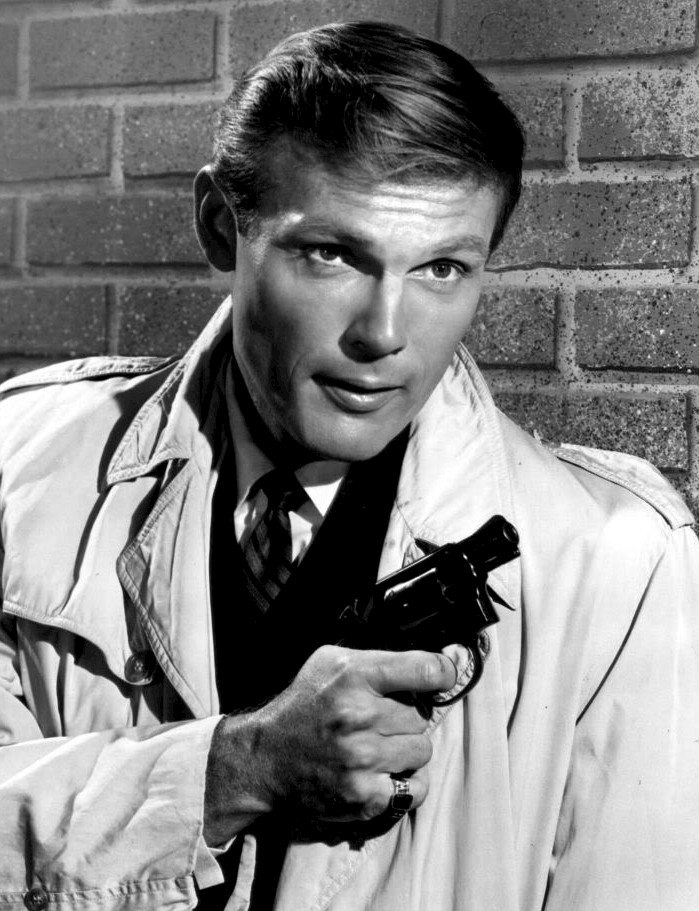
After his service career, he became a milkman until he moved to Hawaii to pursue a career in television. In 1959, he took on his stage name of Adam West and moved to Hollywood with his wife and children. He quickly became an actor and appeared in 33 television shows, including 77 Sunset Strip, Maverick, Hawaiian Eye, Tales of West Fargo, Perry Mason, Gunsmoke, Petticoat Junction, and Bewitched.
west4

In 1966, William Dozier, producer for a new show about Batman decided to cast West over Lyle Waggoner after seeing him as a James Bond-type character in a Nestle Quik commercial. DC Comics described Batman as 6’2” and that was West’s height.
west2

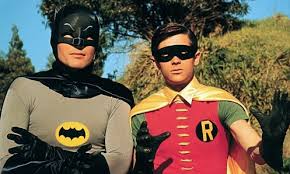
When the series ended, he and Burt Ward found themselves typecast as Batman and Robin.  He did a series of appearances about the Batman character while pursuing a movie career. He ended his career with 49 movies to his credit.

He appeared in 78 television shows after Batman ended including The Big Valley, Emergency, Alice, Police Woman, Laverne and Shirley, The Love Boat, Hart to Hart, Murphy Brown, Diagnosis Murder, News Radio, Drew Carey, King of Queens, and 30 Rock.

After 1990, he apparently embraced his Batman character and appeared on numerous television shows as himself or Batman. When asked about this, he said, “I think it evolved. I learned a long time ago that because people love Batman, I should too. I learned that I shouldn’t resent it even though it prevented me from getting other roles. I really had to become fond of Batman in order to deal with it. I embraced it.”

In 1957, he and his first wife Billie divorced.  He married  dancer Frisbie Dawson in 1957 and divorced in 1962. In 1970, he married Marcelle, and they were together until his death.  He had two children with each of his wives and two stepchildren.

In 1994, he wrote an autobiography Back to the Batcave. In 2012, he received a star on the Hollywood Walk of Fame on Hollywood Boulevard.

west8

West loved outdoor activities and had a lot of hobbies including fishing, sailing, hiking, skiing, golfing, riding motorcycles, swimming, surfing, dancing, traveling, as well as spending time with his family, listening to classic rock, reading, and watching movies.

West died after a short battle with leukemia at age 88. The next week, LA shined the bat signal on city hall to honor him.

While West certainly had a full and varied career despite his typecasting from Batman, I would like to spend some time looking at the series that gave him his fame. Typically, I am not really into super heroes, but I loved this show when I was younger and still get a kick out of watching the campy comedy. I can still hear the narrator saying, “Same bat time, same bat channel.” The show was canceled not only because of low ratings but also because the special effects and lighting had tremendous costs.  When ABC dropped it, they tried to find another network to take it over.  They had no offers, so they dismantled the set. Two weeks later, NBC offered to pick up the show, but decided it was too expensive to start from scratch.
batman4

In the 1960s, Ed Graham Productions received the rights to the comic strip Batman and intended to produce an adventure show similar to Superman or The Lone Ranger. ABC was thinking about a prime time show so DC Comics bought back the rights and sold them to 20th Century Fox. 20th Century gave it to William Dozier to produce.  Dozier had never read comic books and felt that the show should take a campy, pop-art approach. The show was originally an hour-long series, but with only half-hour time slots available, it was changed to a bi-weekly half-hour show.

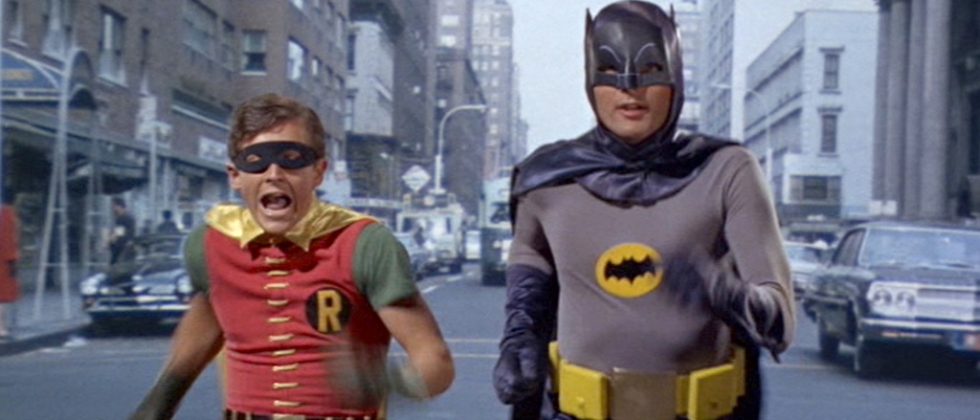
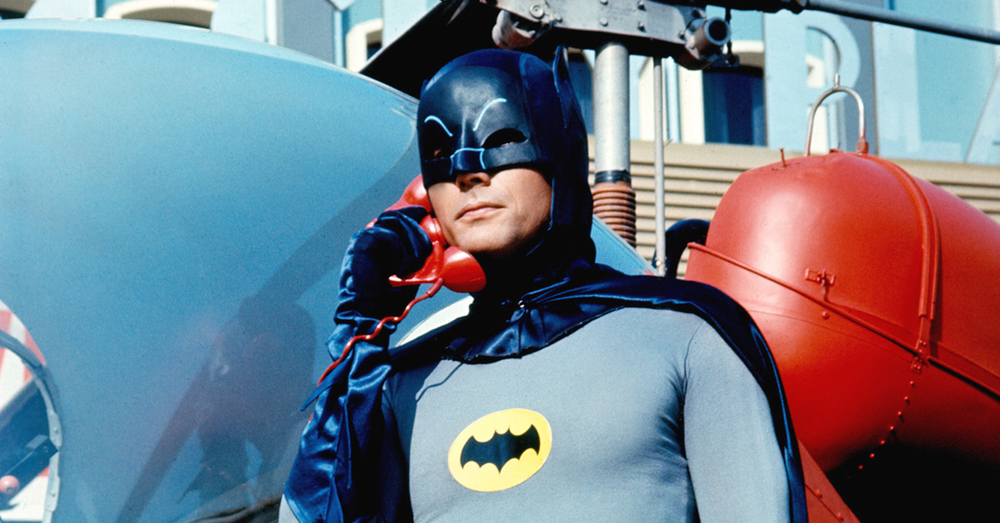
The concept of the show was that millionaire Bruce Wayne and his ward Dick Grayson lead a double life in Gotham City.  When they move a shelf in their library and slide down the bat pole to the bat cave, they become Batman and Robin.  Only their butler Alfred is aware of their real identity. Police Commissioner Gordon calls them on the batphone, often referring to them as the dynamic duo. They usually hop in their bat mobile and speed to city hall to learn what villain is up to no good in their city.
west5

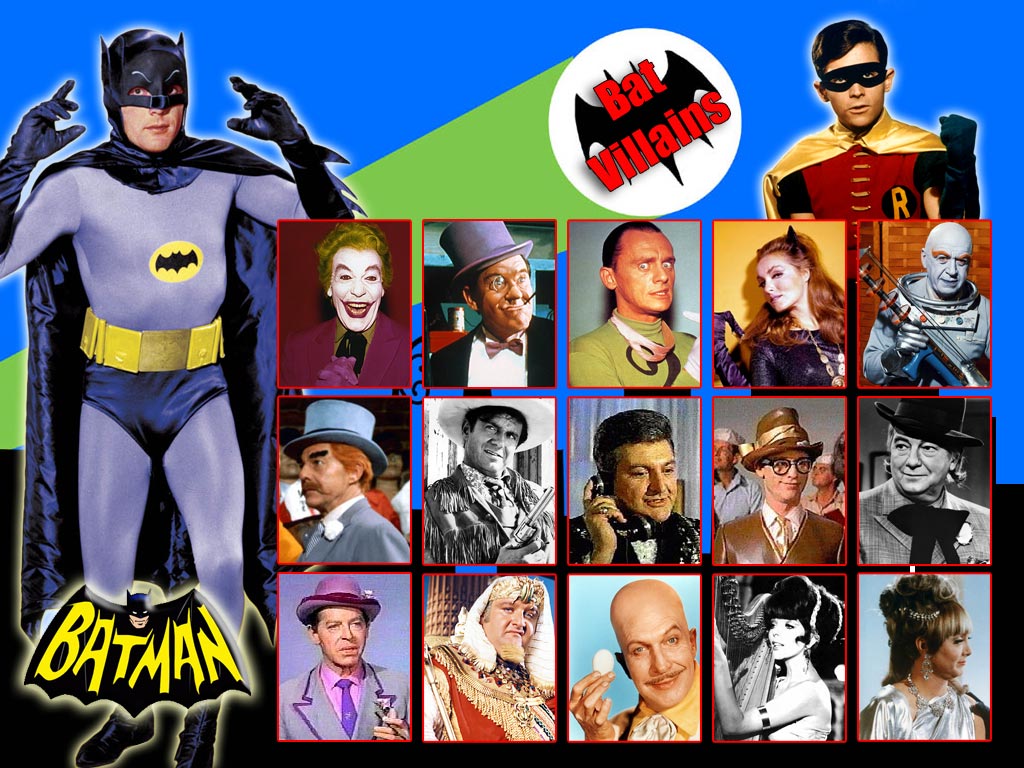
Adam West took the role of Batman/Bruce Wayne and Burt Ward was Robin/Dick Grayson. Other cast members included Alan Napier as Alfred the Butler, Neil Hamilton as Commissioner Gordon, Stafford Repp as Chief O’Hara, Madge Blake as Aunt Harriet, and Yvonne Craig as Batgirl.

My favorite villians included Julie Newmar and Eartha Kitt as Cat Woman, in love with Batman but not willing to give up her criminal life; Burgess Meredith as Penguin always carrying an umbrella; Frank Gorshin as The Riddler leaving riddles for clues; Vincent Price as Egghead a bald-headed genius who loves eggs; Cesar Romero as the Joker who leaves jokes for clues; and Victor Buono as King Tut when evil and Professor William McElroy as his non-evil personality.

The show aired twice a week on back-to-back nights. The first episode would set up the situation and end with the dynamic duo in some dangerous situation. Batman and Robin would get their assignment from the Commissioner and then, using a series of clues, try to figure out who the villain is and then how to defeat them. At some point, there was always a fistfight with the villain’s entourage at which time the villain typically escaped. During the fight, words would pop up on the screen like POW, BAM, ZONK, BOOM. Then the crime fighters would go to look for them at which point the dangerous and perhaps deadly situation occurred and the next episode would summarize what happened on the previous episode before defeating the bad guys for good. They often used inventions like shark repellant bat spray to aid them in their search.

batman5

In Season 3, Bat Girl was added to the cast. The ratings were starting to fall so Dozier wanted to bring in a girl character to attract female viewers. Her real identity was Barbara Gordon, the Commissioner’s daughter.  The Commissioner never seemed to realize she was familiar to him. Because of low ratings, the show also became a once a week series in the third season.  Eartha Kitt took over the Catwoman role since Newmar was filming a movie at the time. Madge Blake’s health was failing, and her role was limited to two appearances during the last season.

The show was cancelled before the next season but it has continued to be popular in reruns. In 1966, an album was released “Batman: The Exclusive Original Soundtrack Album.” It included music by Nelson Riddle, dialogue excerpts from several of the characters in the show, as well as the Batman theme song, Batusi A Go Go, and several other tunes.

A lot of collectibles were produced during the run of the show including trading cards, Batmobile kits, coloring books, lunch boxes, board games, and View-Master reels. In 2013, Mattel designed an action figure line based on the tv characters, and several Hot Wheels/Matchbox cars have been produced. The Batmobile from the show was auctioned in 2013, selling for $4.2 million.  The huge profits from the car as well as the line of action figures prove the continuing interest in and success of this show now 50 years old.

Here are some fun facts I found about the series:

A total of 352 “Holy” words were used by Robin from “Holy Agility” to “Holy Zorro”.

Cesar Romero’s Joker laugh was created almost by accident. Shortly after being cast, Romero met with producers to discuss his role on his series. While waiting to meet with them, Romero happened to see conceptual art of Joker’s costuming. Romero felt the pictures almost looked absurd, and as a result spontaneously broke out into a playfully loud and almost manic laughter. A producer overhearing it responded by telling Romero “That’s it, that’s your Joker’s laugh!”

Burgess Meredith had not smoked in 20 years when he was cast as the Penguin. He came up with the Penguin’s distinctive squawking sound because the cigarettes were irritating his throat. Like his trademark “quack”, the Penguin’s waddling was largely a result of improvisation by Burgess Meredith, as he found it difficult to stand and walk straight while wearing the rubber padded fat suit that was part of his costuming.

Before going on the air, this show received the worst audience test scores in the history of ABC. It only went on the air because so much money had already been invested in it.

This was one of the “in” shows to appear on if you were a big name in Hollywood during the 1960s, and many top names guested on the show, including many who didn’t do much TV otherwise. Those performers who weren’t cast as guest villains could frequently be seen popping their heads out of windows to exchange a few words with Batman and Robin when the latter would be climbing up a building wall. Frank Sinatra, Natalie Wood, and Cary Grant were all fans of the show, and wanted to be on it, but the producers were never able to come up with the right roles for any of them. During the run of the series, this show crossed over with The Green Hornet (1966).

The “Giant Lighted Lucite Map of Gotham City” is a reverse image of St. Louis, right down to Forest Park, Fairground Park, Tower Grove Park, Lafayette Park, and Horseshoe Lake on the Illinois side, as well as the other river and road networks.

Each main villain had their own theme music.

In the first season, Burt Ward (Robin) was paid $350 per week.

Yvonne Craig has stated that she briefly did have a stunt double, but did most of her stunts herself. She actually operated the Batgirl Cycle herself as well. She was an accomplished biker at the time, and actually owned a bike.

Adam West (Bruce Wayne / Batman), Burt Ward (Dick Grayson / Robin) and  Neil Hamilton (Commissioner Gordon) are the only actors to appear in all 120 episodes of the series.

Suzanne Pleshette was one of the original choices to play Catwoman before Julie Newmar landed the role.

The show aired from January 12, 1966 to March 14, 1968 on ABC for 120 episodes. It was one of few TV series to be seen on 2 different nights a week: 7:30 Wednesdays and Thursdays. It remained there for a season and a half (Jan. 1966-Aug. 1967) until it was moved back once a week (Thursdays 7:30) for its final season. The episodes were generally two-parters: Wednesday’s episode was a cliffhanger, resolved in Thursday’s episode. The 1966-1967 season had 2 3-parter episodes (“The Zodiac Crimes/The Joker’s Hard Times/The Penguin Declines”[ep. #2.37-9, 1/11-12 & 18/1967] and “Penguin is a Girl’s Best Friend/Penguin Sets a Trend/Penguin’s Disastrous End”[ep. #2.42-4, 1/26/, 2/1 & 2/1967]) which left cliffhangers that would be solved the following week. When the series was reduced to (mostly) one part episodes during season three, the cliffhanger death traps and threats were still used, but greatly scaled back and occurring at the middle commercial break.

The three primary cast members of The Addams Family each made appearances on Batman. Carolyn Jones played the villainess Marsha, Queen of Diamonds, and John Astin played the Riddler during the second season. Additionally, Ted Cassidy had a window cameo, appearing in his part as Lurch from The Addams Family. Interestingly, Cassidy’s cameo took place in a story involving the Penguin, with whom Jones’ character Marsha teamed up in one of the three-part stories.

In episode 7, Alfred refers to Robin as Mr. Ward, and not Mr. Grayson.

While Superheroes and the movies and television shows they appear in seem to cycle up and down throughout the decades, the popularity of the Batman television show has never wavered.  The fact that Mattel would create action figures based on the original stars almost 50 years after the show debuted says a lot about the fans and the place the show holds in their hearts.

Thank you Adam West for creating such a memorable and well-loved character.  Rest in peace.
batman2