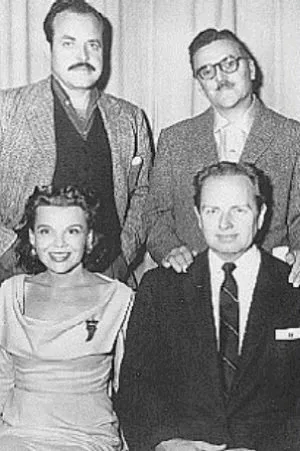
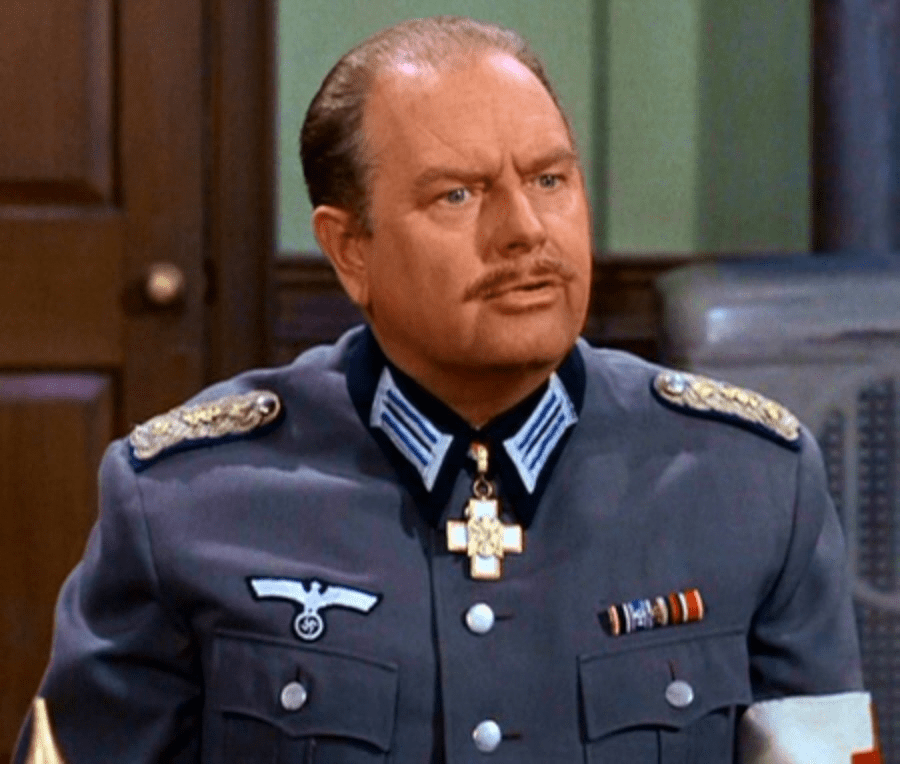
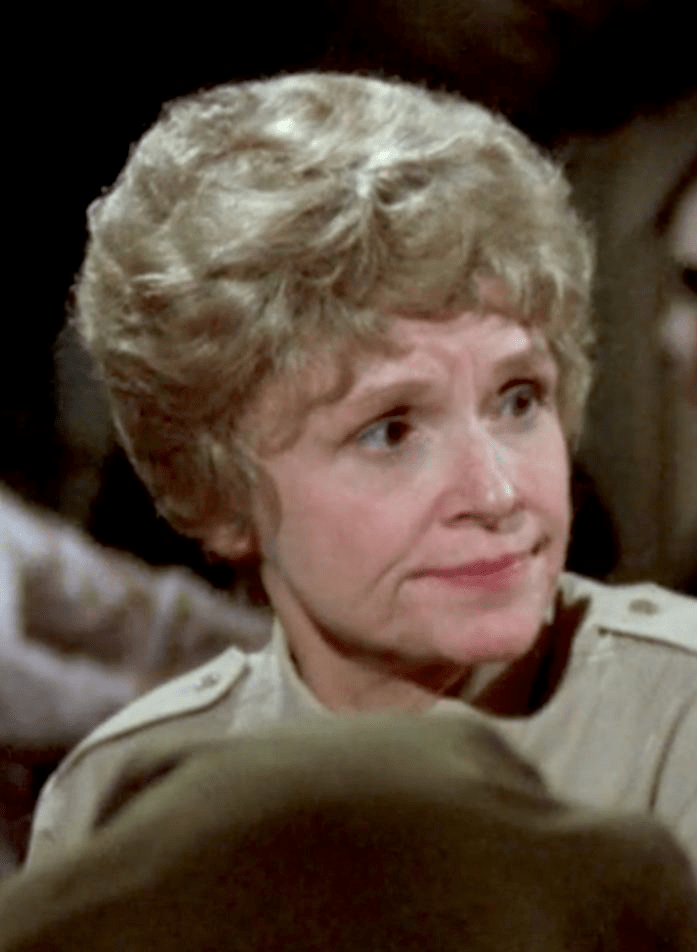
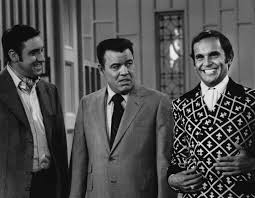
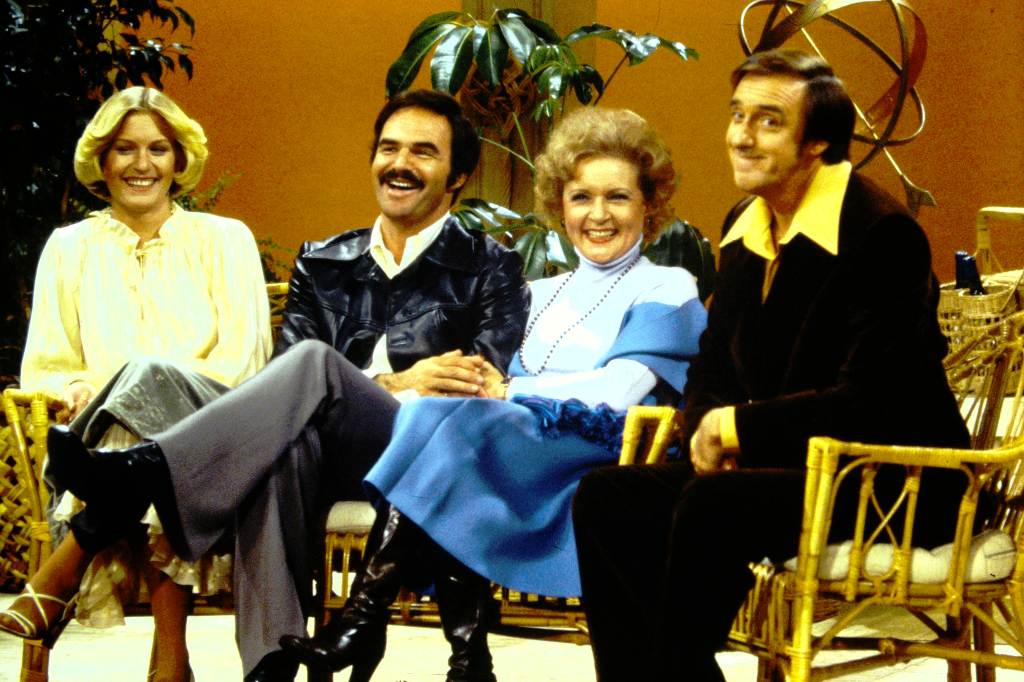
Sandra Gould: What a Character

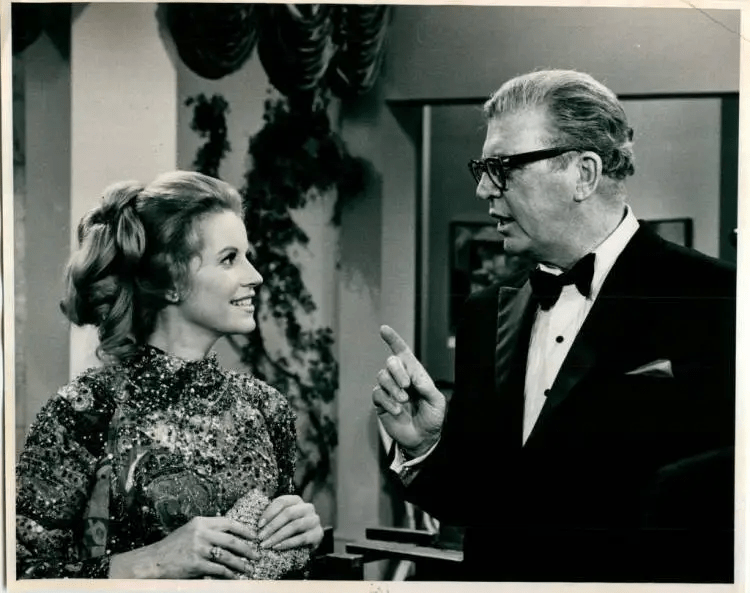
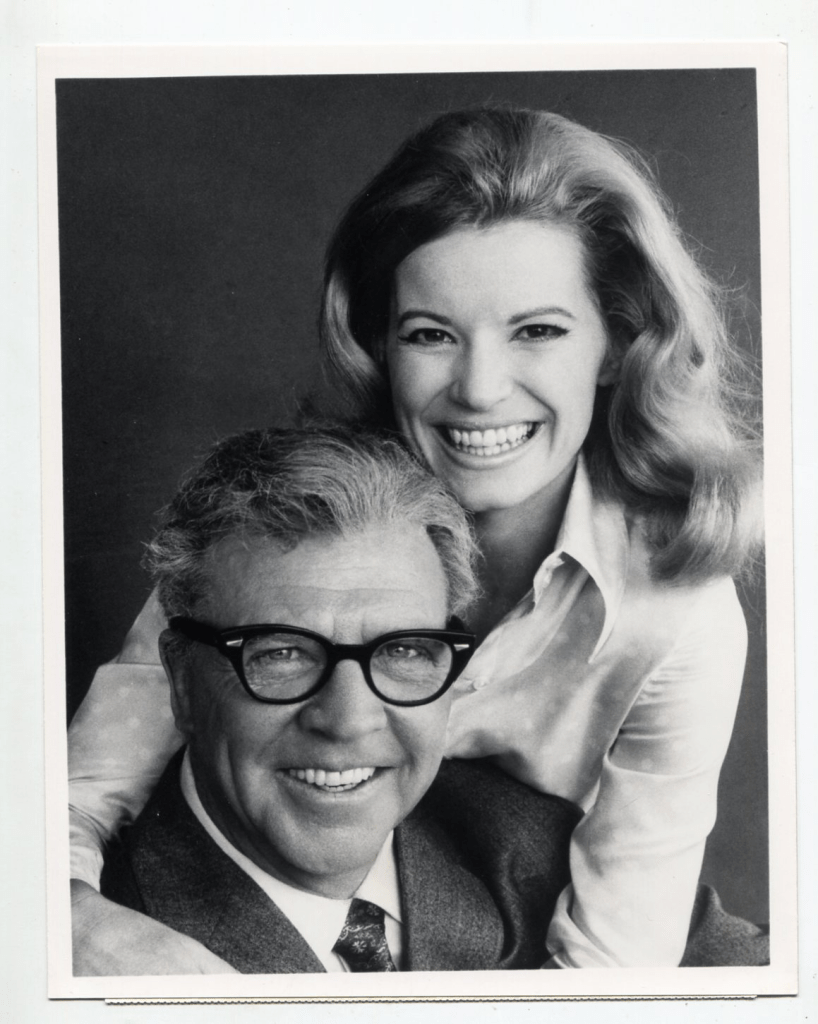
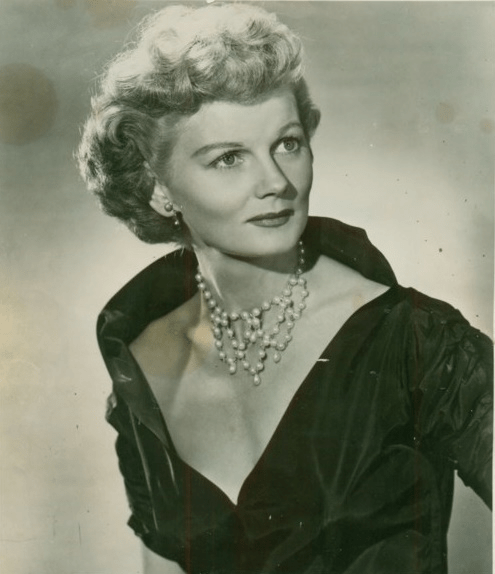
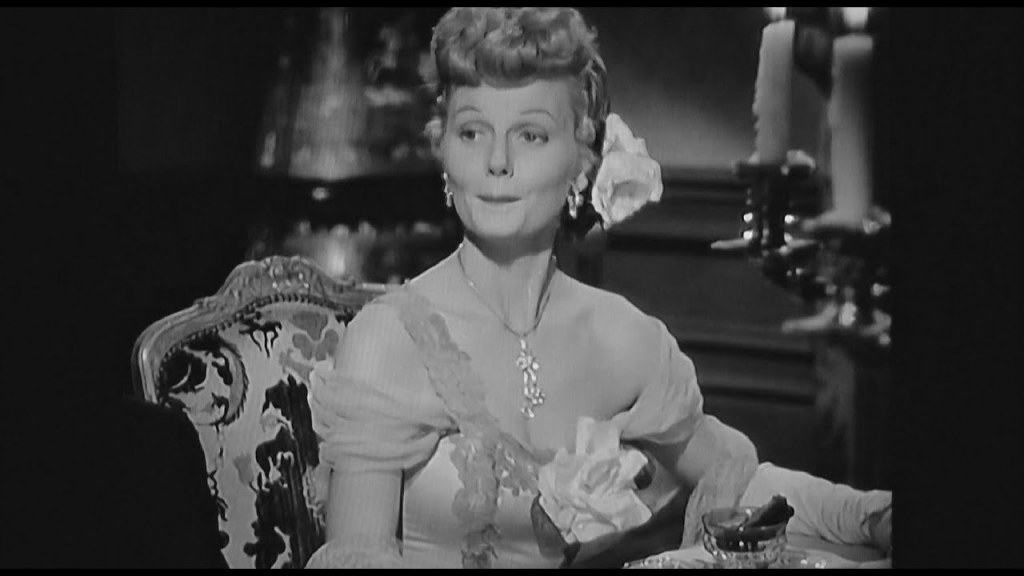
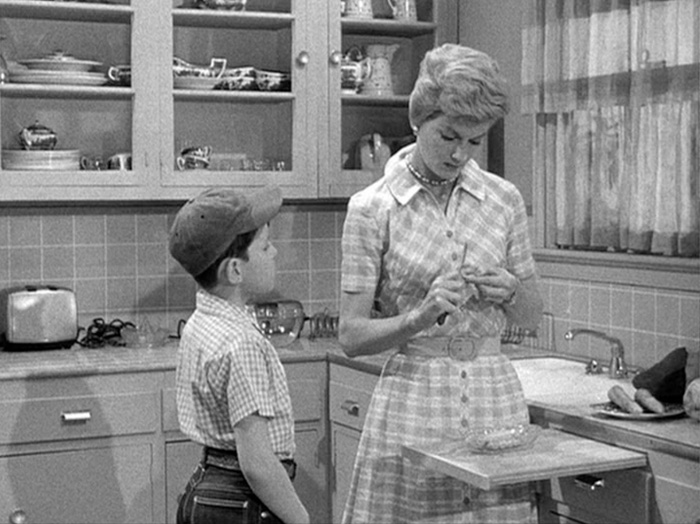
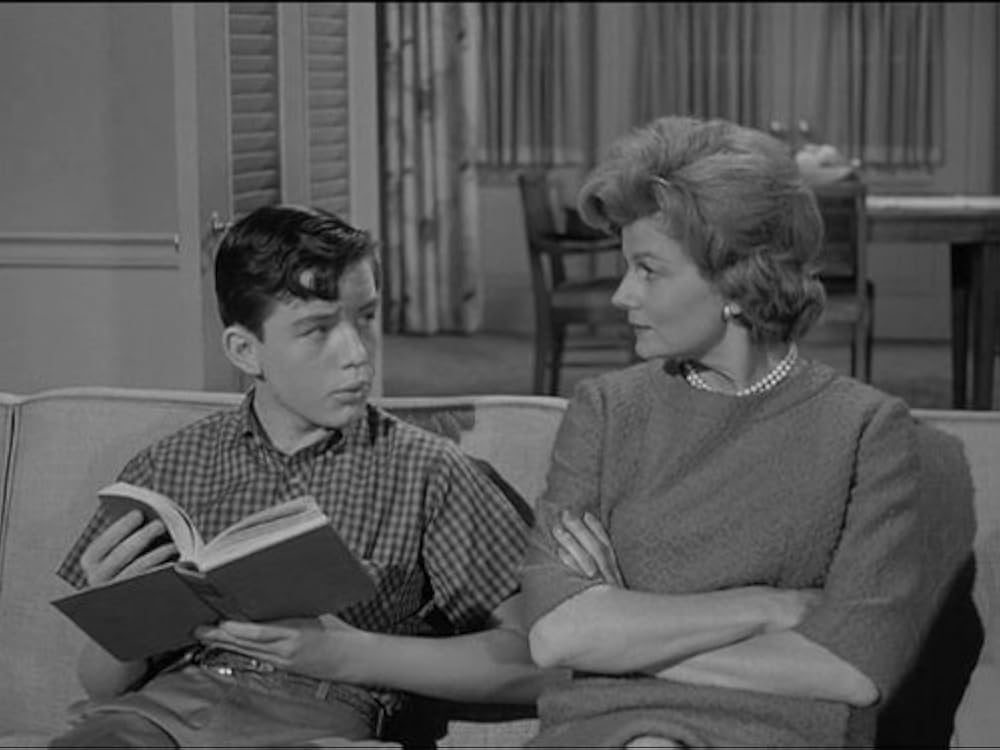
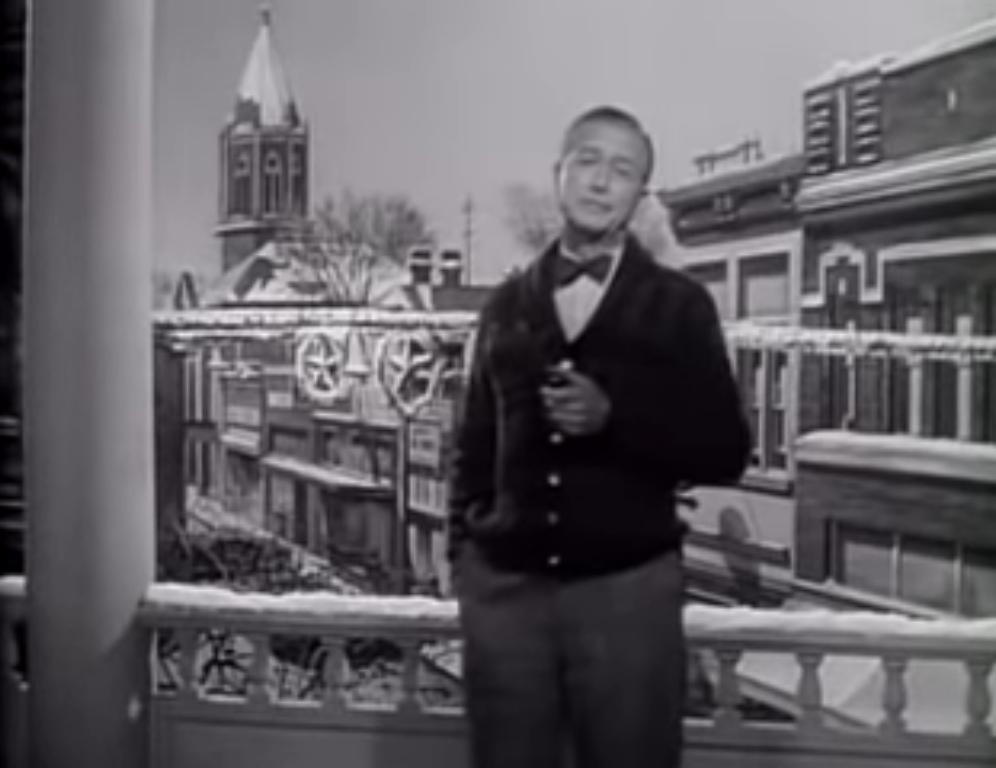
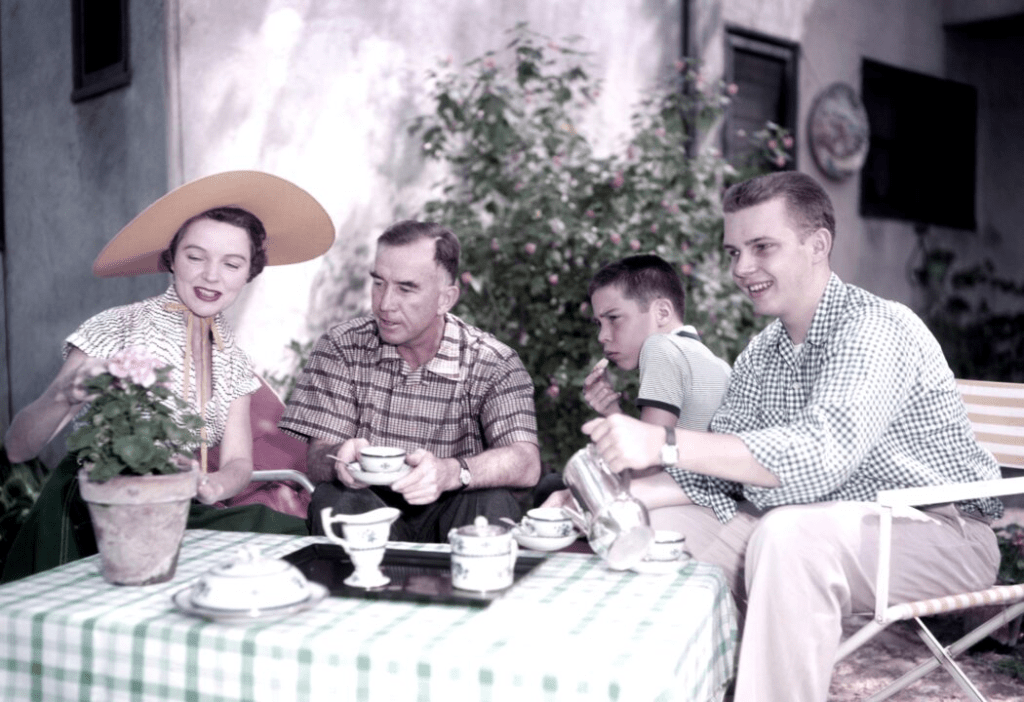
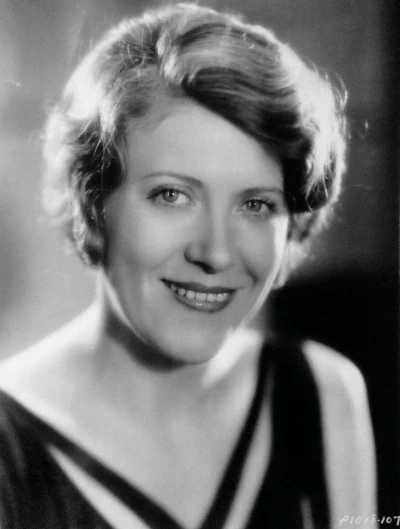
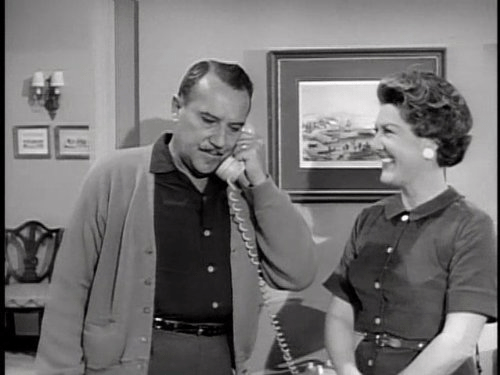
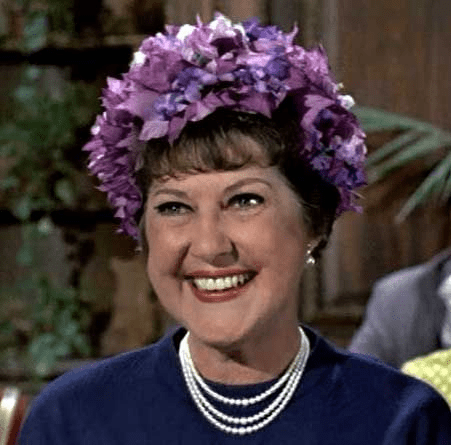
We are winding up our blog series “What a Character” with Sandra Gould. I have to be honest, I had an unfair bias against Sandra Gould.  I didn’t know a lot about her career, I just knew that she replaced Alice Pearce as Gladys Kravitz, and it was a bad replacement. It wasn’t Sandra’s fault—I blame the show’s producers.

📷pinterest.com

Some actors truly are irreplaceable. Eartha Kitt, while a great Cat Woman, just wasn’t Julie Newmar. Imagine trying to replace Henry Winkler as the Fonz halfway into the show. Can you picture tuning into MASH and finding Hawkeye was now played by someone other than Alan Alda?  Pearce was perfect in that role and, despite her being nosy and annoying, she was likable and that is hard to do. Gould’s Gladys was loud and brash, and I felt like I heard fingernails on a chalkboard whenever she was in a scene.

As long as I’m oversharing, I never cared for Dick Sargent either. While he was able to replace Dick York in some ways, York was just Darrin. Okay, I’m done and ready to talk about the good aspects of Sandra Gould and her long career.

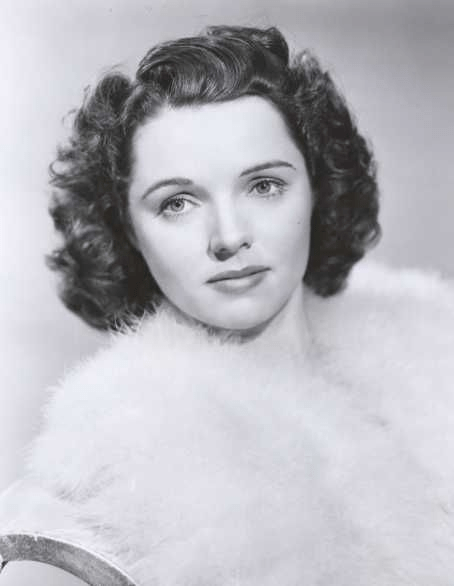
Gould was born in Brooklyn in 1916. She entered the entertainment business early becoming a kid dancer in the Cat Skills by age 13.

📷threads.com

Gould found a lot of success on radio, appearing on “My Friend Irma” and “Duffy’s Tavern.” Her first radio job came along when she was only 9 on “The Danny Thomas Show.” Gould was with Jack Benny for almost fifteen years.

In 1938 she married Larry Berns, a broadcasting executive. They were married until his death in 1965. Berns joined CBS in 1942 writing and producing radio and TV series including Our Miss Brooks. He later worked on McHale’s Navy and Broadside.

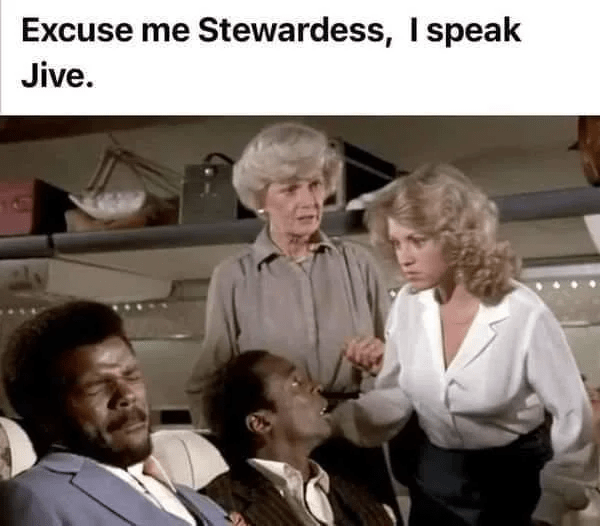
Sandra’s first role was in the big screen T-Men in 1947. Most of her roles were inept or gabby women, typically a telephone operator, nurse, receptionist, landlady, or saleswoman. Gould once mentioned that she played an operator more than any other actress. I did notice 10-15% of her roles mentioned switchboard operators.

📷facebook.com

While she continued to appear in movies, most of her acting credits came on television. She appeared in Oboler Comedy Theater in 1949. In the early days of television, many of the series were drama or comedy reenactments of movies or plays. Sometimes, new stories were written for these episodes. Gould continued with these roles into the mid-fifties.

From 1952-55 she appeared as Mildred on I Married Joan. This series starred Joan Davis and Jim Backus. He was a judge, and she was another “Lucy Ricardo” always getting into mischief or causing hardships for her husband.

📷tumblr.com

Gould was kept very busy with offers during the end of the fifties and throughout the sixties. She could be seen doing comedy on Our Miss Brooks, I Love Lucy, The Jack Benny Program, My Three Sons, The Brady Bunch, and I Dream of Jeannie among others. She also tried western life on Wagon Train. Her drama performances included Hawaiian Eye and I Spy. She even dipped her toe into animation on The Flintstones.

At the end of the sixties, she was given the Glady Kravitz role. Pearce and Gould split the character’s appearances: Pearce had 27 episodes with Gould having 29.

Gould had stepped away from acting for a time. She published two books for girls: Always Say Maybe and Sexpots and Pans. They both seem quite dated today in their advice to girls to get the right type of husband. At the time she accepted the role of Gladys she said she had gone through a very rough year. Her husband died. Then her writing partner Peter Barry died. Then Alice Pearce, who was a good friend of hers. She had no desire to take over the role, but George Tobias who played Abner and was also a friend, called her to come in for an audition.

📷imdb.com

I could not find any information about she and Barry collaborating. One article specifically mentioned that they wrote scripts for Honey West, Tammy, and The John Forsythe Show, but I don’t see either of their names as writers for these shows. Barry is listed as a writer for 23 shows in the late fifties and early sixties, and he was a radio scriptwriter. Perhaps they had written some scripts that were never filmed.

I guess I am in the minority on the Bewitched issue because most sites I visited described her role similarly, usually something like Hollywood Spotlight’s description: “her over-the-top performance and shrill voice were popular with viewers, and she succeeded ultimately in making the character her own.” She also reprised her role as Gladys in the sitcom Tabitha in 1977 which was about Darrin and Samantha’s daughter as an adult.

Some time during her stint on Bewitched, she got married again to Hollingsworth Morse, and they were together until his death in 1988. Hollingsworth was a director and assistant director on almost 90 programs and movies including McHale’s Navy, Dukes of Hazzard, and Mork and Mindy.

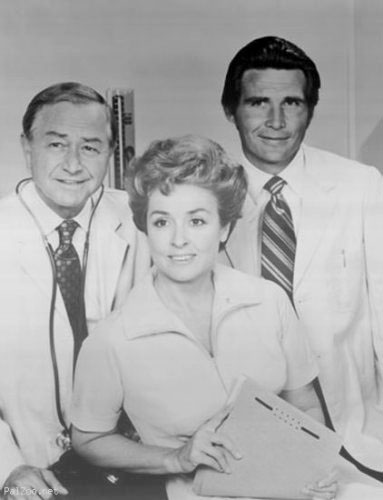
The seventies and eighties found her primarily in drama roles, although she could be spotted in a handful of sitcoms. You can catch her on Columbo, Marcus Welby MD, Ironside, Crazy Like a Fox, and MacGyver. During the nineties, she took on roles that were described as “old lady” on Friends and on her last appearance which was Boy Meets World in 1999.

📷bewitched wiki.com

Not long after filming this episode, Gould passed away from a stroke following heart surgery.

Gould had a long and successful career and certainly made the nosy, gabby character her own. I’m glad the job on Bewitched helped her get through a very sad and difficult time in her life. However, I still am claiming she was not right for Gladys who should have been written off the show and just replaced with a new neighbor. But I respect Gould and the characters she made her own on the big and little screens.

What a Character: Richard X Slattery

This month is all about our favorite characters. Richard Slattery definitely fits the bill.

📷bewitchedwiki.com

Born in New York in 1925, Slattery attended Blessed Sacrament grade school and then graduated from All Hallows High School before attending Fordham University under a track and football scholarship. At one point, he seriously considered attending seminary to become a Jesuit priest. During WWII, he left school to join the US Air Force, serving as a lieutenant in the Pacific Theater.

After returning home, he became a police officer in 1947, working in New York until 1958. His father was a policeman, so it was a natural fit for him. He worked in several precincts including the tough 41st station in the Bronx and as a plainclothes man for a vice squad.

He appeared in a few police academy training films at a community theater in the Bronx which gave him the acting bug. While working as a cop, he also appeared in several off-Broadway productions, finally making it to a Broadway show in 1961. About that time he asked for a year’s leave of absence from his police duty to see if he could make acting a paid profession. He never returned to the force.

📷worthpoint.com

For three decades from the sixties through the eighties, you could see him on many of your favorite shows. His first television episode was Deadline in 1959 and his last was in Dragnet in 1990. In between he appeared in 82 different series.

Most of his roles were as policemen. Forty-eight of his 108 credits were for a policeman or military man including the three shows he joined as a cast member. In 1962 he was Sgt McKenna on The Gallant Men for 26 episodes. The description for this show on imdb is “The 36th infantry is fighting its way through Italy under the spirited leadership of Captain Jim Benedict. His men include flirt D’Angelo, who carries his guitar along, plus pals Lucavich and Hanson. McKenna is the free-wheeling Sergeant.”

In 1965 he took on Captain Morton for 30 episodes on Mister Roberts, which is described as “Lt. Roberts is far from the war action while stationed on The Reluctant, a cargo ship. While trying to get transferred he must also deal with irascible Captain Morton while trying to reign in the impulsive Ensign Pulver.”

📷dodgerthoughts.com

His last regular role was in 1977 when he joined CPO Sharkey as Captain Buckner for 22 episodes. This one starred Don Rickles as an acid-tongued officer who is verbally abusive to his men, a band of misfits, even though it’s obvious he cares for them and wants them to succeed. I remember watching, or trying to watch this one, when it aired. It was just too hard hitting for me, at least at that time. However, Rickles was always too vicious for me as a comic also.

Another role Slattery was known for was Murph the gas station attendant for Union 76 gasoline station ads for 17 years.

Slattery followed the formula of the third time being the charm in his marriages. In 1958 he married actress Pegeen Rose, and they were together for a decade. In 1970 he tried again with Mary Shelquist, and they made it 9 years. In 1988 he married Helene Vergauwen and they were together until his death nine years later. He was buried at sea off the coast of Catalina Island.

📷historicimages.com

Catalina Island was his home for the last decade or so of his life. He and his wife owned several shops including Sea Rags and Driftless gift stores, Boots and Straps shoe store, and Murph’s Wok Away Chinese take out. He was part of the men’s club and the theater on the Island. He also was an avid golfer and is often mentioned in the paper at celebrity tournaments or golfing with friends. The one sport he didn’t do on the Island was boating! He got sea sick and did not even own a boat.

While he definitely was often typecast as a policeman, it is what he did for his first career for more than a decade. I’m glad he got the chance to become an actor. I’m even more glad that although he died at a young 71 years of age, he was able to enjoy life on the Island after his retirement.

Sylvia Field: What a Character

We are in the middle of our blog series for November, “What a Character!” Today we get to meet the delightful Sylvia Field.

Born Harriet Louisa Johnson in 1901 in Allston, Massachusetts, Field always knew she wanted to act. When she was ten, she saw Maude Adams in “Peter Pan,” and she decided that would be her career as well. After being diagnosed with diphtheria, she was not allowed to attend school for a while. So, when she was feeling better, she ventured down the street to a motion picture company that was filming movies. She was allowed to join the cast and became the “leading lady of the extras.”  

📷facebook.com

Eventually she decided to move to New York. At only 17, she made her Broadway debut in “The Betrothal.” She never did go back to school.

📷wikipedia.com 1927 Broadway shot

A decade later she got her first shot at the big screen in The Home Girl. She was signed by Fox Studios in 1939. Her last acting credit was also for a film, The Cruz Brothers and Miss Malloy in 1980. While she fit a few movies in her career, most of her appearances were on television.

After she began her film career, she married Robert Frowhlich in 1924; they were only married five years. In 1930 she tried marriage again with Harold Moffat; he passed away eight years later. In 1941 she married Ernest Truex, and they remained together until his death in 1973.

Truex had an interesting background. He was born in Kansas where his father was a doctor. In exchange for medical services, one of his father’s patients gave Ernest acting lessons. Ernest performed Shakespeare as a five-year-old child, and was given the nickname, “The Youngest Hamlet.” As a nine-year-old, he and his mother toured the country while he performed. Before he was a decade old, he was in his first Broadway show with Lillian Russell.

📷wikipedia. The Butter and Egg Man by George Kaufman

In the movies he played the quiet, ineffectual boss. Like Field, he was also a regular cast member in three shows. His were Jamie, Mister Peeper, and The Ann Sothern Show.

Field and Truex traveled around the country in plays together before starring in a local New York series featuring members of their family. The couple had a blended family with Field’s daughter Sally Moffat and Truex’s three sons. All four of the kids became actors. I’m guessing it was like The Adventures of Ozzie and Harriet. The show was on the air for three years before Truex and Field decided to move to California.

Sylvia’s first television appearance was on the Chevrolet Tele-Theater in 1948. She continued accepting roles on many of the drama shows through the mid-fifties. In 1952 she got her first cast role as Mrs. Remington on Mister Peepers. Ernest Truex was also part of the cast, playing Mr. Remington. They played the parents of Nancy, the school nurse, Mister Peepers’ fiancé. (Field and Truex would work together again on a 1966 episode of Petticoat Junction, “Young Love,” as well as in The Ann Sothern Show.)

📷who’sdatedwho.com Field and Truex

After Mister Peepers was canceled, she accepted a few spots on current shows including The Ann Sothern Show, Father Knows Best, Perry Mason, and The Thin Man.

In 1958 Sylvia received another cast offer to become Aunt Lila on both Annette and The Mickey Mouse Club. These shows shared cast members, so if you were cast on one of them, it was a buy one, get one deal.

Aunt Lila only lasted a year, which was a good thing, because Field was free to accept the role of Martha Wilson on Dennis the Menace, beginning in 1959. She defended Dennis to her husband George for almost four seasons.

Before the 1962 season, her tv husband Joseph Kearns passed away. For the season, Gale Gordon was brought in as George’s brother John, who was staying with Martha while George was away on personal business. However, the next year, Field was written out of the show, and John’s wife Eloise took her place, played by Sara Seegar. John and his wife bought the house from George and Martha, and no explanation was given to why they moved away. Sylvia and Jay North, who played Dennis, remained friends for the rest of her life.

📷WPRI.com Field, North, and Kearns

For the rest of her career, she would show up on television shows including Hazel, Occasional Wife, and Lassie. After Truex’s death, Sylvia accepted a couple of roles but spent much of her time fishing, golfing, watching baseball, and taking care of her avocado orchard. Eventually she had to move to a nursing home where she passed away in 1998.

I always enjoyed Martha Wilson. She and George took on the role of Dennis’s pseudo grandparents. While George was gruff, everyone knew he loved Dennis. Martha was more affectionate and always waiting with cookies, ready to hear about his latest exploits. Field seemed to have a great life. She had a prolific career and then was able to enjoy retirement which so many actors find impossible to do.

Cosmo Sardo: A Cut Above the Rest

It’s November and it’s time for one of my favorite blog series, “What a Character.” Up today is Cosmo Sardo. Born in 1909 in Boston, he was lucky to keep his foot after an accident at age 14 when a car hit his bike and ran over his foot.  After high school he majored in theatrical arts at the University of Massachusetts. Sardo began his career as a model in print ads for many companies including Sears Roebuck, Eddie Bauer, and Pepsi Cola.

📷imdb.com

Sardo made a reputation for himself in Boston theatrical circles before being cast in Oscar Wilde’s “The Importance of Being Earnest” in a downtown Los Angeles Theater in 1934.

In 1939 he made his way to Hollywood where he began a career in the film industry. If you can think of a profession, he probably played it: bartenders, retail clerks, postmen, bankers, waiters, detectives, reporters, businessmen, con artists, butlers, tailors, military men, cosmetologists, and barbers, which he perfected in real life. He even played a corpse in The Corpse Came COD.

Sardo’s father told him if he moved to Hollywood, he had to have a trade to fall back on. He got a job at John’s Barbershop which just happened to be located under Central Casting. And one day it paid off when he was offered a job. Sardo had always wanted to be an actor, so he left his barbershop to take acting classes. He said that his wife thought he was crazy and left him, but I could never find any source showing his marriage. I’m guessing this is one of those articles publicists made up. He signed with Warner Brothers in 1946 to play a barber in Humoresque because they knew he had owned a barber shop.
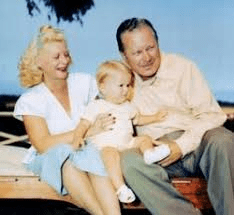
📷facebook.com Cosmo cutting Dick York’s hair

Later, he opened Cosmo’s Hairstyling Salon of Hollywood where so many famous clients were taken good care of. It was around the corner from Schwab’s Drugstore, the famous spot where so many careers were apparently launched. He would cut hair between his acting assignments. In an interview in the sixties, he said that most actors “usually don’t want their hair cut. They want it trimmed. I can make a man look like he never had a haircut at all.” Sardo also offered massage, face contouring, and mud packs.

This guy had an amazing 578 acting credits. His first job was the big-screen film Brother Orchard in 1940. His last was as a priest in Hill Street Blues in 1984.

His first television appearance was in 1952 in The Adventures of Superman. He would go on to make tons of appearances on shows. He never was a regular cast member for a show, but he often starred as many different characters on many episodes for the most popular shows. For example, he appeared on Charlie’s Angels 6 times, Columbo 7 times, The Love Boat 10 times, Bewitched 13 times, Batman and Man from UNCLE 14 times, The Untouchables and Have Gun Will Travel 15 times, and a whopping 81 Bonanza appearances where he often portrayed a bartender.

📷wikipedia.com

When he wasn’t cutting hair or making movies or television episodes, he could be found instructing at the Pasadena Playhouse, worshiping at his Catholic church, working for the Democratic party, and dining or golfing at the Los Angeles Country Club.

After his death, his biography said that he never married, so he devoted his retirement to help charitable and religious organizations. He passed away in 1989.

It is frustrating trying to tell the stories of these great character actors. There is almost no personal information about them apart from their birth, their death, and their career. As a barber, I’m sure Cosmo had a lot of great stories he could share.

I don’t know how many haircuts he gave, but with 578 acting credits which translated into 878 individual appearances, this was one busy man. How fun that he had a trade and attained his dream job and kept doing both successfully until his retirement.

Josie and the Pussycats: On Every Network At the Same Time

We are winding up our blog theme for October, “Get Animated.” I think II saved the best for last. When I remember watching cartoons as a kid, I was fairly neutral on most of them. I liked Tom and Jerry and The Jetsons. I did not like the Dudley Do-Right/Penelope Pitstop group of characters. I was indifferent to most cartoons until I was ten and a new one debuted. I loved Josie and the Pussycats. I couldn’t really relate to Foghorn Leghorn, but I got Josie.

Dan DeCarlo created “The Archies,” and in 1970 he came up with “Josie and the Pussy Cats.” He later found out that in addition to the comic books, a cartoon was being given to Hanna-Barbera and he was not getting any of the profits from the sale.

Carlo discussed how he came up for the idea: “I went to United Feature with  . . . Josie. . . They asked for more  . . . [it was too much] . . . I shoved Josie, and concentrated on Willie Lumpkin . . . When the strip ended, I quickly submitted the Josie strip back to Publishers and Harold Anderson, and he sent it back to me . . . I took it to Archie to see if they could do it as a comic book. I showed it to Richard Goldwater, and he showed it to his father, and a day or two later I got the OK to do it as a comic book.”

Sixteen episodes ran the first season, and they were repeated the next year. Season three moved to outer space and that didn’t do much for me. This group was rerun again in season four. The final two years, 1974-76, just continued to show these same 32 episodes. Oddly during these final two years, you could catch the cartoon on ABC, CBS, and NBC.

📷tvinsider.com

The reason I loved this show is because it was all about girl power. Josie and the Pussycats was a teen pop band who toured the world. Somehow, they managed to get into the same types of mysteries the Scooby Doo gang did; they even had their own van. Josie was the lead singer, songwriter and guitarist for the band. Her co-band members were Valerie who played the tambourine and drummer Melody. Valerie was the first Black character to be a regular member of a Saturday morning cartoon.
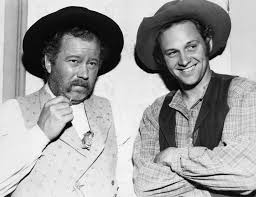
Rounding out the cast were roadie Alan and twins Alexandra and Alexander. Alexander was their manager, but he was not the brave boy leading the women; he was more cowardly and afraid of his sister who caused a lot of trouble for the band. Alexandra also had a cat Sebastian.
📷blogger.com

Like The Partridge Family or The Monkees, a song was featured each episode usually during a chase scene. And like The Partridge Family, they wore special costumes, usually leopard print ones. Don’s wife shared a story about the inspiration behind the costumes. In 2002, she told Blake Bell that “we were going on a cruise. I had a friend . . . she made me a costume and that was the pussycat costume. . .  I brought the costume . . . Dan . . . decided it should be made a little bit sexier. I had a hat with a point on the forehead, cut around the eyes . . . he thought we would just use the ears. When we had the whole costume together that’s when Josie was created actually [based] with the style of this costume.”
Each episode had a formula with the band on their way to their next performance when they get mixed up in an adventure, often caused by Alexandra. They might meet a mad scientist or villains like The Wild Wild West featured where they wanted to take over the world or use some terrible invention to harm a lot of people. Alexandra also wanted to steal Alan away from Josie, so that was often behind her mischievous plots.

📷saturdaymorningsforever.com

Josie was voiced by Janet Waldo, but her singing was done by Kathleen Dougherty. She was the redhead of the group. Valerie’s words were voiced over by Barbara Pariot and her singing by Patrice Holloway. She was a brunette. Melody, the blonde, was voiced by Jackie Joseph and her singing was done by Cheryl Ladd. It was Ladd’s first television project. Alan was played by Jerry Dexter. Alexander had the distinct voice of Casey Kasem and his sister was Sherry Alberoni. We also heard Don Messick as Sebastian during the episodes.

The only thing I didn’t love about the show is that Melody was portrayed as the stereotypical dumb blonde. She was naïve and easy to confuse. Her ears wiggled when danger was near.

📷hanna-barberawikifandom.com

Hanna-Barbera put together a real-life girl group to not only provide the singing voices but to record an album. There was a talent search to find singers who looked like the cartoon characters.

The theme song was titled, what else, “Josie and the Pussycats.” It was written by Hoyt Curtin, Hanna, and Barbera. It was based on a tune that had been used briefly on The Jetsons. Capitol/EMI Records released an album and two 45-RPMs in 1970. The two songs that were most popular were “Every Beat of My Heart” and “Stop, Look, and Listen.” Kellogs, the sponsor of the show, also offered four 45s, if consumers sent a form in from the back of a cereal box.

The outer space episodes from season 3 were based on the band taking a promotional photo in front of a new spaceship. Alexandra pushes the group aside, accidentally triggering the launch sequence which sends them all into outer space. For some reason, Valerie knew how to fly the spacecraft. In this version, which is similar to the original 16, the wacky people they encounter are from other planets rather than cities on Earth.

A complete DVD set was released in 2007. The group has made a few encore performances. In 2001, there was a live action movie which I don’t remember at all. In 2016 a comic book was released, and in 2017, Riverdale, a live-action show, featured the trio as students at Riverdale High.

Josie and the Pussycats was never meant to be the mainstay The Archies was. I did love The Archies as well, with a poster on my wall and comic books on my bookshelf. However, Josie was just what I was looking for as a ten-year-old in 1971. I could easily imagine myself on tour, solving mysteries, and outwitting Alexandra. I thought about revisiting the original sixteen episodes for this blog, but I could not bring myself to do it. The ten-year-old is content remembering how fun these cartoons were, and I didn’t want to disappoint her by revealing how well they do or don’t hold up today. If you decide to take a trek back in time, let me know what you think about the show.


Where’s Huddles? You Only Have Ten Episodes to Find Him

This month’s blog series is titled “Get Animated.” Most of you are probably familiar with most of the shows we are discussing. However, today’s might be a bit more puzzling. It’s called Where’s Huddles?

📷imdb.com

This was a Hanna-Barbera Production that debuted on CBS in July of 1970. It was created as a summer replacement for Hee Haw. Some sources say it was replacing The Glen Campbell Goodtime Hour. The Campbell show had this timeslot in the fall and Hee Haw took if over for the winter. Both shows appeared on the schedule the following year.

When I was little, often either reruns were shown during the summer, or short-term replacement shows were created for potential long-term schedule spots.

This show was a primetime series meant to attract adults, much like The Flintstones was created to do with adult themes and a laugh track. I’m not gonna lie; I hated Hee Haw and I would have watched dentists performing root canals before watching Hee Haw.

📷ebay.com

The Flintstones had gone off the primetime schedule in 1966, so the network thought it might be time to try a new animation show in the evening.

This series featured a professional quarterback, Ed Huddles (voiced by Cliff Norton). The team’s center, Bubba McCoy (voiced by Mel Blanc) is his neighbor. Rounding out the cast was Ed’s wife Marge (voiced by Jean Vander Pyl), Bubba’s wife Penny (voiced by Marie Wilson), PomPom, the Huddles’ daughter (Jean Vander Pyl), and another teammate Freight Train (voiced by Herb Jeffries). Claude Pertwee (voiced by Paul Lynde) was a grumpy neighbor who lived with his cat Beverley. He liked the wives, but he disliked the rest of his neighbors.

Huddles and company play for the Rhinos,  and their announcer was voiced by Dick Enberg, the voice of the Los Angeles Rams. Their coach was Mad Dog Maloney (voiced by Alan Reed).

As you can tell just by reading the descriptions, it was almost too similar to The Flintstones. Ed was taller and thinner than Fred and while his wife had red hair, it was a different style than Wilma.  Bubba’s wife was a more beautiful blonde. The characters on this show were voiced by many of the same people who worked on The Flintstones.

📷ebay.com

When the show wasn’t a hit, the network had to find a replacement show,  an unknown series, All in the Family, was put on the schedule.

A comic book was released in 1971.

The theme song was similar but different for the opening and closing. The catchy tune’s lyrics were:

Opening: There’s a family down the street, the Huddles! The McCoys live right next door. Yes, I know the girls are alright Marge and Penny, but the fellas, they play football you know. Savages, that’s what they are. Give the ball and a cheer for Huddles, with point after touchdown every time! Savages!

Closing: There’s a family down the street, the Huddles! The McCoys live right next door. Give the ball and a cheer for Huddles, and he’s over the old goal line. With a point after touchdown every time!

📷pinterest.com

I don’t understand having the two variations, but the show wasn’t on long enough to tweak the theme anyway.

The show didn’t attract many viewers, and it was canceled after ten episodes. However, in the fall, Hanna-Barbera would try their hand at another series, one that I was much happier about- Josie and the Pussycats. You’ll learn more about this one next week.

Scooby Doo And the Many Loves of Dobie Gillis

This month our blog series is “Get Animated,” and today we are taking a look at the Scooby Doo gang. Launched in 1969, Scooby Doo was created by Joe Ruby and Ken Spears for Hanna-Barbera Productions.

📷imdb.com

The show featured five teenagers who work together to solve mysteries. It ran on ABC from 1969-1976 when it moved to ABC until 1985. Since then there have been several reboots, a new show A Pup Named Scooby Doo, and several movies, but today we are focusing on the original series.

Fred Silverman, head of daytime programming at CBS, was looking for a new series that could take on the popularity of The Archies. Silverman had a concept in mind of a group of friends who played rock concerts and solved mysteries. The original concept was called Mysteries Five featuring Geoff, Mike, Kelly, Linda, W.W., and a bongo-playing dog called Too Much.

Designer Iwao Takamoto was brought on board. Takamoto had been incarcerated at Manzanar, a concentration camp in WWII. He began sketching scenes to pass the time. In 1945, Takamoto was hired by Walt Disney Studios with no experience or education apart from the sketching he taught himself during the war. At Disney he worked on Lady and the Tramp. He later worked for Hanna-Barbera and worked on The Flintstones in addition to Scooby Doo. After reading a dog breeder’s description of a pedigree Great Dane, he created Scooby, adding a hump back, bowed legs, and several features that were not highly rated in dog show winners.

📷facebook.com Denver, Weld, Hickman

The teens were based on the cast of The Many Loves of Dobie Gillis. That show was on the air from 1959-1963. The Scooby gang became Fred based on Dobie Gillis (Dwayne Hickman), Daphne based on Thalia Meninger (Tuesday Weld), Velma based on Zelda Gilroy (Sheila James), and Shaggy based on Maynard Krebbs (Bob Denver). Silverman based the dog’s name, Scooby Doo on Frank Sinatra’s doo-be-doo-be-doo in “Strangers in the Night.” The title became Scooby Doo, Where Are You?

When the show aired the voices were Don Messick (Scooby), Casey Kasem (Shaggy), Frank Welker (Fred), Nicole Jaffe (Velma), and Indira Stefanianna (Daphne). The group of friends traveled in the Mystery Machine, a very-sixties-looking van with psychedelic colors and flowers.

📷mentalfloss.com

As they travel the country, they run into situations where ghosts and paranormal activity threaten the locals. The plots were pretty basic, like the Hallmark Christmas movie formulas, the kids ran into someone being scared by a ghost, zombie, etc., and the kids would decide to help out their new friend. Eventually after at least one person, often Shaggy, went missing, before the kids unmasked the villain who turned out to be a human they had already dealt with in their investigation.

The ratings were amazing with up to 65% of viewers tuning in on Saturday mornings. It was renewed for a second season in 1970; however, a season of cartoons was only eight episodes.

In later years, the series received two Emmy nominations.

David Mook and Ben Raleigh wrote the theme song which was performed by Larry Marks.

Gold Key Comics published comic books starting in December 1969. It was drawn by Phil DeLara, Jack Manning, and Warren Tufts. The first ones were adaptations of the television shows, but eventually new stories were created. The series has been published off and on the past six decades.

This brand has sold billions of dollars of merchandise since it first began. In fact it sold a billion in 2004 alone. The early items included a board game in 1973, lunch boxes, coloring books, records, and underwear. The years since have featured a ton of items including a kids’ multivitamin, Scooby Snack dog treats, Barbie dolls, and Hot Wheels.

I loved this show growing up. The kids seemed fun and sophisticated and we all wanted to solve mysteries. For years there was a Mystery Machine in the town where we lived when my boys were little, and I felt nostalgic whenever I saw it parked around town.

Oh Magoo, You’ve Done It Again

Welcome to October, and welcome to our blog series for the month, “Get Animated.” Up first on the schedule is Mister Magoo.

📷imdb.com

This show was originally aired from 1960 to 1962. It was produced by United Productions of America, and each episode was made up of five four-minute cartoons. Jim Backus voiced Mr. Magoo and other famous voice actors on the show included Bea Benadaret, Mel Blanc, Dawes Butler, June Foray, Paul Frees, Jerry Hausner, Frank Nelson, Benny Rubin, and Jean Vander Pyl.

Mr. Magoo’s first appearance was in 1949 in “The Ragtime Bear.” Created by Milard Kaufman and John Hubley, Mr. Magoo was originally a parody of Joseph McCarthy, a mean-spirited, hateful man. It was meant to protest the Hollywood Blacklist. However, Kaufman found himself on one of these lists and passed the character of Mr. Magoo to Pete Burness. Burness depicted Magoo as a senile old man who was too stubborn to admit his eyesight was going. Backus was already voicing Mr. Quincy Magoo in 1949, so he lived with the character for decades.

In 1964, a similar series debuted called The Famous Adventures of Mr. Magoo which was on one season, and What’s New Mr. Magoo popped up in 1977. Backus continued to voice Magoo until the 1997 big-screen movie when Leslie Nielsen took on the role.

The show won two Oscars for Best Short Subject, but these were both in the mid-fifties before the television show debuted.

📷pinterest.com

I remember watching reruns of the shows when I was a kid, and while I thought some of the shows were funny, I wasn’t a huge fan. I was much more into Scooby Doo, Josie and the Pussycats, and The Archies.

Many kids identified Mr. Magoo with a grandparent: an elderly person who wasn’t ready to accept the fact that they were aging and had some limitations. Mr. Magoo got into a lot of complicated situations because he couldn’t see very well and refused to admit it. He would do things like think he was walking into a men’s clothing store when he was in an army recruitment office and try to purchase clothing.

When making the talk show rounds in the sixties, Backus told a story about how he prepared for the series. He put a fake rubber nose that pinched his own nose, giving it a nasal twang. After being Magoo for a bit, he was able to produce the voice without the fake nose. One of Magoo’s taglines was “Oh, Magoo, you’ve done it again.”

One of the tough things about this show was Magoo’s houseboy Cholly, whose real name was Charlie. Cholly was a stereotype of a Chinese man featuring huge buck teeth and fractured English diction. While several shows had Chinese or Black employees during this era, most of them were not so negative. Rochester often got the better of Jack Benny on his show. On Bachelor Father, one of my favorite sitcoms, Bentley lived with his niece and Peter, his houseboy. But Peter was more of a brother and felt free to speak his mind to Bentley; he was not a demeaning caricature.

📷pinterest.com

Backus seemed to vacillate on whether he liked or detested Magoo. In an article from 2023, Jim Korkis talked about Backus’ relationship with the animated character. Backus once admitted that “I’d like to bury the old creep and get some good dramatic roles in movies. He’s a pain in the posterior. Every time I start to be a serious actor I lose out because someone—usually a producer—says I’m Magoo.” However, Jim also drove around in a car with the license plate “Q MAGOO.”

He said Backus saw his father in the Magoo character who was isolated from most of the world. Another influence for determining the voice was a character Backus developed for his nightclub act. Backus described him as “the loud man in the train club car.

In an Ohio State University publication, Backus said his association with Magoo helped him out one night. He was trying to reserve a table at a restaurant with no luck. He called back as Mr. Magoo, and they gave him a table right away.

The Debbie Reynolds Show: Her Sponsorship Went Up in Smoke

Before we get into our topic of the week I’m celebrating today. This is my 475th post! Thank you to everyone who has joined me in my journey.
We are in the final week of our blog series this month, “It’s Their Show.” We are winding down with The Debbie Reynolds Show. While most of the shows we learned about this month were on air in the late fifties and early sixties, The Debbie Reynolds Show appeared in 1969 on NBC.

The show was created by Jess Oppenheimer who Lucille Ball called “the brain” behind creating I Love Lucy. This month we learned a bit about Bob Carroll Jr. and Madelyn Pugh Davis who created and wrote for I Love Lucy and The Tom Ewell Show, and they are back to write for this sitcom as well.

The show didn’t get off to a great start because Reynolds was clear that she wanted no cigarette commercials on her show. However, NBC was courting American Tobacco as the sponsor and Debbie threw a fit. When the tobacco company learned Reynolds was threatening to quit, they pulled their funding. Reynolds assured NBC that she would agree to forego NBC’s promise of a second year of the series, and she gave up her ownership in an NBC film What’s the Matter with Helen?, although she was able to star in the film.

The plot of this show was that Reynolds was married to Jim (Don Chastain), a sportswriter for the Los Angeles Sun. Like Lucy always trying to get into show business, Debbie Thompson wants to be a reporter, and she comes up with various schemes to get her that job. Jim just wants her to be a stay-at-home wife.

📷📷pinterest.com

Rounding out the cast were Debbie’s sister Charlotte (Patricia Smith), Charlotte’s husband Bob (Tom Bosley) and Bruce (Bobby Riha), Debbie’s son. Like George Burns had done in his show, Debbie often addresses the audience directly.

Debbie Reynolds did double duty in this one, singing the theme for the show, “With a Little Love.”

Sadly, Reynolds was not in the same financial situation that many screen stars were when they agreed to try a television series. When the show was canceled after one season, she lived in her car for a while and her career never got back on track. For 35 years after this sitcom was canceled, Reynolds played bit parts, appeared as herself, or did animation. It must have been hard to tolerate after being a big star on the silver screen.

Tom Bosley talked about appearing in this sitcom in his interview with The Television Academy. He said the network allowed the cast to make seventeen episodes, but from the beginning they knew the show would be canceled because of the stunt Debbie and her PR rep pulled regarding the sponsorship.

📷moviemarket.com

Bosley thought Oppenheimer was a genius, but Bosley said even without the issue Reynolds had with the network, the show needed reworking for it to remain on the air. Bosley said Reynolds was very energetic, but she was bitter about her husband leaving her for Elizabeth Taylor, and her second husband was a gambler who left her with half a million dollars of debt to pay off.

To make ends meet, she went to Las Vegas to perform and started a costume museum to preserve the artifacts.

Unfortunately, this show was doomed from the start. While I admire Reynolds for standing up for what she believed in, the way she went about it was not helpful. It should have been written into her contract or handled in a nonpublic discussion. If Reynolds had let the network take care of sponsorships, things would have been okay. A few months after this show debuted, Congress took their anti-smoking initiative one step further and passed the Public Health Cigarette Smoking Act, banning the advertising of cigarettes on television and radio starting in 1971, so many shows walked away from tobacco companies in 1970. However, when Reynolds dug her heels in and threatened to quit, she not only lost her two-year minimum deal and her upcoming movie profits, but the studio was just biding its time because it had already decided to cancel the series because of her behavior.  

📷posterazzi.com

Even though Oppenheimer was described by everyone as an amazing creator and producer, this show felt like another I Love Lucy with a different occupation, and I’m guessing viewers felt that way too. It was similar to Sherwood Schwartz who kept revising The Brady Bunch for decades and kept writing sitcoms with the main characters somehow “lost” that were all duplicates of his Gilligan’s Island.

By 1969, it was time to move away from the hard-to-restrain wife in the sixties concept. In addition to being a copycat of I Love Lucy, I have to be honest. While I found something fun and charming about the other series we learned about this month, the episodes I tried to watch for this blog were painful. The characters were not likable, the writing was not witty or even easy to listen to, and considering what a great cast they had, the show just fell flat. Sadly, I recommend avoiding this one unless you are trying to put yourself to sleep some night.

The Jim Backus Show: It Was Hot Off the Wire

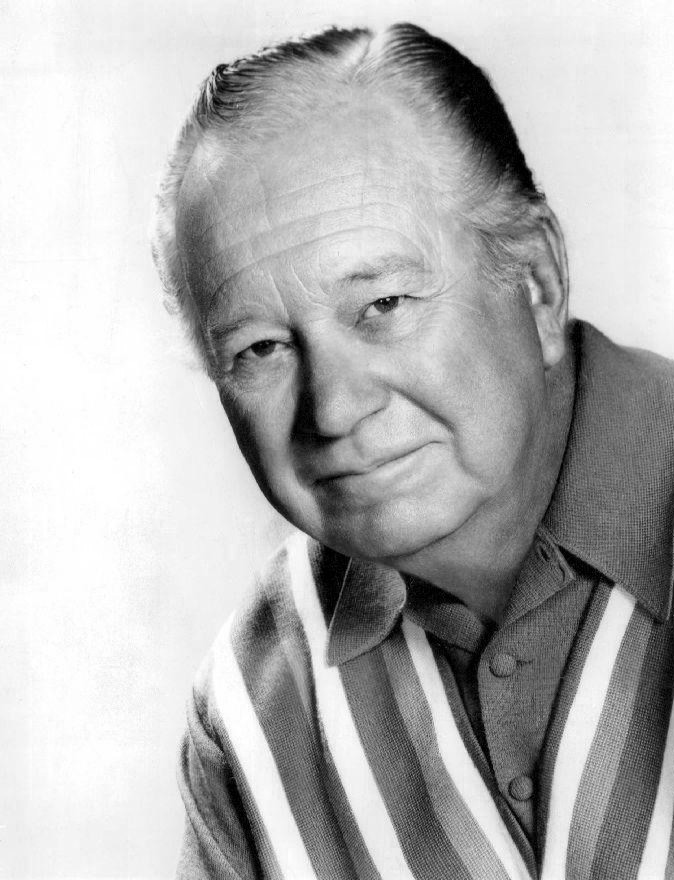
This month we are in a blog series, “It’s Their Show.” Today we are taking a closer look at The Jim Backus Show. Most people know Backus today as Mr. Howell on Gilligan’s Island. While he did show up on several television series, cartoons, and made-for-tv movies for Gilligan’s Island, Backus had a long and successful career without any Gilligan appearances. He started in the movies in 1948 and wound up his career with an amazing 253 credits.

📷thrillingdaysofyesteryear.com

In addition to being the voice of Mr. Magoo, Backus starred in several other series including I Married Joan and Blondie.

In 1960, The Jim Backus Show debuted.  It was one of the first syndicated shows, so it’s hard to gauge how it did against its competition. However, I will say what I can tell you is that there were still 13 westerns on the air during the week, so while the influence of the Plains was waning, it was still very popular. It was also a year that lots of stars had made the plunge to dip their toe into the television industry. There were 11 stars with their own shows that year in addition to Backus, including Jack Benny, Ann Sothern, Danny Thomas, Andy Griffith, and Donna Reed. 

The series had a great cast. They had several good directors, including Gene Reynolds who produced MASH and Lou Grant and a lot of good writers, including Jay Somers who would go on to create and write Green Acres. However, they had 14 directors and more than 40 writers to produce those 39 episodes. They also had a great line up of guest stars including Ken Berry, Charles Lane, Jayne Meadows, Zasu Pitts, Tom Poston, and Bill Quinn.

📷youtube.com

Backus is Mike O’Toole, the editor and owner of a news service struggling to make a go of it. He often doesn’t have the money to pay his rent or his staff’s salaries. Working with O’Toole are reporters Dora (Nita Talbot) and Dave (Bill McLean) as well as Sidney (Bobs Watson), their office boy. When they weren’t working, they spent some time at Heartless Harry’s, a bar downstairs that was popular with newspaper people. He truly was heartless, because he wouldn’t let anyone from Mike’s company in the bar unless they put down a $10 deposit.

One of the episodes I watched for this blog was #5, “No Help Wanted.” The opening pans the big city before moving down to the office of the wire service with Mike in the window joined by Dora.

The episode begins with Mike and Dora’s car breaking down in the middle of nowhere. There’s a large estate in the distance, but Mike won’t let Dora ask them for help until he’s tried to fix the problem himself.

Directed by Gene Reynolds and written by Dick Chevillat and Jay Sommers, the plot is that a retired stage actress, Catherine Lyden (Linda Watkins), has lots of money and loves living a normal life. Her former agent keeps trying to lure her back into show business. She decides to clean the maid’s house so she can hire someone, but when Dora and Mike meet her, they recognize her, and they think she is destitute and try to help her. After they get back to the office, they buy her some groceries and clothes. She tries to tell them that she has plenty of things and she doesn’t need their help. O’Toole writes a story about her having to work as a maid to make ends meet and puts a photo in the paper with her holding a pail and looking disheveled. When the article appears, several people contact her to try to help her out. When Mike and Dora get her contract from the playwright who is trying to hire her, they tell her that it’s a form to get a retraction from the paper.

After she signs it,  they tell her the truth, that it’s a five-year contract and she begins to cry. Surprisingly they never do find out she wasn’t down and out. They think she is crying from gratitude, and they leave.

📷internetarchive.com

There were some fun bits of dialogue especially between Dora and Mike, and the filming was very different from most sitcoms, but I was drawn in by it. One of the things that I found most interesting about this episode is the soundtrack. There is some laughter in the background, but you hear birds, the office machinery running, and the sounds of the city. It’s like you’re right in the location with the cast and hear what they would hear.

This was a tough episode for me though. First of all, I kept waiting for Lyden to be touched by the fact that they were trying to help her and maybe that made her realize the public missed her. However, she never cared that they were spending their hard-earned money on her. She truly was upset when they tricked her, and I found it tough to watch because they never learn she was not destitute and truly was happy and they have now made her miserable for five years. It just didn’t have that feel-good ambiance we expect our sitcoms to feature.

📷wikipedia.com

The series produced 39 episodes before being canceled. I’m guessing the fact that it didn’t make it had something to do with the fact that it was on different nights and times across the country.

Sometimes these shows are hard to find. They all had two names. The Tom Ewell Show was known as The Trouble with Tom, The Phyllis Diller Show was known as The Pruitts of South Hampton, and The Jim Backus Show went by Hot Off the Wire.  With so much competition from other stars trying to vie for their spot on the schedule and being a syndicated show, I’m guessing it was hard to lure enough fans to make it worthwhile to produce a second season of the show.