Eddie Albert: The John Muir of Hollywood

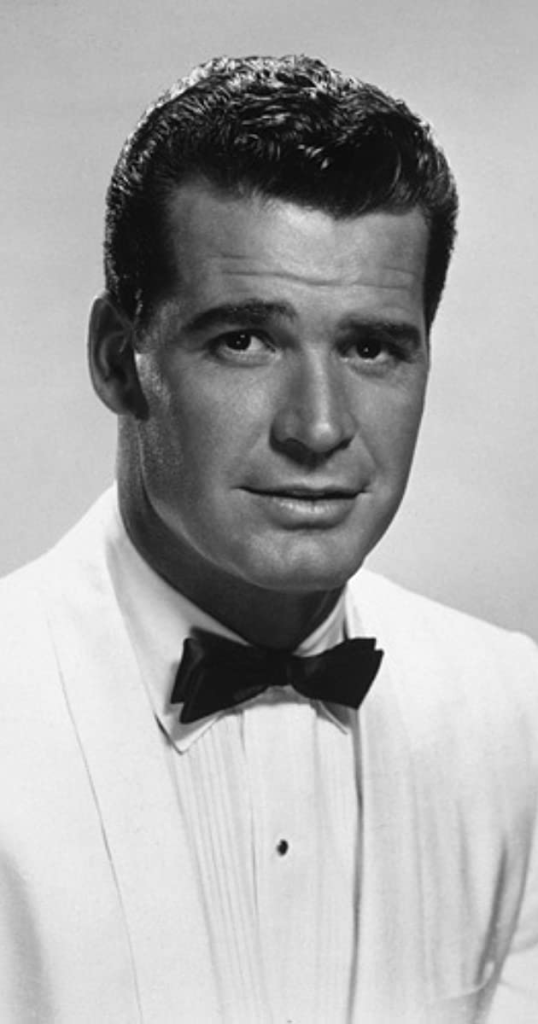
This month we are looking at some of our favorite classic television actors. If you are a big fan of Oklahoma or Green Acres, you will be well acquainted with our star today, Eddie Albert. Let’s learn a bit more about his life and career.

Photo: imdb.com

Eddie was born Edward Albert Heimberger in 1906 in Illinois. When he was one, his family moved to Minneapolis. When he was six, he became a paper boy. He and his schoolmate, Harriet Lake, were in the drama club. Harriet would later change her name to Ann Sothern. After graduating in 1926, Albert enrolled at the University of Minnesota to major in business.

He began his career in earnest, but the stock market crash derailed his job search. He worked a variety of jobs including singer, trapeze artist, and insurance salesman.

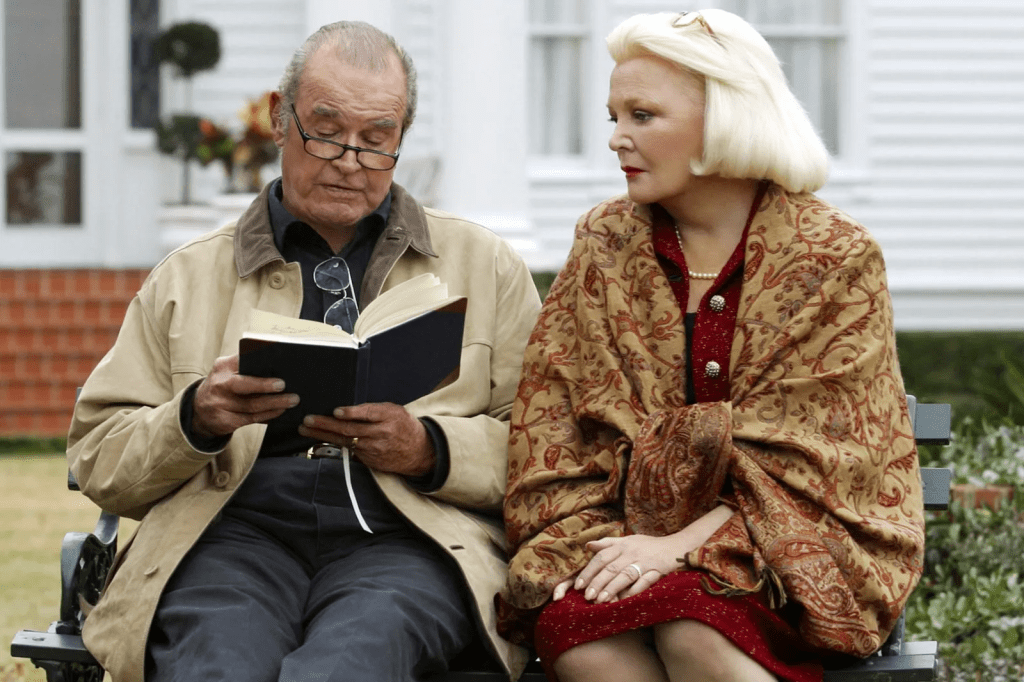
Photo: closerweekly.com

In 1933 he moved to New York City and cohosted a radio show called “The Honeymooners-Grace and Eddie Show,” with costar Grace Bradt. He was on the show three years and then Warner Brothers offered him a contract.

Albert also had an early career on Broadway with lead roles in “Room Service” and The Boys From Syracuse.” He also began working on television. In 1936, NBC hosted a play of his “The Love Nest” on their experimental television station W2XBS, now WNBC.

His first movie role occurred in 1938 in Brother Rat. He would make 25 additional films during the next decade and then another 50 big-screen movies before his career ended, with his last one being the Narrator in Death Valley Days in 1995.

During his odd-job era, Albert had toured Mexico as a clown and trapeze artist with the Escalante Brother Circus while working for the US Army intelligence, photographing German boats in Mexican harbors. In 1942, he enlisted in the US Coast Guard. In 1943, he resigned in order to accept an offer as a lieutenant in the US Naval Reserve. He rescued 47 marines under heavy enemy fire in 1943 and was awarded a Bronze Star.

Eddie and Margo Photo: facebook.com

After returning from the War, Albert married Mexican actress, Margo. Their son also became an actor and their daughter took on the role of Eddie’s business manager. His son had more than 130 credits, the first being in 1963. You probably saw him on many of your favorite shows. Unfortunately, he passed away from lung cancer only a year after his father died.

During the late forties to the early sixties, Albert returned to Broadway for roles in “Miss Liberty,” “The Seven-Year Itch,” and “The Music Man.”

Albert had a long and active television career. During the fifty years that he was working in the industry, he appeared in almost 100 different shows. His first appearance was in the Ford Theater Hour in 1948.

Throughout the fifties, Eddie showed up in many of the early drama series on television. The sixties found him, along with most other actors of that decade, showing up on a variety of westerns, including Laramie, Tales of West Fargo, The Virginian, and Wagon Train. He was offered roles in several dramas as well, including Dr. Kildare, The Outer Limits, and The Man From U.N.C.L.E.

Photo: cinemacats.com

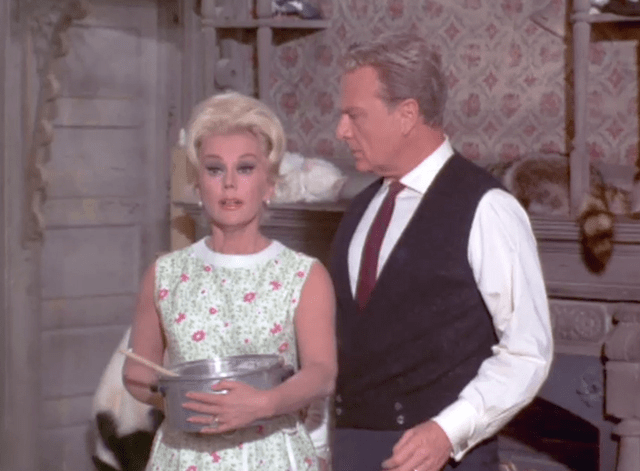
In 1965 he received the starring role of Oliver Douglas in Green Acres. For six seasons, he extolled the virtues of farming over the big city rat race. While Oliver had a harder time fitting into Hooterville life, his elegant wife Lisa was accepted immediately. If you have been reading my blog for a while, you know I love this show. I am more impressed with it now, fifty years later. There is so much sophisticated humor and wit in the show and I love getting to know the quirky characters who live in the Hooterville community. As Oliver Douglas, Albert was also on The Beverly Hillbillies and Petticoat Junction. The show was purged with the other rural comedies, even though the ratings were still quite high.

The seventies and eighties kept Albert busy on television and in films. He appeared on many shows including Columbo, McCloud, Here’s Lucy, Simon & Simon, Hotel, Murder She Wrote, and thirtysomething.

He opted to star in one more television series in Switch from 1975-78. He starred as ex-cop Frank McBride who started a detective agency with ex-con Pete Ryan (Robert Wagner).

Much of Eddie’s life was spent as an activist for social and environmental causes. He participated in the first Earth Day. He founded the Eddie Albert World Trees Foundation and was national chairman for the Boys Scouts of America’s conservation program. From 1985-1993, he was the spokesperson for the National Arbor Day Foundation. He was a trustee of the National Recreation and Park Association and became a member of the U.S. Department of Energy’s advisory board.

In addition, he was involved with Meals for Millions and was a consultant for the World Hunger Conference. Meals for Millions was a project that created nutritional meals for three cents each! They were sent to 129 different countries and added up to more than 6.5 million pounds of food. He and Albert Schweitzer participated in a documentary about malnutrition in Africa, and he often campaigned against DDT. He was also a director for the U.S. Council on Refugees and promoted organic gardening. Albert was also the founder of City Children’s Farms, a program to get inner-city kids involved in gardening.

I’m not sure when he had any other time for leisure and recreation, but he loved jogging, swimming, golfing, traveling, sculpting, beekeeping, sailing, reading, making wine, gardening, and playing guitar.

Photo: classicmoviehub.com

He 1995, Albert was diagnosed with Alzheimer’s disease. His son temporarily retired from acting to care for his father. In 2005, Eddie passed away from pneumonia.

When Albert passed away, we lost much more than an actor, although we did lose a great actor. I was so impressed with how much he did for the economy. He told a great story about his former costar Eva Gabor. She loved her fashion. They were great friends and like any couple, married or not, they had their differences. She never understood his passion for wildlife conservation. She asked him, “Every time you hear about a sick fish, you make a speech, vy?” And he patiently explained that we needed to preserve nature and save wild animals. A few days later she showed up in a gown made of feathers. He told her she should not be wearing it, and she said it was so chic. Albert told her that she was a role model, and when other women saw her gown, they would want one and many birds would die just to supply the feathers. Lisa just laughed and seriously said, “But Eddie, feathers don’t come from birds.” So he asked her where they did come from and she said, “Dahlink, Pillows! Feathers come from pillows.” In addition to being a great actor and an amazing activist, he was also a good and patient friend.

Thunderbirds Are a Go

Photo: 9now.com

We are learning about shows that are “Kinda Creepy” this month. Our first two shows, The Munsters and The Addams Family both began in 1964 and ended in 1966; guess when our show today started and ended?  Yep, the same.  None of this was planned. It just turned out that they all were on the air at the same time.

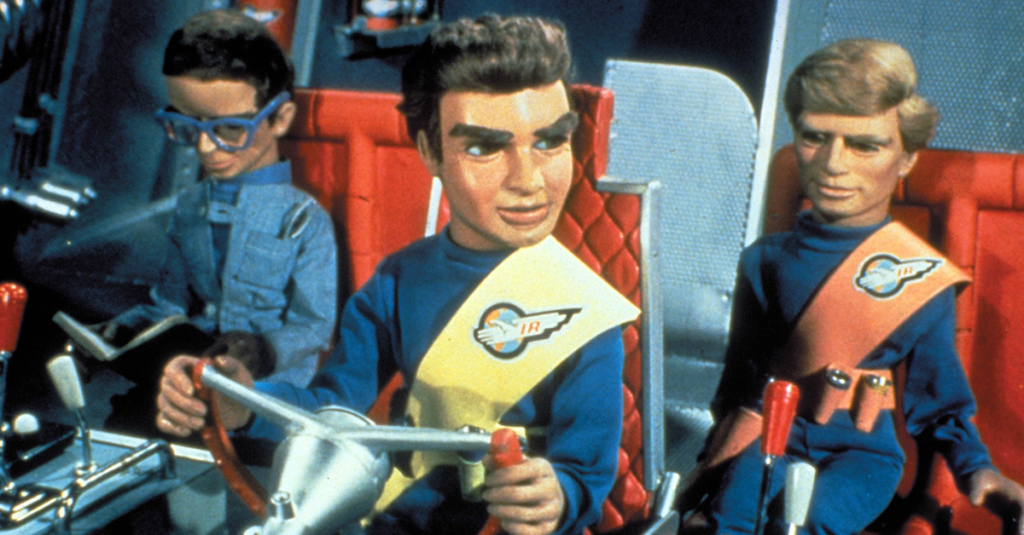
Today’s show is Thunderbirds. The show was created by Gerry and Sylvia Anderson. It was a science fiction adventure series, using marionettes that were electronic puppets.

This series was the Andersons’ fourth supermarionation series. Supermarionation combines marionette puppetry with scale model special effects. It comes from “super,” “marionette,” and “animation.” The previous shows had been marketed to kids, and Gerry wanted this one to be for adults as well.

Photo: metv.com

Thunderbirds is set in the 2060s and features the International Rescue, a life-saving organization employing a fleet of five vehicles named the Thunderbirds. The rescue missions are launched from a secret base in the Pacific Ocean. Leading the group is ex-astronaut and widower Jeff Tracy who oversees his five adult sons (Scott, John, Virgil, Gordon, and Alan) who are the pilots. The brothers were named after Mercury Seven astronauts (Scott Carpenter, John Glenn, Virgil Gus Grissom, Gordon Cooper, and Alan Shepard).

The show debuted on the ITV network in 1965. The show was praised for its special effects; it was directed by Derek Meddings and musical score was composed by Barr Gray.

Thunderbird 1 is a blue and silver hypersonic rocket plane for fast response to danger zone reconnaissance. Thunderbird 2 is a green supersonic carrier that transports equipment. Thunderbird 3 is a red single-stage-to-orbit spacecraft. Thunderbird 4 is a yellow submersible, and Thunderbird 5 is a gray and gold space station that relays distress calls from around the world.

Photo: eveningstandard.com

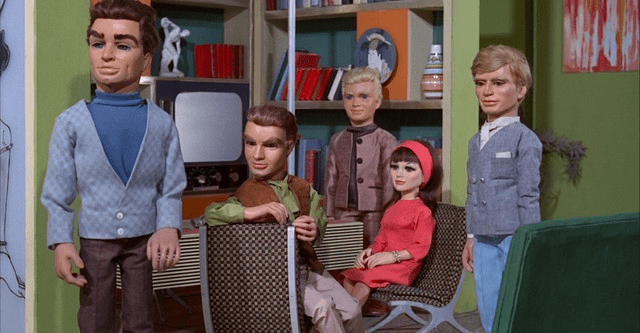
The family lives on Tracy Island in a luxurious villa. Jeff’s mother also lives there along with a scientist/engineer named Brains; Brains’ assistant Tin-Tin, who is Alan’s girlfriend; and Tin-Tin’s father Kyrano. London agent Lady Penelope Creighton Ward and her current butler, and ex safe-cracker, Parker are also part of the cast.

Hood is a master criminal based in the Malaysian jungle, Kyrano’s half brother. He often spies on the Thunderbirds and their machines.

A typical plot is Season 1, Episode 4, “Terror in New York City.” After Thunderbird 2 is heavily damaged in an attack, it leaves the team without a way to quickly transport Thunderbird 4 to New York City when a news crew is trapped underneath the collapsed Empire State Building.

The series was filmed between 1964 and 1966 after a few months of pre-production. Alan Pattillo became the official script editor to reduce the producing burden on Gerry.

After reviewing the pilot, financial backer Lew Grade liked the show so much that he asked for the episodes to be increased from 25 minutes to 50 minutes. The total budget for season one’s 26 episodes was 1 million pounds, equivalent to an incredible $23,226,980 today.

Photo: justwatch.com

After the sixth episode in 1966, the show was canceled. Grade was unable to sell the series in the United States. All three major networks wanted to bid for the series, but Grade kept increasing his price, and finally NBC withdrew its offer, and ABC and CBS followed suit.

As you can imagine, the building of the puppets was quite an endeavor. The head puppet sculptors were Christine Glanville and Mary Turner who were also lead puppeteers. They built the 13 members of the main cast in about six months at a cost of what today would be $6000 each. Each character was based on an actor. For example, Jeff Tracy was Lorne Greene, Scott was Sean Connery, Alan was Robert Reed, and Brains was Anthony Perkins. The characters need replaceable heads depending on whether they were smiling, frowning, etc. The finished puppets were about 22 inches tall.

Gerry Anderson Photo: digitalspy.com

They were made up of more than 30 different parts. The solenoid synchronized lip movements with pre-recorded dialogue. Pre-recorded voices were played back during filming; each marionette’s head contained filters, which converted the dialogue into pulses, which then traveled to the solenoids in the lips. Triggered by the pulses, the solenoids enabled the mouth to move in time. While I understand this was very cutting edge in the sixties, I think it was this action that make this an option for our “Kinda Creepy” blog series.

The “characters’ were sculpted from plasticine or clay. Then a silicone rubber mold was made, coated with fiberglass mixed with resin, and enhanced with bondapaste, a type of putty. Leather mouths, and then plastic eyes and incisor teeth were added.

Mohair wigs were designed and clothing of cotton, silk, and wool were made. Between the 1964 and 1966 dates, more than 700 costumes were stored. Because the marionettes had seven wires total and only one control wire per leg, movement was awkward looking and scenes were filmed from the waist up for action.

The special effects were pretty amazing for this time. Meddings added two additional units to film because a typical episode contained about 100 special effects.

Meddings and his assistant Mike Trim, designed vehicles and buildings. They used customized parts from model kits and kids’ toys. Lady Penelope and Parker, newer characters, had to fit inside the FAB 1 so a model was made that cost about $52,500 in today’s numbers.

During the sixties, the show was distributed in more than 30 countries including Holland, Canada, Australia, and Japan. It finally reached the United States in syndication in 1968 with modest success.

Photo: flyawaysimulation.com

More than 3000 items were marketed for this show. One of the most recent was a Thunderbirds board game in 2015.

United Artists released two films, Thunderbirds Are Go in 1966 and Thunderbird 6 in 1968. Distributed by United Artists, both films were critical and commercial failures.

We watched this show on Saturday afternoons, I think. Because it was in syndication, it was on various times depending where you were located in the US. While I was able to watch a few clips for this blog, I did not get a chance to watch an entire show. I do remember that the show was very different but it was not anything that captured me; however, I think most of the technology probably was way over my head at the time. They are all available on prime video on Amazon if you want to check them out. If you do, I’d love to hear what you think about the show.

Land of the Giants: Dogs and Cats and Rats, Oh My!

Photo: imdb.com

This month our blog series is “Kinda Creepy.” Today we are moving forward a couple of years into the late sixties with Land of the Giants.

This science-fiction show was aired on ABC from fall of 1968 to spring of 1970. It was created and produced by Irwin Allen. Five novels were released during this time, three by well-known author Murray Leinster.

The show was set in 1983 and features the crew and passengers who were on a suborbital transport ship, the Spindrift. The Spindrift is en-route from Los Angeles to London when it encounters a magnetic space storm. It goes through a time warp to an unknown planet where everything is 12 times bigger than on Earth. When the Spindrift lands, it crashes and becomes inoperable.

The crew and passengers include Captain Steve Burton (Gary Conway), First Officer Dan Erickson (Don Marshall), Flight Attendant Betty Hamilton (Heather Young), Passenger Valerie Scott (Deanna Lund), Wealthy Passenger Mark Wilson (Don Matheson), Orphan Passenger Barry Lockridge (Stefan Arngrim), Passenger and Bank Robber Alexander Fitzhugh (Kurt Kasznar), and Inspector Kobick (Kevin Hagen). Fun fact, Matheson and Lund were married in 1970 but divorced before the decade was over.

Photo: deviantart.com

The Giant society resembles that of the United States in 1968. The survivors get around in drains leading from interior rooms to the pavement. The Giants realize they are there somewhere and have offered a reward for their capture. An authoritarian government seems to dominate part of the planet but other groups are at work to help the small Earth people survive. The Giants do have advanced technology including cybernetics, cloning, force fields, magnetic stunners, androids, and teleporters.

Not only do Earthlings have to survive being caught by the Giants, but they have to be wary of pets, especially cats and dogs. Occasionally someone is captured, and other members of the crew have to rescue them.

One article said that in 1969, “boys could be found sitting in front of the television captivated by the antics of red-haired, mini-skirted Valerie as she was menaced by cats, imprisoned in a dollhouse, cloned, prodded by scientists, carried off by an ape, and even used as a pawn on a giant chessboard.”

Photo: invisiblethemeparks.com

The show had a budget of $250,000 an episode. In 1968, it was the most expensive show produced on television. There were a lot of special effects. Gigantic mechanical props were built and used. For example, a slice of bread was made from a four-foot slab of rubber, and one episode had a nine-foot revolver. Some of the props were recycled from Lost in Space, Voyage to the Bottom of the Sea, and Batman. Actors had to do a lot of their own stunts like climbing up curbs and phone cords. The one-hour episodes were filmed in color.

The show aired on Sunday nights against Lassie, so I was surprised it achieved decent ratings so quickly. It stayed on Sunday nights for season two but was up against World of Disney which probably created a bit of a ratings decline. The other show, To Rome with Love, moved around a lot and was probably not much competition. The network decided to cancel the show before the third season, but since the writers were not aware that it was going to happen, no finale was written, and we never learned if the characters made it back to Earth or not. The financial cost was the reason the network cited for the cancellation.

Photo: art.com

Composer extraordinaire John Williams composed the theme for the show; he also composed the theme for Lost in Space.

I don’t really remember the merchandise for this show, but it included comic books, View Master reels, model kits, and a lunch box.

I do remember watching this show and I remember being scared when a large dog was growling at one of the Earthlings. It definitely earned the kinda creepy description. I think I was a bigger fan of The Borrower books. I always wondered if this was one of the inspirations behind Honey I Shrunk the Kids. From what I recall, the concept of the show was better than the reality of the show.

The Addams Family: And You Think Your Family is Strange

Cast Photo: comicstofilm.com

This month we continue with our “Kinda Creepy” blog series. Last week we talked about a show that debuted in fall of 1964 and was canceled in the spring of 1966, The Munsters. You can use the exact dates for our show today, The Addams Family.

ABC aired The Addams Family for two years, ending up with 64 episodes. Like The Munsters, this show was filmed in black and white. The Munsters was based on the typical suburban family while this series was created by David Levy and was based on Charles Addams’ New Yorker cartoons.

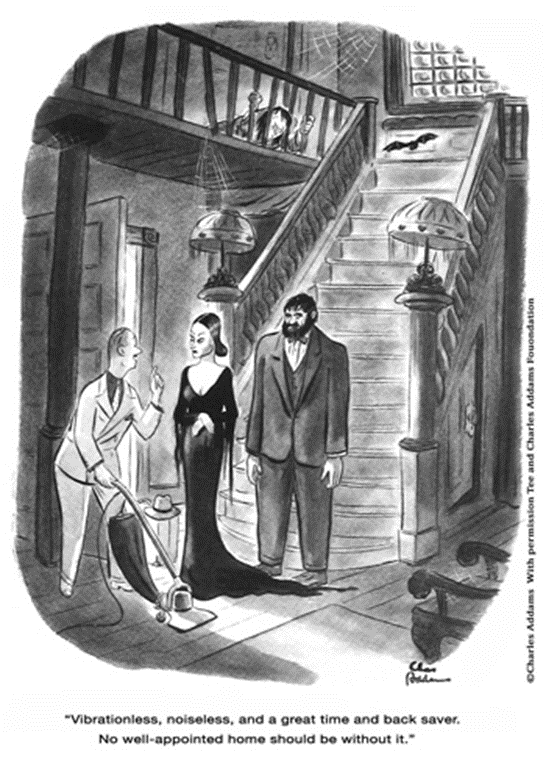
The first Addams Family cartoon was published in The New Yorker in 1938. The first illustration was titled “Vacuum Cleaner,” and it shows a salesman convincing “Morticia” to buy an appliance. The joke was that this was a house full of dirt and cobwebs, probably haunted. Addams was paid $85 for it. Addams did not intend for it to be a series, but New Yorker editor Harold Ross asked for more of them. Later, Gomez and the children were added. During the forties and fifties, 58 cartoons appeared in the publication.

In an interview before the show’s debut, Levy said that Addams was “a social commentator and a great wit.” It was produced by head writer Nat Perrin for Filmways, Inc. Perrin was a friend of Groucho Marx and had written for the Marx Brothers movies.

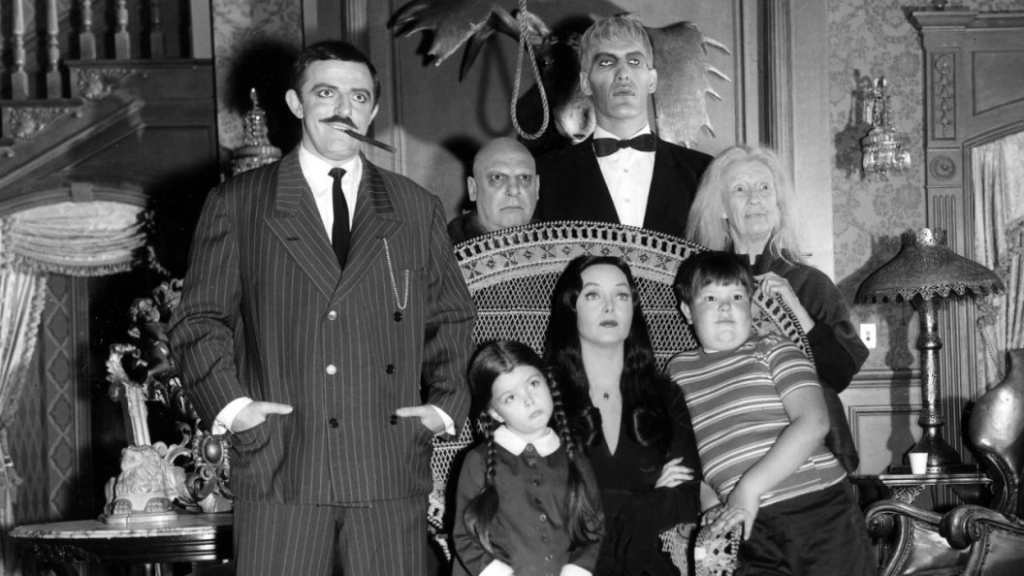
Like the Munsters family members, everyone in the Addams family is a bit off in some way. Wealthy former attorney Gomez Addams (John Astin) still is in love with his wife Morticia (Carolyn Jones) whom he often speaks to in French and refers to her as Cara Mia at times. Originally Carolyn turned down the offer to play Morticia because she was focusing on her movie career. She was persuaded to accept the role by her then-husband Aaron Spelling; the couple divorced not long after. Carolyn Jones had to endure sitting in the makeup chair for two hours every day. She worked with Nolan Miller to create a unique costume. Miller said that Morticia’s outfit was the most difficult one he had ever designed. The dress was very tight, especially around her feet. Gomez’s hobby is crashing model railroad trains. The prop department had to line Gomez’s pockets with asbestos because he put his lit cigars into his pockets.

The couple has two children: daughter Wednesday (Lisa Loring) and son Pugsley (Ken Weatherwax). They are polite children but Wednesday has a pet black widow spider and a headless doll named Marie Antoinette while Pugsley has a pet Octopus named Aristotle. Wednesday is named for the poem, which included “Wednesday’s child is full of woe.”

Photo: pinterest.com

In addition, Uncles Fester (Jackie Coogan), Grandmama (Blossom Rock), and the butler Lurch (Ted Cassidy) all live in the house. Fester enjoys playing with dynamite, Grandmama is always experimenting with potions and has a crystal ball, and Lurch always replies to his summons with “You rang?” Coogan was rejected for Uncle Fester. He went back home, shaved his head, and did his own makeup and costuming. Then he went back and got the part. Ted Cassidy got a lot of fan mail from teenage girls who thought he was so cute.

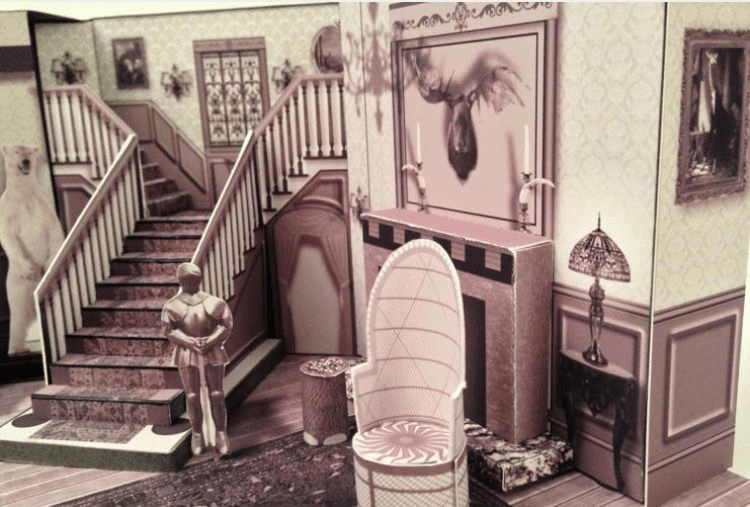
Their house décor is rather dark including a Venus flytrap, an art piece where a human leg protrudes from a swordfish’s mouth, and a taxidermied two-headed tortoise. The interior of the house was inspired by the apartment in Manhattan where Charles Addams lived. It contained suits of armor, an antique crossbow collection, and other oddities.

Cousin Itt Photo: costumerealm.com

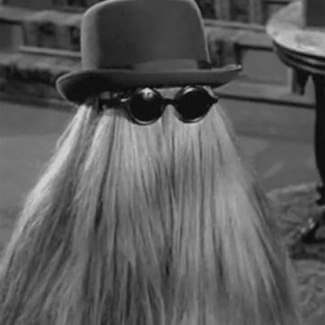
Thing is a gloved hand which shows up in places around the house. Cousin Itt (Felix Silla), who is all hair except for a hat and sunglasses, visits from time to time as does Ophelia, Morticia’s sister. Gomez was supposed to marry Ophelia in an arranged marriage but when he saw Morticia, he could not go through with it. Ophelia is an expert in judo.

The family considers itself quite sophisticated and cultured and they don’t understand the general public’s reaction to their home and actions.

The theme was composed and sung by Vic Mizzy. He also snaps his fingers through the song. You could hear Ted Cassidy say “neat,” “sweet,” and “petite” during the lyrics. Mizzy would also write the memorable theme for Green Acres.

In the early seventies, there was a Saturday morning cartoon with the actors voicing their characters. In 1977, a reunion made-for-television film, Halloween with the New Addams Family, was filmed with all the original actors except Rock who was quite ill at the time.

Like so many shows of the sixties, a lot of memorabilia was released for this series. You can choose from trading cards, comic books, board games, lunch boxes, and a ton of action figures.

Photo: strongmuseumofplay.com

A major film, The Addams Family, was released in 1991 starring Raul Julia as Gomez, Angelica Huston as Morticia, and Christopher Lloyd as Uncle Fester. A sequel aired in 1993, Addams Family Values. In 1998 a reboot, The New Addams Family debuted on Fox and ran for two years just like the original. I honestly never saw either of the big-screen movies or any of the television reboots, so I cannot speak to whether they did the original show justice or not. The movie also spawned a popular pinball machine, which became the biggest-selling pinball machine of all time with more than 20,000 units sold since 1992.

Considering that both The Munsters and The Addams Family were only on the air for two years, and did not even rack up the typical number of shows needed for syndication, it is truly amazing that more than fifty years after the original shows aired, they are still very popular. I think like the Bewitched vs Jeannie debate, there are arguments for which family was more fun; my vote would have to go to The Addams Family, but if you have never watched either of the series, you should at least check a couple of episodes out. They probably would not work out so well to binge watch, because I think they would get boring quickly, but that is only one humble opinion.

The Munsters: The All-American Family?

The Munsters Photo: collider.com

This month’s blog “theme is “Kinda Creepy.” These are not shows that will give you nightmares or have you sleeping with the nightlight on. But they did have a touch of ghoul or terror. First up is one of our All-American families, The Munsters.

The creators of Leave It to Beaver, developed this series to be a satire of suburban life. The opening credit shows Lily handing her family their lunches as they run out the door just like Donna Reed did in The Donna Reed Show in the fifties. The Munsters are a perfectly normal family except for a few eccentric and trivial things like Herman (Fred Gwynne) being a Frankenstein, Lily (Yvonne De Carlo) being a vampire, Grandpa (Al Lewis) who can turn into a bat, and werewolf son Eddie (Butch Patrick). In real life, Lewis was a year younger than De Carlo who played his daughter and Gwynne was four years younger than De Carlo.

Photo: ebay.com

Living with the family is Lily’s niece Marilyn (Beverly Owen/Pat Priest), who seems a little abnormal to the family but looks like any high school girl of the time, except a little bit prettier. Owen was engaged when she got the part and did not think the show would be picked up. When it became popular, the cast convinced the network to release her from her contract, and Priest, who looked very similar, took over. Gwynne and Lewis had previously been part of the cast of Car 54, Where Are You? and were good friends. (To learn more about their friendship and their individual careers, see my blog from July 10, 2017.)

This series aired on CBS, and ABC featured The Addams Family whom we’ll meet next week. Both shows debuted in 1965 and were off the air after two seasons.

There were a few recurring characters including Paul Lynde as Dr. Edward Dudley (Dom DeLuise also played Dr. Dudley in one episode), Herman’s boss Mr. Gateman (John Carradine), and Clyde (Chet Stratton), a colleague of Herman’s.

Paul Lynde Photo: pinterest.com

The family lives at 1313 Mockingbird Lane. Herman works for Gateman, Goodbury and Graves, a funeral parlor, as a grave digger. In an interview with Daily Variety, Al Lewis, explained that with the unusual family, “they could do a lot of satirical pointed things on society that you couldn’t do on an ordinary show.”

The show actually had four pilots which I don’t think I have ever seen before. The first one was filmed in 1964 with Gwynne, Lewis, and Owen. Joan Marshall was Phoebe, Herman’s wife and Nate Derman was Eddie. For the second pilot, De Carlo replaced Marshall and changed her name to Lily. In the third edition, Patrick was brought on board to replace Derman. The cast stayed intact for the fourth pilot, but Eddie’s character was changed a bit. He was a bit of a brat and they toned it down.

The family had a pet dragon named Spot that lived under the stairs. When the staircase opened up, you could see the fire he was breathing and sometimes you would see his tail only.

Photo: hagerty.com

Makeup for the show was credited to Bud Westmore who had worked for Universal during their monster movie phase. However, the actual work was done by several people. Perc Westmore worked with Grandpa. Abe Haberman applied Lily’s new face, while Michael Westmore worked with Patrick and Priest. Bill Mumy was the original choice for Eddie, but his parents said “No” when they learned about how much makeup would be used for each episode.

Patrick was asked about the cast and how they got along in an interview with Fox News. He said it was a good relationship. If he had to pick another actor whom he bonded with more than another it would probably be Lewis. He discussed the amazing comedic timing that Gwynne and Lewis shared. He said that the person he enjoyed working with the most was his makeup man, Westmore. He said he was the first person he saw every morning. He also mentioned Westmore was a very handsome guy who owned a Jaguar and was a bachelor, so he looked up to him as a role model also.

Photo: vintageeveryday.com

Karl Silvera did Herman’s makeup. Gwynne had the toughest time of all the characters. He had to spend two hours in the makeup chair first thing in the morning. He wore forty pounds of foam rubber padding and drank copious amounts of lemonade. Despite that, he lost a lot of weight doing the show. In one month, he lost ten pounds. They also put a piece of foam latex on his head to flatten the top. His shoes were asphalt paver’s boots with four-inch soles. The producers rented a compressed air tank and would poke the nozzle inside his collar to blow cool air on him.

The show aired on Thursday nights at 7:30. Many shows began filming in color in the mid-sixties, but the studio did not want to pay the extra $10,000 per episode, so it was shot in black and white. For its debut year, it was number 18, tied with Gilligan’s Island, but it took a drastic drop for season two and landed at number 61. The show competed with The Flintstones and Daniel Boone in year one In year two, Batman debuted in color and The Munsters’ viewers switched networks in droves. The show was canceled with 70 episodes for syndication. From the comments that I read, I’m not sure Lewis and Gwynne would have continued another season anyway. They wanted a different type of humor and, of course, Gwynne had to endure so much with his costume.

If you were looking at the merchandising that accompanied the show, you would never guess it was only on for two seasons. Between 1965-68, 16 Gold Key Comics were produced. The show rolled out Colorforms, car model kits, both a Herman Munster doll and a puppet, and View Masters. You could also purchase several different action figure sets, a board game, and a lunch box, among other items.

Although the show, not surprisingly, never received an Emmy nomination, it was up for Best Television Series for a Golden Globe in 1965 which did surprise me.

The theme song was an instrumental, simply titled “The Munsters’ Theme.” It was composed by Jack Marshall. It was nominated for a Grammy in 1965. There are lyrics for the song, written by Bob Mosher, but they were never used on the air.

For a show that was only on the air for two seasons, it has had a lot of staying power. I think that it was so different and the fact that The Addams Family was also on two seasons and very similar just provided it with that perfect fan base. I do remember watching the show and buying The Munsters coloring books and paper dolls, but I don’t remember it being a “must see” for me. Of course, I was only five when it was canceled, so I primarily saw it in reruns. Sadly, I would also choose Batman over The Munsters, so I understand why the viewers drifted. However, it is never a waste of time to watch Fred Gwynne and Al Lewis in action. If you never watched the show or want to binge watch it, seventy episodes is an easy one to get through.

Dharma and Greg: Showing Us It’s Not So Hard for Opposites to Attract

Photo: pinterest.com

As we wrap up our “Duos to Love” blog series, we finish with a couple that is always fun to hang out with: Dharma and Greg. This show aired for five years, teaching us that opposites do indeed attract.

Before we get into hearing more about this quirky show, I want to take a minute to thank all of you who read my blog. This month, I published my 365th article. That means many of us have now been spending time together every week for more than seven years. I’m not sure how long the run will last, but I can tell you that I have at least four more years scheduled, so just a big THANK YOU!

So onto Dharma and Greg. Created by executive producers Dottie Dartland and Chuck Lorre, this sitcom debuted on ABC in September of 1997. Chuck Lorre would go on to create other popular shows including Two and a Half Men, Mike and Molly, and The Big Bang Theory. Dartland had been a producer on Caroline in the City and Grace Under Fire.

Spontaneous free spirit Dharma Finkelstein (Jenna Elfman) is a yoga instructor; organized and conservative Greg Montgomery (Thomas Gibson) is an attorney. Educated at Harvard and Stanford, Greg’s family was very Republican and very wealthy. Dharma’s parents, who home-schooled her, sort of, are not wealthy and definitely not Republican, having lived as hippies.

Kitty (Susan Sullivan) and Edward (Mitchell Ryan) Montgomery are socialites who expected a very different type of woman for their daughter-in-law. Edward is a bit eccentric who deals with his wife by consuming martinis and Scotch. Abigail O’Neil (Mimi Kennedy) and Larry Finkelstein (Alan Rachins) are not married, although they have been together for decades. Abigail is a devoted vegan. Myron loves conspiracy theories; but he has a lot of other interests. He always tells people that he is wanted by the FBI.

Photo: promipool.com

Rounding out the cast was Jane (Shae D’lyn), Dharma’s friend who hates men and gradually disappears from the show by the last season; Peter, (Joel Murray) Greg’s best friend and colleague who is a bit lazy and is not a good attorney at all. Marcie (Helen Greenberg) and Susan (Susan Chuang) are friends of Dharma’s from the Co-op.

The theme song was written and performed by Dennis C. Brown. He created several other theme songs, including Grace Under Fire, Mike and Molly, and Two and a Half Men.

For the first three seasons, the show was in the top 25 on Wednesday nights. It had some competition from Beverly Hills 90210 on Fox for the first two seasons. It moved to Tuesdays during season three and ratings increased. However, in season four, ratings began to decline and never really picked up. Its competition that night was Will and Grace. Unfortunately, in season six it was on against Frasier; by the last season, they lost too many viewers but when Fraiser moved nights, they had to take on #14 JAG. The highest-rated show was during season three with 20 million viewers while the finale episode only attracted 6.8 million.

Photo: nextepisode.com

Dharma and Greg did make a return, however. In season nine, episode one, they showed up as Dharma and Greg taking a tour of Charlie Harper’s house after his death in Two and a Half Men.

Elfman received three Emmy nominations. In 1998 and 1999, she lost to Helen Hunt for Mad About You and to Patricia Heaton for Everybody Loves Raymond in 2000

The shows had a nice blend of humor and warm fuzzy moments. Eventually, the parents learn to respect and like each other even if they would not choose each other as friends. Let’s take a look at several episodes that show this blend of heart-warming and comic elements.

Photo: sharetv.com

In season one, episode 9, “He Ain’t Heavy, He’s My Father,” Greg has to have background checks done on both his and Dharma’s family. The results come back revealing that Larry is not, and never was, wanted by the FBI. Dharma knows that this will devastate him rather than make him happy. So, the pair stages a “crime” where Larry steals his file and then assumes the only reason that he is no longer wanted is that his file is missing.

In season two, episode 8, “Like, Dharma’s Totally Got a Date,” Dharma accepts the invitation of a neighbor boy to go to a dance at his high school. Because she was home-schooled, she was never able to attend a school dance. Dharma convinces Donald to find someone his own age at the dance and then is a bit lonely, only to realize Greg has shown up and the two of them have a special moment dancing together.

Photo: imdb.com

And, in season two, episode 20, “Dharma Drags Edward Out of Retirement,” Dharma needs investing help in her job and convinces Edward to help her get things figured out. Kitty does not like the fact that he is spending all his time working again and tells Dharma know she is unhappy. At the end of the show, Kitty joins Edward on the project and the two of them enjoy working together.

These episodes display why the show was so good. While the cast could have so easily been stereotyped and shallow, everyone truly learns to like and respect each other despite their differences. That is not something we have become used to in our divisive society. Maybe we should all watch a few seasons and remember how easy that is to do if we give everyone a chance.

“Mad About You” . . . And Them

Photo: today.com

For our blog series this month, we are looking at some of our favorite duos from the eighties and nineties in “Duos to Love.” Today we will meet Paul and Jamie Buchman and their daughter Mabel. Yep, it’s Mad About You. It’s not about you, it’s about them, but I am mad about you too—very thankful you are on this journey with me learning about the golden, and sometimes tarnished, age of television.

In 1992, NBC aired Mad About You. The series was about newlyweds Paul (Paul Reiser) and Jamie (Helen Hunt) Buchman, He was a documentary filmmaker and she worked in public relations. They lived in Greenwich Village for seven years until they were canceled. Both Teri Hatcher and Valerie Bertinelli were considered for the role of Jamie. It’s hard to imagine anyone but Helen in the role. I think the critics agreed; Hunt was nominated for six Emmy Awards for Best Actress in a Comedy Series. In 1993, she lost to Roseanne Arnold for Roseanne; in 1994 and 1995, she lost to Candice Bergen for Murphy Brown; in 1996 and 1997 and 1998 she won. Overall, the show won thirty-four nominations, with twelve wins.

Photo: decider.com

For seasons one through six, the two top stars received $250,000 per episode but in season seven they got a nice raise, landing $1,000,000 per episode.

Before Mabel (Alyssa and Justin Baric) came along, their “baby” was Murray their dog. Paul met Jamie while he was on a walk with Murray. They meet at a newsstand when they are both looking for The New York Times. In real life, the two stars met because Hunt was sharing a house with a good friend of Paul’s wife, Paula. After reading Reiser’s pilot, Hunt changed her mind about concentrating on her film career and wanted the role.

When Reiser pitched the idea to NBC he said it was about the life of a couple in their private moments. He compared it to a couple going to a party but this show was more about what happens when they leave the party and it’s just the two of them in the car talking on the way home. Reiser also compared it to the successful thirtysomething but “shorter and funnier.”

Carol Burnett Photo: deadline.com

The rest of the cast included Lisa Semple (Anne Ramsay), Jamie’s older sister; Fran Devanow (Lelia Kenzle), Jamie’s best friend; Ira Buchman (John Pankow), Paul’s cousin and friend; Sylvia Buchman (Cynthia Harris), Paul’s mother-in-law who is not in the running for Best Mother-in-Law according to Jamie; Burt Buchman (Louis Zorich), Paul’s father; and Dr. Mark Devanow (Richard Kind), Fran’s ex-husband who is a bit eccentric but not too odd because he wins her back as his wife during the show’s run.

There were a lot of recurring characters on this show. Several showed up more often than others: Debbie Buchman (Robin Bartlett), Paul’s sister; Dr. Joan Golfinos (Suzie Plakson), Debbie’s life partner; Nat Ostertag (Hank Azaria), the Buchmans’ dog walker; Mr. Wicker (Jerry Adler), the apartment building superintendent; Dr. Sheila Kleinman (Mo Gaffney), the Buchmans’ therapist; Maggie Conway (Judy Geeson), their neighbor; Jay Selby (Tommy Hinkley), Paul’s college friend; and Sid (George O. Petrie), Paul’s colleague.

Lisa Kudrow Photo: biography.com

However, there were also a few very famous recurring characters. Mel Brooks showed up as Paul’s uncle Phil in four shows. Cyndi Lauper was Ira’s on/off again girlfriend Marianne in five episodes. Jamie’s mom was in 15 shows but played by three different women: Carol Burnett (10), Penny Fuller (4) and Nancy Dussault (1). Another interesting recurring character was Lisa Kudrow. She was Ursula Buffay, the waitress at their favorite restaurant, Riff’s. She appeared 24 times and when Friends was created, her twin sister Phoebe was written into the show. In one episode after not seeing Ursula much, Paul asks her where she has been and she says “I’ve been hanging out with friends.”

You can imagine how huge the guest star list is for this series. Get ready for auctioneer speed and I will list some of them; just know I am leaving out a lot of famous and fun people. Here goes: We have Ed Asner, Kevin Bacon, Christie Brinkley, Garth Brooks, Sid Caesar, Tim Conway, Ellen DeGeneres, Jamie Farr, Barbara Feldon, Al Gore, Seth Green, Billy Joel, Nathan Lane, Jerry Lewis, Yoko Ono, Regis Philbin, Carl Reiner, Jerry Seinfeld, and Bruce Willis.

Paul Reiser also composed the theme song, “Final Frontier,” with Don Was. Both Andrew Gold and Anita Baker versions of the song were used during the eight-year run. Reiser also played the piano for the theme recording.

Mabel grows up. Photo: parade.com

In 2019, a twelve-episode revival series debuted. Both Reiser and Hunt returned for the sequel. The Buchmans are now empty nesters after dropping Mabel off at college. Other veterans returning included Ramsay, Pankow, Kind, Harris, Adler, Gaffney, and Carol Burnett. Abby Quinn was Mabel.

This was a popular show that was always discussed around the water cooler. It’s first year on NBC it aired Wednesday nights against In the Heat of the Night and Coach; Coach was in the top twenty. The next season it was moved to Thursdays nights and oddly was still up against In the Heat of the Night but was also on against The Simpsons. Season three found it with little competition and it was ranked eleventh place for the year. As networks do, now that it had a dedicated audience, it was moved to Tuesday nights where it dropped out of the top forty. The show remained in the Tuesday slot, still up against Roseanne but its audience returned and it crept into the top twenty again. It remained in the same spot for its final two years, one year competing with JAG and the next year against Home Improvement which was a top-ten show. I know this was a lot of detail, but I think it helps to think about how much the schedule moving can potentially hurt a show. Fans get used to a certain night and sometimes clear their schedule for that evening and when shows continue to move around, it is frustrating for everyone. Now, we can just DVR shows and it’s not such a big deal.

Photo: tvseriesfinale.com

This was a well-written show, and the producers and writers spent a lot of time on character development. It had some quirky moments and did some fun plot twists that kept it fun and fresh. Of course, both Hunt and Reiser were amazing actors and went on to great success in the movies. I did not see much about how the 2019 reboot was received by viewers. Considering the competition that the show faced as the network moved it around, it did very well for its seven years. The critics loved it and it was certainly recognized by the Emmy committee every year. I am hoping it will come to Antenna or ME TV soon and we can again spend some time with the Buchmans.

We Love Spending Time with “Perfect Strangers”

Linn -Baker and Pinchot Photo: tvfinales.com

We are talking about our favorite duos from the eighties and nineties in our blog August series. Although most of these shows feature husband and wife teams, today we are turning the dial back to a show about two cousins: Perfect Strangers. I am always envious of my husband because they have a group of first cousins who are very close and grew up together. While I have scads of second cousins, once removed and such, I have no first cousins and always missed those relationships. Perfect Strangers is about two cousins who develop that type of relationship.

Perfect Strangers is another one of those shows that was quite popular when it was on the air, and it was for eight years, but it doesn’t get much recognition any longer.

The series was created by Dale McRaven for ABC; McRaven was also the creative force behind Mork and Mindy. Bronson Pinchot had appeared in Beverly Hills Cop as Serge, a gay art gallery employee who had a foreign accent. ABC signed on to the project based on Pinchot starring. However, in the meantime, Pinchot had signed on to Geena Davis’s sitcom, Sara. Sara was quickly canceled and Bronson became available, so a pilot was made with Louie Anderson in the role of the American cousin. It was obvious that this was not the best pairing, and eventually the role was offered to Mark Linn-Baker after an appearance he made on Moonlighting. He and Pinchot had great chemistry and the show was placed between Who’s the Boss and Moonlighting, very popular shows, on Tuesday nights.

Photo: imdb.com

The short first season of six episodes debuted in March of 1986. The show was about Larry Appleton (Linn-Baker), a Wisconsin boy, who moved to Chicago and was enjoying life on his own after growing up in a large family. His utopia is shattered when his cousin Balki Bartokomous (Pinchot), arrives from Mypos, a Mediterranean island, intending to move in with him. Balki’s name was originally Vev, but Pinchot suggested Balki based on his sister’s nickname for her dog. Larry Appleton got his name because Lawrence University is in Appleton, Wisconsin, where I graduated from high school. Neither actor went to Lawrence, but both of them are Yale alumni. Both Linn-Baker and Pinchot got not only their BA degree from Yale but also both received their Masters of Fine Arts in drama.

Larry tells Balki he needs to live somewhere else. Balki had been a shepherd, and most of his impressions of what America was like were taken from pop culture, television shows, and commercials. Larry, a photographer, relents and invites Balki to live there, thinking of himself as more worldly and able to teach Balki the truth about American life. Ironically, it is often Larry who is more inept and gets the pair into some interesting situations.

Photo: pinterest.com

Season two found the show on Wednesday nights. The cousins begin dating flight attendants–Jennifer (Melanie Wilson) dates Larry and Mary Anne (Rebeca Arthur) dates Balki. They meet the girls at the gym and realize that they live in the same building.

In season three, Balki is able to stop sleeping on the living room sofa and gets his own room when the pair moves into a much larger apartment. Somehow Jennifer and Mary Anne still live in their building but no one ever talks about moving. Larry is hired as a reporter for the Chicago Chronicle, and Balki is hired for the mail room. For some reason, halfway through the season the show was moved from its successful spot on Wednesdays to Fridays.

During season five, Harriette (Jo Marie Payton-France), the elevator operator, was given a new show, Family Matters which was also on Friday nights. That show, which for better or worse, introduced America to Steve Urkel, was on the air for nine years. Larry and Jennifer are still going strong while Balki and Mary Anne are lukewarm. Larry proposes to Jennifer during season six.

Season seven finds Jennifer and Larry in a large Victorian house. Of course, they realize they need renters to afford the expensive Chicago mortgage and who moves in but Balki and Mary Anne. Balki becomes an animator with his own comic strip at the newspaper. Eventually, Mary Anne moves out but in the finale, they reconcile, marry, and travel to Mypos for their honeymoon. The show retained its viewers but then it was moved to Saturday nights in February of 1992 before returning to Fridays. The TGIF campaign for ABC’s Friday night shows was very successful, and the network was trying to do something similar for Saturday nights.

Season eight, ironically also a six-episode season, picks up several months after the wedding, and we realize that both Jennifer and Mary Anne are noticeably pregnant. In the finale of the series, babies Robespierre and Tucker join the show.

Photo: pinterest.com

The first six seasons found the show consistently in the top forty. Given its placement between two popular shows in its debut year, five of the first six episodes landed in the top ten. After the show was moved to Saturdays, it experienced a drastic decline in viewers. When the show was moved back to Fridays, it found its audience again. The show’s final season was supposed to be thirteen episodes but it was shortened to six. It was in the top twenty for the final season, and 15 million households watched the finale.

The theme song for the show, “Nothing’s Gonna Stop Me Now,” was written by Jess Frederick and Bennett Salvay. They composed the themes for Full House, Step-by-Step, and Family Matters as well.

We have talked about a lot of shows who have some famous fans and this show was no exception. Bronson Pinchot said Nelson Mandela was a fan of the show. Pinchot was invited to a banquet in South Africa where President Mandela was in attendance. One of the President’s assistants gave Bronson a note that read, “I’m dying to meet you, but if I go to your table, I have to go to everyone’s table. But I wanted you to know that I know my cousin is here.” Later that evening Bronson met Winnie Mandela.

Photo: pinterest.com

The Emmys also recognized the show. In 1987 Bronson Pinchot was nominated for a Lead Actor in a Comedy Series. He did not win, but had some tough competition with Ted Danson for Cheers, Harry Anderson for Night Court, Bob Newhart for Newhart, and, winner, Michael J. Fox for Family Ties. Two years later, Doris Roberts was nominated for Outstanding Guest Actress in a Comedy and lost to Colleen Dewhurst for Murphy Brown. Other nominees included Diahann Carroll for A Different World, Eileen Brennan for Newhart, and Maxine Stewart for The Wonder Years.

I’m sure that Perfect Strangers is in syndication somewhere, but I cannot remember the last time I saw it listed on television. There is a DVD set out for the entire series. I do remember watching this show most weeks and enjoying it, although it was not in my Top Ten. Yes, it had some too-typical and obvious plotlines like the girls living in the same building and both Balki and Mary Anne moving into the Appletons’ new house. However, the writing was pretty good and the characters were fully developed. The twist of naïve Balki often being wiser than native Larry is also a fun influence. It’s definitely a show that deserves more recognition than it has received in the past three decades. I’d love to know if you take some time to watch the DVDs, find it on the air somewhere, or just have fond memories of watching it in the past.

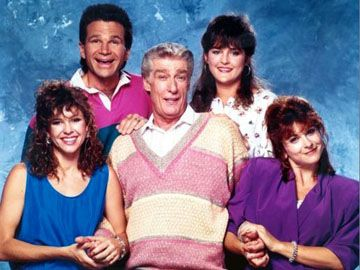
We’re Asking for “Anything But Love”

Later Cast Photo: imdb.com

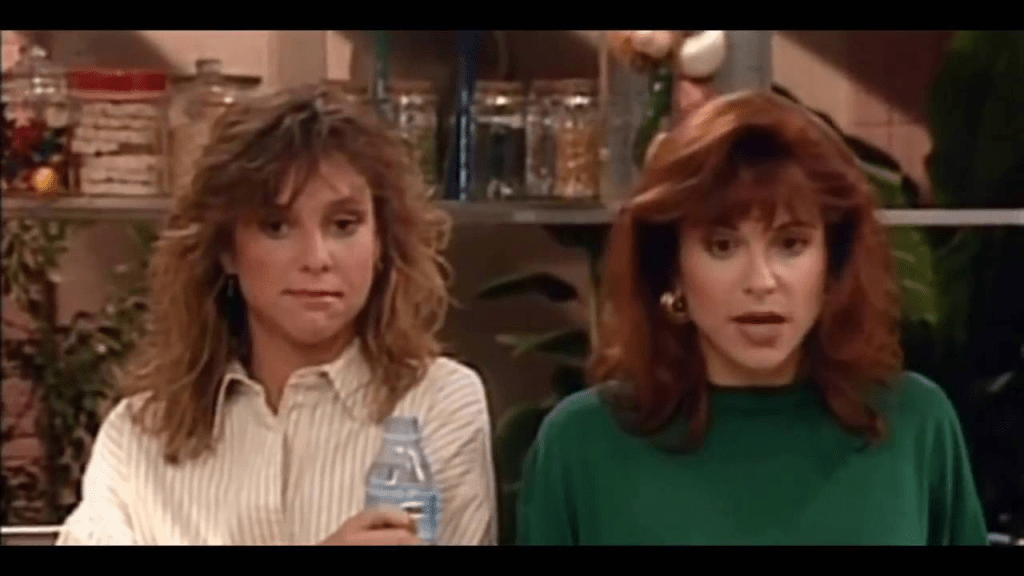
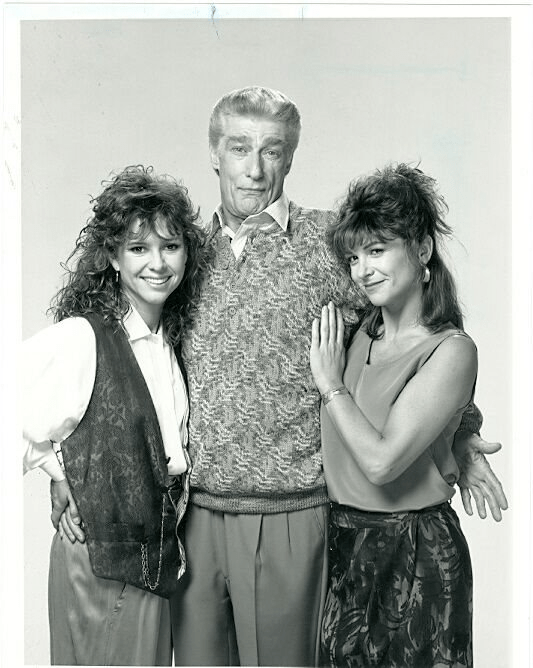
This month, we are taking a look at some of our favorite duos from the eighties and nineties in “Duos to Love.” I decided to begin with a show that was on when my two oldest boys were babies. I was able to watch a bit more television at night because they slept pretty well. One of the shows we watched was Anything But Love. You don’t hear a lot about it anymore, but it starred Jamie Lee Curtis and Richard Lewis. While usually the pilot has different actors and the premise stays the same with different stars, this show was the opposite. In the pilot, Hannah and Marty are involved in a love triangle with D.W. Moffett. Hannah is a well-respected editor. The network liked the characters but not the plot. After viewing the pilot, the network makes Hannah a researcher, Lewis a reporter, and Moffett is sent on his way.

John Ritter can’t get between them Photo: imdb.com

The sitcom began airing on ABC in the spring of 1989 and continued until June of 1992. Lewis plays Marty Gold and Curtis is Hannah Miller. They work for a Chicago magazine and realize that they are attracted to each other but want to keep their relationship on a professional basis.

Wendy Kout created the show and it was produced by Adam Productions, a company of John Ritter’s.

Rounding out the cast were editor Norman Kell (Louis Giambalvo), assistant editor Jules Kramer (Richard Frank), writer Pamela Peyton-Finch (Sandy Faison), and Marty’s current girlfriend Alice (Wendie Malick). Hannah gets deeply philosophical articles to write, like her first assignment, which is “The Tortilla Wars: Does Chicago Prefer Corn or Flour?” At the end of season one, Alice dumps Marty.

The second season tweaked a few things. The magazine has a new owner in Catherine Hughes (Ann Magnuson) who promotes Hannah from researcher to writer. TV critic Brian Allquist (Joseph Maher) comes on board as does Harold (Billy Van Zandt) and Kelly (Jame Milmore) as new office personnel. In order to talk about her feelings for Marty, Hannah’s landlord and best friend, Robin (Holly Fulger), joined the show. At the end of season two, Hannah admits her feelings to Marty who acknowledges that he also has the same feelings for her.

Photo: GQ.com

The third season had a delayed airing and came back on the air in February. While Hannah and Marty explore their relationship, a new photographer, Patrick (John Ritter), gets a special assignment. Hannah and Patrick work together and they start to have feelings for each other as well. Hannah has to decide if she wants to accompany him to Africa for a new assignment when she realizes he has some ideas she could never approve and their relationship ends.

The fourth season finds Hannah thinking she is pregnant, and she and Marty decide to get married. Not long before the ceremony, the clinic calls to say the test was negative. Hannah and Marty call off the wedding but not the romance. They decide to continue dating and getting to know each other better.

The show began its life airing on Tuesday nights. It was up against The Tuesday Night Movie and Moonlighting. Considering Moonlighting had a very similar theme but complex and sophisticated plots, this didn’t seem like a great idea. The second season found it on Wednesday nights. It was opposite Jake and the Fatman on CBS and a variety of shows that cycled through that time slot on NBC. Ratings began to decline. When it had a delayed return for season three, viewers drifted to other shows, and the network had a hard time luring them back. For season four, they still faced Jake and the Fatman, but now on NBC a show called Seinfeld was scheduled which insured that the ratings would not be likely to improve.

However, ABC did not cancel the series; 20th Century Fox which produced the show with Ritter’s company guessed that the show would not have a sixth season and decided that there were not enough episodes or interest for syndication, so rather than putting more money into the show, they were ready to move on.

Critics seemed to like the show. Rick Kogan, TV critic for the Chicago Tribune described it as “a charming, quirky, witty and intelligent show. . . a member in good standing of that small club of quality shows. But for reasons that have alarmed many in the TV biz, the series is being killed.”

The theme song was “Anything but Love”; it was written and performed by J.D. Souther. Beginning in the second season, it changed to an instrumental version. Souther worked on a variety of soundtracks for shows and even received twelve acting credits for shows and movies including recurring characters on thirtysomething and Nashville.

Considering that the critics liked it, fans liked it before it began moving and going through delays, it starred Lewis and Curtis, and it was on the air for four years, I am always surprised it is not discussed more. This is the opinion of a reviewer on imdb.com: “This was such a lovely show and I miss that sort of thing that isn’t on television anymore. It was very smart, very silly and combined slapstick and clever dialogue well. The show reminded me in some respects of films from the thirties that had witty dialogue and a screwball sensibility and the chemistry between Jamie Lee Curtis and Richard Lewis was endearing and believable. One was given the impression that everyone enjoyed what they were doing. A favorite episode of mine involved someone running into an ex at a restaurant and the three four different stories of how the situation occurred. The best was a Fellini-like observation of the event. It is one of those clever obscure shows that deserves to be on DVD just for my sake.”

The good news is that the first two seasons are included in Volume 1 of a DVD, and it’s only $10 on Amazon. The bad news is that seasons three and four don’t exist. The first two seasons were definitely the best, but it is too bad you can’t watch the entire series. Ratings are very good on Amazon. It would be well worth paying $10 for that much good writing. I’ll close with this review on the DVD from George: “First, about the show. It is wonderful, and holds up well after 30 years. Snappy lines, young Jamie Lee Curtis is excellent in her role, as is the always quirky Richard Lewis. Many guest appearances, good writing (which has become rather rare in TV shows, riddled nowadays with “reality” TV). The DVD includes a couple of nice extras too. Four to five stars for the show.”

St. Elsewhere: Medicine Doesn’t Always Give Us The Ending We Wanted

Today we are winding up our blog series, “Examining Some of Our Favorite Medical Shows.” Six years seems to be the magic number of seasons for many medical shows and it was no different for our series today: St. Elsewhere.

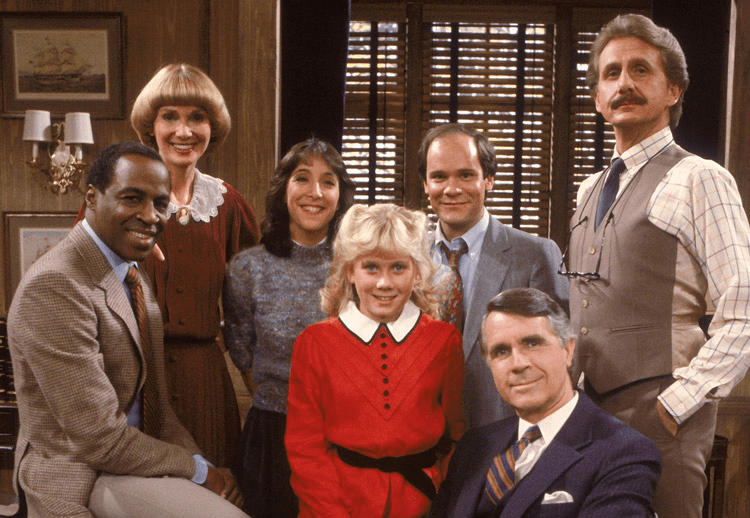
Photo: starstills.com

St. Elsewhere was created by Joshua Rand and John Falsey. It aired on NBC from 1982-88. It was produced by MTM Enterprises, Mary Tyler Moore’s company that also produced Hill Street Blues; both shows had large casts, realistic plots, and continuing storylines.

The show was talked about a lot, but I was surprised to learn that it never ranked higher than 47th in the Nielsen ratings, and that was in the final season. The reason it stayed on the air so long despite lower ratings was that it did very well with the 18-49 year age group with the networks were trying to appeal to. It did win 13 Emmys for writing, acting, and directing. (Overall the show won 13 Emmys out of 62 nominations.)

St. Elsewhere was set in St. Eligius Hospital, a rundown Boston teaching hospital. Its elevators don’t work and they still use an ancient tube system to send messages from one floor to another. Apparently “St. Elsewhere” was a slang term that referred to not well-equipped hospitals that served patients who were turned away from more well-respected institutions. The building that served as the hospital façade was the Franklin House on East Newton Street in Boston, which was originally a hotel for women. Young working women lived there including Faye Dunaway after she graduated from Boston University.

The show intertwined the professional and private lives of the medical staff and patients. It dealt with many cutting-edge social issues including heart transplants, artificial hearts, AIDS, religious conflicts, suicide, and gender identities.

Photo: people.com

Surgeon Dr. Mark Craig (William Daniels) informs the staff that their hospital was considered a “dumping ground.” Craig helped train the interns along with Dr. Donald Westphall (Ed Flanders) and Dr. Auschlander (Norman Lloyd). Flanders was a popular character and the role was originally offered to Hal Linden who turned it down. Other members of the stellar cast included Ed Begley Jr. (playing Dr. Ehrlich), David Birney (playing Dr. Samuels), Mark Harmon (playing Dr. Caldwell), Ronnie Cox (playing Gideon), Helen Hunt (playing Clancy Williams), Howie Mandel (playing Dr. Fiscus), Christina Pickles (playing Nurse Rosenthal), and Denzel Washington (playing Dr. Chandler). This was a fitting role for Denzel who was a pre-med student in college.

Daniels was sent five scripts. He thought the writing was wonderful and having so many scripts displayed how the ensemble cast would be used. He might have a large part one week and then three weeks with small parts. He said Dr. Craig was like him in many ways. He ran the gamut from angry to nice in minutes. It fit his temperament and was wonderful to play him.

Daniels met a surgeon and followed him around the hospital, including in the operating room for an open-heart surgery procedure. He said he used some of the medical information, but he did not like the surgeon as a person and did not model Dr. Craig on him. He said using so much medical jargon was difficult and he had to learn about it before he went in to rehearse. He said that Dr. Craig had some funny lines in the show. He said he did not have any input with the writers on his character; in fact, they never really saw the writers.

Photo: ebay.com

Among the many guest stars were James Coco and Doris Roberts who both picked up Emmys as a mentally challenged boyfriend and a bag lady. It was an interesting storyline where two couples are followed through their medical care. One couple is upper middle class and the other has no money. Nothing is said; there are only observations of the action. The wealthier woman leaves the hospital with no cure but a high hospital bill for many tests. The bag lady, Cora, learns she needs to have both feet amputated because of gangrene, but she needs to take care of Arnie, her mentally challenged boyfriend, so she refused the surgery.

Roberts was asked about her role on the show in a Television Academy interview. She said Coco had received the script and called her to say she needed to audition for the role of his girlfriend. When Doris reached out, they declined, so she reached out to Bruce Paltrow, who was a producer and writer for the show, and she was hired. She did a lot of research watching homeless people. She realized that most people squatted because they did not want to lie down because they were worried about having things stolen. This is how her character got gangrene. When asked about what she thought happened to the character she said she thinks she died shortly after. Roberts got emotional discussing the role and said it still makes her cry. She said it was the best dramatic role she ever played.

Doris said one funny moment came at the Emmy Awards. When they called her name, she did not know what to do with her purse, so she handed it to Jimmy Coco. The next name called was his so he came on stage with the purse and mentioned he didn’t use one often but it came from Doris. Then a few nights later he was on the Tonight Show, and when he came on stage he had her purse and in it was a cigar, a half-eaten sandwich, and a few other items.

Photo: ebay.com

The show was classified as a drama, but it included comedy, as well as inspiring moments of interaction and care. One of these scenes is when Jack, a resident, has to deal with his wife’s death. She is an organ donor, and her heart is given to a female patient. Jack sneaks into the patient’s room when she is sleeping so he can listen to his wife’s heart.

Jazz musician Dave Grusin composed the theme. Grusin won twelve Grammys. He won an Academy Award for his score of The Milagro Beanfield War in 1988. He also scored some popular films including The Graduate, On Golden Pond, The Fabulous Baker Boys, and Tootsie. Before writing the theme for St. Elsewhere, he cowrote the themes for Good Times and Baretta.

One of the most interesting things about the writing on St. Elsewhere was the number of allusions to other television shows and movies and several cross-overs. There are many of these but some of the most fun ones for me included (1) the public loudspeakers often page characters from other television shows, (2) one of the characters on The White Shadow, Warren Coolidge, becomes an orderly and sometimes wears Carver high school shirts, (3) a psychiatric patient who watches The Mary Tyler Moore Show believes that he is Mary Richards and has an encounter with Betty White, and she says she is not Sue Anne Nivens, (4) Dr. Craig once mentions serving in Korea with B.J. Hunnicutt, and (5) the teaching doctors are seen at the bar at Cheers in one episode.

Photo: imdb.com

The hour-long show started on Tuesday nights. The show was canceled after the first year. Then Grant Tinker changed his mind and they were back on the air. For the second season, it was moved to Wednesdays where it remained until it was canceled.

The finale of this show gets talked about almost as much as Newhart. However, while fans loved the Newhart ending, there was a lot of controversy over the ending of St. Elsewhere.

Warning: This is a spoiler alert if you haven’t seen the show and want to watch it. After wrapping up several storylines, the final scene is a much younger Dr. Westphal and his son Tommy (Chad Allen) who has autism. Westphal is obviously a construction worker. Dr. Auschlander appears to be Westphal’s father. Tommy is playing with a snow globe and the two “doctors” discuss the fact that Tommy spends much of his day staring at the snow globe. They set the globe down and when the camera goes in close, we see St. Eligius inside.

We are left to assume that the entire series had been Tommy’s imagination. In other words, the show was fiction but the fiction was also fiction inside someone’s mind. Viewers understandably were confused and upset.

Photo: paleymatters.com

Later the cast did a special on Entertainment Weekly and was asked to share their thoughts about the finale. Here are a few of the comments. Chad Allen said, “From the mind of a young person whose fantasies were coming to life before him, it was neat.” William Daniels said he was “shocked, actually. I had no idea of their plans to do that. . . it was a provocative ending. A surprise to everybody.” Ed Begley Jr. felt that “it was quite fitting for what they had done the previous six years. They always tried to be out there, beyond the limits of what was being done before. They tried to think outside the box. . . . It was bold and shocking and upset some people.  . . . It was highly unpredictable, just like every episode.” Howie Mandel knew it would offend half the viewers and appeal to the other half, but he described it as “ahead of its time, pretty ingenious, and creative and not like anything else.” Mark Harmon had been killed off earlier in the series, but said, “It made me smile when I heard about what they did because it was so them. They made a choice. and the choice is interesting.” Noman Lloyd said he “never bought it. I said at the time we were shooting, ‘This is a cheat.’ For me, it was a cheat.”

I will admit this was not a show I regularly watched. I find the entire philosophy of the ending fascinating. Many felt they had been cheated by getting pulled into the lives of characters for six years that never existed. However, if they are on a television series, did they ever exist? It shows how real characters become to us when we invest in a show and invite these people into our homes every week.

If you didn’t watch the show in the eighties, you can find it on Hulu and make your own decision about the finale. I do admit that I never look at snow globes the same way anymore.