This month we are discovering some of our favorite “Crime Solvers of the Past.” Up today is a show I listen to on old-time radio quite often: Richard Diamond, Private Detective.
Dick Powell stared on the radio series which began in 1949, and the show ended its run four years later in 1953.
📷wikimedia.org
The television show went on the air in the summer of 1957. CBS aired the show through fall of 1959 when it moved to NBC for its final season. It was much more common in the fifties and sixties for shows to shift networks.
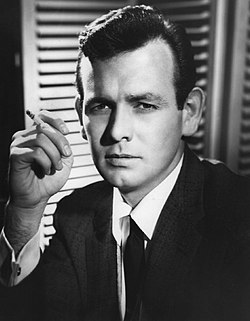
David Janssen starred as Diamond, a former cop in the New York Police Department. The television show kept the film noir atmosphere. It also kept the New York City location and showcased Diamond’s wit and charm with the ladies. Rounding out the cast was Diamond’s former superior Lt. Dennis McGough (Regis Toomey).
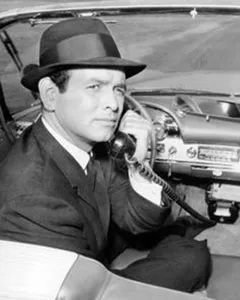
The third season moved Diamond to Los Angeles, and everything took on a new look. His life became more glamorous, and he lived in the Hollywood Hills and had a swimming pool. Apparently, private eyes earned a much bigger fee in Los Angeles. After taxis in New York, Diamond drove a new convertible which included a car phone, a high-tech feature for that time period. Lt. McGough remained in New York, and the LA police weren’t so fond of Diamond and his interference with their cases.
📷thrillingdetectives.com
Diamond’s phone calls are collected by Sam. Often she passes the messages on to Diamond on his phone car. Car phones were pretty cool in this era. We don’t see her face, but we do see her legs on a regular basis. I’ll take their word for it that Sam was played by Mary Tyler Moore for part of season three and Roxane Brooks filled out the rest of year three and season four. No one knew who Sam was until Mary Tyler Moore modeled hosiery in the TV Guide and let the cat out of the bag. She was immediately fired and replaced with Brooks. I also read a version that Moore asked for a raise and was denied it and fired, which prompted her to talk about her identity as Sam on the show.
The theme also took on a contemporary jazz score that was now used for the theme song.
📷famousfixx.com
Apparently, NBC demoted Diamond because for the final season, he lost his ranch house with the fireplace and sunken living room. He lived in an apartment and worked from a typical, small office. The show lost a lot of its elegance, and fans probably missed Diamond’s former life after getting used to him in year three. Lt. Pete Kile (Russ Conway) has now found mutual respect with Diamond and the two of them work together on many of his cases. He also has an understanding with Karen (Barbara Bain), his new girlfriend.
Guest stars were plentiful on the show. Some of the appearances included Claude Akins, Ed Begley, Joey Bishop, Whitney Blake, Charles Bronson, Jack Cassidy, Jack Elam, Charles Lane, and Ruta Lee.
📷posterazzi.com
ABC aired the show on Thursday nights up against Zorro and You Bet Your Life, both shows in the top thirty. The next season it moved to Sunday nights and took on The Loretta Young Show. NBC moved the show to an earlier time slot on Mondays against The Kate Smith Show and the popular western Cheyenne. I’m guessing most families tuned in to one of its competitor’s series that early in the evening.
Maxwell House sponsored season one and Kent Cigarettes took over for season two. It seems that in the fifties coffee and cigarettes are what kept most detectives going.
From what I’ve concluded, the show didn’t age as well as the radio show. It lost some of its comedy and playful dialogue and became more somber and serious. The fact that Richard’s living conditions changed three times, along with the spot on the tv schedule where the show lived, probably didn’t help viewers stay tuned.
Let me qualify that I read many people’s views of the show who thought some of the seasons as high quality as you could get. However, I am just going to keep listening to the radio show and take a pass on watching Diamond’s more stressed-out, serious side on television.
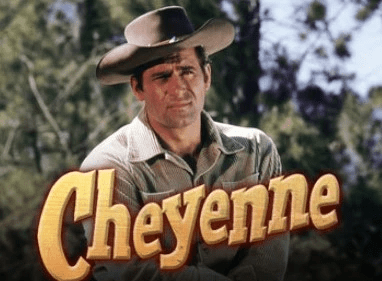
In June, we are advising “Go West Young Man” as we peek back at a few of our favorite westerns. First up is Cheyenne. Cheyenne debuted in 1955; it was the first hour-long Western. It would remain on the air for eight years, producing 108 episodes.
📷rewatchclassictv.com
Clint Walker starred as Cheyenne Bodie, a cowboy who explores the wild west after the Civil War. Early in the show, we learn that Bodie’s parents were killed by an unknown Native American tribe. A Cheyenne tribe found him and raised him till he was 12 when they sent him to live with a White family.
Because Cheyenne is traveling, guest stars change from week to week. The series was part of Warner Brothers Presents which alternated a weekly show with Cheyenne, Casablanca, and Kings Row.
For the first four seasons, the show was on Tuesday nights; then it moved to Mondays for the final four years. It was in the top thirty, and often the top twenty, for most of its television life, despite being up against The Phil Silvers Show; Richard Diamond, Private Detective; Dragnet; and the game shows To Tell the Truth and I’ve Got a Secret. Because Warner Brothers was used to making movies, the television show was produced with a movie feel to it.
In 1958, Walker went on strike. His contract stipulated that he had to give Warner Brothers 50% of his personal appearance fees, and he could only record music with the Warner Brothers label. He wanted 100% of his fees and to be able to record wherever he chose. I never learned what they settled on, but Walker returned to the show.
📷wikipedia.com
During his travels, Cheyenne often advocates for justice in the places he visits, sometimes working as a sheriff or deputy. Another theme of the show is the distrust of Native Americans. Cheyenne is sympathetic to their plight and is loyal to the Cheyenne tribe that raised him. Many of the plots were taken directly from Warner Brothers movies of the past and reworked a bit.
The theme song was composed by William Lava and Stanley Davis Jones. They both worked on The Mickey Mouse Club with Jones composing for the Spin and Marty shorts. Lava also provided music for Zorro, The Twilight Zone, and 77 Sunset Strip.
During Clint Walker’s interview with the Television Academy, he talked about his time on the show. He said he became aware of how many people liked the show when they sent him out to functions, and he started to realize how many fans he had in each town and then thinking of all the towns in the United States. He received a lot of fan mail from people who liked the values of the show. Some young men told him they no longer had fathers or uncles, and he was their role model.
📷imdb.com James Garner
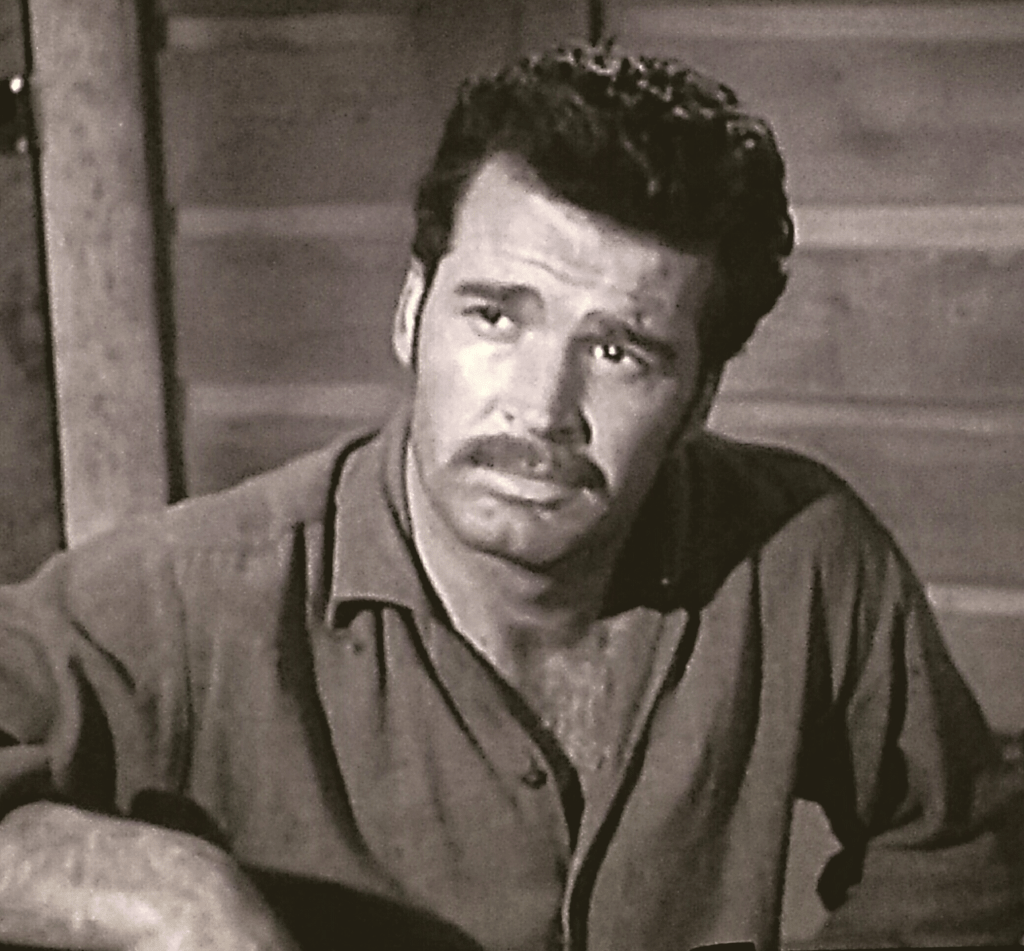
I also heard a fun story about casting during this show. Richard Bare explained during his interview that he was in a bar one night and a friend introduced him to an actor. The next day a meeting was called where Jack Warner informed them that he wanted some new faces introduced during the show. Bare remembered the young actor he met at the bar the night before but couldn’t remember his name. He called the bar and was told that the actor’s name was Jim Baumgartner, so he asked them to tell him to come to the studio when he showed up again. Finally, Baumgartner called Bare the day before they began shooting. He came in and did an audition. The crew was going on location the next day, so they had to decide immediately if he was part of the show. When Jack Warner saw the clips, he said to give that kid a seven-year contract, and that’s how James Garner started working in westerns.
There is no doubt Cheyenne was a popular show. It was interesting enough to keep viewers’ attention for an hour. The episodes seem to be well written. In an era when there were tons of westerns to watch, this one was in the top section of that list. The show still can be streamed on several places. If you want to live in the Old West for a bit, why not join Cheyenne and see what it was like.
This month our blog series is “All About The Bill Dana Show,” and we are learning about the careers of some of the cast members. Last week we looked at the life of Maggie Peterson, and today we are getting to know Jonathan Harris.
📷LostinSpaceWikiFandom.com
Harris was born Jonathan Daniel Charasuchin in the Bronx in 1914. His father worked in Manhattan’s garment district. His family often took in borders to make ends meet, and when they did, the border got Jonathan’s room, and he slept on a couple of dining room chairs.
By age 12, Harris was working at a pharmacy as a stockboy. Although money might have been short, Harris’s family’s love of music and theater was not. As a family they listened to opera in the dining room. Whenever they had some extra cash, they would take in a Broadway play. Harris was interested in archeology, poetry, and Shakespeare. He disliked his Bronx accent and taught himself to develop a British one.
Harris was able to graduate at age 16 from James Monroe High School. His pharmacy job paid off when he graduated from Fordham University with a pharmacology degree in 1936. Before entering college, Jonathan took the name “Harris” in place of his birth name.
In 1938 Harris married his high school sweetheart, Gertrude Bregman. They were married until his death.
While working in several pharmacies, Harris also worked on his acting skills. He created a phony resume which he used to land a spot in a local acting company. In 1942 he played a Polish officer in the Broadway production, “The Heart of a City.” He was persistent. He said that he went to Mr. Miller’s office to audition for a part in the play for two weeks, and everyday Mr. Miller’s secretary sent him away. Finally, she let him in, and Mr. Miller gave him his first part. Then he lied and said he could do a Polish accent. He then went to the Polish Consulate to listen to how they talked. So, despite a fake resume, being turned away for weeks, and then lying about an accent, he was a success in the play.
📷amazon.com
In 1949, Harris made his television debut in The Chevrolet Tele-Theatre. Throughout the fifties he would continue to appear in dramatic playhouse series.
In 1959 he had a recurring role in Zorro as Don Carlos Fernandez as well as an appearance on Father Knows Best.
The sixties brought him roles in several well-known series including The Twilight Zone, Bonanza, and The Adventures of Ozzie and Harriet.
In 1963 he was offered the role of Mr. Phillips, the hotel manager on The Bill Dana Show. I won’t elaborate on this series, but if you missed the first blog in March, you can read about this show which was on the air for a season and a half.
Harris did an interview with the Television Academy. He said that when he read the script for The Bill Dana Show, he decided he had to come up with some other characteristics for Mr. Phillips. He made him devoid of humor. But he said he was a different man with his wife on the show, played by Amzie Strickland. Harris said Bill Dana was wonderful to work with. He also said that the writing was so good on that show that he never had to re-write anything. However, if something felt off, he would ask Sheldon Leonard about changing it, and Leonard was always open minded about revisions.
Harris continued to appear on dramatic shows while waiting for his next role.
📷thenewyorktimes.com
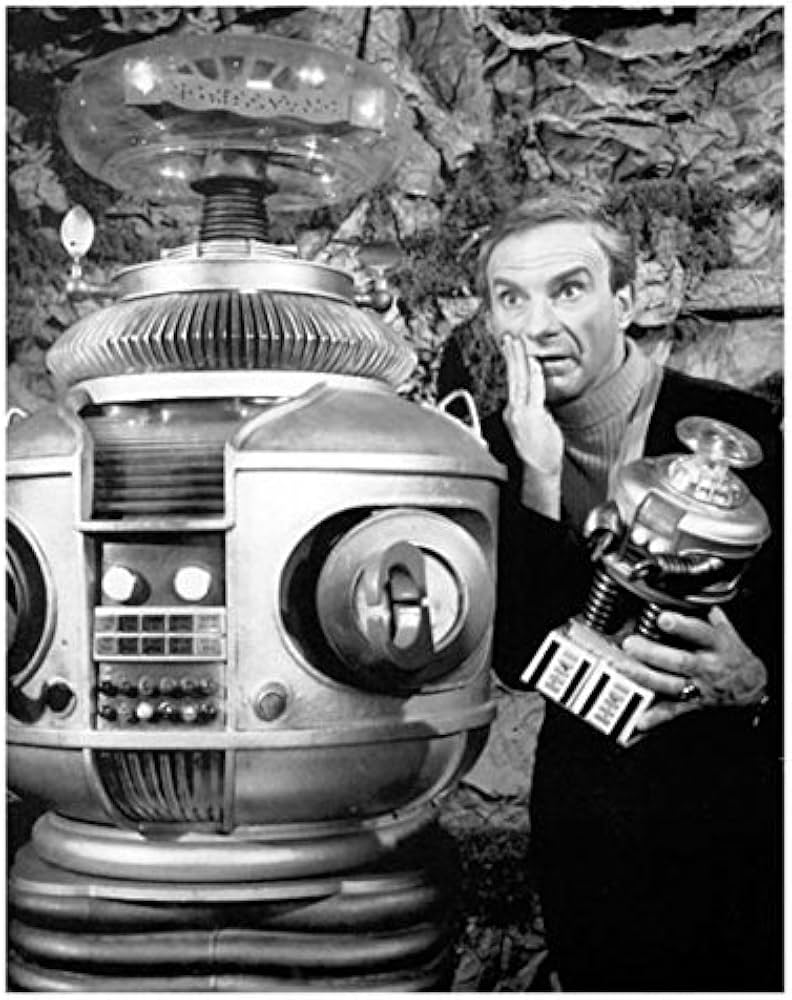
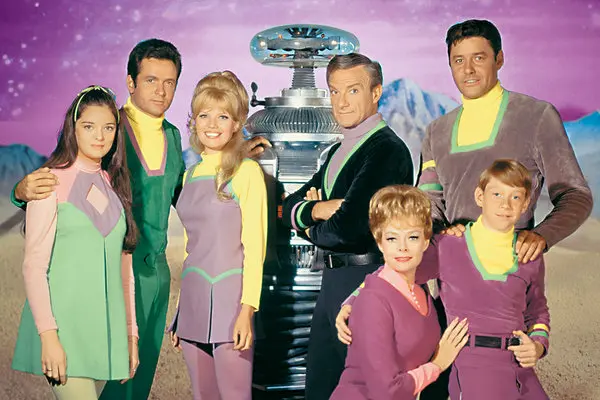
In 1965 Lost in Space was put on the fall schedule. Harris played Dr. Zachary Smith. Neither his role nor the Robot were in the pilot of the series, but they were both brought in before the show began.
The show was a big hit with viewers. Harris felt his character, who was not trusted by the family, needed a bit of comedy, so he began to adlib his dialogue. Irwin Allen, creator of the show, approved the changes and allowed him to be considered a writer. Harris said he was a good re-writer, but he was never a writer.
Bill Mumy, who played the son on the show and interacted with Smith quite a bit said that Harris “truly, truly singlehandedly created the character of Dr. Zachary Smith that we know—this man we love to hate, coward who would cower behind the little boy, ‘Oh the pain! Save me, William! That’s all him.”
The show was still high in the ratings during its third season, but the writers were running out of ideas, and the show was canceled after 83 episodes.
📷imdb.com
In the seventies, Harris joined the casts of two Saturday morning series, Space Academy and Uncle Croc’s Block. Uncle Croc’s Block was a very weird show in my memory. Even though it was on Saturday mornings, he parodied kids’ shows. Uncle Croc, played by Charles Nelson Reilly, butts heads with his program director Basil Bitterbottom, Harris’s role; Phyllis Diller played Witchy Goo to round out the cast. Uncle Croc has a sidekick Rabbit Ears and introduced the cartoons.
He also continued to appear on other series, and you can spot him in The Ghost and Mrs. Muir, Land of the Giants, Get Smart, Bewitched, McMillan and Wife, Love American Style, and Vega$.
After the mid-seventies, most of his work was in the animation field.
He also became a drama coach, and Chuck Norris was one of his students.
📷billmumy.com
In 1990, the cast of Lost in Space reunited for the 25th anniversary. More than 30,000 fans attended the event.
Harris also spent time on his hobbies, which were many. He loved gourmet cooking, watching movies, reading, traveling, painting, magic, playing piano, gardening, dancing, knitting, and spending time with this family. He also kept his interest in listening to opera that he cultivated as a child.
He passed away in 2007 from a blood clot that traveled to his heart.
Harris was a talented actor. I’m not sure why he was never offered another sitcom or a chance to play a different type of character. I’m glad he found a home in animation, but I wonder if he regretted leaving Broadway for television. It was fun to learn more about this man and his career.
Today we get to spend some time learning about one of the earliest sitcoms, December Bride, which aired on CBS from 1954-59. It began life as a radio show in 1952.
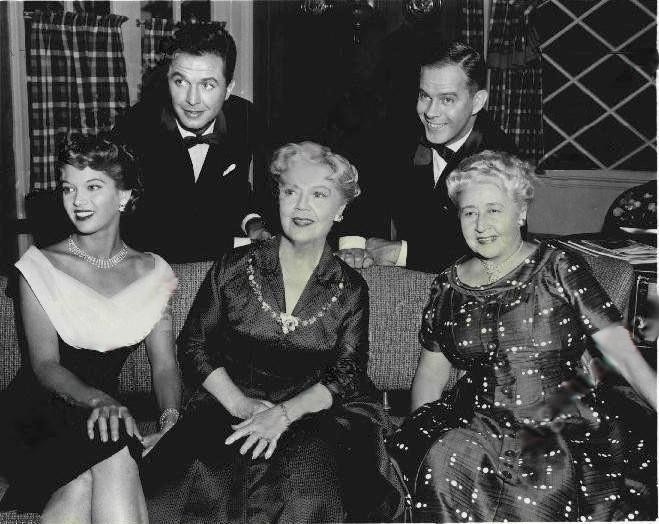
Cast of December Bride–Photo: tumbral.com
The show was created by Parke Levy who wrote the episodes as well and claimed to base Lily on his own mother-in-law. He owned 50% of the program; Desilu, producer, owned 25%; and CBS owned 25%. Harry Morgan said he liked Desi Arnaz very much. They cast rarely saw Lucy and saw Desi frequently but not in a negative way; he just might show up to see how things were going. (As an aside, I remember an interview with Bob Schiller, who wrote for this show along with many others, loved the name of “Parke Levy” and said it sounded like a Jewish housing development in New York.) Levy also wrote the film scripts for My Friend Irma and My Friend Irma Goes West.
Spring Byington and Frances Rafferty–Photo: vintagetvandmore.com
One fun fact is that both Fred de Cordova and William Asher were directors for this sitcom. Both would go on to long careers; de Cordova would produce The Tonight Show and Burns and Allen, direct My Three Sons, and both produce and direct for The Jack Benny Show. Asher would go on to direct I Love Lucy and Alice and both produce and direct most of the Bewitched episodes.
Spring Byington–Photo: pinterest.com
Spring Byington starred as Lily Ruskin, a lively widow who was looking for the right man.
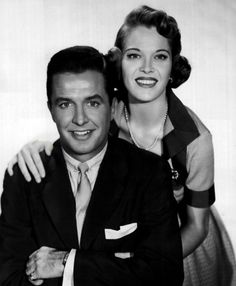
Dean Miller and Frances Rafferty–Photo: pinterest.com
She lives with her daughter Ruth Henshaw (Frances Rafferty) and son-in-law Matt (Dean Miller) who help her in the search, as does her best friend, Hilda Crocker (Verna Felton).
Lily stays busy writing an advice column for the LA Gazette, “Tips for Housewives.”
Verna Felton–Photo: upperjacksonco
Pete Porter (Harry Morgan) is her next-door neighbor who also shows up often. (Next week we will learn about his spin-off from this show, Pete ‘n Gladys.) Pete enjoyed watching Matt and Lily’s interactions which he viewed as positive, unlike his relationship with his mother-in-law which he viewed negatively.
A lot of guest stars showed up including Jack Albertson, Morey Amsterdam, Desi Arnaz, Edgar Bergen, Madge Blake, Barbara Eden, Zsa Zsa Gabor, Nancy Kulp, Fred MacMurray, Howard McNear, Isabel Randolph, and Mickey Rooney
Harry Morgan–Photo: wikimedia.com
The scripts seemed about what you would expect for this era. In one of the funniest shows, Lily fails to deliver plans for Matt and as a result, Desi Arnaz’s family room collapses. In another one, Lily arranges for Pete to take riding lessons because his fear of horses is standing in the way of him earning a huge commission selling insurance to a wealthy ranch owner.
The gold standard for this decade seems to be Ozzie and Harriet Nelson’s show and the writing doesn’t measure up to that but seems like a fun show to watch.
Maxwell House Coffee was their sponsor for the entire run of the show.
The show was on Monday nights after I Love Lucy and had top-ten ratings for the first four years. For season five, the network moved it to Thursdays, where it was up against Zorro and The Ed Wynn Show. Ratings declined significantly, and it was cancelled. Fans have noted that the last season’s scripts were not as well written and the show had probably run its course.
Harry Morgan discussed the show for the Academy of Television interviews. He said it was a nice show to work on; he described it as “fluffy and light” and “typical for the time.” He said he enjoyed doing the show, all the cast was wonderful, especially Spring who was an amazing actress, and he became good friends with Dean Miller and Frances Rafferty. He said that it was a well-done show and he had a lot of fun during those five years.
I watched the episode about Desi’s family room caving in. Morgan’s description was pretty accurate. The show might not present deep philosophical moments, but it was well written. One of the bright spots was Desi’s butler played by Richard Deacon. I can certainly think of worse ways to spend a few hours than watching several of these classic television episodes.
We wrap up
our series Just a Couple of Characters this week with Mary Wickes and Susan
Oliver. Mary and Susan are very different character actors, but you will
immediately recognize them. Let’s learn a bit more.
Mary Wickes
Photo: imdb.com
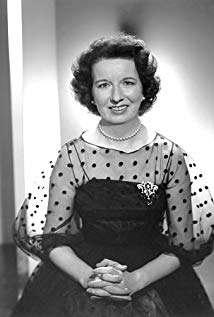
It’s not surprising that Mary shortened her last name to “Wickes” after being born Mary Wickenhauser in 1910 in St. Louis. Her father was a banker, and the family had plenty of money. After high school, Mary attended Washington University in St. Louis, majoring in political science, planning a career in law. One of her professors suggested she try theater, and she dipped her toe into it doing summer theater in Stockbridge, Massachusetts.
Photo: flickr.com
After deciding a career in acting was for her, she moved to New York. She quickly found a role in “The Farmer Takes a Wife” on Broadway in 1934. In this show, which starred Henry Fonda, Mary was Margaret Hamilton’s understudy. Mary had a chance to perform during the run and received excellent reviews.
Photo: tcm.com The Man Who Came to Dinner
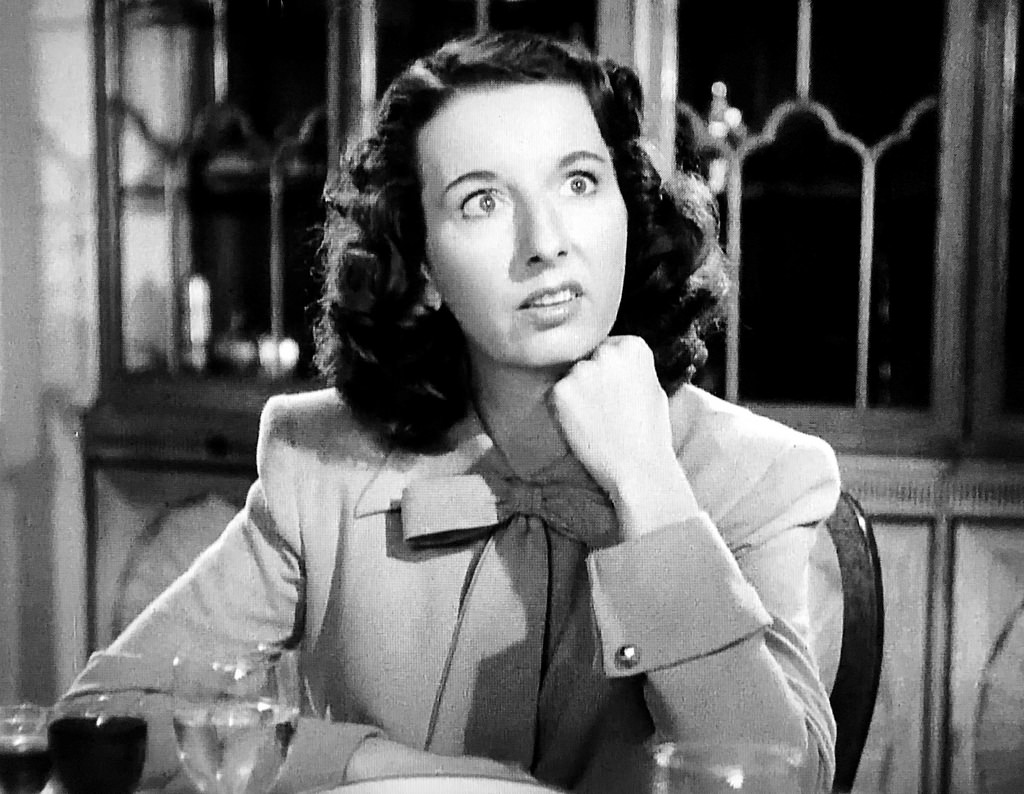
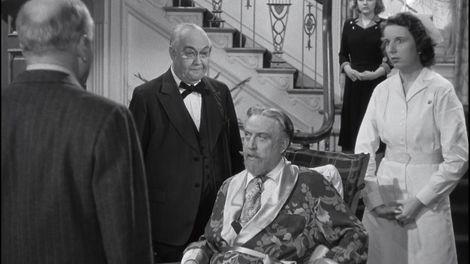
Mary understood that comedy was the field she needed to pursue. She was lucky enough to continue getting roles on Broadway, appearing in several shows throughout the 1930s, including “Stage Door” in 1936 and “Hitch Your Wagon” in 1937. She also was cast in “The Man Who Came to Dinner” as Nurse Preen with Monty Woolley. She continued to receive encouraging reviews. When Warner Brothers decide to turn the play into a movie, both Mary and Woolley were part of the cast. Mary became known for being a bit sarcastic and witty. She was given roles in the film, Now Voyager with Bette Davis, again playing a nurse.
Photo: viennasclassichollywood.com By the Light of the Silvery Moon
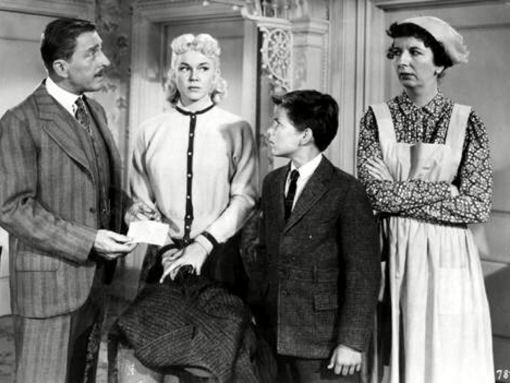
Mary flip flopped from Broadway to Hollywood, taking roles that interested her. She would appear in both Moonlight Bay (1951) and By the Light of the Silvery Moon (1953) with Doris Day; White Christmas (1954), and The Music Man (1962).
Mary had cornered the market in roles of smart-alecky teachers, nurses, and housekeepers in film. When she transitioned to television, she often continued in these roles. Her first two recurring roles were housekeepers named Alice on Halls of Ivy from 1954-55 and Katie on Annette in 1958. From 1956-1958, she played Liz O’Neill, Danny Thomas’s press agent on Make Room for Daddy. Throughout the 1950s she also appeared on numerous shows including Zorro.
Photo: pinterest.com
One of my favorite episodes with Mary was the 1952 episode “The Ballet” on I Love Lucy where Wickes played Madame Lamond, a formidable ballet teacher who taught Lucy. Wickes and Lucy would remain life-long friends. After Mary’s death, Lucie Arnez talked about her relationship with their family: “For my brother and me, Mary was just like one of the family. If any of us were sick or even in bed with a cold, Mary would show up at the backdoor with a kettle of chicken soup. She could be loud and boisterous and as demanding as any of the characters she played, but she was also very loving and giving. What a lady.” Mary would appear on numerous episodes of Lucille Ball’s other shows in the 1960s and 1970s.
Photo: aurorasginjoint.com
In the 1960s, Mary continued to show up on a variety of shows. We see her on My Three Sons, Bonanza, F-Troop, The Doris Day Show, The Donna ReedShow, and I Spy. She also had recurring roles on three shows during the decade: TheGertrude Berg Show, Dennis the Menace, and Temple Houston. In the Gertrude Berg Show, Mary was landlady, Winona Maxfield. She was hilarious on Dennis the Menace, playing Miss Cathcart, an older neighbor looking for a man. On Temple Houston, she played Ida Goff. Temple was Sam Houston’s real son who was a circuit-riding lawyer.
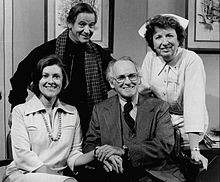
Photo: en.wikipedia.org The cast of Doc
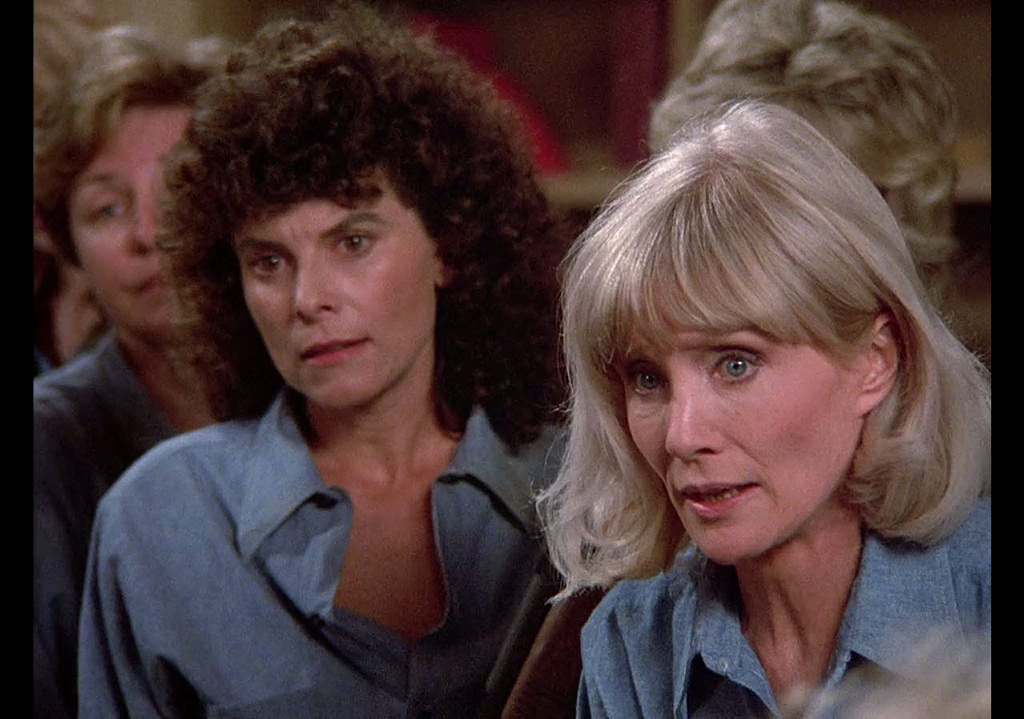
As Mary aged, she progressed to the cranky relative or nosy neighbor type of character. In the 1970s she was a regular on Julia, Doc, and The Jimmy Stewart Show. On Julia, she was Dr. Chegley’s wife, Melba. She went back to her role as a nurse on Doc. On the Jimmy Stewart Show, she is Mrs. Bullard. Two of my favorite episodes of her from the 1970s were her roles on Columbo and M*A*S*H. On Columbo, Mary plays a landlady of a victim who’s been murdered. She and Columbo have a priceless conversation during the show, “Suitable for Framing” in 1971. On M*A*S*H, Mary played Colonel Reese who is observing Margaret and the nurses.
Photo: aurorasginjoint.com
In the 1980s, Mary’s schedule slowed down a bit. She did revive her role as a maid on The Love Boat in 1981. From 1989-1991, she took another regular role as housekeeper Marie Murkin on Father Dowling Mysteries.
Photo: hometheaterforum.com
In the 1990s, Mary was doing more voice overs. She taped five episodes of Life with Louie which aired from 1995-1997 and was Laverne in The Hunchback of Notre Dame in 1996. Unfortunately, she would not live to see them on the big screen. In 1995, she passed away after having respiratory problems. While a patient in the hospital, she fell and broke her hip. She died of complications caused by the surgery.
Mary never married or had children and as part of her legacy, she left a $2 million donation in memory of her parents to the Television, Film and Theater Arts at Washington University.
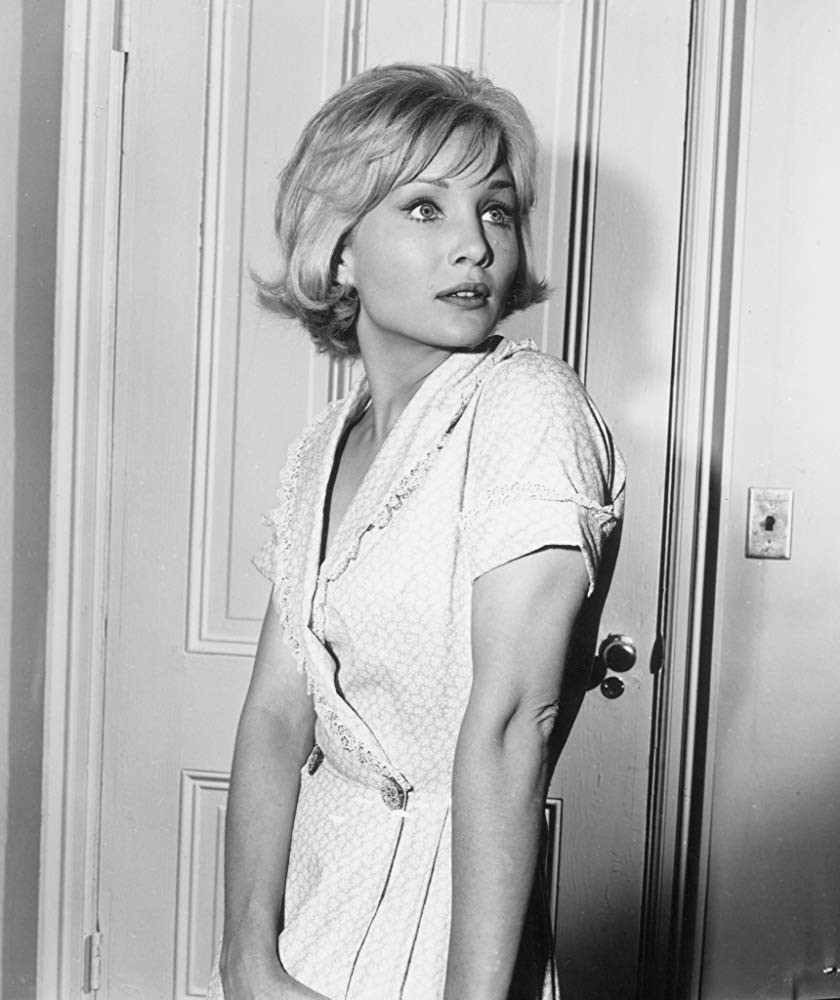
Susan Oliver
Photo: amazon.com
More than twenty years younger than Wickes, Susan Oliver was born in 1932 in New York City. Her real name as Charlotte Gercke. Her father was a political reporter for the New York World. Her parents divorced when she was quite young, and she grew up in boarding schools. She traveled with her father to Japan when he took a post there. She studied at the Tokyo International College, studying American pop culture. While Wickes was the wise-cracking comedic foil, Oliver was often the leading lady character with blue eyes, blonde hair and heart-shaped face.
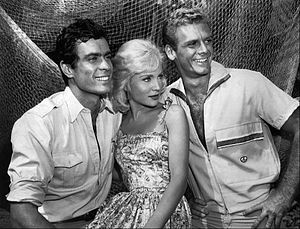
Photo: trekdivos79.blogspot.com on The Wild Wild West
In 1949, she
traveled to LA to see her mother who had found her niche as “astrologer to the
stars.” Susan then enrolled at Swarthmore College. After graduation, she
continued acting courses at New York City’s Neighborhood Playhouse.
Her first Broadway part came in 1957 as the daughter or a Revolutionary veteran, “Small War on Murray Hill.”
Photo: manfuncle2014.blogspot.com The Man from U.N.C.L.E.
Returning to LA, she started a film career. Though she would appear in 15 big-screen movies, television is where she spent most of her time. She put in her due diligence in the 1950s and 1960s. Her first job was on The Goodyear Playhouse in 1955. She continued with a lot of drama and theater for the first few years of her career. She took roles in a variety of shows including: Father Knows Best, Suspicion, The David Niven Show, Bonanza, The Twilight Zone, The Adventures of Ozzie and Harriet, The Alfred Hitchcock Hour, Wagon Train, Route 66, The Fugitive, The Andy Griffith Show, Ben Casey, Mannix, Dr. Kildare, The Man from UNCLE, I Spy, Gomer Pyle, My Three Sons, and the Wild, Wild West.
Photo: imdb.com
I read several times that she turned down lead roles in series to retain her independence, but I never read any specific roles she turned down. In 1966 she accepted a recurring role of Ann Howard in Peyton Place. She had signed a contract for a year, but after five months, her character was killed on the show. She made a pilot for a show titled, “Apartment in Rome” that did not sell.
Photo: en.wikipedia.com on Peyton Place
Oliver never did get another show of her own, but she continued to guest on shows throughout the 1970s and 1980s, including Love American Style, Gunsmoke, The FBI, Streets of San Francisco, The Love Boat, Magnum PI, Murder She Wrote, and Simon and Simon.
Photo: flickr.com on Murder She Wrote
One of the reasons, she didn’t want to be tied down was her interest in flying. In 1959, a Boeing 707 she was a passenger on plummeted 30,000 feet for the Atlantic Ocean before leveling out. After that scare, she decided to learn to become a pilot. In 1964, she started flying single-engine planes. Bill Lear brought her on board to become the first woman to train on his new Lear Jet. She would star in a movie about Amelia Earhart. She also later wrote about her flying experiences in an autobiography, Odyssey: A Daring Transatlantic Journey in 1983.
Photo: imdb.com
In the mid-1970s, she stopped accepting most acting roles and quit flying. She enrolled at the 1974 AFI Directing Workshop for Women with peers Lily Tomlin, Margot Kidder, Kathleen Nolan, and Maya Angelou. During the final season of M*A*S*H she directed an episode of the show. She would later direct an episode of Trapper John, MD.
At age 58, Oliver was diagnosed with colorectal, and eventually lung, cancer. She died in 1990.
Oliver was an
interesting actress. Apparently, she loved acting, but never wanted to be tied
down. She not only was a aviator and director but a writer. She was a practicing
Buddhist and a baseball expert as well.
Wickes and Oliver were very different women with very different interests and acting roles. They both remained single and devoted themselves to their careers. But they were both women who were always in demand for their acting ability.














 thewritelife61