Walter Cronkite was the Best, And “that’s the way it is.”

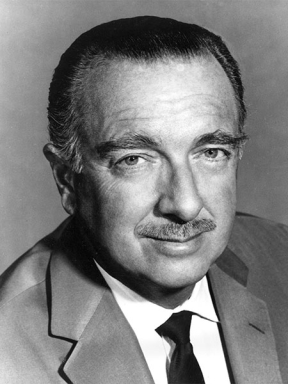
This month we are learning about our favorite news anchors from the past in What’s News? Today we are learning about the man everyone respected: Walter Cronkite.
📷televisionacademy.com

Cronkite was born in 1916 in St. Joseph, Missouri, an only child. His father was a dentist there. During the sixties and seventies, he was described as “the most trusted man in America.” Let’s learn why.

He lived in Kansas City, Missouri until he was ten. The family moved to Houston, Texas when his father took a position at the University of Texas Dental School. No surprise he was a boy scout, always prepared, and worked on the newspaper in high school. He went to the University of Texas, Austin beginning in 1933 and majored in political science. He remembered reading adventures of reporters in American Boy magazine and said they inspired him to be a journalist.

📷warfarehistory.com

Walter left college during his junior year in 1935, perhaps because of the Depression. He took on a number of newspaper reporting jobs, and became an announcer for WKY in Oklahoma City, Oklahoma. In 1936 he met Mary Maxwell, whom he married. After their marriage, he became a sports broadcaster with the name Walter Wilcox. He also joined United Press International in 1937.

Edward R. Murrow had gained a bit of fame covering WWII, and he invited Cronkite to join the Murrow Boys, war correspondents. Cronkite became one of the top reporters during the war, covering action in North Africa and Europe. He was one of eight journalists selected by the US Army Air Forces to join bombing raids over Germany. After the war, he covered the Nuremberg trials and worked for the United Press from Moscow until 1948.

📷Biograhy.com

In 1950, Cronkite joined CBS News in its television division, recruited by Murrow once again. He went to WTOP in Washington, DC, serving as the anchor of Up to the Minute after What’s My Line from 1951-62. 

In addition, from 1953-1957 Cronkite hosted You Are There, an enactment of historical vents on CBS. He also popped up on The Morning Show in 1954. He interviewed guests and chatted with Charlemagne, a lion puppet.

1960 found him covering the summer Olympics in Rome. By 1962, he was anchorman of CBS nightly newscast for a feature called “Walter Cronkite with the News” and by 1963 he became the anchor of the first thirty-minute nightly news program.

📷facebook.com

Cronkite reported on the arrival of The Beatles to the US on the CBS Morning News, but another event took precedence that day and the story aired on December 10. That story was John F. Kennedy’s assassination in 1963. Walter had been standing near the wire machine when the news about Kennedy broke, so he rushed to the studio, so CBS would be the first network to air the news. Cronkite continued to read breaking-news bulletins through the afternoon. Eventually he read “President Kennedy died at 1 p.m. Central Standard Time.” He then paused, put on his glasses, swallowed to maintain his composure and with emotion in his voice told the nation that VP Johnson would be taking the oath of office shortly. In 2006, Cronkite was doing an interview with Nick Clooney when he admitted, “I choked up, I really had a little trouble . . . my eyes got a little wet . . . Fortunately, I grabbed hold before I was actually crying.”

His reporting began to gain more viewers than the former number one Huntley-Brinkley Report. By 1968 Cronkite traveled to Vietnam after the Tet Offensive with Ernest Leiser, executive producer. He would report on location during that time. The night Cronkite mentioned on air that we were never going to win the war, Lyndon B. Johnson was said to have replied, “If I’ve lost Cronkite, I’ve lost Middle America.” Cronkite also covered the Democratic National Convention. Johnson didn’t run again, and in 1973 Cronkite reported about Johnson’s death. In 1972 he covered Richard Nixon’s visit to China.

📷posterazzi.com

Cronkite was known for his coverage of space travel. He reported on almost every manned spaceflight for two decades (1961-81). He was willing to put in the time to learn everything he could about astronauts and the work of NASA. When watching Apollo 11 take off, his excitement overcame him as he yelled, “Go, Baby, Go.”

One of Cronkite’s trademarks was ending the news with “And that’s the way it is” with the date. In 1980, during the Iran hostage crisis, he began to add the number of days they had been held hostage to the end of his news.

In February of 1980, Cronkite decided to retire; his last day was March 6, 1981, and he was succeeded by Dan Rather. His farewell statement was: “This is my last broadcast as the anchorman of The CBS Evening News; for me, it’s a moment for which I long have planned, but which, nevertheless, comes with some sadness. For almost two decades, after all, we’ve been meeting like this in the evenings, and I’ll miss that. But those who have made anything of this departure, I’m afraid have made too much. This is but a transition, a passing of the baton. A great broadcaster and gentleman, Doug Edwards, preceded me in this job, and another, Dan Rather, will follow.”

A few years later, Arizona State University named their journalism school after him. He interacted with the faculty and students and annually traveled there to present the Walter Cronkite Award for Excellence in Journalism.
📷messingaboutinsailboats.com

Cronkite also became a pop culture icon. He made an appearance in 1974 on The Mary Tyler Moore Show. He also appeared as himself on Murphy Brown. From 1981-2002, he hosted the Kennedy Center Honors.

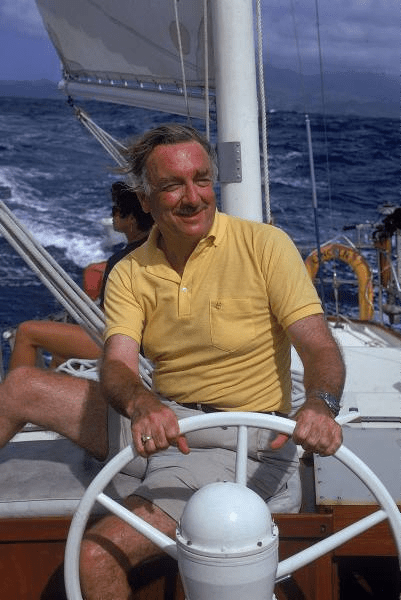
In his free time, Cronkite liked to sail.  He received the rank of commodore in the United States Coast Guard Auxiliary. Earlier in his career, he aspired to be a race car driver. He also loved music and had taken up drumming.

Cronkite passed away at his home in July of 2009 from cerebrovascular disease. Many journalists paid respect to him at the funeral including Tom Brokaw, Connie Chung, Katie Couric, Charles Gibson, Matt Lauer, Dan Rather, Andy Rooney, Morely Safer, Diane Sawyer, Meredith Vieira, and Barbara Walters.

Walter Cronkite had a career he could be proud of. He took his work seriously and was always prepared, taking the time to learn everything he could. Being the most-trusted man in America was no small feat, especially given the topics he broadcast about: politicians, the space race, and the Vietnam war. I can’t think of a news icon who has replaced his reputation. Wish we had a few Walter Cronkites today.
The Elegance of What’s My Line

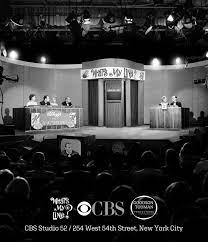
This month, we are looking at popular fifties stars and shows. While the show we are talking about today outlasted the fifties by almost another decade, it gained its popularity during the 1950s. Today we are learning about What’s My Line.

📷wikipedia.com

This panel game show was on CBS. It debuted in 1950 and ran until 1967. The show was produced by Mark Goodson and Bill Todman, and the working title was Occupation Unknown. Perhaps the title should have been What’s My Schedule. The show began on Thursday nights as a live show. Later in season one, it switched to every other Wednesday and then moved to every other Thursday. In October of 1950, it landed on Sunday nights where it would remain throughout the rest of its life.

The original series, which was usually broadcast live, debuted on Thursday, February 2, 1950, at 8:00 p.m. ET. After airing alternate Wednesdays, then alternate Thursdays, finally on October 1, 1950, it had settled into its weekly Sunday 10:30 p.m. ET slot where it would remain until the end of its network run on September 3, 1967.

📷imdb.com

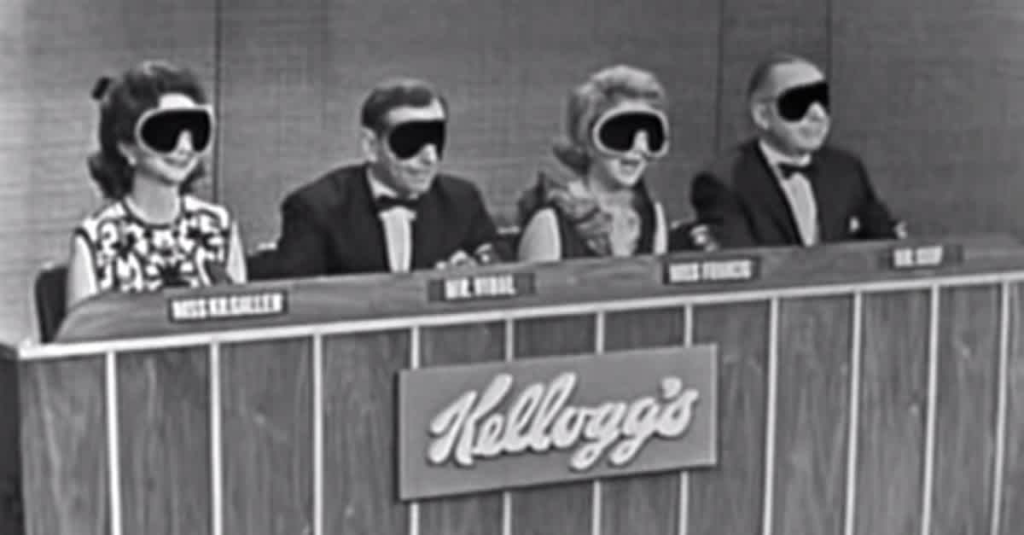
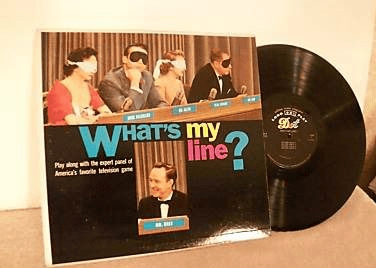
Celebrity panelists ask contestants questions to figure out their occupation. While most of the contestants were not famous, there was a “mystery guest” segment. The panelists were blindfolded for this segment and asked questions to determine the celebrity. People enjoyed watching the panelists banter with each other and the sophisticated humor they shared with us.

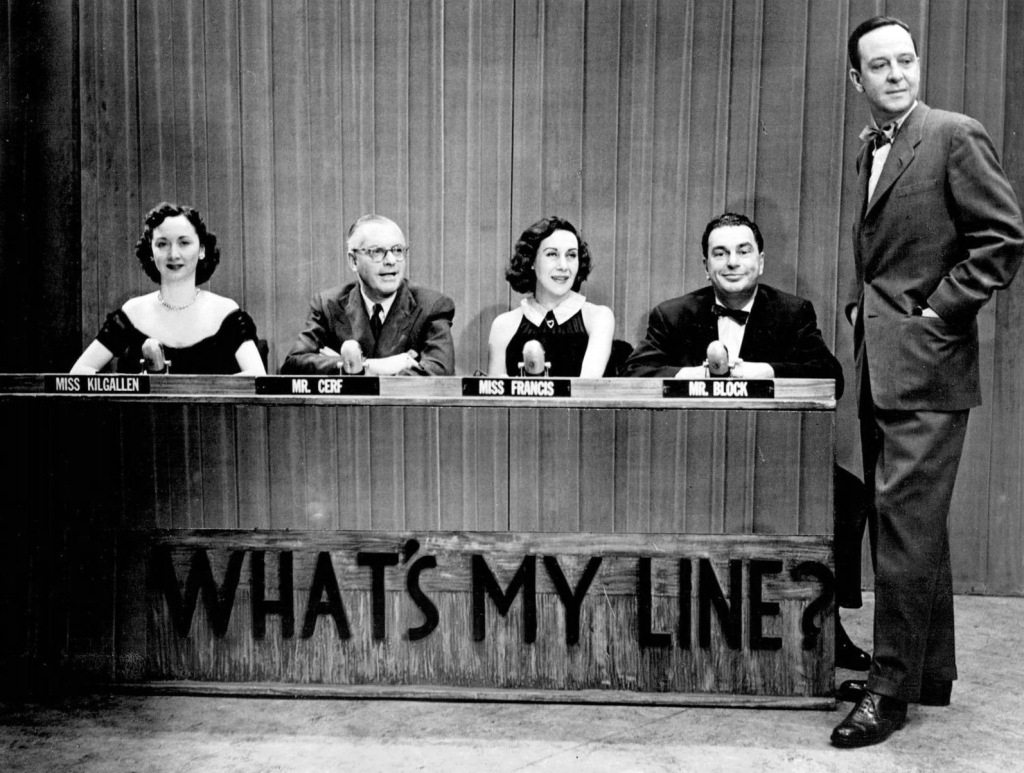
Each episode had four panelists. The most famous panelists were Dorothy Kilgallen, Arlene Francis, and Bennett Cerf. John Daly was the moderator. The first show in the series featured New Jersey governor Harold Hoffman, Kilgallen, poet Louis Untermeyer, and psychiatrist Richard Hoffman. Later in season one, Arlene Francis came  on board with Kilgallen, Untermeyer and writer Hal Block. In season two, Cerf replaced Untermeyer and Steve Allen took over for Block in season three. When Steve Allen left to host The Tonight Show, comedian Fred Allen was part of the panel from 1954 until his death in 1956. Kilgallen was killed in 1965 and her replacement varied for two years. Her death is a mystery itself and well worth reading about. Many people think she was killed because of her investigation into JF Kennedy’s assassination.

📷facebook.com

The panelists started the series wearing business clothing, but by 1953 they shifted to formal attire with the men showing up in suits and ties and women in formal gowns and gloves. Unfortunately, we never got to see the beautiful colors of these clothes. Until 1966 everything was filmed in black and white. In the final season, the show was broadcast in color, but the kinescopes were saved in black and white.

Both critics and television viewers liked the show, and it won an Emmy for Best Quiz or Audience Participation Show in 1952, 1953, and 1958.

Because it was a game show, most of the 700 episodes were on kinescope, 16 mm filming. Because many original shows in that era were recorded via kinescope onto silver nitrate film, many networks destroyed recordings to recover the silver. After learning that the network was not keeping the recordings, Goodson and Todman offered to pay for the broadcast and retained the recordings from season three on, however many of those were also lost along the way. A variety of the episodes are stored at different archive centers around the country. My home state houses one from 1951 at the University of Wisconsin Center for Film and Theater Research in Madison.

📷facebook.com

The remaining kinescopes which have been digitized have been seen on television on the Game Show Network and 757 of them exist on YouTube.

Many of us remember the reruns and seeing the contestant come on stage and write their name on a chalkboard as Daily said “Will you enter and sign in please.” The very first contestant was Pat Finch who was a hat check girl at the Stork Club.

The first mystery guest was New York Yankees shortstop Phil Ruzzuto. Many of these guests used fake voices to answer questions. Some of the mystery guests who appeared on the show included Julie Andrews, Louis Armstrong, Lucille Ball, Jack Benny, James Cagney, Gary Cooper, Joan Crawford, Salvador Dali, Sammy Davis Jr., Doris Day, Aretha Franklin, Ava Gardner, Judy Garland, Jackie Gleason, Alfred Hitchcock, Bob Hope, Ginger Rogers, Roy Rogers, Eleanor Roosevelt, James Stewart, Elizabeth Taylor, and John Wayne.

📷littlethings.com Blindfolds come out for a mystery guest

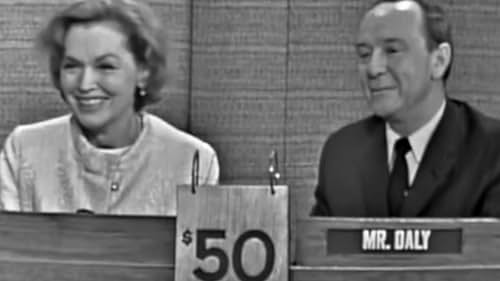
The emcee would choose a panelist who could ask yes or no questions. If the answer was yes, they could continue until they got a no response and then the next panelist would be able to pose questions. If the contestants answered no, Daily flipped a card; when the contestant had ten cards, they won $50.

If you have heard of or even used the term “Is it bigger than a breadbox?,” you might want to know that it came from the show. Steve Allen asked the question in 1953, and it became a standard question after that night. In fact, on one episode, the guest was a breadbox maker, and when Daly could not help laughing at the question, Allen figured it out.

In 1967 The New York Times broke a story that CBS was canceling many of their game shows. None of the panelists had been told that the show was not renewed. Despite the fact that the low costs of the game shows made them profitable, the low ratings led the network to conclude that game shows were no longer suitable for prime-time schedules.

After the show was canceled in 1967, it did go into syndication five days a week. Soupy Sales joined Francis and Cerf on the panel of the reboot. A variety of other panelists took the fourth seat including Joyce Brothers, Jack Cassidy, Bert Convy, Joel Grey, Meredith MacRae, Henry Morgan, Gene Rayburn, and Nipsey Russell. The show ended in 1974. Cerf died during the run of the syndicated series.

It’s hard to believe, but Colonel Harland Sanders was on the show as founder of Kentucky Fried Chicken, although he was not easily recognized at the time, so he was not a mystery guest. While no president ever appeared while in office, Ford, Carter, and Reagan all appeared on the show.

📷youtube.com We switched to a first-name basis in the 70s

It would be fun to see this show on television today, but I’m afraid it would not be the same. In the way that Dick Cavett had a manner of interacting with guests to ask amazing questions with his humor and intelligence, this game show had that same atmosphere. Today, I think the banter would border more on crudeness than wit. There is something charming about a panel of very intelligent people talking with each other, trying to determine the identities of the people they were interviewing while being dressed to the nines that was fun to sit in on and be a part of. I guess that’s why this show is in our series where we are saluting the fifties because that was the era where it could shine.

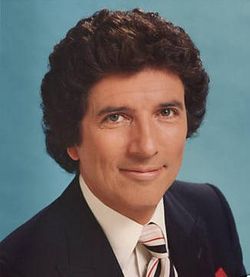
Bert Convy: A Multi-Talented Star

I’m calling this series “The Men of November.”  We are taking a look at five actors who contributed to television during the classic decades of the 1940s-1980s. I’ve decided to take them in alphabetical order so we are starting with Bert Convy.

Photo: findagrave.com

Born in St. Louis in 1933, Convy’s family moved to Los Angeles when he was seven.  His focus was athletics, not acting, in school. When he was 17, the Philadelphia Phillies gave him a contract to play in their minor league system which he did from 1951-1952. In 1951 he played for the Klamath Falls Gems (Oregon), and in 1952 he split his time with the Salina Blue Jays (Kansas) and the Miami Eagles (Oklahoma).

Once he realized baseball was not going to be his career, he joined The Cheers, who released a top ten hit called “Black Denim Trousers and Motorcycle Boots” in 1955. Convy opted to enroll at the UCLA School of Theater, Film and Television, earning a BA.

Photo: amazon.com

Like Ken Berry, he was a performer in the Billy Barnes Revues which was popular in the fifties and sixties. In 1956, he was an usher on Art Linkletter’s popular show House Party. He appeared in several early television series throughout the late fifties, including Those Whiting Girls.

In 1959 he married Anne Anderson. They had three children and were divorced in 1991.

Perry Mason
Photo: imdb.com

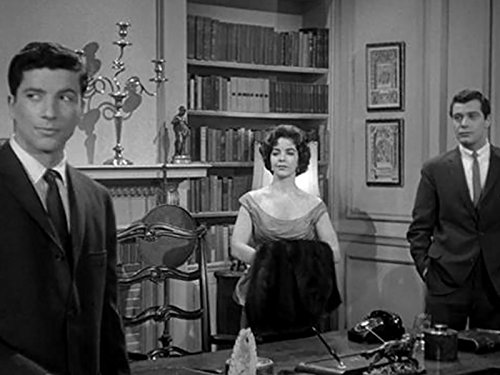
He showed up on the small screen a lot during the sixties, primarily in detective shows including Perry Mason in 1960. His first feature role was in the big screen drama Susan Slade starring Troy Donahue and Connie Stevens in 1961. He also spent a part of this decade on Broadway in ten different productions.

Photo: imdb.com

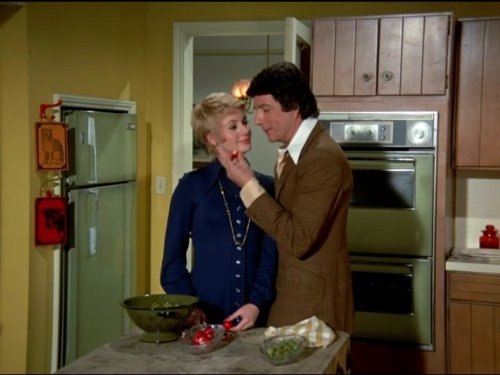
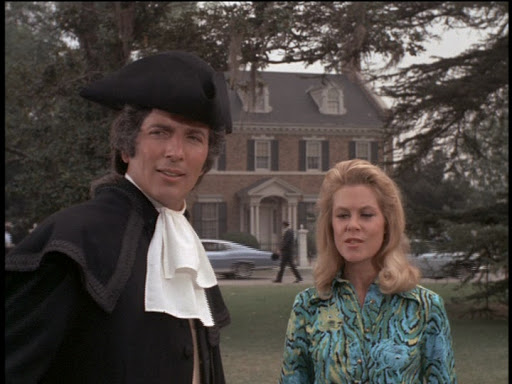
The decade of the seventies found him balancing roles in both detective (Mission Impossible, McMillan and Wife, Police Story and Charlie’s Angels among many others) and comedy shows (including Bewitched, Love American Style, and Karen). He appeared on The Partridge Family as a politician who dates Shirley. You get the distinct impression that they ended up together once the kids were out on their own. He also portrayed one of Mary’s boyfriends on The Mary Tyler Moore Show.

As Paul Revere on Bewitched
Photo: fanpop.com

He received his first recurring role in 1974, playing Lt. Steve Ostrowski on The Snoop Sisters. The show starred Helen Hayes and Mildred Natwick as two sisters, one widowed and one never married, who are mystery writers that also get involved in real murders.

Silver Scenes - A Blog for Classic Film Lovers: The Snoop Sisters ...
Photo: silverscenes.com

Two years later he starred in a short-lived variety show with the convoluted title of The Late Summer Early Fall Bert Convy Show. The title alone probably doubled the advertising budget. When I say short-lived, I mean I could only find one episode of the show which featured Don Knots.

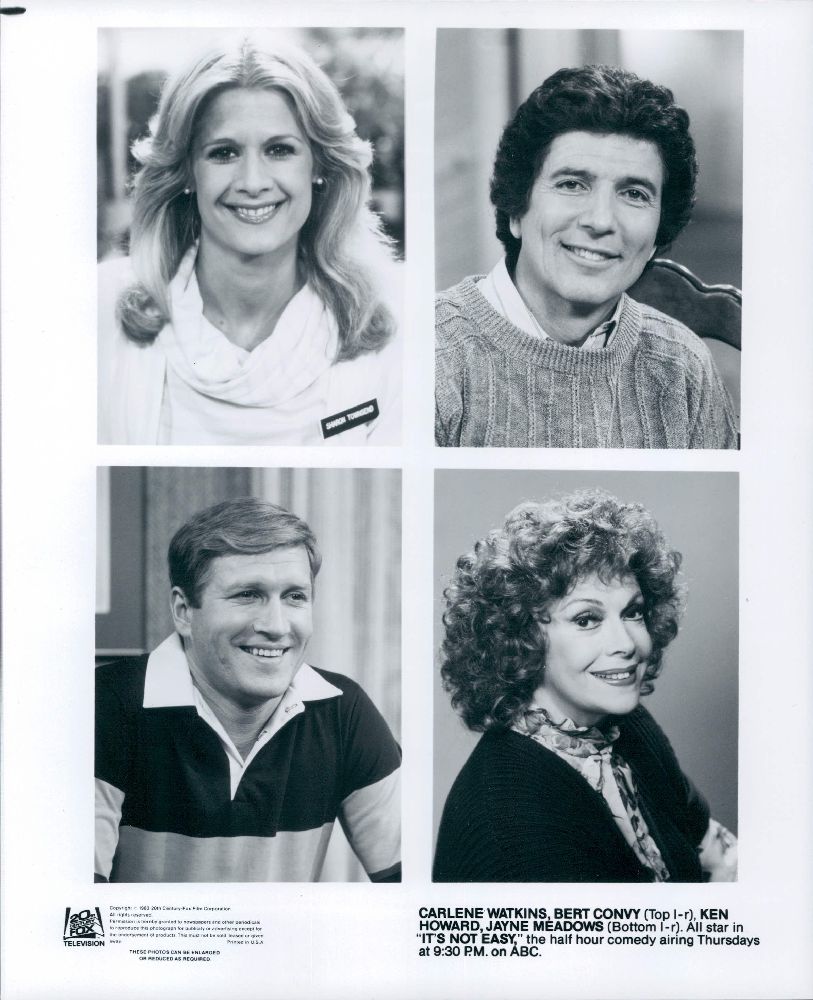
He was offered another permanent role in 1983 on It’s Not Easy. Originally Larry Breeding was given the role and made the pilot, but he passed away after a car accident. This show only lasted for 11 episodes. The plot is that Jack and Sharon have divorced. Sharon has remarried and she and her husband Neal (Convy) have decided to live across the street from Jack so it’s easier for the kids. Jack and Neal do not like each other.

Photo: sitcomsonline.com

He appeared in a few series during the eighties including Aloha Paradise, Fantasy Island, Murder She Wrote, Hotel, The Love Boat and The People Next Door.  

Cannonball Run Poster
Photo: moviemarket.com

While he would make ten big screen and fifteen made-for-television movies, two of them involved his buddy Burt Reynolds. Convy appeared in Semi-Tough in 1977 and Cannonball Run in 1981. The two friends developed a production company, Burt and Bert Productions.

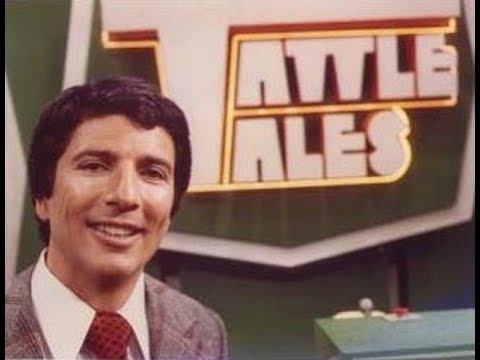
Convy was probably best known for his game show work. He was a panelist during the sixties and seventies on a variety of shows including What’s My Line, To Tell the Truth, Match Game, and Password. He hosted Tattletales, Super Password and Win, Lose or Draw. His emceeing of Tattletales resulted in an Emmy for Best Game Show Host in 1977.

Photo: youtube.com

In April of 1990, Convy collapsed and was diagnosed with cancer. The brain tumor was inoperable, forcing his retirement. His last credit was as himself on It’s Garry Shandling’s Show in 1990. He married his second wife Catherine Hills during the winter of 1991, and he passed away in July of 1991.

Sadly, Convy was never offered that perfect role that made him an icon, but he certainly had a full career. He had a lot of talents: acting, singing, and the personality to host game shows. I think it was his smile that always made him a favorite with me.

Go Green, Green Acres That Is

In the 1950s, a lot of the top shows were set in residential or suburban areas:  Father Knows Best, Ozzie and Harriet, the Donna Reed Show, and December Bride to name a few.  In the early 1960s, the rural sitcom became the hottest genre.  In 1963 The Beverly Hillbillies was #1, Petticoat Junction was #4, and The Andy Griffith Show was #5. Filmways offered Paul Henning the chance to produce a new rural show with no pilot necessary.  Filmways was created in 1952, and the company was behind many successful shows including The Debbie Reynolds Show, The Pruitts of Southampton, Mr. Ed, The Addams Family, and Cagney and Lacey.

Paul Henning approached Jay Sommers to create the new rural comedy. Sommers based the series on a radio show he had written in 1950 —  Granby’s Green Acres.  Granby was based on a book, Acres and Pains by S.J. Perelman. The radio show only lasted for 13 episodes and starred Gale Gordon and Bea Benaderet. Granby was a former banker who moved to the country to run a farm.  He also had a daughter, and the general store owner was a major character, Will Kimble, played in the first episode by Howard McNear. A couple of titles proposed were Country Cousins and The Eddie Albert Show, but the final decision was Green Acres.

green4

Green Acres ran on CBS from 1965-1971 with solid ratings. It produced 170 episodes, all filmed in color.  Richard Bare directed most of the shows. At the end of each episode, Eva Gabor would say “This has been a Filmways presentation dahling.”

While the Beverly Hillbillies took a family out of the mountains and put them in Beverly Hills, Green Acres went with the opposite scenario.

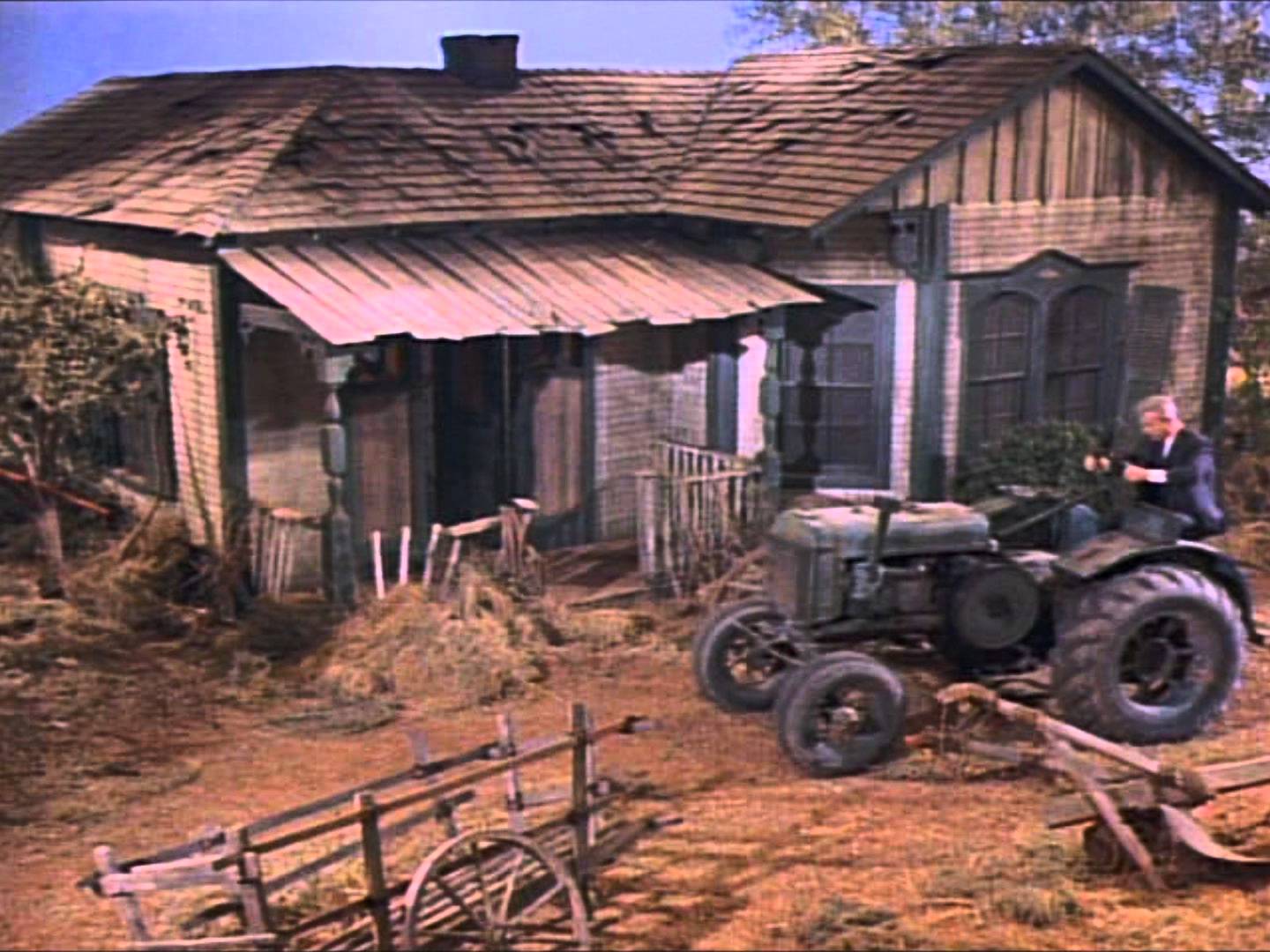
The premise of the show was that Oliver Douglas  who had been a busy attorney in New York City decides he wants to move to the country to run his own farm. His wife Lisa  does not agree. He buys a farm unseen in Hooterville. We are never told where Hooterville is, and I think everyone has their own idea of which state it might be in. The house and farm are more run-down and dilapidated than Lisa ever imagined in her worst nightmare.  The citizens of Hooterville are a quirky set of characters.

green7

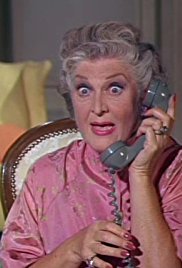
The debut show was done as a documentary narrated by John Daly, a former newscaster and the host then of What’s My Line.  Eddie Albert and Eva Gabor appeared on What’s My Line later in the fall as a thank you to Daly. As you can see below, Oliver’s mother is horrified by his choice.

green18

The theme song is memorable and tells the backstory of the Douglases:

Oliver: Green Acres is the place to be – Farm living is the life for me –Land spreading out so far and wide – Keep Manhattan, just give me the countryside.

Lisa: No, New York is where I’d rather stay – I get allergic smelling hay – I just adore a penthouse view – Darling, I love you but give me Park Avenue

Oliver: The chores

Lisa: The stores

Oliver: Fresh air

Lisa: Times Square

Oliver: You are my wife

Lisa: Goodbye city life

Both: Green Acres, we are there

Snippets of country and New York city were shown while the stars sing, and ends with both of them in the same pose as “American Gothic” by Grant Wood.

green1

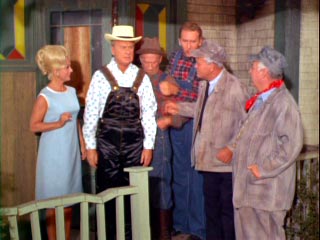
Like the Andy Griffith Show, the series worked because of the interaction between these Hooterville citizens who become believable for us. Let’s meet the cast of characters.

Oliver Wendell Douglas (Eddie Albert) – Oliver is intelligent, hard-working, and practical to a fault.  He has to deal with a kooky wife, a disapproving mother (played by Eleanor Audley who was only 5 months older than Albert), and the quirky neighbors that surrounded him. However, Oliver has a respect for the wisdom these people have about farming and rural life.  Despite the fact that he seems to be the only sane person in the valley, it’s obvious he truly has an affection for the folks he lives with.

albert

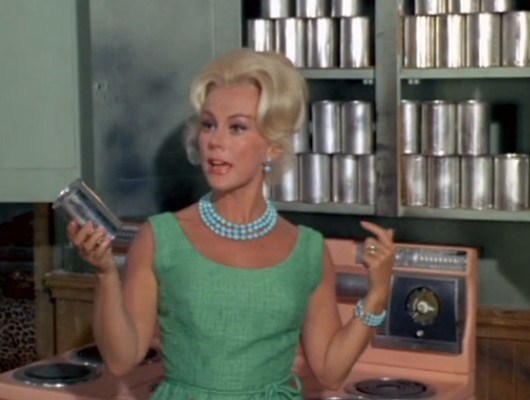
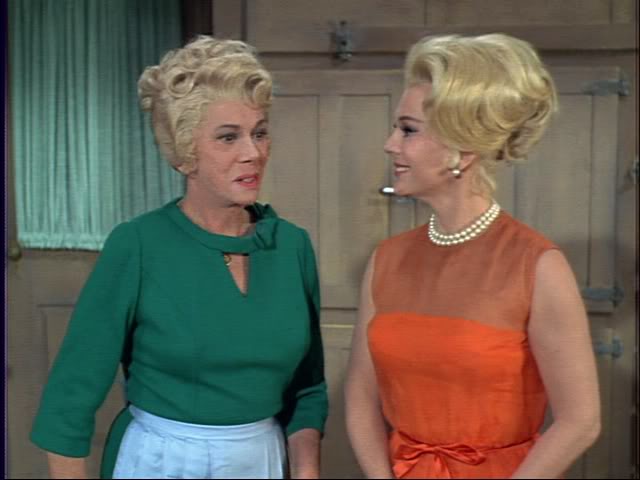
Lisa Douglas (Eva Gabor) – Lisa grew up in a wealthy Hungarian family. Her misuse of the English language is one of her endearing qualities. She has a hard time adjusting to farm life.  In one episode she is using a stapler to fix Oliver’s socks.  While Oliver is telling her how woman for centuries have sewn socks, Fred Ziffel, the most experienced farmer in Hooterville enters the room and tells her he notices she is mending socks; his wife does it the same way. Despite the fact that Lisa did not want to leave the city, she adapts to living in the country quickly and develops an understanding with the neighbors Oliver never attains.

green31

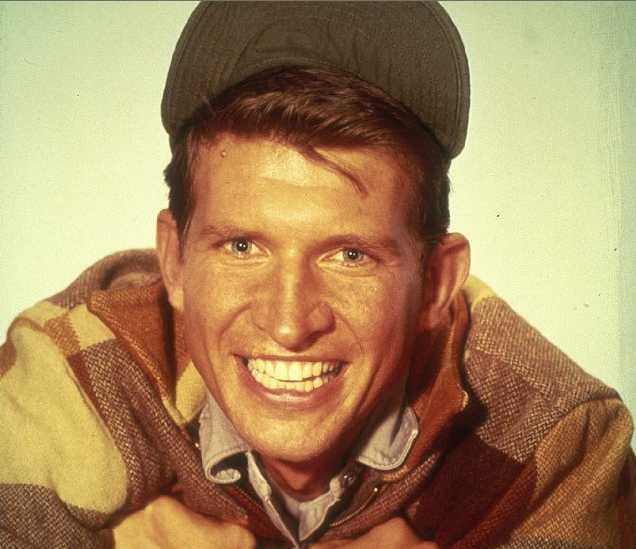
Eb Dawson (Tom Lester) – Eb is the farmhand who lives with the Douglases.  He comes off as naïve, but we understand Eb is much smarter than he lets on.  He is always trying to get less work for more money.  He calls them Mom and Dad which Lisa loves but drives Oliver crazy.

green17

Mr. Eustace Haney (Pat Buttram)- Mr. Haney is the unethical and dishonest salesman who originally sold Oliver the farm, which belonged to his family. He is always showing up to sell them something they need at outrageous prices. [Pat Buttram was Gene Autrey’s sidekick in the movies and tv; Smiley Burnette, Charley, who runs the Cannonball, the local train on Green Acres and Petticoat Junction, was Autrey’s sidekick in radio and movies and  Buttram replaced him when he moved on.]

green5

Sam Drucker (Frank Cady) – Sam was a busy guy; he ran the general store, he was the newspaper editor, was the only printer in town, he was part of the volunteer fire department, he was the justice of the peace, and he’s the postman. Apart from Oliver, he was the smartest and most sane person in the valley, and he and Oliver often commiserated about the crazy life going on around them.

Hank Kimball (Alvy Moore) – Mr. Kimball was the county agricultural agent who was supposed to help Oliver adjust to farming. He often loses his train of thought and rarely follows through on the news or information he is supposed to relay.

moore

The Monroe Brothers – Alf (Sid Melton) and Ralph (Mary Grace Canfield) are a brother and sister team that Alf portrays as brother and brother in order get work. Their projects are never finished on time, and rarely finished the right way.

green8


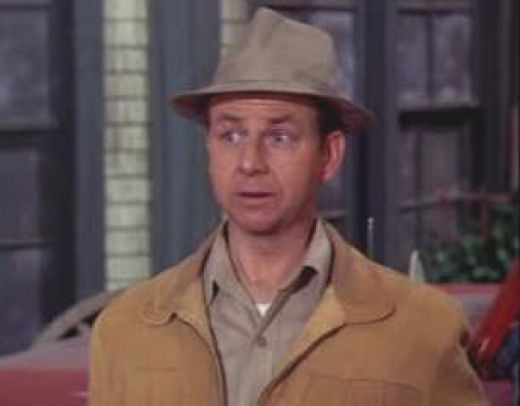
Fred and Doris Ziffel (Hank Patterson and Barbara Pepper/Fran Ryan) – the Ziffels were successful farmers.  They had no children, but they had a pet pig that they considered a son.


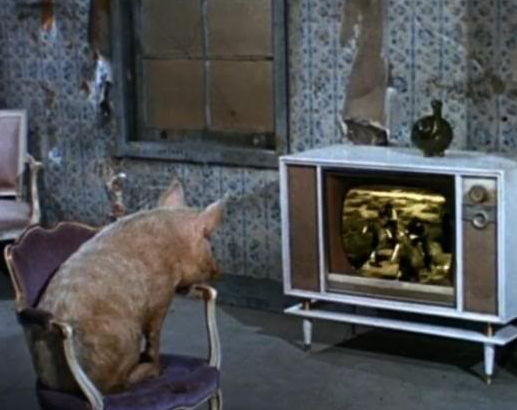
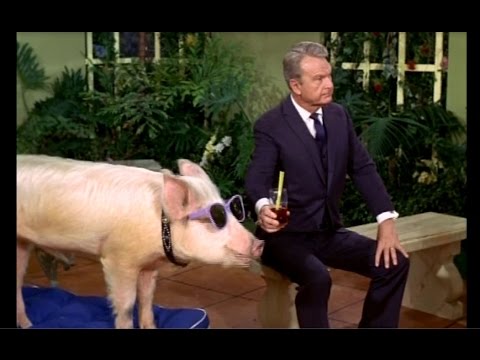
Arnold Ziffel – Arnold Ziffel was their pet pig and one of the most intelligent people in Hooterville. He understands English, attends the local grade school, lives inside in his own bedroom, can sign his name, and is a bit addicted to television watching, especially westerns. A new pig was used each season because they grew so fast. The Union demanded the pigs be payed $250 a day and were trained by Frank Inn. In 1967 Arnold won a Patsy award.

green20

Some of the other animals featured on the show included Eleanor the Cow; Bertram the rooster; Alice the hen; and Mr. Haney’s dog, Cynthia, a basset hound who had a huge crush on Arnold.

Green Acres had its fair share of guest stars including Parley Baer, Robert Cummings, June Foray, Alan Hale Jr., Elaine Joyce, Gordon Jump, Bernie Kopell, Al Lewis, Rich Little, Al Molinaro, Pat Morita, Jerry Van Dyke, and Jesse White.

The show was 25% surrealism, 25% satire, and 50% just plain fun.

Some of the running gags on the show were the fact that people, except Oliver, could see the credits running, and Lisa often commented on them. A lot of the jokes were at Oliver’s expense.  He was the only one in town who could not understand Arnold’s grunts. Also, whenever Oliver got passionate about something, he went into a monologue, usually patriotic, and everyone but him could hear fifes playing.

green3

Lisa’s hotcakes were good for many projects, just not eating. The Douglases had a feud with the phone company because they were supposed to move their phone inside.  Whenever they had to use the phone, Oliver had to climb up a phone pole to talk. Oliver had a Hoyt-Clagwell tractor which was usually breaking down, catching on fire, or falling apart.

green29

We also had the stark extremes of sophisticated New York living and rural life.  Lisa continued to dress in beautiful gowns and furs.  They slept in a huge, expensive bed, with an elaborate chandelier over their heads, but their closet had no back so neighbors walked in on and off. The fire department marching band often practices at Sam Drucker’s store but for all five years whenever they practice, they only know one song, There’ll Be a Hot Time in the Old Town Tonight.

Although Lisa continues to threaten to move back to New York City, aided and abetted by Oliver’s mother, we know she loves him and will never leave without him.  Despite their arguments, Lisa and Oliver are frequently seen kissing and hints are given about them retiring to their room together. In real life, Albert and Gabor were dear friends and they are both buried in Westwood Village Memorial Park Cemetery in Los Angeles. Tom Lester, Eb, credited Albert with helping him as an actor and being a surrogate father to him; the two remained close friends until Albert passed away.

green10

There are many cross-overs with Petticoat Junction and the Beverly Hillbillies. Sam Drucker was featured in both Green Acres and Petticoat Junction. Some of the characters visited each other on various episodes. It is funny that Bea Benaderet starred in Petticoat Junction as well as the radio show Granby’s Green Acres which means Green Acres was based on her radio show and was a spin-off of her television show. In 1968, a Beverly Hillbillies Thanksgiving Show united cast members from all three shows.

green9

green6

With 170 episodes, it’s hard to come up with the best five, but after looking at various polls and tv guide reviews, I will do my best to represent the majority’s votes:

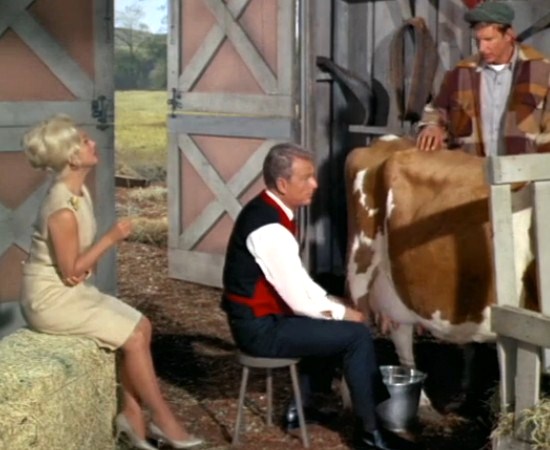
“Music to Milk By” – Eb wants to win a radio contest and he has to listen day and night which cuts into his chores, especially when the cow swallows the radio.

radio

“I Didn’t Raise My Pig to be a Soldier” – Arnold Ziffel gets a draft notice. Oliver acts as his attorney before the draft board. They are assuming Oliver is making fun of them with the pig and the real Arnold is elsewhere. After a lot of explanations and some time in jail, Oliver convinces them Arnold is really a pig.  The end of the show has Oliver back before the draft board because Ralph Monroe, a woman, who they think is a man, has been drafted.

draft

“The Hooterville Image” – The town agrees Oliver needs to do chores in overalls. He has been farming in a vest and dress shirt. They finally convince him to become more accepted by switching his attire until they see the overalls Lisa’s dress designer came up with.

green28

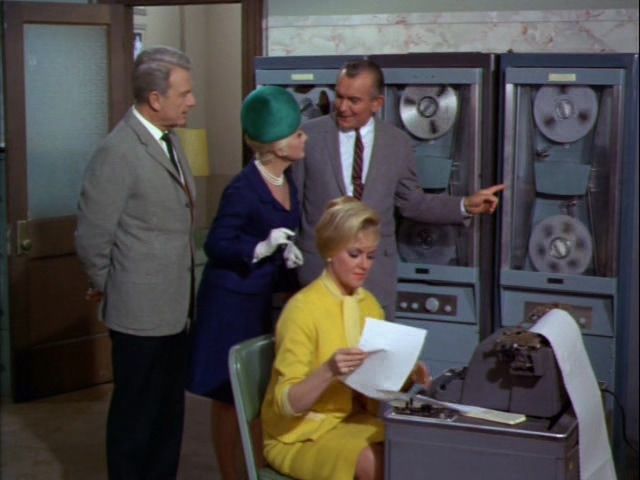
“The Computer Age” – Ralph Monroe joins a computer dating service. Oliver and Lisa disagree on whether that is a good idea. Oliver thinks it is. He also thinks computers are the best way to run a farm. To prove her point, Lisa uses the service to see if she and Oliver would have been paired up.

computer

“A Star Named Arnold is Born, Parts 1 and 2” – Arnold appears in a play at the local theater. Lisa arranges for an old friend to give him a chance in show business. In the second part, Lisa and Oliver chaperone his trip to Hollywood to star in a motion picture.

arnold

Oddly enough the top four were all from season 2, and “A Star Named Arnold Is Born” is from season 3.

green16

In Spring of 1971, Green Acres was still pulling in good ratings.  However, the Rural Purge of 1971 got rid of all shows that had country leanings whether they were audience favorites or not.


In full disclosure, I loved Petticoat Junction growing up, and I could not stand the Beverly Hillbillies.  I thought Green Acres was okay but if I missed it that was okay too.  As I’ve gotten older, I still love Petticoat Junction, and I still don’t care for the Beverly Hillbillies, but I have developed a much greater appreciation for Green Acres.  If a show was capable of having a sense of humor, this one did.   It never took itself seriously.  Eddie Albert was willing to be the straight guy to the rest of the ensemble. The character interaction worked, and no dialogue came off as too zany.  The citizens might not have always agreed or understood each other’s lifestyles, but they had affection and respect for each other. Lisa’s reading the credits and different characters addressing the audience brought us in on the jokes and made us part of the Green Acres family. Now when I watch the show, I laugh out loud – a lot! I don’t laugh at the characters, I laugh with them. For being a rural sitcom, this show has some sophisticated humor.  If you have not watched the show in a while, you owe it to yourself, as well as the cast and crew who created it, to get to know the folks in Hooterville.