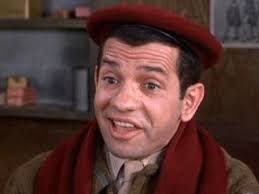
We Still Love Lucy

We have been learning a lot about Lucille Ball this month. We delved into I Love Lucy and why it was so important to American culture. We got to know Lucy as a person. And we discussed Jess Oppenheimer and the influence he had on her. Today we are finishing up the month by checking out three shows she starred in after I Love Lucy went off the air: they all debuted in the sixties.

The first show, the Lucy-Desi Comedy Hour, was an extension of I Love Lucy. It spun out thirteen one-hour specials that aired between 1957 and 1960. Five of them debuted during the 1957-58 season of I Love Lucy. The other eight were shown on the Westinghouse Desilu Playhouse and they featured the same cast as I Love Lucy.

Desi tried to talk the network into doing these specials the first year just to keep some freshness in the series, but he was denied the chance. By the last season, they agreed it might work.

During the final season of the series, both the Mertzes and the Ricardos move to the Connecticut suburbs. Apparently, the two couples were running an egg farm to make their living and Fred was Ricky’s manager.

Despite their move out of the City, many of these episodes feature Lucy’s meetings with famous guest stars. For example, in “Lucy Takes a Cruise to Havana,” Lucy meets Hedda Hopper. Production costs were estimated to be $350,000 but with the guest stars, these costs increased and rather than do ten episodes the first year, Arnaz was forced to spread them out over three years.

Ratings were good in the beginning but with the news of Lucy and Desi’s marriage in trouble, both this series and I Love Lucy started to lose viewership. By the time the last episode was filmed, the couple could not even talk without a fight erupting and they communicated by messages. The day after filming, Ball filed for divorce.

The theme song of the series was used with a bit of updating. That symbolizes all ten episodes. It was the same series, but it wasn’t. Had this type of programming happened throughout the original series it might have been more popular but coming on the heels of the ending of the show and the fans being aware that “Ethel and Fred” could barely tolerate each other in real life and then learning “Lucy and Ricky” were ready for divorce took a lot of the fun out of watching the show.

From 1962-68, Lucy attempted another sitcom. While Vivian Vance was no longer Ethel, she was a co-star for the first three seasons of the show. Gale Gordon who had been Lucy’s first choice for Fred Mertz in the early fifties was no longer under contract in 1962 and appeared in this series beginning in season two.

While Arnaz and Ball had divorced two years before this series debuted, they were still in business together. Their company, Desilu Productions, was struggling with the end of I Love Lucy. In 1961 four of their shows were canceled. By spring of 1962, only The Untouchables was still on the air.

Desi approached Lucy about returning to a weekly sitcom. She agreed if it could take the time slot on Mondays that I Love Lucy had, and if Vivian Vance was part of the cast, and the I Love Lucy writers were brought back. The new show, The Lucy Show, debuted Monday, October 1, 1962.

Lucy Carmichael lives with her two kids (Candy Moore and Jimmy Garrett) and Vivian Bagley (Vivian Vance), a divorced friend, and her son (Ralph Hart). Vivian was the first woman to be divorced on television. Her husband had left her a trust fund, so Lucy had to approach the bank often for funding for some of her harebrained projects and purchases. In season two, Gale Gordon took on the role of banker Mr. Mooney. The show had decent ratings and continued in its format until 1965. Lucy moves from New York to Los Angeles when her daughter goes to college in California. Vivian remarries and stays in New York. Lucy meets a new best friend, Mary Jane Lewis (Mary Jane Croft). When Lucy learns that Mr. Mooney is being transferred to the LA bank, their relationship continues, and eventually she works for him.

At the end of the second season, a dispute occurred between Lucy and the writers over a script Ball felt was not up to their standard, and the writers left. In 1964 Desi had resigned as head of Desilu, so Ball took over as president. Most specials, sports shows, and cartoons on CBS were now in color, but they refused to broadcast most of their series in color. Ann Sothern began appearing on the show as a countess to fill in the gaps of Vance being absent.

For the 1966 season, the show dropped all references to Lucy’s children, her trust fund and her life in New York. I don’t know why shows think viewers will just go along with these strange format revamps. Doris Day did the same on her show when her former life and children just disappeared one day and were never mentioned again. Because the show was set in California, a lot of guest stars were featured on the show, many of them bank customers.

During the last season of the show, Gary Morton, Ball’s second husband, was named executive producer of the show. He actually seemed to do well in this role. For this year, Ball was nominated and won an Emmy for the star of the show, the show was nominated for Emmys for best comedy show (but lost to Get Smart) and for the writing and for Gale Gordon as supporting comedy actor (who lost to Werner Klemperer of Hogan’s Heroes). The show was #2 in the ratings.

Surprisingly, this is when Lucy decided to end the show and put it into syndication. Even odder is the fact that she began a new show with a similar plotline that same year. Lucy and her real-life kids, Lucie and Desi Jr. joined the cast which included Croft, and Gordon with Vance making appearances during the run of the show. This show, like the other two, was on the air for six seasons.

Ball as Lucy Hinkley Carter is living in LA, a widow with two children Kim and Craig, played by her own two kids. She works for her brother-in-law Harry Carter, played by Gale Gordon but now they are at an unemployment agency. Vance made six guest appearances on the show.

Again in this show, a number of famous guest stars showed up including Ann-Margret, Milton Berle, Carol Burnett, George Burns, Liberace, Eva Gabor, Helen Hayes, Dean Martin, Vincent Price, Ginger Rogers, Dinah Shore, Danny Thomas, Lawrence Welk, and Flip Wilson.

In 1973 the show fell out of the top ten, the first Lucille Ball show to ever do so. Lucy did a sixth season and then ended the show.

Lucille Ball deserved a break after this show ended. She had been on the air for 23 years. Little Ricky, or little Desi, had been born early in I Love Lucy history and now he was off on his own acting career. After 1974 when this show went off the air until her death in 1989, most of her projects were connected with I Love Lucy, although she was listed as executive producer for several shows including Mission Impossible and Mannix.

None of these post-I Love Lucy shows were much different from each other, but it proved that America still wanted to watch Lucy on the air. Television looked very different in 1974 than it did in 1951, and Lucille Ball influenced and inspired much of that change. I wonder if Lucy would be surprised to learn that fifty years after her final show ended its production, she is just as popular as ever and Lucy merchandise is unending. It says a lot about just how true it was that everyone loves Lucy.

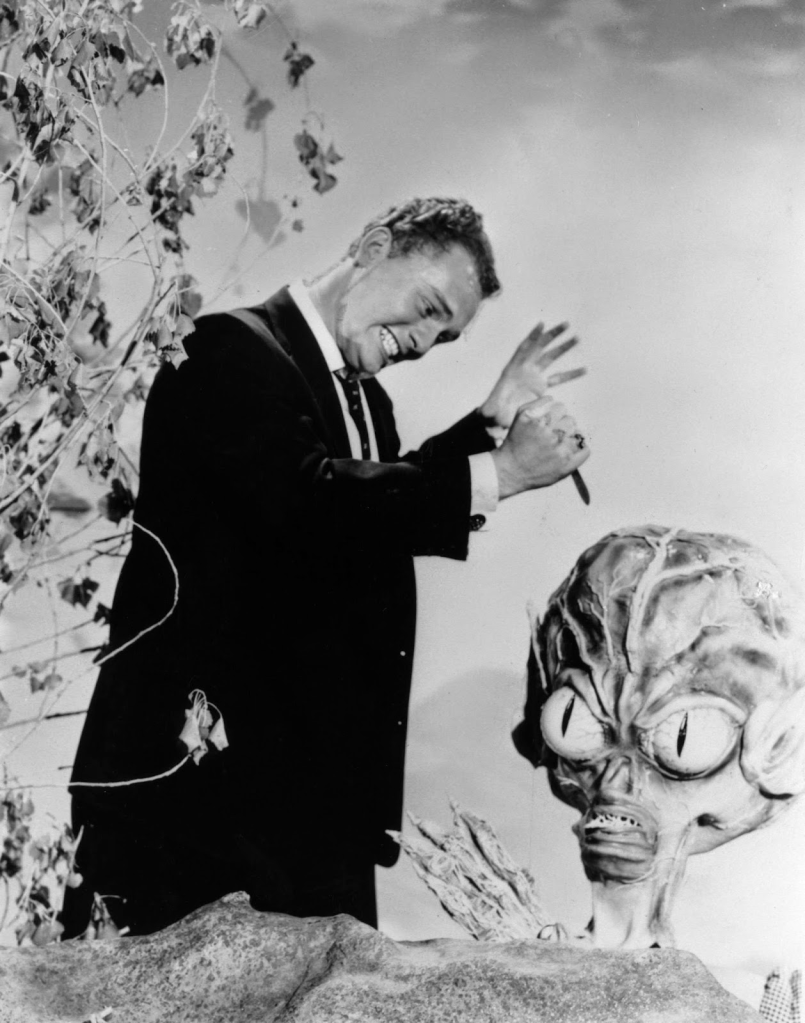
Frank Gorshin: Batman’s Most Puzzling Villain

This month, our theme is Bam! Pow! Batman Villains. We have learned a bit about the careers of the Joker and Cat Woman, and today we are spending some time with the Riddler, portrayed by Frank Gorshin.

📷imdb.com

Gorshin started out as an impressionist and comedian before transitioning into acting.

Frank was born in Pittsburgh in 1933 into a blue-collar, middle-class family. His mom was a seamstress, and his father was a railroad worker. His paternal grandparents arrived in the US from Slovenia and his mother was born in Slovenia, coming to the Pittsburgh area as a young girl; his parents were very involved in the Slovenian community, both singing with the Preseren, a Slovenian singing society.

When he was 15, Gorshin got a part-time job as an usher at the Sheridan Square Theatre. He studied the mannerisms of the actors he watched in those movies and developed an impressionist act. Some of his favorite actors to mimic included James Cagney, Cary Grant, Al Jolson, and Edward Robinson. After entering a talent contest in 1951, he won a week-long engagement at the Carousel nightclub in New York.

Sadly, Gorshin’s older brother was hit by a car two days before and died. His parents convinced him to keep his performance schedule and sent him to New York.

After high school, Gorshin enrolled at the Carnegie Tech School of Drama (now Carnegie Mellon University).

📷imdb.com

At age 20, Frank was drafted into the US Army and sent to Germany. He was an entertainer in Special Services for a year and a half. When Gorshin left the Army, he began his acting career, appearing in four movies and on television in Alfred Hitchcock Presents.

I can’t imagine the horror Gorshin’s parents felt when getting a call in 1957 that their son had fallen asleep while driving from Pittsburgh to Hollywood, a 39-hour trip for a screen test. With their other son passing away from a car crash six years earlier, now they had to deal with the fact that their other son was in a coma with a fractured skull. Luckily, he made a full recovery.

Another big event occurring in 1957 was his marriage to Christina Randazzo. They had a son and separated later in life, but they never did divorce as far as I could tell.

Until his death, Gorshin would appear in more than sixty big-screen films. During the fifties, he only appeared in a handful of television series, but that would change in the 1960s. Some of the most memorable shows included The Defenders, The Munsters, Star Trek, and The High Chapparal. With his comedy act, he visited The Ed Sullivan Show four times. The first time he did his impressionist act on the series, he would be scheduled with this new band called The Beatles.

📷metv.com

The sixties also found him on Batman, his reason for being in this month’s blog series. He said that he developed a fiendish laugh at Hollywood parties. “I listened to myself laugh and discovered that the funniest jokes brought out the high-pitched giggle that I use on the show. With further study, I came to realize that it wasn’t so much how I laughed as what I laughed at that created the sense of the menace.”

He did not love the unitards that many of the comic book villains wore, so he asked for a green business suit and bowler hat, covered with question marks since he always left riddles for Batman and Robin to solve. He often said “Riddle me this, Batman” which became a catchphrase of the mid-sixties.

Gorshin said “When I was first approached to play the Riddler, I thought it was a joke. Then I discovered the show had a good script and agreed to do the role. Now I am in love with the character.”

📷imdb.com

Gorshin was the only villain to be nominated for an Emmy. He got the nod in 1966 for the episode “Hi Diddle Riddle.” He had some tough competition, going against Werner Klemperer as Colonel Klink on Hogan’s Heroes, Morey Amsterdam on The Dick Van Dyke Show, and winner Don Knotts on The Andy Griffith Show.

Gorshin was in ten episodes of the show, but after appearing numerous times, he was unavailable, and the producers replaced him with John Astin. I realized hindsight is 20/20 as they say, so the producers were never considering the effect the show would have on pop culture and the decades it would be a fan favorite, but that switch seems extreme. However, they did it with Julie Newmar and Eartha Kitt as well, so maybe they figured if you have to replace a villain, let’s replace them with someone very different from the original. Gorshin, however, was not a fan of being replaced but did get over it enough to accept his tenth episode role in season three and appeared as Riddler in the 1979 made-for-television movie Legends of the Superheroes.

Frank made his Broadway debut in 1969 in the musical biography, “Jimmy” which was about the controversial life of New York mayor Jimmy Walker.

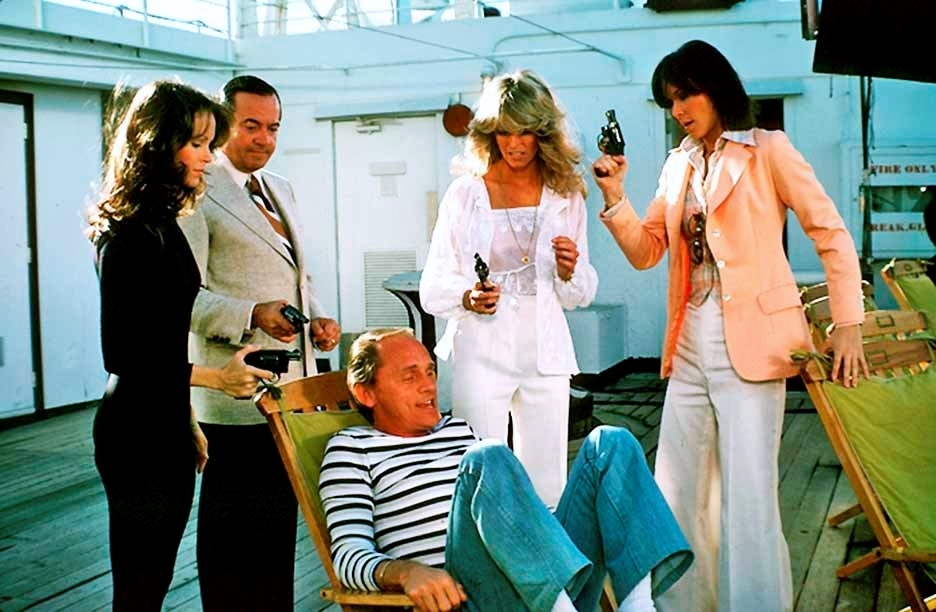
Gorshin was very busy in the seventies and eighties. Among the twenty plus shows he appeared on were The Virginian, Martin and Rowan’s Laugh In, Ironside, Hawaii Five-0, Charlie’s Angels, and Murder She Wrote.

In the last three decades of his life, he spent more time making big-screen films. One thing I found surprising is that Gorshin appeared in three soap operas, all at different times in his career: General Hospital in 1963, The Edge of Night in 1982, and The Bold and the Beautiful in 1999.

In the early 2000s, Gorshin did a one-man Broadway show, portraying George Burns. He was reunited with his Batman cast in a made-for-tv movie, Return to the Batcave: The Misadventures of Adam and Burt. His last appearance was on CSI: Crime Scene Investigation on “Grave Danger” on which he played himself. The episode was directed by Quentin Tarantino and was dedicated to Gorshin.

📷discogs.com

Unfortunately, Gorshin was a heavy smoker throughout his life. Adam West once said that “Frank could reduce a cigarette to ash with one draw” and his nightclub performances warned patrons they would be exposed to a lot of second-hand smoke if they attended. Not surprisingly, he died from lung cancer, complicated by emphysema and pneumonia.

I enjoyed getting to know Frank Gorshin in this blog. While I was much more familiar with the careers of Burgess Meredith and Julie Newmar, Gorshin and Cesar Romero are actors I knew very little about. I hope you are also enjoying getting to know these fun “villains.”

Howard Morris: The Hamlet of Animation

After learning about Your Show of Shows and the stars of the show, I turned my attention to the cast members. Carl Reiner and Howard Morris were the two actors who were most involved with the skits. Reiner had a long and successful career, and we’ll look at his life in more detail later, but today I would like to concentrate on Howard Morris. 

Howard Morris Theatre Credits and Profile
Photo: abouttheartist.com

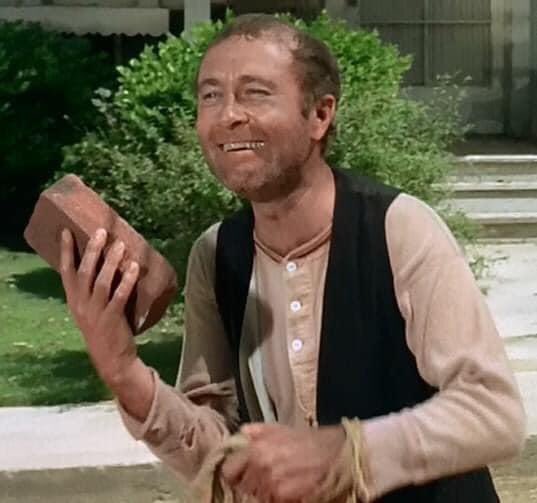
Most people recognize Morris as Ernest T Bass from The Andy Griffith Show. While I have a great appreciation for the series and the well-written scripts and delightful characters of Mayberry, I was never a big fan of Ernest T or the Darling family. They seemed to be a bit too over the top for me and diminished the reality of Mayberry.

J. Mark Powell on Twitter: "Howard Morris, better known as Mayberry's  rock-throwing Ernest T. Bass on @AndyGriffithShw, was born 101 years ago  today.… https://t.co/AwvE2WMBvR"
Ernest T Bass Photo: twitter.com

So, when I began to learn more about Morris who first became known to television fans for his work on Your Show of Shows, I was amazed at how versatile an actor he was and how much he accomplished during his career. 

Howard Morris was born in The Bronx in 1919. He later received a scholarship to attend New York University as a drama major, planning to work as a classically trained Shakespeare actor. During WWII he became first sergeant in the US Army Special Services unit. The group was based in Honolulu and entertained troops throughout the Pacific. Maurice Evans (who played Samantha’s father on Bewitched among other roles); Carl Reiner (whom we all know and love); and Werner Klemperer (Col Klink on Hogan’s Heroes) were all part of this unit.

In 1945 he married Mary Helen McGowan. While they were married until 1958; he had four other marriages during his life.

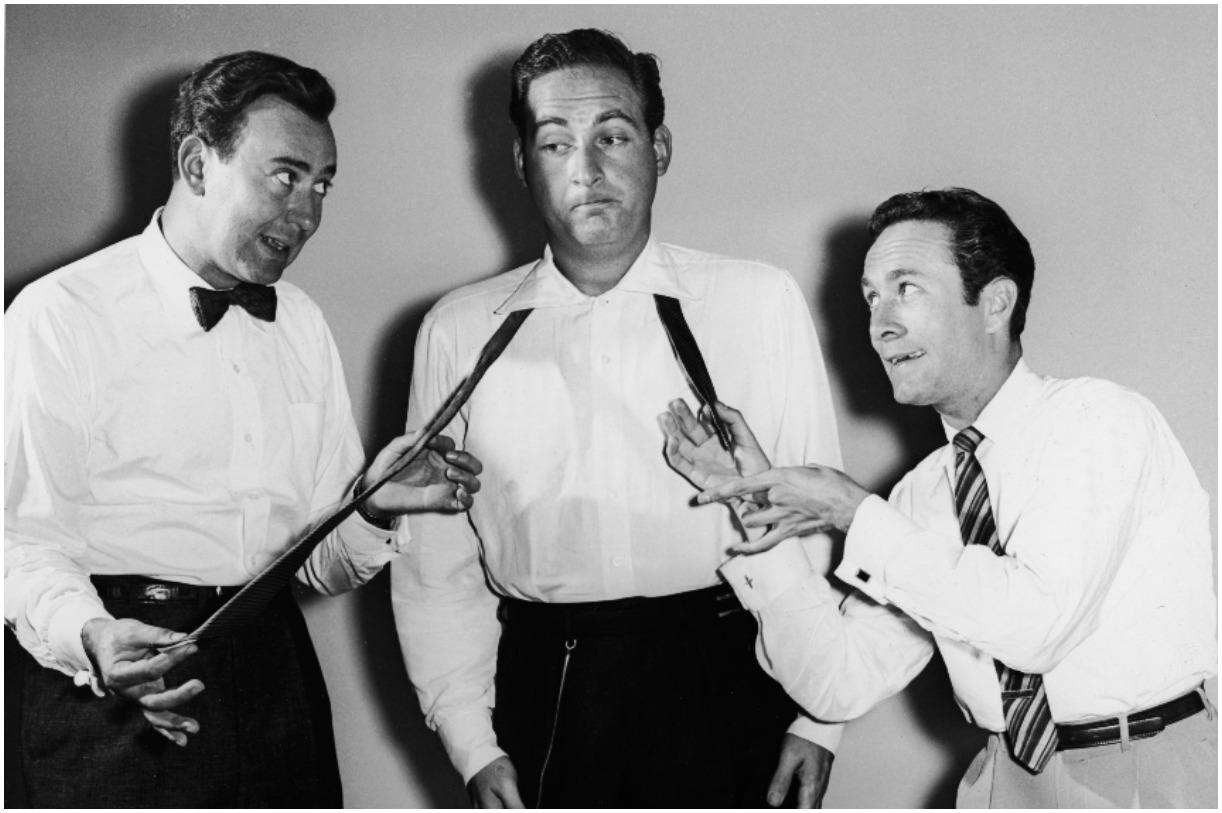
When Morris got the offer to appear in Sid Caesar’s new show, he was able to work with Reiner again. This was his first television or movie appearance, but it would not be his last.

Howard Morris - Net Worth, Bio, Wife, Children, Death, Biography - Famous  People Today
With Reiner and Caeser Photo: famouspeopletoday.com

One of the sketches from the show was a take on This is Your Life, the Ralph Edwards show. Morris said it was his favorite skit from the series. David Margolick wrote in the New Yorker in 2014 that “Though the competition is stiff, many feel that this sketch is the funniest that Your Show of Shows ever did . . . that night nearly sixty years ago, the show produced what is probably the longest and loudest burst of laughter—genuine laughter, neither piped in nor prompted—in the history of television.”

Morris moved to Hollywood in 1961. In the 1960s he began his multi-talented career of television actor, movie actor, director, and animation voice-over star. Unbelievably, he would rely on the quartet of skills the rest of his professional life, excelling in all of them.

Howard Morris (Ernest T. Bass) on The Lucy Show - Sitcoms Online Photo  Galleries
On The Lucy Show Photo: sitcomsonline.com

As a television actor, he appeared in a variety of series including The Dick Van Dyke Show, The Twilight Zone, The Lucy Show, The Andy Griffith Show, Love American Style, The Bob Newhart Show, Fantasy Island, Trapper John MD, The Love Boat, and Murder She Wrote.

Although he is known for his role of Ernest T Bass on The Andy Griffith Show, he was only made five appearances as that character on the show. Aaron Rubens sent him the script that introduced Ernest to Morris to look over and “fix.” Morris fell in love with the character. He said the show had a terrific cast, and they were wonderful people to work with. He said fans loved Ernest because he did whatever he felt like doing including spontaneously bad behavior choices that everyone wanted to make.

As a movie star, he appeared in several films throughout the sixties, seventies, and eighties. Some of the highlights were The Nutty Professor; With Six You Get Eggroll; High Anxiety; The History of the World, Part I; and Splash.

On The Many Faces (and Voices) of Howard Morris – (Travalanche)
Photo: travalanche.com

Not content with just acting in films, Morris became interested in directing early in his career. He began his directing career in the sixties and continued through the eighties. His first directing job was on The Bill Dana Show. He was very busy in the sixties and seventies, directing episodes of Gomer Pyle, USMC; The Dick Van Dyke Show; The Andy Griffith Show; The Patty Duke Show; the pilot of Get Smart; Bewitched; Love American Style; Hogan’s Heroes, and The Love Boat among others. He also directed for the big screen. You’ll see directing credits in his name for Who’s Minding the Mint?, With Six You Get Eggroll, and Don’t Drink the Water.

During an interview with the television academy, he said he loved directing Hogan’s Heroes. Robert Clary became one of his best friends for life. He also loved Klemperer. He said working on With Six You Get Eggroll was a wonderful experience. He said Doris Day just had a natural talent, and Brian Keith was a great guy. He felt being an actor allowed him to be a better director. He understood what the process was for the cast and was able to help them. He knew he could not teach them to act.

Perhaps the biggest surprise for a classically trained Shakespeare actor is that he had the most success in the animation world. I could not begin to list all his credits here, or you would still be reading next week when the new blog comes out. Beginning with Krazy Kat in 1962, he would go on to provide voices for more than fifty series. You will hear his voice in The Flintstones, The Jetsons, Mr. Magoo, The Magilla Gorilla Show, The Atom Ant Show, Duck Tales, a variety of Archie series, and Garfield and Friends.

Howard Morris voiced more than 100 characters on The Flintstones
Photo: metv.com

In a Television Academy interview, he admitted that he accepted voice-over work because he needed the money. It also appealed to him because you did not have to worry about wardrobe or make-up. He said the actors sat in the room together recording the show at the same time which allowed them to relate to each other better than today when everyone records by himself.

In 1962, he married Dolores Wylie and they were together until 1977. I read several sources that listed him being married five times but could not find confirmation of the other marriages, although one cite mentioned two other spouses, Judith and Kathleen and noted that he was married to one of his spouses twice. They all ended in divorce.

In 2005 Morris died from congestive heart failure. Carl Reiner was one of the people who gave a eulogy at his funeral.

The Andy Griffith Show" My Fair Ernest T. Bass (TV Episode 1964) - IMDb
Photo: imdb.com

Howard Morris had a very long and prolific career. About the only genre he did not act in was Shakespearean drama, which is what he trained for. I was curious about whether he enjoyed his comedic career, or if he was disappointed that he did not work more in drama.

During his Television Academy interview, when asked what advice he would give someone thinking about entering the acting or directing profession, he replied “to avoid it and shun every opportunity because it was too hard.” He certainly deserves to be remembered for more than being Ernest T Bass even though he is a much-loved character. Morris said he would like to be remembered as a guy that was able to reveal certain things of humor and reality to the public and for his great gratitude for the fans who have always been there.” Well said. And, well done.

The Man From UNCLE: What Happens When James Bond Comes Out of the Cold and Into TV

We are in the midst of our Murder, Mystery, and Mayhem series this month. In the mid-1960s, westerns were still the most popular show on television with rural sitcoms coming on the scene. Crime shows still had their fair share of air time, but spy shows were non-existent. With the end of the Cold War, Bond movies, and books like The Spy Who Came in From the Cold, these types of thrillers were bound to hit the small screen. From 1964-1968, The Man from UNCLE took us behind the scenes to observe the dangerous life of special agents.

Photo: booktrib.com

Beginning on Tuesday nights on NBC, the show was produced by Metro Goldwyn Mayer. The creator, Norman Felton, asked Ian Fleming to act as a consultant. (Some sources list Felton as the sole creator; some credit Sam Rolfe as a co-creator.) The book The James Bond Films mentions that Fleming suggested two characters: Napoleon Solo and April Dancer. Napoleon Solo became one of the main characters on The Man from UNCLE, and we will learn more about April Dancer later. Solo was also a villain in the movie Goldfinger. Originally titled “Solo,image of ” the popularity of the film led to a title change in the television show to The Man from Uncle.

Photo: filmandfurniture.com

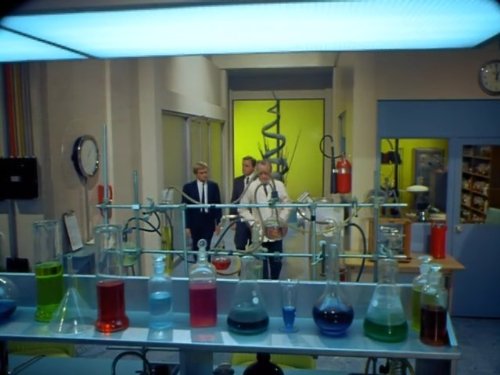
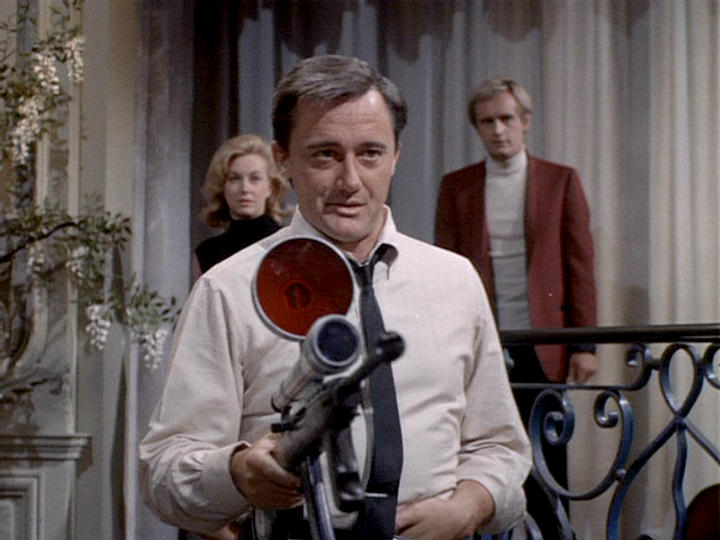
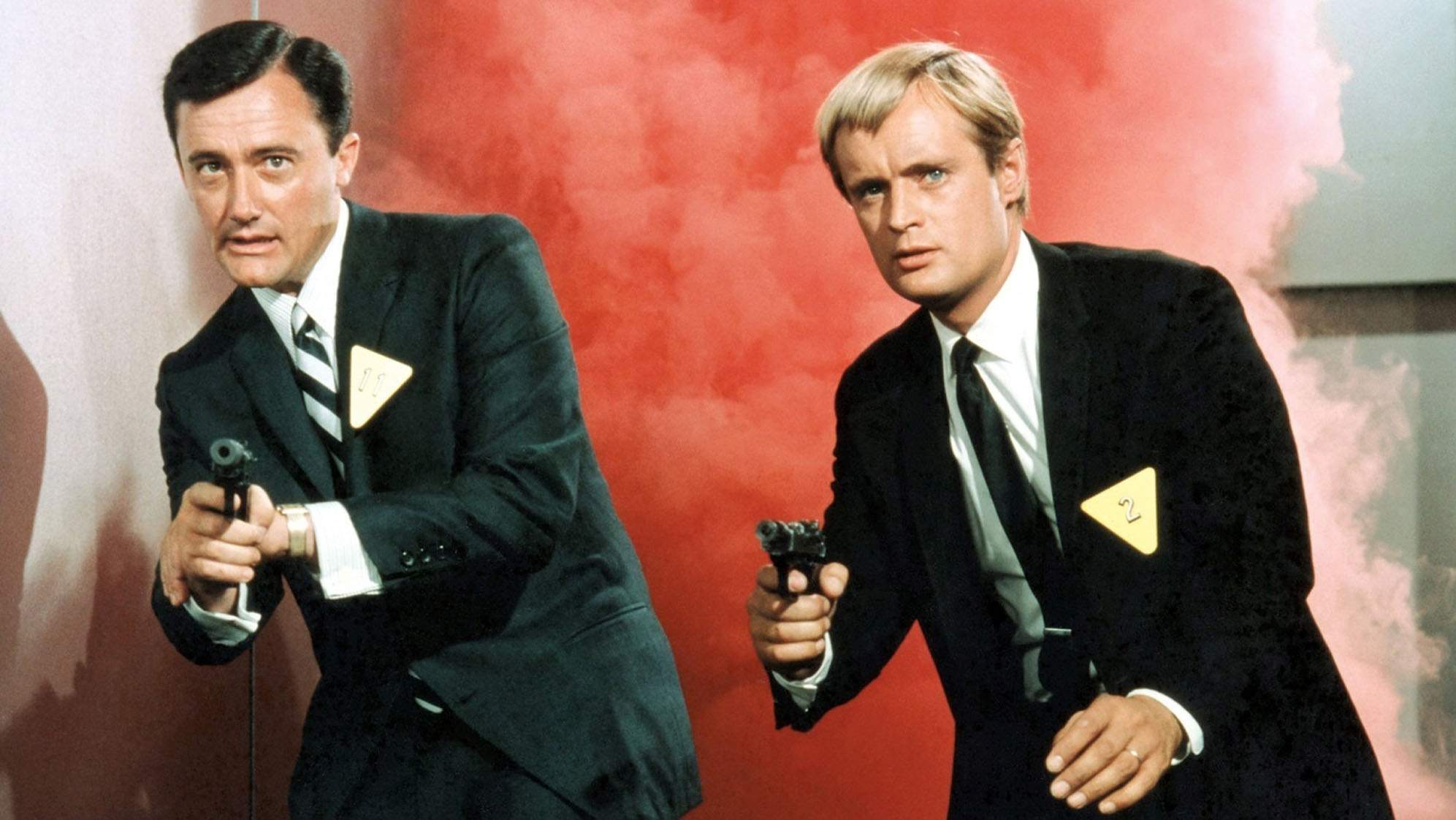
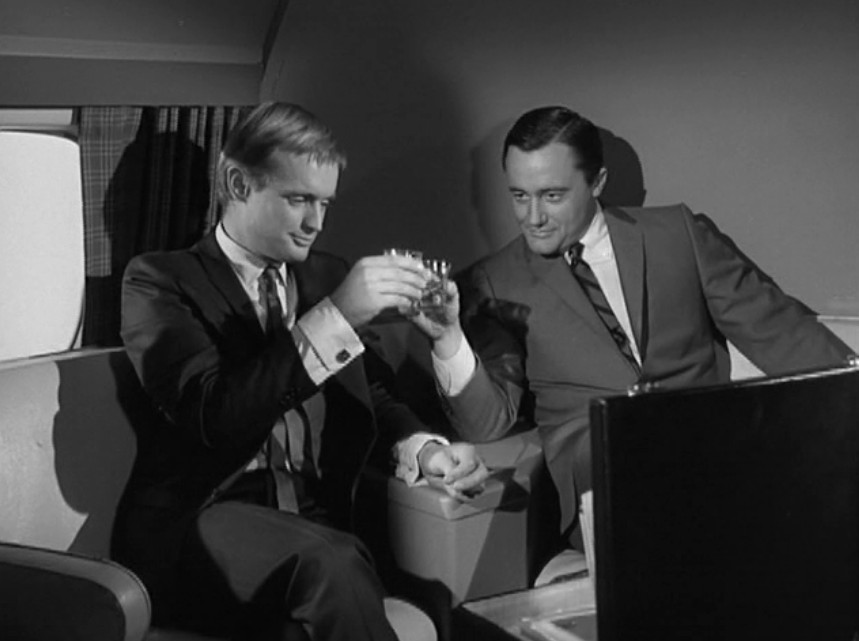
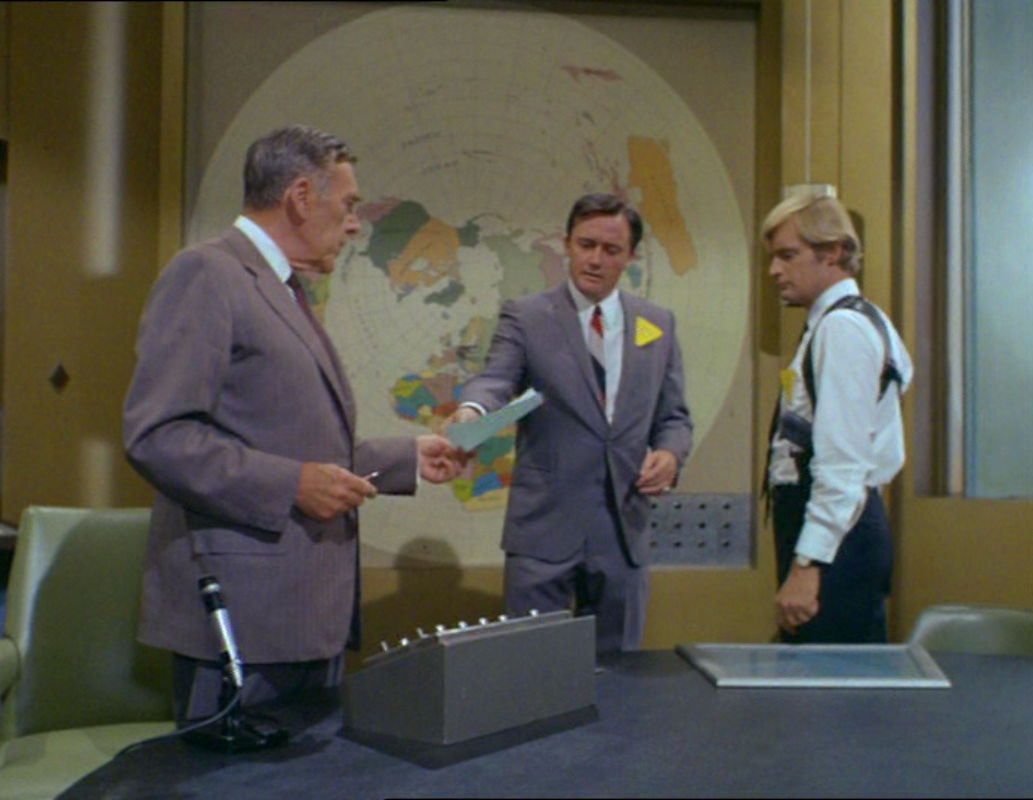
Solo (Robert Vaughn), being an American, was set up in a partnership with a Russian, Illya Kuryakin (David McCallum). The duo would take on multinational secret intelligence work under UNCLE, The United Network Command for Law and Enforcement. They sometimes worked with Alexander Waverly (Leo G. Carroll) who headed up an English organization. They frequently went up against THRUSH. We never learned who was part of THRUSH or what their goals were, apart from taking over the world of, course.

Photo: ebay.com
David McCallum

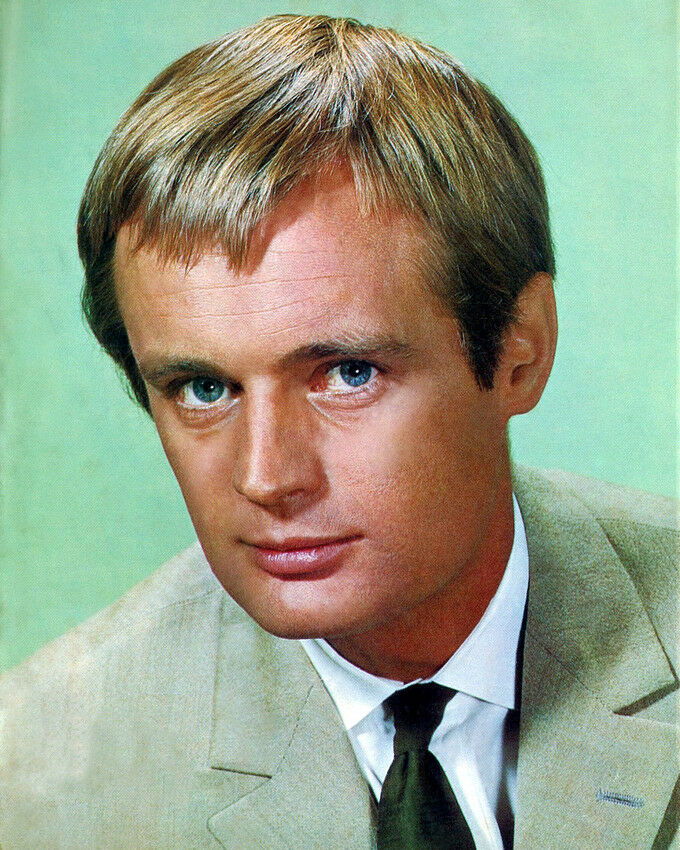
Solo was supposed to be the typical ladies’ man, with Kuryakin being the intelligent, funny, and loyal partner, but McCallum turned into an instant celebrity. Hysterical fans attended promotional appearances and magazines gave he and his wife Jill Ireland little peace and quiet. One article I read discussed an incident in Baton Rouge, LA when McCallum was locked in a bathroom so the police could clear out the screaming women. When he was supposed to do a spot in a Macy’s store in New York, police had to disperse 15,000 screaming women who made it too dangerous for him to appear and did “a colossal amount of damage” to the store.

Solo and Kuryakin accessed their secret headquarters through a tailor’s shop, Del Floria’s.

Photo: filmandfurniture.com

In an interesting twist, the creators decided to feature an “innocent character,”–a Joe Doe or Jane Smith who the viewers could identify with—in every episode.

The theme music was created by Jerry Goldsmith, changing slightly each season as new composers came on board, eight in all.

Photo: imdb.com

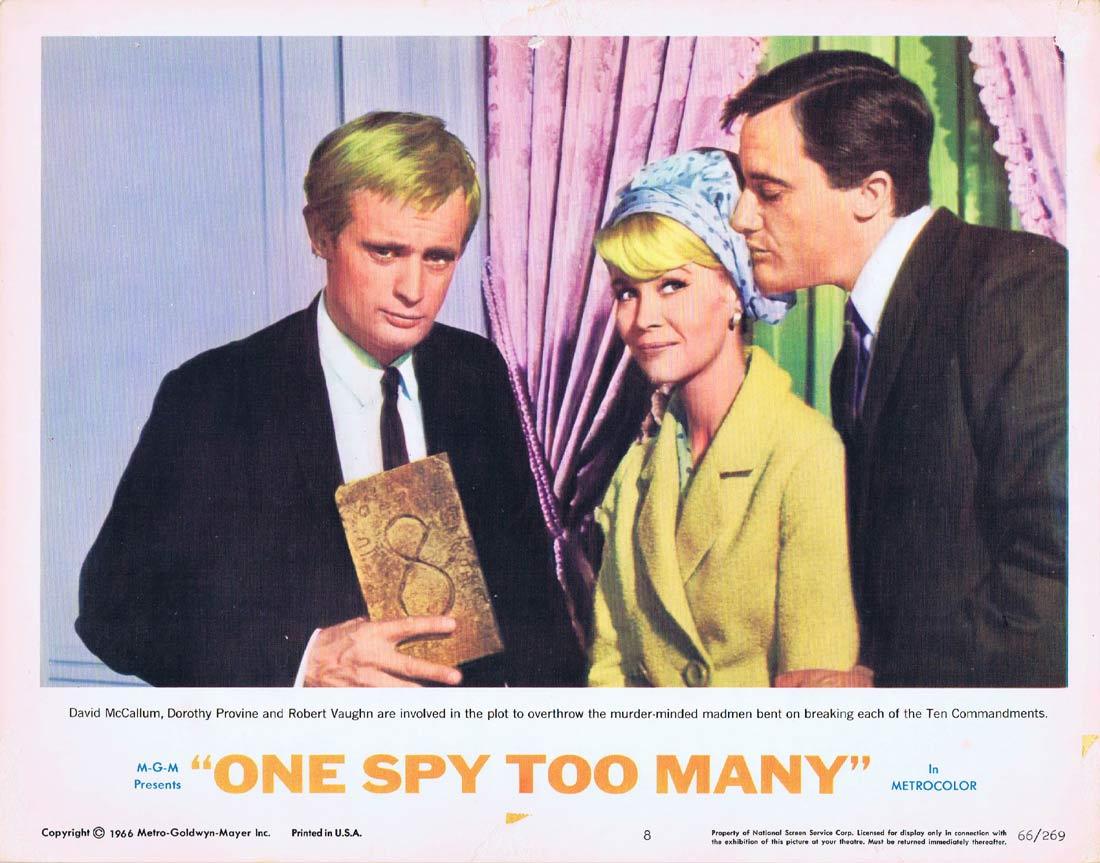
With the exception of one show, the episodes were titled “The ______ Affair.” Every year at least one two-part show was aired. The pair of shows became theatrical films released in Europe. Additional footage was added to the movies. Some of these films were later seen on American television and include To Trap a Spy (1964), The Spy with My Face (1965), One Spy Too Many (1966), The Spy in the Green Hat (1967), and How to Steal the World (1968), among others.

Photo: imdb.com

Although stuntmen were hired for the two leads, they also did their own stunts. Typically, the actor and stuntman did each stunt, and the final version combined the best of them. However, McCallum tried to avoid heights, and Vaughn disliked water scenes.

Like Get Smart, the recurring characters were a small group, and guest stars were necessary for each episode. Both high-profile and up-and-coming actors were eager to appear on the show. William Shatner and Leonard Nimoy can be seen together in “The Project Strigas Affair” two years before they starred on Star Trek. Other actors who appeared include Judy Carne, Joan Collins, Yvonne Craig, Broderick Crawford, Robert Culp, Chad Everett, Barbara Feldon, Anne Francis, Werner Klemperer, Janet Leigh, June Lockhart, Jack Lord, Ricardo Montalban, Leslie Nielsen, Carroll O’Connor, Vincent Price, Cesar Romero, Kurt Russell, Sonny and Cher, and Telly Savalas.

Photo: theunclefiles.com

Of course, spies need technological gadgets to get a leg up on the competition. Some of their communication devices included a security badge and a business card. They could also communicate with a portable satellite disguised as a cigarette case or fountain pen.

Like all good crime fighters, the duo needed a car, and theirs was a Piranha Coupe, based on the Chevrolet Corvair.

Photo: tvguide.com

Weapons were also a necessity in their line of work. The UNCLE Special was a semi-automatic weapon which was useful except at night when THRUSH had access to a “sniperscope” which allowed the villains to shoot in total darkness.

The gadgets, props, and clothing for the show were so popular that they are exhibited in the Ronald Reagan Presidential Library. The CIA also exhibits some of the show’s items.

Season 1 was a great success even though partway through the season, the show moved from Tuesdays to Mondays. With season 2 came more “tongue-in-cheek” dialogue, and the series switched from black and white to full color. Athough the show was moved to Friday nights, its popularity continued.

Photo: mtv.com

Season 3 added a campy element, a la the Batman and The Monkees craze, against the stars’ wishes. The ratings decreased and the show never attained the same quality and ratings again. It was renewed for a fourth season but cancelled partway through when there was no increase in viewership.

Although the show was only extremely popular for two years, it garnered eight Emmy nominations and five Golden Globe nominations, including a win for David McCallum as best star in 1966.

Photo: filmandfurniture.com

Of course, like all popular shows from the 1960s, a tv movie was made a few years later and a big-screen remake came decades later.

The Return of the Man from UNCLE: The Fifteen Years Later Affair was seen on CBS, not NBC, in 1983 with both Vaughn and McCallum reprising their roles. At the beginning of the movie, we learn that although THRUSH was obliterated with the arrest of its leader, he has now escaped from prison. Rather than stick with the chemistry of the two leads, the tv movie pairs each lead with a younger agent.

In 2015, Guy Ritchie’s big-screen The Man from UNCLE was set in the 1960s featuring Solo (Henry Cavill), Kuryakin (Armie Hammer), and Gaby Teller (Alicia Vikander). The trio must work together in a joint mission to stop an evil organization from using Gaby’s father’s expertise in science to build a nuclear bomb. All the while, they don’t totally trust each other, and secretly put their own country’s agendas first. As far as reboots go, the film was actually a good rendition of the original show.

Photo: worthpoint.com

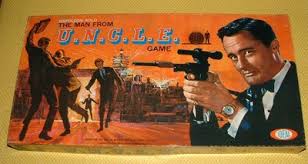
Of course, there was no limit to the merchandising in connection with the show. Several comic books based on the series were published, as well as two dozen novels. In addition to membership cards, viewers could show their love

for the show with board games, action figures, model kits, lunch boxes, and toy guns.

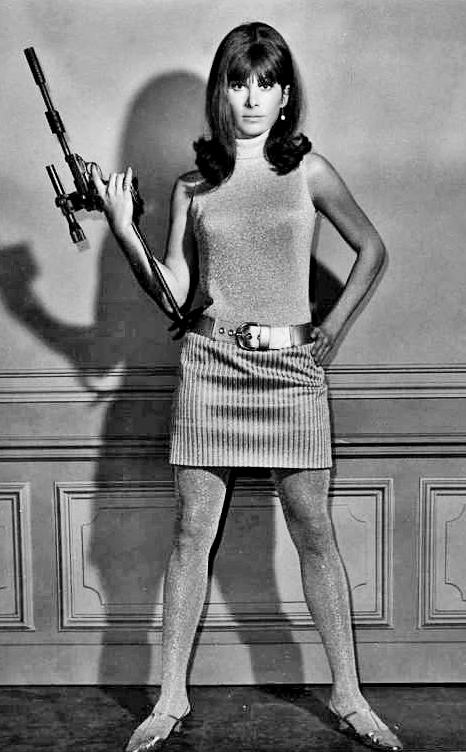
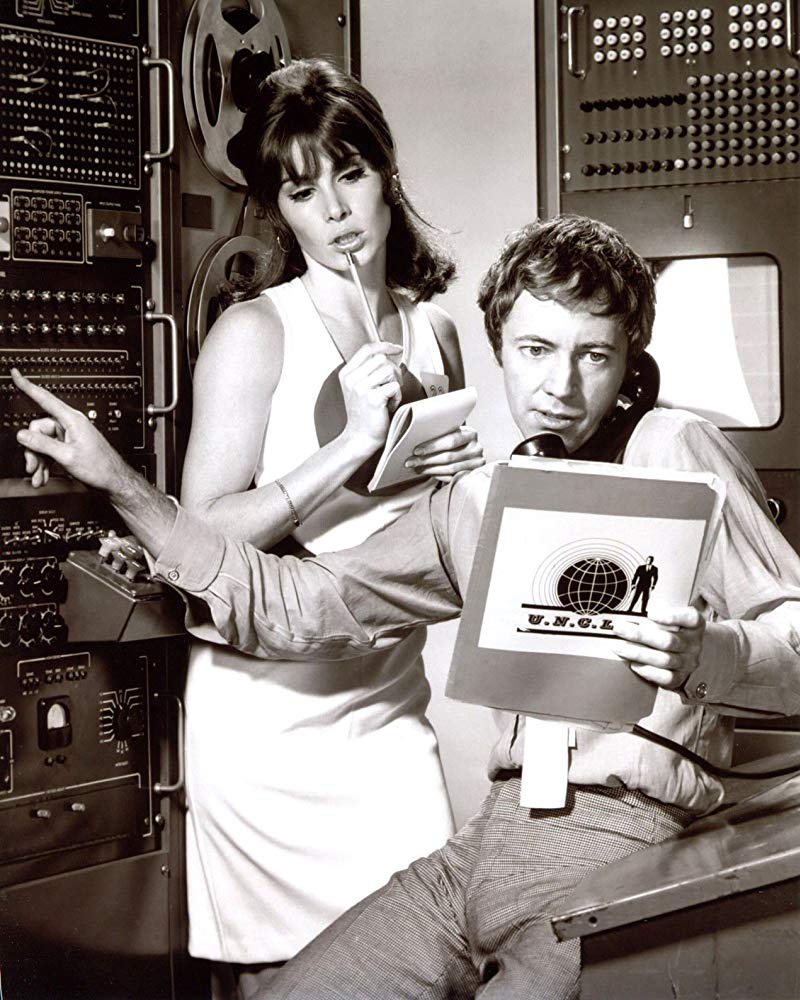
I did promise to get back to April Dancer. Halfway through The Man from UNCLE series, the network released a spin-off, The Girl from UNCLE starring Stefanie Powers as April Dancer. Not as popular as the original, it was cancelled after one season.

Photo: sixtiescity.net

Dancer works with British agent Mark Slate (Noel Harrison). Leo G. Carroll appeared as Mr. Waverly in this series also. Luckily Powers was fluent in several languages, because Dancer often went undercover with a foreign accent.

Photo: business.facebook.com

Unfortunately, Dancer reeled in the bad guys, but Slate was the one who got to kill them. However, April did get some cool gadgets such as a perfume atomizer that sprayed gas and exploding jewelry.

This show also used Goldsmith’s theme music in an arrangement by Dave Grusin.

Both The Girl from UNCLE and The Man from UNCLE are available on DVD.

Although The Man from UNCLE was only hugely popular for two years and The Girl from UNCLE never attained a fan base, the shows ’ concept spawned a huge pop culture obsession. At one point, more than 10,000 letters a week were delivered to the network. The show sparked an interest in spy shows that would pave the way for future shows such as Mission Impossible; The Wild, Wild West; I Spy; and Get Smart. Like The Man from UNCLE, each of these shows would result in reboot big-screen movies in later decades, as well as a large output of memorabilia.

Photo: oldies.com

It’s interesting that this show feels dated now with the current technology, yet Get Smart continues to be a hit. I think the humor and campiness of Get Smart keeps it relevant which is ironic, because that is what basically brought about the end of The Man from UNCLE. Despite its current non-relevancy, it was an important part of pop culture and deserves to be celebrated for its cult status in the mid-sixties and the realistic portrayal of spies to generations of viewers.

My Heroes: Hogan and Company

In looking at war-themed television shows, M*A*S*H has to be number 1.  An episode could have you sobbing one minute and laughing hysterically the next minute. Hogan’s Heroes might not be at the same level, but it is a fun, well-written show with an interesting cast of characters. Debuting about two decades after the war ended, the show first aired in September 1965 and continued till April 1971, producing 168 episodes.

hogan1

The setting of the show is Luft Stalag 13, a prisoner of war camp where Allied prisoners are held north of the town of Hammelburg.

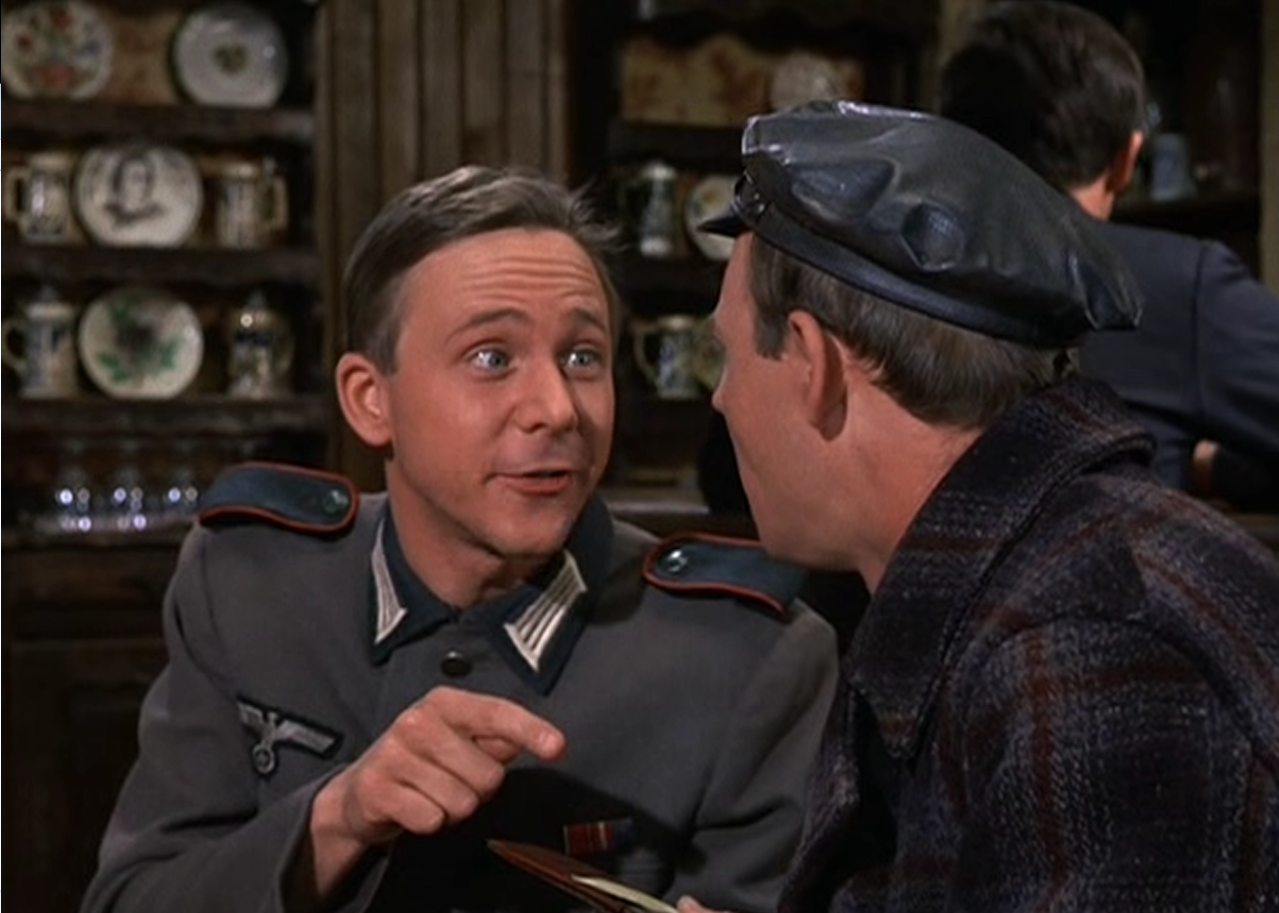
The POWs are using the camp as their base for Allied espionage tactics to sabotage the Nazis and to help other Allied POWs and defectors escape Germany. Colonel Robert E. Hogan, played by Bob Crane, is the mastermind of the crew. While Hogan and his boys help the Allied cause, the two men who aid the cause the most do it unwittingly. Colonel Wilhelm Klink (Werner Klemperer) and Sergeant of the Guard Schultz (John Banner) are easily tricked and proud of the fact that no prisoner has ever escaped Stalag 13. The incompetent Germans are more concerned with making sure they do not cause trouble with their superiors which could get them sent to the Russian front. The Germans in the camp are portrayed as inept and easily manipulated. In later episodes Sgt Schultz tends to look the other way, realizing that Hogan and his men are much more than mere prisoners.

hogan11

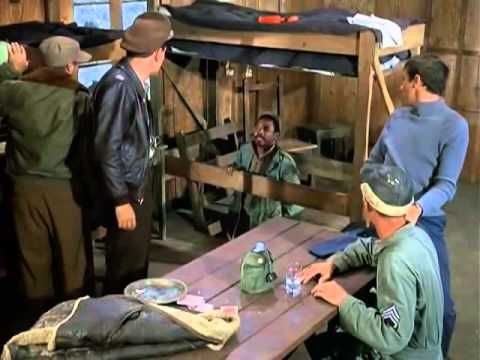
A series of tunnels allows Hogan and his men to come and go at will. A doghouse in the guard dog compound is one of their doors and they make friends with the dogs who never track them down. A bunk in the barracks is another trap door and the main entrance into the tunnels. A periscope disguised as a sink faucet allows them to view the compound. Hogan is also able to listen in to the telephone switchboard and to make phony calls when necessary. A planted microphone in Klink’s office allows the men to hear any conversation taking place there. A portion of the barbed wire fence is a frame that can be lifted to get in and out of camp. Sometimes the guys “borrow” cars from the Germans or have planes land near the fence for air drops.

hogan19

NBC actually turned down the show. From what I read, they didn’t think the pilot was bad; they seemed to think it was so good that the innovative story lines could not be sustained in a weekly show. The pilot was filmed in black and white, but after CBS put the show on the schedule, it decided to film the rest of the episodes in color.

hogan3

The show ranked in the top 20 for most of the seasons it was on television. However, the show engendered debate because it was a comedy about WWII. One critic wrote “Granted, this show is often funny and well-acted. But there’s simply no excuses for turning the grim reality of Nazi atrocities . . . for yet another brainless joke.”

The outdoor scenes were filmed on the 40 Acres Backlot in Culver City, California. The set was also used in a Mission Impossible show as a South American prison. In 1975 it was destroyed and became part of an industrial park.

The instrumental theme song was composed by Jerry Fielding. He wrote lyrics for it, so it could be featured on an album, “Hogan’s Heroes Sing the Best of World War II,” songs sung by cast members Ivan Dixon, Robert Clary, Richard Dawson, and Larry Hovis. It was also on Bob Crane’s album, “Bob Crane, His Drums and Orchestra Play the Funny Side of TV.”

Actors often played a variety of roles on the show. For example, William Christopher (who would later star in M*A*S*H) played a POW, a German soldier, and a British pilot. Arlene Martel appeared as a resistance fighter in one show and Olga and Gretchen in other episodes.

hogan7

The regular cast included the following:

Colonel Robert E. Hogan (Bob Crane). He is the senior ranking POW officer and the leader of the group. He commanded the 504th Bombardment Group. He was shot down during a raid on Hamburg. Many of his plans are quite complex. Being a ladies’ man, all the women fall for Hogan. Bob provided the drums for the theme song. He also played them in a couple of episodes.

hogan8


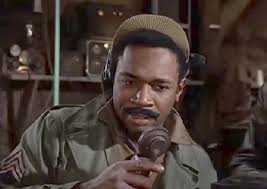
Staff Sergeant James Kinchloe (Ivan Dixon). Part of the US Army Air Force, “Kinch” is responsible for the radio, telephone, and other electronic communications for the POWs. He can also mimic German officers. He worked for the telephone company in Detroit before the war. He left the show after the fifth season. He was replaced by Kenneth Washington for the final episodes.

hogan10


Technical Sergeant Andrew Carter (Larry Hovis). United States Army Air Corps Technical Sergeant Andrew J. Carter is in charge of ordnance and bomb-making. Hovis was intended to be in the pilot only, but he was then offered a regular role moving from lieutenant to a sergeant. He worked in a drug store in Indiana and hoped to become a pharmacist after the war. He produces formulas, various chemicals, and explosive devices.

hogan6


Corporal Louis LeBeau (Robert Clary). Free French Air Force Corporal Louis LeBeau is a Master Chef who is passionate about his cooking and a notoriously patriotic Frenchman. Schultz and Klink nickname him “The Cockroach.” His cooking talent often get the Germans out of bad situations. Hogan uses LeBeau’s culinary skills to bargain for extra privileges. In real life, Clary was a French Jew who was in the Nazi concentration camps at Ottmuth and Buchenwald and had his serial number tattooed on his arm.

hogan5


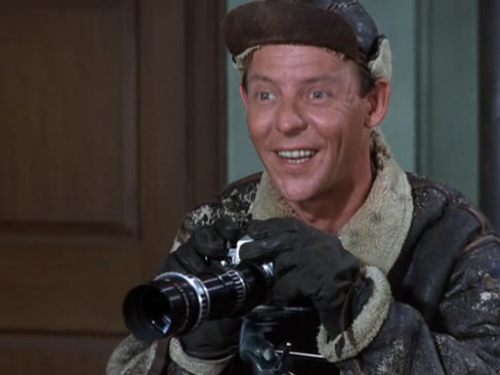
Corporal Peter Newkirk (Richard Dawson). Royal Air Force Corporal Peter Newkirk is the group’s jack of all trades. When necessary he performs as a conman, magician, pick-pocket, card sharp, forger, bookie, tailor, lock picker, and safe cracker. He does numerous impersonations of German officers and a voice imitation of Adolf Hitler. Newkirk was convinced to dress as a woman for various plots.

hogan13


Colonel Wilhelm Klink (Werner Klemperer). Wilhelm Klink is an old-line Luftwaffe officer from aristocratic Prussian descent, but he is portrayed as inept, a bit dimwitted, cowardly, and often clueless. He has been stuck at the rank of colonel for twenty years with an efficiency rating a few points above “miserable.” Klink often gets splashed with water or snow.

hogan9


Sergeant Hans George Schultz (John Banner). Hans Schultz is Klink’s clumsy, but lovable, Sergeant of the Guard who is forever taking small bribes from the prisoners, with whom he is overly friendly. Sometimes the boys talk in front of him or tell him exactly what they are going to do. He always says, “I hear nothing, I see nothing, I know nothing!” Before the war, he owned the most successful toy company in Germany.

hogan2


General Albert Hans “Hansi” Burkhalter (Leon Askin). General Albert Burkhalter is Klink’s superior officer, a gruff man. Burkhalter frequently tires of Klink’s babbling and says, “Shut up, Klink!” He regularly threatens to send him to the Russian Front or have him shot.

hogan14


Some of the other regular roles included Sigrid Valdis as Hilda, Howard Caine as Major Hochstetter, and Cynthia Lynn as Helga.


There are some famous “goofs” in the filming of the show. (1) In one scene, a periodic table of elements is hanging on a wall. It shows all the 103 elements known to science in the 1960s; however, in the 1940s, fewer than 92 elements were known. (2) On numerous occasions Eva Braun, Hitler’s mistress, is mentioned either by Hogan’s men or the Germans. Braun’s association with Hitler was a closely guarded secret only known to Hitler’s inner circle, whose existence wasn’t revealed until after the war. (3) The center top ribbon on Colonel Hogan’s dress uniform is the Air Force Distinguished Service Medal, an award that was created by the Air Force after World War II.

The most surprising thing I learned about the cast members were their backgrounds. Werner Klemperer, Howard Caine, Leon Askin, and John Banner, who portrayed the Germans Klink, Hochstetter, Burkhalter, and Schultz, were all Jewish. All of them also served in the U.S. Armed Forces during World War II. Klemperer was born in Cologne, Germany, and Banner and Askin were both born in Vienna, Austria; the three of them immigrated to the United States after fleeing the Nazi regime. Banner had been held in a pre-war concentration camp, and his family was killed during the war. Robert Clary, John Banner, and Leon Askin were all survivors of the Holocaust. Werner Klemperer escaped Nazi Germany in 1933 with his parents. When asked about their willingness to play these roles, Klemperer said, “I am an actor. If I can play Richard III, I can play a Nazi.” Banner’s response was “Who can play Nazis better than us Jews?”

As mentioned earlier, Robert Clary was imprisoned for three years in Nazi camps. His comment when asked about his participation on the show was “Hogan’s Heroes was very different—we weren’t really dealing with Nazism.”

While it is surprising that this show was able to get produced so soon after WWII, the show received a lot of praise from critics. Hogan’s Heroes had 12 Emmy nominations, with two wins, both for Werner Klemperer for outstanding supporting actor in a comedy.

hogan4

The show has held up amazingly well since it aired 53 years ago. All seasons are available on DVD, and the show is currently seen on Me TV weeknights from 9-10 pm, CST. Tune in some night when you want to go to bed laughing–it’s a nice break from the news.

hogan12