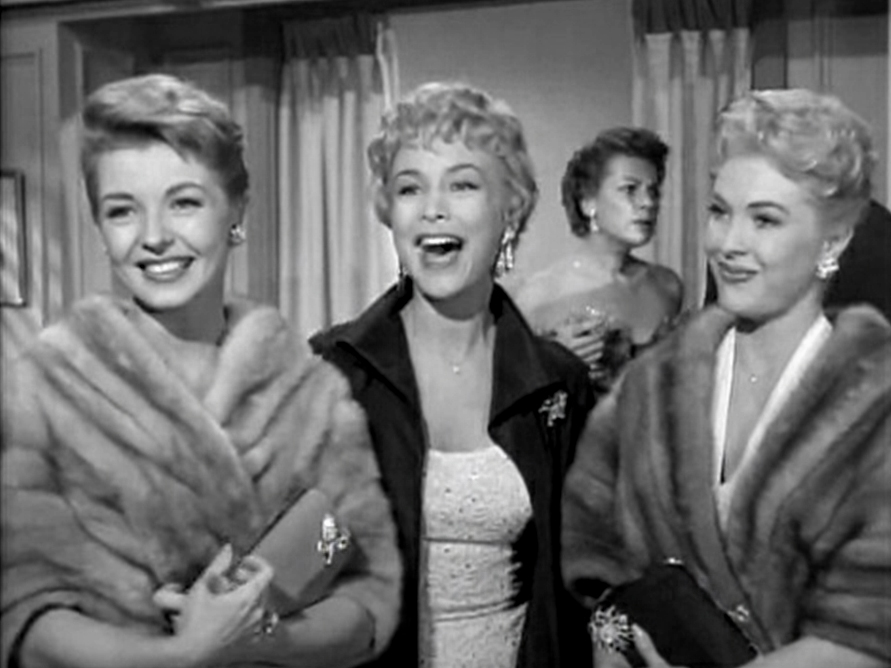
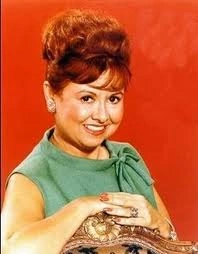
Sandra Gould: What a Character

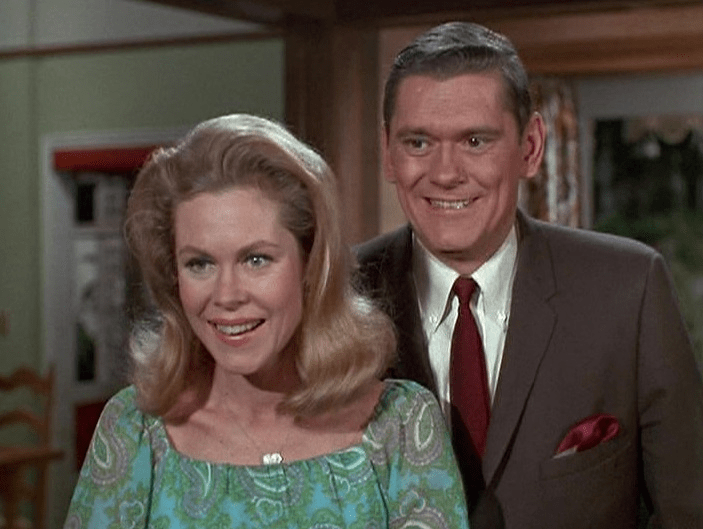
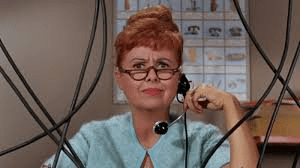
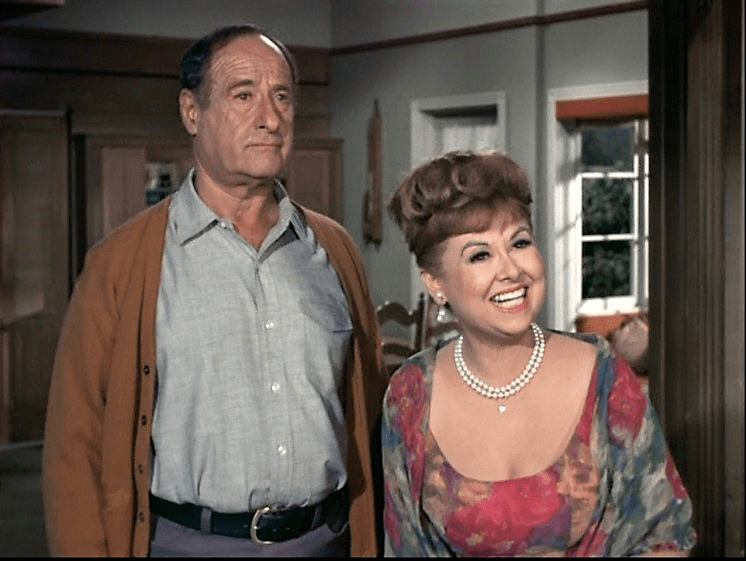
We are winding up our blog series “What a Character” with Sandra Gould. I have to be honest, I had an unfair bias against Sandra Gould.  I didn’t know a lot about her career, I just knew that she replaced Alice Pearce as Gladys Kravitz, and it was a bad replacement. It wasn’t Sandra’s fault—I blame the show’s producers.

📷pinterest.com

Some actors truly are irreplaceable. Eartha Kitt, while a great Cat Woman, just wasn’t Julie Newmar. Imagine trying to replace Henry Winkler as the Fonz halfway into the show. Can you picture tuning into MASH and finding Hawkeye was now played by someone other than Alan Alda?  Pearce was perfect in that role and, despite her being nosy and annoying, she was likable and that is hard to do. Gould’s Gladys was loud and brash, and I felt like I heard fingernails on a chalkboard whenever she was in a scene.

As long as I’m oversharing, I never cared for Dick Sargent either. While he was able to replace Dick York in some ways, York was just Darrin. Okay, I’m done and ready to talk about the good aspects of Sandra Gould and her long career.

Gould was born in Brooklyn in 1916. She entered the entertainment business early becoming a kid dancer in the Cat Skills by age 13.

📷threads.com

Gould found a lot of success on radio, appearing on “My Friend Irma” and “Duffy’s Tavern.” Her first radio job came along when she was only 9 on “The Danny Thomas Show.” Gould was with Jack Benny for almost fifteen years.

In 1938 she married Larry Berns, a broadcasting executive. They were married until his death in 1965. Berns joined CBS in 1942 writing and producing radio and TV series including Our Miss Brooks. He later worked on McHale’s Navy and Broadside.

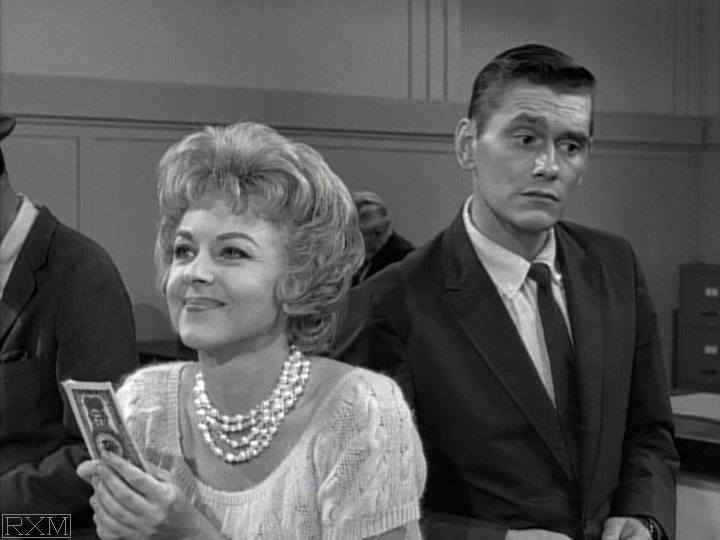
Sandra’s first role was in the big screen T-Men in 1947. Most of her roles were inept or gabby women, typically a telephone operator, nurse, receptionist, landlady, or saleswoman. Gould once mentioned that she played an operator more than any other actress. I did notice 10-15% of her roles mentioned switchboard operators.

📷facebook.com

While she continued to appear in movies, most of her acting credits came on television. She appeared in Oboler Comedy Theater in 1949. In the early days of television, many of the series were drama or comedy reenactments of movies or plays. Sometimes, new stories were written for these episodes. Gould continued with these roles into the mid-fifties.

From 1952-55 she appeared as Mildred on I Married Joan. This series starred Joan Davis and Jim Backus. He was a judge, and she was another “Lucy Ricardo” always getting into mischief or causing hardships for her husband.

📷tumblr.com

Gould was kept very busy with offers during the end of the fifties and throughout the sixties. She could be seen doing comedy on Our Miss Brooks, I Love Lucy, The Jack Benny Program, My Three Sons, The Brady Bunch, and I Dream of Jeannie among others. She also tried western life on Wagon Train. Her drama performances included Hawaiian Eye and I Spy. She even dipped her toe into animation on The Flintstones.

At the end of the sixties, she was given the Glady Kravitz role. Pearce and Gould split the character’s appearances: Pearce had 27 episodes with Gould having 29.

Gould had stepped away from acting for a time. She published two books for girls: Always Say Maybe and Sexpots and Pans. They both seem quite dated today in their advice to girls to get the right type of husband. At the time she accepted the role of Gladys she said she had gone through a very rough year. Her husband died. Then her writing partner Peter Barry died. Then Alice Pearce, who was a good friend of hers. She had no desire to take over the role, but George Tobias who played Abner and was also a friend, called her to come in for an audition.

📷imdb.com

I could not find any information about she and Barry collaborating. One article specifically mentioned that they wrote scripts for Honey West, Tammy, and The John Forsythe Show, but I don’t see either of their names as writers for these shows. Barry is listed as a writer for 23 shows in the late fifties and early sixties, and he was a radio scriptwriter. Perhaps they had written some scripts that were never filmed.

I guess I am in the minority on the Bewitched issue because most sites I visited described her role similarly, usually something like Hollywood Spotlight’s description: “her over-the-top performance and shrill voice were popular with viewers, and she succeeded ultimately in making the character her own.” She also reprised her role as Gladys in the sitcom Tabitha in 1977 which was about Darrin and Samantha’s daughter as an adult.

Some time during her stint on Bewitched, she got married again to Hollingsworth Morse, and they were together until his death in 1988. Hollingsworth was a director and assistant director on almost 90 programs and movies including McHale’s Navy, Dukes of Hazzard, and Mork and Mindy.

The seventies and eighties found her primarily in drama roles, although she could be spotted in a handful of sitcoms. You can catch her on Columbo, Marcus Welby MD, Ironside, Crazy Like a Fox, and MacGyver. During the nineties, she took on roles that were described as “old lady” on Friends and on her last appearance which was Boy Meets World in 1999.

📷bewitched wiki.com

Not long after filming this episode, Gould passed away from a stroke following heart surgery.

Gould had a long and successful career and certainly made the nosy, gabby character her own. I’m glad the job on Bewitched helped her get through a very sad and difficult time in her life. However, I still am claiming she was not right for Gladys who should have been written off the show and just replaced with a new neighbor. But I respect Gould and the characters she made her own on the big and little screens.

The Virginian: Where Nobody Knows Your Name

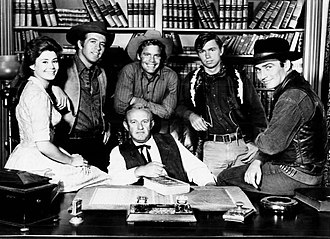
As we get ready to “Go West Young Man,”  today our blog series is getting to know the The Virginian (which is sometimes confusing because it was renamed The Men from Shiloh later for part of the series). This series debuted on NBC in 1962. It produced 249 episodes, running until 1971, making it the third longest-running western (Gunsmoke and Bonanza were the top two).

📷wikipedia.com

Lew Wasserman was involved with Universal, and they produced Wagon Train which was on NBC. Universal sold the series to ABC in 1962 after it had been on the air for three years, and NBC was not happy, but Wasserman told them that he had a new show for them, The Virginian.

It was also the first 90-minute western. Like Stagecoach West, it was set in the Wyoming Territory. While the pilot was black and white, the rest of the series was filmed in color.

The series was based on an Owen Wister novel, The Virginian: Horseman of the Plains which was published in 1902.

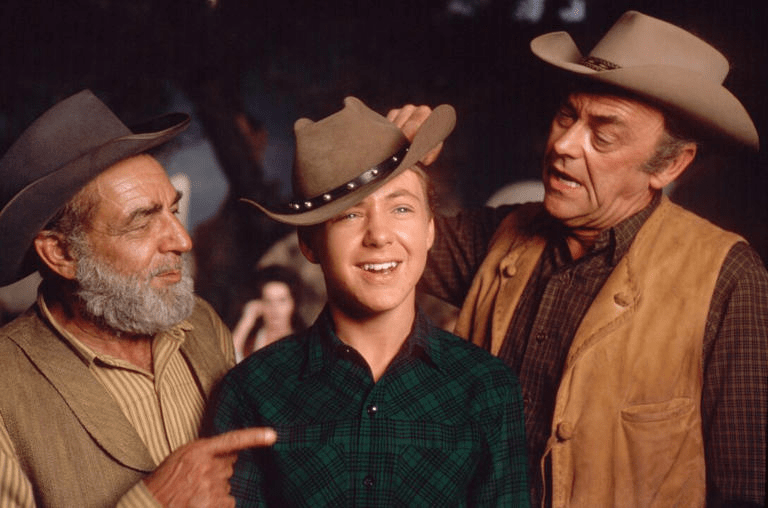
The series featured a foreman at the Shiloh Ranch near Medicine Bow played by James Drury. The foreman was never referred to by his name. Drury once said, “Nobody knows the name of my character, not even me.” His sidekick was Trampas (Doug McClure). Sheriff Abbott (Ross Elliott) also shows up on and off throughout the nine seasons. For the first four seasons, the ranch owner, Judge Henry Garth (Lee J. Cobb) and his daughter Betsy (Roberta Shore) also live there. The cast changed fairly often throughout the series, but Drury and McClure were along for the entire ride.

📷ebay.com

The plots of the show often revolve around themes of prejudice, injustice, being a responsible and hard worker, and standing up for the right thing.

During the final season, the show changed its title, and the series changed quite a bit. There was a new theme song, and it took on more of the character of the popular spaghetti westerns. Stewart Granger and Lee Majors joined the cast. While the ratings increased, the network was intent on cancelling the show, along with the rural purge that happened at that time.
Later when the show was no longer on the air, Drury discussed two of his castmates, one he admired and considered a friend and one he did not! About Grainger who joined the show for the last year, Drury said, “He was a disaster, and I couldn’t stand him. He wanted everything changed to make him the star of the show.  . . . He also fired the whole camera crew and hired a new crew for his episodes.” However, on reflecting about his co-star Doug McClure, Drury recalled “off-screen Doug was quite like his character, and you couldn’t help but smile when he walked into a room because he was full of good humor and good spirits all the time. He could cheer anybody up. He became my best friend, and I still miss him terribly—you couldn’t ask for a better co-star.”

As you can imagine, being on the air for nine years meant a lot of guest stars showed up on the series, including Eddie Albert, Charles Bronson, Robert Culp, Joan Crawford, Bette Davis, Patty Duke, Robert Duvall, Harrison Ford, Jack Lord, Lee Marvin, Vera Miles, Leonard Nimoy, Ryan O’Neal, Robert Redford, George C. Scott, William Shatner and Franchot Tone.

📷facebook.com

The Virginian was on Wednesday nights for its entire run. When it began, it was up against Wagon Train on ABC while CBS ran CBS Reports and The Many Loves of Dobie Gillis. Both The Virginian and Wagon Train managed to hit the top thirty that year. The next year, its biggest competition was The Adventures of Ozzie and Harriet followed by The Patty Duke Show. The Nelsons hit the top thirty and The Virginian and The Patty Duke Show were in the top twenty. The show continued to be in the top twenty or top thirty for the rest of its run, hitting the top ten in 1966, despite being on at the same time as many popular sitcoms during those years, including Batman, The Beverly Hillbillies, The Courtship of Eddie’s Father, Gomer Pyle USMC, Lost in Space, Mister Ed, and My Living Doll. It was still in the top twenty when it was canceled.

This show is fondly remembered by viewers who tuned it at the time. It’s been in syndication for decades, racking up new generations of fans. In one of his later interviews, Drury talked about the appeal of the show. He said, “People now tell me about their grandkids who discover the show on cable and start watching it. It’s a wonderful feeling to know the show is still viable after all these years.” That alone is reason to be proud of working on this show.

Wagon Train: Heading West

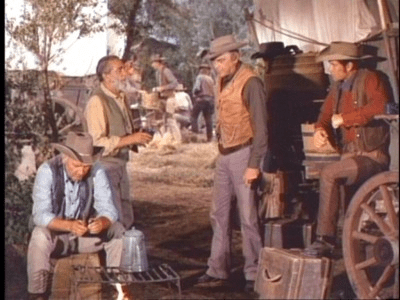
This month we are celebrating, “Go West Young Man” by taking a look at some of the westerns from the fifties and sixties. Up today is Wagon Train. This series debuted on NBC in 1957; in 1962 it moseyed over to ABC for its final three seasons. Lew Wasserman was involved with Universal which produced Wagon Train. When they sold the series to ABC, NBC was not happy, but Wasserman told them that he had a new show for them, The Virginian, which we’ll learn about in two weeks.

📷pinterest.com

The series was very popular, jumping to number one immediately. The plot is that a large wagon train is traveling through the west from Missouri to California. Ward Bond starred as the wagon master Seth Adams (when he died in 1960, John McIntire took over). Robert Horton played scout Flint McCullough; eventually he opted to leave and was replaced by Robert Fuller. Oddly, Horton and Fuller shared a birthday and were six years apart in age.

If I listed all the guest stars during the eight seasons, you would still be reading this next Monday. Just know, there were a lot.

The show was adapted from a 1950 John Ford film titled Wagon Master. In a 1960 episode, John Ford stepped in to direct an episode, “The Colter Craven Story.” One guest star I have to mention in this one was John Wayne. He speaks from the shadows as General Sherman (Wayne’s real name was Marion Michael Morrison, so for this credit, he went by Michael Morris) in this episode.

The original theme song was written by Henri Rene and Bob Russell and conducted by Stanley Wilson. A more contemporary theme accompanied season two, and it changed a few more times during the run of the show.

📷msn.com

The show had a huge budget for the time: $100,000 (about a million in today’s world of television). It was about 40% more expensive than most westerns at the time, and that is part of why it was able to feature so many guest stars.

When Gene Roddenberry pitched Star Trek to the networks, he described it as “a Wagon Train traveling across the universe.” He also hired writer Gene L. Coon who wrote 23 episodes of Wagon Train.

While wagon trains are considered an icon from our history, so was the product of the series’ first sponsor, the Edsel Division of the Ford Motor Co.

The show was an hour long and shot in black and white for the first six seasons. For season seven, the network filmed the show in color and increased the length to 90 minutes. The ratings were still high but didn’t increase, so the network could not justify the changes, and the television show went back to an hour in black and white.

📷dvdtalk.com

The show was placed on Wednesday nights up against Leave it to Beaver and Disneyland. Even with that competition, it was in the top thirty and by its second season, had jumped to the top ten where it stayed until it was sold to ABC. ABC kept the show on Wednesday nights, and it ran against The Virginian, both being in the top thirty in 1962.

So many people have fond memories of this show. It was on six seasons, but I think it was finally cancelled even though it was in the top thirty because of the western overload, ushering in the shows like Get Smart, The Man From UNCLE, Lost in Space, and The Smothers Brothers Show. Check out your favorite guest stars who were on the show and watch those episodes to see what it was like.

Vera Miles: What a Character

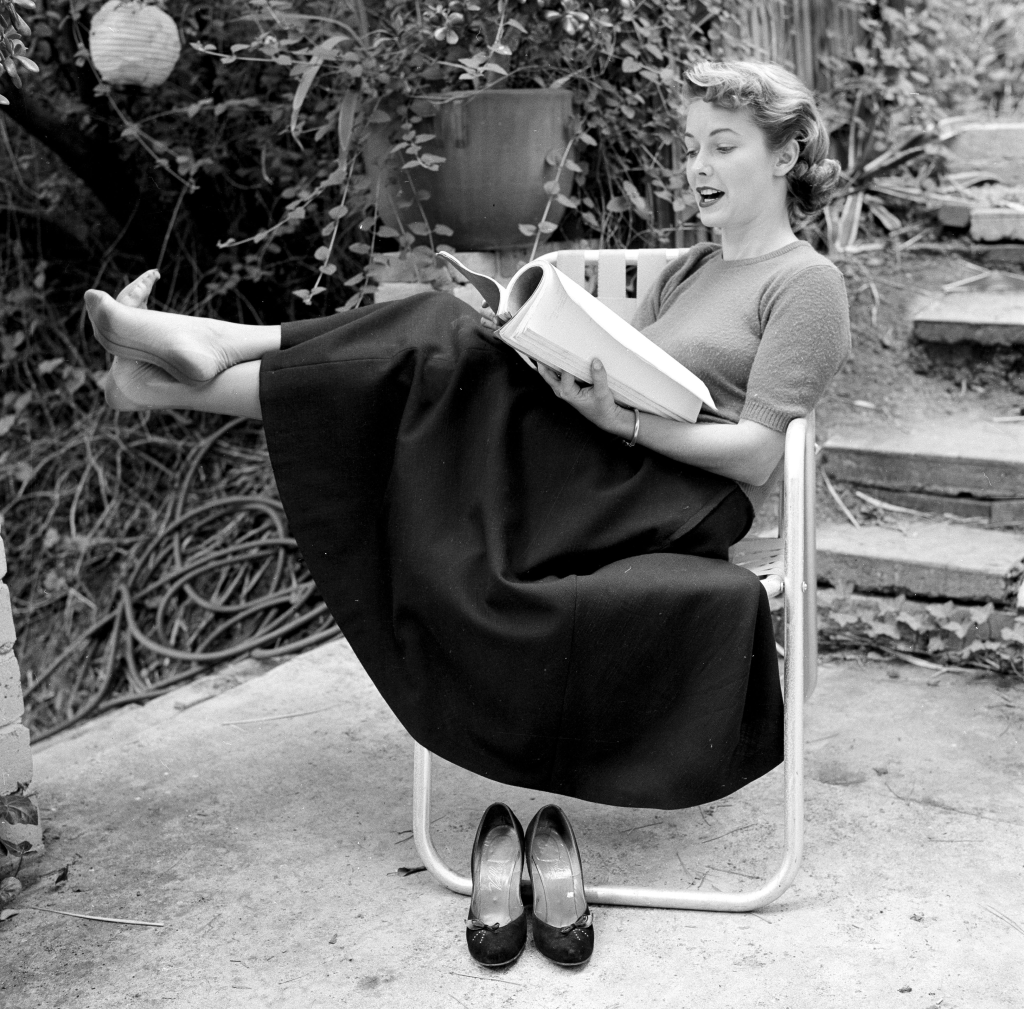
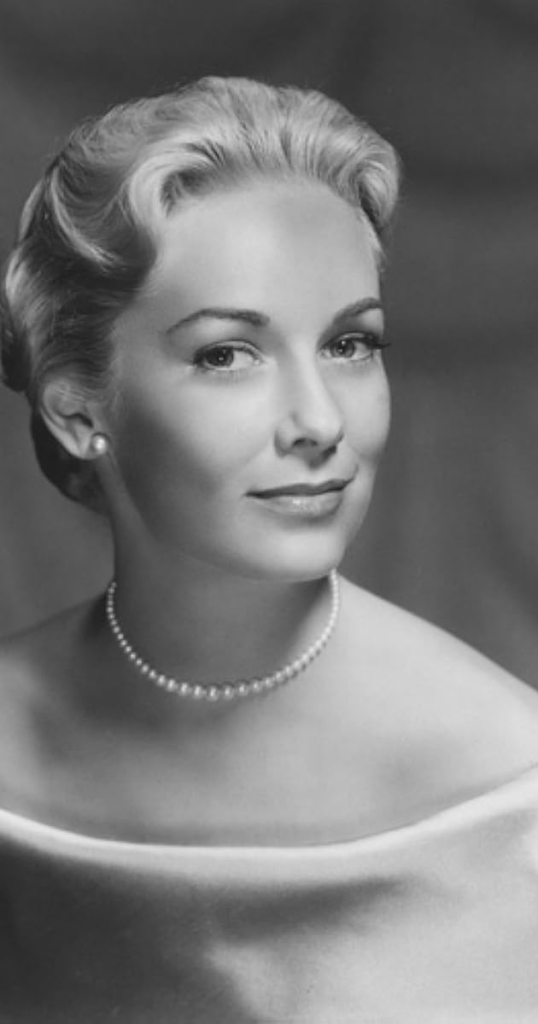
During this month of Supportive Women, I am excited to learn more about Vera Miles. For four decades, Miles appeared in our homes as well as on the big screen. With 162 credits, she may have visited your living room more than most of your family members.

📷facts.net

Vera Ralston was born in Boise City, Oklahoma in 1929. She grew up in Pratt, Kansas, and later she moved to Wichita where she graduated from high school and worked nights as a Western Union operator-typist. In 1948 she won the Miss Kansas pageant and was third runner-up in the Miss America contest that year. Miss Minnesota won the crown.

A year later she moved to Los Angeles to pursue a career in television and movies. Not long after arriving in Hollywood, Vera married photographer and stuntman Bob Miles. One source said that she enrolled at UCLA, hoping to become a teacher.

Bob Miles has 13 acting credits and 14 stuntman credits. The cast of Bonanza must have liked him because he appeared as a stuntman 99 times and as an actor on the show 76 times.

📷photos.com

After the birth of her children, she began doing some modeling and taking on a few roles to help provide income. Vera used her husband’s last name because there was already a Vera Ralston in the industry.

She appeared as a contestant in a 1951 episode of You Bet Your Life with Groucho Marx. Along with her partner, she won $8 in the quiz portion of the show but gave the wrong response to the De Soto-Plymouth question which was “Who was the first Chief Justice of the Supreme Court?” When Groucho asked her what titles she had held as a beauty contestant, in addition to Miss Kansas, she mentioned that she was Miss Chamber of Commerce, Miss Wichita, Miss Texas Grapefruit, and Miss New Maid Margarine.

She received her first movie role in 1950 and her first credit in 1952. In The Rose Bowl Story, a romantic comedy, she played a Tournament of Roses Queen. She would appear in about 40 additional movies during her career and quite a few made-for-television movies as well. She often worked with Alfred Hitchcock and was cast in Psycho.

In 1951 she appeared on Fireside Theater, her first television role. While she had more than 100 credits performing on television, surprisingly she never starred in a series. The only recurring character she had was Ernestine Coulter on My Three Sons.

📷fotogrammas.com

In 1956 she married Gordon Scott after divorcing Miles in 1954. They also divorced in 1960. Scott appeared to only work in Hollywood for a five-year period according to imdb.com. From 1960-1971 she tried marriage again with Keith Larsen, but their marriage also ended in divorce. Since the third time was not the charm, for two years in the mid-seventies, she wed Robert Jones but that ended in divorce as well.

During the fifties, she fit roles around her movie appearances, and you can see her in episodes of dramatic theater shows. In the sixties, she had no trouble finding work and she showed up on The Twilight Zone, Route 66, Wagon Train, I Spy, The Man from UNCLE, The FBI, and Mannix. Work did not slow down in the seventies, and you can spot her in a variety of shows including Gunsmoke, Hawaii 5-O, Bonanza, Cannon, Columbo, and Barnaby Jones. She might have taken thing a bit easier in the eighties, but she still worked on four or five shows a year, including Magnum, PI; Little House on the Prairie; The Love Boat; Hotel; and Murder She Wrote. Her last credit was for a movie titled Separate Lives in 1995.

📷imdb.com

Miles was a member of the Church of Jesus Christ of Latter-Day Saints and visited Salt Lake City quite often.

Early in her career, Miles appeared to be almost a clone of Grace Kelly but that never materialized into a movie star career. Hitchcock hired her for Vertigo with Jimmy Stewart, but her pregnancy caused her to back out of the movie, and Kim Novak received the starring role. Perhaps, that movie would have changed the trajectory of her film career. I’m surprised that she was never given an opportunity to star in a television show. With 162 credits, she had a prolific and busy career. I will definitely try to spot her when I watch some of my favorite classic shows.

..

Leslie Nielsen: Always One to Let ‘er Rip

In this last blog in our series of Supportive Men, today’s actor might not be someone most people expect to see when talking about television. When most people think about Leslie Nielsen, they think of Airplane! and some of his other movies. While he did have a prolific movie career, he also has a well-deserved place in television. This guy amassed 259 (150 in television) acting credits during his six-decade long career.

📷tmdb.com

Nielsen was born in Saskatchewan, Canada in 1926. His mother was from Wales, and his father was a Royal Canadian Mounted Policeman. His older brother served in politics, being a Canadian Member of Parliament, a cabinet minister, and a Deputy Prime Minister of Canada. I read several sources that said his father was abusive, and Leslie wanted to move out as soon as possible.

Leslie enlisted in the Royal Canadian Air Force, serving until the end of WWII. He was legally deaf, wearing hearing aids most of his life, but he was able to train as an aerial gunner.

After the war, he worked as a disc jockey in Calgary, Alberta before enrolling at the Lorne Greene Academy of Radio Arts in Toronto. He was offered a scholarship at the Neighborhood Playhouse in New York.

📷wikipedia.com Bonanza

He made five television appearances in 1950 with the first being on The Actor’s Studio. He continued working in television, primarily on dramatic theater series, through the 1950s. In 1956, he had his first big-screen roles, appearing in four movies that year including Ransom, Forbidden Planet, The Vagabond King, (Nielsen later referred to this film as the “Vagabond Turkey”) and The Opposite Sex.

Leslie discussed his role in Forbidden Planet: “Supposedly a science fiction version of Shakespeare’s The Tempest . . . The Trekkies today regard it as the forerunner of Star Trek. I just had to wear a tight uniform and make eyes at Anne Francis. I was pretty thin back then.”

He became an American citizen in 1958 but continued to be proud of his Canadian citizenship as well.

While most of his credits for the late fifties were movies, he jumped back into television in the sixties, appearing in forty different shows. Many of them were dramatic theater roles, but you can spot him in Alfred Hitchcock Presents, Route 66, Wagon Train, Daniel Boone, The Wild Wild West, Dr. Kildare, Bonanza, The Man From U.N.C.L.E., and Gunsmoke. His only recurring role during this decade was on Peyton Place where he played Kenneth and Vincent Markham in 18 episodes.

📷pinterest.com on M*A*S*H

The seventies were almost a repeat of the sixties. His recurring role was on The Bold Ones. He also appeared in Medical Center, Mod Squad, M*A*S*H, Barnaby Jones, Hawaii Five-0, Kojak, Columbo, and The Love Boat.

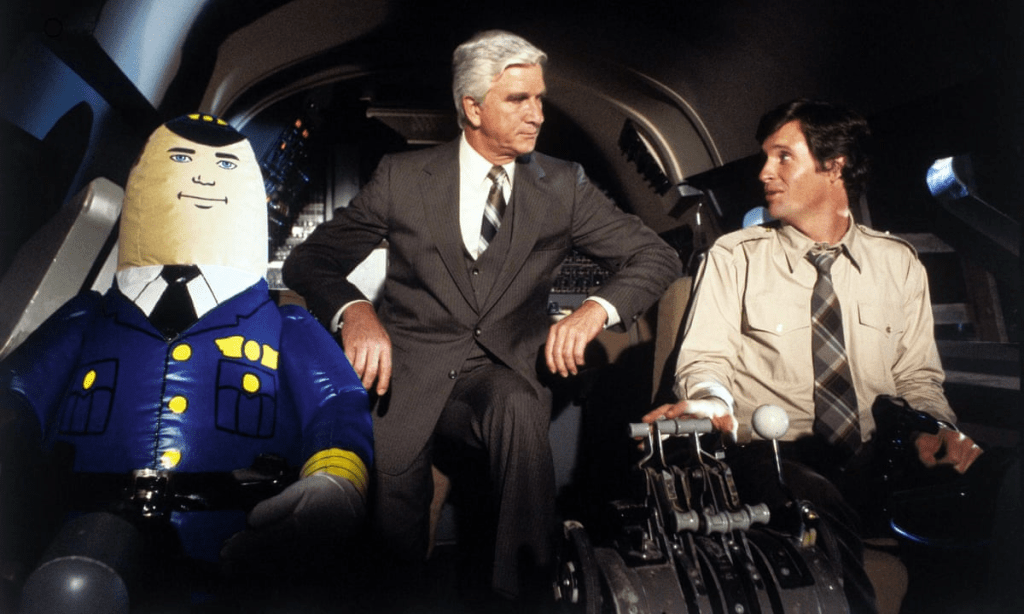
1980 brought him the role of Dr. Rumack on Airplane!. Nelson’s deadpan delivery of lines in that movie is what most fans today remember about his career. Of course, his response to the line of “Surely you can’t be serious?” of “I am serious. And don’t call me Shirley” is still repeated today. Leslie said, “he was pleased and honored that he had a chance to deliver that line.” Film critic Roger Ebert once called him “the Laurence Olivier of spoofs.”

📷themoviebuff.com Airplane!

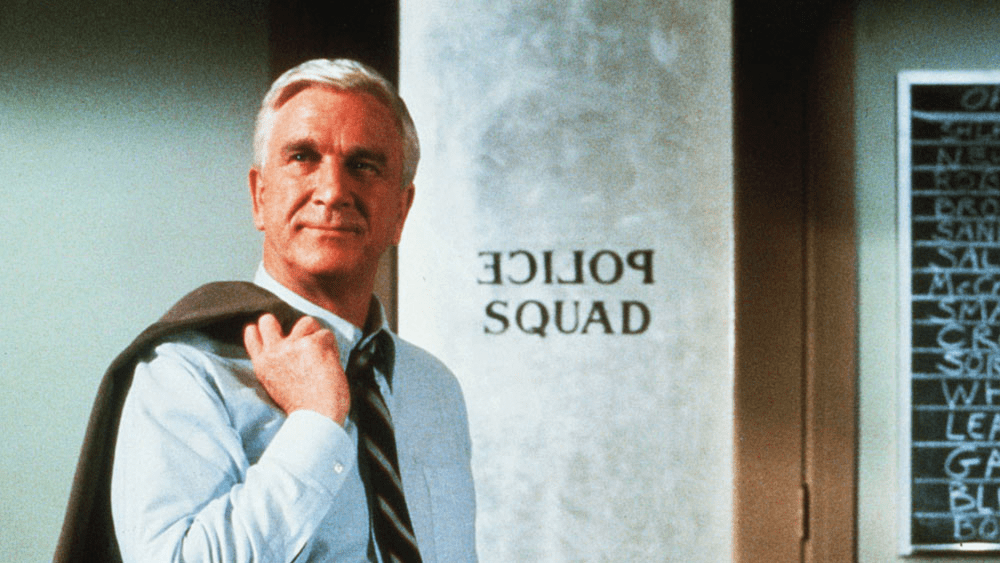
He continued in these types of roles in Police Squad and Naked Gun and the sequels. His movie roles increased in the eighties and nineties, but he continued to accept television roles off and on. You can catch him on Murder She Wrote, Highway to Heaven, Who’s the Boss, The Golden Girls, and Evening Shade.

His roles continued throughout the 2000s until his death, but the last decade included fewer memorable shows, although he worked less overall. When reflecting on this, Neilsen said that “I’m afraid if I don’t keep moving, they’re going to catch me . . . I am 81 years old, and I want to see what’s around the corner, and I don’t see any reason in the world not to keep working. But I am starting to value my down time a great deal because I am realizing there might be other things to do that I am overlooking.”

📷npr.org Police Squad

While Nielsen was very successful in his career, he was not as successful with his marriages. From 1950-56, he was married to Monica Boyar. His longest relationship was with wife Alisande Ullman from 1958-1973. He then married Brooks Oliver for two years from 1981-83 and then Barbaree Earl from 2001-2010.

One of his hobbies was golfing, and he later did some humorous instruction videos about the sport. He once said, “I have no goals or ambition. I do, however, wish to work enough to maintain whatever celebrity status I have so that they will continue to invite me to golf tournaments.”

Nielsen died in his sleep in 2010 from pneumonia.

He received two Walk of Fame stars: one in Hollywood in 1988 and one in Toronto in 2001. Nielsen was known for his flatulence gags, especially on movie sets, and his tombstone says “Let ‘er Rip.”

While Nielsen’s career is impressive, what I loved most about him is that he seemed to thoroughly enjoy life. That’s a great reminder for us all. Our best role should be enjoying life to the best of our ability.

Cesar Romero: Batman’s Most Joy-Filled Villain

We are winding up our series: Bam! Pow! Batman Villains. Today it’s all about The Joker: Cesar Romero.

📷turnerclassicmovies.com

Romero was born in New York City in 1907. His father was an import/export merchant, and his mother was a concert singer. He grew up in Bradley Beach, New Jersey. His father lost most of his money during the 1929 Wall Street Crash.

Romero teamed up with dancer Lisbeth Higgins and they formed a professional dance partnership, appearing in nightclubs and theaters throughout New York City including the Ambassador Roof and the Montmartre Café. Although he had no professional training, he was often compared to Fred Astaire. He also was cast in several off-Broadway productions including “Stella Brady” and “Dinner at Eight.”

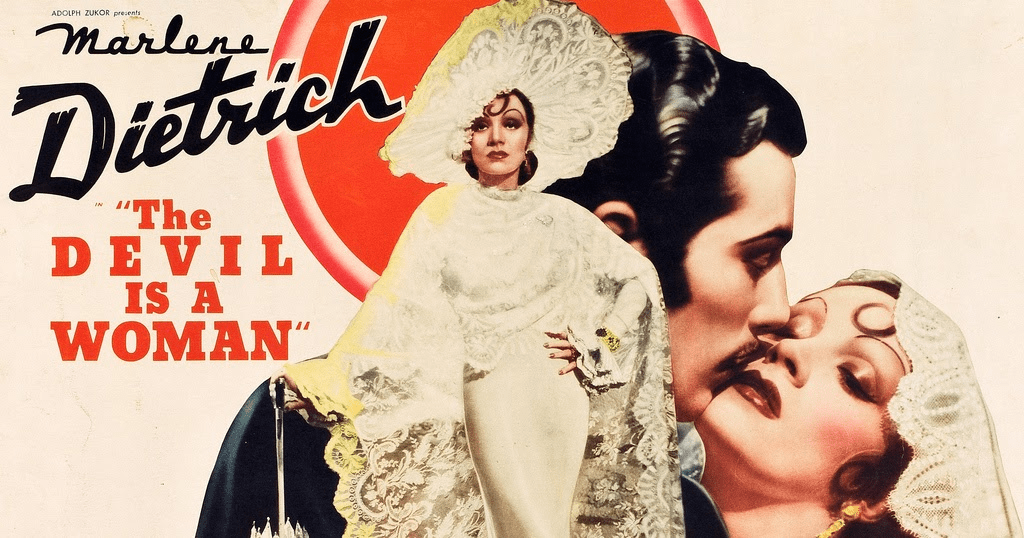
Later Romero would refer to himself as the Latin from Manhattan and he provided for his family members who followed him to Hollywood. He played the stereotypical Latin lover during the thirties and forties, including The Devil is a Woman with Marlene Dietrich in 1935. However, he also made westerns and did a bit of dancing during these decades on the big screen.

His friendship with Frank Sinatra brought him roles in Around the World in 80 Days, Pepe, Marriage on the Rocks, and Oceans’ 11.

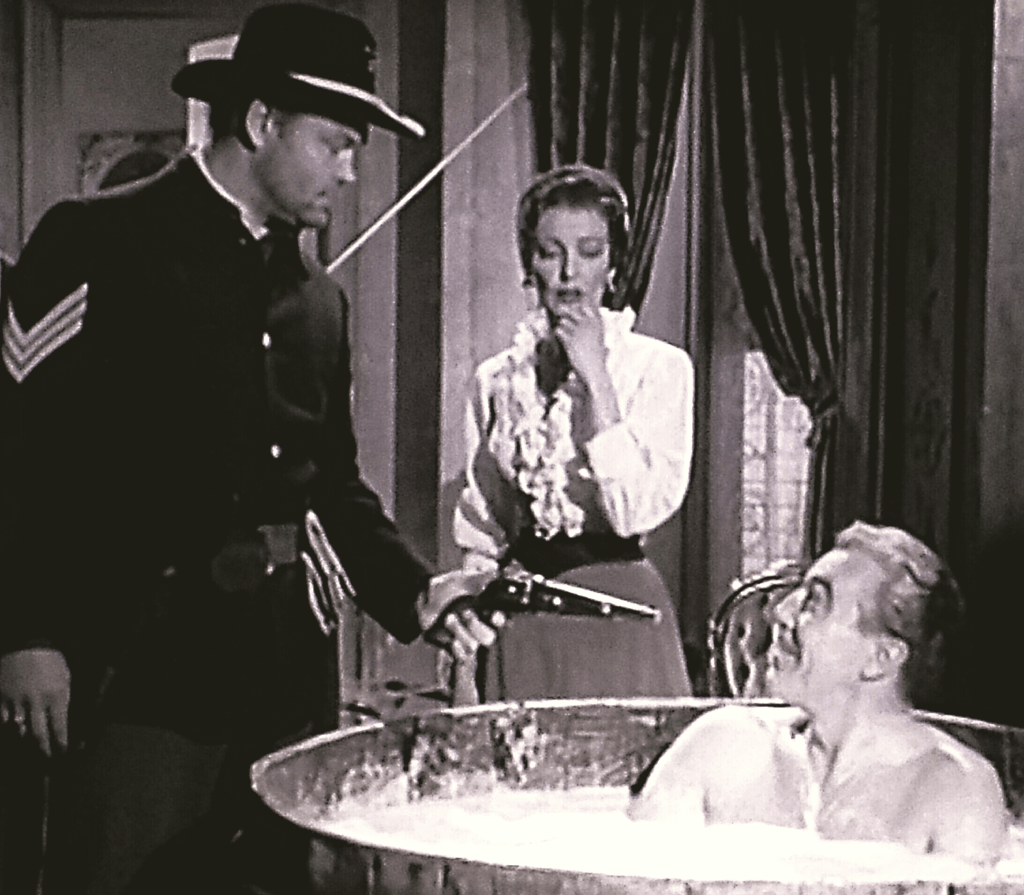
📷imdb.com Wagon Train

In 1942, Cesar enlisted in the US Coast Guard, serving in the Pacific Theater of Operations. After his military career ended, Romero returned to his acting career.

His television career began in 1948 in the show, Variety. During the fifties he was primarily appearing on dramas, but he did show up on Private Secretary with Ann Sothern and continued his western roles on Wagon Train, Zorro, and Death Valley Days.

The sixties kept him extremely busy on television. He kept people laughing on Pete and Gladys, The Ann Sothern Show, Get Smart, and Here’s Lucy. He rode the range on Stagecoach West, Bonanza, Rawhide, and Daniel Boone. He stayed dramatic on shows including 77 Sunset Strip, Dr. Kildare, and Ben Casey.

📷wallpaper.com

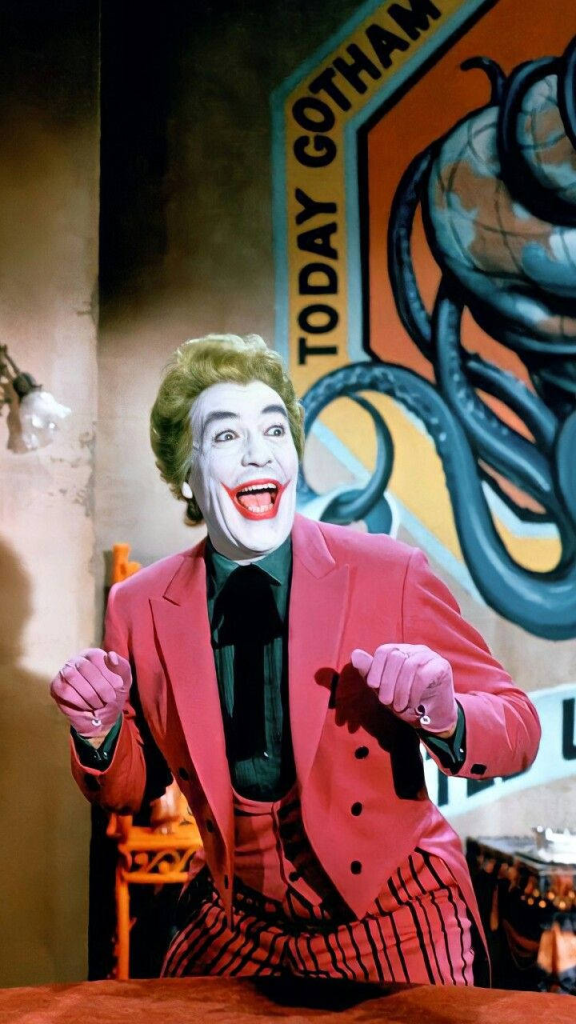
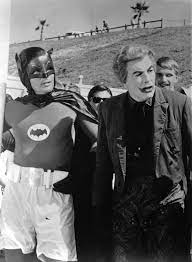
However, the show he was best known for in the sixties, is the show that made him part of my blog series this month, Batman. He had to endure a long time in the make-up chair. He refused to shave his mustache for the role, so white face makeup was smeared all over his face until it was hidden.

Romero admitted that this role reinvigorated his career. When he was offered the role of the Joker, he was 59 years old. Romero said the role was “the kind of part where you can do everything you’ve been told not to do as an actor. You can be as hammy as you want.”

He discussed how surprised he was when William Dozier called him about the show. He said Dozier told him that “the important characters were all villains. They had done the first two with the Riddler and the Penguin with Frank Gorshin and Burgess Meredith, and now they were ready to do the third, and the villain was the Joker. He said, ‘I would like you to play the part.’ So, I said I would like to read the script and know what it is all about. He said, ‘Come on over to the studio, and I will show you the film of the first episode.’ Of course, it was great. I said, ‘Let me read this Joker part, and if it is as good as the first one, hell yes, I will do it.’ So I read the script, and I thought it was a gas, and I said, ‘Sure, I’ll do it.’”

No serious villain, the Joker was cheerful and extroverted. He oozed goofiness and always appeared to be having a great time carrying out his nefarious activities. Dressed in his famous purple costume, he had his own automobile that could rival the Batmobile.

📷facebook.com

While most of the villains saw Batman and Robin as roadblocks in their evil schemes and problems to take care of, the Joker found great joy in taking down the superheroes. In one episode he says “Oh, but I must, I must! Why, outwitting Batman is my sole delight, my heaven on earth, my very paradise!”

You couldn’t miss him if you watched almost any television in the 1970s and 1980s. He appeared on a ton of shows, just a few of which included Bewitched, Nanny and the Professor, Love American Style, The Love Boat, Night Gallery, Mod Squad, Ironside, Medical Center, Charlie’s Angels, and Hart to Hart.

From 1985-88, he was a regular on Falcon Crest. Earl Hamner Jr., the creator of The Waltons, created this show featuring the Gioberti family, owners of Falcon Crest Winery. Romero played the love interest of matriarch Angela Channing, played by Jane Wyman.

He finished his career in the 1990s. He was in his eighties when he appeared on The Golden Girls, and Murder She Wrote, his last television role.

Romero also played a role in politics. As a registered Republican, he was very involved in many campaigns. He worked for Nixon-Lodge in 1960 and later supported Lodge in his run for President. When Lodge did not get the results that he hoped for, Romero turned his support to Barry Goldwater for the general election. He also worked for his friend George Murphy in his run in the California senate race. He later helped Ronald Reagan in his gubernatorial runs in California as well as his presidential campaigns.

It was reported in many articles that Romero had 30 tuxedos and more than 500 suits. That is not surprising because he had a clothing line, Cesar Romero Ltd. He was also a model and spokesperson for Petrocelli suits in the sixties.

Romero stopped acting in 1990. He remained busy though with several ventures including hosting classic movie programs on television. In 1994, Romero died from complications of a blood clot on New Year’s Day. He was being treated for bronchitis and pneumonia.

I enjoyed getting to know a bit more about Cesar Romero, but, I have to admit, that I don’t feel like I know him much better than I did before. He seemed to have been stereotyped as a Latin lover and then again as the Joker. I would like to go back and watch some of his appearances on westerns. It was hard to find much information about Romero beyond his career and political interests.

📷etsy.com

I know The Joker was not his most challenging role, but he will always have a place in America’s heart for the work he did on Batman as will these fun super villains we got to know this month.

We Never Really Left Leave It to Beaver

This month we are learning about America’s favorite families. Today we are spending some time with the Cleaver family. In the past we have talked quite a bit about The Brady Bunch, and in some ways, Leave It to Beaver is like that show. The Brady Bunch portrayed the 1970s and although they have been on the air since that first episode debuted, the show never cracked the top twenty. The Cleavers taught us about the 1950s. That show also never got into the top thirty during its six-season run but has been on the air most of the past 65 years.

📷thetodayshow.com

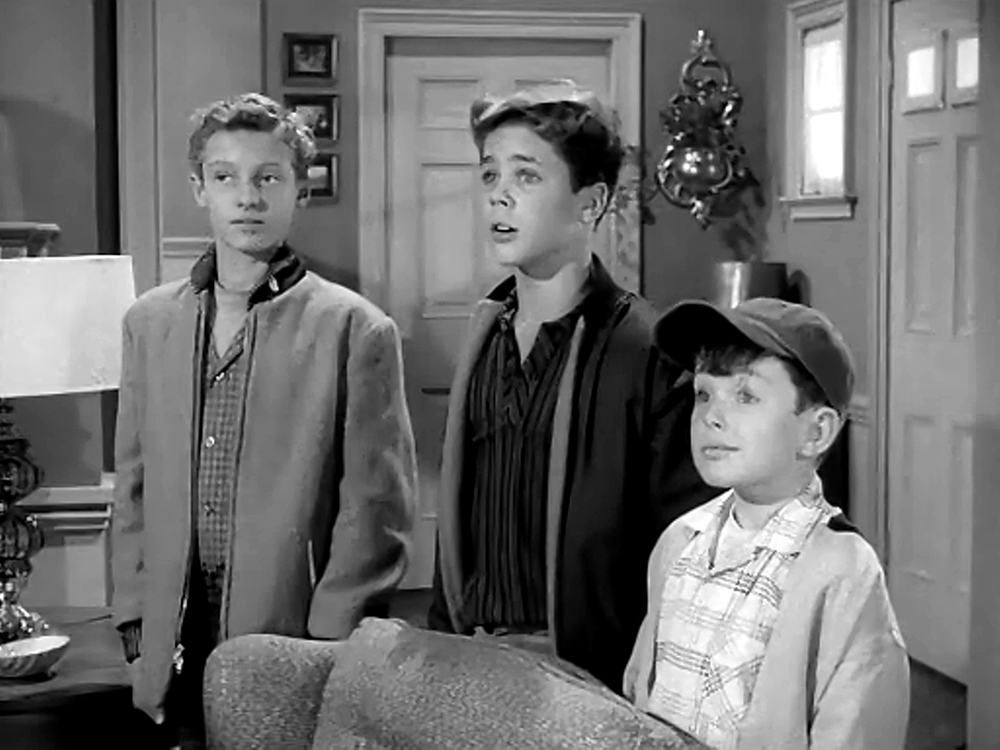
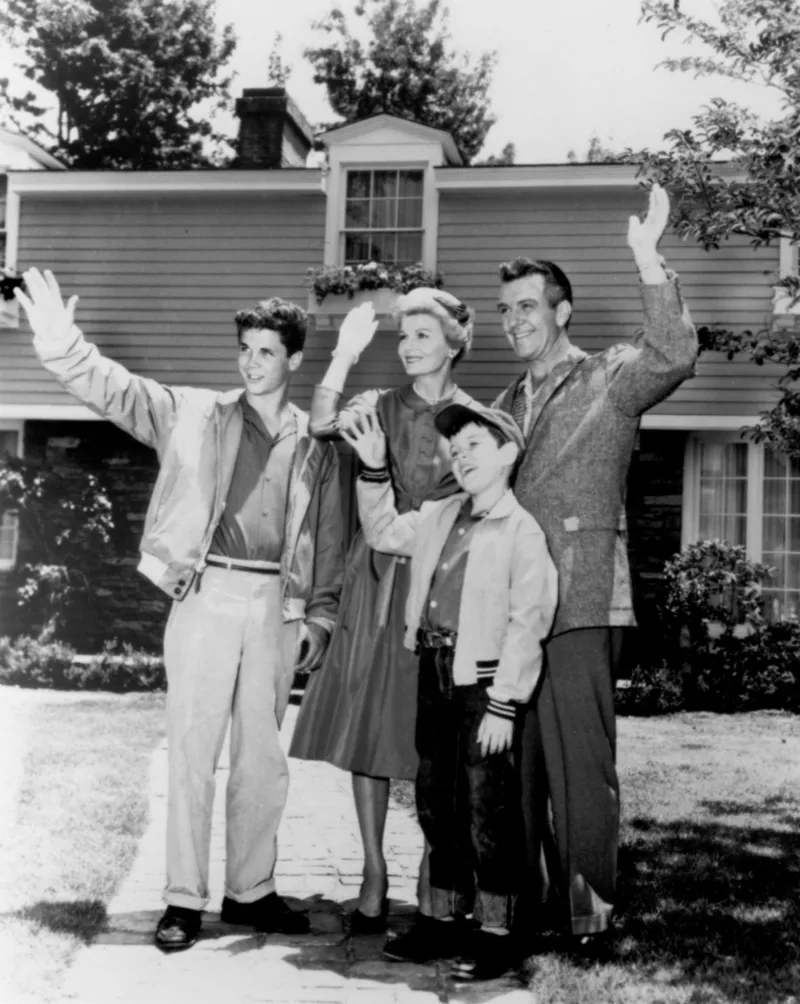
The show was originally written to feature Theodore or Beaver played by Jerry Mathers. Beaver gets into a lot of mischief, but he is a good kid and always means well. He has an older brother Wally, played by Tony Dow. His parents are Ward (Hugh Beaumont) and June (Barbara Billingsley). I thought it was interesting that all four of the stars appeared in every single episode of the show, 234 of them.

We also got to know some of the boys’ best friends as well. Beaver hangs out with Larry Mondello (Rusty Stevens) and Gilbert Bates (Stephen Talbot). He also spends time with Gus an old fireman played by Burt Mustin who seemed old even then. Wally is often with Clarence “Lumpy” Rutherford (Frank Bank) whose father is friends with Ward and Eddie Haskell (Ken Osmond). Eddie is overly polite to Ward and June who are never fooled by his manners; he often picks on Beaver.

Mathers said that when he went to the audition, he went in his Cub Scout uniform because he didn’t want to be late for the den meeting. He was so honest and innocent about wanting to get to his Scout meeting that the producers hired him.

📷imdb.com With Eddy Haskell

Tony Dow never planned on getting a part. He had been in one commercial but no television series. He was an athlete and a diving champion and great swimmer. He had been working out at the Hollywood athletic club and a lifeguard there asked Dow’s mom if Tony could go with him to the audition. Dow ended up getting the part. Mathers later corroborated the story in his blog, saying that the actor who was in the pilot grew five inches the following year and was as tall as Beaumont, so they decided to hire another kid for the role. They wanted someone who looked like an athlete, so they chose Dow.

Beaumont took some inspiration from his studies to be a wise and caring father. He held a Master of Theology degree from USC and was an ordained minister. In addition to acting, Beaumont wrote one entire episode, contributed to several others, and directed 23 episodes.

While Beaumont contributed to the scripts, the show was primarily created by Joe Connelly and Bob Mosher, and many of the plots were based on their children.

📷metacritic.com

CBS put Leave It to Beaver on the air Wednesday nights in 1957. I can see where the ratings might suffer because the show was on during the last half of both Wagon Train and Disneyland, so a lot of viewers were watching another show at the time.

The network decided to drop the show at the end of the year, but ABC picked it up and extended its run for five more years. The new network aired it Thursday nights up against repeats of I Love Lucy and a show I know nothing about called Jefferson Drum. The description is that a widowed father starts a newspaper in a western town. The next season the show appeared on Friday nights with another move the following year to Saturday nights. In its fifth season it stayed on Saturday nights but switched times and the sixth season found it on Thursday nights against Perry Mason and Dr. Kildare. At that point, Jerry Mathers wanted to have a normal high school life, and the show ended.

The theme of the show is probably one of the best-known television themes. It was “The Toy Parade” composed by David Kahn, Melvyn Leonard, and Mort Greene.

📷dvnet.com Still the Beaver

In 1983, “Still the Beaver” aired to catch us up on the Cleaver family. Beaumont had passed away, but the rest of the cast showed up for the reunion. It led to a reboot that ran for four years from 1985-89 called The New Leave It to Beaver. Beaver and Lumpy run Ward’s business. Beaver lives in their family home. June is still living there, taking care of Beaver’s two boys. Eddie Haskell is still in Mayfield with his son Freddie. Wally is now a lawyer living in town, married and expecting his first child.

Ward and June took a lot of heat for being stereotypical parents in the show. While there was definitely some unrealistic behavior, fans continued to flock to the show for decades and now, almost 70 years after the first airing, it is still on the air and gaining new generations of viewers. June gets made fun of for wearing pearls and high heels, but when she was asked about that, she admitted that she wore the pearls because she had an indentation on her neck that she thought did not look good on film and the pearls covered it up. She said she wore heels because she had to be taller than the boys.

📷latimes.com

Mathers is the only remaining primary cast member; the rest of the crew has passed away. He has admitted that the family on television was also close off the air. Mathers became good friends with Ken Osmond. When Dow passed away, Matters wrote, “It is with the utmost sadness I learned this morning of my costar and lifelong friend Tony Dow’s passing. He was not only my brother on tv but in many ways in life as well. Tony leaves an empty place in my heart that won’t be filled. He was always the kindest, most generous, gentle, loving, sincere, and humble man, that it was my honor and privilege to know. Of Beaumont, he said, “we had a good chemistry and . . . I was very glad that he was picked for the role and we had a wonderful friendship for his entire life until he passed away from a heart attack. Hugh and my dad had become friends and he occasionally came to our house to play cards with my father and his friends.” He also had fond words for Billingsley, that she was “a good friend and an even better mentor. . . I was lucky enough to work with her for six years and have a life-long relationship with her. She was a very kind woman and a generous philanthropist who supported many charities.”

Like some of the Brady kids, Mathers thought once he left the show, he left show business behind him. He attended Notre Dame High School in Sherman Oaks, California and had a typical teenage life. He enlisted in the US Air Force Reserves, attaining the rank of sergeant. He also was in a band called Beaver and the Trappers. After graduation, he worked as a loan officer at a bank and got involved in real estate. At the end of the 1970s, he decided to star with Dow in a stage production of “Boeing, Boeing” in Kansas City and afterward, the two of them toured in “So Long, Stanley” for 18 months. In 1981, Mathers began working as a DJ and, not long after, the reunion movie and reboot of the tv show was offered to him.

📷heraldweekly.com

I will admit that I have never been a huge fan of Leave It to Beaver. I never thought of it as a bad show, but I was just interested in other shows more. It is pretty incredible that it has been on the air for so many decades and still finds new viewers. I think I gravitate more to The Brady Bunch because it reflects the decade that I grew up in. It must be very strange for a person to live a role for six years, walk away at age 15 or so and then come back to it two decades later. From everything I read, both Mathers and Dow came away from their acting careers unscathed from so much of what you read other child actors had to endure. Along with Ron Howard, they seem to have been able to have a fairly normal life off the set. I think it’s great that Hugh Beaumont became friends with Mather’s father. They seem to have experienced the same great relationships with their tv parents that Patty Duke, Shelley Fabares, and Paul Petersen did. It’s always nice to hear that a show about a favorite American family in pop culture is also a great family away from the set.

Ernest Borgnine: Loved By Many as Mermaid Man

This month we are learning about the careers of some of our favorite classic television actors. This prolific actor has 211 acting credits. He began his small-screen career in 1950 and made his last television appearance in 2012. In between, he did made movies and appeared on Broadway. Today we are talking about the amazing career of Ernest Borgnine.

Photo: navymemorial.com

Borgnine was born Ermes Effron Borgnino in 1917 in Connecticut. Both his parents grew up in Italy. They separated when he was only two and then he and his mother returned to Italy. In 1923, his parents reconciled, changed their name to Borgnine, and moved back to Connecticut. While Ernest participated in a lot of sports in school, especially boxing, acting was not on his list of interests.

In 1935, Ernest joined the US Navy. He served on the USS Lamberton, a minesweeper. He returned home in 1941, but he re-enlisted in 1942 after Pearl Harbor was attacked. During WWII, he was aboard an antisubmarine warfare ship and returned home in 1945. He received several medals for his service.

Ernest moved back into his parents’ home and eventually took a job in a factory. One day his mother said, “You always like getting in front of people and making a fool of yourself, why don’t you give it a try?” His father was not as enthusiastic.

He enrolled in the Randall School of Drama in Hartford, Connecticut and then moved to the Barter Theater in Virginia. His first stage role was in “State of the Union” and his second was a small part in “The Glass Menagerie.”

In 1949, he had his Broadway debut as a nurse in “Harvey.”

Wagon Train Photo: televisionsnewfrontier.com

In 1950 he tried his hand at television, appearing in Rocky King, Detective. The following year he moved to Los Angeles and had his first big-screen role in China Corsair. Throughout the fifties, Ernest was kept busy in both mediums. He would appear in 25 movies, including From Here to Eternity and Marty. He won an Oscar for the role of Marty. He also accepted 11 roles in television shows, including The Danny Thomas Show, Wagon Train, and On the Waterfront.

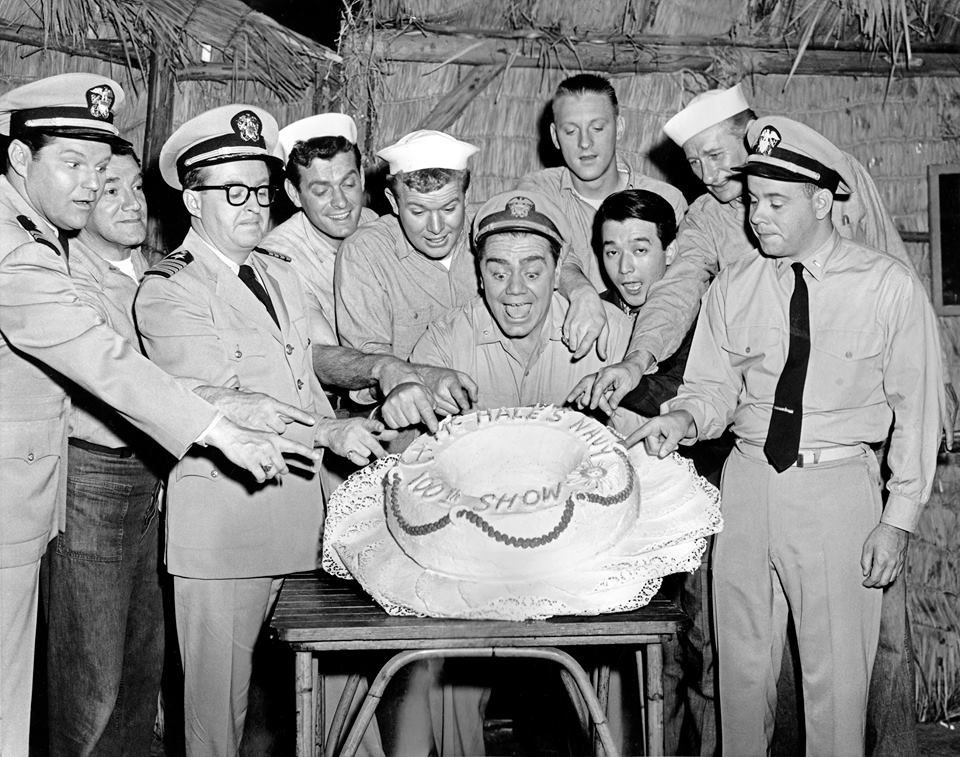
In 1961, Borgnine accepted the role of Quinton McHale on McHale’s Navy. He would appear in 138 episodes of the series for four years. McHale had a gruff voice and a mischievous grin. The show, featuring Joe Flynn and Tim Conway along with a cast of characters, became an instant hit and went to the top thirty the first year. Borgnine was nominated for Outstanding Lead Actor in a Comedy Series in season two.

Photo: pinterest.com

Tim Conway and Ernest became life-long friends. Conway said the show was definitely male-oriented: “You know, we were all guys, it was about the war, and about men, so there weren’t many women working on the show, so we can spit, talk, swear, and everything.” Borgnine also talked about the show and said, “It’s not exactly the Navy I remember. I don’t think we could have won the war if we’d had one like this. But it’s a lot more laughs.”

Throughout the sixties and seventies, he continued accepting roles on the silver screen and on television. In 1984 he took on another regular role on Airwolf. Starring opposite Jan-Michael Vincent, he played Dominic Santini, a helicopter pilot.

A decade later, he tried it again with The Single Guy where he played Manny Cordoba for two seasons.

With Conway Photo: facebook.com

He won an Emmy for his role on ER as Paul Manning. Manning’s wife was critically ill , and she died in the final episode of the series.

Mermaid Man and Barnacle Boy Photo: twitter.com

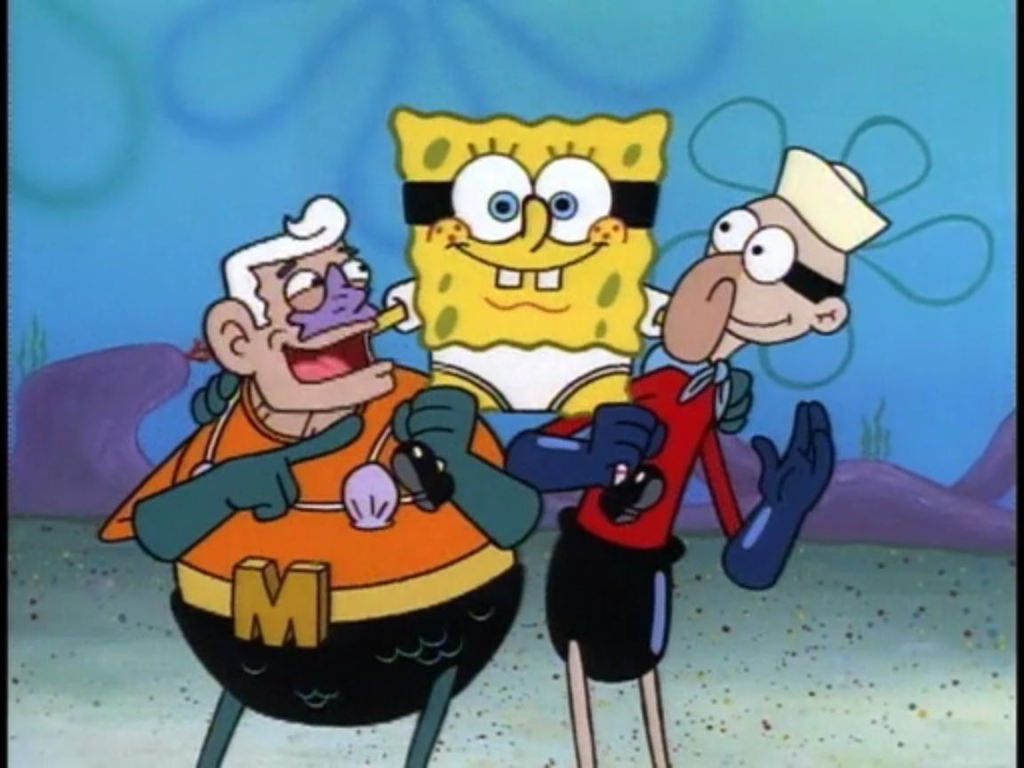
In the 2000s, he finished his career as Mermaid Man on SpongeBob SquarePants. He was paired with Tim Conway as Barnacle Boy.

Borgnine released his autobiography, Ernie, in 2008.

While Ernie tried many forms of entertainment, he also tried many forms of marriage. He married Rhoda Kemins in 1949 whom he met in the Navy. They divorced in 1958 and he married Katy Jurado from 1959-63.

His shortest matrimony journey was with Ethel Merman; they were married for 42 days! Conway also had an opinion on this marriage. He said “Ernie is volatile, I mean, there’s no question about that; and Ethel was a very strong lady. So you put two bombs in a room, something is going to explode, and I guess it probably did.”

In 1965 Ernie married Donna Rancourt but they also divorced by 1972. His final marriage was to Tova Traesnaes; they were married in 1973 until his death from kidney failure in 2012.

Photo: netogram.com

I didn’t read a lot about his hobbies, probably because he was too busy working for 62 years, but he did love stamp collecting. He began as a boy and had an extensive collection of Russian and Cuban stamps that he collected during the Cold War. He even was involved with one or two national stamp-collecting groups.

It was so refreshing to read about Ernie. Despite his volatile temper, everyone seemed to have loved him. I did not read one negative thing about him except what Ethel Merman shared. Knowing what I know about Ethel, despite her great acting skills, I am amazed they lasted forty-two days.

It was a lot of fun to learn more about him; I always associated him with McHale’s Navy and Marty so it was interesting to learn more about his television career.

Eddie Albert: The John Muir of Hollywood

This month we are looking at some of our favorite classic television actors. If you are a big fan of Oklahoma or Green Acres, you will be well acquainted with our star today, Eddie Albert. Let’s learn a bit more about his life and career.

Photo: imdb.com

Eddie was born Edward Albert Heimberger in 1906 in Illinois. When he was one, his family moved to Minneapolis. When he was six, he became a paper boy. He and his schoolmate, Harriet Lake, were in the drama club. Harriet would later change her name to Ann Sothern. After graduating in 1926, Albert enrolled at the University of Minnesota to major in business.

He began his career in earnest, but the stock market crash derailed his job search. He worked a variety of jobs including singer, trapeze artist, and insurance salesman.

Photo: closerweekly.com

In 1933 he moved to New York City and cohosted a radio show called “The Honeymooners-Grace and Eddie Show,” with costar Grace Bradt. He was on the show three years and then Warner Brothers offered him a contract.

Albert also had an early career on Broadway with lead roles in “Room Service” and The Boys From Syracuse.” He also began working on television. In 1936, NBC hosted a play of his “The Love Nest” on their experimental television station W2XBS, now WNBC.

His first movie role occurred in 1938 in Brother Rat. He would make 25 additional films during the next decade and then another 50 big-screen movies before his career ended, with his last one being the Narrator in Death Valley Days in 1995.

During his odd-job era, Albert had toured Mexico as a clown and trapeze artist with the Escalante Brother Circus while working for the US Army intelligence, photographing German boats in Mexican harbors. In 1942, he enlisted in the US Coast Guard. In 1943, he resigned in order to accept an offer as a lieutenant in the US Naval Reserve. He rescued 47 marines under heavy enemy fire in 1943 and was awarded a Bronze Star.

Eddie and Margo Photo: facebook.com

After returning from the War, Albert married Mexican actress, Margo. Their son also became an actor and their daughter took on the role of Eddie’s business manager. His son had more than 130 credits, the first being in 1963. You probably saw him on many of your favorite shows. Unfortunately, he passed away from lung cancer only a year after his father died.

During the late forties to the early sixties, Albert returned to Broadway for roles in “Miss Liberty,” “The Seven-Year Itch,” and “The Music Man.”

Albert had a long and active television career. During the fifty years that he was working in the industry, he appeared in almost 100 different shows. His first appearance was in the Ford Theater Hour in 1948.

Throughout the fifties, Eddie showed up in many of the early drama series on television. The sixties found him, along with most other actors of that decade, showing up on a variety of westerns, including Laramie, Tales of West Fargo, The Virginian, and Wagon Train. He was offered roles in several dramas as well, including Dr. Kildare, The Outer Limits, and The Man From U.N.C.L.E.

Photo: cinemacats.com

In 1965 he received the starring role of Oliver Douglas in Green Acres. For six seasons, he extolled the virtues of farming over the big city rat race. While Oliver had a harder time fitting into Hooterville life, his elegant wife Lisa was accepted immediately. If you have been reading my blog for a while, you know I love this show. I am more impressed with it now, fifty years later. There is so much sophisticated humor and wit in the show and I love getting to know the quirky characters who live in the Hooterville community. As Oliver Douglas, Albert was also on The Beverly Hillbillies and Petticoat Junction. The show was purged with the other rural comedies, even though the ratings were still quite high.

The seventies and eighties kept Albert busy on television and in films. He appeared on many shows including Columbo, McCloud, Here’s Lucy, Simon & Simon, Hotel, Murder She Wrote, and thirtysomething.

He opted to star in one more television series in Switch from 1975-78. He starred as ex-cop Frank McBride who started a detective agency with ex-con Pete Ryan (Robert Wagner).

Much of Eddie’s life was spent as an activist for social and environmental causes. He participated in the first Earth Day. He founded the Eddie Albert World Trees Foundation and was national chairman for the Boys Scouts of America’s conservation program. From 1985-1993, he was the spokesperson for the National Arbor Day Foundation. He was a trustee of the National Recreation and Park Association and became a member of the U.S. Department of Energy’s advisory board.

In addition, he was involved with Meals for Millions and was a consultant for the World Hunger Conference. Meals for Millions was a project that created nutritional meals for three cents each! They were sent to 129 different countries and added up to more than 6.5 million pounds of food. He and Albert Schweitzer participated in a documentary about malnutrition in Africa, and he often campaigned against DDT. He was also a director for the U.S. Council on Refugees and promoted organic gardening. Albert was also the founder of City Children’s Farms, a program to get inner-city kids involved in gardening.

I’m not sure when he had any other time for leisure and recreation, but he loved jogging, swimming, golfing, traveling, sculpting, beekeeping, sailing, reading, making wine, gardening, and playing guitar.

Photo: classicmoviehub.com

He 1995, Albert was diagnosed with Alzheimer’s disease. His son temporarily retired from acting to care for his father. In 2005, Eddie passed away from pneumonia.

When Albert passed away, we lost much more than an actor, although we did lose a great actor. I was so impressed with how much he did for the economy. He told a great story about his former costar Eva Gabor. She loved her fashion. They were great friends and like any couple, married or not, they had their differences. She never understood his passion for wildlife conservation. She asked him, “Every time you hear about a sick fish, you make a speech, vy?” And he patiently explained that we needed to preserve nature and save wild animals. A few days later she showed up in a gown made of feathers. He told her she should not be wearing it, and she said it was so chic. Albert told her that she was a role model, and when other women saw her gown, they would want one and many birds would die just to supply the feathers. Lisa just laughed and seriously said, “But Eddie, feathers don’t come from birds.” So he asked her where they did come from and she said, “Dahlink, Pillows! Feathers come from pillows.” In addition to being a great actor and an amazing activist, he was also a good and patient friend.

Marcus Welby, MD: Every Family’s Doctor

The Cast Photo: tvtropes.com

This month we are “Examining Our Favorite Medical Series.” Beginning in 1969 and staying on the air for seven seasons, this show was a show that the entire family could agree to watch. In fact, on The Partridge Family, there is at least one episode where the Partridges are watching Marcus Welby, MD.

Marcus Welby (Robert Young) is a family doctor who truly likes and knows his patients. Sometimes he even made house calls. Dr. Steven Kiley (James Brolin) is his business partner and they both rely on Nurse/Office Manager Consuelo Lopez (Elena Verdugo).

Produced by David Victor and David J. O’Connell, the show aired on Thursday nights. Victor also produced episodes of Dr. Kildare as well as The Man from U.N.C.L.E., Owen Marshall, Counselor at Law, and Lucas Tanner, among others. O’Connell produced episodes from several series but he was kept busy in the Editorial Department for a slew of shows, including Tales of West Fargo, Bachelor Father, Leave It to Beaver, The Jack Benny Show, Wagon Train, McHale’s Navy, and The Munsters. (In the future, I will definitely look into a show about editors for a blog.)

Welby and Kiley were very different. Kiley rode a motorcycle to work while Welby drove a sedan. Welby was a widower; he started his career as a doctor in the US Navy during the war. He enjoyed sailing on the ocean. Welby often wanted to use more radical treatments than his younger partner who was more conservative in his patient care. A lot of ailments were tackled on the series including impotence, depression, brain damage, breast cancer, epilepsy, Alzheimer’s, rape, and abortion.

Photo: WorthPoint.com

The two doctors had a private practice with operating privileges at Lang Memorial Hospital. Both doctors had girlfriends, Myra (Anne Baxter) and Janet (Pamela Hensley). Welby’s daughter (Christine Belford) and grandson (Gavin Brendan) were often on the set as was Kathleen Faverty (Sharon Gless), an assistant program director.

In season two the show made it to number one for ABC. Both Young and Brolin won Emmys and the show won an Emmy for Outstanding Dramatic Series.

After seven seasons of medical storylines, the show’s viewership began to wane. Many of the medical series were running out of steam at that time. Once ratings continued on the decline, the show was canceled.

Photo: decider.com

However, eight years later, The Return of Marcus Welby, MD aired. Young and Verdugo continued their roles although Brolin was no longer available. It must have done well, because a second movie was filmed in 1988–Marcus Welby, MD – A Holiday Affair. This would be the last acting role Young would accept.

I have many fond memories of watching this show when I was young with my family. Marcus Welby reminded me of our family doctors; he was kind, gentle, smart, and had a great bedside manner. And he made house calls! Don’t get me wrong, there are still many doctors with his characteristics and they kind of make house calls now over the computer but it’s not the same. Thanks, Dr. Welby, for caring for all of us for seven years.