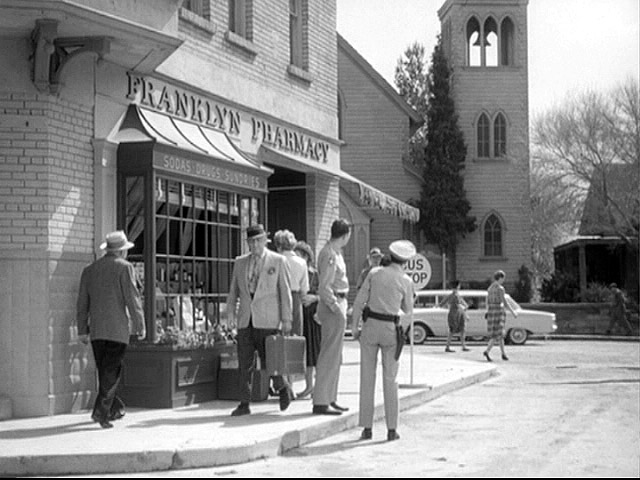
Eddie Albert: The John Muir of Hollywood

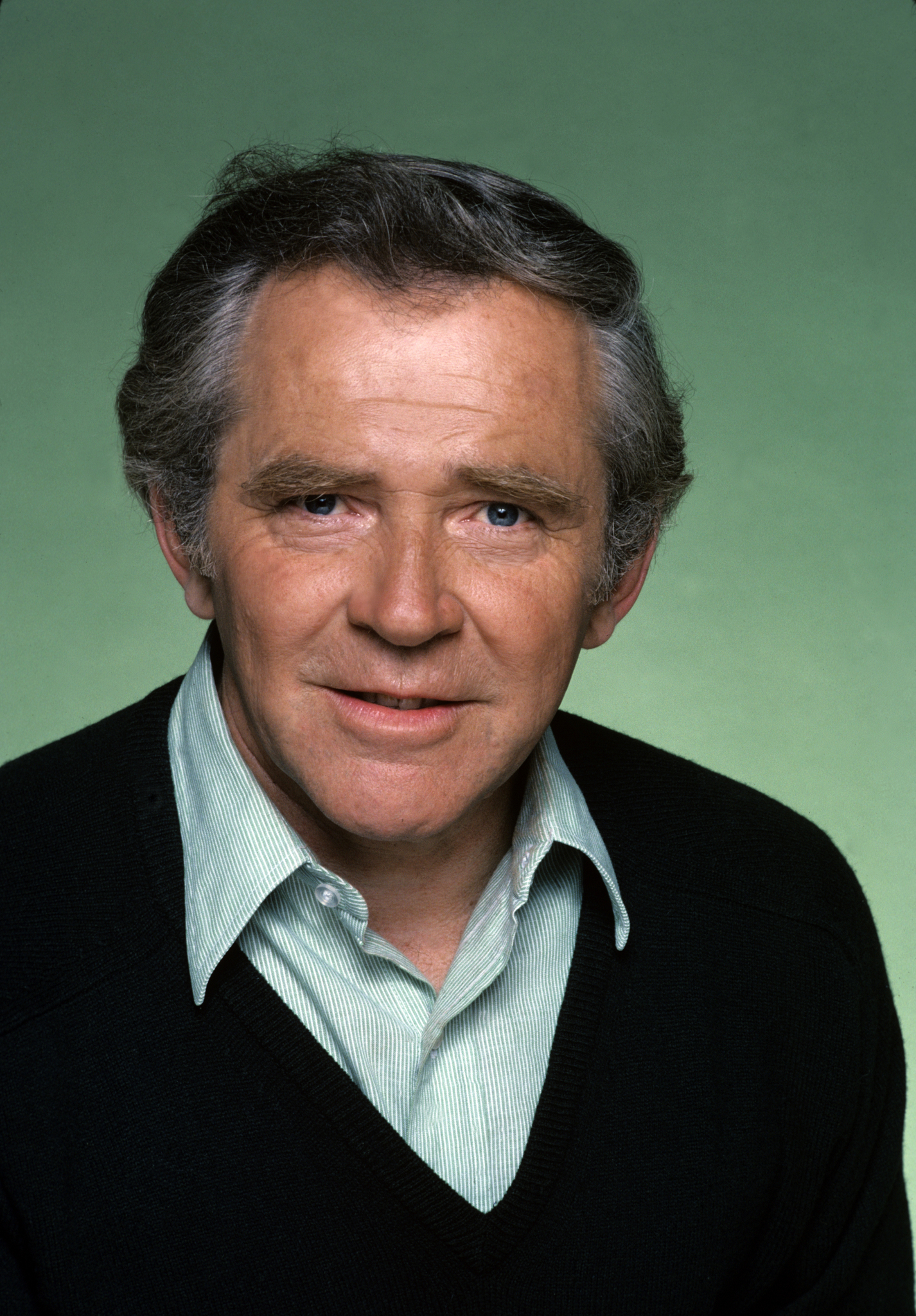
This month we are looking at some of our favorite classic television actors. If you are a big fan of Oklahoma or Green Acres, you will be well acquainted with our star today, Eddie Albert. Let’s learn a bit more about his life and career.

Photo: imdb.com

Eddie was born Edward Albert Heimberger in 1906 in Illinois. When he was one, his family moved to Minneapolis. When he was six, he became a paper boy. He and his schoolmate, Harriet Lake, were in the drama club. Harriet would later change her name to Ann Sothern. After graduating in 1926, Albert enrolled at the University of Minnesota to major in business.

He began his career in earnest, but the stock market crash derailed his job search. He worked a variety of jobs including singer, trapeze artist, and insurance salesman.
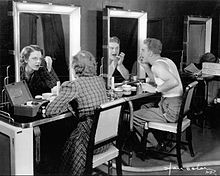
Photo: closerweekly.com

In 1933 he moved to New York City and cohosted a radio show called “The Honeymooners-Grace and Eddie Show,” with costar Grace Bradt. He was on the show three years and then Warner Brothers offered him a contract.

Albert also had an early career on Broadway with lead roles in “Room Service” and The Boys From Syracuse.” He also began working on television. In 1936, NBC hosted a play of his “The Love Nest” on their experimental television station W2XBS, now WNBC.

His first movie role occurred in 1938 in Brother Rat. He would make 25 additional films during the next decade and then another 50 big-screen movies before his career ended, with his last one being the Narrator in Death Valley Days in 1995.

During his odd-job era, Albert had toured Mexico as a clown and trapeze artist with the Escalante Brother Circus while working for the US Army intelligence, photographing German boats in Mexican harbors. In 1942, he enlisted in the US Coast Guard. In 1943, he resigned in order to accept an offer as a lieutenant in the US Naval Reserve. He rescued 47 marines under heavy enemy fire in 1943 and was awarded a Bronze Star.

Eddie and Margo Photo: facebook.com

After returning from the War, Albert married Mexican actress, Margo. Their son also became an actor and their daughter took on the role of Eddie’s business manager. His son had more than 130 credits, the first being in 1963. You probably saw him on many of your favorite shows. Unfortunately, he passed away from lung cancer only a year after his father died.

During the late forties to the early sixties, Albert returned to Broadway for roles in “Miss Liberty,” “The Seven-Year Itch,” and “The Music Man.”

Albert had a long and active television career. During the fifty years that he was working in the industry, he appeared in almost 100 different shows. His first appearance was in the Ford Theater Hour in 1948.

Throughout the fifties, Eddie showed up in many of the early drama series on television. The sixties found him, along with most other actors of that decade, showing up on a variety of westerns, including Laramie, Tales of West Fargo, The Virginian, and Wagon Train. He was offered roles in several dramas as well, including Dr. Kildare, The Outer Limits, and The Man From U.N.C.L.E.
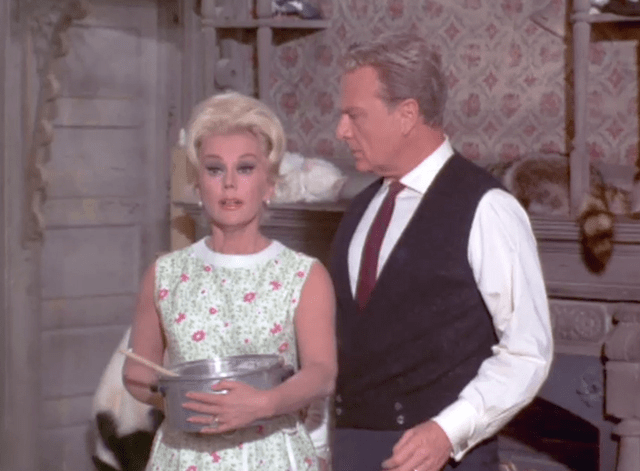
Photo: cinemacats.com

In 1965 he received the starring role of Oliver Douglas in Green Acres. For six seasons, he extolled the virtues of farming over the big city rat race. While Oliver had a harder time fitting into Hooterville life, his elegant wife Lisa was accepted immediately. If you have been reading my blog for a while, you know I love this show. I am more impressed with it now, fifty years later. There is so much sophisticated humor and wit in the show and I love getting to know the quirky characters who live in the Hooterville community. As Oliver Douglas, Albert was also on The Beverly Hillbillies and Petticoat Junction. The show was purged with the other rural comedies, even though the ratings were still quite high.

The seventies and eighties kept Albert busy on television and in films. He appeared on many shows including Columbo, McCloud, Here’s Lucy, Simon & Simon, Hotel, Murder She Wrote, and thirtysomething.

He opted to star in one more television series in Switch from 1975-78. He starred as ex-cop Frank McBride who started a detective agency with ex-con Pete Ryan (Robert Wagner).

Much of Eddie’s life was spent as an activist for social and environmental causes. He participated in the first Earth Day. He founded the Eddie Albert World Trees Foundation and was national chairman for the Boys Scouts of America’s conservation program. From 1985-1993, he was the spokesperson for the National Arbor Day Foundation. He was a trustee of the National Recreation and Park Association and became a member of the U.S. Department of Energy’s advisory board.

In addition, he was involved with Meals for Millions and was a consultant for the World Hunger Conference. Meals for Millions was a project that created nutritional meals for three cents each! They were sent to 129 different countries and added up to more than 6.5 million pounds of food. He and Albert Schweitzer participated in a documentary about malnutrition in Africa, and he often campaigned against DDT. He was also a director for the U.S. Council on Refugees and promoted organic gardening. Albert was also the founder of City Children’s Farms, a program to get inner-city kids involved in gardening.

I’m not sure when he had any other time for leisure and recreation, but he loved jogging, swimming, golfing, traveling, sculpting, beekeeping, sailing, reading, making wine, gardening, and playing guitar.

Photo: classicmoviehub.com

He 1995, Albert was diagnosed with Alzheimer’s disease. His son temporarily retired from acting to care for his father. In 2005, Eddie passed away from pneumonia.

When Albert passed away, we lost much more than an actor, although we did lose a great actor. I was so impressed with how much he did for the economy. He told a great story about his former costar Eva Gabor. She loved her fashion. They were great friends and like any couple, married or not, they had their differences. She never understood his passion for wildlife conservation. She asked him, “Every time you hear about a sick fish, you make a speech, vy?” And he patiently explained that we needed to preserve nature and save wild animals. A few days later she showed up in a gown made of feathers. He told her she should not be wearing it, and she said it was so chic. Albert told her that she was a role model, and when other women saw her gown, they would want one and many birds would die just to supply the feathers. Lisa just laughed and seriously said, “But Eddie, feathers don’t come from birds.” So he asked her where they did come from and she said, “Dahlink, Pillows! Feathers come from pillows.” In addition to being a great actor and an amazing activist, he was also a good and patient friend.

“Mad About You” . . . And Them

Photo: today.com

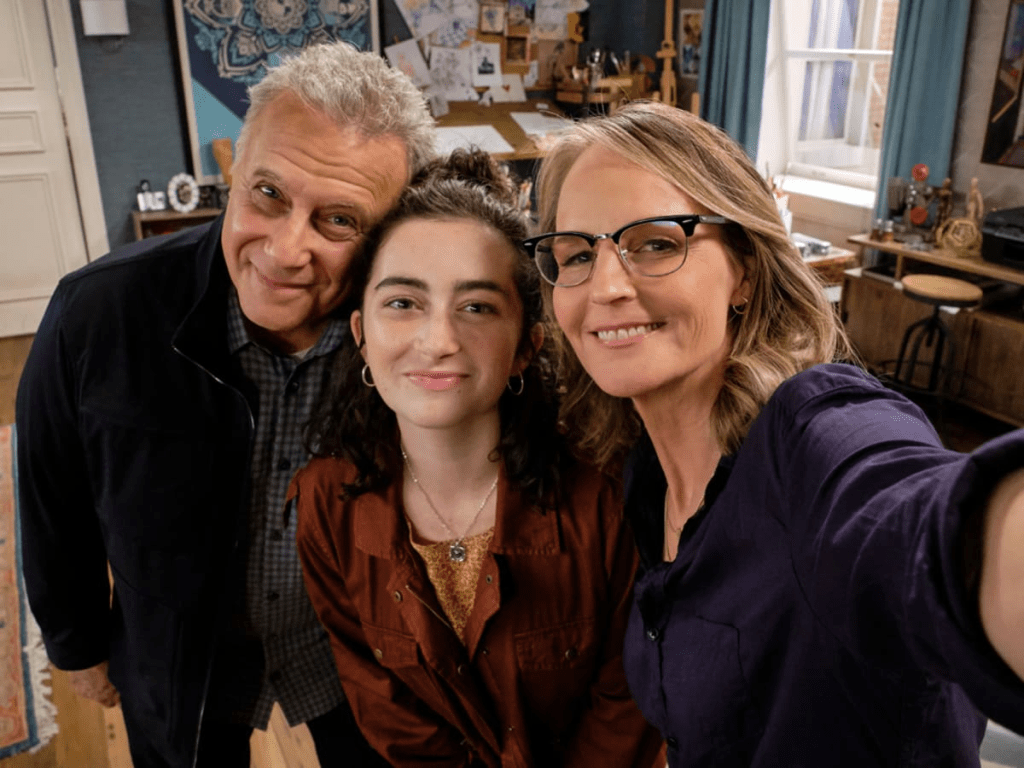
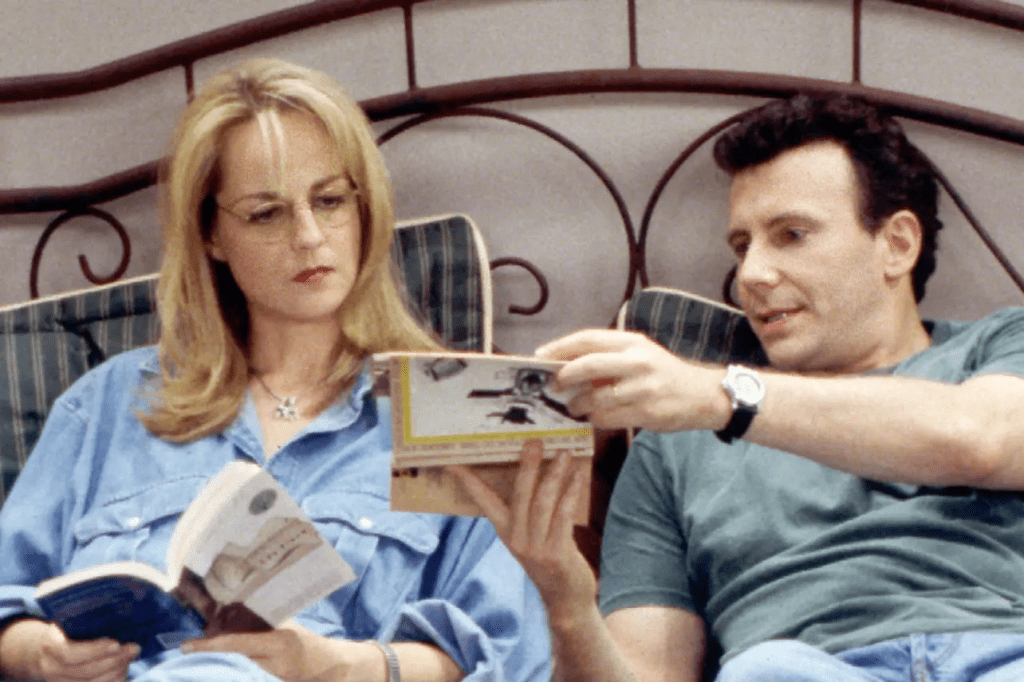
For our blog series this month, we are looking at some of our favorite duos from the eighties and nineties in “Duos to Love.” Today we will meet Paul and Jamie Buchman and their daughter Mabel. Yep, it’s Mad About You. It’s not about you, it’s about them, but I am mad about you too—very thankful you are on this journey with me learning about the golden, and sometimes tarnished, age of television.

In 1992, NBC aired Mad About You. The series was about newlyweds Paul (Paul Reiser) and Jamie (Helen Hunt) Buchman, He was a documentary filmmaker and she worked in public relations. They lived in Greenwich Village for seven years until they were canceled. Both Teri Hatcher and Valerie Bertinelli were considered for the role of Jamie. It’s hard to imagine anyone but Helen in the role. I think the critics agreed; Hunt was nominated for six Emmy Awards for Best Actress in a Comedy Series. In 1993, she lost to Roseanne Arnold for Roseanne; in 1994 and 1995, she lost to Candice Bergen for Murphy Brown; in 1996 and 1997 and 1998 she won. Overall, the show won thirty-four nominations, with twelve wins.

Photo: decider.com

For seasons one through six, the two top stars received $250,000 per episode but in season seven they got a nice raise, landing $1,000,000 per episode.

Before Mabel (Alyssa and Justin Baric) came along, their “baby” was Murray their dog. Paul met Jamie while he was on a walk with Murray. They meet at a newsstand when they are both looking for The New York Times. In real life, the two stars met because Hunt was sharing a house with a good friend of Paul’s wife, Paula. After reading Reiser’s pilot, Hunt changed her mind about concentrating on her film career and wanted the role.

When Reiser pitched the idea to NBC he said it was about the life of a couple in their private moments. He compared it to a couple going to a party but this show was more about what happens when they leave the party and it’s just the two of them in the car talking on the way home. Reiser also compared it to the successful thirtysomething but “shorter and funnier.”

Carol Burnett Photo: deadline.com

The rest of the cast included Lisa Semple (Anne Ramsay), Jamie’s older sister; Fran Devanow (Lelia Kenzle), Jamie’s best friend; Ira Buchman (John Pankow), Paul’s cousin and friend; Sylvia Buchman (Cynthia Harris), Paul’s mother-in-law who is not in the running for Best Mother-in-Law according to Jamie; Burt Buchman (Louis Zorich), Paul’s father; and Dr. Mark Devanow (Richard Kind), Fran’s ex-husband who is a bit eccentric but not too odd because he wins her back as his wife during the show’s run.

There were a lot of recurring characters on this show. Several showed up more often than others: Debbie Buchman (Robin Bartlett), Paul’s sister; Dr. Joan Golfinos (Suzie Plakson), Debbie’s life partner; Nat Ostertag (Hank Azaria), the Buchmans’ dog walker; Mr. Wicker (Jerry Adler), the apartment building superintendent; Dr. Sheila Kleinman (Mo Gaffney), the Buchmans’ therapist; Maggie Conway (Judy Geeson), their neighbor; Jay Selby (Tommy Hinkley), Paul’s college friend; and Sid (George O. Petrie), Paul’s colleague.

Lisa Kudrow Photo: biography.com

However, there were also a few very famous recurring characters. Mel Brooks showed up as Paul’s uncle Phil in four shows. Cyndi Lauper was Ira’s on/off again girlfriend Marianne in five episodes. Jamie’s mom was in 15 shows but played by three different women: Carol Burnett (10), Penny Fuller (4) and Nancy Dussault (1). Another interesting recurring character was Lisa Kudrow. She was Ursula Buffay, the waitress at their favorite restaurant, Riff’s. She appeared 24 times and when Friends was created, her twin sister Phoebe was written into the show. In one episode after not seeing Ursula much, Paul asks her where she has been and she says “I’ve been hanging out with friends.”

You can imagine how huge the guest star list is for this series. Get ready for auctioneer speed and I will list some of them; just know I am leaving out a lot of famous and fun people. Here goes: We have Ed Asner, Kevin Bacon, Christie Brinkley, Garth Brooks, Sid Caesar, Tim Conway, Ellen DeGeneres, Jamie Farr, Barbara Feldon, Al Gore, Seth Green, Billy Joel, Nathan Lane, Jerry Lewis, Yoko Ono, Regis Philbin, Carl Reiner, Jerry Seinfeld, and Bruce Willis.

Paul Reiser also composed the theme song, “Final Frontier,” with Don Was. Both Andrew Gold and Anita Baker versions of the song were used during the eight-year run. Reiser also played the piano for the theme recording.

Mabel grows up. Photo: parade.com

In 2019, a twelve-episode revival series debuted. Both Reiser and Hunt returned for the sequel. The Buchmans are now empty nesters after dropping Mabel off at college. Other veterans returning included Ramsay, Pankow, Kind, Harris, Adler, Gaffney, and Carol Burnett. Abby Quinn was Mabel.

This was a popular show that was always discussed around the water cooler. It’s first year on NBC it aired Wednesday nights against In the Heat of the Night and Coach; Coach was in the top twenty. The next season it was moved to Thursdays nights and oddly was still up against In the Heat of the Night but was also on against The Simpsons. Season three found it with little competition and it was ranked eleventh place for the year. As networks do, now that it had a dedicated audience, it was moved to Tuesday nights where it dropped out of the top forty. The show remained in the Tuesday slot, still up against Roseanne but its audience returned and it crept into the top twenty again. It remained in the same spot for its final two years, one year competing with JAG and the next year against Home Improvement which was a top-ten show. I know this was a lot of detail, but I think it helps to think about how much the schedule moving can potentially hurt a show. Fans get used to a certain night and sometimes clear their schedule for that evening and when shows continue to move around, it is frustrating for everyone. Now, we can just DVR shows and it’s not such a big deal.

Photo: tvseriesfinale.com

This was a well-written show, and the producers and writers spent a lot of time on character development. It had some quirky moments and did some fun plot twists that kept it fun and fresh. Of course, both Hunt and Reiser were amazing actors and went on to great success in the movies. I did not see much about how the 2019 reboot was received by viewers. Considering the competition that the show faced as the network moved it around, it did very well for its seven years. The critics loved it and it was certainly recognized by the Emmy committee every year. I am hoping it will come to Antenna or ME TV soon and we can again spend some time with the Buchmans.

We’re Asking for “Anything But Love”

Later Cast Photo: imdb.com

This month, we are taking a look at some of our favorite duos from the eighties and nineties in “Duos to Love.” I decided to begin with a show that was on when my two oldest boys were babies. I was able to watch a bit more television at night because they slept pretty well. One of the shows we watched was Anything But Love. You don’t hear a lot about it anymore, but it starred Jamie Lee Curtis and Richard Lewis. While usually the pilot has different actors and the premise stays the same with different stars, this show was the opposite. In the pilot, Hannah and Marty are involved in a love triangle with D.W. Moffett. Hannah is a well-respected editor. The network liked the characters but not the plot. After viewing the pilot, the network makes Hannah a researcher, Lewis a reporter, and Moffett is sent on his way.

John Ritter can’t get between them Photo: imdb.com

The sitcom began airing on ABC in the spring of 1989 and continued until June of 1992. Lewis plays Marty Gold and Curtis is Hannah Miller. They work for a Chicago magazine and realize that they are attracted to each other but want to keep their relationship on a professional basis.

Wendy Kout created the show and it was produced by Adam Productions, a company of John Ritter’s.

Rounding out the cast were editor Norman Kell (Louis Giambalvo), assistant editor Jules Kramer (Richard Frank), writer Pamela Peyton-Finch (Sandy Faison), and Marty’s current girlfriend Alice (Wendie Malick). Hannah gets deeply philosophical articles to write, like her first assignment, which is “The Tortilla Wars: Does Chicago Prefer Corn or Flour?” At the end of season one, Alice dumps Marty.

The second season tweaked a few things. The magazine has a new owner in Catherine Hughes (Ann Magnuson) who promotes Hannah from researcher to writer. TV critic Brian Allquist (Joseph Maher) comes on board as does Harold (Billy Van Zandt) and Kelly (Jame Milmore) as new office personnel. In order to talk about her feelings for Marty, Hannah’s landlord and best friend, Robin (Holly Fulger), joined the show. At the end of season two, Hannah admits her feelings to Marty who acknowledges that he also has the same feelings for her.

Photo: GQ.com

The third season had a delayed airing and came back on the air in February. While Hannah and Marty explore their relationship, a new photographer, Patrick (John Ritter), gets a special assignment. Hannah and Patrick work together and they start to have feelings for each other as well. Hannah has to decide if she wants to accompany him to Africa for a new assignment when she realizes he has some ideas she could never approve and their relationship ends.

The fourth season finds Hannah thinking she is pregnant, and she and Marty decide to get married. Not long before the ceremony, the clinic calls to say the test was negative. Hannah and Marty call off the wedding but not the romance. They decide to continue dating and getting to know each other better.

The show began its life airing on Tuesday nights. It was up against The Tuesday Night Movie and Moonlighting. Considering Moonlighting had a very similar theme but complex and sophisticated plots, this didn’t seem like a great idea. The second season found it on Wednesday nights. It was opposite Jake and the Fatman on CBS and a variety of shows that cycled through that time slot on NBC. Ratings began to decline. When it had a delayed return for season three, viewers drifted to other shows, and the network had a hard time luring them back. For season four, they still faced Jake and the Fatman, but now on NBC a show called Seinfeld was scheduled which insured that the ratings would not be likely to improve.

However, ABC did not cancel the series; 20th Century Fox which produced the show with Ritter’s company guessed that the show would not have a sixth season and decided that there were not enough episodes or interest for syndication, so rather than putting more money into the show, they were ready to move on.

Critics seemed to like the show. Rick Kogan, TV critic for the Chicago Tribune described it as “a charming, quirky, witty and intelligent show. . . a member in good standing of that small club of quality shows. But for reasons that have alarmed many in the TV biz, the series is being killed.”

The theme song was “Anything but Love”; it was written and performed by J.D. Souther. Beginning in the second season, it changed to an instrumental version. Souther worked on a variety of soundtracks for shows and even received twelve acting credits for shows and movies including recurring characters on thirtysomething and Nashville.

Considering that the critics liked it, fans liked it before it began moving and going through delays, it starred Lewis and Curtis, and it was on the air for four years, I am always surprised it is not discussed more. This is the opinion of a reviewer on imdb.com: “This was such a lovely show and I miss that sort of thing that isn’t on television anymore. It was very smart, very silly and combined slapstick and clever dialogue well. The show reminded me in some respects of films from the thirties that had witty dialogue and a screwball sensibility and the chemistry between Jamie Lee Curtis and Richard Lewis was endearing and believable. One was given the impression that everyone enjoyed what they were doing. A favorite episode of mine involved someone running into an ex at a restaurant and the three four different stories of how the situation occurred. The best was a Fellini-like observation of the event. It is one of those clever obscure shows that deserves to be on DVD just for my sake.”

The good news is that the first two seasons are included in Volume 1 of a DVD, and it’s only $10 on Amazon. The bad news is that seasons three and four don’t exist. The first two seasons were definitely the best, but it is too bad you can’t watch the entire series. Ratings are very good on Amazon. It would be well worth paying $10 for that much good writing. I’ll close with this review on the DVD from George: “First, about the show. It is wonderful, and holds up well after 30 years. Snappy lines, young Jamie Lee Curtis is excellent in her role, as is the always quirky Richard Lewis. Many guest appearances, good writing (which has become rather rare in TV shows, riddled nowadays with “reality” TV). The DVD includes a couple of nice extras too. Four to five stars for the show.”

Cagney and Lacy: Creating New Dreams

During the month of November we are going to learn about a few of my favorite crime dramas. As the saying goes, “Ladies first,” so we are beginning with Cagney & Lacey starring Sharon Gless and Tyne Daly.

Photo: datebook-sfchronicle.com

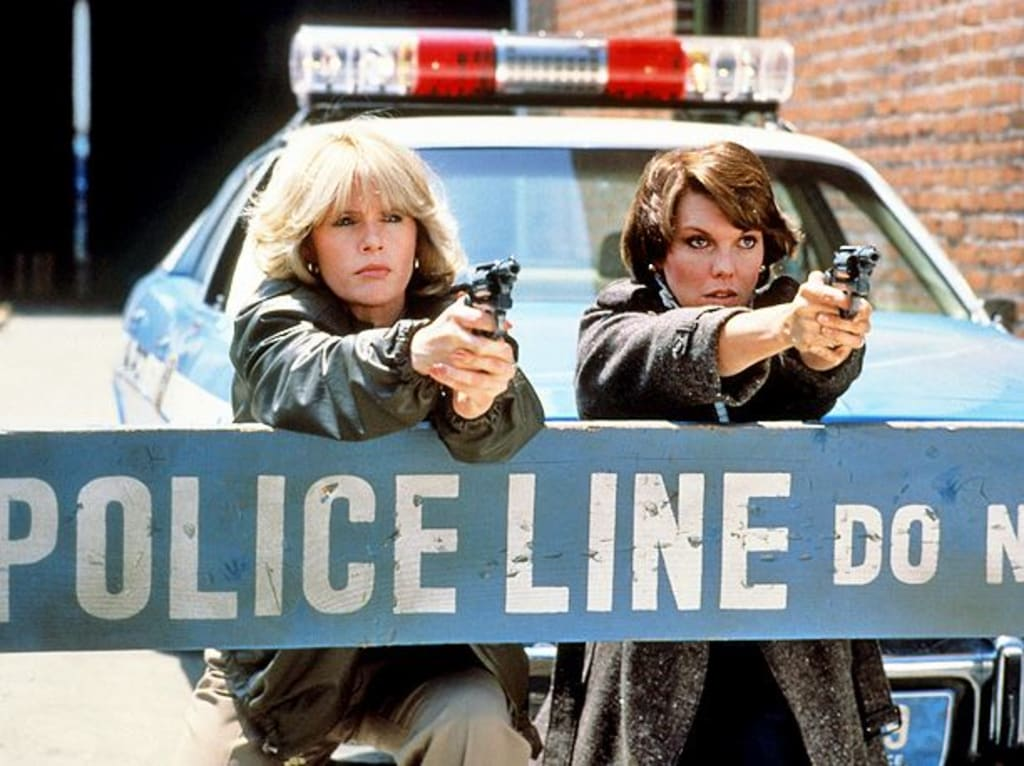
The show debuted in March 1982 and continued to May of 1988. We solve cases with a pair of detectives that seem very different from each other. Christine Cagney (Gless) is a career woman all the way while Mary Beth Lacey (Daly) is also busy raising her family. Cagney’s mother had been a well-to-do professional career woman. She was involved with Charles Cagney, a police officer; the two separated soon after the birth of Chris and her brother Brian. She swung back and forth between the upper-class world and the blue-collar world her father traveled in. She was also an admitted alcoholic and was only committed to her job. Lacey was louder and more talkative and quick to express her opinions. She was a mother first–living in a solidly middle-class world. The duo works in the 14th precinct in Manhattan. Unlike other crime dramas of the past, these two partners were not best friends. They did, however, totally depend on each other and trusted and respected each other. They would die for each other, if necessary, but they never had a close relationship or hung out together after work.

Photo: imdb.com

In the pilot movie, Loretta Swit from M*A*S*H was cast as Cagney; when the show was a go, she could not get out of her M*A*S*H contract, so the role was given to Meg Foster, but when it came back the next season, Gless took over and stayed for the rest of the run of the series. According to CBS, Foster was seen as too aggressive.

Filling out the primary cast was their supervisor, Lt. Bert Samuels (Al Waxman), fellow detectives Marus Petrie (Carl Lumbly) and Victor Isbecki (Martin Koye), and veteran detective Paul La Guardia (Sidney Clute). John Karlen played Lacey’s husband Harvey and her two sons were Harvey Jr. (Tony La Torre) and Michael (Troy Slaten). Cagney was involved with Sgt Dory McKenna (Barry Primus) who struggled with drug addiction and, later, a local attorney, David Keeler (Stephen Macht).

The show was actually canceled after six episodes in 1982. Executive producer Barney Rosenzweig was on a mission to reverse the decision. (Fun fact, Rosenzweig was married to the co-creator of the show, Barbara Corday, at the time, but later married Sharon Gless.) After casting Gless, the network relented. Ratings the next year weren’t that great either. CBS again canceled the show. Fans staged a letter-writing campaign to protest; Daly won the Emmy that year, so the network once again brought the show back. However, by the time they reached that decision, the sets had been destroyed and the stars let out of the contracts. Critics had always loved the show and during the six seasons it was on, either Gless or Daly won the Emmy for Best Lead Actress in a Drama every year. (It actually earned 36 nominations total with 14 wins overall including Best Drama in 1985 and 1986.) Season three found the show in the top ten.

Photo: pinterest.com Cast of Cagney and Lacey

Airing Monday nights, it held its own against Monday Night Football. However, midway through season seven, it was moved to Tuesdays up against thirtysomething. By spring, Cagney and Lacey had slipped to 53rd place and the network canceled it for the third time.

The theme song for the first season was “Ain’t That the Way” by Michael Stull and sung by Marie Cain. Season two brought about a new beginning using an instrumental theme composed by Bill Conti.

Although the series was over, the duo of Cagney and Lacey continued to attract viewers. They appeared in four made-for-television movies: The Return in 1994, Together Again in 1995, The View Through the Glass Ceiling in 1995, and True Convictions in 1996.

Photo: vocalmedia.com

No big surprise for those of you who regularly read my blog–a reboot was put together in January of 2018 featuring Sarah Drew and Michelle Hurd as Cagney and Lacey. In an echo from the past, the pilot was rejected by CBS.

Cagney and Lacey was an influential show. It was more than a show about two women leads though. It was brilliantly written and tackled tough issues: breast cancer, alcoholism, trying to balance the life of a mother with a career. The characters were two of the most interesting characters on television. They redefined what women could be; they acted and appeared like real women in their thirties. They were not Charlie’s Angels.

Photo: pinterest.com

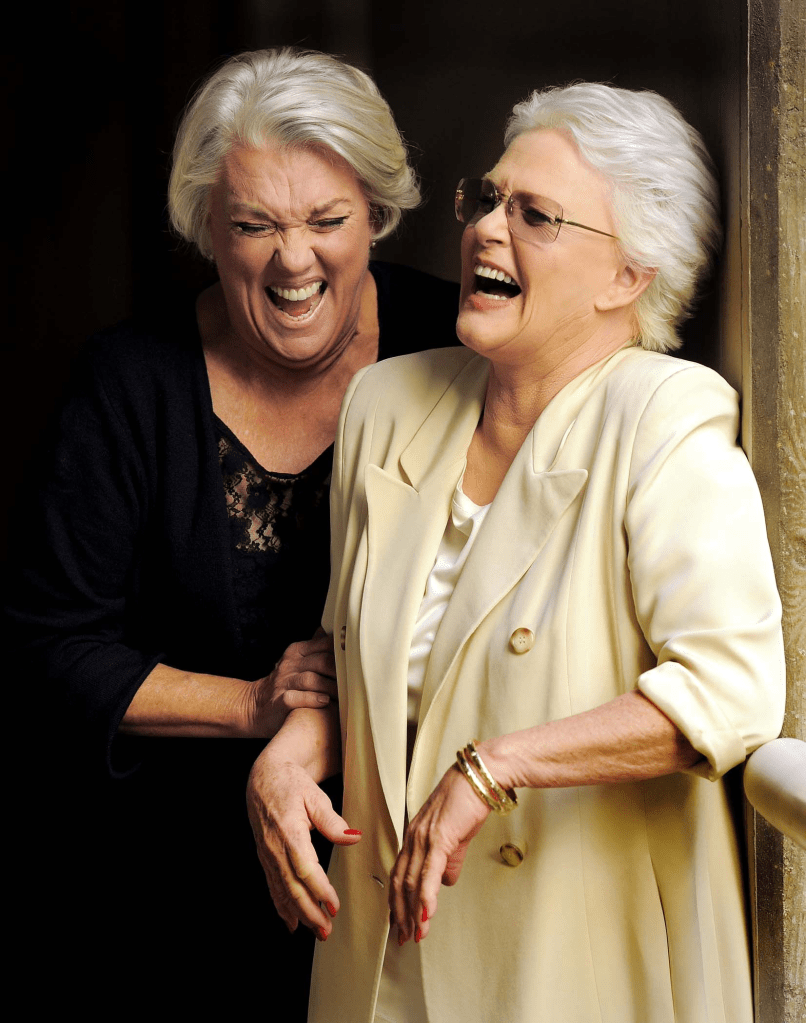
Cagney and Lacey were not close friends but Gless and Daly surely are. In an interview with Sarah Crompton in December of 2011, she described them as “sassy and attractive, they sit alongside each other, cracking jokes, finishing each other’s sentences.”

I love that we all can search for our dreams on television. Sharon Gless shared that “All my life, I sat in front of the little TV that we had and I watched the Oscars every year. My little heart would get so excited and where I lived in Hancock Park you could see the lights in the sky from the Hollywood Theater. Now I’ve made my career in television . . . this year I got into the Motion Picture Academy.” I love to picture another little girl sitting in her living room, watching Cagney and Lacey and dreaming about becoming a police officer.

Imogene Coca: Born to Perform

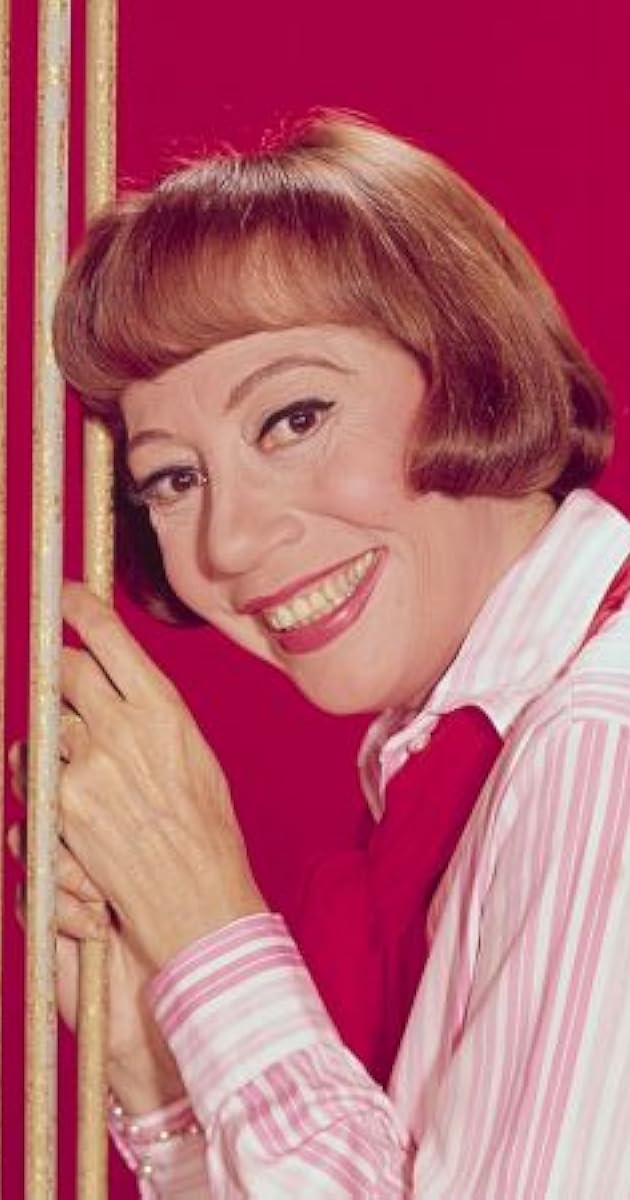
After learning about Your Show of Shows last week, we are going to take a closer look at some of the forces behind the award-winning show. We begin with Imogene Coca.

Imogene Coca - IMDb
Photo: imdb.com

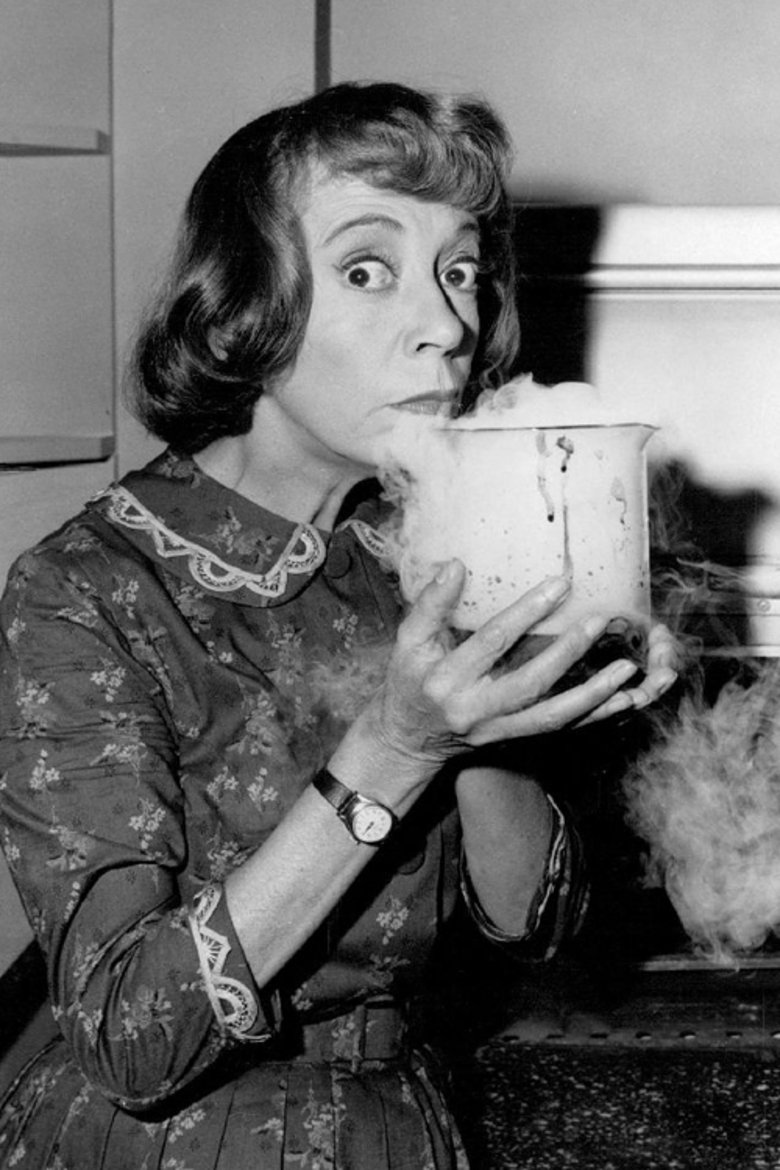
Imogene Coca was born Emogeane Coca in 1908. Her father was a violinist and vaudeville orchestra conductor, and her mother was a dancer and magician’s assistant.

Emogeane Fernández Coca (1908 - 2001) - Genealogy
Photo: geni.com

She began appearing in vaudeville as a child acrobat. She also took piano, dance, and voice lessons as a child. She was drawn to dance and studied ballet and moved from Philadelphia to New York to become a dancer while still a teenager. Her first job was in the chorus of a Broadway musical, “When You Smile.” For a few decades, she appeared in stage musical revues, cabaret, summer stock, and movies.

In 1935, Coca married Bob Burton. They were married until 1955 when he passed away.

Coca discussed her early career: “I never thought of myself in comedy at all. I loved going to the theater and seeing people wearing beautiful clothes come down the staircase and start to dance. I wanted to play St. Joan.”

In her forties, Coca decided to add comedian to her slate of talents, and she was a natural. In 1948 she appeared on Buzzy Wuzzy on television. If you have never heard of it, don’t feel bad. I thought it might be a kid’s show. ABC was trying to develop its network, with all of its five stations. Jerry Bergen a comedian wanted to try a variety series. This 15-minute-long show lasted only four weeks.

She might not have had an illustrious beginning, but tv was good to Imogene. For fifty years, she would appear on tv, including six shows as a regular cast member.

The Sid Caesar, Imogene Coca, Carl Reiner, Howard Morris Special (TV  Special 1967) - IMDb
Photo: imdb.com with Caesar, Reiner and Morris

In 1950 she joined the cast of Your Show of Shows, becoming a household name. She was nominated for five Emmys on the show. She won the award in 1952 and lost the other years to Gertrude Berg, Lucille Ball, Red Skelton, and Eve Arden. When discussing the chemistry that she and Caesar had, Imogene said “Two people couldn’t be less alike than Sid and myself. But we kind of know what the other one’s going to do. We pick up each other’s vibes.”

A born comedian, Life magazine described her as taking “people or situations suspended in their own precarious balance between dignity and absurdity, and pushing them over the cliff with one single, pointed gesture.” A critic at the time, said she was not the typical, loud, brash comedian and was “a timid woman who, when aroused, can beat a tiger to death with a feather.”

Pin on Imogene
Photo: imdb.com Cast members

Your Show of Shows was a great success and everyone tuned in Saturday nights to catch the latest show. Fans loved the ongoing skits such as Coca and Caesar playing the bickering couple, the Hickenloopers or a Bavarian town clock that had real life figures and broke down whenever it chimed the hour.

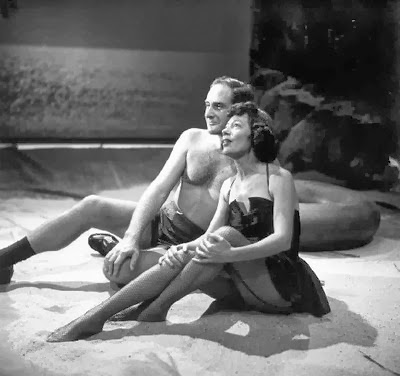
Many viewers mentioned the parodies the show did of movies. These were similar to the ones the Carol Burnett Show also did so well. Two of the scenes that came up often in viewers’ memories were the scene spoofing On the Waterfront when Marlon Brando tells his brother “I could have been a contender” and the parody of From Here to Eternity when Deborah Kerr and Burt Lancaster have a romantic moment on the beach. In Your Show of Shows version, the couple is continually hit with waves until they almost drown.

Comedy Legend Imogene Coca: I'm Cuckoo for Coca | The Scott Rollins Film  and TV Trivia Blog
From Here to Obscurity parody Photo: scottrollinsfilmandtvtriviablog

When the network chose to break up the Caesar-Coca team and give them their own shows, Coca had her own show, but it only lasted a year. For the rest of the fifties, she appeared primarily on drama shows which often aired plays.

In 1960, Imogene tried marriage a second time. She wed King Donovan and they would be together until his death in 1987.

From 1963-64, she joined the cast of Grindl which also lasted only one season. Coca played Grindl. She was an employee of the Foster Temporary Service, and she worked for Anson Foster (Jim Millhollin). Grindl accepts and completes a variety of jobs including babysitter, bank teller, and theater ticket taker. Most of the assignments get her involved in some type of crime or mystery. The show was on Sunday nights between Walt Disney’s Wonderful World of Color and Bonanza which was a great spot, but it also competed with the popular Ed Sullivan Show.

Grindl - DVD PLANET STORE
Grindl Photo: dvdplanetstore.com

In 1966-1967, she jumped into another new sitcom, It’s About Time. This wacky show was created by Sherwood Schwartz and also starred Jim Millhollin. The premise is that two astronauts who were traveling faster than light end up in prehistoric Earth time and when they are unable to return, make friends with the locals living there. This show preceded The Ed Sullivan Show but then ended up competing with Walt Disney’s Wonderful World of Color.

1966-67 Television Season 50th Anniversary: It's About Time (part 3 of 3) -  YouTube
It’s About Time Photo: youtube.com

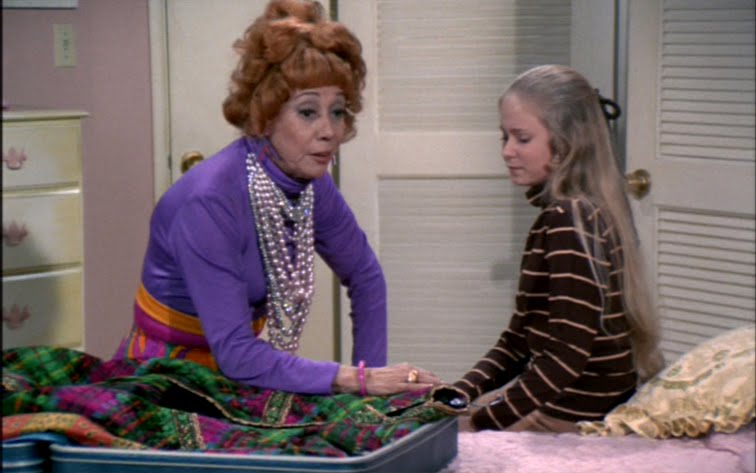
During the seventies, she appeared on many shows, including Bewitched, Night Gallery, The Brady Bunch, and Love American Style.

Her busy career didn’t flounder in the eighties. She continued to guest star on shows including Trapper John, MD and Mama’s Family. She appeared in an episode of Moonlighting which produced her sixth Emmy nomination. She would lose to Shirley Knight for thirtysomething.

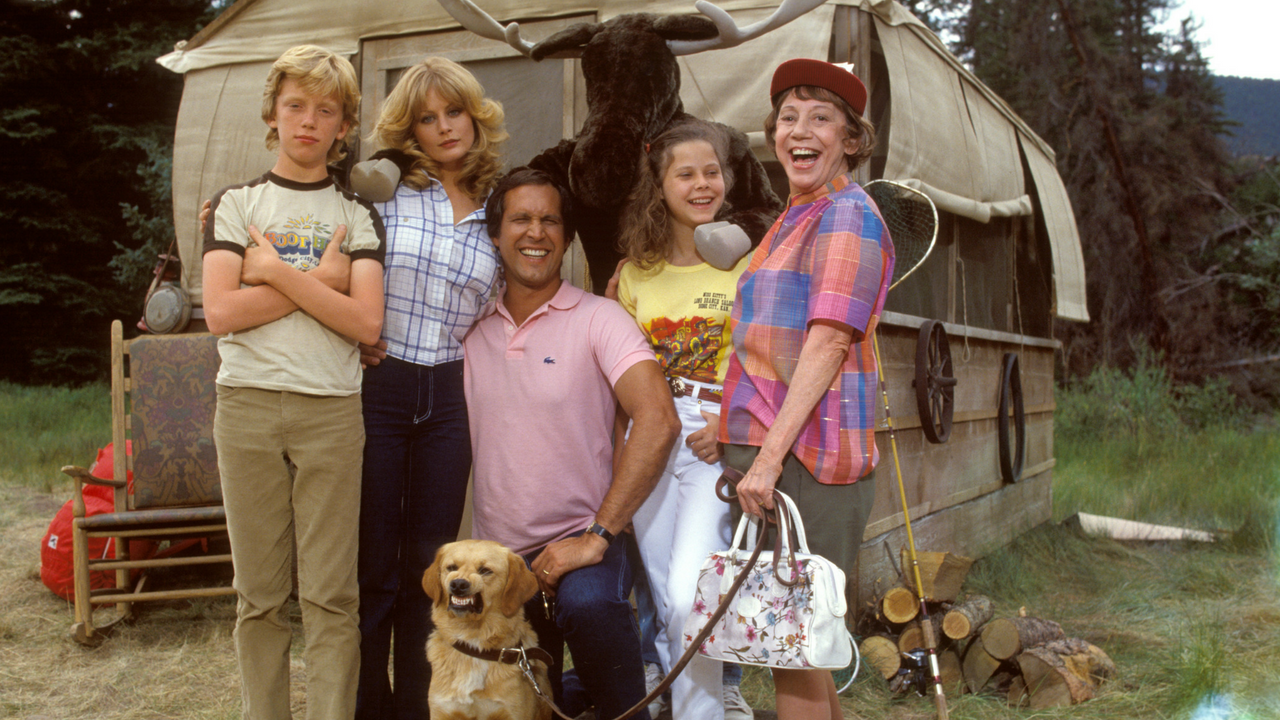
She was in movies off and on through the decades and perhaps is best known for her role of Aunt Edna in National Lampoon’s Vacation.

National Lampoon's Vacation – IFC Center
Aunt Edna in National Lampoon’s Vacation Photo: ifccenter.com

Of course, during these decades she also continued to appear on many variety and game shows. You will spot her in reruns of The Carol Burnett Show, The George Gobel Show, and Bob Hope and Dean Martin specials among other shows. She also did not ignore her early love of Broadway. She received a Tony Award nomination for “On the Twentieth Century.”

The Brady Bunch: Jan's Aunt Jenny | The Very Special Blog
On the Brady Bunch Photo: theveryspecialblog.com

In 1988 at age 80, Coca received the Lifetime Achievement Award in Comedy; her male counterpart receiving the award that year was George Burns. She was also honored in 1995 with the Women in Film Lucy Award, named for Lucille Ball.

Coca finished her career voicing characters for children’s programming. Sadly, she suffered from Alzheimer’s disease. She passed away at home in 2001. When he heard of her passing, Sid Caesar said, “All the wonderful times we shared together meant the world to me.”

Greatest Women in Comedy - Legacy.com
Photo: legacy.com

Imogene Coca was truly a special person. She had several different careers rolled into one. It’s hard to imagine that she did not begin comedy until her forties because she was one of the best. I’m sad that at the end of her life she was not able to retain the beautiful memories she gave us during her professional life. Thank you for creating a lifetime of special moments that you left for us.

thirtysomething: love it or hate it?

Continuing our Rewind 1980s, today we delve into the show that was thirtysomething. If you want to start a heated debate, just ask a group of people what they thought about the show. Everyone has a definite opinion, and the answers vary greatly. This is Us and A Million Little Things remind me a lot of thirtysomething. They are shows I look forward to every week. Not surprisingly, Ken Olin who played Michael on thirtysomething is the executive producer of This is Us; he also has directed many of the episodes, and Timothy Busfield who played Elliot Weston on the show has also been a director on This is Us.

Photo: npr.com
Gary, Melissa, Ellyn, Michael with Janie, Hope,
Nancy with Ethan, Elliot with Brittany

I loved the show when it was first on the air. The first couple episodes I watched on DVD had a few moments that seemed a bit too introspective and overthought, but as the series progressed, I remembered why I loved the show so much. Choosing between a show where characters might overthink occasionally versus some of the mindless shows currently on television, I’ll take the first option every time.

Photo: hollywoodreporter.com
A typical thirtysomething scene

Edward Zwick and Marshall Herskovitz, who both worked on Family, created this show for United Artists Television. It was on ABC for four seasons from 1987-1991. A group of baby boomers, made up of single friends and married couples living in Philadelphia, experience life after college. Originally the show was called “Thirty Something,” but it was changed to thirtysomething before it aired. The word “thirtysomething” was added to the Oxford English Dictionary after this series became so popular.

I would be remiss if I did not mention the memorable music from the show. W.G. Snuffy Walden and Stewart Levin were the composers for the theme song and much of the music that was heard in the background. A CD was released in 1991, titled “The Soundtrack From thirtysomething”. I have that CD and still listen to it from time to time. Walden would go on to compose music for many series including The Wonder Years, The West Wing, and Nashville.

Photo: zimbio.com

The series was extremely popular with young adults. It won 13 Emmy Awards and was nominated for 41. It also won two Golden Globes.

Photo: variety.com
The Steadmans

Although this was an ensemble cast similar to Friends, the main characters were Hope (Mel Harris) and Michael (Olin) Steadman. Michael runs an advertising company with Elliot (Busfield).

Photo: amazon.com
The Westons

He and his wife Nancy (Patricia Wettig) are good friends of Hope and Michael. (In real life Wettig and Olin are married.) Michael’s best friend is professor, Gary Shepherd (Peter Horton), and Hope’s best friend is Ellyn Warren, (Polly Draper) who works for the city. Michael’s cousin Melissa (Melanie Mayron) is also part of the inner circle.

Photo: cinemur.fr
Ellyn and Gary pretend to be dating as a prank on Hope and Michael

She dated Gary in the past and there is always a “will they or won’t they get back together” vibe between them.

Photo: decider.com
Michael and cousin and friend Melissa

Michael and Hope have a baby when the show begins, and the Westons have two young children, Ethan and Brittany. The children are all central characters in the show.

Intelligent scripts and realistic plots make the show a classic. As the show evolves, Michael and Elliot have to give up their company and go to work for someone else, Gary and his girlfriend Susannah (Patricia Kalember) get pregnant which leads to their marriage, Ellyn and Melissa have various serious relationships before they find their soulmates, Nancy pursues her dream of being a children’s author and illustrator, the Westons separate, and Hope is constantly weighing the advantages of being a stay-at-home mom versus returning to her writing career. Melissa’s career as a photographer skyrockets including work for Vanity Fair and a Carly Simon album cover. In addition, there is the unexpected storyline when Nancy battles ovarian cancer. She is told she is in remission and her friends throw a party at her hospital room, when Michael gets the call that Gary has been killed in a car accident on the way to see them.

Photo: whosdatedwho.comS
Susannah and Gary get married
Photo: denverpost.com
Michael and Elliot

In an article on hollywoodreporter.com in 2017, Craig Tomashoff interviewed Herskovitz about the creation of the show and the casting.

Photo:scottryanproductions.com
Nancy helping Gary with teaching children’s literature

Herskovitz explained after quickly putting the script together, based in part on the concept of the movie The Big Chill, they had to find their ensemble cast. He said each character was a totally different experience. When Busfield walked in the room, they said he was cast before he even read a line. Marshall and Olin were already friends, so they cast Ken as Michael and then hired his wife but explained she was going to be married to another character. She only had one line in the pilot so she was a bit worried about the character, but they promised her that her character would be developed more fully. Horton was also a friend of Herskovitz’s. They lived in the same neighborhood and their wives were also friends. He wanted to be a director, not an actor. But when he read the script, he thought it was the best pilot he had ever seen, so he came on board. Mayron and Draper were both brought in for auditions. Mel Harris auditioned for Zwick and Herskovitz but then heard nothing. She had only been acting for about a year or so at that time. She finally got the call that she was hired.

Photo: pinterest.com
Michael and Gary

The group worked very well together. The show focused on friendship and feelings. As Mayron once described it, rather than the big things in life, the show was “about the minutiae of life, not the disease or crime of the week.”

Photo: coreyparkeractor.com
Melissa and her soulmate

This was seen in the marital relationships as well.  Although there were a few big things that came between Hope and Michael, most of their arguments were smaller, petty things that most couples argue about from time to time. Hope wanted help with cleaning the house; Michael felt the laundry wasn’t done often enough. We didn’t see anything romanticized–the house needed repairs and trying to get a babysitter was a frustration. However, we did see things that were romantic. In the middle of a conversation about their daughter, when it was quiet, Michael and Hope would have a loving moment.

Busfield said the actors chose to focus on each other and insulate themselves a bit. Horton said “Ken, Tim and I became almost like brothers. We meshed in each other’s lives, never feeling competitive with each other. Tim was the most practical of all of us.” Because the cast was so close and they shared their lives with one another, Zwick admitted, that “we mercilessly robbed the cast of their life experiences.” Occasionally, someone in one of the actor’s past would not be happy seeing a story from their life on the screen.

Photo: variety.com

Busfield said the cast realized how important their characters were to the viewers and how much they related to them, sometimes in negative ways. Once in a grocery store, a woman came up and slapped him across the face because of the way he treated Nancy. She apologized when he reminded her that was not him but his character. Wettig said a woman asked her where she did her chemotherapy and then shared with her that she had just been diagnosed with cancer and had to find a treatment facility. Mayron started wearing her suspenders backward for Melissa just as a unique fashion. One day when she was out and about, she saw a lot of girls doing the same and they told her they were copying her. Horton’s story was that he had been a dedicated fan of Crosby, Stills, Nash and Young. One day at an event he had a tap on his shoulder and when he turned around, he saw David Crosby who shared that he was a huge fan of Horton and thirtysomething.

Photo: ew.com
Susannah coping with Gary’s death

The show mirrored real life for viewers. Many people were dealing with internal struggles and thought that they were the only ones who experienced such thoughts. There was a comfort in the realization that other people had the same feelings. Viewers had an intimate relationship with the cast.

Most of the characters wanted to do something big with their lives and careers. They are now at the turning point where that may come true or they might have to re-adjust their perspective of what’s important. The married friends are jealous of their single friends at times and the single friends return the favor. Nothing is black or white.

If you think of life as a mosaic masterpiece, you realize each episode of the show looked at one tile piece in-depth. It can be exhausting and feel overwhelming to do that, but once you do, you develop an appreciation and understanding of the artwork as a whole that you would not achieve just looking at it as one thing.

THIRTYSOMETHING, (L-R), Peter Horton, Rachel Nagler, Patricia Wettig, Mel Harris, Timothy Busfield, Jason Nagler, Polly Draper, Ken Olin, Melanie Mayron, Season 1, 1987. (c) MGM Television/ Courtesy: Everett Collection.

When the show came out, critics were divided.  Some loved it; some hated it. Gene Seymour from the Daily News, wrote that is would “bring you down” and “make you uncomfortable.” However, he also said the show “deserves your attention.”

When the series was cancelled four years later, things hadn’t changed that much. An ABC spokesman said the show was cancelled partly for ratings decline and partly because Zwick and Herskovitz wanted to make feature films. At that time, Francesca Chapman, also of the Daily News, wrote that the series “has told us stories we already know and made it fascinating” and that “they were all the more gripping because a good story, told realistically and in detail, a story that doesn’t necessarily have a punch line or a happy ending, is an unusual thing on TV. After tonight, it will be all the rarer.”

The cast was featured on a reunion episode in 2009 on Good Morning America. When the show turned 30 in 2017, it propelled a lot of articles about the cast and the significance of the show. The show had not been forgotten.

keywordbasket.com
GMA Reunion 2009

When thirtysomething started in 1987, it provoked a lot of disagreement about the show. When it went off the air four years later, the debate had still not been settled. Now thirty-two years later, there is still not a definitive answer. You love it or you hate it. While I admit, when I began re-watching the episodes from the first year, I was surprised that I saw too much whining which was a big criticism of the show originally. But once the season got underway, the whining was replaced with in-depth discussions about life and friendship. I loved it, and I’m grateful to the show for creating a place on television today that can feature a show like This Is Us. Just when you think you’re going to give up on television and just read, a show like that comes along and brings you hope that it’s not all a wasteland and that there is treasure to be found if you take time to look for it.

Family: The Perfect Blend of Intelligent Writing, Superb Acting, and Warm Fuzzy Feelings

This month we are doing a 1980s Rewind, looking at some memorable shows from that decade. We start with one of my all-time favorite series, Family. I think this is one of the most disrespected and underrated shows from the past fifty years. It had an amazing cast, and the scripts were intelligent and well written.

Photo: pinterest.com

The show ran on ABC from 1976-1980, producing 86 episodes. The critically acclaimed show had three well-known producers: Leonard Goldberg, Aaron Spelling, and Mike Nichols. Jay Presson Allen created the series, and she wrote every episode.

Photo: metv.com

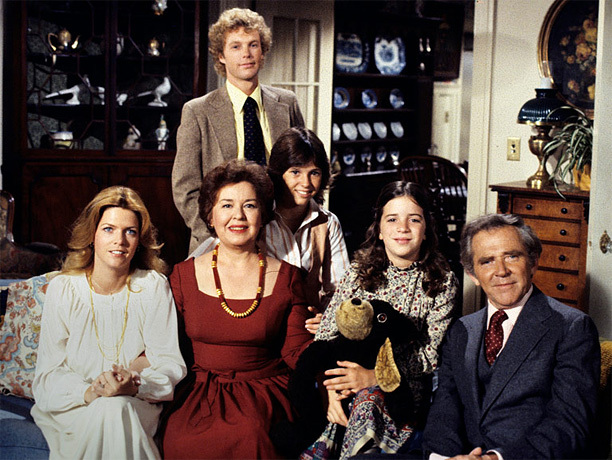
Kate (Sada Thompson) and Doug (James Broderick) Lawrence are an upper middle-class couple living in Pasadena, CA. They have three children: Nancy (Meredith Baxter Birney), Willie (Gary Frank), and Letitia (Kristy McNichol), known as Buddy. Doug is a lawyer, hoping to become a judge. He is a warm-hearted person who often finds humor in their family situations. Kate is a practical woman but can come across as a cold woman. She can be quite passionate and loves her family very much but has trouble showing a lot of affection. She always does what she feels is morally right. She has sacrificed her dreams to stay home and raise her family. Later in the show she does go back to school to major in music.

Photo: reelrundown.com
The original cast with Elayne Heilveil as Nancy

In the pilot, Nancy was played by Elayne Heilveil, but Meredith Baxter Birney took over the role once the series began. Cheryl Ladd also auditioned for the part of Nancy. Spelling remembered her and later cast her in Charlie’s Angels. Nancy finds her husband Jeff (John Rubinstein) in the act of cheating on her and moves back to her parents’ home, living in their guest house with her son Timmy. Even though Nancy and Jeff are divorced, they are friends, and he appears on the show often and is involved in Timmy’s life. The Lawrences also had a son named Timmy who died when he was little. Nancy and her mother often butt heads. In the second season, Nancy decides to go to law school and is very successful.

Photo: nostalgiacentral.com

Willie is always trying to find himself and can’t quite decide who he is. He has a high IQ but drops out of school. He dreams of being a writer and later works for a photography studio for a while.

Photo: cscottrollins.blogspot.com

Buddy was a tweenager. Buddy is a tomboy and well liked by her friends and family. She had two famous boyfriends during the show: TJ played by Willie Aames and Leif Garrett. Buddy is much closer to her mother than Nancy is. Nancy and Buddy have a trying relationship too, although they both want to be closer. Willie and Buddy are very close.

Everyone in our actual families could find someone in the show to relate to. I notice myself looking at the show from a different perspective now than I did in my teen years.

Photo: listal.com

There were 24 different directors during the series’ run. Richard Kinon directed almost 25 percent of the shows. Kinon had directed episodes of many classic shows including Bewitched, Hogan’s Heroes, The Patty Duke Show, The Partridge Family, Room 222, and That Girl. After Family, he would direct a quarter of The Love Boat episodes. James Broderick directed four of the episodes. Not surprising for me was learning that Marshall Herskovitz and Edward Zwick also tried their hand at directing. Both of them were also listed as producers and writers of the show. They would later go on to help create thirtysomething, a show we’ll learn about next week. Both men were also involved with Once and Again and Nashville, among other shows.

Photo: pinterest.com

The storylines were very realistic and handled with delicacy and intelligence. Some of the topics the show tackled included breast cancer, infidelity, senility, divorce, adoption, terminal illness as well as the typical teenage issues faced by most youth.

In the last season, the Lawrences adopt Annie Cooper (Quinn Cummings) after her parents are killed in a car accident. They were her parents’ friends and their choice for guardians if anything happened to them.

Photo: aveleyman.com

Rubinstein who played Jeff composed the theme music. Apparently, he inherited some musical genes from his father, Arthur Rubinstein, the famous classical musician. He has continued his dual career in both acting and composing since the show ended.

A couple other cast members also had famous relatives. Broderick’s son is Matthew Broderick, actor, and Baxter Birney’s mother was Whitney Blake who played Missy on Hazel, among other roles.

Photos: tucson.com

The show was nominated for an Emmy for Outstanding Drama Series in 1977, 1978, and 1980. Thompson, Frank and McNichol all won Emmys, and Broderick and Baxter Birney were nominated as well.

I could not find a reason for it, but only the first two seasons have been released on DVD and that was in 2006. I have not seen the show in syndication for many years.

Photo: seeing-stars.com
One of my favorite television homes: the Lawrence house

Plans were made for a 1988 reunion movie. James Broderick had passed away, but he rest of the cast was on board. When the writers went on strike, the project was placed on hold and later dropped from production.

I watched a few of the episodes from season one. The show still holds up today.  Although it closely mirrored the social issues from its era, those topics are still relevant today. It may have included some melodrama, but it never was about melodrama.  It contained enough humor to offset the tragedy just like real life. Doug and Kate had strong moral values and they passed them on to their children but understood life was changing and they could not be close minded.

Photo: imdb.com
Jay Presson Allen

Jay Presson Allen brought insightful writing to every script, but the incredible acting brought the characters to life.

UNITED STATES – SEPTEMBER 13: FAMILY – cast gallery – Season Three – 9/13/77, Sada Thompson (Kate), (Photo by ABC Photo Archives/ABC via Getty Images)

Sada Thompson was not overly affectionate but calmed her children down and could discuss anything with them. They relied on her guidance and wisdom. She embodied class and elegance. I was surprised to learn that Lear had hired her to play Archie Bunker’s blue-collar neighbor, a plumber named Irene Lorenzo for All in the Family. I was not surprised to learn that Betty Garrett replaced her in the role because Sada had too much genuine class and didn’t yell loud enough for Lear. James Broderick discussed working with Thompson. He said he “was only one of her many fans. Sada is about as close as we get in this country to the British super actresses like Dame Edith Evans and Dame May Whitty. I’m sure if Sada lived in England, the Queen would have dubbed her Dame Sada a long time ago.”

UNITED STATES – SEPTEMBER 21: FAMILY – cast gallery – Season Four – 9/21/78, James Broderick (Doug), (Photo by ABC Photo Archives/ABC via Getty Images)

Broderick flawlessly captured the fun nature of Doug Lawrence. Doug left the disciplining up to his wife most of the time and was not as serious as his wife. Doug and Kate were also very affectionate with each other.

FAMILY, Meredith Baxter Birney (aka Meredith Baxter), 1976-80
Photo: metv.com

Baxter Birney was the perfect combination of brains and beauty who wanted to be the wife and mother she saw in her mom as well as the respected lawyer she saw in her father.

Photo: elinitsky.com

Frank portrayed the young adult who couldn’t figure out what he wanted from life. He was not a “sit behind the desk kind of guy,” but needed to make a living. Willie was more interested in the humanities and finding meaning in life. He always seemed to be in difficult relationships.  Early in his adult years, he fell head over heels in love only to find out she was pregnant before they met and she left him eventually but weaved in and out of his life for years. He later met his soul mate, but she had terminal cancer, so even though they married, they only had a short time together.

Photo: sowhateverhappenedto.com

McNichol was believable as a young girl moving into her teens and dealing with all the stress and changes teens go through.  She was funny, silly and loveable and could be irritating occasionally and whiny, just like teens are. McNichol appeared very mature for her age and seemed to have everything under control, but it was a façade. She said she “was like a miniature adult.” She’d go off to the set “every day with a little briefcase. I really think I grew up backwards.” Dinah Manoff, who guest starred on Family before acting on Empty Nest with McNichol said “Kris was the most adult kid I’d ever met. She didn’t even have to study her lines. They’d hand them to her right before she walked out on the set.”  Thompson once remembered that the adults “used to talk about how amazing it was that Kristy didn’t appear to feel any of the pressures of growing up as a successful child actress. The cost is enormous, you know, but Kristy didn’t seem to be paying it.” Unfortunately, she paid it with interest a few years after the show ended. When she was a young adult, she began to rebel and made some very poor choices, trying to recapture the childhood that she never got to experience.

Photo: pinterest.com

I don’t remember a lot about the role of Annie Cooper. Once Buddy began growing up, she was brought in to continue storylines kids could relate to. She had just been nominated for an Academy award for The Good-bye Girl and seemed to transition into the show easily.

Photo: ew.com

Hopefully the rest of the seasons are released on DVD so we can continue to appreciate the remarkable blend of writing, acting, and directing that was featured on this show.

Family–that says it all: joyful, heart-breaking, boring, exciting. loving, conflict and everything in between.

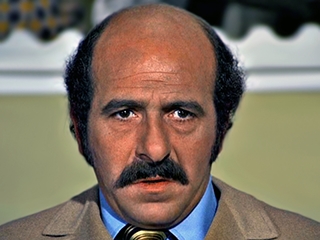
Just a Couple of Characters, Part 1: Edward Andrews and Herb Edelman

We’ve all experienced that moment we’re at the grocery store and see someone we know, but we can’t remember their name or how we know them. Maybe it was work or school, or their kids were friends with ours.  Sometimes we even remember we spent a lot of time with them and like them, but the name and relationship is just not there.

This month we are meeting some of our television friends that we’ve gotten to know, even if we can’t remember their names or what we watched them on. We’ll learn more about eight different character actors. We start off the month learning about Edward Andrews and Herb Edelman.

Edward Andrews

Photo: findagrave.com

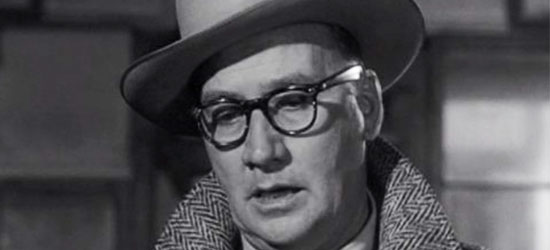
I remember Edward Andrews from Doris Day and Disney comedies. Anyone who grew up in the 1960s or 1970s will remember this military man with a grandfatherly softness to him.

Andrews was born in Georgia in 1914. His father was a minister and their family moved a lot; he lived in Pittsburgh; Cleveland; and Wheeling, West Virginia. He had a very small part in a James Gleason production at age 12. He attended college at the University of Virginia. In 1935, he got his first part in a Broadway production, “So Proudly We Hail.” He continued in Broadway for the next twenty years, including a touring production of “I Know My Love” with Lunt and Fontaine. During that time, he took a leave from his career to serve in WWII. He was a Captain and commanding officer of Battery C with the 751st Artillery Battalion of the Army.

Photo: movieactors.com

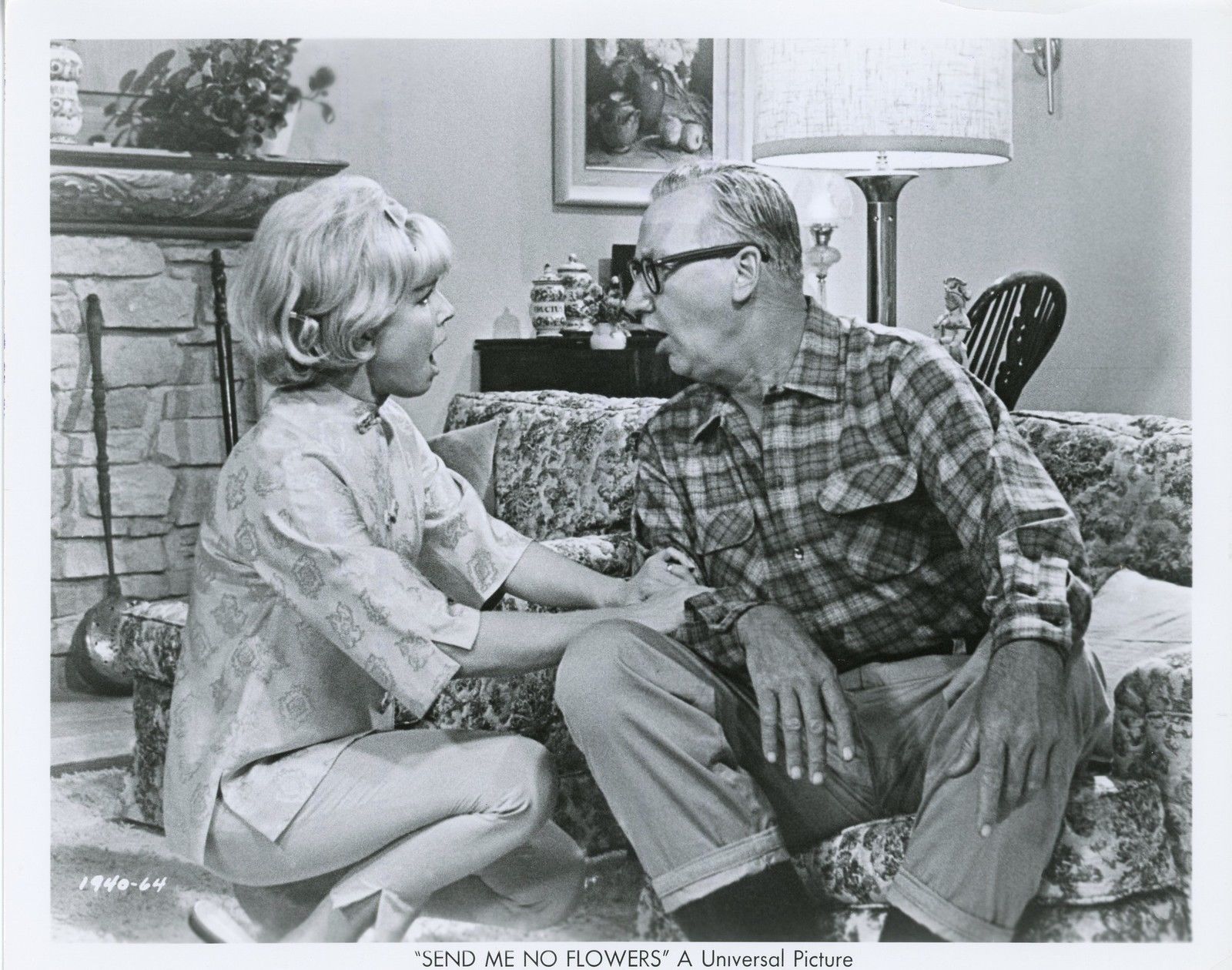
In 1955 he married Emily Barnes and they would have three children, remaining together until his death. About the same time, his movie career took off. Andrews looked older than his age which helped him get parts for older roles. He could play a grandfather, then turn around and handle a sleazy businessman or legalistic bureaucrat. He portrayed George Babbitt in Elmer Gantry in 1960. He worked for Disney playing the Defense Secretary in both The Absent-Minded Professor (1961) and Son of Flubber (1963). I remember him fondly in Doris Day’s movies, The Thrill of It All (1963), Send Me No Flowers (1964), and The Glass Bottom Boat (1966). One of his last roles was Grandpa Howard in Sixteen Candles in 1984. His movie credits totaled 46.

Photo: dorisday.com

Edward also kept busy with television appearances. One of the first actors to guest star on television, in 1950, Andrews was on Mama. As early as 1952, he began acting in the variety of drama shows on television. During the 1950s he would appear in eighteen of these shows including The US Steel Hour, Robert Montgomery Presents, Studio One in Hollywood, and Omnibus.

Photo: scsottrolling. blogspot.com
On The Wild Wild West

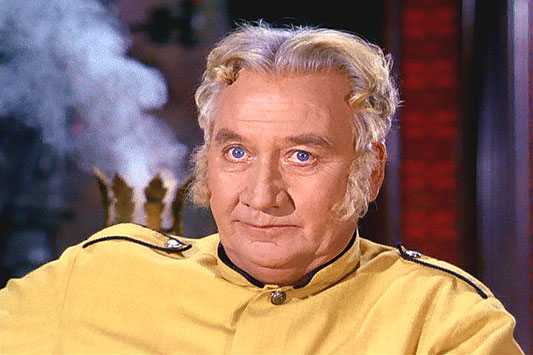
He showed up in westerns including The Real McCoys, Bonanza, Gunsmoke, and Rawhide. We saw him on medical and legal dramas such as Ben Casey, The Defenders, The Bold Ones, Ironside, and Owen Marshall, Counselor at Law. Mysteries and crime thrillers also found a place for him. You might remember him from Naked City, The Wild Wild West, The Mod Squad, Hawaii Five-0, McMillan and Wife, and Quincy, ME.

Photo: pinterest.com

Like his films, he seemed to excel in comedy. Andrews played George Baxter in the pilot for Hazel, but unfortunately when the show went into production, the part was recast with Don DeFore. He would guest star in some of the most popular sitcoms, including The Phil Silvers Show, The Andy Griffith Show, I Dream of Jeannie, Bewitched, The Paul Lynde Show, Love American Style, The Bob Newhart Show, and Three’s Company.

Photo: pinterest.com

In 1964 he starred in Broadside. Commander Adrian (Edwards) is not happy when a group of Waves are posted to his station on the South Seas island Ranakai. His men no longer have focus, so he spends the series trying to get the women relocated.

In 1970 he had a recurring role on The Doris Day Show as Colonel Fairburn. He also starred as Harry Flood in the show Supertrain in 1979. Playing on the Love Boat and Hotel themes, the show was about a bullet train that had new passengers each episode.

Photo: imdb.com
On Bewitched

Perhaps Andrews will be best remembered for his guest starring role on two Twilight Zone episodes, “Third From the Sun” (Andrews plays a company man who thinks a coworker William, a nuclear engineer, and his friend Jerry are going to steal a spaceship to leave Earth) and “You Drive” (Andrews hits a newspaper boy and then flees the scene, trying to hide the crime).

In all, he appeared on 118 different television series as well as made-for-television movies.

Photo: pinterest.com

Andrews enjoyed playing a character actor. He said it ensured more work and longevity in his career. He was quoted as saying, “What you get are people who speak to you. They know you from somewhere, but they don’t think of you as an actor. They stop and say, ‘Harry, how’s everything in Miami?’ I’ve learned by experience not to argue with them.”

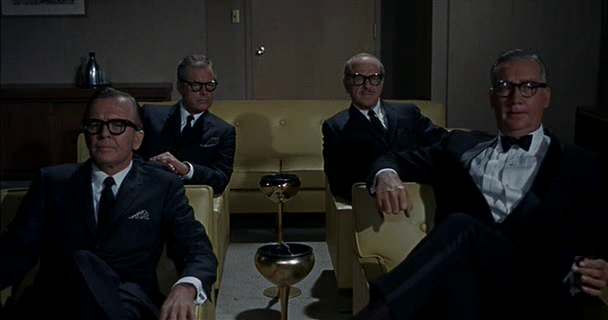
In March of 1985, Andrews had a heart attack and passed away at age 70. With his white hair, and horn-rimmed glasses, Andrews was an adaptable character actor. Whether he was playing a lovable doctor, a nosy coworker, a fun-loving grandfather, or a despicable murderer, he was believable. He truly was a great character.

Herb Edelman

Herb Edelman, circa 1981
Photo: travsd.wordpress.com

Another fun actor everyone will recognize is Herb Edelman. Herb was born in Brooklyn, New York in 1933 in the midst of the Depression. Tall, lanky, and prematurely bald, he would go on to have a long career in movies and television.

Originally, Edelman wanted to be a veterinarian, and he went to school at Cornell but left after his first year. He served in the Army as an announcer for Armed Forces Radio. After he left the service, he started college again, this time studying acting at Brooklyn College. Once again, he dropped out. He made a living as a hotel manager and a cab driver.

Photo: cscottrollins.blogspot.com
In Barefoot in the Park

In the mid-1960s he began both his film and television careers. Some of his best-known roles were in the movies. He played Harry Pepper, a wise-cracking telephone operator, in Barefoot in the Park and Murray the Cop in The Odd Couple, as well as Harry Michaels in California Suite.

Photo: movie-mine.com
In The Odd Couple as Murray the cop

However, it was television where he received most of his work. In the 1960s, he began his career, appearing on a variety of shows, including That Girl, The Girl from U.N.C.L.E., and The Flying Nun. During these years he also dated and married Louise Sorel who he was wed to for six years.

Photo: en.wikipedia.com

In 1968, he accepted the role of Bert Gamus in The Good Guys. Bert and his friend Rufus (Bob Denver) open a diner, their dream. Bert’s wife Claudia (Joyce Van Patten) helped him serve customers.

In the 1970s, his career continued as he appeared in many shows every year. Some of the hit series we saw him on during this decade include Room 222, Bewitched, McMillan and Wife, The Partridge Family, Love American Style, Maude, Happy Days, Barney Miller, Kojak, and Charlie’s Angels.

Photo: sitcomsonline.com
On Barney Miller

In 1976, he was again cast in a show, Big John Little John. Edelman was a middle school teacher who drank out of the fountain of youth on vacation. Afterward, he would randomly turn into a thirteen-year-old and worked to keep the secret from his friends and coworkers. The show was short-lived.

Photo: picclick.com

Edelman’s work schedule did not slow down in the 1980s. He would have roles in the cast of five television shows and spent time in between guest starring on other shows such as Trapper John, Highway to Heaven, The Love Boat, and thirtysomething.

From 1980-81, he was cast as Reggie on Ladies’ Man, about a woman’s magazine with one male journalist. From 1981-82, he appeared as Commissioner Herb Klein on Strike Force. This show followed a strike force team that handles cases too difficult for the mainstream officers. The following year, he was Harry Nussbaum on Nine to Five, the show based on the movie about a group of office workers. From 1984-88, he was cast as Richard Clarendon on St. Elsewhere, a teaching hospital.

Photo: aveleyman.com
On Murder She Wrote

Although his roles decreased in the 1990s, he had one of his most memorable roles during those years as Stanley Zbornak, Dorothy’s ex-husband, on Golden Girls; he was nominated twice for his role on the show.

In 1990, he played Sergeant Levine on Knot’s Landing. Knot’s Landing was a night-time soap about the lives of the wealthy who live in a coastal suburb of LA. His last recurring role was Lieutenant Artie Gelber on Murder She Wrote, about a mystery writer who helps solve crimes.

Photo: imdb.com
On Golden Girls

Edelman died much too early in 1996 from emphysema at age 62.

Another character who was unforgettable in his movie and television roles. Whether playing a repairman, a cop, a teacher, or a ex-husband, he always came through as an authentic actor.

Earle Hagen Whistles a Happy Tune

We don’t often notice music in the background of our favorite shows, but it has a significant impact on our appreciation for a series. One of my favorite CDs in the 1980s was the music from thirtysomething. I admit I didn’t often pay attention to the music while watching the show, but I loved listening to the soundtrack.

hagen14

Photo: findagrave.com

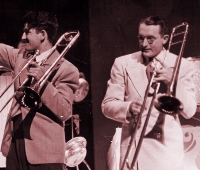
Today we get to spend some time learning about one of the most prolific songwriters in the television industry: Earle Hagen. Earle was born in the Midwest in 1919, in Chicago, but moved with his family to Los Angeles. He began playing the trombone in junior high school.

At age 16 he left home to play with some of the best big bands in the country: Tommy Dorsey, Benny Goodman, Ray Noble.

hagen2earlhagen.net

Photo: earlehagen.net

During his time with Noble, when he was only 20, Hagen composed the song “Harlem Nocturne” as a tribute to Duke Ellington and Johnny Hodges. It would be recorded by numerous musicians over the years and later was adopted as the theme for both Mickey Spillane’s Mike Hammer and The New Mike Hammer.

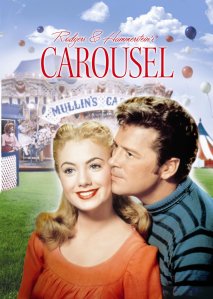
In 1940 Earle was hired by CBS as a staff musician. Like many of the composers we have been learning about, Hagen enlisted in the military for World War II. When he came home, he became an orchestrator and arrangement writer for 20th Century Fox. He worked on a variety of films including Gentlemen Prefer Blondes and Carousel.

In 1943 he married Lou Sidwell, a big band singer. They would remain married until she passed away in 2002 and produce two sons.

When Earle accepted the Irwin Kostal Tribute Award in 2000, he explained that “In 1953, the studios committed to large screen production and we went from 38 pictures a year to one. There were other pictures on the planning board but not immediate enough to support the huge studio staffs. So, along with 1199 other people, I migrated to television.”

The first show he worked on was a short-lived series, It’s Always Jan which was on the air from 1955-56.

Then Hagen met Sheldon Leonard. As he says, “There again my good fortune held. I teamed up with Danny Thomas and Sheldon Leonard at a time when they were starting a string of hits that lasted 17 years.” Earle wrote the theme for Make Room for Daddy.

Those 17 years were busy. Leonard initiated the practice of using original music for sitcoms, so a lot of background music was required. Hagen said that during that era, the composer was part of the creative team. His opinion was asked for and respected in pre-production, production, and post-production.

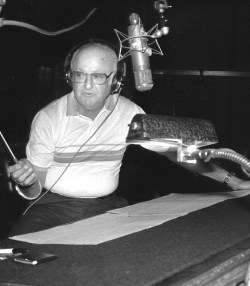
He loved working in television. He said that there was “something about the immediacy of TV that I enjoyed. It was hard work, with long hours and endless deadlines, but being able to write something one day and hear it a few days later appealed to me. I think a statistic of which I am most proud is that in the 33 years I spent in television I was associated with some three thousand shows. Every one of them was recorded in Los Angeles with a live orchestra.”

His work continued with Leonard, and he wrote the theme song for The Dick Van Dyke Show.

hagen6

Photo: brioux.tv

Then Sheldon asked him to come up with a theme for a show about some gentle town folks and their sheriff. Earle said he struggled a while trying to come up with the perfect theme. As he described the process: It’s like “peeling an onion. Half of coming up with something good is throwing away what’s not.” Finally, he had a brainstorm and “he simply whistled the catchy tune which entered his head.” It’s the whistling of Hagen we hear on The Andy Griffith Show when we hear “The Fishin’ Hole.” Despite the difficulty of coming up with the theme song, Hagen enjoyed his time with The Andy Griffith Show. He said, “I guess my favorite show . . . was The Andy Griffith Show. It covered the spectrum from warmth to complete zaniness. It also was easy to write. Worthwhile, when you are doing four or five different series a week.”

hagen5

Photo: mtairynews.com

He went on to work on several shows in the 1960s, including The Bill Dana Show, That Girl, Accidental Family, Gomer Pyle USMC, Mayberry RFD, and The Mod Squad. Hagen based the Mod Squad theme on Schoenberg’s 12-tone scale which added some tension to the scenes, along with a jazzy theme song.

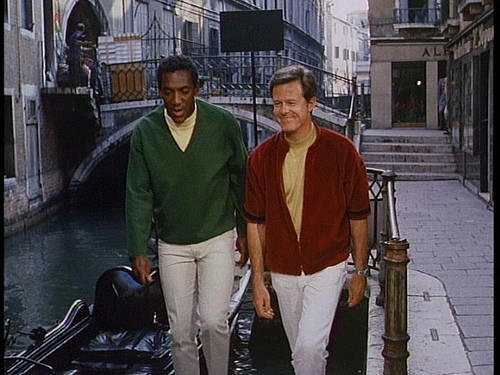
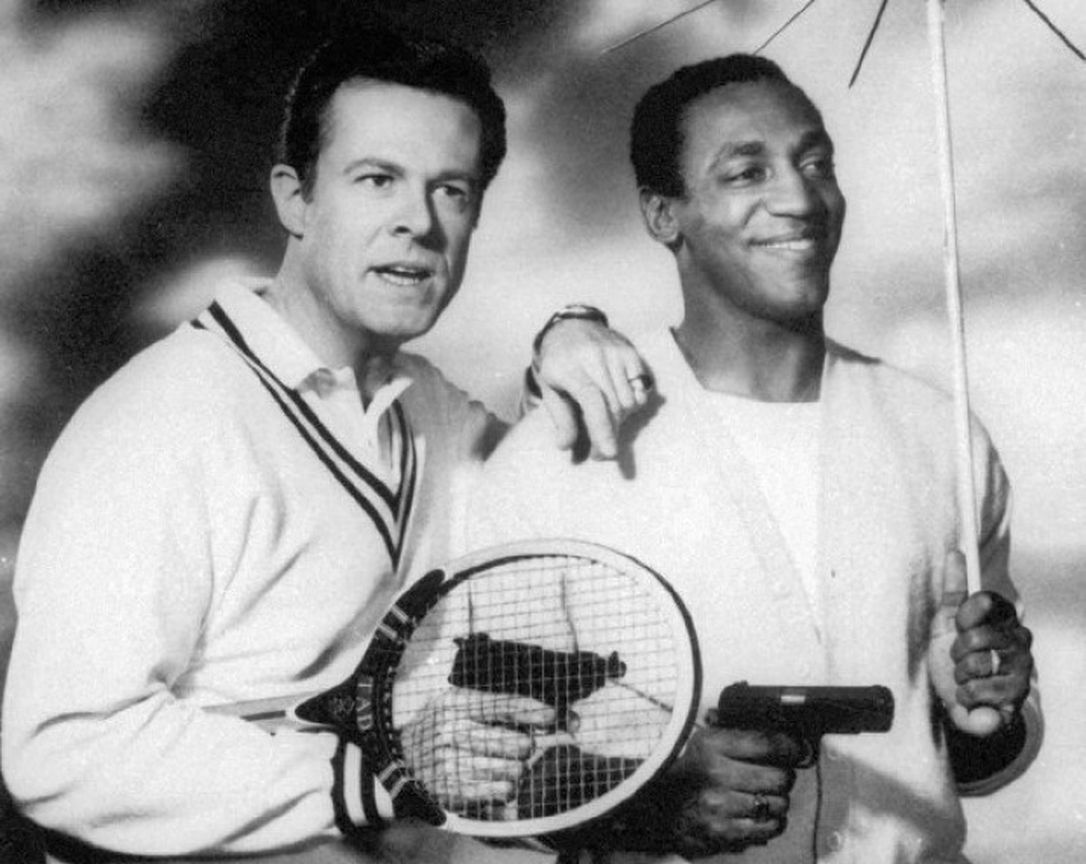
Hagen’s songs are some of the most recognizable ones in television. However, his most innovative and beautiful scores were done for a show that is not remembered much today, I Spy. Leonard wanted original soundtracks for each episode. This humorous spy show was filmed in locations all around the world, so the music had to vary as well.

hagen9

This was the first show to star an African American. Bill Cosby and Robert Culp were spies who took on assignments around the globe. I would like to say that the reason for the lack of the show being rerun is due to Bill Cosby and the poor personal choices he made which has resulted him being sentenced to jail and the shows he was involved with disappearing from television schedules. However, I rarely remember this show being available even before Cosby’s criminal trials, and I’m not sure why that is. In 2008, all three seasons of DVDs were released.

On the website earlehagen.net, we read that “During the run of the series he amassed one of the most comprehensive collections of ethnic music in existence at that time–some of it on commercial records bought in the countries he visited with the production team, but much of it taped live in situ with local musicians. These recordings containing priceless material of musical genres never before recorded, and in some cases, now extinct, were then mixed into the background music produced by the studio orchestra in Los Angeles.  The result was what has been deemed ‘the richest musical palette ever composed for any American television series.’ ”

hagen10

Photo: desertnews.com

Sheldon relied on Hagen to literally scout the world for filming locations. The couple visited Japan, Hong Kong, Bangkok, India, Israel, Greece, Italy, France, and New York. Hagen discussed this trip. “Before the show started, at Sheldon Leonard’s invitation, Lou (my wife of 58 years so far), and I were invited to go on a `round the world trip with the Leonard’s scouting locations for the upcoming series, I Spy. On that 52-day trip we traveled first class, stayed in first class accommodations and at every airport were met by a car, driver, and interpreter, who stayed with us as long as we were in the country.”

Earle wanted viewers to remember that these were US spies so he named his music “semi jazz,” which fused local world cultures with American jazz music.

Deborah Young-Groves discusses the variety of music Hagen used in her article, Creating the Perfect Vibes for “I Spy.”

“And who could forget the frantic–almost joyous–chase across the University of Mexico in ‘Bet Me A Dollar’–Spanish brass–almost Copeland-esque (remember ‘El Salon Mexico’?), too loud to ignore but erratic and happy. And yet, like Copeland, Hagen only scored where he deemed appropriate. In that very same episode the child, who urgently seeks help for Kelly, runs in utter silence.  We hear only his pounding feet and his sobbing gasps.

But the two best episodes for music are ‘Home to Judgment’ and ‘The Warlord,’ for equally fascinating reasons. ‘The Warlord’ borrows heavy oriental imagery for the action sequences (always punctuated by that American jazz – but it works) using snare drums and brass.  How Hagen can get a trumpet to sound Asian simply by a jagged sequence of notes is still a mystery to me!

Then he changes completely and takes a plangent delicate note for the love theme between Chuang Tzu and Katherine, caught between their separate worlds.  It is somber, powerful and almost painful – one of the saddest pieces of music I have ever heard.”

hagen11

Photo: thestar.com

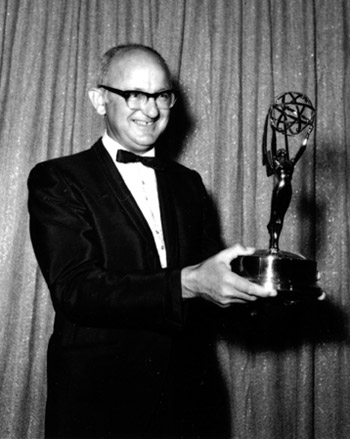
I Spy was on the schedule for three seasons. Hagen was nominated for an Emmy all three years for his work on the show, and he won it the last year the show aired. When asked about his favorite episodes, Hagen said, “Some of the shows of course stand out in memory: ‘Tatia,’ ‘Laya,’ ‘Home to Judgment’ ‘Warlord,’ and one of my favorites, ‘Mainly on The Plains.’ ”

hagen3

Photo: planetoftheapes.com

The music was so memorable on this show, that Hagen was able to record two albums from the series. The first album was recorded by Warner Brothers and the second was Capitol. He said he enjoyed the Capitol album more only because he was able to work on in the off season, so he had more time to devote to it.

hagen1

Earle would continue with his work on television throughout the 1970s, working on a variety of shows, including The New Perry Mason, Eight is Enough, and Mary Hartman, Mary Hartman. In the 1980s, he worked on Dukes of Hazard.

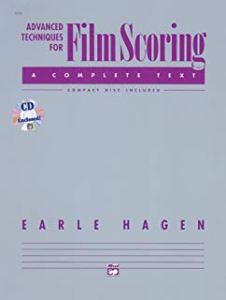
During the last decades of his life he taught and wrote books on scoring and music arrangements. He wrote the textbook, Scoring for Films: A Complete Text. In 2000, he published his autobiography, Memoirs of a Famous Composer Nobody Ever Heard Of.

In 2005, he married his second wife, Laura Roberts. Hagen died from natural causes in 2008.

In 2011, he was inducted into the Television Academy Hall of Fame.

Perhaps his website sums up his career best: “When one considers the vast range Earle Hagen’s career has covered, and just where he was at each stage in his life—playing trombone in the big bands during the 30s, writing arrangements for Frank Sinatra, working at 20th Century Fox during the reign of Alfred Newman, creating TV themes and scores for Sheldon Leonard shows, not to mention teaching brilliant young composers the art of scoring, and publishing the top texts in his field—it can truly be said that he lived through the best times in each of these worlds.”

hagen4

Photo: themusicsover.com

Earle Hagen was another one of the great pioneers in the golden age of television and he should be celebrated for his amazing career.

When First You Don’t Succeed, Just Redo an Old Show

If you have been watching television the past few years, you’ve noticed a trend of rebooting old shows and giving them a new spin or writing a sequel.  While this has happened before in the history of television—think After M*A*S*H and Trapper John MD or Dragnet—there has now been an influx of remade shows.  Just the past few years we have two that seem to have done well in Fuller House and Hawaii 50.  However, some didn’t last as long such as The Muppets, which I happened to enjoy.  How many of you remember watching the reboots of Ironside, Charlie’s Angels, Get Smart, Dallas, or Wonder Woman?  And for extra credit, who can name all the sequels of Star Trek over the past few decades?  I’m not sure if this fad is playing on the nostalgia of the baby boomers or just a lack of creativity in Hollywood.

I thought it might be fun to consider what the sequel or reboot of some of my favorite shows from the past might look like.

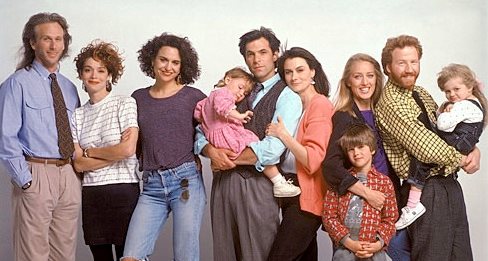
thirtysomething—In this sequel, sixtysomething, Janie, Leo, Brittany, and Ethan try to deal with their parents who still act like they are 30.   Ellen has had to fight for her job due to city cuts, Melissa is now the wealthiest friend after getting into photography for the internet, Elliott and Nancy are separated, again, and she is an artist while he is doing advertising for the Philadelphia Eagles and trying to date the cheerleaders.  Hope and Michael are still married.  Michael has replaced Miles Drentell upon retirement, and Hope is still trying to figure out what she wants to do with her life.

reboot1


That Girl – In the reboot, That Guy, Ann Marie would be Donald’s boss, a high powered CEO, and he is the reporter trying to get the scoop and stand up for his important stories like global warming when the magazine wants him to write about famous stars and the latest catfights.

reboot2


My Three Sons—In the sequel, My Twelve Granddaughters, Steve has become a reality star talking about life with 12 granddaughters in the house and the lack of bathrooms and privacy.

reboot3


Happy Days—the sequel, Hippy Days, explores the life of Richie and Lori Beth’s kids as they grow up in the late sixties and early seventies.

reboot4


Gray’s Anatomy—the reboot, Gray’s Monotony looks at the life of a hospital where the nurses spend 75% of their time updating computer files and doctors rush around seeing patients and work part-time jobs to pay for their malpractice insurance.  No one has time for affairs or personal relationships.

reboot5


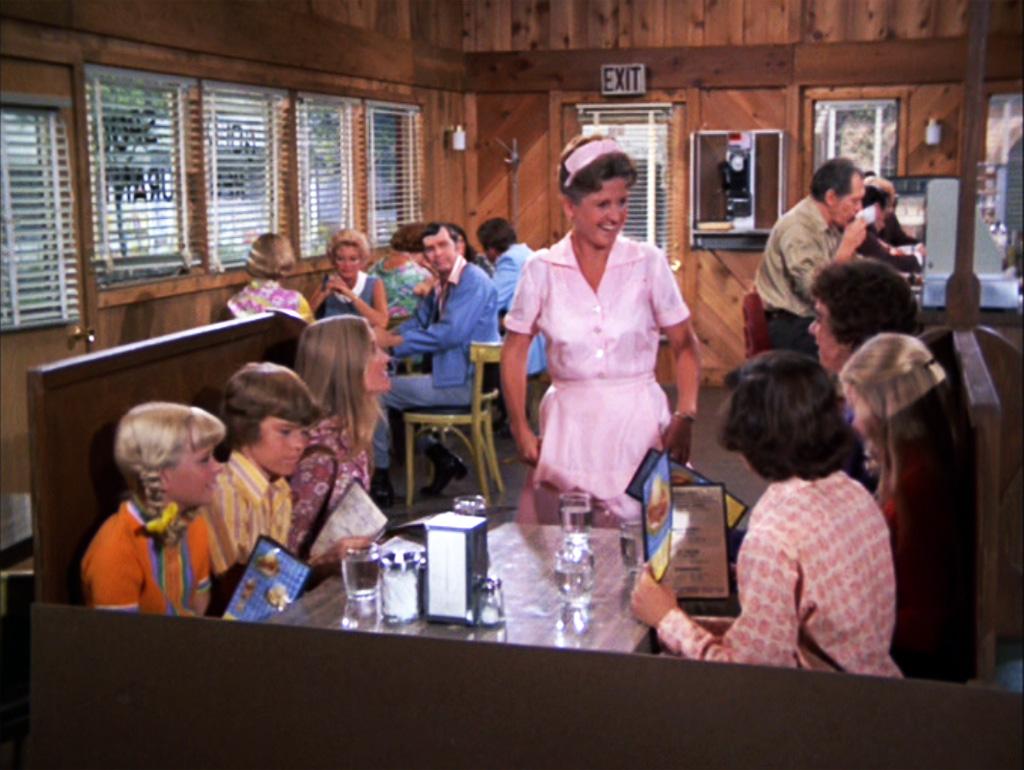
The Brady Bunch—the sequel combines The Brady Bunch and Alice and stars Ann B. Davis who became a restaurant owner once the Brady kids grew up.  They and their kids still stop in to get advice from Alice.  Alice is single but engaged to Sam the Butcher.

reboot6


The Andy Griffith Show—the network started making new episodes of the iconic series but realized that life in small town America has not really changed so, part way through the year, they begin showing reruns and no one notices.

reboot7

Take some time and think about what your favorite shows might look like.  And if you see any of the above shows in the next few years, remember you read about them here first.