We Love Spending Time with “Perfect Strangers”

Linn -Baker and Pinchot Photo: tvfinales.com

We are talking about our favorite duos from the eighties and nineties in our blog August series. Although most of these shows feature husband and wife teams, today we are turning the dial back to a show about two cousins: Perfect Strangers. I am always envious of my husband because they have a group of first cousins who are very close and grew up together. While I have scads of second cousins, once removed and such, I have no first cousins and always missed those relationships. Perfect Strangers is about two cousins who develop that type of relationship.

Perfect Strangers is another one of those shows that was quite popular when it was on the air, and it was for eight years, but it doesn’t get much recognition any longer.

The series was created by Dale McRaven for ABC; McRaven was also the creative force behind Mork and Mindy. Bronson Pinchot had appeared in Beverly Hills Cop as Serge, a gay art gallery employee who had a foreign accent. ABC signed on to the project based on Pinchot starring. However, in the meantime, Pinchot had signed on to Geena Davis’s sitcom, Sara. Sara was quickly canceled and Bronson became available, so a pilot was made with Louie Anderson in the role of the American cousin. It was obvious that this was not the best pairing, and eventually the role was offered to Mark Linn-Baker after an appearance he made on Moonlighting. He and Pinchot had great chemistry and the show was placed between Who’s the Boss and Moonlighting, very popular shows, on Tuesday nights.
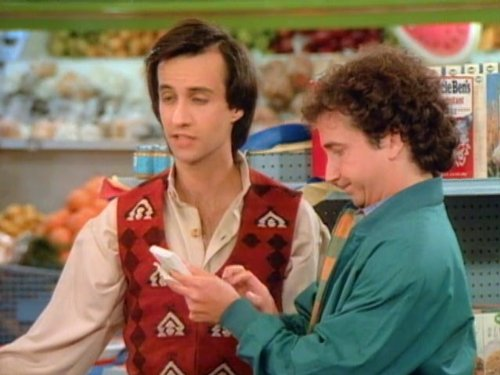
Photo: imdb.com

The short first season of six episodes debuted in March of 1986. The show was about Larry Appleton (Linn-Baker), a Wisconsin boy, who moved to Chicago and was enjoying life on his own after growing up in a large family. His utopia is shattered when his cousin Balki Bartokomous (Pinchot), arrives from Mypos, a Mediterranean island, intending to move in with him. Balki’s name was originally Vev, but Pinchot suggested Balki based on his sister’s nickname for her dog. Larry Appleton got his name because Lawrence University is in Appleton, Wisconsin, where I graduated from high school. Neither actor went to Lawrence, but both of them are Yale alumni. Both Linn-Baker and Pinchot got not only their BA degree from Yale but also both received their Masters of Fine Arts in drama.

Larry tells Balki he needs to live somewhere else. Balki had been a shepherd, and most of his impressions of what America was like were taken from pop culture, television shows, and commercials. Larry, a photographer, relents and invites Balki to live there, thinking of himself as more worldly and able to teach Balki the truth about American life. Ironically, it is often Larry who is more inept and gets the pair into some interesting situations.
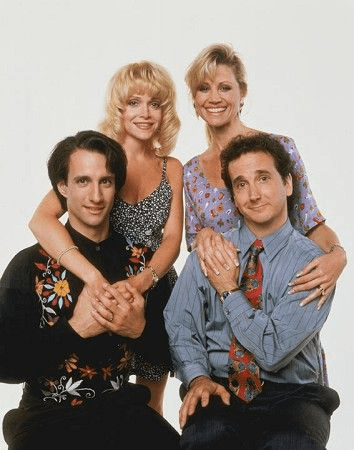
Photo: pinterest.com

Season two found the show on Wednesday nights. The cousins begin dating flight attendants–Jennifer (Melanie Wilson) dates Larry and Mary Anne (Rebeca Arthur) dates Balki. They meet the girls at the gym and realize that they live in the same building.

In season three, Balki is able to stop sleeping on the living room sofa and gets his own room when the pair moves into a much larger apartment. Somehow Jennifer and Mary Anne still live in their building but no one ever talks about moving. Larry is hired as a reporter for the Chicago Chronicle, and Balki is hired for the mail room. For some reason, halfway through the season the show was moved from its successful spot on Wednesdays to Fridays.

During season five, Harriette (Jo Marie Payton-France), the elevator operator, was given a new show, Family Matters which was also on Friday nights. That show, which for better or worse, introduced America to Steve Urkel, was on the air for nine years. Larry and Jennifer are still going strong while Balki and Mary Anne are lukewarm. Larry proposes to Jennifer during season six.

Season seven finds Jennifer and Larry in a large Victorian house. Of course, they realize they need renters to afford the expensive Chicago mortgage and who moves in but Balki and Mary Anne. Balki becomes an animator with his own comic strip at the newspaper. Eventually, Mary Anne moves out but in the finale, they reconcile, marry, and travel to Mypos for their honeymoon. The show retained its viewers but then it was moved to Saturday nights in February of 1992 before returning to Fridays. The TGIF campaign for ABC’s Friday night shows was very successful, and the network was trying to do something similar for Saturday nights.

Season eight, ironically also a six-episode season, picks up several months after the wedding, and we realize that both Jennifer and Mary Anne are noticeably pregnant. In the finale of the series, babies Robespierre and Tucker join the show.
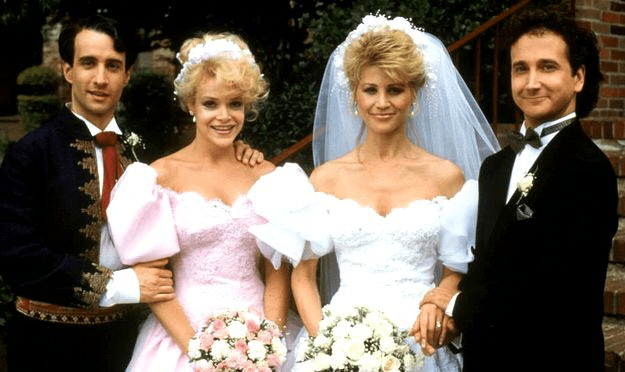
Photo: pinterest.com

The first six seasons found the show consistently in the top forty. Given its placement between two popular shows in its debut year, five of the first six episodes landed in the top ten. After the show was moved to Saturdays, it experienced a drastic decline in viewers. When the show was moved back to Fridays, it found its audience again. The show’s final season was supposed to be thirteen episodes but it was shortened to six. It was in the top twenty for the final season, and 15 million households watched the finale.

The theme song for the show, “Nothing’s Gonna Stop Me Now,” was written by Jess Frederick and Bennett Salvay. They composed the themes for Full House, Step-by-Step, and Family Matters as well.

We have talked about a lot of shows who have some famous fans and this show was no exception. Bronson Pinchot said Nelson Mandela was a fan of the show. Pinchot was invited to a banquet in South Africa where President Mandela was in attendance. One of the President’s assistants gave Bronson a note that read, “I’m dying to meet you, but if I go to your table, I have to go to everyone’s table. But I wanted you to know that I know my cousin is here.” Later that evening Bronson met Winnie Mandela.

Photo: pinterest.com

The Emmys also recognized the show. In 1987 Bronson Pinchot was nominated for a Lead Actor in a Comedy Series. He did not win, but had some tough competition with Ted Danson for Cheers, Harry Anderson for Night Court, Bob Newhart for Newhart, and, winner, Michael J. Fox for Family Ties. Two years later, Doris Roberts was nominated for Outstanding Guest Actress in a Comedy and lost to Colleen Dewhurst for Murphy Brown. Other nominees included Diahann Carroll for A Different World, Eileen Brennan for Newhart, and Maxine Stewart for The Wonder Years.

I’m sure that Perfect Strangers is in syndication somewhere, but I cannot remember the last time I saw it listed on television. There is a DVD set out for the entire series. I do remember watching this show most weeks and enjoying it, although it was not in my Top Ten. Yes, it had some too-typical and obvious plotlines like the girls living in the same building and both Balki and Mary Anne moving into the Appletons’ new house. However, the writing was pretty good and the characters were fully developed. The twist of naïve Balki often being wiser than native Larry is also a fun influence. It’s definitely a show that deserves more recognition than it has received in the past three decades. I’d love to know if you take some time to watch the DVDs, find it on the air somewhere, or just have fond memories of watching it in the past.

Not Anyone Can Pull a Stunt Like This

Since this month is a Potpourri Month, I thought it might be fun to look at the career of stuntmen on television. I’m calling this one “Propourri” because you have to be well trained to do these types of stunts.

Left to right: stuntmen Bob Miles, Bob Herron, Whitey Hughes, actor Michael Dunn, stuntman John Hudkins, Bill Shannon, and actor Quintin Sondergaard. Photo: famousfix.com

A stuntman or stuntwoman is a person who performs dangerous action sequences in a movie or television show. They have usually had extensive training to do these perilous moves safely. Sometimes they are hired as a team with a stunt crew, rigging coordinator, and special effects coordinator.

Stuntmen like Evel Knievel are daredevils who perform for a live audience. If someone fills in for a specific actor all the time, they are stunt doubles. So, what type of stunts do these professionals perform? Sometimes it’s car crashes, explosions, fights, or falls.

The first stuntmen to entertain audiences were performers who traveled around, often in circuses. Later these types of performers worked with Buffalo Bill and in shows that celebrated the Old West.

Today we are going to concentrate on television performers. Currently, stunt professionals must be certified to obtain the insurance producers need to obtain.

The Academy of Television Arts and Sciences now awards Emmys for stunt coordinators but there is no Oscar for this work.

Life-threatening injuries are not uncommon in this work and sadly, deaths do still occur. While most of my research found stuntmen killed in movies, I only found one relating to television. In 1985, Reid Rondell was killed in a helicopter explosion filming Airwolf.

I thought it would be fun to look at the careers of a few stuntmen from the golden age of television. Most of these men made their money in films, but all three of them had  successful careers working on television shows as well.

Whitey Hughes

Photo: findagrave.com

Whitey Hughes was born in 1920 in Arkoma, Oklahoma. He grew up on a farm, so in addition to working with plows and horse teams, he learned to break horses with his father. When he was sixteen, the family moved to Los Angeles. After graduating from high school, Whitey became a Screen Actors Guild member in 1947.

Whitey began his movie career in 1946. During the fifties, he worked on a lot of western films. Hughes said that in the early part of his career, he often had to be a double for the leading lady. (We’ll come back to this subject later in the blog.) He did stunt work for a variety of actresses including Anne Baxter, Rita Hayworth, Barbara Hershey, Virginia Mayo, Stephanie Powers, and Lana Turner.

Photo: westernclippings.com

Speaking of women, one of the roles, Whitey loved best was being the husband of Dotti; they were married for seventy years.

During the fifties, Whitey worked on a lot of westerns including Cheyenne. In the sixties, you would see him on Rawhide or as Kurt Russell’s double on The Magical World of Disney. If you want to see him in action, the best show to watch would be The Wild Wild West; his crew did some amazing things on that show and Whitey coordinated the stunt work for 1965-1968.

The eighties found him in Fantasy Island, Wonder Woman, and BJ and the Bear while in the nineties he was part of Little House on the Prairie and The Fall Guy. His last work was in a movie in 1998. In 2009, Whitey died in his sleep. It is good he died peacefully; I can’t imagine the toll that this type of work took on his body for fifty years.

Hal Needham

Photo: themoviedatabase.com

Hal Needham was born in 1931 in Memphis, Tennessee. He served as a paratrooper in the US Army during the Korean War. After the war, he worked as an arborist doing tree-topping services. He was also the billboard model for Viceroy Cigarettes while he was trying to establish his career in Hollywood.

Hal’s first big job was the stunt double for Richard Boone on Have Gun, Will Travel. From 1957-63 he was in 225 episodes. During the sixties, he would show up in many television series including Laramie, Wagon Train, Laredo, The Wild, Wild West, Star Trek, Gunsmoke, Big Valley, and Mannix.

Hal was the highest-paid stuntman in the world. That seems fitting because during his career he broke 56 bones, broke his back twice, punctured a lung, and lost a few teeth.

Needham was responsible for wrecking hundreds of cars, fell from many buildings, was dragged by horses, perfected boat stunts and was the first human to test the car airbag.

He revolutionized the work of stuntmen and worked to get his craft recognized and appreciated. He mentored up-and-coming professionals.

With Burt Reynolds Photo: youtube.com

His career transitioned from a stuntman to a stunt coordinator to a second unit director to a director. In all, he would work on 4500 television episodes and in 310 films, according to imdb.com. He made his directing debut on a movie he wrote called Smokey and the Bandit with Burt Reynolds and would go on to direct Hooper and The Cannonball Run for Reynolds among other series and films.

In 1977 Gabriel Toys debuted the Hal Needham Western Movie Stunt Set with a cardboard saloon movie set, lights, props, a movie camera, and an action figure that could break through a balcony railing, break a table and crash through the window. They have become highly collectible.

Photo: pinterest.com

Needham owned a NASCAR race team. He also set a Guinness World Record as the financier and owner of the Budweiser Rocket Car which is now on display at the Smithsonian’s National Air and Space Museum.

He also managed to win both an Emmy and an Oscar. Reynolds and Needham were close friends; Needham lived in Reynold’s guest house for 12 years and their relationship was used as the basis for the plot in Once Upon a Time in Hollywood.

Bob Herron

Bob Herron was born in 1924 in California. When his parents divorced, he moved to Hawaii with his father. The swimming and high diving he did there was a boost to his stunt career. His mother married Ace Hudkins who was a supplier of horses to the movie industry. Herron helped his stepfather in this business before enlisting in the Navy.

Photo: imdb.com

In 1950 he began doing stunt work. His first job was on Rocky Mountain with Errol Flynn and he was shot off horses. This would be a piece of cake compared to his role in Oklahoma Crude where he fell 55 feet from the top of an oil derrick into a stack of boxes.

In the sixties, he began his stunt work on television. He was in Gunsmoke, I Spy, I Dream of Jeannie, The Man from UNCLE, The Girl from UNCLE, Star Trek, Mission Impossible, Get Smart, and Bonanza. He doubled for Ross Martin in The Wild, Wild West. During the seventies, he appeared on Petrocelli, Little House on the Prairie, Marcus Welby, The Mary Tyler Moore Show, The Rockford Files, Kojak, and Charlie’s Angels among other shows. He was still going in the eighties doing his stunts on Hart to Hart, Magnum PI, Remington Steele, the Dukes of Hazzard, Matt Houston, Airwolf, The A-Team, and MacGyver. Despite being almost seventy, he continued in the nineties on shows like Father Dowling’s Murder Mysteries, The Wonder Years, and Murder She Wrote.

I did smile a bit to see shows like I Dream of Jeannie and The Mary Tyler Moore Show on this list. The Jeannie episode is one where she brings her great-grandfather to Cocoa Beach to show Tony how to desalinate water and the Mary episode is one where Sue Anne falls in love with someone who doesn’t return the feelings. I guess it proves you never know where a stunt person will show up.

I don’t know how he managed to survive sixty years performing dangerous stunts but he must have been in amazing physical shape.

I did promise to come back to men having to double for women in the forties and fifties. Thankfully, that is no longer the case, and women’s numbers are increasing among the 3400 stunt performers in SAG.

Former gymnast Shauna Duggins did the hard fighting work in Jennifer Garner’s show Alias. Because pay is determined by union contracts, stuntwomen do not suffer from the pay discrimination that sometimes shows up in the industry. Stunt performers are paid a minimum of $1005 for one day of work and they can negotiate higher pay based on their experience.

Shauna Duggins and Jennifer Garner
Photo: broadwayworld.com

Duggins was at the University of California Davis when she first thought about being a stuntwoman. She learned more about martial arts and spent hours working out in gyms after graduation. In 2000 she auditioned for stunt work in The X Files as Krista Allen’s double and got the job. Then she was in Charlie’s Angels for Kelly Lynch and Cameron Diaz.

It was after that movie that she got the role on Alias where she worked for five years. To protect these women, SAG has a 24/7 hotline for performers to phone if they feel they have been the victim of sexual abuse.

In 2018 Duggins won an Emmy after twenty years in the business. Her advice to young women who decide to make this their career: “train as much as you can in various skills. Go to different gyms with stunt performers, train with all of them and just learn from each other.”

I’m glad we took some time to learn about the tough and dangerous job these performers do. It was so interesting to learn a little bit about some of these industry stars.

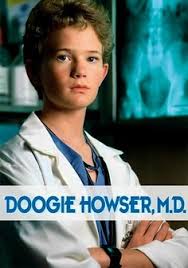
Doogie Howser MD: The Smartest Kid on TV

We are in the midst of our Teen Scene blog series this month. Today we learn about a true teen genius, Doogie Howser, MD.

Picture
Photo: sitcomanddramas.weebly.com

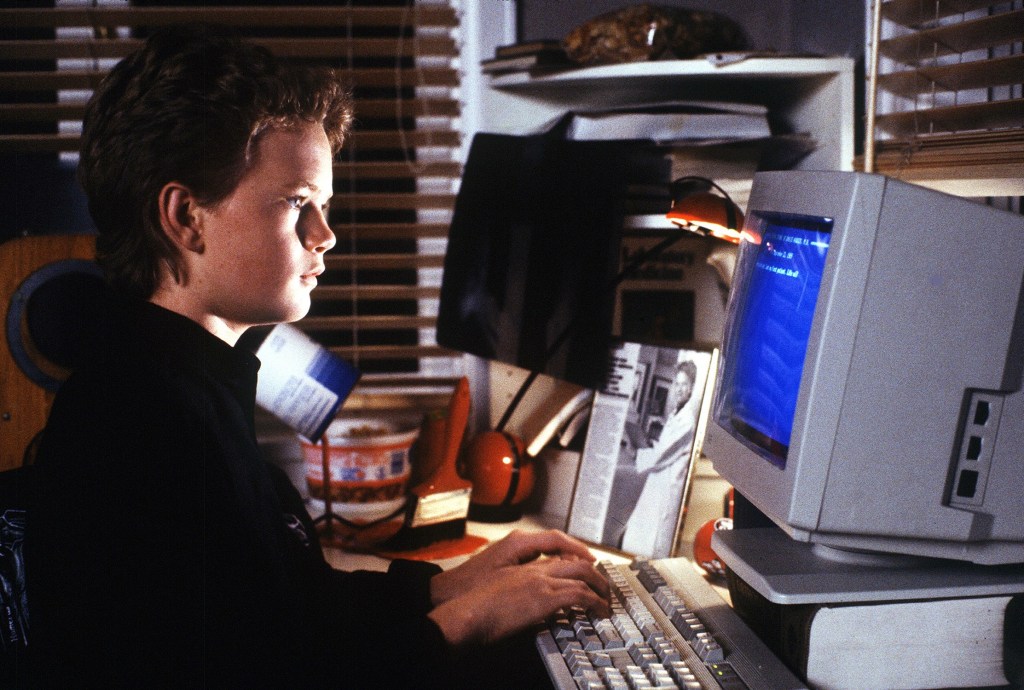
This half-hour sitcom was created for the fall of 1989 by Steven Bochco who created Hill Street Blues and LA Law and would go on to develop NYPD Blue. He asked David E. Kelley for help writing the pilot. Kelley, who also wrote for Hill Street Blues, would go on to write for Picket Fences, Ally McBeal, The Practice, Boston Public, and Boston Legal. Bochco and Co felt Neil Patrick Harris was the perfect kid to play a teenage doctor. ABC did not like the casting and was not fond of the show in general or the pilot. However, Bochco’s contract required that if the network canceled his project, they had to pay a penalty. They ended up putting the show on the air because test screenings ranked so well. The show ended up being on the air for four seasons, creating 97 episodes. It was one of the first sitcoms not to have a live audience or a laugh track.

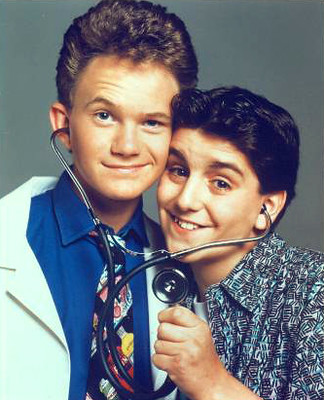
While Doogie had to deal with professional medical problems at work, in his personal career, he was still a teenager dealing with the same issues all teenagers do. His best friend Vinnie (Max Casella) had been in his life since kindergarten. Vinnie wanted to pursue film school, but his dad wanted him to join the family business. Doogie’s family business was medicine; his dad, Dr. David Howser (James B. Sikking) had a family practice, and his mother Katherine (Belinda Montgomery) became a patient advocate at the hospital.

Sikking, Harris, and Montgomery Photo: showbizjunkies.com

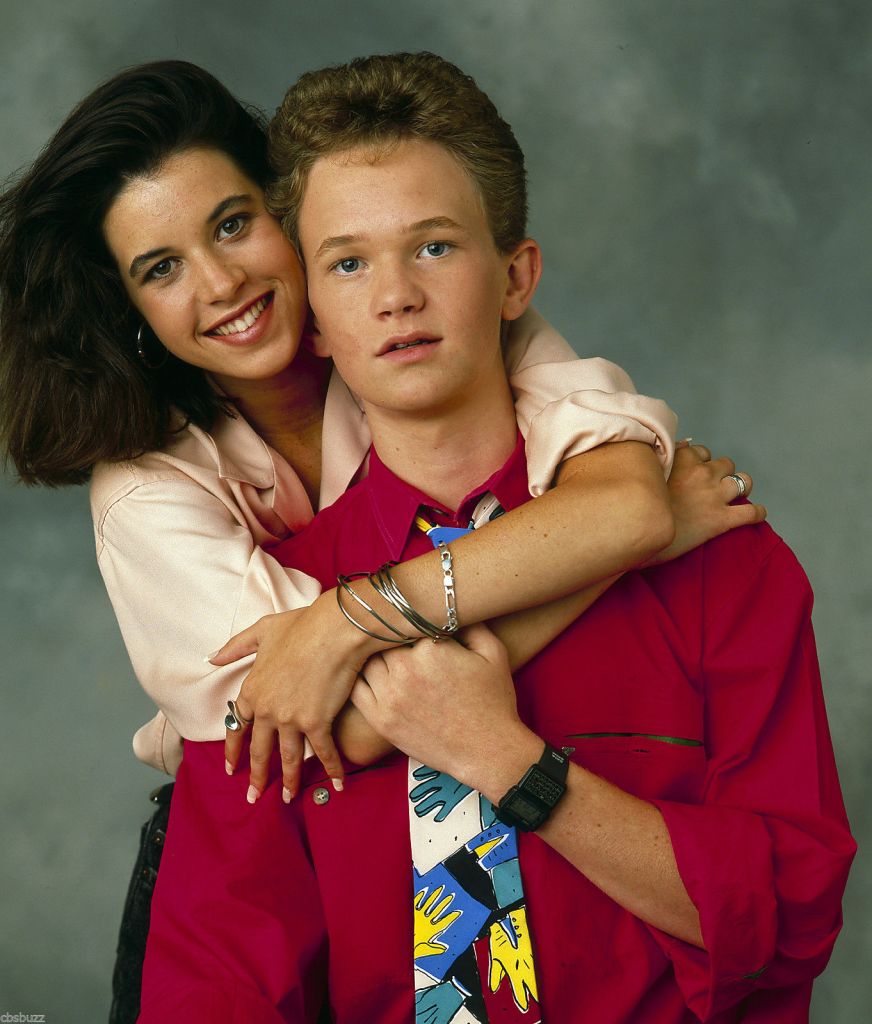
Doogie and Vinnie dated best friends. Wanda (Lisa Dean Ryan) was Doogie’s girlfriend but before the end of the show, she left to attend the Art Institute of Chicago and they broke up. Vinnie’s girlfriend Janine (Lucy Boyer) drops out of college to become a department store buyer.

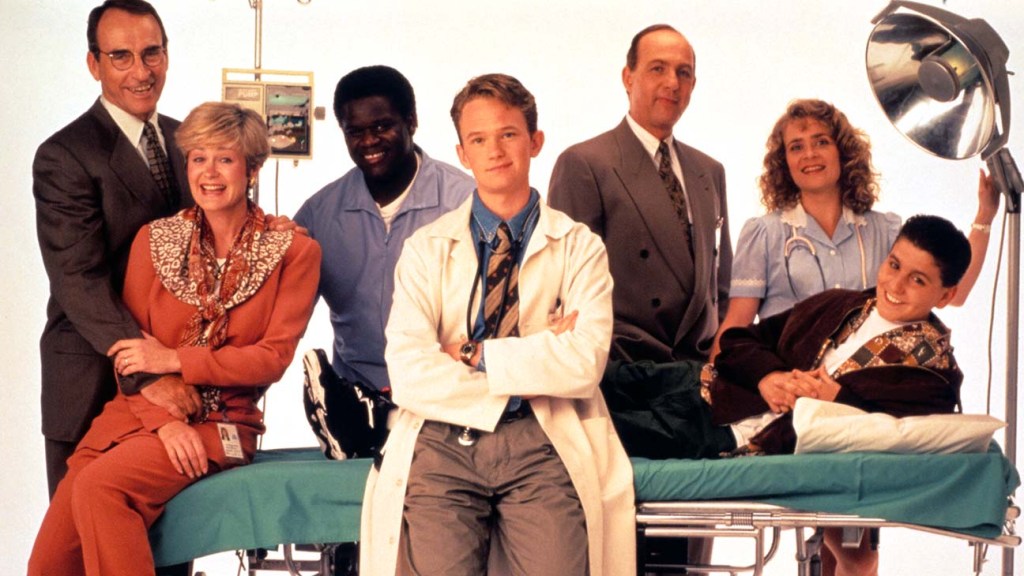
Doogie’s professional colleagues include Dr. Benjamin Canfield (Lawrence Pressman), head of the hospital and friend of Doogie’s father; Dr. Jack McGuire (Mitchell Anderson), a resident who eventually moves overseas to help third-world countries; Mary Margaret Spaulding (Kathryn Layng) a nurse who ironically dates McGuire, Canfield, and Doogie; and Raymond (Markus Redmond), an orderly who Doogie got hired after he left gang life. In seasons 2-4, Barry Livingston (Ernie from My Three Sons), plays Dr. Bob Rickett, a fellow doctor at the hospital.

Doogie Howser, M.D. (ABC-TV, 1989-93) Shown (l. to r.): James B. Sikking (as Dr. David Howser), Belinda Montgomery (as Katherine Howser), Markus Redmond (as Raymond), Neil Patrick Harris (as Doogie Howser), Lawrence Pressman (as Dr. Canfield), Kathryn Layng (as Nurse Curly Spaulding), Max Casella (as Vinnie)

Doogie’s (Douglas) story is that he was a two-time survivor of early-stage pediatric leukemia which gave him a desire to become a doctor. He was labeled a genius in school and had an eidetic memory and earned a perfect SAT score at the age of six, graduating from high school in only nine weeks at which time he entered Princeton at age 10. By 14, he had finished medical school and was beginning his career. A couple of sources I read said Bochco based the character of Doogie somewhat on his own father who was a violin prodigy.

Harris, Cassella Photo: flickr.com

We meet him at 16 when he is a second-year resident surgeon at Eastman Medical Center in LA. He lives at home with his parents, and he keeps a digital diary which he typically ends the show with, writing as he makes observations about what he has learned during the episode.

The show dealt with some heavier topics including AIDS awareness, racism, homophobia, and gang violence, but most of the shows also involve Doogie’s personal life and his social issues being a teen in an adult world. By the time the show ends, Doogie has moved into his own apartment. Howser then resigns from the hospital to take a trip to Europe. If the show had come back for a fifth season, the creators planned to have Doogie explore a writing career.

While audiences responded enthusiastically to the show, critics were not on board. Marvin Kitman of Newsday rated the first season 40/100 and said sarcastically, “What a wasted childhood my kids have had, I got to thinking while watching this otherwise normal Doogie Howser. It makes you look at your kids differently. What lazy bums they must be still in high school at 16.” Christopher Smith of the Bangor Daily News gave it a C and said, “No classic, this series.”

Harris, Dean Ryan Photo: sitcomsonline.com

However, fans continued to tune in, and a review by c l lance on imdb.com, in 2005, said “Doogie Houser [Howser], MD. Just the name brings a smile of remembrance to me. In the tradition of such television classics as L.A. LAW, NYPD Blue and Hill Street Blues, Doogie Houser, MD was wonderfully funny with a touch of life. As a 30-something adult when I first watched Doogie in late-night reruns, I was hooked by its humor and wit while watching this “kid” with an adult mind, yet the hormones and maturity of a teenager, grow into independence. Memorable episodes include his first day, the late-night skinny dip (as mentioned by another viewer), the practical joke he played on other hospital staff only to have it ruthlessly reciprocated, and the apartment with his best friend Vinny. There is some risqué humor but it is nothing when compared to today’s standards. I always enjoyed seeing the relationship he had with his dad and mom. I had the entire series recorded but sacrificed them for NFL games. BIG mistake!! Doogie Houser, MD will long be cherished by this now 40 something dad and his now 20 something daughters. I look forward to seeing Doogie’s journal again.”

A lot of us knew Harris better from his role of Barney Stinson on How I Met Your Mother. During one episode, “The Bracket,” Barney writes in his computerized diary while the theme song for Doogie Howser plays in the background.

UNITED STATES – SEPTEMBER 19: DOOGIE HOWSER, M.D. – Season One – Pilot – 9/19/89, Neil Patrick Harris played 16-year-old child prodigy Douglas “Doogie” Howser, a second-year resident at Eastman Medical Center who zipped through high school in two months, graduated from Princeton at 10, and medical school at 14. At the end of each episode, Doogie entered his experiences in his electronic diary, on his computer. , (Photo by Walt Disney Television via Getty Images Photo Archives/Walt Disney Television via Getty Images)

On September 19, 2019, USA Today did an interview with Harris on the 30th anniversary of the show and mentioned that upon the death of Steven Bochco, Harris reflected about his time on the show: “I look back on that with fondness. That was a very remarkably wonderful chapter for somebody who had never really been in the entertainment business before.” Doogie might have missed his chance to become an author, but Harris has written a series of kids’ books, The Magic Misfits, as well as an autobiography.

I do remember watching the show during prime time. If I was home, I watched it but it was not a must-see show for me. It was an interesting concept though and seemed realistic enough given the few people who would experience this type of life. I think the bigger issue for me was that the first three years it was on against Night Court, so I probably watched more of the fourth season when it was sandwiched between The Wonder Years and Home Improvement.

Photo: pinterest.com

Let the Record Show That Night Court Was a Hit

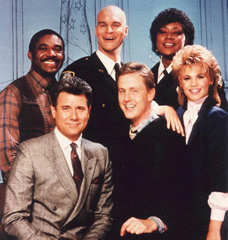
In July we learned about Sirota’s Court which Night Court seemed to be a clone of. Debuting on NBC in January of 1984, Night Court ran for nine seasons until May of 1992. The series was supposed to begin in fall of 1983, but the executives at NBC were concerned about Harry Anderson’s lack of experience as an actor. They delayed the show; every show that debuted in fall of 1983 was cancelled, so Night Court was put on the schedule mid-season.

Photo: tvseriesfinale.com

Thursday nights on NBC were part of “Must See Thursday.” The schedule featured The Cosby Show, Family Ties, and Cheers followed by Night Court.

An unconventional judge, Harry Stone (Harry Anderson) presided over a Manhattan night court overseeing petty crime and dealing with a lot of wacky clients, odd coworkers, and bizarre situations. The role of Judge Stone was originally offered to Robert Klein, but he could not come to an agreement on the salary with NBC.

The main characters include Judge Stone, a public defender, a prosecutor, a couple bailiffs, and a clerk of court.

No Merchandising. Editorial Use Only. No Book Cover Usage. Mandatory Credit: Photo by NBC-TV/Kobal/REX/Shutterstock (5882810g) Harry Anderson Night Court – 1984-1992 NBC-TV TV Portrait

Harry Stone is a humorous judge (and magician). Although he was young, he was appointed because when the outgoing mayor called prospective judges, Harry was the only one who answered the phone. Stone likes old movies, Jean Harlow and adores Mel Tormè. The show’s creator Reinhold Weege discusses Stone’s admiration for Tormè on the DVD commentary. He said Tormè said he began to notice a younger audience at his concerts which he attributed to the Night Court references and happily appeared on an episode of the show.

Photo: wikia.com

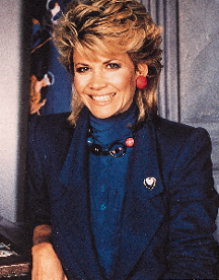
The public defender role went through several changes during the course of the show. Gail Strickland was Sheila Gardner in the pilot. Paula Kelly was Liz Williams during the first season. Ellen Foley was brought on board for season 2 as a possible romantic interest for Judge Stone. Markie Post showed up for season 3 as Christine Sullivan and stuck around for the next seven seasons. Post was the first choice for the role in 1984 but was committed to The Fall Guy. When that show was cancelled, she was hired. Christine  was a bit naïve and committed to helping others. She was a fan of the royal family and collected Princess Diana memorabilia as well as porcelain thimbles.

Photo: pinterest.com

The prosecutor was Dan Fielding (John Larroquette). He was a sex-obsessed, somewhat witty, egotistical and greedy man. However, at times he could display compassion for others but not for long. He was always trying to get Christine to go out with him, but there was always a romantic tension between her and Stone.

Photo: pinterest.com

Nostradamus “Bull” Shannon (Richard Moll) was on the show for its entire run.  He came off as a bit dim-witted but was patient, kind, and devoted to Judge Stone.

Photo: amazon.com

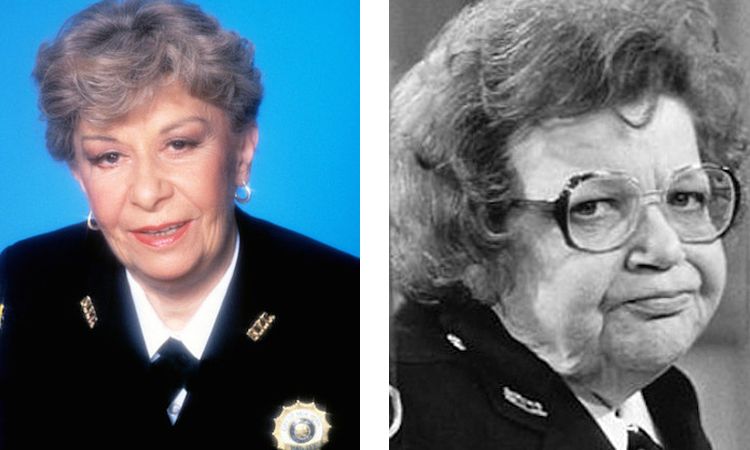
For the first two seasons, he worked with Selma Hacker (Selma Diamond), a chain-smoking older bailiff who had been married six times. Diamond was diagnosed with cancer after season 2 and passed away shortly after. Florence Kleiner (Florence Halop) came on for season 3. Older like Selma, they had similar personalities. “Flo” loved motorcycles and heavy metal music. Halop also was diagnosed with and died from cancer after season 3. Rosalind Russell (Marsha Warfield) began in season four and stayed for the duration of the show. She was a practical, no-nonsense woman.

Roz Russell Photo: ebay.com

Clerk Lana Wagner (Karen Austin), was asked to leave the show after only ten episodes. I could not substantiate it, but she claims it was her diagnosis of Bell’s palsy that ended in her being asked to resign. Macintosh “Mac” Robinson (Charles Robinson) would take over in season two for the rest of the series. A Vietnam veteran, he was easy going and funny and always wore a cardigan, plaid shirt and knit tie.

Photo: lastagetimes.com

Weege also mentioned in a DVD commentary that he named a lot of the pimps and hookers on the show after friends of his.

Although there were a lot of great crooks on the show, one of the most interesting episodes featured Seinfeld’s Kramer, Michael Richards. He appeared as a burglar who thought he was invisible and showed up naked in court. He was one of the funniest criminals on the show.

Photo: screenrant.com

Like many of the 1980s shows, Night Court had a jazz instrumental theme song. This one was written by Jack Elliott and featured Ernie Watts on saxophone.

Critics loved the show. It was nominated for Outstanding Comedy Series in the Emmy awards in 1985, 1987, and 1989. In 1985, the show was up against Kate and Allie and the rest of the shows that was part of the Must-See Thursday with The Cosby Show winning. In 1987 it was up against the same slate except Kate and Allie was replaced with The Golden Girls which won. In 1989 it lost to The Wonder Years. Larroquette, who was the most popular character in the show, won the Emmy for Best Supporting Actor four years in a row and then asked that his name be taken out of consideration. Overall, the show was nominated for 31 Emmys and won 7 of those. In an aside, Larroquette was offered his own spin-off show, but he turned down the offer.

Photo: pinterest.com

Anderson received credit for writing five of the episodes and Anderson, as well as Larroquette and Robinson directed several episodes of the series.

After season seven, the show began losing its audience. The cast members were getting tired of their characters, and the writers had a hard time coming up with new plots. Season eight was supposed to be the last one. Among other character wrap-ups, Harry and Christine would get married and Dan would become a priest. However, at the last minute, NBC renewed the show for another season, so the marriage did not take place and Dan ended up with Christine in the finale. The cast was offered more money to return for a tenth season, but they declined.

Mel Torme on Night Court Photo: wikia.com

In doing a bit of research, I learned that New York’s real night court operates from 5 pm to 1 am. Because of the crazy goings on that happen there, it has become a tourist attraction. It’s the only place where courts operate during these hours. One reporter wrote that “At 12:30 am on a freezing Wednesday morning, it’s not just New York City’s famously 24/7 bar and club scene that’s a hive of activity. Deep in the heart of Manhattan, a man in handcuffs is standing in front of a judge, listening to a string of firearm and assault charges as a crowd of lawyers hum around him and solemn family members watch from the benches. This is night court, an operation that has become a strange kind of tourist attraction for visitors in New York looking for something a little out of the ordinary.”

This show was based on characters rather than plots, and the wrong actors would have made the show a disaster. This cast was able to pull it off. They were quirky but still allowed the audience to get to know them and like them. The fact that the show was set in the same setting for most of the nine seasons and did not seem to be repeating plots over and over again is pretty impressive. I don’t think they should have done a season 9 but hindsight is always 20/20 as they say. The show holds up well after almost four decades. It’s worth watching just to see how the main characters interact and grow during the run of the show.

The Wonder Years Was Wonderful

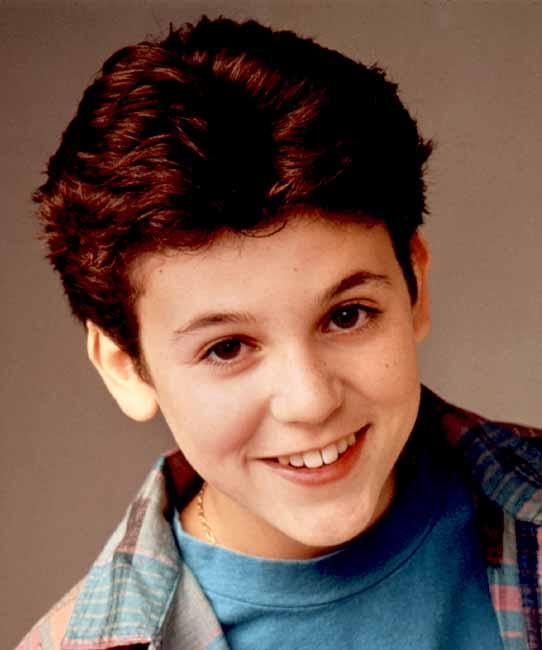
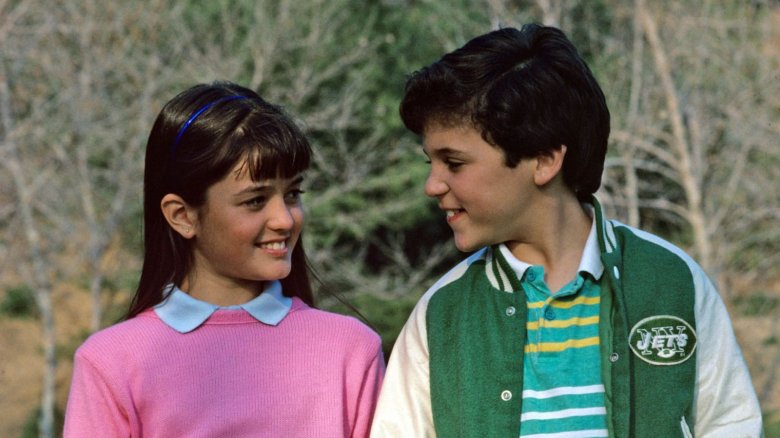
It’s been a lot of fun this month to visit a variety of eras in my blog series: “Timeless Comedies: Living in the Past.” Last week we learned more about the fifties on Happy Days. Today we travel a few short years and end up in 1968 where we get to know Kevin Arnold (Fred Savage) on The Wonder Years.

Photo: ranker.com

Debuting in 1988 following the Superbowl Game that winter, The Wonder Years is narrated by an older Kevin; it described the life of a 12-year-old boy which is what viewers see. The show would last till 1993, and we were able to follow Kevin in his journey from a preteen to a man. The series produced 115 episodes during its time on the air.

Husband and wife Neal Marlens and Carol Black created the coming-of-age show. Kevin experienced all the typical angst and joy of an American kid growing up in the turbulent sixties. From heart-warming to heart-breaking, we journeyed with Kevin through the ups and downs of growing up.

jPhoto: fourthgradenothing.com

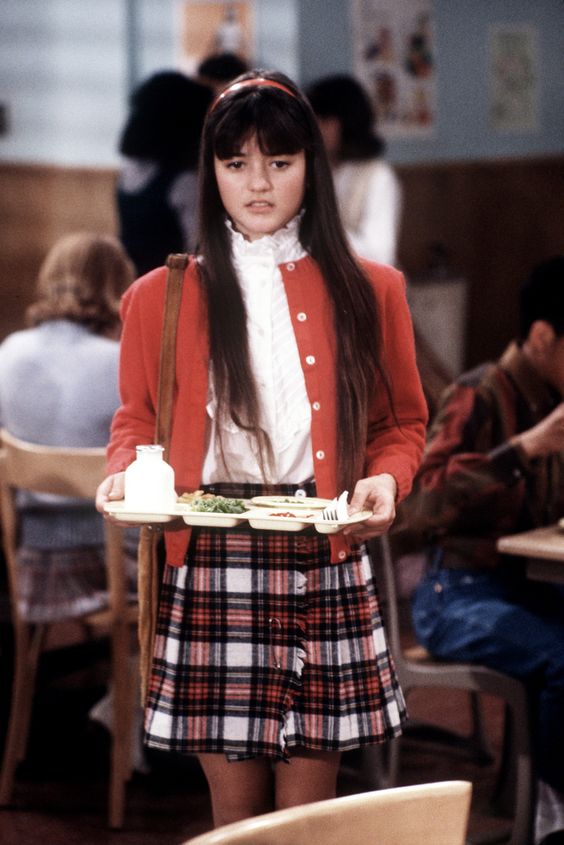
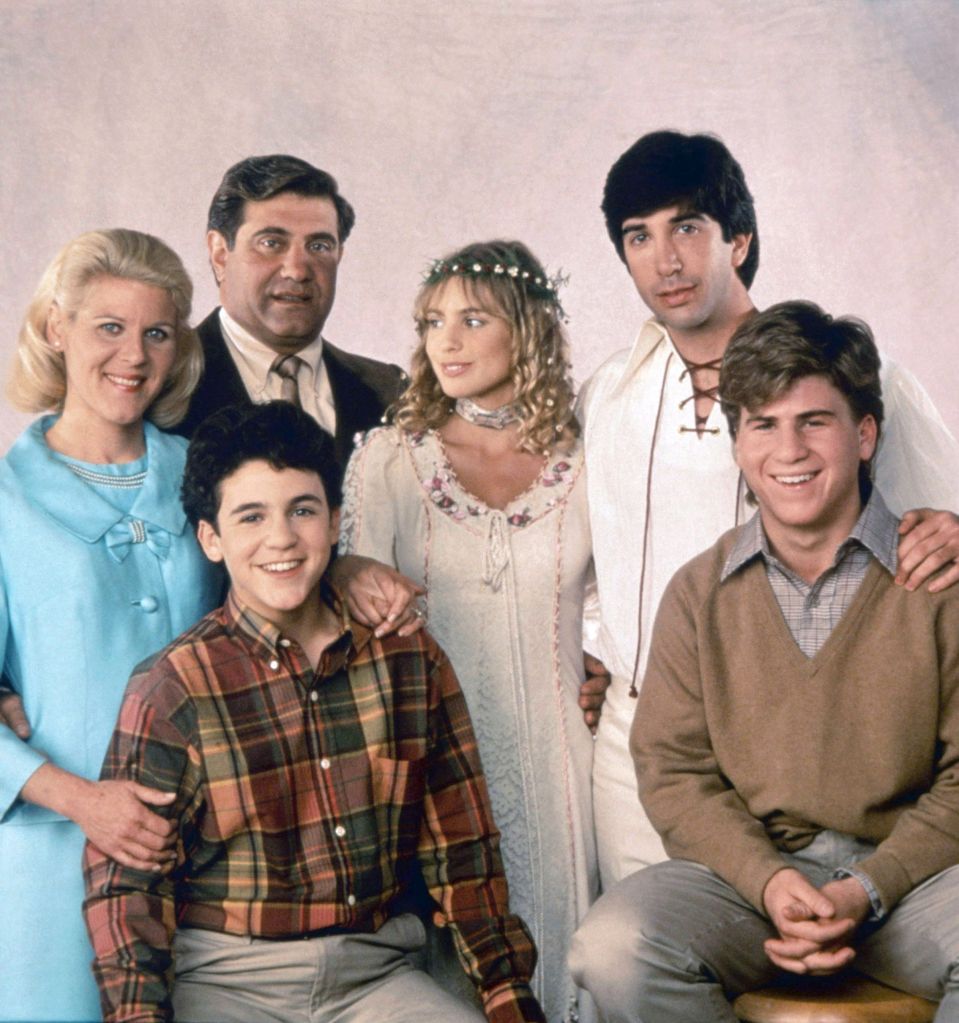
Kevin lives with his father Jack (Dan Lauria), his mom Norma (Ally Mills), his older sister Karen (Olivia d’Abo), and his annoying older brother Wayne (Jason Hervey). We also get to know Kevin’s best friend Paul Pfeiffer (Josh Saviano) and his girlfriend Winnie Cooper (Danica McKellar). Although Kevin narrates the show, it’s narrated from an adult perspective and voiced by Daniel Stern. The narrator for the pilot was Ayre Gross. Later Stern re-recorded the episode so it matched the future shows on DVD.

Photo: sheknows.com

Both the critics and viewers loved this show. After only six episodes aired, the show won the Emmy for Outstanding Comedy Series.

The theme song was Joe Cocker’s “With a Little Help from My Friends.”

Photo: pinterest.com

When Black and Marlens began casting, all five casting directors they spoke with recommended Fred Savage for the role of Kevin. He had recently been in The Princess Bride. Finding an actress for Winnie became a bit harder. After narrowing down the choices, the creative couple were looking at two sisters, Danica and Crystal McKellar.  It was practically a toss-up, but in the end, they chose Danica.  However, they liked Crystal so much, they wrote her into the show as Becky Slater as an alternate girlfriend for Kevin in the later episodes.

Photo: paste.com

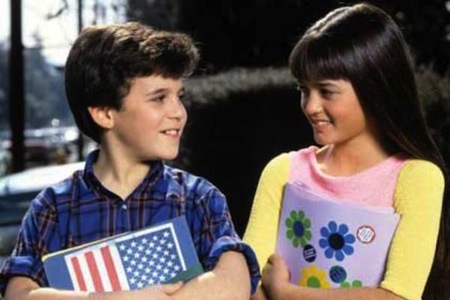
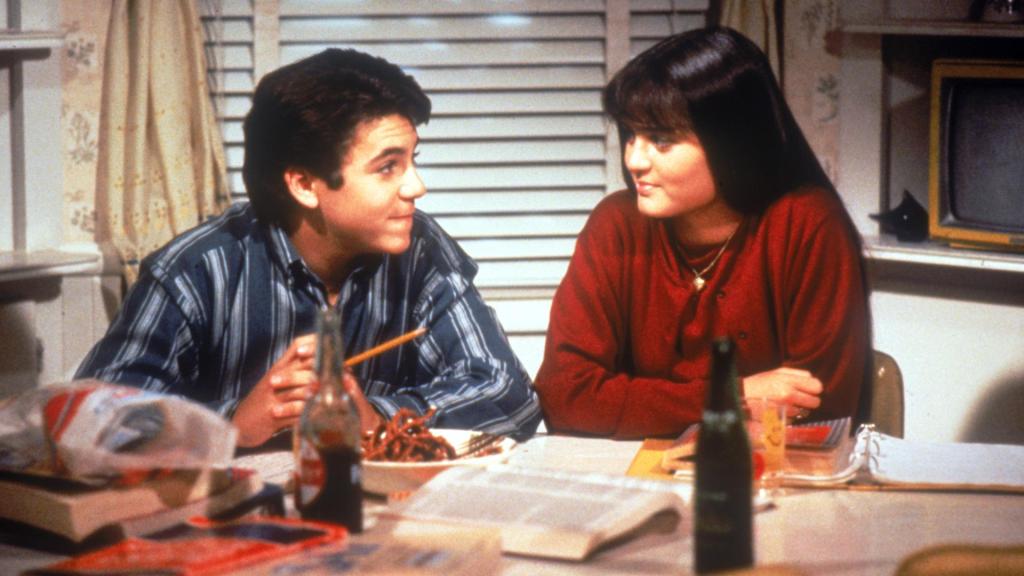
In the pilot episode, Winnie’s older brother is killed in Vietnam. When Kevin consoles her, they end up having their first kiss. It truly was both the actors’ first kiss, so there is a tension there that made it touching. There is always an interest between the two but Winnie starts dating an eighth grader Kirk McCray, and Kevin eventually goes steady with Becky. When he realized he couldn’t shake his feelings for Winnie, he breaks up with Becky. Winnie goes through a similar process. The two share a second kiss at the beginning of their summer vacation the next year but continue to be just friends for a while.

Photo: losangeletimes.com

Winnie and Kevin eventually become a couple. Not long after, Winnie moves. While her house is only a few miles away, she must change schools. The two continue their relationship for a while until Winnie becomes interested in another boy at her new school.

The three schools that Kevin and Winnie attend are RFK Junior High, Lincoln Junior High, and McKinley Senior High. All three were named for famous political men who were assassinated. Another fun fact about the schools is that whenever the kids were in the cafeteria, they have green Jell-O.

Photo: zimbio.com

Winnie and Kevin would get back together again after she is injured in a car crash. They both attend the same high school and date much of that time.

It was tough for both the producers and the cast when you have minors on the set because you have to follow child labor laws. Savage explained his frustration at times. “You have to get at least three hours of school in every day. So, whenever I’m on a break, I go to school. It’s really intense because I have to get a lot done in short periods. And it’s hard because if they need you back on the set, they pull you away every twenty minutes. If you’re writing an essay and suddenly get inspired, you’ve got to stop and go back to work.”

Photo: salon.com

Black and Marlens left the show after season one.  I never found a reason listed, but some sources claimed it was because they were having a baby and wanted to escape the Hollywood environment and bring up their children somewhere else.

The show was cancelled in 1993. It was getting harder to keep the plot innocent and fitting for the primetime slot people were used to with a seventeen-year-old. Escalating costs and declining ratings also took their toll. When the final episode of the series aired, the cast still was not sure if this was the final show or if it would be coming back for a seventh season, so the finale was not as smooth or wrapped up as the team wanted.

Photo: basementrejects.com

I’m sure one of the questions people ask Fred and Danica was were they also in love. The fact and fictional parts of the show blurred a bit. Both Fred and Danica mentioned in a People interview that they had a crush on each other at one time or another. Fred said, “I was in love with her for the same reasons every other boy fell in love with her.”  He also said, “You won’t meet a sweeter, nicer girl—and she’s gorgeous.” Danica also talked about her crush. “In the beginning we had a mutual crush. Then things went into the teasing stuff and then into a more comfortable, brother-sister thing.”

Photo: sheknows.com

Another blurring was some of the script language. I remember Sherwood Schwartz’s daughter complaining that something happened in her life and then it ended up on The Brady Bunch. In a similar manner, some of the writers incorporated things Fred and Danica said to each other off camera into the scripts.

Jason Hervey improvised some of the scenes he had with Kevin. Jason remembered some of the things his older brother did to him and in turn tormented Kevin with them. There are a few scenes when Wayne has to drop Kevin off or pick him up, and he would keep inching the car forward as his little brother tried to get in or out. That happened to him in real life.

Photo: buzzfeed.com

Finally, the show mirrored life in that on the show Paul Pfeiffer attended Harvard to become a lawyer. In real life, Josh Saviano also became a lawyer, after attending Yale.

Photo: yahoo.com

The show has held up surprisingly well in reruns. It’s similar to M*A*S*H. You know the show is set in Korea in 1950, but the themes it demonstrates are timeless and the relationships could occur in other times and places.

Photo: topnews.pink

The Wonder Years works for the same reasons. Neither Kevin nor Winnie are the most popular kids in the school, but they are two of the nicest. If you ever looked back in an old yearbook from junior year or high school, you’ll see kids that you kick yourself for not dating. At the time, they just weren’t the popular kids everyone was interested in, but you realize they were the kids you should have ended up with. Although this show is set with the backdrop of the sixties when times were unpredictable, the primary subject of the show is the relationships Kevin has with this friends and family. The reality and sentimentality of those relationships is the same whether you watch a show from the 1940s, the 1960s, or the 1990s.

Photo: huffingtonpost.com

Do yourself a favor if you never watched the show or haven’t seen it in a couple decades and treat yourself to a week-end of binge watching. It only gets better with age.

thirtysomething: love it or hate it?

Continuing our Rewind 1980s, today we delve into the show that was thirtysomething. If you want to start a heated debate, just ask a group of people what they thought about the show. Everyone has a definite opinion, and the answers vary greatly. This is Us and A Million Little Things remind me a lot of thirtysomething. They are shows I look forward to every week. Not surprisingly, Ken Olin who played Michael on thirtysomething is the executive producer of This is Us; he also has directed many of the episodes, and Timothy Busfield who played Elliot Weston on the show has also been a director on This is Us.

Photo: npr.com
Gary, Melissa, Ellyn, Michael with Janie, Hope,
Nancy with Ethan, Elliot with Brittany

I loved the show when it was first on the air. The first couple episodes I watched on DVD had a few moments that seemed a bit too introspective and overthought, but as the series progressed, I remembered why I loved the show so much. Choosing between a show where characters might overthink occasionally versus some of the mindless shows currently on television, I’ll take the first option every time.

Photo: hollywoodreporter.com
A typical thirtysomething scene

Edward Zwick and Marshall Herskovitz, who both worked on Family, created this show for United Artists Television. It was on ABC for four seasons from 1987-1991. A group of baby boomers, made up of single friends and married couples living in Philadelphia, experience life after college. Originally the show was called “Thirty Something,” but it was changed to thirtysomething before it aired. The word “thirtysomething” was added to the Oxford English Dictionary after this series became so popular.

I would be remiss if I did not mention the memorable music from the show. W.G. Snuffy Walden and Stewart Levin were the composers for the theme song and much of the music that was heard in the background. A CD was released in 1991, titled “The Soundtrack From thirtysomething”. I have that CD and still listen to it from time to time. Walden would go on to compose music for many series including The Wonder Years, The West Wing, and Nashville.

Photo: zimbio.com

The series was extremely popular with young adults. It won 13 Emmy Awards and was nominated for 41. It also won two Golden Globes.

Photo: variety.com
The Steadmans

Although this was an ensemble cast similar to Friends, the main characters were Hope (Mel Harris) and Michael (Olin) Steadman. Michael runs an advertising company with Elliot (Busfield).

Photo: amazon.com
The Westons

He and his wife Nancy (Patricia Wettig) are good friends of Hope and Michael. (In real life Wettig and Olin are married.) Michael’s best friend is professor, Gary Shepherd (Peter Horton), and Hope’s best friend is Ellyn Warren, (Polly Draper) who works for the city. Michael’s cousin Melissa (Melanie Mayron) is also part of the inner circle.

Photo: cinemur.fr
Ellyn and Gary pretend to be dating as a prank on Hope and Michael

She dated Gary in the past and there is always a “will they or won’t they get back together” vibe between them.

Photo: decider.com
Michael and cousin and friend Melissa

Michael and Hope have a baby when the show begins, and the Westons have two young children, Ethan and Brittany. The children are all central characters in the show.

Intelligent scripts and realistic plots make the show a classic. As the show evolves, Michael and Elliot have to give up their company and go to work for someone else, Gary and his girlfriend Susannah (Patricia Kalember) get pregnant which leads to their marriage, Ellyn and Melissa have various serious relationships before they find their soulmates, Nancy pursues her dream of being a children’s author and illustrator, the Westons separate, and Hope is constantly weighing the advantages of being a stay-at-home mom versus returning to her writing career. Melissa’s career as a photographer skyrockets including work for Vanity Fair and a Carly Simon album cover. In addition, there is the unexpected storyline when Nancy battles ovarian cancer. She is told she is in remission and her friends throw a party at her hospital room, when Michael gets the call that Gary has been killed in a car accident on the way to see them.

Photo: whosdatedwho.comS
Susannah and Gary get married
Photo: denverpost.com
Michael and Elliot

In an article on hollywoodreporter.com in 2017, Craig Tomashoff interviewed Herskovitz about the creation of the show and the casting.

Photo:scottryanproductions.com
Nancy helping Gary with teaching children’s literature

Herskovitz explained after quickly putting the script together, based in part on the concept of the movie The Big Chill, they had to find their ensemble cast. He said each character was a totally different experience. When Busfield walked in the room, they said he was cast before he even read a line. Marshall and Olin were already friends, so they cast Ken as Michael and then hired his wife but explained she was going to be married to another character. She only had one line in the pilot so she was a bit worried about the character, but they promised her that her character would be developed more fully. Horton was also a friend of Herskovitz’s. They lived in the same neighborhood and their wives were also friends. He wanted to be a director, not an actor. But when he read the script, he thought it was the best pilot he had ever seen, so he came on board. Mayron and Draper were both brought in for auditions. Mel Harris auditioned for Zwick and Herskovitz but then heard nothing. She had only been acting for about a year or so at that time. She finally got the call that she was hired.
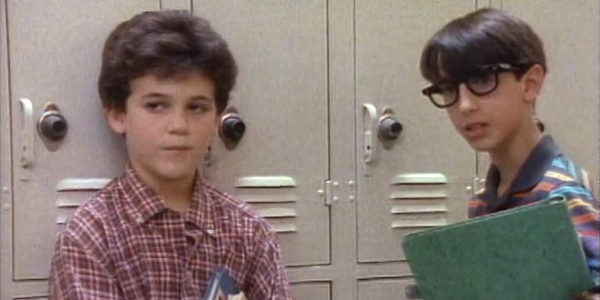
Photo: pinterest.com
Michael and Gary

The group worked very well together. The show focused on friendship and feelings. As Mayron once described it, rather than the big things in life, the show was “about the minutiae of life, not the disease or crime of the week.”

Photo: coreyparkeractor.com
Melissa and her soulmate

This was seen in the marital relationships as well.  Although there were a few big things that came between Hope and Michael, most of their arguments were smaller, petty things that most couples argue about from time to time. Hope wanted help with cleaning the house; Michael felt the laundry wasn’t done often enough. We didn’t see anything romanticized–the house needed repairs and trying to get a babysitter was a frustration. However, we did see things that were romantic. In the middle of a conversation about their daughter, when it was quiet, Michael and Hope would have a loving moment.

Busfield said the actors chose to focus on each other and insulate themselves a bit. Horton said “Ken, Tim and I became almost like brothers. We meshed in each other’s lives, never feeling competitive with each other. Tim was the most practical of all of us.” Because the cast was so close and they shared their lives with one another, Zwick admitted, that “we mercilessly robbed the cast of their life experiences.” Occasionally, someone in one of the actor’s past would not be happy seeing a story from their life on the screen.

Photo: variety.com

Busfield said the cast realized how important their characters were to the viewers and how much they related to them, sometimes in negative ways. Once in a grocery store, a woman came up and slapped him across the face because of the way he treated Nancy. She apologized when he reminded her that was not him but his character. Wettig said a woman asked her where she did her chemotherapy and then shared with her that she had just been diagnosed with cancer and had to find a treatment facility. Mayron started wearing her suspenders backward for Melissa just as a unique fashion. One day when she was out and about, she saw a lot of girls doing the same and they told her they were copying her. Horton’s story was that he had been a dedicated fan of Crosby, Stills, Nash and Young. One day at an event he had a tap on his shoulder and when he turned around, he saw David Crosby who shared that he was a huge fan of Horton and thirtysomething.

Photo: ew.com
Susannah coping with Gary’s death

The show mirrored real life for viewers. Many people were dealing with internal struggles and thought that they were the only ones who experienced such thoughts. There was a comfort in the realization that other people had the same feelings. Viewers had an intimate relationship with the cast.
Most of the characters wanted to do something big with their lives and careers. They are now at the turning point where that may come true or they might have to re-adjust their perspective of what’s important. The married friends are jealous of their single friends at times and the single friends return the favor. Nothing is black or white.
If you think of life as a mosaic masterpiece, you realize each episode of the show looked at one tile piece in-depth. It can be exhausting and feel overwhelming to do that, but once you do, you develop an appreciation and understanding of the artwork as a whole that you would not achieve just looking at it as one thing.

THIRTYSOMETHING, (L-R), Peter Horton, Rachel Nagler, Patricia Wettig, Mel Harris, Timothy Busfield, Jason Nagler, Polly Draper, Ken Olin, Melanie Mayron, Season 1, 1987. (c) MGM Television/ Courtesy: Everett Collection.

When the show came out, critics were divided.  Some loved it; some hated it. Gene Seymour from the Daily News, wrote that is would “bring you down” and “make you uncomfortable.” However, he also said the show “deserves your attention.”

When the series was cancelled four years later, things hadn’t changed that much. An ABC spokesman said the show was cancelled partly for ratings decline and partly because Zwick and Herskovitz wanted to make feature films. At that time, Francesca Chapman, also of the Daily News, wrote that the series “has told us stories we already know and made it fascinating” and that “they were all the more gripping because a good story, told realistically and in detail, a story that doesn’t necessarily have a punch line or a happy ending, is an unusual thing on TV. After tonight, it will be all the rarer.”

The cast was featured on a reunion episode in 2009 on Good Morning America. When the show turned 30 in 2017, it propelled a lot of articles about the cast and the significance of the show. The show had not been forgotten.

keywordbasket.com
GMA Reunion 2009

When thirtysomething started in 1987, it provoked a lot of disagreement about the show. When it went off the air four years later, the debate had still not been settled. Now thirty-two years later, there is still not a definitive answer. You love it or you hate it. While I admit, when I began re-watching the episodes from the first year, I was surprised that I saw too much whining which was a big criticism of the show originally. But once the season got underway, the whining was replaced with in-depth discussions about life and friendship. I loved it, and I’m grateful to the show for creating a place on television today that can feature a show like This Is Us. Just when you think you’re going to give up on television and just read, a show like that comes along and brings you hope that it’s not all a wasteland and that there is treasure to be found if you take time to look for it.