St. Elsewhere: Medicine Doesn’t Always Give Us The Ending We Wanted

Today we are winding up our blog series, “Examining Some of Our Favorite Medical Shows.” Six years seems to be the magic number of seasons for many medical shows and it was no different for our series today: St. Elsewhere.

Photo: starstills.com

St. Elsewhere was created by Joshua Rand and John Falsey. It aired on NBC from 1982-88. It was produced by MTM Enterprises, Mary Tyler Moore’s company that also produced Hill Street Blues; both shows had large casts, realistic plots, and continuing storylines.

The show was talked about a lot, but I was surprised to learn that it never ranked higher than 47th in the Nielsen ratings, and that was in the final season. The reason it stayed on the air so long despite lower ratings was that it did very well with the 18-49 year age group with the networks were trying to appeal to. It did win 13 Emmys for writing, acting, and directing. (Overall the show won 13 Emmys out of 62 nominations.)

St. Elsewhere was set in St. Eligius Hospital, a rundown Boston teaching hospital. Its elevators don’t work and they still use an ancient tube system to send messages from one floor to another. Apparently “St. Elsewhere” was a slang term that referred to not well-equipped hospitals that served patients who were turned away from more well-respected institutions. The building that served as the hospital façade was the Franklin House on East Newton Street in Boston, which was originally a hotel for women. Young working women lived there including Faye Dunaway after she graduated from Boston University.

The show intertwined the professional and private lives of the medical staff and patients. It dealt with many cutting-edge social issues including heart transplants, artificial hearts, AIDS, religious conflicts, suicide, and gender identities.
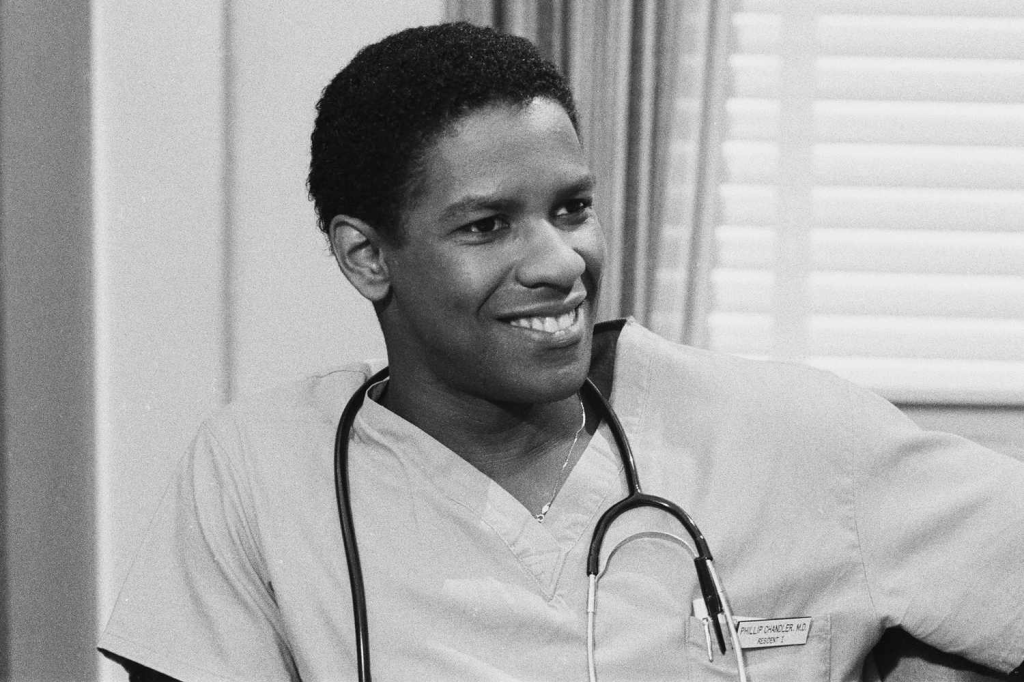
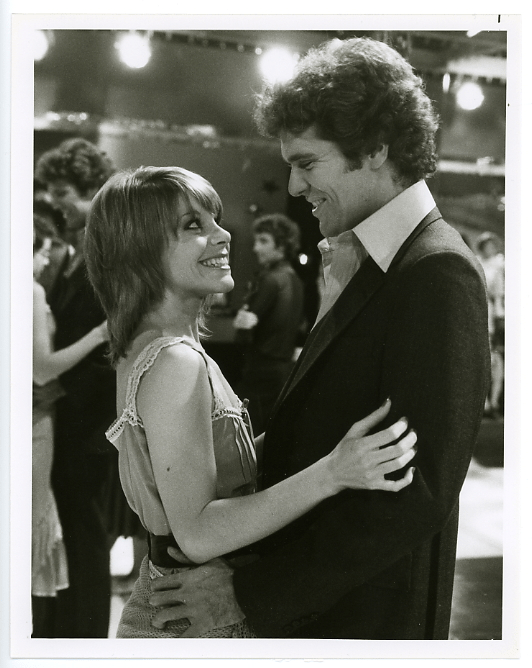
Photo: people.com

Surgeon Dr. Mark Craig (William Daniels) informs the staff that their hospital was considered a “dumping ground.” Craig helped train the interns along with Dr. Donald Westphall (Ed Flanders) and Dr. Auschlander (Norman Lloyd). Flanders was a popular character and the role was originally offered to Hal Linden who turned it down. Other members of the stellar cast included Ed Begley Jr. (playing Dr. Ehrlich), David Birney (playing Dr. Samuels), Mark Harmon (playing Dr. Caldwell), Ronnie Cox (playing Gideon), Helen Hunt (playing Clancy Williams), Howie Mandel (playing Dr. Fiscus), Christina Pickles (playing Nurse Rosenthal), and Denzel Washington (playing Dr. Chandler). This was a fitting role for Denzel who was a pre-med student in college.

Daniels was sent five scripts. He thought the writing was wonderful and having so many scripts displayed how the ensemble cast would be used. He might have a large part one week and then three weeks with small parts. He said Dr. Craig was like him in many ways. He ran the gamut from angry to nice in minutes. It fit his temperament and was wonderful to play him.

Daniels met a surgeon and followed him around the hospital, including in the operating room for an open-heart surgery procedure. He said he used some of the medical information, but he did not like the surgeon as a person and did not model Dr. Craig on him. He said using so much medical jargon was difficult and he had to learn about it before he went in to rehearse. He said that Dr. Craig had some funny lines in the show. He said he did not have any input with the writers on his character; in fact, they never really saw the writers.

Photo: ebay.com

Among the many guest stars were James Coco and Doris Roberts who both picked up Emmys as a mentally challenged boyfriend and a bag lady. It was an interesting storyline where two couples are followed through their medical care. One couple is upper middle class and the other has no money. Nothing is said; there are only observations of the action. The wealthier woman leaves the hospital with no cure but a high hospital bill for many tests. The bag lady, Cora, learns she needs to have both feet amputated because of gangrene, but she needs to take care of Arnie, her mentally challenged boyfriend, so she refused the surgery.

Roberts was asked about her role on the show in a Television Academy interview. She said Coco had received the script and called her to say she needed to audition for the role of his girlfriend. When Doris reached out, they declined, so she reached out to Bruce Paltrow, who was a producer and writer for the show, and she was hired. She did a lot of research watching homeless people. She realized that most people squatted because they did not want to lie down because they were worried about having things stolen. This is how her character got gangrene. When asked about what she thought happened to the character she said she thinks she died shortly after. Roberts got emotional discussing the role and said it still makes her cry. She said it was the best dramatic role she ever played.

Doris said one funny moment came at the Emmy Awards. When they called her name, she did not know what to do with her purse, so she handed it to Jimmy Coco. The next name called was his so he came on stage with the purse and mentioned he didn’t use one often but it came from Doris. Then a few nights later he was on the Tonight Show, and when he came on stage he had her purse and in it was a cigar, a half-eaten sandwich, and a few other items.

Photo: ebay.com

The show was classified as a drama, but it included comedy, as well as inspiring moments of interaction and care. One of these scenes is when Jack, a resident, has to deal with his wife’s death. She is an organ donor, and her heart is given to a female patient. Jack sneaks into the patient’s room when she is sleeping so he can listen to his wife’s heart.

Jazz musician Dave Grusin composed the theme. Grusin won twelve Grammys. He won an Academy Award for his score of The Milagro Beanfield War in 1988. He also scored some popular films including The Graduate, On Golden Pond, The Fabulous Baker Boys, and Tootsie. Before writing the theme for St. Elsewhere, he cowrote the themes for Good Times and Baretta.

One of the most interesting things about the writing on St. Elsewhere was the number of allusions to other television shows and movies and several cross-overs. There are many of these but some of the most fun ones for me included (1) the public loudspeakers often page characters from other television shows, (2) one of the characters on The White Shadow, Warren Coolidge, becomes an orderly and sometimes wears Carver high school shirts, (3) a psychiatric patient who watches The Mary Tyler Moore Show believes that he is Mary Richards and has an encounter with Betty White, and she says she is not Sue Anne Nivens, (4) Dr. Craig once mentions serving in Korea with B.J. Hunnicutt, and (5) the teaching doctors are seen at the bar at Cheers in one episode.

Photo: imdb.com

The hour-long show started on Tuesday nights. The show was canceled after the first year. Then Grant Tinker changed his mind and they were back on the air. For the second season, it was moved to Wednesdays where it remained until it was canceled.

The finale of this show gets talked about almost as much as Newhart. However, while fans loved the Newhart ending, there was a lot of controversy over the ending of St. Elsewhere.

Warning: This is a spoiler alert if you haven’t seen the show and want to watch it. After wrapping up several storylines, the final scene is a much younger Dr. Westphal and his son Tommy (Chad Allen) who has autism. Westphal is obviously a construction worker. Dr. Auschlander appears to be Westphal’s father. Tommy is playing with a snow globe and the two “doctors” discuss the fact that Tommy spends much of his day staring at the snow globe. They set the globe down and when the camera goes in close, we see St. Eligius inside.

We are left to assume that the entire series had been Tommy’s imagination. In other words, the show was fiction but the fiction was also fiction inside someone’s mind. Viewers understandably were confused and upset.

Photo: paleymatters.com

Later the cast did a special on Entertainment Weekly and was asked to share their thoughts about the finale. Here are a few of the comments. Chad Allen said, “From the mind of a young person whose fantasies were coming to life before him, it was neat.” William Daniels said he was “shocked, actually. I had no idea of their plans to do that. . . it was a provocative ending. A surprise to everybody.” Ed Begley Jr. felt that “it was quite fitting for what they had done the previous six years. They always tried to be out there, beyond the limits of what was being done before. They tried to think outside the box. . . . It was bold and shocking and upset some people.  . . . It was highly unpredictable, just like every episode.” Howie Mandel knew it would offend half the viewers and appeal to the other half, but he described it as “ahead of its time, pretty ingenious, and creative and not like anything else.” Mark Harmon had been killed off earlier in the series, but said, “It made me smile when I heard about what they did because it was so them. They made a choice. and the choice is interesting.” Noman Lloyd said he “never bought it. I said at the time we were shooting, ‘This is a cheat.’ For me, it was a cheat.”

I will admit this was not a show I regularly watched. I find the entire philosophy of the ending fascinating. Many felt they had been cheated by getting pulled into the lives of characters for six years that never existed. However, if they are on a television series, did they ever exist? It shows how real characters become to us when we invest in a show and invite these people into our homes every week.

If you didn’t watch the show in the eighties, you can find it on Hulu and make your own decision about the finale. I do admit that I never look at snow globes the same way anymore.
The Audience Did Not Have a Good Time Watching The Goodtime Girls.

During our blog journey this month, we have gone back in time to Sherwood Forest and then sped forward to the 1860 Wild West. Today, as we continue with “Living in the Past: Timeless Comedies,” we time travel 80 years ahead and land in Washington DC in 1942. When we arrive, we find ourselves in the midst of The Goodtime Girls, a show that debuted in 1980 and was created by Lenora Thuna in association with Garry Marshall’s Henderson Productions and Paramount Television.

Photo: episodate.com

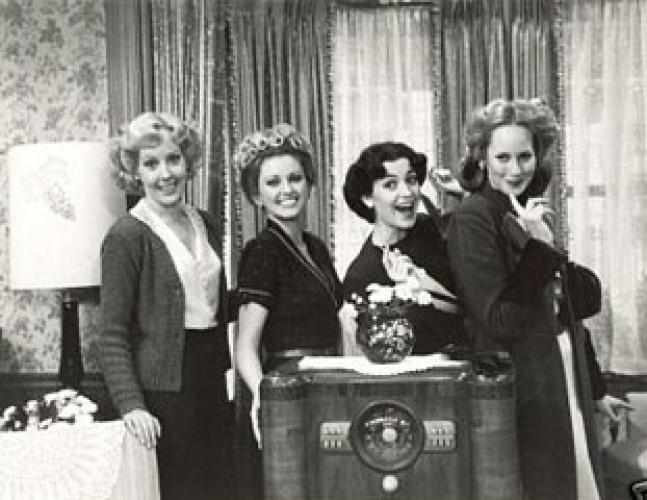
The women, all familiar stereotypes, live together in a small attic apartment. There is dumb-blonde Loretta (Georgia Engel), girl-next-door Betty (Lorna Patterson), level-headed Edith (Annie Potts), and arrogant Camille (Francine Tacker). They must learn to depend on each other and navigate life working in jobs to help aid the war effort.

Rounding out the cast were their landlords, Mr. and Mrs. Coolidge (Marcia Lewis and Merwin Goldsmith), their buddy Frankie (Adrian Zmed) who’s a cab driver, and was rejected from military duty because of his flat feet, and his pal Benny (Peter Scolari). Frankie and Benny lived on another floor of the home.

Photo: sitcomsonline.com

Edith, Betty, and Loretta were living in the apartment and already feeling confined and crowded. Camille, a reporter, covering the plight of people dealing with a housing shortage in the capital, is then added by the landlords when she loses her apartment. Camille’s personality didn’t help her earn a warm welcome by the other women. Edith works for the Office of Price Admissions, Betty was at the US Secretary of War’s office, and Loretta worked for General Culpepper (Richard Stahl) at the Pentagon. I was not sure what the Office of Price Admissions was. After a little research, I learned that it began in 1941 and was set up to establish price controls on nonagricultural commodities and rationing essential consumer goods during WWII. One of the first products to receive their ruling on rationing was automobile tires. The Office was disbanded in May of 1947.

Photo: sitcomsonline.com

The shortage of consumer goods and men didn’t help the situation the women found themselves in either. Loretta was the only married tenant, but Edith is the one who tended to “mother” the other girls, doling out advice and wisdom. Frankie and Benny often joined the girls’ adventures.

This was one of the few Garry Marshall series that didn’t become a hit. Several guest stars appeared during the season including Happy Days’ Scott Baio as Edith’s brother and Laverne and Shirley’s Michael McKean as a bitter soldier confined to a wheelchair.

The mostly forgotten theme song, “When Everyone Cared” was written by Charles Fox and Norman Gimbel.

Photo: nostalgiacentral.com

The show never connected with viewers. It began life on ABC on Tuesday nights following Happy Days which should have ensured its success. It tested very well with audiences. Rather than a fall debut, the show began January 22, 1980. After the February sweeps (older viewers will fondly recall the exciting sweeps month followed by “nothing new in March”), the show went off the air. Its competition was the White Shadow and a show I don’t remember at all, California Fever. (The description on imdb was “Vince and Ross are suburban LA teenagers enjoying disco, surfing, cars, and the rest of the Southern California lifestyle. Musical Vince runs an underground radio station and mechanical Ross is into custom cars.”  It only lasted ten episodes, so I guess I’m not the only one who doesn’t remember it.)

Goodtime Girls returned in April for three weeks on Saturday night and then was pulled again. Although the show was cancelled in May, five of the remaining episodes were aired in August on Friday nights. For some reason, episode 3, “Night and Day” was never shown.

Photo: imdb.com

I’m not sure why the show never caught on. It had a great cast but most viewers didn’t appreciate the comic aspects of the show. Laverne and Shirley and Mork and Mindy could get away with more slapstick routines than many shows airing in the eighties. At this time, M*A*S*H was still going strong, and if you were doing war humor, it would be a hard show to compete with. Maybe this show just seemed too banal and predictable. It was always discussed as being character driven; perhaps the characters were too typecast to be interesting.

As a noteworthy item of information, I don’t think Betty and Camille got along much better after the show ended. Robert Ginty who was married to Francine Tacker for three years later wed Lorna Patterson only fifty days after his divorce became final. However, their marriage only lasted six years.

Unfortunately, the audience was not having as good a time as the cast. I have never seen the show in reruns, and there is no mention of a DVD ever having been released. Learning about so many shows that didn’t make it helps us appreciate those series that became mega-hits. If nothing else, the demise of this show made it possible for Scolari to accept a role on Bosom Buddies.

Joe and Valerie: A Symptom of that Weird ‘70s Ailment, Night Fever

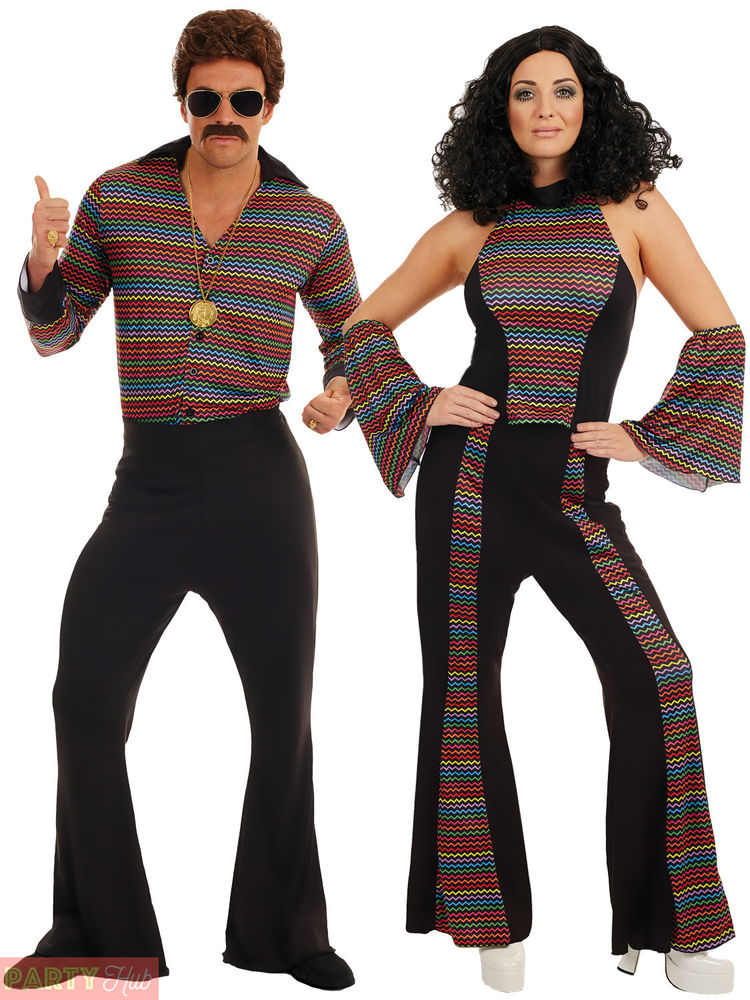
Continuing our series about “Valerie,” today we look at a slice of American life from the 1970s. It’s hard to emphasize how much the movie Saturday Night Fever changed American culture. In the movie, a high school graduate played by John Travolta, escapes his hard life by dancing at the local disco. The hippie culture of the late 1960s and early ‘70s was shoved aside by the bold and brash disco era. It was hard to go anywhere without the background soundtrack of the movie being heard. Extravagant clothing and three-piece suits were back in style, along with platform shoes and blingy jewelry.

Photo: ebay.com
Saturday Night Fever, the movie that started it all

A year after the movie debuted, a new show called Joe and Valerie appeared in April of 1978. Joe (Paul Regina) works at his father’s plumbing store. He meets Valerie (Char Fontane) at the disco and they get romantically involved. However, Joe’s roommates, Paulie (David Elliott), a hearse driver, and Frankie (Bill Beyers/Lloyd Alan), a spa worker and chauvinist, have their opinions on the romance as does Valerie’s divorced mother Stella (Arlene Golonka). Rounding out the cast were Robert Costanzo as Joe’s father Vincent and Rita/Thelma (Donna Ponterotto), Valerie’s best friend.

Photo: moviepictures.org

The series was produced by Bob Hope’s production company, Hope Enterprises, and his daughter Linda served as executive producer. Bill Persky, who had been one of the forces behind That Girl, directed the first episode.

The writers for the show included Howard Albrecht, Hal Dresner, Bernie Kahn, and Sol Weinstein. Kahn and Dresner also served as producer for an episode each. Art direction was credited to Bruce Ryan and shop coordinator to Edwin McCormick.

Photo:ebay.com
The chic couple: Makes a person wonder doesn’t it

The series was divided into two parts; in 1978 the episodes show Joe and Valerie meeting, falling in love and planning their future. Jumping to January 1979, the episodes center around the couple beginning their married life. Four half-hour episodes aired in April and May of 1978. Four half-hour episodes were set to air in January, but only three did; the final episode never was played on the air.

Episode 1, “The Meeting” aired April 24, 1978. Joe and Valerie meet at the disco and fall in love when Joe bets his roommates that he can take Valerie away from her dancing partner.

Episode 2, “The Perfect Night” aired May 1, 1978. Valerie arranges dates for Frank and Paulie. She sets up Frank with her best friend Thelma and the date is a disaster. The woman she set Paulie up with ended up getting married the night before, so Valerie is frantically looking for a substitute. Albrecht and Weinstein were credited as writers.

Episode 3, “Valerie’s Wild Oat” aired May 3, 1978. Joe and Valerie’s romance hits a potential roadblock when Valerie finds out that her new boss at the store is her ex-boyfriend Ernie (Marcus Smythe).

Photo: backdrops.com.au
The Village People, a big part in the disco fad

Episode 4, “The Commitment” aired May 10, 1978. When Valerie’s mother is unexpectedly called away for the weekend, Joe and Valerie face the prospect of spending their first night together. Joe loves Valerie too much to stay but worries how his roommates will react if he doesn’t.

Episode 5, “The Engagement” aired January 5, 1979. Joe and Valerie break the news to their parents that they are going to live together and looking for a place to live through a rental service which adds to the confusion.

Photo: blogspot.com
Disco fashion

Episode 6, “The Wedding Guest” aired January 12, 1979. Joe and Valerie learn that  a gangster’s funeral has been scheduled at the same time as their wedding at the church.

Episode 7, “The Wedding” aired January 19, 1979. The newly married couple look back at the events that occurred around their wedding. Some of the problems included Vince wanting Valerie to wear his wife’s old-fashioned wedding dress, Frank and Paulie fighting over who is best man, and Valerie’s mother threatening to stay away from the wedding if her ex-husband comes.

The final episode, “Paulie’s First Love,” was never aired.

This was a bad year for series’ debuts. A number of shows flopped during this year including Hizzoner, Sweepstakes, and Supertrain, none of them making it to more than nine episodes.

Photo: celebritybio.com
Char Fontane

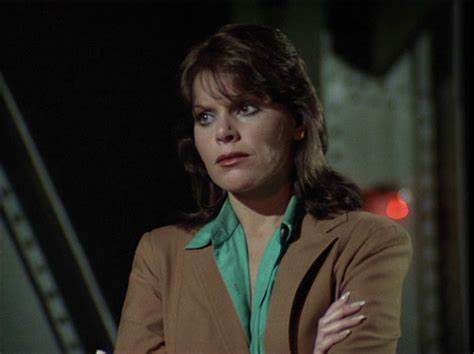
Char Fontane (also listed as Fontaine occasionally) was born in California in 1952. She passed away from breast cancer in 2007. Before being cast in Joe and Valerie, she appeared on a variety of tv series in the 1970s and a couple after: Love American Style (1972), The FBI (1973), Barnaby Jones (1979), Supertrain (1979), Sweepstakes (1979), The Love Boat (1979), and Nero Wolfe (1981). In the mid-1980s she took a role in a made-for-tv movie, The Night the Bridge Fell Down and two movie roles: Too Much (1987) and The Punisher (1989). She was not credited with any roles after the 1989 movie.

Photo: weebly.com
Char Fontane in The Night the Bridge Fell Down

Paul Regina was born in Brooklyn in 1956 and passed away from liver cancer in 2006.

Photo: snipview.com

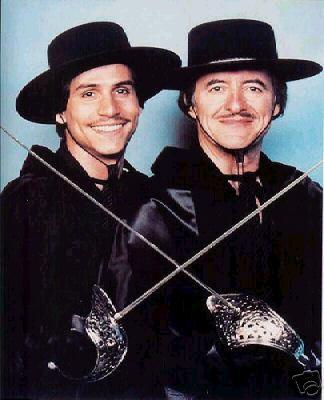
Before his role on Joe and Valerie, he had parts in The Hardy Boys/Nancy Drew Hour and Police Woman both in 1978. After the show ended, his career stayed fairly busy. Throughout the 1980s and 1990s, he could be seen on many popular television shows including Benson, Gimme a Break, TJ Hooker, Hunter, and Empty Nest. He would be cast in three series: Zorro and Son in 1983, Brothers from 1984-89, and The Untouchables in 1993-94. He also had a recurring role as a lawyer on LA Law between 1988-1992.

Photo: waytoofamous.com

Post 2000 before his death he was in Law and Order several times as well as two movies, The Blue Lizard and Eddie Monroe.

David Elliott had a successful career going when he received the role of Paulie. He began with several roles on tv including a mini-series, Pearl, that Char Fontane was also in. From 1972-1977, he had a role in The Doctors in 272 episodes. Before beginning Joe and Valerie, he had a role on Angie in 1979.

OLYMPUS DIGITAL CAMERA
Photo: imdb.com

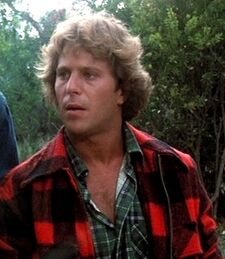
After the show ended, he continued showing up in television series including TJ Hooker, St. Elsewhere, Simon and Simon, and Murder She Wrote. He ended his credited acting career with seven movies in the 1990s.

He is an interesting guy. After dropping out of high school, he drove a cab in New York. He was a professional boxer, ran a PI business in Hollywood, received his pilot’s license, sat on the board of a major labor union, and traveled extensively through every continent except Africa and Antarctica. Recently he earned a certificate in both long and short fiction from the UCLA Writer’s program and has written a novel, The Star Shield, about a body guard trying to rescue a kidnapped movie star. Currently he is working on a collection of short stories.

The role of Frankie was played by two different actors, Bill Beyers in 1978 and Lloyd Alan in 1979.

Photo: headhuntersholo.com
Bill Beyers

Bill Beyers was born in New York in 1955 and died in 1992 in Los Angeles. His first role was that of Frankie on Joe and Valerie. Following the end of that show he was cast in several series including Barnaby Jones, Quincy ME, The Incredible Hulk, CHiPs, Too Close for Comfort, and Murder She Wrote. He had a recurring role on Capitol, appearing in 24 episodes from 1982-1987.

Photo: ztams.com

Lloyd Alan was in 1952. He might have had the shortest career of the cast. Before being cast in Joe and Valerie, he was in an episode of Eight is Enough. After he appeared in The Love Boat, Knight Rider, and Baywatch. His last credited acting job was 1998. I was unable to locate a photo of Lloyd Alan.

The actors with the longest careers were Robert Costanzo who played Joe’s father Vince; Arlene Golonka who was Stella, Valerie’s mother; and Donna Ponterotto who played Rita/Thelma, Valerie’s best friend.

Donna Ponterotto had a successful career following the cancellation of Joe and Valerie. She came to the show having appeared on The Police Story, Happy Days, and Rhoda.

Photo: imdb.com

Following the show, she appeared on Trapper John MD, Laverne and Shirley, The Love Boat, Who’s the Boss, Murder She Wrote, Night Court, Murphy Brown, ER, Mad About You, Third Rock from the Sun, and NYPD Blue among others. Her last film was Sharkskin in 2015.

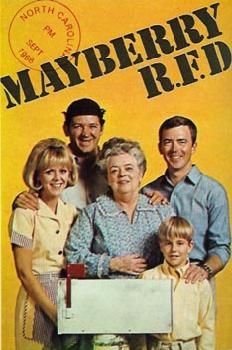
Arlene Golonka grew up in Chicago where she was born in 1936. She began taking acting classes when she was quite young. At age 19, she headed for New York and began a career on Broadway. In the 1960s she relocated to Los Angeles. She continued to appear in movies and appeared in dozens of television programs during the next three decades. While she is probably best known as Millie on Mayberry R.F.D., she has appeared in many respected series.

Photo: blogspot.com

Golonka came into Joe and Valerie with a strong resume. She had made appearances in shows such as The Naked City, Car 54 Where Are You, The Flying Nun, Big Valley, Get Smart, I Spy, That Girl, M*A*S*H, All in the Family, Barnaby Jones, Alice, The Rockford Files, and Love American Style. She made five appearances on The Doctors with David Elliott.

Photo: pinterest.com

After Joe and Valerie, she continued to receive many roles including on Fantasy Island, The Love Boat, Simon and Simon, Benson, and Murder She Wrote. Her last appearance was on The King of Queens in 2005, and she is now retired.

Robert Costanzo was born in New York in 1942. He also came into the show with a very strong string of shows, having been in Rhoda, The Bob Newhart Show, and Lou Grant. He also was in several profitable movies including Dog Day Afternoon, The Goodbye Girl, and Saturday Night Fever.

Photo: pinterest.com

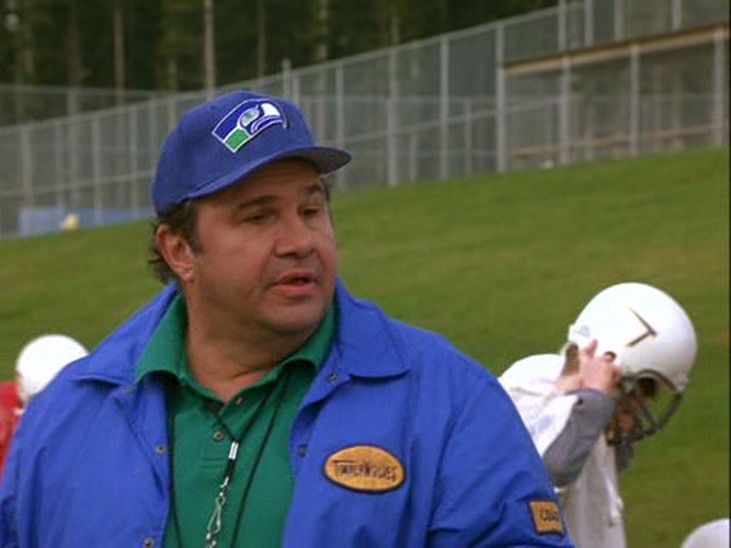
Following the end of Joe and Valerie, he would continue his successful career. Costanzo has been cast in recurring roles in ten shows: Last Resort, Checking In, The White Shadow, Hill Street Blues, LA Law, 1st Ten, Glory Days, NYPD Blue, Charlie and Grace, and Champions. He has continued to take roles on other series including Barney Miller, Alice, Who’s the Boss, Family Ties, St. Elsewhere, The Golden Girls, Friends, and Murder She Wrote.

His movie career has also been very successful, and he is remembered for his roles in Used Cars, Total Recall, Die Hard 2, and Air Bud.

Currently Costanzo is still acting and has several movies debuting in the next couple of years.

Photo: sitcomsonline.com

I have to admit I do not remember Joe and Valerie, and obviously I did not watch it, but I don’t think I missed much. It’s fun to learn about some of the more obscure shows that had a brief flicker in television history. There are many more shows that lasted for less than 20 episodes than there are the classics we remember today. If nothing else, the show captures a unique time in American history.