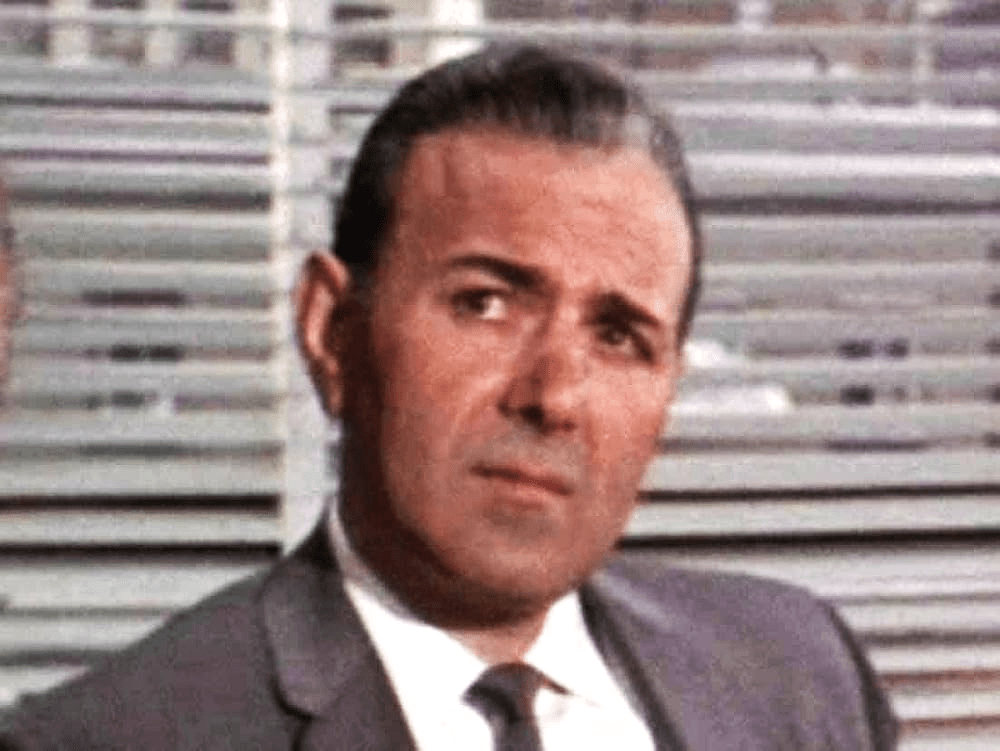
It’s November and it’s time for one of my favorite blog series, “What a Character.” Up today is Cosmo Sardo. Born in 1909 in Boston, he was lucky to keep his foot after an accident at age 14 when a car hit his bike and ran over his foot. After high school he majored in theatrical arts at the University of Massachusetts. Sardo began his career as a model in print ads for many companies including Sears Roebuck, Eddie Bauer, and Pepsi Cola.
📷imdb.com
Sardo made a reputation for himself in Boston theatrical circles before being cast in Oscar Wilde’s “The Importance of Being Earnest” in a downtown Los Angeles Theater in 1934.
In 1939 he made his way to Hollywood where he began a career in the film industry. If you can think of a profession, he probably played it: bartenders, retail clerks, postmen, bankers, waiters, detectives, reporters, businessmen, con artists, butlers, tailors, military men, cosmetologists, and barbers, which he perfected in real life. He even played a corpse in The Corpse Came COD.
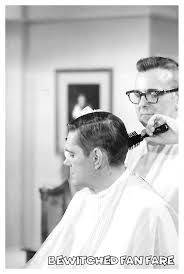
Sardo’s father told him if he moved to Hollywood, he had to have a trade to fall back on. He got a job at John’s Barbershop which just happened to be located under Central Casting. And one day it paid off when he was offered a job. Sardo had always wanted to be an actor, so he left his barbershop to take acting classes. He said that his wife thought he was crazy and left him, but I could never find any source showing his marriage. I’m guessing this is one of those articles publicists made up. He signed with Warner Brothers in 1946 to play a barber in Humoresque because they knew he had owned a barber shop.
📷facebook.com Cosmo cutting Dick York’s hair
Later, he opened Cosmo’s Hairstyling Salon of Hollywood where so many famous clients were taken good care of. It was around the corner from Schwab’s Drugstore, the famous spot where so many careers were apparently launched. He would cut hair between his acting assignments. In an interview in the sixties, he said that most actors “usually don’t want their hair cut. They want it trimmed. I can make a man look like he never had a haircut at all.” Sardo also offered massage, face contouring, and mud packs.
This guy had an amazing 578 acting credits. His first job was the big-screen film Brother Orchard in 1940. His last was as a priest in Hill Street Blues in 1984.
His first television appearance was in 1952 in The Adventures of Superman. He would go on to make tons of appearances on shows. He never was a regular cast member for a show, but he often starred as many different characters on many episodes for the most popular shows. For example, he appeared on Charlie’s Angels 6 times, Columbo 7 times, The Love Boat 10 times, Bewitched 13 times, Batman and Man from UNCLE 14 times, The Untouchables and Have Gun Will Travel 15 times, and a whopping 81 Bonanza appearances where he often portrayed a bartender.
📷wikipedia.com
When he wasn’t cutting hair or making movies or television episodes, he could be found instructing at the Pasadena Playhouse, worshiping at his Catholic church, working for the Democratic party, and dining or golfing at the Los Angeles Country Club.
After his death, his biography said that he never married, so he devoted his retirement to help charitable and religious organizations. He passed away in 1989.
It is frustrating trying to tell the stories of these great character actors. There is almost no personal information about them apart from their birth, their death, and their career. As a barber, I’m sure Cosmo had a lot of great stories he could share.
I don’t know how many haircuts he gave, but with 578 acting credits which translated into 878 individual appearances, this was one busy man. How fun that he had a trade and attained his dream job and kept doing both successfully until his retirement.
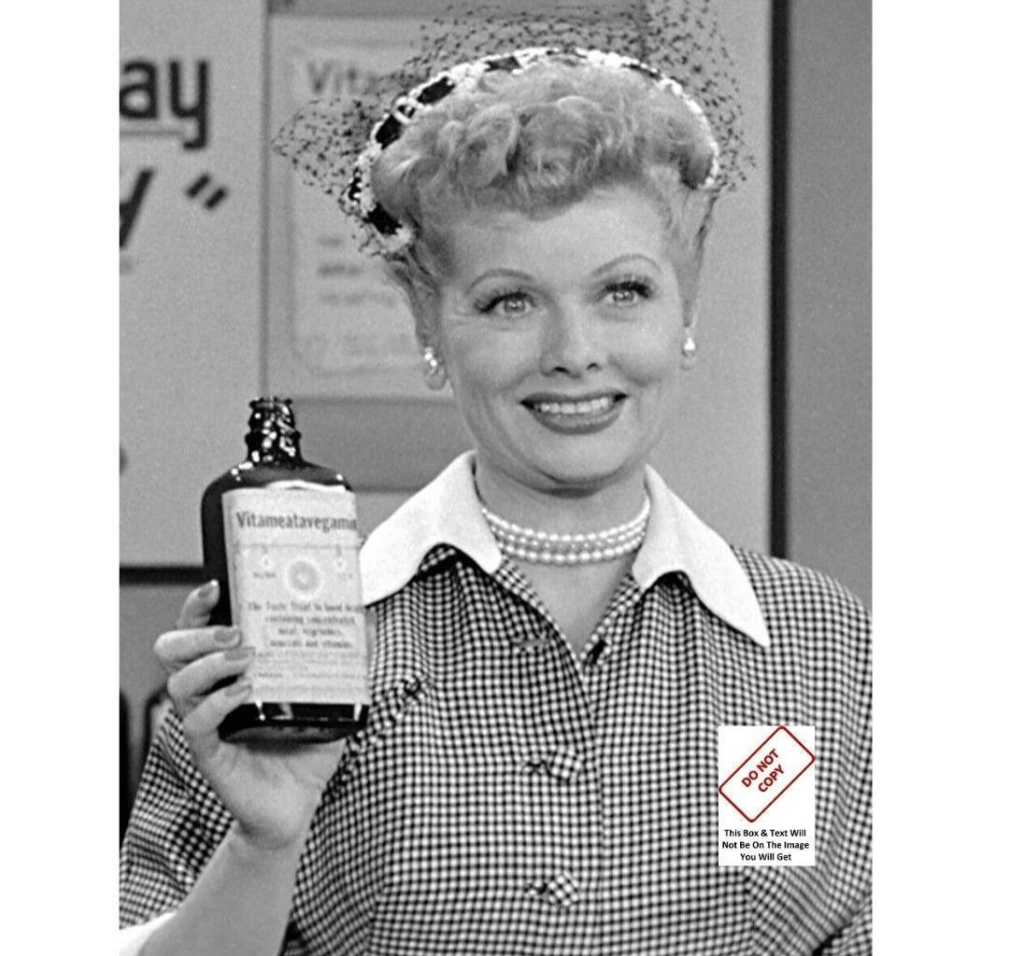
We have been learning a lot about Lucille Ball this month. We delved into I Love Lucy and why it was so important to American culture. We got to know Lucy as a person. And we discussed Jess Oppenheimer and the influence he had on her. Today we are finishing up the month by checking out three shows she starred in after I Love Lucy went off the air: they all debuted in the sixties.
The first show, the Lucy-Desi Comedy Hour, was an extension of I Love Lucy. It spun out thirteen one-hour specials that aired between 1957 and 1960. Five of them debuted during the 1957-58 season of I Love Lucy. The other eight were shown on the Westinghouse Desilu Playhouse and they featured the same cast as I Love Lucy.
Desi tried to talk the network into doing these specials the first year just to keep some freshness in the series, but he was denied the chance. By the last season, they agreed it might work.
During the final season of the series, both the Mertzes and the Ricardos move to the Connecticut suburbs. Apparently, the two couples were running an egg farm to make their living and Fred was Ricky’s manager.
Despite their move out of the City, many of these episodes feature Lucy’s meetings with famous guest stars. For example, in “Lucy Takes a Cruise to Havana,” Lucy meets Hedda Hopper. Production costs were estimated to be $350,000 but with the guest stars, these costs increased and rather than do ten episodes the first year, Arnaz was forced to spread them out over three years.
Ratings were good in the beginning but with the news of Lucy and Desi’s marriage in trouble, both this series and I Love Lucy started to lose viewership. By the time the last episode was filmed, the couple could not even talk without a fight erupting and they communicated by messages. The day after filming, Ball filed for divorce.
The theme song of the series was used with a bit of updating. That symbolizes all ten episodes. It was the same series, but it wasn’t. Had this type of programming happened throughout the original series it might have been more popular but coming on the heels of the ending of the show and the fans being aware that “Ethel and Fred” could barely tolerate each other in real life and then learning “Lucy and Ricky” were ready for divorce took a lot of the fun out of watching the show.
From 1962-68, Lucy attempted another sitcom. While Vivian Vance was no longer Ethel, she was a co-star for the first three seasons of the show. Gale Gordon who had been Lucy’s first choice for Fred Mertz in the early fifties was no longer under contract in 1962 and appeared in this series beginning in season two.
While Arnaz and Ball had divorced two years before this series debuted, they were still in business together. Their company, Desilu Productions, was struggling with the end of I Love Lucy. In 1961 four of their shows were canceled. By spring of 1962, only The Untouchables was still on the air.
Desi approached Lucy about returning to a weekly sitcom. She agreed if it could take the time slot on Mondays that I Love Lucy had, and if Vivian Vance was part of the cast, and the I Love Lucy writers were brought back. The new show, The Lucy Show, debuted Monday, October 1, 1962.
Lucy Carmichael lives with her two kids (Candy Moore and Jimmy Garrett) and Vivian Bagley (Vivian Vance), a divorced friend, and her son (Ralph Hart). Vivian was the first woman to be divorced on television. Her husband had left her a trust fund, so Lucy had to approach the bank often for funding for some of her harebrained projects and purchases. In season two, Gale Gordon took on the role of banker Mr. Mooney. The show had decent ratings and continued in its format until 1965. Lucy moves from New York to Los Angeles when her daughter goes to college in California. Vivian remarries and stays in New York. Lucy meets a new best friend, Mary Jane Lewis (Mary Jane Croft). When Lucy learns that Mr. Mooney is being transferred to the LA bank, their relationship continues, and eventually she works for him.
At the end of the second season, a dispute occurred between Lucy and the writers over a script Ball felt was not up to their standard, and the writers left. In 1964 Desi had resigned as head of Desilu, so Ball took over as president. Most specials, sports shows, and cartoons on CBS were now in color, but they refused to broadcast most of their series in color. Ann Sothern began appearing on the show as a countess to fill in the gaps of Vance being absent.
For the 1966 season, the show dropped all references to Lucy’s children, her trust fund and her life in New York. I don’t know why shows think viewers will just go along with these strange format revamps. Doris Day did the same on her show when her former life and children just disappeared one day and were never mentioned again. Because the show was set in California, a lot of guest stars were featured on the show, many of them bank customers.
During the last season of the show, Gary Morton, Ball’s second husband, was named executive producer of the show. He actually seemed to do well in this role. For this year, Ball was nominated and won an Emmy for the star of the show, the show was nominated for Emmys for best comedy show (but lost to Get Smart) and for the writing and for Gale Gordon as supporting comedy actor (who lost to Werner Klemperer of Hogan’s Heroes). The show was #2 in the ratings.
Surprisingly, this is when Lucy decided to end the show and put it into syndication. Even odder is the fact that she began a new show with a similar plotline that same year. Lucy and her real-life kids, Lucie and Desi Jr. joined the cast which included Croft, and Gordon with Vance making appearances during the run of the show. This show, like the other two, was on the air for six seasons.
Ball as Lucy Hinkley Carter is living in LA, a widow with two children Kim and Craig, played by her own two kids. She works for her brother-in-law Harry Carter, played by Gale Gordon but now they are at an unemployment agency. Vance made six guest appearances on the show.
Again in this show, a number of famous guest stars showed up including Ann-Margret, Milton Berle, Carol Burnett, George Burns, Liberace, Eva Gabor, Helen Hayes, Dean Martin, Vincent Price, Ginger Rogers, Dinah Shore, Danny Thomas, Lawrence Welk, and Flip Wilson.
In 1973 the show fell out of the top ten, the first Lucille Ball show to ever do so. Lucy did a sixth season and then ended the show.
Lucille Ball deserved a break after this show ended. She had been on the air for 23 years. Little Ricky, or little Desi, had been born early in I Love Lucy history and now he was off on his own acting career. After 1974 when this show went off the air until her death in 1989, most of her projects were connected with I Love Lucy, although she was listed as executive producer for several shows including Mission Impossible and Mannix.
None of these post-I Love Lucy shows were much different from each other, but it proved that America still wanted to watch Lucy on the air. Television looked very different in 1974 than it did in 1951, and Lucille Ball influenced and inspired much of that change. I wonder if Lucy would be surprised to learn that fifty years after her final show ended its production, she is just as popular as ever and Lucy merchandise is unending. It says a lot about just how true it was that everyone loves Lucy.
This month we are learning why We All Love Lucy. We’ll delve into her sitcoms and get to know Jess Oppenheimer and hear about his role in her television life. But today, we are starting with the woman herself, Lucille Ball.
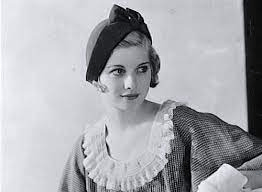
📷facebook. A young Lucille Ball
Lucille Desiree Ball was born August 6, 1911, in Jamestown, New York. She was the only daughter of Henry Durrell Ball, a lineman for Bell Telephone, and Desiree Evelyn Hunt Ball. They lived at 60 Stewart Avenue. The family belonged to the Baptist Church there, and many of her relatives were among some of the first European settlers in Massachusetts.
The family moved frequently for her father’s career, but Jamestown always had a claim on Lucy, and they celebrate her in many ways there. The family lived in Montana, New Jersey, and Michigan before her father passed away from typhoid fever at age 27 in 1914.
Her mother returned to New York, living in Celoron, a summer resort on Chautauqua Lake. The road she grew up on is now named Lucy Lane. Celoron had an amusement park with a boardwalk, the Pier Ballroom, a roller coaster, a bandstand, and a stage.
📷Good Housekeeping
Lucy’s mother remarried four years later. It was her stepfather who encouraged Lucy to audition for his Shriner’s chorus line, which gave her the first taste of what it would be like to be in show business. When she was 16 the family returned to Jamestown.
When Lucy was only 14, she was dating a 21-year-old hoodlum. Her mother was devastated by the situation and finally enrolled Lucy in the John Murra Anderson School for Dramatic Arts in New York City to encourage her in her theater career. Ball did not love the school, and her instructors told her she would not be successful in the entertainment business. Luckily, Lucy did not take their comments to heart. She later said that “one of the things I learned the hard way was that it doesn’t pay to get discouraged. Keeping busy and making optimism a way of life can restore faith in yourself.”
In an attempt to prove the school wrong, Lucy began working as an in-house model for Hattie Carnegie. This was where she first changed her hair. Being a brunette, Carnegie taught Ball to bleach her hair blonde. Her modeling was interrupted for two years when she dealt with the effects of rheumatic fever.
At the ripe old age of 21, Ball returned to New York City to pursue an acting career. She went back to the Carnegie agency and became the Chesterfield Cigarette Girl.
📷Brittanica
In 1933 she was in Roman Scandals as a Goldwyn Girl; while playing a slave girl, she had to have her eyebrows entirely shaved off, and they never grew back. Some of the things an actor goes through for roles is crazy. After that movie she moved to Hollywood to try a film career. After becoming a contract player for RKO Radio Pictures, she received a decent amount of work. At this time, she met the Marx Brothers, appearing in Room Service. She also worked with Fred Astaire and Ginger Rogers in several musicals.
When she registered to vote in 1936, both she, her brother, and her mother registered as Communists. During that year she signed a document as a Communist supporting Emil Freed for assembly and was appointed delegate to the State Central Committee of the Communist Party of California.
Ball later claimed she never had a strong political affiliation. In 1944, Lucy can be seen in a newsreel fund raising for Franklin Roosevelt. She also mentioned that she voted for Eisenhower in 1952 when he was on the Republican docket. In 1953 Ball met with HUAC and gave a sealed testimony. She said that she voted Communist at her grandfather’s insistence and did not know she had been appointed a delegate. Before filming episode 68 of their show, her husband and co-star Desi addressed the audience and said Lucy was not a Communist; she was just influenced by her grandfather. He joked that “the only thing red about Lucy is her hair, and even that is not legitimate.”
📷pinterest
In the late thirties, she dabbled in radio to earn some additional money. She was a regular on “The Phil Baker Show” and on “The Wonder Show” where she met announcer Gale Gordon.
In 1940 Lucy met Desi Arnaz when they both appeared in the movie Too Many Girls. They fell in love immediately, and before the year was out, they eloped. Arnaz was drafted in 1942, but a knee injury kept him from active service, and he was placed in Hollywood organizing and performing USO shows for wounded GIs.
Lucy finally got her big break in 1943. Arthur Freed was making a movie based on the play “DuBarry Was a Lady”; he bought it for Ann Sothern, but when she turned it down, she recommended her best friend, Lucille Ball.
In 1944, Ball filed for divorce, but the couple reconciled before it went through. Lucy and Desi had Lucie in 1951 when Lucy was almost 40, and son Desi was born during the series and written into the scripts in 1953. Mom and son appeared on the first cover of TV Guide which came out in 1953.
📷HollywoodHistoricPhotos.com
Ball continued to make movies throughout the forties and kept a foot in radio. In 1948 she was cast as Liz Cooper on the radio show, “My Favorite Husband” on CBS.
When CBS wanted to transition the show to television, Lucy wanted Desi to be her television husband. CBS said no, so the couple went on the road with an act to prove the popularity of the them working together and CBS backed down.
The show was incredibly successful. (If you want to learn more details about the series and all the history that it produced, keep an eye out for my blog which will post January 13, 2025.) The couple created their own production company and had many “firsts” with technology producing their show. During filming breaks of the show, Lucy and Desi made two movies: The Long, Long Trailer in 1954 and Forever, Darling in 1956.
After years of turmoil and ups and downs in their marriage, the couple divorced. However, they continued to remain in each other’s lives through their children and their relationship. Later in life, Lucy said “Desi was the great love of my life. I will miss him until the day I die.”
📷closerweekly.com Ball and Vance
Lucy bought Desi’s share in the production company which produced a variety of shows including Mission: Impossible, Star Trek, and The Untouchables. In 1967 Lucy sold her shares to Gulf+Western, owned by Paramount, for $17 million, which would translate into $138 million today.
Lucy married Gary Morton in 1961. At the time, Morton was a comedian 13 years younger than Lucy. He said he had never seen an episode of I Love Lucy. Ball hired Morton for her production company, teaching him the television business.
For the next decade, Lucy worked on a number of television specials. She also tried sitcom life again. She starred in The Lucy Show from 1962-68 and in Here’s Lucy from 1968-1974. We’ll discuss these shows the last week of January. Many of Lucy’s friends appeared on these shows. Her close friends included Mary Jane Croft, Judy Garland, Ethel Merman, Barbara Pepper, Ginger Rogers, Ann Sothern, Vivian Vance, and Mary Wickes.
📷ebay.com
Ball kept busy acting during the early 1980s. Desi Arnaz passed away in 1986. In 1988 Lucy had a mild heart attack. She appeared at the 1989 Academy Awards show and she and co-presenter Bob Hope were given standing ovations. She died a month later. Lucy had been a heavy smoker, and her cause of death was abdominal aortic aneurysm which is seen more in smokers.
Lucy always sent flowers to Carol Burnett on her birthday. The day before she died, she ordered them, and they were delivered a few hours after Carol learned of her death.
Lucy was cremated and her ashes were interred in Forest Lawn Cemetery with her mother’s remains. In 2002, both women’s remains were moved to the Hunt family plot in Jamestown. In Jamestown you can find the Lucille Ball Desi Arnaz Museum & Center for Comedy and the Lucille Ball Little Theater.
In 2009 a statue of Lucy was erected in Celoron. Many people called it “scary,” and it became known as “Scary Lucy,” which I totally endorse. In 2016, a more lifelike statue was created to replace Scary, but the scary statue had become so popular, it was left on display with the new one as its neighbor.
📷youtube.com The different sides of Lucy
Those two statues symbolize my relationship with the show. I appreciate the show and everything it did to create the classic age of television. Whether it’s technical filming strategies, the writing, the way the business was run, everything was important in this show. However, I have to admit, it’s not a show I choose to watch. It changed the entire course of television in similar ways that All in the Family would do a few decades later, but I honestly don’t enjoy watching either of these series. That might be a fault in my genes, but I also have to be honest.
However, Lucy Ricardo, while we may think of her as naïve and sophisticated, traditional and unconventional, submissive and disobedient, was an important icon in the way that women thought about themselves in the fifties.
Women had been brought in to work and gain independence while so many men were overseas fighting, and then they were asked to give it all up and go back to a domestic and tranquil life. Leslie Feldman, a political scientist and author of The Political Theory of I Love Lucy, writes that Lucy was “a transitional figure—she’s on the cutting edge. . . Are [women] going to stay home and be wives and mothers? Are they going to go to work? Or are they going to do both? And what if they really do better and earn more money than their husbands? What about that? That’s an element of Lucy too.”
📷biography.com
Lucy was a force in show business. While she was not alone in taking control of her own career—Donna Reed, Betty White, and Ann Sothern were also powerhouses in establishing their own companies and running them—Lucy did it with the nation watching her. Even the choices she made about whether to divorce Desi or not were all done in the public eye and were sending messages whether people chose to receive them or not.
Lucille Ball was an amazing actress and an amazing business person. Apart from whether I enjoy watching the show or not, it changed the history of television and the way sitcoms were written, cast, and remembered. Thank you, Lucille Ball, for not listening when your instructors told you that you would never make it in show business. You not only made it in television, you truly made television what it is today.
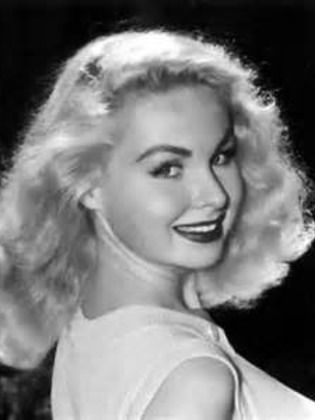
We are winding down our What a Character blog, about character actors in classic television shows. Today we are learning about Joyce Renee Brown, better known as Joi Lansing.
Lansing was born in Utah in 1929. Her father was a shoe salesman and orchestra musician, and her mom was a housewife.
Her parents divorced when she was young, and her stepfather Vernon Loveland adopted her. In 1940, the family moved to Los Angeles. Joi began modeling at 14 and was signed to an MGM contract, attending school at the studio.
Lansing began her film career in 1947, appearing in When a Girl’s Beautiful and Linda Be Good. She had uncredited roles in Easter Parade and Singing in the Rain, among others. Almost half of her 106 acting credits were for shorts and big-screen films.
📷rottentomatoes.com
Her first three marriages lasted less than some of her films. At 17 she was married for less than a year. In 1950 her marriage to Jerome Safron was annulled after four months, and her marriage to Lance Fuller in 1951 ended in divorce in 1953.
Her first television role came in 1952 in Racket Squad. This was a show I had not run across before, but it was on the air for three years. It had a Dragnet-like feel to it with the main character Captain Braddock explaining “What you are about to see is a real-life story, taken from the files of the police racket and bunco squads, business protective associations and similar sources around the country. It is intended to expose the confidence game – the carefully worked-out frauds by which confidence men take more money each year from the American public than all the bank robbers and thugs with their violence.
📷tumblr.com
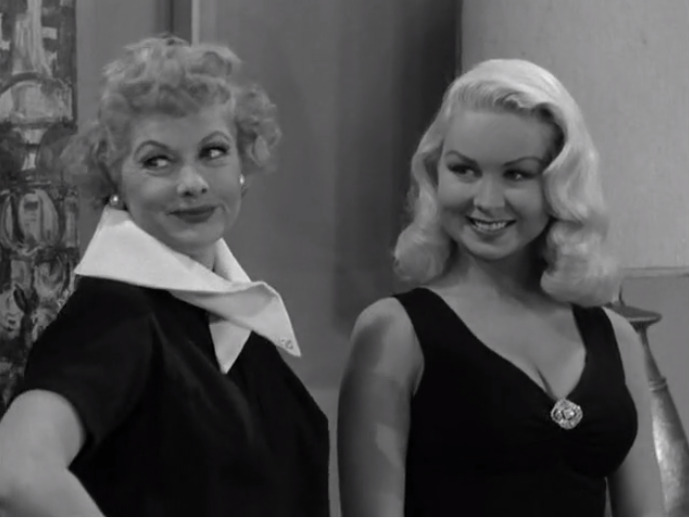
The early fifties kept her busy in drama series. In the the mid-to-late fifties, she appeared on I Love Lucy, The Gale Storm Show, December Bride, Perry Mason, Maverick, TheJack Benny Show, and Richard Diamond, Private Eye.
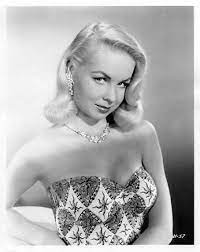
From 1955-59 she had a recurring role on The Bob Cummings Show with 24 appearances as Shirley, a model. While she was attending UCLA, a writer for the show spotted her. After being cast as pinup girls and stereotyped as a beautiful bombshell, this series proved Lansing had acting abilities, and it propelled her to receiving offers for better scripts.
In 1960, Lansing married Stan Todd and they remained married until her death. However, they had been separated for years.
Lansing was also a recording star. In the early sixties, she performed with Xavier Cugat and Les Paul. She recorded several songs during the sixties.
📷wikiwand.com Klondike
The sixties were split between film and television work. She accepted roles on ten shows including Klondike (7 episodes as Goldie), The Untouchables, The Joey Bishop Show, The Adventures of Ozzie and Harriet (12 episodes as various characters), Petticoat Junction, and The Beverly Hillbillies (6 episodes as Gladys Flatt, wife of musician Lester Flatt).
Lansing was in her last movie, Bigfoot, and last television role, The Governor and JJ, in 1970. While on the set of Bigfoot, she met Alexis Hunter who was playing a monkey in the film. Obviously, this was not a film to highlight on the resume. According to Hunter, the two fell in love and were together for three years until Joi’s death. Same-sex relationships were forbidden in Hollywood at the time, so they told people they were sisters. They had similar looks, so they got away with it.
Joi died from breast cancer in 1972 at only 43 years of age. Joi had been diagnosed with both breast and ovarian cancer in 1970 but went into remission. As a disclaimer, Bigfoot was the only acting role Hunter was credited with, and the revelation of her relationship with Lansing was only known from a book that Hunter wrote in 2015. I could not find any other documentation to back up her claim.
📷facebook.com
I am torn about Lansing’s career. She certainly had a successful career on paper, but she never got the break she deserved with the right acting role. Considering that she had 106 credits and passed away at only 43, one has to wonder how many more credits she could have amassed if she had worked for another two decades. I know there is a fine line of Hollywood actresses who might have the looks but not the talent, but for those who have both, Hollywood is not often fair, stereotyping them into “dumb blonde” or “pinup” roles. I had only been familiar with Lansing from The Bob Cummings Show, so it was interesting to learn more about her and her career.
As we look at some of our favorite character actors, today we learn more about Hazel’s friend Rosie: Maudie Prickett. Prickett had a prolific career with more than 300 credits between the stage, film, and television.
Photo: bewitchedwikifandom.com
Maudie was born in 1914 in Oregon. Her birth name was Maudie Marie Doyle; she married Charles Fillmore Prickett II in 1941 and used her married name for her career. Charles was the co-founder and manager of the Pasadena Playhouse and later became an orthopedic surgeon. They remained married until his death in 1954 and had two children.
Prickett would amass 64 movie credits, with her first being Gold Mine in the Sky in 1938. Her last three movies were made in 1969: The Maltese Bippy, Rascal, and Sweet Charity. She typically played maids, secretaries, spinsters, or nosy neighbors. One of her most recognized movie roles was as Elsie the Plaza Hotel maid in North by Northwest.
In 1952 she received her first television roles, appearing on This is the Life, Hopalong Cassidy, The Doctor, and The Adventures of Superman. While most people are familiar with Hopalong Cassidy and Superman, they may not recognize the other shows. This is the Life was a religious show that began in 1952 and ended in 1988; each episode was a mini-drama that ends with someone becoming a Christian. The Doctor was a medical show where Warner Anderson as the doctor presented a story and then provided comments after the episode. Most of the series dealt with some type of emotional problem.
The look we were used to with Maudie Photo: imdb.com
For the next two decades, Maudie was quite busy with her television career. She often made multiple appearances on a show as different characters. She had a nice blend of both dramas and comedies on her resume.
In 1961 she married Dr. Eakle Cartwright who died in 1962. In 1966 she would try marriage one more time when she wed the mayor of Pasadena, Cyril Cooper who lived five more years.
While watching your favorite classic television shows, you will see her on westerns including Wagon Train, Bonanza, and Gunsmoke. She made her mark on medical series including Ben Casey and Marcus Welby MD. She also appeared in quite a few dramas including The Millionaire, The Untouchables, Lassie, Daniel Boone, The Mod Squad, and McMillan and Wife.
However, it was the sitcom genre that kept her busiest. During the fifties, she could be seen on Topper, Father Knows Best, Leave It to Beaver, and The Donna Reed Show. The sixties found her on Dennis the Menace, Bachelor Father, The Danny Thomas Show, Mister Ed, My Three Sons, Petticoat Junction, The Andy Griffith Show, The Doris Day Show, Gomer Pyle USMC, and Get Smart. During the seventies, she took roles on Mayberry RFD, Bewitched, Love American Style, and Room 222.
Best Friends – with Shirley Booth on Hazel Photo: pinterest.com
All of her recurring roles were on sitcoms: Date with the Angels, The Jack Benny Show, and Hazel. Date with the Angels was Betty White’s second sitcom, and Maudie played Cassie Murphy, a neighbor of the newlyweds. On The Jack Benny Show, she played Mrs. Gordon, the secretary of the Jack Benny Fan Club. Many people remember Prickett from Hazel where she played Rosie. Hazel and Rosie were best friends and always came through for each other but were also very competitive, especially when an eligible bachelor was involved.
In 1976, Maudie passed away from uremic poisoning at the young age of 61. Uremia occurs when there is an increase of toxins in the blood and usually occurs when the kidneys no longer filter them out. It can be treated with medication, dialysis, and transplant surgery, but for some reason, hers must have been untreated which lead to her death.
On Bewitched Photo: sitcomsonline.com
Maudie was a very busy lady, accumulating 164 acting credits between 1938 and 1974. I’m not sure if she was okay with being typecast or if she would have liked some other types of roles, but she certainly made the roles her own. You have to wonder how much more she would have accomplished if she had lived another twenty or thirty years. Her personal life was sad, having three husbands die before her and then she herself dying as middle age was beginning.
I know you read this comment a lot if you follow my blog, but we have another one of those character actors I wish we knew more about. The Television Academy rarely interviews them, and it is tough to find much information beyond their professional resume. One day I will make good on my promise and write a book about these wonderful people who made classic television so fun and believable.
Ann Sothern was born Harriette Arlene Lake, a natural redhead, in 1909 in North Dakota. An interesting note, her paternal grandfather, Simon Lake, invented the modern submarine and her sister Marion was secretary to Abigail Van Buren of Dear Abby fame. She and her two sisters were raised in Minneapolis, Minnesota. At the age of five, she began taking piano lessons and studied at the McPhail School of Music where her mother was a piano teacher. By 11, she was an accomplished pianist, and she was singing solos in her church choir. At 14 she began taking voice lessons. During her time at the Minneapolis Central High School, she appeared in a variety of productions as actor or director.
Photo: pinterest.com
After her graduation, her mother moved to Los Angeles to become a vocal coach for Warner Brothers. Ann moved to Seattle with her father (her parents had divorced earlier) to attend the University of Washington, but she dropped out after her first year. Ann turned back to her singing talent and sang with Artie Shaw and His Orchestra.
While visiting with her mother, she did a screen test for MGM and was signed to a six-month contract. She had a variety of small bit parts but never received that break-out role. After meeting Florenz Ziegfeld at a party, he offered her a role in New York. When MGM chose not to pick up her option, she moved East to work for Ziegfeld. In 1930, she received her Broadway stage debut.
Photo: pinterest.com
In 1934, Columbia signed her to a contract. At this time, she changed her name to Ann Sothern and her hair color to blonde; “Ann” was for her mother and “Sothern” for Shakespearean actor E.H. Sothern. She was cast in a bunch of B movies, but, unfortunately, in 1936 her contract was not renewed.
A contract that was made that year was her marriage with Roger Pryor. They divorced in 1942. A week later, she married Robert Sterling with whom she had a daughter; they divorced in 1949.
Photo: oldtimeradio.com
At that time, she signed with RKO and again could just not find that perfect role, so she made the full circle, returning to MGM. MGM cast her in her first big-screen feature in 1939 as Maisie Ravier, which led to a series of Maisie films. The film was based on the book Dark Dame by Wilson Collison published in 1935.The property had been bought for Jean Harlow, but she passed away in 1937. In all, there were ten Maisie films. The popularity of the series led to a radio program, “The Adventures of Maisie,” which starred Sothern from 1945-47.
In 1949, Sothern was diagnosed with hepatitis. She contracted it after getting in serum injection during an English stage production. When she became ill, MGM let her go. Sothern suffered with the disease for three years. She was receiving a few supporting roles such as in The Blue Gardenia, but her medical bills were mounting, so she turned to television.
Sothern was offered her own sitcom in 1953. Titled Private Secretary, the show would last five years on CBS before transitioning to The Ann Sothern Show in 1958.
Photo: wikipedia.com
In Private Secretary, she appeared as Susie MacNamara, a secretary working for Peter Sands (Don Porter), a New York City talent agent. The series alternated weeks with The Jack Benny Show. Private Secretary had great ratings, placing in the top ten consistently. Sothern was nominated for an Emmy four years. Sothern had a 42% interest in the show and after the fourth year, she and Jack Chertok, producer, had a major disagreement and she left the show.
Sothern with Jacques Scott–Photo: wikipedia.com
The next year she showed up in The Ann Sothern Show, a very similar sitcom. Now Ann was Katy O’Connor an assistant manager at the Bartley House Hotel. Originally her boss was played by Ernest Truex but after dismal ratings, Don Porter was brought back as James Devery, hotel owner. The show’s ratings picked up significantly and were good until CBS moved the show to Thursday nights against The Untouchables. The show was cancelled in 1961.
Sothern with friend Lucille Ball–Photo: pinterest.com
Sothern returned to film features and made several appearances on Lucille Ball’s the Lucy Show as Countess Framboise. Ball was one of her best friends and called Sothern “the best comedian in the business, bar none.”
Ann was a good business woman. She opened the Ann Sothern Sewing Center in Sun Valley, Idaho, selling fabrics, patterns, and sewing machines in the 1950s. She also bought a cattle ranch in Idaho, A Bar S Cattle Co. In addition, she owned the production companies that produced Private Secretary and The Ann Sothern Show.
Photo: wordpress.com
Ann also continued with her early musical abilities. In the mid-fifties, she starred in a nightclub act in Las Vegas and Chicago. In 1958, she released an album, “Sothern Exposure.”
Jerry Van Dyke and his “mother”–Photo: youtube.com
In 1965, Sothern made a bad career move by signing on to star in the sitcom My Mother the Car with Jerry Van Dyke. Van Dyke played a lawyer who restored a 1928 antique car only to learn that it spoke to him through the radio as his mother. The show somehow lasted one season and has been named one of the worst sitcoms ever.
For the next two decades, Ann worked in both film and television but never had an iconic role. One of the issues she had to deal with during this time was a back injury. During a stock production in Florida, a fake tree fell on her back. She was put in traction and had to wear a back brace. She also developed a case of depression. For the rest of her life, she would suffer from numbness in her feet and need a cane to walk.
In 1987, Sothern had her final role in the film The Whales of August starring Bette Davis and Lillian Gish. She earned an Oscar nomination for her role.
Retiring to Ketchum, Idaho, Ann enjoyed the rest of her life in retirement and passed away from heart failure in 2001.
Photo:
Her long career spanned six decades and like so many early stars, she found work on stage, on radio, in film, and on television. Ann definitely paid her dues, spending more than a decade in Hollywood. If her health had not thrown her a curve, she might have become one of the top stars. What impressed me most was that after more than sixty years in the entertainment industry, she was able to retire to a place she loved and enjoy almost twenty years as part of a community with her favorite activities such as embroidery and outdoor fun.
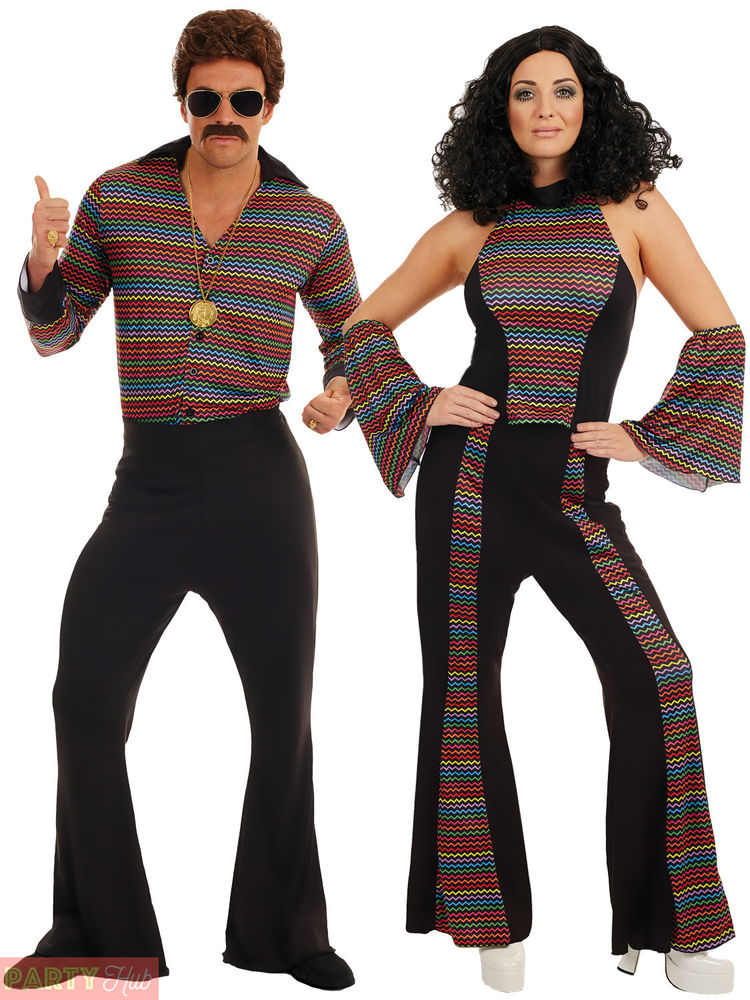
Continuing our series about “Valerie,” today we look at a slice of American life from the 1970s. It’s hard to emphasize how much the movie Saturday Night Fever changed American culture. In the movie, a high school graduate played by John Travolta, escapes his hard life by dancing at the local disco. The hippie culture of the late 1960s and early ‘70s was shoved aside by the bold and brash disco era. It was hard to go anywhere without the background soundtrack of the movie being heard. Extravagant clothing and three-piece suits were back in style, along with platform shoes and blingy jewelry.
Photo: ebay.com Saturday Night Fever, the movie that started it all
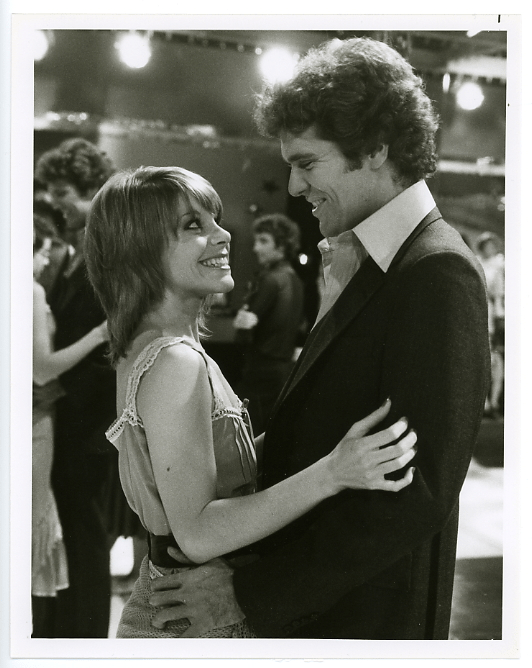
A year after the movie debuted, a new show called Joe and Valerie appeared in April of 1978. Joe (Paul Regina) works at his father’s plumbing store. He meets Valerie (Char Fontane) at the disco and they get romantically involved. However, Joe’s roommates, Paulie (David Elliott), a hearse driver, and Frankie (Bill Beyers/Lloyd Alan), a spa worker and chauvinist, have their opinions on the romance as does Valerie’s divorced mother Stella (Arlene Golonka). Rounding out the cast were Robert Costanzo as Joe’s father Vincent and Rita/Thelma (Donna Ponterotto), Valerie’s best friend.
Photo: moviepictures.org
The series was produced by Bob Hope’s production company, Hope Enterprises, and his daughter Linda served as executive producer. Bill Persky, who had been one of the forces behind That Girl, directed the first episode.
The writers for the show included Howard Albrecht, Hal Dresner, Bernie Kahn, and Sol Weinstein. Kahn and Dresner also served as producer for an episode each. Art direction was credited to Bruce Ryan and shop coordinator to Edwin McCormick.
Photo:ebay.com The chic couple: Makes a person wonder doesn’t it
The series was divided into two parts; in 1978 the episodes show Joe and Valerie meeting, falling in love and planning their future. Jumping to January 1979, the episodes center around the couple beginning their married life. Four half-hour episodes aired in April and May of 1978. Four half-hour episodes were set to air in January, but only three did; the final episode never was played on the air.
Episode 1, “The Meeting” aired April 24, 1978. Joe and Valerie meet at the disco and fall in love when Joe bets his roommates that he can take Valerie away from her dancing partner.
Episode 2, “The Perfect Night” aired May 1, 1978. Valerie arranges dates for Frank and Paulie. She sets up Frank with her best friend Thelma and the date is a disaster. The woman she set Paulie up with ended up getting married the night before, so Valerie is frantically looking for a substitute. Albrecht and Weinstein were credited as writers.
Episode 3, “Valerie’s Wild Oat” aired May 3, 1978. Joe and Valerie’s romance hits a potential roadblock when Valerie finds out that her new boss at the store is her ex-boyfriend Ernie (Marcus Smythe).
Photo: backdrops.com.au The Village People, a big part in the disco fad
Episode 4, “The Commitment” aired May 10, 1978. When Valerie’s mother is unexpectedly called away for the weekend, Joe and Valerie face the prospect of spending their first night together. Joe loves Valerie too much to stay but worries how his roommates will react if he doesn’t.
Episode 5, “The Engagement” aired January 5, 1979. Joe and Valerie break the news to their parents that they are going to live together and looking for a place to live through a rental service which adds to the confusion.
Photo: blogspot.com Disco fashion
Episode 6, “The Wedding Guest” aired January 12, 1979. Joe and Valerie learn that a gangster’s funeral has been scheduled at the same time as their wedding at the church.
Episode 7, “The Wedding” aired January 19, 1979. The newly married couple look back at the events that occurred around their wedding. Some of the problems included Vince wanting Valerie to wear his wife’s old-fashioned wedding dress, Frank and Paulie fighting over who is best man, and Valerie’s mother threatening to stay away from the wedding if her ex-husband comes.
The final episode, “Paulie’s First Love,” was never aired.
This was a bad year for series’ debuts. A number of shows flopped during this year including Hizzoner, Sweepstakes, and Supertrain, none of them making it to more than nine episodes.
Photo: celebritybio.com Char Fontane
Char Fontane (also listed as Fontaine occasionally) was born in California in 1952. She passed away from breast cancer in 2007. Before being cast in Joe and Valerie, she appeared on a variety of tv series in the 1970s and a couple after: LoveAmerican Style (1972), The FBI (1973), Barnaby Jones (1979), Supertrain (1979), Sweepstakes (1979), The Love Boat (1979), and Nero Wolfe (1981). In the mid-1980s she took a role in a made-for-tv movie, The Night the Bridge Fell Down and two movie roles: Too Much (1987) and The Punisher (1989). She was not credited with any roles after the 1989 movie.
Photo: weebly.com Char Fontane in The Night the Bridge Fell Down
Paul Regina was born in Brooklyn in 1956 and passed away from liver cancer in 2006.
Photo: snipview.com
Before his role on Joe and Valerie, he had parts in The Hardy Boys/Nancy Drew Hour and Police Woman both in 1978. After the show ended, his career stayed fairly busy. Throughout the 1980s and 1990s, he could be seen on many popular television shows including Benson, Gimme a Break, TJ Hooker, Hunter, and EmptyNest. He would be cast in three series: Zorro and Son in 1983, Brothers from 1984-89, and The Untouchables in 1993-94. He also had a recurring role as a lawyer on LA Law between 1988-1992.
Photo: waytoofamous.com
Post 2000 before his death he was in Law and Order several times as well as two movies, The Blue Lizard and Eddie Monroe.
David Elliott had a successful career going when he received the role of Paulie. He began with several roles on tv including a mini-series, Pearl, that Char Fontane was also in. From 1972-1977, he had a role in The Doctors in 272 episodes. Before beginning Joe and Valerie, he had a role on Angie in 1979.
OLYMPUS DIGITAL CAMERA Photo: imdb.com
After the show ended, he continued showing up in television series including TJHooker, St. Elsewhere, Simon and Simon, and Murder She Wrote. He ended his credited acting career with seven movies in the 1990s.
He is an interesting guy. After dropping out of high school, he drove a cab in New York. He was a professional boxer, ran a PI business in Hollywood, received his pilot’s license, sat on the board of a major labor union, and traveled extensively through every continent except Africa and Antarctica. Recently he earned a certificate in both long and short fiction from the UCLA Writer’s program and has written a novel, The Star Shield, about a body guard trying to rescue a kidnapped movie star. Currently he is working on a collection of short stories.
The role of Frankie was played by two different actors, Bill Beyers in 1978 and Lloyd Alan in 1979.
Photo: headhuntersholo.com Bill Beyers
Bill Beyers was born in New York in 1955 and died in 1992 in Los Angeles. His first role was that of Frankie on Joe and Valerie. Following the end of that show he was cast in several series including Barnaby Jones, Quincy ME, The Incredible Hulk, CHiPs, Too Close for Comfort, and Murder She Wrote. He had a recurring role on Capitol, appearing in 24 episodes from 1982-1987.
Photo: ztams.com
Lloyd Alan was in 1952. He might have had the shortest career of the cast. Before being cast in Joe and Valerie, he was in an episode of Eight is Enough. After he appeared in The Love Boat, Knight Rider, and Baywatch. His last credited acting job was 1998. I was unable to locate a photo of Lloyd Alan.
The actors with the longest careers were Robert Costanzo who played Joe’s father Vince; Arlene Golonka who was Stella, Valerie’s mother; and Donna Ponterotto who played Rita/Thelma, Valerie’s best friend.
Donna Ponterotto had a successful career following the cancellation of Joe and Valerie. She came to the show having appeared on The Police Story, Happy Days, and Rhoda.
Photo: imdb.com
Following the show, she appeared on Trapper John MD, Laverne and Shirley, TheLove Boat, Who’s the Boss, Murder She Wrote, Night Court, Murphy Brown, ER, Mad About You, Third Rock from the Sun, and NYPD Blue among others. Her last film was Sharkskin in 2015.
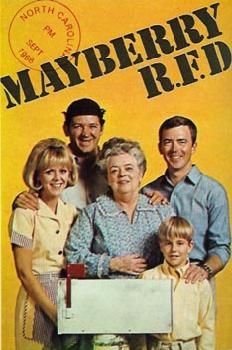
Arlene Golonka grew up in Chicago where she was born in 1936. She began taking acting classes when she was quite young. At age 19, she headed for New York and began a career on Broadway. In the 1960s she relocated to Los Angeles. She continued to appear in movies and appeared in dozens of television programs during the next three decades. While she is probably best known as Millie on Mayberry R.F.D., she has appeared in many respected series.
Photo: blogspot.com
Golonka came into Joe and Valerie with a strong resume. She had made appearances in shows such as The Naked City, Car 54 Where Are You, The Flying Nun, Big Valley, Get Smart, I Spy, That Girl, M*A*S*H, All in the Family, Barnaby Jones, Alice, The Rockford Files, and Love American Style. She made five appearances on The Doctors with David Elliott.
Photo: pinterest.com
After Joe and Valerie, she continued to receive many roles including on FantasyIsland, The Love Boat, Simon and Simon, Benson, and Murder She Wrote. Her last appearance was on The King of Queens in 2005, and she is now retired.
Robert Costanzo was born in New York in 1942. He also came into the show with a very strong string of shows, having been in Rhoda, The Bob Newhart Show, and Lou Grant. He also was in several profitable movies including Dog Day Afternoon, The Goodbye Girl, and Saturday Night Fever.
Photo: pinterest.com
Following the end of Joe and Valerie, he would continue his successful career. Costanzo has been cast in recurring roles in ten shows: Last Resort, Checking In, The White Shadow, Hill Street Blues, LA Law, 1st Ten, Glory Days, NYPD Blue, Charlie and Grace, and Champions. He has continued to take roles on other series including Barney Miller, Alice, Who’s the Boss, Family Ties, St. Elsewhere, The Golden Girls, Friends, and Murder She Wrote.
His movie career has also been very successful, and he is remembered for his roles in Used Cars, Total Recall, Die Hard 2, and Air Bud.
Currently Costanzo is still acting and has several movies debuting in the next couple of years.
Photo: sitcomsonline.com
I have to admit I do not remember Joe and Valerie, and obviously I did not watch it, but I don’t think I missed much. It’s fun to learn about some of the more obscure shows that had a brief flicker in television history. There are many more shows that lasted for less than 20 episodes than there are the classics we remember today. If nothing else, the show captures a unique time in American history.

















 thewritelife61