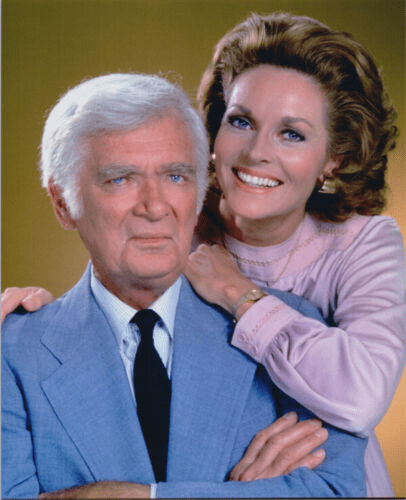
Cheyenne: Introducing Jim Baumgartner

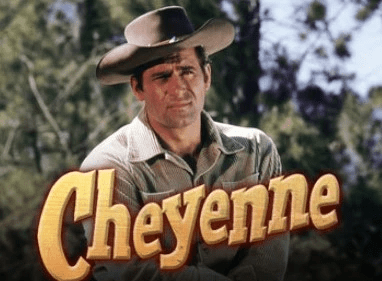
In June, we are advising “Go West Young Man” as we peek back at a few of our favorite westerns. First up is Cheyenne. Cheyenne debuted in 1955; it was the first hour-long Western. It would remain on the air for eight years, producing 108 episodes.

📷rewatchclassictv.com

Clint Walker starred as Cheyenne Bodie, a cowboy who explores the wild west after the Civil War. Early in the show, we learn that Bodie’s parents were killed by an unknown Native American tribe. A Cheyenne tribe found him and raised him till he was 12 when they sent him to live with a White family.

Because Cheyenne is traveling, guest stars change from week to week. The series was part of Warner Brothers Presents which alternated a weekly show with Cheyenne, Casablanca, and Kings Row.

For the first four seasons, the show was on Tuesday nights; then it moved to Mondays for the final four years. It was in the top thirty, and often the top twenty, for most of its television life, despite being up against The Phil Silvers Show; Richard Diamond, Private Detective; Dragnet; and the game shows To Tell the Truth and I’ve Got a Secret. Because Warner Brothers was used to making movies, the television show was produced with a movie feel to it.

In 1958, Walker went on strike. His contract stipulated that he had to give Warner Brothers 50% of his personal appearance fees, and he could only record music with the Warner Brothers label. He wanted 100% of his fees and to be able to record wherever he chose. I never learned what they settled on, but Walker returned to the show.

📷wikipedia.com

During his travels, Cheyenne often advocates for justice in the places he visits, sometimes working as a sheriff or deputy. Another theme of the show is the distrust of Native Americans. Cheyenne is sympathetic to their plight and is loyal to the Cheyenne tribe that raised him. Many of the plots were taken directly from Warner Brothers movies of the past and reworked a bit.

The theme song was composed by William Lava and Stanley Davis Jones. They both worked on The Mickey Mouse Club with Jones composing for the Spin and Marty shorts. Lava also provided music for Zorro, The Twilight Zone, and 77 Sunset Strip.

During Clint Walker’s interview with the Television Academy, he talked about his time on the show. He said he became aware of how many people liked the show when they sent him out to functions, and he started to realize how many fans he had in each town and then thinking of all the towns in the United States. He received a lot of fan mail from people who liked the values of the show. Some young men told him they no longer had fathers or uncles, and he was their role model.

📷imdb.com James Garner

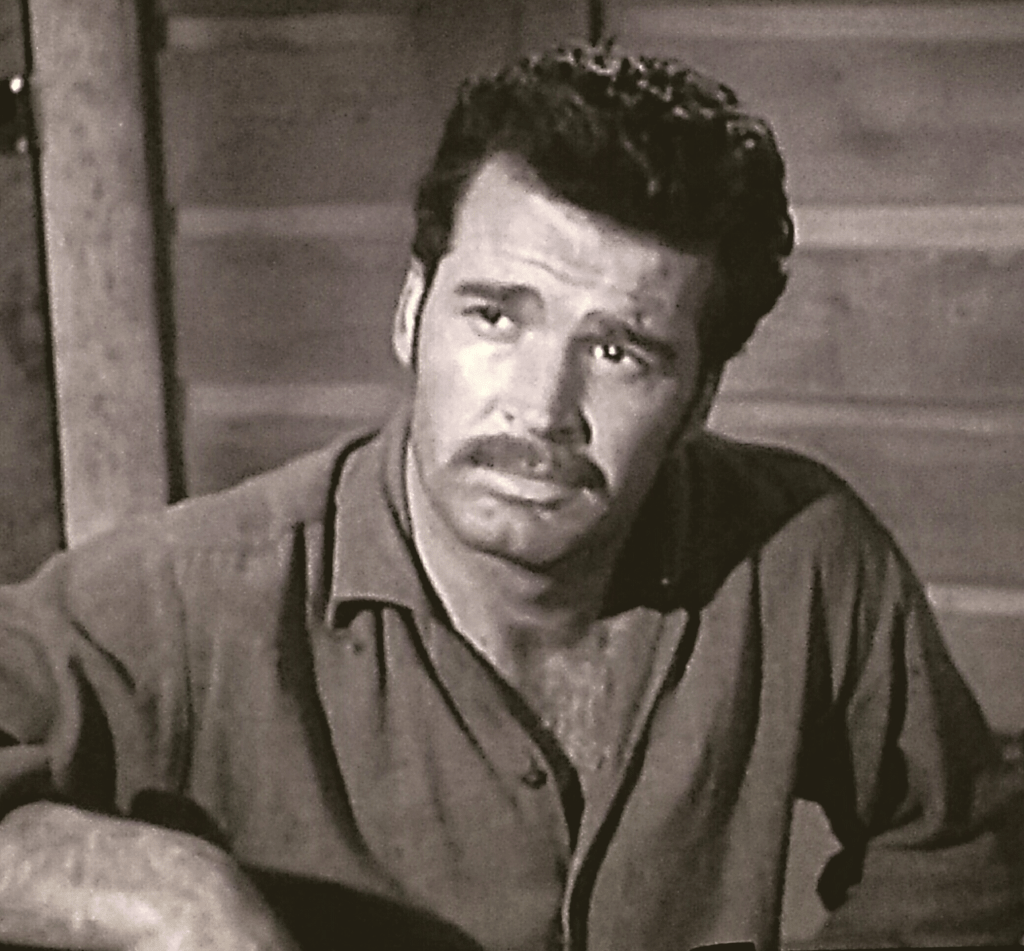
I also heard a fun story about casting during this show. Richard Bare explained during his interview that he was in a bar one night and a friend introduced him to an actor. The next day a meeting was called where Jack Warner informed them that he wanted some new faces introduced during the show. Bare remembered the young actor he met at the bar the night before but couldn’t remember his name. He called the bar and was told that the actor’s name was Jim Baumgartner, so he asked them to tell him to come to the studio when he showed up again. Finally, Baumgartner called Bare the day before they began shooting. He came in and did an audition. The crew was going on location the next day, so they had to decide immediately if he was part of the show. When Jack Warner saw the clips, he said to give that kid a seven-year contract, and that’s how James Garner started working in westerns.

There is no doubt Cheyenne was a popular show. It was interesting enough to keep viewers’ attention for an hour. The episodes seem to be well written. In an era when there were tons of westerns to watch, this one was in the top section of that list. The show still can be streamed on several places. If you want to live in the Old West for a bit, why not join Cheyenne and see what it was like.

Jonathan Harris: Oh the Pain

This month our blog series is “All About The Bill Dana Show,” and we are learning about the careers of some of the cast members. Last week we looked at the life of Maggie Peterson, and today we are getting to know Jonathan Harris.

📷LostinSpaceWikiFandom.com

Harris was born Jonathan Daniel Charasuchin in the Bronx in 1914. His father worked in Manhattan’s garment district. His family often took in borders to make ends meet, and when they did, the border got Jonathan’s room, and he slept on a couple of dining room chairs.

By age 12, Harris was working at a pharmacy as a stockboy. Although money might have been short, Harris’s family’s love of music and theater was not. As a family they listened to opera in the dining room. Whenever they had some extra cash, they would take in a Broadway play. Harris was interested in archeology, poetry, and Shakespeare. He disliked his Bronx accent and taught himself to develop a British one.

Harris was able to graduate at age 16 from James Monroe High School. His pharmacy job paid off when he graduated from Fordham University with a pharmacology degree in 1936. Before entering college, Jonathan took the name “Harris” in place of his birth name.

In 1938 Harris married his high school sweetheart, Gertrude Bregman. They were married until his death.

While working in several pharmacies, Harris also worked on his acting skills. He created a phony resume which he used to land a spot in a local acting company. In 1942 he played a Polish officer in the Broadway production, “The Heart of a City.” He was persistent. He said that he went to Mr. Miller’s office to audition for a part in the play for two weeks, and everyday Mr. Miller’s secretary sent him away. Finally, she let him in, and Mr. Miller gave him his first part. Then he lied and said he could do a Polish accent. He then went to the Polish Consulate to listen to how they talked. So, despite a fake resume, being turned away for weeks, and then lying about an accent, he was a success in the play.

📷amazon.com

In 1949, Harris made his television debut in The Chevrolet Tele-Theatre. Throughout the fifties he would continue to appear in dramatic playhouse series.

In 1959 he had a recurring role in Zorro as Don Carlos Fernandez as well as an appearance on Father Knows Best.

The sixties brought him roles in several well-known series including The Twilight Zone, Bonanza, and The Adventures of Ozzie and Harriet.

In 1963 he was offered the role of Mr. Phillips, the hotel manager on The Bill Dana Show. I won’t elaborate on this series, but if you missed the first blog in March, you can read about this show which was on the air for a season and a half.

Harris did an interview with the Television Academy. He said that when he read the script for The Bill Dana Show, he decided he had to come up with some other characteristics for Mr. Phillips. He made him devoid of humor. But he said he was a different man with his wife on the show, played by Amzie Strickland. Harris said Bill Dana was wonderful to work with. He also said that the writing was so good on that show that he never had to re-write anything. However, if something felt off, he would ask Sheldon Leonard about changing it, and Leonard was always open minded about revisions.

Harris continued to appear on dramatic shows while waiting for his next role.

📷thenewyorktimes.com

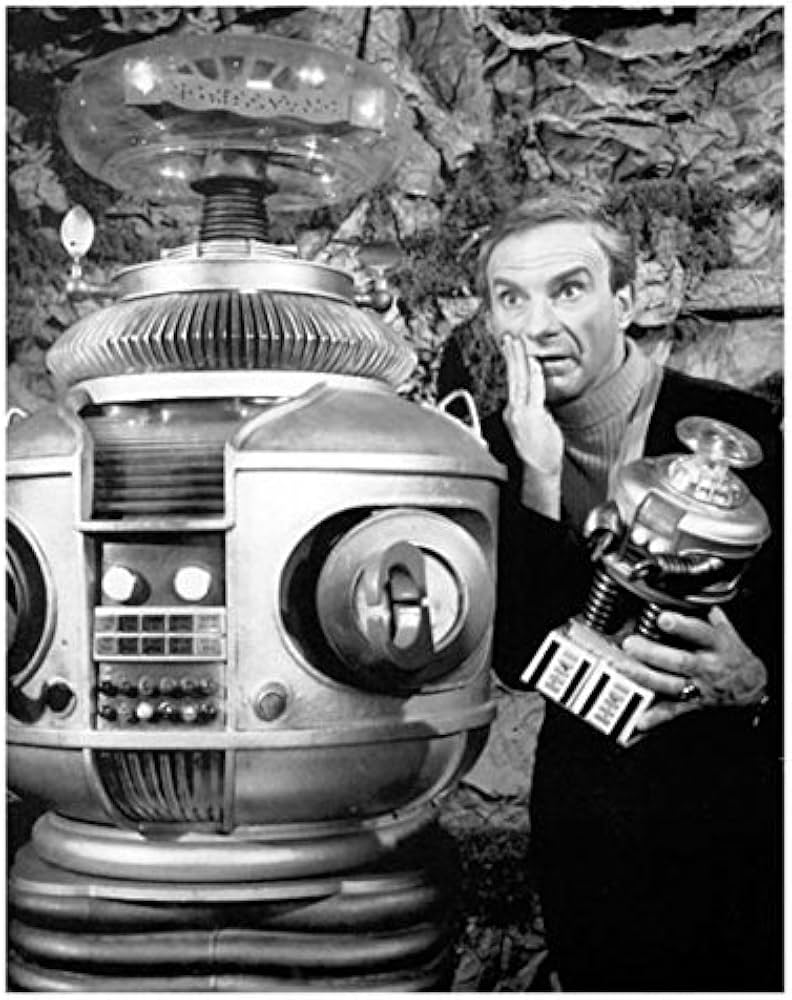
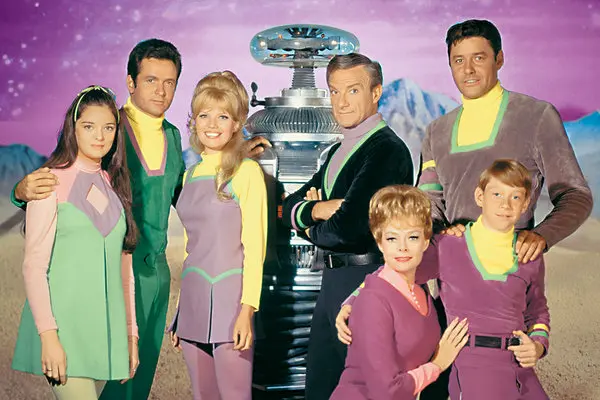
In 1965 Lost in Space was put on the fall schedule. Harris played Dr. Zachary Smith. Neither his role nor the Robot were in the pilot of the series, but they were both brought in before the show began.

The show was a big hit with viewers. Harris felt his character, who was not trusted by the family, needed a bit of comedy, so he began to adlib his dialogue. Irwin Allen, creator of the show, approved the changes and allowed him to be considered a writer. Harris said he was a good re-writer, but he was never a writer.

Bill Mumy, who played the son on the show and interacted with Smith quite a bit said that Harris “truly, truly singlehandedly created the character of Dr. Zachary Smith that we know—this man we love to hate, coward who would cower behind the little boy, ‘Oh the pain! Save me, William! That’s all him.”

The show was still high in the ratings during its third season, but the writers were running out of ideas, and the show was canceled after 83 episodes.

📷imdb.com

In the seventies, Harris joined the casts of two Saturday morning series, Space Academy and Uncle Croc’s Block. Uncle Croc’s Block was a very weird show in my memory. Even though it was on Saturday mornings, he parodied kids’ shows. Uncle Croc, played by Charles Nelson Reilly, butts heads with his program director Basil Bitterbottom, Harris’s role; Phyllis Diller played Witchy Goo to round out the cast. Uncle Croc has a sidekick Rabbit Ears and introduced the cartoons.

He also continued to appear on other series, and you can spot him in The Ghost and Mrs. Muir, Land of the Giants, Get Smart, Bewitched, McMillan and Wife, Love American Style, and Vega$.

After the mid-seventies, most of his work was in the animation field.

He also became a drama coach, and Chuck Norris was one of his students.

📷billmumy.com

In 1990, the cast of Lost in Space reunited for the 25th anniversary. More than 30,000 fans attended the event.

Harris also spent time on his hobbies, which were many. He loved gourmet cooking, watching movies, reading, traveling, painting, magic, playing piano, gardening, dancing, knitting, and spending time with this family. He also kept his interest in listening to opera that he cultivated as a child.

He passed away in 2007 from a blood clot that traveled to his heart.

Harris was a talented actor. I’m not sure why he was never offered another sitcom or a chance to play a different type of character. I’m glad he found a home in animation, but I wonder if he regretted leaving Broadway for television. It was fun to learn more about this man and his career.

Welcome To the Twilight Zone

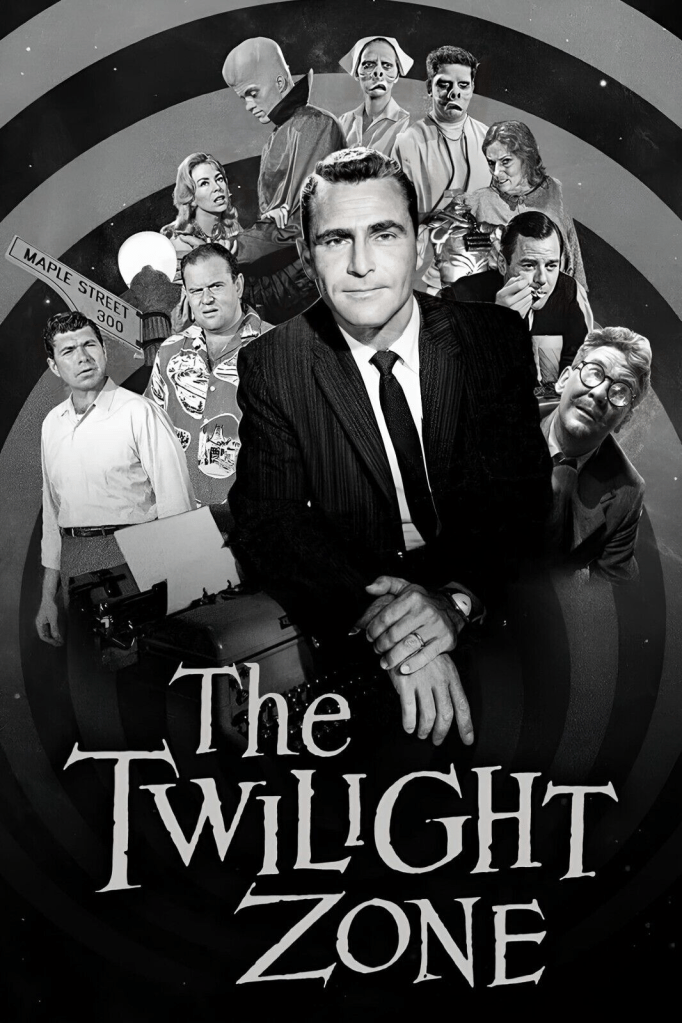
As we wind up our Eerie Shows blog series, we are ending with a show I remember being both fascinated by and totally creeped out by – The Twilight Zone. In 1958 CBS purchased a teleplay written by Rod Serling called “The Time Element.” It was introduced by Desi Arnaz. It became an anthology series called The Twilight Zone and was on the air from 1959-1964.

This show had more lives than The Brady Bunch. A second version debuted in 1985 and was on four years on CBS. From 2002-2003, it appeared again on UPN hosted by Forest Whitaker. But that still was not the end. In 2019, a fourth reboot was on for a season. In addition to the reboots, Steven Spielberg produced Twilight Zone: The Movie in 1983 starring Dan Aykroyd, Albert Brooks, and John Lithgow. Leonardo DeCaprio was rumored to be putting together a current film and Aron Eli Coleite was hired to write the screenplay. Four years later, Christine Lavaf was brought on to write a script. I could not find any information whether this movie was still in the works or not.

In this blog, I am focusing on the original series. While the show could be described as fantasy or science fiction, the episodes covered a lot of genres including absurdism, dystopian fiction, suspense, horror, and psychological thrillers.

📷reddit.com

The opening is one many of us remember: “There is a fifth dimension, beyond that which is known to man. It is a dimension as vast as space, and as timeless as infinity. It is the middle ground between light and shadow, between science and superstition, and it lies between the pit of man’s fears and the summit of his knowledge. This is the dimension of imagination. It is an area which we call The Twilight Zone.” The “Twilight Zone” was a term used by US Air Force pilots when crossing the day and night sides above the world.

📷wired.com

The series was produced by Cayuga Productions, Inc., owned by Serling. There were a lot of other famous writers who penned episodes on this show. Of the 156 episodes, Serling, Charles Beaumont, and Richard Matheson wrote 127 of them. Other famous writers included Ray Bradbury, Earl Hamner Jr., George Clayton Johnson, and Jerry Sohl. Many of the episodes were social commentaries about nuclear war, McCarthyism, racial inequality, and the greed of capitalism.

One of the earliest shows, “The Monsters Are Due on Maple Street,” is a great example of the Cold War and McCarthy subthemes. It aired in 1960, and the themes are still relevant today. The residents of Maple Street are alarmed when they hear rumors of monsters from outer space in their neighborhood. After a shadow passes by and a loud roar is heard, the citizens start accusing each other of being aliens. One man dies, another is physically attacked, and rioting occurs. We watch the residents destroy each other without seeing aliens involved. The twist is that there are aliens. They cut the power, but they let the humans destroy themselves. The message was if we think communists are in our midst, we’ll invent evidence to prove it and attack each other while Russia simply sits back and watches us destroy each other.
📷powerpop.com

All the shows were filmed in black and white. Seasons one, two, three and five were half-hour shows, while season four was an hour long. The Twilight Zone was never very high in the ratings, and the show struggled to find sponsors during its run. To save some money in season two, the network decided to shoot episodes on videotape instead of film. I’ve heard of this happening with several television shows in the sixties, but I wasn’t sure what the difference was. Apparently, videotape was very primitive at that time. Using videotape meant that the show was “camera-cut” which means using four cameras on a sound stage. Location shooting was not possible, and editing the tape was almost impossible. These disadvantages, along with the poor visual quality, made it hard to work with, and the technology was abandoned after a brief trial period.

The original theme for season one was composed by Bernard Herrmann. Season two switched to a theme by Marius Constant which is the most-remembered theme song. (The Grateful Dead performed the theme in 1985 for the reboot, Johnathan Davis of Korn composed the 2002 version, and Marco Beltrami was on board for the 2019 revival. The 1983 movie used composer Jerry Goldsmith.)

📷imdb.com

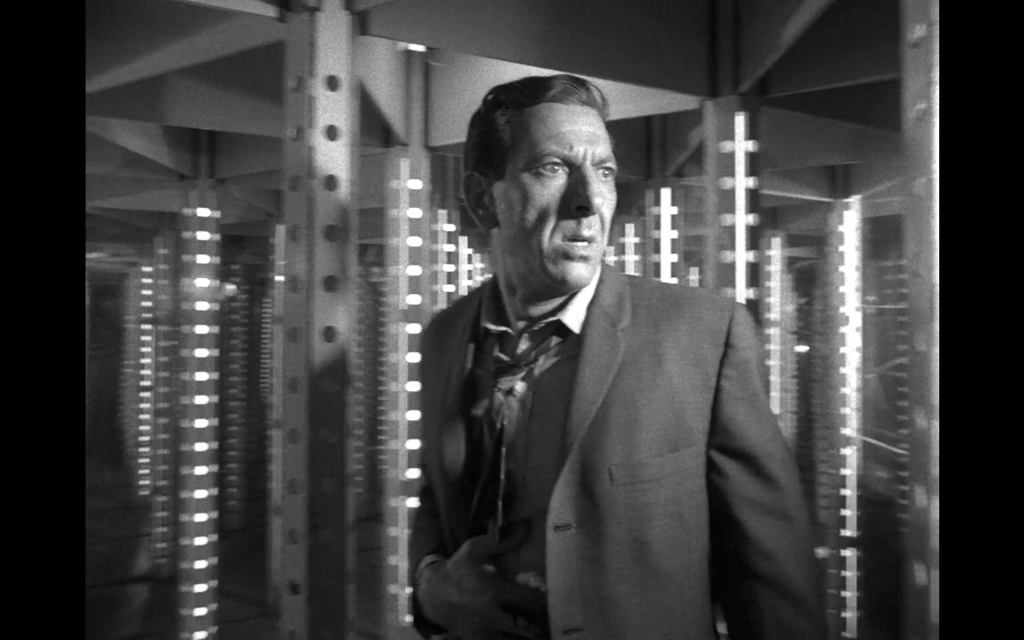
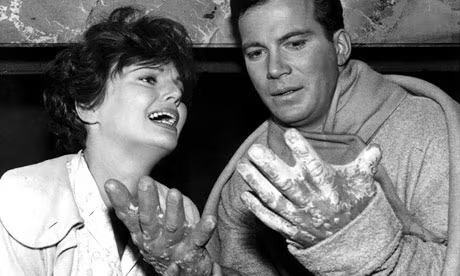
Several actors were in more than one episode and are noted for their appearances in the show: Jack Klugman, Burgess Meredith, Warren Oates, William Shatner, Jack Warden, Fritz Weaver, and William Windom.

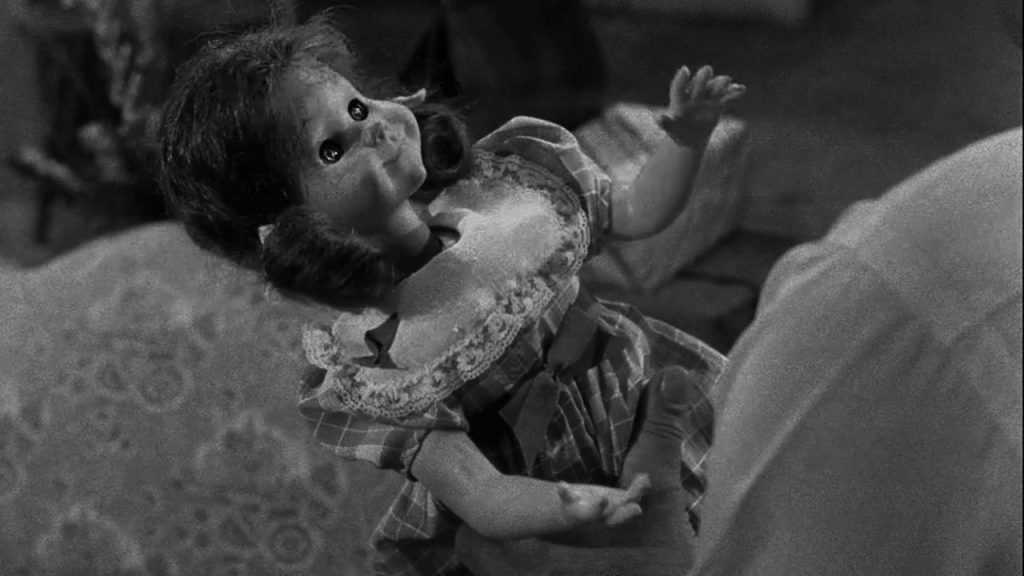
Everyone has their favorite scary episode. “The Dummy” from 1962 is about ventriloquist Jerry Etherson who thinks his dummy Willie is alive and evil. He locks Willie in a trunk, deciding to write a new act with another dummy, but Willie doesn’t like the plan.

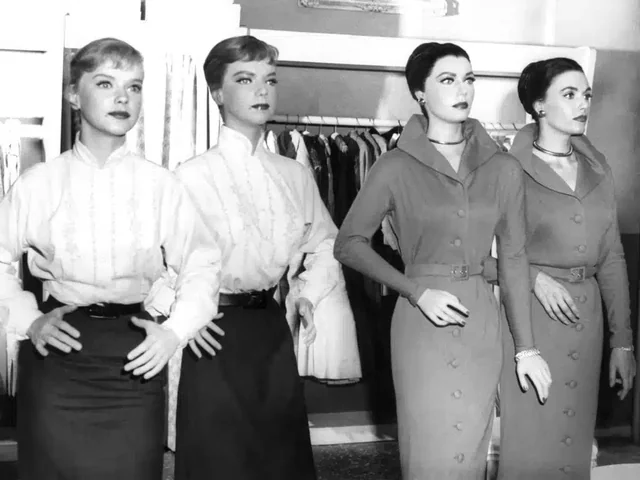
In “The After Hours,” a woman is locked in a department store after hours and it seems as though the mannequins have come to life. Even though no one is left in the store, she is treated badly by several “salespeople.”

📷imdb.com

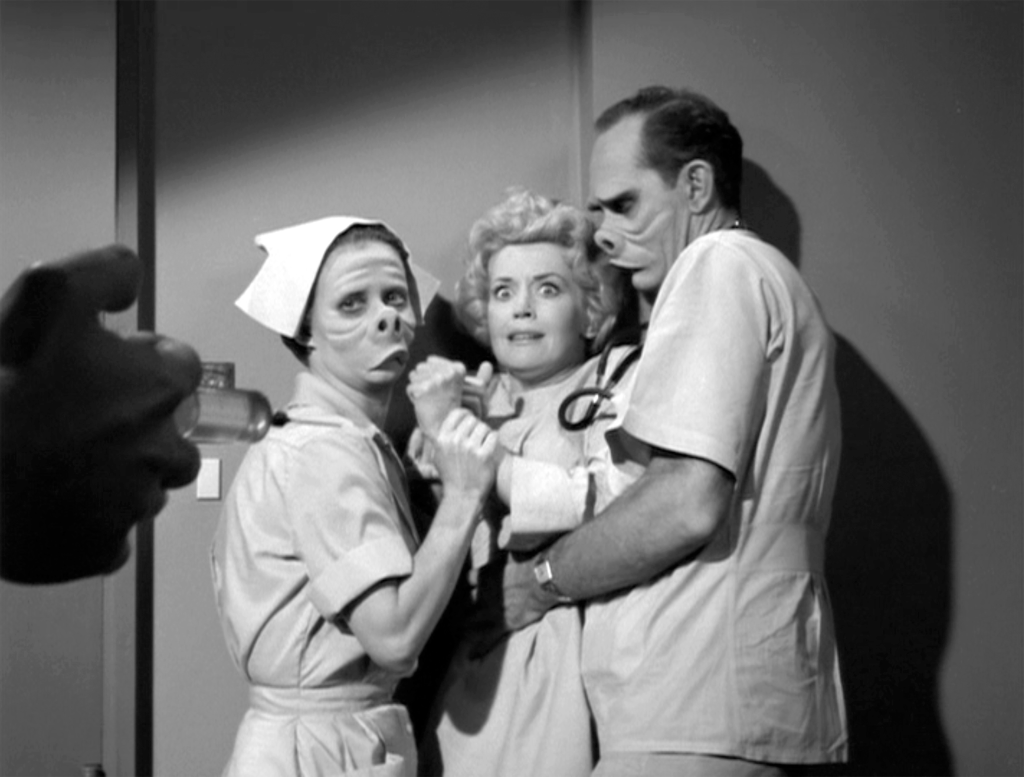
My most-remembered episode was “Eye of the Beholder.” Donna Douglas stars in this one about a young woman lying in a hospital bed with her head wrapped in bandages. She is waiting to see the outcome of a surgical procedure that was supposed to make her look “normal.” We see the bandages come off, we see the beautiful face of Donna Douglas, we see her look into a mirror, and then we hear her scream. When the scene pans out, everyone else has the face of a distorted pig and Douglas is devastated by her “ugliness.”

Also, like The Brady Bunch, the show has never been off the air since it debuted thanks to syndication. The episodes, despite being in black and white, have stood up to the test of time very well. Many things have changed in society since 1959, but people really have not changed much, and the stories are still applicable today. Newton Minnow who headed the FCC in 1961 is the person who called television a “vast wasteland.” The only series he praised was The Twilight Zone. (The US Minnow on Gilligan’s Island was named for Newton.)

📷paramountplus.com

There are some shows that are classics for their writing, some are classics for the quality of actors on the show, some are classics for their ability to transcend time and stay relevant for decades, and some are classics for the novelty they bring to the television schedule. The Twilight Zone is a classic because it does all these things and is as enjoyable to watch today as it was more than 60 years ago.

You Are About to Experience The Outer Limits

📷wikipedia.com

It’s Eerie Shows month. Last week we learned about Alfred Hitchcock Presents, a thriller anthology show. Today we have another anthology series of science fiction themes – The Outer Limits. The show examined the nature of man every week and included many classic science fiction themes such as life in outer space, time travel, and human evolution.

The original title of the show was Please Stand By. It was on ABC from 1963-65. Joseph Stefano was the producer for season one and the creative guiding force, writing more episodes than anyone else. He was the writer of Hitchcock’s film, Psycho. Harlan Ellison, a prolific writer, wrote two episodes for season two. Robert Towne wrote a script for the show and later received an Oscar for his writing for Chinatown.

The show also employed a well-known cinematographer in Conrad Hall. He worked on a variety of television shows and in film, winning Oscars for Butch Cassidy and the Sundance Kid, American Beauty, and Road to Perdition; he was nominated for another seven movies.

📷imdb.com

The shows began with a Control Voice saying:

“There is nothing wrong with your television set. Do not attempt to adjust the picture. We are controlling transmission. If we wish to make it louder, we will bring up the volume. If we wish to make it softer, we will tune it to a whisper. We will control the horizontal. We will control the vertical. We can roll the image, make it flutter. We can change the focus to a soft blur or sharpen it to crystal clarity. For the next hour, sit quietly and we will control all that you see and hear. We repeat: There is nothing wrong with your television set. You are about to participate in a great adventure. You are about to experience the awe and mystery which reaches from the inner mind to The Outer Limits.”

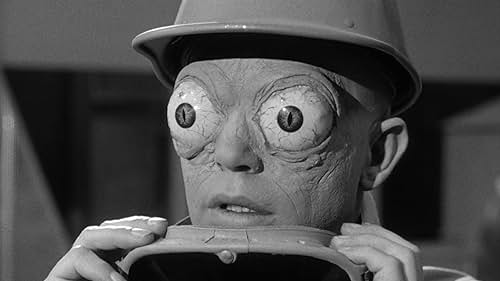
Seasons one and two were a bit different with season two focusing more on hard science. Sometimes we forget that special effects were not something these crew members had much experience with on television. Often, the cast was experimenting, just trying to find solutions to creating these new effects. Robert Justman, who was one of the assistant directors on the show, talked about how they created monsters on the show in his Television Academy interview. He said for one of the first monsters, they had planned to use a negative image instead of a positive one, but that was not enough. He got the idea to rub the image with Vaseline and it created these iridescent spots on it which gave them their monster.

📷moviemarket.com

The music for season one was by Dominic Frontiere and season two was supplied by Harry Lubin. Frontiere was credited with 59 shows and films, including Matt Houston and Vega$. Lubin was best known for his music on The Loretta Young Show and One Step Beyond.

Season one garnered good ratings and their fans were very loyal. However, the ratings dipped in season two after changing focus and moving from Monday to Saturday night. Stefano knew that competing with The Jackie Gleason Show on Saturday night meant the show was over, and he left before season two started.

The episodes of The Outer Limits were often confused with The Twilight Zone, not only by viewers but by actors appearing in them. We’ll learn more about The Twilight Zone next week.

Another fan of the show was Gene Roddenberry. He was often on set, and the show would become a big influence on Star Trek later in the decade. A lot of the crew, cast, costumes, and props on The Outer Limits made their way into Star Trek episodes.

📷theguardian.com

Like so many shows, this one was revived in 1995, and it ran for seven seasons.

I’m not sure why but I don’t remember watching this show in reruns the way I did The Twilight Zone. Maybe it was not shown as often or maybe it was on when our family was watching other shows, but it was interesting to learn what made it different from The Twilight Zone. I’m not sure how many of the “monster” episodes would compete with the special effects of today, but it’s worth taking a look at a few of them and the science they not only developed but the technology that was invented.

Vera Miles: What a Character

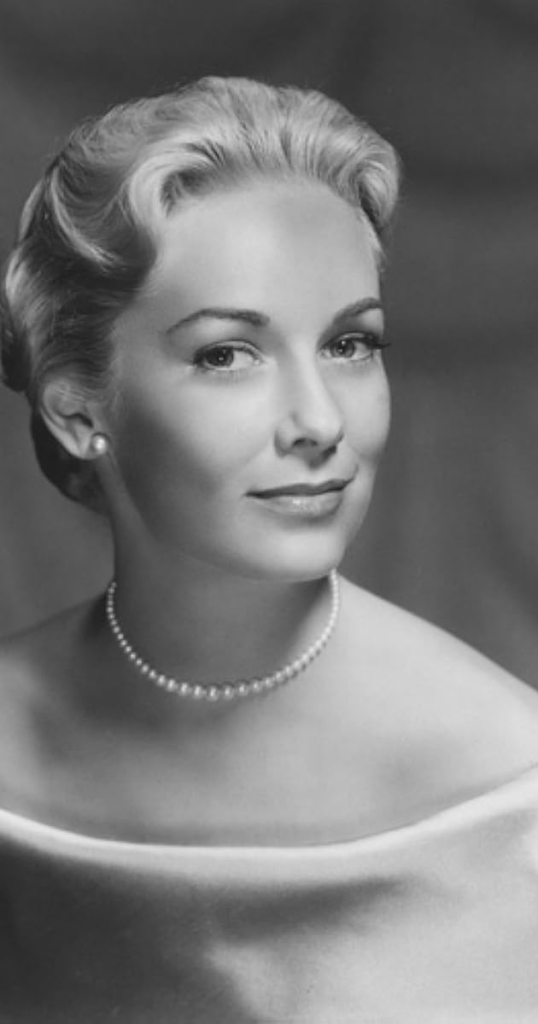
During this month of Supportive Women, I am excited to learn more about Vera Miles. For four decades, Miles appeared in our homes as well as on the big screen. With 162 credits, she may have visited your living room more than most of your family members.

📷facts.net

Vera Ralston was born in Boise City, Oklahoma in 1929. She grew up in Pratt, Kansas, and later she moved to Wichita where she graduated from high school and worked nights as a Western Union operator-typist. In 1948 she won the Miss Kansas pageant and was third runner-up in the Miss America contest that year. Miss Minnesota won the crown.

A year later she moved to Los Angeles to pursue a career in television and movies. Not long after arriving in Hollywood, Vera married photographer and stuntman Bob Miles. One source said that she enrolled at UCLA, hoping to become a teacher.

Bob Miles has 13 acting credits and 14 stuntman credits. The cast of Bonanza must have liked him because he appeared as a stuntman 99 times and as an actor on the show 76 times.

📷photos.com

After the birth of her children, she began doing some modeling and taking on a few roles to help provide income. Vera used her husband’s last name because there was already a Vera Ralston in the industry.

She appeared as a contestant in a 1951 episode of You Bet Your Life with Groucho Marx. Along with her partner, she won $8 in the quiz portion of the show but gave the wrong response to the De Soto-Plymouth question which was “Who was the first Chief Justice of the Supreme Court?” When Groucho asked her what titles she had held as a beauty contestant, in addition to Miss Kansas, she mentioned that she was Miss Chamber of Commerce, Miss Wichita, Miss Texas Grapefruit, and Miss New Maid Margarine.

She received her first movie role in 1950 and her first credit in 1952. In The Rose Bowl Story, a romantic comedy, she played a Tournament of Roses Queen. She would appear in about 40 additional movies during her career and quite a few made-for-television movies as well. She often worked with Alfred Hitchcock and was cast in Psycho.

In 1951 she appeared on Fireside Theater, her first television role. While she had more than 100 credits performing on television, surprisingly she never starred in a series. The only recurring character she had was Ernestine Coulter on My Three Sons.

📷fotogrammas.com

In 1956 she married Gordon Scott after divorcing Miles in 1954. They also divorced in 1960. Scott appeared to only work in Hollywood for a five-year period according to imdb.com. From 1960-1971 she tried marriage again with Keith Larsen, but their marriage also ended in divorce. Since the third time was not the charm, for two years in the mid-seventies, she wed Robert Jones but that ended in divorce as well.

During the fifties, she fit roles around her movie appearances, and you can see her in episodes of dramatic theater shows. In the sixties, she had no trouble finding work and she showed up on The Twilight Zone, Route 66, Wagon Train, I Spy, The Man from UNCLE, The FBI, and Mannix. Work did not slow down in the seventies, and you can spot her in a variety of shows including Gunsmoke, Hawaii 5-O, Bonanza, Cannon, Columbo, and Barnaby Jones. She might have taken thing a bit easier in the eighties, but she still worked on four or five shows a year, including Magnum, PI; Little House on the Prairie; The Love Boat; Hotel; and Murder She Wrote. Her last credit was for a movie titled Separate Lives in 1995.

📷imdb.com

Miles was a member of the Church of Jesus Christ of Latter-Day Saints and visited Salt Lake City quite often.

Early in her career, Miles appeared to be almost a clone of Grace Kelly but that never materialized into a movie star career. Hitchcock hired her for Vertigo with Jimmy Stewart, but her pregnancy caused her to back out of the movie, and Kim Novak received the starring role. Perhaps, that movie would have changed the trajectory of her film career. I’m surprised that she was never given an opportunity to star in a television show. With 162 credits, she had a prolific and busy career. I will definitely try to spot her when I watch some of my favorite classic shows.

..

Vic Tayback: Cooking Up Some Fun

This month we are celebrating some of our favorite Supportive Men, actors who usually are not the star of a show but add the special flavor only they can to some of our favorite shows.

Before we move on to our topic today, can I just say a huge THANK YOU to all of you who have joined me on this journey through classic television. Today is my 400th blog and it has been so much fun. Next week will be 401, but for today we are looking at the career of Vic Tayback.

📷graduation photo

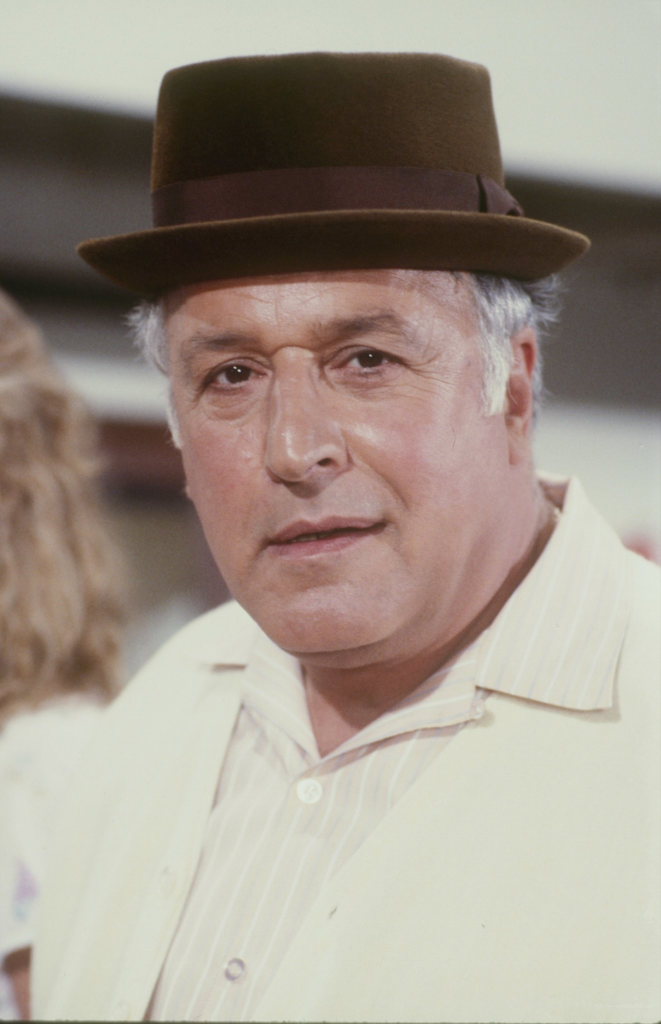
Most of us probably know him best as Mel on Alice; he played Mel Sharples in both the original movie, Alice Doesn’t Live Here Anymore, as well as the television show that was on for nine years.

Tayback was born in Brooklyn in 1930. His parents settled there after leaving Aleppo, Syria. During his teenage years, the family moved to California where he attended Burbank High School. He loved sports and played on a variety of teams, his favorite being football.

After high school, he enrolled at Glendale Community College. He also spent some time with the US Navy.

With his love of sports, he decided to attend the Frederick A. Speare School of Radio and TV Broadcasting to be a sports broadcaster. While there he was required to perform in a production of “Stalag 17” for one of his classes. He wasn’t thrilled about doing so, but he realized that he loved making people laugh and decided to switch his career to acting. While trying to break into the industry, he paid his dues driving a cab and working as a bank teller.

📷embarrassingtreasures.com Family Affair

The first of Tayback’s astounding 151 acting credits occurred in 1958 in a little-remembered series, Buckskin. This western was set in Annie O’Connell’s boarding house in Buckskin, Montana in 1880 and the stories were told by ten-year-old Jody. Vic continued to receive a few other appearances on television in the late fifties, as well as two films.

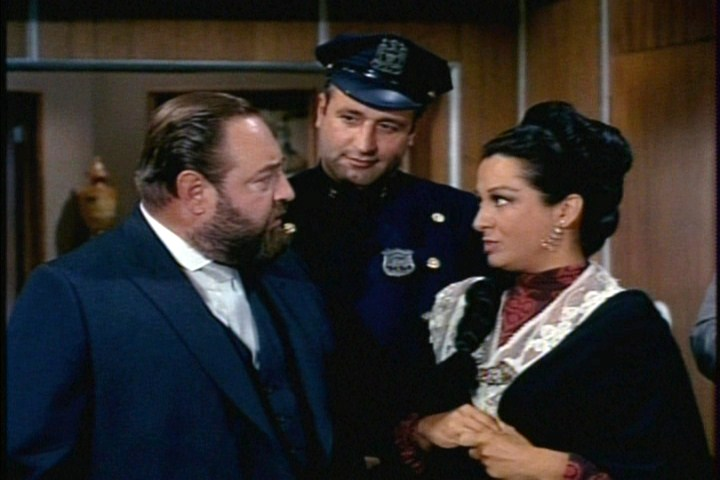
In the sixties, Tayback’s career took off. He would show up on 32 television episodes and 9 big-screen films, including With Six You Get Eggroll with Doris Day and Brian Keith. His tv roles were in comedies such as F-Troop, I Dream of Jeannie, Family Affair, Get Smart, The Monkees, and That Girl. He also could be seen in a variety of dramas that included 77 Sunset Strip, Dr. Kildare, Rawhide, Cimarron Strip, Star Trek, and Mission Impossible.

📷newyorkdailynews.com The Cheap Detective

The sixties also found Vic in the role of groom. In 1963, Tayback married Sheila Barnard, and they remained married until his death.

During the seventies, his appearances escalated to more than forty television series and ten movies. Some of his television shows included Bonanza, The Mary Tyler Moore Show, Bewitched, Columbo, Mannix, Ironside, Mod Squad, The Partridge Family, All in the Family, Barney Miller, Cannon, Medical Center, Family, and Hawaii Five-0. His movies included a few genres running from Disney’s The Shaggy DA to Papillon (Papillon was the story of a French convict who befriends a fellow criminal in South America in the 1930s, and he plans an escape).

It was during the mid-seventies that he was offered the role of Mel Sharples. In 1974 the movie was released, and the television show aired in 1976. The show was very popular with viewers. Vic said he and Mel were somewhat similar characters. While people still quote Flo on the show with her “Kiss my grits,” Tayback had his own tagline on the show, “Stow it.”

📷imdb.com Alice

If you didn’t see the show, it featured a greasy-spoon diner in Phoenix, Arizona. Alice moves there after the death of her husband with her son Tommy. She becomes a waitress at Mel’s along with sassy Flo and shy, gullible Vera. Despite the bad food, they have a lot of regulars who come in for a meal. If you want to visit the restaurant, the building it was based on is at 1747 NW Grand Ave in Phoenix and was called Pat’s Family Restaurant. (It was also featured in American Graffiti.) It is now called Mel’s Diner. According to Trip Advisor, it is ranked #448 out of 1795 restaurants in Phoenix.

📷imdb.com

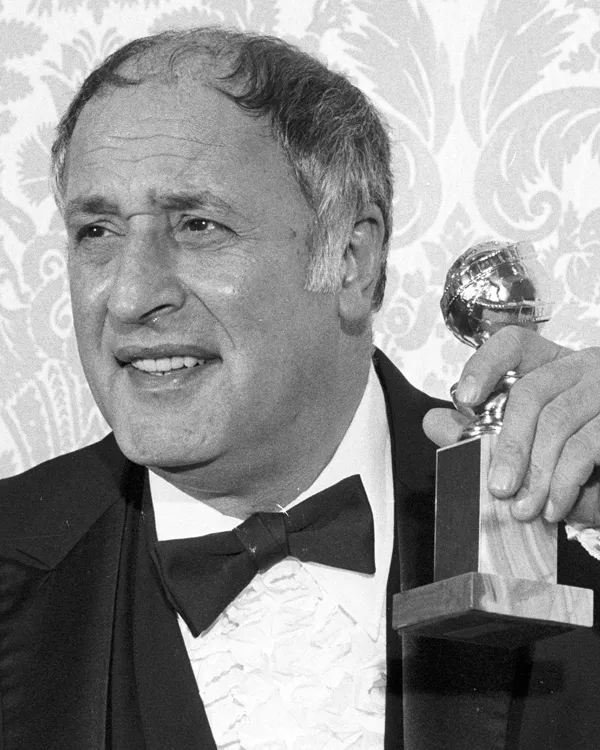
The role of Mel won Tayback Golden Globe awards in both 1979 and 1980. In 1978 he was nominated for an Emmy as Supporting Actor in a Comedy. While he did not win, he was in some amazing company. That year, fellow nominees included Harry Morgan and Gary Burghoff for M*A*S*H, Tom Bosley in Happy Days, and Rob Reiner from All in the Family, who took home the win that year.

The series aired on Saturday nights and the first year was in the top thirty. In 1977, its second season, it was moved to Sunday nights, following All in the Family where it rose into the top ten. In 1979, All in the Family left the airwaves, and Alice then followed One Day at a Time. Seasons three-five, it continued to be in the top thirty. In 1981, the show was moved to Monday nights up against M*A*S*H where it fell out of the top 30. However, season seven found it back on Sundays following The Jeffersons where it rose back into the top thirty. However, it took another dive in ratings the next year and then was cancelled. I think it probably stayed on the air a year or two beyond when it should have. However, interestingly enough, the year it was cancelled, CBS introduced 15 new shows. I’m not sure most people have ever heard of any of them; they were all gone by 1986 with the exception of The Twilight Zone (reboot) and West 57th, which was a news show aimed at younger audiences.

Vic was also an avid horse-racing fan and owned quite a few thoroughbreds. On Alice, Mel was also a track fan, and sometimes the writers asked Mel for names of horses they could use, and he often gave them names of his horses.

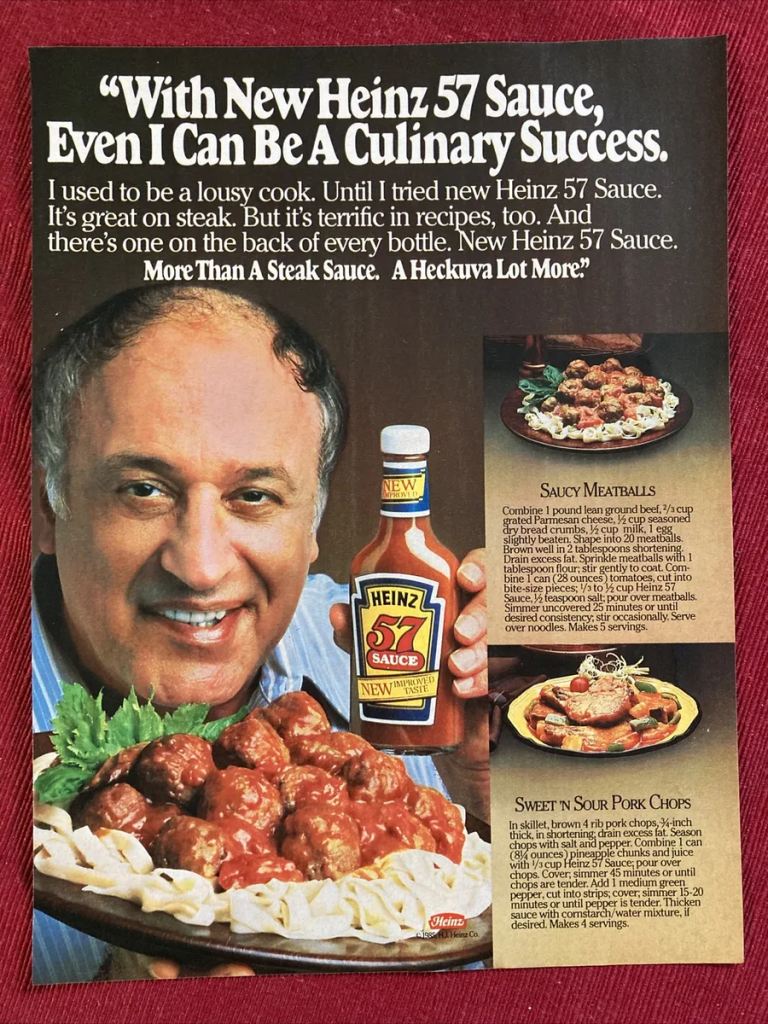
On the show, Vic was often made fun of for his bad cooking. In a 1985 interview he said, “If I walked into a restaurant, the other diners would look around and say, ‘I hope you’re not cooking.’” Heinz then offered him the role of spokesperson for their Heniz 57 sauce and his line in the commercials, was “I used to be a lousy cook.” He was also remembered for an Aqua Velva commercial he did with Pete Rose.

Unfortunately, Tayback was a heavy smoker which caused heart trouble for him. While doing Alice, he had a triple-bypass surgery. While he did try to quit numerous times, he just could never kick the habit. In 1990, he died from a heart attack at age 60.

📷goldenglobes.com

While we were cheated of several decades of performances from Vic with his early death, he did leave an amazing legacy in the Company of Angels theater in Los Angeles. According to its website, “In 1959, a group of actors, including Tayback, Leonard Nimoy, Richard Chamberlin, and Vic Morrow founded the theater to provide a space for actors and other theater artists to work on their craft free of commercial constraints.”

Thank you, Vic Tayback, for deciding to make people laugh in your career and investing in the future of acting so those memories continue in the future.

Julie Newmar: Batman’s Most Beautiful Villain

This month we are learning a bit about the Batman villains and their careers. No study of Batman’s favorite nemesis would be complete without Cat Woman, Julie Newmar. Julie shared the role of Cat Woman with Eartha Kitt who appeared the final television season and Lee Meriwether who was so catty in the Batman movie. What else did Julie Newmar do during her career? Let’s find out.

📷pinterest.com

Born Julia Chalene Newmeyer in 1933, Julie Newmar as she is known in the acting world, was a television and film actress, dancer, singer, and stage performer. But, as they say in the commercials, that’s not all. She also was known for writing, designing lingerie, and managing real estate investments.

Newmar was born in LA. Her father Don was head of the physical education department for the Los Angeles College. Her mother, of both Swedish and French descent, was a fashion designer under the name Chalene and later worked in real estate.

Julie began dancing early in life and performed as a prima ballerina with the Los Angeles Opera when she was only 15. With an IQ of 135, Newmar graduated from John Marshall High School at age 15. She continued dancing in films in the early fifties. At age 19, she was also working as a dancer/choreographer for Universal Studios. In 1954, she appeared in Seven Brides for Seven Brothers as Dorcas, one of the seven brides.

📷facebook.com

In 1955 she got her first Broadway appearance in “Silk Stockings.” She continued her movie and Broadway careers throughout her years in entertainment, appearing in 33 films in all.

Television is where Newmar gained most of her fame. Her first television appearance was on The Phil Silvers Show in 1957 and then Ominbus in 1959. But it was in the sixties that she became a household name. She started the decade in Adventure in Paradise in 1960, followed by a variety of shows including The Defenders, Route 66, and The Twilight Zone in the early sixties.

In 1964 she was offered the role of Rhoda on My Living Doll, where she played a robot. She was not enthralled with the choice of Bob Cummings as her costar and did not seem to enjoy her time on this show. She said that “They originally wanted Efrem Zimbalist Jr. It was not a flip part—it needed a straight actor who could play opposite this bizarre creature so the comedy would come off. That quality was lost when they hired Bob. The show could have been wonderful. I think it would have run for many seasons had they hired Efrem because he had the right qualities.”

📷classicfilmandtvcafe.com

After appearing in several comedies including The Beverly Hillbillies and F Troop, she received another recurring role as Cat Woman in Batman. She would appear in the series 13 times, 12 as Cat Woman, the only villain to make Batman question his morals, because we knew he was in love with her, and if she showed any sign of remorse, who knows where things might have gone. Her Cat Woman costume now lives at the Smithsonian Institution.

Newmar lived in Beekman Place in New York in the mid-sixties. One weekend her brother had come to visit her from Harvard. They were sitting around chatting when the phone rang. She was asked if she would like to play Cat Woman on the Batman series. She was a bit miffed because they said they were casting in California, and the role started on Monday. Her comment was “That’s how television is done: they never know what they are doing until yesterday.” When her brother heard Batman, he jumped up and said that was the favorite show at Harvard and they even skipped classes to watch it. He told her to take the role, so she did.

📷firstforwomen.com

After Batman, she finished out the sixties in The Monkees, Star Trek, Get Smart and It Takes a Thief. With 11 seventies offers, you can see her in shows such as Bewitched, Columbo, McMillan and Wife, Love American Style, The Bionic Woman, and The Love Boat. One of my favorite made-for-tv movies was The Feminist and the Fuzz. It had an exceptional cast, including Newmar who appeared in the movie along with Barbara Eden, David Hartman, Jo Anne Worley, Farrah Fawcett, Harry Morgan, Herb Edelman, Penny Marshall, and John McGiver. This ensemble was directed by Jerry Paris, who directed so many great shows from The Dick Van Dyke Show to Happy Days.

Her other starring role in the seventies was a marriage to J. Holt Smith, an attorney. After the wedding, Newmar moved to Forth Worth, Texas until 1984 when they divorced.

📷remindmagazine.com

The eighties was a more quiet decade for the actress but she did accept roles on CHiPs, Fantasy Island, and Hart to Hart. In 1992, she appeared in George Michael’s music video, “Too Funky,” She was still working in 2016 and 2017 in Batman animation features.

If you were a fan of Batman and Dark Shadows in the sixties, you were in luck when Newmar took on the role of Dr. Julia Hoffman (played in the original series by Grayson Hall) in Dark Shadows: Bloodline, the audio drama miniseries.

She was not just a pretty face, however. She received two US patents for pantyhose and one for a bra, under the name Nudemar. She also began investing in LA real estate and was credited with helping to improve the neighborhoods of La Brea Avenue and Fairfax Avenue. In one episode of My Living Doll, Rhoda is asked to play Chopin’s “Fantasie Impromptu” on the piano. Newmar played the piece herself. She had studied under concert pianist Dr. MacIntyre, and she said that scene is the only one she’s done with her playing the piano which had been her career choice before acting. One of Julie’s comments about herself was “Tell me I’m beautiful, it’s nothing. Tell me I’m intellectual—I know it. Tell me I’m funny, and it’s the greatest compliment in the world anyone could give me.”

📷closerweekly.com

Julie also enjoys art and gardening. She has a rose, a day lily, and an orchid named for her. Her gardens are often chosen as a spot for holding charity events.

Like Barbara Feldon from Get Smart, Julie Newmar is beautiful, bright, and funny. I hope she enjoyed her career. Obviously, she could have been a brain surgeon or any other profession of her choice. She seems like she would be a fun person to just hang out with and the conversation would never run out. Thank you, Julie Newmar for choosing the entertainment business over medical science for our sakes.

Burgess Meredith: America’s Favorite Villain

Bam! Pow! It’s Batman Villain Month. We will be looking at the career of an actor who played a Batman baddie every week this month. We are beginning with my favorite, The Penguin, played by Burgess Meredith.

📷pinterest.com

Oliver Burgess Meredith was born in Cleveland, Ohio in 1907. His father was a physician, and his mother was born into a family of Methodist revivalists. Burgess followed his Methodist faith for his entire life. After high school, he enrolled at Amherst College, until 1932 when he became a reporter for the Stamford Advocate. He worked in a variety of jobs while getting started in acting including retail, an editor, a merchant marine, and a runner on Wall Street.

He joined Eva Le Gallienne’s Civic Repertory Theatre in New York City. His Broadway debut was in this company’s “Romeo and Juliet” in 1930. His film debut came in 1935 in Winterset. Later in his career, he would return to Broadway as a director. He shared a Tony Award with James Thurber for their collaboration on “A Thurber Carnival” in 1960, and he earned a Tony nomination for his staging of “Ulysses in Nighttown” in 1974. In the late seventies, he directed Fionnula Flanagan’s one-woman play, “James Joyce’s Women” which toured for several years.

Meredith had more success in acting than marriage. Helen Derby Merrien Burgess was his wife from 1932-1935. His marriage to actress Margaret Perry only lasted two years, ending in 1938.

In 1942, Burgess enlisted in the US Army Air Forces for WWII, reaching the rank of captain. He was discharged in 1945. Meredith married another actress, Paulette Goddard, and they were together from 1944-1949. However, in 1951 he married Kaja Sundsten and they were together until his death.

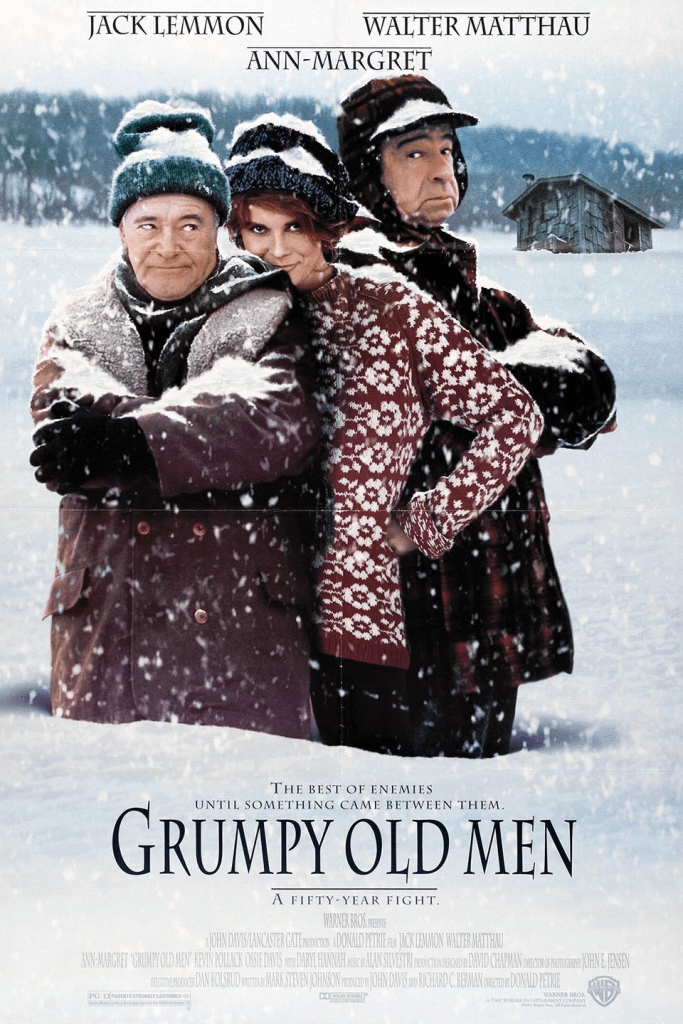
Meredith would appear in 80 movies during his career, as well as a number of made-for-television movies. He might be best known in the past few decades for Grumpy Old Men and Grumpier Old Men in the 1990s.

However, it was television where he found the most acclaim. His first appearances came in 1949 on the Ford Theater Hour and The Silver Theater. Throughout the fifties he continued receiving offers for theatric roles on these types of programs. During the early sixties, he was everywhere. You could catch his appearances on dramas such as The Naked City, Ben Casey, The Twilight Zone, The Bold Ones, Room 222, Ironside, and Mannix. He rode onto many western sets including Wagon Train, Rawhide, The Wild, Wild West, Bonanza, Daniel Boone, and The Virginian. He found his way onto several comedies such as Please Don’t Eat the Daisies and The Monkees.

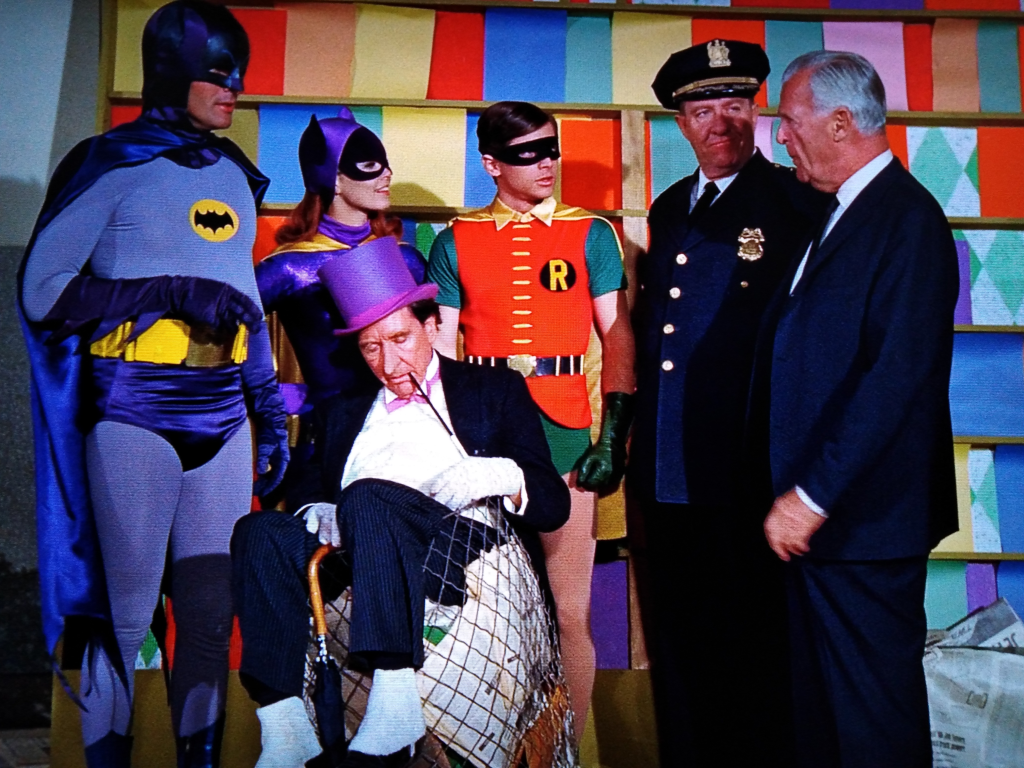
Given the astounding number of drama shows that he chose roles on, it is a bit surprising that one of his best-known roles was the campy, humorous 1960s series Batman. From 1966-1968, he made 21 appearances as the Penguin. When he appeared on The Monkees, it was also as the Penguin. Originally the producers wanted Spencer Tracy for the role of Penguin. Tracy said he would not accept the offer unless his character was allowed to kill Batman. So, Meredith got the role. The cast loved him, and the producers made sure there was always a Penguin script waiting so whenever Burgess was free, it could be filmed.

📷dcdatabase.com

He was perfect for the role with his raspy voice and that iconic Penguin laugh. The laugh came about because Burgess had given up smoking but had to smoke for his role on Batman. When he coughed, he covered it up with his trademark laugh. When asked why he did Batman, he replied that he did it “for two reasons, one of which was the salary. The other was that, after the first few episodes, Batman became the in-thing to do. Everybody would either play a villain or appear as himself in that cameo showcase where a celebrity would poke his head through the window of a building that Batman and Robin were climbing. Actually, we didn’t get as much money from the show as you might think, although we were paid decent money for the feature film version. The main impetus to continue appearing on Batman—beyond the desire to get some TV work—was that it was fashionable.”

Later in his career, Burgess continued appearing on the big screen and provided voice-over work and a bit of animation. Unfortunately, he was named as an unfriendly witness by the House Un-American Activities Commission which ended his studio work for several decades. Burgess also did commercial work and was known for his roles for Skippy Peanut Butter and United Air Lines.

📷imdb.com

Meredith was a life-long Democrat and was generous to the Democratic party. He was an environmentalist and tried to end pollution. He was also fascinated by intelligent animals, especially dolphins. One night he said he felt a dolphin needed help while staying at a friend’s beach house. He ran out to the beach and found a dolphin caught in a net under a dock and was able to save its life. He was nominated for two Academy Awards, both for Supporting Actor in Rocky and The Day of the Locust. A 21-acre park in Pomona, New York was named for him; he provided the funding to incorporate the village.

In 1997, Meredith died from complications of Alzheimer’s. His former Batman costar, Adam West, spoke at his memorial service.

While almost all of the bad guys on Batman were memorable, the Penguin and Cat Woman were by far my favorites. We will look at the career of Julie Newmar next week.

Buddy Ebsen: From The Tin Man to King of the Hill

Photo: facebook.com

As we wind up our blog series, “Time for Some Texas Tea,” we are also reading the last blog of the year. We have been learning about the careers of several actors who appeared on The Beverly Hillbillies and today we have saved Buddy Ebsen who had the most successful career of the cast.

Ebsen was born Christian Ludolf Ebsen Jr. in 1908 in Illinois. He was the only son of four children born to his parents who had immigrated from Germany. His father was a choreographer and owned a dance studio. He was also a physical fitness advocate and operated a gym for the local school district. His mother was a painter.

Davy Crockett Photo: ebay.com

When Buddy was ten, his family moved to Florida for this mother’s health, eventually ending up in Orlando where he took dance at his father’s studio. Ebsen was a member of the swim team all four years and became a Florida State Champion. He graduated in 1926. Originally, he chose a career in medicine and attended the University of Florida at Gainesville. He transferred to Rollins College in Winter Park for a year to be closer to home and save money. They had no science courses, so his mom suggested he take an acting class. When the Florida land boom crashed, Ebsen could no longer afford his tuition and he had to drop out.

He moved to New York City and worked at a soda fountain to get by. Ebsen began his career in the entertainment industry as a dancer. He and his sister were known as The Baby Astaires and they performed in supper clubs and on vaudeville. They were booked at the Palace Theater in New York City after Walter Winchell saw them perform in Atlantic City and gave them a rave review.

In 1933 Buddy married Ruth Cambridge; their marriage ended in divorce in 1945 after having two daughters.

His first film was Broadway Melody of 1936. In that same year, he danced with Shirley Temple in Captain January. In 1938 he appeared with Judy Garland as his dance partner. Walt Disney brought Ebsen in to be filmed dancing in front of a grid so the animators could use it to draw the Silly Symphonie with Mickey Mouse.

Photo: wikipedia.com

MGM offered Buddy an exclusive contract but he turned it down, and Louis Mayer told him he would never work in Hollywood again. In 1939 the same MGM cast him as the Scarecrow in The Wizard of Oz. Ebsen and Ray Bolger swapped roles and Buddy became the Tin Man. He recorded the songs, went through all the rehearsals, and then began filming the movie. He began experiencing body aches, cramps, and shortness of breath which eventually landed him in the hospital. Doctors diagnosed him with an allergy to the aluminum dust in the makeup, and he had to give up the role and was replaced by Jack Haley.

Ebsen took up sailing after he recovered and learned it so well that he taught it to naval officer candidates. He was turned down every time he tried to enlist in the Navy. The US Coast Guard did accept his application, and he was made a lieutenant, junior grade. He served on the USS Pocatello which was a weather ship, recording weather 1500 miles west of Seattle. He was honorably discharged in 1946.

Photo: mycoastguard.com

Ebsen received permission from the Pocatello’s commanding officer to bring aboard costumes, props, and musical instruments. He wrote, cast, and directed vaudeville shows, concerts, and plays while on the sea. Rehearsals were held in the cramped steering room.

In 1945, Ebsen married fellow lieutenant Nancy Wolcott. They had four daughters and a son. Their marriage lasted 39 years but also ended in divorce.

In 1949, he made his television debut on The Chevrolet Tele-Theater. During the fifties, he continued to make films and to appear on television series.

Breakfast at Tiffany’s Photo: pinterest.com

During the decade of the sixties, he was very busy in both mediums. He made four big-screen films including Breakfast at Tiffany’s. He appeared primarily on television, with appearances on a variety of shows including Maverick, The Twilight Zone, The Andy Griffith Show, Gunsmoke, Bonanza, and Rawhide.

From 1962-71, Buddy became Jed Clampett, the head of the family who moves them to Beverly Hills after they earn millions from oil on their Tennessee land. The critics did not like The Beverly Hillbillies one bit. However, the viewers made the number one show several times. I have to side with the critics. Although the show still had high ratings in 1971, it was canceled by the network because they wanted to move their shows in a more “urban” direction.

Photo: allposters.com

Nancy Kulp seemed to be close to most of the cast especially Irene Ryan as Granny and Raymond Bailey, and Ebsen seemed to be close to most of the cast, especially Donna Douglas and Max Baer. However, Kulp and Ebsen were definitely not close. He was very much a conservative and she was decidedly liberal. Donna Douglas related that “they had a different view, so they had some heated discussions about that. They would go on for weeks.” In 1994, Kulp ran for US House of Representatives in her native Pennsylvania. Ebsen not only supported her opponent, he offered to make commercials talking about how liberal she was. He had no connection with Pennsylvania at the time. She claims he was just being spiteful, and he claims she did not know the issues.

After the cancellation of The Beverly Hillbillies, Ebsen appeared in Hawaii Five-0 and then in quite a run of made-for-television movies. In 1973, Buddy was offered his second starring role in a show as Barnaby Jones, a detective who comes out of retirement to investigate the death of his son. Lee Meriwether played his widowed daughter-in-law Betty. Barnaby Jones stayed out of retirement until 1980 when the show was canceled. The show was still receiving decent ratings, but Buddy decided he was ready for retirement.

Barnaby Jones Photo: ebay.com

When asked about Ebsen, Meriwether said, “He really worked at being at the top of his game. You had to keep up with him. I adored him. I think he had feelings for me too.” She later said that “he loved the idea of being a detective. We had CSI-type equipment in the office on the set and he liked doing his own tests.”

Despite a rumored relationship with Meriwether, in 1985, Ebsen married his third wife, Dorothy Knott, and they remained together until his death.

Except for a few credits here and there, Ebsen did not have a lot of acting credits after the mid-eighties. He did accept a recurring role on Matt Houston during season three of that show when he played Matt’s uncle for 22 episodes.

His last movie was a cameo in the big-screen film, The Beverly Hillbillies, and he played Barnaby Jones. His last acting role as a person was Burke’s Law in 1994. His last television appearance was a voice only for King of the Hill in 1999.

In addition to sailing, Ebsen had a lot of other interests. He was an avid coin collector. He also wrote several novels and books. He also released three albums, The Beverly Hillbillies with Irene Ryan in 1993, Buddy’s Originals in 2001, and Buddy Ebsen Says Howdy in 2003.

If that was not enough, he played the guitar, golfed, rode horses, painted, gardened, fished, and traveled.

Ebsen passed away in 2003. His Coast Guard papers are stored at the US Coast Guard Historian’s Office in Washington DC.

Photo: guideposts.com

Many of the rest of his records were given to the University of Wyoming American Heritage Center by his wife after he passed away. The gift included papers from all stages of his career, artwork created by him, his sailing trophies, and athletic medals among other items. The AHC has a large Hollywood and entertainment collection.

In October of 2022, a new exhibit was unveiled, “The Entertaining Life of Buddy Ebsen.” He certainly did have an entertaining life. While Jed Clampett made him famous, his career was much more interesting than that one role.

Thanks for getting to know Buddy Ebsen better and for taking this journey in 2023 to learn more about classic television and all the people who were important in that evolution.

Donna Douglas: Southern Girl at Heart

The Beverly Hillbillies' Star Donna Douglas Dies - ABC News
Photo: abcnews.com

This month’s blog series is “Time for Some Texas Tea,” stars of The Beverly Hillbillies. We begin our series with Elly May Clampett, played by Donna Douglas. Born Doris Ione Smith in Baton Rouge, Louisiana in 1932, Douglas’s upbringing could not have prepared her for her most famous role of Elly May Clampett any better, because she was a tomboy and loved animals. She had eight male cousins, and she wore their hand-me-downs, went fishing with them, and pitched on an all-boy softball team. In high school, she played softball and basketball, but did switch to cheerleading as she got older. Like many of her classmates during that era, she married shortly after high school. After she had a son, she and her husband Roland Bourgeois divorced three years after their wedding.

Donna Douglas - IMDb
Photo: imdb.com

Donna won Miss Baton Rouge and Miss New Orleans. She then made the move to New York. She was offered a job as an illustration model for toothpaste ads. She began taking acting lessons while in the city.

In 1958, at age 27 she began her television career. That year she would appear on The Phil Silvers Show, but she was credited with the name Doris Bourgeois, her married name. In 1959 she would appear on The Steve Allen Show, Tightrope, US Marshal, and Bachelor Father.

Her movie career began the same year. She appeared in Career and would go on to show up in six movies before 1970 including Bells Are Ringing, Lover Come Back, and Frankie and Johnny which she starred in with Elvis Presley. Although they remained friends, and Elvis once visited the cast when they were in Memphis filming, I read a few different sources that relate that Donna fell in love with Elvis and was heartbroken he did not feel the same way. Her last big-screen appearance in 2013, Chronicles of Life Trials, was also her last acting credit of her professional life.

With the debut of the sixties, her career took off, and she received roles on twenty television shows in the first half of the decade. You can catch her in a variety of series including Route 66, The Sunset Strip, Hennessey, Pete and Gladys, Dr. Kildare, Jack Benny, Mister Ed, and The Joey Bishop Show.

Alan Hale Jr. (Skipper), and Donna Douglas (Ellymay) once played a married  couple on "Mr. Ed" : r/mildlyinteresting
With Alan Hale Jr. on Mister Ed Photo: reddit.com

She had a recurring role on Checkmate in 1961 as Barbara Simmons. The plot of the show was that two friends, Don Corey (Anthony George) and Jed Sills (Doug McClure) operate a high-priced detective agency called Checkmate, Inc. in San Francisco. A British criminologist, a former Oxford professor named Carl Hyatt (Sebastian Cabot) helps them. 

Photo of Donna Douglas and William D. Gordon The Twilight Zone image 1
Photo: etsy.com

In 1960 and 1962 she was in The Twilight Zone in two memorable appearances: I remember watching “Eye of the Beholder” when I was younger and the horror of watching it never left me. In the episode, Douglas is a patient in a hospital having plastic surgery to make her more beautiful. The tension is built as they get ready to unwrap her face. You hear the nurses and doctors talking, but no one’s face can be seen After reminding her that the surgery was not guaranteed to be successful, they finally remove the bandages. We suddenly see the beautiful Donna Douglas. A nurse hands her a mirror and Douglas screams hysterically. Then things move back in the shot and as we see the medical personnel around her, we see they look a bit hideous in our standards, and Donna is devastated that she has to remain so “ugly.”

Donna Douglas, Elly May On 'The Beverly Hillbillies,' Dies At 81 | KUNR
Photo: kunr.com

In 1962, Paul Henning was developing a new show about a group of hillbillies who strike oil and move to Beverly Hills to buy a mansion and live the good life. They have a hard time adjusting to the California lifestyle and being millionaires. Douglas beat out hundreds of actresses to get the part of Elly May.

Donna said that she was never allowed to change her lines in the script and that now actors have that freedom, but back then producers were in charge instead of the actors.

Douglas received more fan mail than any other cast member on The Beverly Hillbillies, and she spent hours autographing photos and responding to her fans.

Apart from the spat between Nancy Kulp and Buddy Ebsen later in life, the cast of the show was very close. Douglas, Baer, and Ebsen attended Ryan’s memorial service. Irene Ryan put on a huge Christmas spread for the show’s cast and their families every year.

Donna Douglas, aka May Clampett, Has Died
With Max Baer Photo: kroc-am.com

Douglas and Max Baer Jr. remained close friends for the rest of their lives Baer said “I spoke to her on a semi-regular basis. We weren’t the kind of people who would text, but we would call each other when there was something to share.” During the time of her death, one of Donna’s comments was, “Tell Maxie I thought I was going to get better.”

Max and Donna both visited Ebsen the week before he died, and Douglas gave a eulogy at his funeral. Later, when she discussed their relationship, she said he “was a wonderful man very much like my own father, a quiet, reserved, and caring person.”

After The Beverly Hillbillies was canceled, Donna took on a few roles in the seventies and could be seen on Night Gallery, Love American Style, Adam 12, and McMillan and Wife. During this decade she also tried marriage again with Robert Leeds, who had been the director for The Beverly Hillbillies. They married in 1971 and divorced in 1980. We only see Douglas once in the eighties on The Nanny, where she played herself.

Donna had two issues affecting her offers for television roles. After portraying Elly May Clampett for nine years, she was typecast in the role and her religious beliefs prevented her from appearing in anything in bad taste, immoral, or with nudity. She said she only wanted to do high-quality work and many of the scripts did not meet that criterion for her.

Ken Turner and Donna Douglas - Ken Turner and Donna Douglas - Here Come the  Critters - Amazon.com Music

After her acting career, Douglas transitioned into gospel singing, real estate, and motivational speaking. She did not do much with her realty work, because she said while she told her clients all the things that were good about the homes, she also felt it necessary to tell them all the things that were bad about them which was not part of the corporate culture in LA at that time. She did perform frequently as a gospel singer and often gave talks for church youth groups, camps, and colleges. She recorded her first gospel album in 1982. Her gospel albums included “Back on the Mountain” and “Donna Douglas Sings Gospel I & II.” She also released several country records. This same year Donna enrolled at Rhema Bible Training Center in Broken Arrow, OK; she graduated in 1984 with a children’s ministry degree.

Douglas also penned a few books. She wrote Donna’s Critters and Kids: Children’s Stories with a Bible Touch and had an accompanying coloring book. In 2011 she wrote Miss Donna’s Mulberry Acres Farm. In 2013, she released a cookbook, Southern Favorites with a Taste of Hollywood. She included recipes from some of her acting friends including Max Baer, Pat Boone, Buddy Ebsen, Loretta Lynn, Gavin MacLeod, Dolly Parton, and Debbie Reynolds.

Amazon.com: Barbie Collector Beverly Hillbillies Ellie May Doll : Toys &  Games

In a 2003 interview with “Confessions of a Pop Culture Addict,” she discussed her role of Elly May: “Elly May was like a slice out of my life. She is a wonderful little door opener for me because people love her, and they love the Hillbillies. Even to this day, it’s shown every day somewhere. But, as with any abilities, she may open a door for you, but you have to have substance or integrity to advance you through that door.” Donna also made the rounds for several fan conventions for the Beverly Hillbillies.

In 2011, Donna sued Mattel when they released an Elly May Barbie doll without her permission to use her likeness. It was settled behind closed doors, but you can still find the doll which came out in 2010 with a Samantha doll from Bewitched and a Jeannie doll from I Dream of Jeannie.

Donna also enjoyed gardening, responding to fan mail, and spending time with her friends and family. She moved back to Baton Rouge in 2005, and in 2015, she died from pancreatic cancer.

Some people might consider her career unlucky after the Beverly Hillbillies, because she was not able to attain the roles she really wanted to do. However, she was able to create new goals for herself, try out different careers in which she became successful.

Donna Douglas - Turner Classic Movies
Photo: tcm.com

As her life was moving from middle to older age, she was able to return home and spend the rest of the years in the place she loved and the place where her roots were. I think that is a successful and healthy life. She also chose to help raise money for charities and give back when she could have justified just enjoying her private life.

She is a great role model for all of us: strive for your dreams, adjust life when necessary, do your very best, give back to others, and remember where you came from. Pretty good advice and she walked the talk! Thank you for being you, Donna Douglas.