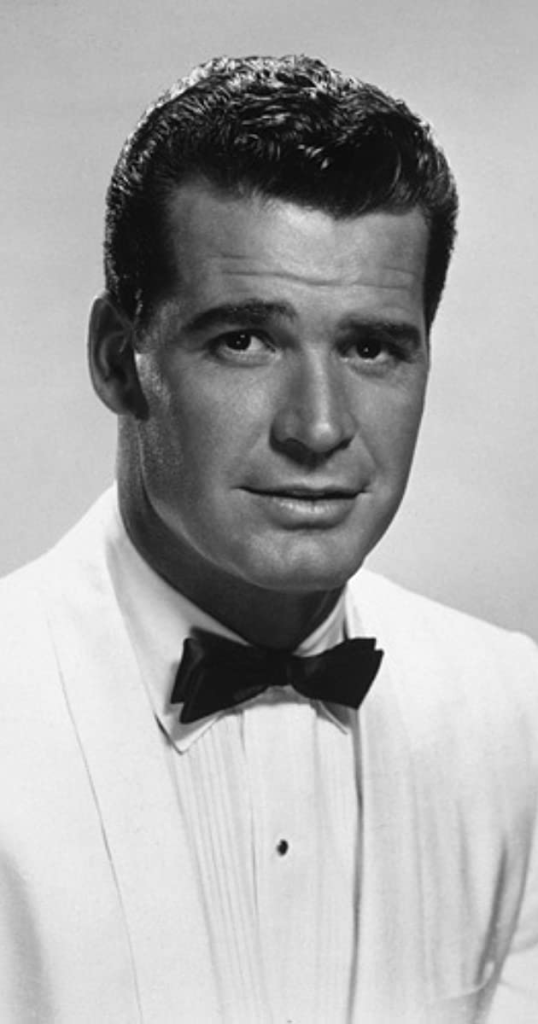
James Garner: Moving Forward

Photo: imdb.com

Today we are winding up our blog series about some of our favorite actors. We finish today with one of my favorites who had a dual big-screen and small-screen career, James Garner.

Garner was born in Norman, Oklahoma as James Scott Bumgarner in 1928. His mother died when he was 4, and his father ran a small store and the family lived above it. When James was 7 the store burned down and his father left the boys and gave them to relatives to raise. Later he moved to Los Angeles and became a carpet layer. James’ first stepmom was very abusive, and they finally had a fight when he hit her and she took off. His second stepmother was a total opposite of the first. He called her Mama Grace and said she was a real mother to him.

At 16 James dropped out of high school to join the Merchant Marines. He liked his shipmates but could never get over his chronic seasickness. In 1945 Garner moved to Los Angeles and enrolled in high school. He was a popular student and played both football and basketball, but he was a terrible student. He moved back to Norman the next year to try high school there again. He dropped out before graduating.

He then joined the California Army National Guard where he served his first seven months in Los Angeles. Then he went to Korea for 14 months as a rifleman in the 5th Regimental Combat Team. He was wounded twice and received two Purple Hearts. He also received his diploma from high school.

After he left the military, he had a variety of odd jobs including laying carpet with his father, pumping gas, installing telephones, chauffeur, dishwasher, janitor, lifeguard, grocery clerk, salesman, oil field worker, and modeling men’s clothing. His entry into the entertainment business is a bit different than most people’s. He was supposed to read lines to lead actors for Broadway production, “The Caine Mutiny Court Martial” in 1954. He was also given a minor, non-speaking role. As he was on the stage, he began to learn about the art of acting.
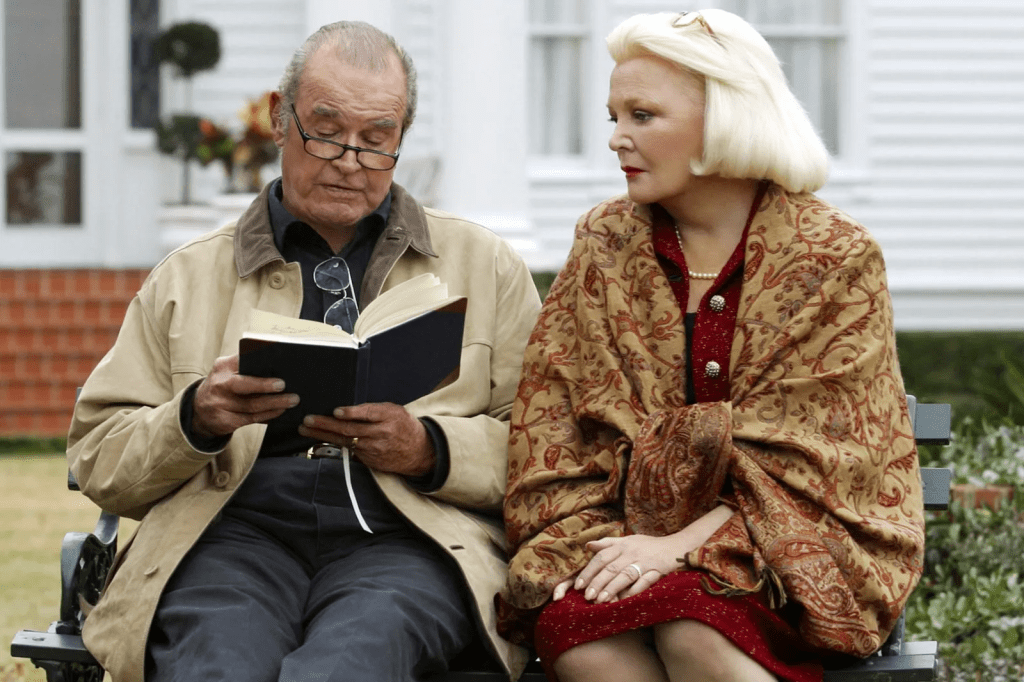
The Notebook Photo: GlamourUK.com

In 1955 he received a bit part on Cheyenne on television. He was also in Warner Brothers Presents. These small parts led to several offers to act in commercials and a larger offer from Warner Brothers to sign a contract for $200 a week. Garner began his big-screen career with Toward the Unknown in 1956. His film career included 46 additional movies with his last being The Notebook.

It was also 1956, when he married his wife Lois Fleishman Clarke; they would remain married until his death, and the couple had two daughters. They had a very short courtship. They met at the Beverly Hills Courthouse at a political rally for Adlai Stevenson and were a married couple two weeks later.

The couple bought a house in the Los Angeles neighborhood of Brentwood where their neighbors were Steve McQueen, O.J. Simpson, Arnold Schwarzenegger, Maria Shriver, and Mark Harmon. They were still living there when James passed away.

Maverick Photo: wikimediacommons.com

His successful movie career did not halt his television career. From 1957 to 1962, Garner starred as Bret Maverick on Maverick. Garner developed the type of role he would be known for as the calm, good-natured, likable, smart guy who gets out of trouble using his wit and street smarts. The show was not canceled by the network; unfortunately, Garner and the producers had a dispute over money, and he decided not to come back for the next season.

In August of 1963, Garner was one of several stars who accompanied Martin Luther King Jr. in his March on Washington. He later also recalled sitting in the third row while listening to King’s “I Have a Dream” speech.

In 1964 he made what he called his favorite film, The Americanization of Emily with Julie Andrews. He played the personal attendant of a Navy admiral and he said it contained the most impassioned speech of his career.

During the sixties and seventies, he continued making movies and showing up in a few places on television, shows like Rowan and Martin’s Laugh In, The Tonight Show, and several tv movies, one about Bret Maverick.

In 1974 he accepted his second role as star of a television series on The Rockford Files. He played Jim Rockford until 1980. Again, the network did not cancel the show which was still very popular but Garner had been having back pain and did not feel that he should continue the weekly series. He probably made the right choice because he was hospitalized with a bleeding ulcer during 1979; he would have quintuple heart bypass surgery in 1988; and both knees replaced in 2000.
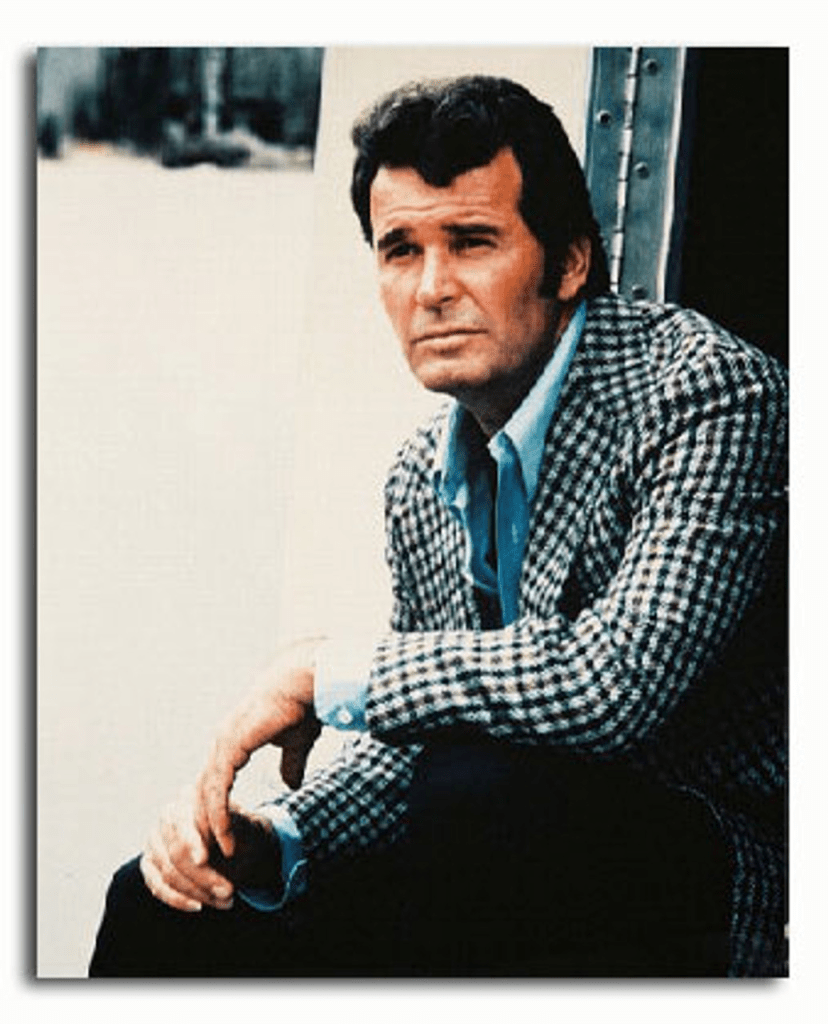
Rockford Files Photo: starstills.com

In 1977 Garner began making commercials for Polaroid with Mariette Hartley. They were so convincing of being a married couple, that Hartley had a shirt made that said “I am not James Garner’s wife!” The couple filmed more than 300 commercials together.

After John Ritter passed away in 2003, Garner joined the cast of 8 Simple Rules as Cate’s father Joe and was on the show for the final three seasons.

Garner worked with several charities and foundations during his career. In 2003, he gave $500,000 to the James Garner Chair in the School of Drama for the University of Oklahoma to fund the first-endowed position at that school. He also volunteered with Save the Children.

In 2011, Garner wrote an autobiography called The Garner Files: A Memoir, cowritten with Jon Winokur.

Some of Garner’s hobbies included spending time with his family and political activism. However, his biggest passion was sports. He was a big fan of the Oakland Raiders and could often be seen on the sidelines with the team. He loved golfing. He was inducted into the Off Road Motorsports Hall of Fame in 1978. He owned the American International Racing team in the late sixties and he drove the pace cars for the Indianapolis 500 in 1975, 1977, and 1986.
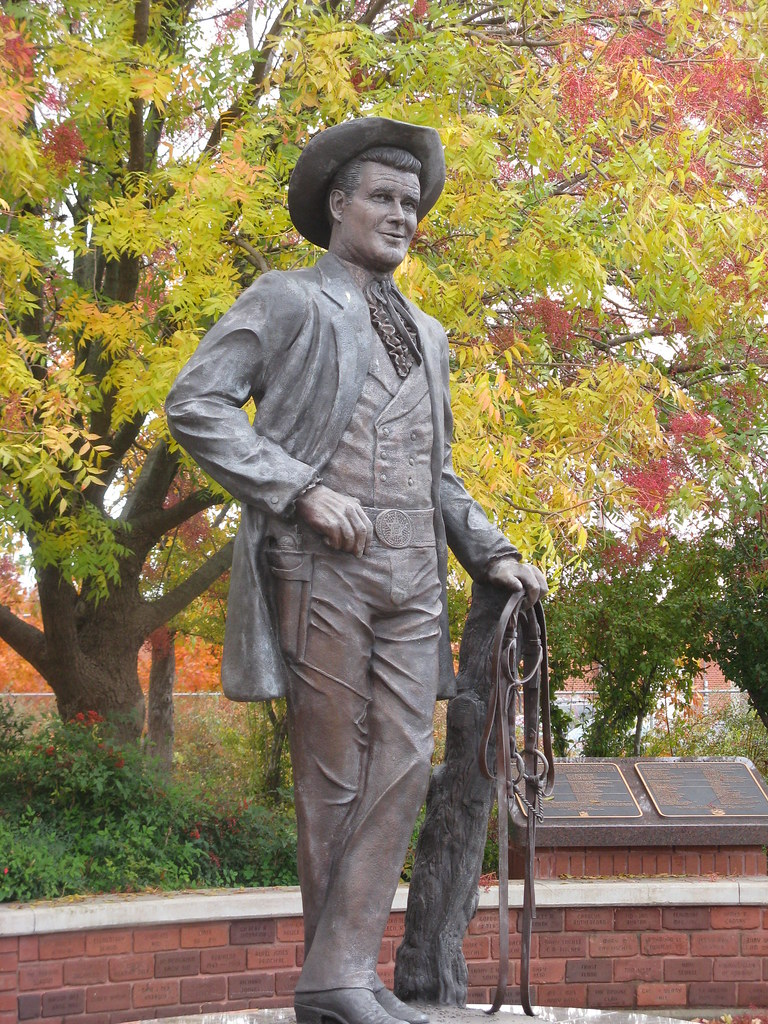
Photo: flickr.com

He was also honored by his hometown of Norman, Oklahoma. He has a street named after him there and in 2006, a ten-foot bronze statue as Bret Maverick was erected there.

He was also loved by his coworkers. In 1973, John Wayne named Garner the best American actor in an interview. He was also close friends with Tom Selleck, Sally Field, and Clint Eastwood. When he passed away in 2014 from a heart attack, Sally Field said “My heart just broke. There are few people on this planet I have adored as much as Jimmy Garner. I cherish every moment I spent with him and relive them over and over in my head. He was a diamond.” He was nominated for 15 Emmy awards during his television career, winning in 1977 as Outstanding Lead Actor in a Drama Series for The Rockford Files.

He didn’t do a lot of comedy but I think he was a funny guy. When he was asked if he would ever consider a nude scene, he said “No, I don’t do horror films.”

James always said he was not concerned with fame; he just wanted to make a good living at something he enjoyed. That comes across as something he truly believed in, not just talking the talk. He lived in the same house and was married to the same woman for most of his life. He did work he was proud of and was very successful in both film and television. He loved sports and his career allowed him to participate in more of those activities that he loved. He was also a generous man, giving to causes that he thought were important.

Move Over Darling Photo: moviescene.com

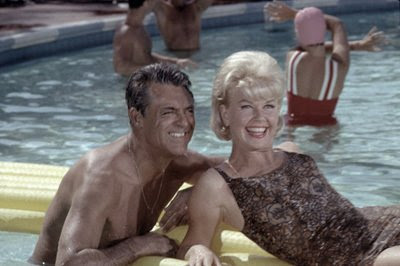
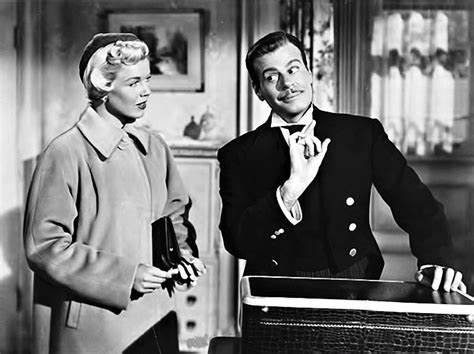
Although not the most important films in his portfolio, I always think of him acting with Doris Day in The Thrill of it All and Move Over Darling. I enjoyed learning about his life and respect him as a person. He never complained about the terrible childhood he had or used it to make excuses when he did make a poor choice; he said you have to just keep moving forward and he moved forward in an honorable way. Thanks for sharing your life with us  and letting us travel forward with you, James Garner.

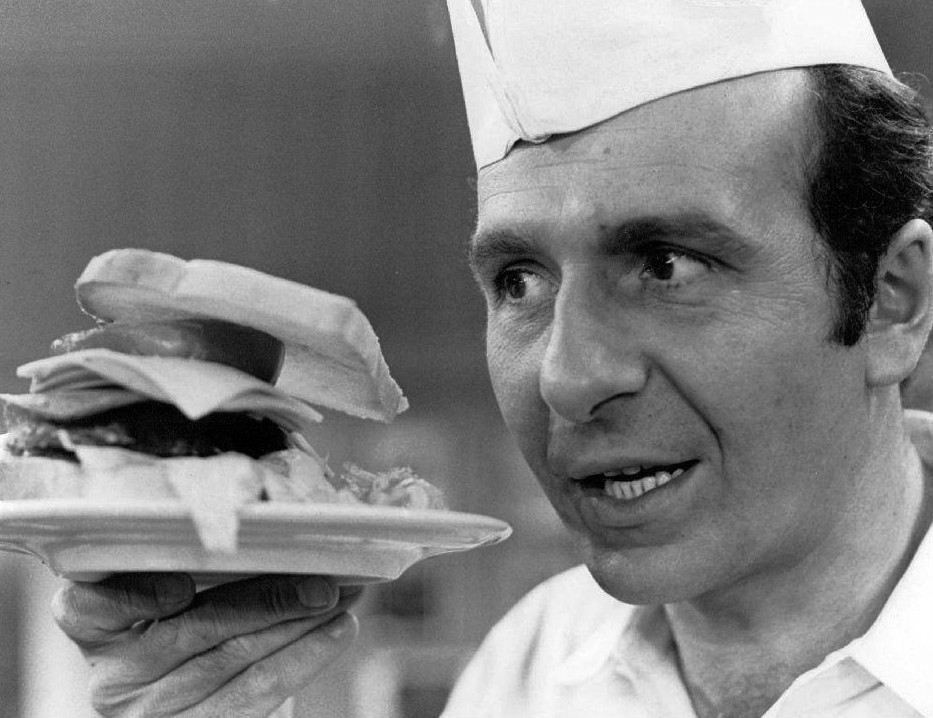
Herbie Faye: What a Character – Just an Average Guy Whose Performance Was Anything But

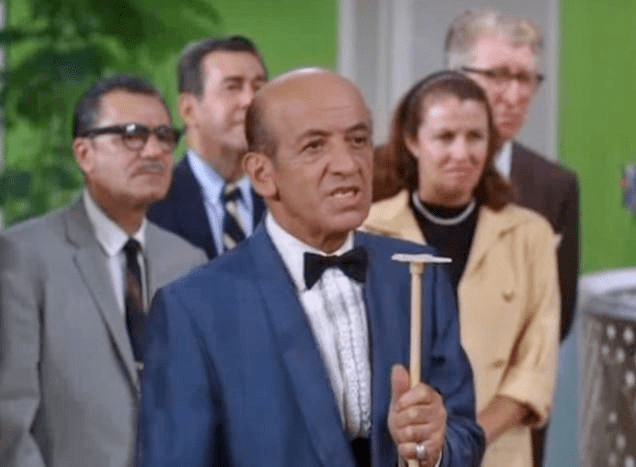
September is What a Character month, and today we end our series with a look at the career of Herbie Faye. Faye was born in 1899 in New York City. He began working with Mildred Harris in vaudeville in 1928. Phil Silvers was one of the supporting cast members, and their friendship would prove fruitful for his future television career.

Photo: imdb.com

In the forties and fifties, Faye tried his luck on Broadway, appearing in a variety of shows including “Wine, Women, and Song” in 1942 and “Top Banana” in 1951.

He also began a career on the big screen in the fifties. His first film was the movie version of Top Banana in 1954. He would appear in 17 movies; in fact, his last acting credit was the movie Melvin and Howard in 1980. In between, he appeared in a variety of genres including Requiem for a Heavyweight starring Anthony Quinn, The Thrill of It All with Doris Day, and The Ghost and Mr. Chicken with Don Knotts.

In 1950, at the age of 51, Faye made his first television appearance. He appeared in two episodes of Cavalcade of Stars. You would have also seen him in Our Miss Brooks, The Goldbergs, and Hennessey in the fifties.

Photo: papermoonloveslucy.com

When Phil Silvers got his own show in 1955, he hired Faye to play Corporal Sam Fender which he did for 139 episodes between 1955 and 1959. This was a hilarious show and hasn’t lost its charm with time. In addition to the primary characters, there was a group of about a dozen secondary characters who appeared along with Faye. Eventually, the costs became too high, and the show was canceled.

Phil Silvers Show Photo: alchetron.com

Faye was extremely busy in the sixties. He must have been good at his job because he was cast in more than one show on several of the series he worked for. He was four different characters on The Danny Thomas Show, six on The Dick Van Dyke Show, five on The Joey Bishop Show, two on My Favorite Martian, two on Bewitched, three on The Andy Griffith Show, four on The Gomer Pyle Show, two on I Dream of Jeanne, two on That Girl, four on Petticoat Junction, two on Mayberry RFD, two on Jack Benny as well as 27 other shows all in the sixties. On top of all those appearances, he was part of the cast for two additional television shows: The New Phil Silvers Show from 1963 to 1964 as Waluska and as Irv on Accidental Family in 1967.

In November of 2018, KJ Ricardo spotlighted Faye in her You Tube channel show about The Dick Van Dyke Show. Herbie was Willie, the deli owner who delivered lunch to the comic writers on the show. He appeared in six of the shows. In his first appearance, Rob is trying to leave the office because he thinks Mary is in labor but every time he tries to leave, the Danish cart is in the way. On the third and fourth episode, he starts critiquing the ideas the writers have and making

Willie Photo: televisonsnewfrontier.blogspot.com

comments on what works and what doesn’t. They are pretty funny.

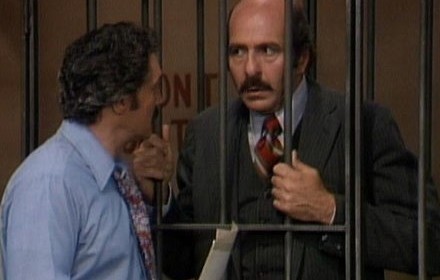
He continued his busy career throughout the seventies when he made one-time appearances in eleven different shows including The Mary Tyler Moore Show, The Bob Newhart Show, Love American Style, Happy Days, and Barney Miller. He made multiple appearances on several other shows including Mod Squad (3), Here’s Lucy (4), The New Dick Van Dyke Show (4), The Odd Couple (6). He also had a recurring role on Doc where he played Ben Goldman from 1975-76.

Faye passed away in Las Vegas in 1980.

Herbie Faye was a very funny guy.  He was just an average guy, but he had a way of focusing the viewers’ attention just on him for the brief time he appeared; he made the episodes he was in even better. I guess that is the ultimate definition of a great character actor.

A Tribute to Doris Day

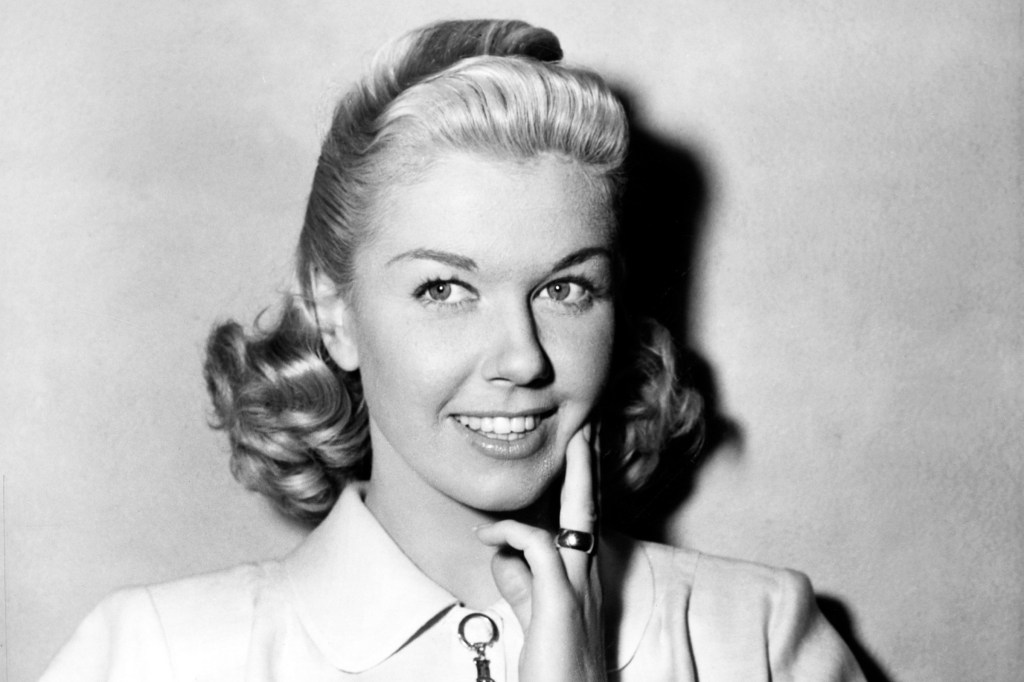
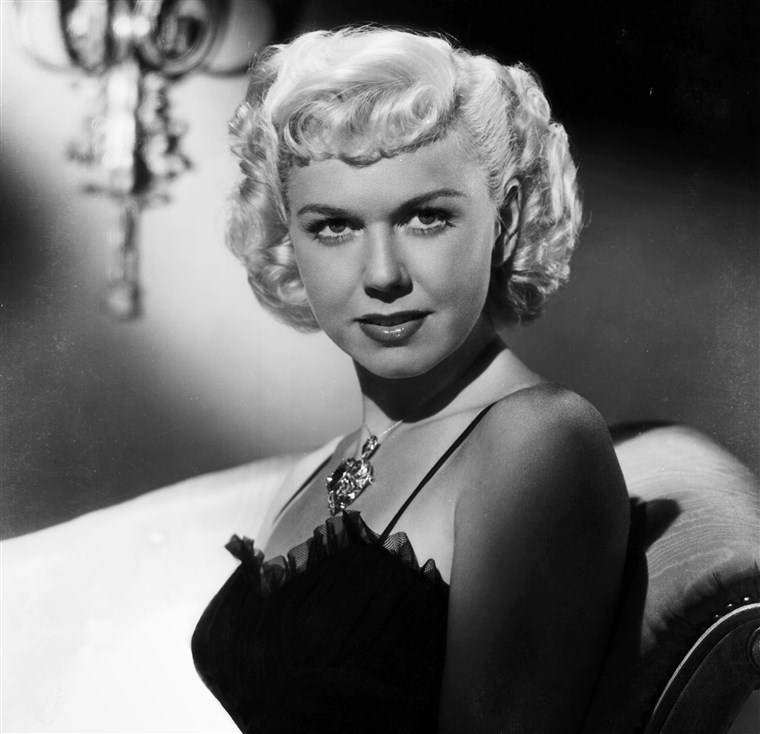
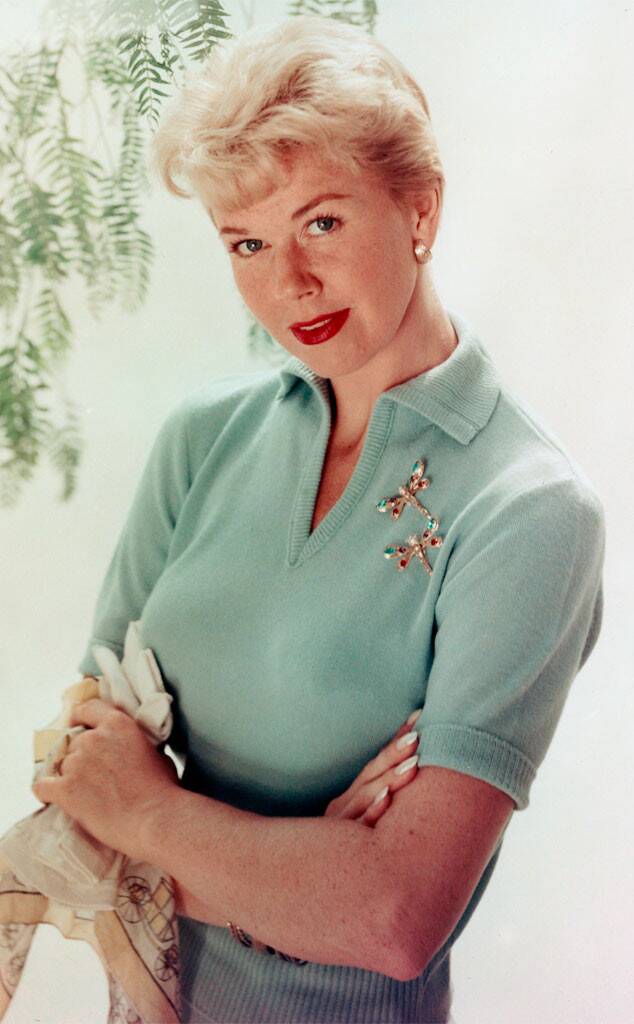
In my tribute to television stars who passed away in 2019, I chose to end the series and the year with Doris Day. I have been a fan of hers for decades, and my heart was very sad when she left us in May. She died on a Monday; the day before was Mother’s Day, and we happened to watch Pillow Talk that day which I thought became a fitting tribute.

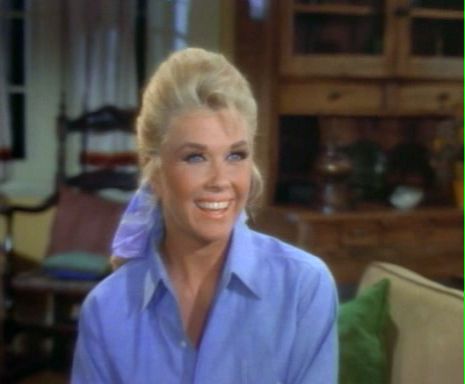
Although Doris Day is a huge star, she only has 45 acting credits, and 43 of them are movies. Of her two television appearances, one was for her voice only on The Governor and JJ. However, because her star was so bright, her five seasons of The Doris Day Show allows her to be included in the television star category.

As a disclaimer, I have to say that while I adored her in her movies, especially the comedies, I was not as big a fan of the television show. It was not a bad show, but it took a lot of liberties with format, as I mentioned in my Kaye Ballard blog earlier this month.

Photo: pinterest.com

Doris had a lot of valleys as well as mountains in her life journey. Born in 1922 as Doris Mary Ann Kapelhoff, she wanted to be a dancer. At 14 she had formed a dancing act with Jerry Doherty. When they won $500 at a local contest, they traveled to Hollywood to check out the possibilities there. They were optimistic about a career for them in California, so they returned home to pack up their belongings and make the move permanent. Unfortunately, the night before they were scheduled to leave, Doris was involved in an accident when a train hit a car she was a passenger in. Her dancing career ended before it really began.

Photo: rollingstone.com

Her parents had divorced when she was young and her father was a music teacher and choir master. One of her brothers died before she was born and the other one, Paul, was a bit older than her. Following in her father’s footsteps, she took singing lessons, and by age 17 was touring with the Les Brown Band. The trombonist, Al Jorden, captured her heart and they married in 1941. Her two years of marriage was a deep valley; Al was abusive and soon after the birth of their son, Doris asked for a divorce. Her second marriage to George Weidler lasted less than a year.

Photo: nbcnews.com

Doris’s agent convinced her to make that trek to Hollywood again to tape a screen test for Warner Brothers. She was immediately signed to a contract. Her first role was in Romance on the High Seas in 1948. They kept her busy. She made two films in 1949, three in 1950 and five in 1951. Audiences were attracted to her “girl-next-door” personality, beauty, and singing ability.

In 1951 she met Marty Melcher. They married, and he adopted her son Terry who would become a successful record producer. Her marriage to Marty seemed happy, but the union would also have its tragedies. Her brother Paul passed away in 1958.

Photo: claytondavis.com
Pillow Talk, one of my favorite’s

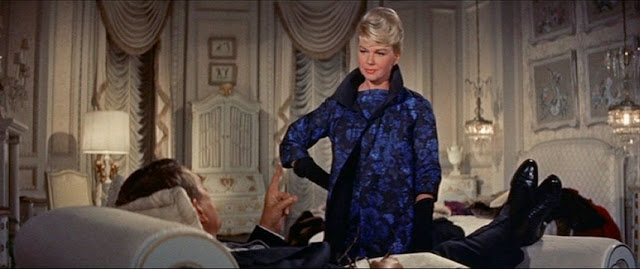
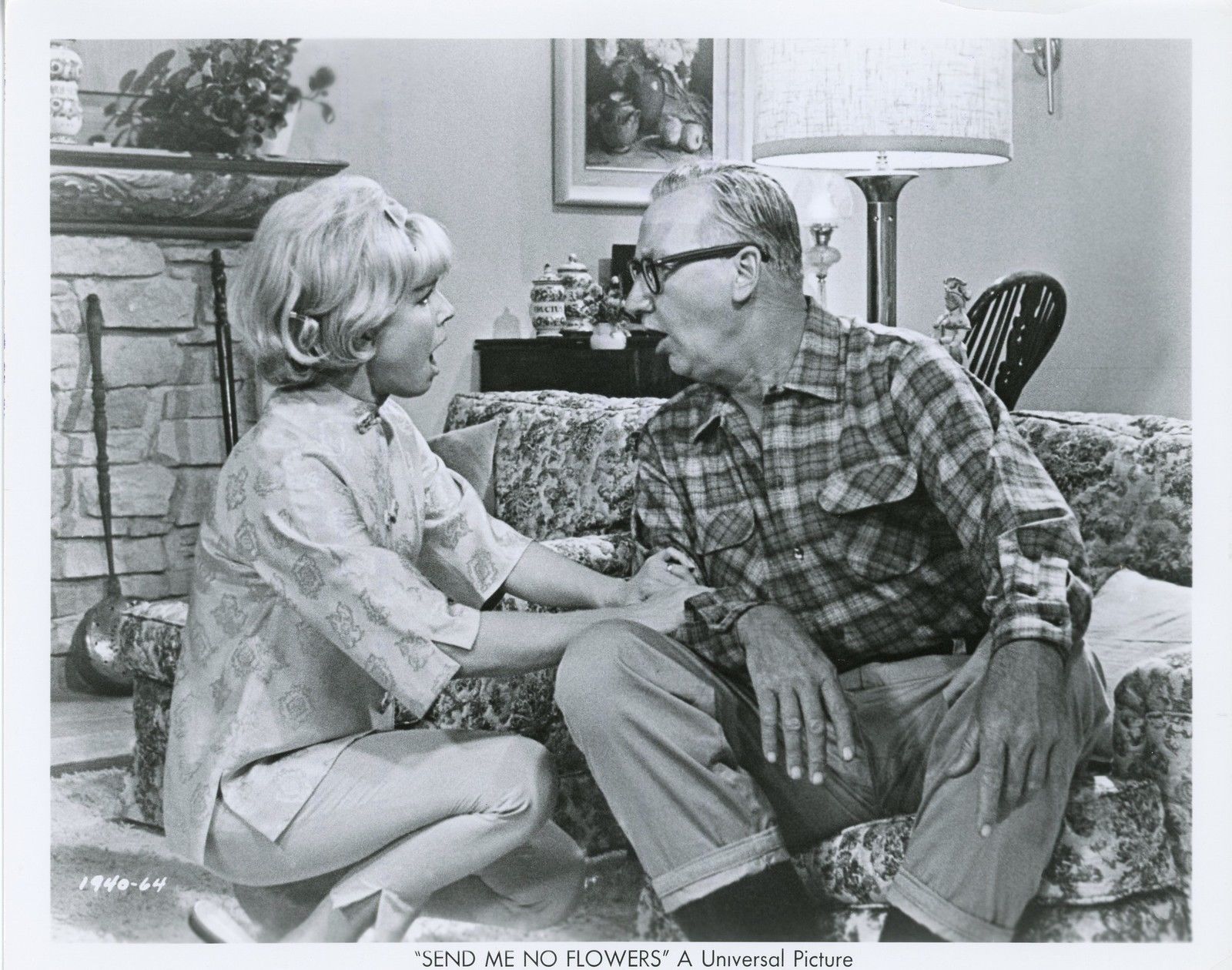
She continued starring in movies throughout the fifties and in 1959, Pillow Talk, with co-star Rock Hudson, debuted and catapulted her to a new level. Melcher, who had become her agent, signed her to an unrealistic amount of work which led to her being diagnosed with exhaustion about this time. During the 1960s he had signed deals for Please Don’t Eat the Daisies (1960), Midnight Lace (1960), Lover Come Back (1961), That Touch of Mink (1962), Billy Rose’s Jumbo (1962), The Thrill of It All (1963), Move Over Darling (1963), Send Me No Flowers (1964), Do Not Disturb (1965), The Glass Bottom Boat (1966), Caprice (1967), The Ballad of Josie (1967), Where Were You When the Lights Went Out? (1968), and With Six You Get Eggroll (1968).

Photo: blogspot.com
That Touch of Mink

It was a grueling schedule, but Day was always the perfectionist and a professional, so she gave 100% to each production. Melcher had mentioned she could star in a television show which she objected to. Shortly after their discussion, Melcher passed away. To her shock, Doris was informed not only did he sign her to the television deal despite her refusal, but he had squandered millions of dollars, and she was basically broke. (Later she was awarded $22 million in court against an investor Melcher had worked with.)

She had no choice but to tackle the television series to try to recoup some of her money.

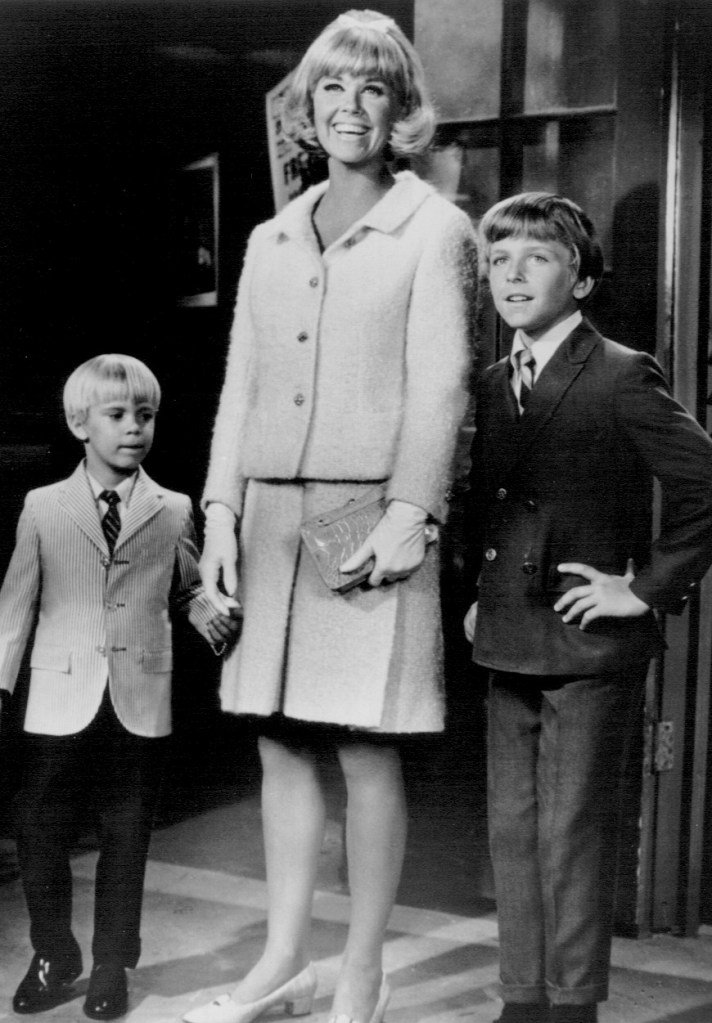
From 1968-1973 she would star in The Doris Day Show, which was almost like three different shows. The original concept was that widow Doris Martin and her two sons left the city to move back to her dad’s ranch. The theme song was “Que Sera Sera,” the song that would become synonymous with Doris.

Photo: Wikipedia.com

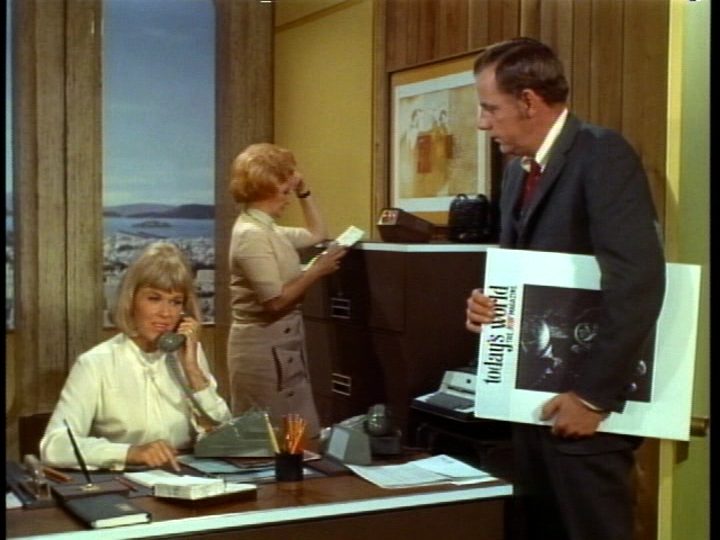
In the second season, Doris drives back and forth from San Francisco to the ranch after getting a job as a secretary at Today’s World magazine. Rose Marie plays Myrna Gibbons, her friend at work.

Photo: fox4kansascity.com

In season three, the family moves into an apartment in San Francisco that is rented from the Palluccis who own a restaurant on the ground floor. Doris got to work with Billy de Wolfe again. He played her neighbor, a cranky bachelor who doesn’t like noise, especially made by children. However, he has a soft spot and becomes close to the family.

Photo: michaelstvtray.com

In the fourth and fifth seasons, there is no mention of the father, the kids, or the Palluccis! Doris is now a single person and is a staff writer for Today’s World.

Photo: sitcomsonline.com

When this show was good, it was really good, but often it was so-so; however,  the skill of actors involved in the show kept it at a higher level. The first season was a bit corny with life down on the ranch. The second season felt like everyone was almost ready to break into song to celebrate the decency and clean-living of the country versus the corrupt city life. Season three it started coming into its own. Even though some of the characters were a bit stereotyped, the stars carried it.

Photo: articlesvally.com

The final two seasons were probably what the concept of the show should have been all along. After all, we viewed Doris as the country girl who moved to the city. She knew just what life would be like there and wanted to experience it all but retained just enough of her wholesomeness and morals to be likable and a bit innocent.

However, the ratings don’t really support my thesis. The show came in at #30 for season 1, #10 for season 2, #20 for season 3, #23 for season 4 and #37 for season 5. I’m guessing the real issue behind the lower-than-expected ratings was a result of scheduling and the constant changing of formats. The show began Tuesday nights against The Red Skelton Show and 60 Minutes. Season 2 it landed on Monday nights where it would remain. Season 2 and 3 it was opposite Mayberry RFD and The Carol Burnett Show. Season 4 it went against Here’s Lucy and The Sonny and Cher Show, and the last season was also Here’s Lucy and then the debut of The New Bill Cosby Show. The targeted audience was probably split. The same group who watched Doris Day would also be a fan of Carol Burnett, Red Skelton, and Lucille Ball. These three shows were all in the top 15 during this time.

Photo: monstersandcritics.com

I’m not sure why the show ended. Some references claim Day was tired and quit; others say the network cancelled the show. Either way, I think Doris was ready for retirement and certainly deserved it. One thing that doesn’t vary is that all the reviews I read, even those that criticized the format changes or the corniness of some situations, said it was a great show and that Doris Day made it fun and believable. I didn’t read any reviews that were negative about the show overall. Sometimes the quarterback truly does carry the team. And to be clear, there were many great teammates on the series during its run.

Photo: pinterest.com

Doris gave marriage one more try in 1976 when she wed Barry Comden but they divorced in 1982. After that Doris settled into Carmel, California where she devoted her energies to animal rights. She and her son owned a boutique hotel, Cypress Inn.  

Although Doris was never happy in marriage, she developed life-long, satisfying friendships with several men. Her costar Rock Hudson and she were very close. He called her Eunice just because he said when he thought of her as a Eunice, it made him laugh.

Photo: retrokimmer.com

She was also very close to Billy de Wolfe. They first worked together in 1950 on the set of Tea for Two. He told her he didn’t see Doris Day when he looked at her; he saw Clara Bixby, and that remained his nickname for her from then on.

Photo: dorisday.net
The great Billy de Wolfe

While The Doris Day Show can’t compete with Pillow Talk, it shouldn’t have to. It was what it was, and considering it wasn’t a show Doris even wanted to take on, she did her best with the crazy format changes and made it something worth revisiting. It may not be her best work, but it is far better than many television shows.

Photo: enews.com

Doris was a truly great star. She was a consummate performer, gave everything she had to her scripts, and was never a diva or complainer. She worked hard for three decades and then earned a long retirement. Although I was sad when she was taken from us, she lived a long and full life, with its share of tragedy and joy. She left us an amazing variety of movies to remember her by. Thank you Doris for leaving us a legacy of comedy and drama to enjoy in our retirement.

Just a Couple of Characters, Part 1: Edward Andrews and Herb Edelman

We’ve all experienced that moment we’re at the grocery store and see someone we know, but we can’t remember their name or how we know them. Maybe it was work or school, or their kids were friends with ours.  Sometimes we even remember we spent a lot of time with them and like them, but the name and relationship is just not there.

This month we are meeting some of our television friends that we’ve gotten to know, even if we can’t remember their names or what we watched them on. We’ll learn more about eight different character actors. We start off the month learning about Edward Andrews and Herb Edelman.

Edward Andrews

Photo: findagrave.com

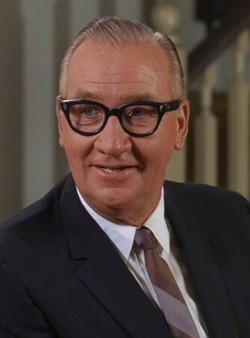
I remember Edward Andrews from Doris Day and Disney comedies. Anyone who grew up in the 1960s or 1970s will remember this military man with a grandfatherly softness to him.

Andrews was born in Georgia in 1914. His father was a minister and their family moved a lot; he lived in Pittsburgh; Cleveland; and Wheeling, West Virginia. He had a very small part in a James Gleason production at age 12. He attended college at the University of Virginia. In 1935, he got his first part in a Broadway production, “So Proudly We Hail.” He continued in Broadway for the next twenty years, including a touring production of “I Know My Love” with Lunt and Fontaine. During that time, he took a leave from his career to serve in WWII. He was a Captain and commanding officer of Battery C with the 751st Artillery Battalion of the Army.

Photo: movieactors.com

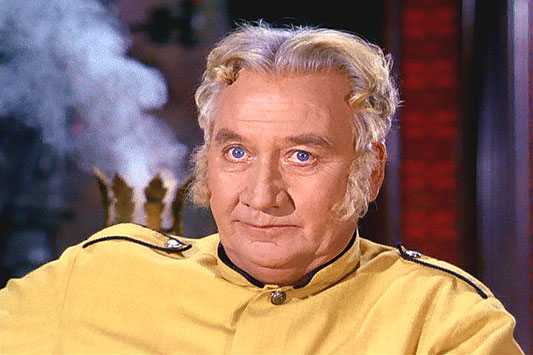
In 1955 he married Emily Barnes and they would have three children, remaining together until his death. About the same time, his movie career took off. Andrews looked older than his age which helped him get parts for older roles. He could play a grandfather, then turn around and handle a sleazy businessman or legalistic bureaucrat. He portrayed George Babbitt in Elmer Gantry in 1960. He worked for Disney playing the Defense Secretary in both The Absent-Minded Professor (1961) and Son of Flubber (1963). I remember him fondly in Doris Day’s movies, The Thrill of It All (1963), Send Me No Flowers (1964), and The Glass Bottom Boat (1966). One of his last roles was Grandpa Howard in Sixteen Candles in 1984. His movie credits totaled 46.

Photo: dorisday.com

Edward also kept busy with television appearances. One of the first actors to guest star on television, in 1950, Andrews was on Mama. As early as 1952, he began acting in the variety of drama shows on television. During the 1950s he would appear in eighteen of these shows including The US Steel Hour, Robert Montgomery Presents, Studio One in Hollywood, and Omnibus.

Photo: scsottrolling. blogspot.com
On The Wild Wild West

He showed up in westerns including The Real McCoys, Bonanza, Gunsmoke, and Rawhide. We saw him on medical and legal dramas such as Ben Casey, The Defenders, The Bold Ones, Ironside, and Owen Marshall, Counselor at Law. Mysteries and crime thrillers also found a place for him. You might remember him from Naked City, The Wild Wild West, The Mod Squad, Hawaii Five-0, McMillan and Wife, and Quincy, ME.

Photo: pinterest.com

Like his films, he seemed to excel in comedy. Andrews played George Baxter in the pilot for Hazel, but unfortunately when the show went into production, the part was recast with Don DeFore. He would guest star in some of the most popular sitcoms, including The Phil Silvers Show, The Andy Griffith Show, I Dream of Jeannie, Bewitched, The Paul Lynde Show, Love American Style, The Bob Newhart Show, and Three’s Company.

Photo: pinterest.com

In 1964 he starred in Broadside. Commander Adrian (Edwards) is not happy when a group of Waves are posted to his station on the South Seas island Ranakai. His men no longer have focus, so he spends the series trying to get the women relocated.

In 1970 he had a recurring role on The Doris Day Show as Colonel Fairburn. He also starred as Harry Flood in the show Supertrain in 1979. Playing on the Love Boat and Hotel themes, the show was about a bullet train that had new passengers each episode.

Photo: imdb.com
On Bewitched

Perhaps Andrews will be best remembered for his guest starring role on two Twilight Zone episodes, “Third From the Sun” (Andrews plays a company man who thinks a coworker William, a nuclear engineer, and his friend Jerry are going to steal a spaceship to leave Earth) and “You Drive” (Andrews hits a newspaper boy and then flees the scene, trying to hide the crime).

In all, he appeared on 118 different television series as well as made-for-television movies.

Photo: pinterest.com

Andrews enjoyed playing a character actor. He said it ensured more work and longevity in his career. He was quoted as saying, “What you get are people who speak to you. They know you from somewhere, but they don’t think of you as an actor. They stop and say, ‘Harry, how’s everything in Miami?’ I’ve learned by experience not to argue with them.”

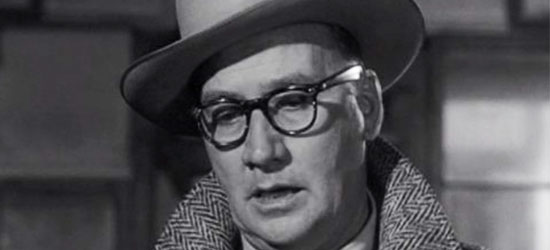
In March of 1985, Andrews had a heart attack and passed away at age 70. With his white hair, and horn-rimmed glasses, Andrews was an adaptable character actor. Whether he was playing a lovable doctor, a nosy coworker, a fun-loving grandfather, or a despicable murderer, he was believable. He truly was a great character.

Herb Edelman

Herb Edelman, circa 1981
Photo: travsd.wordpress.com

Another fun actor everyone will recognize is Herb Edelman. Herb was born in Brooklyn, New York in 1933 in the midst of the Depression. Tall, lanky, and prematurely bald, he would go on to have a long career in movies and television.

Originally, Edelman wanted to be a veterinarian, and he went to school at Cornell but left after his first year. He served in the Army as an announcer for Armed Forces Radio. After he left the service, he started college again, this time studying acting at Brooklyn College. Once again, he dropped out. He made a living as a hotel manager and a cab driver.

Photo: cscottrollins.blogspot.com
In Barefoot in the Park

In the mid-1960s he began both his film and television careers. Some of his best-known roles were in the movies. He played Harry Pepper, a wise-cracking telephone operator, in Barefoot in the Park and Murray the Cop in The Odd Couple, as well as Harry Michaels in California Suite.

Photo: movie-mine.com
In The Odd Couple as Murray the cop

However, it was television where he received most of his work. In the 1960s, he began his career, appearing on a variety of shows, including That Girl, The Girl from U.N.C.L.E., and The Flying Nun. During these years he also dated and married Louise Sorel who he was wed to for six years.

Photo: en.wikipedia.com

In 1968, he accepted the role of Bert Gamus in The Good Guys. Bert and his friend Rufus (Bob Denver) open a diner, their dream. Bert’s wife Claudia (Joyce Van Patten) helped him serve customers.

In the 1970s, his career continued as he appeared in many shows every year. Some of the hit series we saw him on during this decade include Room 222, Bewitched, McMillan and Wife, The Partridge Family, Love American Style, Maude, Happy Days, Barney Miller, Kojak, and Charlie’s Angels.

Photo: sitcomsonline.com
On Barney Miller

In 1976, he was again cast in a show, Big John Little John. Edelman was a middle school teacher who drank out of the fountain of youth on vacation. Afterward, he would randomly turn into a thirteen-year-old and worked to keep the secret from his friends and coworkers. The show was short-lived.

Photo: picclick.com

Edelman’s work schedule did not slow down in the 1980s. He would have roles in the cast of five television shows and spent time in between guest starring on other shows such as Trapper John, Highway to Heaven, The Love Boat, and thirtysomething.

From 1980-81, he was cast as Reggie on Ladies’ Man, about a woman’s magazine with one male journalist. From 1981-82, he appeared as Commissioner Herb Klein on Strike Force. This show followed a strike force team that handles cases too difficult for the mainstream officers. The following year, he was Harry Nussbaum on Nine to Five, the show based on the movie about a group of office workers. From 1984-88, he was cast as Richard Clarendon on St. Elsewhere, a teaching hospital.

Photo: aveleyman.com
On Murder She Wrote

Although his roles decreased in the 1990s, he had one of his most memorable roles during those years as Stanley Zbornak, Dorothy’s ex-husband, on Golden Girls; he was nominated twice for his role on the show.

In 1990, he played Sergeant Levine on Knot’s Landing. Knot’s Landing was a night-time soap about the lives of the wealthy who live in a coastal suburb of LA. His last recurring role was Lieutenant Artie Gelber on Murder She Wrote, about a mystery writer who helps solve crimes.

Photo: imdb.com
On Golden Girls

Edelman died much too early in 1996 from emphysema at age 62.

Another character who was unforgettable in his movie and television roles. Whether playing a repairman, a cop, a teacher, or a ex-husband, he always came through as an authentic actor.